 Skip to content
Boned Dress Construction
Structured bodices engineered for support, fit, comfort and repeatable bulk production across corset, strapless, party and occasion dresses.
- 2 sample rooms support structured womenswear development, fit correction and pre-production approval.
- 7+ senior pattern makers handle corset panels, bust shaping, waist control and size grading.
- 20+ sample machinists develop complex samples with boning, cups, lining and reinforced closures.
- 15+ QC inspectors check construction details before approved structures move into bulk production.
- Structured sampling targets repeatable bulk support rather than one-off fitting corrections.
What Boned Dress Construction Really Means
Boned construction is a coordinated internal support system, not a decorative add-on. Pattern shape, support lines, cups, lining, closures and seam control must work together so a fitted bodice holds its form without creating pressure, gaping or unstable fit.
Structure Comes Before Boning
A successful boned dress starts with the bodice pattern. Boning can reinforce a shape, but it cannot rescue an incorrect bust curve, an unstable neckline, a misplaced waistline or poor panel balance. Development begins by reading the design as a load-bearing structure: where the bodice must stay close to the body, where movement is needed, where the fabric requires reinforcement and where pressure from a zipper, lace-up back or strapless neckline will travel.
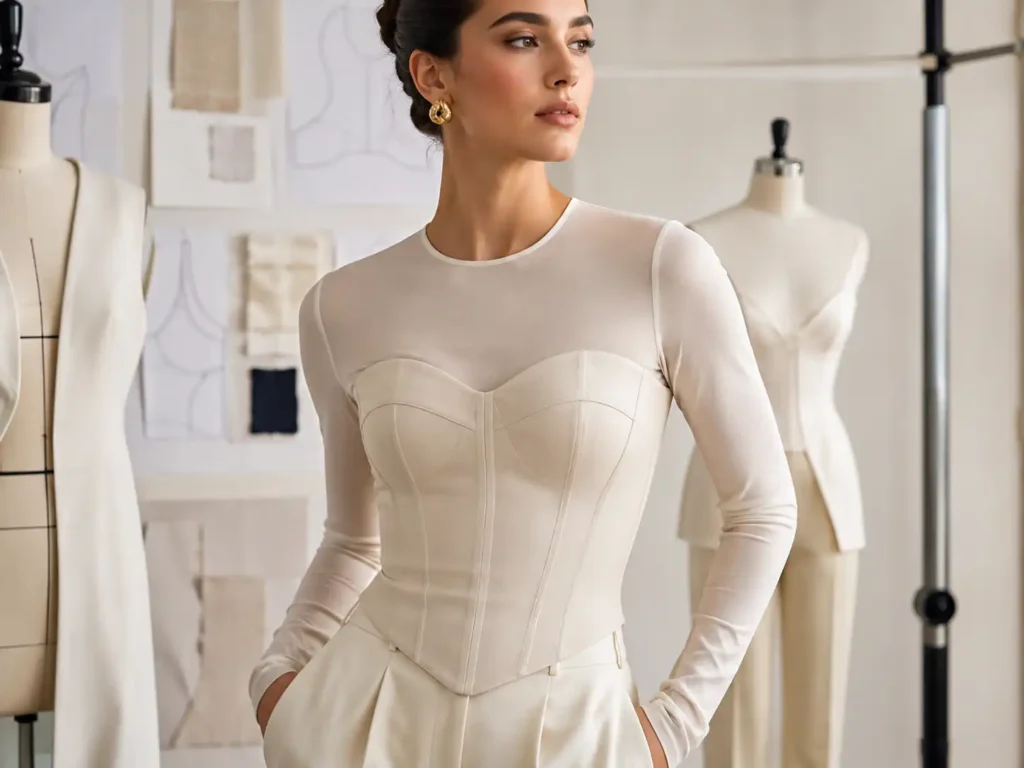
Corset, bustier and structured strapless styles normally depend on several connected pattern areas. Front and side panels shape the bust and waist. The upper-bust line controls security. The center back or side closure carries opening tension. The lining and internal support layer prevent the shell fabric from taking all structural stress. Boning is then positioned along support lines where it can stabilize those areas without fighting the body or distorting the surface fabric.
For fashion production, pattern engineering also has to consider grading and repeatability. A size XS and a size XL cannot rely on identical boning positions moved outward by a fixed amount. Cup depth, underbust, torso length, waist position, neckline height and closure load change together. Development therefore treats the bodice as a fitted system rather than a flat shape with vertical strips inserted after sewing.
Support Elements Must Work Together
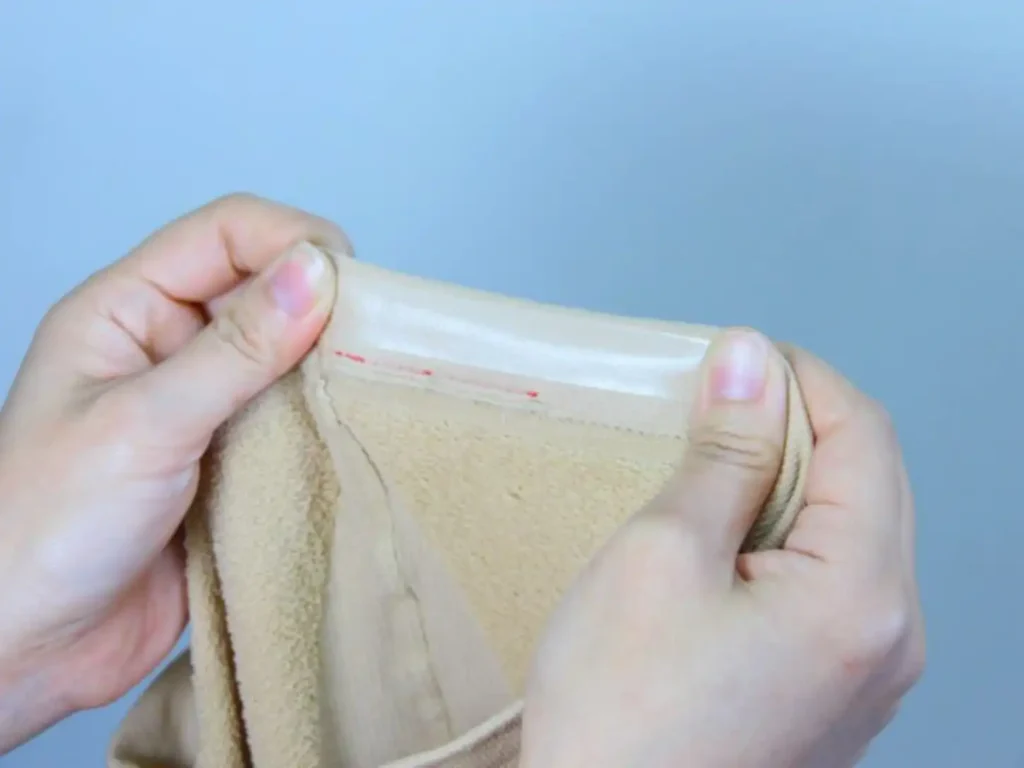
Boning performs best when coordinated with the other internal components. Built-in cups influence bust projection and the upper edge of the bodice. Lining affects comfort, opacity and friction against the skin. Anti-slip tape can improve security on strapless shapes, but excessive tension may create pressure or visible indentation. Zippers, hook-and-eye closures or lace-up backs need enough reinforcement around the opening so the garment closes smoothly without pulling the surrounding panels out of alignment.
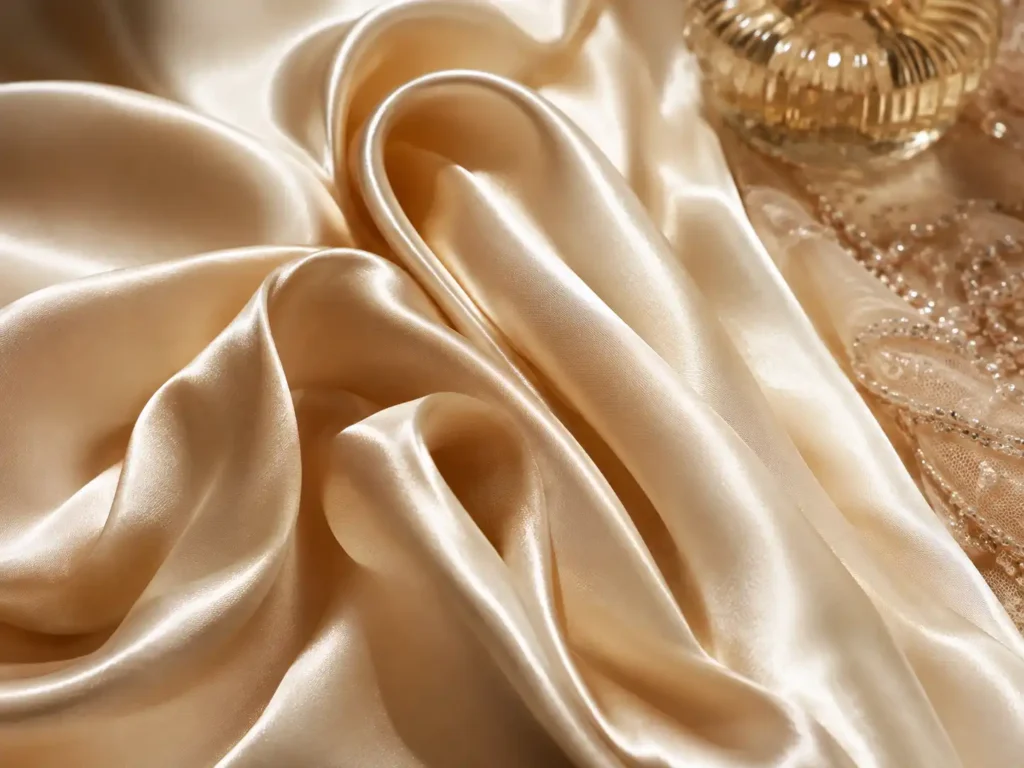
The outer fabric also changes the construction strategy. Satin reveals uneven seams, pressure marks and internal ridges more easily than textured fabrics. Lace or mesh overlays may need a separate structural base so delicate materials are not expected to carry waist or bust tension. Stretch materials require controlled recovery and stable support positions; otherwise the bodice may feel secure during fitting but relax after repeated wear.
A production-ready boned dress therefore combines silhouette, support, comfort and manufacturability. The goal is not maximum stiffness. The goal is controlled structure in the correct places, enough flexibility for movement, smooth appearance from the outside, secure bust coverage and a construction method that sewing lines can reproduce consistently across sizes and bulk quantities. Fit, materials and construction must reach the same conclusion before approval.
Anatomy of a Production-Ready Boned Dress
A boned bodice is built from several layers and components that share different jobs. Clear separation between shaping, support, comfort, closure and surface appearance helps prevent overbuilt garments, unstable necklines and inconsistent bulk results. The construction below shows the elements normally reviewed before sampling begins. Each component is checked against the planned silhouette, fabric behavior, size range and production method so the finished structure can be repeated beyond the development sample without hidden compromises. Internal balance matters as much as exterior appearance.
| Component | Main Function | Development Risk | Bulk QC Focus |
|---|---|---|---|
| Shell Fabric | Creates the visible fashion surface and drape | Puckering, ridging, shine marks, stretch mismatch | Surface flatness, color, seam appearance |
| Bodice Panels | Define bust, waist and torso silhouette | Incorrect contour, imbalance, poor body proportion | Pattern version, symmetry, measurements |
| Boning Channels | Hold support elements in planned positions | Twisting, shifting, uneven spacing | Channel width, straightness, seam security |
| Boning | Supports shape and reduces collapse | Pressure points, show-through, wrong length | Placement, length, end protection, symmetry |
| Bra Cups | Support bust shape and coverage | Cup drift, gaping, asymmetry | Cup size, position, fixation, comfort |
| Lining / Support Layer | Separates structure from skin and stabilizes the bodice | Twisting, pulling, insufficient support | Attachment, balance, smoothness, coverage |
| Anti-Slip / Reinforcement | Improves security at strapless or high-tension areas | Excess pressure, visible indentation | Position, stretch, stitch security |
| Zipper / Closure | Controls opening and carries closure load | Buckling, pulling, weak top edge | Function, alignment, top security, flatness |
Boned Dress Styles Built Around Different Support Needs

Corset Mini Dress

Strapless Occasion Dress

Bustier Party Dress

Structured Midi Dress

Boned Evening Dress
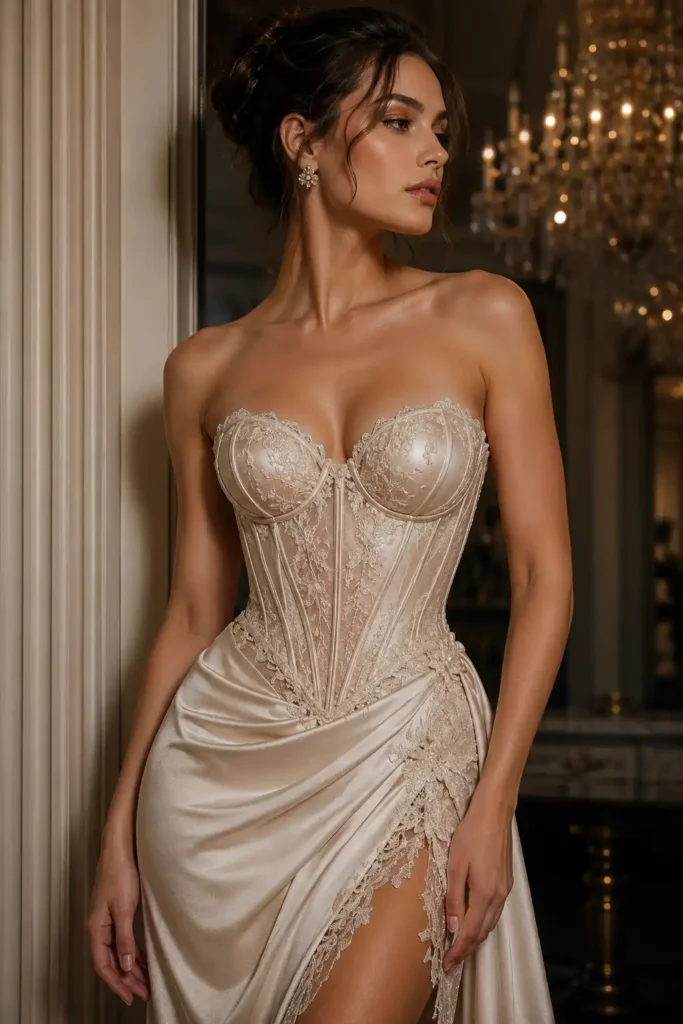
Lace or Mesh Overlay
Boning Performance Depends on More Than Stiffness

Support Level

Channel Placement

Bone Length

Skin Comfort
Boning Placement Engineering for Stable Structured Bodices
Correct boning placement follows load paths through the bodice. Support has to stabilize the bust, waist and closure without fighting natural body curves. The approved layout should be clear enough for sample making, grading, sewing instructions and final quality checks.
Support Lines Come First
Placement starts by identifying where the dress is likely to collapse, stretch or rotate.
A corset-style front panel may need vertical support to preserve the waist shape. Side areas often need stability so the garment stays close to the body instead of folding between the bust and waist.
A strapless neckline may depend on nearby support lines to keep the upper edge upright, while a long evening skirt can add downward tension that must be controlled through the waist seam and back closure.
Boning should not automatically sit on every visible seam. Some seams define fashion paneling without carrying enough structural load to justify extra rigidity. Other support lines may need to sit slightly inside a panel so the garment follows the body more naturally. Sample makers review the design, fabric, lining and intended silhouette before deciding where the support is most effective.
Balance is equally important. An overbuilt center front with weak side support can cause the bodice to pivot or flare away from the body. Excessive rigidity around the waist may look sharp while standing but become uncomfortable while sitting. A good layout spreads support through several controlled lines, allowing the garment to keep shape without becoming a rigid shell.
Boning Around Cups and Closures
Built-in cups change the support map because the cup edge, underbust line and side-bust area already define strong curves. Boning should support those shapes rather than push directly into them. A poorly placed vertical support can flatten the cup, create a visible ridge or force the neckline outward. Development therefore checks cup position first, then confirms how nearby boning lines stabilize the lower bust and waist.
Closures create another concentration of load. An invisible zipper, lace-up back or hook-and-eye area must stay straight while the bodice is under tension. Support placed too far from the opening can allow buckling between the boning and zipper. Support placed too close may interfere with stitching, turning or comfort. The back width, zipper tape, lining and top closure all need coordinated construction so the opening remains flat when fastened.
Sample fitting is essential because a technically neat flat garment can behave differently on the body. The team checks whether the zipper stays centered, the top edge remains level, cups remain symmetrical and the waist does not rotate. Approved positions should then be transferred into the pattern and sewing instructions rather than left as an informal sample-room decision. The same references later guide grading and inline inspection.
Length, Ends, and Comfort
Boning length influences both structure and comfort. Support should be long enough to control the planned area but should stop before it pushes into neckline binding, waist seams or body pressure points. Upper ends near the bust and underarm deserve particular attention. When the wearer raises an arm, sits or bends, a rigid end that felt acceptable during a static fitting can press into the body or distort the shell fabric.
End protection and channel finishing help reduce wear through the lining. The approved sample should show clean ends, stable channels and no sharp projection through the seam allowance. If the design uses a soft shell fabric such as satin, the internal structure should also be checked under direct light because pressure from the boning ends may become visible from the outside.
Bulk control requires written length and placement references. A channel that varies by only a small amount can change the neckline or waist shape across units. QC therefore compares left and right positions, checks channel straightness, verifies boning length and confirms the ends remain protected after sewing, pressing and final handling. Surface appearance is checked again after pressing because internal pressure can become more visible at the finishing stage.
Pattern and Panel Engineering Before Sample Sewing
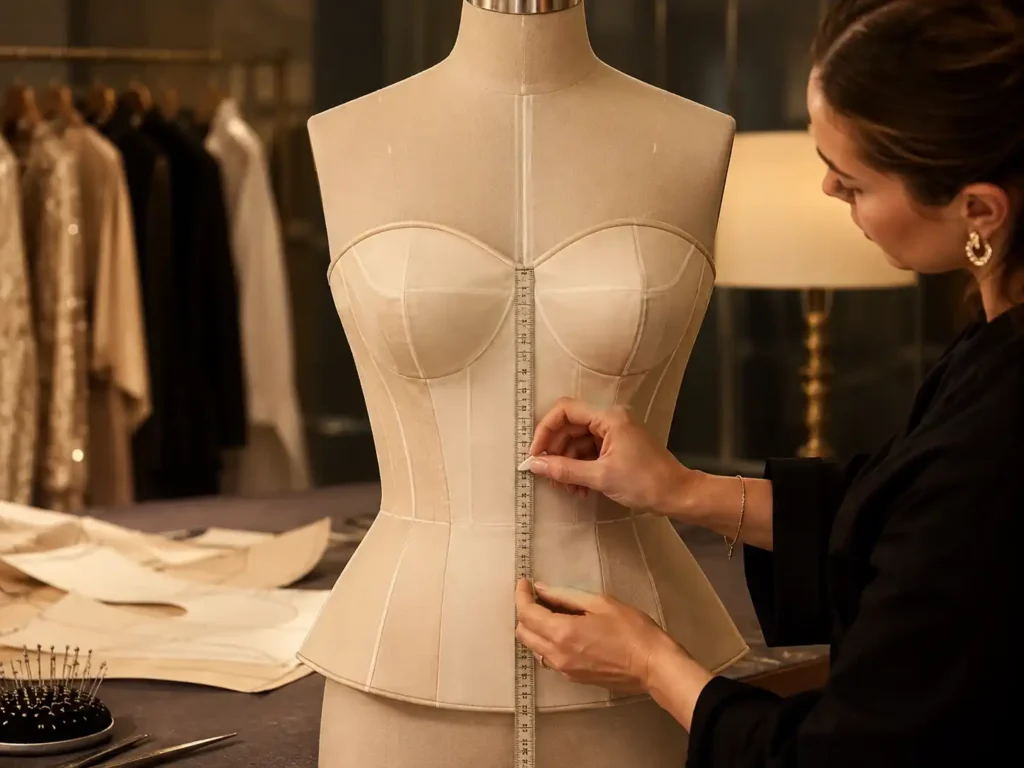
Boned dresses depend on shaped panels that hold the body in the intended proportion. Correct panel geometry reduces the amount of force boning has to carry, improves surface smoothness and gives sample teams a stable base for fitting, grading and later bulk production.
Panel Shape Sets the Silhouette
Panel engineering determines where the dress curves over the bust, narrows at the waist and releases toward the hip or skirt. Princess seams, front panels and side panels are not decorative lines only; they create three-dimensional shape from flat fabric. When those curves are wrong, boning may hold the garment upright but cannot make the bust projection, waist position or side profile look correct.
Development begins by studying reference images, tech packs, original samples or sketches together with the planned fabric. A rigid woven shell behaves differently from stretch satin or a mesh-overlay construction. Seam curves, ease and panel width therefore need to match both the body shape and material behavior. For structured dresses, a stable base layer can carry the engineering while the outer layer provides the fashion surface.
Sample makers also consider seam allowances, turning, lining attachment and channel space before cutting. Adding support after the pattern is already fixed can reduce internal room and change the fit. A production-ready pattern includes enough space for the selected internal components without creating bulky seams. Clean panel geometry makes later revisions more controlled because each fit issue can be traced to a specific curve, seam or measurement rather than adjusted randomly.
Bust and Waist Must Balance
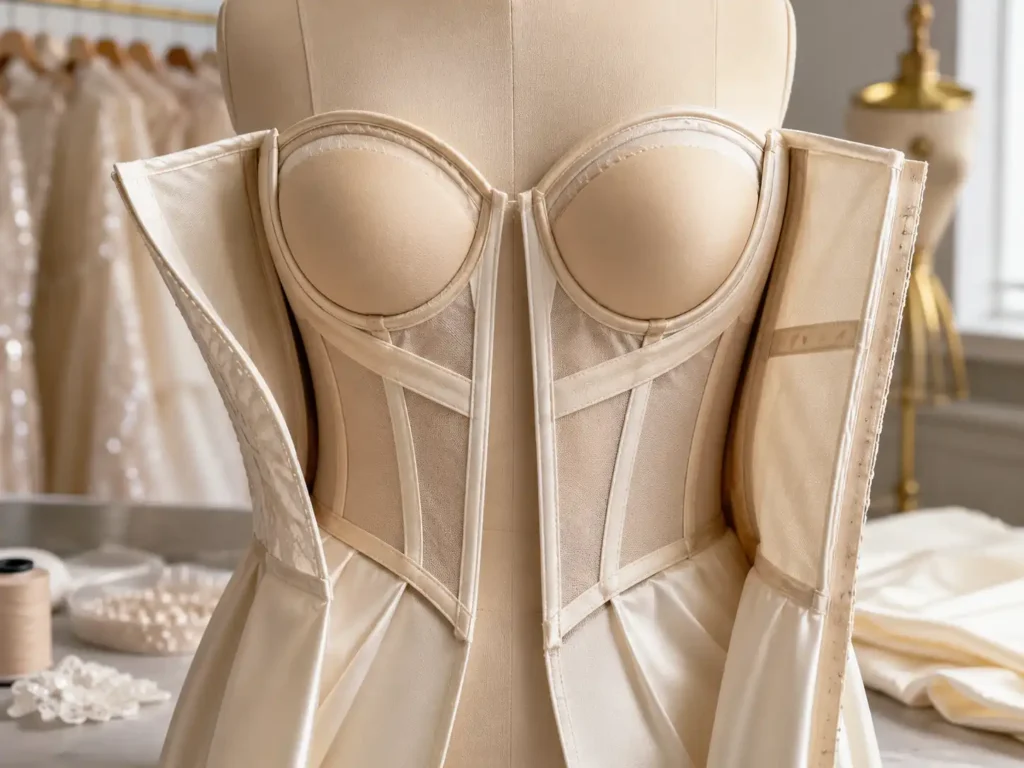
The bust and waist cannot be developed independently. Increasing cup projection without adjusting the underbust or side panel may create gaping near the neckline.
Tightening the waist without enough torso shaping can force the bodice upward. Lowering the neckline changes how much upper-bust support is available. Structured dress development therefore reviews bust circumference, upper bust, underbust, waist, torso length and closure position as one connected set of measurements.
Cup shape and placement deserve special attention in corset and bustier styles. The cup should sit where the intended body shape meets the garment, not where a flat pattern line happens to fall. Fixed cups must remain symmetrical and stable after the lining and shell are joined. If the design has no defined cup seam, panel shaping still needs enough contour to avoid a flattened bust or empty space near the neckline.
Waist shaping should create visual definition without over-compressing the body. Fit review checks breathing, sitting and movement as well as the front silhouette. When a sample needs correction, the pattern team may change panel curves, waist position, cup placement, neckline height or support lines together instead of tightening one seam and creating a new problem elsewhere. The revision is then measured against the intended size chart.

Pattern Versions Control Bulk
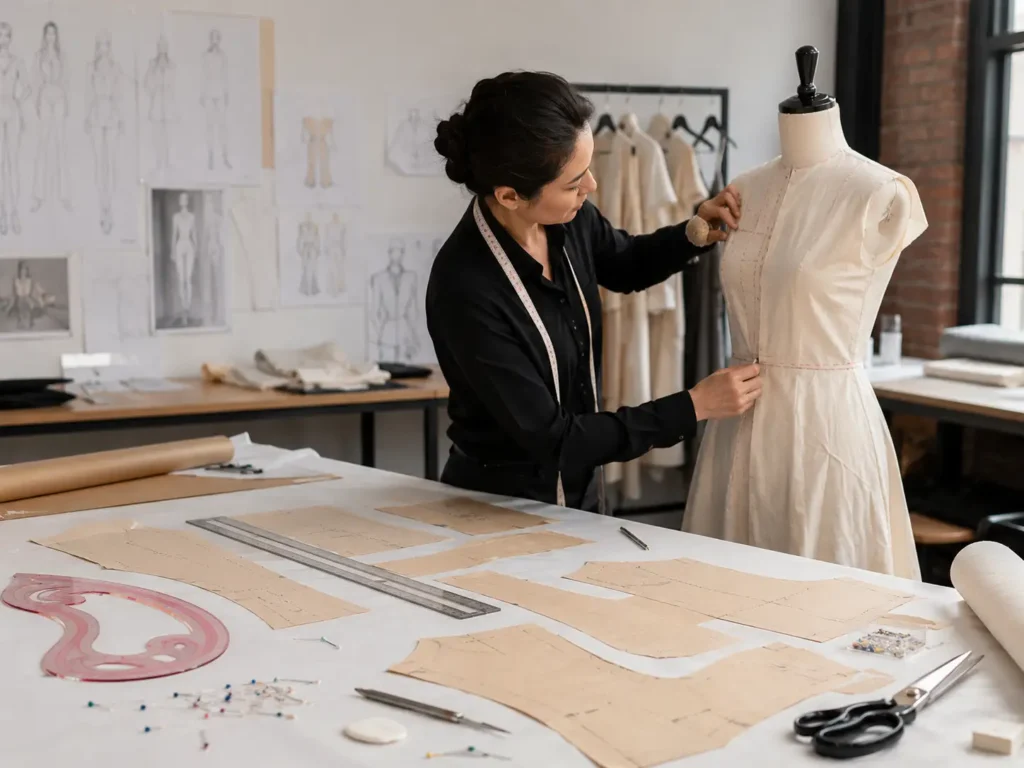
Structured dresses often require more than one revision, so version control becomes part of construction quality. A first sample may establish the overall shape, followed by fit corrections to cup position, waist, neckline, boning layout or lining. Once approved changes are made, the updated pattern, size chart and sewing instructions need to carry the same revision status. Mixing a revised shell pattern with an old lining or boning reference can create fit differences even when sewing quality looks clean.
Before PP approval, the final pattern set should represent the complete garment: shell panels, lining panels, support positions, cup placement, closure details and skirt connection. Grading then starts from the approved base rather than from an earlier development version. Bulk cutting must use the released pattern only, and bundles should stay separated by size to reduce panel mixing.
Pattern records also matter for repeat orders. When a successful structured SKU returns in a new color or fabric, the original approved geometry provides a controlled starting point. Fabric behavior may still require review, but the team is not rebuilding the body shape from memory. Stable records reduce communication cost and help preserve fit across repeat production. They also make later construction comparisons more objective.
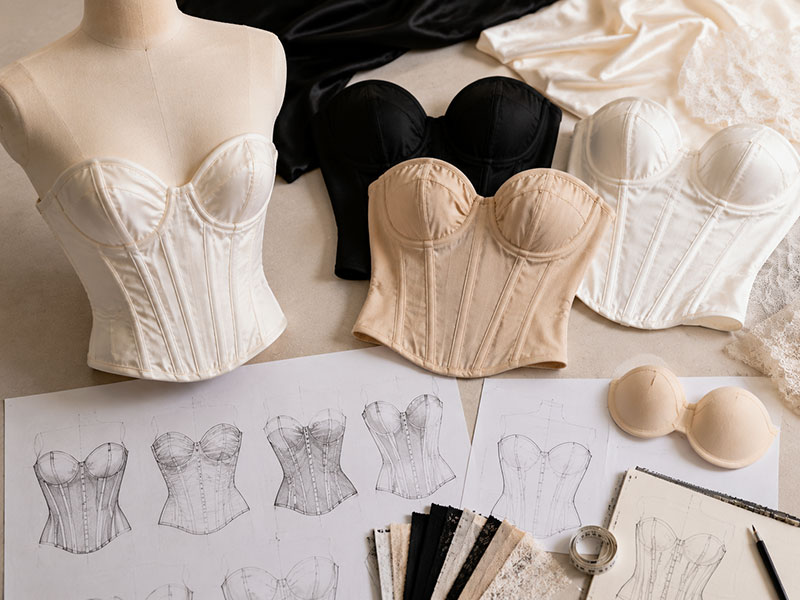
Bust Support Is a Coordinated Construction System
Cup Shape
Upper Bust
Anti-Slip Control

Closure Load
Internal Materials That Keep the Bodice Stable
Shell Fabric
Structural Lining
Bra Cups
Boning Channels
Anti-Slip Tape
Zippers and Hooks
Fabric Direction for Boned and Structured Dresses
Satin

Stretch Satin

Lace

Mesh and Power Mesh
Crepe
Velvet
Construction Sequence from Pattern Review to Bulk Sewing
Structure Review
Pattern Development
Material Approval
Cutting Control
Support Assembly
Fit Sample
PP Approval
Bulk Sewing
Bulk lines work from the released pattern, approved materials and construction instructions. Inline checks focus on channel position, cups, seam symmetry, zipper flatness, lining attachment and measurements before errors spread through the order. Final garments are compared against the approved standard for appearance, fit, function and packing. Repeatable construction, not one impressive sample, is the final measure of a successful boned dress program. Style-level records support later replenishment and repeat production.
Fit Engineering for Support, Shape and Wearability
A structured bodice should hold the design line without forcing the body into an uncomfortable position. Fit review connects bust coverage, neckline stability, waist shaping, torso length and movement so the garment looks controlled in photos and remains wearable in real use.

Upper Bust and Neckline
The upper-bust line is often the first area to reveal structural problems. Gaping can result from excess circumference, incorrect cup position, poor neckline shape or support placed too far from the edge. Simply tightening the top seam may create a temporary fix while producing pressure under the arms or changing the bust shape. Pattern makers therefore review the front neckline, side coverage, back height and upper-bust measurement together.
Strapless and corset dresses also need enough vertical support to keep the top edge upright. Boning near the neckline should stabilize rather than push outward. Anti-slip materials can assist, but they work best after the pattern already follows the body. During fitting, the team checks the garment from front, side and back views and watches for movement when the wearer raises arms, walks or sits.
The goal is secure coverage without a rigid or compressed look. For photo-ready products, the neckline should remain clean under lighting and movement. For bulk production, the approved upper-bust measurement, cup position and support layout must be consistent across sizes so the neckline does not become secure in one size and unstable in another. Side coverage and back height should remain visually balanced as sizes change. Small neckline errors become more obvious on strapless silhouettes, so the top edge is reviewed after full fastening and movement.

Waist Shape and Torso
Waist definition is a core visual feature of boned dresses, but the narrowest point must align with the wearer’s torso. A waistline placed too high can make the bodice ride upward. A line placed too low can distort the hip transition and make sitting uncomfortable. Torso length therefore works together with bust position, waist seam and skirt attachment.
Boning helps preserve the vertical structure, while panel curves create the actual shaping. If the pattern relies on boning alone to force the waist, the garment may develop diagonal tension lines or pressure points. Fit correction can involve changing panel width, adjusting the natural waist position, redistributing ease or altering support lines rather than simply reducing the waist measurement.
The skirt connection also affects the result. A heavy or full skirt can pull downward on a fitted bodice, especially in midi and evening styles. Sample review checks whether the waist remains level after the skirt is attached and whether the bodice still sits correctly when the wearer moves. Approved measurements should reflect the complete garment, not an isolated bodice fitting. Front and back balance are checked again after final skirt weight is present. The team also watches whether the waist seam stays level and whether the bodice rotates when the wearer sits or walks.
Movement and Wearability
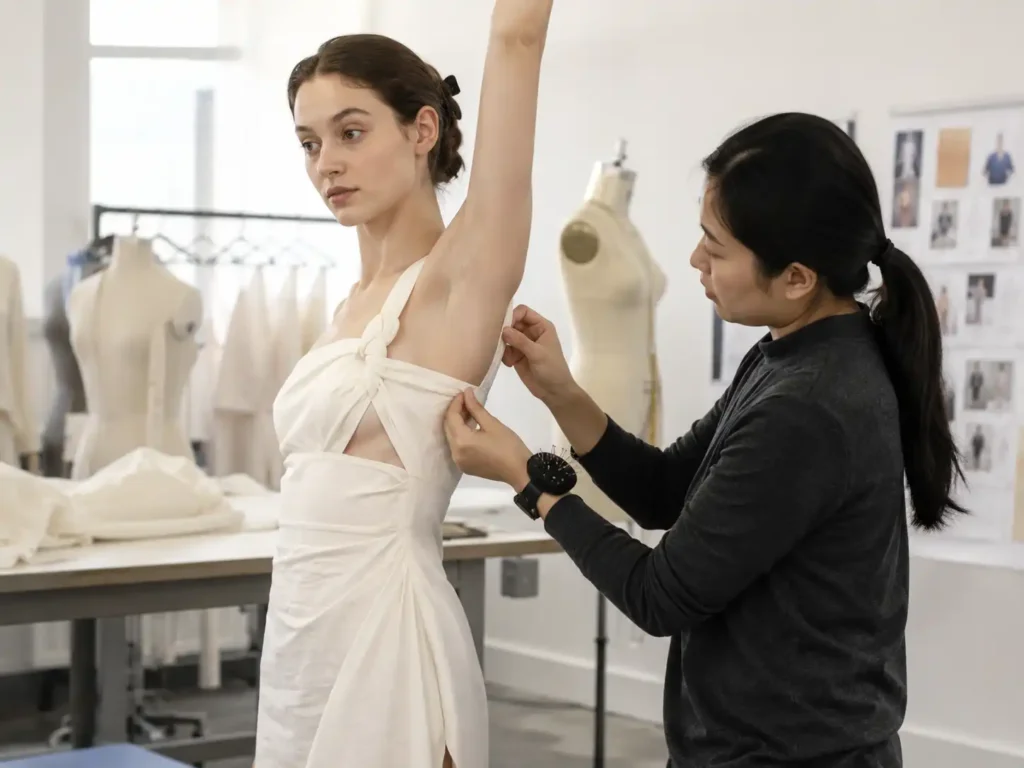
Structured dresses have to work beyond a static fitting pose. Sitting changes torso length and increases pressure at the waist and underbust. Walking can reveal a bodice that rotates on the body. Raising the arms tests underarm clearance and upper-edge stability. A sample can look excellent on a mannequin but feel restrictive or shift after several minutes of wear.
Jinfeng evaluates structured samples through front, back and side views and can use mannequin or fit photos according to the project. Movement and sitting checks are especially useful for corset, strapless and fitted party styles. Feedback can lead to changes in torso length, waist position, neckline height, lining support, cup placement or boning length.
Wearability also influences returns and repeat orders. A dress that constantly needs adjustment creates a poor brand experience even when the first product photo looks strong. Development therefore aims for a controlled silhouette that stays in place naturally, with enough comfort for the intended occasion and enough structural consistency for multiple sizes. Pressure, mobility and security should remain acceptable after several minutes of movement, not only during a quick fitting pose. A reliable structure should feel stable without making the wearer compensate by changing posture or repeatedly adjusting the neckline.
Complex Sample Development Before Bulk Production

First Sample

Fit Sample

Revised Sample

PP Sample

Golden Sample
Revision Control
Size Grading Must Preserve the Support Geometry
Boned dresses cannot be graded by adding the same amount around every edge. Bust projection, underbust, torso length, waist position, boning lines and closure load must remain proportional. Grading is approved against the structure, not only against a finished-garment circumference chart.
| Area | What Must Change Across Sizes | Main Risk | Approval Check |
|---|---|---|---|
| Cup / Bust | Width, depth, projection and position | Flattened or empty cup | Fit shape and symmetry |
| Upper Bust | Circumference and neckline curve | Gaping or pressure | Edge security and comfort |
| Underbust | Curve and support relation | Cup drift or poor hold | Lower-bust alignment |
| Waist | Circumference and panel shaping | Over-compression or loose waist | Visual shape and movement |
| Torso Length | Vertical distance between bust and waist | Bodice riding up or dropping | Waistline placement |
| Boning Position | Support line relative to panel and body | Pressure or weak support | Position and symmetry |
| Closure | Length, reinforcement and tension | Buckling or uneven back | Smooth fastening |
| Skirt Join | Waist seam and lower-body transition | Pulling or distortion | Level seam and movement |
Common Boned Dress Construction Failures to Prevent

Boning Show-Through
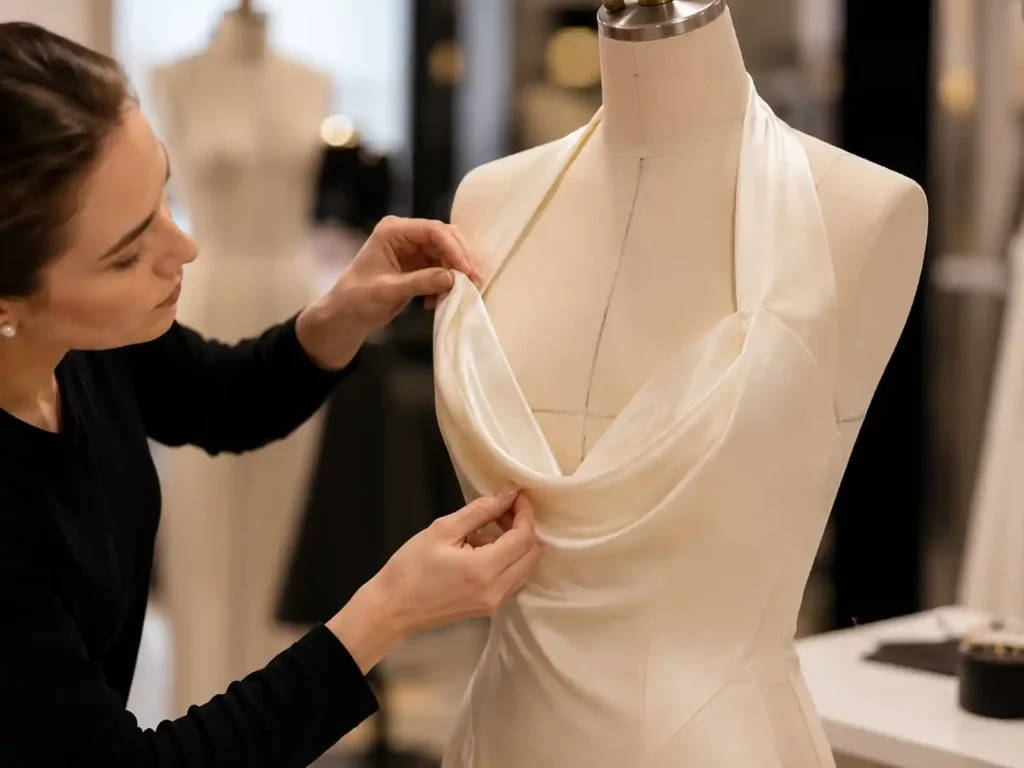
Visible vertical ridges often appear when a smooth shell is pulled tightly over hard internal lines. Satin is especially sensitive. Causes can include overly narrow channels, excessive tension, bulky seam allowances, unsupported gaps between channels or support positioned too close to the surface. The fix starts with pattern and internal layer balance, not heavier pressing. Sample review should inspect the dress under direct light, then adjust channel position, lining or seam bulk before bulk production locks the defect into thousands of units.
Neckline Gaping

Cup Drift

Waist Distortion
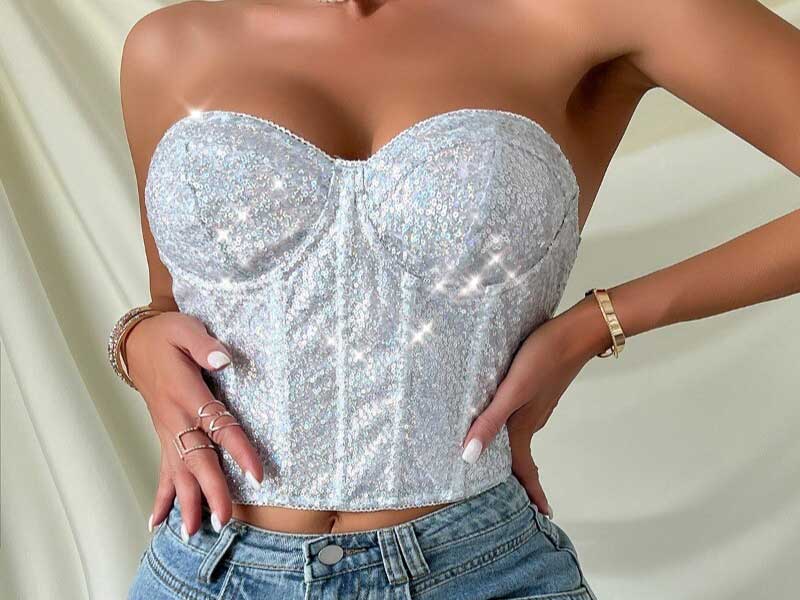
Bone Pressure Points

Zipper Buckling

Lining Twist

Size-to-Size Drift
QC Must Follow the Internal Construction
Boned dress quality cannot be judged from the outside alone. Inspection needs to follow material, cutting, sewing, measurements, fit and packing while also checking hidden support elements. Approved construction changes should become written QC points before bulk sewing starts.
Pre-Production Standards
Quality control starts before the first bulk seam is sewn. Incoming fabric is checked for color, hand feel, width, defects, shrinkage risk and material-specific issues such as satin shade difference, mesh snags or lace damage. Support trims including cups, boning, zippers and anti-slip materials are confirmed against the approved requirement. Cutting checks the released pattern version, grain or stretch direction, panel quantity, size bundling and surface defects.
For boned dresses, PP approval should define the internal standard clearly. Boning position, channel construction, cup placement, lining, closure, waist measurement and top-edge security need a reference. When the garment uses different structures across styles, each style should carry its own instructions rather than relying on one general corset method.
The pattern, BOM, sewing instruction and QC checklist should share the same version. A strong QC team cannot protect bulk consistency if production receives outdated construction information. Pre-production alignment is therefore part of quality control, not an administrative step after development. For multi-style programs, each structured SKU needs its own approved reference so similar-looking bodices are not produced from the wrong internal method. Measurement tolerances and key support points should be confirmed before line release. A signed construction reference keeps development, merchandising and QC aligned.
Inline Construction Checks
Inline inspection is critical because many structured errors become expensive after shell, lining and skirt are fully assembled. Sewing checks include seam allowance, stitch quality, symmetry, zipper flatness, lining attachment and support component placement. Boning channels should remain straight and balanced. Cups should stay level and securely fixed. Neckline and waist measurements are reviewed before the garment advances too far down the line.
Operators should not solve a fit or structural problem by improvising on one batch. If an issue appears repeatedly, the production team needs to trace whether the cause comes from pattern, cutting, material variation or sewing method. Approved corrections are then updated and rechecked. Structured styles reward early intervention because a two-millimeter channel or seam change repeated across several panels can noticeably change the finished silhouette.
Inline checks also protect delicate surfaces. Satin puckering, lace misalignment, mesh damage and visible support ridges should be caught before final pressing. Fixing the process at source is more reliable than trying to hide structural defects during finishing. Inspectors can compare left-right support positions, cup height and closure alignment while the inside remains accessible, making correction faster and reducing repeated rework across the line. Early checks also help separate sewing errors from pattern or material causes before production volume grows.
Final Wear and Measurement
Final inspection combines measurements, appearance, function and internal comfort. The dress is checked against the approved size specification, with attention to upper bust, bust, waist, torso length, neckline, back and overall garment length. Zippers and closures must operate smoothly. Boning should remain in the correct position with protected ends. Cups should be symmetrical and the lining should not twist or show above the shell.
Appearance review includes front, side and back balance, seam symmetry, surface marks, pressing and any visible outline from internal structure. For selected projects, fit or movement review may also confirm that the garment stays secure when worn. Packing checks then protect the finished shape through hangtags, barcodes, folding, polybags and carton handling.
Jinfeng’s QC system includes 15+ inspectors, but headcount only matters when each inspection point is connected to the approved product standard. Boned dress control works best when the internal structure is treated as a measurable production requirement rather than hidden workmanship that only the sample room understands. Final records should make any nonconforming support, cup, closure or measurement issue traceable to a defined checkpoint and correction decision. Packing should only proceed after structure, appearance and function meet the approved standard for every released size.

From Approved Sample to Repeatable Bulk Construction
Frozen Pattern
BOM and Trim Card
Sewing Instructions
QC Checkpoints
Golden Sample
Repeat Order Records
What Drives the Cost of Boned Dresses
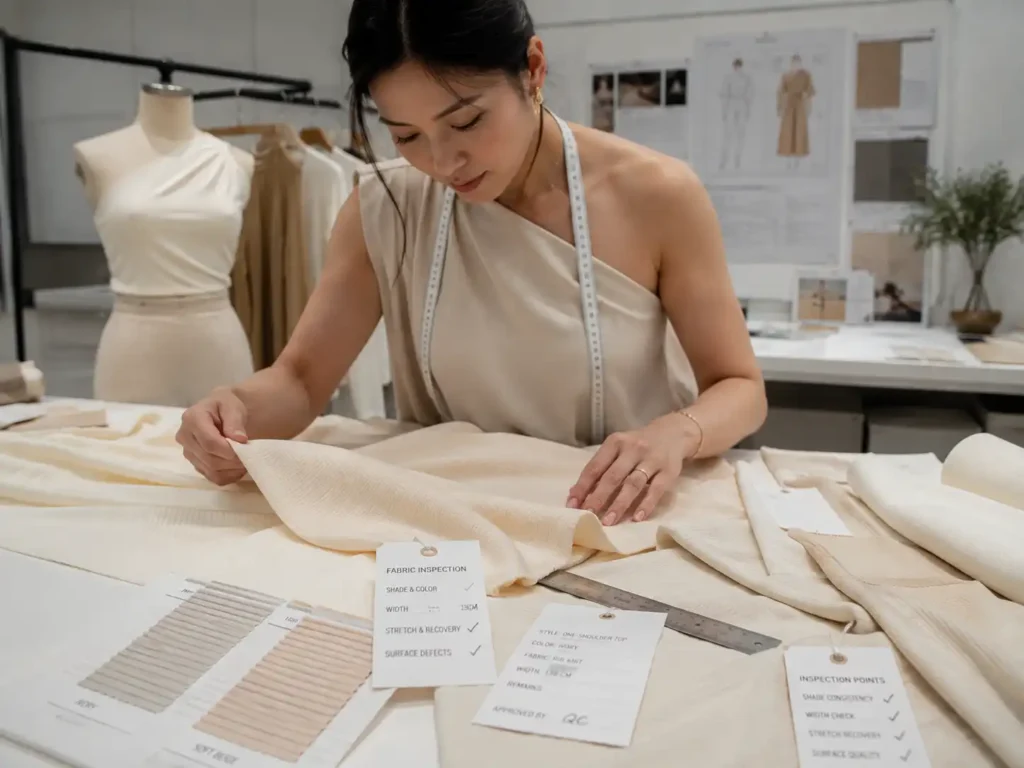
Fabric and Lining

Boning and Cups

Pattern Work
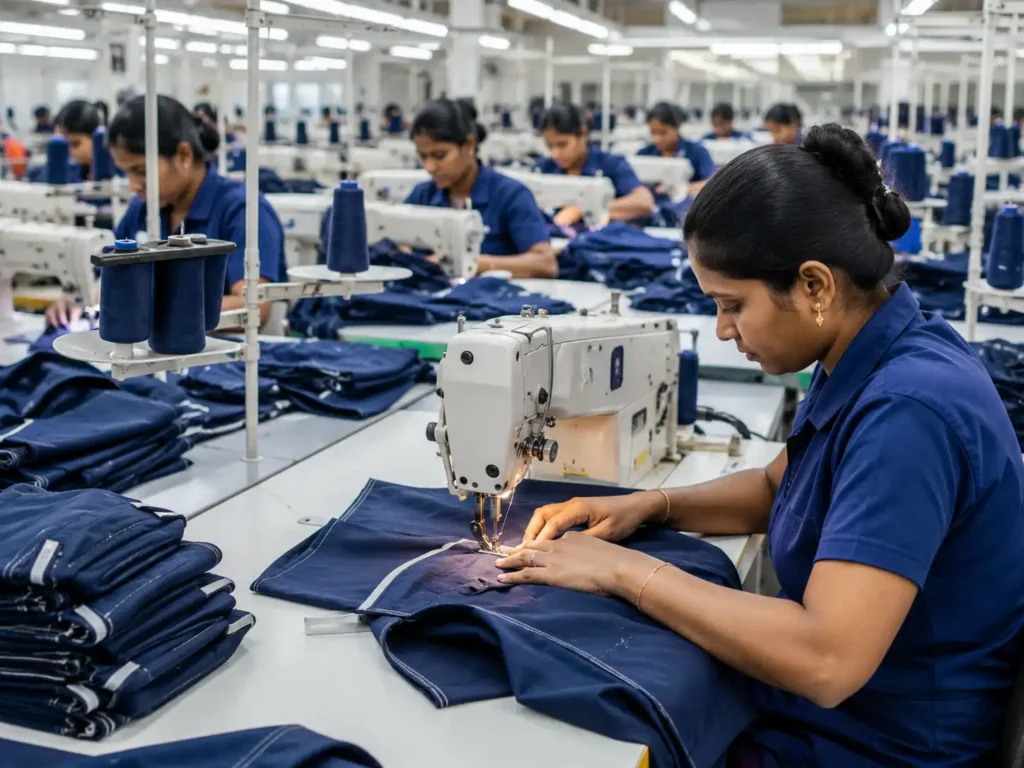
Sewing Time

Sample Revisions

QC and Packaging
How Brands Should Evaluate a Boned Dress Manufacturer
Structured Pattern Team
Dedicated Sample Development
Boning and Cup Knowledge
Size Grading Discipline
PP and Golden Standards
Inline QC Control
Bulk Capacity Management
Repeat-Order Records
Jinfeng Resources Behind Structured Dress Programs
Jinfeng Apparel combines pattern development, sample making, production coordination and QC for premium custom womenswear. Structured dress projects are handled through dedicated development resources and written production standards rather than treated as ordinary dress sewing with extra internal parts.

Development Resources for Structured Dresses
Jinfeng operates 6 owned women’s fashion factories with 10+ long-term satellite production partners and a monthly capacity of 100,000+ pieces across the wider womenswear system. For development work, the more relevant resources are 2 sample rooms, 7+ senior pattern makers and 20+ sample machinists. Structured projects can move from reference image, sketch, original sample or tech pack into pattern review, material direction, first sample, fit correction, revised sample, PP approval and Golden sample control. Development records stay linked to the final production standard and released style files.
The development team focuses on areas that directly affect boned dress performance: cup shape, upper bust, waistline, torso length, boning placement, lining, anti-slip support, zipper or lace-up closure and the connection between the structured bodice and skirt. Approved changes are transferred into pattern versions, sewing instructions and QC checkpoints so production teams receive a defined standard rather than verbal sample-room notes.
Quality control is supported by 15+ QC inspectors across the wider production system. Incoming, cutting, sewing, measurement, garment and packing checks can be adapted to the structure of each style. Jinfeng also keeps pattern, fabric, trim, measurement, packing and QC records for repeat orders, helping successful structured SKUs restart from an approved base.

18-Style Boned Dress Program
One recent anonymous brand program covered 18 structured dress styles totaling approximately 42,000 pieces. The range combined corset minis, strapless midis, structured party dresses and lace-overlay occasion styles in satin, stretch satin, lace, mesh and lined woven constructions. Several styles used built-in cups, boning, anti-slip support and back zippers; selected designs used lace-up details. The main development risks were upper-bust security, cup position, waist definition, visible support lines under satin and consistent fit across the size range.
Sampling began with pattern and structure review rather than direct bulk costing. First samples established panel shape and material behavior, followed by fit corrections to cup placement, upper-bust curves, waist position and boning layout. Revised samples were used to confirm the changes before PP approval. For smooth satin styles, the team also adjusted internal seam bulk and support positioning to reduce visible ridges under direct lighting. Lace and mesh versions used stable base structures so decorative layers did not carry primary support tension.
Before production, approved pattern versions, support details, trims and QC points were aligned by style. Inline inspection focused on channel straightness, cup symmetry, zipper flatness, lining attachment and key measurements. The program moved through phased production and packing with style-level records maintained for repeat development. No client name, unreleased design file or proprietary pattern is disclosed.
Boned Dress Construction Frequently Asked Questions
Boning supports selected lines of a fitted bodice so the garment keeps shape, resists collapse and stays stable around the bust and waist. It works best with correct pattern shaping, lining, cups and closures. Boning should not be used as a substitute for poor fit. Placement, length, channel construction, end protection and comfort all need sample approval before bulk production.
No. Layout changes with neckline, cup shape, waist definition, torso length, closure, fabric and skirt weight. Some styles need stronger side and waist support; others need more control near the upper bust or back closure. The pattern should determine the support map. Copying one standard layout across different silhouettes can create pressure points, gaping or visible ridges.
Channels are sewn to hold the support element in a controlled position without twisting or sliding. Channel width, stitch line and seam allowance depend on the approved construction. Smooth fabrics require extra attention because bulky or uneven channels can show through the shell. After sample approval, the channel method should be recorded in sewing instructions and checked during production.
Yes. Boning and built-in cups are often used together in corset, bustier and strapless dresses. Cup position should be confirmed first so nearby support lines do not flatten or distort the bust shape. Fit review checks projection, underbust support, neckline coverage, symmetry and comfort. Bulk QC then verifies cup position, fixation and related boning placement.
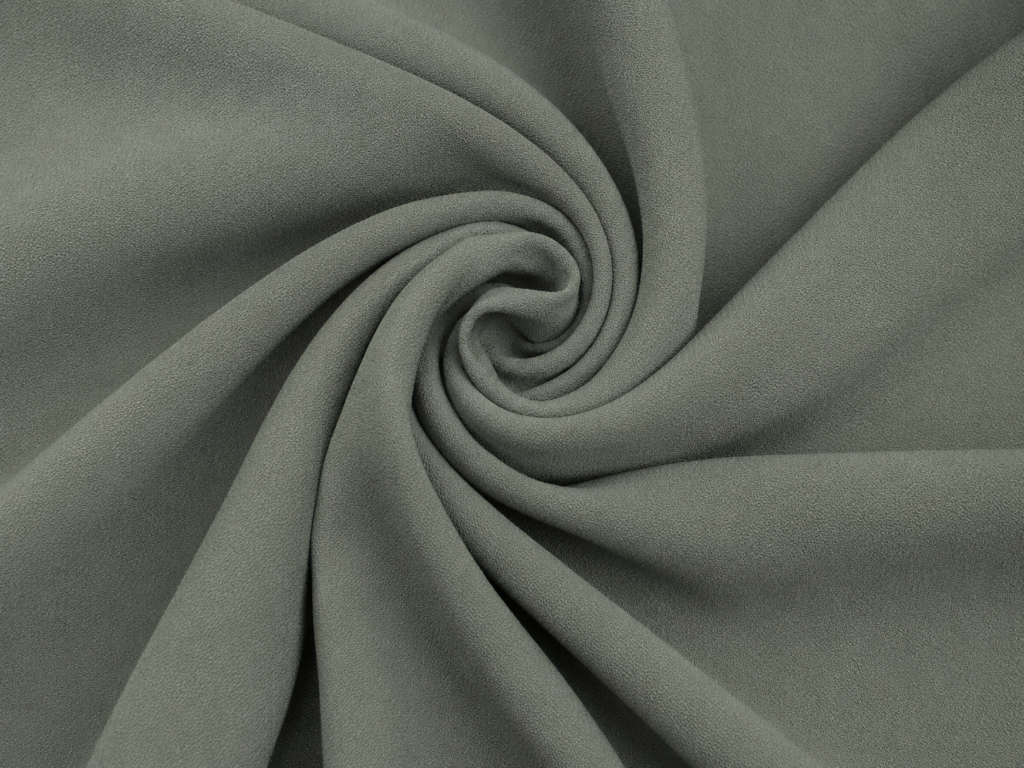
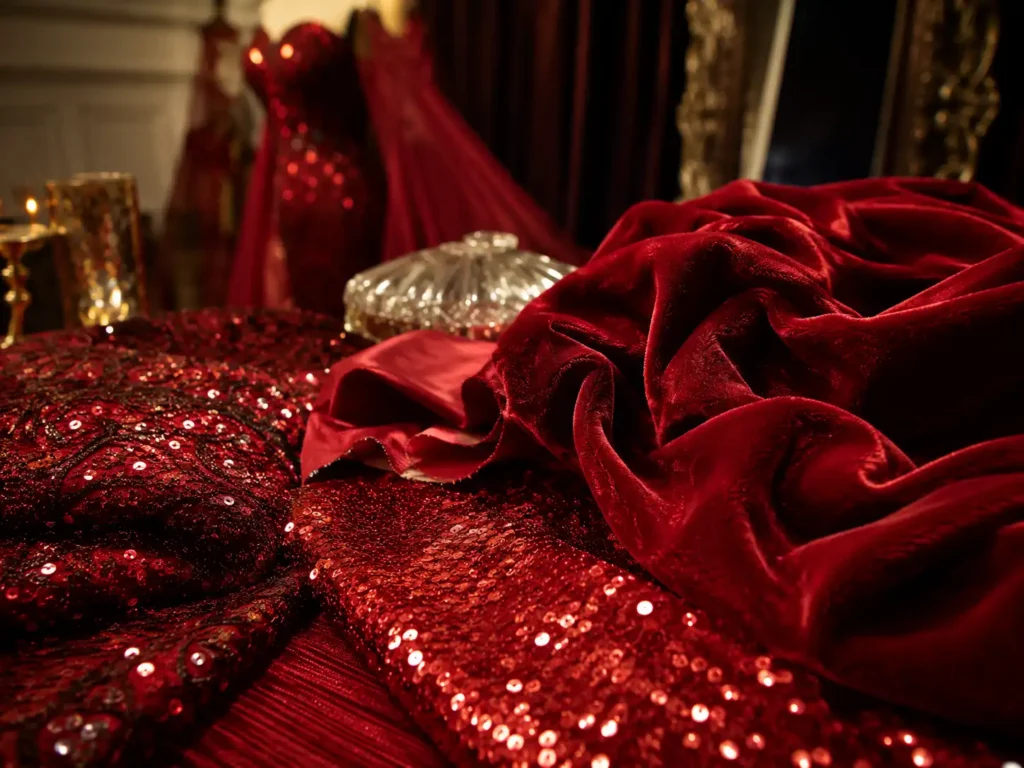
Satin, stretch satin, lace, mesh, crepe, velvet and other fashion fabrics can all work when the internal construction suits the material. Smooth satin needs careful control of ridges and zipper puckering. Lace and mesh often require a stable base layer. Stretch fabrics need recovery and direction checks. Fabric choice should be confirmed together with lining and support materials during sampling.
Complex corset, strapless, lace, mesh, sequin and evening styles usually require about 15–25 days for a first sample, depending on pattern difficulty, fabric availability, special trims and feedback speed. Revised and PP samples follow the approved changes and material readiness. A project schedule is confirmed after the structure and sourcing requirements are reviewed.
Grading should preserve support geometry, not only add circumference. Cup width and depth, upper bust, underbust, waist, torso length, boning position, neckline and closure all need proportional adjustment. Key sizes may require fit review according to the program. Final grade rules should come from the approved base pattern and remain aligned with lining and support components.
Bulk control begins with the approved pattern, BOM, sewing instructions, PP and Golden sample. Inline checks can verify channel position, boning length, cup symmetry, zipper flatness, lining attachment and measurements before the garment is fully closed. Final inspection confirms appearance, function and comfort. Written standards reduce variation between operators, sewing lines and production batches.
Jinfeng’s standard production MOQ starts from 200 pieces per style/color. Final requirements depend on fabric availability, color development, trims, construction complexity and production schedule. Special fabrics, custom colors, cup specifications, trims or packaging may have separate supplier requirements. Quantity planning is reviewed together with the style mix before sampling or bulk quotation is finalized.
Yes. Development can start from a tech pack, reference image, sketch, original sample or line sheet. More complete information improves accuracy. For boned dresses, useful inputs include target silhouette, fabric direction, size range, quantity, cup or support requirement, closure, lining, neckline and launch timing. The team reviews structure and feasibility before starting the formal sample process.

Start Your Boned Dress Development Review
Send the design information you already have, whether it is a full tech pack, reference image, sketch, original sample or line sheet. Jinfeng will review the structured bodice before quoting bulk production, with attention to pattern shape, boning lines, cups, lining, closure, fabric behavior, size range and likely sample revisions.
A stronger initial brief makes the first sample more useful and helps identify cost or manufacturing risks before they enter production. For large multi-style programs, the team can also group styles by common fabrics, support methods and sample priority so development moves in a controlled sequence rather than treating every SKU as an isolated project.
Please include where available:
- Reference image, sketch, tech pack or original sample
- Target quantity by style and color
- Planned size range and target market
- Shell fabric and lining direction
- Built-in cup, boning, anti-slip or closure requirements
- Private-label and packaging requirements
- Target launch or delivery window
- Any fit comments from previous samples or suppliers

