Skip to content

BOM and Trim Record Standardization
Subtitle: Production-ready BOM and trim control for fashion brands that need approved product data carried accurately from development into bulk manufacturing.
Jinfeng Apparel turns brand specifications into controlled manufacturing records rather than relying on scattered emails, loose trim descriptions, or verbal updates. The operating framework is built for multi-style womenswear programs where approved materials, trims, measurements, labels, packing instructions, and sample changes must remain aligned through production.
- Typical brand programs handled in the current order profile: 10-30 styles per order cycle.
- Typical total program volume: 20,000-80,000 garments per brand order.
- Standard production MOQ: 200 pcs per style/color, with separate supplier MOQ possible for special fabrics, trims, dyeing, printing, or packaging.
- Development support includes 2 sample rooms, 7+ senior pattern makers, and 20+ sample machinists.
- Production quality control includes 15+ QC inspectorsworking across material, cutting, sewing, garment, and packing checks.
- Bulk-relevant revisions can be carried into updated patterns, size charts, BOMs, fabric records, trim records, sewing instructions, QC checklists, and packing instructions.
Who Needs Structured BOM and Trim Records Most
Product Development Managers
Sourcing Directors
Technical Designers
QA Managers
Merchandising Teams
Production Managers
Where BOM Errors Become Production Problems
Wrong BOM Version
Unapproved Trim Substitution
Missing Supplier Reference
Sample Changes Not Recorded
PP to Bulk Gap

What Standardization Means at Factory Level
Standardization at manufacturing level is not the same as installing a PLM platform. Brand systems may hold the master data, while the factory still has to interpret, confirm, update, and execute the approved specification correctly. Jinfeng focuses on the production layer: turning brand-controlled information into records that sample rooms, merchandisers, sourcing, production, QC, finishing, and packing teams can follow without relying on memory or informal explanations.
One Approved Production Language
A production-ready record system gives each important component an identifiable specification and connects it with the style where it is used. Shell fabric, lining, zipper, button, cup, boning, elastic, lace trim, rhinestone, woven label, care label, hangtag, barcode, polybag, and carton information should not live as unrelated notes. Each item needs enough information to answer what it is, where it goes, what version is approved, and what production team must verify.
For a fashion manufacturer, the job begins by checking whether the incoming tech pack, BOM, size chart, POM, artwork, trim references, and packing instructions agree with one another. A zipper listed as 45 cm in the BOM but 42 cm in the construction note needs clarification before sampling. A care label file that does not match the fabric composition needs review before bulk labels are ordered. A rhinestone layout that changes after fit approval needs to appear in the updated sample and production instruction rather than remain in a comment thread.
Jinfeng uses structured project follow-up to classify development questions and record approved changes. Bulk-relevant revisions are carried into the documents that production depends on: final pattern, size chart, BOM, fabric record, trim record, sewing instruction, QC checklist, label placement, and packing instruction. The objective is not administrative neatness; the objective is keeping physical production aligned with the latest approved product definition.
From Approval to Execution
Record quality matters most when a style moves from development into a production quantity large enough to magnify a small mistake.
One incorrect label placement across 3,000 garments is no longer a sampling issue. One unapproved cup or boning substitution across a corset program can change fit across a full size run. One outdated polybag barcode can create warehouse handling problems after the garments are finished.
Jinfeng therefore treats approval as a sequence of controlled decisions. Fabric direction is confirmed. Trim references are reviewed. Sample changes are documented. PP approval locks the final production direction. Golden Sample provides a physical reference. Production handover transfers final pattern, measurement, component, construction, label, packing, and QC information to the manufacturing team. Incoming QC then verifies materials and trims against approved references before cutting and sewing progress.
Brands with formal PLM, ERP, or internal component libraries can continue using their own master system. Jinfeng does not replace those systems. Manufacturing work is built around the approved exports, tech packs, BOM sheets, trim references, artwork, and quality requirements supplied for the program, with project-level manufacturing records updated when confirmed changes affect bulk production.
Production-Ready Apparel BOM Fields to Standardize
A production-ready BOM should identify every material or component clearly enough for sourcing, sampling, costing, production, QC, and repeat orders. The exact fields vary by brand and system, but the manufacturing record must remove ambiguity. Jinfeng can work from a brand’s existing BOM template and review missing information before development or quotation progresses.
| BOM Category | Recommended Record Fields | Manufacturing Use |
|---|---|---|
| Shell Fabric | Supplier, article/reference, composition, weight, width, color, finish, stretch/direction, consumption | Sourcing, costing, cutting, shade control |
| Lining | Reference, composition, color, weight, stretch, placement, consumption | Opacity, comfort, construction, bulk consistency |
| Zipper | Supplier/reference, type, length, teeth, tape color, puller, finish, placement | Trim approval, purchasing, sewing, function check |
| Button / Hook | Material, diameter/size, finish, color, supplier reference, placement, quantity | Purchasing, attachment, strength, visual consistency |
| Bra Cup / Boning | Type, size, thickness/width, length, color, placement | Fit support, corset structure, sample and bulk control |
| Elastic / Binding | Width, stretch, recovery, color, composition, placement, supplier reference | Fit, edge control, bodycon and mesh construction |
| Lace / Rhinestone / Sequin | Article, motif/layout, color, finish, size, placement, attachment method | Visual matching, workmanship, replacement control |
| Labels | Artwork version, size, material, color, content, placement, folding method | Brand identity, garment inspection, packing |
| Hangtag / Barcode | Artwork, SKU, barcode data, attachment method, position, quantity | Retail/ecommerce preparation, SKU accuracy |
| Polybag / Carton | Bag specification, sticker, folding method, packing ratio, carton mark, size/weight requirement | Packing QC, warehouse handling, shipment preparation |
Standard Trim Records for Womenswear Production

Fasteners and Closures

Support Components

Elastic and Edge Components

Decorative Trims
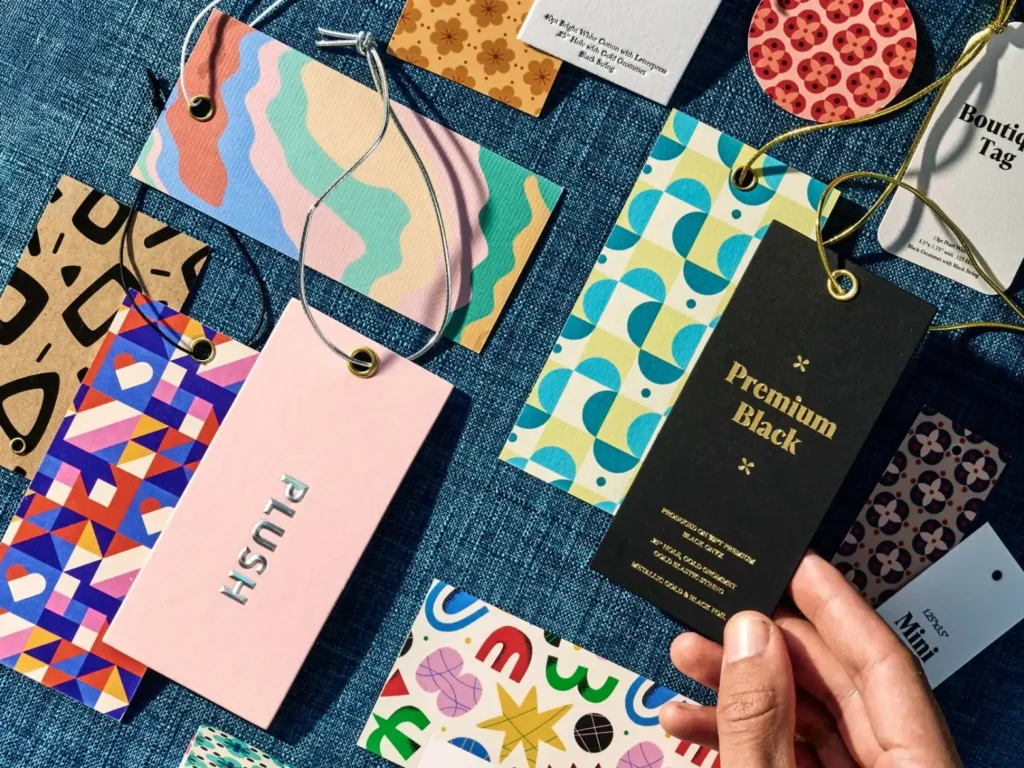
Brand Labels and Hangtags
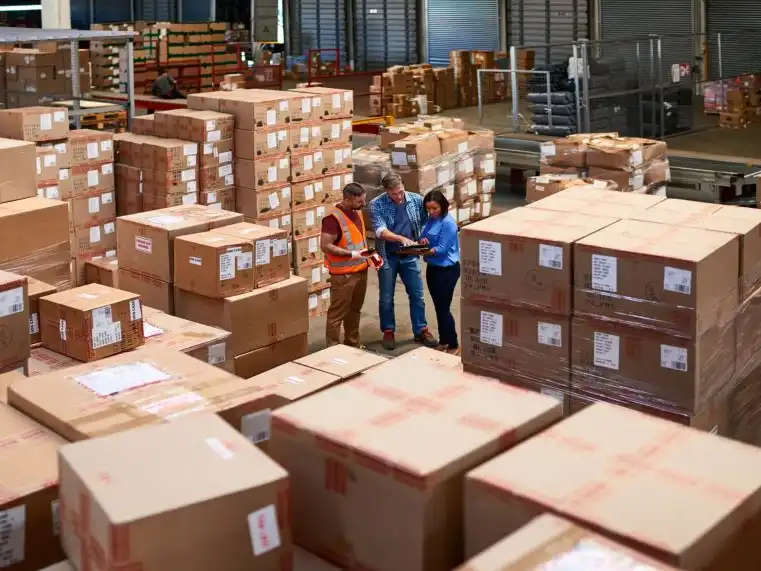
Packaging Components
BOM Priorities Change Across Womenswear Categories

Satin Dresses

Mesh Dresses

Lace Dresses

Corset and Structured Dresses

Bodycon and Stretch Styles

Jumpsuits and Matching Sets
Tech Pack and BOM Review Before Development Starts
A complete file set does more than speed up communication; it prevents conflicting instructions from reaching the sample room. Jinfeng reviews available tech pack, BOM, size chart, POM, fabric reference, trim requirements, label artwork, and packing instructions before pattern and sample work proceeds. The review is aimed at finding information gaps that can change fit, cost, feasibility, MOQ, or the later bulk standard.
File Completeness and Conflict Review
A tech pack may contain a strong design concept while still leaving production questions open. One document may call for a center-back invisible zipper while a sketch shows a side closure. A size chart may indicate a neckline depth that conflicts with the pattern proportion shown in the reference image. A BOM may list a lining without color or stretch direction. A hangtag may be approved while the barcode list is still missing. Each conflict becomes harder and more expensive to resolve once materials are ordered or a PP sample is approved.
Jinfeng begins by mapping the available information to the areas required for development: style structure, measurement, fabric direction, trims, construction, label and packing. Questions are returned in a focused form so decisions are made before pattern work or before the affected step begins. Where a material or trim requirement is not feasible at the requested quantity, alternatives can be reviewed with the brand before quotation or sampling moves too far forward.
No single input format is mandatory. Programs can start from a structured tech pack, brand BOM, reference image, original sample, sketch, line sheet, or a combination. More complete technical information allows tighter review. For mature programs, Jinfeng works most efficiently when the brand provides the latest file version, target quantity per style/color, size range, fabric direction, trim references, label and packing files, target market, and intended delivery window.
BOM Review Before Quotation and Sampling
The same BOM can serve different decisions at different times. During early review, the goal is feasibility: can the requested fabric, trim, construction, and packaging be sourced and produced at the planned quantity? During quotation, the goal is cost visibility: what fabric consumption, trim cost, processing, workmanship, QC, packing, and supplier MOQ need to be included? During sampling, the goal is execution: are the actual components consistent with what was quoted and approved?
Jinfeng does not treat an early estimate as a final bulk price when fabric, trims, quantity, size/color ratio, packing, testing, or delivery terms remain open. A final production quotation is stronger after the BOM and relevant material choices are confirmed. Special trims, custom labels, dyeing, printing, or packaging may carry separate supplier MOQ, so record review also helps identify order-planning constraints before bulk commitment.
Development then proceeds through the appropriate sample stages. First sample, fit sample, revised sample, photo sample, salesman sample, PP sample, and Golden Sample serve different purposes. The required sequence depends on style complexity and project needs. Lead time is evaluated by project after file readiness, fabric and trim availability, sample complexity, revision scope, and approval speed are understood rather than being promised as one fixed number for every style.
Fabric and Trim Approval Before Bulk Commitment
Material approval is where design intent meets supply reality. Jinfeng separates fabric and trim confirmation from generic sourcing so the component used in sampling can be identified, reviewed, and carried into production records. The aim is to avoid a familiar problem in fashion manufacturing: a sample is approved with one material combination, while bulk purchasing later uses an undocumented “similar” alternative.

Fabric Records Linked to Product Performance
A useful fabric record connects supplier or article reference with composition, weight, width, hand feel, stretch, drape, transparency, finish, color, and any directional characteristic relevant to the garment. Satin needs sheen and surface handling review. Mesh needs stretch, recovery, and transparency review. Lace needs motif and matching review. Jersey and ponte need stretch and recovery review. Linen and rayon may need attention to hand feel, shrinkage, and drape.
Jinfeng compares the material direction with pattern and construction requirements before bulk release. A fabric substitution may require a revised sample when weight, stretch, drape, opacity, or shrinkage can change fit and appearance. Color changes may require a new fabric or trim comparison, especially where lining, zipper tape, elastic, lace, or labels must match the shell. Incoming material QC later uses the approved fabric direction as a reference for color, weight, hand feel, width, defects, and other relevant checks.

Trim Approval Before PP Lock
Trim approval covers components that can affect fit, function, appearance, labeling, or packing.
Zippers, buttons, hooks, cups, boning, elastic, lace trims, rhinestones, woven labels, care labels, hangtags, polybags, and carton marks can all become production-critical. Jinfeng records the approved trim direction and connects it with the sample stage where the decision was made.
If a trim changes after sampling, the impact is reviewed before PP approval. A new zipper may require color and length confirmation. A different bra cup can affect fit. A new lace trim can change seam treatment. A new woven label can alter placement dimensions. A new polybag can affect sticker position and packing. Changes can also affect cost, supplier MOQ, and schedule. The approval chain therefore links material identity with production consequence rather than treating trims as minor accessories.

Availability, MOQ, and Substitution Control
Brand-preferred materials may have supplier MOQ or lead-time conditions that differ from the garment MOQ.
Jinfeng’s standard garment production MOQ is 200 pcs per style/color, while special fabric, dyeing, printing, trims, or packaging may have independent supplier requirements.
Record review allows those conditions to be identified before a collection is locked.
Where an original component is unavailable, substitution can be reviewed by specification rather than visual approximation alone. Relevant comparisons may include material, size, finish, color, weight, stretch, support, function, appearance, supplier availability, and cost.
Bulk use follows brand approval and, where product impact is meaningful, may require updated sample or PP confirmation.
Trim Approval Cards That Production Can Follow
Component Identity
Approved Reference
Status and Revision
Production and QC Use
Sample Revision Records That Keep Versions Aligned
Sample development rarely moves in a straight line. Fit, fabric, workmanship, color, trims, measurements, private-label details, or cost targets can trigger revisions. Jinfeng treats each meaningful change as a project record so later teams can understand what changed, why it changed, which documents were affected, and whether another sample is needed before production approval.

From Fit Comment to Controlled Revision
A fitting comment such as “raise neckline 1.5 cm” can affect more than one document. The pattern changes, front-body measurements may change, lining shape can change, strap balance may need review, and trim placement may move. A request to replace a bra cup can change bust shape and require another fit check. A zipper-length adjustment can affect construction and trim purchasing. A packing change can affect barcode or carton records without changing the garment itself.
Jinfeng classifies the issue first: fit, fabric, workmanship, on-body effect, color, trim, design accuracy, measurement, packing, or cost. The team then identifies the cause and records the requested action. Bulk-relevant changes are carried into the affected production records rather than remaining only in sample comments. Updated pattern, size chart, BOM, fabric record, trim record, sewing instruction, QC checklist, and packing instruction are used where relevant.
A revised sample is normally needed when pattern structure changes materially, a fabric changes, a support component changes, or a complex workmanship adjustment affects fit or appearance. Smaller changes may be verified through a later sample stage or controlled document approval depending on risk. Jinfeng does not treat First Sample as the final bulk standard, and Photo Sample is not automatically equivalent to PP Sample.

Version History Before PP Approval
Version history becomes especially important in a 10-30 style collection where multiple garments are moving through development at the same time. A simple control line can record sample version, issue, action, affected records, approval status, and next step. The purpose is to stop development history from becoming production confusion.
For example, a style can move from First Sample with original zipper and neckline, to Fit Sample with neckline correction, to Revised Sample with a different zipper length and lining adjustment, then to PP Sample after fabric, trim, measurements, construction, labels, and packing are confirmed. Each approved step narrows the remaining open items. Once PP direction is locked, major changes should be treated as a controlled production change rather than an informal adjustment.
No fixed sample timeline is applied to every style. A clean satin slip dress, a structured corset mini, a heavily embellished mesh style, and a tailored jumpsuit do not carry the same development load. Project timing is set after the team reviews file completeness, fabric and trim readiness, pattern complexity, fitting requirements, sample stage, and revision scope.
Locking PP and Golden Sample Standards Before Bulk
PP approval is the point where development decisions are converted into a production direction. Jinfeng uses PP and Golden Sample references to control what the factory is expected to reproduce, while any later change is reviewed for cost, schedule, sourcing, and quality impact. The objective is to keep bulk production tied to one approved standard rather than a mixture of earlier samples and revised files.
What PP Approval Should Lock
PP Sample approval should cover the production-relevant combination: fabric, color, trims, measurements, construction method, label placement, hangtag direction, packing method, polybag requirement, carton mark, and other style-specific details. Pattern and size-chart information should be aligned with the approved fit. For complex styles, support components and internal construction also need to match the approved garment rather than being changed after approval without review.
A PP lock does not mean every later issue is ignored. It means a change becomes controlled. If fabric, color, trim, measurement, label, packing, or sewing method changes after approval, Jinfeng reviews the impact on material purchasing, cost, production schedule, fit, workmanship, and QC. Significant changes may require revised documentation, renewed approval, or another sample before the affected bulk step proceeds.
Golden Sample as Physical Reference
A Golden Sample gives production, QC, merchandising, and repeat-order teams a physical reference that complements the written specification.
It can represent approved fabric appearance, measurements, construction, trim placement, label placement, and packing direction. For garments where drape, support, sheen, stretch, or visual balance are difficult to describe fully in a spreadsheet, the sealed sample becomes an important reference during factory execution.
Jinfeng uses Golden Sample together with final pattern, size chart, BOM, fabric and trim records, sewing instructions, and QC requirements. One document cannot replace all other records. The physical sample shows the approved result, while the documents tell production how to reproduce it across colors, sizes, and quantity.
Change Control After Approval
Late changes are common in fashion, but unmanaged changes create preventable risk.
A brand may need to change a trim because the original supplier cannot deliver, update a label because artwork changed, add a new color, or revise a packing instruction for a retailer.
Jinfeng reviews the requested change and records whether it affects material ordering, sample approval, cost, MOQ, production allocation, packing, or shipment timing.
The operating principle is simple: approved data can change, but it should not change invisibly.
Production should always know which version is active and which earlier version is no longer valid.
Production Handover From Approved BOM to Factory Floor
Production handover is the point where the approved collection leaves the development environment and becomes a manufacturing program. Jinfeng treats handover as a controlled transfer of final product records rather than a verbal instruction to “make bulk like the sample.” Mature brand programs benefit from a handover package that can be checked by merchandising, production, QC, finishing, and packing teams before the relevant process begins.
Core Handover Package
The handover package can include final pattern, size chart, grading direction, BOM, fabric reference, trim approval card, sewing instruction, construction notes, label placement, hangtag and barcode requirements, packing instruction, carton mark, QC checklist, and Golden Sample reference. Not every style needs the same depth, but every production-critical decision should have an identifiable approved source.
A 20,000-80,000 piece brand order often contains multiple styles, colors, sizes, and component combinations. One collection may use the same shell fabric across several SKUs but different zippers or labels. Another may share a zipper family but use different lengths. Handover records need to preserve style-level differences while still allowing repeated approved components to be managed consistently.Jinfeng’s merchandising and order follow-up team coordinates the transfer from sample approval into production preparation. Material booking, trim confirmation, production allocation, QC requirements, packing files, and shipment preparation are reviewed against the approved style records before release.
Manufacturing Teams Use Different Parts of the Record
Cutting teams need final pattern version, panel direction, fabric direction, print or motif placement, size bundling, and material identification.
Sewing teams need construction method, seam details, trim placement, zipper handling, strap length, lining attachment, slit height, and other style-specific instructions.
QC teams need measurement tolerance, visual criteria, component references, label information, and packing requirements.
Finishing and packing teams need pressing direction, folding method, hangtag, barcode, polybag, carton mark, and packing ratio.One strong handover record therefore supports several departments without forcing every team to interpret the full development history.
The approved BOM and trim records are part of a wider execution package, not isolated purchasing documents.

How BOM and Trim Records Support Quality Control
Quality control becomes stronger when every inspection point has an approved reference. Jinfeng uses material, measurement, trim, label, packing, and sample records across the QC chain so inspectors can compare actual production against defined standards. The QC process covers incoming materials, cutting, sewing, garment inspection, pressing, packing, AQL inspection, and client or third-party inspection support where required.
| Approved Record | QC Stage | Key Checks | Release Decision |
|---|---|---|---|
| Fabric Record | Incoming material QC | Color, weight, hand feel, width, defects, shrinkage or colorfastness where required | Accept, hold, replace, or review |
| Trim Approval Record | Incoming trim QC | Reference, color, size, finish, quantity, zipper function, cup/boning spec, label content | Accept, hold, replace, or reconfirm |
| Final Pattern | Cutting QC | Pattern version, panel direction, stretch direction, print/motif placement, bundle accuracy | Release cutting or correct |
| Size Chart / Measurement File | Sewing and garment QC | Bust, waist, hip, length, strap, armhole, neckline, slit, inseam or style-specific points | Correct, remeasure, or approve |
| Sewing Instruction | In-line sewing QC | Stitching, seam allowance, symmetry, zipper flatness, ruching, lace matching, lining, slit construction | Continue, repair, or stop |
| Golden Sample | Final garment QC | Appearance, fit effect, construction, trim placement, pressing, color relationship | Approve, repair, or hold |
| Label / Artwork Record | Garment and packing QC | Label content, size, position, hangtag, barcode, SKU sticker | Correct before packing |
| Packing Record | Packing QC | Folding, polybag, size sticker, packing ratio, carton mark, carton size/weight | Release packing or correct |
Cost, MOQ, and Availability Inside BOM Decisions
Fabric Consumption
Trim Unit Cost
Supplier MOQ
Construction Workload
Label and Packing Level
Quantity and Delivery Plan
Label and Packing Records Need the Same Discipline
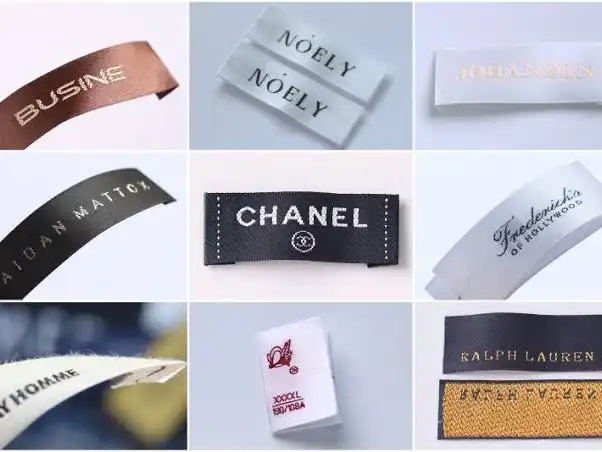
Woven and Main Labels
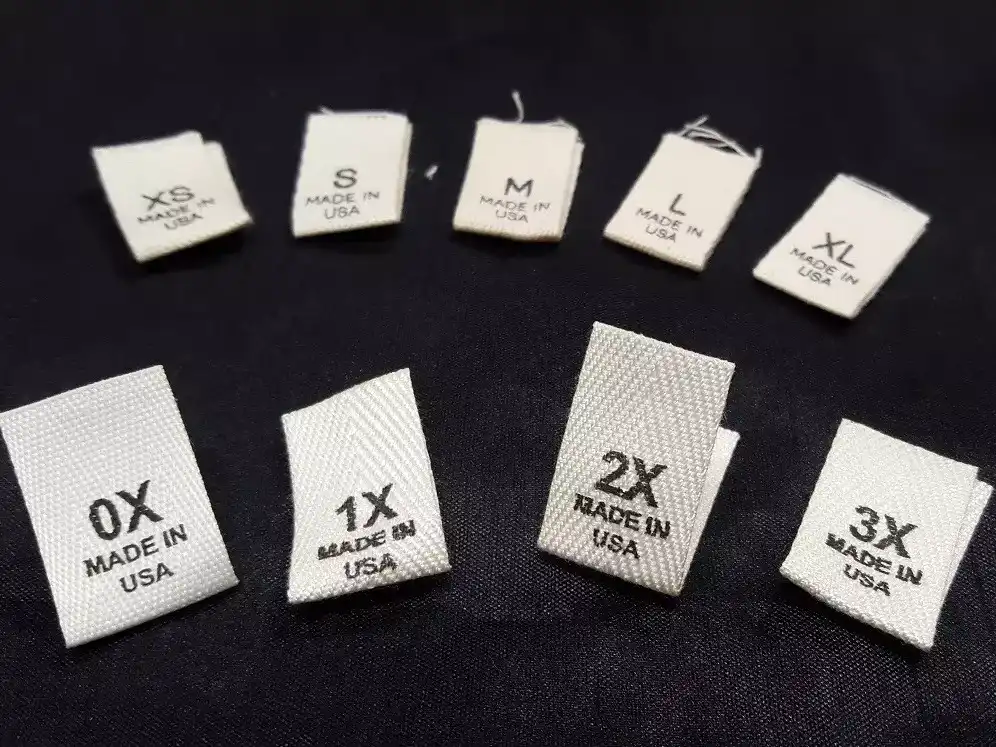
Size and Care Labels

Hangtags and Brand Accessories

Polybag and Folding Standards
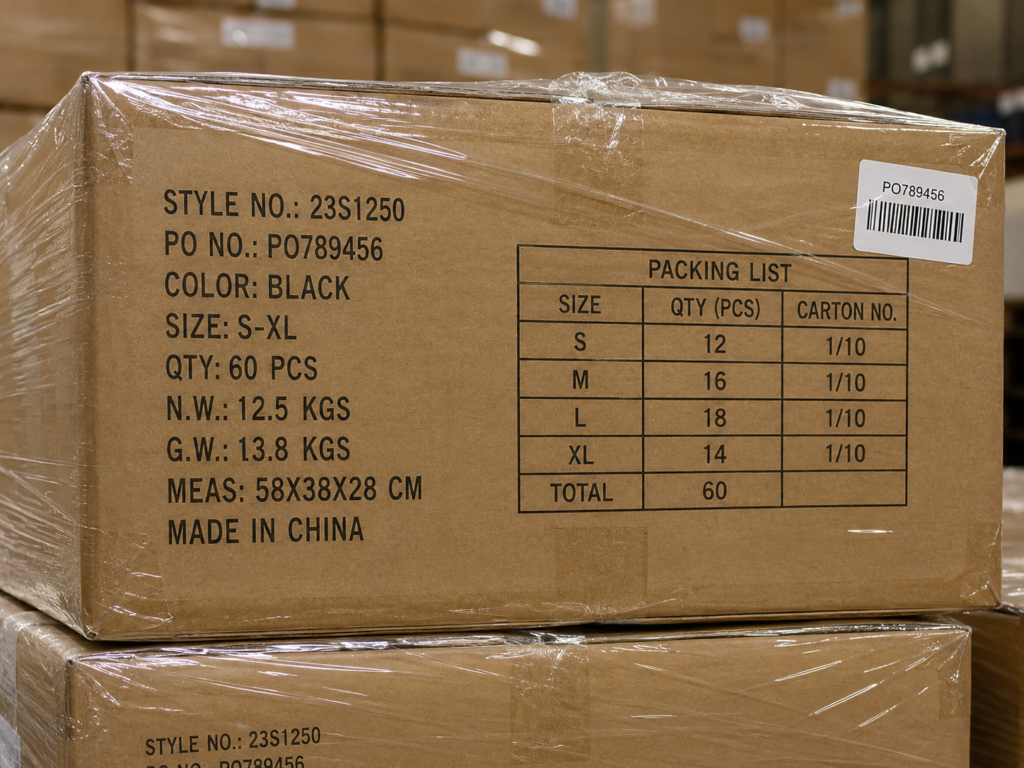
Carton Marks and Packing Ratios

Repeat Orders Need Records and Reconfirmation
Repeat-order efficiency comes from preserving approved standards, not from assuming every future batch will be identical automatically. Jinfeng keeps production-relevant references from the first approved program and uses them to restart development or replenishment more efficiently. New material batches, colors, trim availability, quantity, packing, and delivery conditions are still reviewed before the next bulk release.
Records Worth Keeping After the First Order
- A strong repeat-order file can include final pattern, size chart, grading direction, BOM, fabric reference, color record, trim card, sewing instruction, label artwork, packing method, carton mark, QC notes, and Golden Sample. Historical information allows the team to understand what was approved and where the first production needed extra control.
- For a bestseller replenishment, those records reduce the need to rebuild the style from memory. Pattern and measurement direction can be reused after review. Approved trim references can be checked for current availability. Packing files can be compared with the latest barcode or warehouse instructions. Historical QC notes can remind inspectors of previous risk points.
What Still Needs Reconfirmation
- Fabric batch is one of the most important variables. The same article can show shade, hand feel, stretch, or finish variation between production lots. New colors need fresh color and trim coordination. A trim supplier may discontinue an article. Labels or packaging may be updated. Quantity can change line planning, supplier MOQ, and freight choice. Delivery windows can change shipment strategy.
- For those reasons, “same style” does not mean “no review.” Jinfeng uses the historic record as a starting standard, then checks current variables before the next PP or bulk release as required.
New Colors and Same-Pattern Extensions
- Brands often extend successful styles into new colors, fabrics, or related silhouettes. A stored pattern can shorten the development path, but the new material may still affect fit, drape, opacity, stretch, lining, zipper, or trim selection. The same pattern in satin and stretch jersey should not be treated as the same engineering problem. Jinfeng reviews the new combination before deciding how much of the previous record can be reused.
Long-Term Collection Support
- For seasonal or repeated programs, record continuity supports better communication across 10-30 style order cycles. Merchandising can refer to earlier material choices, trim standards, size comments, packing methods, and QC notes while new products are added. The value grows over time because the relationship retains production knowledge instead of restarting from zero for every order.
Manufacturing Capacity Behind the Record System
Factory Network
Sewing Capacity
Sample Development
Quality Team
Merchandising Control
Finishing and Packing
Multi-Style BOM Standardization Case
The following anonymized program reflects the order scale Jinfeng currently handles for established fashion brands. Brand identity, tech packs, artwork, prices, order numbers, and unpublished designs remain confidential. The case focuses on the manufacturing management problem rather than confidential commercial details.

Program Profile
An established U.S. occasionwear label prepared a seasonal program of 18 styles, 34 style/color combinations, and approximately 42,600 garments across an XS-XL five-size run. The collection mixed satin dresses, stretch bodycon styles, lace-trim dresses, mesh details, and several structured silhouettes using cups, boning, invisible zippers, labels, hangtags, barcode stickers, and retail-ready packing.
The brand had its own tech packs and BOM structure. The challenge appeared during development: several trims were described differently across style files, late sample changes were not always reflected in every document, and packaging files were managed separately from garment development. The risk was not lack of design information; the risk was inconsistent execution information once many styles moved toward bulk at the same time.

Record Cleanup Before PP
Jinfeng reviewed the active tech packs, size charts, BOMs, trim references, sample comments, label files, and packing requirements by style. Open items were separated into fabric, fit, trim, construction, label, and packing decisions. Zipper lengths and puller finishes were checked against each style. Cup and boning records were linked with the structured silhouettes. Lace and decorative trim references were separated by article and placement. Label and barcode files were matched to the correct style/color/size structure.
Sample revisions were then recorded against affected documents. Where a fit change altered neckline, strap, lining, zipper length, or support component, the pattern and related records were updated together. Trim changes that affected cost or appearance were held for approval rather than being replaced informally.
BOM and Trim Frequently Asked Questions
Yes. Jinfeng can review brand-supplied tech packs, BOM sheets, size charts, POMs, trim references, artwork, and packing instructions. The manufacturing team focuses on whether the information is complete, internally consistent, feasible, and ready for sampling or bulk execution. Brand PLM or ERP systems remain the brand’s master environment; Jinfeng works from the approved project files supplied for manufacturing.
Development can still begin from a reference image, original sample, sketch, line sheet, or partial tech pack, but missing production information must be clarified before the affected step. Jinfeng can identify open fabric, trim, measurement, construction, label, or packing items and return focused questions before quotation, sampling, PP approval, or bulk release.
A substitute is reviewed against the required specification, appearance, function, supplier availability, MOQ, cost, and production impact. Components such as cups, boning, elastic, zippers, lace, rhinestones, labels, or packaging may require renewed sample or PP review when the change can affect fit, construction, appearance, cost, or delivery.
Bulk-relevant revisions can be carried into updated BOM, pattern, size chart, fabric record, trim record, sewing instruction, QC checklist, and packing instruction where relevant. The aim is to prevent a revised sample from becoming disconnected from the files later used for material purchasing and production.
Trims should be confirmed before PP and bulk release once specification, color, size, finish, placement, supplier direction, and any required sample impact have been reviewed. Late changes remain possible, but cost, sourcing, schedule, fit, construction, and QC impact must be assessed before the replacement becomes the active production standard.
The standard production MOQ is 200 pcs per style/color. Special fabrics, dyeing, printing, trims, labels, or packaging may have separate supplier MOQ. Multi-style programs should therefore plan style/color quantities together with material and trim requirements rather than using only the total order quantity.
No. PP Sample is the pre-production approval stage used to confirm production-relevant fabric, trims, measurements, construction, labels, and packing direction. Golden Sample is the sealed physical reference used during bulk production, QC, packing, and future repeat-order comparison. Project workflow may use both at different points.
Yes, project requirements can include brand quality manuals, measurement tolerance, AQL level, defect classifications, packing standards, or third-party inspection requirements. Jinfeng reviews the supplied standard and converts relevant points into project-level inspection and production checks.
Repeat-order review can use final pattern, size chart, BOM, fabric reference, color record, trim card, sewing instruction, label and packing files, QC notes, and Golden Sample reference. New fabric batches, colors, trim availability, quantity, packing changes, and delivery requirements still need reconfirmation before the next production run.
Yes. Jinfeng supports NDA-based cooperation for tech packs, patterns, size charts, BOMs, fabric and trim information, labels, packaging files, unpublished designs, and order information. Confidential files are used for the related project and are not intended for public marketing or unrelated orders without authorization.

Send Your BOM for Manufacturing Review
A strong manufacturing review starts with the latest approved information. Jinfeng Apparel can evaluate a single hero style, a seasonal line sheet, or a multi-style womenswear program and identify where BOM, trim, sample, label, packing, or production records need clarification before sampling or bulk release.
Files are handled for project evaluation, development, production, QC, packing, and delivery, with NDA support available for confidential or unpublished programs.
For a focused review, include as much of the following as available:
- Latest tech pack or style specification.
- Current BOM and trim references.
- Size chart / POM and target size range.
- Fabric direction, swatches, supplier articles, or preferred material references.
- Label, hangtag, barcode, SKU, polybag, and carton files where applicable.
- Quantity per style/color, not only total program volume.
- Target market and any brand quality or inspection requirements.
- Planned delivery window and preferred shipping arrangement.
- Notes on open sample revisions, substitute materials, or repeat-order history.