Skip to content
Bodycon Dress Manufacturer for Fast-Growing Fashion Brands
Jinfeng supports overseas fashion brands with bodycon dress development, combining pattern accuracy, stretch fabric control, and structured production. From sample to bulk, each stage is aligned to maintain fit consistency, reduce revisions, and support repeat orders across seasonal collections and ongoing product lines.
- 2 sample rooms with dedicated pattern team
- 7 senior pattern makers for fitted garments
- 20 sample technicians supporting fast revisions
- 18 production lines with 100,000+ pcs monthly capacity
- Experience in dresses, occasionwear, and fitted silhouettes
Challenges and Key Difficulties in Developing Bodycon Dresses
Developing bodycon dresses is more complex than standard apparel categories.
These garments rely heavily on precision, and small issues during development can lead to noticeable problems in bulk production. Brands often encounter challenges not only in design translation but also in achieving consistent fit and performance.
Achieving Accurate Fit Across Sizes
Bodycon dresses require tight control over proportions.
- Small deviations in bust, waist, or hip measurements can change the silhouette
- Grading between sizes must maintain the same shaping effect
- Fit must balance comfort and compression
This makes pattern accuracy and size development more demanding than loose-fit garments.
Matching Fabric Stretch and Recovery
Fabric selection directly impacts the final fit.
- Different stretch ratios affect how the garment sits on the body
- Poor recovery can lead to deformation after wear
- Fabric thickness influences opacity and structure
Choosing the wrong material can result in inconsistent fit or reduced product quality.
Balancing Lining and Outer Fabric
Many bodycon dresses use double-layer construction.
- Mismatch in stretch between layers can cause twisting
- Incorrect tension leads to pulling or uneven shaping
- Lining affects comfort, coverage, and structure
Proper alignment between layers is essential during both sampling and production.
Controlling Sewing Accuracy for Fitted Garments
Construction quality directly affects the final appearance.
- Uneven seam tension can distort shape
- Incorrect stitching can reduce elasticity
- Panel alignment must be precise
Compared to loose garments, bodycon styles are less forgiving of production errors.
Managing Complex Design Elements
Certain design features increase development difficulty:
- ruching and gathering
- mesh overlays
- asymmetric cuts
- cut-outs and contour seams
These elements require additional control during both sampling and bulk production.
Reducing Sampling Iterations
Bodycon dresses often require multiple revisions.
- initial samples may not match intended fit
- adjustments depend on fabric behavior
- too many revisions can delay production timelines
Efficient sampling is critical to keep development on schedule.
Maintaining Consistency in Bulk Production
Even after sample approval, maintaining consistency is a challenge.
- fabric batches may vary
- sewing tension can differ between lines
- slight variations affect final fit
Strong production control is needed to keep bulk orders aligned with approved samples.
Aligning Design, Cost, and Production Feasibility
Some designs are difficult to balance across:
- target price
- material availability
- production efficiency
Adjustments may be required to keep the product commercially viable while maintaining design intent.
Fabric Options for Bodycon Dress Manufacturing
Fabric plays a central role in bodycon dress development. In this category, the material does not only affect hand feel or appearance. It directly influences stretch performance, shape retention, opacity, comfort, sewing stability, and how closely the final garment follows the intended silhouette.
For brands developing bodycon dresses, fabric decisions usually need to balance four things at the same time:fit effect, visual style, price target, and production feasibility.
Below are some of the most commonly used fabric options for bodycon dresses and how they are usually applied in development and production.
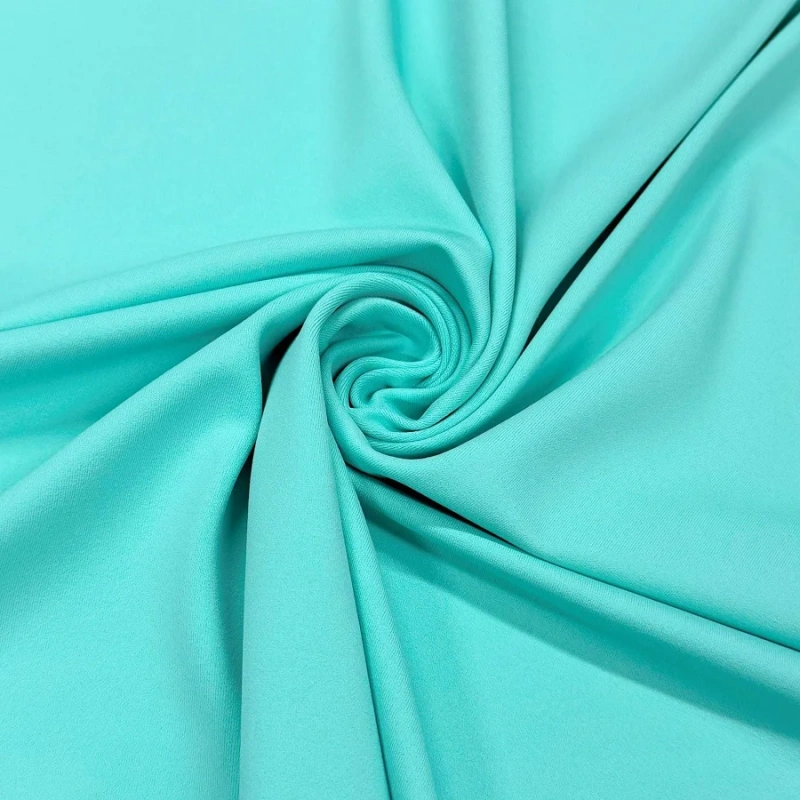
Polyester Spandex Jersey
Key Characteristics
- Good stretch and acceptable recovery
- Smooth surface and stable dyeing performance
- Cost-effective for commercial production
- Easy to source in many weights and colors
- Suitable for large-volume production programs
Best-Suited Bodycon Dress Styles
- Basic mini bodycon dresses
- Sleeveless bodycon dresses
- Casual fitted dresses
- Entry-price fast fashion bodycon styles
- Simple clubwear silhouettes
Suitable Construction / Process Types
- Overlock and coverstitch construction
- Single-layer bodycon dress production
- Basic side seam shaping
- Standard neckline binding or facing
- Simple ruching or drawstring details
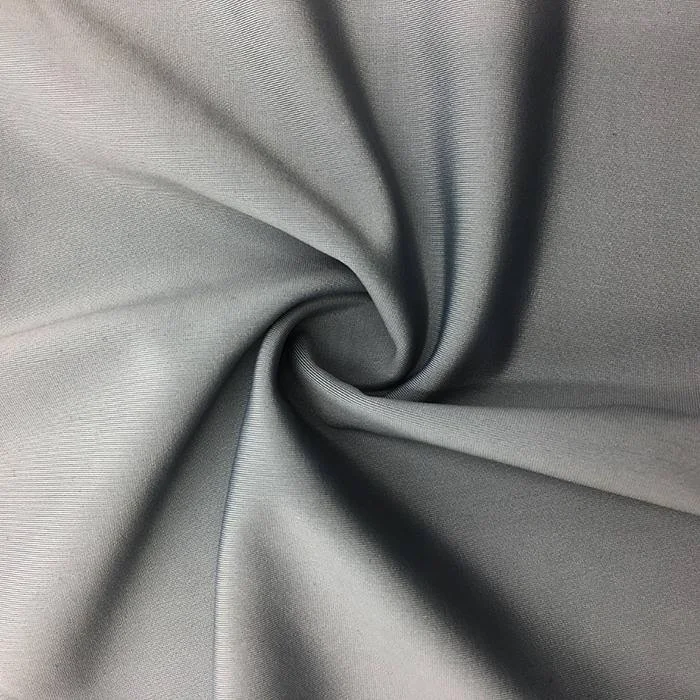
Nylon Spandex Knit
Key Characteristics
- Softer and more premium hand feel
- Better elasticity and rebound than many polyester blends
- Creates a cleaner, more sculpted body-hugging effect
- Often preferred for a smoother and tighter silhouette
- Better suited for contour-focused styles
Best-Suited Bodycon Dress Styles
- Premium bodycon dresses
- Sculpted midi bodycon dresses
- Contour-inspired styles
- Fitted long sleeve dresses
- Clean minimalist bodycon silhouettes
Suitable Construction / Process Types
- Double-layer bodycon construction
- Contour seam construction
- Clean-finish neckline and armhole techniques
- Shaping panel joining
- Precision stretch seam handling
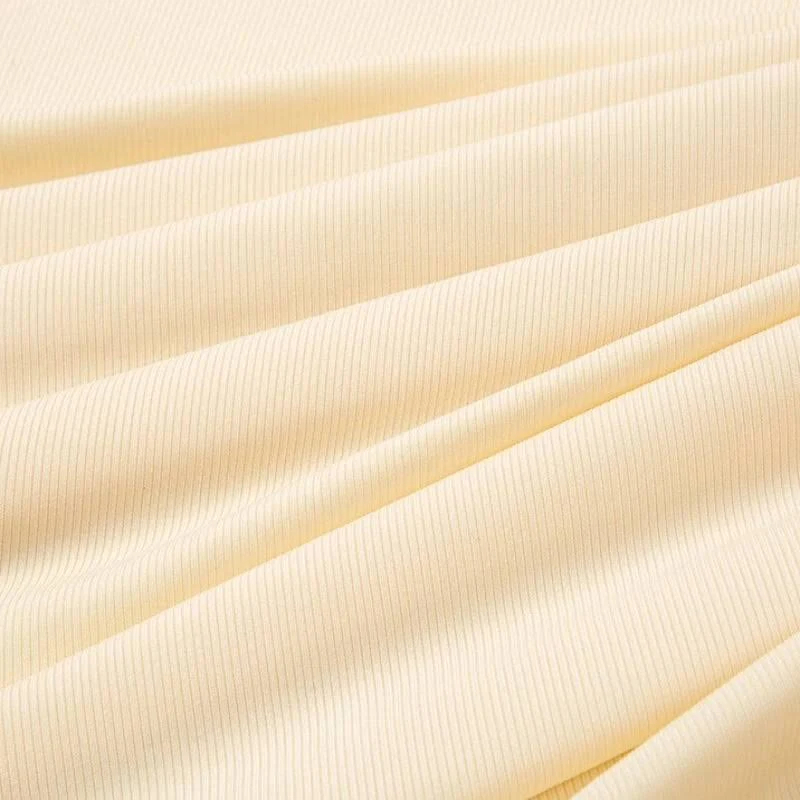
Rib Knit Fabric
Key Characteristics
- Visible rib texture adds surface interest
- Strong stretch, often with good recovery depending on composition
- More casual and everyday-friendly appearance
- Helps create a close fit while keeping comfort
- Works well for bodycon styles with wearable day-to-day appeal
Best-Suited Bodycon Dress Styles
- Casual bodycon dresses
- Tank bodycon dresses
- Long sleeve ribbed bodycon dresses
- Loungewear-inspired fitted dresses
- Soft daily-wear bodycon styles
Suitable Construction / Process Types
- Neck and armhole binding
- Side seam shaping
- Lettuce edge or casual hem finish in some trend styles
- Basic bodycon assembly with stretch seams
- Garment wash or softening finish where needed
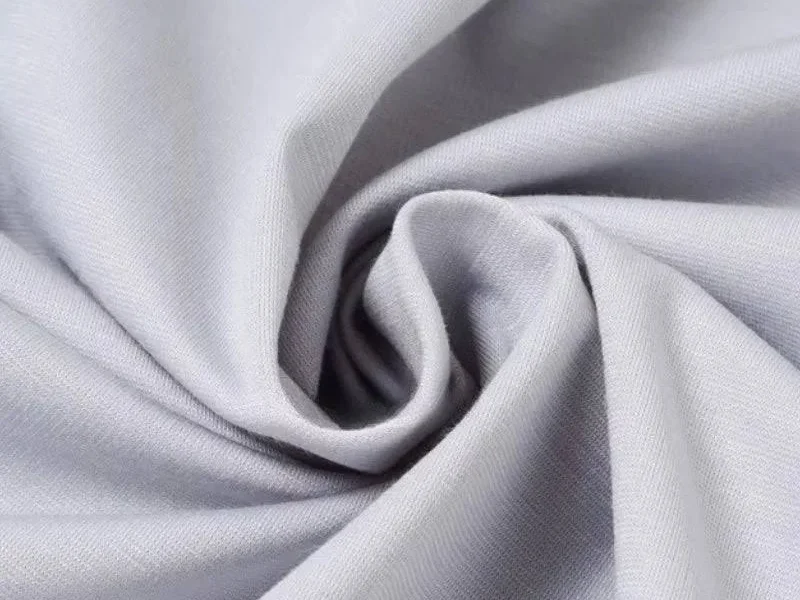
Double Knit / Ponte-Type Fabric
Key Characteristics
- Thicker fabric with more support and structure
- Better opacity than many lighter jerseys
- Helps smooth the silhouette visually
- Usually gives a cleaner and more polished appearance
- Less fluid than soft jersey, but stronger in shape retention
Best-Suited Bodycon Dress Styles
- Structured midi bodycon dresses
- Office-to-evening fitted dresses
- Minimalist clean-line bodycon dresses
- Long sleeve fitted dresses
- More polished or elevated bodycon programs
Suitable Construction / Process Types
- Panel seam construction
- Contour shaping through princess seams or panel lines
- Hidden zipper insertion when needed
- Clean hem finishing
- Structured neckline finishing
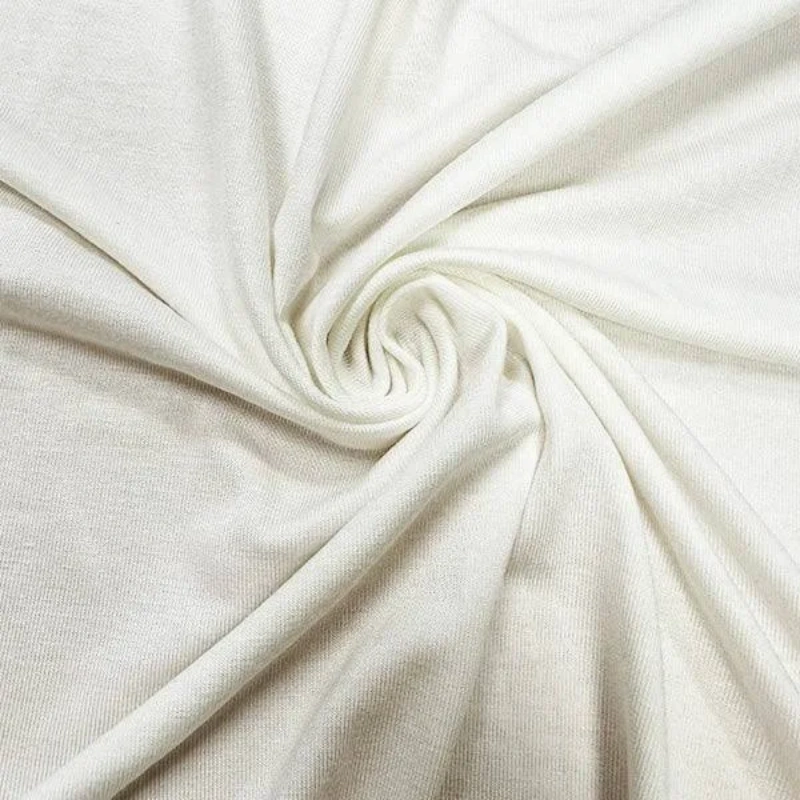
Rayon / Viscose Spandex Knit
Key Characteristics
- Softer, more fluid drape
- Comfortable against the skin
- Good for bodycon dresses that need a softer look rather than strong compression
- Often gives a more relaxed and feminine fitted effect
- Requires more attention during cutting and sewing due to softness
Best-Suited Bodycon Dress Styles
- Soft draped bodycon dresses
- Ruched bodycon dresses
- Casual-to-sexy fitted dresses
- Date-night bodycon styles
- Dresses with gathered side seams
Suitable Construction / Process Types
- Ruching and gathering techniques
- Draped panel construction
- Soft neckline shaping
- Overlock assembly with stretch control
- Stabilization at shoulder and neckline where needed
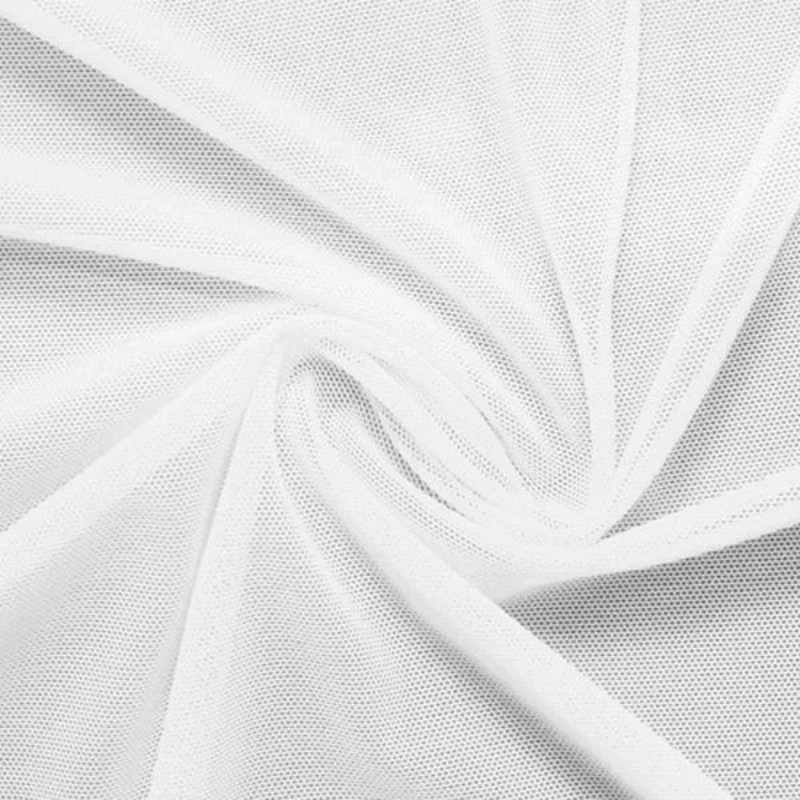
Mesh Fabric with Lining
Key Characteristics
- Lightweight and semi-sheer visual effect
- Adds layering and dimension
- Usually used with inner lining or double-layer construction
- Popular in trend-driven and occasion-focused collections
- Requires careful handling to avoid distortion and tension imbalance
Best-Suited Bodycon Dress Styles
- Mesh bodycon dresses
- Ruched mesh bodycon dresses
- Party bodycon dresses
- Occasion bodycon silhouettes
- Long sleeve semi-sheer fitted dresses
Suitable Construction / Process Types
- Double-layer construction
- Lining attachment and stabilization
- Ruched overlay technique
- Seam alignment control between shell and lining
- Clean-finish neckline and sleeve opening techniques
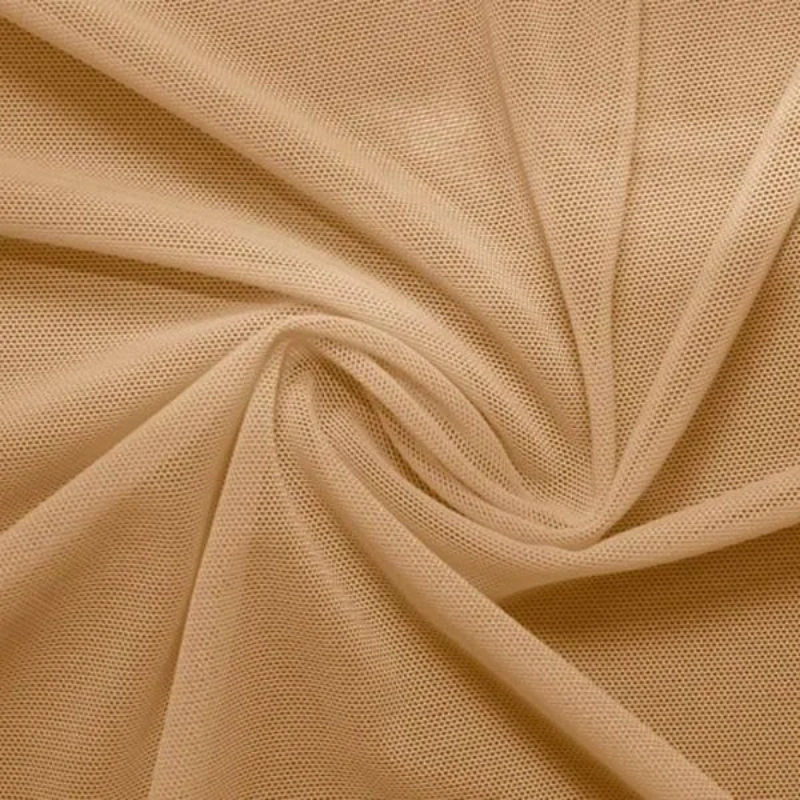
Power Mesh
Key Characteristics
- Stronger stretch support than regular mesh
- Better for shaping and controlled compression
- Often used as an inner layer or support layer
- Helps improve fit hold and body contour effect
- Useful when more structure is needed without heavy fabric bulk
Best-Suited Bodycon Dress Styles
- Sculpt bodycon dresses
- Double-layer contour dresses
- Cut-out bodycon styles with inner support
- Compression-inspired fitted dresses
- Occasion styles needing extra hold
Suitable Construction / Process Types
- Built-in support layer construction
- Double-layer body panels
- Stabilized contour seam construction
- Inner shaping structure
- Clean attachment to outer shell fabric
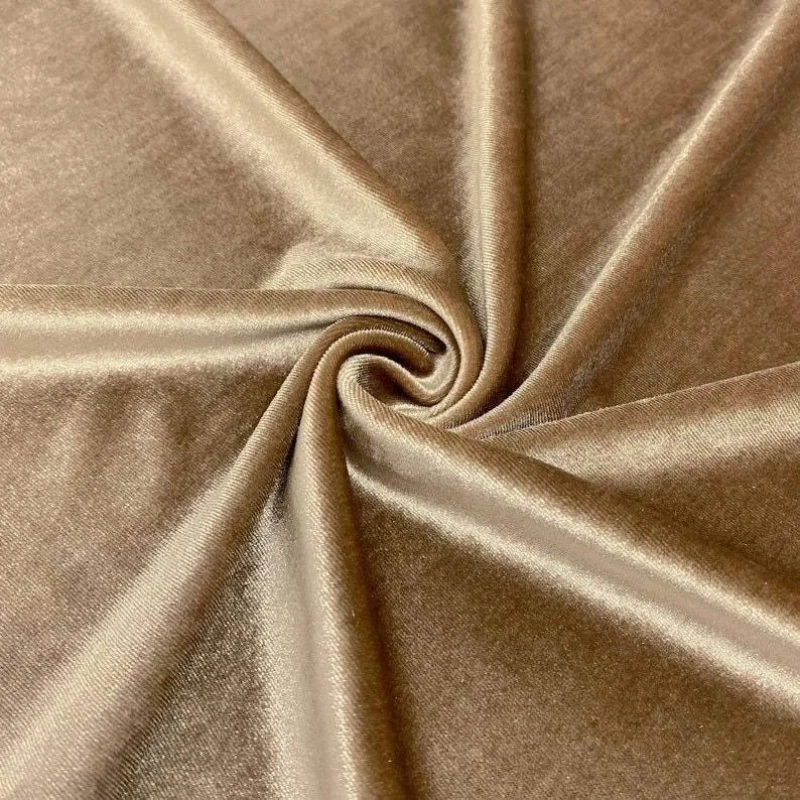
Velvet Stretch Fabric
Key Characteristics
- Soft pile surface with a richer visual finish
- Strong eveningwear and seasonal appeal
- Can create a more luxurious bodycon look
- More sensitive during cutting because of nap direction
- Requires extra QC attention in sewing and panel matching
Best-Suited Bodycon Dress Styles
- Evening bodycon dresses
- Holiday party dresses
- Long sleeve velvet bodycon dresses
- Occasionwear bodycon designs
- Premium seasonal fitted dresses
Suitable Construction / Process Types
- Directional cutting control
- Lined or partially lined construction
- Invisible zipper application
- Careful seam pressing and finishing
- Panel matching for pile consistency
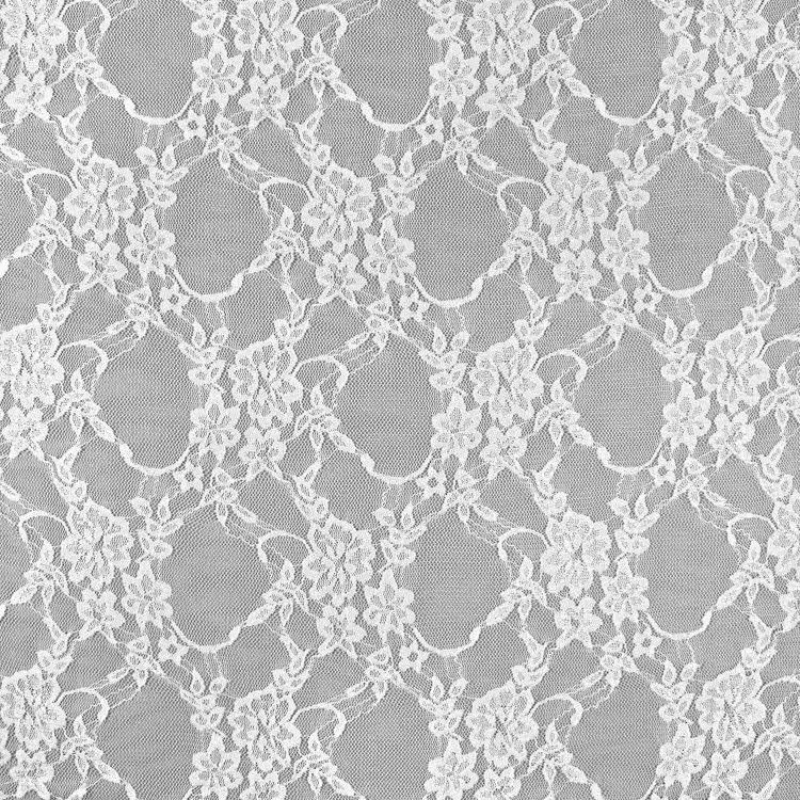
Lace with Stretch Base or Lining
Key Characteristics
- Decorative surface with a feminine or occasionwear look
- Often used as an outer layer rather than the only structural fabric
- Usually requires lining for comfort and opacity
- Fit depends on both lace behavior and lining coordination
- More suitable for fashion and event-oriented programs
Best-Suited Bodycon Dress Styles
- Lace bodycon dresses
- Occasion bodycon dresses
- Cocktail bodycon silhouettes
- Wedding guest fitted dresses
- Romantic fitted evening styles
Suitable Construction / Process Types
- Layered shell-and-lining construction
- Lace placement cutting
- Scallop edge finishing where applicable
- Inner stretch lining support
- Careful seam joining to preserve surface appearance
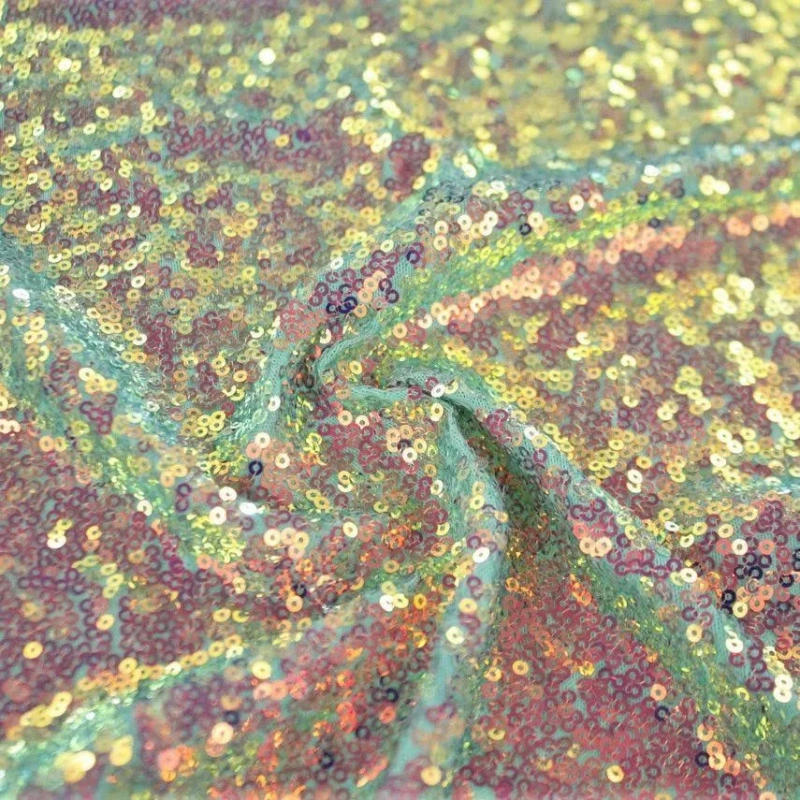
Sequin Fabric with Stretch Base or Lining
Key Characteristics
- High visual impact for partywear and eventwear
- Usually heavier than standard knit fabrics
- Requires careful management of weight and seam bulk
- More complex to sew than plain bodycon materials
- Better suited for statement pieces rather than high-volume basics
Best-Suited Bodycon Dress Styles
- Party bodycon dresses
- Clubwear bodycon dresses
- Event-ready mini bodycon dresses
- Festive occasion dresses
- High-impact evening silhouettes
Suitable Construction / Process Types
- Lined construction
- Sequin seam clearance handling
- Hidden zipper insertion
- Reinforced stress-point sewing
- Controlled cutting and trimming around seam allowance
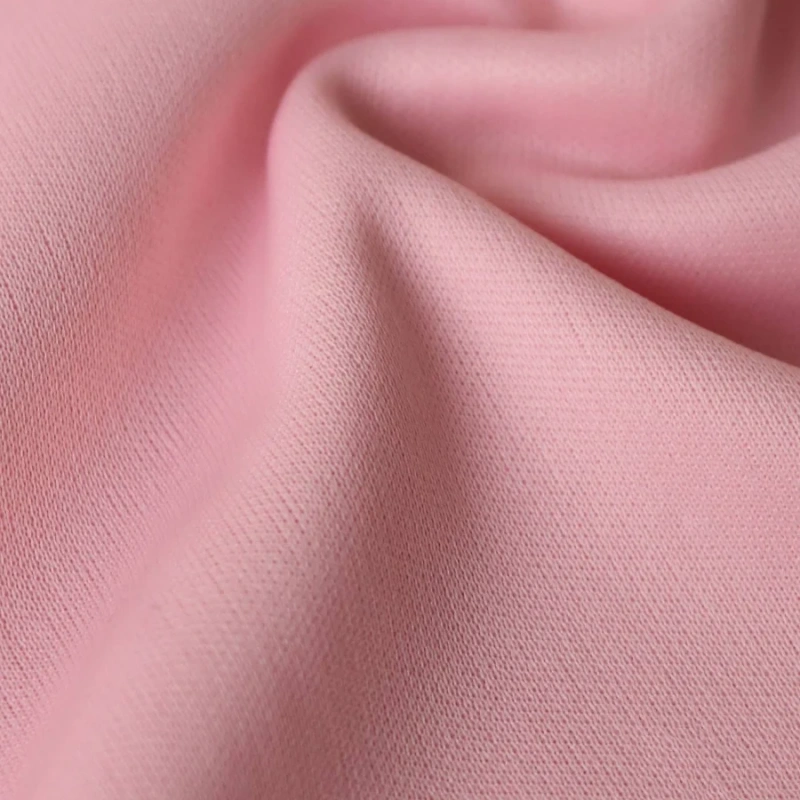
Interlock Knit
Key Characteristics
- Smoother and more stable than some lighter jerseys
- Soft hand feel with balanced stretch
- Better coverage and opacity than very thin knits
- Suitable for cleaner commercial bodycon styles
- Easy to develop into repeatable production programs
Best-Suited Bodycon Dress Styles
- Commercial midi bodycon dresses
- Clean casual bodycon styles
- Long sleeve fitted basics
- Multi-season core styles
- Everyday close-fit dresses
Suitable Construction / Process Types
- Standard stretch seam construction
- Simple panel shaping
- Neckline facing or binding
- Twin-needle or coverstitch hem finish
- Stable single-layer production
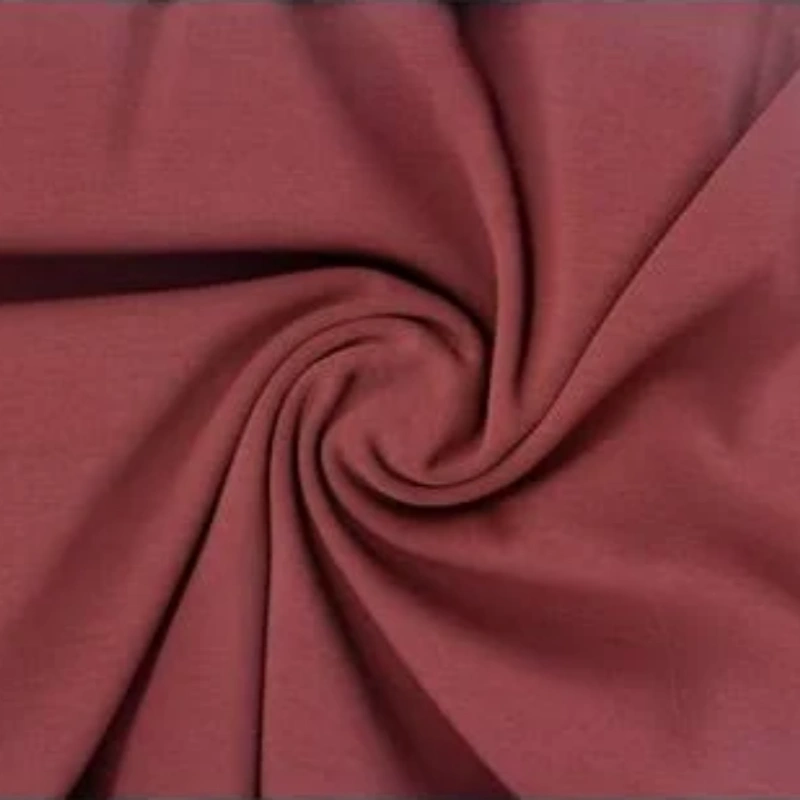
Ottoman / Textured Stretch Knit
Key Characteristics
- Textured surface gives a more fashion-forward look
- Often provides stronger visual structure
- Can support fitted silhouettes while adding fabric interest
- Useful for brands wanting something beyond plain jersey
- Production depends on texture stability and fabric thickness
Best-Suited Bodycon Dress Styles
- Fashion-forward bodycon dresses
- Structured mini dresses
- Statement bodycon silhouettes
- Boutique-oriented trend styles
- Elevated seasonal fitted dresses
Suitable Construction / Process Types
- Panel seam shaping
- Structured neckline and hem finishing
- Hidden zipper or clean side seam construction
- Controlled pressing and finishing
- Fit-focused sampling due to texture behavior
Sample Development Workflow for Bodycon Dresses
A structured process that reduces fit risk, shortens development cycles, and improves sample accuracy
For bodycon dresses, sampling is not just a step—it determines whether the product can move into stable production. Many mid-to-large brands face delays, repeated revisions, and unclear communication during this stage. Jinfeng’s sampling workflow is designed to reduce these risks and improve first-sample accuracy.
Common Risks Brands Face During Sampling
When developing bodycon dresses, brands often encounter:
- Factory cannot accurately interpret tech packs, reference images, or samples
- First sample does not match intended silhouette or proportion
- Fabric is selected without considering stretch behavior and fit impact
- Multiple sample revisions are required due to poor pattern adjustment
- Development cycles become too long, affecting launch timelines
For fitted garments, these issues are more critical because small errors in early stages lead to larger problems in bulk production.
What Brands Actually Care About in Sample Development
For most experienced brands, sampling is evaluated based on:
- Whether the factory can quickly understand design intent
- Whether the sample achieves close-to-target fit and proportion
- Whether the factory can adjust patterns based on fabric behavior
- Whether revision rounds can be minimized
- Whether the overall development timeline can be controlled
These factors directly determine whether the supplier is suitable for long-term cooperation.
Jinfeng’s Approach to Reducing Sampling Risk
Jinfeng’s sampling system is built to address these concerns through structure and experience:
- Ability to develop from tech packs, reference images, or physical samples
- Pattern makers adjust based on fabric stretch, weight, and recovery
- Internal pre-check before sending samples to reduce obvious errors
- Focus on achieving the correct direction within 1–2 sample rounds
- Coordination between sampling team and sourcing team for material alignment
With 2 sample rooms, 7 pattern makers, and 20 sample technicians, multiple styles can be developed simultaneously without slowing down progress.
Step-by-Step Sampling Workflow
The development process follows a clear sequence:
- Design Review – analyze tech pack, images, or samples
- Fabric & Trim Selection – match materials to design and fit needs
- Pattern Development – build base pattern with fabric consideration
- First Sample Creation – evaluate shape, fit, and construction
- Internal Check – review before sending to client
- Client Feedback – collect fit and design adjustments
- Sample Revision – refine pattern and construction
- Final Confirmation – lock sample for bulk production
Sampling Timeline and Efficiency
- Standard styles: 7–15 days
- Complex styles: 10–20 days
Efficiency depends on:
- clarity of design input
- fabric availability
- number of revisions
Jinfeng’s goal is to reduce unnecessary back-and-forth and move styles into production faster.
Why Sampling Quality Impacts Bulk Production
For bodycon dresses, most production issues originate from the sampling stage:
- Incorrect pattern leads to inconsistent fit in bulk
- Poor fabric choice affects stretch and recovery
- Misaligned construction causes variation between pieces
A well-developed sample reduces:
- production errors
- timeline delays
- cost adjustments
What Jinfeng Manufactures Beyond Standard Dresses
Jinfeng supports brands developing full collections, not just single styles. Production covers a wide range of fitted and fashion-driven categories as Bodycon dresses, occasionwear, fitted silhouettes, and coordinated women’s fashion collections, each requiring specific construction methods, target users, and usage scenarios.
This helps brands maintain consistency across multiple product lines while working with one manufacturing system.
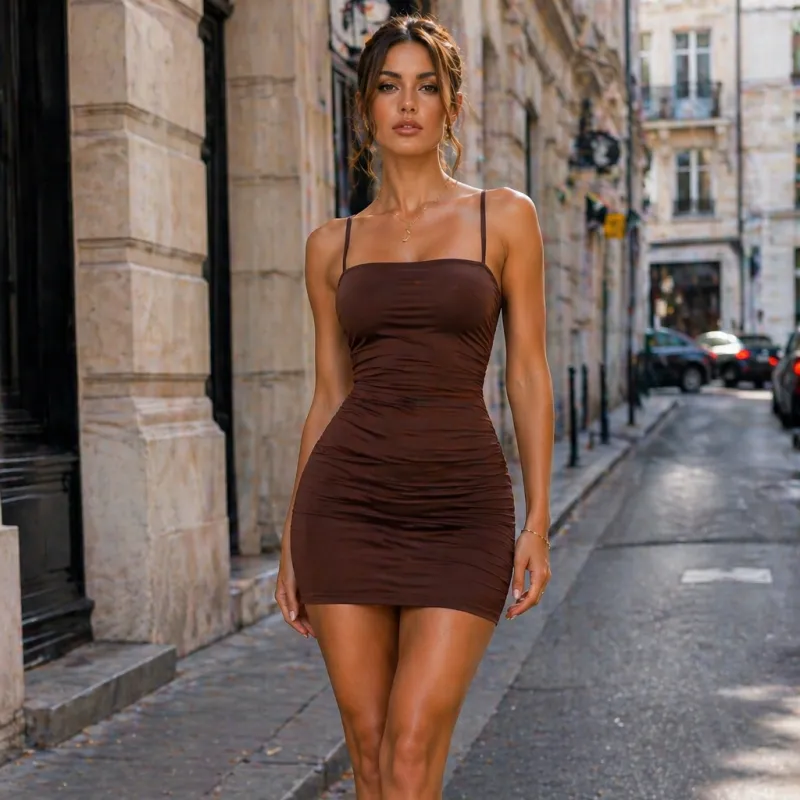
Bodycon Dresses
Suitable Techniques:
- Stretch seam construction (overlock + coverstitch)
- Double-layer and lining construction
- Contour panel shaping and ruching
Target Wearers:
- Young fashion consumers (18–35)
- Social-media-driven shoppers
Usage Scenarios: Daily wear, clubwear, date outfits
Typical Occasions: Parties, social events, casual fashion
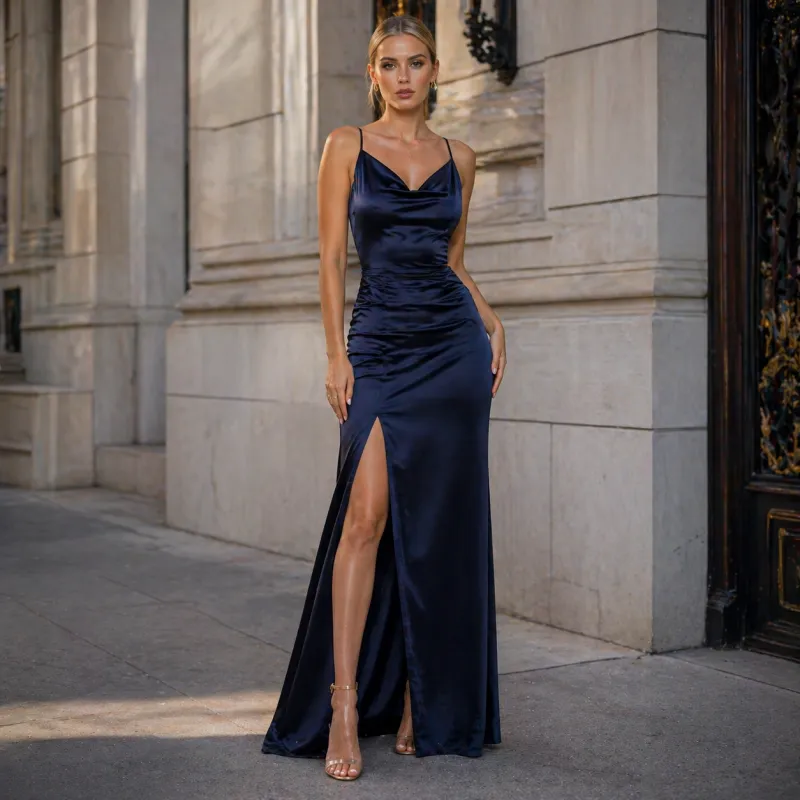
Occasion & Party Dresses
Suitable Techniques:
- Layered fabric construction (mesh, lace, velvet)
- Invisible zipper insertion
- Embellishment handling
Target Wearers:
- Event-focused consumers
- Occasionwear buyers
Usage Scenarios: Evening wear, seasonal collections
Typical Occasions: Weddings, parties, formal events
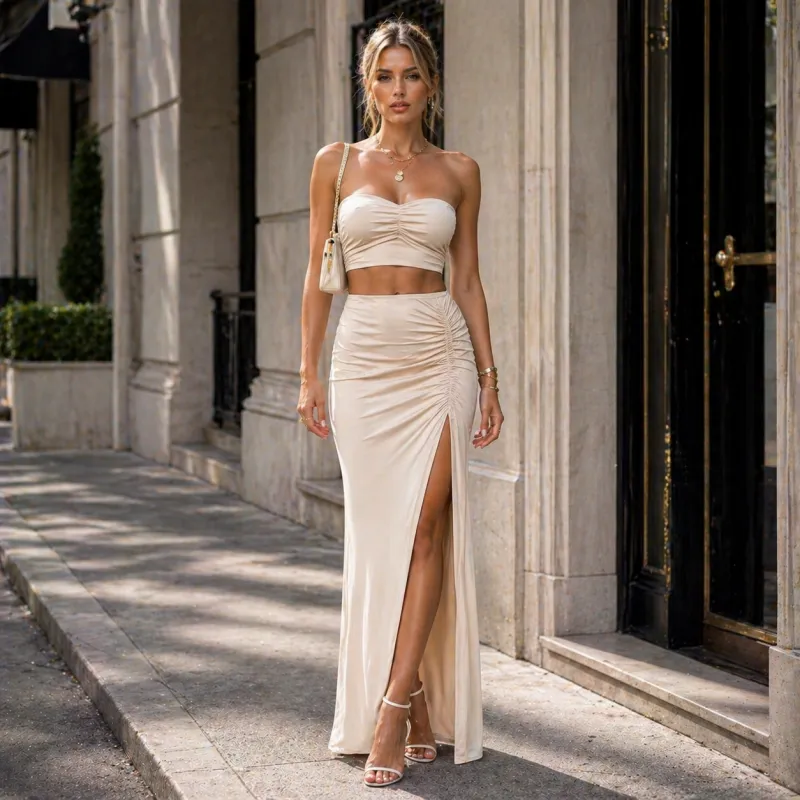
Fashion Sets (Two-Piece / Coordinated Looks)
Suitable Techniques:
- Fabric matching and coordinated pattern cutting
- Elastic waistband construction
- Mixed fabric assembly
Target Wearers:
- Trend-driven buyers
- Fast fashion consumers
Usage Scenarios: Travel, casual styling, social content
Typical Occasions: Daily wear, seasonal drops
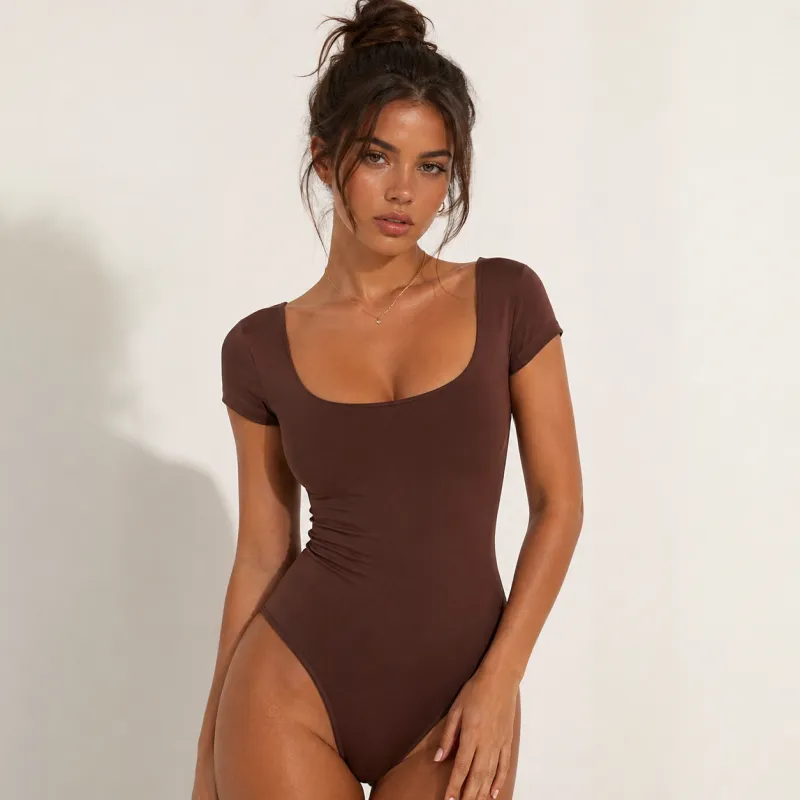
Fitted Tops & Bodysuits
Suitable Techniques:
- Stretch fabric shaping
- Snap closures and reinforced seams
- Clean neckline finishing
Target Wearers:
- Body-conscious consumers
- Athleisure crossover buyers
Usage Scenarios: Layering, everyday styling
Typical Occasions: Casual wear, street fashion
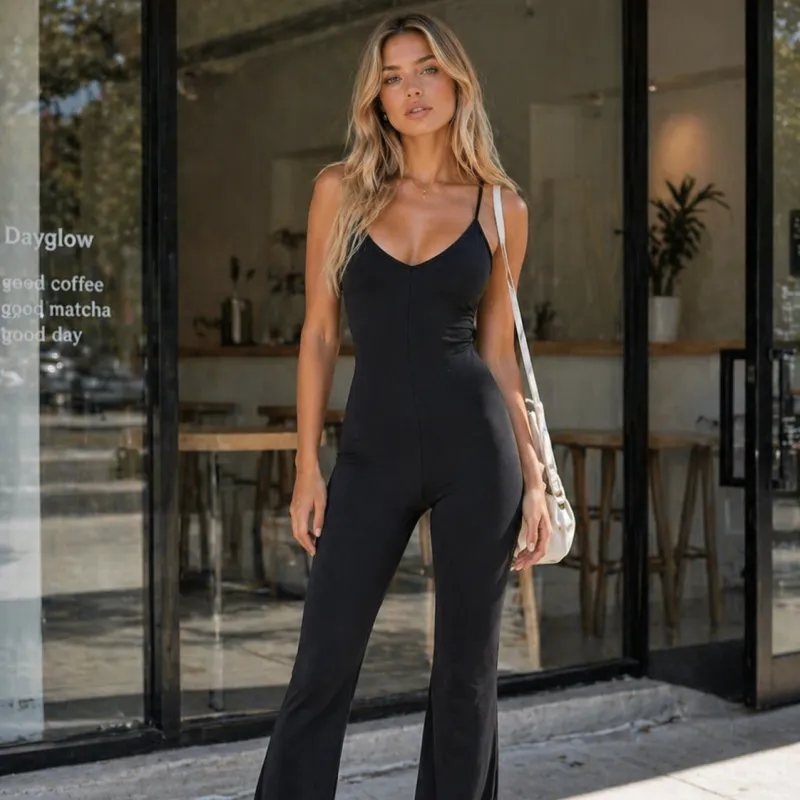
Jumpsuits & Rompers
Suitable Techniques:
- Full-body pattern alignment
- Zipper integration
- Stretch seam balance
Target Wearers:
- Fashion-forward consumers
- Occasionwear buyers
Usage Scenarios: All-in-one outfits, styling convenience
Typical Occasions: Parties, casual events, travel
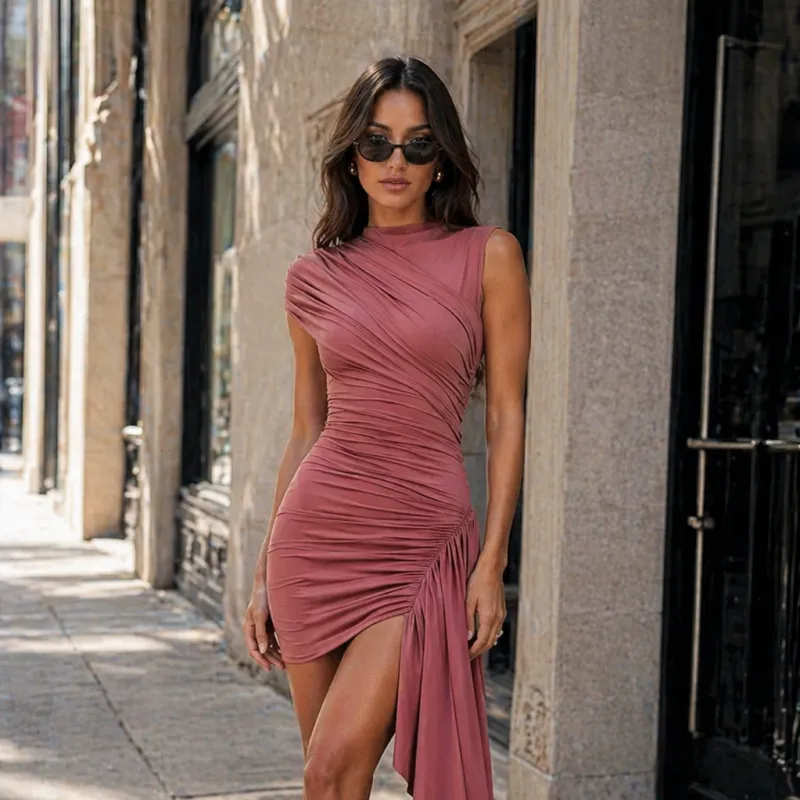
Ruched & Draped Dresses
Suitable Techniques:
- Gathering and ruching construction
- Draping pattern methods
- Elastic thread application
Target Wearers:
- Trend-focused consumers
- Shape-enhancing style buyers
Usage Scenarios: Fashion-forward outfits
Typical Occasions: Dates, parties, social events
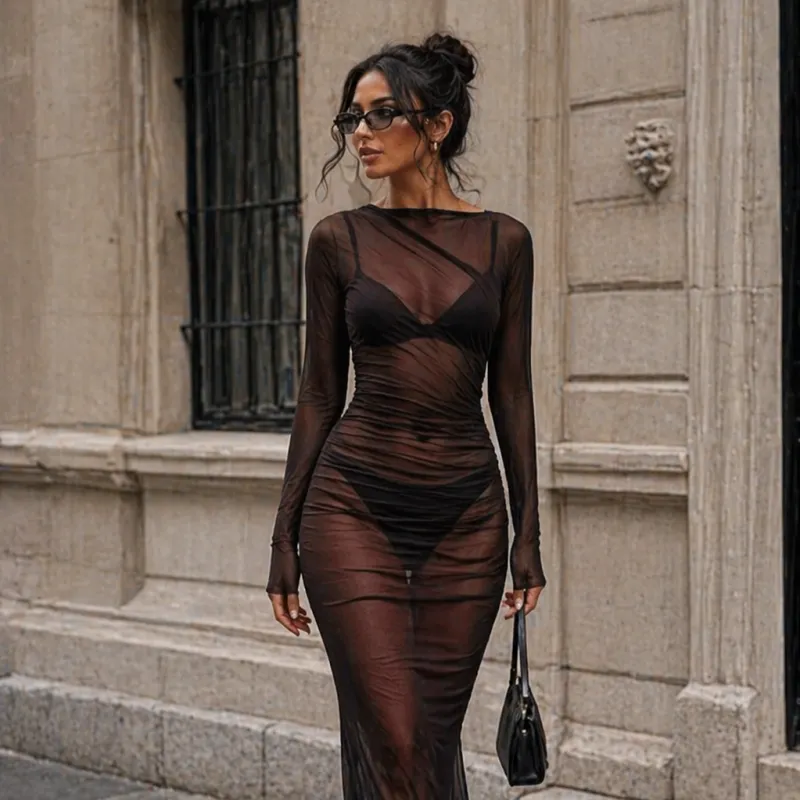
Mesh & Sheer Layered Dresses
Suitable Techniques:
- Double-layer construction
- Mesh overlay alignment
- Seam stabilization
Target Wearers:
- Trend-driven customers
- Eveningwear buyers
Usage Scenarios: Layered styling
Typical Occasions: Parties, nightlife, fashion events
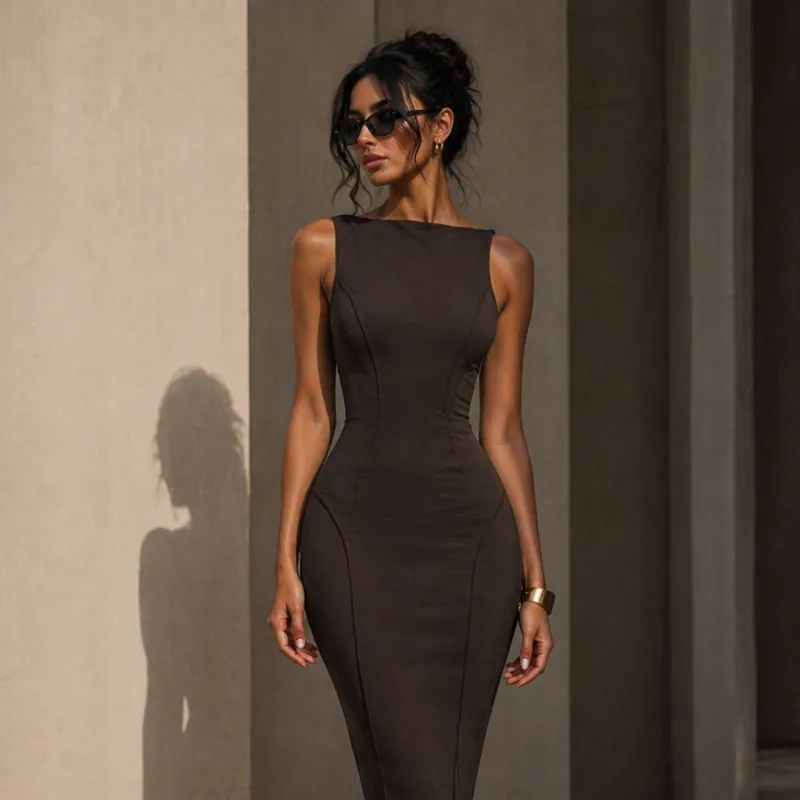
Sculpt / Contour Dresses
Suitable Techniques:
- Panel shaping construction
- Compression fabric handling
- Double-layer support systems
Target Wearers:
- Body-shaping focused consumers
- Premium fashion buyers
Usage Scenarios: Sculpted styling
Typical Occasions: Events, photoshoots, premium fashion
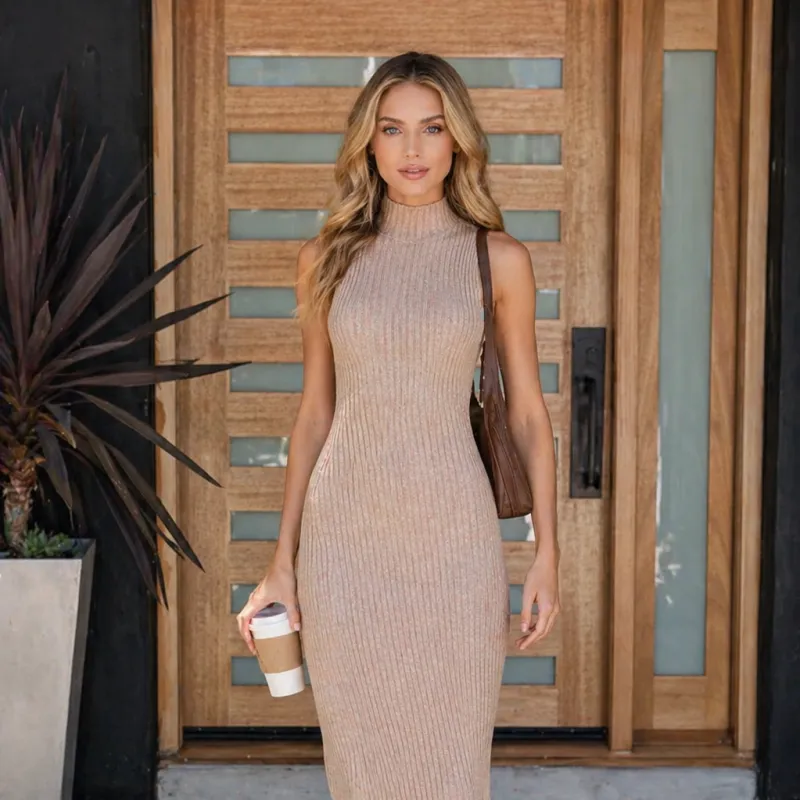
Knit Casual Dresses
Suitable Techniques:
- Basic stretch seam construction
- Rib and jersey handling
- Soft finishing
Target Wearers:
- Everyday consumers
- Comfort-focused buyers
Usage Scenarios: Daily wear, relaxed styling
Typical Occasions: Casual settings, travel
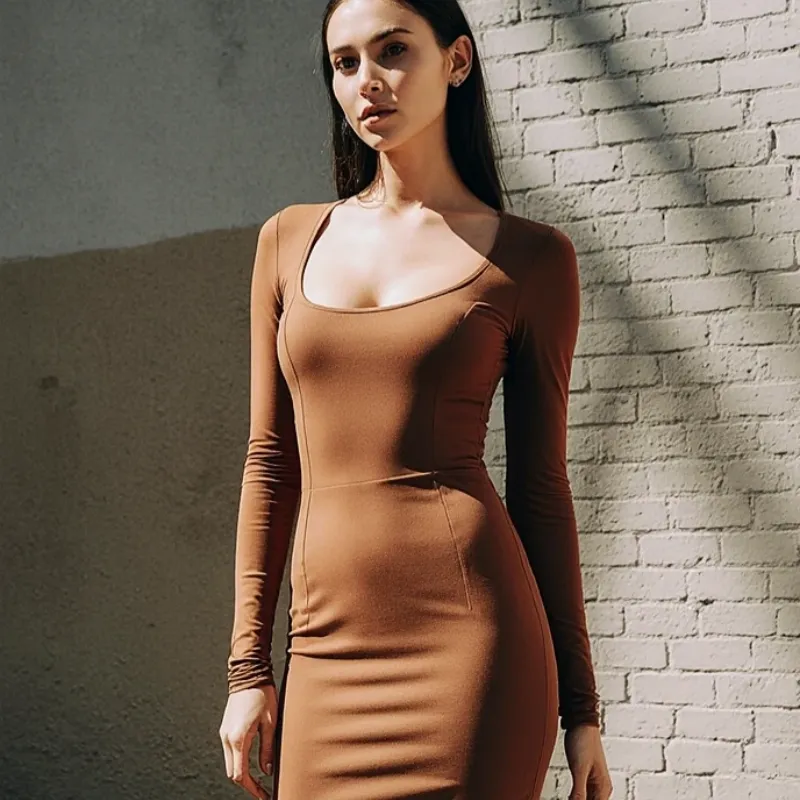
Long Sleeve Fitted Dresses
Suitable Techniques:
- Sleeve pattern adjustment
- Armhole shaping
- Stretch seam control
Target Wearers:
- Seasonal fashion buyers
- Moderate climate markets
Usage Scenarios: Fall/winter styling
Typical Occasions: Daily wear, semi-formal events
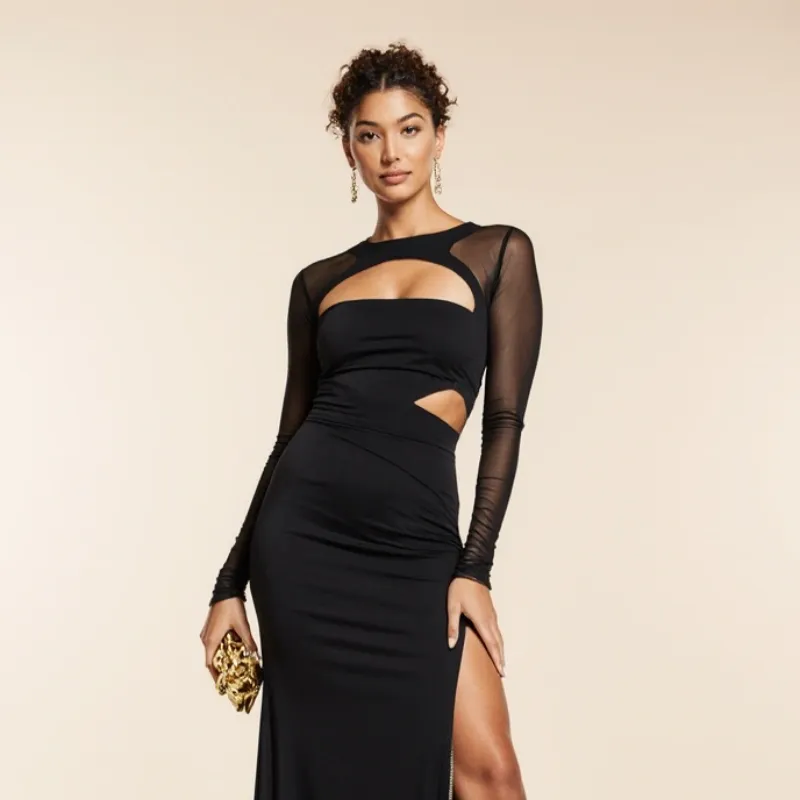
Cut-Out & Design-Driven Dresses
Suitable Techniques:
- Precision cutting
- Reinforced stress-point sewing
- Structural seam placement
Target Wearers:
- Trend-led consumers
- Social media fashion buyers
Usage Scenarios: Statement outfits
Typical Occasions: Parties, nightlife, fashion shoots
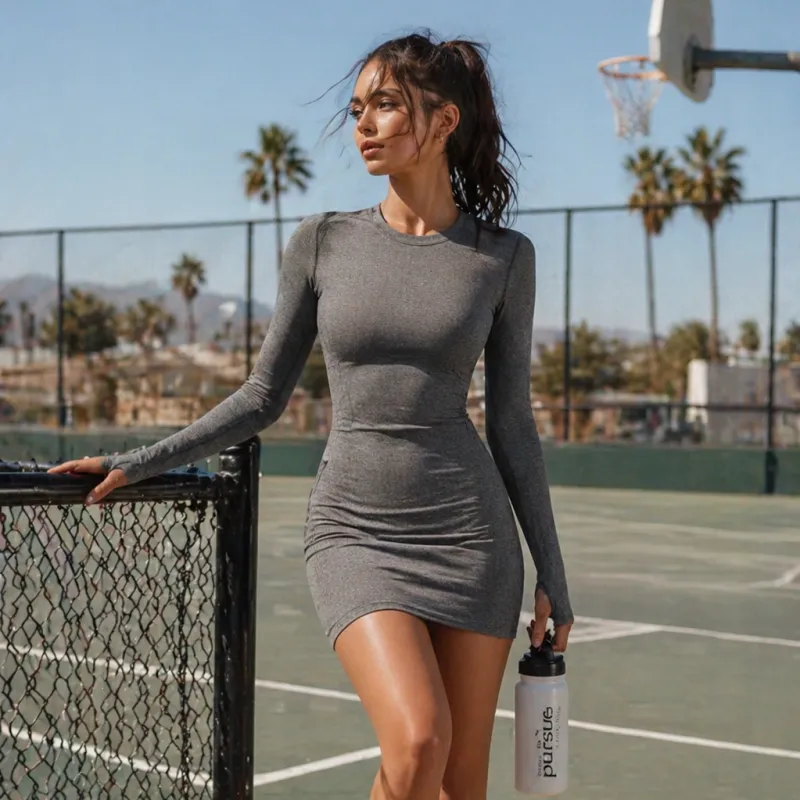
Active-Inspired Fitted Dresses
Suitable Techniques:
- Performance stretch fabric handling
- Moisture-friendly seam construction
- Reinforced stitching
Target Wearers:
- Athleisure consumers
- Active lifestyle buyers
Usage Scenarios: Hybrid fashion and activewear
Typical Occasions: Casual outings, light activity, travel
Who We Work With – Ideal Clients for Bodycon Dress Manufacturing
Built for brands that need fit accuracy, fast development, and stable long-term production
Jinfeng is not positioned for low-cost, one-off orders. The manufacturing system is designed for brands that require consistent development, repeat production, and reliable communication across multiple styles and seasons.
Fast Fashion Women’s Brands
These brands typically:
- launch new styles weekly or monthly
- focus on dresses, sets, and fitted silhouettes
- rely on social media for sales
They need:
- fast sampling turnaround
- flexible production planning
- consistent fit across restocks
Jinfeng supports this through parallel sampling and stable production allocation.
Occasionwear & Partywear Brands
These brands focus on:
- bodycon dresses
- event-driven collections
- visually impactful designs
They require:
- strong fit control
- experience with layered fabrics (mesh, velvet, lace)
- consistent finishing quality
Jinfeng’s experience with fitted and occasion garments supports these needs.
Direct-to-Consumer (DTC) Fashion Brands
These brands often:
- test styles before scaling
- manage inventory carefully
- rely on product performance data
They need:
- flexible MOQ
- stable repeat production
- consistent quality across batches
Jinfeng supports gradual scaling from initial orders to larger volumes.
Social Media–Driven Brands (Instagram / TikTok)
These brands depend on:
- fast product turnaround
- strong visual impact
- trend-driven designs
They require:
- quick sample development
- accurate execution of design details
- ability to handle multiple styles simultaneously
Multi-Category Women’s Fashion Brands
These brands produce:
- dresses
- sets
- tops
- fitted garments
They benefit from:
- working with one supplier for multiple categories
- consistent fabric sourcing
- aligned fit standards across products
Jinfeng’s multi-factory structure supports this type of integration.
Mid-to-Large Scale Buyers and Retailers
These clients typically:
- manage ongoing production cycles
- require stable timelines
- prioritize consistency over lowest cost
They need:
- reliable capacity
- structured communication
- long-term production planning
Jinfeng’s system is designed for repeat orders and scalable cooperation.
Brands Expanding into Bodycon Product Lines
These brands may:
- already produce loose-fit garments
- want to enter fitted categories
They need:
- support in pattern development
- fabric guidance for stretch garments
- fit optimization during sampling
Brands Looking for Long-Term Manufacturing Partners
These clients prioritize:
- stable cooperation
- consistent product quality
- efficient communication over time
Jinfeng’s workflow is built to support ongoing collaboration rather than one-time orders.
Bulk Production for Bodycon Dresses at Different Order Scales
Bodycon dress production is more sensitive than standard apparel. Fit, stretch behavior, and sewing precision must remain consistent not only within one order, but across repeat orders and scaling phases.
Jinfeng’s production system is structured to support brands from initial launch to volume growth, while maintaining control over fit and garment performance.
Structured Production Setup for Fitted Garments
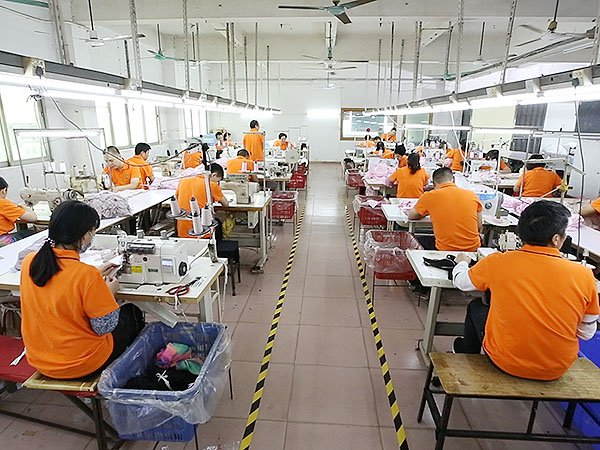
Bodycon dresses require tighter production control compared to loose styles. Jinfeng’s multi-factory system with 3 women’s fashion units allows better allocation for fitted garments, reducing interference from unrelated product lines.
- Separate production focus for fashion dresses vs. basic products
- Stable workflow for stretch and contour garments
- Controlled sewing environment for fit-sensitive styles
- Better handling of multi-style seasonal orders
Capacity Planning and Line Allocation
Production is supported by:
- 18 production lines
- Approx. 100,000 pcs/month capacity
- Additional 50,000–80,000 pcs scaling room
For bodycon dresses, line allocation is based on:
- fabric type (stretch vs. structured)
- style complexity (basic vs. ruched / layered)
- order size and delivery timeline
Key considerations include:
- keeping similar styles on the same line for consistency
- balancing output speed with sewing accuracy
- avoiding overloading lines for fitted garments
Managing Different Order Sizes Efficiently
Jinfeng supports a range of order sizes while maintaining consistent production standards:
Launch Orders (200–500 pcs)
- Used for testing new bodycon styles
- Flexible scheduling across lines
- Faster setup with controlled quantities
Standard Orders (1,000–5,000 pcs)
- Core production range for most brands
- Stable line allocation
- Balanced speed and quality control
Scale Orders (5,000+ pcs)
- Supported through multi-line allocation
- Production split across units if needed
- Controlled coordination to maintain consistency
Multi-Style and Seasonal Production Handling
Fast fashion brands often produce multiple bodycon styles within one order cycle. This includes variations in:
- fabric types
- colors
- silhouettes
- sizing
To manage this, Jinfeng uses:
- parallel production planning across lines
- coordinated scheduling through merchandisers
- batch grouping by fabric or construction type
Maintaining Fit Consistency During Bulk Production
For bodycon dresses, consistency is not just about measurements—it includes how the garment behaves when worn.
To maintain this:
- approved samples are used as fixed references
- fabric batches are aligned as closely as possible
- sewing tension and construction methods are standardized
- key fit points (bust, waist, hip) are monitored during production
Scaling from First Order to Repeat Production
Many brands begin with smaller quantities and expand based on sales performance. Jinfeng’s system supports this progression:
- initial small batch for market testing
- follow-up orders using the same patterns and materials
- gradual increase in volume with stable production control
- ability to expand capacity without changing setup
This makes it easier for brands to:
- reduce risk in early stages
- maintain product consistency
- build long-term production planning
Production Stability for Long-Term Programs
For brands running ongoing collections, production stability becomes a key requirement. This includes:
- consistent lead times across orders
- repeatable quality across batches
- reliable communication during production
- ability to handle multiple releases per season

Custom Logo Application & Packaging Solutions for Bodycon Dress Brands
For growing fashion brands, manufacturing is not only about garment construction.
Brand identity, logo execution, and packaging presentation are equally important for customer experience, retail positioning, and long-term brand building.
Logo Application Techniques for Bodycon Dresses
Different bodycon dresses require different logo techniques based on fabric stretch, garment structure, and brand positioning. Jinfeng supports heat transfer, screen printing, embroidery, silicone logos, woven labels, and satin labels.
Each method is selected according to comfort, durability, visual effect, and production feasibility, helping brands maintain identity without affecting garment fit or wearability.
Logo Placement Based on Bodycon Product Type
Logo placement must balance visibility, comfort, and stretch performance. Common positions include the inner neckline, side seam, back neck, hem, waist, chest, or hip area.
For bodycon dresses, placement should avoid distortion during wear and remain comfortable against the skin while supporting the intended brand expression.
Packaging Customization Options
Packaging supports both product protection and brand presentation, especially for DTC, retail, and online fashion brands.
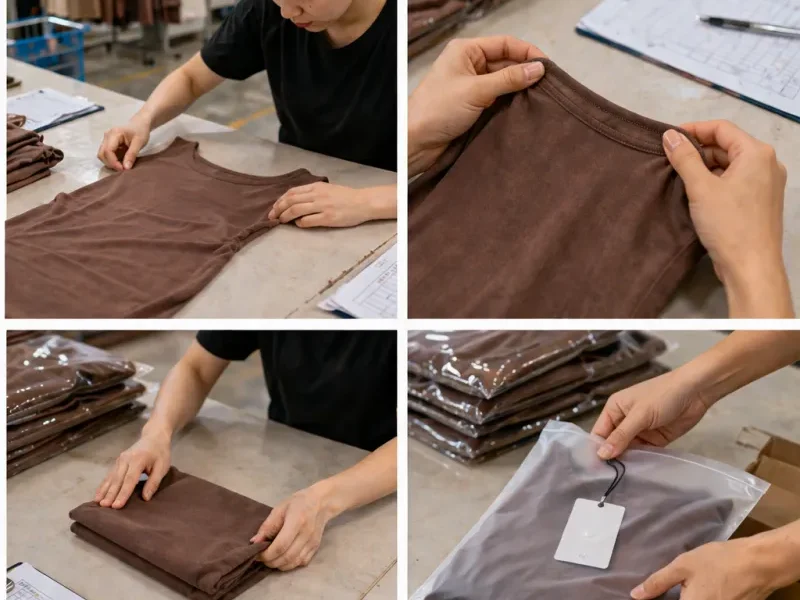
Jinfeng provides custom polybags, zipper bags, branded hangtags, size stickers, SKU labels, barcode packaging, and folded packing standards. These options help brands create a cleaner delivery experience while improving order organization.
Packaging for Different Business Models
Different business models require different packaging solutions. E-commerce brands usually need compact and protective packaging for shipping, while retail brands often require stronger presentation and display-ready details.
Bulk distributors may prefer simplified, cost-efficient packaging with clear carton organization. Jinfeng adjusts packaging based on sales channel, order scale, and brand positioning.
Integration with Production Workflow
Logo and packaging are planned as part of the full production workflow, not as separate final steps.
Logo methods are tested during sampling, labels are sourced according to garment type, and packaging is prepared before bulk completion. Final QC also checks logo placement, label accuracy, SKU details, and packaging consistency before shipment.
Supporting Brand Consistency Across Collections
For brands producing bodycon dresses, sets, tops, and active-inspired styles, consistent branding is important across collections.
Jinfeng helps maintain unified logo standards, label placement, packaging materials, folding methods, and SKU systems. This supports clearer brand recognition and smoother production as brands scale from small runs to repeat orders.
MOQ, Lead Time, and Production Planning
Clear planning reduces delays and helps brands control cost, timing, and stock levels.
Jinfeng provides a structured framework while allowing flexibility based on product type.
MOQ Structure Based on Product Type
Typical MOQ ranges:
- 200–500 pcs → simple styles, basic fabrics
- 1,000–5,000 pcs → standard production
- 5,000+ pcs → scale production
Sampling and Production Lead Times
Sampling
- 7–15 days → regular styles
- 10–20 days → complex designs
Bulk Production
- 15–25 days → simple styles
- 20–35 days → standard styles
- 30–40 days → complex styles
Production Planning for Ongoing Collections
- coordinated sample and bulk workflow
- merchandiser-led order tracking
- flexible production scheduling
Quality Control for Bodycon Dress Production
For bodycon dresses, quality control goes beyond standard garment checks. Because these styles rely on stretch, recovery, and close-fit shaping, even small inconsistencies can affect how the garment looks and performs.
Jinfeng’s QC workflow focuses on controlling key variables early and maintaining alignment between approved samples and bulk production.
Pre-Production Material and Sample Control
Before bulk production begins, both materials and reference standards are confirmed to reduce variation later in the process. This stage focuses on aligning fabric performance with pattern requirements.
- Fabric is checked for defects, color consistency, and surface quality
- Stretch ratio and recovery are reviewed to ensure fit stability
- Shrinkage behavior is evaluated before cutting
- Approved sample is locked as the production reference
- Key construction points are clarified with the production team
This step helps ensure that production starts with the correct materials and a clear standard.
Pattern, Cutting, and Fabric Handling Control
For bodycon dresses, fabric behavior directly affects pattern performance. Cutting and preparation must follow strict control to avoid distortion.
- Fabric is relaxed before cutting to stabilize stretch behavior
- Pattern layout is adjusted based on fabric direction and elasticity
- Automatic cutting improves consistency across pieces
- Special attention is given to layered fabrics and lining alignment
- Panel matching is controlled for styles with texture or pile
Proper cutting control reduces fit deviation and improves consistency in later stages.
In-Line Sewing and Construction Monitoring
During production, sewing quality directly impacts garment shape. Continuous monitoring helps maintain consistency across pieces.
- Seam tension is checked to prevent distortion in stretch fabrics
- Stitch density is controlled to maintain elasticity
- Panel alignment is monitored for accurate shaping
- Ruching and gathering are checked for uniform appearance
- Zipper insertion and finishing details are reviewed during sewing
Inline control allows issues to be corrected early instead of after full production.
Measurement and Fit Verification
Bodycon dresses require tighter measurement control compared to loose garments. Fit consistency is checked throughout production.
- Bust, waist, and hip measurements are verified
- Length and proportion are checked against approved specs
- Stretch tolerance is considered during measurement
- Random checks are performed during production batches
This helps ensure that all pieces remain aligned with the approved sample fit.
Final Inspection and Appearance Control
Before shipment, finished garments are reviewed to confirm they meet visual and structural standards.
- Overall silhouette and shaping are inspected
- Surface appearance is checked for defects or inconsistencies
- Lining and outer fabric balance is reviewed
- Seams, hems, and finishing details are examined
- Labeling and packaging are verified for accuracy
This stage ensures that the final product reflects the intended design and quality level.
Consistency Control Across Bulk Orders
Maintaining consistency across batches is critical for repeat production and long-term cooperation.
- Approved sample is used as a fixed referencea
- Fabric batches are aligned as closely as possible
- Production lines follow the same construction standards
- QC feedback is shared internally for continuous adjustment
This approach helps reduce variation between production runs and supports stable repeat orders.
Equipment and Process Support
Quality control is supported by factory equipment and internal workflow coordination.
- Fabric inspection machine for material checking
- Shrinking machine for pre-production preparationa
- Automatic cutting system for consistency
- Coordinated QC and production teams for process control
These tools help improve efficiency while maintaining consistent output quality.
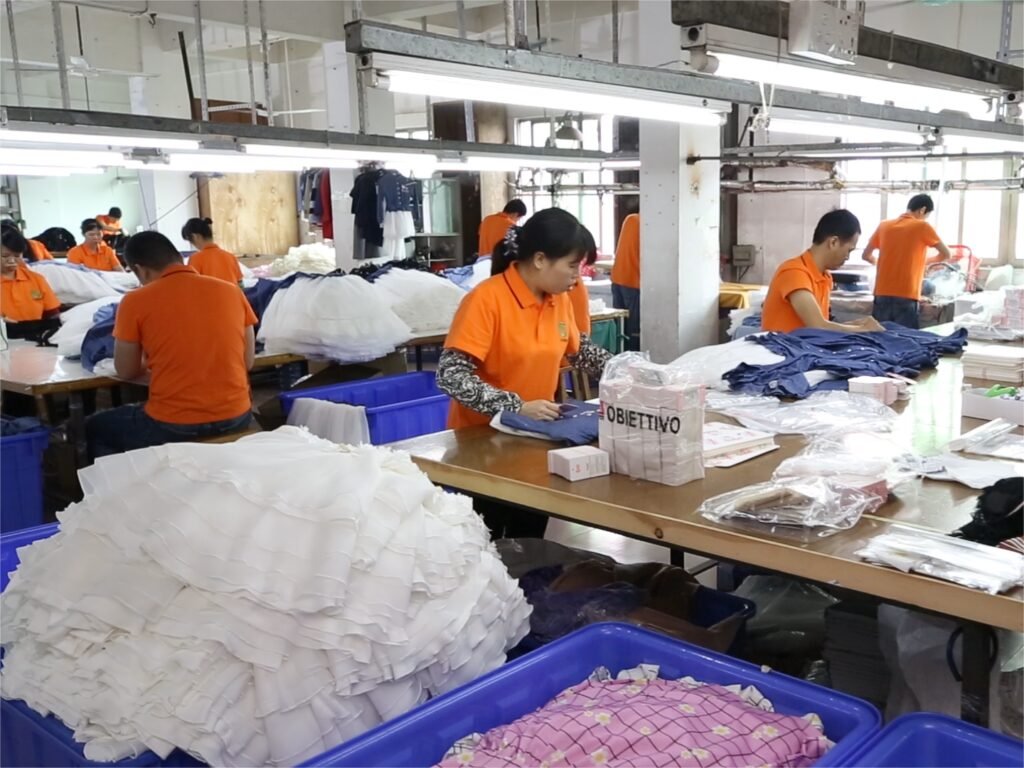
Factory Set up and Manufacturing Resources Behind the Dresses
Jinfeng’s factory setup is structured around real production needs for women’s fashion, especially bodycon dresses and fitted garments.
Instead of operating as a single production unit, the company works through a multi-factory system, allowing better control over sampling, production flow, and order coordination across different product categories.
Multi-Factory Structure for Women’s Fashion Production
- 3 factories focused on women’s fashion production (dresses, sets, fitted garments)
- 1 factory focused on T-shirts, sweatshirts, and printing products
Sampling and Development Capacity
- 2 dedicated sample development rooms
- 7 senior pattern makers with fit experience
- 20 sample technicians
- 3 sourcing staff supporting fabric and trim coordination
Production Capacity and Workforce Structure
- 18 production lines
- Monthly capacity of approximately 100,000 pieces
- Additional 50,000–80,000 pieces expansion capacity
- Factory space of around 5000 sqm
Equipment Supporting Manufacturing and Finishing
- DTG digital printing machines (2 units, expanding to 3)
- 18 embroidery machines
- 15 heat transfer printing machines
- fabric inspection machine
- shrinking machine
- automatic cutting equipment
Internal Coordination and Workflow Efficiency
- merchandisers track order progress from sampling to shipment
- sourcing team supports material availability and cost control
- production teams follow approved sample standards
Co-Development Support for Brands Building Bodycon Collections
Turning design concepts into production-ready bodycon products with fit accuracy and material alignment
For bodycon dresses, development is not just about “making a sample.” It is a process of translating design intent into a wearable, scalable product. Many brands face challenges when factories simply follow tech packs without understanding fit, fabric behavior, or construction logic. Jinfeng’s co-development approach focuses on solving these gaps before bulk production.
Where Most Development Processes Break Down
- Tech packs are followed mechanically without understanding the intended fit
- Factories do not adjust patterns based on fabric stretch or thickness
- Samples look correct visually but fail in real wear
- Multiple revisions are needed due to poor initial interpretation
- Development becomes slow and inconsistent across styles
For bodycon dresses, these issues are more critical because fit and proportion define the product.
What Mid-to-Large Brands Expect from a Development Partner
Experienced brands usually look for more than basic sample execution. They expect:
- Clear understanding of bodycon fit logic and silhouette balance
- Ability to translate design intent into pattern adjustments
- Support in fabric selection based on performance, not just appearance
- Faster alignment between first sample and target result
- Consistency across multiple styles within one collection
This is especially important when developing full seasonal bodycon ranges.
Jinfeng’s Co-Development Approach
Jinfeng works as a development partner rather than just a production unit:
- Reviews tech packs, images, or samples with fit and construction analysis
- Adjusts patterns based on fabric elasticity, weight, and recovery
- Provides material suggestions aligned with target price and performance
- Aligns pattern, fabric, and construction before moving into bulk
- Supports communication between design, sampling, and sourcing teams
This reduces misalignment early in the process.
Fit Optimization for Bodycon Silhouettes
Bodycon dresses require detailed fit control. During development, adjustments often include:
- Bust, waist, and hip proportion balancing
- Neckline and shoulder positioning
- Sleeve and armhole movement (for long sleeve styles)
- Length and overall silhouette correction
These adjustments are based on actual sample results, not just measurements, helping improve real wear performance.
Fabric and Construction Alignment
Material choice directly impacts final results. Jinfeng supports:
- Matching fabric stretch to pattern requirements
- Adjusting construction methods based on fabric type
- Recommending lining or double-layer solutions for opacity and support
- Improving seam structure for durability and shape retention
This helps avoid issues that often appear later during production.
Reducing Development Time and Revision Cycles
With a structured sampling system:
- Most styles are aligned within 1–2 sample rounds
- Internal checks reduce avoidable errors before client review
- Multiple styles can be developed simultaneously
This is supported by:
- 2 sample rooms
- 7 pattern makers
- 20 sample technicians
Helping brands maintain development speed across collections.
Supporting Collection-Level Development
For brands developing multiple bodycon styles:
- Patterns can be aligned across different designs
- Fabric sourcing can be coordinated across styles
- Fit consistency can be maintained across a full collection
This is especially useful for brands with seasonal launches or frequent product drops.
From Development to Production Readiness
The goal of co-development is not just to create a sample, but to prepare the product for production:
- Final sample becomes a clear production standard
- Materials and construction are confirmed early
- Fit issues are resolved before bulk production
This reduces risk during manufacturing and improves repeat order stability.
Delivery, Shipping Terms, and Order Coordination
Once production is completed, delivery coordination becomes the final step in ensuring products reach the market on time.
Jinfeng provides multiple shipping and coordination options based on order size and timeline.
Shipping Methods and Transit Time
- Express: 5–8 days
- Air Freight: 10–15 days
- Sea Freight: 20–35 days
Trade Terms and Delivery Flexibility
- FOB
- EXW
- CIF
- DAP
- DDP
Order Follow-Up and Communication
- production updates
- timeline tracking
- coordination between departments
Factory Compliance, Safety, and Production Standards
For mid-to-large brands, compliance is a key part of supplier selection. It affects not only product quality, but also brand reputation, audit readiness, and long-term supply chain stability.
Jinfeng maintains structured internal standards and supports internationally recognized compliance frameworks to align with brand requirements.
Production Safety and Working Environment
Factory operations are managed through controlled and organized systems:
- structured production lines with clear workflow
- regulated working conditions and safety management
- defined responsibilities across departments
- stable workforce and production scheduling
This helps:
- maintain consistent production efficiency
- reduce operational risks
- support long-term manufacturing stability
Material and Production Process Control
To ensure product consistency and traceability:
- fabrics are inspected before production
- shrinkage and color consistency are verified
- approved samples are locked as production standards
- construction processes are aligned across production lines
This supports:
- stable fit and quality across batches
- reduced defect rates
- better control for repeat orders
Internal Quality Control System
Jinfeng applies a structured QC workflow:
- pre-production alignment with approved samples
- in-line inspection during sewing
- final inspection before shipment
This approach helps:
- detect issues early
- reduce rework during production
- maintain consistent output quality
Social Compliance and Audit Standards (SMETA)
Jinfeng supports SMETA (Sedex Members Ethical Trade Audit) standards, which are widely used by international brands for social compliance evaluation.
This includes:
- labor standards and working conditions
- health and safety management
- environmental practices
- ethical business operations
SMETA alignment helps brands:
- meet global sourcing requirements
- simplify audit processes
- reduce compliance risks in supply chains
Support for BSCI, ISO, and Brand-Specific Requirements
In addition to SMETA, Jinfeng can support and assist clients with compliance preparation for:
- BSCI (Business Social Compliance Initiative)
- ISO-related quality and management standards
- brand-specific audit requirements
Support may include:
- documentation preparation
- process alignment
- on-site audit coordination
This helps brands work with a factory that can adapt to different compliance systems.
Supply Chain Coordination and Transparency
Production is supported by coordination between:
- sourcing team (fabric and trims)
- sampling and development team
- production lines
- merchandisers
This improves:
- communication efficiency
- transparency during production
- alignment between development and bulk stages
Stability for Long-Term Cooperation
Compliance is not only about passing audits, but maintaining stable operations over time.
Jinfeng’s structure supports:
- consistent production across repeat orders
- predictable delivery timelines
- reliable communication channels
This is especially important for brands running continuous bodycon dress programs and seasonal collections.
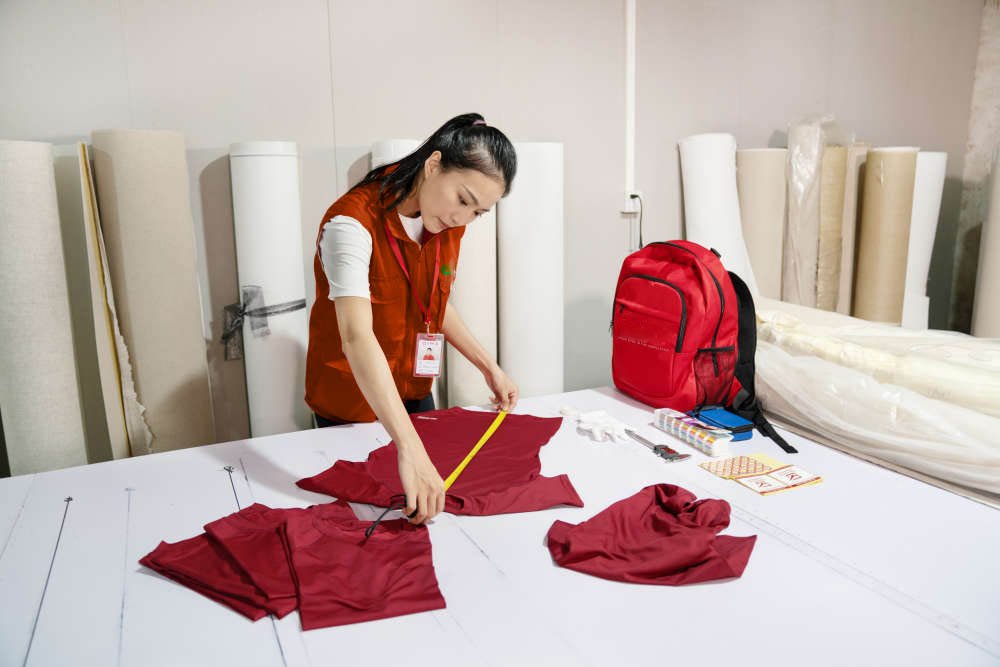
Real Client Cases – Bodycon Dress Manufacturing in Practice
These examples reflect typical cooperation scenarios with mid-to-large fashion brands developing bodycon dresses and fitted collections.
Each case focuses on real production challenges, practical solutions, and measurable results.
Case 1 – U.S. Fast Fashion Brand Scaling a Best-Selling Bodycon Dress
Region: United States
Use Scenario: Weekly product drops driven by social media campaigns
Pain Points:
The brand had a best-selling bodycon dress but faced inconsistent fit across restock batches from previous suppliers. Fabric stretch variation and unstable sewing caused high return rates and delayed restocking.
Solution:
Jinfeng reviewed the original sample and re-developed the pattern based on fabric behavior.
- Re-selected a more stable nylon-spandex fabric
- Adjusted pattern tolerance for stretch recovery
- Standardized sewing tension across production lines
Result:
- Return rate reduced by 18%
- Fit consistency improved across 3 repeat orders
- Restock cycle shortened by 20%
- Monthly repeat order volume increased to 4,000+ pcs per style
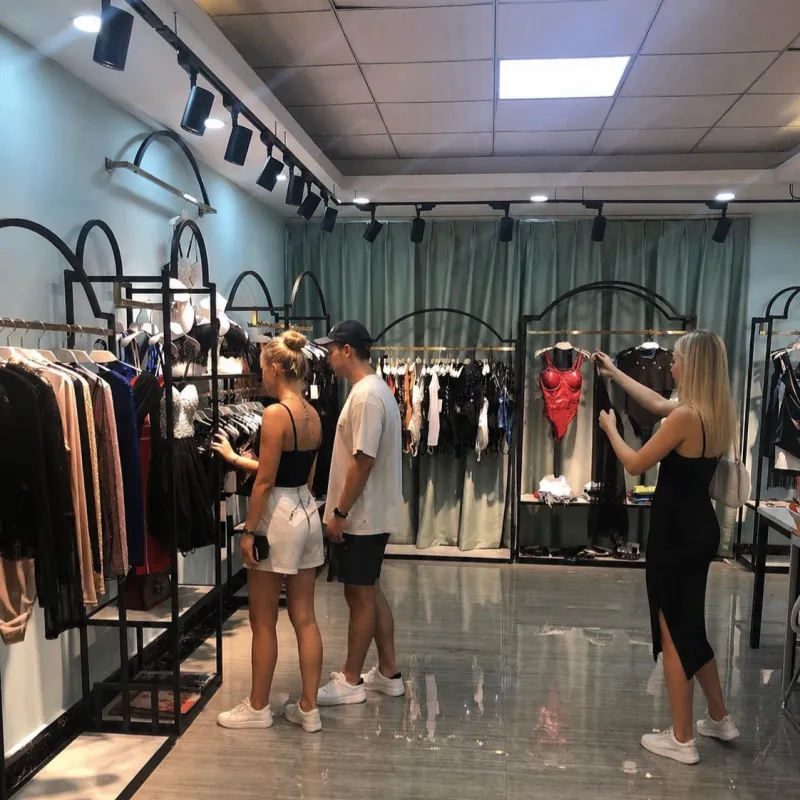
Case 2 – UK Occasionwear Brand Improving Sample Accuracy
Region: United Kingdom
Use Scenario: Seasonal occasionwear collections (party & event dresses)
Pain Points:
The brand struggled with multiple sample revisions when working with other suppliers. Designs involving mesh layering and ruching were difficult to execute correctly, causing delays in seasonal launches.
Solution:
Jinfeng supported structured sample development:
- Built double-layer mesh construction with aligned stretch ratios
- Adjusted ruching distribution for balanced shaping
- Reduced unnecessary sampling iterations through internal pre-check
Result:
- Sample approval achieved within 2 rounds (previously 4–5 rounds)
- Development time reduced by 30%
- Improved visual consistency across styles
- Successfully launched 12 styles within one collection cycle

Case 3 – Australian DTC Brand Expanding from Small Orders to Scaled Production
Region: Australia
Use Scenario: Direct-to-consumer brand testing and scaling new bodycon styles
Pain Points:
The brand started with small order quantities and needed a manufacturer that could handle both low-volume testing and future scale-up. Previous suppliers lacked flexibility and struggled with repeat consistency.
Solution:
Jinfeng supported a step-by-step production approach:
- Initial order at 300 pcs per style for testing
- Maintained pattern and fabric consistency for repeat orders
- Allocated additional production lines for scale-up
Result:
- Scaled from 300 pcs to 3,500 pcs per style within 3 months
- Maintained consistent fit across all batches
- Reduced production errors during scaling phase
- Established long-term production plan for multiple collections

Frequently Asked Questions About Working with a Bodycon Dress Manufacturer
The starting MOQ is usually around 200 pieces per style, depending on fabric type, number of colors, and construction complexity. Simpler stretch styles allow more flexibility, while designs involving special fabrics or multiple layers may require higher quantities to ensure stable production and cost control.
Fit is controlled through pattern development and sample revisions. Each sample is adjusted based on fabric stretch, body proportions, and wear testing. The goal is to confirm fit accuracy during sampling so that bulk production follows an approved and stable reference.
Fabric can be sourced based on client requirements or matched as closely as possible through local suppliers. If the original material is not available, alternatives are suggested based on stretch, weight, and performance to maintain the intended look and feel of the design.
Sample development usually takes around 7–15 days for standard bodycon styles and 10–20 days for more complex designs. Bulk production generally takes 15–25 days for simple styles, 20–35 days for standard orders, and 30–40 days for more complex garments, depending on fabric readiness, order size, and construction details.
Development usually starts with a tech pack, reference images, size chart, target quantity, and fabric direction if available. If some details are not finalized, the development team can still review the project and discuss suitable fabric options, construction methods, and sampling steps before moving forward.
Consistency is controlled by using the approved sample as the production standard, aligning materials before production, and monitoring sewing execution during manufacturing. This helps reduce variation across batches and ensures repeat orders stay close to the original specification.
Yes. Many brands begin with smaller launch quantities to test product performance before scaling. This approach is useful for new collections, new fits, or seasonal bodycon styles. Once the product performs well, production can be expanded into repeat orders with more stable planning and line allocation.
If issues are identified, they are reviewed internally and corrected during production whenever possible. Clear communication is maintained with the client to align on solutions and avoid delays, especially for time-sensitive orders.
Yes. NDA agreements can be signed before development begins. Design details, samples, and production information are handled with confidentiality, which is important for brands working on new or unreleased collections.
Long-term cooperation is supported through stable production processes, consistent communication, and the ability to scale orders over time. As both sides become familiar with product requirements, development and production become more efficient for future orders.

Start Your Custom Bodycon Dress Project
Jinfeng provides a clear and practical process for developing custom bodycon dresses, from sample review to bulk production planning.
How to Begin
- Share your tech pack, reference sample, or design images
- Receive fabric suggestions, MOQ guidance, and quotation feedback
- Develop and confirm samples with fit adjustments
- Start bulk production with a confirmed timeline
Information That Helps Speed Up Quotation
- Bodycon dress style or reference design
- Fabric preference or target hand feel
- Size chart and fit requirements
- Estimated quantity and color plan
- Logo, label, packaging, or trim requirements
- Target market and launch timeline