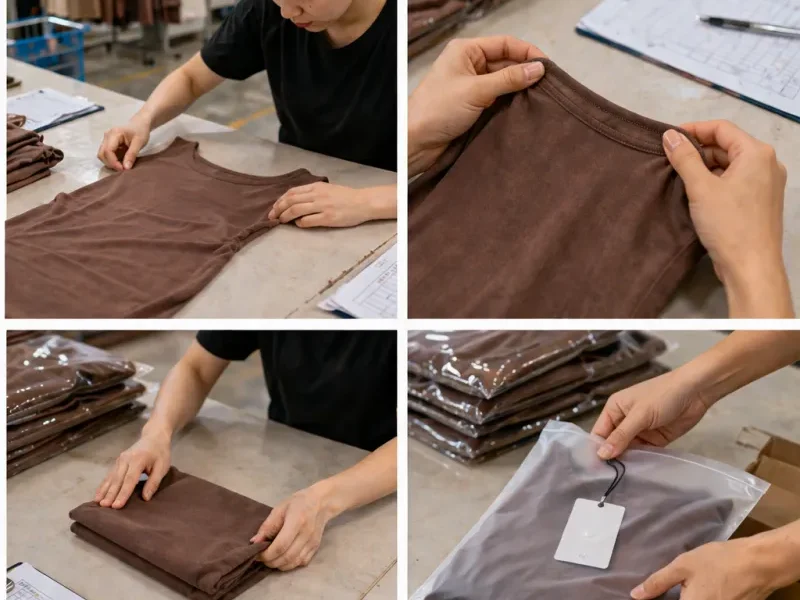
Bodycon Dress Development
Develop fitted dresses from concept, reference image, original sample or tech pack into production-ready styles with controlled stretch, proportion, construction and repeatable bulk standards.
- 2 dedicated sample rooms for structured womenswear development
- 7+ senior pattern makers focused on fit-sensitive women’s fashion
- 20+ sample machinists supporting first, revised, photo, PP and Golden samples
- Bodycon development controls stretch recovery, bust-waist-hip balance, side seams and worn length
- MOQ starts from 200 pcs per style/color, with material and trim MOQ reviewed separately when applicable
Built for Teams Developing Commercial Bodycon Collections
Product Development Teams
Sourcing and Vendor Teams
Supplier selection for fitted dresses requires more than a price comparison.
Teams need to understand whether fabric sourcing, pattern correction, sample revision, production handover, QC and documentation can be managed under one development system. Jinfeng combines 2 sample rooms, 7+ senior pattern makers, 20+ sample machinists, 12+ merchandisers and 15+ QC inspectors across the development-to-production workflow.
Merchandising and Collection Teams
Quality and Technical Teams
Private-Label Programs
Long-Term Reorder Programs
Bodycon Development Is More Than Making a Dress Tighter
A strong bodycon silhouette comes from the interaction between fabric behavior, pattern ease, body proportion, construction and movement. Reducing a standard dress pattern around the body can create pulling, transparent areas, side-seam rotation, neckline distortion or an uneven hem. Jinfeng approaches bodycon development as a fit-sensitive product category with its own sampling and bulk-control logic.
Stretch Has to Match the Pattern
Stretch is not a decorative fabric feature. It changes how much ease a pattern can carry, how the garment moves over the bust and hip, and how strongly seams are loaded while worn. Two fabrics with similar fiber content may behave differently because knit construction, weight and recovery are different. Fabric direction is therefore reviewed before the pattern is treated as final.
A fitted sample may look correct immediately after dressing and still fail after movement. If recovery is weak, the waist or hip can relax, the hem can drop unevenly, and seat areas can bag. Jinfeng reviews stretch and recovery together with pattern shape rather than evaluating flat measurements alone.
Bust, Waist and Hip Must Work as One Silhouette
Bodycon fit is controlled through proportion. A waist that measures correctly can still sit too high or too low.
A hip that is technically within measurement can pull the side seam forward.
A bust adjustment can change neckline position, armhole balance and front length.
Pattern correction therefore looks at the relationship between major body points instead of treating each measurement as an isolated number.
Worn Length Is Different From Flat Length
A fitted mini or midi dress can shorten once the fabric stretches around the hip. Back length may need more room than front length depending on shape, fabric and design.
Ruched panels, cut-outs and lining can alter the effective length again.
Sample review checks front/back balance, hem position and movement before bulk standards are locked.
Construction Changes Stretch Response
Double layers, linings, mesh overlays, elastic, zippers, boning, cups and ruching can all change how a bodycon shell behaves. A jersey shell that stretches freely may feel much tighter once paired with a lower-stretch lining. An invisible zipper can stabilize one seam while the opposite seam stretches more. Construction and fit are therefore developed together.
Bulk Consistency Starts During Development
Bulk QC cannot repair a pattern that was never stable. Approved fit comments, final pattern, fabric reference, sewing method and key measurements need to be documented before production. Jinfeng uses first, revised, PP and Golden sample stages as control points according to product complexity and project requirements.

Bodycon Styles Developed for Different Fit and Construction Goals
A bodycon collection can range from clean knit basics to highly engineered partywear. Each silhouette places different loads on the fabric and different demands on pattern, lining, openings and finishing. Jinfeng develops fitted dresses by style family so technical controls follow the intended appearance rather than one generic bodycon formula.

Mini Bodycon Dress
- Fit focus: hip tension, hem rise, waist placement
- Construction focus: neckline stability, hem finish, optional lining
- Bulk risk: length drift and side-seam twisting

Midi Bodycon Dress
Midi silhouettes require stronger balance through the hip, thigh and lower leg. A dress can measure correctly yet feel restrictive while walking or sitting.
Fabric recovery, slit height, center-back balance and hem stability become more important. Ponte and stable stretch knits can support a cleaner line, while softer jersey gives more drape and movement but needs tighter recovery control.
- Fit focus: thigh movement, back length, hem balance
- Construction focus: slit, zipper or pull-on opening
- Bulk risk: measurement drift across long panels
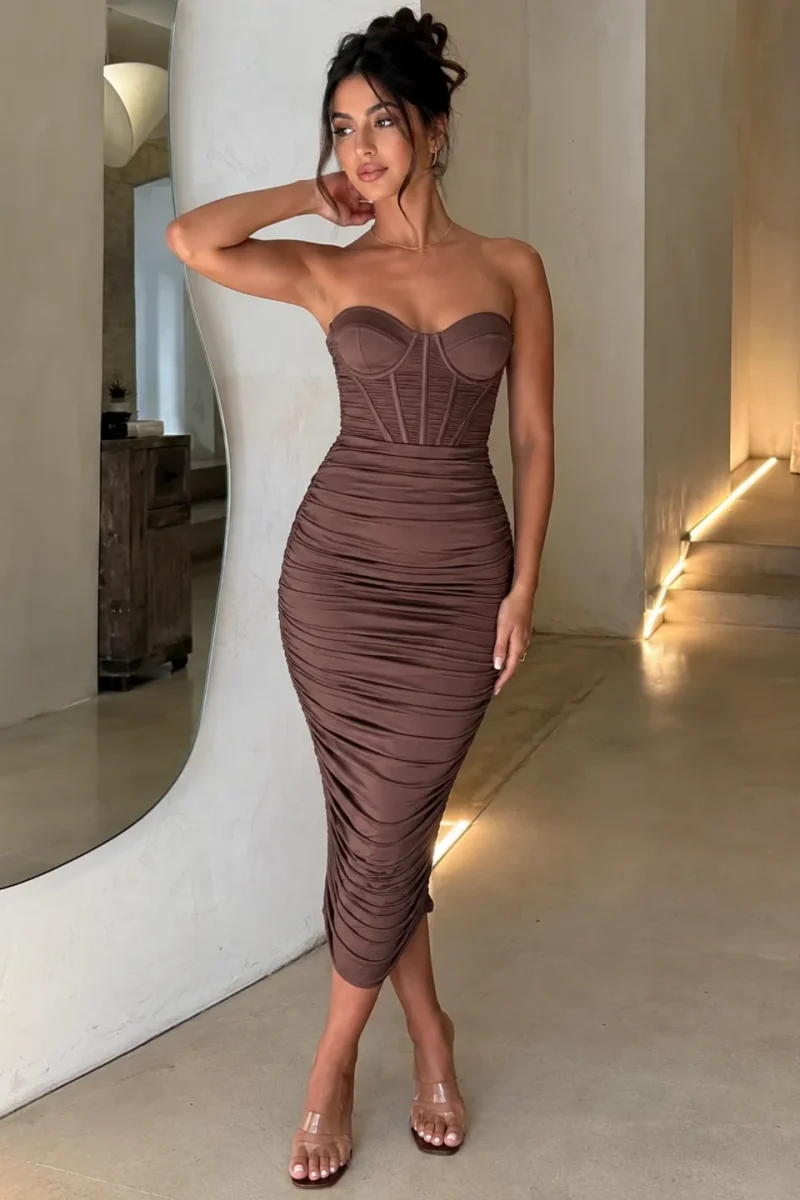
Ruched Bodycon Dress
Ruching changes both visual proportion and technical panel length. The amount and direction of gathers must remain consistent across sizes and bulk quantities.Uneven tension can make one side shorter or create excessive volume at the waist or hip. Jinfeng reviews ruching placement during sampling, then transfers approved distribution and sewing instructions into production QC.
- Fit focus: waist/hip shaping under gathered volume
- Construction focus: gather ratio and placement symmetry
- Bulk risk: inconsistent length or bulky seams

Mesh Bodycon Dress
- Fit focus: two-layer stretch interaction
- Construction focus: lining and exposed mesh zones
- Bulk risk: transparency variation and mesh damage

Cut-Out Bodycon Dress
Cut-outs remove structural area from an already fitted garment. Opening position, edge finishing and grading determine whether the dress stays secure across a size range.
A cut-out that works on one sample size may shift too far toward the side body after grading. Development therefore reviews opening proportion, fabric stretch, seam support and skin exposure on the approved fit direction.
- Fit focus: opening position and body coverage
- Construction focus: edge stability and seam reinforcement
- Bulk risk: graded openings losing intended proportion

Strapless Bodycon Dress
A strapless bodycon style depends on upper-bust stability rather than shoulder support.
Anti-slip tape, cups, boning, lining and zipper construction may be needed depending on the design.
Sample review checks upper-bust circumference, neckline height, bust shape, waist anchoring and whether movement causes the dress to slide.
- Fit focus: upper-bust hold and bust shaping
- Construction focus: anti-slip, cups, boning, lining
- Bulk risk: inconsistent support or zipper distortion

Corset Bodycon Dress
Corset-bodycon hybrids combine a structured upper section with a stretch-fitted lower section. Boning lines, cup position, waist shaping and zipper behavior must work with the lower fabric’s stretch.
Development separates the support logic of the bodice from the compression logic of the skirt, then checks how both sections join at the waist.
- Fit focus: bust support and waist transition
- Construction focus: boning, cup placement and seam channels
- Bulk risk: mismatch between rigid and stretch sections

Party and Going-Out Bodycon Dress
- Fit focus: secure exposure and photo-ready proportion
- Construction focus: trims, lining, asymmetric details
- Bulk risk: decorative inconsistency and packing damage
Stretch Fabric Selection Built Around Fit, Recovery and Bulk Stability
Fabric choice is one of the earliest technical decisions in bodycon development because pattern ease, opacity, lining, seam construction and size stability all depend on material behavior. Jinfeng works with jersey, rib knit, ponte, stretch satin, mesh, power mesh and spandex-blend fabrics among its wider womenswear fabric system. Selection starts from the intended silhouette and wearing experience, not from fiber name alone.

Jersey for Soft, Close-to-Body Fit
Jersey supports fitted mini, midi and going-out styles where softness and body movement are important. Development checks stretch direction, recovery, twisting tendency, neckline stability and washing-related dimensional change. Lightweight jersey may require lining or a double layer when opacity drops under tension. Heavier jersey can improve coverage but may change drape and compression, so a weight change can require pattern review.
For repeat programs, the bulk fabric reference should preserve composition, weight, width, stretch behavior, hand feel, transparency, shrinkage note and approved appearance. A replacement jersey is not assumed to work with the same pattern simply because the color and composition look similar.
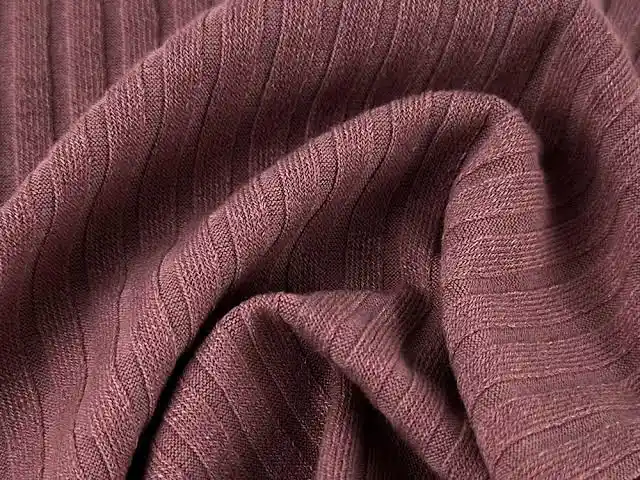
Rib Knit for Texture and Flexible Compression
Rib knit can create strong visual body shaping while accommodating movement. Rib structure often stretches significantly across the body, so recovery and width stability matter. If the rib opens too much at the hip or bust, color and opacity can appear different from the flat fabric. Sample review should therefore include worn appearance and movement, not only swatch approval.
Rib direction also affects visual alignment.
Cutting and sewing need to keep vertical ribs balanced at center front, center back and side seams. Bulk control checks panel direction, garment length and recovery after handling.
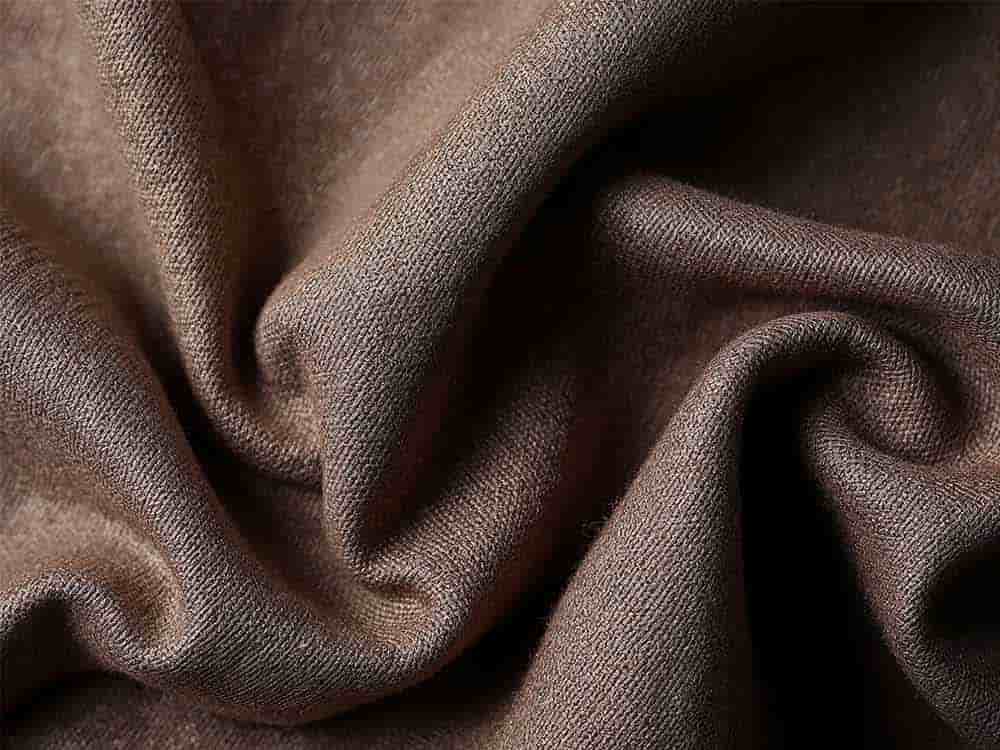
Ponte for Cleaner Structure
Ponte or Roma fabric is useful when a bodycon silhouette needs more structure, surface smoothness and dimensional stability than soft jersey.
Higher weight can support waist and hip shaping while reducing transparency. The tradeoff is reduced fluidity and potentially less stretch, which affects negative ease and movement allowance.
Ponte development is especially useful for fitted midi dresses, office-to-evening shapes and clean seam-led designs.
Pattern decisions should respond to actual stretch rather than assuming every ponte behaves the same.
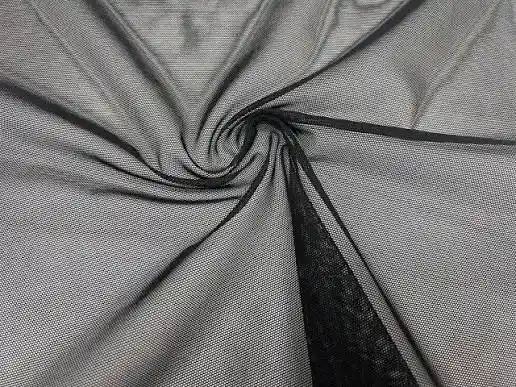
Stretch Mesh and Power Mesh for Layers and Support
Mesh introduces a separate set of controls: transparency, hole risk, edge stability, stretch direction and interaction with lining. Soft stretch mesh works well for sleeves, overlays and ruched layers. Power mesh can add support or compression but may feel significantly tighter. When mesh and lining have different recovery, the inner layer can become the real fit limiter.
Development checks which areas are intentionally transparent, which areas need coverage and whether a double-layer or lining solution changes the pattern. Bulk fabric inspection also needs attention to holes, shade, stretch consistency and surface damage.

Stretch Satin for Fitted Shine
Stretch satin can deliver a polished partywear look while offering more movement than rigid satin.
Shine direction, snagging, color appearance, zipper flatness and stretch recovery remain important.
A change in fabric weight or elastane behavior can alter how the dress sits at the bust, waist and hip.
For fitted satin designs, visual approval and fit approval should be completed on the same fabric direction whenever possible.
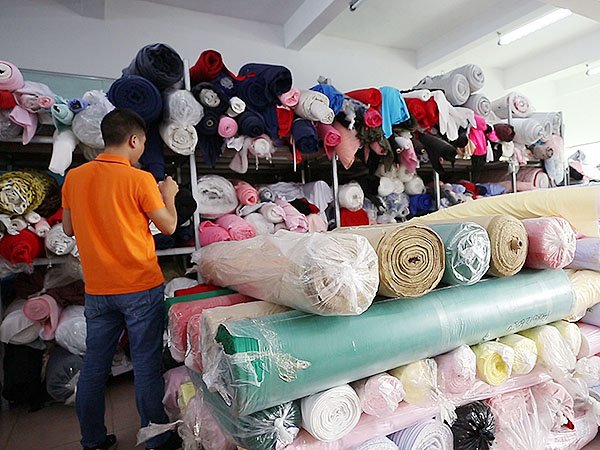
Fabric Approval Before Pattern Lock
When a fabric changes during development, Jinfeng rechecks composition, weight, stretch, hand feel, drape, transparency, color, MOQ, cost impact and lead-time impact.
The team also reviews whether the pattern, lining or sample needs to change.
A material substitution is therefore treated as a development decision, not a purchasing shortcut.
Fit Engineering for Bust, Waist, Hip and Worn Length
Bodycon fit is a system of connected dimensions and forces. Jinfeng’s pattern and sample teams work across bust, upper bust, under bust, waist, high/low waist, hip, front length, back length, neckline depth, armhole, strap position, slit height and lining. The goal is a fitted silhouette that holds the intended shape while preserving movement, coverage and production repeatability.

Bust and Upper-Body Balance
Bust fit affects more than circumference. Excess compression can pull the neckline down, open the armhole, create drag lines or push the side seam forward.
Too much room can weaken the bodycon silhouette and make a strapless or deep-neck design unstable. Pattern review therefore considers upper bust, full bust, under-bust position, neckline depth and the way front length changes over the body.
Structured variants may add cups, boning or anti-slip tape. Each support element changes the load path. Cup position must align with the pattern, boning should follow a useful support line, and the lining should not restrict stretch more than intended.

Waist Position and Visual Proportion
A waist measurement can be correct while the waistline placement is wrong. High waist, natural waist and low waist create different visual proportions and change how the garment transitions into the hip. Bodycon development checks where the smallest visual point should sit, how much stretch is available through the waist and whether ruching, seams or cut-outs shift the perceived waistline.
A fit comment such as “make the waist smaller” is therefore translated into a pattern question: circumference, vertical position, side shaping or fabric compression. The right correction depends on the actual issue.
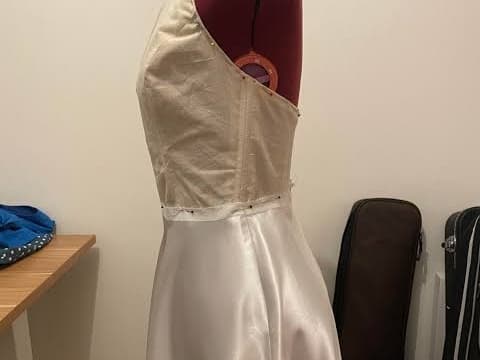
Hip Fit and Side-Seam Control
Hip fit is one of the highest-risk areas in bodycon production.
Excess negative ease can restrict movement, pull the hem upward and rotate side seams. Insufficient tension can make the dress look loose after short wear.
Jinfeng reviews hip ease, stretch recovery, side-seam balance, back length and movement comfort together.
Fit photos and measurements are recorded against the approved size chart.
Pattern changes are made before a revised sample, and approved changes move into the final pattern and grade rule rather than remaining as verbal instructions.

Front and Back Length Balance
The body is three-dimensional, while a pattern starts flat. Full hip and seat shape can require more back length even when total dress length looks correct on a hanger. A fitted mini may need careful back coverage; a midi may need balanced lower panels so the hem does not dip or rise after movement.
Ruched construction complicates length further because gathered panels carry different effective lengths. The sample is checked in worn position, and approved placement is transferred into sewing instructions.

Movement and Wearing Security
A visually fitted dress still has to perform during walking, sitting and normal movement.
Jinfeng reviews hem rise, slit safety, neckline movement, strap stability, zipper behavior and whether the garment returns toward its original shape after stretch.
Security is especially important for strapless, deep-neck, cut-out and backless bodycon styles.
Negative Ease, Stretch and Recovery Must Stay in Balance
Stretch Capacity
Pattern Ease
Recovery After Movement
Pattern Development Converts Fit Feedback Into Production Standards
Pattern development is where visual design, fabric behavior and fit comments become measurable manufacturing instructions. Jinfeng supports bodycon development with 7+ senior womenswear pattern makers, 2 sample rooms and 20+ sample machinists. The team works from tech packs, reference photos, original samples, sketches or line sheets, then records approved corrections before the style moves toward PP approval.

From Design Reference to Initial Pattern
The first pattern establishes silhouette, seam placement, neckline, waist position, hip contour, length, openings and construction allowances. Fabric direction is reviewed at the same stage because a stretch-knit bodycon pattern should not be treated the same as a rigid woven pattern. If the design includes mesh, lining, cut-outs, cups, boning or ruching, supporting pieces are developed as part of the pattern set.

Fit Comments Are Diagnosed Before Alteration
Comments such as “too tight,” “waist looks wrong” or “hem rides up” may have several causes.
The team compares the sample against the approved size chart, reference image, fabric behavior and fit photos before altering the pattern. Bust, waist, hip, front/back length, side seam and neckline are reviewed as connected areas.

Revised Pattern and Sample Version Controlnce
When the pattern changes, the revised sample carries a documented version. Changes can include measurement updates, fabric replacement, trim adjustments, sewing method or construction changes. Jinfeng records the issue category, internal analysis, revision action, pattern impact, cost impact, lead-time impact and approval requirement where applicable.

Final Pattern Before PP and Bulk
A style should not enter bulk production while major fit questions remain open. Once structure, measurements, fabric, color, trims and construction are sufficiently confirmed, the project can move into PP sampling.
The final production pattern and grade rule are then linked to the approved PP/Golden standard used for bulk measurement and appearance checks.
Construction Details Developed for Stable Stretch-Fit Results

Double-Layer Construction

Ruching Control

Mesh and Lining Integration

Invisible Zipper Integration
A zipper stabilizes one seam and can create a visible bulge when the surrounding fabric is highly elastic.
Tape stiffness, seam allowance, waist position and pressing need to work together.
Fit review checks whether the zipper changes side or center-back balance when worn.

Cut-Out Edge Stability
Cut-outs remove structural fabric and increase stress around the opening.
Edge finishing, seam support and grading need to preserve the intended exposure.
Sampling checks whether openings spread under tension or shift position across the body.

Cups, Boning and Anti-Slip Support
Start Development From Tech Packs, Samples or Visual References
Tech Pack
Reference Image
Original Sample
Sketch or Line Sheet
Sketches are useful for collection development, especially when several related bodycon styles share fabric, color or fit direction.
The team can review style complexity, probable construction, material needs and sampling priority before each style enters pattern work.
Core Information Needed for a Reliable Review
- Target quantity by style/color
- Intended fabric or hand-feel direction
- Size range and approved size chart when available
- Target market and wearing occasion
- Required labels and packaging
- Launch or delivery window
Sampling Turns Bodycon Concepts Into Controlled Production References
Sampling is where assumptions become visible. Jinfeng uses first, fit/revised, photo-ready, PP and Golden sample types according to project needs. Bodycon sampling focuses on stretch, recovery, bust-waist-hip balance, side seams, worn length, neckline security, construction and fabric appearance. The objective is not to force every style into a one-sample approval; the objective is to resolve the right issues before bulk production.

First Sample: Validate Direction
The first sample verifies whether the design can be built with the selected fabric and construction. It is used to review overall silhouette, initial fit, material hand feel, length, seam positions, lining and key details. A first sample can reveal that the requested fabric is too transparent, too stiff, too weak in recovery or unsuitable for the intended negative ease.
For simple dresses, the normal path may be one first sample followed by one revised sample. Medium-complexity projects may require one or two revised samples. More complex corset, strapless, sequin, lace or mesh constructions often require around two revision rounds, depending on actual structure and design changes. Bodycon projects are assessed by complexity rather than assigned a universal revision count.

Fit or Revised Sample: Correct the Product
Revision work converts fitting feedback into measurable changes. Bodycon revisions often address bust compression, waist placement, hip tension, side-seam balance, worn length, neckline, lining, zipper behavior or ruching. If fabric changes, the team also rechecks weight, stretch, recovery, transparency, cost, MOQ and whether another pattern adjustment is required.
Factory execution errors and new design changes are handled differently. If a sample does not follow confirmed files because of an internal execution issue, Jinfeng prioritizes correction. When the design, fabric, color, trim, neckline, length or structure changes after the sample is made, the new development scope is reviewed for additional cost and timing.

Photo-Ready or Sales Sample: Review Visual Presentation
Some fashion programs require a sample suitable for photography, sales presentation or launch planning before bulk production.
Visual quality matters, but the sample still needs to follow the approved fit and construction direction.
Fabric shine, mesh transparency, ruching, neckline line, hem balance and pressing can be reviewed for camera appearance without weakening production feasibility.

PP Sample: Lock Bulk Instructions
PP approval is a production gate. Fabric, color, trims, measurement, construction, labels, hangtags, polybag, carton marks and packing method should be sufficiently confirmed before bulk begins.
Late changes after PP approval can affect price, material purchasing, schedule and consistency, so changes are treated through a controlled update rather than casual instruction.

Golden Sample: Preserve the Final Standard
A Golden sample can serve as the physical reference for approved appearance and workmanship during bulk. It is linked with final pattern, size chart, fabric reference, trims, sewing instructions and QC checkpoints.
Reorder programs can use the recorded standard while still rechecking any changes in fabric batch, stretch, lining, trim or color.

Timeline Is Set by the Real Development Scope
Jinfeng does not use one fixed sample-day promise for every bodycon project. Sampling time is confirmed after fabric availability, pattern complexity, trim development, revision scope and approval requirements are known. The same principle applies to bulk timing: material booking, PP lock, quantity, factory allocation, QC window, packing and shipping route are reviewed before a delivery commitment is confirmed.
Eight Fit Checks Before a Bodycon Style Moves Forward

Bust Compression

Waist Position

Hip Tension

Side-Seam Balance

Front and Back Length

Neckline and Armhole Security

Ruching or Cut-Out Position

Movement and Recovery
Size Grading Protects the Silhouette Across a Full Range
Bodycon grading requires more than scaling every point by a fixed amount. Bust, waist, hip, length, neckline, straps, cut-outs and support details may need different progression rules so the visual proportion remains coherent across the approved size range. Jinfeng develops grading from the final pattern and approved fit direction, then uses the client’s size chart and measurement requirements as the production reference.
| Grading Area | Development Focus | Risk if Treated as Simple Scaling |
|---|---|---|
| Bust / Upper Bust | Maintain coverage, shaping and neckline relationship | Neckline distortion, armhole opening, compression changes |
| Waist | Preserve visual waist position and intended compression | Waistline shifts vertically or loses shape |
| Hip | Balance negative ease, movement and recovery | Side-seam rotation, hem rise, restrictive fit |
| Front / Back Length | Keep worn hem position balanced | Back becomes too short or hem becomes uneven |
| Neckline / Armhole | Grade exposure and opening shape carefully | Excessive exposure or unstable edge |
| Straps / Strapless Area | Control support points and upper-bust hold | Slipping, pressure or unstable bust position |
| Cut-Outs / Slits | Maintain proportion and wearing safety | Openings become too large or shift location |
| Ruching | Preserve visual placement and effective panel length | Uneven gathering and inconsistent silhouette |
Sample-to-Bulk Transfer Keeps Development Decisions From Getting Lost
Final Pattern and Grade Rule
The latest approved pattern replaces earlier versions for production use. Grade rules are linked to the client’s size chart and the approved silhouette.
Old patterns remain archived for traceability but are not treated as the active bulk standard.
Fabric and Trim References
Sewing and Construction Instructions
Measurement and QC Checklist
Label and Packing Instructions
PP Lock and Change Control
Bulk Production Control for Stretch-Fit Dress Programs
Jinfeng operates 6 owned women’s fashion factories and works with 10+ long-term satellite production partners. The production system includes 18+ sewing lines and 6+ flexible production lines, with 100,000+ pcs regular monthly capacity across the wider womenswear program. Bodycon allocation is matched to fabric, construction complexity, order quantity, QC requirements and timing rather than assuming every factory or line should run every fitted style.

Material Readiness Before Cutting
Bulk fabric is confirmed against the approved direction before cutting. Stretch-knit programs pay special attention to stretch direction, recovery, shade, shrinkage risk, surface condition and consistency. If the bulk fabric behaves differently from the sample fabric, the issue is reviewed before production rather than hidden inside sewing adjustments.

Cutting and Bundle Control
Stretch fabrics can distort during handling. Cutting direction, panel alignment, size/color separation and bundle identification need consistent execution.
Rib or directional fabrics require visual alignment. Mesh and delicate surfaces require handling that reduces holes or snagging.

Sewing Control for Elastic Materials
Seam construction has to accommodate the intended stretch without creating waviness or restriction. Ruching, invisible zippers, lining attachment and mixed-stretch panels receive style-specific instructions. Inline checks are used to identify measurement drift, twisted seams or detail inconsistency before the full quantity reaches finishing.

Multi-Style Allocation
Large fashion programs often include several bodycon constructions rather than one repeated style. Jinfeng can allocate knit basics, mesh combinations, structured corset-bodycon pieces and embellished fitted dresses according to the most suitable production unit. Capacity planning therefore considers style complexity and skill requirements, not only total unit quantity.

Project Tracking
12+ merchandisers support order follow-up across material progress, sample status, production updates, QC feedback, packing confirmation and shipment planning.
Major updates are linked to style information, sample versions and production milestones so multi-style programs remain trackable.

Delivery Planning Without Unrealistic Fixed Promises
Bulk lead time is confirmed by project after PP lock, material readiness, quantity, factory allocation, QC window, packing and shipping route are known. For launch-sensitive programs, split shipment can be considered: an urgent 10-30% portion may move by air while the remaining bulk ships by sea, subject to SKU planning, freight cost and warehouse requirements.
Bodycon Quality Control Focuses on Fit-Sensitive Failure Points
Fabric Stretch and Recovery
Bust, Waist and Hip Measurements
Side-Seam Alignment
Twisting or seam migration can indicate uneven stretch, cutting direction or sewing tension.
Side-seam position is a specific fitted-garment checkpoint.
Neckline and Armhole Stability
Ruching and Detail Placement
Gather amount, symmetry, cut-outs, slits and decorative placement should remain consistent across the production quantity and size range.
Zipper and Lining Control
Invisible zippers are checked for flatness and smooth operation.
Linings are checked for coverage, attachment and whether they pull against the outer shell.
Finished Appearance and Pressing
Bodycon fabrics can show seam impressions, wrinkles or distortion easily.
Finishing aims to present a clean silhouette without stretching or shining the fabric through excessive pressing.
Packing and SKU Accuracy
Representative Bodycon Collection Development for a Large Fashion Program
The following anonymized profile reflects the current scale range of Jinfeng’s established brand programs rather than naming a confidential label. Current multi-style orders commonly involve 10-30 styles and approximately 20,000-80,000 total pieces per brand order. A representative bodycon-focused program can therefore be evaluated at collection level instead of treating every style as an isolated small project.

Project Profile: 18 Styles / 46,800 Pieces
A representative going-out collection was structured around 18 fitted styles with a total planned quantity of 46,800 pieces. The assortment combined core jersey bodycon shapes, ruched fitted dresses, mesh-overlay styles and more structured party silhouettes. Development priority was not simply producing 18 samples; the larger task was keeping a recognizable fit direction while allowing each construction to behave correctly.
The collection was grouped by technical family so decisions could be reused where appropriate without forcing one standard onto every garment. Stretch-knit styles shared fabric and fit references where possible. Mesh styles were reviewed for transparency and lining interaction. Structured pieces received separate attention to cups, boning, upper-bust support and zipper behavior.

Development Control: Fit, Fabric and Version Discipline
The sample team started from reference images, measurement direction and style-level requirements. Fabric review separated soft jersey, more stable knit and mesh-based constructions. First samples were used to identify silhouette and material issues. Revised samples converted fit comments into pattern changes, and approved information was moved into updated size charts, fabric approvals and sewing notes.
High-risk bodycon points were tracked across the assortment: bust compression, waist location, hip ease, side-seam rotation, worn length, ruching placement, neckline security, lining exposure and zipper flatness.
A style with a visually strong sample but unstable recovery was not treated as ready simply because the first fitting looked acceptable.

Production Planning: Multi-Style Allocation and Bulk Handover
After approval, final patterns, grade rules, fabric/trim references, PP standards and QC checkpoints formed the production handover. Styles were allocated according to material and construction complexity rather than distributed only by quantity. The production plan used the wider Jinfeng system of 6 owned factories, 10+ satellite partners, 18+ sewing lines and 6+ flexible lines while keeping style-specific capability in mind.
Merchandising follow-up covered material progress, sample version, production status, QC feedback, packing confirmation and shipment planning. For launch-sensitive programs, selected urgent quantities can be evaluated for split air/sea shipment rather than moving the complete order by the most expensive route.

What the Program Demonstrates
Large fitted-dress collections need a repeatable development language.
The strongest manufacturing result comes from linking stretch fabric, pattern, fit, sample version, grading, bulk instructions and QC instead of optimizing each stage independently.
The same system also supports repeat orders because approved pattern, material and packing records remain available for review when a style returns in a new color or fabric.
Development Capacity, MOQ and Project Planning at a Glance
Development Team
- 2 sample rooms
- 7+ senior womenswear pattern makers
- 20+ sample machinists
- First, fit, revised, photo-ready, PP and Golden sample support by project
Production and Follow-Up
- 6 owned women’s fashion factories
- 10+ long-term satellite production partners
- 18+ sewing lines
- 6+ flexible production lines
- 100,000+ pcs regular monthly capacity across the wider womenswear program
- 12+ merchandisers and 15+ QC inspectors
- 30+ finishing and packing workers
MOQ and Material Boundaries
Timing and Costing
Bodycon Dress Development Frequently Asked Questions
Send Your Bodycon Dress Development Brief
- Style image, sketch, tech pack or original-sample photos
- Planned quantity by style/color
- Fabric reference, composition direction or desired hand feel
- Size range and size chart when available
- Key fit comments or model-fitting photos if the style already exists
- Color plan and special trims such as zippers, cups, boning or mesh
- Private-label and packing requirements
- Target launch or delivery window