Black Dress Manufacturer
Custom black dress development for fashion brands requiring precise color, reliable fit, controlled workmanship and repeatable bulk production.
- Develop black mini, midi, maxi, bodycon, corset, slip, party, cocktail and evening dresses across satin, mesh, lace, jersey, crepe, velvet and sequin programs.
- Support multi-style brand orders spanning 10-30 styles and approximately 20,000-80,000 garments through coordinated pattern, sampling, production, QC and packing workflows.
- Use 7+ senior pattern makers, 2 sample rooms and 20+ sample machinists to turn tech packs, samples, sketches or line sheets into production-ready garments.
- MOQ starts from 200 pcs per style/color, with final planning based on fabric source, construction, trims, size range, packaging and delivery window.
Manufacturing Evidence for Serious Black Dress Programs
Integrated Factory System
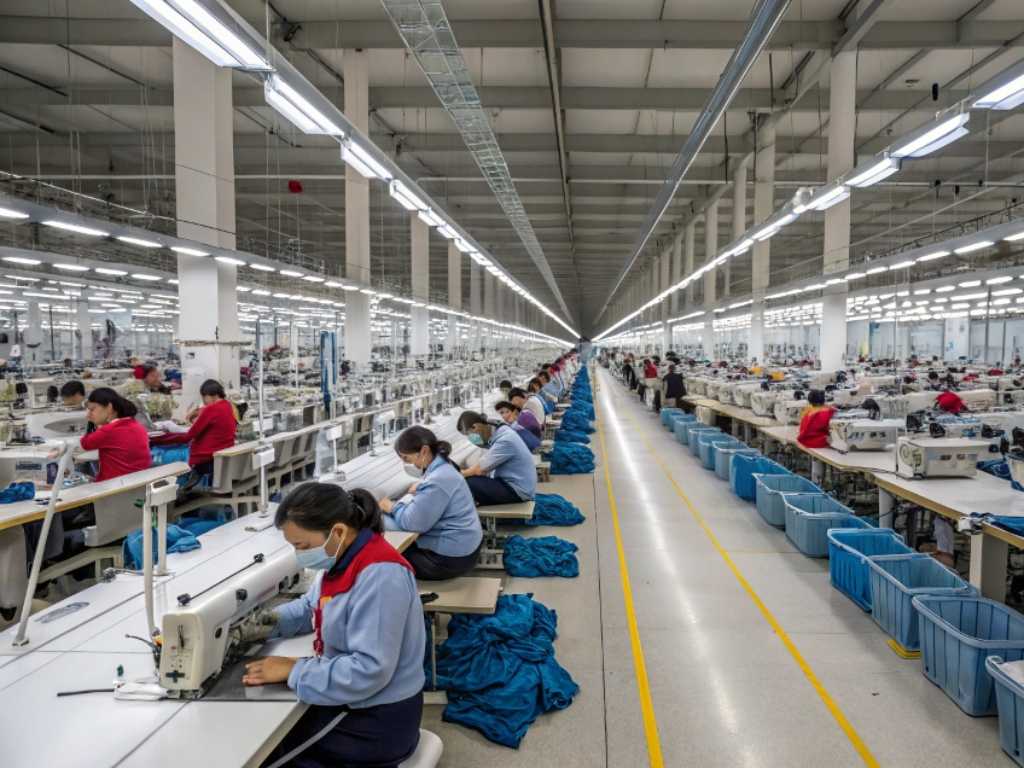
Across long-term brand programs, Jinfeng Apparel has focused on custom women’s fashion manufacturing since 2008 and operates six owned women’s fashion factories with more than 10 long-term satellite production partners.
The network supports pattern development, sampling, bulk production, quality control, private-label packing and multi-batch delivery. Production units are selected by garment structure, fabric behavior, workmanship level, order volume and launch schedule, so a jersey bodycon dress is not planned through the same assumptions as a boned sequin evening dress.
Technical Development Team
Scalable Production Control
Eighteen or more sewing lines, 6+ flexible production lines, 12+ merchandisers, 15+ QC inspectors and 30+ finishing and packing workers support coordinated orders across dresses, skirts, jumpsuits, sets and private-label womenswear.
Regular monthly capacity exceeds 100,000 garments across the production system, while style allocation remains tied to complexity and material risk.
Capacity planning therefore protects bulk consistency instead of treating every style as if it carried the same output rate.
Built for Brand-Level Black Dress Development
Fashion and Occasionwear Brands
Sourcing, Retail and Brand Groups
Premium Ecommerce and Private Label
Black Dress Product Range for Commercial Collections

Little Black Dress
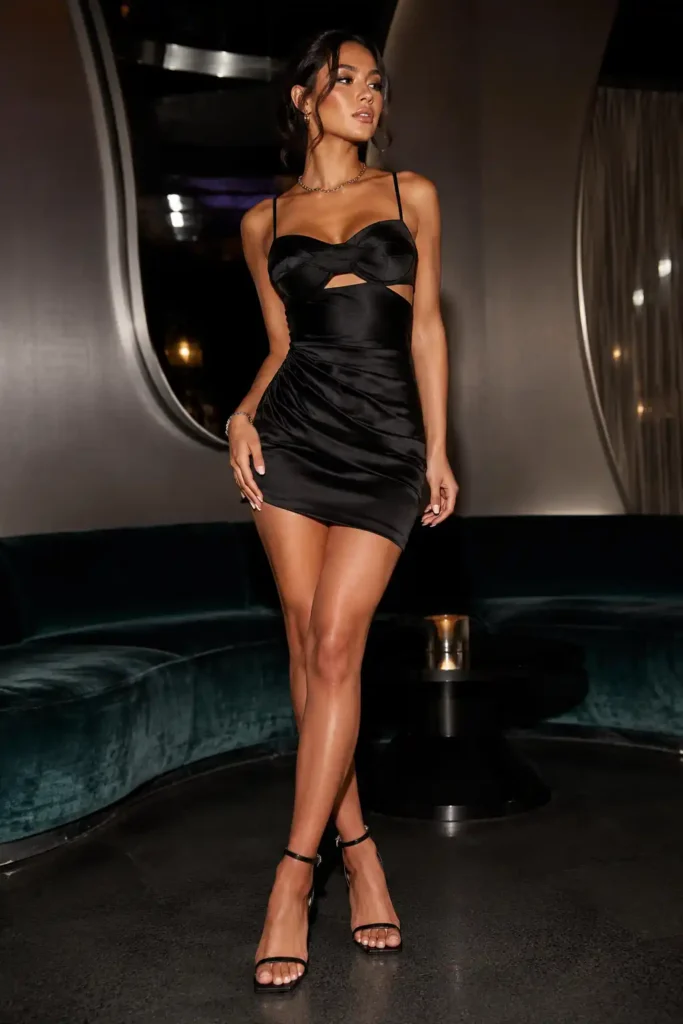
Black Mini Dress
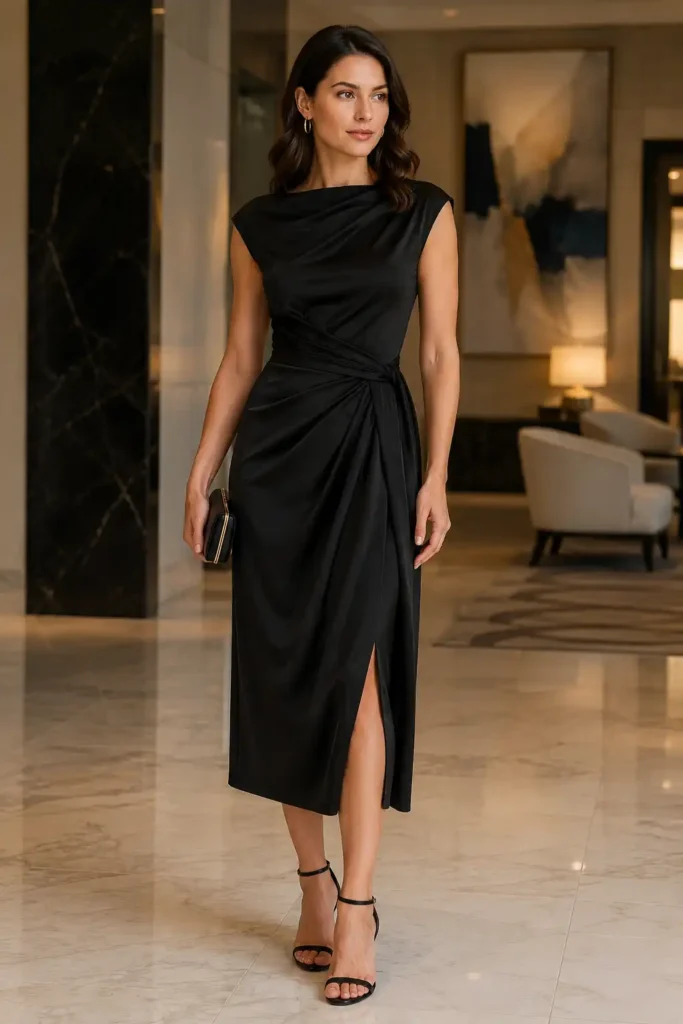
Black Midi Dress
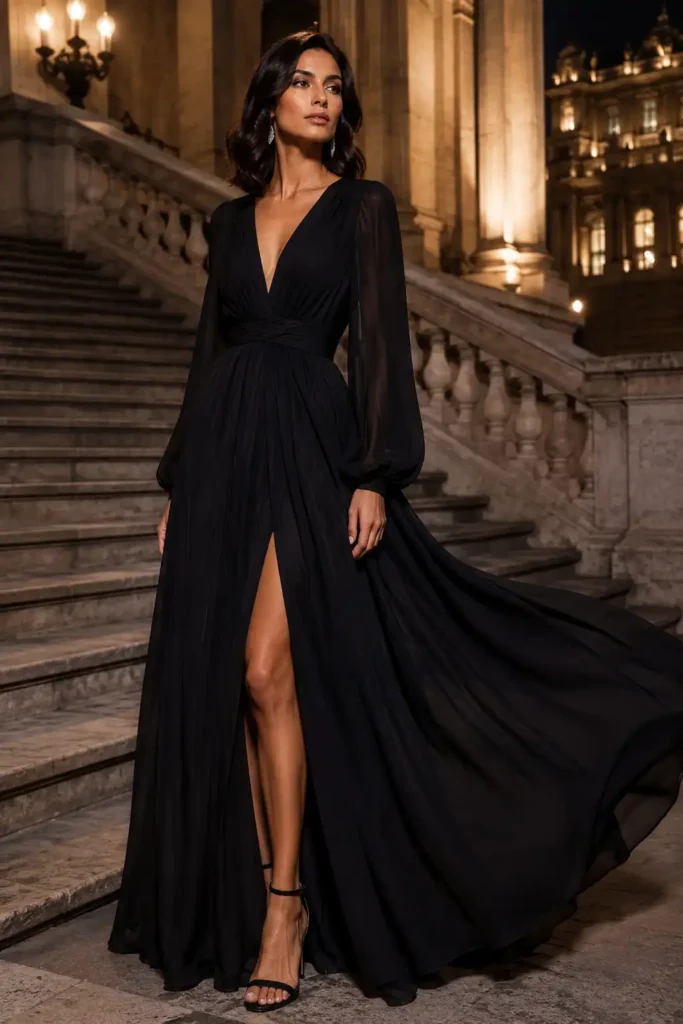
Black Maxi Dress
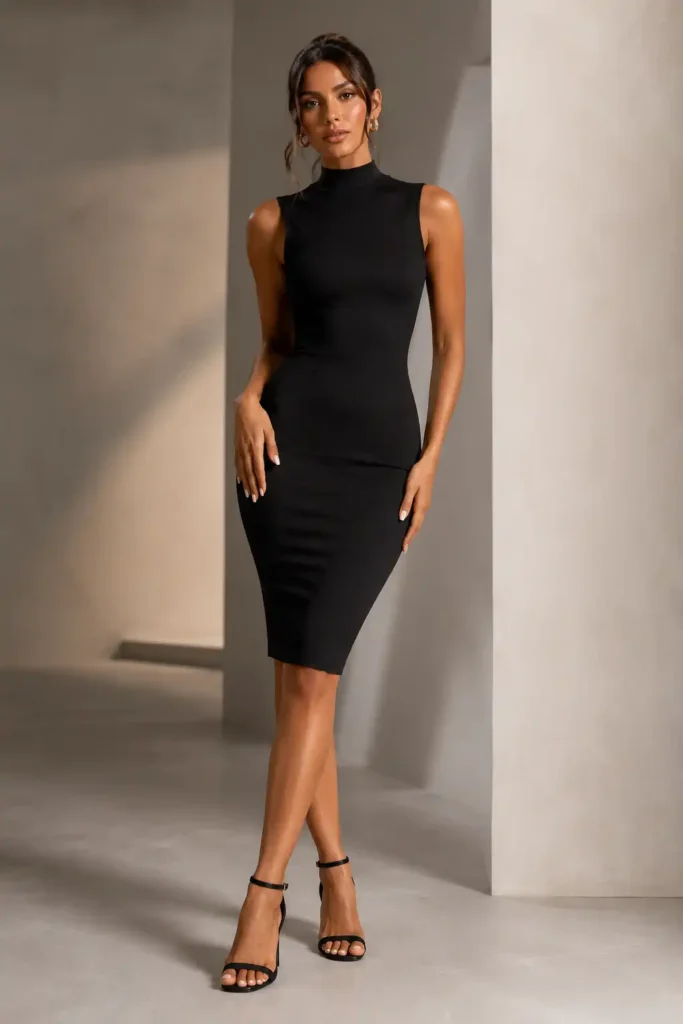
Black Bodycon Dress
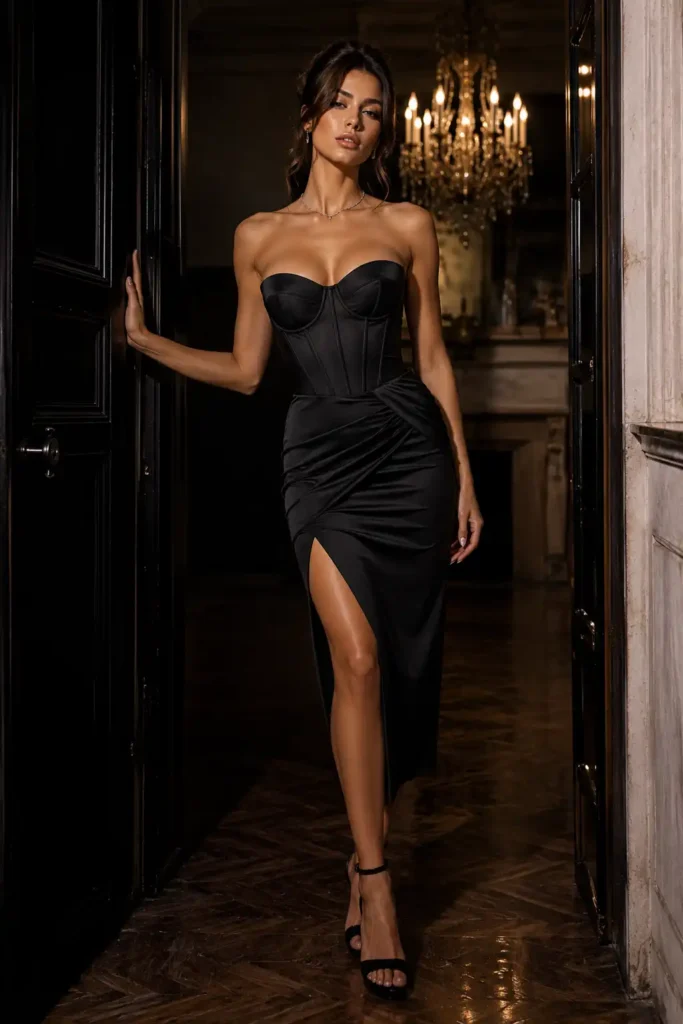
Black Corset Dress
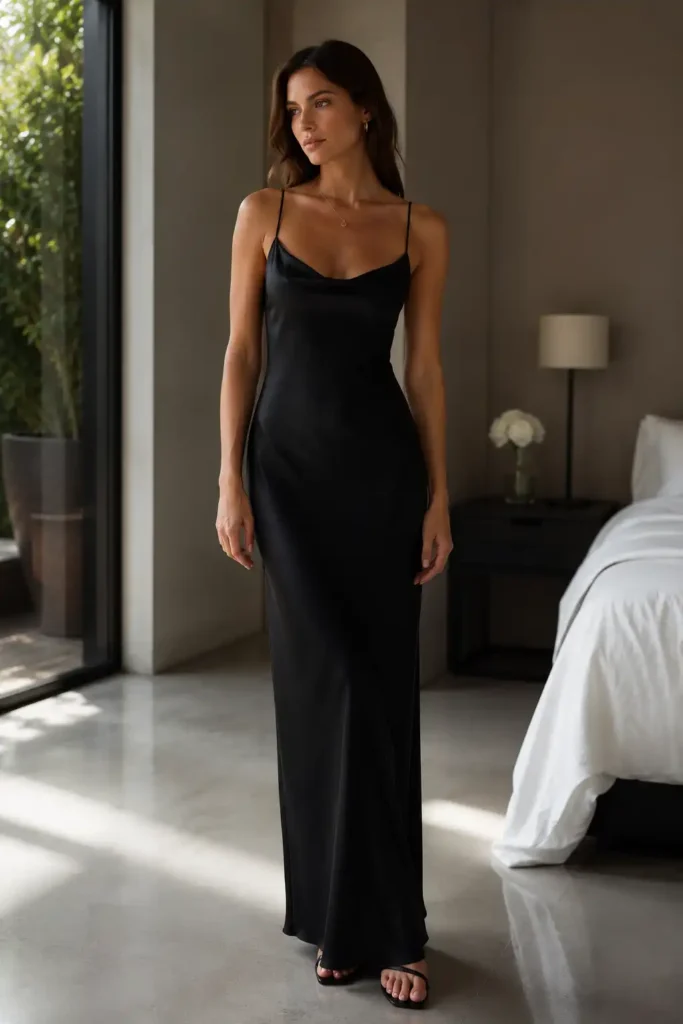
Black Slip Dress
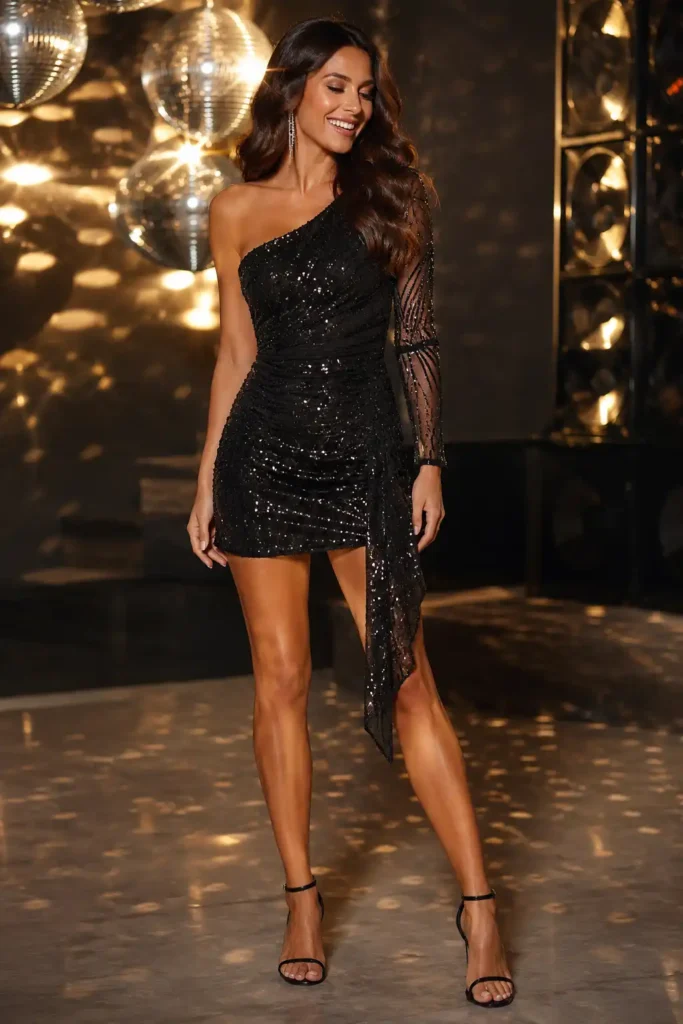
Black Party Dress
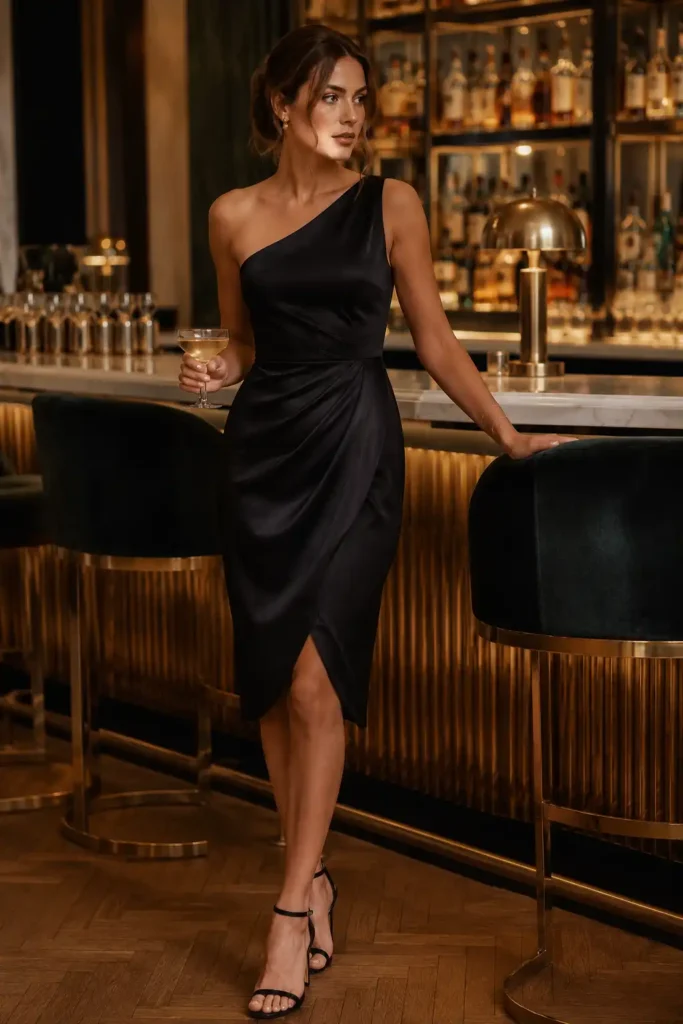
Black Cocktail Dress
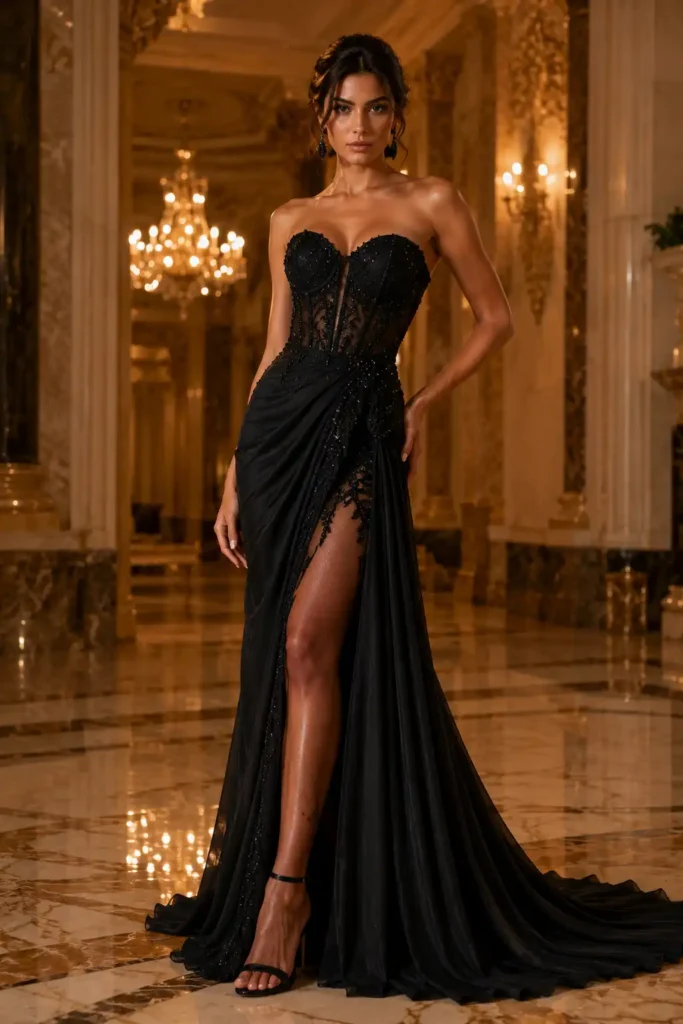
Black Evening Dress
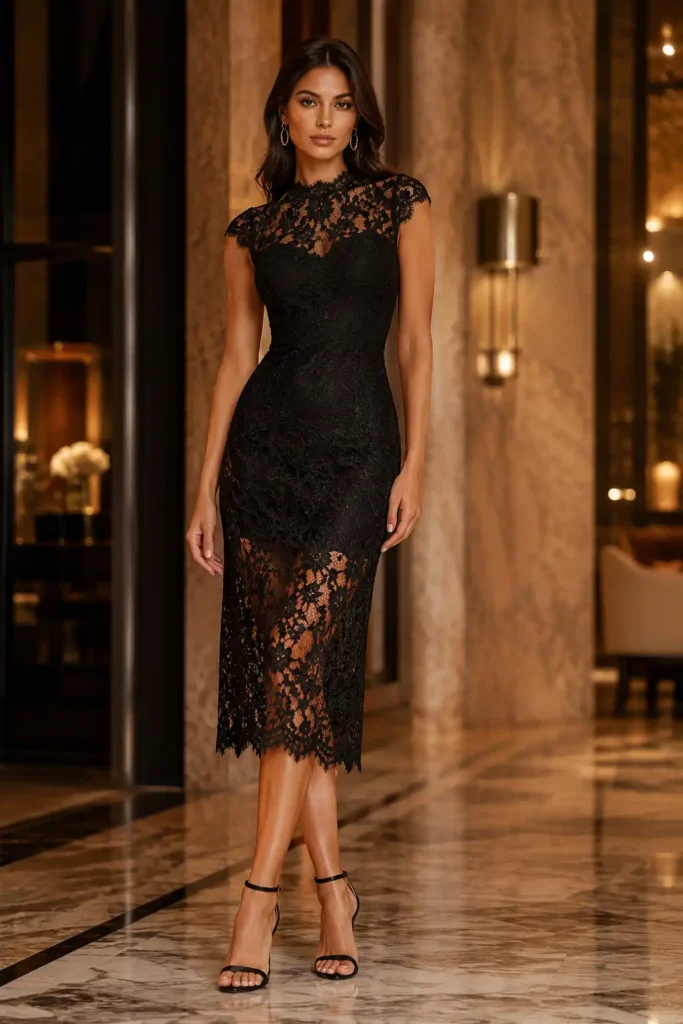
Black Lace Dress
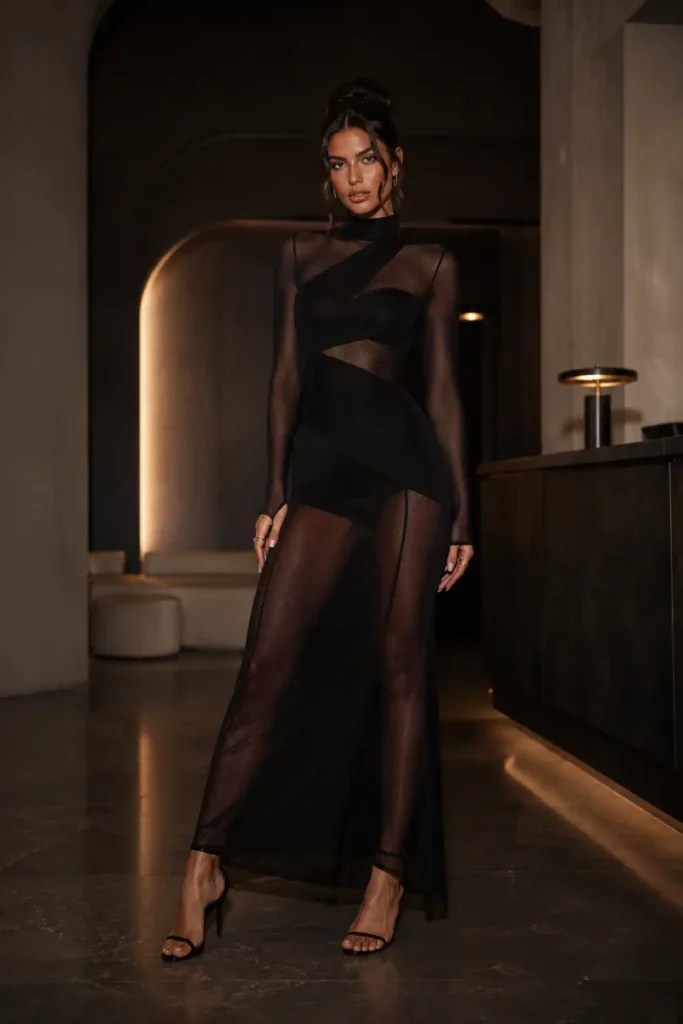
Black Mesh Dress
Black Shade Control Beyond a Simple Color Name
Physical Black Standard and Lighting
Dye Lots, Shell and Component Matching
Stretch Behavior and Repeat-Order Control
Fabric Options for Distinct Black Dress Positions

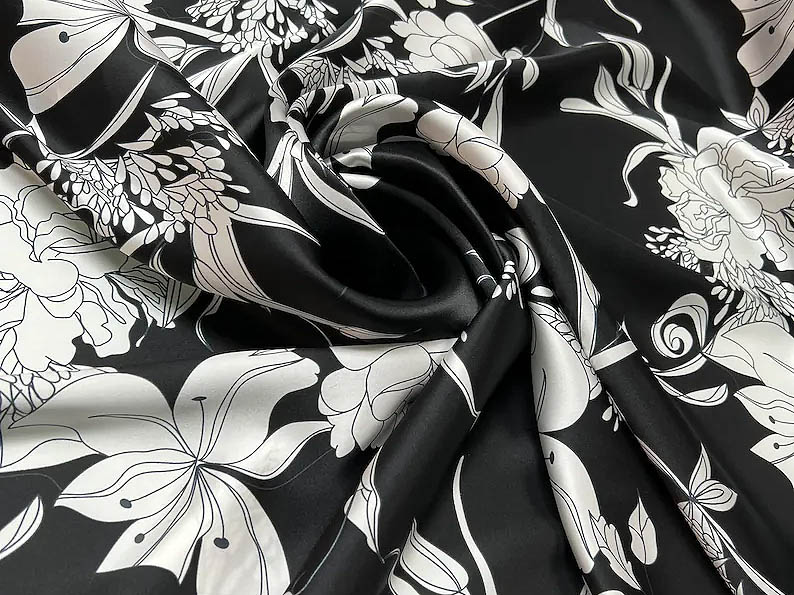
Black Satin
Stretch Satin
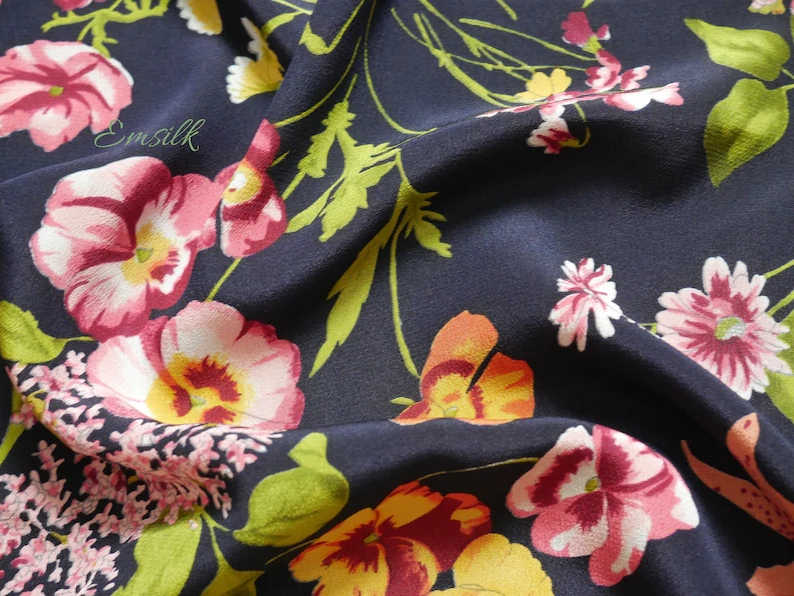
Crepe and Suiting
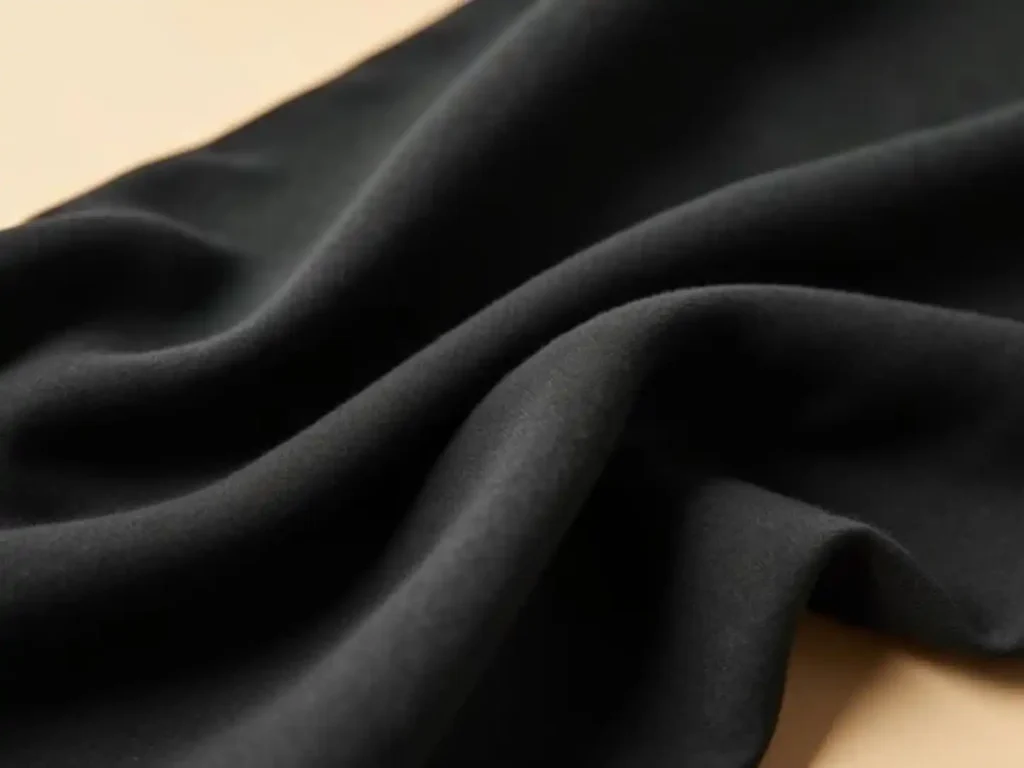
Jersey and Ponte
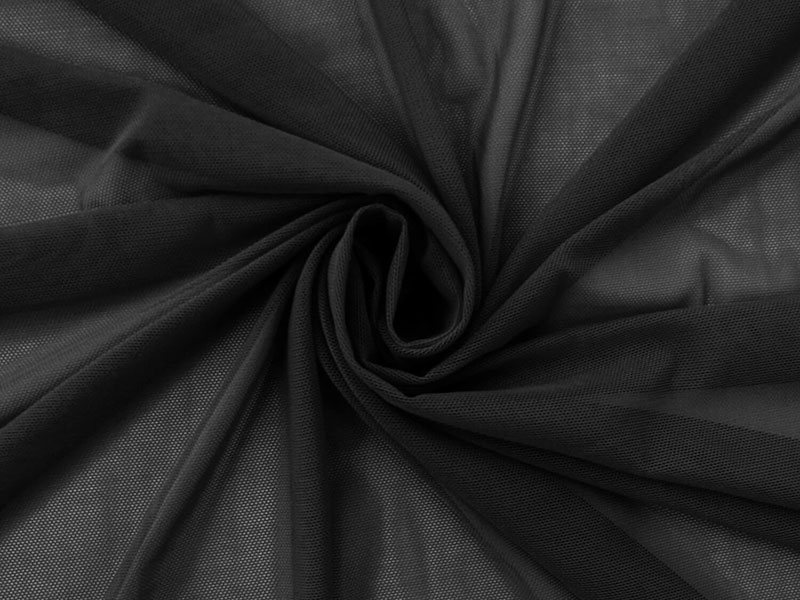
Black Mesh
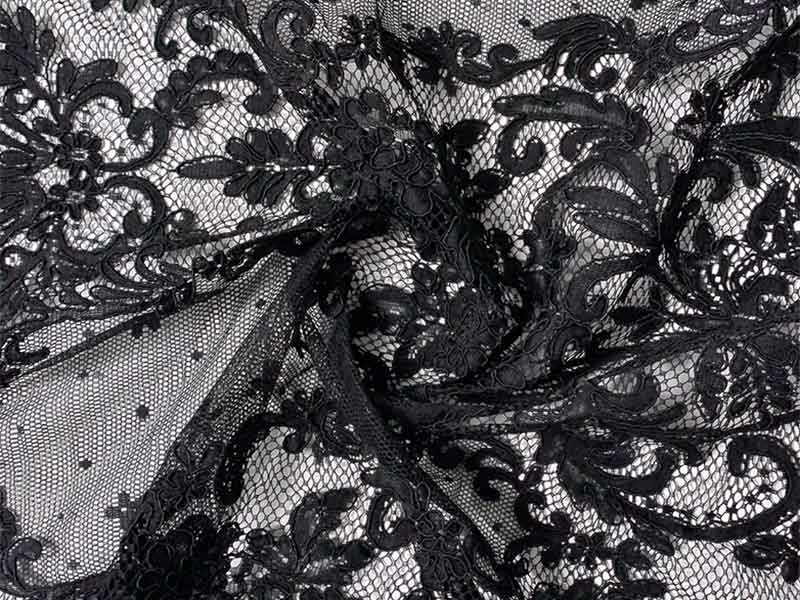
Black Lace
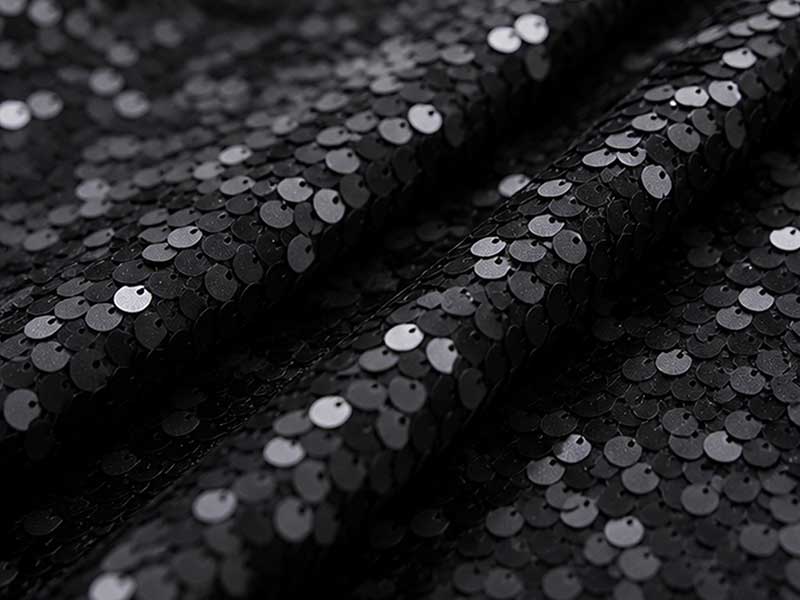
Sequin Fabric
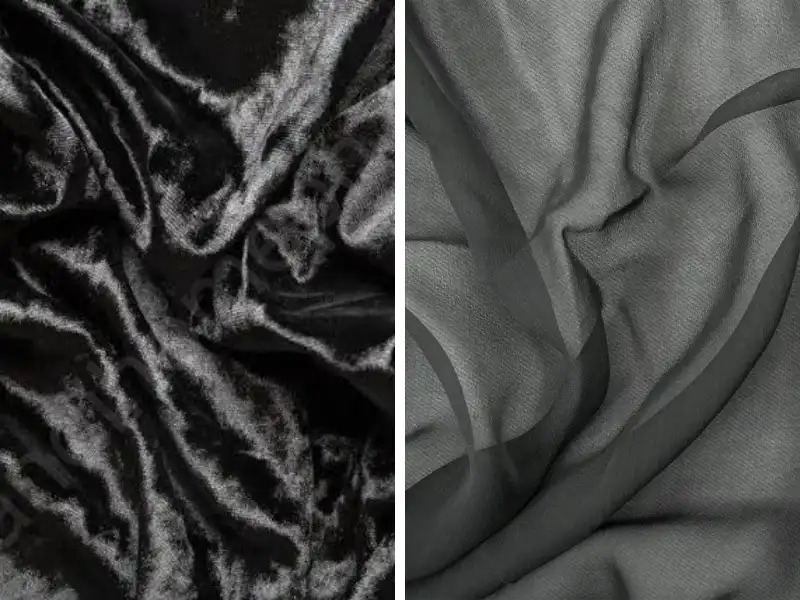
Velvet and Chiffon
Fit Engineering for Sellable Black Dress Silhouettes

Upper-Body Fit and Support

Hip, Length and Movement
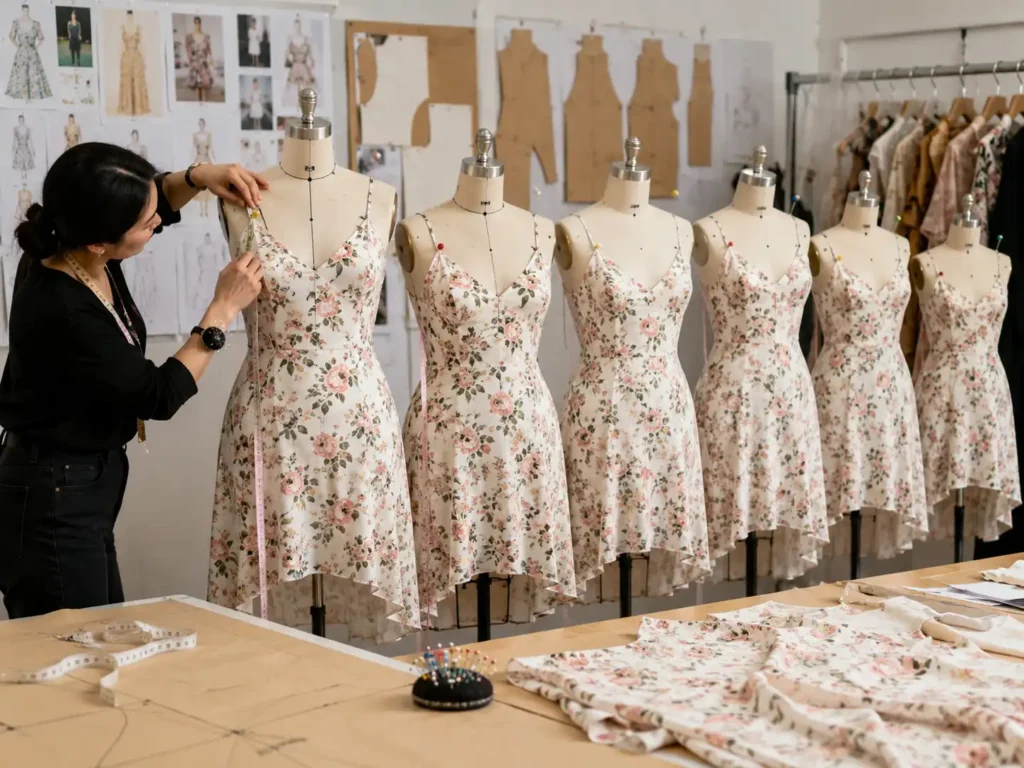
Market Sizing and Grade Rules
Design Details Controlled Before Bulk Production

Support Structures and Closures

Ruching, Slits and Movement

Backless, Cut-Out and Lining Control

Lace and Embellishment Placement
From Black Dress Concept to Approved Sample
Review and Material Direction
Pattern and First Sample
Fit, Revision and PP Approval
Sample Revision Recorded as Production Instructions

Diagnose and Correct the Source

Lock the Production Standard
Black Color and Fastness Control Plan
Dark garments need staged checks from material approval through finished-garment inspection because shade, surface reflection and transfer risks can appear at different production points. Testing scope, approval references and acceptance criteria are confirmed according to fabric type, target market, garment construction and the brand standard.
| Control Stage | Key Checks | Recorded Output |
|---|---|---|
| Color Standard | Pantone reference where supplied, physical swatch, approved fabric sample, surface shine and target black tone | Color approval record and approved swatch |
| Lab Dip or Stock Shade | Shade comparison, fabric availability, composition, handfeel, weight and surface character | Approved lab dip or stock fabric reference |
| Incoming Fabric | Dye lot, shade variation, width, defects, color depth and lot separation | Fabric inspection and batch record |
| Component Matching | Lining, zipper, thread, elastic, buttons, hooks, labels and visible trims | Trim card and component color approval |
| Fastness Review | Dry rubbing, wet rubbing, washing, perspiration and dark-color transfer where required | Mill report or project test report |
| Bulk Cutting | Dye-lot separation, panel direction, nap or shine direction, lace motif and sequin orientation | Cutting record and bundle identification |
| Finished Garment | Shade consistency, stretch whitening, pressing marks, lint, stains and shell-lining coordination | Final inspection result and issue record |
| Repeat Order | Previous swatch, new lot comparison, lining and trim match, revised bulk approval | Updated repeat-order color file |
Bulk Production Managed by Style and Material Risk

Material Booking and Factory Allocation
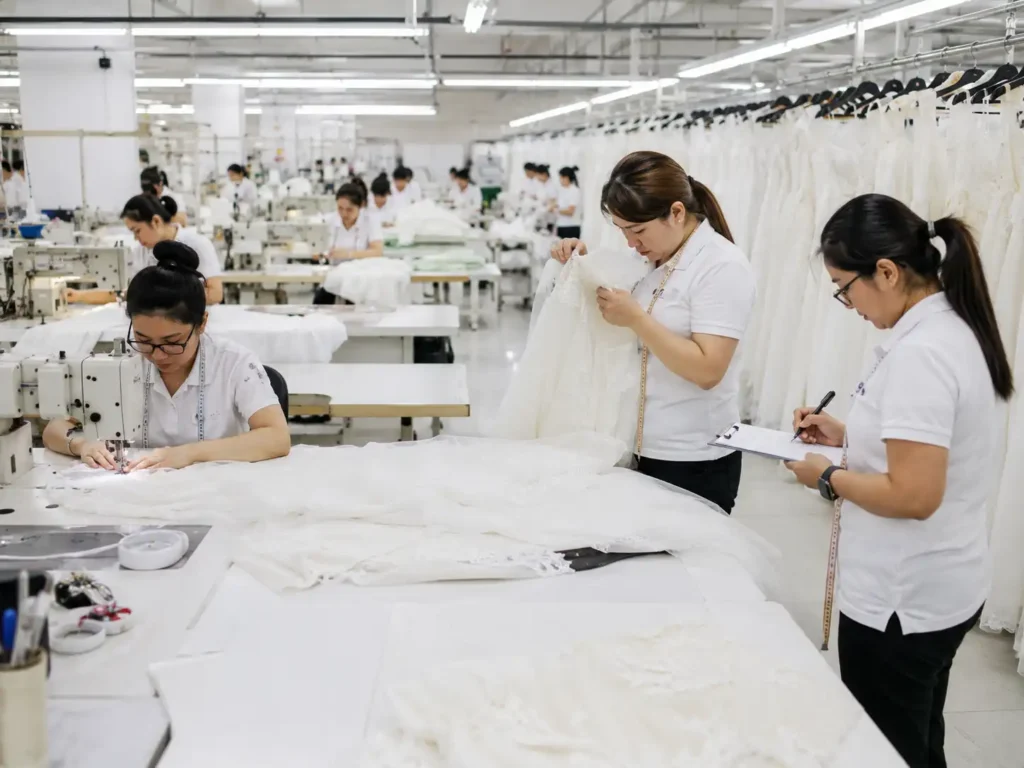
Production Handover and Inline Control

Finishing, Inspection and Packing
Workmanship Standards Visible in Every Black Garment
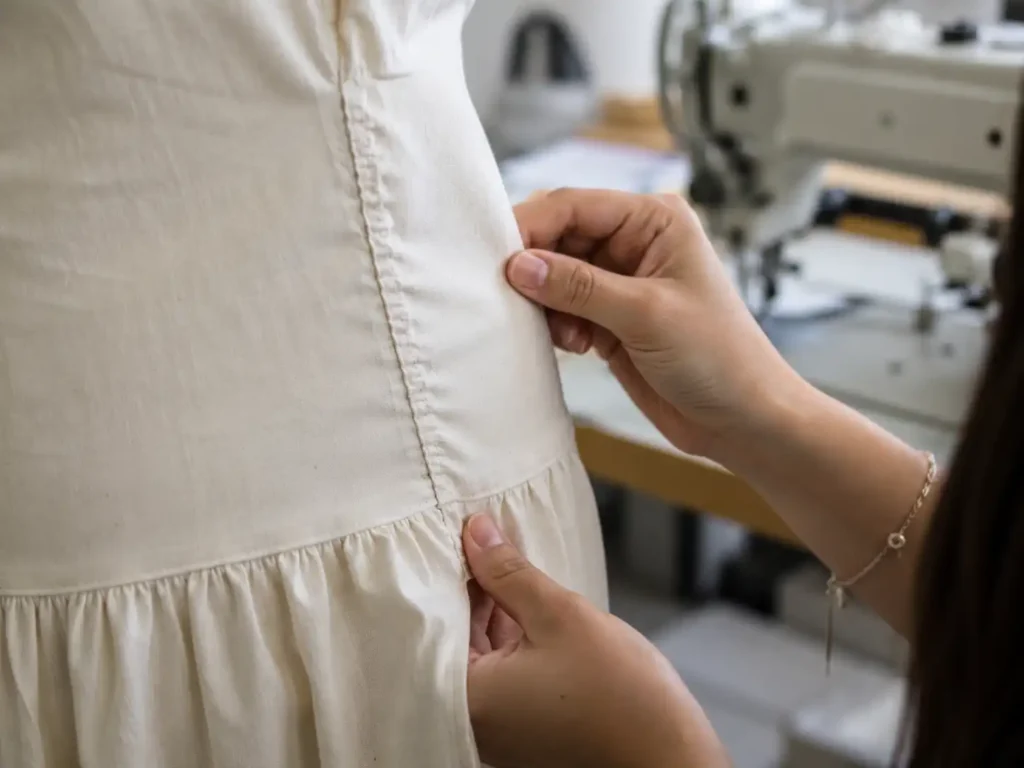
Seams, Edges and Ruching

Pressing and Internal Support
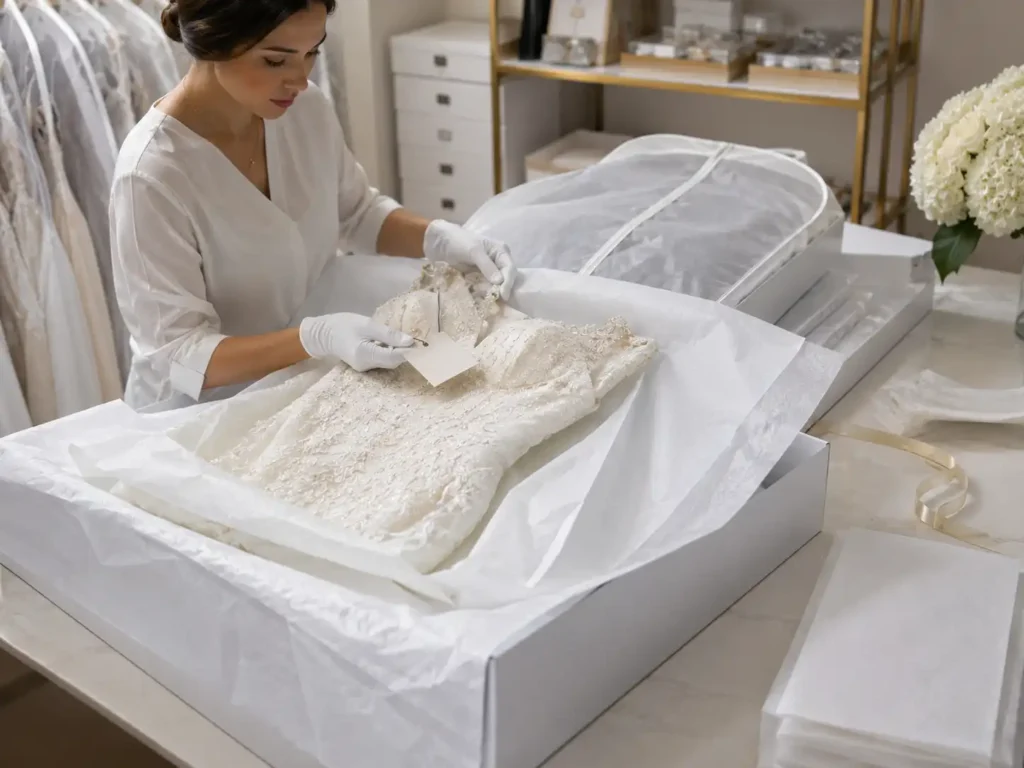
Clean Final Presentation
Black Dress Quality Control Checkpoints
Quality control starts before sewing and continues through packing because material, cutting and repeated operation defects become expensive once a large order is complete. Final inspection alone cannot correct wrong dye lots, unstable measurements, misaligned construction, incorrect labels or packing data already built into finished garments.
| Checkpoint | Inspection Focus | Typical Evidence |
|---|---|---|
| Incoming Fabric | Shade, dye lot, width, defects, weight, stretch, recovery, transparency and surface condition | Fabric inspection record and approved swatch |
| Trims and Support | Zipper, thread, hooks, cups, boning, elastic, lining, labels and decorative components | Trim card and incoming check |
| Cutting | Lot separation, direction, panel accuracy, lace motifs, sequin orientation and bundle identification | Cutting and bundle record |
| First Output | Construction sequence, measurements, seam shape, zipper, lining and workmanship against PP sample | First-piece review |
| Inline Inspection | Bust-waist-hip measurements, length, seam quality, ruching, openings, support and repeated defect tracking | Inline QC report |
| Final Garment | Measurements, shade, appearance, function, stains, loose threads, pressing, decorations and comfort risks | Final inspection record |
| Label and Barcode | Brand label, care label, size label, hangtag, barcode, SKU, style, color and size accuracy | Label and SKU checklist |
| Packing and Cartons | Polybag, folding, protective tissue, size ratio, carton quantity, carton mark and document match | Packing inspection and packing list review |
Private Label and Retail-Ready Black Dress Packing
Brand Labels and Garment Information
Hangtags, Barcodes and SKU Accuracy
Protective Packing and Carton Delivery
Capacity Structured for Collections and Repeat Orders

Collection Allocation and Launch Planning

Repeat Orders and Replenishment
Black Dress Programs at Brand Scale
U.S. Partywear Collection
European Occasionwear Line
North American Ecommerce Drop
Black Dress Costing Built from the Garment
Materials and Construction
Trims, Decoration and Size Mix
Packing, Testing and Delivery
Quantity Planning for Multi-Style Black Dress Orders
MOQ, Materials and Quantity Tiers
Planning a 10-30 Style Collection
Export Delivery Planned Around Launch and Warehouse Needs

Sample and Bulk Freight Planning

Trade Terms and Shipping Documents
Design Protection and Repeat-Order Record Control
Confidential Development and Case Handling
Technical Records for Reorders
How to Qualify a Black Dress Manufacturer
Product, Color and Development Capability
Bulk Production, QC and Packing
Confidentiality, Documents and Long-Term Fit
Black Dress Manufacturer Frequently Asked Questions
Jinfeng Apparel develops mini, midi, maxi, bodycon, corset, slip, party, cocktail, evening, lace, mesh, satin, velvet and sequin black dresses. Final feasibility depends on the design structure, fabric, trims, quantity, size range and delivery plan.
Black control can include an approved physical swatch, Pantone reference where supplied, lab dip or stock-shade approval, dye-lot separation, lining and trim matching, bulk color review and retained records for repeat orders.
Yes. Satin, lace, mesh, crepe, jersey, velvet and sequin can be coordinated around a common color direction. Their surfaces reflect light differently, so the goal is a coherent collection rather than forcing every material to look identical.
Yes. The pattern team can develop US, UK, EU, AU and alpha sizing such as XS-XL, along with extended, plus, petite or tall adjustments according to the supplied brand measurement standard.
MOQ starts from 200 pcs per style/color. Fabric, special trims, custom dyeing, branded packaging, size range and production schedule can affect the final order structure or create separate supplier minimums.
Yes. Reference images, sketches, original samples, tech packs and line sheets can begin the review. Accurate quotation and sampling improve when quantity, fabric direction, size range, target market, label needs and delivery window are also provided.
Comments are classified by fit, measurements, fabric, color, trims, workmanship, on-body effect, design accuracy and packaging. Approved changes are transferred into updated patterns, measurement charts, BOMs, sewing instructions and revised sample requirements.
Control covers zipper type, length, tape stiffness, color, seam allowance, sewing tension, back pattern line and waist-hip shaping. Samples and inline garments are checked for waves, bulging, top alignment and smooth opening.
Yes. Programs can include woven labels, care labels, size labels, hangtags, barcodes, polybags, size stickers, color stickers and carton marks. Artwork, wording, placement and SKU data must be approved before bulk use.
Jinfeng retains approved patterns, measurements, fabric references, trim details, sewing methods, packing instructions and QC notes. New fabric lots and current components are still reviewed because color, price and material availability can change between orders.

Send Your Black Dress Collection for Review
Share your black dress line sheet, tech pack, reference image or original sample details with Jinfeng Apparel. Kelly and the development team will review product structure, fabric direction, black shade requirements, fit risks, trims, quantity per style/color, size range, private-label packing and target delivery window.
A clear project file allows the team to identify which styles need physical fabric swatches, complex pattern work, fit samples, photo-ready samples, PP confirmation, special workmanship control or separate production allocation. Multi-style programs can be grouped by core volume, campaign priority, material family, technical risk and launch timing before quotation and sampling begin.
The review can also identify shared fabrics, repeated trims, color-control requirements, testing needs, packaging data and possible air-or-sea delivery phases. Projects are handled under controlled file access, and NDA-based cooperation is available for unreleased styles, private tech packs, original samples, label artwork and commercial information.
Provide the information below so the first response can address feasibility, development sequence, quotation inputs and the next approval step with fewer communication gaps.
- Company name, market and sales channel
- Style list or line sheet for 10-30 planned styles
- Tech packs, reference images or original sample photos
- Target quantity per style/color and expected total volume
- Fabric direction, black standard and trim requirements
- Size range, grade rules and target market
- Private-label, barcode, packing and warehouse needs
- Sample priority, launch date and delivery window