Skip to content
Birthday Dress Manufacturer
Custom adult women’s birthday dresses developed for partywear, occasionwear and premium fashion collections.
Jinfeng Apparel turns statement birthday-dress concepts into production-ready garments through fabric sourcing, pattern development, structured sampling, bulk manufacturing, quality control and private-label delivery.
- MOQ starts from 200 pieces per style and color.
- Standard dress samples normally require 10–15 days; complex corset, sequin, lace and mesh styles normally require 15–25 days after materials and construction are confirmed.
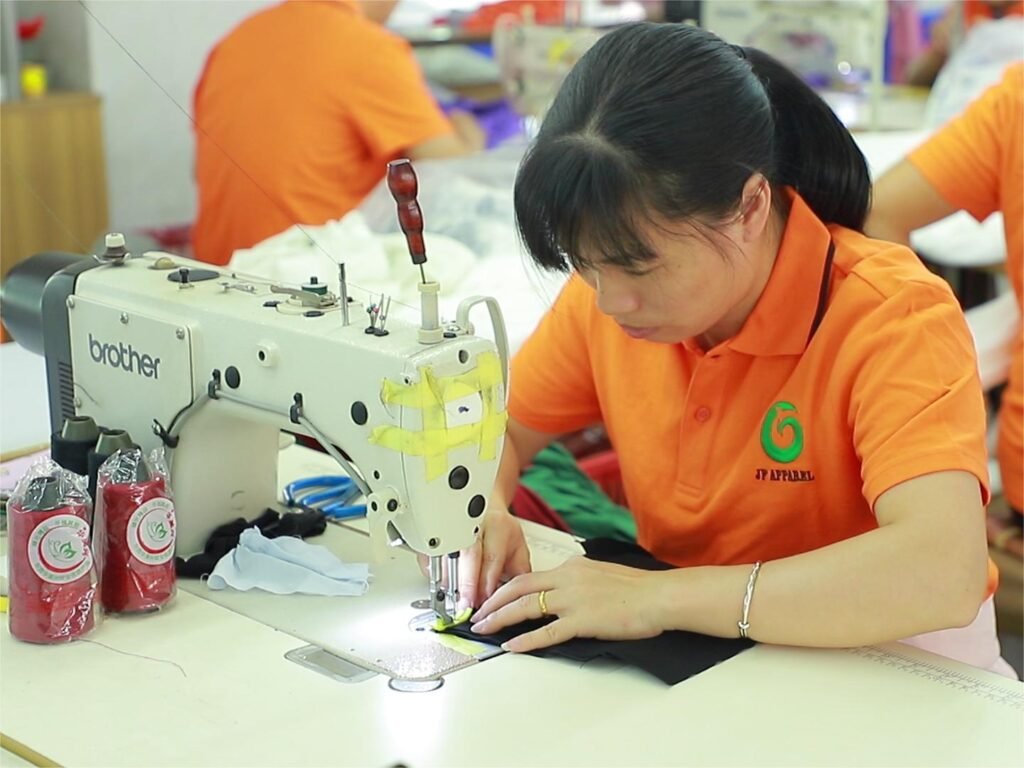
- Development support includes 7+ senior pattern makers, 2 sample rooms and 20+ sample machinists.
- Product directions include sequin minis, satin ruched dresses, mesh bodycon styles, corset dresses, lace dresses, cut-out silhouettes and birthday jumpsuits.
Manufacturing Capacity for Statement Birthday Dress Collections
Since 2008
Six Owned Factories
Ten Plus Partners
Two Sample Rooms
Seven Plus Pattern Makers
Fifteen Plus Inspectors
Adult Women’s Birthday Dress Manufacturing Clearly Defined
Adult Fashion Programs
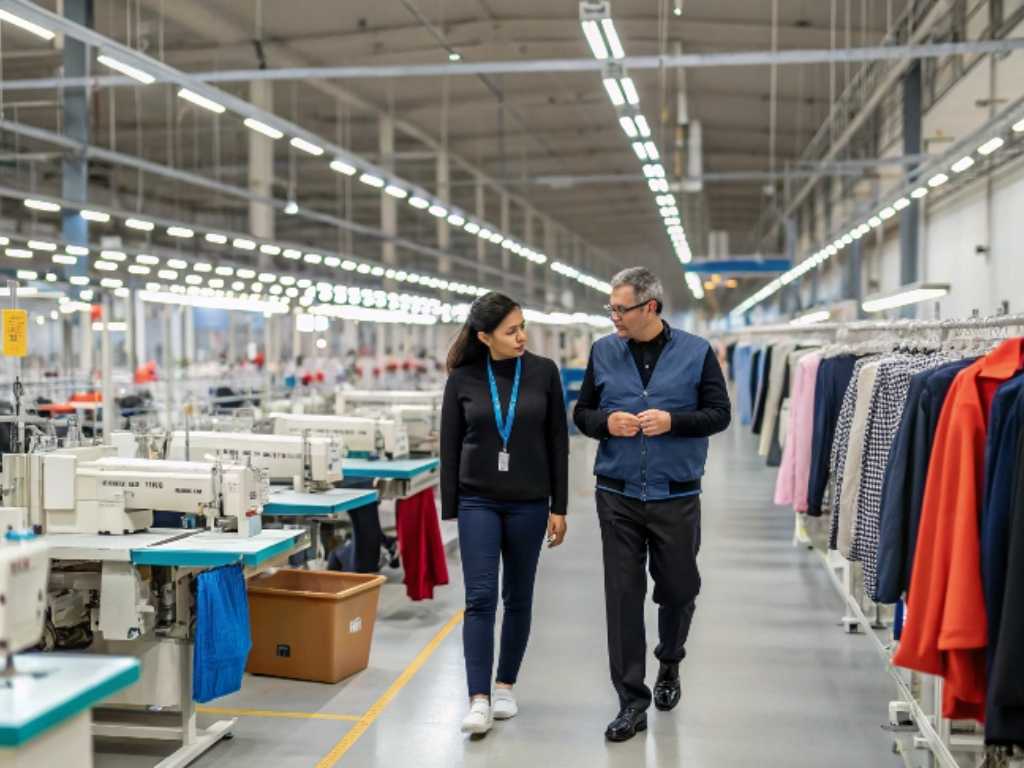
Jinfeng Apparel develops birthday dresses for adult women’s fashion labels, partywear collections, occasionwear lines and premium ecommerce programs.
Typical products include fitted mini dresses, satin ruched styles, sequin statement dresses, mesh bodycon designs, corset silhouettes, cut-out dresses and elevated jumpsuits.
Custom Brand Production
Production begins from a reference image, original sample, sketch, line sheet or tech pack. Each source file is reviewed for construction, fabric direction, lining, closure, support, decoration, measurements and bulk feasibility.
The manufacturing model covers custom development, sampling, PP approval, bulk production, QC, branding, packing and delivery.
It is not based on public stock styles, single-piece fulfillment or consumer alterations.
Built for Fashion Brands and Buying Teams
Global Fashion Brands
Partywear Labels
Occasionwear Brands
Premium Ecommerce Brands
Sourcing Teams
Product Developers
Is Jinfeng the Right Manufacturing Fit?
Strong Project Fit
- At least 200 pieces per style and color
- A defined birthday, partywear or occasionwear direction
- Professional sample-development requirements
- Planned bulk production after approval
- Clear expectations for fabric, fit and finish
- Private-label, retail or ecommerce packing needs
- Potential repeat orders or seasonal development
- A realistic calendar for material, sampling and approval
Different Supply Models
Jinfeng Apparel is organized for custom development and planned manufacturing rather than public inventory, individual alterations or single-garment fulfillment.
Projects built only around immediate stock access, extremely fragmented quantities or price without fabric and quality consideration usually require a different supply model.
Clear boundaries allow the development, pattern, production and QC teams to concentrate on garments that need structured manufacturing control.
Common Birthday Dress Production Risks
Weak Visual Impact
Unstable Bust Support

Inconsistent Body Fit
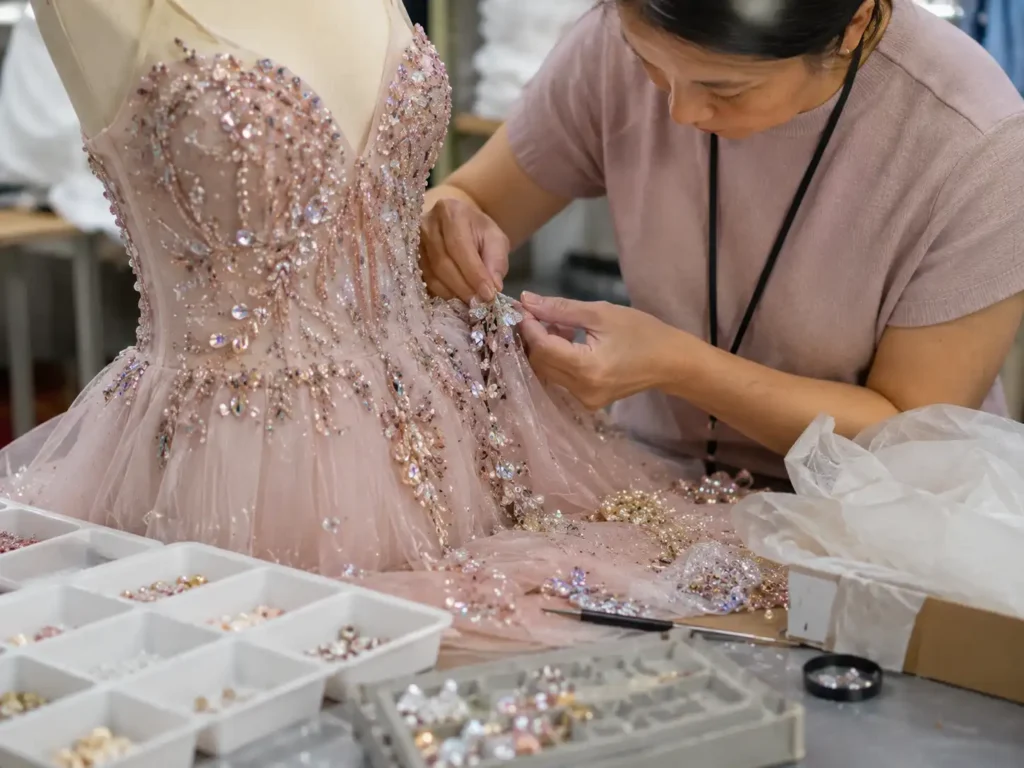
Decoration Failure

Sample-Bulk Differences

Missed Launch Timing
Birthday Dress Styles for Commercial Collections
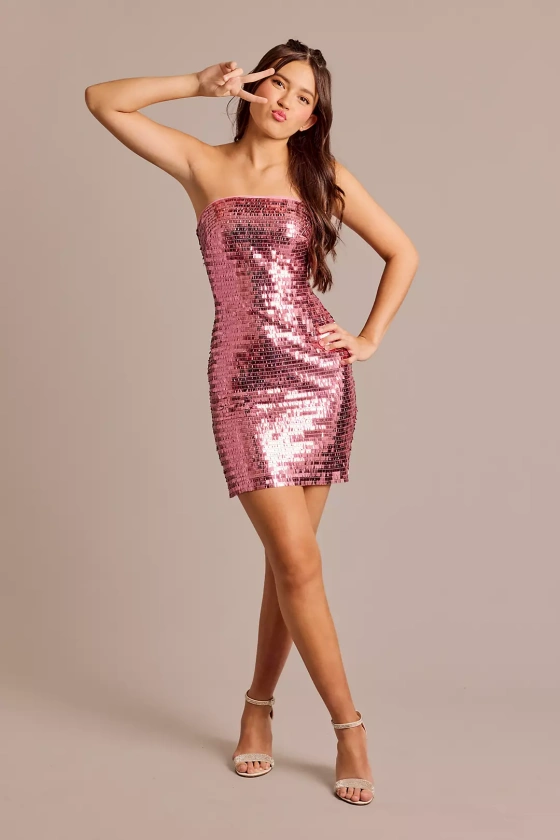
Sequin Mini Dress
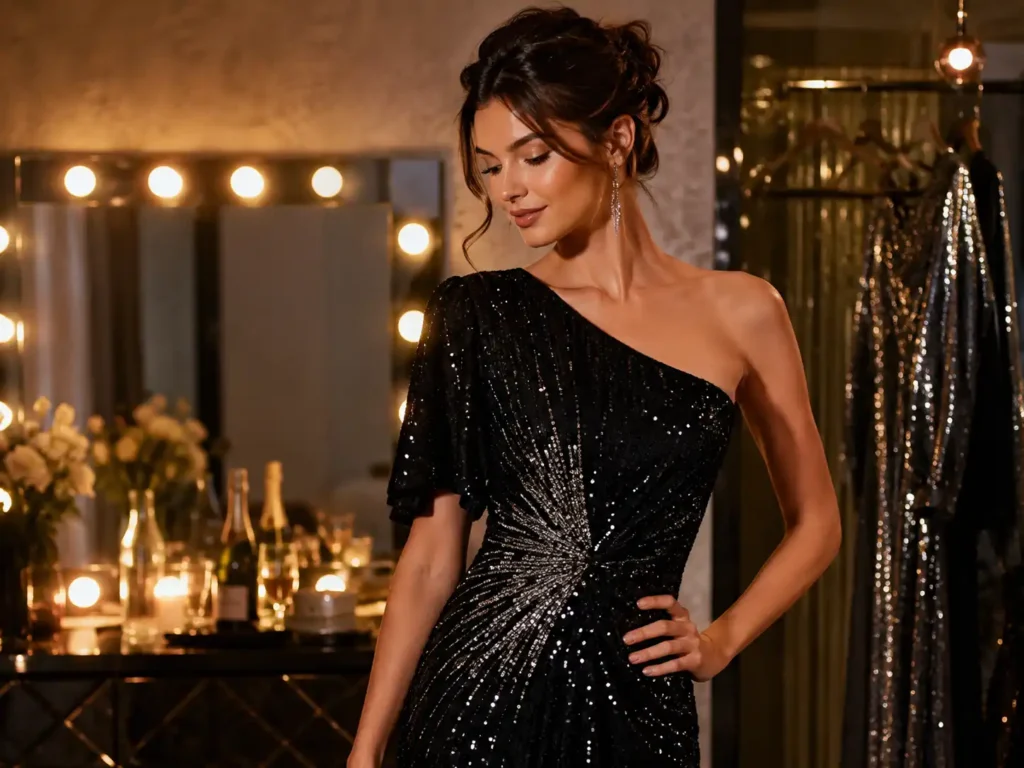
Sequin mini dresses create immediate visual impact for birthday dinners, parties, nightlife and social campaigns. Production control begins with sequin direction, backing fabric, seam allowance and decoration density.
Dense sequin fabric can create thick seams and uncomfortable edges. Key controls include:
- Removing or managing sequins inside critical seam lines
- Protecting skin-contact areas with suitable lining
- Checking decoration loss during handling
- Reinforcing high-stress points
- Preventing surface abrasion during packing
- Reviewing garment weight and hanger suitability

Satin Ruched Dress
Satin ruched birthday dresses combine shine, body shaping and strong photography performance.
Stretch satin in the 120–250 gsm range is often suitable for fitted party dresses, depending on desired support and drape.
Development focuses on ruching direction, fold volume, side-seam balance, zipper flatness and light reflection.
Bulk control includes fabric-batch color, face direction, snag prevention, careful pressing and packaging that limits hard fold lines.

Mesh Bodycon Dress
Mesh bodycon dresses can create layered transparency, contour effects and modern partywear styling.
Mesh selection must account for stretch percentage, recovery, hole size, softness and transparency under different lighting.
Lining coverage, seam placement and neckline stability should be confirmed on the body.
Excess tension can distort openings, while weak recovery may cause sagging after wear.

Corset Birthday Dress
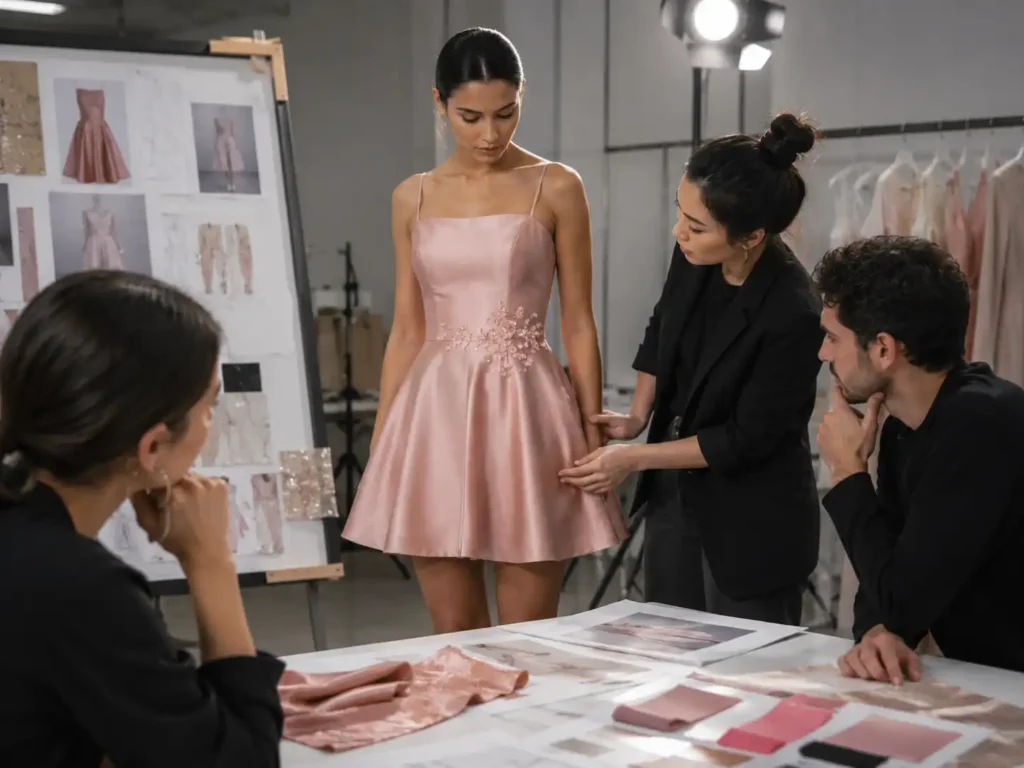
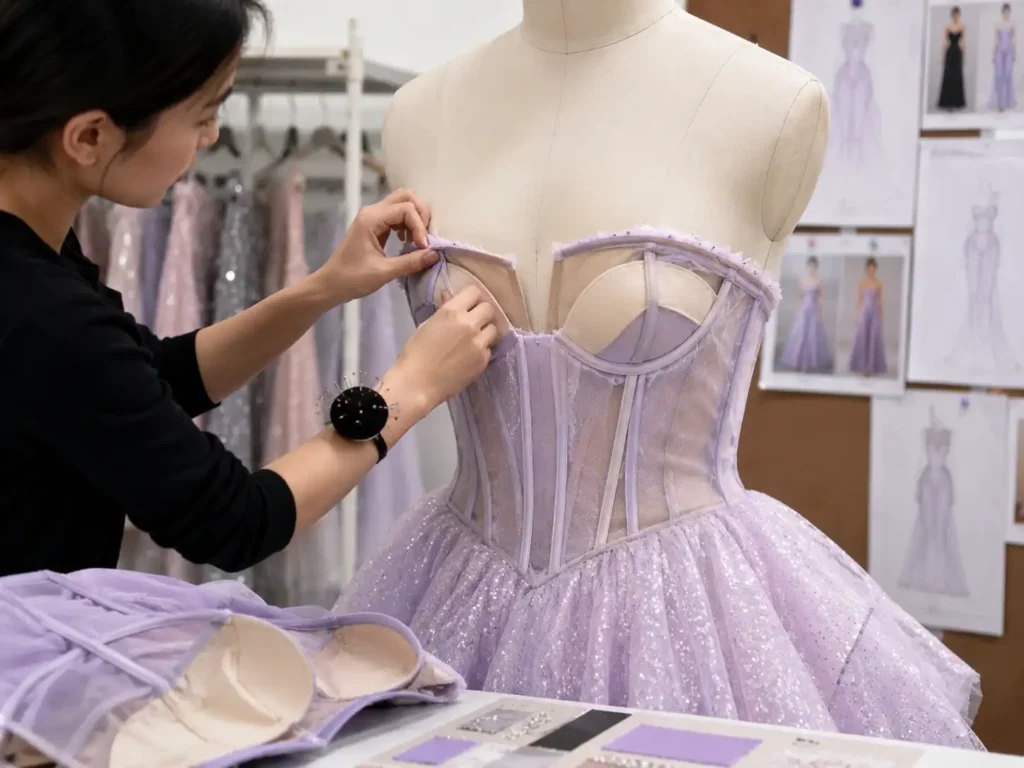
Fit approval should confirm cup position, neckline security, waist comfort, back closure tension and movement. Boning ends require protection so rigid components do not press or scratch the wearer.

Lace Mini Dress
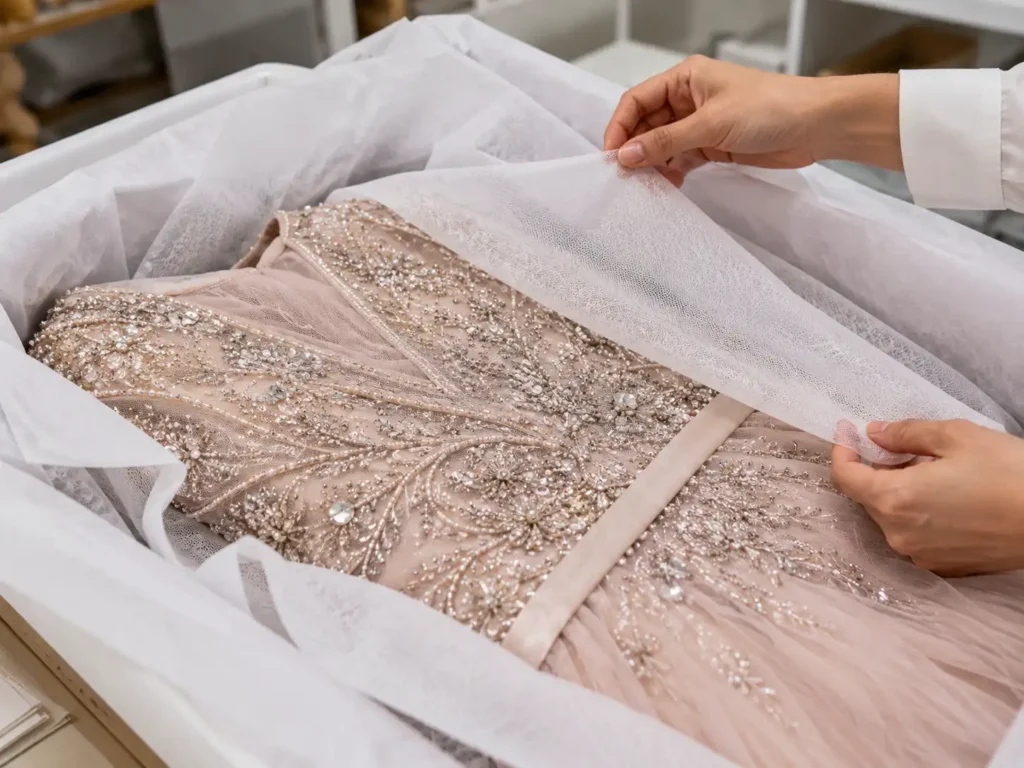
Sample review should confirm motif alignment at the center front, neckline and main seams. Bulk inspection should cover broken yarns, holes, uneven placement and color consistency between lace, lining, zipper and thread.

Metallic Party Dress
Before approval, the material should be tested for cracking, color transfer, surface damage and recovery. Packing must limit friction between garments.

Cut-Out Dress
Development controls include cut-out position, edge stabilization, bust coverage, side-body security and lining construction. Stress areas may require reinforcement to stop the opening from stretching during wear.

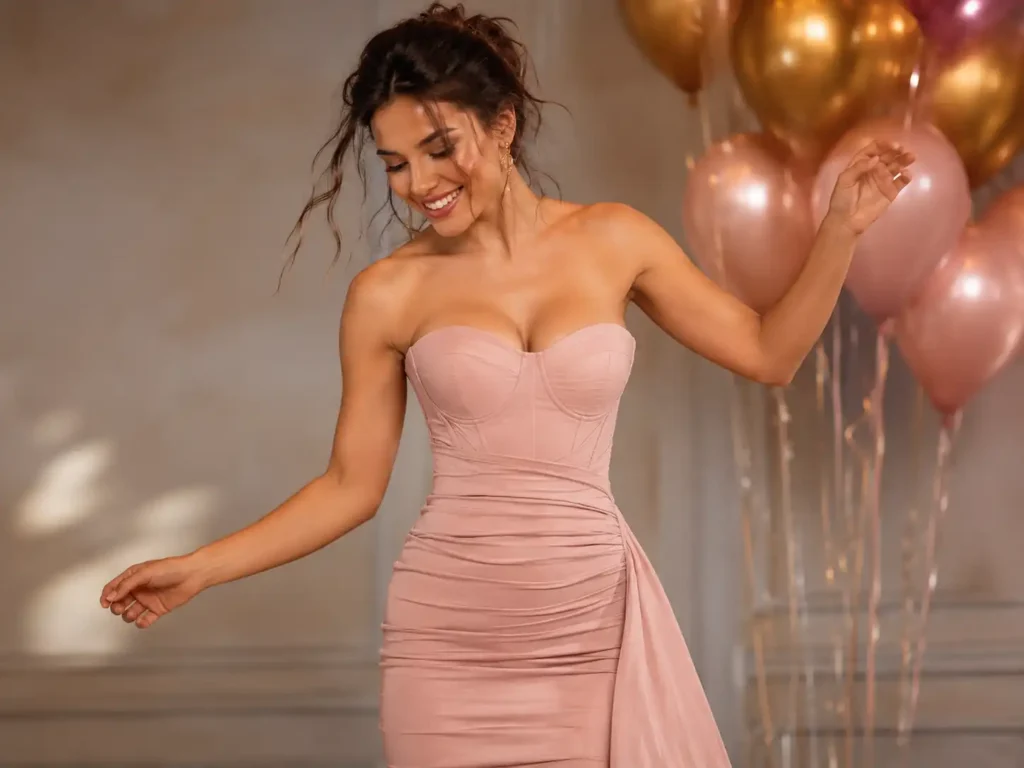
Strapless Dress
Testing should include arm movement, sitting and light dancing. A neckline that stays in place on a mannequin may still move during real wear.

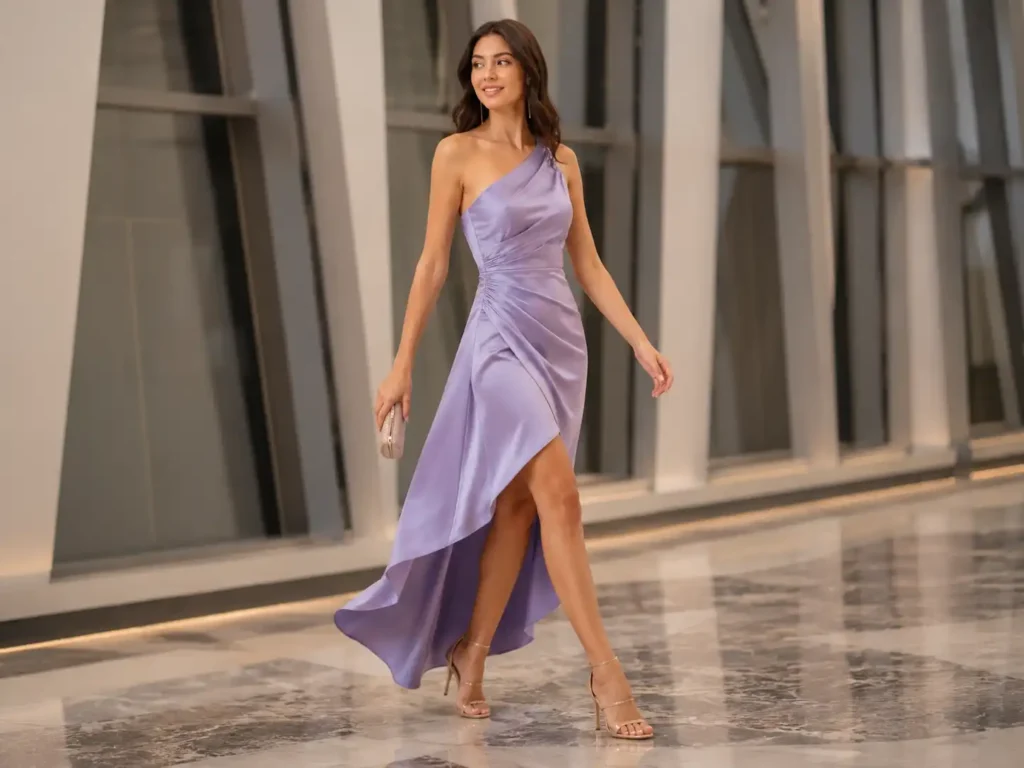
One-Shoulder Dress
Pattern work reviews shoulder angle, underarm coverage, bust support, zipper placement and drape direction. Bulk checks should compare left-right balance and neckline position.

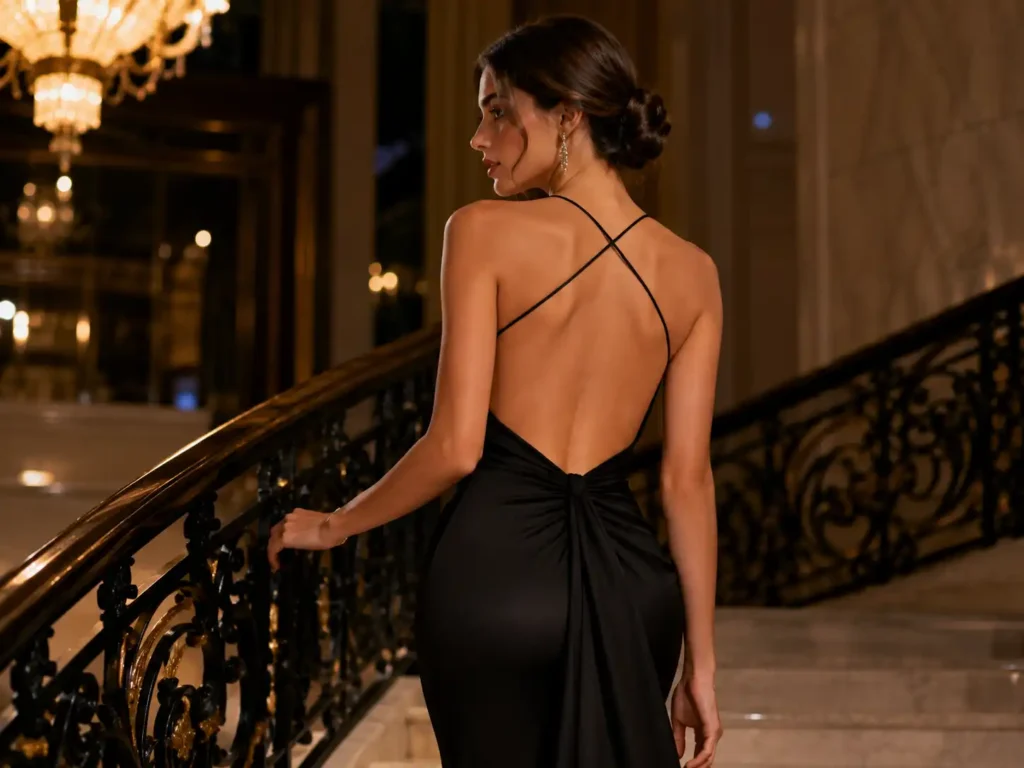
Backless Dress
Closure security and strain points should be tested through movement. Very open backs may require internal support solutions tailored to the fabric and neckline.

Halter Dress
Sample fitting should identify neck pressure, armhole gaping and center-front pulling. Soft draped halters and structured halters require different construction methods.

Birthday Jumpsuit
Fitted jumpsuits require movement tests for sitting, walking and raising the arms. Zipper length and opening design should allow comfortable dressing without weakening the silhouette.
Build a Balanced Birthday Dress Assortment
| Collection Dimension | Recommended Direction | Commercial Value | Manufacturing Focus |
|---|---|---|---|
| Length | Mini, midi and selected maxi styles | Reaches different ages and event settings | Hem balance, movement and lining length |
| Silhouette | Bodycon, corset, slip, asymmetric and A-line | Creates fit and visual variety | Bust, waist, hip and grading control |
| Fabric | Satin, mesh, lace, sequin and stretch jersey | Builds clear price and texture levels | Color, stretch, transparency and handling |
| Visual Detail | Ruching, cut-outs, draping, boning and embellishment | Creates recognizable hero styles | Placement, symmetry and bulk repeatability |
| Wearing Scene | Dinner, club, party, photoshoot and formal celebration | Supports clearer merchandising stories | Comfort, coverage and presentation |
| Price Tier | Entry, core and premium statement styles | Protects margin and collection depth | Material use, sewing time and trim cost |
Fabric Options for Birthday Dress Collections

Stretch Satin

Non-Stretch Satin
Non-stretch satin offers cleaner drape and a more formal surface for slip dresses, asymmetric silhouettes and structured mini or midi styles. Pattern ease becomes more important because fabric cannot compensate for movement.
Bias cutting, seam puckering, shine direction and zipper installation require close attention. Bulk panels should follow the approved cutting direction to avoid visible shade or reflection differences.
Stretch Mesh
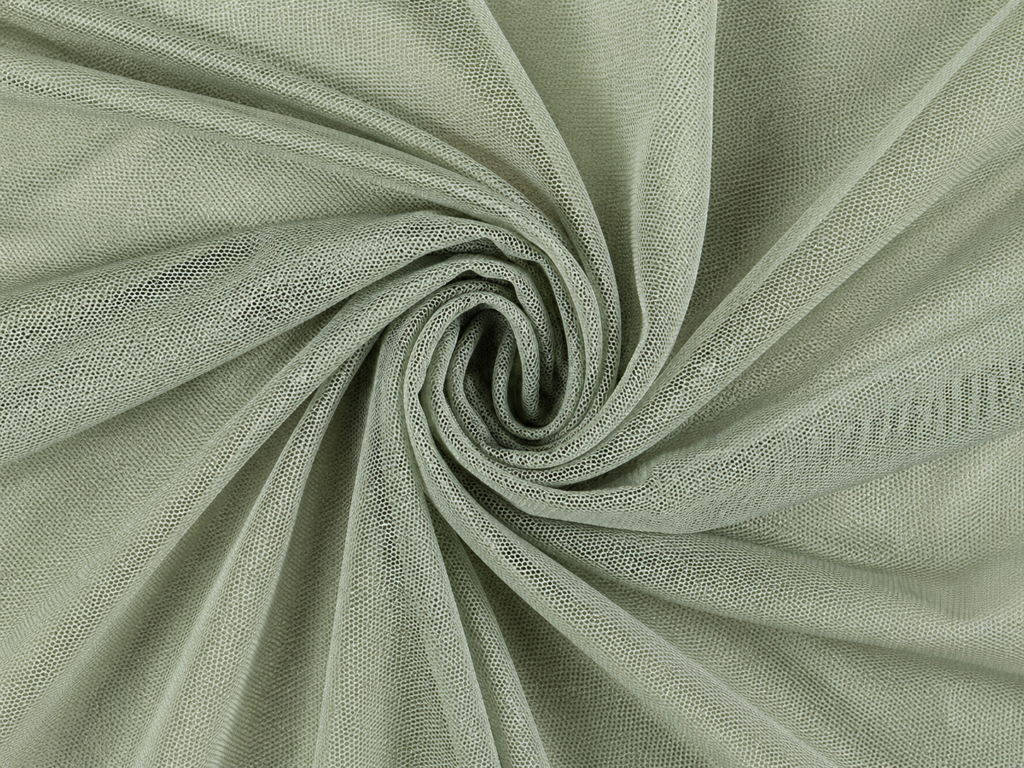
Stretch mesh works well for layered bodycon dresses, sleeves, inserts, cut-outs and illusion effects. Important variables include hole size, stretch percentage, recovery, softness and visual transparency.
A mesh that looks acceptable on a table may appear much more transparent under flash photography.
Sample approval should therefore include lining combinations and multiple lighting conditions.

Lace
Lace creates texture, romance and occasion value. Selection should consider motif size, edge design, width, stretch, backing and matching requirements.
Large motifs may require placement planning and higher consumption. Stretch lace and rigid lace also require different patterns, seam finishes and lining choices.

Sequin Fabric

Jersey and Ponte
Jersey and ponte provide stretch, recovery and cleaner body shaping for fitted dresses. Fabric weight should match the desired compression and coverage.
Light jersey may reveal underwear lines or lose shape, while overly heavy ponte can limit drape. Wash stability, edge recovery and side-seam behavior should be tested before bulk approval.
Trims and Embellishments That Hold Up in Bulk

Boning and Bra Cups

Zippers and Closures

Rhinestones and Crystals
Sequins and Beading
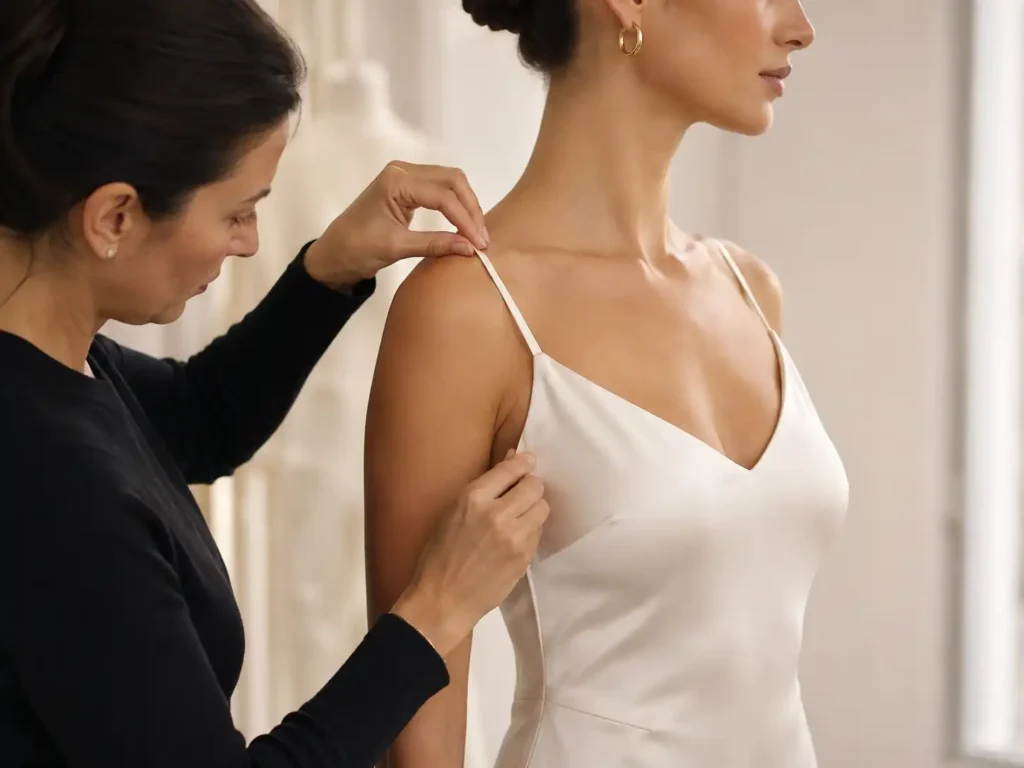
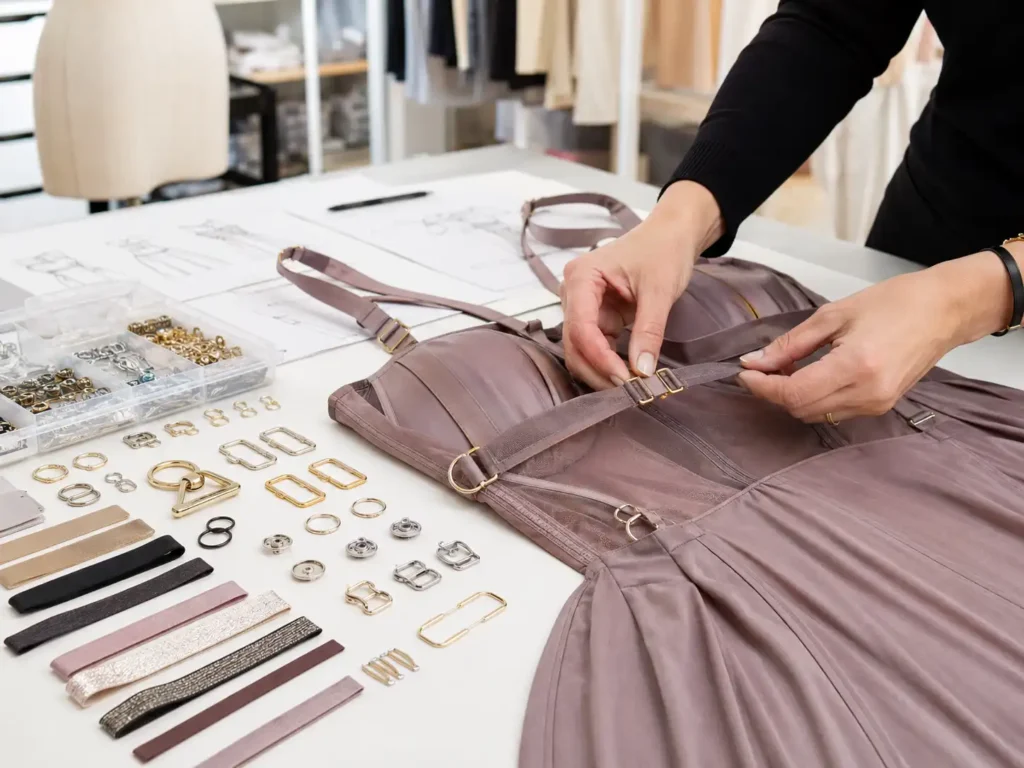
Strap Hardware
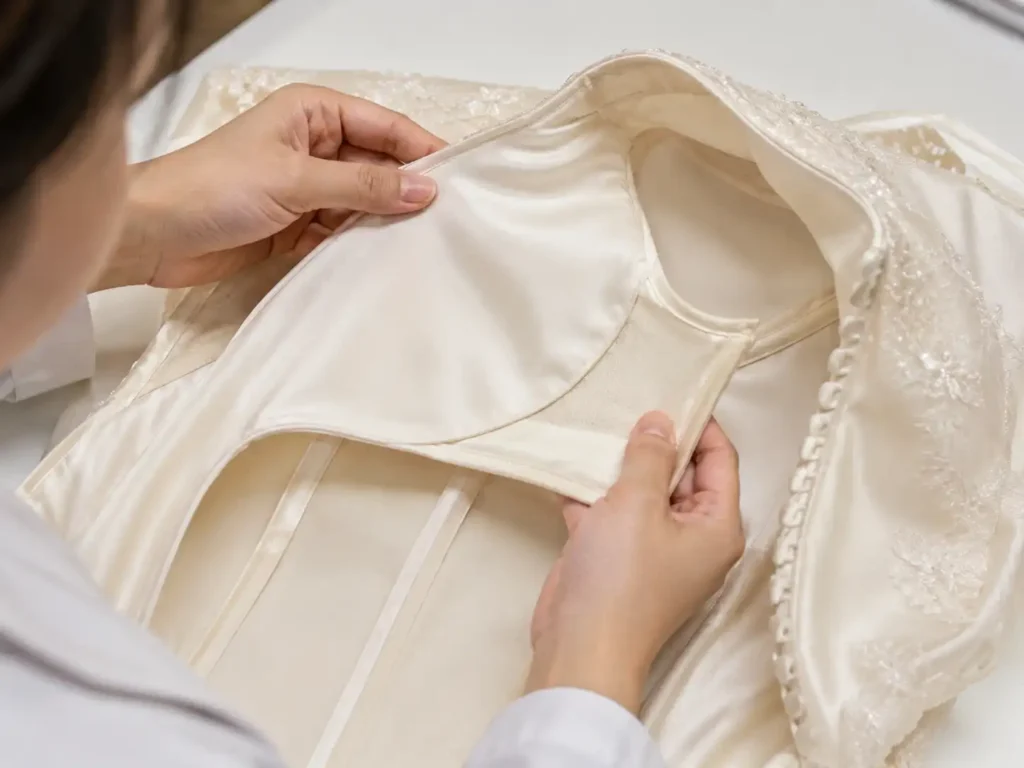
Linings and Support
Design Details That Improve Photo Impact

Controlled Ruching
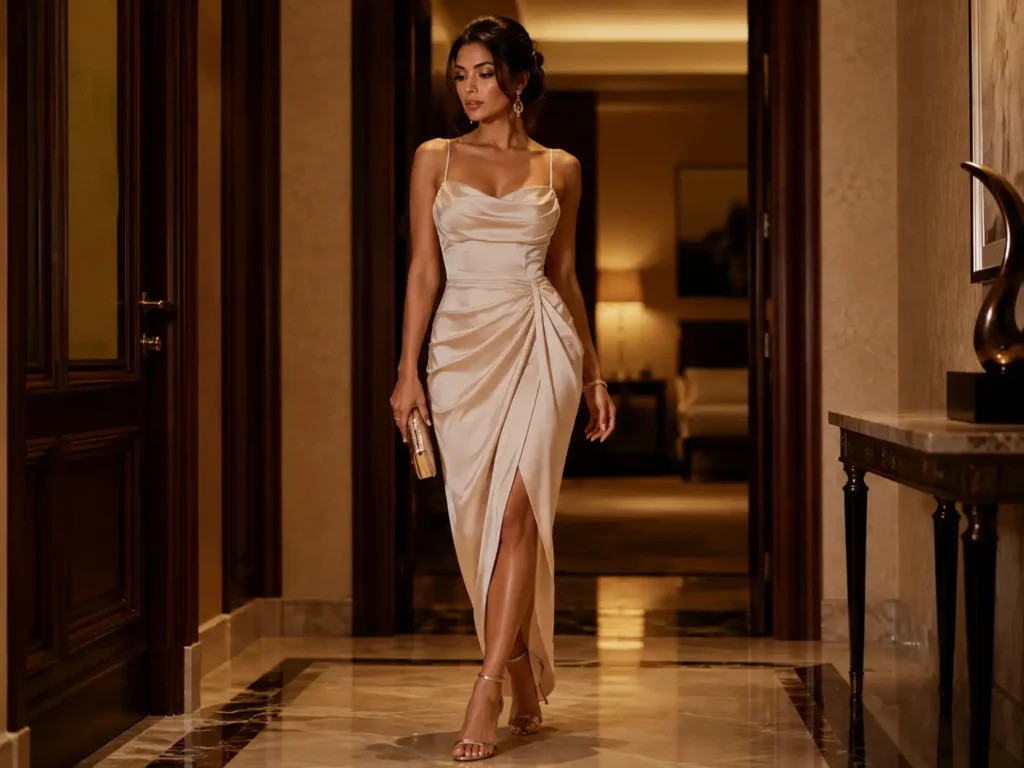
Sculpted Draping

Balanced Cut-Outs
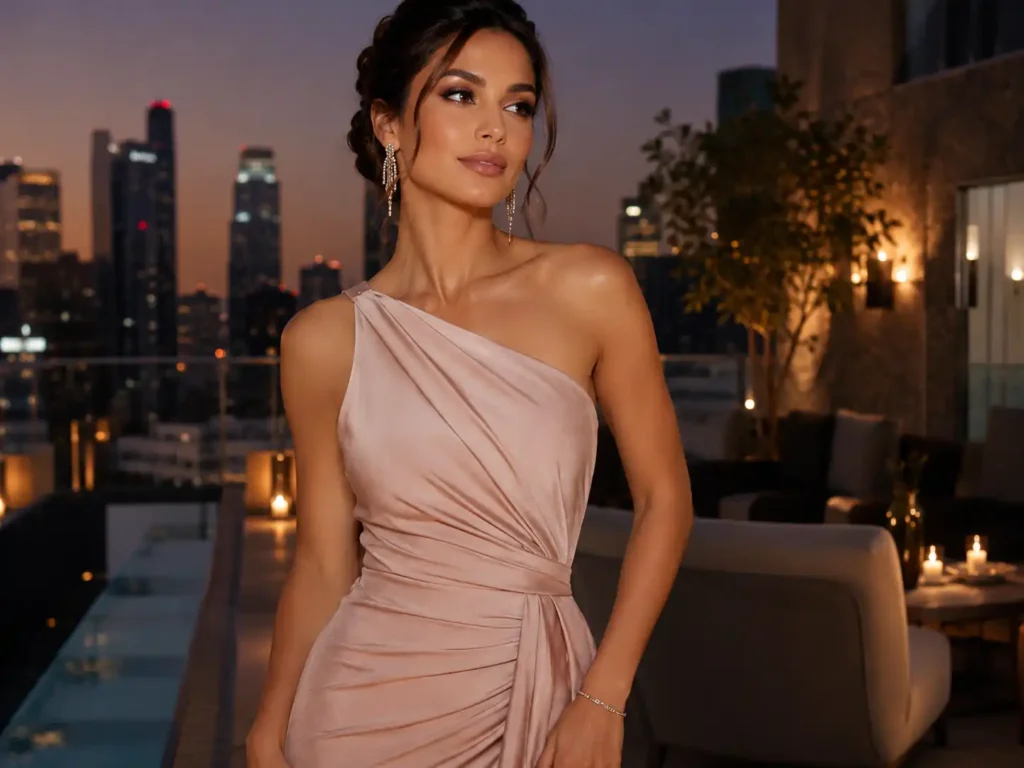
One-Shoulder Structure
Strapless Stability
Backless Support
Asymmetric Hem Control
Sequin Placement
Coverage, Comfort and Movement Safety
Strong visual impact should not come at the cost of wearability. Birthday dresses are worn while sitting, dining, walking, dancing, posing and entering vehicles, creating demands that static garment photos cannot reveal.
- Mini-Length Security
Hem safety depends on front-back balance, hip shaping, fabric recovery and lining length. Movement tests identify upward riding, back-hem lift and side-seam distortion. Corrections may include a revised pattern, added length, adjusted hip ease, stronger recovery or improved lining construction.
- Bust Coverage
Deep necklines, corset cups and cut-outs must remain stable through movement. Fit review checks front coverage, side coverage, cup placement, neckline tension and exposure under different angles.
- Skin Contact
Sequin edges, rhinestone settings, boning ends, zipper tape and rough lace can irritate skin. Protective lining, binding or revised seam construction may be needed in contact areas.
- Movement Testing
Sample evaluation may include sitting, arm lifting, walking, turning and light dancing. Movement reveals neckline shifting, strap pressure, hem riding, zipper stress and lining restriction. No garment should move into bulk approval solely because it looks correct on a mannequin.
Sample Types for Birthday Dress Development
First Sample
Fit Sample
Revised Sample
Photo-Ready Sample
PP Sample
Golden Sample
Choose the Right Development Starting Point
Reference Image
- Intended length
- Preferred fit
- Size range
- Fabric direction
- Lining coverage
- Closure type
- Color plan
- Target quantity
- Target price level
Original Sample
An original garment provides useful information about handfeel, seam construction, zipper position, lining, support and measurements.
The development team can measure and analyze the sample while making authorized adjustments for fit, materials or brand requirements.
Protected designs should not be copied without authorization.
Original-sample development is intended for approved redevelopment and brand-owned products.
Tech Pack
A complete tech pack offers the strongest development basis.
Useful files include flat sketches, measurements, construction notes, BOM, label positions, color standards and packaging requirements.
Technical files are still reviewed for manufacturability.
Fabric behavior, seam construction or support methods may require recommendations before sampling.
Quality Control for High-Impact Party Dresses

Fabric Inspection
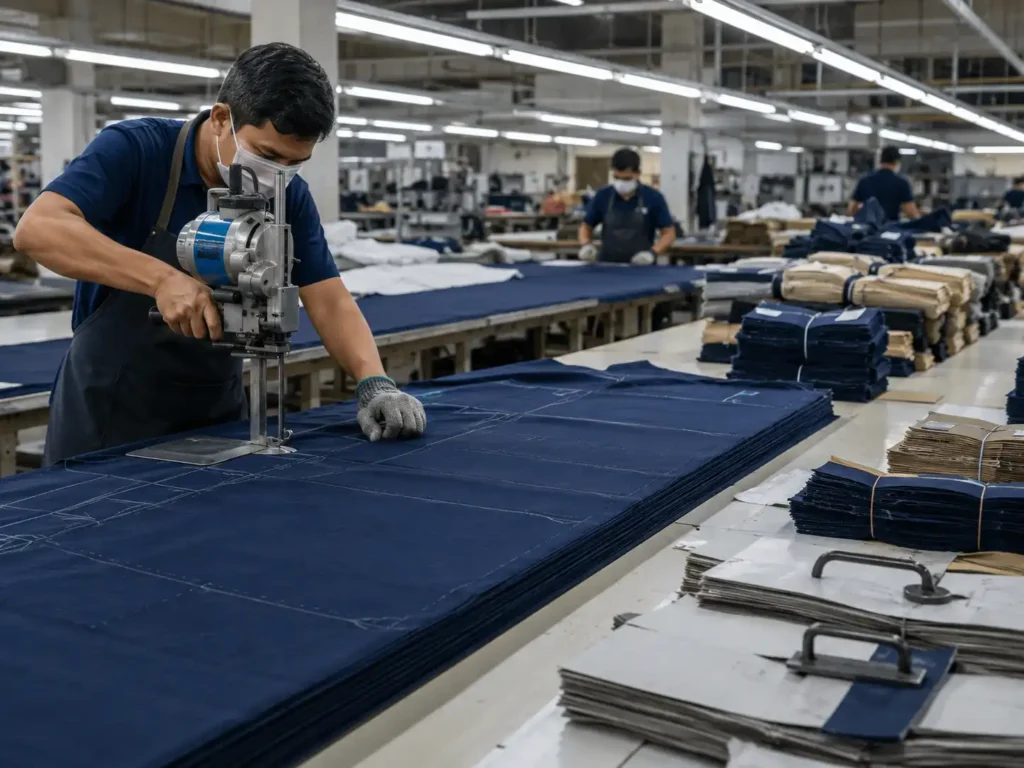
Cutting Accuracy
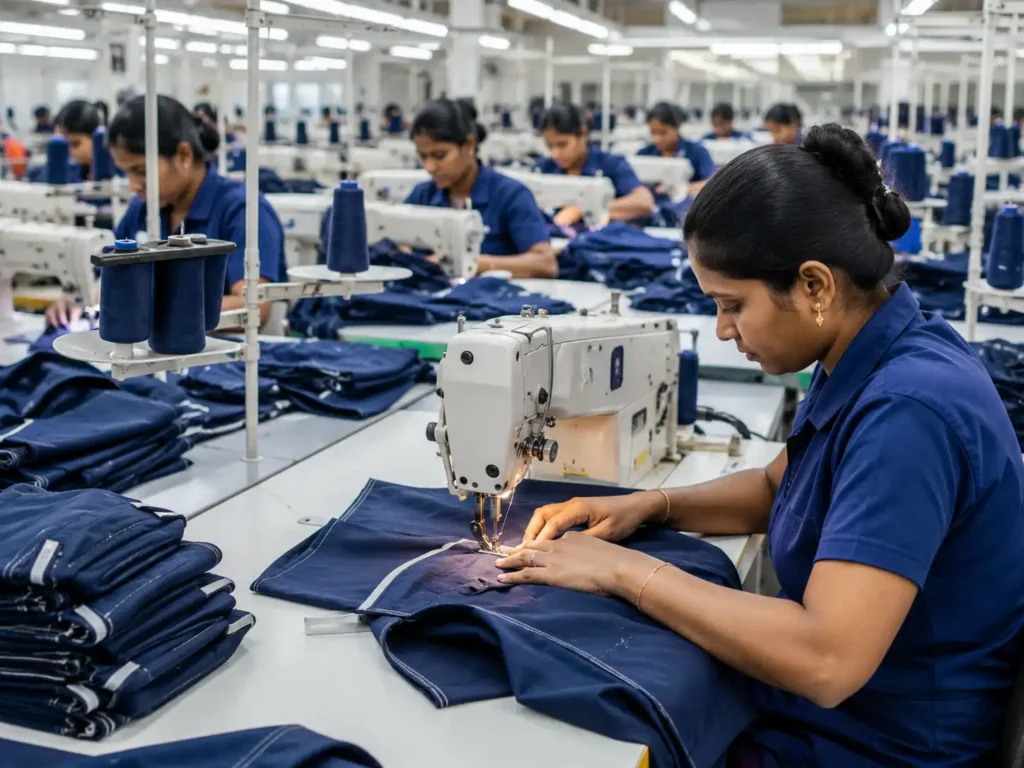
Sewing Stability
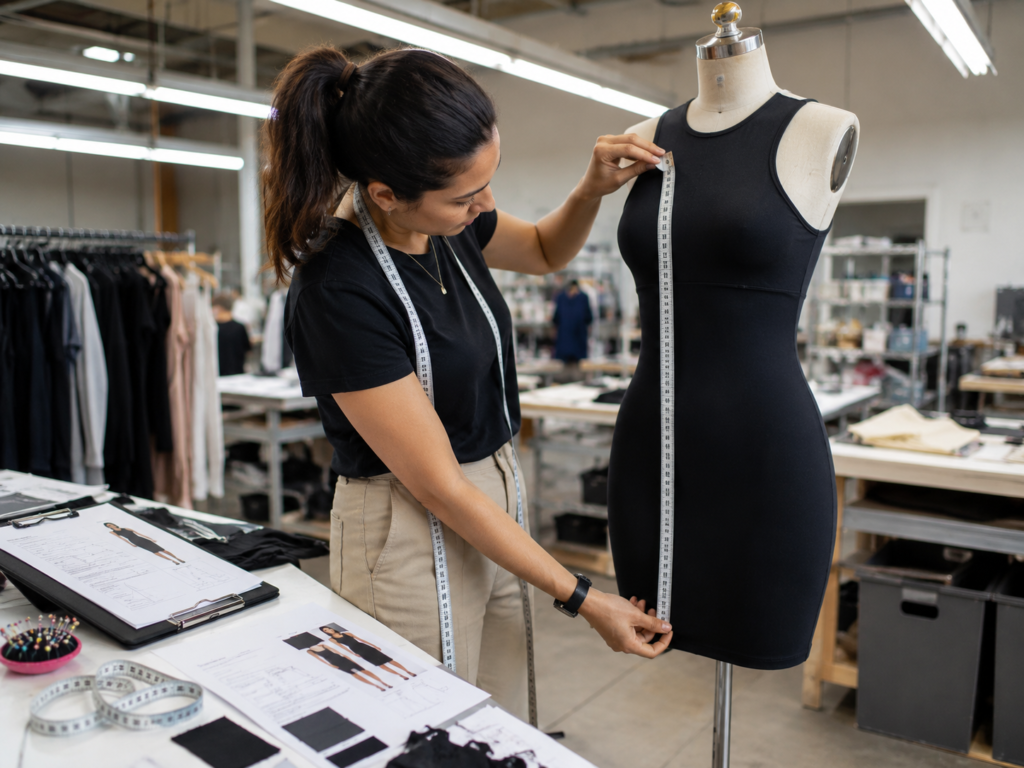
Measurement Control
Embellishment Security

Closure Performance

Pressing and Presentation

Packing Verification
Measurement and Size Grading Standards
Garment measurements must connect to fit, fabric stretch and grading logic. A good sample size is not enough when the complete size range has not been evaluated.
| Measurement Point | Main Risk | Sample Review | Bulk Control |
|---|---|---|---|
| Bust | Gaping, compression or weak support | Fit model, cup and neckline review | Measurement audit and construction check |
| Waist | Poor shaping or discomfort | Waist placement and ease review | Tolerance and side-seam check |
| Hip | Pulling, twisting or hem rise | Movement and recovery test | Size consistency and seam balance |
| Front Length | Insufficient coverage | Standing and sitting review | Random garment measurement |
| Back Length | Raised or uneven hem | Side and back fit review | Finished hem balance |
| Strap Length | Wrong neckline position | Adjustment range and pressure test | Hardware and finished-length check |
| Armhole | Gaping or restriction | Movement and side-coverage review | Pattern and sewing consistency |
| Neckline Depth | Exposure or visual imbalance | Front and angled fit review | Approved reference comparison |
| Slit Height | Restricted movement or overexposure | Walking and sitting test | Point-to-point measurement |
| Hem Width | Limited movement or distorted shape | Walking test and visual balance | Finished garment inspection |
Cost Control Without Losing Visual Impact
Fabric Direction
- Stock color versus custom dye
- Standard width versus narrow fabric
- Stretch satin alternatives
- Sequin density adjustment
- Lining-weight review
- Shared fabric across several styles
- Consolidated color planning
Construction Adjustment
Complexity can sometimes be reduced without weakening the design.
Options may include refining internal layers, simplifying hidden seams, adjusting decoration coverage or selecting a more production-stable closure.
Visible design signatures, fit and support should remain protected.
Assortment Planning
A collection can balance premium hero products with more efficient commercial styles.
High-decoration pieces attract attention, while reliable fitted dresses may support repeat volume.
Quantity planning at 200, 500 or 1,000 pieces per style and color changes material purchasing, cutting efficiency, sewing allocation, packaging and cost distribution.
Final pricing depends on the complete project structure.
MOQ Planning by Style and Color
A workable structure may include
- One style in one color: 200 pieces
- One style in two colors: 200 pieces per color
- Six styles in one color each: 1,200 pieces total
- Twelve styles with two colors each: 4,800 pieces total
An order containing four different styles at 50 pieces each does not create one 200-piece production lot because patterns, cutting, sewing, materials and instructions remain separate.
MOQ may increase when a project includes
- Custom-dyed fabric
- Custom printing
- Special lace
- Directional sequin fabric
- Custom hardware
- Exclusive trim development
- Highly fragmented color or size ratios
- Special testing
- Custom boxes or printed packaging
- Material-supplier minimums
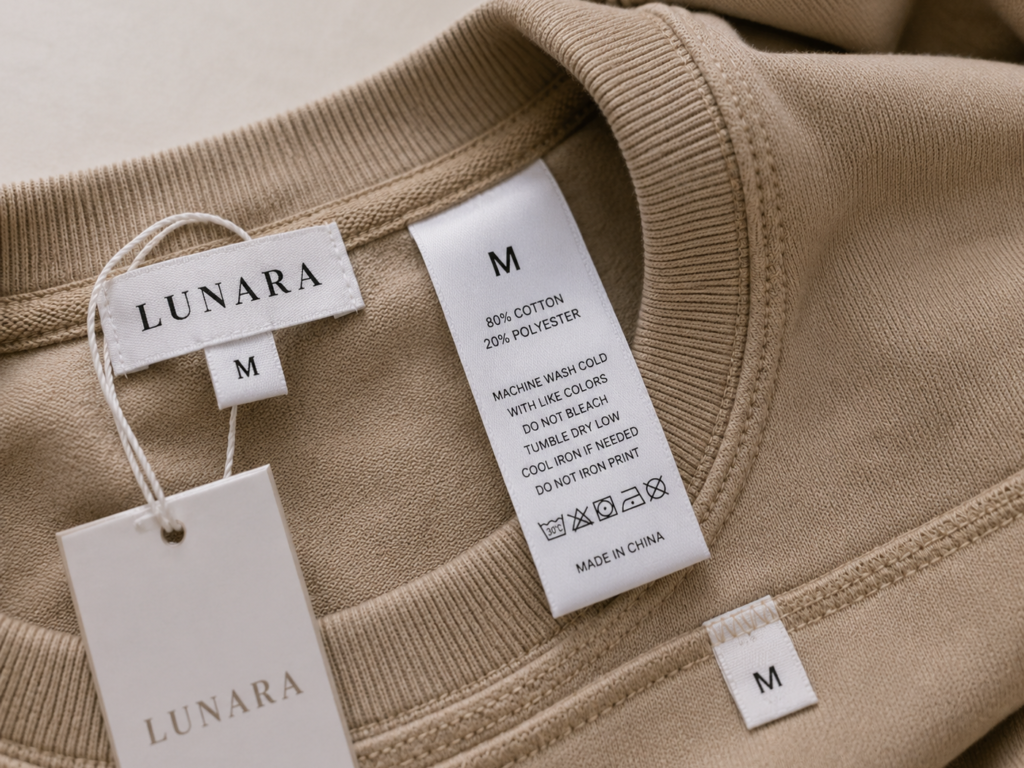
Private-label materials can also carry independent minimums. Woven labels, hangtags, printed bags and boxes should be planned alongside garment quantities.
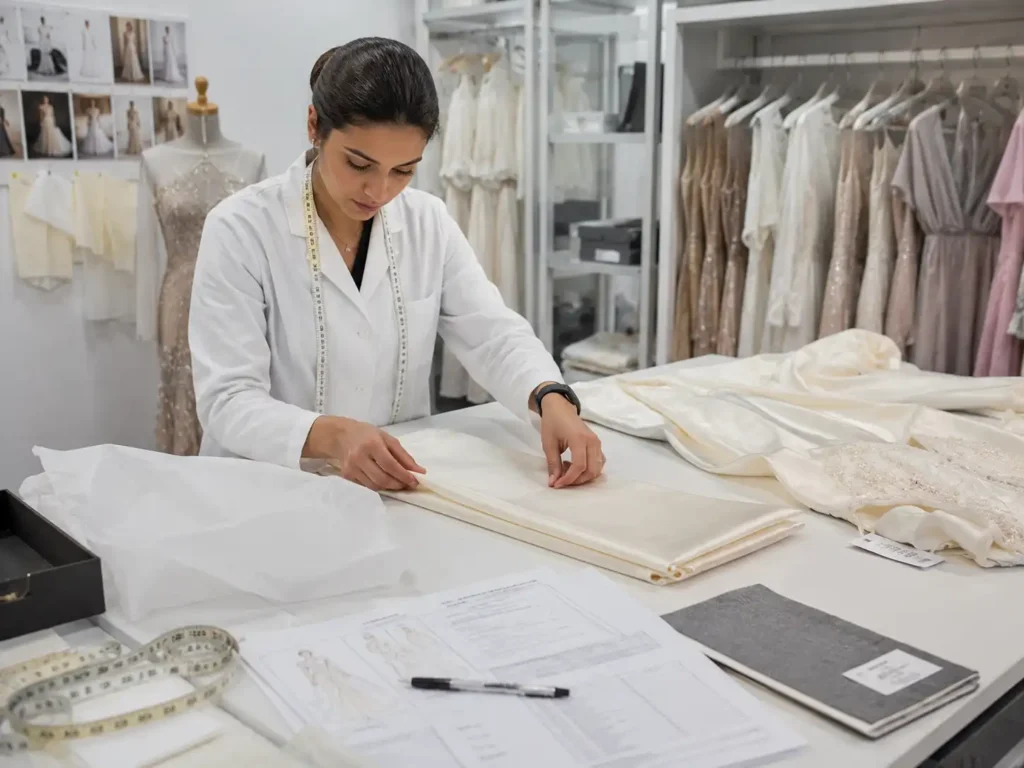
Private Label Packaging for Retail and Ecommerce

Woven Labels
Care and Size Labels

Hangtags
Barcode and SKU

Protective Polybags
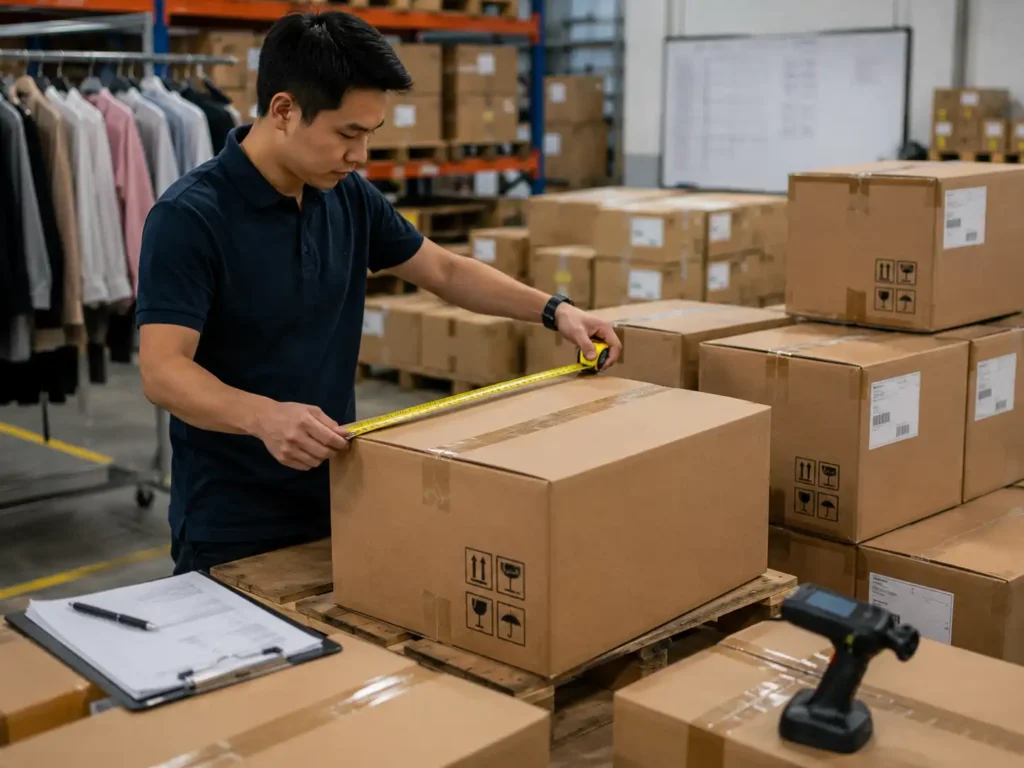
Cartons and Warehouse Labels
NDA, Testing and Brand Protection
NDA Protection
Design Confidentiality
Project-Based Testing
Built for Launches, Reorders and Seasonal Collections
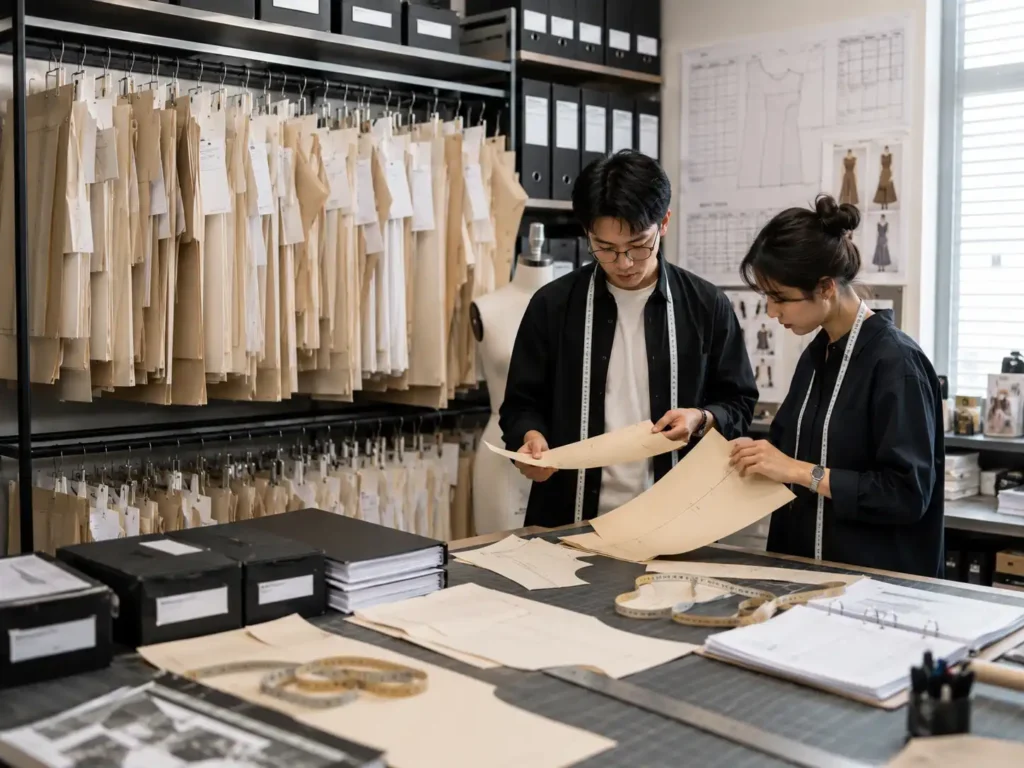
Pattern Records
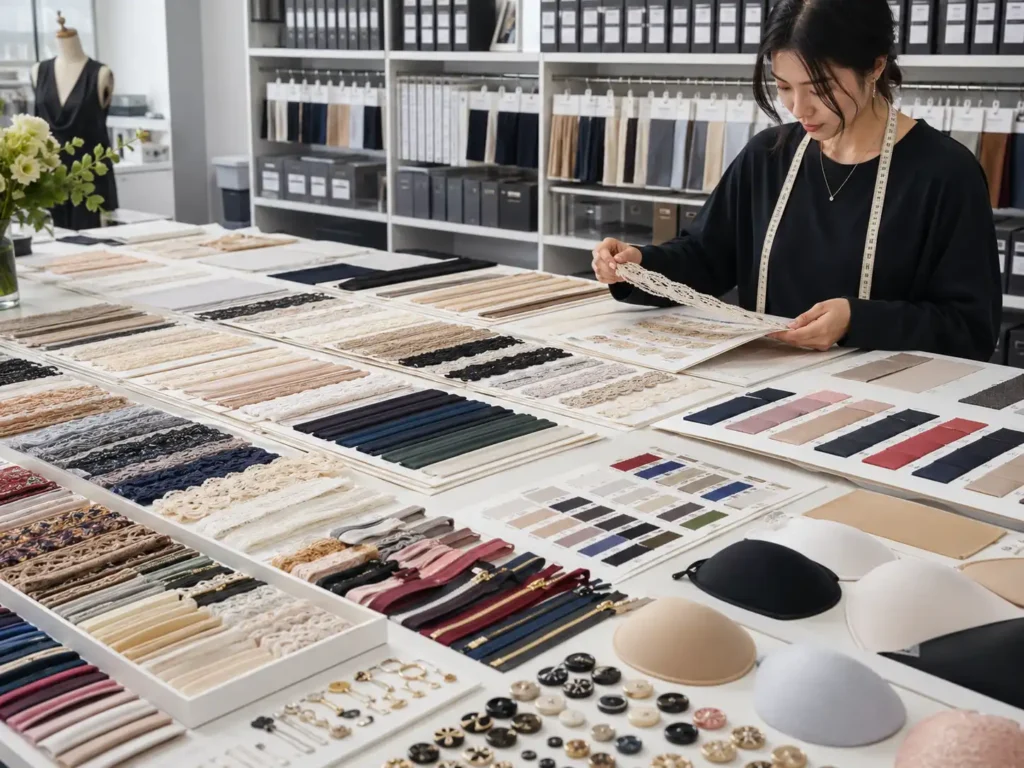
Fabric and Trim Records
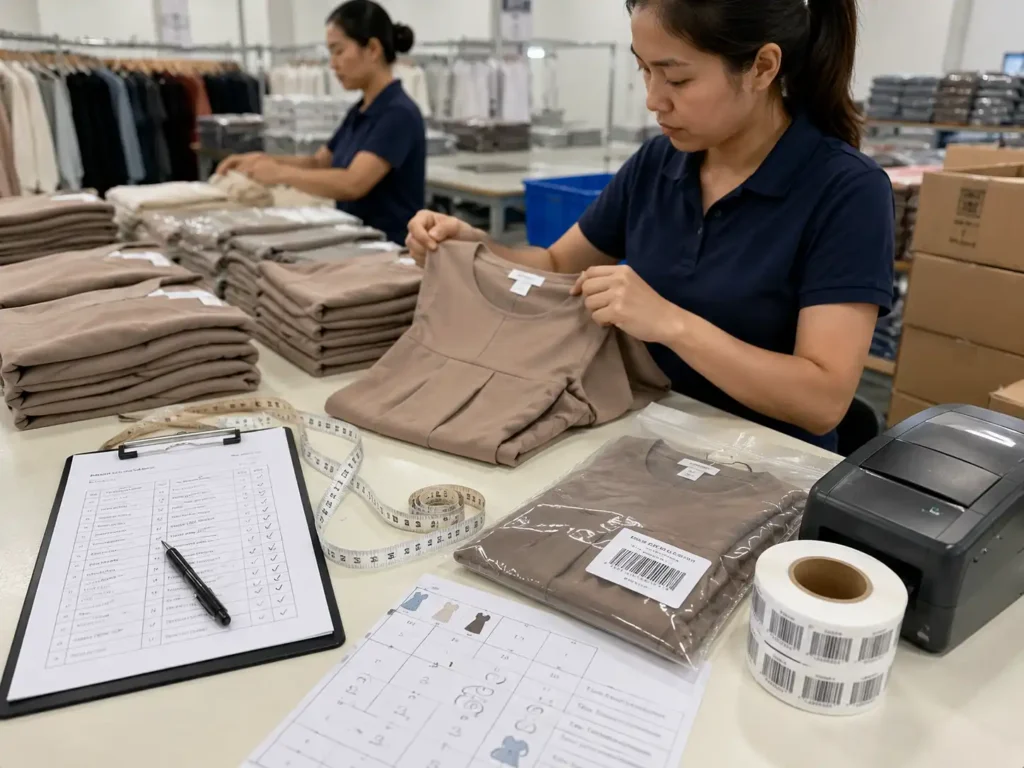
QC and Packing Records
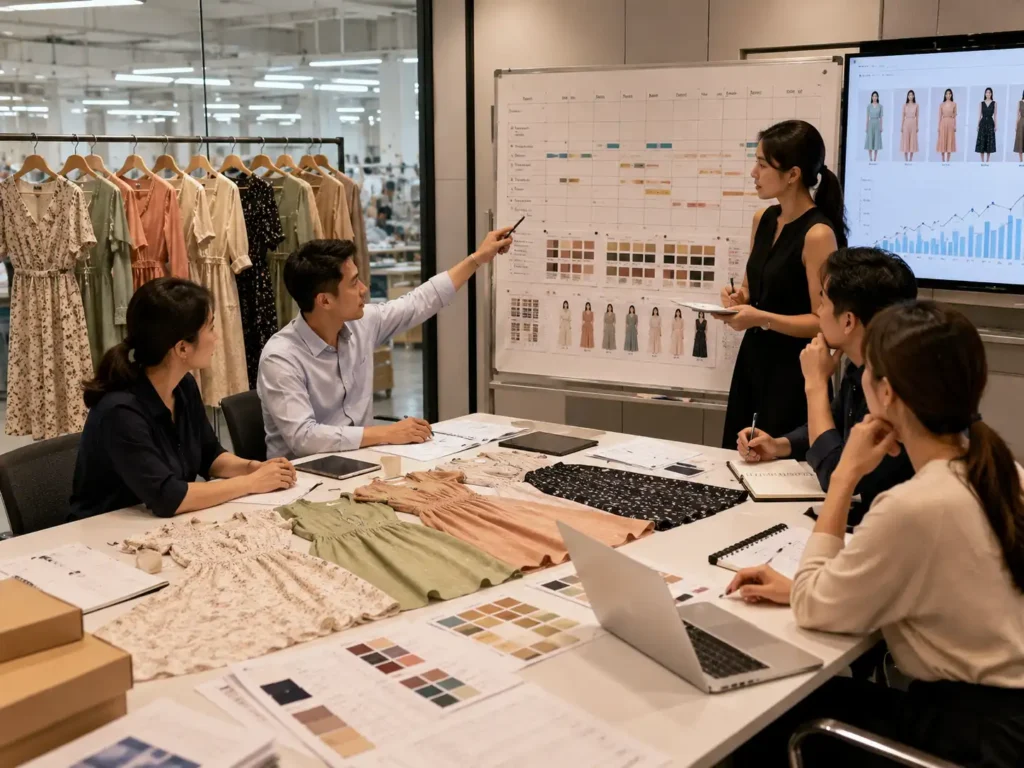
Repeat-Order Planning
Birthday Dress Projects Across Key Markets

United States Birthday Capsule
A US-based premium ecommerce fashion label developed an 18-style birthday capsule totaling 48,600 garments. The assortment included satin ruched minis, sequin bodycon dresses, corset styles, mesh-panel dresses and two fitted jumpsuits.
The program used four primary color families and a six-size range. Main challenges included keeping corset necklines secure, controlling sequin comfort and achieving consistent satin color under studio lighting.
Jinfeng Apparel organized the styles by material and construction:
- Satin and stretch-satin styles formed one development group
- Mesh and bodycon styles formed a second group
- Sequin and corset products received separate sample priorities
- Photo-ready samples were completed before PP approval
- Measurement, BOM and packing files were managed by style code
Selected fitted styles required two sample revisions, while decorated products received added skin-contact and packing checks. Delivery was arranged in two batches so campaign-led styles reached the warehouse before supporting products.

United Kingdom Occasionwear Drop
A UK occasionwear label prepared a 12-style birthday and celebration range totaling 24,000 garments. The product mix included lace minis, one-shoulder satin dresses, structured corset styles and draped midi dresses.
Development centered on cleaner occasionwear finishing rather than extreme clubwear styling.
Core challenges included lace placement, lining color, center-front symmetry and fit grading across the range.
The project used:
- Three main shell-fabric groups
- Coordinated lining colors
- Shared zipper specifications where suitable
- Individual pattern and measurement files for every style
- Private-label woven labels, care labels and hangtags
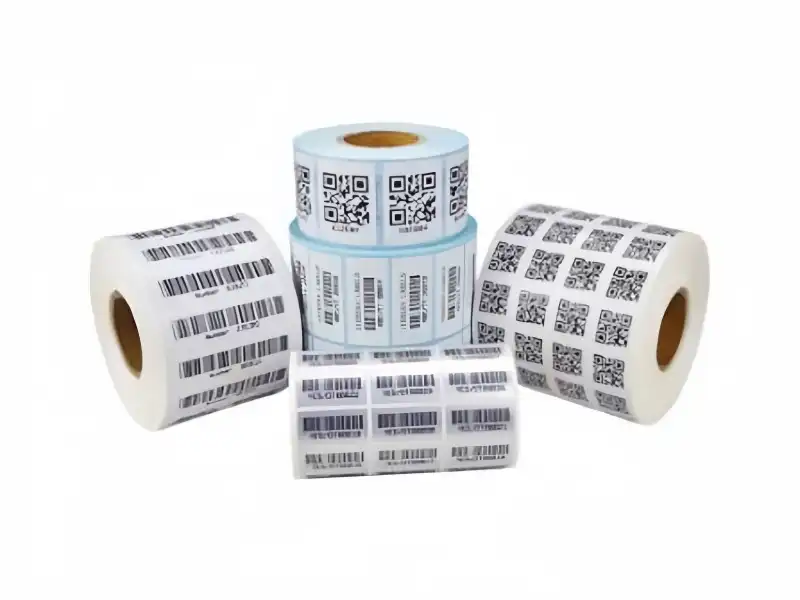
- Style-color-size barcode mapping
Lace motifs were repositioned at key front panels, and one corset style received a revised cup and boning layout before PP approval.
Bulk packing followed destination-specific assortment ratios for retail distribution.

Australian Partywear Launch
An Australian partywear brand planned a 26-style seasonal birthday collection totaling 72,800 garments. The range combined metallic minis, mesh bodycon dresses, satin cut-out styles, halter dresses, backless silhouettes and party jumpsuits.
The larger program required style priority, factory allocation and three delivery windows.
High-visibility campaign pieces entered sample development first, followed by commercial core products and supporting styles.
Key controls included:
- Material booking by launch priority
- Fit review for mini length and bust coverage
- Heat and abrasion review for metallic surfaces
- Movement testing for backless and halter products
- Separate QC checklists for sequin, mesh and satin groups
- Ecommerce-ready labels, SKU stickers and carton marks
The delivery plan combined early air freight for selected campaign SKUs with sea freight for the main quantity.
Production records were retained for planned bestseller replenishment.
How to Evaluate a Birthday Dress Manufacturer
Product-Specific Knowledge
Pattern and Sample Team
Material Review
Bulk File System
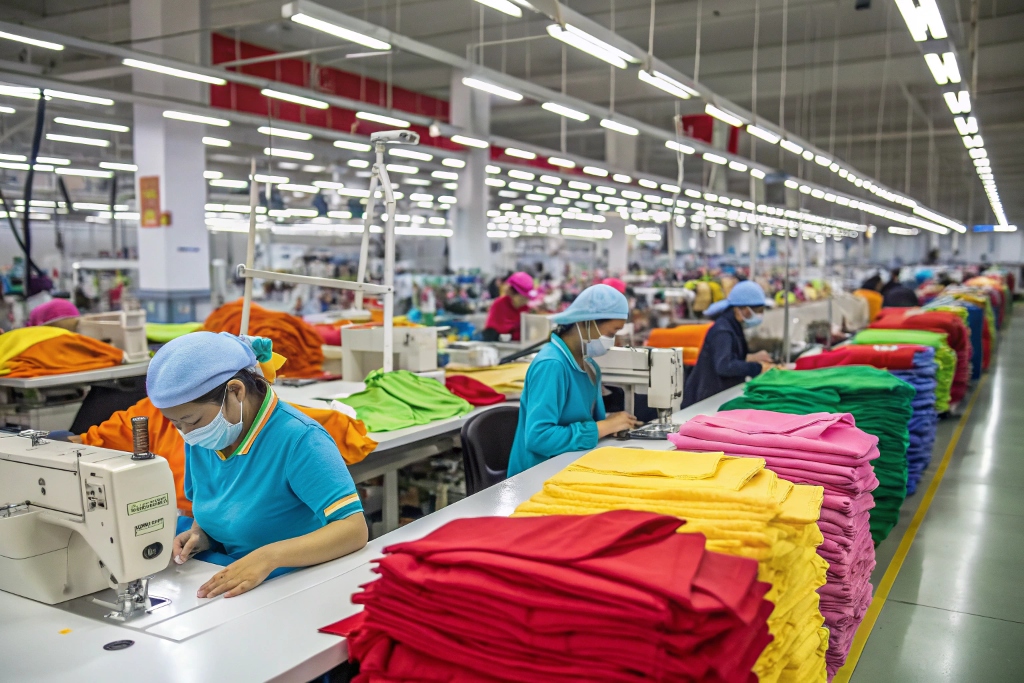
Quality Evidence
Birthday Dress Manufacturing Frequently Asked Questions
Yes. Jinfeng Apparel develops adult women’s birthday dresses for fashion brands, partywear labels, occasionwear collections and premium ecommerce programs. Main categories include sequin, satin, mesh, lace, corset, bodycon, ruched, cut-out, strapless, backless and one-shoulder dresses.
MOQ starts from 200 pieces per style and color. Fabric suppliers, custom colors, special decoration, private-label materials and packaging may carry separate minimum requirements.
Yes. Reference images can be used for initial structure and style review. Additional information such as length, fit preference, fabric, lining, color, size range and quantity is normally needed before accurate development and quotation.
Yes. Jinfeng Apparel can review flat sketches, measurements, BOM, construction notes, label positions, color standards and packaging requirements. Manufacturing recommendations may be provided when fabric or construction needs adjustment.
Standard dress samples commonly require around 10–15 days after materials and development information are confirmed. Complex corset, sequin, lace and mesh styles commonly require 15–25 days or project-specific confirmation.
Yes. Corset development may include bra cups, boning, lining, anti-slip tape, seam channels and structured closures. Fit approval focuses on cup placement, neckline security, waist comfort and movement.
Controls include sequin direction, seam handling, attachment inspection, skin-contact protection, missing-decoration review, needle-risk management and protective packing.
Yes. Available components include woven labels, size labels, care labels, hangtags, barcode stickers, SKU labels, polybags, stickers, cartons, carton marks and warehouse labels.
Yes. Multi-style programs are managed by style, color, size, fabric, trims, sample version, BOM, production file, QC checklist, packing instruction and shipment plan.
Yes. NDA-based cooperation can cover tech packs, samples, patterns, fabric direction, private-label information, unreleased designs, quantities and launch schedules.
Split shipments may be arranged by project. Options can include early air freight for selected SKUs and sea freight for the main quantity, depending on inspection, packing and material readiness.
Useful information includes reference images or tech packs, quantity per style and color, fabric preference, size range, labels, packaging, quality requirements and target delivery window.

Start Your Birthday Dress Collection
Send your reference images, tech packs, line sheet or original sample information for a structured project review. Jinfeng Apparel will assess style construction, fabric direction, trims, pattern requirements, sample complexity, MOQ alignment, private-label requirements and likely bulk-production risks before confirming the next step.
For a more accurate review, include:
- Company and market
- Product reference or tech pack
- Number of styles
- Quantity per style and color
- Fabric preference
- Color plan
- Size range and measurement standard
- Label and packaging requirements
- Testing or compliance requirements
- Target campaign or warehouse date
- Preferred shipping terms
- Files requiring NDA protection