Skip to content
Beige Dress Manufacturer
Custom beige dress development for global fashion brands requiring controlled neutral shades, reliable fit, clean workmanship, and repeatable bulk production.
- 6 commercial beige directions: warm beige, cool beige, sand, nude beige, taupe beige, and champagne beige.
- 3-light shade review: daylight, indoor lighting, and studio lighting before bulk color approval.
- US, UK, EU, AU, and XS-XL pattern development based on the approved brand size chart.
- MOQ starts from 200 pcs per style/color; fabric dyeing, lace, trims, and packaging may carry separate minimums.
Jinfeng Apparel develops mini, midi, maxi, bodycon, slip, corset, resort, and occasion dresses in beige and related neutral tones. Color standards, fabric surface, transparency, lining, pattern balance, pressing, and packing are reviewed as connected production decisions rather than separate checkpoints.
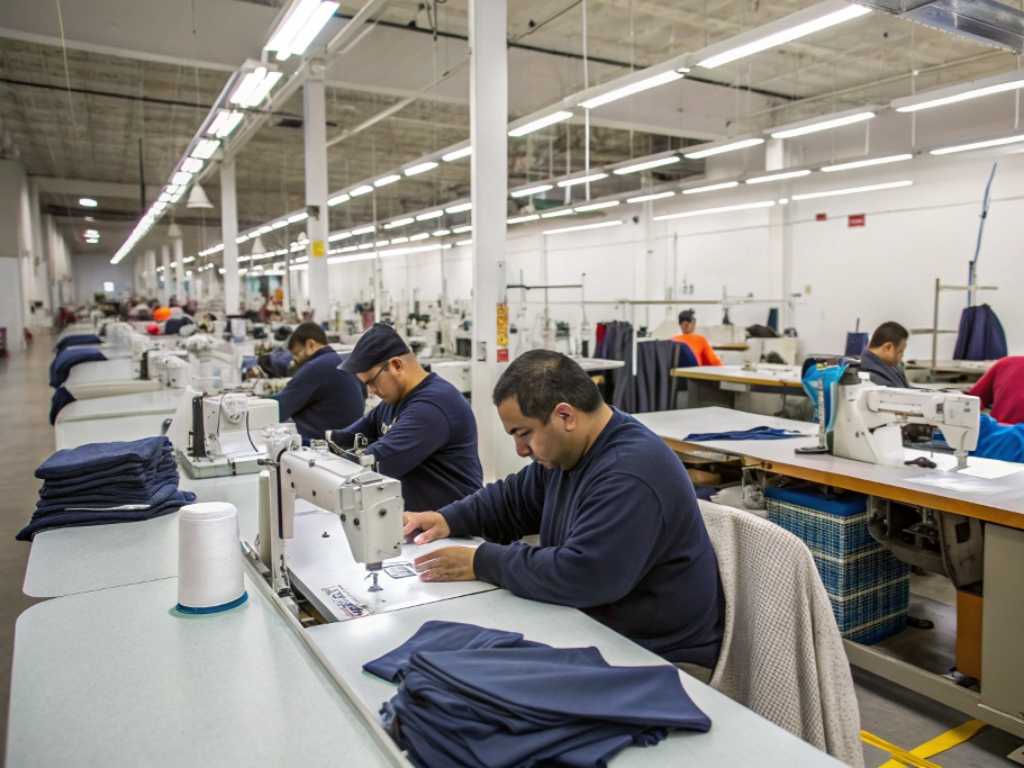
Manufacturing Capacity Behind Beige Dress Programs
Development Team
Production Network
Quality Follow-Up
Built for Established Fashion and Retail Programs
Best Program Fit
Suitable programs include global womenswear labels, premium ecommerce brands, fashion retailers, occasionwear labels, resortwear lines, sourcing offices, brand groups, and product development teams managing seasonal collections. Strong project inputs include a tech pack, reference sample, line sheet, fabric direction, target quantity, size chart, label artwork, packaging rules, and launch date.
- Custom development and sampling
- Multi-style seasonal lines
- Private-label and retail-ready delivery
- Repeat orders and color extensions
Production Boundaries
The manufacturing model is designed around development, sample approval, bulk production, QC, and branded delivery. It is not structured for ready-stock purchasing, one-piece fulfillment, personal tailoring, or scattered micro quantities. Clear boundaries protect fabric consistency, pattern control, production efficiency, and the documentation required for dependable repeat orders.
- MOQ from 200 pcs per style/color
- Sample fees quoted by complexity
- Bulk timing confirmed after PP approval
- Special materials reviewed separately
From Beige Direction to Retail-Ready Delivery
Project Review
Color and Fabric
Pattern and Sample
PP and Golden Sample
Bulk and QC
Packing and Delivery
Beige Dress Styles for Distinct Fashion Markets
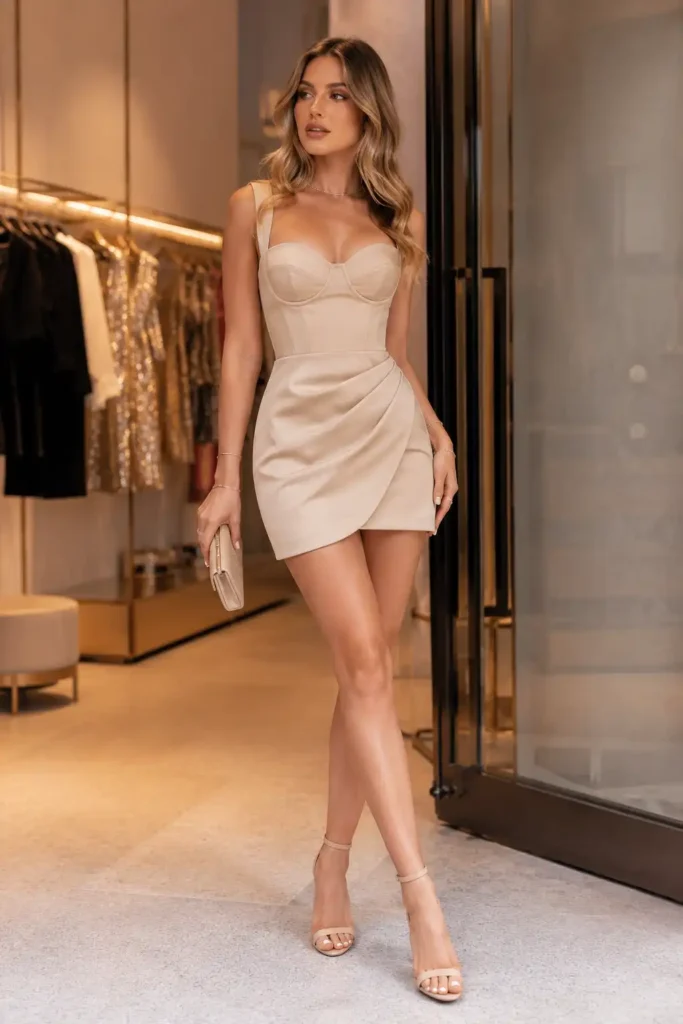
Beige Mini Dresses

Beige Midi Dresses

Beige Maxi Dresses
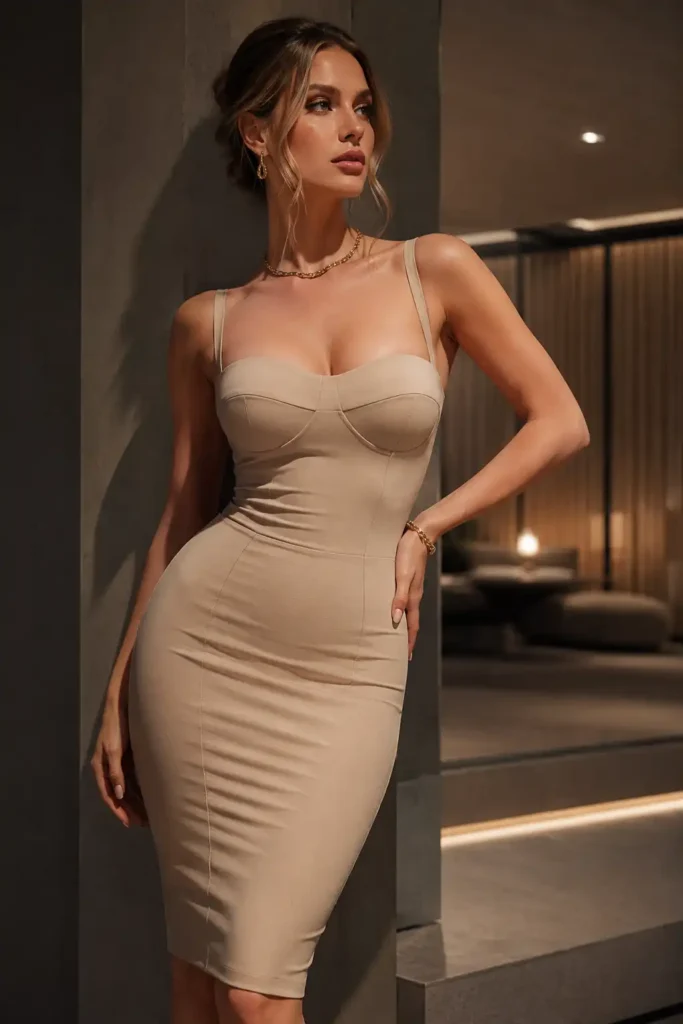
Beige Bodycon Dresses

Beige Slip Dresses

Beige Corset Dresses

Beige Resort Dresses
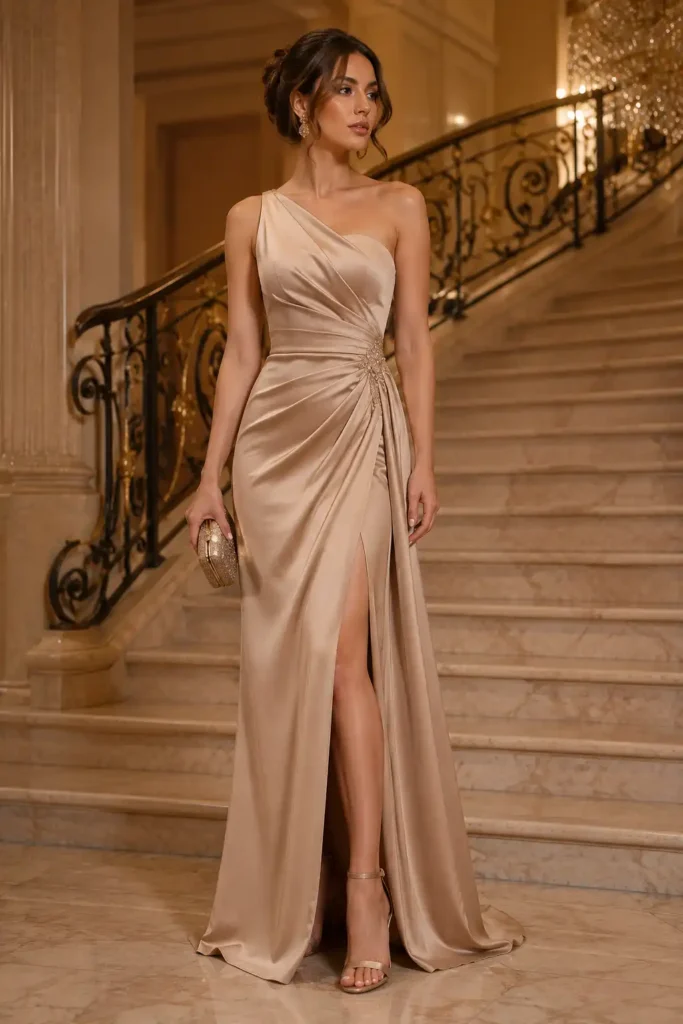
Beige Occasion Dresses
Six Beige Directions for Collection Development

Warm Beige

Cool Beige
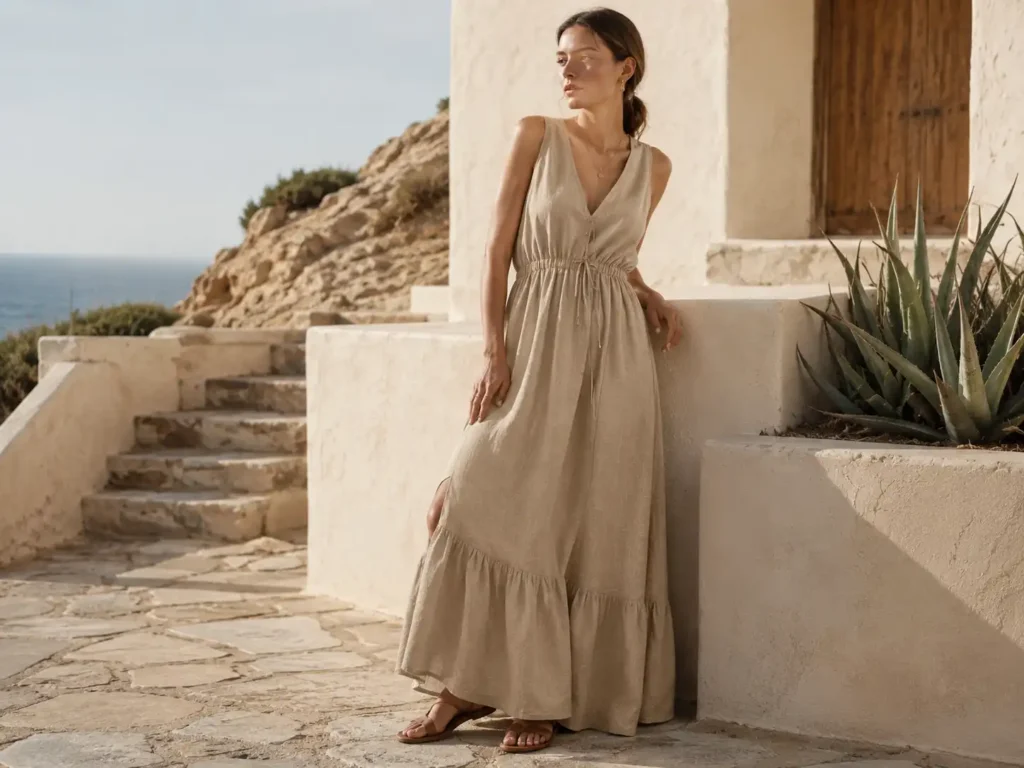
Sand Beige

Nude Beige

Taupe Beige

Champagne Beige
Fabric Selection for Beige Dress Performance
| Fabric Group | Typical Weight | Best Beige Dress Uses | Transparency | Main Risks | Production Controls |
|---|---|---|---|---|---|
| Satin / Stretch Satin | 90-220 gsm typical range | Slip, bodycon, cocktail, occasion | Low to medium | Shade shift from shine, snagging, pressing marks, crease memory | Direction control, lining, zipper flatness, pressing and packing |
| Chiffon / Georgette | 50-120 gsm typical range | Maxi, resort, occasion, layered styles | High | See-through areas, sliding layers, uneven hem, snagging | Lining length, cutting direction, narrow hem, balanced pressing |
| Crepe / Viscose Woven | 110-260 gsm typical range | Midi, office, occasion, relaxed maxi | Low to medium | Shrinkage, drape change, shade variation by surface | Pre-review of shrinkage, pattern ease, hem fall and lining |
| Linen / Linen Blend | 120-260 gsm typical range | Resort, casual midi, maxi, day dress | Medium | Wrinkle, slub variation, shrinkage, roll shade difference | Relaxed pattern ease, lining, clean cutting and steam control |
| Jersey / Rib Knit | 140-280 gsm typical range | Bodycon, casual midi, fitted mini | Low to medium | Poor recovery, seam show-through, twisting, hem wave | Stretch direction, recovery, negative ease, side seam and measurement QC |
| Ponte / Roma | 220-380 gsm typical range | Structured bodycon, office, midi | Low | Too heavy or too soft for intended silhouette | Weight, recovery, side seam, waist-hip fit and pressing |
| Mesh / Power Mesh | 40-180 gsm typical range | Layered, cut-out, corset, party, bodycon | High | Transparency, holes, edge instability, lining mismatch | Layer count, recovery, lining coverage, seam tension and edge finish |
| Lace | 60-250 gsm typical range | Cocktail, wedding guest, occasion, corset | High | Motif misplacement, holes, fraying, dye-lot variation | Motif mapping, lining tone, seam placement, edge and damage checks |
| Suiting / Cotton Blend | 150-320 gsm typical range | Office, structured mini, A-line, midi | Low to medium | Pressing shine, seam shadow, bulkiness | Pattern structure, interfacing, seam allowance and clean pressing |
How Beige Color Is Approved Before Bulk
Color approval moves from a defined standard to fabric-specific review, garment observation, and bulk material confirmation. Screen images alone are not treated as a reliable production reference.
Set the Color Standard
The starting reference can be a Pantone number, physical fabric swatch, approved garment, trim card, or brand color standard. A physical reference carries more value when texture or shine influences appearance. The target record should identify undertone, depth, fabric name, surface quality, intended lining, and viewing condition. Reference photos are useful for direction, but display settings, editing, and lighting can make a warm beige look cool or a champagne tone look grey.
- Record Pantone or physical standard
- Define warm, cool, sand, taupe, nude, or champagne direction
- Confirm shell, lining, zipper, thread, and trim relationship
- Identify target market and selling environment
Review Lab Dips and Swatches
Stock color fabric may offer a faster route when the quality, undertone, and quantity fit the program. Custom dyeing may require lab dips, supplier minimums, and extra lead time. Swatches are checked for composition, weight, width, hand feel, stretch, drape, transparency, shine, and dye-lot risk. A shade cannot be approved independently from fabric performance because changing from matte crepe to satin can alter the visible color even when the dye formula is close.
- Compare at least the approved fabric quality
- Mark supplier, batch, dye lot, and date
- Check face and reverse where relevant
- Assess possible lining influence
Observe Under Three Lights
Daylight reveals undertone and transparency. Indoor lighting can expose yellow, green, or grey shifts. Studio lighting and camera flash can intensify satin reflection, seam shadows, lining edges, and slight shade differences. Garment-scale photos are valuable after the sample is made because folds, curves, lining, and body contact create highlights not visible on a small swatch. Color feedback should identify the lighting condition rather than using general comments such as “too dark.”
- Natural daylight
- Typical indoor retail light
- Studio or campaign lighting
- Front, side, back, and detail views
Lock Bulk Color Approval
Before cutting, bulk fabric is compared with the approved standard. Rolls can be grouped by dye lot and visible shade. Lining, zipper tape, sewing thread, bra cups, mesh layers, and labels are reviewed as part of the complete garment. If a new production run, replacement fabric, or repeat order uses a different batch, the color is reconfirmed. Approval records, swatches, photos, and bulk notes are retained to support production and future replenishment.
- Bulk fabric approval before cutting
- Roll and dye-lot separation
- Complete trim color check
- Repeat-order reconfirmation
Transparency and Lining Control for Beige Dresses
Light neutral fabric can appear opaque on a hanger and become transparent when stretched, backlit, photographed, or worn over contrasting undergarments. Coverage is therefore reviewed on the garment, not only on a fabric card.

Map Coverage by Zone
Bust, waist, hip, skirt, side seam, underarm, slit, and back panels may need different coverage. A fully lined bodice with a lighter skirt lining can preserve movement, while bodycon or fitted styles may require stable lining through the hip. Mesh and lace designs can use deliberate sheer zones, but lining boundaries must look intentional. Pattern pieces for shell and lining are checked together so the lining does not pull, twist, ride up, or end at an awkward visible point.

Match Lining to Fabric
Exact color matching is not always the best choice. A slightly deeper or warmer lining may reduce transparency, while an overly dark lining can make seam areas look dirty. Satin, chiffon, lace, mesh, jersey, and linen blends respond differently. Lining weight, stretch, hand feel, static behavior, and recovery are evaluated alongside color. Stretch shell fabrics need compatible lining stretch so the outer layer does not strain or reveal uneven tension during movement.
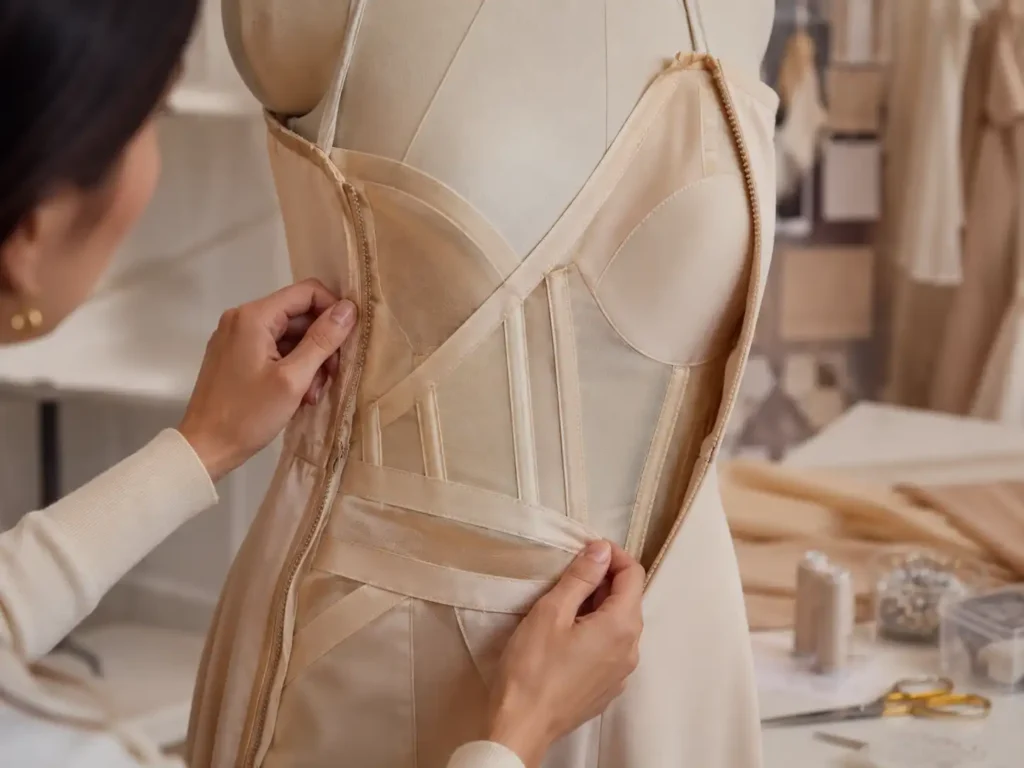
Check Hidden Components
Seam allowance, darts, pocket bags, zipper tape, bra cups, boning channels, labels, elastic, and fusible components can remain visible through beige fabric. Each part is reviewed for color, width, position, and edge. The goal is a clean outer appearance without weakening structure. For corset or fitted dresses, cup and boning placement must remain supportive yet discreet. For unlined or partly lined designs, seam finishing becomes more important because the inside can influence the visible face.

Test Real Wearing Conditions
Fit samples should be reviewed standing, sitting, walking, stretching, and under backlight. Front, side, and back photos help identify transparency around the bust, hip, seat, and slit. Studio lighting can reveal issues missed in normal room light. Size grading also matters: fabric may become more transparent when a larger size receives insufficient ease or when negative ease is too aggressive. Coverage comments are converted into pattern, lining, or fabric updates before PP approval.
Pattern Development for Balanced Beige Silhouettes
Soft neutral color draws attention to proportion, seam lines, surface tension, and drape. Fit work converts a visual concept into measurements and construction capable of repeating across sizes.
Base Size and Market
Pattern development can follow US, UK, EU, AU, or alpha sizing from XS to XL, with extended, plus, petite, or tall ranges assessed from the supplied size chart. Jinfeng Apparel does not force a generic size block onto every brand. Base size, grade rule, tolerance, target market, fit model feedback, fabric stretch, and brand fit preference are reviewed together. Plus-size development receives specific changes around bust support, armhole coverage, waist-hip balance, strap width, back height, length, and lining comfort.
Bust, Neckline, and Straps
Slip, halter, strapless, deep-V, corset, and one-shoulder styles need separate support logic. Upper bust, under bust, cup position, neckline depth, underarm coverage, strap length, anti-slip support, and lining are checked on the fit sample. Beige fabric can reveal cups or boning channels, so internal structures are balanced with outer-fabric opacity. Comments should include front, side, back, and close-up images with exact measurement notes rather than broad comments such as “the top feels wrong.”
Waist, Hip, and Length
Waistline position controls the entire silhouette. A high waist, natural waist, or low waist changes torso length and hip proportion. Bodycon styles require measured negative ease and recovery; woven occasion styles need enough hip and seated movement. Midi and maxi lengths are sensitive to target height, footwear, slit position, and hem sweep. Shell and lining lengths are checked together. Front and back balance, side-seam direction, and hem level are reviewed before size grading.
Revision and Bulk Measurement
Fit comments are converted into revised patterns, updated size charts, grade rules, and measurement tolerances. A revised or PP sample confirms major corrections before production. Bulk size stability is supported through pattern version control, fabric relaxing where required, cutting QC, in-line measurements, finished-garment measurements, and comparison with the Golden sample. A new fabric, stretch level, lining, neckline, strap, or length can require another pattern assessment even when the overall design remains familiar.
Details That Keep Beige Dresses Clean and Premium
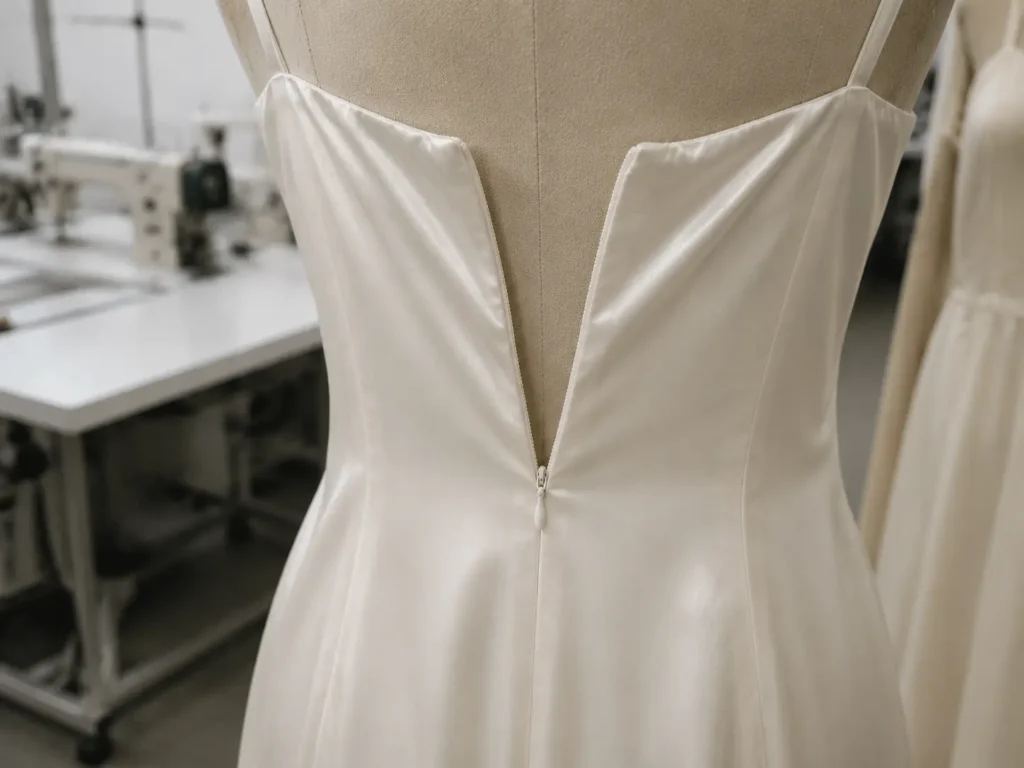
Invisible Zipper

Lining Selection

Thread and Seams

Cups and Boning

Ruching and Pleats

Hem and Edges
Sample Development Before Beige Dress Bulk Production
Project Inputs
First Sample
Fit Sample
Revised Sample
PP Sample
Golden Sample
Reviewing Beige Dresses Under Selling Conditions
Natural Light
Daylight gives the clearest view of undertone, surface texture, transparency, seam shadow, and shell-lining relationship. Samples are photographed from front, side, and back with close views of neckline, zipper, waist, hip, slit, and hem. Neutral surroundings help reduce color cast. Daylight photos are kept as approval support, yet the physical swatch or garment remains the stronger reference for production.
- Check warm or cool undertone
- Review sheer zones and lining edges
- Inspect stains and surface marks
- Confirm fabric texture and shine
Indoor and Studio Light
- Retail lighting review
- Studio lighting review
- Flash response for satin
- Shadow check around structure

Keeping Beige Shades Consistent Across Bulk Production
Bulk consistency depends on material records, dye-lot separation, controlled handover, and inspection. A repeat order or new color still requires confirmation when the fabric batch changes.
Bulk Material Approval
The approved bulk fabric is checked against the confirmed swatch, garment, or color standard before cutting. Composition, weight, width, hand feel, stretch, drape, transparency, surface shine, and visible shade are reviewed. Lining and trims are matched at the same time. A similar shade on a different fabric quality is not treated as an automatic substitute because changes in weight, stretch, and shine can alter pattern, construction, and the finished color impression.
Roll and Dye-Lot Control
Fabric rolls are identified by supplier information, batch, and dye lot. Visible differences are assessed before cutting. Mixing noticeably different rolls within one garment or one tightly controlled delivery group can create panel variation. Cutting plans can separate lots by style, size group, or production batch where required. Satin direction and nap-like surface effects are controlled so panels reflect light consistently rather than appearing as different beige tones.
Sample-to-Bulk Handover
Approved pattern versions, size charts, fabric references, trim cards, BOM, sewing instructions, label positions, packing rules, QC checkpoints, PP sample, and Golden sample are handed to production. Each style, color, and size is managed under its own production information. Multi-style programs use separate approval status and revision records, reducing confusion between similar beige shades, different lining plans, or repeated silhouettes made from different fabrics.
Repeat-Order Reconfirmation
Patterns, measurements, fabric records, color records, trims, packing requirements, QC notes, and Golden samples can support faster repeat-order setup. The original fabric may be unavailable, re-dyed, or supplied from a new batch. New beige colors also require lining, zipper, thread, SKU, label, and packing updates. Reconfirmation protects the repeat order from assuming identical shade, hand feel, stretch, or cost without current material evidence.
Clean Workmanship for Light Neutral Garments
Pale garments expose oil, chalk, dust, handling marks, pressing shine, loose threads, and carton contamination more readily than dark colors. Clean production is managed from material arrival through packing.
Material and Cutting Cleanliness
Incoming fabric is checked for stains, color marks, holes, weaving defects, roll variation, and surface damage. Cutting areas, tables, markers, and bundling are kept suitable for light fabric handling. Roll and panel identification prevents material mixing. Direction, face side, lace motif, mesh damage, and satin snagging are checked before bundles enter sewing. Defects found early reduce rework after expensive construction has already been completed.
Sewing-Stage Control
Machine oil, dirty guides, dark thread contamination, chalk marks, pin marks, broken needles, and handling stains can weaken light garments. In-line inspection reviews neckline, shoulder, strap, zipper, waist, side seam, lining, slit, ruching, lace, mesh, and hem areas. Loose threads and seam puckering are corrected during production rather than left for final cleaning. Delicate satin and mesh are handled to reduce snagging and pressure marks.
Pressing and Final Finish
Pressing temperature, steam, pressure, and protective cloth are selected for the fabric. Satin can develop shine or water marks; lace can flatten; mesh can distort; viscose and linen can change length or shape. The finished garment is checked on hanger or flat surface for symmetry, hem balance, seam impression, wrinkles, and color response. Cleaning is controlled so treatment does not create rings, discoloration, or fabric damage.
Packing Protection
The packing area checks garment cleanliness, label accuracy, folding direction, tissue or protective layer when required, polybag condition, size sticker, barcode, and carton interior. Satin, chiffon, structured corset styles, and long dresses may need adapted folding or pressure control to reduce creasing and deformation. Carton packing density is planned so delicate surfaces are not crushed, while SKU and size breakdown remain clear for warehouse receiving.
Quality Checks Applied to Beige Dress Production
Inspection points combine general garment quality with beige-specific controls. Final standards are aligned with the approved style, fabric, size chart, Golden sample, label files, and packing instructions.
| QC Stage | General Checks | Beige-Specific Checks | Control Reference |
|---|---|---|---|
| Incoming fabric | Composition, width, weight, defects, hand feel, stretch | Shade, stains, transparency, surface shine, roll variation | Approved swatch, fabric record, batch identification |
| Cutting | Direction, size, quantity, notches, panel accuracy | Dye-lot separation, face side, clean table, visible flaws | Cutting record, bundle ID, defect marking |
| Sewing in-line | Construction, seam, zipper, lining, symmetry, trims | Thread match, seam shadow, oil or chalk marks, satin snagging | In-line checklist, corrective record |
| Measurement | Bust, waist, hip, length, strap, neckline, slit, hem | Lining length, stretch transparency, surface tension | Size chart, tolerance, Golden sample |
| Fit and function | Movement, closure, support, comfort, coverage | Cup or boning visibility, lining movement, backlight coverage | Fit comments, PP approval |
| Pressing | Shape, seam opening, crease control, hem balance | Shine marks, water spots, discoloration, crushed texture | Pressing standard, visual comparison |
| Final appearance | Workmanship, symmetry, loose threads, damage | Shade consistency, cleanliness, internal-component show-through | Final inspection record |
| Labels and packing | Label content, position, SKU, barcode, folding, carton | Clean polybag, color sticker, crease protection, carton contamination | Packing instruction, packing list, carton mark |
Private-Label Finishing for Beige Dress Collections

Woven Labels
Woven label artwork, dimensions, fold type, material, color, edge comfort, and sewing position are confirmed. Slip, bodycon, lace, and mesh garments may require careful placement to avoid scratching or showing through the fabric. Label shade is reviewed against beige shell and lining so a dark label does not become visible from the outside.
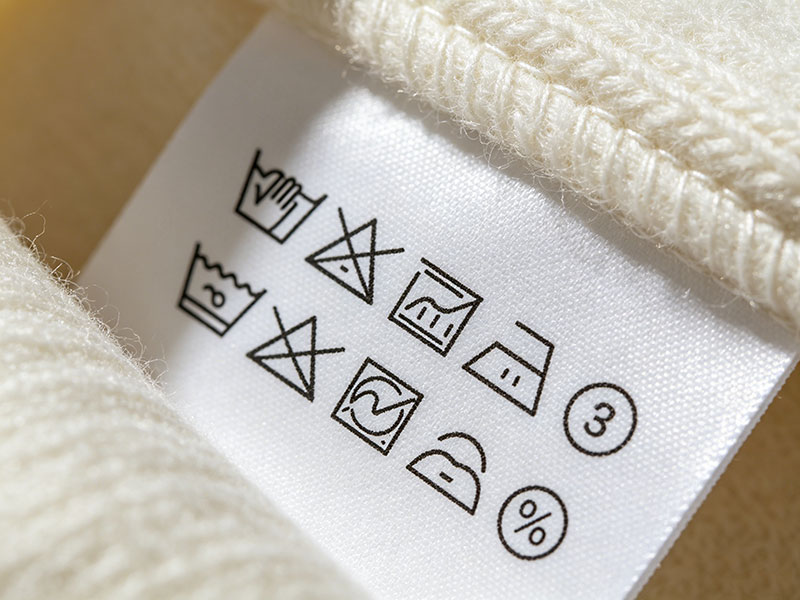
Care Labels

Hangtags
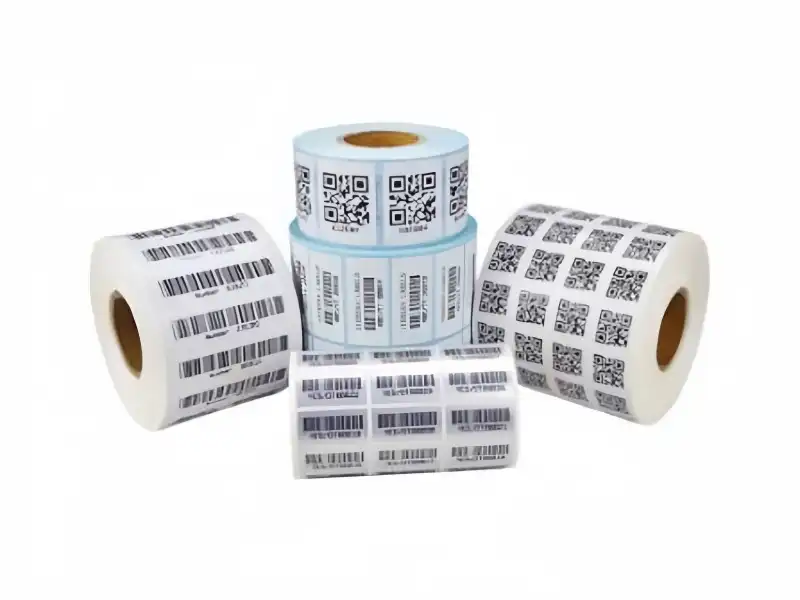
Barcode and SKU
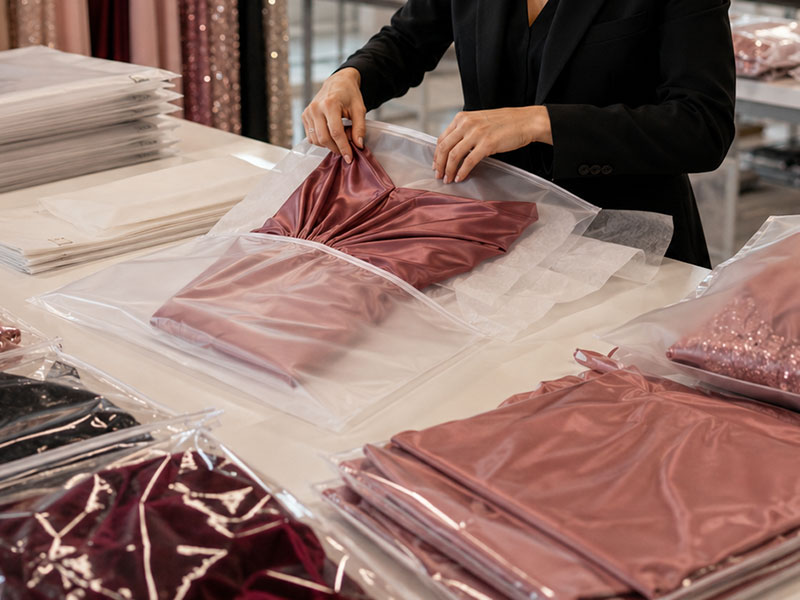
Polybag Packing
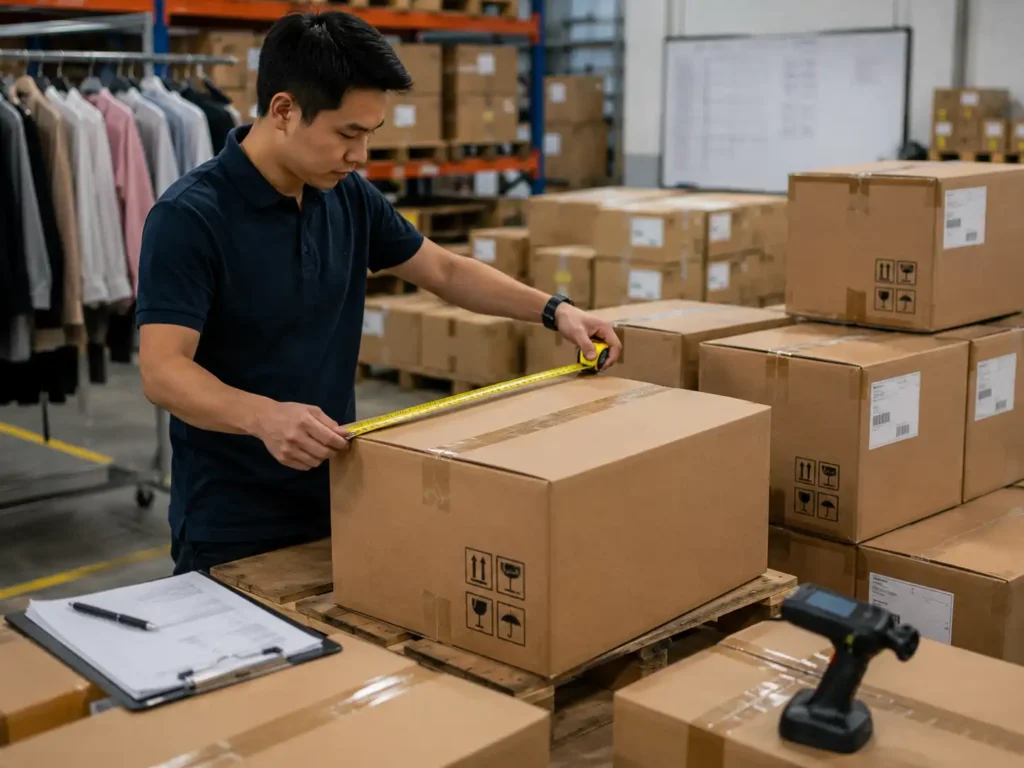
Carton Delivery
Supporting Multi-Style Beige Collection Programs
Style and Fabric Groups
- Mini, midi, and maxi balance
- Hero SKU and supporting styles
- Shared fabric opportunities
- Separate handling for complex structures
Parallel Sample Management
- First, fit, revised, and PP status
- Color and fabric approval by style
- Revision ownership and deadlines
- Photo sample versus bulk sample distinction
Bulk and Repeat Planning
- 10-30 style program capability
- Multi-batch and split-shipment planning
- Bestseller replenishment support
- New color and same-pattern fabric review
MOQ and Quotation Factors for Beige Dresses
MOQ by Style and Color
MOQ starts from 200 pcs per style/color. One style in one beige color at 200 pieces can be reviewed as one production unit. One style split into warm beige and taupe usually requires 200 pieces per color. Several styles adding up to 200 pieces do not represent the standard structure. Stock fabrics and regular trims are more likely to fit the base MOQ; custom dyeing, printing, lace, special trims, molded components, and custom packaging may carry separate supplier minimums.
- 1 style x 1 color x 200 pcs: reviewable
- 1 style x 2 colors x 200 pcs each: reviewable
- 1 style x 2 colors x 100 pcs each: usually below standard
- 4 styles x 50 pcs each: not a standard bulk structure
Quotation and Timing Inputs
A bulk quotation considers shell fabric, lining, fabric consumption, dyeing or stock color, trims, paper pattern, cutting, sewing hours, special construction, finishing, QC, private-label materials, packaging, wastage, testing if required, logistics terms, and reasonable factory margin. Sample fees cover single-piece development, pattern work, material preparation, sewing, checking, and communication. Bulk production timing is confirmed after PP approval, material availability, order quantity, size ratio, color count, packing, and quality requirements are fixed.
- Send reference or tech pack
- State quantity per style/color
- Provide size range and ratio
- Confirm delivery country and launch date
Beige Dress Manufacturing Case Studies
The following anonymized cases represent different beige dress development programs, covering bridesmaid collections, fashion-forward fitted styles and large private-label seasonal productions. Brand identities, original designs and commercial information remain confidential.
Case 1: Beige Bridesmaid and Wedding Guest Collection
Project Scope
A premium occasionwear brand developed a beige dress collection for bridesmaid, wedding guest and elegant event markets.
- Collection size: 22 dress styles
- Product categories: warm beige chiffon dresses, champagne beige satin dresses, taupe beige lace dresses, soft crepe midis and flowing occasion styles
- Materials: chiffon, satin, lace, crepe, mesh and lightweight lining systems
- Construction details: A-line dresses, slip silhouettes, draped necklines, halter styles and soft corset structures
- Requirement: consistent beige color story across multiple fabrics and silhouettes
Development Challenges
The collection required careful control because beige changes significantly between materials.
Key challenges included:
- Matching beige shades between satin, chiffon and lace
- Preventing light fabrics from becoming transparent
- Controlling lining influence on final color
- Maintaining consistent length across multiple silhouettes
- Keeping different sizes visually balanced
Manufacturing Approach
The development team created a complete beige color and fit management process.
Key controls included:
- Physical beige shade reference approval
- Three-light color review: daylight, indoor and studio lighting
- Shell and lining comparison
- Fabric-specific transparency testing
- PP sample approval before bulk production
Additional attention was given to:
- Lace motif placement
- Chiffon layer control
- Strap adjustment
- Hem balance
- Size grading accuracy
Manufacturing Value
The collection achieved a refined beige occasionwear range while maintaining visual consistency across different fabrics and selling occasions.
Case 2: Beige Bodycon and Premium Fashion Collection
Project Scope
A fashion ecommerce brand developed a beige collection focused on fitted silhouettes, partywear and contemporary fashion positioning.
- Collection size: 18 dress styles
- Product categories: beige bodycon dresses, mesh dresses, corset minis, ruched midi dresses and fitted slip styles
- Materials: jersey, ponte, power mesh, stretch satin, lace and structured lining
- Construction details: body shaping, cut-outs, ruching, corset panels and fitted silhouettes
- Requirement: strong fit performance with reliable bulk reproduction
Development Challenges
The main challenge was balancing a clean beige appearance with body-conscious construction.
Key risks included:
- Stretch changing the visible beige tone
- Transparency appearing at tension areas
- Side-seam twisting
- Lining restricting movement
- Corset structures showing internal shadows
Manufacturing Approach
The project focused on fit engineering and material behavior.
Key controls included:
- Testing fabric stretch and recovery
- Reviewing bust-waist-hip balance
- Adjusting negative ease according to fabric performance
- Confirming lining stretch compatibility
- Testing mesh transparency under body tension
Production controls included:
- Measurement inspection
- Seam stability checks
- Zipper flatness review
- Ruching consistency checks
- Final appearance inspection
Additional attention was given to:
- Cup position
- Boning placement
- Cut-out reinforcement
- Neckline stability
- Comfort during movement
Manufacturing Value
The collection delivered a refined nude-beige fashion direction while maintaining stable fit, comfort and commercial production quality.
Case 3: Large Private Label Beige Dress Collection Program
Project Scope
An established fashion brand required a complete beige dress assortment covering multiple shades, fabrics and retail categories.
- Collection size: 30 dress styles
- Production scale: 80,000+ pieces
- Product categories: beige mini dresses, midi dresses, maxi dresses, slip dresses, corset dresses, resort dresses and occasionwear styles
- Materials: satin, chiffon, lace, mesh, jersey, ponte, crepe and linen blends
- Requirement: consistent quality across multiple SKUs, sizes and delivery batches
Development Challenges
The program required management of different beige directions and fabric systems.
Major challenges included:
- Coordinating warm beige, cool beige, sand, nude beige, taupe beige and champagne beige
- Maintaining shade consistency across different materials
- Controlling different lining requirements
- Managing size grading across silhouettes
- Coordinating private-label packing and warehouse requirements
Manufacturing Approach
The collection was divided according to product structure and production risk.
Soft Beige Occasion Group
Focused on:
- Chiffon and lace dresses
- Bridesmaid silhouettes
- Transparency control
- Lining coordination
Structured Beige Fashion Group
Focused on:
- Corset construction
- Bodycon fitting
- Cups and boning
- Internal support systems
Manufacturing Value
The program demonstrated that large beige dress collections require both manufacturing capacity and detailed control of color, transparency, fit, quality and retail delivery.
Brand Protection, Compliance, and Export Coordination
NDA and Design Protection
Project-Based Compliance
Export and Delivery Support
Beige Dress Manufacturing Frequently Asked Questions
Yes. A Pantone number can guide development, but the final approval is tied to a specific fabric quality, swatch or lab dip, lighting review, and physical confirmation. Satin, lace, mesh, jersey, and linen can display the same target differently. A physical color standard is preferred when undertone and surface are critical.
Bulk control includes approved swatches or garments, supplier and batch records, dye-lot identification, incoming fabric review, roll grouping, lining and trim matching, and bulk color approval before cutting. Satin direction is controlled to avoid visual shade changes. Repeat orders are reconfirmed when the fabric batch or supplier changes.
Suitable options include satin, stretch satin, chiffon, crepe, lace, mesh, jersey, ponte, viscose, rayon, linen blends, suiting, and cotton blends. The best choice depends on silhouette, season, price, stretch, drape, transparency, lining, wrinkle expectations, and photo presentation. Fabric swatches and sample validation are recommended before bulk.
Transparency is reviewed by fabric weight, stretch, weave, color, lining, seam allowance, and wearing condition. Bust, waist, hip, skirt, slit, and back areas can require different coverage. Fit samples are checked under normal and backlit conditions, including movement and on-body photography. Lining color and stretch are selected with the shell.
Yes, lining can be matched or intentionally adjusted to improve coverage. Exact matching is not always the best visual solution. A slightly warmer, cooler, or deeper lining may reduce show-through, while an overly dark lining can create seam shadows. Final selection considers color, weight, stretch, hand feel, static, and garment structure.
Yes. A reference image, sketch, original sample, or line sheet can start a development review. More information may be required for neckline, length, fabric, lining, closure, fit preference, size chart, quantity, packaging, and target market. A complete tech pack usually improves accuracy, quotation quality, and revision control.
Typical planning is 7-10 days for simple styles, 10-15 days for regular dresses, and 15-25 days for complex structures after required fabric and trims are ready. Custom dyeing, lace, embellishment, special components, and multiple revision rounds can extend timing. A project schedule is confirmed after reviewing the style and materials.
MOQ starts from 200 pcs per style/color. The minimum is calculated by style and color, not by the combined order total. Custom dyeing, printing, lace, special trims, molded components, and private-label materials can have separate supplier minimums. Multi-style programs are reviewed from the line sheet and quantity breakdown.
Yes. Pattern development can follow US, UK, EU, AU, or alpha sizes such as XS-XL, based on the supplied size chart, base size, grade rules, target market, fabric stretch, fit model feedback, and measurement tolerance. Extended, plus, petite, and tall ranges are assessed from the brand standard.
Yes. Support includes woven labels, size labels, care labels, hangtags, barcode stickers, SKU labels, polybags, folding, carton marks, packing lists, and warehouse instructions. Artwork, content, dimensions, color, placement, and quantity are approved before bulk. Packaging suppliers may have separate minimums.
Bulk timing is built after PP sample approval, fabric and trim availability, quantity, style complexity, color count, size ratio, QC, packing, payment, and shipment method are confirmed. The schedule includes material arrival, cutting, sewing, in-line checks, finishing, final inspection, packing, and dispatch rather than one general promise.
Yes. Pattern files, size charts, fabric references, color records, trim cards, sewing instructions, packing requirements, QC notes, and Golden samples can be retained. A repeat order still needs current confirmation of fabric availability, dye lot, shade, lining, trims, price, packing, quantity, and delivery timing.

Start Your Beige Dress Development Project
Send a reference image, tech pack, original sample, or line sheet for an initial project review. Useful information includes the target beige direction or Pantone reference, preferred fabric, lining expectations, quantity per style/color, size range, base size, delivery market, private-label requirements, packaging method, launch date, and destination country.
Jinfeng Apparel will review style structure, fabric suitability, transparency, color method, pattern risk, trims, MOQ fit, sample complexity, and the information needed for a workable quotation. For multi-style programs, include style codes, color breakdown, quantity by style/color, size ratio, hero SKU priority, photo-sample need, and planned delivery window. Files remain protected under NDA-based cooperation when required.
- Reference image, tech pack, sketch, original sample, or line sheet
- Target beige color, Pantone number, physical standard, or fabric swatch
- Fabric preference, lining plan, trims, and construction details
- Quantity per style/color and size breakdown
- Woven label, care label, hangtag, barcode, polybag, and carton requirements
- Launch date, destination country, warehouse rules, and preferred freight plan