Skip to content
Beaded Dress Manufacturer
Custom beaded dress development for established fashion brands, occasionwear labels, premium ecommerce programs, and multi-style seasonal collections.
- Beadwork planning built around garment structure, fabric behavior, fit, and bulk repeatability.
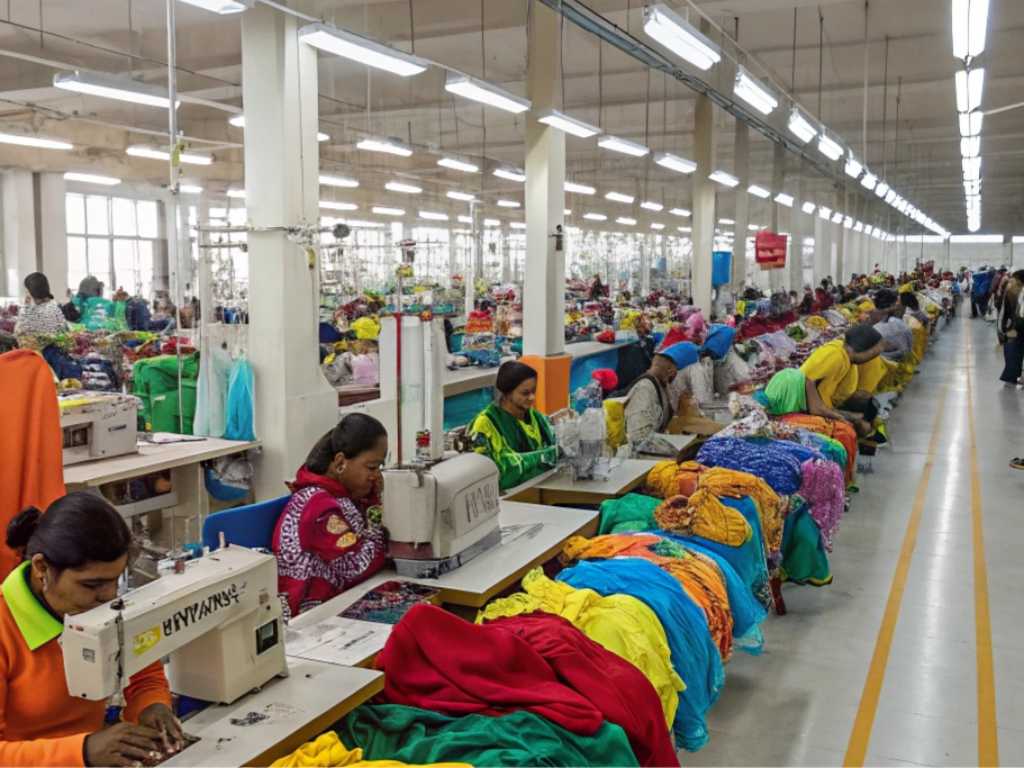
- Since 2008, supported by 6 owned women’s fashion factories and more than 10 long-term production partners.
- 2 sample rooms, 7+ senior pattern makers, 20+ sample machinists, and 15+ QC inspectors.
- MOQ starts from 200 pcs per style/color; bead, crystal, trim, and packaging supplier minimums are reviewed separately.
- Design references, original samples, line sheets, tech packs, size charts, and bead artwork can enter the development process.
Manufacturing Capacity Behind Complex Beaded Dresses
Since 2008
6 Owned Factories
10+ Production Partners
2 Sample Rooms
7+ Pattern Makers
15+ QC Inspectors
Built for Fashion Programs Requiring Beadwork Control
Partywear Brands
Occasionwear Labels
Prom Dress Programs
Premium Ecommerce
Fashion Retailers
Sourcing Teams
Why Beaded Dress Programs Fail in Bulk
Loose Beads
Placement Drift
Weight Distortion
Bulk Color Variation
Skin Discomfort
Transit Damage
Custom Beaded Dress Product Range

Beaded Mini Dresses

Beaded Midi Dresses

Beaded Maxi Dresses

Beaded Bodycon Dresses

Beaded Corset Dresses

Beaded Cocktail Dresses

Beaded Evening Dresses

Beaded Prom Dresses
Beading and Embellishment Techniques
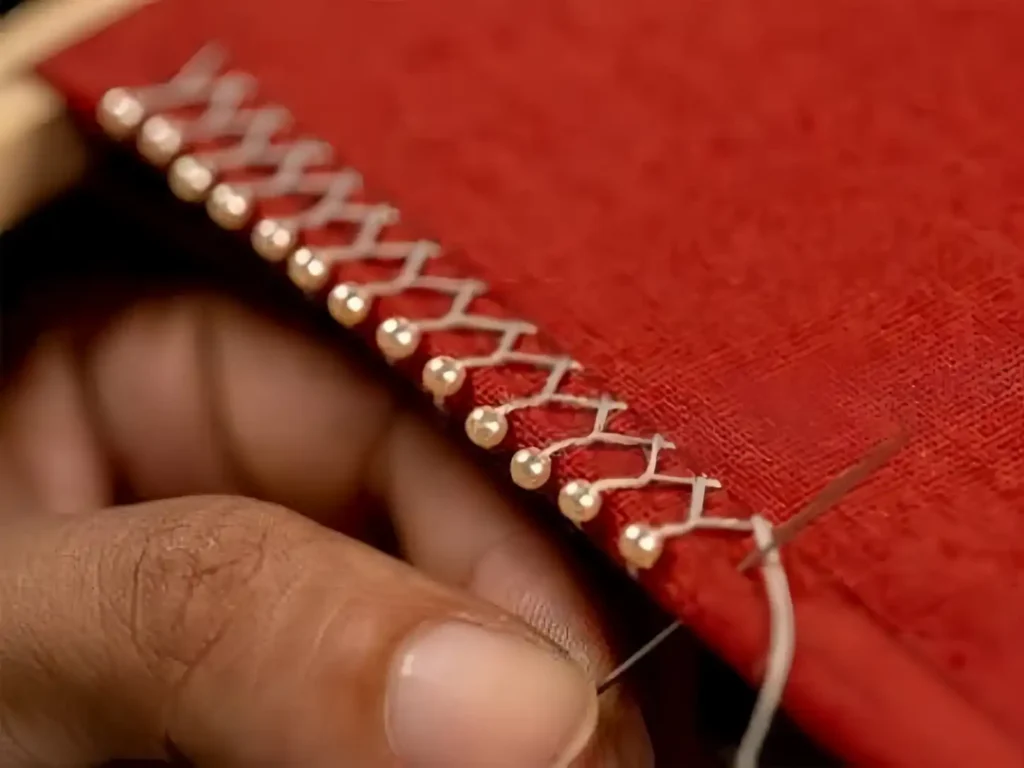
Hand-Sewn Beading
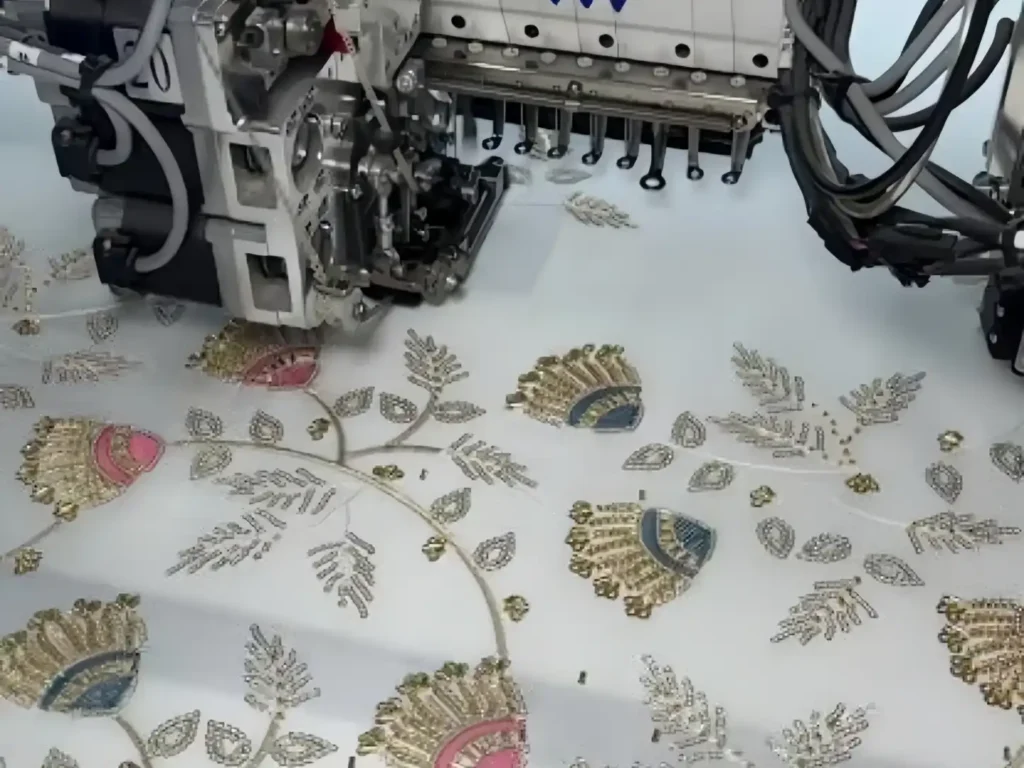
Machine Bead Embroidery
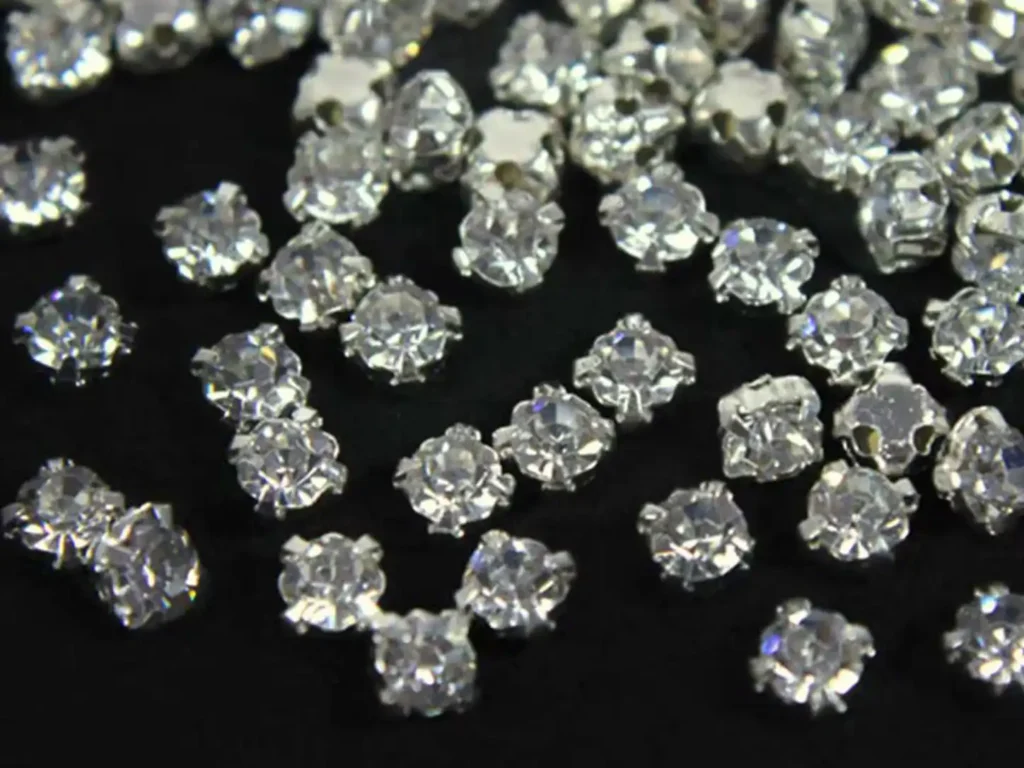
Sew-On Crystals

Hotfix Rhinestones
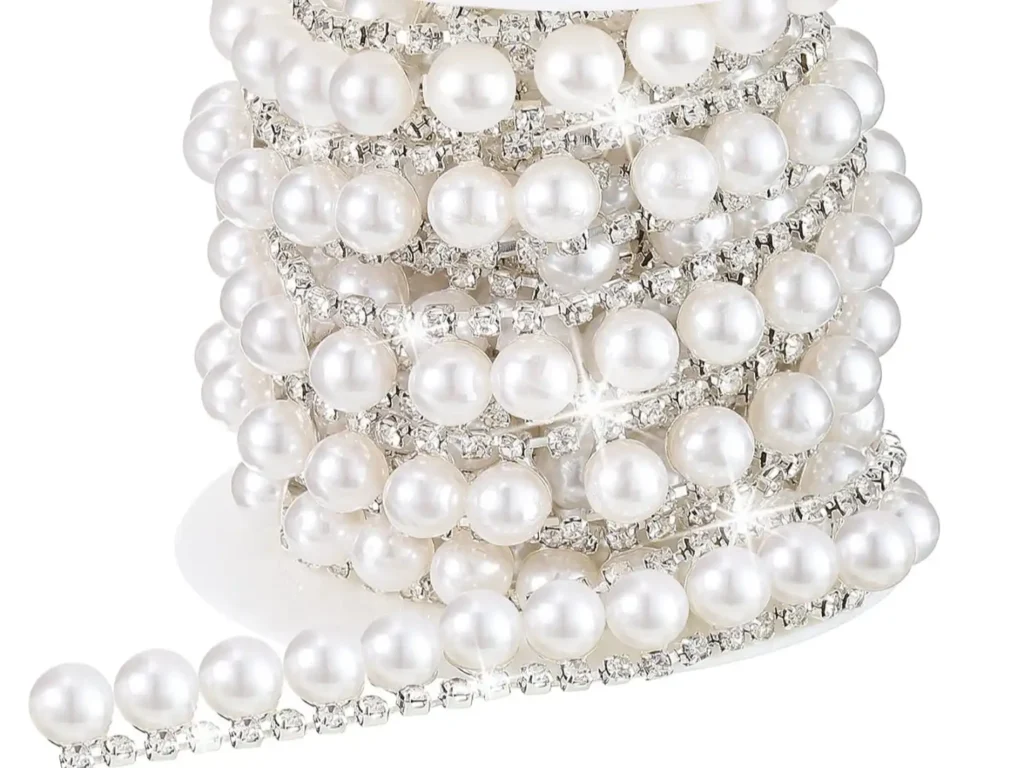
Pearl Embellishment
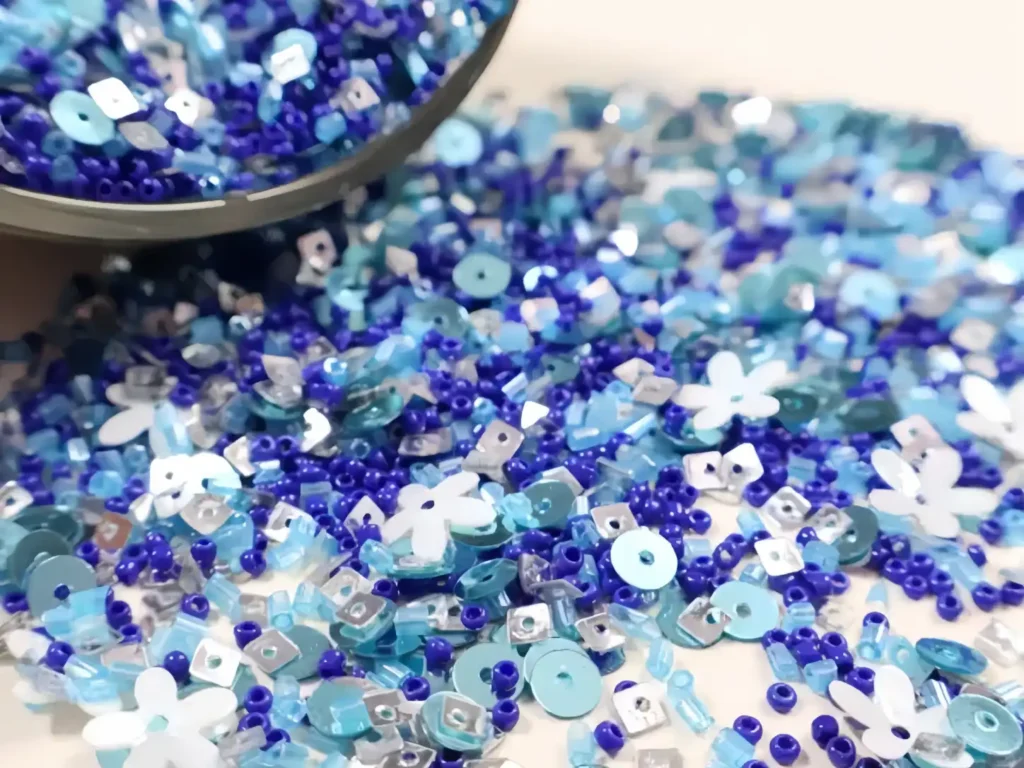
Bead and Sequin Mix
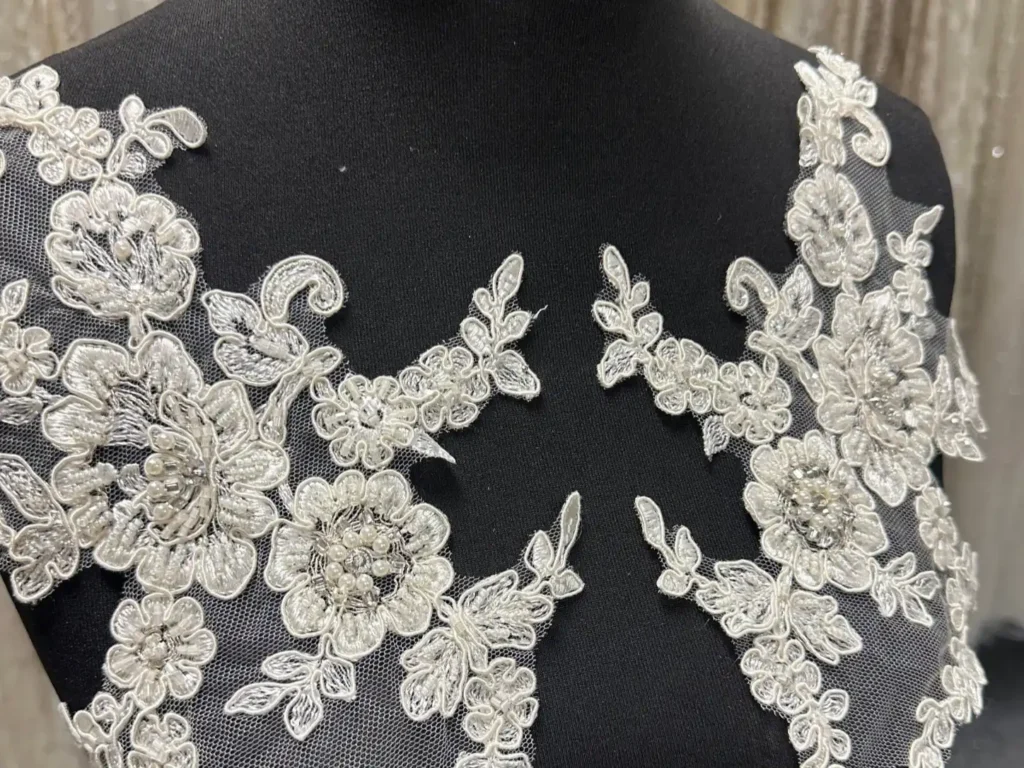
Beaded Appliqué
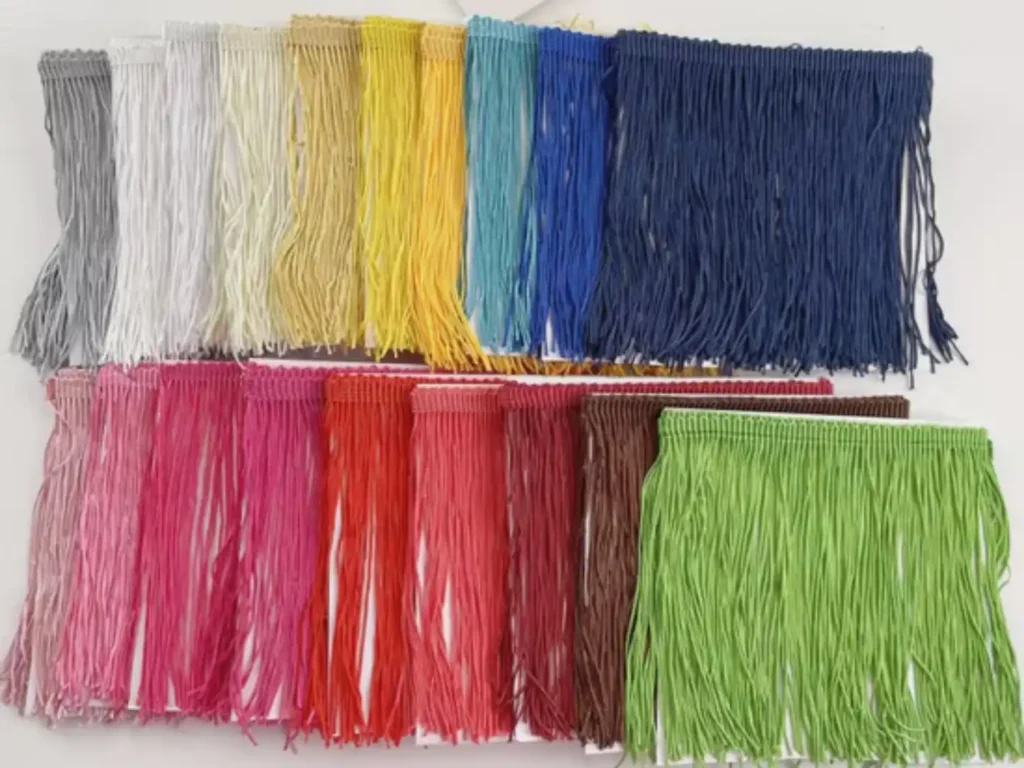
Fringe and Tassels
Beads, Crystals, Pearls and Decorative Materials
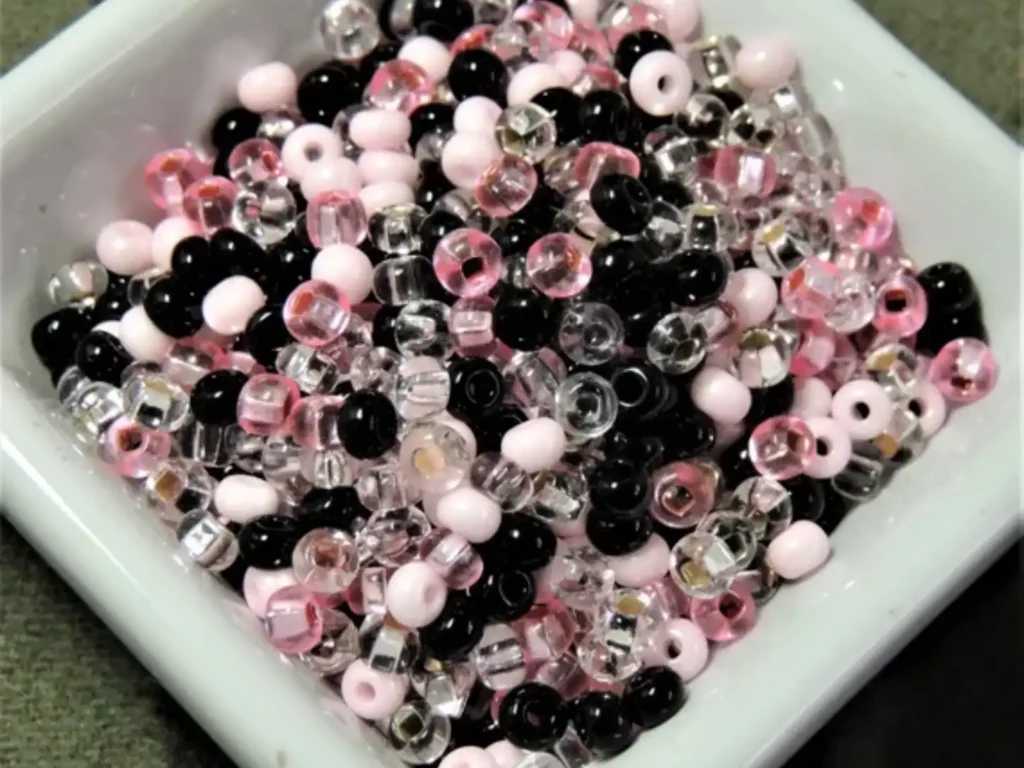
Seed Beads
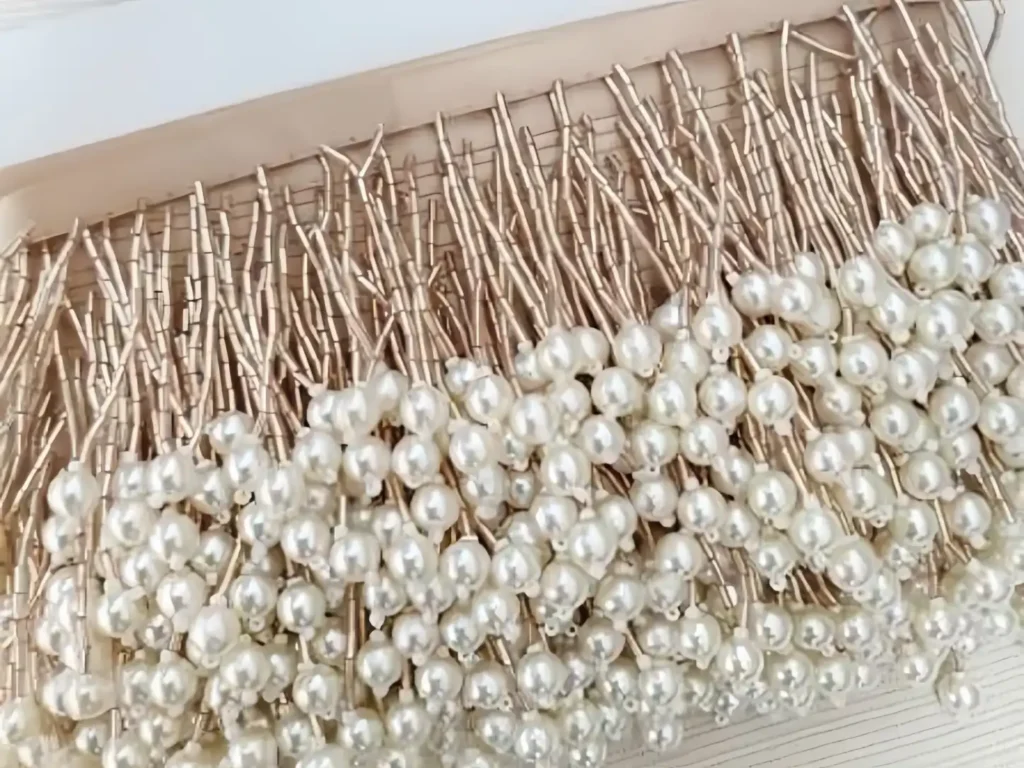
Bugle Beads
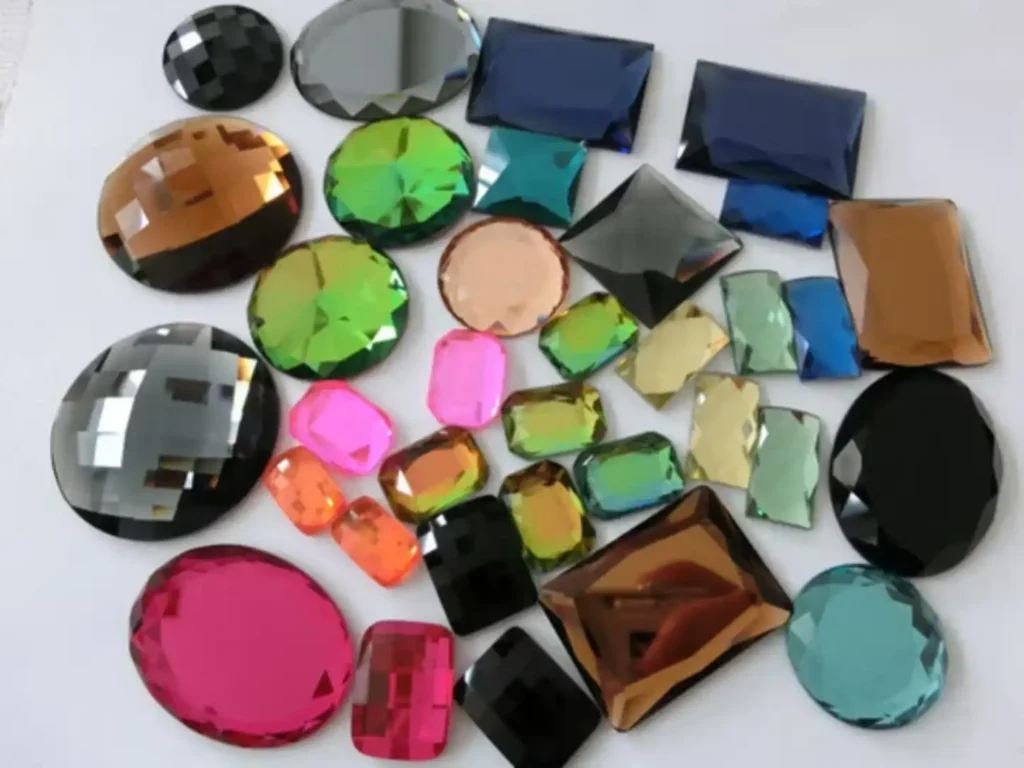
Glass Beads
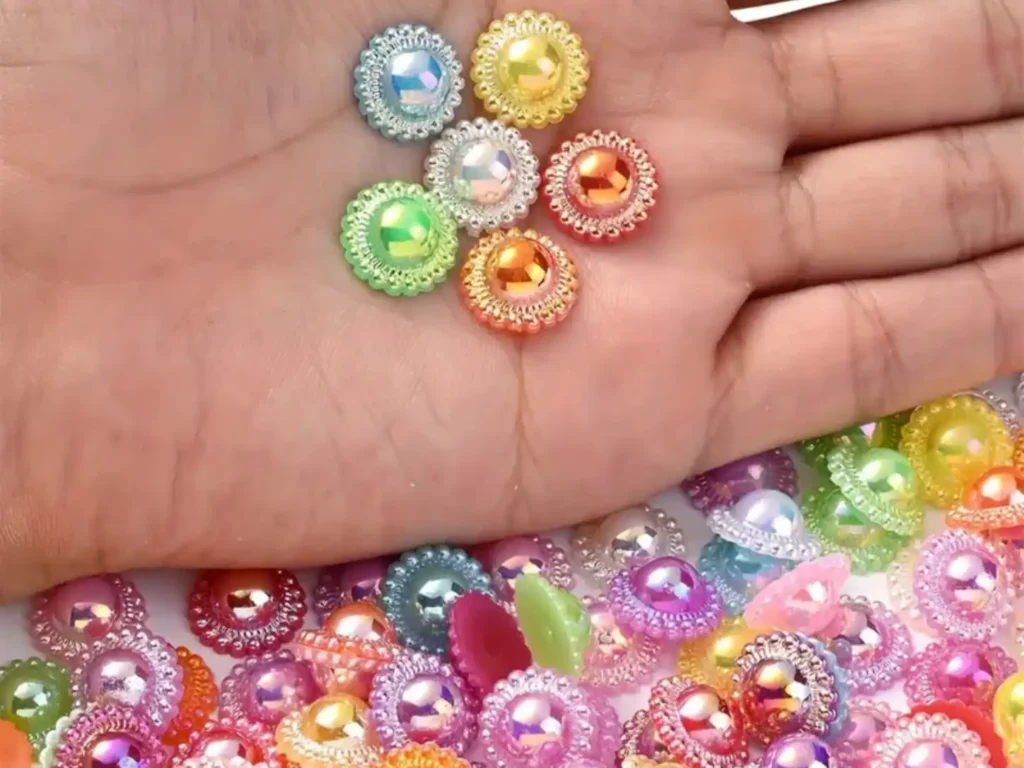
Acrylic Beads
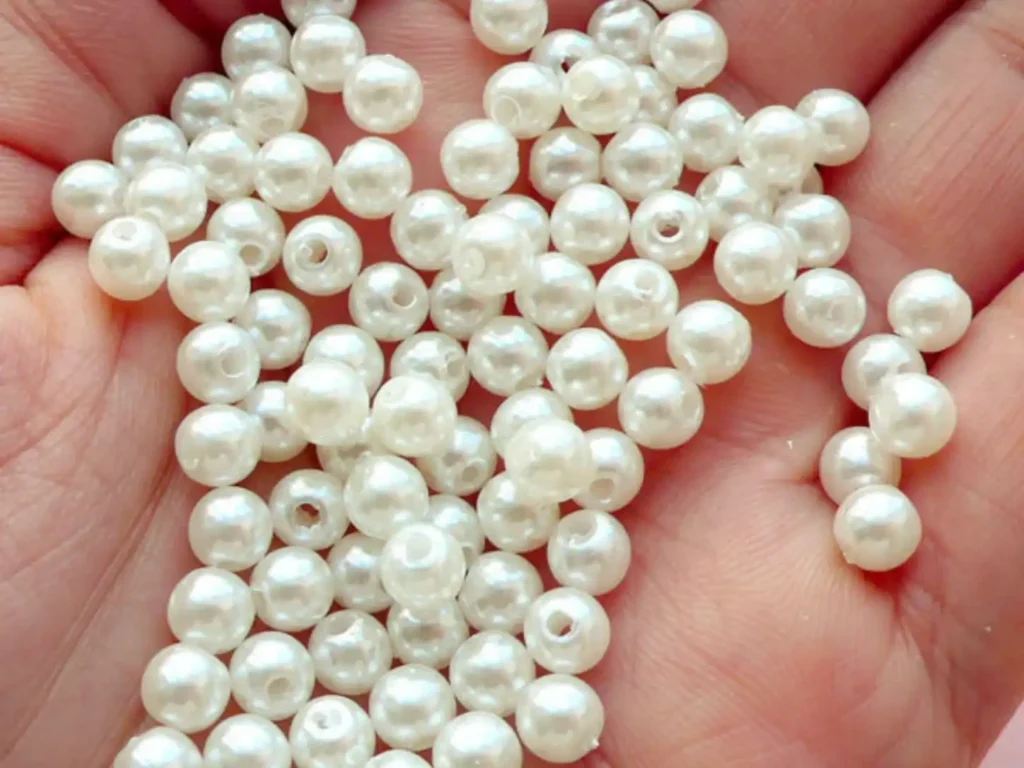
Faux Pearls
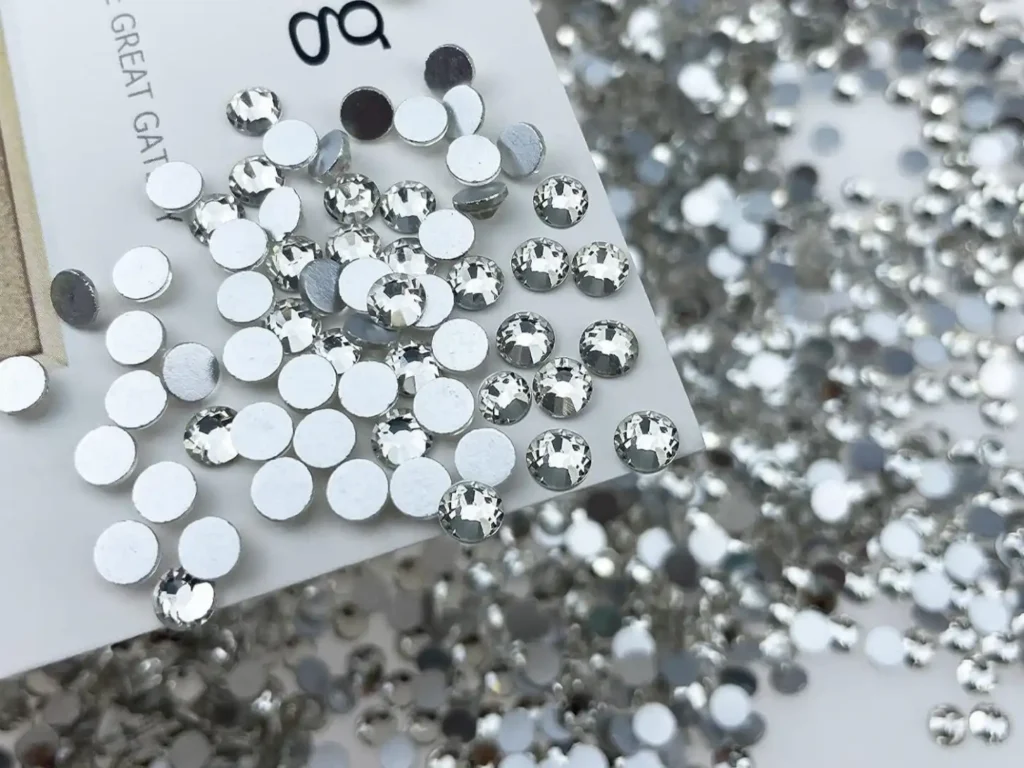
Crystals
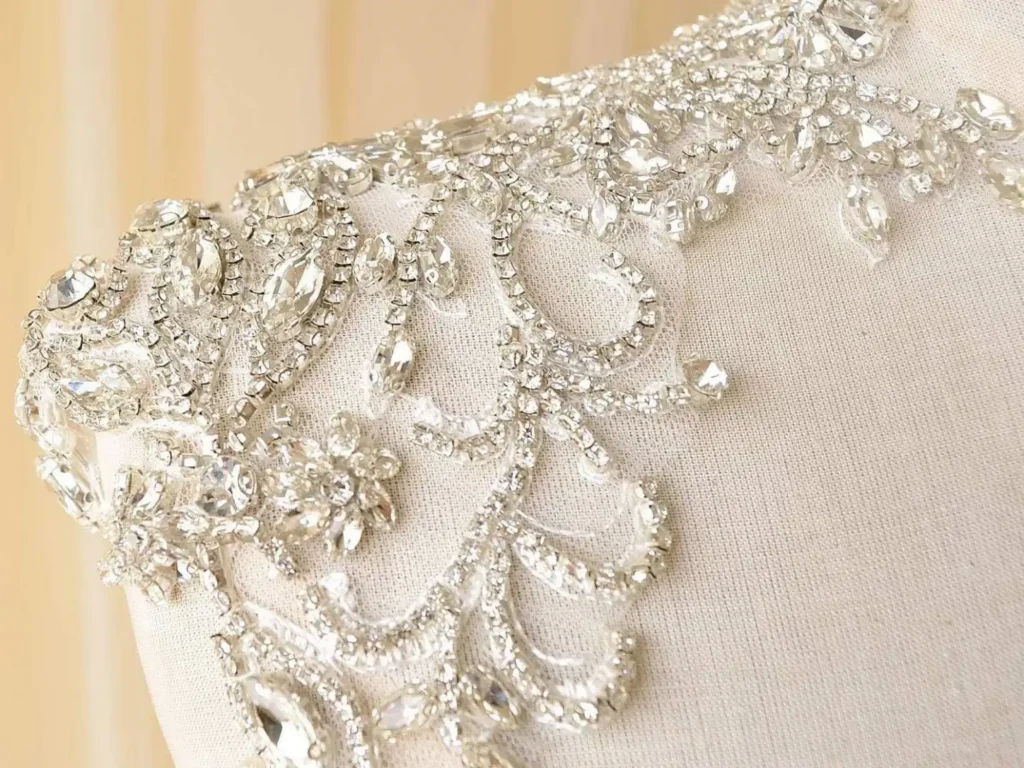
Rhinestones
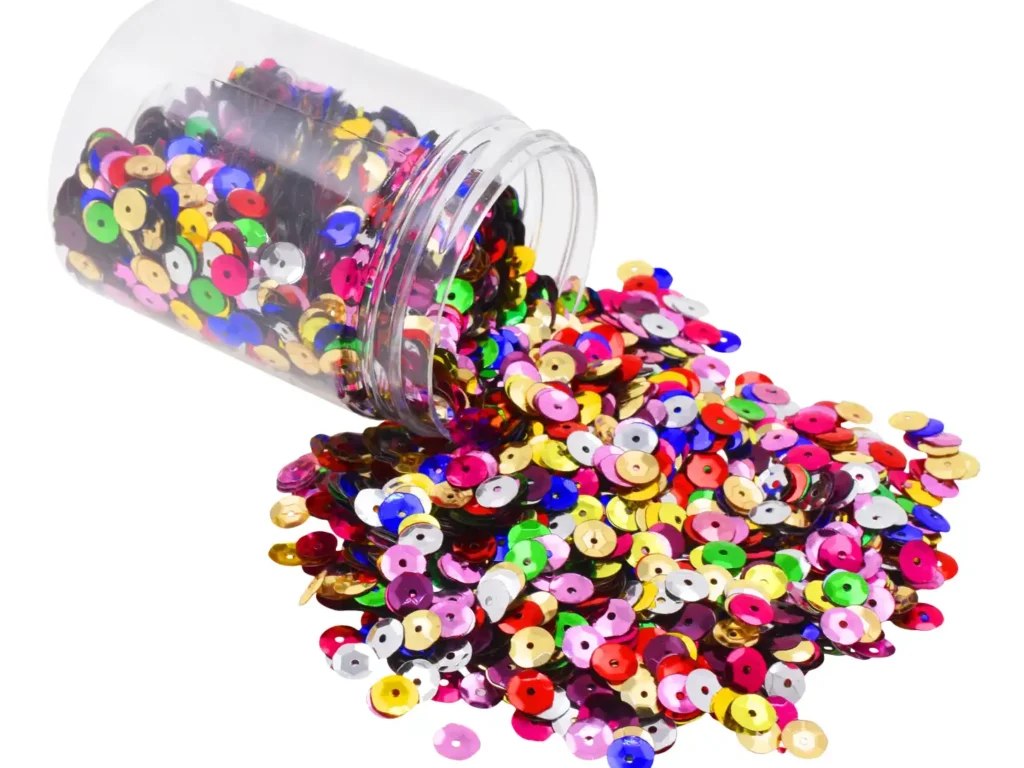
Sequins
Choosing Base Fabrics for Beaded Dresses
A base fabric must carry the visual design without losing drape, recovery, transparency control, surface quality, or seam stability. Beadweight and attachment method are reviewed before final material approval.
| Base Fabric | Suitable Embellishment | Support Direction | Main Risk | Control Focus |
|---|---|---|---|---|
| Tulle | Beads, pearls, crystals, appliqué | Local or full backing | Holes, sagging, distortion | Stable frame tension, reinforced stress zones |
| Stretch Mesh | Light beads, sequins, rhinestones | Stretch-compatible lining | Thread breakage, recovery loss | Expansion test at bust, waist, and hip |
| Satin | Placement beads, crystals, pearls | Local reinforcement | Snagging, pulling, shine marks | Clean bead-free seam zones and protected pressing |
| Lace | Pearls, beads, sequins, appliqué | Motif-based support | Pattern distortion, broken lace | Placement aligned with lace motifs |
| Velvet | Crystals, sequins, selected beads | Local support | Pile crushing, pressure marks | Direction control and low-pressure finishing |
| Jersey | Light embellishment | Stretch-compatible backing | Recovery loss, rippling | Weight limits and stretch testing |
| Organza | Light beads, pearls, crystal accents | Layered or local support | Edge damage, puckering | Fine needle selection and seam protection |
| Crepe | Placement beadwork and mixed details | Medium local support | Surface pulling, drape change | Balanced density and clean pressing |

Bead Artwork and Placement Development
A visual concept becomes production-ready only after material, scale, placement, density, symmetry, seam clearance, size grading, and approval references are defined.
From Artwork to Placement Map
- Development can begin from a tech pack, vector artwork, sketch, marked reference image, original sample, or line sheet. The design team first separates decorative zones by front, back, sleeve, strap, waist, side panel, skirt, and hem. Each zone receives measurable references rather than vague instructions such as “dense beading” or “same as photo.”
- A working placement map normally records bead type, bead size, color, finish, attachment route, motif dimensions, center line, edge distance, seam clearance, and density reference. High-friction areas such as underarms, side seams, center-back zippers, hook-and-eye points, and seating zones receive special review. Complex motifs may require a physical bead swatch before a complete sample is started.
Scale, Symmetry and Size Grading
- Motif scale should remain visually balanced across the size range. Copying one fixed pattern onto every size can leave larger sizes under-decorated and smaller sizes overcrowded. Mechanical enlargement can also distort flowers, rays, curves, or geometric lines.
- Grading rules can hold a central motif in place while changing spacing, add or remove repeat units, preserve edge clearances, or adjust density by garment zone. Symmetrical layouts need matching left/right checkpoints. Asymmetrical designs still require reference coordinates so bulk garments maintain the approved direction. Final artwork, bead swatch, PP sample, and golden sample become linked approval references.
Pattern Engineering Under Bead Weight
Beads alter the way a dress hangs, stretches, moves, and supports the body. Pattern decisions must anticipate weight before decoration is applied.
Structure Before Surface Decoration
Heavy embellishment can lower a neckline, stretch shoulder seams, twist side seams, drag a waistline downward, flatten gathers, or create an uneven hem. Pattern review therefore starts before bead placement. Bust support, shoulder width, strap length, waist position, hip ease, slit height, and overall length are checked against the planned decoration.
Corset styles require bead-free space around boning channels, cup seams, underbust seams, zipper teeth, hook-and-eye areas, and seam-turning points. Strapless dresses may need grip tape, stronger internal support, or a revised top-edge shape. Long evening dresses need balanced load from shoulder to hem so the garment does not pull forward or backward.
Reinforcement Without Excess Bulk
Support can come from backing mesh, organza, lining, interfacing, tape, stay stitching, reinforcement patches, or revised seam construction. More reinforcement is not always better. Excessive stiffness can destroy drape, create visible edges, or make the garment uncomfortable.
The chosen support should match beadweight and fabric behavior. Stretch mesh needs elastic-compatible reinforcement; satin needs smooth reinforcement that does not print through; lace often needs motif-specific support; tulle may require an additional stable layer. A first sample verifies shape, while fit and revised samples confirm movement and comfort. The PP sample locks the final structure for bulk.


Fit and Size Grading for Beaded Dresses
Fit-sensitive dresses require measurement control and visual grading at the same time. Decoration should support the silhouette rather than hide fitting errors.
Measurement Points That Control Wearability
Critical points vary by silhouette, but common controls include
- bust
- underbust
- waist
- high hip
- full hip
- front length
- back length
- neckline depth
- shoulder
- strap length
- armhole
- sleeve opening
- slit height
- zipper length
- lining length
- hem circumference
Bodycon styles need confirmed stretch and recovery before negative ease is finalized. Corset styles require cup and underbust assessment across sizes. Maxi dresses need floor clearance and balanced hem measurement. Beaded straps and necklines require load review because decoration can change finished length after hanging.
Decoration Rules Across the Size Range
Bead artwork can be graded by repeating motifs, changing spacing, preserving a central motif, extending borders, or adjusting density. Edge distances near seams, necklines, armholes, and zippers remain protected.
A size set is especially valuable for styles with wide size ranges, structured bodices, dense all-over beadwork, or fitted stretch silhouettes. Measurements are checked flat, while fit review confirms mobility, balance, support, and visual proportion. Bulk size ratios can then be organized within the confirmed quantity for each style/color.
Comfort, Movement and Skin Protection
Underarm Protection
Neckline Comfort
Lining Coverage
Zipper Clearance
Sharp-Edge Control
Weight Balance
What We Need Before Beaded Dress Sampling
Style Reference
Tech Pack
Bead Artwork
Fabric Direction
Quantity Plan
Launch Schedule
Private Labels
Quality Standard
Bulk Approval Standard for Beaded Dresses
Approved Materials
Placement Standard
Attachment Standard
Construction Standard
Measurement Standard
Visual Standard
Inspection Standard
Packing Standard
Inside Beaded Dress Development

Material Review

Bead Swatch

Pattern Development
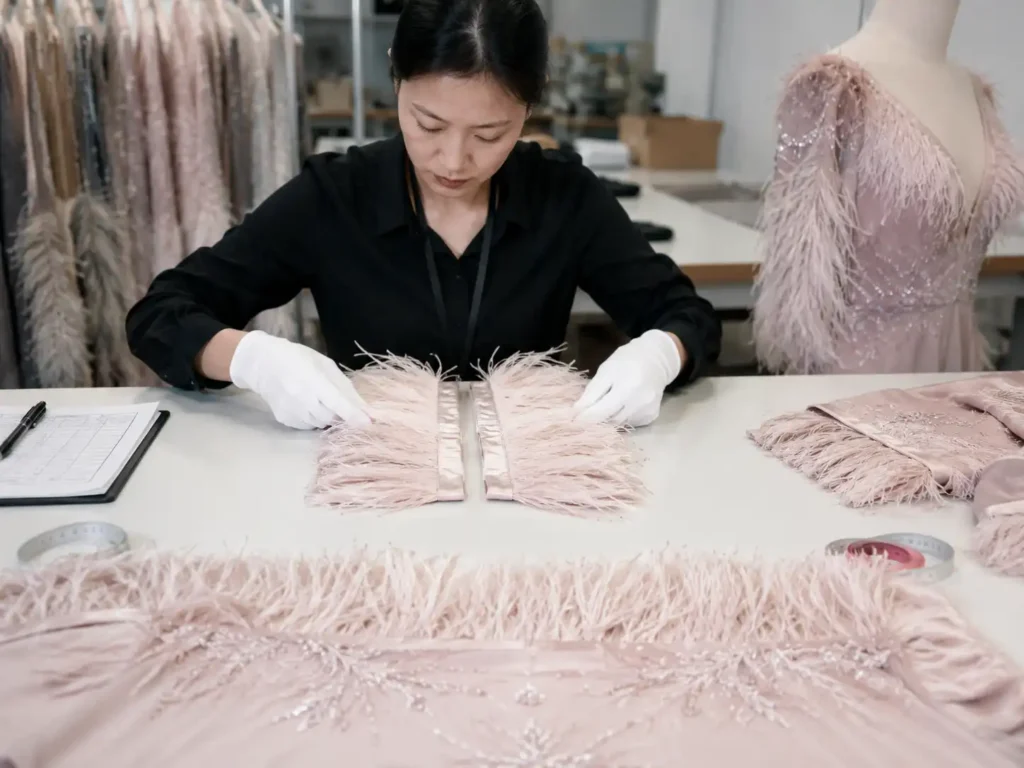
Panel Placement
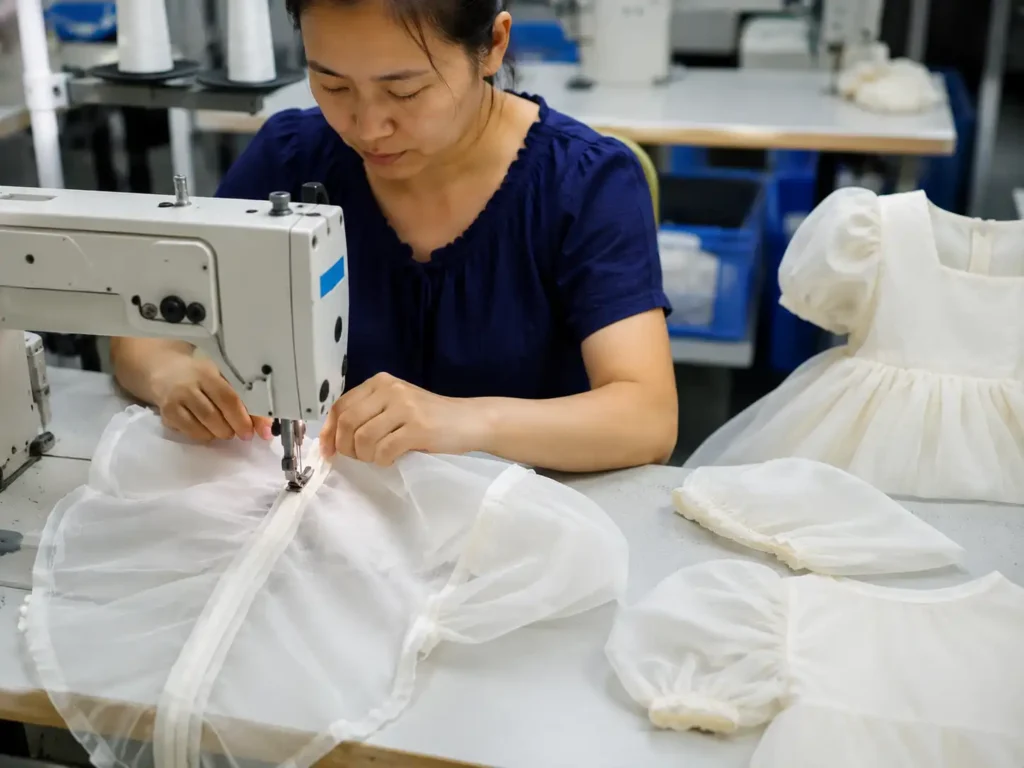
Sample Sewing

Fit Review
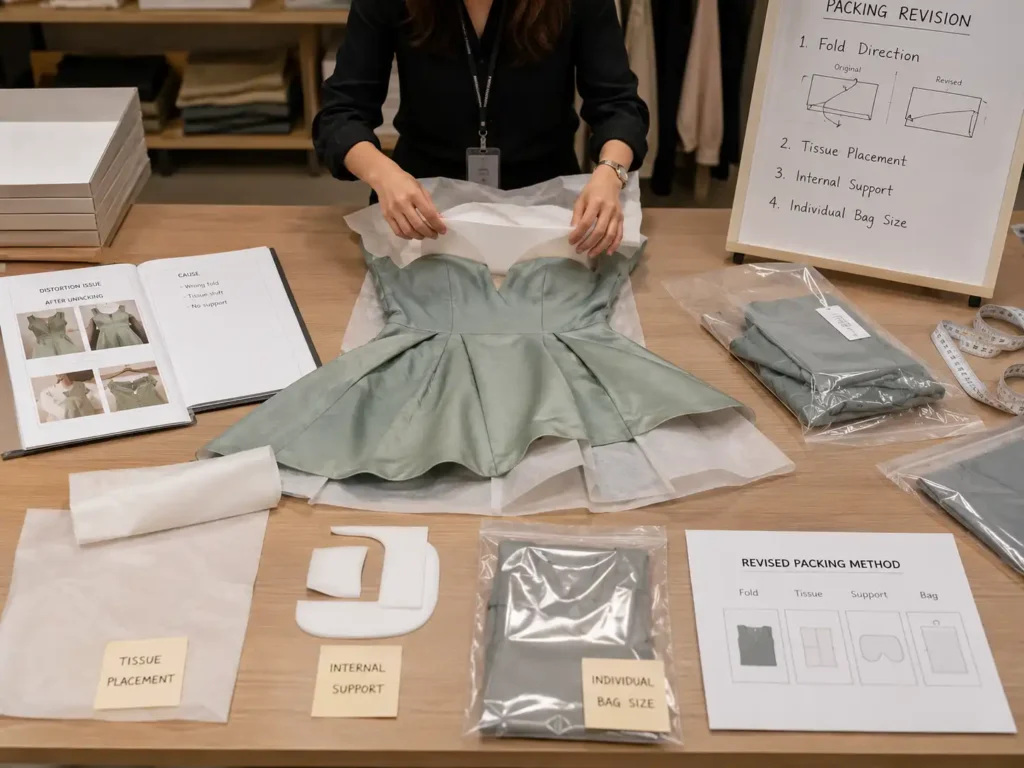
Revision Control

PP Confirmation

Golden Sample
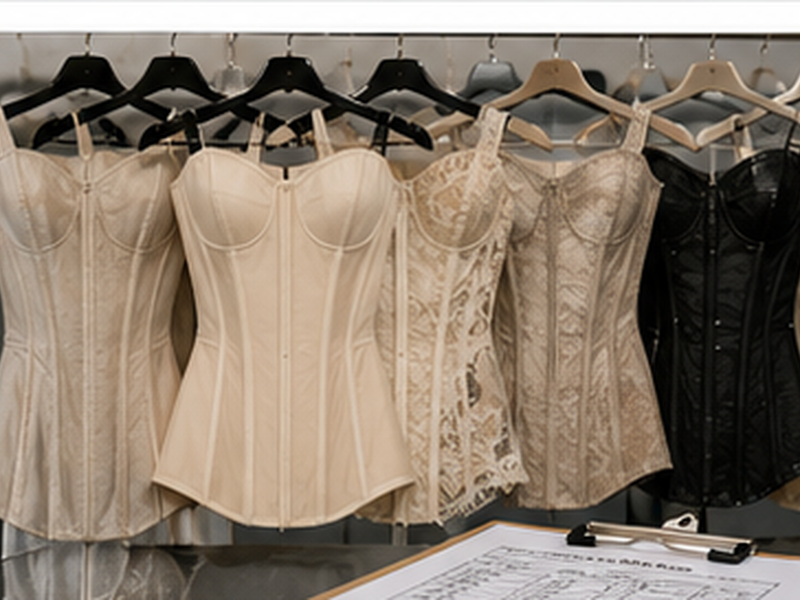
Beaded Dress Bulk Production Workflow
Production is planned around approval control and work sequence. Beadwork and garment assembly must be coordinated so decoration does not block seams, closures, measurements, or finishing.
Material Booking, Cutting and Embellishment
Bulk starts after PP approval, confirmed fabric, lining, trims, bead materials, colors, size chart, packing, production file, and process instructions. Fabric is inspected before relaxation, marker planning, cutting, panel numbering, and bundle preparation.
Decoration may be completed on flat panels, partly assembled sections, appliqués, or finished garments depending on the design. Panel embellishment offers clearer placement control but requires accurate seam allowances and protected edges. Garment-stage decoration can support focal details but may restrict access and increase handling risk. Each bundle remains identified by style, color, size, and panel.
Sewing, Inline Control and Final Preparation
Sewing instructions connect the PP sample with seam type, stitch density, lining, zipper, support, labels, and decoration clearance. Inline checks focus on neckline, shoulder, strap, bust, waist, hip, side seam, zipper, slit, lining, symmetry, bead damage, and measurement.
After assembly, garments move through loose-bead inspection, repair, thread trimming, stain removal, controlled pressing, measurement, appearance review, label checks, packing, final inspection, and AQL sampling. Client or third-party inspection can be coordinated before shipment. Shipping files and carton data are finalized after packing.
Controlling Beadwork Consistency in Bulk
Bead Lot Control
Color Coordination
Placement Templates
Density References
Workmanship Standard
Golden Sample Matching

Bead Attachment and Embellishment Quality Control
Decoration inspection must identify loose attachment, material variation, sharp edges, placement errors, discomfort, stretch failure, and transport risk before packing.
Incoming and Process Inspection
Incoming bead materials are checked against approved references for type, size, color, finish, hole quality, visible damage, and lot consistency. Base fabric, lining, backing, thread, and trims are reviewed at the same stage because attachment performance depends on the full material combination.
During embellishment, checks cover motif position, symmetry, density, thread tension, knot security, appliqué edges, fringe length, bead-free seam zones, zipper clearance, and panel identification. Early checks prevent a repeated placement or attachment error from spreading through hundreds of garments.
Wear, Stretch and Finished-Garment Checks
Finished inspection includes controlled touch review, targeted pull checks, gentle rubbing, expansion checks on stretch zones, movement review, and visual comparison with the golden sample. Internal checks are project controls rather than laboratory certification.
Inspection also covers sharp edges, broken beads, exposed wire or settings, rough thread ends, underarm contact, neckline comfort, lining coverage, snagging, bead loss, surface contamination, and weight balance. Identified defects move to a repair station and are rechecked before pressing and packing. AQL sampling remains separate from process inspection and does not replace it.
Measurement and Final Garment Inspection
A dress can pass bead inspection and still fail on fit, construction, finishing, labels, or packing. Final control combines decoration with complete garment standards.
Measurement and Construction Review
Measurements are taken against the approved chart and tolerance for bust, underbust, waist, hip, front length, back length, shoulder, strap, armhole, sleeve, slit, zipper, lining, and hem. Critical points depend on silhouette and are defined in the inspection file.
Construction checks include seam strength, stitch appearance, zipper flatness, lining attachment, cup and boning position, neckline symmetry, strap security, slit reinforcement, hem balance, label placement, and internal cleanliness. Decoration must not hide puckering, twisting, or uneven seam lines.
Final Sampling, Packing and Release
Finished garments are reviewed for appearance, measurement, loose threads, stains, odor, sharp edges, loose beads, damage, pressing marks, missing labels, incorrect barcodes, and packing errors. Internal full inspection and AQL sampling serve different roles: full inspection checks each garment against core requirements, while AQL samples a lot under an agreed inspection level.
Brand-appointed or third-party inspection can be arranged. Release follows correction of identified issues, reinspection where required, and confirmation of packing lists, carton marks, quantities, gross and net weight, carton measurements, and shipping documents.
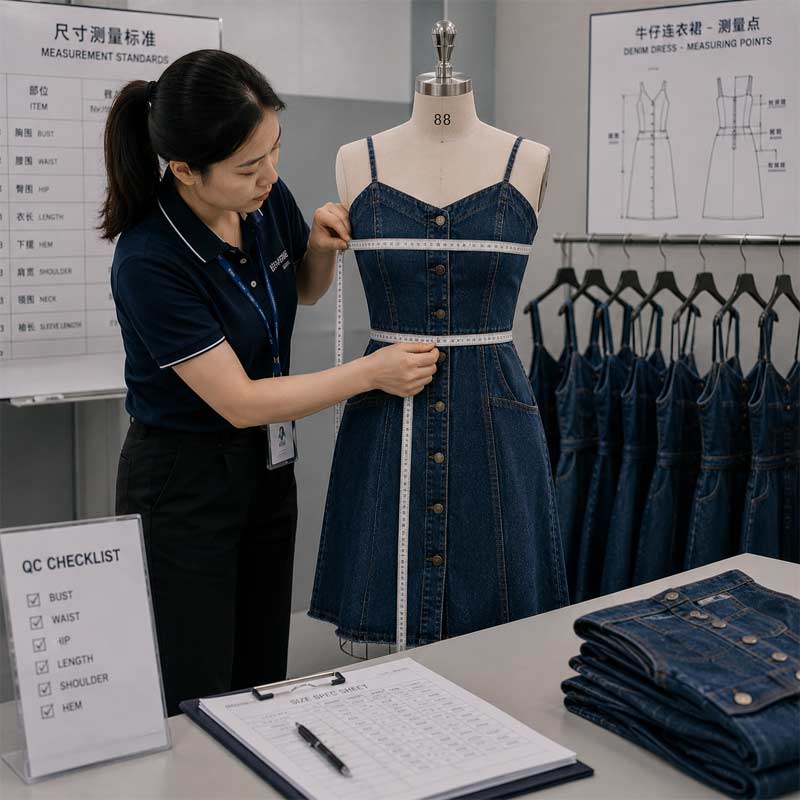
Bead Repair, Finishing and Protected Pressing
Bead Repair
Garment Finishing
Protected Pressing
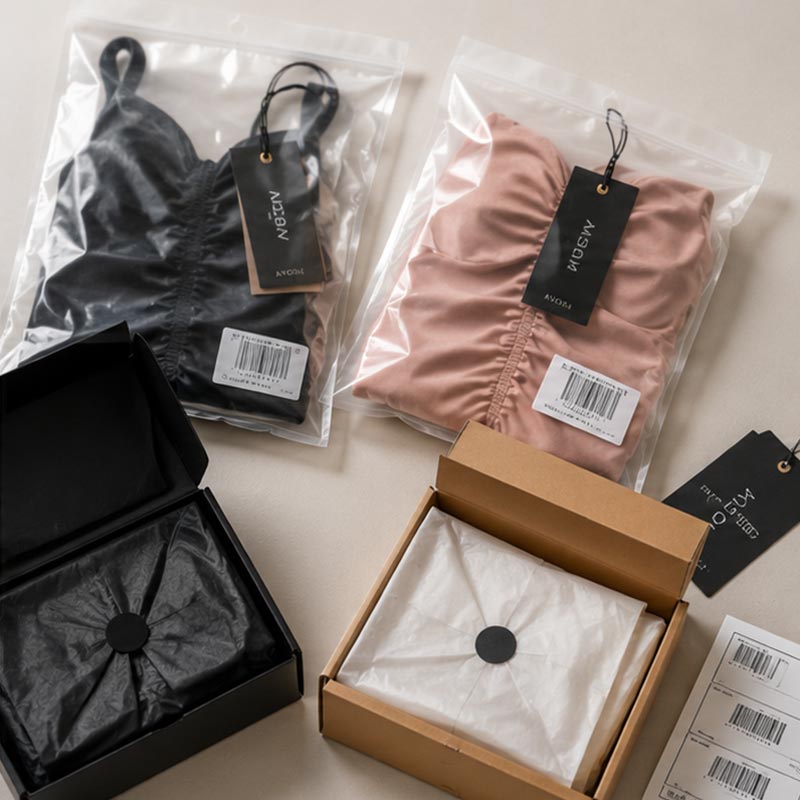
Protective Packaging for Beaded Dresses
Packing is engineered around garment weight, bead shape, surface friction, fold position, fringe movement, retail presentation, shipping mode, and warehouse handling.
Individual Garment Protection
The packing method may use tissue, soft interleaving, protective sleeves, larger polybags, hanger packs, flat packs, fold boards, zipper guards, or separate coverage for crystals and fringe. The correct route depends on dress length, beadweight, trim profile, and retail requirement.
Bead-to-bead contact is reduced because hard surfaces can scratch coatings, catch threads, or create pressure marks. Fold lines are moved away from dense decoration when possible. Long fringe may be wrapped or isolated to prevent tangling. Spare beads can be packed when requested and confirmed in the costing.
Carton Planning and Transit Control
Carton quantity is set after evaluating garment size, packed thickness, weight, and compression risk. Heavy dresses may need fewer pieces per carton. Carton dimensions, gross weight, net weight, CBM, style/color/size breakdown, and marks are recorded for shipping and warehouse receipt.
Air, sea, or split shipment can require different protection and carton planning. Trial packing, compression review, and unpacking checks help identify pressure, rubbing, tangling, or distortion before full packing. Final carton data must match the packing list and physical shipment.
Private Label and Retail-Ready Delivery
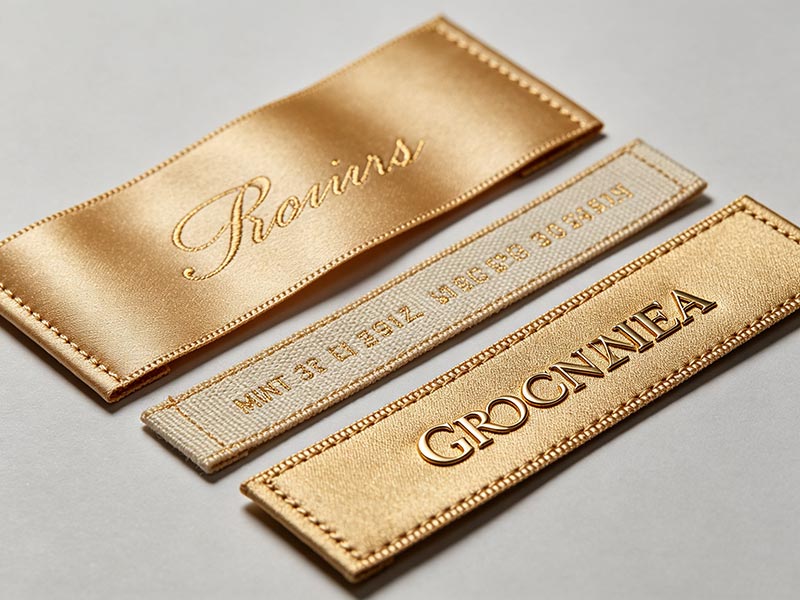
Main Labels
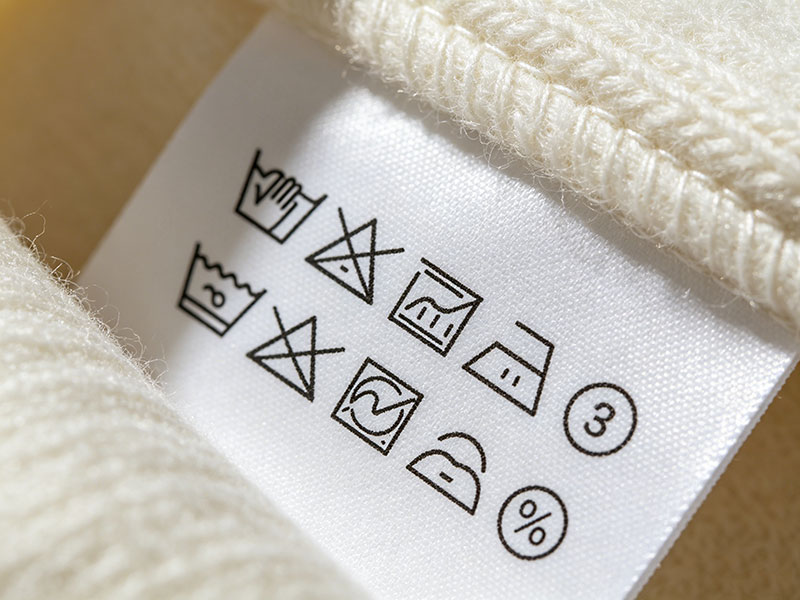
Care Labels

Hangtags
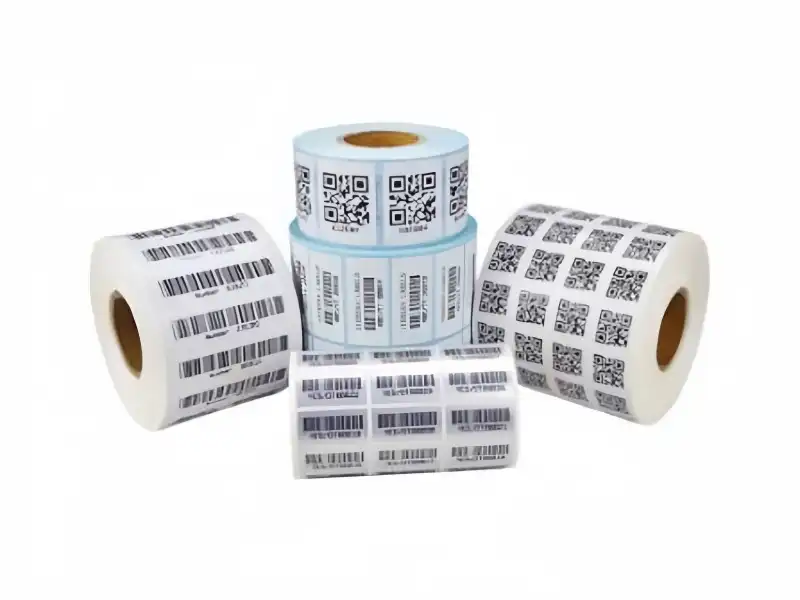
Barcodes

Branded Polybags
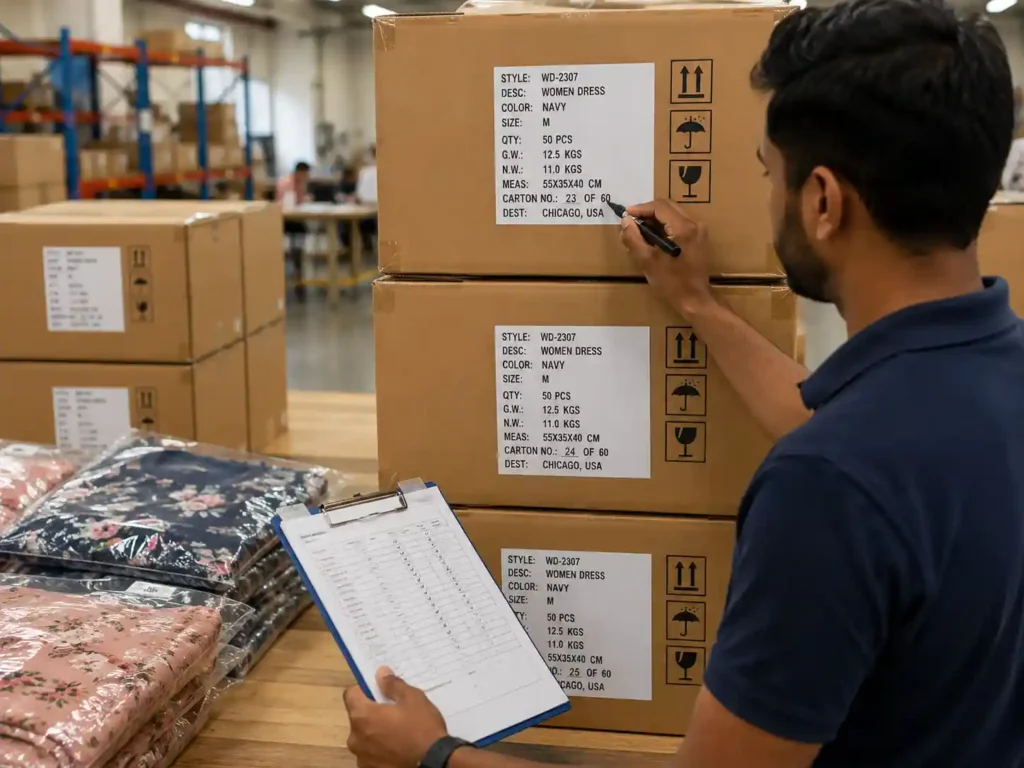
Carton Marks
Beaded Dress MOQ and Cost Structure
| Cost Factor | Why It Changes Price | Information Needed |
|---|---|---|
| Base Fabric | Composition, weight, width, stretch, finish, shade, and minimum purchase affect material use and construction. | Fabric reference, composition, color, performance |
| Bead Material | Glass, acrylic, pearls, crystals, rhinestones, sequins, size, coating, and supplier lot have different cost and weight. | Bead photo, physical sample, code, finish |
| Coverage Area | A full-body layout requires more material and labor than neckline, bodice, waist, or hem placement. | Placement artwork with dimensions |
| Bead Density | Dense overlap increases working hours, weight, repair time, and packing protection. | Approved swatch or density reference |
| Attachment Method | Hand sewing, machine embroidery, sew-on crystals, hotfix, and appliqué use different labor and controls. | Required finish and quality target |
| Dress Construction | Corsets, cups, boning, lining, mesh layers, gathers, slits, and structured seams add development and sewing time. | Tech pack and internal photos |
| Size Range | Wide grading and size sets require more pattern and artwork control. | Size chart, size ratio, fit comments |
| Order Quantity | Material booking, labor allocation, cutting efficiency, QC, and packing are affected by quantity per style/color. | Quantity by style, color, and size |
| Private Label Packing | Labels, tags, barcodes, special bags, tissue, hangers, and carton rules add supplier minimums and handling. | Artwork and warehouse packing guide |
| Testing and Inspection | Lab tests, third-party inspection, and brand-specific protocols are quoted by project. | Market, test list, inspection level |
Lead Time and Multi-Style Project Management
Development Review
Sampling Window
PP Approval
Bulk Planning
Collection Priority
Delivery Coordination
Testing, Compliance and Design Protection
Fabric Testing
Attachment Review
Third-Party Inspection
Market Labels
NDA Support
Controlled Case Use
Beaded Dress Manufacturer Case Studies
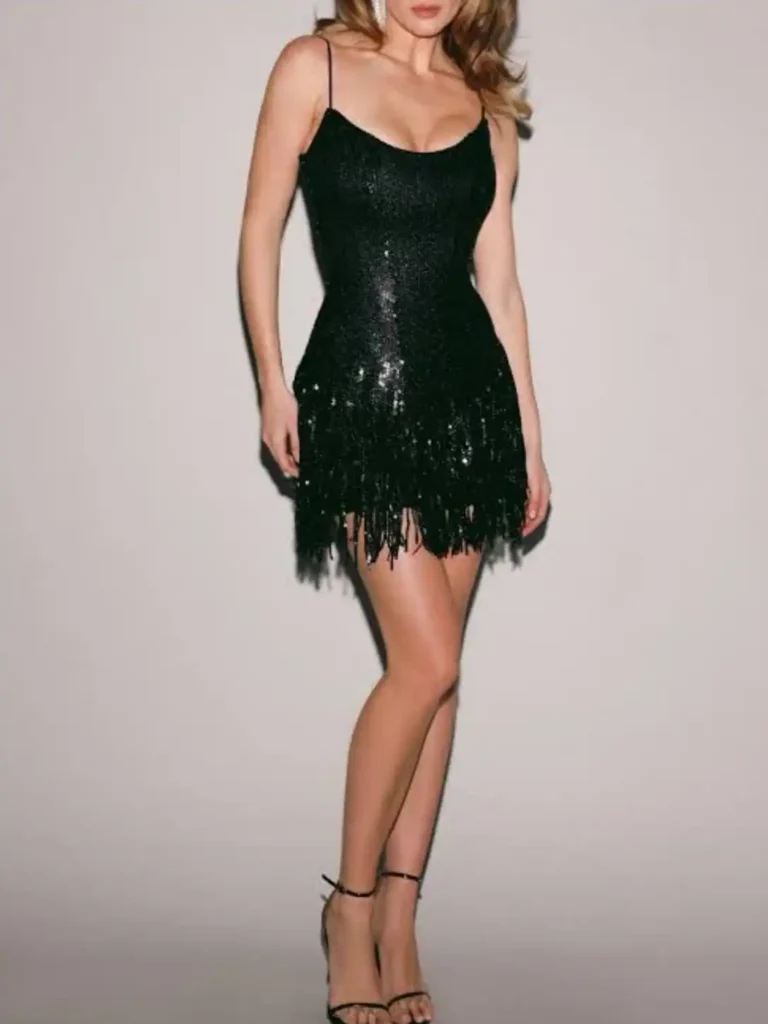
Occasionwear Collection for a UK Brand
A refined occasionwear collection required secure beadwork, balanced drape, consistent satin color, clean internal construction, and warehouse-ready labeling.
Program Scope
The order covered 12 midi and maxi styles totaling about 24,000 pieces. Products combined satin, mesh, tulle, lace, beads, pearls, and crystal accents. Several dresses used structured bodices, soft draped skirts, side slits, invisible zippers, and full lining.
The main challenges were beadweight at necklines, satin pulling around appliqué edges, pearl shade consistency, hem balance, and packing marks. A wide color program also required clear separation between garment shade approvals and embellishment shade approvals.
Development and Production Control
Material boards were approved by color group, and beadwork was sampled on the actual base fabric before full garment sampling. Necklines received support adjustments, appliqué edges were softened, and heavy decorative zones were moved away from seam intersections.
Bulk files connected bead codes, thread colors, motif coordinates, size grading, construction, measurements, labels, barcodes, and packing. QC checked neckline stability, zipper flatness, lining comfort, bead security, symmetry, and hem length. Larger protective bags and reduced carton quantity helped limit pressure on the finished surface.
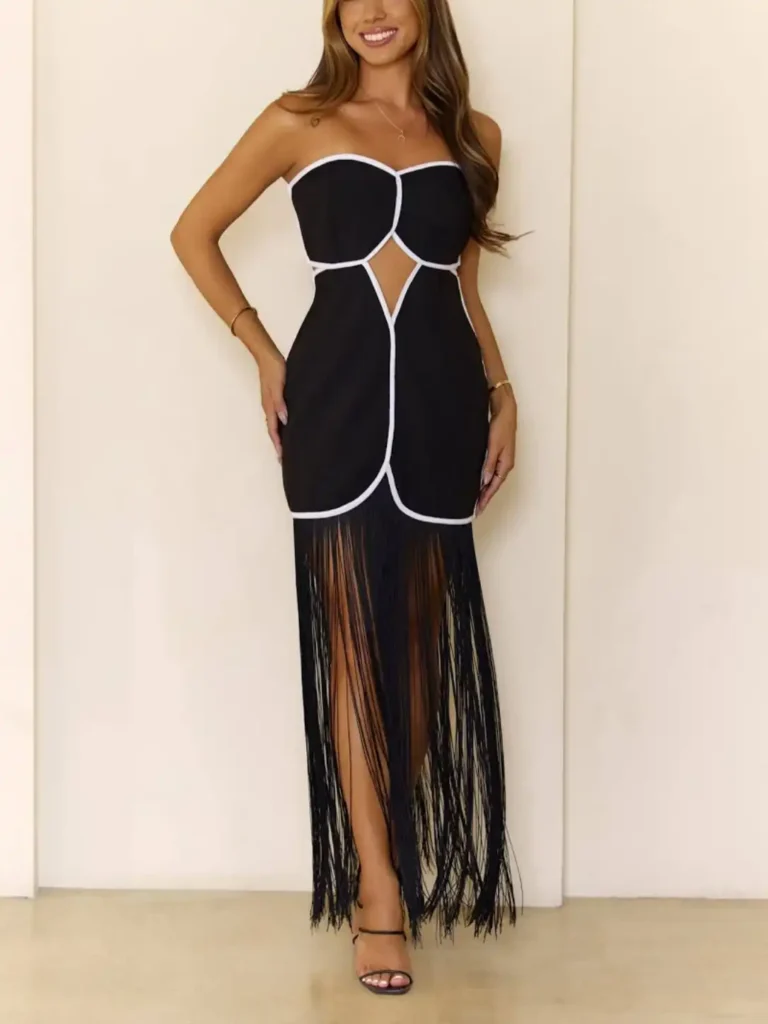
Multi-Style Program for an Australian Fashion Brand
A seasonal collection required coordinated sampling, mixed decoration methods, multiple color groups, strict size control, and staged delivery.
Program Scope
The project included 26 styles and approximately 62,000 pieces across mini, midi, corset, bodycon, and evening silhouettes. Decoration ranged from light crystal placement to mixed bead-and-sequin panels. Base materials included satin, stretch mesh, lace, jersey, tulle, and crepe.
The development calendar had separate priorities for ecommerce photography, wholesale appointments, and bulk launch. Material availability varied by style, and heavy beadwork could not follow the same production rhythm as light embellishment.
Development and Production Control
Styles were divided into three complexity groups. Photo priorities entered sample review first, while heavy handwork received early bead and labor booking. Size sets were used for fitted corset and stretch styles. Motif grading, cup position, waist placement, zipper clearance, slit height, and lining coverage were locked before PP approval.
Bulk delivery was organized in staged groups by launch priority. Every shipment carried separate style/color/size packing data, carton marks, and packing lists. Repeat-order records retained patterns, measurements, bead references, construction notes, labels, and packing requirements, reducing restart time for later production.
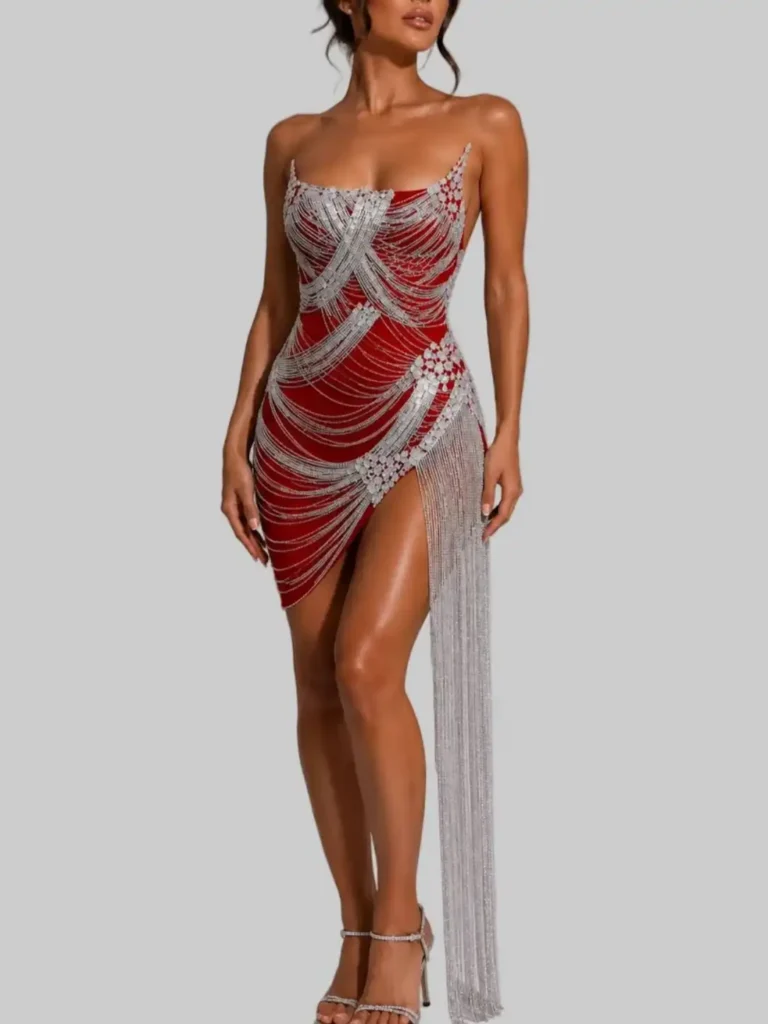
Beaded Dress Collection for a US Partywear Brand
A multi-style partywear program required visual impact, controlled stretch, secure embellishment, and consistent retail packing across a broad size mix.
Program Scope
The program covered 18 beaded and crystal-embellished mini and midi styles with an aggregate order of about 36,000 pieces. Core fabrics included stretch mesh, compact jersey, satin, and power mesh lining. Decoration combined rhinestones, seed beads, sequins, and selected fringe.
The main risks were bead-thread breakage during hip expansion, underarm abrasion, center-back zipper obstruction, and inconsistent motif scale across sizes. Photo-ready samples also had to meet a campaign schedule before PP samples were approved.
Development and Production Control
Jinfeng Apparel separated photo and PP approvals, created bead-free zipper zones, reduced density at high-stretch points, adjusted lining coverage, and graded motifs by repeat units instead of simple enlargement. Three sample rounds were used on the most fitted styles, while lower-risk styles moved through two rounds.
Bulk was grouped by material and decoration method. Inline checks focused on motif position, side-seam balance, zipper clearance, hip stretch, loose stones, fringe length, and measurements. Individual packing used tissue separation at dense bead zones. The collection was delivered in planned style groups, and approved files were retained for repeat-order review.
Beaded Dress Manufacturer Frequently Asked Questions
Yes. Jinfeng Apparel can review reference images, original samples, sketches, line sheets, tech packs, size charts, and bead artwork for custom development. Feasibility depends on fabric, bead material, attachment method, structure, quantity, size range, quality standard, and delivery plan.
Projects can be reviewed for hand-sewn beads, machine bead embroidery, sew-on crystals, hotfix rhinestones, pearl embellishment, bead-and-sequin combinations, appliqués, fringe, and mixed methods. Final capability is confirmed after material and artwork review.
A clear reference image can start an initial review, but accurate development normally requires dimensions, close-ups, garment views, fabric direction, size range, and quality expectations. A bead swatch or placement artwork may be prepared before full sampling.
Suitable fabrics include tulle, mesh, satin, lace, velvet, jersey, organza, crepe, and other stable or reinforced materials. Selection depends on beadweight, stretch, transparency, drape, surface sensitivity, lining, and garment construction.
Control begins with bead-hole quality, thread, attachment method, stitch frequency, knot security, backing, stress-zone placement, process checks, repair, final inspection, and protective packing. No attachment method should be described as completely risk-free.
Patterns can be graded by changing spacing, adding repeat units, preserving a central motif, extending borders, or adjusting density. Seam, zipper, armhole, neckline, and edge clearances remain controlled across sizes.
MOQ starts from 200 pcs per style/color. Custom beads, special colors, exclusive crystals, certified materials, custom dyeing, or special packaging may have separate supplier minimums.
Complex beaded styles commonly need around 15-25 days after key materials become available. Heavy handwork, custom bead development, or several revision rounds may require longer. Timing is confirmed after artwork and material review.
Yes. Main labels, care labels, size labels, hangtags, barcodes, polybags, stickers, tissue, hangers, carton marks, and packing lists can be coordinated according to approved files and supplier minimums.
Yes. NDA-based cooperation can cover tech packs, original samples, bead artwork, patterns, size charts, labels, packaging files, unpublished styles, quantities, and launch information. Materials are not published without permission.

Start Your Beaded Dress Project
Send Jinfeng Apparel a reference image, line sheet, original sample photos, or a complete tech pack for an initial manufacturing review. The review can cover dress structure, base fabric, bead or crystal direction, attachment method, pattern risk, size range, sample route, MOQ, cost drivers, quality checkpoints, packing, and delivery planning.
Clear information allows a faster and more useful response. Files are used for project evaluation, sample development, bulk production, quality control, private-label packing, and delivery coordination.
NDA-based cooperation and design protection can be arranged for unpublished collections.
- Product type and reference images
- Tech pack, size chart, or original sample details
- Bead artwork, bead swatch, or desired surface effect
- Fabric, lining, color, and trim direction
- Quantity per style/color and size ratio
- Private-label and packing requirements
- Target sample date and bulk delivery date
- Quality, testing, and inspection requirements