Skip to content

Bandeau Dress Development
Engineered for stable fit, clean strapless lines, reliable support and production-ready execution across fashion, party and occasion collections.
- 6 commercial style routes covering fitted stretch, structured mini, satin midi, ruched mesh, embellished and column/maxi bandeau dresses.
- 7 core fit and support checkpoints covering upper-edge stability, bust balance, cup position, internal support, back tension, movement security and grading.
- 4 sample decision gates from first sample and fit review through revision and PP approval.
- 3 movement conditions — arm lift, seated posture and body rotation — assessed before fit direction is considered stable.
What Bandeau Dress Development Really Needs to Solve
Silhouette Before Sewing
A bandeau design begins with proportion rather than stitching. Neckline height, bust shape, waist position, torso length and skirt balance establish whether the garment reads as refined, youthful, body-conscious, minimal or occasion-led.
A straight upper edge may need a different pattern relationship from a curved, folded, draped or corset-inspired neckline. Development review normally considers:
- Intended visual proportion on the body
- Mini, midi or maxi length relationship
- Fitted, column, draped or structured body shape
- Bust coverage and side coverage
- Waist placement and torso balance
- Closure position and dressing method
A strong silhouette must also survive fabric changes. A design built in stretch jersey cannot simply move into woven satin using the same pattern and internal construction. Material behavior changes support, ease, seam tension and neckline stability.
Support Behind Clean Lines
A bandeau neckline has no shoulder strap to carry vertical load. Stability therefore comes from a combination of upper-edge contact, body circumference, internal elastic, grip material, lining, cup structure, boning, side support and back tension. Not every style requires every component.
A double-layer stretch bandeau may rely mainly on recovery, negative ease and controlled elastic. A structured satin occasion dress may need lining, cups, boning and a stronger waist anchor. Development questions include:
- Where should support come from?
- How much pressure can the upper edge carry comfortably?
- Does the fabric recover after repeated stretch?
- Should the bodice rely on the bust, underbust or waist?
- Will added support become visible from outside?
Invisible engineering should strengthen the garment without making the neckline look heavy.
Production Standard From Development
A visually approved sample is only part of the process. A commercial bandeau style must become measurable and repeatable before production.Key information eventually needs to move into pattern records, measurements, BOM details, workmanship notes and PP approval, including:
- Neckline height and finished circumference
- Bust and underbust measurements
- Elastic type, length and position
- Cup size and placement when used
- Boning position and length when used
- Lining construction
- Closure specification
- Critical tolerances
- Size grading rules
A clear development basis gives pattern, sample, production and quality teams the same physical target instead of relying on visual interpretation alone. CTA: Review Your Design
Built for Established Dress Brands and Product Teams
Jingfeng supports fashion businesses with defined product direction, selling channels and ongoing development programs. Projects may begin from detailed technical files or from visual references requiring deeper interpretation before pattern and sample work begins.
Established Fashion Brands
Established fashion, partywear and occasionwear brands normally need more than a supplier capable of copying one reference.
Seasonal calendars often involve multiple silhouettes, fabric families, colorways and launch dates, while fit quality and visual finish must remain recognizable across a collection.
Bandeau development can begin from:
- Tech packs and measurement specifications
- Existing best-selling fit blocks
- Original garments requiring redevelopment
- Reference imagery and material direction
- Collection boards and planned color stories
- Existing sample comments from another development round
Duolan reviews the available information, identifies missing production-critical details and establishes a clearer route into pattern, materials and sampling. Work remains anchored to the brand’s established design direction rather than replacing it with generic factory styling.
Product and Sourcing Teams
Product development, sourcing and technical teams often arrive with different information at different stages. One project may already have a complete BOM and size chart, while another may still require fabric assessment, support decisions or fit clarification before sampling.
Important review points can include:
- Intended market and fit standard
- Sample purpose and target approval stage
- Fabric construction and stretch behavior
- Cup, lining, boning or elastic requirements
- Expected color and size range
- Quantity and launch schedule
- Existing comments or known return issues
Clear information reduces unnecessary sample rounds and helps separate visual preference from structural requirements. Duolan can work from reference-led development, technical execution or redevelopment of an existing style depending on project status.
Six Commercial Bandeau Dress Directions for Brand Collections
Bandeau is not one fixed silhouette. Fabric, length, body shape and internal structure can turn the same strapless idea into very different commercial products. Each route below carries a different fit, material and production risk profile.

Stretch Bandeau Mini
- Four-way or two-way stretch behavior
- Recovery after repeated extension
- Upper-edge elastic tension
- Double-layer versus lined construction
- Bust-to-waist contour
- Side-seam balance
- Mini-length movement security

Structured Bandeau Mini
A structured mini carries more of its stability through internal engineering. Woven fabric, fitted bodice shaping, lining, cups, boning and waist anchoring can create a clean outer surface while helping the top remain secure.
Development focus:
- Straight or shaped upper edge
- Cup depth and position
- Side boning and front support
- Waist anchoring
- Back closure tension
- Lining stability
- Clean seam and pressing finish
Overbuilding the bodice can make a short fashion dress feel rigid, while insufficient structure may cause gaping or downward movement.
The correct solution depends on fabric weight, body shape, neckline height and the intended level of support.

Satin Bandeau Midi
- Satin weight and surface character
- Bodice support under a smooth shell
- Lining color and weight
- Bust shaping without visible distortion
- Zipper insertion
- Seam puckering control
- Pressing and crease management

Ruched Mesh Bandeau
- Mesh stretch and recovery
- Lining stretch compatibility
- Ruching ratio and placement
- Transparency control
- Bust and side coverage
- Upper-edge support
- Consistency across sizes

Embellished Bandeau Dress
- Decoration weight by panel
- Clean upper-edge finishing
- Skin-contact comfort
- Lining and reinforcement
- Boning or internal support
- Seam strength around embellished areas
- Packing protection

Column Bandeau Maxi
A column or maxi bandeau creates a clean vertical line, but the skirt introduces additional weight below the bodice.
Support cannot be assessed only at the neckline because the full garment affects how the upper section behaves during wear. Development focus:
- Bodice-to-skirt load balance
- Waist or internal anchor
- Skirt weight and drape
- Side seam and center-back stability
- Walking ease
- Slit position when used
- Hem balance across sizes
Soft crepe, satin or stretch fabrics each create different load conditions. A successful maxi version keeps the upper edge stable while allowing the lower body to move without pulling the bodice out of position.
Where Bandeau Dresses Fail During Development and Production
Most recurring problems can be traced to an identifiable relationship between pattern, fabric, support or production execution. Early diagnosis is more useful than adding corrective components after a sample already feels unstable.
| Development Problem | Likely Cause | Development Check | Production Control |
|---|---|---|---|
| Neckline slips downward | Weak upper-edge contact, poor recovery, insufficient anchoring | Upper-bust fit, elastic tension, fabric recovery, back tension | Finished neckline measurement, elastic specification, first-piece wear check |
| Upper edge gaps | Incorrect neckline curve, cup depth or upper-bust relationship | Front and side fit review, cup placement, lining behavior | Pattern reference, neckline tolerance, sample-to-bulk comparison |
| Edge rolls outward | Fabric stretch, facing construction or elastic imbalance | Edge construction trial, recovery test, pressing review | Stitch method, elastic tension, pressing standard |
| Bust feels insecure | Inadequate support or incorrect cup/underbust balance | Cup, dart, boning, underbust and side coverage review | Support component position, measurement checkpoints |
| Bodice feels over-compressed | Excessive negative ease or elastic tension | Wear test, breathing comfort, sitting and rotation | Size-specific elastic and finished circumference |
| Side seams rotate | Pattern imbalance, stretch direction or uneven tension | Front/back balance, fabric direction, torso fit | Cutting direction, seam alignment check |
| Larger sizes lose proportion | Mechanical grading of bust, cup and neckline | Grading review by critical support zone | Graded pattern set, size-specific measurement inspection |
| Sample works but bulk varies | Unlocked materials, workmanship or tolerance | PP review and production-readiness check | PP reference, first-piece confirmation, inline inspection |
Hidden Support Engineering Behind a Clean Bandeau Neckline
Support should disappear visually while remaining clear technically. Jingfeng reviews a bandeau bodice as a connected load system rather than treating grip tape, elastic, cups or boning as isolated accessories.
Upper-Edge Grip, Elastic and Neckline Tension Working Together
The top edge is the first contact zone, but making it tighter is rarely a complete solution. Excess tension can create visible compression, rolling, skin indentation or an uncomfortable fit, while insufficient tension allows the neckline to move during wear.
A controlled upper edge normally starts with four variables: finished circumference, fabric recovery, elastic behavior and body contact.
Finished circumference:
The pattern must establish enough contact around the upper bust without relying on a single narrow elastic to carry the full garment. Stretch fabrics may use controlled negative ease, while woven structures need a more stable relationship between body circumference, internal support and closure.
Elastic behavior:
Elastic width, modulus, recovery and attachment method all affect fit. Two elastics with the same relaxed length can behave very differently when sewn into a neckline. Sample work should evaluate finished tension after sewing rather than judging elastic only before attachment.
Grip material:
Silicone or other anti-slip solutions can improve contact, but grip cannot correct a fundamentally incorrect pattern. Placement must also consider skin comfort, laundering requirements and visible edge distortion.
Edge construction:
Facing, binding, lining turn-back or internal elastic channels influence whether the top edge lies flat. A clean outer line requires controlled seam bulk and pressing.
The target is secure contact without making the garment feel like a narrow compression band around the chest.


Bust Support, Cups, Boning and Internal Anchoring
Structured bandeau styles need to transfer weight away from the neckline. Cups, boning, underbust shaping, lining and waist anchoring can create an internal framework, but each element must correspond with the intended silhouette.
Cup position and volume:
Cup depth, width, spacing and height must align with the base size and grading strategy. A cup placed too high can push the neckline away from the body; a cup placed too low can reduce upper-bust security and change the visual bust position.
Boning:
Boning is used when the bodice needs vertical support, shape retention or resistance against collapse. Position matters more than quantity. Side seams, princess seams or dedicated channels can be used depending on the pattern. Overly rigid placement can create pressure points or distort a soft fashion silhouette.
Underbust and waist:
A well-supported garment often uses the torso below the bust as an anchor. Waist shaping, internal waist stay or structured lining can reduce the amount of load carried by the top edge.
Lining and reinforcement:
Lining stabilizes the inside surface, protects support components and helps control opacity. Interlining or localized reinforcement may be added where a main fabric lacks structure.
Support engineering should follow the final fabric and intended fit rather than be copied from an unrelated corset block.
Back Tension and Movement Security Under Real Wear
Front fit can look correct while the garment remains unstable from the side or back. Bandeau security depends on a continuous circumference, making back construction and side balance as important as the front neckline.
Back tension:
A center-back zipper, side zipper, elasticized panel or lace-up structure changes how tension is distributed. Woven dresses usually need enough body contouring to prevent the back from dropping. Stretch designs need sufficient recovery to maintain contact after repeated movement.
Side-seam balance:
Side seams should remain close to their intended position during standing and movement. Rotation can indicate unequal front/back tension, incorrect stretch direction or pattern imbalance.
Movement review:
Jingfeng evaluates high-risk strapless fits beyond a static pose. Three useful conditions include arm lift, seated posture and body rotation or walking. The purpose is to identify neckline movement, excessive compression, bodice shift and changes in coverage.
Closure stability:
Zipper length, seam reinforcement and top closure should not pull the neckline out of shape. Hook-and-eye or internal fastening may be added where appropriate.
A secure bandeau should remain visually calm while the wearer moves instead of requiring repeated adjustment.

Fit Engineering for Bandeau Stability, Shape and Movement
A bandeau style places more responsibility on upper-body fit than most dress necklines. Fit review therefore connects body measurements with pattern balance, fabric response and the specific support route selected for the garment.
Upper Bust, Bust, Torso and Waist Must Work as One Fit System
The most important bandeau measurements are not limited to a standard bust circumference. A stable garment needs the upper edge, fullest bust, underbust or torso and waist to work together.
Upper bust:
Finished upper-edge circumference controls initial body contact. A neckline can match the nominal bust measurement and still gap if the upper-bust relationship is wrong.
Bust position:
Bust point height and horizontal position influence darts, princess seams, cups and neckline shape. A fitted bandeau should follow the intended bust contour without creating a hollow area above the bust or pressure below it.
Torso length:
Short or long torso differences can change where support sits. Incorrect vertical balance may push the whole bodice upward or allow it to drop. Torso length is especially important for structured bodices connected to fitted skirts.
Waist position:
A correctly placed waist provides visual proportion and can help anchor structured styles. A waist sitting too high may shorten the bodice and increase pressure at the top edge; a low waist can weaken support and distort the silhouette.
Side coverage:
Side-bust height needs enough coverage for movement while remaining consistent with the intended fashion look.
Fit comments such as “top feels loose,” “bust feels compressed” or “neckline opens at the side” should be translated into measurable pattern actions rather than corrected by simply tightening the garment.

Static Fitting Is Followed by Movement and Visual Review
A bandeau dress needs to perform through ordinary movement. A fit sample can meet flat measurements yet fail when the wearer sits, raises an arm or rotates the torso.
Arm-lift check:
The neckline should remain reasonably stable as the upper body changes position. Excessive upward pull can indicate restricted torso length or overly tight construction, while downward movement can expose weak anchoring.
Seated check:
Sitting changes bust, waist and hip relationships. Structured minis and body-conscious styles should be reviewed for bodice shift, waist pressure, hem movement and changes in coverage.
Rotation and walking:
Side seams, center back, neckline and any slit should remain balanced when the body turns or walks.
Visual proportion:
Technical security alone is not enough. The upper edge needs to look level, bust shaping should appear natural, waist placement should support the intended silhouette, and the garment should photograph cleanly from front, side and back.
Fit decisions are recorded before moving toward grading or PP approval. Changes to fabric, lining or internal support after fit confirmation may require another review because each can alter body tension.

Fabric Selection Changes Every Bandeau Development Decision
Material choice affects far more than appearance. Stretch, recovery, surface, weight, opacity and drape determine pattern ease, support strategy, sewing method, lining construction and whether an approved sample can be repeated reliably.
| Fabric Route | Typical Effect | Support Requirement | Development Focus | Main Risk |
|---|---|---|---|---|
| Compact Stretch Jersey | Smooth, fitted, body-conscious | Controlled negative ease, elastic, optional double layer | Recovery, opacity, edge stability, size fit | Neckline loosening after repeated wear |
| Ponte / Firm Knit | Structured stretch with cleaner contour | Moderate internal support | Thickness, recovery, seam bulk, waist shaping | Over-compression or bulky upper edge |
| Stretch Satin | Polished surface with limited stretch | Elastic plus selective internal structure | Stretch direction, shine, lining, seam smoothness | Surface distortion and unstable recovery |
| Woven Satin | Refined occasionwear finish | Cups, lining, boning or waist anchoring as required | Bodice shaping, zipper, pressing, surface protection | Gaping, seam puckering, visible internal structure |
| Crepe / Structured Woven | Stable shape with controlled drape | Pattern shaping and selective reinforcement | Bust contour, ease, lining, closure | Rigid fit or insufficient upper-edge contact |
| Mesh / Embellished Surface | Visual texture, transparency or decoration | Stable lining and support base | Weight, transparency, stretch compatibility, edge comfort | Outer layer distorting or pulling the bodice |
Pattern and Grading Control the Bandeau Across Every Size
A strong sample size can still fail once a style expands into a commercial size run. Pattern development must establish the original support geometry, while grading must preserve the intended silhouette rather than enlarge every measurement by the same logic.

Bandeau Pattern Development Starts With Support Geometry
Pattern work begins by identifying where the garment gets stability and how the outer silhouette relates to the internal structure.
Neckline shape:
A straight top line, curved sweetheart-inspired line, folded edge or draped edge creates different tension across the upper bust. Pattern shape should account for the finished construction rather than only the visible outline.
Bust shaping:
Darts, princess seams, panel seams or stretch contouring control fullness. Structured designs may integrate cup placement, boning channels and reinforcement into the pattern architecture.
Front-to-back balance:
Back width and tension influence front neckline security. A front bodice cannot be corrected independently when the full circumference is responsible for holding the garment.
Torso and waist shaping:
Vertical length and waist contour affect how the bodice sits on the body. A stable waist can carry part of the garment load, especially in woven or structured styles.
Fabric-specific ease:
Stretch percentage and recovery determine negative ease. Woven designs require enough wearing ease while relying more heavily on shaping and internal support.
Lining pattern:
Lining should support the outer shell without fighting against it. Mismatched lining ease can cause gaping, pulling or visible distortion.
Pattern correction should return to the underlying geometry whenever a sample shows slipping, gaping, twisting or uneven pressure.

Grading Preserves Support Rather Than Merely Increasing Measurements
Moving from a base size into five or six additional sizes changes more than bust, waist and hip circumference. Support zones need controlled progression.
Upper-edge circumference:
Larger sizes may require different growth at the neckline than at the full bust. Mechanical enlargement can increase gaping risk.
Cup and bust relationship:
When internal cups are used, cup width, depth, spacing and vertical position need a defined progression rather than one fixed component across every size.
Boning and support position:
Boning should remain aligned with structural seams and body landmarks after grading. Length changes may be necessary as torso dimensions change.
Waist and torso length:
Vertical grades influence where the bodice anchors. Keeping one torso length across a wide range can change neckline height and comfort.
Side coverage:
Side-bust height and width require enough coverage without making larger sizes visually heavy.
Skirt proportion:
Mini length, slit position or column width should remain commercially wearable as the size range increases.
Grading is reviewed together with specification points and tolerance priorities. Critical strapless measurements can then be used during PP and bulk inspection rather than relying on a generic overall size check.
From Reference Image to a Controlled Development Standard
Many bandeau projects begin with visual material rather than a complete technical file. Jingfeng separates what can be interpreted visually from information requiring confirmation before pattern, support and sample decisions are locked.
What We Read From a Bandeau Reference
A strong reference can communicate a surprising amount of product direction, provided visual details are translated carefully.
Jingfeng reviews:
Silhouette:
Body-conscious, column, fit-and-flare, draped or structured.
Length and proportion:
Mini, midi or maxi; waist position; skirt balance; slit or hem relationship.
Neckline:
Straight, curved, folded, draped, notched or corset-led.
Bust shape:
Natural shaping, defined cups, princess construction, dart shaping or stretch contour.
Surface behavior:
Smooth satin, compact jersey, sheer mesh, ruching, sequins, lace or decorative treatment.
Closure clues:
Side zipper, center-back zipper, pull-on construction, lace-up or elasticized back.
Visual support clues:
Visible bodice seams, cup shaping, boning lines, waist seam or internal structure inferred from the exterior.
Visual review does not automatically reveal composition, stretch percentage, lining weight, internal elastic, cup specification or finished measurements. Those points are separated for technical confirmation instead of being guessed.
The first development note should therefore distinguish “visible design direction” from “production information still required.”


How Visual Direction Becomes a Development Basis
Before sampling, reference information is translated into a structure the pattern and sample teams can execute.
The development basis may include:
- Target silhouette and finished length
- Intended neckline shape and height
- Main fabric direction
- Stretch and recovery requirement
- Lining requirement
- Internal support route
- Cup or boning requirement
- Closure method
- Base size
- Existing size chart or measurement direction
- Target market
- Sample purpose
- Planned quantity and launch schedule
A reference-led project can then move into one of several routes. A brand with a mature fit block may keep its existing measurements while developing a new neckline. A project with only imagery may need fabric and fit decisions before pattern work. An original garment may require replication followed by structural improvement.
Jingfeng records unresolved questions before cutting the first sample. Early clarification prevents attractive but technically incorrect assumptions from becoming expensive revision work later.
A Six-Stage Bandeau Sample Development Path
Different samples answer different questions. Jingfeng separates design validation, fit validation, visual presentation and production approval so one attractive sample is not mistaken for a complete manufacturing standard.

Development Review
Before cutting, available references, tech packs, size information, fabric direction and launch requirements are reviewed together.
Bandeau-specific concerns such as upper-edge security, cup position, support route, stretch recovery and lining are identified before the first pattern is finalized.
Typical outputs include:
- Development direction
- Missing information list
- Material questions
- Support recommendations
- Fit priorities
- Sample purpose
- Risk points requiring early confirmation
The sample plan should also clarify whether the goal is silhouette validation, fit approval, photo preparation or production readiness. A structured satin bodice and a stretch jersey pull-on style may follow different sample routes even when both share a similar outer neckline.

First Sample
Review normally covers:
- Overall silhouette
- Neckline shape
- Bust and waist placement
- Main fabric behavior
- Preliminary support
- Length and proportion
- Major construction details
The value of the first sample lies in exposing structural decisions early, while pattern and material changes are still manageable.

Fit Sample
Key bandeau checks include:
- Upper-bust contact
- Bust volume and position
- Side coverage
- Underbust or waist anchoring
- Back tension
- Torso length
- Neckline level
- Movement security
Fit approval creates the foundation for grading and subsequent size consistency.

Revised Sample
Revisions may involve:
- Neckline reshaping
- Upper-edge circumference
- Cup or dart correction
- Boning position
- Elastic tension
- Waist placement
- Side-seam balance
- Lining construction
- Zipper or closure
- Skirt proportion
A revised sample should move the product closer to a stable decision rather than simply accumulate cosmetic alterations.

Photo-Ready Sample
Fashion and ecommerce teams may require a sample intended for campaign, lookbook or product photography before final PP approval.
Photo preparation focuses on:
- Clean neckline line
- Front, side and back proportion
- Fabric response under lighting
- Smooth seam and zipper appearance
- Correct lining coverage
- Controlled pressing
- Finished surface and detailing
A photo-ready sample can prioritize visual presentation, yet its construction should remain close enough to the planned production route to avoid presenting an effect that cannot be repeated commercially.
Photo approval and production approval remain separate decisions.

PP Sample
The PP sample converts an approved design into a production reference.
Materials, measurements, support components and workmanship need to represent the intended bulk standard.
PP review for bandeau styles can lock:
- Main fabric and lining
- Color
- Cup specification
- Boning type and position
- Elastic or grip components
- Finished neckline measurement
- Critical bust and waist points
- Zipper and fastening
- Workmanship
- Label and packing requirements
- Tolerance priorities
Bulk production should start from a clear PP basis rather than from memory of an earlier development sample.
Fit Comments Become Pattern and Construction Changes
Comments such as “top drops,” “bust looks flat,” “neckline opens” or “waist feels too tight” are symptoms rather than technical instructions. Effective revision requires identifying the underlying source before changing the sample.

Diagnosing the Cause Before Changing the Garment
One fit problem can have several causes. Tightening the top edge may hide a symptom while creating a second problem elsewhere.
Example: neckline gaping
Possible sources include an incorrect upper-edge curve, excessive front width, insufficient cup depth, lining tension or weak back balance. The correction may involve pattern reshaping rather than adding stronger elastic.
Example: garment slides down
Possible sources include weak fabric recovery, insufficient body contour, lack of waist anchoring, incorrect back tension or support components positioned too high. More grip material alone may not solve the load problem.
Example: chest compression
Possible sources include excessive negative ease, narrow cup volume, strong elastic or an upper-edge measurement graded too aggressively. Compression can affect comfort and visual bust shape even when the garment technically remains in place.
Example: side seam rotates forward
Possible sources include front/back imbalance, stretch direction, unequal seam tension or body contour not matching the pattern.
Jingfeng classifies comments into fit, measurement, fabric, construction and production categories before revision. The approach keeps pattern decisions connected to the actual cause.

Recording Revision So Approval Can Move Forward
A controlled revision round should answer four questions:
What changed?
Pattern line, measurement, fabric, support, construction or finishing.
Why did it change?
Fit issue, visual preference, movement problem or production risk.
What should improve?
Security, comfort, proportion, appearance or repeatability.
Does the change affect production?
Material consumption, component specification, grading, workmanship or tolerance may need updating.
For bandeau development, even a small neckline alteration can influence lining, elastic length, cup placement and grade rules. Revision records therefore matter.
A typical revision summary may include front/side/back photos, marked fit points, updated measurements and a list of completed changes. Once the garment reaches an acceptable direction, the next decision becomes clear: another fit sample, photo sample preparation, grading review or PP preparation.
Structured revision reduces the risk of different teams working from different versions of the same style.
PP Approval Creates the Gate Into Bulk Production
Bandeau bulk production should not begin simply because a sample looks good. A production-ready reference needs locked materials, support components, measurements, workmanship and packaging so the line can reproduce the approved result consistently.

Lock the Product Before Releasing the Production Standard
A PP-ready bandeau style should have the major variables resolved.
Material locking:
Main fabric, color, lining, interlining and any decorative material are confirmed. Stretch and recovery are especially important where the fit depends on fabric tension.
Support locking:
Elastic type and length, grip material, cup, boning, reinforcement and internal waist support are defined where required.
Measurement locking:
Critical points such as neckline circumference, bust, underbust, waist, torso length and finished dress length are tied to measurement methods and tolerances.
Workmanship locking:
Upper-edge finishing, seam method, boning channel, lining attachment, zipper construction and pressing treatment are clear enough for production staff to follow.
Grading basis:
The approved sample size and full-size pattern relationship are established before size-run production.
Packing requirement:
Satin, embellished or structured bandeau styles may need packing methods that protect the neckline, cups or surface from deformation.
Any material or structural change after PP approval can affect cost, fit, lead time and QC standards, so changes require controlled review.
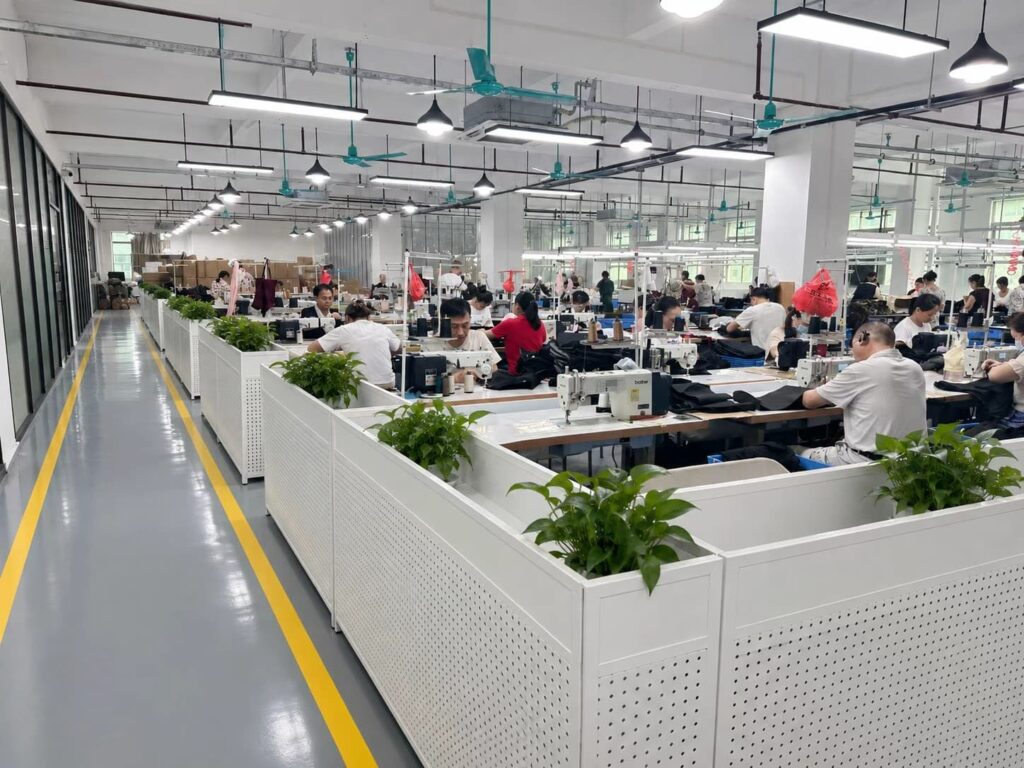
Bulk Readiness Connects the Approved Sample to the Production Line
Jingfeng uses a production-readiness review before bulk release for projects requiring structured control.
The review asks:
- Is fit approved?
- Is the visual direction approved?
- Is the PP basis clear?
- Are fabric and lining locked?
- Are support components confirmed?
- Are measurements and tolerances ready?
- Are workmanship points documented?
- Are packing and labeling requirements clear?
- Does the planned production route match product complexity?
A bandeau dress with a structured satin bodice, for example, needs different line preparation from a stretch pull-on mini. High-risk workmanship may require a first-piece or pilot-stage confirmation before full release.
Jingfeng’s standard production windows are generally referenced by complexity: 15–20 days for simpler styles, 20–30 days for regular styles and 30–45 days for complex styles, with final planning dependent on materials, quantity, approvals and production requirements.
The goal is not to move from sample to bulk faster at any cost. The goal is to transfer the approved standard without losing the fit and support decisions established during development.
Workmanship and QC Protect the Bandeau Standard in Bulk
Bandeau quality is decided long before final inspection. Upper-edge sewing, support placement, lining, zipper work, pressing, first-piece verification and in-line checks all influence whether bulk garments behave like the approved sample.
Construction Details With Direct Impact on Fit
Several workmanship points affect the finished fit even when the pattern is correct.
Upper-edge stitching:
Uneven feed or excessive tension can stretch or shrink the neckline. The finished edge should be compared with the approved measurement rather than judged only by appearance.
Elastic attachment:
Elastic needs controlled length and distribution. Inconsistent operator tension can create different neckline pressure between garments.
Boning channels:
Channels should hold boning at the intended position without twisting or creating visible ridges. Top and bottom ends need secure finishing and wearer comfort.
Cup attachment:
Cup placement must remain consistent against defined pattern points. Small shifts can change bust shape and upper-edge fit.
Lining:
Lining should lie smoothly without pulling against the outer shell. Excess or insufficient lining ease can create visible distortion.
Zipper area:
A zipper inserted under uneven tension can change back circumference and neckline level.
Seam pressing:
Structured or satin bodices require controlled pressing so internal support is not imprinted onto the outer surface.
Workmanship instructions therefore need to carry the fit decisions made during sampling.


First-Piece and In-Line Control Catch Variation Before Full Volume
High-risk styles benefit from early production verification.
A first-piece review can check:
- Finished neckline circumference
- Bust and waist measurements
- Cup position
- Boning position
- Elastic placement
- Zipper construction
- Side-seam balance
- Lining attachment
- Overall silhouette
When a first piece differs from the PP standard, correction is more efficient before the same issue reaches hundreds or thousands of garments.
In-line inspection continues the same logic during production. Checks can focus on critical measurements and construction points rather than giving equal attention to every garment detail.
For stretch bandeau styles, recovery and upper-edge dimensions deserve close attention. For satin styles, seam puckering, pressing, surface marks and zipper distortion become more sensitive. For embellished styles, edge comfort, weight distribution and decoration attachment require additional review.
Quality control should follow product risk, not a generic checklist used for every dress category.
Final Inspection Confirms Product, Size and Packing Status
Final inspection verifies whether production remains within the approved standard before shipment.
Bandeau-specific review can include:
- Neckline appearance and measurement
- Bust and waist measurements
- Support component placement
- Size labeling
- Side-seam alignment
- Zipper operation
- Lining coverage
- Surface quality
- Pressing
- Quantity and assortment
- Hangtags and labels
- Packing method
- Carton marking
A finished garment can pass general appearance checks and still create a wear problem if support points are outside tolerance. Critical fit dimensions therefore need to remain visible in the QC plan.
For reorder programs, pattern, BOM, support specifications, PP references and quality records can be retained and reviewed against the next production run, creating a stronger basis for repeatability.
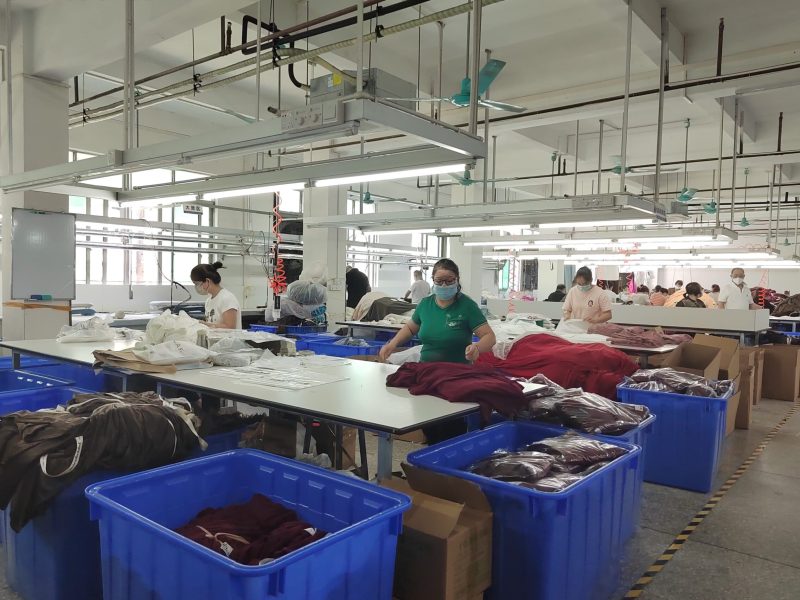
An 18-Style Bandeau Program From Development to Bulk
An anonymized US occasionwear program shows how a bandeau-led collection can move through style development, fit correction and production control without treating every style as an unrelated project.
Program Scope and Development Challenge
The program covered 18 bandeau-led styles, 42,600 total pieces, 6 commercial sizes, 5 color directions and several material routes spanning stretch jersey, satin, mesh and embellished occasion fabrics.
The collection was not built around one repeated block. Styles included fitted minis, structured minis, satin midi silhouettes, ruched mesh options and longer occasion shapes.
Three risks had to be managed across the range.
Support varied by material:
Stretch styles could use recovery and controlled elastic, while woven satin styles required a more structured internal route. Applying one support method across the full program would have produced inconsistent fit.
Visual consistency mattered:
Different necklines still needed to feel like one collection. Upper-edge height, bust proportion, waist placement and body contour had to stay aligned with the intended brand silhouette.
Six-size grading increased risk:
A stable base-size sample did not guarantee consistent neckline security through the complete size run.
Development therefore began by grouping the 18 styles according to structural behavior rather than only by outer design.
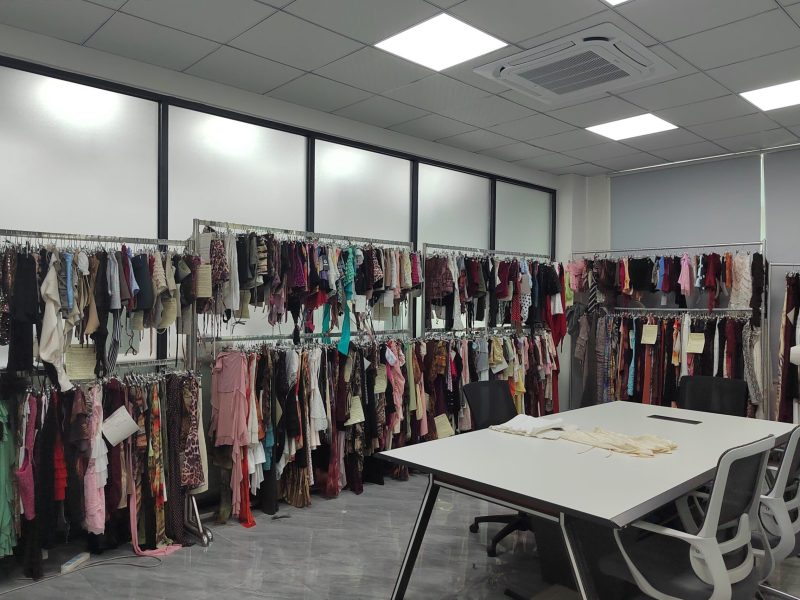
Sample Review and Structural Adjustments
The program used 3 main sample decision levels before production release: first development sample, fit/revision stage and PP approval.
Early review separated the styles into several support routes.
Stretch fitted styles focused on:
- Fabric recovery
- Upper-edge circumference
- Elastic tension
- Double-layer behavior
- Bust-to-waist contour
Structured satin styles focused on:
- Cup position
- Boning
- Lining stability
- Waist anchoring
- Back zipper tension
- Surface finish
Mesh and embellished styles required an additional review of layer compatibility and weight.
Fit comments were recorded by cause. Several revisions involved upper-edge shaping rather than simply tightening the neckline. Other changes involved cup position, back tension, torso length and lining construction.
The six-size range was reviewed around critical support zones instead of being graded as a simple proportional enlargement. Neckline, bust relationship, support placement and garment length received separate attention.
By the PP stage, each structural route had its own material and workmanship basis.

Bulk Transfer and Collection Consistency
Before bulk release, the program locked main fabric, lining, elastic or support components, measurements, grading, workmanship and packing requirements by style group.
First-piece checks focused on the points most likely to change the wear result:
- Finished neckline measurement
- Bust and waist relationship
- Elastic or support position
- Cup and boning placement where used
- Side-seam alignment
- Zipper construction
- Surface and pressing finish
The 42,600-piece program then moved into production with the approved PP references and style-specific quality checkpoints.
Collection consistency did not mean making all 18 dresses structurally identical. It meant preserving the intended brand fit and visual language while allowing each material and silhouette to use the support system it required.
For confidentiality, brand identity, labels and unreleased design details are not displayed. Project information is presented by product structure, development challenge and manufacturing solution.

Why Jingfeng Fits Brand-Level Bandeau Development Programs
Dress-Led Development Background
Jjingfeng’s manufacturing background is built around nearly 30 years of fast-fashion womenswear and dress development experience, with continued exposure to fashion dresses, occasionwear, partywear, fitted silhouettes and technically sensitive constructions.
The development approach connects:
- Fabric behavior
- Pattern and fit
- Sample review
- Structural details
- Production feasibility
- PP standards
- Bulk execution
Bandeau work therefore sits inside a wider fitted-dress knowledge base that also covers corset, halter, backless, satin, mesh and embellished structures.
A dress-focused development system matters because upper-body shaping, stretch, lining, support and visual proportion are recurring technical relationships across those categories. Knowledge from structured and fitted products can be applied selectively without turning every bandeau style into the same construction.
Manufacturing Depth After Approval
Jingfeng is supported by 16 self-owned womenswear factories and 20+ long-term satellite factories, forming a manufacturing network for development, bulk production, production balancing and repeat programs.
The wider system includes approximately:
- 300 garment sewing lines
- 50+ flexible rapid-response lines
- Multiple sample trial lines
- Supporting print, embroidery, washing and finishing resources
- Stable manufacturing capacity designed for multi-project scheduling
Core and higher-complexity styles can remain under tighter control, while larger programs and repeat orders can be planned across the wider production network according to style complexity, workmanship and timing.
Scale only becomes valuable after the development standard is clear.
Jingfeng therefore links production planning to approved samples, materials, specifications and quality checkpoints rather than treating capacity as a substitute for product control.
Compliance and Project Discipline
Established fashion organizations normally require more than sample capability.
Vendor qualification can involve social responsibility, quality procedures, testing requirements, documentation, third-party inspection and controlled handling of brand information.
Jingfeng’s manufacturing system has completed SMETA audit and SMETA 2-Pillar audit. Project teams can also coordinate around relevant brand-specific testing, inspection and quality requirements where applicable.
Development information such as tech packs, BOM details, samples, patterns and unreleased product references is treated as commercial project material. Anonymous evidence can be used to demonstrate capability without displaying brand labels or unreleased designs.
The goal is a supplier relationship capable of moving from development review into repeatable production without losing fit, product detail or project discipline as volume grows.
Bandeau Dress Development Frequently Asked Questions
Bandeau usually describes a clean strapless neckline wrapping across the upper body, while strapless is the wider construction category. Development requirements overlap heavily: upper-edge stability, bust shaping, internal support, back tension, fabric behavior and movement security. A soft stretch bandeau may need little visible structure; a structured strapless occasion style may require cups, boning, lining and waist anchoring.
Downward movement can come from weak fabric recovery, incorrect upper-edge circumference, insufficient torso shaping, poor back tension or inadequate internal anchoring. Adding stronger elastic may not solve the underlying issue. Fit review should identify where the garment is meant to carry its load before selecting grip, elastic, boning, cups or waist support.
No. Boning is useful when vertical structure, shape retention or bodice support is required. Compact stretch styles can often rely more on fabric recovery, negative ease and elastic. Structured woven satin, corset-inspired or heavier occasion dresses may need boning. Position, length and stiffness should match the fabric and intended silhouette.
Common routes include compact jersey, ponte, stretch satin, woven satin, crepe, mesh with lining and embellished fabrics. Selection depends on the desired body shape, support level, opacity, stretch recovery and surface appearance. A fabric suitable for a soft fitted mini may not be appropriate for a structured occasion bodice without changes to pattern and internal construction.
Yes, when the reference provides enough visual direction to begin review. Duolan can interpret silhouette, length, neckline, bust shape and visible construction, then identify information still requiring confirmation, such as fabric composition, stretch, lining, support, measurements, base size and quantity. Sampling begins after the development basis is sufficiently clear.
Comments are separated into fit, measurement, fabric, construction and visual issues. A gaping neckline, for example, may require pattern correction rather than stronger elastic. Changes are recorded by version so pattern, measurements, materials and support specifications remain aligned. Revised samples are used where another physical review is required.
Grading considers neckline circumference, bust relationship, cup position, torso length, support placement, waist and garment length rather than mechanically enlarging the base sample. Structured styles may require size-specific changes to cups, boning or support geometry. The graded range is connected to specification points and production tolerances before bulk.
Main fabric, lining, color, pattern, size range, measurements, support components, elastic, cups or boning where used, closure, workmanship and packing requirements should be defined around an approved PP basis. High-risk styles may also go through first-piece verification before the full production run is released.
Production timing depends on material readiness, quantity, construction and approval status. Duolan’s general manufacturing reference is 15–20 days for simpler styles, 20–30 days for regular styles and 30–45 days for complex styles. Structured bodices, special materials, embellishment or late approval changes can extend the required production window.
Yes. Confirmed patterns, BOM records, material references, grading, workmanship instructions, PP standards and QC checkpoints can form the basis for later production. Before a reorder, material availability, color, component substitutions, size assortment and packaging changes are reviewed so a repeat order does not simply assume every original input remains unchanged.

Send Your Bandeau Dress Project for Development Review
Share the material your team already has, whether the project begins from a detailed tech pack, an original garment, a reference image or an existing sample requiring fit correction. Jingfeng will review the product direction before recommending the next development or production stage.
Useful project information includes:
- Reference or tech pack — design image, technical file, original sample photos or existing comments
- Fabric direction — stretch, satin, crepe, mesh, embellished fabric or an existing swatch
- Fit information — base size, size chart, target market or previous fit notes
- Structure — cups, boning, lining, elastic, grip or preferred closure if already defined
- Commercial plan — expected quantity, colorways, size range and target launch date
Clearer inputs allow the team to review fit risk, support construction, material suitability, sampling route and production readiness more accurately. Partial information is still enough to begin an initial development review when the main product direction is clear.