 Skip to content
Balloon Dress Development
Develop balloon and bubble silhouettes from design references into production-ready dresses with controlled volume, balanced proportions and repeatable construction.
Jinfeng Apparel supports global fashion brands and established womenswear companies through structure review, fabric direction, pattern development, sample revision, PP approval, bulk production and quality control.
- 2 sample roomssupporting parallel dress development
- 7+ senior pattern makersfor fit and structure development
- 20+ sample machinistssupporting complex womenswear sampling
- Development from reference image, tech pack, sketch or original sample
- MOQ starts from 200 pcs per style/color
- Balloon silhouette reviewed from pattern to approved bulk standard
Development Capacity Behind Every Balloon Dress
2 Sample Rooms
7+ Senior Pattern Makers
20+ Sample Machinists
15+ QC Inspectors
6 Owned Fashion Factories
100,000+ Pcs Regular Monthly Capacity
What Makes Balloon Dress Development Different?
Volume Has a Position
Outer and Inner Layers Interact
Fabric Controls Shape
Gathering Must Be Engineered
Bodice Proportion Matters
Commercial Production Matters
Built for Established Womenswear Development Teams
Product Development
Sourcing Teams
Balloon Dress Silhouettes We Can Develop

Balloon Mini Dress

Bubble Hem Mini

Strapless Balloon Dress

Drop-Waist Balloon Dress

Fitted-Bodice Balloon Dress

Balloon Midi Dress

Gathered Balloon Dress

Occasion Balloon Dress
Where Balloon Dress Development Commonly Goes Wrong
The most expensive problems are often visible only after the first physical sample. Early structure review helps identify whether the problem comes from pattern geometry, fabric behavior, inner construction or sewing execution.
Balloon Looks Too Flat
Waist Becomes Too Bulky
Volume Drops Too Low
Hem Becomes Uneven
Lining Becomes Visible
Bulk Loses Sample Shape
Fabric Selection for Controlled Balloon Volume
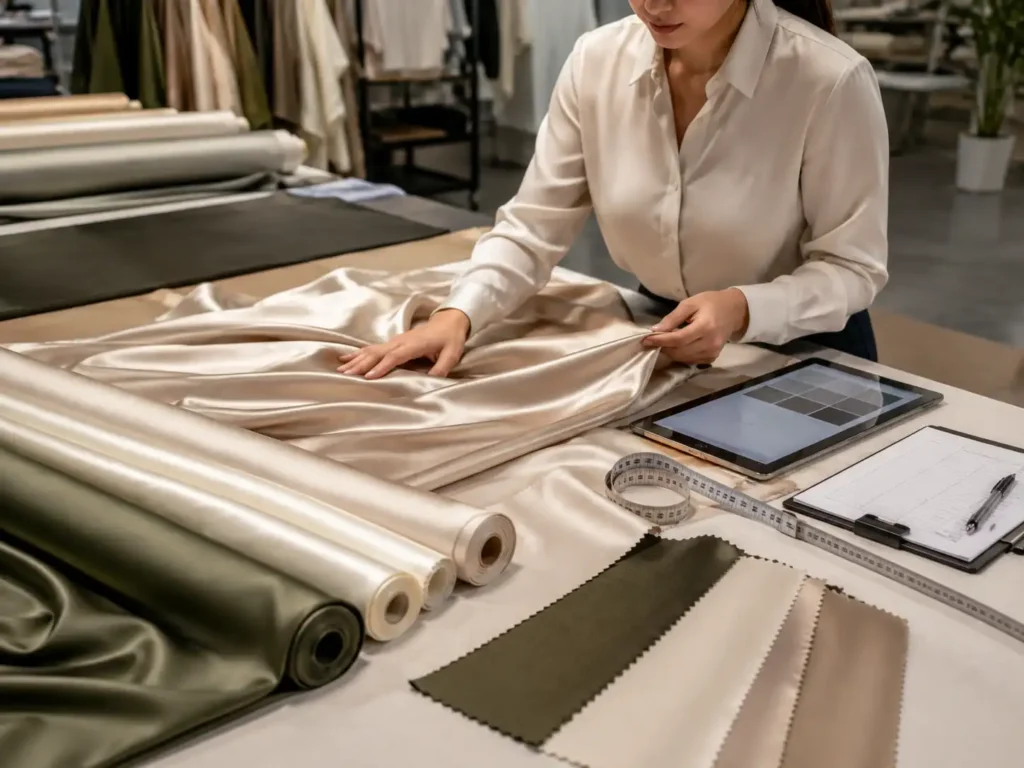
Fabric should be selected according to the intended silhouette rather than appearance alone. Weight, body, drape, surface, transparency and recovery influence how strongly the skirt curves inward and whether the approved volume remains stable during wear.
| Fabric Direction | Balloon Behavior | Development Focus | Typical Risk |
|---|---|---|---|
| Cotton Poplin | Clean, casual rounded volume | Weight, crispness, gathering ratio | Too soft can collapse; too heavy can thicken waist |
| Crisp Woven | Stronger sculptural shape | Body, seam bulk, hem turning | Excess stiffness can look rigid |
| Taffeta | High-volume occasion silhouette | Handfeel, shine, noise, pressing | Creasing and seam impression |
| Satin | Softer luxury balloon effect | Drape, lining, seam handling | Weight may pull volume downward |
| Organza Layering | Added internal lift | Layer count, transparency, seam control | Excess bulk or scratchy internal finish |
| Lightweight Woven | Airy bubble shape | Pattern volume, inner support | Insufficient body may flatten |
| Textured Woven | Strong visual surface | Thickness, gathering and pressing | Uneven seam bulk |
| Fabric Combination | Engineered support with softer shell | Compatibility between layers | Different shrinkage or movement |
Pattern Engineering Behind Balloon Silhouettes
Pattern development converts visual volume into repeatable garment geometry. Balloon dresses require control of circumference, vertical length, seam position and the relationship between the outer skirt and inner structure. A pattern should produce the shape without depending on manual styling to hide construction problems.
Outer Skirt Geometry
The outer skirt determines how much fabric is available to form the visible volume. Development considers:
- Waist or dropped-waist circumference
- Panel shape and flare
- Outer skirt length
- Hem circumference
- Grain direction
- Front-to-back balance
- Side-seam position
- Location of maximum fullness
Increasing width alone can create heavy gathers instead of a rounded balloon. Increasing length alone may push the bubble too low. Both dimensions need to support the target silhouette.
Inner Layer Relationship
The inner layer can act as both lining and a geometric anchor for the turned outer skirt.
Its relationship to the shell affects:
- Height of the bubble
- Amount of inward roll
- Hem position
- Movement
- Lining visibility
- Overall dress length
A shorter inner layer can pull more shell fabric inward, but excessive difference may create distortion or uncomfortable tension.
Gathering Distribution
Gathering should not be treated as one total number distributed randomly around the skirt.
Development can control fullness by section:
- Center front
- Front side
- Side seam
- Back side
- Center back
A design may require cleaner side seams with more fullness placed through front and back sections, or a deliberately even circular shape.
Pattern-to-Bodice Connection
The skirt cannot be engineered in isolation.
A fitted waist, princess-seam bodice, corset-inspired upper body, dropped waist or elasticated section changes the circumference available for the skirt attachment.
Production Pattern Standard
After sample approval, pattern information should support:
- Defined seam allowances
- Notches
- Grain lines
- Gathering marks
- Layer identification
- Matching points
- Measurement references
- Grading
- Cutting consistency
Jinfeng Apparel uses pattern development as the production foundation rather than treating it as an informal sample-room adjustment.
Construction Details That Hold the Bubble Shape
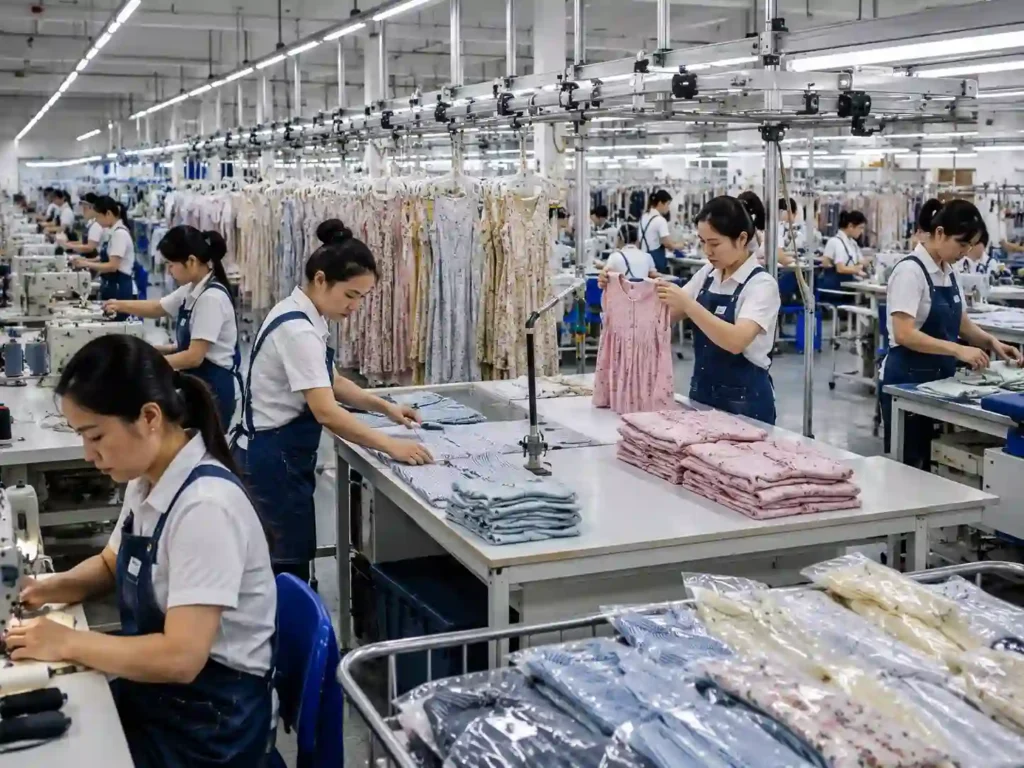
Workmanship determines whether pattern intent survives sewing. Balloon construction often brings several layers, concentrated fullness and a turned hem into limited seam areas, so sewing sequence and internal finishing deserve the same attention as the visible silhouette.
Outer-to-Inner Attachment
The lower shell and inner layer need controlled matching. Joining points should prevent twisting while allowing the correct amount of outer fabric to roll inward.
Key review points include:
- Matching notches
- Gather placement
- Seam allowance consistency
- Left-right balance
- Inner seam finish
- Hem roll direction
- Tension around the join
Waist Seam Management
A full skirt can place substantial fabric volume at the waist.
Seam buildup becomes more difficult when the design also includes lining, zipper tape, bodice layers or support construction.
Development may adjust panel distribution, gathering ratio or seam treatment to keep the waist visually clean.
Lining Construction
Lining should support comfort and shape without hanging below the bubble.
Length, ease and attachment method need enough freedom for movement while still anchoring the shell in the intended position.
Zipper and Opening Area
A zipper inserted through a bulky waist seam may wave, bulge or become difficult to close. Seam thickness and skirt fullness near center back or side-seam openings should be considered during pattern development rather than corrected only during final pressing.
Optional Internal Support
Some sculptural designs benefit from organza, mesh or other internal support. Support should be added only when the desired effect requires it. Excess internal structure can make the dress heavy, stiff or difficult to pack.
Pressing and Shape Recovery
Pressing should refine seams without crushing the volume. Excessive pressure or temperature can flatten a rounded skirt, while inadequate pressing leaves seam ridges and uneven joining areas.
From Design Reference to Production Pattern
Tech Pack
Reference Images
Original Sample
Sketches
Line Sheets
Before Pattern Cutting
- Confirm target silhouette
- Confirm development size
- Review key measurements
- Review material direction
- Identify internal construction
- Confirm closure and trims
- Record open technical questions
A Controlled Balloon Dress Development Workflow

Design Review
Fabric Direction

Pattern Development

First Sample

Fit and Shape Review

Sample Revision

PP Approval

Bulk and QC
First Sample Review Goes Beyond Measurements
A balloon dress first sample answers a larger question than whether bust and waist measurements are within tolerance. The sample must prove that fabric, pattern and internal construction create the intended three-dimensional proportion on the body.
Silhouette Review
The team evaluates where the skirt begins to expand, where maximum volume sits and how the hem turns back toward the body. A bubble that appears correct from the front may still be flat at the side or overloaded at the back.
Review points may include:
- Bubble height
- Maximum volume position
- Front projection
- Side projection
- Back fullness
- Hem roundness
- Left-right balance
- Skirt-to-bodice proportion
Fit Review
Upper-body fit remains commercially important even when the skirt is the main visual feature.
Measurements and fit checks can include:
- Bust
- Waist
- Hip where relevant
- Shoulder or strap position
- Neckline depth
- Armhole
- Bodice length
- Waist seam position
- Finished dress length
Construction Review
A good outside appearance should not hide internal problems.
Sample inspection also looks at:
- Lining exposure
- Uneven inner tension
- Bulky seam intersections
- Zipper behavior
- Gather distribution
- Hem attachment
- Seam twisting
- Comfort against skin

Fit Control Around a Sculptural Skirt
Bust and Neckline
Waist Position
Armhole and Strap
Side Balance
Dress Length
Wearability
Grading Balloon Dresses Without Losing Proportion
Cross-size development deserves separate attention because balloon volume cannot always be enlarged at the same percentage as ordinary garment measurements. A successful base-size sample still needs a grading strategy that protects shape across the brand’s size range.
Grade the Body and Volume Separately
Bust, waist and other body-related measurements follow the approved brand size chart.
Balloon circumference, gathering and outer-to-inner relationships may need separate review because excessive proportional growth can make larger sizes dramatically fuller than the original design.
Protect the Visual Ratio
Important ratios can include:
- Bodice length versus skirt depth
- Waist circumference versus skirt fullness
- Outer skirt length versus inner layer
- Hem circumference versus finished garment length
- Gathering amount by panel
- Bubble position relative to body landmarks
Key POM Control
A balloon dress size specification can include standard fit measurements plus style-specific measurements.
- Bust
- Waist
- Hip where applicable
- Bodice length
- Shoulder or strap length
- Outer skirt length
- Inner skirt length
- Finished dress length
- Hem or skirt circumference reference
- Waist seam position
Size-Set Review
Where the style or order requires it, reviewing more than the development size can reveal grading problems before broad production begins.
Typical issues include:
Smaller sizes: insufficient visible volume after reducing circumference.
Larger sizes: excessive fullness, heavy waist gathering or disproportionate skirt depth.
Pattern grading should therefore preserve the approved silhouette while respecting brand fit standards.
PP Sample and Golden Sample Lock the Standard

PP Sample Approval
- Main fabric
- Lining
- Color
- Trims
- Measurements
- Pattern revision
- Gathering position
- Sewing method
- Internal construction
- Label placement
- Hangtags
- Packing instructions

Golden Sample Reference
A sealed physical reference helps production, QC and repeat-order teams judge the same approved garment standard.
A Golden Sample can preserve:
- Approved silhouette
- Construction
- Material reference
- Measurement standard
- Trim placement
- Label position
- Finishing
- Packing presentation
Future repeat production still requires material and project confirmation when fabric batch, color, supplier or construction changes.
Bulk Production Controls Balloon Shape at Scale
The commercial challenge begins after the sample looks correct. Bulk production introduces fabric batches, cutting lays, multiple sewing operators, pressing teams and thousands of repeated construction actions. Shape consistency needs defined controls at each stage.
Incoming Material Control
Fabric appearance alone is not enough. Changes in handfeel, body, stretch, shrinkage or finish can affect balloon performance.
- Fabric identity
- Color
- Width
- Surface condition
- Handfeel
- Relevant material characteristics
- Lining compatibility
- Approved reference comparison
A noticeably softer bulk fabric can reduce skirt volume even when every pattern piece remains unchanged.
Cutting Control
Balloon patterns may contain wide or shaped panels where grain and matching points influence balance.
Cutting controls can focus on:
- Correct pattern version
- Grain direction
- Bundle identification
- Panel matching
- Notches
- Size identification
- Fabric defect avoidance
Mixing pattern revisions between bundles creates major bulk inconsistency.
Sewing Control
Sewing inspection should check construction details that directly influence shape.
Key points can include:
- Gathering amount
- Gather distribution
- Side-seam balance
- Waist-seam thickness
- Outer/inner joining
- Zipper installation
- Lining attachment
- Hem symmetry
In-Line Shape Review
Waiting until final inspection is inefficient for a volume-sensitive dress.
In-line review can identify repeated shape problems while corrective action is still possible.
Final Garment Inspection
Finished garments can be compared against approved measurements and the sealed visual reference.
Balloon-specific checks may include:
- Front/side/back silhouette
- Hem level
- Left-right volume
- Lining exposure
- Seam twisting
- Pressing
- Garment length
- Size identification

Cost and Feasibility Before Sampling Begins
Balloon dress quotations depend on more than the shell fabric price. Pattern work, fabric consumption, internal construction and sewing time can change materially between silhouettes that look similar in a line sheet.
| Cost Factor | What Changes the Cost | Development Consideration |
|---|---|---|
| Shell Fabric | Width, price, consumption, volume | Wider balloon shapes can increase consumption |
| Lining | Length and construction | Inner layer may also control silhouette |
| Support Layers | Organza, mesh or structure | Used only when required by design |
| Pattern Complexity | Panels, drop waist, shaped hem | More development and checking |
| Gathering | Amount and distribution | Higher fullness adds handling time |
| Sewing | Layer count and seam intersections | Complex joins increase labor |
| Trims | Zippers, hooks, decorative parts | Must suit seam thickness |
| Size Range | Grading and size-set needs | Sculptural proportion needs review |
| Private Label | Labels, hangtags, barcode | Packaging suppliers may have separate MOQ |
| Packing | Garment volume and fabric sensitivity | Packing method affects carton efficiency |
Multi-Style Balloon Collections Need Project Control
A mature collection rarely consists of one isolated sample. Different necklines, fabrics, colors, skirt proportions and delivery priorities can create dozens of development decisions across a single program. Jinfeng Apparel supports project management through requirement confirmation, fabric and trim tracking, sample progress, revision records, bulk updates, QC feedback, packing confirmation and shipment coordination.
Style Grouping
Fabric Grouping
Sample Priority
Revision Records
PP Tracking
Production Allocation
Different constructions can be assigned according to factory capability, schedule and workmanship requirements while maintaining unified technical and QC standards.
Private Label, Packing and Export Delivery
Brand Labels
Hangtags
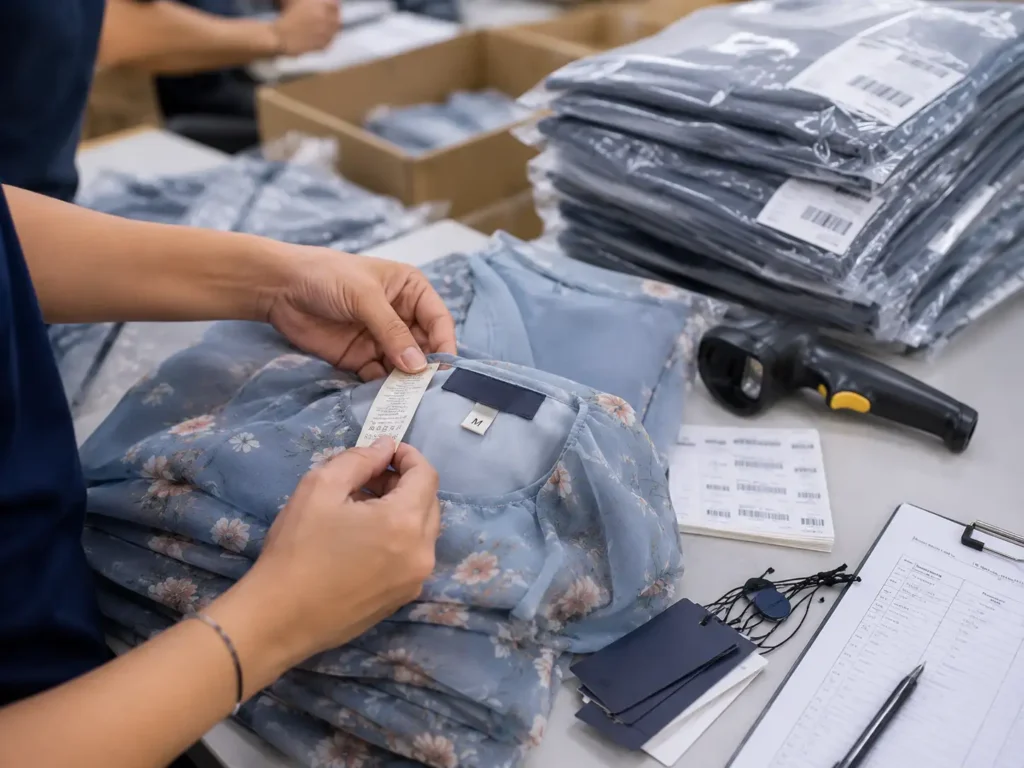
Barcode and SKU

Polybag Packing
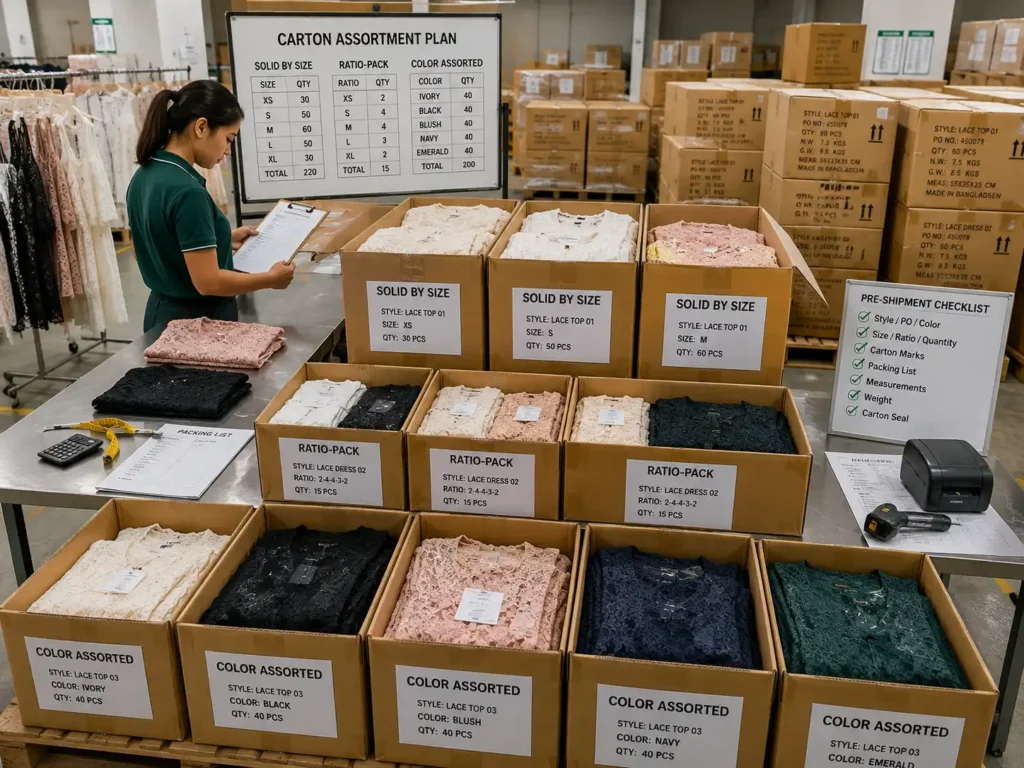
Carton Marks

Export Coordination
Jinfeng Apparel supports express, air and sea shipment arrangements, including cooperation with client-appointed forwarders.
Repeat Balloon Styles Without Starting Over
Pattern Records
Measurement Records
Fabric References
Construction Records
Golden Sample Records
New Fabric Review
Balloon Dress Frequently Asked Questions
Both terms are commonly used for dresses with rounded skirt volume and a hem that turns inward. Specific design interpretation varies. Development should therefore rely on reference images, measurements and intended silhouette rather than terminology alone.
Yes. Jinfeng Apparel can develop womenswear from reference photos, tech packs, sketches, line sheets or original samples. Reference-image projects still require confirmation of measurements, fabric direction, internal construction and other details that are not visible in photographs.
Suitable fabric depends on the intended volume. Cotton poplin and crisp woven qualities can support clean casual shapes; taffeta and structured materials can create stronger volume; satin can produce a softer occasion effect. Fabric body and drape should be evaluated during sampling.
Not every design uses the same construction, but many balloon styles use an inner layer or lining to help control the turned hem and provide coverage. The final construction depends on silhouette, fabric and comfort requirements.
The pattern must provide the correct combination of width, outer length, inner-layer relationship and gathering. Fabric also needs enough body for the intended shape. Simply adding more gathers may increase waist bulk without creating the correct volume.
Yes, with controlled grading and size review. Body measurements and skirt-volume measurements should not always be increased using exactly the same proportions. Gathering, skirt circumference and inner/outer relationships may require separate grading decisions.
The number depends on design complexity, material readiness and the accuracy of the first development information. Complex silhouettes may require first sample, fit or revised samples and PP approval before bulk production. Jinfeng Apparel does not apply one fixed sample count to every design.
Timing depends on fabric availability, trims, pattern complexity, construction and the number of revisions. A development schedule is reviewed after the technical files and material direction are evaluated rather than promising one universal lead time.
Jinfeng Apparel’s MOQ starts from 200 pcs per style/color. Certain fabrics, custom colors, trims or special packaging may have separate supplier minimums.
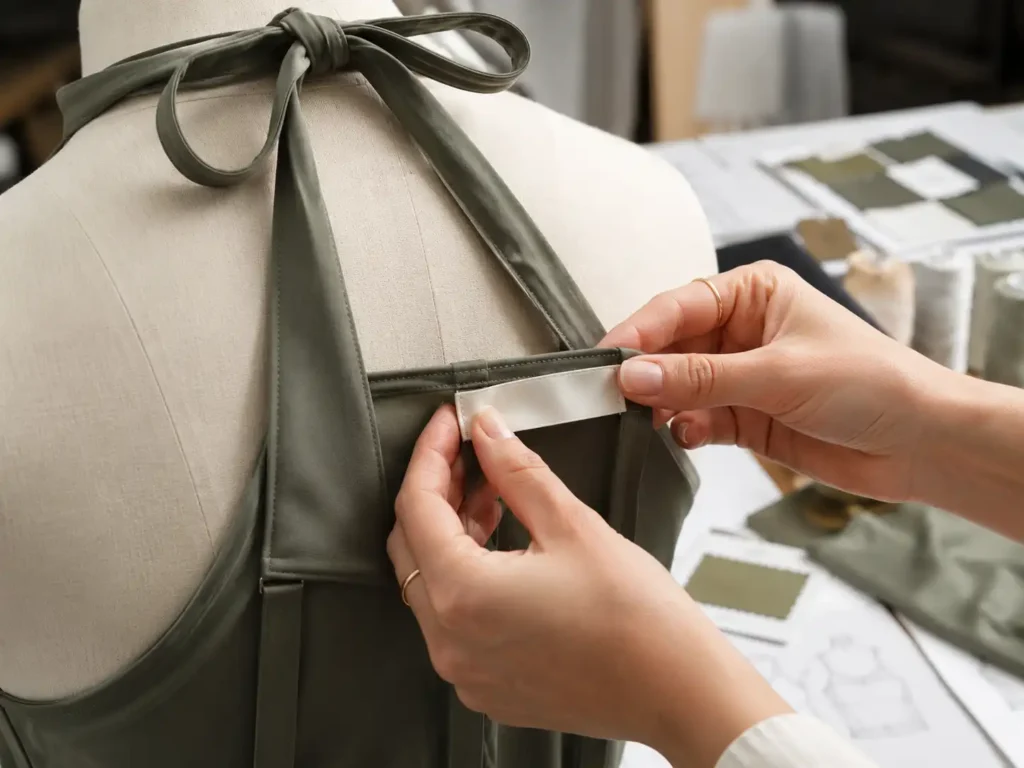
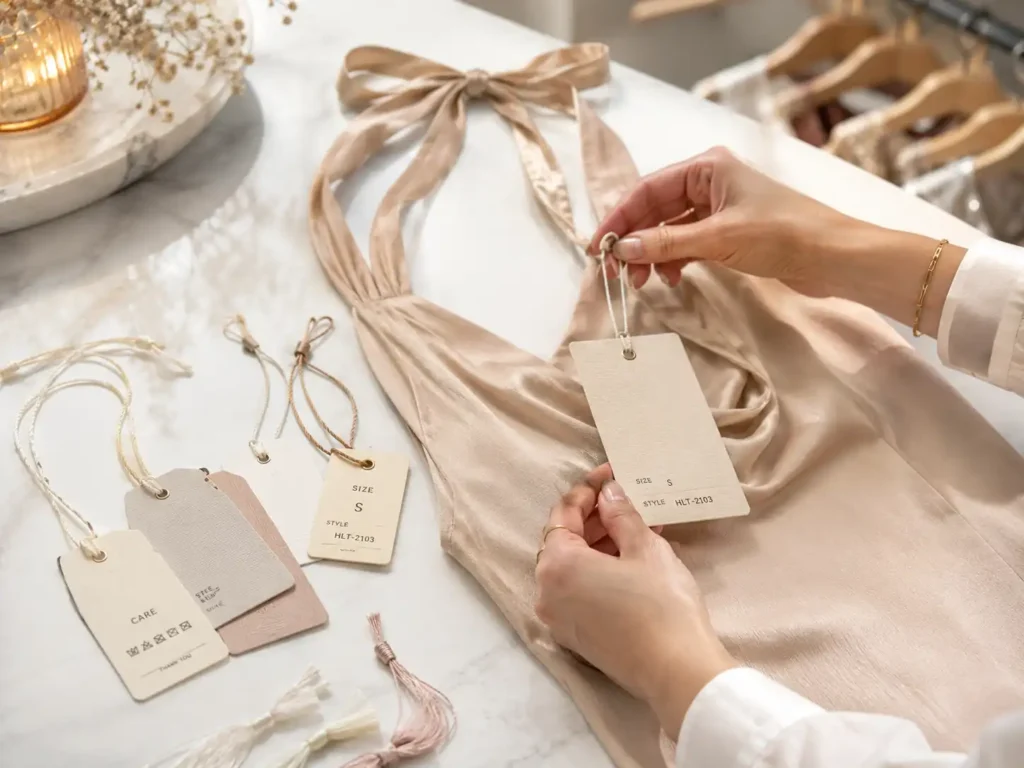
Yes. Private-label support can include woven labels, size labels, care labels, hangtags, barcode stickers, SKU labels, polybags, carton marks and other project-based packing requirements.

Start Your Balloon Dress Development Program
A useful first review begins with enough information to understand the silhouette, material direction, size requirements and commercial plan.
Jinfeng Apparel can evaluate development files before pattern and sample work begins, helping identify open construction questions, fabric risks and information needed for a more accurate quotation.
For an established fashion program, send the information already available rather than simplifying the project into a general price request.
Recommended project information:
- Balloon or bubble dress reference images
- Tech pack, sketch or line sheet
- Development size
- Brand size chart or intended size range
- Preferred shell fabric
- Lining or support direction
- Color plan
- Quantity by style/color
- Private-label requirements
- Packaging requirements
- Target launch or delivery window
- Shipping destination
- Original sample details, if available


