 Skip to content
Backless Jumpsuit Manufacturer for Premium Clubwear Brands
Structured development for open-back, cut-out and body-contouring jumpsuits built for high-impact clubwear collections.
- Complex first samples are typically planned for 15-25 days after fabric and trim direction is confirmed.
- 7+ senior pattern makers focus on torso length, rise, waist placement, bust coverage and movement balance.
- 20+ sample machinists support first samples, fit revisions, photo-ready samples, PP samples and Golden Samples.
- MOQ starts from 200 pieces per style/color, subject to material, color, trim and construction requirements.
Built for Premium Clubwear Product Programs
Premium Clubwear Brands
Ecommerce Fashion Teams
Sourcing and Development Teams
Where Backless Jumpsuits Commonly Fail

Back Edge Gaping

Bust Instability

Torso Length Errors

Movement Failure
Backless Jumpsuit Styles We Develop

Halter Backless Jumpsuit

Strappy Open-Back Jumpsuit

Cut-Out Bodycon Jumpsuit

Ruched Club Jumpsuit
Ruching can shape the waist, hip or center back while adding visual texture under club lighting. The effect depends on controlled gathering ratio, elastic length, stitch security and balanced distribution. Too much gathering creates bulk; too little loses the intended shape. Jinfeng Apparel records ruching start and end points, finished length, elastic specification and stitch method in the production instruction. Inline checks compare gathered sections before assembly so an error does not spread through an entire bulk batch.

Mesh Panel Jumpsuit

Corset-Inspired Jumpsuit

Flared-Leg Jumpsuit
A flared leg adds movement and balances a close-fitting upper body, but the silhouette depends on inseam, knee level, hem width and total body proportion. The flare should begin at the intended point rather than spreading randomly from the thigh. Fabric weight also matters: stretch crepe produces controlled drape, while lighter jersey creates more movement. Sample review includes standing and walking views, hem clearance and side-seam balance. Bulk cutting controls grain direction to prevent legs from twisting after wear or pressing.

Sequin Statement Jumpsuit
Engineering a Secure Backless Structure
Open-back design works when visual exposure, support and movement are solved as one system. Pattern lines, fabric recovery, internal layers and strap placement are developed together, then tested on a fitted sample before production standards are locked.
Back Shape and Edge Control
Back depth begins with the intended visual line, but the final curve must follow the body rather than simply reproduce a flat sketch. Shoulder-blade shape, waist position, side-seam height and upper-hip contour all influence whether the opening lies flat. A deeper back often needs greater control along the edge, yet adding strong elastic everywhere can create puckering or discomfort. Jinfeng Apparel selects the control method according to fabric behavior: clean binding for stable stretch fabric, concealed elastic for recovery, stay tape for selected seams, or shaped lining when the opening needs a smooth premium finish.
The edge is reviewed in three conditions: relaxed standing, forward bending and upper-body rotation. Pattern changes are made when the back lifts, collapses or pulls the front neckline. Lining endpoints are also checked because a short or poorly anchored lining can roll outward. For cut-out styles, opening dimensions and left-right symmetry are recorded so the bulk team can measure the approved shape rather than judge it visually. The goal is a deliberate open back that stays in position without feeling rigid.
Bust Support Without a Full Back
Backless clubwear requires selective support because a conventional full-back lining or bra closure may be impossible. The support plan starts with the intended neckline, cup coverage, fabric stretch and wearer activity. Some designs only need shaped front seams and a double layer. Others may require fixed cups, power-mesh side panels, under-bust elastic, partial boning or a reinforced center front. Adding every support component is not automatically better; excess structure can make the garment heavy, visible or uncomfortable.
Cup shape, thickness and position are confirmed in the sample rather than chosen from a generic specification. Under-bust control should hold the garment without cutting into the body. Side support must prevent outward movement while preserving the planned armhole and back opening. For extended size ranges, support proportions may need separate grading rules rather than simple enlargement. The approved combination is documented through trim references, lining shape, placement measurements and sewing instructions before the PP sample is sealed.
Strap Tension and Anchor Points
Straps connect the visual back design to the garment’s mechanical support. Width, stretch, adjustment range, angle and attachment position determine how load is distributed across the neck, shoulders, bust and back. A strap that is one centimeter too long can lower the neckline or reduce support; a strap that is too short can pull the crotch upward and make the neck uncomfortable. Adjustable hardware can help, but slider size, strap width and skin contact must match the garment’s quality level.
Anchor points are reinforced according to fabric weight and expected tension. The reinforcement must be secure without creating a hard lump or visible distortion. Cross-back straps are checked for correct intersection and symmetry. For narrow straps, color consistency between hardware, strap fabric and main garment affects the premium finish. Sample fitting verifies whether the wearer can move freely while the neckline, back edge and waist remain in position. Bulk QC then checks strap length, adjustment range, attachment security and left-right balance.

Fit Engineering Beyond Bust, Waist and Hip
A jumpsuit cannot be fitted like a dress with trousers added underneath. Torso length, rise, crotch depth, waist placement and movement allowance connect every part of the garment and determine whether the approved look can be worn comfortably.
Torso Length Controls Proportion
Torso length links the shoulder or neckline to the waist and crotch. If the pattern is short, the garment pulls downward at the neckline, raises the natural waist and creates uncomfortable pressure at the crotch. If the torso is long, fabric may fold at the back waist, the bust can sit too low and the silhouette loses tension. Jinfeng Apparel compares body measurements, garment measurements and fit observations rather than relying on one length point.
Backless designs add another variable because strap angle and back depth influence how the upper body hangs. A halter style may need a different shoulder-to-waist balance from a thin-strap style. Fit feedback is converted into specific pattern changes: add length at the upper torso, reshape the waist, redistribute length between front and back, or adjust strap position. Once accepted, the final torso measurement and pattern version become part of the PP standard and grade rule.
Front and Back Rise Need Separate Control
Front rise and back rise do different jobs. The front must provide comfort without excess folds, while the back needs enough length and shape for the seat. Using one simple crotch-depth number often creates pulling lines, a dropped crotch or a waistband that tilts. Stretch fabric may hide the problem in a standing photo but become uncomfortable during sitting and movement.
Sample review checks the crotch curve, inseam junction, seat shaping, waist tilt and horizontal drag lines. The fit team observes whether tension runs from the back waist into the crotch or from the front neckline downward. Corrections can include changing crotch extension, adding back-rise length, adjusting seat angle or redistributing ease.
Bulk measurements then include rise and inseam points, while inline inspection checks seam security in the highest-stress area of the garment.
Waist and Hip Balance Shapes the Look
Clubwear jumpsuits often aim for a defined waist and close hip, but simply reducing measurements creates distortion. The waistline must sit at the planned body level, side seams must remain vertical and the hip needs enough shaped room for movement. A waist that rises at the back or drops at the front signals a torso or rise imbalance rather than a styling detail. Horizontal lines across the hip may indicate insufficient ease, wrong stretch direction or an unsuitable fabric weight.
Jinfeng Apparel reviews waist placement, high hip, full hip and seat shaping together. For ruched or cut-out styles, the design line must stay aligned after fit corrections. Grade rules are checked so the waist and hip relationship remains stable across sizes. Where a collection includes petite, tall or extended-size blocks, separate adjustments may be needed for torso, rise, strap length and inseam rather than only changing overall garment length.
Movement Allowance Is Measured in Use
Movement allowance does not mean adding loose fabric everywhere. The right amount is placed where the body changes shape during sitting, walking, turning and raising the arms. A bodycon jumpsuit can remain visually fitted while using stretch direction, crotch shaping, armhole balance and strategic ease to support movement. Recovery after movement matters as much as initial stretch; weak recovery leaves knees, seat and waist areas bagged out.
Fit testing includes a movement sequence rather than one standing pose. The wearer sits, steps forward, raises both arms, twists and returns to a neutral position. The team checks neckline position, strap tension, back-edge contact, crotch comfort, seam stress and fabric recovery. Findings are recorded in the revision tracker and transferred into final measurements, pattern corrections and QC checkpoints. The approved sample must look strong in a campaign image and remain stable through real wear.
Fabrics Selected for Shape, Recovery and Impact

Compact Stretch Jersey
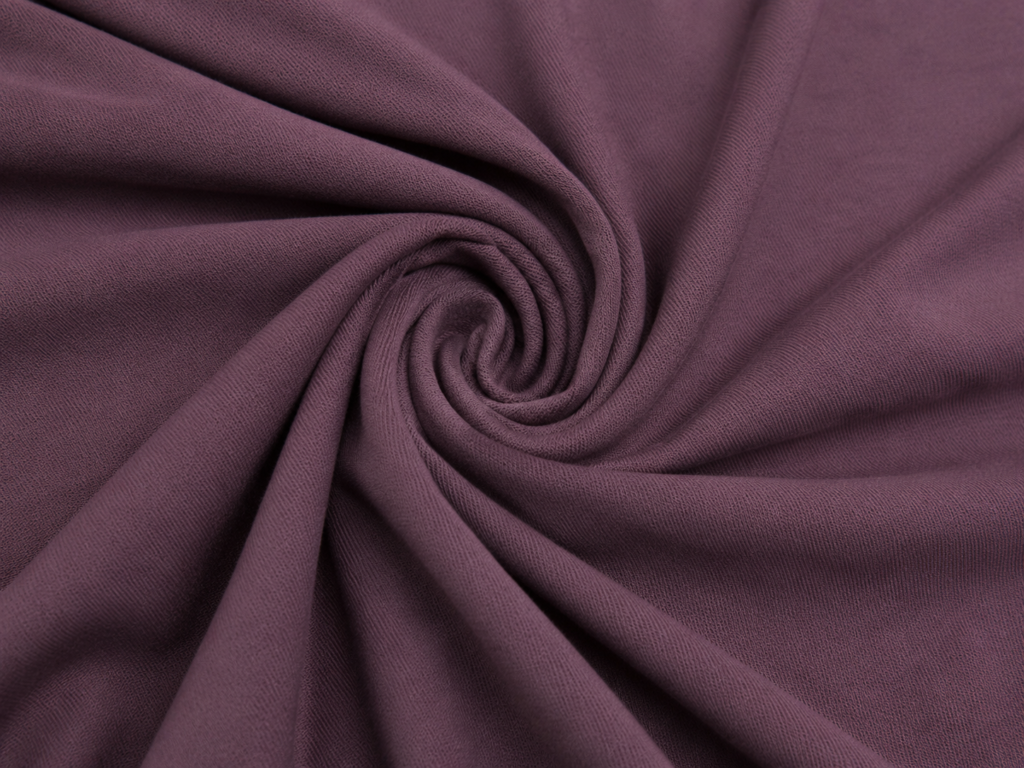
Double-Layer Jersey
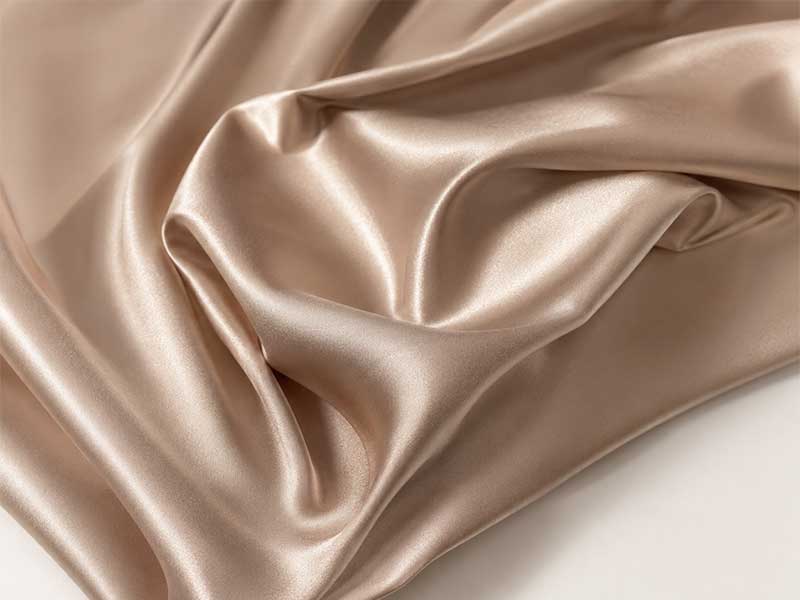
Stretch Satin
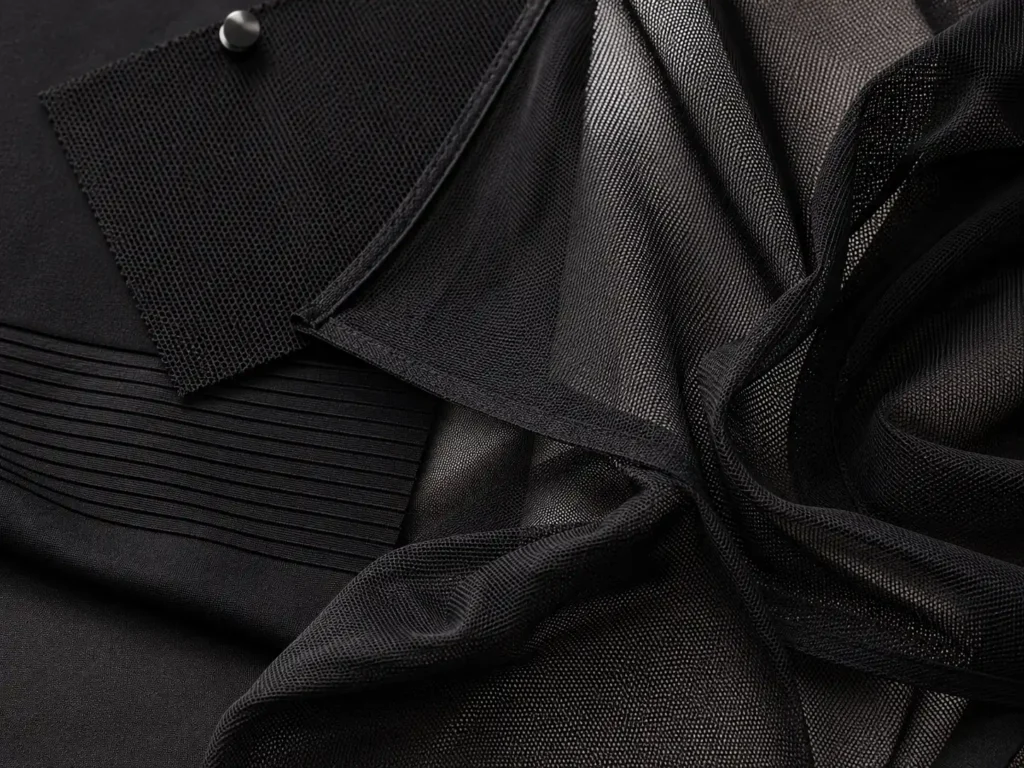
Power Mesh

Stretch Velvet

Sequin and Coated Stretch
Support Components Hidden Inside the Design
Bra Cups
Power Mesh Lining
Elastic and Stay Tape
Strap Sliders
Invisible Zippers
Boning and Support Panels
Workmanship Built for Close-Up Clubwear
Premium clubwear is inspected at camera distance and body distance. Clean internal construction, balanced tension, secure stress points and controlled finishing protect both visual impact and long-wear performance.
Clean Edge Finishing Around Exposure Areas
Back openings, cut-outs, deep necklines and mesh transitions draw attention to every edge. Binding must remain flat, facings must not roll outward and lining must stop at a deliberate position. Stretch edges are tested for wave formation after sewing and recovery after extension. Seam allowance is selected according to fabric thickness and transparency; bulky seams can show through compact jersey, while narrow unprotected seams may fail under tension.
Jinfeng Apparel develops edge methods during sampling rather than leaving the choice to bulk operators. The approved sample identifies whether an opening uses self binding, clean-turn lining, elastic binding, concealed elastic, narrow facing or another controlled method. Stitch length, thread, tension and finished width are documented. Inline inspection compares opening dimensions, symmetry and flatness before major panels are assembled, reducing the risk of discovering distorted cut-outs at final inspection.
Reinforced Stress Points Without Visible Bulk
Strap anchors, zipper ends, crotch junctions, under-bust seams and tight cut-out corners carry concentrated stress. Reinforcement is planned to prevent tearing, skipped stitches or seam separation while keeping the exterior smooth. A large visible bar tack may be secure but unsuitable for a refined clubwear finish. Depending on the area, reinforcement can involve internal tape, back stitching, hidden support patches, seam construction changes or controlled stitch density.
Stress points are reviewed during movement testing and sample inspection. When the fabric stretches more than the thread or lining, the construction must absorb the difference without breaking. Production files mark the exact reinforcement areas so operators do not apply inconsistent methods. Bulk QC includes gentle pull checks at selected points, seam opening review and inspection for needle damage, especially on mesh, satin, velvet and coated fabrics.
Pressing, Finishing and Surface Protection
A garment can be correctly sewn and still look poor if pressing is uncontrolled. Satin shows seam impressions, velvet crushes under pressure, coated fabric may mark, and mesh can distort with excessive heat. Pressing standards are matched to fabric and construction. Operators shape seams without flattening ruching, cups or structured panels. Threads, chalk, adhesive residue and surface dust are removed before final inspection.
Packaging also forms part of workmanship because surface-sensitive clubwear can be damaged after final QC. Sequin styles need protection from abrasion; satin needs controlled folding to reduce hard creases; velvet requires reduced pressure; hardware should not scratch adjacent panels. Folding method, tissue or protective layer, label placement and polybag size are confirmed before bulk packing. The garment should arrive with the same visual confidence approved in the Golden Sample.

Sampling Timelines and Approval Gates
Backless jumpsuits are treated as complex fit products. Development time depends on fabric readiness, support construction, trim availability and the clarity of the initial files. Faster progress comes from complete measurements, focused feedback and early material decisions.
| Development Stage | Planning Range or Gate | Main Output |
|---|---|---|
| Project review | 1-3 working days after complete files are received | Structure risks, fabric direction, MOQ fit and development plan |
| Fabric and trim direction | Usually 3-15 days for standard options; special sequins, hardware or custom materials may take longer | Swatches, trim references, color direction and availability |
| First complex sample | Typically 15-25 days after material direction is confirmed | First fitted garment for structure, movement and measurement review |
| Revised sample | Usually 1-2 rounds for complex backless, mesh, sequin or corset-inspired styles | Updated pattern, corrected fit and revised construction |
| PP sample approval | Starts after fit, fabric, color, trims, labels, cost and bulk plan are locked | Final production reference and confirmed measurement standard |
| Golden Sample | Sealed after PP approval | Production, QC, repeat-order and dispute reference |
| Bulk timetable | Issued after PP approval, material booking, order quantity and packing requirements are confirmed | Production milestones, QC window, packing plan and shipment target |
Start from the Files You Already Have
Tech Pack Development
Reference Image Development
Original Sample Development
From Clubwear Concept to Retail-Ready Delivery
Project Review
Fabric Direction
Pattern Development
First Sample
Fit Revision
PP Approval
Bulk Production
Quality Control
Branded Delivery
Locking the Approved Look Before Bulk
Bulk consistency depends on how accurately sample decisions are transferred into production files. A visually approved garment is not enough; every relevant element must be named, measured and controlled.
PP Sample Locks Commercial Decisions
The PP sample represents the final combination of pattern, measurement, fabric, color, lining, support, trims, labels and packing direction. For a backless jumpsuit, approval includes back depth, strap length, neckline position, torso measurement, rise, crotch comfort, waist placement, leg silhouette and movement performance. Fabric stretch and color are linked to the approved supplier reference and batch plan. Any open issue is closed before production booking.
Once approved, major structural changes are not treated as small comments. Changing fabric, back opening, cup, zipper, size specification or trim after PP can alter consumption, pattern balance, sewing method and lead time. Changes are reviewed for cost and production impact before acceptance. Clear PP discipline protects the launch schedule and prevents operators from receiving mixed instructions.
Golden Sample Connects Development and Production
The Golden Sample is sealed as the physical reference for the production team, QC inspectors, final inspection and future repeat orders. It works together with the final pattern, size chart, BOM, trim card, construction instruction and packing file. Production staff can compare shape, seam position, ruching, back opening, strap arrangement, zipper, lining and surface finish against a real garment rather than interpreting a sketch differently.
For multi-style programs, every style keeps its own sample version and document set. A style code, color code and sample approval status prevent files from being mixed across similar designs. Repeat orders can start faster because the approved pattern, fabric reference, trim details, measurement standard and packing requirements remain archived, subject to material availability and a new bulk review.
Production Handover Converts Feedback into Action
Sample comments only protect bulk quality when they are transferred into working documents. Fit corrections update the final pattern and size chart. Material decisions update the BOM and trim references. Sewing changes update construction instructions. Label and packing approvals update placement and packing files. QC-sensitive points become measurable checkpoints.
A production handover reviews the approved sample, high-risk operations and tolerances before line work begins. For backless jumpsuits, attention may include strap attachment, cut-out edge width, cup position, center-back depth, torso length, rise, crotch seam, zipper flatness and mesh-panel symmetry. Inline inspection focuses on the same points, creating a continuous link between development decisions and bulk execution.

Quality Checks for Backless Clubwear Jumpsuits
Quality control follows the risks of the product rather than one generic checklist. Backless jumpsuits require combined control over materials, stretch direction, torso measurements, support, high-stress seams, exposed edges, surface finish and branded packing.
| Inspection Stage | Key Checks | Typical Risk Controlled |
|---|---|---|
| Fabric inspection | Shade, weight, stretch direction, recovery, opacity, surface defects and batch identity | Color variation, transparency, weak recovery, snagging or surface damage |
| Cutting QC | Grain or stretch direction, panel symmetry, cut-out shape, mesh pairing and size bundle separation | Twisted legs, unequal openings, mixed sizes or inconsistent panels |
| Sewing QC | Strap attachment, binding, cups, boning, zipper, crotch seam, ruching and lining | Broken seams, waves, poor support, zipper bulging or skin irritation |
| Measurement QC | Torso length, back depth, strap length, bust, waist, hip, front rise, back rise and inseam | Waist shift, neckline drop, crotch pulling, fit imbalance or size inconsistency |
| Movement review | Sitting, arm lift, walking, turning, back-edge contact and recovery | Gaping, slipping, exposure, restricted movement or bagging |
| Final finishing | Symmetry, loose threads, pressing, stains, decoration security and surface protection | Uneven appearance, damage, crushed velvet, satin marks or missing sequins |
| Packing QC | Main label, size label, care label, hangtag, barcode, polybag, fold, size ratio and carton mark | Wrong SKU, warehouse receiving errors, surface damage or mixed packing |
Managing Multi-Style Clubwear Collections
Style and Fabric Grouping
Priority and Production Allocation
SKU and Packing Control
Private Label Details Ready for Brand Delivery

Woven Main Labels

Size Labels
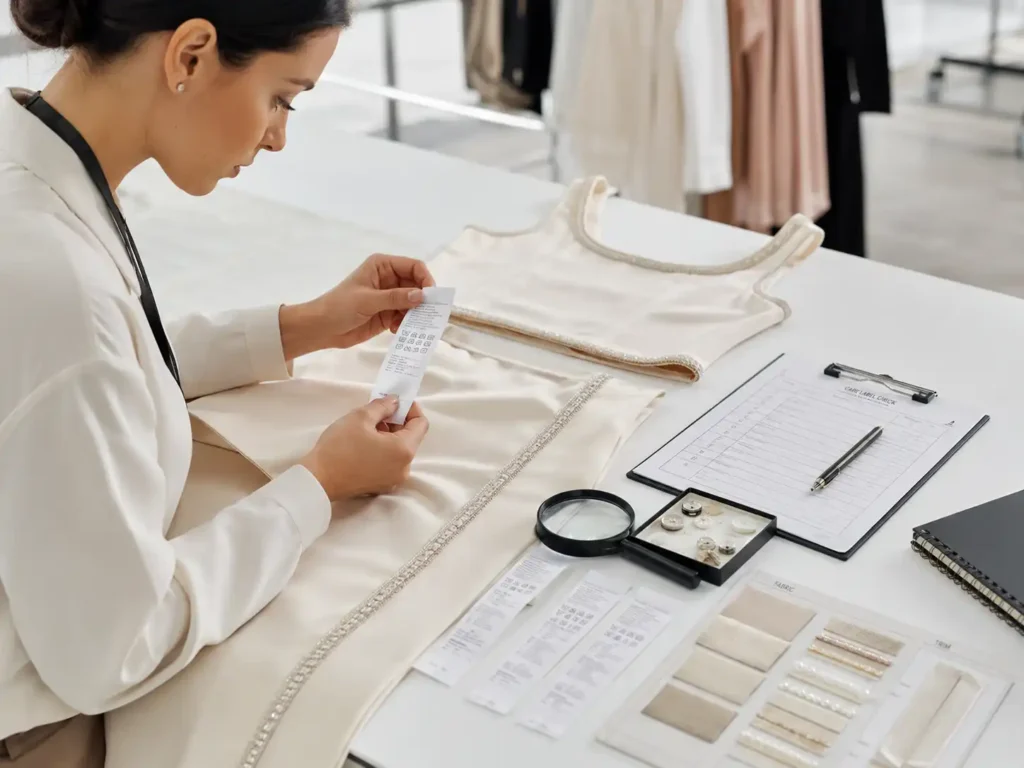
Care Labels

Hangtags

Barcode and SKU Labels
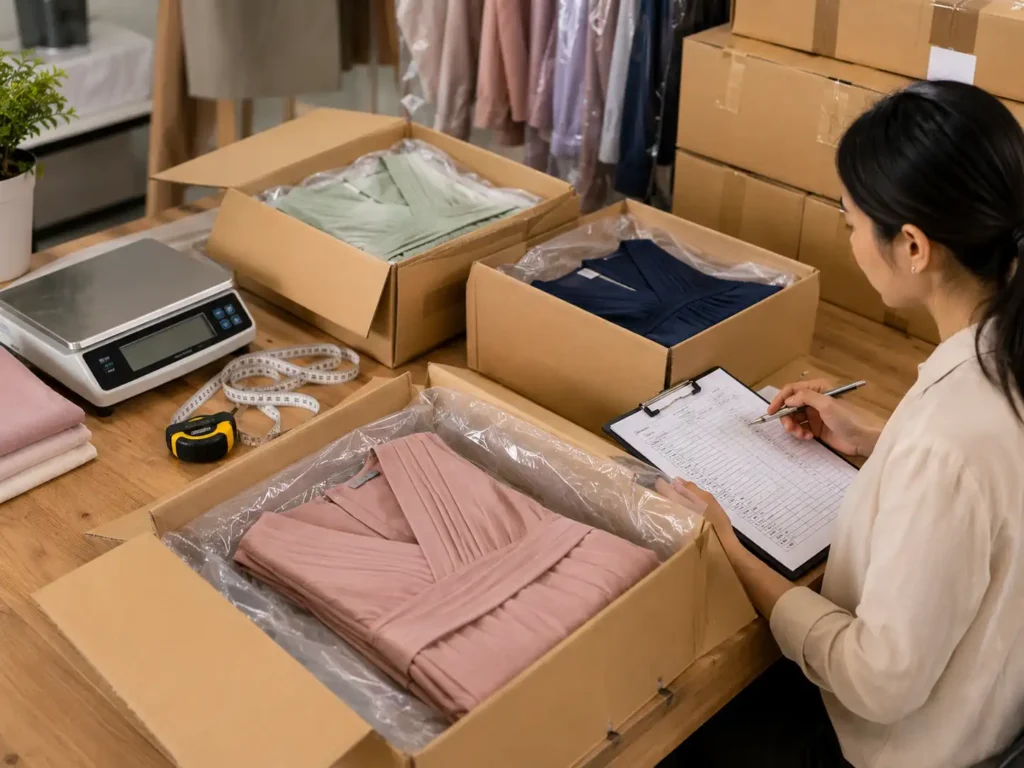
Polybags and Carton Marks
Production Capacity for Established Fashion Brands
Structured Factory Allocation
The production network includes 6 owned women’s fashion factories and more than 10 long-term satellite production partners. Complex first-time styles, stretch jumpsuits, mesh, lace, sequin, satin and support-heavy designs are assigned according to proven production suitability rather than whichever line is open. Repeated styles, selected regular programs and peak-season volume can use additional long-term capacity under unified Jinfeng Apparel standards. The allocation plan considers fabric behavior, sewing complexity, order quantity, size range, color count, delivery window and QC intensity.
Development and Project Ownership
Two sample rooms, 7+ senior pattern makers and 20+ sample machinists support development from first sample through revised, PP and Golden Sample stages. Twelve-plus merchandisers coordinate materials, sample comments, production status, packing approvals and shipment details.
Each major project has clear owners for commercial communication, sample development, bulk follow-up, quality and logistics. The structure reduces information loss between the sample room and production units, especially when a collection contains 10-30 styles moving at different speeds.
Production, QC and Packing Scale
The system supports more than 100,000 pieces of women’s fashion capacity per month across suitable product groups, with 18+ sewing lines and 6+ flexible lines used according to order structure. Fifteen-plus QC inspectors and 30+ finishing and packing workers support inline checks, final inspection, private-label packing and multi-batch delivery. Monthly capacity is not treated as unlimited capacity for every complex style.
Material booking, PP approval, production allocation and QC windows are confirmed before a reliable timetable is issued.
MOQ and Quotation Factors for Custom Jumpsuits
MOQ by Style and Color
MOQ starts from 200 pieces per style/color. One black style at 200 pieces can be assessed as one production unit.
One style divided into black 100 pieces and white 100 pieces does not normally meet the standard color quantity. Two colors at 200 pieces each create a 400-piece order for the style. Custom dyeing, special sequins, exclusive hardware, certified materials or custom packaging may carry separate supplier minimums. Multi-style programs are planned by each style/color rather than combining unrelated styles into one MOQ total.
What Builds the Quotation
Anonymized Clubwear and Partywear Programs

US Premium Clubwear Drop

Australian Partywear Collection

European Ecommerce Program
Frequently Asked Questions About Backless Jumpsuits
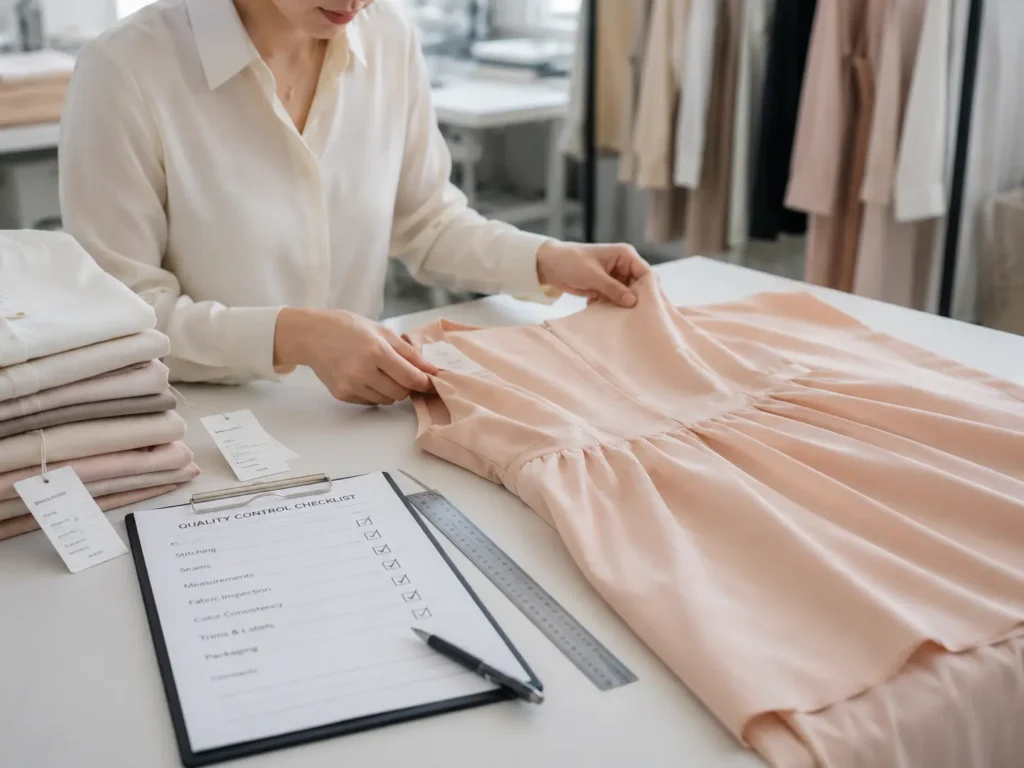
Send Your Backless Jumpsuit Project for Review
A useful first review starts with enough information to evaluate structure, materials, MOQ, sample complexity and production timing. Send a tech pack, reference image, line sheet or original-sample photos together with the planned quantity by style/color. Add the intended size range, color plan, preferred fabric, support requirements, private-label details, destination market and target launch window. Kelly will coordinate an initial project assessment with the development team and identify missing specifications before a sample or quotation plan is confirmed.
Please prepare:
- Tech pack, reference images, sketches or original-sample photos
- Quantity per style/color and planned size breakdown
- Preferred fabric, color and surface direction
- Back depth, cut-out, strap and bust-support requirements
- Main label, care label, hangtag, barcode and packing needs
- Target launch date, warehouse window and shipping preference
- Any required testing, audit documentation or inspection standard


