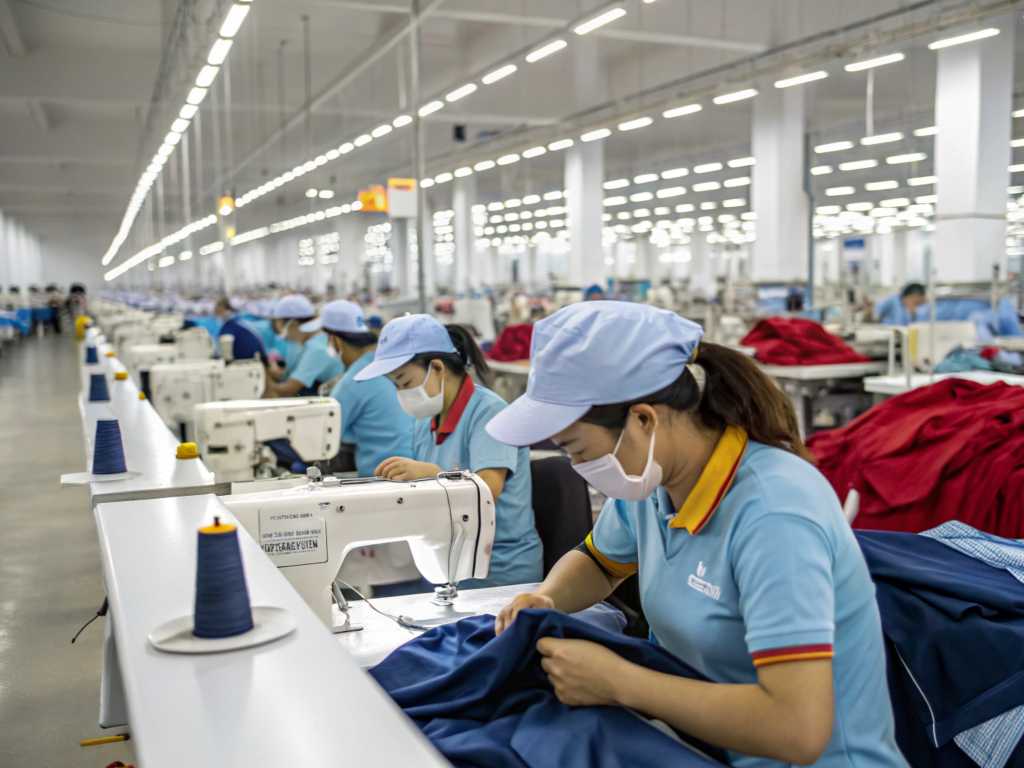
Babydoll Dress Manufacturer
Custom Women’s Fashion Babydoll Dresses Built for Branded Collections
Jinfeng Apparel develops and manufactures women’s fashion babydoll dresses for established fashion labels, sourcing teams, ecommerce collections and private-label programs. Every project is built around silhouette control, fabric behavior, fit approval and repeatable bulk standards.
- MOQ starts from 200 pcs per style/color.
- Four critical fit zones: bust, empire seam, armhole and hem sweep.
- Two sample rooms support fit, revised, photo-ready and PP samples.
- Six owned factories and 10+ long-term production partners support multi-style programs.
- Patterns, materials, trims, labels and packing details are recorded for repeat orders.
Production Strength Behind Every Babydoll Dress Collection
Since 2008
Six Owned Factories
Ten-Plus Partners
Two Sample Rooms
Pattern Development Team
Quality Coordination
Women’s Fashion Babydoll Dresses Clearly Defined
What We Manufacture
- Babydoll mini and midi dresses
- Puff-sleeve and long-sleeve styles
- Square-neck and strappy designs
- Smocked, tiered and ruffled silhouettes
- Cotton, chiffon, satin, lace and mesh options
- Casual, resort, party and occasion collections
What We Do Not Supply
Jinfeng Apparel does not position its babydoll program as lingerie sleepwear, children’s dresses, toy-doll clothing, public ready-stock wholesale or single-item fulfillment.
The manufacturing model is designed for:
- Original branded product development
- Professional sampling and fit approval
- Bulk production from 200 pcs per style/color
- Private labels and retail packing
- Seasonal collections and repeat orders
- Multi-style, multi-color and multi-size programs
Built for Established Fashion and Sourcing Teams
Fashion Brands
Product Developers
Sourcing Teams
Ecommerce Collections
Retail Programs
Private-Label Programs
Where Babydoll Dress Production Commonly Loses Control
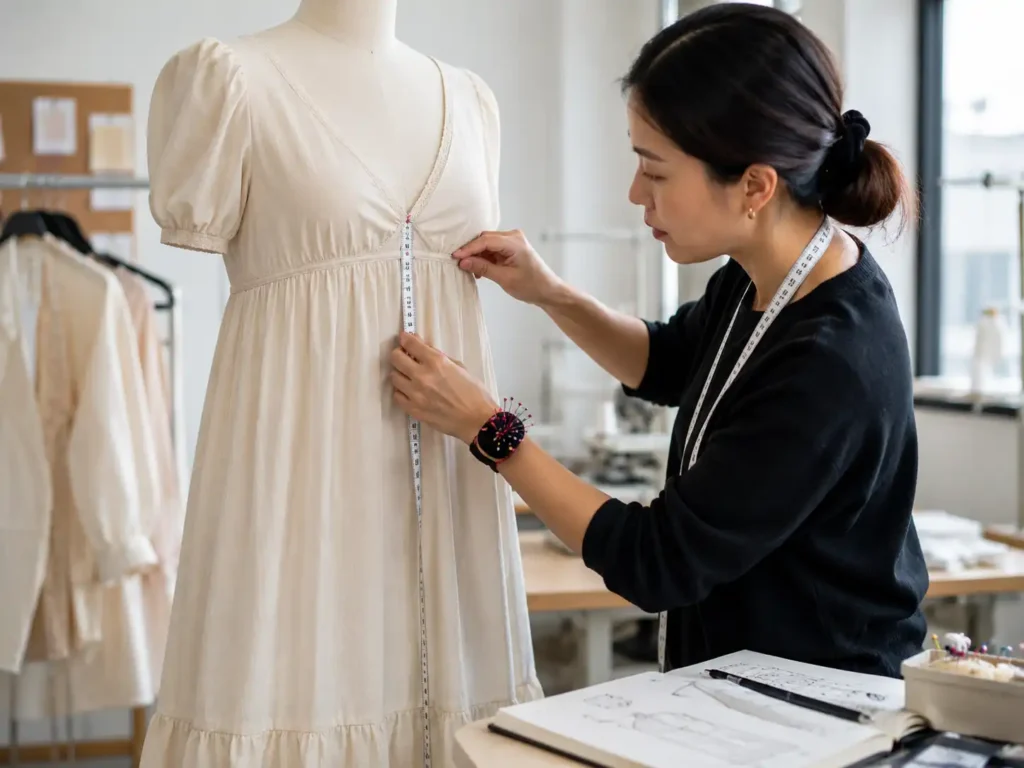
Incorrect Empire Position
- Bust-point reference
- Front-bodice length review
- Cup and under-bust proportion
- Size-specific seam placement
- Fitting on the intended size range
- Alignment between front and back seams
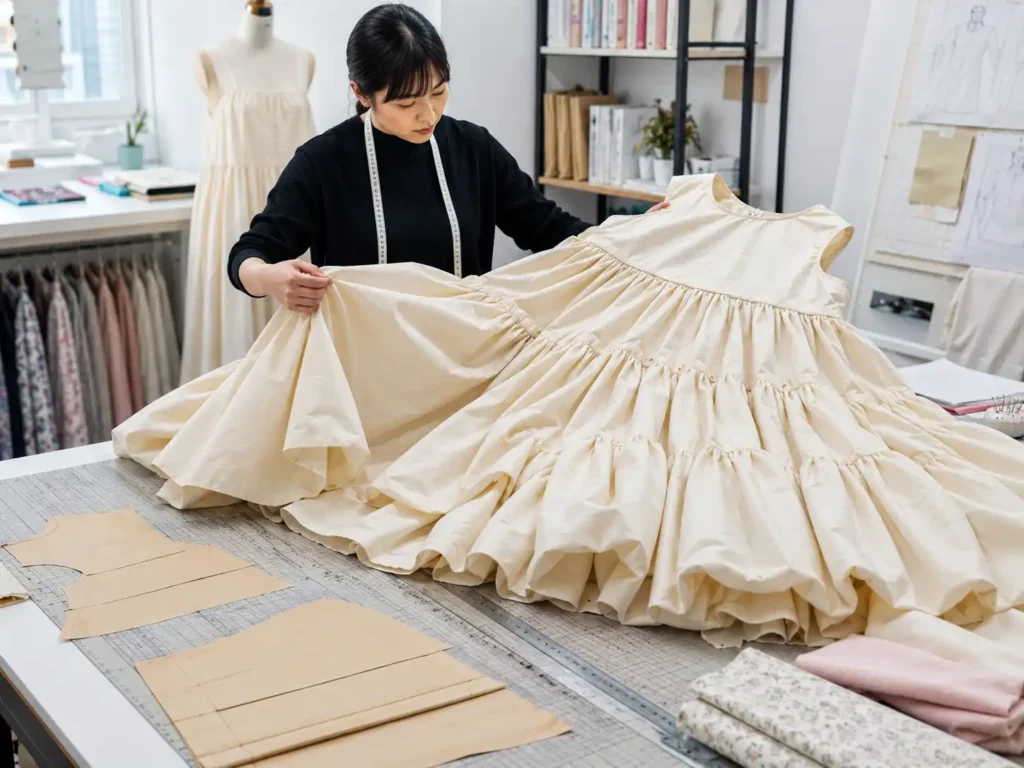
Excessive Skirt Volume
- Fabric thickness
- Fabric drape
- Skirt-panel width
- Tier placement
- Dress length
- Target silhouette
- Size-grade progression
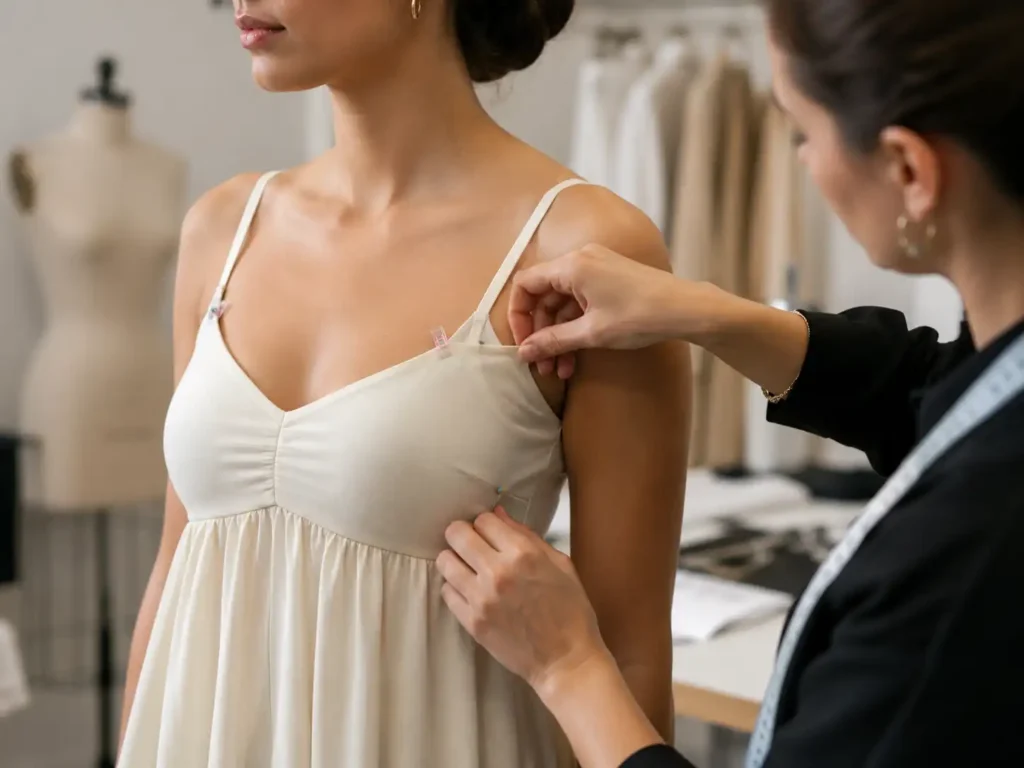
Unstable Upper Bodice
- Bust coverage
- Neckline position
- Armhole exposure
- Shoulder balance
- Strap angle
- Back opening
- Movement comfort
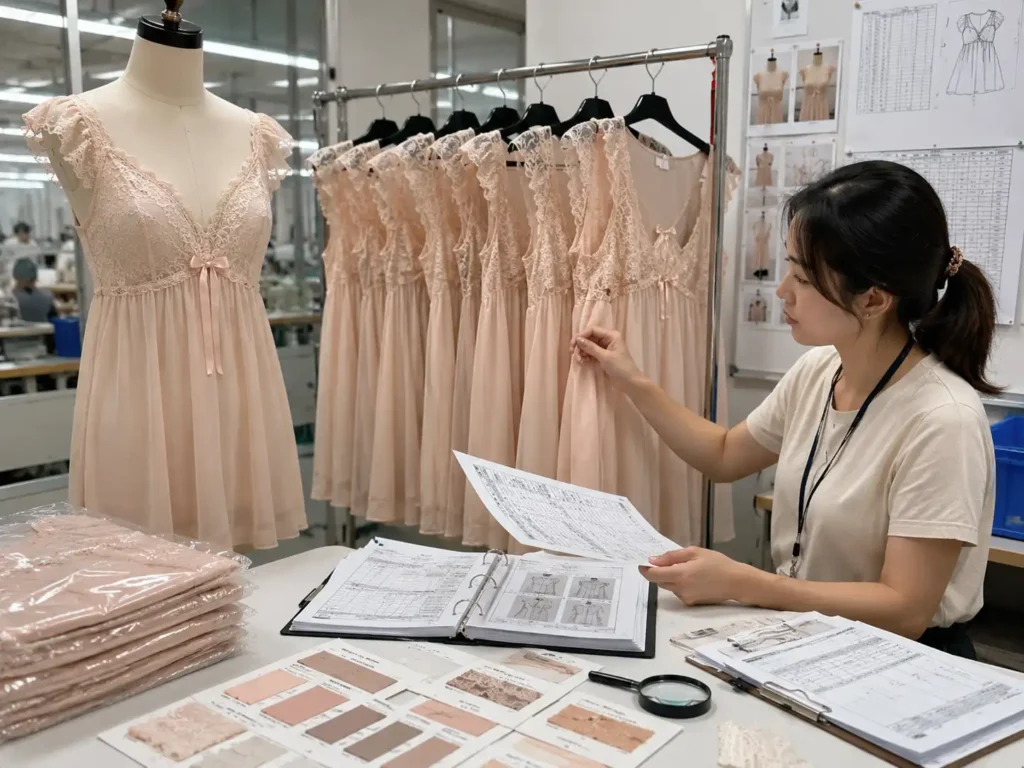
Sample-Bulk Difference
A strong sample can still fail in production when fabric batches, gathering methods, measurement standards, pressing or packing are not controlled. Bulk consistency relies on:
- Final production pattern
- Approved material reference
- PP or golden sample
- Sewing specification
- Measurement chart
- Inline QC records
- Packing instructions
Babydoll Dress Styles Developed for Branded Collections
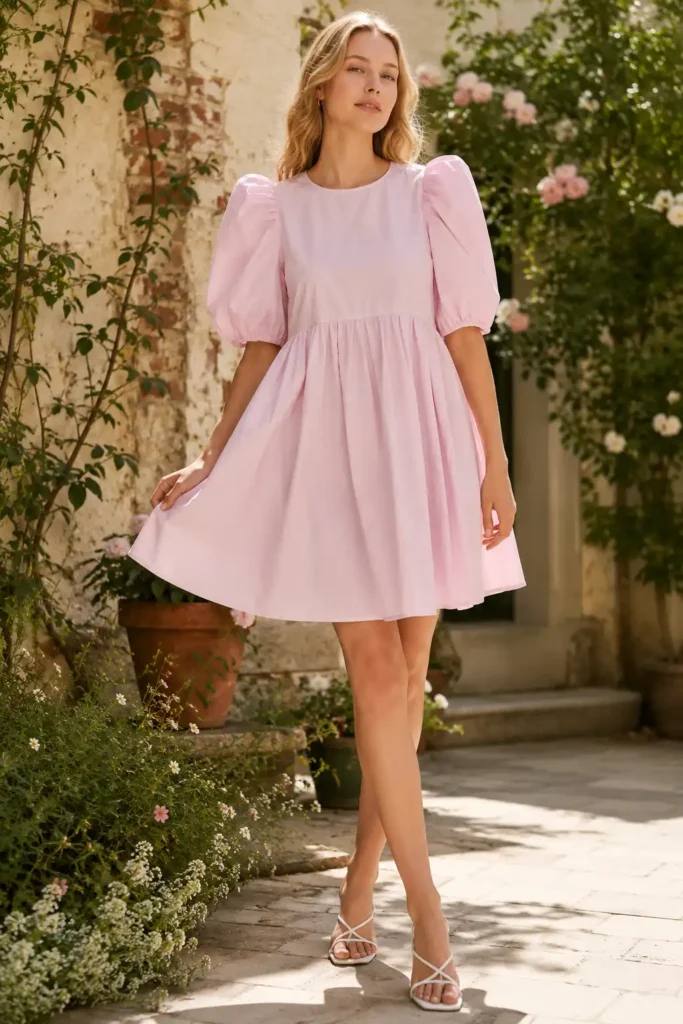
Puff-Sleeve Babydoll
- Sleeve-cap height and fullness
- Elastic or cuff opening
- Arm movement
- Left-right sleeve symmetry
- Sleeve-to-bodice balance
- Gathering distribution
- Seam reinforcement at the underarm
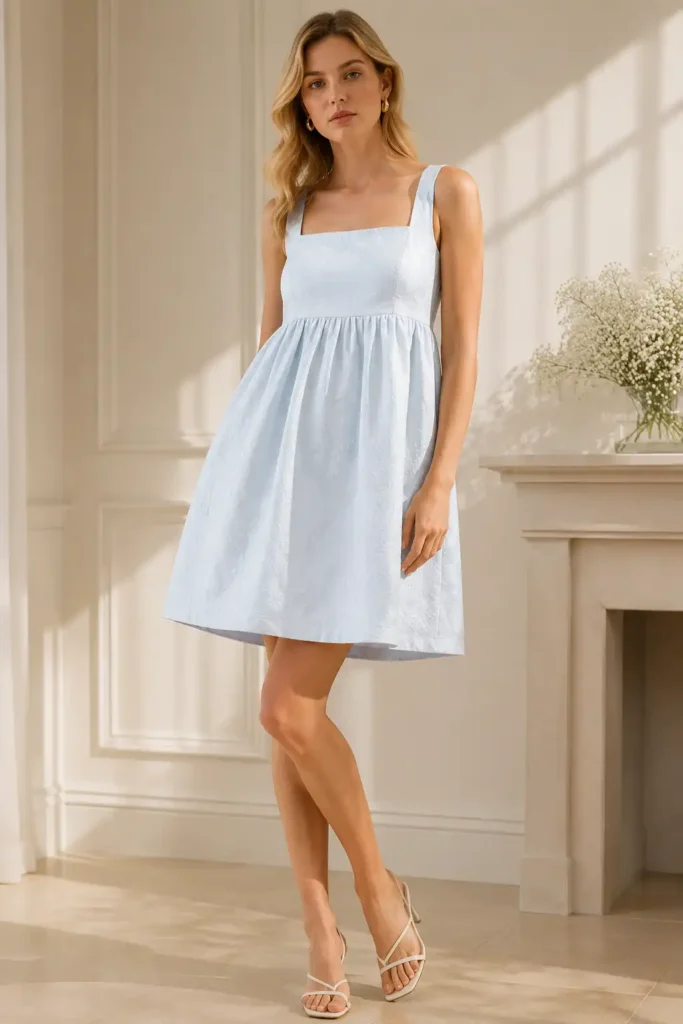
Square-Neck Babydoll
- Neckline width
- Corner stability
- Front-bodice length
- Bust ease
- Shoulder-strap position
- Interfacing or facing
- Lining attachment
- Neckline stretching during sewing

Strappy Babydoll Dress
- Strap length and angle
- Adjustable slider position
- Front and back attachment strength
- Neckline coverage
- Armhole depth
- Lining support
- Strap color consistency
- Bulk pull testing where required
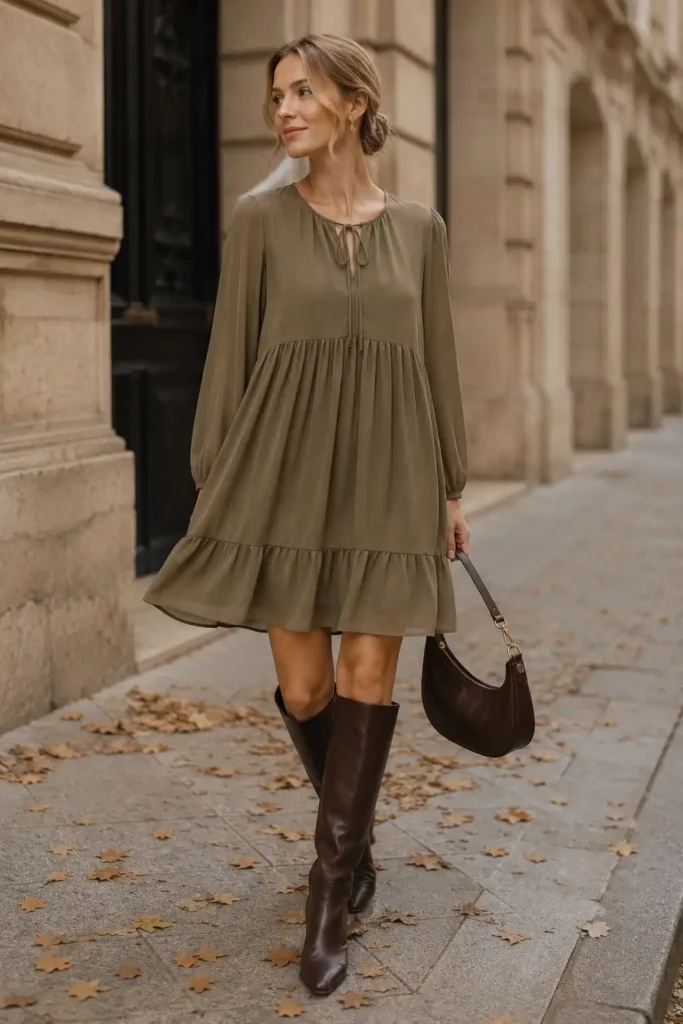
Long-Sleeve Babydoll
- Sleeve length
- Cuff opening
- Elbow mobility
- Sleeve-head balance
- Sheer-sleeve seam finishing
- Lining separation
- Print direction
- Fabric shrinkage
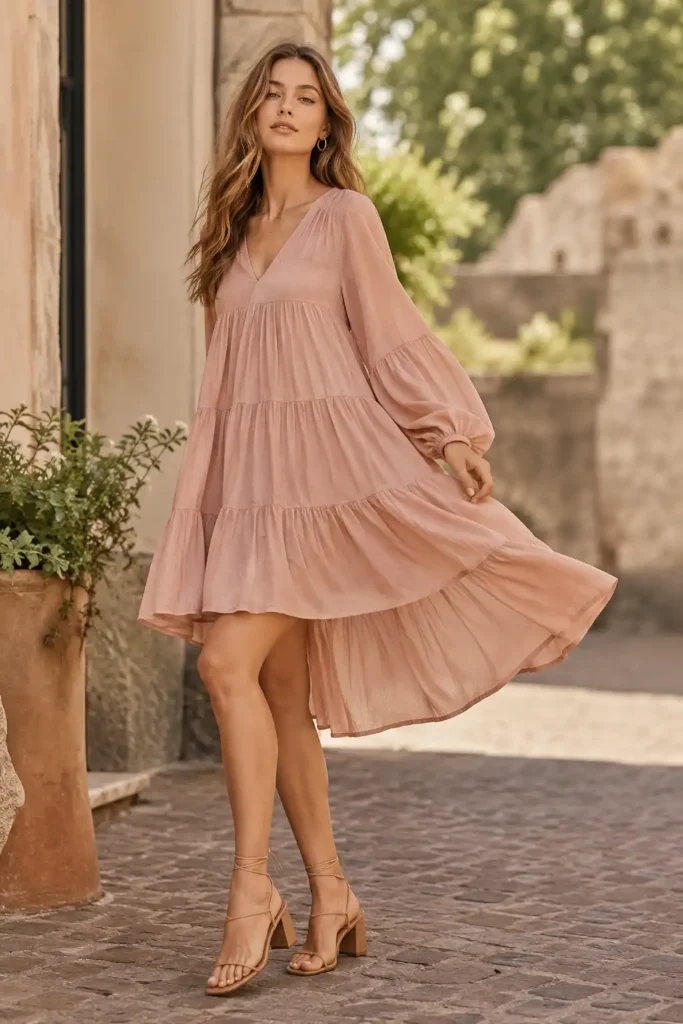
Tiered Babydoll Dress
- Tier height
- Gathering ratio per tier
- Seam bulk
- Print placement
- Finished length
- Hem level
- Side-seam alignment
- Pressing without flattening the intended volume
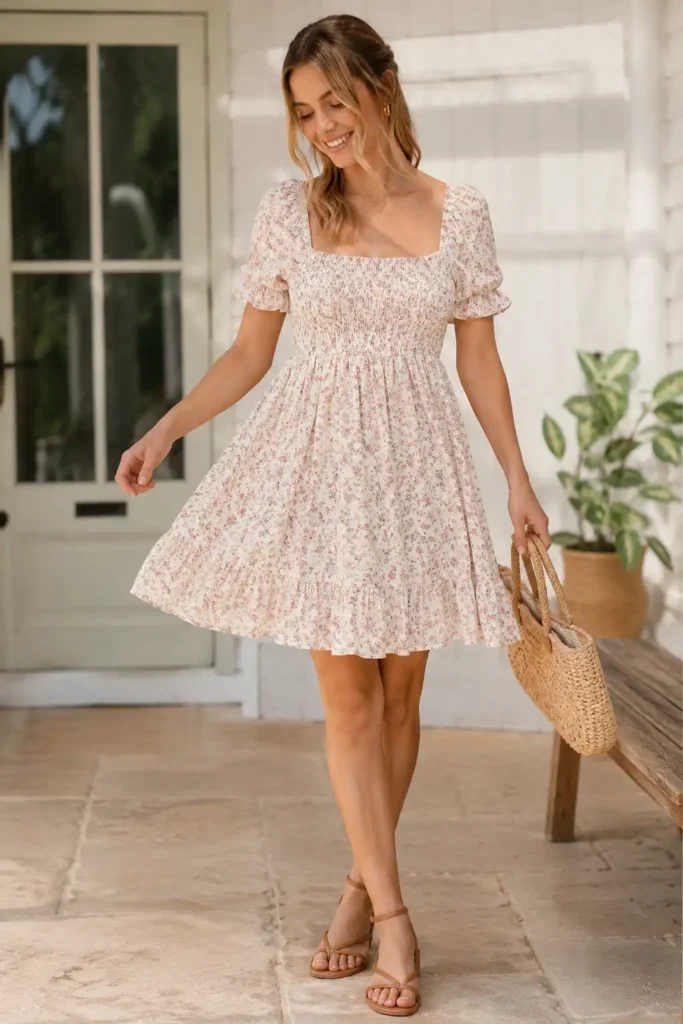
Smocked Babydoll Dress
- Smocking width
- Elastic recovery
- Stitch density
- Finished stretch measurement
- Body fit before and after extension
- Thread tension
- Panel distortion
- Wash-response review when required
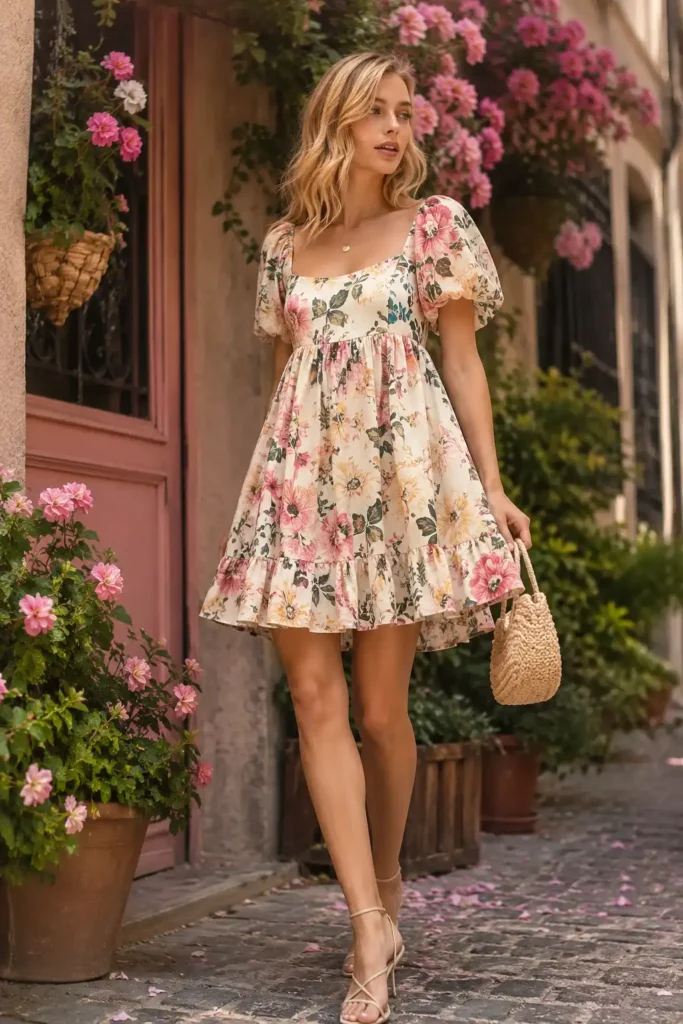
Floral Babydoll Dress
- Print direction
- Motif scale
- Panel placement
- Cutting direction
- Shade consistency
- Skirt gathering effect
- Lining color
- SKU and print-color identification
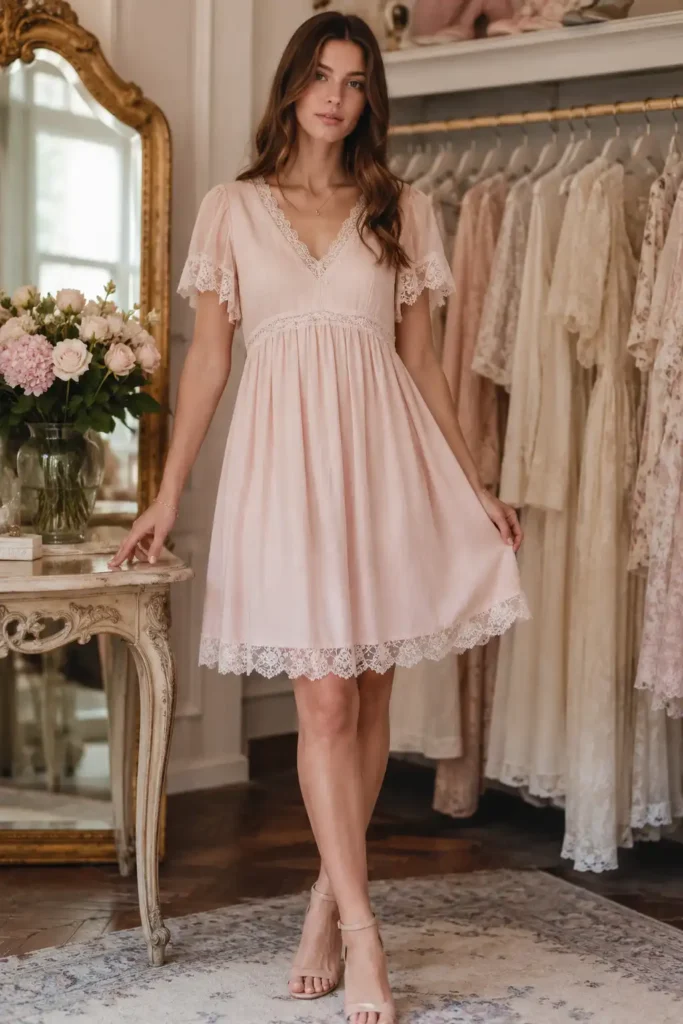
Lace-Trim Babydoll
- Lace softness
- Trim width
- Placement symmetry
- Color matching
- Stretch compatibility
- Seam-covering method
- Edge stability
- Bulk trim availability
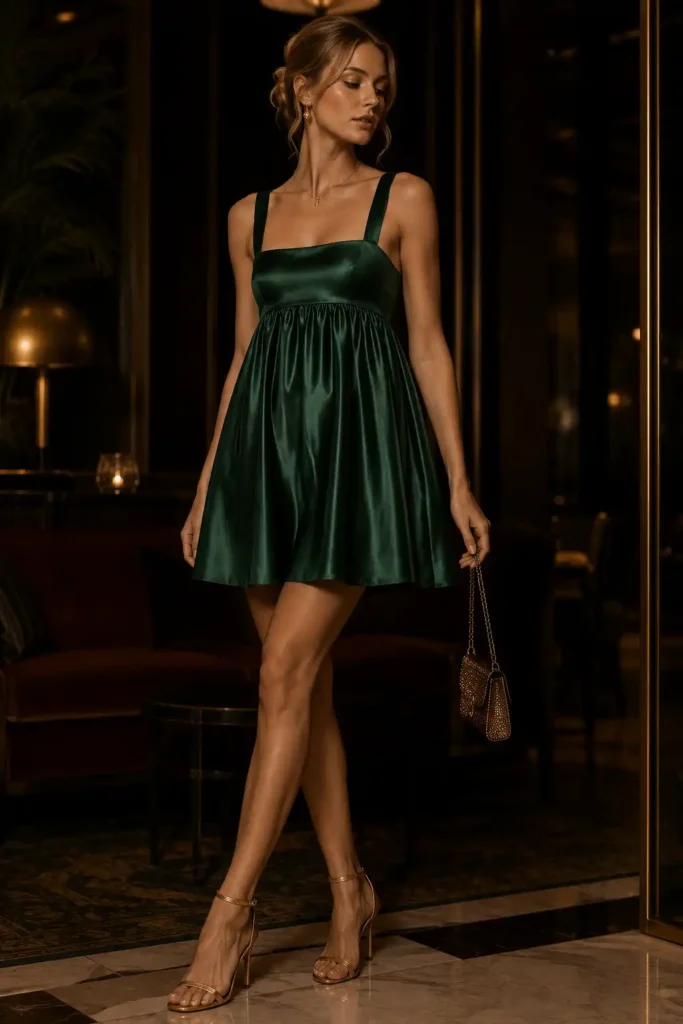
Satin Babydoll Dress
- Grain direction
- Shade consistency
- Surface snagging
- Seam puckering
- Lining compatibility
- Gathering smoothness
- Pressing temperature
- Individual packing protection
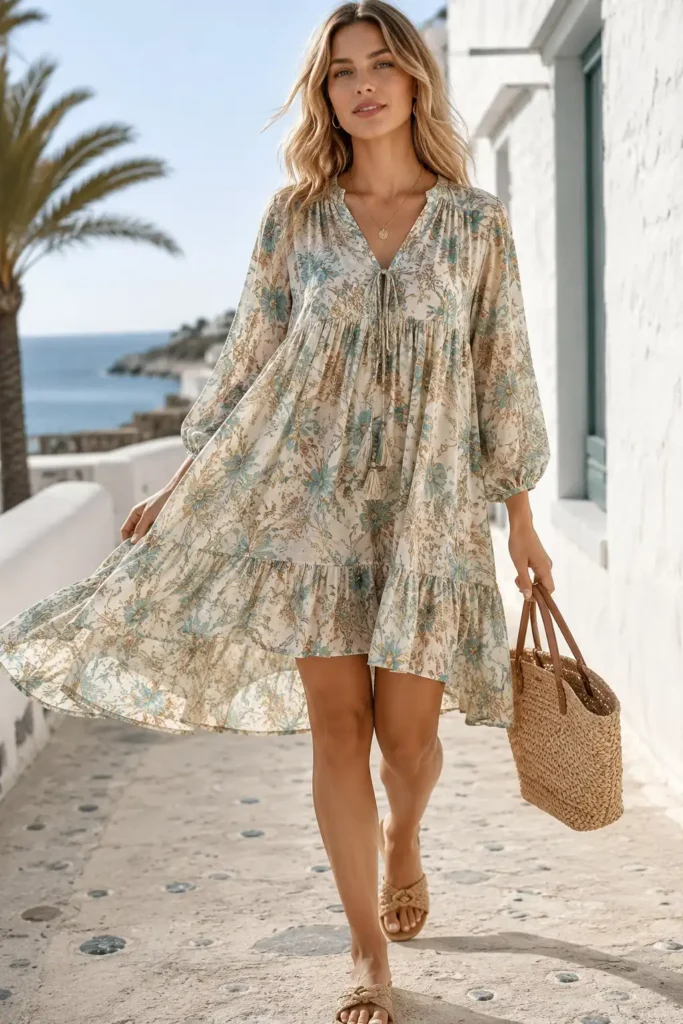
Resort Babydoll Dress
- Breathability
- Wrinkle behavior
- Opacity
- Lining weight
- Skirt movement
- Print direction
- Fold recovery
- Packing volume
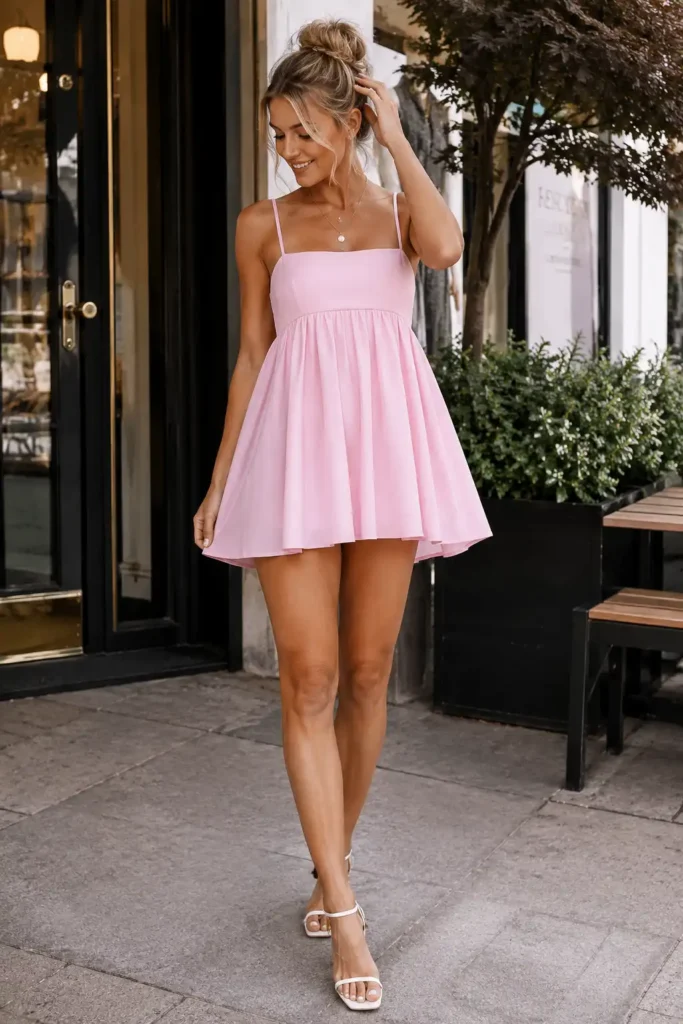
Babydoll Mini Dress
- High-point shoulder length
- Front and back hem balance
- Skirt sweep
- Seat coverage
- Lining length
- Size grading
- Model-height reference
- Movement testing
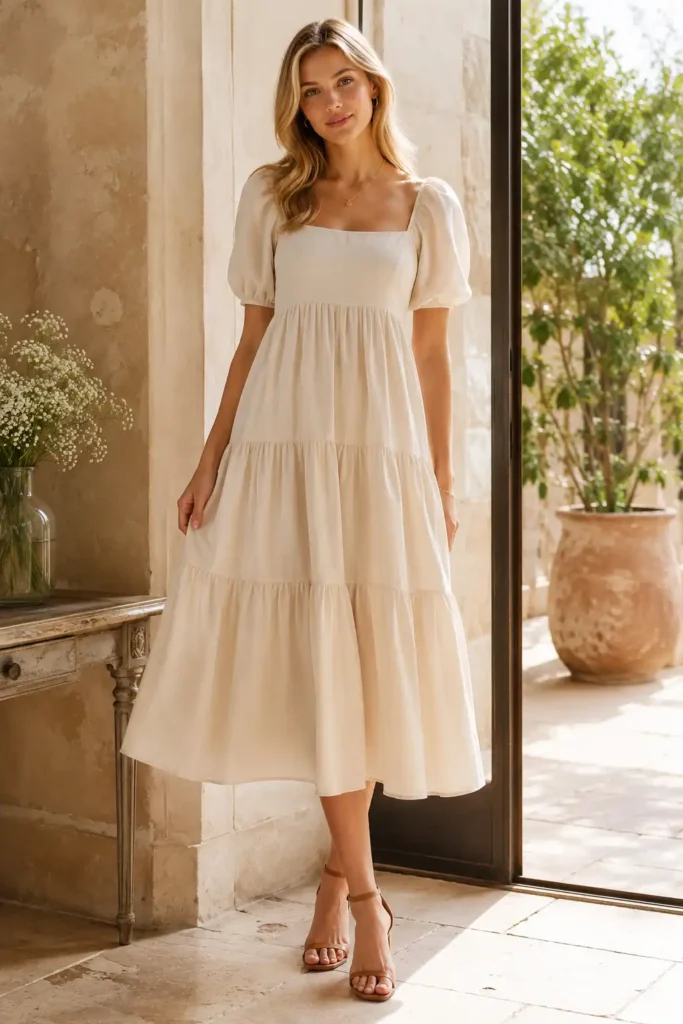
Babydoll Midi Dress
- Total length
- Tier proportion
- Side-seam balance
- Hem sweep
- Lining length
- Fabric weight
- Gathering distribution
- Hanging recovery before inspection
Neckline, Sleeve and Length Options for Every Collection

Square Neck
Key controls:
- Width and depth
- Shoulder coverage
- Corner reinforcement
- Facing or lining
- Bust exposure
- Left-right symmetry
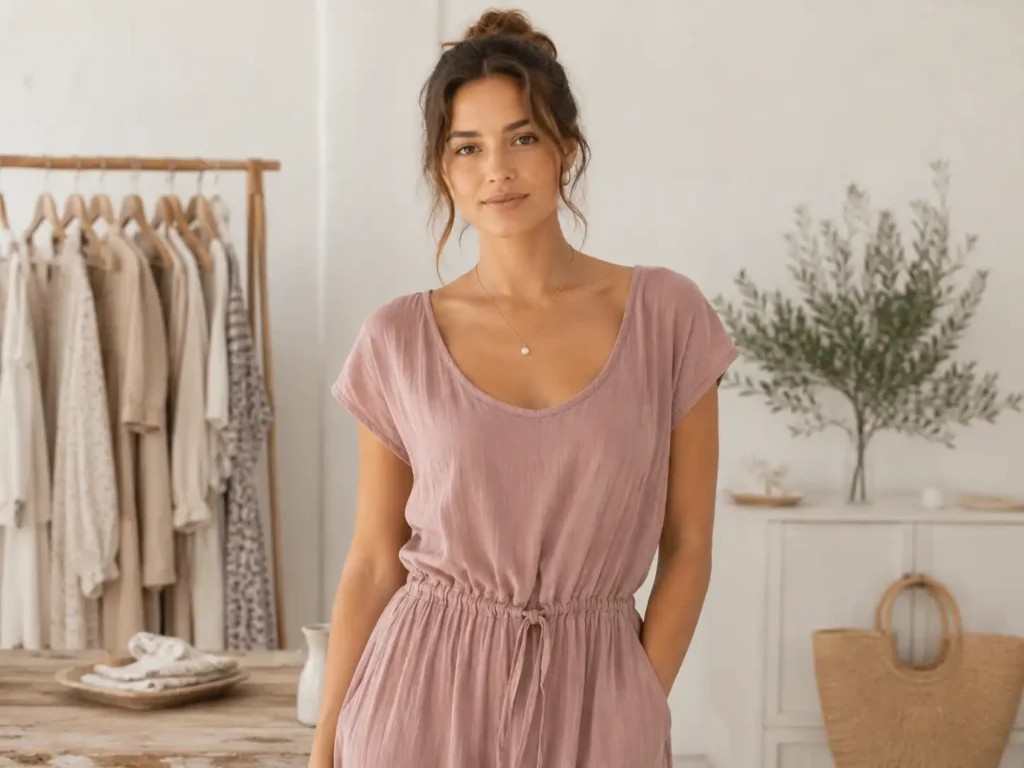
Scoop Neck
Key controls:
- Curve smoothness
- Center-front depth
- Neckline recovery
- Binding tension
- Shoulder position
- Lining edge control
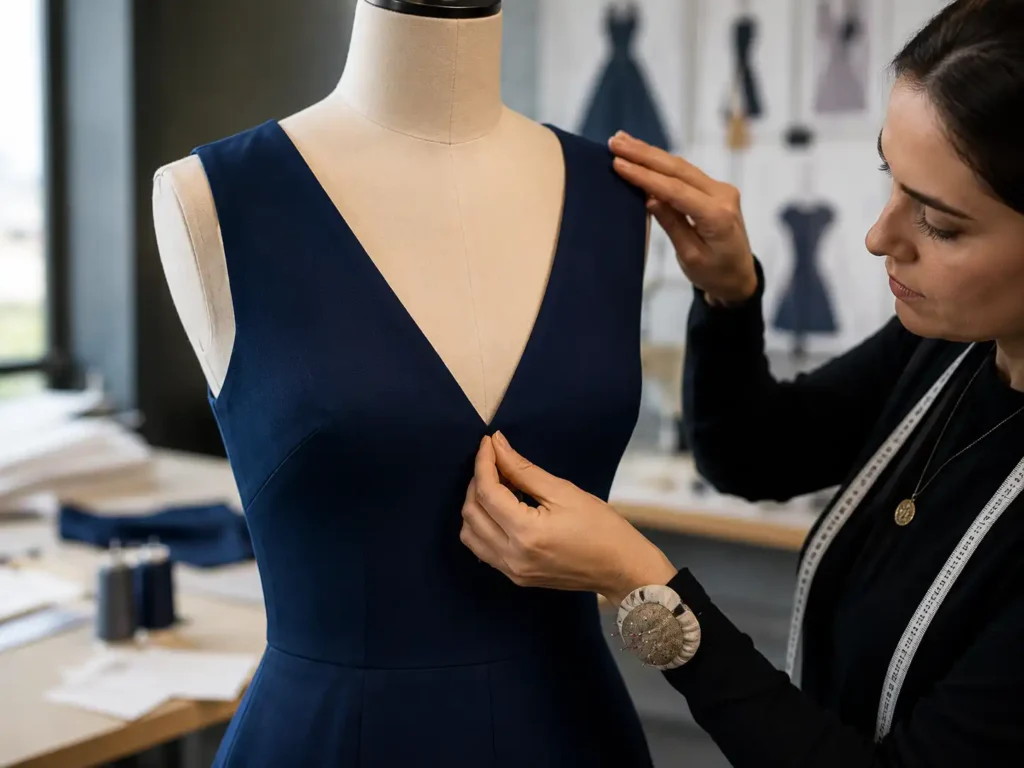
V Neck
Key controls:
- V-point placement
- Depth and coverage
- Stabilization
- Symmetry
- Lining attachment
- Bulk neckline shape
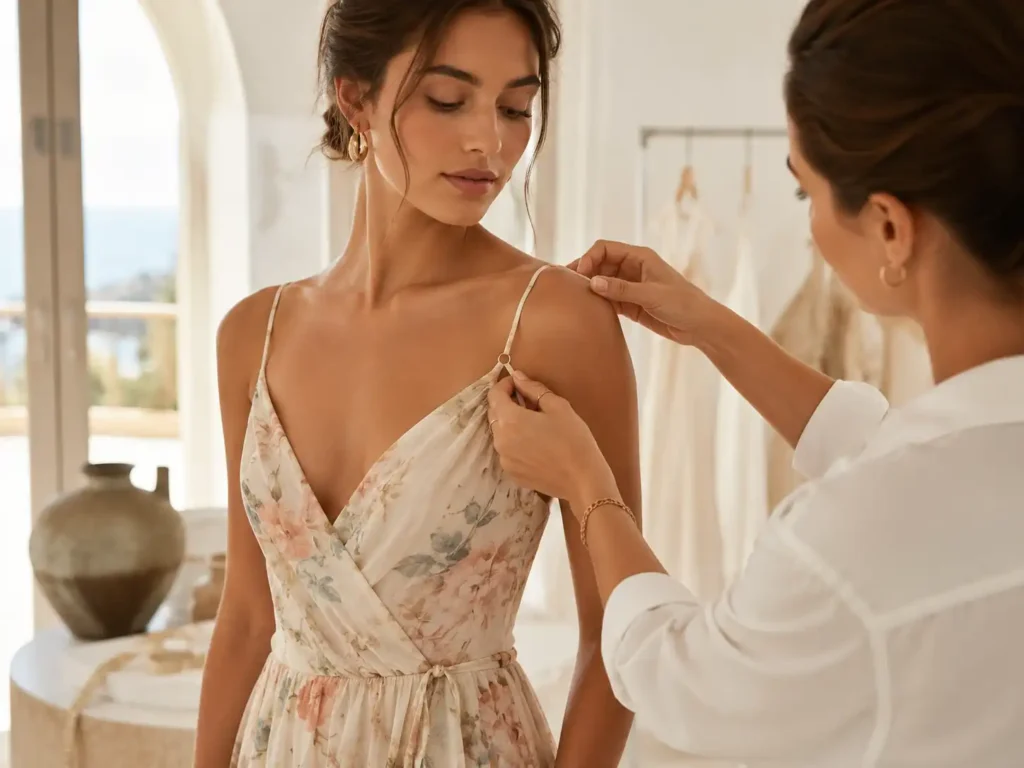
Spaghetti Straps
Key controls:
- Finished width
- Adjustable hardware
- Attachment strength
- Strap position
- Color matching
- Size-specific length
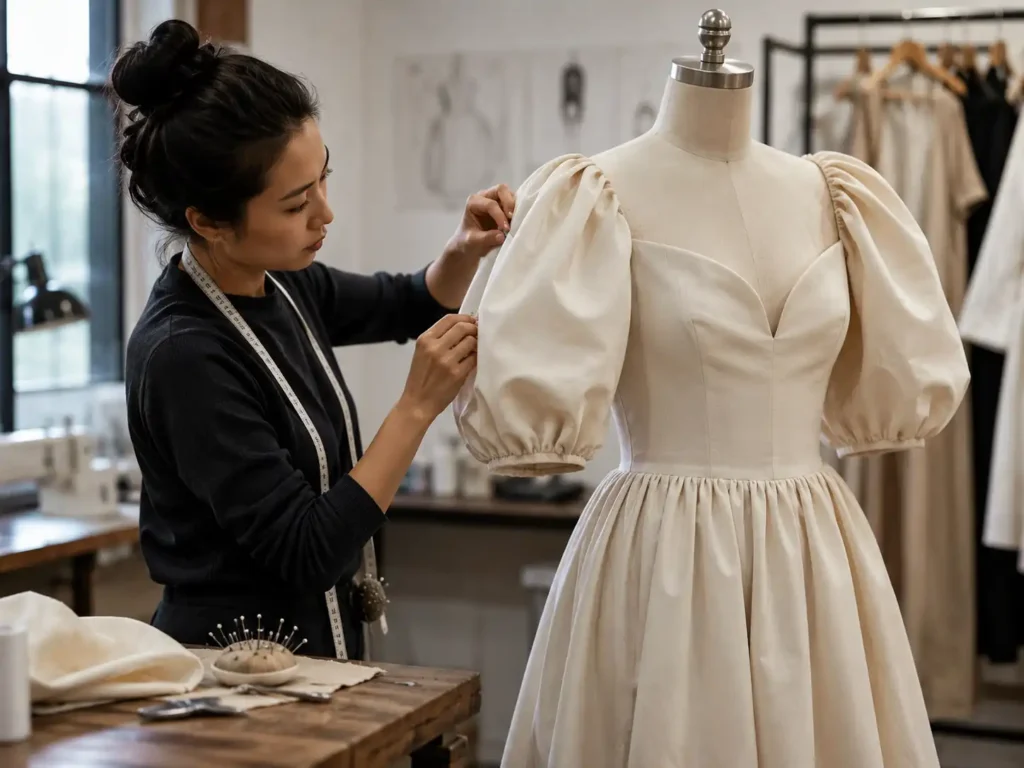
Puff Sleeves
Key controls:
- Sleeve-cap volume
- Elastic tension
- Cuff comfort
- Underarm mobility
- Gathering marks
- Sleeve symmetry

Long Sleeves
Long sleeves extend seasonal use and can introduce chiffon, mesh, lace or lightweight woven contrasts.
Key controls:
- Sleeve length
- Bicep ease
- Cuff opening
- Elbow movement
- Sheer seam finish
- Print direction
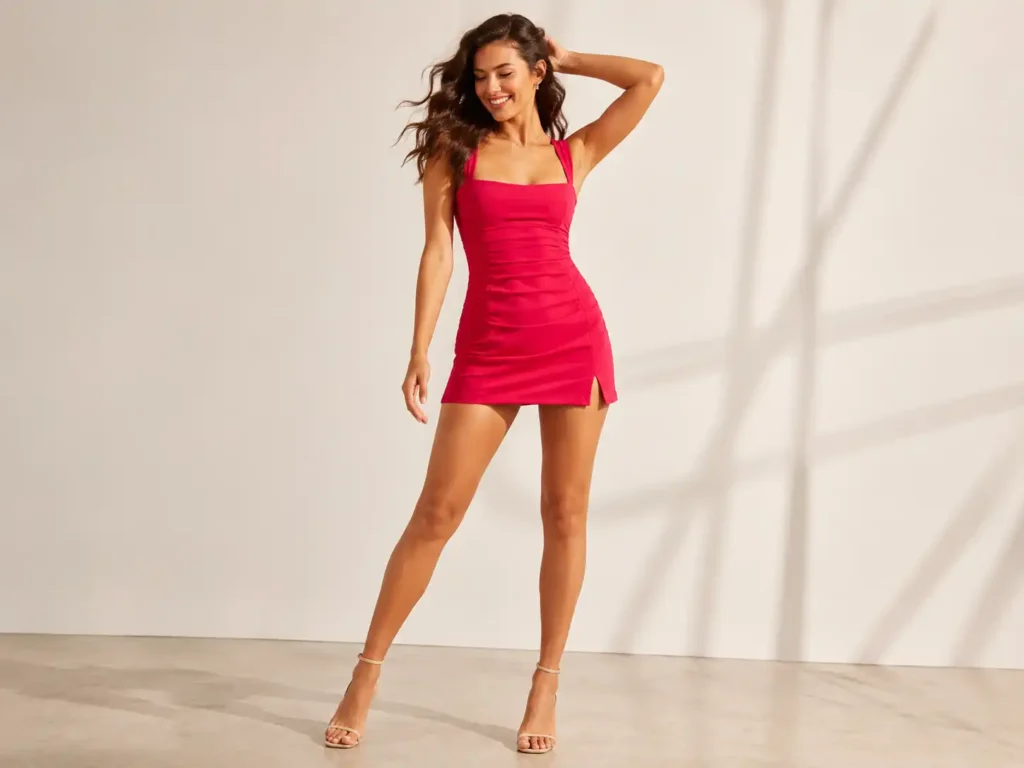
Mini Length
Key controls:
- Finished length
- Back coverage
- Lining length
- Hem level
- Movement allowance
- Size grading
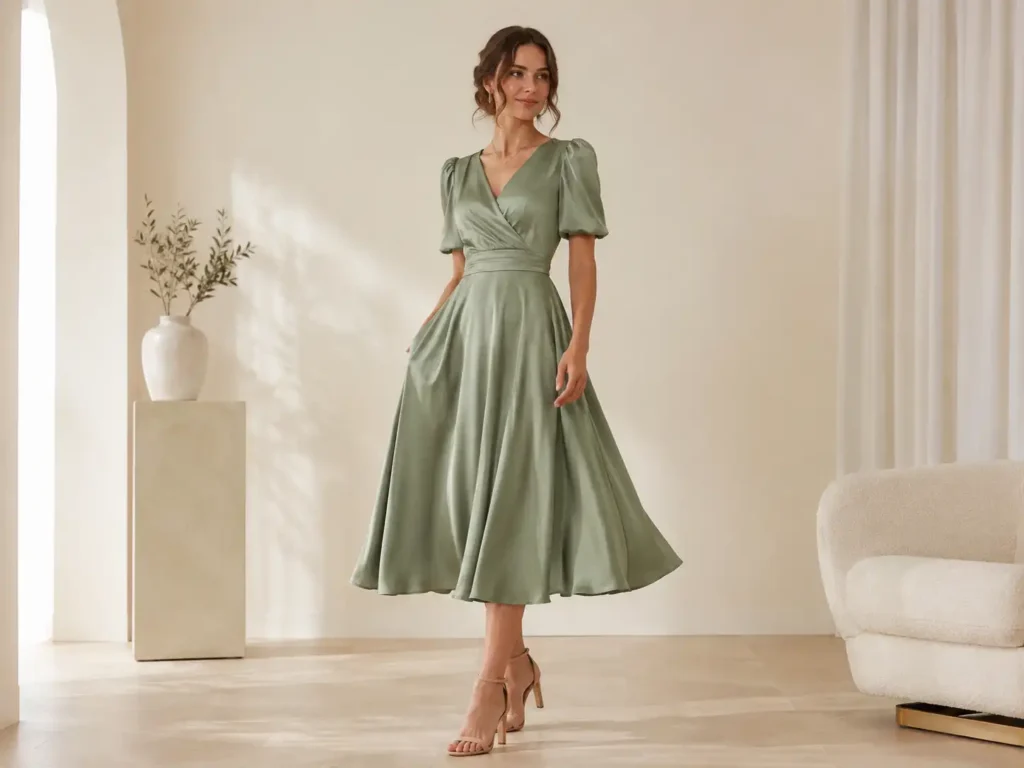
Midi Length
Key controls:
- Total length
- Skirt weight
- Hem sweep
- Tier position
- Hanging recovery
- Packing fold
Fabrics Selected for Shape, Drape and Bulk Stability
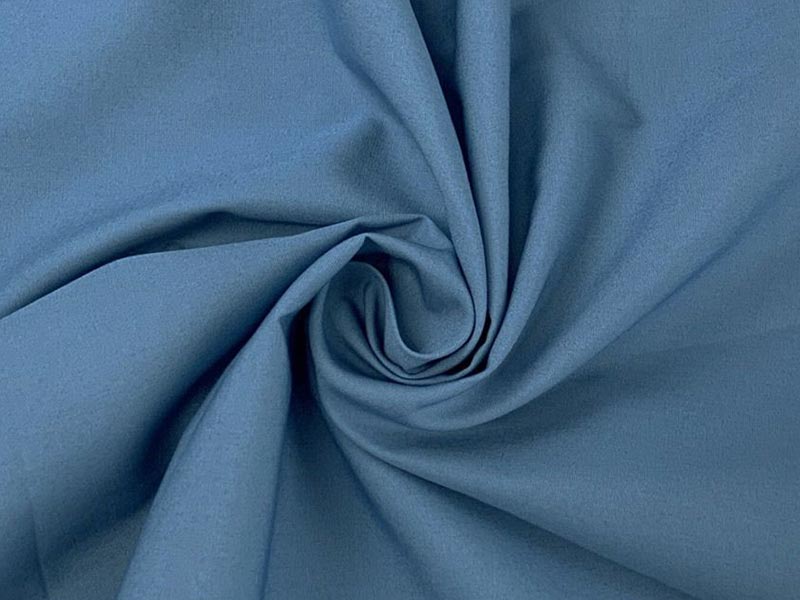
Cotton Poplin
- Crispness can increase apparent fullness
- Dark and light colors may shrink differently
- Dense gathering can create thick empire seams
- Pressing must preserve shape without flattening volume
- Lining may be needed in pale colors
- Width influences skirt-panel planning
- Wash testing may be required by the specification

Cotton Voile
Cotton voile creates a soft, airy result suited to summer and resort collections.
The lightweight construction often needs lining or layered panels.
Production considerations:
- Transparency
- Fine-yarn seam handling
- Lining weight
- Needle and thread selection
- Gathering consistency
- Fabric distortion during cutting
- Hem method
- Shrinkage review

Rayon and Viscose
Rayon and viscose create fluid movement with less structural volume than poplin.
They work well for printed, tiered and casual silhouettes.
Production considerations:
- Fabric relaxation before cutting
- Dimensional change
- Skirt length growth
- Slippage during sewing
- Print direction
- Hem leveling
- Pressing response
- Packing wrinkles

Chiffon
Chiffon supports layered, sheer and occasion-led babydoll styles.
It requires controlled cutting, seam finishing and lining construction.
Production considerations:
- Transparency
- Layer alignment
- Fine rolled hems
- Seam show-through
- Gathering distribution
- Static behavior
- Lining color
- Snag protection

Satin
- Surface snagging
- Shade variation
- Grain direction
- Seam puckering
- Needle marks
- Pressing temperature
- Lining friction
- Individual packing

Lace
- Motif placement
- Scallop use
- Stretch direction
- Color matching
- Seam visibility
- Lining coverage
- Cutting loss
- Trim continuity

Mesh
- Stretch direction
- Recovery
- Edge stability
- Seam softness
- Transparency
- Lining attachment
- Panel matching
- Snag resistance
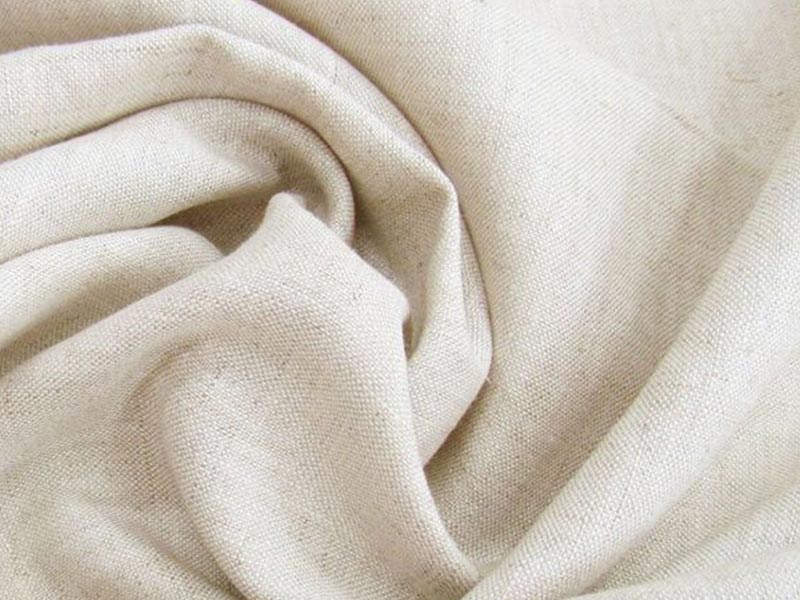
Linen Blends
- Wrinkle character
- Fabric weight
- Shrinkage
- Color variation
- Seam thickness
- Gathering volume
- Lining need
- Pressing method
Lining, Opacity and Drape Control by Fabric Type
Lining is not an automatic add-on. It changes weight, movement, coverage, comfort, cost and the final babydoll silhouette.

Lightweight Cotton and Voile Construction
Light cottons can look opaque on a swatch but become transparent when gathered areas sit beside single-layer bodice sections. Coverage should be checked under natural and strong lighting.
Lining decisions include:
- Full lining versus skirt-only lining
- Cotton voile, lightweight polyester or soft woven lining
- Lining attachment at the neckline, armhole or empire seam
- Separate hanging movement
- Finished lining length
- Seam visibility through pale outer fabric
- Shrinkage compatibility
A lining that is too stiff can remove the intended airiness. A lining that is too narrow can restrict movement and pull the outer skirt inward. The lining pattern therefore needs its own sweep, length and seam allowance instead of being copied directly from the outer layer.
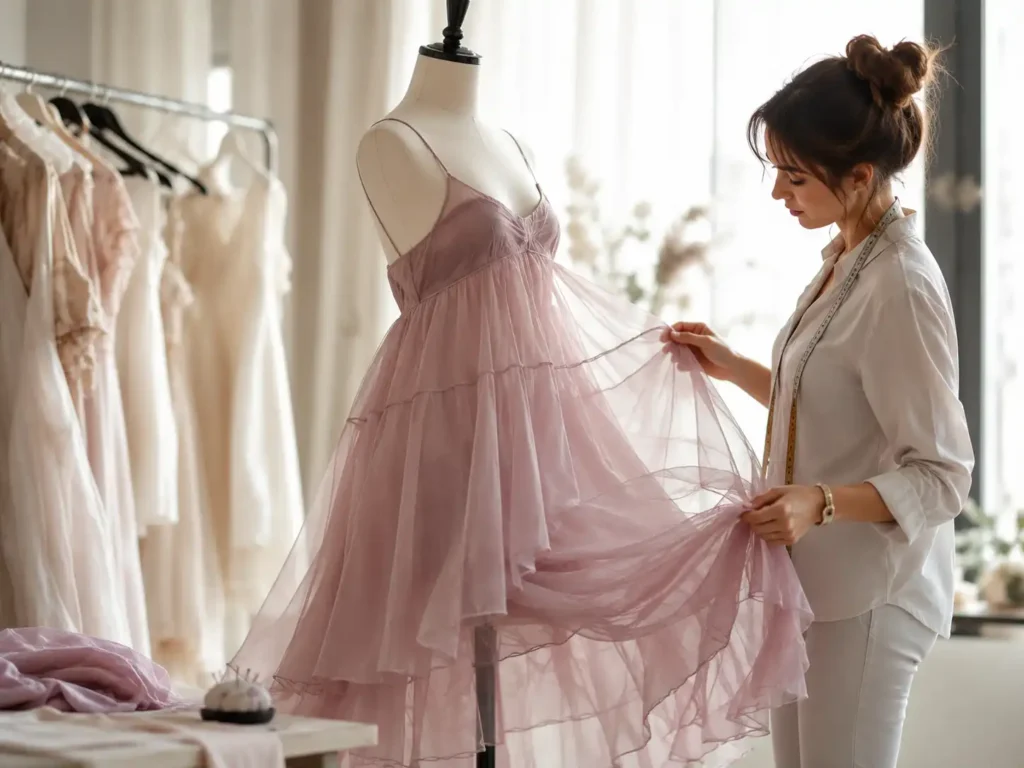
Chiffon and Sheer Layer Management
Chiffon often requires a combination of opaque lining and one or more sheer outer layers.
The number of layers depends on color, fabric density, target transparency and desired movement.
Development review covers:
- Whether the upper bodice needs full coverage
- Whether sleeves remain unlined
- Whether the skirt uses one or multiple chiffon layers
- Whether the lining starts at the neckline or empire seam
- How seam allowances remain clean beneath transparent fabric
- Whether outer and inner layers need different hem lengths
The garment is hung before final hem leveling because chiffon layers may settle differently. Bulk inspection also checks twisting, uneven layers and static attraction.
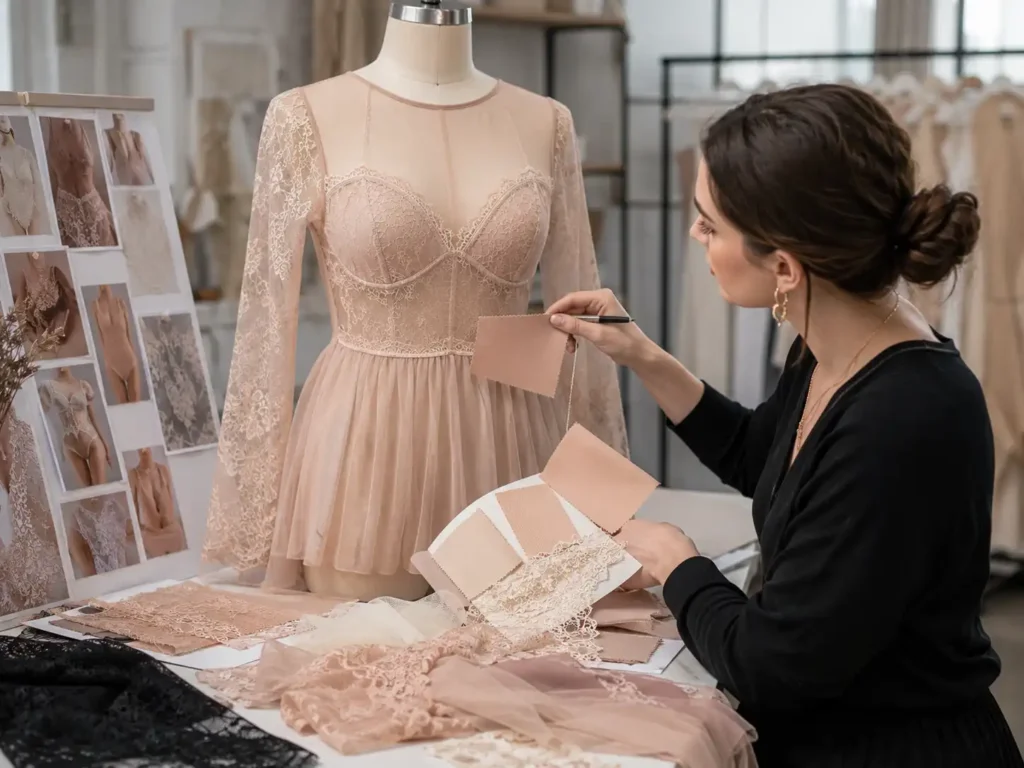
Lace and Mesh Coverage Planning
Lace and mesh can be decorative, structural or transparent.
Coverage must be defined area by area rather than described only as “lined.”
Possible constructions include:
- Fully lined lace bodice
- Unlined lace sleeves
- Mesh yoke with strategic coverage
- Partial front lining
- Separate skirt lining
- Skin-tone or matched-color underlayers
- Double-layer mesh for greater support
Seam placement should avoid thick or irritating areas near the underarm, neckline and empire seam. Lining color must be approved together with the outer material because even small tone differences alter the visual result.
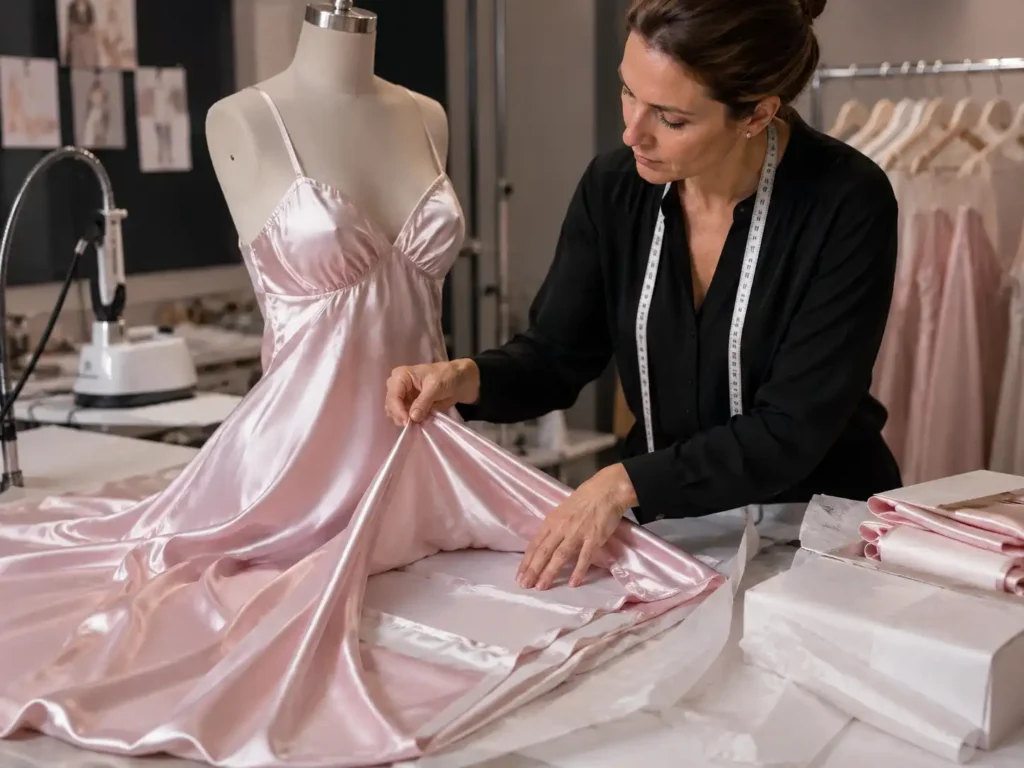
Satin Lining and Surface Protection
Satin may need lining to improve coverage, reduce static, support the upper body and protect the outer fabric from internal seam impressions.
Lining compatibility is evaluated through:
- Weight
- Surface friction
- Color
- Stretch
- Shrinkage
- Pressing response
- Seam behavior
- Wearing comfort
Heavy lining can drag a lightweight satin skirt downward. Rough lining may restrict drape. A sharply contrasting lining can become visible at the hem or neckline. Final packing should also prevent hard folds, label pressure marks and surface abrasion.
Pattern Engineering for Stable Babydoll Dress Fit
Pattern development translates a visual concept into controlled measurements, balanced proportions and repeatable garment construction across the intended size range.
Bust Capacity Without Unwanted Fullness
The upper bodice must contain the bust while remaining visually clean. Adding width everywhere often creates neckline gaping, excess armhole fabric and a loose back.
Pattern decisions may include:
- Bust dart placement
- Side-seam shaping
- Princess-seam use
- Under-bust gathering
- Front-length adjustment
- Back-width control
- Neckline stabilization
- Closure selection
A reference image may not show internal shaping. The development team reviews how the intended appearance can be achieved with the selected fabric, fit level and production method.
Front and Back Balance
Babydoll dresses can lift at the front because of bust projection or rise at the back because of insufficient seat allowance, short back length or unbalanced sweep.
Balance review includes:
- Center-front length
- Center-back length
- Side-seam level
- Empire-seam alignment
- Shoulder angle
- Back-neck position
- Hem level
- Lining alignment
The dress is observed from multiple angles and during movement. A level garment on a hanger may not remain level on the body, so fitting feedback remains part of pattern correction.
Armhole and Sleeve Integration
Armhole depth affects coverage, movement and visual cleanliness. A deep armhole may expose undergarments, while a high armhole may restrict movement or pull the empire seam upward.
For sleeved styles, the armhole and sleeve cap are developed as one system. Review points include:
- Armhole circumference
- Front and back armhole shape
- Sleeve-cap ease
- Bicep measurement
- Underarm seam position
- Elastic opening
- Layered or sheer sleeve finishing
Any sleeve-volume change may also require shoulder and bodice adjustments.
Grading Without Losing Proportion
Simple enlargement can make larger sizes excessively wide below the bust or push the empire seam into the wrong position.
Grade rules should distinguish:
- Bust growth
- Bodice length growth
- Shoulder growth
- Armhole growth
- Sleeve opening growth
- Skirt-width growth
- Finished length growth
- Strap-length growth
A brand may provide existing grade rules, or Jinfeng Apparel can convert the confirmed base pattern according to the approved size chart. Bulk measurements follow the final graded specification, not assumptions based on one sample size.
Measurement and Grading Control Points
| Measurement Point | Why It Matters | Sample Review | Bulk Control |
|---|---|---|---|
| Bust | Controls upper-body capacity, neckline behavior and movement | Compare garment measurement with fit appearance | Measure by approved method and tolerance |
| Empire Seam Position | Defines the babydoll proportion and under-bust relationship | Check center front, side and body placement | Verify placement by size during inline and final QC |
| Shoulder Width | Affects neckline stability, armhole balance and sleeve position | Check left-right balance and shoulder angle | Inspect graded measurements and symmetry |
| Armhole | Controls comfort and underarm coverage | Test movement, exposure and fabric pulling | Measure opening and inspect shape |
| Bodice Length | Determines whether the empire seam sits correctly | Review center-front and side length | Compare against approved specification |
| Dress Length | Controls coverage and commercial proportion | Check standing, sitting and movement | Measure high-point shoulder to hem |
| Hem Sweep | Determines volume, movement and fabric consumption | Assess drape and visual fullness | Confirm cutting width and finished sweep |
| Sleeve Opening | Affects comfort and puff-sleeve shape | Test elastic tension or cuff fit | Check circumference, recovery and symmetry |
| Strap Length | Controls neckline height and armhole exposure | Confirm fixed or adjustable range | Inspect attachment and finished length |
| Lining Length | Prevents exposure while preserving outer movement | Review during standing and walking | Check level, attachment and finished length |
Design Details That Change the Finished Dress
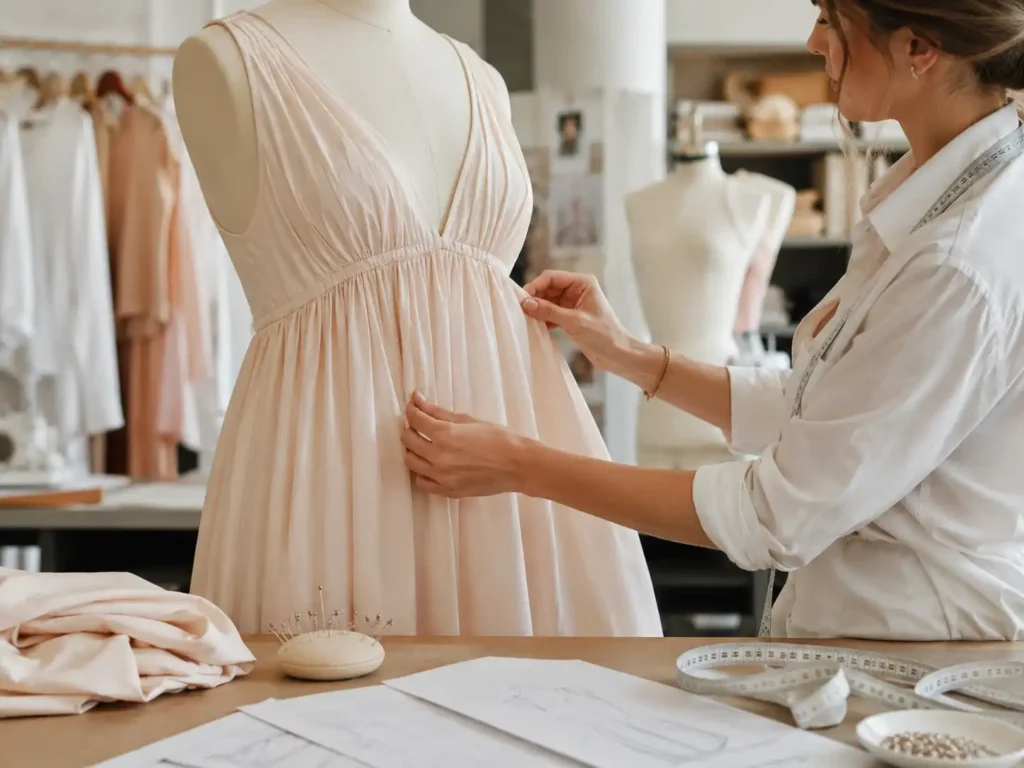
Gathered Empire Seam
- Gathering ratio
- Notch placement
- Center-front distribution
- Side-seam matching
- Seam thickness
- Lining connection
- Reinforcement
- Pressing method
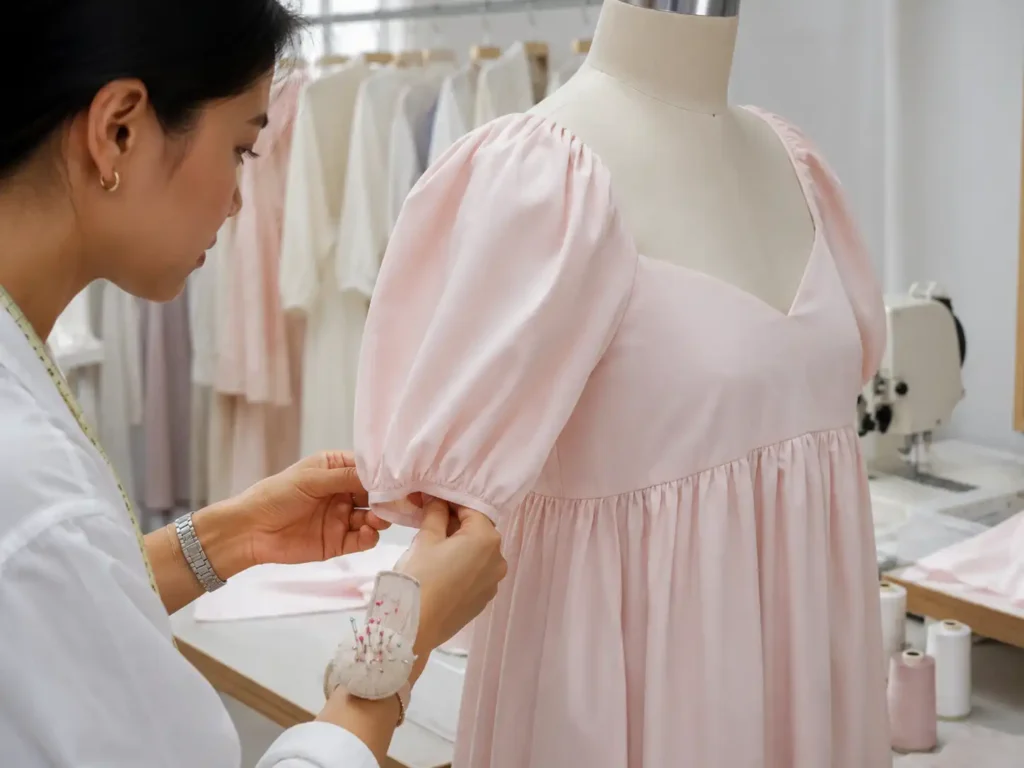
Puff Sleeve Construction
- Top and bottom gathering
- Sleeve symmetry
- Cuff comfort
- Elastic recovery
- Underarm strength
- Sleeve orientation
- Pressing
- Size grading
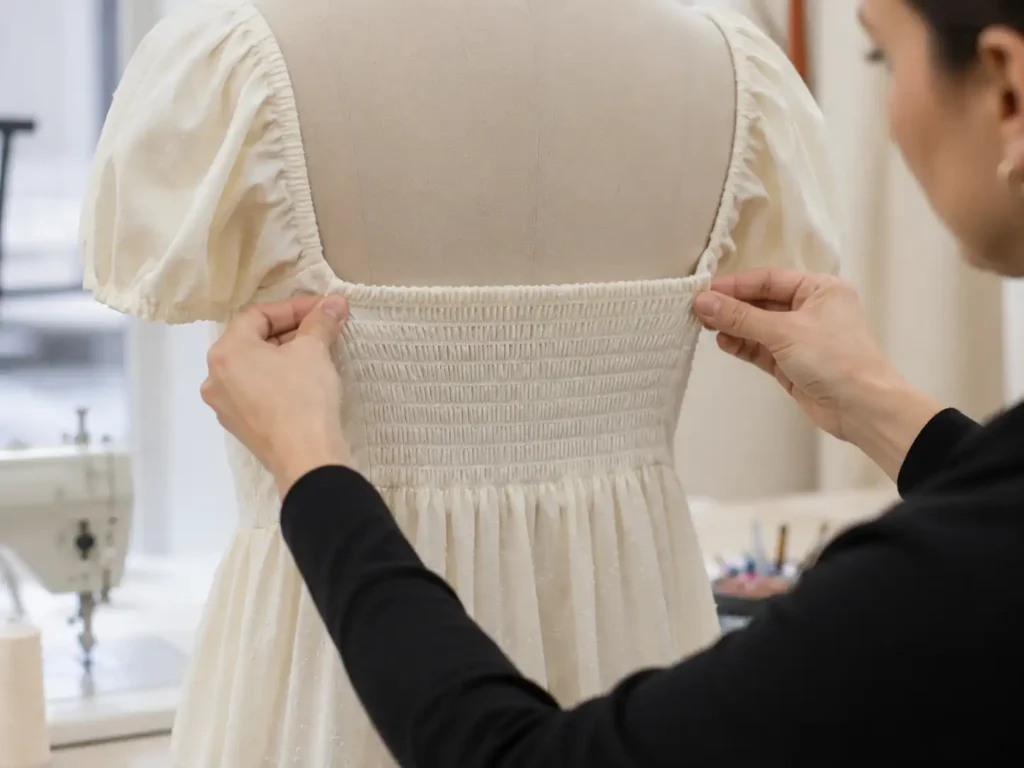
Smocked Back Panel
- Elastic specification
- Stitch spacing
- Thread tension
- Panel width
- Recovery
- Seam strength
- Size progression
- Bulk consistency
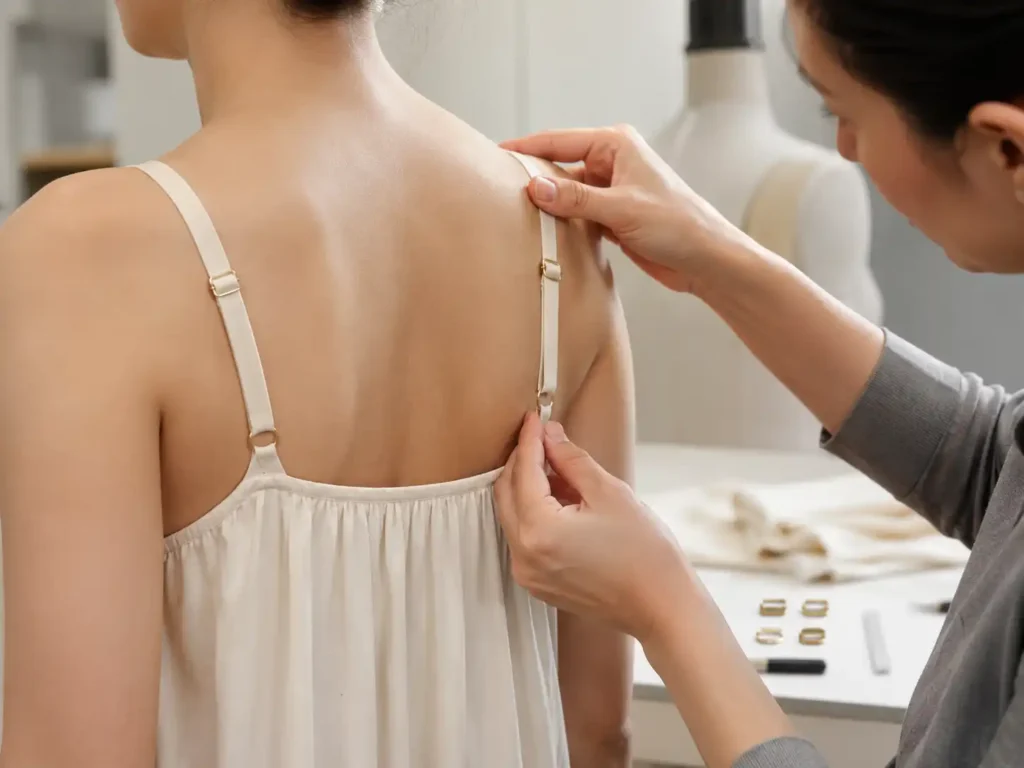
Adjustable Straps
- Slider and ring size
- Strap thickness
- Stitch reinforcement
- Maximum and minimum length
- Color matching
- Hardware orientation
- Comfort
- Pull resistance
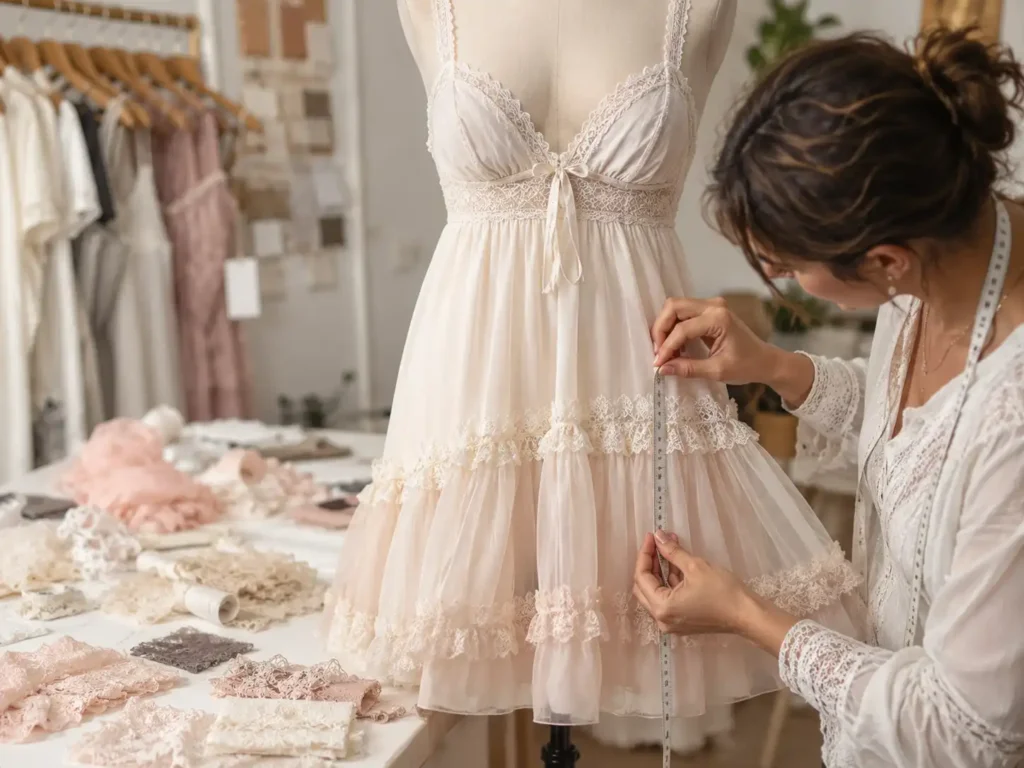
Lace and Ruffles
- Trim width
- Edge softness
- Placement measurement
- Color consistency
- Gathering ratio
- Join location
- Shrinkage
- Symmetry
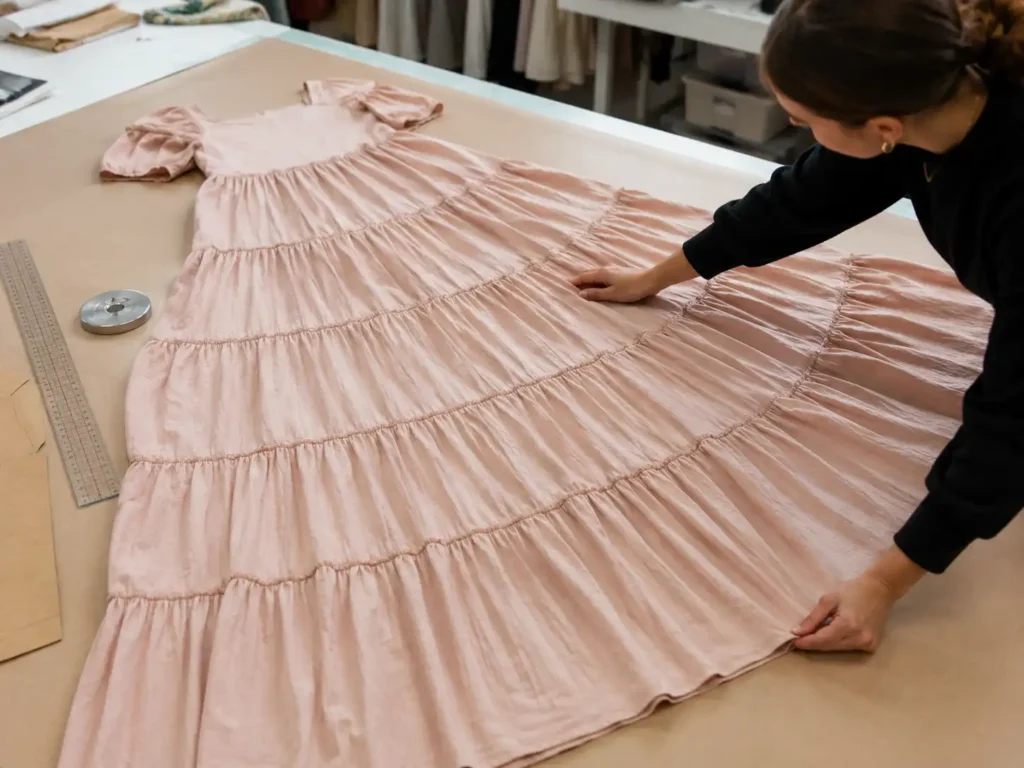
Tiered Skirt Seams
- Tier height
- Panel width
- Gathering marks
- Side-seam alignment
- Print direction
- Seam bulk
- Hanging recovery
- Final hem leveling
Workmanship Behind Clean Babydoll Dress Production
The relaxed appearance depends on disciplined sewing. Fine workmanship is most visible around gathered seams, necklines, sleeves, linings and hems.
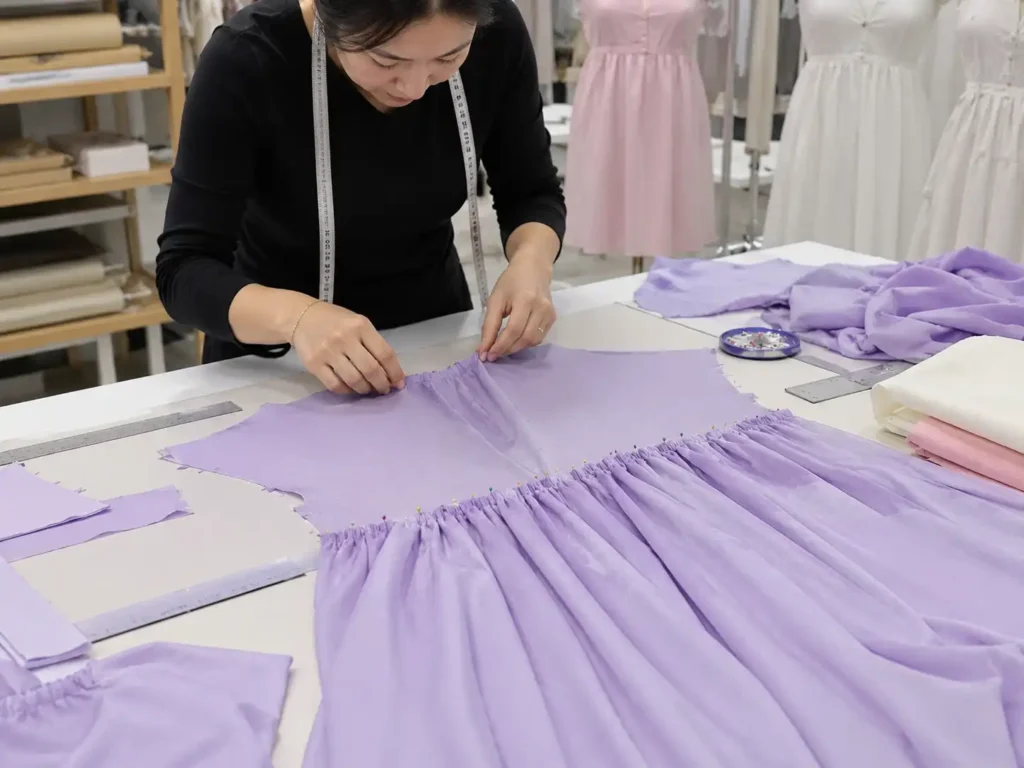
Managing Gathering Without Distortion
Gathering must remain even, secure and compatible with the fabric. Operators follow pattern notches and distribution marks rather than gathering by visual estimation alone.
Production control includes:
- Preparing panels at the approved width
- Preventing stretched or wavy upper edges
- Distributing fullness between fixed notches
- Matching center front, center back and side seams
- Controlling seam thickness
- Securing gathered stitches
- Checking the result before joining the lining
- Comparing against the PP sample
Satin requires smooth folds without puckering. Poplin needs controlled fullness to avoid excessive bulk. Chiffon needs careful handling so layers do not shift. Gathering quality is checked before later operations hide the seam.
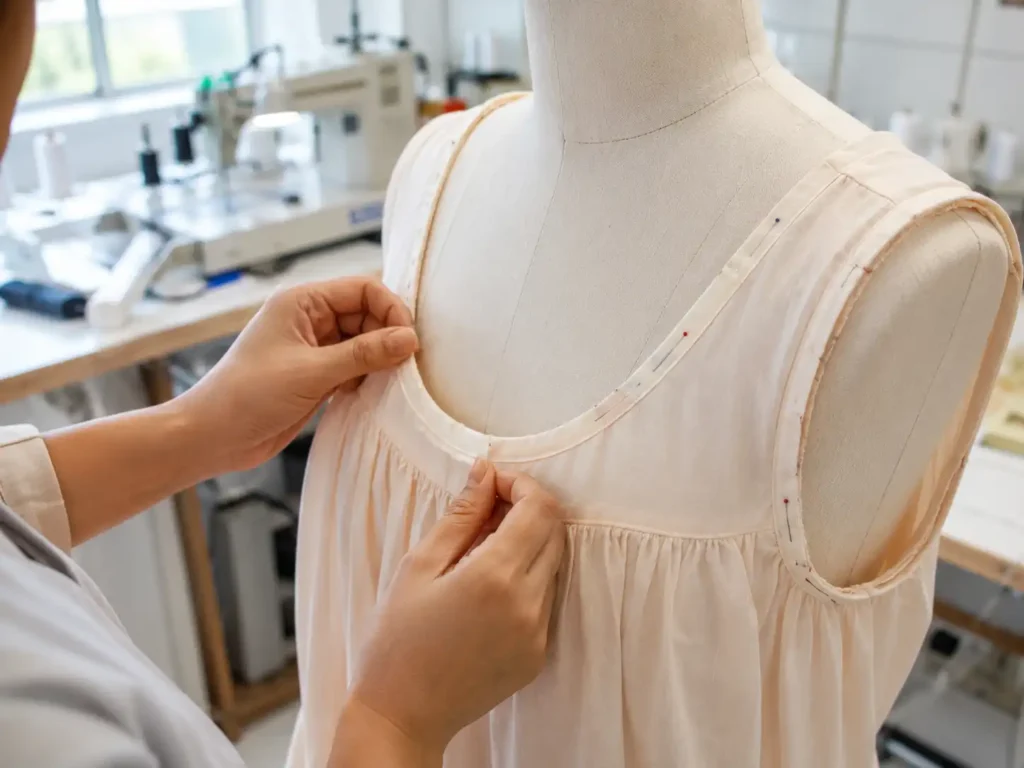
Stabilizing Necklines and Armholes
Necklines and armholes can stretch during cutting, sewing or handling, especially in bias-cut areas, satin, rayon and lightweight fabrics.
Suitable control methods may include:
- Stay stitching
- Facing
- Lining
- Binding
- Interfacing
- Clear elastic
- Controlled seam allowance
- Understitching
The method depends on fabric, transparency, stretch, design and target hand feel. Clean appearance is assessed together with comfort; excessive stabilization can make a soft dress feel rigid.
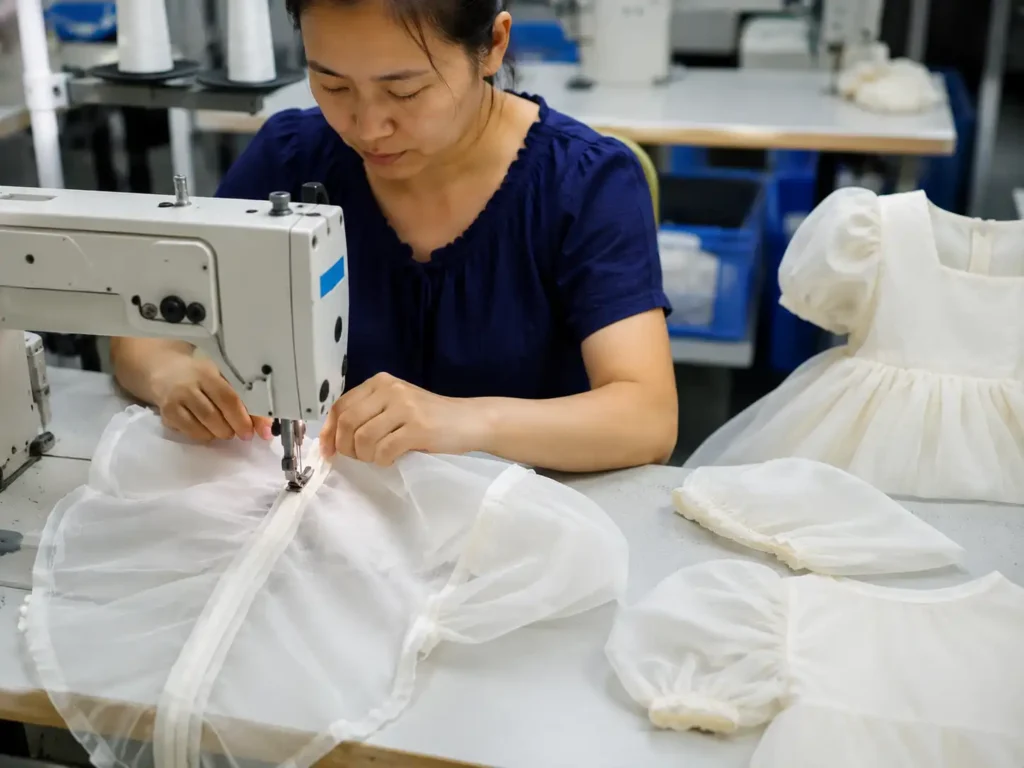
Sewing Sleeves and Lightweight Materials
Puff sleeves, sheer sleeves and fine woven fabrics require controlled needle selection, thread tension, seam width and feeding.
Inspection focuses on:
- Sleeve orientation
- Sleeve-head symmetry
- Smooth underarm seams
- Elastic-channel width
- Cuff consistency
- Seam puckering
- Needle damage
- Raw-edge finishing
Sheer sleeves may need narrow seams or clean enclosed finishes. Cotton puff sleeves may require careful pressing so volume remains visible without appearing crushed.
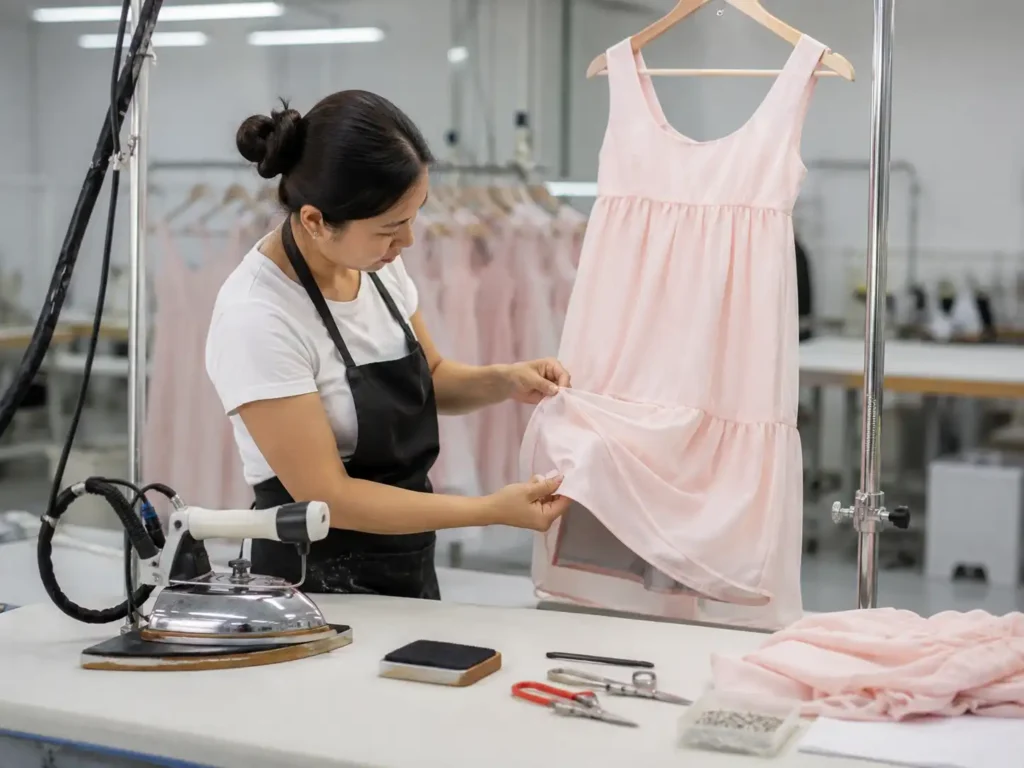
Finishing Linings, Hems and Pressing
Babydoll dresses often use wide hems, curved hems, layered hems or tiered construction. The hem method should suit fabric weight and desired movement.
Finishing control includes:
- Rolled hem for fine chiffon
- Narrow machine hem for lightweight woven fabric
- Clean turned hem for poplin
- Separate lining hem
- Level checking after hanging
- Thread trimming
- Surface cleaning
- Shape-preserving pressing
Pressing should remove production wrinkles without flattening gathers, puff sleeves or tier volume. Packing begins only after the garment has cooled and recovered.
From Design Input to First Sample
Reference Review
Tech Pack Check
Fabric Direction
Trim Selection
Pattern Development
First Sample
Internal Review
Revision Plan
Turning Sample Revisions Into Production Standards
Sample comments become valuable only when every approved change is transferred into patterns, measurements, material records and bulk instructions.
Comments Are Classified Before Action
Feedback can include visual opinions, fit observations, measured differences, material concerns or commercial changes. Each comment is assigned to a clear category:
- Pattern
- Measurement
- Fabric
- Trim
- Construction
- Lining
- Finish
- Label
- Packing
Classification prevents one comment from being solved in the wrong area. A loose neckline may require a pattern change rather than simply tighter sewing. Excess skirt volume may require a panel-width change instead of heavier pressing.
Pattern and Measurement Records Stay Connected
When a fit comment changes the pattern, the size chart and pattern note must remain aligned.
Records may include:
- Revised pattern version
- Updated measurement
- Changed seam position
- New notch placement
- Adjusted gathering ratio
- Updated sleeve shape
- Corrected lining length
- Approval status
Version control reduces the risk of producing a revised sample from an outdated pattern or sending an earlier size chart into bulk production.
Material Changes Trigger Reassessment
Changing from poplin to rayon, chiffon to satin or non-stretch lace to stretch lace can alter fit, drape, seam behavior, lining need, cost and material MOQ.
A material change may require:
- Pattern adjustment
- Revised seam method
- New lining
- Different gathering ratio
- New sample
- Updated quotation
- Revised timeline
- New bulk approval
Material substitution is therefore documented as a technical change, not only a color or sourcing change.
PP Approval Locks the Bulk Standard
The PP sample connects final development decisions to production. Approval should cover:
- Pattern
- Measurements
- Fabric
- Color
- Trims
- Construction
- Lining
- Labels
- Packaging
- Appearance
Any open item must be recorded before cutting begins. The production pattern, specification, BOM, sewing notes and QC checklist are then updated around the approved result.
Samples Created for Different Approval Decisions

Fit Sample
- Bust capacity
- Empire-seam placement
- Armhole coverage
- Sleeve mobility
- Dress length
- Skirt sweep
- Lining length
- Grading direction
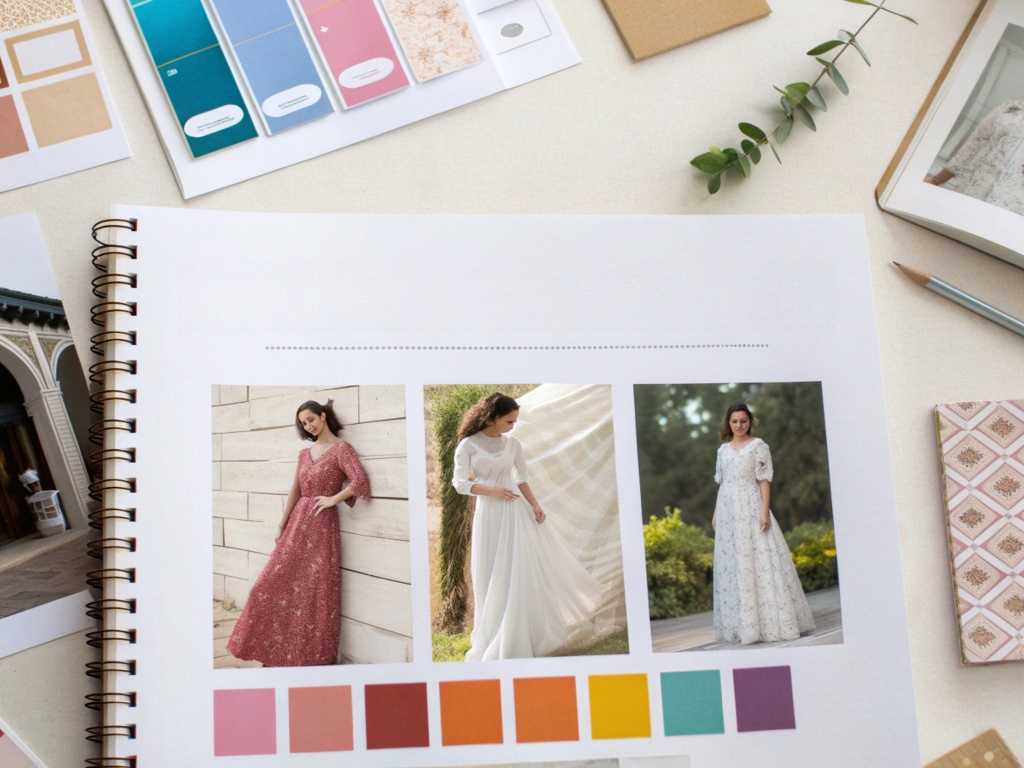
Photo-Ready Sample
- Final visual silhouette
- Fabric and color appearance
- Clean finishing
- Accurate design details
- Model fit
- Label needs for photography
- Pressing
- Image-facing surface quality

PP or Golden Sample
A PP sample establishes the final production reference. A golden sample may be retained for high-control or repeated programs. Approval includes:
- Final production fabric
- Final pattern
- Final measurements
- Final trims
- Final sewing methods
- Final lining
- Final labels
- Final packing direction
Bulk inspection compares production against the approved standard and current specification.
Babydoll Dress Bulk Production Workflow
PP Approval
Pattern Lock
The final production pattern and grading file are checked against the approved size chart and revision record.
Material Inspection
Cutting Preparation
Line Setup
Inline Inspection
Finished Measurement
Pressing and Finishing
Packing Approval
Babydoll Dress Quality Control Matrix
| QC Stage | Inspection Focus | Babydoll-Specific Risk | Control Action |
|---|---|---|---|
| Fabric Receipt | Shade, width, hand feel, defects, shrinkage and stretch | Different drape or fullness between batches | Compare bulk material with approved reference and records |
| Cutting | Grain, print direction, panel shape and size quantity | Twisted skirt, mismatched print or unbalanced panels | Verify marker, direction, bundle and cut components |
| Sewing Start | Seam method, gathering, empire seam and sleeve assembly | Incorrect volume established early in production | Review first output against PP sample |
| Inline Inspection | Measurement, symmetry, seam quality and construction | Uneven gathers, mismatched sleeves or unstable neckline | Record issues and correct before later operations |
| Finished Measurement | Bust, bodice length, seam position, dress length and sweep | Fit and proportion change across sizes | Measure by approved size chart and method |
| Appearance Review | Shape, balance, hem level, lining and surface | Raised back hem, exposed lining or crushed volume | Inspect hanging and on form when needed |
| Finishing | Threads, stains, pressing and label placement | Press marks, flattened gathers or damaged satin | Control temperature, shape and cleanliness |
| Packing | SKU, barcode, size, color, fold and carton ratio | Warehouse errors or permanent creasing | Verify against approved packing list and instructions |
Keeping Bulk Consistent With the Approved Sample

Fabric Batch Control
- Approved swatch reference
- Bulk lot identification
- Shade grouping
- Fabric-width recording
- Shrinkage notes
- Cutting allocation
- Color separation
- Issue records
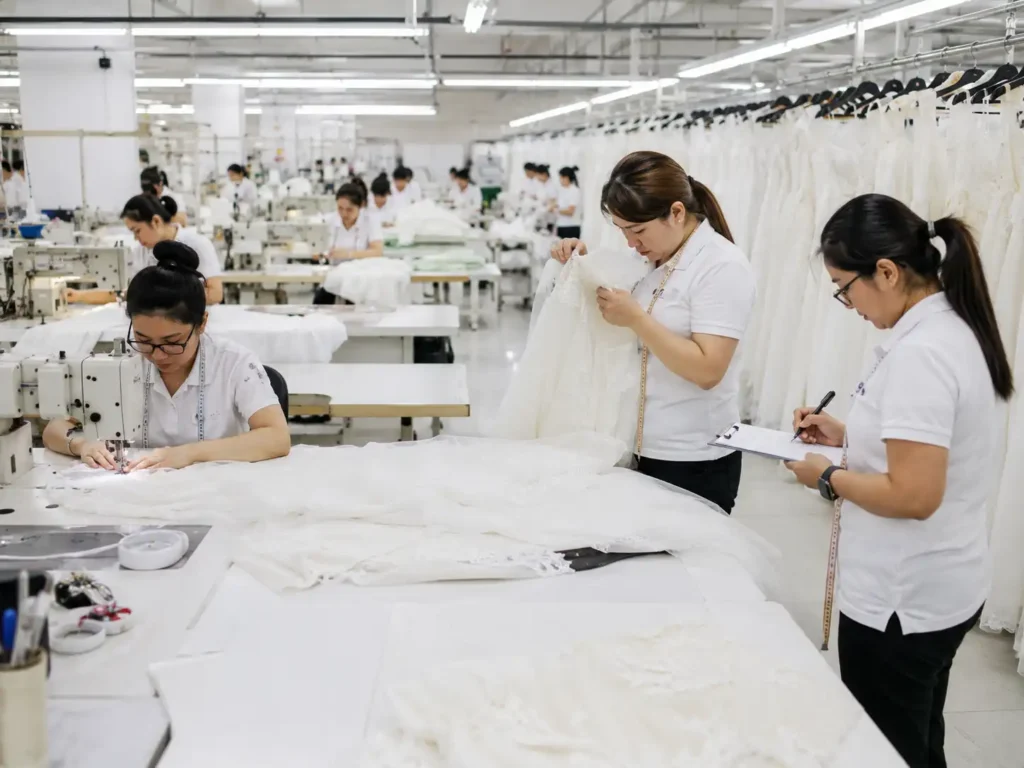
Gathering Ratio Control
- Panel-width verification
- Fixed distribution points
- Center and side matching
- Stitch security
- Left-right comparison
- Empire-seam measurement
- Inline review
- PP-sample comparison

Measurement Control
- Approved size chart
- Defined measuring method
- Base and graded sizes
- Critical-point selection
- Inline measuring
- Finished measuring
- Issue classification
- Recheck after correction
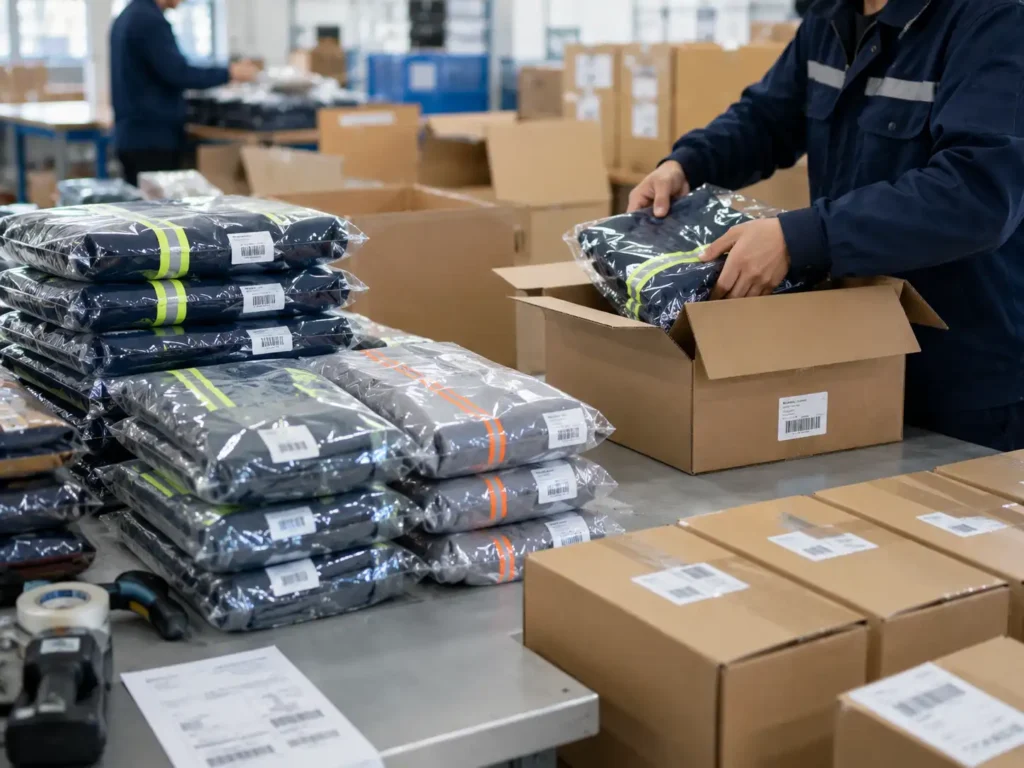
Finishing and Packing
- Pressing temperature
- Sleeve and gather shaping
- Hanging recovery
- Lining position
- Folding method
- Tissue or protection when specified
- Bag size
- Carton pressure
MOQ and Quotation Factors for Babydoll Dresses
Fabric Availability
Quotation considers:
- Fabric price
- Width
- Consumption
- Cutting loss
- Shrinkage
- Lining
- Supplier MOQ
- Material lead time
Color Development
Quotation considers:
- Number of colors
- Dye-lot control
- Lining color
- Thread color
- Trim color
- Sample color
- Bulk approval
- SKU separation
Print Requirements
Quotation considers:
- Artwork size
- Repeat
- Number of colors
- Fabric base
- Print placement
- Strike-off
- Cutting direction
- Production loss
Construction Complexity
Quotation considers:
- Pattern work
- Number of panels
- Lining
- Sleeves
- Closures
- Smocking
- Ruffles
- Detailed finishing
Size and Color Split
Quotation considers:
- Quantity per style/color
- Size ratio
- Number of SKUs
- Cutting bundles
- Label files
- Packing breakdown
- Carton ratios
- Production coordination
Private Label Packing
Labels and packaging may carry separate supplier minimums, setup charges or artwork requirements.
Quotation considers:
- Main label
- Size label
- Care label
- Hangtag
- Barcode
- Custom bag
- Tissue
- Carton mark
Private Labels and Retail-Ready Packing
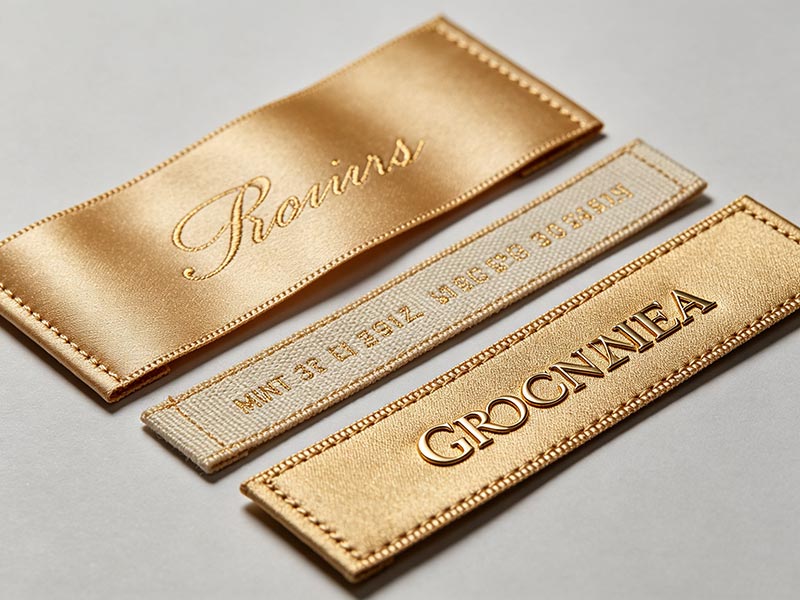
Main Brand Label
- Logo accuracy
- Label color
- Finished size
- Fold direction
- Sewing position
- Skin comfort
- Batch consistency
- Bulk quantity
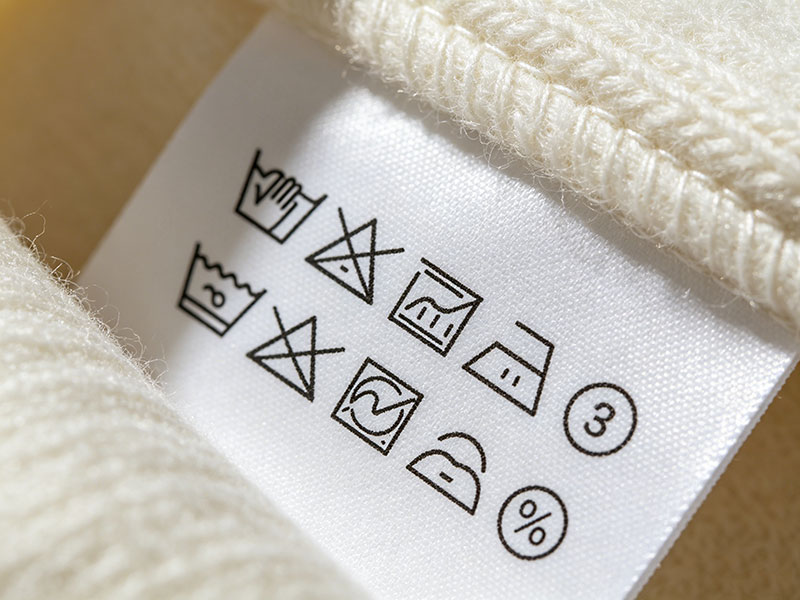
Care and Composition
- Final fabric composition
- Language
- Care symbols
- Size
- Style reference
- Print durability
- Label position
- Market requirement

Hangtags
- Artwork version
- Paper stock
- Print color
- Hole position
- String or fastener
- Attachment position
- Quantity
- Packing protection
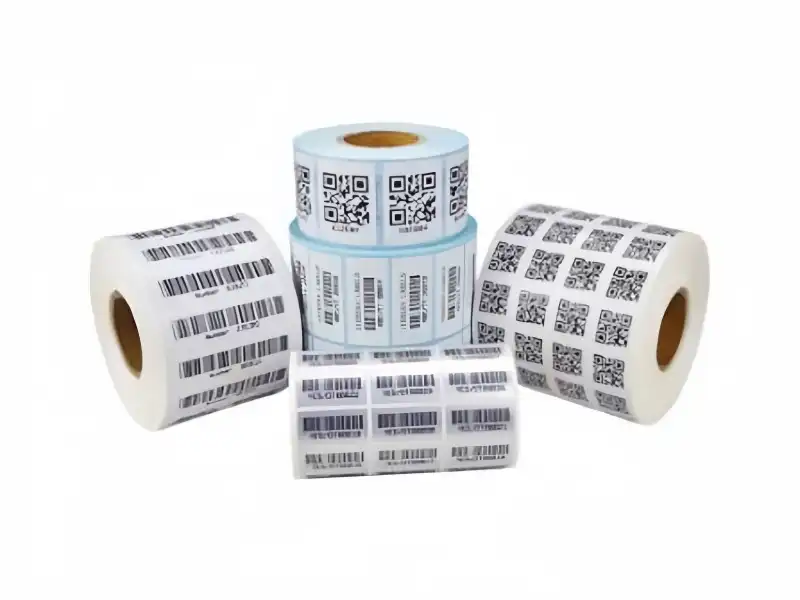
Barcode and SKU
- Style number
- Color code
- Size code
- Barcode readability
- Sticker position
- SKU matching
- Duplicate prevention
- Carton breakdown

Individual Packing
- Folding method
- Bag dimensions
- Size sticker
- Color sticker
- Barcode position
- Air holes where required
- Garment protection
- Quantity reconciliation

Carton Marking
- Purchase-order reference
- Style
- Color
- Size ratio
- Carton number
- Quantity
- Net and gross weight
- Destination mark
Capacity for Multi-Style Babydoll Dress Programs
Factory Matching
Multiple Style Development
Fabric Coordination
Merchandising Control
Production Scheduling
Quality Coordination
How to Compare Babydoll Dress Manufacturing Partners
Product Specialization
- Similar style samples
- Construction discussion
- Fabric recommendations
- Fit-risk explanation
- Pattern-review process
- Bulk-control points
Pattern and Fit
- Bust capacity
- Bodice length
- Armhole
- Sleeve volume
- Skirt sweep
- Size grading
Fabric and Trims
- Swatches
- Composition
- Weight
- Width
- Drape
- Transparency
- Trim specifications
- Supplier minimums
Sample Management
- Comments
- Pattern changes
- Measurement changes
- Material changes
- Approval status
- PP standards
Bulk Quality
- Incoming material checks
- Cutting review
- Sewing-line setup
- Inline inspection
- Finished measurement
- Packing QC
Brand Delivery
- Label development
- Barcode control
- Packing instructions
- Carton data
- Forwarder coordination
- Repeat-order records
NDA and Unreleased Design Protection
Design File Protection
- Tech packs
- Sketches
- Line sheets
- Reference images
- Size charts
- BOM files
- Artwork
- Unreleased concepts
Sample and Pattern Control
- Original garments
- First patterns
- Revised patterns
- PP patterns
- Grading files
- Measurement records
- Construction notes
- Approved samples
Private Label Confidentiality
Protected brand-delivery information can include:
- Main labels
- Care labels
- Hangtags
- Barcode files
- Packaging artwork
- Order quantities
- Target price
- Launch calendar
- Warehouse instructions
NDA-based cooperation can be arranged according to the project and client requirements.
Export Packing and Delivery Coordination
Packing Review
Carton Planning
Shipping Marks
Commercial Documents
Forwarder Coordination
Shipment Options
Babydoll Dress Programs Built Around Real Collection Scale
United States Ecommerce Collection
Program profile
- Market: United States
- Product direction: Casual and event-led babydoll mini dresses
- Style count: 14 styles
- Total quantity: 28,400 pcs
- Size range: XS–XL
- Main materials: Cotton poplin, rayon and lightweight satin
- Color structure: 2–4 colors per style
- Sample stages: Fit sample, revised sample and PP sample
- Delivery structure: Two bulk batches
The collection included puff sleeves, square necklines, tie backs, gathered skirts and short tiered shapes.
The main development risk was maintaining adequate back coverage while keeping a visually short mini proportion.
Pattern work separated front and back length growth instead of applying one equal grade rule.
Skirt sweep was adjusted by fabric type, since poplin held more volume than rayon.
Satin styles received separate seam, pressing and packing instructions.
Bulk QC concentrated on empire-seam placement, armhole exposure, dress length, sleeve symmetry, lining length and barcode accuracy.
Priority launch colors were packed in the first batch, while remaining colors followed in the second scheduled shipment.
Australian Resort Program
Program profile
- Market: Australia
- Product direction: Resort and vacation babydoll dresses
- Style count: 18 styles
- Total quantity: 42,600 pcs
- Size range: AU 6–16
- Main materials: Viscose, cotton voile, linen blends and printed chiffon
- Print directions: Floral, abstract and placement-led
- Sample stages: First sample, revised sample, photo sample and PP sample
- Delivery structure: Seasonal launch plus replenishment
The range required lightweight hand feel, travel-friendly packing and enough opacity for bright outdoor conditions.
Several initial fabric options looked suitable as swatches but became too transparent after movement or under strong lighting.
Lining decisions were made style by style. Cotton voile received lightweight skirt lining, printed chiffon used opaque inner layers, and selected viscose styles remained unlined after coverage approval.
Print-scale review helped prevent motifs from disappearing inside dense gathering.
Bulk production used print-direction instructions, shade grouping and separate SKU control for each colorway.
Reorder records preserved final patterns, approved fabrics, color references, labels and packing requirements.
United Kingdom Fashion Range
Program profile
- Market: United Kingdom
- Product direction: Casual-to-occasion babydoll range
- Style count: 26 styles
- Total quantity: 71,800 pcs
- Size range: UK 6–18
- Main materials: Satin, lace, mesh, crepe and cotton blends
- Design details: Lace trims, puff sleeves, ruffles and smocked backs
- Sample stages: Fit, revised, photo-ready and PP approvals
- Delivery structure: Three scheduled production releases
The collection combined casual cotton styles with higher-finish satin, lace and mesh options. Production allocation was divided according to fabric and construction complexity rather than placing the entire range into one manufacturing unit.
Development teams controlled empire-seam proportion across the extended size range, with special attention to bust capacity, bodice length and skirt-volume growth. Smocked backs were measured in relaxed and extended states. Lace and mesh styles received separate lining maps to define transparent and covered zones.
Production releases followed launch priority. First delivery covered campaign styles, the second covered core colors, and the final release completed broader color and size inventory. Every batch used independent carton data and packing lists while following the same approved technical standards.
Seasonal Collections, Reorders and Style Extensions
Seasonal Collection Development
Babydoll dresses can be developed as part of spring, summer, resort, festival, party or holiday collections.
Planning can cover:
- Style priority
- Shared fabrics
- Common trims
- Color architecture
- Sample sequence
- Photo deadlines
- PP approvals
- Bulk-release order
Same Pattern New Fabrics
- Weight
- Drape
- Stretch
- Shrinkage
- Transparency
- Gathering
- Lining
- Pattern impact
Multi-Color Extensions
Adding colors requires more than fabric selection.
Control includes:
- Color approval
- Dye-lot review
- Lining tone
- Thread color
- Zipper or button color
- SKU update
- Barcode files
- Packing stickers
Repeat Order Support
Repeat-order records may include:
- Golden sample
- Bulk pattern
- Size chart
- BOM
- Fabric reference
- Color record
- Trim record
- Sewing instruction
- QC notes
- Packing instruction
Before repetition, material availability, color continuity, client feedback and required improvements are reconfirmed.
Babydoll Dress Manufacturer Frequently Asked Questions
MOQ starts from 200 pcs per style/color. Fabric availability, custom dyeing, printed materials, lace, special trims, size-color division and private-label packaging may carry separate supplier minimums. Share the quantity per style and color for an accurate assessment.
Yes. Development can begin from a reference image, sketch, line sheet, original garment or tech pack. Clear measurements, fabric direction, size range, quantity and target use improve the accuracy of pattern, sample and quotation planning.
Common options include cotton poplin, cotton voile, rayon, viscose, chiffon, satin, lace, mesh and linen blends. Selection depends on desired structure, drape, opacity, gathering, season, price direction and care requirements.
Yes. Empire-seam placement can be adjusted through bodice-length and fit development. The correct position depends on bust proportion, neckline, fabric, intended silhouette and size range rather than one universal measurement.
Not always, but chiffon, voile, lace and mesh often require full, partial or skirt lining. Coverage, color, comfort, movement and visual transparency are reviewed before the lining structure is confirmed.
Yes. Puff-sleeve development covers sleeve-cap volume, gathering, elastic or cuff construction, arm mobility, symmetry and grading. Fabric stiffness affects the final sleeve shape and must be reviewed during sampling.
Production patterns include notches and distribution points. Panel width, gathering ratio, seam matching and visual fullness are checked during line setup and inline inspection against the approved PP or golden sample.
Yes. Services can include main labels, size labels, care labels, hangtags, barcode stickers, individual bags, size and color stickers, folding instructions, carton ratios and shipping marks.
Yes. NDA-based cooperation can protect tech packs, patterns, samples, materials, labels, packaging, quantities and unreleased designs. Images or project details are not made public without authorization.
Please provide reference images or tech packs, quantity per style/color, fabric preference, colors, size range, construction details, labels, packaging and required delivery window. Incomplete information may allow only an initial assessment.

Start Your Babydoll Dress Manufacturing Project
Send enough project information for an informed review of silhouette, fabric direction, pattern work, MOQ, sampling, bulk production and delivery requirements.
A useful project brief includes:
- Tech pack, reference image, sketch, line sheet or original-sample photos
- Quantity required for each style and color
- Intended fabric, composition, weight or hand-feel direction
- Color list, print artwork or color references
- Size range and garment measurement chart
- Neckline, sleeve, empire-seam, gathering and lining requirements
- Main label, care label, hangtag and barcode files
- Individual packing and warehouse instructions
- Target launch, delivery or warehouse-receiving window
- Destination country and preferred shipping arrangement