Skip to content
Armhole Fit Improvement Solutions
Turn underarm exposure, gaping, tightness and restricted movement into corrected patterns, approved samples and measurable bulk standards.
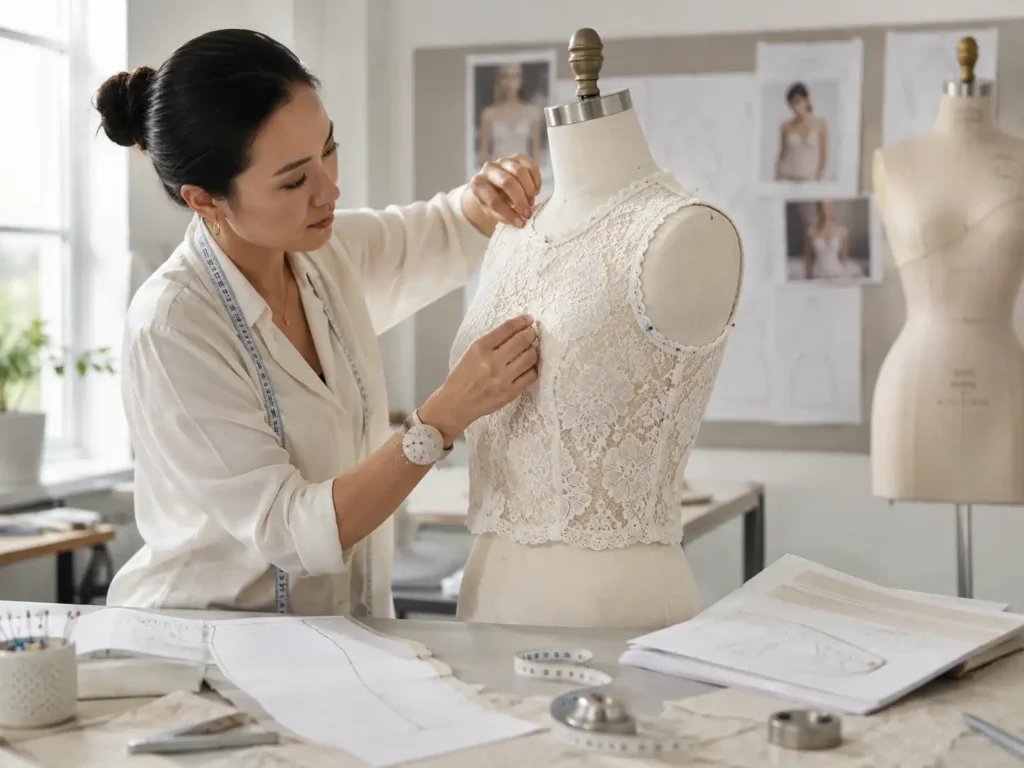
Armhole fit affects coverage, movement, strap balance, neckline stability and the visual finish of sleeveless and fitted womenswear. Jinfeng Apparel reviews the complete upper-body structure rather than changing one curve in isolation. Fit comments are translated into pattern corrections, revised samples, size-set checks and production controls for dresses, jumpsuits, matching sets and other private-label womenswear programs.
- 7+ senior womenswear pattern makers focused on fit and structure
- 2 sample rooms for first, fit, revised, PP and Golden samples
- 20+ sample machinists supporting complex sample development and correction
- 15+ QC inspectors covering materials, sewing, measurement and packing
- 18+ sewing lines for approved styles moving into coordinated bulk production
- 100,000+ pcs regular monthly capacity across the structured factory network
Built for Brands That Need Production-Ready Fit Corrections
Best Fit for Your Program
- Suitable projects include established fashion collections, premium ecommerce ranges, occasionwear, partywear, resortwear, private-label dresses and multi-style seasonal programs.
- Strong project inputs usually include a tech pack, original sample, existing pattern, size chart, fit comments, target fabric and planned quantity.
- Brands may also submit reference photos when the original structure still requires development.
What the Service Is Not
- The service is not a consumer alteration counter, ready-stock source or one-piece repair service.
- Jinfeng Apparel evaluates fit correction as part of professional womenswear development and bulk manufacturing.
- Project suitability depends on product direction, pattern access, sample requirements, fabric feasibility, target size range, private-label needs and the ability to move an approved standard into production.

Armhole Fit Improvement Solution
An armhole fit improvement solution identifies whether gaping, tightness, restricted movement or underarm exposure comes from the armhole itself or from connected areas such as the bust, shoulder, side seam, strap, neckline, sleeve or fabric. The finding is then converted into pattern corrections, revised samples, size grading rules and measurable production standards.
- Diagnosis Before Pattern Cutting
A front armhole gap may come from excess front length, an incorrect bust relationship, shoulder balance or strap placement. A low armhole may expose the side body and still restrict movement because the garment lifts when the arm rises. Tightness can result from insufficient depth, narrow upper chest, sleeve-cap imbalance, rigid binding or fabric with less stretch than the approved sample. Reliable correction begins by comparing the garment, body measurements, pattern, size chart and fit evidence together.
- Correction Must Protect the Design
Fit improvement should not erase the intended silhouette. A slip dress still needs a clean, minimal line; a bodycon style must remain close to the body; an evening dress may require controlled exposure without visible lining; a jumpsuit needs enough reach and torso mobility without a loose upper body. Jinfeng Apparel reviews how each correction influences neckline depth, bust coverage, strap angle, side seam, back width, lining and the overall visual proportion before the revised sample is released.
- Approval Must Be Measurable
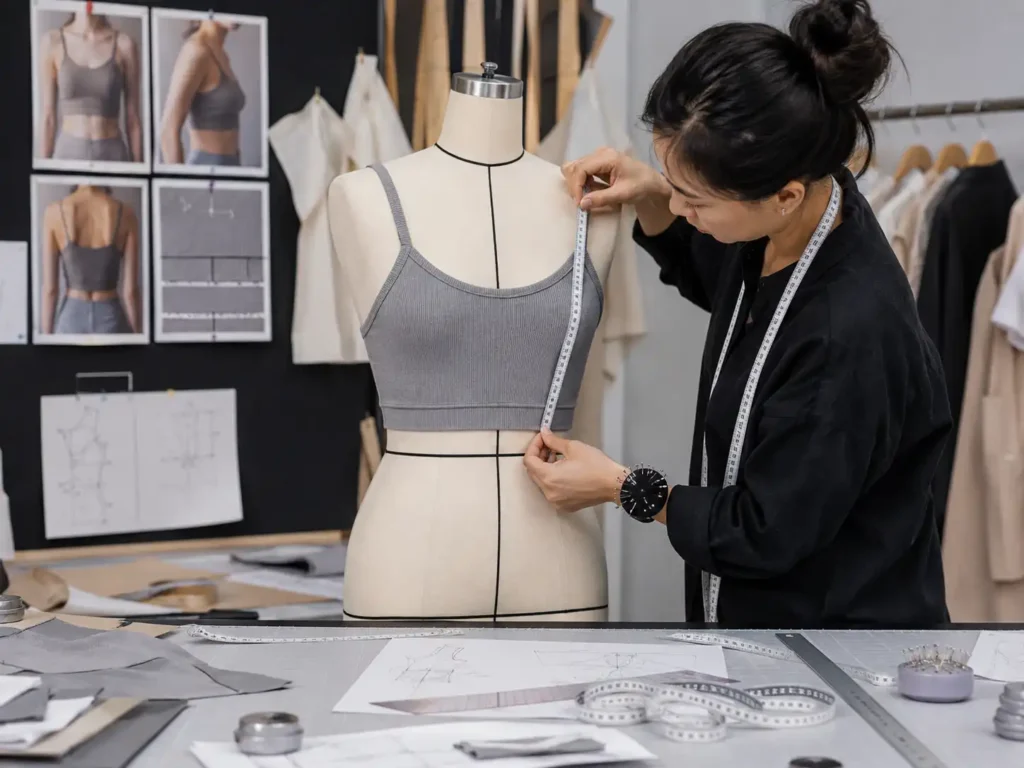
Comments such as “make it fit better” are converted into defined actions: reshape the front or back armscye, adjust shoulder width or slope, raise the underarm point, change strap position, revise bust ease, correct lining coverage or rebalance a sleeve. Updated measurements, pattern notes, sample photographs, revised size charts and QC checkpoints give production teams a repeatable standard instead of relying on visual memory.
Six Armhole Problems That Often Signal a Deeper Fit Issue
Front Armhole Gaping
Tight Underarm Pressure
Garment Lifts During Movement
Underarm or Bra Exposure
Back Armhole Wrinkles
Visible Lining or Edge Distortion
Diagnose the Cause Before Choosing the Correction
The matrix below separates visible symptoms from the areas that normally require review. Final corrections are confirmed only after the garment, pattern, size chart, body information and fabric are checked together.
| Visible Symptom | Likely Areas to Review | Possible Correction Direction | Connected Areas to Recheck |
| Front armhole gaping | Upper bust, front width, bust shaping, shoulder, strap angle | Redistribute excess, revise front armscye, correct bust or shoulder balance | Neckline, bust coverage, side seam, lining |
| Tight underarm | Armhole depth, chest width, side-seam height, binding, fabric give | Reshape curve, adjust depth or width, revise edge construction | Bust, shoulder, movement, seam allowance |
| Bodice lifts with raised arms | Armhole position, sleeve cap, back width, shoulder mobility | Rebalance armscye and sleeve or improve upper-body ease | Hem recovery, neckline, back, side seam |
| Excess side exposure | Underarm point, strap placement, side panel, neckline proportion | Raise coverage, move strap, revise side seam or bodice panel | Bust fit, bra coverage, lining, back |
| Back pulling or wrinkles | Shoulder slope, back width, posture balance, sleeve mobility | Correct back or shoulder pattern before reshaping armscye | Neckline, sleeve, side seam, movement |
| Visible lining or wavy edge | Lining pattern, facing, bias direction, stitch tension, turn-of-cloth | Correct lining or facing and stabilize edge construction | Armhole shape, seam bulk, pressing, symmetry |
Critical Measurements Behind Better Armhole Fit
Armhole Depth
Front and Back Armscye Length
Shoulder Width and Slope
Upper Bust and Across Front
Strap Position and Length
Side Seam and Lining Coverage
Armhole Solutions for High-Volume Women's Fashion Styles

Sleeveless Mini and Midi Dresses

Slip and Cami Dresses
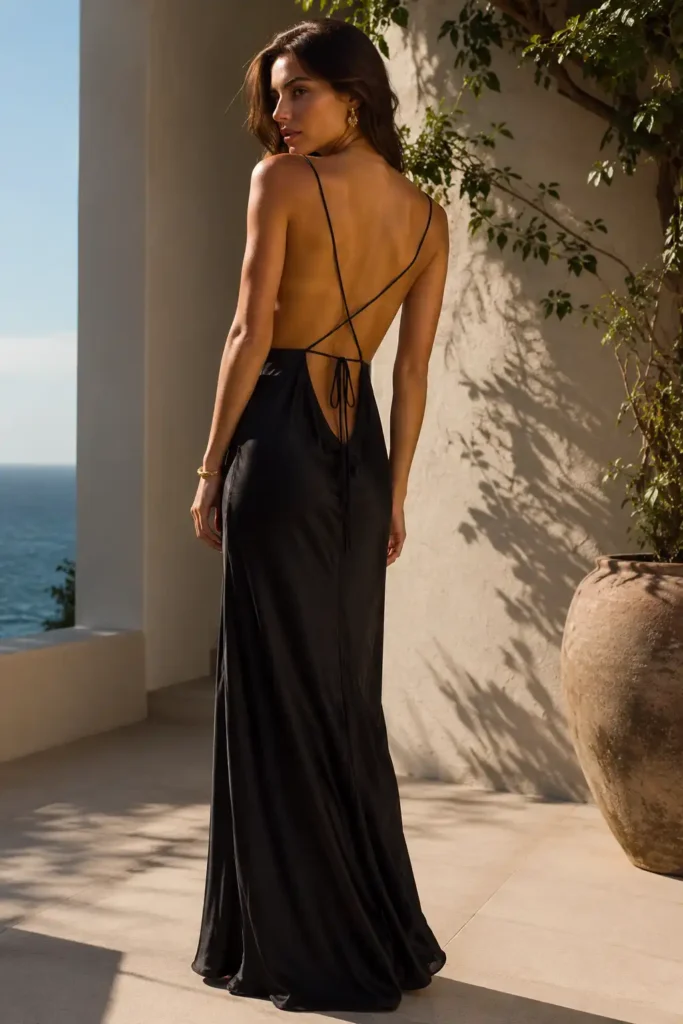
Halter and Backless Styles

Bodycon and Stretch Dresses

Jumpsuits and Rompers
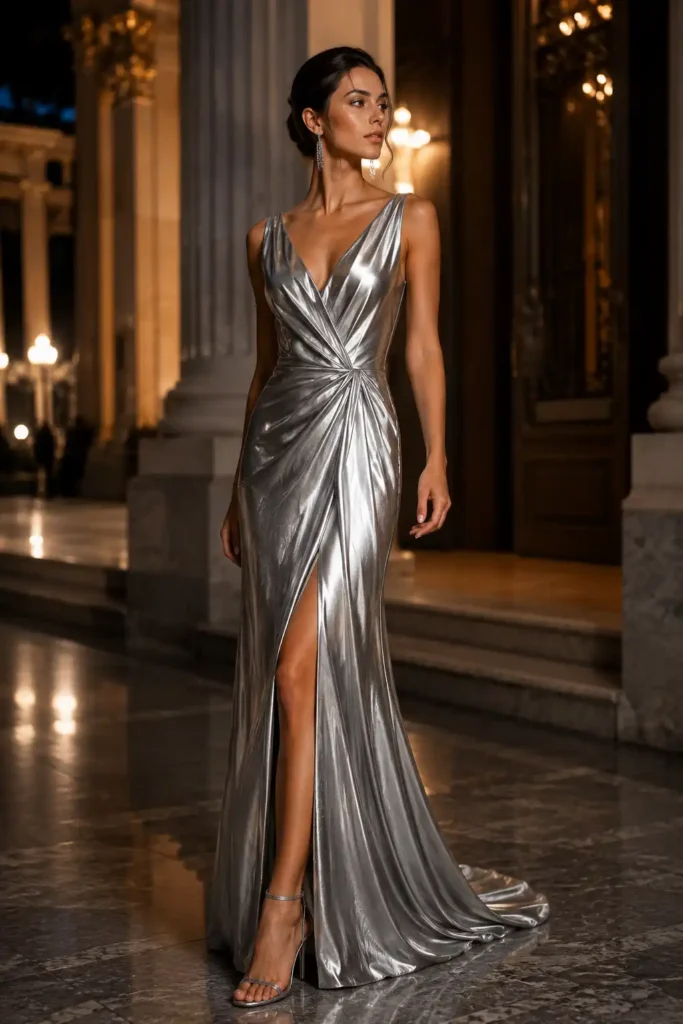
Occasion and Evening Dresses
How Fabric Behavior Changes Armhole Fit
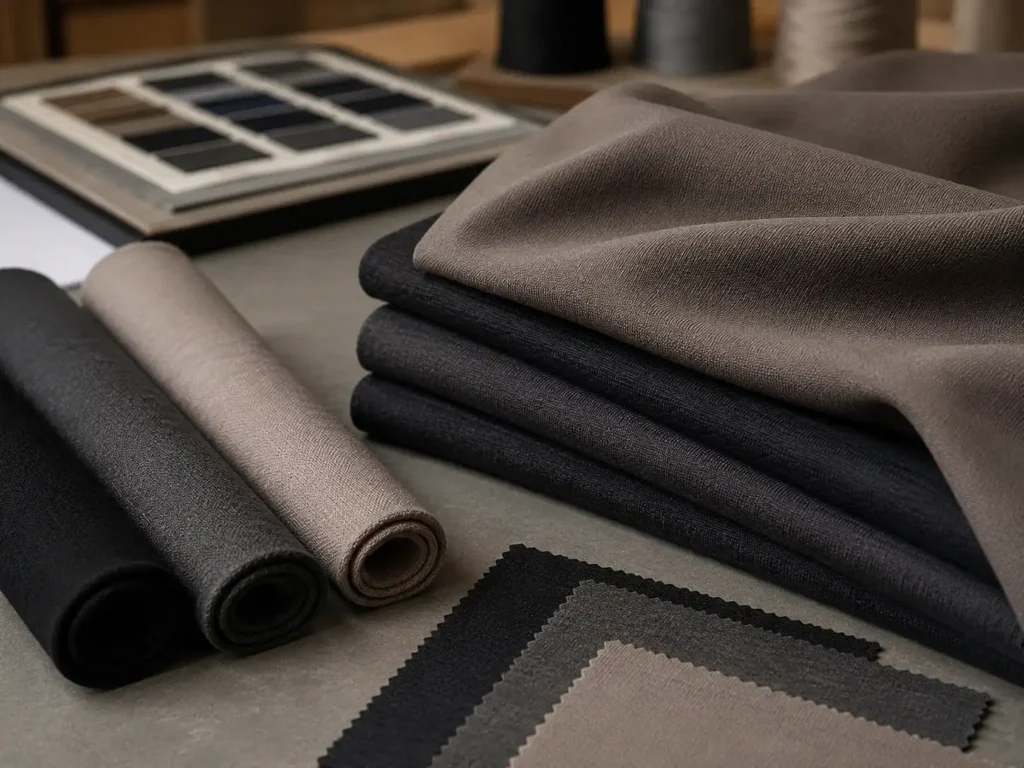
Jersey, Ponte and Stretch Knits
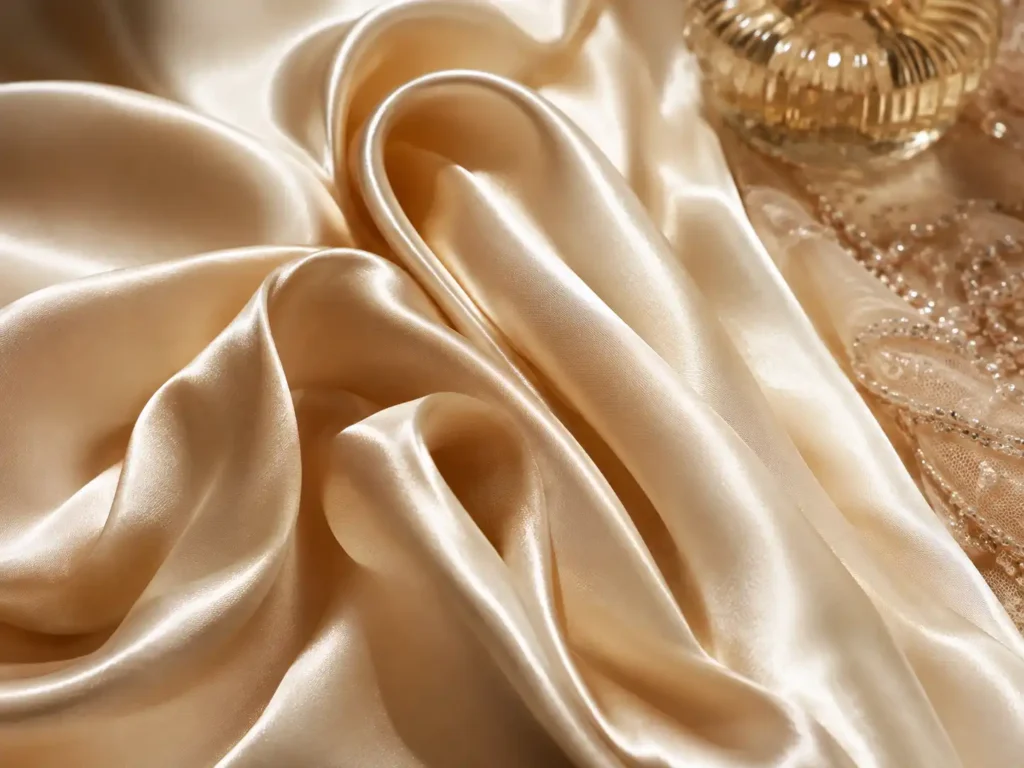
Satin, Crepe and Lightweight Wovens

Mesh, Lace and Transparent Materials
Design Details That Must Be Rebalanced With the Armhole

Bust Shaping
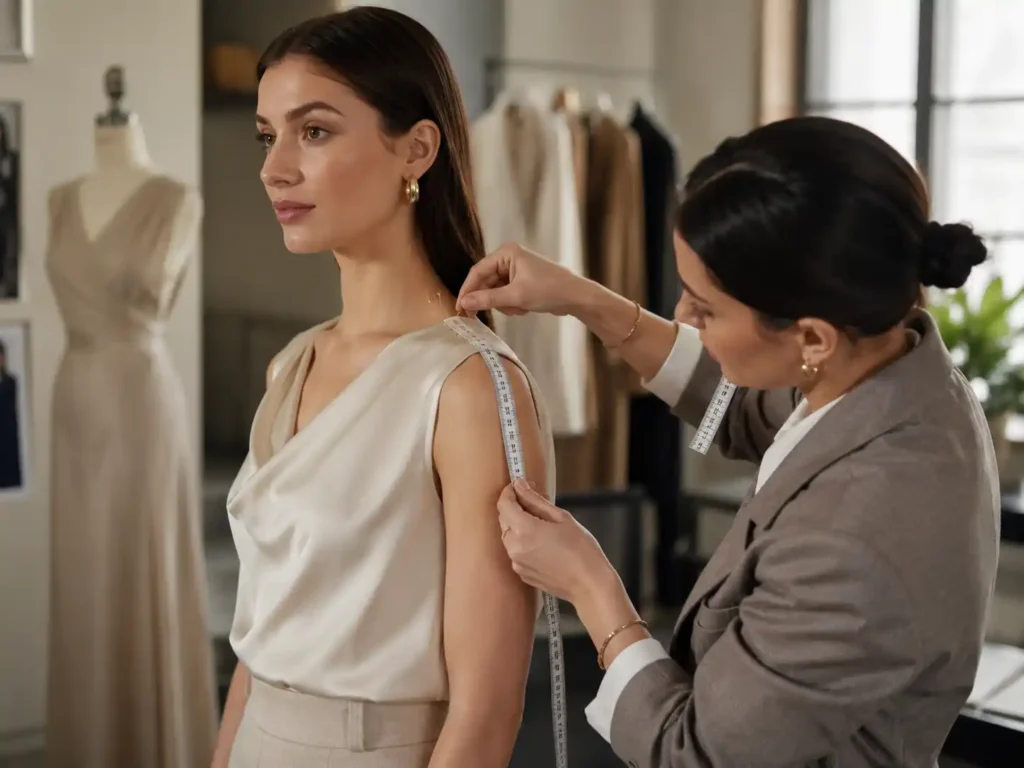
Shoulder Position

Strap Engineering
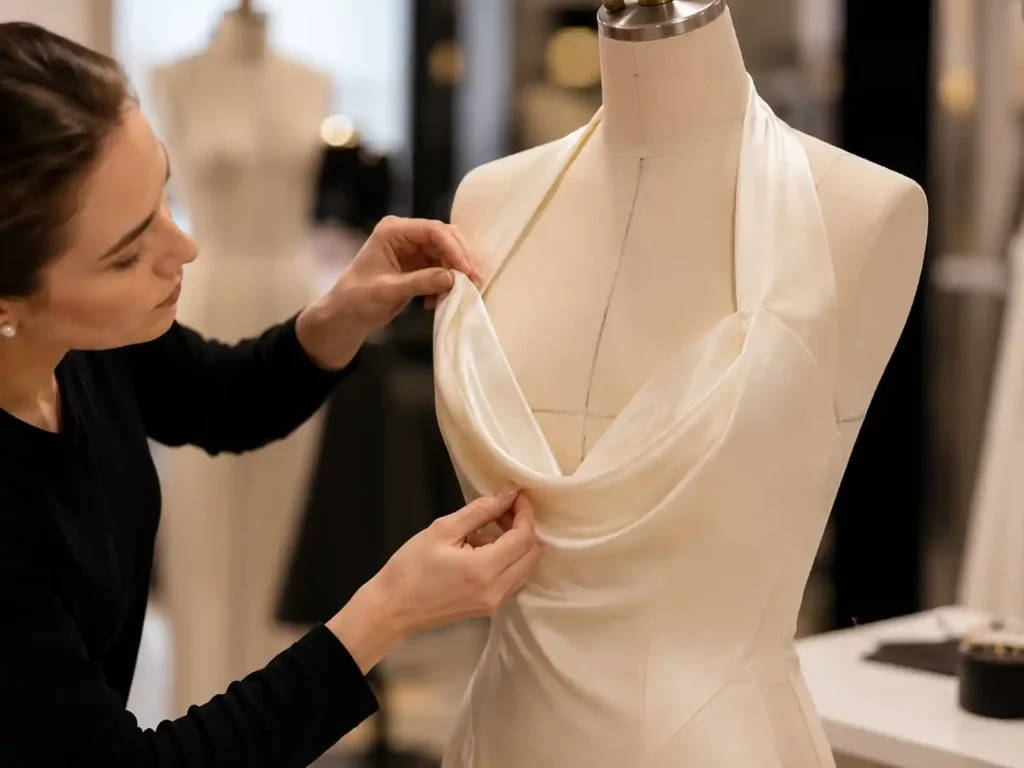
Neckline Stability

Back Coverage

Lining and Facing
Armhole Fit Must Work Beyond a Standing Pose
Natural Standing Position
Arms Raised Forward
Arms Raised Overhead
Arms Crossed
Sitting and Walking
Recovery After Movement
Send Fit Evidence Our Pattern Team Can Use

Front View

Side View

Back View
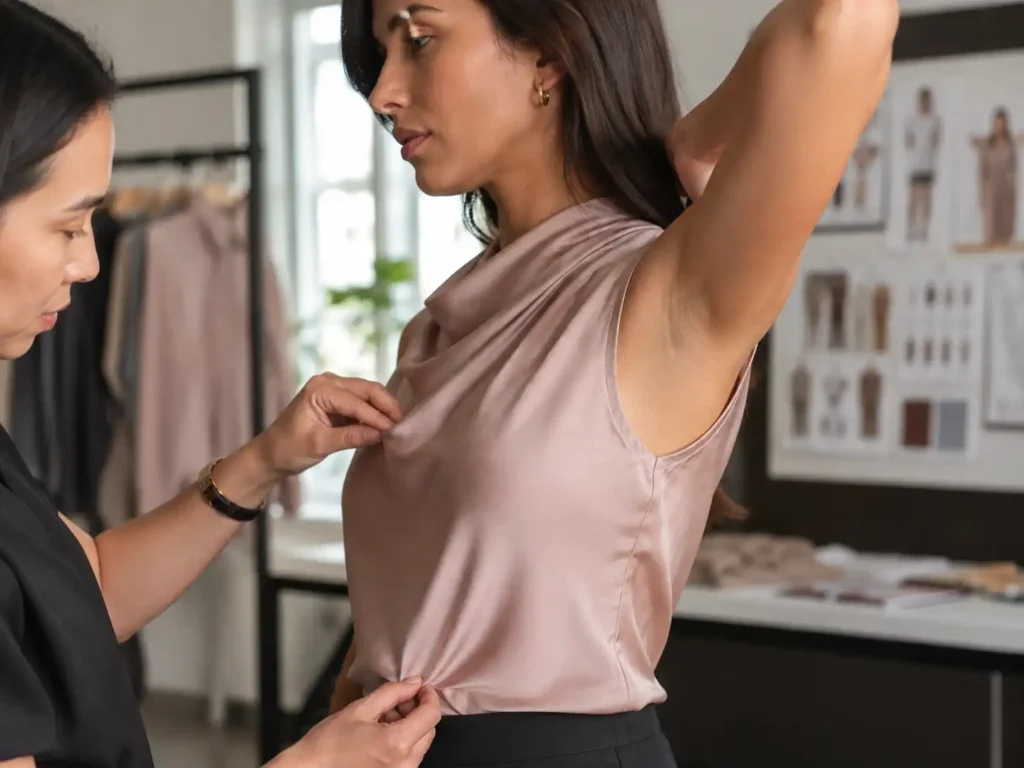
Raised-Arm View

Close-Up Details
Measurement and Comment Sheet
From Fit Comment to Corrected Production Pattern
Receive Project Files
Classify the Issue
Measure and Compare
Identify Root Cause
Revise the Pattern
Make Revised Sample
Confirm Measurements
Release PP Standard
Sampling That Separates Fit Correction From Bulk Approval
A revised armhole is approved through controlled sample stages, not through one visual check. Jinfeng Apparel distinguishes development samples by purpose so design, fit, material and production decisions are not mixed together. Typical first or revised sample development is approximately 5-15 working days after pattern direction, material availability and fit instructions are confirmed; complex structures or custom materials require project-specific timing.
First and Fit Samples
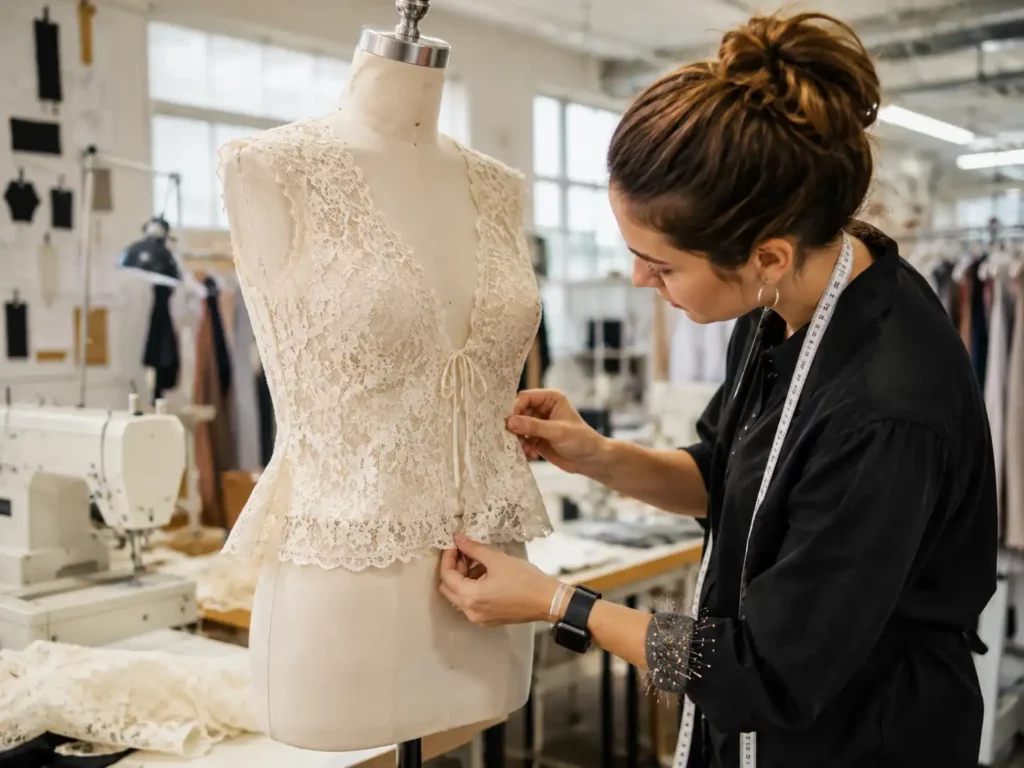
The first sample tests whether the design can be translated into a wearable structure. A fit sample then focuses on body relationship, movement and measurements. Armhole review covers front and back curve, depth, underarm position, shoulder, bust, strap, neckline, side seam and lining. A first sample is not treated as the final bulk standard, especially when the original reference lacks complete measurements or construction details.

Revised Samples
When fit comments affect the pattern, a revised sample verifies the actual correction. Changes may include raising underarm coverage, redistributing front length, changing shoulder slope, moving a strap, correcting lining, rebalancing a sleeve or adjusting ease. The revised version is compared with the earlier sample so the team can confirm which problems were resolved and whether new tension or exposure appeared elsewhere.

Photo-Ready and Salesman Samples
Photo-ready samples prioritize visual finish, pressing, fabric presentation and detail cleanliness for campaigns, lookbooks or sales meetings. They may support launch planning, but a photo sample does not automatically equal a PP sample. Final bulk fabric, trims, measurements, labeling and construction still require separate confirmation. Brands should identify whether a sample is intended for photography, showroom review, fitting or production approval before development begins.

PP and Golden Samples
The PP sample locks the final material, color, pattern, measurements, lining, trims, construction, labels and packing requirements before bulk production. Once approved, major structural changes are not introduced without a new review. The Golden sample becomes the physical reference for sewing, measurement, QC, repeat orders and dispute comparison. Armhole checkpoints are transferred into production instructions and measurement records rather than left as verbal comments.
A Correct Base Size Must Remain Correct Across the Size Set
Armhole corrections can behave differently in smaller and larger sizes. Jinfeng Apparel reviews grading relationships rather than applying an identical increment to every connected point. Size-set requirements follow the brand’s own size chart and market standard.
| Size-Set Control | Smaller-Size Risk | Larger-Size Risk | Approval Evidence |
|---|---|---|---|
| Armhole depth | Underarm becomes too high or restrictive | Coverage becomes too low or exposed | Finished measurement plus fit images |
| Front and back curve distribution | Curve becomes sharp or pulls at shoulder | Excess length creates gaping or wrinkles | Pattern comparison and sample balance |
| Shoulder and strap position | Strap moves too close to neck or arm | Strap drifts outward and reduces support | Attachment-point measurement and symmetry |
| Bust and upper-bust relationship | Front armhole may cut into body | Full-bust needs may create front gaping | Body data, garment measurement and fitting |
| Lining and facing | Edge becomes bulky in a small opening | Lining may lack coverage or pull shell | Interior photos and finished-edge check |
| Sleeve or upper-arm relationship | Sleeve cap may become tight | Upper arm and back mobility may be restricted | Size-set movement test and seam matching |
Workmanship Details That Protect the Corrected Armhole

Seam Allowance Control
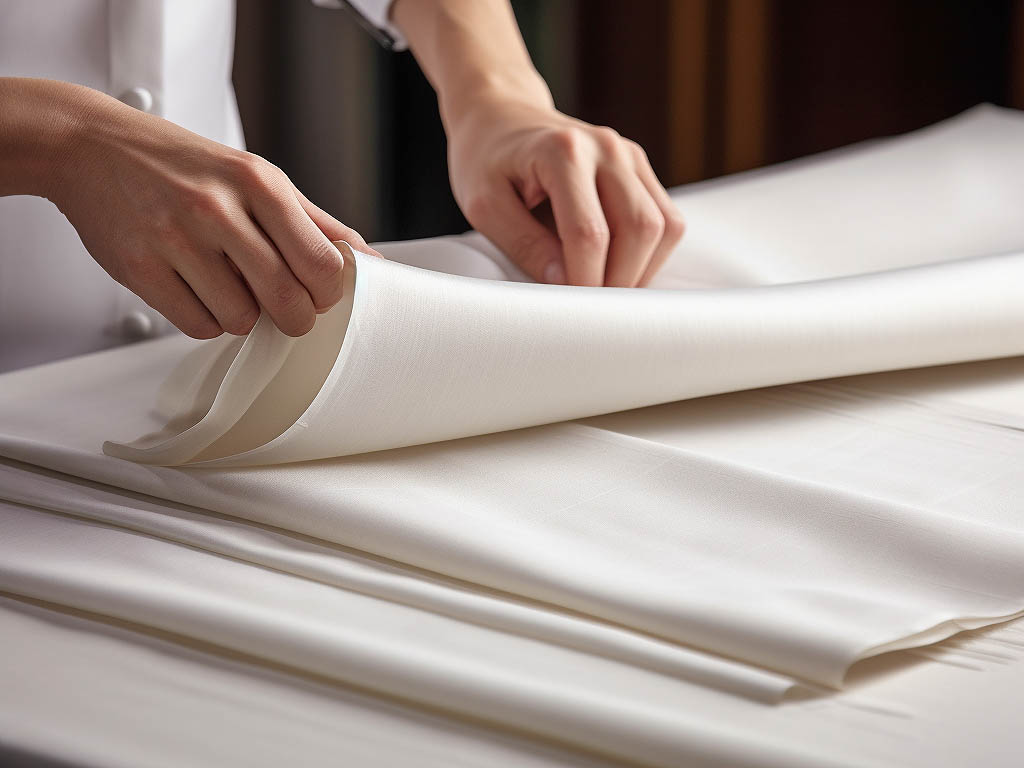
Binding and Facing Stability
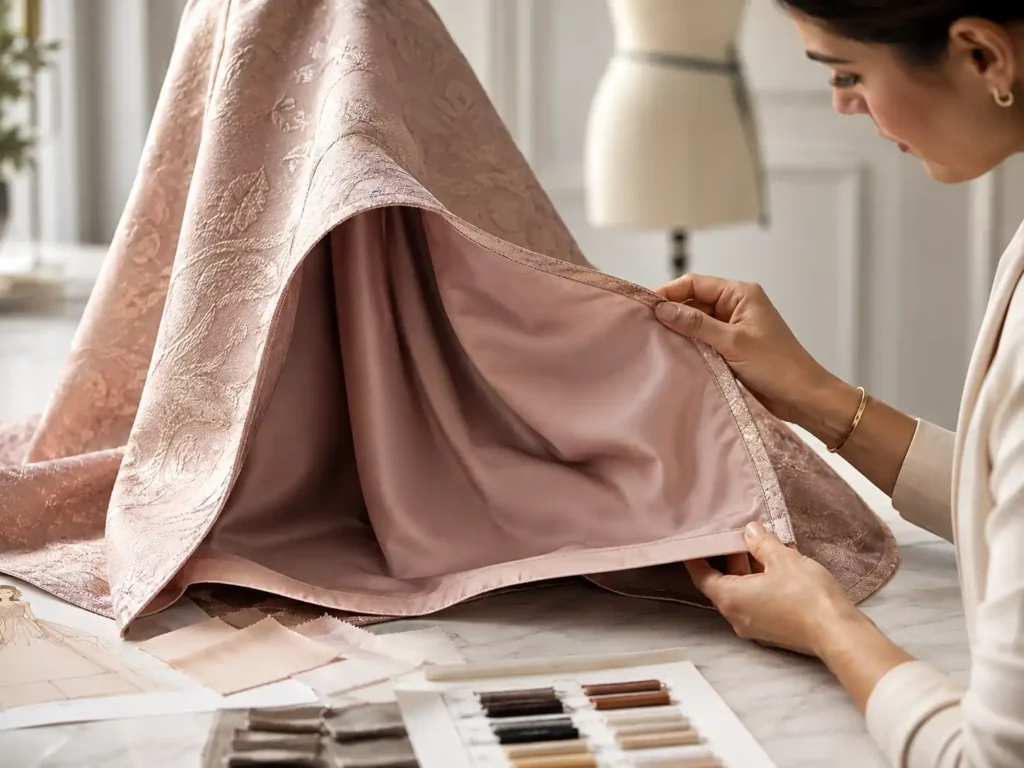
Lining Containment
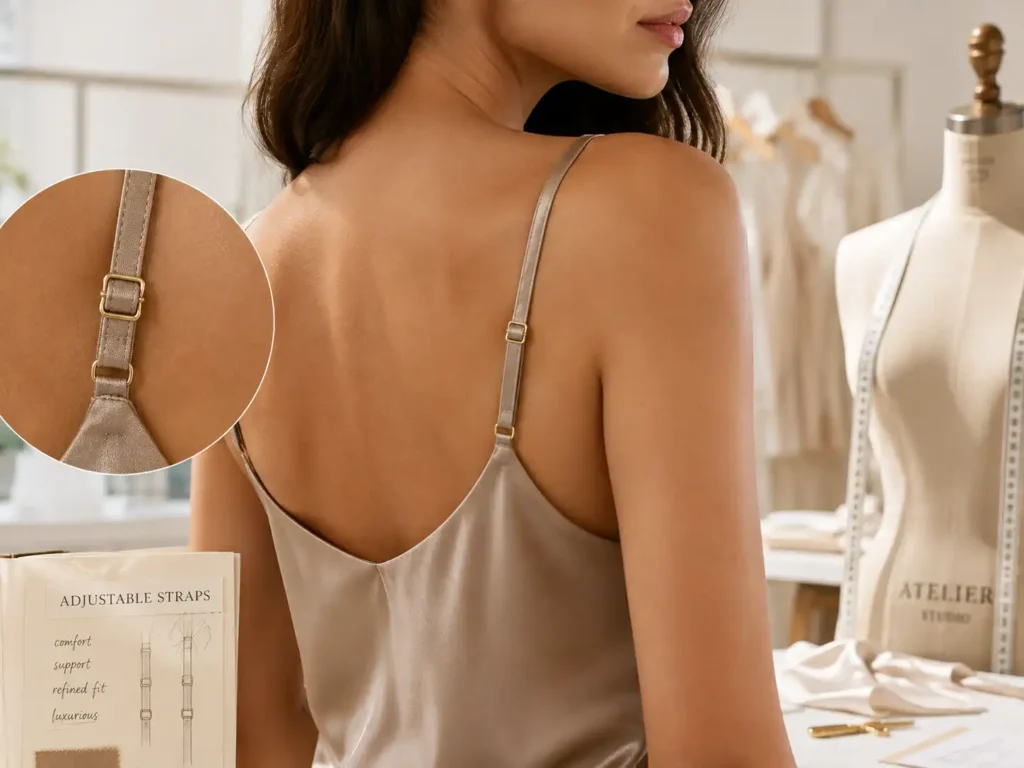
Strap Reinforcement

Symmetry and Seam Matching

Pressing and Final Shape
Bulk Quality Control for Stable Armhole Fit

Incoming Material Review
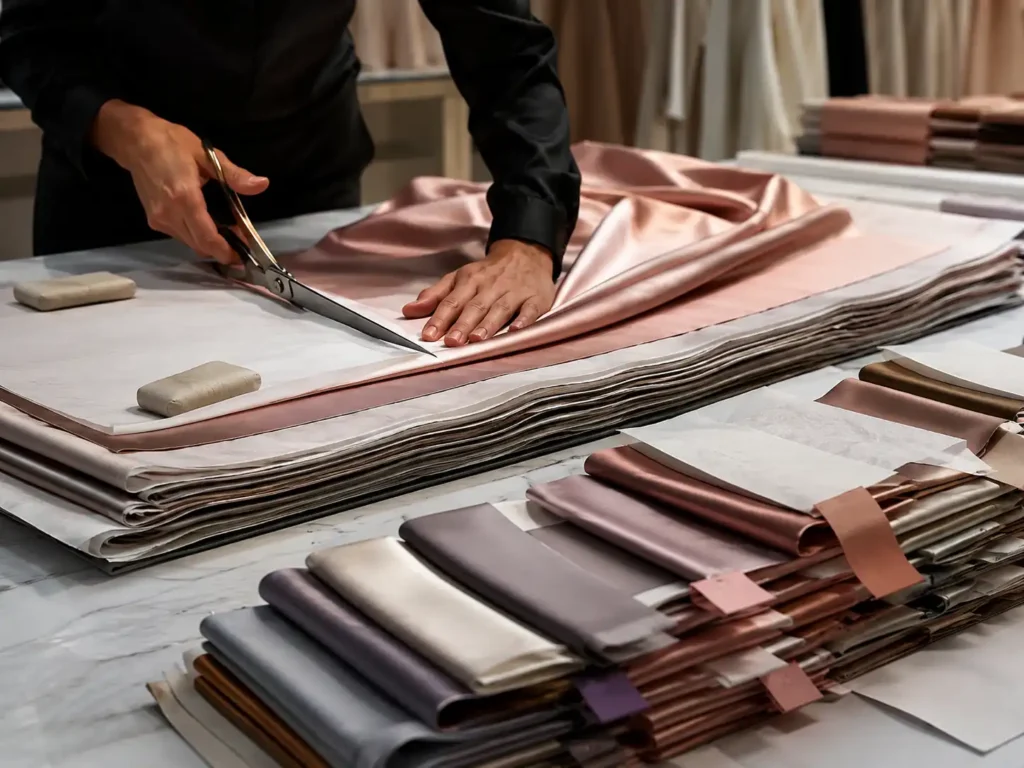
Pattern and Cutting Check
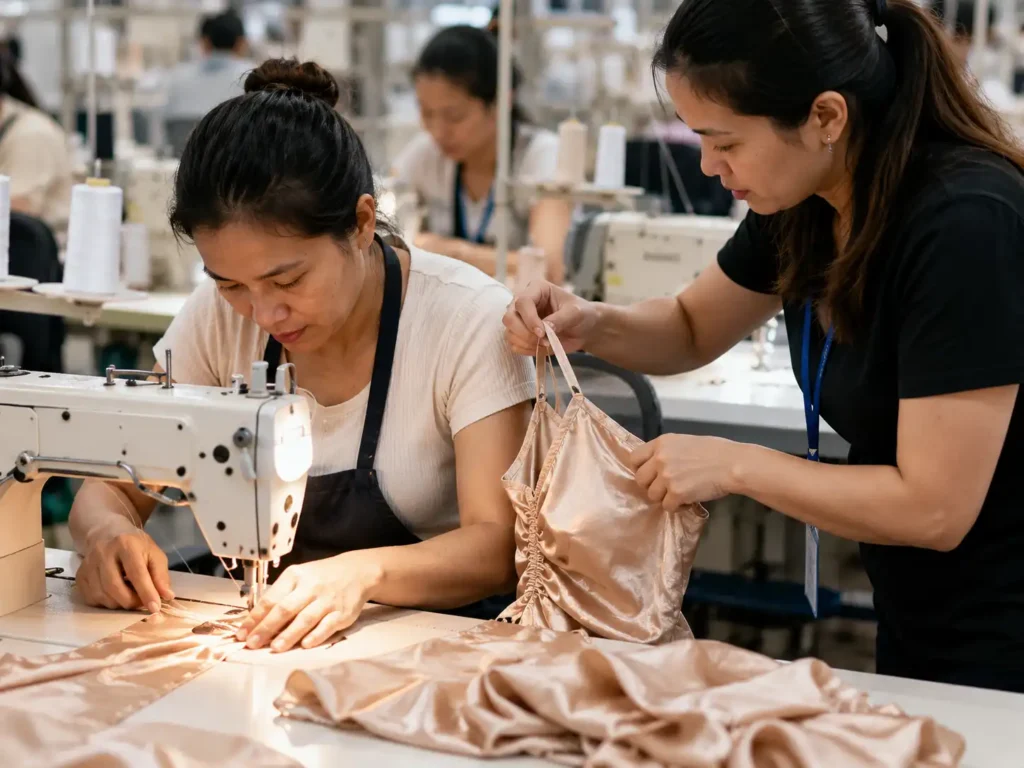
In-Line Sewing Inspection

Garment Measurement
Finished armhole depth and connected measurements are checked according to the approved method and tolerance. Bust, shoulder, strap, neckline, side seam and lining may be included because a single isolated measurement cannot prove fit stability.
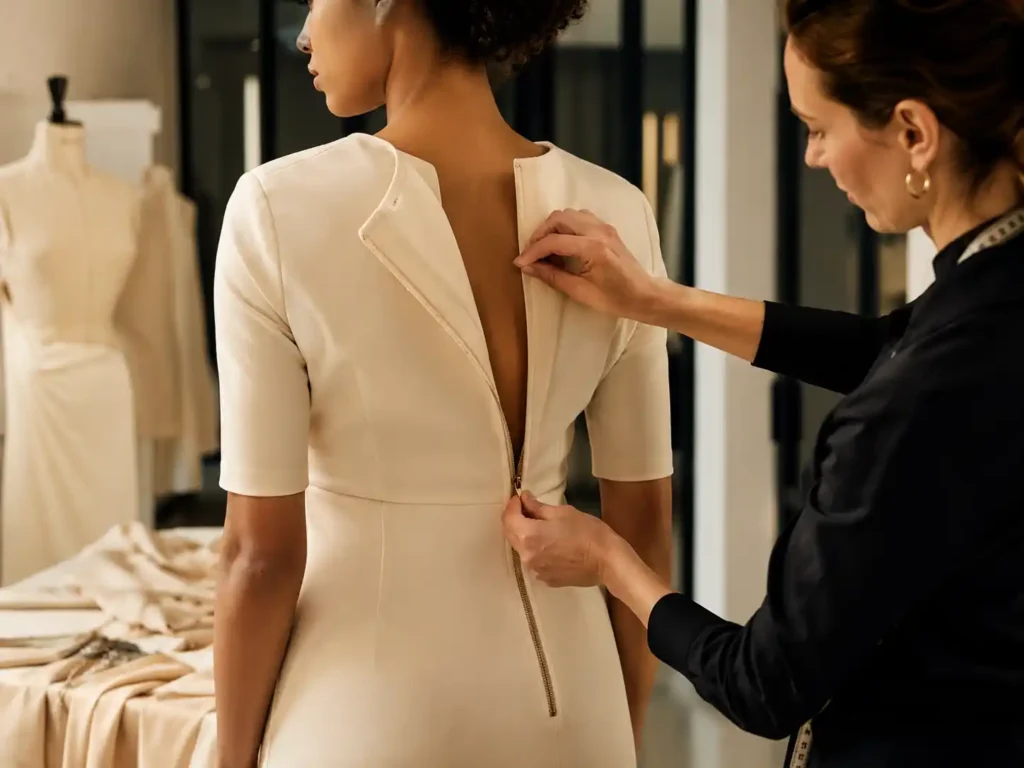
Appearance and Movement Review

Final and Packing Inspection
Frequently Asked Questions About Armhole Fit Improvement

Send Your Armhole Fit Issue for Review
Share the files already available, even when the collection is still in development. Jinfeng Apparel can review whether the issue is likely connected to pattern balance, measurements, fabric behavior, workmanship or a design change, then outline the next sample action.
A more accurate review is possible when the submission includes clear product information rather than a single front photograph.
- Tech pack, reference image or original sample information
- Existing pattern and latest size chart, when available
- Front, side, back and raised-arm fit photographs
- Short movement video for pulling, lifting or restriction
- Fabric composition, weight, stretch and lining details
- Sample version, fit comments and target correction
- Planned quantity, color plan, size range and launch timing
- Label, packing, QC or third-party inspection requirements