 Skip to content
Armhole Fit Development
Develop production-ready womenswear with armholes balanced for coverage, comfort, movement, silhouette and consistent fit across approved size ranges.
- 7+ senior womenswear pattern makers working across dress-led pattern and fit development.
- 2 sample rooms and 20+ sample machinists supporting first, fit, revised, PP and Golden sample stages.
- Armhole review connects bust, shoulder, strap, neckline, side coverage, lining and movement, rather than treating the opening as an isolated measurement.
- Fit development can support US, UK, EU, AU and alpha-size programs, based on the brand’s size chart, grade rules and fit preference.
- Approved fit changes are transferred into pattern records, measurements, production instructions and QC checkpoints before bulk production.
Who Needs Structured Armhole Fit Development?
Product Development Teams
Technical Design Teams
Sourcing Teams
Fit and QA Teams
Merchandising Teams
Collection Teams
Common Armhole Fit Problems Seen During Sampling

Front Armhole Gaping

Back Armhole Gaping

Underarm Tightness

Excess Side Exposure

Armhole Too Low

Armhole Too High

Pulling and Drag Lines

Size-Range Instability
Armhole Fit Depends on the Whole Upper Bodice
Armhole circumference alone cannot explain whether a garment will fit well. A reliable correction considers the geometry and tension of the complete upper body, including front and back balance, bust volume, shoulder position, straps, side coverage and fabric behavior.

Armhole Depth Controls Coverage and Movement Together
Armhole depth influences two competing requirements: freedom of movement and side-body coverage. Dropping the underarm may create more apparent space, yet an opening positioned too low can expose underwear, reduce bust security and weaken the upper-body silhouette. Raising it may improve coverage while also increasing underarm pressure when the surrounding pattern does not provide enough room.
Jinfeng reviews the opening in the worn position rather than relying only on a flat pattern dimension. Front, side and back views help reveal whether the lowest point sits correctly relative to the bust, side seam and intended design line.
For sleeveless garments, attention also goes to edge finish and lining placement because a correct outer armhole can still appear poor when the lining rolls outward or the edge stretches during sewing.
Review points include:
- underarm height
- front and back curve
- side exposure
- movement comfort
- lining coverage
- edge stability
- sleeve relationship when applicable

Bust Shape Changes the Front Armhole
Front-armhole gaping often appears close to the bust, making it tempting to remove fabric directly from the opening.
A more disciplined review first looks at how the bodice accommodates bust volume.
Upper bust, full bust, under-bust shaping, darts, seams, cup structure and stretch can affect how the fabric travels from the neckline and shoulder toward the armhole. Removing excess from the wrong area may improve one photograph while creating pulling, flattening the bust or changing the neckline.
Jinfeng’s womenswear pattern process evaluates bust, upper-bust and under-bust relationships together with the armhole.
Corset, bodycon, slip, halter, deep-V and structured dresses receive different treatment because their support structures and fabrics behave differently.
Fit feedback should ideally include:
- front full-body image
- front armhole close-up
- side view
- measurement comments
- intended bust coverage
- bra or support requirement when relevant

Shoulder Position Changes Armhole Geometry
Shoulder width, shoulder slope and the actual shoulder point determine where the upper section of the armhole sits.
A pattern that is too wide or narrow at the shoulder can distort the curve even when the opening measurement appears close to specification.
Adjustment decisions therefore require more than comparing circumference. Jinfeng checks whether shoulder seams sit in the intended position, whether the upper body hangs vertically, and whether front-to-back balance remains stable.
Structured dresses may need a firmer shoulder and cleaner line. Soft resort or slip silhouettes may allow more fluidity. Halter and asymmetric designs shift load away from a conventional shoulder seam, introducing a different balance problem.
Armhole development therefore starts from the garment architecture, not from a universal armhole template.

Straps, Neckline and Side Seam Work Together
In a cami, slip, backless or halter design, strap length and strap position can change the armhole without any direct pattern alteration. A strap shortened to raise the neckline may simultaneously raise the underarm and change bust tension. A strap moved inward can alter the angle of the opening. A side seam positioned differently can change front and back coverage.
Jinfeng reviews interconnected changes before finalizing the revised sample. Important decisions can include:
- strap length
- strap angle
- fixed or adjustable strap construction
- neckline height
- side seam location
- bust coverage
- lining height
- back coverage
Diagnose Armhole Problems Before Changing the Pattern
Fit symptoms give useful clues, but one visible issue can have several possible causes. Pattern changes should follow fit review, measurement checks and garment-balance assessment rather than a one-problem-one-fix formula.
| Fit Symptom | Areas to Review | Development Check |
| Front armhole gaping | Bust distribution, front balance, shoulder, armhole curve | Compare fit photos, bust position and front opening behavior |
| Back armhole gaping | Across-back balance, shoulder, back length, armhole curve | Review back and side views before reshaping |
| Underarm tightness | Armhole height, width, upper-bodice balance | Test natural movement and underarm pressure |
| Excess side exposure | Armhole depth, strap position, bust coverage, lining | Review side view, lingerie coverage and intended design exposure |
| Shoulder pulling | Shoulder width, slope, front/back balance | Check seam position and drag lines before altering opening |
| Sleeve pulling | Bodice armhole and sleeve compatibility | Review armhole shape, sleeve hang and movement together |
| Larger-size exposure | Grade rule, bust growth, shoulder growth, armhole grading | Compare graded measurements against fit objectives |
| Lining showing | Outer armhole, lining pattern and attachment | Check both patterns and sewing stability |
What Jinfeng Reviews Before Revising an Armhole
Tech Pack and Measurements
Fit Photos and Comments
Size Chart and Grade Rules
Original or Reference Sample
Fabric Information
Brand Fit Direction
From Design Input to Production-Ready Armhole Patterns
Pattern development converts design information into a structure that can be cut, sewn, fitted, revised, graded and repeated. For armhole-sensitive womenswear, every correction must remain compatible with the rest of the bodice and with later bulk-production controls.

Structure Review Before Pattern Work Begins
Development may begin from a tech pack, sketch, line sheet, original sample or reference image. The first task is identifying the garment architecture rather than immediately drawing an armhole.
The pattern team reviews:
- neckline and shoulder structure
- bust shaping
- strap or sleeve construction
- side seam position
- back coverage
- lining
- fabric direction
- stretch requirements
- intended level of body exposure
A slip dress with narrow adjustable straps has a very different load path from a structured sleeveless mini. A halter transfers more tension toward the neck. A bodycon style depends heavily on fabric stretch and recovery. A corset-inspired silhouette can use internal support that changes upper-bodice behavior.

Build the Base Pattern Around Fit Priorities
he base pattern converts the chosen silhouette and size standard into measurable pattern pieces. Armhole work is coordinated with bust, waist, hip, shoulder, neckline, strap, back, length and lining.
Important development questions include:
- How much side coverage should remain?
- Does the style need bra-friendly coverage?
- Is the armhole close to a structured bust area?
- Will a narrow strap change upper-body stability?
- Does the fabric stretch enough to alter movement needs?
- Will lining follow the same opening?
Does the design contain a sleeve? - How will theshape grade into other sizes?
The objective is not to make the first pattern theoretically perfect. The objective is to create a disciplined starting point that can be validated through a real sample.

Turn the Pattern Into a Fit Sample
Pattern pieces move into Jinfeng’s 2 sample rooms, supported by 20+ sample machinists. A physical sample reveals interactions that flat pattern measurements cannot fully show.
The team can review:
- opening shape
- side exposure
- underarm pressure
- shoulder balance
- bust relationship
- strap position
- neckline behavior
- lining roll-out
- sewing distortion
- movement
Measurements are compared with the supplied size chart and fit requirements. Internal observations can be combined with fit images and comments from the brand team before a revision decision is recorded.

Record Corrections for the Next Sample
Approved changes must become controlled information, not remain buried in email conversations.
Pattern updates may affect:
- armhole shape
- underarm height
- bust shaping
- shoulder
- strap
- neckline
- side seam
- back coverage
- lining
- sleeve relationship
- graded measurements
A revised sample can then verify whether the correction achieved the intended result without creating a new issue elsewhere.
Balance Armhole, Bust, Shoulder and Strap Together
Fit-sensitive womenswear becomes more reliable when connected areas are developed as one system. Armhole adjustments made without considering bust, shoulder or strap position can solve one visible problem while creating another.

Bust Volume and Front Armhole Balance
The front armhole sits beside one of the most three-dimensional areas of womenswear: the bust. Full-bust volume, upper-bust shaping, under-bust support, darts, seams, cups and stretch influence how fabric lies between the center front and the side body.
For fitted silhouettes, the pattern may need to control body contour closely without forcing the armhole away from the wearer. For softer slip or resort silhouettes, some ease may be desirable, but unwanted gaping should not be confused with intentional drape.
Fit review focuses on both appearance and coverage. A pattern correction should maintain neckline position and bust shaping while improving the opening.

Shoulder Width and Upper Armhole Position
The top of the armhole begins at the shoulder area, so shoulder width and slope have a direct geometric relationship with the opening. When a shoulder is displaced, the armhole curve may also sit in the wrong location.
Jinfeng reviews:
- shoulder seam position
- front/back shoulder balance
- shoulder point
- upper-bodice hang
- drag lines
- armhole location

Strap Length and Side Coverage
Strap-led dresses make armhole development more sensitive because a small strap adjustment can alter neckline height, bust position and the lowest visible section of the opening.
Jinfeng checks:
- fixed or adjustable strap
- strap length
- strap angle
- attachment point
- bust coverage
- underarm coverage
- back stability
A strap shortened to improve bust coverage may also raise the side body. Moving a strap inward can change the upper armhole angle. Fit decisions are therefore reviewed together before the revised pattern is approved.

Side Seam and Back Balance
The armhole curve connects the front and back bodice through the underarm and side seam. Front and back imbalance can make one side gape while the other feels tight.
Side-view fit photos are particularly useful for checking:
- side seam direction
- underarm position
- front/back distribution
- side bust coverage
- back coverage
- lining position
A balanced solution aims for a clean visual line, suitable movement and stable construction from every viewing angle.
Fabric Behavior Changes the Armhole Fit Result
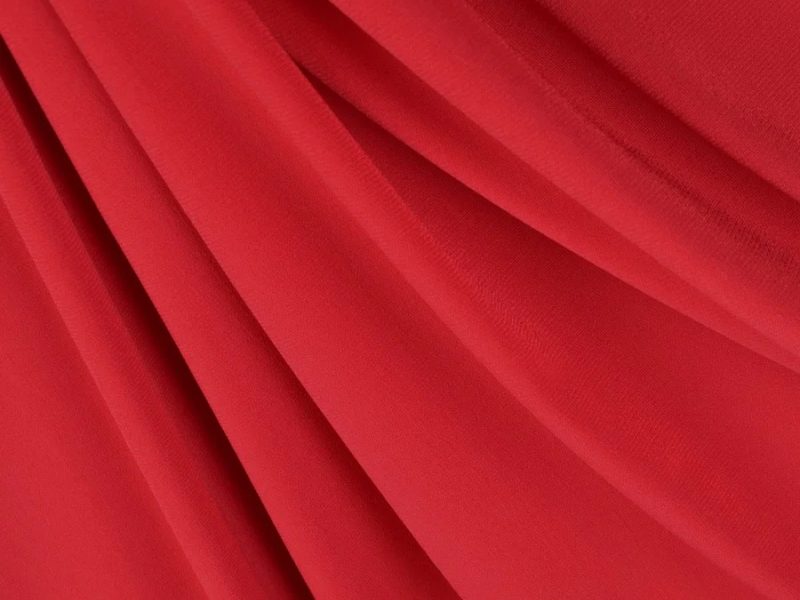
Stretch Jersey
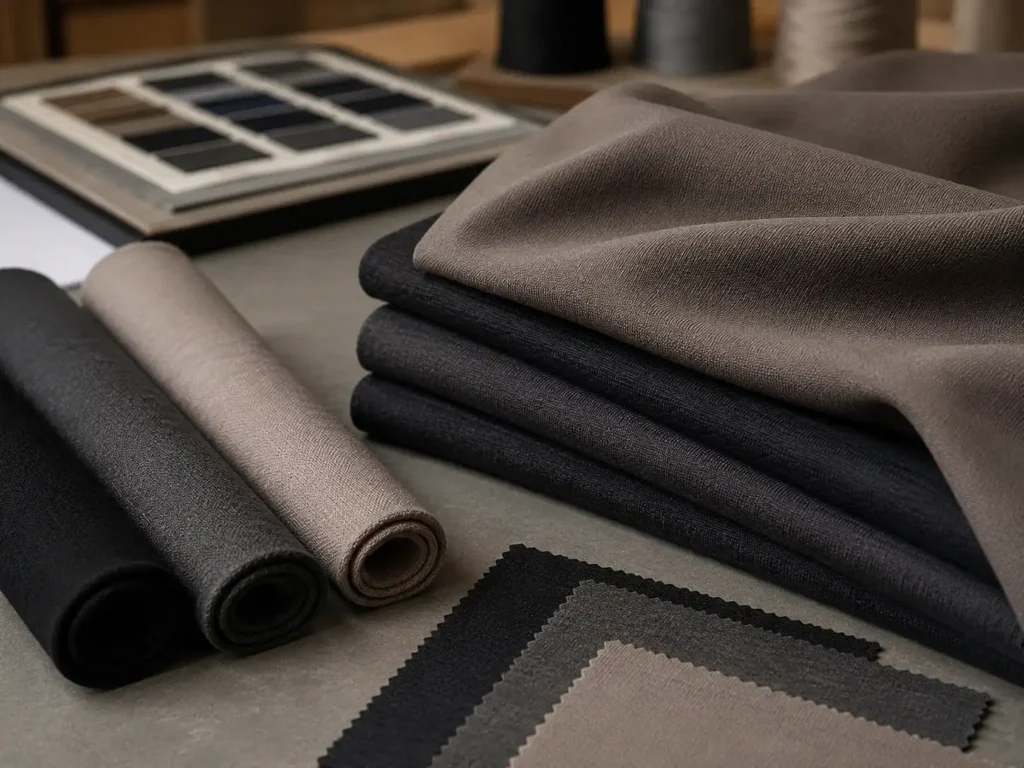
Ponte and Structured Knits
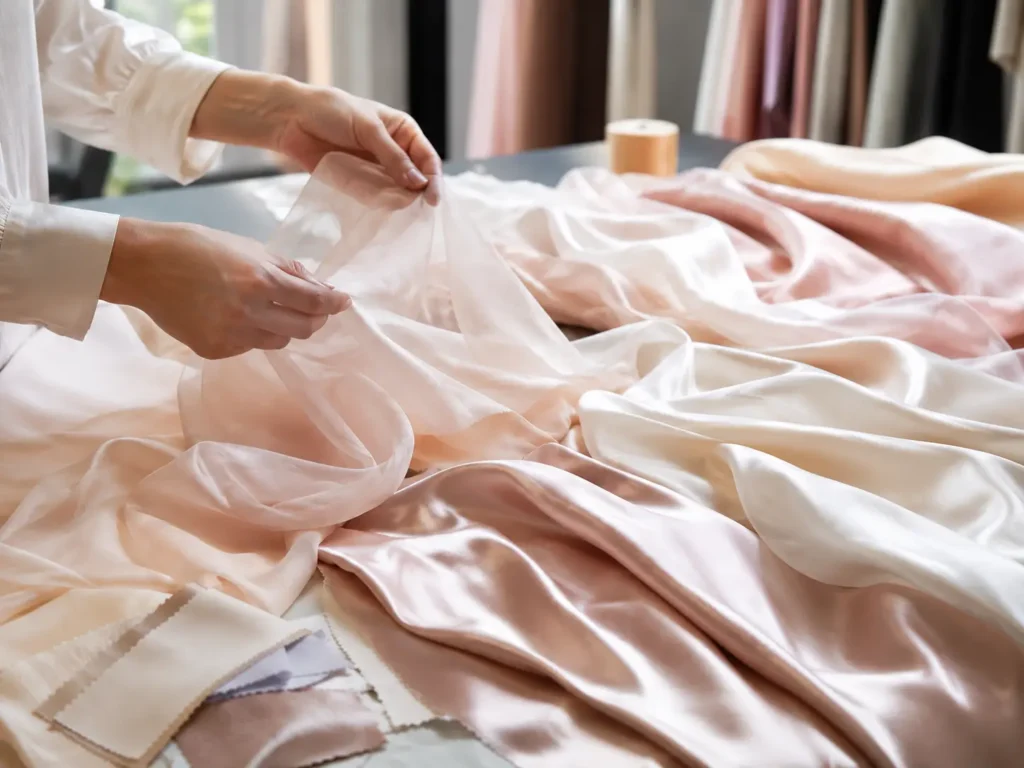
Satin and Soft Wovens

Mesh

Lace
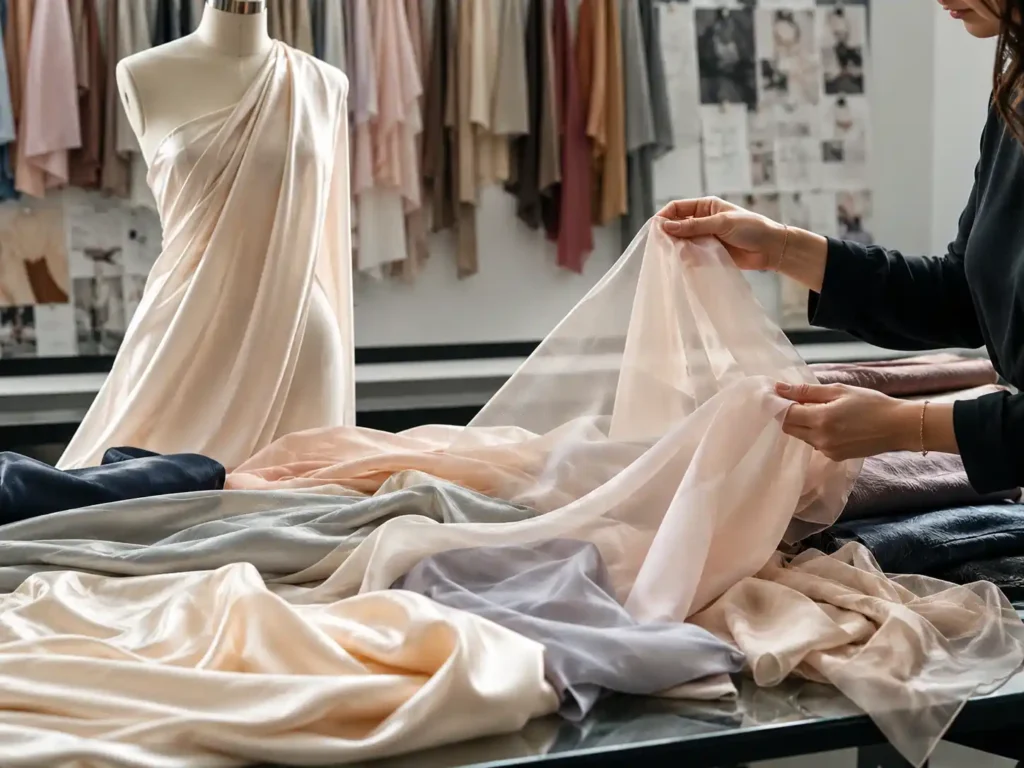
Stable Wovens
Armhole Development Changes With the Womenswear Silhouette

Slip Dresses

Halter Dresses

Sleeveless Dresses

Bodycon Dresses

Corset-Inspired Dresses
Structured bodices can use cups, boning, internal lining or anti-slip construction. Upper-bust fit and support can influence the surrounding armhole or side opening.
Pattern development therefore considers structure placement, bust coverage, side-body stability and the intended level of compression.

Backless Dresses
Backless garments remove structure from the rear bodice, increasing reliance on straps, front fit and side-body stability.
Armhole and side exposure need to work with back height, strap tension and bust support. A visually dramatic opening still needs enough stability for real movement.

Jumpsuits

Extended Size Programs
Sleeveless and Sleeved Armholes Need Different Development Logic

Sleeveless Armhole Development
- front and back opening shape
- shoulder position
- underarm height
- side bust coverage
- bra coverage when required
- movement comfort
- lining position
- binding or clean-finish stability
- symmetry

Sleeved Armhole Development
A sleeved design introduces another pattern component. Altering the bodice armhole without reviewing the sleeve can change sleeve hang, movement and seam compatibility. Development may consider:
- bodice armhole shape
- front/back balance
- shoulder position
- sleeve-cap relationship
- bicep room
- movement
- seam matching
- fabric behavior
The goal is not simply to “fit the sleeve into the hole.” Both components need to work together after sewing and during movement. Pattern revisions involving the bodice opening are therefore reviewed against sleeve construction when the garment includes a set-in or similarly connected sleeve.
Fit Samples Turn Pattern Theory Into Wearable Evidence
A fit sample is where armhole decisions become visible on the body. Jinfeng’s sampling system supports seven sample types overall, with first, fit, revised, PP and Golden samples playing the most direct roles in fit-sensitive product development.

First Sample Establishes the Starting Point
The first sample checks whether the chosen structure, fabric direction, basic pattern and construction approach can create the intended design.
Armhole observations may include:
- opening position
- underarm height
- bust relationship
- shoulder balance
- strap position
- side exposure
- fabric behavior
- lining behavior
The first sample is not treated as automatic bulk approval. Its value lies in exposing areas that need technical discussion while the development can still be changed efficiently.

Fit Sample Validates the Worn Result
The fit sample focuses on how the garment performs on the body.
Useful review views include:
- front
- side
- back
- close-up armhole
- arms relaxed
- controlled movement
Fit comments become stronger when the wearer size, desired result and exact problem are identified. “Raise side coverage” provides more direction than “looks loose,” while annotated photos allow the pattern team to compare the visual issue with measured dimensions.
Jinfeng reviews armhole fit together with bust, waist, hip, length, strap, neckline, back coverage, slit and other relevant pattern points.

Revised Sample Confirms the Correction
After the fit issue is classified, Jinfeng records pattern changes and produces a revised sample when required.
A revision may involve:
- armhole shape
- armhole height
- shoulder
- bust shaping
- strap
- neckline
- side seam
- lining
- sleeve
- back coverage
The revised sample verifies whether the correction solved the original concern without creating another problem. Fabric or trim changes introduced at the same time are reviewed because they can alter fit behavior.

PP and Golden Samples Lock Production Direction
Fit approval alone does not automatically complete production preparation.
The PP sample confirms final production-relevant requirements such as:
- approved fabric
- trims
- measurements
- construction
- labels and packing where applicable
The Golden sample then provides a high-priority physical reference for production, QC and repeat-order comparison.
Sample timing is confirmed by project because fabric availability, construction complexity, revision scope and approval rounds vary significantly between styles.
Jinfeng does not use a single fixed lead-time promise for every fit-development program.
Turn Fit Comments Into Controlled Pattern Corrections
Comments become valuable only when they can be traced to a technical decision. Jinfeng converts fit observations into pattern, measurement and sample actions before an approved direction is released to production.
Start With a Specific Fit Observation
Useful comments describe what happens, where it happens and under which condition.
Examples:
- “Front armhole opens away from the body.”
- “Underarm feels tight when the arm moves forward.”
- “Side bust is too exposed.”
- “Lining shows at the opening.”
- “Larger size becomes too open under the arm.”
The comment alone does not dictate the pattern change. It tells the team where investigation should begin.
Front, side and back photos help distinguish between an isolated opening problem and a wider balance issue.
Compare Fit Evidence With Measurements
Jinfeng reviews available evidence against:
- size chart
- sample measurements
- reference garment
- client comments
- fabric characteristics
- brand fit preference
A front-armhole gap can involve bust distribution, shoulder position or the front curve. Underarm tightness can involve height, shape or complete upper-body balance. A larger-size problem may come from grading rather than the original base-size pattern.
The review prevents unnecessary alteration based on one visible symptom.
Record the Pattern Decision
Once a direction is agreed, the relevant revision is recorded before the next sample.
Changes can affect:
- pattern pieces
- measurements
- grade rules
- lining
- construction notes
- sewing instructions
- QC checkpoints
Bulk-relevant comments cannot remain as informal messages. Production needs a clear version of what was approved and which reference supersedes the previous version.
Verify the Revised Garment
A revised sample closes the loop.
The review asks:
- Did the gap disappear?
- Is side coverage acceptable?
- Did movement remain comfortable?
- Did neckline or bust fit change?
- Did the strap position remain correct?
- Does the lining remain hidden?
- Will the shape grade reliably?
- Can the sewing method reproduce it?
Only after the fit direction is confirmed should the final pattern progress toward PP and production approval.
Control Armhole Fit Across the Full Size Range
Jinfeng works from client-defined sizing rather than applying one universal grading standard. Armhole development remains connected to bust, shoulder, strap, neckline and body proportion as the pattern moves away from the approved base size.
| Size Development Input | Jinfeng Review Direction | Production Control |
| US / UK / EU / AU sizing | Follow supplied size standard and fit preference | Approved size chart and tolerance |
| Alpha sizes XS–XL | Review base size and grade relationships | Graded measurements and pattern records |
| Extended sizes | Reassess proportion where required | Size-specific measurements |
| Plus-size programs | Review bust support, armhole coverage, strap width and back coverage | Fit and measurement verification |
| Petite / Tall programs | Review vertical proportion, strap, armhole and related positions | Client-defined grade direction |
| Stretch garments | Include fabric stretch and recovery in fit review | Measurement and recovery checks |
| Base-size correction | Check effect on surrounding grade rules | Final pattern before PP |
| Reorders | Refer to approved pattern, size records and Golden sample | Repeat-order comparison |
Lock Armhole Fit Before Bulk Production Begins
An unresolved fit concern becomes much more expensive after cutting starts. Jinfeng moves approved fit information through pattern correction, PP confirmation, production files and Golden sample references before bulk execution.

Freeze the Final Pattern Direction
Fit comments from first and revised samples are consolidated before the production pattern is released.
Final checks may cover:
- armhole
- bust
- shoulder
- strap
- neckline
- side seam
- back
- lining
- sleeve when applicable
- size grading

Confirm the PP Sample
The PP sample connects development decisions with actual production requirements.
It should represent approved:
- material
- trims
- fit
- measurements
- workmanship
- relevant labels and packing
For fit-sensitive garments, the PP stage is valuable because a final technical change can be verified before bulk sewing scales it across many pieces.
Jinfeng does not treat an early first sample as a substitute for production approval.
Convert Approval Into Production Files

Approved changes must reach the teams responsible for cutting, sewing and QC.
Relevant information can be transferred into:
- final pattern
- size chart
- grade rules
- construction instructions
- measurement checkpoints
- QC checklist
- Golden sample reference
Clear records reduce the risk of an old pattern or previous measurement being used during production.

Use the Golden Sample as a Physical Standard
The Golden sample provides a tangible reference for:
- silhouette
- fit
- measurement
- construction
- workmanship
- later repeat orders
For armhole-sensitive styles, production and inspection teams can compare opening shape, symmetry, strap placement, side coverage and surrounding workmanship against the approved standard.
Keep Armhole Fit Stable Through Bulk Production
Cutting Consistency
Sewing Allowance Control
Edge and Lining Control
Strap Placement Control
Inline Fit Measurements
Final Garment Comparison
The Team Behind Jinfeng Fit Development
7+ Pattern Makers
2 Sample Rooms
2 sample rooms support development from early pattern validation through revised, PP and Golden sample stages.
Keeping dedicated sampling capacity allows pattern revisions, construction changes and fit feedback to be tested before production files are finalized.
20+ Sample Machinists
15+ QC Inspectors
12+ Merchandisers
12+ merchandisers and order follow-up specialists coordinate development, material, sample, production and delivery information.
For fit-sensitive projects, clear tracking helps ensure revised pattern information and final approvals move into the correct production version.
Production Transfer
See the Evidence Behind Armhole Fit Development

Pattern Review

Armhole Measurement

Front Fit View

Side Fit View

Revised Sample

Sample Room Work

Inline QC

Golden Sample Reference
From Fit Review to a 42,600-Piece Dress Program
An anonymized U.S. fashion program illustrates how a fit-sensitive assortment can move from multi-style development into controlled production without treating every armhole as the same construction.

Project Scope
The program covered 18 dress styles and approximately 42,600 pieces across a client-defined U.S. size range and multiple colorways.
The assortment included:
- slip dresses
- halter dresses
- sleeveless mini dresses
- fitted bodycon dresses
- several structured upper-bodice variations
The program required consistent brand fit language while allowing each silhouette to use a different armhole, strap, bust and side-coverage solution.
No brand name, tech pack, proprietary pattern, unreleased design artwork or commercial pricing is disclosed.

Development Focus
The main technical work centered on upper-bodice fit rather than a single universal armhole specification.
Review points included:
- side coverage
- strap length and angle
- bust relationship
- front and back opening shape
- lining coverage
- fabric stretch or stability
- movement
- graded fit
Stable woven styles required pattern-driven movement and coverage, while stretch bodycon styles needed closer attention to fabric recovery and edge stability.

Sample and Revision Path
Relevant styles moved through a controlled sequence:
First Sample → Fit Sample → Revised Sample → PP Sample → Golden Sample
Fit feedback was collected from front, side and back views with measurement comments.
Approved revisions were transferred into updated patterns and production information rather than retained only as conversation notes.
Where fabric behavior changed between developments, fit was reviewed again before PP approval. A substitution with different stretch, recovery or drape was not assumed to work with the previous pattern unchanged.

Bulk Production Transfer
After fit and PP approval, the production team worked from final pattern, approved measurements, construction information and Golden sample references.
Bulk controls concentrated on:
- armhole dimensions
- left-right symmetry
- strap position
- lining
- sewing allowance
- opening smoothness
- relevant size tolerances
- comparison with approved samples
Armhole Fit Development Frequently Asked Questions

Send Your Armhole Fit Project for Technical Review
Armhole problems are easier to solve before they become bulk-production problems. Jinfeng Apparel can review fit-sensitive womenswear from the pattern and sample stage through PP approval, size grading and production measurement control. A useful project brief does not need to be perfect, but enough information should be available to understand the garment structure, fit objective and intended production direction.
For a focused review, prepare:
- Tech pack, sketch, reference image or original-sample information
- Current front, side and back fit photos
- Close-up images of the affected armhole
- Fit comments and desired correction
- Client size chart and base size
- Grade rules when available
- Fabric composition, stretch or swatch information
- Planned colorways and size range
- Target production quantity
- Target market and brand fit preference
- Required sampling stage
- Intended launch or delivery window


