AQL Dress Inspection for Brand-Level Quality Control
Structured dress quality control from production-floor checks to brand-defined AQL sampling, pre-shipment verification, corrective action, and independent inspection support.
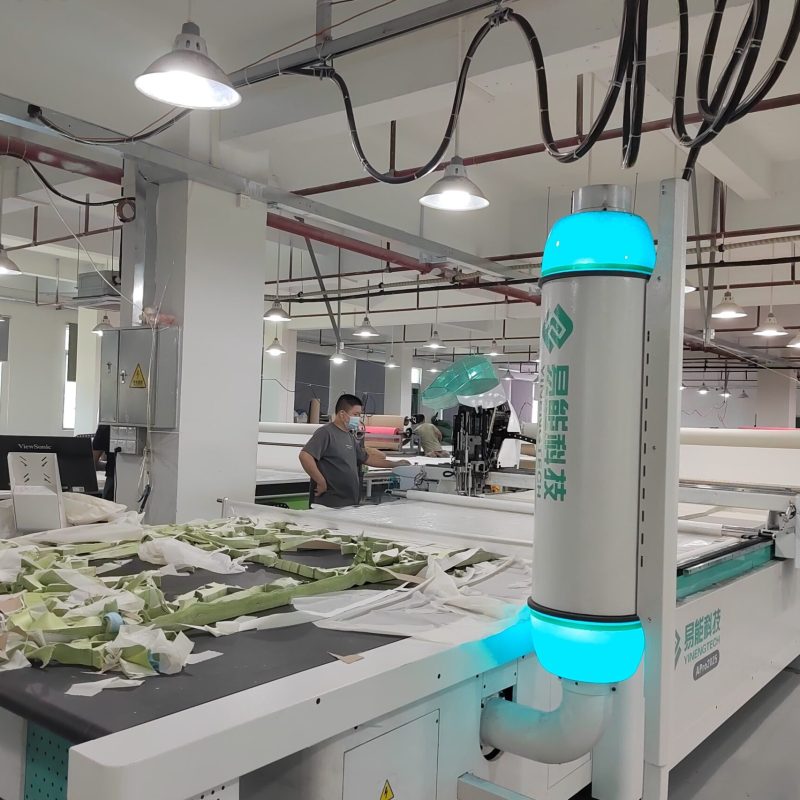
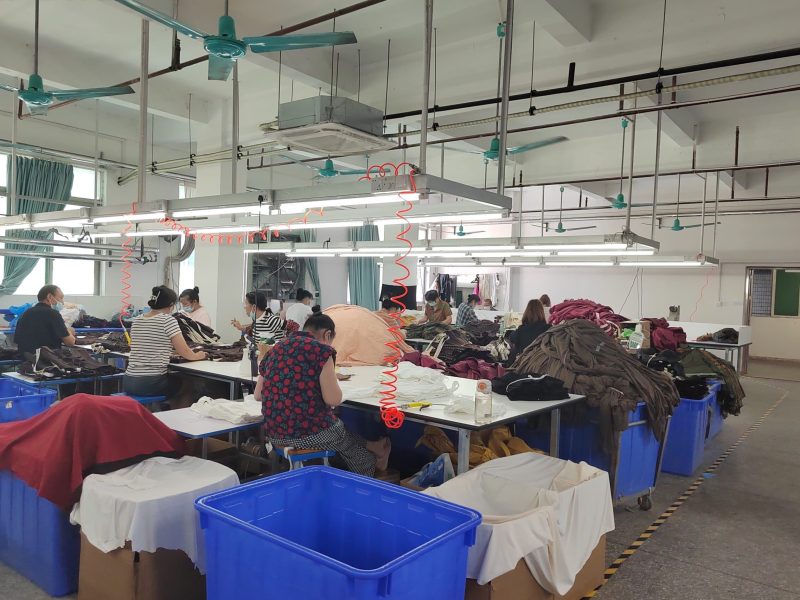
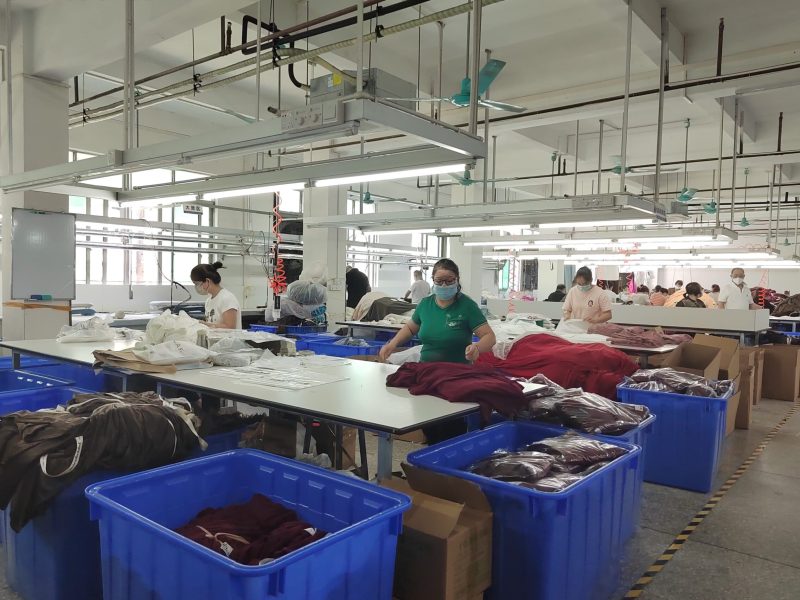
- 15+ QC inspectors support incoming material, cutting, sewing, in-line, garment, packing, and pre-shipment quality checks across custom womenswear production.
- 6 owned women’s fashion factories work with 10+ long-term satellite production partners under coordinated production, QC, packing, and shipment controls.
- AQL acceptance settings are confirmed against the brand’s quality manual, approved inspection plan, or third-party requirement rather than one universal factory threshold.
- Dress inspection covers fit-sensitive measurements, workmanship, fabric appearance, closures, linings, labels, barcodes, SKU packing, carton marks, and shipment readiness.
Who Uses AQL Standards in Dress Production
Fashion Brand QA Teams
Quality teams need measurable acceptance rules, not general statements about good quality. They review defect severity, measurement tolerance, workmanship, labeling, packing, and final random inspection results against an approved standard.
Jinfeng can receive a brand quality manual before bulk production, identify the dress-specific checkpoints, and connect those requirements to in-line checks, final garment inspection, packing review, and pre-shipment sampling. The goal is consistent execution from PP approval through shipment release.
Sourcing Management Teams
Sourcing teams evaluate whether a manufacturer can execute the same quality requirement across multiple styles and production units without losing control.
They need clear inspection stages, issue escalation, rework discipline, and records that remain usable for repeat orders. Jinfeng’s production structure combines factory allocation, merchandising follow-up, QC coordination, packing confirmation, and shipment preparation, allowing sourcing teams to review quality as part of the full manufacturing process rather than as an isolated final inspection event.
Vendor Management Teams
Vendor management teams often compare factories by process maturity: who can follow an approved sample, who can work with a defect list, who can support third-party inspection, and who can close problems before shipment. Jinfeng can translate agreed quality requirements into production checkpoints covering material condition, cutting direction, construction, measurements, labels, packing, and final inspection preparation.
Records from approved patterns, Golden samples, fabric references, trims, and packing instructions also support repeat-order consistency.
Retail Quality Teams
Product Development Teams
Private Label Programs
How AQL Works Inside Dress Quality Control
AQL is useful only when the inspection plan is tied to a defined lot, a controlled sampling method, agreed defect categories, and a clear decision rule. For dresses, the sampling result must sit beside product-specific measurement, workmanship, material, label, and packing requirements.
AQL Measures Sampling Risk, Not Perfection
AQL, or Acceptance Quality Limit, is a statistical sampling approach used to decide whether a production lot meets an agreed acceptance level. It does not mean a factory is allowed to intentionally ship a fixed percentage of defective dresses, and it does not replace process control. AQL works by selecting a defined number of pieces from a lot, inspecting them against agreed criteria, recording defects by severity, and comparing the results with the acceptance and rejection limits attached to the sampling plan.
For apparel programs, terms such as AQL 2.5 or AQL 4.0 are often seen in inspection requirements, but the number alone is incomplete. The result depends on lot size, inspection level, sample size, defect category, and the acceptance table being used. A fashion brand may also set a stricter rule for safety-related defects, measurements, special workmanship points, or packaging accuracy. Jinfeng therefore treats AQL as one controlled decision layer within a broader quality system rather than a marketing claim.
Before production, the useful question is not “Do you use AQL?” but “Which approved standard will govern this order, which defects matter most for the style, and what actions follow a failed result?” That information can then be translated into inspection checkpoints before the order reaches the final sampling stage.
Lot Size Determines the Sampling Workload
AQL inspection begins with the lot presented for inspection. A 500-piece shipment and a 20,000-piece shipment do not automatically receive the same sample size. Under common ISO 2859-1 / ANSI-ASQ Z1.4 single-sampling approaches, the lot size is matched with an inspection level to obtain a code letter, and the code letter determines the number of pieces selected for inspection. General Inspection Level II is widely used as a reference in consumer-goods inspections, but the brand or appointed inspection agency can specify another level.
Random selection matters because the sample should represent the lot rather than the easiest cartons or the best-looking garments. For dress orders with several colors and sizes, the inspection plan may also require reasonable coverage across the style-color-size breakdown. Where measurements are especially sensitive, a separate measurement sample or point-of-measure plan may be applied according to the approved quality manual.
Jinfeng prepares for final inspection by keeping production, packing, and SKU information aligned before the sample is drawn. Quantity, color, size, carton, barcode, and packing data need to match the production records. A statistical sample cannot compensate for an uncontrolled lot, so inspection readiness begins before the inspector arrives.
Acceptance Rules Need Brand Approval
Defect classification turns inspection findings into a decision. Critical, major, and minor defects are not interchangeable. A safety risk may require zero tolerance under the agreed policy, while a broken zipper, severe measurement deviation, wrong label, obvious fabric damage, or major construction fault may be treated as a major defect. Small cosmetic issues may be classified as minor when they do not materially affect function, saleability, or expected appearance. Final definitions should come from the brand’s defect manual or the agreed inspection protocol.
Once the sample has been inspected, the recorded defects are compared with the acceptance and rejection numbers for the selected plan. Passing the AQL sample does not erase process records, and failing does not automatically mean the entire lot must be discarded. The next action can include shipment hold, targeted rework, 100% sorting, corrective repair, additional internal checking, or reinspection, depending on defect type and the brand’s instructions.
Jinfeng can work with client-defined AQL levels, defect lists, measurement tolerances, packing standards, and third-party inspection requirements. The value comes from making the final decision traceable to an agreed standard rather than relying on subjective statements such as “the garments look fine.”

AQL Sampling Examples for Common Dress Order Sizes
| Presented Lot | Common Level II Sample | Typical Dress Inspection Scope | Decision Note |
|---|---|---|---|
| 281-500 pcs | 50 pcs | Workmanship, visible fabric defects, selected measurements, closures, labels, packing | Acceptance numbers depend on the approved AQL and defect category. |
| 501-1,200 pcs | 80 pcs | Random pieces across available colors and sizes, plus packaging and carton checks | Sampling distribution should represent the presented lot. |
| 1,201-3,200 pcs | 125 pcs | Garment appearance, construction, functional trims, label accuracy, packing, selected POM checks | AQL 2.5 or 4.0 cannot be interpreted without the corresponding sampling table. |
| 3,201-10,000 pcs | 200 pcs | Wider random sample with style-color-size coverage as required by the inspection protocol | Major and minor findings are counted separately according to the approved defect list. |
| 10,001-35,000 pcs | 315 pcs | Final random inspection across finished and packed bulk, subject to readiness requirements | A failed result normally triggers an agreed disposition such as rework, sorting, or reinspection. |
Critical Major and Minor Defects in Dresses

Critical Defects
Critical defects normally involve safety, legal, or serious use risk.Examples can include a broken needle or sharp metal fragment inside a garment, an exposed sharp component, or another issue that could cause injury. A critical classification should not be assigned casually; it must follow the brand or inspection agency’s definition.
- Inspect safety-sensitive trims and concealed construction points.
- Escalate suspected critical findings immediately rather than waiting for the inspection summary.
- Segregate affected stock so questionable pieces cannot move into packing or shipment.
- Apply the brand’s required containment, investigation, and reinspection action before release.

Major Defects
- Compare against approved sample, tech pack, measurement chart, and workmanship standard.
- Record the exact location and defect type for corrective action.
- Separate isolated repairable issues from repeated production patterns.
- Recheck repaired garments and assess whether broader sorting is needed.

Minor Defects
Minor defects are smaller deviations that do not normally prevent intended use or materially change the approved appearance, but they still affect overall finish when repeated. Examples can include limited untrimmed thread, a light removable press mark, a small non-prominent stitch variation, or a minor cosmetic issue within the agreed classification rules.
- Minor does not mean “ignore.” Repeated minor findings can signal weak finishing control.
- Evaluate visibility, location, frequency, and effect on premium appearance.
- Use finishing and packing QC to remove correctable cosmetic issues before final sampling.
- Count defects according to the agreed inspection protocol rather than subjective preference.
What We Inspect on Every Dress Program
Fabric and Shade
Measurements and Fit
Stitching and Seams
Zippers and Closures
Lining and Coverage
Trims and Support
Labels and Barcodes
Packing and Cartons
Packing inspection covers garment cleanliness, folding method, polybag size, warning text where required, size and color stickers, barcode placement, carton quantity, size-color ratio, carton marks, gross and net weight information, and consistency with the packing list.
Large multi-SKU orders need especially careful carton control because a single labeling or ratio mistake can create receiving delays across an otherwise acceptable garment shipment.
Dress Measurements Need Product-Specific Tolerance Control
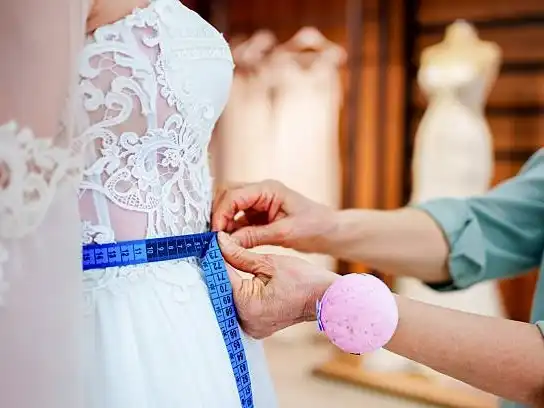
Measurement inspection must reflect the structure, fabric behavior, and commercial fit of the approved style. Jinfeng connects pattern records, PP approval, measurement charts, and final garment checks so a numeric result can be interpreted in the context of how the dress is intended to fit.
Control the Measurements That Change Fit
Bust, waist, hip, and total length are common points of measure, but they are not the only dimensions capable of changing the wearing result. Shoulder width, strap length, neckline depth, armhole, under-bust, waist seam position, slit height, sweep, hem width, and back length may be more sensitive on certain designs. A 5 mm change at a strap or neckline can alter coverage more visibly than a similar difference at a less critical point, while a bodycon style can react strongly to small changes in waist or hip because the fabric is under tension.
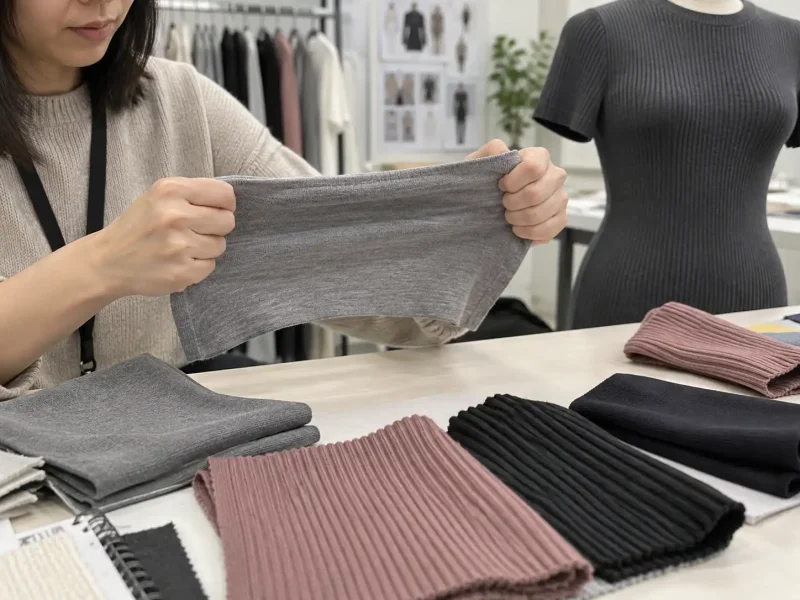
The measurement chart should therefore identify both the POM definition and the approved tolerance. Inspectors need to know where the tape starts, whether the garment is measured relaxed or extended, how curved edges are handled, and whether stretch fabric is allowed to recover before measurement. Jinfeng can use the client’s measurement method and tolerance when supplied. Approved PP and Golden sample records provide an additional physical reference when a numeric chart alone cannot describe drape, stretch, or contour precisely.
Measurement inspection is also linked with sewing and fabric control. A twisted side seam, uneven ruching, stretched neckline, incorrect zipper insertion, or unrelaxed knit can produce dimension problems even when the paper pattern was correct. For that reason, measurement failures should be traced back to construction and material behavior rather than corrected only at final inspection.

Stretch and Woven Dresses Behave Differently
Woven satin, crepe, chiffon, lace-backed structures, and stretch jersey do not respond to measurement in the same way. Woven dresses rely more heavily on pattern dimensions, seam allowance, shaping, zipper installation, and pressing. Stretch dresses add fabric recovery, relaxation, cutting direction, seam tension, and post-wear recovery to the control equation. Applying one tolerance logic to every dress category can hide the actual manufacturing risk.
Bodycon styles need stable bust-waist-hip relationships and control of side-seam twisting, riding up, and stretch recovery. Satin dresses need careful handling because seam tension and pressing can distort a smooth surface. Mesh and lace can grow or deform during handling. Corset dresses require the relationship between shell, lining, cup, boning, and closure to remain aligned. Maxi dresses add hem balance and full-length control, while mini dresses make overall length and coverage especially sensitive.
Jinfeng’s pattern development team includes 7+ senior pattern makers, supported by 2 sample rooms and 20+ sample machinists. Fit issues can be corrected during sampling before they become bulk measurement failures. Final inspection then verifies an approved standard instead of trying to redesign the garment at the end of production.
When Measurements Fall Outside Tolerance
An out-of-tolerance reading should be verified before a decision is made. The garment can be remeasured using the approved method, checked for fabric relaxation, pressing distortion, or measurement technique, and compared with other pieces from the same size and production section. Repeated deviation indicates a process issue and should not be treated as an isolated measurement error.
Corrective action may include separating affected sizes, reviewing the pattern version, checking seam allowance and production method, correcting pressing or finishing, repairing where technically safe, increasing measurement coverage, or sorting the affected lot. When a pattern or construction issue is discovered, the change must be reflected in production records before repeat orders continue.
Jinfeng does not promise zero measurement variation. A credible quality system works with defined tolerances, documented measurement methods, and consistent escalation when the approved range is exceeded. Brand requirements remain the governing standard whenever a client provides a quality manual, POM method, or inspection protocol.
Different Dress Types Create Different Inspection Risks
| Dress Type | Common Quality Risk | High-Priority Inspection Points | Release Concern |
|---|---|---|---|
| Satin Dress | Snagging, shine-direction shade, zipper wave, press marks | Surface, shade, zipper flatness, seam puckering, pressing, lining | Small handling faults are highly visible on smooth reflective fabric. |
| Mesh Dress | Holes, distortion, transparency, seam damage | Mesh condition, stretch direction, coverage, lining, seam security | Damage or coverage variation can make an approved design unsellable. |
| Bodycon Dress | Size variation, side-seam twisting, poor recovery, riding up | Bust-waist-hip, recovery, seam alignment, length, fabric direction | Fit complaints often come from material and measurement interaction. |
| Corset Dress | Cup position, boning pressure, slipping, neckline instability | Bust support, boning, cups, anti-slip, closure, symmetry | Structural defects affect safety, support, comfort, and visual proportion. |
| Lace Dress | Broken lace, uneven placement, seam mismatch | Lace condition, motif placement, joining, lining, edge finish | Placement variation can make pieces look inconsistent across the same SKU. |
| Sequin Dress | Sequin loss, scratching, heavy seam stress | Attachment, lining coverage, seam strength, surface comfort | Decoration must survive handling without damaging the wearer or garment. |
| Maxi Dress | Hem imbalance, twisting, length variation | Full length, sweep, hem, side seams, drape, packing | Length inconsistency is obvious on body and can create return risk. |
| Mini Dress | Length and coverage variation | Center-front/back length, hem, lining, slit, neckline, fit | Small dimensional changes can materially change coverage and wearability. |
AQL Is the Final Gate Not the Whole System
Strong final inspection results are built earlier in production. Jinfeng’s QC system covers incoming materials, cutting, sewing, in-line checks, finished garments, pressing, packing, AQL sampling, client inspection support, and repeat-order review so preventable problems are addressed before shipment readiness.
Prevent Material Defects Before Cutting
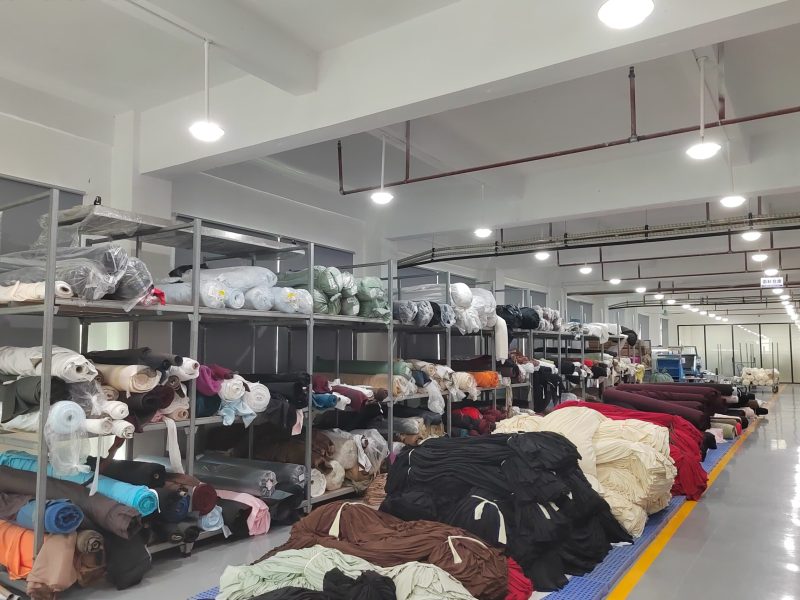
A final random inspection is too late to discover that a satin bulk lot has uncontrolled shade variation, mesh contains repeated snags, lace has damaged motifs, or a stretch fabric does not recover as expected. Material control begins when bulk fabric, lining, trims, labels, and packing materials arrive. Fabric condition, color, hand feel, weight, width, stretch, shrinkage risk, surface faults, and batch information can be reviewed according to the project requirement before cutting begins.
Cutting adds another control stage. Pattern version, fabric direction, stretch direction, print placement, size bundle, panel count, and cut-part condition must be checked because errors created at cutting cannot always be repaired at sewing. Satin direction can change perceived shade. Stretch direction can change fit. Lace and printed fabrics can require placement control. Multi-size dress programs need bundle identification so cut panels do not migrate between sizes.
By reducing material and cutting errors before assembly, later AQL inspection becomes a verification of controlled production rather than the first moment serious problems become visible. The cost of correction is also lower when a problem is contained before thousands of garments have been sewn and packed.

Control Construction During Sewing
Sewing QC focuses on issues that can multiply quickly across a production run: stitch quality, seam allowance, seam puckering, zipper installation, lining attachment, symmetry, strap placement, ruching, lace joining, slit height, closure security, boning position, cup placement, and other style-specific details. In-line inspection is designed to detect repeated defects while the line can still be corrected.
A dress may pass basic measurements yet fail visually because a center seam twists, the neckline stretches, the zipper waves, the lining pulls, or ruching differs from the approved sample. Conversely, a visually attractive garment may carry a hidden functional risk such as weak seam security or unstable strap attachment. In-line QC therefore combines appearance, construction, measurement, and function.
Jinfeng’s QC structure includes 15+ inspectors supporting production and finished-garment checks. Findings can be communicated to production management for correction, rework, and follow-up inspection.
The purpose is not to create paperwork around defects; it is to stop a repeated issue from becoming a final-lot problem.
Verify Finished Goods Before Release
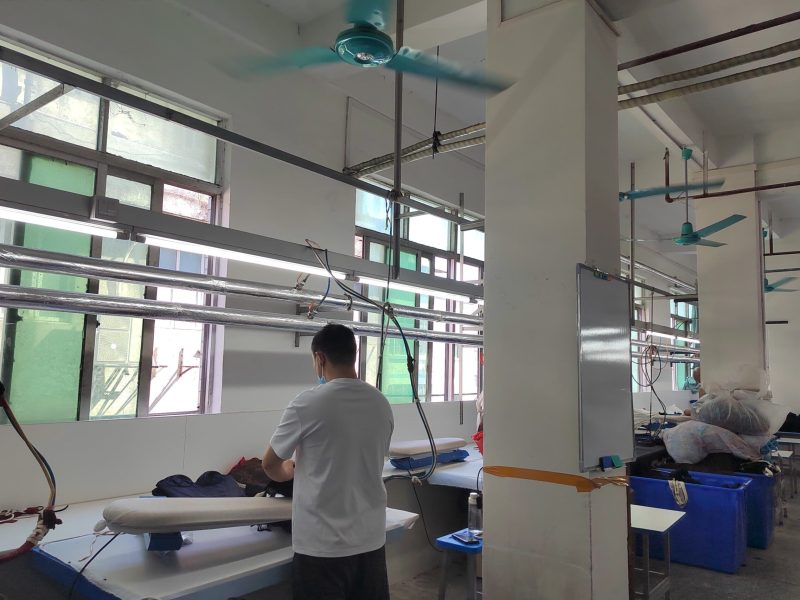
Final garment inspection reviews the completed dress after sewing, finishing, and pressing.
Measurements, visible workmanship, fabric appearance, closures, trims, labels, cleanliness, pressing, and overall presentation are checked against the approved requirements. Packing QC then verifies hangtags, barcodes, size and color stickers, polybags, packing ratios, carton marks, and shipment information.
AQL sampling sits near the end of this chain as a formal acceptance check on a defined lot. If the brand uses a third-party inspector,
Jinfeng can prepare the goods, records, packing information, and inspection space and can support the inspector’s access to the presented lot. The independent inspector remains responsible for the inspection conclusion.
The result is a layered quality process: prevent early, correct during production, verify finished garments, confirm packing, then use AQL or another agreed final-inspection method before shipment release.
This is more reliable than treating AQL as a substitute for production control.
Incoming Material Checks for High-Risk Dress Fabrics
Different dress fabrics fail in different ways. Incoming inspection should focus on the material properties most likely to affect appearance, fit, construction stability, and bulk consistency before cutting commits the material to production.

Satin Surface Control

Mesh Damage Control

Lace Placement Control

Sequin Attachment Control

Stretch Jersey Control

Linings and Trim Inputs
Incoming quality control also covers linings, zippers, hooks, strap sliders, elastic, bra cups, boning, anti-slip tape, lace trims, labels, hangtags, barcode materials, and packing supplies as required by the style.Color, size, material, finish, function, comfort, and bulk availability should match the approved specification. A premium outer fabric can still produce a poor final garment when an incompatible lining, weak zipper, incorrect cup, or inconsistent label enters production unchecked.
In-Line Dress Inspection Stops Defects Before They Multiply
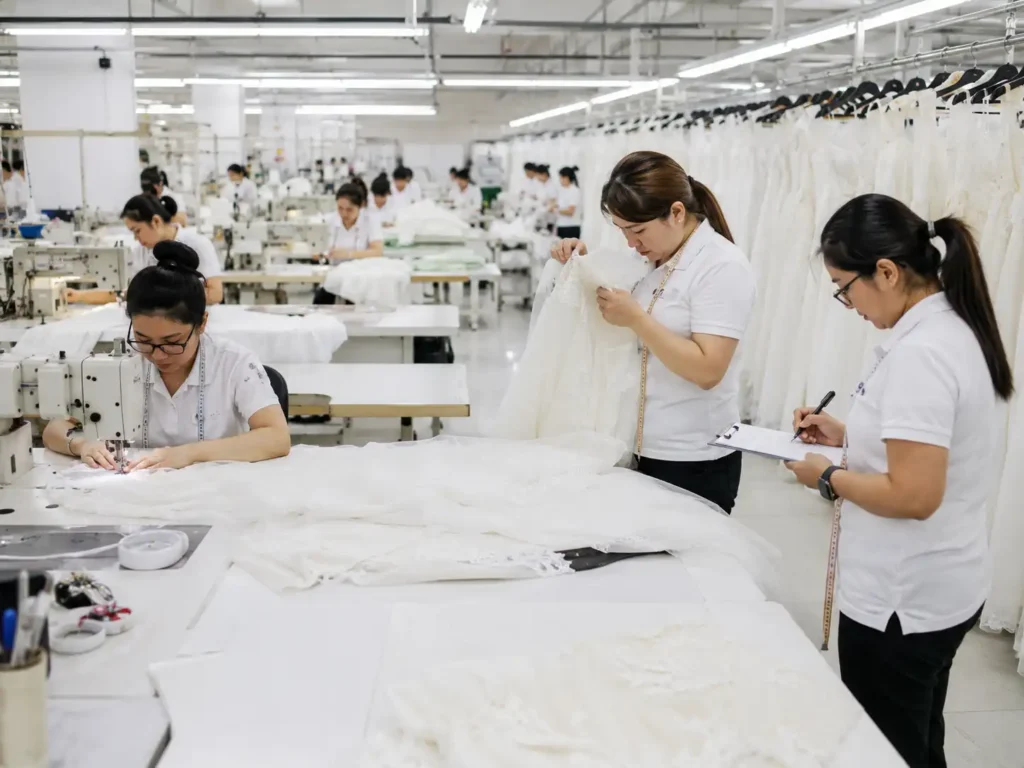
In-line inspection is where dress-specific problems can still be corrected without opening completed cartons. Jinfeng uses production-stage checks to connect the approved sample, pattern, construction details, measurements, and workmanship standard with what is actually happening on the sewing line.
Inspect Construction Where Risk Starts
Inspection priorities are taken from the style rather than a generic sewing list. A satin slip dress may need attention on zipper flatness, strap length, neckline edge, bias distortion, lining, and side seams. A corset dress may require cup position, boning placement, anti-slip tape, closure security, waist shaping, and neckline stability. A mesh bodycon style adds seam tension, transparency, lining coverage, stretch direction, and side-seam alignment. Lace and sequin styles add placement, damage, attachment, and skin-contact concerns.
Inspectors compare work with the approved sample, sewing instruction, and key construction references. Repeated issues are escalated to the production team so the operation can be corrected before more pieces are produced. Where the cause is linked to a pattern, material, or trim rather than sewing technique, production management and the relevant development team can review the issue instead of repeatedly repairing symptoms.
In-line control is especially important on multi-style collections. Different styles may run on different production units, but the quality requirement still needs one agreed interpretation. Clear QC checkpoints, reference samples, measurement charts, and defect definitions reduce variation between lines and factories.
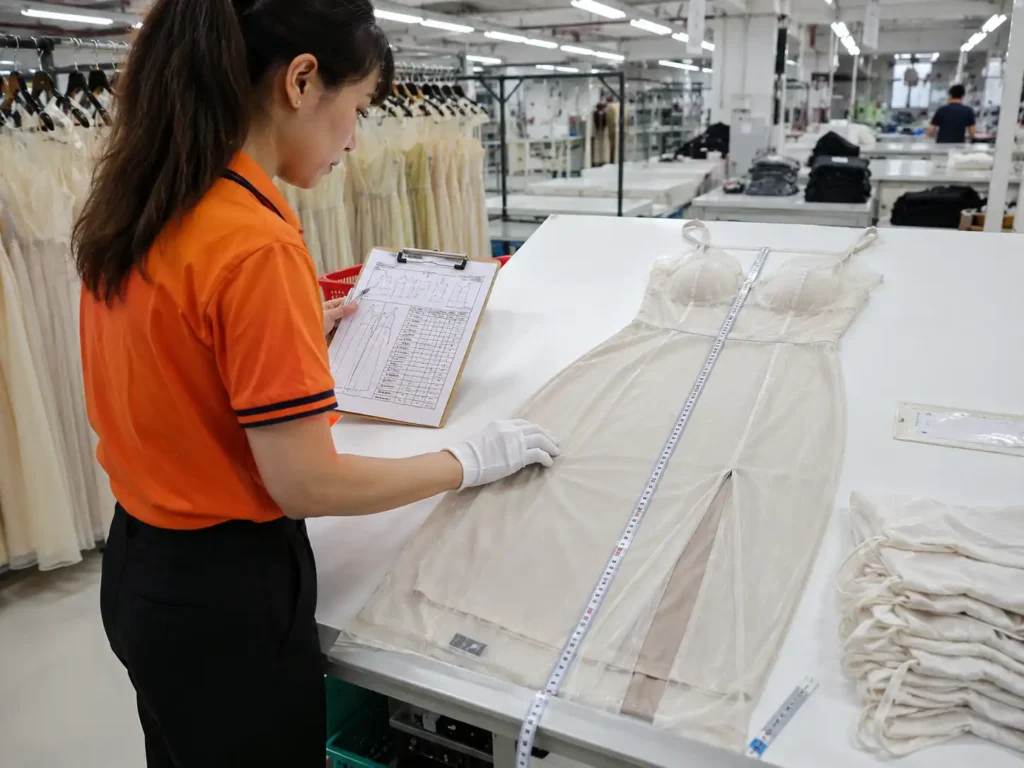
Use Measurements as a Process Signal
Selected in-line measurements can reveal problems before final garment inspection. Waist growth, strap inconsistency, side-seam length variation, stretched necklines, incorrect slit height, or unstable bodycon dimensions may indicate a process issue rather than random final variation.
Measurement trends are more useful when they are linked with the operation causing the change.
Jinfeng’s quality team can compare production measurements with approved size charts and tolerances supplied for the program. Pattern version control and PP sample approval help establish the expected shape before bulk sewing.
Stretch fabrics may need relaxation before measurement, while structured woven dresses require careful seam and pressing control. The method should remain consistent so readings from different checkpoints are comparable.
When a repeated measurement deviation appears, the response can include checking pattern version, seam allowance, machine operation, fabric direction, bundle identification, pressing, or handling. Production can then be corrected before the same issue reaches a larger quantity.
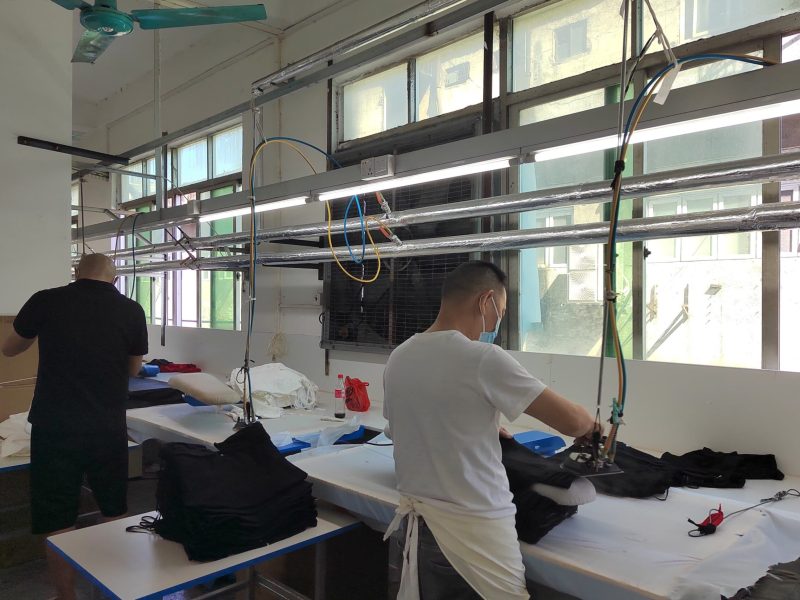
Close the Loop on Line Findings
An in-line finding has value only when somebody acts on it. Jinfeng’s production management, merchandising, and QC teams connect defect discovery with correction, rework, follow-up checking, and record updates.
A recurring zipper problem, label placement error, seam defect, or measurement drift should be contained and checked again after corrective action.
For key clients and larger programs, production progress and significant quality issues can be communicated through project follow-up.
Records can include the affected style, size, operation, defect type, correction, and whether related production documents need updating.
This helps reduce the risk of the same problem reappearing in final inspection or a repeat order.
The objective is not to claim a production line will never produce a defect.
The stronger standard is to detect important issues early enough to control them, verify the correction, and preserve the approved dress appearance through bulk production.
Final Garment and Packing Checks Before AQL Sampling

Measurement Confirmation
Finished garments are measured against the approved chart using the agreed point-of-measure method and tolerance.
The measurement focus changes with the style: bust-waist-hip for fitted dresses, strap and neckline control for slip or halter styles, cup and under-bust positioning for structured corset styles, hem balance for maxi dresses, and overall length or lining coverage for mini dresses. Repeated deviations are treated as a production issue rather than a one-piece exception.
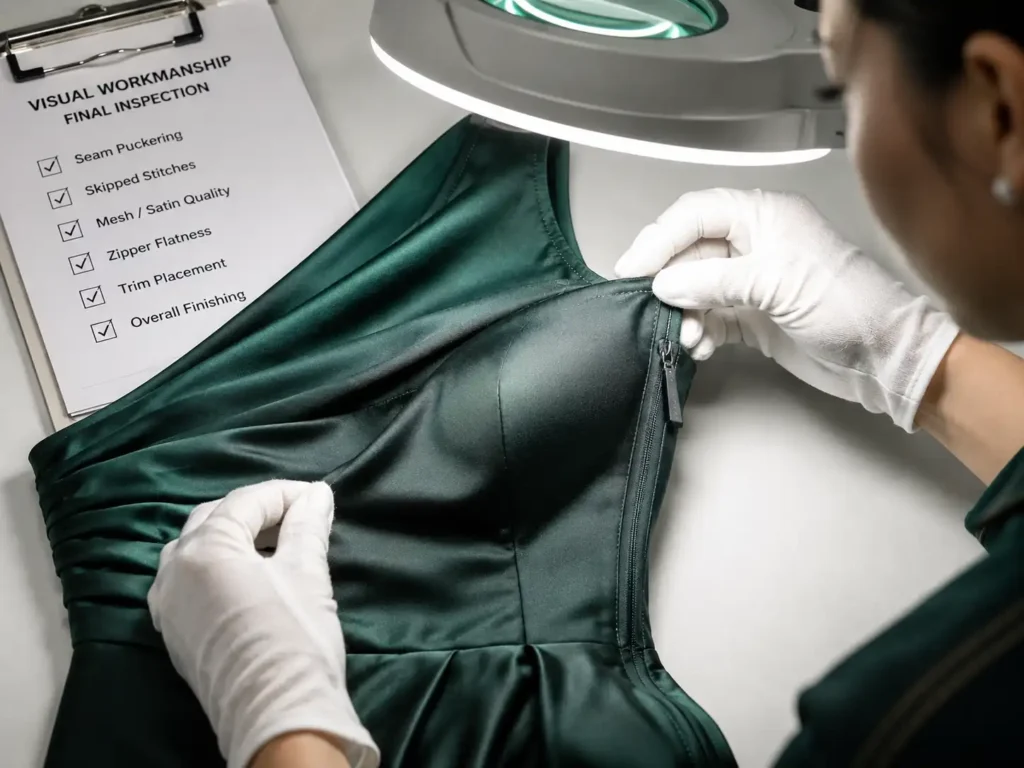
Visual Workmanship

Fit-Sensitive Details
Fit-sensitive details such as neckline depth, shoulder or strap length, armhole shape, bust coverage, waist position, hip ease, slit height, lining coverage, and hem balance are reviewed where relevant.
Flat measurements alone cannot always identify visual distortion, especially on stretch, structured, backless, or corset dresses. Approved sample references and recorded development comments help define what the final bulk appearance should retain.

Closure Function

Label Accuracy

Barcode and SKU

Individual Packing

Carton Verification
How Pre-Shipment AQL Inspection Moves From Lot to Decision
Pre-shipment inspection should begin only when the presented lot is sufficiently complete and identifiable for the agreed sampling method. Jinfeng prepares finished garments, packing records, inspection references, and access to the lot so internal or appointed inspectors can make a traceable decision.
Confirm the Lot Is Ready
Inspection readiness starts with quantity and status. The lot presented for final random inspection should match the agreed order scope and packing stage required by the brand or inspection agency. Style, color, size, carton quantity, packing ratio, labels, and barcode information need to be controlled so the inspector can identify the goods being sampled. Approved samples, tech packs, measurement charts, quality manuals, defect definitions, label files, and packing instructions should be available when they form part of the inspection criteria.
Readiness is more than finishing enough pieces to draw a sample. Open rework, unresolved material variation, missing labels, incomplete packing, or inconsistent SKU records can make the final inspection less meaningful. Jinfeng therefore treats pre-shipment preparation as the end of a production-control sequence rather than an appointment added after sewing.
For third-party inspection, the appointed agency may have its own readiness requirement, booking process, sampling level, and documentation request. Jinfeng can coordinate access and support the agreed inspection arrangement while the independent agency controls its own procedure and conclusion.


Draw the Sample and Record Findings
Random selection should follow the approved sampling plan and should represent the presented lot. Depending on the protocol, the inspector can review workmanship, material appearance, measurements, closures, labels, barcode information, packing, carton marks, quantity, style-color-size breakdown, and required field tests. Critical, major, and minor defects are recorded separately using the approved classification rules.
AQL numbers should never be interpreted without their sampling context. AQL 2.5, for example, is not a statement that 2.5% defective goods are automatically acceptable. Sample size and acceptance numbers come from the selected plan. A brand may also define special rules for measurements, safety, labeling, or high-risk construction points outside the ordinary major/minor count.
Jinfeng can support an internal final sampling review or cooperate with a client-appointed inspector. When the inspector identifies a defect, the production team can locate similar goods, assess whether the issue is isolated or systematic, and prepare the agreed corrective action without interfering with the independent inspection record.
Disposition the Result Before Shipment
A pass result supports shipment release only when the other agreed order conditions are also satisfied. A failed result requires a defined disposition. Depending on the defect and brand instruction, the lot may be held for rework, 100% sorting, repair, repacking, label correction, additional measurement review, or another corrective action. A new inspection can be arranged when the protocol requires reinspection after correction.
Jinfeng does not treat a failed AQL result as a reason to hide or relabel defects. The stronger process is to identify the failure source, contain the affected stock, correct what can be corrected safely, recheck the work, update the relevant record, and present the lot again only when it meets the agreed readiness requirement.
Shipment documents, packing lists, carton marks, and physical goods should remain aligned at release. Final quality control therefore connects directly with logistics preparation instead of ending at the garment inspection table.

Your Quality Manual Becomes the Working Inspection Standard
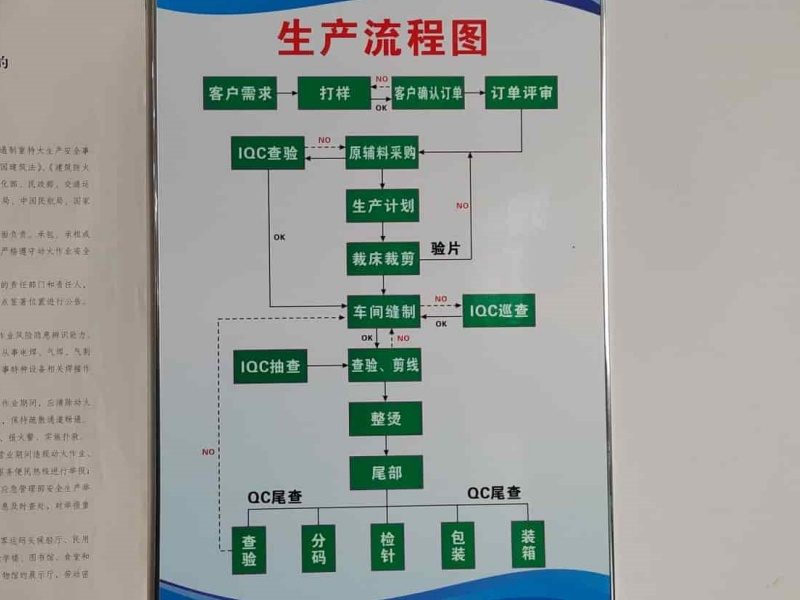
Quality Manual
- Confirm applicable sections before PP approval.
- Identify required records and inspection timing.
- Convert written requirements into production checkpoints.
- Clarify any ambiguous requirement before bulk execution.

AQL Requirement
The AQL requirement should specify the inspection level, AQL values by defect category, sampling plan, and any special acceptance rule required by the brand or appointed inspection agency.
Jinfeng does not impose one universal AQL on every client. The approved requirement is recorded for the project and used to prepare the production lot, inspection references, packing status, and internal pre-checks before final sampling.
- Confirm lot definition and inspection level.
- Confirm Critical, Major, and Minor acceptance rules.
- Identify separate measurement or packaging rules.
- Record reinspection requirements before shipment planning.

Defect Classification
- Map dress-specific faults to the approved categories.
- Use the same terminology across QC and production.
- Escalate safety and major functional risks promptly.
- Preserve defect records for corrective action and repeat-order review.
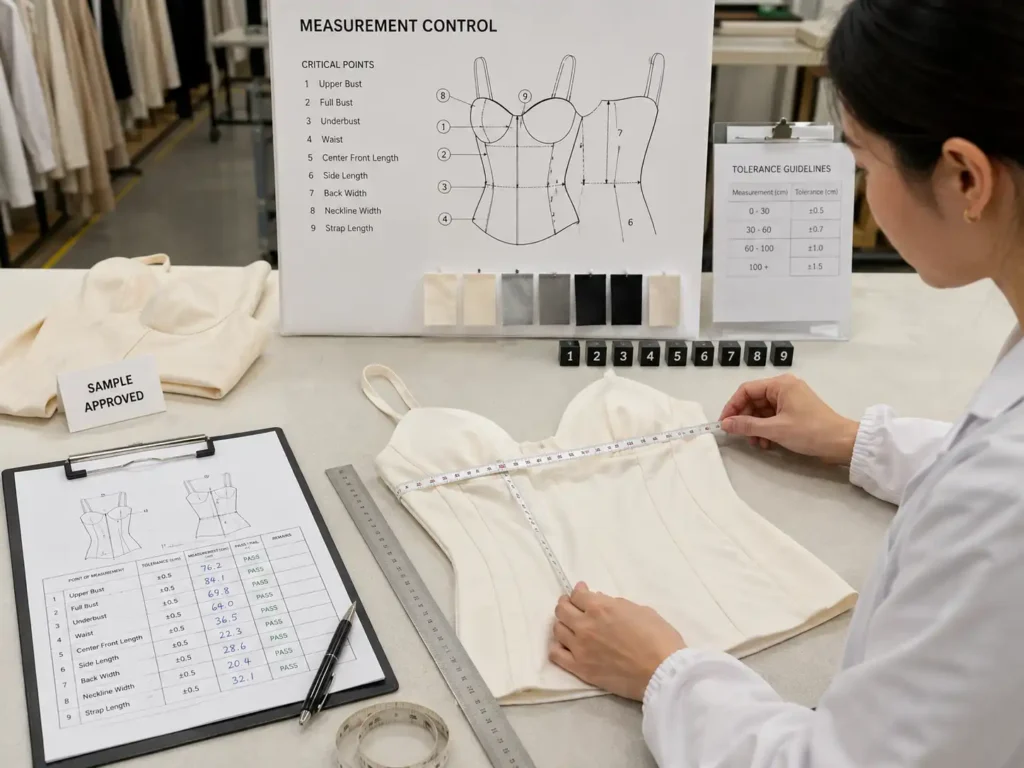
Measurement Tolerances
Measurement standards should include the point of measure, method, base size, graded measurements, and allowable tolerance.
Jinfeng can follow a client-provided size chart and POM method through sampling and bulk inspection. Sensitive points such as bust, waist, hip, strap length, neckline depth, dress length, slit height, and hem balance should be identified before production because the same numerical deviation can have very different visual impact on different silhouettes.
- Confirm measurement method during sampling.
- Lock approved values with PP records.
- Use consistent technique during production checks.
- Escalate repeated deviations rather than averaging them away.
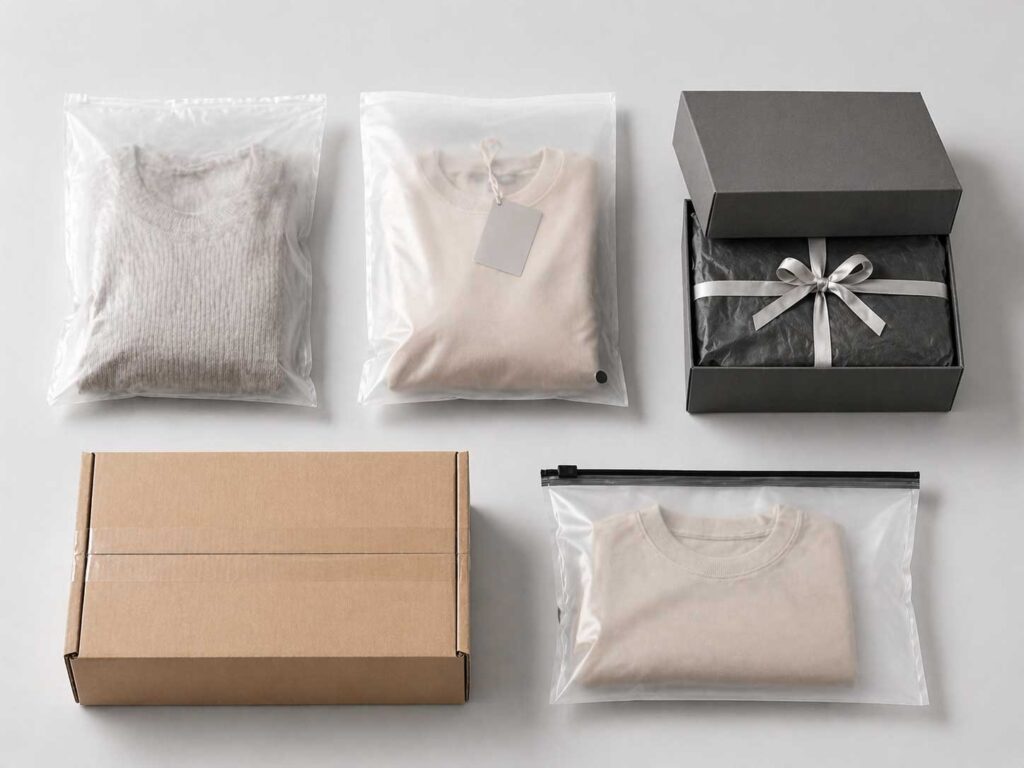
Packing Standard
Packing standards can cover folding, hangtags, barcode stickers, size and color stickers, polybags, warning text,
SKU labels, packing ratios, carton marks, carton quantities, and warehouse labels. Jinfeng integrates packing QC with garment quality so an acceptable dress does not become a shipment problem through incorrect identification.
Packing requirements should be approved before bulk completion, especially when custom materials or special warehouse instructions are involved.
- Match garment identity with each package label.
- Verify barcode, SKU, color, and size information.
- Check carton ratios and carton marks.
- Cross-check physical packing with the packing list.
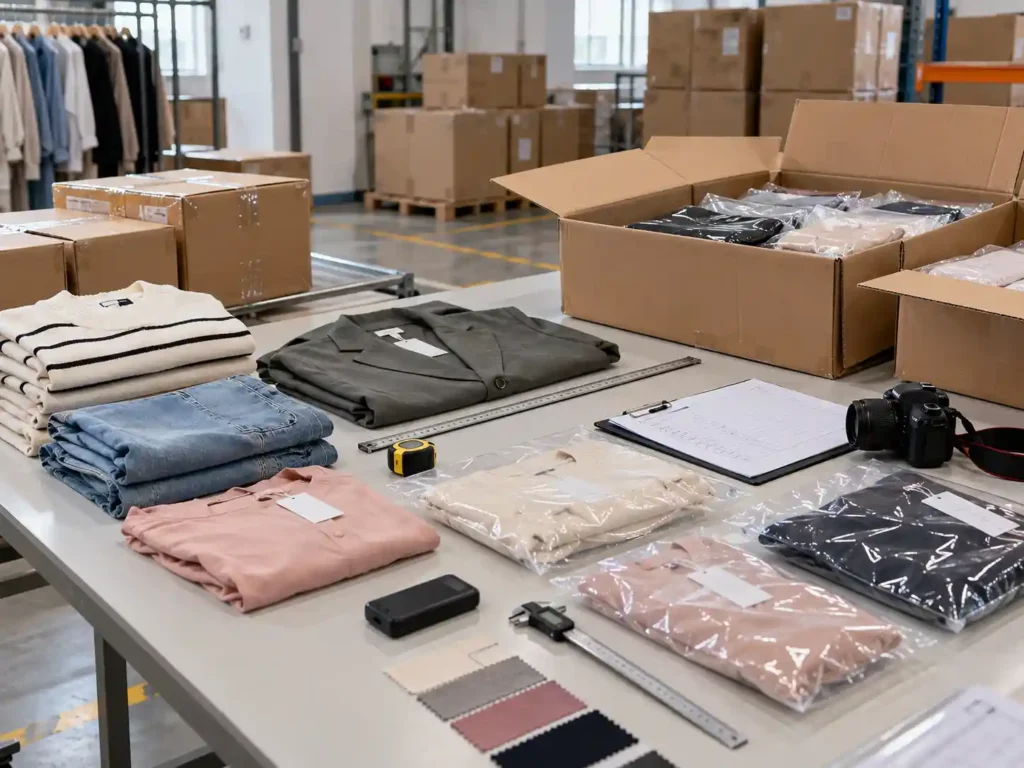
Third-Party Protocol
- Confirm agency booking and readiness requirements.
- Prepare approved samples and technical references.
- Make the presented lot accessible for random selection.
- Follow agreed corrective action when findings require rework or reinspection.
Third-Party Dress Inspection Can Fit the Production Process
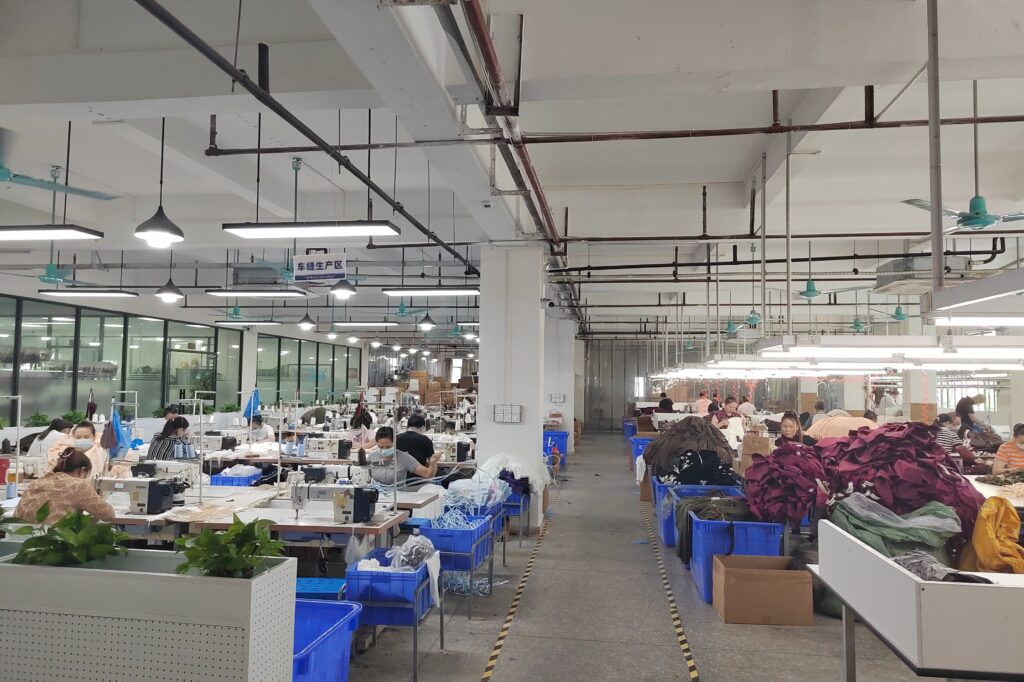
Independent inspection is valuable when a brand, retailer, sourcing office, or quality department requires an external release decision. Jinfeng can cooperate with appointed inspection agencies without presenting itself as the independent certification or inspection authority.
Prepare the Factory and Inspection References
Third-party inspection works best when requirements are known before the visit. The brand or inspection agency may specify production completion, packing completion, inspection level, AQL values, defect definitions, measurement sample, testing points, packing checks, and reporting requirements. Jinfeng can prepare the order against those instructions and organize access to finished goods, cartons, approved samples, measurement charts, tech packs, label files, packing standards, and other agreed references.
Inspection may be arranged through SGS, Intertek, Bureau Veritas, ITS, or another client-appointed provider according to the project. The inspector must be able to select samples independently and review the lot without pressure from production. Jinfeng can support carton movement, sample access, measuring space, required documents, and production clarification while respecting the inspector’s independent role.
A well-prepared inspection reduces delays caused by missing cartons, incomplete packing, unavailable references, or unclear order information. Preparation also helps the production team understand the exact release standard before the inspection date rather than discovering it after the result is issued.
Support the Result Without Replacing It
Jinfeng can assist with facts, records, product identification, and access, but the third-party agency owns its inspection conclusion. A manufacturer should not rewrite an independent result or present itself as the certification body. When a finding is disputed, the correct response is to review the inspection evidence, approved standard, measurement method, or defect definition with the brand and agency through the agreed communication channel.
If correction is required, Jinfeng can isolate affected stock, organize rework or sorting, recheck corrected goods, and prepare for reinspection when requested. Examples include zipper repair, measurement sorting, label replacement, barcode correction, packing-ratio correction, removal of damaged garments, or additional workmanship checks. The action depends on the actual defect and whether repair is technically safe and commercially acceptable.
Third-party inspection therefore becomes part of the broader production control system: agreed standard before production, internal controls during manufacturing, independent verification before release, and documented corrective action when needed.
What Happens When Dress Inspection Finds a Problem
Classify the Finding
The first step is to identify exactly what failed and how the approved standard classifies it.
A broken zipper, incorrect size label, mesh hole, severe measurement deviation, light press mark, or exposed boning cannot be treated as the same quality event.
The QC record should identify style, color, size, defect location, severity, quantity affected, and the reference used for judgment.
- Confirm Critical, Major, or Minor classification.
- Check whether a measurement or packing rule applies separately.
- Use photos or measurements where useful.
- Escalate safety or repeated major defects immediately.
Contain Affected Stock
Once a significant defect is identified, affected garments should be separated so they do not continue into packing or shipment.
Containment may involve specific sizes, colors, cartons, production sections, fabric lots, or an entire presented lot depending on the issue.
Clear identification prevents repaired, unchecked, and approved goods from becoming mixed during corrective work.
- Hold affected pieces or cartons.
- Trace style-color-size and production source.
- Check whether the same issue appears elsewhere.
- Protect unaffected stock from unnecessary rehandling.
Correct the Process
- Assign corrective action to the responsible production step.
- Repair only when the repair remains safe and acceptable.
- Update instructions when the original method created the defect.
- Recheck the first corrected pieces before large-scale rework continues.
Reinspect Corrected Goods
Corrected goods need verification. The level of reinspection depends on the failure and the brand’s instruction. It may involve targeted 100% sorting of a specific defect, measurement recheck, additional internal sampling, packing reconciliation, or a new third-party inspection.
Reinspection should be performed after corrective work is complete enough to represent the lot again.
- Verify repaired workmanship and function.
- Confirm measurement or label correction.
- Reconcile corrected cartons and SKU quantities.
- Arrange formal reinspection when the approved protocol requires it.
Record the Outcome
Quality records help connect the immediate correction with future production. A useful record identifies the defect, affected style or lot, correction, reinspection result, document changes, and any follow-up needed for the next batch.
Repeat orders benefit from preserved Golden samples, patterns, measurement records, fabric references, trims, packing requirements, and historical QC notes.
- Keep correction and recheck evidence.
- Update measurement or sewing instructions when approved.
- Record packaging or label changes.
- Link recurring issues with repeat-order planning.
Prevent Recurrence
- Move controls closer to the source of the defect.
- Brief production and QC teams on the revised checkpoint.
- Preserve approved standards for future orders.
- Reconfirm material batches and color on repeat production rather than assuming old records remain unchanged.
Quality Evidence Makes Dress Inspection Easier to Trust
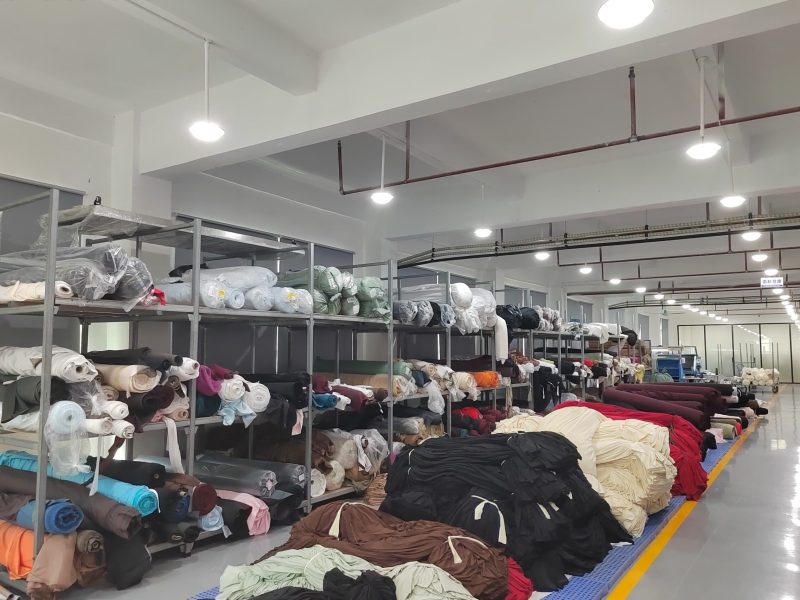
Fabric Inspection Evidence

Measurement Records

In-Line Check Records
In-line evidence can document zipper insertion, seam appearance, lining attachment, strap placement, ruching, lace joining, boning position, or other style-specific checkpoints while the order is still in production. When a defect is found, before-and-after records can show the correction.
The most useful images are tied to a defined issue and standard, not generic factory photos taken only to make a quality section look active.

Closure and Detail Checks
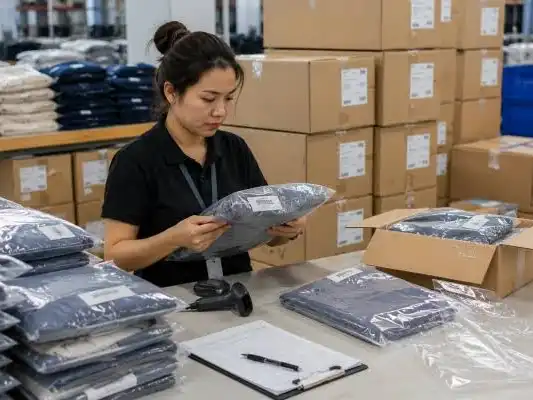
Packing Verification Evidence
Packing records can show garment identification, size stickers, barcode placement, polybag condition, carton marks, packing ratios, and carton quantity checks.
Confidential barcodes, PO numbers, warehouse data, and brand artwork should be masked in public-facing material.Within an active project, complete packing evidence can help sourcing and logistics teams verify that the goods being shipped correspond with the approved SKU and packing instructions.
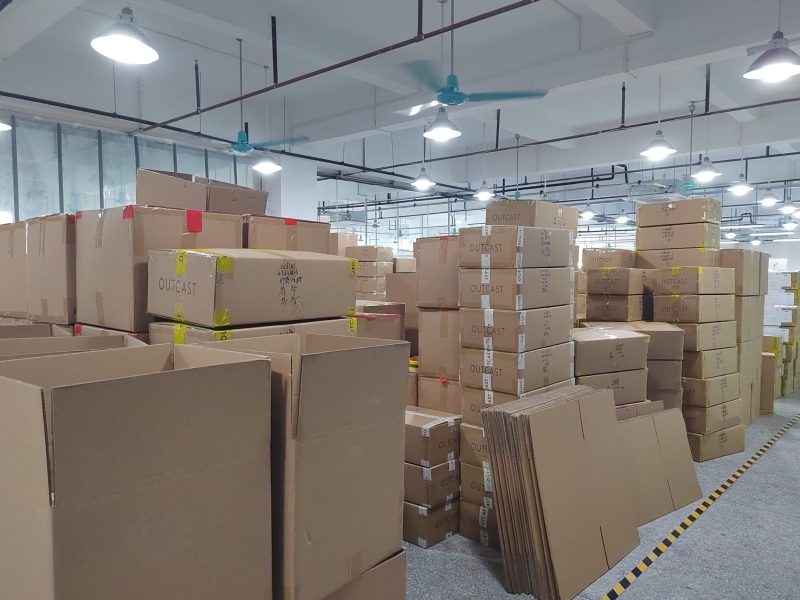
Pre-Shipment Inspection Evidence
QC Capacity Built for Multi-Style Dress Production

15+ QC Inspectors

6 Owned Fashion Factories
Jinfeng operates 6 owned women’s fashion factories within its production system.
Factory allocation can be matched to style type, fabric behavior, construction complexity, quantity, and schedule rather than treating every dress as the same sewing job. QC requirements, PP standards, production documents, and packing instructions need to follow the assigned production unit so the approved specification remains visible from sample handover through finished-garment inspection.

10+ Long-Term Partners

18+ Sewing Lines

100,000+ Monthly Capacity

Project Follow-Up Teams
An Anonymous 18-Style Program Shows Quality Control in Action
A large private-label dress program is useful evidence only when it shows how quality complexity was managed. The following anonymized case reflects Jinfeng’s documented large-client experience while protecting the brand name, logos, tech packs, labels, packaging files, pricing, and unpublished designs.
Program Scope and Quality Risk
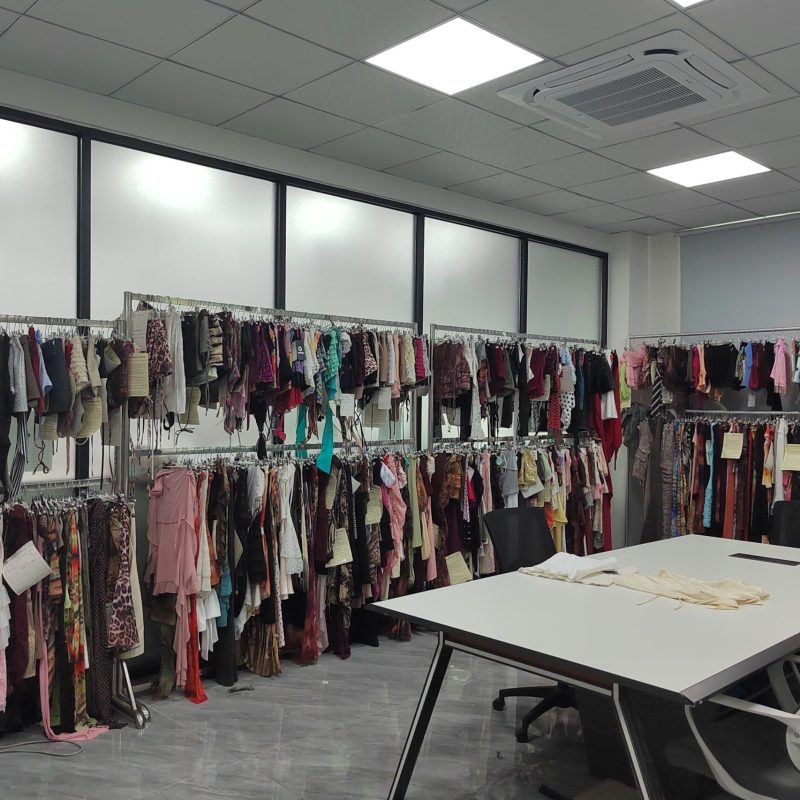
An anonymous US large apparel client worked with Jinfeng on an 18-style womenswear program of approximately 28,000 pieces. The collection included satin, mesh, jersey, lace, and crepe dresses, creating different quality risks within one production program. Smooth satin made surface handling and zipper appearance important; mesh and lace required damage and placement control; jersey required attention to stretch-related measurements and recovery; multiple styles created additional SKU, label, packing, and document complexity.
The project also required private-label packing and client inspection support. Managing 18 styles meant quality could not be handled through one generic checklist. Each style needed a controlled sample version, fabric and trim references, size-color information, packing requirement, and production follow-up. The challenge was keeping product-specific standards visible while still giving the client one organized project view across the full order.
Jinfeng used project tracking for fabrics, trims, sample versions, production progress, QC, packing, and shipment preparation. Client information remained protected, and the case is presented without brand identity or confidential design material.
From Sample Standards to Bulk Checks
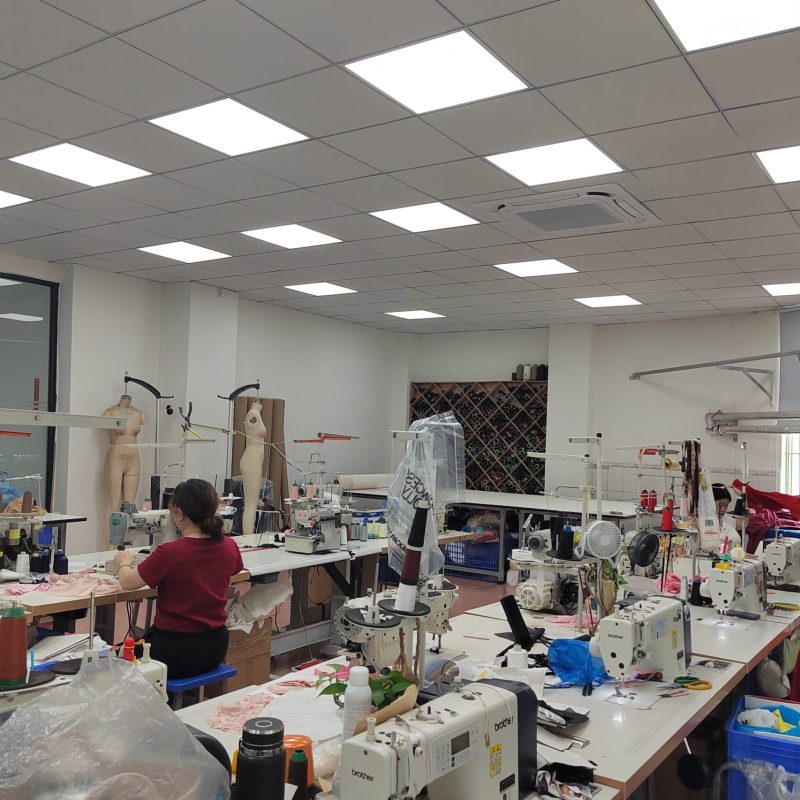
Quality preparation began before finished goods inspection. Sample versions and approved requirements were used to guide bulk production. Fabric and trim tracking helped separate the different material risks across the collection. During production, quality checks focused on the issues most relevant to each style rather than assuming a satin dress, mesh dress, and jersey dress should be inspected identically.
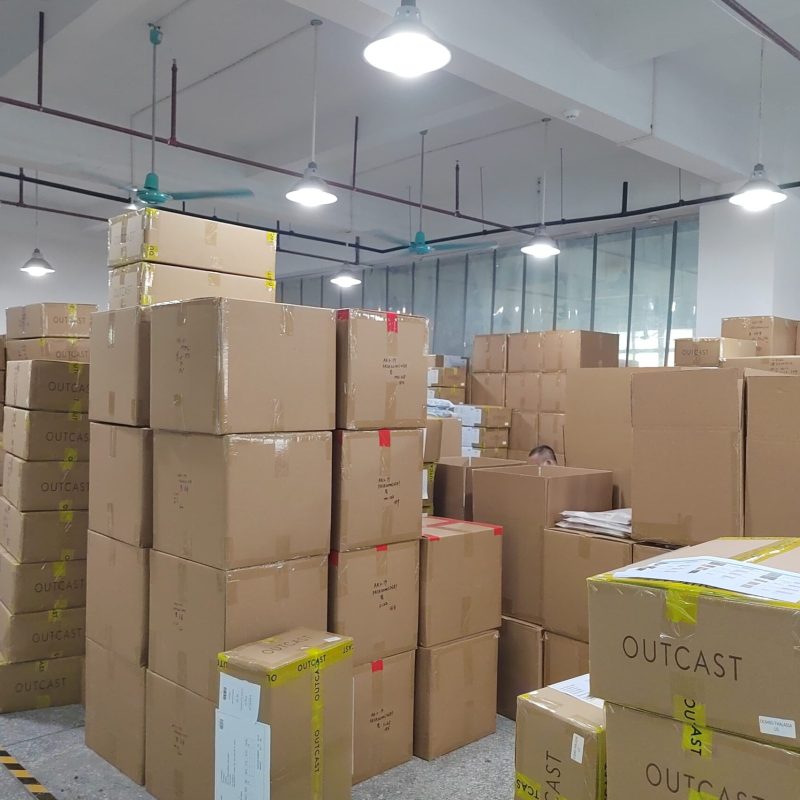
SKU control became equally important as garment workmanship. Hangtags, barcodes, polybags, carton marks, and style-color-size breakdowns needed to match the packing records for the full 18-style order. An error in product identification could create receiving problems even when the dress itself was correctly sewn. Packing and QC therefore worked as connected control points.
Client inspection support was built into shipment preparation. Jinfeng coordinated access to the goods and project information required for review, while the client’s inspection standard remained the governing acceptance reference. When corrections were required during the production cycle, the objective was to close them before shipment preparation rather than allow unresolved issues to accumulate at the final stage.
The Outcome and Repeatability Value
The order moved through coordinated QC, private-label packing, client inspection support, and phased shipment preparation. The important result was not a claim of zero defects; it was the ability to manage different materials, styles, sizes, labels, SKUs, and shipment records within one controlled program. Large fashion collections create many opportunities for small errors to become expensive warehouse or return problems, so traceability across stages matters as much as the final visual check.
Project records from approved samples, patterns, fabrics, trims, packing requirements, and QC can also support later repeat orders. Repeat production still requires rechecking material batches, colors, and any updated requirement, but preserved records shorten the path back to the previously approved standard.
For brands planning 10-30 style collections and order quantities in the tens of thousands of pieces, the case illustrates the type of control system needed: style-specific manufacturing knowledge inside one project-management structure, with quality, packing, and shipment preparation connected rather than managed as separate handoffs.
AQL Dress Inspection Frequently Asked Questions
Send Your AQL and Dress Quality Requirements
If your team already works with a quality manual, AQL plan, defect library, measurement tolerance, third-party inspection protocol, or warehouse packing standard, send the relevant files before sampling or bulk planning. Jinfeng Apparel can review how those requirements connect with dress development, PP approval, production checkpoints, final garment inspection, packing QC, and pre-shipment inspection support. For a new program, include enough information to identify the product risk and the lot structure rather than sending only a target unit price. The review can then focus on whether the proposed fabric, construction, size range, quantity, packing system, and inspection requirement can be executed consistently across the production plan.
Please include where available:
- Tech pack, line sheet, reference images, or approved sample information
- Quality manual and Critical / Major / Minor defect definitions
- AQL level, inspection level, and third-party inspection instructions
- Measurement chart, POM method, and allowable tolerances
- Quantity per style/color, size range, and color breakdown
- Fabric and trim requirements, including high-risk material details
- Label artwork, barcode list, SKU structure, and packing standard
- Target delivery window and any required pre-shipment inspection date