Skip to content
A-Line Dress Manufacturer
Custom A-Line Dress Development for Global Fashion Brands
Jinfeng Apparel develops and manufactures A-line mini, midi, maxi and occasion dresses for established fashion brands, sourcing teams and private-label womenswear programs.
- 3 core silhouette controls: waist position, flare distribution and hem balance
- Mini, midi, maxi and floor-length development
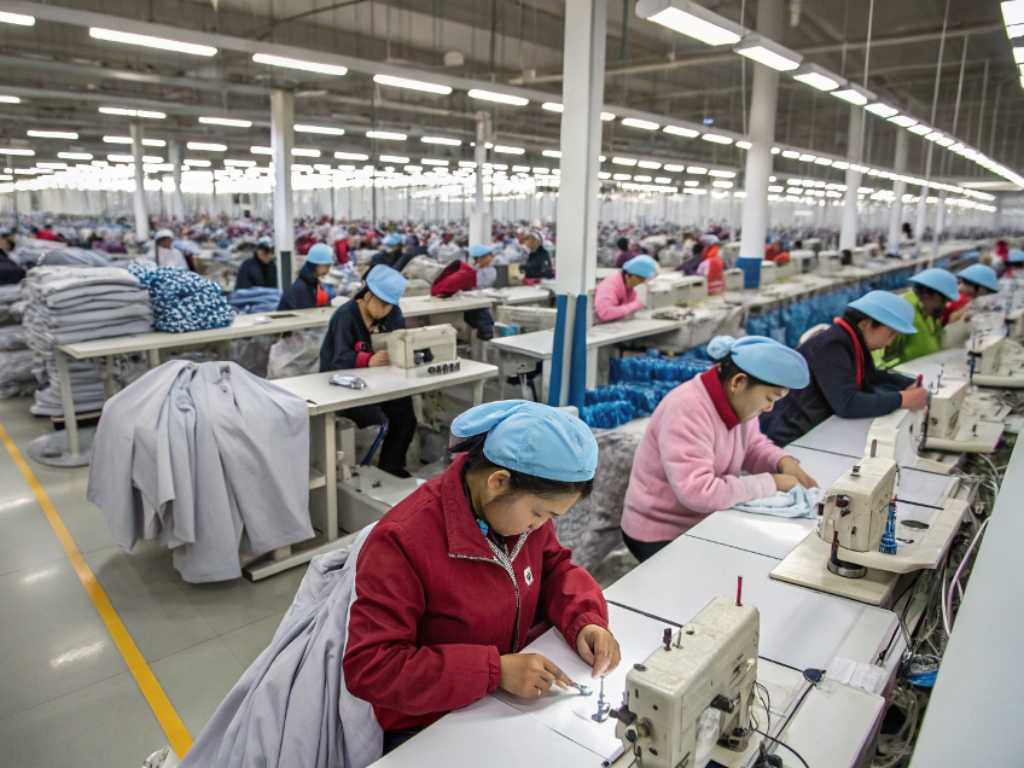
- 7+ senior pattern makers and 20+ sample machinists
- 2 dedicated womenswear sample rooms
- MOQ starts from 200 pcs per style/color
- 100,000+ pcs monthly manufacturing capacity
- Sampling, bulk production, QC, private-label packing and export support
Manufacturing Facts Behind Every A-Line Dress Program
Since 2008
Six Owned Factories
Six owned women’s fashion factories support woven dresses, stretch dresses, occasionwear, partywear, structured silhouettes and multi-style seasonal programs. Production allocation is based on fabric, construction, workmanship and delivery requirements.
Ten Plus Partners
Pattern Development Team
Seven or more senior womenswear pattern makers review bust shape, waist position, hip ease, skirt flare, side-seam direction, front-back balance and grading before bulk production begins.
Sample Development Team
Quality Management
Built for Established Fashion Brands and Sourcing Teams
Global Fashion Brands
- Multi-style collection management
- Seasonal launch planning
- Repeat-order record retention
- Brand and design protection
Premium Ecommerce Brands
- Photo-ready sample support
- Consistent size grading
- Ecommerce packing
- SKU and barcode coordination
Occasionwear Labels
- Occasion-specific materials
- Refined finishing
- Multiple color programs
- Event-season delivery planning
Fashion Retailers
- Retail-ready packing
- Size-ratio management
- Carton and SKU control
- Multi-batch delivery support
Product Development Teams
- Reference image review
- Tech pack assessment
- Fit correction
- Sample revision records
Sourcing and QA Teams
- Project feasibility review
- Bulk capacity planning
- QC checkpoints
- Inspection coordination
Why A-Line Dress Programs Fail Before Launch

The Shape Looks Flat
- Insufficient sweep circumference
- Flare beginning below the intended point
- Fabric too soft for the target shape
- Hip ease interrupting the A-line transition
- Incorrect side-seam shaping

The Waistline Sits Wrong
- High-point shoulder to waist
- Front and back waist balance
- Bust dart position
- Bodice length after pressing
- Size-grade movement across the range
The Hemline Becomes Uneven
- Bias extension
- Incorrect grain alignment
- Uneven panel weight
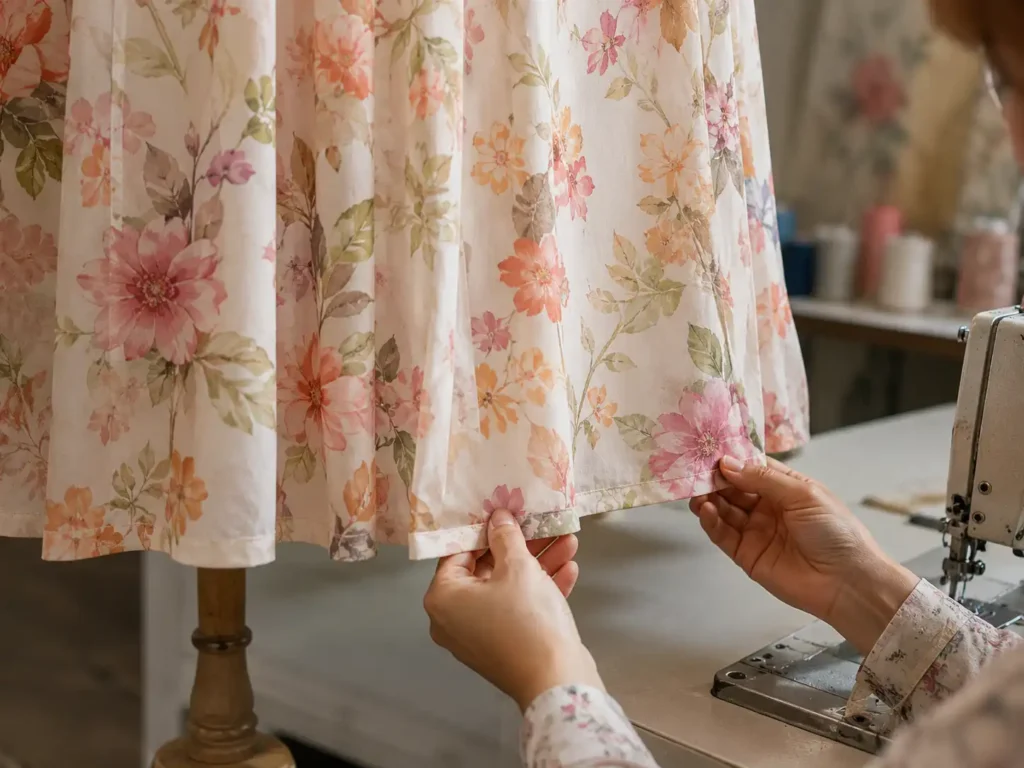
- Front-back length imbalance
- Lining restricting the outer layer

Bulk Differs From Sample
- Approved final pattern
- Confirmed fabric and trim references
- PP sample approval
- Sewing instructions
- Measurement tolerances
- Inline and final QC checkpoints
Is Jinfeng the Right Manufacturing Fit?
Best Fit For
- Reference images, sketches, samples or tech packs
- Defined style and color plans
- Professional sample development
- MOQ from 200 pcs per style/color
- Multi-size production
- Private-label requirements
- Seasonal collections
- Repeat-order potential
- Quality and delivery standards
Not Designed For
The manufacturing model is not structured around stock wholesale, one-piece fulfillment or micro-order production.
Projects outside the normal production structure include:
- Ready-stock purchasing
- Dropshipping fulfillment
- Individual made-to-measure dresses
- Orders below normal production quantities
- Programs without sampling budgets
- Projects based only on the lowest possible unit price
- Immediate bulk production without sample approval
- Requests without quantity, fabric or product direction
From Design Direction to Bulk A-Line Dresses
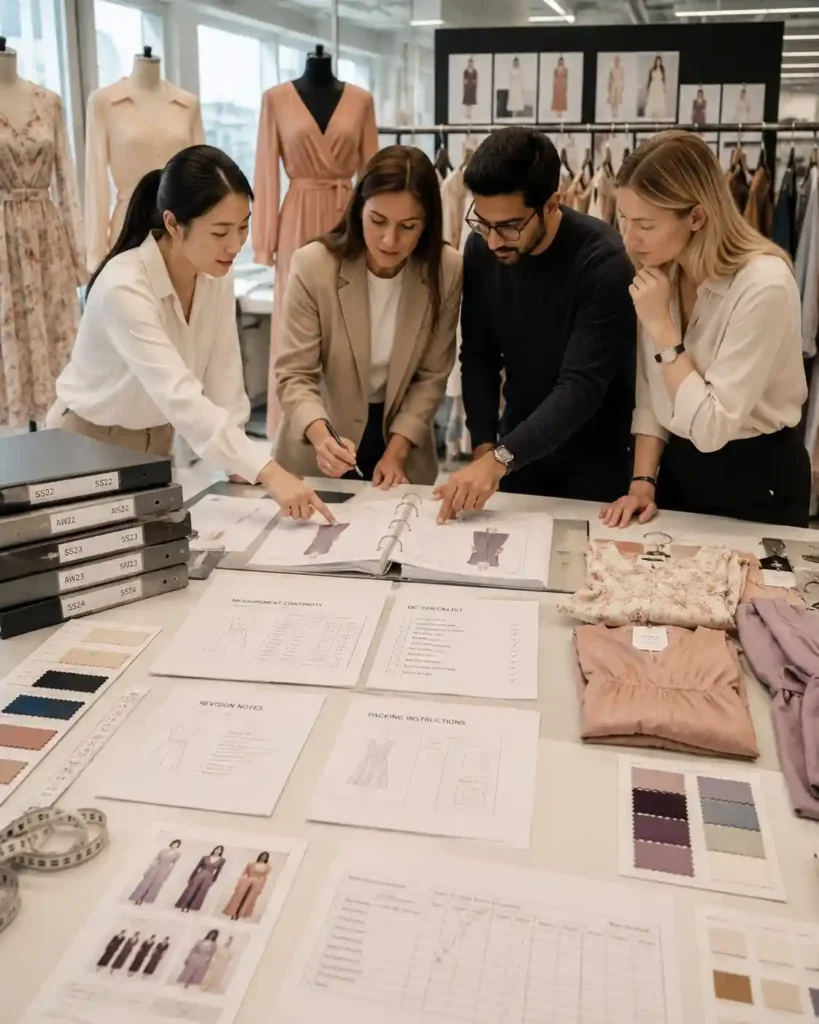
A structured development sequence keeps fabric, fit, cost and launch timing aligned before production capacity is committed.
- Project Review and Material Direction
Reference images, samples, tech packs, line sheets or sketches are reviewed together with quantity, color, size range and launch timing. Jinfeng identifies structural risks, suitable material directions and information still needed for accurate development. - Pattern and Sample Development
The pattern team establishes the bodice, waistline, hip transition, flare start, sweep and garment length. A first sample is produced for fit, material and construction review. Revisions are recorded before a new sample or PP sample proceeds. - Approval and Production Handover
Final pattern files, measurement charts, fabric references, trim details, sewing instructions, label placement, packing requirements and QC checkpoints are transferred into bulk production after approval. - Quality, Packing and Delivery
Fabric, cutting, sewing, measurement, workmanship and packing are checked during defined production stages. Finished goods can be prepared for express, air, sea or client-appointed freight arrangements.
A-Line Is a Silhouette System
The visual line may begin from the natural waist, raised waist, lower waist or upper hip. Each starting point changes the pattern, fabric consumption, body proportion and grading method.
A well-developed silhouette needs:
- Controlled bust and upper-body fit
- Clear waist position
- Smooth transition through the high hip
- Flare distributed across front, back and side sections
- Stable side seams
- Balanced front and back lengths
- Sweep suitable for the fabric and occasion
A-line office dress normally needs cleaner structure and lower sweep than a graduation or party dress. A chiffon maxi requires more movement and hem control than a cotton-poplin mini. A corset A-line combines a structured bodice with a fuller skirt and needs stronger waist-seam stabilization.

Custom A-Line Dress Styles We Manufacture

A-Line Mini Dress
- Front and back length
- Sitting and movement coverage
- Hip ease
- Lining length
- Hem sweep
- Zipper position

A-Line Midi Dress
- Natural or raised waist
- Calf-level proportion
- Walking ease
- Pleat or panel distribution
- Side pockets
- Lining movement

A-Line Maxi Dress
- Full garment length
- Front-back balance
- Sweep and movement
- Bias extension
- Lining coverage
- Packing crease control

A-Line Shirt Dress
- Collar and neckline
- Button spacing
- Waist shaping
- Sleeve mobility
- Pocket placement
- Placket stability
Pleated A-Line Dress
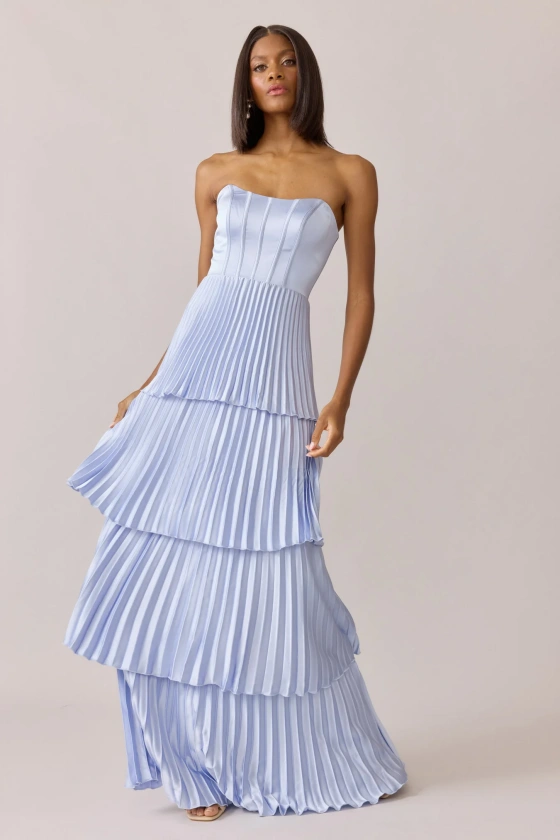
- Pleat count
- Pleat depth
- Waist bulk
- Pressing stability
- Symmetry
- Size-grade consistency

Corset A-Line Dress
- Cup shape
- Boning position
- Waist seam stabilization
- Back closure
- Lining structure
- Skirt attachment

Wrap A-Line Dress
- Front overlap
- Neckline coverage
- Tie position
- Internal security
- Waist fit
- Skirt opening

Occasion A-Line Dress
- Fabric layering
- Color consistency
- Hem leveling
- Lining coverage
- Decorative placement
- Pressing and packing
Mini, Midi and Maxi A-Line Development

Mini A-Line Programs
- Finished length by size
- Sitting coverage
- Waist-to-hem ratio
- Lining concealment
- Side-seam direction
- Hem circumference
- Pressing without outward flipping

Midi A-Line Programs
Midi dresses serve office, occasion, wedding guest and premium daywear markets.
A few centimeters can change the perceived proportion, especially when the waist is raised or the skirt includes pleats. Key controls:
- Waist position
- High-hip transition
- Walking ease
- Pocket bulk
- Calf-level hem position
- Lining movement
- Size-grade length progression
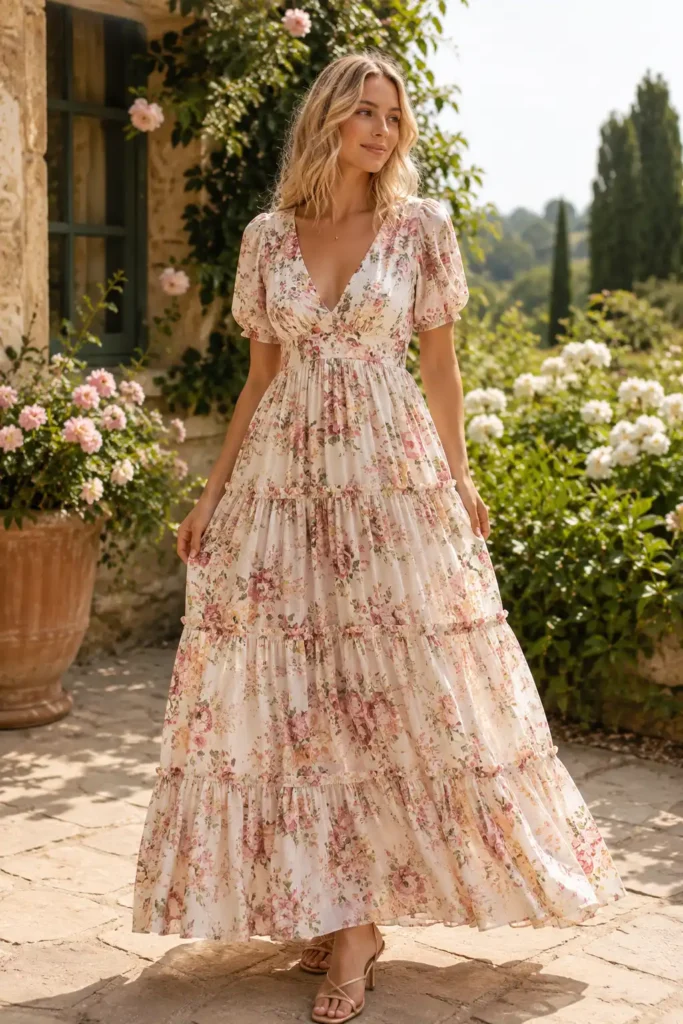
Maxi A-Line Programs
Maxi styles carry more fabric weight and are more sensitive to grain, drape, pressing and hanging.
The outer layer and lining must move independently without twisting. Key controls:
- High-point shoulder length
- Front and back drop
- Sweep circumference
- Panel balance
- Bias extension
- Hem leveling
- Folding and carton depth
A-Line Dresses Across Fashion Selling Occasions
Graduation and Homecoming
- White-fabric transparency
- Secure mini length
- Bust and armhole coverage
- Lining color
- Photo-ready finishing
- Seasonal delivery windows
Cocktail and Occasionwear
- Sheen direction
- Color consistency
- Waist-seam flatness
- Hem movement
- Lining quality
- Pressing standard
Wedding Guest Collections
- Color approval
- Bust and waist comfort
- Walking ease
- Layer balance
- Multiple-size consistency
- Event-season scheduling
Resort and Vacation
- Print direction
- Shrinkage
- Transparency
- Strap and neckline security
- Wrinkle management
- Compact packing
Office and Workwear
- Shoulder and armhole comfort
- Waist placement
- Pocket construction
- Hem stability
- Easy-care performance
- Professional length
Casual and Daywear
- Wash shrinkage
- Seam strength
- Pocket placement
- Button or zipper function
- Pressing recovery
- Size consistency
Design Details for Distinctive A-Line Collections
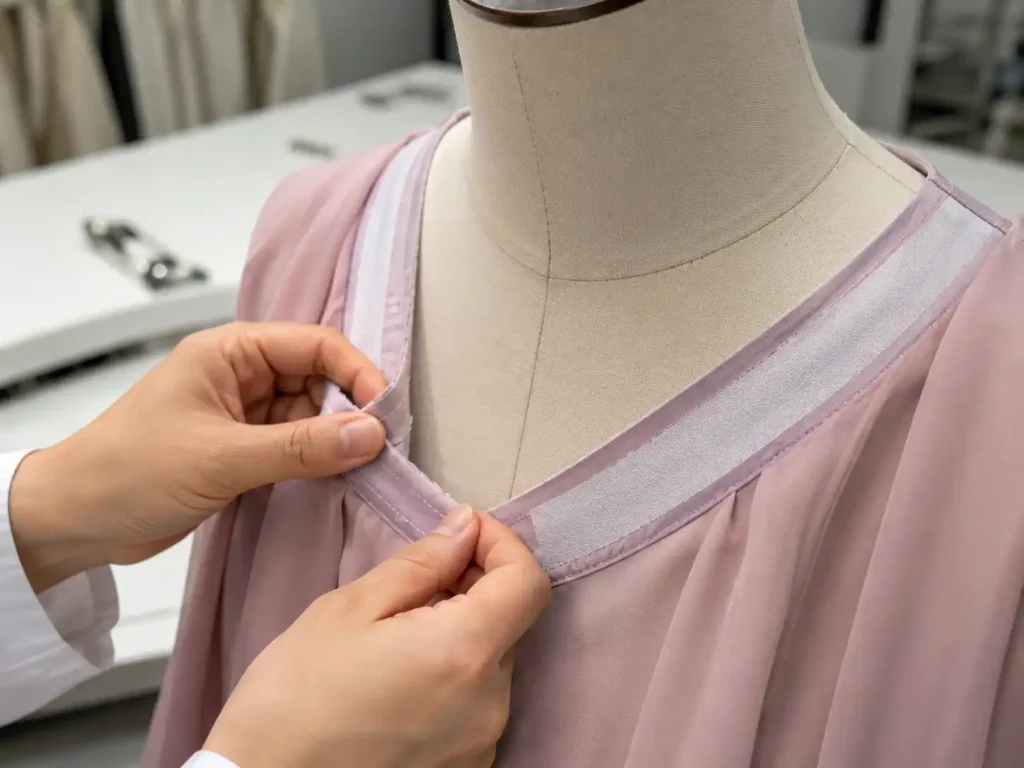
Neckline Options
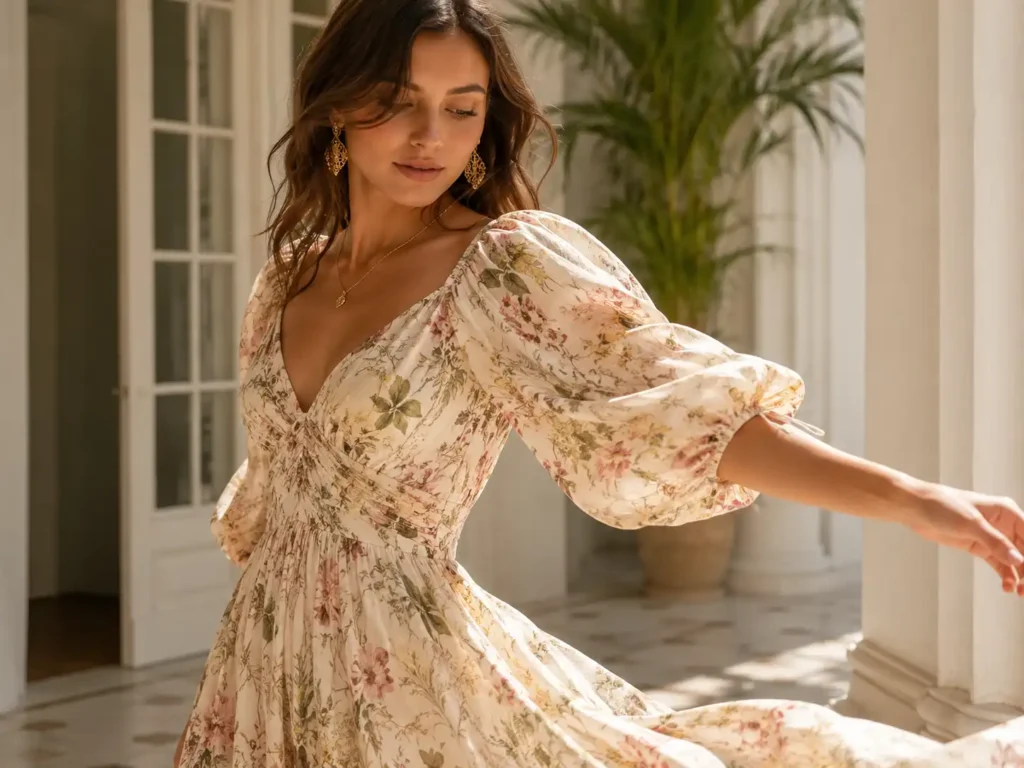
Sleeve Structures
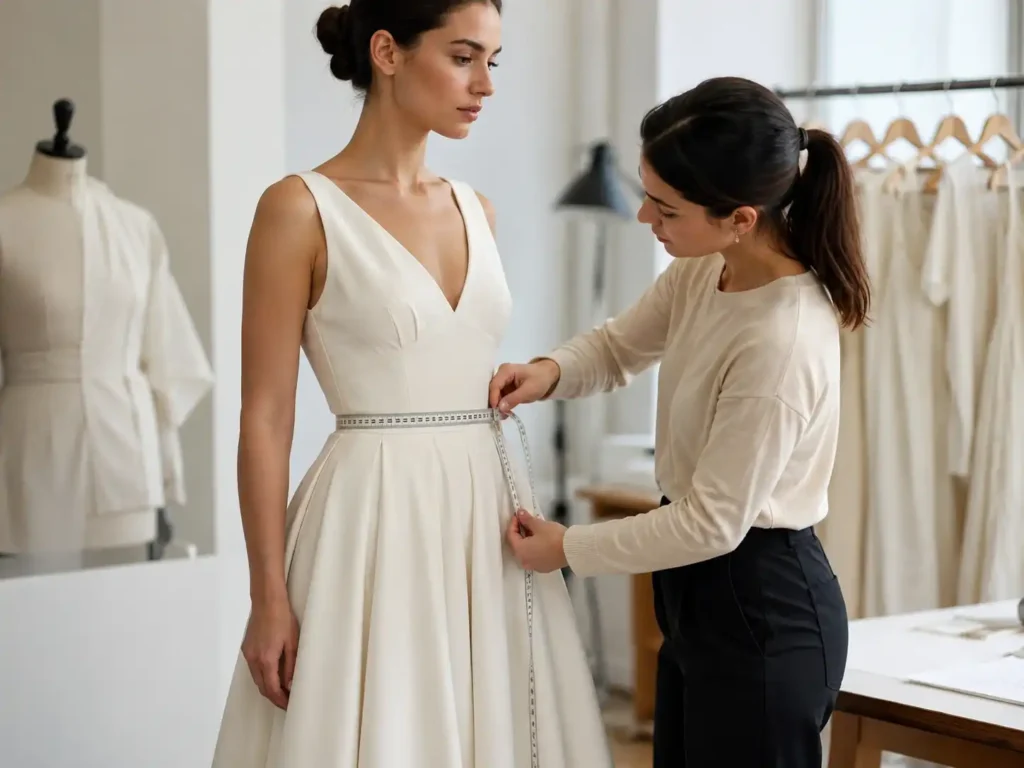
Waist Treatments

Pleats and Gathers

Panels and Ruffles
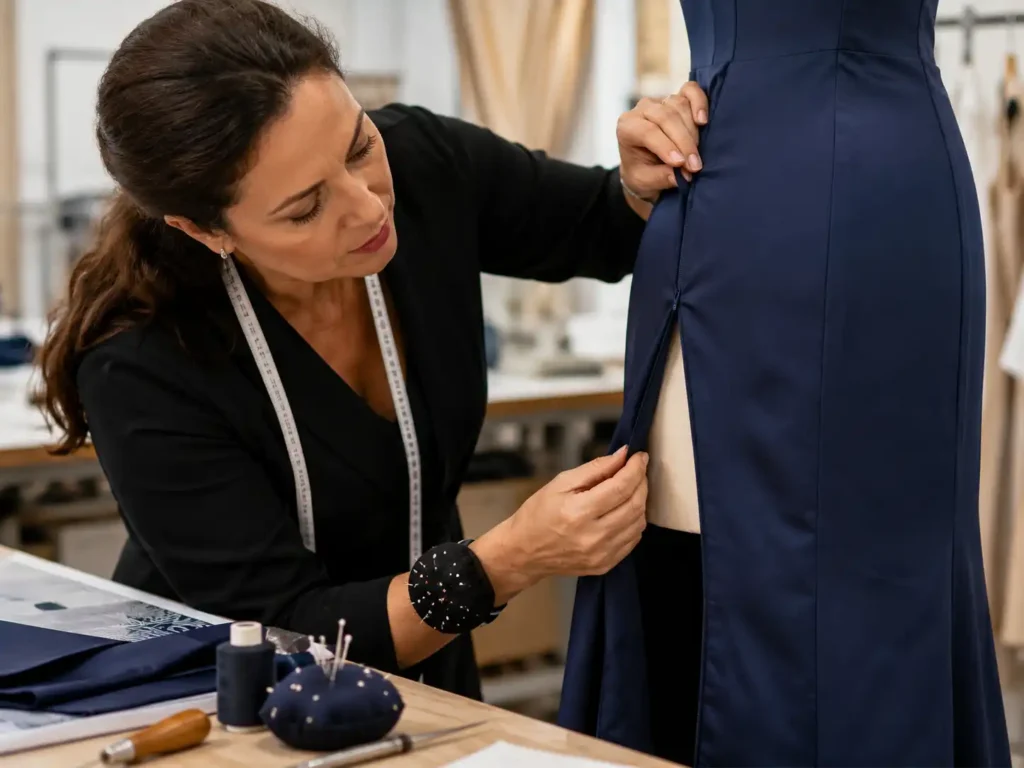
Slits and Openings
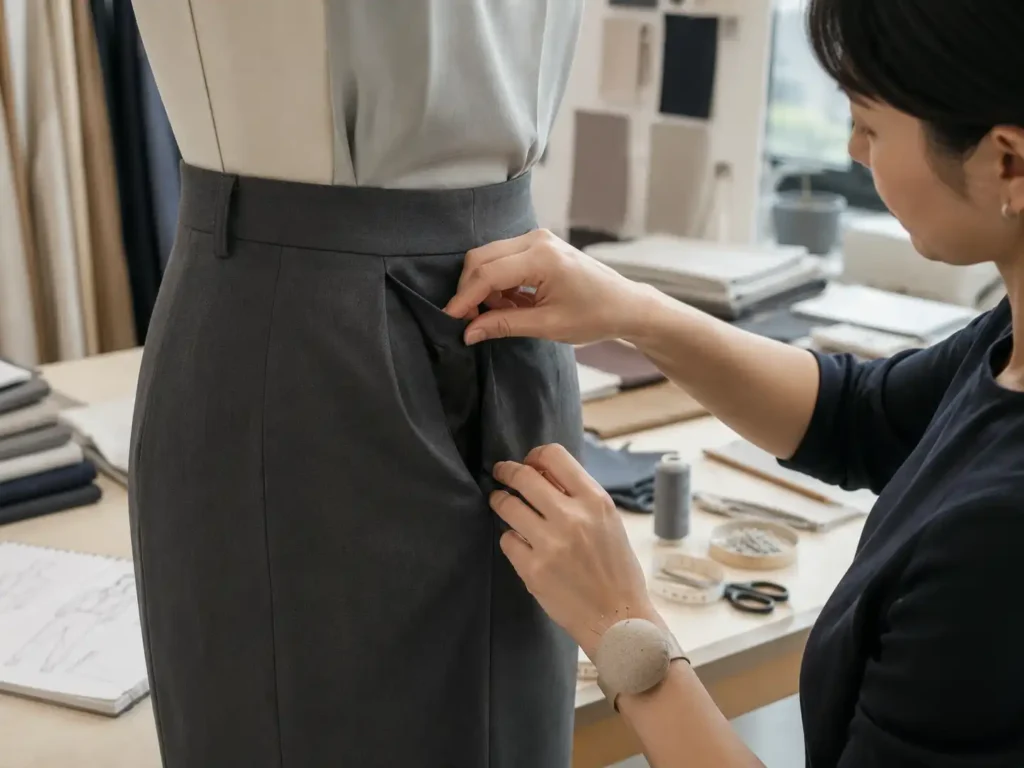
Pockets and Belts

Back Design Options
Fabrics That Shape the A-Line Silhouette
Fabric choice determines whether an A-line dress looks crisp, fluid, light, structured or voluminous. Material approval should consider drape, weight, width, shrinkage, transparency, surface direction, color availability, MOQ and bulk consistency.
| Fabric | Silhouette Result | Suitable Programs | Main Production Risks | Control Focus |
|---|---|---|---|---|
| Cotton Poplin | Crisp, clean and moderately structured | Shirt dresses, casual mini and daywear | Shrinkage, wrinkles, seam puckering | Grain, washing result, pressing, hem |
| Crepe | Controlled drape with refined surface | Office, occasion and midi dresses | Shade variation, seam impression | Drape, color approval, seam tension |
| Satin | Fluid movement with visible shine | Party, cocktail and wedding guest | Snagging, puckering, shine direction | Cutting direction, zipper, pressing, color |
| Chiffon | Lightweight movement and layered volume | Maxi, occasion and resort | Transparency, fraying, uneven drop | Lining, seam finish, hanging, hem leveling |
| Organza | Crisp volume and statement shape | Prom, graduation and occasion | Creasing, edge damage, visible seams | Layer balance, clean seams, pressing |
| Tulle | Soft or structured volume | Party, graduation and layered skirts | Holes, uneven layers, rough edges | Layer count, edge finish, lining |
| Linen Blend | Natural structure and breathable appearance | Resort, daywear and office | Wrinkling, shrinkage, slub variation | Wash result, grain, pressing |
| Lightweight Denim | Firm shape with casual character | Mini, shirt and daywear dresses | Seam bulk, shade variation, shrinkage | Topstitching, seam thickness, wash |
| Rayon or Viscose | Fluid drape and soft movement | Resort, wrap and printed A-line | Shrinkage, twisting, color bleeding | Relaxation, wash test, grain, hem |
| Ponte or Stable Knit | Smooth structure with stretch comfort | Office, fitted bodice A-line | Stretch variation, seam waving | Recovery, cutting direction, measurements |
Linings, Zippers and Trims That Affect Fit

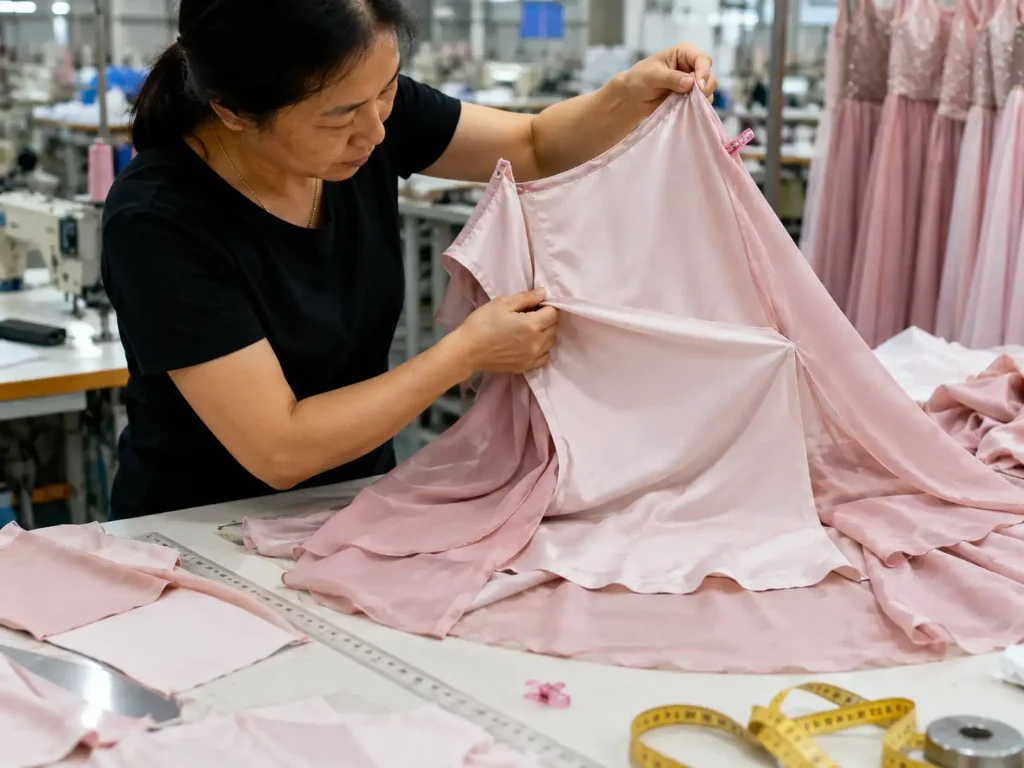
Full Lining
Key controls:
- Compatible stretch or drape
- Matching or intentional color
- Adequate sweep
- Smooth waist attachment
- Secure hem length
Partial Lining
Key controls:
- Lining ending position
- Edge finishing
- Transparency review
- Waist-seam thickness
- Movement comfort
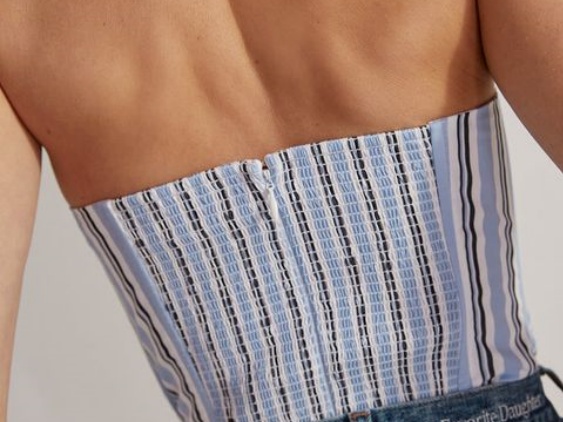
Invisible Zippers
An invisible zipper must lie flat without rippling or pulling the waist seam out of alignment.
Tape color, zipper length and seam stabilization are confirmed during sampling.
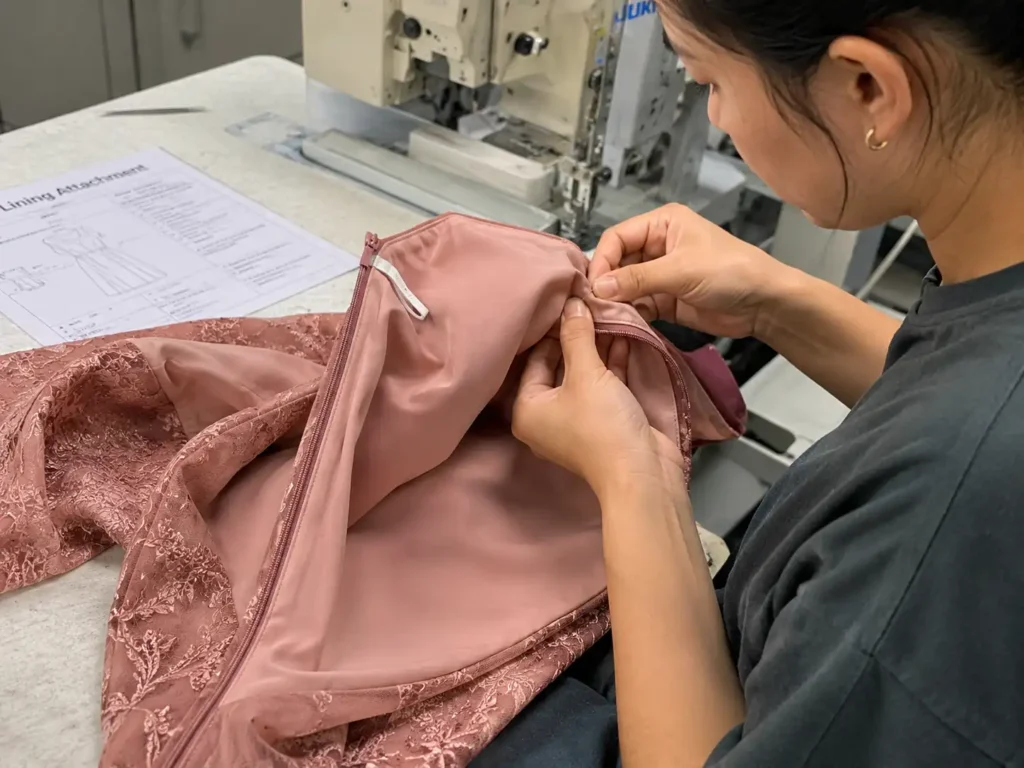
Closure Placement
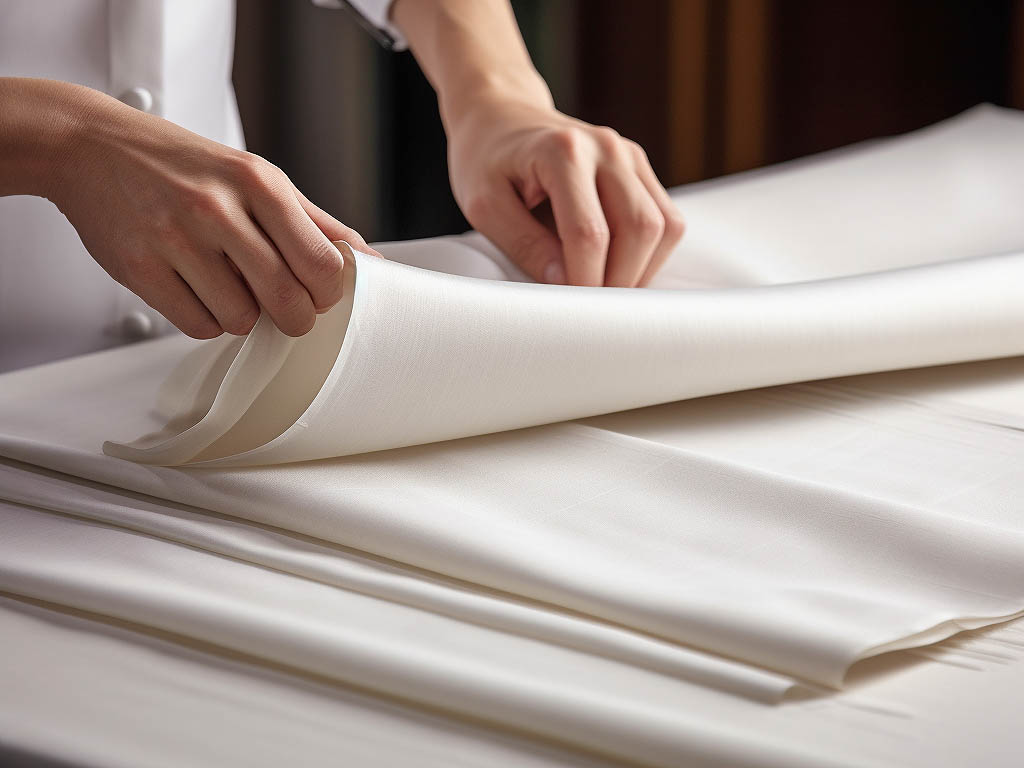
Interfacing and Support
Waistbands, facings, necklines and structured bodices may require interfacing, waist stays or support materials. Excess stiffness can distort the A-line transition.

Brand and Packing Trims
Woven labels, size labels, care labels, hangtags, barcode stickers, polybags and cartons have independent specifications and sometimes separate material minimums.
What to Send Before Development Starts
Reference Images
Tech Pack
Target Quantity
Fabric Direction
Color Plan
Size Range
Private Label Needs
Launch Date
Pattern Making for Balanced A-Line Proportions
Jinfeng Apparel develops A-line patterns around body balance, design intention, fabric behavior and scalable production. A reliable pattern is not created by opening the side seam of an existing dress block.

Selecting the Correct Bodice Foundation
The base block depends on fit direction, neckline, sleeves, bust structure and waist position. A relaxed shirt dress, fitted occasion dress and corset A-line require different foundations.
Pattern evaluation covers:
- Bust and upper-bust balance
- Shoulder slope
- Front and back length
- Dart or princess-seam position
- Armhole shape
- Neckline depth
- Waist suppression
- Closure requirements

Establishing the Flare Start
Flare may begin from the under-bust, natural waist, lower waist or upper hip.
The starting position influences body proportion and fabric consumption.
The pattern team considers:
- Desired visual line
- Hip ease
- Panel structure
- Pocket placement
- Pleats or gathers
- Fabric stiffness
- Garment length
- Intended movement

Planning Sweep and Panel Distribution
Sweep is calculated in relation to length, material and occasion.
Volume can be spread across side seams, princess panels, center seams, pleats or godets.
A panel plan must avoid:
- Excess side volume
- Flat center front
- Twisted side seams
- Uneven hem weight
- Bulky waist joins
- Inconsistent grading
Measurements That Keep A-Line Dresses Consistent
Measurement control links design intention, fit approval, size grading and bulk inspection. Bust, waist and hip alone are not enough for an A-line program.
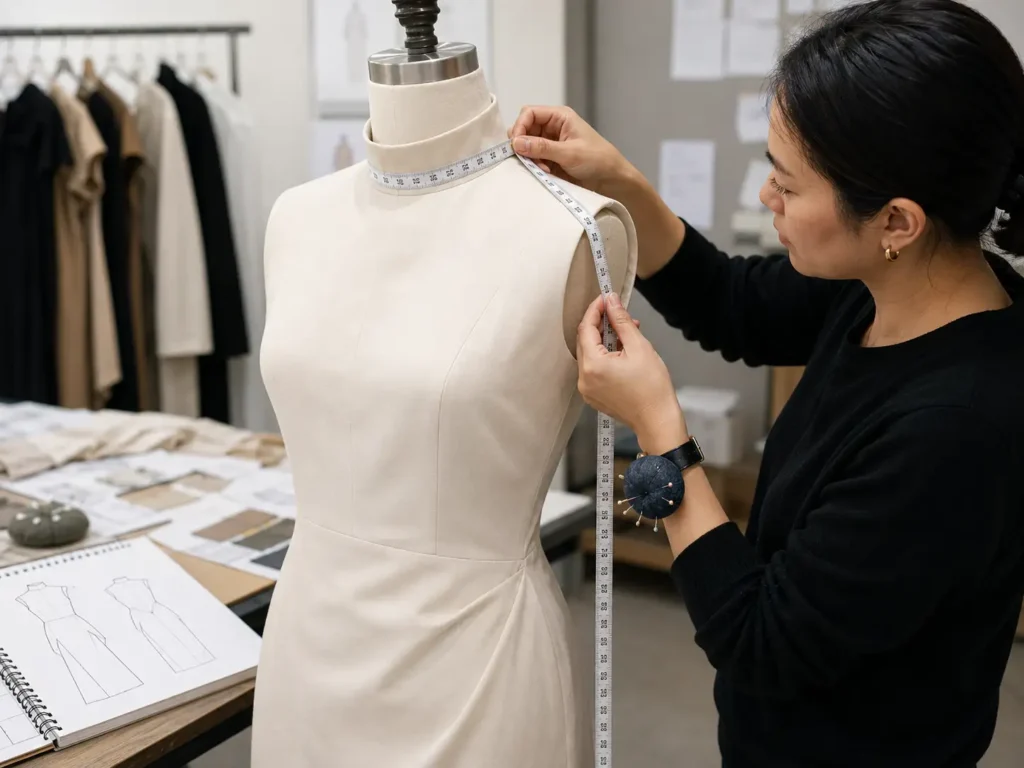
Upper-Body Measurement Points
Core points may include:
- High-point shoulder
- Bust
- Upper bust
- Under bust
- Shoulder width
- Across front
- Across back
- Armhole
- Neckline depth
- Bodice length
The selected points depend on neckline, sleeves, bust structure and closure.

Waist and Skirt Measurement Points
- Waist circumference
- Waist-seam position
- High hip
- Hip
- Front skirt length
- Back skirt length
- Side length
- Sweep circumference
- Hem width
- Lining length
- Slit height
Waist position must be measured vertically from a stable reference such as high-point shoulder. Measuring only around the waist does not identify a seam sitting too high or low.

Tolerance and Inspection Planning
Tolerance should reflect fabric behavior, construction and measurement method. Stable woven fabric may support tighter controls than soft chiffon or stretch jersey.
Bulk checks compare:
- Approved size chart
- Final pattern
- PP sample
- Golden Sample
- Production measurements
- Agreed tolerances
Measurement instructions should specify whether the garment is relaxed, stretched, buttoned, zipped, laid flat or measured along a curve.
Sample Development Before Bulk Production
Structure Review
Style references are reviewed for silhouette, construction, material suitability and production feasibility.
Missing information is converted into a development checklist.
Fabric Confirmation
Swatches are checked for color, weight, drape, stretch, transparency, hand feel and availability.
Fabric changes can affect pattern, lining, cost and timeline.
First Sample
Fit Sample
Revised Sample
PP Sample
Quality Control for A-Line Dress Consistency
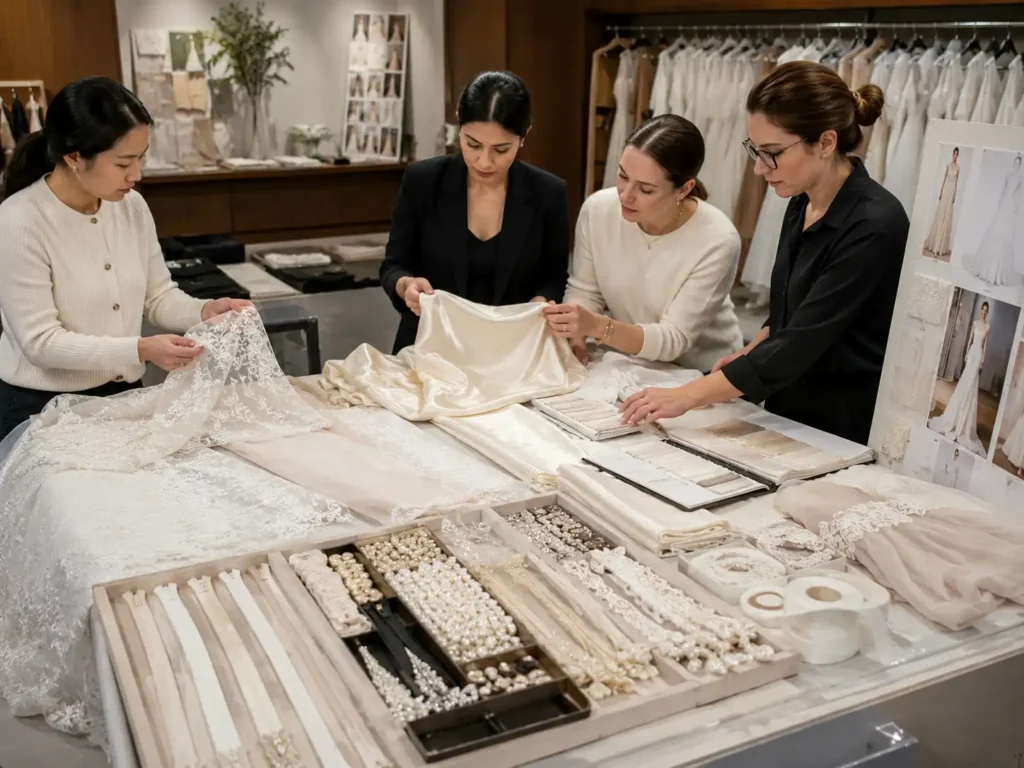
Fabric Inspection
- Color and shade
- Width and quantity
- Defects
- Surface direction
- Stretch
- Drape
- Transparency
- Shrinkage where required

Cutting Inspection
- Correct pattern version
- Grain direction
- Panel pairing
- Print or stripe placement
- Notches and drill marks
- Size separation
- Defect avoidance

First-Piece Check
Initial finished pieces are reviewed before full sewing volume proceeds.
Waist position, silhouette, measurements, zipper, lining and hem construction are compared with approved standards.

Inline Inspection
- Waist-seam alignment
- Side-seam direction
- Pleat spacing
- Stitch quality
- Zipper flatness
- Lining attachment
- Measurement trends

Finished Garment Inspection
- Bust, waist and length
- Waistline level
- Flare and sweep
- Front-back balance
- Hem level
- Workmanship
- Color and appearance
- Pressing quality

Packing Inspection
- Correct style, size and color
- Labels
- Hangtags
- Barcode and SKU
- Folding method
- Polybag
- Carton quantity
- Carton marks
Private Label and Retail-Ready Dress Packaging
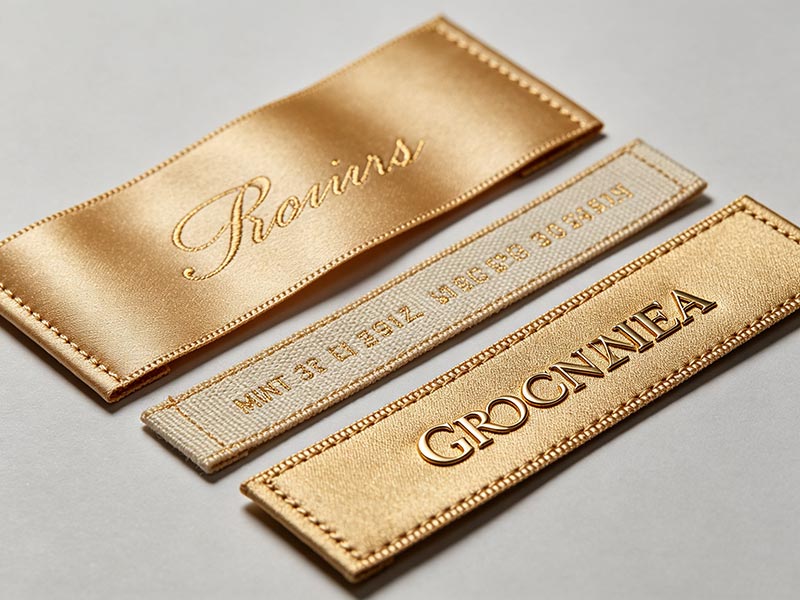
Main Labels
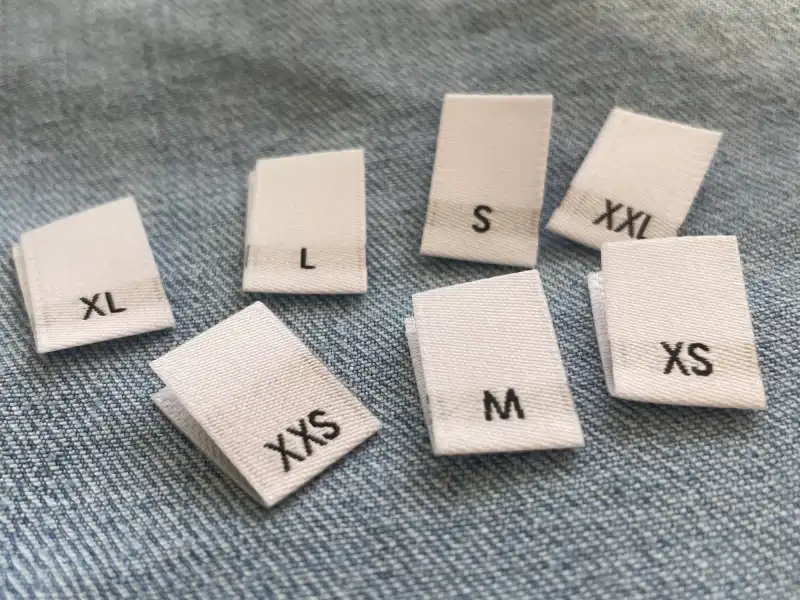
Size Labels
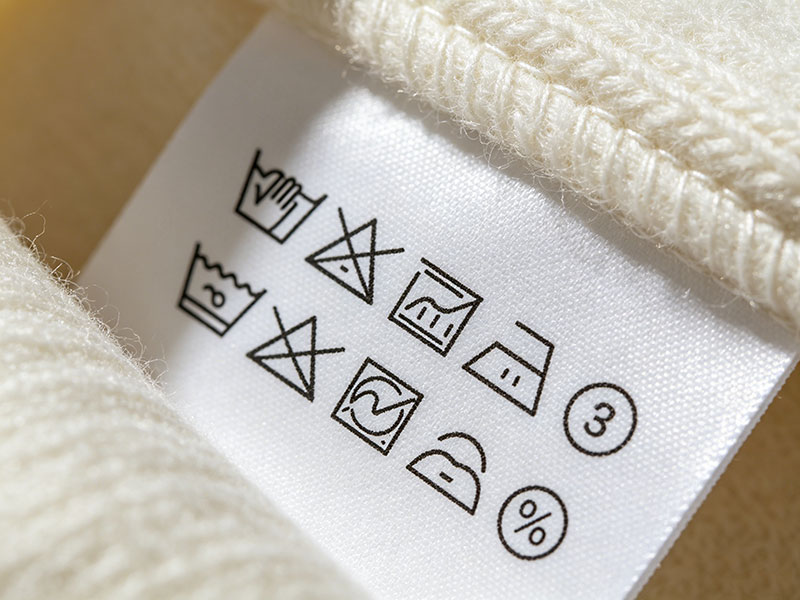
Care Labels

Hangtags
Hangtags can include brand artwork, product information, pricing space, barcode or campaign content.
String, seal and attachment position are confirmed before packing.
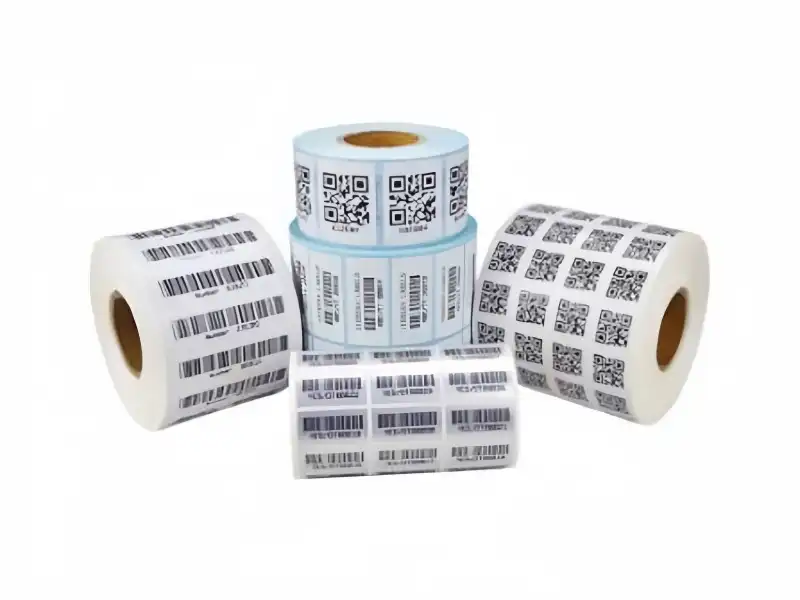
Barcodes and SKUs
Barcode accuracy is checked against style, color and size data.
Retail and ecommerce warehouse labels may require specific placement or scan standards.

Garment Packaging
Packing options may include:
- Standard polybags
- Branded polybags
- Tissue protection
- Card inserts
- Hanger packing
- Ecommerce-ready packing
- Retail carton requirements
A-Line Dress Manufacturing Case Studies
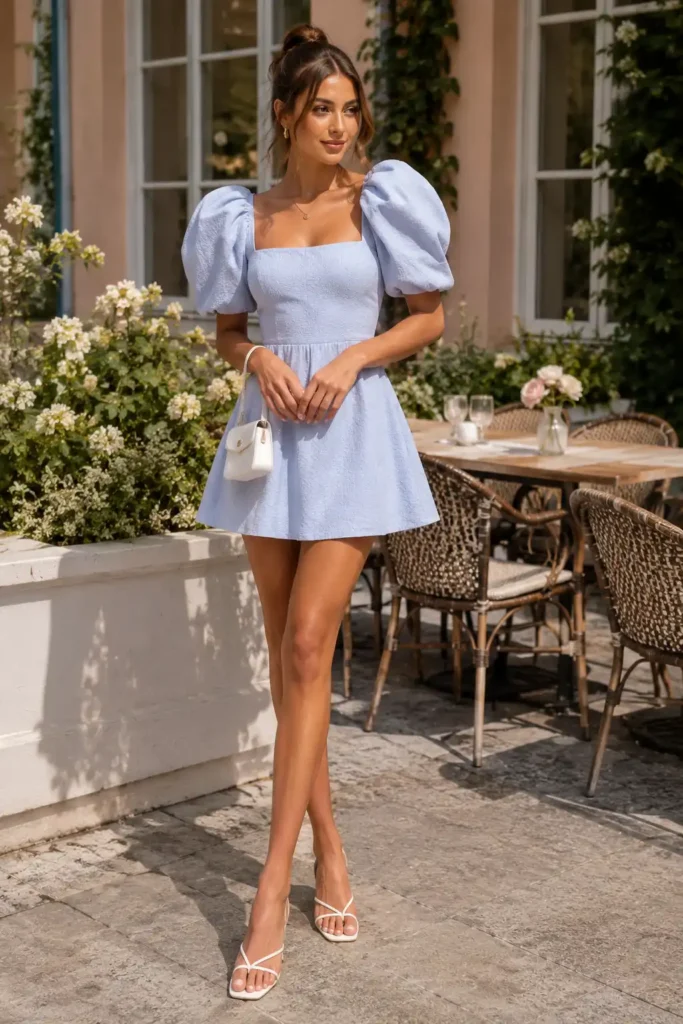
Graduation Mini Collection
Region: United States
Program: Graduation and homecoming A-line mini dresses
Style count: 18 styles
Total quantity: 32,400 pieces
Color count: 2–5 colors per style
Size range: XS–XL
The collection combined white poplin, satin, crepe and lightweight jacquard with bows, pleats, fitted bodices and full linings.
Main challenges:
- White-fabric transparency
- Consistent short length
- Waist placement across sizes
- Bow and pleat symmetry
- Photo-ready sample deadline
- High SKU count
Manufacturing response:
- White shell and lining combinations were reviewed under natural and indoor light
- Front, side and back length points were added to measurement files
- Size-set review focused on waist level and hem proportion
- Pleat depth and bow construction were standardized
- Priority photo samples were separated from PP samples
- Packing instructions protected bows and structured details
Result:
The approved styles moved into a coordinated multi-style production plan with SKU-level packing and staged shipment scheduling.

Occasion Midi Collection
Region: United Kingdom and Europe
Program: Satin and chiffon A-line occasion dresses
Style count: 24 styles
Total quantity: 58,600 pieces
Color count: 3–6 colors per style
Size range: UK 6–18
The range included satin midi dresses, chiffon overlays, asymmetric necklines, pleated skirts and wedding guest colors.
Main challenges:
- Satin shade and shine direction
- Chiffon hem drop
- Multi-layer skirt balance
- Invisible zipper puckering
- Extended-size grading
- Multiple dye lots
Manufacturing response:
- Satin panels were cut in one controlled direction
- Fabric and lining colors were approved together
- Chiffon styles were reviewed for hanging and final hem leveling
- Zipper seams used structure-specific stabilization
- Grading preserved waist position and skirt flare rather than applying equal increments
- Shade references remained linked to style and production batch
Result:
The program maintained coordinated color, silhouette and measurement standards across multiple materials and delivery batches.
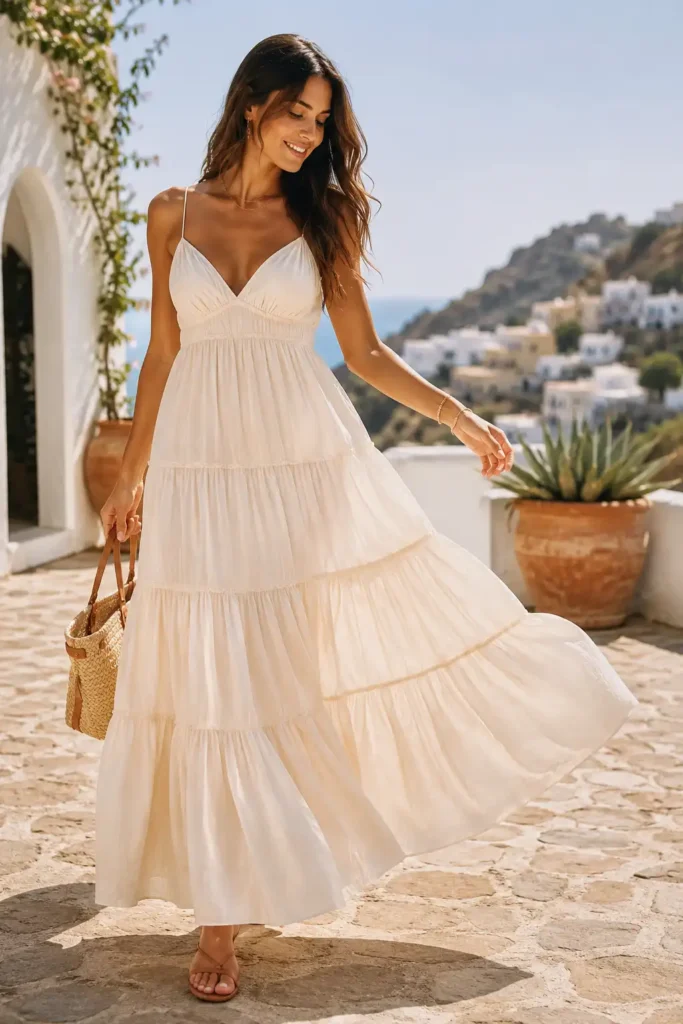
Resort Maxi Collection
Region: Australia and North America
Program: Printed and linen-blend A-line maxi dresses
Style count: 14 styles
Total quantity: 26,800 pieces
Color and print count: 2–4 per style
Size range: XS–XXL
The collection used rayon, printed chiffon, cotton voile and linen blends with halter necklines, side pockets, tiers and adjustable straps.
Main challenges:
- Print direction and matching
- Rayon shrinkage
- Long-skirt twisting
- Adjustable strap consistency
- Pocket bulk
- Travel-friendly packing
Manufacturing response:
- Print placement and direction were documented before cutting
- Rayon and linen-blend risks were reviewed through material testing and relaxation
- Side-seam direction and front-back length were checked at first-piece stage
- Strap measurement and slider position were standardized
- Pocket bags were adjusted to reduce visible bulk
- Folding trials reduced heavy creasing in long dresses
Result:
The collection moved through bulk production with coordinated size, print, packing and shipment controls suited to seasonal resort launches.
Frequently Asked Questions About A-Line Dress Manufacturing
MOQ starts from 200 pcs per style/color. Fabric, custom color, print, trims, construction and packing can affect the final requirement.
Yes. Tech packs can be reviewed for construction, measurements, BOM, fabric, trims, labels, packing and missing information before development begins.
Yes, subject to project review. Reference images need supporting information such as quantity, fabric direction, size range, colors and intended fit.
Standard dress first samples are commonly planned around 10–15 days after essential details and materials are confirmed. Simple styles may require around 7–10 days, while complex styles may require 15–25 days or more.
Suitable options include poplin, crepe, satin, chiffon, organza, tulle, linen blends, rayon, denim and stable knit. Selection depends on desired structure, drape, occasion and price direction.
Yes. Each length is developed with separate attention to proportion, movement, sweep, lining, hem balance and packaging.
Yes. Size strategy must be defined before grading. Petite and tall development involves bodice, waist, armhole, length and design-position adjustments rather than length changes alone.
Final patterns, PP samples, Golden Samples, measurement charts, fabric references, trim approvals, sewing instructions, QC checklists and packing instructions are used to transfer standards.
Yes. Woven labels, size labels, care labels, hangtags, barcodes, polybags and carton requirements can be developed according to the program.
Yes. NDA-based cooperation and design protection can cover tech packs, samples, patterns, trims, packaging files and unreleased styles.

Start Your A-Line Dress Project
Send Jinfeng Apparel a reference image, original sample, line sheet, sketch or tech pack for an initial manufacturing review.
The development team will assess silhouette, waist position, flare structure, fabric direction, fit risks, MOQ, sampling requirements and production feasibility before recommending the next step.
More complete information supports a more accurate response. Include:
- Product images or technical files
- Quantity per style and color
- Preferred fabric or hand feel
- Color plan
- Base size and full size range
- Target market
- Labels, hangtags and packaging requirements
- Photo-shoot or launch date
- Delivery destination
- Required inspection or testing standards