...

Sleeveless Dress Manufacturer

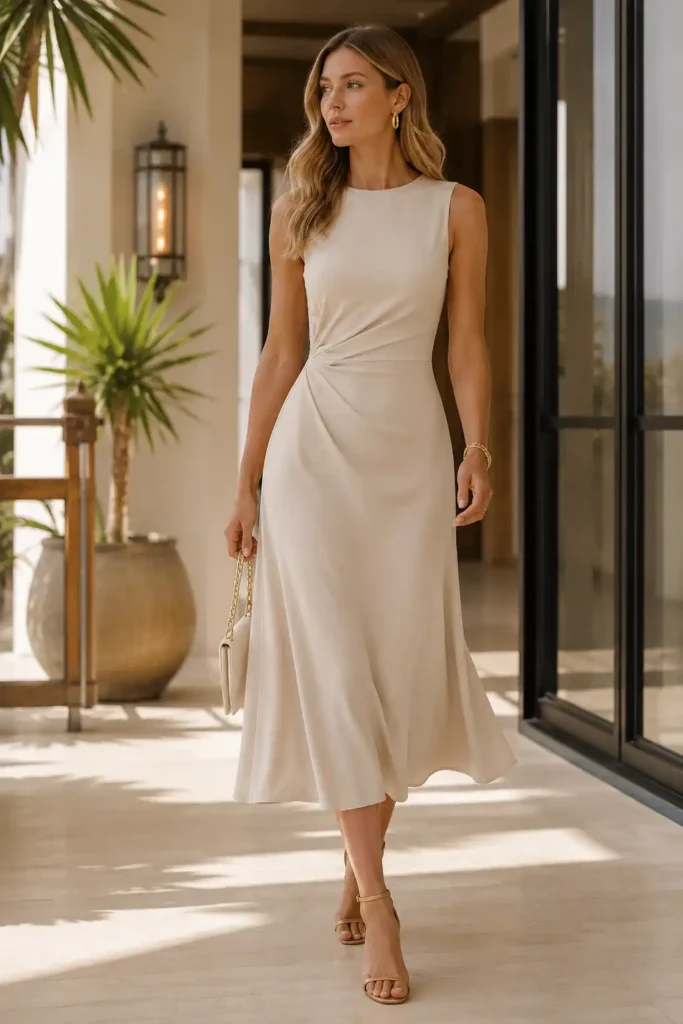
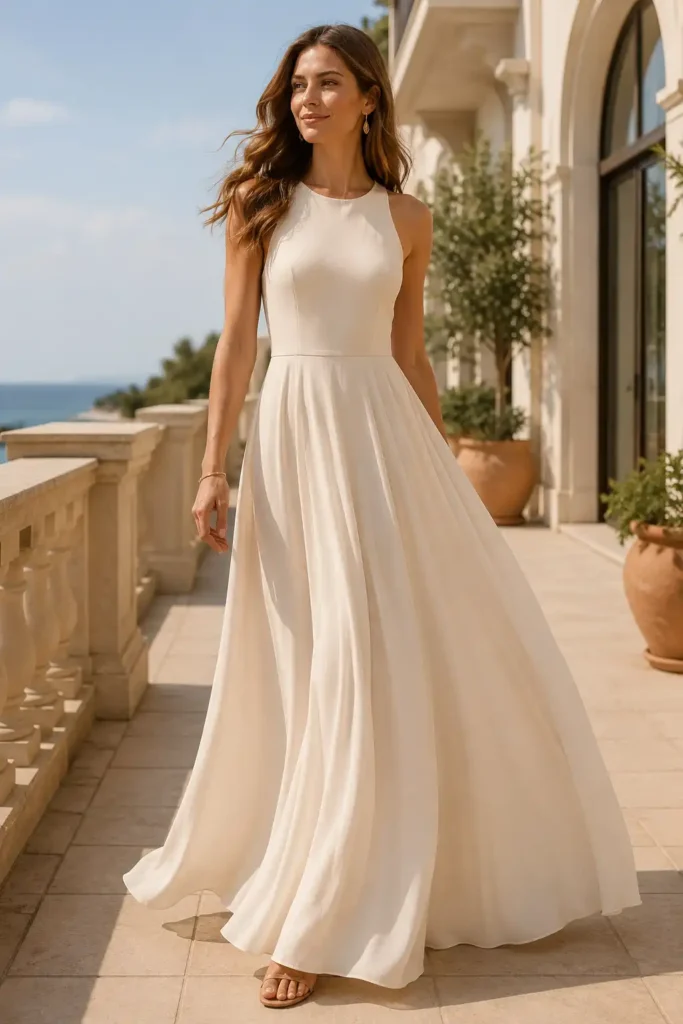
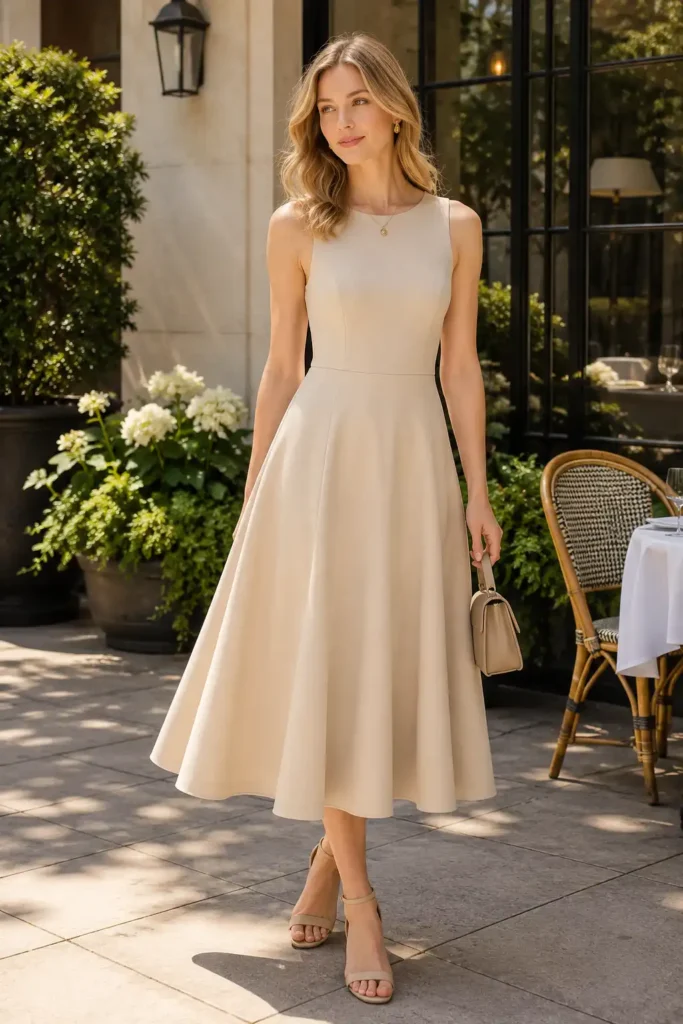
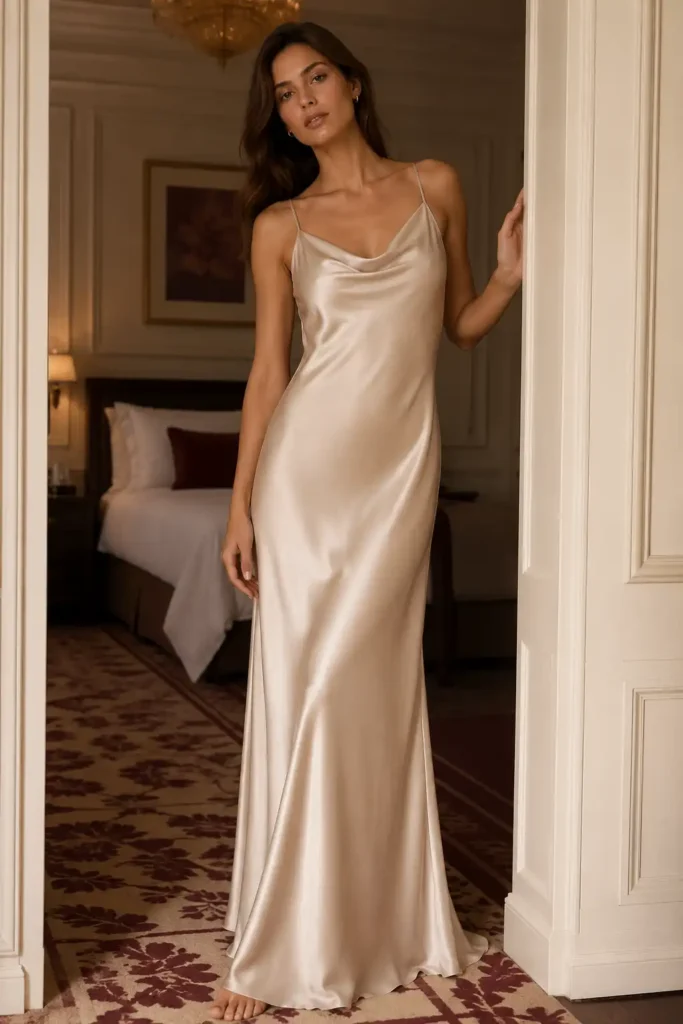
Custom sleeveless dress development for global fashion brands requiring controlled fit, refined construction, scalable production, and private-label delivery.

  • 7+ senior womenswear pattern makers control armhole depth, shoulder width, upper-bust balance, neckline position, and graded fit.
  • 2 sample rooms and 20+ sample machinists support first samples, revised samples, photo-ready samples, PP samples, and sealed production standards.
  • 6 owned women’s fashion factories plus 10+ long-term production partners support woven, knit, lined, structured, and occasion-led sleeveless dress programs.
  • Standard production starts from 200 pcs per style/color, with quantity planning aligned to fabric, color, trim, size, and packaging requirements.

Manufacturing Facts Behind Every Sleeveless Dress Program

Sleeveless dresses appear simple from a distance, yet stable production depends on disciplined pattern work, sample verification, material control, and factory allocation. Jinfeng Apparel combines focused womenswear development resources with a scalable production network for multi-style seasonal programs.

Since 2008

Jinfeng Apparel has focused on custom women’s fashion manufacturing since 2008. Long-term dress development experience helps the team recognize risks before cutting begins, including unstable armholes, excessive underarm exposure, shoulder imbalance, neckline distortion, lining roll-out, poor stretch recovery, and inconsistent grading across a commercial size range.

Six Owned Factories

Six owned women’s fashion factories give project teams greater control over production allocation, production communication, workmanship standards, quality checkpoints, and packing requirements. Woven, knit, occasionwear, resortwear, and structured fashion styles can be assigned according to fabric behavior, sewing difficulty, order size, and launch priority rather than forced into one production route.

Ten Plus Partners

More than ten long-term production partners expand capacity for seasonal collections, repeat orders, and multi-style assortments. Partner allocation follows product suitability, approved workmanship, material handling, scheduling, and quality expectations. Jinfeng remains responsible for specification transfer, sample standards, production follow-up, QC coordination, and final packing requirements.

Two Sample Rooms

Two sample rooms support parallel development for collections containing mini, midi, maxi, bodycon, shift, party, and resort styles. Separate development capacity helps organize first samples, revisions, priority photo samples, PP approvals, and production handover without treating every silhouette as the same technical problem.

Seven Plus Pattern Makers

More than seven senior womenswear pattern makers work around bust, upper bust, waist, hip, shoulder width, armhole depth, neckline depth, front length, back length, dress length, slit position, lining length, and graded proportions. Pattern decisions are reviewed against fabric stretch, drape, transparency, construction, wearing occasion, and intended fit.

Twenty Plus Machinists

More than twenty sample machinists convert approved development instructions into physical garments. Sample sewing exposes construction problems that drawings may hide, including bulky armhole facings, twisted bindings, unstable necklines, visible lining, wavy zippers, distorted side seams, and poor transitions between fitted upper bodies and fuller skirts.

Built for Structured Fashion and Private Label Programs

Jinfeng Apparel works best with fashion companies that manage defined product directions, formal sample approvals, planned quantities, and repeatable production standards. The working model is designed for collection development and bulk manufacturing rather than open-stock resale.

Best Program Fit

Suitable projects normally include a clear assortment direction, reference images or technical files, a planned size range, fabric expectations, quantities by style and color, brand labeling, packaging requirements, and a target launch window. The team can also review original samples, line sheets, sketches, and partial specifications before formal development begins. Multi-style programs, repeat-order planning, regional assortment changes, and private-label delivery are supported.

Working Requirements

Accurate development requires decisions around silhouette, armhole coverage, neckline position, fabric behavior, lining, closure, intended fit, size grading, and production quantity. Standard MOQ begins at 200 pcs per style/color. Special fabrics, custom colors, placement prints, trims, certified materials, and printed packaging can carry separate supplier minimums and lead-time conditions. Clear approvals allow the sample and production teams to protect fit, cost, timing, and bulk consistency.

Why Sleeveless Dresses Need Precise Pattern Control

Removing a sleeve does not remove technical risk. Armholes, shoulders, necklines, upper-bust shaping, lining, and movement work as one connected structure. Small pattern errors can create visible exposure, poor balance, and inconsistent fit across sizes.

Armhole Gaping

Gaping often begins when the armhole curve, upper-bust ease, front width, dart intake, or fabric stretch does not match the intended silhouette. A fitted mini dress needs a different armhole strategy from a relaxed shift dress. Sample review should check standing posture, side view, forward reach, and raised-arm movement before the pattern is graded.

Underarm Exposure

An armhole can look clean on a hanger while exposing too much skin or underwear during wear. Depth, front armhole shape, side-seam height, shoulder width, neckline openness, and lining coverage must be balanced together. Jinfeng reviews the exposure zone from front, side, and back rather than measuring only one vertical point.

Shoulder Imbalance

Incorrect shoulder width or shoulder slope can pull the neckline outward, twist the side seam, distort the back armhole, and shift the garment toward the front or back. Shoulder balance becomes especially important on square-neck, high-neck, racer-inspired, blazer, and extended-shoulder sleeveless dresses where clean geometry defines the look.

Neckline Distortion

Neckline shape depends on upper-body balance. A deep V may open during movement, a square neck may lift at the corners, and a high neck may pull backward if the shoulder and upper chest are not balanced. Interfacing, facing width, binding, lining, seam allowance, and fabric recovery also influence final stability.

Lining Roll-Out

Lining can appear at the armhole or neckline when the inner layer has excess length, incompatible stretch, insufficient understitching, poor edge control, or unstable pressing. Lining patterns should be developed as engineered components rather than copied blindly from the outer shell. Attachment points and seam grading must support a clean edge.

Grading Drift

A base size may fit well while smaller or larger sizes develop deeper armholes, narrower shoulder coverage, excess neckline opening, or restricted movement. Grade rules must preserve the intended relationship between bust, upper bust, shoulder, armhole, neckline, waist, and length. Measurement checks and fit reviews are applied before bulk cutting.

Sleeveless Dress Styles Developed for Commercial Collections

A strong sleeveless assortment covers different price points, occasions, fabrics, and fit expectations without losing brand consistency. Jinfeng Apparel develops woven and knit silhouettes from reference images, technical packs, original samples, line sheets, or approved design directions.

Sleeveless Mini Dress

Mini styles depend on precise upper-body fit because short proportions amplify every balance issue. Common directions include fitted party minis, relaxed day dresses, A-line shapes, blazer minis, and structured occasionwear. Development focuses on armhole coverage, shoulder proportion, waist placement, hem level, lining length, closure stability, and sitting comfort.

Sleeveless Midi Dress

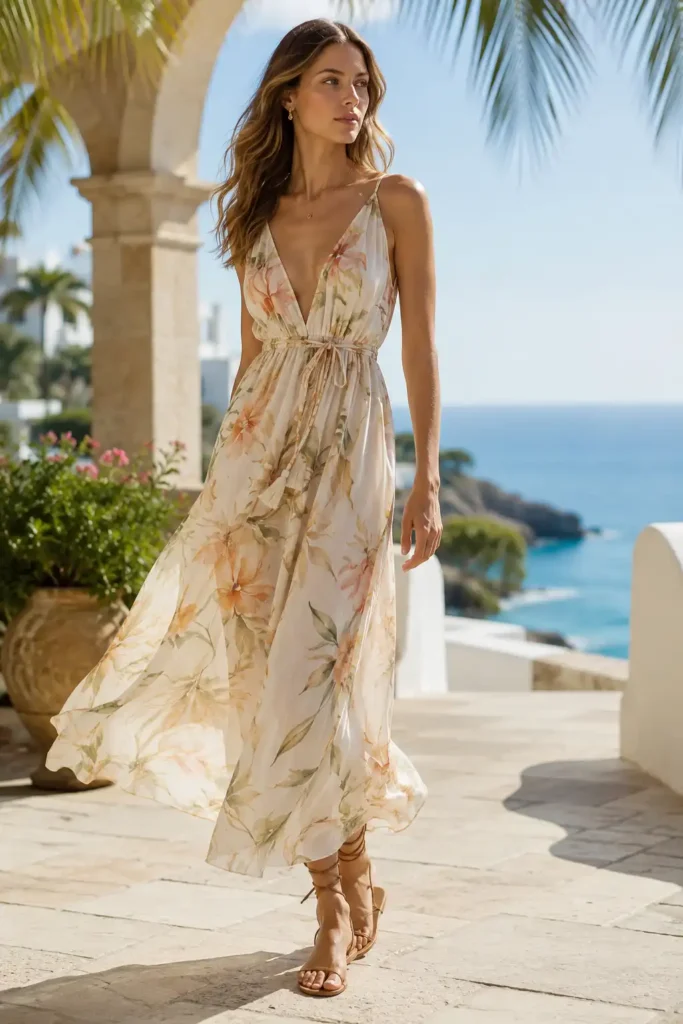
Midi dresses support office, occasion, resort, and premium ecommerce assortments. Silhouettes may be body-skimming, column, A-line, fit-and-flare, shirt-dress, or bias-inspired. Pattern work must balance upper-body control with skirt movement, while slit height, lining, waist seam, zipper placement, and hem hang influence final commercial appearance.

Sleeveless Maxi Dress

Maxi styles require control from shoulder to hem. Neckline and armhole fit must remain secure while long skirts hang evenly and move without twisting. Fabric weight, bias growth, tier placement, side slits, lining length, floor clearance, packing folds, and pressing methods are reviewed during sampling and bulk preparation.

Bodycon Dress

Bodycon sleeveless dresses rely on stretch percentage, recovery, negative ease, bust shaping, waist compression, hip fit, seam placement, lining or power-mesh support, and stable armholes. Fabric testing and graded measurements matter because minor dimensional variation can produce visible tightness, gaping, or inconsistent fit between colors.

A-Line Dress

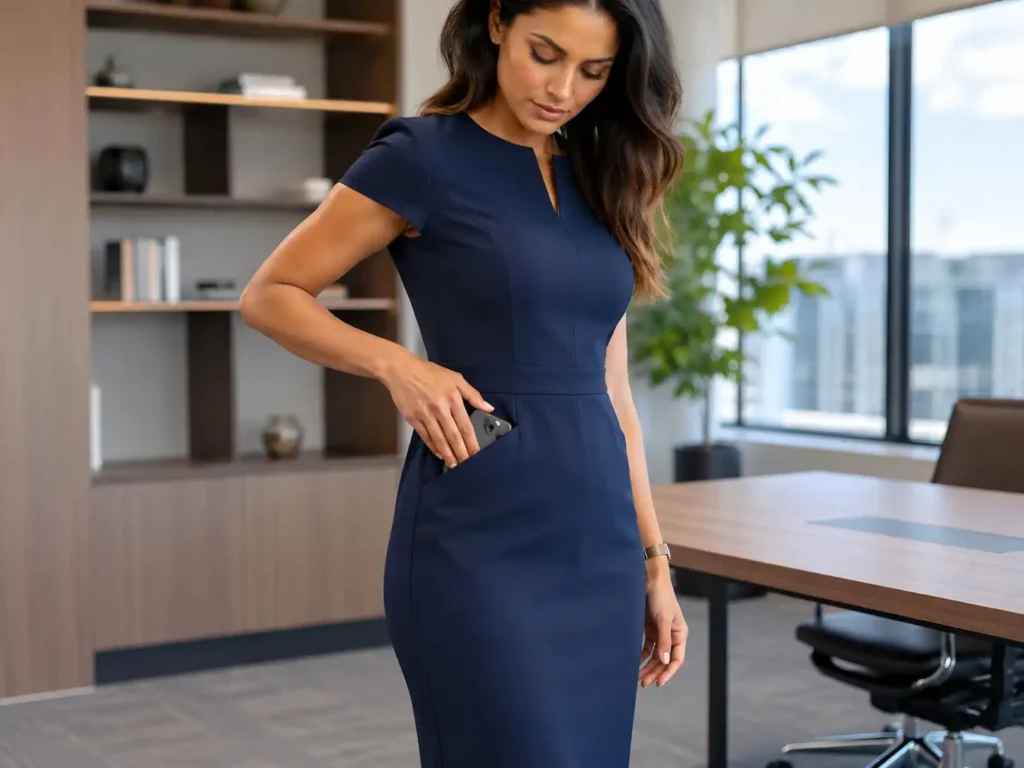
A-line dresses combine a controlled upper body with progressive flare. The armhole and neckline must sit cleanly while the skirt falls without side-seam swing or uneven hem distribution. Fabric drape, waist seam placement, dart rotation, pocket construction, lining, and grain direction shape the finished silhouette.

Shift Dress

Shift silhouettes look minimal but demand accurate balance. Excess front width can create armhole gaping, while insufficient back width restricts movement. Straight shapes also reveal twisted seams and uneven hems quickly. Facings, linings, darts, back openings, shoulder slope, and fabric body are reviewed for a clean architectural result.

Slip-Inspired Dress

Slip-inspired sleeveless dresses can use wider shoulder panels, narrow straps, soft cowls, bias cuts, or fitted bust panels. Development addresses neckline control, bra compatibility, side-bust coverage, strap position, bias growth, seam slippage, lining choice, and hem leveling after the garment has relaxed.

Shirt Dress

Sleeveless shirt dresses combine collar, placket, yoke, shoulder, armhole, pocket, belt, and hem engineering. The armhole must remain clean beside a structured collar and front opening. Pattern alignment, button spacing, interfacing, placket stability, topstitching, and side-seam balance affect both appearance and production consistency.

Blazer Dress

Blazer dresses require tailoring logic around shoulder extension, lapels, chest shaping, front overlap, internal support, pocket placement, lining, and closure. Sleeveless versions must avoid a collapsed shoulder or exposed armhole interior. Structured fabrics, fusings, pads where specified, seam pressing, and edge control are verified during sampling.

Party Dress

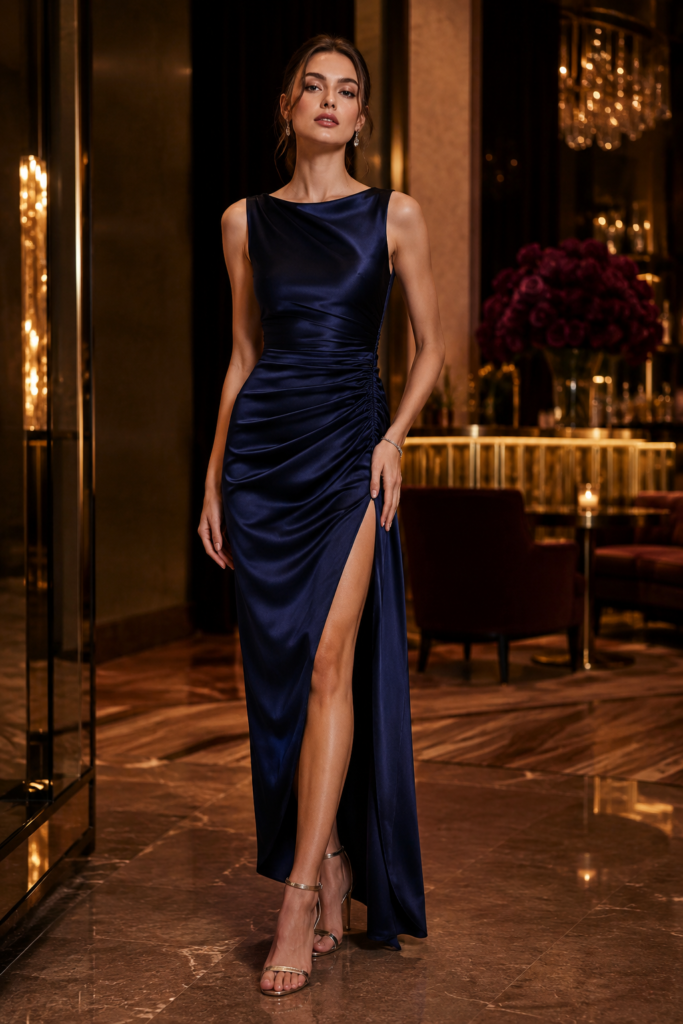
Party directions may include satin, mesh, lace, sequins, ruching, cut-outs, asymmetric necklines, fitted waists, or mini lengths. Risk review covers skin exposure, lining coverage, decorative placement, closure strength, stretch balance, seam comfort, pressing temperature, surface protection, and packaging against snagging or crushing.

Resort Dress

Resort sleeveless dresses often use linen blends, rayon, viscose, cotton, chiffon, or printed fabrics. Comfort, breathability, drape, opacity, shrinkage, wrinkle character, print direction, travel packing, and easy movement influence material and pattern decisions. Maxi, midi, tiered, shirt, and relaxed A-line forms can be developed within one collection.

Knit Dress

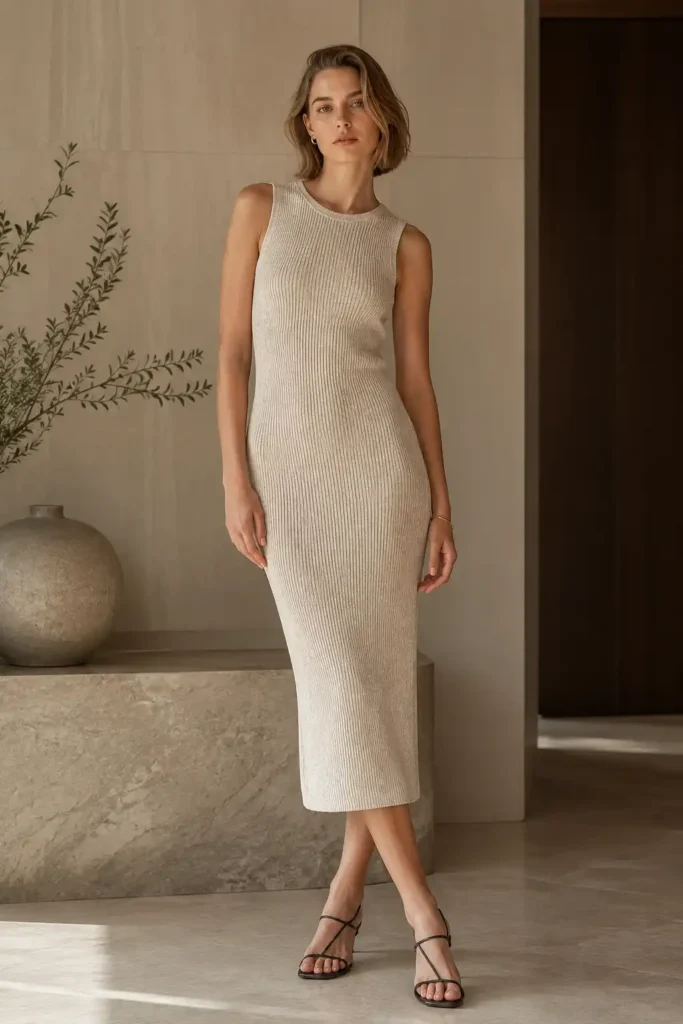
Jersey, rib, ponte, and stretch-knit dresses require fabric-specific pattern reduction, recovery checks, seam selection, neckline stabilization, armhole binding control, and shrinkage review. Knit silhouettes can range from casual tank dresses to fitted midi styles. Bulk consistency depends on fabric lot, relaxation, cutting direction, and measurement control.

Plan Collections Across Six Product Dimensions

Commercial assortments become easier to source when every style is classified by length, silhouette, occasion, fabric, construction, and fit level. The framework helps align design, costing, sampling priority, factory allocation, and launch timing across a multi-style program.

Length Architecture

Mini, short, midi, maxi, and floor-length options require different proportions, lining lengths, slit decisions, hem allowances, packing methods, and movement tests. A shared upper-body block can support several lengths, but each skirt must be balanced and checked independently after fabric selection.

Silhouette Direction

Bodycon, column, shift, A-line, fit-and-flare, shirt, blazer, and bias-inspired shapes create different demands on ease, darts, seams, stretch, reinforcement, and grading. Silhouette classification prevents one construction standard from being applied across incompatible product types.

Occasion Positioning

Casual, office, resort, party, cocktail, wedding-guest, graduation, and evening styles require different levels of coverage, structure, comfort, decoration, and packing protection. Occasion positioning guides fabric choice, lining, seam finish, closure, fit tolerance, quality checks, and target price management.

Fabric Families

Satin, chiffon, linen, rayon, jersey, ponte, crepe, lace, mesh, denim, velvet, and sequin fabrics behave differently during pattern development, cutting, sewing, pressing, and packing. Grouping styles by material family supports efficient sampling and more accurate production allocation.

Construction Level

Unlined shells, partial linings, full linings, armhole facings, bindings, princess seams, waist seams, panels, zippers, button fronts, pockets, slits, and decorative layers create distinct labor and QC requirements. Construction level should be established before a final quotation is locked.

Fit Intensity

Relaxed, regular, shaped, fitted, and compression-led dresses need different ease, stretch, measurement tolerances, fitting processes, and size-grade rules. Defining fit intensity early prevents conflicts between visual references and technical measurements during sample review.

Fabrics Selected for Fit, Drape, and Bulk Stability

Material choice determines armhole behavior, neckline stability, body contour, transparency, comfort, pressing response, cost, MOQ, and quality risk. Jinfeng Apparel evaluates each fabric against silhouette, wearing occasion, size range, lining method, and expected production volume.

Satin and Stretch Satin

Satin delivers fluid shine for slip, party, cocktail, and evening dresses. Key checks include snagging, seam slippage, shade variation, pressing marks, puckering, bias growth, and lining compatibility. Stretch satin can improve fitted comfort but needs recovery testing and controlled seam tension. Matte and high-shine surfaces should be approved under consistent lighting before bulk purchase.

Chiffon and Georgette

Chiffon and georgette support layered, draped, pleated, tiered, and resort silhouettes. Transparency normally requires lining or deliberate layering. Cutting movement, grain control, seam puckering, rolled hems, shoulder stability, print direction, and shrinkage are reviewed. Soft upper bodies need engineered facings or bindings to keep armholes and necklines clean.
Linen and Viscose

Linen and Viscose

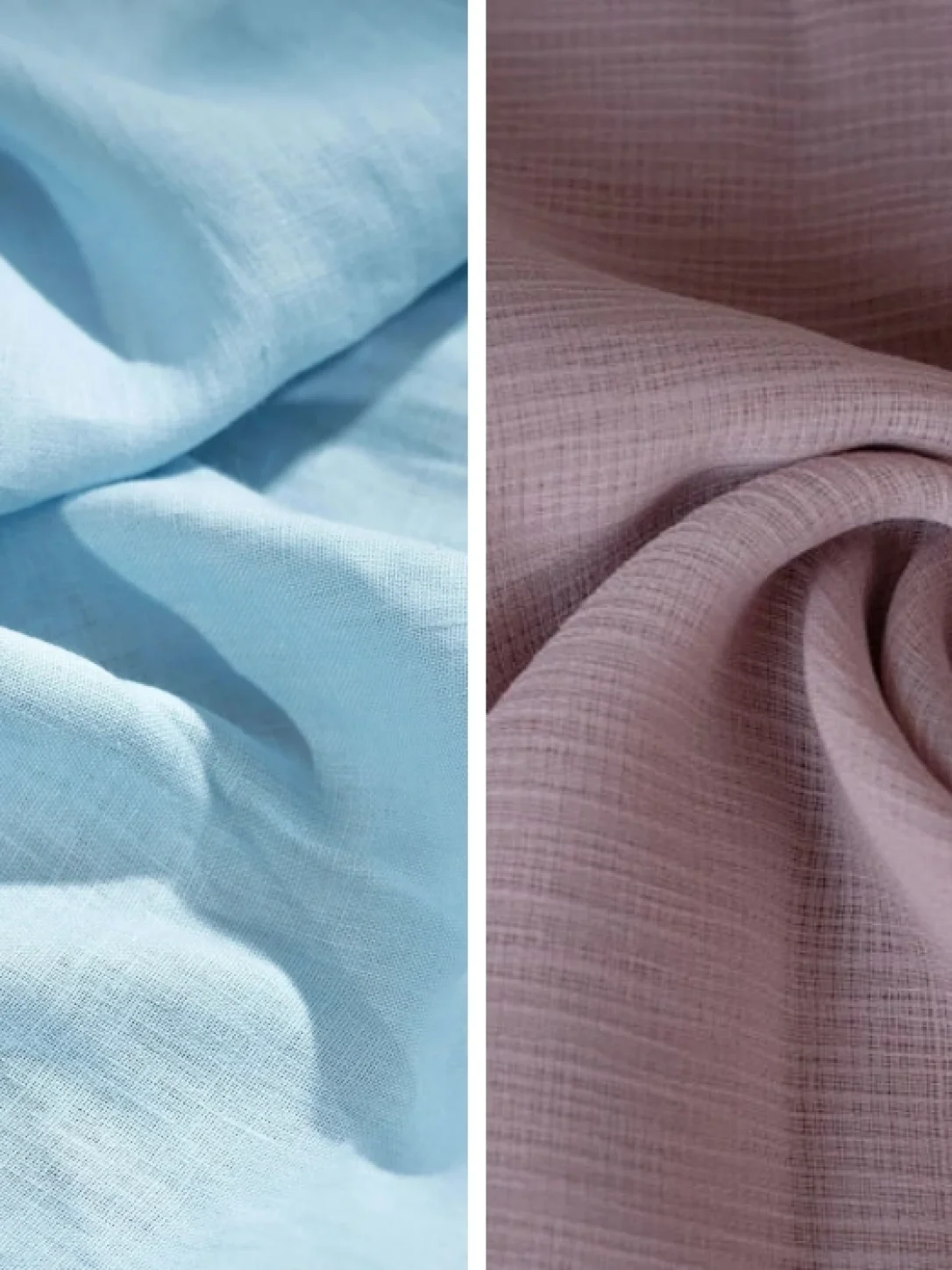
Linen, rayon, and viscose create breathable resort and summer dresses with natural movement. Shrinkage, wrinkle character, seam growth, surface slubs, color behavior, fabric width, and batch consistency must be considered. Pre-production testing and relaxed measurements help manage changes after pressing or laundering. Lining is selected according to opacity and hand feel.
White cotton and blue denim fabric arranged under sunlight.

Cotton and Denim

Cotton poplin, twill, sateen, chambray, and lightweight denim can support shirt dresses, shifts, A-line minis, and structured day styles. Fabric body influences armhole shape and shoulder appearance. Checks include shrinkage, skew, color rub, topstitching, wash response, pocket bulk, button placket stability, and hem stiffness.

Jersey and Rib Knit

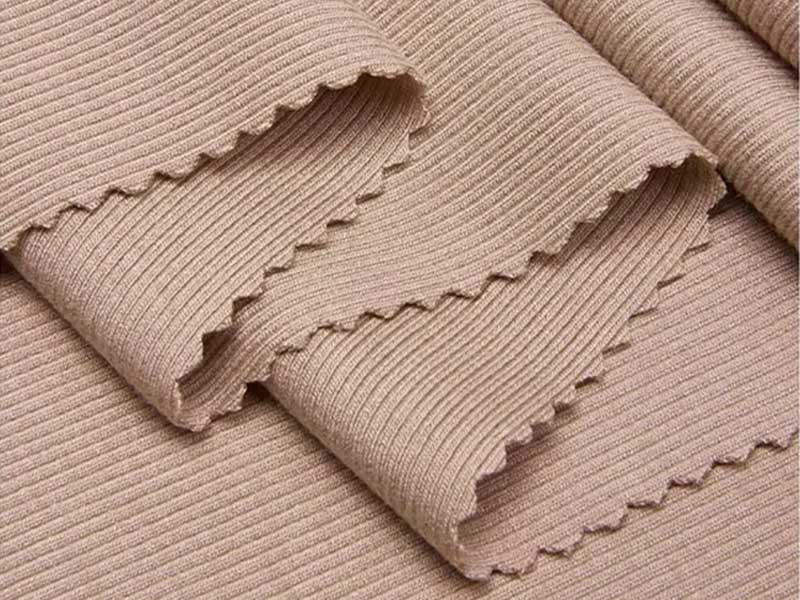
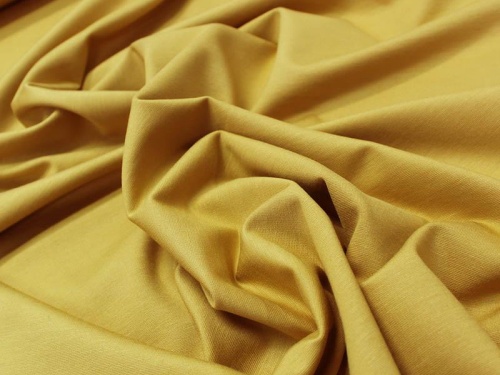
Jersey and rib provide stretch and comfort for tank, bodycon, casual midi, and column dresses. Development considers stretch percentage, recovery, fabric weight, opacity, relaxation, seam selection, neckline stabilization, armhole binding, side-seam twist, and wash shrinkage. Each color lot can behave differently, so measurements are monitored across fabric batches.

Ponte and Crepe

Ponte and crepe support cleaner structure for office, occasion, body-skimming, and blazer-inspired dresses. Ponte offers controlled stretch and recovery, while crepe varies from fluid to structured. Pattern ease, seam bulk, pressing, zipper installation, facings, hems, and lining choices are matched to weight and surface texture.

Lace and Mesh

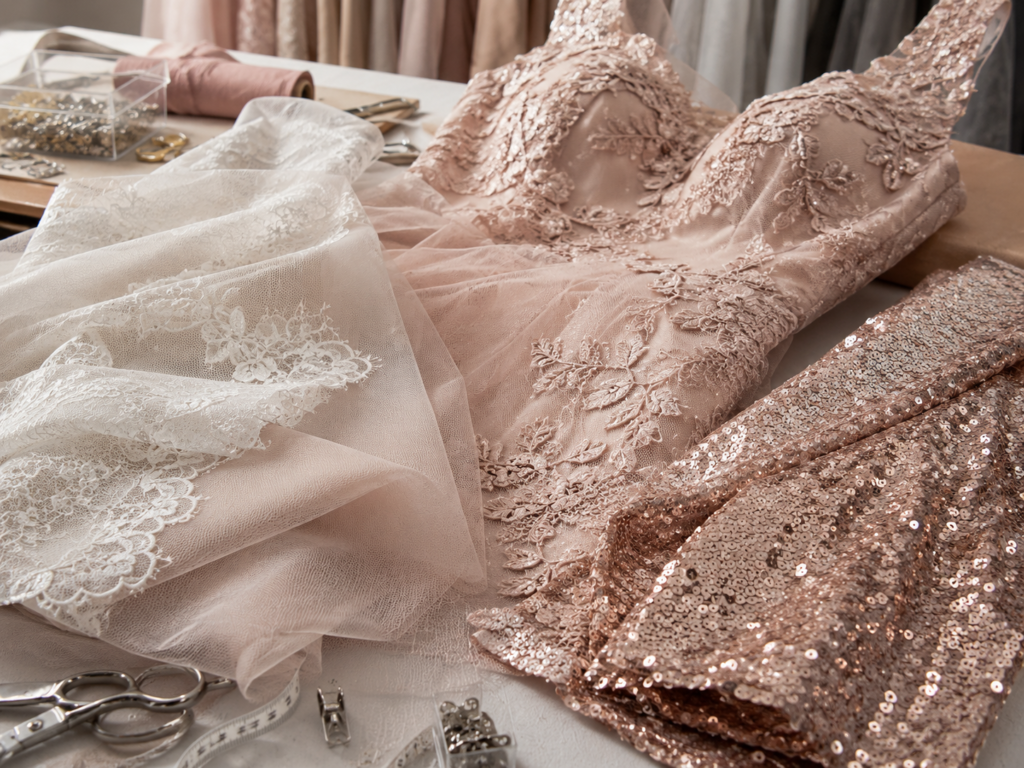
Lace and mesh create layered, cut-out, illusion, occasion, and party looks. Lace requires motif placement, edge planning, color matching, damage inspection, and lining coordination. Mesh requires stretch-direction control, transparency planning, seam comfort, and recovery checks. Armhole and neckline edges need finishes that remain stable without becoming bulky.

Sequin and Velvet

Sequin and velvet fabrics demand surface protection during cutting, sewing, pressing, inspection, and packing. Sequin styles require direction control, bead or sequin clearance at seams, scratch protection, secure attachment, and snag-resistant packaging. Velvet requires nap direction, shade review, careful pressing, seam handling, and packing that avoids permanent crushing.

Armhole, Shoulder, and Neckline Fit Engineering

Sleeveless fit is controlled through connected pattern relationships rather than isolated measurements. Jinfeng reviews the upper body as one system, combining physical measurements, fabric behavior, wearing movement, construction method, and approved visual proportion.

Armhole Curve Development

Armhole depth alone cannot define fit. Front curvature, back curvature, upper-bust width, chest shaping, shoulder point, side-seam height, dart position, fabric stretch, and seam finish all influence the opening. A fitted woven mini may need close control with shaped darts and a stable facing.

A relaxed resort dress may require more movement ease without creating visible gaping. A knit tank dress may use negative ease, yet the binding must not pull the opening inward or flare outward. During sample review, the armhole is observed from front, side, and back while the wearer stands naturally, reaches forward, raises both arms, sits, and walks.

Pattern corrections can include reshaping the curve, raising the side seam, redistributing dart intake, adjusting shoulder width, revising upper-bust ease, or changing the finishing method. Bulk standards then transfer the approved curve, seam allowance, facing or binding width, stitch method, pressing method, and measurement reference into production documents.

Shoulder Width and Balance

Shoulder width establishes how the dress sits across the upper body.

Too narrow can expose bra straps, pull the armhole inward, and create tension toward the neckline. Too wide can look heavy, distort the armhole, or collapse at the edge.

Shoulder slope and front-to-back balance also decide whether the neckline stays level and side seams hang vertically. Square-neck, high-neck, racer-inspired, extended-shoulder, blazer, and asymmetric sleeveless dresses each require distinct shoulder geometry.

Jinfeng compares the pattern to the intended silhouette, model measurements, fabric body, internal structure, and neckline design. Sample review checks shoulder seam position, shoulder-edge shape, neckline level, back-neck balance, and movement. Corrections are recorded in the pattern, measurement file, construction notes, and revised sample comments before grading begins.

Upper Bust and Side Seam

The upper-bust zone controls both comfort and coverage. Standard bust measurement may be correct while the armhole still gaps because upper-bust ease, dart shape, front width, or side-seam placement is wrong.

Side-bust exposure also increases when the neckline is open, the shoulder is narrow, or the fabric lacks body. Jinfeng reviews bust, upper bust, chest width, side-seam height, dart intake, princess-seam position, lining coverage, and intended support. For fitted styles, a balance is needed between secure coverage and movement. For relaxed styles, ease must remain controlled so the opening does not fall away from the body.

Fit comments should identify the exact location and movement condition rather than relying on broad notes such as “too loose.” Pattern corrections are then tested on a revised sample.

Neckline Interaction

Neckline and armhole behavior are closely linked. Deep V, scoop, square, boat, halter-inspired, mock-neck, and asymmetric necklines distribute tension differently across the front and shoulder. A neckline can gape because of excess front length, insufficient bust shaping, weak edge stabilization, poor shoulder balance, unsuitable interfacing, or fabric stretch.

A square neckline may curl at corners if seam allowance, understitching, or reinforcement is inadequate. A high neckline may pull backward when the front and back balance is incorrect. Jinfeng selects facing, binding, lining, tape, interfacing, understitching, edge stitching, or internal support according to fabric and design.

Approval includes visual proportion, wearing coverage, edge flatness, left-right symmetry, and recovery after movement.

Measurement and Size Grading for Consistent Fit

Approved measurements turn visual direction into a repeatable production standard. Jinfeng aligns measurement method, size chart, grade rule, fit comments, and inspection points before bulk cutting. Tolerances follow the approved specification and product structure rather than one universal number.

Measurement PointDevelopment PurposeSample ReviewBulk Risk Controlled
BustDefines upper-body circumference and silhouetteMeasure flat and review on bodyTightness, excess ease, seam strain
Upper BustControls armhole contact and chest balanceCheck front and side with natural movementUnderarm gaping and exposure
Shoulder WidthPositions neckline and armhole edgesConfirm shoulder point and strap coverageNeckline distortion and poor balance
Armhole DepthBalances movement and coverageReview standing, reaching, sitting, and raised armsRestriction or excessive opening
Across Front / BackControls chest and back mobilityCompare flat measurement with fit responsePulling, folds, back restriction
Neckline Depth / WidthSets coverage and visual proportionMeasure from HPS and inspect movementGapping, exposure, uneven shape
Waist and HipDefines body shaping below upper fitCompare approved chart and fit sampleSilhouette variation across sizes
Front / Back LengthMaintains vertical garment balanceCheck shoulder-to-hem and waist positionGarment pitching forward or backward
Dress Length / SlitControls commercial proportion and movementMeasure front, back, side, and slit heightUneven hem or unsafe slit
Lining LengthKeeps inner layer hidden and comfortableInspect through armhole, neckline, and hemLining exposure or pulling

Construction Details That Define Dress Quality
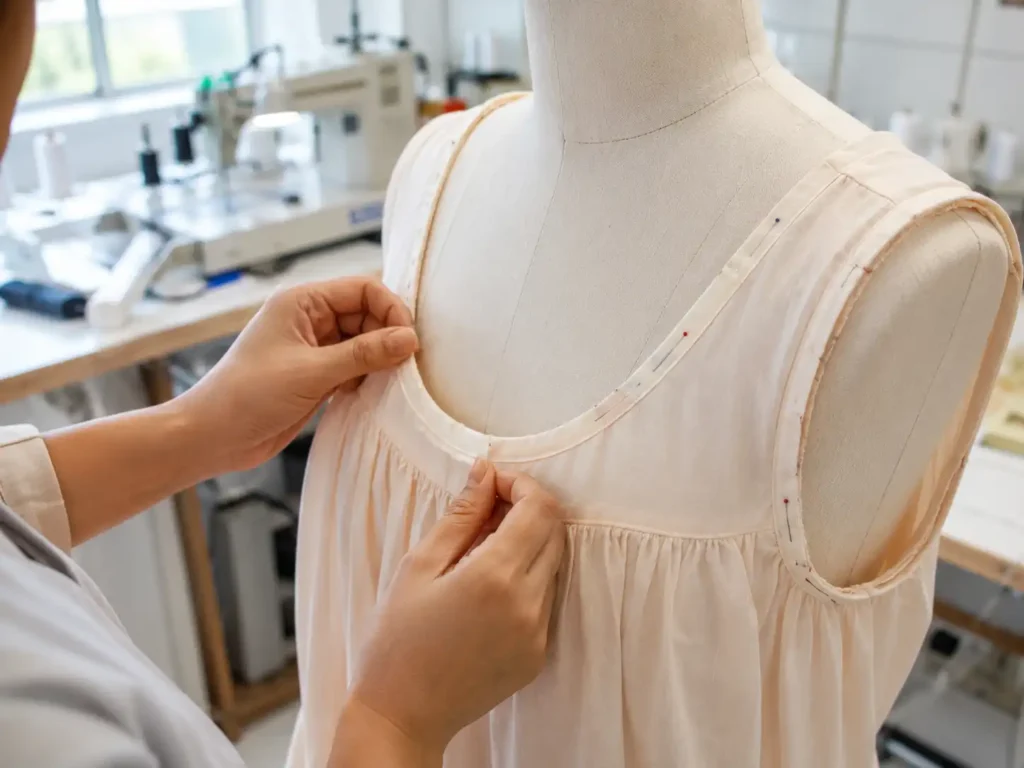
Construction decisions influence appearance, comfort, cost, durability, production speed, and inspection standards. Sleeveless edges receive constant visual attention, so facings, bindings, linings, seams, closures, pockets, and hems must be selected as an integrated system.

Faced Armholes

Facings create a clean exterior edge for woven dresses, shifts, blazer dresses, and structured silhouettes. Facing width, grain, interfacing, seam grading, clipping, understitching, anchoring, and pressing determine whether the edge remains flat. Poorly controlled facings can roll outward, add bulk, or distort the opening.

Bound Armholes

Bindings suit casual woven, knit, resort, and lightweight dresses. The binding can be self-fabric, contrast fabric, jersey, bias tape, or elasticized material. Width, stretch ratio, join position, seam tension, turn depth, and topstitching must remain consistent. An incorrect ratio can flare or pull the armhole.

Full Lining

Full lining improves opacity, comfort, shape, internal finish, and premium appearance. Lining fiber, weight, stretch, color, and shrinkage must suit the shell. Armhole and neckline attachments, movement ease, zipper access, hem method, and anchoring points are reviewed so the lining supports rather than distorts the outer dress.

Partial Lining

Partial lining can cover the upper body while preserving a lighter skirt or transparent design. The transition point must avoid visible ridges, pulling, or uncomfortable seams. Upper lining coverage is especially important for underarm security, bust opacity, cut-outs, lace, and mesh panels.

Darts and Princess Seams

Darts and princess seams shape the bust, waist, and torso while controlling armhole contact. Dart intake, length, tip position, pressing, seam curve, notch placement, and symmetry affect fit. Princess seams can also support panels, contrast fabrics, boning, or internal structure in fitted occasion styles.

Invisible Zippers

Invisible zippers are common on fitted woven dresses. Zipper length, tape color, seam stability, waist-seam alignment, top stop, neckline finish, lower-end reinforcement, and pressing must be controlled. Stretch or delicate fabrics may require stabilization to prevent waviness or seam growth.

Button Fronts

Button-front dresses require stable plackets, accurate spacing, secure button attachment, aligned stripes or prints, and sufficient overlap. Interfacing, button size, buttonhole density, topstitching, and front-edge pressing affect both function and appearance. Movement tests help confirm that the front does not gape.

Pockets, Slits, and Hems

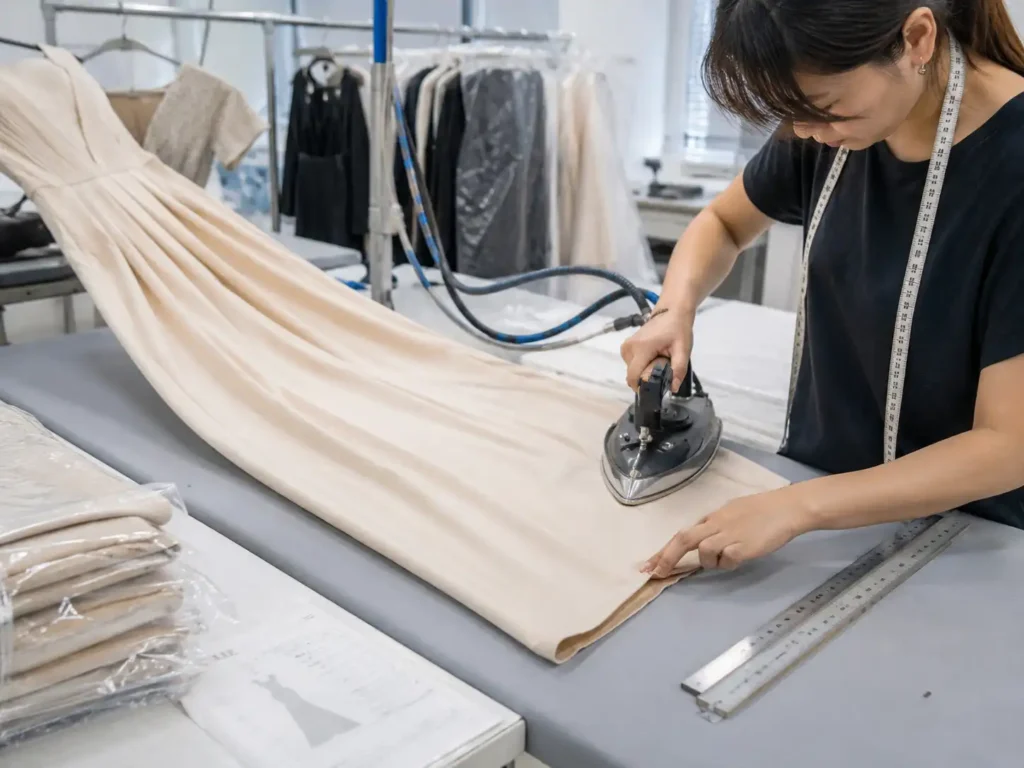
Pockets, side or back slits, and hems influence silhouette and production consistency. Pocket bags should not distort the side seam. Slits need reinforcement and safe height. Hems must suit fabric weight and shape, from narrow rolled hems to blind hems or coverstitch finishes. Final hanging balance is checked before packing.

From Design Files to a Production-Ready Pattern

Sleeveless fit is controlled through connected pattern relationships rather than isolated measurements. Jinfeng reviews the upper body as one system, combining physical measurements, fabric behavior, wearing movement, construction method, and approved visual proportion.

Tech Pack Development

A technical pack is reviewed for front and back construction, measurement points, size chart, fabric, lining, trims, stitch requirements, label placement, packing, and quantity.

Conflicts between drawings and measurements are identified before sampling. Missing information around armhole depth, neckline, shoulder width, closure, dart position, lining, or finishing is clarified. Jinfeng can comment on production feasibility, material suitability, workmanship, cost drivers, and risk areas. The goal is not mechanical execution; the goal is a sample that reflects the intended look while remaining wearable, repeatable, and manufacturable.

Reference Image Development

Reference images often show only a styled front view. Back construction, internal finish, fabric composition, stretch, opacity, measurements, closure, lining, and support may remain unknown. Jinfeng separates visible design features from technical assumptions and creates a development list for approval. Questions may cover neckline depth, armhole coverage, shoulder width, intended ease, dress length, zipper position, lining, pockets, slit height, fabric hand feel, color, and price direction. A preliminary pattern and material option can then be prepared for the first sample. Visual similarity is balanced with comfort, brand standards, and bulk production stability.

Original Sample Development

An original garment allows direct measurement, construction review, material comparison, and fit analysis. Jinfeng records key dimensions, seam structure, pattern relationships, lining, trims, closures, and workmanship.

Existing problems are not copied automatically. A sample may contain stretched armholes, distorted grading, weak lining attachment, inconsistent seams, or unsuitable fabric.

Proposed corrections are discussed before a new pattern is created.

Original samples, patterns, and associated files are handled under confidentiality procedures and are not displayed without authorization.

Sleeveless Dress Sampling From Review to Approval

Sampling is organized as a sequence of technical decisions rather than a single garment request. A regular dress first sample commonly requires about 10-15 days; simpler structures may take about 7-10 days, while complex lace, mesh, sequin, evening, corset-related, or specially sourced styles may require about 15-25 days.

Project Review

Reference files, style count, target quantity, color plan, size range, fabric direction, brand labels, packaging, target market, and launch timing are reviewed. The team identifies missing information and separates immediate sample decisions from later bulk decisions.

Fabric Direction

Available fabrics or sourcing directions are compared for hand feel, drape, stretch, opacity, weight, width, color, lining need, MOQ, cost, and lead time. Substitute materials can be proposed when the original direction creates unnecessary risk or cost.

Pattern Development

The pattern maker establishes bust, upper bust, shoulder, armhole, neckline, waist, hip, length, lining, closure, and construction relationships. The pattern is prepared for the chosen fabric rather than treated as a universal block.

First Sample

The first sample verifies structure, proportion, material response, workmanship, and overall direction. It is not the final bulk standard. Findings may include fit changes, fabric changes, construction refinement, trim adjustment, or revised measurements.

Measurement Review

The garment is measured according to the agreed method and compared with the current size chart. Differences are separated into sewing variation, pattern issues, fabric behavior, pressing effects, or specification conflicts.

Fit Feedback

Fit comments should identify location, direction, amount, and wearing condition. Photos, marked measurements, video, and written comments can be combined. Jinfeng translates approved comments into pattern and instruction updates.

Revised Sample

A revised sample confirms the impact of approved changes. Simple dresses may require one revision. Complex structures, open necklines, lace, mesh, sequins, fitted occasionwear, or extensive material changes may require additional rounds.

PP Sample Approval

The pre-production sample confirms final fabric, color, measurements, trims, construction, labels, packing, workmanship, and QC expectations. Major changes after PP approval require new cost, timing, and production-risk review.

Revision Records and PP Sample Control

A clear revision record prevents approved changes from disappearing between conversations, sample rooms, merchandising, and production. Jinfeng converts fit and construction decisions into controlled pattern files, measurement documents, bills of materials, sewing instructions, and PP standards.

Fit Revision

Fit revisions can cover armhole curve, side-seam height, upper-bust ease, shoulder width, neckline depth, dart intake, waist position, hip ease, dress length, slit height, and lining length. Each approved change is connected to a pattern update and, where needed, a revised size chart or grade rule.

Construction Revision

Construction revisions can cover facing width, binding method, lining attachment, seam allowance, interfacing, zipper installation, topstitching, pocket method, slit reinforcement, hem finish, decorative placement, label location, or pressing. Material changes are reviewed for cost, fit, and lead-time impact.

PP Sample Lock

PP approval locks fabric, color, pattern, measurements, trims, construction, labels, hangtags, barcode requirements, polybag, carton marks, folding, and packing method. Production files and QC references are released only after the required approvals are recorded.

Develop Multi-Style Sleeveless Collections Under One Program

Large assortments require coordinated priorities, shared materials, separated specifications, and controlled approvals. Jinfeng organizes styles by fabric family, construction level, launch priority, color group, size range, packaging, and production destination.

Length Assortments

Mini, midi, and maxi styles can share a visual story while using different skirt patterns, lining lengths, slit decisions, and hem methods. Shared upper-body elements are verified individually after each fabric and silhouette is assigned.

Shared Fabric Stories

One satin, crepe, linen, jersey, or printed fabric can support several silhouettes when width, drape, opacity, stretch, and availability are suitable. Fabric consolidation can improve color consistency, purchasing efficiency, and assortment coherence.

Neckline Variations

A common fit direction can extend into scoop, square, V, high, boat, or asymmetric necklines. Each neckline still requires separate edge stabilization, coverage review, and pattern balance rather than a simple shape change.

Color and Size Planning

Quantities are planned by style, color, and size. Shade approvals, SKU records, size ratios, labels, color stickers, barcodes, and carton breakdowns must remain aligned from cutting through packing.

Sample Priorities

Photo samples, sales samples, key fit styles, carryover shapes, and high-volume styles can receive different priorities. A staged sample plan protects launch-critical products without blocking the full assortment.

Factory Allocation

Woven, knit, structured, embellished, and lightweight styles may be assigned to different production units. Shared standards, approved samples, production documents, and centralized follow-up keep the program consistent across allocations.

Fabric and Trim Control Before Cutting Begins

Bulk quality begins with verified materials. Incoming checks compare approved references with delivered fabric, lining, zippers, buttons, labels, and packaging components before production risk spreads across thousands of garments.

Color and Lot

Fabric lots are identified and compared for shade, surface, hand feel, and compatibility with lining, thread, zipper, and trims. Multi-lot production may require controlled separation to reduce visible shade variation within garments or retail sets.

Weight and Hand Feel

Fabric weight, density, softness, structure, and stretch influence fit and workmanship. Changes can alter armhole behavior, neckline stability, drape, opacity, and garment measurements. Significant differences require review before cutting.

Width and Usable Width

Usable width affects consumption, marker planning, cost, and production quantity. Defective edges, print borders, nap, direction, or sequined areas may reduce usable width and require revised cutting plans.

Shrinkage and Stretch

Shrinkage, relaxation, stretch percentage, and recovery are reviewed according to fabric type. Knit and viscose-based materials may change after resting, pressing, or washing. Pattern and measurement controls are adjusted when approved test results require it.

Surface Defects

Incoming fabric is checked for stains, holes, snags, weaving faults, print defects, lace damage, mesh holes, sequin loss, velvet shading, and satin marks. Defects are identified before marker placement and cutting.

Trims and Packaging

Zippers, buttons, hooks, linings, tapes, labels, hangtags, barcodes, polybags, stickers, and cartons are checked against approved specifications. Color, size, strength, function, print accuracy, quantity, and delivery timing must align with production needs.

Workmanship Control for Clean Sleeveless Construction
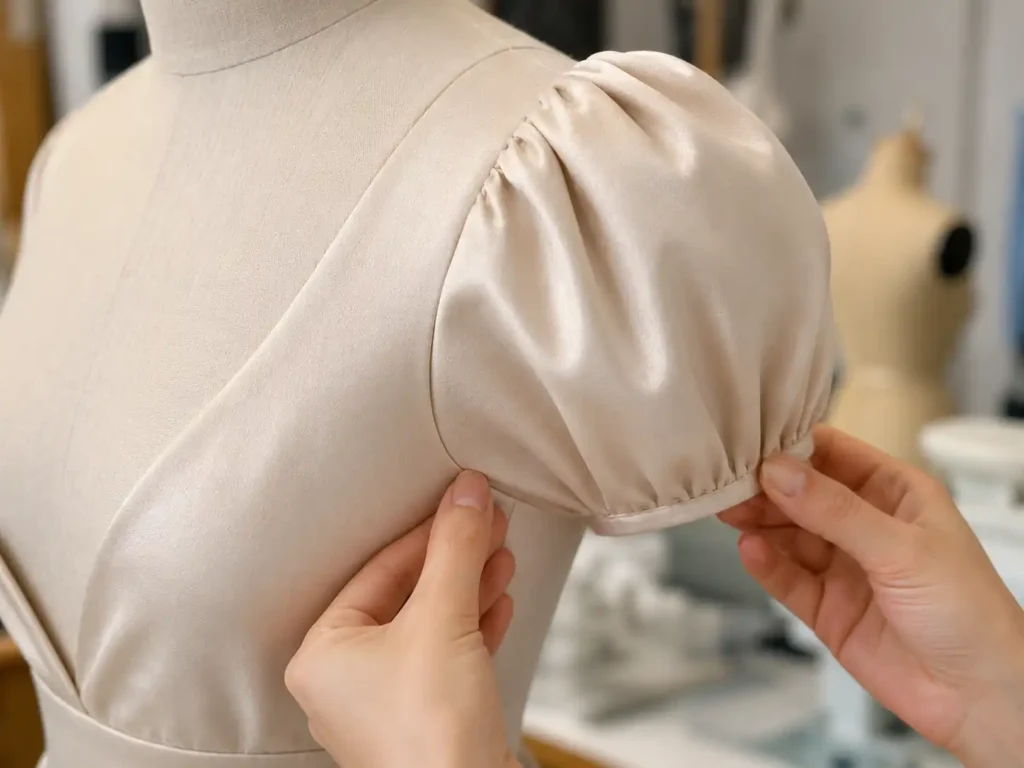
Sleeveless dresses expose edge quality, symmetry, seam balance, and pressing more clearly than many covered constructions. Inline inspection focuses on the technical details most likely to affect fit, appearance, comfort, and repeatability.

Shoulder Seam Balance

Shoulder seams are checked for equal length, correct position, smooth joining, and balanced front-to-back hang. Distortion can pull the neckline, twist the armhole, or shift side seams. Structured and asymmetric styles receive construction-specific checks.

Armhole Symmetry

Left and right armholes are compared for depth, curve, seam width, facing or binding, pressing, and final appearance. Unequal sewing can create visible exposure or movement differences even when the pattern is correct.

Facing and Binding

Facing width, seam grading, clipping, understitching, anchoring, binding ratio, join position, turn depth, and topstitching are monitored. Edges should remain flat without rolling, flaring, pulling, or excessive bulk.

Neckline Shape

Neckline curves, corners, V points, symmetry, reinforcement, facing, lining, and pressing are checked against the approved sample. Square and deep necklines receive added attention around corner stability and gaping.

Darts and Panels

Bust darts, waist darts, princess seams, contrast panels, mesh inserts, and shaped seams are checked for position, length, symmetry, smooth curvature, and pressing. Incorrect placement changes fit even when circumference measurements remain within range.

Zipper Installation

Zippers are checked for flatness, color, alignment, top finish, waist-seam matching, functional movement, and lower-end reinforcement. Delicate or stretch materials may need additional stabilization to prevent waviness.

Lining Attachment

Lining is inspected at neckline, armhole, side seam, zipper, waist, slit, and hem. It should not roll outward, pull the shell, show through unexpectedly, or restrict movement. Internal anchoring follows the approved method.

Hem and Pressing

Hem width, stitch method, fullness control, front-to-back balance, slit finish, and pressing are checked according to fabric. Satin, velvet, sequins, chiffon, and knit surfaces require different handling to avoid shine, crushing, stretching, or visible impressions.

Final Quality Inspection for Sleeveless Dress Orders

Final inspection combines measurement, appearance, fit-sensitive details, labels, and packing. Quality decisions are made against approved specifications, PP or sealed references, production documents, and project-specific inspection standards.

Measurement Check

Selected garments are measured using the approved method. Bust, upper bust, shoulder, armhole, neckline, waist, hip, front and back length, dress length, slit, and lining are checked according to the size chart and agreed tolerance.

Fit-Sensitive Review

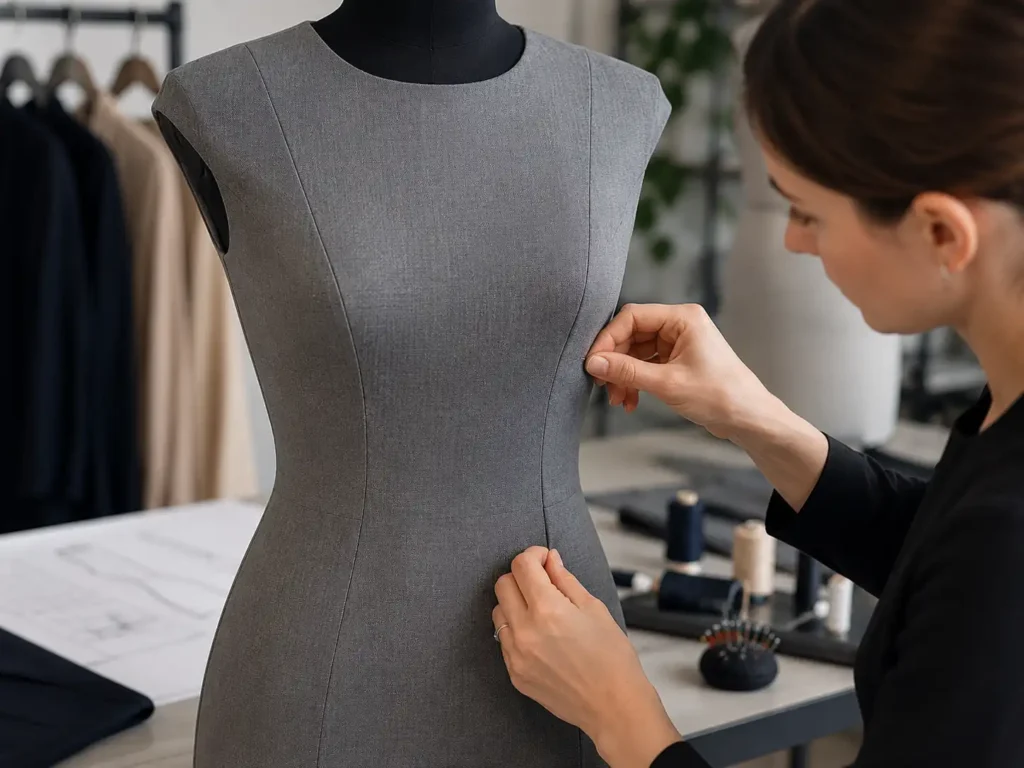
Armhole shape, underarm coverage, shoulder balance, neckline stability, side-seam position, lining visibility, and left-right symmetry receive focused review. Mannequin or wearing observation can be added according to project needs.

Appearance Inspection

Inspectors check stains, holes, snags, shade variation, seam puckering, twisted panels, loose threads, uneven hems, poor pressing, damaged decoration, surface marks, and fabric-specific defects.

Function Inspection

Zippers, buttons, hooks, ties, belts, pockets, slits, adjusters, and internal supports are checked for secure attachment and intended function. Stress points are reviewed where appropriate.

Label and SKU Check

Woven labels, size labels, care labels, hangtags, barcodes, color stickers, SKU labels, and warehouse labels are verified against the approved packing data. Size and color identification must match the garment inside each package.

Packing Verification

Folding, tissue, protective layers, polybags, stickers, quantity per carton, size-color ratio, carton marks, gross and net weight records, and packing lists are checked before shipment release. Delicate surfaces receive product-specific protection.

MOQ and Cost Factors for Sleeveless Dress Production

Standard MOQ starts from 200 pcs per style/color. MOQ is calculated by style and color, not by combining unrelated styles. Quotations are built from fabric, trims, pattern work, sampling, cutting, sewing, pressing, QC, packing, wastage, testing, logistics, and reasonable factory margin.

Cost or MOQ Factor

Why It Changes the Project

Information Needed

Fabric

Fiber, weight, width, finish, stretch, stock status, and waste affect cost and minimums

Fabric reference or performance direction

Lining

Full, partial, stretch, anti-static, or no lining changes consumption and labor

Coverage and comfort requirement

Construction

Facings, bindings, panels, darts, ruching, slits, and tailoring change sewing time

Tech pack or clear reference images

Color

Stock colors differ from custom dyeing and lab-dip development

Color list and Pantone when required

Print or Decoration

Placement prints, all-over prints, lace placement, sequins, and embellishment add setup and QC

Artwork and placement files

Trims

Custom zippers, buttons, hardware, tapes, labels, and packaging can carry supplier MOQ

Trim specification and branding files

Size Range

Extended grading, petite, tall, or multiple fit blocks increase development and control needs

Approved size chart and target market

Quantity

MOQ is calculated per style/color; larger runs can improve material and production efficiency

Quantity by style, color, and size

Packaging

Retail-ready or ecommerce-ready packing changes materials, labels, labor, and carton planning

Packing guide and warehouse rules

Timing and Logistics

Urgency, split shipment, air freight, testing, and approval delays affect total cost

Target launch, delivery terms, and destination

Private Label and Retail-Ready Dress Delivery

Private-label production covers far more than replacing a neck label. Garment identity, care information, SKU control, retail presentation, warehouse requirements, and carton records must remain accurate across every style, color, and size.

Woven Labels

Main labels are developed from approved artwork, dimensions, colors, fold type, edge finish, and placement. Label MOQ, production time, color matching, and attachment method are confirmed before bulk use.

Size and Care Labels

Size labels and care labels must match the approved size system, fiber content, care instructions, country requirements, and garment construction. Content is reviewed with the brand before printing or weaving.

Hangtags and Strings

Hangtags, strings, seals, price tickets, and promotional cards are checked for artwork, material, print, hole position, string color, attachment point, and quantity. Delicate fabrics need attachment methods that avoid snagging.

Barcode and SKU Labels

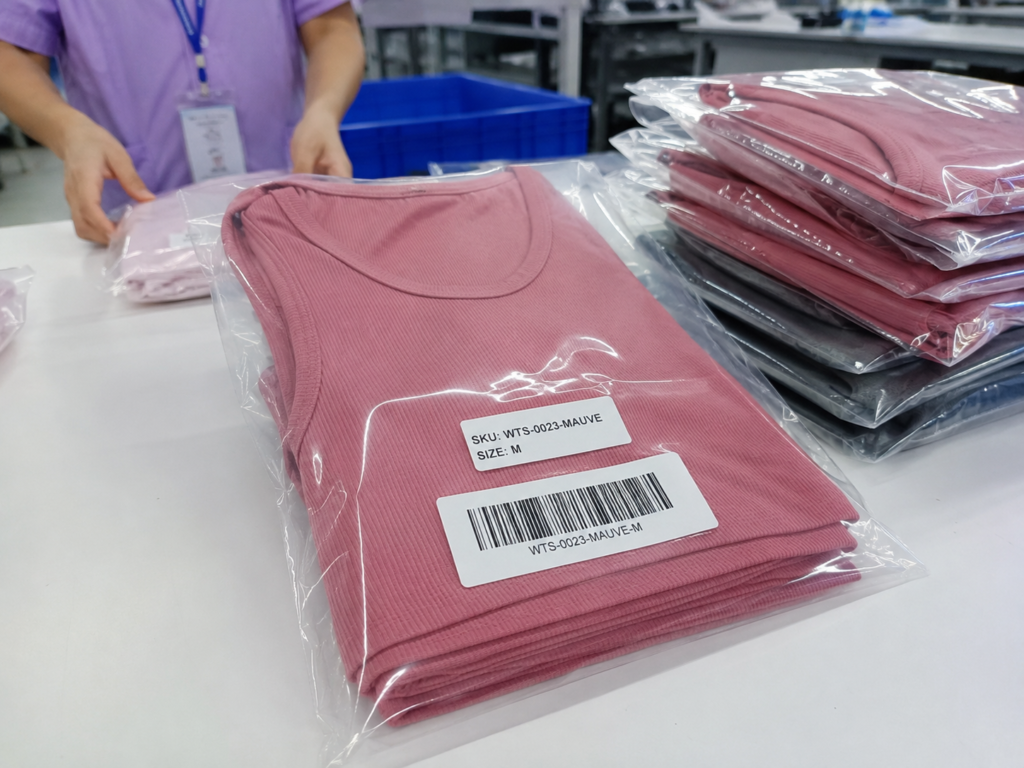
Barcodes, SKU labels, color stickers, and size stickers are matched to the garment and packing list. Data accuracy is checked before application because a correct garment with the wrong code can still fail warehouse receiving.

Polybags and Presentation

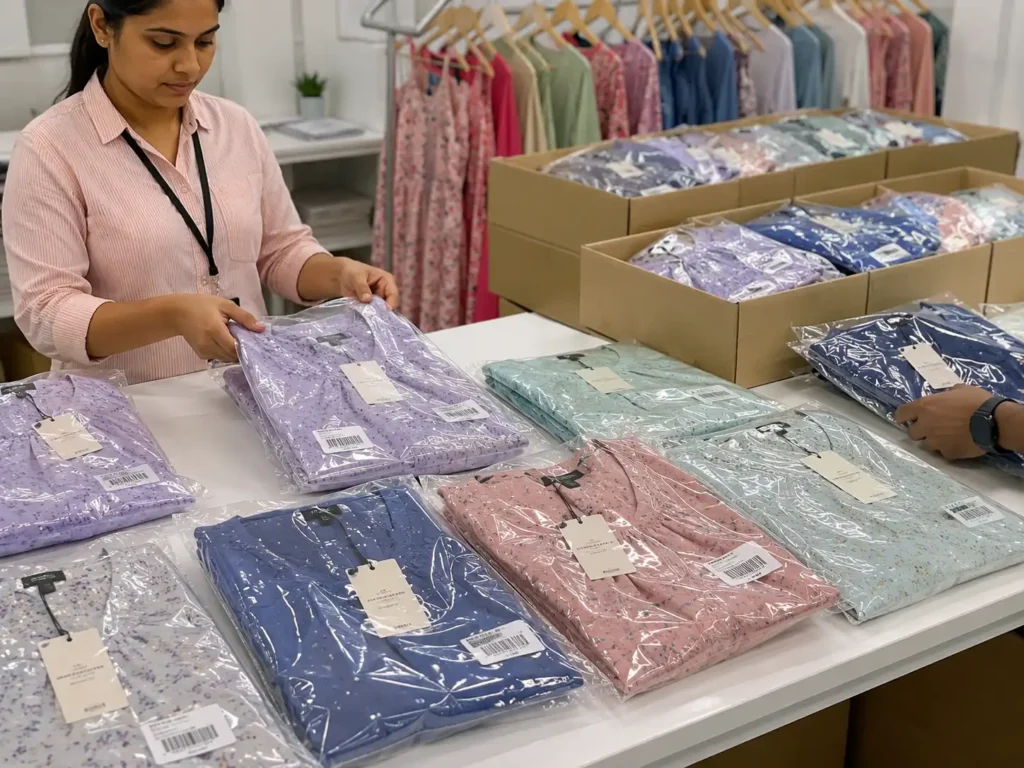
Polybags, tissue, stickers, warning text, folding, inserts, and protective layers are selected according to retail or ecommerce handling. Satin, sequins, velvet, lace, and structured dresses may need additional surface or shape protection.

Cartons and Warehouse Rules

Carton size, carton strength, assortment ratio, carton marks, destination labels, packing list, gross weight, net weight, and warehouse instructions are confirmed before shipment. Mixed-size or mixed-color packing follows approved breakdowns.

Production Delivery Planned Around Launch Dates

Delivery planning works backward from the required market date. Sample approvals, material booking, production, QC, packing, inspection, documents, and freight are scheduled as connected milestones. Final timing depends on style complexity, material availability, quantity, approvals, and destination.

Launch Date Review

The target launch, warehouse arrival, campaign shoot, showroom, or retail floor date is identified first. Jinfeng then maps sample, revision, PP, material, production, inspection, packing, and freight milestones backward from the required arrival.

Material Booking

Stock materials, custom colors, printing, special lace, sequins, zippers, labels, and packaging follow different lead times. Material status is tracked by style so one delayed component does not hide the readiness of the rest of the program.

Production Window

Bulk production timing is issued after PP approval, material confirmation, quantity, size-color breakdown, packaging, QC requirements, and factory allocation are clear. Complex structures and seasonal peaks need suitable production and inspection windows.

Inspection and Packing

Final measurement, appearance, label, barcode, packaging, and carton checks are scheduled before shipment release. Third-party inspection can be coordinated according to the project and available factory documentation.

Freight Planning

Express, air freight, sea freight, air-and-sea split shipment, and project-specific EXW, FOB, CIF, DAP, or DDP arrangements can be reviewed. Transit time varies by destination, season, carrier, customs, and routing.

Repeat and Replenishment

Repeat orders use retained patterns, specifications, material references, and packing records. Availability of the original fabric and trims is reconfirmed. Urgent quantities or selected SKUs can be evaluated for priority production or split shipment.

Sleeveless Dress Programs Managed for Fashion Brands

The following anonymized project profiles reflect the scale and coordination expected in established fashion programs. Names, original designs, pricing, and confidential files remain protected. Quantities illustrate multi-style structures commonly managed for seasonal dress orders.

United States Ecommerce Program

Program scope: 18 sleeveless styles and 36,000 garments across fitted jersey minis, rib midi dresses, ponte columns, and double-layer bodycon styles. The main risk involved inconsistent armhole recovery between fabric colors and size-dependent underarm opening. Jinfeng grouped styles by fabric stretch, verified recovery and opacity, adjusted upper-bust and binding ratios, and created separate measurement checkpoints for core sizes. PP approvals locked fabric lot, binding method, size chart, labels, barcode data, and folding. Production was divided by knit capability while one reporting structure tracked material status, sewing, measurement, packaging, and shipment readiness.

United Kingdom Occasionwear Program

Program scope: 24 styles and 52,800 garments across satin midi dresses, lace-overlay cocktail dresses, crepe columns, and mesh-panel party minis. Main risks included satin puckering, lace motif alignment, lining exposure, deep-neck stability, and mixed decoration requirements. Jinfeng prioritized high-risk samples, revised facings and lining patterns, grouped lace and satin styles by specialist production unit, and set QC points for neckline symmetry, armhole cleanliness, zipper flatness, motif placement, and packing protection. Style-specific PP samples, trim cards, measurement files, and packing instructions supported coordinated bulk handover across the assortment.
Australia Resortwear Program

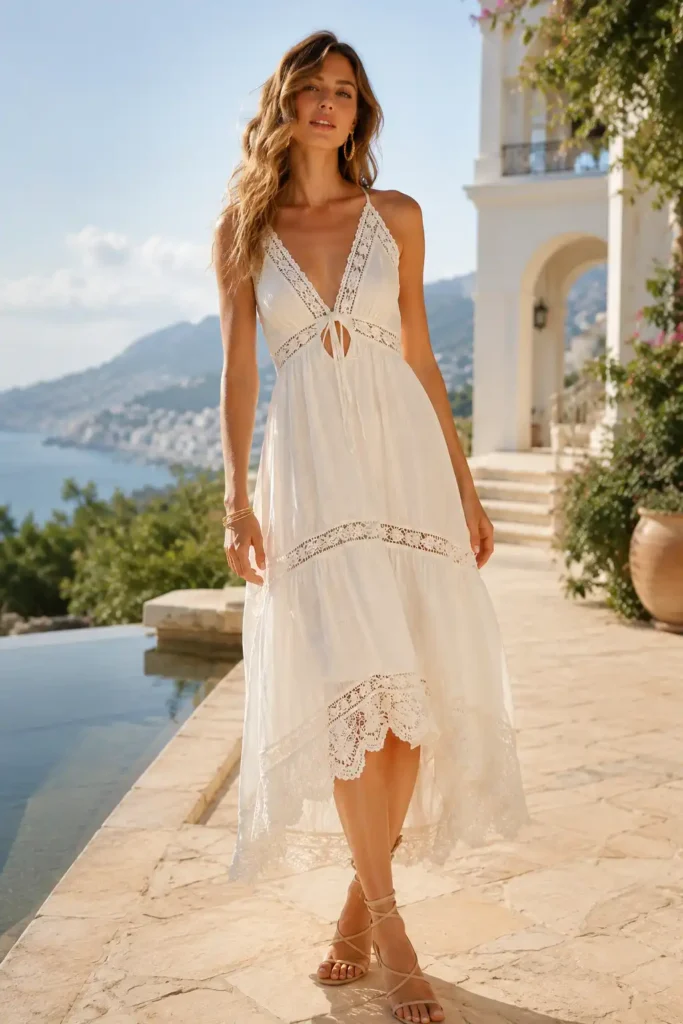
Program scope: 12 styles and 28,800 garments across linen-blend shifts, rayon printed maxis, cotton shirt dresses, and relaxed A-line midis. The primary challenge involved shrinkage, print direction, natural-fiber wrinkles, maxi hem balance, and retail-ready presentation after long-distance freight. Jinfeng reviewed shrinkage and fabric width, adjusted patterns after material testing, aligned print direction and tier placement, planned lining only where opacity required it, and set hanging or relaxation checks before final hem review. Packing used controlled folds, SKU identification, carton breakdowns, and protective presentation suitable for ecommerce and retail distribution.

Protect Designs and Build Repeatable Dress Programs

Long-term manufacturing depends on controlled information as much as physical production. Jinfeng Apparel supports NDA-based cooperation, confidential development, retained production records, seasonal collection work, and repeat-order planning.

NDA and Design Protection

Tech packs, original samples, patterns, line sheets, size charts, fabric directions, trim specifications, label files, packaging files, prices, quantities, launch plans, and unpublished designs are handled for project use. Brand names, logos, sample photos, and confidential order information are not displayed without authorization.

Production Record Retention

Approved pattern versions, measurement files, grade rules, bills of materials, fabric references, color records, trim cards, sewing instructions, label placements, packing guides, QC notes, and sealed samples can be retained for repeat production. File status is reconfirmed when materials or specifications change.

Seasonal and Repeat Orders

Seasonal collections, multi-style drops, carryover silhouettes, new colors, fabric changes, replenishment, and multi-batch delivery can be managed through retained records and new approvals. Repeat efficiency never replaces verification of current fabric lots, trims, quantities, labels, and packing requirements.

Frequently Asked Questions About Sleeveless Dress Manufacturing

Jinfeng Apparel develops sleeveless mini, midi, maxi, bodycon, A-line, shift, slip-inspired, shirt, blazer, party, resort, office, cocktail, occasion, knit, and private-label dress collections. Product direction can start from technical packs, reference images, original samples, line sheets, or sketches. Feasibility depends on fabric, structure, size range, trims, quantity, and target timing.

Standard MOQ starts from 200 pcs per style/color. One style in two colors normally requires 200 pcs in each color. Special fabrics, custom dyeing, custom printing, certified materials, special trims, and printed packaging can carry separate supplier minimums. A quantity plan by style, color, and size allows a more accurate review.

Yes. A reference image can be reviewed for silhouette, neckline, armhole, shoulder, length, closure, lining, construction, fabric direction, and visible details. Missing back views, measurements, internal finishes, and support requirements must be clarified before sampling. Jinfeng separates visible design direction from assumptions and records the approved development route.

Yes. An original garment can be measured and analyzed for structure, fabric, trims, workmanship, and fit. Existing defects are not copied automatically. Pattern balance, armhole exposure, grading, lining, seam quality, or material limitations can be identified and discussed. Development must respect the rights associated with the submitted design.

A regular dress first sample commonly takes about 10-15 days. Simpler structures may take about 7-10 days. Complex lace, mesh, sequin, evening, corset-related, specially sourced, custom-colored, or certified-material styles may require about 15-25 days or a project-specific schedule. Timing starts after required information and materials are confirmed.

Armhole gaping is reviewed through upper-bust ease, front and back curve, shoulder width, side-seam height, dart or princess shaping, neckline relationship, fabric stretch, and edge construction. Fit is observed from front, side, and back during standing and movement. Corrections are transferred into the pattern, measurement file, revised sample, and production instructions.

Yes. Woven programs can use satin, chiffon, crepe, linen, rayon, cotton, denim, lace, mesh, velvet, sequins, and related materials. Knit programs can use jersey, rib, ponte, power mesh, and stretch blends. Pattern ease, seam method, stabilization, shrinkage, recovery, lining, and QC are adjusted to the fabric family.

Yes, according to project requirements. Extended sizes, petite proportions, tall proportions, and regional fit blocks need planned grade rules and sometimes separate fit validation. Armhole depth, shoulder coverage, neckline openness, bust shaping, waist position, hip ease, and length should not be scaled mechanically without proportion review.

Yes. Fabric and trim sourcing can cover shell fabrics, linings, zippers, buttons, hooks, tapes, cups, boning, labels, hangtags, packaging, and other approved components. Options are reviewed for appearance, performance, MOQ, price, availability, development time, and bulk risk. Certification scope must be confirmed by supplier, material, color, batch, and project.

The PP sample confirms final fabric, color, pattern, measurements, trims, construction, labels, packaging, workmanship, and QC requirements. Approval should be documented before bulk production. Major design, material, or specification changes after approval require a new review of cost, timing, materials, and production risk.

Yes. Private-label support can include woven labels, size labels, care labels, hangtags, strings, barcode stickers, SKU labels, color stickers, polybags, inserts, cartons, carton marks, and warehouse labels. Artwork, placement, data, packing ratio, and destination requirements must be approved before bulk packing.

Send a reference image or technical pack, quantity per style/color, fabric preference, color plan, size range, lining and construction notes, trims, brand labels, packaging requirements, delivery destination, and target timing. A target price can help material and construction review. Incomplete files support a preliminary direction, while final pricing requires confirmed specifications.

Start Your Sleeveless Dress Manufacturing Project

Send your development files for a structured review of silhouette, armhole and neckline risk, fabric direction, sampling, MOQ, quotation, private labels, and production planning. Kelly coordinates the first project review and routes approved requirements to the relevant product development, sourcing, sampling, production, QC, packing, and delivery teams.

Reference image, technical pack, original sample photos, or line sheet; planned quantity by style and color; preferred fabric or performance direction; color list; size range and size chart; neckline and armhole coverage expectations; lining, closure, pocket, slit, and trim requirements; woven labels, care labels, hangtags, barcode, polybag, carton, or warehouse instructions; target market; target launch or delivery date; and any inspection, testing, or logistics requirements.
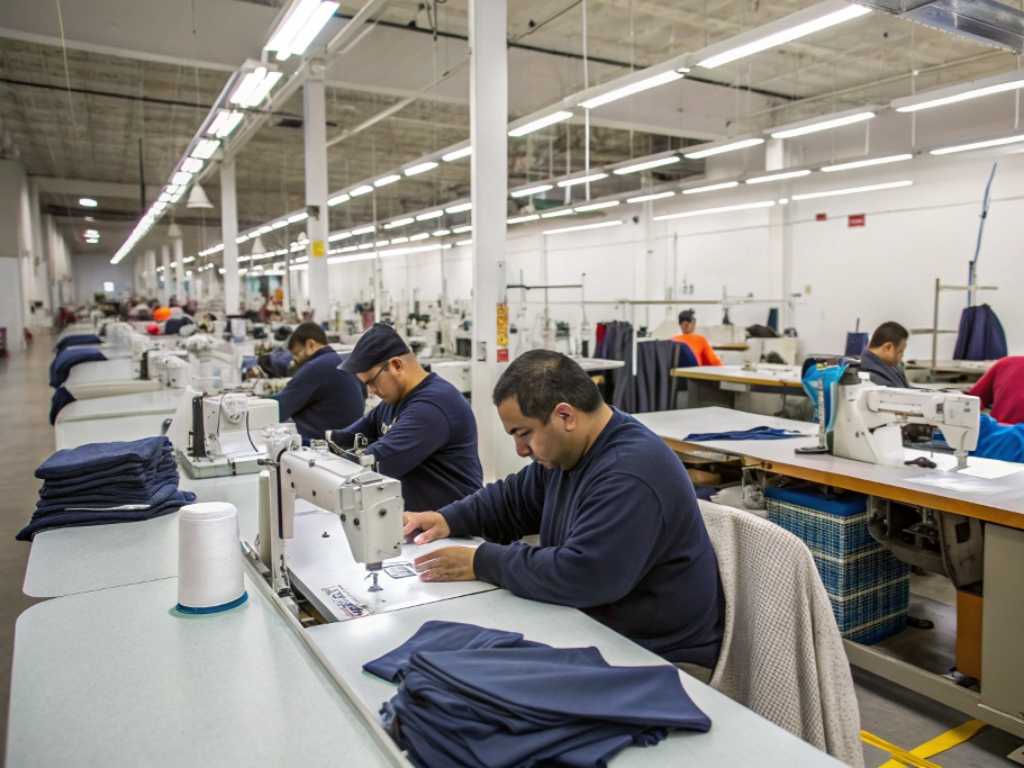

Factory workers sewing dark blue garments at sewing machines in a textile plant.

Tell Us About Your Dress Project

Share your product details, estimated quantity and development requirements. Our team will review your project and provide practical OEM/ODM production feedback.

Premium Women’s Apparel Production for Fashion Brands

From dress sample development to bulk production, JF Apparel supports fashion brands with confidential OEM/ODM manufacturing, reliable quality control and scalable production support.

START YOUR DRESS PROJECT

Ready to Develop Your Next Dress Collection?

Share your design concept, product requirements or sourcing plans with our team. We’ll review your project and provide practical feedback on development, materials, MOQ and production.

7-10 Days

Sample Development

200 PCS

Starting MOQ

Fast Response

Professional Follow-Up