 Skip to content
Stretch Satin Dress Manufacturer
Custom stretch satin dress development for established fashion brands requiring controlled fit, refined sheen and repeatable bulk quality.
- Fabric direction: 120-250 gsm stretch satin selected around silhouette, recovery, shine, lining and end-use requirements.
- Development window: first samples commonly require 7-10 days for simple styles, 10-15 days for regular dresses and 15-25 days for complex corset, strapless, lace or mesh combinations.
- Production structure: 6 owned women’s fashion factories, 10+ long-term production partners, 2 sample rooms, 7+ senior pattern makers and 20+ sample machinists.
- Order structure: MOQ starts from 200 pcs per style/color, subject to fabric availability, dyeing, trims, construction and packing requirements.
- Control priorities: stretch direction, recovery, bust-waist-hip balance, zipper flatness, seam tension, shade, pressing marks and anti-crease packing.
Production Facts Behind Stretch Satin Dress Programs
Since 2008
6 Owned Factories
10+ Production Partners
2 Sample Rooms
7+ Pattern Makers
200 Pcs Per Color
Built for Established Fashion and Occasionwear Teams
Occasionwear Brands
Partywear Labels
Premium Ecommerce
Sourcing Teams
Product Developers
Product development teams can submit tech packs, sketches, line sheets, original samples or reference images. Pattern questions, fabric alternatives, construction risks and revision priorities are translated into a controlled sampling path.
Private Label Programs
Project Fit and Manufacturing Boundaries
Best Project Fit
Production Boundaries
From Design Direction to Retail-Ready Delivery
Project Review
Fabric Direction
Pattern Development
First Sample
Fit Revision
PP Approval
Bulk Production
Packing Delivery
Stretch Satin Dress Styles Built for Commercial Collections

Bodycon Satin Dress

Corset Satin Dress

Strapless Satin Dress

Ruched Satin Dress

Cowl Neck Dress

Cocktail Satin Dress

Wedding Guest Dress

Fitted Midi Dress

Slit Maxi Dress

One-Shoulder Dress

Mini Party Dress

Bridesmaid Satin Dress
Build a Coherent Stretch Satin Collection

Length Architecture

Silhouette Balance
Combine bodycon, ruched, corset, cowl and one-shoulder shapes around a controlled core fit. Hero styles may carry more construction, while cleaner silhouettes can support volume and faster repeat orders.
Core Color Plan

Size Range Planning

Launch Priority

Repeat Order Logic
Choose Stretch Satin by Weight, Recovery and Structure
Stretch satin is not one standard fabric. Weight, fiber blend, stretch direction, recovery, sheen and lining compatibility determine whether a design becomes fluid, fitted or structurally supported.
| Fabric Direction | Common Weight | Performance Profile | Best Applications | Main Controls |
|---|---|---|---|---|
| Light Stretch Satin | 120-150 gsm | Fluid hand, light support, moderate drape; transparency depends on color | Cowl neck, ruched mini, slip-inspired dress | Seam puckering, lining show-through, neckline stability, hem balance |
| Midweight Stretch Satin | 150-200 gsm | Balanced sheen, body fit and recovery | Bodycon, fitted midi, cocktail, wedding guest | Bust-waist-hip fit, zipper flatness, side seams, shade direction |
| Structured Stretch Satin | 200-250 gsm | More support, lower transparency, stronger shape | Corset, strapless, structured mini, fitted formal dress | Boning compatibility, seam bulk, cup shape, pressing marks |
| Polyester-Spandex Satin | Project specific | Stable color routes and commercial availability vary by supplier | Multi-color party and occasionwear ranges | Dye lot, recovery, surface snagging, lining match, repeat availability |
| Nylon-Spandex Satin | Project specific | Smooth hand and elastic response vary by construction | Fitted premium styles and selected bodycon programs | Heat sensitivity, recovery, color consistency, care instruction |
| Custom-Dyed Stretch Satin | Selected after approval | Exclusive color with supplier MOQ and lead-time requirements | Signature color programs and seasonal capsules | Lab dip, bulk shade approval, dye-lot separation, reorder risk |
Stretch Direction and Recovery Define the Final Fit
Elasticity only adds value when the pattern, lining and construction are developed around measurable stretch behavior and stable recovery.
Stretch Direction Must Match Pattern Direction
Two-way stretch usually works across the body, while some qualities offer additional lengthwise movement. Cutting a fitted bodice or skirt in the wrong direction can change bust pressure, waist fit, hip movement and finished length. Grain direction and shine direction also need to agree. A panel may fit correctly yet look like a different shade when its satin face is rotated. Pattern pieces are therefore marked for both stretch orientation and visual direction before bulk cutting.
Recovery Controls Growth During Wear
Recovery describes how closely fabric returns after stretching. Strong initial stretch with weak recovery can create a loose waist, bagging at the hip, knee growth or a longer hem after wear. Fabric review considers stretch percentage, return behavior, hand feel and surface appearance after repeated extension. Fit comments must separate pattern tightness from fabric growth. Increasing garment measurements may solve pressure, while poor recovery requires another fabric rather than a larger pattern.
Negative Ease Requires Controlled Limits
Fitted stretch satin often uses negative ease, meaning garment measurements can be smaller than body measurements at selected points. The amount cannot be copied across every fabric or silhouette. Corset structures, bodycon dresses, ruched dresses and fitted maxis need different pressure distribution. Bust, waist and hip values are checked together with zipper entry, sitting comfort, stride and skirt ride-up. Approved measurements are linked to the exact fabric quality used for the PP sample.
Bulk Lots Need Reconfirmation
A new dye lot may hold the same color reference yet differ slightly in weight, stretch or recovery. Bulk fabric is checked against the approved reference before cutting. When a repeat order uses a new lot, the team reviews stretch behavior, shade, width and hand feel again. Stable repeat production comes from recorded standards and new-lot verification, not from assuming every roll will behave like the first sample.
Fabric Sourcing Starts With Measurable Performance Requirements
A reference photo can show color and silhouette, but reliable sourcing needs a clearer standard for weight, recovery, surface, lining and production availability.
Define the Fabric Brief
A useful fabric brief includes fiber direction, target weight, stretch orientation, required recovery, sheen level, hand feel, drape, opacity, color route and intended retail use. Product teams should also state whether the dress needs compression, soft movement or internal structure. Jinfeng Apparel can review swatches, original garments or target references and identify where a proposed fabric may alter the silhouette, comfort or cost.
Approve Color Beyond a Screen Image
Satin reflects light, so color changes with camera exposure, viewing angle and surface direction. Approval may use Pantone references, physical color standards, lab dips and fabric swatches. Natural light and indoor light photos can support review, yet the physical swatch remains more reliable. Lining color is checked with the outer fabric because a high-contrast lining may shift the visible tone of pale or lightweight satin.
Check Bulk Availability and Supplier MOQ
Stock colors can shorten the material path, while custom dyeing may involve separate mill MOQ, lab-dip approval and longer lead time. Special trims, custom zippers and printed packaging can add independent minimums. Commercial planning should consider quantity per style/color, color count, order timing and repeat-order probability before an exclusive fabric route is selected.
Inspect Before Cutting
Incoming stretch satin is reviewed for composition record, weight, width, shade, roll difference, surface marks, snagging, stretch direction and recovery. Bulk cutting should not begin when a major difference from the approved sample remains unresolved. Shade groups can be separated, and panels from one garment should stay within the same controlled lot to reduce visible variation.
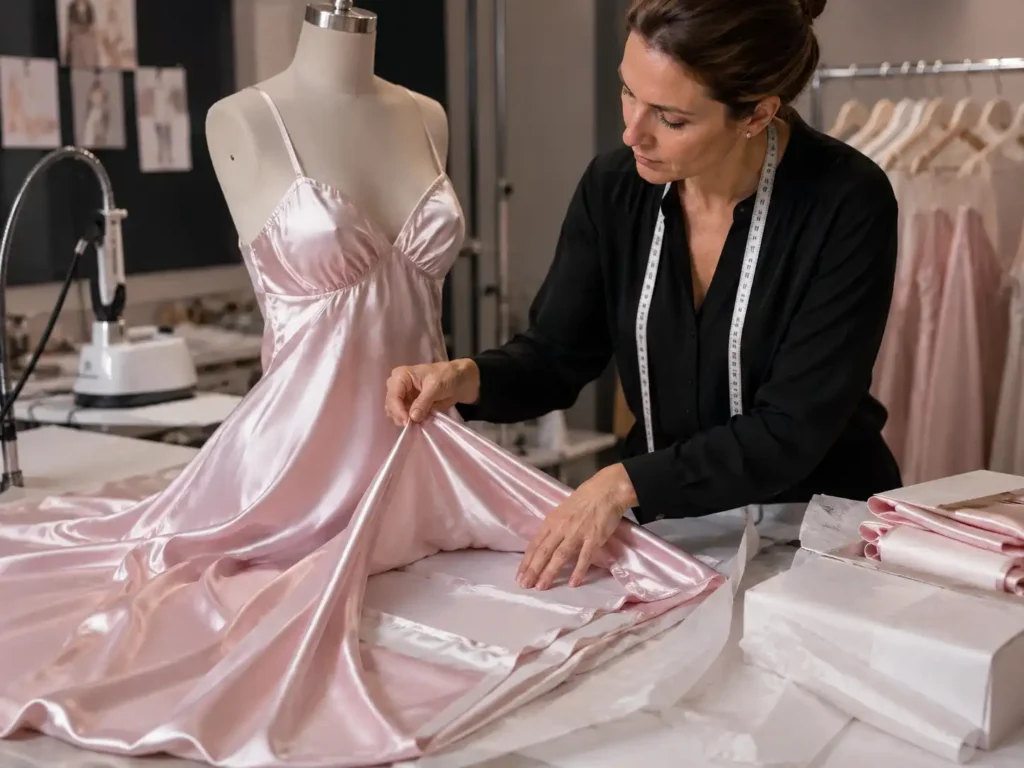
Fit Engineering for Bust, Waist, Hip and Length
Stretch satin highlights every pressure line. A strong silhouette comes from balanced pattern geometry, fabric recovery and movement allowance rather than simply making the garment tighter.
- Bust and Neckline Control
Horizontal pulling across the bust, neckline gaping and unstable cups often come from several variables acting together. Review covers bust width, bust point, neckline depth, strap angle, cup position, lining tension and zipper entry. Strapless and corset styles may need bra cups, boning, anti-slip tape or a firmer lining. The outer stretch satin should remain smooth instead of carrying all structural load by itself. - Waist Shape Without Excess Pressure
Waist fit defines the visual proportion of fitted dresses, yet excessive reduction can force wrinkles toward the bust or hip. Natural waist, high waist, low waist and corset waist require different pattern lines. Sitting comfort and breathing movement are considered alongside the flat measurement. Ruching, waist seams and internal layers can change effective tension, so final values are confirmed on the complete sample rather than on an isolated pattern piece. - Hip Balance and Side-Seam Position
A dress may meet the hip measurement and still twist or pull. Side-seam balance, back length, seat shape, fabric recovery and negative ease all influence the result. The side seam should remain controlled on the body, while the back skirt needs enough length to avoid lifting. Fit checks include standing, walking and sitting. Over-tight hip values can increase ride-up and open a slit beyond the approved position. - Finished Length and Movement
Mini, midi and maxi lengths require separate control points. Mini dresses need secure coverage during movement. Midi dresses depend on proportion and slit placement. Maxi dresses need front-back hem balance, lining length and packing protection. Stretch growth can alter finished length after hanging or wearing, so measurement records and fabric behavior are reviewed together before bulk tolerance is set.
Critical Measurements and Approval Logic
Measurement control works best when each point is linked to fit risk, fabric behavior and a defined approval stage. Tolerance values should follow the approved style, fabric and brand standard.
| Measurement Point | Why It Matters | Stretch Satin Risk | Approval Stage |
| Bust | Controls neckline, support and front balance | Horizontal stress lines or cup distortion | First fit and revised sample |
| Waist | Defines silhouette and comfort | Over-compression, wrinkling or rolling | Fit sample and PP sample |
| Hip | Controls shape, movement and side seams | Ride-up, twisting or pressure marks | Fit sample and PP sample |
| Center Front Length | Sets neckline-to-hem proportion | Shortening under stretch or uneven hem | Revised sample and PP sample |
| Center Back Length | Balances seat shape and zipper line | Back hem lift or zipper buckling | Revised sample and PP sample |
| Strap Length | Sets bust height and neckline coverage | Exposure, shoulder pressure or asymmetry | First fit and PP sample |
| Slit Height | Balances movement and coverage | Opening wider under tension | Fit sample and PP sample |
| Zipper Length | Affects entry, fit and smoothness | Bulging, wave or insufficient opening | First sample and PP sample |
| Lining Length | Prevents show-through and hem conflict | Lining restriction or visible edge | PP sample |
Design Details Engineered for Stretch Satin

Ruching

Draping
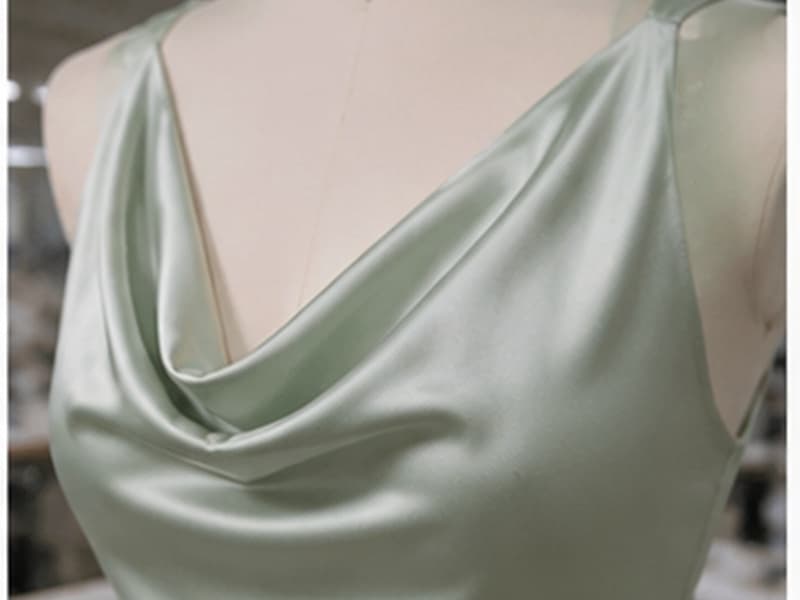
Cowl Neck

Adjustable Straps

Invisible Zipper

High Slit

Corset Bodice
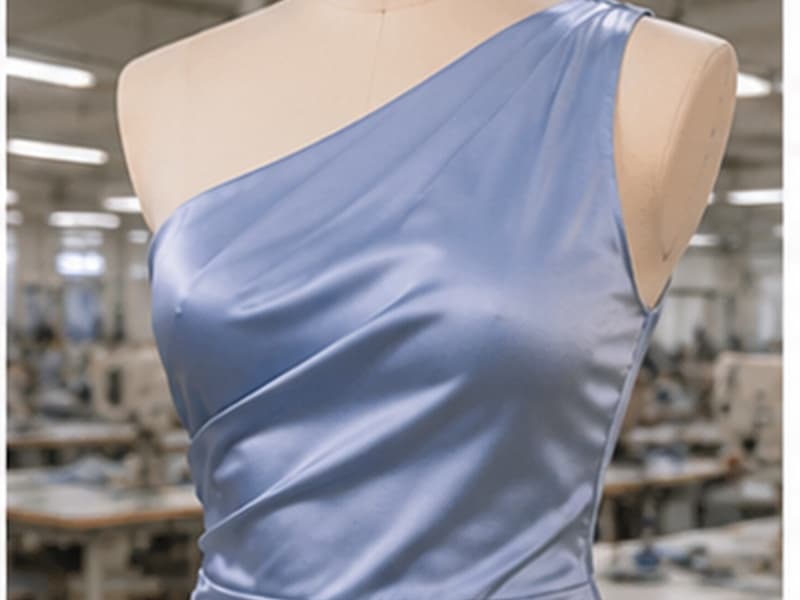
One Shoulder
Lining, Support and Trim Systems

Stretch Lining

Lightweight Lining

Built-In Cups

Boning

Anti-Slip Tape
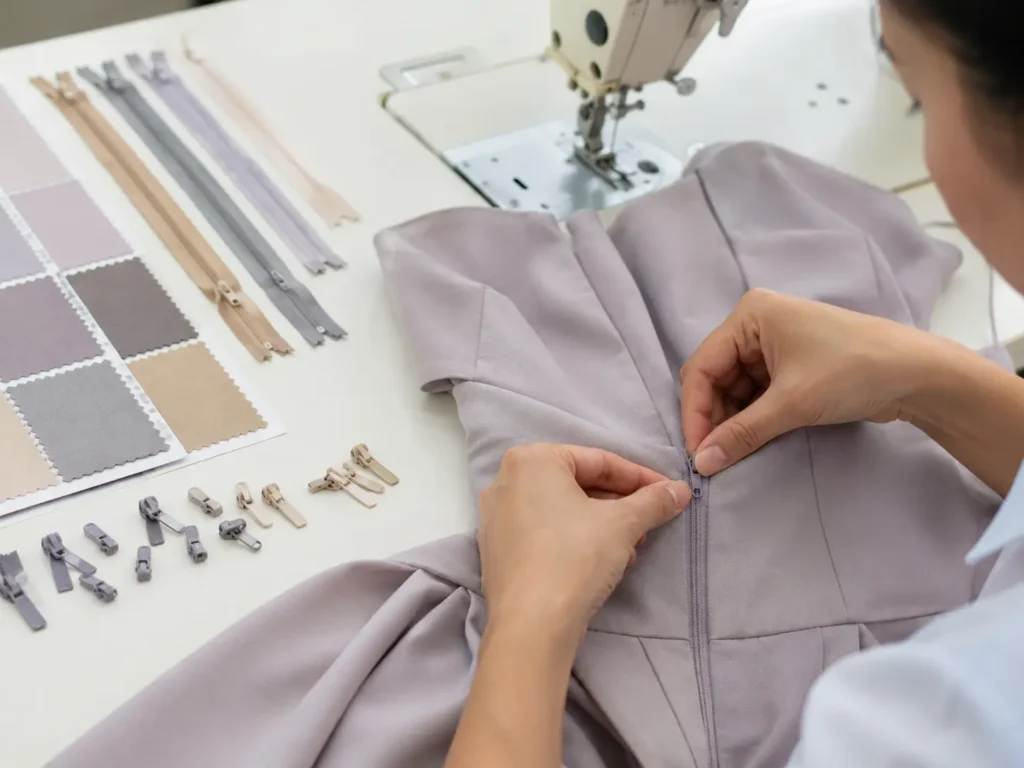
Zippers and Sliders
Sample Development With Clear Approval Gates
Project Review
Fabric Direction
Pattern Development
First Sample
Fit Sample
Revised Sample
PP Sample
Golden Sample

Tech Packs Reduce Sampling Noise and Bulk Risk
A complete tech pack speeds decisions, clarifies accountability and gives pattern, sample, production and QC teams one controlled standard.
- Core Product Information
Include front and back drawings, design callouts, silhouette, finished length, neckline, straps, sleeves, slit, zipper position, lining and internal support. Reference images can support the brief, but they should not replace construction notes when details are not visible.
- Fabric and Trim Specifications
State preferred composition, weight, stretch direction, color reference, lining, zipper, bra cups, boning, anti-slip tape, sliders, labels and packaging. When an exact material is unavailable, comparable alternatives can be reviewed through swatches and a sample. Similar appearance does not guarantee identical performance.
- Measurements and Grade Rules
Provide the base-size measurement chart, points of measure, measurement method and grade rules. Stretch dresses need clear bust, waist, hip, strap, neckline, slit and length values. A brand fit standard or approved original sample can improve interpretation. Tolerance should be defined around the product, not copied from an unrelated style.
- Bulk and Packing Information
Add quantity per style/color, size ratio, delivery window, labels, barcodes, SKU data, polybag requirements, carton marks, testing needs and shipment destination. Complete commercial information helps the team assess MOQ, fabric route, sample scope, production timing and packing work before a quote is finalized.
Cutting Direction Protects Shine, Shade and Balance
Satin surface reflection makes cutting direction a visual quality issue as well as a pattern issue. A rotated panel can appear like a different color under the same light.
Control Grain, Stretch and Shine Together
Stretch satin pattern placement needs three aligned references: grain direction, stretch direction and surface shine. A panel cut for maximum stretch may conflict with the intended sheen if the fabric construction is misunderstood. Pattern markers and cutting instructions identify orientation before bulk. Front, back, sleeves, straps, facings and visible panels should follow the approved directional plan.
Separate Shade and Dye Lots
Color can shift between rolls, and satin reflection can magnify small differences. Incoming fabric is reviewed by roll and dye lot. Shade groups can be separated, while all visible panels in one garment should come from the controlled group. Mixing lots across a bodice or skirt may create obvious contrast under store lighting or photography.
Manage Slippery Fabric During Preparation
Smooth satin can move during spreading and cutting, causing inaccurate edges or mismatched panel lengths. Fabric relaxation, controlled spreading, correct marker preparation and cut-part checks reduce distortion. Straps, cowl panels, curved necklines and bias-influenced sections deserve extra attention because small deviations become visible during sewing.
Inspect Cut Parts Before Sewing
Cut-part inspection checks quantity, direction, shade, defects, notches and key dimensions. Removing damaged or misdirected parts before sewing prevents hidden rework later. A sewing line cannot correct a wrong shine direction or a distorted neckline panel after assembly.
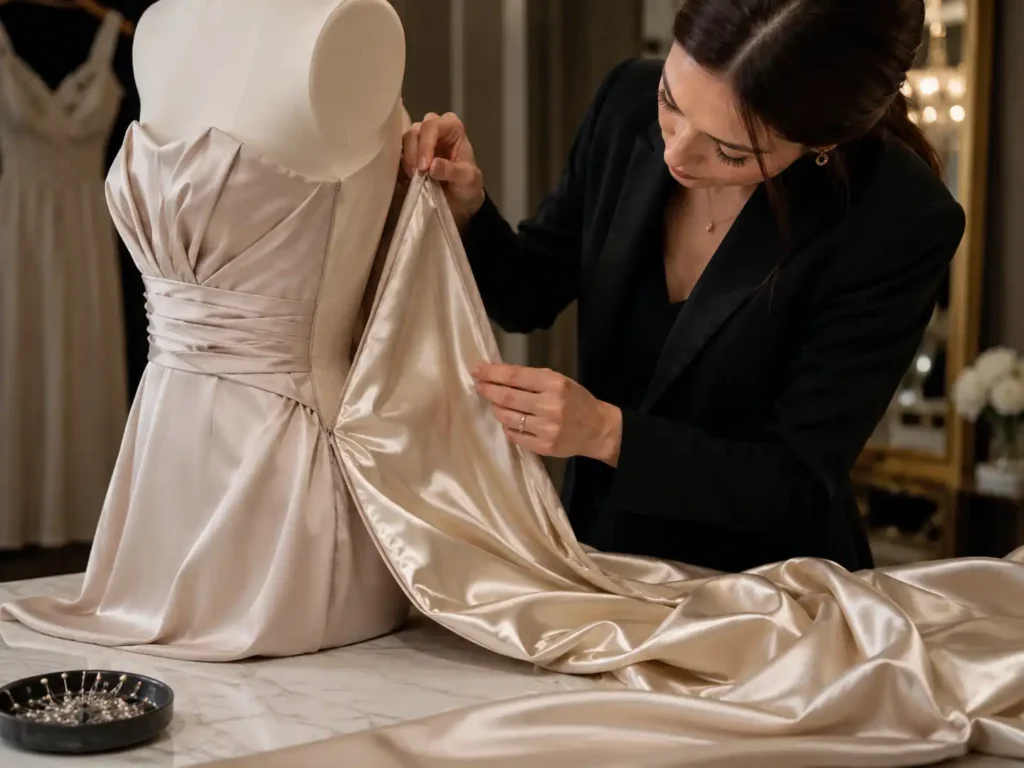
Sew Stretch Satin Without Puckering or Zipper Waves
Clean seams depend on balanced feeding, controlled tension, suitable thread and construction choices matched to the exact fabric lot.
- Seam Tension and Feed Balance
Excess thread tension or unequal feeding can create visible puckering along side seams, darts, princess lines and zippers. Stretch satin magnifies small waves because the reflective surface catches light. Sewing trials are reviewed on the selected fabric and lining combination. The goal is a stable seam that remains smooth without restricting movement or stretching out of shape. - Needle, Thread and Stitch Density
Needle damage can leave holes, pulled yarns or snagging on the satin face. Thread should support seam strength without appearing heavy. Stitch density must balance security and surface smoothness; overly dense stitching can perforate delicate qualities, while loose stitching may open under tension. Construction records capture the approved route rather than relying on operator memory. - Invisible Zipper Installation
Zipper tape is often less elastic than the dress fabric. Poor stabilization or mismatched seam tension creates a wavy center back, bulging waist or puckered top stop. Zipper length, seam allowance, reinforcement, lining attachment and pressing sequence are tested during sampling. Bulk inspection compares the closed zipper line with the approved PP sample. - Layer Management and Edge Stability
Corset panels, cups, boning, facings, lining and ruching add thickness and alter stretch. Edges may need controlled stabilization around necklines, armholes, slits or openings. Too much reinforcement can create a rigid ridge; too little may allow the edge to grow. The correct solution is selected through sample wear, measurement and appearance review.
Pressing and Packing Preserve Satin Surface Quality
A well-sewn garment can lose its premium appearance through heat marks, pressure lines, snagging or aggressive folding after production.
Pressing Temperature Must Be Tested
Stretch satin blends can react differently to heat, steam and pressure. A safe setting is confirmed on the actual fabric and color before bulk finishing. Dark shades may show shine marks; pale shades may reveal water marks or seam impressions. Pressing aims to smooth construction without flattening the intended drape or creating a new glossy area.
Snagging Prevention Runs Across the Floor
Satin can snag during cutting, sewing, inspection, finishing and packing. Clean work surfaces, controlled handling and visual checks reduce damage. A snag caught after final packing wastes far more work than a defect removed at the material or cut-part stage. High-contact details such as zippers, metal trims and carton edges also require attention.
Final Appearance Needs Garment-Level Review
Inspection covers sheen direction, shade, seam smoothness, zipper line, neckline, straps, ruching, slit, hem, lining and pressing. The garment is assessed as a complete visual product, not only as separate measurements. Photography or video can support remote approval, while the PP and golden samples remain the physical reference.
Packing Must Limit Deep Creases
Fold position depends on dress length, structure, embellishment and warehouse requirements. Tissue, protective layers, individual polybags, garment dust bags or larger pack dimensions may be considered for premium styles. Carton quantity and pressure should prevent over-compression. Packing instructions also coordinate labels, barcodes, SKU stickers and carton marks.
Bulk Production Follows Nine Controlled Stages
Bulk Fabric Approval
Incoming Material QC
Fabric Relaxing
Cutting Preparation
Cut-Part Check
Sewing Control
In-Line Inspection
Finishing Pressing
Final QC Packing
Quality Control Built Around Stretch Satin Risks
Generic inspection language is not enough for a glossy fitted fabric. QC points must follow the material, silhouette, size range and approved sample.
Fabric and Shade Control
Incoming and in-process checks review composition records, weight, width, dye lot, surface defects, snagging, stretch direction, recovery and shine direction. Rolls with visible variation can be separated. Panels within one garment should remain shade-consistent under the expected viewing angle. Pale colors receive added attention for transparency, lining influence and marks.
Cutting and Sewing Control
Cutting QC confirms pattern version, grain, stretch direction, shade group, notches and key dimensions. Sewing QC checks seam smoothness, stitch security, zipper flatness, strap attachment, ruching, neckline, slit, lining and internal support. In-line inspection catches repeated issues before they spread across the full quantity.
Measurement and Fit Control
Measurement checks use the approved size chart, point-of-measure method and tolerance. Stretch styles focus on bust, waist, hip, center-front length, center-back length, straps, slit and lining length. Measurements are reviewed alongside garment balance; a numerical pass does not excuse twisting, ride-up or visible pressure lines.
Finishing and Appearance Control
Final appearance checks cover stains, oil marks, snagging, shade, gloss direction, puckering, pressing marks, hem balance, zipper line and symmetry. Satin needs careful handling through inspection because a clean garment can be damaged by a rough surface or hardware contact during the final stages.
Label and Packing Control
Woven labels, size labels, care labels, hangtags, barcodes, SKU stickers and polybags must match style, color and size. Carton quantities, marks and size breakdown are checked against packing instructions. Premium satin programs may require additional crease protection or garment bags.
Final Inspection and Records
Final inspection can include internal inspection, AQL sampling and coordination with a nominated third-party or brand inspection process. AQL is not the same as 100% inspection. Quality records, defect findings and corrective actions support repeat orders and future production planning.
Repeat Orders Use Controlled Production Records
Golden Sample
Pattern Records
Measurement Files
Fabric References
Trim Records
QC Notes
Why Established Brands Evaluate Jinfeng Apparel
Dress Specialization
Fabric Fit Review
Sample Development
Production Coordination
Quality Management
Private Label Delivery
Private Label and Satin-Safe Packaging Options
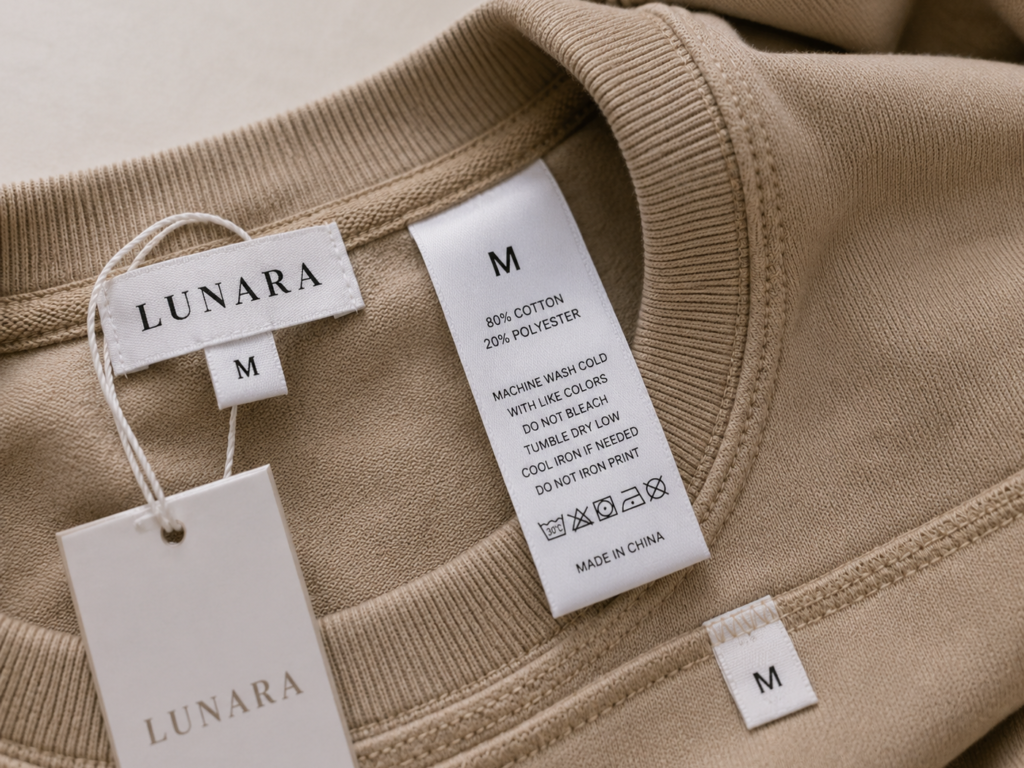
Woven Labels
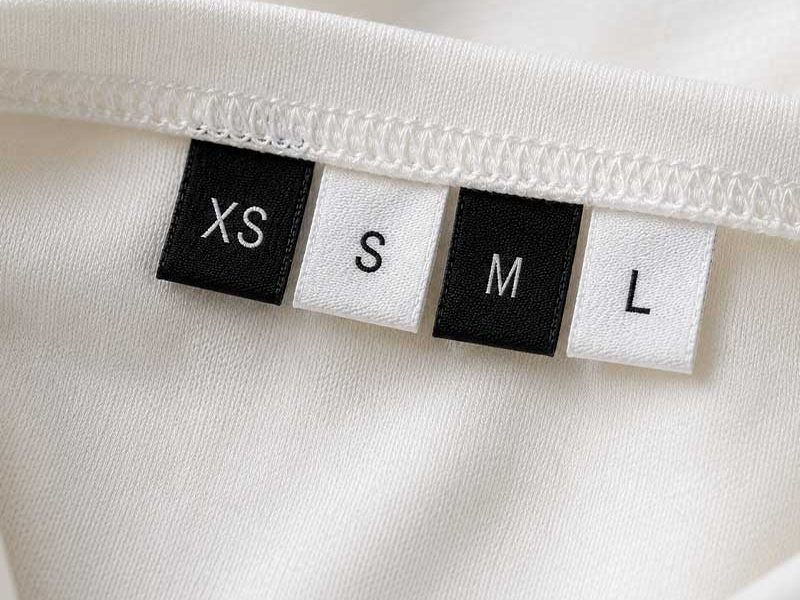
Size Labels

Care Labels

Hangtags
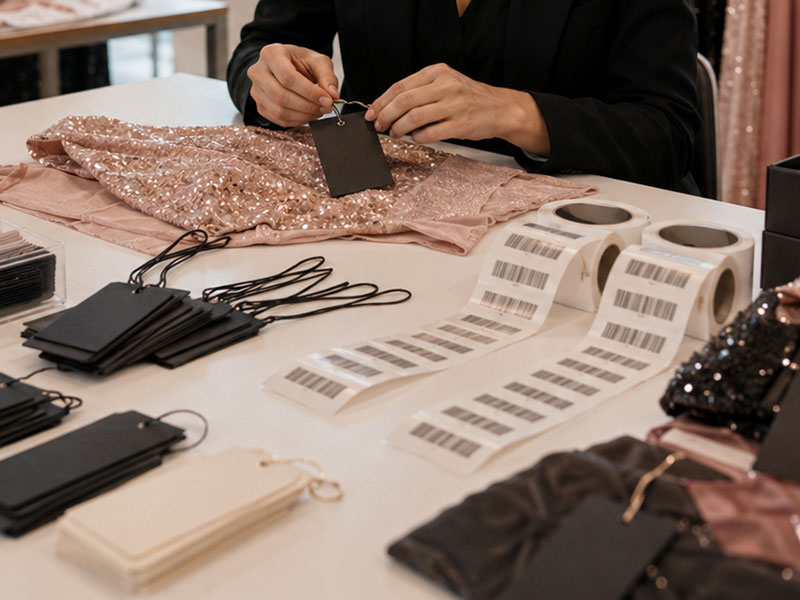
Barcode Stickers

Protective Polybags
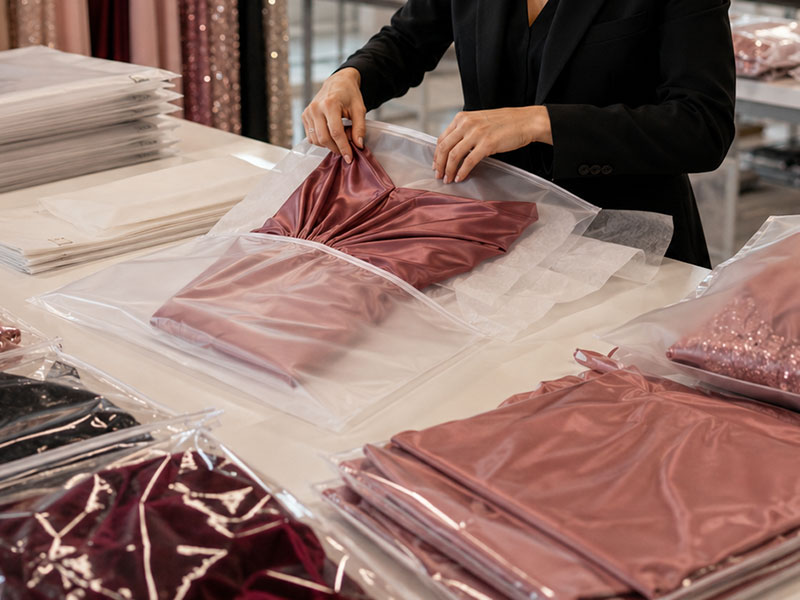
Garment Protection
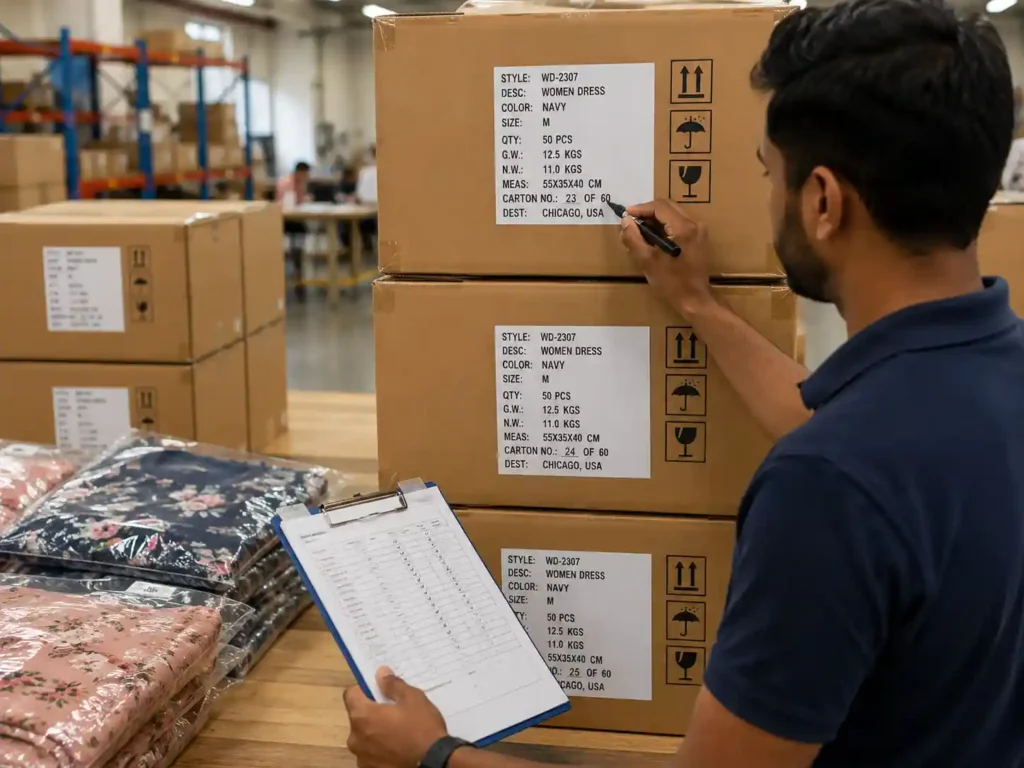
Carton Marks
Anonymized Stretch Satin Collection Programs
The following program records show how multi-style orders are organized around fabric groups, fit priorities, production allocation, QC and retail-ready packing without revealing brand identities.

United States Occasionwear Collection: 18 Styles, 42,600 Pieces
An established U.S. occasionwear label developed 18 stretch satin and satin-led styles across fitted mini, ruched midi, wedding guest and slit maxi silhouettes. The order totaled 42,600 pieces in five core colors and an XS-XL size range. Main risks included shade consistency across reflective colors, zipper waves at the waist and hip, lining restriction in fitted styles and uneven ruched density between sizes.
The development route grouped styles by fabric weight and construction. Midweight stretch satin was used for bodycon and fitted midi styles, while structured qualities supported strapless and corset shapes. Fit review focused on bust-waist-hip balance, zipper entry, slit opening and finished length. Ruching ratios and attachment points were recorded by style. Bulk fabric was separated by dye lot, and visible panels followed controlled shine direction.
PP approval locked final fabric, color, lining, zippers, measurements, labels and packing. Production was divided by complexity, with high-risk structured styles allocated separately from cleaner silhouettes. Quality checks centered on shade, seam smoothness, zipper flatness, strap position, ruching, hem balance and pressing. Pattern, fabric and QC records were archived for repeat-order planning.

United Kingdom Ecommerce Drop: 14 Styles, 28,400 Pieces
A premium UK ecommerce program included 14 stretch satin dresses totaling 28,400 pieces in four colors and a UK 6-18 size range. The line combined cowl neck minis, one-shoulder midis, fitted cocktail dresses and corset-inspired party styles. Commercial priorities included photo-ready samples, reliable grading, controlled color appearance under studio lighting and packaging that reduced visible creases after unpacking.
Sampling separated visual fit from structural support. Cowl neck styles were reviewed for front drop, bust coverage and strap angle. One-shoulder styles required asymmetric balance and neckline security.
Corset-inspired dresses used internal support so the outer satin remained smooth rather than carrying the full load. Grade review concentrated on neckline depth, strap length, cup position, waist shaping, hip ease and slit height.
Bulk controls linked barcodes, SKU stickers and size labels to the packing map. Carton pressure was adjusted around long and structured styles. Final inspection reviewed sheen direction, snagging, zipper line, measurement, pressing and packaging condition. Approved files were retained to support new-color and replenishment planning.

Multi-Market Partywear Program: 24 Styles, 67,200 Pieces
A multi-market partywear program for North America and Australia covered 24 styles and 67,200 pieces, arranged in two shipment waves. The assortment included stretch satin bodycon dresses, strapless minis, corset midis, ruched dresses and high-slit maxis across six color groups and sizes XS-2XL. The project required style prioritization, coordinated fabric booking, consistent internal support and clear packing data for separate warehouse destinations.
The first sampling wave focused on campaign and high-risk styles. Pattern review addressed negative ease, neckline security, cup position, hip balance, slit control and back length. The second wave used related fabric groups and approved fit references to improve development efficiency without assuming every silhouette could share one pattern rule. Bulk materials were reviewed for weight, stretch, recovery, shade and availability before factory allocation.
Production was divided by structure and timing. In-line inspection tracked repeated issues early, while final checks covered surface marks, shade, seam puckering, zipper waves, measurements, labels and destination-specific packing. Shipment records were separated by wave, warehouse, style, color and size. The program files created a controlled base for future replenishment and seasonal color extensions.
Frequently Asked Questions About Stretch Satin Dresses

Send Your Stretch Satin Dress Program
Share enough project information for a focused review of fabric direction, pattern risk, sampling scope, MOQ, private-label work and production timing. A reference image can begin the conversation, while a tech pack, size chart and quantity plan allow a more accurate assessment. Jinfeng Apparel can review stretch satin weight, stretch direction, recovery, lining, zippers, cups, boning, measurements, color route, packaging and delivery requirements before proposing the next step. Kelly coordinates initial project collection and internal review. Files, unpublished designs, patterns, labels and packing artwork can be handled as confidential project information under NDA-based cooperation.
- Product type and reference image
- Tech pack, size chart and grade rules
- Quantity per style/color and size ratio
- Fabric composition, weight or swatch
- Color plan and physical color standard
- Lining, zipper, cups, boning and trims
- Private-label and barcode requirements
- Target delivery date and destination
- Inspection, testing or warehouse guide


