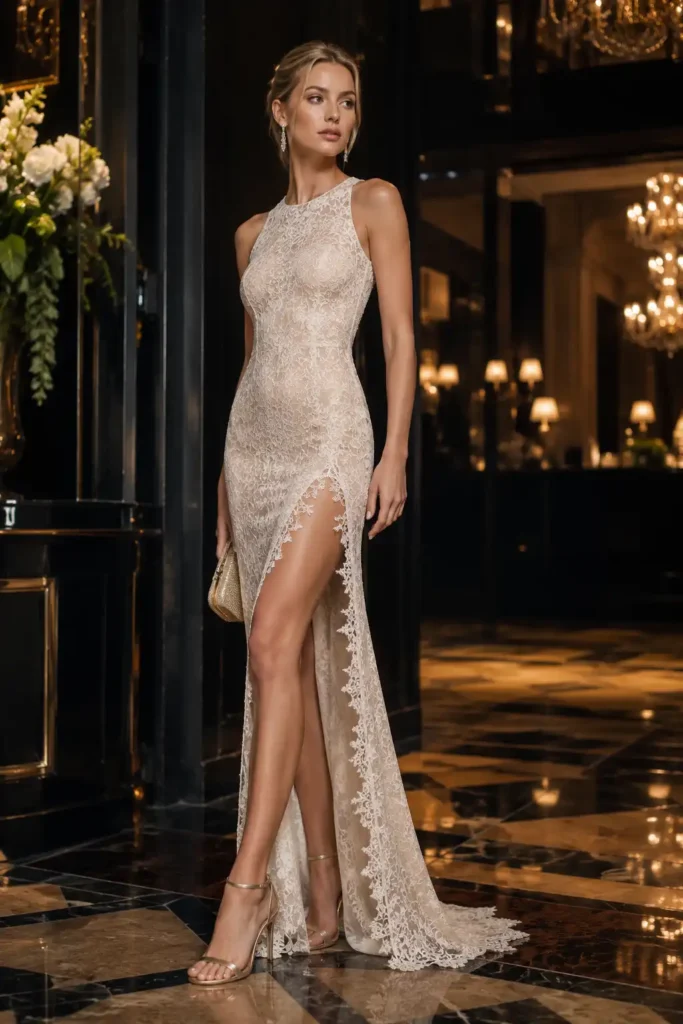
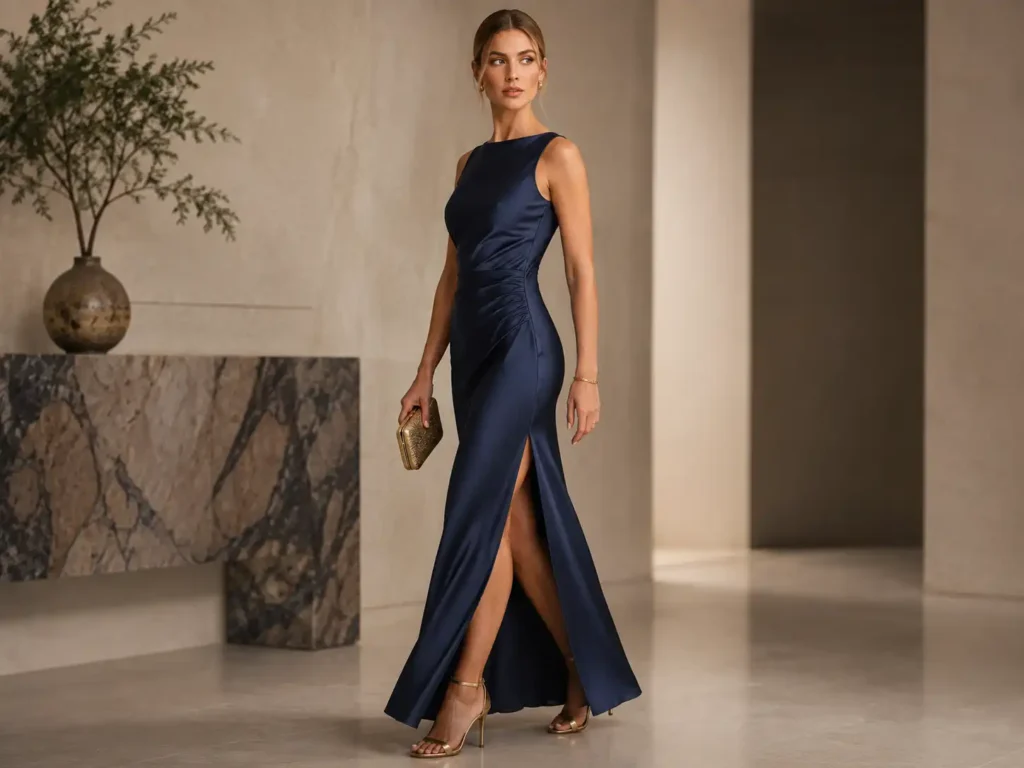
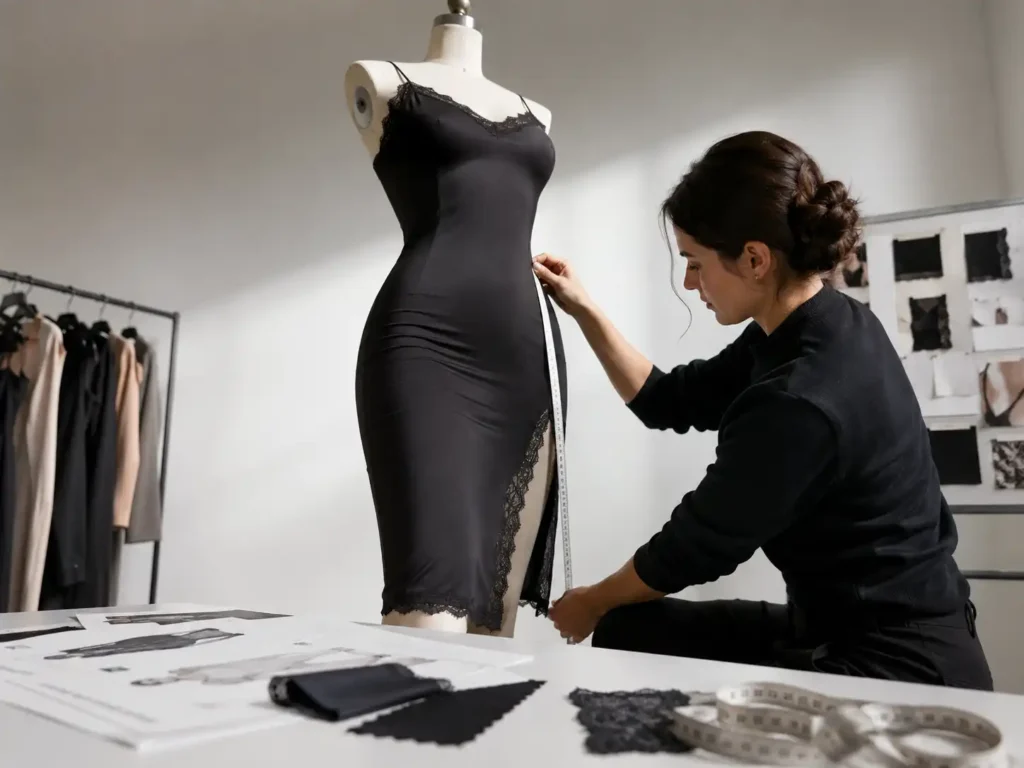
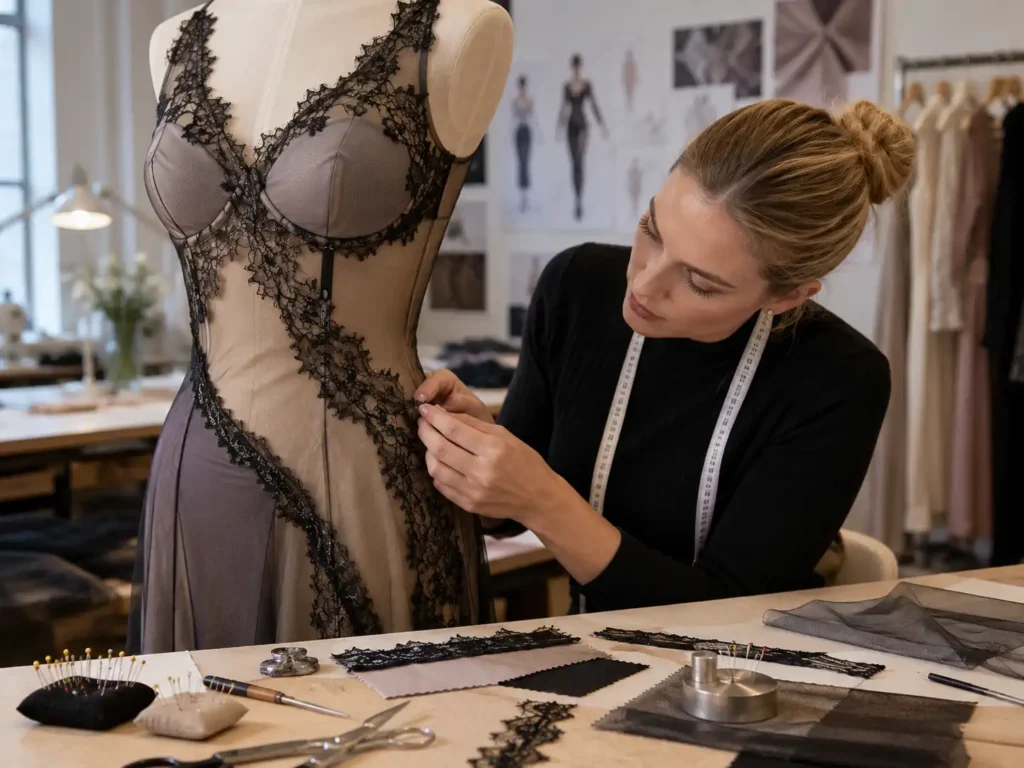
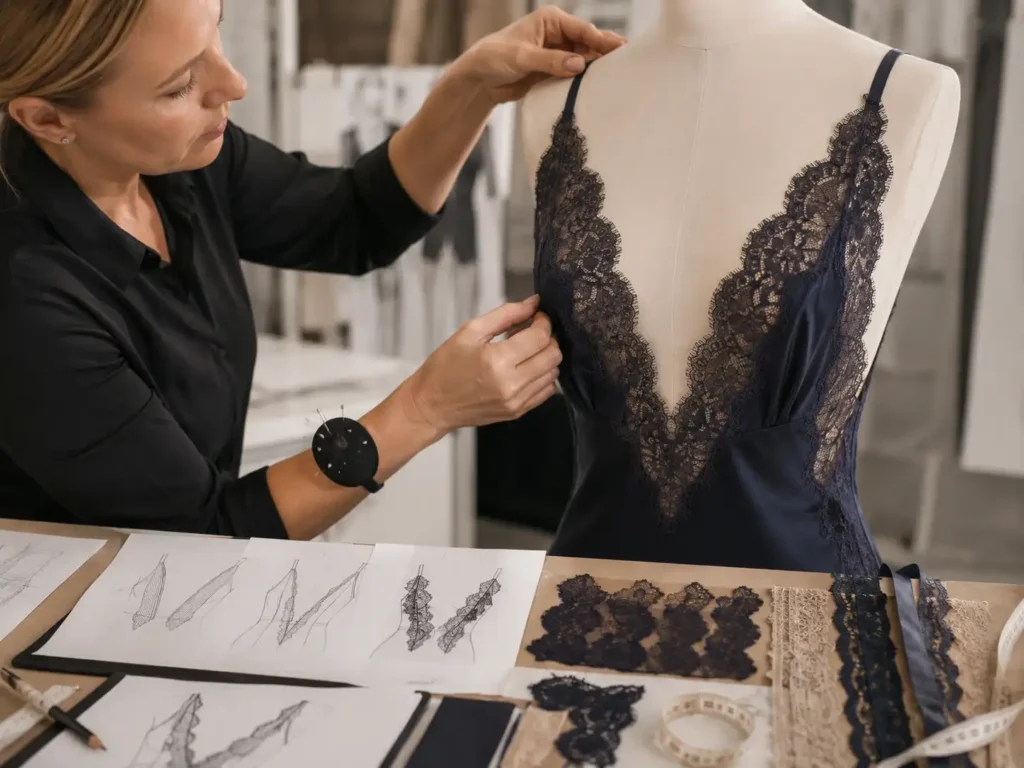
Lace Trim Dress Manufacturer

Custom lace trim dress development for fashion brands, from material matching and pattern correction to controlled bulk production and private-label delivery.

  • Up to 8 common lace placement zones reviewed by design: neckline, bust edge, straps, armholes, waist seam, side slit, back opening and hem.
  • 3 coordinated material layers planned as one garment system: shell fabric, lace trim and lining, with color, stretch, weight and skin contact reviewed together.
  • MOQ starts from 200 pcs per style/color, subject to lace availability, custom dyeing, construction, packaging and production schedule.
  • Multi-style programs commonly include 10-30 styles and 20,000-80,000 garments across coordinated colors, sizes, launch priorities and delivery windows.

Manufacturing Facts Behind Lace Trim Dress Programs

Lace trim dresses require connected development, sourcing, sampling, production and inspection. Jinfeng Apparel organizes the work through dedicated teams and documented approval stages rather than treating lace as a last-minute decoration.

Since 2008

Long-term womenswear manufacturing experience supports custom dresses, occasionwear, partywear, satin, mesh, lace, jersey and private-label collections. Product decisions are reviewed from sample feasibility through bulk repeatability.

Six Owned Factories

Owned women’s fashion factories support woven dresses, stretch styles, occasionwear, sets and related categories. Factory allocation follows fabric behavior, silhouette, workmanship, order quantity and required delivery sequence.

Ten Plus Partners

Long-term satellite production partners add coordinated capacity for multi-style and repeat programs. Approved samples, patterns, BOM records, workmanship notes and QC requirements remain the common operating standard.

Two Sample Rooms

First samples, fit samples, revised samples, photo-ready samples, PP samples and Golden samples are separated by purpose. Lace width, placement, color and joining methods can be corrected before production release.

Seven Plus Pattern Makers

Senior pattern support covers neckline shape, bust coverage, strap position, armhole balance, waist placement, slit height, dress length and graded lace references across the approved size range.

Fifteen Plus QC

Quality inspectors cover incoming fabrics and trims, cutting, in-line sewing, garment measurements, lace placement, finishing, labels, barcodes, packing and project-specific final inspection requirements.

Built for Established Fashion and Dress Programs

Jinfeng Apparel supports defined product programs with design files, sampling plans, quantity targets, size ranges and launch schedules. Each client group receives a manufacturing route aligned with its commercial and product priorities.

Premium Ecommerce

Image-led assortments need photo-ready samples, stable fit, clean lace edges, accurate SKU handling, protective packing and repeat-order records. Visual details must remain consistent under close product photography.

Occasionwear Labels

Cocktail, wedding guest and evening styles often combine satin, mesh, lining, lace trim, slits and structured necklines. Development focuses on elegance, support, movement and close-range finishing.

Partywear Brands

Mini, bodycon, slip and corset-inspired dresses need controlled coverage, stretch recovery, lace placement and wearability during sitting, walking and light movement.

Fashion Retailers

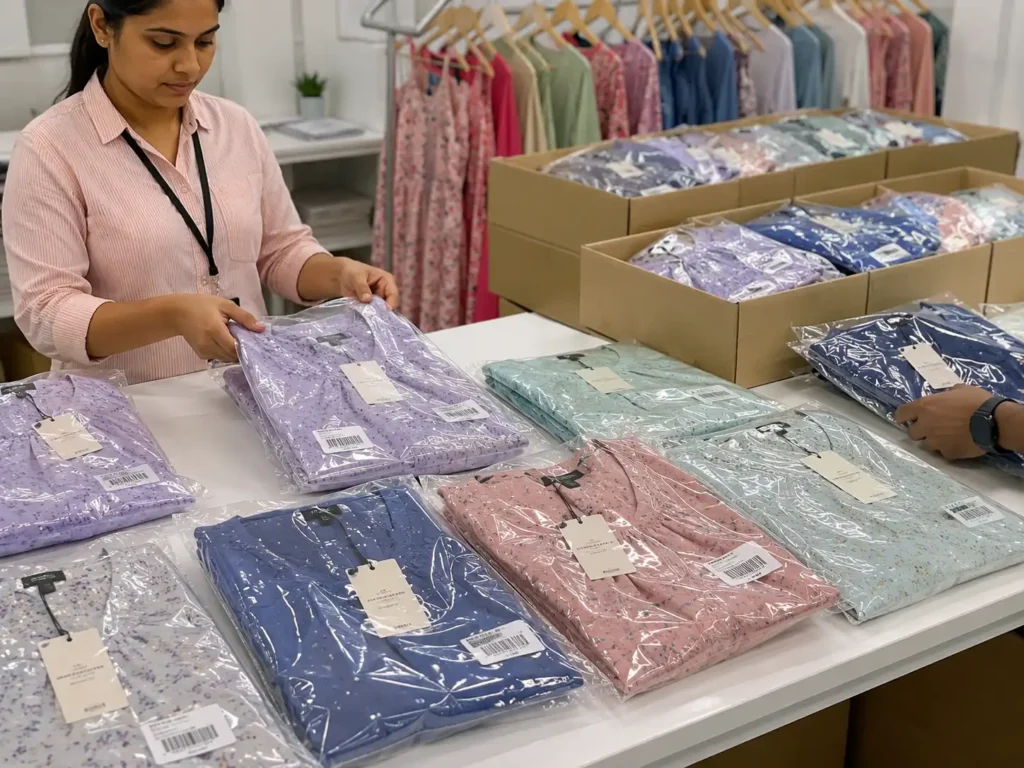
Retail-ready production may require multi-style assortment planning, size ratios, care information, hangtags, barcode labels, polybags, carton marks and warehouse-specific packing instructions.

Sourcing Teams

Structured review helps compare material options, trim availability, development risk, MOQ, unit-cost drivers, sample timing, bulk timing, inspection steps and shipment planning.

Private Label Programs

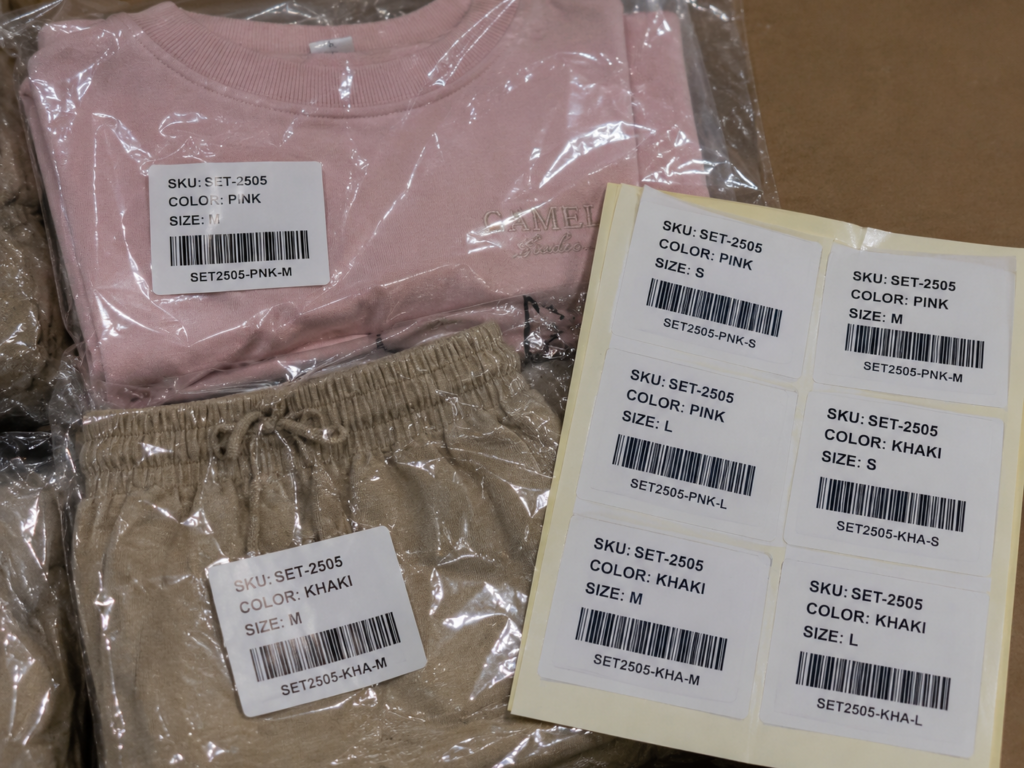
Brand delivery extends beyond the garment. Main labels, size labels, care labels, hangtags, barcodes, folding, polybags, carton assortment and shipping files are coordinated before packing.

A Lace Trim Dress Manufacturer Builds Complete Garments

Clear supplier roles prevent sourcing errors. A lace trim supplier sells decorative trim; a complete dress manufacturer integrates trim, shell fabric, lining, fit, construction, quality control and branded delivery.

Trim Supplier Role

A lace trim supplier develops or sells narrow lace by width, motif, composition, stretch, edge shape, color and roll length. The supplier may support swatches, stock colors, custom dyeing or exclusive motifs, but normally does not develop the full garment pattern, fit, lining or sewing sequence. Brand teams still need a dress manufacturer able to assess how the trim behaves on a neckline, strap, slit or hem, and how supplier minimums affect the planned quantity and color structure.

Garment Manufacturer Role

Jinfeng Apparel reviews the dress as one engineered product. The team connects lace trim selection with main-fabric weight, stretch, shine, transparency, lining, seam allowance, pattern balance, sewing tension, edge finishing, size grading, bulk material lots, private labels and packing. A design can begin from a tech pack, original sample, sketch or reference image. The manufacturing route then moves through material approval, pattern development, sample revision, PP approval, bulk production, inspection and delivery coordination.
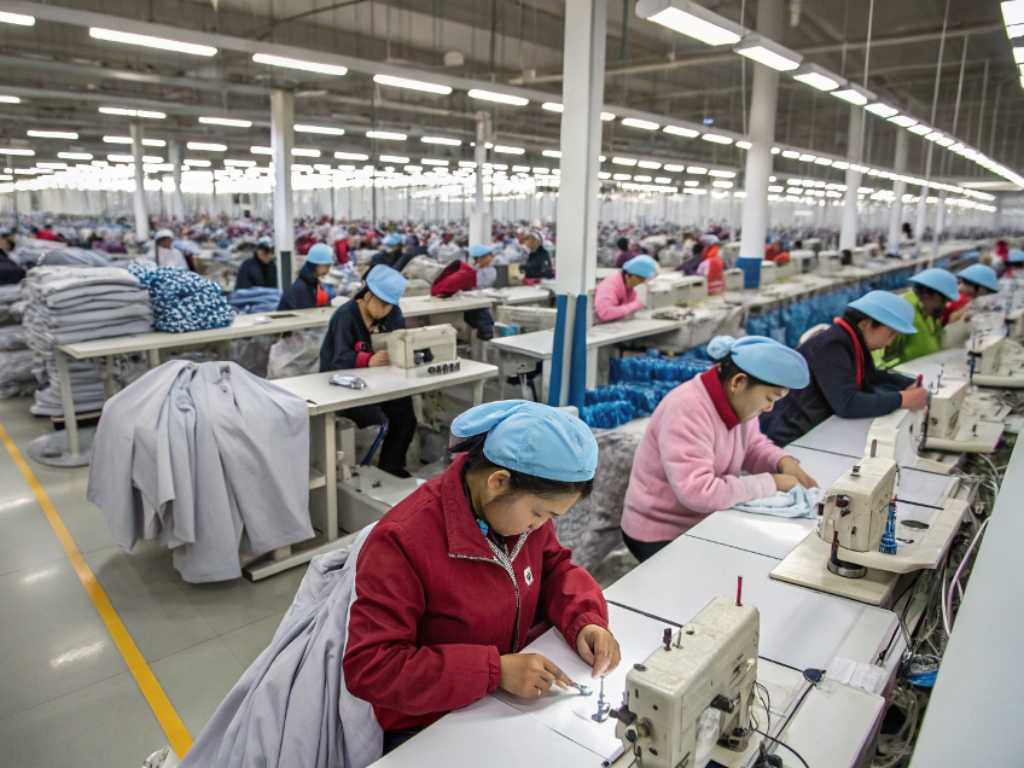
Workers sewing garments in a large textile factory production line.

Why Lace Trim Dresses Fail During Bulk Production

A strong concept can lose commercial value when lace specifications, pattern geometry, fabric behavior and production instructions are not converted into measurable standards before bulk cutting.

Wrong Lace Selection

A beautiful motif can still be unsuitable. Excessive stiffness may irritate skin, a heavy trim may pull chiffon, limited stretch may distort a jersey neckline, and a wide motif may overwhelm a narrow strap. Selection must consider width, weight, stretch, softness, edge shape, repeat length, color, availability and price.

Poor Color Matching

Shell fabric, lace and lining can show different shades even when all are called ivory, black or burgundy. Fiber content, surface texture, transparency and light reflection change visual color. Approval should compare all layers under relevant lighting before bulk purchase.

Uneven Placement

Small placement errors become obvious along necklines, bust edges, open backs, slits and hems. Vague instructions such as “place lace around edge” are not enough. Distance from seam, overlap, start point, endpoint, center alignment and left-right symmetry need defined references.

Wavy Edges

Incorrect feed balance, stitch tension, handling or incompatible stretch can create rippled necklines and hems. The problem may come from the trim, shell, sewing method or pattern length. Sample correction should identify the source rather than hiding waves with pressing.

Skin Discomfort

Eyelash edges, hard embroidery thread, bulky joins, exposed seam allowances, scratchy backing or sharp trim ends can make a visually strong dress difficult to wear. Contact zones require handfeel review, lining, binding, clean joining and movement testing.

Sample Bulk Gap

A perfect development sample cannot protect bulk production without final patterns, BOM records, approved trim cards, placement references, sewing instructions, measurement charts and inspection points. Informal memory creates variation across sizes, operators and production batches.

Custom Lace Trim Dress Styles We Manufacture

A commercial lace trim collection can cover multiple lengths, silhouettes and occasions while keeping a consistent material story. Each style below carries different fit, fabric and production priorities.

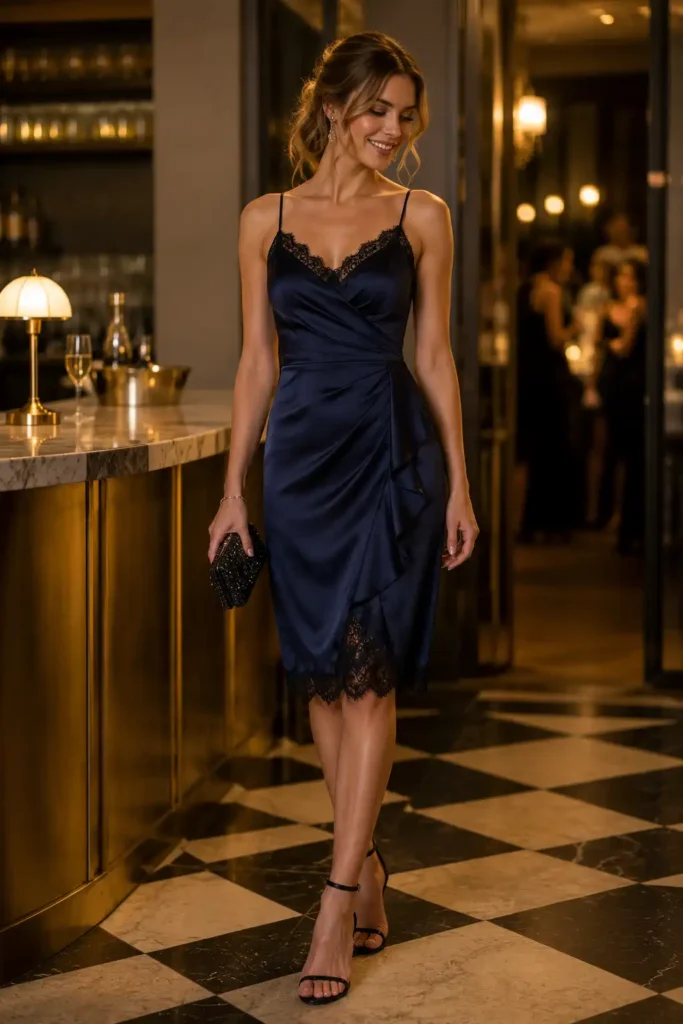
Lace Trim Slip Dress

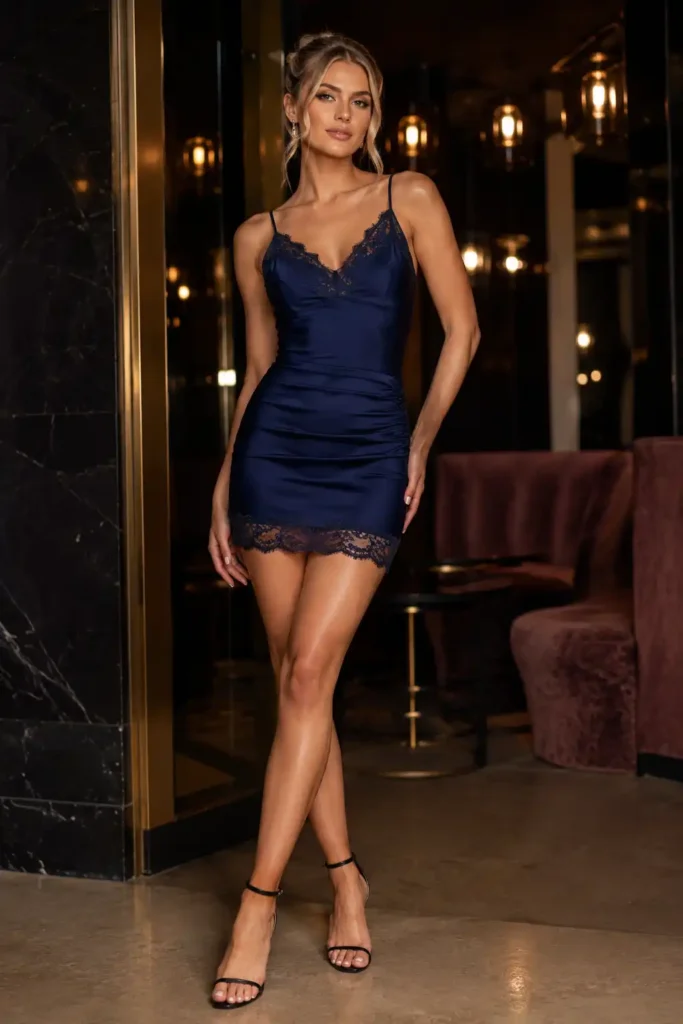
A fluid slip silhouette often uses satin, viscose or crepe with neckline and hem trim. Bias influence, strap position, bust coverage, side-seam stability and lace stretch require coordinated development.

Lace Trim Mini Dress

Mini lengths suit party, date-night and going-out collections. Front and back length, hip ease, lining coverage, sitting safety and hem-lace balance need verification across sizes.

Lace Trim Midi Dress

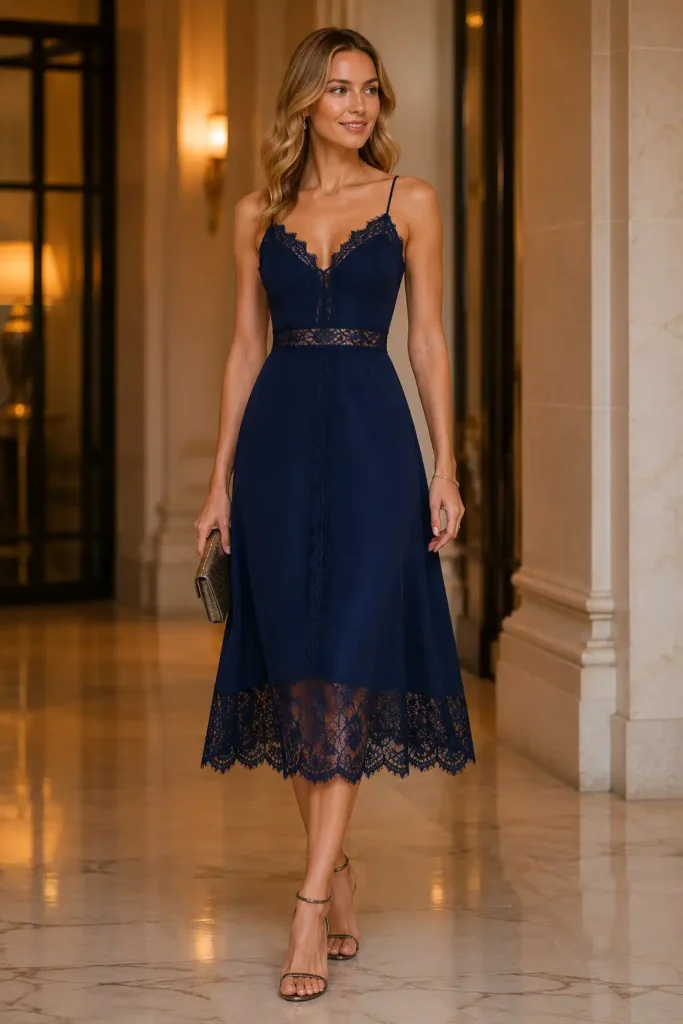
Midi proportions support cocktail, occasion and day-to-evening ranges. Waist placement, slit height, skirt balance and lace width must complement the longer visual line.

Lace Trim Maxi Dress

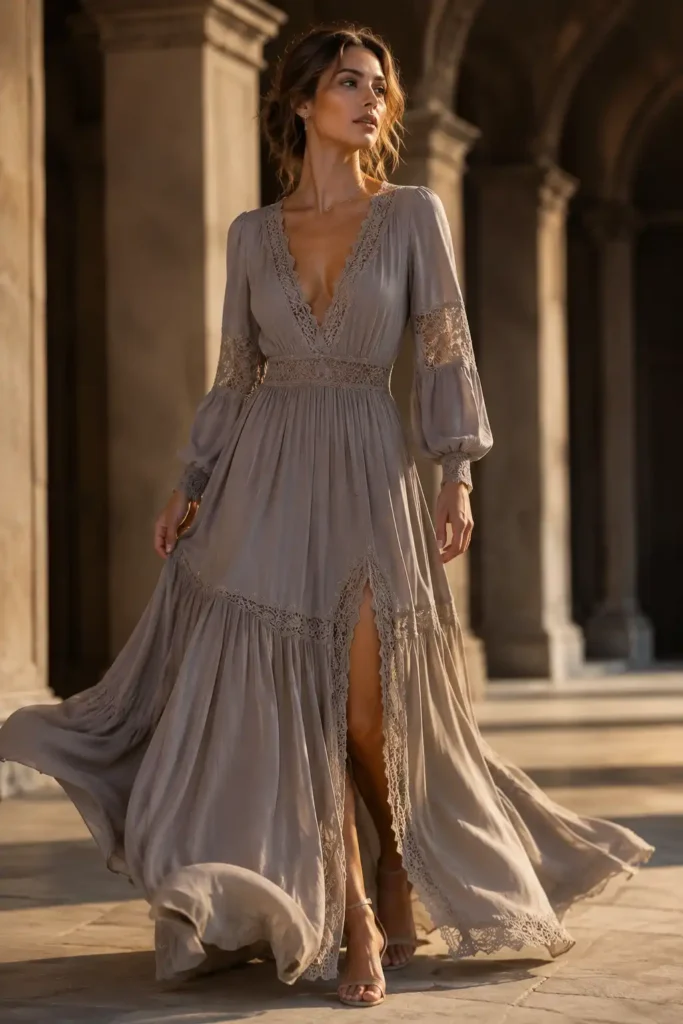
Maxi styles demand controlled drape, long-hem balance, packing recovery and movement clearance. Heavy or wide lace can change hem weight and should be tested before production.

Satin Lace Trim Dress

Satin highlights every ripple, stitch impression and color mismatch. Handling, seam construction, trim softness, pressing and anti-snag packing are central to a polished result.

Bodycon Lace Dress

Stretch jersey, mesh or stretch satin require lace with compatible recovery. Neckline tension, waist and hip measurements, slit stability and seam stretch need size-specific control.

Corset Trim Dress

Corset-inspired dresses may combine cups, boning, lining, lace edging and adjustable straps. Support, edge comfort, bust coverage and zipper access require early sample validation.

Lace Trim Cocktail

Cocktail dresses balance refined appearance with movement and close-range finishing. Neckline support, trim placement, lining, closure and hem level should remain stable under event use.

Lace Trim Resort

Lightweight woven fabrics, floral prints and soft trims suit resort collections. Transparency, shrinkage, drape, packing creases and humid-climate wear influence material choices.

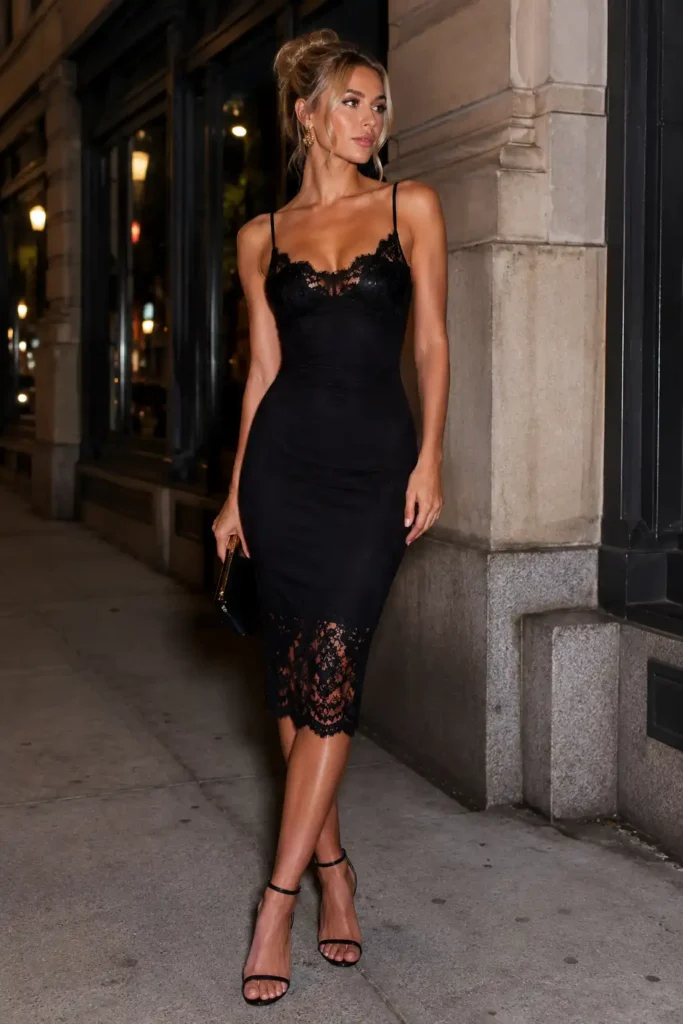
Cami Lace Dress

Fine straps and lingerie-inspired edges create a delicate look. Strap attachment, underarm coverage, neckline shape, trim joining and skin comfort are evaluated together.

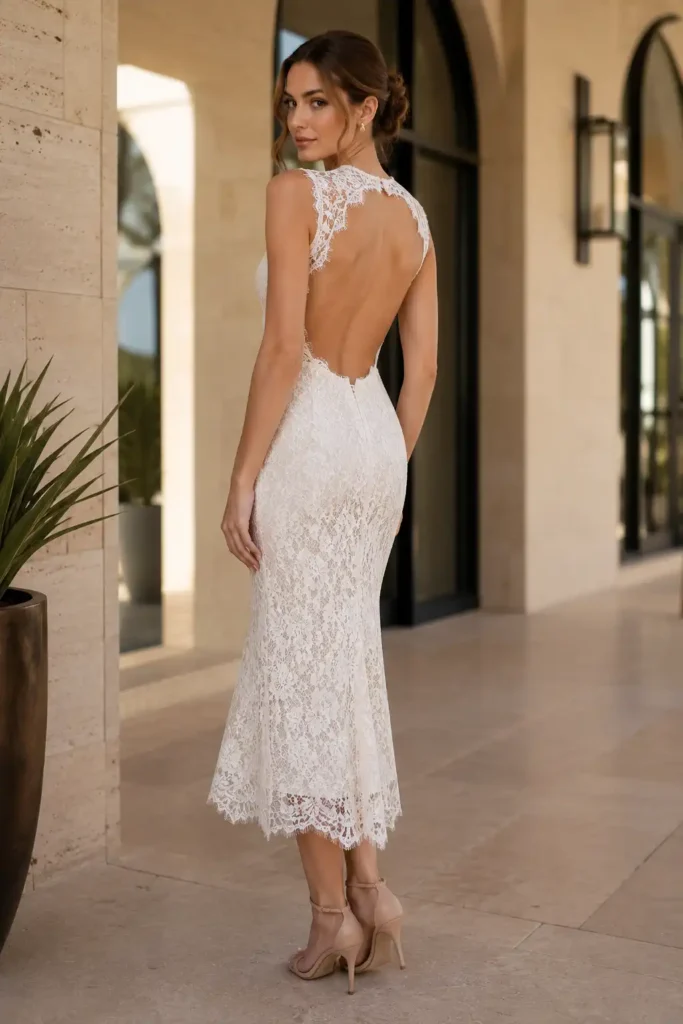
Open Back Lace

Back openings use lace to frame the edge or provide partial coverage. Shoulder support, back width, closure method, lining finish and left-right balance protect fit and wearability.

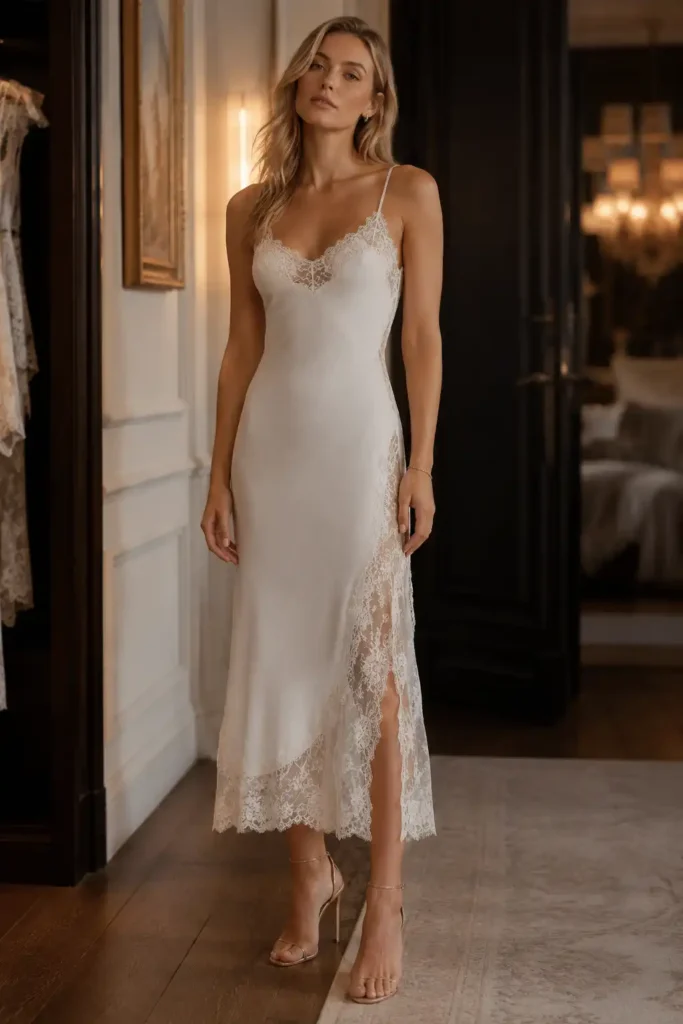
Lace Slit Dress

Side or front slits can use lace inserts, edging or layered reveals. Slit height, opening behavior, lining exposure, endpoint reinforcement and motif direction require dedicated checks.

Lace Trim Placement Changes Construction and Fit

Placement determines visual effect, stress level, skin contact and inspection method. The same lace can behave very differently at a neckline, slit or full hem.
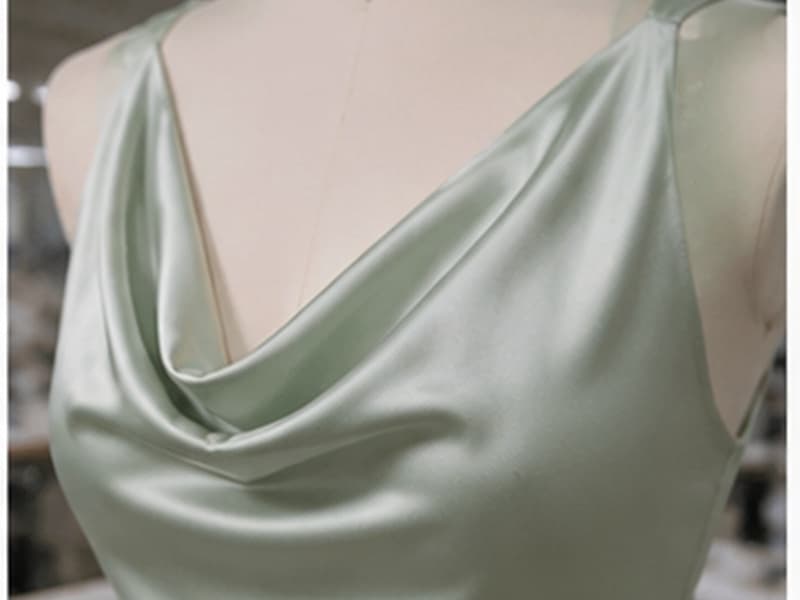
Neckline Edge

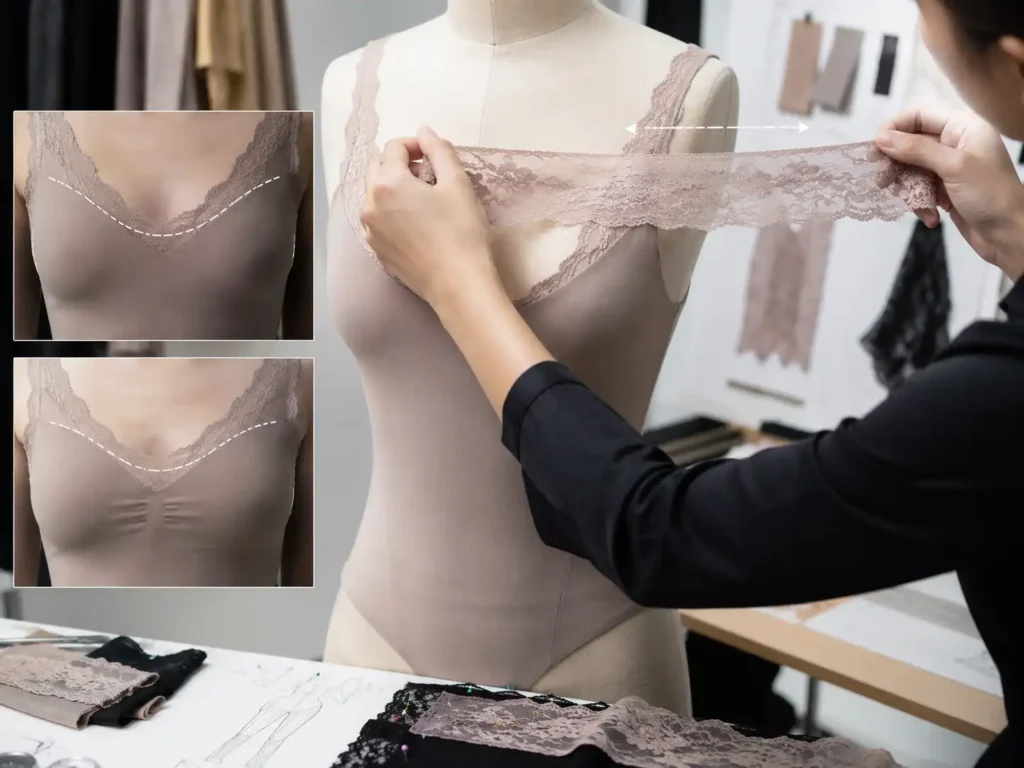
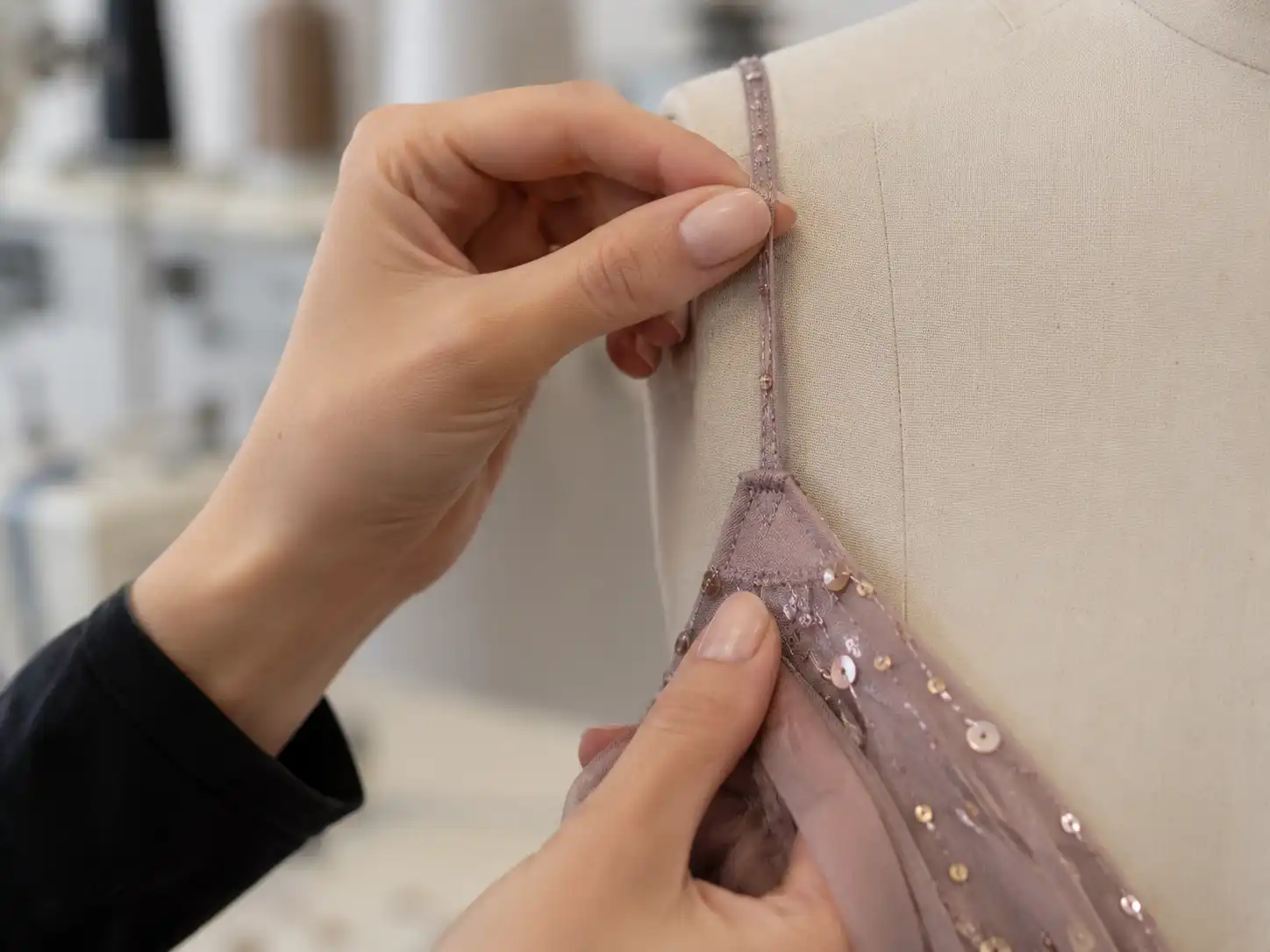
Neckline trim frames the face and reveals small symmetry errors. Pattern length, bust shape, neckline tension, center alignment and trim softness are checked before final sewing standards are locked.

Bust Line

Lace placed along a cup, empire seam or bust edge must follow curved geometry without lifting or flattening. Coverage, cup shape, joining method and support layers receive sample review.
Close-up of light blue sleeveless dress

Shoulder Straps

Narrow lace straps may stretch, twist or irritate skin. Finished strap length, load capacity, elastic support, attachment reinforcement and left-right equality are measured after the garment settles.

Armhole Edge

Armhole trim needs smooth movement without gaping or rubbing. Front and back armhole shape, underarm height, seam finish and trim flexibility are adjusted around the chosen silhouette.

Waist Seam

Waist lace can define proportion or conceal a joining seam. Motif centering, waist stretch, zipper intersection, side-seam continuity and size grading influence placement rules.

Side Slit

Lace edging along a slit must remain straight during walking and sitting. Slit height, shell and lining openings, endpoint strength, overlap and direction are verified by size.

Back Opening

Lace around an open back requires balanced shoulder support and controlled edge length. Closure position, back width, strap tension and lining finish prevent sagging or distortion.

Dress Hem

Hem trim creates a long visible line where uneven sewing becomes obvious. Finished length, hem sweep, trim joining, motif repeat, pressing and packing recovery are inspected around the full circumference.

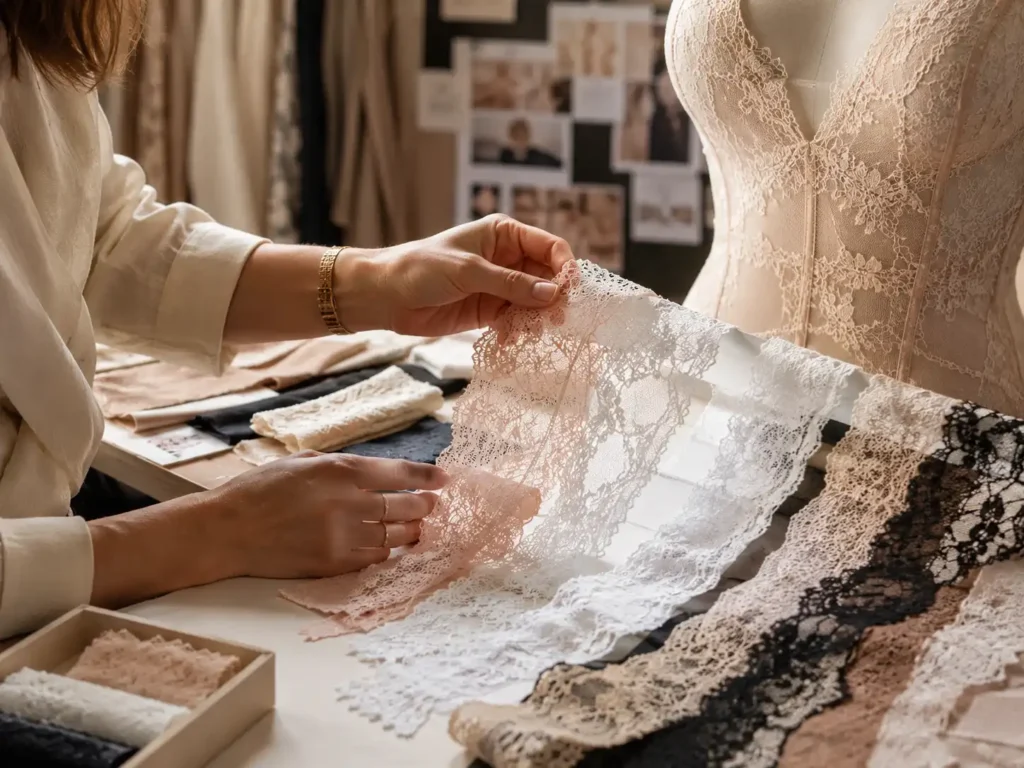
How We Select Lace Trim for Each Design
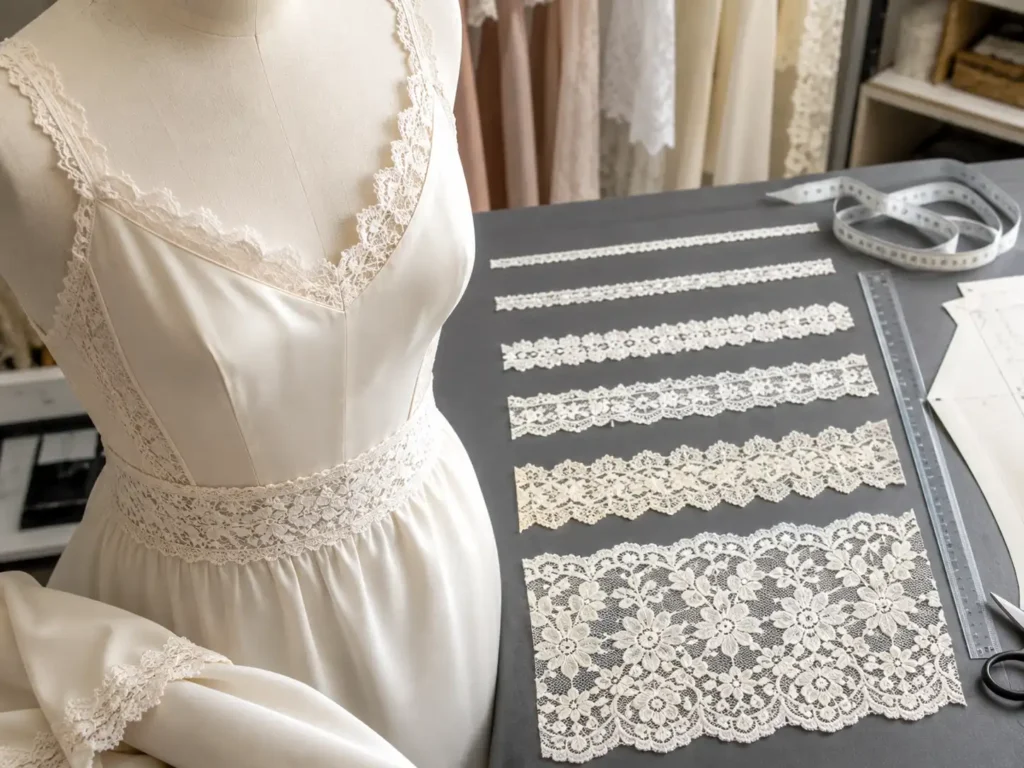
Lace selection balances design language, wearer comfort, production repeatability, material availability and commercial cost. Approval should cover more than a front-view swatch.

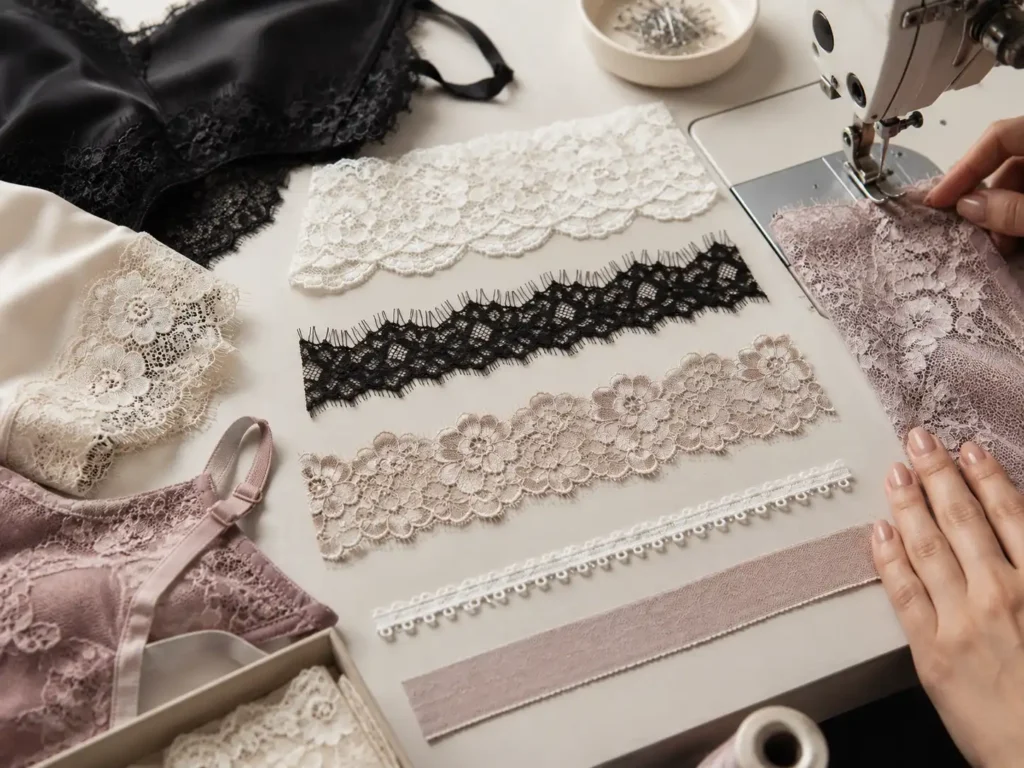
Width and Scale

Common trim widths may range from narrow delicate edging to wider decorative bands. The chosen width should fit the neckline, strap, seam or hem without changing the intended garment proportion. Motif repeat and scallop depth affect cutting loss and joining visibility.

Fiber and Handfeel

Polyester, nylon, cotton-blend and stretch constructions produce different softness, resilience, dye behavior and care requirements. Skin-contact zones need a controlled handfeel, while structural zones may need greater body.

Stretch and Recovery

Stretch percentage alone is not enough. Direction, recovery speed and residual growth influence neckline stability and bodycon fit. Lace and shell should be tested together because unmatched recovery can create waves or compression.

Edge Character

Scalloped, eyelash, embroidered, picot and straight edges create different sewing routes. A decorative edge may remain visible, while a straight edge can enter a seam. Trimming a scallop incorrectly can damage the motif and weaken the finish.

Motif Direction

Floral and geometric motifs have visible orientation and repeat. Centering, mirror placement, seam interruption and size grading should be decided before bulk cutting. Random placement can look inconsistent across one collection.

Color Availability

Stock colors can support a simpler material plan, while custom-dyed lace may require supplier minimums, lab dip approval and longer preparation. Shell, lining, thread, zipper and lace are compared as one color set.

Main Fabrics Matched with Lace Trim

Main fabric controls drape, stretch, shine, transparency and seam response. Lace trim must support the same silhouette rather than pulling against it. Material review uses swatches, stretch checks, handfeel comparison and sample validation before bulk approval.

Main FabricCommon Lace UseDevelopment FocusBulk Control
SatinNeckline, bust edge, straps, hemSnagging, shine difference, stitch impressions, color reflection, bias influenceShade lots, handling marks, trim waves, pressing and anti-snag packing
Stretch SatinBodycon neckline, side slit, corset edgeCompatible stretch direction, recovery, neckline tension, zipper balanceRelaxation, measurement stability, seam stretch and trim lot recovery
ChiffonNeckline, sleeve edge, tier seam, hemWeight balance, transparency, fraying, trim stiffness, lining relationshipPanel distortion, trim pulling, seam puckering and long-hem balance
MeshNeckline, cut-out edge, sheer panel, sleeveStretch, hole risk, transparency, backing, skin contactCutting damage, seam growth, motif alignment and lining coverage
JerseyCami edge, neckline, bodycon hemStretch and recovery compatibility, feed balance, edge stabilityMeasurement recovery, waves, skipped stitches and side-seam twist
Viscose / RayonResort neckline, sleeve, skirt hemDrape, shrinkage, color response, trim weight and care methodPre-production shrinkage review, hem balance and packing creases
Cotton BlendDay dress neckline, cuff, yoke, hemNatural handfeel, wash behavior, trim shrinkage and seam finishWash test by project, edge roll, colorfastness and dimensional stability
CrepeCocktail neckline, waist insert, slitSurface texture, drape, edge thickness, seam appearanceShade, seam impressions, trim alignment and finished measurement

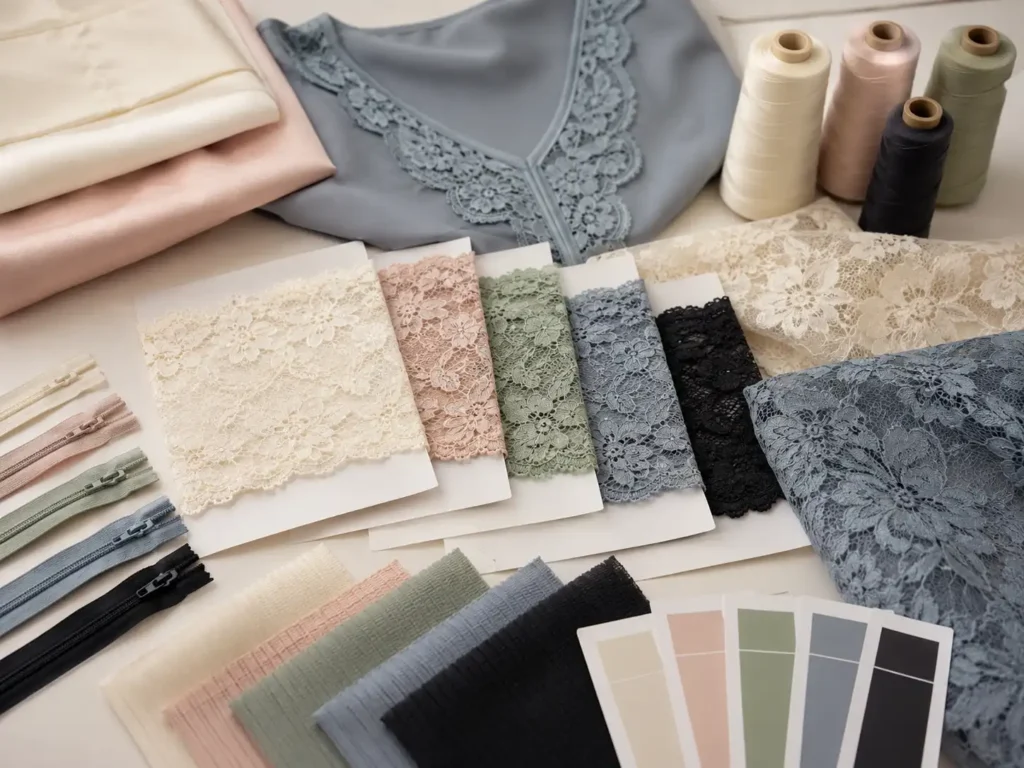
Color Matching Across Lace, Shell and Lining

One color name can produce three visibly different materials. Fiber composition, surface shine, transparency and texture change how color appears under daylight, studio lighting and retail environments.

Approved Color Standard

A Pantone reference, physical swatch or approved garment standard establishes the target. Screen images alone are unreliable because device settings and photography change hue and brightness.

Layered Swatch Review

Shell, lace, lining, thread, zipper and labels are viewed together. A close shell-lace match may still fail when the lining shifts the visible tone through a sheer fabric.

Custom Dye Assessment

Custom dyeing is assessed by lace construction, fiber content, supplier minimum, color difficulty and schedule. Lab dips may be needed before bulk approval. Special colors require added time for review and possible correction.

Bulk Lot Control

Incoming rolls and trim lots are compared with approved references. Shade variation is separated where visible. Production allocation and packing should avoid mixing incompatible lots inside one style-color delivery.

Lining and Comfort for Lace Trim Dresses

Lining affects opacity, skin comfort, drape, support and final color. Lace trim dresses often place delicate materials close to the body, making lining decisions part of the garment structure rather than an optional finishing step.

Stretch Lining

Bodycon and stretch-satin dresses need lining able to move with the shell. Recovery, weight and seam stretch should support the silhouette without causing tightness, rolling or visible pull lines.

Soft Woven Lining

Chiffon, crepe and satin occasion dresses may use lightweight woven lining for opacity and smooth movement. Cut direction, ease and hem length should follow the outer layer without creating drag.

Partial Coverage

Cups, bust panels, skirts or selected body zones can receive local lining while decorative lace remains visible. Coverage boundaries must look intentional and remain stable across sizes.

Full Coverage

Light colors, sheer shells and eventwear may require full lining. Neckline, armhole, zipper, slit and hem finishing should keep the inner layer secure without showing beyond the lace edge.

Skin Protection

Lining or binding can cover rough trim backs, bulky joins and seam allowances. Underarm, neckline, bust and waist zones receive particular attention because repeated rubbing quickly reduces wearability.
Piles of used clothes and bins in textile sorting area

Static and Cling

Satin, chiffon and synthetic linings can create cling or static. Material pairing, garment ease, finishing and care guidance influence the final wearing experience.

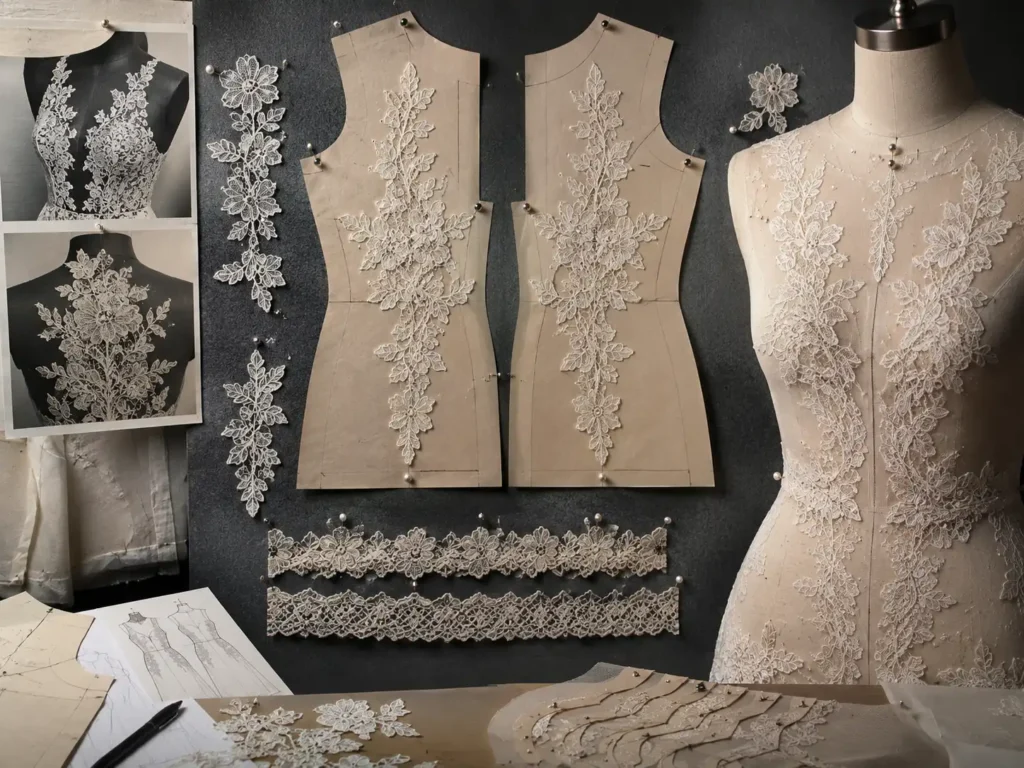
Pattern Development Controls Lace Placement and Fit

Lace trim follows pattern geometry. A neckline can only remain symmetrical when the underlying pattern, seam lengths, strap positions and grade rules are correct. Pattern review therefore begins before trim attachment methods are finalized.

  • Reference and Construction Mapping
    Development begins by separating shell panels, lining, lace locations, closures, support components and visible edge finishes. Hidden construction is interpreted from reference images and checked against the intended selling price, fit and production method.
  • Neckline and Bust Geometry
    Neckline width, depth, curve length, bust volume and center-front relationship are measured together. Lace placement can expose imbalance immediately, so left and right seam lengths are walked and compared before sample cutting.
  • Straps and Armholes
    Strap position affects neckline tension, bust security and open-back balance. Armhole depth, front coverage, back coverage and underarm comfort are corrected with the selected trim width and stretch in mind.
  • Waist, Hip and Slit
    Bodycon and fitted styles require controlled waist and hip ease. Slit start, side-seam position, lining opening and trim length are defined by size so the opening does not widen unexpectedly during movement.
  • Length and Hem Balance
    Mini, midi and maxi lengths respond differently to body proportion and fabric drape. Hem lace creates a strong visual reference, making front-back balance, side length and long-hem relaxation especially important.
  • Grade Rules and Size Set
    Lace cannot be copied at one fixed length across every size. Neckline, strap, waist, opening and hem measurements follow grade rules. Selected size-set samples can verify visual proportion and trim placement before full production.

Information Needed for an Accurate Development Review

Complete project files allow the team to evaluate material direction, pattern difficulty, lace sourcing, sample route, MOQ, price structure and schedule with fewer clarification cycles.

Design Reference

Provide front, back and side views whenever available. Mark neckline, lace zones, slit, lining coverage, closures and features hidden in the main image.

Tech Pack

Useful files include technical drawings, points of measurement, tolerances, BOM, stitch notes, label placement, artwork and packing requirements.

Quantity Plan

State quantity by style and color. Standard MOQ starts from 200 pcs per style/color. Size ratios can be distributed inside the confirmed style-color quantity.

Fabric Direction

Share preferred composition, weight, stretch, shine, drape, opacity, texture and color. A physical swatch gives a more reliable reference than a screen image.

Lace Reference

Send a trim swatch, close-up image, width, color, motif direction, softness requirement and any preferred supplier information.

Size Range

Provide base size, full range, target market, body or garment measurements, fit direction and planned size ratio.

Brand Materials

List main label, size label, care label, hangtag, barcode, SKU sticker, polybag, carton mark and warehouse requirements.

Launch Schedule

Share sample deadline, photography date, PP target, warehouse receiving date, destination and preferred shipment route.

Sample and Production Planning Milestones

Timing starts after required files and materials are ready. Lace availability, custom color, construction difficulty, revision scope, quantity, private-label materials and production schedule influence the final plan. Working ranges below support early calendar planning and remain subject to project review.

StageTypical Working RangeMain OutputApproval Focus
Project Review1-3 working daysFeasibility notes and missing-file listStyle structure, quantity, material direction, launch date
Fabric and Trim Sourcing3-10+ working daysShell, lace and lining optionsColor, width, softness, stretch, price, availability
First Sample7-15 working daysInitial development sampleProportion, fit, lace placement, construction
Sample Revision5-10 working daysCorrected samplePattern changes, material changes, workmanship comments
PP Sample7-12 working daysPre-production standardBulk-intent materials, measurements, labels, finish, packing
Bulk Production20-35 working daysFinished production orderMaterial readiness, quantity, complexity, factory allocation
Final QC and Packing3-7 working daysShipment-ready goodsInspection plan, measurements, appearance, labels, cartons


Complex Lace Trim Samples Need Focused Validation

Higher-risk styles receive targeted sample checks before PP approval. The goal is not more samples for appearance alone; each round closes a defined material, fit or production risk.
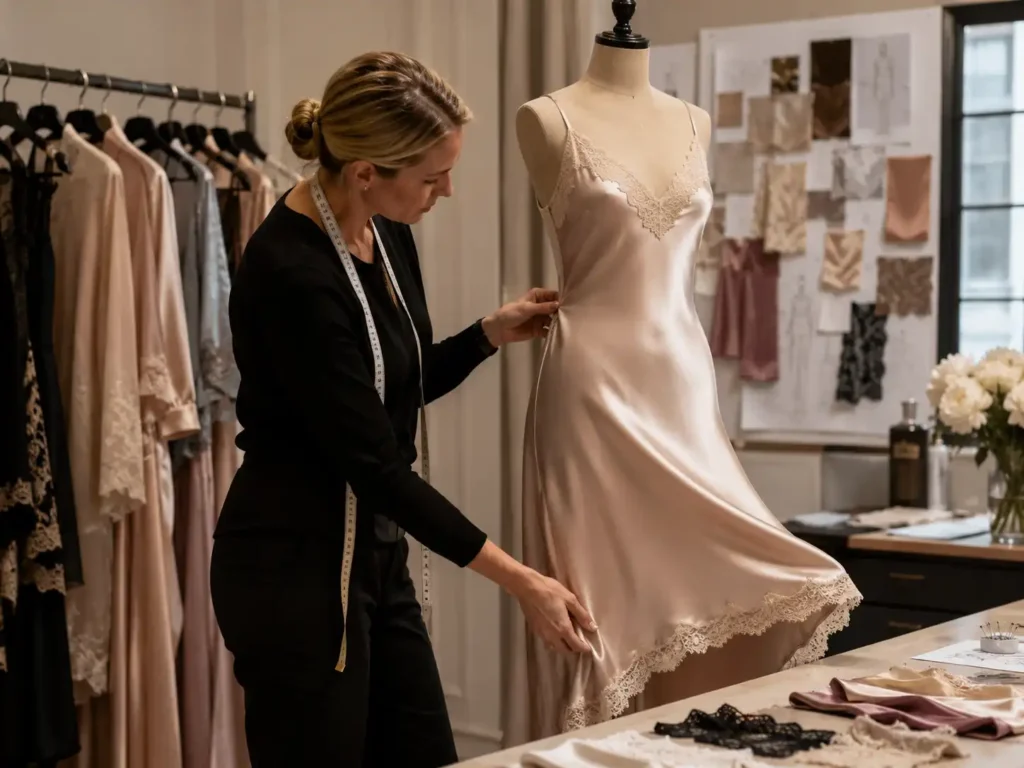
Bias Slip Structure
Bias-influenced satin can lengthen, rotate or grow after hanging. Lace trim changes edge weight. Sample review checks grain behavior, strap balance, side seams, neckline fall and final hem timing.

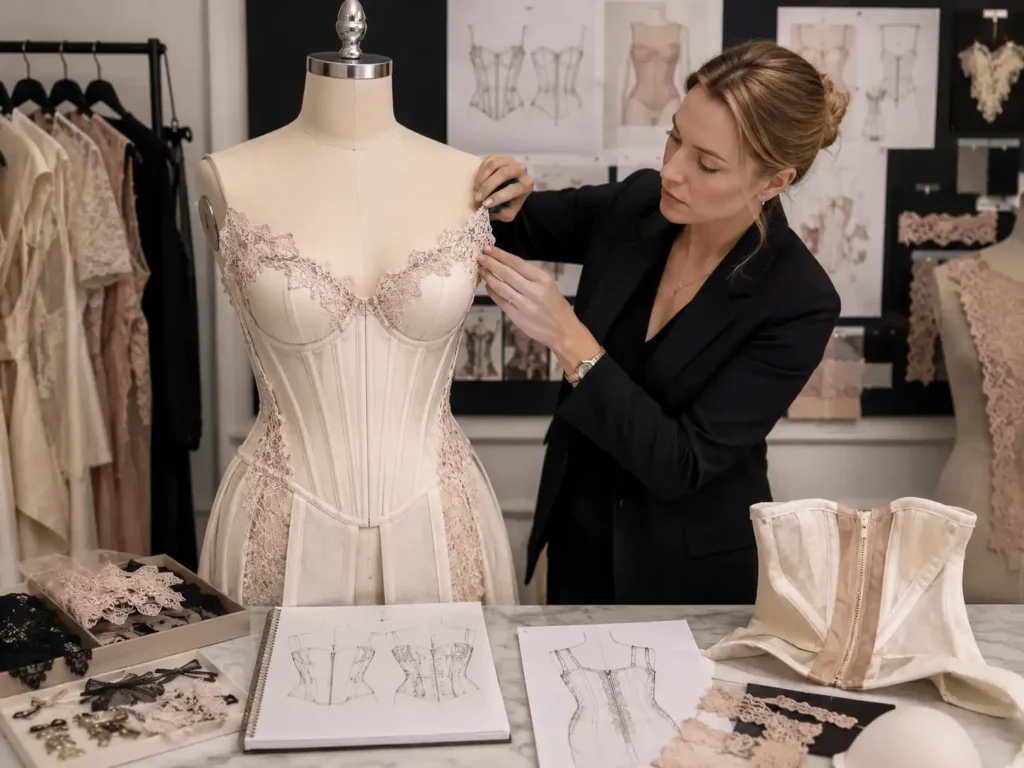
Corset and Lace

Cups, boning, waist shaping, lining, zipper and lace edging must work as one support system. Lace should not expose hard components or lose symmetry around curved cup edges.

Stretch Bodycon

Shell and lace recovery are compared before grading. Neckline and hem waves, side-seam twist, slit opening and finished measurements are reviewed after the garment relaxes.

Mesh Panel Edging

Mesh can distort under concentrated stitching. Lace placement may need backing, controlled tension or a modified seam route. Transparency and lining boundaries are checked under movement.

Low Neckline

Deep front shapes require coverage, edge stability and strap support. Lace width and motif can change the apparent neckline depth, so visual and measured positions are reviewed together.
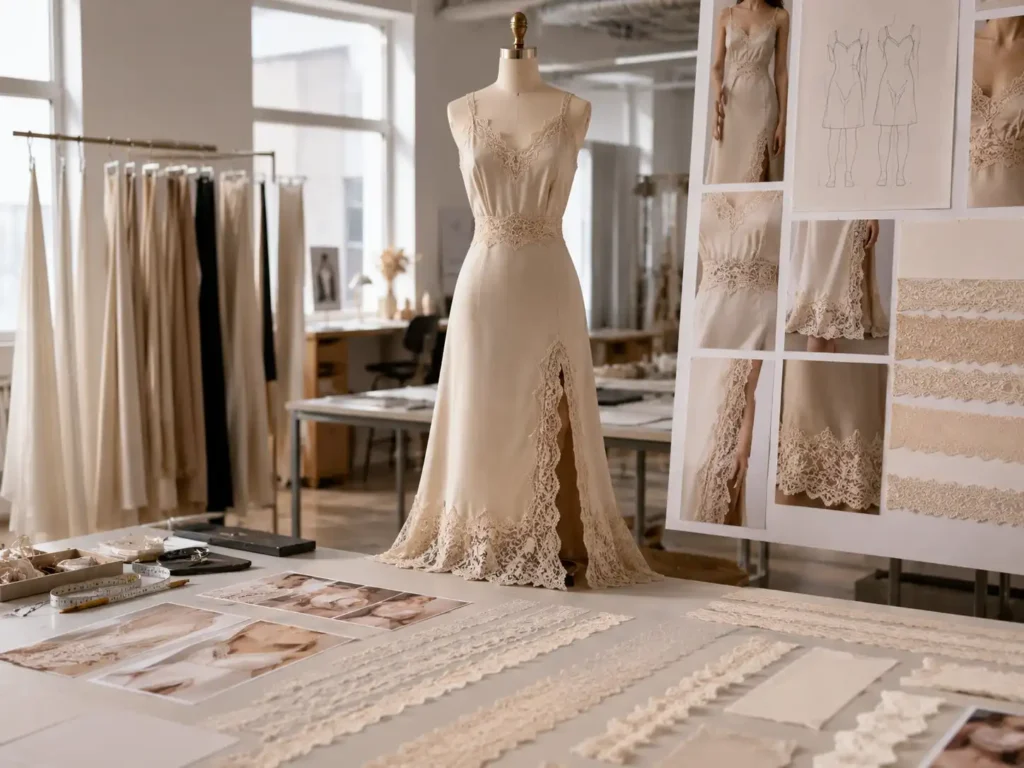
Multiple Lace Zones

Styles using neckline, waist, slit and hem trim need one coordinated placement map. Motif direction, color lot, trim usage and joining methods are recorded separately for each zone.

Lace Trim Sewing Details That Protect Dress Quality

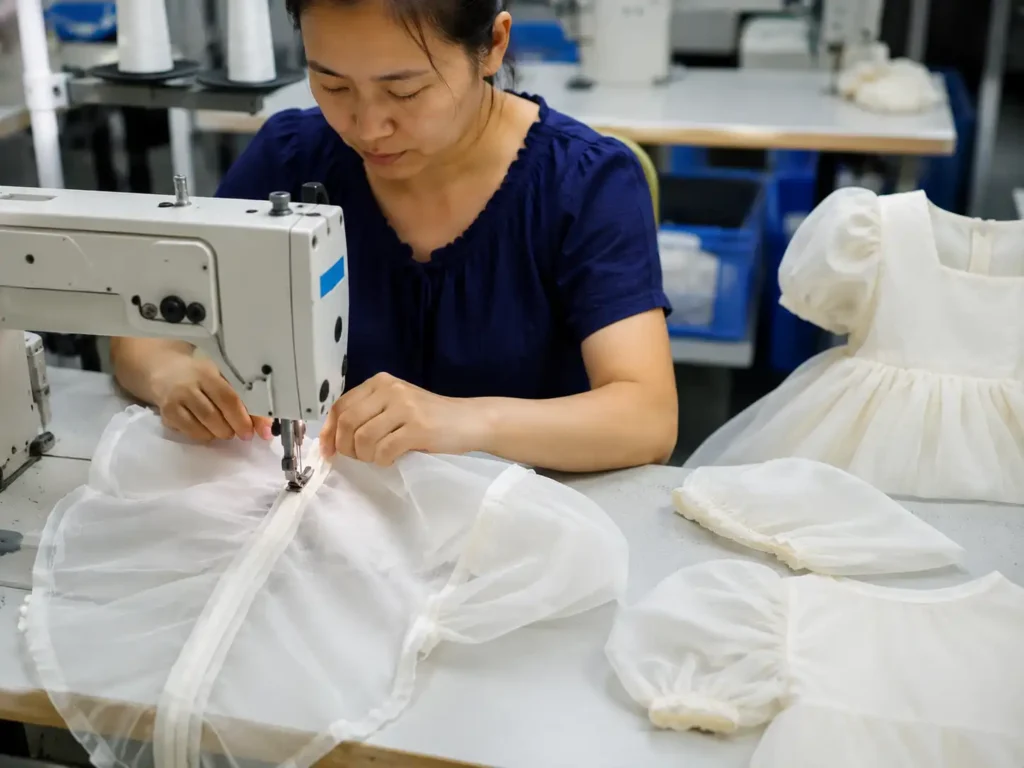
Clean lace work depends on repeatable preparation, controlled feeding and defined finishing. Strong workmanship should remain visible from the front while feeling smooth against the body and holding its shape in bulk production.

Trim Alignment

Placement marks, seam references and center points guide the trim. Long edges are checked at intervals so minor movement does not accumulate into visible drift.

Scallop Control

Decorative scallops should remain complete and evenly exposed. Cutting and joining positions are chosen around motif repeats rather than placed randomly through a flower or geometric point.

Tension Balance

Sewing tension, presser pressure, feed method and handling are adjusted to the shell and trim. Stretching one layer during attachment creates waves, shrink-back or neckline distortion.

Clean Joining

Trim ends can be overlapped, mitered, hidden in seams or matched by motif according to location. The joint should avoid bulky stacks, loose fibers and obvious color concentration.

Corner Finishing

V necks, square necks, slit endpoints and shaped backs need corner methods able to turn cleanly without pulling. Reinforcement should remain concealed where possible.

Stress Reinforcement

Strap bases, side slits, openings, zippers and fitted waist joins receive added support according to the load. Reinforcement should not create hard spots or visible ridges.

Skin Safe Backing

Rough trim backs, thread ends and seam allowances are covered or finished in sensitive zones. Underarm and bust areas receive wear-focused inspection beyond appearance alone.

Pressing Discipline

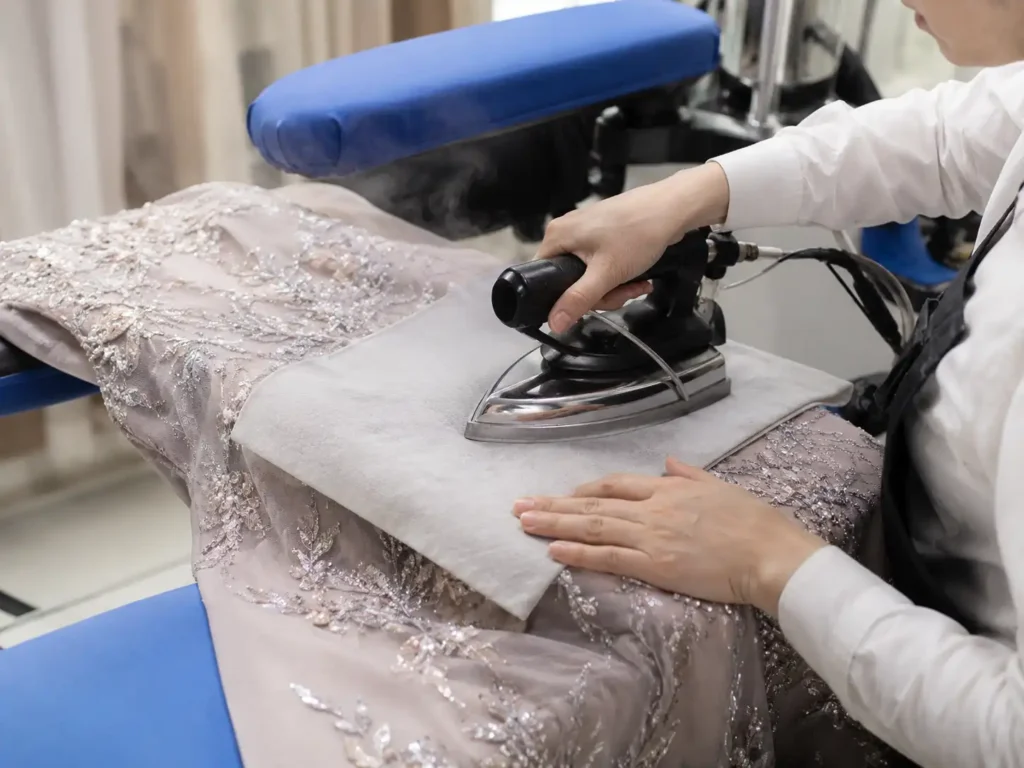
Heat, pressure and surface protection are matched to satin, mesh, lace and lining. Pressing should settle seams without flattening motifs, glazing fabric or leaving edge impressions.

Locking the Standard Before Bulk Production

Bulk consistency improves when every approved decision has a physical or written reference. Jinfeng Apparel connects the PP sample with production files, trim records, measurements and inspection checkpoints.

Approved PP Sample

The PP sample uses approved bulk-intent fabric, lace, lining, construction, measurements, labels, pressing and packing direction. Open comments should be closed before production release.

Golden Sample

A sealed garment provides a full visual reference for production, QC and repeat orders. The Golden sample works with files rather than replacing measurements and written standards.

Confirmed BOM

The BOM records fabric, lace code, width, color, composition, lining, zipper, thread, labels, packaging and approved suppliers or references. Substitution requires renewed approval.

Placement Map

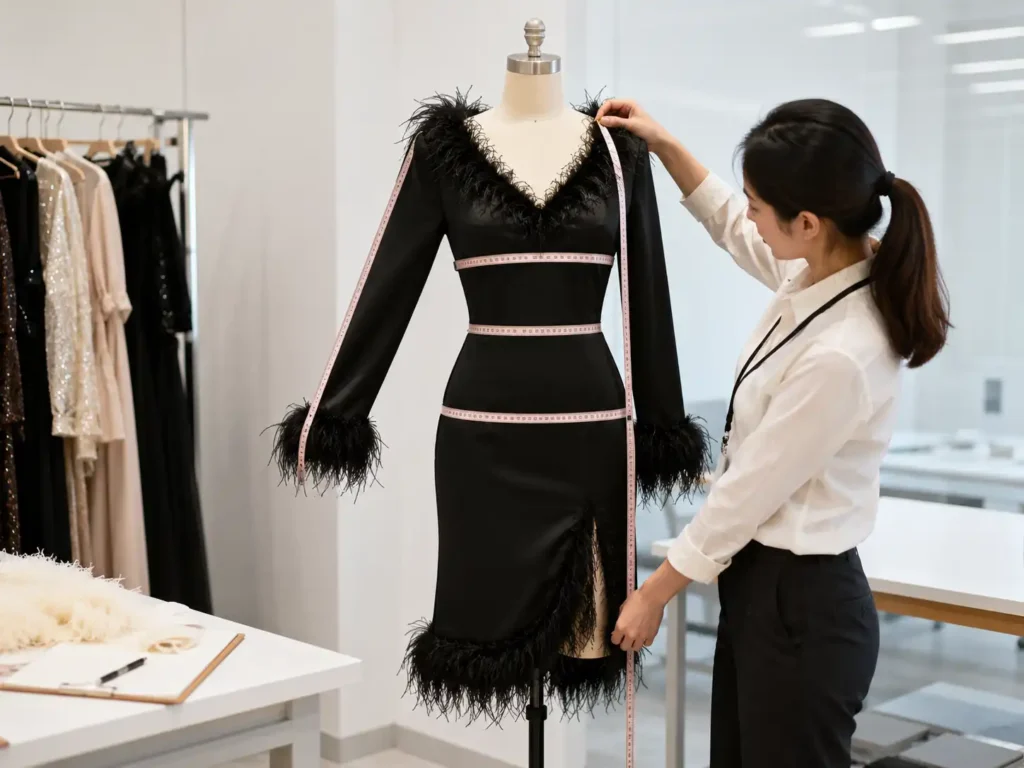
Measured distances, center points, overlap, endpoints and joining methods are recorded by lace zone. Size grading rules identify where placement changes across the range.

First Piece Review

Early production garments are compared with the approved standard before volume rises. Corrections at the first-piece and in-line stages prevent repeated deviations.

Lot and Shade Control

Fabric, lining and lace lots are checked against approved references. Visible shade differences or material behavior changes are separated and reviewed before mixed production.

From Design Files to Private Label Delivery

Every stage carries a separate approval purpose. Skipping material, pattern, sample, PP or inspection controls transfers unresolved risk into bulk production, where correction becomes slower and more expensive.

Requirement Review

Confirm product direction, quantity, size range, fabric, lace, labels, packing, destination and launch timing.

Material Direction

Review stock or custom-color shell fabric, lace trim, lining, thread and closure options with MOQ and timing implications.

Pattern Development

Create production-ready geometry for neckline, bust, straps, armholes, waist, hips, slit, length and lace references.

First Sample

Verify construction feasibility, visual direction, measurements, lace placement, handfeel and wearing stability.

Fit Revision

Convert fitting photographs, measurements and written comments into dated pattern and workmanship changes.

PP Approval

Confirm final materials, color, construction, measurements, labels, finishing and packing before bulk release.

Material Inspection

Check shell, lace, lining and trims for color, width, damage, stretch, softness and project-specific risks.

Cutting Control

Manage fabric direction, shade, relaxation, pattern version, bundle identity and lace preparation.

Sewing Control

Transfer approved workmanship instructions to production, with first-piece review and in-line inspection.

Garment Inspection

Review measurements, symmetry, lace placement, seams, closures, lining, pressing and overall appearance.

Private Label Packing

Verify labels, care information, hangtags, barcodes, folding, polybags, size ratios and carton marks.

Shipment Coordination

Prepare packing lists, commercial invoice, carton data, shipment photos and forwarder coordination for the agreed route.

Quality Control Follows the Lace from Roll to Carton

Lace trim inspection needs dedicated checkpoints beyond general garment appearance. Each stage addresses a different failure mode before the next production step adds more value and complexity.
Incoming Fabric and Trim

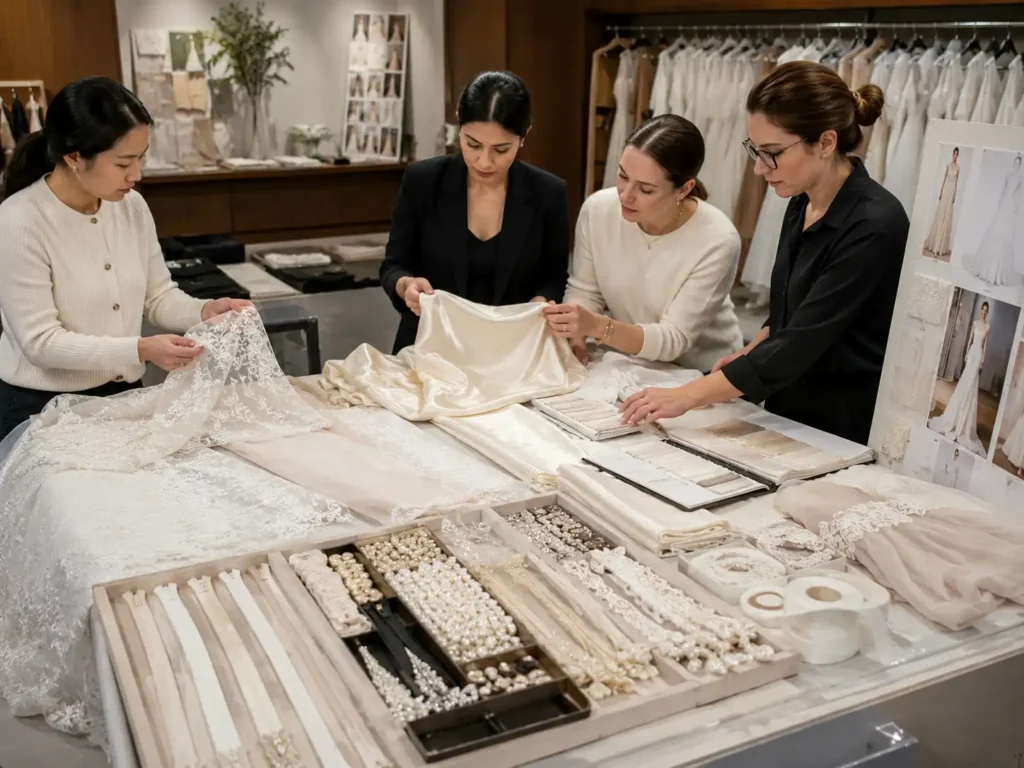
Shell, lace and lining are checked for color, width, stretch, recovery, handfeel, visible damage, holes, fraying, motif consistency and shade. Approved swatches or cards guide comparison. Rolls with material differences are separated before cutting.

Cutting and Preparation

Pattern version, fabric direction, shade grouping, panel quantity and bundle identity are verified. Lace pieces or lengths are prepared by zone where needed. Stretch materials receive relaxation according to material behavior and production plan.

In-Line Sewing

Inspectors review neckline shape, left-right symmetry, trim placement, scallop exposure, joining, tension, straps, lining attachment, slit endpoint, zipper and seam finish. Early repeated defects are corrected before volume increases.

Measurement Control

Points of measurement follow the approved chart and tolerance. Neckline width and depth, strap length, bust, waist, hip, slit height, front length and back length receive style-specific attention. Selected pieces are measured by size and color.

Finished Garment

Final checks cover stains, snags, holes, loose threads, rough contact areas, trim damage, waves, asymmetry, closure function, pressing, lining visibility and overall presentation. Movement checks can be added for fitted or high-slit styles.

Labels and Packing

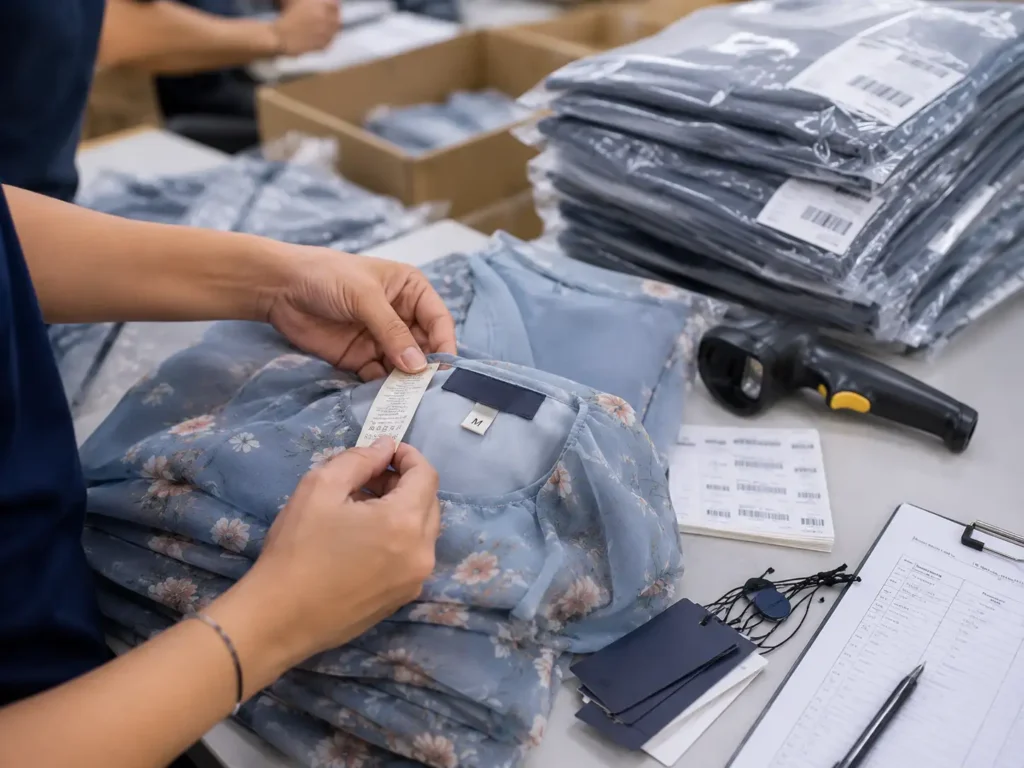
Main labels, size labels, care labels, hangtags, barcode stickers, SKU data, folding, tissue, polybags, size ratios, carton marks and warehouse instructions are matched against the approved order matrix. Sensitive satin and lace surfaces receive protective packing.

MOQ and Cost Structure for Lace Trim Dresses

Commercial planning starts with one complete style review. Garment quantity, shell fabric, lace trim, lining, construction, labels and packing are assessed together so the quotation reflects the real production route.

MOQ by Style and Color

MOQ starts from 200 pcs per style/color. Sizes are distributed inside the confirmed quantity. One style in black at 200 pieces can be evaluated as one production unit. The same style in black 100 pieces and ivory 100 pieces does not normally meet the standard quantity for either color. Multiple styles also cannot be combined to create one style-color minimum. Custom-dyed fabric, custom lace, exclusive motifs, special colors, certified materials and advanced packaging may carry higher supplier minimums.

Main Cost Drivers

Quotation factors include shell-fabric consumption, lace width and usage, motif complexity, lining, custom dyeing, cutting loss, pattern work, sample development, sewing time, joining method, finishing, measurement control, labels, packing, inspection and export preparation. Wide lace, multiple placement zones, motif matching and curved attachment increase material use and labor. More colors, fragmented size ratios and different packing instructions add project management and SKU complexity. A useful quotation therefore needs quantity by style/color, selected size range, material direction and clear trim placement.

Private Label Packaging for Lace Trim Collections

Retail-ready delivery depends on accurate brand materials and SKU data. Labels and packing are treated as production components and approved before the final production stage.

Garment Labels

Main labels, size labels and care labels need confirmed artwork, material, dimensions, fold, color and placement. Edge softness matters near delicate necklines and thin straps.

Hangtags and Tickets

Hangtags can carry product information, price, QR code or brand content supplied by the client. Attachment location should avoid snagging lace, satin or mesh.

Barcode and SKU

Style, color and size data must match garment labels, polybag stickers, carton assortment and packing lists. Barcode verification reduces warehouse receiving errors.

Protective Folding

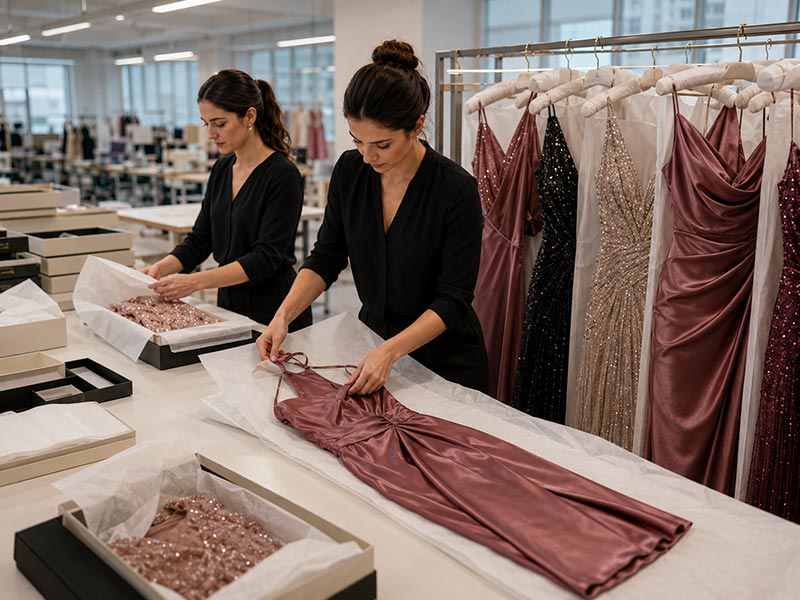
Lace edges should not be trapped under hard hangtags, zipper pulls or rough accessories. Satin may need tissue support, while long hems require folding methods able to recover after unpacking.

Individual Packaging

Polybag size, ventilation, warnings, tissue and protective layers follow the garment and destination requirement. Printed or specialized packaging may have separate supplier minimums.

Carton and Warehouse

Carton marks, size ratios, units per carton, dimensions, gross and net weight, PO references and warehouse labels are confirmed before final packing and forwarder handover.

Production Support for Multi-Style Dress Collections

Large collections need style-level control and collection-level coordination. Jinfeng Apparel groups work by fabric, construction, sample priority, factory suitability, QC risk and delivery window.

Production Allocation

Six owned factories and more than ten long-term production partners support woven, stretch, occasionwear and complex-fabric programs. Allocation follows operation content rather than garment count alone.

Sample and Pattern

Two sample rooms, 7+ senior pattern makers and 20+ sample machinists connect design review with first samples, revisions, PP standards and production-ready pattern files.

Merchandising Control

12+ merchandisers support material tracking, sample versions, approvals, production status, packing confirmation and shipment preparation. Each style maintains its own status rather than disappearing inside one collection total.

Quality Team

15+ QC inspectors support incoming, cutting, in-line, finished-garment and packing checks. Lace-specific checkpoints are added according to placement, stretch, motif and skin contact.

Finishing and Packing

30+ finishing and packing workers support thread cleaning, pressing, labels, barcodes, folding, polybags, size ratios, carton marks and final packing verification.

Capacity Planning

The production system includes 18+ sewing lines, 6+ flexible production lines and 100,000+ pieces of regular monthly capacity. Complex lace programs are planned by style difficulty, material readiness and inspection needs rather than filled against one headline number.

Why Fashion Brands Choose Jinfeng Apparel

A dependable lace trim program needs product knowledge, measurable files, controlled production and long-term records. Jinfeng Apparel combines dress-focused development with commercial delivery support.

Dress Focus

Core categories include custom dresses, partywear, occasionwear, satin, mesh, lace, bodycon, corset styles, jumpsuits and matching sets. Development knowledge remains centered on fashion womenswear rather than unrelated product categories.

Material Integration

Shell, lace, lining, thread, zipper and labels are evaluated together. Material advice considers appearance, fit, availability, supplier minimums, care, unit cost and production risk.

Fit Development

Pattern and sample teams convert visual references into measurements, seam geometry, grade rules and wearable proportions. Fit comments become documented pattern or construction actions.

Complex Sampling

Bias shapes, fitted stretch, low necklines, corset support, mesh panels, multiple lace zones and custom colors receive risk-specific sample validation before PP approval.

Bulk Control

PP samples, Golden samples, BOM files, placement maps, measurement charts, in-line checks and final inspection protect sample-to-bulk consistency.

Long-Term Records

Patterns, material references, trim records, measurements, sewing instructions, labels, packing and QC notes can support repeat orders, new colors and multi-batch delivery, subject to renewed material confirmation.

Lace Trim Dress Programs for Fashion Markets

The anonymized program structures below reflect established womenswear orders with 10-30 styles and 20,000-80,000 garments per brand cycle. Brand identities, proprietary design files and commercial pricing remain confidential.

US Premium Ecommerce Program

Program scope: 18 styles and 42,600 garments across satin lace-trim slips, stretch bodycon minis, mesh-panel midis and open-back maxi dresses. Six colorways were organized across XS-2XL, with higher volume assigned to black, ivory and wine. Hero products needed photo-ready samples before the balance of the line, while shell, lace and lining shades had to remain coordinated under studio lighting.

Development challenge: early satin samples showed slight neckline waves where non-stretch lace met a soft bias-influenced shell. Two bodycon styles also pulled the lace inward at larger sizes, reducing the intended neckline width. Pattern length, strap position and trim specification were separated by fabric group rather than applying one method to every style. Lace placement references, finished neckline measurements and recovery checks were added before PP approval.

Production response: styles were grouped into satin, stretch and mesh routes. Six campaign styles moved first, followed by revised samples for the highest-risk constructions. Bulk instructions locked lace code, width, overlap, joining position, lining color, measurement tolerance and protective packing. Final inspection emphasized neckline symmetry, trim waves, strap length, lining visibility, snagging and barcode accuracy. Launch-critical units were separated for an earlier shipping window while the main volume followed the planned bulk route.

UK Occasionwear Collection

Program scope: 12 styles and 28,800 garments for cocktail, wedding guest and evening use. The range combined lace-trim satin midis, crepe dresses with lace waist inserts, mesh sleeves with edged cuffs and slit dresses with scalloped trim. Sizes ran from UK 6-18 across four core color families, supported by private labels, hangtags and SKU packing.

Development challenge: wide scalloped lace looked balanced in the base size but appeared too dominant after direct proportional grading. One slit style also interrupted the floral motif at the endpoint, while a pale lining shifted the visible tone of an ivory shell-and-lace combination.

The development team revised the grade rule for visible trim width, moved selected motif joins to lower-visibility positions and approved shell, lace and lining as one layered color standard.

Production response: each style received a lace-placement map and separate quality points.

Incoming inspection compared motif repeat, width, color and damage. In-line checks reviewed symmetry, join location, slit endpoint and lining attachment. Final inspection added close-range review under both normal and stronger lighting.

Production and packing followed two release windows aligned with the retail calendar, with carton assortment and barcode records controlled by style, color and size.

Australian Resortwear Program

Program scope: 24 styles and 67,200 garments using printed viscose, lightweight crepe, chiffon and soft satin. The collection included lace-trim minis, relaxed midis, cami maxis and open-back vacation dresses in seven print or color stories. Sizes covered AU 6-18, with selected high-volume styles extended beyond the core range.

Development challenge: lightweight shells reacted differently to the same trim. Chiffon styles lost edge balance under a heavier embroidered lace, while viscose samples required shrinkage and long-hem review. Packing trials also showed lace scallops folding sharply along maxi hems. Material groups were separated, lighter trim options were selected for delicate shells and finished hem approval took place after the required settling and sample review.

Production response: the program was organized by fabric group, trim family and launch priority.

Patterns recorded lace length and placement by size; cutting and sewing instructions protected print direction, long hems and open backs. Packing methods used larger folds and tissue support for sensitive maxi styles.

Final QC covered transparency, shrinkage references, hem balance, lace joins, back-opening symmetry, labels and carton marks. Priority styles moved first, followed by the main seasonal delivery.

Lace Trim Dress Manufacturing Questions

MOQ starts from 200 pcs per style/color. Stock materials and regular trims can support a simpler route. Custom-dyed fabric, custom lace, exclusive motifs, special colors, certified material requests and specialized packaging may require higher supplier minimums.

Yes. A clear reference image, sketch, line sheet or original sample can support an initial review. Front, back and detail views improve accuracy. Quantity, size range, material direction and launch timing are also needed before a useful development plan can be prepared.

Yes. Technical drawings, measurement charts, tolerances, grade rules, BOM, stitch notes, lace placement, labels, artwork and packing files can be reviewed before sample development. Conflicting or missing specifications are identified during the review.

A close-up image can guide motif, width, edge and color sourcing. A physical swatch or supplier code gives a more reliable target. Exact replication may depend on supplier availability, exclusive ownership, custom development, MOQ and schedule.

Custom dyeing can be assessed by lace fiber, construction, color difficulty and supplier minimum. A lab dip or color sample may be required. Shell, lace, lining and thread are approved together because identical dye names can still look different.

Pattern length, lace stretch, shell stretch, feed balance, stitch tension and handling are checked together. Sample correction identifies whether the problem comes from material incompatibility, sewing method or pattern geometry. Pressing alone is not treated as a reliable correction.

A first sample is commonly planned within 7-15 working days after specifications and key materials are ready. Custom-dyed lace, complex corset work, multiple lace zones, unusual trims or incomplete files can extend the schedule.

The approved standard can include a PP sample, Golden sample, placement map, measured distances, motif direction, trim code, joining method, measurement chart and in-line inspection points. Size grading receives separate references where visible placement changes.

Yes. Main labels, size labels, care labels, hangtags, barcodes, SKU stickers, individual packing, carton ratios, carton marks and warehouse instructions can follow approved files and supplier minimums.

Jinfeng Apparel supports NDA-based cooperation and protects tech packs, patterns, samples, measurements, fabrics, trims, labels, packaging files, quantities and unpublished styles. Public use of identifiable project materials requires authorization.

Start Your Lace Trim Dress Development

Send enough information for a focused manufacturing review rather than a vague price estimate.

Jinfeng Apparel can evaluate silhouette, lace placement, shell and lining direction, pattern risk, sample complexity, MOQ, cost drivers, private-label requirements and delivery planning after receiving the core project details.

A complete tech pack is welcome, while clear reference images and commercial information can also support an initial assessment.

Kelly coordinates the review with the relevant development, material, pattern and production teams.

  • Reference image, sketch, tech pack, line sheet or original sample details
  • Target quantity for every style and color; standard MOQ starts from 200 pcs per style/color
  • Preferred shell fabric, lace trim reference, lining direction and color plan
  • Size range, measurement chart, fit direction and planned size ratio
  • Main label, care label, hangtag, barcode, packing and warehouse requirements
  • Target sample date, launch date, shipping destination and preferred delivery route
  • Any testing, NDA, inspection or document requirements connected with the program

Two people walking and talking inside a modern garment factory.

Tell Us About Your Dress Project

Share your product details, estimated quantity and development requirements. Our team will review your project and provide practical OEM/ODM production feedback.

Premium Women’s Apparel Production for Fashion Brands

From dress sample development to bulk production, JF Apparel supports fashion brands with confidential OEM/ODM manufacturing, reliable quality control and scalable production support.

START YOUR DRESS PROJECT

Ready to Develop Your Next Dress Collection?

Share your design concept, product requirements or sourcing plans with our team. We’ll review your project and provide practical feedback on development, materials, MOQ and production.

7-10 Days

Sample Development

200 PCS

Starting MOQ

Fast Response

Professional Follow-Up