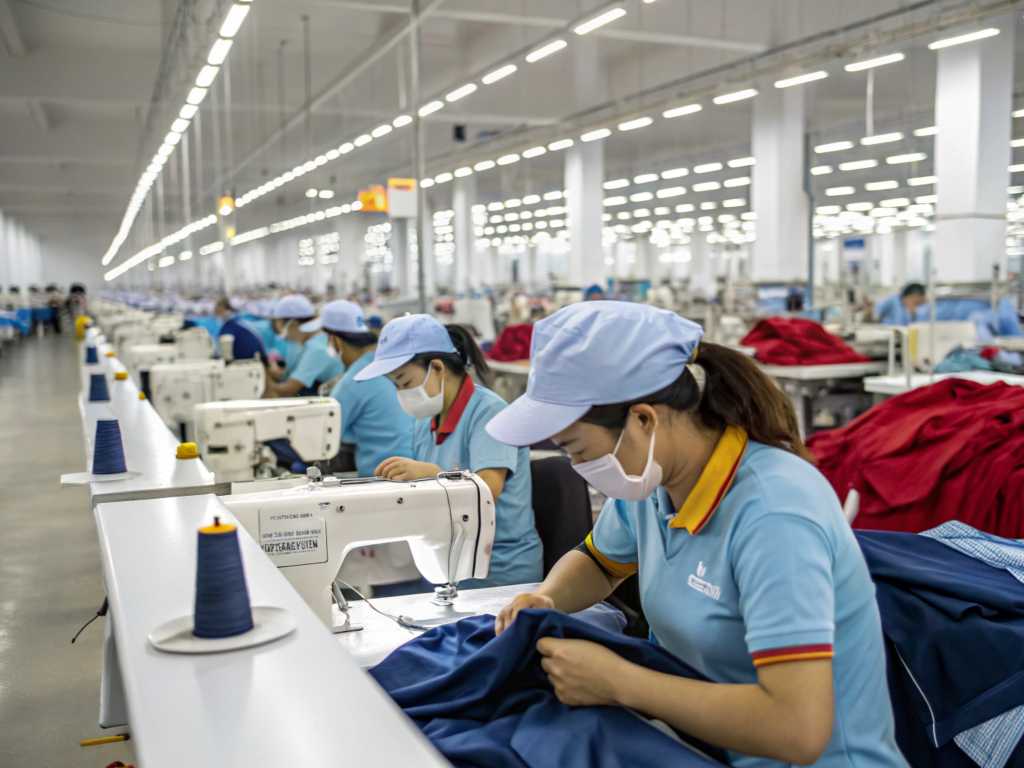
Fringe Dress Manufacturer
Custom fringe dress development for global fashion brands, from trim engineering and fit correction to controlled bulk production.
- Fringe structures planned around length, density, layer spacing, garment weight, movement and production repeatability.
- 2 sample rooms, 7+ senior pattern makers and 20+ sample machinists supporting first samples, revisions and PP standards.
- 6 owned women’s fashion factories, 10+ long-term production partners, 18+ sewing lines and 15+ QC inspectors.
- MOQ starts from 200 pcs per style/color, subject to fringe availability, color development, construction and schedule.
Manufacturing Facts Behind Fringe Dress Programs
Since 2008
Six Owned Factories
Ten Plus Partners
Two Sample Rooms
Fifteen Plus QC
Multi-Style Control
Built for Established Fashion Programs
Best Program Fit
- Seasonal collections and monthly drops
- Multi-style orders and repeat programs
- Private-label retail or ecommerce packing
- US, UK, Europe, Australia and Canada markets
Production Model
Production begins after style review, material direction, pattern work, sample development and PP approval. Jinfeng Apparel does not operate as a ready-stock wholesaler or single-piece fulfillment source. MOQ starts from 200 pcs per style/color. Custom-dyed fringe, special bead chains, exclusive trims, intricate handwork or highly divided color plans may require higher material commitments.
- OEM from complete technical files
- ODM from references and market direction
- Private-label labels and packaging
- Long-term pattern and material records
Why Fringe Dresses Fail in Bulk
Uneven Layer Lines
Inconsistent Length
Weak Attachment
Garment Distortion
Movement Tangling
Packing Compression
How to Evaluate Fringe Dress Manufacturers
Supplier screening should test whether a factory can convert a visual concept into an approved, repeatable production standard. Product photos alone reveal little about pattern balance, trim control, documentation or bulk consistency.
| Capability | Question to Ask | Evidence to Request | Jinfeng Control Point |
|---|---|---|---|
| Product Development | Can the team review silhouette, fringe placement, base fabric, lining, closure and movement before sampling? | Style analysis notes, pattern plan and material direction | Reviewed during project assessment and converted into approved development or production files. |
| Trim Engineering | Can trim length, weight, tape width, color, softness and supplier MOQ be checked before garment development? | Approved trim card and lot reference | Reviewed during project assessment and converted into approved development or production files. |
| Pattern and Fit | Can bust, waist, hip, strap, neckline and dress length be corrected after finished trim weight is added? | Revised pattern, size chart and fit record | Reviewed during project assessment and converted into approved development or production files. |
| Sample Control | Are first sample, revised sample, PP sample and Golden sample managed as separate approvals? | Version tracker and approval status | Reviewed during project assessment and converted into approved development or production files. |
| Bulk Transfer | Are placement maps, BOM, sewing instructions, measurements and packing rules transferred to production? | Production order and QC checklist | Reviewed during project assessment and converted into approved development or production files. |
| Quality Inspection | Are length, spacing, symmetry, attachment, shade, garment balance and packing recovery inspected? | In-line and final inspection records | Reviewed during project assessment and converted into approved development or production files. |
| Collection Management | Can 10-30 styles be grouped by fabric, trim, complexity and launch priority? | Timeline, style tracker and material status | Reviewed during project assessment and converted into approved development or production files. |
| Brand Delivery | Can labels, barcodes, SKU stickers, polybags, carton marks and warehouse instructions be controlled? | Approved packing specification | Reviewed during project assessment and converted into approved development or production files. |
Custom Fringe Dress Styles We Develop

Layered Fringe Mini
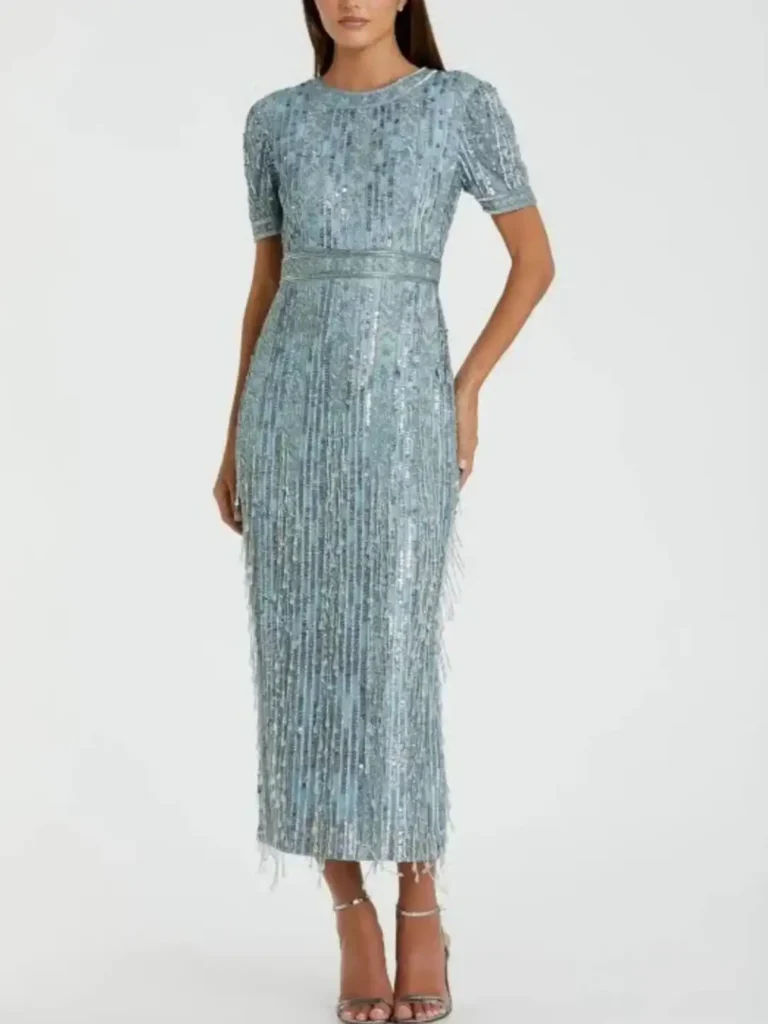
All-Over Fringe Dress
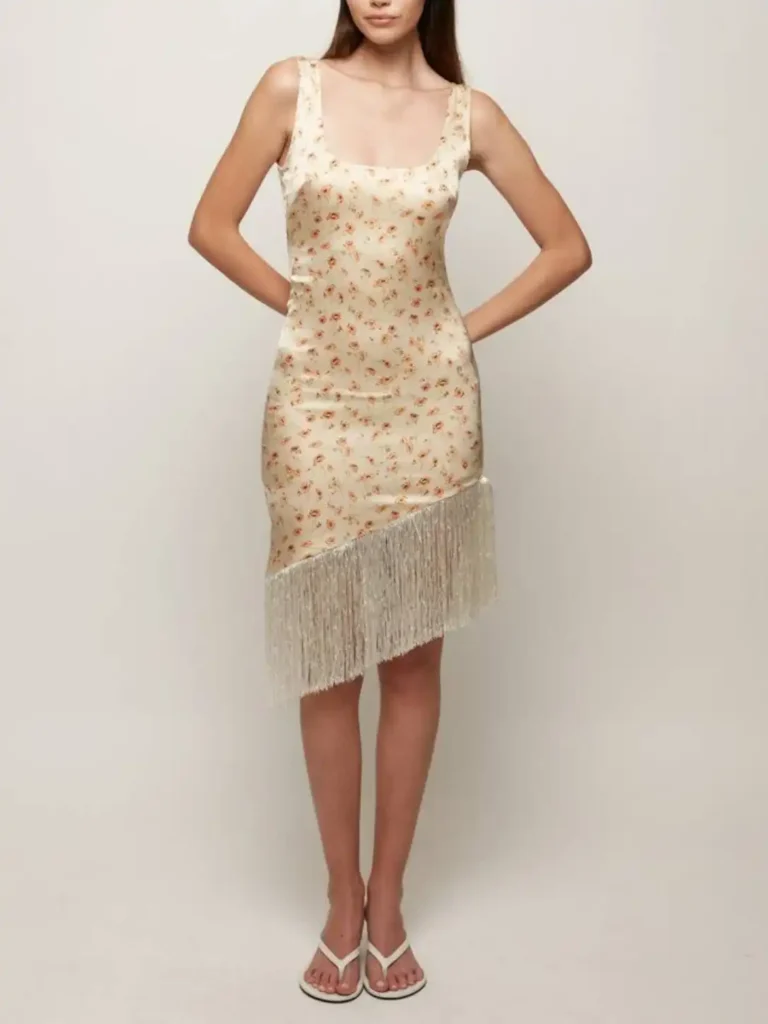
Fringe Hem Dress
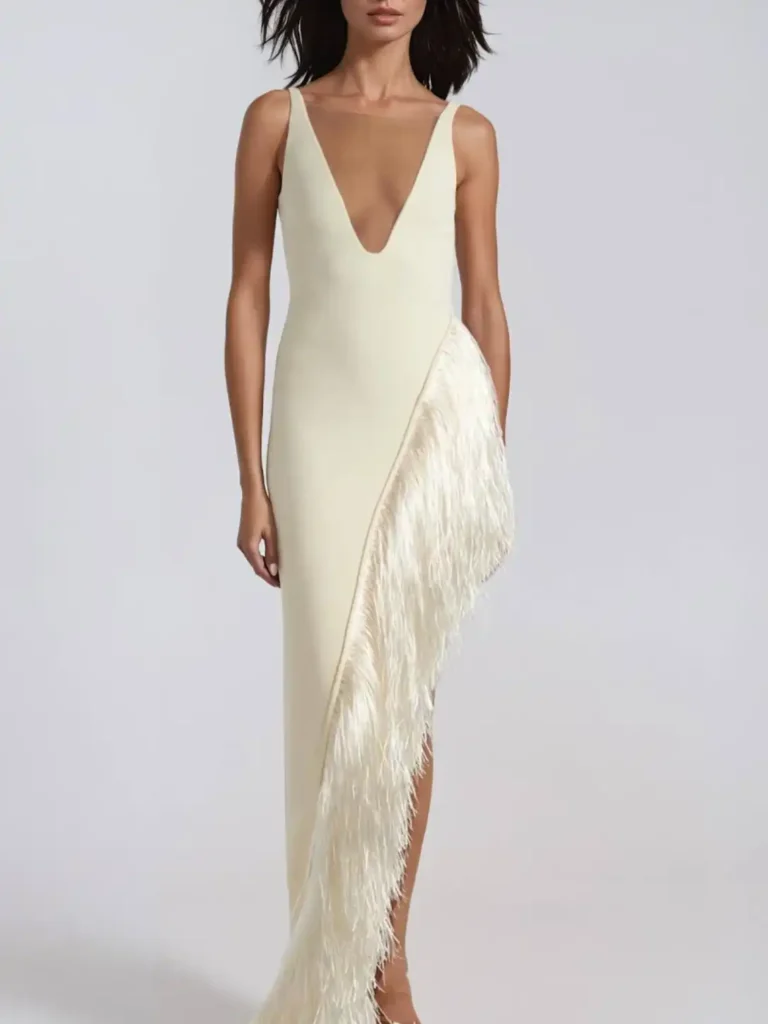
Asymmetric Fringe Dress
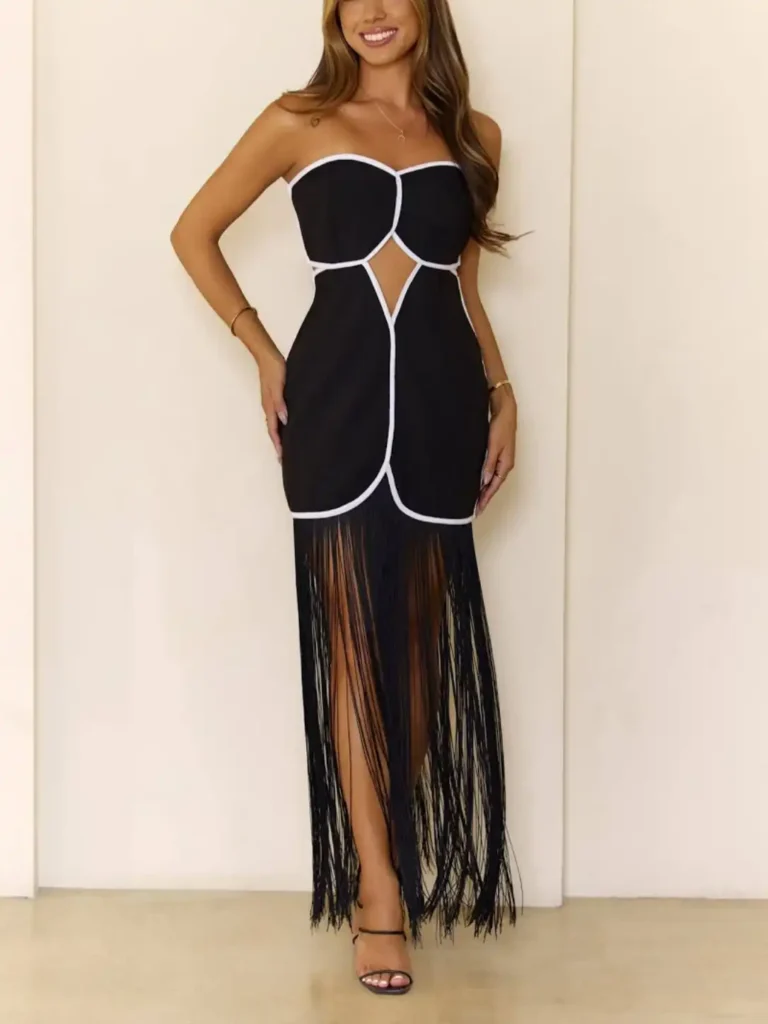
Fringe Bodycon Dress
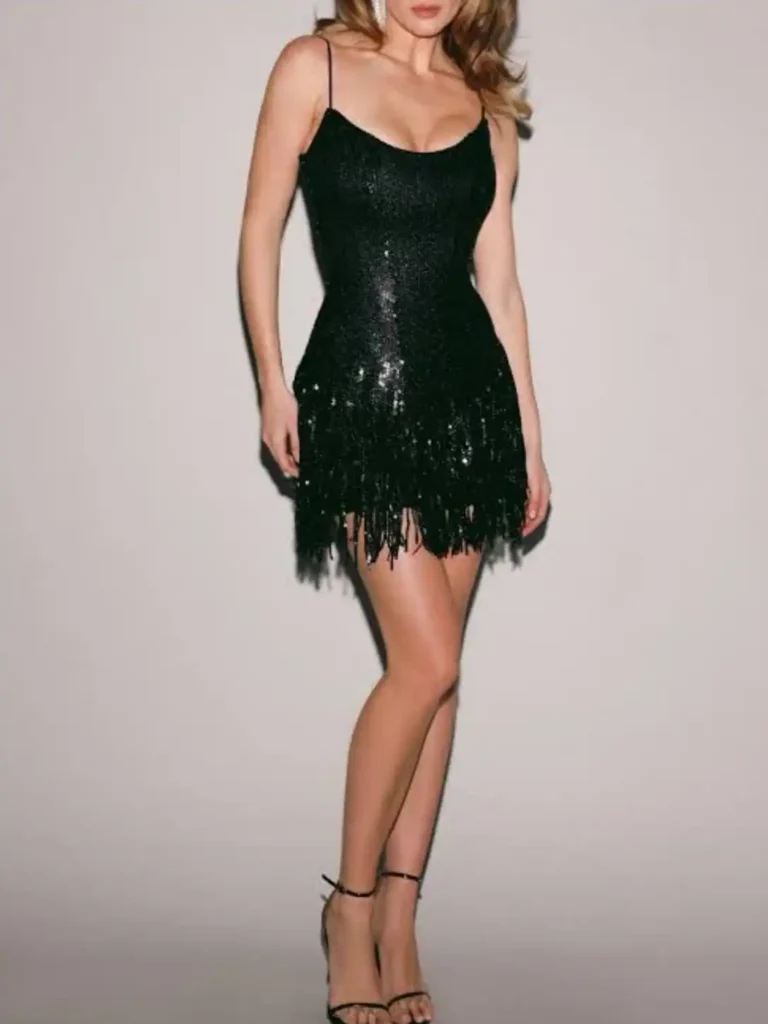
Sequin Fringe Dress
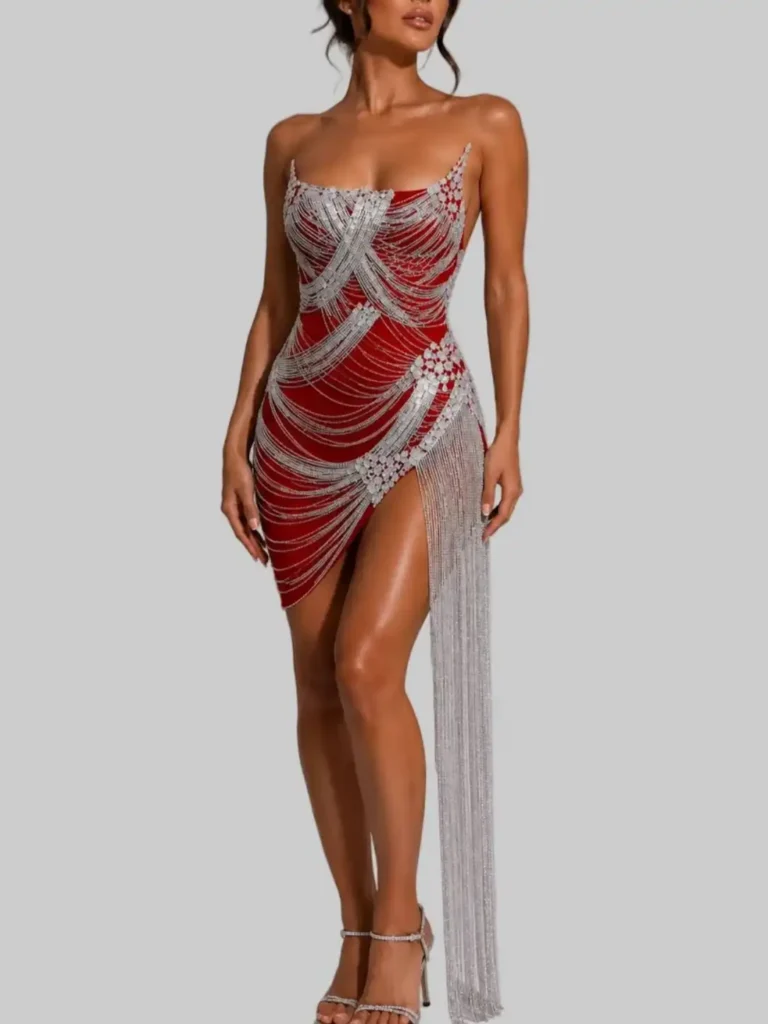
Rhinestone Fringe Dress
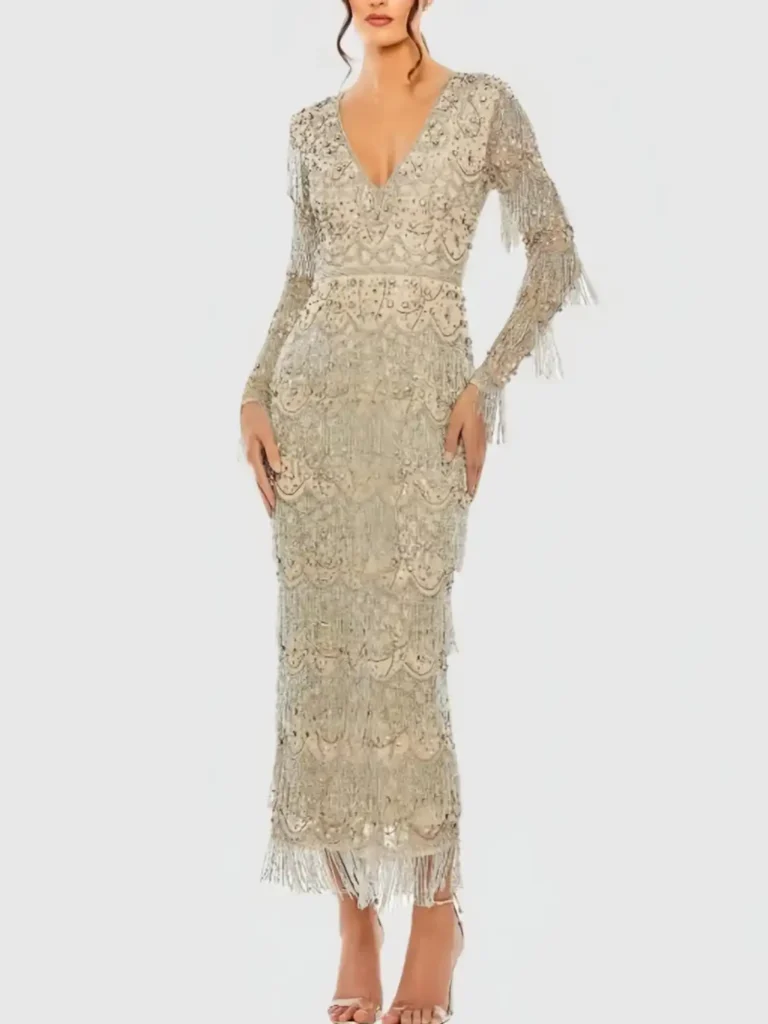
Beaded Fringe Dress
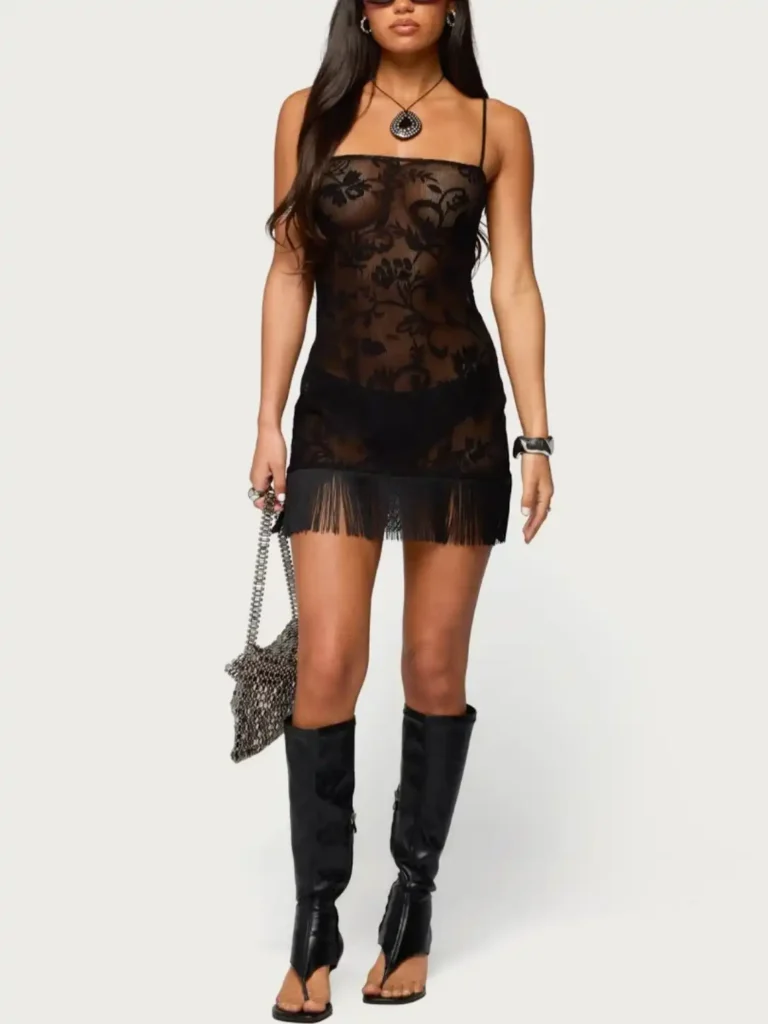
Mesh Fringe Dress

Satin Fringe Dress
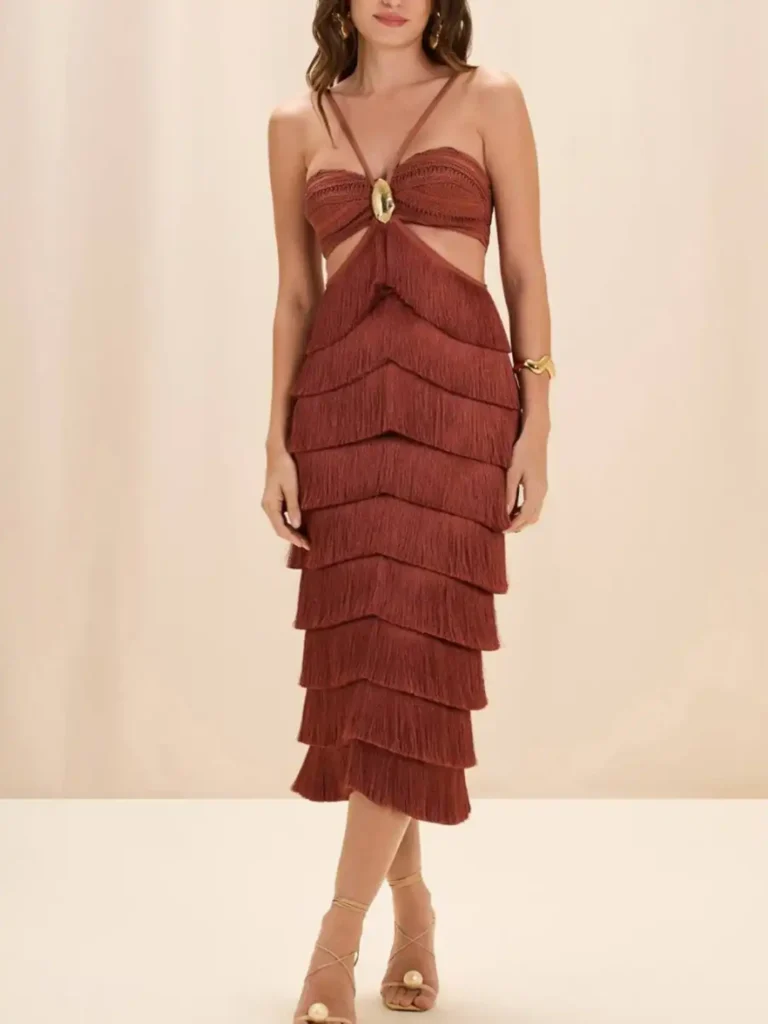
Fringe Midi Dress
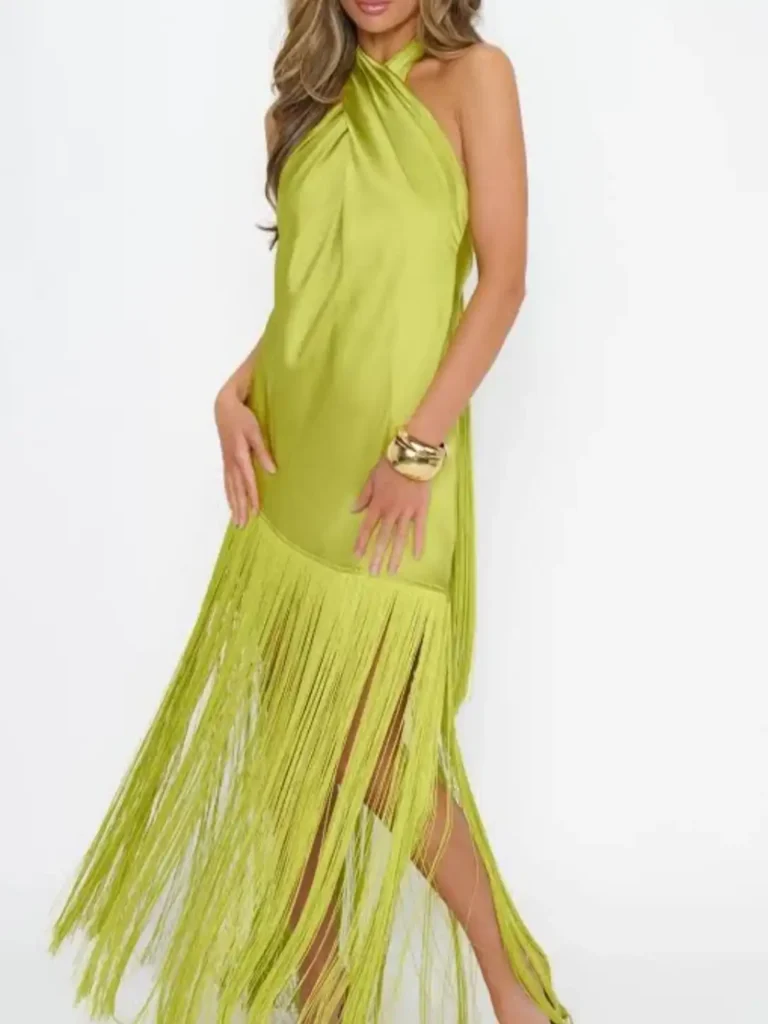
Fringe Maxi Dress
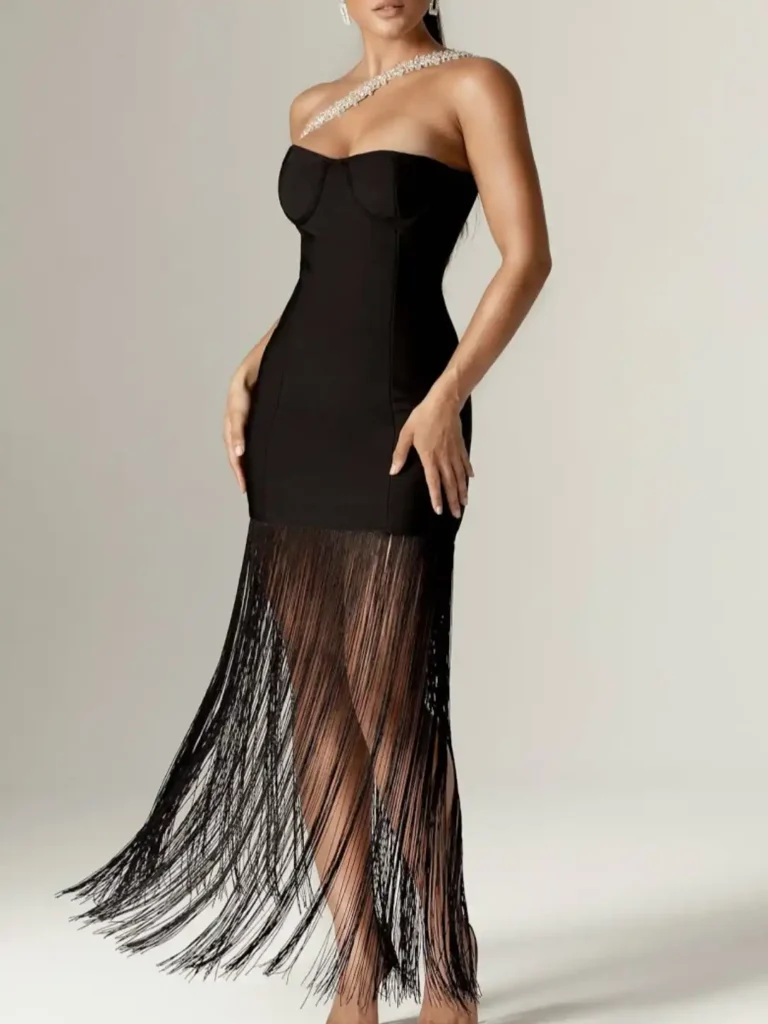
Cocktail Fringe Dress
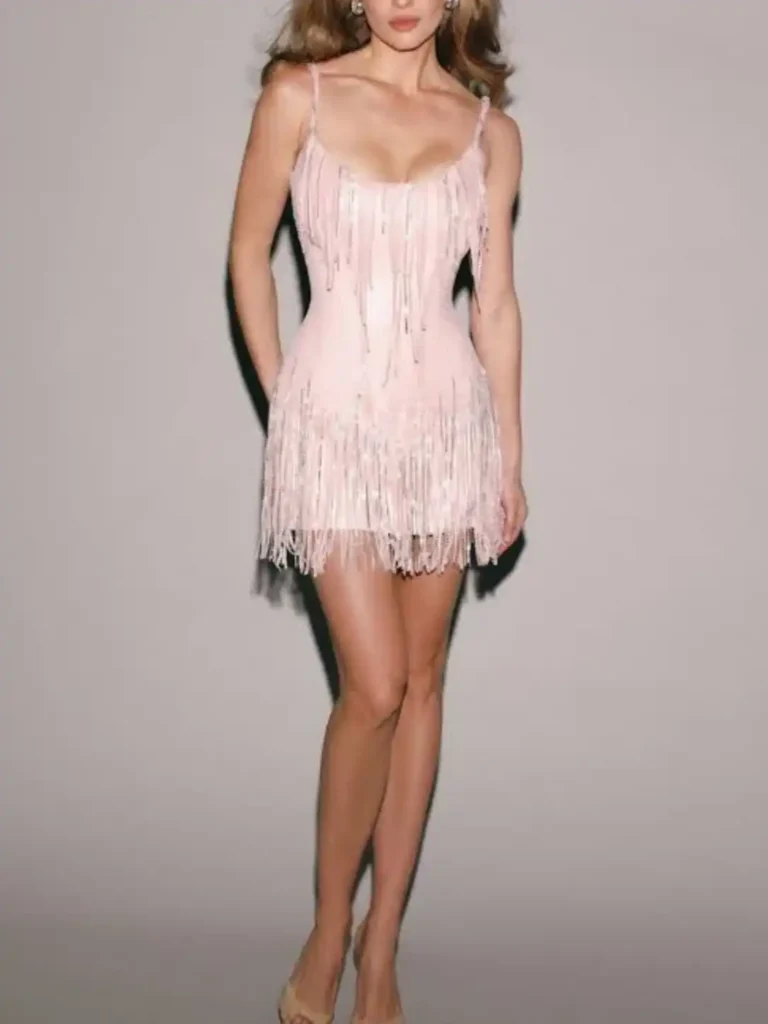
Birthday Fringe Dress
High-impact birthday styles often use bright color, rhinestones, sequins or dramatic fringe. Visual effect is balanced against skin comfort, garment weight, photography needs and price architecture for commercial drops.
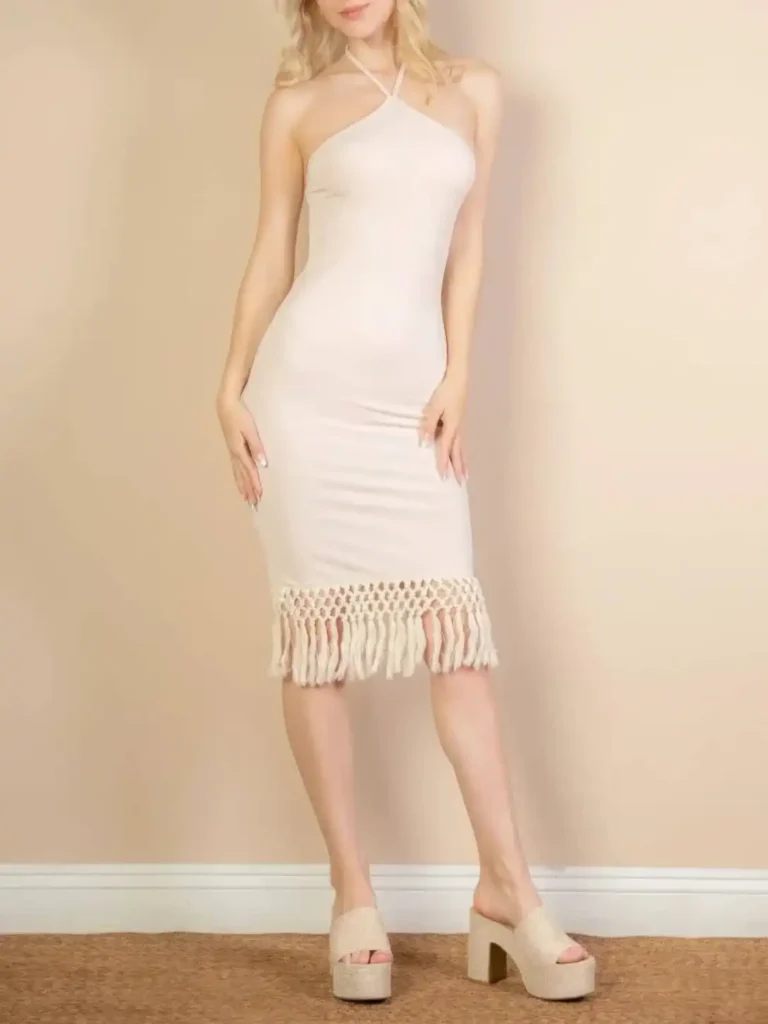
Clubwear Fringe Dress
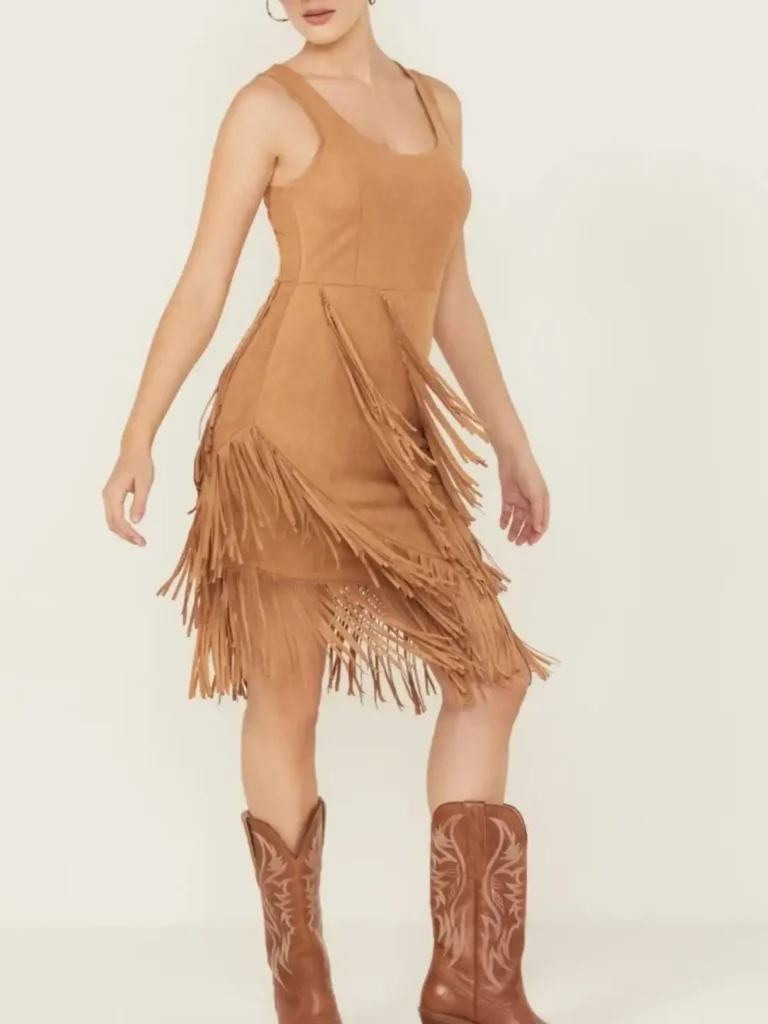
Western Fringe Dress
Fringe Placement, Length and Layer Engineering
Placement defines proportion, movement and manufacturing difficulty. Jinfeng Apparel converts the approved design into measurable row positions, attachment zones and trim consumption before bulk work begins.
Horizontal Layers
Diagonal Placement
Localized Fringe
Graduated Lengths
Layer Density
Overlap Depth
Seam Concealment
Edge Alignment
Fringe Dresses for Commercial Collections
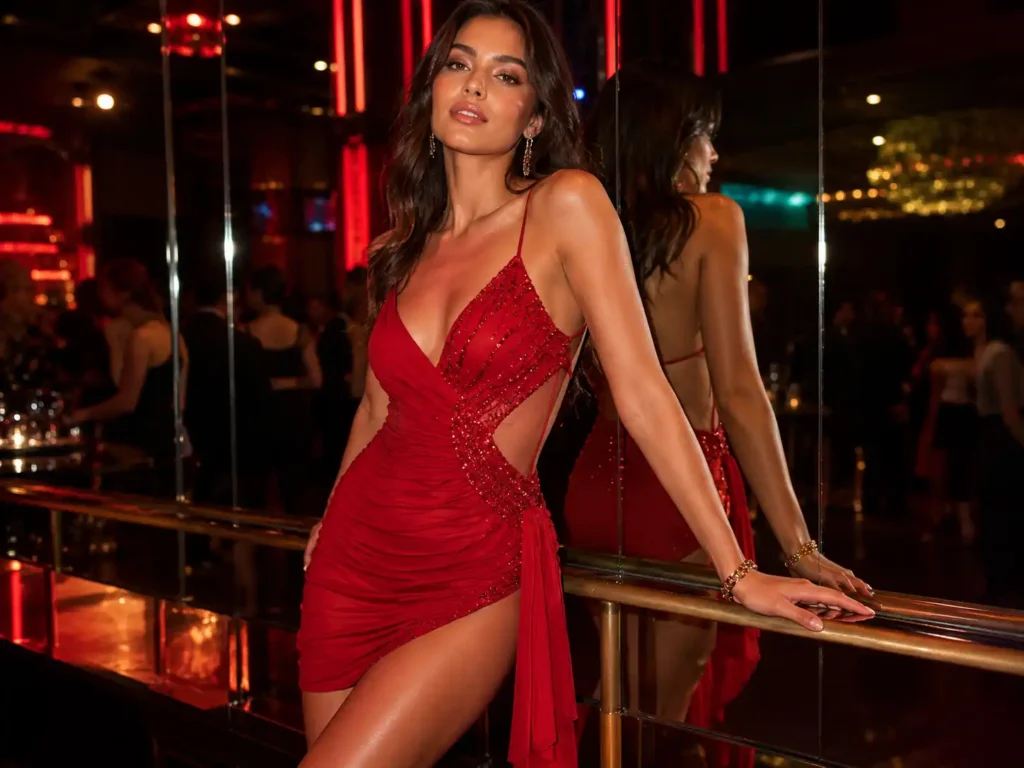
Party Collections
- Mini and bodycon silhouettes
- Bright or metallic trims
- Campaign sample priority

Cocktail Collections
- Midi or short lengths
- Balanced sparkle
- Premium lining and closure

Clubwear Drops
- Stretch bases
- Active movement review
- Strong size consistency

Holiday Programs
- Hero SKUs first
- Peak-season capacity review
- Air and sea options

Western Capsules
- Directional fringe
- Earth or contrast colors
- Accessory coordination

Premium Ecommerce
- Photo-ready samples
- Barcode and SKU control
- Protective folding trials
Base Fabrics for Fringe Dress Construction

Stretch Jersey

Ponte

Spandex Blend

Stretch Mesh

Sequin Mesh

Stretch Satin

Velvet

Crepe Woven
Fringe, Tassel and Embellishment Options
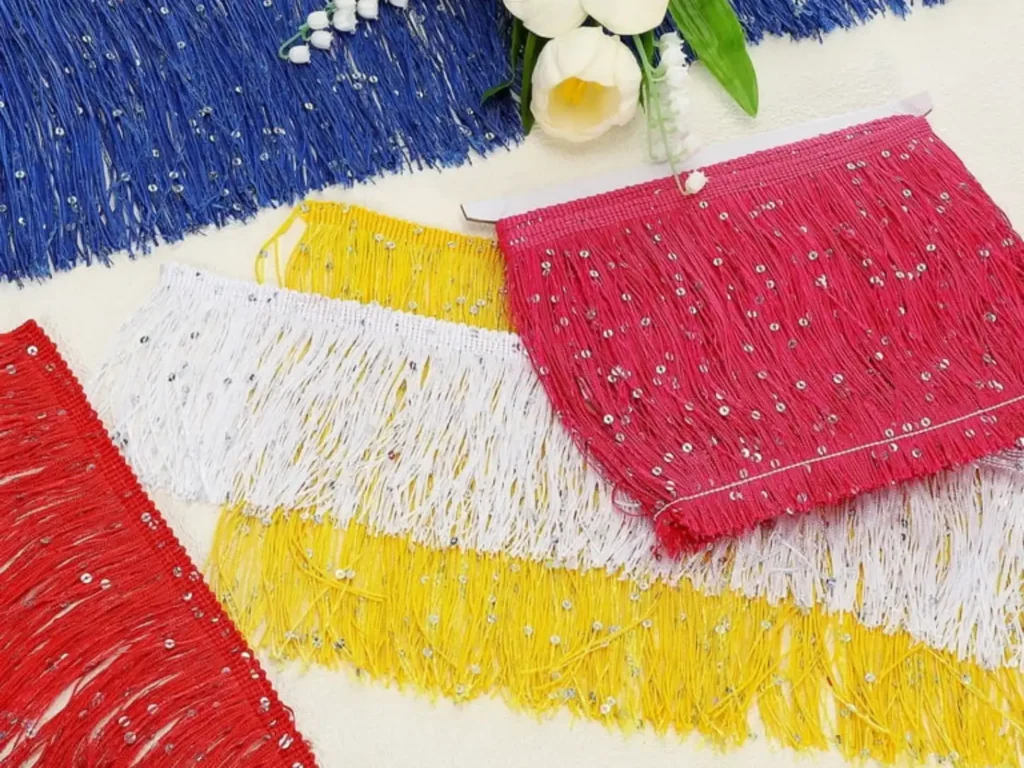
Chainette Fringe
- Light to medium weight
- Good continuous movement
- Color-lot control required
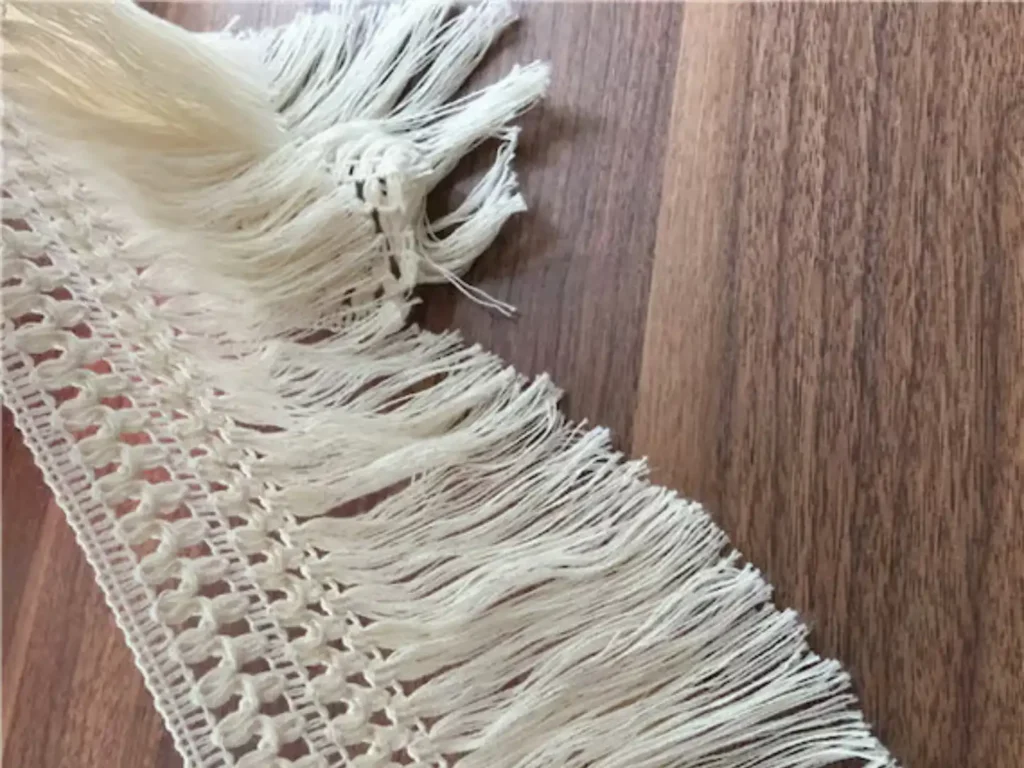
Tassel Trim
- Defined repeat spacing
- Decorative edge use
- Knot and pull review
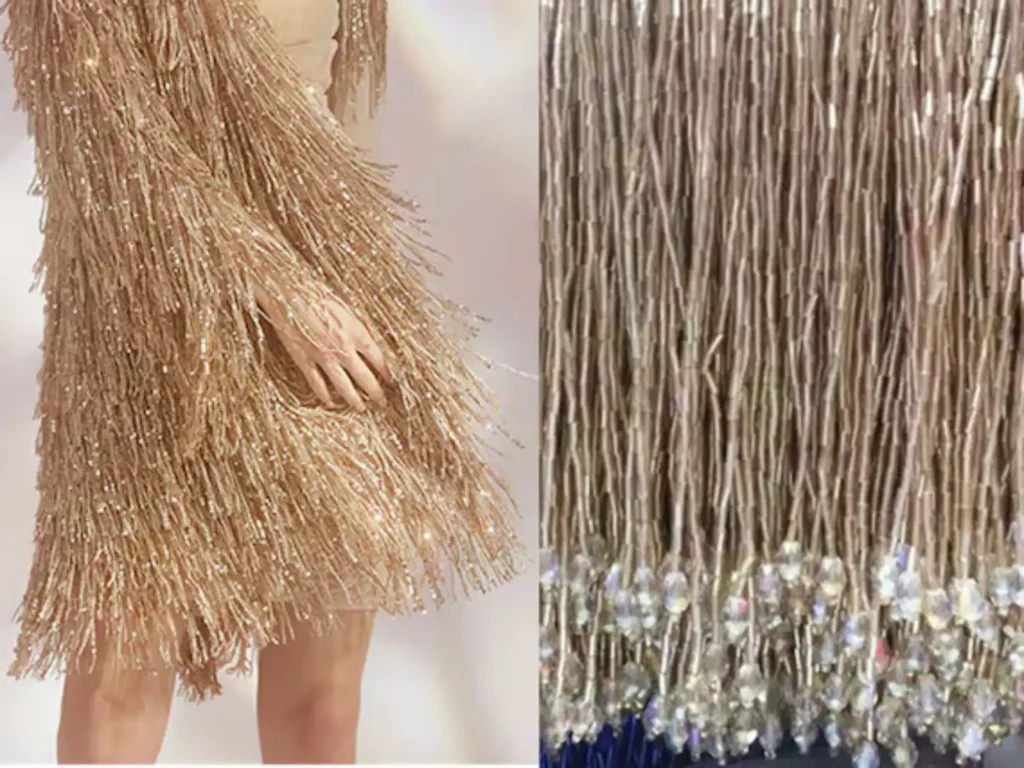
Beaded Fringe
- Premium appearance
- Higher labor content
- Reinforced attachment
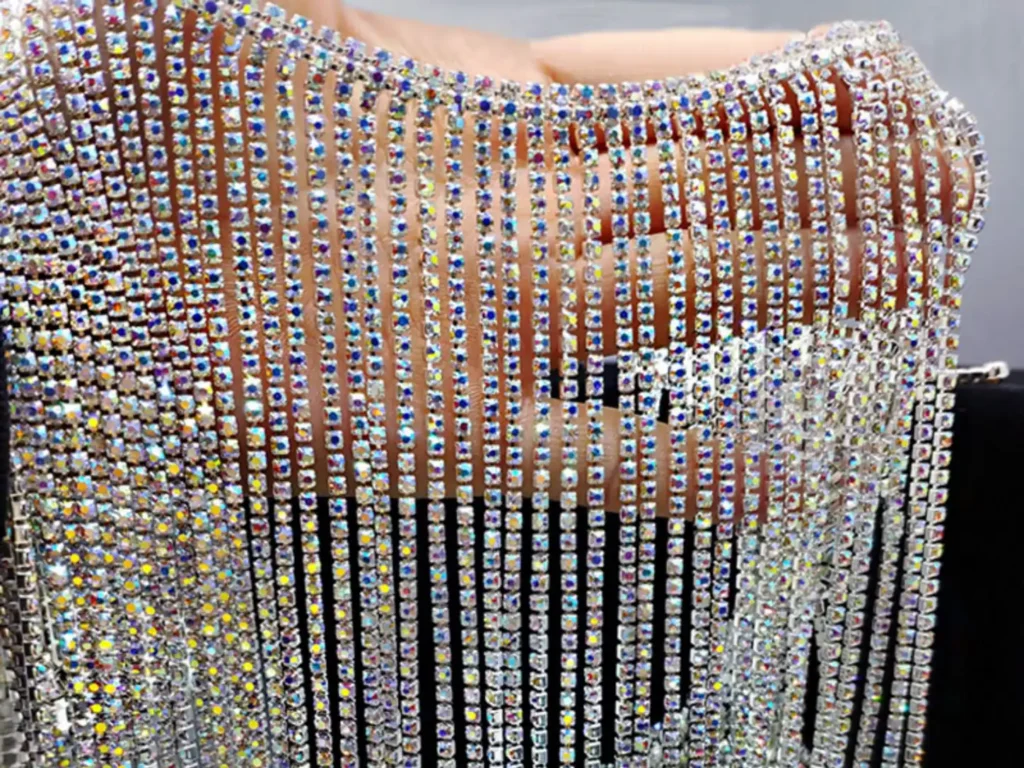
Rhinestone Chains
- Strong light reflection
- Placement accuracy
- Missing-stone checks
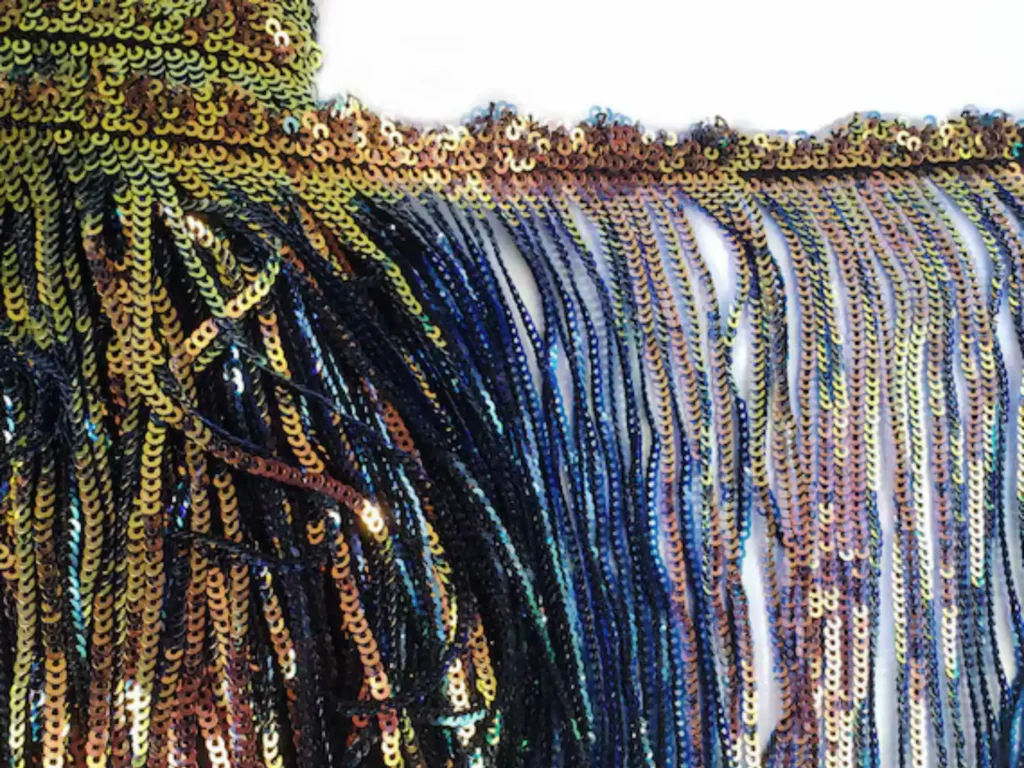
Sequin Fringe
- High visual impact
- Surface protection
- Drop-loss monitoring
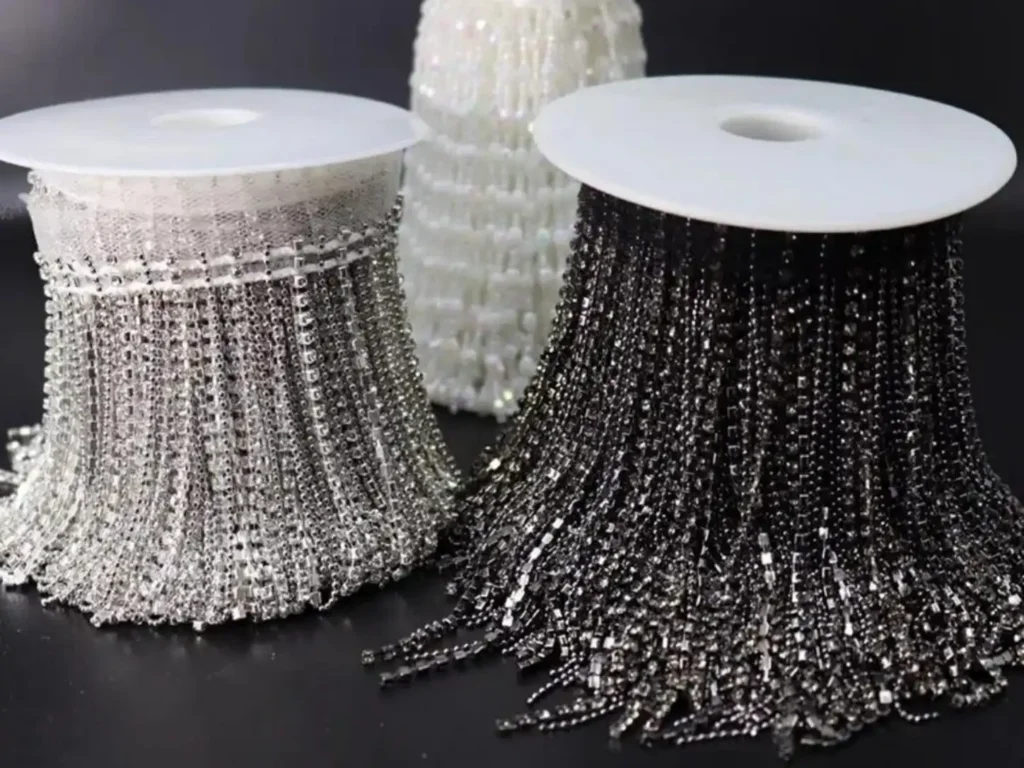
Metal Chain Fringe
- Statement styling
- High weight impact
- Hardware QC needed
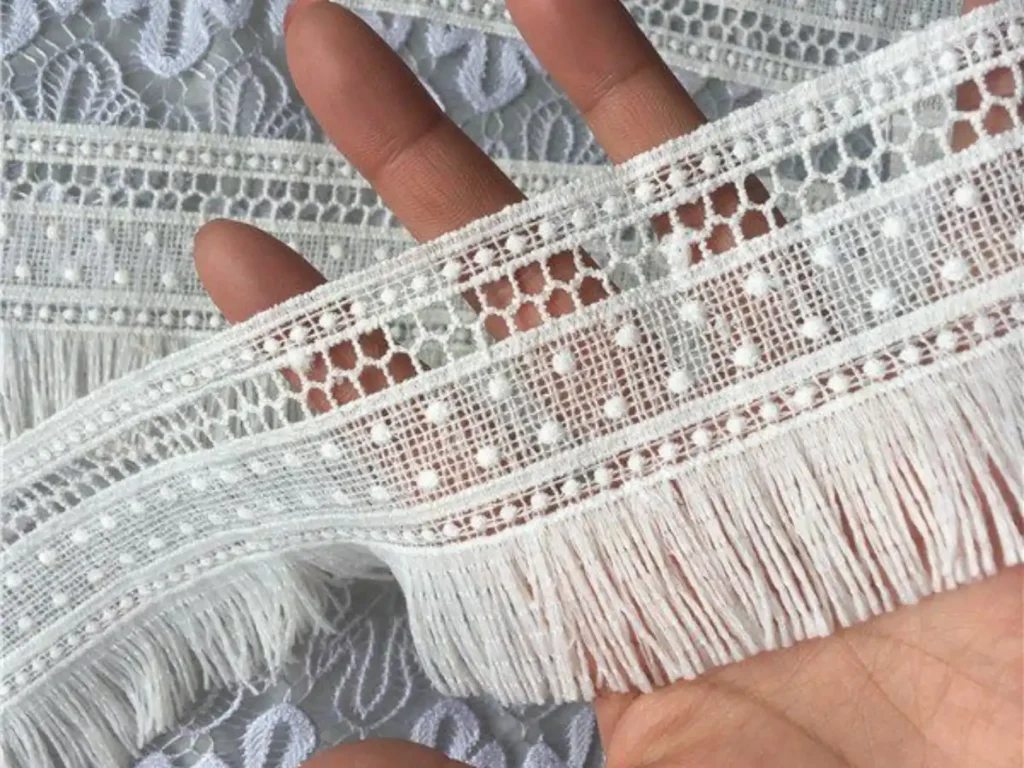
Lace Fringe Mix
- Feminine texture
- Lining coordination
- Edge-fray control
Customize Every Visible and Structural Detail
Dress Silhouette
Finished Length
Fringe Position
Fringe Length
Fringe Density
Color and Shine
Neckline and Straps
Lining and Closure
Pattern and Fit Under Added Fringe Weight
Bust and Neckline
- Support and coverage
- Strap-load review
- Lining stability
Waist Position
- Waist seam balance
- Visual leg proportion
- Post-hanging check
Hip Fit
- Ease by fabric stretch
- Side-seam stability
- Movement clearance
Dress Length
- Mini, midi or maxi
- Lining coverage
- Finished hanging length
Strap and Armhole
- Shoulder comfort
- Armhole coverage
- Attachment reinforcement
Size Grading
- Grade-rule review
- Placement by size
- Measurement tolerance
Movement, Balance and Wearability Testing

Standing and Walking
- Front-side-back balance
- Natural fringe separation
- Finished length and clearance

Turning and Movement
- Layer interaction
- Return-to-position behavior
- Attachment-zone stability

Sitting and Contact
- Skin-contact review
- Pressure-point checks
- Lining and backing updates
Information Needed for Project Review
Reference or Tech Pack
Fringe Direction
Base Fabric
Quantity Plan
Size Range
Color Plan
Private Label
Launch Date
From Design Review to Production-Ready Sample
Requirement Review
Material Direction
Cost Estimation
Pattern Development
First Sample
Revised Sample
PP Sample
Golden Sample
How Fringe Dress Revisions Are Recorded
Pattern Changes
- Updated pattern version
- Revised size chart
- Fit-photo reference
Fringe Changes
- Revised placement map
- New trim card
- Consumption update
Fabric Changes
- Fabric comparison
- Pattern impact
- Cost and lead-time update
Sewing Changes
- Construction note
- Operation sequence
- QC checkpoint
Branding Changes
- Artwork version
- Placement record
- Packing instruction
Approval Status
- Version date
- Approver record
- Next action
Fringe Attachment and Reinforcement Methods
Seam-Inserted Tape
- Clean exterior line
- Strong enclosed edge
- Seam-bulk review
Topstitched Rows
- Flexible row layout
- Visible precision needed
- Tension control
Layered Panel Build
- Controlled overlap
- Repeatable sequence
- Higher labor content
Reinforced Anchors
- Stress-point support
- Reduced pull-out risk
- Backing selection
Hand-Tacked Details
- Fine placement control
- Manual inspection
- Cost visibility
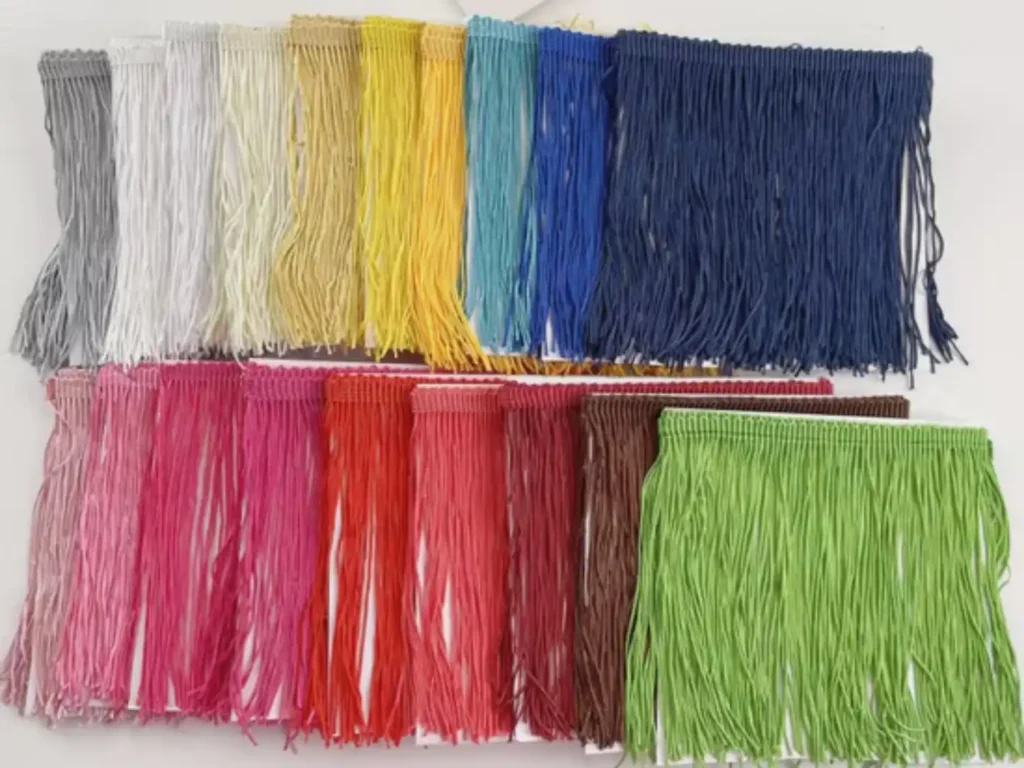
Sewing Details Protect Appearance and Comfort
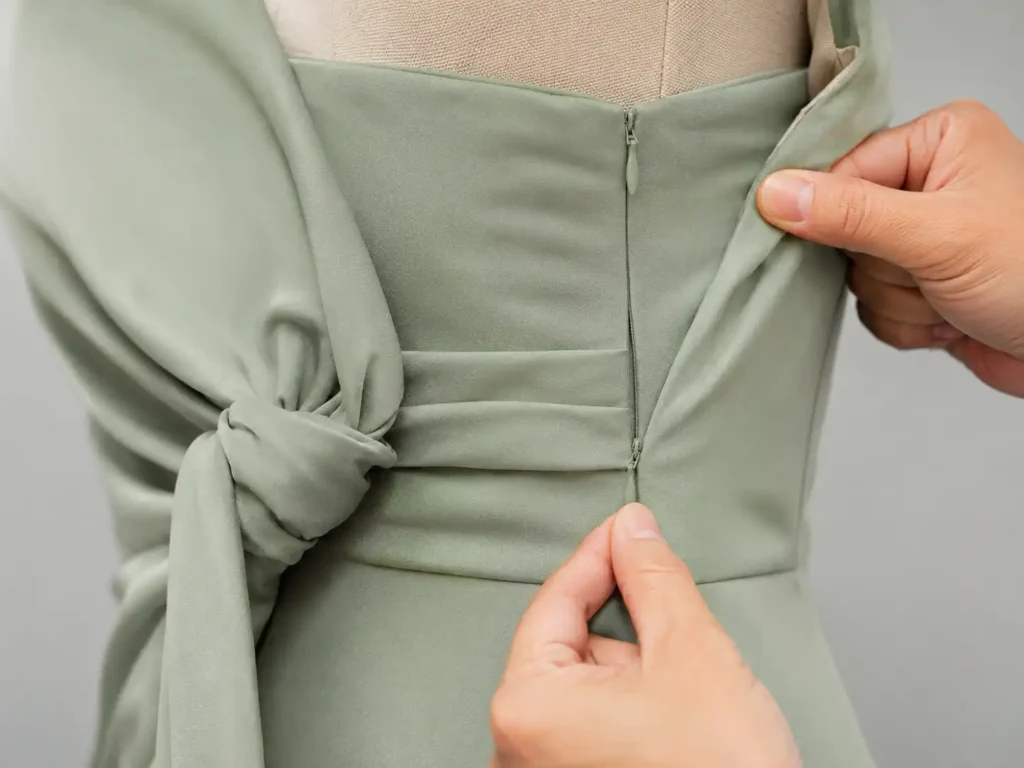
Zipper Clearance
- Clear opening path
- Controlled row ends
- Smooth zipper function

Lining Coverage
- Opacity control
- Comfort layer
- No exposed edges

Neckline Stability
- Shape retention
- Support balance
- Clean edge finish
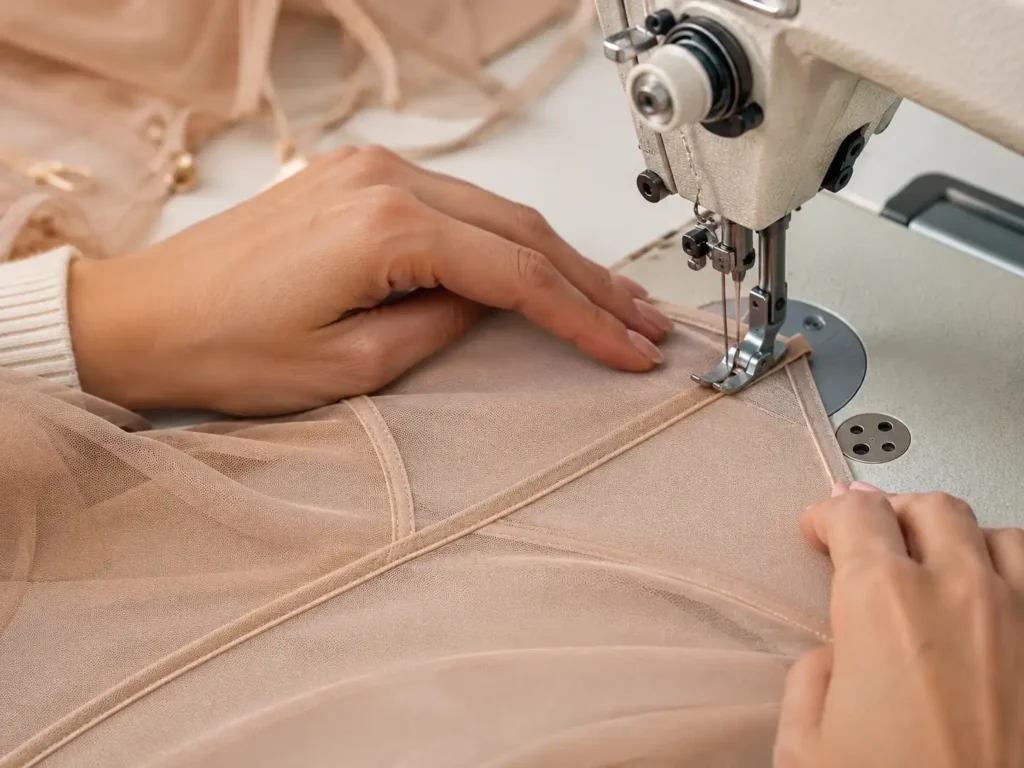
Side-Seam Balance
- Matched row height
- No twisting
- Hanging balance
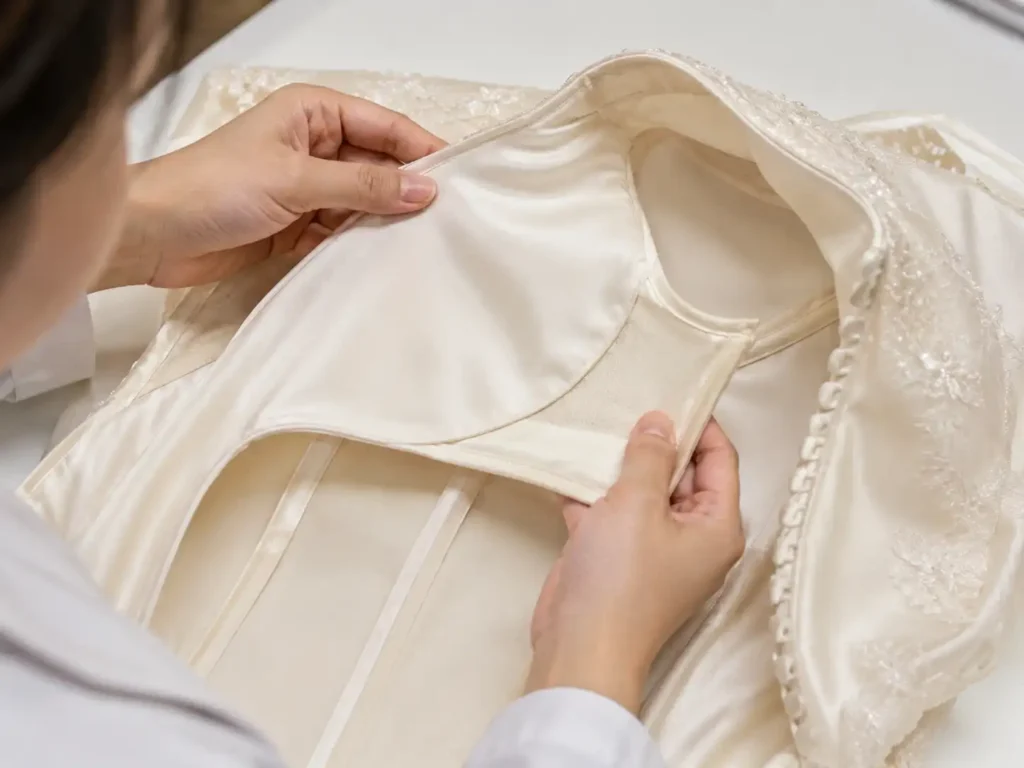
Skin-Safe Interior
- Smooth contact points
- Covered sharp edges
- Wearability review

Clean Finishing
- Trim grooming
- Thread cleanup
- Final visual check
Bulk Production Process for Fringe Dresses
PP Approval
Pattern Lock
Material Booking
Incoming Inspection
Cutting Preparation
Sewing and Placement
Measurement Control
Final Inspection
Packing and Delivery
Capacity and Control for Multi-Style Programs
Six Owned Factories
- Product-based allocation
- Direct production control
- Long-term repeat support
Eighteen Plus Lines
- Woven and knit styles
- PP-based operation plan
- Style-specific line setup
Six Flexible Lines
- Multi-style sequencing
- Color and size control
- Launch-priority planning
Twelve Merchandisers
Merchandisers track fabric, trims, sample versions, approvals, bulk progress, QC feedback, packing and shipment milestones for complex programs.
- Style tracker
- Revision visibility
- Milestone communication
Fifteen QC Inspectors
Dedicated inspectors cover material, cutting, in-line sewing, measurements, final appearance and packing. Fringe-specific checks are inserted into the project inspection plan.
- Process inspection
- Final garment review
- Packing verification

Quality Control Across Materials, Sewing and Packing
Base Fabric Check
Fringe Trim Check
Color Coordination
Cutting Control
In-Line Sewing
Measurement Review
Final Appearance
Packing Inspection
Fringe-Specific Inspection Checklist
| Inspection Item | Control Method | Main Risk | Required Reference |
|---|---|---|---|
| Fringe Length | Compare strands or trim drop with the approved sample and specified measurement points. | Short or long areas, stretched rows, inconsistent lower edge | Approved PP / Golden sample, project specification and QC checklist |
| Layer Spacing | Measure row distance at defined front, side and back positions. | Gaps, overcrowding, sloping rows | Approved PP / Golden sample, project specification and QC checklist |
| Placement | Compare each zone with the placement map and approved PP sample. | Wrong height, wrong direction, missing rows | Approved PP / Golden sample, project specification and QC checklist |
| Symmetry | Review left-right and front-back balance on a hanging garment. | Uneven visual weight, mismatched details | Approved PP / Golden sample, project specification and QC checklist |
| Attachment | Check stitching, backing, row ends, anchors and visible looseness. | Pull-out risk, broken stitches, rough interior | Approved PP / Golden sample, project specification and QC checklist |
| Trim Shade | Compare trim lots and coordination with fabric, lining and thread. | Shade variation, mixed luster, wrong color | Approved PP / Golden sample, project specification and QC checklist |
| Garment Balance | Check waistline, side seams, neckline and hem after trim weight settles. | Twisting, sagging, uneven length | Approved PP / Golden sample, project specification and QC checklist |
| Skin Contact | Inspect internal edges and try on key contact zones where required. | Sharp beads, exposed tape, abrasive seams | Approved PP / Golden sample, project specification and QC checklist |
| Movement | Walk, turn and sit in the approved sample or inspection garment. | Tangling, excessive exposure, movement restriction | Approved PP / Golden sample, project specification and QC checklist |
| Packing Recovery | Unpack after the approved packing trial and assess strand recovery. | Creasing, trapped fringe, tangled layers | Approved PP / Golden sample, project specification and QC checklist |
MOQ, Pricing and Fringe Cost Drivers
Base Fabric Cost
- Fabric price
- Consumption and loss
- Lining requirement
Fringe Consumption
- Length per row
- Number of layers
- Size-range impact
Trim Development
- Stock versus custom
- Color approval
- Supplier minimums
Construction Labor
- Machine operations
- Manual finishing
- Inspection time
Order Structure
- MOQ per style/color
- Color consolidation
- Size-ratio planning
Packing and Delivery
- Packing specification
- Warehouse labeling
- Air or sea planning
Private Label and Protective Fringe Packaging
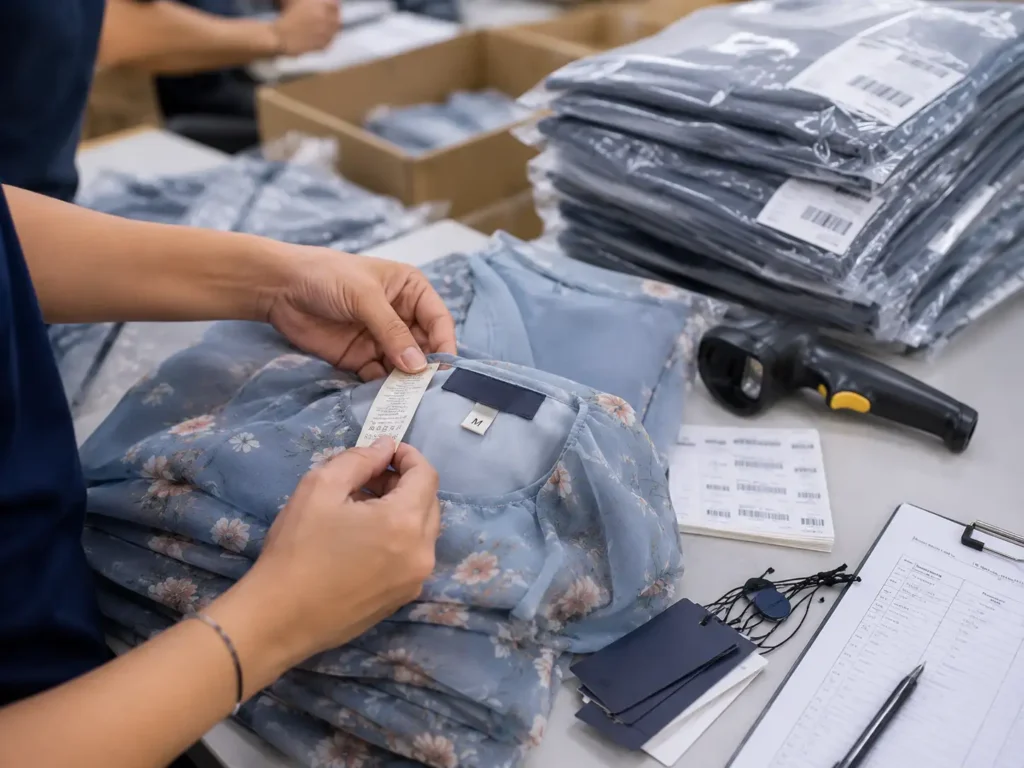
Brand Labels
- Woven or printed labels
- Size identification
- Care-content approval

Hangtags and Barcodes
- Barcode control
- SKU separation
- Attachment position
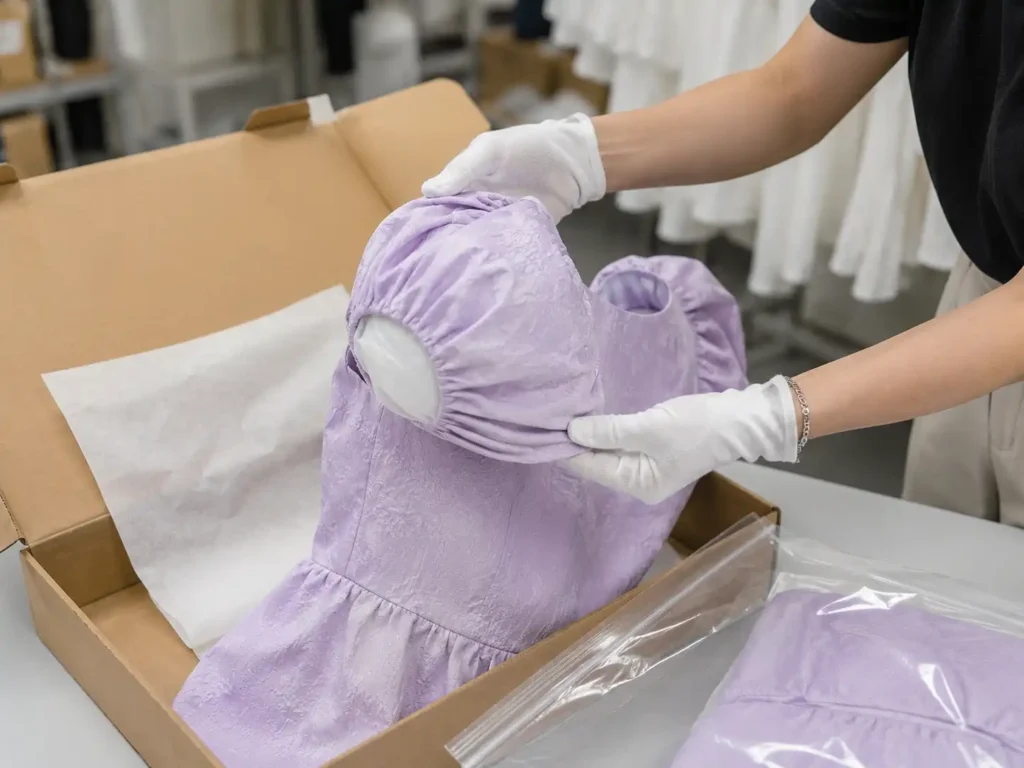
Protective Folding
- Fringe direction
- Surface protection
- Reduced entanglement
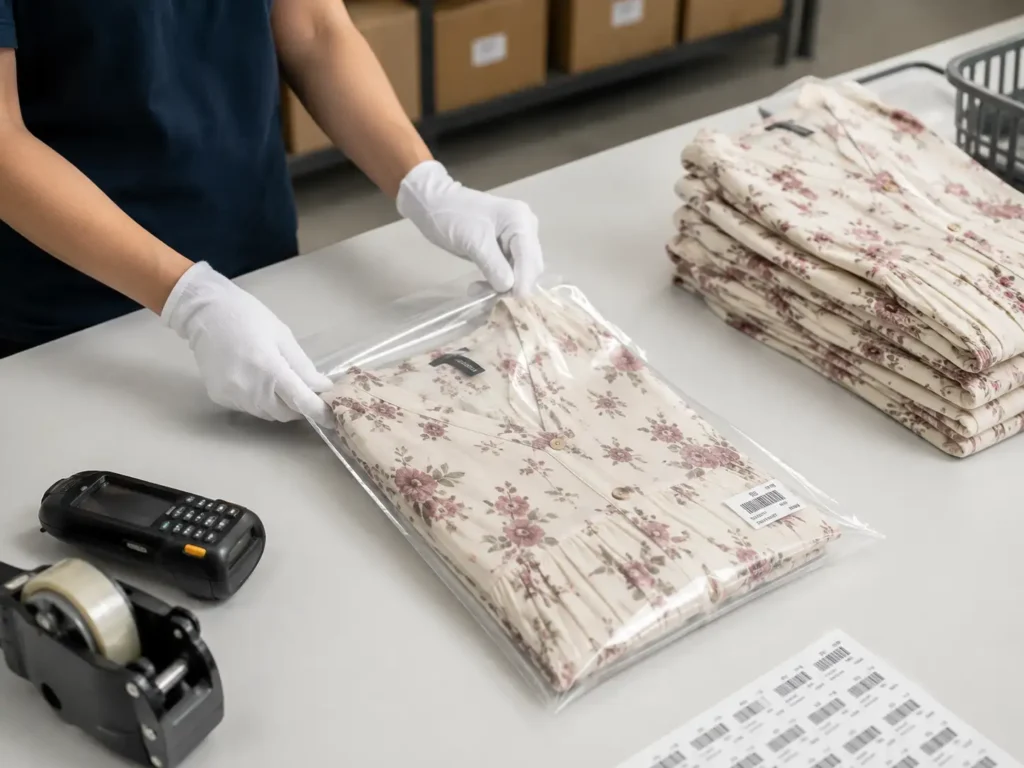
Polybags and Warnings
- Correct bag size
- Required warning text
- SKU sticker position

Carton Planning
- Quantity accuracy
- Carton-mark control
- Warehouse requirements

Recovery Check
- Unpacking appearance
- Strand recovery
- Fold-method approval
Launch Timing, Shipping and Delivery Planning
Sample Delivery
- Courier account accepted
- Address verification
- Tracking after dispatch
Bulk Shipment
Bulk orders can move by air freight, sea freight or a planned air-and-sea split. Air may support launch-critical quantities, while sea freight can reduce transport cost for the main balance.
EXW, FOB, CIF and DAP can be coordinated. DDP is evaluated by destination, route and forwarder capability rather than promised without project review.
- Air, sea or split
- Client forwarder supported
- Project-based trade terms
Warehouse Delivery
Commercial invoice, packing list, carton marks, carton dimensions, gross and net weight, style-color-size breakdown and forwarding coordination can be prepared for shipment.
Warehouse labels, booking instructions, cut-off times and receiving guides should be supplied early so packing and carton information match the final destination requirements.
- Invoice and packing list
- Carton data
- Warehouse label support
Fringe Dress Collection Project Snapshots
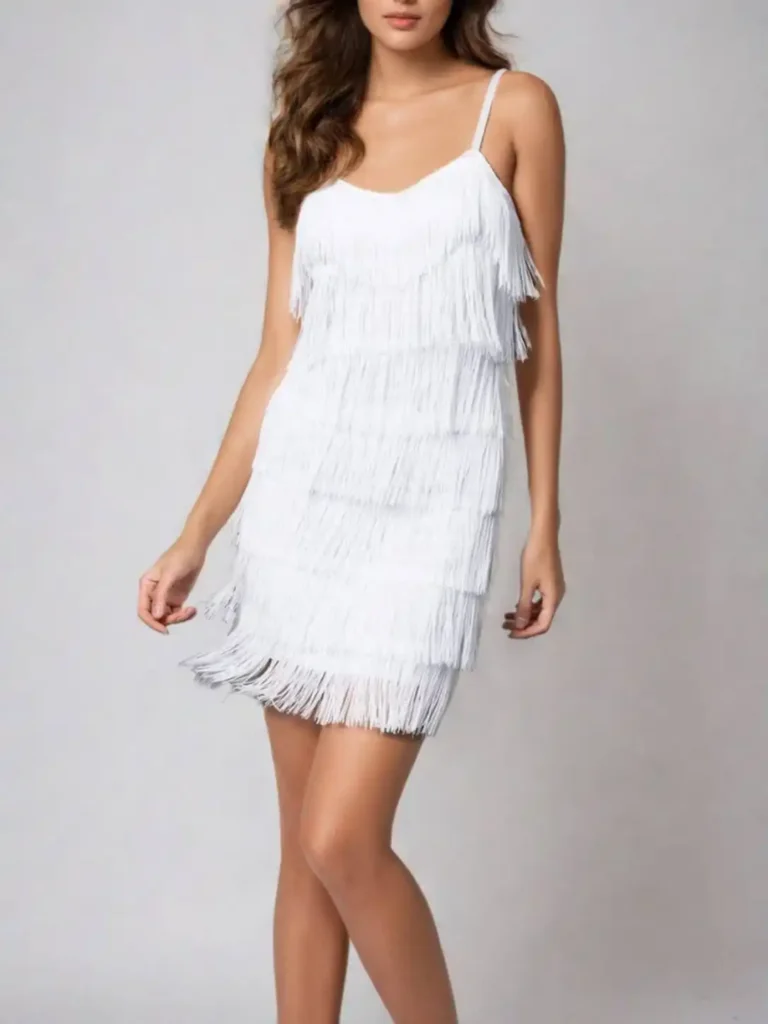
US Partywear Program
- 18 styles
- 48,600 total pieces
- XS-XL size range
- Air and sea split
UK Occasionwear Program
- 24 styles
- 72,000 total pieces
- 11 colorways
- Two release windows
Australian Ecommerce Program
- 12 styles
- 26,400 total pieces
- AU 6-16
- Priority-style launch
Design Protection and Repeat-Order Control
Protected Project Files
Unreleased samples and brand materials are not posted or shared without permission. Public content uses internally developed samples, authorized materials or anonymized production details.
- NDA available
- No unauthorized posting
- Private-label files protected
Repeat-Order Records
A reorder still checks fabric availability, dye lot, trim supply, new colors, size changes, packaging updates and production timing. Record retention speeds review without assuming every historic material remains unchanged.
- Pattern and size records
- Fabric and trim references
- Packing and QC continuity
Fringe Dress Manufacturing Questions

Send Your Fringe Dress Project
Share a tech pack, line sheet, original sample or clear reference images for an initial project review. Include quantity per style/color, size range, base-fabric direction, fringe type, fringe length, placement, color plan, labels, packaging and target launch date. Kelly will coordinate the first review with product development, fabric and trim sourcing, pattern, sampling and production teams.
The response will focus on feasibility, missing information, material direction, sample approach, MOQ fit, cost drivers and scheduling considerations. For multi-style collections, identify hero styles and campaign deadlines so sample priorities can be arranged around the commercial calendar.