
Twist Front Dress Manufacturer
Custom twist front dresses developed for established fashion brands that require controlled drape, stable fit, repeatable bulk construction, and private-label delivery.
- 4 measurable twist controls: center position, overlap width, drape depth, and opening coverage.
- 3 approval stages before bulk release: fit sample, PP sample, and production reference.
- 200 pcs per style/color starting MOQ, subject to fabric, trim, construction, and schedule.
- 10-30 styles can be managed within a coordinated seasonal dress program.
Jinfeng Apparel develops twist front mini, midi, maxi, bodycon, cut-out, jersey, satin, mesh, resort, and occasion dresses from reference image or tech pack. Pattern development, fabric direction, fitting, sampling, bulk production, quality control, private-label packing, and export coordination are managed within one womenswear manufacturing system.
Measurable Development Capacity Behind Every Twist Style
Since 2008
Six Owned Factories
Two Sample Rooms
Seven Pattern Makers
Twenty Sample Machinists
Fifteen QC Inspectors
Built for Established Fashion and Sourcing Teams
Fashion Brands
Product Developers
Sourcing Teams
Merchandising Teams
Occasionwear Labels
Premium Ecommerce Brands
Six Risks That Can Weaken Twist Front Dresses
Shifted Twist Center
Excessive Seam Bulk
Unstable Front Coverage
Uneven Drape Depth
Poor Stretch Recovery
Grading Distortion
Project Requirements for Efficient Development
Ready for Development
Requires Clarification

Focused Technical Review
Before pattern cutting, Jinfeng Apparel reviews the design objective, material behavior, construction route, fit requirements, quantity structure, and launch schedule. The review is intended to prevent avoidable sample rounds and expose cost or production risks while changes are still easier to make.
A useful first submission includes front and back references, close-up twist images, intended length, target fabric, size chart, colors, estimated quantity, label files, packaging direction, and required delivery date. When only a reference image is available, the team identifies missing construction information and proposes a development route for approval.
The initial review can cover:
- True twist, knot-effect, crossover, or gathered construction.
- Bust, underbust, natural waist, or high-waist placement.
- Stretch or non-stretch fabric suitability.
- Lining, zipper, inner support, and opening coverage.
- Sample sequence and likely revision focus.
- MOQ, material availability, and production timing.
Twist Front Construction Is Not One Technique
Twist front is a visual description, not a single sewing method. Two dresses with a similar front image may require different pattern pieces, seam allowances, internal support, fabric consumption, sewing time, and fitting controls.
True Fabric Twist
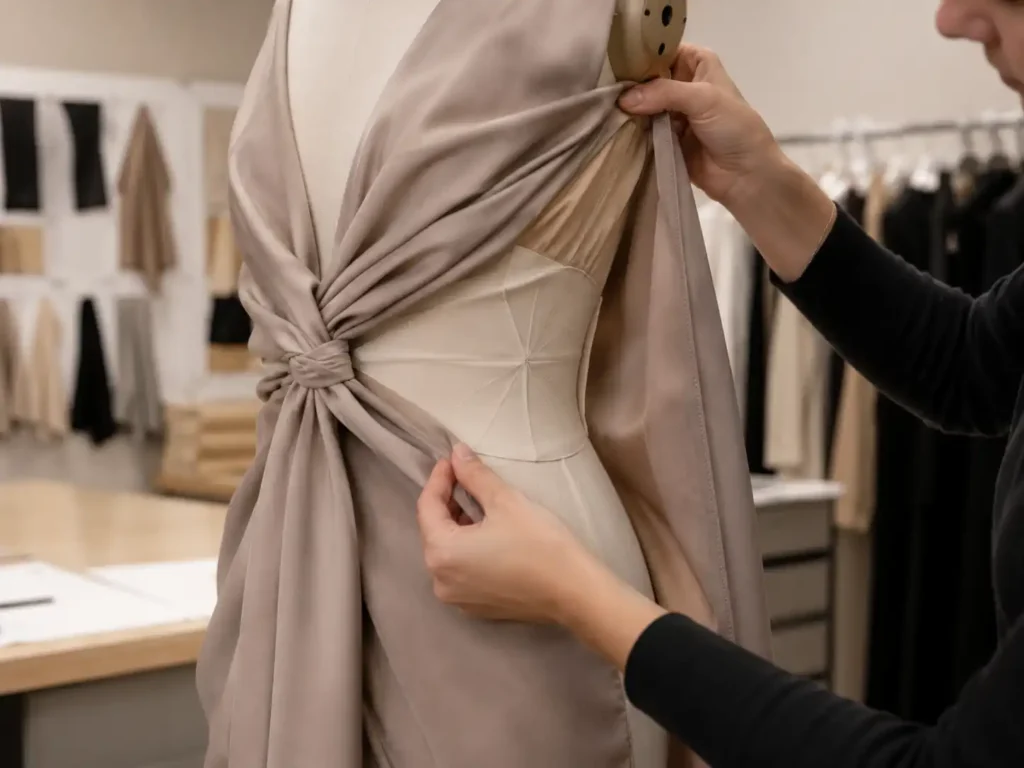
Separate or extended panels rotate around a controlled center before being secured into the garment. Rotation direction, panel width, layer order, and anchor points determine the final shape. The pattern must provide enough length for a natural turn without creating uncontrolled bulk.
Knot-Effect Construction
A knot appearance may be built through looped panels, wrapped bands, concealed joins, or layered drape rather than a literal knot. Knot-effect construction can create a cleaner inner surface and more repeatable bulk result when a true twist would become too thick.
Draped Crossover
Front panels cross and gather into a center or side anchor, creating a twist-like visual line. Drape depth, neckline coverage, and side seam balance depend on fabric fall and controlled fullness. Woven fabrics often need more deliberate shaping than high-stretch knits.
Twist Bust
Twist placement at the bust changes neckline depth, cup coverage, underbust position, and support. Fitting should check both standing posture and movement. Inner panels, cups, lining, or clear elastic may be required according to the intended wearing level.
Twist Waist
A waist twist shapes the center front and can visually lengthen the body. The anchor point must align with the intended natural, high, or low waist. An incorrect location may pull the skirt upward, rotate side seams, or create unwanted pressure across the abdomen.
Asymmetric Twist
An offset twist may connect to a side waist, diagonal cut-out, or one-shoulder line. Visual asymmetry still needs measurable control. The front length, hem balance, opening edge, seam tension, and drape direction must remain stable across sizes.
Custom Twist Front Dress Product Range

Twist Front Mini Dress

Twist Bust Midi Dress

Twist Waist Maxi Dress

Twist Front Bodycon Dress

Twist Cut-Out Dress

Long Sleeve Twist Dress

Satin Twist Dress

Jersey Twist Dress

Mesh Twist Dress

Resort Twist Dress

Occasion Twist Dress

Plus-Size Twist Dress
Build a Commercial Twist Front Assortment

Hero Mini Style

Commercial Midi Style

Resort Maxi Style

Seasonal Long Sleeve

Color Extension Program

Repeat-Order Core Style
Engineering the Twist Before Sample Cutting
The front twist should be converted from a visual idea into measurable construction instructions. Pattern, fabric, stitching, and fitting decisions must support the same approved shape.
Twist Center Position
The center can sit at the bust, underbust, natural waist, high waist, or off-center. Location should be recorded from stable reference points such as high shoulder point, center front neckline, underbust, or waist seam. A vague instruction such as “move slightly lower” creates inconsistent revisions and weak bulk control.
Rotation Direction
Clockwise and counterclockwise rotations create different fold direction and visual flow. The pattern and sewing instruction should indicate panel order, turn direction, right side orientation, and final securing position. Mirrored styles need separate left-right control rather than relying on memory.
Panel Width
Narrow panels create a tighter, cleaner twist; wide panels create more volume and softer drape. Width affects seam bulk, opening coverage, fabric consumption, and the ability to reproduce the shape. A fabric with body may need a narrower allowance than a soft lightweight jersey.
Twist Allowance
Extra length is required for rotation and drape. Insufficient allowance pulls the neckline or waist, while excessive allowance causes sagging or a loose center. The correct amount depends on fabric stretch, thickness, weight, and the number of rotations.
Anchor Points
The twist may anchor into a waist seam, side seam, lining, center seam, underbust panel, or concealed inner structure. Anchor points control movement and carry tension. Weak or misplaced anchors can cause the center to drop, rotate, or tear under wear.
Opening Coverage
Cut-out and bust styles require measurable opening width, height, and edge location. Coverage should be checked across the planned size range and on the body during movement. Inner panels, lining, mesh, elastic, or increased overlap may improve security without changing the front concept.
Internal Seam Reduction
The inner construction should remove unnecessary seam layers while preserving strength. Grading seam allowances, clipping, turning, clean finishing, binding, lining integration, or hidden support can reduce a hard central knot and improve comfort.
Drape Reference
An approved close-up image should show fold count, drape direction, depth, and final center appearance. Sewing teams can compare the garment with a physical reference and construction note rather than interpreting a flat sketch alone.

Fabric Selection for Controlled Drape and Recovery
Fabric choice determines whether the twist appears fluid, structured, compact, or bulky. Composition alone is not enough; weight, thickness, stretch direction, recovery, opacity, surface friction, shrinkage, and pressing response all influence the final garment.
| Fabric Direction | Stretch and Recovery | Drape | Twist Bulk | Main Control Risk | Best Style Direction |
|---|---|---|---|---|---|
| Lightweight jersey | Medium-high to high; recovery must be tested | Soft and fluid | Low | Growth, neckline stretch, side-seam rotation | Commercial mini, midi, maxi |
| Ponte | Medium-high with firmer recovery | Structured | Medium-high | Thick center, seam impression | Bodycon, structured cut-out |
| Rib knit | High stretch; variable recovery | Close to body | Medium | Vertical growth, uneven twist tension | Casual fitted and long sleeve |
| Stretch satin | Low-medium to medium | Fluid with shine | Medium | Snagging, zipper waves, seam pressure | Party and occasion styles |
| Non-stretch satin | Minimal stretch | Fluid to structured | Medium-high | Restricted fit, wrinkles, hard knot | Draped midi and evening dresses |
| Viscose or rayon | Low to medium by construction | High fluidity | Low | Shrinkage, growth, seam slip | Resort and maxi styles |
| Stretch mesh | Medium-high to high | Light and transparent | Low | Hole risk, recovery, unstable coverage | Layered party and cut-out styles |
| Chiffon | Minimal stretch | High fluidity | Low | Slippage, transparency, edge control | Occasion and layered maxi styles |
| Crepe | Low to medium | Controlled fluidity | Medium | Grain direction, seam puckering | Midi, office-to-evening, occasion |
| Velvet stretch | Medium; recovery must be checked | Soft with pile direction | Medium-high | Nap direction, pressure marks | Holiday and evening styles |
Linings, Closures, and Support Details Matter
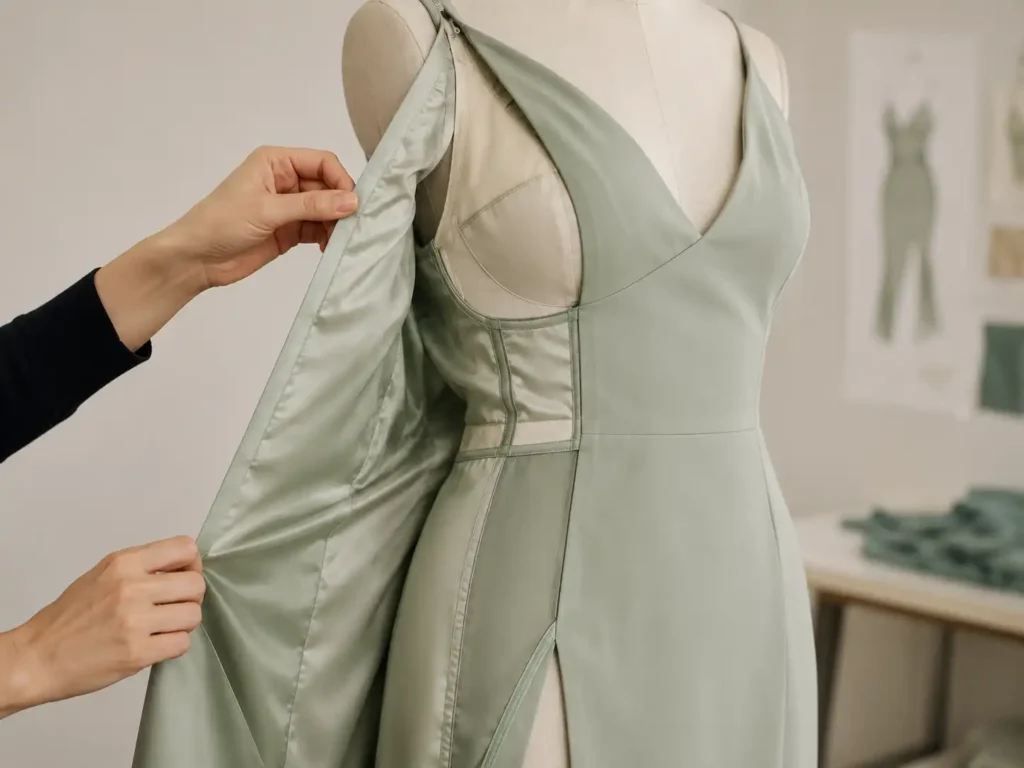
Lining Coverage

Invisible Zipper
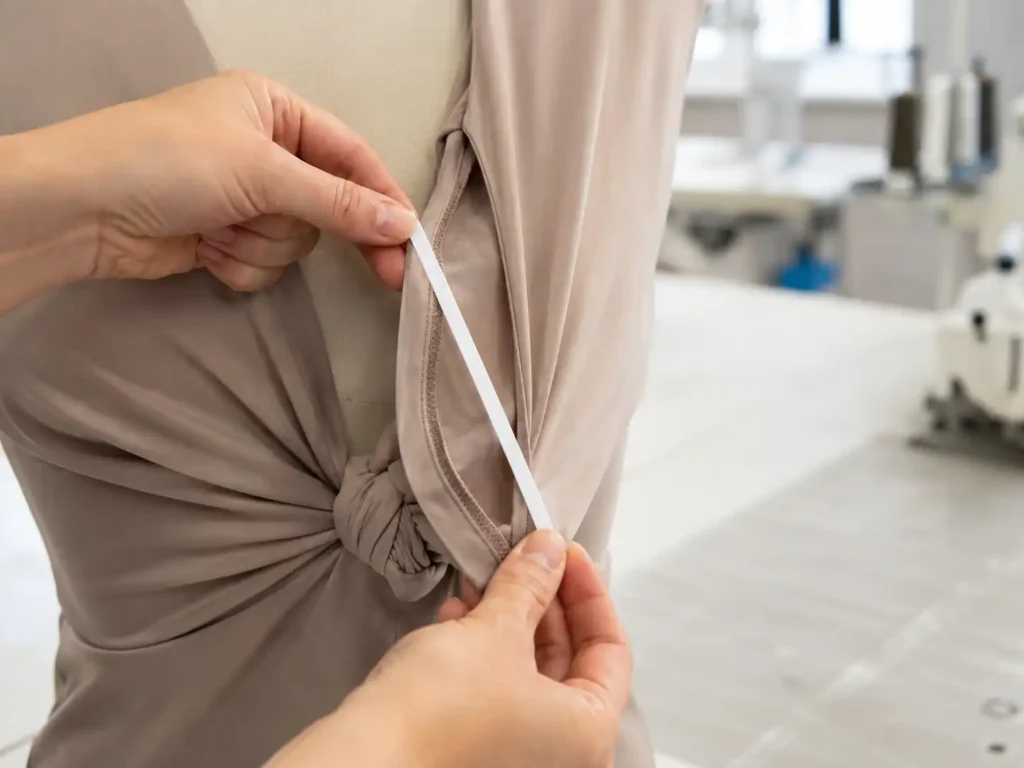
Clear Elastic

Bra Cups
Boning or Support

Labels and Seam Placement
Design Options with Clear Production Consequences

Twist Placement

Neckline Shape

Sleeve Direction

Dress Length

Cut-Out Size

Ruching Level

Back Construction

Color and Print
Files Needed for Accurate Development and Quotation
Design Views
Tech Pack
Measurement Chart
Fabric Specification
Color Plan
Label and Packing Files
Production Feasibility Is Checked Before Sampling
A design can be visually attractive yet unsuitable for the chosen fabric, target cost, size range, or production route. Early feasibility review protects the approved appearance before pattern and material costs increase.
Jinfeng Apparel reviews the twist type, panel construction, seam layers, opening, neckline, lining, closure, support, and intended fit. The team also considers whether the selected fabric can hold the required drape, recover after stretch, remain opaque, and repeat consistently across bulk cutting and sewing.
Key review questions include:
- Can the twist be secured without a hard inner knot?
- Will the neckline or cut-out remain stable during movement?
- Does the material provide enough drape without uncontrolled growth?
- Can seam allowances be reduced while preserving strength?
- Will the construction remain consistent across the planned size range?
- Are selected trims, colors, and packaging available at the required quantity?
- Does the launch calendar allow time for fabric confirmation, fitting, PP approval, production, QC, and shipment?
When risk is identified, Jinfeng may propose a revised twist allowance, alternative anchor, localized lining, stabilizing elastic, different fabric weight, adjusted opening, or modified sewing route. The aim is not to simplify every design, but to protect the intended result in production.

Pattern Development for Stable Twist Placement
Pattern development converts the approved front image into a repeatable garment structure. Twist front styles need more control points than a standard front bodice because rotation, drape, overlap, and opening behavior interact with bust and waist fit.
Base Bodice Balance
Development begins with shoulder, neckline, armhole, bust, underbust, waist, side seam, and front length. A weak base cannot be corrected by adding more drape. The bodice must sit correctly before the twist is refined.
Twist Panel Development
Twist panels may extend from the neckline, bust, side front, waist seam, or separate overlay. Panel length, width, grain direction, rotation, and seam allowance are tested according to fabric behavior and desired fold depth.
Bust and Underbust Control
Twist-bust styles need separate attention to upper bust, full bust, underbust, cup position, neckline depth, and center coverage. The front should look shaped without creating pressure, gaping, or unstable overlap.
Waistline Position
Natural, high, and low waist positions change body proportion and affect how the skirt hangs below the twist. Waist reference should be measured and maintained through sample revisions and grading.
Cut-Out Pattern
Cut-out edges require accurate width, height, curve, seam allowance, stabilization, and lining relationship. The opening should preserve shape without cutting into the body or exposing more than the approved design.
Front Length Compensation
Rotation and gathering can shorten the effective front length. Pattern development must compensate so the hem remains level and the waist does not rise. Long and asymmetric dresses may require additional balance review.
Lining Pattern
The lining may follow the shell, cover only selected zones, or create an independent support structure. A direct copy of the shell pattern is not always suitable. Lining should protect opacity and comfort without restricting drape.
Grading Logic
Twist placement, bust volume, opening coverage, front length, overlap, and support should be reviewed across the size range. Size-set sampling may be recommended when the range is broad or the front opening is sensitive.

Sample Stages Protect the Final Bulk Standard

First Sample

Fit Sample

Revised Sample

Photo-Ready Sample

PP Sample

Golden Sample

PP Approval Locks More Than the Front View
PP approval should confirm the complete production standard, not only whether the dress looks acceptable in one photograph. The approved package connects development with bulk execution.
The PP record should lock:
- Final shell and lining fabric references.
- Approved color, shade, print, and component matching.
- Final pattern version and grading basis.
- Twist direction, center position, panel order, fold depth, and anchor points.
- Bust, underbust, waist, opening, side seam, length, hip, and hem measurements.
- Stitching, seam allowance, elastic tension, zipper, cups, boning, lining, and support details.
- Woven labels, size labels, care labels, hangtags, barcode, stickers, and polybags.
- Pressing, folding, carton assortment, and carton marks.
- Product-specific QC points and tolerances.
The approved PP sample, golden sample, BOM, measurement chart, trim card, construction notes, label files, packing instructions, and revision history should carry the same style and version reference. Any later change needs written review because one change may affect fabric consumption, sewing time, fit, packing, or delivery.
Production Is Matched to Fabric and Construction
Stretch Jersey Styles
Satin and Woven Styles
Mesh and Layered Styles
Complex Cut-Out Styles
Multi-Style Collections
Repeat-Order Programs
Twist Front Dress Production Process

Fabric Inspection
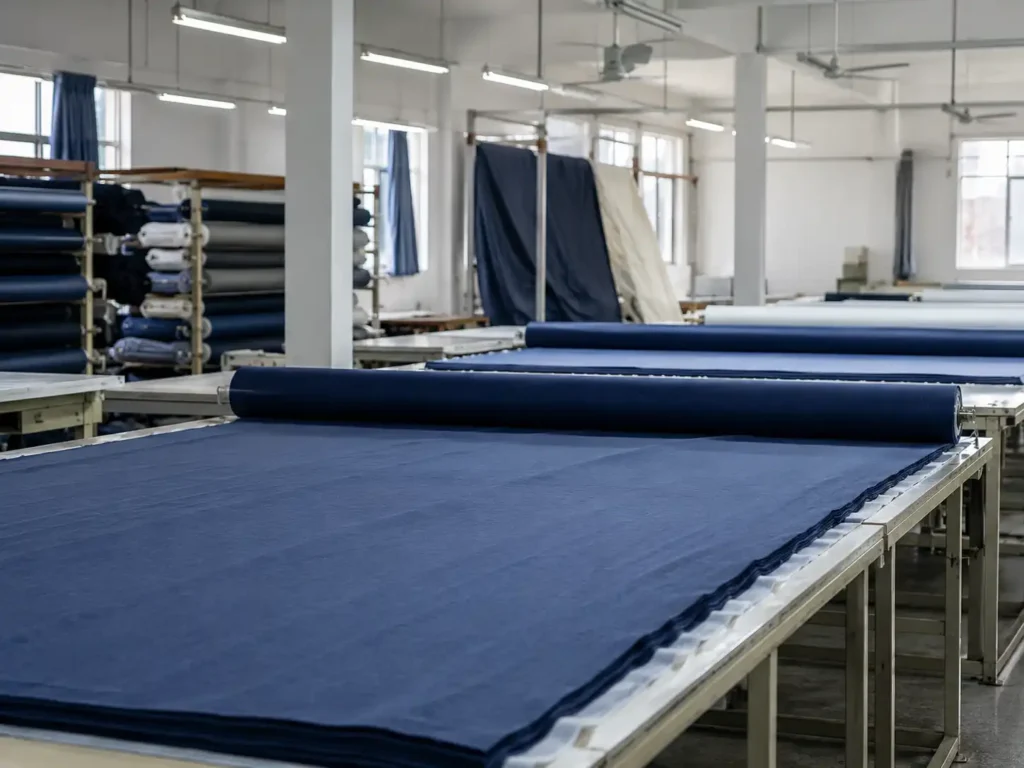
Fabric Relaxation

Marker and Cutting

Bundle Control

Twist Assembly

Main Garment Sewing
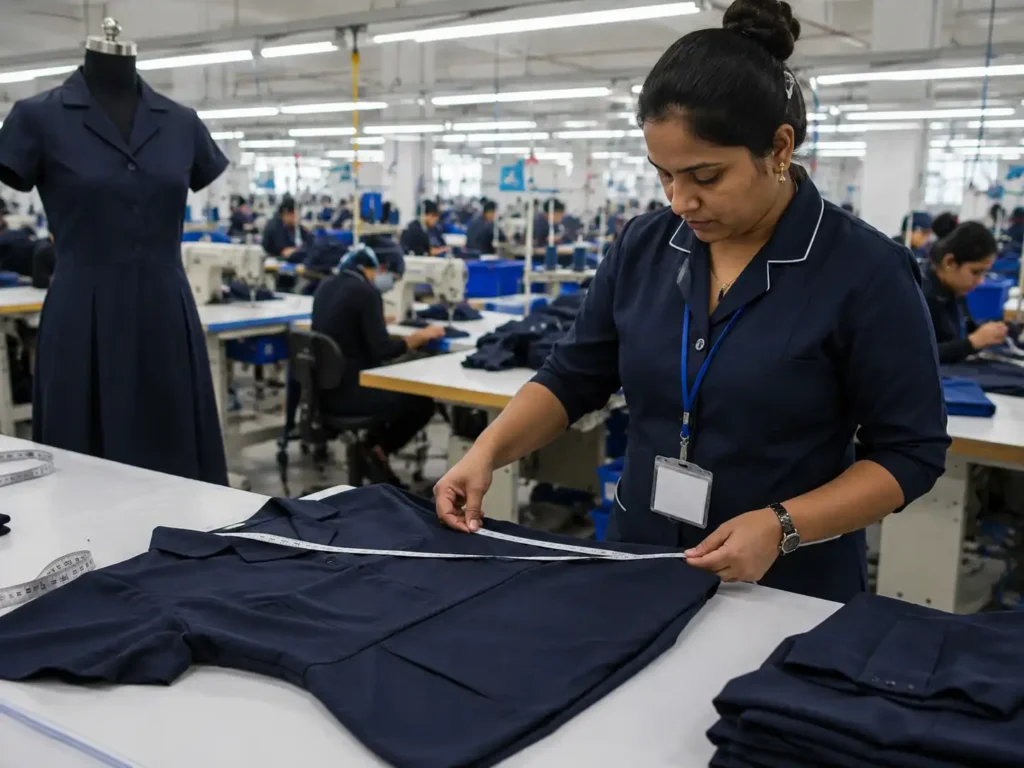
Inline Inspection

Pressing and Packing
Quality Control Built Around Twist-Specific Risks
General garment inspection is not enough for a twist front dress. The inspection plan should include measurable and visual points linked to the approved structure, material, size range, and wearing level.
Incoming Material Control
Fabric is checked against approved color, hand feel, surface, stretch, recovery, opacity, and visible-defect expectations. Satin needs attention to snagging, shade, and shine direction. Jersey and mesh require stretch and recovery review. Lining and elastic should match the intended support.
Cutting Control
Cutting checks cover pattern version, grain, stretch direction, nap or shine direction, print orientation, panel count, left-right pieces, and notches. Twist components cut incorrectly may still be sewable but produce a visibly different front.
First Production Review
Early completed units are compared with the PP or golden sample. Twist center, fold direction, drape, opening, neckline, zipper, side seam, measurements, and pressing are reviewed before full production continues.
Inline Sewing Inspection
Inline checks look for shifted twist centers, uneven folds, exposed lining, gaping, excessive seam bulk, stretched neckline, puckering, zipper waves, side-seam rotation, and missed stitches. Findings should be recorded and corrected at the operation where they arise.
Measurement Inspection
Standard bust, waist, hip, length, sleeve, and hem points are combined with product-specific measurements. Twist center height, opening width and height, overlap, neckline depth, underbust position, and side seam may be added according to the design.
Appearance Inspection
Final appearance review checks symmetry, intended asymmetry, drape, fold count, surface marks, shine, color, pressing, thread ends, stains, damage, and the relationship between twist and overall silhouette.
Wearing Security Review
Selected styles require review of bust coverage, neckline stability, cut-out edge, elastic tension, cups, boning, strap security, and inner seam comfort. The dress should preserve the approved visual level during normal movement.
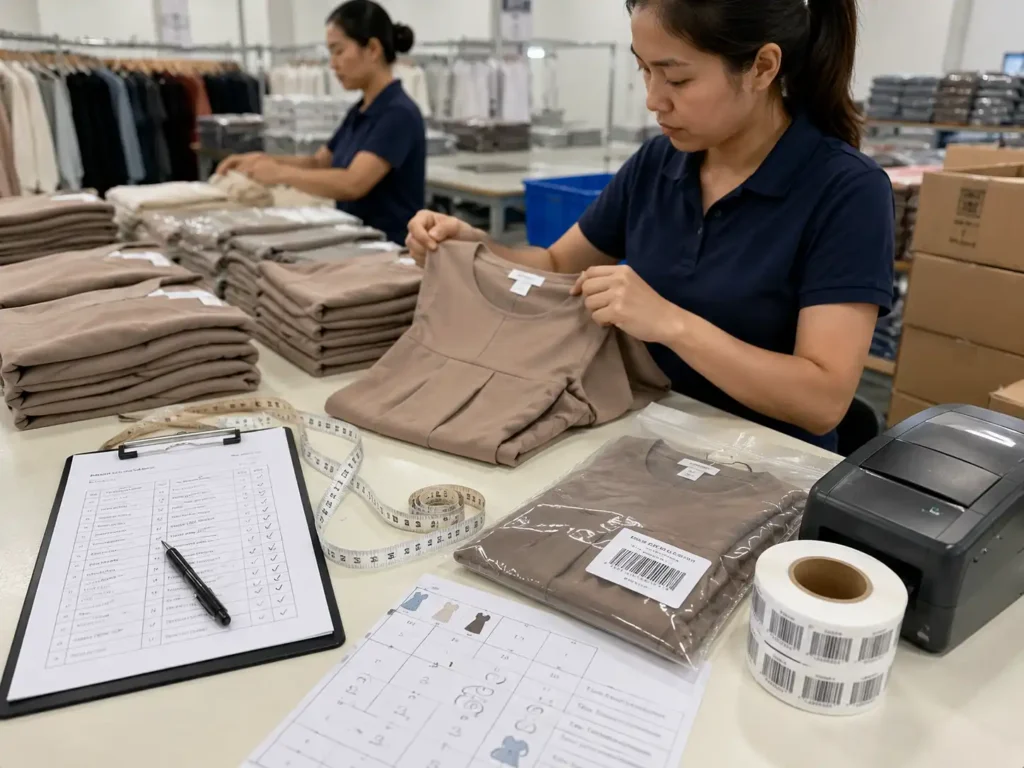
Packing Inspection
Size label, care label, main label, hangtag, barcode, SKU, color, polybag, warning label, folding, quantity, assortment, and carton mark are checked before shipment. Satin, mesh, and embellished fabrics may need extra surface protection.
Cost and MOQ Are Based on Real Construction
Jinfeng Apparel builds quotations from the approved product structure rather than using a generic dress price. Twist complexity, fabric behavior, support, sample route, size range, labels, packing, and delivery all influence the final cost.
| Cost Element | What Changes the Cost | Information Needed for Review |
|---|---|---|
| Shell fabric | Composition, weight, width, consumption, stretch, color, print, finish, supplier MOQ | Swatch, reference garment, specification, color plan |
| Lining and support | Full or partial lining, cups, boning, power mesh, elastic, facing | Coverage drawing, wearing level, support requirement |
| Pattern work | True twist, knot-effect, cut-out, asymmetric panels, grading complexity | Front/back views, tech pack, size range |
| Sampling | First sample, fit sample, revisions, photo sample, PP, size set | Required sample stages and approval plan |
| Sewing time | Twist assembly, ruching, layer count, zipper, lining, support, hem | Construction callouts and approved sample |
| Trims and labels | Zipper, elastic, cups, labels, hangtags, barcode, special trims | BOM and artwork files |
| Quality control | Product-specific measurements, visual checks, testing, inspection level | Quality manual or agreed checklist |
| Packing | Folding, tissue, polybag, hanger, barcode, SKU, carton assortment | Packing manual and warehouse requirements |
| Delivery | Incoterm, shipment method, split shipment, destination, timeline | Delivery plan and consignee information |
Private Labels and Packaging Complete the Garment

Woven Main Labels

Size and Care Labels

Hangtags
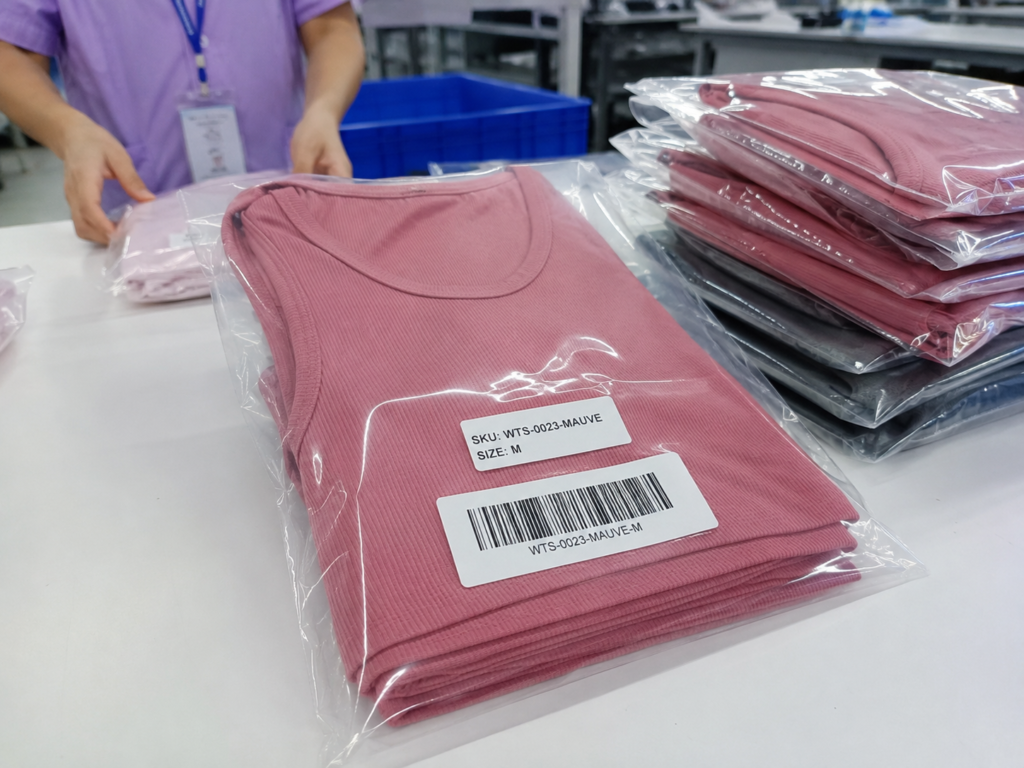
Barcode and SKU Labels

Ecommerce Polybags
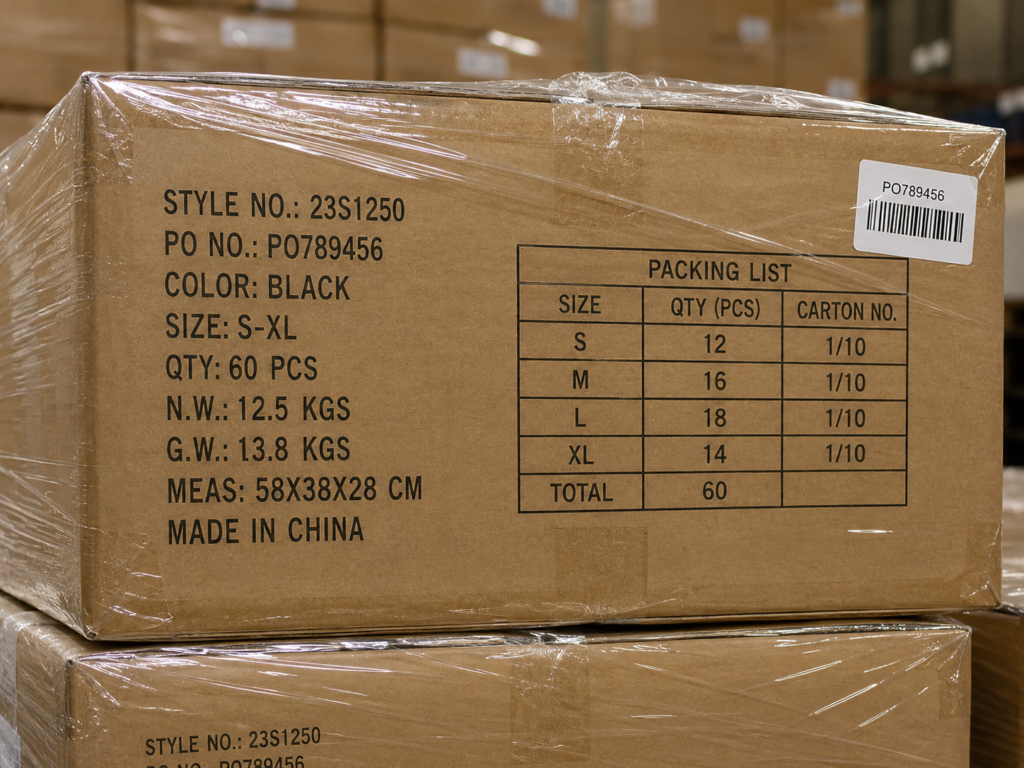
Carton Packing
Plan Launch Timing, Delivery, and Repeat Orders
Launch Calendar Control
Shipping Coordination
Repeat-Order Readiness
Design Protection and Project Records Stay Controlled
NDA Cooperation
Tech Pack Protection
Pattern Records
Sample Protection
Label and Packaging Confidentiality
Third-Party Testing Support
Anonymized Twist Front Dress Project Examples

US Jersey Twist Program
Satin Occasion Collection<br
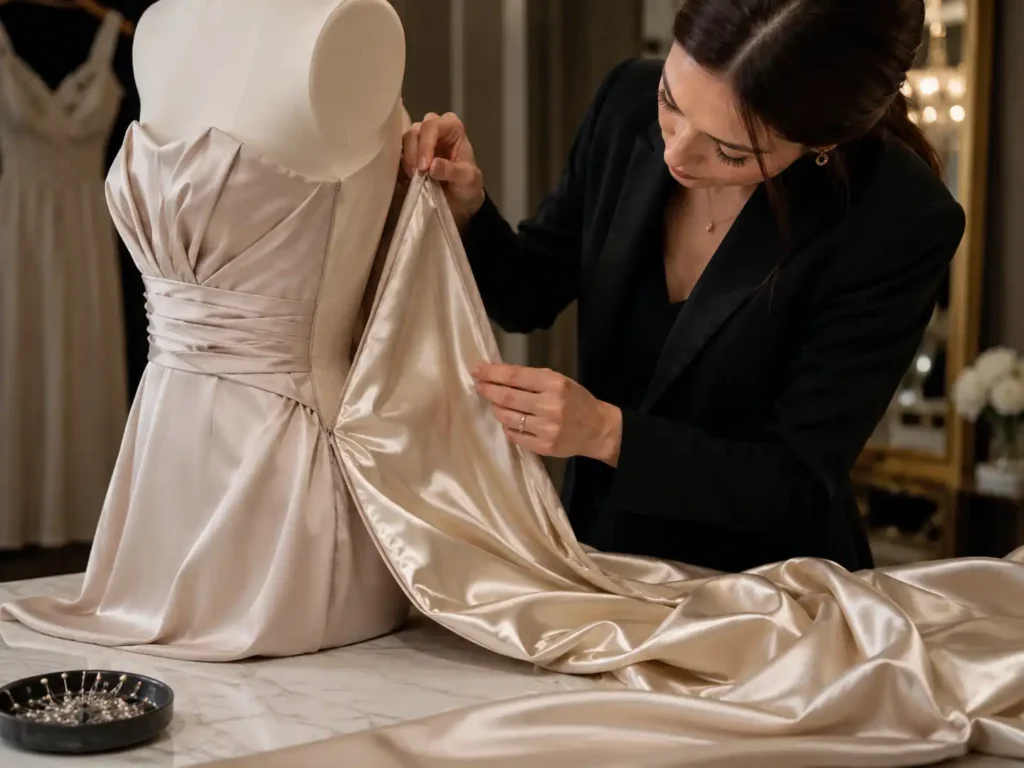
An occasionwear program included 24 styles and 58,000 garments across stretch satin, matte satin, chiffon overlays, and selected mesh panels. The range combined twist-bust midi dresses, asymmetric waist-twist gowns, party minis, and long-sleeve evening styles. Primary risks included shine direction, center bulk, zipper waves, color-lot variation, pressing marks, and packing creases. Jinfeng separated stretch and non-stretch constructions, reviewed twist allowance by fabric weight, reduced unnecessary seam layers, and aligned lining and zipper choices with each silhouette. PP approval covered close-up drape references, pressing method, folding, and carton presentation. Early production units were compared with the golden sample before full flow. Result: the assortment was produced in staged groups to protect fabric handling and launch timing. Satin-specific inspection covered snagging, shade, seam pressure, twist shape, zipper appearance, and packing protection.

Multi-Style Resort Range
Twist Front Dress Frequently Asked Questions

Develop Your Twist Front Dress Collection
Send Jinfeng Apparel the information needed to evaluate construction, fabric direction, sample route, MOQ, quotation, production timing, private-label requirements, and delivery. A complete submission allows Kelly and the development team to respond with a more useful project assessment rather than a broad estimate.
Please include:
- Front, back, side, and close-up twist references.
- Tech pack, original sample details, or measurement chart.
- Quantity by style, color, and size.
- Preferred fabric, stretch, weight, hand feel, or reference swatch.
- Required lining, zipper, cups, elastic, support, or special trims.
- Main label, size label, care label, hangtag, barcode, and packing files.
- Target market, launch date, delivery destination, and preferred shipment route.


