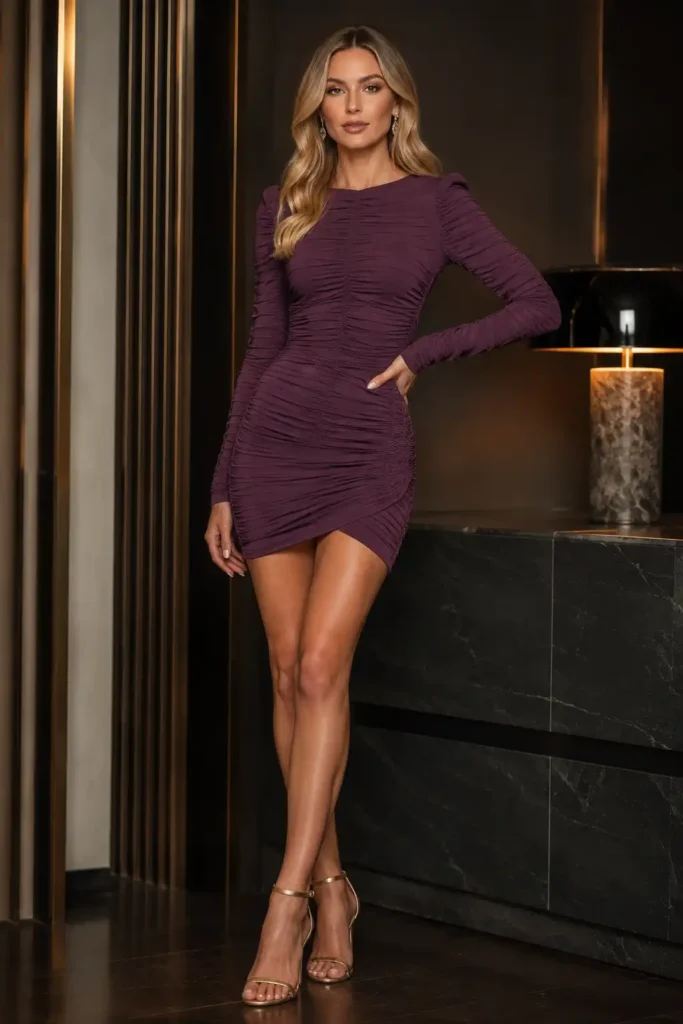
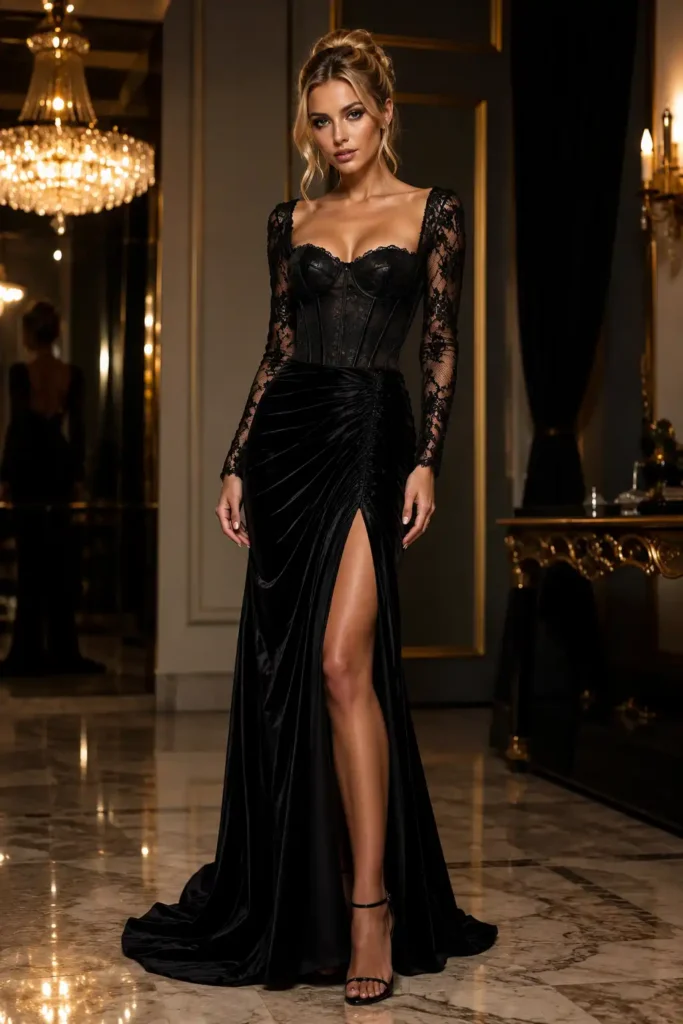
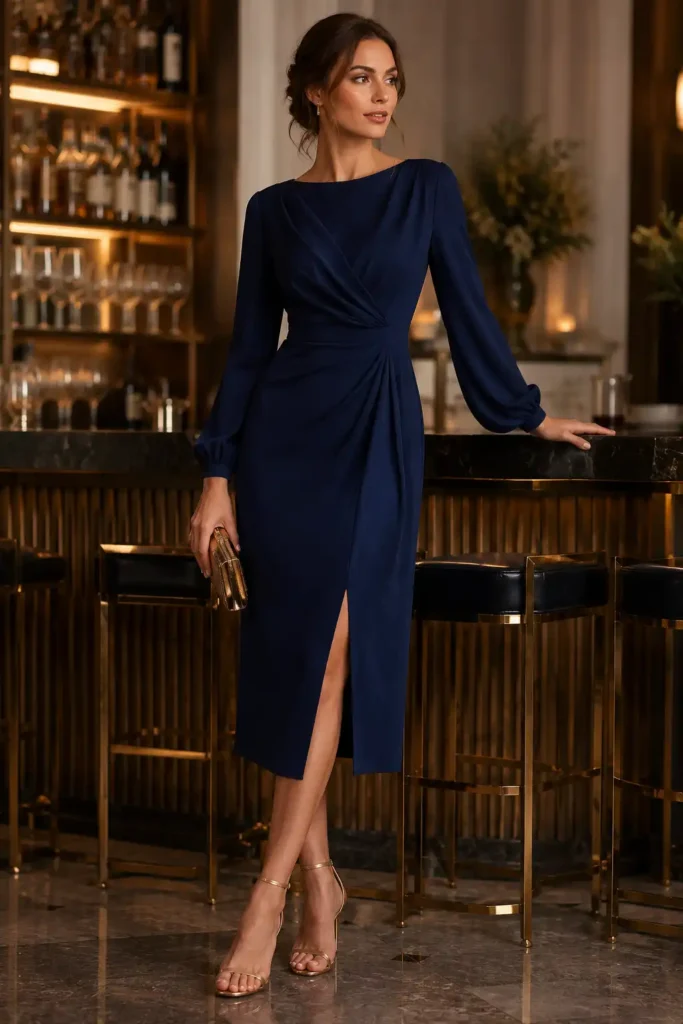
Long Sleeve Party Dress Manufacturer

Custom long sleeve party dress development for established fashion brands, occasionwear labels and large apparel programs.

  • Since 2008, Jinfeng Apparel has developed premium dresses for international fashion markets.
  • 7+ senior pattern makers control sleeve cap shape, armhole balance, bicep ease, cuff opening and size grading.
  • Complex long sleeve party dress samples normally require about 15-25 days, depending on fabric, decoration and structure.
  • MOQ starts from 200 pieces per style and color, subject to fabric, trims, packaging and production planning.

Jinfeng Apparel supports custom long sleeve party dresses from design review, fabric sourcing and pattern development through sampling, bulk production, quality control, private-label packing and export coordination. Each project is assessed around fit, movement, transparency, decoration, launch timing and bulk repeatability before a production plan is confirmed.

Production Facts Supporting Long Sleeve Dress Programs

Long sleeve partywear requires more than sewing capacity. Pattern development, sample correction, fabric handling, in-line measurement and final appearance control must work as one system. Jinfeng Apparel assigns development and production resources according to fabric type, construction risk, order size and launch schedule.

Since 2008

Jinfeng Apparel has focused on custom women’s fashion manufacturing since 2008. Long-term production experience covers party dresses, occasionwear, bodycon dresses, satin dresses, mesh dresses, lace dresses, sequin dresses, evening styles, jumpsuits and coordinated fashion sets for the United States, United Kingdom, Europe, Australia and Canada.

Six Owned Factories

Six owned women’s fashion factories support dress development and bulk production. Style allocation depends on fabric behavior, garment structure, sewing complexity, decoration, quality standard and delivery window. Complex first-time styles are assigned to production units with relevant fabric and construction experience.

Ten Plus Partners

More than ten long-term satellite production partners support repeat orders, capacity balancing, selected regular styles and multi-batch delivery. Production is not assigned randomly. Jinfeng retains project management, approved standards, QC checkpoints and packing requirements across the production system.

Two Sample Rooms

Two sample rooms handle pattern conversion, first samples, fit samples, revised samples, photo-ready samples, PP samples and Golden Sample records. Complex sleeves are tested before bulk cutting because sleeve balance, movement and fabric response cannot be judged from a flat sketch alone.

Development Team

The development system includes 7+ senior pattern makers and 20+ sample machinists. Pattern and sample teams review shoulder position, sleeve cap, armhole, upper-arm ease, elbow movement, cuff opening, lining, zipper behavior, ruching, transparency and decoration placement.

Quality Team

15+ QC inspectors support incoming material review, cutting checks, in-line sewing inspection, measurement verification, finished garment inspection, pressing review, packing checks and project-specific AQL inspection. Quality plans are aligned with approved samples and brand manuals.

Built for Established Partywear and Fashion Brands

Long sleeve party dress projects often combine seasonal deadlines, visual impact, complex materials and strict fit expectations. Jinfeng Apparel is structured for brands managing repeat collections, multiple styles, private-label requirements and commercial order volumes.

Partywear Brands

Partywear labels need dramatic visual impact without sacrificing movement, comfort or bulk consistency.

Jinfeng supports sequin, mesh, lace, velvet, satin, ruched and bodycon styles while controlling sleeve comfort, lining coverage, decoration security, zipper flatness and photo-ready appearance.

Ecommerce Fashion Teams

Premium ecommerce programs rely on strong photography, accurate fit information, stable size grading and retail-ready packing.

Sample development can include photo-ready samples, fit feedback, measurement review, revised patterns and packaging preparation for barcode, SKU and warehouse requirements.

Sourcing and Development Teams

Sourcing offices and product development departments need clear technical communication, material status, sample records, PP approval, production updates and quality evidence. Jinfeng organizes project files around style, fabric, trims, size chart, sample version, bulk standard, packing and delivery information.

A Manufacturing Fit for Serious Dress Programs

The strongest production results begin with a clear match between project requirements and manufacturing resources. Jinfeng Apparel works best with brands that have defined product direction, sample development needs, commercial quantities and clear launch or replenishment plans.

Strong Project Fit

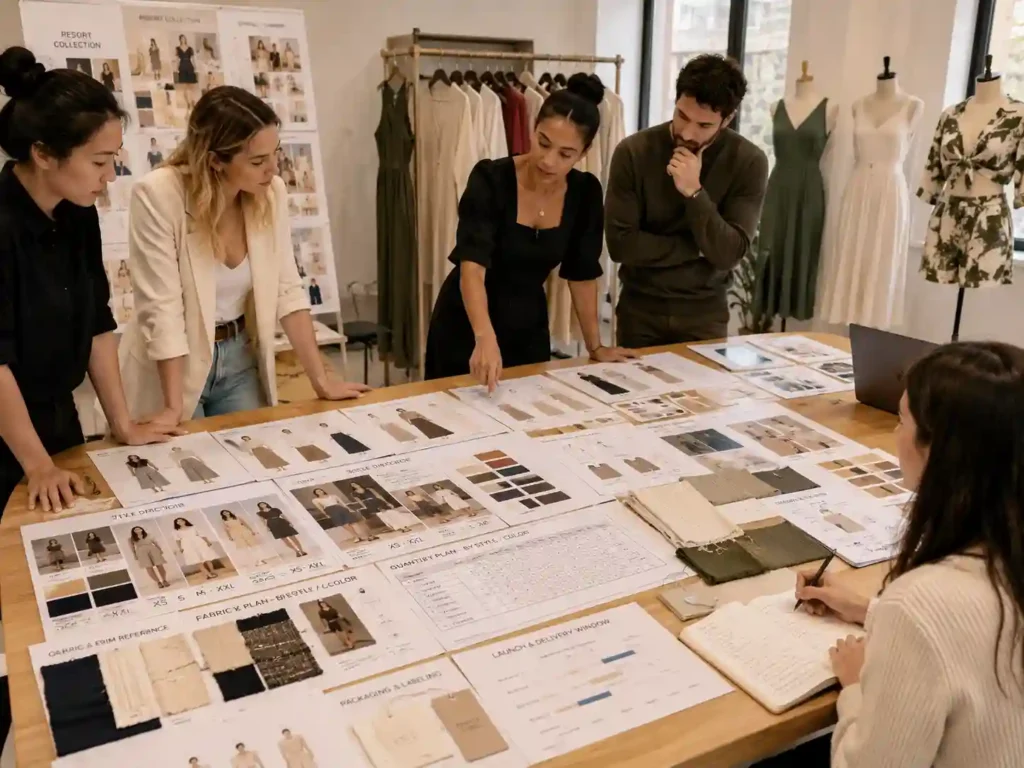
A strong fit normally includes a tech pack, line sheet, original sample, reference images or a developed design direction. Quantity, color plan, size range, target market, fabric preference, private-label requirements and delivery target allow the team to assess structure, MOQ, cost drivers and production risk before sampling.

Production Model

The manufacturing model is built around custom development, professional sampling, PP approval, bulk production, quality control and brand delivery. Accurate project evaluation requires more than a single image because fabric, sleeve construction, lining, trims, size range and packing directly affect cost and timing.
Why Long Sleeve Party Dresses Fail in Production

A striking design can lose commercial value when sleeve movement, fabric behavior or decoration is not controlled. The following problems frequently appear after a flat design is converted into a real garment, especially across several sizes and colors.

Armhole Pulling

An armhole that is too high, too narrow or poorly balanced can pull the bodice upward when the wearer lifts an arm. A low armhole can create excess fabric and poor underarm appearance. Pattern review must consider sleeve cap shape, shoulder width, bust ease, fabric stretch and intended movement.

Tight Upper Arms

Upper-arm measurements cannot be copied from a generic block. Lace, mesh, sequin fabric, stretch jersey and velvet behave differently. The required ease depends on fabric stretch, lining, seam type, sleeve shape, target fit and grading. Insufficient ease causes discomfort, seam stress and high return risk.

Sleeve Twisting

Sleeves twist when grain direction, stretch direction, sleeve pitch or cutting alignment is incorrect. Velvet nap, sequins and directional lace create added risk. Sleeve seam position is checked on the sample while the arm is relaxed, extended forward and bent at the elbow.

Decoration Irritation

Sequins, beads, rhinestones and rough lace can irritate the underarm, wrist, neckline or side body. Comfort requires lining decisions, clean seam allowances, edge finishing, decoration-free zones and wear testing. A visually strong sleeve should not damage skin or catch on the bodice.

Transparency Errors

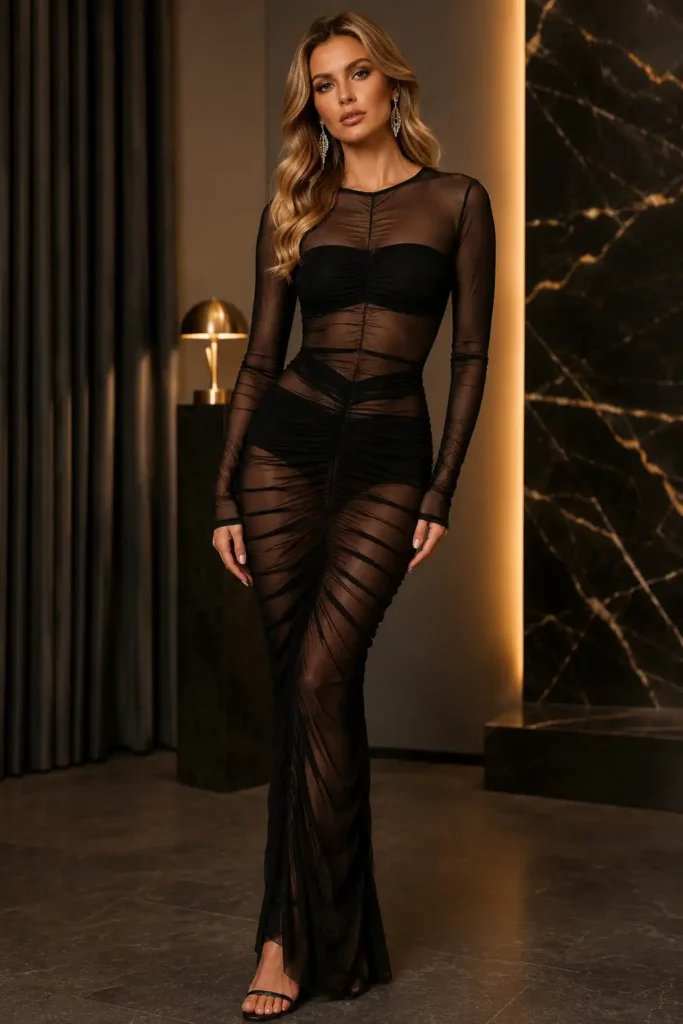
Sheer sleeves may be intentional, while the bust and lower body require controlled coverage. Mesh weight, stretch, lining color, seam opacity and underarm construction affect the final result. Photography lighting can reveal transparency that is not obvious under factory lighting.

Bulk Size Drift

A base-size sample may fit well while larger sizes become too tight at the upper arm or too loose at the sleeve cap. Grading must control shoulder, armhole, bicep, elbow, cuff and sleeve length as a connected system rather than enlarging every point by a fixed percentage.

Long Sleeve Party Dress Styles We Develop
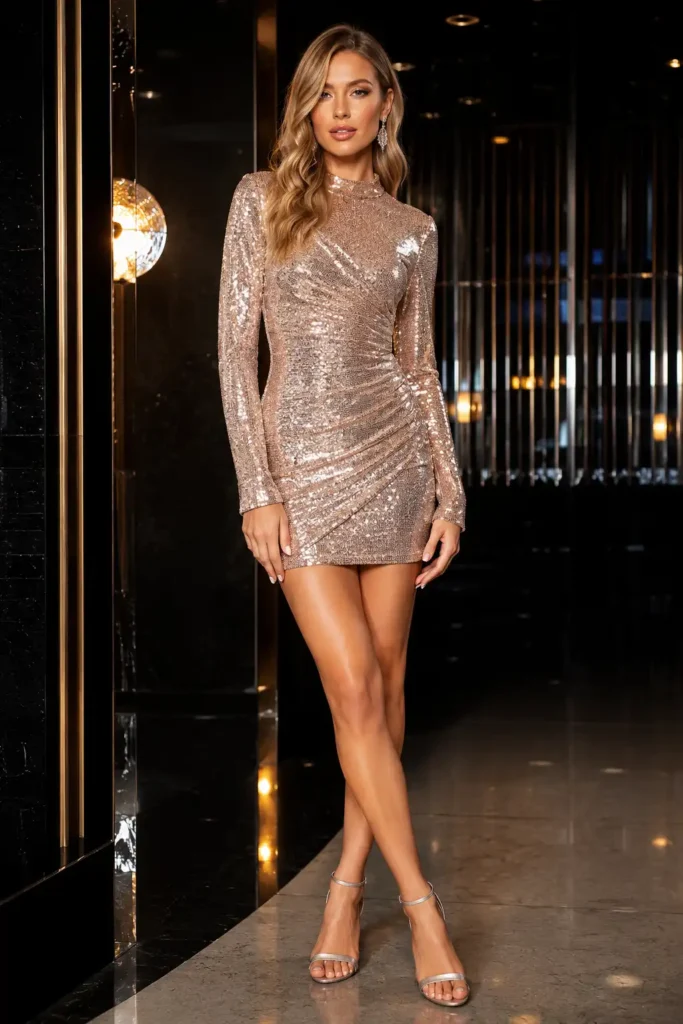
Jinfeng Apparel develops long sleeve party dresses across mini, midi and full-length categories. Each silhouette receives a separate pattern, fabric and quality plan because a sheer mesh bodycon dress cannot follow the same construction logic as a velvet cocktail dress or a fully embellished mini.

Sequin Mini Dress

High-impact sequin mini dresses require directional cutting, controlled seam bulk, secure decoration and skin protection. Sleeves receive special attention at the underarm, elbow and cuff where friction is highest. Lining, seam-cleaning and packing methods are confirmed during sampling.

Mesh Bodycon Dress

Stretch mesh creates a close silhouette while allowing sheer or layered effects. Development focuses on mesh recovery, lining placement, waist and hip fit, sleeve stretch, neckline stability and seam strength. Power mesh can add support where a light fashion mesh lacks control.

Lace Cocktail Dress

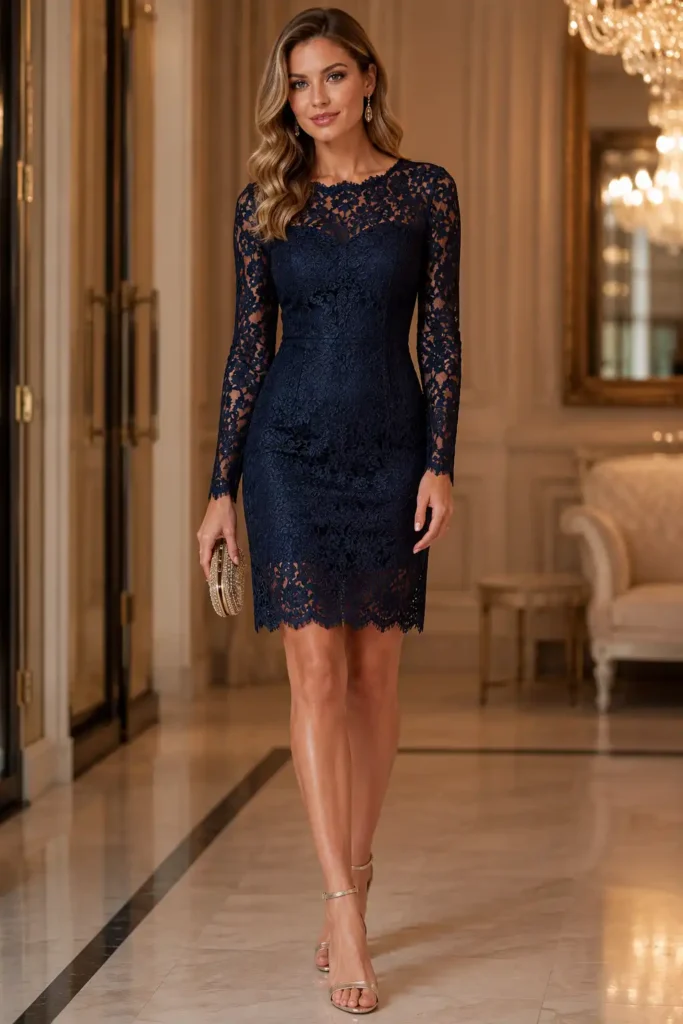
Lace long sleeve cocktail dresses depend on motif placement, left-right balance and refined edge treatment. Lace direction is planned before cutting, especially around the shoulder, sleeve cap, cuff, neckline and center front. Lining color and coverage alter the appearance of every lace design.

Velvet Party Dress

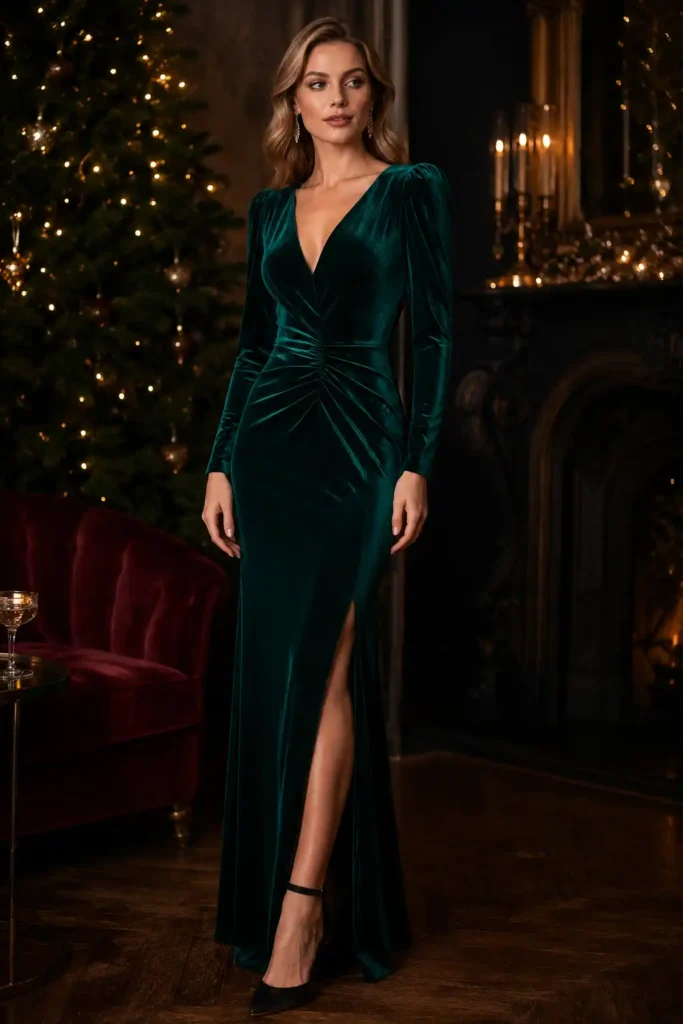
Velvet provides depth and seasonal value for holiday and winter programs. Nap direction, cutting layout, seam pressure, sleeve bulk, pressing temperature and packing pressure must be controlled. A fitted velvet sleeve may require more ease than the same pattern made in stretch jersey.

Satin Occasion Dress

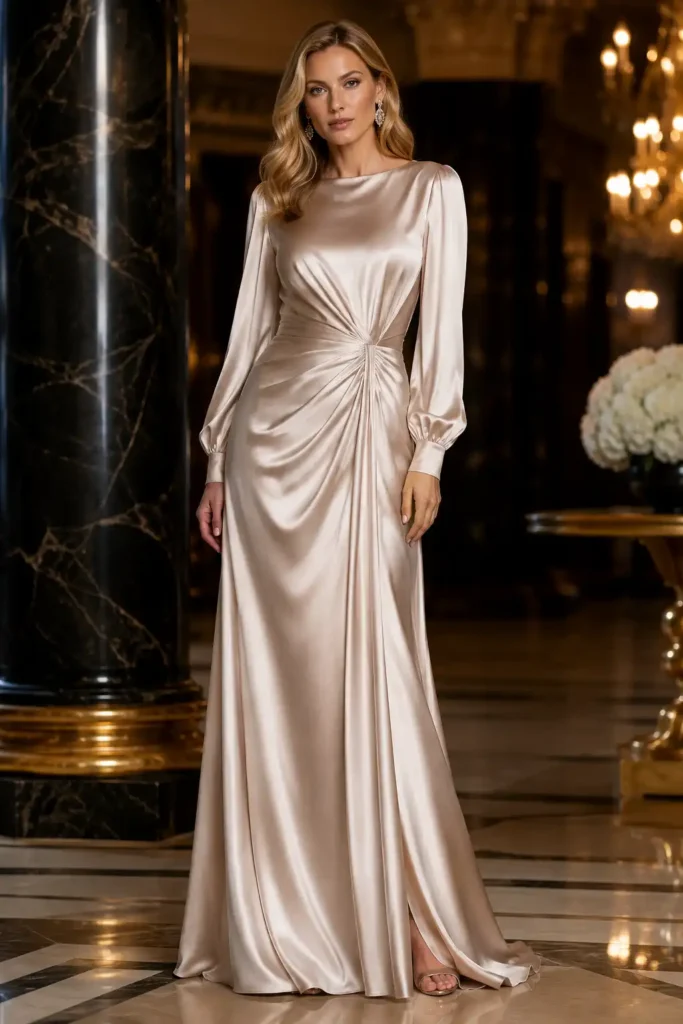
Satin emphasizes every seam, tension mark and pressing error. Long sleeves require smooth sleeve-head shaping, controlled feed, clean cuffs and careful handling to prevent snagging. Matte satin, stretch satin and heavier satin each create a different drape and fit result.

Ruched Mini Dress

Ruching can improve visual shape and fit flexibility, but bulk production requires fixed ruching positions and controlled gather ratios. Sleeve ruching must remain symmetrical, while the bodice and skirt must preserve approved waist, hip and dress length measurements.

Corset Party Dress

Corset-influenced party dresses may combine a structured bodice with long mesh, lace or satin sleeves. Cup shape, boning, neckline security, zipper placement, sleeve attachment and waist fit are reviewed together. Structure must remain stable without creating hard pressure points.

Cocktail Midi Dress

Long sleeve cocktail midi dresses balance occasionwear polish with movement. Development commonly includes waist shaping, sleeve mobility, slit height, zipper flatness, lining length, hem balance and fabric recovery. The final garment should remain refined while sitting, walking and raising the arms.

How We Engineer Long Sleeve Fit

Long sleeve fit is controlled as a connected pattern system. Shoulder width, sleeve pitch, sleeve cap, armhole, upper arm, elbow, cuff and garment body influence one another. A correction at one point can create a new issue elsewhere, so development follows movement tests and measured pattern adjustments rather than visual guesswork.

Sleeve Cap and Armhole Balance

The sleeve cap must match the armhole seam length while preserving the intended amount of sleeve-head ease. Excess cap ease can produce puckering, while insufficient ease can flatten the shoulder or restrict movement. The team reviews front and back armhole shape, shoulder slope, sleeve pitch and fabric response before deciding whether the problem belongs to the sleeve, bodice or both.

During fit review, the wearer stands naturally, reaches forward and raises both arms. The bodice should not rise excessively, the neckline should remain stable and the sleeve seam should not rotate. Knit and stretch-mesh styles may use negative or limited ease, while woven satin, velvet and lined lace require controlled positive ease.

Upper Arm and Elbow Movement

Upper-arm comfort is evaluated against the target silhouette. A sleek fitted sleeve still needs enough room for elbow movement and normal wear. Fabric stretch percentage alone is not enough; recovery, thickness, lining, decoration and seam type change usable stretch.

For lined or embellished sleeves, the inner layer may become the limiting measurement. Pattern makers therefore measure both shell and lining behavior. Elbow shaping, sleeve seam position and cuff opening are revised from fit feedback. Larger sizes receive controlled increases rather than simple proportional enlargement, helping maintain the intended fitted appearance without excessive pressure.

Shoulder, Cuff and Sleeve Length

Shoulder-point placement influences sleeve hang and the perceived width of the upper body.

A shoulder that extends too far can collapse the sleeve cap, while a short shoulder can pull the armhole inward. Sleeve length is measured from a defined shoulder point with the arm position recorded in the size specification.

Cuff design is checked for hand entry, wrist comfort, closure strength and decoration clearance. Button cuffs, zip cuffs, elastic cuffs and clean-finished stretch cuffs each need different allowances. Final measurements are recorded in the approved size chart and transferred into the bulk inspection plan.

Measurements That Control Sleeve Comfort and Balance

Measurement points must use one agreed method across tech pack, sample room, production and final inspection. Differences in measuring position can create false disputes even when the garment has not changed. The table below identifies the main points used for long sleeve party dress development.

Measurement PointHow It Is CheckedMain Risk ControlledSample Review Focus
Shoulder WidthShoulder point to shoulder point across backDropped or narrow shouldersSleeve hang and neckline balance
Armhole DepthShoulder high point to armhole levelTight underarm or excess fabricMovement and body lift
Armhole CircumferenceAlong front and back armhole seamSleeve mismatch and pullingSleeve cap compatibility
Sleeve Cap HeightTop of cap to bicep linePuckering or flat shoulderShape and mobility
Bicep WidthAcross sleeve at upper-arm lineTight upper armEase, stretch and lining
Elbow WidthAcross sleeve at elbow levelRestricted bendingFlexion and sleeve recovery
Sleeve LengthShoulder point to cuff edgeShort or overlong sleevesApproved size method
Cuff OpeningFinished edge or closed cuffHand entry and wrist comfortClosure and decoration clearance
Sleeve Seam PositionVisual line along inner or back armSleeve twistingGrain, pitch and cutting alignment
Lining LengthLining seam and cuff relationPulling or lining exposureShell-lining balance

Fabrics Engineered for Long Sleeve Party Dresses

Fabric selection determines appearance, sleeve movement, comfort, sewing method, cost and production risk. Jinfeng Apparel reviews composition, weight, stretch, recovery, drape, transparency, surface direction, color availability, supplier MOQ and bulk stability before confirming a material direction.

Satin

Satin creates clean shine and strong evening appeal, but every tension mark remains visible. Weight and drape are selected according to body fit, sleeve shape and lining. Cutting direction controls light reflection. Sewing trials check seam puckering, snagging, sleeve-head smoothness, zipper flatness and pressing response.
  • Review: weight, shine, stretch and snag risk.
  • Control: cutting direction, clean table surfaces and suitable seam tension.
  • Bulk focus: shade consistency, puckering, pressing marks and packaging folds.

Stretch Mesh

Stretch mesh supports sheer sleeves, layered bodycon silhouettes and cut-out designs. Mesh must be assessed for stretch in both directions, recovery, transparency, hand feel and tear resistance. A soft fashion mesh may look refined but lack enough recovery for a fitted sleeve.
  • Review: stretch, recovery, transparency and seam strength.
  • Control: pattern reduction, lining placement and discreet reinforcement.
  • Bulk focus: holes, skipped stitches, stretched seams and shade variation.

Lace

Lace quality depends on motif scale, direction, border design, softness and base stability. Sleeve planning considers motif placement at the cap, elbow and cuff. Scalloped borders may be used at the cuff when fabric width and cutting layout allow.

  • Review: motif direction, softness, width and border position.
  • Control: paired cutting, left-right balance and lining color.
  • Bulk focus: broken motifs, mismatch, frayed edges and seam irritation.

Sequin Fabric

Sequin fabrics create strong visual impact but increase cutting loss, seam bulk, needle risk and skin-contact problems. Directional sequins, embroidery bases and glued surfaces require different handling. A long sleeve adds high-friction areas at the underarm and elbow.
  • Review: sequin direction, base strength, weight and comfort.
  • Control: seam allowance cleaning, reinforcement and lining.
  • Bulk focus: loose sequins, missing areas, scratching and packing damage.

Velvet

Velvet is suited to holiday and winter party collections. Nap direction changes color under light, so panels must be cut consistently. Pressure can flatten the surface, and thick seams can become visible at the sleeve cap or cuff.
  • Review: nap, weight, stretch and pressing response.
  • Control: directional cutting, controlled feeding and low-pressure pressing.
  • Bulk focus: shade direction, crushed areas, seam movement and carton pressure.
Stretch Jersey

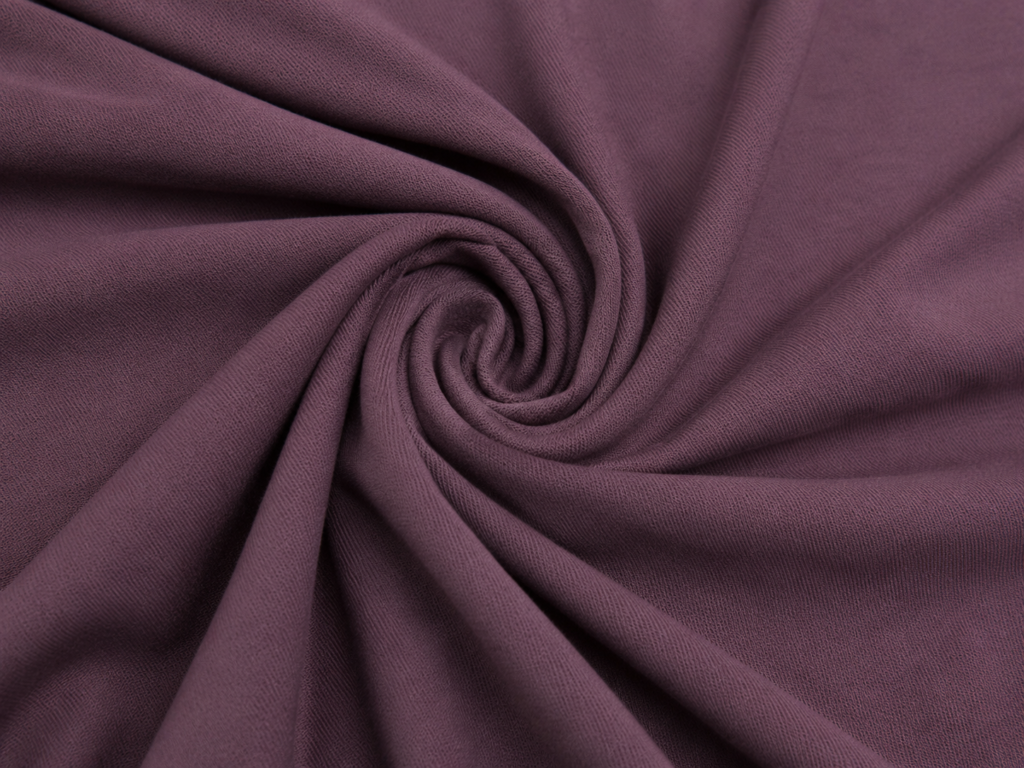
Stretch jersey supports bodycon silhouettes and comfortable fitted sleeves. Good recovery is more important than high stretch alone. Fabric relaxation, shrinkage, spirality and edge curling are checked before pattern confirmation.
  • Review: stretch, recovery, weight, shrinkage and opacity.
  • Control: fabric relaxation, cutting direction and seam elasticity.
  • Bulk focus: sleeve waves, size drift, twisting and poor recovery.

Crepe

Crepe offers a refined matte surface for cocktail and occasion dresses. Woven crepe requires adequate movement ease, while stretch crepe can support a closer fit. Grain control and seam tension affect sleeve hang.
  • Review: drape, stretch, opacity and surface texture.
  • Control: sleeve ease, pressing and seam stabilization.
  • Bulk focus: armhole pulling, seam impressions and shade consistency.

Chiffon

Chiffon suits bishop sleeves, layered sleeves and light evening silhouettes. The fabric can shift during cutting and pucker during sewing. Transparency and static behavior must be considered with lining and cuff construction.
  • Review: weight, transparency, color and drape.
  • Control: stable cutting, fine seams and gathering consistency.
  • Bulk focus: puckering, uneven sleeve volume, snags and damaged edges.

Lining, Transparency and Internal Support Decisions

Party dresses often combine visible outer layers with hidden structural components. A well-designed inner construction supports shape, protects the wearer and prevents transparent areas from becoming production defects.

Controlled Coverage

Sheer sleeves may remain unlined while the bust, waist and skirt require coverage. Lining boundaries are planned around neckline depth, armhole, side seam and cut-out position. Skin-tone, tonal or contrasting lining changes the visual effect, especially under flash photography. Light-colored fabrics receive additional opacity checks before bulk approval.

Support Without Bulk

Corset-inspired or bodycon dresses may use bra cups, boning, power mesh, stay tape or stable lining. Support materials are selected according to neckline, cup shape, zipper position and target comfort. Heavy internal structure can restrict arm movement when it is not balanced with the armhole and sleeve pattern.

Shell and Lining Balance

Shell and lining must move together. A short or tight sleeve lining can pull the outer sleeve, while excess lining can twist or show at the cuff. Stretch shell fabrics require compatible lining stretch. Satin and velvet styles need clean lining attachment to prevent drag lines and visible seam tension.

Trims and Embellishments Built Into the Garment

Trims are part of fit, comfort and production planning rather than decoration added at the end. Jinfeng Apparel reviews specification, color, size, quality level, MOQ, development time, cost and bulk availability before the PP sample is locked.

Invisible Zippers

Invisible zippers are common in fitted party dresses. Length, tape color, puller quality and seam stabilization affect flatness. Satin and velvet can show zipper waves easily. Bulk inspection checks smooth operation, top alignment, seam symmetry and surrounding fabric tension.

Hooks and Closures

Hooks, eyes, buttons and cuff zippers must remain secure without creating pressure. Neckline hooks can reduce zipper stress, while cuff closures allow a narrow sleeve opening. Attachment strength and skin comfort are checked during sample wear tests.

Sequins and Rhinestones

Decoration plans define position, density, direction, reinforcement and safe zones. Heavy rhinestone placement may pull mesh or distort a sleeve. Sequin rows crossing seam allowances often require controlled removal and reattachment to keep the seam clean.

Lace Trims

Lace trims can finish cuffs, necklines, cut-outs and hem edges. Color, softness, width and motif direction must match the main fabric. Narrow trims may have different supplier MOQ and lead time from garment fabric, so both are confirmed before costing.

Elastic and Gathering

Elastic may shape cuffs, ruched sleeves, waistlines or back panels. Width, stretch ratio, recovery and softness affect comfort. Excess tension creates marks and inconsistent finished measurements, while weak elastic loses shape after wear.

Labels and Branding

Woven labels, size labels and care labels are checked for content, color, placement and comfort. Neck labels on sheer or lace dresses need discreet attachment. Private-label materials often have independent supplier MOQ and development lead times, commonly around 7-20 days depending on item and specification.

Photo-Ready Samples for Ecommerce and Campaign Launches
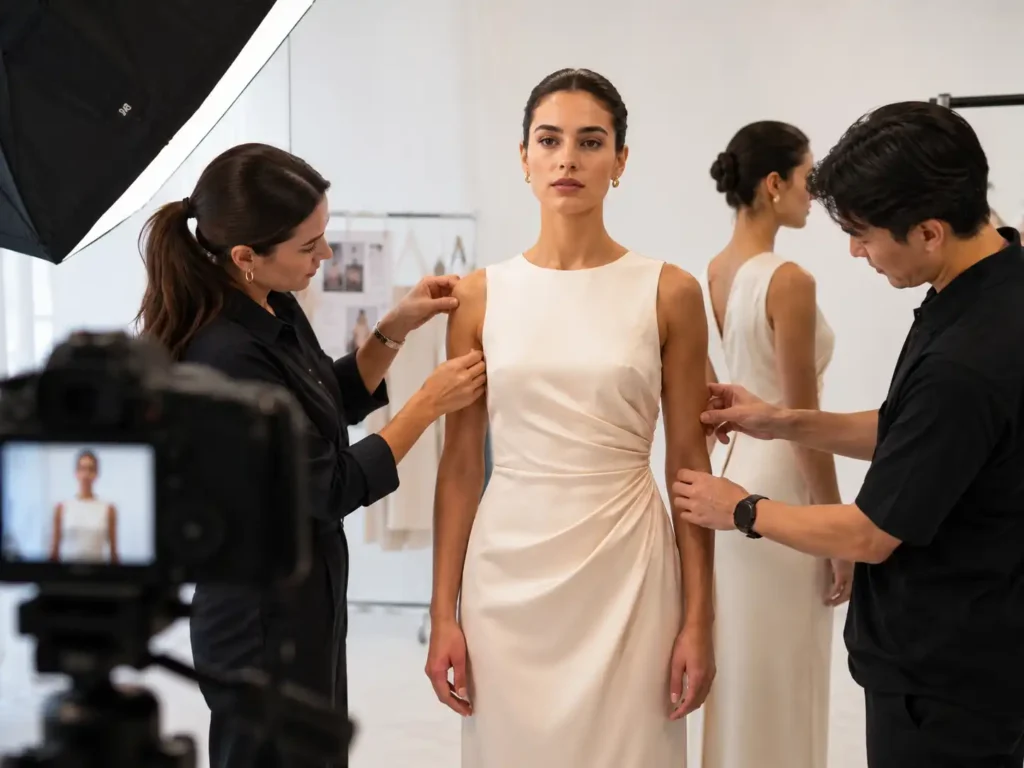
A photo sample must present the intended silhouette under studio lighting while remaining connected to the future bulk standard. Strong campaign images are valuable only when the approved appearance can be reproduced across commercial quantities.

Camera-Visible Fit

Photography exposes neckline gaps, armhole pulling, sleeve twisting, uneven ruching and lining edges. The sample is checked from front, side and back, then through movement positions. Sleeve and bodice lines should remain clean without excessive retouching being needed to hide construction problems.
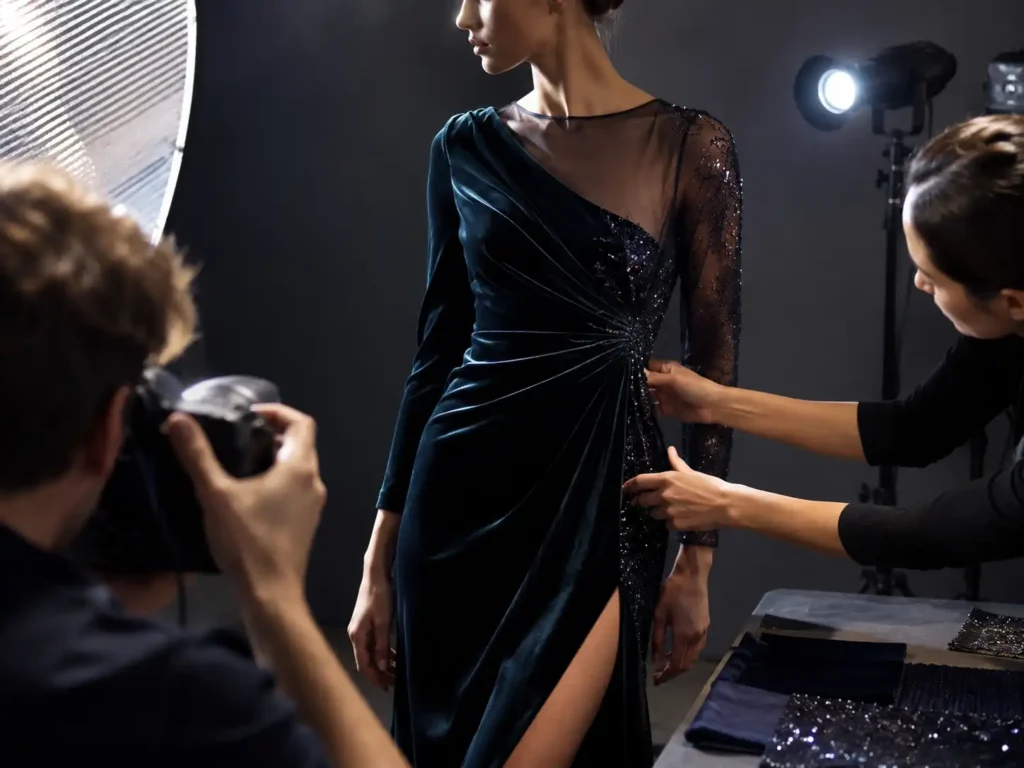
Surface and Light
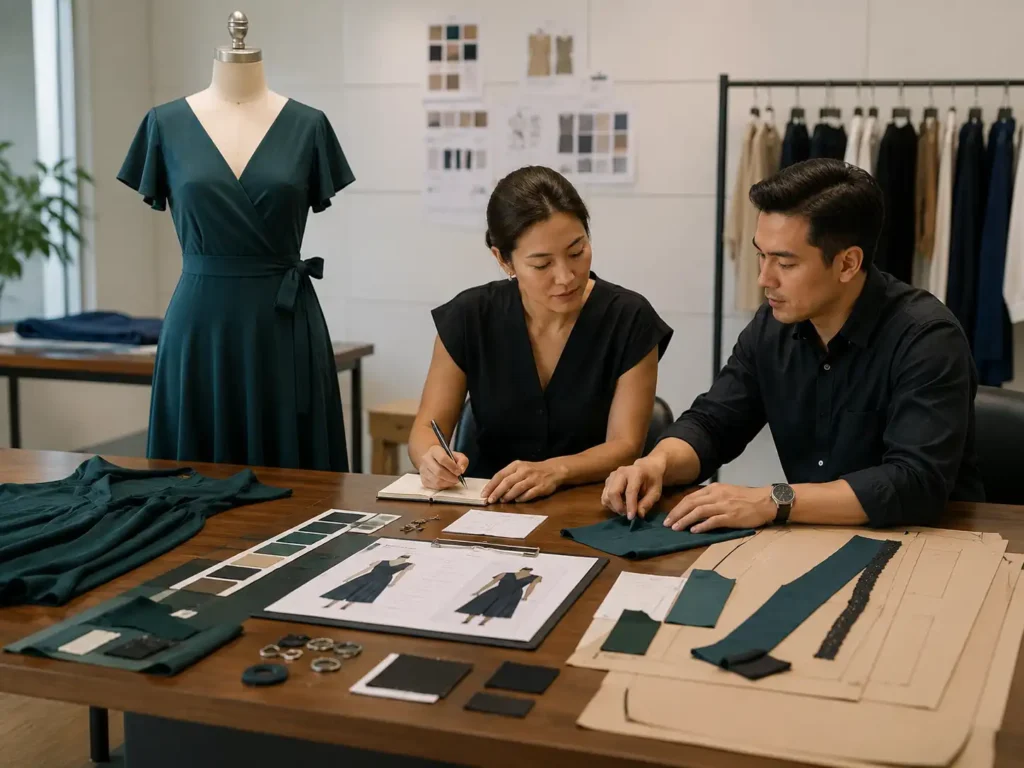
Satin shine, velvet nap, rhinestone reflection, sequin direction and mesh transparency change under flash and directional light. Fabric orientation and pressing are reviewed before dispatch. Natural-light and indoor-light images can be supplied to show color and surface differences.

Bulk Connection

A photo-ready sample is not automatically the PP sample. Fabric, trims, pattern and finishing must be locked before bulk production. Any styling-only adjustment made for photography is recorded so production teams do not reproduce a temporary pin, clip or hidden alteration as a permanent construction feature.

Moving an Approved Sample Into Bulk Production

Bulk production begins only after approved standards are translated into clear production files. Pattern, measurement, fabric, trims, color, workmanship, labels and packing are locked so every team follows the same reference.

Pre-Production Control

The production package includes approved pattern, graded sizes, measurement chart, BOM, fabric and trim specifications, construction notes, decoration placement, label artwork, packing instructions and PP sample approval. Fabric lot and color are reviewed before cutting. Directional materials receive marked cutting instructions.

Risk points are added to the production and QC plan. Long sleeve party dresses may require checks for sleeve pair matching, seam direction, bicep measurement, cuff opening, decoration security, mesh damage, zipper flatness and pressing.

Line Setup and In-Line Inspection

Production lines receive the approved sample and operation requirements before sewing starts. Early pieces are checked before volume increases. Measurement and workmanship inspection continues during sewing rather than waiting until final inspection.

In-line findings are corrected at the source. For example, sleeve-head puckering may require feed adjustment or seam handling changes; sequin irritation may require better seam cleaning; uneven ruching may require guide marks or controlled stitch length.

Final Appearance and Packing

Finished garments are checked for measurement, symmetry, sleeve hang, movement, closures, lining, decoration, pressing and clean appearance.

Packing is selected according to fabric sensitivity.

Velvet, satin, sequins and rhinestones may need tissue, protective layers, reduced compression or controlled fold positions.

Workmanship for Complex Partywear Fabrics

High-impact partywear depends on disciplined workmanship. Construction methods are selected around surface sensitivity, stretch, thickness, transparency, decoration and expected wear rather than applying one sewing method to every dress.

Satin Seam Control

Satin seams can pucker when needle size, thread tension, feeding or pressing is unsuitable. Sleeve-head curves are especially sensitive because the cap is eased into the armhole. Cutting tables and handling areas must remain clean to reduce snags. Seam samples help identify acceptable tension and pressing before bulk work begins.

Mesh and Lace Joining

Transparent fabrics reveal seam allowances and reinforcement. Mesh seams need enough stretch without opening, while lace seams need motif continuity and clean edges. Underarm and cuff areas are reviewed for durability because both receive repeated movement. Paired sleeve cutting supports left-right visual balance.

Sequin Seam Preparation

Sequins trapped inside seam allowances create bulk, broken needles and skin irritation. Selected sequins may be removed from the seam path, then secured after sewing when needed. The base fabric must remain strong enough after removal. Decoration maps and approval samples define the acceptable appearance.

Velvet Direction and Pressure

All visible panels must follow the approved nap direction. Feeding pressure and pressing can flatten the pile, especially around sleeve caps, cuffs and side seams. Garments should not remain compressed for long periods. Packing plans reduce pressure on highly visible areas.

Stretch Seam Stability

Bodycon party dresses need seams that stretch without breaking and recover without waves. Fabric relaxation, seam elasticity and differential feeding are considered. Sleeve and armhole seams are checked after movement because a seam can look smooth on a flat table yet fail during wear.

Ruching and Symmetry

Ruching positions, gather lengths and tension are marked so bulk pieces remain consistent. Left and right sleeves are compared for position and density. The approved sample defines where ruching begins and ends, preventing random variation that changes sleeve length or garment proportion.

Quality Control From Fabric Arrival to Packing

Quality control follows the garment through material, cutting, sewing, finishing and packing. A final inspection alone cannot correct every issue because sleeve twist, color direction, motif placement and construction errors often begin much earlier.

Material Inspection

Fabric is checked for color, width, surface condition, stretch, recovery, transparency, nap or sequin direction and visible defects. Trims are checked against approved specifications. Shade variation and directional materials are separated before cutting.

Cutting Control

Cutting plans follow grain, stretch direction, motif placement, velvet nap and sequin direction. Sleeve pairs are marked and bundled together. Lace and printed designs may require placement control beyond normal marker efficiency.

Sewing Inspection

Early and in-line checks review sleeve attachment, seam appearance, bicep measurement, cuff opening, zipper flatness, lining, ruching, decoration and symmetry. Findings are recorded so corrections reach all affected operations.

Measurement Review

Measurements are checked against the approved size chart and tolerance. Focus points include shoulder, armhole, bicep, elbow, sleeve length, cuff, bust, waist, hip, dress length, lining length and slit height.

Finished Appearance

Finished garments are checked for sleeve hang, twisting, arm movement, puckering, loose threads, missing decoration, mesh holes, lace damage, stains, color direction and pressing. Garments should match the approved silhouette rather than merely meeting isolated measurements.

Packing Inspection

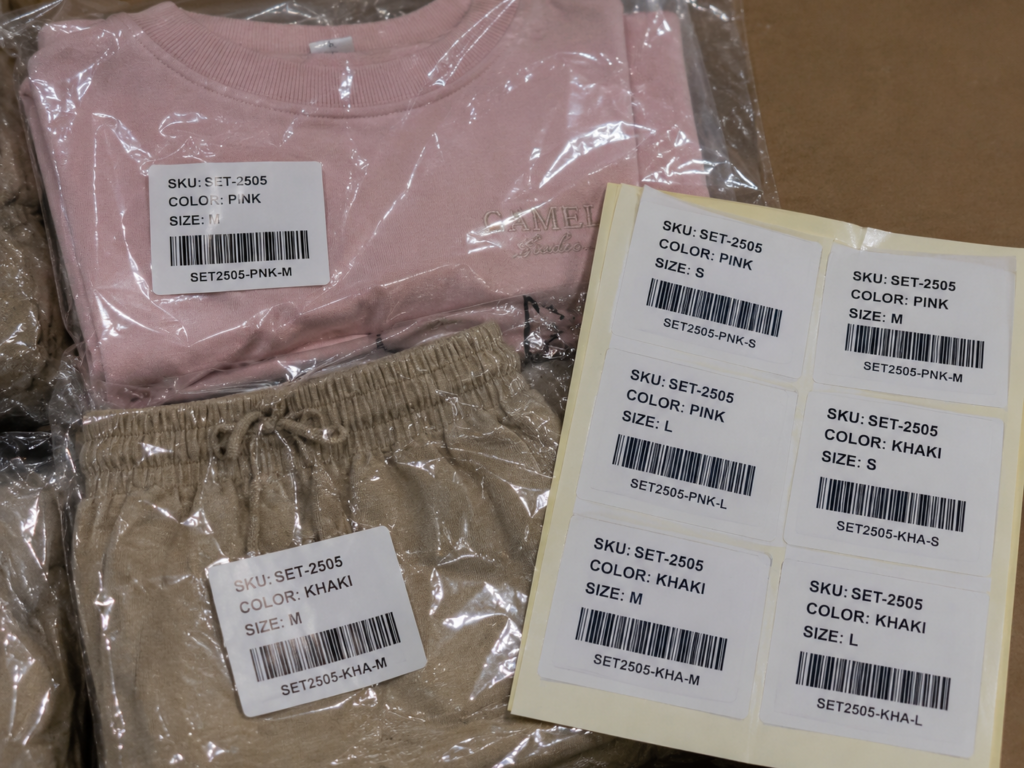
Labels, size stickers, barcodes, SKU information, polybags, folding method, carton marks and assortment are checked before shipment. Sensitive partywear receives material-specific protection to reduce crushing, snagging and decoration transfer.

Client Standards

Brand quality manuals, defect classifications, measurement tolerances, AQL requirements and third-party inspection instructions can be incorporated into the project plan. Requirements should be submitted before PP approval so production and inspection teams follow the same standard.

Long Sleeve Dress Defect Prevention Matrix

DefectCommon CauseSample VerificationBulk ControlFinal Inspection
Sleeve twistingIncorrect grain, pitch or cutting directionRelaxed-arm and movement photosPair marking, cutting direction and in-line checksSeam position and sleeve hang
Armhole pullingTight armhole, wrong cap balance or limited easeArms forward and raisedEarly size measurements and operation checksMovement review on selected sizes
Tight bicepInsufficient ease, lining restriction or weak stretchBicep measure and elbow bendSize grading check and fabric-lot stretch reviewMeasurement plus wear review
Sleeve-head puckeringExcess ease, feeding or tension problemCap smoothness after pressingSewing method and early-piece approvalVisual inspection under side light
Mesh holesNeedle damage, rough handling or seam stressStretch and seam testNeedle control, bundling and in-line inspectionLight-table or visual hole check
Lace mismatchUncontrolled motif direction or paired cuttingLeft-right sleeve comparisonPlacement marks and paired bundlesSymmetry and motif inspection
Sequin irritationDecoration inside seam or insufficient liningWear test at underarm and cuffSeam allowance cleaning and lining controlHand-feel and inside inspection
Satin snaggingRough surface, sharp object or handling damageSurface review under lightClean work areas and protected handlingFull surface inspection
Uneven ruchingInconsistent gather length or tensionLeft-right comparisonGuide marks and operation standardSymmetry, length and density check
Cuff inconsistencyClosure, elastic or measurement variationHand entry and closed-cuff measureComponent and in-line measurement checkPair comparison and operation test

Capacity for Multi-Style Partywear Programs

Large fashion programs rarely involve one dress in one color. They combine hero styles, supporting silhouettes, fabric groups, color stories, size ratios, photo samples, bulk quantities and repeat-order potential. Production planning must protect high-risk styles while keeping the wider collection moving.

Style Allocation

Each style is classified by fabric, construction, decoration, fit risk and delivery priority. A sequin corset mini, stretch mesh bodycon and satin cocktail dress may be assigned to different production units even within one program. Allocation follows manufacturing fit rather than equal distribution.

Multi-Style Scheduling

Six owned factories, 18+ sewing lines and 6+ flexible production lines support multi-style and multi-batch planning. Line setup, material arrival, PP approval and QC readiness are coordinated by style group. Complex styles are not promised at the same output rate as simple woven dresses.

Repeat Orders

Pattern files, measurement records, BOMs, fabric references, trim details, packing instructions, QC points and Golden Sample information can be retained for repeat production. Fabric batch, color and supplier availability are rechecked before every repeat order.

Peak-Season Support

More than ten long-term satellite production partners support selected repeat orders, regular styles, capacity balancing and multi-batch delivery. Jinfeng maintains approved standards and QC coordination across assigned production units.

Launch Priorities

Hero styles, campaign colors and priority sizes can be identified during project launch. Sample and production sequences are planned around photography, preorder, warehouse receiving and final launch dates. Air-and-sea split shipment can be assessed when launch timing and total volume justify it.

Project Visibility

Project management covers material tracking, sample status, revision records, PP approval, production updates, QC feedback, packing confirmation and shipment coordination. Clear ownership reduces delays caused by missing decisions or conflicting files.

MOQ, Costing and Development Timing

Commercial planning should be clear before sampling begins. Quantity, fabric, colors, size ratios, decoration, private-label materials and delivery requirements affect both unit cost and development schedule.

MOQ by Style and Color

MOQ starts from 200 pieces per style and color. One style in two colors normally requires 200 pieces per color. Several styles totaling 200 pieces do not meet the standard MOQ. Stock fabric directions are more likely to support the standard level, while custom dyeing, special lace, sequins, printing, trims and packaging may require higher supplier quantities.

Transparent Cost Drivers

Quotation is built from fabric, lining, trims, pattern work, sampling, cutting, sewing time, decoration, pressing, QC, packing, wastage, testing, logistics and reasonable factory margin. Cost optimization focuses on preserving the intended brand-level appearance through material alternatives, construction refinement, color consolidation, size-ratio planning and efficient cutting.

Sample Timing

Simple dress samples may take about 7-10 days. Regular dress first samples commonly take about 10-15 days. Complex corset, lace, mesh, sequin, evening and long sleeve party styles generally require about 15-25 days, depending on material readiness, custom trims and revision scope.

Production Calendar

The bulk calendar is confirmed after PP approval, fabric and trim readiness, quantity breakdown, packing requirements and line planning. Quantity alone does not determine timing. Special materials, multiple colors, complex decoration, custom labels and unfinished approvals can extend the schedule.

Label Lead Times

Woven labels, size labels and care labels often require about 7-15 days. Hangtags and custom printed polybags commonly require about 7-20 days. Special paper, printing, hardware or color standards may take longer and may have separate supplier MOQ.

Delivery Planning

Arrival timing depends on production completion, inspection, packing, route, destination, booking, customs and seasonal capacity. Express, air, sea, split shipment and client-appointed forwarders can be assessed. Logistics timing is planned as part of the launch calendar rather than treated as a fixed promise.

Private Label and Retail-Ready Packing
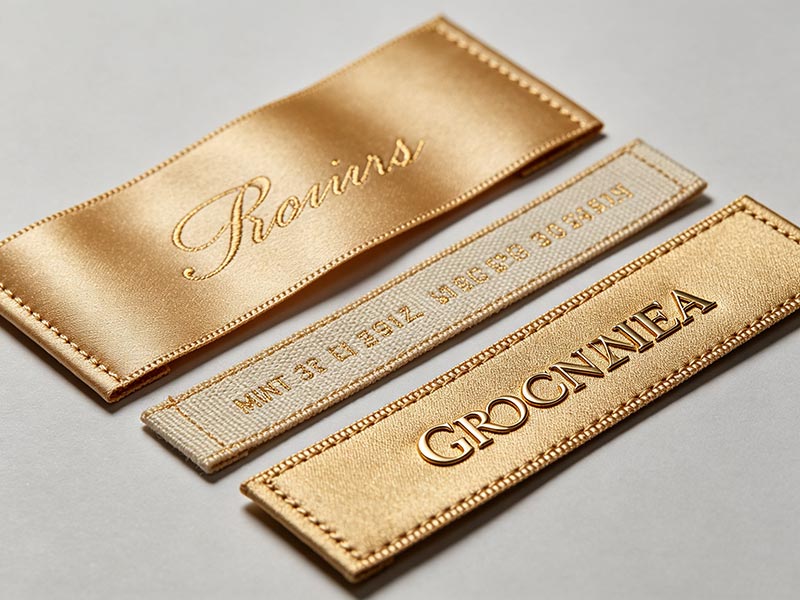
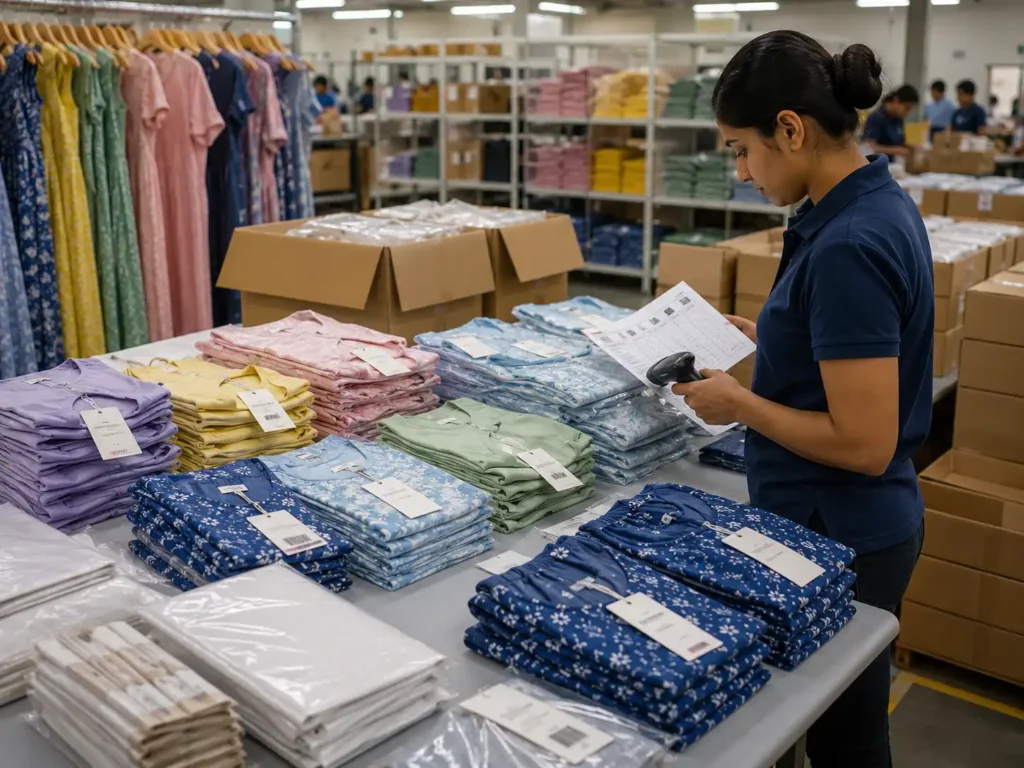
A finished dress is not ready for retail until labeling, barcodes, SKU information, assortment and carton records are correct. Jinfeng Apparel manages private-label details as part of production rather than a separate final-stage task.

Garment Labels

Woven main labels, size labels and care labels can be developed according to approved artwork. Fiber content, care instructions, language, size and country requirements should be confirmed before printing. Placement is tested for comfort and visibility, especially in sheer or low-neck garments.

Hangtags and Barcodes

Hangtags, strings, barcode stickers, size stickers and color stickers are checked against the style and SKU list. Barcode format, placement and scan requirements should come from the brand or warehouse guide. Packing teams use approved references to reduce mixed-label and mixed-size errors.

Polybags and Folding

Polybag dimensions and folding methods are matched to garment volume and fabric sensitivity. Sequin, rhinestone, velvet and satin styles may need tissue, protective layers or adjusted folds. Warning text, ventilation holes and recycled-content requirements are confirmed by project.

Carton Assortment

Solid-size, mixed-size, solid-color and mixed-color cartons can be planned according to receiving requirements. Carton marks, quantity, gross weight, net weight and measurements are checked against the packing list. Retail or ecommerce warehouse labels are applied according to supplied instructions.

Packing Approval

Packing materials and placement are reviewed before bulk packing. A packing photo set or sample can be confirmed when the program has complex labeling, gift packaging, protective needs or warehouse-specific requirements.

Shipment Coordination

Jinfeng can work with a brand-appointed forwarder or evaluate suitable routes by project. Commercial invoice, packing list, carton information, pickup coordination and shipment records are prepared to match the actual cargo.

NDA, Compliance and Brand Quality Requirements

Design protection and supplier qualification are essential for seasonal fashion collections. Jinfeng Apparel supports NDA-based cooperation and manages project files for development, sampling, production, QC, packing and delivery.

Design Protection

Tech packs, line sheets, samples, patterns, size charts, fabric plans, trims, labels, packaging artwork, order information and unpublished designs are treated as confidential project materials. Brand names and unlaunched styles are not used publicly without permission.

Audit and Compliance Support

Factory profiles, production process information, QC procedures, packing processes and available audit-related documents can be reviewed according to the assigned production factory and current records. Compliance claims are confirmed against actual documents rather than applied broadly across every order.

Material and Testing Requests

Certified fabrics, lab tests, fiber-content requirements, colorfastness, decoration durability and market-specific documentation can be assessed by project. Fabric certificates depend on supplier, fabric type, color, batch, scope and validity. Testing cost, sample quantity and lead time are confirmed before ordering.

Brand Manuals

Measurement tolerances, defect classifications, AQL, labeling rules, needle-control requirements, packing standards and third-party inspection instructions can be incorporated into the quality plan. Early submission allows sampling and bulk teams to work toward the same acceptance standard.

Long Sleeve Partywear Programs Managed by Jinfeng

The following anonymized examples reflect the scale and technical structure common in ongoing brand programs. Names, designs, prices and confidential files remain protected.

US Holiday Partywear Collection

An established US partywear label developed 18 styles and approximately 36,000 pieces across long sleeve sequin minis, mesh-sleeve bodycon dresses, ruched jersey styles and velvet cocktail dresses. The program used four color groups and a commercial size range developed from an approved base size.

Main risks included sequin irritation at the underarm, sleeve twisting on directional fabrics, inconsistent ruching length and velvet pressure marks. Jinfeng separated fabric groups, revised bicep and elbow ease, defined decoration-free seam zones and added packing protection for velvet and sequins. First samples moved through fit review, revised samples, PP approval and Golden Sample records. In-line inspection focused on sleeve pairing, decoration security, ruching symmetry and finished measurements. The program was delivered in planned production batches to support holiday launch and replenishment.

Australian Mesh Occasion Program

An Australian occasionwear brand placed a 14-style program of around 28,000 pieces, including sheer long sleeve minis, mesh-overlay midi dresses, lined bodycon dresses and cut-out party styles. Key design goals were clean transparency, close fit and strong photography under studio lighting.

Development focused on mesh recovery, lining boundaries, sleeve seam strength, neckline stability and size grading. Movement tests showed that two original sleeve blocks were too tight at the elbow and pulled the bodice upward.

Pattern corrections increased targeted movement ease without making the sleeves look loose. Bulk controls covered mesh holes, stretched seams, lining exposure, sleeve length and color consistency. Packing used controlled folding to reduce pressure marks on gathered and layered areas.

UK Satin and Lace Cocktail Range

A UK fashion label developed 22 styles and approximately 52,000 pieces across satin long sleeve cocktail dresses, lace-sleeve midi dresses, structured minis and matching occasion sets. The collection included several dark jewel tones, two light colors and private-label retail packing.

Main challenges were satin shade direction, zipper waviness, lace motif alignment, cuff consistency and multi-style packing accuracy. Jinfeng confirmed satin weight and shine direction, paired lace sleeve cutting, revised zipper seam stabilization and established cuff measurement checks. Label, barcode, size sticker and carton assortment files were approved before bulk packing. Production was divided by fabric and complexity while a shared QC standard controlled measurements, appearance and retail presentation across the full program.

Long Sleeve Party Dress Frequently Asked Questions

Yes. Jinfeng Apparel develops custom long sleeve party dresses from tech packs, original samples, line sheets, sketches or reference images. Development can cover fabric sourcing, sleeve and body patterns, lining, trims, first sample, fit revision, PP sample, bulk production, quality control, private-label packing and export coordination. Final quotation requires confirmed fabric, structure, quantity, colors, size range and packaging requirements.

Programs can include fitted sleeves, mesh sleeves, lace sleeves, bishop sleeves, puff sleeves, bell sleeves, ruched sleeves and embellished sleeves. Dress categories include sequin minis, mesh bodycon dresses, satin cocktail dresses, velvet party dresses, lace occasion dresses, corset-influenced dresses and long sleeve midi styles. Feasibility depends on fabric behavior, construction, target fit and commercial quantity.

Sleeve twisting is controlled through grain direction, stretch direction, sleeve pitch, sleeve cap shape, armhole balance and accurate cutting. Directional materials such as velvet, sequins and lace receive marked cutting instructions. Samples are reviewed with the arms relaxed, extended and bent. Sleeve seam position and left-right balance are checked again during bulk production.

Yes. Mesh and lace sleeves are developed around stretch, recovery, transparency, motif direction, seam strength, cuff finish and skin comfort. Lace sleeves may need paired cutting and motif placement, while mesh sleeves may need discreet reinforcement or compatible lining. Material samples are reviewed before the sleeve pattern and sewing method are finalized.

Sequin direction, seam allowances, underarm contact, cuff edges and lining are checked during sampling. Sequins may be removed from selected seam paths to reduce bulk and scratching, then secured where needed. Soft lining, clean edges and decoration-free contact zones can improve comfort. Final inspection includes inside hand-feel and loose-decoration checks.

Important points include shoulder width, armhole depth, armhole circumference, sleeve cap height, bicep width, elbow width, sleeve length, cuff opening and sleeve seam position. Bust, waist, hip and dress length remain connected to sleeve fit because arm movement can pull the entire body. Measurement methods and tolerances should be defined in the tech pack.

Reference images can be used for initial structure and material assessment. Accurate development still requires confirmation of target fabric, size chart, base size, desired fit, colors, quantity and construction details. A reference image alone cannot provide a final bulk price because hidden lining, closures, trims, decoration and internal structure affect cost and production.

MOQ starts from 200 pieces per style and color. The calculation is made by style and color, not by total order quantity. Custom-dyed fabrics, special lace, sequins, printed materials, custom trims, certified materials and private-label packaging may have separate supplier MOQ. Size quantities can be distributed within the confirmed production quantity.

Simple dress samples may take about 7-10 days, regular dresses about 10-15 days, and complex long sleeve party dresses using corset structures, lace, mesh, sequins or eveningwear construction about 15-25 days. Material sourcing, custom trims, color development and revision scope can extend the schedule.

Yes. Private-label support can include woven labels, size labels, care labels, hangtags, barcode stickers, size and color stickers, polybags, carton marks, assortment planning and warehouse labels. Artwork, content, placement, SKU lists and packing instructions should be confirmed before production. Some materials have separate MOQ and development lead times.

Start Your Long Sleeve Party Dress Project

A useful project review begins with enough information to assess style structure, fabric direction, sleeve risk, MOQ, sample cost, development timing and bulk production requirements. Send a tech pack, line sheet, original sample photos or reference images together with the planned quantity per style and color.
Helpful project information includes:

  • Product images, sketches, tech pack or original sample details
  • Target fabric, composition, weight, stretch, color and transparency
  • Sleeve shape, lining, closures, decoration and comfort requirements
  • Base size, size chart, grade rules and intended fit
  • Quantity per style, color and size range
  • Private-label artwork, barcode, SKU and packing requirements
  • Target sample date, campaign date, warehouse date and market
  • Quality manual, testing, audit or third-party inspection requirements
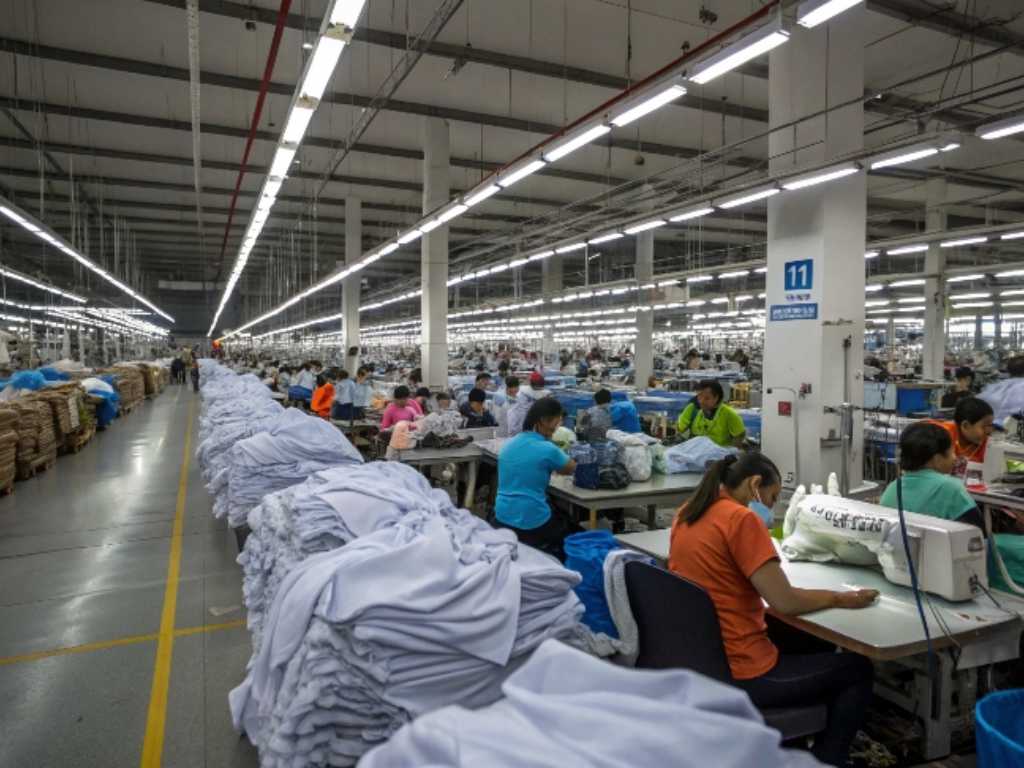
Large garment factory with rows of workers sewing clothing at machines.

Tell Us About Your Dress Project

Share your product details, estimated quantity and development requirements. Our team will review your project and provide practical OEM/ODM production feedback.

Premium Women’s Apparel Production for Fashion Brands

From dress sample development to bulk production, JF Apparel supports fashion brands with confidential OEM/ODM manufacturing, reliable quality control and scalable production support.

START YOUR DRESS PROJECT

Ready to Develop Your Next Dress Collection?

Share your design concept, product requirements or sourcing plans with our team. We’ll review your project and provide practical feedback on development, materials, MOQ and production.

7-10 Days

Sample Development

200 PCS

Starting MOQ

Fast Response

Professional Follow-Up