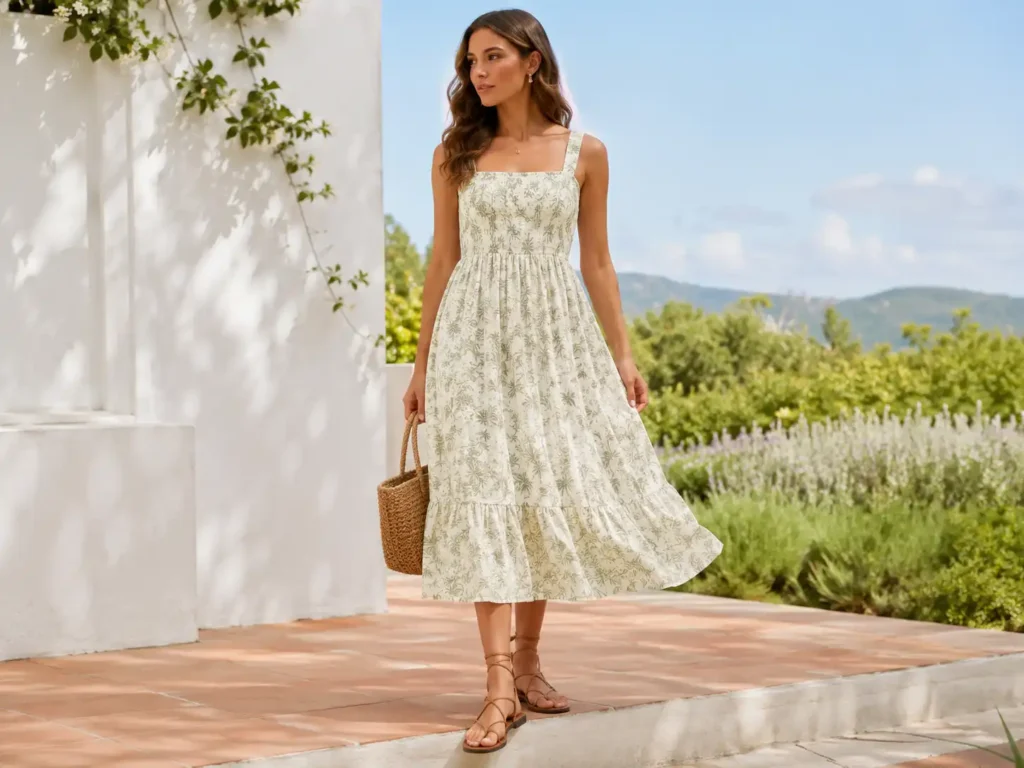
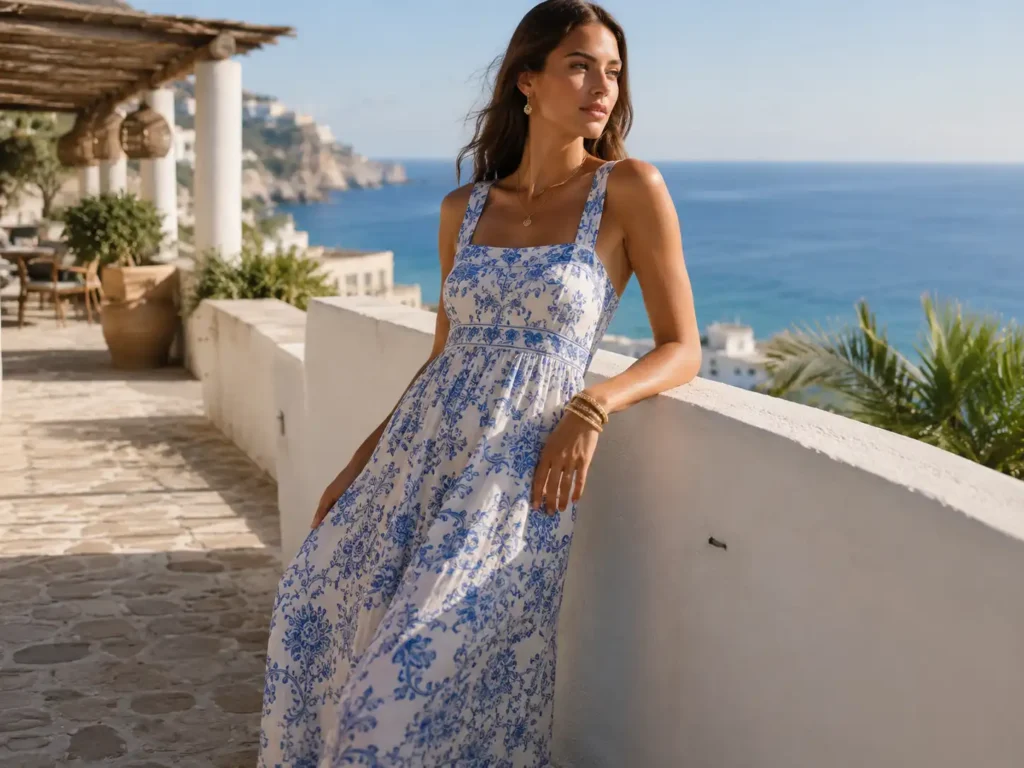
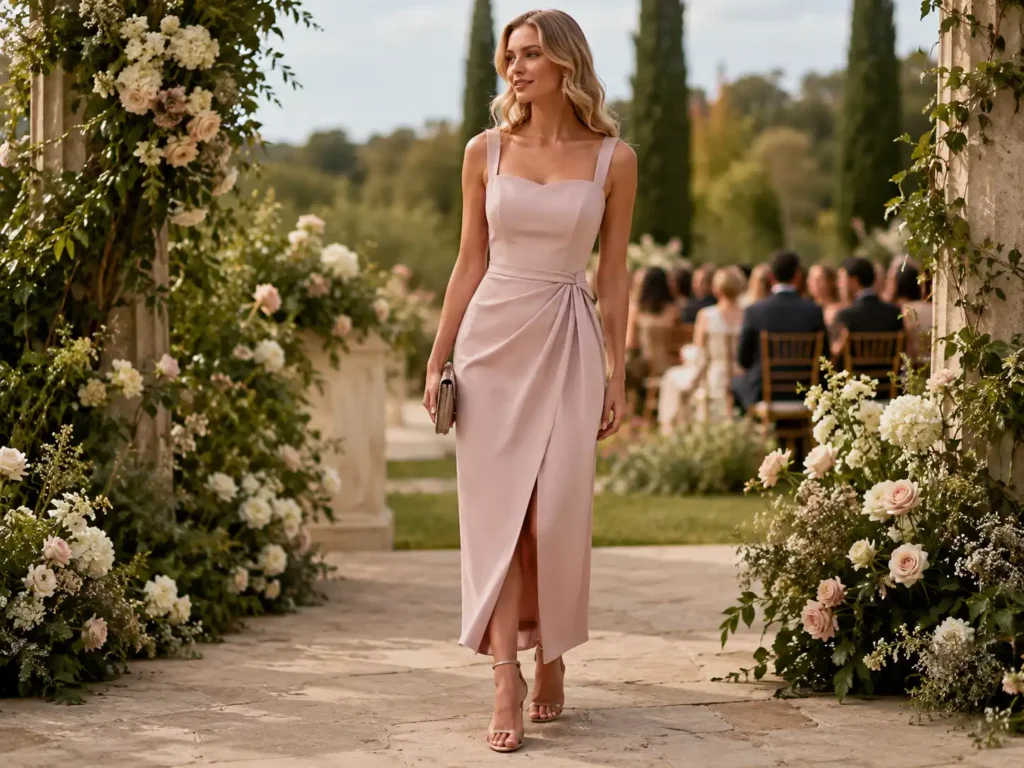
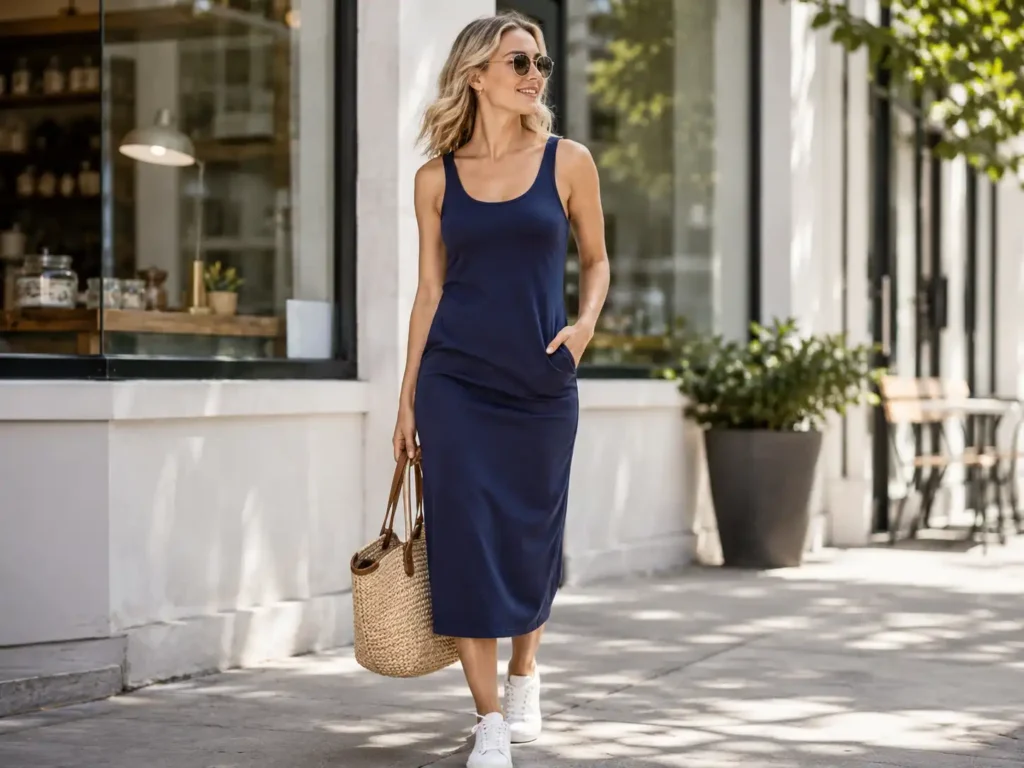
Wide Strap Dress Manufacturer

Custom wide strap dress development for fashion brands requiring controlled neckline fit, armhole coverage, stable straps and consistent multi-size production.

  • 7+ senior pattern makers control strap length, strap position, neckline depth, armhole depth and bust fit before bulk approval.
  • 2 sample rooms and 20+ sample machinists support first samples, fit revisions, photo samples and PP sample confirmation.
  • 6 owned women’s fashion factories and 10+ long-term production partners support multi-style collections and repeat orders.
  • MOQ starts from 200 pcs per style/color; fabric, trims, color development, construction and packing requirements are reviewed per project.

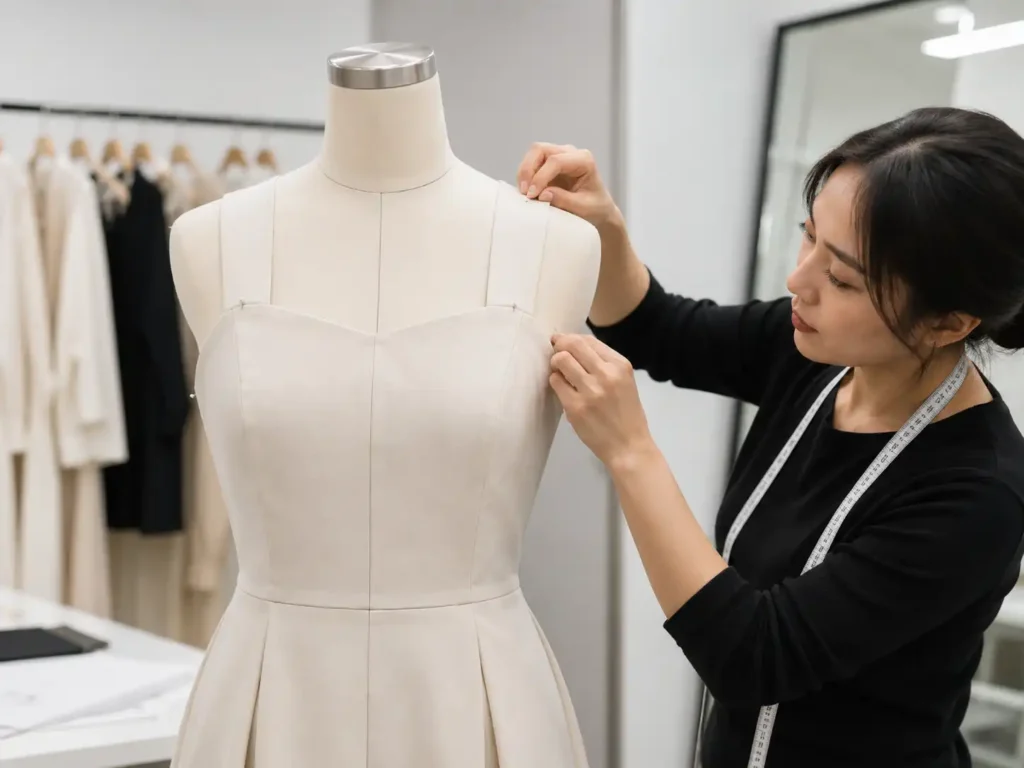
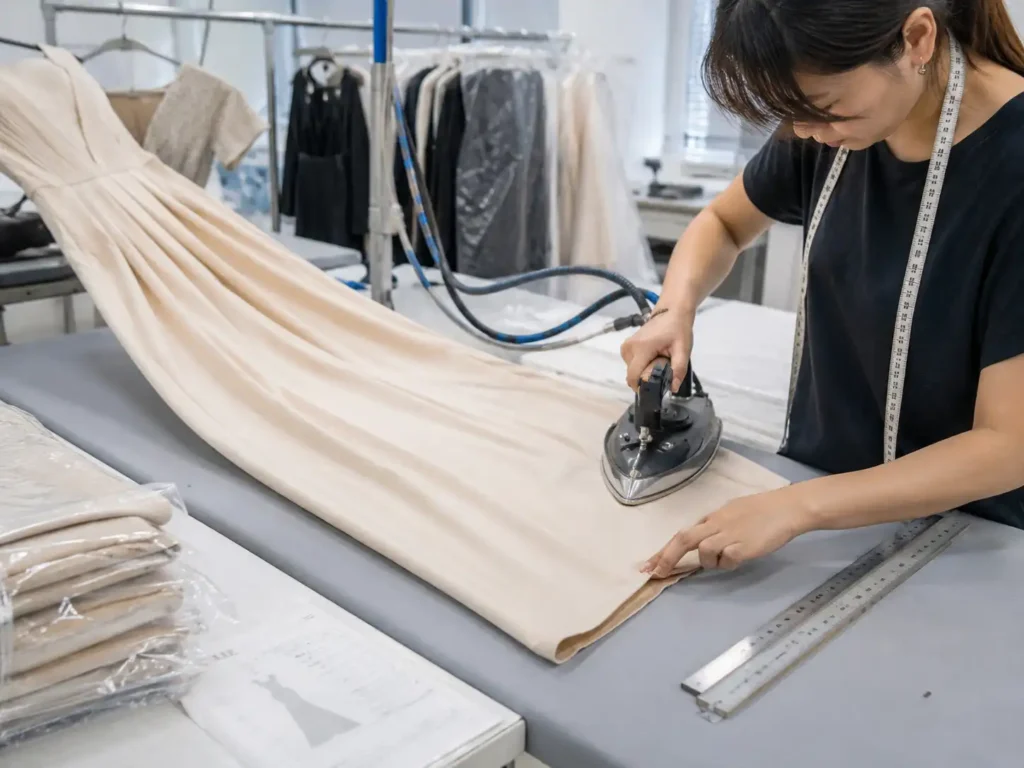
Jinfeng Apparel develops wide strap mini, midi and maxi dresses from reference images, samples, sketches or technical files. Pattern review begins with the relationship between strap width, neckline shape, upper-bust coverage, armhole position and fabric behavior. Approved measurements, construction notes and private-label requirements then move into controlled bulk production, inspection, pressing and export packing.

Development Capacity Built Around Dress Fit

Wide strap styles need more than a standard sleeveless block. Pattern, sampling, production and inspection resources are organized around dress structure and multi-style collection execution.

Since 2008

Long-term womenswear manufacturing experience supports dress development from style review and material direction through private-label delivery.

7+ Pattern Makers

Senior pattern makers evaluate upper-bust balance, shoulder line, strap angle, neckline depth, armhole shape, waist position and dress length.

20+ Sample Machinists

Sample machinists build and revise woven, stretch, lined, lace, mesh, satin and structured wide strap dress constructions.

2 Sample Rooms

Dedicated sample rooms support parallel development for seasonal collections, photo samples, fit approvals and PP sample preparation.

15+ QC Inspectors

Inspection covers incoming materials, cutting, sewing, in-line checks, garment measurements, pressing, packing and AQL coordination.

100,000+ Monthly Capacity

Regular monthly capacity is allocated according to garment complexity, fabric, order mix, delivery plan and required quality controls.

Built for Structured Fashion Programs

The strongest fit comes from brands and sourcing teams with clear product direction, planned sampling, defined size ranges and bulk production requirements.

Fashion Brands

Suitable for established womenswear labels building wide strap dresses across casual, resort, occasion and ecommerce collections. Development can begin from a technical pack, reference garment, sketch, line sheet or approved reference image.
  • Seasonal style groups
  • Multiple colors and sizes
  • Private-label delivery

Development Teams

Suitable for teams requiring pattern interpretation rather than simple copying. Jinfeng Apparel reviews design proportion, fabric behavior, strap support, neckline exposure, armhole coverage and construction feasibility before approving sample direction.
  • Pattern risk review
  • Fit sample revisions
  • PP sample control

Sourcing Teams

Suitable for sourcing offices and apparel groups evaluating manufacturing depth, MOQ logic, quality checkpoints, order coordination, packaging accuracy and repeat-order records across 10-30 style programs.
  • Project tracking
  • Factory allocation
  • Inspection coordination

What Defines a Wide Strap Dress

Wide straps form part of the upper-body structure, not a decorative detail added after pattern development. Width, position, angle and attachment must work with neckline, armhole, bust and back shape.

A Structural Dress Category

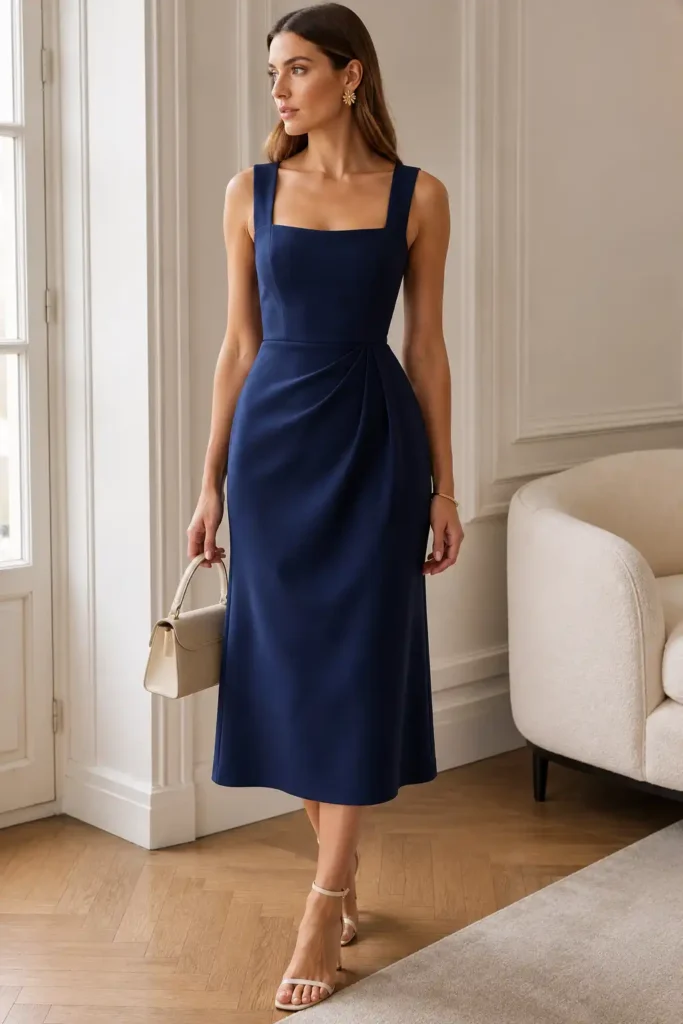
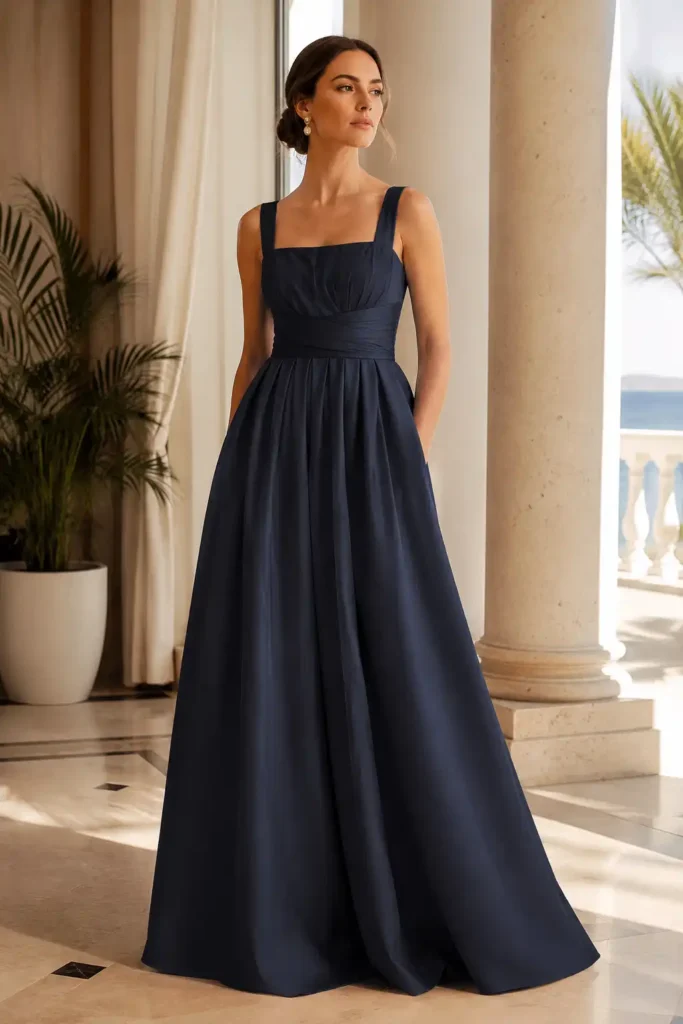
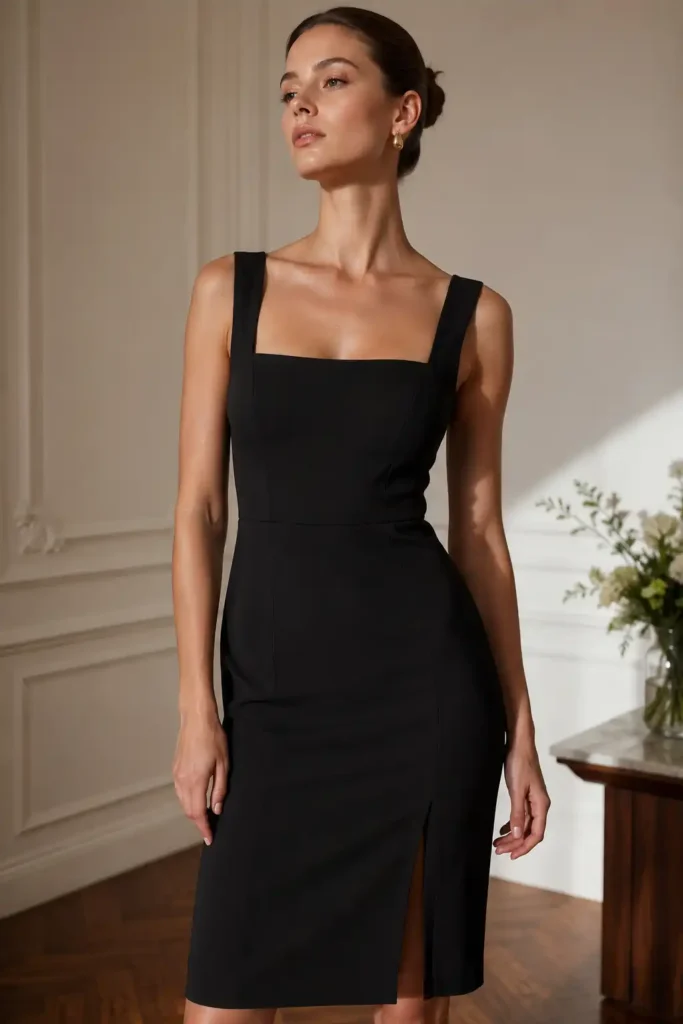
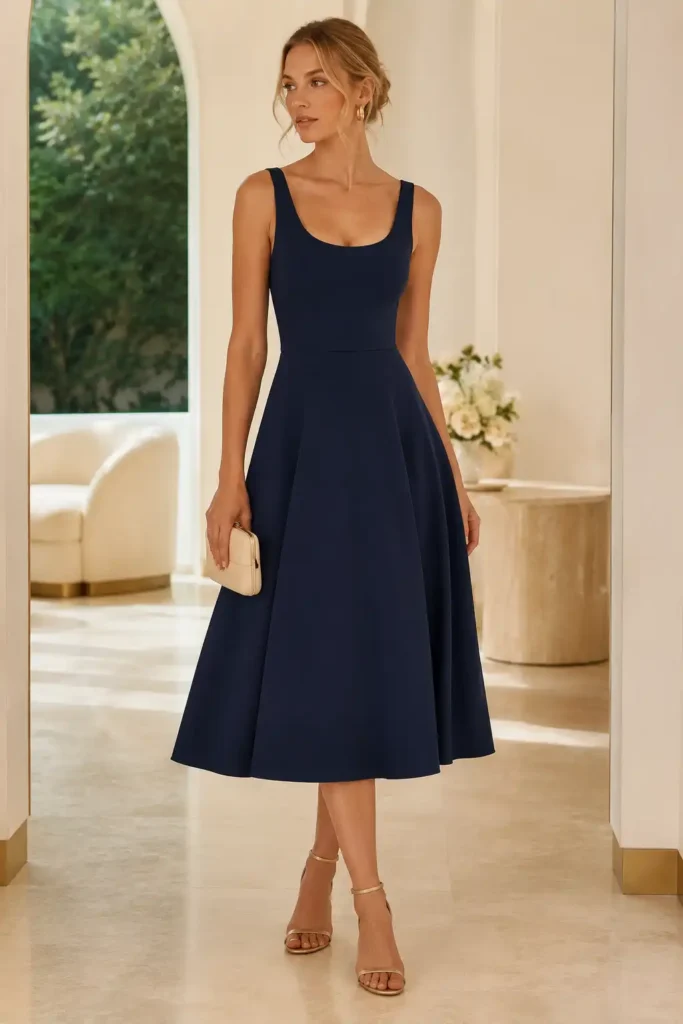
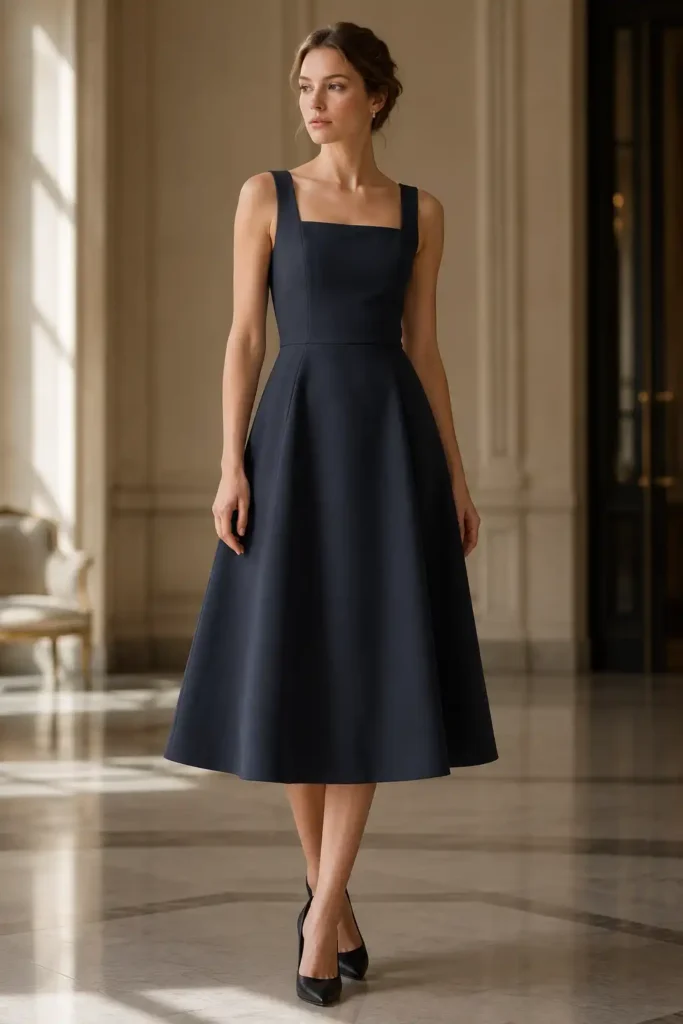
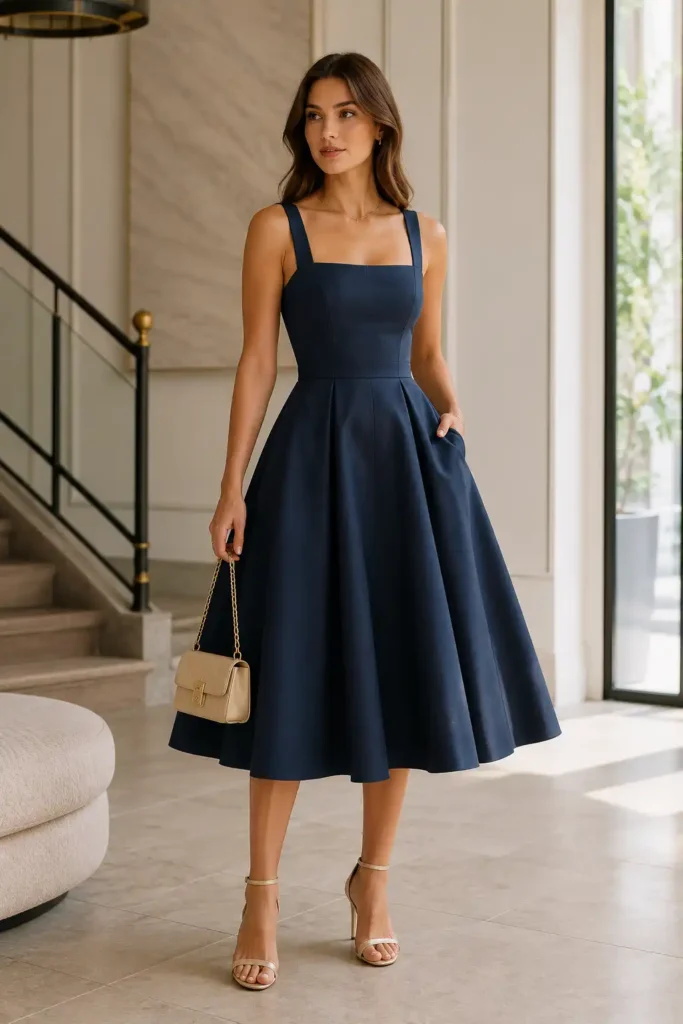
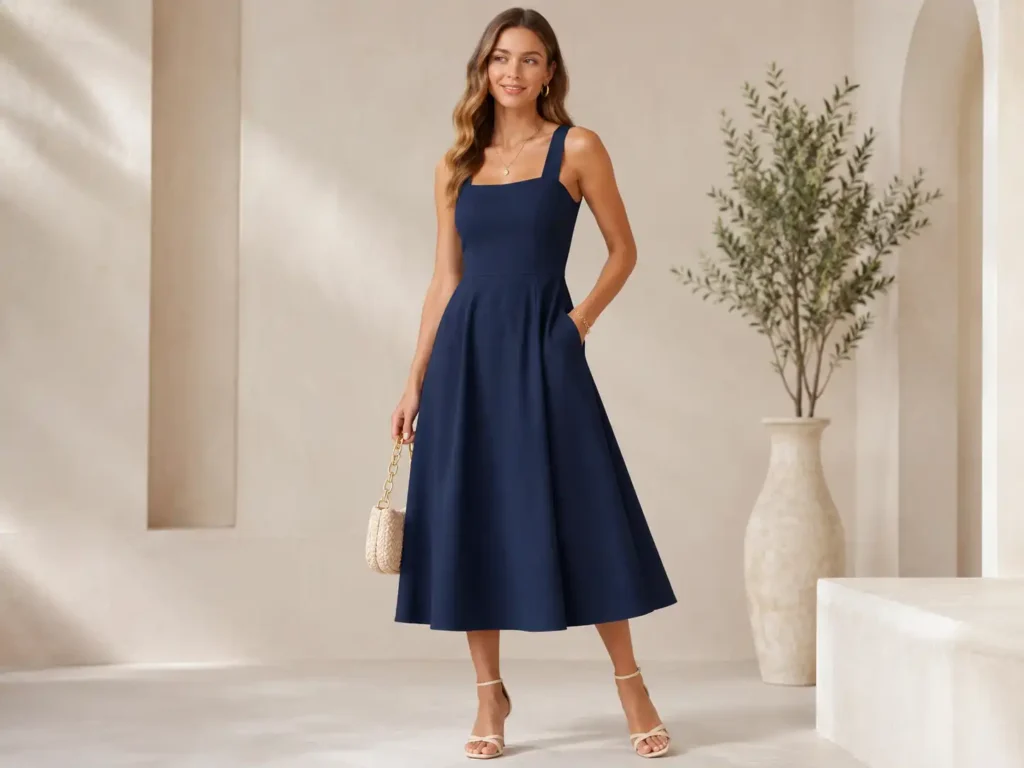
A wide strap dress may appear as a square-neck mini, scoop-neck midi, A-line sundress, fitted bodycon dress, resort maxi, wedding guest dress or lined occasion style. No universal strap width suits every design. A narrow shoulder line may need a restrained strap proportion, while a fuller bust, heavier skirt, lower neckline or extended size range may require more coverage and stronger attachment. Jinfeng Apparel reviews front and back views together because the front strap position controls neckline framing while the back position affects shoulder stability, back exposure and zipper balance.

  • Strap width is confirmed against neckline shape and garment scale.
  • Strap length controls neckline height, armhole depth and waist position.
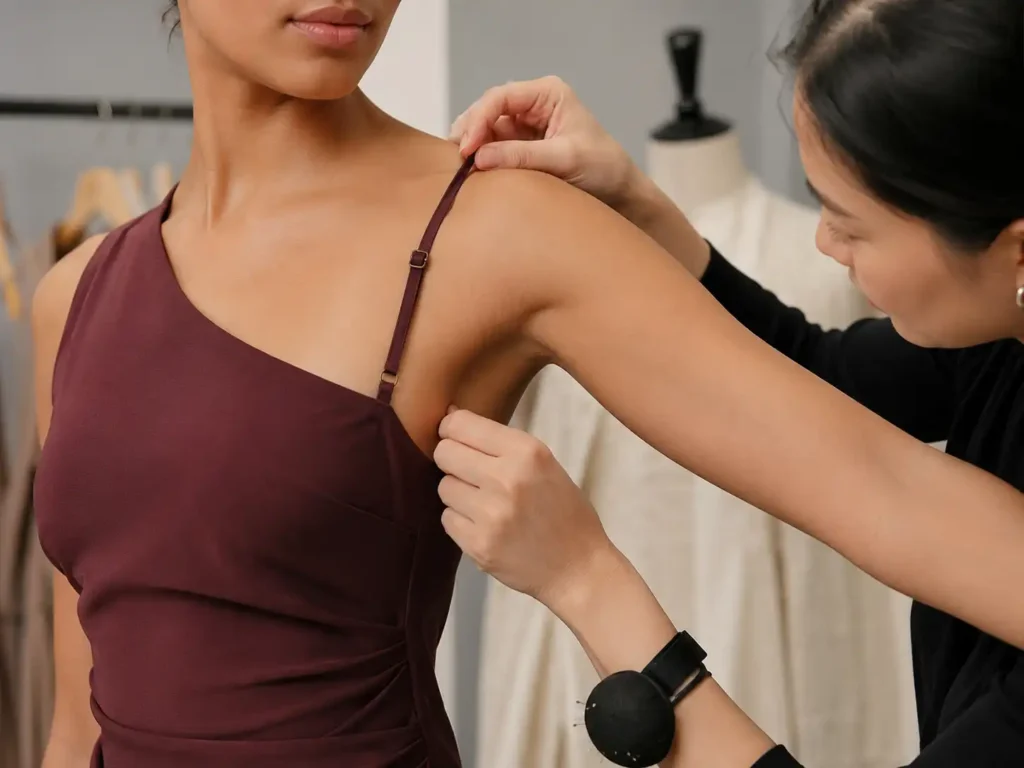
  • Strap angle influences shoulder comfort and underarm coverage.
  • Attachment construction depends on fabric strength, lining and garment weight.

Different from Fine Straps

Spaghetti straps mainly create a delicate visual line and often depend on sliders, rings or narrow bindings. Wide straps normally carry more visual and structural responsibility.

The wider surface may cover a bra strap, support a lined bodice, frame a square neckline or balance a full skirt, yet coverage cannot be promised from width alone.

Strap position, neckline width, back shape and armhole depth still determine wearability. During development, Jinfeng Apparel measures the complete relationship rather than approving an isolated strap dimension.

  • Wide does not automatically mean supportive.
  • Bra coverage depends on front, shoulder and back placement.
  • Woven and stretch fabrics need different pattern control.
  • Size grading must preserve proportion across the range.

Wide Strap Dress Product Range

Product development covers commercial silhouettes from fitted mini dresses to lined occasion maxis. Each direction requires a different balance of strap support, neckline stability, fabric behavior and size control.

Wide Strap Mini

A short silhouette places strong emphasis on upper-body fit because small neckline or armhole errors become highly visible. Development checks bust coverage, waist position, hem length, sitting movement and strap stability. Woven satin, crepe, stretch woven and structured blends work well when lining and zipper construction are planned with the final fit.

Wide Strap Midi

Midi lengths suit square-neck, A-line, fitted and column silhouettes. Pattern work must balance bodice support with skirt movement so the neckline stays flat while the wearer walks or sits. Fabric drape, waist seam position, slit height and lining length are confirmed before production files are released.

Wide Strap Maxi

A maxi skirt adds weight and can pull on the upper bodice. Strap attachment, bodice lining, waist seam stability and back construction need enough support for the selected fabric. Hem leveling is checked on the approved sample because bias growth, panel direction and full skirt volume may change finished length.

Square Neck Dress

Square necklines require accurate corner shaping, neckline width and upper-bust tension. Corners can curl, gape or stretch when interfacing, stay tape or stitching pressure is unsuitable. Strap placement must extend the neckline cleanly without shifting too far outward, especially across larger sizes.

Scoop Neck Dress

A scoop neckline depends on smooth curves, controlled depth and clean recovery. Wider straps can improve coverage, yet the curve may still gape if fabric stretch, neckline binding or pattern tension is incorrect. Fit approval includes standing, movement and seated checks rather than flat measurement alone.

A-Line Dress

A-line styles rely on clean shoulder balance and controlled flare. Woven cotton, rayon, linen blends, crepe and satin can create very different fall. Bodice and skirt proportions are reviewed together so the waist, high hip and hem sweep support the intended commercial silhouette.

Bodycon Strap Dress

Stretch bodycon styles require controlled negative ease, fabric recovery and seam stability. Strap length cannot be graded by simple scaling because stretch across the bust changes neckline and armhole position. Bulk inspection focuses on recovery, side-seam alignment, neckline shape and measurement consistency.

Fit-and-Flare Dress

A fitted bodice combined with a fuller skirt increases tension around the waist seam and upper body. Strap support, bust shaping, lining and zipper placement are coordinated so the bodice stays stable while the skirt moves. Grain direction and panel symmetry are checked during cutting.

Satin Strap Dress

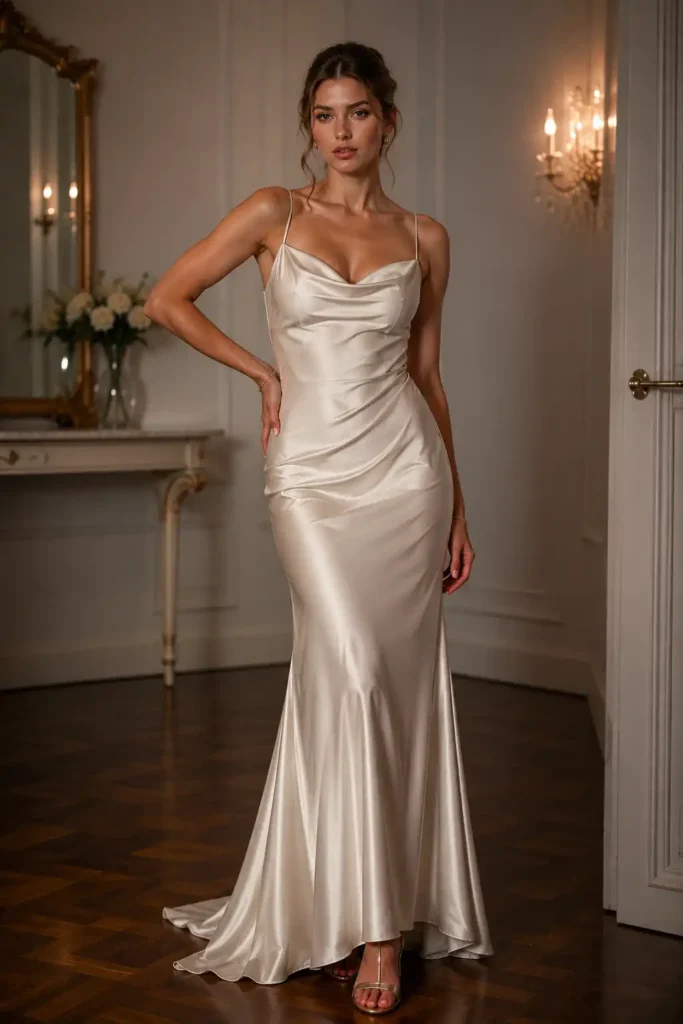
Satin highlights every seam, ripple and pressing mark. Wide straps need smooth turning, balanced seam allowance and controlled shine direction. Neckline stay, zipper flatness, lining color, snag risk and packing creases are reviewed before PP approval and bulk packing.

Linen Strap Dress

Linen and linen blends suit resort and summer collections but require shrinkage, transparency, crease and batch review. Wider straps can support natural silhouettes, although hard or loosely woven fabrics may need softer lining, edge stabilization or adjusted seam construction for comfort.

Party Strap Dress

Party styles may combine fitted bodices, cut-outs, ruching, mesh, sequins or structured skirts. Wide straps often carry bodice support and decorative value. Development checks skin comfort, trim placement, lining coverage, neckline security and movement before approving bulk construction.

Resort Strap Dress

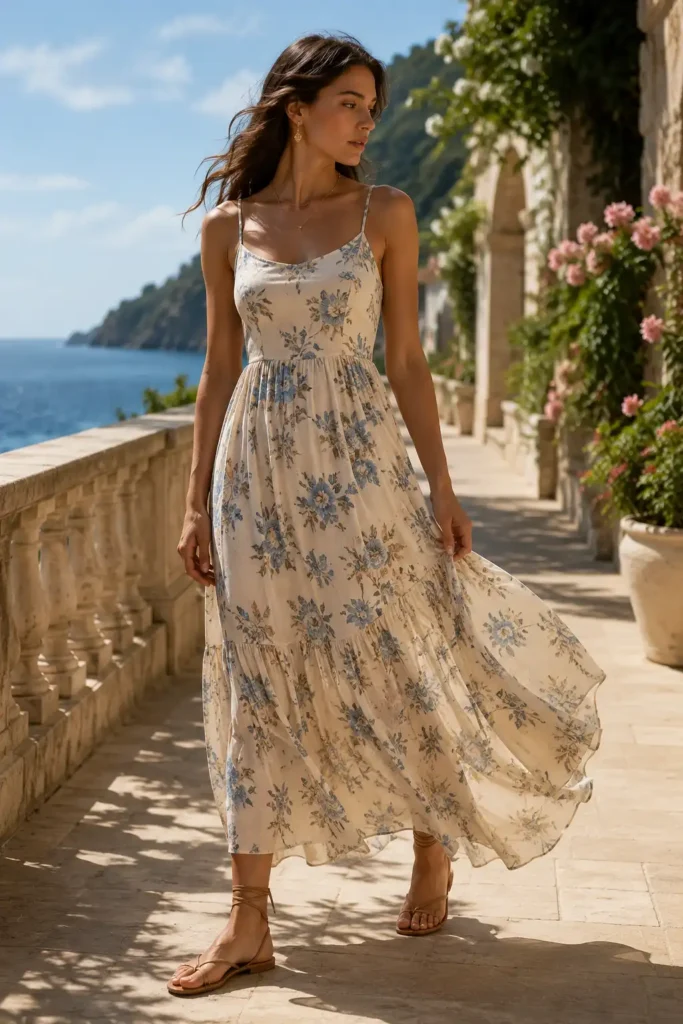
Resort styles prioritize light handfeel, drape, movement and travel-ready packing. Rayon, viscose, cotton blends, linen blends and printed fabrics need shrinkage and wrinkle review. Strap placement and armhole coverage are adjusted for relaxed silhouettes without allowing the bodice to appear loose or unfinished.

Designed Around Selling Seasons

A strong collection connects silhouette, material, launch timing and warehouse requirements. Wide strap dresses can cover several commercial roles when development priorities are set early.

Summer Collections

Lightweight woven and stretch styles need breathable fabrics, controlled transparency and stable neckline finishes. Color plans, print direction and size ratios should be confirmed before material booking. Packing must reduce heavy folding across wide straps and structured necklines.

Resort Collections

Resort maxis and midis favor movement, natural texture and packability. Rayon, viscose and linen blends need shrinkage and wrinkle assessment, while printed panels need direction control. Photo samples should reflect final lining and strap construction rather than temporary sample solutions.

Occasionwear

Occasion dresses require stronger control over bust coverage, lining, zipper flatness, hem finish and pressing. Satin, crepe, lace and mesh combinations should be reviewed under lighting because texture, shine and transparency may look different in studio photography and real wear.

Wedding Guest

Wedding guest programs often include coordinated colors, midi and maxi lengths, fuller size ranges and deadline-sensitive delivery. Strap stability, neckline coverage, light-color lining, color approval and hem consistency need early attention before bulk fabric is released.

Casual Daywear

Casual cotton, jersey, ponte and woven blend styles need comfortable armholes, washable construction and stable edge finishing. Brand teams should define whether the fit is relaxed, shaped or body-skimming because the same strap and neckline dimensions behave differently across each fit.
Premium Ecommerce

Online sales magnify fit inconsistency through returns and reviews. Product images need photo-ready samples, while the final size chart must match approved bulk measurements. SKU labels, barcodes, polybags and carton breakdowns should connect directly with warehouse receiving requirements.

Wide Strap Design Options

Strap shape changes the visual proportion and the engineering of the bodice. Development begins with the desired look, then moves into pattern, material, lining and attachment decisions. Develop Strap Details Compare Design Options

Straight Wide Straps

Straight straps create a clean, modern line for square, scoop and softly curved necklines. Front and back placement should remain visually aligned, while internal seam allowances must turn smoothly without creating bulk. Stable woven fabrics may need edge understitching; stretch styles need recovery control.

Tapered Straps

Tapered straps can be broader at the bodice and narrower over the shoulder, reducing visual weight while preserving support near the neckline. Pattern symmetry is important because small taper differences become obvious when worn. Grading should retain the intended proportion rather than widening every section equally.

Curved Shoulder Straps

Curved straps follow the shoulder line and can create a softer connection between neckline and armhole. The curve needs enough ease to sit flat without lifting or twisting. Cutting direction, interfacing and lining construction influence how well the shape remains stable after pressing and wear.

Gathered Straps

Gathered straps add volume and texture, but gathering must be distributed consistently across left and right sides. Elastic, stay tape or fixed gathering can create different effects. Fit review checks pressure, bulk, skin comfort and whether the gathering changes neckline height across sizes.

Twisted Straps

Twisted or folded straps produce a sculptural look for occasion and party dresses. Internal construction must prevent unplanned rolling, uneven thickness and visible seam allowances. The twist direction, handfeel and attachment angle are approved on the sample before bulk operators receive construction references.

Structured Support Straps

Structured straps may use lining, interfacing, tape or internal reinforcement to support a fitted or heavier bodice. Support should not create hard edges or discomfort at the shoulder. The chosen build must match fabric weight, neckline depth, bust shaping and expected garment load.

Control Strap Width, Position and Strength
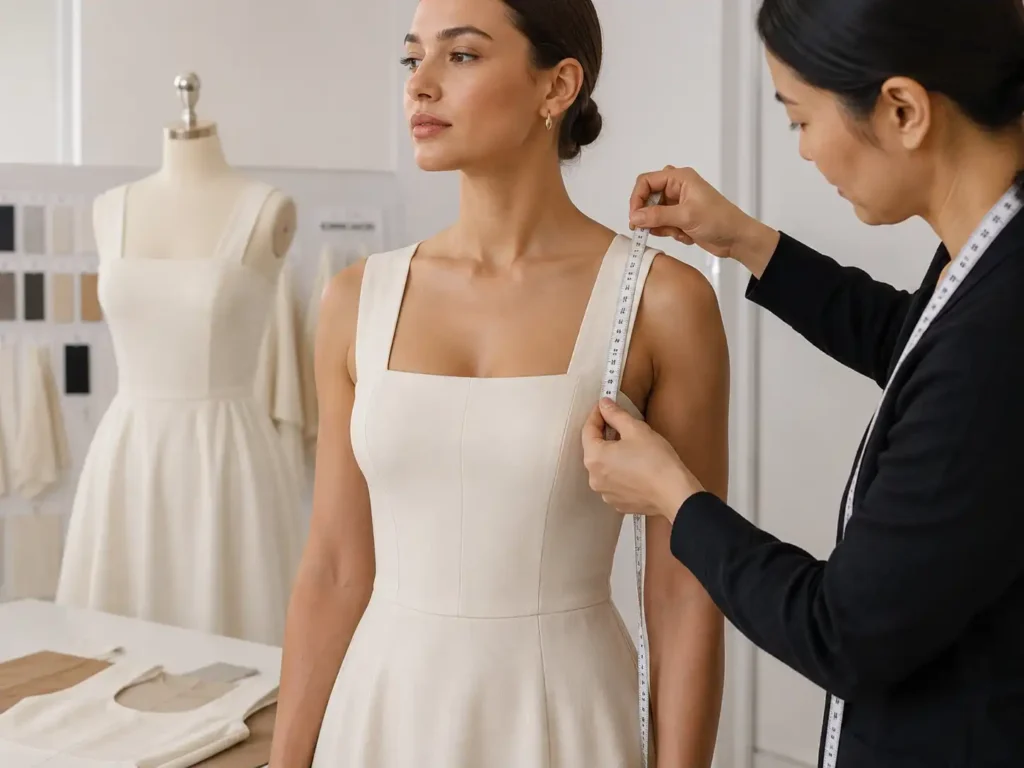
Four variables determine whether a wide strap looks balanced and performs reliably: width, position, angle and attachment. Each variable is reviewed on the body and in the technical record.

Strap Width

Width is set according to neckline scale, shoulder line, bust coverage, fabric weight and intended visual effect. A wide dimension can still look narrow on a broad square neckline, while the same dimension may overwhelm a petite bodice. The approved specification should identify finished width, measurement location and allowable tolerance. For padded, gathered or twisted straps, the technical record also needs construction method and finished appearance.

Strap Position

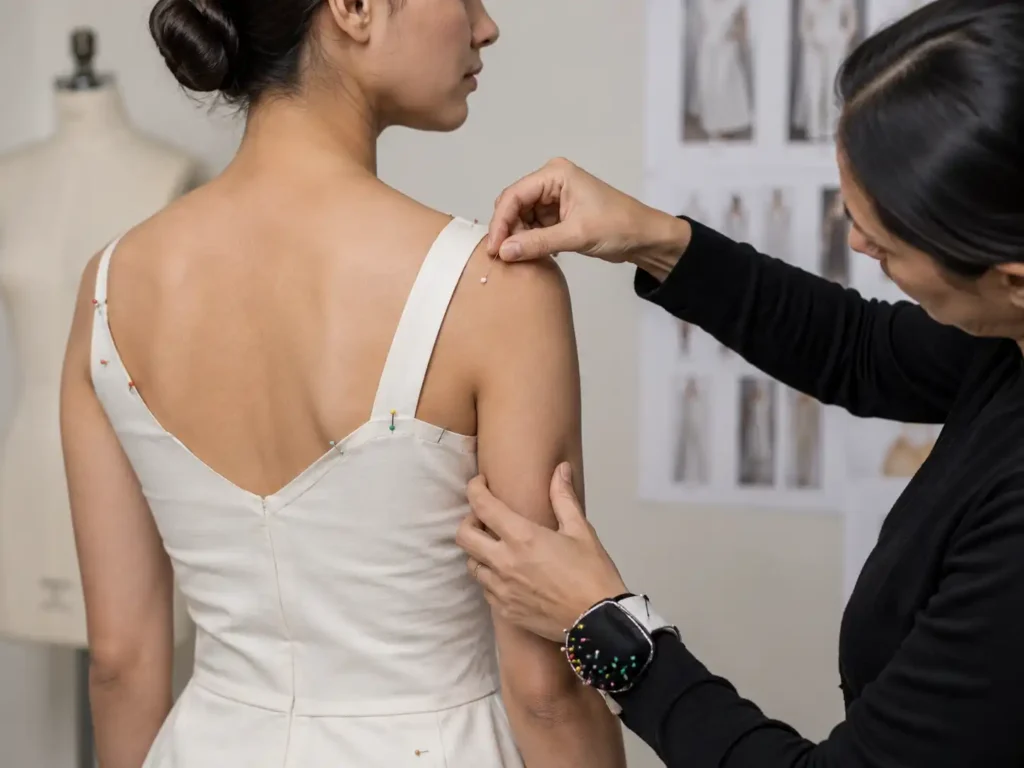
Front position affects neckline framing, upper-bust coverage and bra visibility. Back position affects shoulder stability, back exposure and zipper balance. Placement is checked from center front, center back, neckline edge or armhole reference points so bulk teams do not rely on visual judgment alone. Left and right symmetry is verified during sewing and final inspection.

Strap Angle

Angle controls how the strap follows the shoulder and how the armhole sits against the body. An outward angle may create slipping, while an inward angle may narrow the neckline and pull the armhole. Pattern makers assess shoulder slope, front-to-back balance and garment weight. Fit comments are converted into pattern changes rather than corrected only by shortening a finished strap.

Attachment Strength

Attachment construction depends on fabric strength, lining, seam allowance, bodice weight and wearing stress. Reinforcement may involve a stronger seam, internal tape, interfacing, bar tack or wider joining area, selected according to style. Strength checks should avoid damaging delicate satin, lace or mesh. The final method is recorded in the construction file and PP sample.

Neckline Control for Wide Straps

Neckline fit determines coverage, visual proportion and stability. Strap dimensions only work when neckline width, depth, edge construction and fabric behavior are controlled together.

Square Necklines

Square corners need accurate shaping and controlled seam tension. Excess stretch can produce rounded corners, rippling or gaping. Stay tape, interfacing, lining and understitching are selected according to fabric. Strap placement should continue the square line without pulling corners outward.

Scoop Necklines

A scoop curve should sit smoothly against the upper bust without collapsing or standing away. Woven fabrics rely on pattern shaping and edge stabilization; stretch fabrics also require recovery control. Fit review covers movement because a neckline may appear correct while standing and open during sitting or bending.

V and Sweetheart

Deeper necklines need stronger attention to center-front stability, bust shaping and strap support. Lining, cups, tape or internal structure may be needed according to style. Neckline depth is measured from an agreed reference point, and coverage is confirmed on the approved fit size before grading.

Armhole Coverage Without Restricted Movement

A wide strap dress still needs carefully shaped armholes. Depth, side coverage and movement ease must protect the wearer without creating tightness, gaping or visible lining.

Armhole Depth

Armhole depth is measured from a defined shoulder or neckline reference and checked against the approved size chart. Too deep can expose undergarments or side bust; too high can cut into the underarm. Fabric thickness, lining and binding also change the finished feel.

Side Coverage

Side seam height, bust shaping and front/back armhole curves determine coverage. Larger cup volumes may need additional shaping rather than simply raising the side seam. Light-colored and sheer fabrics require lining placement review so the lining edge does not become visible through the armhole.

Movement Ease

Fit review includes lifting the arms, reaching forward, sitting and walking. Movement should not pull the neckline downward or force the waist seam upward. Pattern corrections may adjust shoulder slope, armhole curve, bust dart, princess seam or strap angle according to the garment structure.

Pattern Development for Stable Wide Strap Fit

Pattern work converts visual references into controlled measurements, balanced curves and production-ready construction. Jinfeng Apparel uses 7+ senior pattern makers, 2 sample rooms and 20+ sample machinists for dress development.

Bust and Upper-Bust Balance

  • Coverage control: Bust circumference alone cannot define upper-body fit. Upper bust, bust point, neckline width, neckline depth, dart or princess seam position and armhole curve must work together.
  • Fabric response: Woven satin, crepe, linen blends and non-stretch cotton need shaped volume. Stretch jersey, ponte and stretch satin require calculated ease and recovery checks.
  • Fit conversion: Comments such as “neckline opens” or “side bust shows” are converted into measurable pattern actions, including neckline correction, armhole reshaping, bust shaping or strap repositioning.
  • Grading discipline: Larger sizes may require revised coverage and support rather than proportional enlargement only. Smaller sizes may need reduced strap scale while preserving the visual design.

Strap and Shoulder Balance

  • Shoulder slope: A strap sitting well on a flat form may slip on a sloped shoulder. The front and back lengths, shoulder angle and strap curvature need coordinated adjustment.
  • Length control: Strap length influences neckline height, armhole position, waist placement and overall body length. Shortening only at the shoulder can distort the full bodice.
  • Symmetry: Left and right strap placement is referenced from stable pattern points and checked after sewing and pressing.
  • Comfort: Wider straps distribute pressure, yet bulky seams, hard interfacing or heavy decoration can still create discomfort. Construction is selected according to wearing duration and garment weight.

Waist and Body-Length Control

  • Vertical balance: Front length, back length and side seam balance determine whether the waist seam sits level and the hem hangs evenly.
  • Body proportion: Mini, midi and maxi dresses use different visual ratios. A bodice made too long can lower the waist and change strap tension; a bodice made too short can raise the armhole and neckline.
  • Closure influence: Invisible zippers, shirring, smocking or stretch panels affect how the bodice settles on the body.
  • Approved references: Final measurements, photos and construction notes are kept with the PP or golden sample for bulk comparison.

Armhole and Back Fit

  • Front/back relationship: Adjusting the front armhole alone can shift the side seam or change back tension. Corrections are reviewed across the complete bodice.
  • Back neckline: Wide straps may connect to straight, square, scoop, V or open backs. Back width and closure stability influence shoulder retention.
  • Lining control: Lining should support the shell without rolling outward, pulling the armhole or shortening the strap.
  • Movement review: Fit checks include normal movement, not only standing photographs. Final approval considers comfort, coverage and recovery after movement.

Measurement and Grading Control Points

Control PointDevelopment PurposeSample ReviewBulk Control
Strap widthVisual proportion, coverage and load distributionMeasure finished width at agreed location; compare left and rightVerify finished width and symmetry within approved tolerance
Strap lengthControls neckline, armhole and body lengthMeasure front-to-back along finished strap pathCheck size specification and left/right balance
Strap positionShoulder stability and neckline framingReference from neckline, armhole or center lineUse pattern marks and final placement check
Neckline widthControls upper-bust exposure and visual balanceMeasure between agreed neckline pointsInspect measurement and edge stability
Neckline depthControls coverage and design intentMeasure from agreed shoulder or high-point referenceCheck against size chart after pressing
Armhole depthControls comfort and side exposureMeasure using defined shoulder referenceConfirm depth, lining position and symmetry
Bust circumferencePrimary upper-body fit controlCompare garment measurement and fit resultMeasure by size and apply approved tolerance
Waist circumferenceControls silhouette and body placementCheck waist seam or narrowest pointVerify size chart and elastic/stretch behavior
Front body lengthControls waist level and neckline placementHigh point to waist or hem as specifiedCheck approved point-to-point method
Back body lengthControls back balance and shoulder tensionHigh point or center back referenceCompare with front/side balance
Dress lengthDefines mini, midi or maxi commercial proportionMeasure from agreed high pointCheck size grading and hem leveling
Hem sweep or slitControls movement and silhouetteConfirm finished opening and slit heightInspect symmetry, reinforcement and measurement

Fabrics Selected for Strap Stability and Drape

Fabric choice changes strap strength, neckline recovery, armhole behavior, lining requirements and finished silhouette. Swatches are assessed for weight, stretch, transparency, drape, handfeel and production risk.

Satin

Satin suits occasion, party and wedding guest dresses, but its smooth surface exposes ripples, seam pressure and pressing marks. Strap pieces need controlled grain direction and turning. Neckline stay, lining color, zipper flatness, snag protection and crease-resistant packing are reviewed before bulk approval.

Stretch Satin

Stretch satin can improve body fit while increasing growth and recovery risk. Stretch direction, recovery, seam type and negative ease need testing on the sample. Wide straps should remain stable without stretching longer during wear, pressing or hanging storage.

Linen Blends

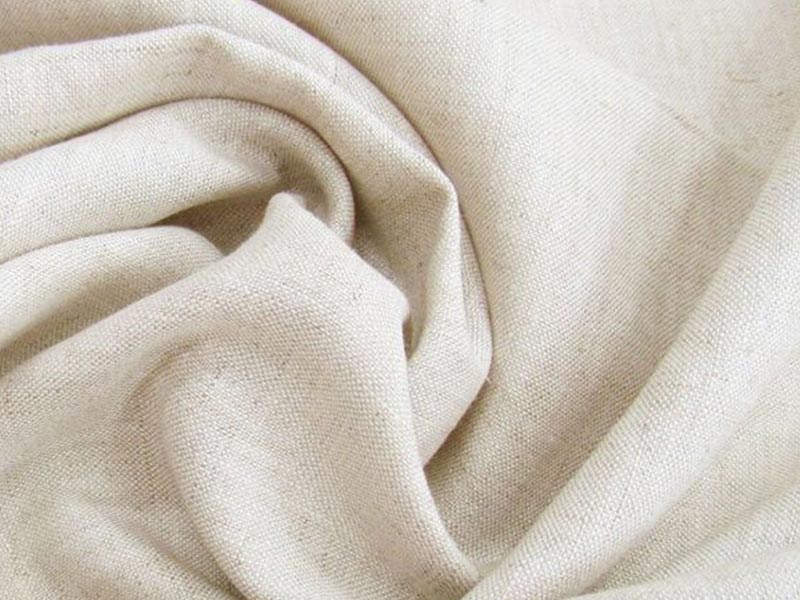
Linen blends create natural resort and summer looks. Development checks shrinkage, transparency, crease character, hardness and batch variation. Bodice lining, strap edge finishing and armhole comfort may need adjustment according to blend ratio and fabric weight.

Rayon and Viscose

Rayon and viscose provide soft drape for relaxed midis and maxis. Risks include shrinkage, wrinkling, print distortion and bias growth. Fabric preparation, washing guidance, panel direction and hem leveling need early control, especially for full skirts.

Crepe

Crepe offers balanced drape and surface texture for day-to-evening dresses. Weight and stretch vary widely, so each quality needs separate fit review. Lining, seam pressing, zipper selection and neckline stabilization are matched to the chosen crepe rather than treated as one material category.

Jersey and Ponte

Jersey supports soft body-skimming styles, while ponte or Roma provides stronger shape retention. Stretch percentage, recovery, rib or knit direction and seam stability affect strap length and neckline shape. Grade rules should account for fabric growth across bust and shoulder.

Lace and Mesh

Lace and mesh wide strap dresses need transparency control, motif placement, seam comfort and stable lining. Strap sections may require backing, binding or internal support. Pattern layout should protect motif balance and reduce visible mismatch between left and right sides.

Cotton Blends

Cotton and cotton-polyester blends suit structured sundresses, casual midis and A-line styles. Fabric weight, wash change, crease recovery and opacity guide lining and construction choices. Wide straps can be cleanly topstitched, turned or bound according to the intended finish.

Lining and Trims Supporting the Bodice

Supporting materials determine whether the bodice holds its shape, feels comfortable and arrives ready for retail. Specifications are confirmed during sampling and recorded for bulk use. Select Support Details Review Trim Requirements

Full Lining

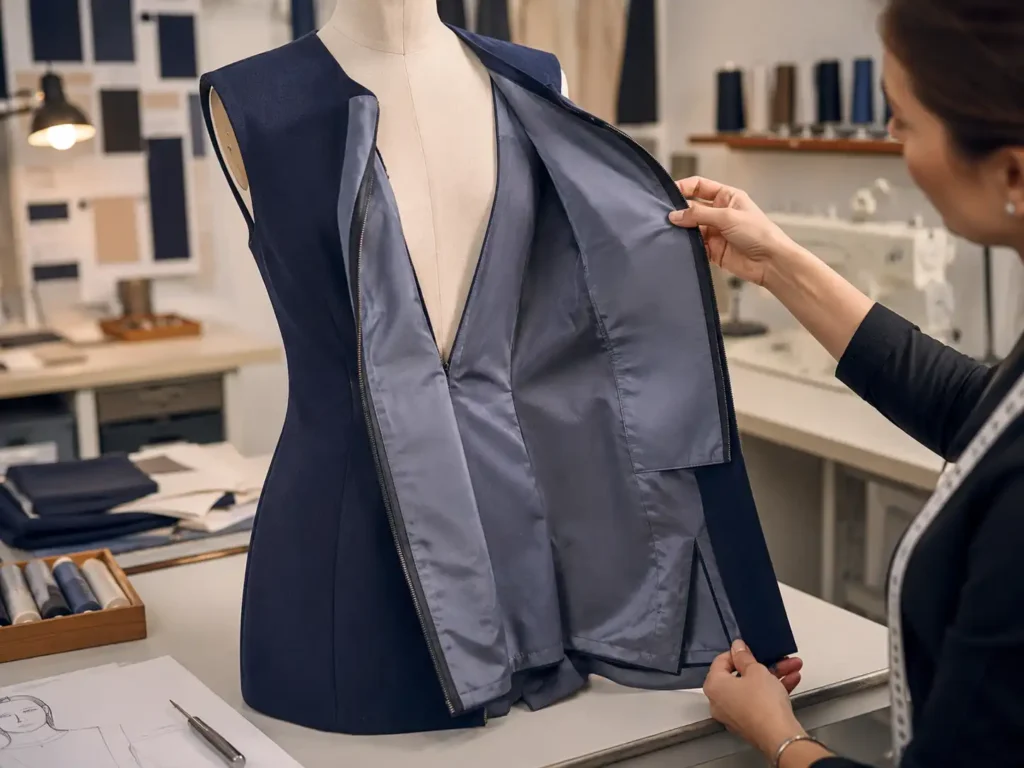
Full lining supports opacity, comfort and cleaner internal finishing. Shell and lining must have compatible stretch, shrinkage and weight. Lining should not pull the strap, roll through the neckline or hang below the hem.
  • Color matched
  • Shrinkage reviewed
  • Length controlled

Bodice Lining

Partial bodice lining supports neckline and armhole shape while keeping the skirt lighter. The lining edge, waist joining and zipper area need clean transitions. Light colors require opacity checks under natural and studio lighting.
  • Upper-body support
  • Clean armholes
  • Reduced skirt weight

Interfacing

Interfacing can stabilize necklines, straps, closures and structured bodices. Weight and handfeel must suit the shell. Excessively hard support may create ridges or discomfort, while weak support may allow stretching and gaping.
  • Weight matched
  • Bonding reviewed
  • Edge visibility checked

Stay Tape

Stay tape or stabilizing tape helps control neckline and shoulder stretch. Placement and tension matter: overly tight tape can pucker, while loose application offers little support. Delicate fabrics need low-bulk solutions.
  • Neckline control
  • Shoulder stability
  • Low-bulk application

Bra Cups

Fixed or removable cups can support selected wide strap party and occasion styles. Cup shape, thickness, position, lining pocket and bust volume are tested on the sample. Cup placement cannot be judged from flat measurements alone.
  • Shape tested
  • Position measured
  • Comfort reviewed

Zippers and Closures

Invisible zippers, standard zippers, hooks, buttons or back elastic are selected according to fabric and fit. Closure length and placement influence dressing ease, back balance and waist fit. Color, smoothness and attachment are checked before packing.
  • Color matched
  • Function tested
  • Back shape controlled

Technical Information Needed Before Sampling

Clear development files reduce avoidable sample rounds. Jinfeng Apparel can start from several reference formats, yet six information groups improve pattern accuracy, material selection and quotation quality.

Front and Back Views

Provide flat sketches, photographs or a physical sample showing neckline, strap shape, back opening, waist seam, skirt panels and closures.
  • Mark front/back differences
  • Show internal support
  • Identify open-back areas

Strap Specifications

State finished width, length, position, angle, construction and any gathered, twisted, padded or reinforced treatment.
  • Define measurement point
  • Clarify fixed or adjustable
  • Add detail photos

Measurement Chart

Include base size and size range with bust, waist, hip, body length, dress length, neckline, armhole and strap measurements where available.
  • Name measurement method
  • Add grade rules
  • Identify critical tolerances

Fabric Direction

Provide fabric composition, weight, stretch, color, print and handfeel targets. A swatch or approved reference garment improves sourcing accuracy.
  • State shell and lining
  • Note certification needs
  • Confirm wash expectations

Construction Details

Show seam type, lining, zipper, cups, interfacing, topstitching, binding, hem, slit and reinforcement requirements.
  • Add internal sketches
  • Mark stitch appearance
  • Identify comfort risks

Brand and Packing

Provide label artwork, care information, hangtag, barcode, SKU, polybag and carton requirements early enough for supplier MOQ and lead-time review.
  • Confirm artwork files
  • List size/color SKUs
  • Share warehouse rules

From Design Review to Approved Sample

Sampling follows defined approval stages. Timing is issued after style complexity, fabric, trims, pattern work and sample priority are reviewed, avoiding unrealistic blanket promises.

Project Review

Reference files, target quantity, size range, material direction, launch plan and private-label needs are reviewed for feasibility, MOQ fit and major development risks.

Fabric Direction

Stock, custom color, print, stretch, opacity, handfeel and lining requirements are compared. Supplier MOQ and development lead time are identified before final selection.

Pattern Development

The pattern maker builds or corrects the bodice, straps, neckline, armholes, waist and skirt structure from approved references and measurements.

First Sample

The first sample verifies overall design translation, material behavior, construction and initial measurements. It is a development sample, not an automatic bulk standard.

Measurement Review

Bust, waist, dress length, strap width, strap length, position, neckline depth and armhole depth are checked against the development file.

Fit Revision

Fit comments are converted into pattern, measurement, fabric, trim or sewing changes. Each revision receives a tracked status and approval record.

Photo or Sales Sample

Photo-ready or salesman samples can be prepared according to project needs after major fit and construction questions are resolved. Final use is defined separately from PP approval.

PP Sample Approval

The PP sample confirms bulk fabric, color, trims, construction, measurements, labels and packing requirements. Bulk production begins after required approvals and files are complete.

Measured Revisions, Not Verbal Fixes

Sample comments become production value only when they are translated into controlled pattern changes, updated measurements and approved construction records.

Sample Measurement Review

Every fit sample is assessed against the intended silhouette and the working measurement chart. Core checks include bust, waist, high hip where relevant, front body length, back body length, dress length, strap width, strap length, strap position, neckline width, neckline depth and armhole depth. Additional checks may cover slit height, hem sweep, zipper length, lining length and cup position. Flat measurement alone is not enough: the sample is also reviewed for shoulder stability, neckline gaping, underarm exposure, waist level, movement and fabric recovery. Differences are categorized as measurement, pattern, fabric, trim or workmanship issues so the correct corrective action is chosen.

  • Measurement points use written methods rather than visual estimation.
  • Left and right strap dimensions are compared after pressing.
  • Fit comments identify the body position and movement causing the issue.
  • Revised measurements return to the pattern and size chart.

Revision Tracking and Approval

A revision record identifies the sample version, requested change, pattern action, measurement update, fabric or trim change, responsible team and approval status. Records reduce the risk of old comments returning during later rounds or bulk production. A change to strap length may also require armhole, neckline or body-length review; a fabric replacement may require new ease, lining or seam decisions. Major changes are validated before the PP sample.

Once approved, the relevant pattern, measurement file, construction notes, label details and packing requirements form the production reference.

  • Pattern changes are documented by version.
  • Material substitutions receive cost, MOQ and fit review.
  • Approved comments move into the production file.
  • Repeat orders use retained records with new fabric and color confirmation.

How Fabric Changes Affect Sampling

Replacing fabric during development may change drape, stretch, shrinkage, opacity, sewing method, cost, MOQ and timing. A new material direction receives a fresh technical review. Assess Fabric Change Compare Material Risks

Stable Wovens

Non-stretch cotton, crepe and suiting blends rely on shaped pattern volume and accurate closures. A weight change can alter neckline firmness, skirt fall and strap comfort. New bulk fabric should be compared with the approved sample quality.

Stretch Wovens

Stretch satin and stretch crepe can improve comfort, yet recovery and growth affect bodice dimensions. Pattern ease, zipper behavior, seam type and strap length may need adjustment when stretch percentage changes.

Satin Qualities

A different satin may change shine, thickness, snag risk, drape and pressing response. Even a similar composition can produce a different neckline or strap finish. Bulk color and lining compatibility need new approval.

Linen Qualities

Linen content, weave and finishing affect stiffness, transparency, shrinkage and crease behavior. Changing from a soft blend to a firmer quality may require armhole, seam allowance, lining or edge-finishing changes.

Mesh and Lace

Mesh stretch and lace motif can change coverage, pattern placement and support. Replacement materials need motif scale, transparency, recovery, lining and seam-comfort review. Strap pieces may require backing or different cutting layouts.

Heavy Decoration

Sequins, beads and rhinestones increase weight and may pull on straps or distort necklines. Decoration placement, abrasion protection, seam allowance clearing and packing methods should be confirmed before bulk material preparation.

Workmanship Visible at Every Edge

Wide strap dresses expose upper-body workmanship at eye level. Clean attachment, smooth neckline edges, controlled armholes and flat closures separate a refined garment from a rushed result.

Strap Attachment

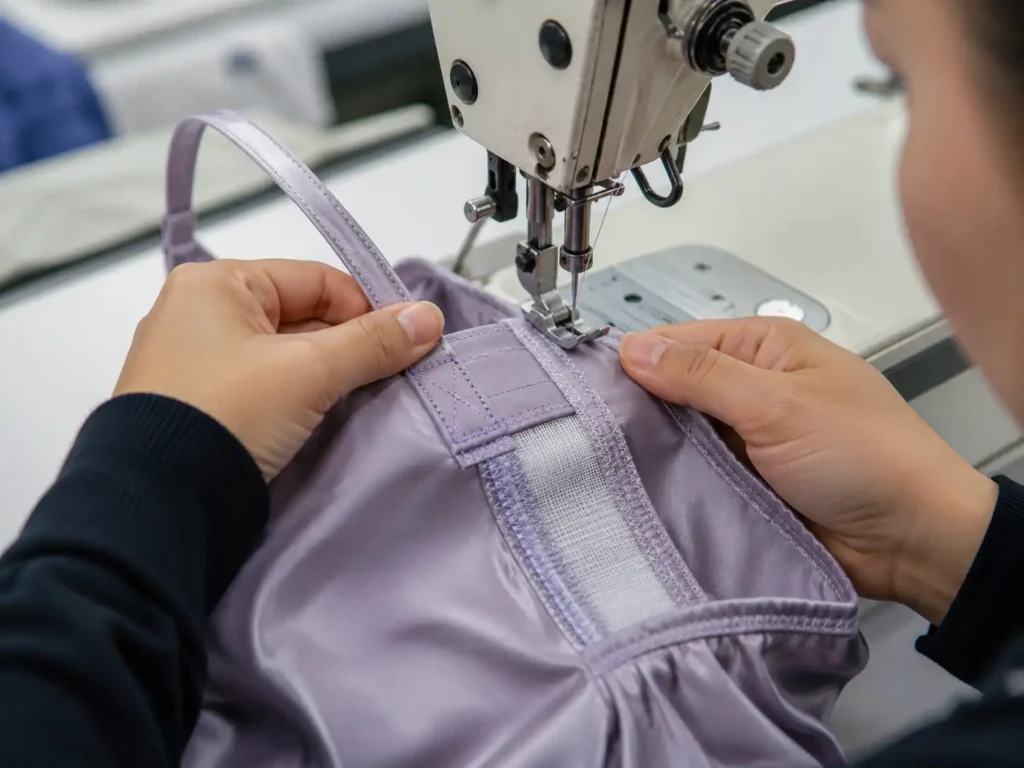
The strap joining area should sit flat, remain symmetrical and carry expected stress without visible pulling. Seam allowance bulk is reduced where needed, while delicate fabrics receive suitable reinforcement. Construction references identify stitch line, seam width, reinforcement and pressing method.

Neckline Finishing

Necklines may use turned lining, facing, binding, clean finish or structured support. Understitching, stay tape and edge pressing are selected according to fabric. Corners and curves are inspected for rippling, rolling, stretching and visible lining.

Armhole Finishing

Armholes need smooth curves, even seam allowances and comfortable contact with the skin. Lining or binding should not twist outward. Stretch styles require recovery, while woven styles need enough shaping for movement without underarm gaping.

Lining Construction

Lining should support the shell without pulling, twisting or extending below the hem. Join points around straps, armholes, neckline, zipper and waist are checked for tension. Light-color garments receive opacity and color-match review.

Zipper Installation

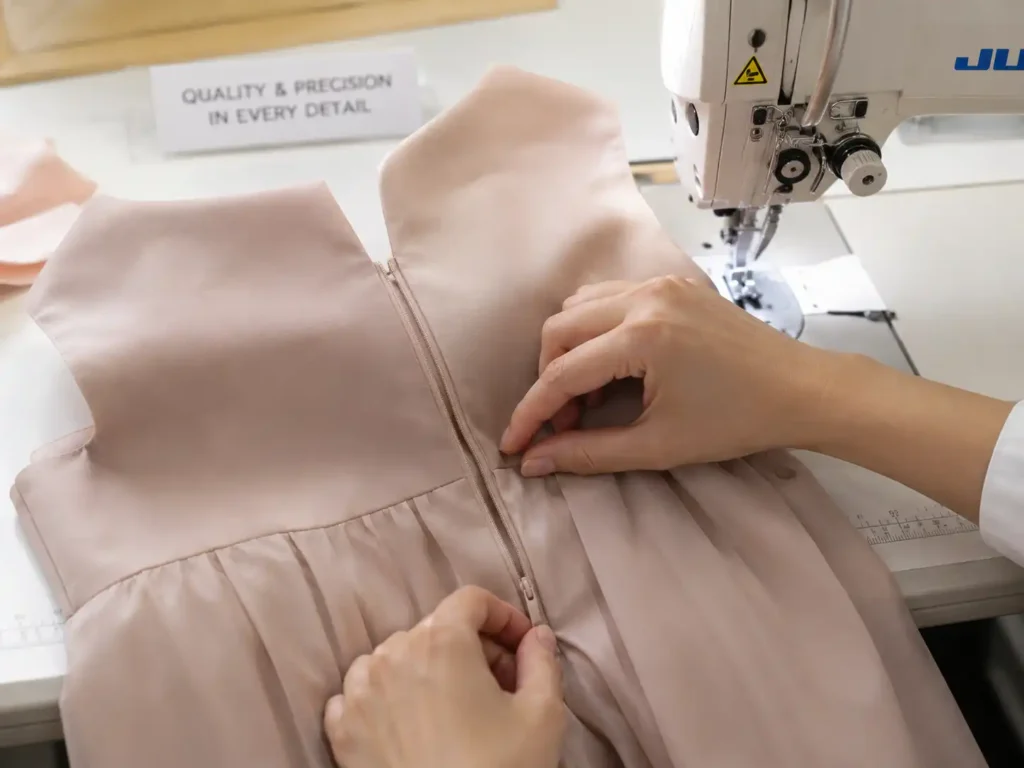
Invisible zippers should run smoothly and remain flat through the waist and back bodice. Seam matching, zipper tape tension, top closure and lining attachment are checked. Satin and fitted styles need extra attention because zipper bulging is highly visible.

Hem and Pressing

Hem method depends on fabric, skirt shape and design level. Narrow hems, blind hems, cover stitching or lining finishes are selected accordingly. Pressing must shape the garment without shine marks, seam impressions or distorted strap edges.

Bulk Production Controlled by Approved References

Bulk production follows approved material, measurement, construction, label and packing files. Complex and simple wide strap dresses are allocated according to fabric, workmanship and inspection requirements.

Bulk Fabric Approval

Bulk quality, color, width, weight, stretch, handfeel, surface and lining compatibility are checked against the approved direction before cutting release.

Incoming Inspection

Fabric and trims are reviewed for visible defects, color variation, quantity, specification and supplier information. Issues are separated before production use.

Fabric Preparation

Relaxation, spreading direction, shade grouping and shrinkage-related preparation are planned according to material behavior. Satin shine and printed direction need controlled orientation.

Cutting Control

Pattern version, size markers, grain direction, notches, pair symmetry and panel placement are checked. Lace, mesh, prints and directional fabrics receive product-specific layout control.

Bundle Management

Cut parts are grouped by style, color, size and fabric shade to reduce mixing. Critical strap, neckline and lining components remain matched through sewing.

Sewing Control

Construction references define strap attachment, neckline finish, armhole finish, lining, closure, seams and hem. In-line checks identify recurring issues before they spread across the order.

Finishing Review

Thread trimming, pressing, shape recovery, zipper function, neckline appearance, strap symmetry and final garment measurements are checked before packing.

Packing Release

Approved labels, barcodes, SKU information, polybags, folding method, size-color ratios and carton marks are verified before final inspection and shipment preparation.

Quality Control Focused on Fit and Construction

Quality control covers materials, cutting, sewing, measurements, pressing and packing. Fifteen-plus QC inspectors support product-specific checks rather than relying on a final visual review alone.

Incoming Materials

  • Fabric quality, color, shade, width, stretch, surface defects and quantity are reviewed before release.
  • Linings and trims are compared with approved specifications, including zipper color, cup shape, interfacing, labels and packaging materials.
  • Certification or testing documents are checked by project, supplier, batch, color and certificate scope where required.

Cutting and Pairing

  • Pattern version, size, grain direction and placement marks are confirmed before cutting.
  • Left and right straps, neckline sections and paired panels are checked for symmetry.
  • Directional shine, prints, lace motifs and shade groups are controlled according to the product.

Sewing and In-Line Checks

  • Strap width, joining, position, neckline finish, armhole shape, zipper flatness and lining control receive in-line review.
  • Recurring defects are raised while production is active so corrective action can be applied to remaining units.
  • Workmanship standards follow the approved PP or golden sample and written construction file.

Garment Measurements

  • Critical points include strap width, strap length, position, neckline depth, armhole depth, bust, waist, body length, dress length, slit and hem sweep.
  • Tolerances follow the brand standard, garment type, fabric elasticity and agreed production range.
  • Elastic and woven products use different measurement and recovery logic; zero variation is not presented as a realistic production claim.

Pressing and Appearance

  • Finished garments are checked for seam impressions, shine marks, twisted straps, rolling neckline edges, uneven hems and visible lining.
  • Satin, lace, mesh and decorated styles use material-appropriate handling and packing methods.
  • Garment shape is reviewed after pressing because heat and tension can change final measurements or surface appearance.

Packing and Final Inspection

  • Label content, size, color, barcode, SKU, polybag and carton marks are checked against packing instructions.
  • AQL inspection and client-appointed inspection can be coordinated according to agreed requirements.
  • QC records and approved references are retained to support repeat orders and quality review.

MOQ and Quotation Built by Style

MOQ starts from 200 pcs per style/color. Final pricing and production planning depend on material, construction, size range, color plan, private-label requirements and delivery conditions.

Project FactorStandard Planning LogicEffect on MOQ, Cost or Timing
Garment MOQCalculated per style and per colorMultiple styles cannot normally be combined to reach one 200-piece MOQ
Color splitOne style in two colors normally needs 200 pcs per colorStock fabric and repeat-order potential may be reviewed case by case
Size rangeSizes can be allocated within the approved style/color quantityExtended sizing can affect fabric use, pattern work and ratio planning
Stock fabricExisting quality and color may support standard planningAvailability, shade and quantity still need confirmation
Custom dye or printSupplier MOQ applies by fabric, color and processAdds lab dip, artwork, approval and material lead-time requirements
Lace, mesh or sequinSupplier stock, motif, color and loss rate varyMay increase material MOQ, wastage and inspection needs
Lining and supportFull lining, cups, interfacing and tape add materials and workChanges sample construction, unit cost and bulk control
Private labelsWoven labels, care labels, tags and printed bags may carry separate MOQArtwork, color and lead time should be reviewed early
SamplingCharged separately for pattern, materials, sewing, review and communicationMay be credited by project when the same style enters qualifying bulk production
Quotation buildFabric, trims, pattern, cutting, sewing, pressing, QC, packing, loss, testing, logistics and marginCost control focuses on preserving brand-level appearance rather than chasing the lowest unit price
Production timingIssued after PP approval, material readiness, order size and line planningComplex fabrics, private labels and peak-season schedules need earlier confirmation
Delivery planningEXW, FOB, CIF, DAP, DDP or appointed forwarder support assessed by projectAir, sea or split shipment may be planned around launch and receiving dates

Private Label Packing Ready for Retail
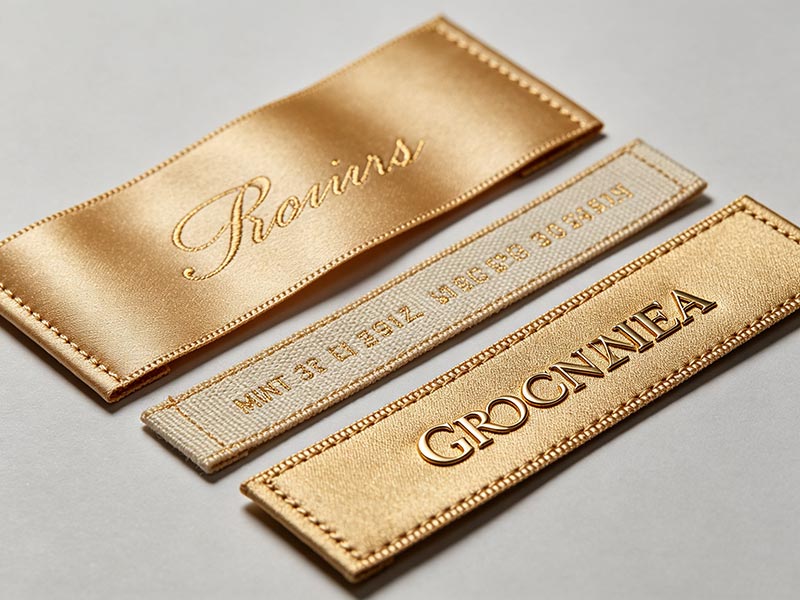
Brand delivery includes more than sewing a dress. Labels, SKU information, folding, polybags and cartons need accurate coordination with the approved style, color and size breakdown.

Main Labels

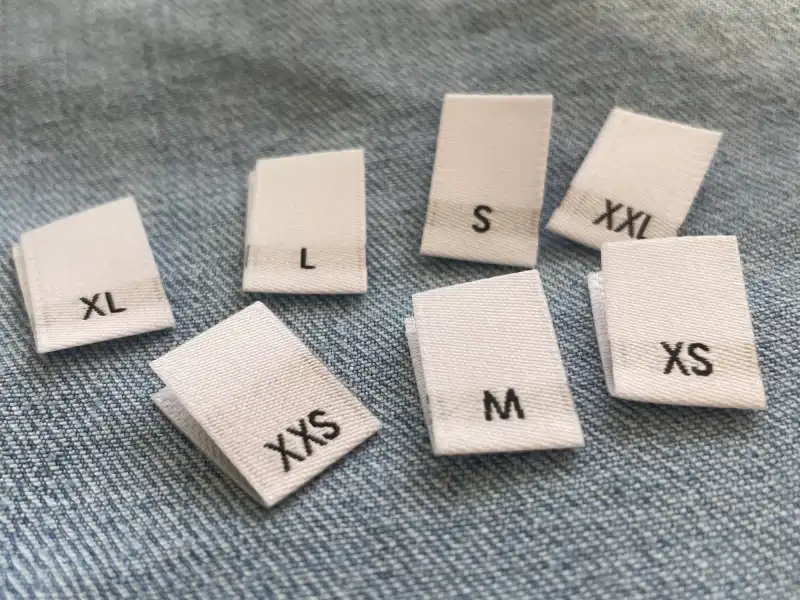
Woven, printed or heat-transfer main labels are reviewed for artwork, size, color, handfeel and placement. Neckline and back construction may affect label type, especially for open-back, lined or delicate fabrics.

Size Labels

Size labels must match the garment and pack ratio. Placement should remain comfortable and visible according to the brand standard. Mixing errors are checked during finishing and packing.

Care Labels

Care labels require approved composition, care symbols, language and brand information. Final responsibility for market compliance remains with the brand or appointed compliance specialist, while Jinfeng Apparel coordinates production files and placement.

Hangtags

Hangtags are checked for artwork, paper, color, string, hole position and attachment location. Delicate satin, lace or mesh styles need placement avoiding fabric damage.

Barcode and SKU

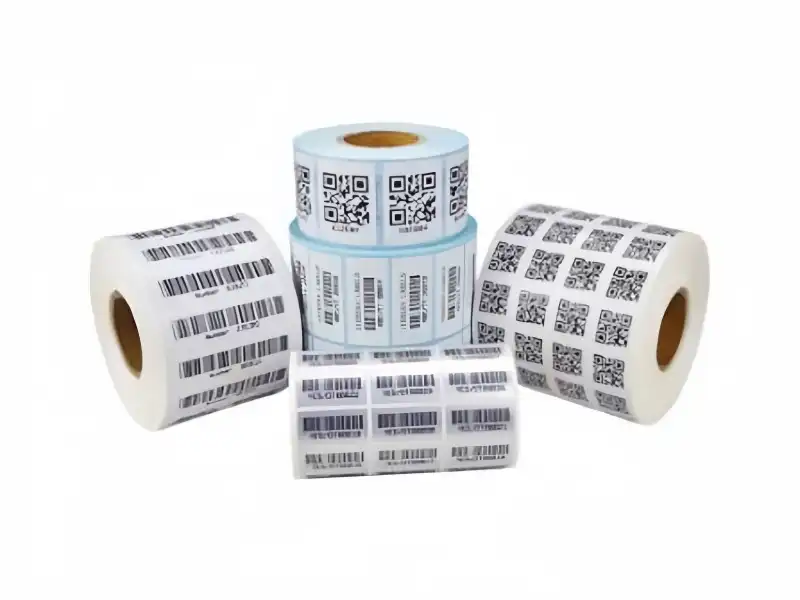
Barcode, style, color and size data must match the packing list and warehouse requirements. Label scans or data checks can be included according to the agreed packing procedure.

Polybags and Cartons

Bag size, thickness, warning text, folding method, carton dimensions, size-color ratios and carton marks are confirmed before packing. Wide straps and structured necklines should not be sharply folded in ways creating permanent creases.

Design Protection and Project Compliance

Unreleased designs, technical files, samples and brand information require controlled handling. Compliance and testing support is confirmed according to the selected factory, fabric, supplier batch and destination requirements.

Design Protection

Jinfeng Apparel supports NDA-based cooperation and protects technical packs, samples, patterns, measurement files, trims, private-label details, unpublished designs, quantities and launch information.
  • Anonymous external cases
  • Restricted file access
  • No public brand disclosure

Testing Support

Fabric or garment testing can be coordinated with recognized third parties according to project needs. Required standards, sample quantity, test method, responsibility, cost and timing need confirmation before booking.
  • SGS, Intertek, BV or ITS by project
  • Supplier and batch confirmation
  • Latest report scope checked

Market Documents

Composition, care labels, packing lists, commercial invoices, carton information and shipment records can be prepared around agreed requirements. Certification claims remain limited to valid documents and applicable production scope.
  • Label file coordination
  • Inspection document support
  • Appointed forwarder cooperation

Wide Strap Dress Programs Delivered by Collection

The following anonymous scenarios reflect realistic collection structures for established brands. Names, unreleased artwork and commercial terms remain confidential. Quantities are shown at program level to demonstrate project planning scale.

United States Ecommerce Collection

  • Program scope: 18 wide strap dress styles across square-neck minis, fitted midis and soft A-line shapes, with a total first production plan of 36,400 garments. The range used stretch woven, crepe and satin qualities in coordinated seasonal colors, with sizes distributed across the brand’s core ecommerce range.
  • Challenge: Early fit samples showed neckline opening in seated movement, inconsistent underarm coverage across sizes and visible strap angle differences between fitted and A-line blocks.
  • Development action: Pattern makers separated the collection into three bodice families, then corrected upper-bust shape, strap angle, armhole curve and front body length by family. Critical styles received revised fit samples before photo samples were released.
  • Production action: Styles were grouped by fabric and construction. Strap width, length, position, neckline depth and armhole depth were added to measurement checkpoints. Satin styles received separate pressing and folding instructions.
  • Result: The approved block system allowed related colorways to move forward with controlled fit logic. Production files, measurement methods, packing SKUs and inspection points remained aligned across 18 styles, supporting repeat planning without treating every style as an unrelated order.

Australian Resortwear Collection

  • Program scope: 12 wide strap midi and maxi styles using rayon, viscose and linen-blend fabrics, with 24,800 garments across solids and printed colorways. The brand required soft movement, natural texture, reliable underarm coverage and travel-ready packing for a seasonal resort launch.
  • Challenge: Initial material options produced different shrinkage, body-length growth and neckline behavior. Full skirts placed additional load on the bodice, while several prints required directional panel placement.
  • Development action: Fabric groups were assessed separately for drape, transparency and wash-related change. Strap attachment and bodice lining were strengthened on heavier maxi styles. Hem and side-seam balance were reviewed after fabric relaxation.
  • Production action: Cutting plans controlled print direction, shade groups and paired strap components. Bulk QC included strap symmetry, neckline stability, lining position, hem leveling and pack-fold review. Priority styles were scheduled first around the launch calendar.
  • Result: Fabric-specific instructions prevented one pattern and construction rule from being forced across all materials. The brand received a coordinated resort range with consistent visual identity while preserving different fabric behavior and garment movement.

United Kingdom Occasionwear Program

  • Program scope: 24 wide strap occasion and wedding guest styles, totaling 62,600 garments across satin, stretch satin, crepe, mesh and lace combinations. The program included fitted midis, column maxis and fuller-skirt dresses with private labels, barcodes and warehouse-specific carton breakdowns.
  • Challenge: The collection required stronger bust coverage, flat zippers, stable square and sweetheart necklines, controlled light-color opacity and clean finishing across several fabric families.
  • Development action: Styles were ranked by launch importance and construction risk. Bodice patterns were grouped by neckline and support level. Lining, stay tape, cup position and strap reinforcement were approved by style rather than applied as one standard solution.
  • Production action: Six owned factories and long-term production partners were matched according to garment complexity and schedule. A 12+ merchandising team coordinated material, sample, production and packing status, while 15+ QC inspectors followed product-specific checkpoints.
  • Result: The 24-style order moved through grouped sample approvals, PP references, production allocation and SKU-controlled packing. Retained pattern, material, trim, measurement and QC records provided a stronger base for follow-up colors and repeat orders.

Wide Strap Dress Frequently Asked Questions

A wide strap dress uses shoulder straps broad enough to form a visible part of the bodice structure. No universal width applies. Final width depends on neckline, shoulder line, bust coverage, fabric, garment weight, size range and desired visual proportion.

Yes. A clear front and back reference, target quantity, size range, fabric direction and required changes can support initial review. A technical pack, original sample or detailed sketch improves pattern accuracy and quotation quality.

Yes. Finished width, length, front/back placement, angle, construction and reinforcement can be developed according to the design. Measurements and reference points should be recorded so bulk teams do not rely only on visual judgment.

Pattern makers review upper-bust shape, neckline width and depth, strap angle, fabric stretch, lining and edge stabilization. Fit movement is checked because a neckline may sit correctly while standing but open during sitting or bending.

Armhole depth, front and back curves, side seam height, bust shaping, lining and strap position are reviewed together. Larger sizes may need revised shaping rather than a simple proportional increase.

Common options include satin, stretch satin, crepe, linen blends, rayon, viscose, cotton blends, jersey, ponte, lace and mesh. Selection depends on drape, support, recovery, opacity, lining and the intended silhouette.

MOQ starts from 200 pcs per style/color. Multiple styles normally cannot be combined to reach one MOQ. Custom dyeing, printing, lace, sequins, certified fabrics, special trims and private-label materials may carry separate supplier MOQ.

A project schedule is issued after reviewing style complexity, fabric availability, trims, pattern work, sample priority, order quantity, PP approval, packing and production capacity. Fixed blanket lead times are avoided because different dress structures require different controls.

Yes, subject to approved measurements and grade rules. Strap position, neckline, armhole, bust shaping and body length may need controlled grading rather than equal enlargement across every size.

Yes. Main labels, size labels, care labels, hangtags, barcodes, SKU labels, polybags and carton marks can be coordinated. Artwork, composition, size-color data, packaging MOQ and warehouse requirements should be confirmed early.

Send Your Wide Strap Dress Project

A useful project review starts with clear product and order information.

Send a reference image, technical pack, sample photograph or line sheet together with the planned quantity per style/color. Include the target fabric or handfeel, color plan, size range, strap and neckline requirements, lining or support details, private-label files and required delivery window.

Jinfeng Apparel will review style complexity, pattern risks, material direction, MOQ fit, sampling requirements, production controls and packing needs before confirming the next step.

  • Company name, market and product category
  • Front and back reference or technical pack
  • Quantity per style and per color
  • Fabric, lining and trim direction
  • Size chart and intended size range
  • Strap width, neckline and armhole requirements
  • Label, barcode, polybag and carton requirements
  • Target sample, launch or warehouse receiving date
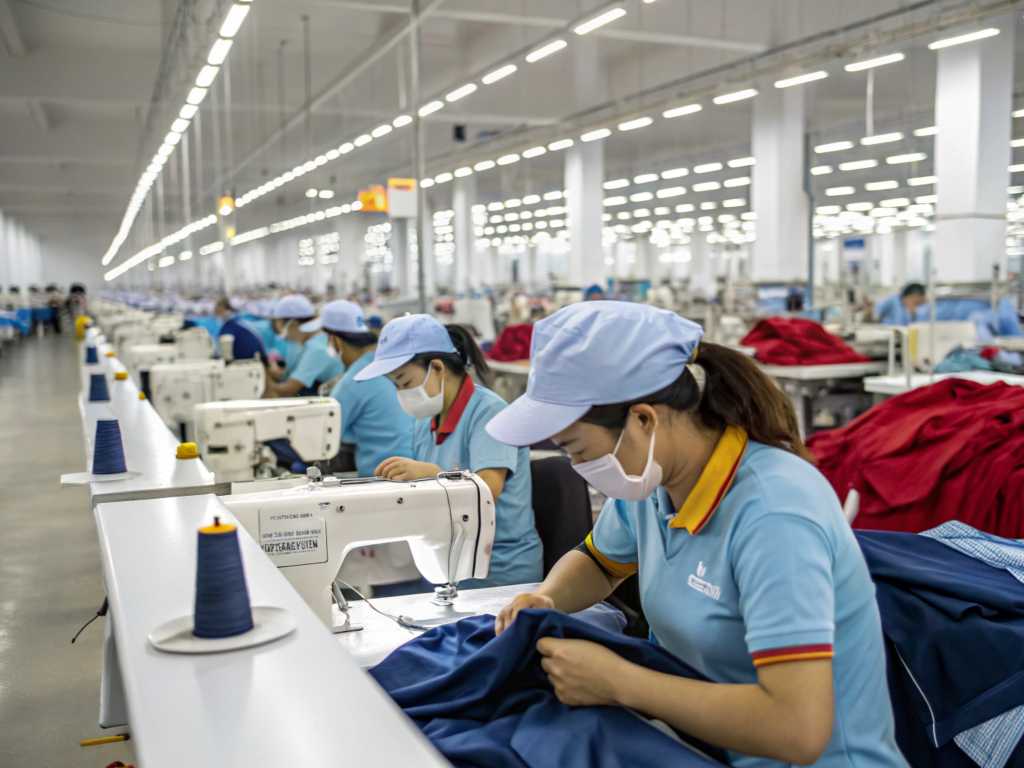
Workers in blue uniforms sewing clothing with sewing machines in a textile factory.

Tell Us About Your Dress Project

Share your product details, estimated quantity and development requirements. Our team will review your project and provide practical OEM/ODM production feedback.

Premium Women’s Apparel Production for Fashion Brands

From dress sample development to bulk production, JF Apparel supports fashion brands with confidential OEM/ODM manufacturing, reliable quality control and scalable production support.

START YOUR DRESS PROJECT

Ready to Develop Your Next Dress Collection?

Share your design concept, product requirements or sourcing plans with our team. We’ll review your project and provide practical feedback on development, materials, MOQ and production.

7-10 Days

Sample Development

200 PCS

Starting MOQ

Fast Response

Professional Follow-Up