Skip to content
Knot Detail Dress Manufacturer
Custom front-knot, side-knot, twist-knot and draped-knot dresses developed for global fashion collections.
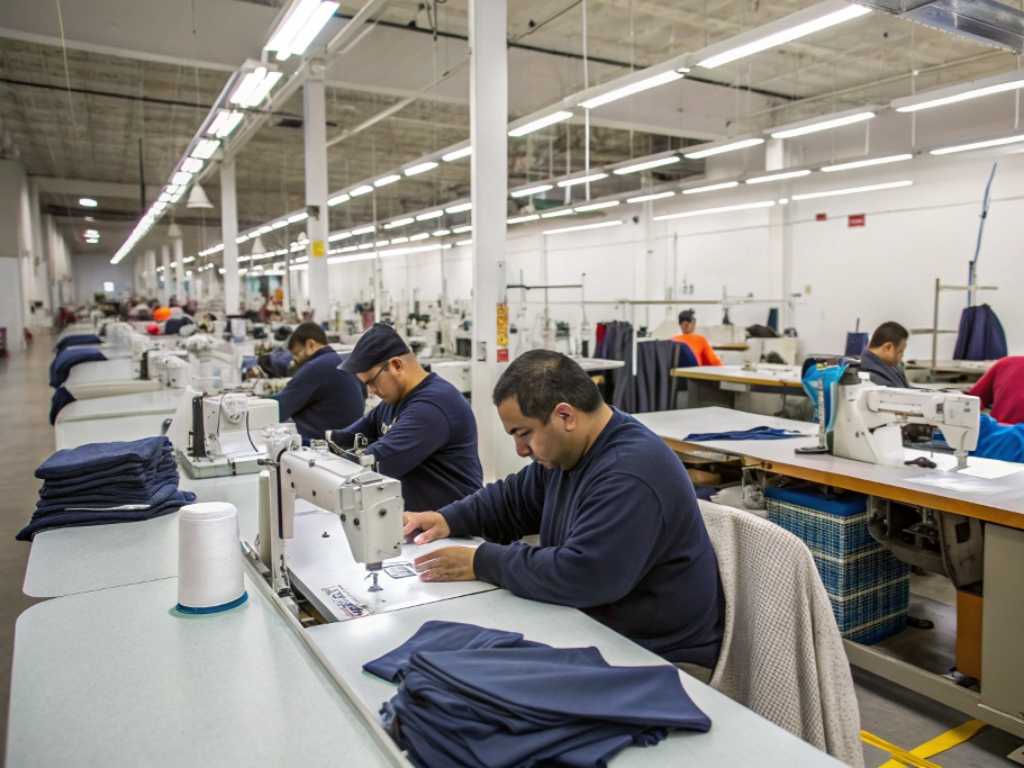
Jinfeng Apparel converts knot-focused dress concepts into production-ready garments through fabric assessment, pattern engineering, fit correction, sample revision, PP approval, controlled bulk sewing and private-label packing. Knot position, fold direction, seam thickness and size grading are documented before production so the approved visual balance can be repeated across colors and sizes.
- 8 core knot-detail structure families supported
- 6 critical fit zones reviewed around bust, waist, hip, opening, slit and hem
- 2 sample rooms, 7+ senior pattern makers and 20+ sample machinists
- MOQ starts from 200 pcs per style/color
- 100,000+ pcs regular monthly capacity across the production system
Manufacturing Facts Behind Every Knot Dress Program
Since 2008
Long-term women’s fashion manufacturing experience supports trend-driven dresses where appearance depends on pattern balance, controlled drape and repeatable sewing rather than decorative styling alone.
6 Owned Factories
Factory allocation follows fabric, structure and order rhythm. Stretch bodycon knots, satin drapes and lightweight resort ties can be routed to production teams with matching dress experience.
10+ Production Partners
2 Sample Rooms
7+ Pattern Makers
15+ QC Inspectors
Built for Established Fashion Dress Programs
Best Fit For
Jinfeng Apparel is structured for established fashion brands, premium ecommerce labels, occasionwear programs, sourcing offices, product development teams and private-label collections with clear style direction, sampling needs and bulk plans.
- Quarterly or seasonal dress collections
- 10-30 styles developed in parallel
- Multi-color and multi-size production
- Repeat orders and multi-batch delivery
Project Requirements
Strong projects normally begin with a tech pack, reference garment, clear image set, line sheet or structured design brief. Quantity, fabric direction, size range, launch calendar and packing requirements allow accurate development and production planning.
- MOQ from 200 pcs per style/color
- Sample fee and courier budget
- Bulk production plan
- Approval responsibility and timeline

Why Knot Detail Dresses Fail in Production
Knot Position Shift
Uneven Drape
Bulky Knot Core
Weak Recovery
Grading Distortion
Sample-Bulk Gap
One Manufacturing Chain from Design to Delivery
OEM Development
ODM Support
Fabric Sourcing
Pattern Making
Sample Revision
Bulk Production
Private Label
Export Delivery
From Knot Concept to Production-Ready Dress
Reference Review
Structure Assessment
Fabric Direction
Pattern Development
First Sample
Fit Revision
PP Approval
Bulk Production
QC and Delivery
Knot Detail Dress Styles We Develop
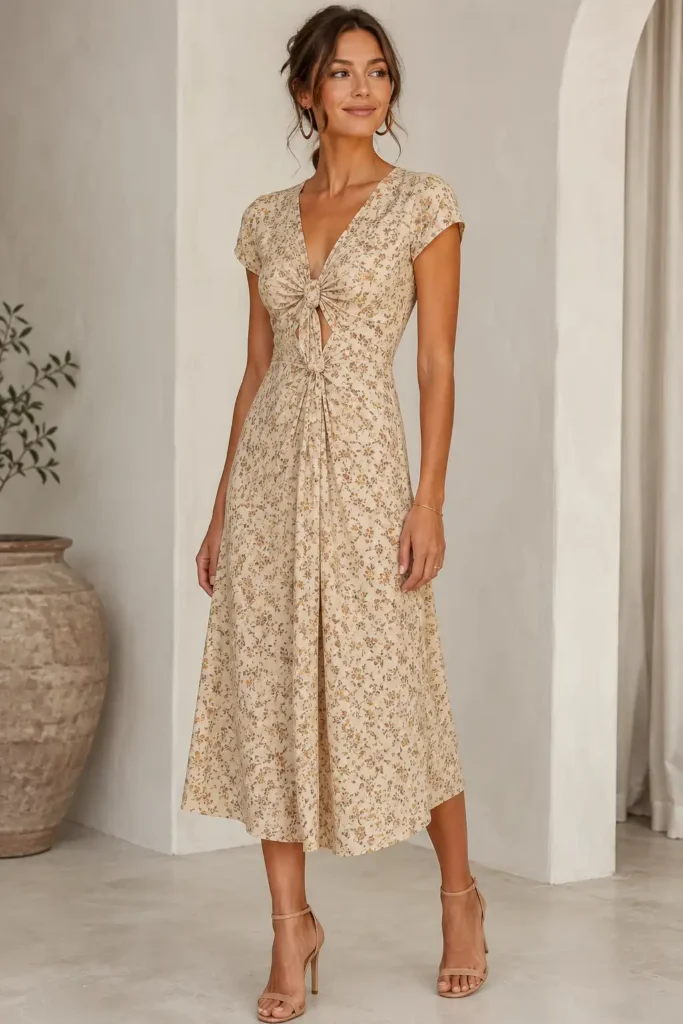
Front Knot Dress

Side Knot Dress
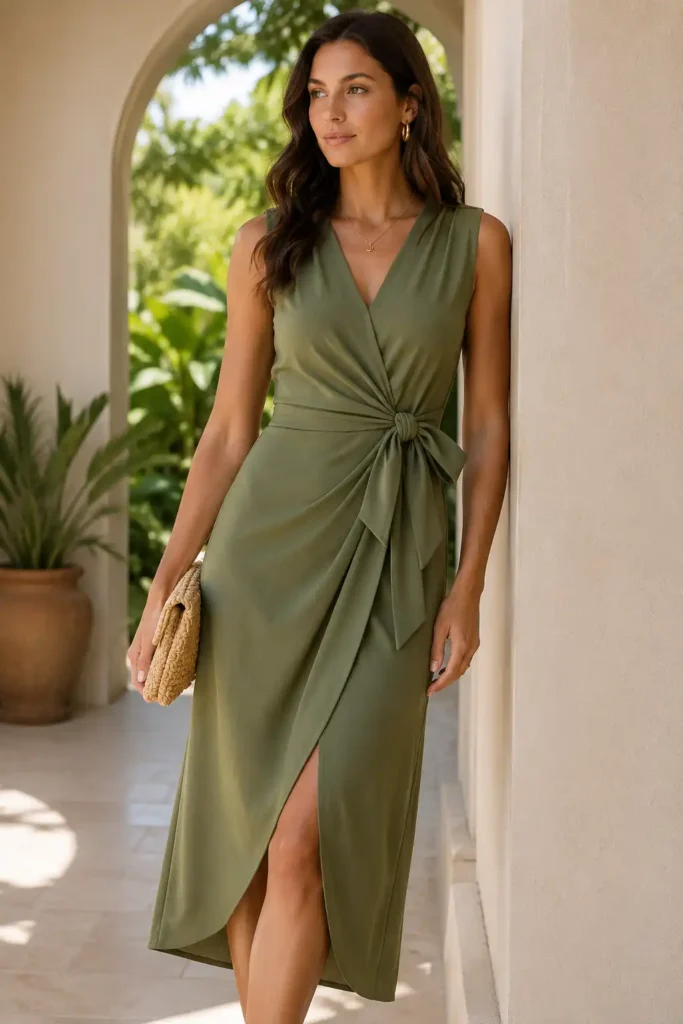
Waist Knot Dress

Twist Front Dress

Shoulder Knot Dress
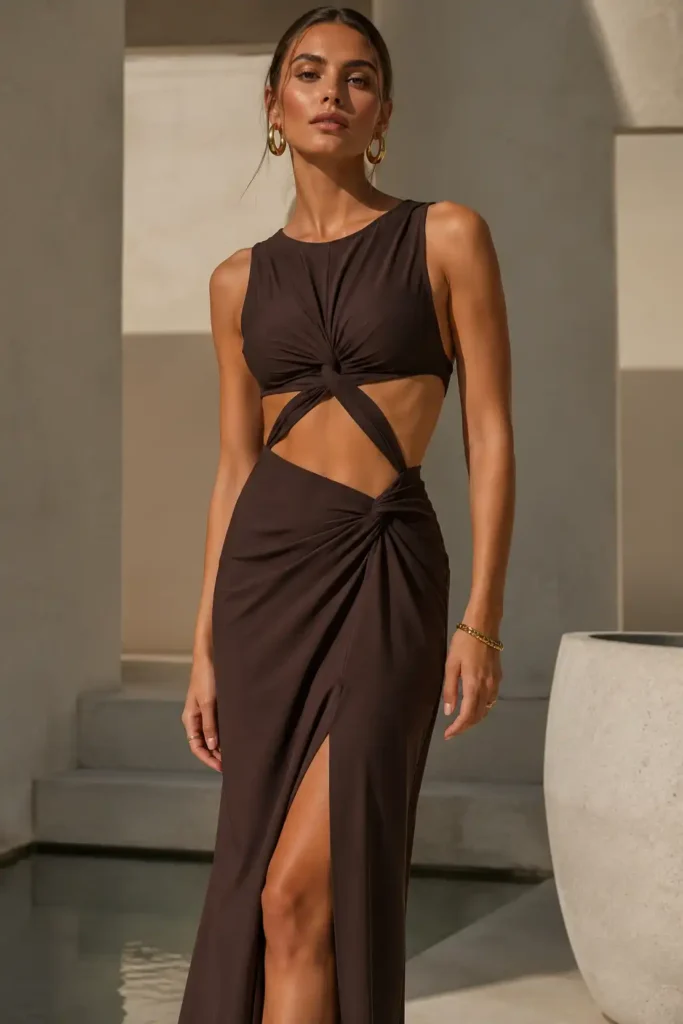
Knot Cut-Out Dress
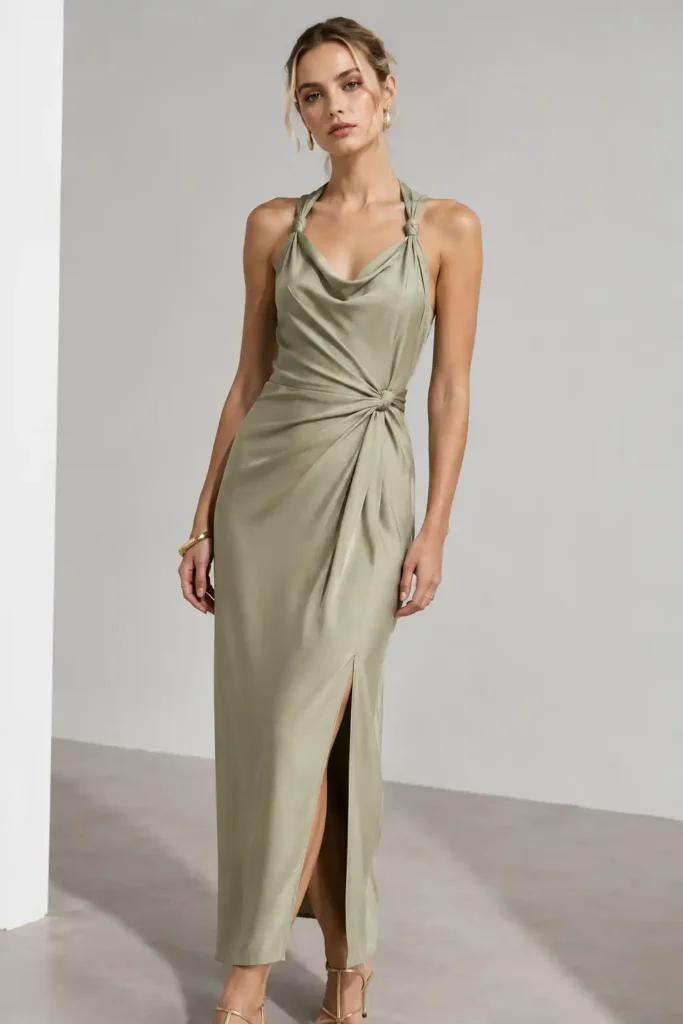
Knot Strap Dress

Draped Knot Dress
How Different Knot Structures Are Engineered
Functional Tie Knot
- Best for resort, wrap and casual styles
- Needs tie-length grading
- Requires wash and slippage review
Fixed Decorative Knot
- Suitable for satin and eventwear
- Consistent across production
- Requires hidden support planning
Twist-Through Structure
- Strong center-front effect
- Pattern accuracy is critical
- Works in stretch and fluid fabrics
Faux Knot Construction
- Good for high-volume programs
- Stable visual result
- Can hide functional seams
Gathered Knot Panel
- Supports ruched bodycon styles
- Balances waist and hip volume
- Needs defined gathering ratio
Draped Loop Detail
- Suitable for fluid midi and maxi dresses
- Lower seam pressure
- Packaging needs shape protection
Knot Details Across Dress Silhouettes

Mini Knot Dress
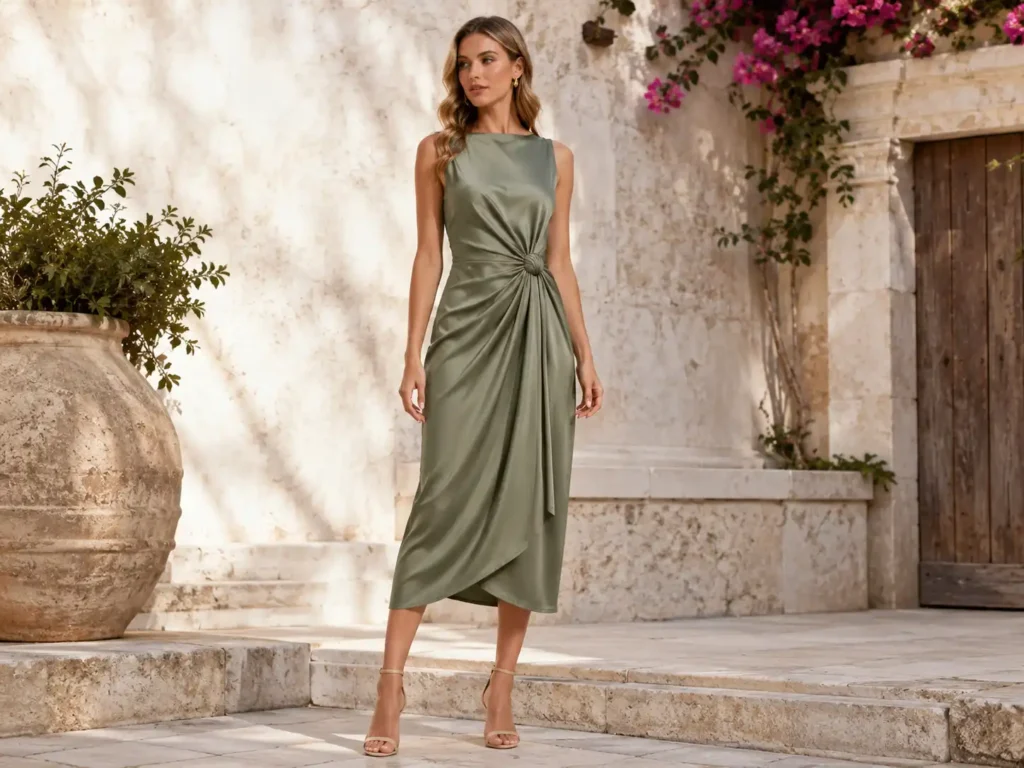
Midi Knot Dress
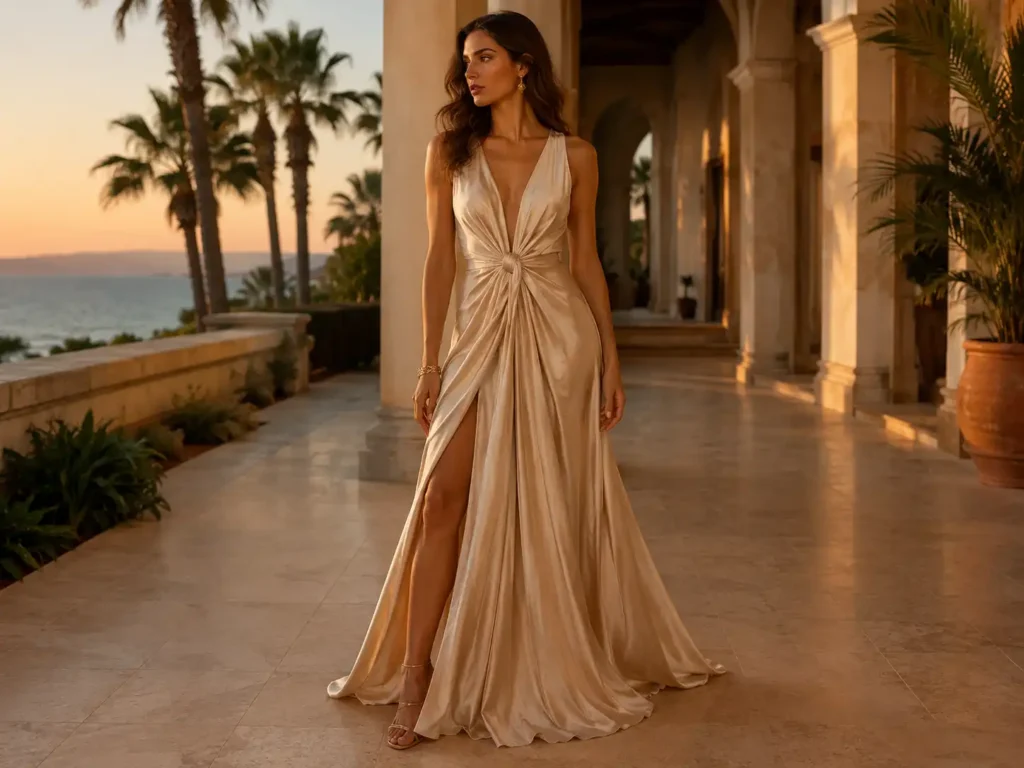
Maxi Knot Dress

Bodycon Knot Dress

Slip Knot Dress
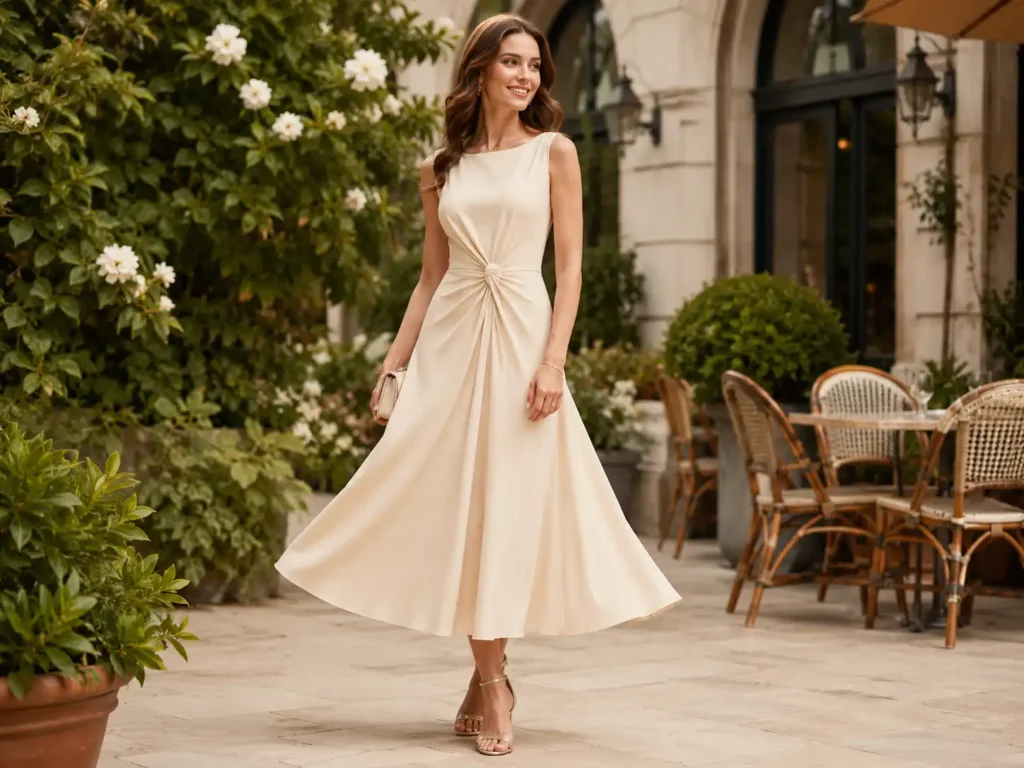
A-Line Knot Dress
Knot Dresses for Commercial Fashion Collections
Partywear
Occasionwear
Resortwear
Premium Ecommerce
Graduation Collections
Day-to-Evening
Custom Design Variables for Knot Detail Dresses

Knot Position
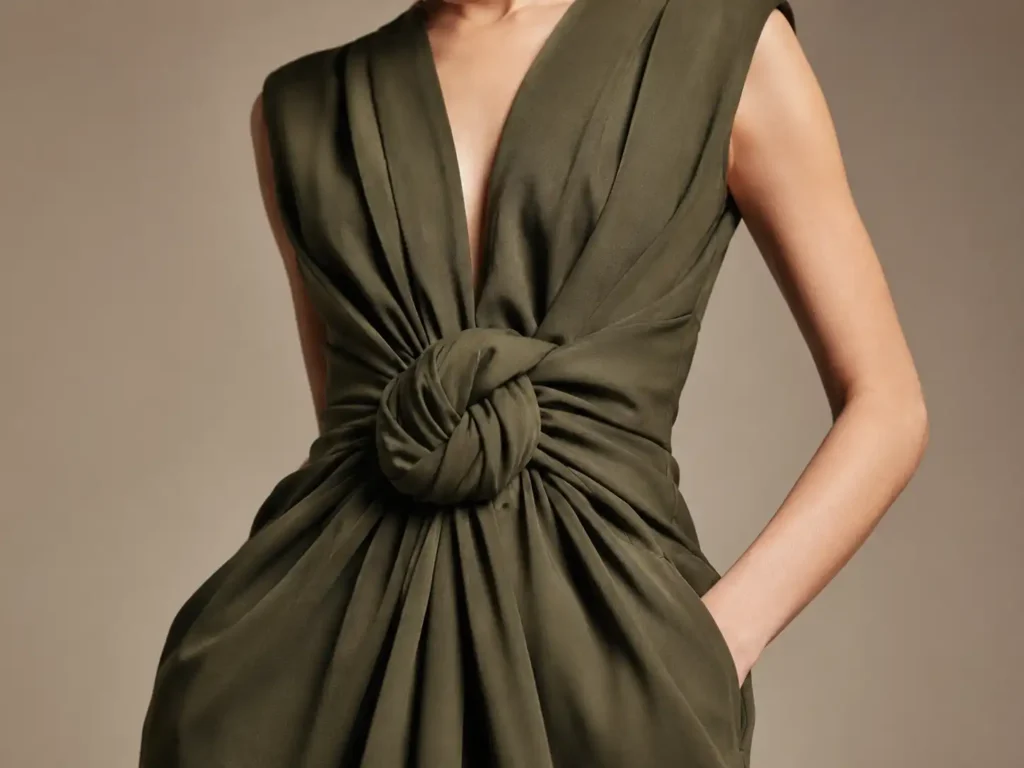
Knot Scale

Drape Volume
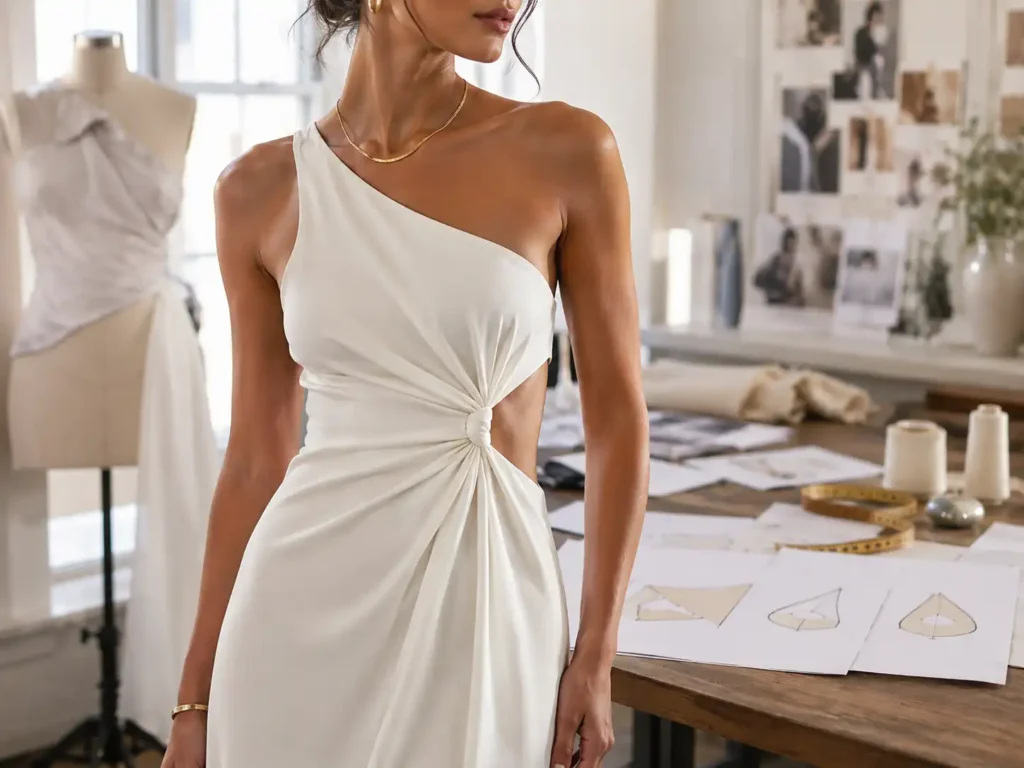
Cut-Out Shape
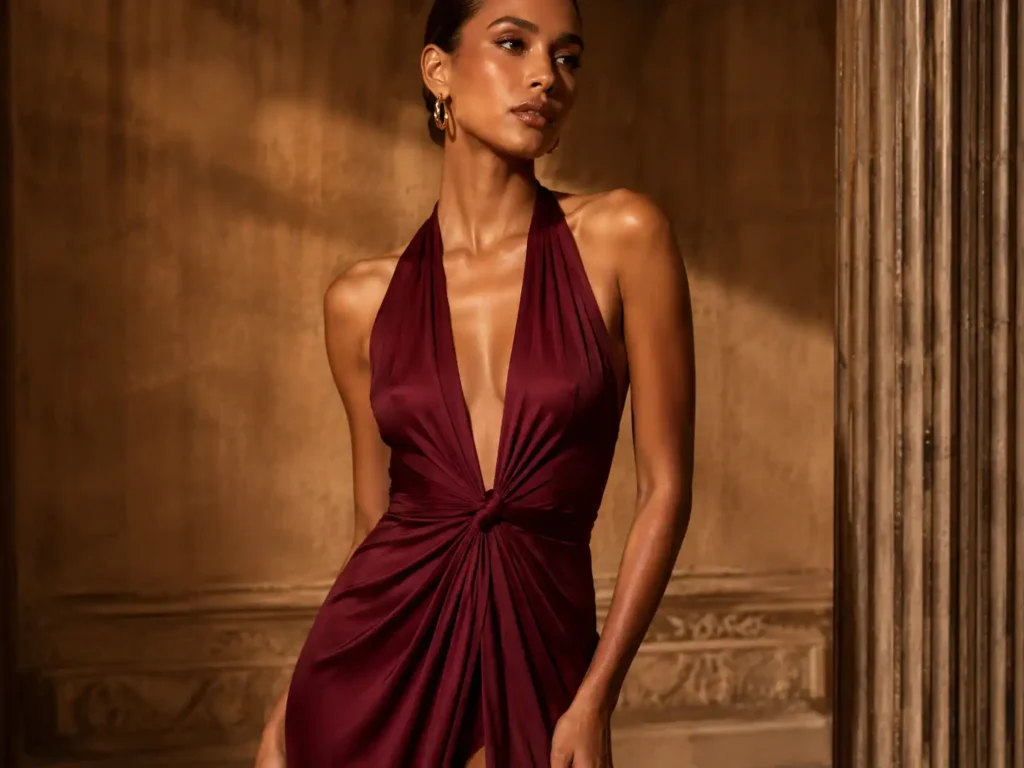
Neckline
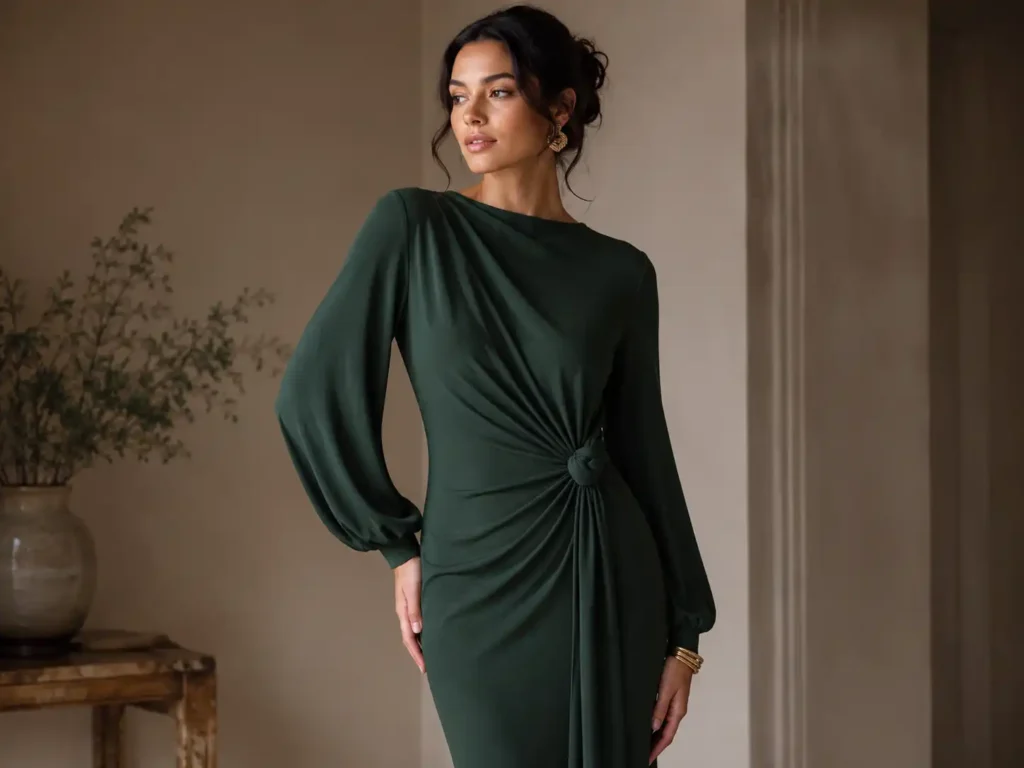
Sleeve Direction

Slit Height
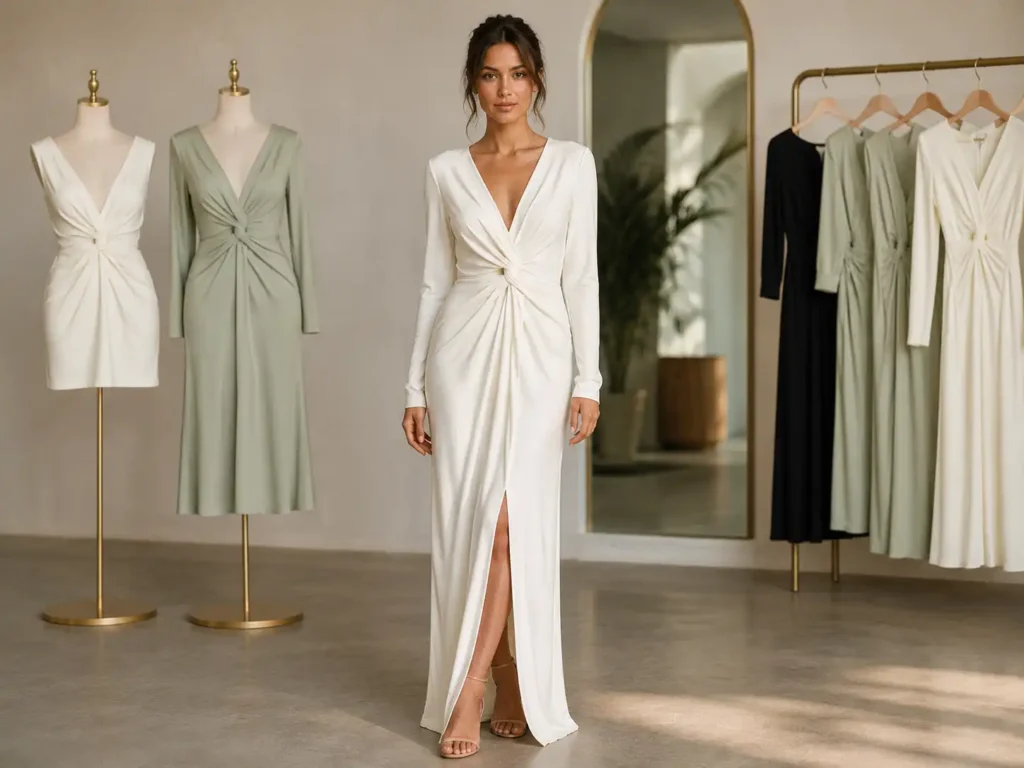
Dress Length
Fabric Selection for Knot Dress Structures
| Knot Structure | Recommended Fabrics | Use Carefully | Main Control Points |
|---|---|---|---|
| Front twist | Viscose jersey, stretch crepe, soft ponte | Rigid poplin | Recovery, bust coverage, center balance |
| Side knot | Stretch satin, jersey, fluid crepe | Heavy woven | Hip tension, side seam, hem level |
| Waist tie | Cotton blend, linen blend, crepe, rayon | Very slippery satin | Tie length, friction, edge finish |
| Fixed faux knot | Ponte, crepe, satin-backed crepe | Ultra-thin chiffon | Internal anchor, layer bulk, needle marks |
| Cut-out knot | Power mesh, stretch jersey, double knit | Loose open mesh | Opening stability, transparency, elastic support |
| Shoulder knot | Poplin, linen blend, crepe, soft satin | Heavy velvet | Strap pressure, knot security, neckline height |
| Draped loop | Satin, rayon, viscose, fluid jersey | Dry stiff fabric | Grain direction, loop fall, pressing |
| Ruched knot | Jersey, rib knit, stretch mesh | Low-recovery knit | Gathering ratio, recovery, seam waviness |
How Fabric Behavior Changes Knot Appearance
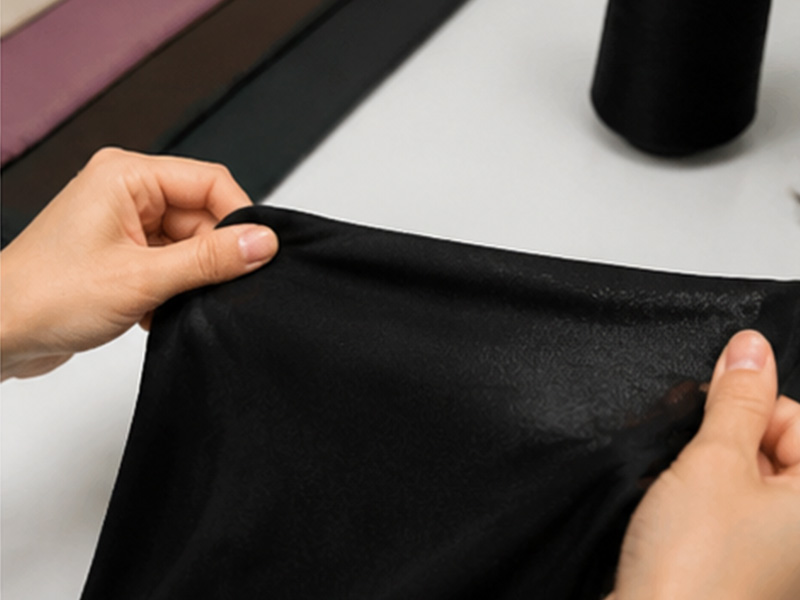
Stretch and Recovery

Drape and Fluidity
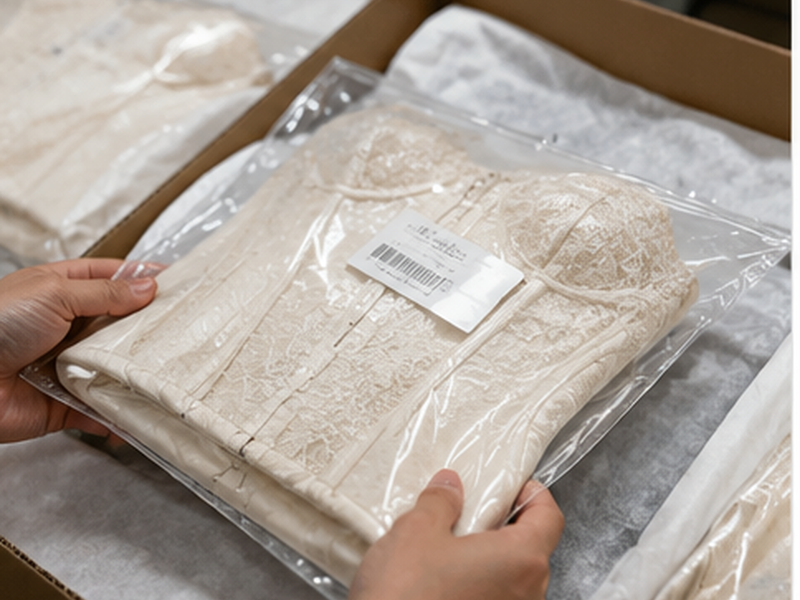
Thickness and Bulk
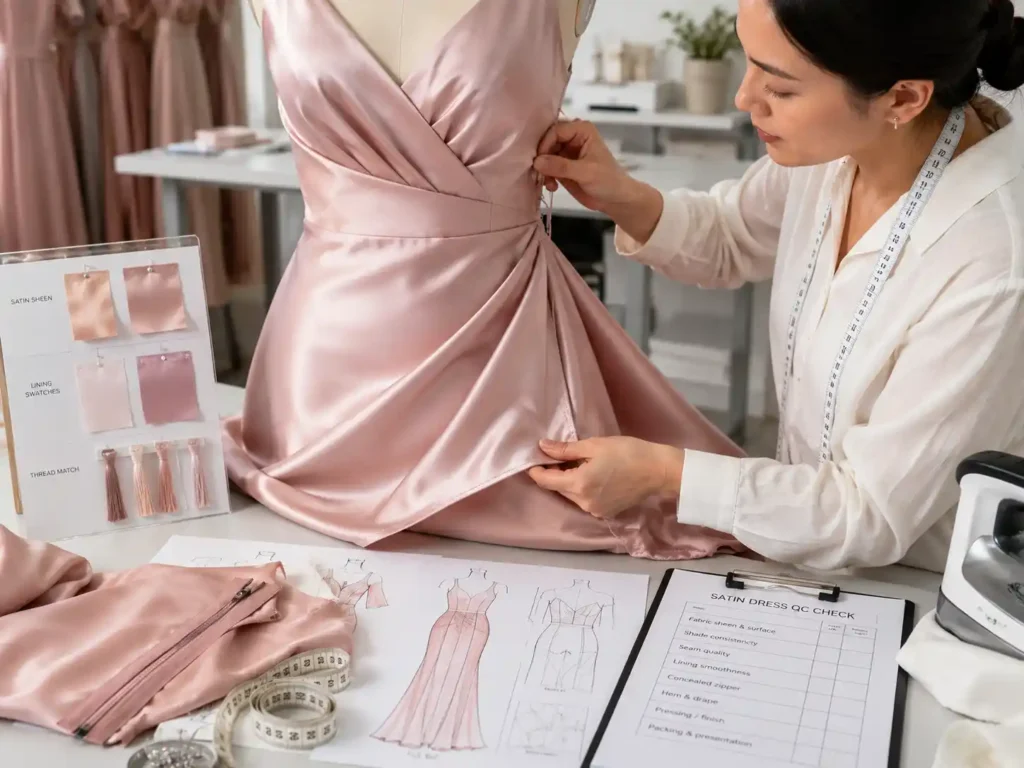
Surface Friction
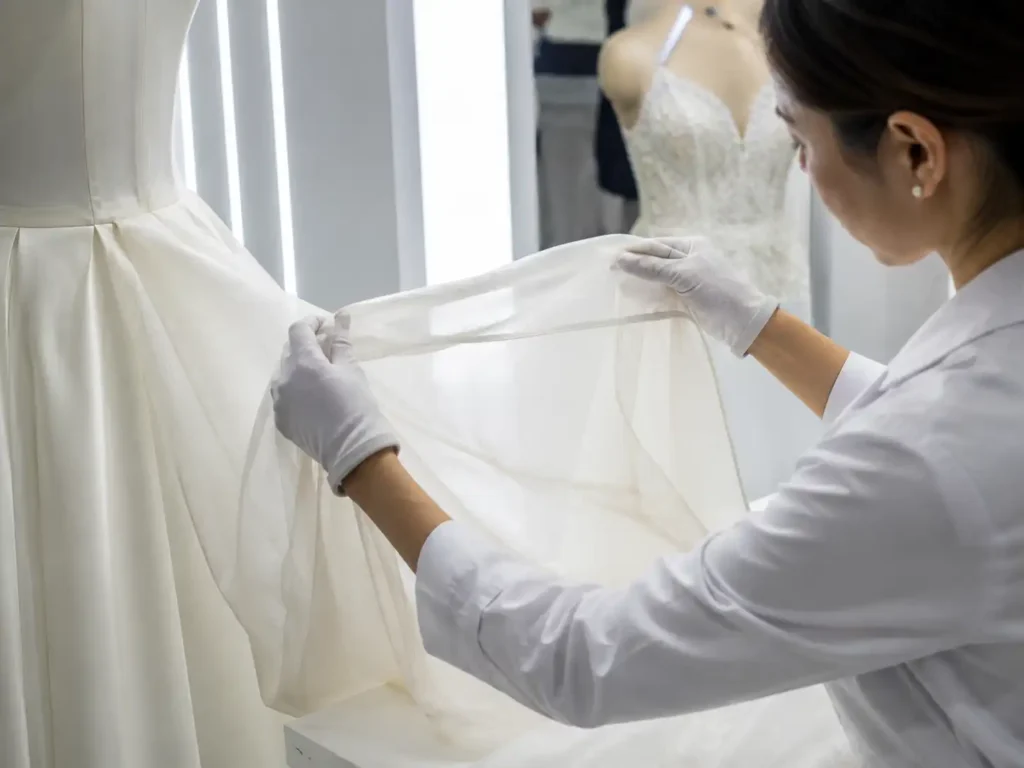
Transparency
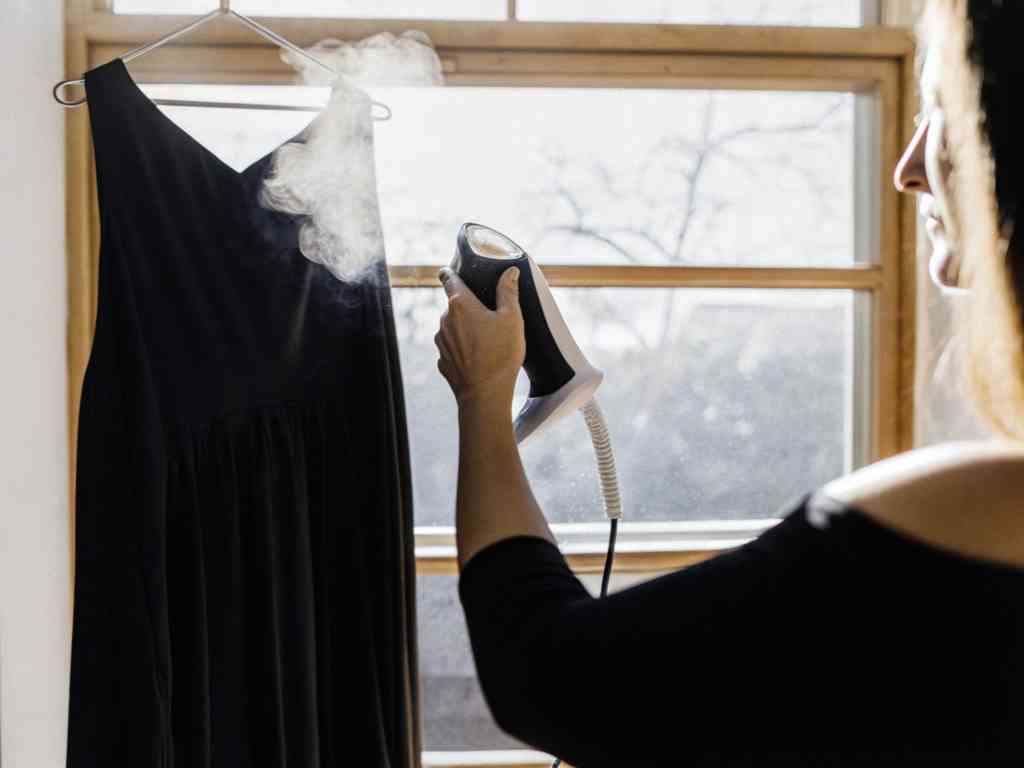
Wrinkle Memory
Internal Support for Stable Knot Construction
Lining
Clear Elastic
Stabilizing Tape
Invisible Zipper
Snap or Hook
Internal Anchor
What We Review Before the First Sample
Design Inputs
- Front, back and detail views
- Knot position and type
- Dress length and closure
- Size chart and target fit
- Fabric or hand-feel reference
- Label and packing brief
Manufacturing Questions
- Real tie or fixed form?
- Visible opening or concealed construction?
- Stretch or woven fabric?
- Lining and internal support?
- Target size range?
- Launch and approval dates?
Pattern Engineering for Balanced Knot Placement
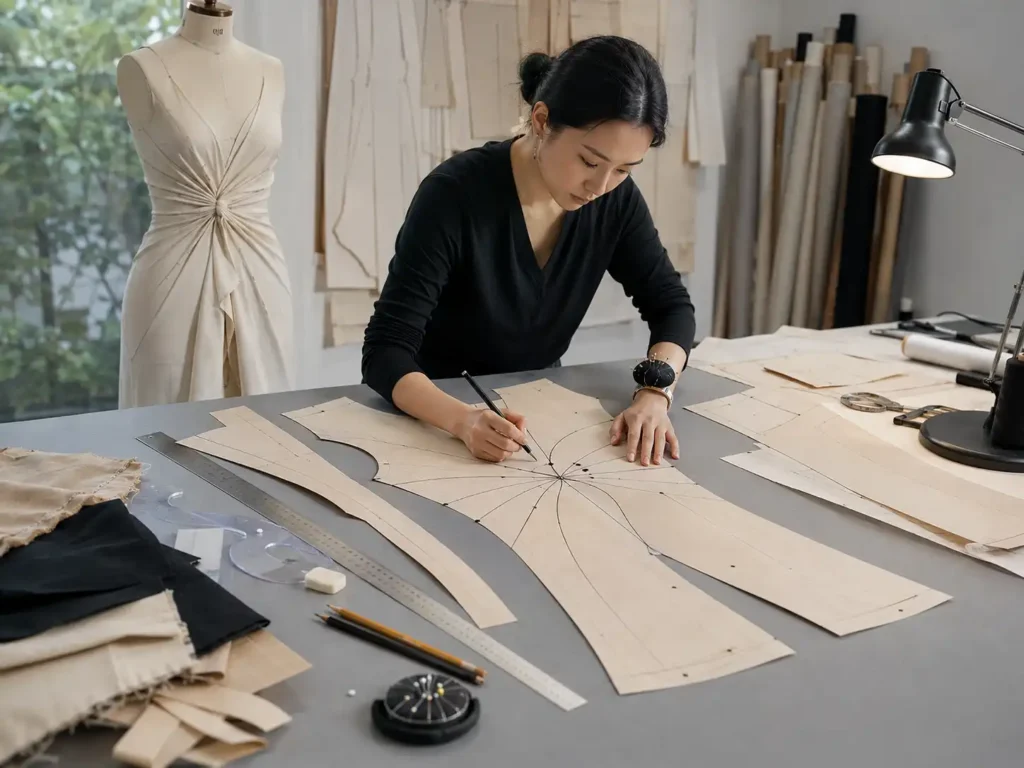
Knot Panel Geometry
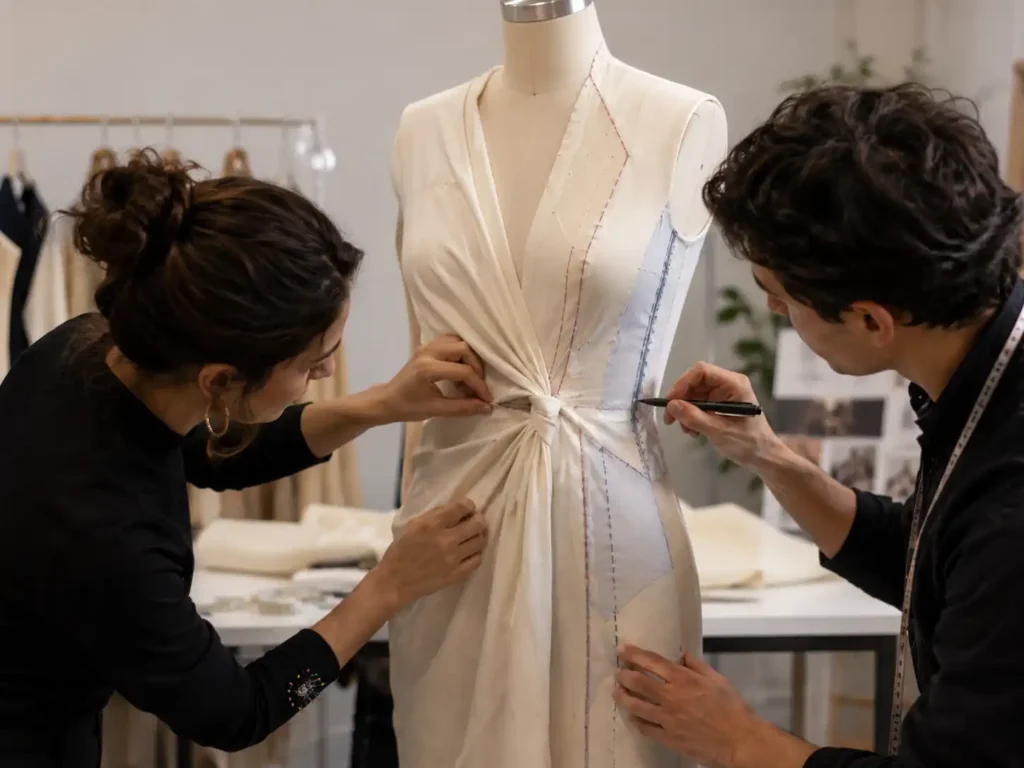
Seam Position Planning
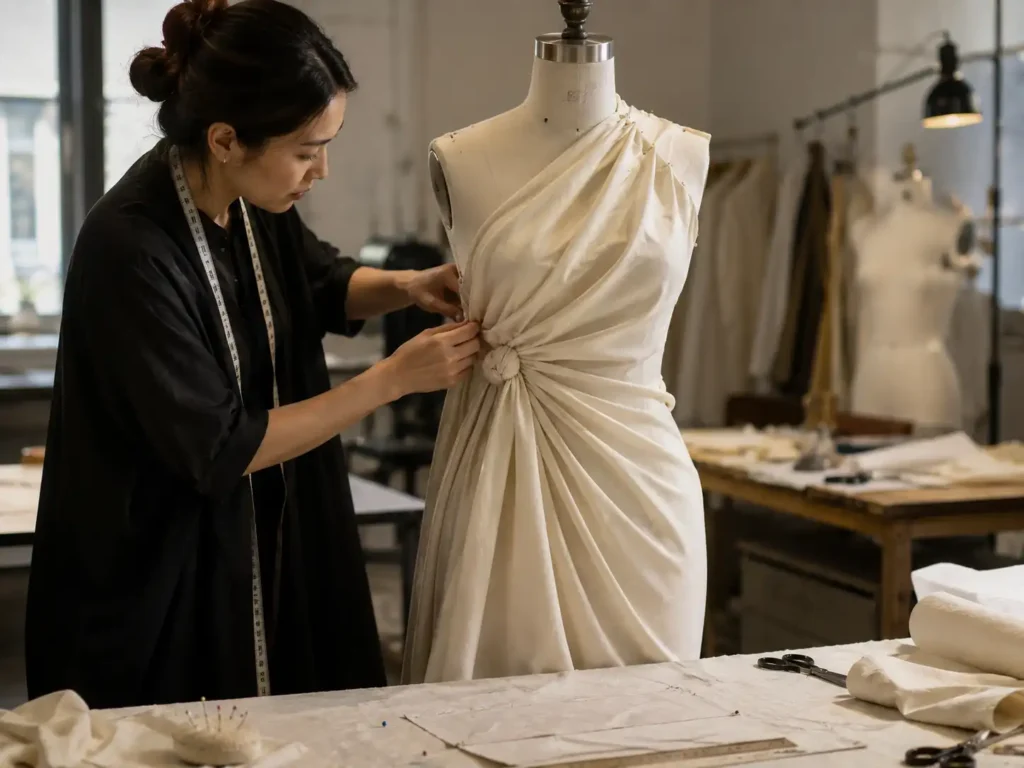
Drape Allowance
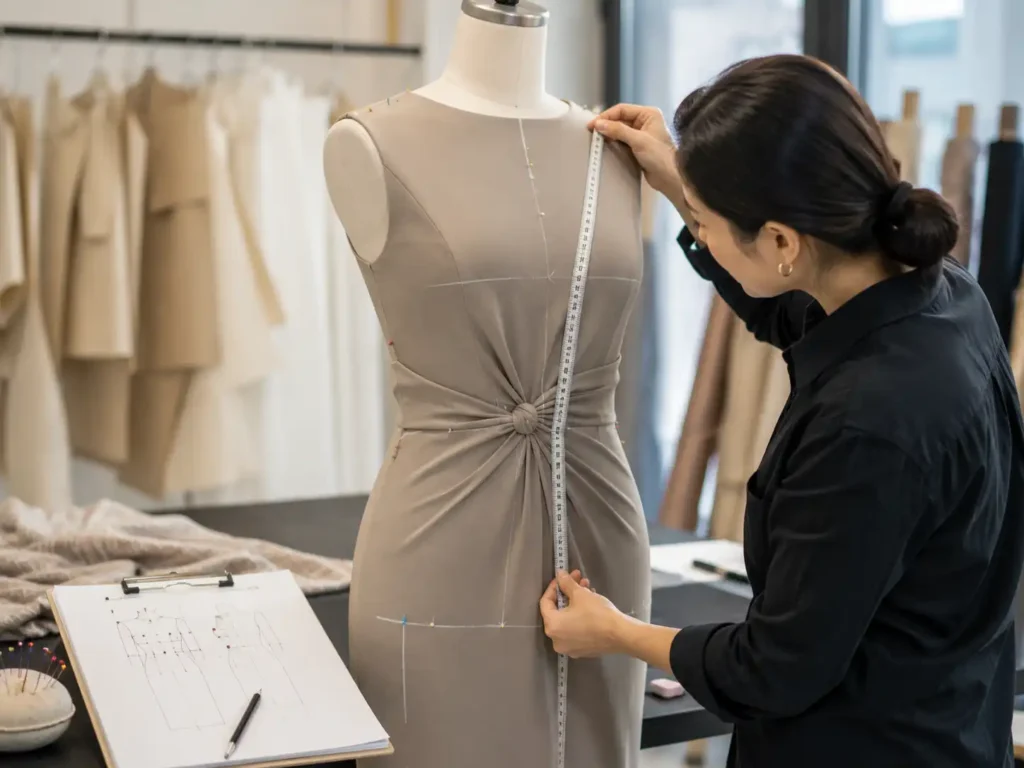
Waistline Control
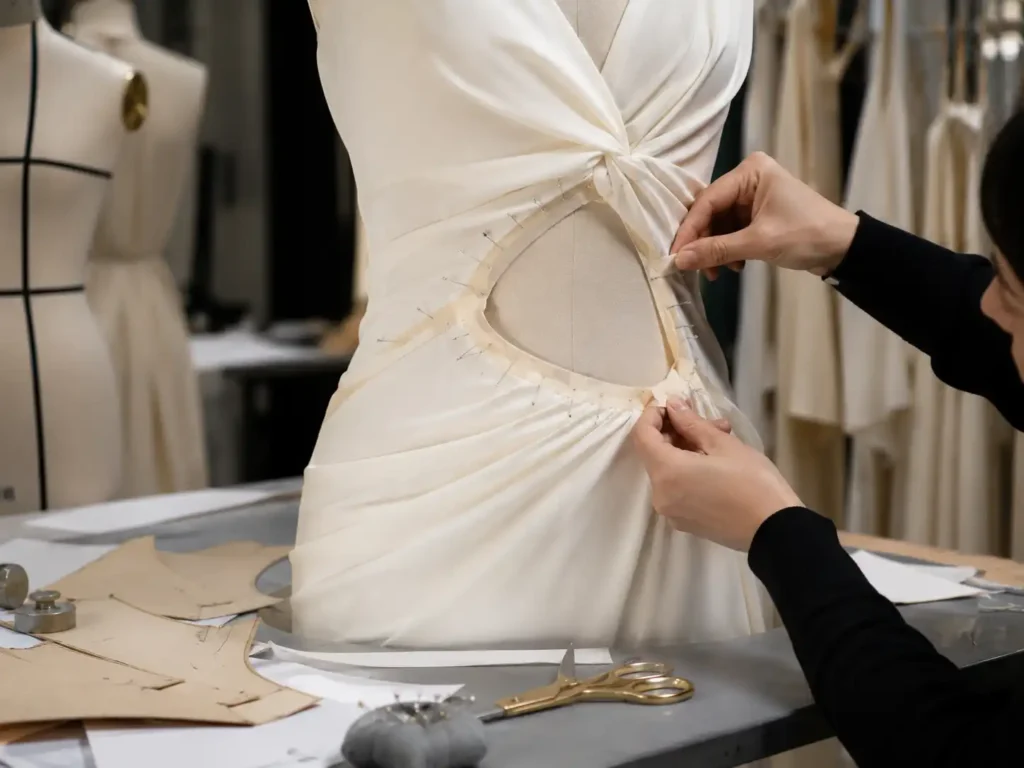
Cut-Out Stabilization
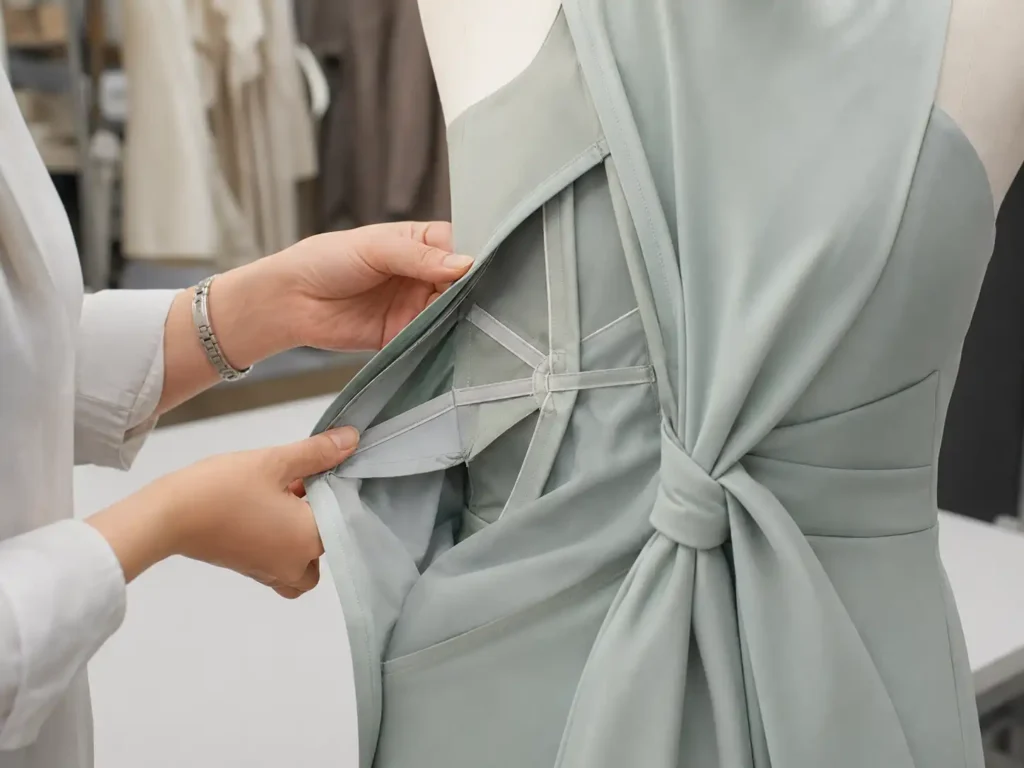
Internal Attachment
Fit Control Around Every Knot Detail
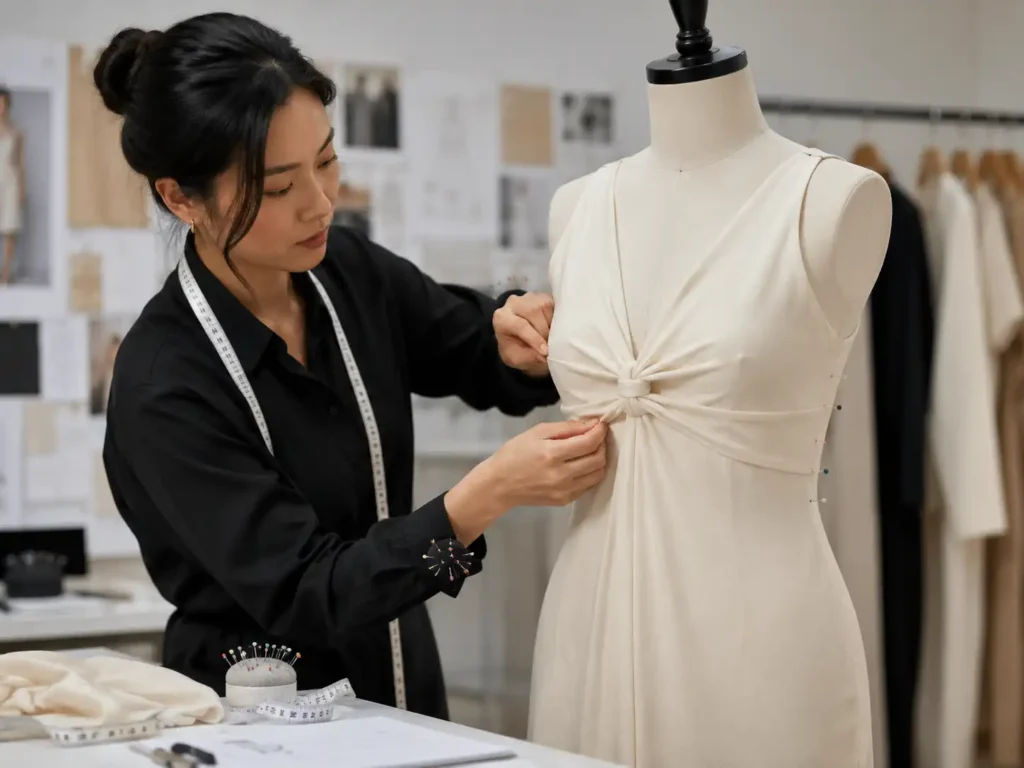
Bust Coverage
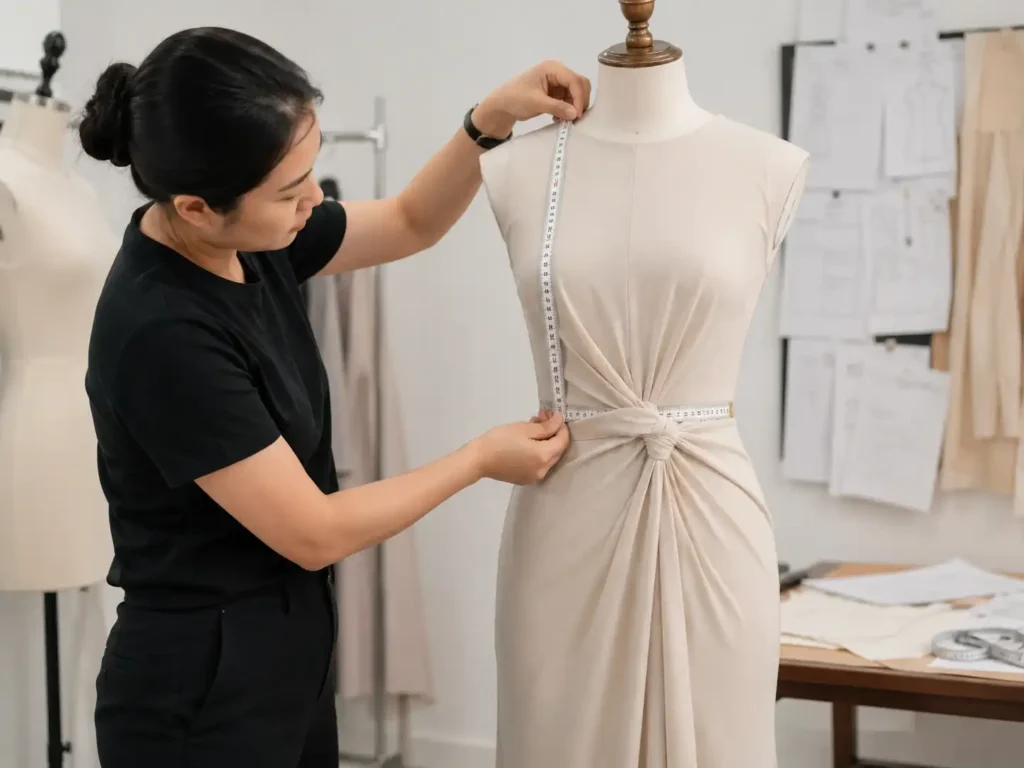
Waist Placement
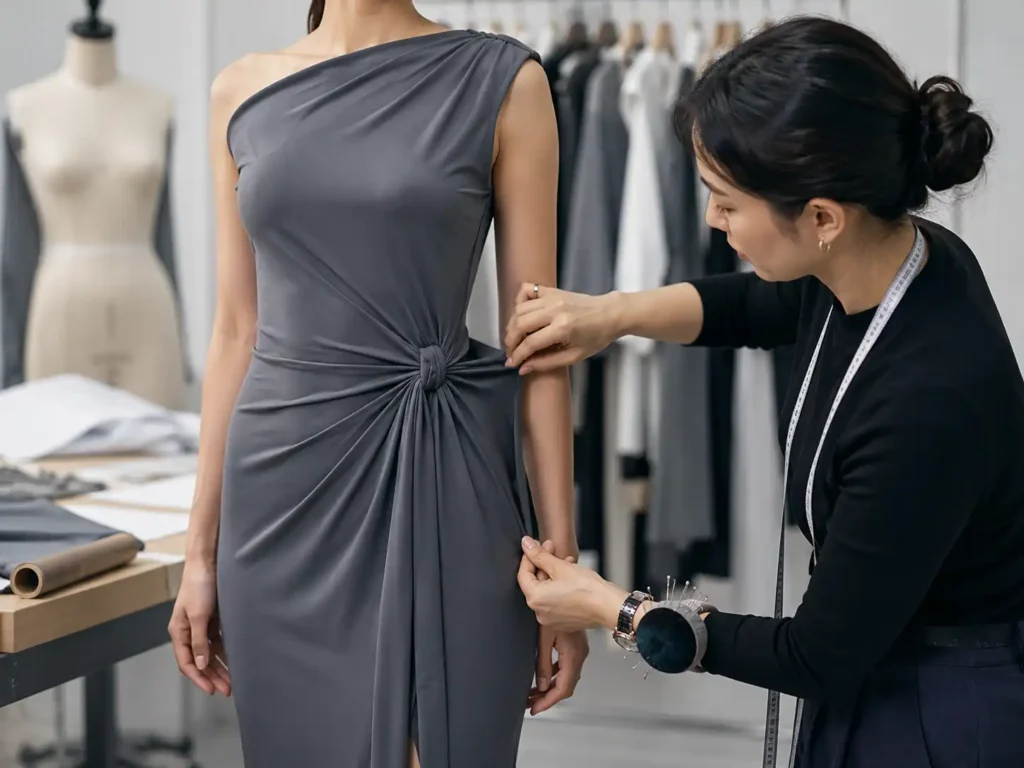
Hip Tension
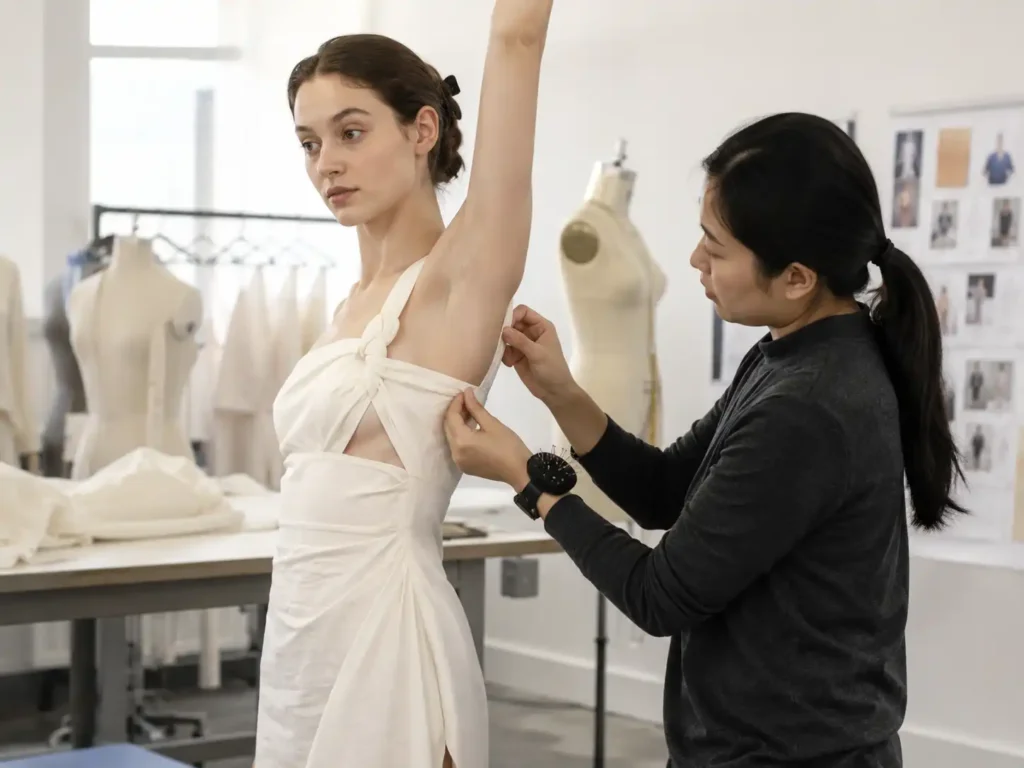
Arm Movement
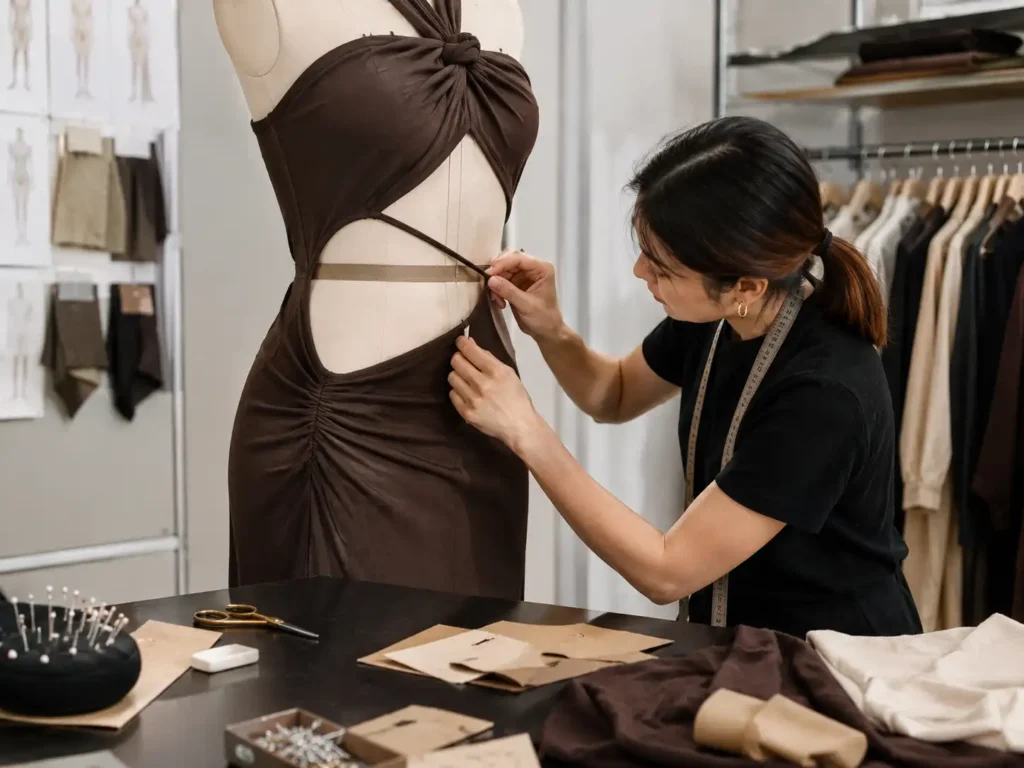
Cut-Out Exposure
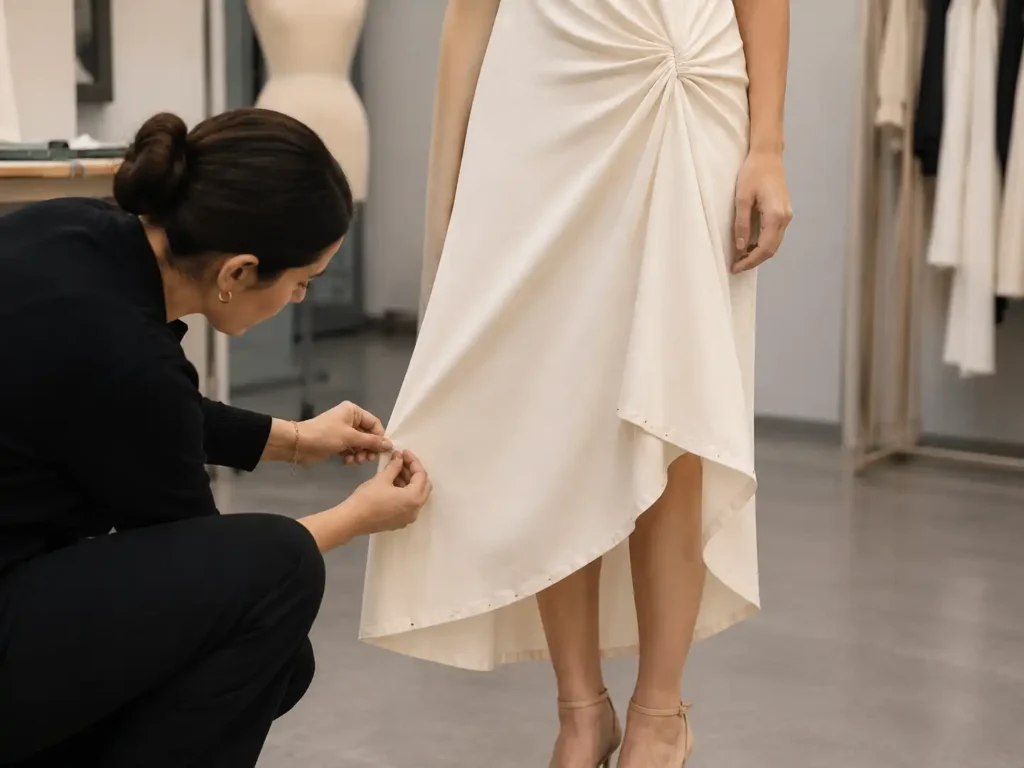
Hem Balance
Size Grading Without Distorting the Knot
Knot Position Grading
Drape Volume Grading
Opening and Coverage
Sample Development from Prototype to PP Approval
Sampling is a controlled decision process, not a one-step copy exercise. Each stage closes a different production risk.
Planning range: a first sample commonly requires about 7-15 working days after fabric and development details are confirmed. Complex cut-outs, custom colors, special trims or repeated fit rounds can extend the schedule. Multi-style projects are prioritized by launch date, hero SKU, fabric readiness and pattern complexity.
Structure Review
Fabric Trial
First Pattern
First Sample
Fit Review
Revised Sample
PP Sample
Golden Sample
Workmanship Details Protecting the Final Appearance
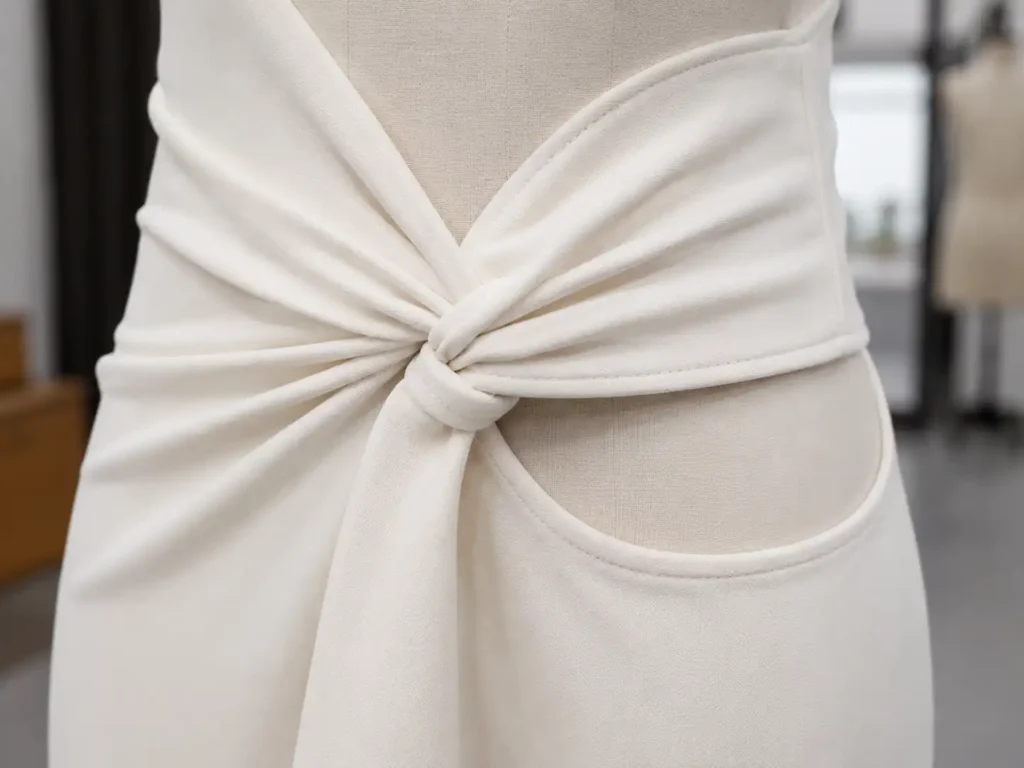
Clean Knot Edges
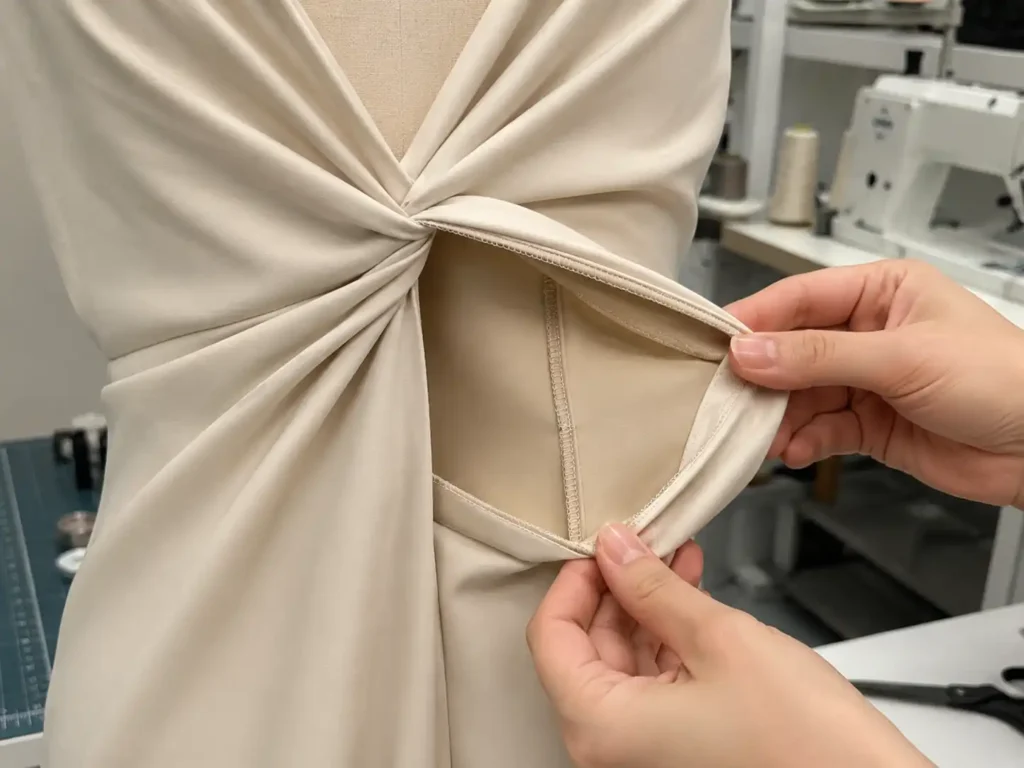
Hidden Seam Allowance
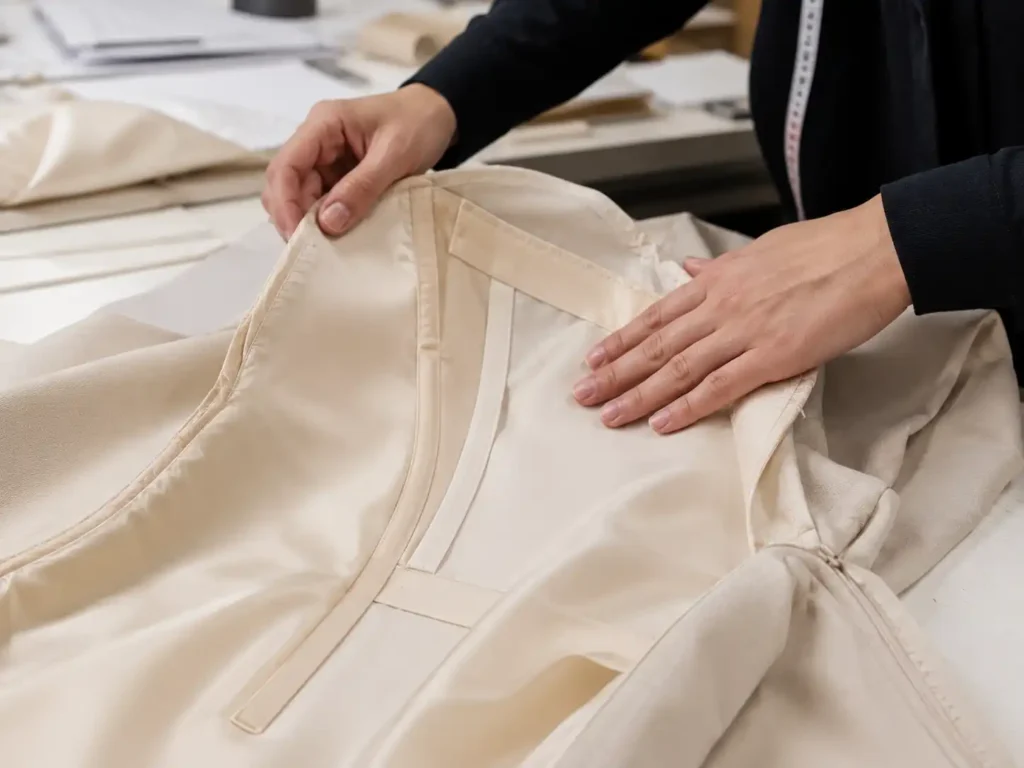
Flat Internal Finish
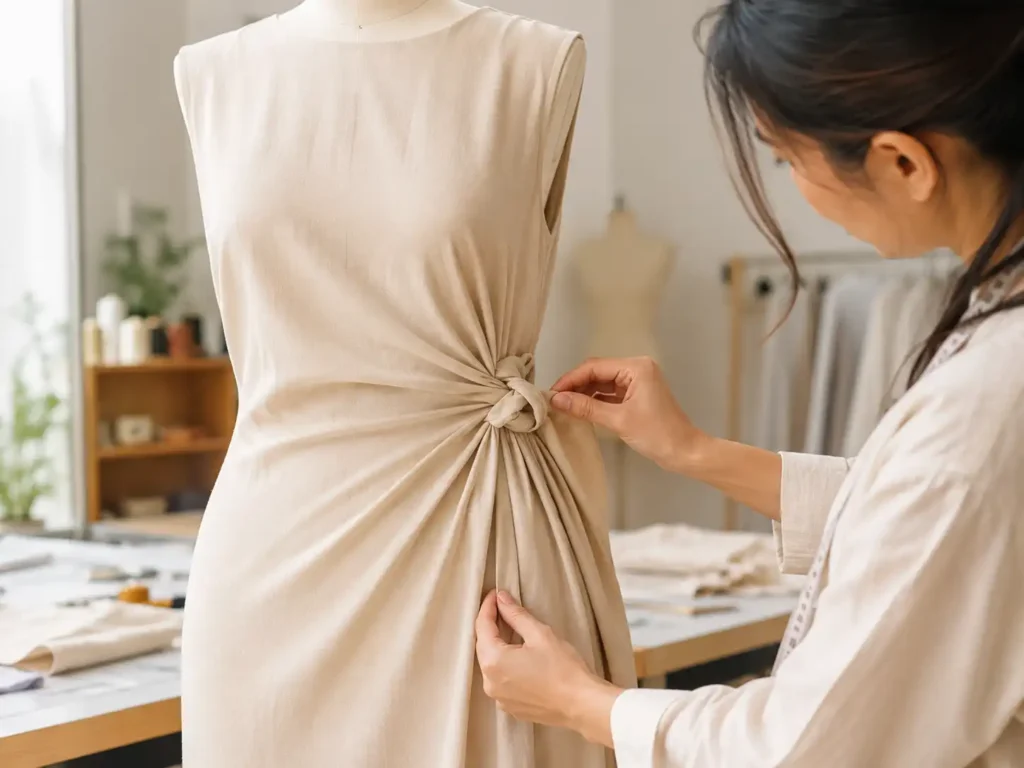
Balanced Gathering
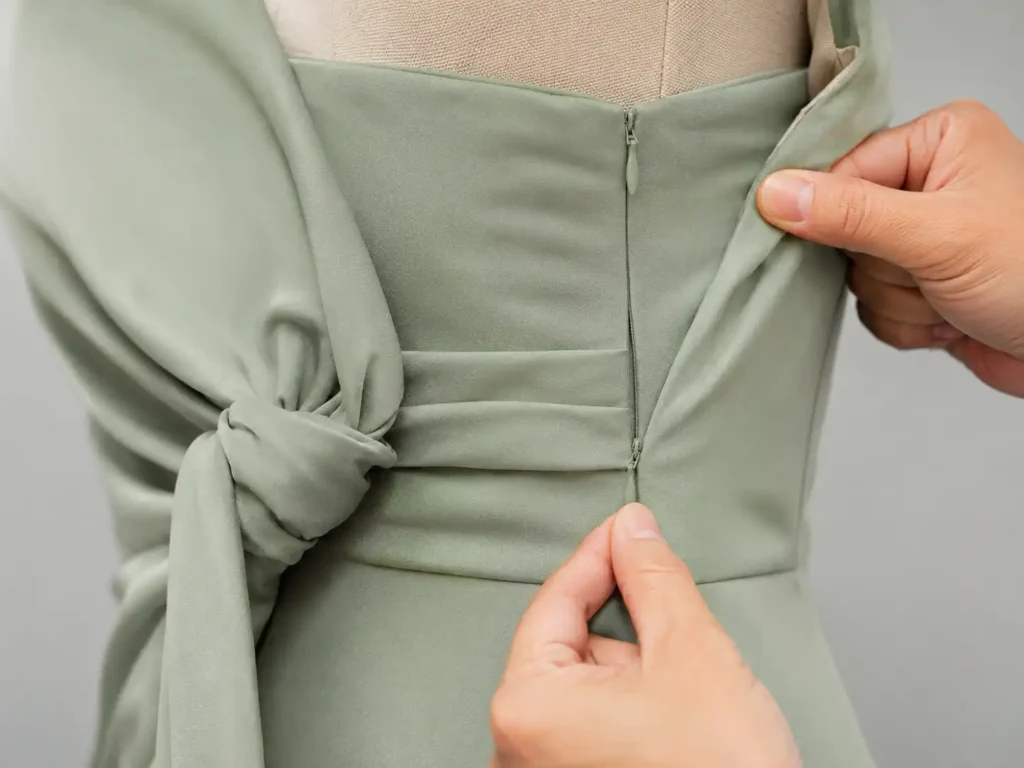
Smooth Zipper Join
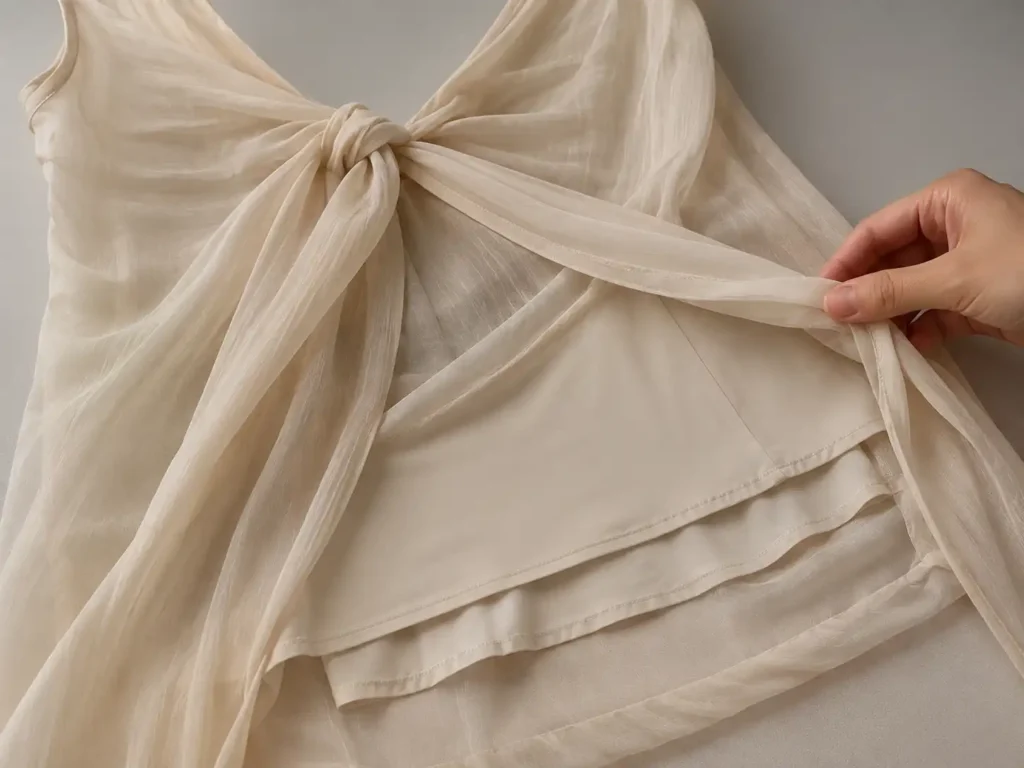
Stable Lining
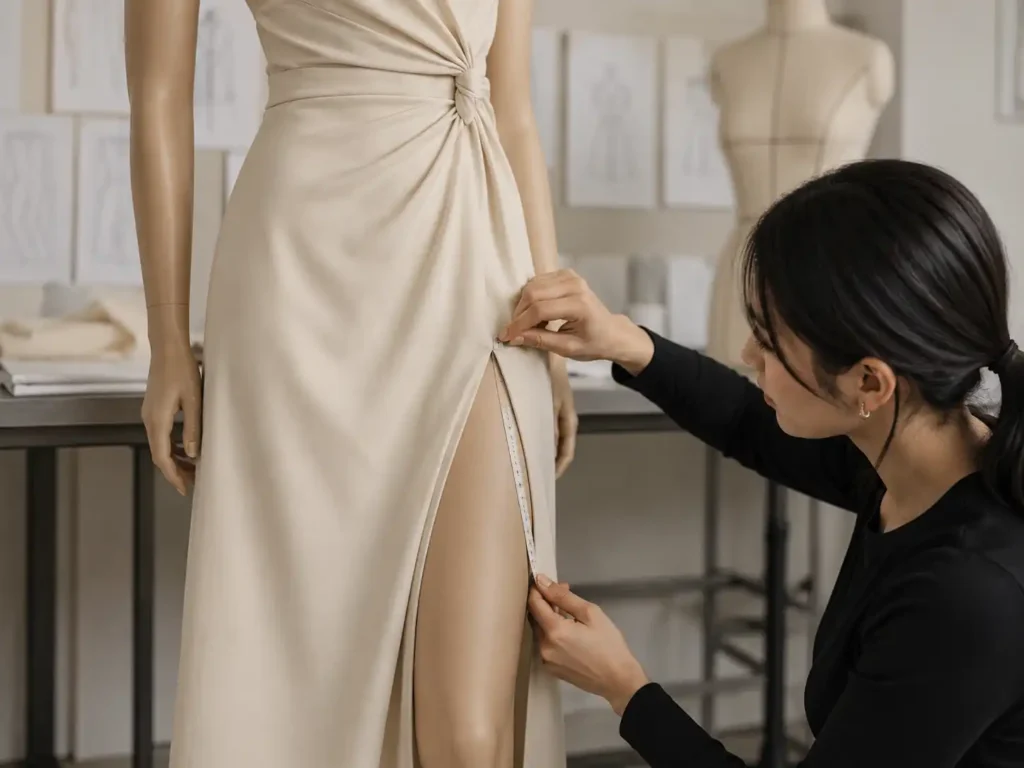
Controlled Slit
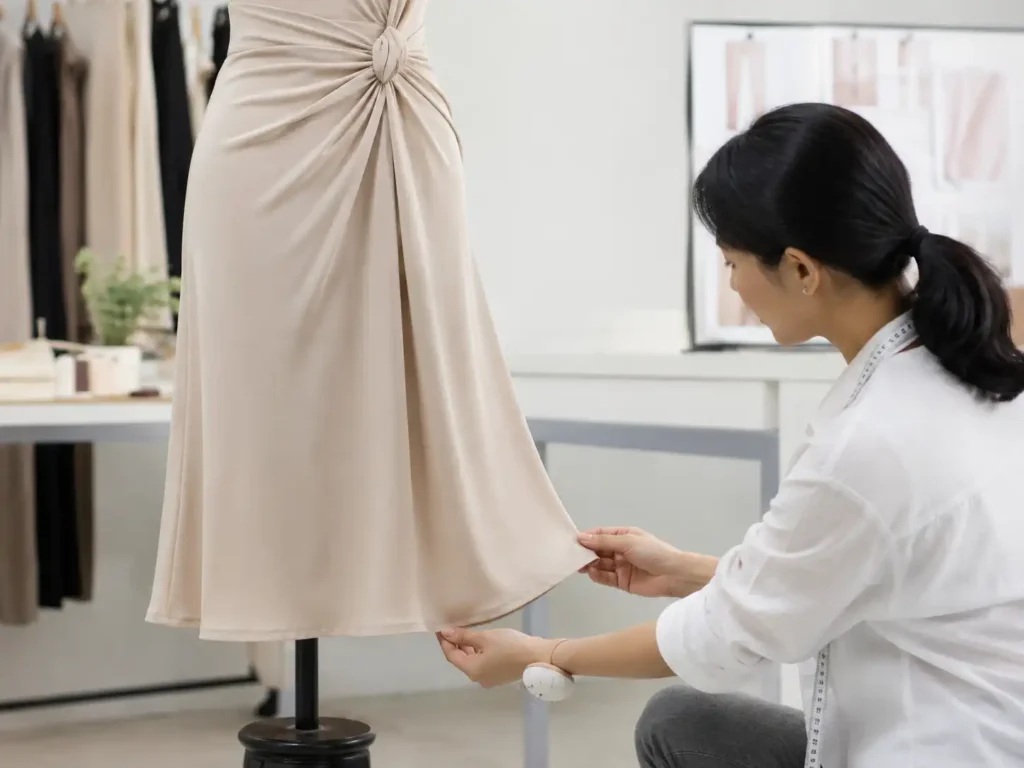
Even Hem
Reinforcement Methods for Secure Knot Details
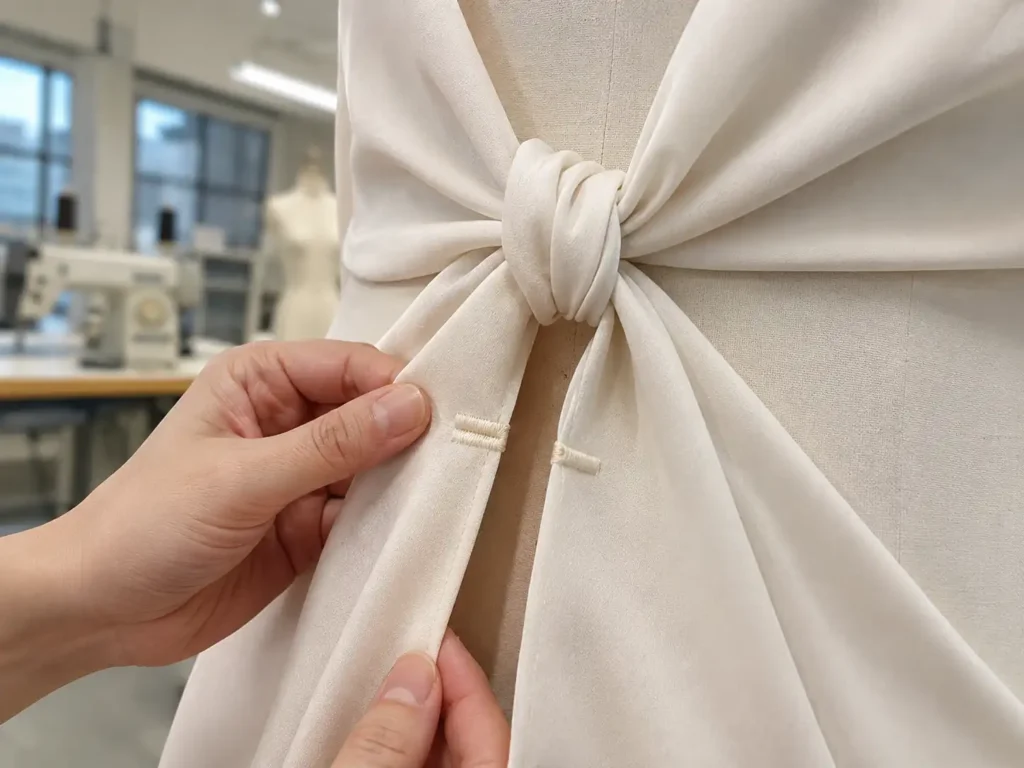
Bar Tack
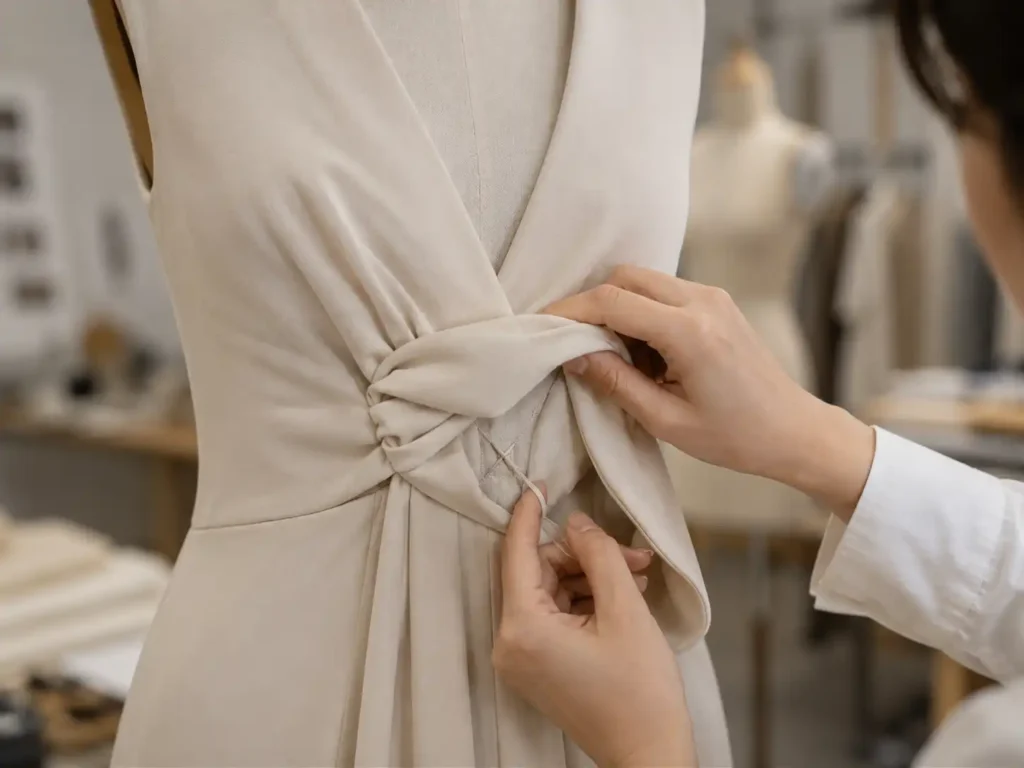
Hidden Anchor
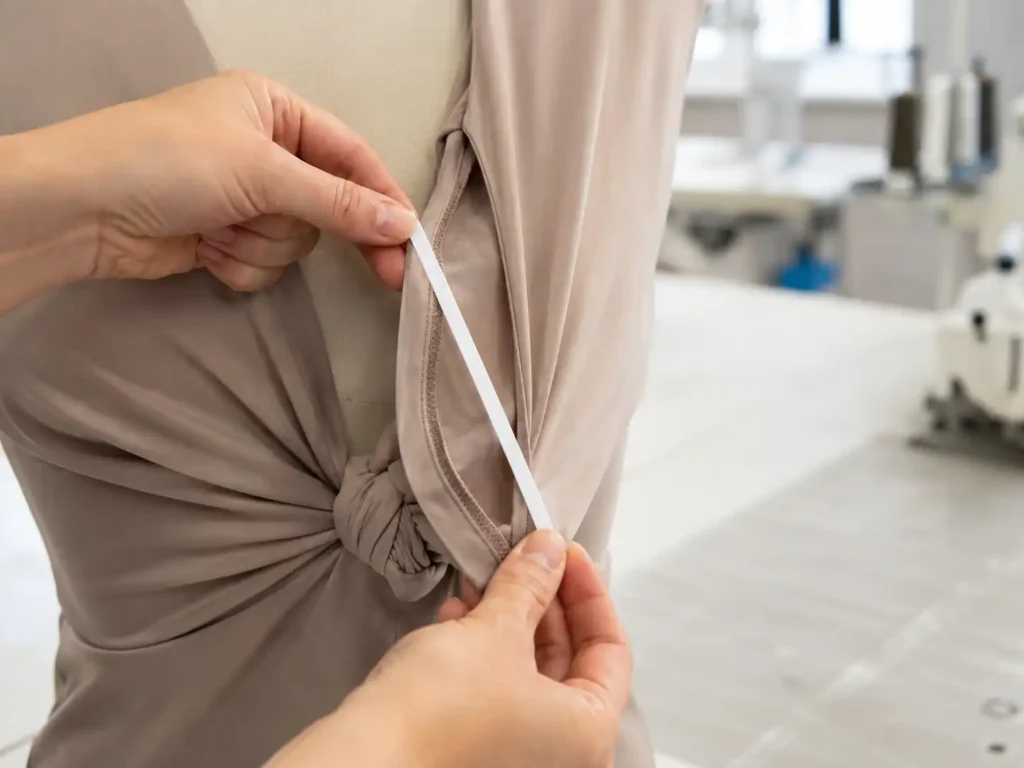
Elastic Stabilization
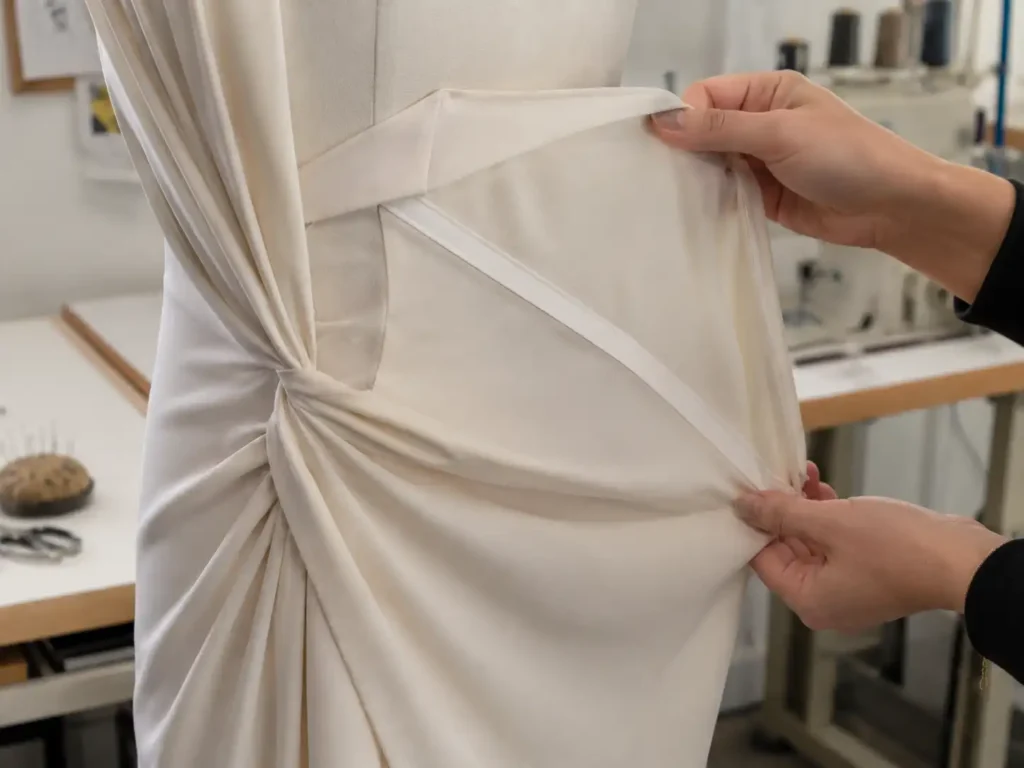
Seam Tape
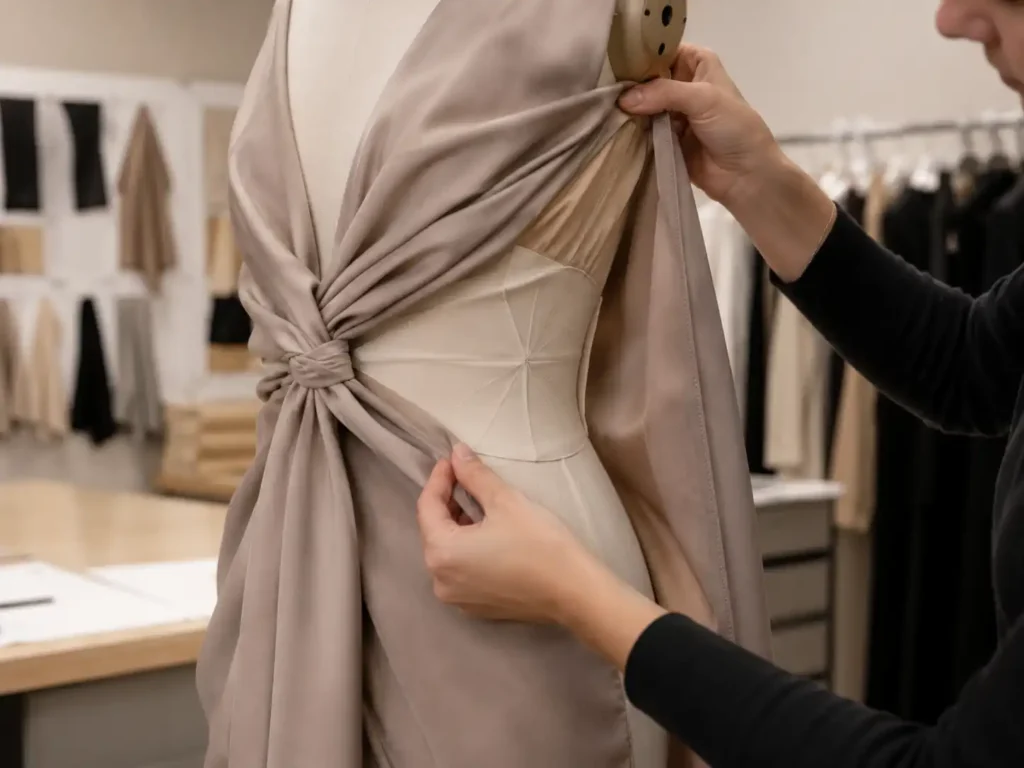
Layer Support
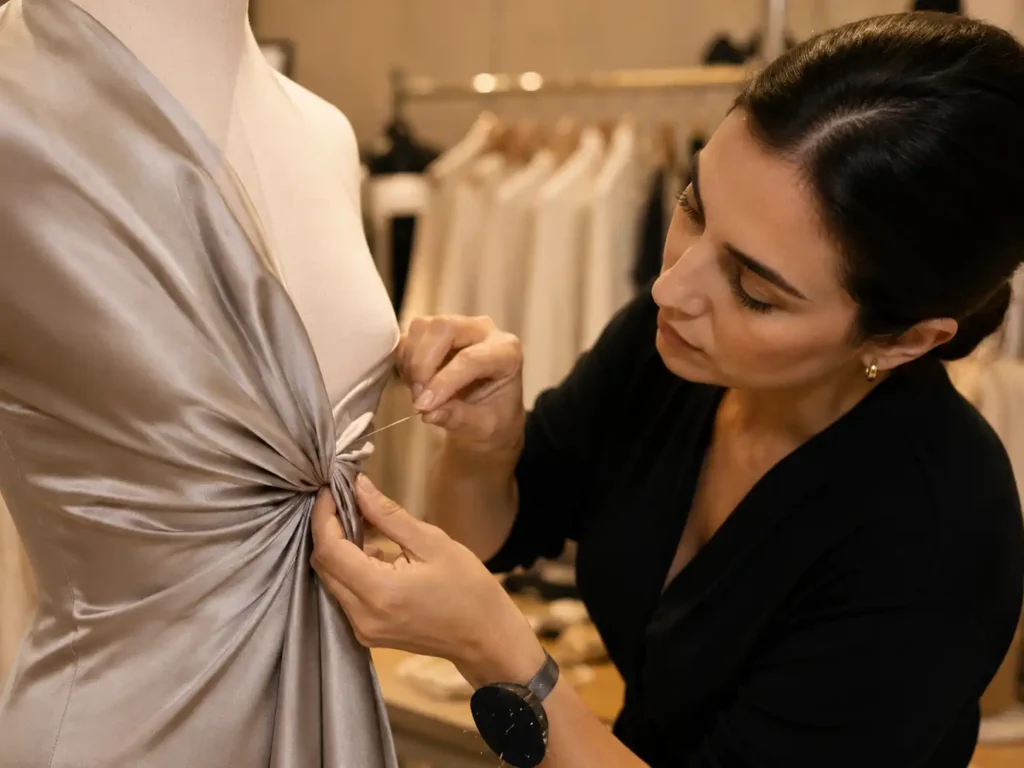
Hand-Finished Fixing
Bulk Production Process for Knot Detail Dresses
Production separates material, cutting, knot formation, assembly, inspection and packing into controlled checkpoints.
Production planning: bulk timing is confirmed after PP sample, fabric, trims, labels, packaging and quantity breakdown are approved. A regular dress program may plan around 25-40 working days for production, while custom-dyed fabric, special trims, intricate knot work, many colors or split delivery can change the schedule. Dates are committed by project after material and line review.
Fabric Approval
Shrinkage Check
Marker Planning
Controlled Cutting
Knot Subassembly
Main Sewing
First-Piece Approval
In-Line Inspection
Finishing and Packing
Standardizing Knot Placement Across Bulk Production
Approved Pattern
Position Marks
Operation Sample
First-Piece Approval
In-Line Measurement
Golden Sample Comparison
Quality Control Points for Knot Detail Dresses
| Inspection Area | What Is Checked | Common Risk | Approval Standard |
|---|---|---|---|
| Fabric | Color, defects, stretch, shine direction | Lot variation, snagging | Approved lot and defect limits |
| Knot position | Distance from waist, center or side seam | Feature drift | Matches approved measurement and sample |
| Fold balance | Fold count, direction and volume | Uneven drape | Visual balance against Golden sample |
| Seam thickness | Knot core and hidden layers | Bulky profile | Controlled layer height and comfort |
| Measurements | Bust, waist, hip, length, opening | Fit variation | Agreed tolerance by measurement point |
| Recovery | Stretch area after extension | Bagging | Returns close to original dimension |
| Cut-out | Width, height and coverage | Excess exposure | Approved dimensions in worn position |
| Slit and hem | Height, direction and balance | Twisting or uneven hem | Stable under movement |
| Labels and SKU | Size, care, barcode and style data | Mislabelling | Matches packing file and order breakdown |
| Packing | Knot protection, folding and carton ratio | Crushing or creasing | Approved presentation and carton plan |
Private Label and Retail-Ready Packing

Woven Labels
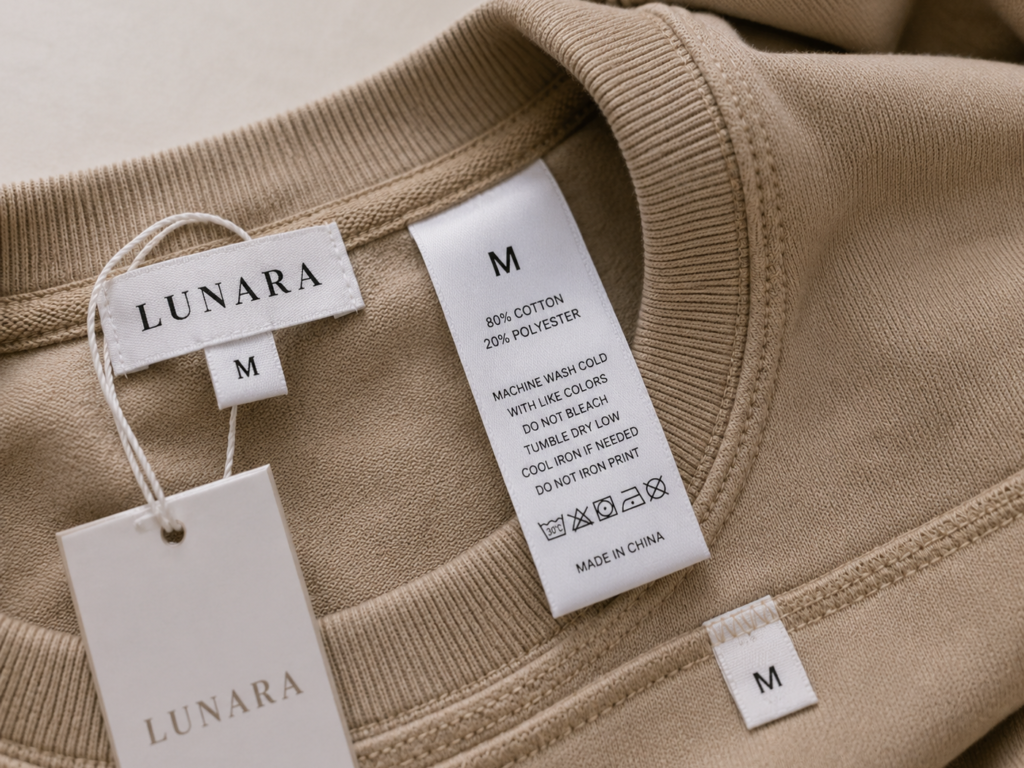
Size and Care Labels

Hangtags
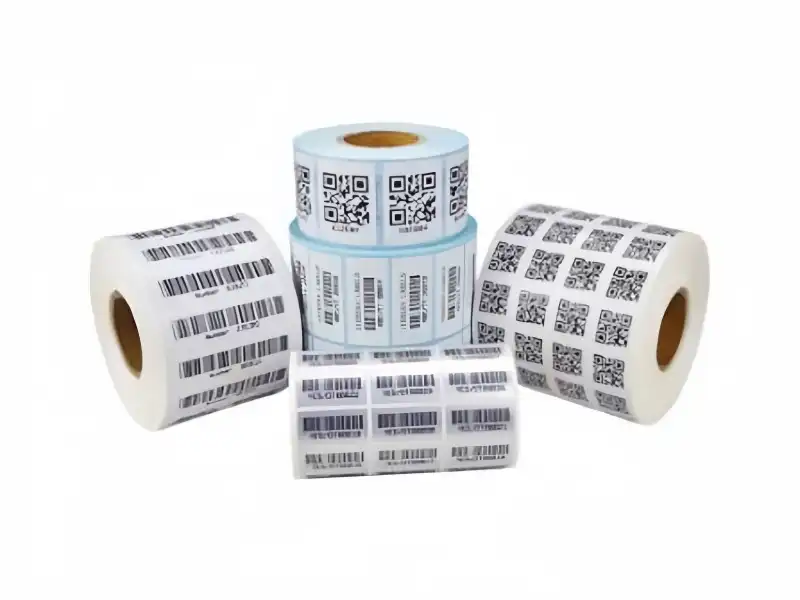
Barcode and SKU

Polybag Presentation
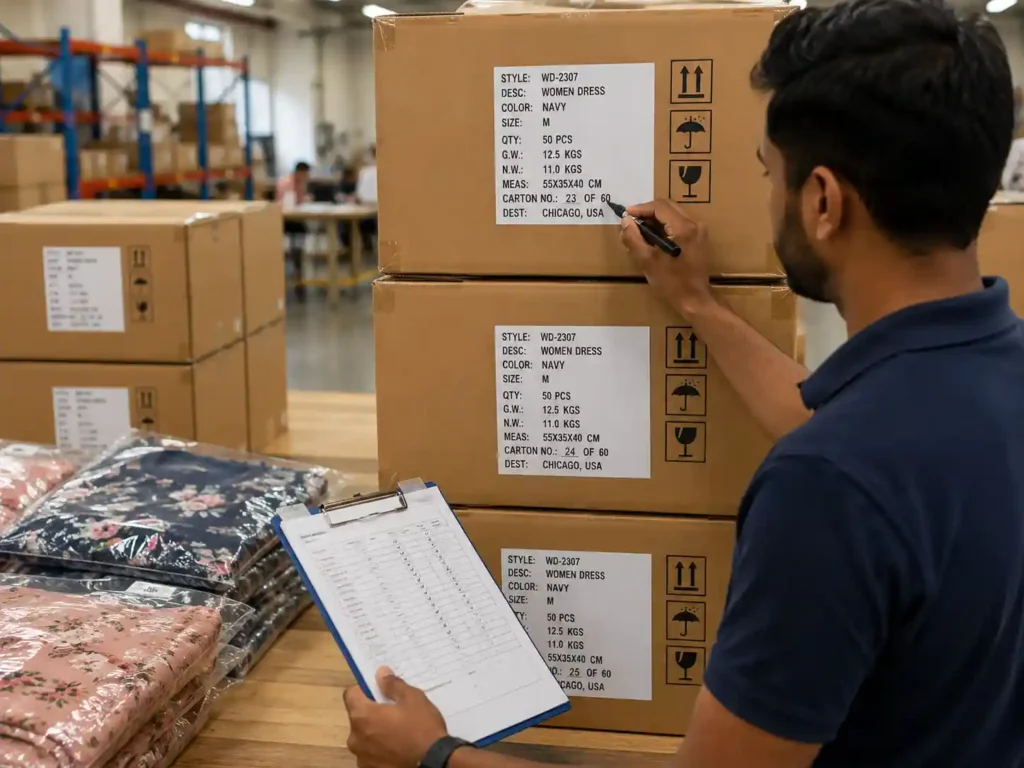
Carton and Warehouse Marks
Built for Multi-Style and Long-Term Production
Structured Development Team
Dedicated Sample Capacity
Senior Pattern Support
Multi-Factory Matching
Brand-Level QC
Repeat-Order Records
Knot Detail Dress Program Examples
US Occasionwear Program
An 18-style knot-detail capsule covered stretch satin midi dresses, side-knot bodycon dresses and draped front-knot maxis. Total planned quantity reached 42,000 pieces across 7 colors and sizes XS-XL. Main risk came from satin shine direction, fold bulk and side-seam rotation. Jinfeng grouped styles by fabric and knot structure, created operation samples for three knot families and added knot-center measurements to the production specification. Two sample rounds were used for high-risk styles before PP approval. Bulk planning split satin, stretch and lined constructions across matching lines. QC focused on shine direction, zipper smoothness, fold balance, waist position and packing protection. The collection was prepared for staged delivery, with priority colors packed first for launch photography and initial stock.
UK Ecommerce Dress Program
A 24-style program included jersey twist-front minis, cut-out knot midis and long-sleeve ruched knot dresses. Total volume reached 68,400 pieces across 9 colors and sizes UK 6-18. The brand required photo-ready samples, consistent cut-out coverage and barcode-controlled packing. Development began with two base blocks and three approved jersey qualities. Knot-panel grading was separated from body grading so larger sizes gained necessary length without excessive visible bulk. Edge-size review was used on selected cut-out styles. Production files included opening measurements, fold direction diagrams and first-piece approval checkpoints. Packing used style-color-size reconciliation before carton sealing, reducing the risk of barcode or size mismatch across a wide SKU range.
Australian Partywear Program
A 12-style seasonal order combined power-mesh knot dresses, stretch-crepe side knots and satin draped loops. Total quantity reached 26,400 pieces across 6 colors and sizes AU 6-16. The key challenge involved transparency, lining comfort and dimensional knot protection during sea freight. Jinfeng reviewed mesh stretch and opacity by color, selected local lining coverage for selected areas and adjusted internal anchors to avoid visible stitch marks. Satin loop styles received folding instructions and insert protection to reduce crushing. Production was organized by fabric family, while QC checked opening dimensions, lining exposure, knot security and hem balance. A split packing plan separated launch styles from later replenishment cartons.
Knot Dress Frequently Asked Questions
A knot detail dress uses tied, twisted, looped, gathered or faux-knot construction as a visible design element. The knot may be adjustable or fixed and can appear at the front, side, waist, shoulder, strap, hip or cut-out area.
Yes. Clear front, back and detail images can start an assessment. A size chart, fabric direction, intended knot type, quantity and target fit improve accuracy. Complex designs may require additional structure clarification before pattern work.
A real knot remains adjustable and needs enough tie length, friction and wearer stability. A faux knot is pre-formed and internally fixed, giving more consistent appearance in bulk. Selection depends on design function, fabric and fit.
Viscose jersey, stretch crepe, ponte, satin, stretch satin, rayon and fluid crepe are common choices. Final selection depends on knot type, drape, recovery, thickness, transparency, surface friction and target price.
Approved patterns, notch marks, position measurements, operation samples, first-piece approval and Golden sample comparison keep the feature in the correct location during bulk sewing.
Yes. Knot position, panel length, fold volume, opening and coverage use separate grading rules. Complex cut-out or bodycon styles may require review in more than one size.
MOQ starts from 200 pcs per style/color. Fabric, custom colors, special trims, private-label materials and packaging can have separate supplier minimums.
A first sample commonly plans around 7-15 working days after fabric and development details are confirmed. Complex construction, special materials or several fit rounds can extend the timeline.
Yes. First, fit, revised, photo-ready, PP and Golden samples can be arranged according to project needs. Bulk production begins after the required approvals are complete.
Yes. Options include woven labels, size labels, care labels, hangtags, barcode stickers, SKU labels, polybags, cartons, carton marks and warehouse labels based on approved files.

Develop Your Knot Detail Dress Collection
Knot-detail dresses need more than an attractive reference image. A workable program requires a defined knot structure, suitable fabric, stable fit, measurable grading rules, approved workmanship and a production method capable of repeating the same visual balance across thousands of garments.
Please prepare the following information for a focused project review:
- Tech pack, line sheet, sketch, original sample or clear reference images
- Real tie, fixed knot, twist-through, gathered or faux-knot preference
- Fabric direction, color list and any hand-feel reference
- Size range, base size and available measurement chart
- Quantity per style/color and expected order total
- Launch date, sample priority and delivery window
- Woven labels, care labels, hangtags, barcodes and packing requirements