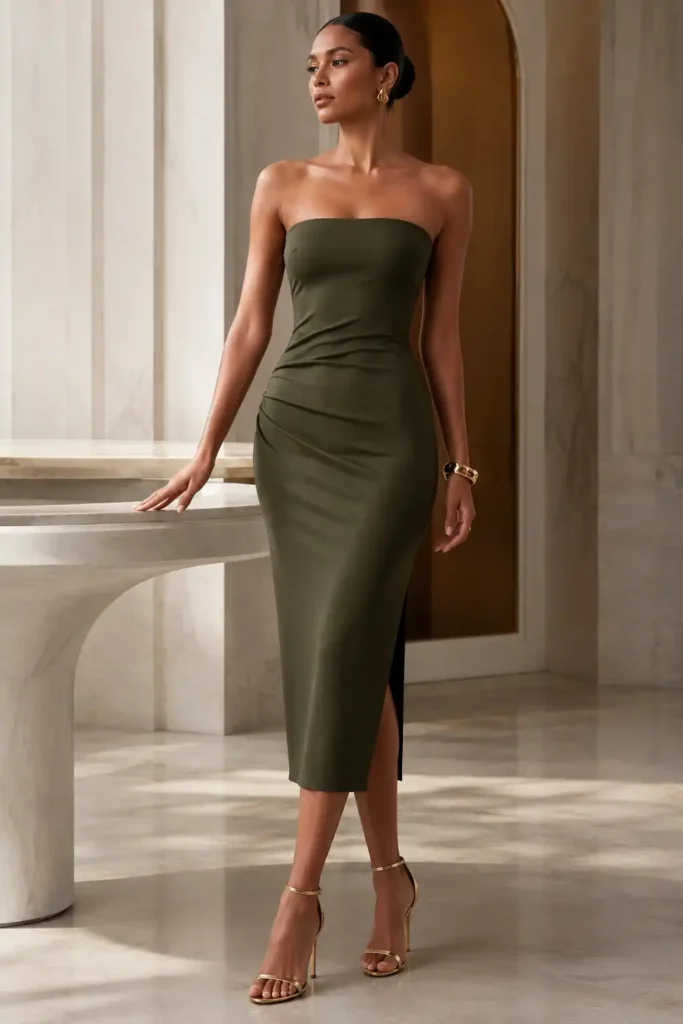
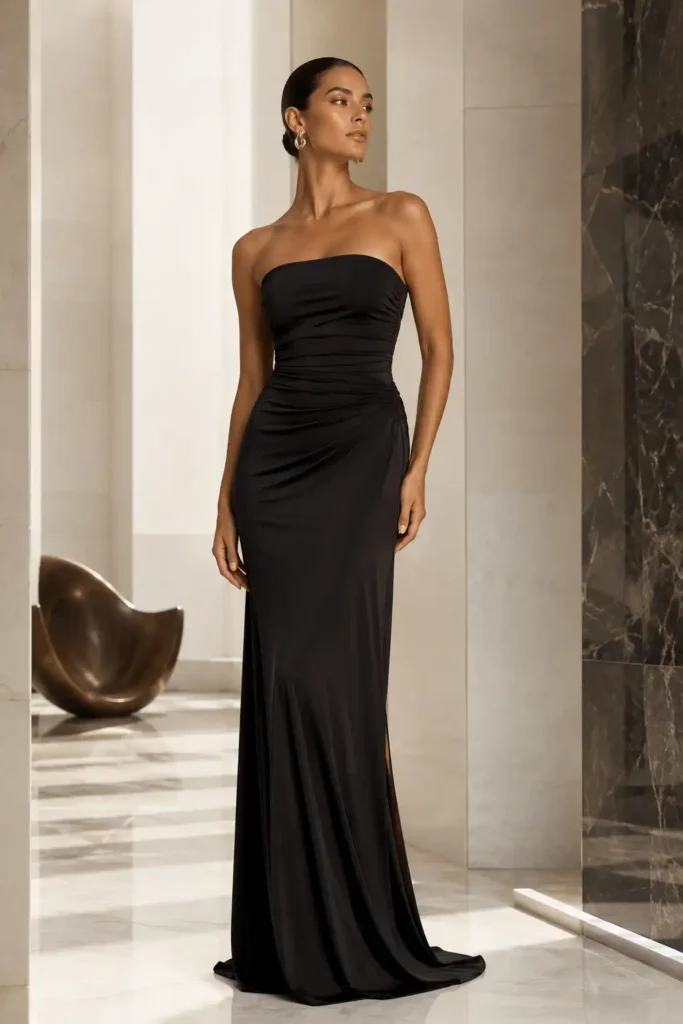
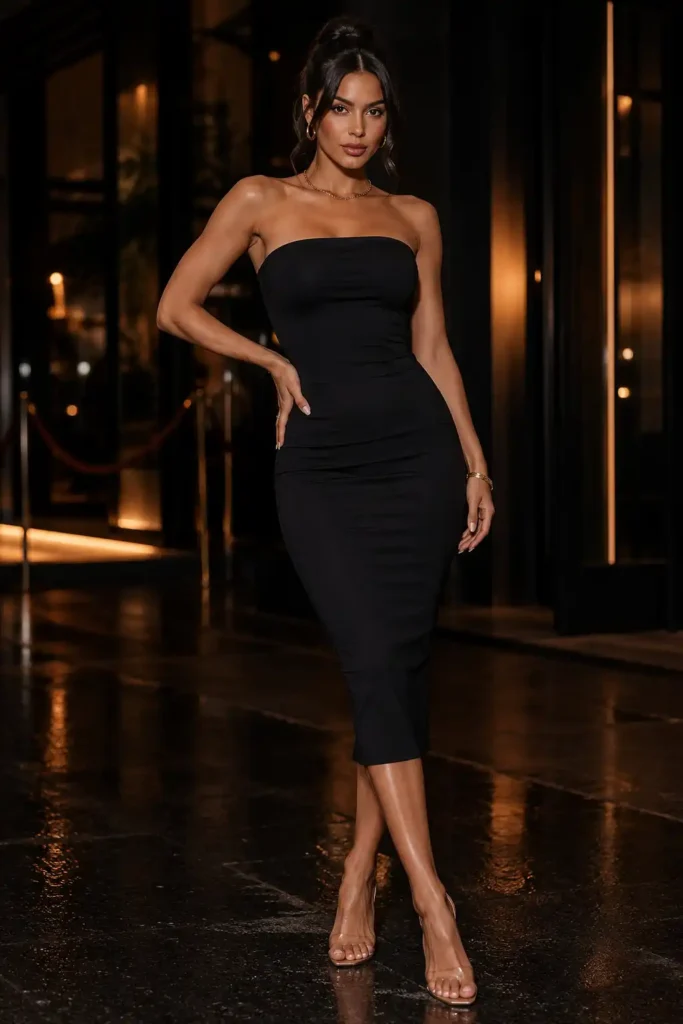
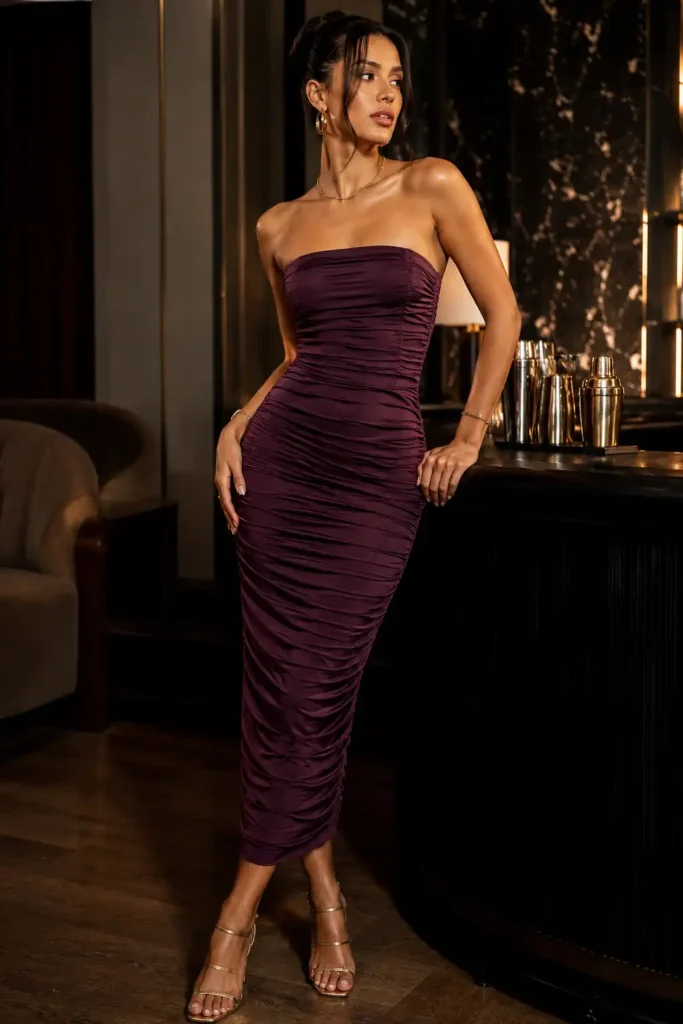
...

Tube Dress Manufacturer

Custom tube dress development with controlled strapless fit, fabric performance, sample approval, bulk consistency and private-label delivery.

  • Tube mini, midi and maxi dresses developed from tech packs, reference images, original samples or line sheets.
  • Upper-bust, full-bust, underbust, waist, hip, front length and back length reviewed before production grading.
  • 7+ senior pattern makers, 2 sample rooms and 20+ sample machinists support fit-led development.
  • MOQ starts from 200 pcs per style/color; special fabrics, trims, dyeing and packaging are reviewed separately.
  • 6 owned womenswear factories and 10+ long-term production partners support multi-style and multi-batch programs.

Manufacturing Facts Behind Every Tube Dress Program

A clear production structure matters more than broad claims. Jinfeng Apparel combines pattern development, sample making, production coordination, quality control, private-label packing and export support for fashion-led tube dress collections.

Since 2008

Long-term womenswear development experience supports design interpretation, fit correction, fabric decisions and repeat-order records across custom dress programs.

6 Owned Factories

Production allocation is matched to knitted, woven, structured, embellished or lining-heavy tube dress designs instead of sending every style through one production route.

10+ Production Partners

Long-term satellite partners add controlled capacity for multi-style, multi-color and seasonal orders while project standards remain tied to approved samples and production files.

2 Sample Rooms

Separate sample development capacity supports first samples, fit samples, revised samples, photo-ready samples, PP samples and golden samples.

7+ Pattern Makers

Senior womenswear pattern makers work with upper-bust tension, bust shaping, waist and hip balance, hem length, zipper position and support construction.

15+ QC Inspectors

Quality control covers incoming materials, cutting, sewing, measurement, finishing, packing and shipment preparation rather than relying on final inspection alone.

Built for Fashion Teams Managing Commercial Dress Lines

Tube dress programs serve different sales channels, yet every successful program needs a stable fit, suitable fabric, controlled production details and a delivery plan linked to launch timing.

Fast-Fashion Brands

Trend-led teams can develop multiple silhouettes, colors and fabric directions while keeping pattern logic, fit comments, approved trims and packing instructions organized across a wider collection.

Partywear Labels

Party and going-out lines often need body-contouring fit, strong visual impact, secure upper-bust support, smooth zippers and finishing kept clean under close photography.

Occasionwear Brands

Structured satin, lace, velvet, mesh and sequin tube dresses require more support planning, lining decisions and careful balance between appearance, comfort and movement.

Premium Ecommerce

Online-focused brands need size consistency, accurate product measurements, photo-ready samples, clean retail packing and reduced return risk across repeated color and size drops.

Sourcing Teams

Sourcing teams can review production feasibility, MOQ boundaries, fabric availability, trim requirements, costing logic, QC checkpoints and shipment options before issuing a production commitment.

Product Developers

Development teams receive clearer feedback on pattern risk, fabric suitability, support structure, sample revision scope and production-ready specifications before PP approval.

Why Tube Dress Programs Fail Before Bulk Production

A tube dress may look simple on a sketch, yet strapless fit leaves little room for error. Small mistakes in tension, recovery, support placement or grading can affect comfort, appearance and return rates.

Unstable Upper Edge

An upper edge can slip when the pattern is too loose, fabric recovery is weak, support materials are unsuitable or the back height is poorly balanced. Over-tightening creates pressure, rolling and visible distortion. Jinfeng reviews upper-bust circumference, fabric elasticity, top-edge construction and support options together rather than treating each factor separately.

Fabric Fit Mismatch

A pattern developed in ponte cannot be copied directly into lightweight jersey, stretch satin or power mesh. Weight, stretch direction, recovery, thickness, drape, transparency and shrinkage change how the dress sits on the body. Fabric approval therefore includes pattern impact, lining needs, sewing method and bulk availability.
Production Fit for Established Fashion Programs

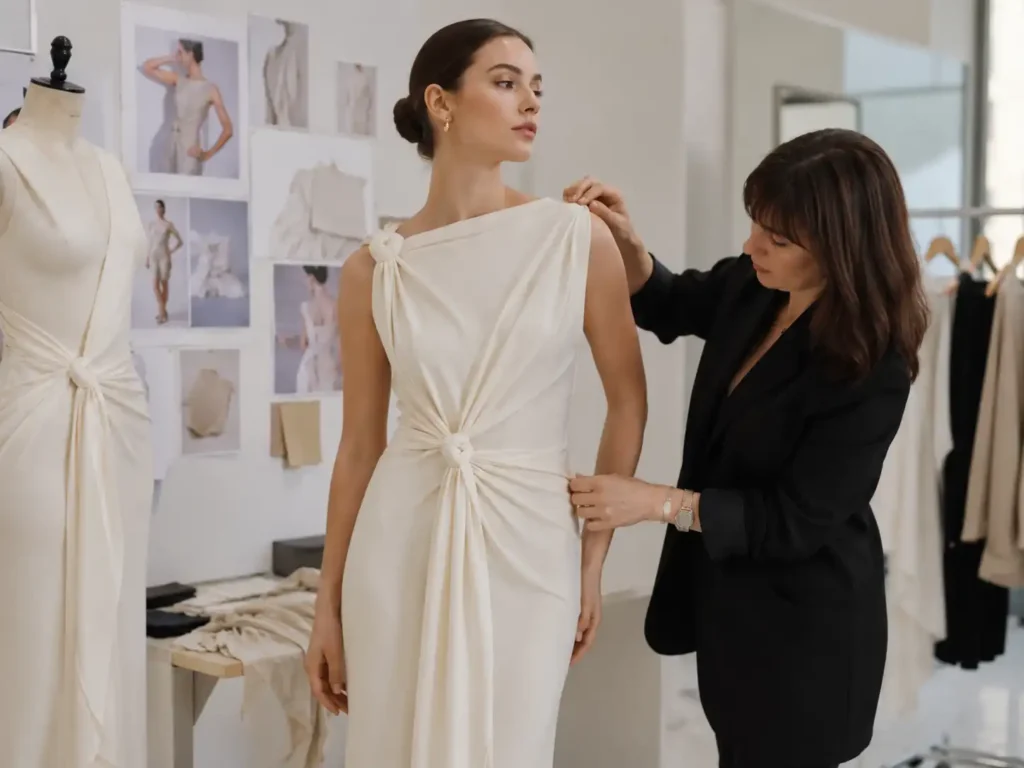
Jinfeng Apparel is structured for brands with defined product direction, paid development work and batch production plans. Clear boundaries protect sample quality, production stability and delivery accuracy.

Best Fit For

  • Suitable projects normally include a tech pack, reference image, original sample or clear line plan; a defined size range and quantity plan; sample and material approval; private-label requirements; and a real bulk schedule.
  • MOQ starts from 200 pcs per style/color, subject to fabric, trim, color and packaging conditions.

Not Designed For

  • The production model does not support one-piece fulfillment, ready-stock reselling, personal tailoring or micro orders without a bulk plan.
  • Projects based only on the lowest possible price are also poorly matched because tube dress quality depends on fabric performance, pattern work, support components, measurement control and disciplined production follow-through.

Send the Right Files for an Accurate Review

Better source information produces faster technical decisions. Eight inputs help the development team evaluate structure, materials, MOQ, quotation basis, sample scope and launch timing before pattern work begins.

Reference Images

Front, back, side and close-up views reveal neckline shape, body contour, seams, drape, ruching, zipper placement, slit height and internal support clues.

Tech Pack

A tech pack clarifies measurements, construction, stitch direction, BOM, artwork, labels and packing expectations. Missing fields are flagged before sampling.

Original Sample

An original garment helps compare hand feel, stretch, support, fit balance, workmanship and finishing where photographs cannot show enough detail.

Target Quantity

Quantity by style, color and size affects material purchasing, cutting efficiency, production allocation, packaging and shipment planning.

Fabric Direction

Composition, weight, stretch, recovery, shine, transparency and target hand feel narrow the sourcing route and reveal likely pattern adjustments.

Color Plan

Pantone references, physical swatches or approved color standards help manage stock fabric, lab dips, dye lots, lining color and trim matching.

Size Range

A base size, graded chart and size ratio allow the pattern team to plan bust, upper-bust, waist, hip, length and support changes across sizes.

Launch Date

Photo sample, PP approval, material arrival, production, QC, packing and transport milestones are arranged backward from the required warehouse date.

Tube Dress Styles Developed for Commercial Collections
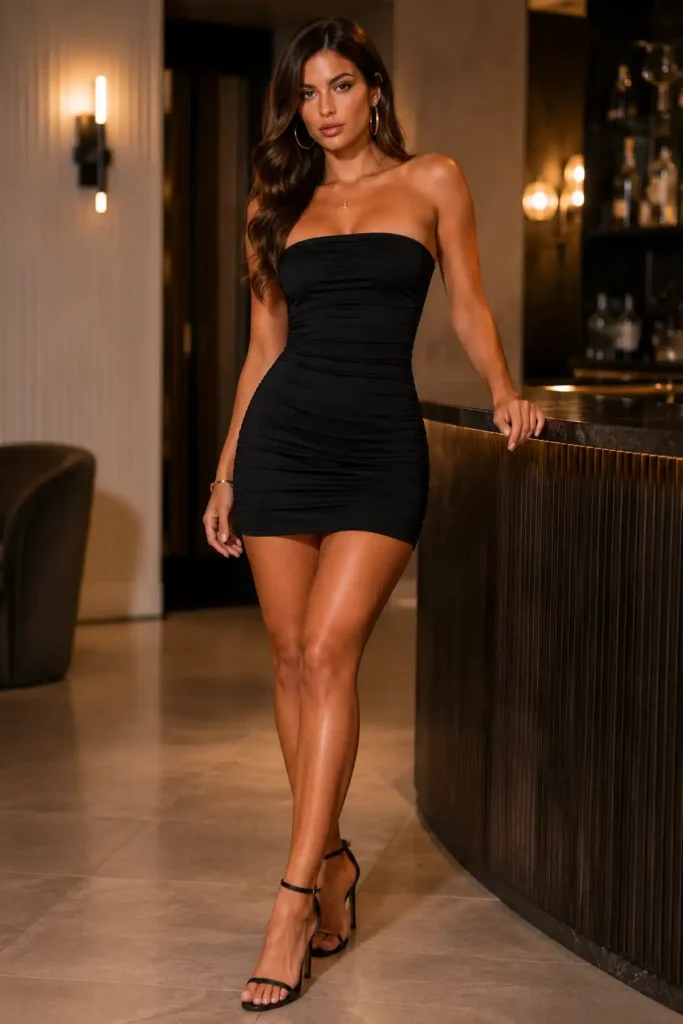
Jinfeng Apparel develops tube dresses by length, silhouette, fabric, occasion and internal structure. Each direction receives its own fit focus, sample checks, production risks and quality controls rather than a generic strapless pattern.

Tube Mini Dress

Designed for going-out, birthday and party drops. Jersey, rib knit, ponte, stretch satin and mesh are common directions. Development focuses on secure upper-bust tension, balanced front and back length, hip movement and lining coverage so a short silhouette remains wearable during sitting, walking and dancing.

Tube Midi Dress

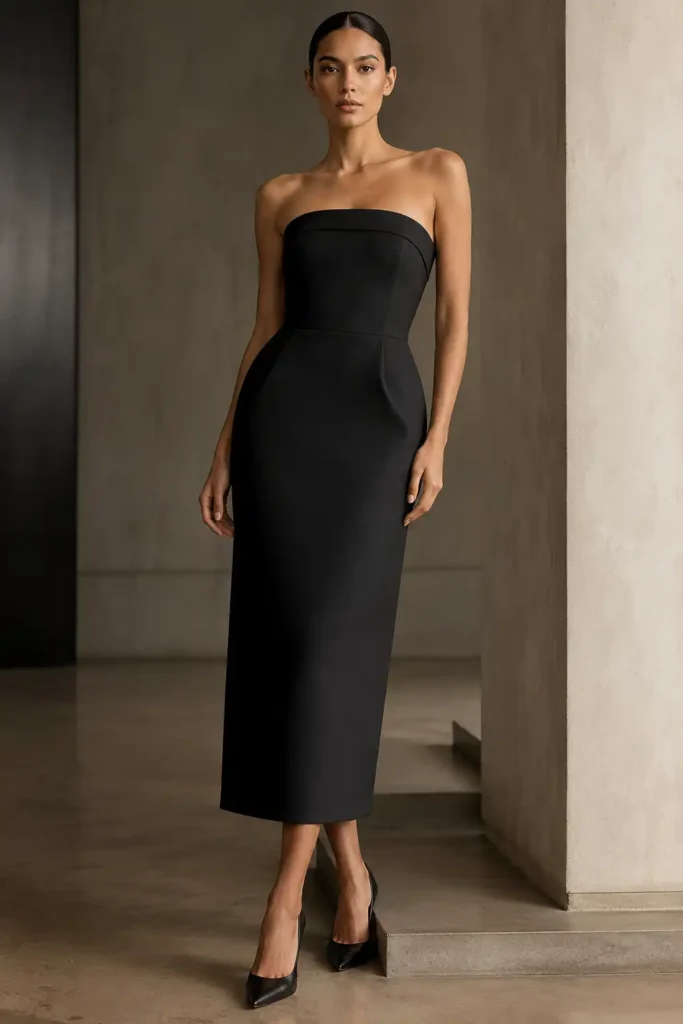
A midi proportion works for cocktail, occasion and elevated day-to-evening collections. Body contour, knee movement, back slit height, fabric recovery and hem balance require coordinated pattern decisions. Ponte, crepe, stretch satin and lined mesh can create different levels of structure without losing a clean strapless line.

Tube Maxi Dress

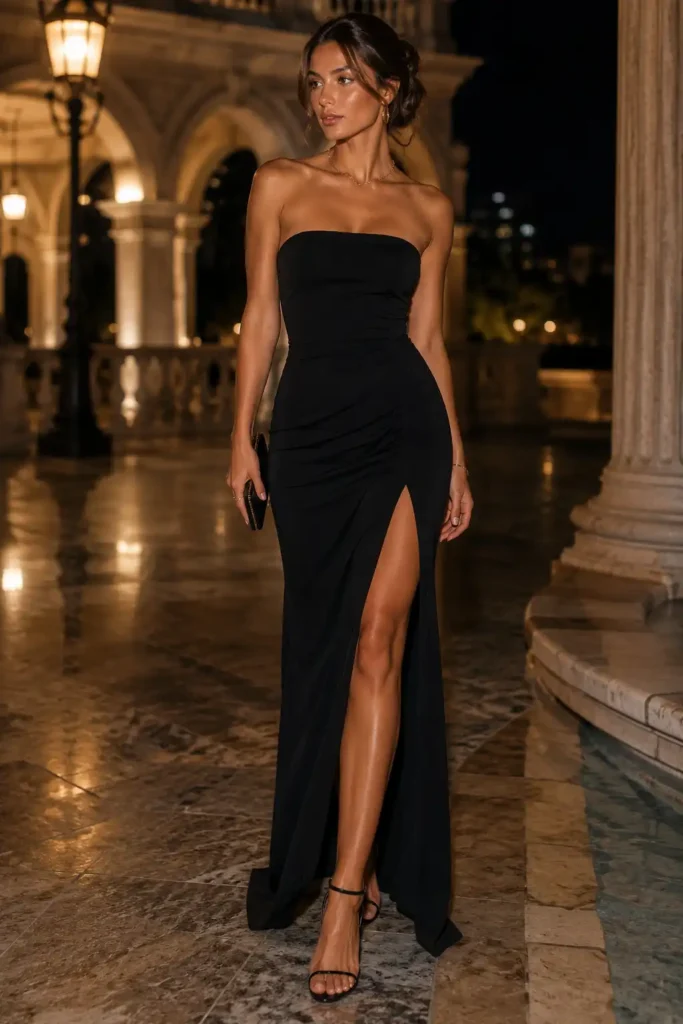
Maxi versions rely on controlled vertical balance, stable upper-body support and fabric drape. Stretch jersey, velvet, satin, mesh layers and soft crepe are common. Development reviews floor clearance, side seam hanging, slit position, lining length and packing method to reduce uneven hems, creasing and transport distortion.

Bodycon Tube Dress

A close silhouette depends on measured negative ease rather than simply making the pattern smaller. Jersey, ponte, rib knit and spandex blends require stretch and recovery review. Upper-bust pressure, waist definition, hip contour, side seam balance and hem stability are checked across the intended size range.

Ruched Tube Dress

Ruching adds visual texture and fit flexibility but can create uneven side seams, twisting or bulk if gathering ratios are not controlled. Mesh, jersey and stretch satin are common choices. Pattern length, drawcord or elastic method, lining connection and left-right distribution need clear sample approval before bulk sewing.

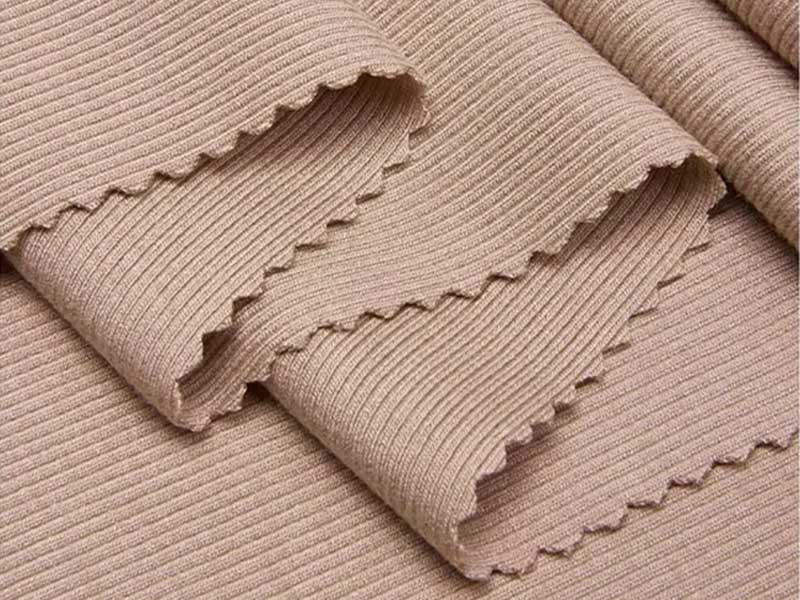
Ribbed Tube Dress

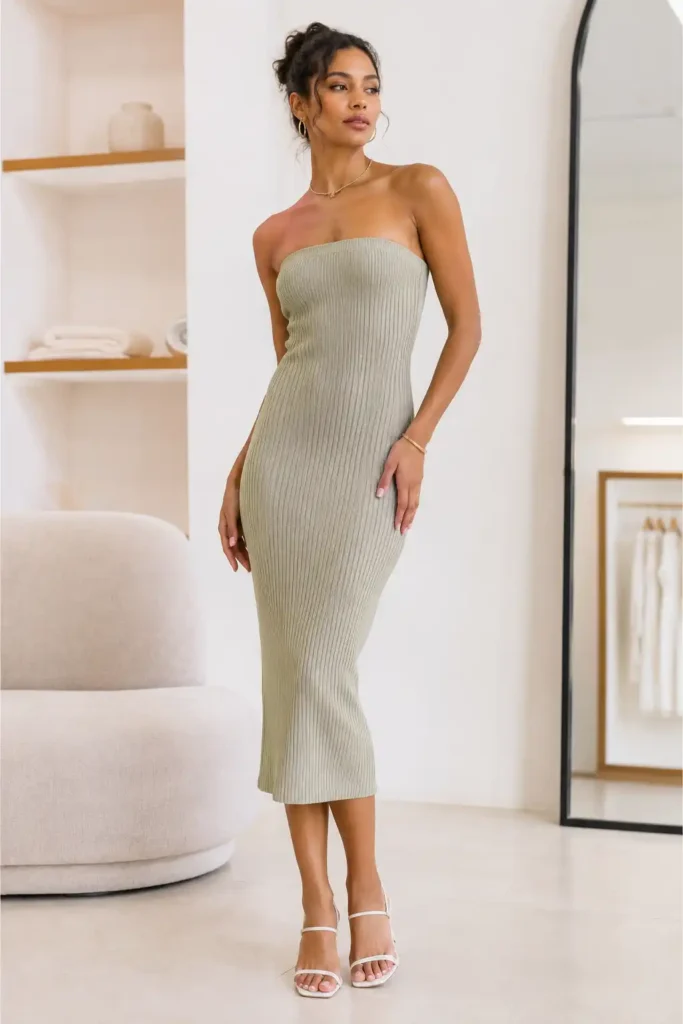
Rib fabric supports commercial knit collections with strong surface texture and comfort stretch. Rib direction, width, recovery, shrinkage and seam behavior affect fit. Jinfeng reviews whether the dress needs single-layer, double-layer or localized support and whether the top edge requires elastic or a cleaner folded construction.

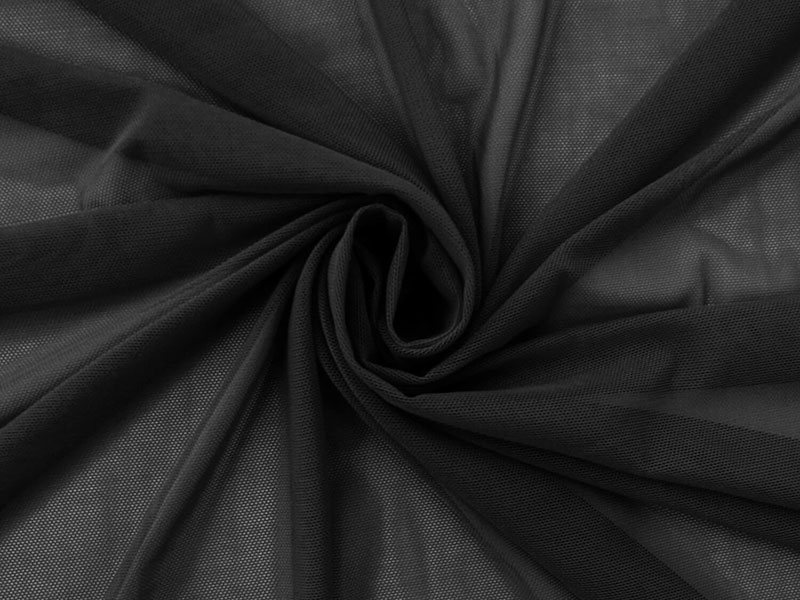
Mesh Tube Dress

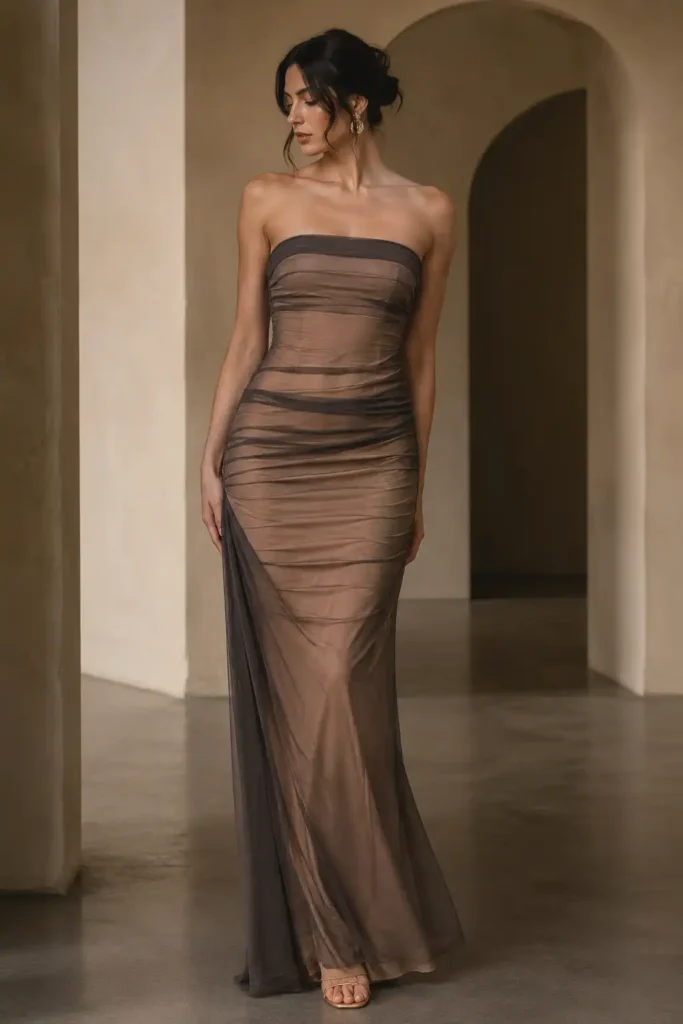
Power mesh and fashion mesh can create sheer, layered or body-contouring effects. Transparency, lining stretch, seam softness and edge stability are central. Mesh holes, snagging, needle marks and inconsistent tension are checked during cutting and sewing. Support components must remain comfortable against the body.

Satin Tube Dress

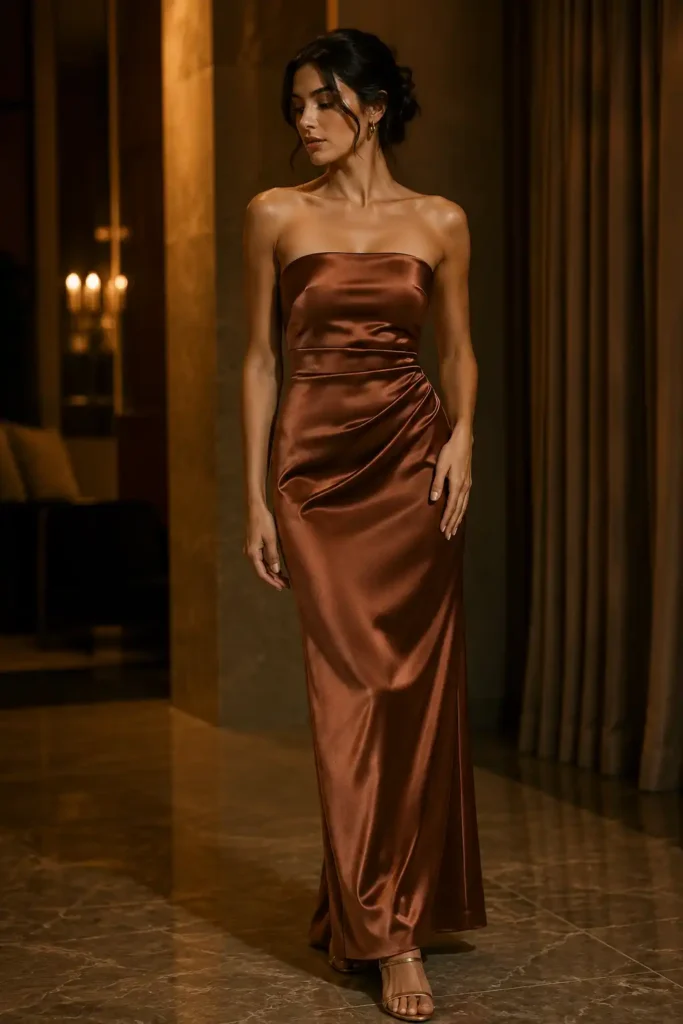
Stretch satin or woven satin can produce a polished party or occasion look. Shine direction, color variation, snagging, seam puckering, zipper flatness and pressing marks need control. Structured woven satin often requires cups, boning, lining or internal stabilization, while stretch satin requires recovery and tension review.

Sequin Tube Dress

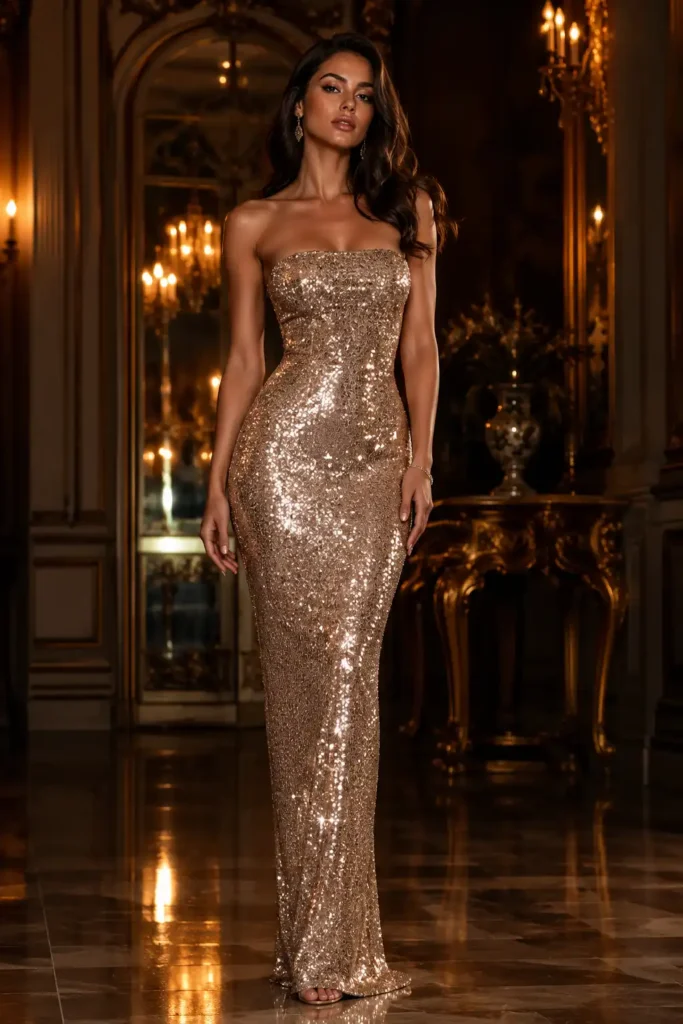
Sequin tube dresses need visual impact without sharp internal edges or unstable seams. Sequin direction, cutting loss, removal from seam allowances, lining protection, zipper area and packing are planned before sampling. The upper edge may require extra reinforcement because embellished fabric alone rarely provides reliable support.

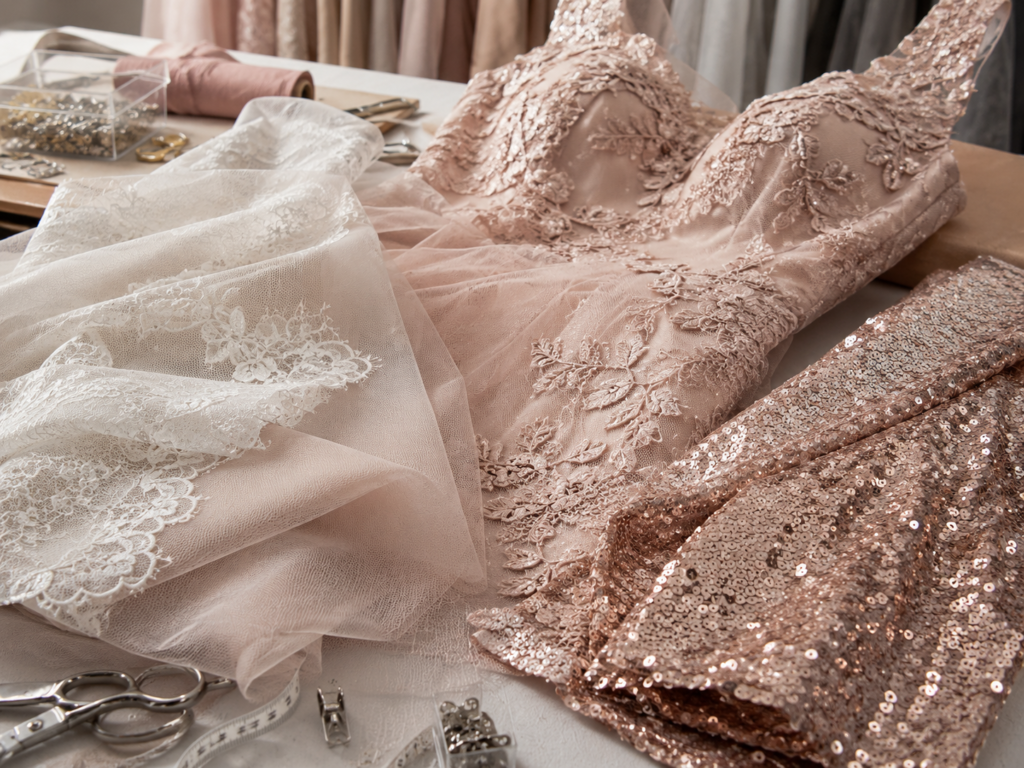
Lace Tube Dress

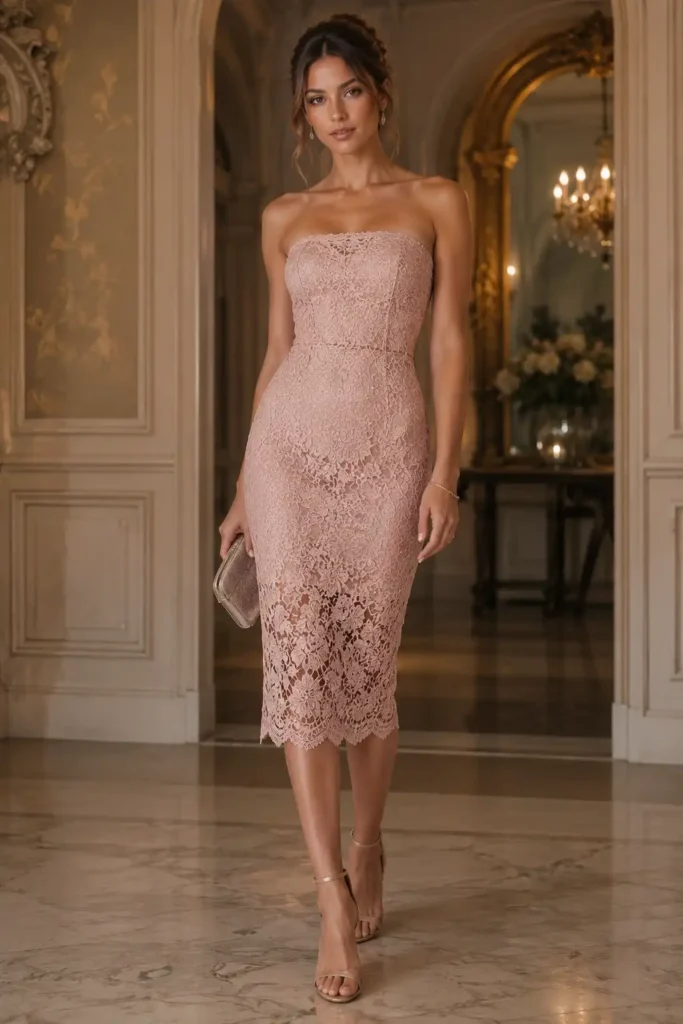
Lace can be layered over stretch lining, satin or mesh for occasionwear programs. Pattern placement, scallop use, motif symmetry, transparency, edge finishing and lining color influence the result. Support materials are selected so the upper edge remains secure without flattening the lace or making the garment uncomfortable.

Velvet Tube Dress

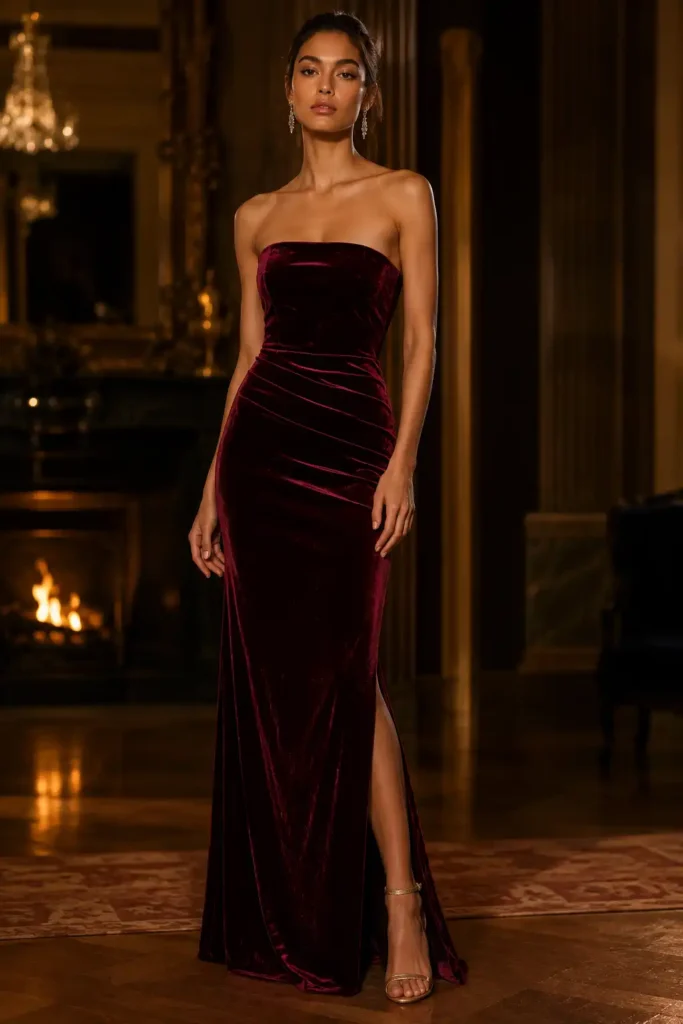
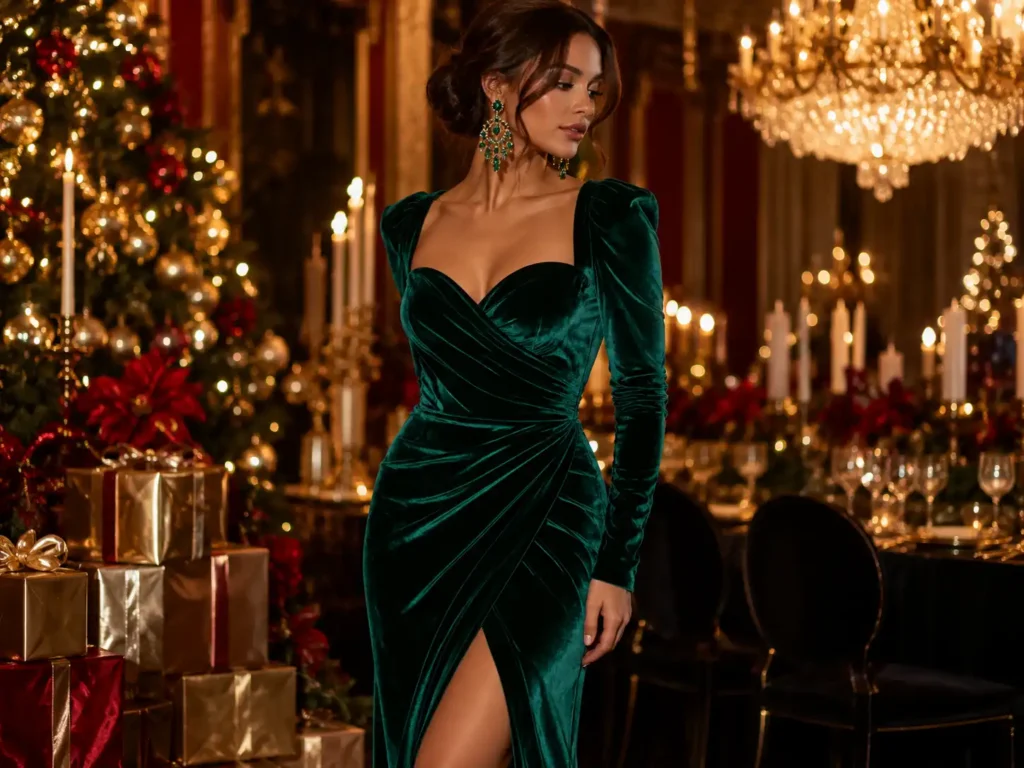
Velvet supports holiday, evening and winter collections. Nap direction, shade appearance, pressure marks, seam handling and packing need special attention. Stretch velvet can create a bodycon form, while woven velvet often needs more internal structure. Cutting direction and pressing methods are locked before bulk production.

Printed Tube Dress

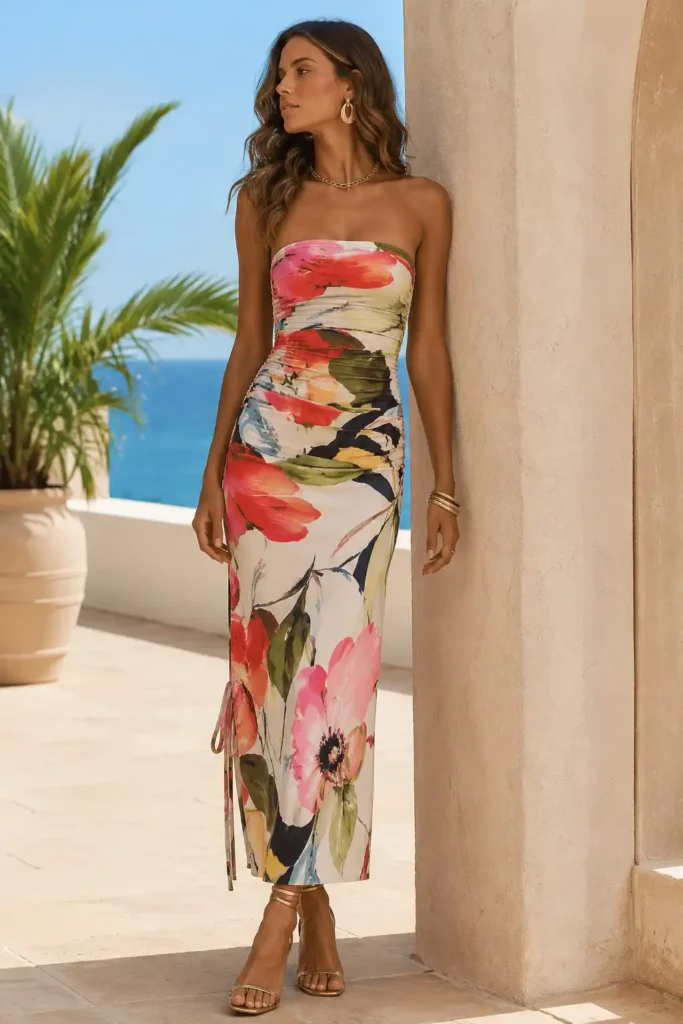
Printed tube dresses suit resort, festival and seasonal drops. Print scale, repeat, placement and stretch distortion are reviewed against pattern pieces. Digital or screen printing can affect hand feel and recovery. For placement graphics, front-center alignment, side seam matching and size grading require separate artwork planning.

Structured Tube Dress

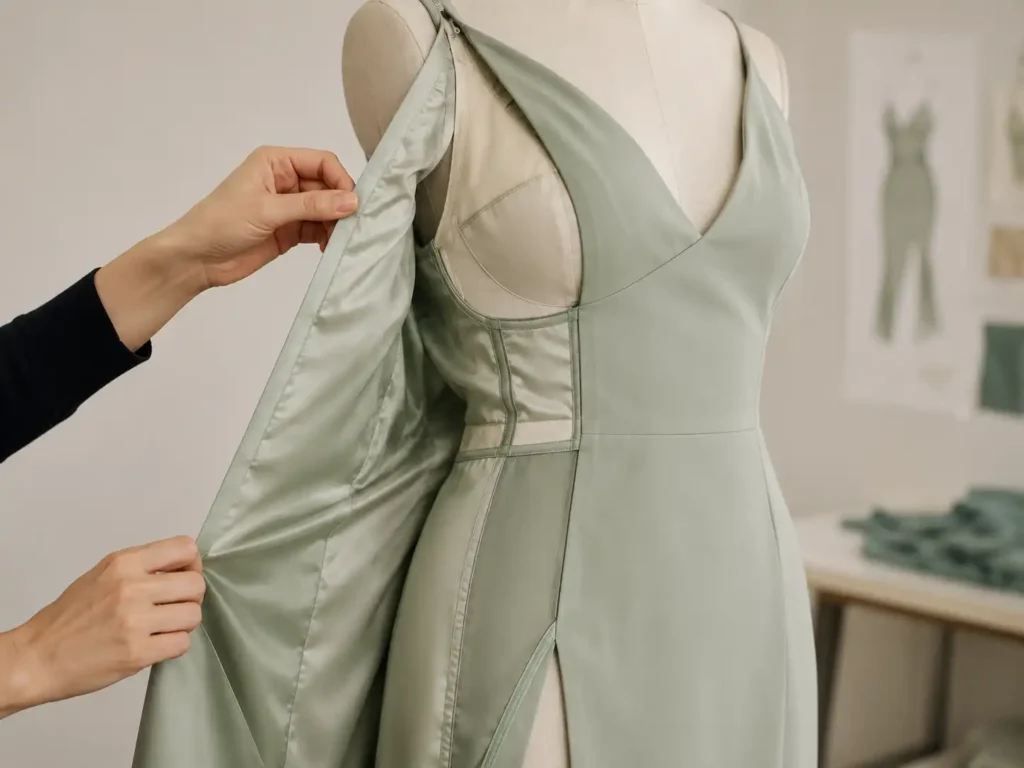
Structured designs use woven satin, crepe, suiting, organza layers or bonded fabrics. Cups, boning, interfacing, underbust shaping, zipper support and lining create the internal architecture. A fit sample verifies chest security, waist placement, back height and movement before production files are released.

Corset Tube Dress

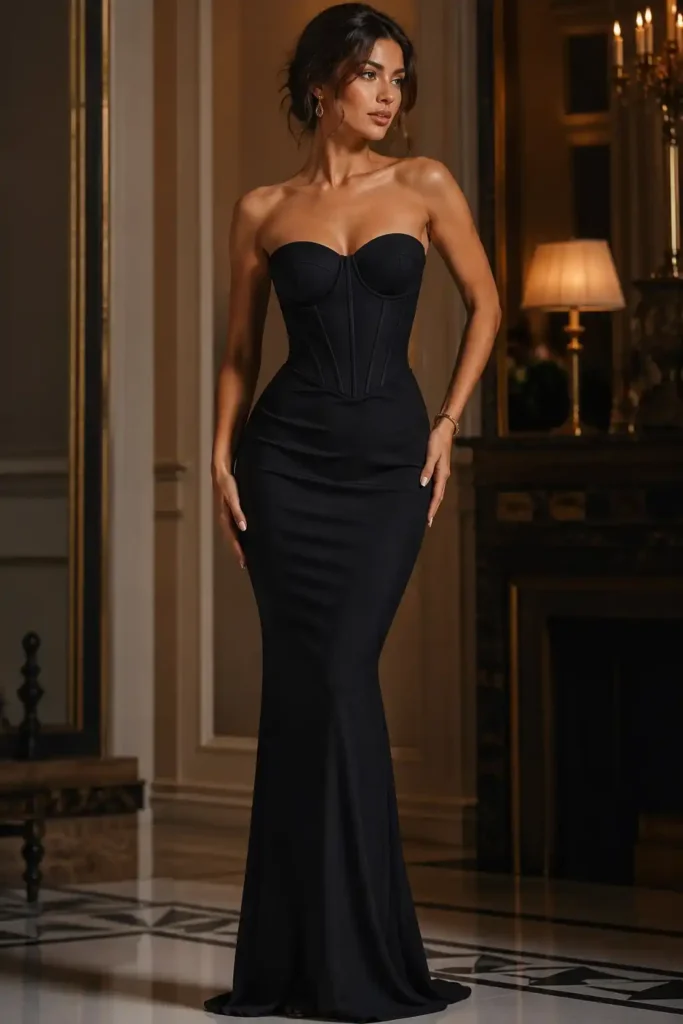
Corset-inspired lines combine a strapless neckline with panel seams, cups, boning and a controlled waist. Boning length, casing comfort, cup shape, underbust position, zipper strength and lining coverage are tested during sampling. Visual structure must be balanced against breathing, sitting and movement needs.

Cut-Out Tube Dress

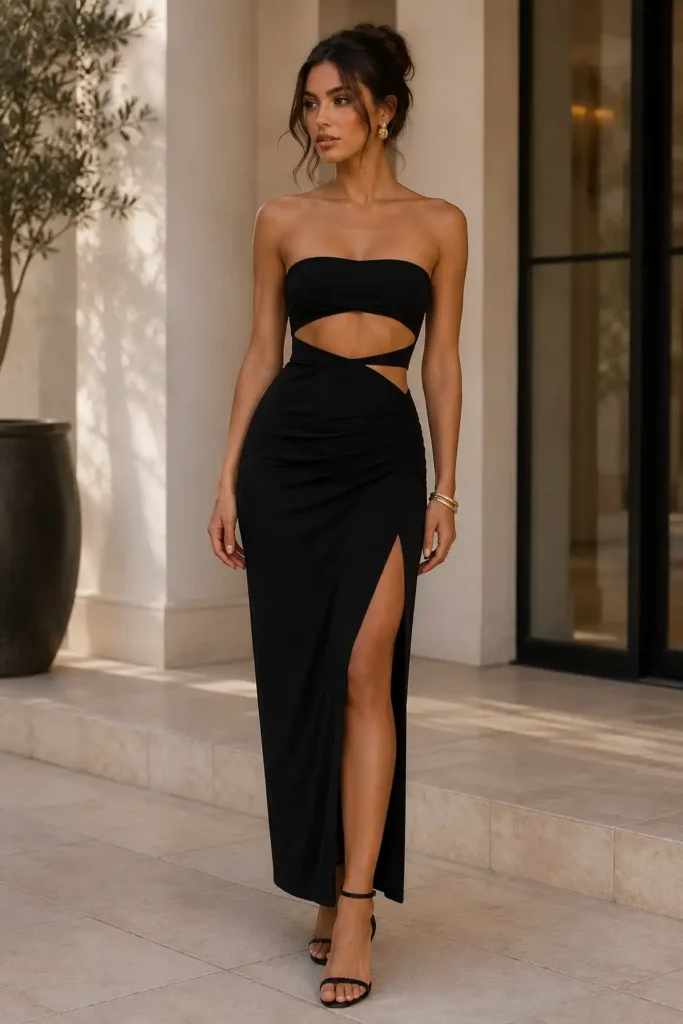
Cut-outs add trend value but reduce the margin for fit error. Opening position, edge tension, bust and waist coverage, seam reinforcement and lining decisions are evaluated on-body. Stretch fabric must recover around openings, and graded sizes need adjusted cut-out placement rather than simple proportional enlargement.

Slit Tube Dress

Side, back or front slits change movement and visual proportion. Slit height is linked to dress length, hip fit, lining, seam strength and target occasion. Reinforcement, clean corners and balanced opening length are checked during inline inspection so the slit does not distort after wear.

Tube Dresses Planned Around Sales Occasion
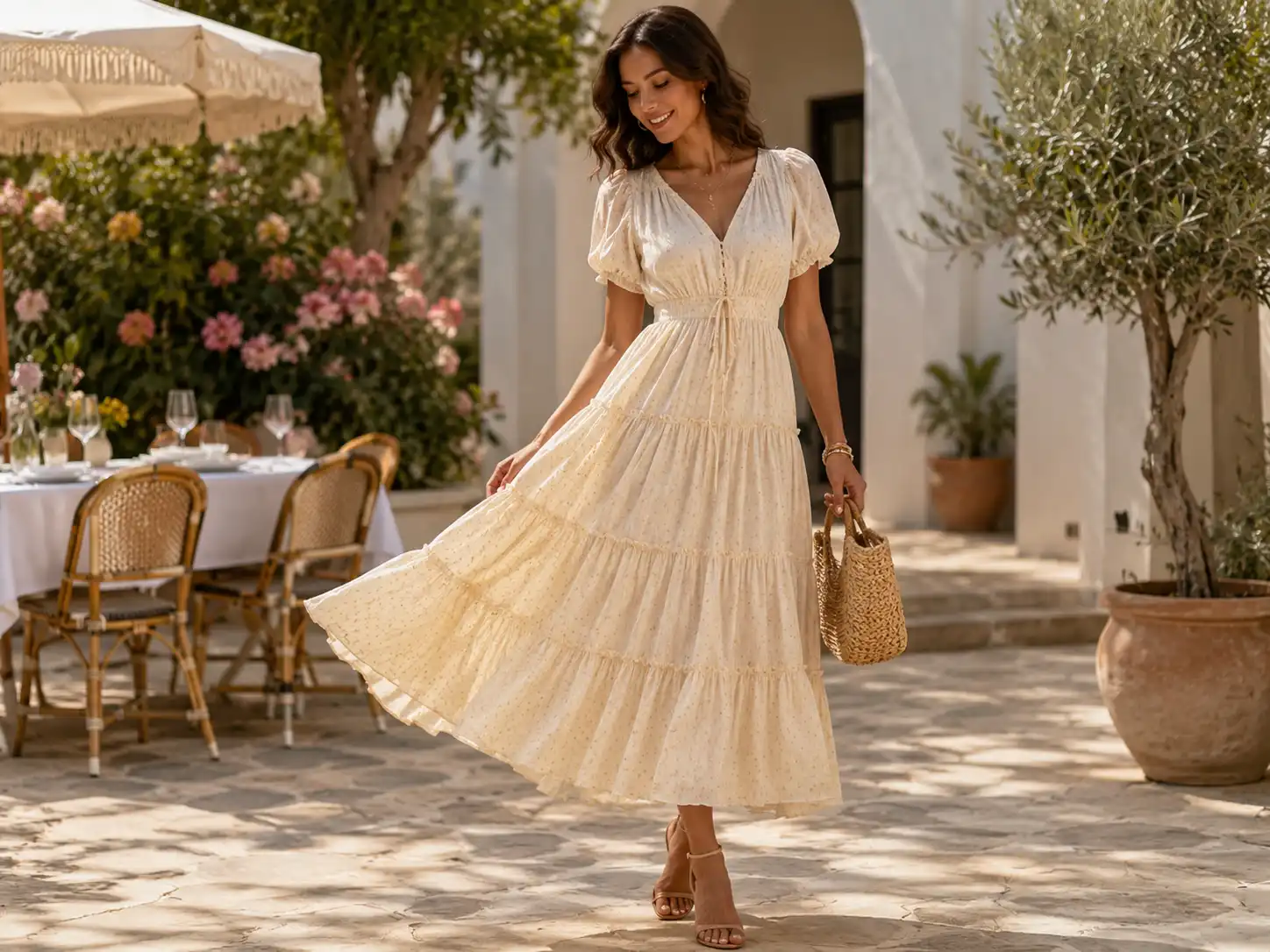
Commercial use influences fabric, support, length, finishing and delivery priorities. A party mini, resort maxi and occasion midi may share a strapless neckline while requiring very different development and production controls.
Tiered Skirts

Going-Out Drops

Compact mini and midi silhouettes in jersey, rib, mesh, satin or sequin fabric. Development emphasizes body contour, secure upper edge, movement safety, photo-ready finishing and quick SKU identification for frequent online launches.

Partywear Collections

Ruched, cut-out, satin, velvet and sequin styles with stronger visual detail. Fit, zipper flatness, lining coverage, support components and clean internal finishing receive added attention because party styles are viewed closely in photography and social content.

Birthday Capsules

High-impact colors, sparkle, bodycon forms and short lengths are common. A capsule can extend one approved fit into multiple fabrics or details, but every material change still requires a review of stretch, recovery, transparency, support and cost.

Resort Programs

Printed jersey, mesh layers, lightweight satin and fluid maxi forms suit resort lines. Wrinkle behavior, transparency, slit control, packability and warm-weather comfort guide fabric and lining choices.

Occasionwear Lines

Midi and maxi proportions in satin, lace, velvet, crepe and structured fabric. Cups, boning, lining, clean zippers, color consistency and size grading help support a higher retail presentation.

Holiday Launches

Velvet, sequins, metallic surfaces and deep color stories require early material booking. Bulk shade, nap direction, embellishment loss, internal protection, pressing and packing need extra planning before peak-season production.

Fabric Systems Matched to Tube Dress Structure
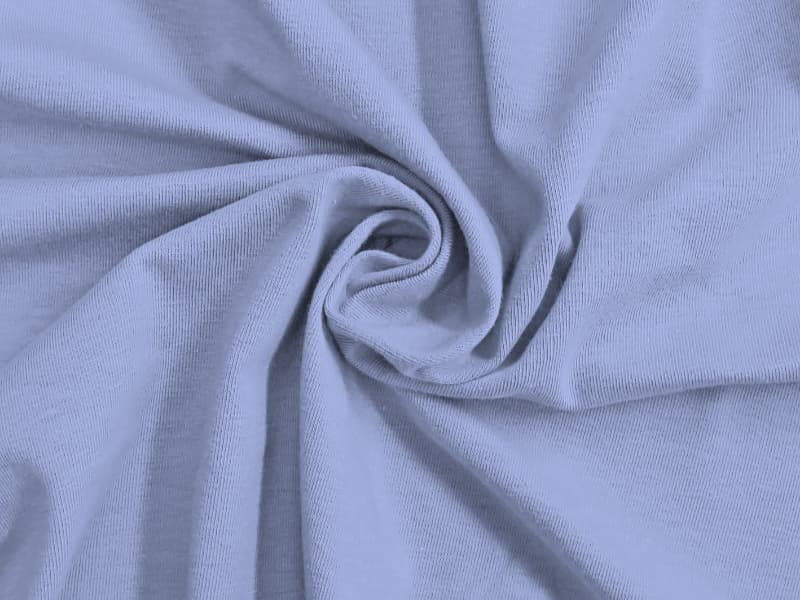
Fabric choice determines more than appearance. Weight, direction of stretch, recovery, transparency, shine, shrinkage, hand feel and bulk availability all influence pattern development, support construction, sewing and final fit.

Stretch Jersey

A commercial choice for bodycon mini and midi styles. Review focuses on weight, opacity, four-way or two-way stretch, recovery, shrinkage and seam behavior. Lightweight jersey may need double layers, while heavier jersey can reduce transparency but increase heat and pressure around the upper edge.

Rib Knit

Rib texture adds visual depth and flexible fit. Rib width, direction, recovery and washing behavior affect grading. The neckline fold, elastic selection and seam type are tested to avoid rolling, stretching or uneven top-edge tension.

Ponte

Ponte offers stronger structure and opacity for premium bodycon or midi silhouettes. Fabric density supports clean lines, yet excessive negative ease can create pressure and seam strain. Pattern balance, zipper need, hem finish and pressing are reviewed according to weight and composition.

Power Mesh

Power mesh supports ruched, layered and semi-sheer forms. Stretch direction, recovery and transparency must align with lining. Seam softness, gathering ratio, needle choice and edge stability are tested before bulk production.

Stretch Satin

Stretch satin combines shine with closer fit. Shine direction, color, snagging, seam puckering, recovery and pressing marks are controlled. A change in stretch percentage can alter bust security and waist-to-hip balance, requiring pattern review.

Velvet

Velvet brings depth to holiday and evening products. Nap direction, shade, pressure marks and seam handling influence cutting and packing. Stretch velvet needs recovery checks; woven velvet often needs stronger internal support and a carefully stabilized zipper area.

Sequin Fabric

Sequin surfaces increase cutting loss, sewing time and internal abrasion risk. Direction, color, sequin density, base fabric stretch and seam allowance cleaning are assessed. Lining and packing protect both the wearer and the finished surface.

Lace and Lining

Lace selection depends on motif, stretch, scallop, transparency and hand feel. The lining must match stretch and color while supporting coverage. Placement and symmetry are planned around front, back and side seams, especially for structured occasion styles.

Support Options Chosen by Fabric and Silhouette
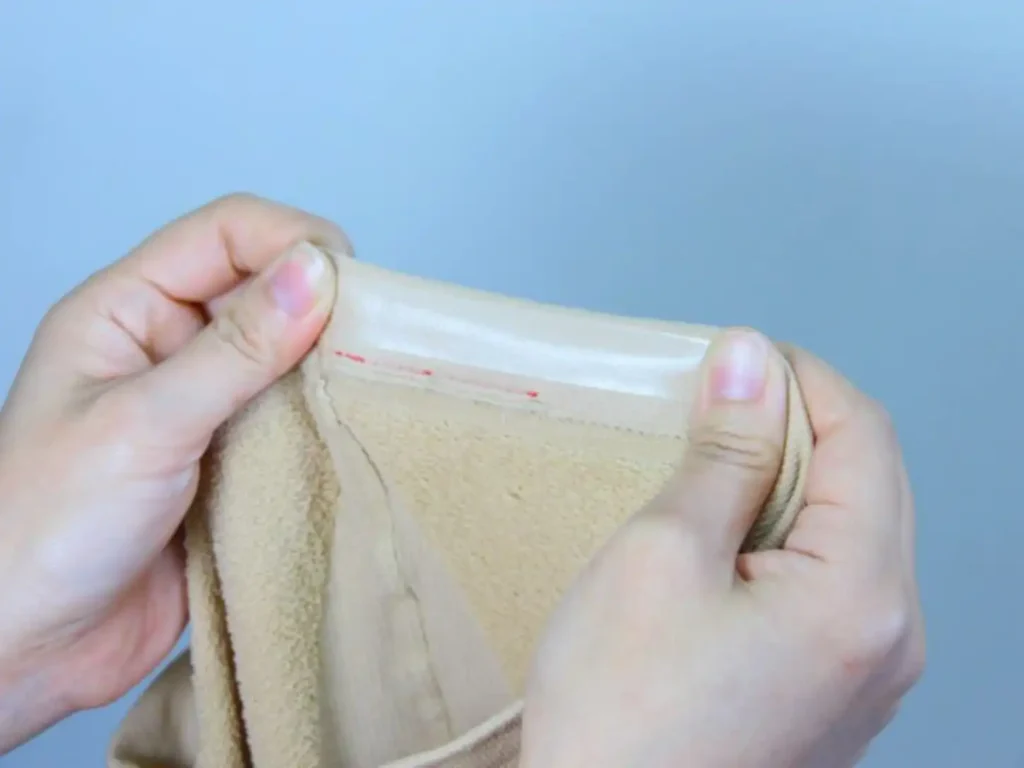
No single support solution works for every tube dress. Jinfeng Apparel reviews neckline shape, fabric behavior, body contour, size range, comfort and retail position before selecting internal components.

Anti-Slip Tape

Placed along selected upper-edge areas to increase grip. Width, softness, position and skin comfort are reviewed. Tape cannot replace a poor pattern or weak fabric recovery.

Boning

Boning supports vertical shape in structured styles. Material, hardness, length, casing, end protection and symmetry are approved to avoid poking, twisting or visible ridges.

Built-In Cups

Cup size, shape, thickness, position and attachment affect bust appearance. Cup choice is matched to neckline depth, size range, lining and intended support.

Structured Lining

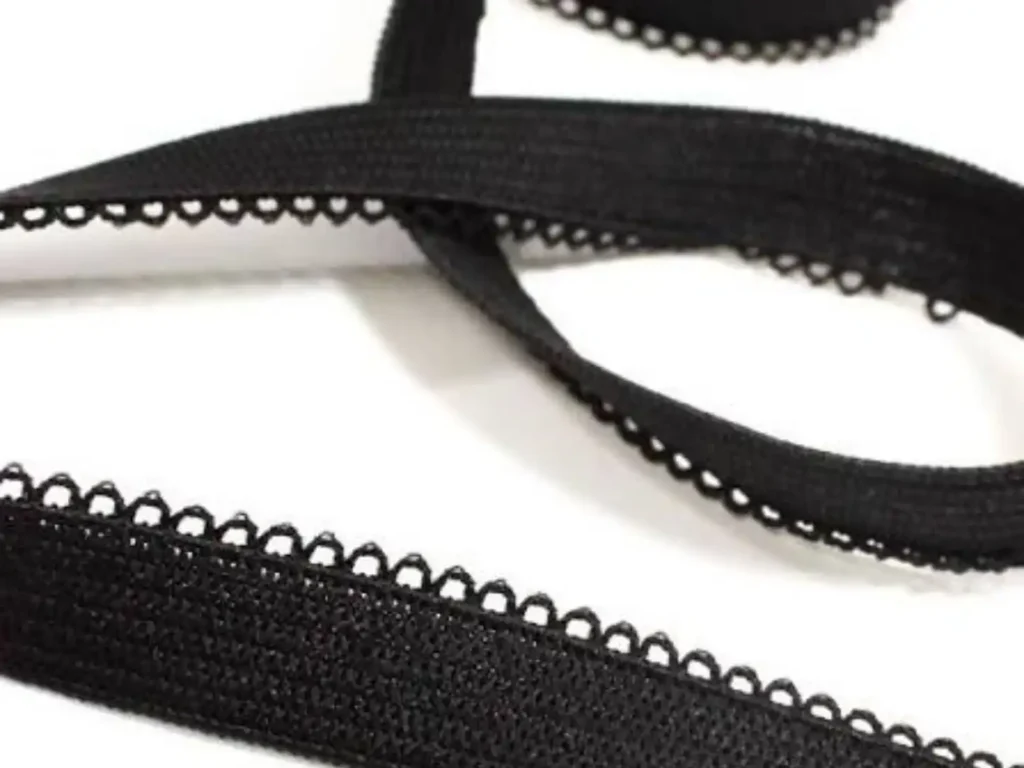
A stable lining can distribute tension, cover internal components and improve opacity. Lining weight and stretch must work with the outer fabric rather than fighting it.

Top-Edge Elastic

Elastic can stabilize knit and mesh styles. Width, modulus, joining method and sewing tension are sampled to prevent rolling, marks or uneven pressure.

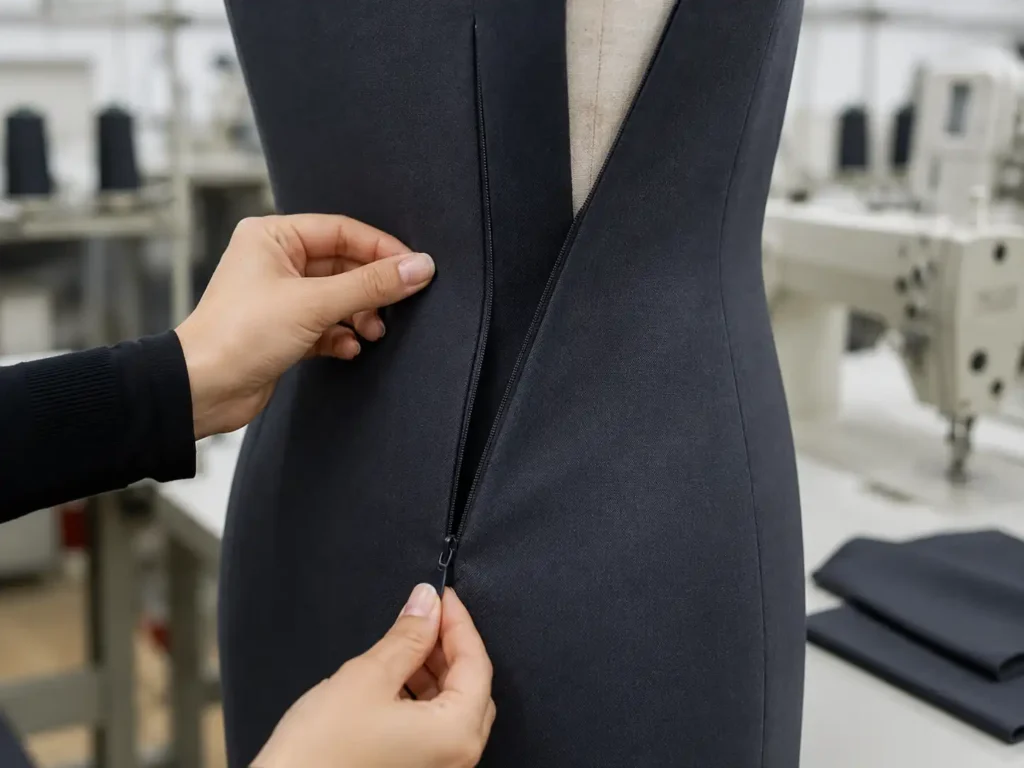
Back Zipper

An invisible or exposed zipper may improve entry and fit in structured styles. Zipper length, tape color, top closure, reinforcement and flatness are checked.

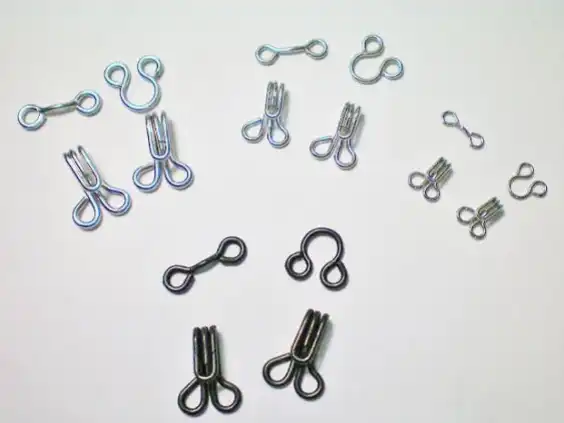
Hook and Eye

A top hook-and-eye can protect a zipper and secure the upper back. Position, opening force and internal comfort are reviewed before bulk use.

Power-Mesh Panel

Power mesh can provide localized support at the bust, back or lining. Stretch direction, edge attachment and pressure distribution need sample validation.

Pattern Development Starts With Measurable Fit Points

Tube dress fit is built from a connected measurement system. Jinfeng Apparel uses pattern review, sample measurement and fit comments to manage upper-bust security, bust shape, waist and hip balance, length and movement.

Measurement PointWhy It MattersDevelopment Control
Upper bustControls top-edge security and gapingMeasured level around the torso above full bust
Full bustShapes cup area and front widthCompared with neckline, dart or panel structure
UnderbustSupports internal shaping and boning positionImportant for structured and corset-inspired styles
WaistDefines contour and vertical balanceChecked against fabric stretch and intended ease
HipControls movement, side seam and hem behaviorReviewed with sitting and walking movement
Front center lengthSets neckline-to-hem proportionUsed to control exposure and style length
Back center lengthBalances back height and hemCompared with front length and side seam
Side seam heightConnects underarm coverage and hip balanceMust remain vertical on-body
Slit heightControls movement and exposureMeasured from hem and linked to lining

Size Grading Protects Fit Across the Full Range

A tube dress cannot be graded by adding the same amount at every seam. Bust shape, upper-edge tension, support placement and length proportions change differently from size to size.

Bust and Upper Bust

Full bust and upper bust follow different growth needs. Uniform enlargement can create gaping at the top edge while still feeling tight through the bust. Grading separates neckline width, upper-edge circumference, cup area and back width so support remains balanced.

Cup and Boning Placement

Built-in cups and boning must move with body landmarks. Cup volume, distance between bust points, underbust position and boning length may change by size. Production patterns and sewing instructions identify placement to avoid shifting or asymmetry.

Waist, Hip and Length

Waist and hip increments are set according to the size chart and fabric behavior. Mini, midi and maxi lengths need controlled growth so proportions remain intentional. Slit height, lining length and hem circumference are adjusted with the silhouette rather than copied mechanically.

Size-Set Verification

Where a wider size range or stronger support structure is involved, selected-size samples or a size set can reveal grading issues before bulk cutting. Measurement review checks agreed points against the graded chart, and any correction is recorded before production patterns are released.

Design Details Engineered for Repeatable Bulk Production

Visual details must translate into stable patterns, clear sewing instructions and inspectable quality points. Jinfeng Apparel evaluates appearance, comfort, material compatibility, production time and bulk repeatability before approval.

Ruching

Gathering ratio, placement, symmetry and lining connection are controlled so texture remains intentional rather than bulky or twisted.

Side Slit

Height, reinforcement, lining opening and seam balance are approved for movement without unwanted exposure.

Back Slit

Useful for fitted midi and maxi styles. Opening length, overlap, reinforcement and hem balance are measured.

Cut-Out

Edge stability, body coverage, reinforcement and graded placement are reviewed on-body before bulk.

Draped Front

Extra pattern volume, grain direction, anchoring and lining affect drape position and repeatability.

Fold-Over Edge

A fold-over neckline can create a clean visual band. Depth, stretch and internal stabilization must remain even.

Corset Seams

Panel lines shape the bust and waist. Seam balance, boning route and cup relation are checked.

Invisible Zipper

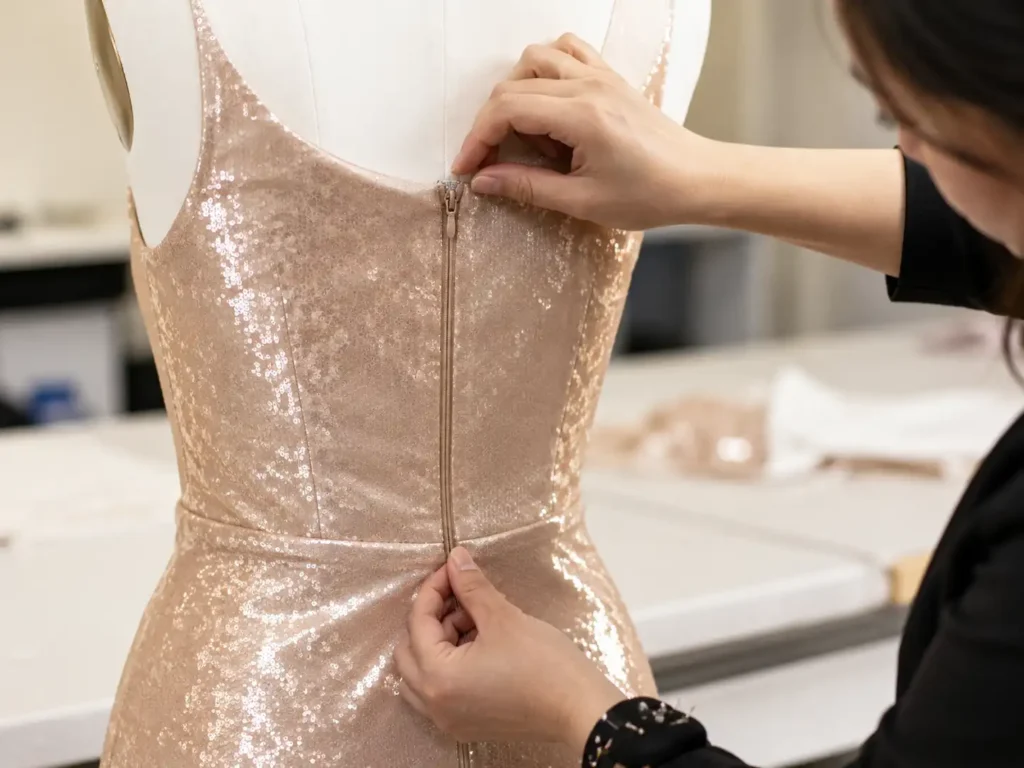
Tape color, seam allowance, top stop, waist alignment and flatness affect a polished finish.

Exposed Zipper

Zipper weight, tooth color, backing, top finish and skin comfort are matched to the design.

Double Layer

Two layers can improve opacity and support, yet stretch and seam bulk must remain compatible.

Asymmetric Hem

Left-right balance, hang, lining length and finishing are evaluated on a level form and on-body.

Detachable Straps

Optional straps require secure loops, balanced placement, suitable sliders or hooks and clean concealment when removed.

Tube Dress Sampling From Concept to Approved Standard

Sampling is a controlled development sequence, not a single garment request. Every stage reduces uncertainty around fit, fabric, construction, cost and production repeatability before bulk commitment.

Project Review

Reference files, quantity, fabric, size range, support structure, packing and launch timing are reviewed before quotation and sampling.

Fabric Direction

Stock or developable fabrics are compared by weight, stretch, recovery, shine, opacity, hand feel, MOQ and lead-time impact.

Pattern Development

The pattern team sets upper-bust, bust, waist, hip, length, side seam, neckline and support positions for the base size.

First Sample

The first sample tests overall proportion, material behavior, construction and initial fit rather than serving as an automatic bulk standard.

Fit Review

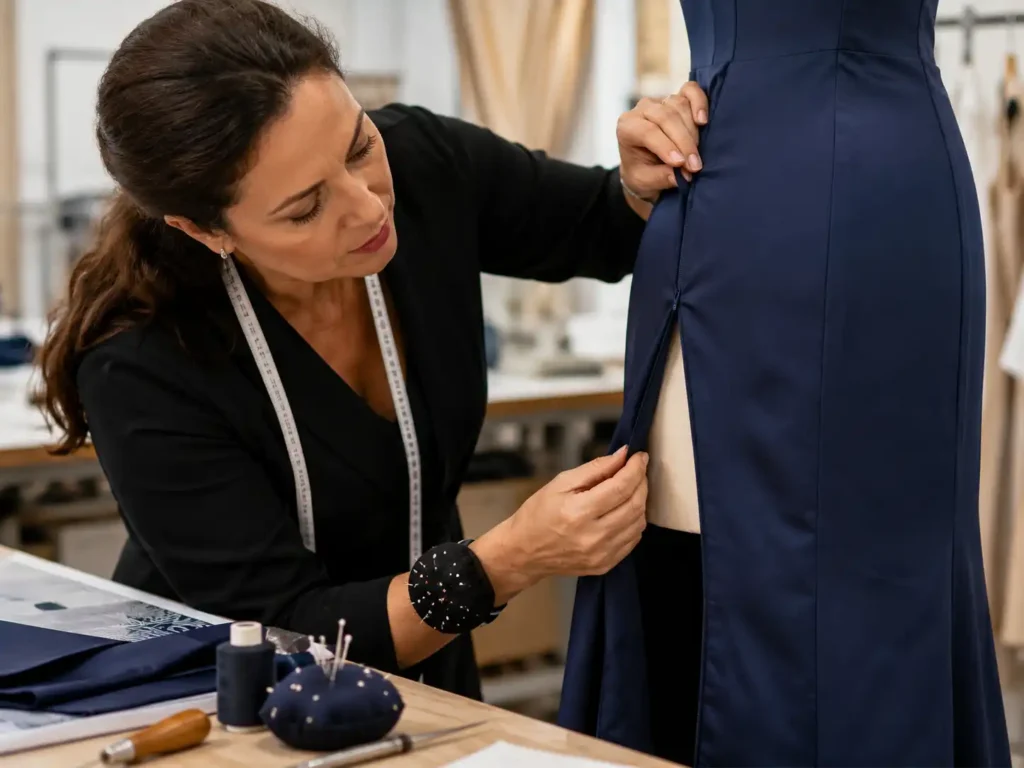
Measurements and on-body comments identify slipping, gaping, pressure, side seam movement, back wrinkles, length or support issues.

Revised Sample

Approved corrections are transferred into the pattern, size chart, BOM, fabric record, trim record and sewing notes.

PP Sample

Production materials, labels, construction and approved measurements are locked before bulk cutting begins.

Golden Sample

The final approved reference supports production, inline inspection, final measurement review and repeat-order records.

Sample Revisions Become Controlled Production Records

Important changes cannot remain inside chat threads. Jinfeng Apparel records the issue, cause, revision action, pattern impact, cost impact, timing impact and approval status before moving toward PP.

  • Fit Revisions
    Slipping, gaping, bust pressure, side seam movement, waist looseness, hip restriction, back wrinkles or length issues are measured and mapped to pattern changes. A fit comment such as ‘too loose at the top’ is translated into a specific upper-bust, neckline or back-width correction rather than a vague sewing adjustment.
  • Fabric Revisions
    A fabric change can alter drape, stretch, recovery, opacity, shrinkage, cost, MOQ and lead time. The team rechecks lining, support, seam method and pattern compatibility. A new sample may be needed when material behavior changes enough to invalidate the earlier fit.
  • Construction Revisions
    Changes to cups, boning, anti-slip tape, zipper, ruching, slit, lining or hem are entered into the BOM and sewing instruction. Placement, dimensions and quality checkpoints are updated so the production line receives the same direction as the sample room.
  • Approval Control
    Each version is identified as first, revised, photo-ready, PP or golden sample. Client comments and approval status are tracked before the next stage. Bulk production does not begin from an unapproved first sample or from verbal instructions conflicting with the latest files.

PP Approval Locks Materials Fit and Production Method

A PP sample connects creative approval with factory execution. Production cannot rely on appearance alone; materials, measurements, support, labels, workmanship and packing references must all be clear.

Fit Approval

Upper-bust security, bust shape, waist and hip fit, front and back length, slit position and movement are approved against the latest measurement chart and fit comments.

Material Approval

Outer fabric, lining, elastic, anti-slip tape, cups, boning, zipper, thread, labels and packaging are matched to the approved records and bulk availability.

Production Handover

The PP sample, pattern, BOM, measurement chart, sewing instruction, QC checklist and packing instruction are transferred to production and inspection teams before cutting.

From Design Reference to Delivered Tube Dress Orders

A defined sequence keeps sample decisions connected to production execution. Every stage produces information used by the next team, reducing forgotten details and last-minute corrections.

Design Intake

Tech pack, image, sample or line sheet reviewed.

Feasibility

Fit, fabric, trim, MOQ and risk assessed.

Fabric Sourcing

Material options compared and approved.

Pattern

Base pattern and structure developed.

First Sample

Proportion, fit and construction tested.

Revision

Comments recorded and pattern updated.

PP Sample

Production standard approved.

Material Check

Bulk fabric and trims verified.

Cutting

Direction, size and quantity controlled.

Sewing

Approved methods followed on line.

QC and Packing

Measurements, finishing, labels and cartons checked.

Delivery

Shipment arranged with agreed documents and route.

Quality Control Runs From Fabric to Packed Carton

Tube dress quality cannot be recovered by final inspection alone. Process controls identify material, fit, construction and packing problems before defects spread across a full order.

Fabric Inspection

Bulk fabric is checked for color, batch variation, weight, stretch, recovery, transparency, surface defects, snagging, nap direction and usable width before cutting.

Cutting Inspection

Pattern direction, size, quantity, face and back, stretch direction, print placement, lace damage, mesh holes and bundle identification are checked before sewing.

Inline Sewing Check

Upper edge, elastic, anti-slip tape, cups, boning, zipper, lining, ruching, slits, side seams and symmetry are reviewed while correction remains manageable.

Measurement Check

Upper bust, bust, underbust, waist, hip, front length, back length, side seam and slit height are compared with approved specifications.

Final Garment Check

Fit-related appearance, neckline level, zipper flatness, left-right balance, stains, damage, loose threads, pressing and finishing are inspected.

Packing Inspection

Style, color, size, main label, care label, barcode, SKU, polybag, assortment, carton mark and carton quantity are checked before release.

Capacity Managed for Multi-Style and Multi-Batch Orders

Jinfeng Apparel combines 6 owned womenswear factories, 10+ long-term production partners and a structured project team. Capacity is allocated by product risk rather than promised as a single number for every style.

Factory Allocation

Styles are assigned according to fabric, construction, embellishment, lining and support needs. Knit bodycon, structured satin and sequin dresses may follow different production routes.

Multi-Style Coordination

A collection can include 10-30 styles with different materials and delivery priorities. Merchandising records samples, approvals, material status, production and packing by style.

Material Booking

Stock availability, dyeing, special lace, sequins, cups, boning, labels and packaging are tracked before production slots are confirmed.

Production Follow-Up

12+ merchandisers coordinate files, materials, sample versions, factory allocation, production status, QC feedback and packing instructions.

QC Coverage

15+ QC inspectors support incoming, cutting, inline, measurement, final and packing checks according to order risk and production location.

Finishing and Packing

30+ finishing and packing workers support pressing, thread cleaning, label checks, barcode work, polybags, assortments, carton marks and shipment preparation.

MOQ and Quotation Follow Product Structure

Product DirectionTypical ConstructionMain Cost Drivers
Basic stretch jersey tube dressSingle or double layer, simple top edge, standard colorsFabric weight, layer count, stretch, size ratio
Ruched mesh tube dressMesh, lining, gathering, possible side seam drawcordMesh quality, lining, ruching ratio, sewing time
Structured satin tube dressWoven or stretch satin, lining, zipper, possible cups and boningSatin grade, support, zipper, pressing, fit complexity
Sequin tube dressSequin fabric, lining, seam clearing, surface protectionMaterial loss, hand work, lining, packing
Private-label orderMain label, size label, care label, hangtag, barcode, polybagSeparate supplier MOQ, artwork, material, packing labor

Private Label Delivery Extends Beyond a Main Label

Retail-ready delivery connects garment identity, care information, SKU control, packaging and warehouse receiving. Jinfeng Apparel manages labels and packing as part of production rather than an afterthought.

Woven Label

Main labels can follow approved artwork, dimensions, fold, material, color and sewing position. Neck comfort and visibility are reviewed.

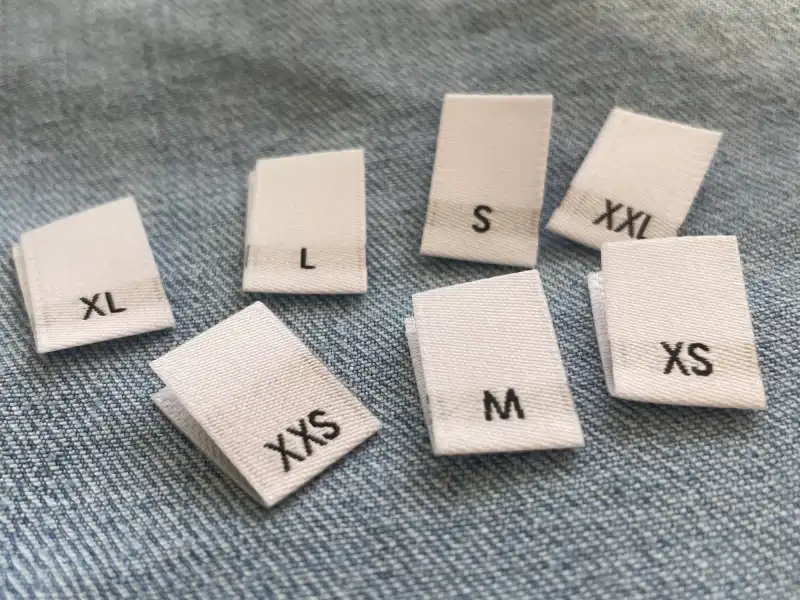
Size Label

Size labels are matched to the approved size chart and packed assortment. Placement and readability are checked before packing.

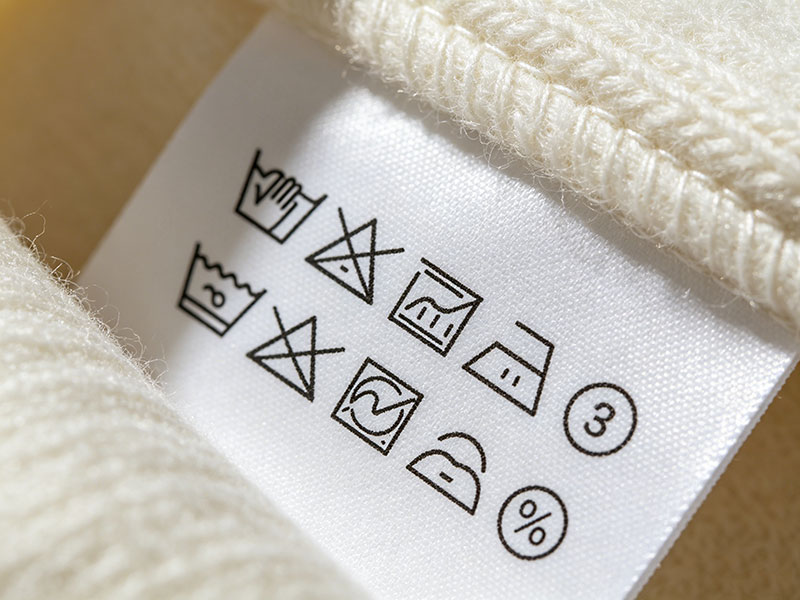
Care Label

Fiber content, care symbols, country requirements, language and style references are provided by the brand and checked against the approved file.

Hangtag

Paper, print, finish, string, barcode and attachment position can be coordinated. Supplier MOQ and lead time are reviewed early.

Barcode and SKU

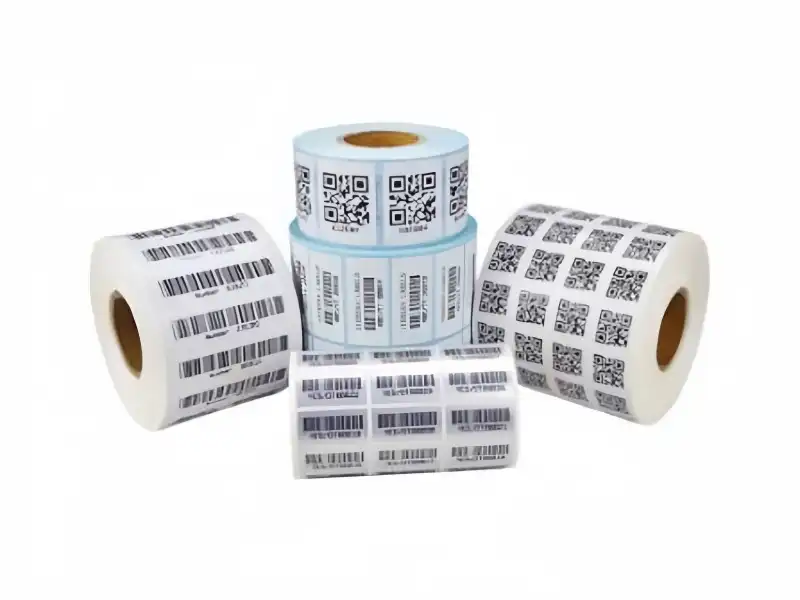
Barcode stickers, SKU labels, color-size codes and warehouse labels are matched to packing lists and carton assortments.

Custom Polybag

Polybag size, thickness, warning text, vent holes, adhesive closure, logo print and barcode position can be specified.

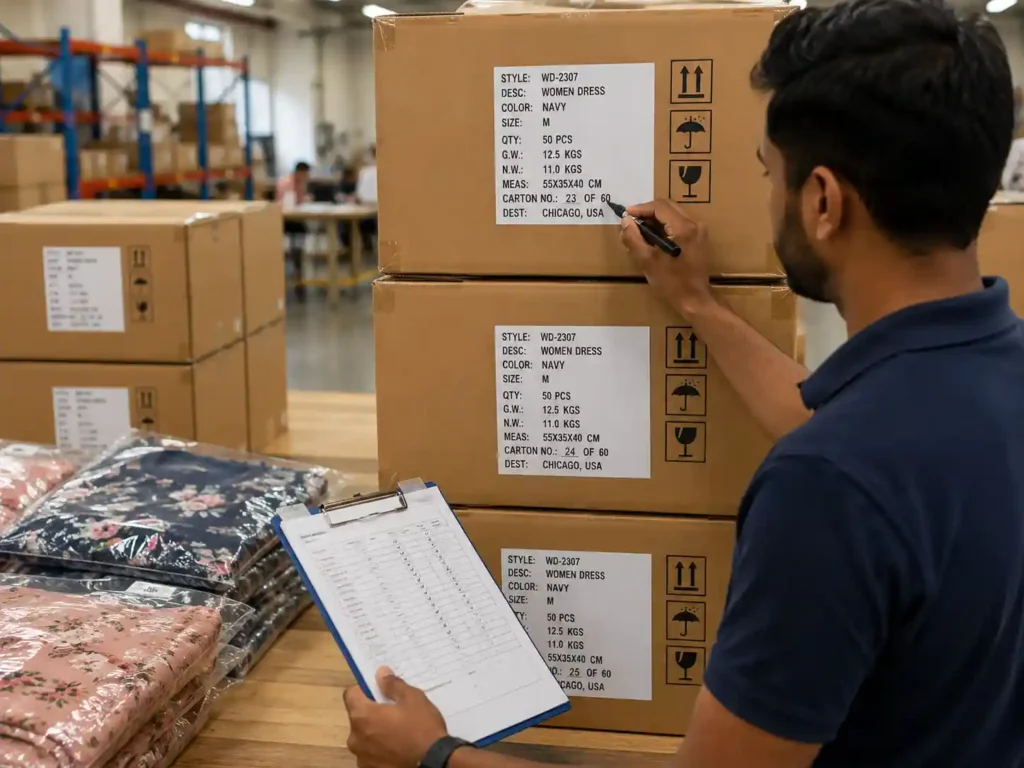
Carton Marks

Shipping marks, PO references, style, color, size breakdown, carton number and destination information are checked before release.
Summer Casual​

Retail Inserts

Thank-you cards, stickers or approved inserts can be added where material, size, print, quantity and packing method are confirmed.

NDA Protection and Repeat-Order Records Support Long-Term Programs

Brand files and repeat-order references are managed as project assets. Confidential development work stays restricted to relevant teams, while approved records support faster and more consistent future orders.

Design Protection

Tech packs, original samples, patterns, measurement charts, labels, packaging, prices, order information and unpublished designs are treated as confidential. Brand names, logos and unreleased styles are not used publicly without authorization.

Controlled Internal Access

Project files are shared only with relevant development, pattern, sample, merchandising, production, QC and packing personnel. Client-owned patterns are not sold, shared or reused for unrelated brands.

Repeat-Order Records

Approved patterns, BOM, fabric references, color standards, trims, measurements, sewing instructions, labels, packing, QC notes and golden samples can support repeat production. New dye lots, colors or fabric substitutions still receive confirmation before bulk.

Tube and Strapless Programs Managed at Brand Scale

Anonymous program examples show how style count, fabric diversity, fit risk, private-label requirements and launch timing are translated into development and production controls. Brand identities remain protected under project confidentiality.

US Going-Out Collection

A mature online fashion label developed 12 tube and strapless styles across jersey, rib knit, power mesh and stretch satin. Total order volume reached 28,800 pieces across three launch windows. Main risks included inconsistent upper-edge tension, white-fabric transparency and size-to-size bust balance. Jinfeng divided styles by fabric route, revised upper-bust and back-height rules, added selective double layers, and set seven critical measurement points for inline checks. The approved collection moved into three controlled production batches with unified labels, SKU stickers and warehouse carton marks.

Australian Partywear Program

An established partywear brand placed 18 styles totaling 52,200 pieces, including ruched mesh minis, stretch satin midis and sequin tube dresses. Development involved 26 color-SKU combinations and a wider size range. Challenges included mesh gathering symmetry, sequin abrasion, zipper flatness and support variation between sizes. Jinfeng used style-specific PP references, graded support placement, lined sequin seam zones and a production checklist covering upper edge, cups, boning, zipper, ruching and hem. Split shipment planning aligned the program with two retail launch dates.

European Occasionwear Range

A regional womenswear group developed 24 strapless and tube-inspired occasion styles totaling 74,400 pieces. Fabrics included satin, lace, velvet, ponte and structured crepe. The program required consistent color stories, private labels, barcodes and multi-country packing instructions. Jinfeng coordinated lab-dip and physical color approvals, separate pattern routes for stretch and woven styles, size-set verification for selected structured dresses, and staged QC before packing. Production records were retained for repeat colors and follow-on seasonal extensions.

How to Qualify a Tube Dress Manufacturer

A strong supplier can explain fit, materials, support, sampling, production and packing in measurable terms. Use eight checks before selecting a manufacturing partner for a commercial tube dress line.

Pattern Capability

Ask whether the supplier can explain upper bust, full bust, underbust, back height, neckline tension and size grading rather than only copying a sample.

Fabric Evaluation

Confirm review of weight, stretch, recovery, opacity, shrinkage, shine, snagging, lining and bulk availability before pattern approval.

Support Options

Verify experience with anti-slip tape, elastic, cups, boning, power mesh, structured lining, zippers and top closures.

Sample Stages

Look for first, fit, revised, PP and golden sample controls with written comments and updated production files.

Process QC

Confirm incoming, cutting, inline, measurement, final and packing checks rather than a single end-of-line inspection.

Private Label

Review main labels, care labels, hangtags, barcodes, SKU, polybags, carton marks and warehouse requirements before production.

Confidentiality

Ask how tech packs, patterns, samples, labels, unpublished styles, order data and images are protected.

Repeat Records

Confirm whether patterns, BOM, measurements, fabrics, trims, QC notes and packing records are retained for repeat orders.

Tube Dress Manufacturing Frequently Asked Questions

Yes. Jinfeng Apparel develops custom tube mini, midi and maxi dresses from tech packs, reference images, original samples, sketches or line sheets. Support covers fabric sourcing, pattern making, sampling, fit correction, bulk production, QC, private-label packing and export coordination.

The basic MOQ starts from 200 pcs per style/color. Special fabrics, custom dyeing, printing, lace, sequins, cups, boning, custom hardware, labels and packaging may have separate supplier MOQ. Multiple styles totaling 200 pcs do not meet the standard MOQ.

Common directions include jersey, rib knit, ponte, power mesh, stretch satin, woven satin, velvet, lace, sequin fabric and crepe. Selection depends on silhouette, support, opacity, stretch, recovery, drape, season, retail position and target cost.

Slipping is managed through upper-bust pattern balance, fabric recovery, back height, top-edge construction and selected support components. Anti-slip tape, elastic, structured lining, power mesh, cups or boning may help, but no component can replace a correct pattern and approved fit sample.

Yes, where suitable. Cup shape and position, boning type and length, anti-slip tape width and placement, lining and comfort are reviewed during sampling. Approved specifications are transferred into the BOM, sewing instruction and QC checkpoints.

Yes, an initial feasibility review can begin from clear front, back, side and detail images. Better results come from a size chart, target fabric, quantity, color plan and fit expectations. Missing structure or measurements may require more sample revisions before PP approval.

Each revision records the issue, analysis, action, pattern effect, material effect, cost effect, timing effect and approval status. Fit, fabric, construction, color, trim, label and packing changes are transferred into updated files before the next sample or PP stage.

Yes. Grading follows the approved base fit and client size chart. Upper bust, full bust, underbust, waist, hip, length, cup position, back height, neckline depth, boning and slit placement may require different growth rules rather than uniform enlargement.

Yes. Support includes woven labels, size labels, care labels, hangtags, barcode stickers, SKU labels, custom polybags, stickers, inserts, cartons, carton marks and warehouse labels. Artwork, material, supplier MOQ and packing instructions must be confirmed before production.

Yes. Jinfeng Apparel supports NDA-based cooperation and protects tech packs, original samples, patterns, labels, packaging files, unpublished styles, pricing and order information. Brand files are used only for the relevant project unless written authorization allows broader use.

Start Your Tube Dress Development With Clear Inputs

Send a reference image, tech pack, original sample or line sheet for an initial project review. Include the target quantity by style and color, preferred fabric, color direction, size range, required support structure, private-label files and target launch date.

Jinfeng Apparel will review product feasibility, fabric direction, pattern risk, support components, MOQ fit, quotation basis and project milestones before sampling begins.

Useful project information:

  • Front, back, side and close-up views
  • Measurement chart and base size
  • Fabric composition, weight or hand-feel target
  • Quantity by style, color and size
  • Cups, boning, anti-slip tape, lining or zipper needs
  • Main label, care label, hangtag, barcode and packing files
  • Photo sample, PP, warehouse and launch deadlines
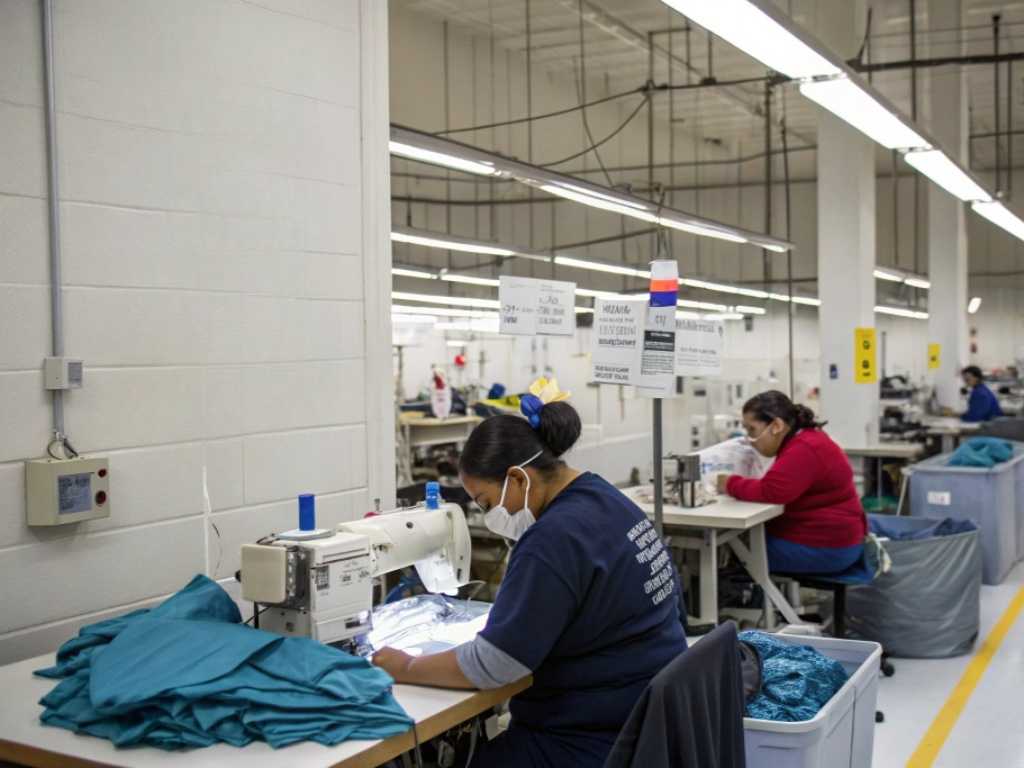
Female garment workers sewing blue fabric at industrial sewing machines.

Tell Us About Your Dress Project

Share your product details, estimated quantity and development requirements. Our team will review your project and provide practical OEM/ODM production feedback.

Premium Women’s Apparel Production for Fashion Brands

From dress sample development to bulk production, JF Apparel supports fashion brands with confidential OEM/ODM manufacturing, reliable quality control and scalable production support.

START YOUR DRESS PROJECT

Ready to Develop Your Next Dress Collection?

Share your design concept, product requirements or sourcing plans with our team. We’ll review your project and provide practical feedback on development, materials, MOQ and production.

7-10 Days

Sample Development

200 PCS

Starting MOQ

Fast Response

Professional Follow-Up