Structured Dress Manufacturer

Custom blazer dress development for fashion brands that require tailored structure, feminine fit, controlled sampling and reliable bulk production.

Structured silhouettes built through pattern engineering, internal support, controlled fit, disciplined sampling, and repeatable bulk production.

Jinfeng Apparel develops structured mini, midi, cocktail, occasion, corset, bustier, tailored, and sculpted dresses for established fashion labels and large apparel programs.

  • 2 sample rooms support structure-led development and revision work.
  • 7+ senior pattern makers manage bodice panels, cup position, waist shaping, neckline balance, and size grading.
  • 20+ sample machinists turn complex layered constructions into fit samples and PP references.
  • 15+ QC inspectors control material, cutting, sewing, measurement, pressing, and packing checkpoints.
  • MOQ starts from 200 pcs per style/color, subject to fabric, trims, construction, and production planning.

Structured Dress Development Backed by Relevant Production Data

A structured dress depends on development depth, not a decorative bone inserted into a standard bodice. Jinfeng Apparel assigns pattern, sample, merchandising, production, QC, and finishing resources according to the garment architecture and collection plan.

Since 2008

Women’s fashion manufacturing experience across dresses, skirts, jumpsuits, matching sets, and private-label collections.

2 Sample Rooms

Separate sample-room capacity supports first samples, fit revisions, photo-ready samples, PP samples, and sealed production references.

7+ Pattern Makers

Senior pattern work covers princess seams, multi-panel bodices, cups, boning channels, waistlines, neckline security, and graded size systems.

20+ Sample Machinists

Sample sewing capacity supports multi-layer shells, linings, support materials, invisible zippers, lace, mesh, satin, suiting, and embellished constructions.

15+ QC Inspectors

Quality checks continue from incoming materials and cutting through sewing, measurements, pressing, packing, and final inspection.

100,000+ Monthly Capacity

Regular system capacity supports multi-style womenswear programs. Structured styles receive production allocation according to complexity, handwork, and approved delivery plan.

One Manufacturing Chain from Structure Review to Delivery

OEM, ODM, and private-label programs are managed through one coordinated development path. Each stage produces records needed by the next stage, reducing gaps between design, sampling, production, quality, and warehouse delivery.

Product Review

Reference images, tech packs, original samples, line sheets, size charts, target pricing, launch dates, and order structure are reviewed before development starts.

Fabric and Trim Direction

Shell fabric, lining, interfacing, cups, boning, elastic, tape, zippers, hooks, labels, and packing materials are matched to the intended silhouette and wearing occasion.

Pattern and Sampling

Pattern development, first sample, fit review, revision tracking, PP approval, and Golden Sample sealing convert design intent into production-ready standards.

Bulk Production

Approved patterns, BOM records, trim cards, sewing instructions, label placement, measurement charts, and packing requirements move into controlled production.

Quality Control

Incoming materials, cutting, sewing, in-line checks, finished measurements, symmetry, closures, pressing, packing, and AQL inspection are managed by project.

Private-Label Delivery

Woven labels, size labels, care labels, hangtags, barcodes, polybags, carton marks, packing lists, and export coordination support retail and ecommerce receiving.

Navigate the Structured Dress Manufacturing Capabilities

Use the sections below to review product categories, internal construction, fabric engineering, pattern and fit control, sampling, bulk transfer, quality checks, packaging, project cases, and quotation requirements.

Product Range

Structured mini, midi, cocktail, evening, tailored, corset, bustier, strapless, drop-waist, and sculpted silhouettes.

Construction

Boning, cups, power mesh, lining, interfacing, waist stays, gripper tape, closures, panel seams, and support channels.

Fabric

Suiting, crepe, ponte, satin, stretch satin, mesh, lace, velvet, organza, tulle, and supported knit structures.

Fit and Size

Bust apex, cup coverage, neckline, armhole, waistline, hip ease, length, strap position, grade rules, and tolerances.

Sampling and Bulk

Structure review, first sample, fit correction, PP lock, Golden Sample, production handover, in-line checks, and repeat-order records.

Quote and Contact

Project quantity, style count, fabric direction, size range, private-label requirements, delivery target, and file upload.

Built for Fashion Teams Managing Structured Collections

Structured garments require more communication than basic dresses. Product, sourcing, merchandising, quality, and brand teams need the same approved construction standard before production begins.

Established Fashion Labels

Suitable for labels building recognizable structured silhouettes across seasonal collections, signature products, and repeat-order programs.

Occasionwear Brands

Supports cocktail, party, prom, graduation, wedding-guest, evening, and event collections where support, fit, and polished finishing drive product value.

Premium Ecommerce Teams

Focuses on photo-ready shape, size consistency, secure necklines, clean interiors, barcode accuracy, and packaging that protects cups and boning.

Product Development Teams

Provides pattern review, construction advice, fabric matching, fit correction, sample records, PP approval, and production transfer files.

Sourcing Departments

Offers clear MOQ boundaries, BOM-based costing, factory allocation, production checkpoints, inspection support, and shipment documentation.

Quality Teams

Supports measurement charts, tolerance review, in-line findings, finished-garment checks, AQL inspection, packaging review, and repeat-order quality records.

Confirm Whether Jinfeng Matches Your Production Model

Clear project boundaries protect product quality, costing, and delivery planning. Jinfeng Apparel is structured around custom development, approved samples, planned bulk production, private-label completion, and long-term order records.

Strong Project Match

  • Clear design direction, tech pack, reference image, original sample, or line sheet.
  • A defined quantity plan by style and color.
  • Professional sample development and approval requirements.
  • Bulk production after PP approval.
  • Brand labels, packing, barcode, or warehouse instructions.
  • Potential for seasonal collections, reorders, or multi-batch delivery.

Outside the Production Model

  • Single-piece fulfillment.
  • Ready-stock purchasing.
  • Unplanned micro quantities.
  • Production without sample or PP approval.
  • Quotations requested without product, material, quantity, or packing information.
  • Projects judged only by the lowest unit price while ignoring construction, fit, and delivery controls.

Structured Dress Styles Ready for Custom Development

The product range covers lightly tailored silhouettes through fully supported corset constructions. Every style direction requires its own fabric, pattern, fit, sample, bulk, and packing logic.

Structured Mini Dress

Compact length makes proportion highly visible. Neckline, waist placement, hem balance, back length, lining coverage, and sitting safety require close review.

Corset Mini Dress

Boning, cups, waist shaping, zipper strength, neckline security, and skin comfort form the core structure. A short skirt adds movement and coverage checks.

Bustier Dress

Bustier styles rely on cup shape, under-bust line, panel symmetry, lining tension, and secure upper-edge support. Strapless versions need additional grip control.

Boned Bodice Dress

Boning can stabilize the front, side, or full bodice. Placement must follow the pattern rather than being added after the silhouette has already failed.

Strapless Structured Dress

Upper-edge fit is critical. Cups, gripper tape, side support, zipper position, waist anchoring, and neckline measurement work together to prevent slipping.

Structured Midi Dress

Longer length requires balance through waist, hip, slit, lining, and hem. Pencil, fit-and-flare, column, and A-line versions need different movement allowances.

Tailored Sheath Dress

Princess seams, darts, suiting, interfacing, clean armholes, and controlled ease create a refined line suitable for workwear-inspired and formal collections.

Structured Cocktail Dress

Cocktail products combine visual impact with wearability. Satin, crepe, lace, mesh, bows, pleats, or sculpted panels need support without excessive weight.

Structured Evening Dress

Long silhouettes may use corset bodices, layered skirts, draping, slits, tulle, organza, velvet, or embellished fabrics. Support and weight distribution must be planned together.

Drop-Waist Dress

The lowered seam changes torso proportion and load distribution. Bodice length, hip position, skirt volume, zipper length, and grading need dedicated review.

Sculpted Bodycon Dress

Dense stretch fabrics, power mesh, contoured seams, internal panels, and controlled recovery create shape while maintaining movement and size stability.

Structured Jumpsuit Dress

Dress-like upper construction meets jumpsuit fit. Bust support, waist position, torso length, crotch depth, hip ease, and closure access must remain balanced.

Structured Dresses Planned Around Selling Occasions

The same silhouette performs differently across a birthday drop, graduation season, cocktail range, formal event, or office-to-evening capsule. Wearing time, movement, photography, packaging, and launch calendar should influence development decisions.

Party and Birthday

Shorter lengths, sculpted necklines, corset panels, satin, mesh, lace, sequins, and statement details need strong photo impact. Sitting coverage, zipper load, and skin comfort remain essential.

Cocktail and Wedding Guest

Refined shape, secure coverage, clean waistlines, and controlled drape matter more than aggressive compression. Midi lengths, crepe, satin, lace, and tailored fabrics work well.

Prom and Graduation

Seasonal programs often involve multiple styles, colors, and size ratios. Photo samples, PP deadlines, shade control, bulk scheduling, and staged delivery need early planning.

Evening and Formal

Longer wear time places more pressure on cups, boning ends, underarm comfort, lining, dress weight, closures, and movement. Embellished fabrics also require abrasion control.

Office to Evening

Tailored seams, suiting, ponte, crepe, clean necklines, restrained support, and stable measurements create polished silhouettes that move across work and event settings.

Premium Ecommerce Drops

Online launches depend on photo-ready samples, reliable size charts, consistent product measurements, secure packing, barcode accuracy, and repeatable reorders after sales data becomes clear.

Build a Structured Dress Collection Across Five Dimensions

Development DimensionAvailable DirectionsManufacturing Focus
LengthMini, short, midi, maxi, floor-lengthProportion, lining length, slit position, hem balance, sitting and walking coverage
SilhouetteCorset, bodycon, sheath, A-line, fit-and-flare, column, drop-waistPanel geometry, ease, support level, seam balance, movement
OccasionParty, cocktail, graduation, prom, wedding guest, office, eveningWearing time, coverage, embellishment, launch timing, packing
FabricSuiting, crepe, ponte, satin, stretch satin, mesh, lace, velvet, organzaWeight, stretch, recovery, transparency, pressing, snagging, support layers
ConstructionBoning, cups, interfacing, power mesh, waist stay, lining, gripper tapePlacement, comfort, component compatibility, sewing sequence, QC

Internal Structure Engineered Layer by Layer

Visible shape is created by hidden work. Jinfeng Apparel reviews each layer for support, comfort, opacity, seam thickness, pressing behavior, production repeatability, and cost before the construction is approved.

Shell Fabric

The outer layer defines color, surface, hand feel, drape, stretch, shine, and abrasion risk. Shell choice also determines whether internal support can be fused, stitched, or floated without marking the face.

Fusible Interfacing

Fusible support can stabilize necklines, waistbands, facings, button areas, or selected bodice panels. Temperature, pressure, dwell time, shrinkage, and strike-through must be assessed on the chosen fabric.

Sew-In Interlining

A sew-in layer can add body without adhesive marks. It is useful when satin, lace, velvet, or heat-sensitive materials do not respond well to conventional fusing.

Boning Channels

Channels guide support lines and protect bones from moving across seam allowances. Width, stitch distance, end position, and panel alignment must remain consistent.

Bra Cups

Cup shape, thickness, softness, position, and attachment method affect bust projection, neckline height, and comfort. Fixed cups require secure placement through sampling and graded sizes.

Power Mesh

Power mesh can stabilize side panels, backs, inner bodices, or targeted shaping areas while preserving movement. Stretch direction and recovery must match the intended load.

Lining

Lining protects the skin, covers internal work, controls transparency, and influences weight and drape. Lining stretch and length should follow shell behavior rather than being chosen only by color.

Waist Stay

A waist stay helps anchor a fitted bodice at the natural or designed waist, reducing downward pull on the neckline. Length, closure, tension, and seam attachment require wear testing.

Gripper Tape

Gripper tape can improve security on strapless and off-shoulder edges. Width, softness, tension, and skin contact should be tested before bulk use.

Cup Position and Neckline Security Built Together

A structured bodice can look balanced on a table and fail on the body. Cup placement, apex position, under-bust seam, upper-edge tension, boning, lining, and straps must be tested as a connected fit system.

Cup Selection

Cup shape should follow the desired bust profile, neckline, shell thickness, and support level. Thickness and edge softness affect both appearance and comfort under satin, lace, mesh, and fitted woven shells.

Position Control

Cup centers, spacing, height, under-bust line, and side coverage are marked against the pattern and checked on the fit model. A few millimeters can alter cleavage, coverage, and neckline balance.

Neckline Security

Strapless and low-neck styles may combine cups, gripper tape, side support, waist anchoring, elastic, or carefully controlled upper-edge tension. Security should not depend on one component alone.

Graded Sizes

Cup position cannot be shifted by a single uniform rule across all sizes. Bust width, apex location, neckline depth, armhole coverage, and support spacing need coordinated grading.

Lining Integration

Cups may be attached to lining, inner bodice layers, or dedicated support panels. Attachment should prevent rotation, visible edges, and movement during dressing or washing.

Fit Review

Front, side, and back views are checked for lift, coverage, gaping, compression, cup collapse, neckline symmetry, and comfort. Corrections are recorded in the pattern and measurement files.

Hidden Support Materials Chosen by Function

Internal materials influence how a dress feels, photographs, moves, and survives production. Selection is based on shell behavior and silhouette rather than using one standard support package for every style.

Soft Woven Lining

Suitable for structured woven dresses requiring opacity and smooth skin contact. Grain direction, shrinkage, static, seam allowance, and hem length need control.

Stretch Lining

Used with stretch satin, ponte, dense jersey, mesh, or bodycon constructions. Stretch percentage and recovery should support movement without pulling the shell out of shape.

Fusible Support

Applied selectively to facings, necklines, waistbands, closures, or panels. Trial fusing checks bubbling, hard hand feel, shine, adhesive marks, and wash response.

Sew-In Interlining

Useful for heat-sensitive fabrics and sculpted panels where body is needed without adhesive. Seam bulk and edge control must be included in the sewing plan.

Power Mesh

Provides flexible support in inner bodices, backs, side panels, and waist areas. Direction, recovery, layer count, and edge finishing determine performance.

Waist and Grip Support

Waist stays, anti-slip tape, internal elastic, and support tapes can stabilize fitted or strapless silhouettes. Tension should be verified on the body and across sizes.

Fabrics Selected for Shape, Recovery, and Finish
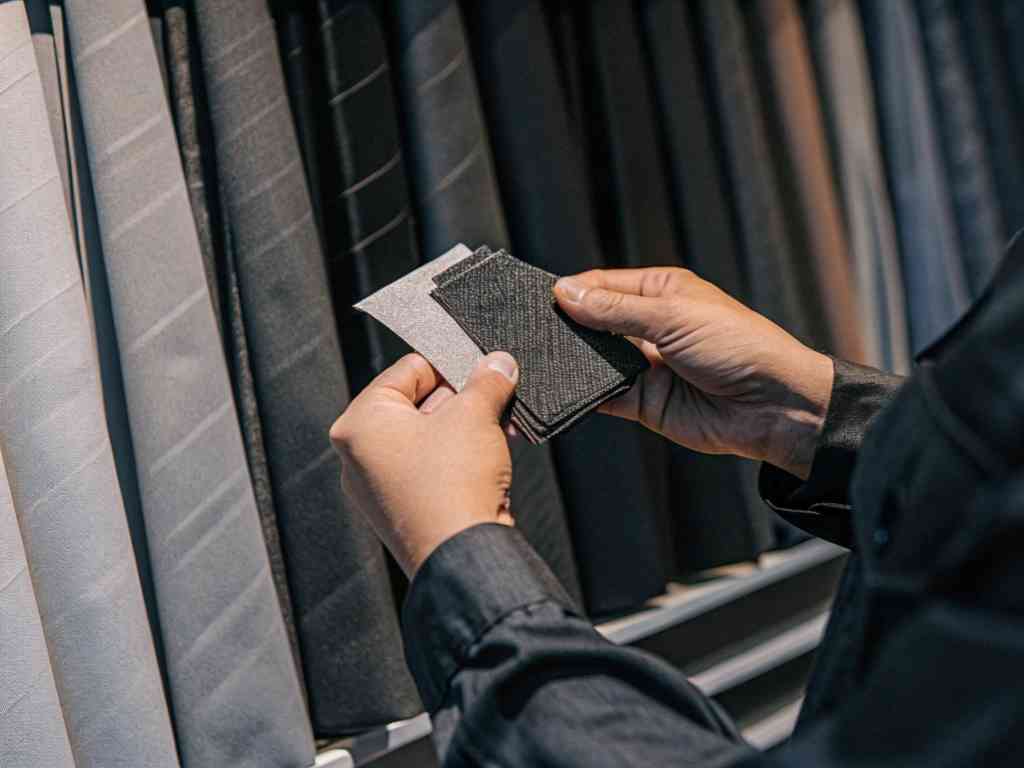
A structured silhouette can be achieved with rigid woven fabric, dense stretch fabric, supported satin, layered lace, mesh, or tailored materials. Fabric choice changes the pattern, support package, sewing method, pressing plan, and unit cost.
Person comparing dark fabric swatches in store.

Suiting Fabric

Suiting offers body, clean seams, and tailored control. Weight, weave density, surface finish, fusing response, wrinkle behavior, and pressing temperature affect final sharpness.

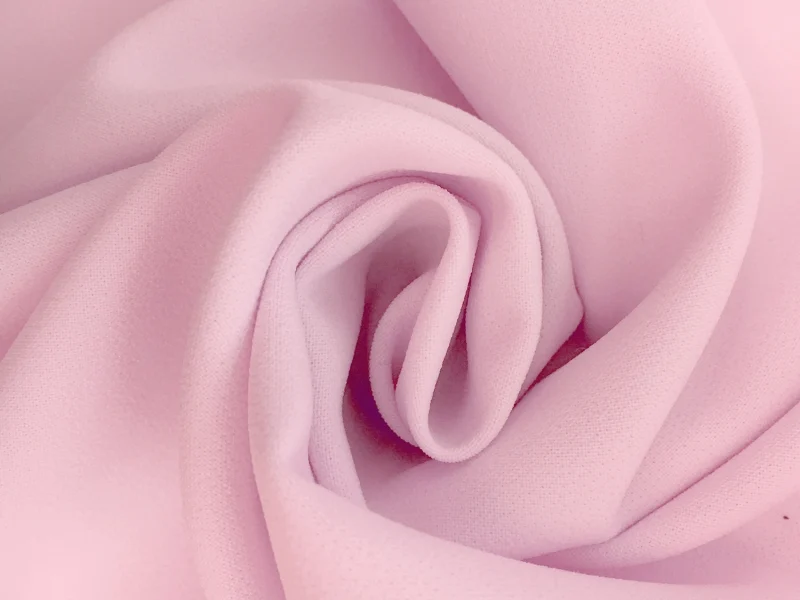
Crepe

Crepe can produce refined cocktail and sheath dresses with controlled drape. Thickness, stretch, grain stability, snagging, color depth, and seam pressing need evaluation.

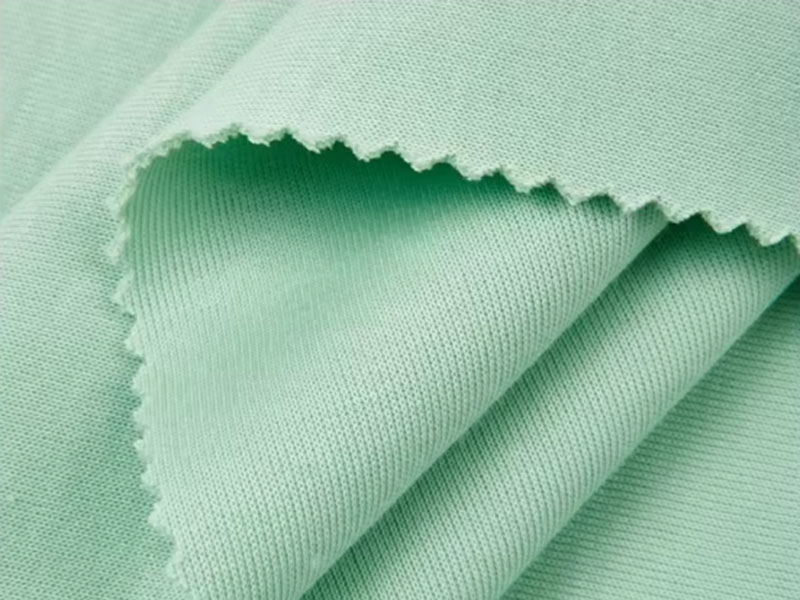
Ponte and Roma

Dense knit structure supports bodycon and office-to-evening styles. Recovery, seam bulk, pilling, stretch direction, side-seam stability, and wash change are key.

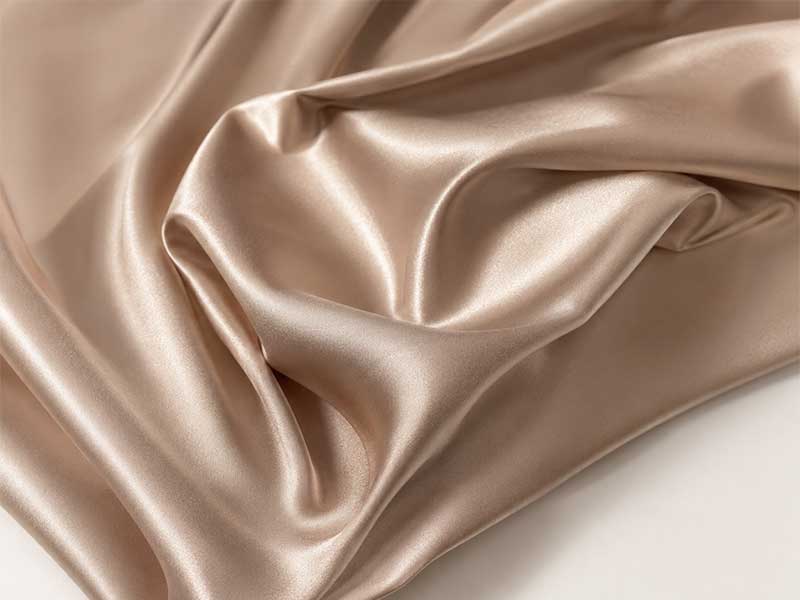
Structured Satin

Heavier or firmer satin creates polished sculpted shapes. Shine direction, needle marks, snagging, shade difference, seam impressions, pressing, and fold protection require discipline.

Stretch Satin

Stretch improves movement in fitted silhouettes but changes support needs. Stretch percentage, recovery, lining compatibility, seam puckering, and measurement stability should be tested.
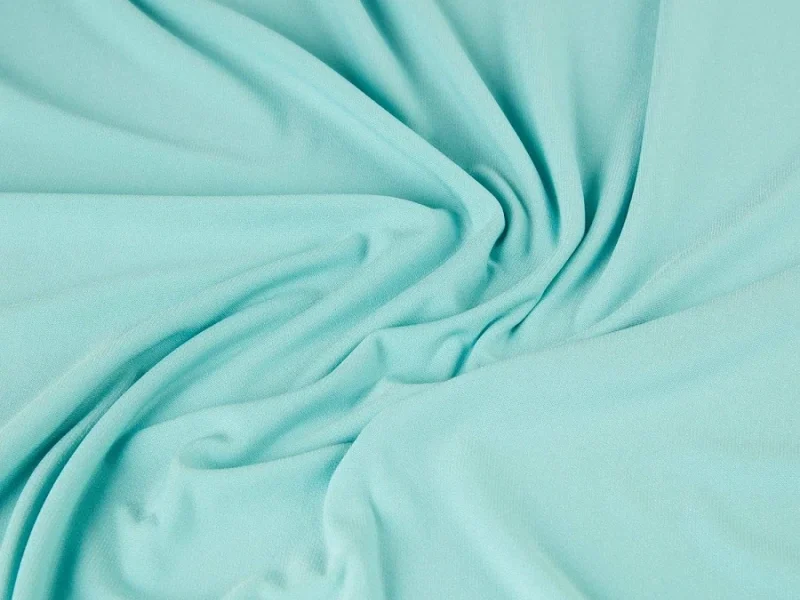
11Jersey Knit

Scuba or Dense Knit

Scuba-like and dense knitted fabrics can hold volume and curved panels. Thickness, heat sensitivity, seam compression, edge finish, and needle selection affect production quality.

Lace with Support Layer

Lace requires motif placement, joining, edge finishing, damage control, and a compatible lining or interlining. Support must preserve pattern visibility without exposing internal work.

Mesh and Power Mesh

Mesh can create transparent panels, sculpted overlays, or internal support. Stretch direction, recovery, hole risk, seam method, lining coverage, and opacity vary widely.

Fabric Performance and Construction Risk Matrix

Fabric DirectionStructure and StretchRecommended SupportMain Production RiskQC Focus
SuitingFirm woven, low to moderate giveSelective fusing, lining, shaped seamsHard hand feel, bubbling, shine from pressingGrain, fusing bond, seam balance, pressed surface
CrepeControlled drape, varies by blendLining, light interfacing, shaped panelsSnagging, seam impressions, uneven drapeShade, panel balance, hem, pressing
Ponte / RomaDense stretch with recoveryStable lining or targeted power meshGrowth, seam bulk, twisting, pillingRecovery, measurements, side seams, wash response
Structured SatinFirm woven with visible shineInterlining, lining, selective supportSnags, needle marks, shade, press marksShine direction, surface, seams, packing folds
Stretch SatinStretch woven with sheenStretch lining, cups, boning as requiredPuckering, growth, unstable necklineStretch direction, recovery, measurement, zipper area
LaceOpen motif constructionLining, interlining, support panelsHoles, fraying, motif mismatch, seam visibilityMotif placement, joining, damage, lining color
Mesh / Power MeshTransparent stretch structureLayering, lining, controlled elastic supportHoles, over-stretch, exposed seams, opacity shiftsRecovery, layer alignment, coverage, edge finish
Scuba / Dense KnitThick, shape-retaining knitMinimal added support or targeted liningBulky seams, heat marks, edge compressionSeam thickness, surface, shape retention, pressing

Eight Fit Points Checked Before Production Approval

Structured garments expose small fit errors quickly. Each point is reviewed through measurements, visual balance, movement, and wear feedback before the pattern becomes a production reference.

Review Fit Points Book Sample Review

Bust Apex

Apex position affects cup alignment, princess seams, neckline shape, and overall proportion. Front and side views are reviewed together.
Nude-toned bra on mannequin under warm lighting

Cup Coverage

Coverage should match the design while supporting the wearer. Cup edge, cleavage line, under-bust seam, and shell tension are checked for stability.
neckline_gaping_real_photo_1122x1402

Neckline Gaping

Upper-edge length, support material, cup position, back tension, straps, and gripper tape can all influence gaping or rolling.

Armhole Fit

Armholes need enough movement without exposing lining or cutting into the body. Strapless and sleeveless styles require clean side-bust coverage.

Waist Position

The waist seam or shaping line should remain level and land at the intended point across front, side, and back views.

Side-Seam Balance

Side seams are checked for rotation, rippling, pulling, and mismatch between shell and lining.

Hip Ease

Pencil and bodycon styles need controlled ease or stretch. Sitting, walking, and stair movement reveal whether hip and thigh allowance is sufficient.
Fit Control for Long-Length Occasion Dresses​ (2)

Dress Length

Length is checked with footwear and intended occasion in mind. Mini coverage, midi proportion, slit height, lining length, and hem balance are recorded.

Movement and Wearing Safety Verified Before Bulk

A strong silhouette must remain wearable. Samples are checked through ordinary movement so support materials, necklines, closures, slits, and fitted areas do not create preventable discomfort or exposure. Results are translated into pattern, material, or construction changes before PP approval. A visually strong sample does not move forward when wearing safety remains unresolved.

Sitting

Sitting reveals waist pressure, boning contact, zipper stress, mini-dress coverage, hip ease, lining movement, and whether the bodice rides upward.

Walking

Walking checks hem restriction, slit opening, skirt rotation, thigh ease, lining drag, and whether a fitted silhouette keeps its intended line.

Raising Arms

Arm movement exposes neckline drop, strap movement, side-bust coverage, armhole tightness, and tension transferred into the waist or zipper.

Bending

Bending checks neckline security, back coverage, waist anchoring, boning comfort, and whether the shell and lining move together.

Dressing and Zipping

The wearer should enter and close the garment without forcing seams or hardware. Zipper access, hook position, lace-up function, and lining clearance are reviewed.

Extended Wear

A longer wear test can reveal heat buildup, sharp ends, skin abrasion, elastic pressure, cup movement, strap discomfort, and gradual fabric growth.

Structured Dress Sampling Follows Six Controlled Stages

Sampling converts a design into a measurable, wearable, and repeatable production standard. Timing depends on fabric readiness, trim development, pattern complexity, embellishment, revision scope, and approval speed.

Structure Review

The development team identifies panels, seams, support requirements, closures, fabric behavior, fit-sensitive areas, production risk, and missing information before pattern work begins.

Fabric and Trim Direction

Available fabrics and support materials are reviewed through swatches, specifications, stock status, custom-color requirements, minimums, and development lead time.

Pattern Development

The base pattern is prepared from the tech pack, sample, sketch, measurement chart, or agreed reference. Construction allowance and production feasibility are included.

First Sample

The first sample tests proportion, construction, fabric, support, fit, and overall appearance. It is not treated as the final bulk standard.

Fit Review and Revision

Comments are classified by fit, fabric, workmanship, structure, color, trims, details, measurements, labeling, packaging, or cost. Updated files guide the revised sample.

PP Sample Approval

The PP sample confirms the production combination of fabric, color, trims, measurements, construction, labels, and packing. A sealed Golden Sample supports bulk reference.

PP Approval Locks the Bulk Production Standard

The PP stage protects both sides from late ambiguity. Fabric, color, support materials, measurements, construction, labels, and packing are reviewed as one production package before bulk materials and operations are fully released.

PP Sample Approval

The PP sample should represent the intended bulk combination, including shell, lining, cups, boning, closures, labels, major trims, measurements, workmanship, and packing direction.

Golden Sample Sealing

An approved reference is retained for production and inspection. It supports visual comparison, component position, construction sequence, hand feel, and finishing review.

Production Reference Files

Final pattern version, measurement chart, BOM, fabric reference, trim card, sewing instructions, label placement, packing method, carton requirements, and QC checklist move together.

Change Control

Changes after PP lock may affect material orders, cost, pattern, schedule, line allocation, inspection, and packing. Any request is reviewed for feasibility before implementation.

Approval Records

Comments, approvals, open points, and dated file versions are kept clear so merchandising, sampling, production, and QC teams work from the same standard.

Bulk Release

Production begins after the agreed PP requirements, material status, quantity plan, size-color breakdown, and packing instructions are ready for handover.

Approved Samples Move Through a Controlled Bulk Process

Bulk production is not a larger version of sample sewing. Complex dresses require material control, operation breakdown, line allocation, first-piece review, in-line correction, measurement checks, finishing, and packing discipline.

Material Booking and Inspection

Approved shell, lining, interfacing, cups, boning, zippers, hooks, elastic, labels, and packing materials are booked and checked against references before use.

Pattern, Marker, and Cutting

Final patterns and grade rules support markers and cutting. Grain, stretch direction, nap, lace motif, satin shine, size bundles, and component identification are controlled.

Fusing and Support Preparation

Where required, fusing conditions, interlining, cup preparation, boning length, channels, waist stays, and grip materials are prepared according to approved specifications.

Sewing and Assembly

Operations are sequenced to control panel shape, support placement, lining attachment, closures, seam thickness, symmetry, and delicate surfaces.

In-Line Inspection

Early garments are reviewed for construction, component position, workmanship, measurements, and recurring defects. Findings are corrected before the issue spreads.

Pressing and Finishing

Pressing shape, temperature, pressure, protective cloth, seam impression, shine, and surface handling are matched to the fabric. Threads and marks are removed.

Final Inspection

Finished garments are checked for appearance, measurements, symmetry, closures, support position, cleanliness, labels, packing, and agreed inspection level.

Packing and Shipment

Products are folded or protected according to cups, boning, fabric, embellishment, and warehouse rules. Carton data, packing list, and shipment documents are reconciled.

Sample-to-Bulk Consistency Is Built into Records

A beautiful prototype can be lost when the production line receives incomplete information. Jinfeng Apparel converts the approved garment into repeatable files, positions, checkpoints, and references before volume sewing begins.

Pattern Version Control

Only the approved pattern and grade version moves into production. Revisions are dated and obsolete files are removed from active use.

Approved Fabric Lot

Bulk fabric is checked against the approved color, hand feel, stretch, weight, surface, and relevant performance requirements. Batch differences are reviewed before cutting.

Boning and Cup Position

Patterns, notches, templates, channel guides, and operation instructions define component positions. Finished garments are checked for symmetry and support line consistency.

Sewing Instructions

Seam type, stitch, allowance, construction order, attachment method, topstitching, reinforcement, and pressing notes guide the production operations.

Measurement Control

Critical points are measured at first-piece, in-line, and finished stages according to the agreed chart and method. Stretch garments are allowed to recover before measurement.

Sealed Reference

The PP or Golden Sample supports visual comparison for shape, hand feel, neckline, waistline, panel balance, finishing, labels, and packing.

First-Piece Review

Early line output is reviewed before full flow. Structural errors are easier to correct before hundreds of units pass through the same operation.

Repeat-Order Records

Pattern, BOM, fabric, color, trim, labels, packing, QC findings, and approved references are retained to support future reorders and controlled updates.

Structured Dress Quality Control Covers Every Stage

Quality is managed before defects become finished garments. Inspection points follow the material, pattern, support components, sewing, measurements, pressing, packing, and final release needs of structured womenswear.

  • Incoming Material Inspection: Fabric, lining, support materials, trims, labels, and packaging are checked against approved specifications, color, quantity, defects, hand feel, and component details.
  • Cutting QC: Grain, stretch direction, nap, motif, panel pairing, shade grouping, size identification, notches, and cut accuracy are reviewed before assembly.
  • Support Component Check: Cup type, bone length, channel width, end protection, interlining, elastic, grip tape, hooks, and zippers are checked before or during assembly.
  • Sewing QC: Panel symmetry, seam quality, puckering, reinforcement, zipper insertion, lining attachment, channel stitching, edge control, and internal cleanliness are monitored.
  • In-Line Inspection: Measurements, component placement, construction sequence, and repeated workmanship issues are reviewed while production can still be corrected efficiently.
  • Finished Garment Inspection: Shape, front-back balance, neckline, waistline, side seams, cups, boning, closures, hem, lining, cleanliness, labels, and appearance are checked.
  • Measurement Inspection: Approved points and tolerances are measured using the agreed method. Critical structural positions receive focused review by size and production stage.
  • Pressing Review: Pressing should establish shape without shine, crushing, adhesive marks, seam impressions, distortion, or damage to satin, velvet, lace, mesh, and embellishment.
  • Packing QC: Size, color, labels, hangtags, barcode, polybag, fold, protective material, assortment, carton mark, and quantity are checked against packing instructions.
  • AQL and Client Inspection: AQL inspection and appointed third-party or client inspection can be coordinated according to the order agreement and actual project requirements.

MOQ and Quotation Follow the Real Construction

MOQ starts from 200 pcs per style/color for suitable projects. Final quantity conditions and unit pricing depend on the full product combination, including fabric, color, support components, size range, workmanship, labels, packing, and production schedule. A quotation becomes more accurate after the design, quantity, fabric, support system, labels, packing, and target delivery are clear. Complex styles are not responsibly priced from one image alone. CTA: [Request Project Quote] [Submit Quantity Plan]

Quantity per Style and Color

Two hundred units applies to each style/color combination, not the combined total of unrelated styles and colors. Size ratios are planned within the confirmed quantity.

Fabric Availability

Stock fabric can support more flexible planning. Custom dyeing, exclusive weaving, special lace, sequin fabric, certified material, or custom print may carry supplier minimums.

Structural Complexity

Cups, boning, underwire, power mesh, interlining, hand pleating, sculpted panels, layered construction, lace placement, or embellishment add material and sewing work.

Custom Trims

Zippers, hooks, hardware, elastic, gripper tape, branded components, special cups, labels, hangtags, and printed packaging can carry independent minimums and lead times.

Size and Color Breakdown

A wide size range, many colors, or fragmented ratios increase marker, cutting, bundling, labeling, inspection, and packing complexity.

Packaging Requirements

Cup protectors, hangers, tissue, individual boxes, special folding, barcode labels, warehouse labels, or solid-size cartons affect labor, material, volume, and shipping cost.

Costing Method

Quotations are built from shell, lining, support materials, trims, pattern work, sampling, cutting, sewing time, finishing, QC, packing, wastage, testing when required, logistics, and reasonable factory margin.

Cost Optimization

Cost can be controlled through fabric substitution, support simplification, component standardization, color consolidation, cutting layout, size-ratio planning, and shipment planning without removing the product’s defining shape.

Why Brands Use Jinfeng for Structured Dresses

A development-led manufacturing model is valuable when the product depends on proportion, fit, internal construction, controlled bulk transfer, and long-term records. Jinfeng Apparel combines those functions within one womenswear production system.

Structure Reviewed Before Quotation

Design complexity, fabric behavior, cups, boning, lining, closures, handwork, size range, quantity, and packing are reviewed before a responsible quotation is built.

Pattern and Sample Teams Involved Early

Pattern makers and sample machinists assess the silhouette and construction rather than waiting for bulk production to expose weaknesses.

Fabric and Support Matched Together

Shell, lining, interfacing, power mesh, cups, boning, elastic, grip tape, zippers, and hooks are selected as a combined system.

Fit Comments Become Files

Approved corrections update patterns, measurements, BOM records, fabric approvals, trim cards, sewing instructions, and QC checkpoints.

PP and Golden Sample Discipline

The final production combination is locked before bulk release, giving production and QC a common visual and technical reference.

Bulk Consistency Checkpoints

First-piece review, in-line inspection, component positions, measurements, symmetry, closures, pressing, packing, and final inspection protect the approved result.

Collection-Level Coordination

Multiple styles can be grouped by fabric, construction, trim, launch priority, and factory allocation rather than treated as unrelated single orders.

Repeat-Order Records

Patterns, materials, colors, trims, labels, packing, QC findings, and Golden Samples support controlled reorders and seasonal extensions.

NDA-Based Protection

Tech packs, samples, patterns, private-label details, unpublished designs, quantities, pricing information, and launch plans are protected through the project process.

Structured Dress Programs Managed at Collection Scale

The following anonymized project profiles reflect the order structure commonly handled for established fashion programs: 10-30 styles per order and 20,000-80,000 total units per label. Names and exclusive design information remain protected.

United States Structured Mini Collection

Market: United States premium ecommerce fashion.

Order profile: 18 styles, 36,000 total units, 3 color groups, XS-XXL, two production releases.

Product mix: structured mini dresses, corset minis, strapless satin styles, panelled bodycon dresses, and two sculpted cocktail designs.

Development challenge: several reference designs used similar visible silhouettes but required different internal systems. Stretch satin needed flexible lining and recovery control; firm satin required interlining and surface protection; strapless styles required cup, side support, and upper-edge security.

Jinfeng response: the collection was grouped by fabric and bodice architecture. Shared components were reviewed where possible, while cup position, bone length, neckline, zipper, and lining were approved by style. Fit comments were converted into updated patterns and measurement files before PP approval.

Bulk control: first-piece review focused on cup position, bone symmetry, waistline, zipper flatness, finished measurements, and packing folds. Priority styles were prepared for an earlier delivery release, followed by the remaining range under a separate packing list.

United Kingdom Occasionwear Program

Market: United Kingdom occasionwear and event dressing.

Order profile: 24 styles, 62,400 total units, 4 fabric families, UK 6-16, three delivery groups.

Product mix: corset midi dresses, tailored cocktail dresses, lace-overlay designs, structured crepe sheaths, and evening styles with slits and internal support.

Development challenge: the collection combined rigid woven, supported lace, crepe, and stretch-backed designs. One grade rule could not be applied to cups, straps, armholes, slit height, and waist position across all groups.

Jinfeng response: patterns were organized by silhouette block, fabric behavior, and support level. Key sizes were reviewed for neckline security, waist position, hip ease, and slit coverage. Lace motif, lining color, support placement, and pressing were locked through PP samples.

Bulk control: shade grouping, lace damage, cup placement, boning channels, slit reinforcement, label placement, measurements, and carton assortment formed the major inspection points. Delivery groups followed the label’s launch calendar rather than one undifferentiated shipment.

Australia Partywear Launch​

Australia Partywear Launch

Market: Australia partywear and event ecommerce.

Order profile: 12 styles, 24,000 total units, 5 sizes, 2 launch drops, air-and-sea shipment planning.

Product mix: strapless minis, sculpted bodycon dresses, mesh-panel corset styles, metallic occasion designs, and fitted ponte dresses.

Development challenge: the launch required strong visual shape with lighter wear for a warm climate. Heavy support risked heat and discomfort, while weak support reduced neckline security and photo impact.

Jinfeng response: support was targeted rather than added uniformly. Power mesh, flexible boning, selective interlining, cup placement, gripper tape, and lining coverage were matched by style. Wear checks included sitting, arm movement, bending, and extended fitting.

Bulk control: stretch recovery, mesh opacity, neckline measurement, grip position, zipper load, metallic surface protection, barcode accuracy, and size-color carton separation were monitored. Hero styles and core sizes were prioritized for the first launch drop, with remaining bulk arranged under the agreed shipping plan.

Structured Dress Manufacturing Frequently Asked Questions
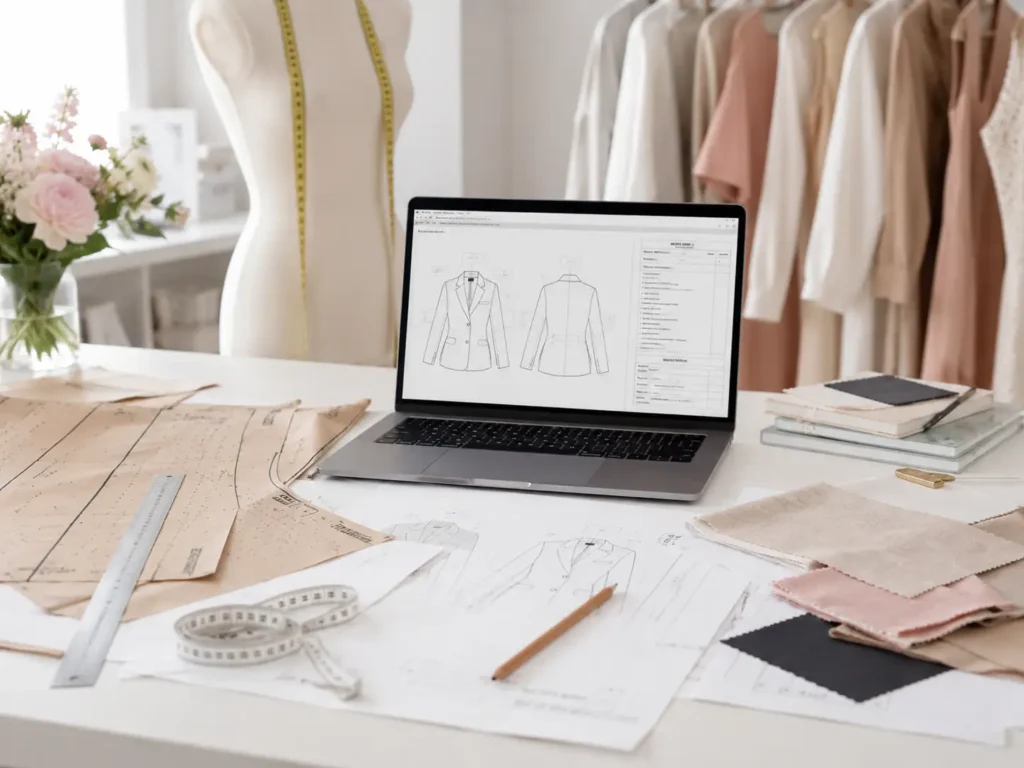
A structurally supported dress uses a planned combination of pattern panels, seams, fabric body, lining, interfacing, cups, boning, power mesh, waist support, grip materials, and closures. Not every style needs every component. The correct system depends on silhouette, neckline, stretch, wearing occasion, size range, comfort, and target cost.
MOQ starts from 200 pcs per style/color. Fabric suppliers, custom colors, special lace, sequins, certified material, cups, hardware, labels, or packaging may have separate minimums. The final quantity plan is reviewed by style, color, size ratio, fabric, construction, and schedule.
Yes. Reference images, sketches, original samples, line sheets, or tech packs can start development. Accurate evaluation also requires intended measurements, size range, quantity, fabric direction, color plan, branding, packing, target timing, and any internal structure requirements already known.
No. Tailored seams, darts, suiting, dense knits, interfacing, interlining, panel architecture, lining, and controlled ease can create structure without boning. Boning is used where it contributes useful support, shaping, neckline security, or anti-collapse performance.
Jinfeng Apparel can coordinate bra cups, boning, underwire, power mesh, lining, interfacing, gripper tape, waist stays, elastic, zippers, hooks, and related trims. Specification, color, comfort, minimum, development timing, cost, and QC risk are confirmed by project.
Fit issues are classified by area and cause. Pattern balance, measurements, cup position, neckline length, armhole, waistline, hip ease, strap position, slit, lining, and fabric behavior are reviewed. Approved comments are recorded in updated files before a revised sample is produced.
Timing is confirmed after complete files, fabric, trims, and construction are reviewed. As a planning reference, structured woven or supported knit samples may fall around 8-12 working days, while multi-layer corset, custom trim, lace-placement, or embellished styles may require around 12-20 working days. Revision scope changes the schedule.
The grade plan separates circumference, vertical position, cup and apex location, neckline, straps, armholes, waistline, boning position, hip ease, slit height, and garment length. A single equal increment is not used for every structural point.
Approved patterns, measurement charts, BOM records, fabric references, trim cards, support positions, sewing instructions, label placement, packing instructions, PP or Golden Samples, first-piece review, in-line checks, and finished inspection work together to protect consistency.
Yes. Support can cover woven labels, size labels, care labels, hangtags, barcodes, SKU stickers, polybags, carton marks, packing lists, assortment rules, warehouse labels, and protective packing for cups, boning, satin, lace, mesh, and embellishment.

Start Your Structured Dress Development with Jinfeng

Send enough information for a meaningful review rather than a generic estimate. Kelly and the development team will assess product architecture, fabric direction, support materials, size requirements, MOQ fit, sampling risk, bulk production needs, private-label details, and target delivery before the next step is proposed.
Please include:

  • Reference image, sketch, tech pack, line sheet, or original sample photographs.
  • Product type and selling occasion.
  • Shell fabric, lining, color, stretch, hand feel, or approved swatch direction.
  • Cup, boning, power mesh, interfacing, grip tape, zipper, hook, or other support requirements.
  • Quantity per style/color and planned size range.
  • Base-size measurements or full size chart.
  • Woven label, size label, care label, hangtag, barcode, polybag, carton mark, and warehouse requirements.
  • Photo date, PP approval target, launch date, warehouse deadline, and preferred shipping method.
  • Testing, audit, or material documentation requirements to be confirmed by project.

Tell Us About Your Dress Project

Share your product details, estimated quantity and development requirements. Our team will review your project and provide practical OEM/ODM production feedback.

Premium Women’s Apparel Production for Fashion Brands

From dress sample development to bulk production, JF Apparel supports fashion brands with confidential OEM/ODM manufacturing, reliable quality control and scalable production support.

START YOUR DRESS PROJECT

Ready to Develop Your Next Dress Collection?

Share your design concept, product requirements or sourcing plans with our team. We’ll review your project and provide practical feedback on development, materials, MOQ and production.

7-10 Days

Sample Development

200 PCS

Starting MOQ

Fast Response

Professional Follow-Up