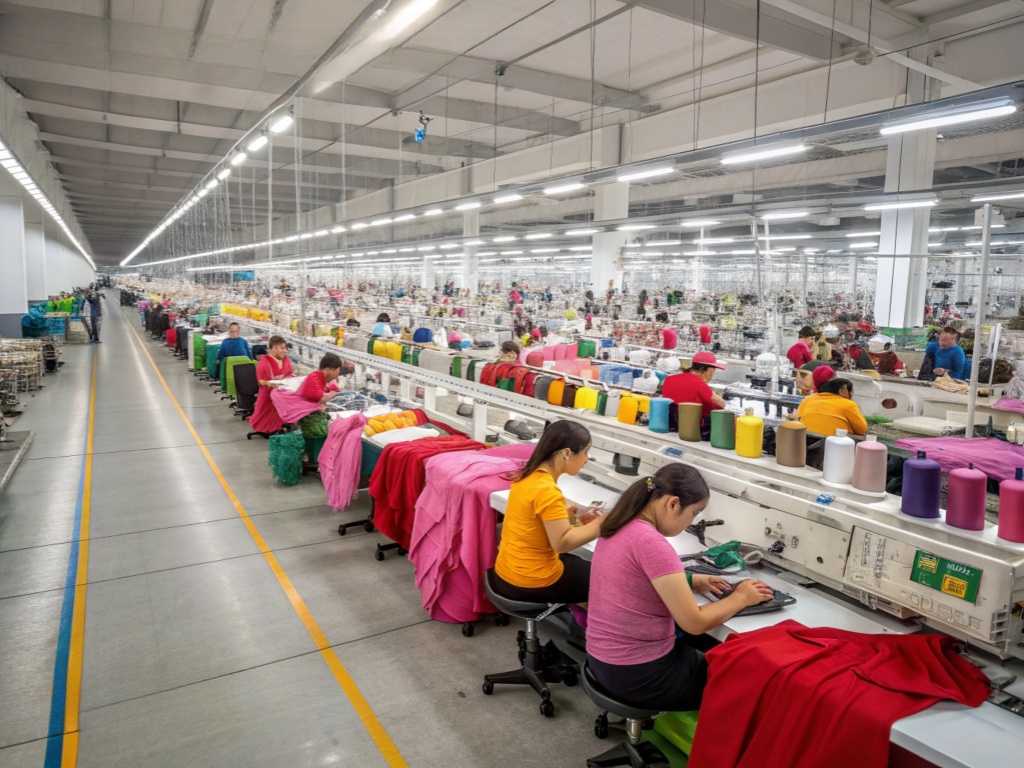
Fit and Flare Dress Manufacturer
Custom fit and flare dress development for fashion brands requiring controlled bodice shaping, defined waistlines, balanced skirt volume and dependable bulk execution.
- 7+ senior pattern makers review bodice fit, waist position, skirt shape and full-size proportions.
- 2 sample rooms and 20+ sample machinists support structured development and recorded fit revisions.
- MOQ starts from 200 pieces per style and color, subject to fabric, trims and construction.
- 6 owned factories and 10+ long-term production partners support multi-style and multi-batch programs.
Development Strength Behind Every Fit and Flare Collection
Since 2008
Jinfeng Apparel has focused on custom women’s fashion manufacturing since 2008. Long-term dress development experience supports more informed decisions around bodice shaping, waist placement, skirt construction, fabric behavior, sample correction and production feasibility.
7+ Pattern Makers
Seven or more senior womenswear pattern makers develop and correct fitted bodices, princess seams, darts, waist seams, flared skirts, necklines, armholes and closures. Pattern decisions are connected to fabric stretch, drape, thickness and final wearing performance.
2 Sample Rooms
Two dedicated sample rooms support first samples, fit samples, revised samples, photo samples, PP samples and Golden Sample preparation. Separate development capacity helps multi-style collections move through review without relying on production-line trial and error.
20+ Sample Machinists
More than 20 sample machinists handle woven, knit, lined and structured dress constructions. Their work converts pattern instructions into physical garments that can be measured, fitted, photographed and corrected before production release.
15+ QC Inspectors
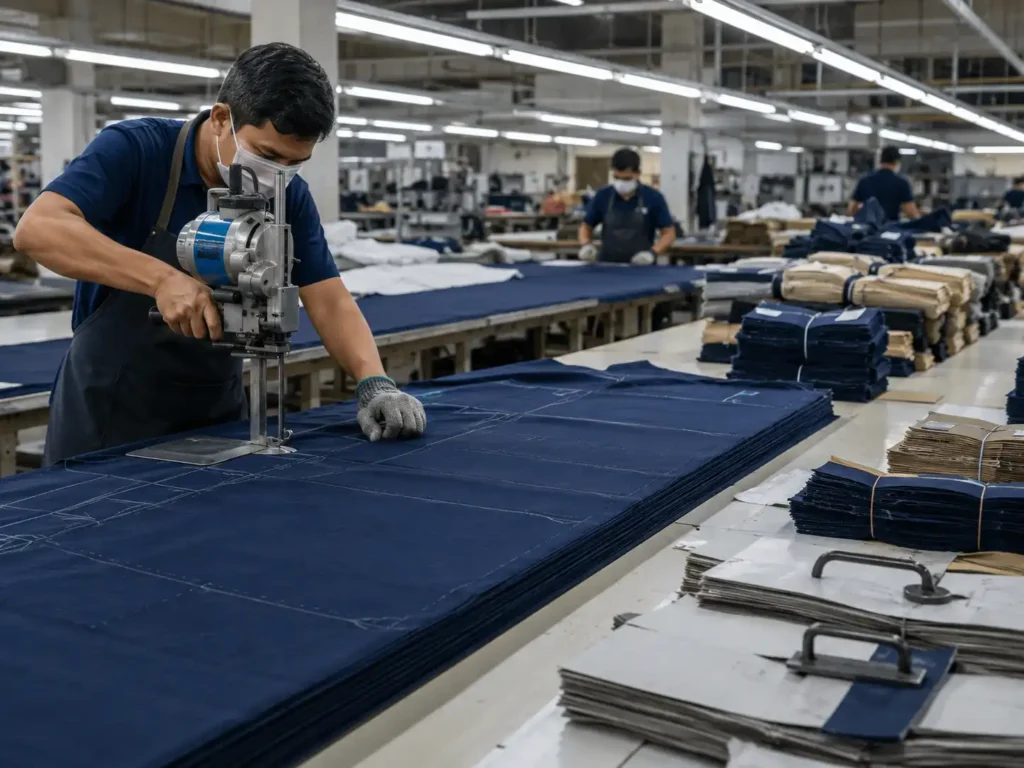
More than 15 QC inspectors support fabric, cutting, sewing, measurement, finishing and packing checks. Fit and flare inspection points include waist position, left-right balance, skirt sweep, hem level, zipper flatness and lining length.
100,000+ Monthly Capacity
Regular monthly capacity exceeds 100,000 pieces across the wider production system. Actual allocation depends on style complexity, fabric availability, quantity, color count, sample approval and seasonal production schedules.
Built for Structured Brand and Collection Programs
Best Project Fit
- Custom pattern development
- Multiple coordinated styles
- Defined color and size plans
- Formal sample approvals
- Bulk production and QC
- Branded packing and export support
Project Readiness
Efficient evaluation begins with a reference image, sketch, original garment or tech pack.
A quantity plan, fabric direction, size range and target launch date allow the development team to assess construction, material availability, MOQ, costing and production scheduling with fewer assumptions.

Six Risks Behind an Unbalanced Fit and Flare Dress
Incorrect Waist Position
Bodice Gaping
Uneven Skirt Volume
Wrong Fabric Behavior
Distorted Size Grading
Sample-Bulk Variation
A Controlled Start Before Pattern Development
Project Review
Feasibility Advice
Development Plan

What Defines a Commercial Fit and Flare Dress
A fit and flare dress combines a shaped upper body with a controlled transition into a wider skirt. Commercial success depends on proportion, comfort, fabric response and repeatable grading—not merely attaching a large skirt to a fitted top.
The bodice may be shaped through darts, princess seams, panel seams, stretch recovery or corset-inspired construction. The waist can sit at the natural waist, slightly above it or lower for a fashion-led proportion. The skirt may use panels, circular cutting, pleats, gathers or layered construction, but the transition must remain deliberate.
Fit and flare should not be treated as an interchangeable label for every A-line or skater dress. An A-line dress may widen gradually without a sharply defined waist. A skater dress usually emphasizes a youthful short circular skirt. Fit and flare construction places greater attention on bodice fit, waist definition and the engineered relationship between the fitted and flared sections.
During reference-image review, Jinfeng Apparel identifies the actual construction rather than relying only on the product name supplied in a line sheet. Pattern decisions are based on visible seams, fabric behavior, closure position, skirt fullness, internal support and intended selling occasion.
Fit and Flare Styles for Complete Dress Collections

Mini Fit and Flare
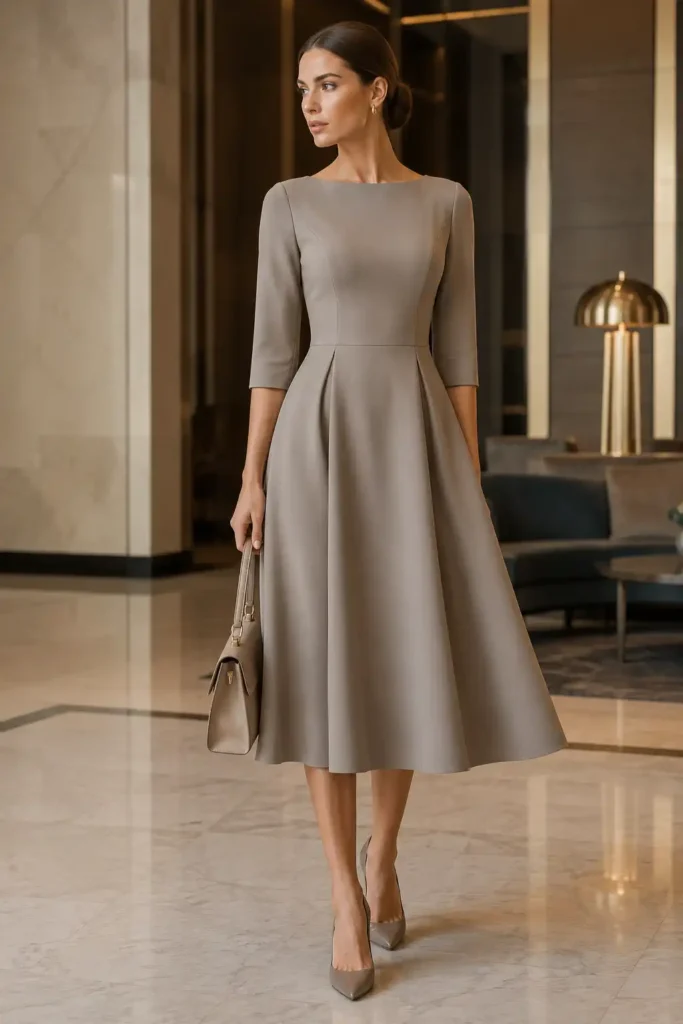
Midi Fit and Flare
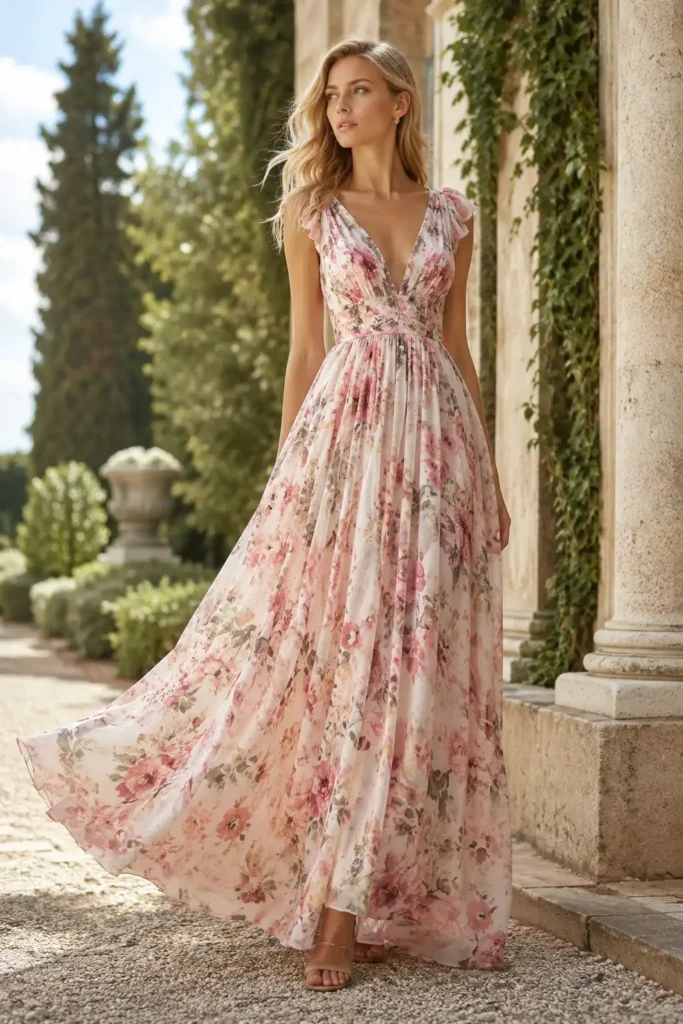
Maxi Fit and Flare
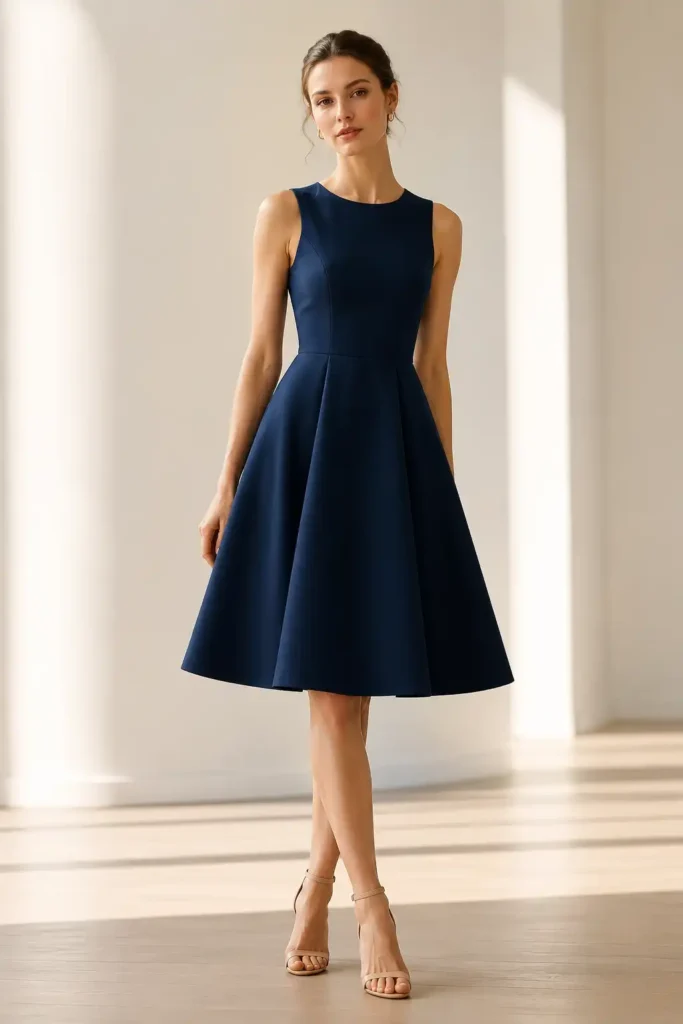
Sleeveless Fit and Flare
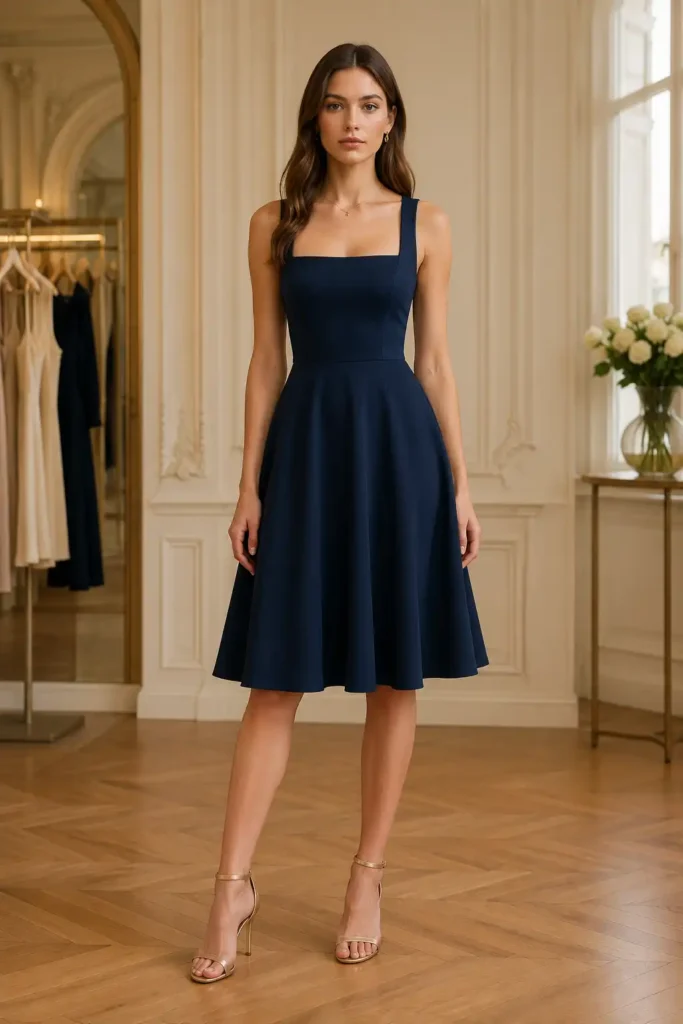
Square Neck Dress
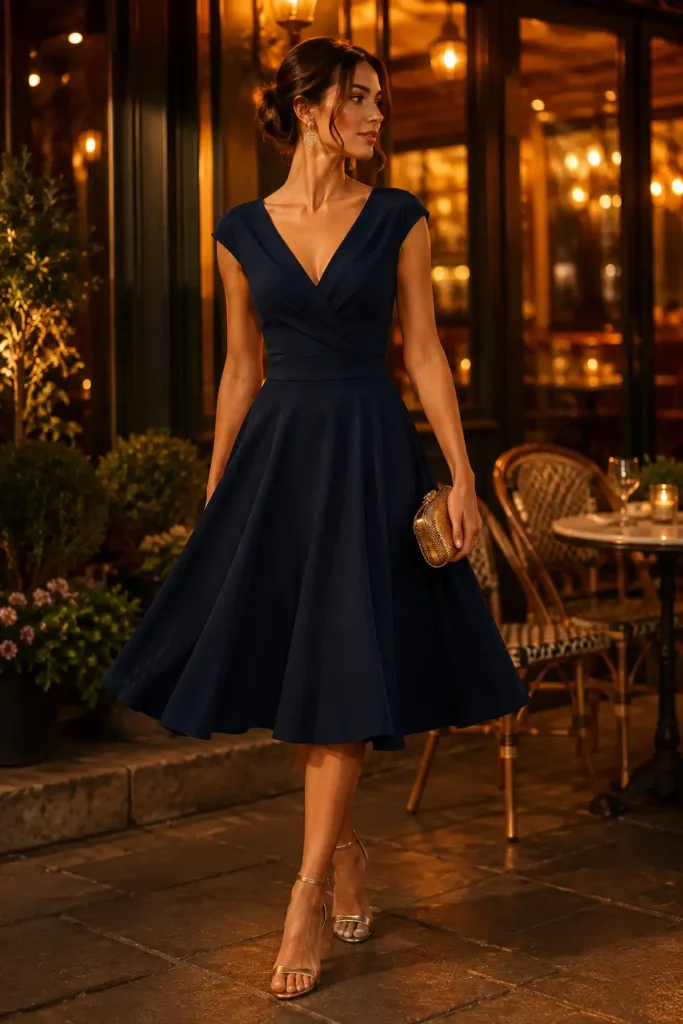
V-Neck Dress
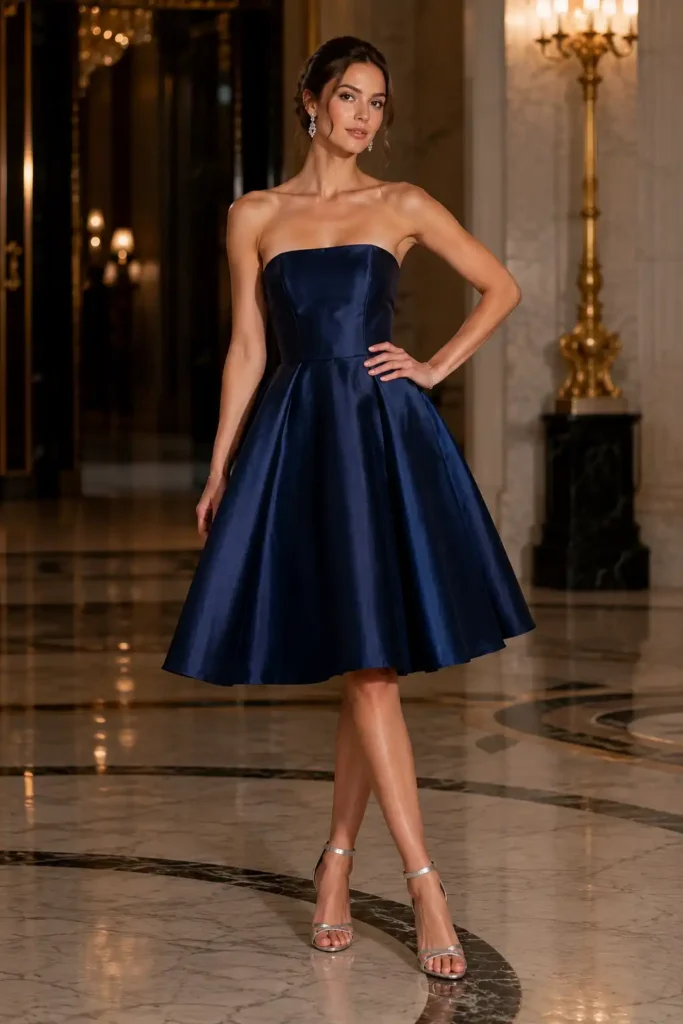
Strapless Fit and Flare
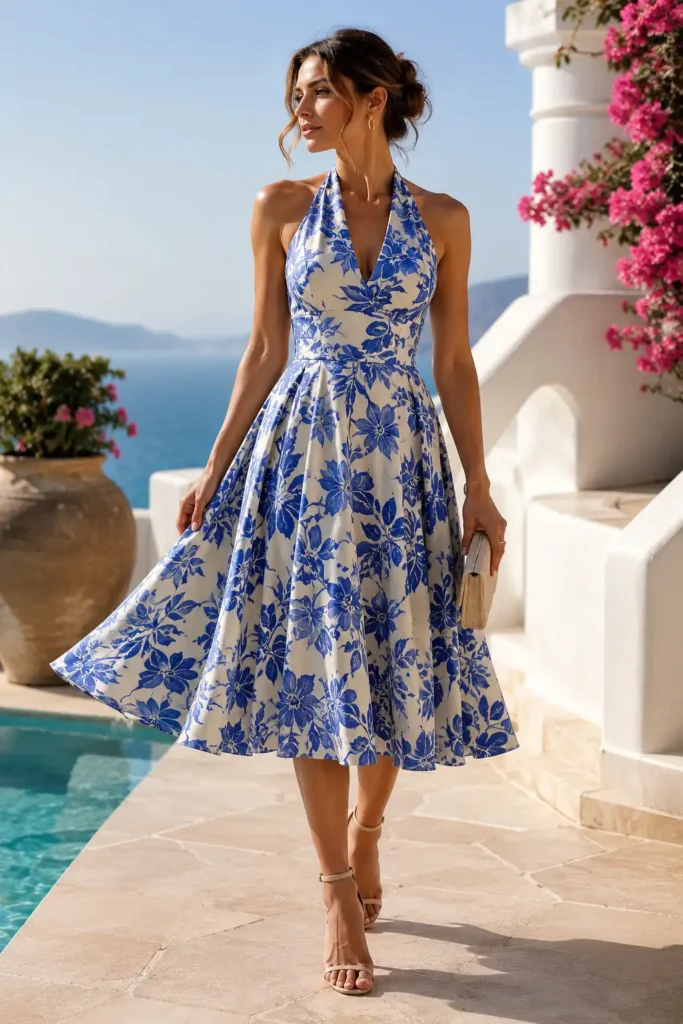
Halter Fit and Flare
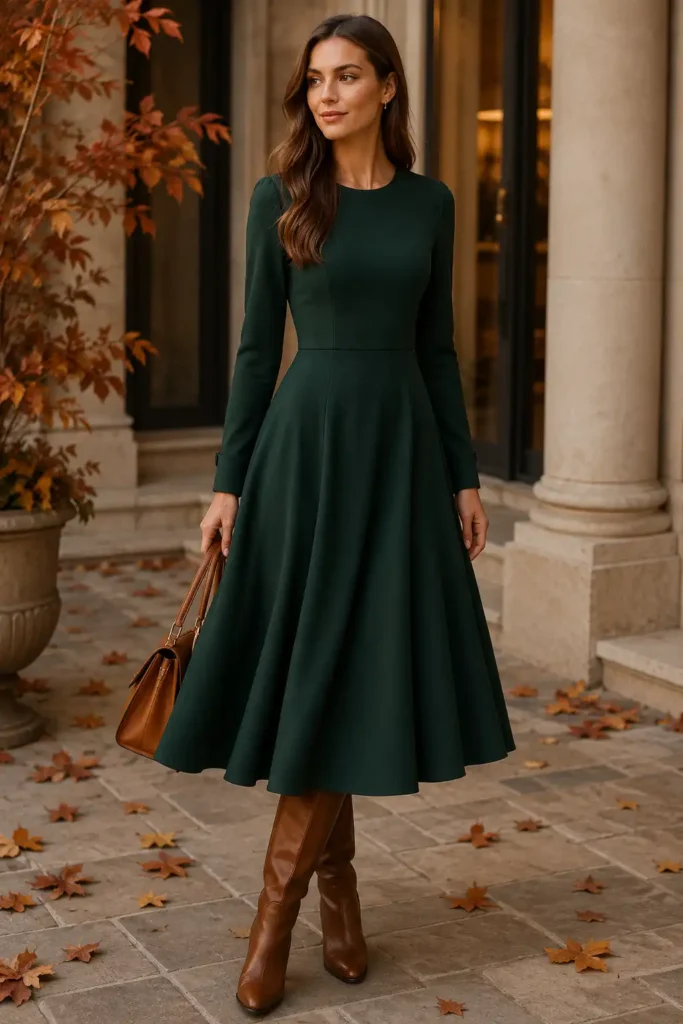
Long Sleeve Dress
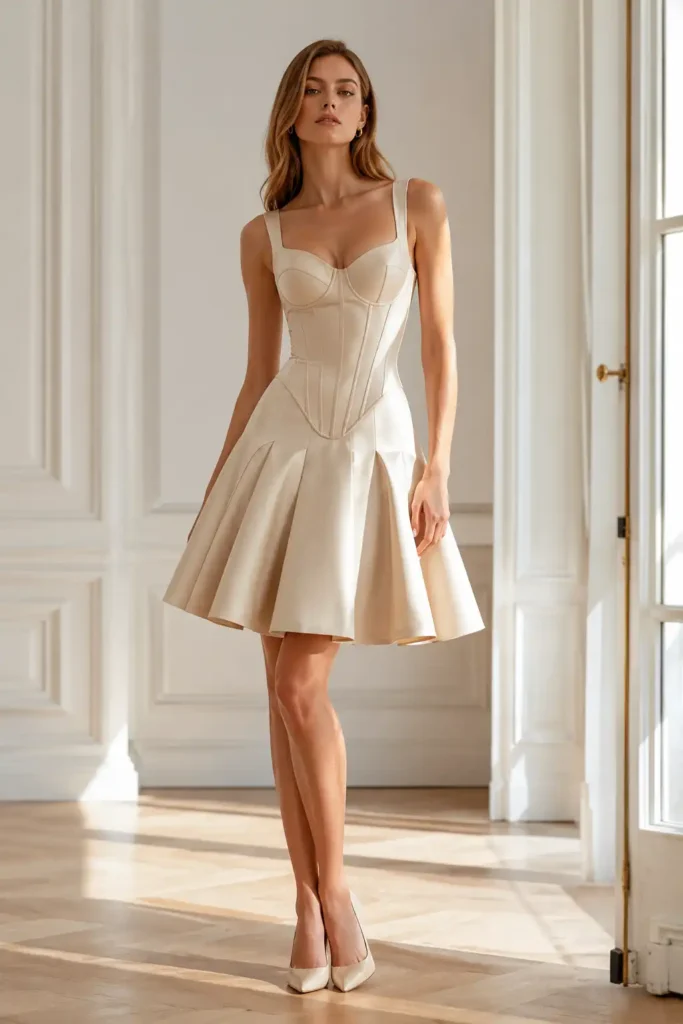
Corset Fit and Flare
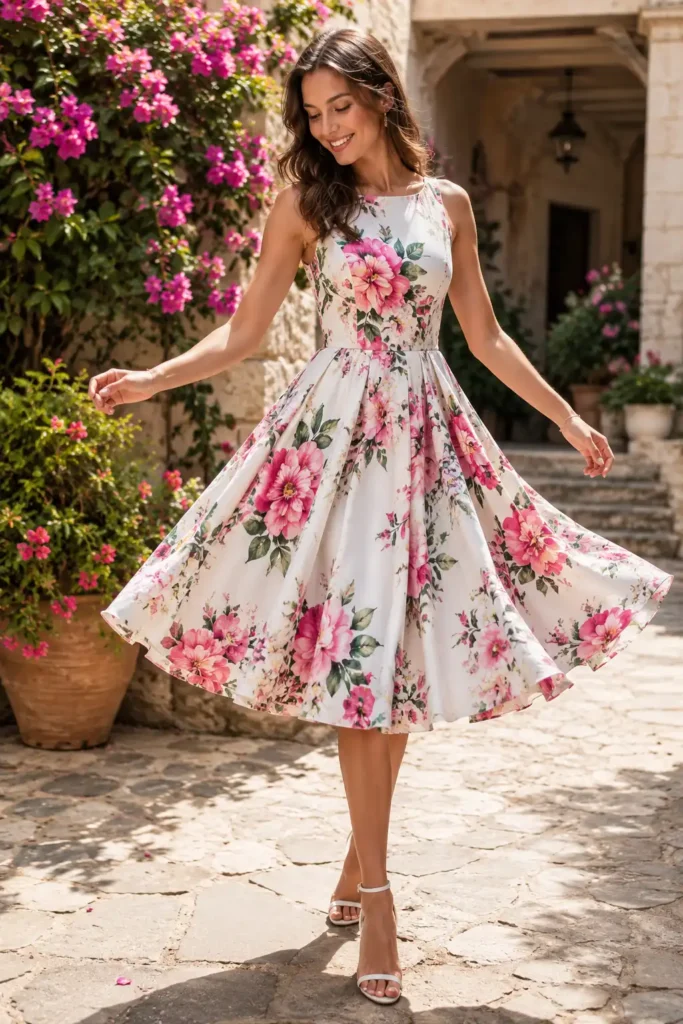
Printed Fit and Flare
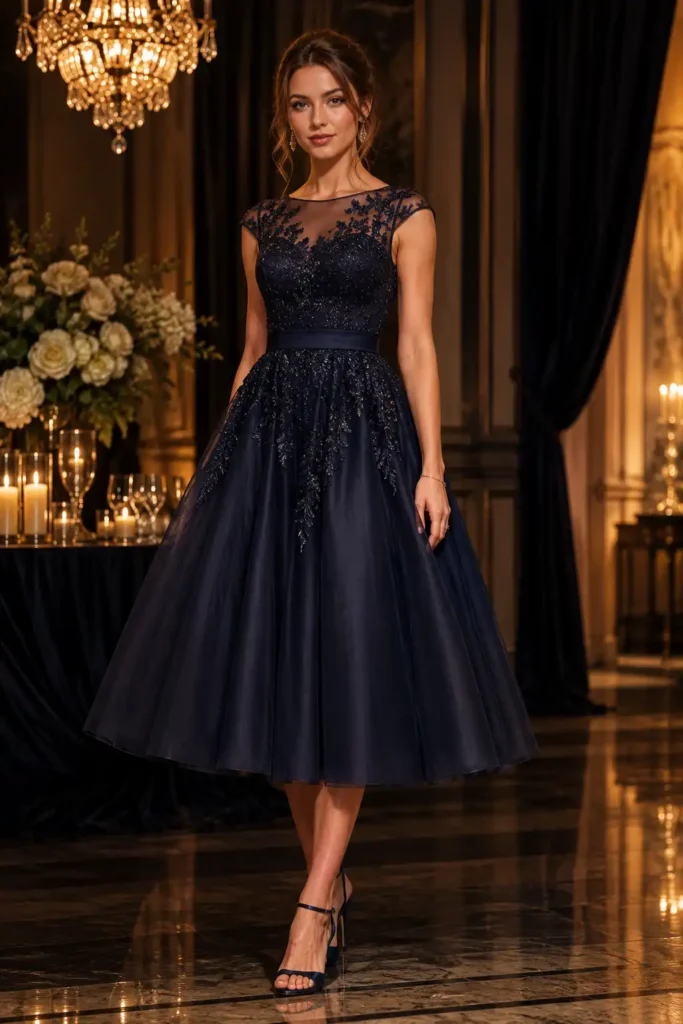
Occasion Fit and Flare
Manufacturing Decisions Change with the Selling Occasion
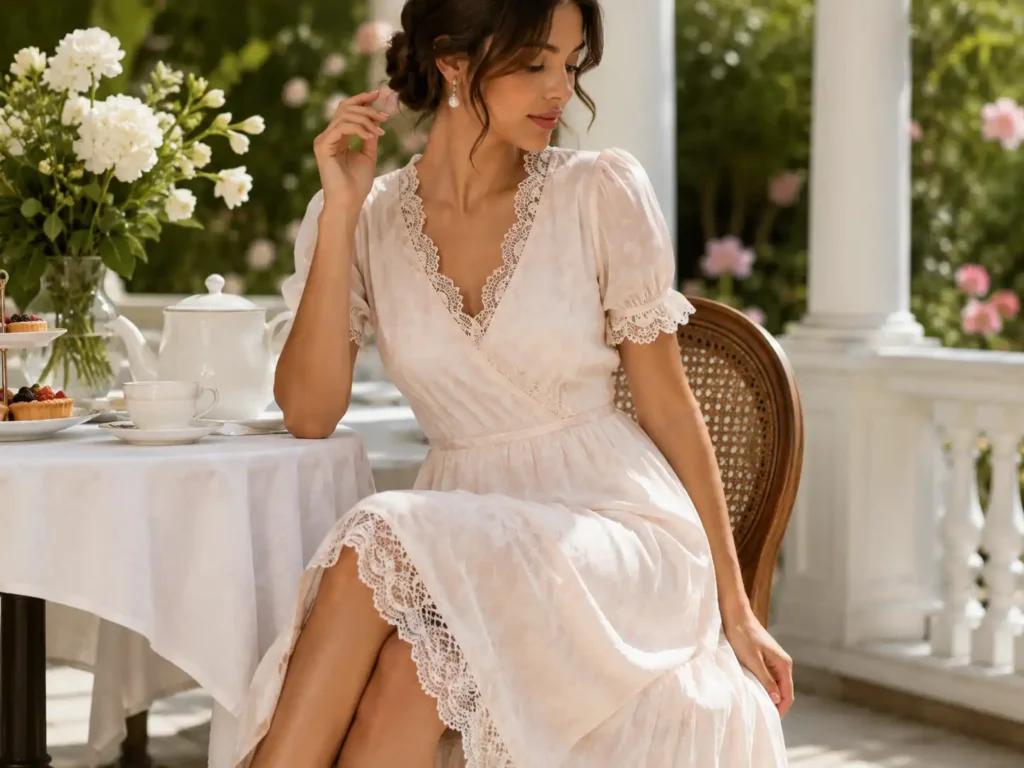
Casual Daywear

Office and Workwear
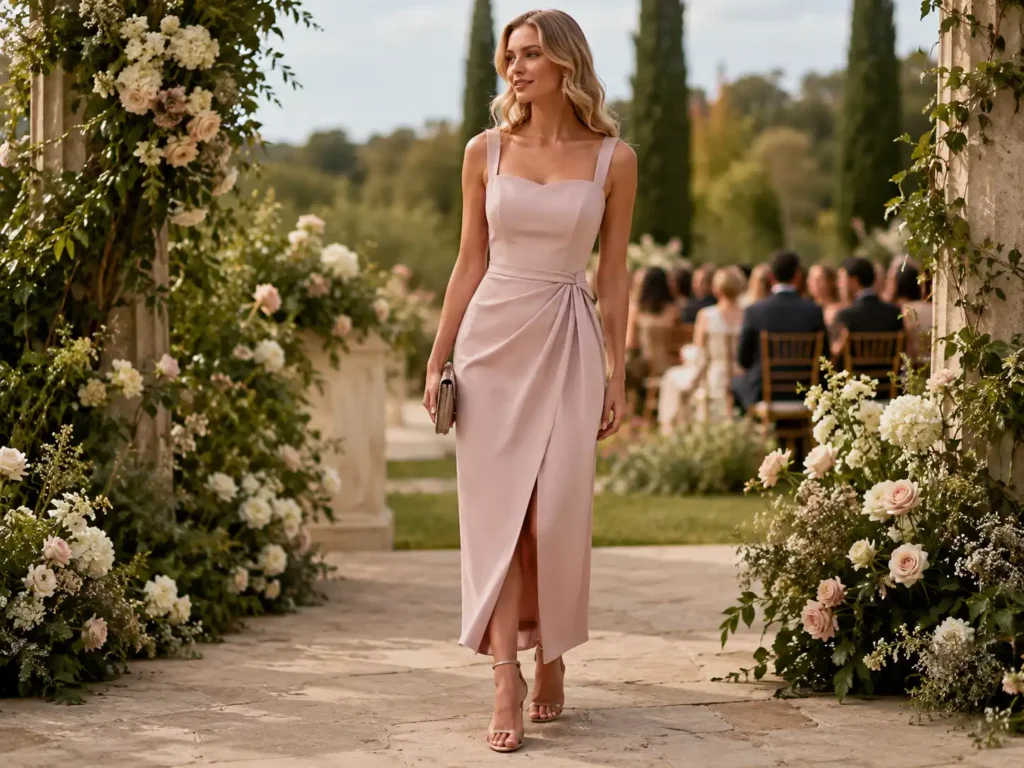
Graduation and Homecoming
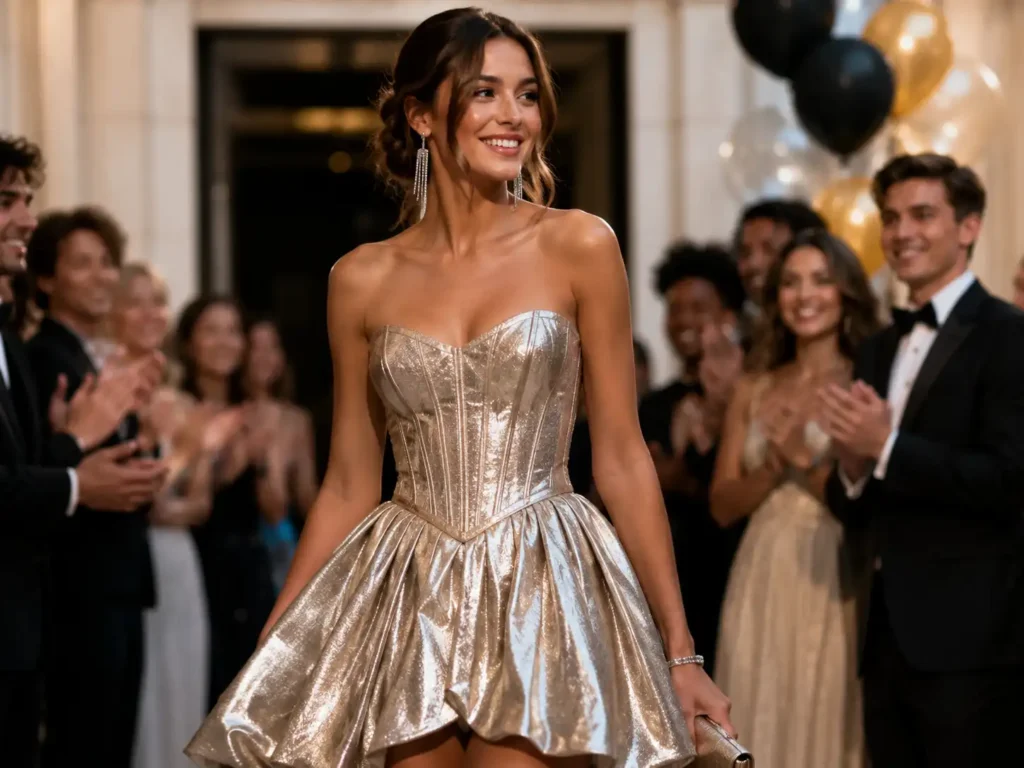
Wedding Guest

Party and Cocktail

Resort and Vacation

Engineering the Fit and Flare Silhouette
The silhouette is governed by connected pattern points rather than one waist measurement. Jinfeng Apparel evaluates the upper body, waist transition, skirt geometry and hem behavior as a single system.
- Bodice Shaping: Bust darts, waist darts, princess seams and panel seams direct volume toward the intended body shape. Their positions must follow the approved size chart and target fit. A dart placed too high or too low changes the appearance even when the total bust measurement remains correct.
- Bodice Length: Front and back bodice lengths control where the waist seam sits. Bust projection, shoulder slope and back posture can create different front and back requirements. Waist placement is therefore checked from several measurement points, not from center front alone.
- Waist Transition: The seam joining bodice and skirt carries visual and physical stress. Seam shape, stabilization, elastic use, lining and zipper construction influence whether the waist remains smooth or develops ripples, stretching or vertical drag lines.
- Skirt Start Point: Flare may begin immediately at the waist or transition through the high hip. The selected point changes the silhouette from youthful and circular to controlled and elegant. Pattern pieces must reflect the intended transition rather than forcing fullness into the seam.
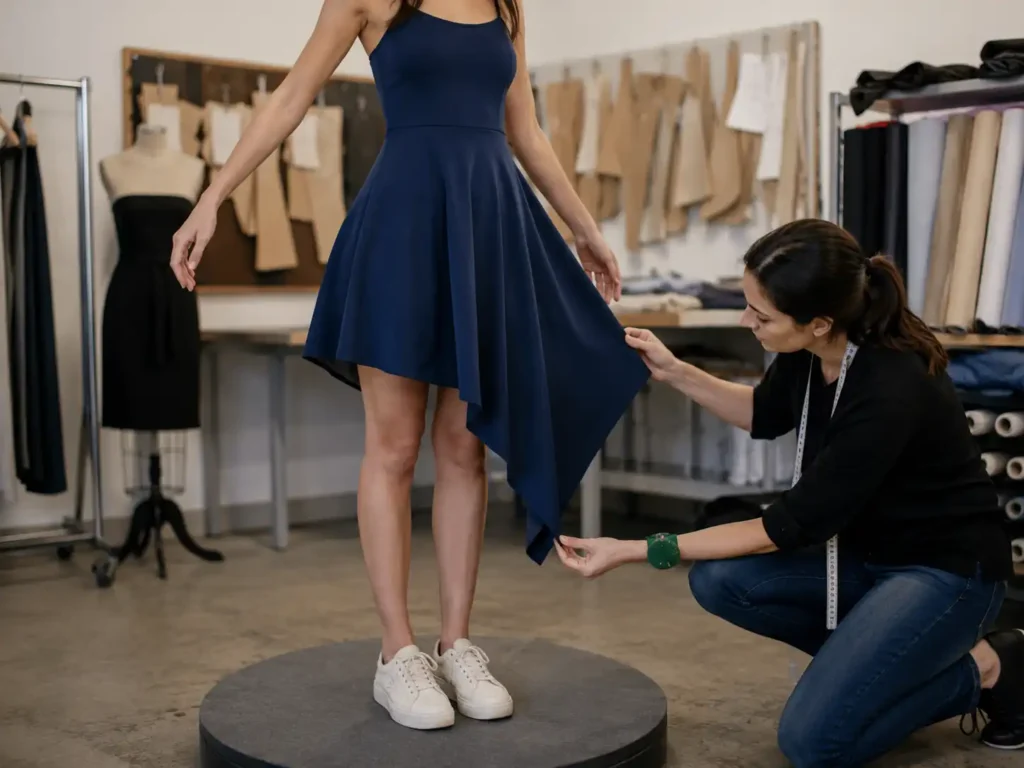
- Panel Distribution: Front, side and back panels require planned volume distribution. Excess back fullness can make the dress look heavy, while insufficient front volume can restrict movement. Seam positions should remain visually straight when the garment is worn.
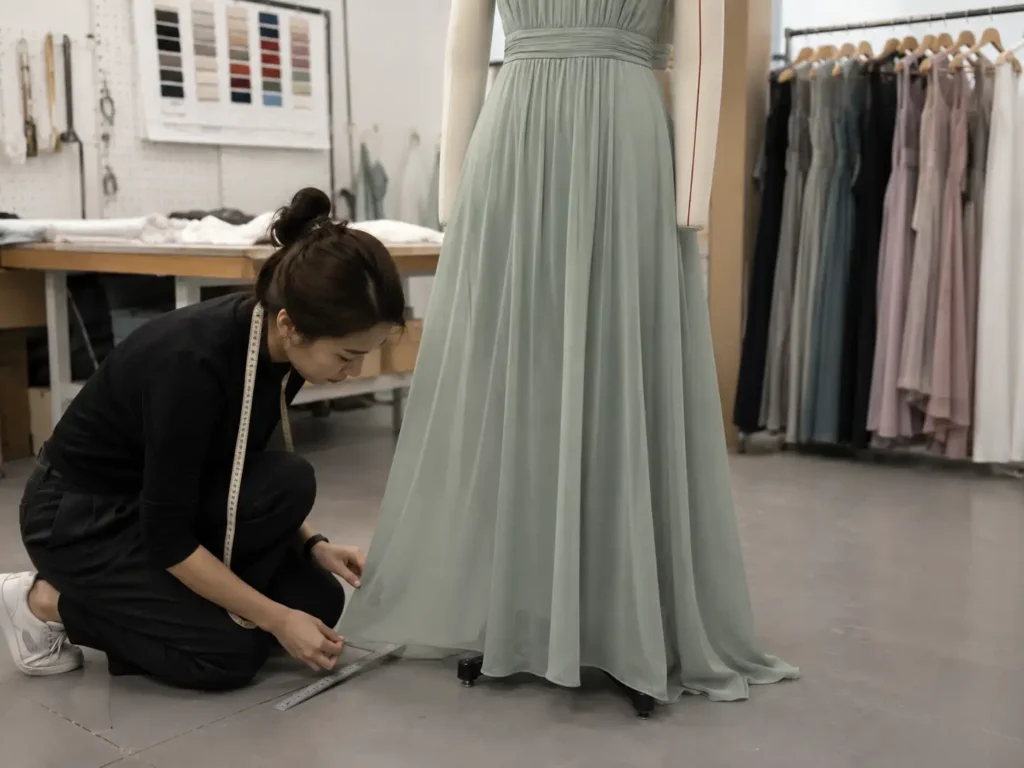
- Hem Balance: Circular and bias sections can relax at different rates after cutting and sewing. Hem leveling should occur after the garment has settled according to the fabric and construction. Shell and lining lengths must then be finished as one coordinated system.
Bodice Fit Controls the Entire Dress Proportion
A successful fit and flare dress begins above the waist. Even skirt volume cannot rescue a bodice with poor bust shaping, open armholes, unstable necklines or back gaping.
- Bust and Dart Position
The bust level must align with dart points, princess seams or panel shaping. Dart tips should finish before the fullest bust point rather than creating a sharp projection. Stretch fabrics require different negative or positive ease decisions from woven fabrics.
- Upper Bust and Neckline
Upper-bust width controls neckline stability and front coverage. An excessive upper-bust width can create gaping, while insufficient width can pull the neckline outward. Neckline depth, width, facing and lining are reviewed together.
- Armhole and Underarm
Armhole depth affects movement, side coverage and bra visibility. Removing width from the side seam alone can make the armhole tight without solving gaping. Pattern correction may involve shoulder, upper bust, side seam and armhole shape.
- Shoulder and Back Width
Shoulder slope and back width affect neckline position, zipper behavior and horizontal drag lines. A back bodice that is too wide may stand away from the body; a narrow back can pull the armhole and waist upward.
- Closure Stability
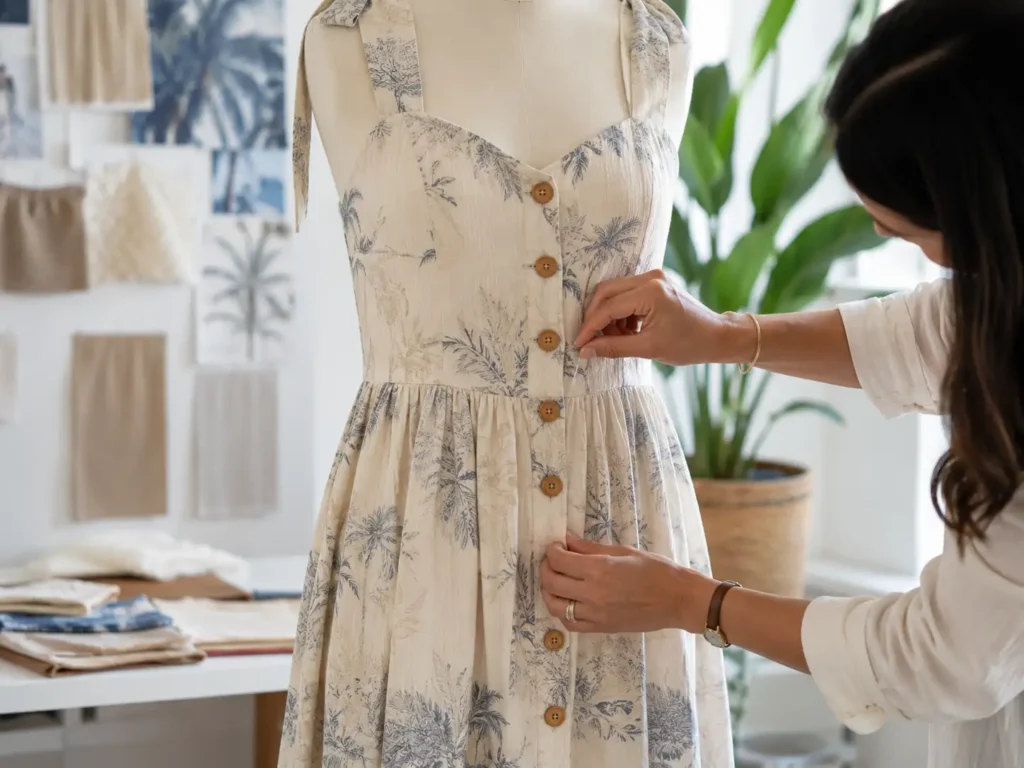
Invisible zippers, center-back zippers, side zippers, buttons or smocking each influence fit. Seam allowance, interfacing, zipper tape and lining attachment must remain flat to avoid rippling or a raised lower zipper end.
- Fit Confirmation
Sample review covers front, side and back views while standing, walking and sitting. Measurement reports are paired with visual fit comments because a garment can meet flat measurements yet still show balance problems on the body.

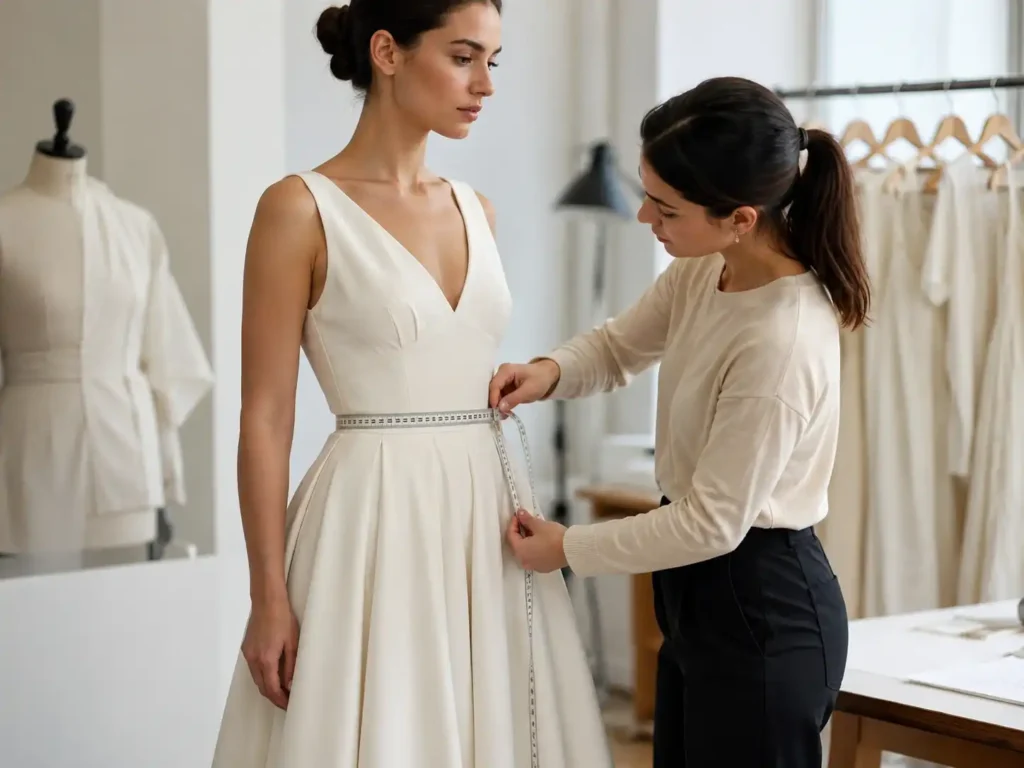
Waistline Placement Shapes the Visual Result
The waistline establishes torso length, leg proportion and the point where skirt volume begins. A small positional error can make an otherwise well-sewn dress look visually incorrect.
- Natural Waist
A natural-waist seam generally follows the narrowest torso point, but body shape and design intent can change the apparent position. The pattern team compares front waist length, back waist length and side balance before finalizing the seam.
- Raised Waist
A slightly raised waist can lengthen the leg line and suit graduation, petite or vintage-inspired designs. Excessive elevation may crowd the bust or create an empire appearance. The adjustment must preserve enough bodice length for movement.
- Dropped Waist
A dropped waist creates a longer torso and fashion-led proportion. Hip ease and skirt start position become more sensitive because the seam sits over a wider body area. Side seams must remain vertical without pulling toward the front or back.
- Waist Seam Stability
Bias-cut skirts, heavy fabrics and full circular panels can stretch the waist seam. Stay tape, interfacing, waist stays or controlled seam construction may be used to prevent growth according to the design.
- Front-Back Balance
Front and back waist seams should meet cleanly at the side. Bust shaping and posture can require different seam curves. Matching only the seam lengths without checking the worn balance can lead to a tilted waistline.
- Bulk Control
During production, waist position is checked against approved measurement points and the Golden Sample. Sewing teams receive seam-matching marks, while QC reviews left-right alignment, zipper intersection and skirt attachment.
Skirt Volume Requires Controlled Geometry
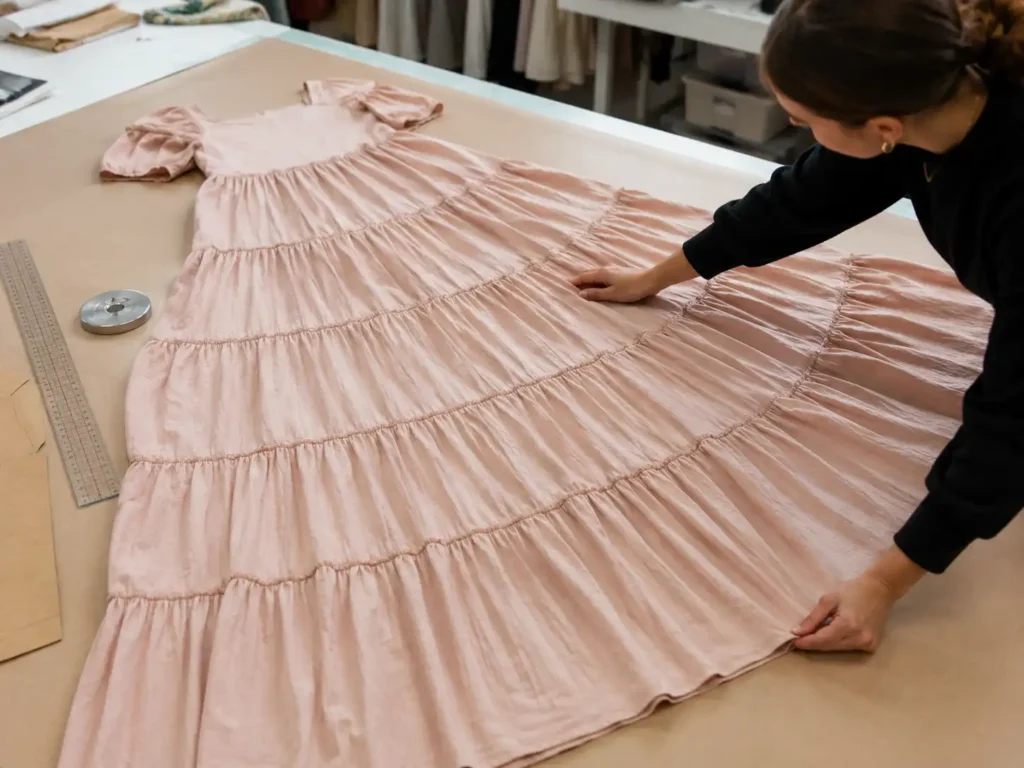
Fullness should support movement and visual impact without becoming heavy, uneven or difficult to pack. Skirt geometry, grain direction and fabric weight determine how the flare behaves.
- Circular Construction: Full-circle and half-circle skirts create fluid movement with fewer vertical seams. Bias sections may lengthen after hanging, especially in satin, crepe and chiffon. Hem leveling and fabric consumption need to be planned before quotation.
- Panelled Construction: Panelled skirts distribute volume through several shaped pieces. Panel seams can support print planning, color blocking or fitted transitions through the high hip. Accurate notches and grain lines help prevent twisting.
- Pleated Volume: Box, knife, inverted or sunray-inspired pleats add controlled volume. Pleat depth, placement and pressing affect waist thickness and skirt shape. Bulk consistency depends on marked positions and clear folding instructions.
- Gathered Volume: Gathering creates a softer, more casual effect. The gathering ratio must suit the fabric; excessive fullness can make the waist bulky, while insufficient fullness weakens the flare. Distribution is checked at center front, back and side sections.
- Lining Sweep: A lining that is too narrow restricts movement and pulls the shell inward. Excessive lining volume can create bulk or show below the outer layer. Lining sweep, length, static behavior and attachment method are set during sample development.
- Hem Leveling: Skirt sections are allowed to relax when fabric behavior requires it. Front, side and back lengths are then measured from the approved waist position. Shell and lining are checked after pressing to avoid exposed lining or an uneven finished edge.
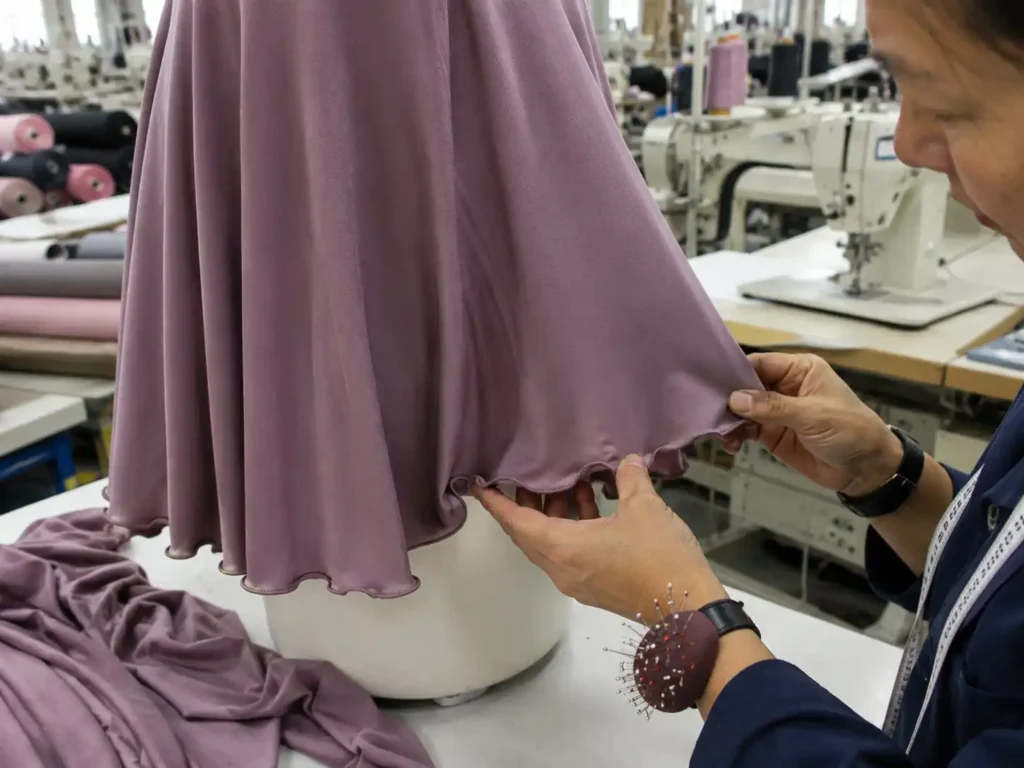
Design Details Built Around Fit and Wearability
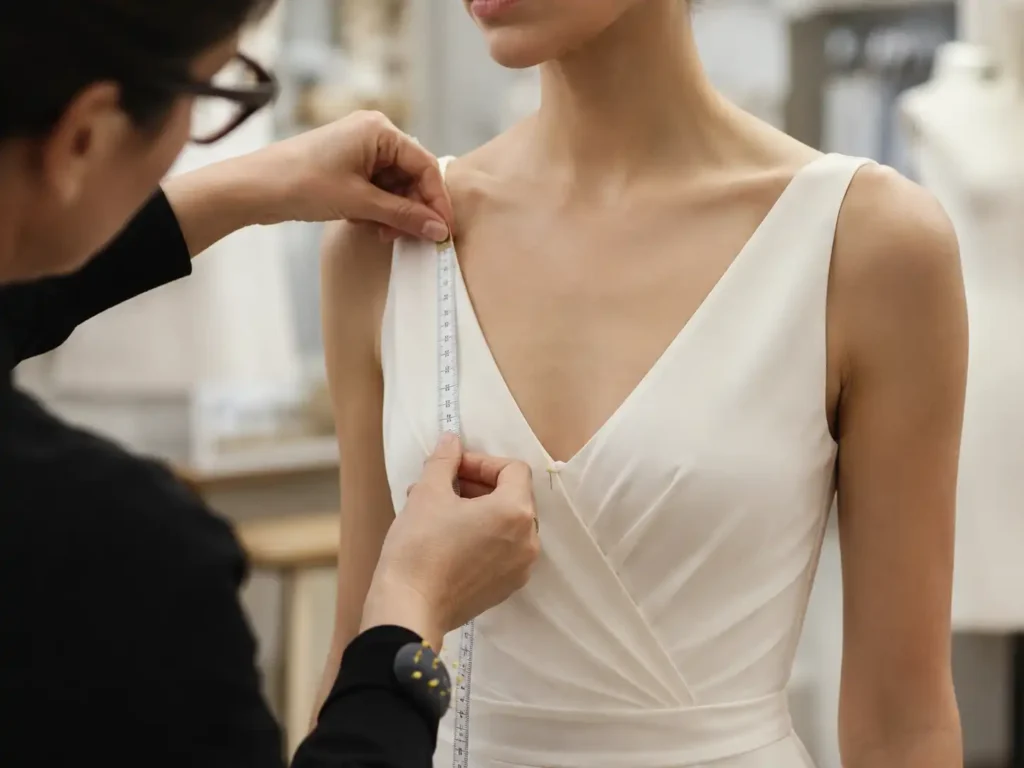
Neckline Shape
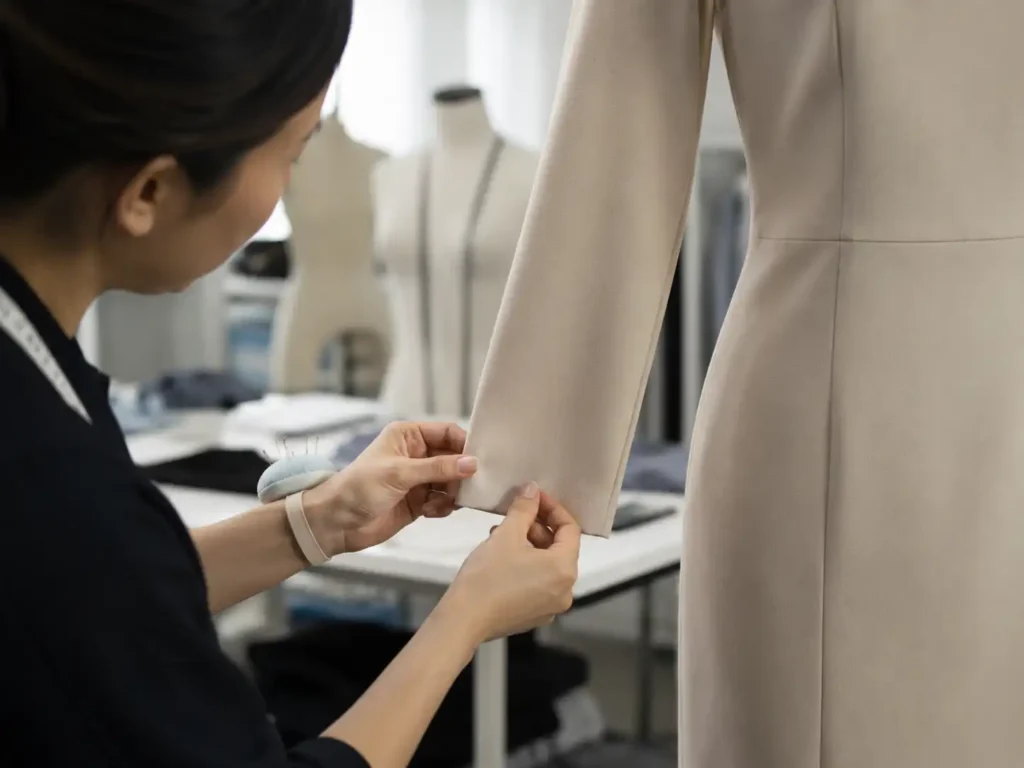
Sleeve Direction
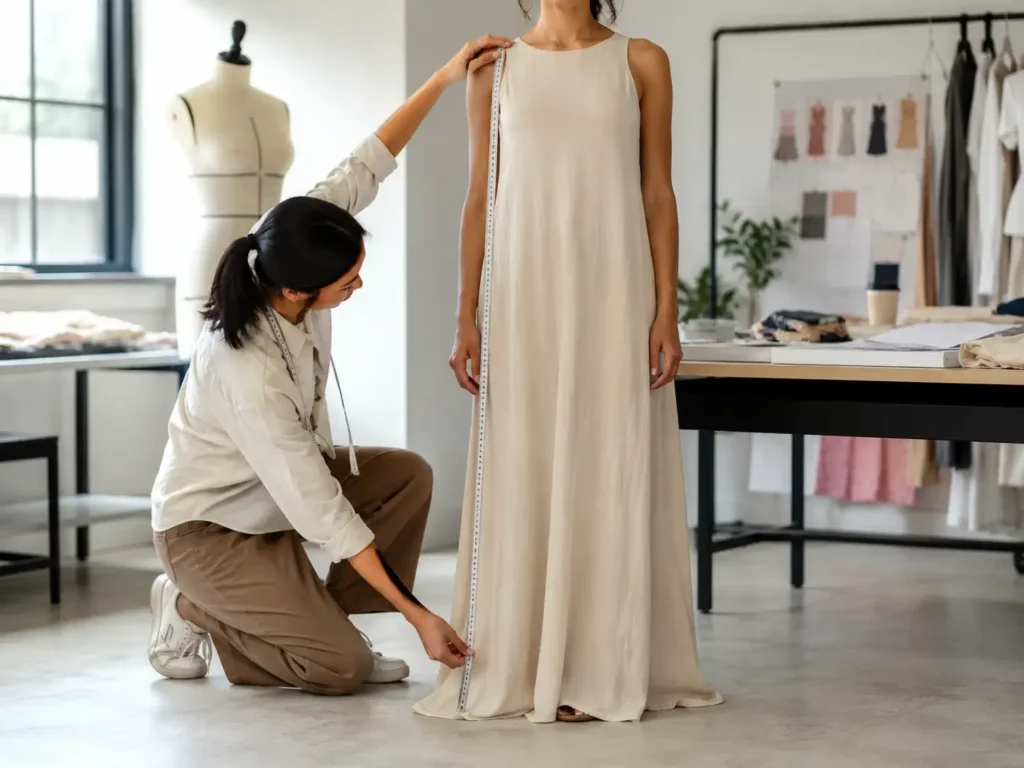
Dress Length

Waist Construction
Skirt Fullness
Pocket Design
Front Opening

Back Closure

Decorative Detail
Fabric Selection Determines the Flare and Fit

Ponte
Structured Knit

Satin

Crepe
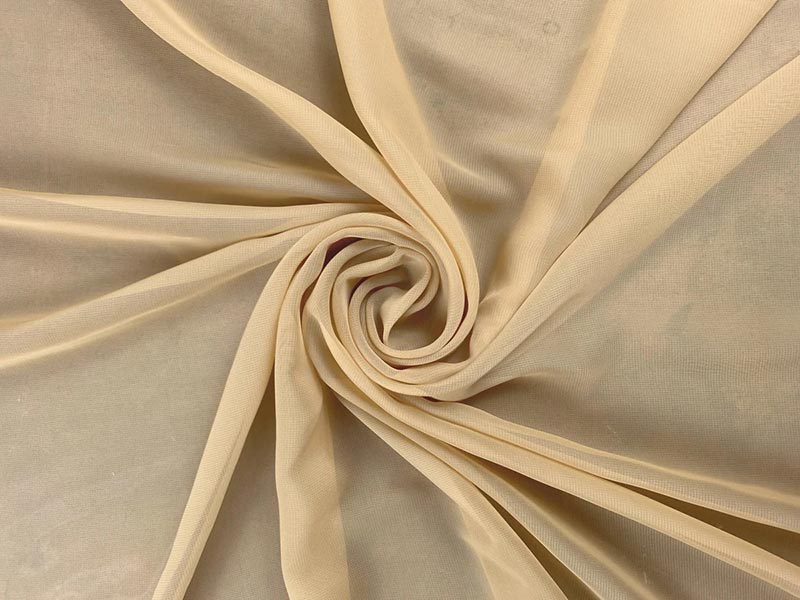
Chiffon

Lace
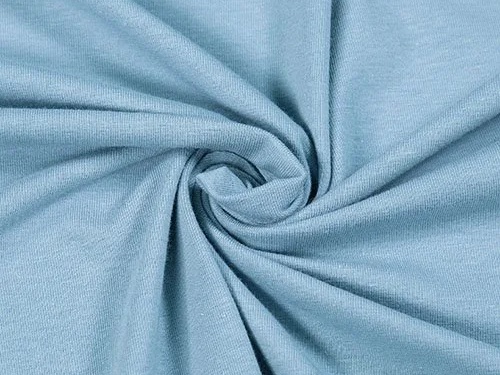
Cotton Blend

Organza
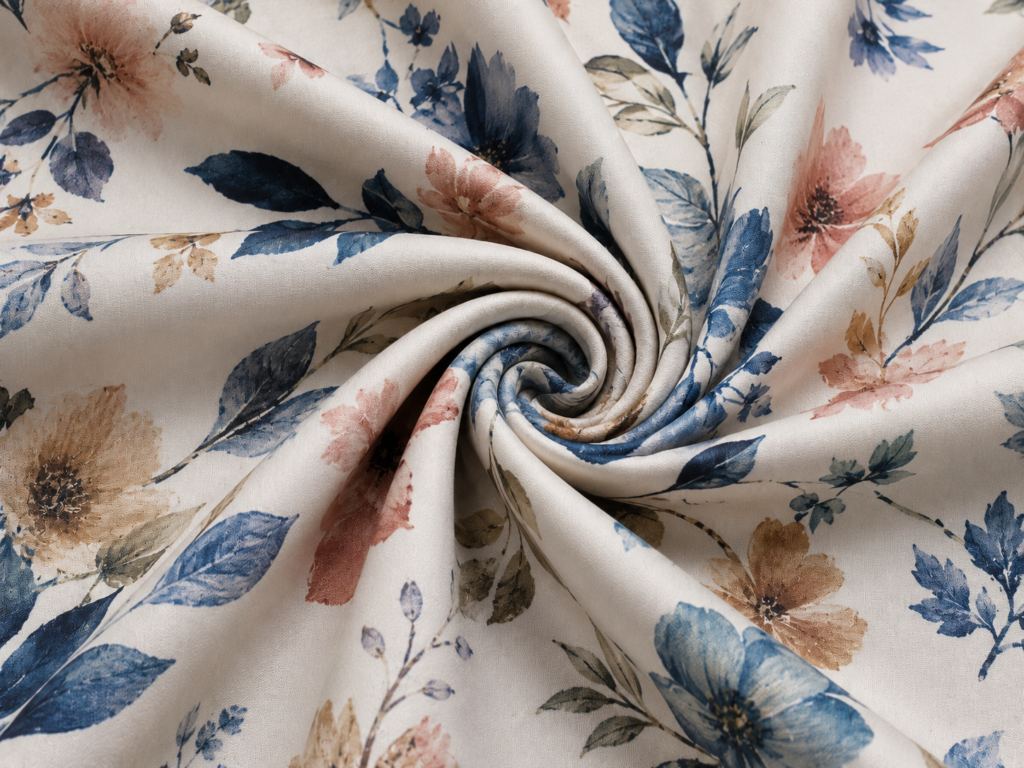
Printed Woven
Compare Fabric Behavior Before Sampling
| Fabric Direction | Structure | Drape | Stretch | Common Lining Need | Strongest Applications | Main Production Risk |
|---|---|---|---|---|---|---|
| Ponte / Roma | High | Controlled | Medium | Low to medium | Office midi, structured mini | Seam impression, heavy hem |
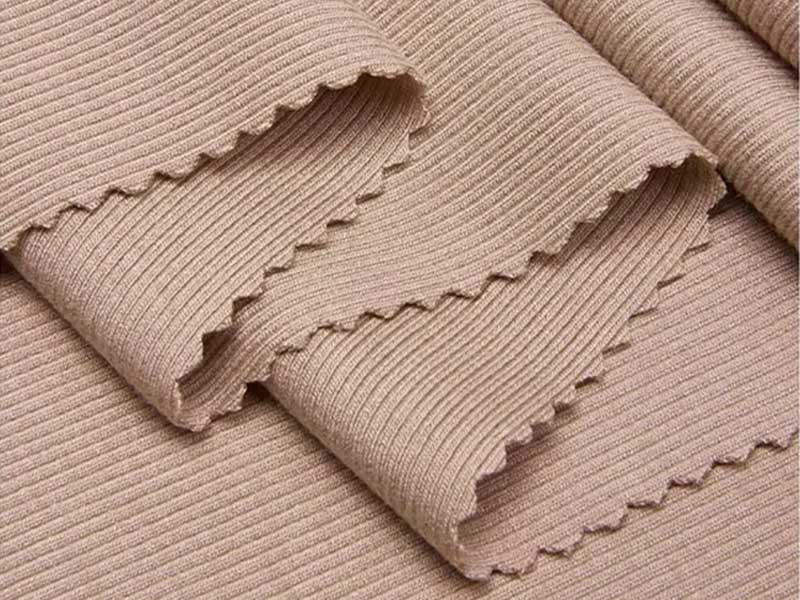
| Compact Knit | Medium-high | Controlled | Medium-high | Low | Daywear, long sleeve styles | Growth, recovery variation |
| Satin | Low to medium | Fluid | Low or optional stretch | Medium | Occasion, cocktail, wedding guest | Snagging, puckering, shade variation |
| Crepe | Medium | Soft to controlled | Quality dependent | Low to medium | Midi, workwear, occasion | Quality-to-quality variation |
| Chiffon | Low | Very fluid | Low | High | Layered midi and maxi | Transparency, seam slippage, uneven hem |
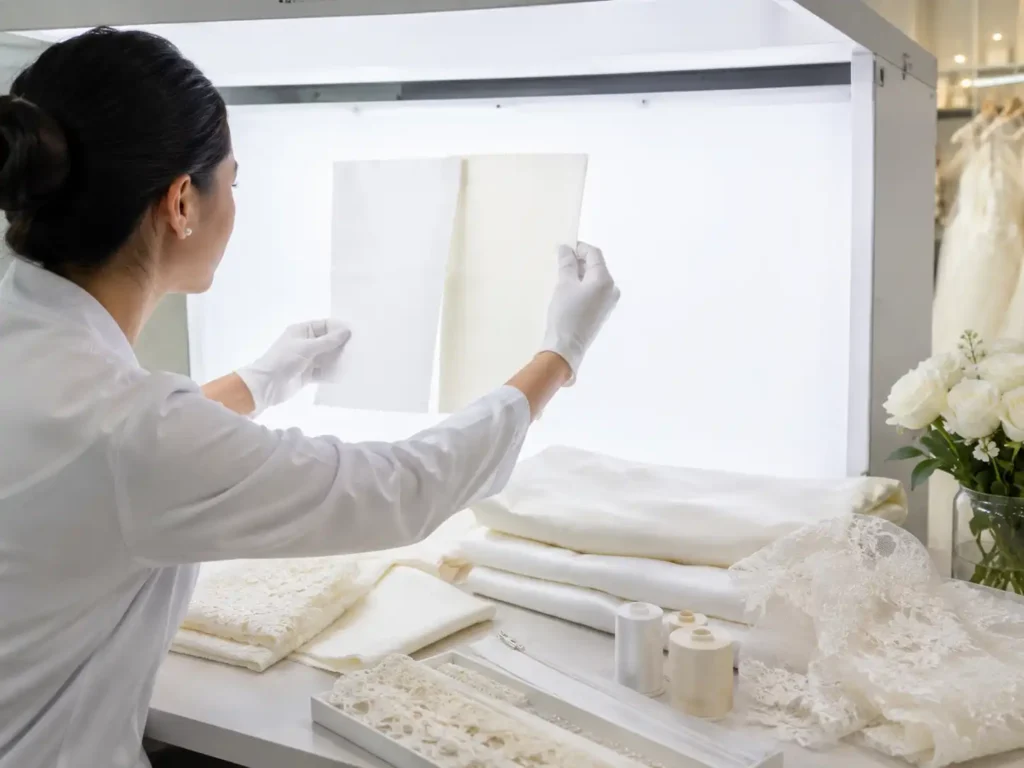
| Lace | Quality dependent | Quality dependent | Optional | Usually high | Occasion and premium collections | Motif mismatch, holes, edge inconsistency |
| Cotton Blend | Medium | Crisp to soft | Low or optional stretch | Color dependent | Casual, graduation, summer | Shrinkage, wrinkling, transparency |
| Organza | High visual volume | Crisp | Low | Usually high | Sculpted skirts, overlays, bows | Creasing, edge damage, layer imbalance |
| Printed Woven | Quality dependent | Quality dependent | Usually low | Color dependent | Resort, casual, seasonal collections | Repeat direction, color and shrinkage |
Internal Structure Supports Shape and Wearing Security
Lining
Interfacing
Waist Support
Boning
Bra Cups
Zipper and Closure

From Reference Image to Production Pattern
A visual reference does not contain seam allowances, internal support, grade rules or measurable construction. Jinfeng Apparel converts the visible design into a documented garment system.
- Visual Breakdown: The development team identifies seam positions, bodice shaping, neckline, armhole, waist placement, skirt construction, closure and lining. Unclear areas are listed for confirmation before pattern work proceeds.
- Material Assumption Review: A reference image may show fabric appearance without revealing weight or stretch. Material options are selected according to the intended silhouette, target market and price position. Pattern development is aligned with the approved fabric direction.
- Base Pattern Development: Pattern makers build or adapt the base according to the supplied size chart, original garment or approved fit block. Bust, waist, torso length and skirt proportions are established before decorative details are added.
- First Sample Verification: The first sample tests shape, measurement, sewing feasibility and material response. Comments are separated into fit, design, fabric, trim, workmanship and packaging categories.
- Pattern Correction: Approved corrections are transferred to the pattern rather than being adjusted only on the physical sample. Measurement charts and construction instructions are updated at the same time.
- Production Release: Final pattern files, approved measurements, fabric references, trim specifications, sewing instructions and QC points are released only after PP approval and change confirmation.
Measurements Needed for a Stable Fit and Flare
A complete measurement chart covers more than bust, waist and dress length. The selected points must describe bodice fit, waist position, skirt proportion and internal layers.
| Point of Measure | Why It Matters | Measurement Control |
|---|---|---|
| Bust | Controls upper-body fit and ease | Measured at approved horizontal level |
| Upper Bust | Supports neckline and armhole fit | Linked with shoulder and neckline width |
| Underbust | Important for structured bodices | Checked with cup and seam positions |
| Waist | Defines the fitted-to-flared transition | Measured without stretching the garment |
| High Hip | Controls lower bodice or dropped-waist fit | Added where the flare begins below waist |
| Shoulder Width | Affects neckline and sleeve balance | Measured between approved shoulder points |
| Armhole | Controls movement and side coverage | Checked flat and on the fit sample |
| Front Bodice Length | Sets front waist position | Measured from defined shoulder reference |
| Back Bodice Length | Sets back waist position | Checked independently from front length |
| Waist Seam Position | Controls visual proportion | Verified at center and side positions |
| Skirt Length | Controls selling occasion and safety | Measured from the approved waist seam |
| Hem Sweep | Describes skirt volume | Measured according to panel construction |
| Lining Length | Controls coverage and layering | Checked against shell and slit positions |
| Zipper Length | Affects dressing and seam stability | Fixed according to opening requirement |
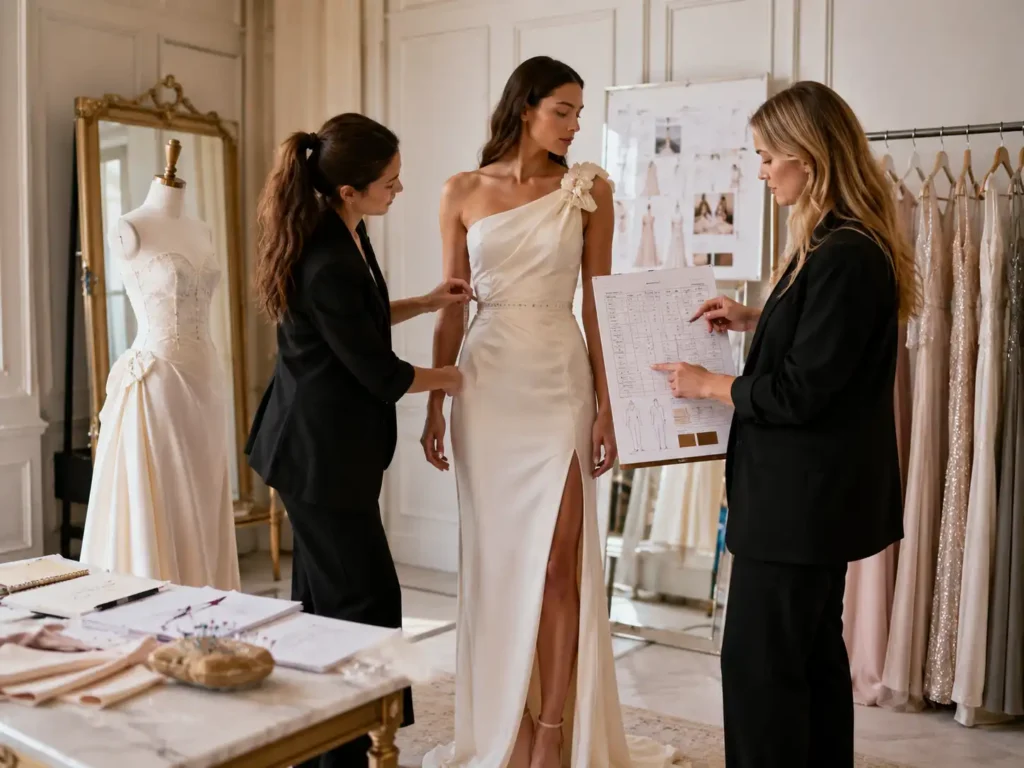
Size Grading Must Preserve the Original Silhouette
A base-size sample may look balanced while larger or smaller sizes lose the intended proportion. Jinfeng Apparel builds grade rules around fit zones and visual relationships.
- Bust-to-Waist Progression: Bust and waist growth must reflect the brand’s size standard. Applying identical increments to all seams can shift darts, princess seams and side seams away from the body’s shaping points.
- Bodice Length Grading: Torso length does not always grow at the same rate as circumference. Excessive vertical growth lowers the waistline, while insufficient growth can pull the waist upward in larger sizes.
- Neckline and Armhole: Neckline width, depth and armhole shape require controlled grading. Over-grading creates exposure and gaping; under-grading restricts movement and changes the visual balance.
- Skirt Volume: Skirt sweep should grow without becoming disproportionately heavy. Larger sizes may require adjusted panel distribution rather than unrestricted width growth at every seam.
- Length Planning: Mini, midi and maxi styles may use different length strategies. A brand can approve regular, petite or tall specifications, but each option requires connected adjustments to bodice, waist, slit and lining positions.
- Size-Set Review: Selected sizes can be produced for measurement and fit review before full production, especially when the style includes structured bust shaping, non-stretch fabric or an extended size range.
Six Stages from Development to PP Approval
Project Review
Fabric Direction
Pattern Development
First Sample
A standard first sample commonly requires about 7–12 working days after material confirmation.
Complex structured, layered or decorated styles may require approximately 12–20 working days.
Fit Revision
A revised sample commonly requires about 5–10 working days after one consolidated comment file is received.
New fabric, major design changes or a new size base can extend the schedule.
PP Approval

Fit Corrections Should Be Visible and Traceable
Sample improvement becomes reliable when each issue is identified, corrected in the pattern and transferred into updated documents. Verbal comments alone create unnecessary risk.
- Raised Waistline: A waistline sitting too low may be raised through front and back bodice adjustments rather than shortening the entire torso equally. Side-seam matching and dart positions are rechecked after the change.
- Reduced Back Gaping: Back gaping can be corrected through center-back shaping, waist dart adjustment, shoulder balance or closure changes. Removing width from one seam without diagnosing the cause may create new drag lines.
- Improved Armhole Coverage: Underarm exposure may require upper-bust, side seam, shoulder or armhole reshaping. Binding or lining methods are checked again after pattern correction.
- Balanced Skirt Fullness: Uneven volume may be corrected through panel width, grain direction, pleat distribution or seam placement. Both visual balance and total sweep are reviewed.
- Releveled Hem: Chiffon, satin and bias sections may lengthen after hanging. The hem is leveled from the approved waistline, followed by lining-length confirmation and final finishing instructions.
- Updated Production Files: Each approved correction updates the final pattern, measurement chart, sewing instructions and QC checklist. Production teams then work from the revised standard rather than the original sample comments.
Send the Right Information for Faster Evaluation
Reference Image
Tech Pack
Size Chart
Quantity Plan
Fabric Direction
Color Plan
Label and Packing
Launch Date
Managing a Multi-Style Fit and Flare Collection

Silhouette Groups

Fabric Groups
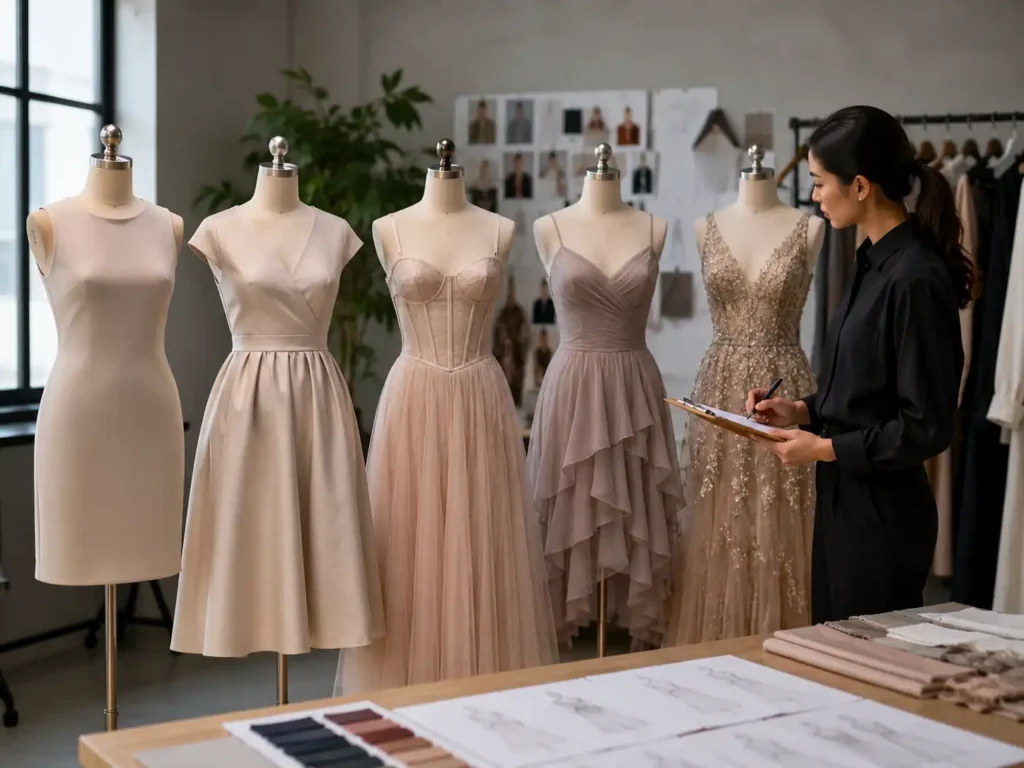
Complexity Groups

Sample Priority

Approval Tracking
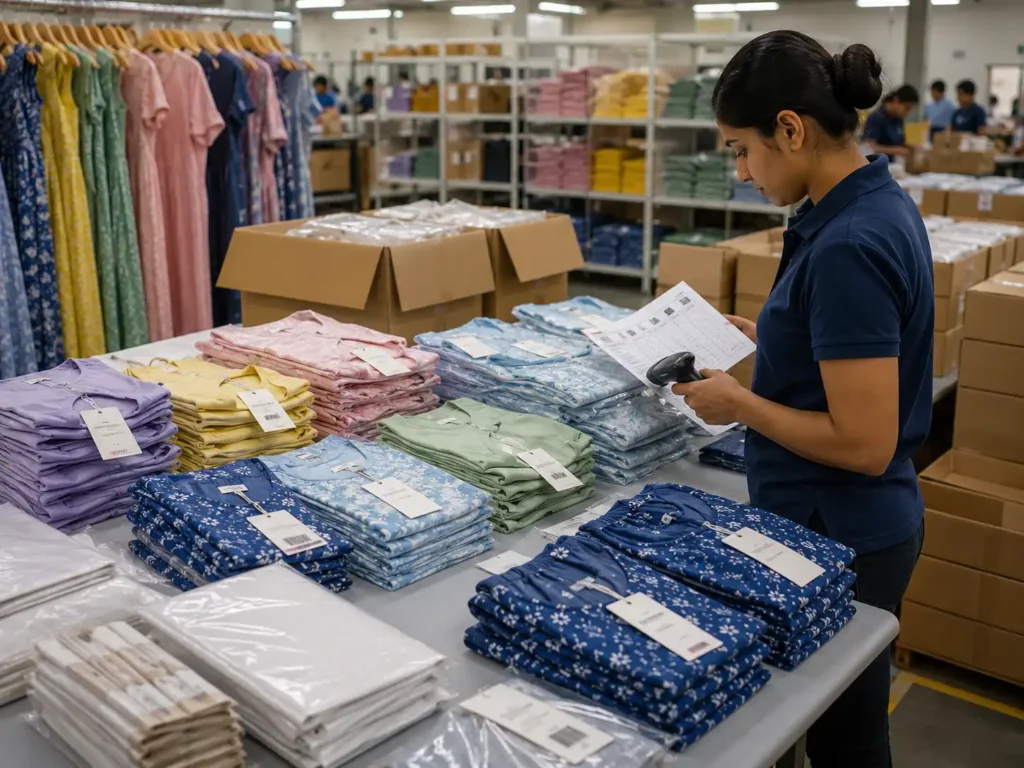
SKU and Packing

Quotation Built from the Actual Garment
Reliable bulk pricing comes from the approved construction and material plan. A visual image can support early evaluation, but a fixed production price requires defined specifications.
- Fabric and Lining: Shell and lining often represent the largest material share. Consumption changes with skirt sweep, dress length, fabric width, print repeat, panel direction and cutting efficiency.
- Trims and Support: Zippers, buttons, cups, boning, anti-slip tape, hooks, lace, embroidery, labels and packaging each affect material cost, sourcing time and MOQ.
- Pattern and Sampling: Pattern complexity, development rounds and fit correction influence sample cost. A corset fit and flare dress requires more development work than a basic sleeveless woven version.
- Sewing and Finishing: Panel count, pleats, gathers, layers, lining, narrow hems, decoration and pressing standards affect sewing time. Satin and chiffon may need slower handling even when the visible design appears simple.
- Quantity and Color Plan: Larger quantities can improve material purchasing, cutting layout and production efficiency. Multiple colors can create separate fabric lots, trims, labels and packing controls.
- QC and Packing: Measurement requirements, third-party inspection coordination, retail-ready packing, barcodes, warehouse labels and special folding instructions enter the final quotation.
Jinfeng Apparel focuses on cost control without weakening brand-level appearance. Suitable alternatives may include a different fabric quality, simplified internal construction, consolidated color planning or improved cutting layout.
From Approved PP Sample to Packed Order
PP Approval
Material Confirmation
Pattern Release
Cutting Control
Sewing Control
In-Line Inspection
Final Inspection
Packing Verification
Delivery Coordination
Workmanship Points Visible in Premium Dress Production
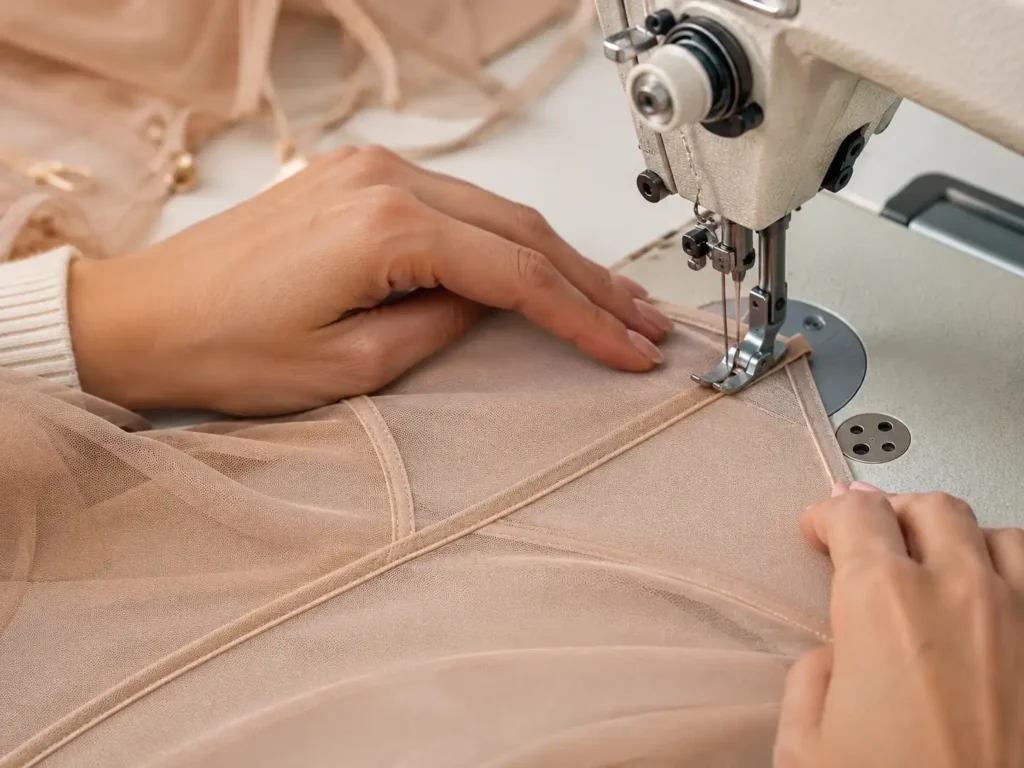
Princess Seams

Waist Seams
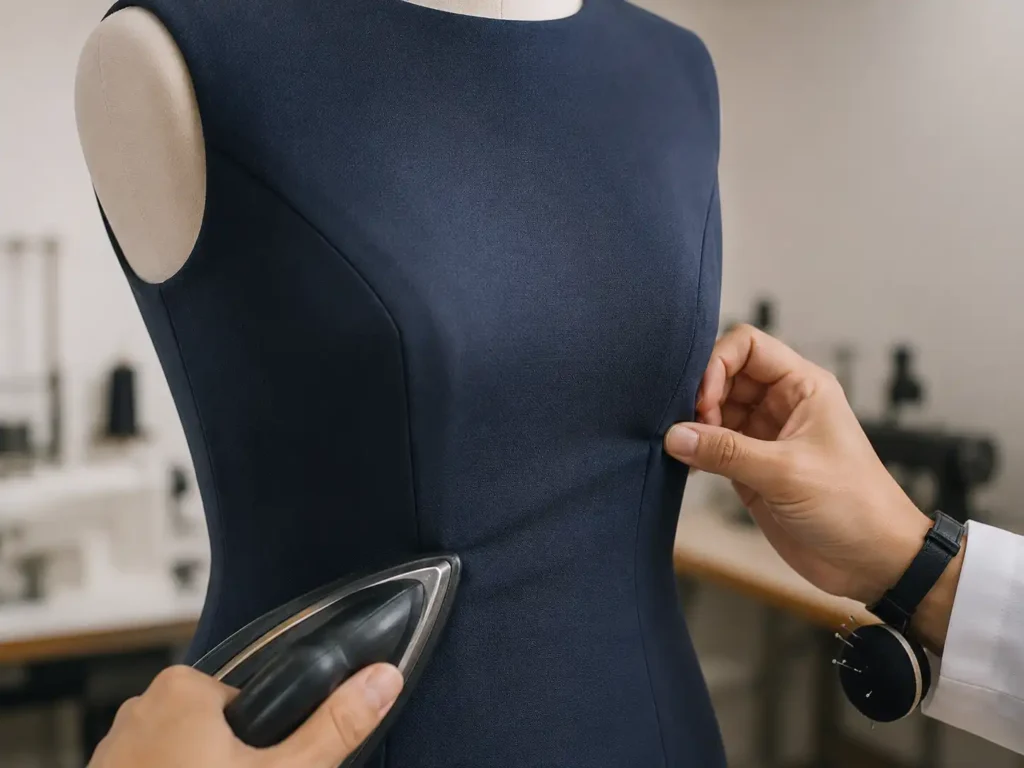
Dart Finishing

Invisible Zippers

Lining Attachment
Hem Finishing
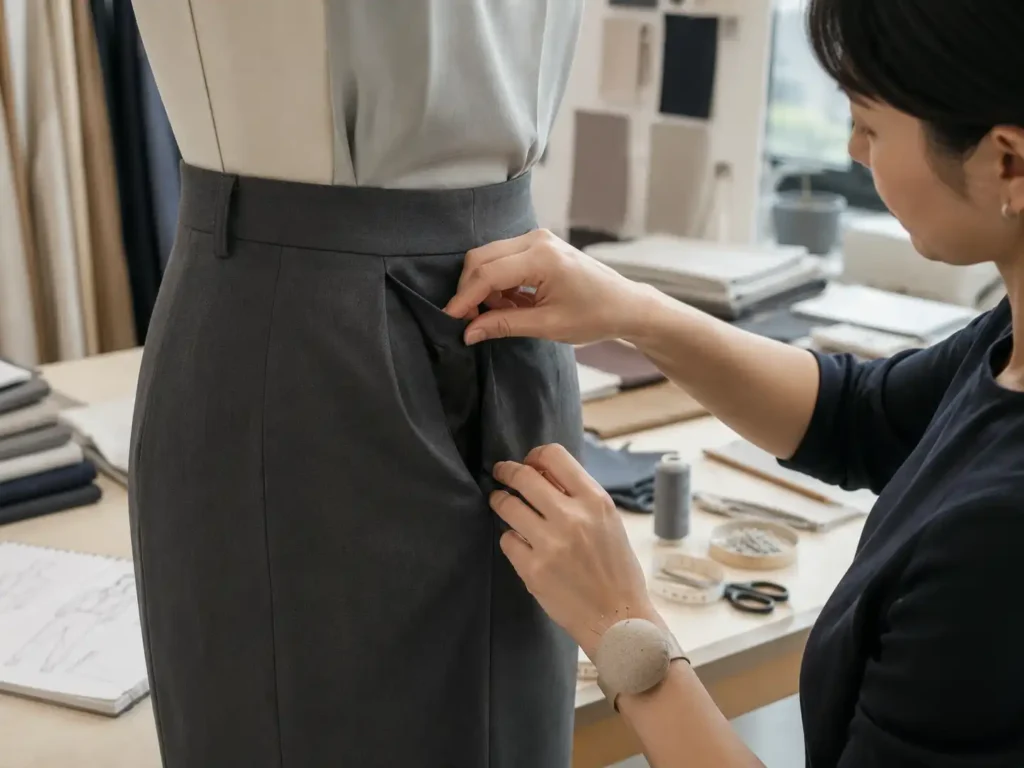
Pocket Construction

Pressed Finish
Locking the Approved Standard Before Bulk Production
Final Pattern
Approved Measurements
Material References
Sewing Instructions
Label and Packing Files
QC Checklist
Quality Control Focused on Fit and Flare Construction

Fabric Inspection
Shade Control
Cutting Symmetry

Bodice Measurement

Waistline Position
Skirt Balance
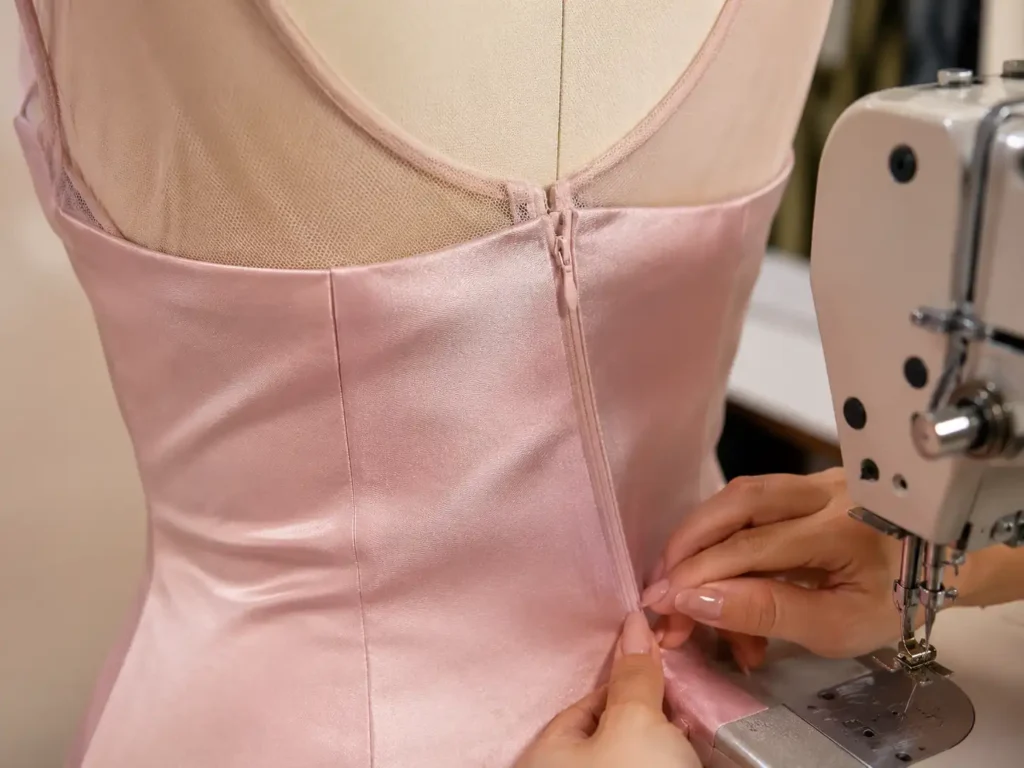
Zipper and Lining
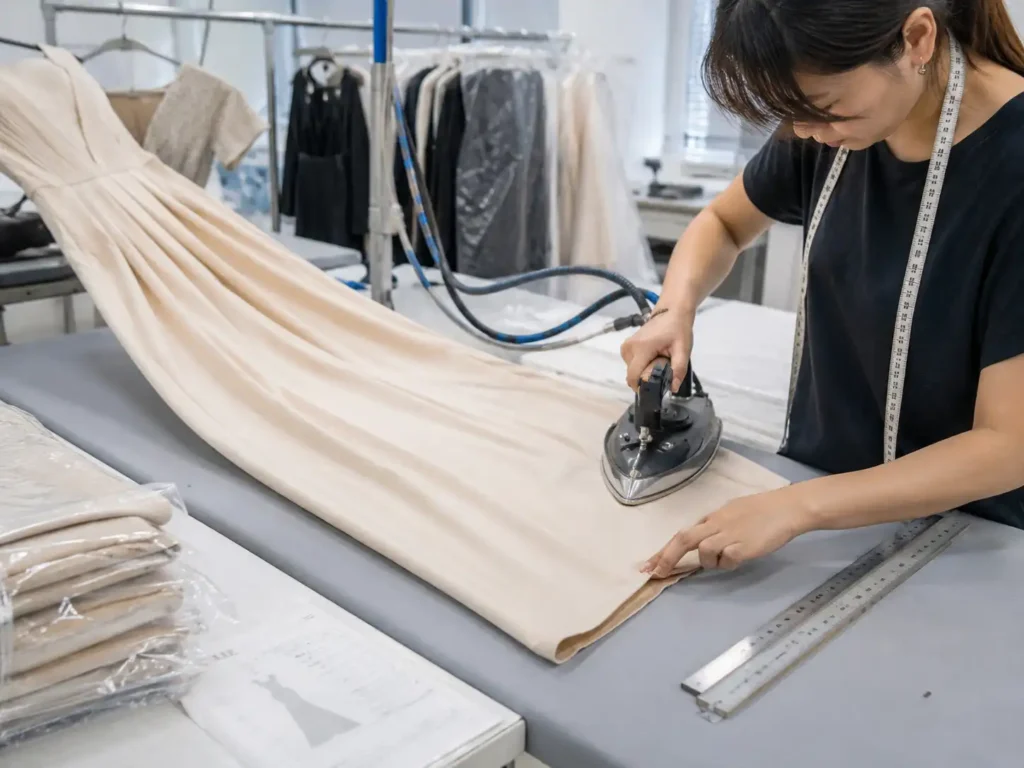
Hem and Pressing
Hem width, stitch appearance, level and pressing condition are reviewed. Fabric shine, creasing and flattened texture are rejected according to the approved standard.
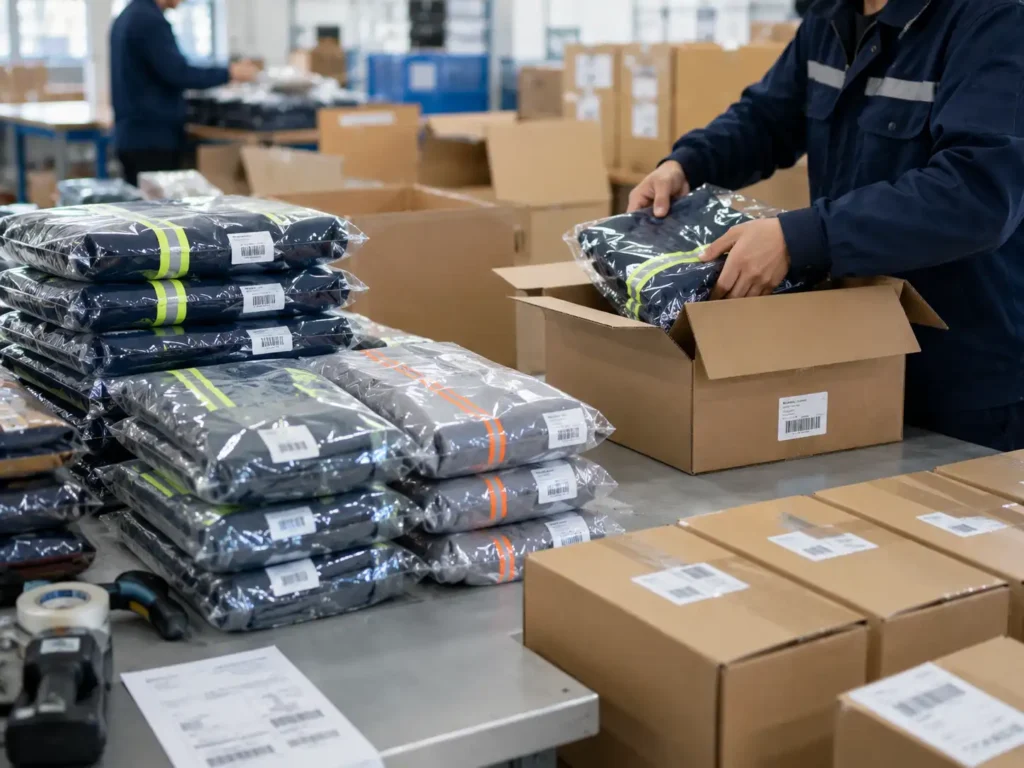
Final Packing
Production Capacity for Multi-Style Brand Programs
6 Owned Factories
10+ Long-Term Partners
18+ Sewing Lines
12+ Merchandisers
15+ QC Inspectors
Multi-Batch Delivery
Private Label Details Managed with the Garment

Main Label
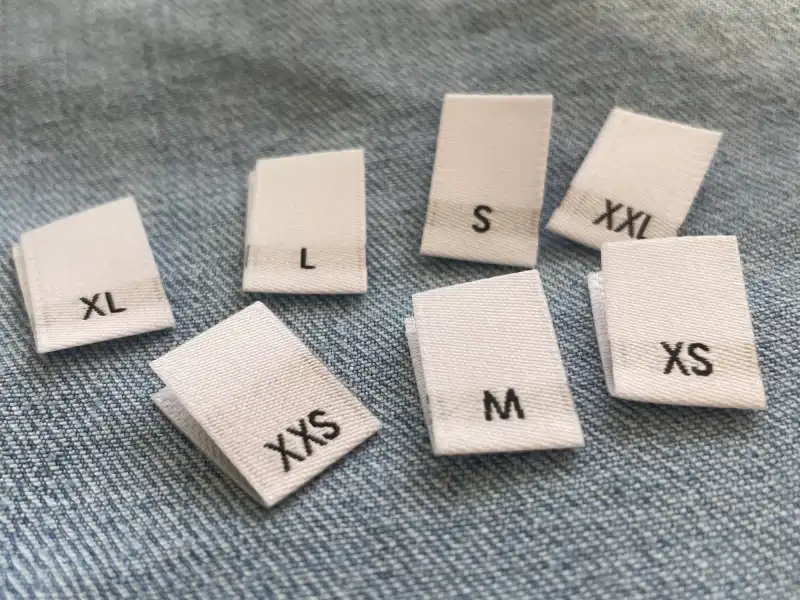
Size Label
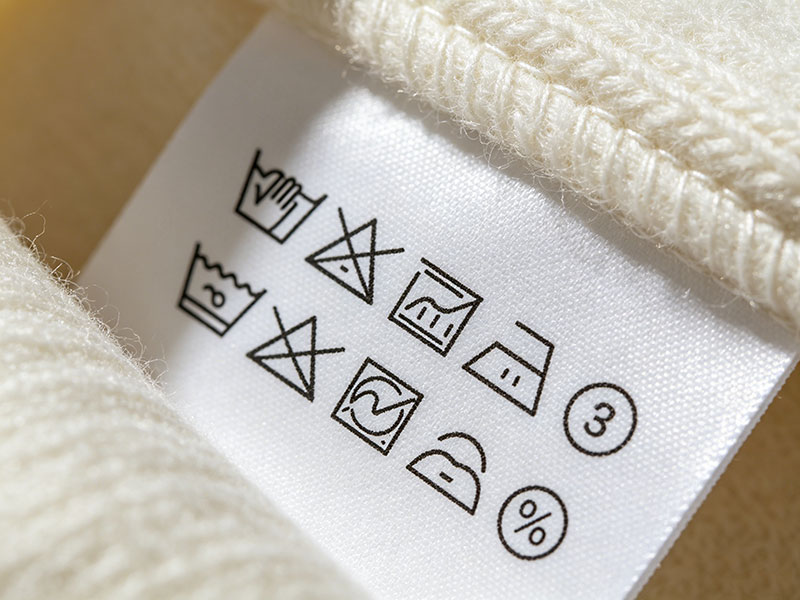
Care Label

Hangtag
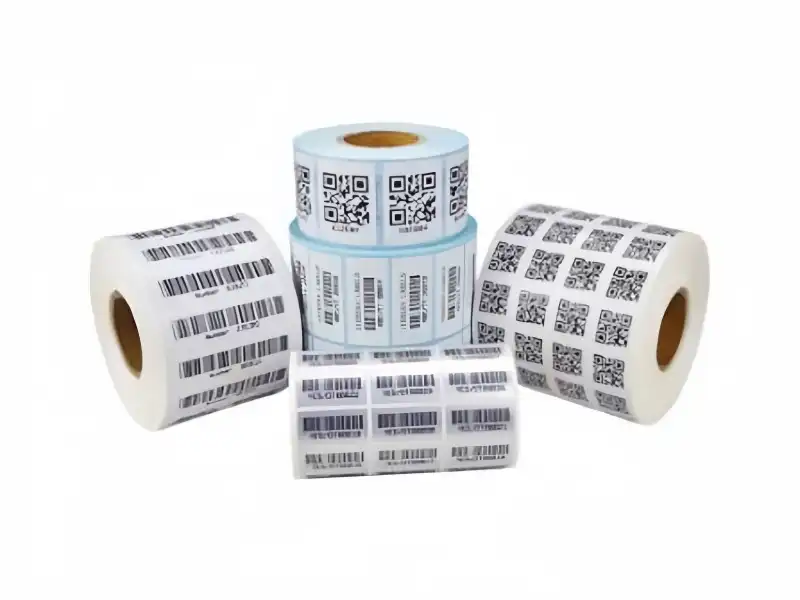
Barcode
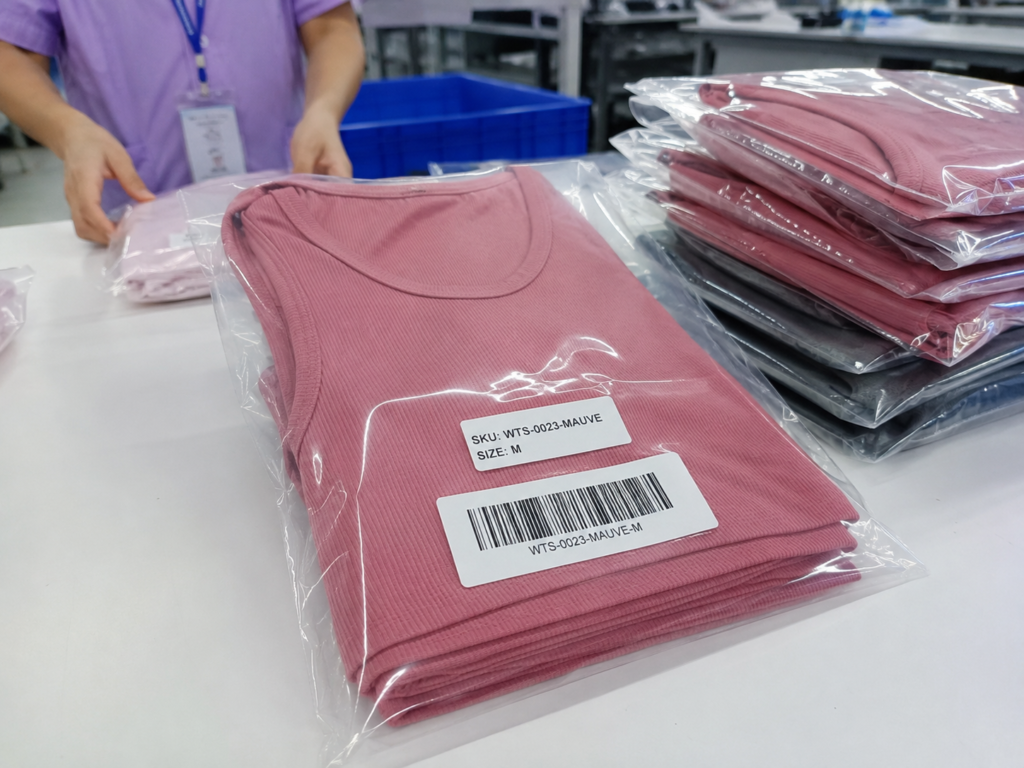
SKU Sticker

Polybag

Brand Sticker

Tissue and Insert
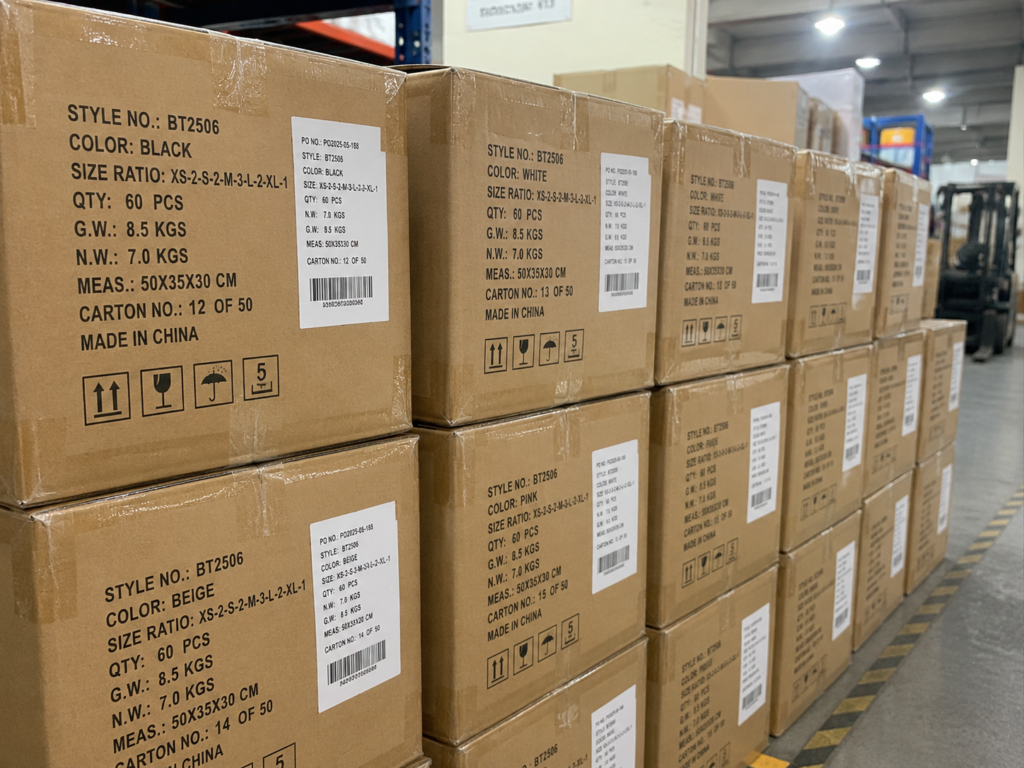
Carton Mark
Packing List
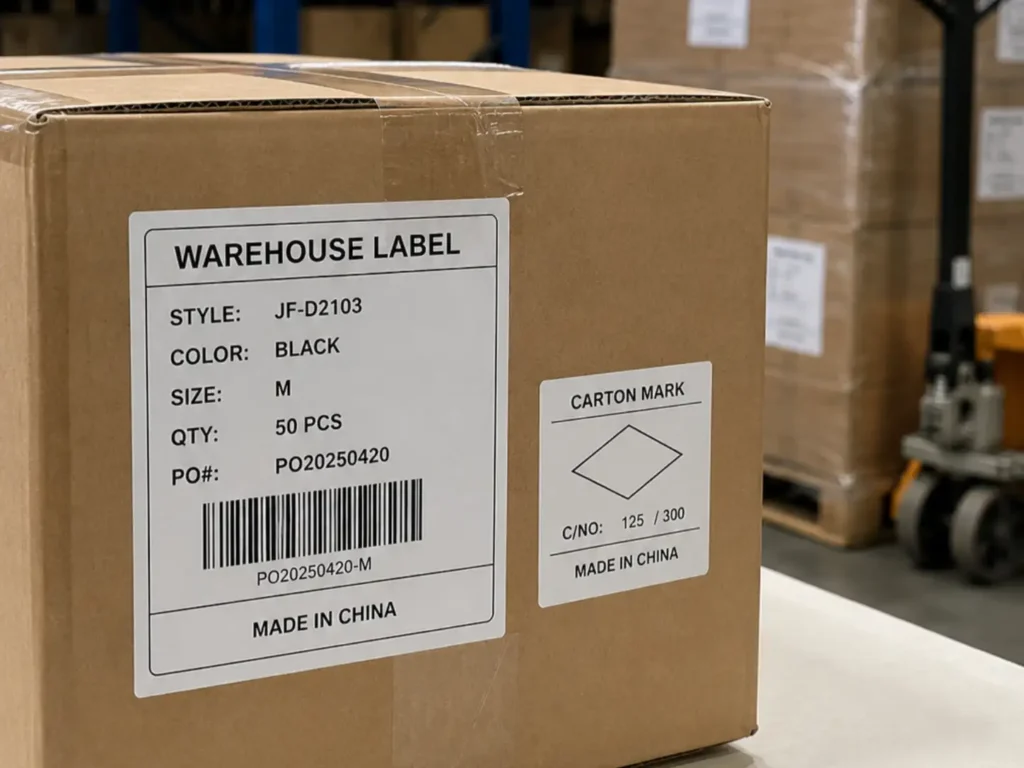
Warehouse Label
Delivery Prepared for Retail and Ecommerce Operations
Size Planning
Retail-Ready Packing
Ecommerce Packing
Freight Coordination
Air and Sea Planning
Split Shipment
Fit and Flare Dress Manufacturer Case Studies
US Ecommerce Fit and Flare Collection
An established US premium ecommerce label developed an 18-style fit and flare program covering graduation, homecoming and going-out categories. The order included approximately 36,800 pieces across satin, ponte, lace and structured woven qualities.
Project Challenge
The collection included mini and midi lengths, square necklines, corset-inspired bodices, sleeveless shapes and several light-color styles. Major risks included white-fabric transparency, inconsistent waist positions, mini-length safety, back gaping and skirt-volume differences between fabrics.
Development Response
Styles were divided into structured, fluid and lace groups. Base patterns were developed by silhouette family while neckline, bodice and skirt details remained style-specific. Light-color garments received lining and coverage review. Fit comments were recorded by bust, armhole, bodice length, waist position, skirt sweep and total length.
Production Control
The program moved into production after material, fit, labels and PP standards were locked. QC emphasized waist alignment, left-right symmetry, skirt balance, zipper flatness, lining length and light-color cleanliness. SKU, barcode and color-size packing instructions were checked before phased shipment.
Program Result
The coordinated structure allowed 18 styles to move through development and production without treating every garment as an unrelated order. Pattern, measurement, fabric and packing records were retained to support follow-up colors and repeat styles.
UK Occasionwear Fit and Flare Program
An anonymous UK occasionwear label placed a 12-style fit and flare midi and cocktail program totaling approximately 24,600 pieces.
The assortment focused on satin, crepe, lace overlays and lined woven constructions.
Project Challenge
The brand required a refined appearance across several dark, jewel and pastel shades.
Key concerns included satin shade consistency, lace placement, waist-seam smoothness, lining comfort, zipper rippling and even hems on fluid skirts.
Development Response
Fabric directions were reviewed according to drape, sheen and skirt construction.
Satin styles received seam and pressing review; lace styles received motif, edge and lining checks. Bodice patterns were corrected for bust shaping and back fit before size grading.
Production Control
Bulk fabric lots were identified by color, while zipper, lining and thread shades were coordinated with approved references.
In-line inspection focused on waist seams, zipper areas and panel balance. Final checks covered fabric appearance, hem level, lining exposure and pressing.
Program Result
The 12-style program combined a consistent fit language with distinct fabric and design identities. Production records supported later review of follow-up colors without relying on verbal memory.
Australian Resort and Eventwear Collection
An Australian fashion label developed a 26-style seasonal collection containing printed fit and flare dresses, lightweight occasion styles and eventwear variations.
The total production program covered approximately 58,400 pieces.
Project Challenge
The assortment combined several printed woven fabrics, chiffon layers, crepe, cotton blends and selected structured styles. Development had to coordinate multiple prints, short seasonal timing, lightweight transparency, wrinkle behavior and color-size packing.
Development Response
The collection was grouped by print, fabric and construction complexity. Print direction, panel placement and shrinkage were reviewed before bulk cutting. Lightweight styles received lining and coverage checks, while structured styles used separate pattern and sewing standards.
Production Control
Sample priority followed the brand’s campaign calendar. PP approvals, material arrival and production allocation were tracked by style group. QC focused on print direction, waist position, skirt balance, lining, dress length and packing condition.
Program Result
Multi-style grouping allowed the seasonal range to move through development, production and phased delivery with clearer approval ownership. Pattern, print, color, trim and packing records were retained for repeat-order evaluation.
Frequently Asked Questions About Fit and Flare Production
MOQ starts from 200 pieces per style and color. Final requirements depend on fabric availability, custom colors, trims, construction complexity, packaging and production scheduling. Two colors at 100 pieces each do not normally meet a 200-piece-per-color structure.
Yes. Front, back and detail images can begin structure evaluation. A size chart, quantity plan, fabric direction and target launch date improve accuracy. Pattern, internal construction and measurements still require confirmation before sampling.
Yes. The team can review an existing pattern, original garment or sample for bodice fit, waist position, skirt balance, neckline, armhole, closure and length issues. Approved corrections are transferred into updated production files.
Ponte, structured knit, satin, crepe, chiffon, lace, cotton blends, organza and printed woven fabrics are common directions. The right option depends on the intended structure, drape, price, transparency, care and selling occasion.
Yes. Each length requires separate review of skirt weight, balance, lining, movement, packing and target-market fit. Maxi and bias styles may require additional hem-settling and leveling procedures.
Waist position is set through front bodice length, back bodice length, side balance and approved measurement points. Production checks compare the garment with the final specification and Golden Sample.
Size ranges can be evaluated according to the brand’s grade rules and fit requirements. Extended sizing may require additional pattern adjustments, size-set samples or fit review rather than simple proportional enlargement.
Yes. Main labels, size labels, care labels, hangtags, barcodes, SKU stickers, polybags, carton marks and warehouse labels can be coordinated according to approved files and project requirements.
Yes. NDA-based cooperation is supported for tech packs, samples, patterns, trims, labels, packing files, unpublished designs and order information.
Provide the style image or tech pack, size chart, quantity by style and color, fabric direction, color plan, label and packing needs, destination and target delivery date. A BOM and original sample can improve accuracy.

Start Your Fit and Flare Dress Project
Clear project files help the team assess bodice structure, waist placement, skirt construction, fabric suitability, sampling requirements, MOQ, costing and production timing. Please include:
- Reference images, sketches, tech pack or original sample details
- Size chart and planned size range
- Quantity by style and color
- Preferred fabric, weight, composition or reference swatch
- Color plan or Pantone references
- Main label, care label, hangtag and barcode requirements
- Packing and warehouse instructions
- Target delivery date and shipping destination