Skip to content
Skater Dress Manufacturer
Custom fit-and-flare dress development for global fashion labels requiring precise waistlines, balanced skirt volume, stable sizing, and reliable bulk execution.
- MOQ starts from 200 pieces per style and color, subject to fabric, print, trim, construction, and packing requirements.
- 7+ senior womenswear pattern makers control bodice length, waist position, skirt sweep, hem balance, and full-size grading.
- 2 sample rooms and 20+ sample machinists support first samples, fit samples, revisions, photo-ready samples, PP samples, and Golden Samples.
- Eight critical checkpoints cover bust fit, waist measurement, waistline position, side-seam balance, skirt symmetry, front and back length, hem level, and lining coverage.
Manufacturing Depth Behind Every Skater Dress Program
Since 2008
Long-term womenswear manufacturing experience supports more accurate product evaluation before sampling. Design references are reviewed through fabric behavior, pattern structure, construction difficulty, production feasibility, and bulk consistency rather than appearance alone.
Six Owned Factories
Ten Plus Partners
Two Sample Rooms
Seven Pattern Makers
Fifteen QC Inspectors
Built for Established Fashion and Retail Programs
Global Fashion Brands
Premium Ecommerce Labels
Sourcing Teams
Product Developers
Private Label Programs
Fashion Retailers
Production Risks Hidden Inside Skater Dress Silhouettes
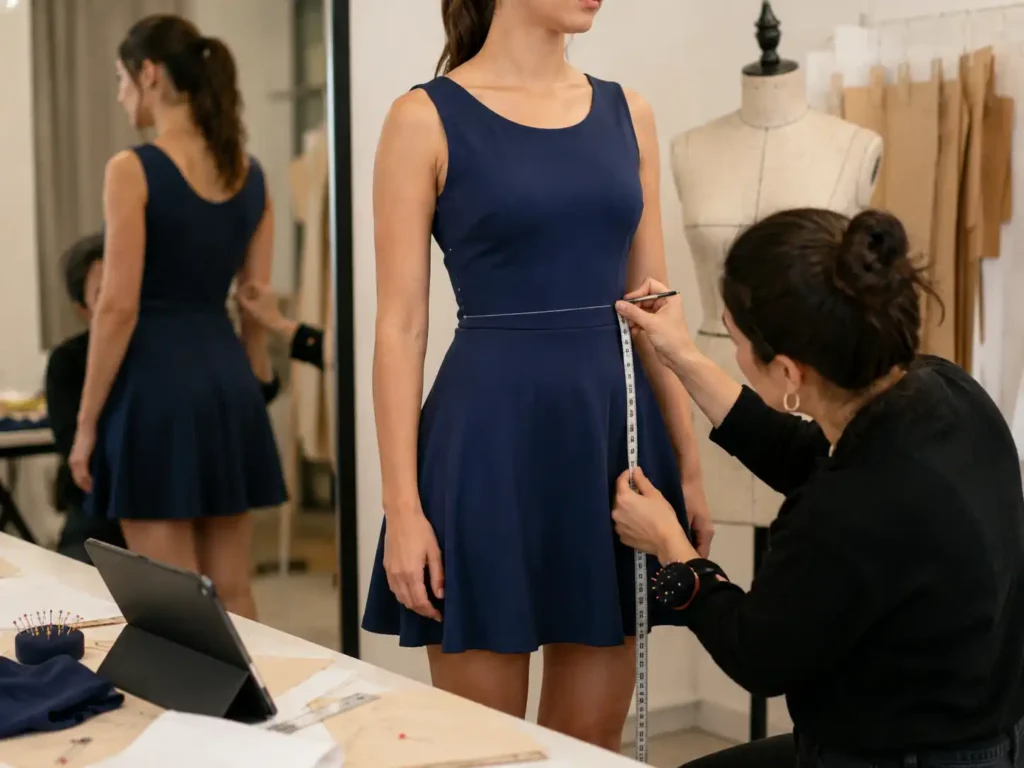
Incorrect Waist Position
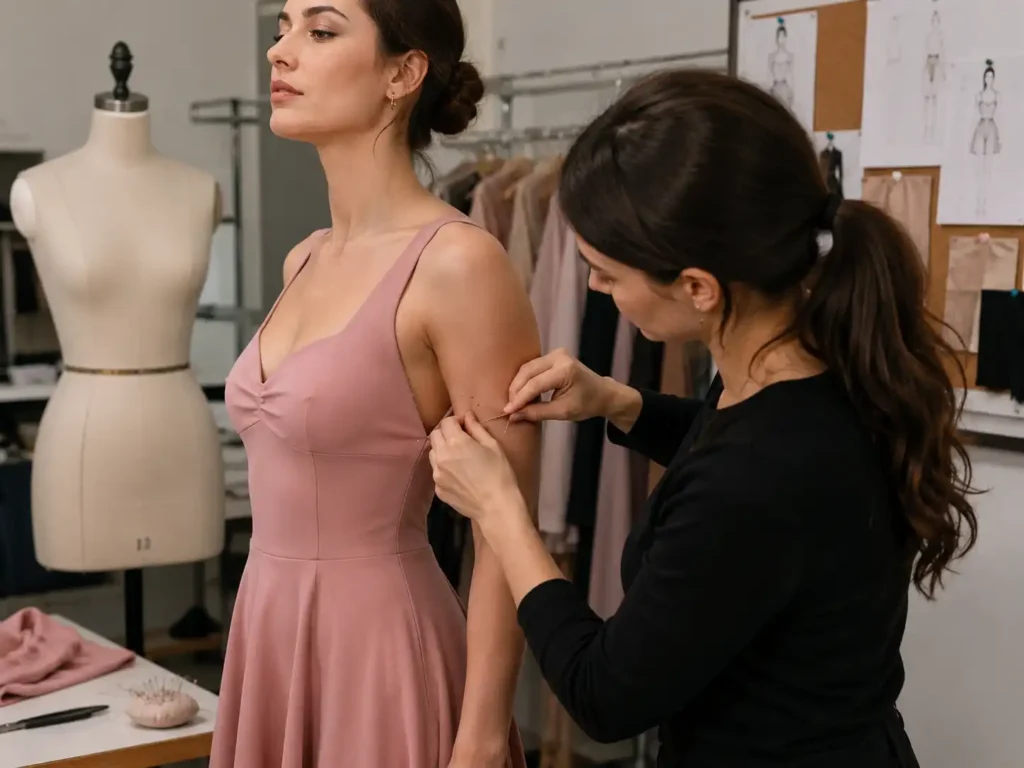
Unstable Bodice Fit
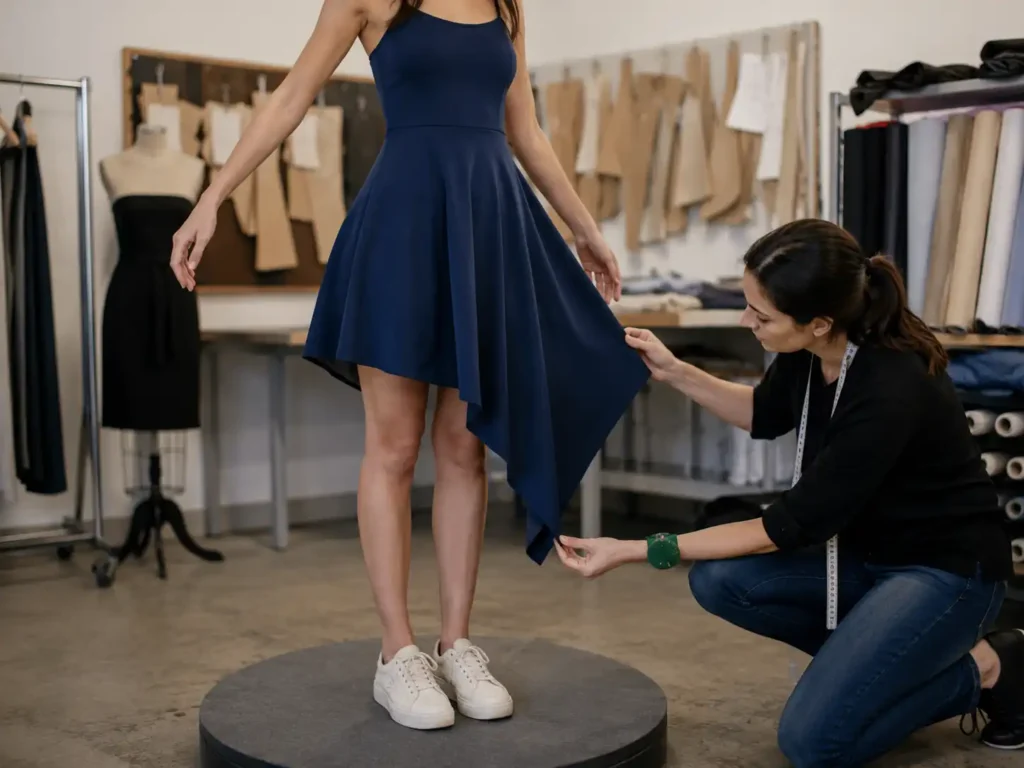
Uneven Skirt Sweep
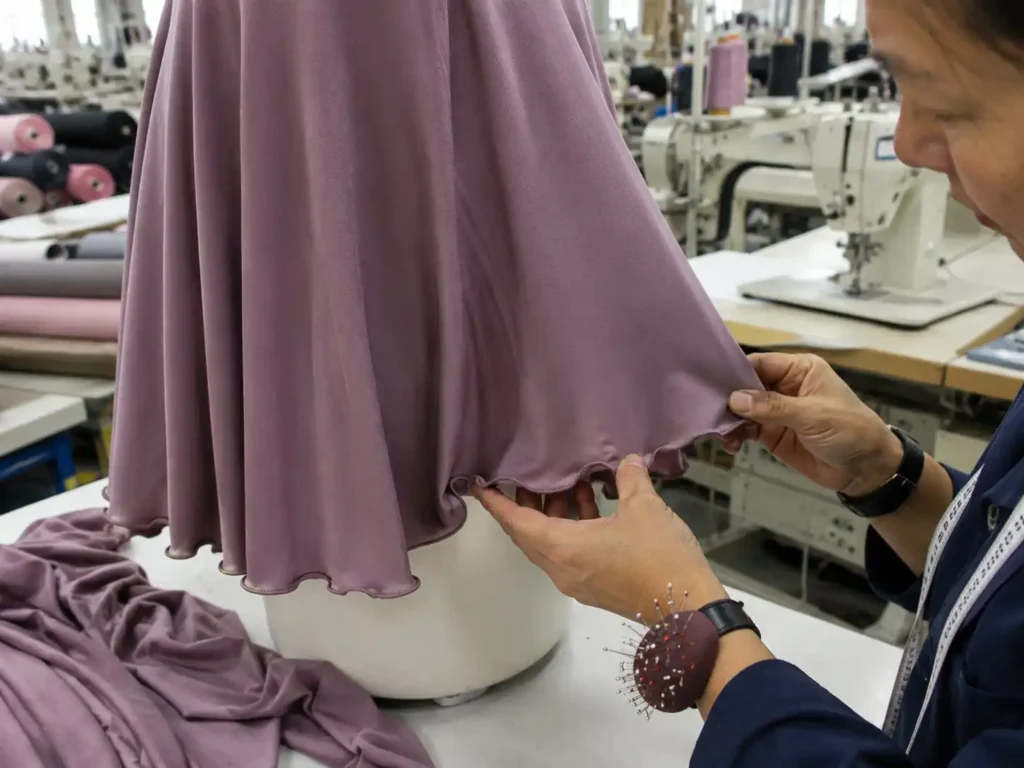
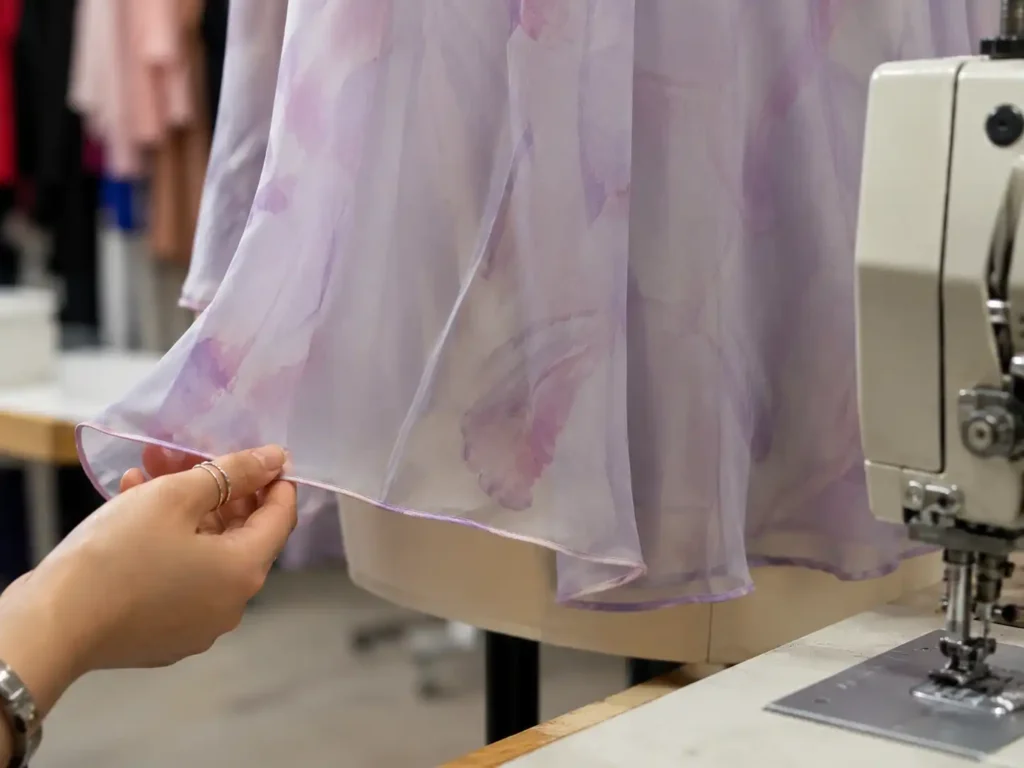
Wavy Hemlines

Unsafe Mini Length
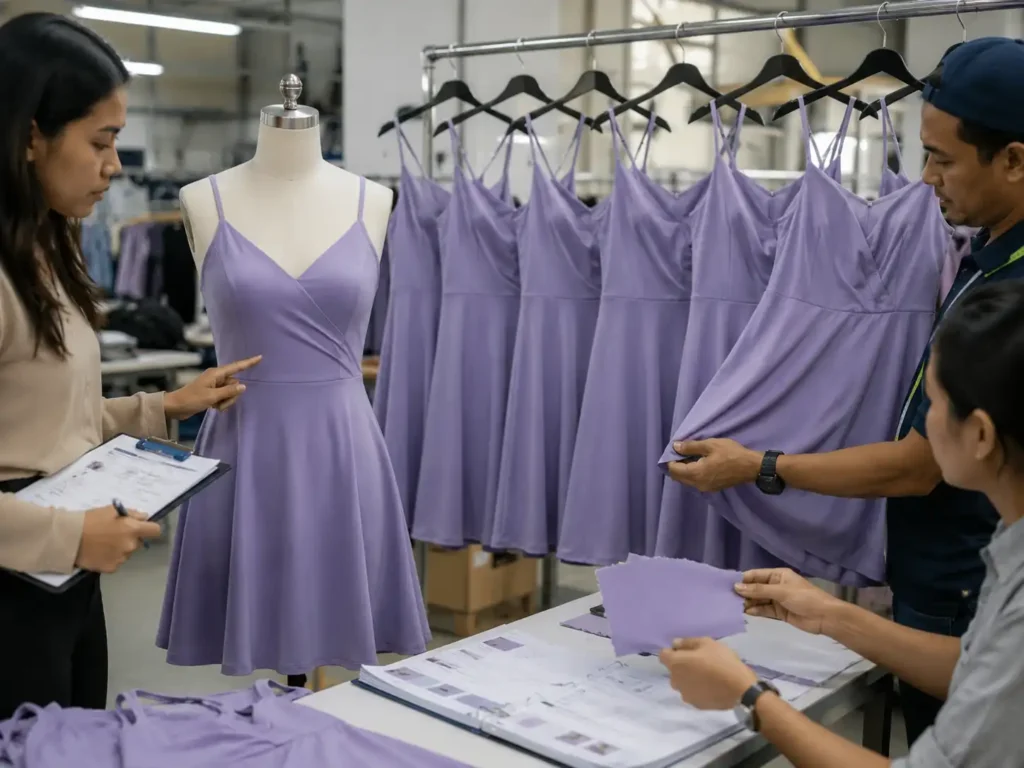
Sample Bulk Gaps
From Design Files to Retail-Ready Bulk Delivery
Project Review
Fabric Direction
Pattern Development
First Sample
Fit Revision
PP Approval
Bulk Production
Quality Control
Export Delivery
Custom Skater Dress Styles for Commercial Collections
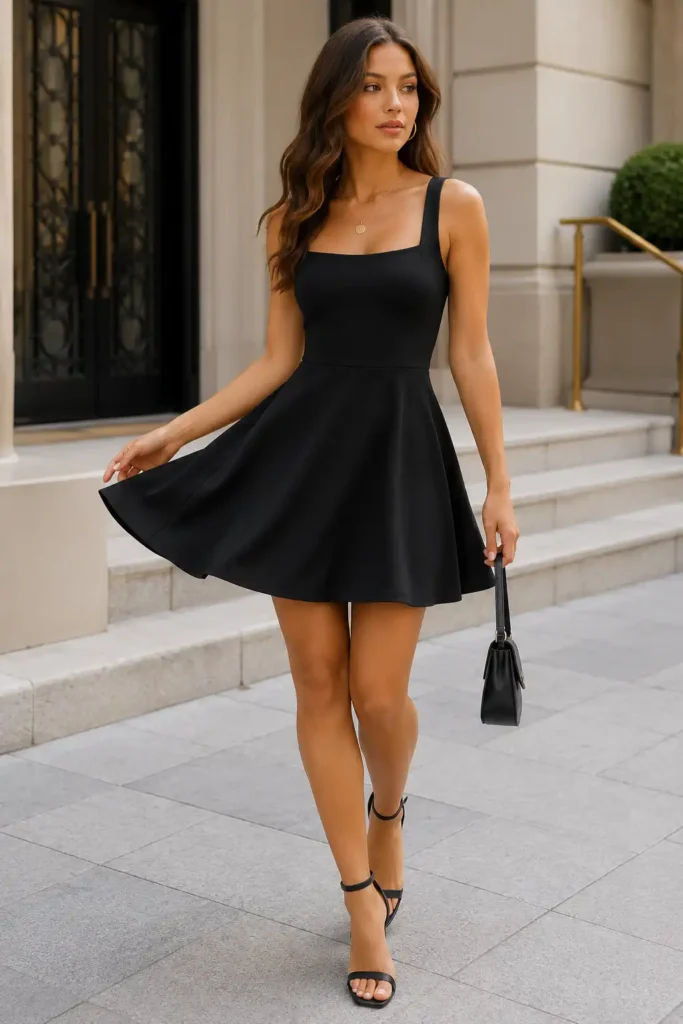
Classic Mini Skater
Key controls include:
- Front and back bodice balance
- Waistline position
- Skirt length during movement
- Even skirt distribution
- Hem stability
- Consistent XS–XL grading
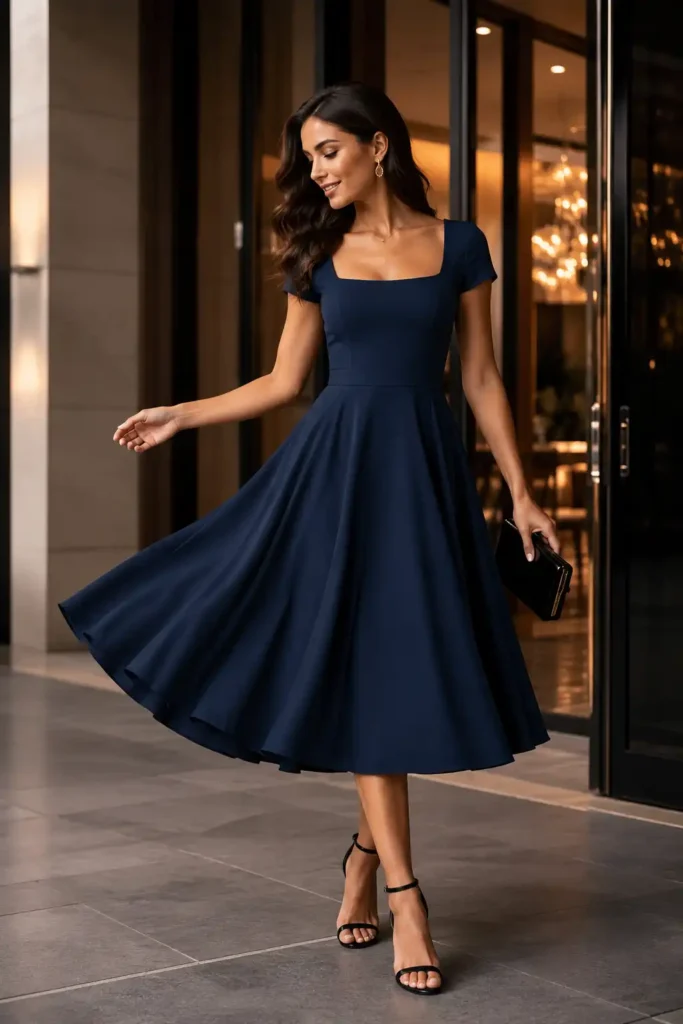
Midi Skater Dress
Development must consider:
- Calf position by size
- Skirt weight
- Side-seam hanging
- Center-front and center-back level
- Lining length
- Hem method
- Packing fold lines
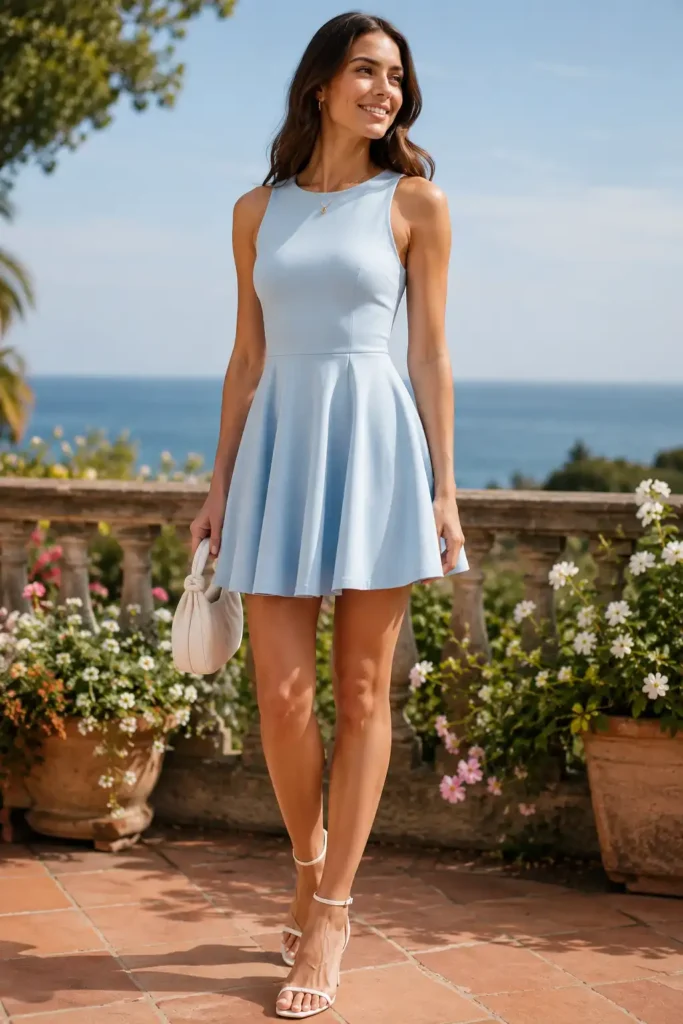
Sleeveless Skater Dress
Suitable structures include:
- High-neck sleeveless
- Square-neck sleeveless
- Scoop-neck sleeveless
- V-neck sleeveless
- Wide-strap shapes
- Bra-friendly designs
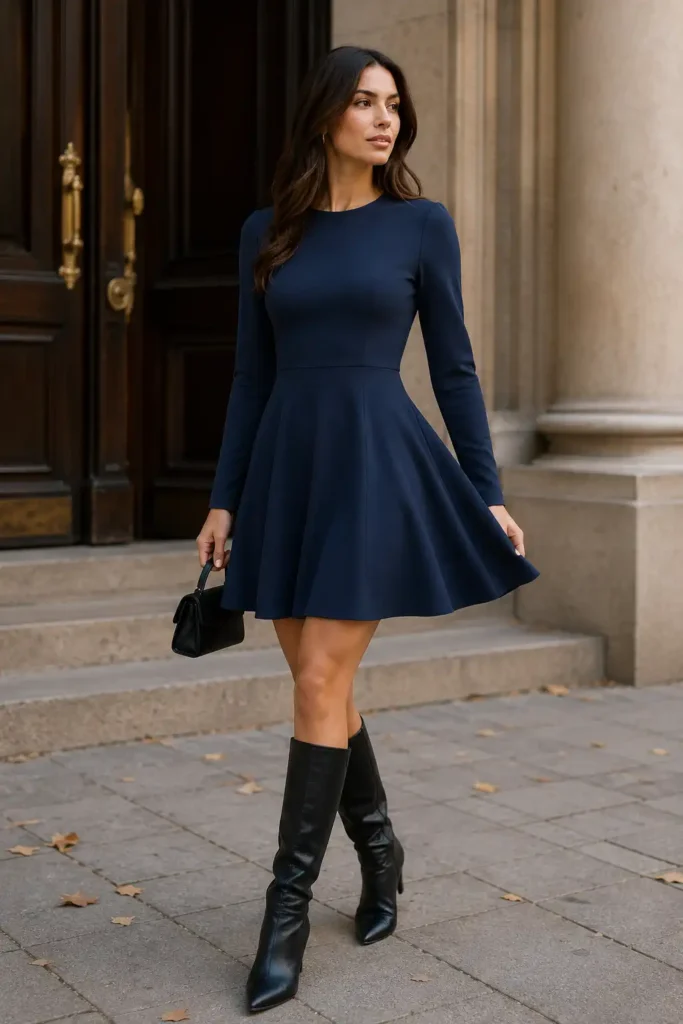
Long-Sleeve Skater
Important controls include:
- Sleeve cap shape
- Bicep ease
- Elbow movement
- Cuff opening
- Shoulder balance
- Waist stability during arm movement
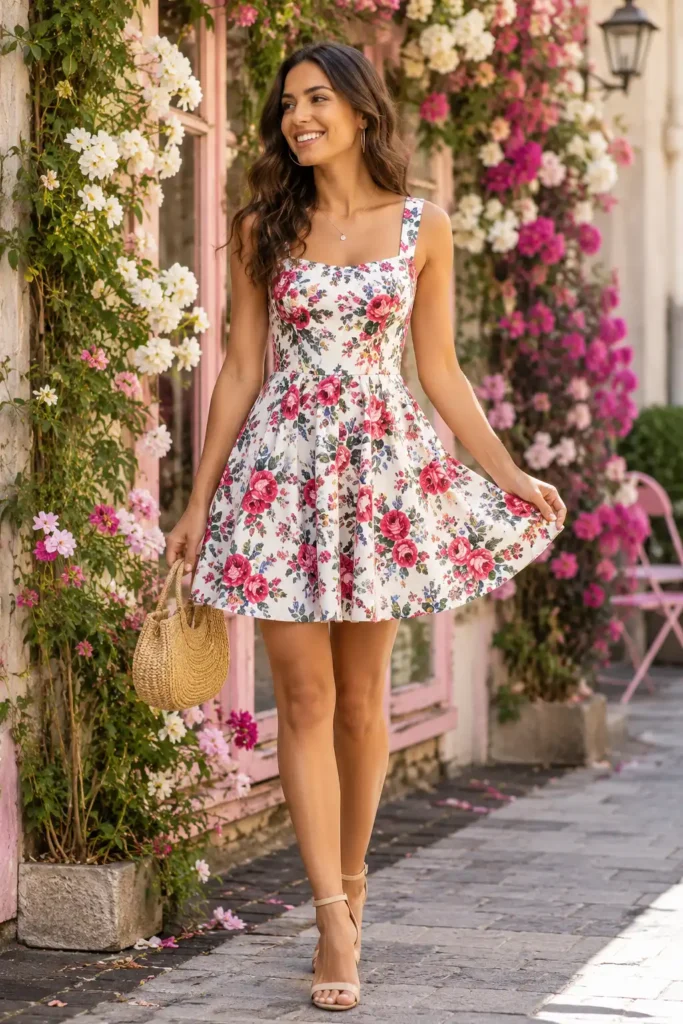
Printed Skater Dress
Development evaluates:
- Print direction
- Center-front motif placement
- Left-right symmetry
- Panel matching
- Cutting wastage
- Color fastness
- Bulk shade variation
- Repeat size

Knit Skater Dress
Key controls include:
- Stretch percentage
- Stretch direction
- Recovery
- Shrinkage
- Side-seam twisting
- Waist-seam reinforcement
- Coverstitch tension
- Hem waving
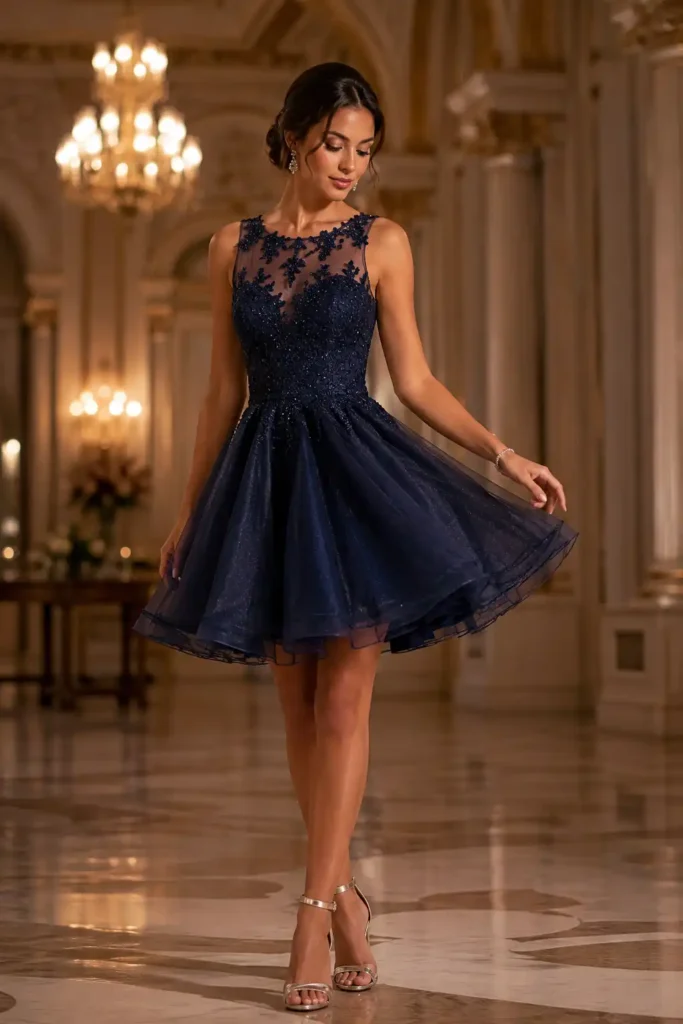
Occasion Skater Dress
Development may include:
- Multiple skirt layers
- Supported bodice construction
- Cup or boning placement
- Invisible zipper installation
- Lining and shell separation
- Hand-applied details
- Pressing protection
- Individual garment packing
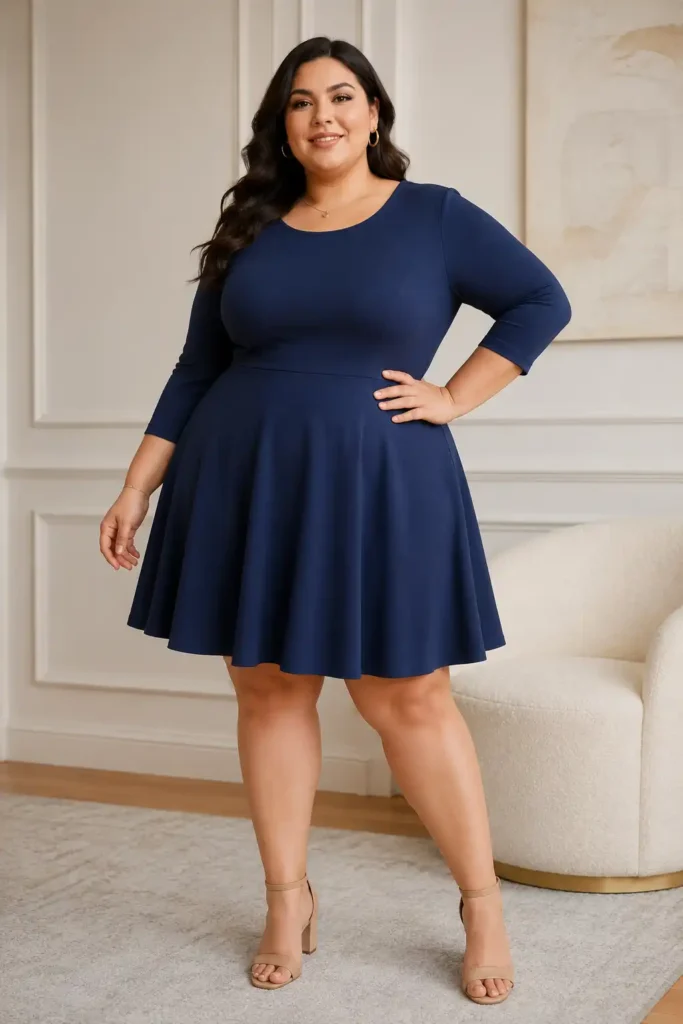
Extended-Size Skater
Development focuses on:
- Grade-rule review
- Bust and waist increments
- Front-length growth
- Back balance
- Sleeve width
- Armhole comfort
- Waistline position
- Skirt sweep growth
Skater Dresses for High-Value Selling Occasions
Casual Daywear
Graduation Collections
Homecoming Programs
Going-Out Dresses
Party Collections
Seasonal Capsules
Fabrics Engineered for Controlled Skater Dress Silhouettes
Fabric choice determines whether a skater dress hangs softly, holds a sculpted flare, moves fluidly, wrinkles easily, stretches out, or develops an unstable hem. Jinfeng reviews material behavior before final pattern and costing decisions.

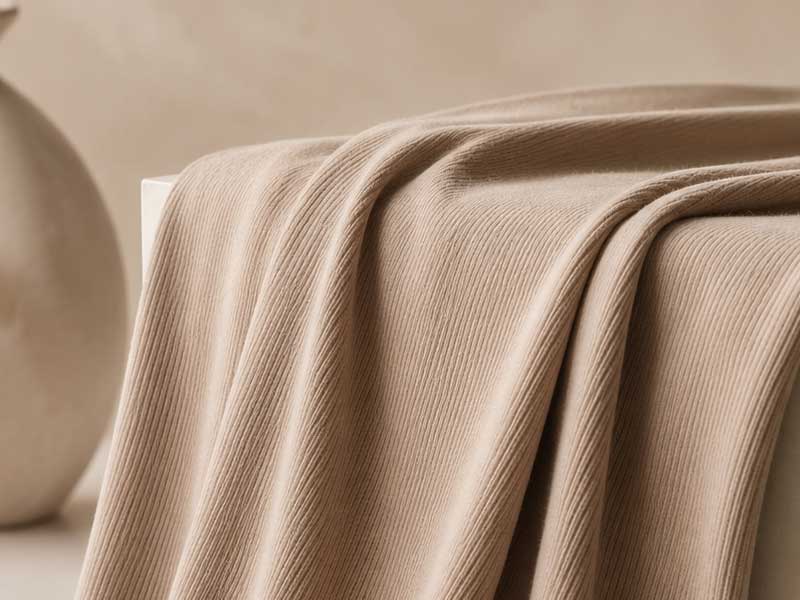
Jersey for Soft Movement and Everyday Wear
Jersey creates a comfortable skater dress with natural movement and an easy pull-on fit. The fabric can support casual, travel, daywear, and ecommerce core programs, yet performance varies widely by fiber, knitting structure, weight, and elastane content.
Material review covers:
- Composition: cotton, viscose, modal, polyester, or blended yarns
- Weight: light jerseys can appear thin; heavier jerseys provide stronger coverage
- Stretch direction: two-way and four-way stretch require different pattern logic
- Recovery: weak recovery can loosen the waist and bodice after wear
- Shrinkage: washing can reduce body length, sleeve length, and skirt length
- Twisting: unstable knit structure can rotate side seams after laundering
- Surface: pilling or shine can weaken the intended retail level
The pattern may use reduced ease, controlled waist measurements, and stabilizing methods around the shoulder, neckline, or waist seam. Cutting direction must follow the approved stretch orientation. Sewing tension is adjusted to prevent popped stitches and wavy seams.
Sample review should include appearance after hanging, movement, and—when required—wash testing. Bulk QC checks stretch consistency, body measurements, side-seam balance, neckline shape, skirt length, and hem flatness.

Ponte Roma for Defined Shape and Stable Sizing
Ponte and Roma fabrics provide more body than standard jersey. Their compact construction can create a clean bodice, defined waist, controlled flare, and smoother surface, making them suitable for structured casual, office-inspired, travel, and transitional collections.
Development review covers:
- Fabric weight and thickness
- Stretch and recovery
- Compression level
- Surface smoothness
- Seasonal suitability
- Color consistency
- Pressing behavior
- Washing stability
A very heavy ponte can make a full skirt feel bulky at the waist. A very light ponte may not hold the intended silhouette or may show undergarment lines. Skirt sweep should be balanced against fabric weight so the garment moves without excessive bulk.
Pattern ease is established after stretch testing. Waist seams may require controlled reinforcement, while zipper use depends on neckline opening, stretch percentage, and fit level. Pressing must avoid shine or seam impressions.
Ponte can support stable size programs, but bulk lots still require measurement and recovery checks. New colors or suppliers should be reviewed because weight, hand feel, and stretch may vary even under the same general fabric name.

Cotton Blends for Crisp Commercial Silhouettes
Cotton poplin, cotton sateen, cotton-spandex, and polyester-cotton blends can produce fresh, clean skater dresses with visible skirt structure.
They work well for summer collections, casual dresses, uniform-inspired fashion, floral prints, and polished daywear.
Material decisions include:
- Fiber composition
- Fabric width
- Wrinkle performance
- Shrinkage
- Opacity
- Print suitability
- Colorfastness
- Surface finish
- Required lining
Poplin can create a crisp flare but may wrinkle during sitting, packing, and transport. Sateen provides a smoother, richer surface but may show needle marks or pressing shine. Cotton-spandex improves movement while adding recovery and shrinkage considerations.
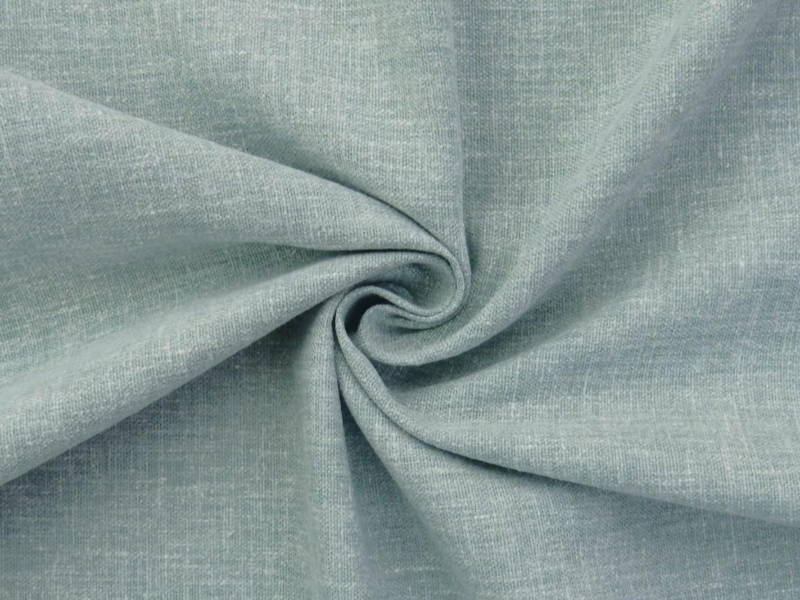
Woven cotton bodices generally need darts, princess seams, panel shaping, elastic sections, smocking, or a zipper. The waist seam must stay flat and secure. Circular or panelled skirts require grain control and sufficient resting before final hem leveling.
Bulk inspection focuses on shade, fabric defects, print placement, shrinkage, waist measurements, zipper flatness, skirt balance, and packing creases.
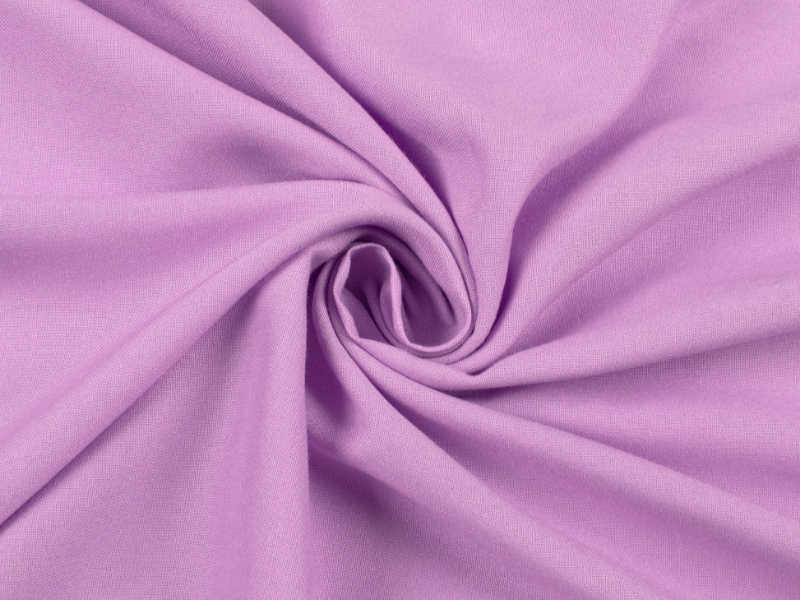
Rayon and Viscose for Fluid Drape
Rayon and viscose fabrics create a softer, more fluid skater silhouette.
They suit resort, floral, summer, brunch, and feminine daywear programs where the skirt should move rather than hold a rigid shape.
Important variables include:
- Fabric weight
- Drape
- Surface texture
- Shrinkage
- seam slippage
- wrinkle recovery
- colorfastness
- fabric width
- print repeat
Light rayon may require lining or doubled sections around the bodice. Heavier viscose can create elegant movement but adds weight around the waist seam. Bias sections can grow during hanging, changing hem balance after sewing.
Pre-production fabric review may include relaxation or shrinkage assessment according to care expectations. The pattern is adjusted for the chosen material rather than copied directly from a cotton or ponte sample.
During bulk production, cutting layers must be controlled to prevent shifting. Finished garments are checked for side-seam balance, skirt level, bust and waist measurements, puckering, and pressing quality. Folding methods should reduce deep creases before warehouse delivery.

Satin for Photo-Ready Occasion Styles
Satin can transform a skater dress into an occasion, graduation, homecoming, birthday, or evening style. The same shine creating strong photography appeal also exposes handling marks, grain errors, seam puckering, zipper distortion, and pressing damage.
Material evaluation covers:
- Woven or stretch satin
- Surface shine
- Weight
- drape
- stretch direction
- snagging risk
- shade variation
- opacity
- lining compatibility
- pressing sensitivity
All cutting panels must follow the approved shine direction. A reversed panel can appear like a different color under light. Stretch satin requires stretch-direction control and may need a different pattern from non-stretch satin.
Bodice shaping should avoid excessive tension across the bust or zipper. Waist seams must remain flat without visible puckering. Circular satin skirts may drop unevenly along bias sections and need controlled hanging before leveling.
Packing requires clean handling, suitable folding, and protection from abrasion. QC examines shine direction, stains, scratches, snags, seam appearance, zipper flatness, waistline level, skirt balance, and pressing marks.

Crepe and Structured Wovens for Polished Collections
Crepe, stretch crepe, and selected structured wovens provide a balance between drape, coverage, wrinkle resistance, and shape. They suit cocktail, office-to-evening, semi-formal, and premium everyday skater dresses.
Material review considers:
- Texture
- thickness
- stretch
- drape
- opacity
- seam behavior
- pressing response
- pilling risk
- colorfastness
- width and consumption
Stretch crepe can support fitted bodices with improved comfort, while non-stretch crepe relies more on darts, panels, princess seams, or zipper openings. Skirt sweep should be matched with weight so the garment feels fluid without pulling down the waist seam.
Crepe often offers better travel and packing performance than high-shine satin, but surface texture and thickness still affect the visual level. Sample approval should evaluate the garment under movement, sitting, photography, and expected care conditions.
Bulk checks cover measurements, seam smoothness, zipper alignment, waistline level, skirt symmetry, hem finish, pressing, and carton presentation.
How Fabric Choice Changes the Finished Silhouette
Identical sketches can produce very different garments when fabric weight, stretch, recovery, drape, and surface structure change. Pattern reuse without material review creates avoidable fit and bulk risks.

Soft Jersey Creates Natural Swing
Light or medium jersey follows the body and creates a relaxed skirt movement. The flare appears softer because the fabric collapses closer to the legs instead of holding away from the body.
A successful jersey direction requires:
- Controlled recovery at the waist
- Enough weight for coverage
- Stable neckline construction
- Balanced negative or reduced ease
- Suitable hem tension
- Shrinkage consideration
A paper pattern developed for woven crepe cannot normally be transferred unchanged. Bodice ease, closure needs, waist measurements, and seam methods must be reassessed.
Ponte Holds a Cleaner Outline
Ponte creates clearer edges and a more controlled flare.
The bodice can appear smoother, and the waistline can stay more defined through wear.
Excessive fabric weight can create bulk where the skirt joins the bodice.
The pattern team may reduce unnecessary gathers, adjust seam allowance distribution, or select panelled construction instead of a full circular cut.
Stretch recovery remains important.
A stable first sample does not automatically confirm long-term performance without checking the approved bulk material.

Poplin Produces Crisp Volume
Cotton poplin and similar wovens create visible volume and a youthful, structured shape. The skirt may stand farther from the body than a rayon or jersey version.
Crisp fabric exposes:
- Uneven panel shapes
- grain-line errors
- poor seam pressing
- zipper distortion
- inconsistent waist gathers
- hem-level differences
Wrinkle performance must also match the retail position.
Packing and transport can change the first impression of an otherwise well-made garment.
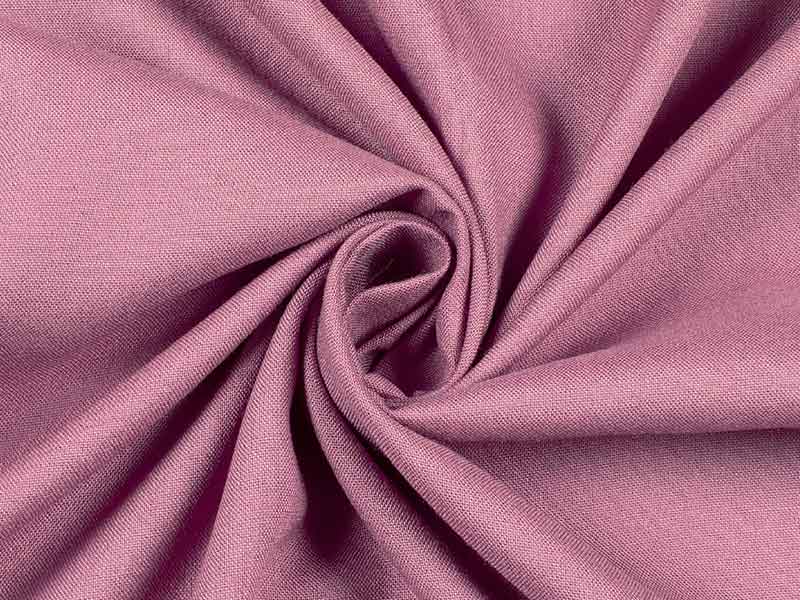
Rayon Creates Fluid Movement
Rayon and viscose soften the flare and create a flowing outline.
A wide skirt may look less voluminous while moving more dynamically.
The same fluidity increases risk of cutting shift, seam growth, and uneven hems.
Fabric relaxation, stable cutting, correct seam handling, and final leveling are important.
Waist seams also carry the weight of the hanging skirt.
Reinforcement or construction adjustments may be considered according to fabric weight and design.
Satin Highlights Every Line
Satin reflects light across the bodice and skirt, making waistline position, seam puckering, panel direction, and hem shape highly visible.
A satin sample should be reviewed under:
- Front lighting
- side lighting
- movement
- close photography
- hanger presentation
- packed condition
Surface protection and clean handling are part of manufacturing quality, not only packing concerns.

Tulle Builds Layered Volume
Tulle and organza can produce a fuller skater silhouette through layers, gathers, or structured underskirts. Volume depends on material stiffness, layer count, skirt radius, and gathering ratio.
Development needs to balance:
- Visual volume
- waist bulk
- lining comfort
- static behavior
- hem finish
- layer alignment
- packing volume
Layered skirts should be checked while standing, walking, sitting, and turning. A visually attractive studio sample must remain wearable and repeatable in bulk production.
Design Options for Distinct Skater Dress Collections

Neckline Direction
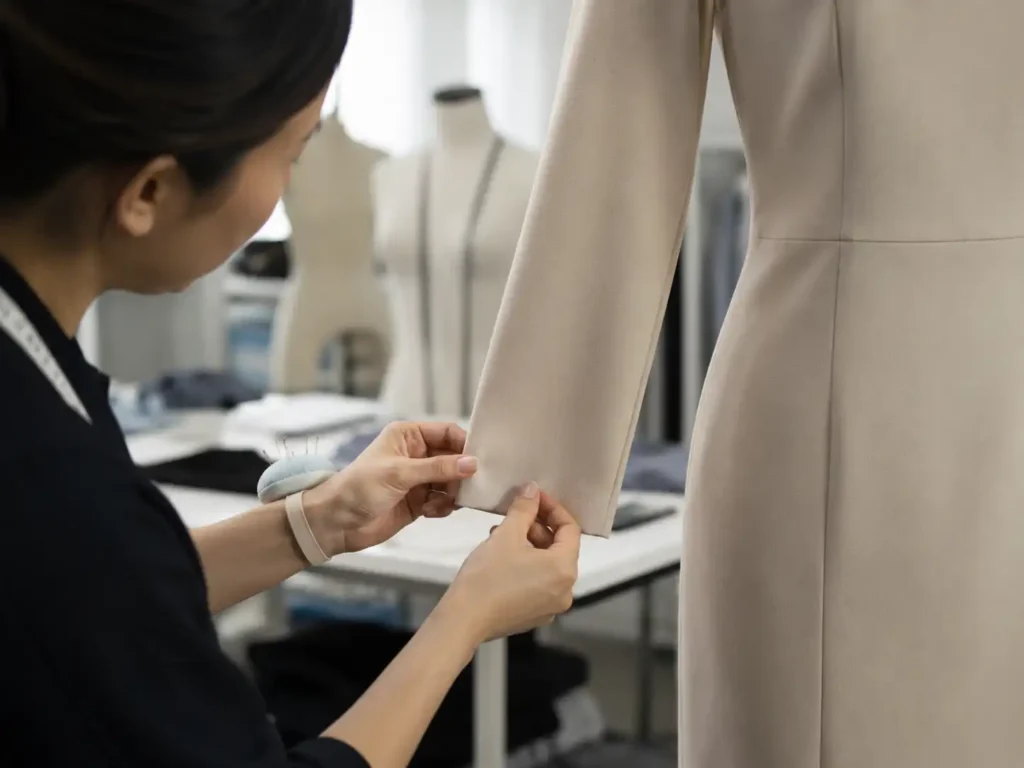
Sleeve Development
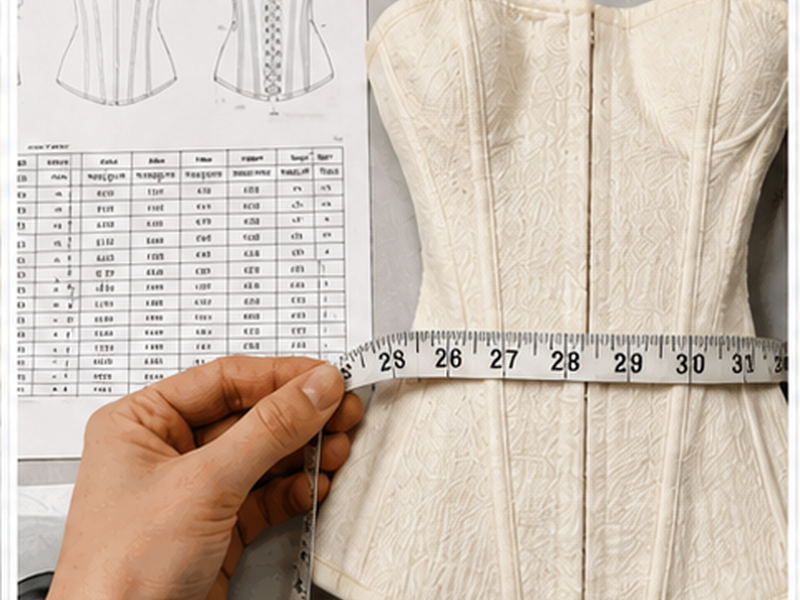
Waist Placement
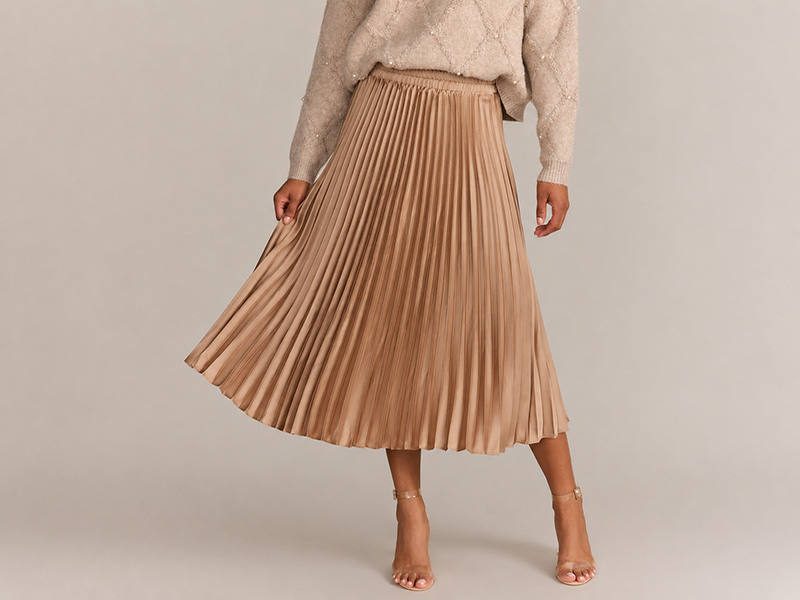
Skirt Length
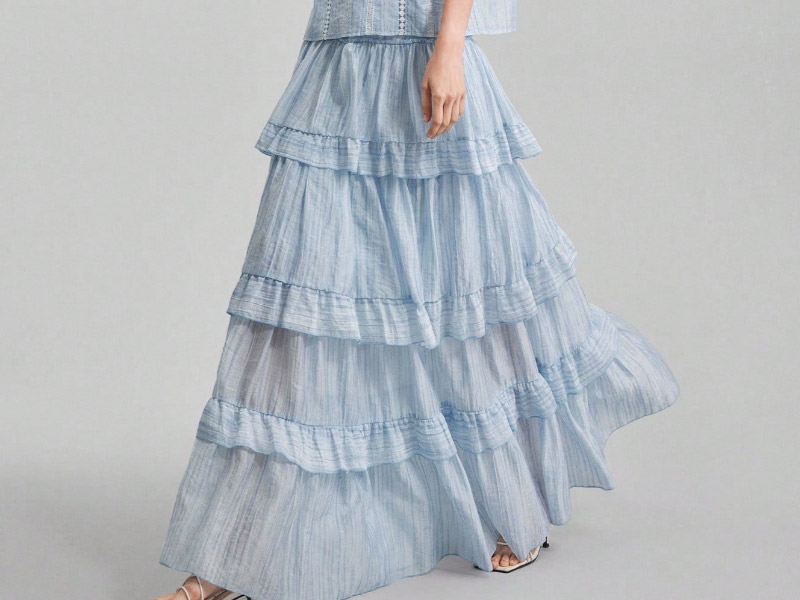
Skirt Volume

Closure Selection
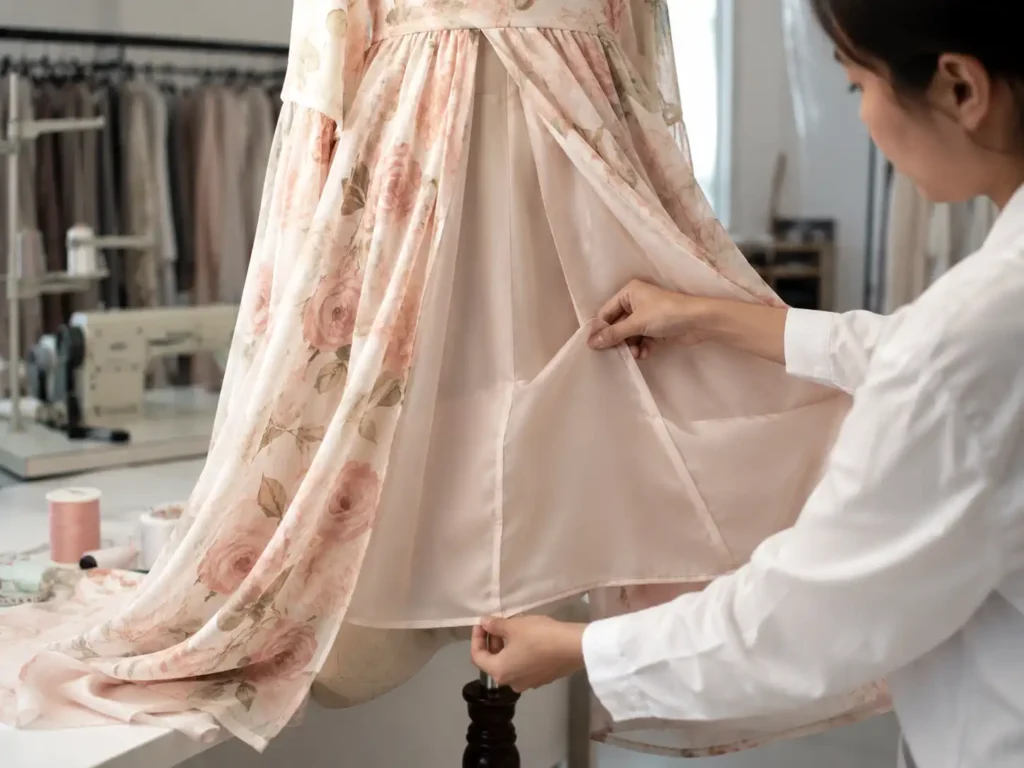
Lining Structure

Color and Print
Tech Pack Review Before Pattern and Sample Development
Strong development begins by converting design information into a clear production package. Jinfeng reviews files for missing, conflicting, or high-risk details before pattern work begins.
Technical Information We Review
A complete submission may include:
- Front and back flats
- construction callouts
- size chart
- points of measurement
- grade rules
- BOM
- fabric composition and weight
- trim specifications
- color references
- artwork
- label files
- packing instructions
The review identifies gaps affecting fit, quotation, sample accuracy, or bulk repeatability. For example, a sketch may show a natural waist while the measurement chart places the waist seam lower. A skirt sweep measurement may conflict with the requested full-circle appearance. A sleeveless bodice may lack armhole depth or shoulder-width measurements.
Questions are consolidated before pattern making whenever possible, reducing repeated corrections later.
Reference-Based Development
Projects can also begin from:
- Reference photographs
- original garments
- hand sketches
- line sheets
- fabric swatches
- mood boards
- fitting comments
Reference-based development requires additional interpretation.
The pattern team studies silhouette, likely seam structure, fabric behavior, proportion, closure, lining, and construction feasibility.
Visual references alone do not provide measurements or internal structure, so key decisions must be confirmed before final sampling.
Jinfeng does not treat a photograph as a complete production file.
The goal is to translate visual direction into a measurable garment suitable for fitting, grading, costing, and bulk manufacturing.
Knit and Woven Skater Dress Engineering Compared
| Control Area | Knit Skater Dress | Woven Skater Dress |
|---|---|---|
| Fit Logic | Uses stretch, recovery, and reduced ease | Uses wearing ease, shaping seams, darts, or panels |
| Opening | May use a pull-on neckline or elastic opening | Often needs an invisible zipper, buttons, or another opening |
| Waist Control | Requires recovery and seam stabilization | Requires accurate seam shaping and flat construction |
| Bodice Risk | Stretch-out, neckline growth, loose recovery | Tight bust, gaping neckline, zipper distortion |
| Skirt Behavior | Soft movement; hem waving can occur | More defined structure; bias drop can affect level |
| Pattern Basis | Built around stretch percentage and recovery | Built around body measurements and planned ease |
| Sewing Focus | Differential feed, stretch seams, coverstitch control | Seam puckering, zipper, darts, pressing, lining |
| Shrinkage | Often linked to washing and knit relaxation | Depends on fiber, finish, and fabric preparation |
| Measurement QC | Checked without overstretching the garment | Checked flat against defined POM methods |
| Best Applications | Casual, travel, daywear, comfortable going-out | Occasion, printed, structured, graduation, polished daywear |
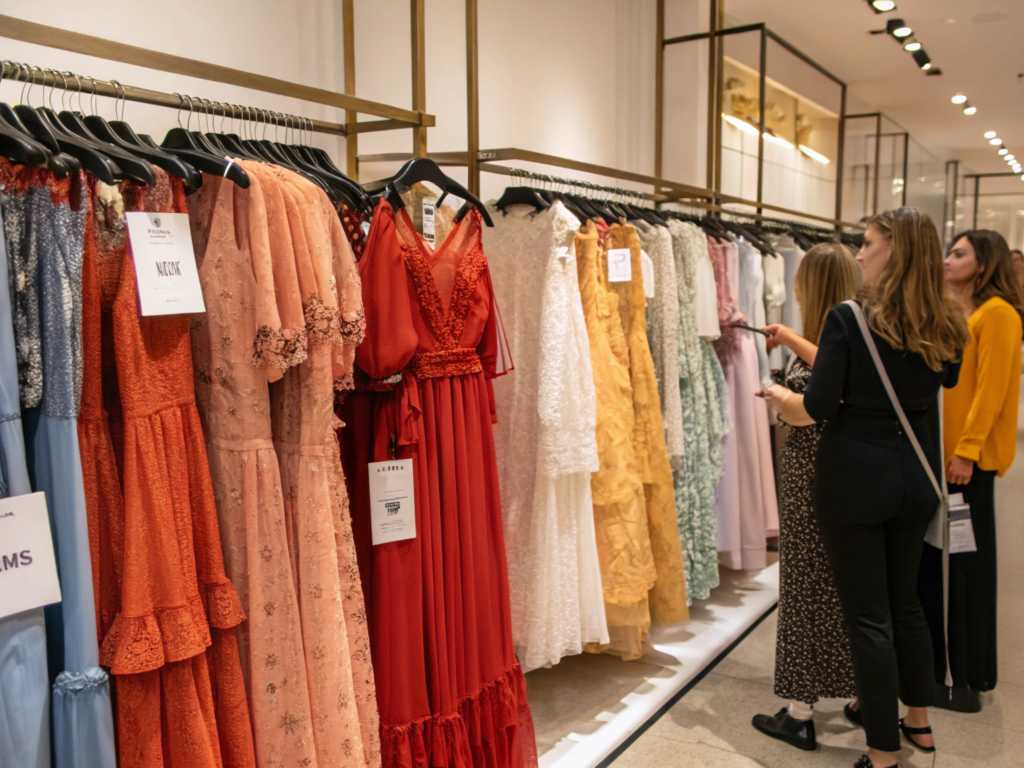
Mini Length Planned for Coverage and Movement
| Review Point | Why It Matters | Development Action |
|---|---|---|
| Center Front Length | Controls visual shortness and front coverage | Confirm from shoulder or high-point shoulder according to size chart |
| Center Back Length | Back may lift due to body shape and skirt movement | Review separately from front length |
| Side Length | Reveals uneven waist or hem balance | Compare left and right sides during fitting |
| Lining Length | Controls opacity and movement coverage | Set relation between shell, lining, and skirt flare |
| Model Height | Changes perceived mini proportion | Record fitting-model height and sample size |
| Sitting Coverage | Standing fit alone may be misleading | Review seated position when style requires |
| Turning Movement | Full skirts rise and open during rotation | Evaluate sweep, weight, and length together |
| Size Grading | Length should not grow mechanically at every size | Confirm grade rules by target market |
Size Grading That Preserves Skater Dress Proportions
Bust Growth
Waist Growth
Bodice Length
Armhole Balance
Skirt Sweep
Dress Length
Structured Sample Development and Revision Control
First Sample
The first sample tests design interpretation, initial pattern, selected fabric, construction route, and overall silhouette.
It is not automatically the final bulk standard.
Fit Sample
A fit sample focuses on body relationship and movement.
Bust, waist, armhole, bodice length, dress length, neckline, sleeve, and skirt balance are compared with the approved size chart and fit comments.
Revised Sample
The revised sample incorporates recorded pattern, measurement, fabric, trim, or construction changes.
Each revision is linked with a clear approval status and next action.
Photo-Ready Sample
PP Sample
Golden Sample
Bulk Production Managed Through Nine Defined Stages

PP Lock

Material Preparation

Fabric Inspection
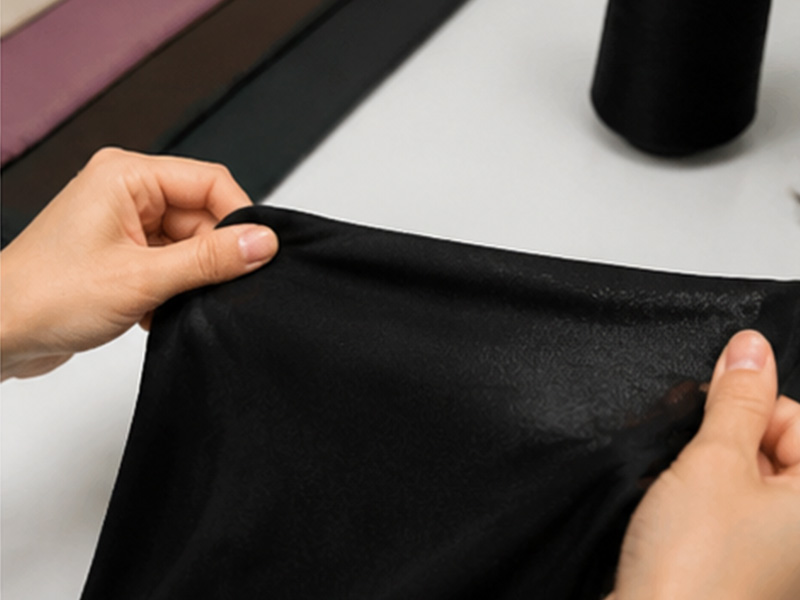
Fabric Relaxing
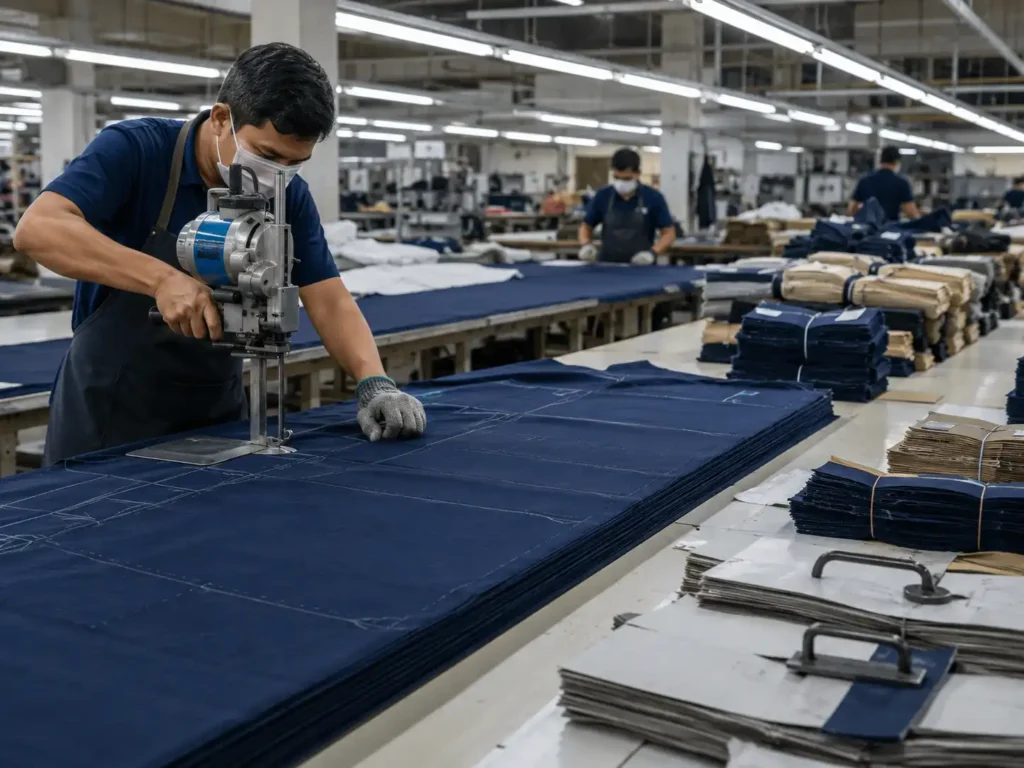
Cutting Control
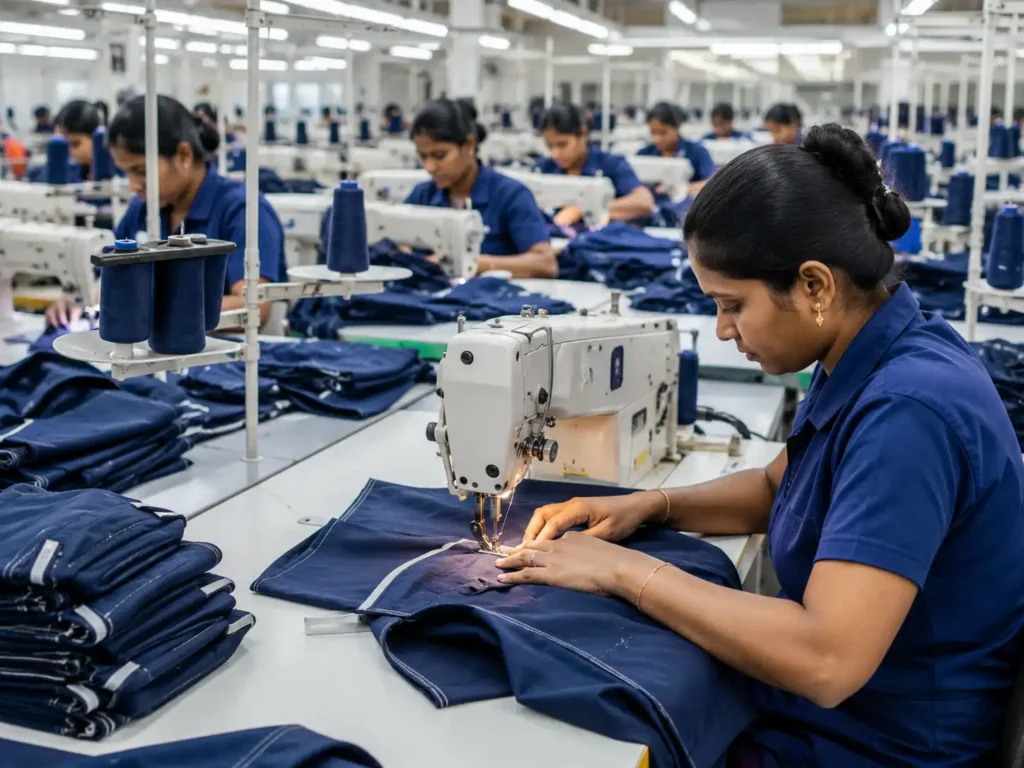
Sewing Control

Inline Inspection
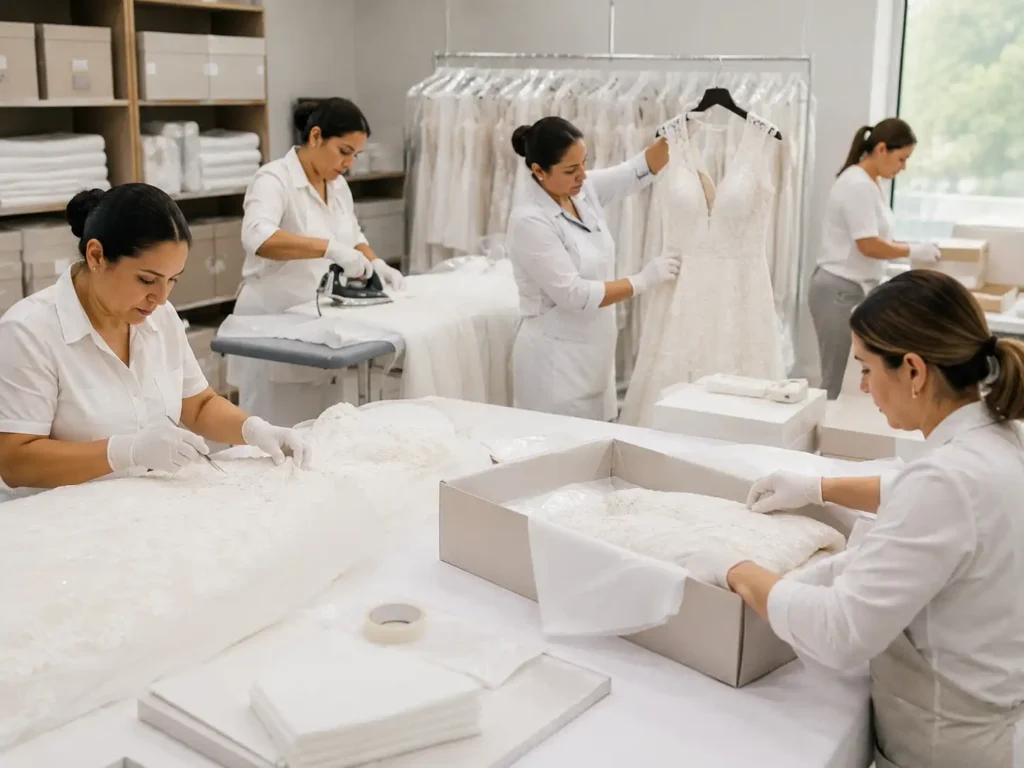
Finishing and Packing
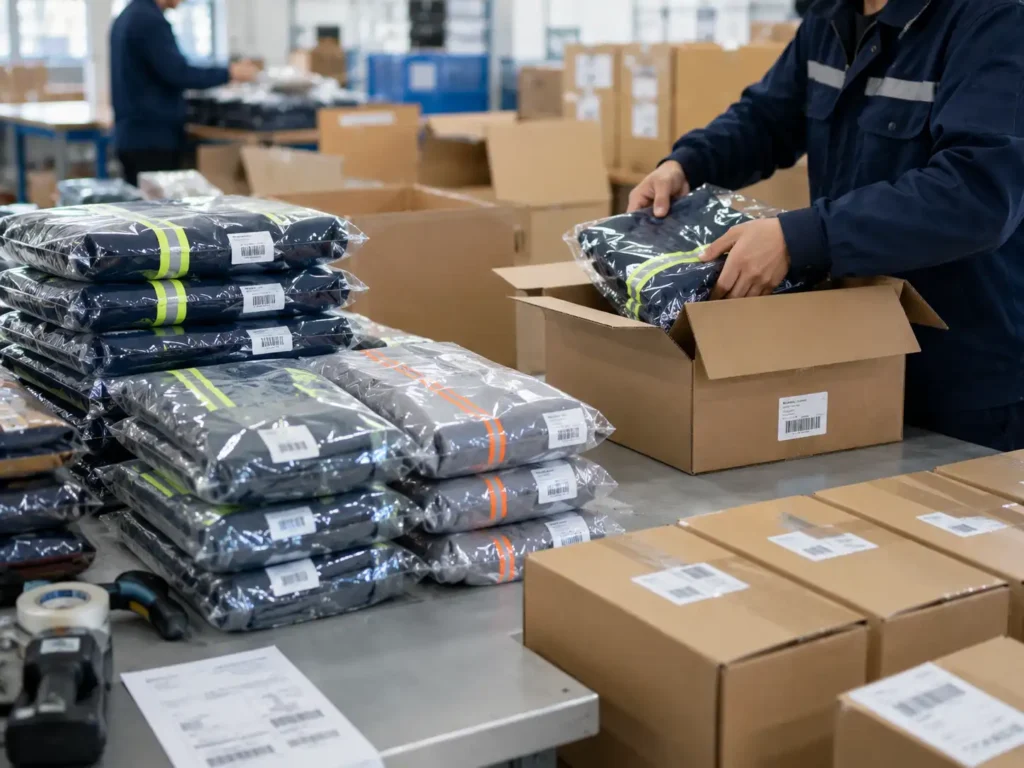
Final Release
Product-Specific Quality Control for Skater Dresses

Fabric Performance
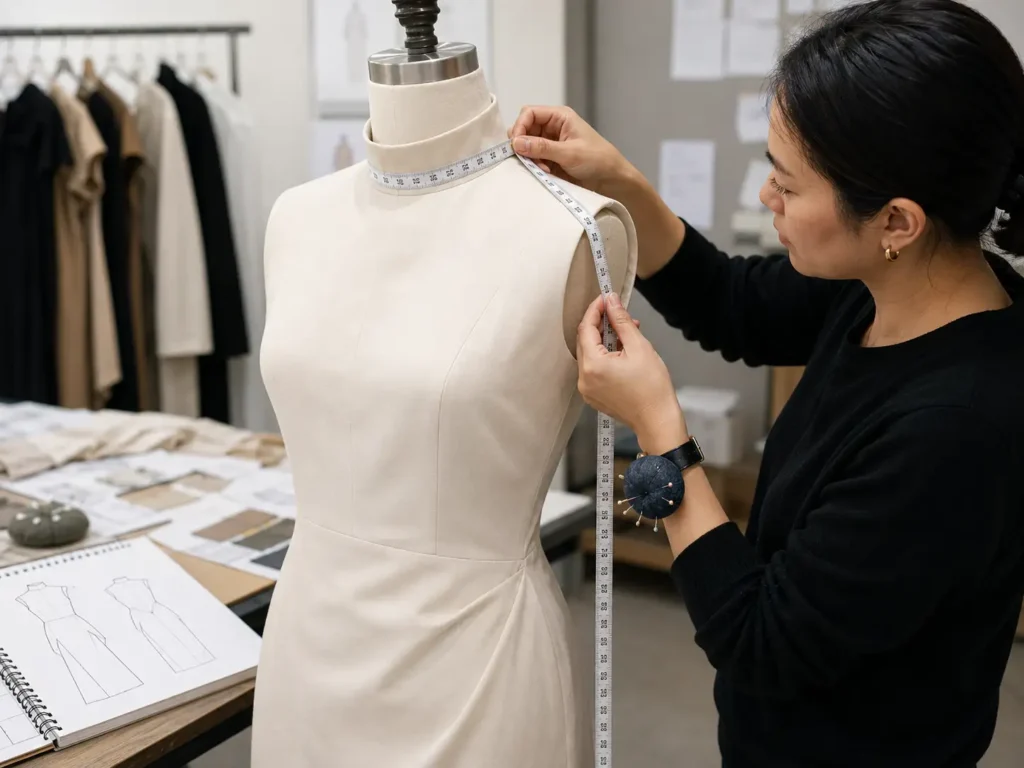
Bodice Measurements

Waistline Position
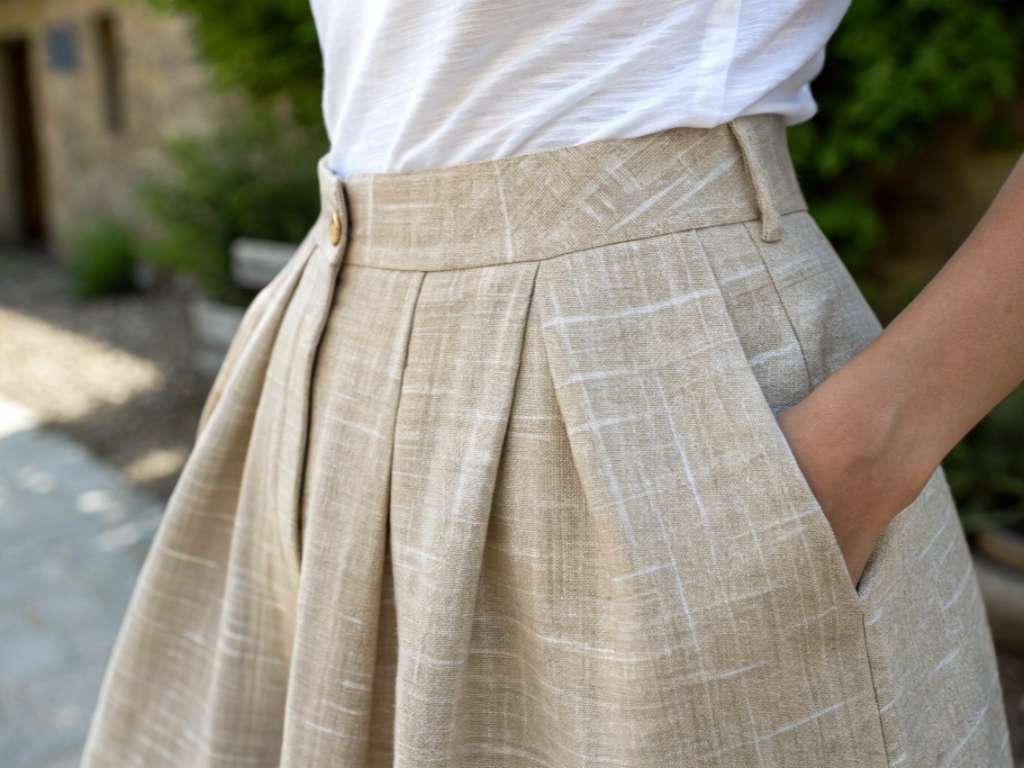
Skirt Symmetry
Hem Balance
Knit Recovery
Woven Construction

Packing Accuracy
Production Capacity Matched to Product Complexity
Owned Factory Network
Long-Term Partner Network
Sewing-Line Structure
Flexible Production Lines
Project Management
Finishing and Packing
Private Labels and Retail-Ready Packing Details

Woven Labels
Size Labels
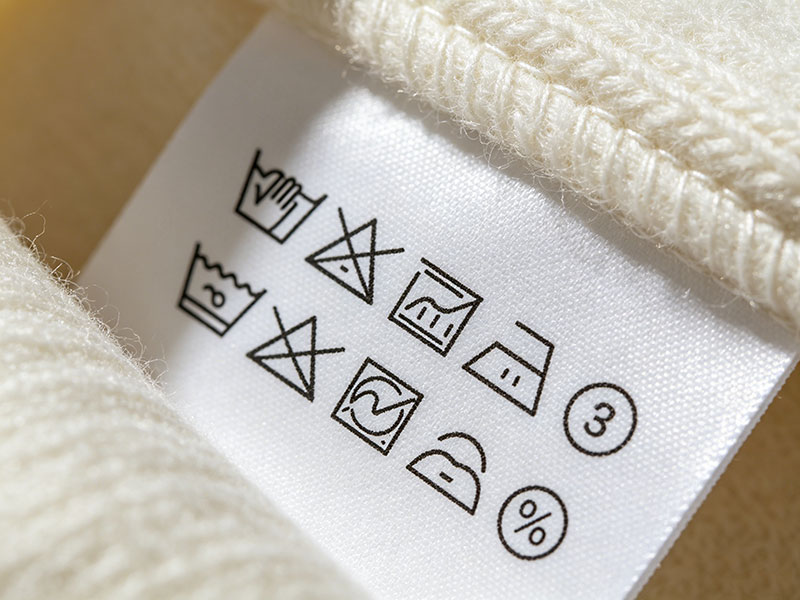
Care Labels

Hangtags
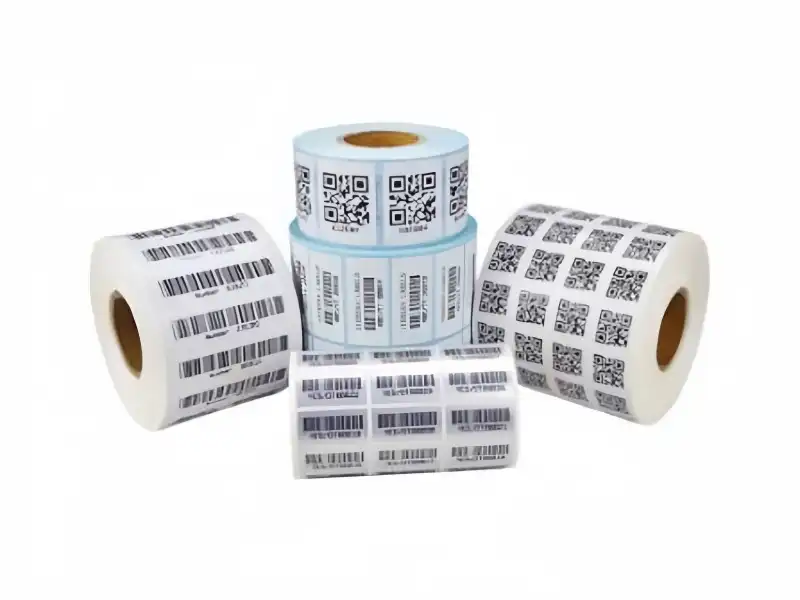
Barcode Stickers

Polybags
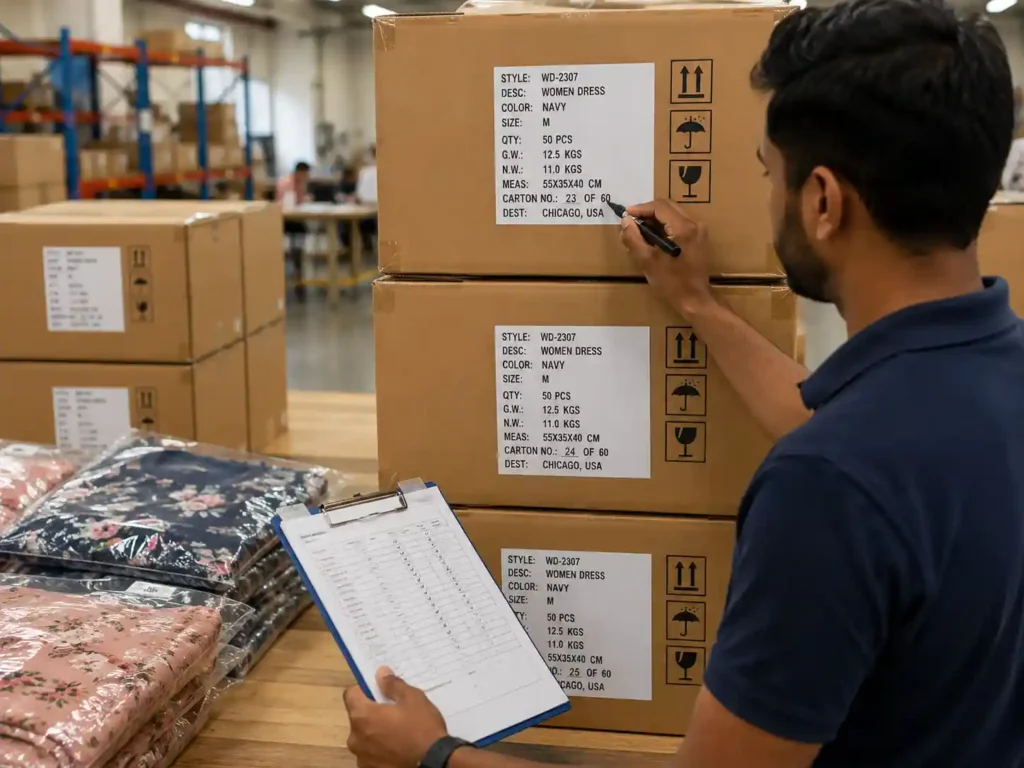
Carton Marks

Packing Instructions
MOQ and Quotation Built Around Real Production Inputs
Style and Color Quantity
Fabric Availability
Skirt Consumption
Construction Work
Size and SKU Structure
Delivery Planning
How to Evaluate a Skater Dress Manufacturer
Dress Experience
Pattern Team
Sample Structure
Fabric Knowledge
Knit Capability
Woven Capability
Size Grading
PP Control
Quality Evidence
Private Label Control
Production Transparency
Repeat-Order Records
Why Established Fashion Programs Work With Jinfeng
Dress Development Focus
Pattern and Fit Control
Structured Sampling
Managed Manufacturing
Product-Specific QC
Long-Term Records
Skater Dress Program Case Profiles
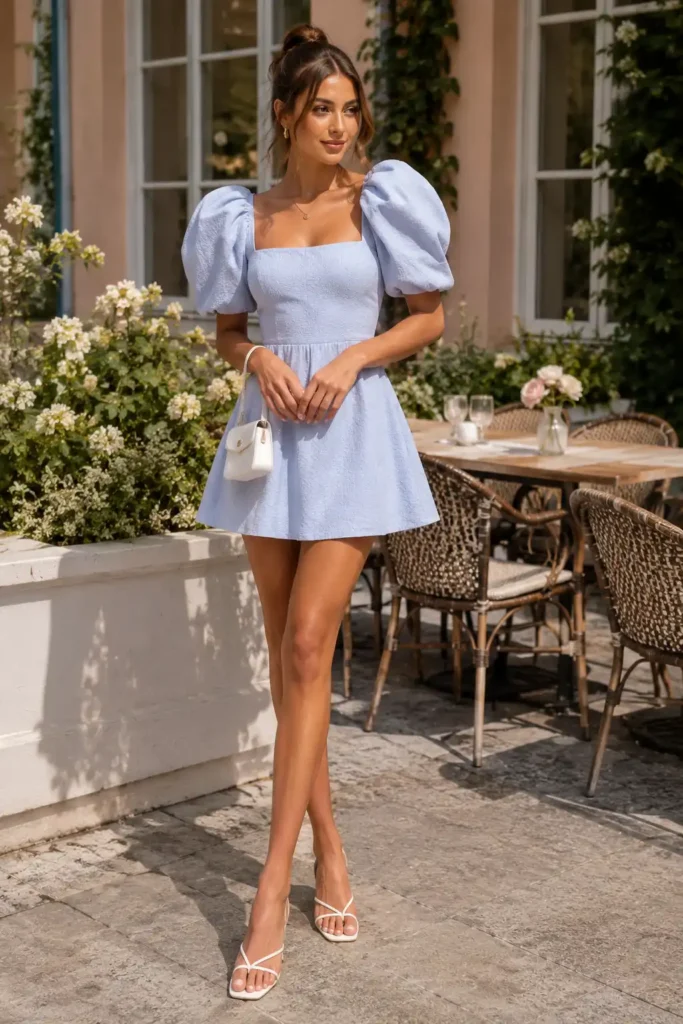
United States Ecommerce Program
Market: United States
Program: Knit and woven mini skater collection
Style Count: 18 styles
Total Quantity: 36,400 pieces
Size Range: XS–XL
Color Structure: Core black, seasonal brights, floral prints
Fabric Groups: Jersey, ponte, stretch crepe
Delivery Structure: Two coordinated shipment waves
The main challenge was maintaining a consistent waist position and mini-length proportion across three fabric groups. Jersey required recovery and hem control, ponte required reduced waist bulk, and stretch crepe required zipper and seam stability.
Development grouped the 18 styles by base pattern, sleeve, neckline, fabric behavior, and launch priority. Core patterns were approved first, followed by fabric-specific adjustments. Size grading was reviewed across bust, waist, bodice length, armhole, skirt sweep, and dress length.
Bulk QC concentrated on waist measurements, center-front and center-back lengths, side-seam balance, knit recovery, woven zipper flatness, and barcode accuracy. Shipment was divided according to launch priority and material readiness.

United Kingdom Occasion Program
Market: United Kingdom
Program: Graduation and event skater dresses
Style Count: 12 styles
Total Quantity: 24,600 pieces
Size Range: UK 6–18
Color Structure: White, ivory, light blue, pink, black
Fabric Groups: Satin, lace, crepe, tulle
Private Label: Labels, hangtags, barcodes, individual polybags
The development challenge involved white-fabric opacity, bust coverage, short-length safety, layered skirt volume, and satin surface protection. Several styles combined fitted bodices with tulle or organza skirt layers, while cleaner styles used crepe and satin.
Sampling separated photo-ready appearance from final PP confirmation. Lining color, lining length, zipper construction, waist level, and movement coverage were recorded before production lock.
Material and finished-garment inspections focused on stains, shade, transparency, lace condition, satin snags, layer alignment, hem level, pressing, and clean packaging.
Style and size barcodes were checked against the approved SKU table.

Australian Seasonal Collection
Market: Australia
Program: Summer skater dress capsule
Style Count: 26 styles
Total Quantity: 68,000 pieces
Size Range: AU 6–18
Color Structure: Eight prints and six solid directions
Fabric Groups: Rayon, cotton blend, jersey, lightweight crepe
Delivery Structure: Three production and delivery groups
The collection used several related silhouettes across mini and midi lengths. Major risks included rayon shrinkage, print direction, waist-seam consistency, skirt hem drop, and packing creases.
The 26 styles were grouped by fabric supplier, base pattern, print family, sleeve direction, and launch priority. Print repeat and fabric width were reviewed before consumption approval. Rayon and lightweight woven skirts received additional balance and hem-level checks.
Bulk production used separate color and size bundle control, print-position review, measurement checkpoints, and packing verification. Historical files were retained for repeat colors and same-pattern fabric extensions.
Design Protection, Testing, and Inspection Coordination
NDA and Design Protection
- Tech packs
- original samples
- patterns
- size charts
- fabric and trim plans
- label artwork
- barcode data
- packaging artwork
- unreleased designs
- order information
- launch schedules
Material and Garment Testing
Testing requirements vary by fabric, product, destination, retailer standard, and intended claim. Jinfeng can coordinate project-based review of available supplier documents and required testing arrangements. Possible areas include:
- Fiber composition
- colorfastness
- shrinkage
- pilling
- seam performance
- print performance
- restricted-substance requirements
- packaging requirements
Third-Party Inspection
Brands may submit quality manuals, defect classifications, measurement tolerances, AQL requirements, packing standards, and third-party inspection instructions. Jinfeng can coordinate:
- Inspection timing
- sample availability
- measurement areas
- carton access
- packing lists
- required files
- corrective actions
- reinspection when agreed
AQL inspection and internal process checks serve different purposes and should not be treated as identical.
Frequently Asked Questions About Skater Dress Manufacturing
Jinfeng Apparel’s MOQ starts from 200 pieces per style and color. Fabric availability, custom colors, prints, trims, construction, size range, packaging, and production scheduling can affect final feasibility.
Yes. Tech packs, size charts, BOM files, POM definitions, grade rules, fabrics, trims, labels, artwork, and packing instructions can be reviewed before pattern and sample development.
Yes. Reference photographs, sketches, original garments, line sheets, or mood boards can support initial development. Measurements, fabric, internal construction, fit, and production details still need confirmation.
Yes. Jinfeng supports jersey, ponte, rib knit, cotton blends, rayon, viscose, crepe, satin, lace, tulle, organza, and other suitable directions according to the design and project requirements.
The best fabric depends on the intended silhouette. Jersey creates soft movement, ponte creates controlled structure, poplin creates crisp volume, rayon creates fluid drape, satin creates occasion shine, and tulle creates layered volume.
Yes. Pattern development can adjust bodice length, natural or raised waist position, waist circumference, skirt radius, panel count, gathering, pleats, sweep, length, and lining.
Yes. Mini and midi styles can share design language, but length, sweep, weight, grading, lining, and hem balance should be reviewed separately.
Yes. Extended-size development reviews bust projection, front length, back balance, armhole, sleeve width, waist definition, skirt volume, dress length, and grade rules rather than simply enlarging every measurement.
Control may include approved fabric recovery, correct stretch direction, fabric relaxation, suitable stitch selection, adjusted sewing feed and tension, controlled pressing, operator handling, and finished-garment inspection.
Circular and fluid woven skirts may require grain control, consistent panel direction, fabric relaxation, controlled hanging, final leveling, shell-lining comparison, and appropriate hem finishing.
Yes. PP samples are used to confirm fabric, color, pattern, measurements, construction, trims, labels, and packing before bulk production.
Custom prints can be evaluated according to artwork, print method, base fabric, colorfastness, repeat, placement, fabric width, supplier MOQ, consumption, and lead time.
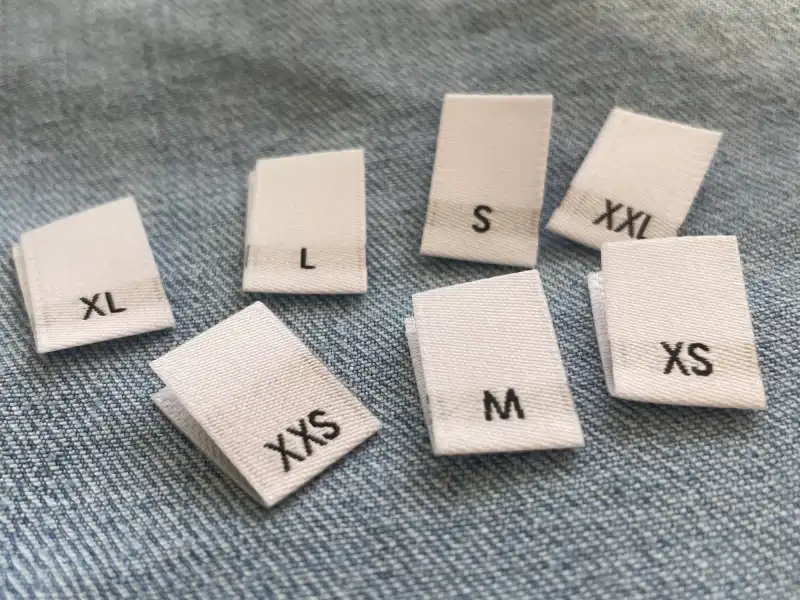
Yes. Support can include woven labels, size labels, care labels, hangtags, barcode stickers, SKU labels, polybags, folding, carton marks, and warehouse packing instructions.
Pricing is built from fabric, trims, pattern and sample work, cutting, sewing time, construction, lining, finishing, pressing, QC, packaging, wastage, testing requirements, logistics, and production quantity.
Timing is confirmed after reviewing style count, pattern complexity, fabric availability, custom colors, trims, sample stages, revision rounds, PP approval, packaging, production schedule, inspection, and delivery method. A milestone calendar is prepared around the required launch date.
Yes. Third-party inspection requirements can be coordinated when the inspection standard, timing, access, measurement method, AQL plan, packing status, and required documents are confirmed in advance.
Yes. Pattern, size chart, fabric, color, trim, sewing, label, packing, QC, and Golden Sample records support repeat production, subject to material availability, shade confirmation, and production scheduling.

Start Your Custom Skater Dress Program
Send your reference images, tech pack, original sample details, line sheet, or collection plan to Kelly for an initial project review.
Clear project information helps the development team evaluate silhouette, fabric direction, pattern requirements, sampling route, MOQ suitability, cost structure, private-label needs, and production planning with greater accuracy.
Please include:
- Product sketches, reference images, or tech pack
- Target quantity for each style and color
- Preferred fabric, weight, stretch, or hand feel
- Planned color list or print artwork
- Size range and size chart
- Required sample type
- Woven label, care label, hangtag, barcode, and packaging requirements
- Required testing or inspection standards
- Target launch date
- Shipping destination and preferred delivery terms