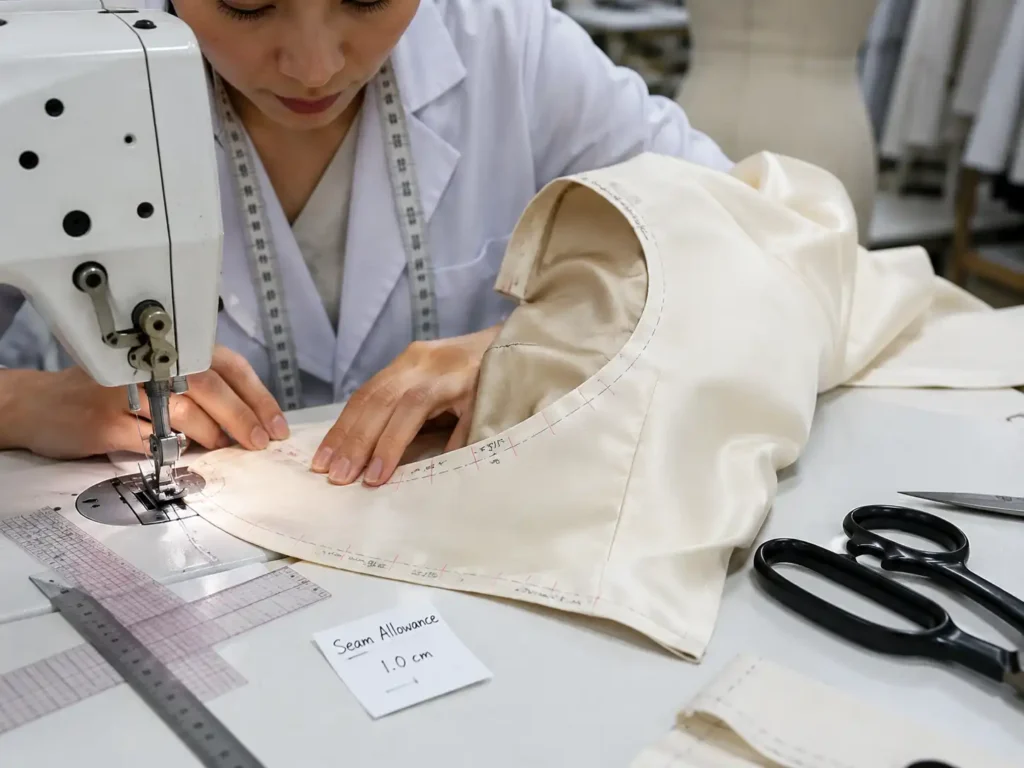
Shirt Dress Manufacturer
- MOQ starts from 200 pcs per style/color, with sizes allocated inside the confirmed quantity.
- 8 shirt-dress control zones: collar, placket, bust, buttons, sleeves, pockets, waist and hem.
- 2 sample rooms, 7+ senior pattern makers and 20+ sample machinists support parallel development.
- Collection programs commonly cover 10-30 styles and 20,000-80,000 pcs per brand order.
Shirt Dress Capacity Built Around Product Risk
Since 2008
Six Owned Factories
Two Sample Rooms
Seven Pattern Makers
Twenty Sample Machinists
Fifteen QC Inspectors
Manufacturing Support for Established Womenswear Programs
Fast Fashion Brands
Premium Ecommerce Labels
Officewear Collections
Resortwear Brands
Sourcing Teams
Private Label Programs
A Clear Route From Concept to Shipment
Review
Develop
Refine
Approve
Produce
Deliver
Projects That Match Our Manufacturing Model
Strong Project Fit
A strong fit usually includes a reference image, tech pack, original sample or clear style brief, together with a target quantity, size range, market, launch date and private-label requirements.
- MOQ starts from 200 pcs per style/color.
- Multiple sizes can be allocated inside the confirmed style/color quantity.
- Seasonal collections, repeat orders, new colors and same-pattern fabric changes are supported.
- Sample fees cover pattern work, materials, sewing, checking and revision coordination.
Manufacturing Boundaries
- MOQ is calculated per style and color, not across unrelated styles.
- Custom printing, dyeing, buttons, labels and packaging may carry separate supplier minimums.
- PP approval is required before bulk cutting.
- Major design changes after approval require a new cost and timeline review.
Shirt Dress Problems Controlled Before Bulk Production
Uneven Collar Shape
Twisted Front Placket
Bust-Area Gaping
Misaligned Pockets
Unstable Waist Position
Uneven Hem Balance

Shirt Construction and Dress Proportion Must Work Together
Collar, collar stand, placket, yoke, cuff and sleeve-placket details create the visual identity of a shirt dress. The lower body introduces a second set of requirements: waist placement, hip room, skirt sweep, side-seam balance, slit position and hem stability. A pattern can look clean on a hanger while failing during movement if those systems are developed separately.
- Upper-body control: Shoulder slope, neck circumference, collar roll, bust ease, armhole depth and sleeve mobility determine whether the garment feels like a refined dress or an oversized uniform shirt.
- Front-opening control: Placket width, button diameter, buttonhole direction and bust-point spacing must be tested on body. A flat sample table cannot reveal every opening risk.
- Lower-body control: Hip ease, hem sweep and slit height must support sitting and walking. Narrow woven styles need more movement planning than loose resort silhouettes.
- Proportion control: Collar size, pocket scale, belt width and skirt length must remain visually balanced across the approved size range.
Custom Shirt Dress Styles for Complete Collections
A strong collection combines commercial continuity with visible variation. Jinfeng Apparel develops shirt dresses across silhouette, length, fabric, collar, sleeve and waist treatments while keeping production logic repeatable.

Classic Button-Down

Belted Midi

Oversized Shirt Dress

Utility Shirt Dress

Office Shirt Dress

Linen Resort Dress

Denim Shirt Dress

Printed Maxi Dress
Build a Shirt Dress Collection by Structure
| Development Area | Options | Main Manufacturing Focus |
|---|---|---|
| Length | Mini, knee, midi, maxi | Proportion, movement, hem balance, consumption |
| Silhouette | Straight, A-line, oversized, fitted | Bust ease, waist shaping, hip room, skirt sweep |
| Collar | Point, spread, mandarin, camp | Interlining, neck fit, symmetry, pressing |
| Sleeve | Sleeveless, short, roll-tab, long | Armhole comfort, sleeve mobility, cuff balance |
| Waist | Loose, darted, elastic, drawstring, self-belt | Waist position, grading, loop placement |
| Front Opening | Full button, partial button, hidden placket | Button spacing, bust security, placket stability |
| Chest, patch, side seam, utility | Placement, stripe matching, reinforcement | |
| Hem | Straight, curved, high-low, side slit | Hang, walking room, pressing, length tolerance |
Shirt Dresses Across Commercial Wearing Scenarios
Office and Workwear
Resort and Vacation
Brunch and Daywear
Casual Lifestyle
Travel Collections
Utility Fashion
Transitional Seasons
Premium Everyday Wear
Fabrics Selected for Structure, Drape and Wear

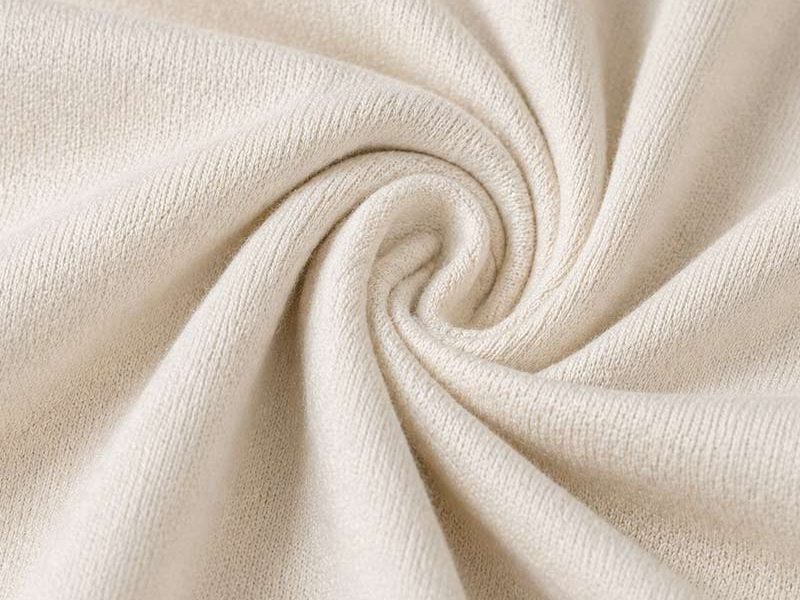
Cotton Poplin
Cotton Blend
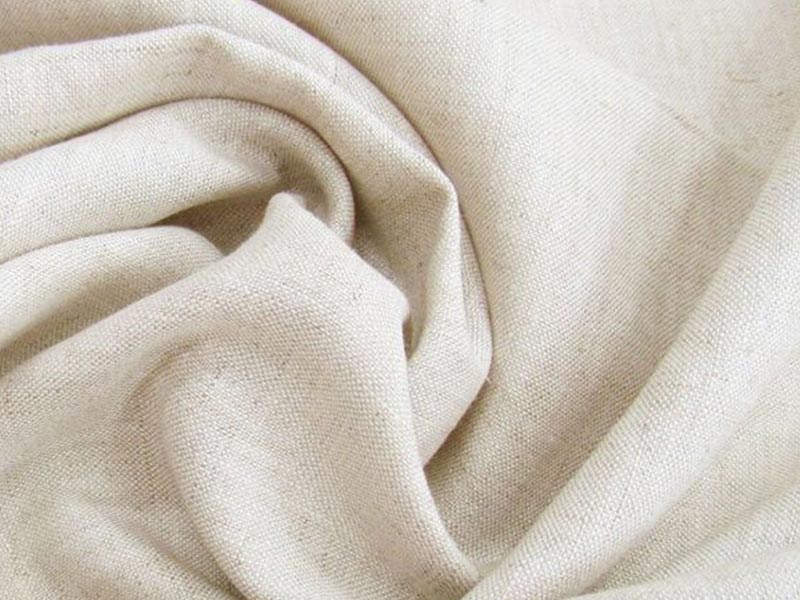
Linen Blend
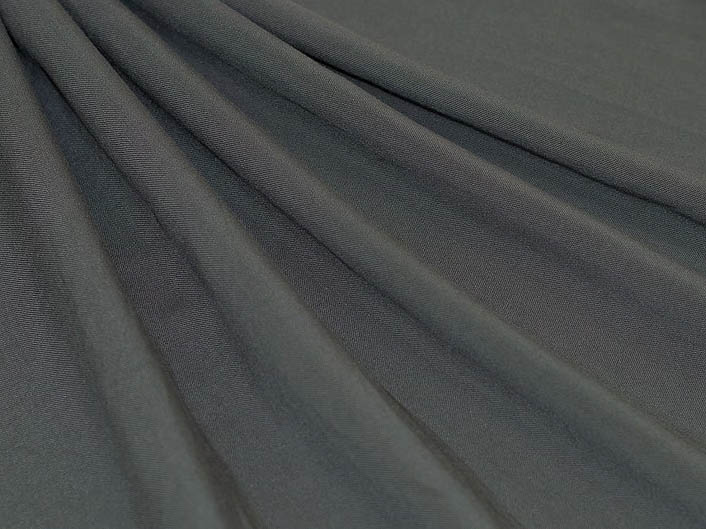
Rayon
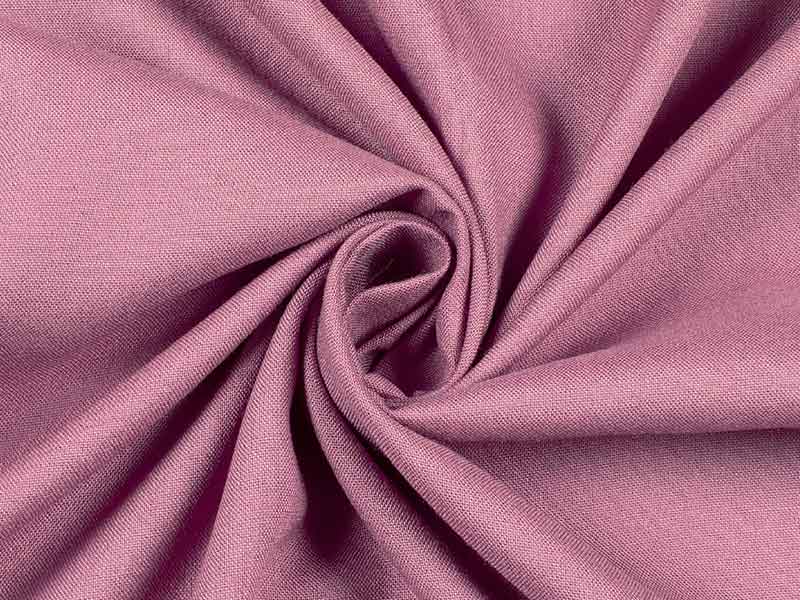
Viscose
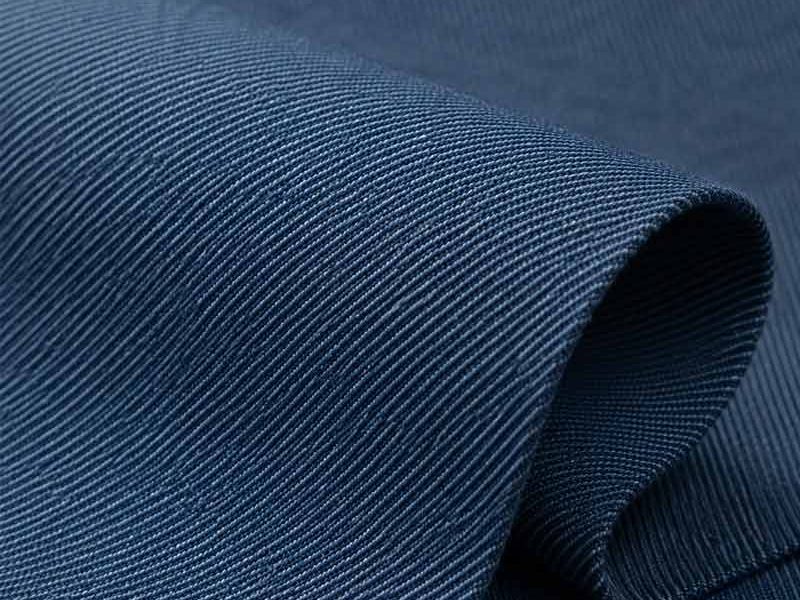
Denim and Chambray

Twill and Suiting
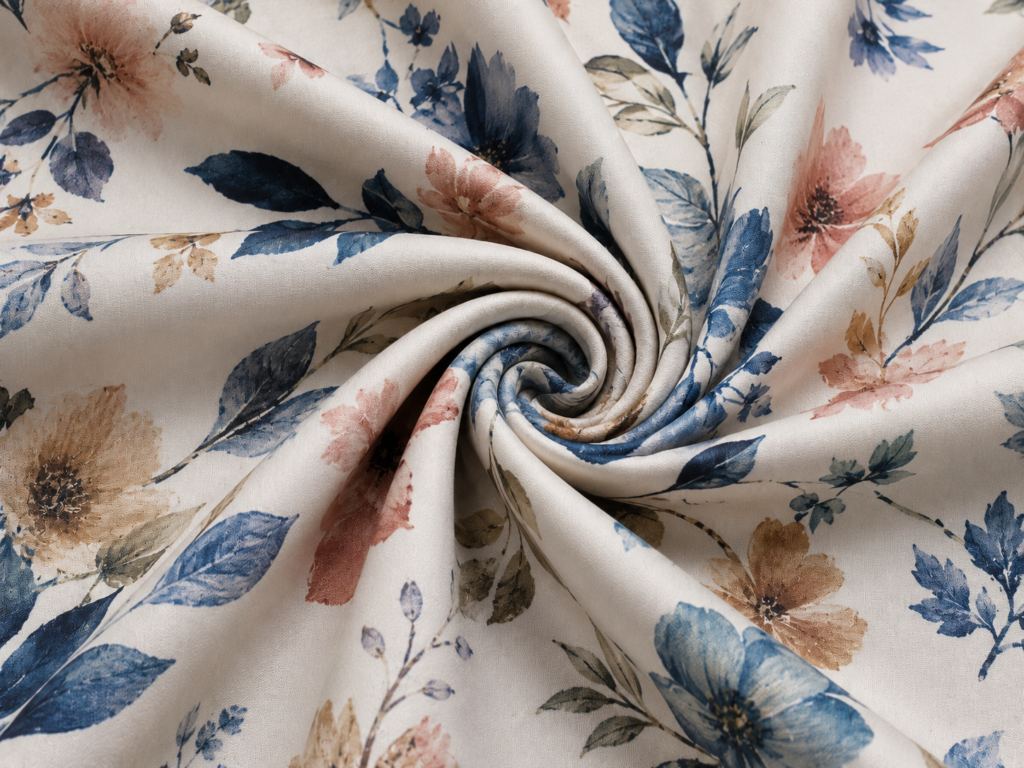
Printed Woven
Fabric Risks Confirmed Before Pattern Release
| Fabric Direction | Suggested Product Use | Main Risk | Development Check | Bulk Control |
|---|---|---|---|---|
| Crisp cotton poplin | Classic and office shirt dresses | Shrinkage, puckering, transparency | Wash test, seam trial, opacity review | Lot shade, placket flatness, pressing |
| Cotton stretch blend | Fitted and belted styles | Recovery loss, twisting | Stretch and recovery check | Measurement, side-seam balance |
| Linen blend | Resort and summer styles | Wrinkle, shrinkage, batch handfeel | Wash test, wrinkle approval | Shade, texture, final pressing |
| Rayon | Relaxed and printed dresses | Medium-high shrinkage, hem drop | Relaxation, wash and hang test | Length, print, panel balance |
| Viscose | Soft midi and maxi styles | Seam slippage, hanging drop | Seam test, hang test | Hem leveling, measurement |
| Denim or chambray | Utility and casual styles | Wash shade, seam bulk | Wash sample, seam construction trial | Shade grouping, topstitching, snap security |
| Twill or suiting | Office and utility styles | Stiffness, thick intersections | Interlining and seam trial | Collar, cuff, pocket symmetry |
| Printed woven | Seasonal statement styles | Direction, repeat and matching loss | Marker review, placement approval | Print alignment, pocket and placket check |
Collar Engineering for Stable Shape and Symmetry
Collars carry the visual standard of a shirt dress. Pattern shape, grain, interlining, seam turning and pressing must work together across every size and fabric.
Collar Shape Starts With Pattern and Grain
A collar pattern controls point length, spread, roll, neckline coverage and relationship with the collar stand. Even small differences become obvious when both collar points sit beside the front placket. Jinfeng Apparel reviews collar geometry against garment scale rather than treating one collar as suitable for every silhouette.
- Point and spread collars: Point length and spread are checked against shoulder width and upper-body proportion. A very large collar can dominate a fitted mini dress, while a narrow collar may look weak on an oversized maxi style.
- Mandarin collars: Neck circumference, collar height and edge curve require close control. Too little ease creates pressure; too much creates a gap at the back neck.
- Camp collars: Roll line, facing shape and neckline opening must remain flat without pulling the front body.
- Grain direction: Collar pieces cut off-grain may twist after fusing or washing. Grain marks and paired cutting are included in the production pattern.
Interlining Must Match Fabric Weight and Care
Interlining gives a collar enough body to hold shape without creating a board-like edge. Selection depends on fabric weight, stretch, surface, laundering method and desired handfeel. Lightweight viscose needs a different fusible from structured cotton twill.
- Too soft: Collar points curl, the stand collapses and the neckline loses definition.
- Too rigid: Edges feel thick, seam turning becomes difficult and the collar may sit away from the neck.
- Poor fusing compatibility: Bubbling, delamination and color change may appear after pressing or washing.
- Uneven fusing: Left and right collar pieces can react differently, leading to visible asymmetry.
Fusing trials are reviewed before PP approval when fabric or care method creates uncertainty. Bulk inspection checks collar-point symmetry, stand height, neckline join, topstitching distance and pressing cleanliness.
Pattern Development for Women’s Shirt Dress Fit
A balanced pattern protects appearance and movement before decoration is added. Jinfeng Apparel converts fit comments into measurable pattern actions and production checkpoints.
Upper-Body Balance
Shoulder angle, neck width, back width, bust ease and armhole depth determine whether the collar and placket sit cleanly. A shoulder that drops too far can pull the collar backward; a narrow back can open the front during movement.
- Front and back shoulder lengths are walked and checked.
- Bust shaping may use darts, princess seams, side shaping or controlled ease.
- Across-chest and across-back measurements are reviewed separately.
- Neck circumference is checked with the finished collar and closure.
- Armhole shape is tested with the actual sleeve construction.
Lower-Body Movement
Woven fabrics have limited stretch, so hip ease, skirt sweep and slit position must reflect the silhouette. A straight office dress needs different movement allowance from an A-line resort dress.
- Sitting tests reveal front-placket pressure and hip restriction.
- Walking tests reveal slit height, stride and hem movement.
- Side seams should remain vertical without twisting.
- Front and back lengths are balanced for body shape and fabric drape.
- Long viscose and rayon skirts may require hanging before final hemming.
Pattern Correction Before Bulk
Fit comments are converted into a revised pattern, updated measurement chart and written construction notes. Photographs alone are not enough. Each approved change needs a location, value and production reference.
The final pattern, grade rule, PP sample and Golden sample form the bulk standard. Changes after PP approval are reviewed for cost, material and timeline impact before acceptance.


Size Grading for US and Global Markets
One approved sample size cannot prove the full range. Grading controls how collar, bust, waist, hip, sleeve, pocket and length relationships change across sizes.
Grading Is Not Equal Enlargement
Key points need individual grade rules. Bust and hip may grow at different rates; sleeve length, cuff opening and collar circumference may change more slowly; pockets and belts need visual correction rather than simple proportional scaling.
- Bust, waist and hip increments follow the approved brand chart.
- Across-shoulder and back width are checked for upper-size movement.
- Button positions are reviewed around the bust after grading.
- Pocket scale and placement are checked for visual balance.
- Waistline and belt loops must stay aligned with body proportion.
- Dress length rules can differ for mini, midi and maxi products.
Measurement Control by Point of Measure
A production measurement chart should include clear point-of-measure diagrams, tolerance and size ratio. Critical fitted points usually receive tighter tolerances than long garment lengths, but the approved brand manual remains the governing standard.
For many woven shirt-dress programs, critical points may be managed around approximately +/-1.0 cm and selected long-length points around +/-1.5 cm, subject to fabric behavior, seam construction and written approval. Measurement checks are completed during inline and finished-garment inspection, not only at final packing.
Information Needed for Accurate Development and Quotation
Style Reference
Fabric Direction
Quantity Plan
Measurement File
Brand Materials
Launch and Delivery
Shirt Dress Sample Development With Defined Decisions
Sampling is used to prove structure, fit, material and workmanship before quantity is committed. Each round has a specific objective and written output.
Project Review and Construction Analysis
The first review checks whether the files contain enough information for pattern work and quotation. Collar type, front opening, bust closure, sleeve construction, pockets, waist treatment, lining, hem and private-label requirements are listed as production decisions.
A complete tech pack may move directly into pattern preparation after clarification. Reference-image projects need additional development notes to define measurements, materials and internal construction. Jinfeng Apparel does not treat an online image as a complete production specification.
First Sample and Fit Review
Regular woven shirt-dress samples are commonly planned within approximately 5-10 working days after required fabric, trims and specifications are available. Custom printing, garment washing, special buttons, complex pattern matching or tailored internal construction may require a separate schedule.
The first sample checks silhouette, collar proportion, placket behavior, bust ease, shoulder, sleeve, waist position, pocket scale and garment length. The objective is to identify corrections, not to assume the first sample is the final bulk standard.
Revision and Approval Path
Comments should include measurement values, marked photographs and clear acceptance priorities. Revised samples are scheduled according to the number of changes and material availability. Approved changes are transferred to pattern, measurement chart, bill of materials and construction notes.
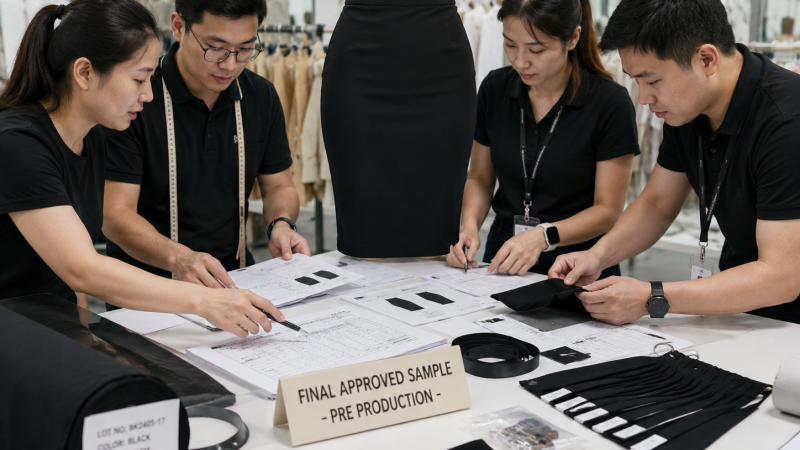
Before bulk production, the PP sample confirms actual or approved bulk materials, trims, measurements, workmanship, labels and packing direction. The Golden sample becomes the reference for production and repeat-order records.
Samples Used at Different Commercial Stages
Fit Sample
- Output: fit comments, revised measurements and pattern actions.
- Main focus: silhouette, movement and point-of-measure control.
- Release condition: written fit approval or confirmed revision request.
Photo and Salesman Sample
- Output: presentation sample for photography or sales use.
- Main focus: visual appearance and approved presentation details.
- Release condition: separate confirmation from PP approval.
PP and Golden Sample
The PP sample locks fabric, color, trims, construction, measurements, labels, packing and production notes. A Golden sample is retained as the comparison standard for sewing, finishing, inspection and future repeats.
- Output: bulk-production standard and QC reference.
- Main focus: repeatability, not only appearance.
- Release condition: written approval before cutting.
From Approved Sample to Bulk Shipment
Production File Review
Material Preparation
Cutting Control
Sewing and Inline Checks
Finishing and Measurement
Packing and Release
Capacity Planning for Multi-Style Shirt Dress Orders
Production scale is useful only when styles are allocated to suitable teams, materials are booked early and inspection windows remain protected. Jinfeng Apparel plans order flow by product difficulty rather than loading every style into one line.
Allocation by Fabric and Construction
Lightweight viscose, crisp cotton poplin, denim utility styles and structured office dresses have different sewing, pressing and handling needs. Production resources are selected according to fabric stability, seam complexity, topstitching, wash process and finishing standard.
- Soft rayon and viscose styles need controlled handling and hem leveling.
- Cotton poplin requires attention to shrinkage, seam puckering and placket pressing.
- Denim styles may need heavier-needle planning, seam-thickness control and wash coordination.
- Tailored styles require stable fusing, dart pressing and structured finishing.
Allocation by Collection Priority
Brand orders often include 10-30 styles with total quantities between 20,000 and 80,000 pieces. Launch dates, photo requirements, bestselling continuity and fabric sharing are considered when styles are sequenced.
A collection may be divided into early photo samples, first bulk release, follow-on colors and replenishment-ready patterns. Shared buttons, labels and packaging can be consolidated, while style-specific materials remain separately controlled.
Production Management Across Teams
Twelve-plus merchandisers, fifteen-plus QC inspectors and thirty-plus finishing and packing workers support communication, inspection and shipment preparation. The value lies in role separation: merchandising tracks approvals, production teams execute the file, QC records deviations, and packing teams protect SKU and carton accuracy.
Standard woven shirt-dress bulk production is commonly planned around approximately 20-35 working days after PP approval and material readiness. Final timing depends on order quantity, fabric booking, custom printing, wash processes, packaging and production schedule.
Cutting Accuracy and Pattern Matching Before Sewing
Cutting is the first bulk stage where one mistake can multiply across the full order. Grain, print, size bundles and component placement are checked before sewing begins.
Fabric Relaxation and Marker Planning
Woven fabrics can change after being unrolled, relaxed or exposed to humidity. Rayon and viscose may extend; cotton blends may release tension; washed materials may require shrinkage allowance. Relaxation time and marker direction are selected according to the approved fabric.
Marker planning considers fabric width, repeat, one-way direction, size ratio and matching expectation. Cost estimates reflect real consumption, including extra allowance for stripes, checks, large prints and directional nap.
Front Placket and Print Alignment
The center front is visually sensitive. Stripe, check or placement prints should be reviewed before cutting, especially where the placket folds or overlaps.
- Left and right body panels are paired by size and color.
- Pocket placement is marked from fixed pattern references.
- One-way prints follow a consistent up direction.
- Large repeats may require approved placement rules rather than perfect matching at every seam.
- Additional fabric consumption is confirmed before bulk commitment.
Cut-Piece Inspection and Bundling
Cut panels are checked for fabric defects, missing notches, incorrect grain, wrong face direction, size mixing and quantity variance.
Collars, cuffs, pocket flaps and belts receive special attention because small paired parts are easy to reverse or mismatch.
Bundles are identified by style, color, size and quantity.
Correct bundling reduces shade mixing and supports traceability during sewing and inline inspection.
Quality Control Written for Shirt Dress Construction
Incoming Fabric Check
Cutting Inspection
Sewing Inline Check
Measurement Check
Finishing and Pressing
Packing and Final Inspection
Private Label Details Prepared Before PP Approval
Retail-ready delivery depends on accurate brand materials and SKU data. Labels and packing are treated as production components, not last-minute additions.
Garment Branding and Legal
Main labels, size labels and care labels need confirmed artwork, material, dimensions, fold, color and placement. Care content should reflect the approved fabric and market requirements supplied by the brand.
- Woven, printed or heat-transfer label options are assessed by garment handfeel and placement.
- Label edges should not irritate the wearer.
- Care labels need enough space for fiber, care, country and required language information.
- Size identification must match barcode, polybag and carton records.
Hangtags, Spare Buttons and Barcode Control
Hangtags can include brand story, product information, price, QR code and sustainability claims supplied by the brand. Attachment method and location are confirmed to avoid damage to lightweight fabrics.
Shirt dresses often require spare buttons. Button quantity, bag or card format and placement are included in the packing specification. Barcode stickers, price tickets and SKU labels are checked against the order matrix before packing begins.
Polybags, Folding and Carton Marks
Folding method affects collar, placket and final presentation. Tissue support, collar protection or belt arrangement can be added where needed. Polybag size should prevent excessive compression without wasting volume.
Carton marks, size assortment, units per carton, carton dimensions and destination requirements are confirmed before final packing. Special printed polybags, boxes and retail packs may have separate packaging-supplier minimums and lead times.
MOQ, Quotation and Timeline Variables Explained
MOQ and Cost Structure
- Custom dyeing, printing, washing and certified fabrics may require higher material minimums.
- Special buttons, buckles, labels and printed packaging can have independent supplier minimums.
- Stripe, check and large-print matching can increase fabric consumption and labor.
- More colors and heavily fragmented size ratios increase production management work.
Sample and Production Timing
Design Protection and Faster Repeat Production
Confidential Development Records
Protected information can include brand identity, tech packs, line sheets, sketches, original samples, patterns, measurement charts, fabric programs, trims, labels, packaging, order quantities and unreleased launch information.
Project images and production records are not used publicly without permission. Anonymous process material can be prepared only after removing brand marks, barcodes, unpublished details and order identifiers.
Repeat-Order Record System
Shirt Dress Programs Managed Through Real Constraints

US Ecommerce Shirt Dress Drop

UK Officewear Collection
A UK officewear label placed a 16-style woven dress program totaling 48,000 pieces. Seven styles were belted midi shirt dresses in cotton stretch, soft suiting and twill, with sizes UK 6-18. Main challenge: The brand required stable collars, smooth plackets, seated comfort and consistent waist position across the full size range. Early samples showed cuff tightness in upper sizes and uneven blousing above the belt. Manufacturing response:
Cuff and bicep grade rules were separated, back width was increased in selected sizes, and waistline placement was corrected by size. Belt-loop positions and finished belt lengths were added to the measurement file. Inline inspection included collar stand, placket, waist and cuff checkpoints. Result: All seven shirt-dress styles passed PP review with an approved size matrix and were packed by SKU for direct warehouse receiving.

Australian Resort Shirt Dress Range
Shirt Dress Manufacturing Frequently Asked Questions
MOQ starts from 200 pcs per style/color. Sizes can be distributed inside the confirmed quantity. Fabric, custom dyeing, printing, buttons, labels and special packaging may have separate supplier minimums.
Yes. Clear front, back and detail images can begin an assessment, but measurements, fabric direction, target quantity, size range and construction decisions still need confirmation before sampling and quotation.
Regular woven styles are commonly planned within approximately 5-10 working days after specifications, fabric and trims are ready. Custom print, washing, pattern matching or tailored construction may require a longer schedule.
Bust ease, front width, button spacing, bust-point placement, placket support and fabric behavior are reviewed together on the fit sample. Corrections are transferred to the final pattern and grade rules before PP approval.
Yes, subject to print repeat, fabric width, style construction and approved matching standard. Matching can increase fabric consumption and cutting labor, so expectations are reviewed before final quotation.
Yes. Grading follows the supplied size chart and approved fit block. Bust, waist, hip, shoulder, sleeve, collar, pocket, belt and length points are reviewed by product type rather than enlarged equally.
Resin, metal, covered and shell-like buttons, self-fabric belts, buckles and D-rings can be developed. Supplier minimums, plating, color, pull strength and lead time are reviewed by project.
Risk is assessed through fabric information, swatches, wash tests and sample measurements where needed. Pattern allowance and production control are confirmed before bulk cutting, especially for cotton, rayon, viscose and washed denim.
Yes. Main labels, size labels, care labels, hangtags, spare buttons, barcodes, polybags and carton marks can be coordinated. Special packaging may have separate minimums and lead times.
Yes. Approved patterns, size charts, fabric, trim, packing and QC records are retained. Repeat timing and price are reconfirmed according to current material availability, quantity and production schedule.

Send Your Shirt Dress Development Files
A useful project review begins with enough information to judge fabric, construction, fit, MOQ and schedule. Send a tech pack, original sample, sketch, line sheet or clear reference images together with the planned quantity per style/color. Include the target size range, fabric direction, color plan, labels, packaging, destination and desired launch window.
Kelly coordinates the initial review and can help organize missing information before sample development. The team will assess collar and placket construction, bust and waist risk, sleeves, pockets, belts, print matching, material availability, sample requirements and bulk-production conditions. A quotation or sample plan is prepared only after the main variables are understood.