...

High Neck Dress Manufacturer

Custom high neck dress development for fashion brands requiring accurate neckline fit, controlled construction, and reliable sample-to-bulk production.

  • MOQ starts from 200 pcs per style/color for standard production planning.
  • Regular high neck dress first samples usually require 10-15 days; complex lace, mesh, sequin, or structured styles usually require 15-25 days.
  • Development support includes 7+ senior pattern makers, 2 sample rooms, and 20+ sample machinists.
  • Production planning is supported by 6 owned women’s fashion factories, 10+ long-term satellite partners, and 18+ sewing lines.

Jinfeng Apparel develops high neck mini, midi, maxi, bodycon, office, party, evening, and occasion dresses from reference image, original sample, sketch, or tech pack. Neck circumference, collar height, entry opening, shoulder balance, fabric stretch, lining, and bulk consistency are reviewed before production standards are locked.

Development Capacity Built Around High Neck Dress Fit

High neck styles require stronger pattern control than a basic round neckline. Jinfeng Apparel combines dress-focused product development, sample making, production coordination, and inspection resources for multi-style fashion programs.

Since 2008

More than 16 years of women’s apparel manufacturing experience supports product decisions beyond simple sewing. Development teams review silhouette, neckline structure, fabric behavior, construction sequence, cost influence, and production repeatability before a style moves from sample work into bulk planning.

Six Owned Factories

Six owned women’s fashion factories provide a stable manufacturing base for woven dresses, stretch dresses, occasionwear, party styles, sets, and related fashion products. Styles are allocated according to fabric, construction level, order volume, finishing requirements, and launch schedule.

Two Sample Rooms

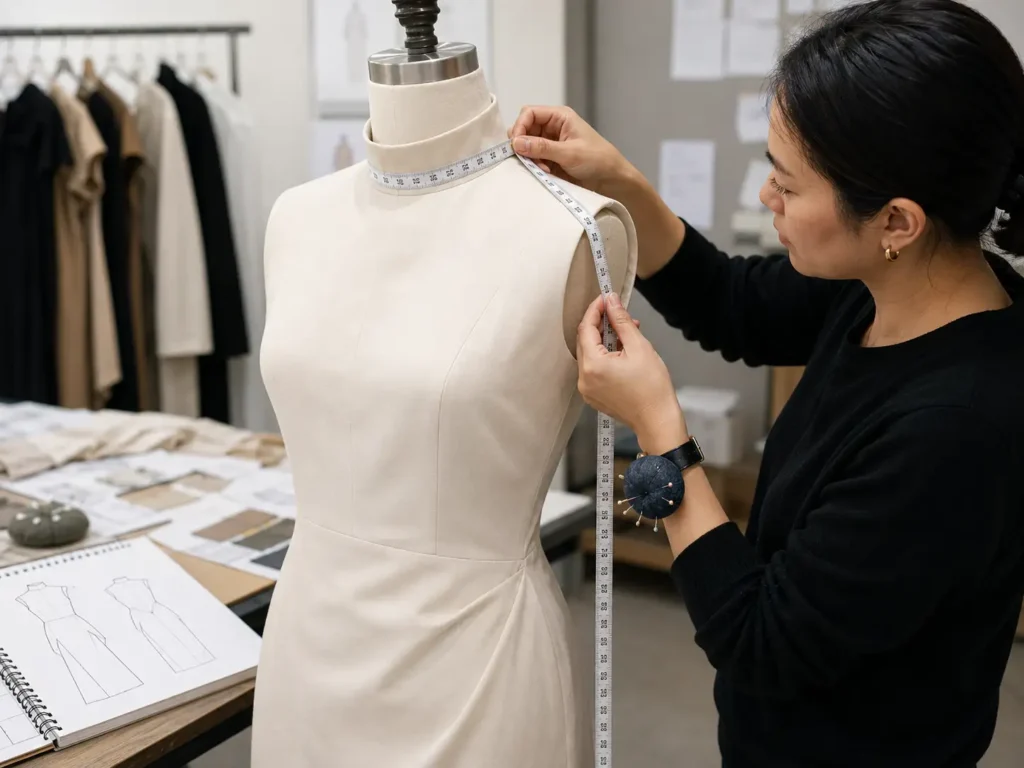
Two sample rooms support first samples, fit samples, revised samples, photo samples, PP samples, and Golden sample control. High neck projects receive extra attention around entry opening, collar roll, neckline symmetry, zipper top, facing, lining, and shoulder-neck balance.

Seven Pattern Makers

Seven or more senior pattern makers work on women’s dress structure, grading, proportion correction, neckline depth and height, shoulder slope, armhole balance, bust-waist-hip relationships, hem balance, and final production patterns.

Twenty Sample Machinists

More than 20 sample machinists turn patterns into garments while checking stitch behavior, seam allowance, zipper installation, lining attachment, collar support, mesh handling, lace joining, satin marking, and production feasibility.

Fifteen QC Inspectors

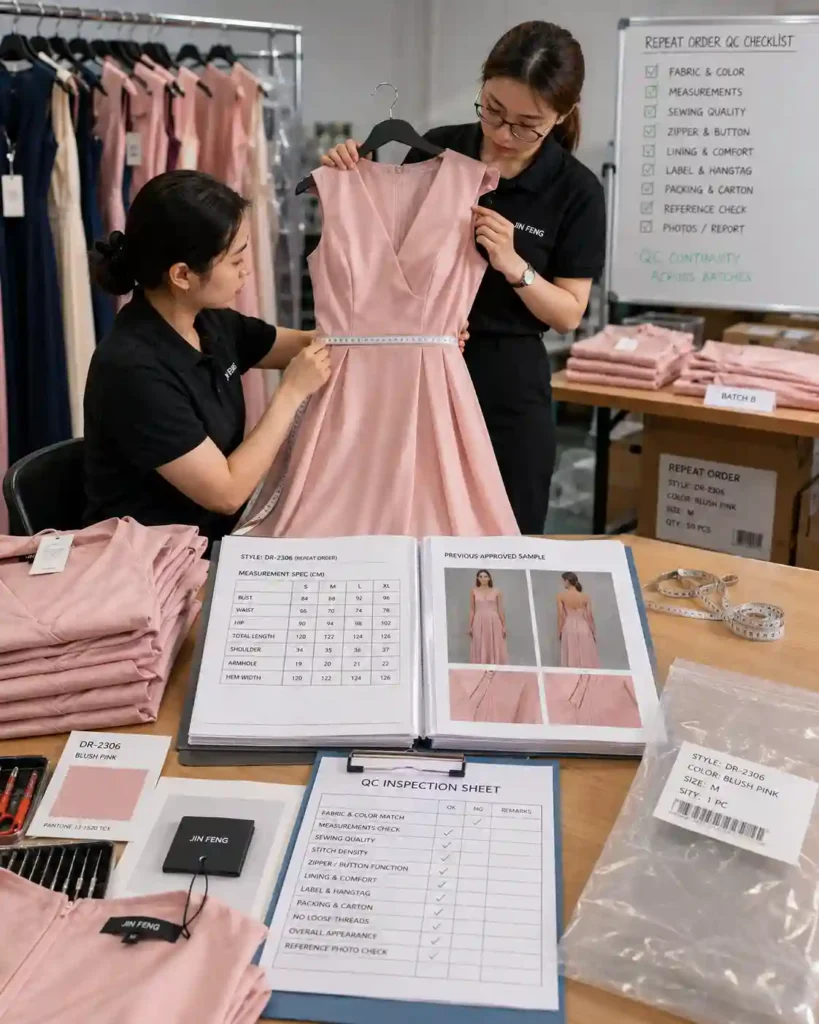
More than 15 QC inspectors support incoming material inspection, cutting checks, sewing inspection, inline measurement review, finished garment inspection, pressing checks, packing checks, AQL sampling, and repeat-order records.

High Neck Dress Programs for Established Fashion Teams

Jinfeng Apparel supports fashion programs with defined product direction, sample requirements, size plans, and bulk production schedules. Services are structured for brands managing multiple styles, colors, sizes, sales channels, and repeat-order needs.

Global Fashion Brands

Seasonal dress collections often involve different neckline structures, fabrics, color groups, launch dates, and size ratios. Jinfeng Apparel coordinates pattern work, sampling, material approval, production files, QC points, private-label packing, and delivery planning under one project structure.

Premium Ecommerce Labels

Online fashion programs need strong front, side, and back appearance, consistent sizing, clean pressing, reliable closures, and packing suited to direct fulfillment or warehouse receiving. Photo samples, measurement records, barcode requirements, and size-color SKU control can be incorporated before bulk packing.

Occasionwear Labels

High neck occasion dresses may combine satin, lace, mesh, chiffon, velvet, crepe, sequins, ruffles, cut-outs, or long sleeves. Development focuses on neck comfort, visual structure, lining coverage, closure strength, hem balance, pressing, and protection during packing.

Partywear Collections

Party styles frequently require bodycon fit, stretch fabrics, mesh panels, ruching, cut-outs, back openings, rhinestones, or sequins. Pattern correction and sample testing help control tension around the neck, shoulder, bust, armhole, and center-back closure.

Modest Fashion Programs

High neck dresses suit modest fashion collections when neckline coverage, sleeve coverage, fabric opacity, lining, movement allowance, and dress length are developed together. Coverage should remain stable during sitting, walking, arm movement, and dressing.

Fashion Retailers

Retail programs may require standardized size labels, care labels, hangtags, barcodes, SKU stickers, polybags, carton marks, carton assortments, packing lists, and receiving documents. Garment presentation must remain controlled from final pressing through warehouse delivery.

Product Development Teams

Product developers require clear communication around feasibility, pattern risk, material alternatives, sample comments, revisions, PP approval, and final production standards. Jinfeng Apparel records pattern, fabric, trim, measurement, and packing decisions for later repeat orders.

Sourcing Teams

Sourcing teams need more than a quote. Supplier evaluation commonly includes MOQ logic, sample lead time, production allocation, QC checkpoints, document readiness, private-label capability, order tracking, and clear responsibility from development through shipment. CTA: Discuss Your Program CTA: Send Line Sheet

Why High Neck Dress Development Often Goes Wrong

A high neckline changes the entire upper-body balance. Small errors around collar height, neck circumference, shoulder slope, entry opening, fabric recovery, and seam support can create discomfort, visual distortion, or bulk inconsistency.

Neckline Feels Tight

A neck measurement taken without fabric stretch, closure allowance, seam bulk, or movement allowance can create pressure during wear. Fit review should assess standing, turning the head, sitting, and dressing rather than relying only on flat garment measurement.

Collar Loses Shape

Soft fabrics may collapse, ripple, roll, or stretch around the neckline. Interfacing, stay tape, clear elastic, facing depth, grain direction, stitching tension, and pressing temperature must match the fabric and the intended visual result.

Entry Is Too Narrow

A high neck dress may look clean on a sketch but still fail during dressing. Head passage, hairstyle, makeup transfer, zipper length, keyhole depth, shoulder opening, and fabric stretch should be considered before the opening method is confirmed.

Shoulders Pull Forward

Neckline tension can pull shoulder seams, distort the armhole, or create diagonal drag lines across the upper chest. Shoulder width, shoulder slope, front-neck position, back-neck height, and upper-body length need coordinated pattern correction.

Fabric Irritates Skin

Lace edges, sequins, hard mesh, rough labels, exposed zipper tape, bulky seams, or stiff interfacing can rub the neck. Clean edge finishing, lining, binding, seam placement, trim selection, and wear testing reduce discomfort around sensitive contact areas.

Bulk Necklines Vary

Bulk variation may come from fabric batches, cutting direction, collar component sizing, seam allowance, operator method, pressing, or measurement tolerance. PP samples, production patterns, work instructions, first-piece review, inline checks, and final neckline inspection help control variation.

A Production Model for Defined Fashion Projects

Jinfeng Apparel works best with fashion programs that have a clear product direction, development budget, quantity plan, size range, and route toward bulk production. Early alignment protects development time and production standards.

Best Project Fit

Suitable programs usually provide a reference image, sketch, original sample, tech pack, or line sheet together with target quantity, fabric direction, size range, color plan, private-label needs, target market, and launch timing. Projects may include 10-30 styles, multi-color assortments, seasonal drops, repeat orders, or coordinated dress collections.

Production Boundary

The manufacturing model focuses on custom development, professional sampling, bulk production, brand labeling, packing, and export delivery. MOQ starts from 200 pcs per style/color and may rise for custom-dyed fabric, custom print, special lace, sequin material, custom hardware, certified fabric, or advanced packaging.

Information Needed for an Accurate Project Review

Complete project information allows faster evaluation of neckline structure, pattern difficulty, material availability, sample cost, production feasibility, MOQ, and schedule. Partial information can still be reviewed, but final costing requires confirmed specifications.

Design Reference

Provide front, side, and back views whenever possible. Mark collar height, neckline shape, opening position, sleeve style, dress length, lining coverage, cut-outs, and any feature not clearly visible in the image.

Tech Pack

A useful tech pack includes construction drawings, points of measurement, size chart, grade rules, stitch requirements, fabric composition, trim list, label placement, packing instructions, tolerance, and approval comments.

Quantity Plan

State quantity by style and color. MOQ starts from 200 pcs per style/color. Size ratios can be distributed inside the confirmed style-color quantity, while excessive color or size fragmentation may affect efficiency.

Fabric Direction

Share preferred composition, weight, stretch, hand feel, opacity, shine, drape, texture, color standard, and any required document scope. A physical swatch is often more reliable than a screen image.

Size Range

Provide base size, complete size range, target market, body or garment measurements, fit preference, and size ratio. Neck circumference and collar height should receive dedicated review across sizes.

Trim Requirements

List zipper type, button, loop, hook, snap, interfacing, stay tape, elastic, lace trim, rhinestone, sequin, label, hangtag, barcode, polybag, carton mark, and other required components.

Launch Schedule

Share photo-shoot date, sample deadline, PP approval target, warehouse receiving date, and preferred shipping method. Timing should be planned backward from the sales launch, not from sewing completion alone.

Target Position

State the intended sales channel, retail positioning, target appearance, and cost range. Fabric and construction options can then be evaluated without weakening the desired brand-level finish.

High Neck Dress Styles Developed for Fashion Collections

High neck design can support minimal office dresses, fitted party styles, modest silhouettes, dramatic eveningwear, and seasonal statement pieces. Each product requires a different balance of neckline structure, fabric behavior, closure, lining, fit, and finishing.

High Neck Mini Dress

A high neck mini dress depends on strong proportion between collar height, shoulder line, waist position, hip shape, and finished length. Body movement, sitting coverage, zipper access, and hem stability should be reviewed during fitting. Stretch mini styles require controlled negative ease, while woven versions need enough movement through the upper body and hip.

High Neck Midi Dress

Midi length creates a balanced commercial silhouette for office, occasion, and transitional collections. Pattern work focuses on torso length, waist placement, skirt proportion, slit position, walking room, and visual balance between the covered neckline and longer hem. Fabric drape should support the intended fitted, column, A-line, or flared shape.

High Neck Maxi Dress

Maxi styles require controlled shoulder-to-floor balance, hem sweep, movement, lining length, and packing. High neck maxi dresses may look elegant in satin, chiffon, crepe, jersey, or velvet, but each material changes weight distribution and collar behavior. Long garments also require stronger pressing and crease-control planning before packing.

Long Sleeve Dress

Long sleeves add tension around the shoulder, armhole, underarm, and neckline. Sleeve cap height, bicep width, elbow ease, cuff opening, shoulder slope, and fabric stretch need coordinated fitting. A high neckline combined with long sleeves can restrict movement when the upper body pattern is too tight.

Sleeveless High Neck

Sleeveless high neck dresses expose armhole quality and shoulder balance. Armholes must remain close without cutting into the body, gaping, or revealing lining. Shoulder width, cross-front, cross-back, neckline position, and underarm depth are reviewed together for a clean upper-body finish.

High Neck Bodycon

Bodycon silhouettes rely on fabric stretch, recovery, seam direction, and measured negative ease. Neckline tension must not pull the shoulder seams or create chest drag lines. Bust, waist, hip, side seam, hem, zipper, lining, and cut-out positions should remain stable across the size range.

High Neck A-Line

An A-line dress combines a controlled upper body with gradual skirt volume. Neckline support, dart position, waist seam, skirt flare, lining, and hem balance determine whether the silhouette looks polished. Woven A-line styles often use a back zipper or keyhole opening for dressing access.

High Neck Cutout

Cut-outs concentrate tension at narrow fabric bridges and seam intersections. Opening shape, reinforcement, lining, edge finishing, stretch direction, skin coverage, and movement need sample testing. A cut-out should remain smooth during standing and sitting without widening, twisting, or exposing seam allowance.

High Neck Backless

A covered neckline paired with an open back creates a strong visual contrast, but the neckline becomes part of the garment support system. Back opening depth, shoulder tension, closure strength, neck comfort, waist stability, and strap placement must work together to prevent shifting.

High Neck Evening

Evening styles may use satin, chiffon, lace, mesh, velvet, crepe, sequins, draping, pleats, or embellishment. Development focuses on collar line, bust support, lining, opening strength, slit height, hem balance, pressing, and protective packing. Weight from long skirts or decoration should not distort the neckline.

High Neck Office

Office dresses need a clean neckline, comfortable movement, controlled opacity, stable sleeves, reliable zipper function, and easy care. Crepe, ponte, suiting, jersey, and structured woven fabrics are common. The high neck should look refined without feeling restrictive during a full working day.

High Neck Party

Party styles may combine bodycon fit, mesh, cut-outs, ruching, sequins, rhinestones, or open backs. Photo appearance matters, but production control must cover skin comfort, closure security, lining coverage, stretch recovery, symmetry, and packing protection for decorative surfaces.

High Neckline Structures and Their Manufacturing Logic

A high neckline is not one standard collar. Shape, height, entry, support, seam placement, fabric, and wearer movement change the pattern and construction method. Neckline selection should be confirmed before fabric and closure decisions are finalized.

Stand Collar

A stand collar rises from the neckline with a defined edge and controlled shape. Collar length, collar height, seam curve, interfacing, neckline seam allowance, and top edge finish determine whether it sits evenly. Woven stand collars normally require a back or shoulder opening.

Mock Neck

A mock neck offers a shorter, softer profile than a full turtleneck. Jersey, rib knit, ponte, stretch mesh, and stretch crepe can work well when recovery is stable. Seam bulk, neck stretch, collar ratio, and top edge finishing influence comfort and appearance.

Funnel Neck

A funnel neck stands away from the body and often uses softer structure. Pattern shape must create controlled volume without collapsing. Fabric weight, stiffness, collar height, neckline circumference, and seam placement are assessed through drape and wear testing.

Mandarin Collar

A Mandarin-style collar uses a narrow stand with a clean front or back closure. The neckline curve, collar stand, overlap, button, hook, or zipper placement require precision. Interfacing should support the shape without creating a hard edge against the neck.

Turtleneck Style

A turtleneck-inspired dress relies on stretch and recovery for dressing access and shape retention. Collar circumference, fold height, seam position, head passage, and recovery after wear should be tested. Poor recovery can create a loose or wavy neckline after repeated dressing.

High Halter Neck

A high halter neckline redirects support toward the neck and upper shoulder area. Neck comfort, armhole curve, back opening, bust stability, closure type, and fabric weight must be balanced. Heavy skirts or embellishment can overload the neck when support is not redistributed.

Victorian Neck

Victorian-inspired necklines may include lace, ruffles, gathers, buttons, or narrow stands. Fine materials require controlled seam allowance, clean inside finishing, stable button loops, and skin comfort. Decorative height should not interfere with jaw movement or posture.

Ruffle High Neck

Ruffles add edge volume and may change neckline weight. Gathering ratio, grain direction, edge finish, ruffle width, seam bulk, and symmetry need defined standards. Chiffon, organza, lace, and lightweight woven fabrics each require different handling.

Illusion High Neck

An illusion neckline uses mesh or lace to create coverage with transparency. Mesh stretch, neckline support, seam placement, lining boundary, skin-tone coordination, lace motif, and closure method influence the visual result. Raw edges and exposed seams require careful finishing.

Ruched High Neck

Ruching adds controlled fullness around the neckline or upper body. Gathering amount, elastic tension, stitch position, symmetry, and bulk distribution should be recorded in the sample standard. Uneven tension can create twisting or inconsistent collar height.

Keyhole High Neck

A keyhole opening improves dressing access and adds a visual feature. Opening length, shape, facing, binding, button loop, hook, or tie must remain stable. Reinforcement is required at the lower point to reduce tearing during wear.

Cutout High Neck

Cutout necklines combine structural openings with a covered collar. Narrow bridges, edge shape, lining, support tape, topstitching, and seam intersections need testing. Stretch cutouts should recover after movement; woven cutouts should not gape or distort.

High Neck Dresses for Different Retail Markets

Product decisions change according to wearing occasion, season, climate, price position, and sales channel. A successful high neck dress range is planned around end use rather than a single neckline feature.

Occasionwear

Occasion dresses often use satin, crepe, lace, chiffon, mesh, velvet, and structured knits. Neckline finish, lining, bust fit, sleeve movement, slit, hem balance, pressing, and private-label presentation shape the final value perception.

Eveningwear

Eveningwear may carry greater fabric weight, longer hems, draping, embellishment, or layered construction. Neck support, shoulder balance, closure durability, lining, decorative protection, and anti-crease packing need stronger control.

Partywear

Party dresses favor visual impact through cut-outs, ruching, bodycon fit, mesh, shine, sequins, or open backs. Skin comfort, edge recovery, symmetry, closure strength, and photo-ready finishing should be verified during sample review.

Cocktail Collections

Cocktail dresses require a balance between formal structure and commercial wearability. Crepe, satin, lace, mesh, ponte, and suiting fabrics can support clean high neck silhouettes with controlled waist shape, slit, sleeve, and lining.

Office Fashion

Office dresses prioritize comfort, coverage, movement, easy closure, wrinkle control, and reliable sizing. Collar height should remain refined rather than restrictive. Ponte, crepe, jersey, and suiting fabrics are common options.

Modest Fashion

Modest collections require neckline, sleeve, body, and length coverage to work together. Opacity, lining, underarm coverage, movement, and non-cling behavior should be tested across the intended size range.

Resort Collections

Resort high neck dresses may use lightweight rayon, viscose, chiffon, mesh, print, or linen blends. Breathability, wrinkle behavior, travel packing, opacity, and comfortable entry become more important in warm-weather use.

Autumn Winter

Autumn and winter programs may use rib knit, jersey, ponte, velvet, crepe, or heavier woven fabric. Collar recovery, warmth, sleeve movement, layering ease, static, pressing, and care labeling require review.

Measurements That Control High Neck Dress Fit

A high neckline cannot be developed from neck circumference alone. Collar height, shoulder angle, upper-body balance, entry method, fabric behavior, and size grading work together. Measurement standards should connect directly to pattern corrections and QC points.

  • Neck Circumference and Ease
    Finished neck circumference is reviewed against body measurement, fabric stretch, seam bulk, closure, and desired fit. Stretch styles may use controlled negative ease, while woven styles need enough room for comfort and movement. Measurement location must be defined clearly because a 5 mm vertical shift can change the circumference around the neck base.
  • Collar Height and Shape
    Collar height influences jaw clearance, neck movement, visual proportion, and folding behavior. A 25 mm mock neck behaves differently from a 60 mm stand or gathered collar. Front and back heights may differ, and the pattern curve must match the neckline seam without forcing or stretching.
  • Shoulder and Upper Body
    Shoulder width, shoulder slope, cross-front, cross-back, bust level, armhole depth, and upper-body length determine whether the neckline sits flat. Drag lines from the neck toward the armhole often indicate a wider balance issue rather than a collar problem alone.
  • Entry Opening
    Head passage and dressing movement are checked against zipper length, keyhole depth, shoulder opening, button loop, snap, hook, or fabric stretch. Makeup transfer, hairstyle, lining bulk, and closure comfort should also be considered for real wear.
  • Dress Length and Balance
    Center-front length, center-back length, waist position, hip level, slit, and hem sweep influence how weight is distributed from neckline to hem. Long skirts, gathered volume, and embellishment can pull the upper body downward when internal support is insufficient.

Entry and Closure Options for High Neck Dresses

Closure selection affects appearance, dressing access, comfort, sewing sequence, cost, durability, and bulk QC. A clean front view often depends on a well-engineered back, shoulder, or side opening.

Invisible Back Zipper

A center-back invisible zipper gives broad entry access and a clean outer appearance. Zipper length, top stop, seam allowance, lining attachment, hook position, collar intersection, and pressing require precision. The zipper top should not scratch the neck or create a raised ridge.

Button and Loop

A back-neck button and loop works well for keyhole openings and lighter fabrics. Loop length, button size, reinforcement, opening depth, facing, and skin comfort need testing. A loop that is too tight is hard to use; a loose loop can open during wear.

Keyhole Opening

A keyhole provides controlled entry and a decorative back or front feature. Shape, opening length, facing, binding, lower-point reinforcement, and button placement should remain symmetrical. The opening should not gape when the wearer moves.

Full Back Zipper

A full back zipper supports fitted woven dresses, structured eveningwear, and bodycon styles requiring wide entry. Zipper strength, seam alignment, waist matching, collar intersection, lining, and top closure are checked during sample and bulk inspection.

Shoulder Opening

Buttons, snaps, or a concealed zipper at the shoulder can preserve a clean back while improving entry. Shoulder seam strength, opening direction, closure bulk, hair contact, and visual symmetry need consideration.

Stretch Entry

Jersey, rib knit, ponte, or stretch mesh may allow pull-on entry without hardware. Neck stretch, recovery, seam elasticity, head passage, and repeated dressing performance should be tested. Excessive stretch can leave the collar loose after wear.

High Neck Size Grading Across the Range

Measurement PointGrading FocusCommon RiskControl Method
Neck circumferenceControlled increment by size and fabric stretchLarge sizes feel loose or small sizes feel tightReview body neck data, finished measurement, stretch, and closure
Collar heightVisual proportion and jaw clearanceCollar becomes too tall in larger sizesUse a limited grade or fixed height after fit review
Shoulder widthUpper-body balanceCollar pulls or armhole gapesCoordinate shoulder, neck point, and across-back grade
Across front/backChest and upper-back roomDiagonal drag lines from necklineGrade with bust, shoulder, and fabric behavior
Armhole depthMovement and coverageTight underarm or visible liningCheck sleeveless and sleeved versions separately
Bust/waist/hipSilhouette fitNeckline distortion from lower-body tensionUse style-specific ease and grade rules
Opening lengthDressing accessLarger sizes remain difficult to enterReview zipper, keyhole, or shoulder opening by size
Dress lengthProportion and market expectationShort sizes too long or tall sizes too shortConfirm grading policy for target market

Fabrics Selected for High Neck Dress Performance
Fabric determines collar behavior, entry method, pattern ease, seam construction, lining, pressing, comfort, and bulk stability. Selection should begin with the intended silhouette and wear occasion, not color alone.

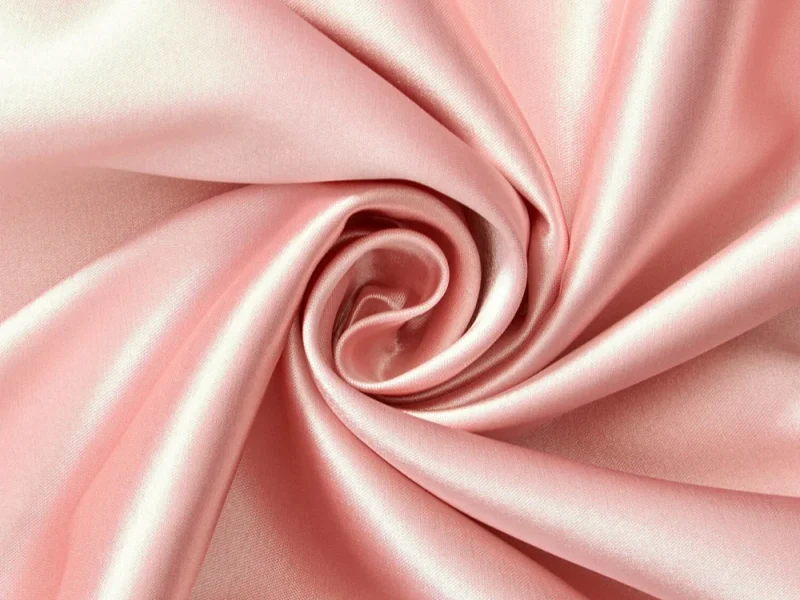
Satin

Satin gives shine and fluidity for evening, occasion, cocktail, and party dresses. Surface marking, snagging, needle holes, seam puckering, shade difference, pressing shine, and collar collapse require control. High neck satin styles often need facing or interfacing, smooth zipper installation, clean lining, and protective packing.

Stretch Satin

Stretch satin supports fitted high neck dresses with greater movement. Stretch direction, recovery, shine direction, seam tension, and pattern ease must be confirmed. Excess tension can create rippling around the collar and zipper, while weak recovery can leave the neckline loose.
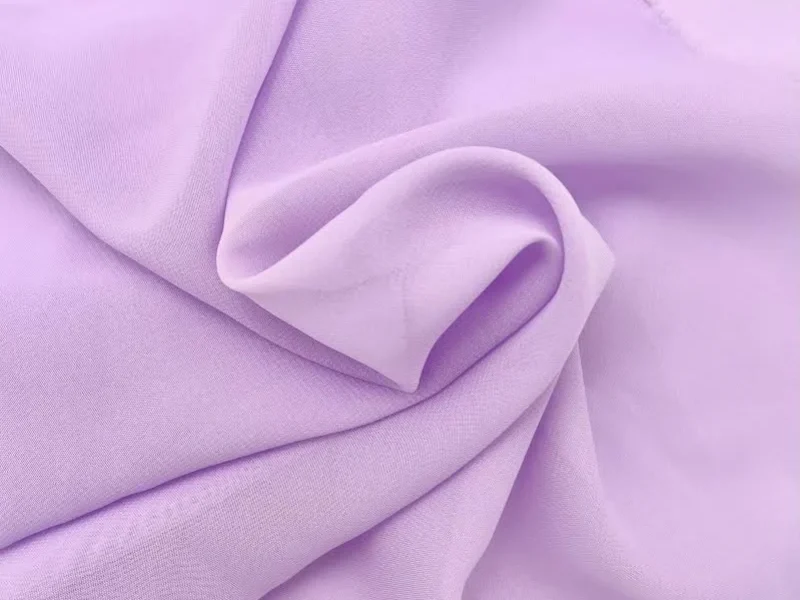
4Chiffon

Chiffon

Chiffon creates light ruffles, gathers, sleeves, overlays, and maxi silhouettes. Transparency, edge fraying, seam slippage, gathering consistency, collar support, and lining coverage are key concerns. A high chiffon collar may need a firmer inner layer while retaining a soft outer appearance.

Lace

Lace adds texture and occasion value but requires motif placement, seam joining, edge control, lining, color matching, and damage inspection. Neckline edges must remain comfortable. Lace with limited stretch normally requires a zipper, keyhole, or shoulder opening.

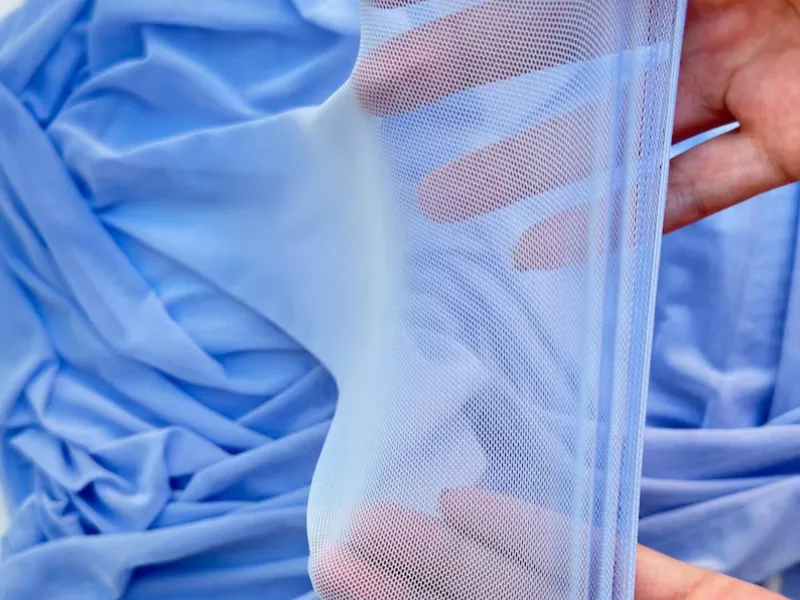
Mesh

Mesh suits illusion necklines, cut-outs, party dresses, and layered designs. Stretch, recovery, transparency, skin feel, seam strength, lining boundary, and neckline stabilization require review. Power mesh offers stronger support than soft fashion mesh and should not be substituted without fit testing.

Jersey

Jersey supports pull-on entry, fitted silhouettes, draping, and daily wear. Weight, stretch percentage, recovery, spirality, shrinkage, neckline seam elasticity, and body cling influence performance. A stable collar ratio is needed to prevent waving or stretching out.
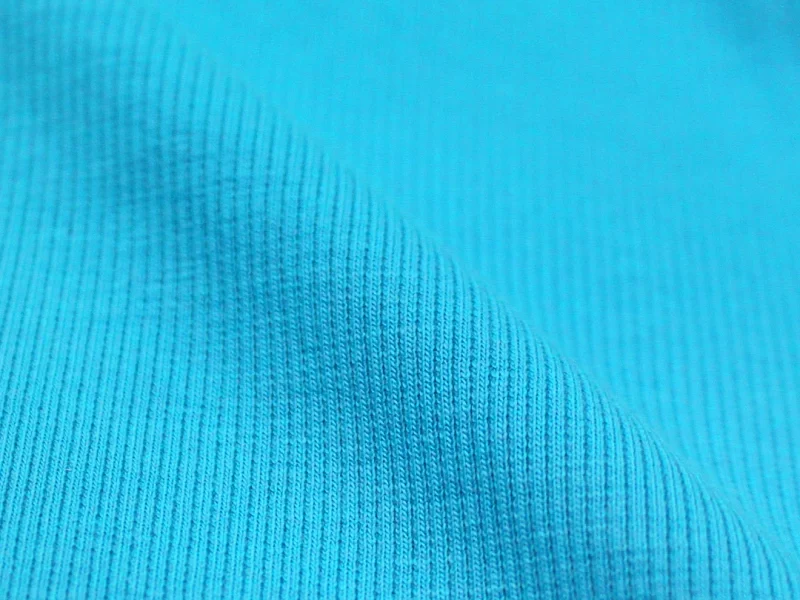
2Rib Knit

Rib Knit

Rib knit provides strong stretch and recovery for mock neck or turtleneck styles. Rib direction, collar seam, fold height, neck opening, and recovery after wear should be tested. Garment length and side seam may change after relaxation or washing.
Ponte De Roma

Ponte

Ponte offers structure, stretch, opacity, and recovery for office, bodycon, and transitional dresses. Collar shape, seam bulk, pressing, zipper need, and edge finishing depend on fabric thickness. Heavy ponte can create a bulky neckline if layers are not reduced.

Crepe

Crepe works for office, cocktail, occasion, and day-to-evening dresses. Weight, drape, surface texture, opacity, seam response, and wrinkle behavior vary widely. Woven crepe commonly requires a zipper or keyhole and may benefit from neckline support tape.

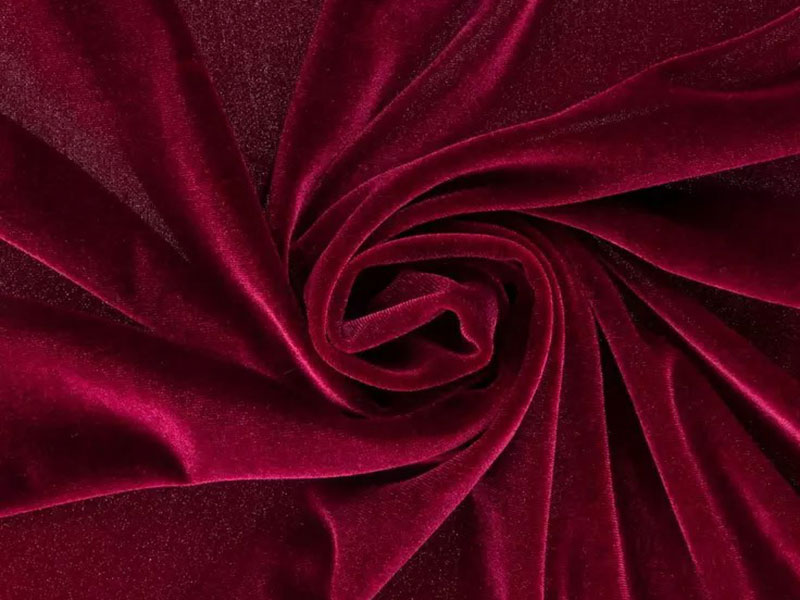
Velvet

Velvet gives depth for evening and autumn-winter collections. Nap direction, pressure marks, seam impression, collar bulk, needle marks, pressing, color shade, and packing require careful handling. Neckline layers should be minimized to avoid stiffness.
6Sequin Fabric

Sequin Fabric

Sequin fabric creates strong party and evening impact but adds weight, skin contact, seam bulk, needle wear, and packing risk. Sequins may need removal from seam allowance, and the neckline often requires lining or binding to protect the skin.
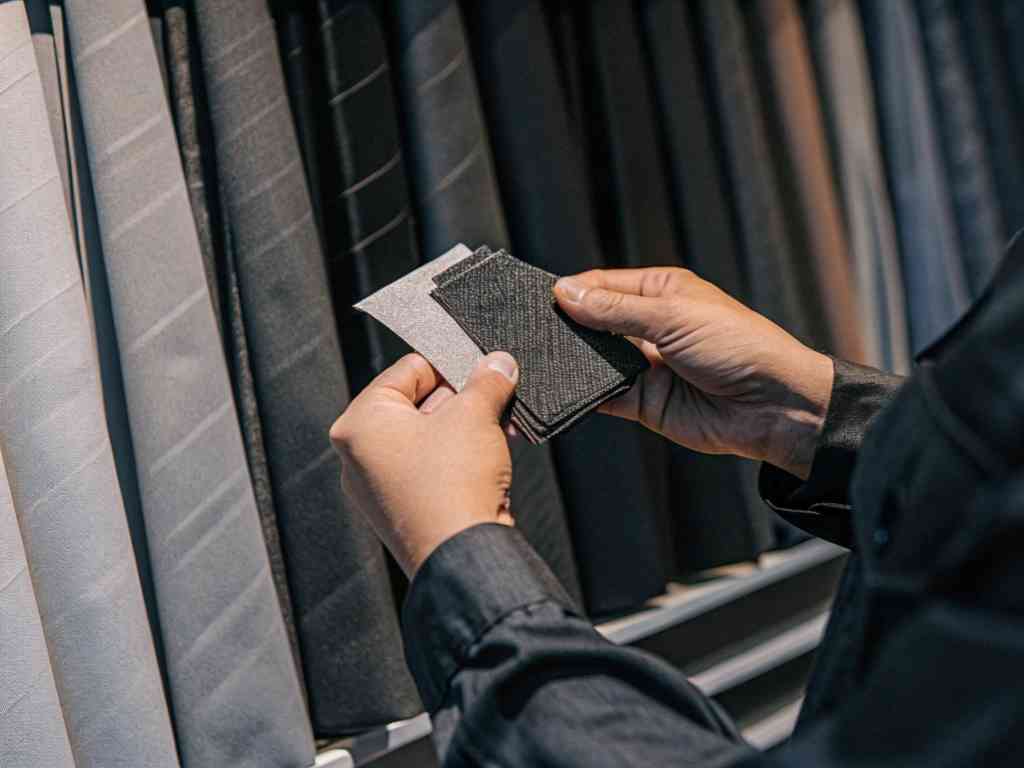
Person comparing dark fabric swatches in store.

Suiting Fabric

Suiting fabric supports structured office and tailored high neck dresses. Weight, recovery, pressing, dart control, shoulder shape, lining, and collar support determine the finish. Stretch suiting and non-stretch suiting require different pattern ease and entry solutions.

Support Materials Behind a Clean High Neckline

The visible collar depends on hidden support. Interfacing, stay tape, elastic, facing, binding, lining, and reinforcement are selected according to fabric weight, stretch, transparency, collar height, and closure method.

Fusible Interfacing

Fusible interfacing supports stand collars, facings, zipper tops, button areas, and structured necklines. Weight, adhesive, shrinkage, hand feel, and pressing temperature must match the shell fabric. Poor bonding can bubble, stiffen, or show through.

Stay Tape

Stay tape helps control stretching along curved necklines, shoulder seams, and keyhole openings. Tape width, flexibility, placement, and stitch method should stabilize the edge without creating a hard ridge or changing the neckline length.

Clear Elastic

Clear elastic can support stretch mesh, jersey, gathered necklines, and bodycon constructions. Tension must be measured because excessive pull creates puckering and discomfort, while weak tension fails to control recovery.

Self Facing

A self-fabric facing creates a clean inner finish for woven high necklines. Facing depth, interfacing, understitching, clipping, grading, lining attachment, and tack points influence whether the facing rolls outward or stays flat.

Binding

Bias or stretch binding can finish mesh, lace, jersey, and lightweight woven necklines. Binding width, stretch ratio, seam bulk, edge coverage, and color match should be defined in the sample standard.

Lining System

Full or partial lining controls opacity, comfort, shape, seam coverage, and garment hang. Lining should not pull the neckline, show at the armhole, twist inside the dress, or extend beyond the shell after pressing.
  • CTA: Select Support Method
  • CTA: Review Material Stack

Sewing Methods for Stable High Neck Construction

High neck dress workmanship is judged at close range. Collar seams, zipper tops, facing edges, bindings, button loops, lace joins, mesh seams, and pressing must remain clean, symmetrical, comfortable, and repeatable.

Collar Attachment

Collar and neckline seam lengths are checked before joining. Notches, center points, shoulder points, seam allowance, easing, clipping, grading, and pressing are controlled to prevent twisting, puckering, or uneven collar height.

Understitching

Understitching helps a facing or lining remain inside the garment. Stitch position, seam grading, curve clipping, thread tension, and pressing determine whether the neckline edge rolls cleanly without visible stitching from the outside.

Invisible Zipper Finish

An invisible zipper should align at the collar seam, waist seam, and back center. Teeth should remain concealed, movement smooth, top edge even, lining clean, and hook secure. Pressing should not create shine or zipper impressions.

Button Loop Reinforcement

Button loops require controlled length, secure anchoring, even spacing, and comfortable contact. Reinforcement at the loop base reduces pull-out risk. Fine loops are tested with the selected button rather than measured in isolation.

Lace and Mesh Seams

Fine fabrics need narrow, stable seams with controlled stretch and clean edges. Seam tape, overlock, binding, lining, or enclosed construction may be used according to transparency and strength. Stitch tension should not gather the fabric.

Pressing and Shape Setting

Pressing sets collar shape, seam direction, facing roll, zipper flatness, and overall presentation. Temperature, pressure, steam, protective cloth, nap direction, and cooling time are adjusted for satin, velvet, mesh, lace, crepe, jersey, and sequins.

Tech Pack Review Before Pattern Development

A clear development review prevents avoidable sample rounds. Jinfeng Apparel checks whether the design, measurements, fabric, trims, construction, size range, packing, and launch timing can work together before pattern release.

  • Construction Review
    Front and back drawings are compared with reference images, seam lines, darts, panels, openings, sleeves, cut-outs, lining, and closure. Conflicting details are identified before pattern work begins.
  • Measurement Review
    Points of measurement, base size, finished measurements, tolerance, grade rules, collar height, neck circumference, opening length, shoulder width, armhole, bust, waist, hip, and dress length are reviewed for completeness.
  • Material Review
    Fabric composition, weight, width, stretch direction, recovery, transparency, hand feel, drape, shrinkage, color, lining, interfacing, zipper, button, labels, and packaging are assessed for availability and production risk.
  • Cost Review
    Cost drivers include fabric consumption, lining, interfacing, pattern work, sample work, cutting, sewing time, closure, decoration, pressing, QC, packing, testing, wastage, and logistics. Alternative constructions can be discussed without weakening brand-level appearance.
  • Timeline Review
    Sample type, fabric readiness, trim development, revision rounds, photo sample, PP approval, material booking, production, QC, packing, and shipping are placed against the target launch date. Complex fabrics and custom components require earlier confirmation.

From First Sample to Production Approval

Sample development is a sequence of controlled decisions. Each stage has a different purpose, and approval should move from structure to fit, material, color, workmanship, branding, packing, and final production standards.

Project Review

The project begins with design reference, target quantity, fabric direction, size range, trims, private-label needs, market, target position, and launch schedule. Feasibility and information gaps are identified before formal development.

Fabric Direction

Available swatches, custom development, color options, stretch, weight, hand feel, drape, opacity, lining, MOQ, cost, and lead time are compared. Fabric approval should be linked to pattern and construction decisions.

Pattern Development

The base pattern establishes neckline shape, collar height, shoulder balance, bust-waist-hip proportions, armhole, sleeve, opening, dress length, and seam structure. Pattern notes record assumptions requiring sample verification.

First Sample

A regular high neck dress first sample usually requires 10-15 days. Medium-complex styles often require 12-18 days, while lace, mesh, sequin, corset, or advanced structured dresses commonly require 15-25 days. Special fabrics or trims may extend timing to 20-35 days.

Fit Review

Fit review checks neckline comfort, collar shape, head passage, shoulder balance, bust, waist, hip, arm movement, sitting, walking, closure, lining, length, and overall proportion. Comments should include measurements and worn photos where possible.

Revised Sample

Revised samples usually require 7-15 days depending on pattern change, fabric replacement, trim change, and construction complexity. All approved comments are transferred into updated patterns and development records.

Photo Sample

Photo samples prioritize approved visual appearance, color, styling, and finishing for campaign or ecommerce work. A photo sample does not replace PP approval unless material, construction, measurements, trims, labels, and packing also match the final standard.

PP Sample

PP samples usually require 7-15 days after final materials are available. The PP sample confirms shell fabric, lining, trims, color, measurements, construction, workmanship, labels, packing, and production instructions before bulk release.

Golden Sample

The approved Golden sample remains a physical production reference for neckline shape, fit, sewing, pressing, labels, and packing. Bulk inspection findings are compared with the production file, measurement chart, and approved sample.

Keeping Neckline Shape Consistent in Bulk Production

Sample quality has commercial value only when bulk production follows the same approved logic. Jinfeng Apparel connects the PP sample, final pattern, materials, work instructions, production checks, and packing standards into one control chain.

  • Material Batch Control
    Shell fabric, lining, interfacing, zipper, button, elastic, tape, lace, mesh, sequin, and packaging are checked against approved references. Dye lot, stretch, weight, width, hand feel, shine, motif, and trim size may affect neckline behavior.
  • Production File Control
    The production file records final measurements, grade rules, collar height, opening length, seam method, lining, interfacing, trim placement, label position, packing, tolerance, and approval notes. Old sample comments should not remain in active production files.
  • First Piece Approval
    The first production pieces verify pattern, cutting, collar components, seam allowance, zipper top, button loop, lining, measurement, pressing, and visual shape before the line continues at full pace.
  • Inline Inspection
    Inline checks focus on neck circumference, collar height, shoulder balance, seam smoothness, closure function, facing roll, lining, symmetry, and measurements. Early correction prevents repeated defects across a large quantity.
  • Final Shape Protection
    Finished garments are pressed, cooled, measured, inspected, folded or hung, protected, and packed according to fabric and style. Collars should not be flattened, folded incorrectly, or marked by trims during transit.

Product-Specific Quality Control for High Neck Dresses

Quality control covers material, cutting, sewing, measurement, pressing, packing, and final inspection. High neck dresses also require dedicated checks around collar shape, entry, comfort, support, and symmetry.

Incoming Fabric QC

Check composition reference, width, weight, color, dye lot, shade, stretch, recovery, transparency, defects, snagging, nap, motif, shrinkage, and hand feel before cutting.

Collar Component Check

Verify collar pattern, pair matching, grain direction, interfacing, facing, stay tape, elastic, lining, seam allowance, notches, and cut quantity. Small component errors can create large visual variation.

Cutting QC

Check marker direction, fabric relaxation, shade grouping, motif placement, satin shine direction, velvet nap, lace motif, mesh stretch direction, and cut accuracy.

First Piece Check

Compare the first sewn unit with the PP sample, production pattern, measurements, work instruction, collar shape, zipper, lining, stitch type, and pressing standard.

Sewing QC

Inspect collar attachment, seam puckering, topstitching, binding, facing, understitching, zipper insertion, button loop, hook, reinforcement, lining, lace joins, mesh seams, and decoration.

Measurement QC

Measure neck circumference, collar height, shoulder width, across-front, across-back, bust, waist, hip, armhole, sleeve, opening length, dress length, slit, and hem as applicable.

Closure Test

Operate zipper, button, loop, snap, hook, or shoulder opening repeatedly. Check smoothness, alignment, top finish, reinforcement, color match, and comfort against the skin.

Symmetry Check

Compare left and right collar height, shoulder, armhole, sleeve, pleat, ruffle, ruching, cut-out, keyhole, side seam, slit, and hem. Worn appearance is checked where necessary.

Pressing QC

Use fabric-specific temperature, steam, pressure, protective cloth, nap direction, and cooling. Inspect shine, seam impressions, crushed pile, distorted mesh, melted sequins, and collar deformation.

Finished Garment QC

Review visual appearance, workmanship, measurements, labels, loose threads, stains, defects, lining, closure, comfort points, and approved decorative placement.

Packing QC

Check size label, care label, main label, hangtag, barcode, SKU sticker, folding, collar protection, polybag, carton assortment, carton mark, quantity, and packing list.

Final Inspection

Final inspection may include AQL sampling and client-appointed inspection according to project requirements. AQL does not replace process inspection; it provides an additional pre-shipment assessment of finished goods.

Production Resources Matched to Dress Complexity

Production allocation is based on product type, fabric, construction, quantity, finishing, and schedule. Not every line is suitable for every high neck dress, so styles are grouped and assigned according to manufacturing requirements.

Woven Dress Allocation

Satin, chiffon, crepe, lace, suiting, and non-stretch woven dresses require controlled cutting, seam handling, zipper installation, lining, and pressing. Production teams are selected according to relevant fabric and dress experience.

Stretch Dress Allocation

Jersey, rib knit, ponte, stretch satin, and stretch mesh need control over stretch direction, recovery, seam elasticity, differential feeding, measurement relaxation, and pressing. Pattern ease and QC tolerance differ from woven styles.

Occasionwear Allocation

Evening, party, wedding guest, lace, mesh, sequin, and embellished dresses need stronger handwork, surface protection, lining, detail inspection, pressing, and packing. Complex styles are planned earlier than simple dresses.

Multi-Style Coordination

Projects with 10-30 styles are grouped by fabric, pattern block, color, trim, complexity, sample priority, and launch date. Grouping reduces material confusion and supports clearer sample, production, QC, and packing tracking.

Team Coordination

More than 12 merchandisers coordinate records, materials, approvals, production updates, packing details, and shipment information. More than 15 QC inspectors and 30+ finishing and packing workers support inspection and final delivery preparation.

Capacity Planning

Six owned factories, 10+ long-term satellite partners, 18+ sewing lines, and 6+ flexible lines support multi-style and multi-batch women’s fashion production. Final allocation depends on confirmed PP samples, materials, quantities, and delivery requirements.

MOQ and Cost Factors for High Neck Dresses

Cost AreaLower ComplexityHigher ComplexityMain Cost Influence
Neck structureBasic mock neck or simple standDraped, pleated, ruffled, illusion, layered, or cutout neckPattern work, components, sewing time, pressing, QC
FabricStandard in-stock jersey, crepe, or woven fabricCustom-dyed satin, lace, mesh, velvet, sequins, certified fabricSupplier MOQ, lead time, wastage, defect risk, handling
ClosureBasic button loop or standard zipperLong invisible zipper, shoulder opening, multiple closuresTrim cost, sewing accuracy, reinforcement, inspection
Lining/supportUnlined stable knitFull lining, facing, interfacing, stay tape, elastic, support layersMaterial consumption, labor, bulk, comfort control
DecorationClean constructionRuching, pleats, lace motif, rhinestones, beads, sequinsHandwork, placement, repair, surface inspection
Size/color planFocused size ratio and 1-2 colorsWide size range, many colors, special ratiosCutting, SKU control, labels, packing, QC
Private labelMain label, care label, standard polybagCustom tags, printed bags, boxes, special insertsSupplier MOQ, artwork, approval, packing labor
SchedulePlanned production windowCompressed launch calendar or split shipmentMaterial booking, line planning, inspection, freight

Private Label and Packing for High Neck Dresses

Brand presentation continues after sewing. Labels, tags, barcodes, folding, collar protection, polybags, cartons, and warehouse information must match the approved packing standard and protect the neckline during transit.

Main Brand Label

Main labels can be woven, printed, heat-transfer, or another approved format. Label material, size, color, edge, fold, placement, stitch method, skin comfort, and supplier MOQ should be confirmed before production.

Size and Care Labels

Size labels and care labels support inventory, regulatory information, and wearer guidance. Content, language, fiber composition, care symbols, origin statement, placement, readability, and wash durability require approval.

Hangtags

Hangtags may include brand story, style name, size, barcode, price, care guidance, QR code, or campaign information. Paper, finish, string, seal, punch, print color, and attachment point influence final presentation.

Barcode and SKU

Barcode labels, SKU stickers, color codes, size codes, carton assortments, and packing lists should follow the brand’s inventory system. Data errors can cause warehouse receiving problems even when garment quality is acceptable.

Polybag Packing

Standard or printed polybags need suitable size, thickness, warning text, ventilation, seal, barcode position, and folding method. High collars may require a shaped fold, tissue, insert, or extra space to avoid flattening.

Retail Packing

Retail-ready orders may require hangers, tissue, size tabs, tags, stickers, polybags, inner cartons, carton assortments, carton marks, and receiving documents. Requirements should be confirmed before PP approval.

Ecommerce Packing

Ecommerce programs often prioritize clean fold, compact size, barcode visibility, garment protection, and easy fulfillment. Satin, velvet, sequins, ruffles, and structured collars may need added surface or shape protection.

Carton and Shipping Marks

Carton size, quantity, gross weight, net weight, carton mark, PO, style, color, size ratio, destination, and handling instructions are confirmed before shipment. Packing records support repeat orders and warehouse reconciliation.

Anonymous High Neck Dress Production Programs

The following cooperation records are presented without brand names or unpublished designs. Order structure reflects the multi-style programs commonly managed for established fashion labels.

United States Ecommerce Program

A premium online fashion label developed 18 high neck styles across bodycon midi, long-sleeve mini, cutout maxi, and structured office silhouettes. Total order volume reached approximately 36,000 garments across selected colors and sizes. Early fit samples showed neck pressure and diagonal shoulder drag in several fitted styles. Pattern makers adjusted neck ease, shoulder slope, upper-body length, and zipper opening. Stretch styles received revised collar ratios, while woven styles used longer openings and support tape. Final PP standards included neckline measurement points, closure tests, pressing references, and size-set checks before bulk release.

United Kingdom Occasionwear Program

An occasionwear label developed 12 high neck lace, mesh, crepe, and satin dresses with a combined order volume of approximately 24,000 garments. Key risks included lace edge irritation, illusion mesh stretching, button-loop inconsistency, and lining visibility around the upper chest.

Development work introduced softer inner binding, stabilized mesh edges, revised loop length, motif placement standards, and higher lining coverage. Production files included collar component checks, seam methods, symmetry references, and protective packing for lace and satin surfaces.

Australia Seasonal Collection

An online fashion program prepared 26 high neck mini, midi, and maxi styles with total production of approximately 68,000 garments.

The range used jersey, stretch mesh, crepe, satin, and sequins, with separate photo-sample and warehouse deadlines.
Styles were grouped by fabric and complexity, then prioritized by campaign importance. Material booking, revised sample tracking, PP approval, line allocation, inline measurement checks, barcode control, and split packing plans supported the launch schedule. Sequin and satin styles received additional pressing and surface-protection checks.

Why Fashion Teams Choose Jinfeng Apparel

High neck dress programs need dress-specific pattern knowledge, fabric judgment, sample discipline, production controls, and private-label execution. Jinfeng Apparel combines each function within a structured women’s fashion manufacturing system.

Dress-Focused Development

The core product range includes mini, midi, maxi, party, occasion, evening, bodycon, satin, mesh, lace, sequin, jumpsuit, set, and private-label women’s fashion programs. High neck development therefore connects to established dress pattern and material knowledge.

Pattern and Fit Control

Seven or more senior pattern makers support neckline, shoulder, bust, waist, hip, sleeve, opening, length, grading, and final production patterns. Fit comments are translated into measurements, pattern changes, revised samples, PP samples, and QC points.

Sample System

Two sample rooms and 20+ sample machinists support first samples, fit samples, revised samples, photo samples, PP samples, and Golden samples. Sample stages are separated by purpose rather than treated as one generic approval.

Fabric-Specific Manufacturing

Satin, lace, mesh, chiffon, jersey, rib knit, ponte, crepe, velvet, sequins, and suiting fabrics receive different pattern, sewing, pressing, lining, support, and QC decisions.

Bulk Control Chain

PP approval, material confirmation, production patterns, work instructions, first-piece checks, inline QC, measurement control, finished inspection, packing QC, and final inspection support sample-to-bulk consistency.

Long-Term Records

Approved patterns, measurements, fabric references, trims, packing requirements, Golden sample notes, QC findings, and order history can support repeat orders, new colors, same-pattern fabric changes, and seasonal collection planning.

High Neck Dress Frequently Asked Questions

MOQ starts from 200 pcs per style/color, depending on fabric availability, color development, trims, construction complexity, packaging, and production schedule. Quantity is calculated by style and color, not by combining several styles into one total.

Yes. A reference image can start the review, although front and back views, measurements, target fabric, size range, quantity, and brand requirements improve accuracy. A tech pack or original sample provides stronger control for complex high neck structures.

A regular first sample usually requires 10-15 days. Medium-complex styles often require 12-18 days. Lace, mesh, sequin, corset, or advanced structured styles commonly require 15-25 days. Special fabrics or trims may extend the schedule.

Neck circumference is reviewed with collar height, body neck measurement, fabric stretch, seam bulk, closure, shoulder balance, and movement. Fit testing includes head turning, sitting, arm movement, dressing, and undressing before the pattern is finalized.

Yes, depending on fabric and design. Jersey, rib knit, ponte, or stretch mesh may allow pull-on entry. Woven styles may use a keyhole, button loop, shoulder opening, snap, or hook. Head passage and recovery must be tested.

Suitable options include satin, stretch satin, chiffon, lace, mesh, jersey, rib knit, ponte, crepe, velvet, sequins, and suiting fabric. Selection depends on silhouette, occasion, stretch, opacity, collar support, comfort, care, and price position.

Yes. Sizes can be distributed within the confirmed style-color quantity using an approved size ratio. Neck, shoulder, armhole, bust, waist, hip, opening, and length should follow style-specific grade rules rather than one uniform increment.

Yes. Services can include main labels, size labels, care labels, hangtags, barcode stickers, SKU labels, polybags, carton marks, and retail or ecommerce packing. Individual materials may have separate supplier MOQ and lead time.

Control points include approved PP sample, final pattern, material batch, collar components, work instructions, first-piece review, inline measurements, closure tests, pressing standards, finished inspection, and packing protection.

Send design images or tech pack, quantity by style and color, fabric direction, size range, trims, label and packing requirements, target market, launch date, and any testing or inspection requirements. Complete information supports a more accurate review.
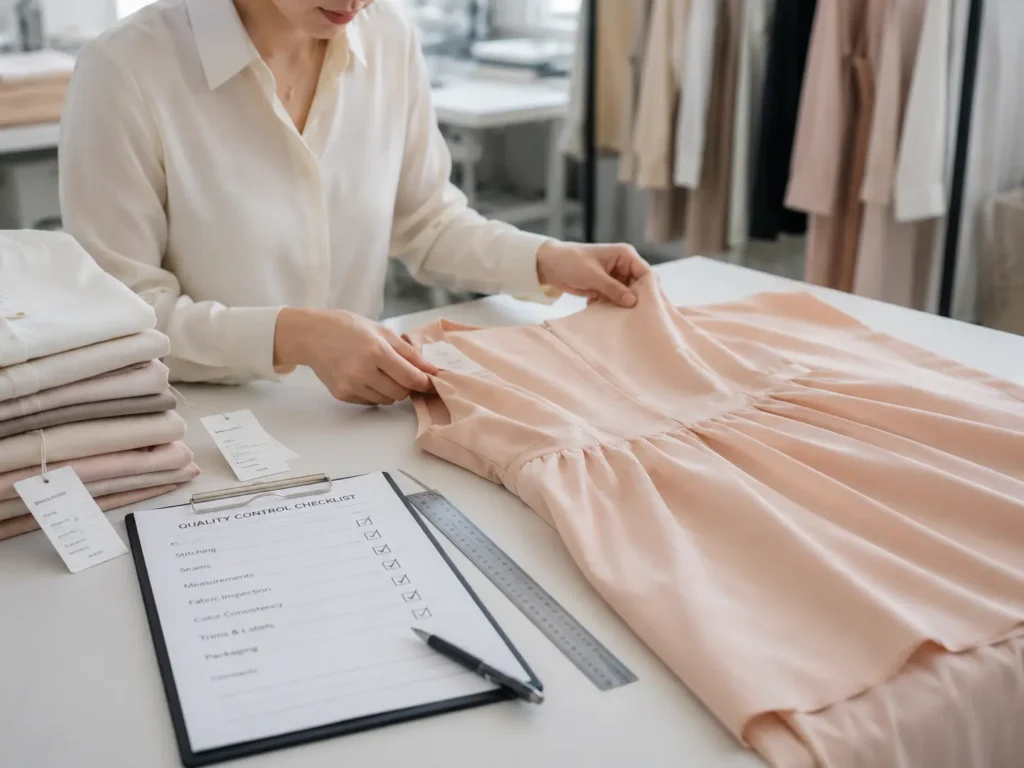
Start Your High Neck Dress Production Project

Send your design information to Jinfeng Apparel for a structured review covering neckline construction, pattern difficulty, fabric direction, closure, size range, MOQ, sample plan, production feasibility, private-label requirements, and launch timing. Kelly will coordinate the initial information review and connect the project with the relevant development resources.
Please include:

  • Reference image, sketch, original sample, or tech pack
  • Target quantity by style and color
  • Fabric preference, composition, weight, stretch, and color
  • Base size, size range, measurement chart, and size ratio
  • Closure, lining, support, decoration, and trim requirements
  • Main label, care label, hangtag, barcode, and packing needs
  • Sample deadline, photo-shoot date, launch date, and receiving date
  • Target market and any inspection, testing, or document requirements

Submit Your Production Inquiry

Please share your product details, estimated quantity, target market, timeline, and development requirements. Our project team will review your inquiry and provide a tailored OEM/ODM production solution.

Women’s Apparel Production for Established Fashion Brands

From sample development to bulk production, JF Apparel supports fashion brands with confidential OEM/ODM manufacturing, stable quality control, and scalable production.