...

Brunch Dress Manufacturer

Custom brunch dress development for fashion brands building polished, comfortable, photo-ready daywear collections.

Jinfeng Apparel develops brunch dresses from reference images, tech packs, original samples, sketches, and seasonal line sheets. Our team coordinates fabric sourcing, pattern development, sample fitting, bulk production, quality control, private-label packing, and export delivery.

  • Brunch collections commonly include 10–30 coordinated styles across mini, midi, and maxi lengths.
  • Current brand programs commonly total 20,000–80,000 garments across multiple styles, colors, and size ranges.
  • MOQ starts from 200 pieces per style and color, subject to fabric, print, trim, and construction requirements.
  • Since 2008, Jinfeng Apparel has supported custom womenswear development through 6 owned factories and 10+ long-term production partners.

Manufacturing Capacity for Seasonal Brunch Dress Collections

Brunch programs require more than one attractive sample. Brands need coordinated development, controlled fit, suitable fabrics, stable production, and retail-ready delivery across multiple styles.

Since 2008

Jinfeng Apparel has focused on custom women’s fashion manufacturing since 2008. Long-term experience covers dresses, skirts, jumpsuits, matching sets, and private-label womenswear for global fashion brands with recurring seasonal development plans.

6 Owned Factories

Six owned women’s fashion factories support production allocation according to fabric type, construction difficulty, order quantity, sewing requirements, and delivery schedule. Woven day dresses, soft knit dresses, structured styles, and detailed fashion pieces are assigned to suitable production teams.

10+ Production Partners

More than ten long-term satellite production partners extend capacity for multi-style programs, repeat orders, and staggered deliveries. Partners are selected according to product specialization rather than treated as temporary subcontractors.

2 Sample Rooms

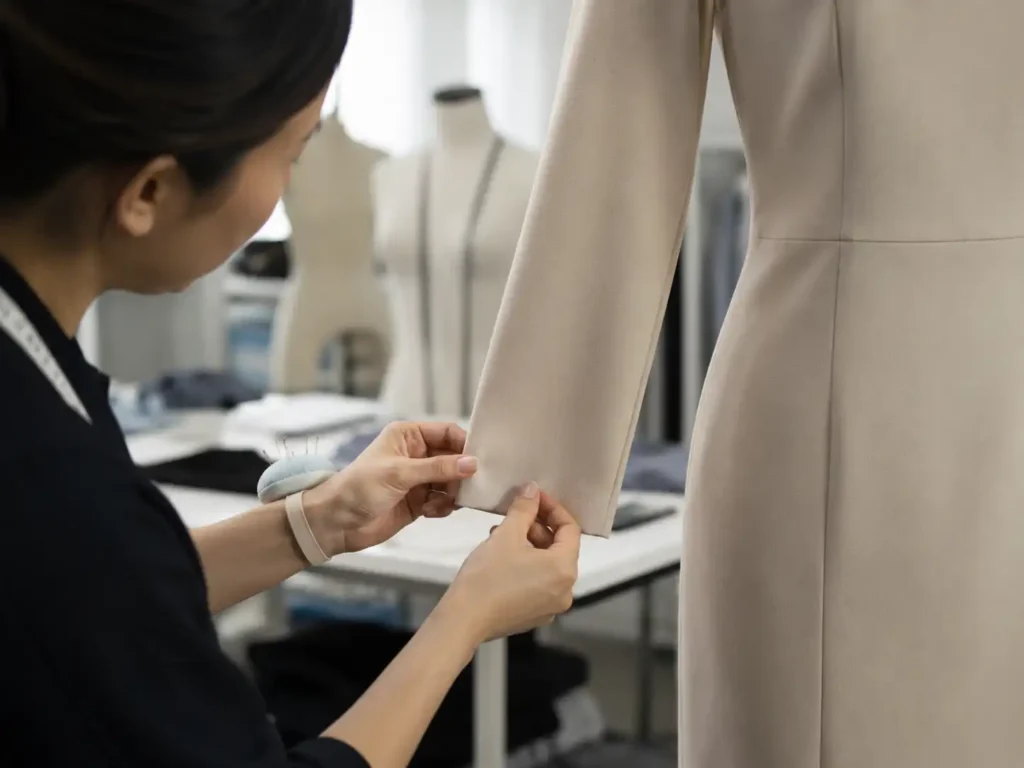
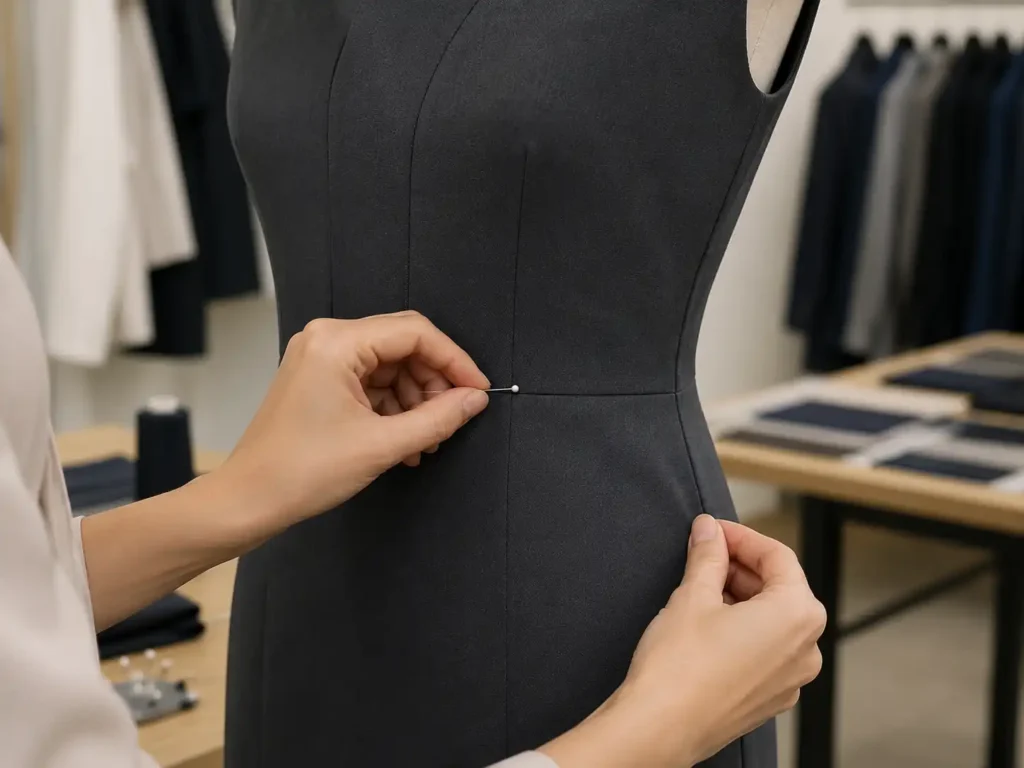
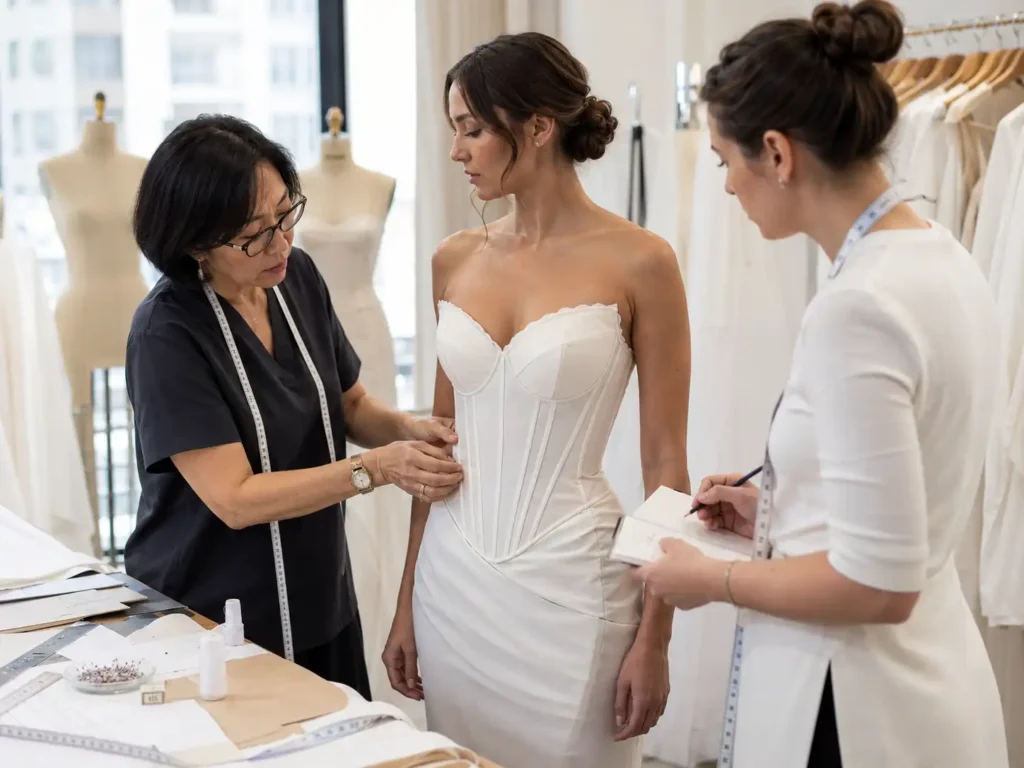
Two sample rooms support first samples, fit samples, revised samples, photo-ready samples, salesman samples, PP samples, and golden samples. Sample development verifies appearance, construction, measurements, fabric behavior, and production feasibility.

7+ Pattern Makers

Seven or more senior womenswear pattern makers work on bust shape, waist position, hip proportion, neckline depth, sleeve volume, armhole comfort, dress length, lining length, and size grading.

MOQ From 200 Pieces

MOQ starts from 200 pieces per style and color. Custom dyeing, placement printing, special trims, exclusive fabrics, extensive color splitting, and complex packaging may require higher quantities.

Built for Fashion Teams Planning Day-Event Collections

Jinfeng Apparel works with established brands and sourcing teams that require structured product development, professional samples, stable bulk production, and long-term collection support.

Ecommerce Fashion Brands

Premium online brands need dresses that look strong in campaign images while remaining comfortable enough for real wear. We help control neckline shape, waist position, transparency, sleeve volume, color presentation, packing appearance, and SKU accuracy.

Lifestyle Labels

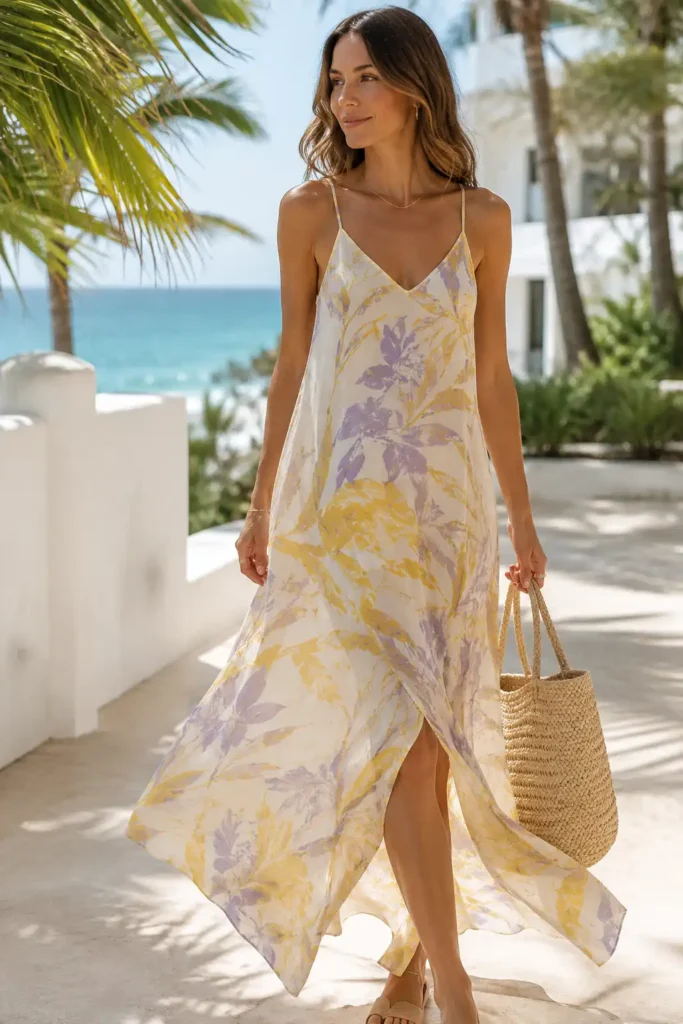
Lifestyle labels often connect brunch dresses with resort, vacation, garden-event, and weekend dressing. Jinfeng Apparel coordinates relaxed silhouettes, natural-looking fabrics, feminine detailing, and coordinated color stories across a complete seasonal assortment.

Boutique Chains

Boutique chains require distinctive styles with dependable sizing and repeatable production. Our team supports multi-store size ratios, barcode packing, coordinated delivery, replacement orders, and repeat production using retained patterns and approved material records.

Resortwear Brands

Resortwear labels frequently extend beach, travel, and hotel collections into brunch and day-event dresses. Fabric selection focuses on lightness, drape, coverage, crease behavior, travel packing, and movement in warm-weather settings.

Product Development Teams

Development teams need clear communication between design, pattern, sampling, merchandising, production, and quality control. Jinfeng Apparel records pattern changes, fabric approvals, trim decisions, measurement updates, and sample comments before bulk production.

Private-Label Programs

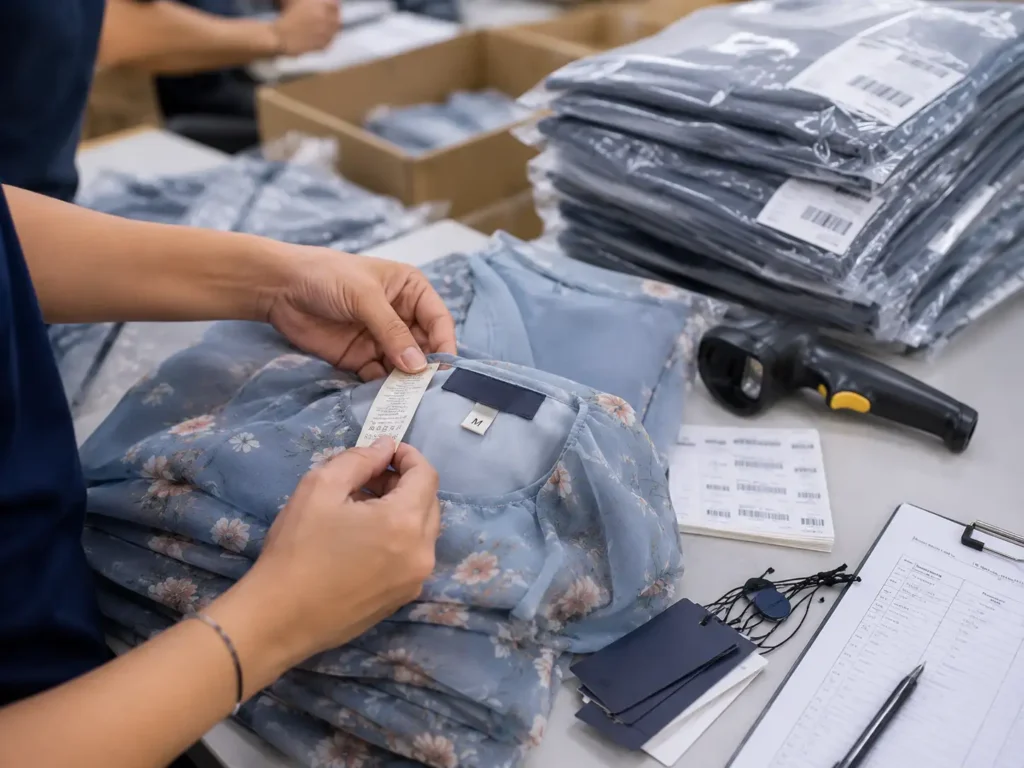
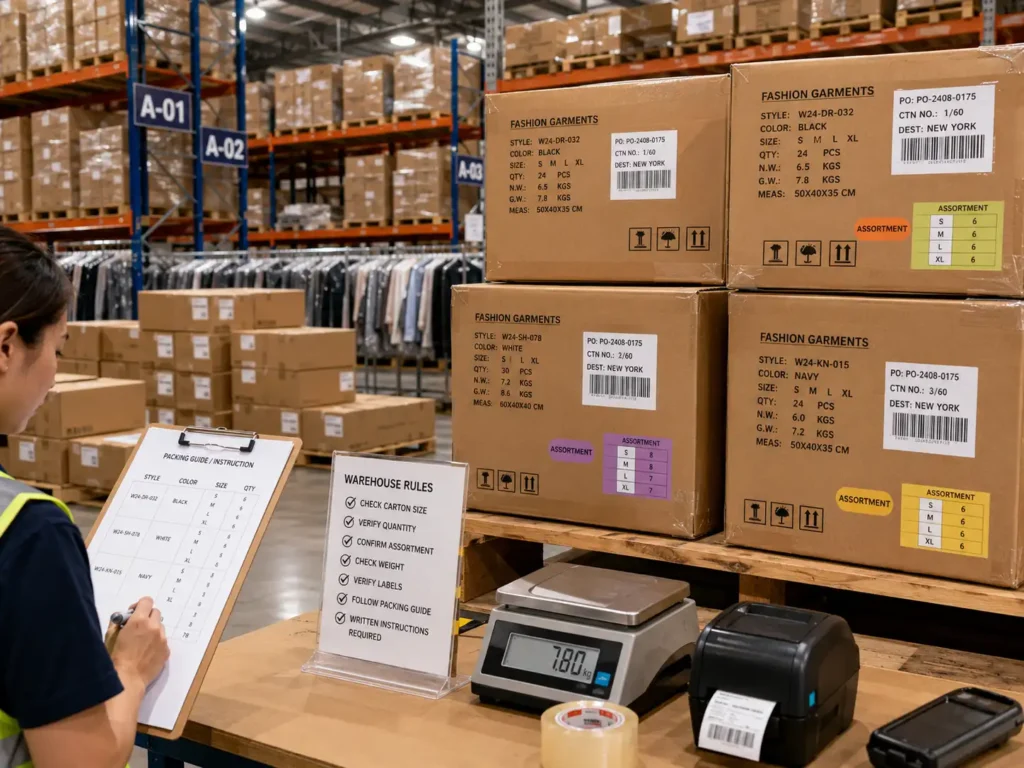
Private-label programs require more than garment sewing. We coordinate woven labels, size labels, care labels, hangtags, barcodes, polybags, carton marks, assortment packing, and warehouse documentation according to approved artwork and packing instructions.

A Clear Production Fit Before Development Begins

Project suitability is reviewed before sampling so fabric, construction, quantity, timing, and commercial expectations remain aligned from the beginning.

Best Fit for Jinfeng

Jinfeng Apparel is well suited to brands with defined product direction, seasonal line sheets, tech packs, reference samples, professional sample budgets, and bulk production plans. Strong project signals include:
  • Clear target market and retail position
  • Planned quantities by style and color
  • Defined launch or warehouse date
  • Size range and grading requirements
  • Fabric or visual direction
  • Private-label and packing standards
  • Long-term repeat or seasonal potential

Different Supply Models

Jinfeng Apparel focuses on custom development, professional sampling, bulk manufacturing, and brand delivery.The operating model is not based on ready-stock resale, one-piece fulfillment, personal tailoring, or fragmented micro-quantity production.

Production planning depends on stable material purchasing, controlled cutting, consistent sewing methods, structured quality checks, and approved packing standards.Clear project boundaries protect product quality and delivery reliability.

What Defines a Commercial Brunch Dress Collection

A brunch dress sits between everyday casualwear and formal occasionwear. The strongest styles appear polished in daylight, feel comfortable while sitting and walking, and carry enough detail to support premium visual merchandising.

Relaxed Polish

The garment should look styled without feeling restrictive. Fabric drape, waist definition, neckline treatment, sleeve proportion, and finishing create a refined appearance without the weight or structure of eveningwear.

Daylight Appearance

Natural light exposes transparency, wrinkles, uneven hems, fabric shine, print flaws, and pressing marks more clearly than indoor lighting. Light colors and white styles require careful fabric and lining evaluation.

Comfortable Sitting Fit

Brunch involves extended sitting, movement, and dining. Waist tension, hip ease, armhole depth, sleeve opening, neckline stability, and skirt volume must be reviewed in seated and standing positions.

Feminine Detail Balance

Ruffles, smocking, puff sleeves, tiered skirts, lace trims, covered buttons, and waist ties can strengthen visual identity. Poor proportion can make the garment bulky, unbalanced, or difficult to reproduce.

Social-Ready Styling

Many brunch dresses support campaign photography, influencer content, event images, and seasonal promotions. Color, print scale, neckline framing, waist shape, and hem movement affect photographic performance.

Repeatable Construction

A strong concept still needs factory-ready construction. Pattern shapes, gathering ratios, print direction, seam methods, lining attachment, trim specifications, and pressing instructions must be documented for repeatable production.

Common Production Risks Behind Attractive Brunch Concepts

Many brunch styles look simple in drawings yet contain hidden fit, fabric, and production risks. Early risk assessment prevents repeated sample corrections and inconsistent bulk results.

Light-Color Transparency

Ivory, white, blush, pale yellow, and pastel fabrics may appear acceptable on a hanger but become transparent in daylight. Fabric weight, weave density, lining color, seam allowance, pocket bags, and undergarment contrast all influence coverage.

Uncomfortable Sitting Fit

A narrow waist, high armhole, tight sleeve opening, short back length, or insufficient hip ease may look correct while standing but create discomfort while seated. Fit review must include movement and posture.

Unsafe Mini Length

Mini brunch dresses need enough coverage for walking, sitting, entering vehicles, and climbing stairs. Front length, back length, hem sweep, lining length, and rise of the waistline must work together.

Uneven Ruffles

Ruffles can twist, flare differently on each side, collapse after pressing, or create unwanted volume. Pattern length, gathering ratio, fabric direction, seam location, and edge finishing require measurable control.

Print Direction Errors

Directional florals and border prints can be cut upside down, mismatched at seams, or positioned differently across sizes. Marker planning and cutting instructions must define print orientation before bulk cutting.

Sample-to-Bulk Variation

Fabric batches, sewing tension, lining length, sleeve fullness, waist elastic, and pressing can change the final appearance. PP sample approval, golden sample control, and inline inspection reduce variation.

Brunch Dress Styles Developed for Seasonal Assortments

A strong collection combines different lengths, silhouettes, fabrics, and design details while maintaining one commercial story. Jinfeng Apparel develops coordinated styles for online launches, boutique programs, seasonal capsules, and retail assortments.

Floral Midi Dresses

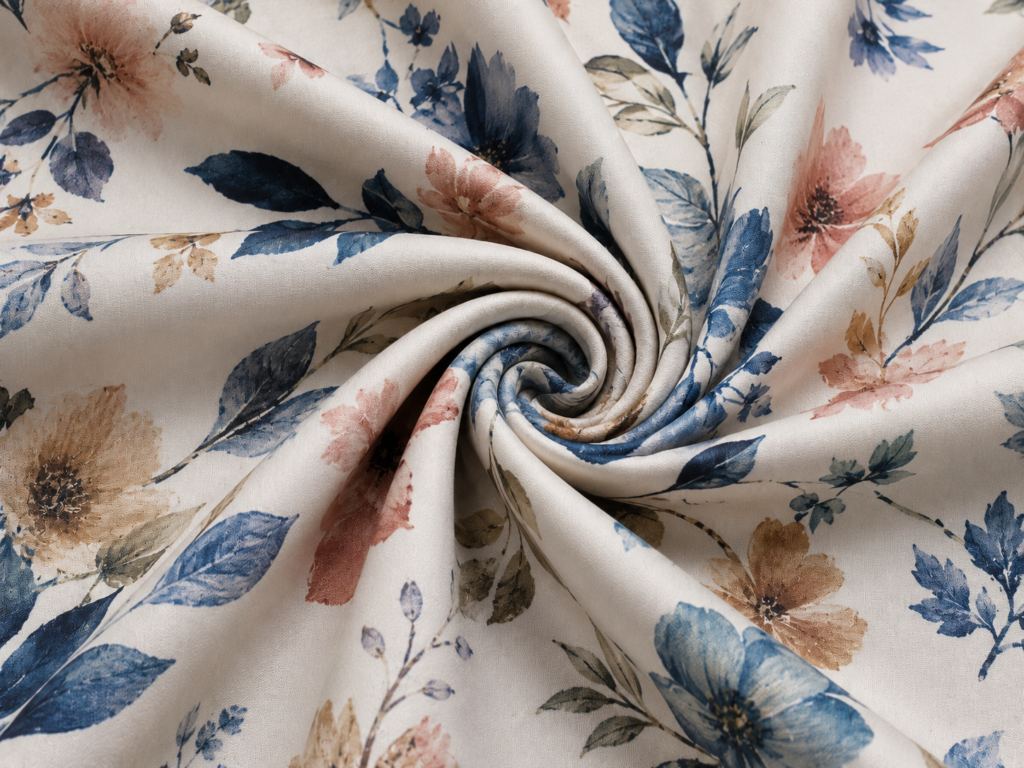
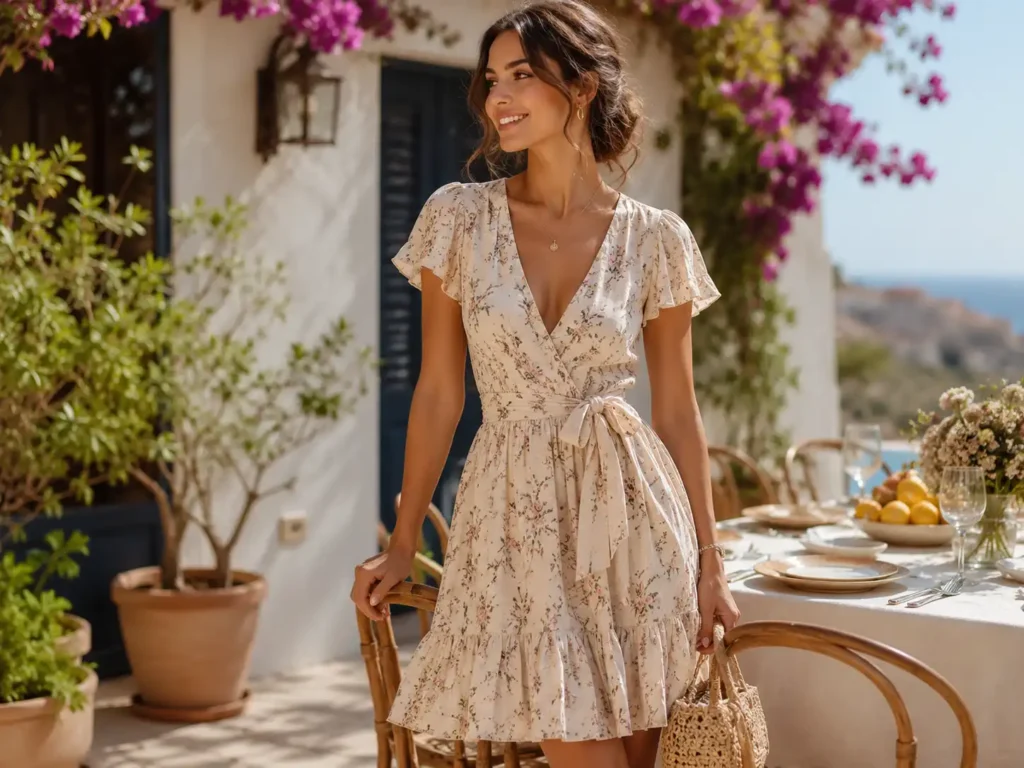
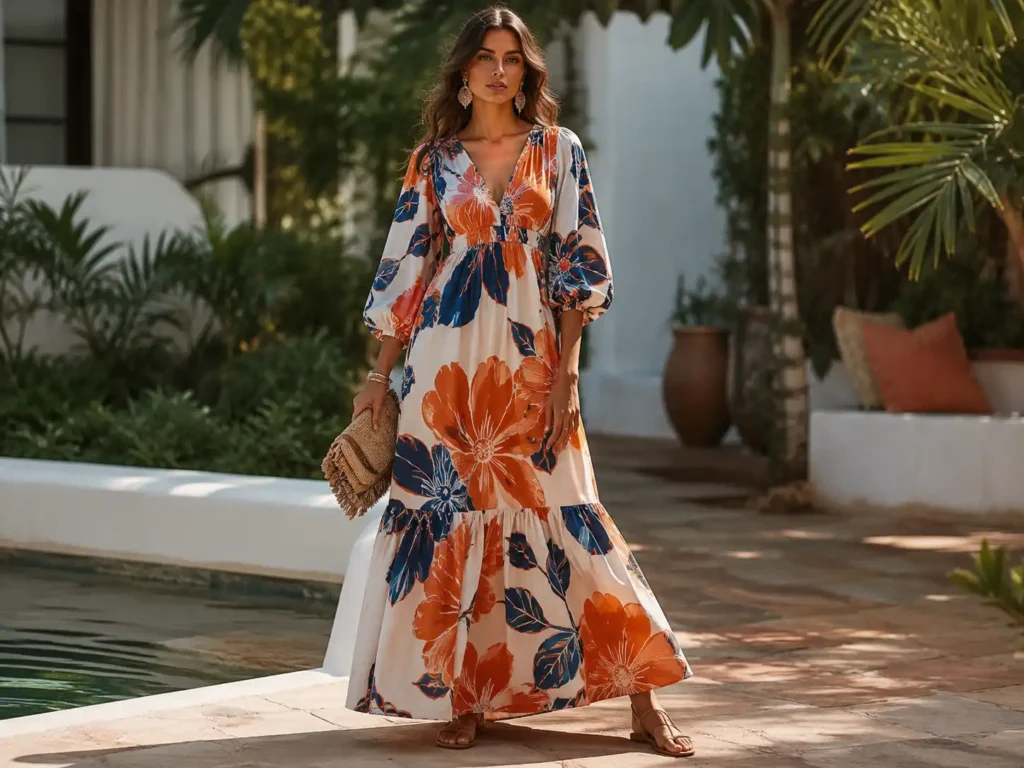
Floral midi dresses balance feminine presentation with broad commercial wearability. Common structures include shaped waists, gathered skirts, front slits, short sleeves, puff sleeves, or adjustable ties. Development control covers print scale, print direction, bodice placement, waist seam alignment, skirt balance, lining coverage, zipper flatness, and hem consistency. Small florals usually require less placement control than large directional motifs, while border prints need dedicated cutting plans. Suitable fabrics include printed rayon, viscose, chiffon, crepe, and soft polyester woven qualities.

Puff-Sleeve Mini Dresses

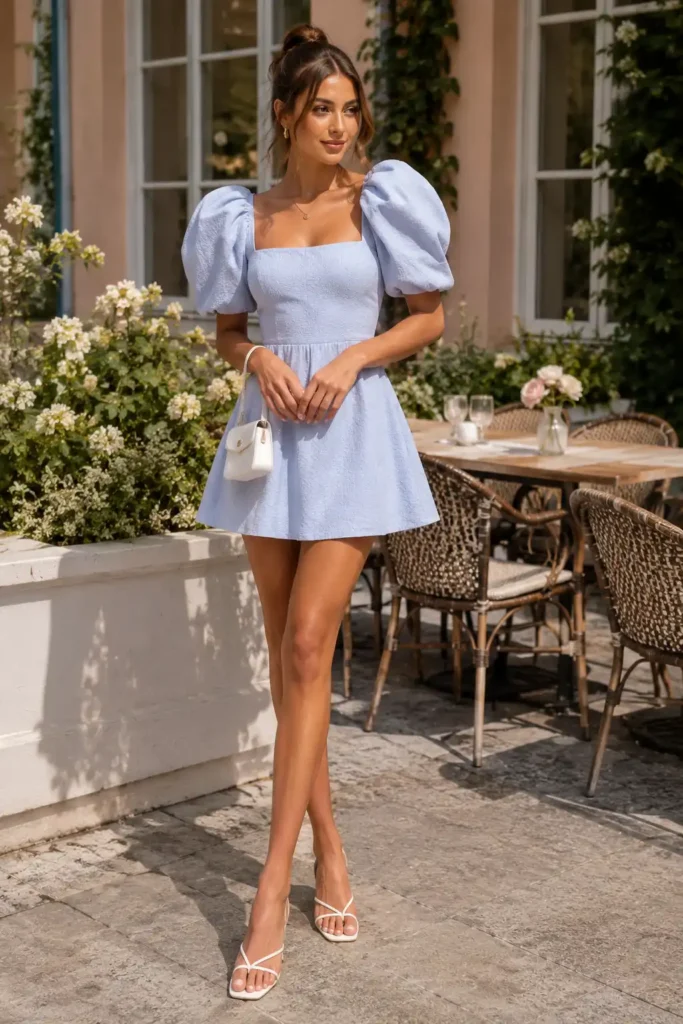
Puff-sleeve mini dresses create a strong upper-body silhouette for campaign images and social content. Sleeve volume must remain balanced against bodice width and skirt length. Pattern development controls sleeve-head volume, gathering distribution, elastic pressure, cuff opening, arm mobility, shoulder position, and left-right symmetry. Mini length requires additional attention to back coverage, lining length, and hem movement. Cotton blends, printed woven fabrics, poplin-style qualities, lightweight crepe, and viscose blends are common options.

Babydoll Brunch Dresses

Babydoll silhouettes offer relaxed comfort and youthful visual appeal. The seam position below the bust, skirt volume, shoulder width, and finished length determine whether the garment looks intentional or oversized. Development work focuses on upper-bust fit, underarm coverage, seam height, gathering ratio, front and back balance, and lining behavior. Soft cotton blends, rayon, viscose, dobby fabrics, and lightweight printed woven qualities work well.

Ruffle Day Dresses

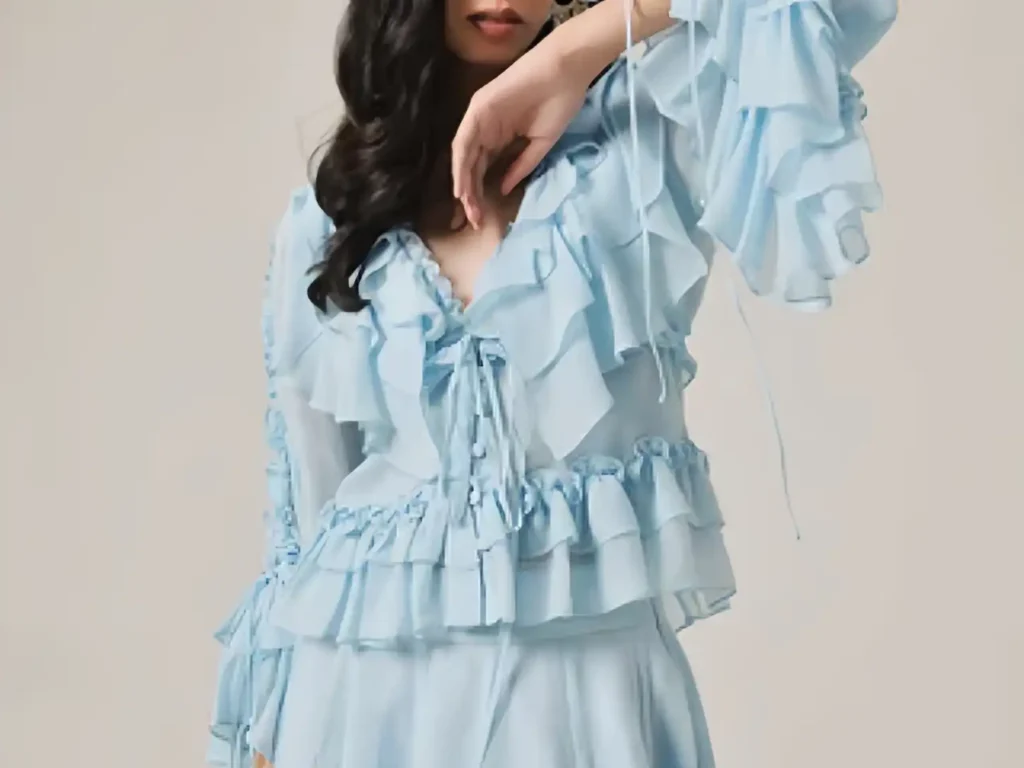
Ruffle dresses may include neckline flounces, sleeve ruffles, wrap edges, tier seams, or hem flounces.

Each ruffle requires controlled length, width, curve, gathering, edge finish, and pressing method. Poorly calculated ruffles can add unwanted volume, curl after washing, or appear uneven across production.

Jinfeng Apparel converts visual references into measurable ruffle specifications before bulk cutting.

A-Line Brunch Dresses
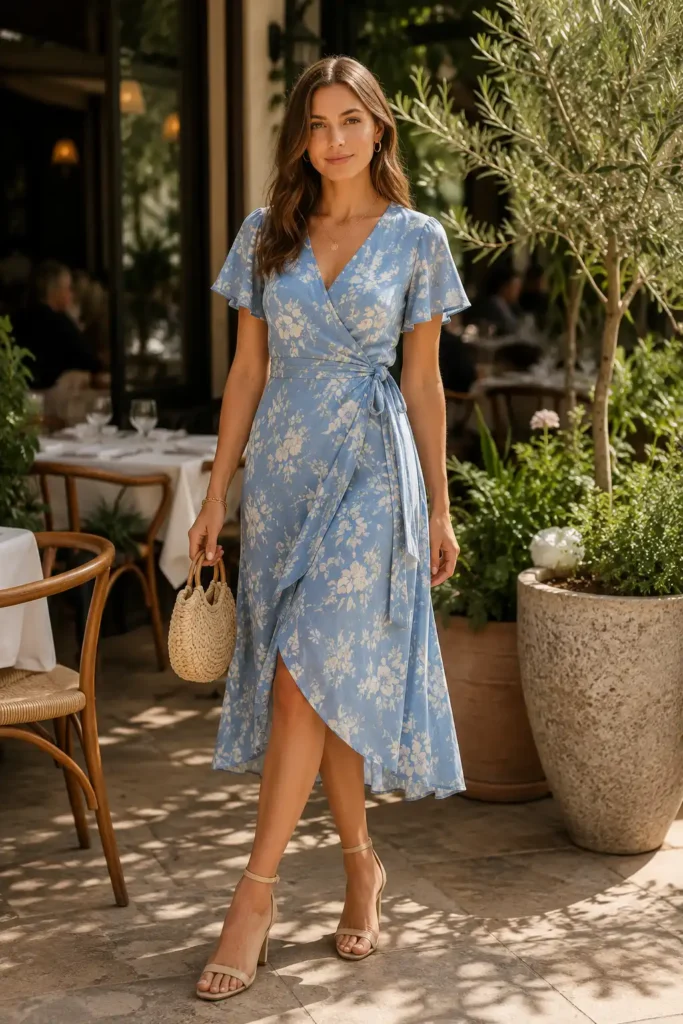
A-line dresses support broad size coverage and comfortable movement. Commercial success depends on upper-body fit, waist placement, skirt flare, dress length, and clean hem balance. Design options include square necklines, V-necks, button fronts, waist belts, short sleeves, and sleeveless shapes. Cotton blends, linen blends, rayon, viscose, crepe, and soft suiting-style fabrics can support different brand positions.

Wrap Brunch Dresses

Wrap dresses need secure neckline coverage, stable waist fastening, sufficient overlap, and controlled skirt opening.

A visually attractive wrap can fail when the tie position shifts, the front overlap opens, or the neckline stretches during wear.

Pattern control covers front overlap width, tie length, waist position, neckline stabilization, skirt sweep, and movement allowance.

Linen-Blend Dresses

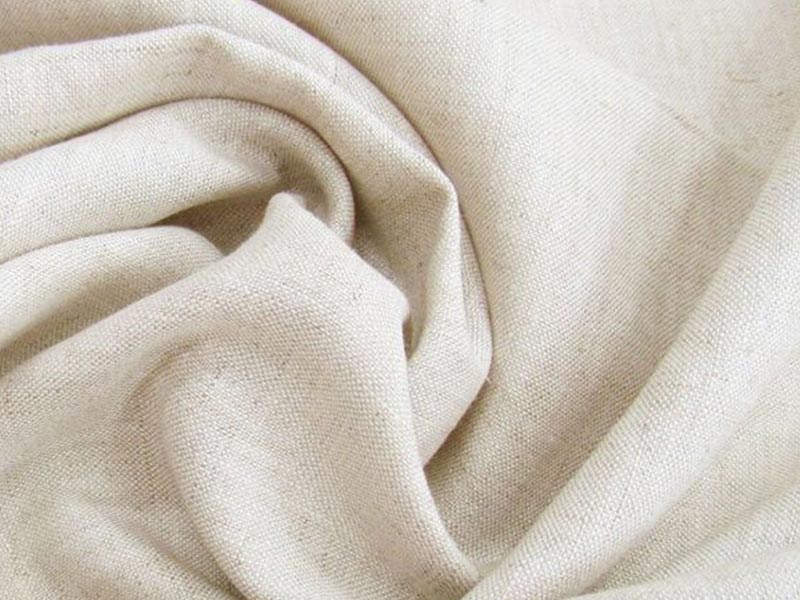
Linen-blend brunch dresses offer natural texture and warm-weather appeal.

Fabric selection must balance authentic surface character with softness, opacity, wrinkle behavior, shrinkage, and sewing stability.

Lining, seam finish, pressing, and packing methods are selected according to color and fabric weight. Natural crease character should look intentional rather than damaged.

Cotton Shirt Dresses

Shirt dresses combine casual structure with polished daywear.

Key areas include collar shape, front placket, button spacing, bust gaping, shoulder width, sleeve opening, waist definition, side-seam balance, and hem shape.

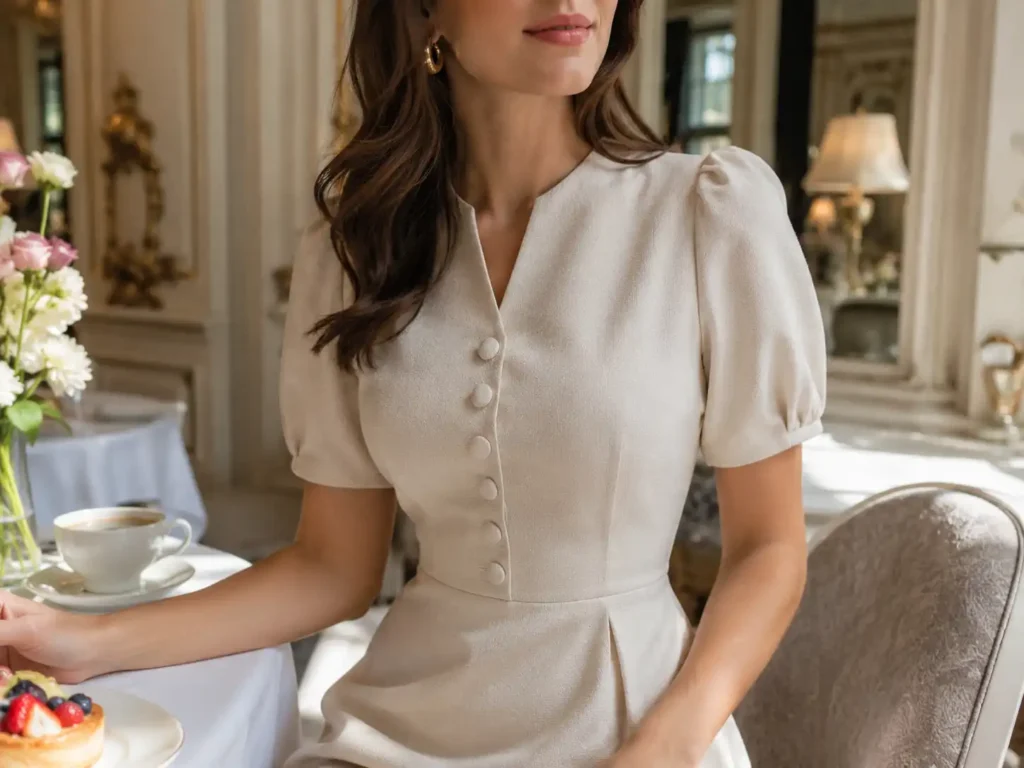
Covered buttons, shell-like buttons, self-fabric belts, and removable ties can strengthen brand presentation.

Smocked Brunch Dresses
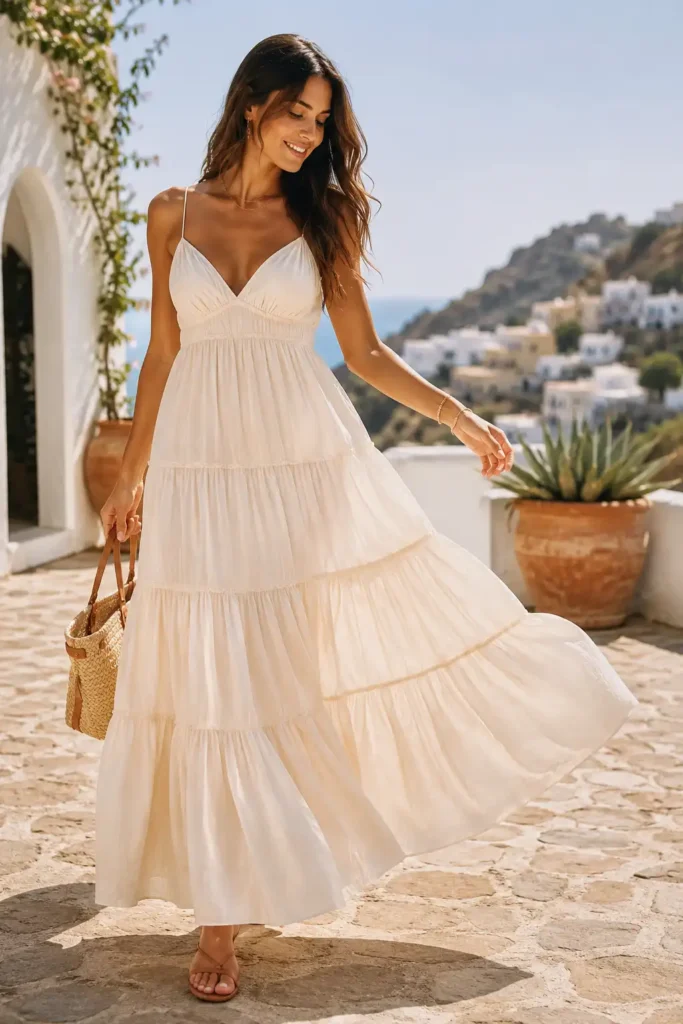
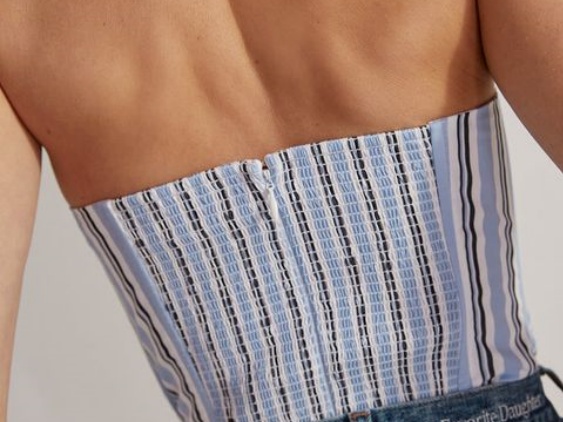
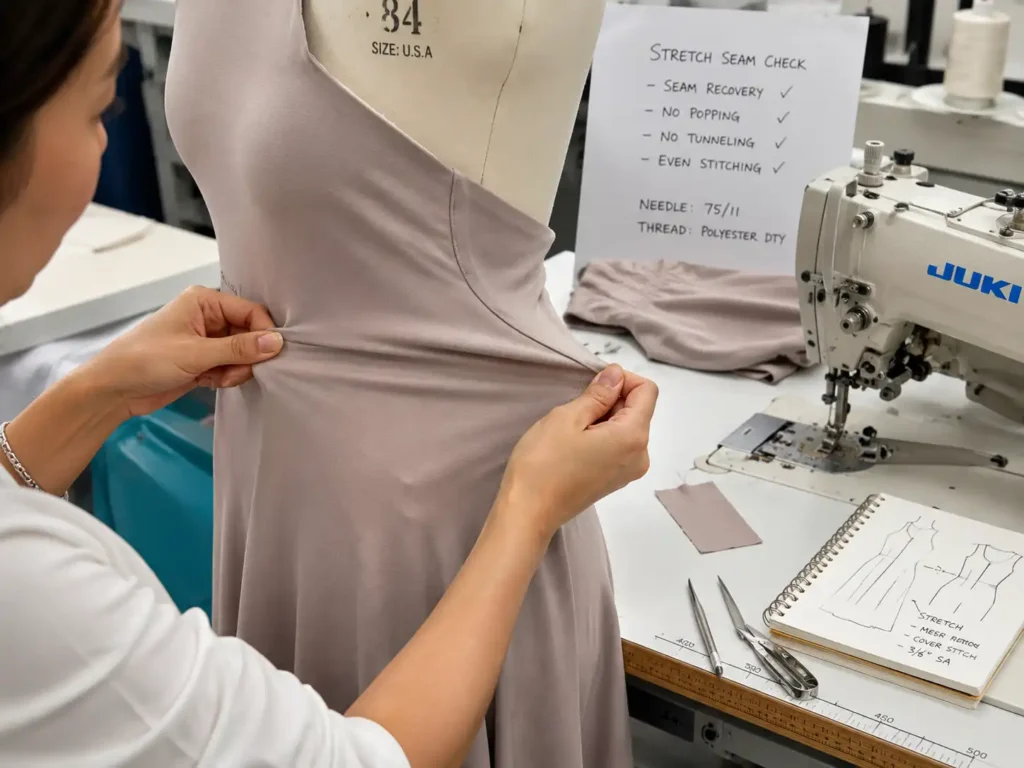
Smocked bodices and elasticized panels improve flexibility but require controlled stretch, recovery, stitch density, and size grading. Excess tension creates discomfort, while weak recovery causes shape loss. Sample testing confirms finished width, stretch range, neckline stability, sleeve pressure, and visual consistency before bulk production.

Tiered Maxi Dresses

Tiered maxi dresses depend on proportion. Tier height, gathering ratio, waist position, skirt weight, lining length, and hem balance determine movement and visual length.

Lightweight rayon, viscose, chiffon, cotton blends, and printed woven fabrics are common. Long hems require controlled fabric relaxation, leveling, pressing, and packing.
Chiffon Day Dresses

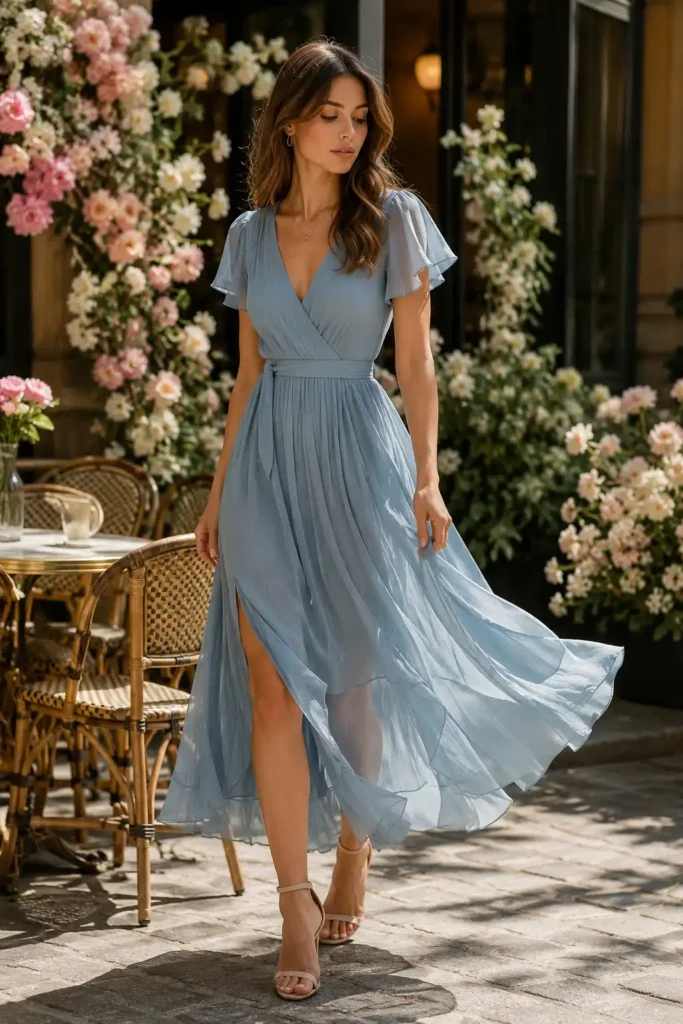
Chiffon creates light movement and layered visual depth. Production risks include cutting slippage, seam puckering, transparency, uneven hems, snagging, and lining mismatch.

Jinfeng Apparel reviews chiffon weight, surface texture, print, lining tone, seam method, edge finish, and pressing temperature before confirming construction.

Light Satin Dresses

Light satin can move a brunch style toward premium day-event dressing. Shine direction, color variation, seam impressions, zipper waves, pressing marks, and fabric snagging require disciplined handling.

Satin styles are assessed according to garment structure, lining, drape, seam placement, and packing method rather than treated like ordinary woven dresses.

Brunch Occasions Requiring Different Product Decisions

Brunch dressing changes according to venue, season, audience, and event purpose. Product teams can build stronger assortments by connecting each style to a specific wearing environment.

Sunday Brunch

Sunday brunch favors relaxed midi dresses, wrap silhouettes, floral prints, soft sleeves, and comfortable waist shaping. Fabrics should handle seated wear and extended daytime use without appearing overly formal.

Rooftop Brunch

Rooftop environments introduce wind, strong daylight, and high photographic exposure. Secure necklines, stable wrap overlap, controlled skirt movement, opaque lining, and smooth pressing become especially important.

Birthday Brunch

Birthday styles often need stronger color, statement sleeves, fitted waists, ruffles, cut-out details, or distinctive prints. Construction should remain comfortable enough for dining while preserving visual impact.

Bridal Brunch

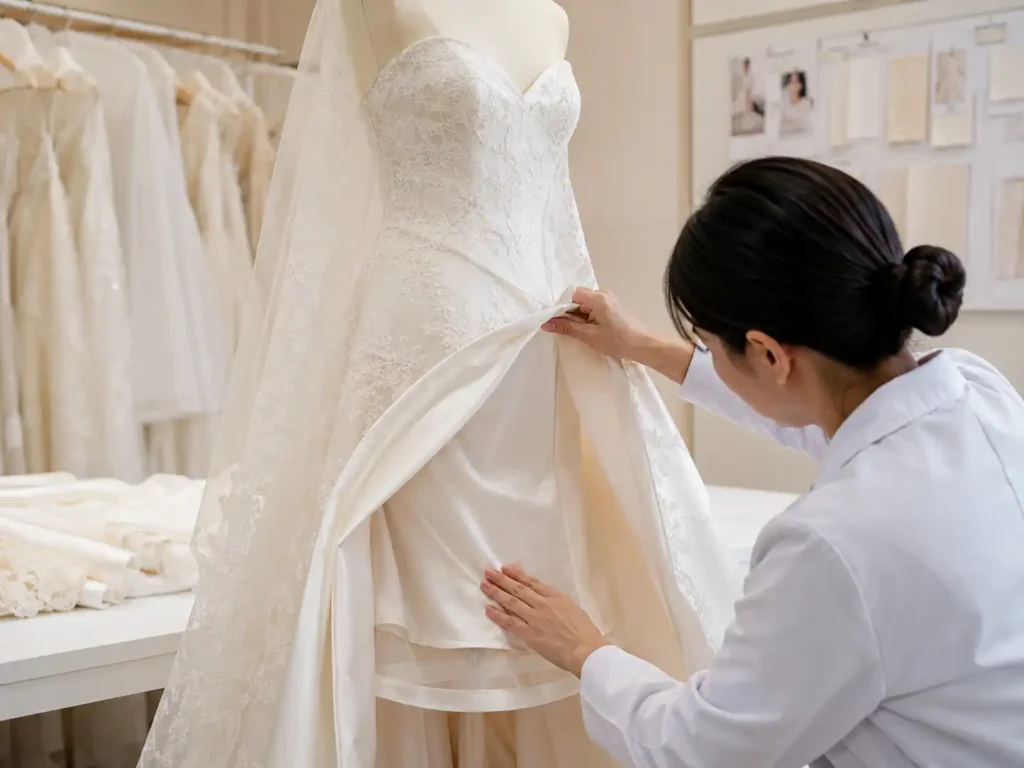
Bridal brunch dresses commonly use white, ivory, cream, soft pink, or pale blue. Opacity, lining shade, clean finishing, stain control, and premium pressing carry greater importance than dark-color programs.

Wedding Weekend

Wedding-weekend collections may include welcome brunches, family gatherings, rehearsal events, and post-wedding occasions. Coordinated mini, midi, and maxi options can serve different dress codes.

Resort Brunch

Resort brunch dresses require lightweight construction, warm-weather comfort, travel-friendly packing, and visual connection with vacation wardrobes. Rayon, viscose, linen blends, chiffon, and soft printed woven fabrics are common.

Vacation Brunch

Vacation styles benefit from easy dressing, adjustable ties, flexible waists, breathable fabrics, and low-maintenance silhouettes. Packing recovery and crease presentation should be assessed before approval.

Mother’s Day

Mother’s Day collections often favor feminine midi lengths, floral prints, sleeves, comfortable waists, and polished coverage. Broader size grading and seated comfort are important for a wide age range.

Garden Events

Garden brunch styles interact with grass, outdoor seating, sunlight, and movement.

Hem length, heel compatibility, print scale, fabric opacity, and resistance to snagging need consideration.

Hotel Brunch

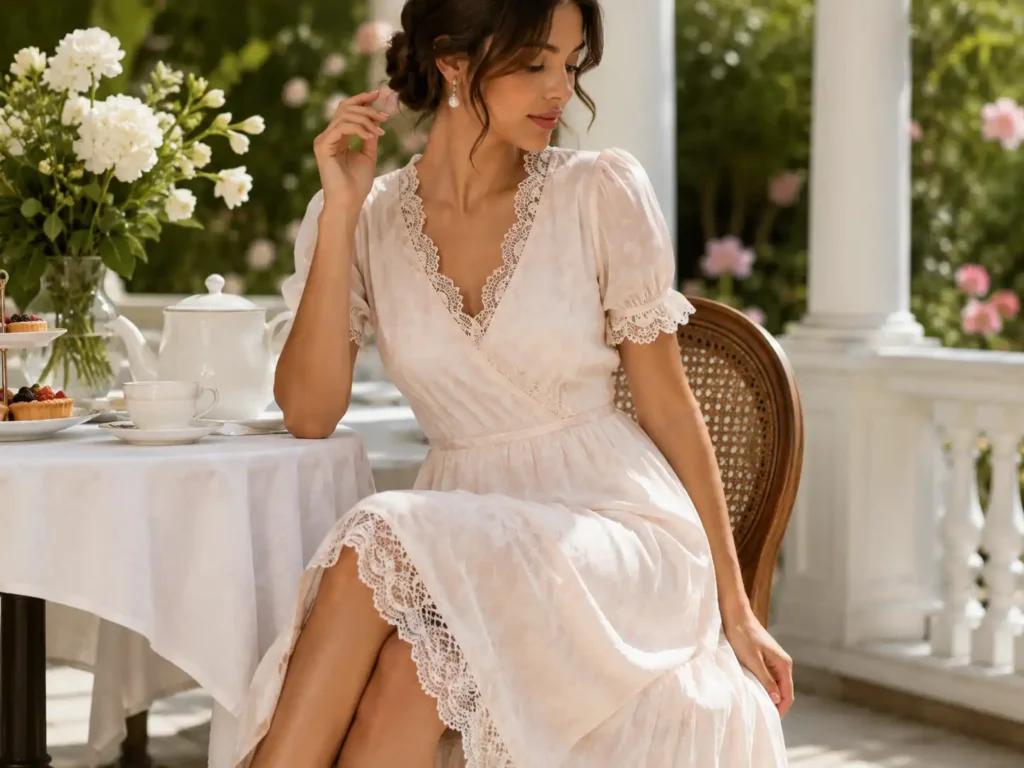
Hotel settings support more refined silhouettes, light satin, chiffon, lace accents, tailored waists, and controlled shine.

The garment should remain polished without moving into eveningwear.

Holiday Brunch

Holiday brunch collections may use seasonal colors, velvet touches, decorative buttons, lace trims, metallic details, or richer prints.

Fabric weight and indoor comfort vary by market climate.

Summer Social Events

Summer day events prioritize breathability, lightweight construction, secure coverage, soft movement, and fresh color stories. Cotton blends, linen blends, viscose, rayon, and lightweight knits offer different commercial directions.

Build a Balanced Brunch Dress Product Architecture

A complete assortment should vary length, silhouette, sleeve, and detail without becoming visually fragmented. Product architecture helps brands control SKU count, fabric consolidation, and production efficiency.

Length Strategy

Mini, short, midi, and maxi lengths serve different age groups, regions, venues, and sales channels. Length decisions should account for target height, footwear, seated coverage, lining length, and size grading.

Silhouette Strategy

A-line, babydoll, wrap, fit-and-flare, relaxed, shirt-dress, smocked, and tiered silhouettes create variety while sharing common fabric families or color stories.

Sleeve Strategy

Puff, flutter, cap, short, sleeveless, three-quarter, and long sleeves can extend one collection across climates and delivery windows. Sleeve volume and opening size need grading control.

Neckline Strategy

Square, V-neck, scoop, sweetheart, halter, off-shoulder, and button-front necklines shape brand identity. Coverage, stabilization, bra compatibility, and movement determine commercial wearability.

Fabric Strategy

A collection can combine cotton blends, linen blends, rayon, viscose, chiffon, soft crepe, light satin, and jersey while retaining common colors or print stories.

Detail Strategy

Ruffles, ties, covered buttons, smocking, lace trims, elastic necklines, shirring, pleats, and gathers should be allocated selectively. Too many details raise cost and reduce visual focus.

Extend Brunch Collections Beyond Individual Dresses

Coordinated categories can increase assortment depth and support multiple styling combinations without losing the core brunch identity.

Top and Skirt Sets

A crop top with a midi or maxi skirt can be sold as a complete look or separate pieces. Development must control waist position, top length, skirt waistband, color batch, and size pairing.

Printed Matching Sets

Printed blouse-and-skirt or top-and-short combinations extend a strong print across additional SKUs. Print direction and color consistency must match across both garments.

Lightweight Jumpsuits

Jumpsuits offer a polished alternative to dresses. Waist position, crotch length, torso balance, neckline coverage, opening method, and seated comfort require careful fitting.

Fashion Rompers

Rompers suit warm-weather brunch collections but need secure shorts coverage, appropriate rise, comfortable leg opening, and easy entry. Wrap fronts and tie waists require overlap control.

Knit Day Dresses

Soft jersey and rib-knit dresses add comfort and easy movement. Stretch direction, recovery, opacity, seam stretch, and body fit must align with the intended silhouette.

Resort Two-Piece Sets

Resort sets can combine a halter top, relaxed blouse, midi skirt, wide-leg pant, or short. Fabric drape, color, size pairing, and coordinated labels should remain consistent.

Skirts and Blouses

A blouse-and-skirt capsule offers styling flexibility for boutique and online channels. Waistband construction, shirt proportion, print scale, and packing combination affect presentation.

Light Layering Pieces

Soft cardigans, shrugs, cropped jackets, or overshirts can support transitional delivery windows. Layering pieces should use coordinated colors, compatible fabric weights, and compatible size grading.

Fabrics Selected for Appearance, Comfort, and Bulk Stability
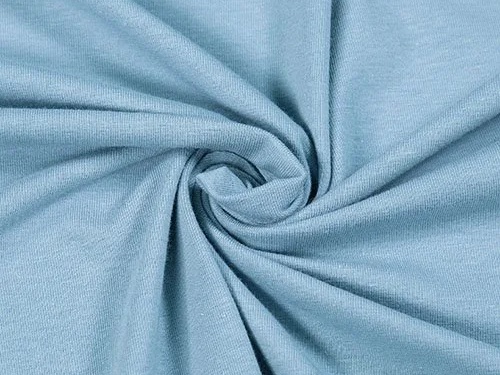
Fabric choice controls drape, opacity, fit, sewing behavior, cost, and retail appearance. Jinfeng Apparel evaluates each material according to the intended silhouette and wearing environment.

Cotton Blends

Cotton blends commonly range from approximately 120–260 gsm for casual and day-dress applications. They offer a familiar hand feel, useful structure, and broad print compatibility. Key checks include shrinkage, wrinkle behavior, color fastness, surface consistency, transparency in pale colors, and compatibility with lining. Crisp cotton blends suit shirt dresses and structured puff sleeves, while softer qualities work for babydoll and gathered silhouettes.

Linen Blends

Linen blends provide natural texture and warm-weather positioning. Blending can improve softness, reduce excessive creasing, and increase sewing stability compared with pure linen. Development reviews fabric stiffness, shrinkage, transparency, seam appearance, pressing response, color consistency, and whether the natural crease level supports the intended brand presentation.

Rayon

Rayon offers softness, fluid drape, and strong movement for midi, maxi, wrap, tiered, and printed brunch dresses. The material can shrink, stretch during handling, or change length after hanging. Fabric relaxation, shrinkage testing, cutting control, seam handling, hem leveling, and careful pressing are required before bulk approval.

Viscose

Viscose supports soft daywear with a smooth hand and attractive drape. Fabric quality varies significantly by construction and supplier. Important controls include weight, weave stability, shrinkage, colorfastness, wet strength, print clarity, seam slippage, garment length stability, and lining compatibility.

Chiffon

Chiffon offers airy movement and layered appearance. It is often used for floral dresses, sleeve overlays, skirts, and premium day-event styles. Production needs controlled cutting, seam tension, lining coverage, narrow hemming, snag prevention, balanced skirt length, and low-temperature pressing.

Printed Woven Fabrics

Printed woven fabrics support floral, geometric, border, and seasonal artwork. Production feasibility depends on print repeat, direction, scale, registration, base cloth, colorfastness, and cutting loss. Large or directional prints may require additional fabric consumption and placement instructions.

Light Satin

Light satin adds sheen and dressier presentation. Surface shine can expose sewing waves, pressure marks, puckering, and color differences. Jinfeng Apparel evaluates grain direction, shine direction, seam choice, lining, zipper construction, pressing, and protective packing before bulk production.

Soft Knits

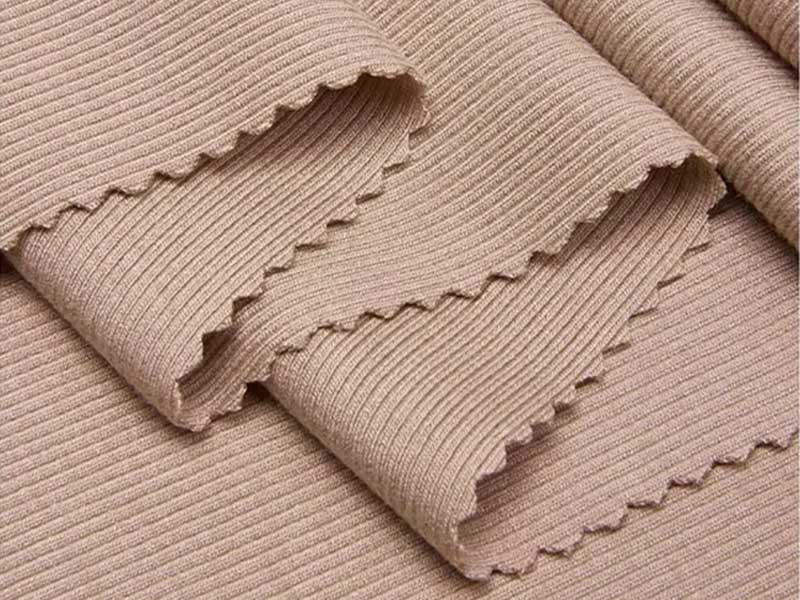
Jersey, rib knit, and other soft knitted qualities offer comfort and flexibility. Stretch percentage, recovery, opacity, spirality, shrinkage, seam stretch, and neckline stabilization must match the garment structure.

Fabric Testing Focused on Brunch Dress Performance

A fabric may look attractive on a swatch yet create problems after cutting, sewing, wearing, washing, or packing. Approval should cover more than color and hand feel.

Daylight Transparency

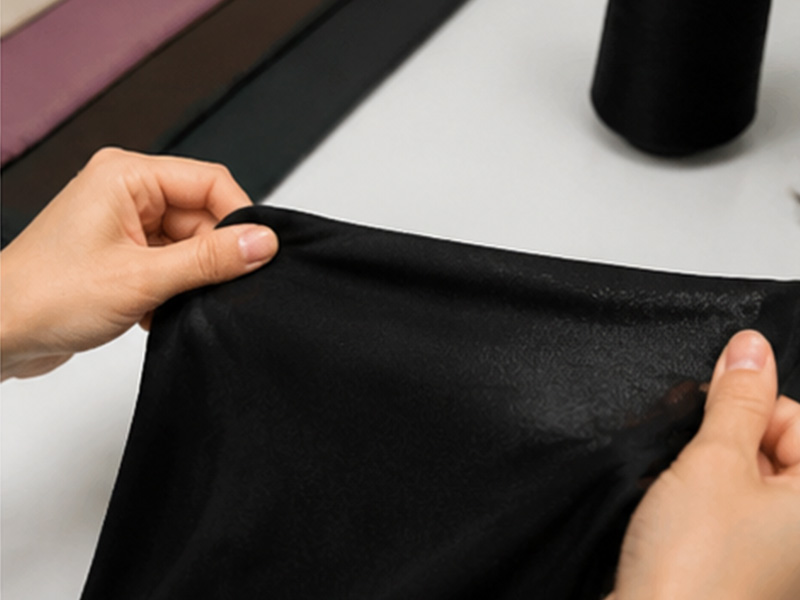
Opacity is checked with the intended lining, seam allowances, pockets, and underwear contrast. White and pastel fabrics may need lining even when darker colors do not.

Shrinkage Behavior

Shrinkage affects bust, waist, dress length, sleeve length, lining balance, and zipper position. Wash method and care-label instructions should match the intended retail use.

Wrinkle Recovery

Wrinkle behavior is reviewed after folding, pressing, sitting, and packing. Natural wrinkles may suit linen aesthetics, while pressure lines can damage satin or polished woven styles.

Colorfastness

Color transfer and fading risks vary by fiber, dye method, print, and shade. Dark prints, strong reds, and saturated colors may require focused testing.

Print Clarity

Print edges, repeat alignment, color registration, and surface penetration affect perceived quality. Fine floral artwork needs enough clarity to remain clean after production.

Batch Consistency

Different fabric lots can vary in shade, hand feel, width, stretch, or surface shine. Bulk materials should be reviewed before cutting, especially when styles share one color story.

Seam Performance

Light fabrics may pucker, slip, fray, or show needle damage. Trial sewing helps define needle, thread, seam type, stitch density, and pressing method.

Lining Compatibility

Lining should support opacity without changing drape, temperature, stretch, or comfort. Color, weight, static behavior, and finished length must work with the outer fabric.

Print and Color Development for Daylight Presentation

Brunch collections often rely on floral stories, pale colors, seasonal prints, and soft coordinated palettes. Production control begins before fabric cutting.

Floral Scale Planning

Small florals create broad placement flexibility and usually reduce cutting loss. Large florals create stronger visual impact but need careful positioning around the neckline, waist, center front, and side seams.

Directional Print Control

Stems, leaves, faces, lettering, and border motifs may have a clear direction. Cutting markers must maintain consistent orientation across bodice, sleeves, skirt panels, and lining-facing areas.

Placement Print Development

Placement prints require artwork dimensions, garment location, size scaling, color standards, print method, and tolerance approval. Pattern and print engineering must work together.

Seasonal Color Stories

Soft pink, butter yellow, sage, powder blue, ivory, coral, and floral combinations often define brunch assortments. Colors are reviewed on the selected fabric because fiber and surface texture alter visual appearance.

Pantone and Lab Dips

Pantone references, physical swatches, and lab dips may be used according to fabric source and dyeing method. Approval should consider natural light, indoor light, surface shine, and lining color.

Bulk Shade Control

Bulk color approval confirms fabric shade before cutting. Roll-to-roll differences, dye lots, print lots, thread color, zipper color, lining, and labels need coordinated review.

Feminine Design Details Engineered for Repeatable Production

Brunch dresses gain value from controlled design details. Each feature must be translated into measurable specifications so bulk garments retain the intended proportion.

Puff Sleeves

Puff sleeves require planned sleeve-head volume, gathering distribution, cuff width, elastic tension, sleeve length, and arm mobility. Different sizes need graded fullness rather than one identical gathering ratio.

Neckline Ruffles

Neckline ruffles must follow the neckline curve without twisting, collapsing, or standing too high. Ruffle width, fullness, edge finish, and stabilization are confirmed through sampling.

Tiered Skirts

Tiered skirts need balanced tier heights and gathering ratios. Excess fullness can create weight and bulk, while insufficient fullness weakens movement. Seams should remain level around the garment.

Smocked Panels

Smocking depends on stitch density, elastic quality, finished width, stretch recovery, and size grading. A panel should expand comfortably and return without distortion.

Lace Trims

Lace trim selection considers motif scale, softness, edge finish, color, width, shrinkage, and skin comfort. Attachment should remain clean at curves, necklines, sleeves, and hem openings.

Covered Buttons

Covered buttons create a coordinated premium finish. Fabric thickness, button size, shank strength, button spacing, buttonhole length, and spare-button requirements need confirmation.

Waist Ties

Waist ties influence fit flexibility and visual proportion. Tie width, length, attachment point, turning quality, pressing, and reinforcement must suit the fabric and intended knot.

Elastic Necklines

Elastic necklines require enough stretch for dressing while remaining stable during wear. Elastic width, recovery, casing, gathering, and shoulder position affect comfort.

Gathered Busts

Gathered bust construction must shape the chest without uncontrolled wrinkles or exposure. Gathering length, center-front position, under-bust seam, lining, and neckline depth require fit review.

Flutter Sleeves

Flutter sleeves rely on soft drape and clean edge finishing. Pattern flare, sleeve length, armhole attachment, fabric direction, and left-right balance influence movement.

Eyelet Details

Eyelet or embroidered fabrics need motif placement, clean cutting, lining decisions, seam planning, and edge protection. Open areas should not create unexpected transparency.

Decorative Topstitching

Topstitching can define waist seams, collars, plackets, belts, and pockets. Thread color, stitch length, distance from edge, corner accuracy, and tension must remain consistent.

Fit Control for Sitting, Walking, and Day Events

A brunch dress should remain attractive in motion and comfortable during extended wear. Fit review connects visual design with real body movement.

Bust Coverage

Neckline depth, upper-bust width, front length, dart position, lining, and wrap overlap determine chest coverage. Photo-ready styling should not create avoidable wear risks.

Waist Position

Natural, empire, dropped, and elasticated waists create different proportions. The selected position should match target body shapes, dress length, and intended styling.

Hip Ease

A-line and relaxed dresses still need enough hip ease for sitting and walking. Fitted skirts require careful measurement of hip, thigh, slit height, and fabric stretch.

Sleeve Opening

Puff and elastic sleeves can become uncomfortable when cuff pressure is too high. Finished opening, elastic extension, upper-arm grade, and recovery require measurement.

Armhole Comfort

Armholes that are too high restrict movement, while low armholes may expose undergarments. Shoulder width, sleeve shape, front chest, and back width must work together.

Secure Mini Length

Mini-dress length should be reviewed from front, side, and back. Body shape, waist height, skirt volume, lining, and movement affect real coverage.

Balanced Hem

Midi and maxi hems need level front, side, and back lengths after fabric relaxation. Bias sections, soft fabrics, and gathered skirts may drop unevenly.

Lining Comfort

Lining should support opacity and shape without twisting, clinging, pulling, or showing below the outer layer. Static, stretch, seam placement, and finished length matter.

Measurements That Protect Fit Across the Size Range

Measurement control begins with the approved base size and continues through grading, samples, bulk inspection, and repeat orders. Tolerances are confirmed according to product structure and fabric behavior.

Measurement PointWhy It MattersCommon Control Focus
BustControls neckline, darts, wrap coverage, and upper-body fitFinished circumference, dart position, stretch
WaistDefines comfort and silhouetteNatural position, elastic tension, seam level
HipSupports sitting and walkingEase, stretch, skirt shape
Front LengthControls neckline-to-hem proportionHigh-point shoulder to hem
Back LengthProtects rear coverage and hem balanceShoulder-to-hem measurement
Shoulder WidthAffects sleeve and neckline positionLeft-right symmetry
ArmholeControls mobility and underarm coverageDepth, curve, sleeve attachment
Sleeve OpeningAffects upper-arm comfortFinished opening and elastic extension
Neckline DepthControls styling and coverageCenter-front drop and stabilization
Strap LengthAffects bust height and neckline levelFinished and adjustable range
Lining LengthProtects opacity and clean appearanceOuter-to-lining difference
Hem WidthControls movement and silhouetteFinished sweep and symmetry

Trims and Linings Selected Around Garment Function

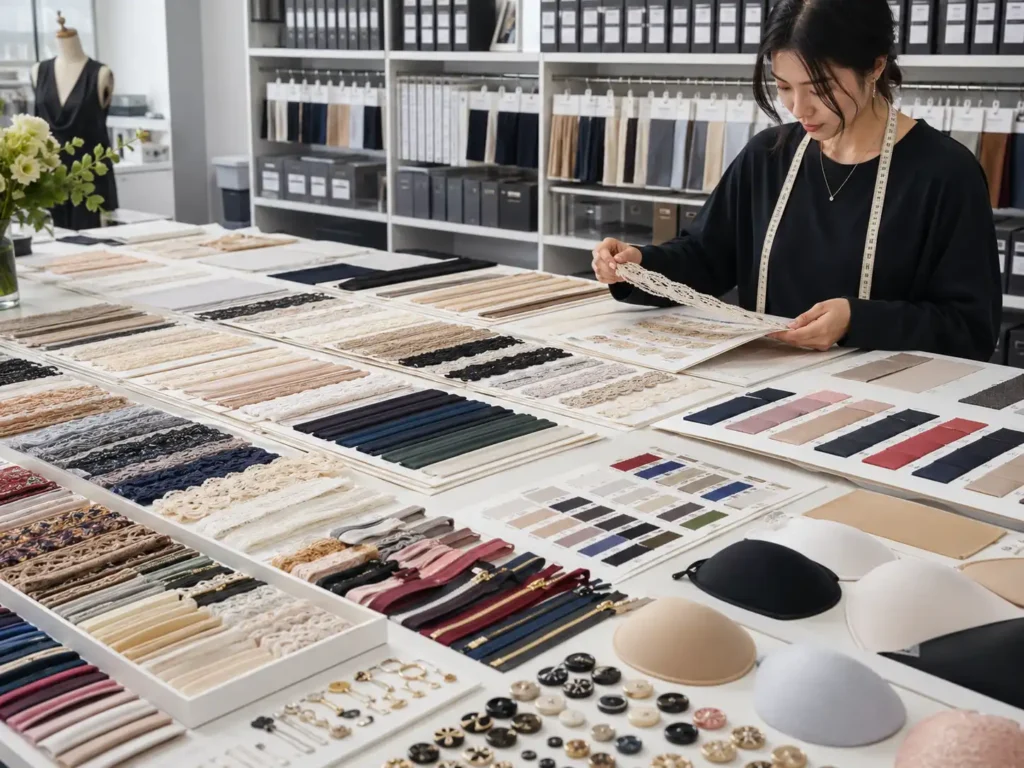
Small components influence wear comfort, closure reliability, appearance, production consistency, and retail presentation. Trim selection is confirmed during sampling rather than left until final production.

Invisible Zippers

Invisible zippers should lie flat without waves, puckering, or color mismatch. Tape weight, zipper length, seam allowance, waist-seam alignment, and top closure are reviewed.

Covered Buttons

Covered buttons support coordinated styling but need stable fabric covering, secure shanks, correct spacing, clean buttonholes, and spare-button planning.

Elastic Bands

Elastic is used in sleeves, waists, smocking, back panels, and necklines. Width, stretch, recovery, softness, and wash stability influence comfort and finished size.

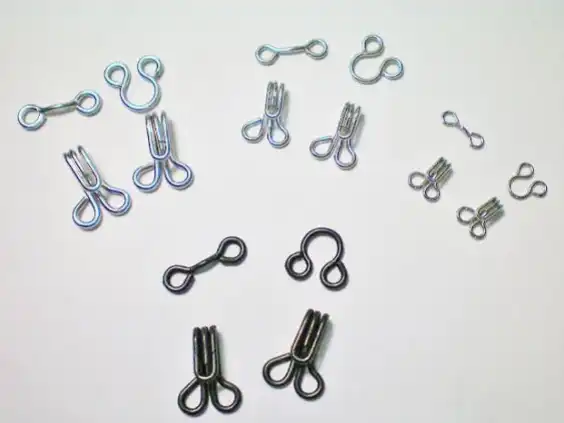
Hooks and Eyes

Hooks provide security at zipper tops, wrap points, or waist openings. Size, color, reinforcement, placement, and skin comfort should match garment structure.

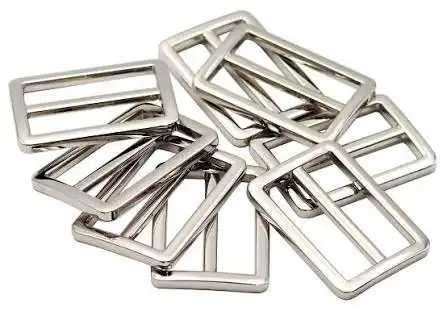
Strap Adjusters

Adjusters support fit variation in cami and slip-style dresses. Slider material, strap width, adjustment range, tension, color, and skin contact need approval.

Lace Trims

Lace trims require compatible color, softness, width, motif, edge quality, and shrinkage. Placement should not create irritation or uncontrolled transparency.

Linings

Lining selection considers opacity, weight, stretch, static, drape, color, breathability, and finished length. Light-colored dresses often need close shade coordination.

Labels and Packaging

Woven labels, size labels, care labels, hangtags, barcodes, polybags, tissue, and carton marks are treated as part of the approved product specification.

Project Review Before Pattern and Sample Development

A structured review identifies missing information, cost risks, material constraints, and production concerns before development resources are committed.

Reference Image Review

Reference images help identify silhouette, neckline, sleeve, length, construction, and visual details. Hidden structure cannot always be confirmed from a photograph, so assumptions are documented before sampling.

Tech Pack Review

A tech pack is checked for measurements, construction notes, stitch details, BOM, fabric, trims, labels, artwork, colorways, size range, and packing instructions.

Original Sample Review

An original sample provides direct information about fabric, structure, workmanship, measurements, seam methods, lining, trims, and finishing. Brand ownership and design rights must be respected.

Fabric Direction Review

Fabric preference is assessed according to drape, weight, stretch, opacity, shrinkage, print, cost, MOQ, and bulk availability. Alternatives may be proposed when the original route creates avoidable risk.

Quantity Review

Quantities are reviewed by style, color, and size. Clear quantity planning helps determine material purchasing, cutting efficiency, production allocation, costing, and delivery structure.

Launch-Date Review

The timeline is built backward from campaign photography, sales launch, warehouse receipt, or retail delivery. Fabric, samples, approvals, bulk production, inspection, packing, and freight all need scheduled space.

Typical Brunch Dress Development Framework

Sampling is not one garment made for appearance. Each stage confirms a different production decision and reduces risk before bulk cutting.

Development StageTypical Planning RangeMain Approval Focus
Project and file review1–3 business daysStructure, information gaps, MOQ fit, fabric direction
Fabric shortlist3–7 business days for available resourcesHand feel, weight, drape, opacity, color
First sampleCommonly 7–15 business days after materials are readySilhouette, construction, base measurements
Fit review2–5 business days for feedback coordinationBust, waist, hip, sleeve, length, movement
Revised sampleCommonly 5–10 business daysPattern corrections and detail updates
PP sampleScheduled after final material and trim approvalBulk standard, labels, packing, QC points
Bulk productionCommonly planned around 25–45 days after PP approval and material readinessCutting, sewing, inspection, finishing, packing
Shipment preparationBased on packing, inspection, and freight bookingDocuments, cartons, forwarder coordination

Turning Fit Feedback Into Controlled Sample Revisions

Clear feedback shortens development cycles and protects approved details from being lost between sample rounds.

Front View Feedback

Front images should show neckline, bust shape, waist level, sleeve balance, center-front alignment, skirt volume, and finished length. Notes should identify exact areas rather than general dissatisfaction.

Side View Feedback

Side images reveal bust projection, waist position, side-seam direction, armhole shape, hem balance, and back coverage. Side fit is especially important for mini and fitted silhouettes.

Back View Feedback

Back images show shoulder placement, back neckline, zipper, waist seam, back length, sleeve balance, and hem level. Rear coverage should be checked while standing and sitting.

Movement Feedback

Sitting, walking, raising the arms, and turning can expose fit problems not visible in static images. Movement feedback supports decisions on ease, sleeve opening, overlap, and skirt sweep.

Measurement Feedback

Actual sample measurements should be compared with the approved size chart. Differences are recorded by measurement point, tolerance, required correction, and affected pattern area.

Revision Records

Each approved change is transferred into the pattern, measurement chart, BOM, construction notes, QC checklist, and next sample request. Written revision records reduce confusion across long development programs.

Workmanship Details That Protect Retail-Level Appearance

Brunch dresses often use lightweight fabrics and visible feminine details. Small sewing errors become highly noticeable in daylight photography and close-range ecommerce images.

Narrow Hem Control

Lightweight dresses frequently use narrow hems. Width, stitch line, feeding, puckering, corner handling, and pressing must remain even. Chiffon and curved hems need specialized handling.

Clean Necklines

Neckline quality depends on pattern shape, facing or lining, stabilization, understitching, seam allowance, clipping, turning, and pressing. Uneven necklines immediately reduce perceived quality.

Ruffle Attachment

Ruffles require accurate length, gathering ratio, attachment line, left-right symmetry, edge finish, and pressing. Bulk pieces should match the approved sample’s volume.

Sleeve Gathering

Gathering should remain evenly distributed across sleeve heads and cuffs. Uneven gathering changes shoulder shape and creates visible differences between garments.

Invisible Zipper Finish

A zipper should close smoothly and lie flat through waist seams and lining. Seam waves, exposed tape, uneven top edges, and color mismatch are checked.

Lining Attachment

Lining should not pull, twist, drop below the hem, or restrict movement. Attachment points and finished length are defined according to outer-fabric behavior.

Print Alignment

Directional prints, stripes, borders, and large florals require planned cutting. Center-front, side seams, waist seams, and sleeve pairs are reviewed according to the approved standard.

Waist Seam Balance

Waist seams should remain level around the garment. Uneven seam position changes body proportion and creates visible fit imbalance.

Button Spacing

Button-front dresses need spacing that prevents bust gaping and uneven placket tension. Button position is linked to garment measurements and closure function.

Side-Seam Direction

Side seams should hang vertically without twisting toward the front or back. Pattern balance, grain direction, and fabric behavior influence seam position.

Elastic Channels

Elastic channels require even width, smooth feeding, secure joining, controlled gathering, and no twisted elastic. Finished opening and extension are measured.

Label Placement

Brand labels, size labels, and care labels should be positioned according to artwork and wear comfort. Stitching must remain clean and secure without distorting the garment.

From Approved Design to Retail-Ready Bulk Production

Every stage carries a defined output so approved design decisions remain visible throughout manufacturing.

Design or Tech Pack

The project begins with a reference image, sketch, original sample, tech pack, line sheet, or combination of materials. Product direction and commercial goals are confirmed.

Fabric Direction

Fabric options are evaluated for weight, drape, stretch, opacity, shrinkage, hand feel, print, MOQ, price, and bulk availability.

Pattern Development

Pattern makers convert design information into production patterns while controlling body proportion, seam placement, length, ease, and construction.

First Sample

The first sample validates concept, structure, fabric behavior, and base measurements. Major risks are identified before detailed refinement.

Fit Review

Fit review examines standing and moving positions. Comments are recorded with images, measurements, and clear correction requests.

Sample Revision

Patterns, measurements, construction, trims, and material choices are updated according to approved comments.

PP Approval

The PP sample confirms the bulk standard. Major structural changes should be completed before approval.

Material Preparation

Approved bulk fabric, lining, trims, labels, and packaging are booked, inspected, and prepared according to the production schedule.

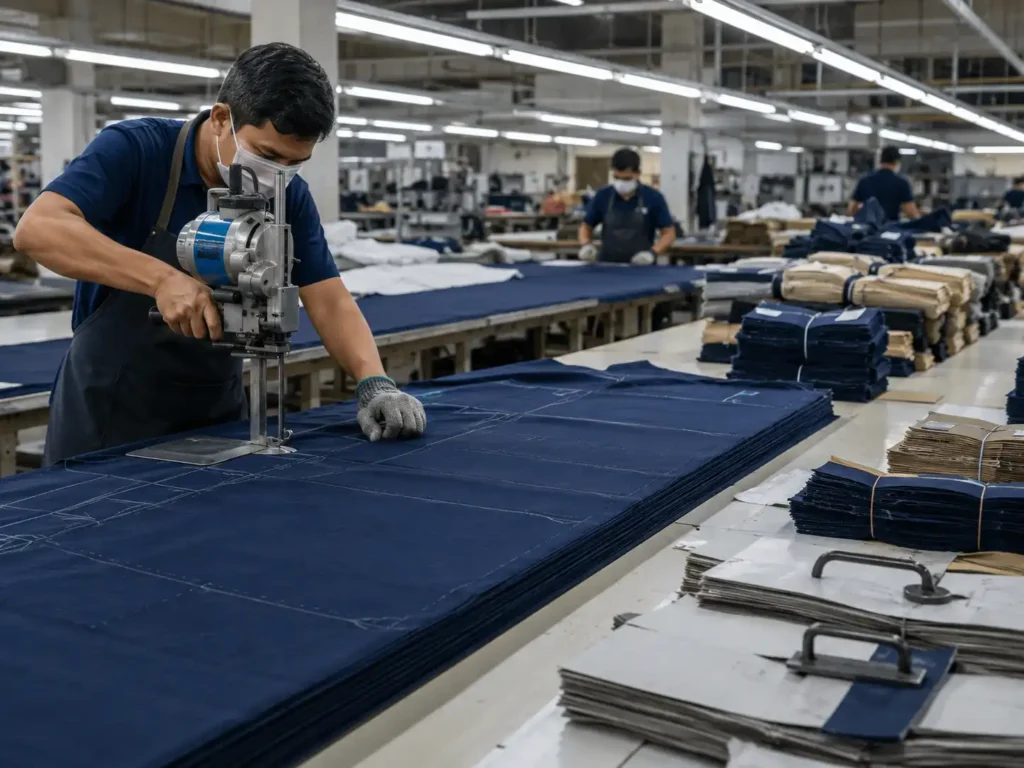
Cutting

Fabric rolls, shade groups, print direction, marker planning, size quantities, and cut panels are controlled before sewing.

Sewing and Inline QC

Production teams follow approved samples and sewing instructions. Inline checks identify construction, measurement, and workmanship problems before completion.

Final QC and Packing

Finished garments are measured, inspected, pressed, labelled, folded, packed, and checked against approved packing standards.

Delivery Coordination

Packing lists, carton marks, carton measurements, gross and net weight, commercial documents, booking information, and forwarder coordination are prepared.

Multi-Style Production Managed as One Seasonal Program

Brand orders often contain 10–30 styles using different fabrics, constructions, colors, and size ratios. A collection requires coordinated management rather than isolated purchase orders.

Factory Allocation

Woven dresses, knit dresses, detailed styles, and repeat programs are assigned according to production specialization, fabric type, complexity, and delivery requirements.

Sample Priority

Hero styles, campaign samples, key silhouettes, and early launch products can be prioritized before supporting styles. Priority planning protects photography and sales dates.

Material Consolidation

Shared fabrics, linings, threads, zippers, labels, and packaging can reduce unnecessary fragmentation. Consolidation must not weaken style identity or approved appearance.

Parallel Development

Multiple styles may progress through fabric review, pattern work, sampling, and costing at the same time. A clear tracker records the status of each style and color.

Staggered Production

Large assortments can be divided into production batches according to material readiness, style complexity, warehouse timing, and launch priority.

Capacity Coordination

Jinfeng Apparel operates 6 owned factories, 10+ long-term production partners, 18+ sewing lines, and 6+ flexible production lines. Capacity is assigned according to real product requirements rather than presented as one identical output rate for every style.

Quality Control Designed Around Brunch Dress Risks

Quality control begins with fabric and continues through cutting, sewing, measurements, finishing, packing, and shipment review. Brunch styles need checks linked to daylight wear and feminine construction.

Fabric Inspection

Fabric is reviewed for shade, print, holes, stains, width, hand feel, stretch, surface defects, and visible batch differences before cutting.

Shade Grouping

Rolls are grouped according to shade when required. Outer fabric, lining, thread, zipper, buttons, and trims are compared for color coordination.

Print Direction

Directional florals, border designs, and placement motifs are checked against cutting instructions. Sleeve pairs and mirrored panels require special attention.

Cutting Accuracy

Cut panels are checked for size, notches, grain direction, print placement, layer movement, and panel completeness before sewing.

Neckline Stability

Necklines are reviewed for symmetry, stretching, gaping, rolling, seam visibility, and lining control.

Sleeve and Cuff Control

Sleeve volume, gathering, elastic tension, cuff opening, left-right balance, and arm comfort are inspected.

Measurement Inspection

Bust, waist, hip, dress length, sleeve opening, neckline depth, armhole, strap length, lining length, and hem width are checked against approved tolerances.

Transparency Review

Light-colored garments are checked with lining, seam allowances, pockets, and labels in place. Inspection considers daylight appearance rather than only factory lighting.

Ruffle and Tier Balance

Ruffles and tiers are checked for width, level, gathering, symmetry, edge finish, seam quality, and pressing.

Hem Balance

Mini, midi, and maxi hems are checked from front, side, and back after fabric relaxation and finishing.

Pressing and Appearance

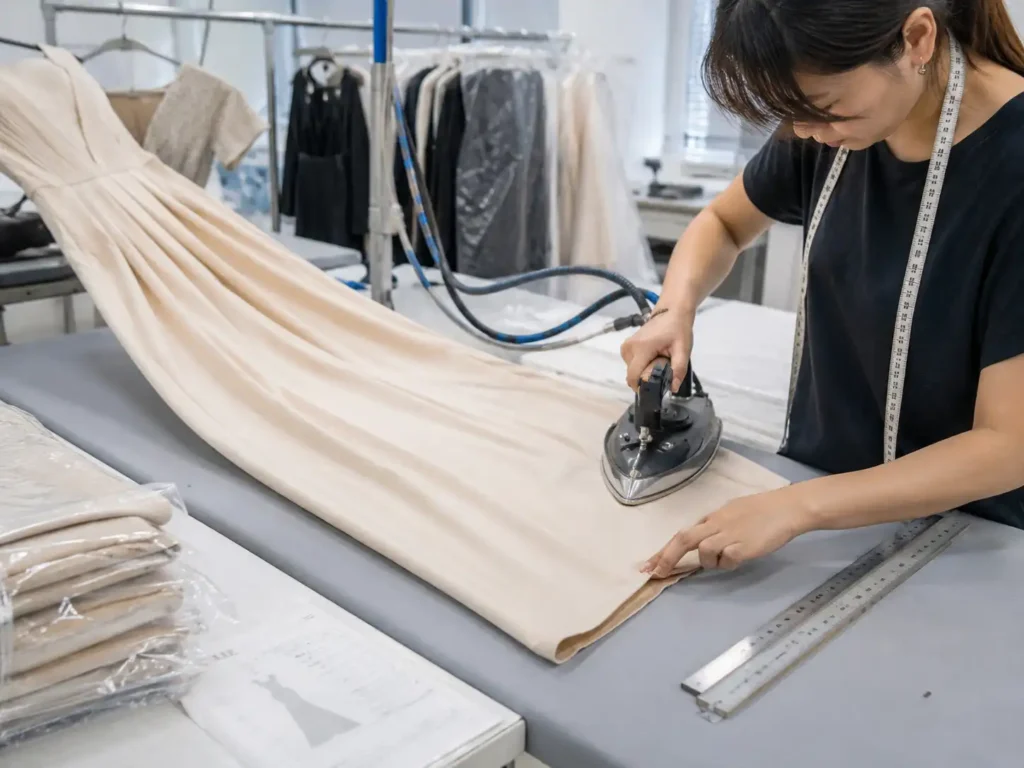
Pressing should remove production wrinkles without creating shine, seam impressions, flattening, scorch marks, or distorted ruffles.

Packing Inspection

Labels, hangtags, size stickers, barcodes, folding, tissue, polybags, carton assortment, carton marks, and documentation are checked before shipment.

Private Labels and Packaging Prepared for Retail Delivery

Brand presentation continues after garment inspection. Label and packing details are confirmed early enough to protect launch timing and warehouse compliance.

Woven Brand Labels

Woven labels are checked for artwork, dimensions, color, edge finish, fold, placement, stitch method, and skin comfort.

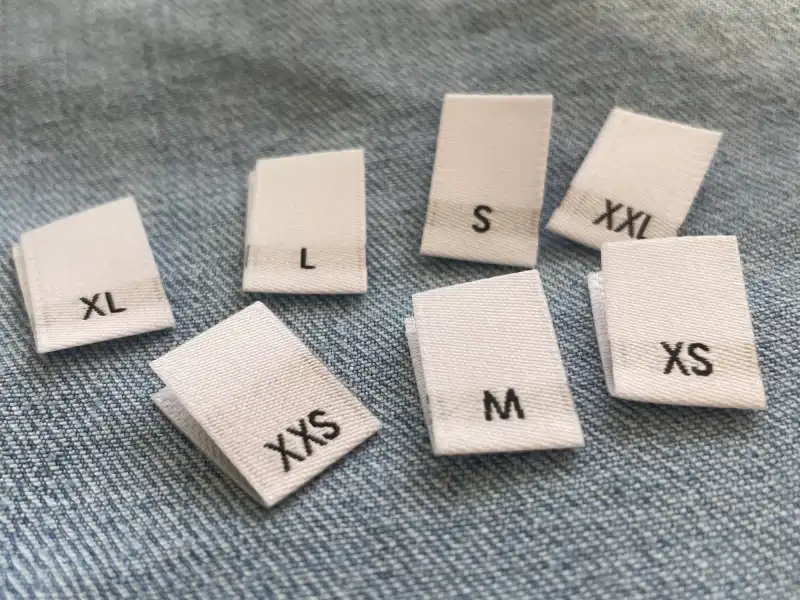
Size Labels

Size labels must match the approved size range and packing assortment. Position, material, text, and attachment are confirmed.

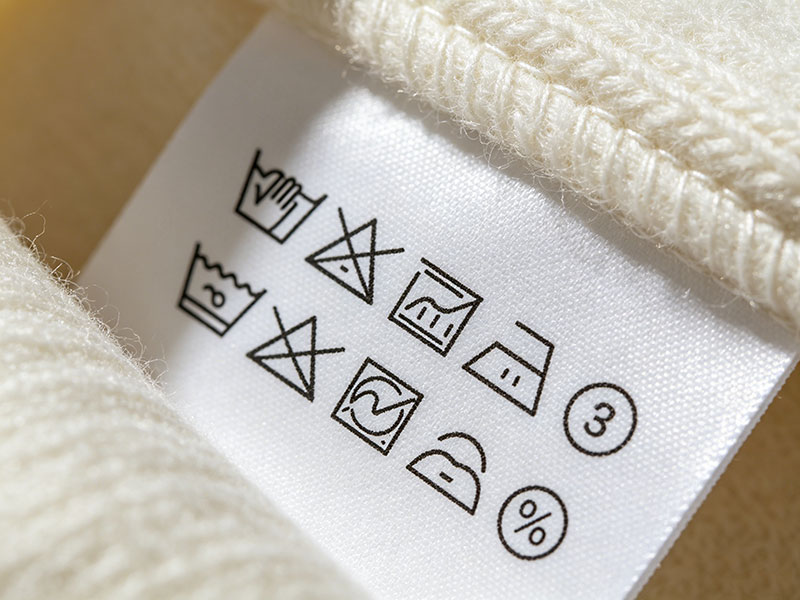
Care Labels

Care labels include approved fiber content, care instructions, country information, language requirements, and brand details supplied for the destination market.

Hangtags

Hangtags may include brand story, product name, retail price, SKU, barcode, QR code, or campaign information. Paper, finish, string, eyelet, and position are reviewed.

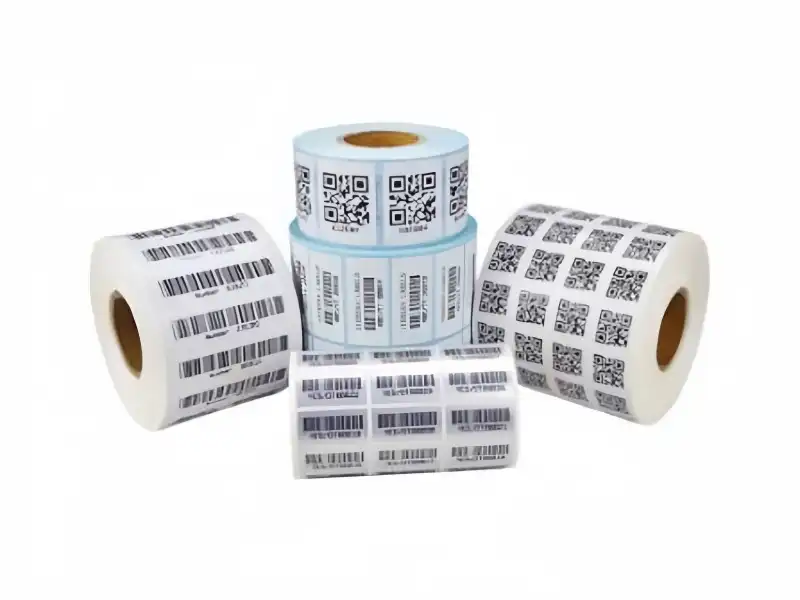
Barcode Stickers

Barcode files should match the SKU table, color, size, and carton assortment. Scannability and placement are checked before packing.

Polybags

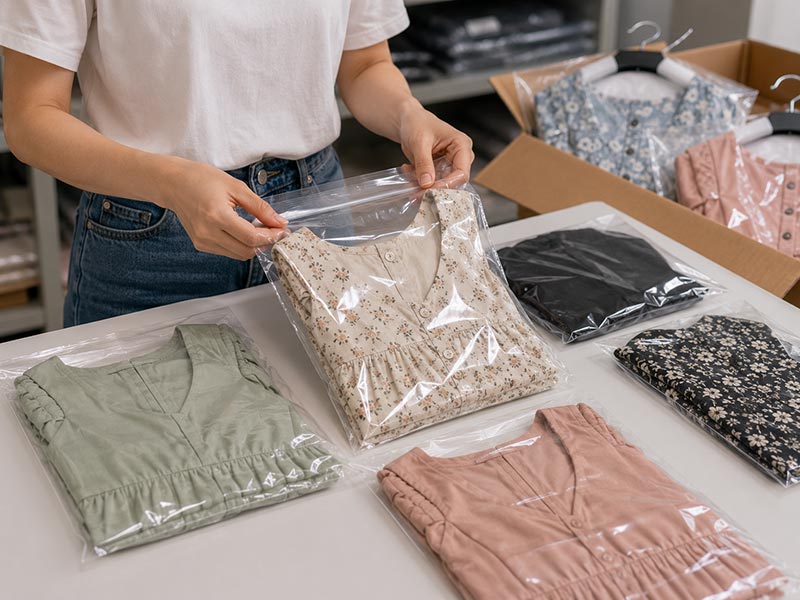
Polybag size, thickness, warning text, ventilation holes, recycled-content requirements, sealing, and printed information are confirmed according to the packing guide.

Tissue Protection

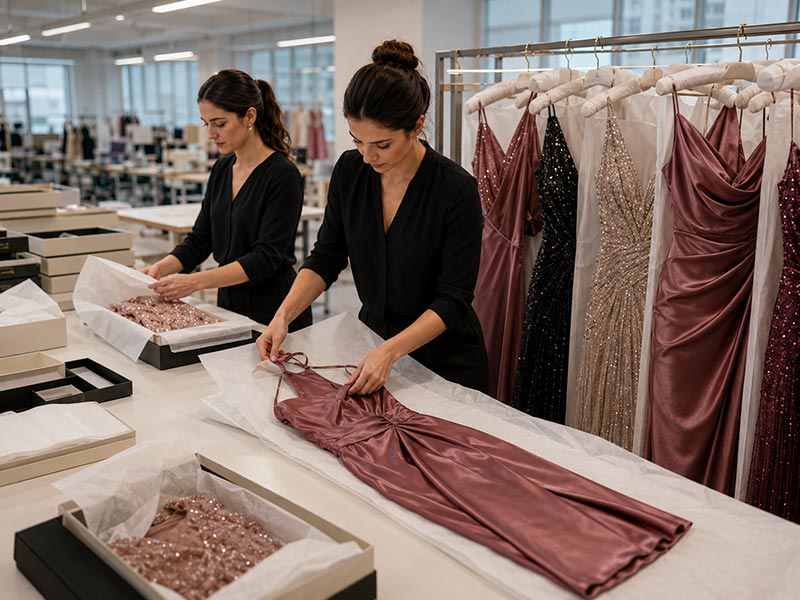
Tissue can reduce fold marks, surface pressure, decoration damage, and color transfer. Satin, white garments, and detailed styles may need extra protection.

Folding Method

Folding is selected according to garment length, sleeve shape, ruffles, straps, fabric crease behavior, and warehouse requirements.

Garment Inserts

Cardboard, tissue forms, or protective layers may support neckline, collar, sleeve, or decorative structures during transportation.

Assortment Packing

Single-SKU, pre-pack, ratio pack, or store assortment packing is arranged according to the packing list and warehouse guide.

Carton Marks

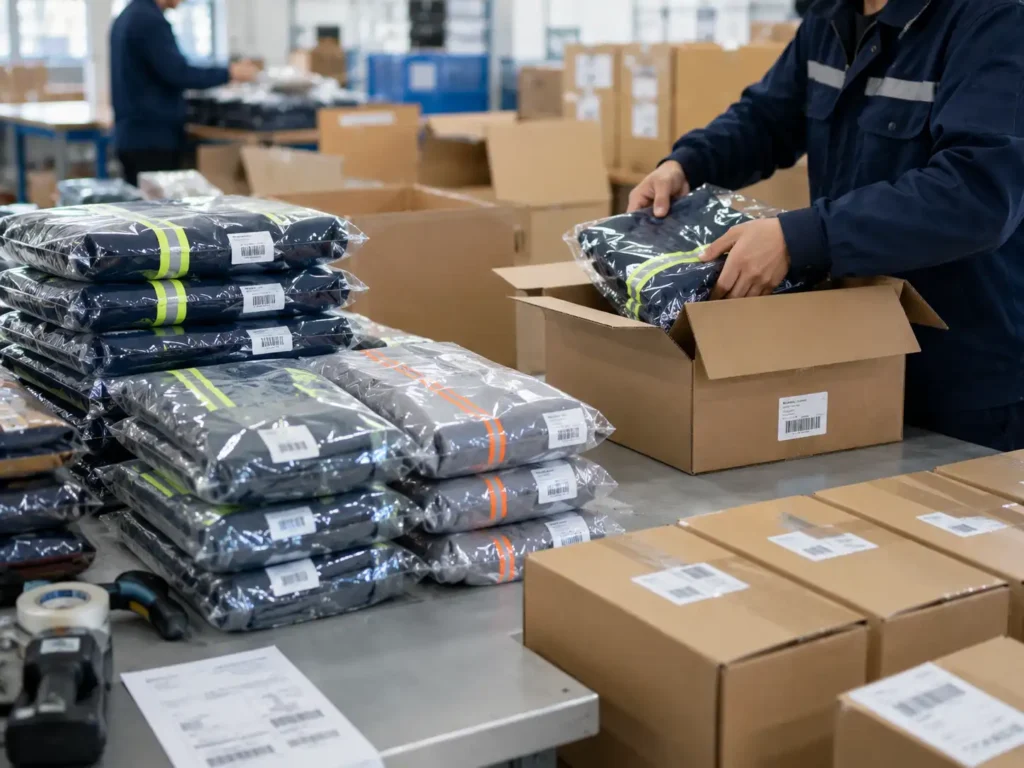
Carton marks may include purchase order, style, color, size ratio, carton number, destination, gross weight, net weight, and handling information.

Shipment Documentation

Packing lists, commercial invoices, carton measurements, weight details, booking information, and forwarder instructions are coordinated before collection.

MOQ, Costing, and Quantity Planning Explained Clearly

MOQ is calculated by style and color, not by combining unrelated styles. Accurate quantity planning supports material purchasing, production efficiency, quality consistency, and reliable costing.

Standard Quantity Structure

MOQ starts from 200 pieces per style and color.
Examples:
  • One style in black, 200 pieces: suitable for evaluation.
  • One style in black and white, 200 pieces per color: 400 pieces total.
  • Four unrelated styles at 50 pieces each: not the standard production structure.
  • One style split into two colors at 100 pieces each: normally below the standard per-color quantity.

Factors Raising MOQ

Material suppliers may set separate minimums for custom dyeing, exclusive printing, special lace, unique buttons, custom hardware, branded packaging, and color development.

MOQ may also increase when size and color splits become too fragmented for stable cutting and sewing.

Costing Logic

Garment pricing is built from fabric, lining, trims, pattern work, sample development, cutting, sewing time, pressing, QC, packing, wastage, testing, logistics, and reasonable factory margin.
Cost can be optimized without weakening brand-level appearance through fabric alternatives, construction refinement, trim replacement, marker planning, color consolidation, size-ratio planning, and split-shipment strategy.

Long-Term Support for Seasonal Launches and Repeat Orders

Jinfeng Apparel supports recurring development rather than treating every order as an isolated project. Approved information is retained for future production and controlled updates.

Seasonal Collection Development

Spring, summer, holiday, resort, and transitional brunch programs can be developed according to launch calendars, campaign dates, fabric themes, and planned price architecture.

Repeat Order Records

Patterns, measurement files, fabric references, trim details, construction instructions, labels, packing standards, and QC notes are retained for repeat orders.

New Color Extensions

New colors require fabric availability, shade approval, lining coordination, thread, zipper, labels, SKU updates, and bulk color confirmation.

Fabric Changes

A pattern cannot always move directly from satin to crepe, chiffon to rayon, or woven fabric to knit. Stretch, drape, shrinkage, thickness, and lining may require pattern or construction changes.

Multi-Batch Delivery

Orders may be divided according to launch priority, material readiness, warehouse timing, or freight strategy. SKU and carton control must remain consistent across batches.

Replenishment Planning

Best-selling styles can move into repeat production using retained standards, subject to material availability and updated schedule confirmation.

Brunch Dress Manufacturer Case Studies

The following program records reflect Jinfeng Apparel’s current multi-style order structure. Brand names, original designs, pricing, tech packs, and unreleased details remain confidential.

United States Lifestyle Collection

A U.S. lifestyle label planned an 18-style spring brunch capsule totaling 36,000 garments.

The assortment included floral midi dresses, puff-sleeve mini dresses, smocked day dresses, wrap silhouettes, and two coordinated sets.

The program used six main fabric routes: printed viscose, rayon, cotton blend, lightweight crepe, chiffon, and soft jersey. Individual styles carried two to four colors and a broad ecommerce size range.

The main risks involved pale-color transparency, large-floral direction, sleeve-opening comfort, short back coverage, and inconsistent waist placement across different silhouettes.

Jinfeng Apparel divided development into priority groups. Campaign styles entered pattern and sample work first, followed by core commercial styles and supporting SKUs. Light colors received lining and daylight-opacity review. Directional prints were marked in cutting instructions. Sleeve openings and mini lengths were checked across the graded size range.

Production was divided into four controlled batches so early campaign styles could move ahead without weakening later bulk inspection. Labels, barcodes, polybags, and carton assortments were managed from one approved SKU file.

The program structure supported coordinated launch timing, consistent color presentation, and controlled measurements across a varied assortment.

Australian Resort Brunch Program

An Australian resortwear label developed 12 styles totaling 24,600 garments for a warm-weather brunch and vacation release.

The range included linen-blend A-line dresses, printed rayon maxis, relaxed shirt dresses, tiered midis, wrap dresses, and lightweight two-piece sets.

The brand required soft natural presentation, travel-friendly packing, and comfortable warm-weather fit.

Key risks included linen-blend shrinkage, excessive stiffness, rayon length movement, pale fabric transparency, maxi hem imbalance, and visible fold marks after packing.

Fabric selection focused on drape, softness, opacity, wash behavior, and crease character. Rayon and viscose styles were relaxed before measurement and hem leveling.

Linen blends were reviewed for shrinkage and intended wrinkle appearance. White and light-tone dresses received lining-color approval.

Sample comments were organized by style, measurement point, construction change, and approval stage. The PP sample locked fabric, fit, construction, labels, folding, and packing instructions before production.

The order was divided into two sea-freight batches with priority allocation for hero styles and core sizes. Packing methods were adjusted according to maxi length, ruffles, and crease risk.
United Kingdom Online Fashion Program

A U.K. online fashion label developed a 27-style brunch and day-event assortment totaling 72,000 garments.

The range combined floral mini dresses, ruffle midis, fitted light-satin styles, smocked dresses, puff sleeves, shirt dresses, chiffon maxis, and coordinated skirts and tops. Order quantities varied according to forecast strength, while every approved style and color met the required production structure.

Major challenges included managing 27 styles through sampling without losing launch priority, maintaining fit consistency across multiple silhouettes, coordinating five label components, and preventing differences between fabric lots.

Jinfeng Apparel created a style-status tracker covering fabric approval, pattern status, first sample, fit comments, revision, PP approval, material arrival, production allocation, QC, and packing.

Styles were assigned according to woven, knit, detailed, and repeat-production capability. Common linings, zippers, labels, and polybag standards were consolidated where suitable. Unique trims remained style-specific.

Inline measurement checks focused on bust, waist, dress length, sleeve opening, neckline depth, and lining length. Bulk packing followed a detailed SKU and barcode file, with carton assortments separated by warehouse requirements.

The program moved through staggered production and shipment windows designed around campaign dates and warehouse intake.

Brunch Dress Manufacturing Questions Answered Clearly

MOQ starts from 200 pieces per style and color. Fabric suppliers may require higher quantities for custom colors, exclusive prints, special lace, custom trims, or branded packaging.

Yes. Reference images can support an initial structure and feasibility review. More accurate development requires measurements, target fabric, construction notes, size range, and quantity information.

Yes. OEM projects can follow approved tech packs and samples. ODM projects can begin from brand direction, visual references, target use, fabric preference, and commercial positioning.

Common options include cotton blends, linen blends, rayon, viscose, chiffon, printed woven fabrics, light satin, crepe, jersey, and rib knit. Selection depends on silhouette, opacity, drape, cost, and wearing environment.

Custom floral and placement prints can be evaluated according to artwork, print method, base fabric, dimensions, colors, repeat, MOQ, lead time, and bulk approval requirements.

Transparency is reviewed through outer fabric, lining, seam allowances, pockets, labels, and daylight appearance. Lining color and finished length are confirmed during sampling.

Yes. Development covers mini, short, midi, maxi, and floor-length structures. Length, lining, sweep, hem balance, and grade rules are controlled according to the design.

Comments are recorded by fit, measurement, fabric, construction, trim, color, and packing. Approved changes are transferred into updated patterns, size charts, BOMs, sewing notes, and sample records.

Yes. The PP sample confirms final fabric, color, measurements, construction, trims, labels, packing, and QC standards before bulk cutting.

A golden sample is the sealed production standard used for bulk manufacturing, inspection, repeat orders, and comparison when questions arise.

Yes. Multi-style collections are managed through style tracking, material planning, sample priority, factory allocation, production scheduling, QC coordination, and packing control.

Yes. Support includes woven labels, size labels, care labels, hangtags, barcodes, polybags, tissue, inserts, carton marks, assortment packing, and export documentation.

Yes. Brand QC manuals, measurement tolerances, AQL requirements, packing guides, warehouse instructions, and third-party inspection requests can be reviewed before production.

Jinfeng Apparel can coordinate client inspections and third-party inspection arrangements according to project requirements, schedule, inspection standard, and nominated provider.

Yes. Pattern records, size charts, fabric references, trims, construction notes, QC points, labels, and packing details can be retained. New fabrics or colors still require availability and risk confirmation.

Please provide product type, reference images or tech packs, quantity by style and color, fabric preference, size range, colors, trims, labels, packaging, target delivery date, testing requirements, and shipping destination.

Timing depends on style complexity, quantity, fabric readiness, trims, colors, size range, packaging, QC, and production schedule. A project timeline is issued after PP approval and material confirmation.

Yes. Photo-ready samples can receive focused attention to fabric presentation, detail finish, pressing, symmetry, and camera appearance. A separate PP sample may still be required for bulk approval.

Sometimes, but not automatically. New fabric weight, stretch, drape, opacity, shrinkage, thickness, and lining requirements may change fit and construction.

Yes. Jinfeng Apparel can prepare cargo details, packing lists, commercial invoices, carton marks, carton measurements, weight information, pickup coordination, and shipment photographs.

Send Your Brunch Dress Collection for Manufacturing Review

Share your line sheet, tech pack, reference images, original sample details, or seasonal concept with Jinfeng Apparel. Our team will review product structure, fabric direction, fit risks, trim requirements, quantity planning, sample development, production feasibility, quality-control needs, private-label packing, and delivery timing.
More complete information allows a more accurate development and quotation plan. Initial materials may include:

  • Product type and reference images
  • Tech packs and measurement charts
  • Planned quantity by style and color
  • Target size range
  • Fabric, color, and print direction
  • Trim and construction requirements
  • Brand labels and packaging artwork
  • Target launch or warehouse date
  • Testing or inspection requirements
  • Shipping destination and preferred terms
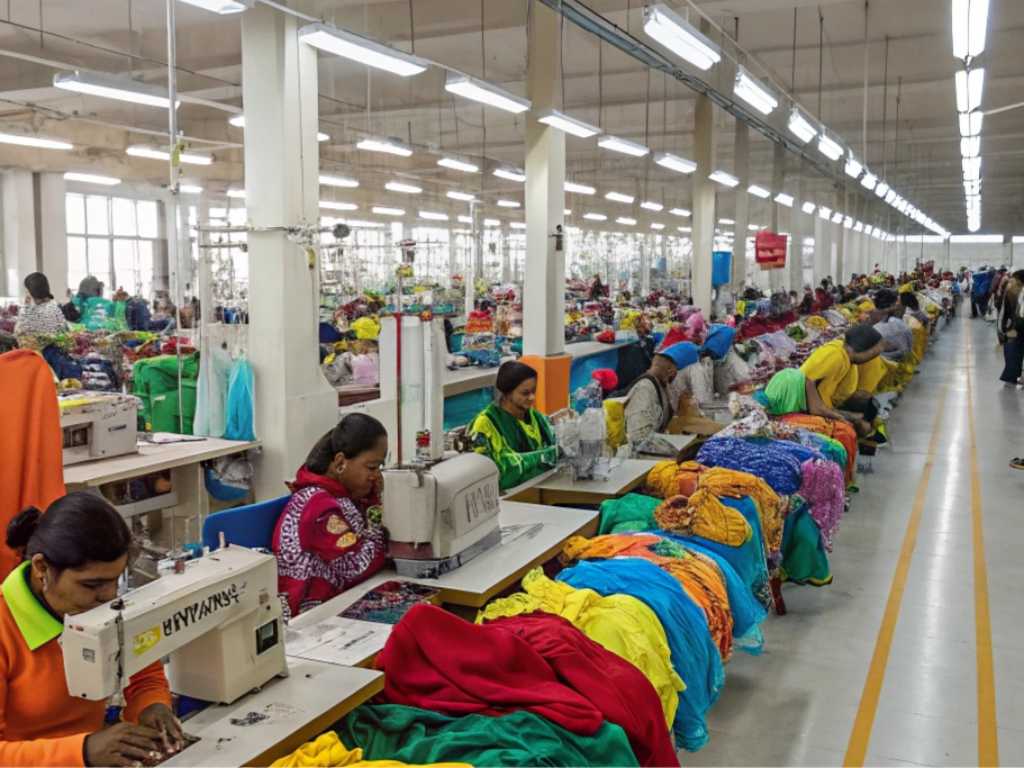
Textile factory workers sewing multicolored fabrics on machines.

Submit Your Production Inquiry

Please share your product details, estimated quantity, target market, timeline, and development requirements. Our project team will review your inquiry and provide a tailored OEM/ODM production solution.

Women’s Apparel Production for Established Fashion Brands

From sample development to bulk production, JF Apparel supports fashion brands with confidential OEM/ODM manufacturing, stable quality control, and scalable production.