...

Date Night Dress Manufacturer

Custom Date Night Dress Development for Global Fashion Brands

Jinfeng Apparel develops body-flattering, photo-ready date night dresses for established fashion labels, ecommerce collections, occasionwear programs and multi-style seasonal launches.

  • Custom development from tech packs, original samples, sketches, line sheets or reference images
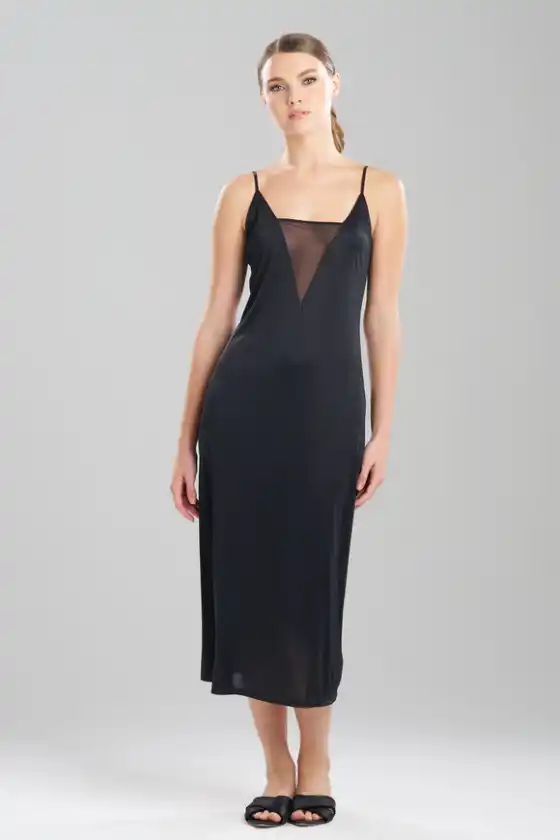
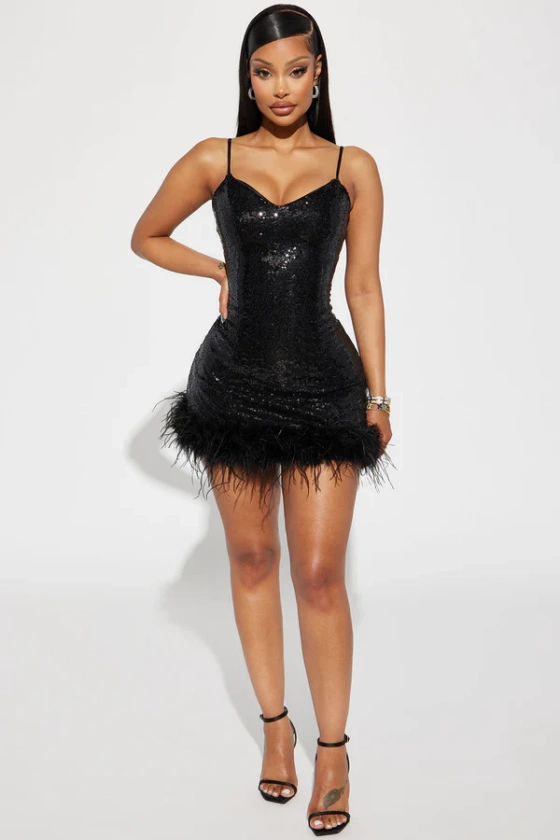
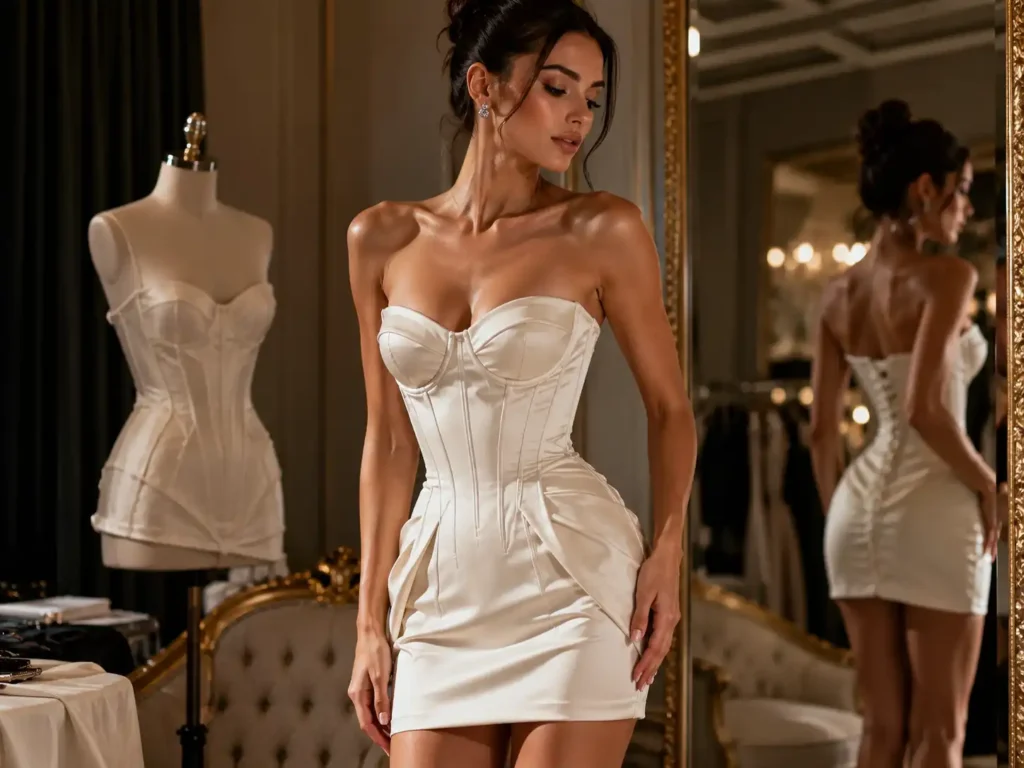
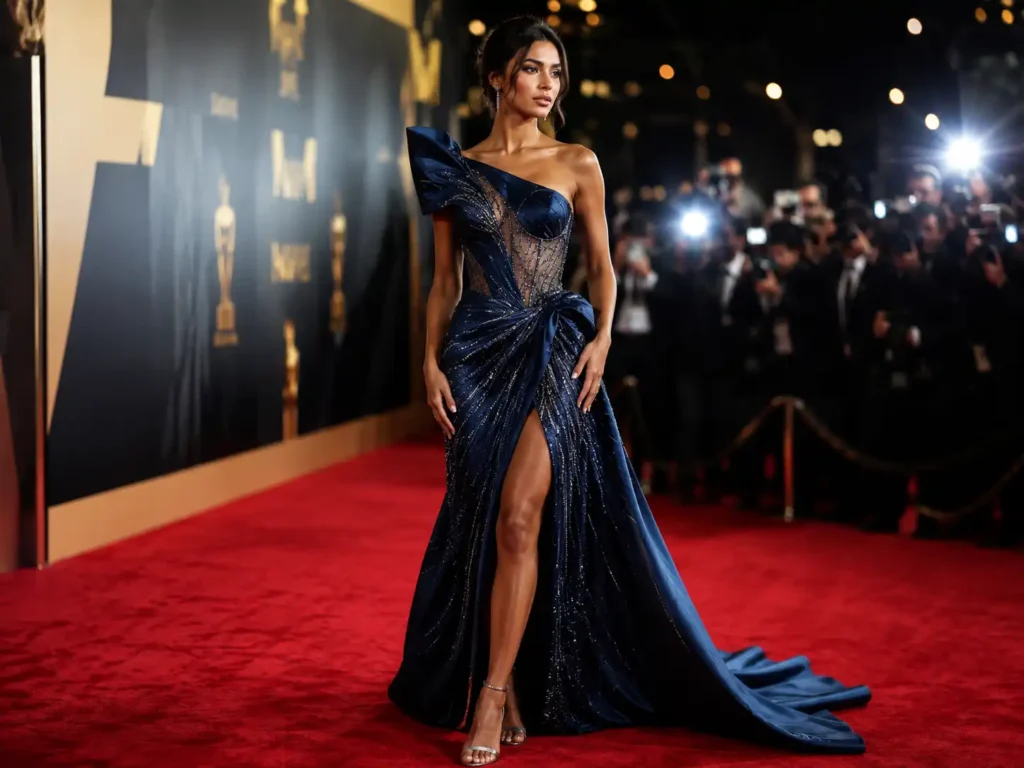
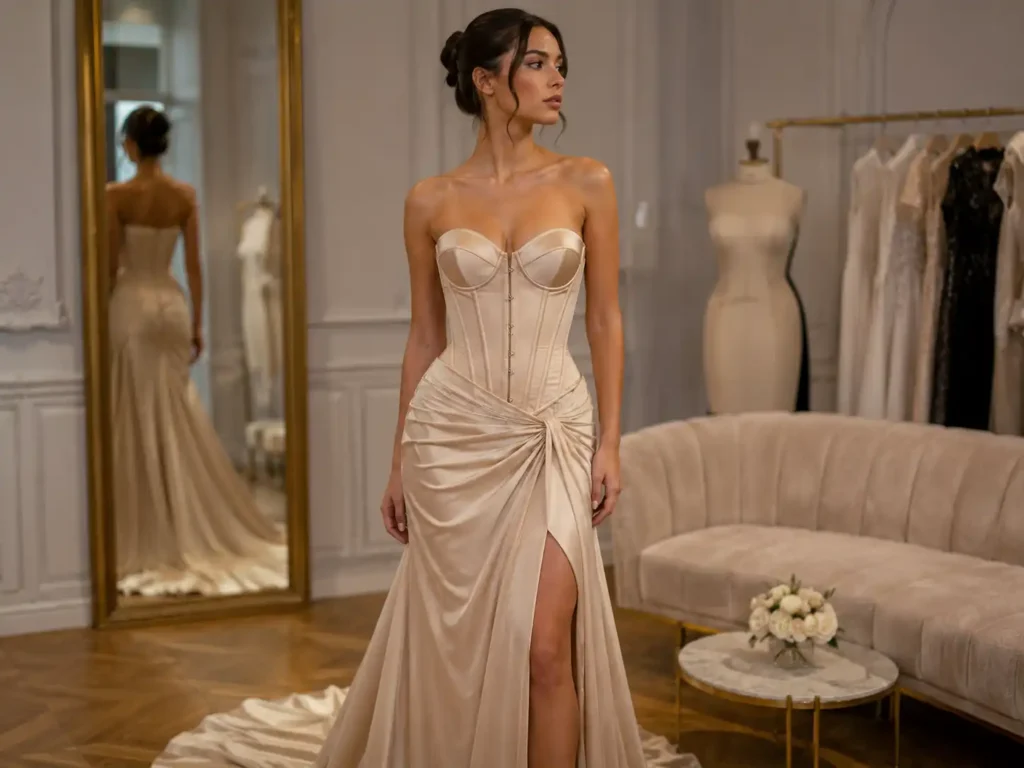
  • Core directions include satin slip, ruched bodycon, corset, mesh, lace, backless and cut-out dresses
  • MOQ starts from 200 pieces per style and color, subject to fabric, trim and construction requirements
  • Structured for 10–30-style collection programs and brand orders ranging from 20,000 to 80,000 pieces
  • Supported by 2 sample rooms, 7+ senior pattern makers, 20+ sample machinists and 15+ QC inspectors
  • OEM, ODM, private-label packing, multi-batch delivery and repeat-order support

Manufacturing Facts Behind Every Dress Program

Date night collections require more than attractive sketches. Sampling depth, fit control, production allocation and quality ownership determine whether a style becomes a repeatable commercial garment.

Since 2008

Jinfeng Apparel has focused on custom women’s fashion development and production since 2008. The team works across dresses, skirts, jumpsuits, matching sets and private-label womenswear, with strong experience in party, occasion, bodycon, satin, mesh, lace and sequin categories.

Six Owned Factories

Six owned women’s fashion factories support woven, knitted, fitted and occasion-led products. Styles are allocated according to material behavior, pattern complexity, sewing requirements, quantity and launch timing rather than sending every design through one production route.

Ten-Plus Partners

More than 10 long-term satellite production partners provide additional capacity and specialist support. Allocation remains managed through Jinfeng merchandising, production and quality teams to maintain approved measurements, workmanship and packing requirements.

Two Sample Rooms

Two sample rooms support first samples, fit samples, revised samples, photo-ready samples, salesman samples, PP samples and Golden samples. Different sample purposes remain clearly separated to prevent visual samples from being mistaken for final bulk standards.

Seven-Plus Pattern Makers

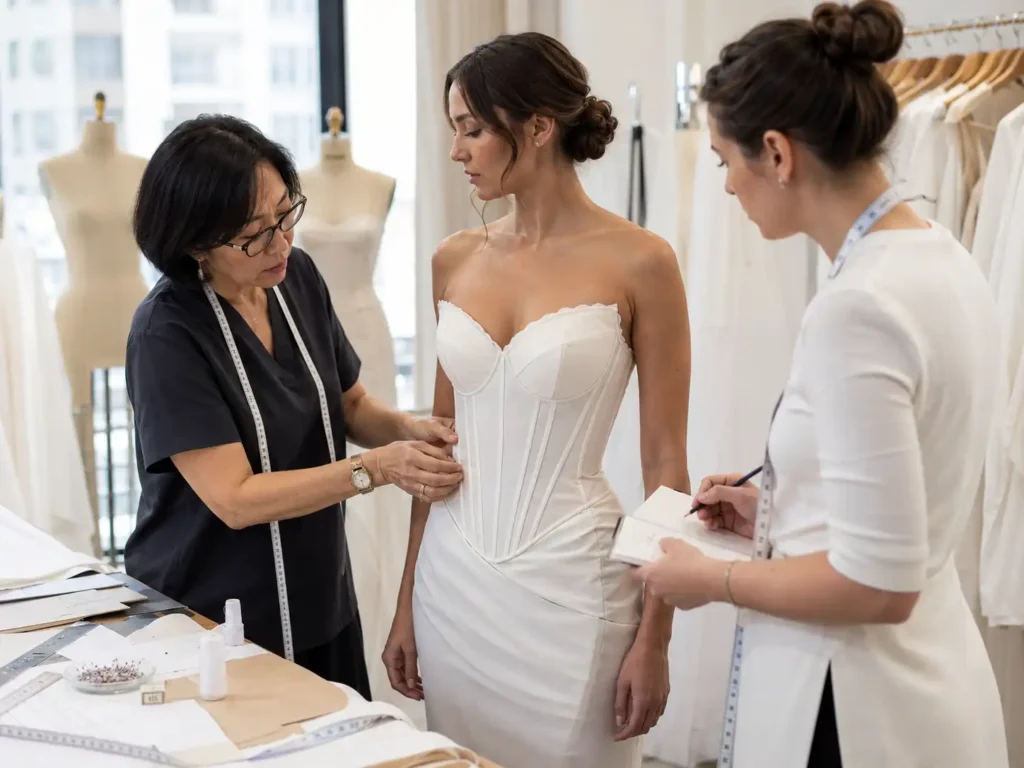
Seven or more senior womenswear pattern makers control bust, under-bust, waist, hip, neckline, strap, armhole, hem and slit relationships. Fitted and exposed designs receive structure review before pattern approval.

Fifteen-Plus QC Inspectors

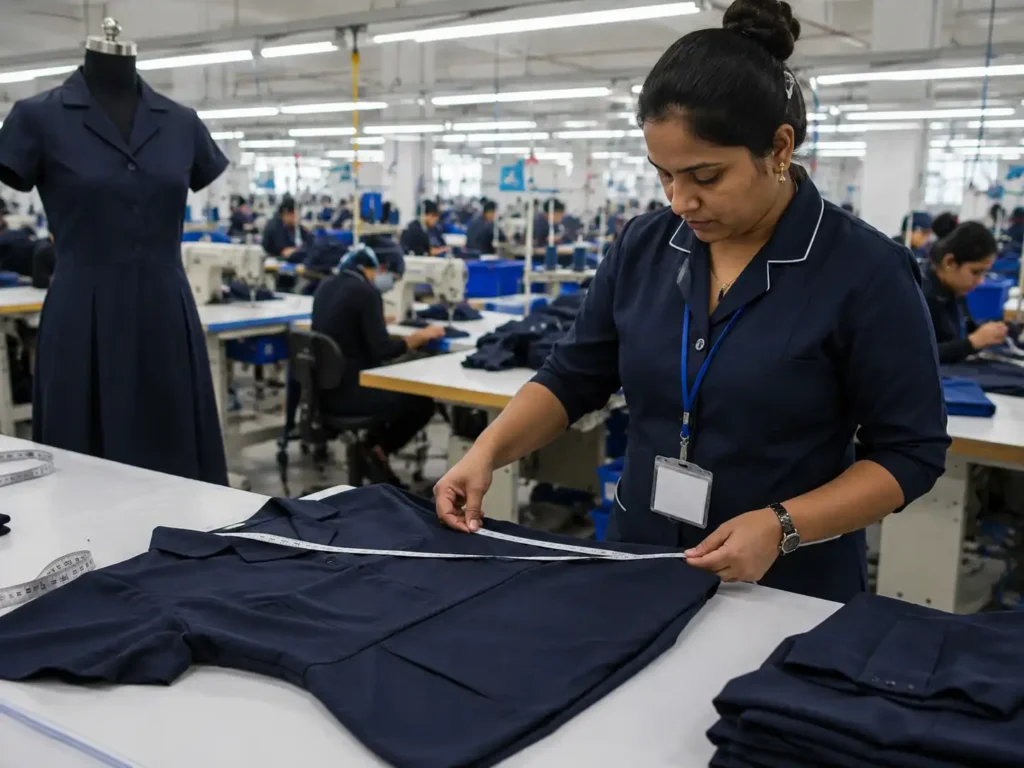
More than 15 QC inspectors support material inspection, cutting checks, sewing-stage review, measurement control, garment inspection, pressing review, packing checks and final inspection preparation.

Built for Established Fashion Programs

Jinfeng Apparel supports brands that require original product development, controlled sampling, multi-style production and retail-ready delivery rather than stock purchasing.

Global Fashion Brands

Seasonal dress programs often involve multiple silhouettes, colors, size ranges and launch dates. Jinfeng coordinates product review, fabric direction, sample priority, PP approval, production allocation and delivery planning around an organized collection structure.

Premium Ecommerce Labels

Online sales depend heavily on fit, photography, surface appearance, color accuracy and review performance. Development focuses on flattering proportions, clean finishing, accurate sizing, comfortable linings and packing that protects the garment before fulfillment.

Occasionwear Brands

Occasionwear programs require stronger control over satin, mesh, lace, sequins, corset structures, invisible zippers, linings and decorative placement. Samples are reviewed for visual impact, movement, support and repeatability.

Product Development Teams

Development teams can submit sketches, tech packs, original garments, reference photographs, line sheets or mood boards. Jinfeng evaluates structure, material suitability, trim requirements and production feasibility before formal sampling.

Sourcing Offices

Sourcing teams receive clearer project boundaries around MOQ, material sourcing, sample status, PP approval, production scheduling, QC, packing documentation and shipment coordination.

Private Label Programs

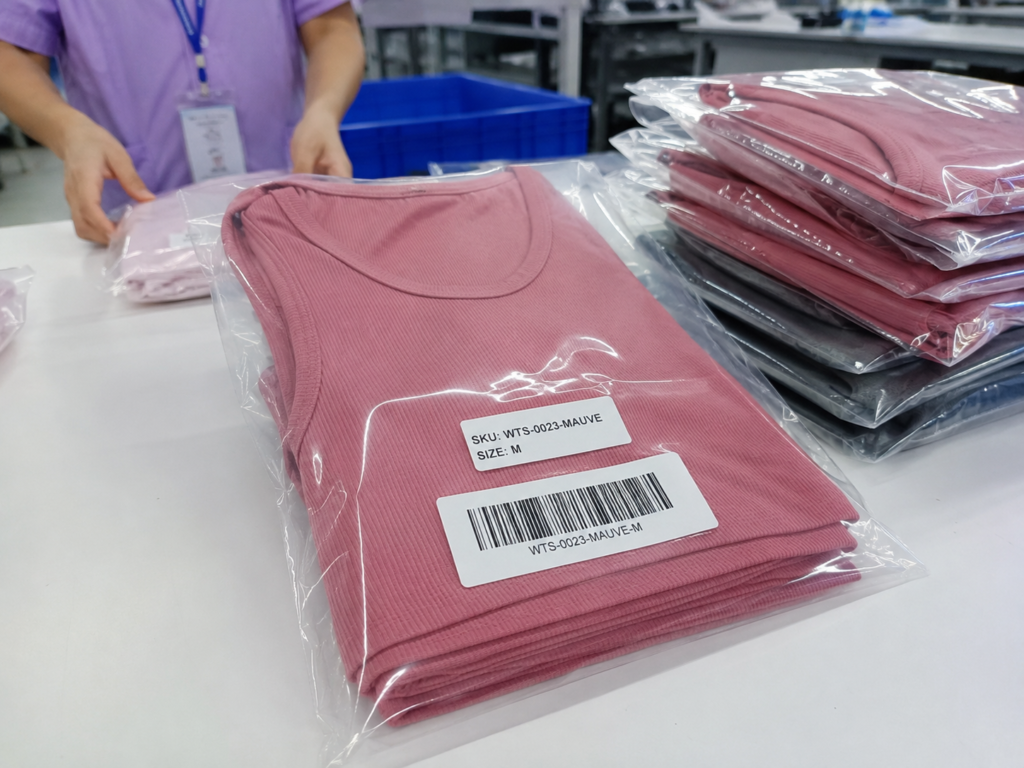
Private-label delivery can include woven labels, size labels, care labels, hangtags, barcode stickers, SKU labels, polybags, cartons, carton marks and warehouse labels based on approved artwork and packing instructions.

Risks That Damage Date Night Collections

A visually strong concept can still fail when fit, fabric, support, workmanship or bulk execution are not controlled from the first development stage.

Weak Body Proportion

A fitted dress may look correct on a hanger yet fail on the body. Incorrect bust-to-waist or waist-to-hip relationships create pulling, gaping, twisting, riding up or uneven side seams. Pattern review must evaluate shape and movement together.

Wrong Fabric Behavior

Changing weight, stretch, recovery, drape or surface finish can completely alter the original design. A satin slip dress may lose fluidity, while a bodycon style may become transparent or fail to recover after wear.

Unstable Bust Support

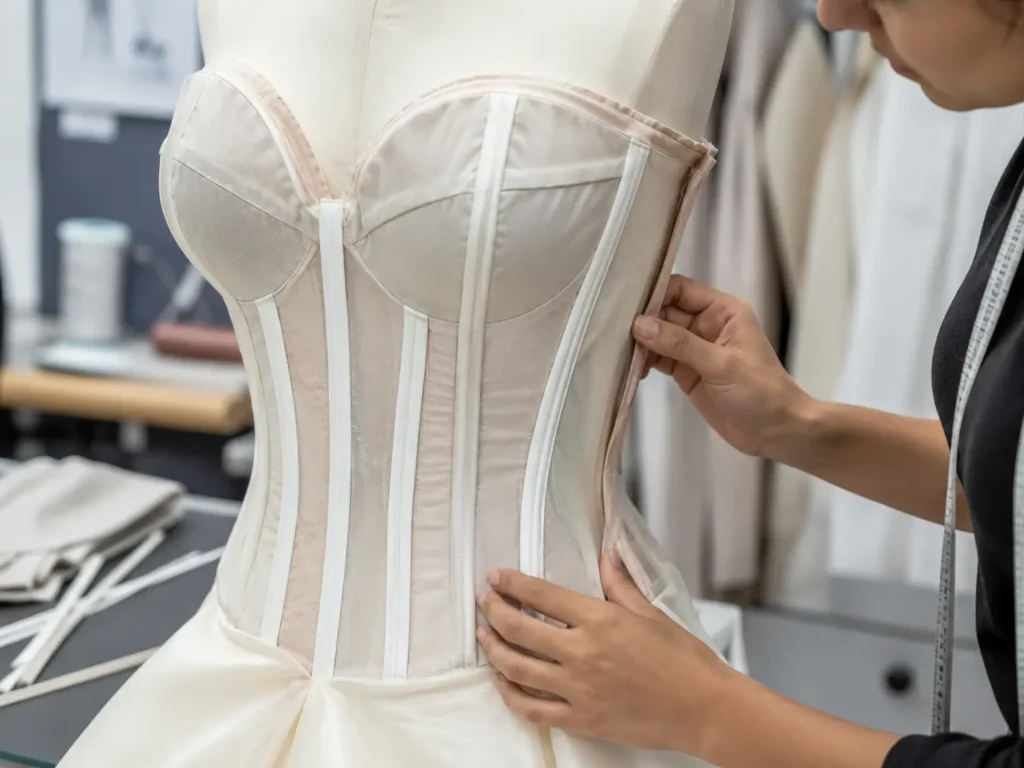
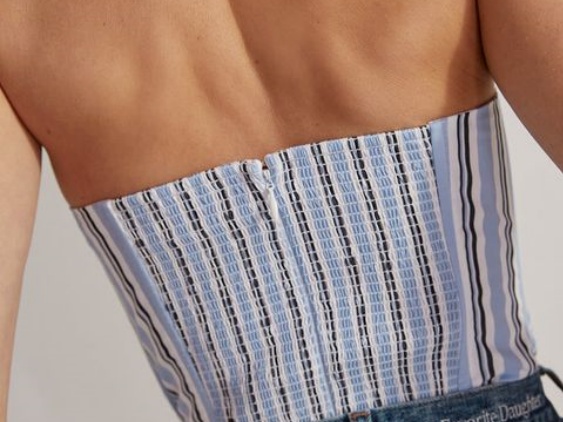
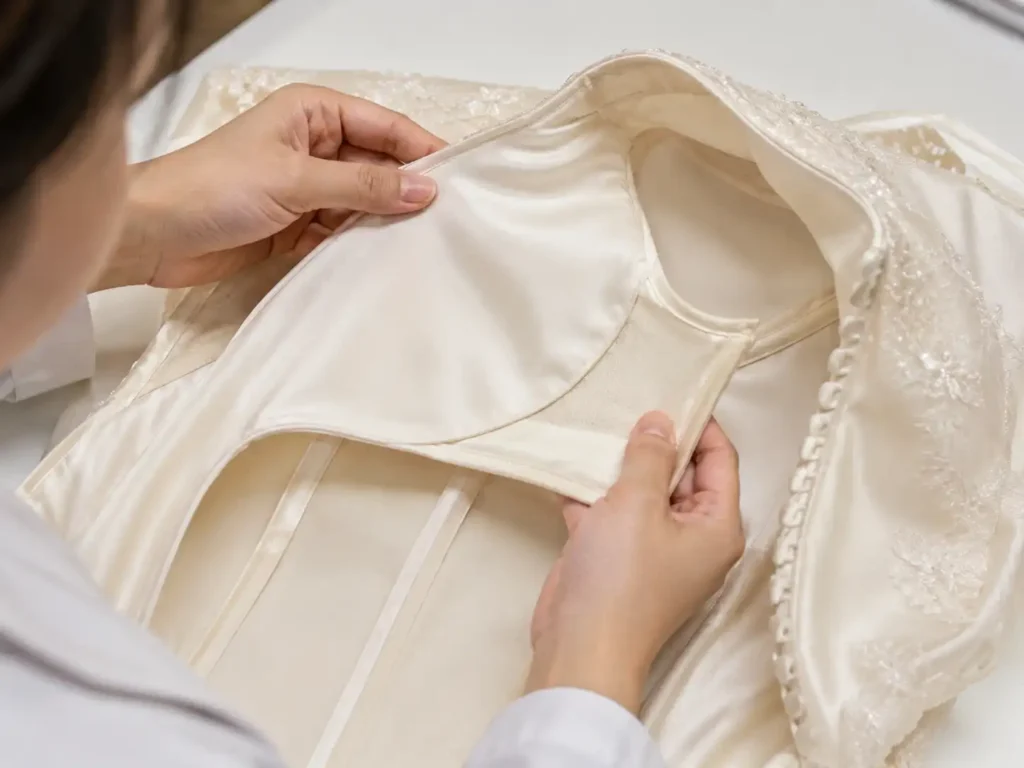
Corset, strapless, halter and deep-neck designs require more than a close measurement. Cup shape, under-bust position, boning, elastic, anti-slip tape, lining and back closure must work together.

Excessive Exposure

Cut-outs, low backs, deep necklines and high slits must look intentional without creating uncontrolled exposure. A movement review is required for sitting, walking, reaching and turning.

Sample-Bulk Difference

Bulk inconsistency often begins with incomplete PP approval. Fabric, trim, measurements, seam construction, lining, label placement and packing must be sealed before line production.

Missed Launch Timing

Late fabric confirmation, repeated sample changes and delayed artwork approvals can compress production and shipping windows. Milestone planning must begin from the launch date and work backward.

A Clear Manufacturing Fit

Jinfeng Apparel is structured for organized fashion programs with defined products, sampling requirements and bulk plans. Early alignment helps both teams protect time, quality and launch schedules.

Strong Project Fit

The best collaboration begins with a clear product direction and a realistic production plan.
  • Reference image, sketch, tech pack, line sheet or original sample
  • Target quantity by style and color
  • Planned size range and size ratio
  • Fabric preference or desired handfeel
  • Brand label and packing requirements
  • Target sample, launch and delivery windows
  • Willingness to complete professional sampling and PP approval
  • Potential for seasonal development or repeat orders

Outside Our Model

Jinfeng Apparel does not operate as an inventory wholesaler or single-item fulfillment provider. The production model is not designed for:

  • One-piece dispatch
  • Public stock purchasing
  • Orders below normal production structure
  • Projects without sampling budgets
  • Unclear designs with no production plan
  • Requests based only on the lowest unit price
  • Bulk production without PP approval
  • Immediate quotations without material, construction and quantity information
jinfengapparel
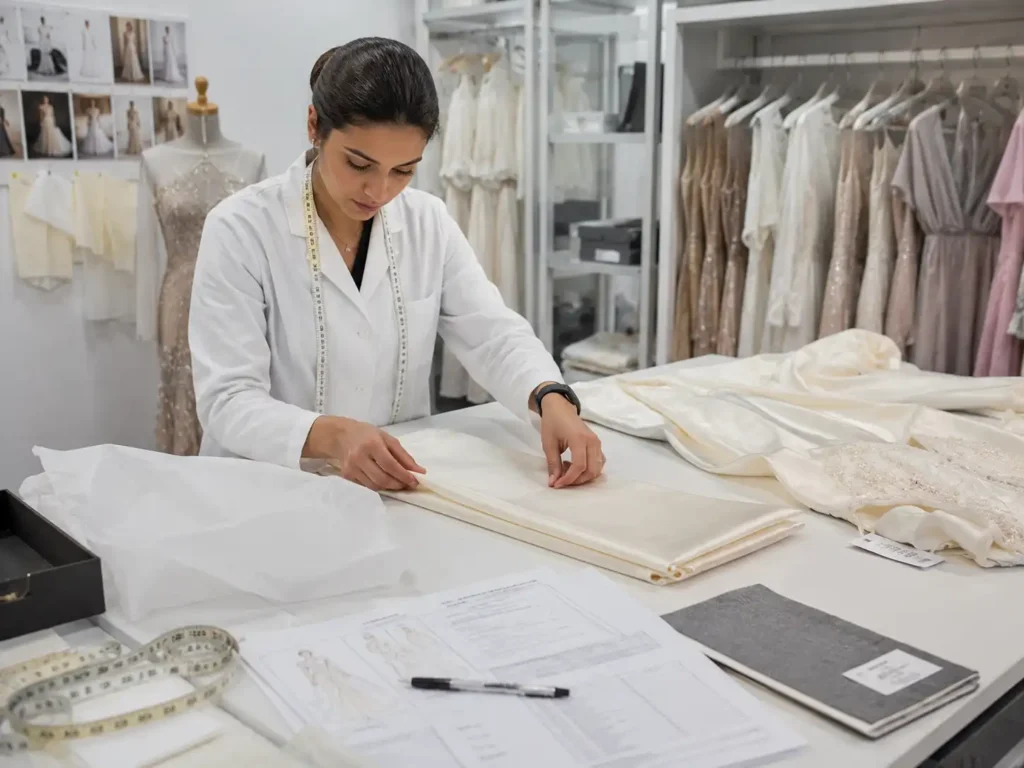
Fashion designer draping fabric on dress form in studio.

Soft Sensuality With Control

Successful styles use proportion rather than uncontrolled exposure. A fitted waist, open back, slit, neckline or sheer panel should have one clear visual focus. Support, lining and closure construction must keep the garment stable during normal movement.

A date night dress should remain comfortable through sitting, dining, walking and social activity. Pattern decisions therefore consider more than a static fitting. Neckline depth, underarm coverage, hem length, slit opening and stretch recovery are reviewed together.

Date Night Dress Product Directions

A complete collection normally combines high-conversion core styles, stronger statement silhouettes and supporting commercial shapes. Each direction needs a dedicated material, pattern and QC plan.

Satin Slip Dress

Fluid satin slip dresses rely on drape, controlled shine and clean minimal construction. Development checks neckline depth, strap length, bust coverage, bias movement, lining coverage and hem balance. Bulk control focuses on shade consistency, shine direction, snag prevention, seam puckering and pressing marks.

Ruched Bodycon Dress

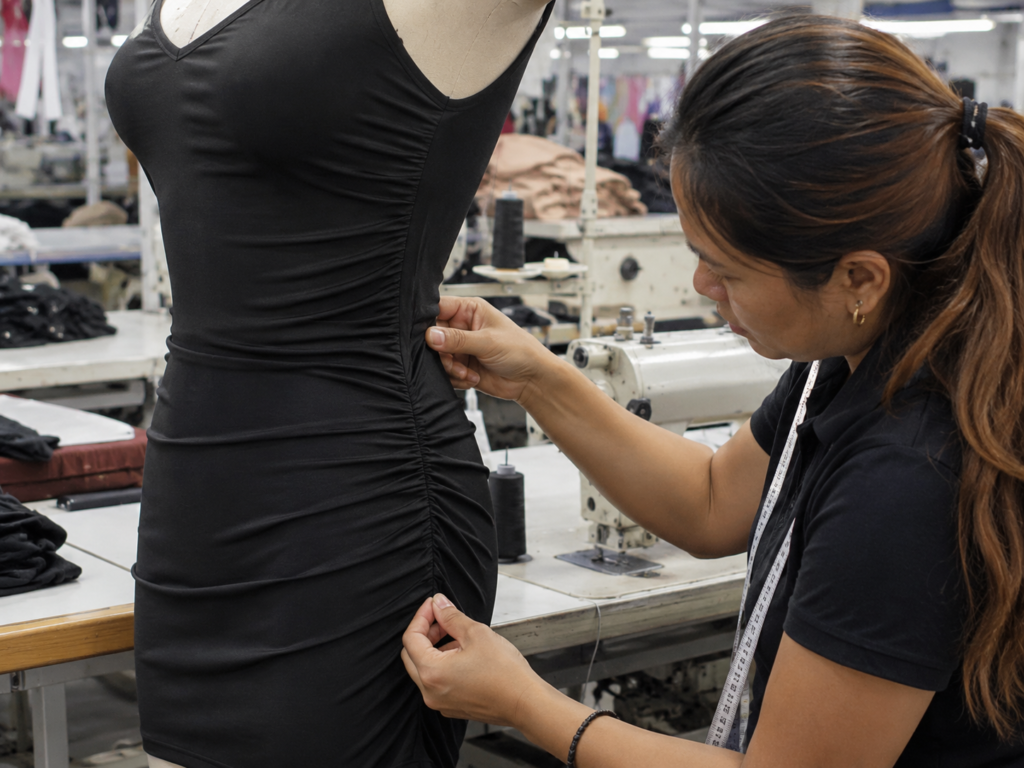
Ruching adds shape and visual flexibility, but the placement must remain consistent across sizes. Development reviews stretch percentage, recovery, ruching ratio, waist position, hip shaping and side-seam balance. Bulk checks include gathering density, elastic tension, hem recovery and measurement stability.

Corset Mini Dress

Corset styles require a balance of support, comfort and clean symmetry. Bra cups, boning, under-bust position, front panels, lining and back closures must work as one system. Sample fitting checks cup placement, waist shaping, pressure points and movement before PP approval.

Mesh Panel Dress

Mesh can create controlled transparency, contour lines and visual lightness. Development determines layer count, stretch direction, lining coverage, edge finishing and panel placement. Bulk inspection checks holes, distortion, uneven transparency, stretched seams and neckline recovery.

Lace Cocktail Dress

Lace date night dresses depend on motif positioning, seam matching, lining tone and edge finishing. Pattern placement is planned before cutting where required. Bulk control covers damaged motifs, inconsistent placement, loose edges, visible seam allowances and lining exposure.

Sequin Mini Dress

Sequins create immediate visual impact but increase sewing, comfort and packing risk. Development checks sequin direction, seam allowance clearing, lining, skin-contact areas and zipper construction. Bulk inspection focuses on loose sequins, missing areas, sharp edges and protective packing.

Strapless Midi Dress

Strapless dresses need reliable upper-body stability. Pattern development reviews upper bust, full bust, under-bust, back height and waist relationship. Support may involve boning, elastic, anti-slip tape, cups or internal panels depending on fabric and silhouette.

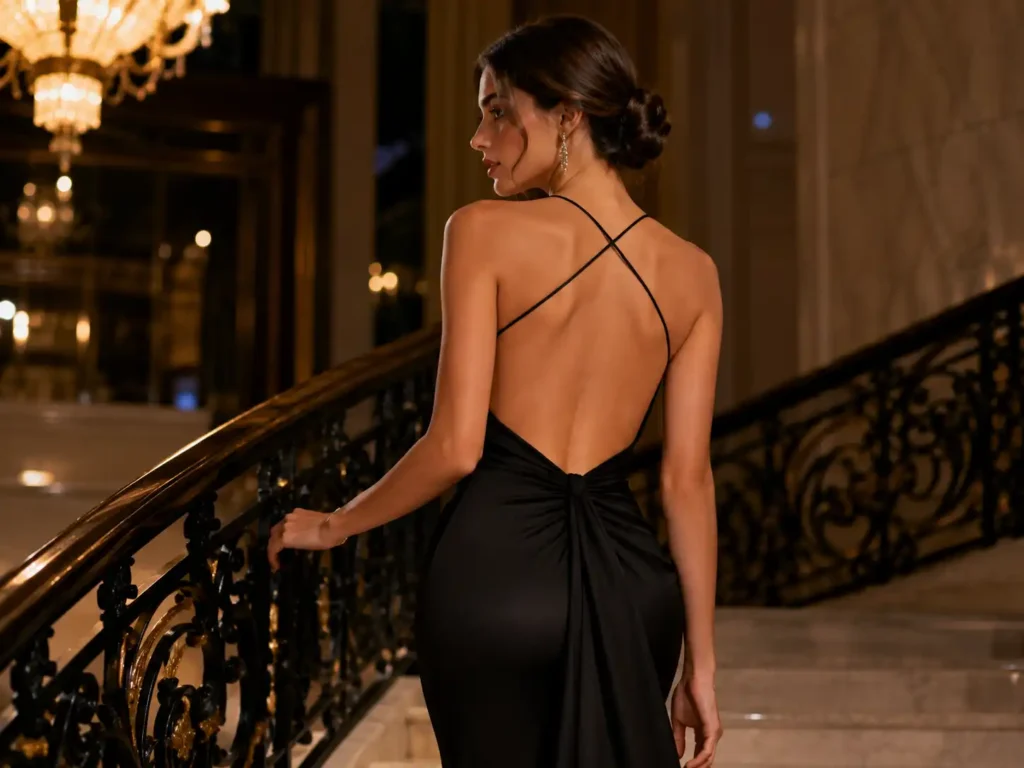
Backless Dress

Backless styles must maintain front support despite reduced back coverage. Strap position, side-body fit, waist anchoring, closure design and lining are evaluated together. Fitting checks whether the back opening remains stable while walking, sitting and turning.

Halter Dress

Halter construction transfers load through the neck, upper bust and back. Strap length and neck pressure require careful adjustment. The armhole, side bust, back opening and closure must prevent exposure while preserving the intended open silhouette.

Cut-Out Dress

Cut-outs require accurate position, proportion and edge stability. A shift of only several millimeters can change coverage or distort the body line. Pattern work controls opening position, reinforcement, stretch behavior, lining and seam tension.

One-Shoulder Dress

One-shoulder styles need left-right balance despite asymmetrical construction. Shoulder tension, neckline position, underarm coverage and internal support are reviewed during fitting. Bulk sewing checks symmetry against approved measurements and Golden sample references.

Draped Maxi Dress

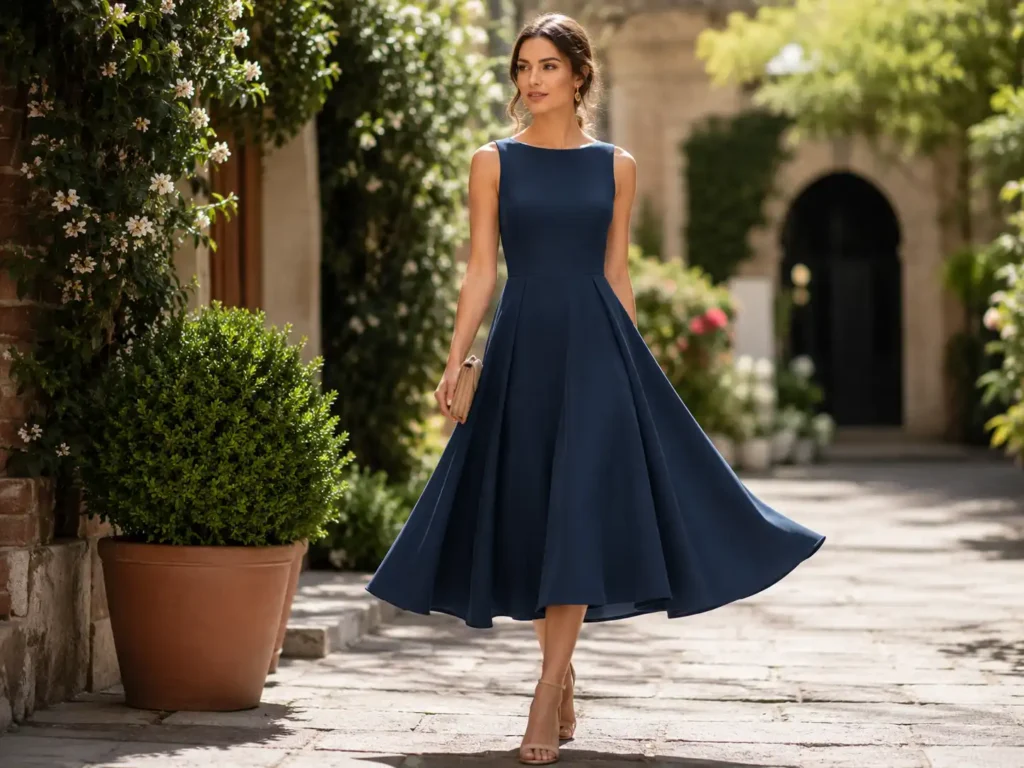
Draped maxi dresses depend on fabric weight, grain direction, balance and hem control. Development evaluates how folds fall while standing and moving. Production checks drape placement, side-seam alignment, lining length, slit position and pressing.

Build a Balanced Commercial Collection

Date night programs perform better when silhouettes, price points, exposure levels and materials are planned as a coordinated assortment rather than unrelated individual styles.

Core Volume Styles

Core styles normally include satin slips, fitted midi dresses, ruched bodycon shapes and clean mini silhouettes. They carry broader commercial appeal and can support several colors when fabric and trim conditions permit.

Statement Styles

Corset structures, sequins, lace placement, asymmetric necklines and engineered cut-outs provide campaign impact. Statement styles often need longer development review and should be prioritized early in the sample calendar.

Entry Price Styles

Clean jersey, ponte or simplified woven constructions can support accessible retail positions without weakening appearance. Cost control comes from material and construction decisions rather than removing essential quality controls.

Premium Styles

Premium directions may include layered mesh, structured bust support, complex draping, detailed lace placement or sequin work. Samples need closer review because sewing time, material wastage and workmanship sensitivity are higher.

Color Strategy

Black, red, wine, chocolate, navy, ivory and seasonal fashion colors can serve different launch stories. Color planning should account for fabric supplier minimums, lining matches, trim availability and shade consistency.

Size Architecture

Size planning should consider silhouette and stretch rather than applying one ratio across every style. A rigid corset mini, stretch bodycon and fluid satin slip may require different grading attention and commercial size ratios.

Mini, Midi and Maxi Dress Development

Length changes appearance, movement, comfort, material consumption and production risk. Each category requires its own pattern and construction controls.

Mini Date Dresses

Mini styles depend on secure length, hip shaping and movement control. Development reviews front and back length separately because a fitted hip can lift the back hem. Stretch, lining and slit decisions must prevent riding up or exposure while sitting. Recommended controls:
  • Front and back hem balance
  • Hip ease and recovery
  • Lining length
  • Side-seam position
  • Cut-out or slit placement
  • Movement fitting

Midi Date Dresses

Midi dresses provide broad commercial versatility for dinner, cocktail and evening settings. Waist position, hip shape, slit height and calf opening influence comfort and silhouette. Narrow hems need enough movement without losing the fitted visual. Recommended controls:
  • Waist-to-hip transition
  • Slit height and opening
  • Walking allowance
  • Zipper flatness
  • Lining coverage
  • Hem pressing

Maxi Date Dresses

Maxi styles require drape, balance and clean movement. Fabric weight affects whether the hem hangs smoothly or collapses. Front, side and back lengths are checked separately, especially for bias, draped and asymmetric designs. Recommended controls:
  • Grain and drape direction
  • Hem balance
  • Lining length
  • Slit or train position
  • Packing folds
  • Pressing recovery

Floor-Length Statements

Floor-length date night styles sit closer to eveningwear. Corset structures, high slits, draped panels and layered fabrics often increase sample and production complexity. A Golden sample becomes especially important for line instruction and final inspection. Recommended controls:
  • Bust and under-bust support
  • Structural symmetry
  • Hem and train measurement
  • Decorative placement
  • Packing protection
  • Final hanging review

Silhouettes Engineered for Fit and Movement
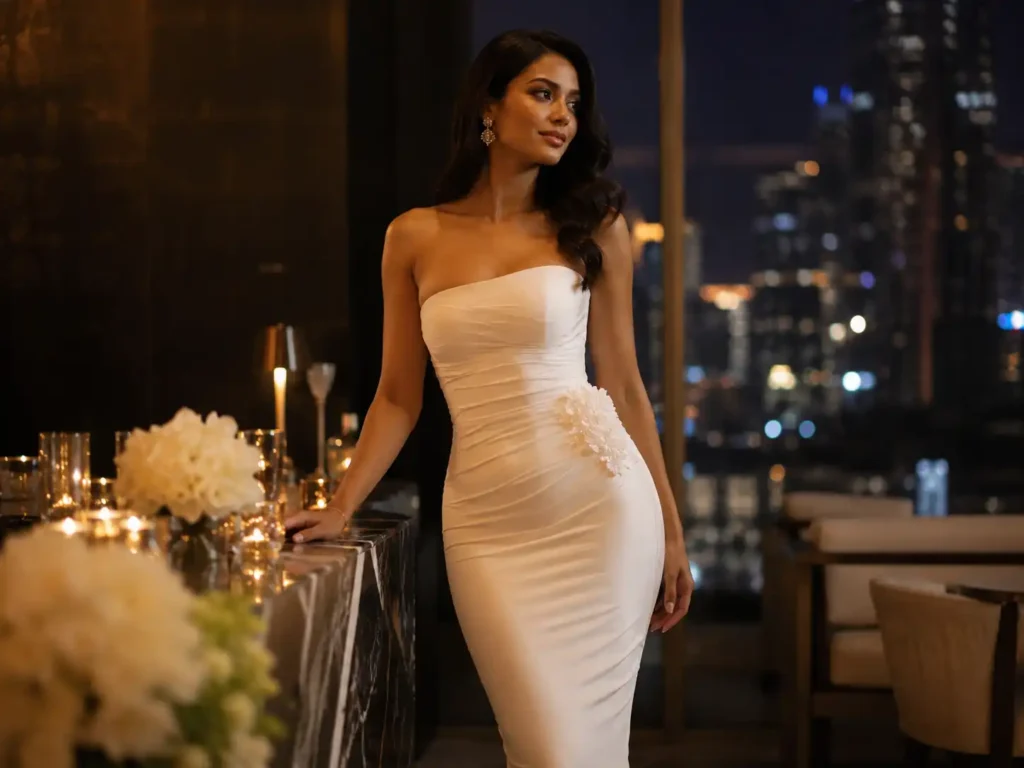
A flattering silhouette depends on measurement relationships, material behavior and internal structure. Style names alone do not define the correct manufacturing route.

Bodycon

Bodycon patterns control bust, waist, high hip, low hip and hem recovery. Stretch direction and fabric recovery must support movement without bagging. Side seams are monitored for twisting or forward movement.

Slip

Slip dresses appear simple but expose every weakness in fabric, pattern and sewing. Neckline shape, strap length, bias movement, seam smoothness, lining coverage and pressing require close control.

Corset

Corset dresses combine cups, boning, panel seams, waist shaping, lining and closure systems. Support must remain comfortable, symmetrical and stable across the planned size range.

Strapless

Strapless silhouettes rely on upper-bust fit, internal support and back tension. Anti-slip tape, elastic, boning or cups may be used according to design and fabric.

Halter

Halter patterns distribute tension through the neck and upper body. Strap length, neck pressure, armhole exposure and back stability are checked through movement fitting.

Backless

Backless designs need secure front support and side-body control. Strap anchoring, waist fit, lining and closure placement protect the silhouette from shifting.

One-Shoulder

One-shoulder styles require asymmetrical tension control. Shoulder position, neckline balance, side seam and underarm coverage must remain consistent during production.

Draped

Draped silhouettes depend on grain, fabric weight and fold placement. Pattern marks and sewing instructions must clearly define drape direction and attachment points.

Fabrics Selected for Appearance and Performance

Material decisions influence visual quality, fit, transparency, comfort, MOQ, cost and production consistency. Jinfeng evaluates fabric behavior before treating a reference image as production-ready.
Matte Satin

Matte Satin

Matte satin provides controlled luster and a refined evening appearance. It works well for slip, midi, ruched and draped styles. Development checks weight, drape, snagging, seam puckering, lining shade and pressing sensitivity.

Stretch Satin

Stretch satin supports closer silhouettes while retaining a polished surface. Stretch direction and recovery must be confirmed before pattern work. Bulk checks cover shine variation, needle marks, seam tension and dimensional recovery.

Jersey

Jersey offers comfort, movement and strong bodycon potential. Common weights range broadly around 140–240 gsm depending on fiber composition and product goal. Light colors or lower weights may need lining or double layers.

Ponte

Ponte provides denser structure, smoother coverage and controlled stretch. It suits fitted midi, panelled bodycon and clean structured shapes. Development checks recovery, seam bulk and heat response during pressing.

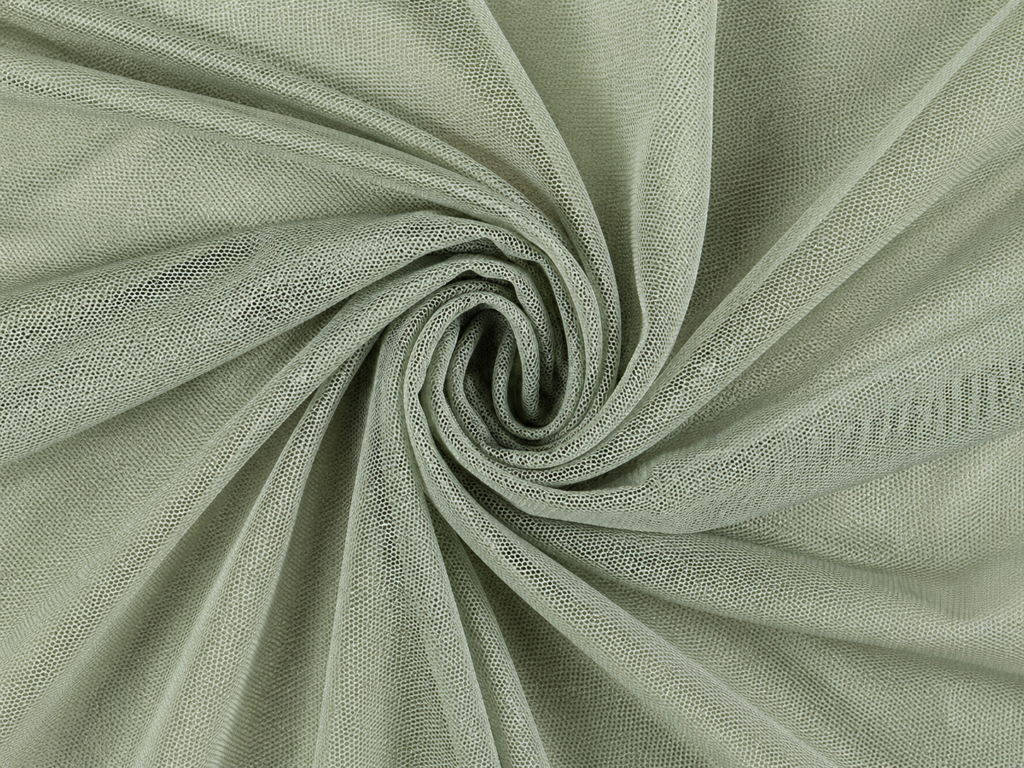
Stretch Mesh

Stretch mesh creates sheer panels, layered effects and contoured lines. Layer count, stretch direction and lining boundaries must be documented. Production checks holes, uneven tension, rippling and edge distortion.

Lace

Lace introduces motif, transparency and texture. Fabric width, motif repeat, border use and placement affect consumption and cutting. Lining tone and seam position determine whether the result looks refined or visually broken.

Sequin Fabric

Sequin fabrics increase visual impact and manufacturing sensitivity. Sequin direction, backing, seam clearing, zipper insertion, lining comfort and packing protection must be established before bulk sewing.

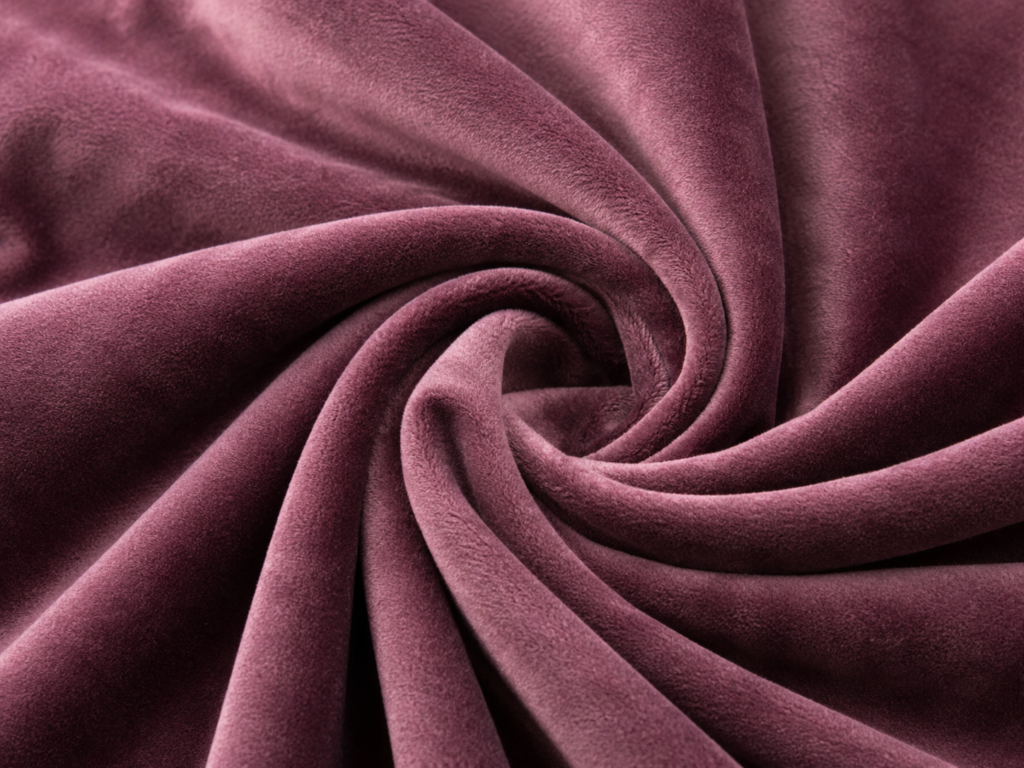
Velvet

Velvet adds depth and evening richness. Nap direction, shade appearance, pressure marks and seam handling require attention. Cutting direction must remain consistent across panels and bulk lots.

Crepe

Crepe offers controlled drape, matte texture and broad commercial use. It works for midi, wrap, asymmetric and occasion-led styles. Development reviews stretch, weight, opacity, pressing and seam appearance.

Design Details Controlled for Commercial Wear

Visual details must survive fitting, grading, sewing and repeated wear. Jinfeng reviews each detail as a structural element rather than decoration alone.

Engineered Ruching

Ruching changes body contour, ease and visual proportion. Pattern length, gathering ratio, elastic tension and anchor points must remain controlled. Excessive gathering can create bulk; insufficient gathering weakens the intended shaping effect.

Controlled Draping

Draping depends on grain direction, material weight and attachment position. Pattern notches and construction instructions define fold direction. Internal tacking may be required to stop drape points from shifting during wear.

Balanced Cut-Outs

Cut-outs are developed around body landmarks rather than flat visual measurements alone. Edge stabilization, lining, elastic recovery and opening position protect coverage and prevent distortion.

High Slit Construction

Slit height affects movement and exposure. Reinforcement at the top opening reduces tearing risk. Lining openings, seam allowance and pressing must align with the outer garment.

Deep Neckline Support

Deep necklines need stable edges and controlled bust coverage. Cups, tape, internal panels, mesh inserts or under-bust shaping may be considered based on the design.

Open Back Stability

Open backs require anchoring through straps, waist seams, side panels or closures. Development checks whether the front neckline and side body remain stable after back coverage is removed.

Sheer Panel Integration

Mesh or lace panels must transition cleanly into opaque areas. Seam bulk, color matching, stretch compatibility and lining boundaries affect comfort and visual quality.

Asymmetric Necklines

Asymmetric necklines require tension balance. Shoulder seams, side seams, internal support and fabric stretch must prevent one side from dropping or twisting.

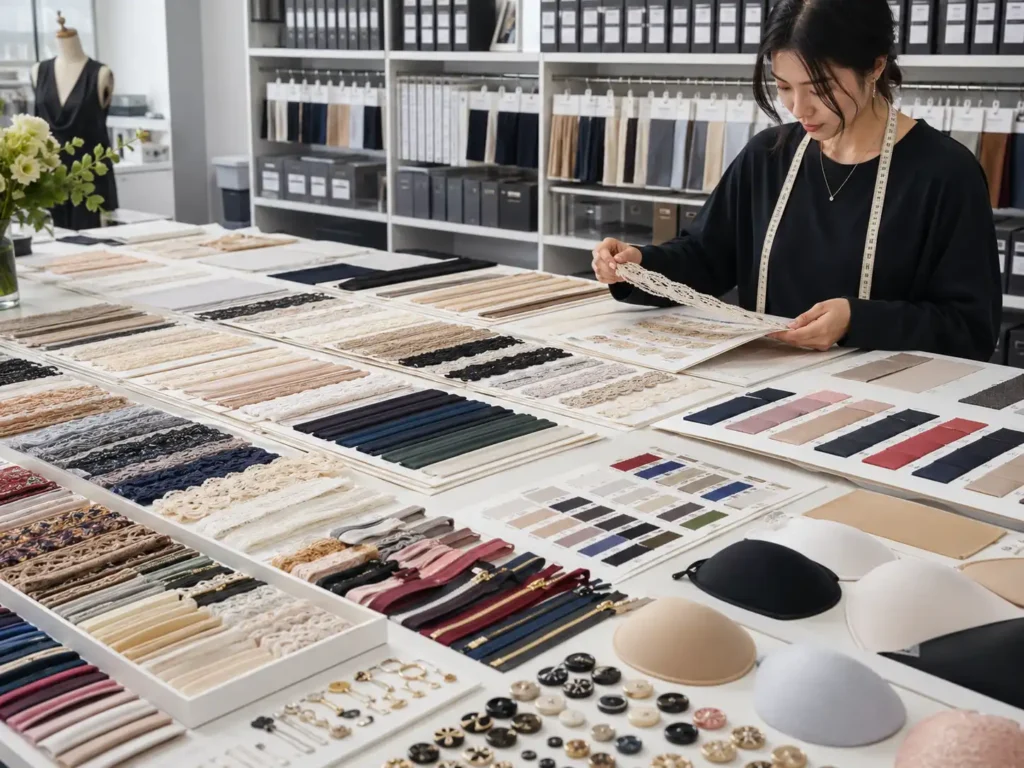
Internal Structures and Trim Systems

Support elements must match the silhouette, material and intended retail position. More structure is not always better; correct structure creates support without unnecessary stiffness or discomfort.

Bra Cups

Cup shape, size, position and edge blending affect the entire upper body. Cups must match the neckline and planned size range. Poor placement creates visible ridges, empty areas or pressure.

Boning

Boning supports corset and strapless structures. Placement, length, flexibility and seam integration must be reviewed. Ends require secure finishing to prevent discomfort or fabric damage.

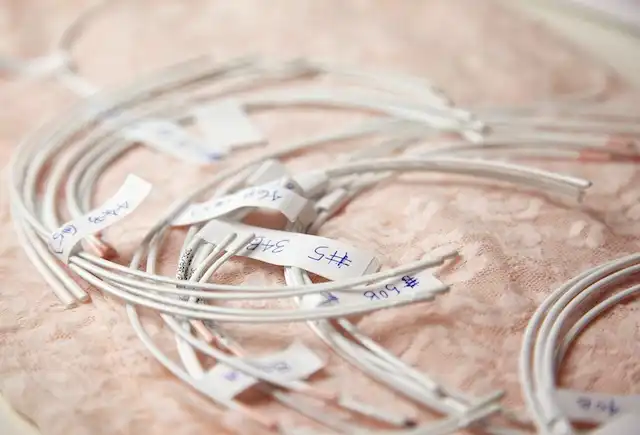
Underwire

Underwire can provide stronger shaping but requires accurate cup and under-bust alignment. Wire channels, end protection and size grading need controlled construction.

Anti-Slip Support

Anti-slip tape or internal elastic can improve strapless stability. Tension must be strong enough to support the dress without creating pressure marks or visible rippling.

Invisible Zippers

Invisible zippers must lie flat without rippling. Zipper tape, seam allowance, fabric stability and sewing tension influence the result, especially on satin and fitted styles.

Linings and Closures

Lining weight, stretch and color should support the outer fabric without changing drape. Hook-and-eye, buttons, snaps and back closures must remain accessible, secure and visually clean.

Start From Clear Product Information

A structured project review improves sample accuracy, quotation quality and timeline control. Jinfeng can begin from complete technical files or early visual references.

Tech Pack

A tech pack provides construction, measurement, seam, trim and labeling direction. Jinfeng reviews missing information, fabric compatibility and production risk before preparing the sample plan.

Reference Image

Reference images help identify silhouette and visual intent, but hidden construction cannot be confirmed from a photograph alone. Additional questions cover lining, closures, support, measurements and desired fabric behavior.

Original Sample

An original garment allows closer analysis of proportion, sewing, material and internal structure. Any required changes should be documented rather than assumed.

Sketch

A clear sketch can begin ODM development when supported by desired length, silhouette, fabric direction, size range, quantity and target positioning.

Line Sheet

A line sheet helps organize multi-style programs. Style codes, colors, quantities, prices, launch priority and product groups can be aligned before sampling begins.

Mood Board

A mood board communicates brand direction, visual language and collection tone. It should be combined with commercial parameters so aesthetic ideas can become production-ready products.

Pattern Development Beyond Simple Copying

Jinfeng translates visual ideas and technical instructions into patterns that balance appearance, fit, movement, construction efficiency and repeatability.

Structure Review Before Pattern Work

The development team reviews fabric behavior, lining, closures, support, seam placement, cut-outs, ruching and decorative details before a pattern is finalized.

Potential conflicts are identified early.

A lightweight fabric may not support a corset shape.

A high slit may expose the lining.

A deep back may weaken front neckline stability.

A reference photograph may hide an internal panel required for support.

Early review reduces repeated sampling and helps establish a realistic development route.

Fitting Feedback Into Pattern Corrections

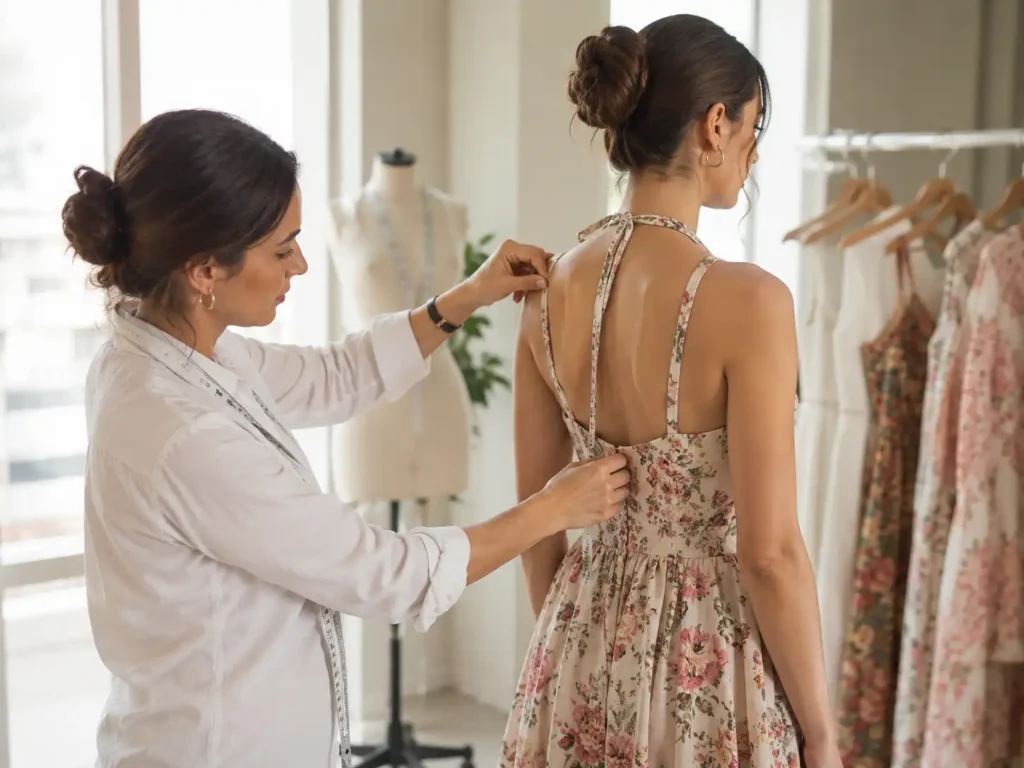
Fit comments should be measurable and actionable. “Too loose” or “not flattering” is converted into specific corrections involving bust, waist, hip, strap, neckline, side seam, length or support.

Revisions are recorded in:

  • Updated pattern files
  • Revised measurements
  • Construction notes
  • Fabric or trim changes
  • Fit photographs
  • Approval comments
  • Sample status tracking

Grading for Commercial Size Ranges

Size grading does not mean adding the same amount everywhere. Bust, waist, hip, neckline, strap, armhole and length require different grade logic according to silhouette and fabric stretch.

Corset and strapless styles need particular attention because support positions must remain correctly located across sizes. Bodycon styles need enough room without losing shape. Cut-outs must keep intended coverage after grading.
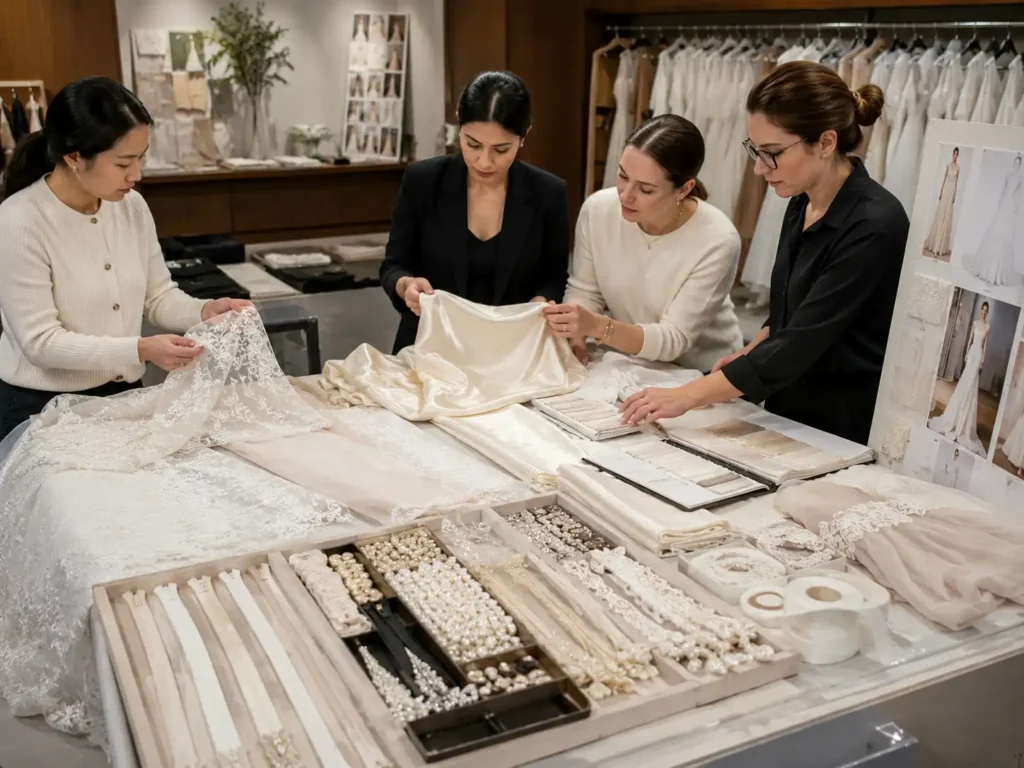
Samples With Clearly Defined Purposes

Each sample answers a different development question. Separating sample types prevents visual approval from being confused with production approval.

First Sample

The first sample checks whether silhouette, material direction, structure and general measurements match the development brief. It is not automatically the final bulk standard.

Fit Sample

A fit sample focuses on body proportion, comfort, movement, coverage and support. Comments should identify exact areas requiring correction.

Revised Sample

A revised sample confirms material, pattern or construction changes following fit review. Revision points are tracked against the previous sample.

Photo-Ready Sample

A photo-ready sample prioritizes visual appearance for campaign, ecommerce or line-sheet use. Final bulk materials and packing may still require separate confirmation.

Salesman Sample

Salesman samples support wholesale presentation, market appointments or internal sales review. Quantity and purpose are confirmed before development planning.

PP Sample

The pre-production sample confirms approved fabric, color, trims, measurements, construction, labels and key packing requirements before bulk production begins.

Golden Sample

The Golden sample becomes the physical comparison standard for production, QC and repeat orders. It supports alignment between merchandising, production and inspection teams.

Approval Record

Approval records document sample version, comments, measurements, materials and signed-off conditions. Verbal confirmation alone is not enough for complex bulk programs.

From Campaign Sample to Bulk Standard

Photo appearance, production approval and long-term quality reference serve different functions. Jinfeng keeps each stage separate and documented.

Photo-Ready Approval

A campaign sample may prioritize exact styling, drape and presentation for photography. Before treating it as a production reference, teams still need to confirm final material lot, trims, labeling, measurements and construction notes. Photo samples are especially useful for satin, draped, sequin, mesh and maxi styles where movement and surface appearance matter. Video review can show drape, walking behavior, shine and detail placement before international shipment.

PP Sample Approval

PP approval is the production gate. Fabric, color, lining, cups, boning, zipper, measurements, seam construction, label position and packing direction should be confirmed.

Changes after PP approval may affect material booking, production timing, cost and consistency. Any necessary revision must be documented before line release.

Golden Sample Control

A Golden sample gives production and QC teams a shared physical benchmark. It represents agreed appearance, construction, measurements, trims and label placement. During repeat orders, the Golden sample remains useful alongside pattern, fabric, trim and packing records. New fabric lots and colors still require review because material behavior and shade can change between seasons.

MOQ and Quotation Planning

Project ConditionProduction InterpretationMain Cost or MOQ Effect
1 style, 1 color, 200 piecesNormal starting structure for evaluationSubject to available fabric and standard trims
1 style, 2 colors, 200 pieces each400 pieces totalSeparate material, cutting and color control by color
1 style, 2 colors, 100 pieces eachUsually below standard per-color structureRequires project review; total quantity does not replace per-color MOQ
4 styles, 50 pieces eachDoes not meet normal style-level structureEach pattern, cutting setup and sewing instruction remains separate
Stock fabric and standard trimsMore suitable for normal MOQ planningFaster confirmation and fewer supplier minimum conflicts
Custom-dyed fabricFabric mill minimum may applyColor development, lab dip and bulk shade control add cost and time
Special lace or sequinsSupplier minimum and wastage may applyPlacement, matching, cutting and sewing time increase
Corset or structured dressHigher pattern and workmanship inputCups, boning, lining and fit development affect quotation
Retail-ready packingArtwork and packing specifications requiredLabels, barcodes, polybags, cartons and warehouse rules affect cost
Urgent or split shipmentProduction and logistics review requiredAir-sea split and priority allocation affect planning

Bulk Production From Approval to Delivery
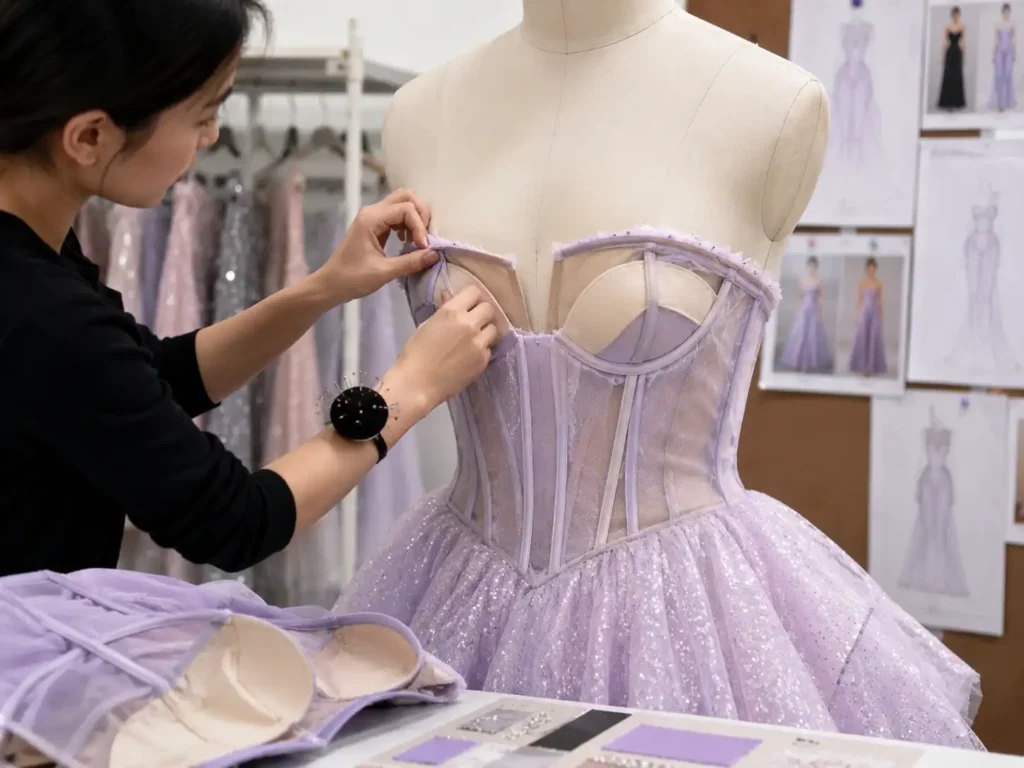
Bulk production begins only after approved conditions are sufficiently clear. Each stage creates an output required by the next team.

PP Approval

The approved sample, measurements, fabric, trims, sewing method, label position and packing requirements are reviewed before production release.

Material Booking

Fabric, lining, zippers, cups, boning, labels and other trims are booked according to approved specifications and supplier minimums.

Incoming Inspection

Materials are reviewed for color, width, weight, surface condition, stretch, recovery, damage and lot consistency according to product needs.

Pre-Production Review

Merchandising, production and QC teams review the approved sample, measurements, critical construction points, packing and delivery requirements.

Cutting Control

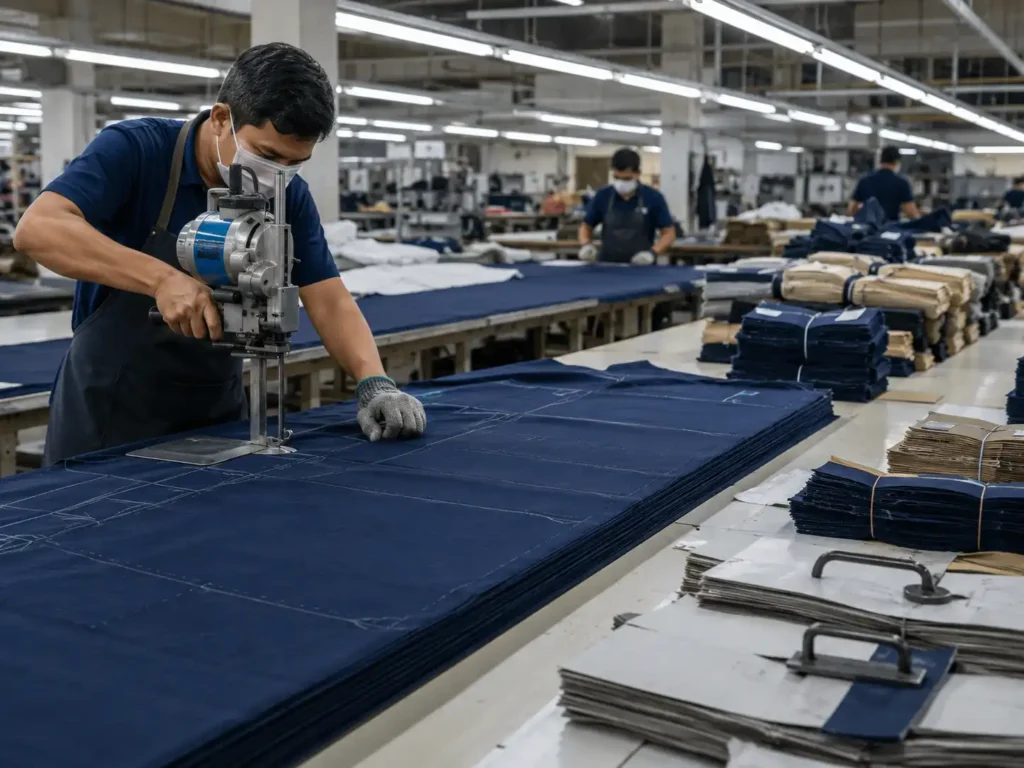
Marker planning, fabric direction, shade grouping, motif placement and panel accuracy are checked before sewing begins.

Sewing Execution

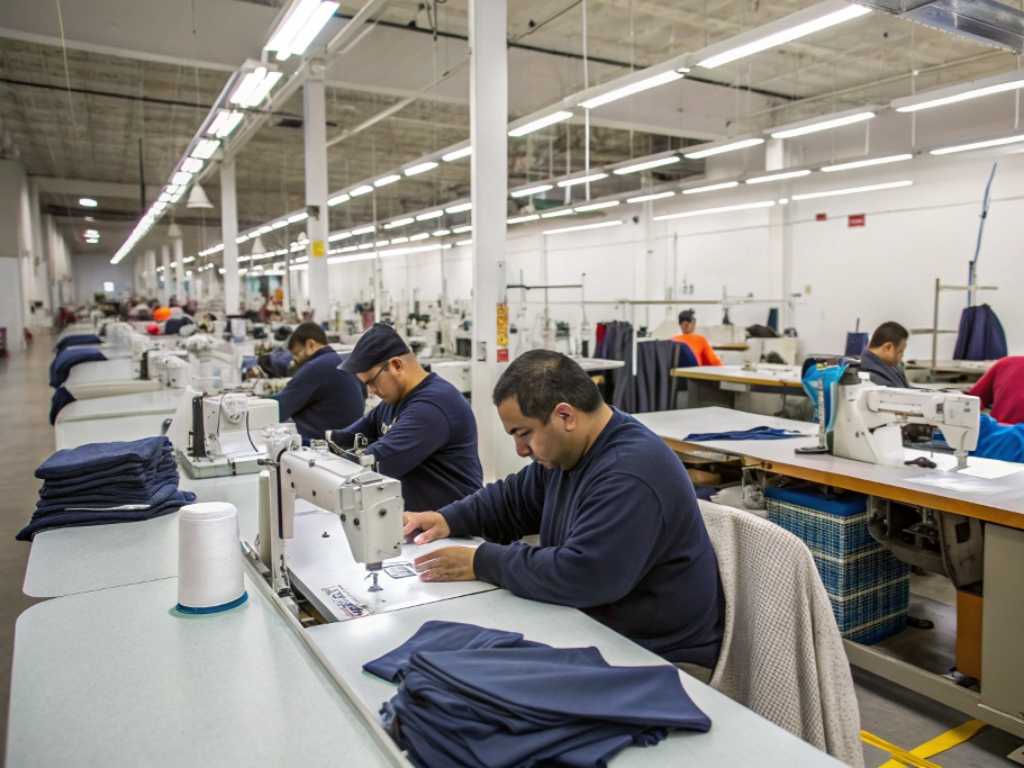
Operators follow approved construction notes and physical references. Complex operations may be assigned to suitable teams according to product type.

Inline Inspection

Early and mid-line reviews identify measurement, seam, symmetry, trim or workmanship problems before the entire quantity is completed.

Finishing and Packing

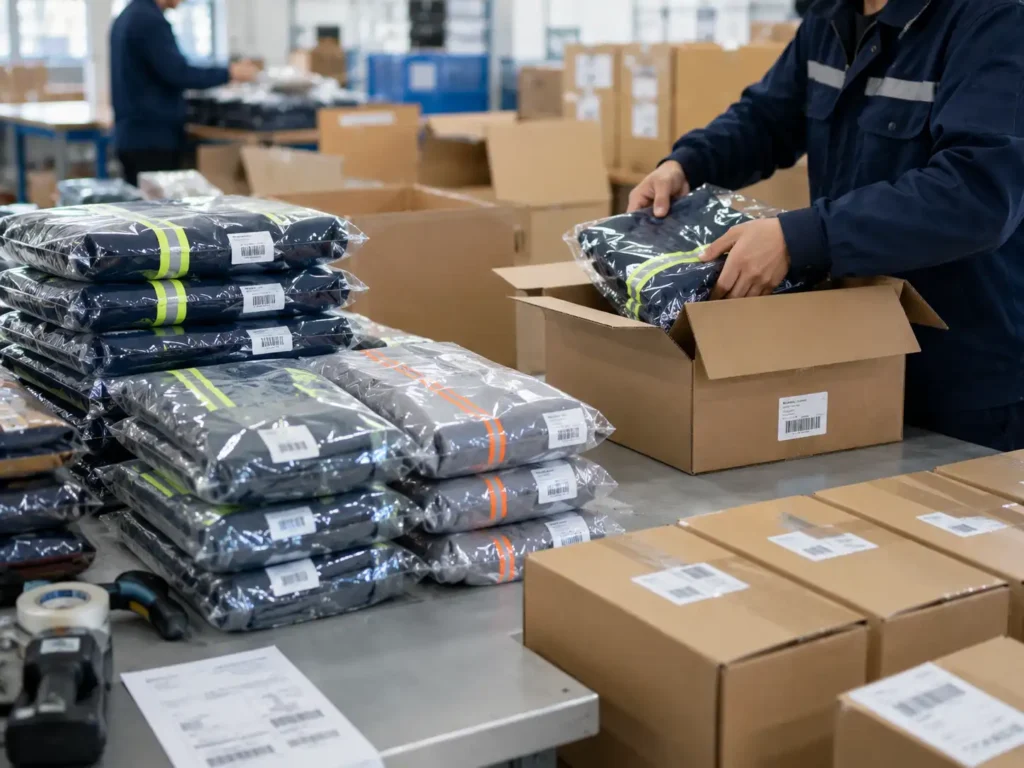
Thread cleaning, pressing, measurement review, label checks, barcode checks and packing preparation follow approved instructions.

Final Inspection

Finished garments, packing, carton details and shipment documentation are prepared for final inspection or client-appointed inspection where required.

Manufacturing Teams Assigned by Product Risk

Jinfeng operates a structured development and production system rather than routing every style through the same factory or sewing line.

Product Development

The product team reviews design intent, commercial positioning, construction risk and material direction. Early review helps prevent unsuitable material or structure decisions.

Fabric and Trim Sourcing

Sourcing teams identify fabrics, linings, zippers, cups, boning, lace, mesh, sequins and label materials according to design, cost and production requirements.

Pattern and Sampling

Two sample rooms, 7+ senior pattern makers and 20+ sample machinists support development, revision, photo-ready samples, PP samples and Golden samples.

Merchandising

More than 12 merchandisers coordinate files, samples, approvals, materials, production progress, packing information and shipment preparation.

Production Management

Six owned women’s fashion factories, 10+ long-term production partners, 18+ sewing lines and 6+ flexible lines support allocation by fabric, silhouette, complexity and order rhythm.

Quality and Packing

More than 15 QC inspectors and 30+ finishing and packing workers support process checks, garment review, pressing, labeling, packing and shipment readiness.

Date Night Dress Quality Control

Inspection priorities change with silhouette and material. A generic final check cannot adequately control satin, stretch mesh, corset structures and sequin surfaces.

Fabric Condition

Fabric inspection checks shade, surface damage, width, weight, stretch, recovery and lot consistency. Satin receives shine and snag review; mesh and lace receive hole and damage review.

Shade and Direction

Nap, shine, print or sequin direction must remain consistent across garment panels. Shade grouping is managed where material lots show visible variation.

Measurement Control

Bust, waist, hip, length, neckline, straps, slit and lining measurements are checked according to approved specifications and tolerance requirements.

Support Structure

Cups, boning, underwire, elastic and anti-slip elements are checked for position, symmetry, security and comfort.

Seam and Stitching

Seams are reviewed for puckering, skipped stitches, broken stitches, tension, symmetry, seam allowance and reinforcement at stress points.

Decoration Security

Sequins, beads, lace appliqué, trims and decorative attachments are inspected for missing areas, loose attachment, sharp edges and placement consistency.

Opacity and Lining

Light colors, mesh, lace and stretch fabrics are reviewed for transparency and lining coverage. Linings should not twist, pull or extend below the outer hem.

Packing Accuracy

Main labels, size labels, care labels, hangtags, barcodes, SKU stickers, polybags, carton marks and quantity breakdowns are checked against approved packing files.

Private Label and Retail-Ready Packing

Private-label delivery extends beyond adding a main label. Brand identity, product information, SKU control, warehouse handling and garment protection must work together.

Woven Main Label

Main labels carry brand identity and require approved artwork, dimensions, fold type, material and placement. Attachment should remain clean and comfortable.

Size Label

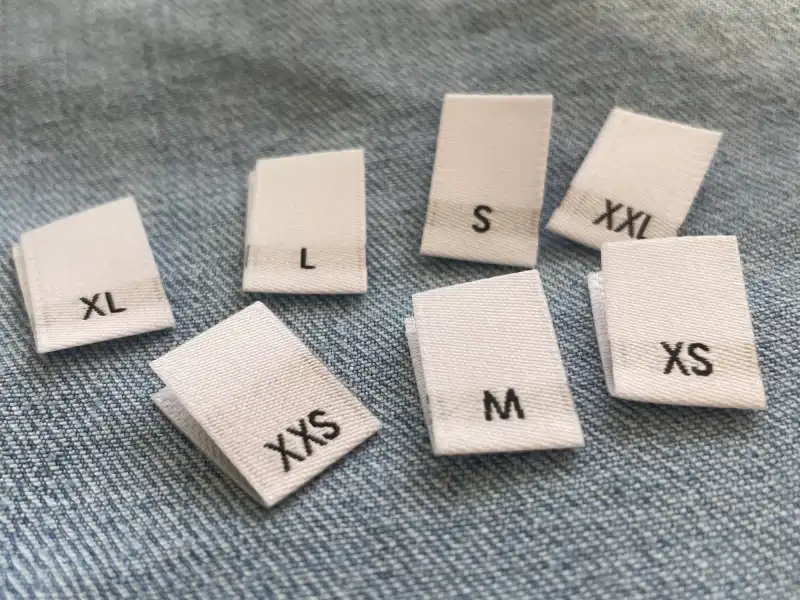
Size labels must match the garment and packing data. Placement and size naming should remain consistent across the collection.

Care Label

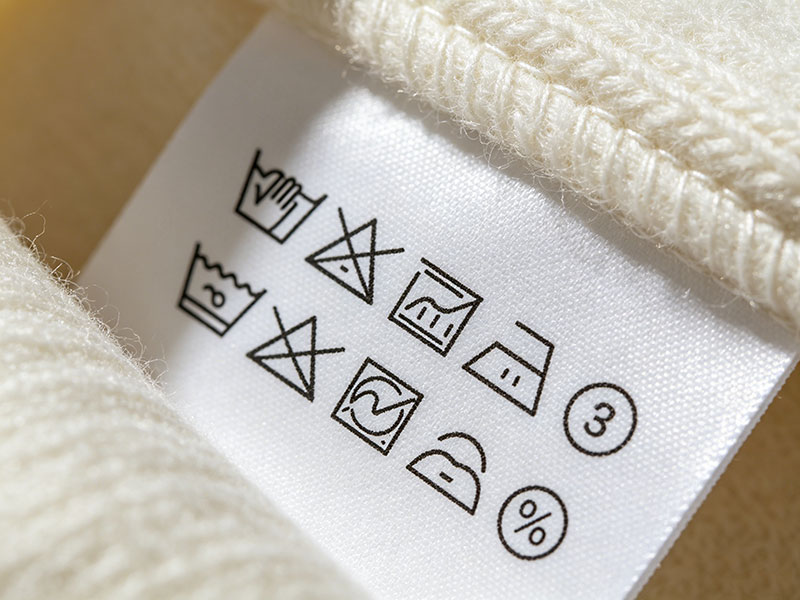
Care labels can include fiber content, care instructions, country information and brand details according to the approved market requirement.

Hangtag

Hangtags may include product information, pricing space, branding or campaign messaging. String, seal and placement require confirmation.

Barcode Sticker

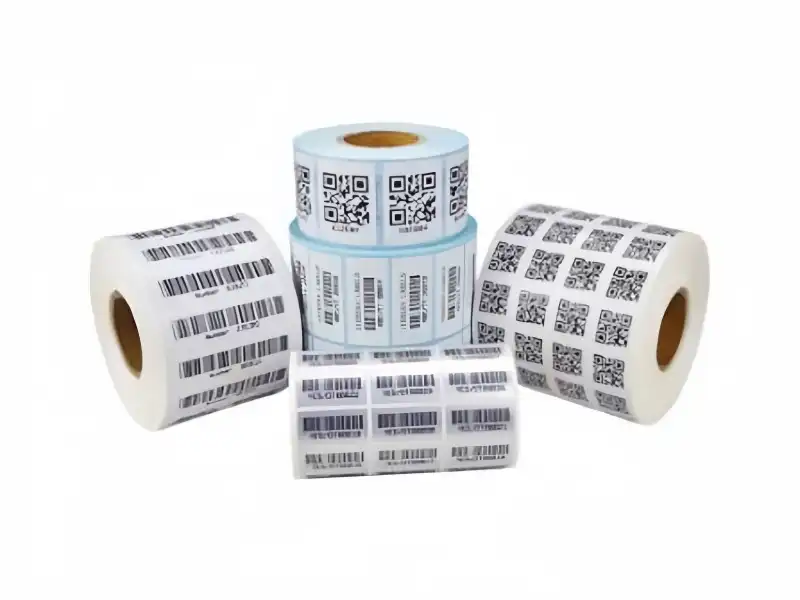
Barcode data must match the correct style, color and size. Scannability and placement should be verified before packing.

SKU Label

SKU labels help warehouses identify product variants. Data must align with order and packing records.

Polybag

Polybag size, warning text, ventilation, recycled content requests and sealing method can be confirmed according to project requirements.

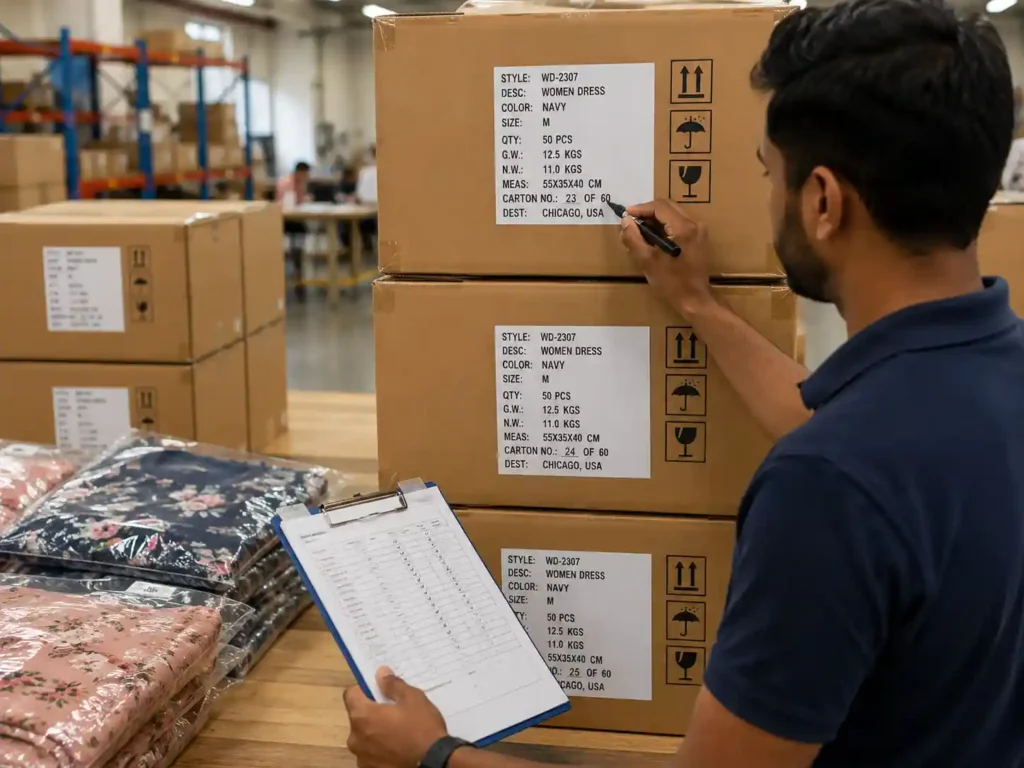
Carton Mark

Carton marks identify order, destination, style, quantity and handling information. They must align with packing lists and forwarding instructions.

Packing List

Packing lists record carton-level quantities, sizes, colors, weights and measurements. Accuracy supports customs, receiving and inventory operations.

Export Delivery Aligned With Launch Plans

Shipping decisions should be planned before bulk completion. Product priority, warehouse deadlines, freight cost and carton separation influence the best route.

Express Samples

International express supports samples, swatches, trim cards and approval materials. Shipment details and tracking are coordinated after sample readiness.

Air Freight

Air freight can support urgent launches, hero styles, priority colors or replenishment. Cost depends on chargeable weight, destination and service conditions.

Sea Freight

Sea freight suits planned bulk orders with sufficient time before warehouse receipt. Booking, carton details and documents require advance preparation.

Split Shipment

A first quantity can move by air while the main quantity moves by sea. Styles, sizes, colors and cartons must be separated accurately in packing records.

Client Forwarder

Jinfeng can coordinate with a client-appointed forwarder by providing cargo details, carton measurements, weights, packing lists, invoices and pickup information.

Export Documents

Support can include commercial invoice, packing list, carton marks, bill of lading or air waybill coordination, origin documents by request and customs information.

How Fashion Teams Evaluate a Manufacturer

Selection CriterionWhat an Established Brand NeedsJinfeng Apparel Capability
Product depthSatin, bodycon, corset, mesh, lace, sequin and going-out categoriesCore womenswear focus across fitted, occasion and private-label dress programs
Pattern capabilityControl of bust, waist, hip, neckline, straps, slits and linings7+ senior pattern makers, 2 sample rooms and structured fit revision
Sample disciplineClear first, fit, revised, photo, PP and Golden sample stagesDefined sample purposes and documented approval flow
Material judgmentGuidance on drape, stretch, transparency, recovery and riskFabric and trim sourcing with substitution and risk review
Production scaleAbility to allocate multi-style and multi-batch programs6 owned factories, 10+ long-term partners and 18+ sewing lines
Project managementMilestones, approval tracking, material status and delivery coordination12+ merchandisers supporting files, approvals, production and packing
Quality controlMaterial, cutting, sewing, measurement, garment and packing checks15+ QC inspectors and process-based inspection structure
Private labelLabels, barcodes, SKU packing, cartons and warehouse detailsRetail-ready and ecommerce-ready packing support
ConfidentialityProtection of unpublished styles and commercial filesNDA-based cooperation and controlled handling of brand materials
Repeat productionRetained patterns, measurements, trims and packing referencesSeasonal development, replenishment and multi-batch support

Date Night Dress Program Case Studies

The following anonymous cases illustrate how multi-style programs can be structured around fit, material risk, bulk consistency and launch delivery without exposing protected brand information.

US Satin Date Night Collection

An established US occasion and going-out label developed a 12-style satin mini and midi dress program totaling approximately 20,000 pieces.

The assortment included slip silhouettes, ruched waists, adjustable straps, invisible zippers, lined bodices and side slits. Several colors were planned across the range.

Main risks included:

  • Satin shade variation
  • Different shine directions
  • Invisible zipper rippling
  • Lining discomfort
  • Waist-to-hip fit
  • Pressing marks
  • Bulk consistency across colors

Jinfeng reconfirmed satin weight, surface direction, lining tone and zipper specification before PP approval.

Pattern corrections focused on waist and hip proportion, neckline stability and lining length.

The final production route used approved PP samples, Golden samples, line instructions and targeted QC checks for shade, zipper flatness, measurements and pressing.

The program moved according to the agreed launch plan, followed by additional color development for repeat production.

Australian Mesh Bodycon Program

An anonymous Australian partywear label developed 16 date night and party styles across mesh bodycon, cut-out, ruched mini and one-shoulder directions. Total order volume reached approximately 32,000 pieces.

The collection combined stretch mesh, jersey lining, elastic support, invisible zippers and engineered cut-outs. Key styles required different coverage levels for regional and online sales.

Main risks included:

  • Mesh transparency
  • Layer distortion
  • Neckline stretching
  • Cut-out position
  • Inconsistent ruching
  • Side-seam twisting
  • Size grading across fitted shapes
  • Fabric damage during sewing

Styles were divided into fabric and complexity groups. Hero campaign products moved first through fit review, while commercial core styles followed after material confirmation.

Pattern work focused on bust coverage, waist shaping, hip recovery and cut-out position. Bulk QC included mesh condition, layer alignment, neckline recovery, side-seam balance and lining coverage.

Split shipment planning supported campaign launch quantities before the main sea-freight delivery.

European Corset Evening Program

A European premium ecommerce label developed 22 date night, cocktail and evening styles totaling approximately 58,000 pieces.

The range included corset minis, strapless midis, satin draped dresses, lace-panel styles and sequin statement products. The program required coordinated photography, wholesale presentation and retail-ready packing.

Main risks included:

  • Cup position across sizes
  • Boning comfort
  • Strapless stability
  • Lace motif placement
  • Sequin surface protection
  • Satin shade consistency
  • Barcode accuracy
  • Multi-style production scheduling

Jinfeng grouped styles by structure and fabric. Corset and strapless styles received priority fitting, while lace and sequin products moved through material and placement review before sampling.

PP samples confirmed cups, boning, linings, zippers, label locations and packing. Golden samples supported production and inspection. Barcode and SKU checks were completed before carton packing. The program was delivered in planned batches, and selected commercial styles entered repeat-order preparation using retained pattern, trim and packing records.

Date Night Dress Frequently Asked Questions

MOQ starts from 200 pieces per style and color. One style in two colors usually requires 200 pieces per color. Special fabrics, custom dyeing, lace, sequins, trims, printing and packaging may carry separate supplier minimums.

Yes. Jinfeng can review reference images, sketches, original garments, line sheets or tech packs. A photograph does not reveal every internal detail, so the team may request measurements, fabric preferences, lining direction, closures and support requirements before sampling.

Yes. Core capabilities include bodycon, corset, slip, halter, strapless, backless, mesh, satin, lace and sequin dresses. Development focuses on fabric behavior, fit, support, coverage, movement and bulk repeatability.

Yes. Jinfeng supports fabric sourcing and material alternatives. Fabric availability, weight, stretch, width, color, surface finish and supplier minimums are reviewed before final quotation and sample planning.

The timeline depends on style complexity, material readiness, trim development and file completeness. Sampling includes requirement confirmation, fabric preparation, pattern work, sewing, internal inspection, image or video review, client comments and shipment preparation.

No. A photo-ready sample focuses on campaign appearance. A PP sample confirms production fabric, trims, measurements, construction, labels and key packing requirements before bulk production.

Pattern makers review bust, under-bust, waist, hip, neckline, armhole, straps, length, slit and lining relationships. Grade rules are adjusted according to silhouette, structure and fabric stretch rather than applying one identical increase everywhere.

Yes. Multi-style programs are grouped by fabric, silhouette, trim and complexity. Sample priority, revision status, PP approval, material booking and production allocation are tracked by style.

Yes. Available support includes woven labels, size labels, care labels, hangtags, barcode stickers, SKU labels, polybags, cartons, carton marks and warehouse labels based on approved files.

Please provide product type, reference image or tech pack, quantity per style and color, size range, fabric preference, colors, trim requirements, packing requirements, target delivery window, destination and testing requirements where applicable.

Start Your Date Night Dress Program

Send your reference images, tech packs, line sheet or original sample information to Jinfeng Apparel for an initial project review. The team will assess product structure, fabric direction, trim requirements, MOQ suitability, sample scope, bulk production risk and the information required for a more accurate quotation.
For an efficient review, please include:

  • Company and brand name
  • Product type and style count
  • Reference images, sketches or tech packs
  • Quantity per style and color
  • Planned size range and size ratio
  • Fabric preference or desired handfeel
  • Colors and trim requirements
  • Main labels, care labels and hangtag requirements
  • Barcode, SKU and packing requirements
  • Target sample, launch and delivery windows
  • Shipping destination and preferred Incoterm
  • Testing or inspection requirements
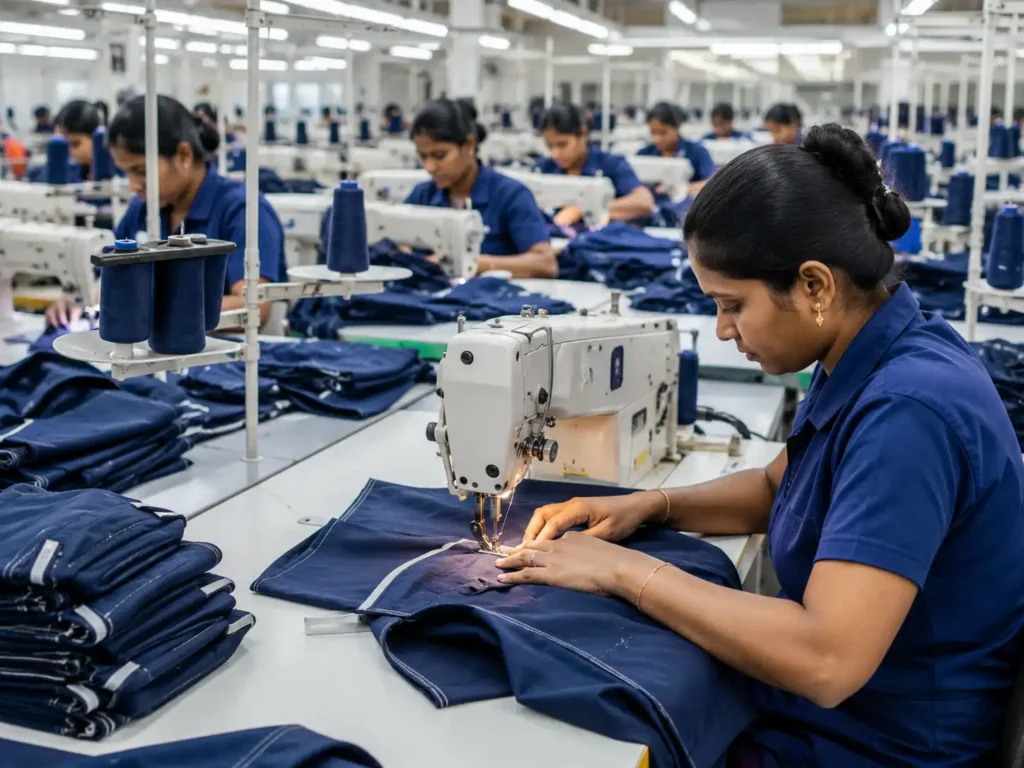
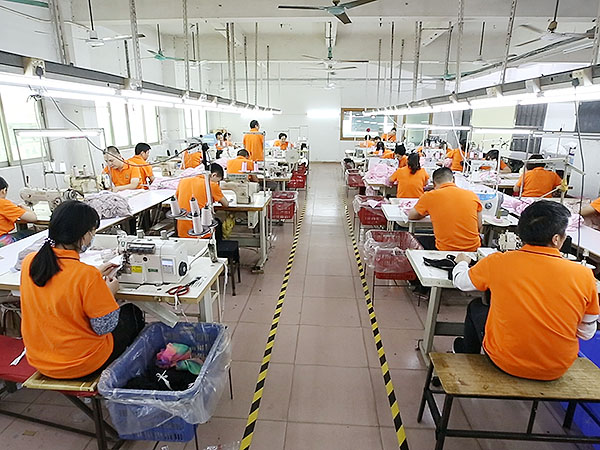
Factory workers sewing dark blue garments at sewing machines in a textile plant.

Submit Your Production Inquiry

Please share your product details, estimated quantity, target market, timeline, and development requirements. Our project team will review your inquiry and provide a tailored OEM/ODM production solution.

Women’s Apparel Production for Established Fashion Brands

From sample development to bulk production, JF Apparel supports fashion brands with confidential OEM/ODM manufacturing, stable quality control, and scalable production.