Skip to content
Gala Dress Manufacturer
Custom Gala Dresses Developed for High-Impact Occasionwear Collections
- MOQ starts from 200 pcs per style/color, with 10-30 styles supported within structured collection programs.
- Complex first samples generally require 15-25 days for corset, strapless, lace, mesh, or sequin constructions.
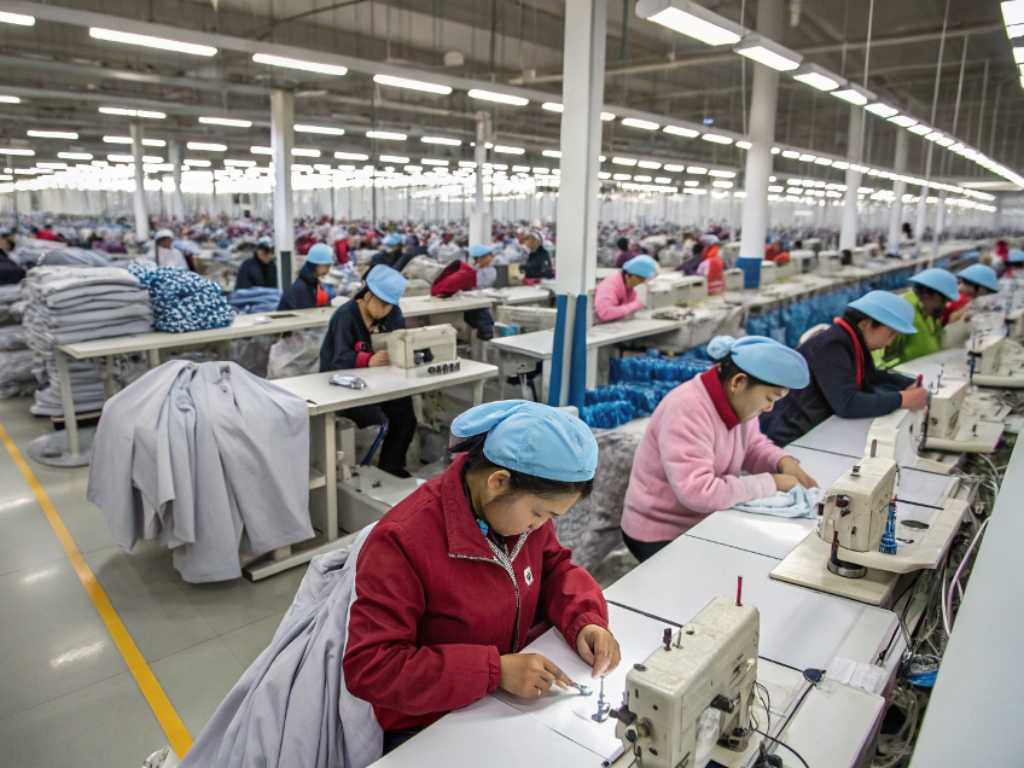
- 6 owned women’s fashion factories, 10+ long-term production partners, and 100,000+ pcs monthly capacity support multi-style orders.
- Pattern development, fabric sourcing, sample revision, PP approval, bulk QC, private-label packing, and export coordination are managed under one workflow.
Manufacturing Depth Behind Every Gala Collection
Since 2008
6 Owned Factories
100,000+ Monthly
2 Sample Rooms
7+ Pattern Makers
15+ QC Inspectors
Built for Structured Occasionwear Production Programs
Best Fit Programs
- 10-30 styles within one collection program
- 20,000-80,000 pcs total brand-order volume
- Multi-color and multi-size assortment planning
- Photo samples, PP samples, bulk production, and repeat orders
Outside Core Model
- No ready-stock catalog sourcing
- No dropshipping fulfillment
- No single-piece custom orders
- No price-only sourcing without specifications
Gala Dresses Built Around Commercial Collection Roles

Statement Gowns

Commercial Maxis

Formal Midis
Corset Dresses

Embellished Styles

Modern Separates
Six Risks That Can Break a Gala Launch
Sample Misses Vision
Bust Support Fails
Fabric Varies
Bulk Drifts
Packing Damages Finish
Launch Timing Slips
Gala Dress Categories Developed for Distinct Markets

Floor-Length Gowns

Satin Gala Dresses

Corset Gala Dresses

Chiffon Formal Gowns

Lace Occasion Dresses

Sequin Statement Styles
Velvet Evening Dresses

Formal Midi Dresses
Gala Collections Planned Around Selling Moments

Black-Tie Events

Charity Galas
Award Seasons

Wedding Events
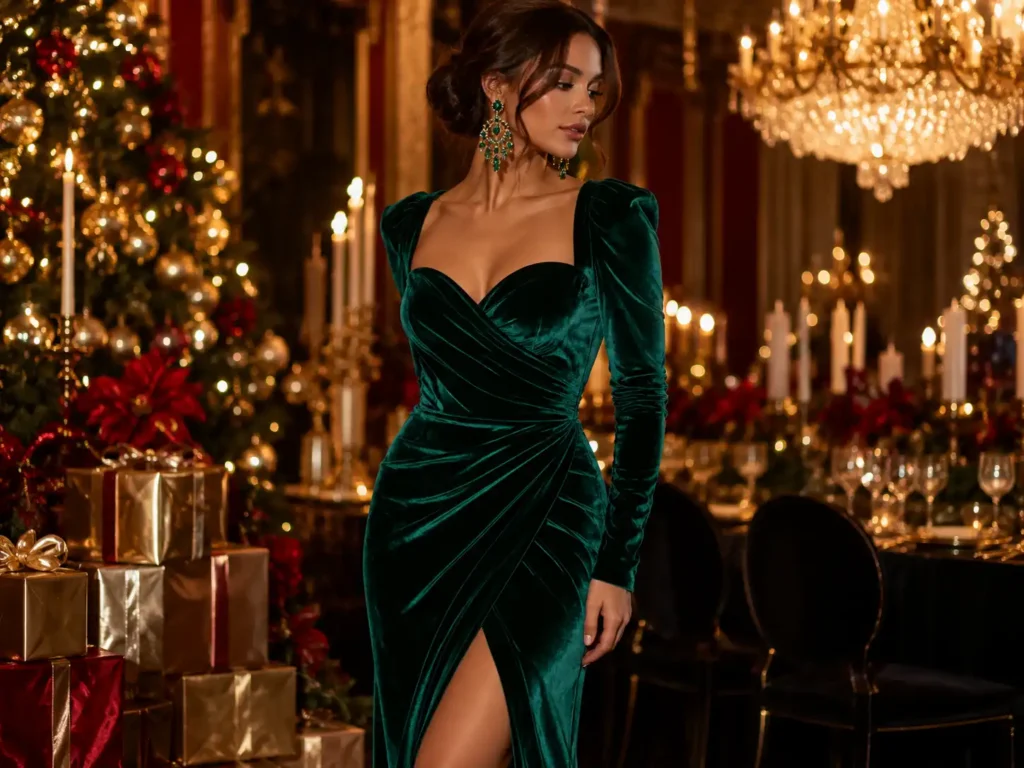
Holiday Galas

Prom Formalwear
Fabric Engineering for Gala Dress Performance
Fabric selection determines silhouette, sewing method, lining, support, packing, MOQ, and final cost. Jinfeng Apparel evaluates surface, weight, stretch, drape, transparency, color behavior, and bulk availability before a material becomes a production standard.
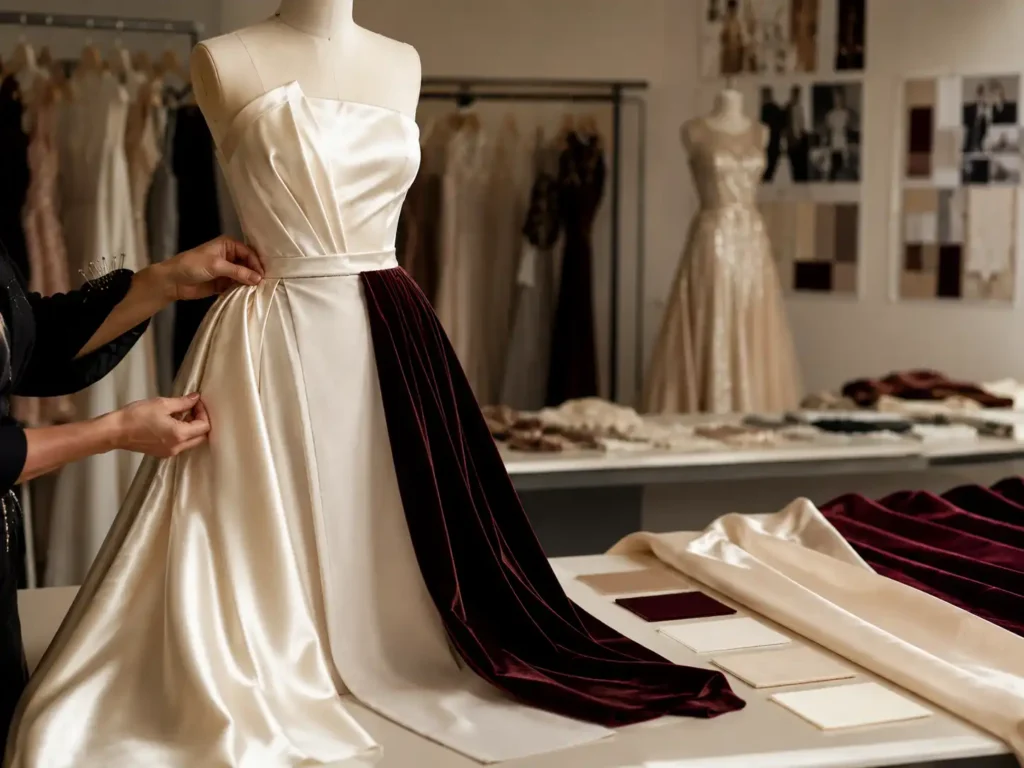
Satin, Crepe, and Velvet Surfaces
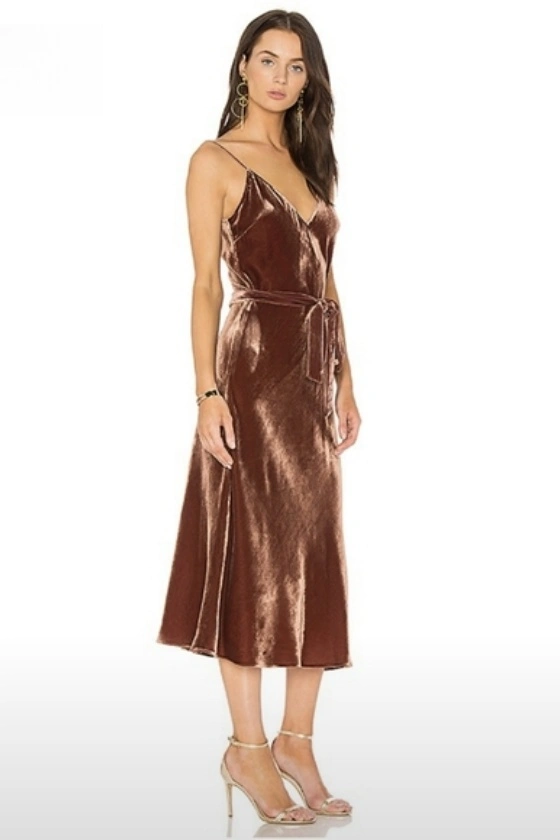
Satin must be selected by more than shine. Heavy satin supports sculpted skirts and corset bodies, while lighter satin moves better for slip or draped styles. Stretch satin can improve movement in fitted silhouettes, but stretch percentage and recovery need checking before pattern approval. Cutting direction affects light reflection, so all panels should follow the approved grain and face direction. Crepe provides a more restrained surface and can hide minor handling marks, yet seam puckering and weight still need evaluation. Velvet requires strict nap direction, low-pressure pressing, and careful storage because pile crushing can create permanent-looking shade changes.
- Confirm weight, width, composition, stretch, recovery, drape, shade, and lot availability.
- Test zipper areas, curved seams, bias panels, and pressing response before final sample approval.
- Use bulk color approval when shade accuracy carries commercial importance.
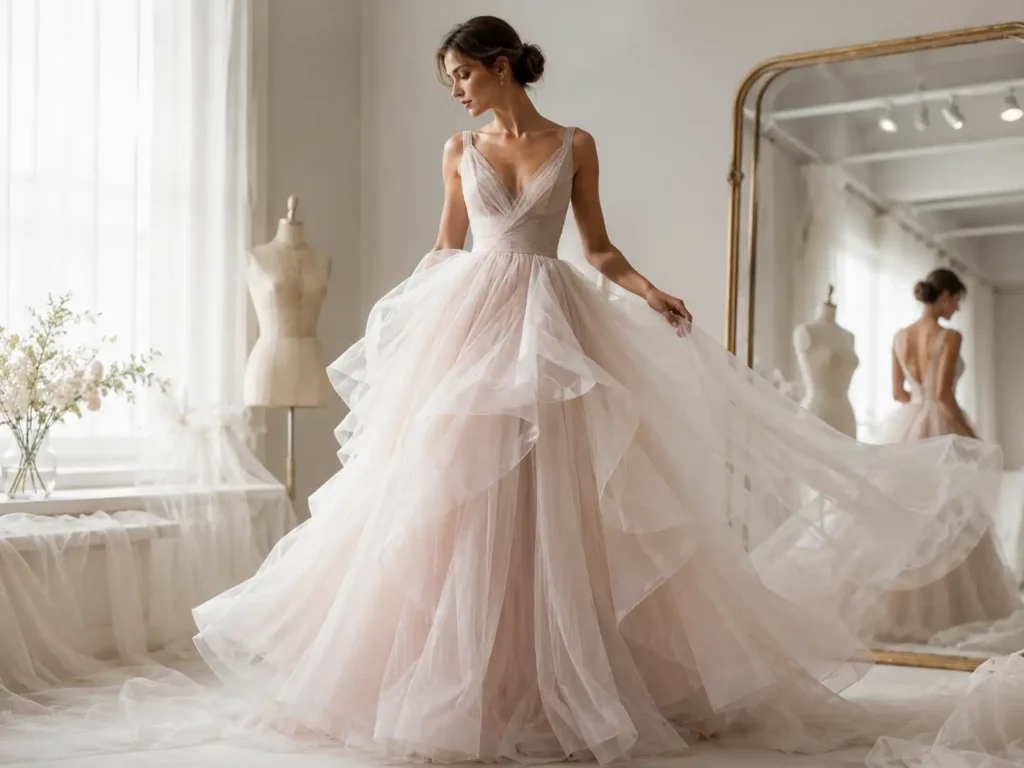
Chiffon, Organza, and Tulle Layers
Sheer fabrics create volume and movement but introduce handling risk. Chiffon can grow on the bias, distort during cutting, and pucker along seams.
Organza holds shape but can feel sharp at seam allowances or neckline edges. Tulle varies widely in stiffness, softness, stretch, and hole size.
Layer count changes opacity, skirt volume, weight, sewing time, and packing thickness. A fabric that looks correct on a hanger may behave differently during walking, sitting, or photography, so layered samples should be reviewed on-body before production files are locked.
- Check transparency under daylight and strong studio lighting.
- Confirm lining color, layer count, hem method, static behavior, and skin-contact finish.
- Allow hanging time before final floor-length measurement when bias movement is possible.
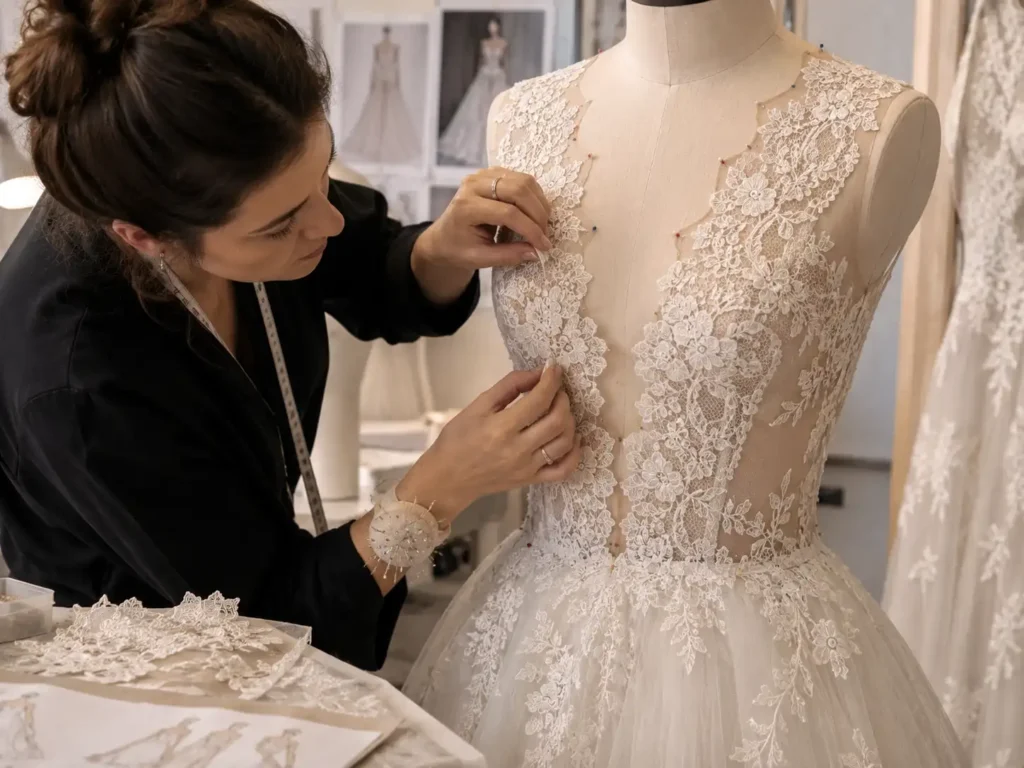
Lace and Mesh Placement
Lace and mesh require placement planning rather than simple consumption calculations. Motif position may affect neckline shape, bust coverage, seam alignment, scalloped hems, and visual symmetry. Stretch lace or mesh can change fit and support requirements, while non-stretch versions may require extra seams, closures, or shaping. Jinfeng Apparel reviews motif scale, repeat direction, base strength, stretch, color, edge quality, and defect rate. Pattern layouts may be adjusted to center motifs or mirror panels, increasing material use but improving garment appearance.
- Define motif placement on front, back, sleeves, waist seams, and skirt joins.
- Inspect for holes, skipped embroidery, broken threads, color variation, and distorted repeats.
- Confirm whether the design uses full lining, partial lining, cups, modesty mesh, or skin-tone underlay.
Sequin and Embellished Materials
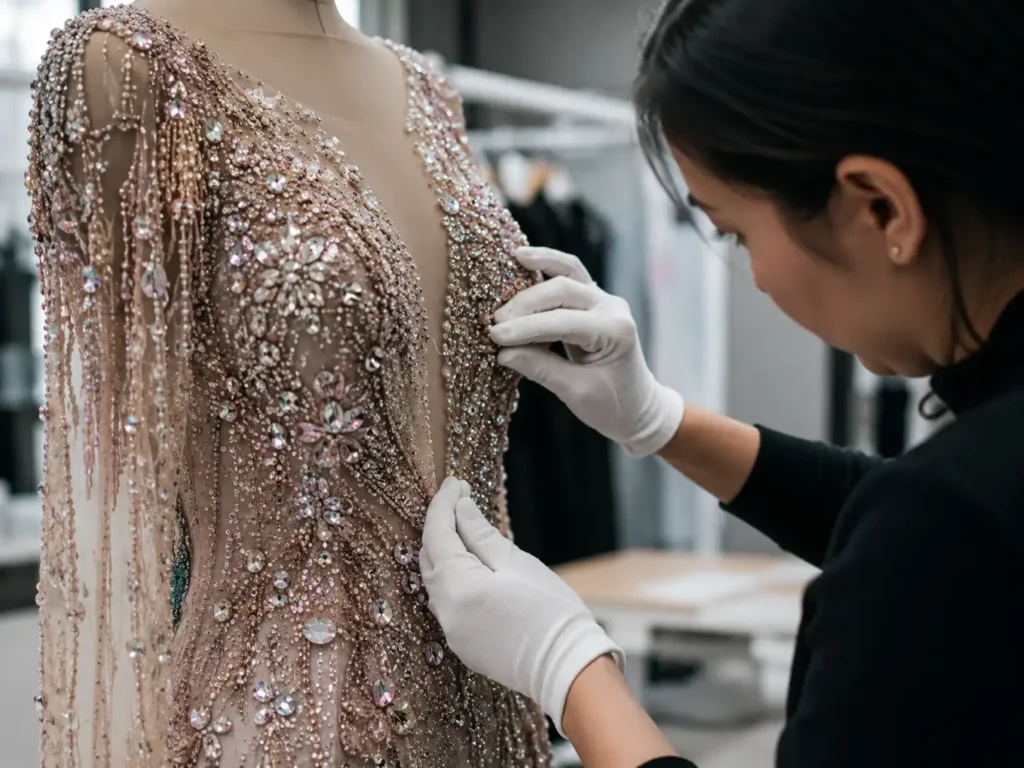
Sequin cloth, rhinestone mesh, beaded lace, and decorative trims add weight and surface friction. Seam allowances may need embellishment removal so needles can pass without breaking or damaging the base. Removed pieces may need hand restoration after sewing. Skin-contact areas require smooth backing or lining. Full-surface embellishment can alter drape, zipper behavior, hanger strength, and carton loading. Before bulk approval, attachment security, color consistency, garment weight, abrasion, and packing protection should be reviewed against the selling price and intended use.
- Map seam-clearance zones and hand-restoration points.
- Inspect shedding, sharp edges, missing decoration, base-fabric damage, and lining abrasion.
- Use tissue or protective layers where decorated surfaces could rub during transit.
Silhouette Engineering from Neckline to Floor
A successful gala dress depends on proportion and internal structure. Pattern development connects neckline security, bust support, waist placement, hip ease, slit position, skirt balance, and finished length into one wearable system.
Upper-Body Geometry and Neckline Stability
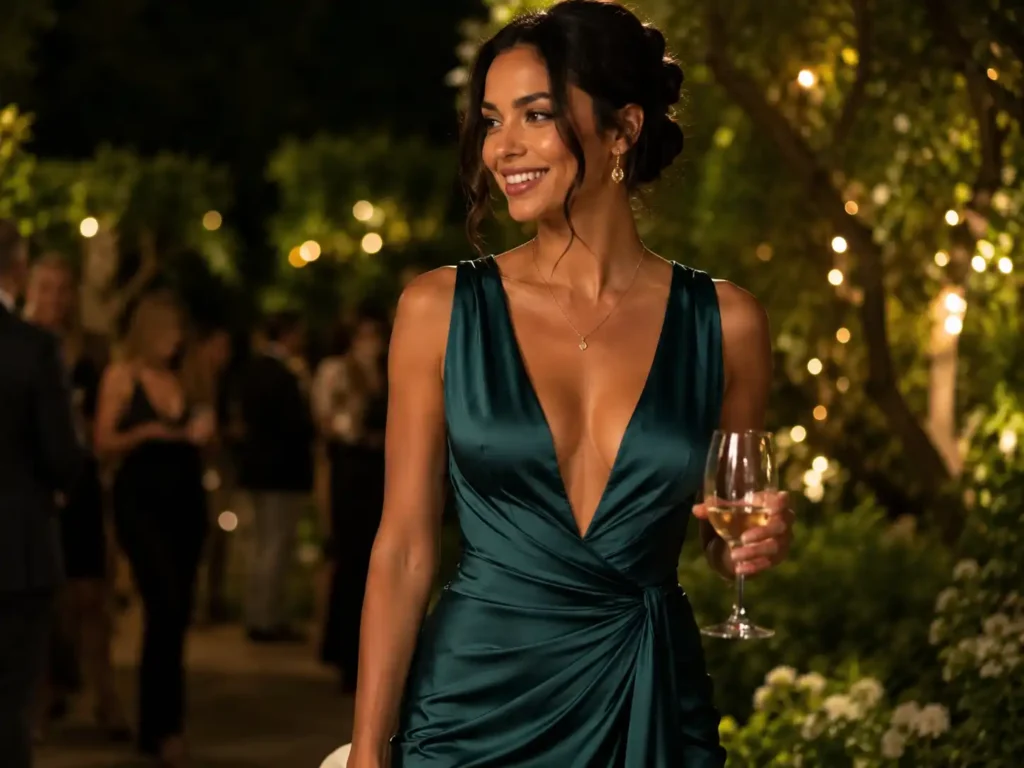
Strapless, halter, one-shoulder, deep-V, off-shoulder, and backless necklines distribute tension differently. A strapless neckline relies on cup position, boning, internal support, grip, and closure stability. A halter can pull upward at the neck and change bust shape. One-shoulder designs need balanced tension so the neckline does not twist. Deep-V shapes may need modesty mesh, stabilizing tape, cups, or hidden support. Pattern review should consider front neckline depth, back neckline height, armhole exposure, underarm comfort, shoulder angle, and movement before grading begins.
- Confirm neckline shape on-body, not only on a mannequin.
- Review seated posture, arm lift, walking, and photography angles.
- Lock support materials and seam construction in the production file.
Waist, Hip, and Torso Proportion
The waistline controls the visual length of the torso and skirt. A waist placed too high can shorten the bodice and distort cup position; a waist placed too low can create drag lines and weaken the intended silhouette. Fitted gala dresses need enough hip and thigh ease for movement without losing shape. Corset styles need a smooth transition from supported bodice to skirt. Jinfeng Apparel reviews bust-to-waist length, waist level, side-seam balance, hip point, back length, and ease distribution during fittings and sample measurement.
- Use a client-approved size chart and grade rule.
- Separate body measurements from finished-garment measurements.
- Recheck plus-size and extended-size proportions where support needs may change.
Slits, Trains, and Skirt Movement
A high slit affects walking, sitting, lining coverage, seam strength, and exposure. The slit position should be tested with the actual fabric because drape and stretch change how the opening behaves. Trains and flared hems require front-to-back balance, sufficient sweep, and controlled seam direction. Bias-cut skirts may lengthen after hanging. Layered skirts can become heavier than expected and pull on the waist seam. Final sample review should include movement, shoe height, hanging time, and packaging method before finished length is approved.
- Record slit height from a fixed measurement point.
- Check lining opening, reinforcement, overlap, and seated coverage.
- Confirm finished length after pressing and hanging.
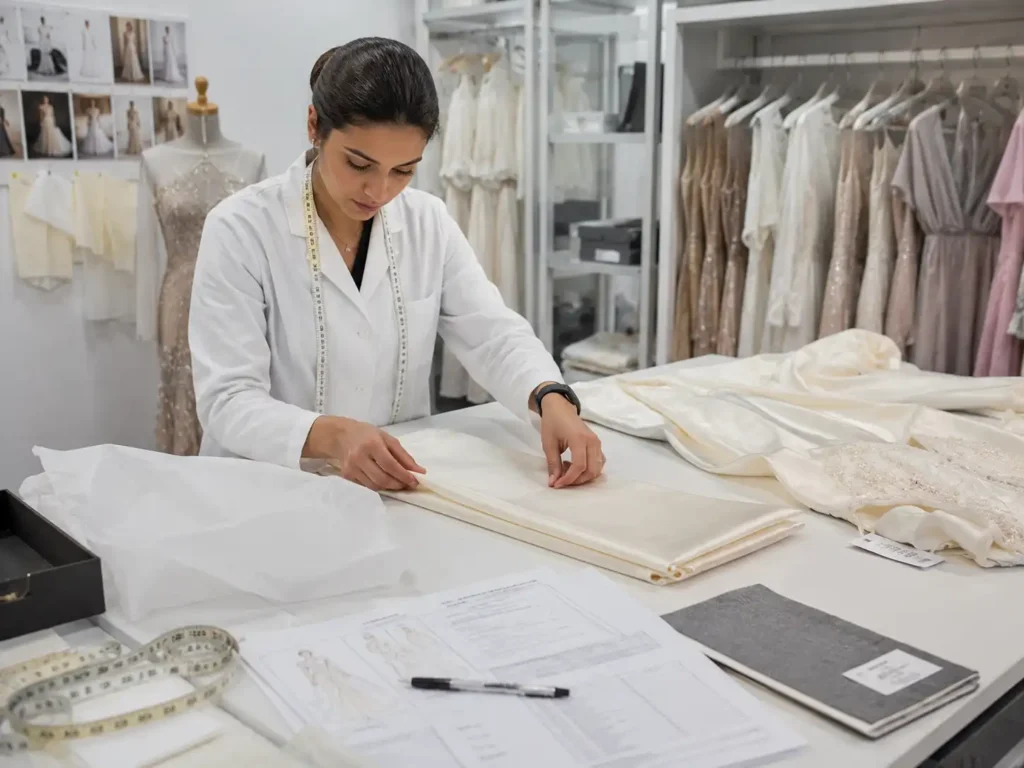
Bodice Details Controlled Before Bulk Production
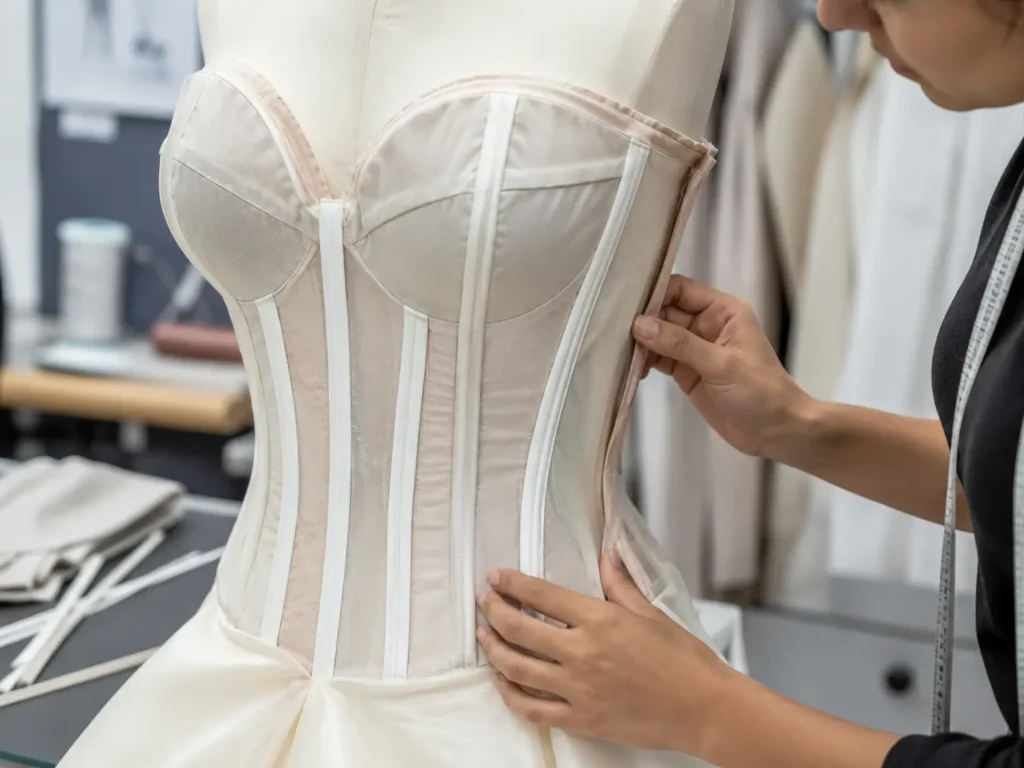
Corset Boning
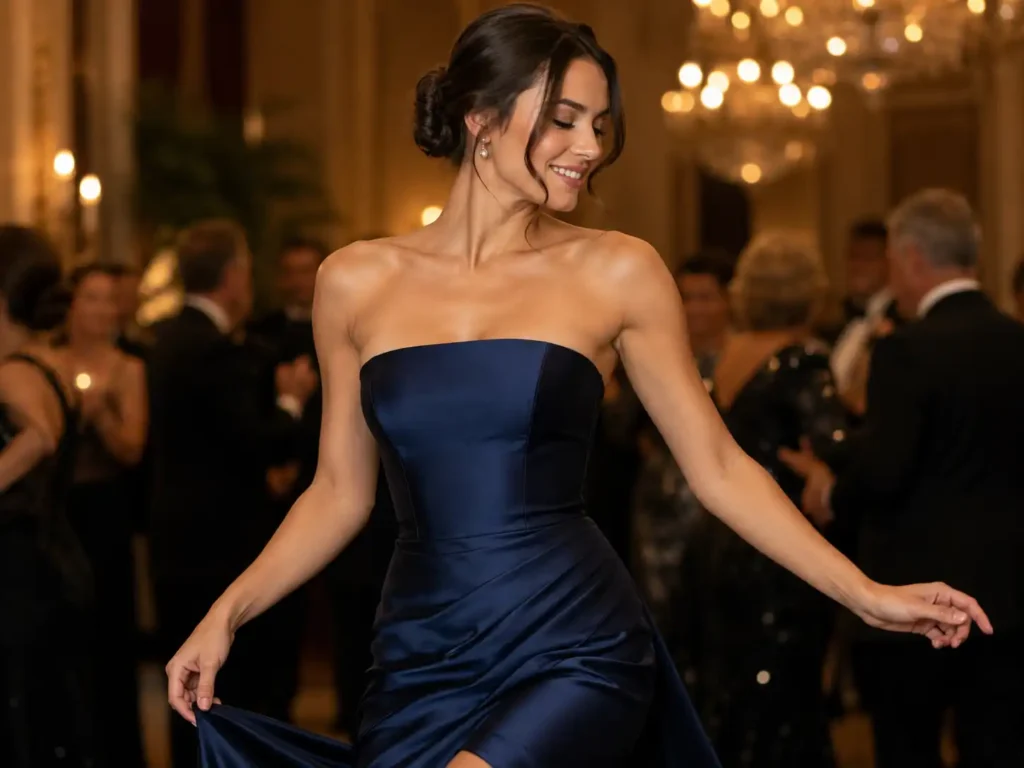
Strapless Support
Deep V Control

Halter Balance

One Shoulder

Backless Finish
Workmanship Standards Visible in Every Detail
Gala dress quality is judged at close range. Seam appearance, symmetry, edge finish, decorative placement, pressing, and lining behavior must remain controlled across every color and size.
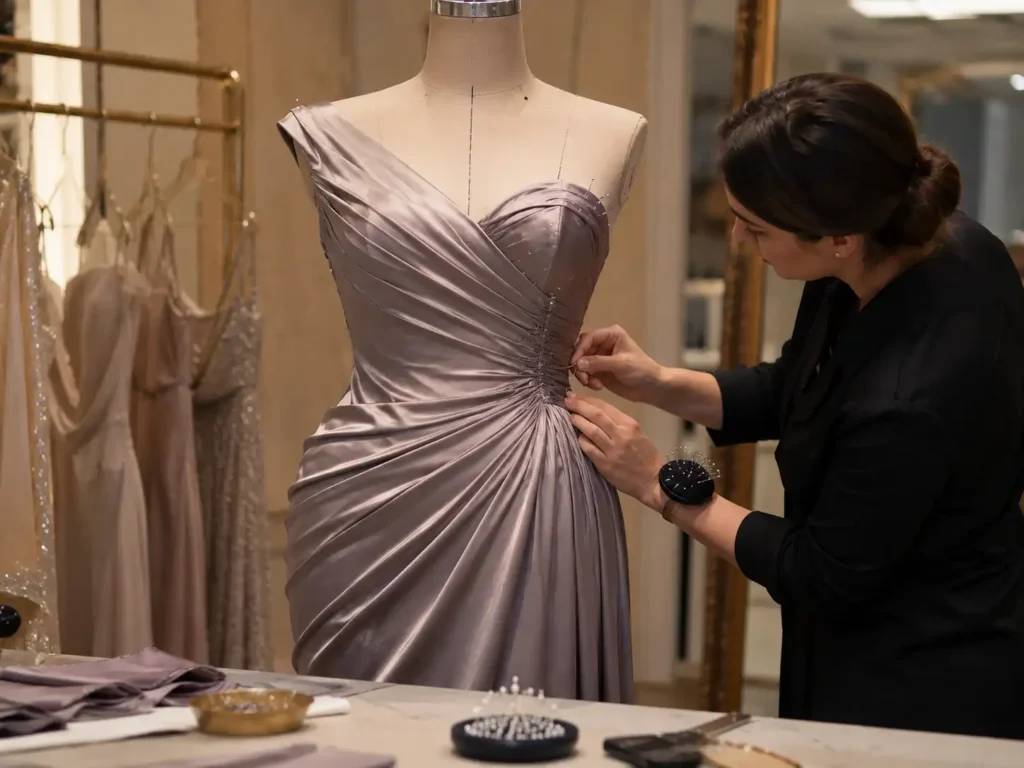
Drape, Pleat, and Ruching Accuracy
Draped and ruched areas need reference points so operators can reproduce the approved volume and direction. Uncontrolled ruching creates different visual balance from piece to piece, especially across bust, waist, and hip zones. Pleats need consistent depth, spacing, direction, and anchoring. Jinfeng Apparel records placement marks, stitch points, finished dimensions, and approved appearance through sample photos and sewing instructions. Bulk inspection compares left-right balance, front-back alignment, and the relationship between drape and body measurements.
- Use pattern notches and placement marks for repeatability.
- Check symmetry under normal hanging and on-body tension.
- Prevent excessive bulk where layers join at seams or zippers.
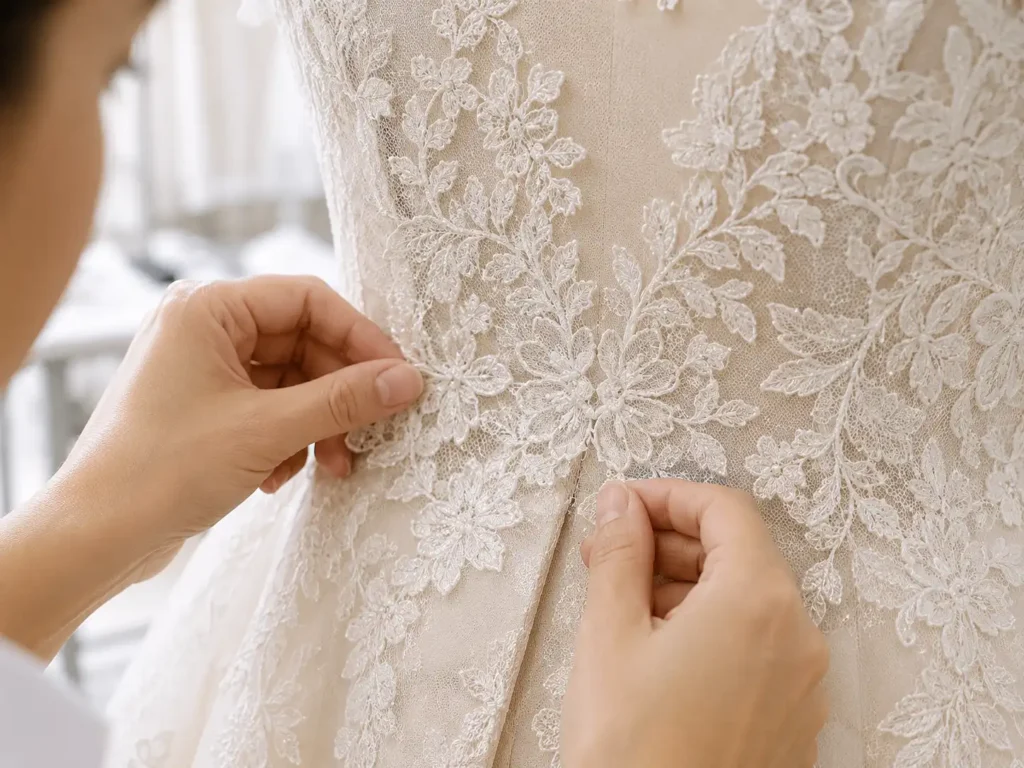
Lace Motif and Seam Integration
Lace joins should look deliberate rather than interrupted. Motifs may need centering, mirroring, edge matching, or hand finishing at neckline and hem areas. Seam allowances must avoid bulky overlaps or visible dark lines under sheer sections. The chosen lining color changes motif contrast and overall luxury perception. During cutting, pattern pieces are positioned against the approved motif map. During sewing, joins are checked for continuity, stretching, skipped embroidery, and damage. Final inspection reviews both garment symmetry and close-up appearance.
- Approve motif position before bulk cutting.
- Separate directional or mirrored pieces during bundling.
- Inspect scalloped edges, appliques, and repair points before packing.
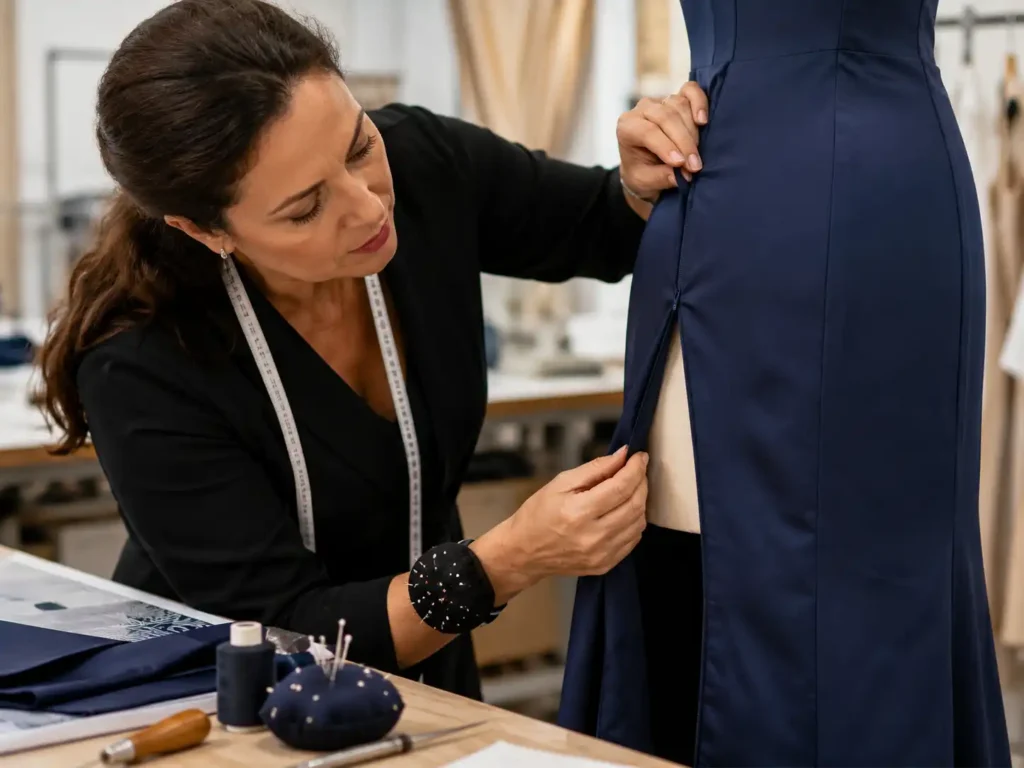
Zipper, Slit, and Seam Finish
Invisible zippers can ripple when fabric, interfacing, seam allowance, or operator tension is unsuitable. Slit openings can twist, gape, or tear without proper reinforcement. Curved seams may show puckering if feed, needle, thread, or pressing is not matched to the material. Jinfeng Apparel reviews seam construction at sample stage and uses inline inspection to identify recurring defects before final assembly. Finished zippers should move smoothly, lie flat, and avoid catching lining or decoration.
- Check zipper top alignment, waist-seam matching, and lower-end reinforcement.
- Verify slit position, overlap, lining opening, and bartack strength.
- Use material-appropriate needles, stitch density, and pressing methods.
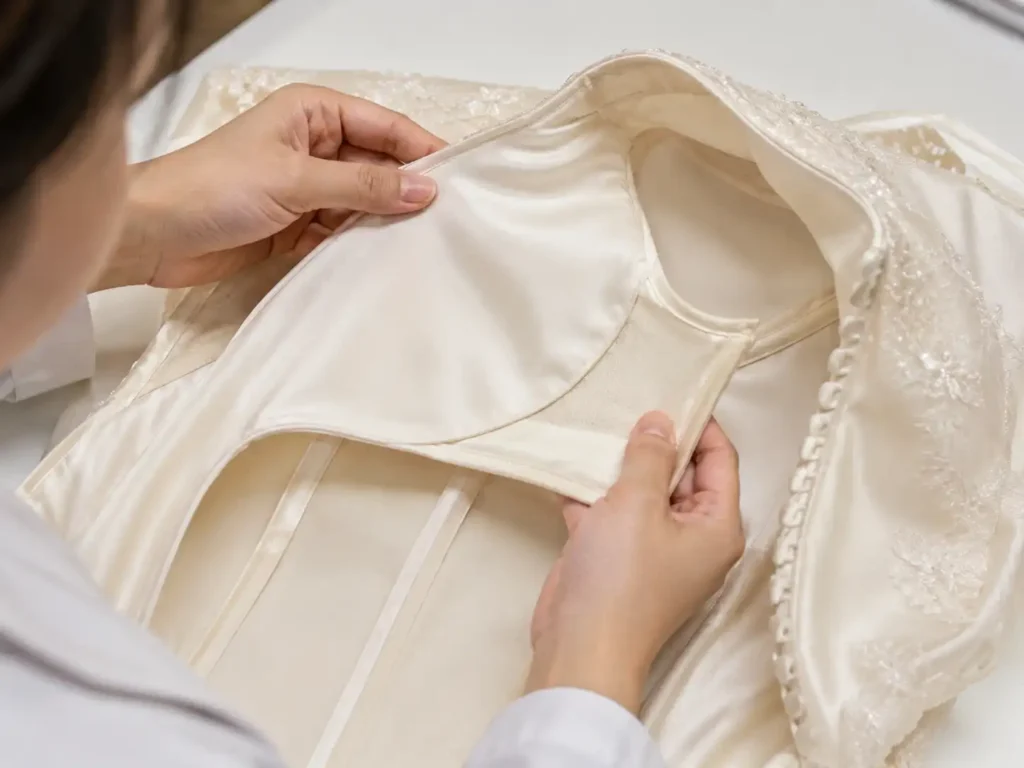
Lining and Skin-Contact Comfort
Lining should support opacity, movement, modesty, and internal finish without pulling the outer shell. An overly tight lining restricts movement and changes the outer silhouette. An overly loose lining can twist, show below the hem, or bunch near the zipper. Sequin, lace, boning, and trimmed seams require particular attention where skin contact occurs. Internal edges should be smooth, cups should remain stable, boning ends should be protected, and the lining color should support the intended visual effect.
- Check lining length, ease, attachment points, and transparency.
- Review underarm, neckline, waist, slit, and zipper contact zones.
- Confirm care-label placement away from sensitive skin areas where possible.
Elegant Appearance Must Remain Wearable
Lining Coverage
Skin Protection
Slit Security
Bust Security
Movement Allowance
Zipper Comfort
Project Review Before Pattern and Sample Work
Project Files
- Reference images or original sample
- Size chart and grade rule
- Target quantity by style/color
- Label, packing, and destination requirements
Feasibility Review
- Structure and wearability risks
- Fabric and trim availability
- Material MOQ and development needs
- Sampling route and approval stages
Development Plan
The agreed plan defines sample type, target material, required trims, sample fee, estimated sample timing, revision path, and documents needed before PP approval and bulk release.
- First-sample objective
- Fit and revision checkpoints
- Photo-sample or salesman-sample needs
- PP and Golden Sample requirements
Sampling Stages with Clear Approval Purposes
Design Review
Fabric Direction
First Pattern
First Sample
Fit Revision
Photo Sample
PP Sample
Golden Sample
Complex Samples Broken Into Controllable Decisions
High-risk gala styles are developed through visible checkpoints. Each checkpoint isolates a construction question so problems are corrected before the full production standard is approved.
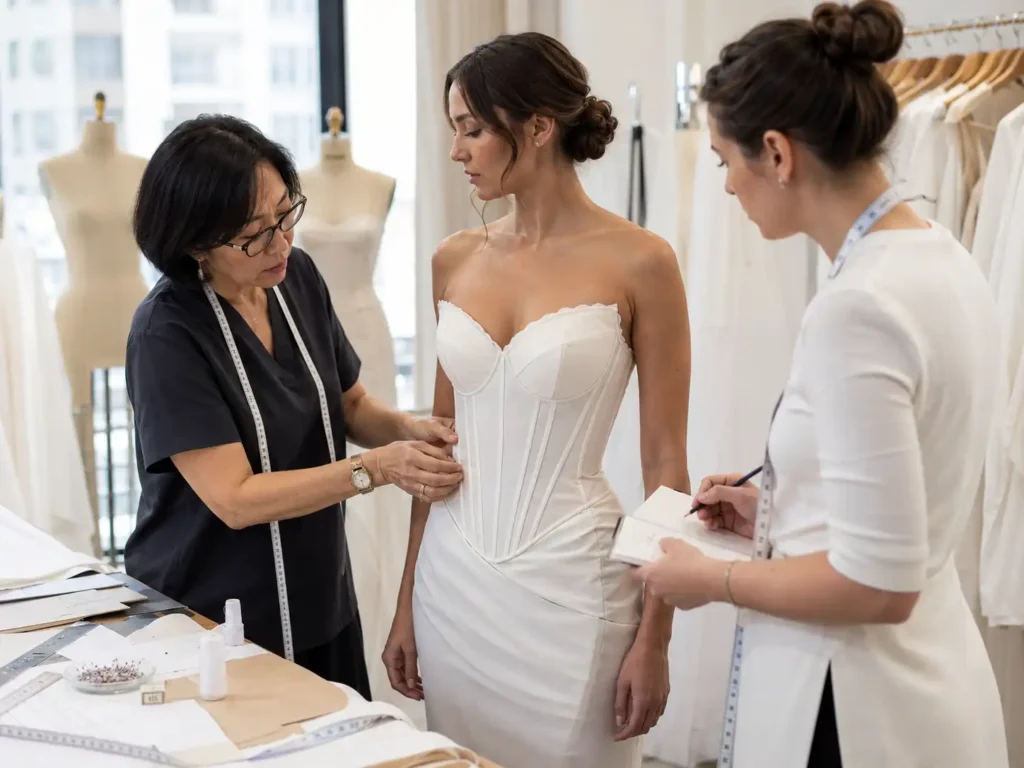
Corset and Boning Sample Review
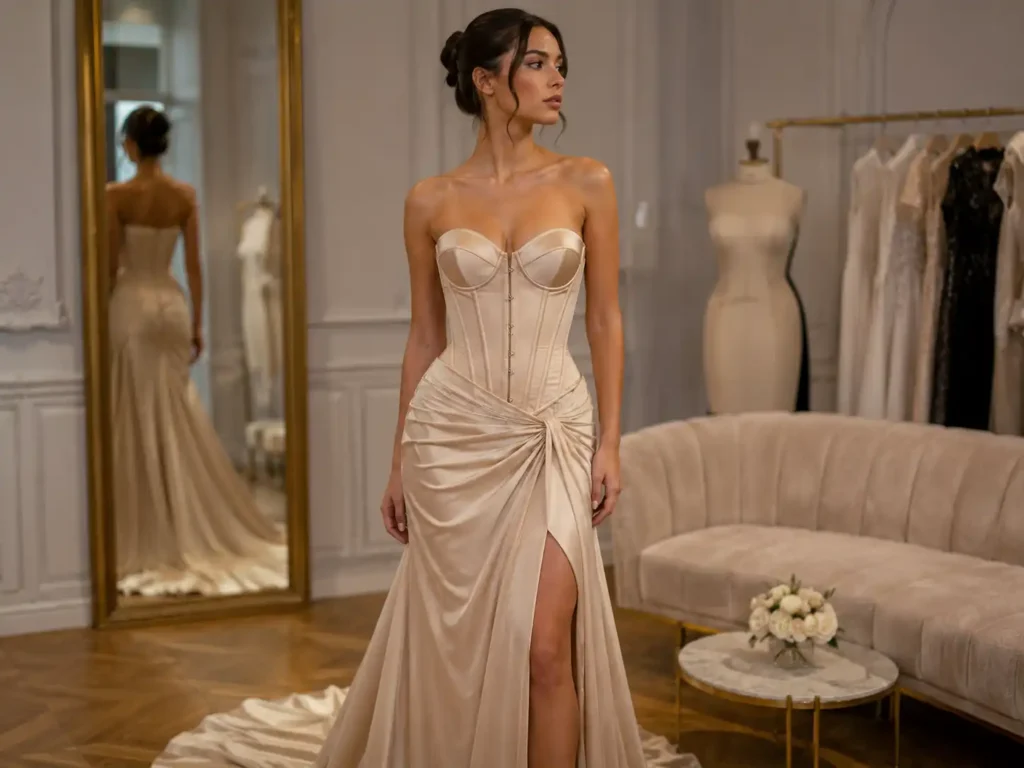
Corset development begins with the intended bust shape, waist reduction, neckline height, back construction, closure, and movement requirement. The sample confirms cup position, cup size, under-bust line, boning type, boning length, side height, waist tape, lining, and edge finish. The team checks whether boning prints through the outer fabric, whether the bust sits too high or low, and whether the skirt weight pulls the bodice downward. Comments are recorded by exact location and measurement, then reflected in the pattern and internal construction notes before the next version.
- Check standing, seated, arm movement, and repeated closure use.
- Confirm support materials in the BOM and approved sample.
- Protect boning ends and avoid sharp internal pressure points.
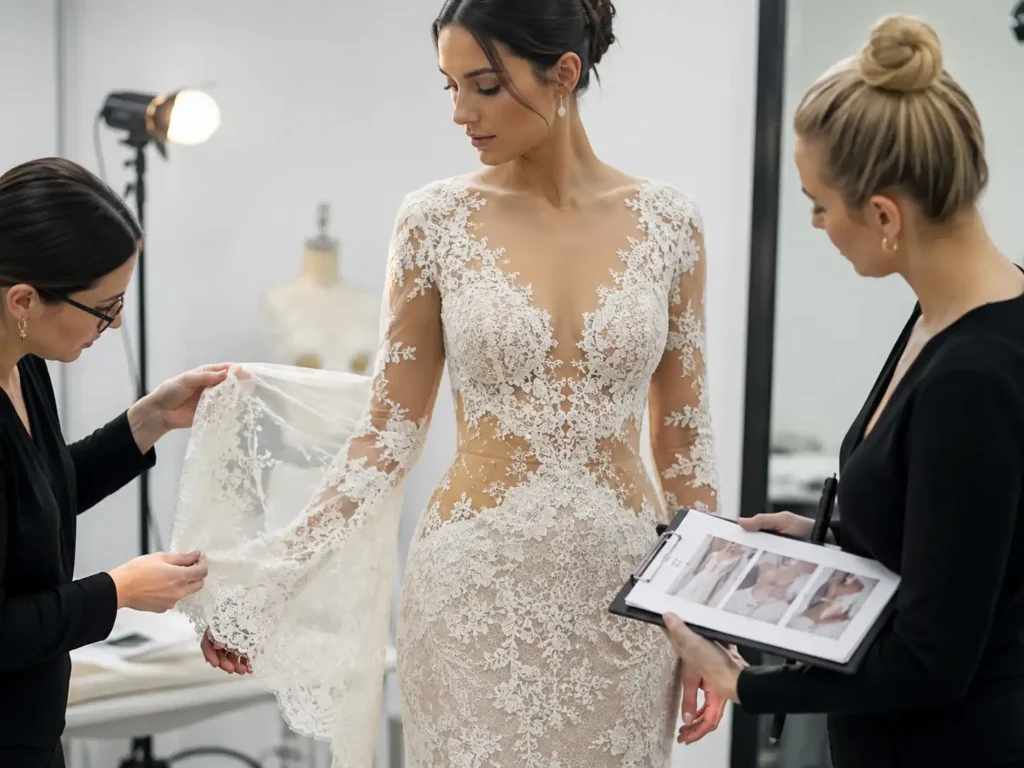
Lace and Mesh Sample Review
Lace and mesh samples require both fit and placement approval. The team identifies motif centers, mirrored areas, scalloped edges, sheer zones, lining boundaries, and seam-join strategy. Stretch behavior is measured because lace or mesh can change bust, waist, sleeve, and neckline fit. Strong lighting reveals coverage problems that normal room light may hide. When skin-tone underlay or modesty mesh is used, color matching should be reviewed against the target market. The approved sample also defines repair standards for embroidery damage, broken mesh, and seam interruption.
- Approve motif placement with marked sample photos.
- Confirm lining shape, color, and attachment method.
- Inspect transparent zones under studio lighting.
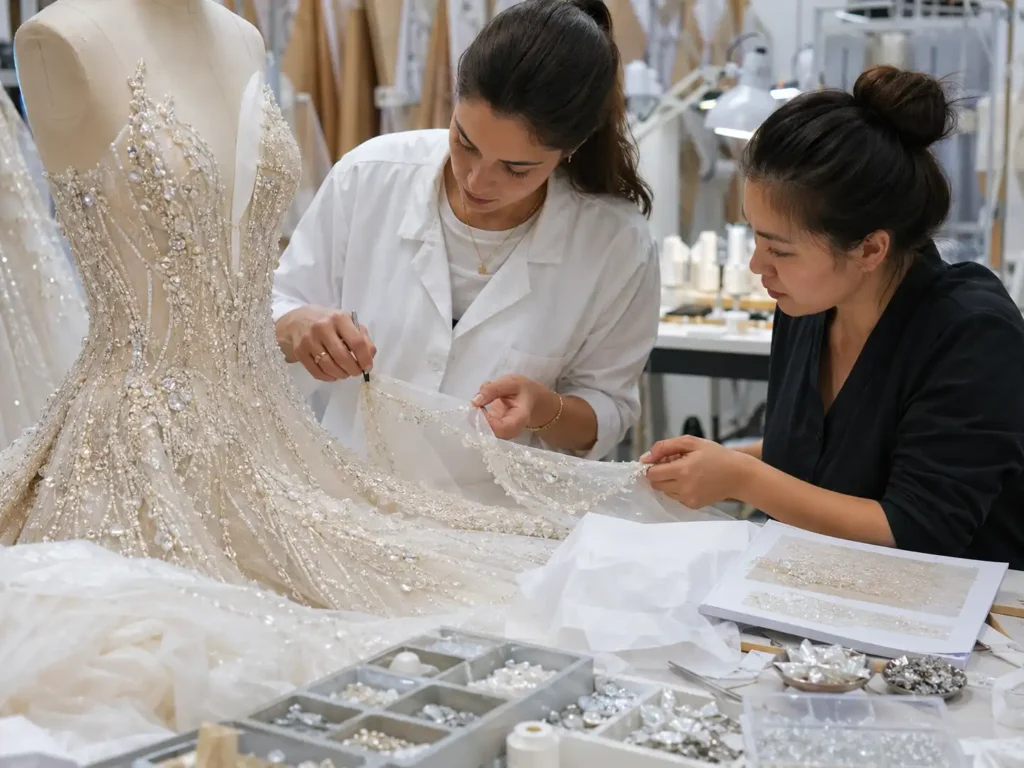
Sequin and Decoration Sample Review
Decorated styles need a seam and handling plan. The sample identifies where sequins or stones must be removed from seam allowances, where decoration is restored by hand, and where lining protects the skin. Garment weight is measured against strap, hanger, zipper, and waist-support requirements. The team checks shedding, sharp edges, missing pieces, needle damage, surface abrasion, and press sensitivity. Packing tests determine whether decorated surfaces need tissue, nonwoven protection, reverse folding, or larger polybags to prevent rubbing during transit.
- Map decoration-free sewing zones.
- Set acceptable repair and missing-piece standards.
- Confirm hanger and packing support for garment weight.

Floor-Length and Train Sample Review
Floor-length samples are reviewed after hanging and pressing because bias movement, layered skirts, and heavy decoration can change final length. The team checks front hem, side hem, back hem, train transition, slit opening, lining length, skirt sweep, and walking clearance. Shoe height should be confirmed for photo or fit samples. A train may require hidden loops, stronger waist support, or special folding. The approved measurements should distinguish high-point-shoulder length, waist-to-hem length, and train extension so bulk inspection uses fixed reference points.
- Allow hanging time where fabric growth is possible.
- Review walking, stairs, turning, and seated posture.
- Confirm packing fold lines before production completion.
Size and Grading Control for Formal Silhouettes
| Control Area | Common Risk | Sample Verification | Bulk Control |
|---|---|---|---|
| Bust and cup position | Gaping, compression, or misplaced support | Fit review, cup placement, neckline movement | Measurement check, support-material verification, Golden Sample comparison |
| Waist level | Torso looks too short or too long | High-point-shoulder to waist, front/back balance | Pattern-version control and size-chart measurement |
| Hip and thigh ease | Restricted movement or loose side seams | Standing, sitting, walking, and side-seam review | Finished-garment measurement and inline fit checks |
| Straps and shoulders | Sliding, pulling, or uneven neckline | Length, angle, hardware, and arm-movement review | Strap measurement and attachment inspection |
| Slit height | Exposure, twisting, or restricted movement | Walk test, seated review, lining opening | Fixed measurement point and reinforcement check |
| Dress length | Dragging, uneven hem, or short front | Shoe-height review, hanging, and full-circle hem check | Length measurement after pressing and hanging |
| Lining length | Visible lining or restricted drape | Opacity, movement, slit, and hem review | Lining measurement and attachment inspection |
| Extended sizes | Support and proportion do not scale correctly | Dedicated fit review where required | Separate usage, support, and grading confirmation |
MOQ, Quotation, and Cost Decisions Explained
MOQ Structure
MOQ starts from 200 pcs per style/color. Material suppliers may apply separate minimums for custom dyeing, special lace, sequin cloth, custom trims, hardware, labels, or packaging. Multi-color fragmentation can increase sourcing, cutting, labeling, and management cost.
- Confirm quantity by style, color, and size
- Check material MOQ before price approval
- Keep lead colors concentrated for first production
Quotation Inputs
A professional quote should identify product name, style number, fabric, lining, trims, quantity, size range, color, unit price, sample fee, MOQ, packaging, trade terms, schedule reference, validity, exclusions, and known risks. Final pricing follows actual consumption and construction review.
- Fabric and lining consumption
- Pattern and sewing complexity
- Pressing, QC, and packing time
- Testing, logistics, or special services when requested
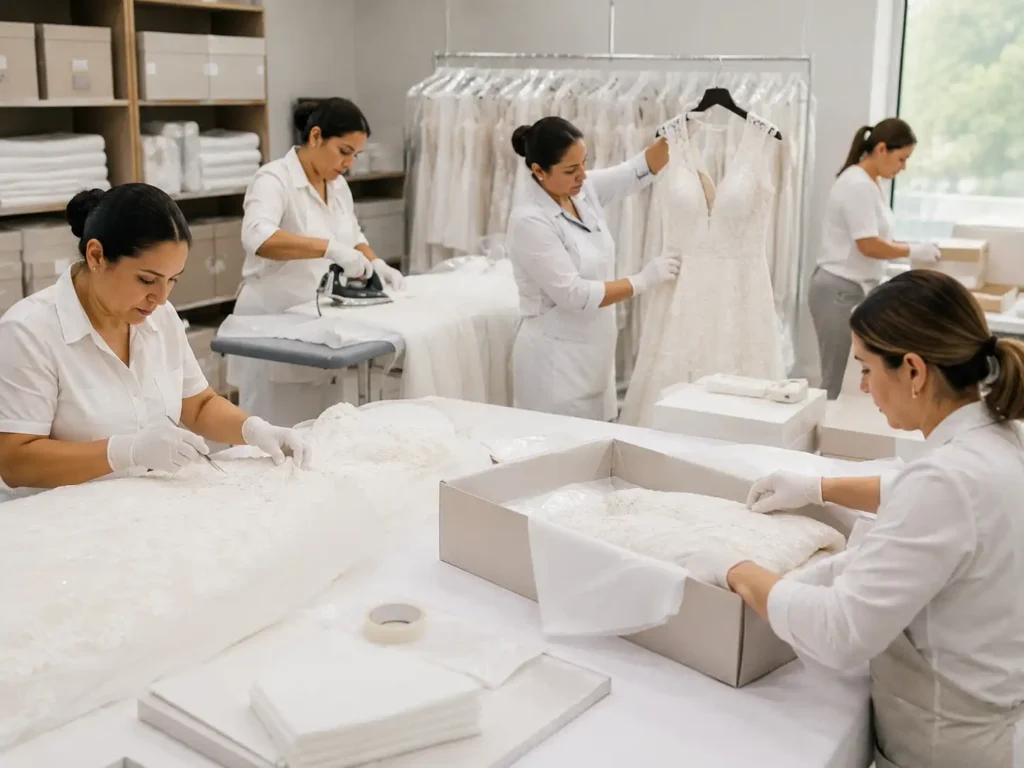
From PP Approval to Controlled Bulk Production
PP Approval
Production Files
Material Inspection
Cutting Control
Line Setup
Inline Inspection
Final Finishing
Shipment Release
Gala Dress Quality Control at Every Risk Point
Inspection is organized around the defect risks of each style and fabric. Jinfeng Apparel uses 15+ QC inspectors across materials, cutting, sewing, measurement, finishing, packing, and shipment preparation.
Incoming Fabric and Trim Inspection
Bulk materials are compared with approved references before cutting. Satin is checked for shade, surface marks, snags, width, direction, and press behavior. Lace and mesh are checked for holes, embroidery defects, repeat consistency, stretch, color, and damage. Sequin or decorated materials are checked for shedding, missing areas, sharp pieces, and base-fabric strength. Trims such as zippers, cups, boning, hooks, labels, and packaging are checked against specification, color, size, quantity, and function. Nonconforming materials are isolated before they enter production.
- Record lot, color, width, composition, stretch, and visible defects.
- Separate shade lots and directional materials.
- Reconfirm any substitute before cutting.
Cutting and Bundle Control
Cutting errors are difficult to repair in formalwear. Grain direction, nap, motif placement, mirrored pieces, layer stability, size markers, and panel identification are verified before bundles reach sewing. Lace placement maps and sequin seam-clearance zones are followed where required. Long skirts and bias panels receive extra attention because distortion can alter finished length. Bundles remain separated by style, color, size, and material lot to reduce mixing. Cut panels are checked against the approved pattern version and production order.
- Verify style, color, size, and quantity at bundle level.
- Control mirrored and directional pieces.
- Protect delicate cut parts from snagging or crushing.
Inline Sewing Inspection
Inline checks focus on operations that influence the final silhouette: cups, boning, neckline, straps, waist joins, zipper insertion, side seams, slit construction, lining, drape, lace placement, and decoration repair.
Early detection prevents the same defect from repeating across hundreds of pieces. Inspectors compare workmanship with the approved sample and sewing instruction, then record corrective action where variation appears. Measurements can be checked during assembly at key points instead of waiting until the garment is fully completed.
- Review first output before sustained production.
- Track recurring defects by operation and line.
- Reinspect corrected pieces before the operation continues.
Measurement and Fit Control
Finished measurements are checked against the approved size chart and client-agreed tolerance. High-risk points include bust, waist, hip, high-point-shoulder length, strap length, neckline depth, slit height, lining length, and total dress length. Structured bodices may also require cup and boning-position verification. Measurement data should identify style, color, size, and inspection stage. Where size-set or extended-size approval is required, production should not rely on a single base-size sample alone.
- Use fixed measurement methods and landmarks.
- Check a representative size spread according to the agreed inspection plan.
- Compare silhouette and measurement, not measurement alone.
Final Garment and Pressing Inspection
Final inspection reviews overall appearance, symmetry, surface condition, seam quality, zipper function, lining, decoration, loose threads, stains, snags, press marks, hem balance, and movement. Satin, velvet, lace, and sequin garments are inspected under suitable lighting because defects can hide under flat warehouse light. Pressing is checked for shape and damage rather than only wrinkle removal. Any garment with repair work is reinspected before packing. Client-appointed inspection or agreed AQL inspection can be coordinated according to project requirements.
- Check front, back, inside, and close-up detail.
- Review garment on hanger or form where shape matters.
- Keep approved sample and inspection criteria available.
Packing and Shipment Verification
Packing inspection confirms main labels, size labels, care labels, hangtags, barcodes, SKU labels, polybags, stickers, size ratios, carton quantities, carton marks, and warehouse instructions. Structured bodices, long hems, lace, and decorated surfaces receive protective handling. Carton loading should avoid excessive compression, while carton dimensions and weight must suit the selected freight method and receiving requirements. Final documents are checked against packed quantities before shipment release.
- Scan or verify barcode information where required.
- Match packed quantity to style-color-size records.
- Confirm carton marks, packing list, and shipment instructions.
Pressing and Packing Designed for Formalwear
Fabric-Safe Pressing
- Approve pressing method during sampling
- Inspect under directional light
- Allow garments to cool before folding
Floor-Length Folding
- Keep structured bodice supported
- Avoid crushing pleats and trains
- Confirm carton depth before packing
Decoration Protection
- Cover sharp or raised decoration
- Avoid surface-to-surface abrasion
- Recheck attachment after packing test
Carton and Warehouse Fit
- Follow receiving instructions
- Control style-color-size mix
- Match documents to physical cartons
Private Label Details Ready for Retail Delivery
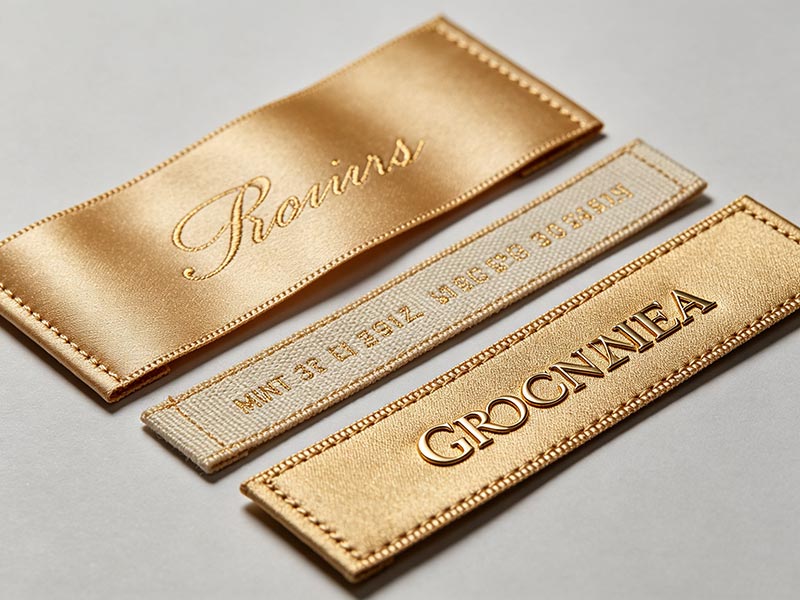
Main Label
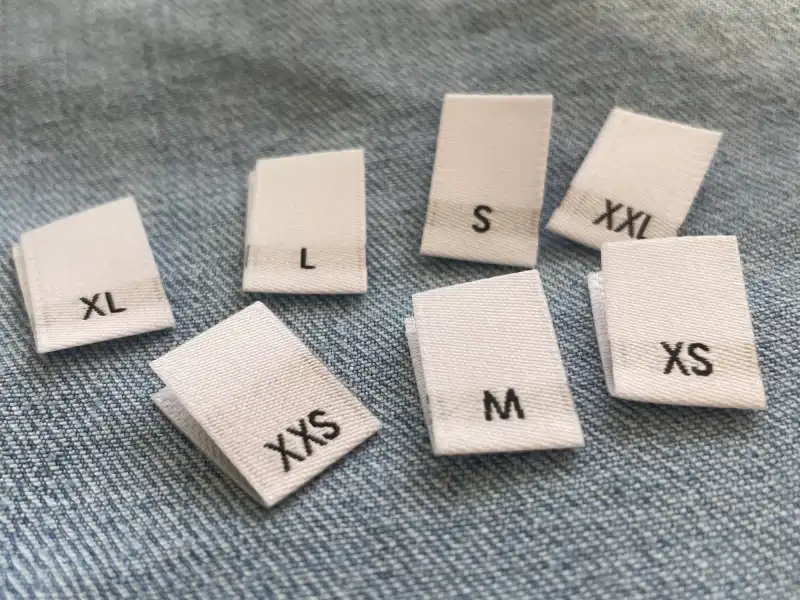
Size Label
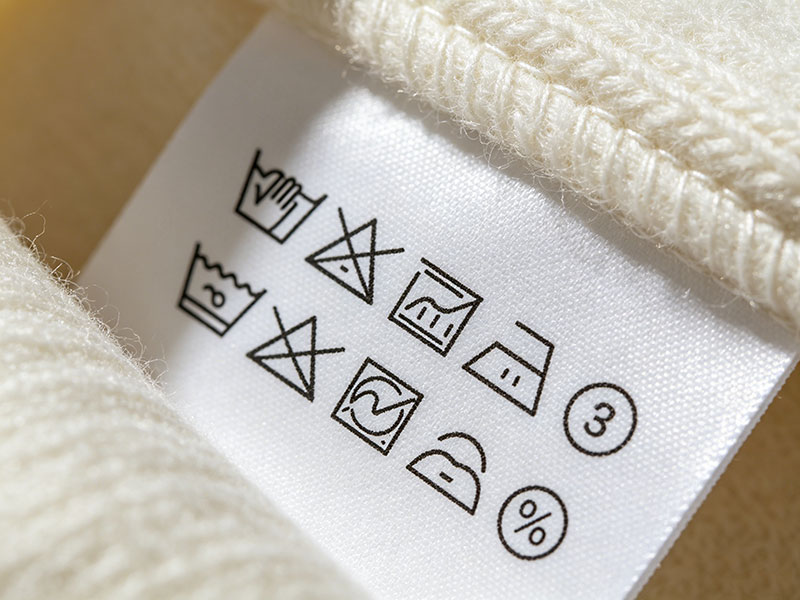
Care Label

Hangtag
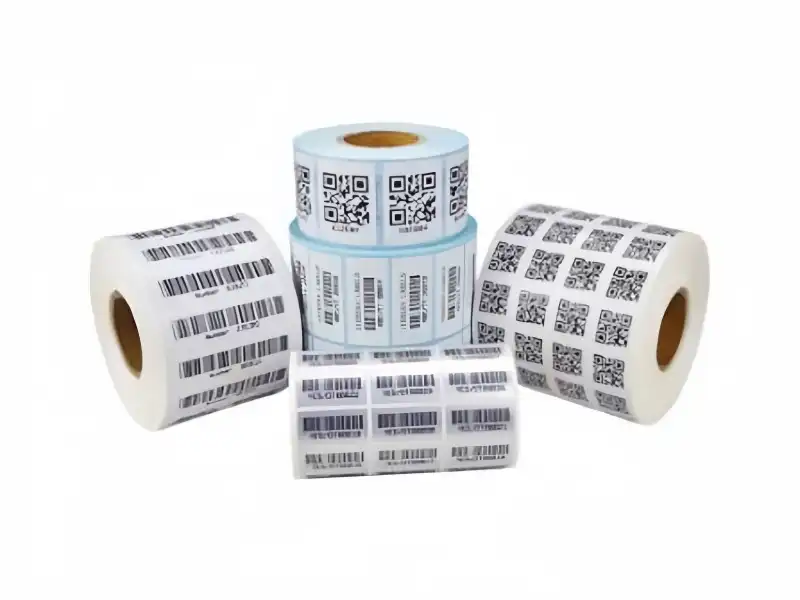
Barcode Sticker
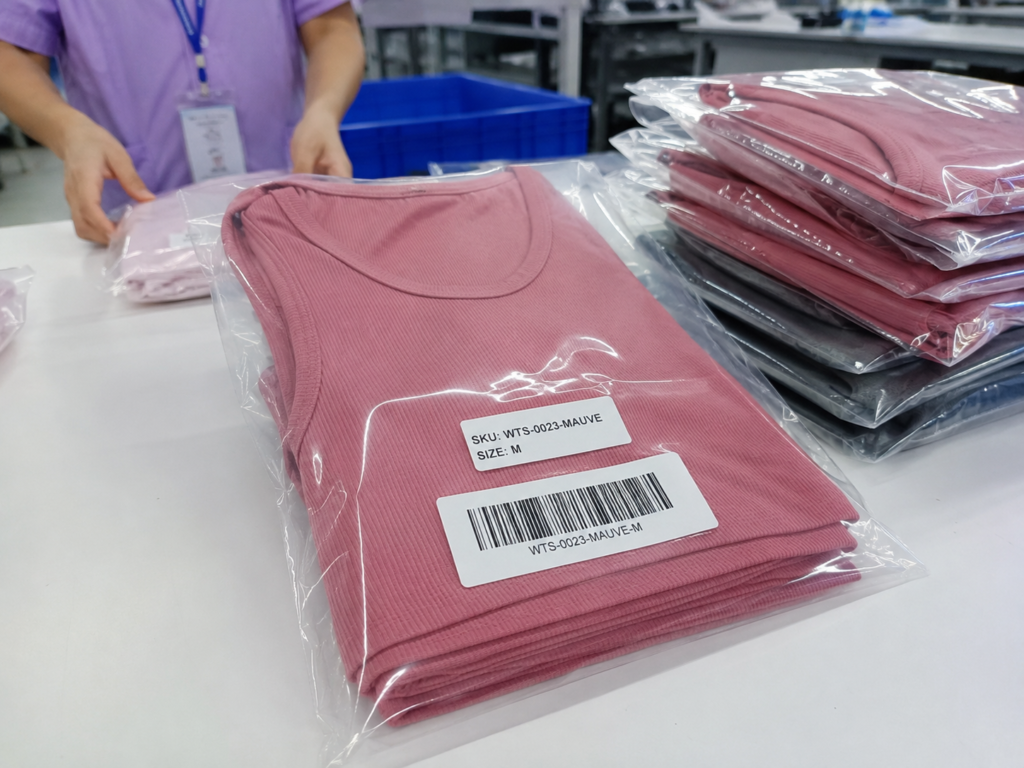
SKU Label

Individual Packing
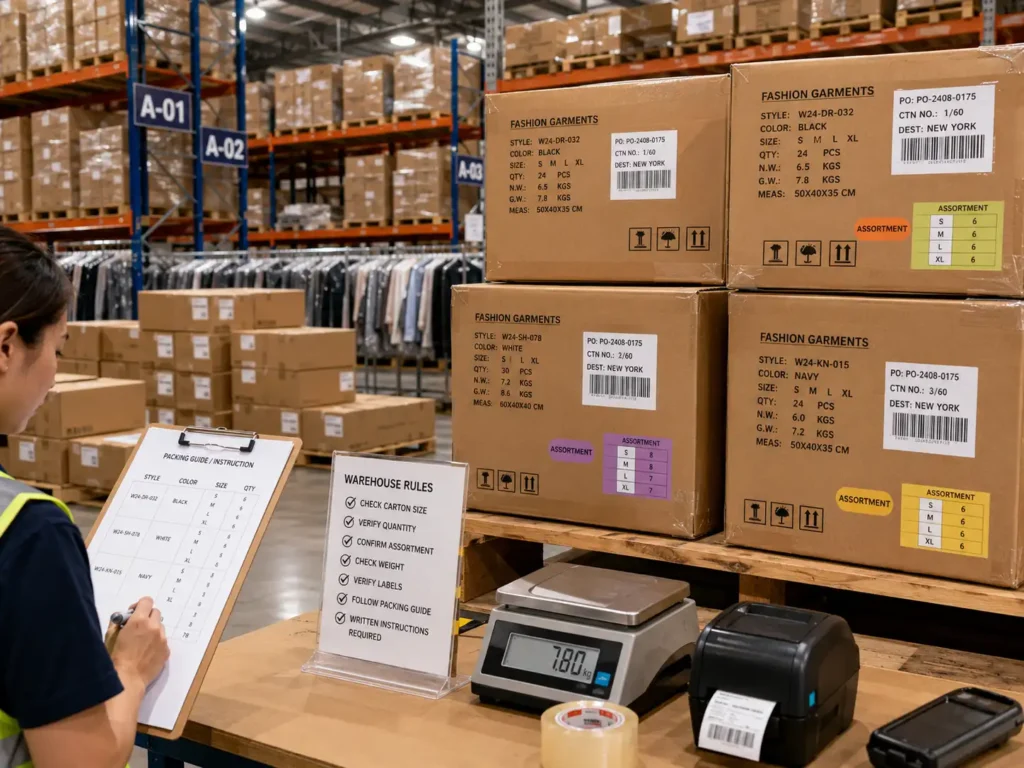
Carton Marking
Multi-Style Programs Managed by Style and Milestone
Project Kickoff
- Style and quantity matrix
- Launch and campaign dates
- Sampling priorities
- Packing and freight requirements
Sample Priority
- Campaign samples first where required
- High-risk structures reviewed early
- Shared fabrics aligned across styles
Material Tracking
- Approved-reference control
- Lot and color records
- Substitute approval process
Revision Records
- Marked photos and comment sheets
- Pattern and BOM updates
- Approval history retained
Bulk Milestones
- Style-level progress records
- Issue escalation before delay grows
- Split-shipment planning when approved
Repeat Orders
- Original standard retained
- Changes documented separately
- New color or fabric reapproved where needed
Gala Dress Programs Built for Scale and Consistency
The following anonymized project profiles reflect the order structure commonly handled by established fashion programs: 10-30 styles and 20,000-80,000 pcs per brand order. Brand identity and unreleased designs remain protected.

United States Occasionwear Collection - 18 Styles, 42,600 Pieces
A US occasionwear label planned an 18-style gala and evening capsule across satin maxi dresses, formal midis, corset gowns, one-shoulder silhouettes, and sequin statement styles. The quantity plan covered four main colors, an extended size range, and several ecommerce launch drops. The main risks were satin shade control, cup placement, zipper rippling, slit consistency, and keeping decorative styles comfortable against the skin. Jinfeng Apparel divided development into commercial satin styles, structured bodice styles, and embellished styles so the highest-risk constructions were reviewed first.
- Development action: separate first-sample routes for satin, corset, and sequin groups; shared color references for coordinated styles; dedicated photo samples for six campaign looks.
- Production control: PP Sample and Golden Sample by style, bulk shade approval, cup and boning maps, fixed slit measurement points, inline zipper checks, and protected sequin packing.
- Delivery structure: the first shipment prioritized campaign and launch SKUs; remaining colors followed under the approved production and packing standards.
The program reached bulk production with fewer late-stage design changes because neckline, support, and fabric decisions were resolved before PP approval. Repeat-order records retained the pattern versions, satin references, trims, label files, size rules, and packing instructions for color extensions.

United Kingdom Formalwear Range - 24 Styles, 63,200 Pieces
A UK premium ecommerce brand developed 24 formalwear styles spanning lace midis, chiffon maxis, matte-satin gowns, velvet dresses, and asymmetric occasion styles.
The collection required consistent proportions across multiple lengths while supporting photo samples, sales review, private labels, barcodes, and mixed-size carton ratios. Lace placement and lining color created early visual variation, while velvet nap and chiffon bias movement affected cutting and final length. Jinfeng Apparel created material-specific approval points before releasing the full style group.
- Development action: lace motif maps, lining-color trials, chiffon hanging review, velvet nap-direction marking, and a shared measurement framework for midi and maxi lengths.
- Production control: separate cutting instructions by material, size-set verification for key fitted styles, style-color-size records, inline checks at neckline and waist joins, and final hem review after pressing.
- Retail delivery: main labels, size labels, care labels, hangtags, barcode stickers, polybag labels, carton marks, and warehouse references were checked by style and shipment batch.
The collection maintained a consistent brand look while allowing different fabrics and silhouettes. Production records supported later replenishment of selected colors without reopening every original development decision.

European Gala Program - 12 Styles, 28,800 Pieces
A European formal-event program focused on 12 higher-complexity styles: corset maxis, sculpted satin gowns, tulle-layered dresses, lace-and-mesh combinations, and decorated evening silhouettes. Order volume was concentrated in fewer styles, making sample accuracy and bulk consistency more important than broad SKU count. The largest risks were bodice support, tulle volume, decoration weight, train handling, and carton compression. Development used full construction samples rather than approving bodice and skirt decisions separately without a final integrated review.
- Development action: cup and boning placement review, tulle layer-count comparison, train and walking tests, decoration seam-clearance maps, and final garment-weight checks.
- Production control: approved internal construction photos, BOM lock, first-output line review, reinforcement checks, measurement inspection, and protective tissue between decorated surfaces.
- Shipment planning: structured gowns and highly decorated pieces used adjusted folding and carton loading; shipping documents separated style-color-size totals for warehouse receiving.
The final program demonstrated how concentrated volume can support detailed control when every style has a locked sample, material reference, construction instruction, and packing method. NDA-based cooperation protected designs, quantities, and launch information throughout development and production.
Gala Dress Manufacturing Frequently Asked Questions
Jinfeng Apparel develops floor-length gowns, formal midis, satin dresses, corset dresses, chiffon gowns, lace dresses, mesh styles, velvet dresses, sequin dresses, one-shoulder silhouettes, halter styles, backless dresses, slit gowns, and coordinated occasionwear separates.
Yes. A reference image can begin the review, but accurate development also requires size direction, target quantity, fabric preference, construction expectations, and brand requirements. Pattern makers assess feasibility before sample work starts.
Yes. Tech packs, original samples, sketches, line sheets, measurement charts, grade rules, and construction notes can be used. Missing or conflicting information is identified before pattern and quotation approval.
MOQ starts from 200 pcs per style/color. Special fabrics, custom dyeing, lace, sequins, hardware, labels, or packaging may carry separate supplier minimums. Quantity should be confirmed by style, color, and size.
Standard dress first samples generally require 10-15 days. Corset, strapless, lace, mesh, or sequin styles generally require 15-25 days. Special materials or custom trims can require 20-35 days or the supplier development cycle.
Yes. Development can include cups, boning, support layers, waist tape, lining, elastic support, lacing, hooks, or zippers. Final structure is confirmed through sample fitting and PP approval.
Control covers motif placement, stretch, transparency, seam joins, decoration-free seam zones, hand restoration, shedding, skin protection, garment weight, pressing sensitivity, and protective packing.
The route may include first sample, fit sample, revised sample, photo-ready sample, salesman sample, size-set sample, PP Sample, and Golden Sample. The exact sequence depends on complexity and program needs.
Consistency is managed through PP Sample, Golden Sample, approved fabric and trims, pattern version, BOM, size chart, grade rule, sewing instruction, QC checklist, packing instruction, inline inspection, and final inspection.
Yes. Services can include main labels, size labels, care labels, hangtags, barcodes, SKU labels, polybags, warning labels, size-ratio packing, carton marks, warehouse labels, and export documentation support.

Start Your Gala Dress Manufacturing Project
Send your gala dress references, tech packs, original sample details, or collection plan for an initial project review. Useful information includes the number of styles, quantity per style/color, intended size range, preferred fabrics, lining and support requirements, decoration details, private-label files, packing needs, destination market, and target launch date.
Jinfeng Apparel will review construction difficulty, fabric and trim availability, MOQ, sample route, cost factors, production control points, and schedule dependencies before confirming the next step. Clear information allows a more accurate sample plan and quotation while protecting the visual direction of the collection. NDA-based cooperation is available for tech packs, patterns, unpublished samples, labels, packaging, order information, and launch schedules.
- Reference image, sketch, tech pack, or original sample
- Target quantity by style and color
- Size range and measurement chart
- Fabric, lining, trim, and decoration direction
- Main label, care label, hangtag, barcode, and packing requirements
- Target sample date, launch date, destination, and freight preference