Skip to content
Concert Outfit Dress Manufacturer
Custom concert-inspired dresses, sets, jumpsuits, and statement womenswear developed for global fashion brands with controlled fit, secure decoration, scalable production, and retail-ready delivery.
- Custom sequin, mesh, corset, bodycon, cut-out, satin, and fringe styles
- MOQ starts from 200 pcs per style/color for qualified production structures
- 10-30 styles can be organized as one collection with grouped sampling and approvals
- Bulk programs can be planned from 20,000 to 80,000 pieces across approved styles
- Pattern, sample, PP approval, QC, private-label packing, and export coordination in one workflow
Production Capacity Built for Concert Fashion
Since 2008
Six Owned Factories
Ten Plus Partners
Two Sample Rooms
Fifteen Plus Inspectors
100,000 Plus Monthly
Retail Concert Fashion, Not One-Off Costumes
What We Manufacture
- Retail-ready concert collections
- Festival and party dresses
- Music-inspired capsule lines
- Ecommerce-ready womenswear
- Private-label eventwear
- Repeatable seasonal programs
What We Exclude
- No ready-stock outfit catalog
- No individual tailoring service
- No one-piece fulfillment
- No unapproved design copying
- No blind production from unclear references
- No bulk release before sample approval
Built for Fashion and Sourcing Teams
Global Fashion Brands
Ecommerce Fashion Teams
Partywear Labels
Festival Collections
Sourcing Departments
Private Label Programs
Where Concert Dresses Commonly Fail
Impact Versus Wearability
- Check bust security and neckline stability
- Confirm front and back length during movement
- Review slit height and lining coverage
- Test strap position and armhole exposure
Fabric Mismatch
- Match stretch direction with pattern structure
- Confirm weight against support requirements
- Check snagging, recovery, opacity, and drape
- Approve bulk color and surface direction
Decoration Failure
- Test attachment method before approval
- Control spacing, direction, density, and weight
- Protect decoration during pressing and packing
- Inspect high-stress areas separately
Fit Instability
- Lock the approved base size
- Correct pattern before grading
- Define measurement points and tolerances
- Measure bulk by size and color
Sample Bulk Gap
- Approve PP and Golden samples
- Issue final size chart and construction notes
- Confirm bulk fabric and trim references
- Use one controlled handover package
Missed Launch Window
- Set sample priority by launch date
- Freeze approved details before bulk booking
- Protect production and inspection time
- Select freight based on warehouse deadline
Custom Concert Outfit Dress Collection

Sequin Mini Dresses

Mesh Bodycon Dresses

Corset Dresses

Satin Slip Dresses

Cut-Out Dresses

Ruched Dresses

Backless Dresses
Backless styles rely on front support, strap geometry, waist stability, and carefully placed closures. A dramatic back opening can transfer tension to shoulder straps, side seams, or the front neckline. Samples need movement checks, bra compatibility review when required, and evaluation of strap length across sizes. Bulk inspection confirms opening shape, edge stability, strap symmetry, and closure security.

One-Shoulder Dresses

Club Dresses

Matching Sets

Concert Jumpsuits
Jumpsuits offer strong impact but require accurate torso length, waist position, hip fit, crotch depth, leg shape, and closure access. Stretch and movement are important for performance-inspired looks. Sample review should include sitting, walking, bending, and arm movement. Bulk checks focus on torso balance, inseam, crotch comfort, zipper function, waist alignment, and leg length.

Fashion Bodysuits
Concert Fashion by Music Direction
Pop Concert
Country Concert
Rock Concert
EDM and Rave
Festival Fashion
Tour Capsule
Fabrics Selected for Visual Performance

Sequin Fabric
Stretch Mesh

Power Mesh

Stretch Satin

Jersey and Scuba

Lace

Velvet
Trims and Embellishments Engineered to Hold
Crystals and Rhinestones
Sequins and Beads
Fringe and Tassels
Chains and Hardware
Cups and Boning
Zippers and Straps
Fit, Coverage, and Movement Control
Concert-inspired dresses should create a confident silhouette without losing stability during movement. Development combines body measurements, fabric stretch, internal support, neckline geometry, hem length, and lining coverage rather than judging fit from a static front photo.

Bust and Neckline Security
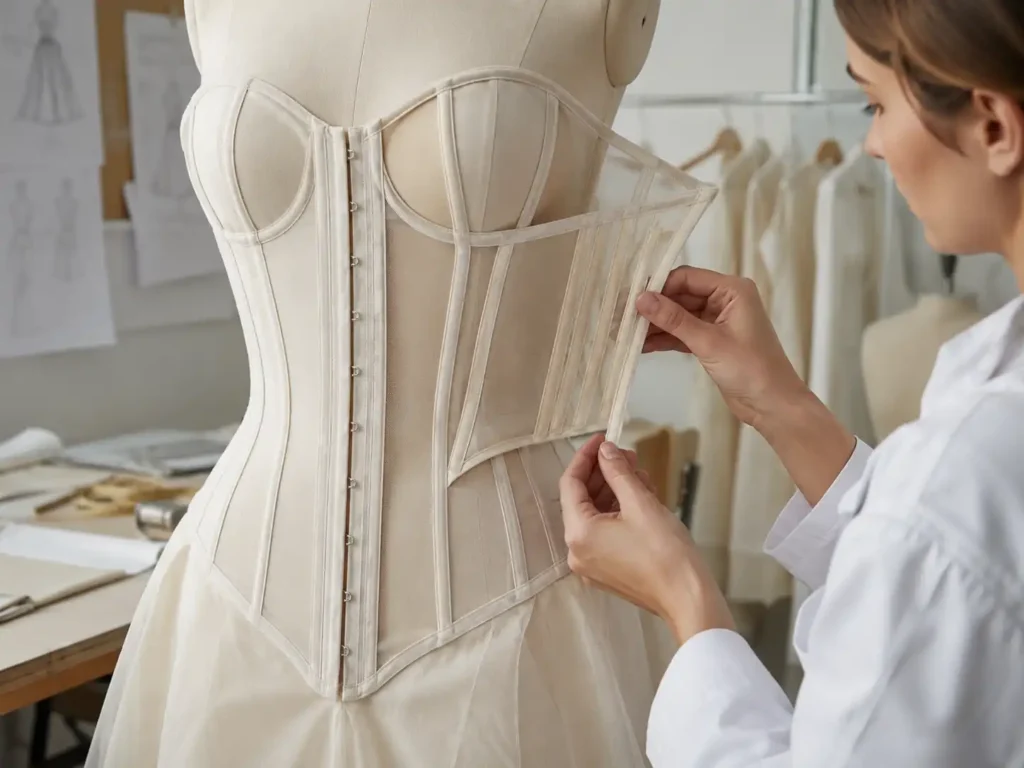
Low necklines, strapless cuts, corset tops, and open backs transfer tension across the bust, side seam, straps, and waist. Pattern work evaluates bust width, cup volume, neckline depth, center-front height, armhole exposure, and underbust position. Support may use cups, boning, power mesh, elastic, grip tape, or a stable lining. Fit approval should include front, side, back, and movement images rather than one posed view.
Waist and Hip Balance
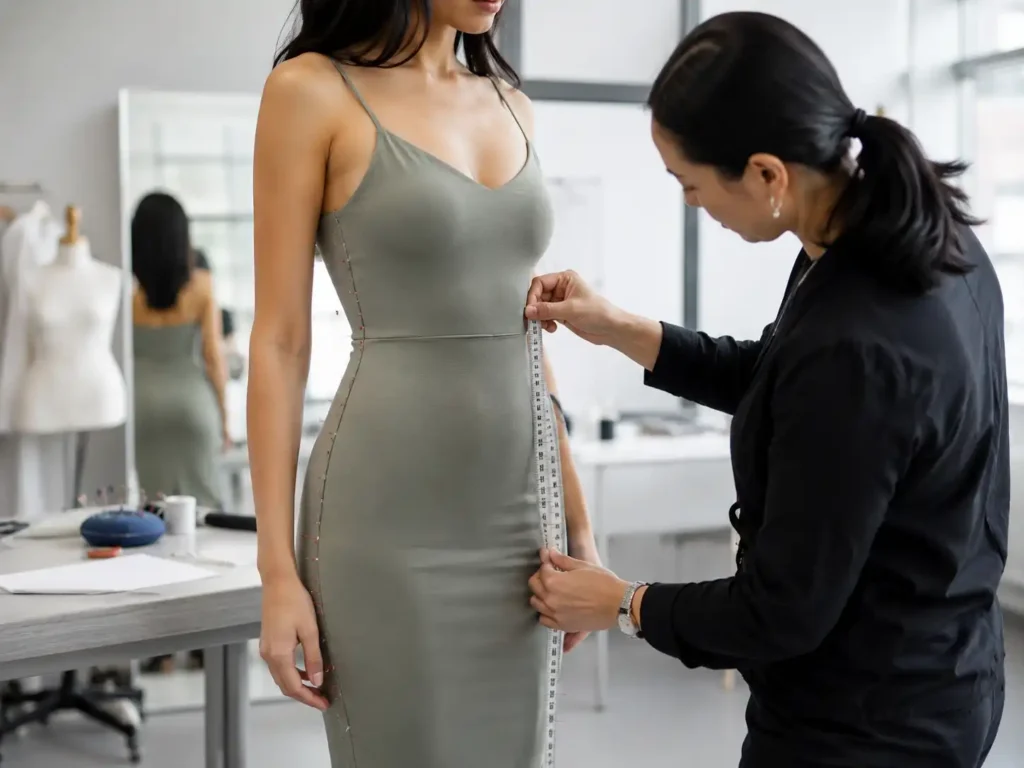
Bodycon products need controlled negative ease based on the actual fabric. Excess reduction can cause riding, zipper distortion, seam strain, or a horizontal pull line. Too little reduction creates loose waist areas and poor shape. Samples compare waist, high hip, full hip, front rise where relevant, and hem circumference. Stretch recovery should be checked after the garment is worn for a period, not only immediately after dressing.

Length and Exposure
Mini lengths, high slits, cut-outs, and sheer panels need defined safety points. Front length and back length may differ because of hip shape and construction. Lining length should remain covered during walking and sitting. Slit height should be measured from a fixed seam point. Each size should preserve the intended proportion after grading rather than using one unchanged opening across the full range.
Straps and Armholes
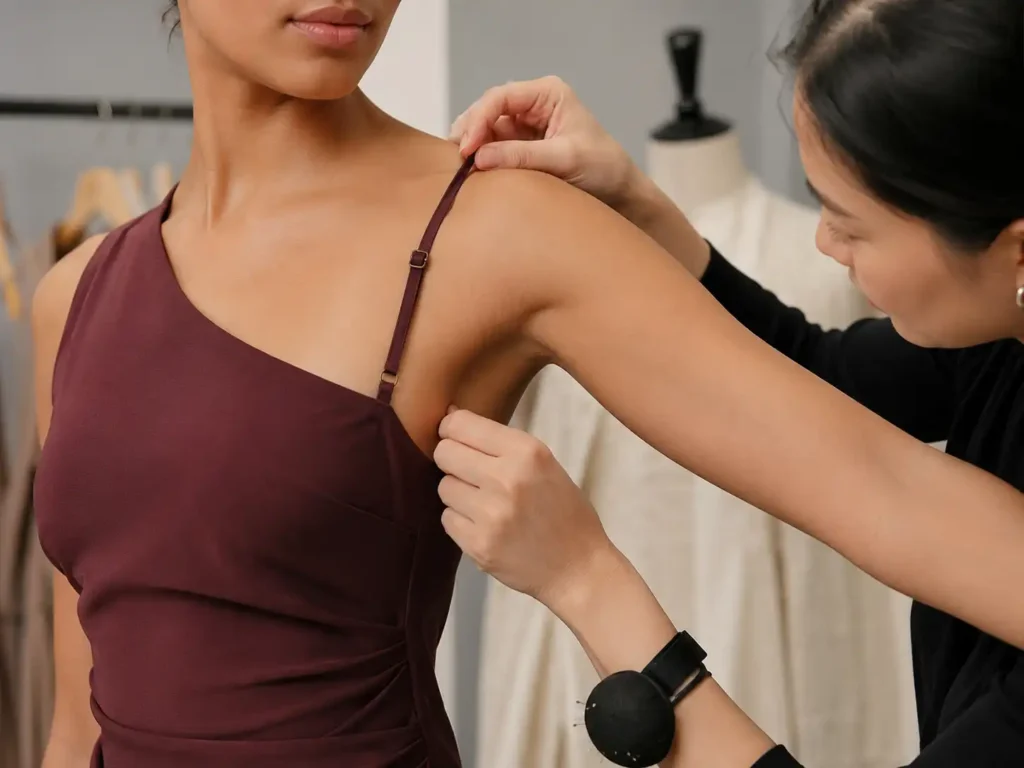
Strap angle affects neckline position and side-bust coverage. Adjustable straps help fit but cannot correct a poor armhole or bust pattern. One-shoulder and halter styles need additional balance because tension is not symmetrical. Samples check strap length, slider location, anchor reinforcement, arm movement, underarm exposure, and whether the garment twists after movement.
Lining and Internal Layers
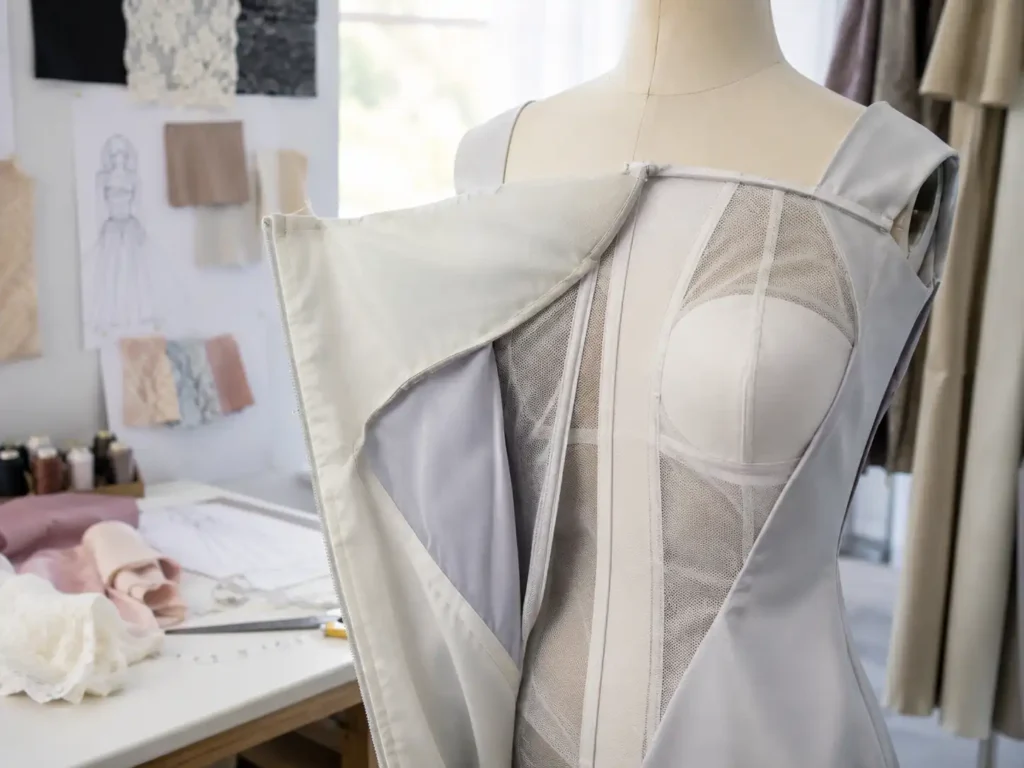
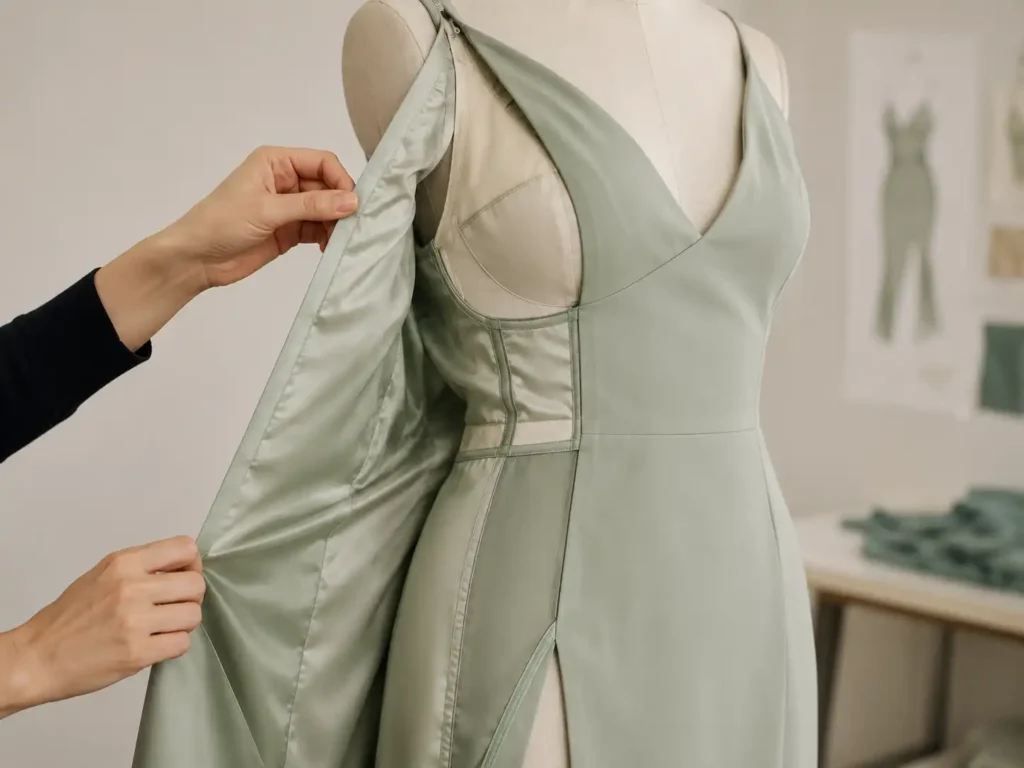
Lining should support opacity, comfort, recovery, and construction without creating bulk. Stretch outer fabrics need compatible stretch lining. Mesh cut-outs may use mapped lining or double layers. Sequin fabric needs soft skin-facing layers at contact zones. Internal seams, cup edges, boning channels, and closures should be inspected for abrasion before PP approval.
Movement Review
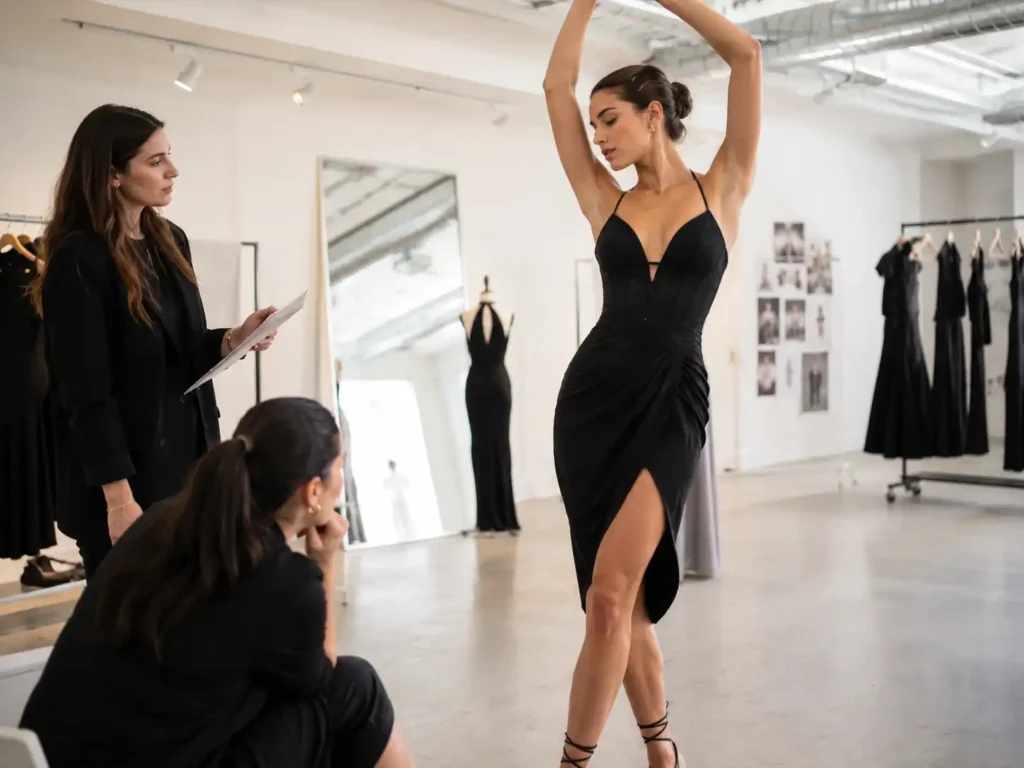
Movement review can include walking, sitting, raising arms, turning, light dancing, and bending depending on the design. The purpose is not athletic testing; it is verification of neckline stability, strap security, hem coverage, side-seam position, slit control, zipper behavior, and comfort. Fit comments should be translated into measurable pattern changes before grading and bulk release.
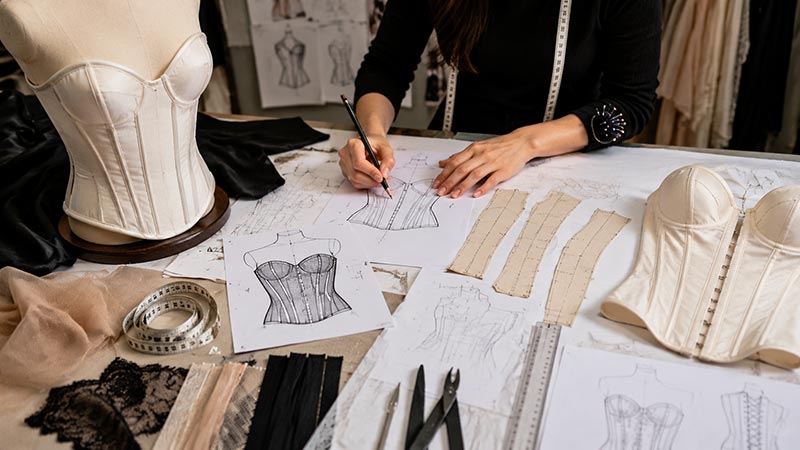
Pattern and Size Control by Silhouette
| Product Type | Critical Measurements | Sample Risk | Bulk Control |
|---|---|---|---|
| Bodycon Dress | Bust, waist, high hip, full hip, front/back length | Excess tension, loose waist, twisted side seam | Measure stretch-sensitive points after recovery |
| Corset Dress | Bust, underbust, cup position, waist, center-front height | Empty cup, neckline instability, boning pressure | Check cup symmetry, channel length, waist, closure |
| Cut-Out Dress | Opening position, waist, hip, strap length | Exposure, opening distortion, asymmetry | Use fixed landmarks and opening templates |
| Mini Dress | Front length, back length, hip, slit height | Back hem lift, short lining, movement exposure | Measure front/back separately by size |
| Jumpsuit | Torso, waist, hip, crotch depth, inseam | Pulling, low waist, restricted sitting | Fit torso and crotch before leg grading |
| Bodysuit | Torso length, bust, waist, leg opening | Neckline pull, snap tension, discomfort | Check closure strength and torso recovery |
Sample Development From Concept to Golden Sample
Sampling is the controlled conversion of design information into a production standard. Each stage answers a different question, and complex concert styles should not move directly from a first sample into bulk cutting.
Design and Risk Review
Development starts with a tech pack, line sheet, original sample, reference image, or design brief. The team reviews silhouette, fabric direction, decoration, internal support, entry method, fit risk, MOQ fit, and intended delivery window. Questions are raised before pattern cutting when details conflict or information is incomplete. For multi-style projects, styles are grouped by fabric, construction, trim, and priority.
Fabric and Trim Approval
Swatches, color references, stretch data, lining options, hardware, cups, boning, crystals, fringe, labels, and packaging components are reviewed before final sample decisions. The objective is to match the brand direction while avoiding materials that cannot support the construction or order structure. Similar material alternatives are identified clearly as alternatives and still require approval.
First and Fit Samples
A first sample verifies structure and initial appearance. A fit sample focuses on bust, waist, hip, length, neckline, straps, armhole, slit, torso, crotch, and movement depending on the garment. Standard sample timing is often 7-15 days for developed styles after required materials are available; complex decoration or special material sourcing can extend the schedule. Timing is confirmed by style rather than promised as one fixed number.
Revised and Photo Samples
Revision comments should be consolidated with measurements, marked images, and clear priorities. A revised sample confirms pattern and construction changes. A photo sample may need stronger visual accuracy, final color, correct trims, and campaign-ready finishing before the bulk PP stage. For 10-30 style ranges, photo-sample priority can be assigned to hero SKUs and early launch assets.
PP Sample and Production Lock
The PP sample locks bulk fabric, color, pattern, measurements, construction, decoration, labels, and packing direction. Changes after PP approval can affect cost, material booking, delivery, and consistency. Final production files should include the approved pattern, size chart, BOM, trim card, sewing instructions, label placement, packing instruction, and QC checklist.
Golden Sample Control
A Golden sample provides the physical benchmark for production and inspection. It should represent the approved fabric, color, fit, construction, trims, and finish. Production teams use it with written files because a physical sample alone cannot communicate every measurement tolerance or packing rule. The reference remains protected and recorded for repeat orders.
Construction Details That Protect the Design
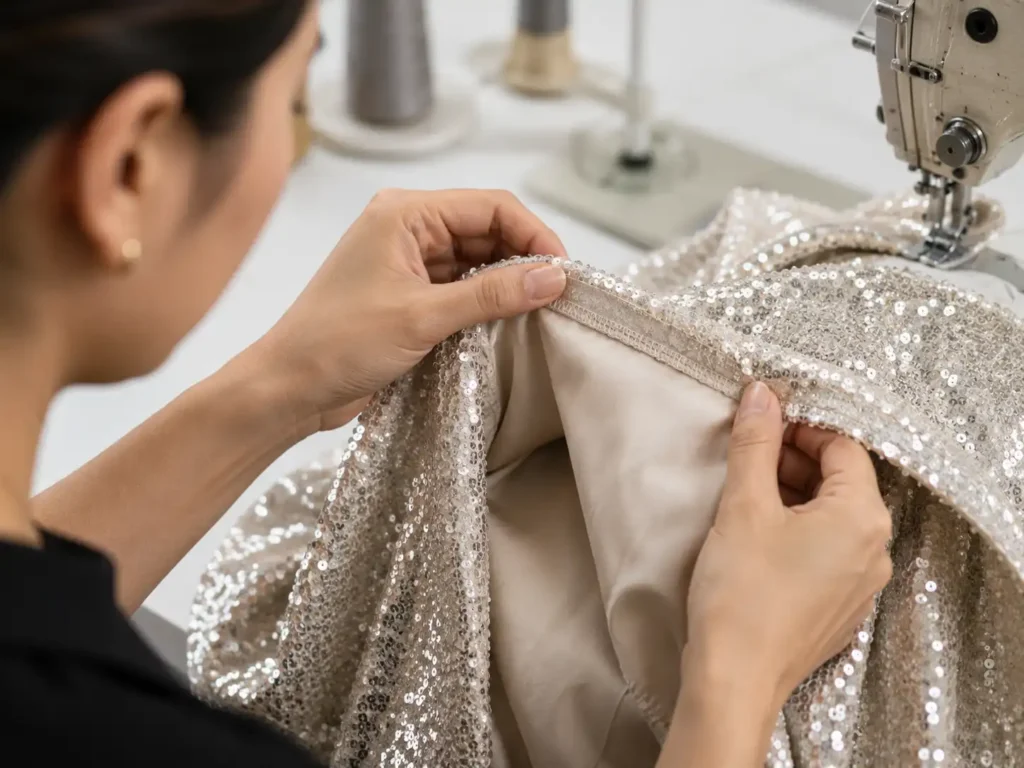
Sequin Seam Cleaning

Mesh Edge Finishing
Corset Support Channels
Zipper Flatness

Fringe Alignment
Lining Coverage
Bulk Production for Multi-Style Collections
Large concert programs require controlled allocation, not one production route for every style. Jinfeng Apparel matches products with suitable women’s fashion resources, groups materials and trims, and transfers approved sample standards into bulk files.
Factory and Line Allocation
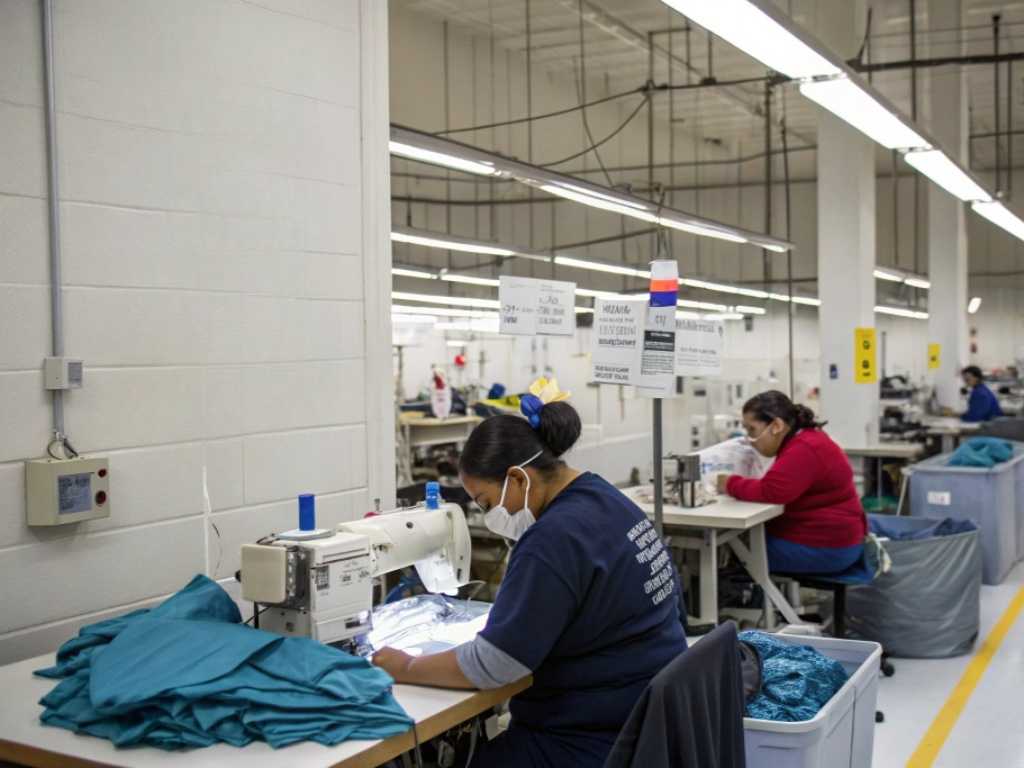
Woven dresses, stretch jersey products, corset styles, sequin garments, jumpsuits, and coordinated sets do not share the same sewing difficulty. Styles are reviewed by fabric, structure, decoration, volume, and delivery window before allocation. Six owned factories and more than ten long-term partners allow production plans to separate specialist styles from larger commercial quantities while maintaining central project records.
Material Booking and Incoming Control
Bulk materials are booked against approved references. Fabric rolls are checked for color, width, weight where required, surface defects, stretch direction, shade grouping, print placement, sequin direction, and damage. Trims are checked for size, color, plating, strength, count, and compatibility. Problems found before cutting are easier to correct than problems found after garments are complete.
Cutting and Bundle Control
Cutting plans consider fabric direction, nap, shine, print, lace motif, sequin orientation, stretch, and loss.
Cut parts are counted and bundled by style, color, and size.
Sensitive panels and placement details may need templates or reference markers. Bundle identification reduces mixing across multi-style and multi-color programs.
Sewing Handover
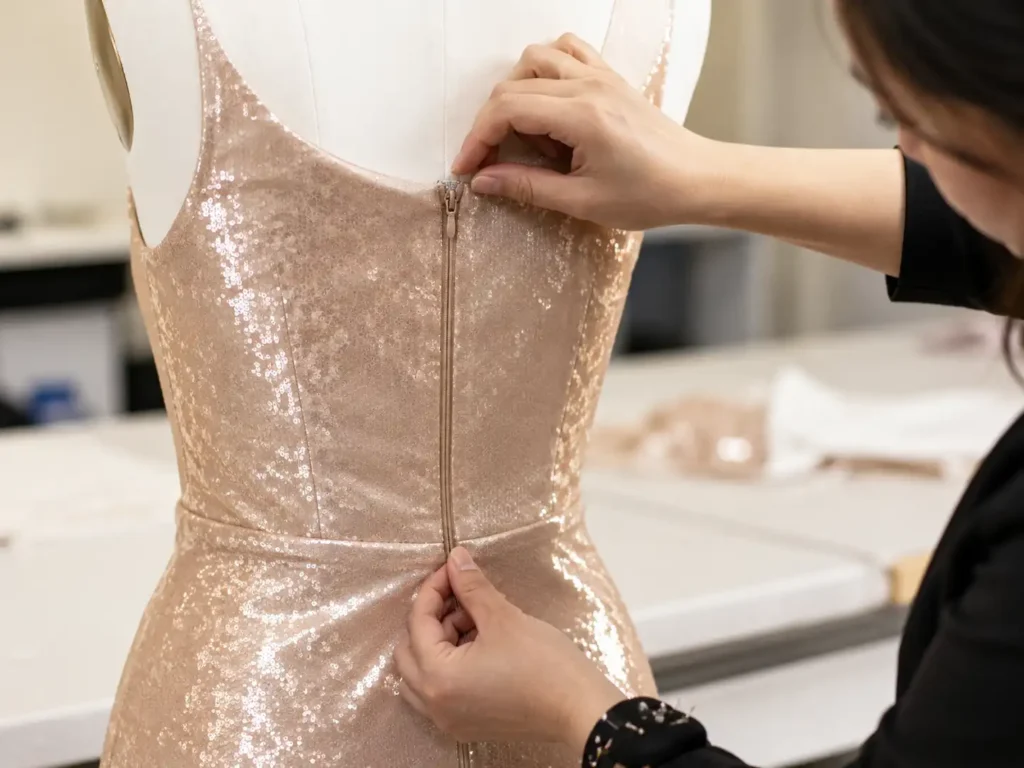
Production receives the approved sample, final pattern, BOM, size chart, sewing instruction, trim card, label position, and QC points. Key operations can be reviewed before full line release. Early inline checks focus on high-risk areas such as bust support, zipper shape, cut-out position, fringe attachment, mesh seams, lining coverage, and measurements.
Progress and Change Control
Production progress can be tracked by material arrival, cutting, sewing, inline inspection, finishing, final inspection, packing, and shipment preparation. Approved details should not change casually after bulk release. Required changes need written review of material, cost, schedule, and production impact before implementation.
Multi-Batch and Repeat Production
Long-term programs may use staged deliveries or repeat orders. Retained records include patterns, size charts, fabric references, trim specifications, labels, packing requirements, QC points, and Golden samples. Repeat planning still checks current fabric batch, trim availability, color, capacity, and any approved product changes.
Quality Control From Fabric to Carton
Fabric Inspection
Trim Inspection
Cutting Inspection
Inline Sewing Check
Final Garment Check
Packing Inspection
Private Label and Retail-Ready Packing
Main and Size Labels
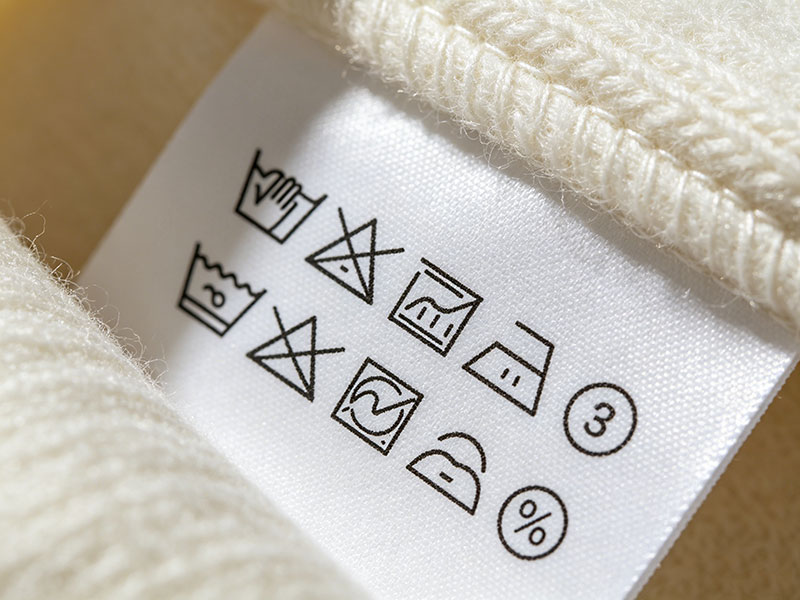
Care Labels
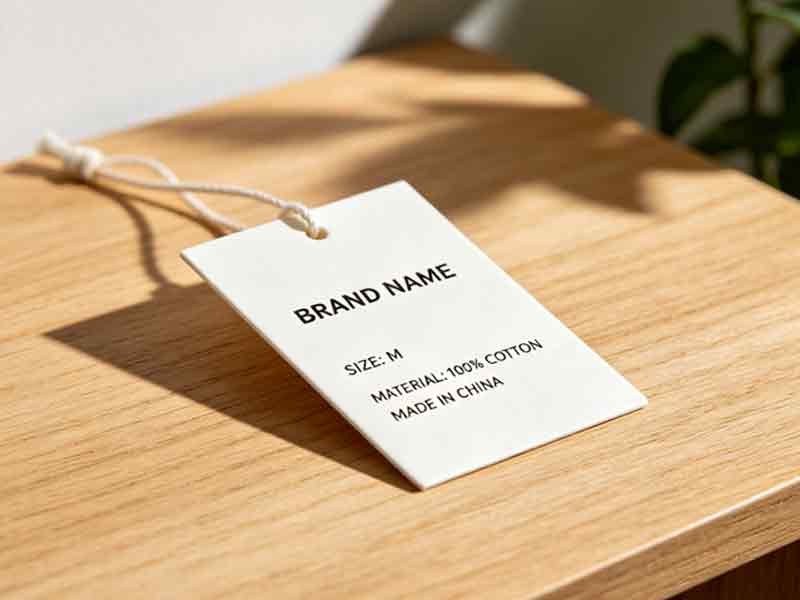
Hang Tags
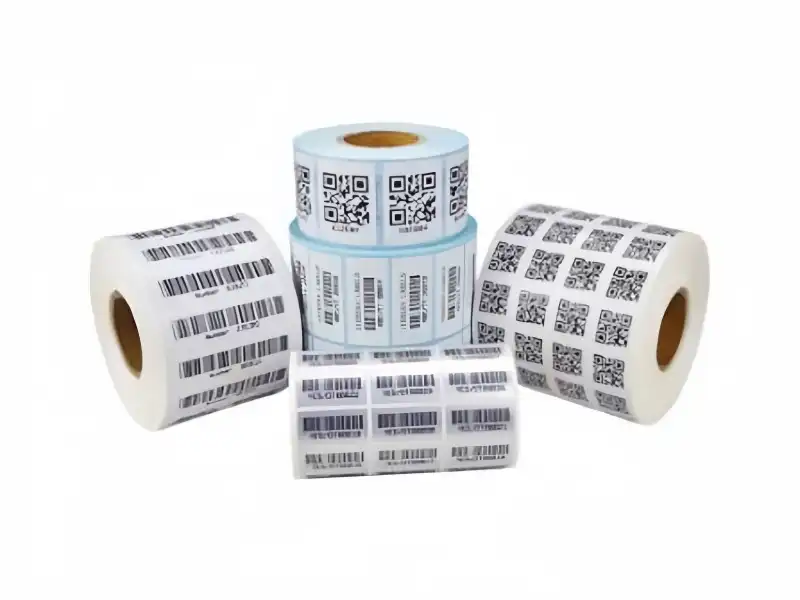
Barcode and SKU Labels
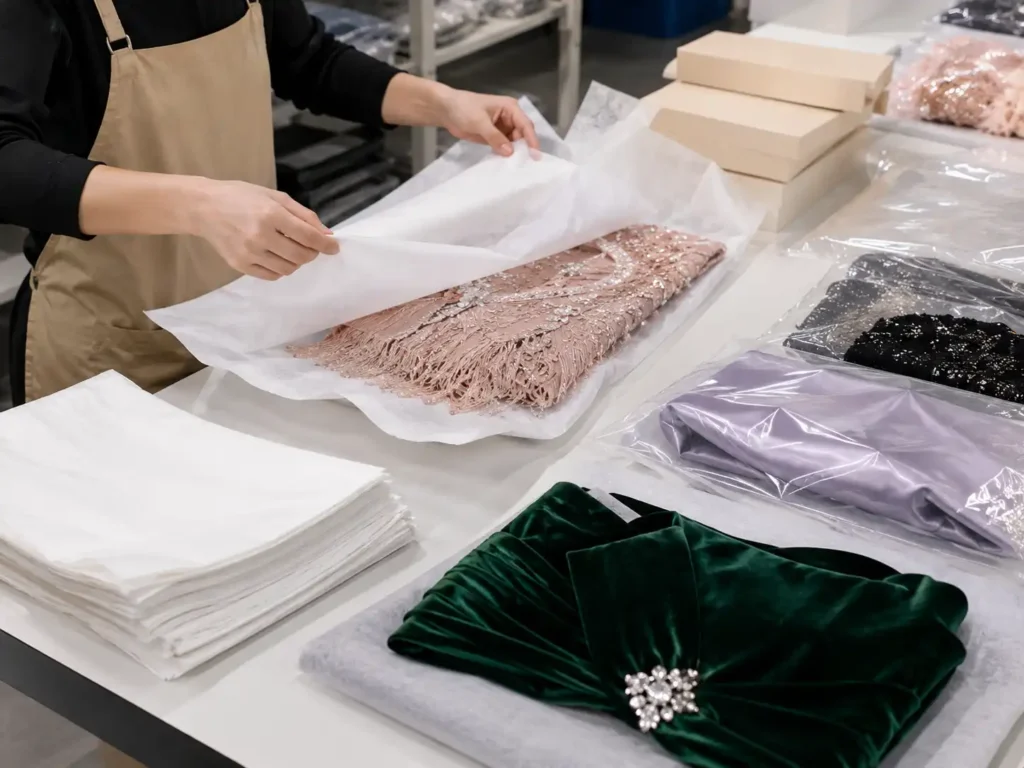
Surface Protection
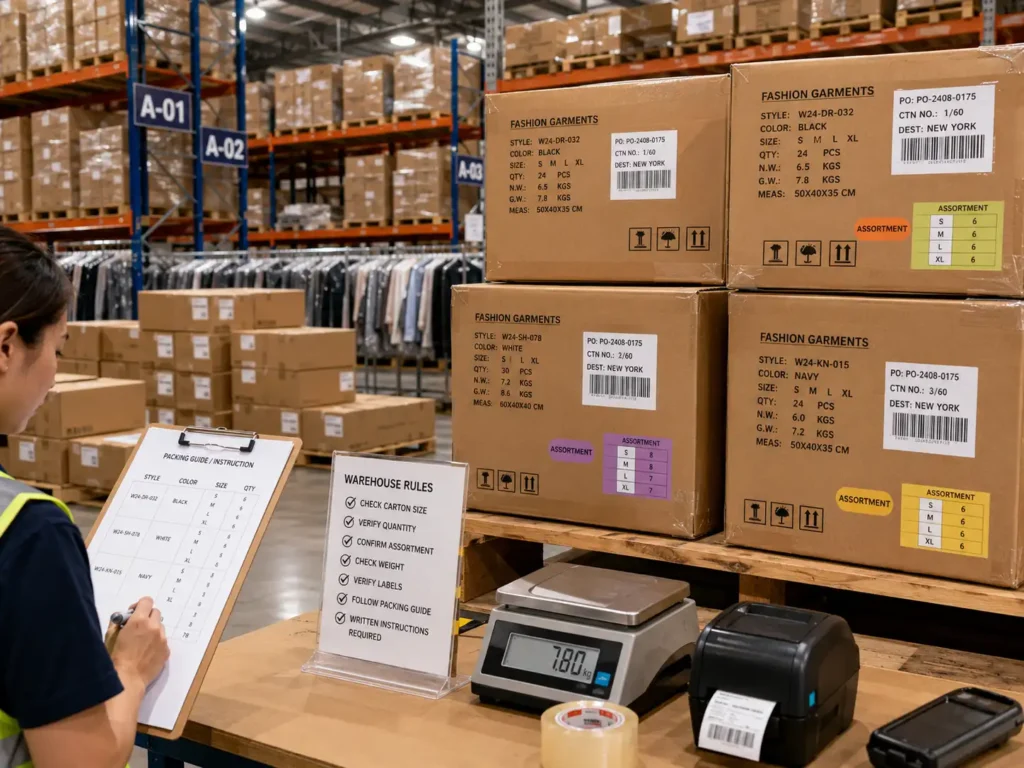
Carton and Warehouse Rules
MOQ and Cost Planning by Construction
| Cost Driver | Concert Dress Impact | Control Method |
|---|---|---|
| Fabric | Sequin backing, stretch mesh, satin weight, lace motif, velvet nap, denim wash | Approve swatch, width, weight, color, direction, and cutting loss |
| Construction | Corset layers, cups, boning, cut-outs, gathering, lining, asymmetry | Review pattern complexity and sewing operations before quote |
| Decoration | Crystal density, bead count, fringe rows, chains, hardware | Define placement map, attachment, weight, and inspection method |
| Color Count | Separate material, cutting, labels, barcodes, QC, cartons | Concentrate volume in core colors and expand proven styles later |
| Size Range | Grading, marker efficiency, measurement control, packing complexity | Confirm size chart and ratio before production planning |
| Packaging | Tissue, separators, hangers, barcode rules, warehouse labels | Approve packing guide before final quotation and PP sample |
Plan Around the Launch Calendar
Concert and festival collections lose value when arrival misses the selling window. Timeline planning should begin with the warehouse-ready date and work backward through freight, packing, inspection, production, PP approval, photo samples, fit correction, and material approval.
Development Calendar
A structured program starts with design freeze, tech pack review, fabric selection, trim mapping, sample priority, and target photo dates. Standard samples may require around 7-15 days after suitable materials are ready, while complex embroidery, custom trims, special color, or multiple revision rounds need more time. For 10-30 style programs, key styles should not wait behind lower-priority samples.
Bulk Calendar
Bulk timing is confirmed after PP approval and material status review. Regular production often falls within 20-35 days for prepared programs, but sequin cutting, hand-applied decoration, special washing, complex corset work, high style counts, or staggered color approvals can extend production. Inspection and repair time must remain protected rather than removed to recover delays created earlier.
Freight Calendar
Freight choice follows the delivery requirement, shipment volume, carton profile, destination, customs plan, and warehouse appointment. Express or air may support samples, launch quantities, or urgent partial shipments. Sea freight can support larger planned programs. Split shipment decisions should consider color and size availability, campaign priority, cost, and warehouse handling.
Change Cutoff
Late changes to fabric, color, decoration, measurements, labels, or packaging affect material booking, cost, sample status, and delivery. A clear PP lock prevents uncontrolled revisions. When a change is essential, Jinfeng reviews its impact and confirms whether a new sample, revised approval, additional cost, or timeline adjustment is needed.
Project Management With Clear Records
Development Follow-Up
- Style and sample tracker
- Fabric and trim approval records
- Revision comments and measurement updates
- Photo, PP, and Golden sample status
Bulk Coordination
- Production schedule and allocation
- Material arrival and cutting status
- Inline QC and corrective action
- Finishing, packing, and inspection progress
Shipment Preparation
- Packing list and carton summary
- Commercial invoice coordination
- Freight and forwarder communication
- Shipment photos and final records
Compliance, Inspection, and Design Protection
Testing and Materials
Inspection Support
NDA Protection
Concert Collection Production Cases

US Ecommerce Capsule

European Festival Range

Australian Eventwear Drop
Choose a Concert Outfit Manufacturing Partner
Product Focus
Fabric Knowledge
Pattern Ability
Sample System
Bulk and QC
Brand Delivery
Prepare a Complete Concert Outfit RFQ
Product Development Files
- Style name and reference
- Construction and fit notes
- Fabric and trim direction
- Size range and measurements
- Artwork and placement files
- Sample type and required date
Commercial and Delivery Plan
- Quantity by style and color
- Size ratio and order breakdown
- Label, barcode, and packing guide
- Testing or inspection needs
- Delivery window and destination
- Repeat-order or replenishment plan
Concert Dress Frequently Asked Questions
Jinfeng Apparel develops sequin minis, mesh bodycon dresses, corset dresses, satin slips, cut-out styles, ruched dresses, backless and one-shoulder dresses, club dresses, matching sets, jumpsuits, bodysuits, and coordinated private-label collections. Feasibility depends on the selected fabric, construction, decoration, quantity, and launch schedule.
Our core service is retail-ready concert-inspired womenswear for fashion brands, ecommerce programs, partywear labels, festival collections, and private-label lines. Individual made-to-measure celebrity costumes and one-off personal tailoring are not the main production model.
MOQ starts from 200 pcs per style/color. Fabric supplier requirements, custom color, print, special lace, sequins, hardware, decoration, packaging, and production complexity may increase the required quantity. A full style and color breakdown is needed for review.
Yes. Reference images can begin a feasibility review, but production-ready development also needs dimensions, fit intent, fabric direction, construction details, quantity, size range, and brand requirements. Jinfeng can help identify missing information before formal sampling.
Yes. The team reviews tech packs, size charts, BOMs, artwork, trim details, label placement, and packing instructions. Questions and production risks are raised before sample cutting when information conflicts or a construction needs adjustment.
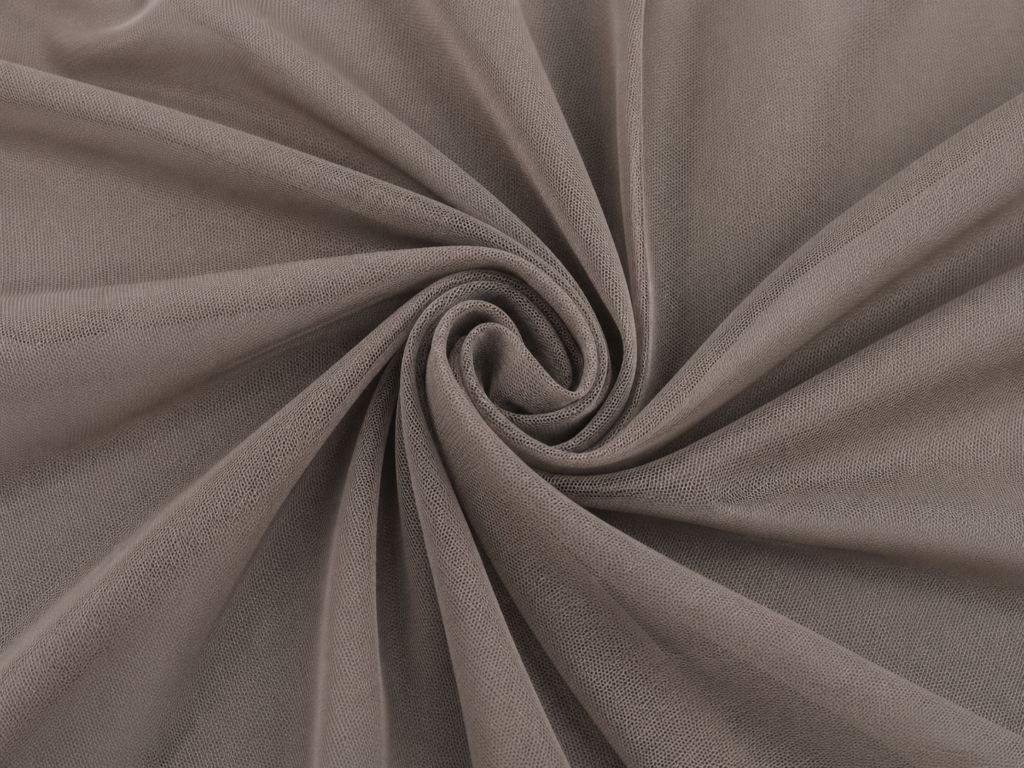
Options may include embroidered sequin mesh, stretch sequin fabric, soft stretch mesh, power mesh, printed mesh, layered mesh, and different backing structures. Availability, color, weight, stretch, MOQ, and lead time are confirmed by the selected supplier and batch.
Decoration is controlled through approved samples, placement maps, trim references, attachment methods, density and spacing standards, inline checks, final visual comparison, and focused inspection of high-stress areas. Packing methods are selected to reduce snagging, pressure, and tangling.
Yes. Photo samples can be prioritized for hero styles after fabric, color, fit, and key trims are sufficiently confirmed. Photo-sample timing depends on material readiness and construction. A photo sample does not replace the PP approval required before bulk production.
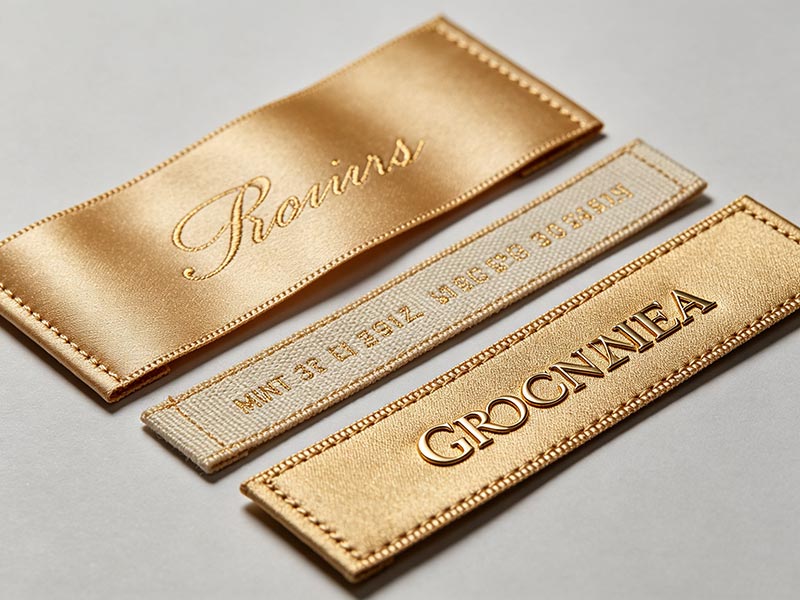
Yes. Services can include main labels, size labels, care labels, hang tags, barcode stickers, SKU labels, polybags, folding instructions, protective materials, carton marks, and warehouse-specific packing. Artwork, data, and placement require approval before production.
Send a tech pack, line sheet, original sample information, or reference images together with target quantity per style/color, size range, fabric direction, decoration requirements, labels, packaging, and delivery window. Kelly will organize an initial project review with the relevant team.

Start Your Concert Outfit Collection
Send a clear project package so Jinfeng Apparel can review style complexity, fabric direction, pattern requirements, decoration risk, MOQ fit, sample timing, bulk production, private-label packing, and delivery planning. A complete brief creates a more accurate first response and helps the development team identify which styles should receive priority.
Please include:
- Reference images, tech packs, line sheets, or original sample details
- Style count and quantity per style/color
- Size range, size chart, and intended fit
- Fabric, lining, stretch, and color direction
- Sequin, crystal, fringe, hardware, corset, or trim requirements
- Main label, care label, hang tag, barcode, and packing requirements
- Photo-sample date, launch date, and warehouse-ready date
- Destination market, inspection needs, and delivery preference