 Skip to content
Dress Collection Manufacturer
Custom dress collection development for fashion brands needing coordinated styles, fabric direction, fit control, sampling, bulk production, QC, private-label packing, and export delivery.
Jinfeng Apparel helps fashion brands develop custom dress collections from line sheets, reference images, tech packs, or original samples into production-ready garments. Our womenswear manufacturing team supports dresses, skirts, jumpsuits, matching sets, and private-label womenswear through fabric sourcing, pattern development, sample revision, PP approval, bulk production, QC, packing, and export delivery.
- 10–30 style collection planning— suitable for seasonal dress capsules, multi-SKU launches, and coordinated womenswear programs.
- 2 sample rooms— first sample, fit sample, revised sample, photo-ready sample, PP sample, and Golden sample support.
- 7+ senior pattern makers— fit, grading, bust, waist, hip, neckline, length, lining, and construction correction.
- 15+ QC inspectors— fabric, cutting, inline sewing, measurement, final garment, and packing inspection.
- Anonymous case range: 16–24 styles / 26,000–48,000 pcs— dress collection projects across US, UK, and Australian programs.
Dress Collection Capacity at a Glance
Dress collection programs need more than sewing capacity. Brand teams need sample rooms, pattern control, fabric coordination, multi-style scheduling, inspection records, packing discipline, and repeat-order support. Jinfeng combines owned factories, long-term partner capacity, sample rooms, pattern makers, sample machinists, QC inspectors, merchandisers, and packing workers for organized collection execution.
| Manufacturing Fact | Jinfeng Capacity | Value For Dress Collection Programs |
|---|---|---|
| Manufacturing history | Since 2008 | Long-term womenswear development and bulk production experience |
| Owned factories | 6 women’s fashion factories | Core production control for dresses, skirts, sets, jumpsuits, tops, and private-label womenswear |
| Satellite partners | 10+ long-term partners | Capacity support for seasonal launches, repeat orders, and multi-batch production |
| Monthly capacity | 100,000+ pcs | Scalable output for multi-style dress collection programs |
| Sewing lines | 18+ lines | Production flow for varied fabrics, silhouettes, and construction types |
| Flexible lines | 6+ lines | Support for mixed styles, colors, sizes, and fabric groups |
| Sample rooms | 2 rooms | First sample, fit sample, revised sample, PP sample, and Golden sample support |
| Pattern team | 7+ senior pattern makers | Fit and grading control across bust, waist, hip, length, neckline, strap, slit, and lining |
| Sample machinists | 20+ sample machinists | Sample sewing and construction trials before bulk production |
| QC team | 15+ QC inspectors | Fabric, cutting, inline, measurement, garment, and packing checks |
| Packing team | 30+ finishing and packing workers | Trimming, pressing, label checking, polybag packing, and carton preparation |
Built for Brand-Level Dress Collection Programs
Best Fit Projects
- Multi-style collection plan.
- Bulk production requirement.
- Clear brand direction.
- Fabric and color planning.
- Private-label delivery needs.
- Repeat-order potential.
Not Designed For
- Ready-stock purchasing only.
- One-piece fulfillment requests.
- Personal made-to-measure orders.
- No product files.
- No bulk production plan.
- Price-only sourcing approach.
Dress Collection Manufacturing for Serious Fashion Teams
Fashion Brands
- Mini, midi, maxi, bodycon, corset, satin, mesh, lace, and sequin styles can sit inside one collection direction.
- Fabric families, silhouette groups, and color direction are reviewed before sampling.
- Style records can support future replenishment and seasonal updates.
Sourcing Teams
- MOQ and quantity planning reviewed by style and color.
- Fabric, trim, label, and packing risks checked before production.
- Export documents and carton information can be coordinated when required.
Product Developers
- Bust balance, waist placement, hip fit, length grading, and lining coverage reviewed.
- Zipper position, slit height, strap stability, and construction risk checked before bulk.
- Sample comments are converted into revised sample and PP standards.
Private Label Teams
- Woven labels, care labels, size labels, hangtags, and barcode stickers.
- Polybag, carton mark, SKU, and packing list coordination.
- Label and packing records support repeat orders.
Ecommerce Brands
- Front-view appeal, side-view fit, and back details reviewed in samples.
- Fabric drape, wrinkle behavior, and garment presentation checked.
- SKU and packing records help warehouse receiving.
Occasionwear Labels
- Drape, body fit, fabric protection, pressing, and lining checked.
- Cups, boning, zipper, and inner structure reviewed for support.
- PP samples and Golden samples guide garment-level consistency.
Why Dress Collections Fail Before Launch
Split Style Direction
- Length balance.
- Silhouette grouping.
- Fabric family.
- Color direction.
- Brand mood.
- Sales scenario.
Fabric Mismatch
- Weight and drape.
- Stretch recovery.
- Transparency.
- Color stability.
- Surface protection.
- Bulk availability.
Fit Inconsistency
- Bust balance.
- Waist position.
- Hip tolerance.
- Length grading.
- Strap stability.
- Movement comfort.
Sample Delay
- Complete files.
- Fabric direction.
- Trim confirmation.
- Fit comments.
- Revision records.
- PP sample target.
Bulk Variation
- Approved sample.
- Fabric batch note.
- Cutting review.
- Sewing inspection.
- Measurement check.
- Final QC.

How Jinfeng Builds Production-Ready Collections
Collection Review
- Style count
- Fabric families
- Color split
- Size range
- Construction risk
- Launch timing
Fabric Direction
- Drape and structure
- Weight and stretch
- Opacity level
- Surface protection
- Dye lot risk
- Bulk supply
Pattern Development
- Fit balance
- Measurement logic
- Construction detail
- Size grading
- Revision record
- Repeat use
Sample Revision
- First sample
- Fit comments
- Fabric comments
- Trim placement
- Revised sample
- PP approval
Bulk Planning
- Quantity split
- Factory match
- Fabric status
- Production schedule
- QC priority
- Packing files
Private Label Delivery
- Woven labels
- Care labels
- Hangtags
- Barcodes
- Polybags
- Carton marks
Dress Collection Types Jinfeng Apparel Can Produce

Mini Dress Collection
- Short-length fit reviewed before PP approval.
- Lining and hem balance checked for wearability.
- Packing method selected by fabric and garment shape.

Midi Dress Collection
- Side-seam behavior checked in sample stage.
- Slit height and lining length reviewed.
- Drape and hem balance confirmed before bulk.

Maxi Dress Collection
- Long-length grading reviewed carefully.
- Hanging effect and pressing method checked.
- Carton packing pressure reviewed before delivery.

Party Dress Collection
- Surface-sensitive fabrics inspected closely.
- Support details reviewed in sampling.
- Packing method selected to protect garment finish.

Cocktail Dress Collection
- Fabric sheen and dart shaping reviewed.
- Zipper position and lining coverage checked.
- Pressing finish prepared for polished garment appearance.

Evening Dress Collection
- Drape and length reviewed before bulk.
- Inner support checked for structured pieces.
- Surface protection planned during packing.

Wedding Guest Dress
- Lining color and transparency reviewed.
- Shade direction checked before production.
- Fit consistency supports wedding-season sales.

Graduation Dress Collection
- Opacity and bust fit reviewed.
- Hem length and zipper stability checked.
- Sample timing planned around launch calendar.

Resort Dress Collection
- Shrinkage and print direction reviewed.
- Wrinkle behavior checked before packing.
- Travel-friendly production details planned early.

Vacation Dress Collection
- Strap attachment and fabric opacity checked.
- Print placement reviewed before cutting.
- Hem finish matched to fabric behavior.

Club Dress Collection
Club dress collections require body fit, stretch recovery, neckline stability, secure seams, and strong visual design. Common fabrics include jersey, ponte, mesh, metallic knits, velvet, sequin, and stretch satin.
- Bust support and waist compression reviewed.
- Hip fit and slit strength checked.
- Seam tension controlled during production.

Bodycon Collection
- Recovery and stretch direction checked.
- Grading reviewed before bulk cutting.
- Measurement records support repeat orders.

Corset Dress Collection
- Bodice structure reviewed in sample stage.
- Cup placement and boning channels checked.
- PP sample standards required before bulk.

Satin Dress Collection
- Surface protection and shade consistency reviewed.
- Seam neatness and pressing method checked.
- Packing format planned to reduce avoidable marks.

Mesh Dress Collection
- Fabric direction and lining relationship reviewed.
- Tension control checked during sample work.
- Size grading tested before collection-scale production.

Lace Dress Collection
- Lace repeat and scallop edge use reviewed.
- Lining coverage and color matching checked.
- Zipper finish and garment protection planned.

Sequin Dress Collection
- Needle and seam comfort reviewed.
- Inside lining protects wearer comfort.
- Packing method protects visual surface.

Jumpsuit And Set Extension
- Waist position and movement allowance reviewed.
- Related SKUs kept aligned with dress direction.
- Labels and packing records managed across category extensions.
Structure Review Before Sampling
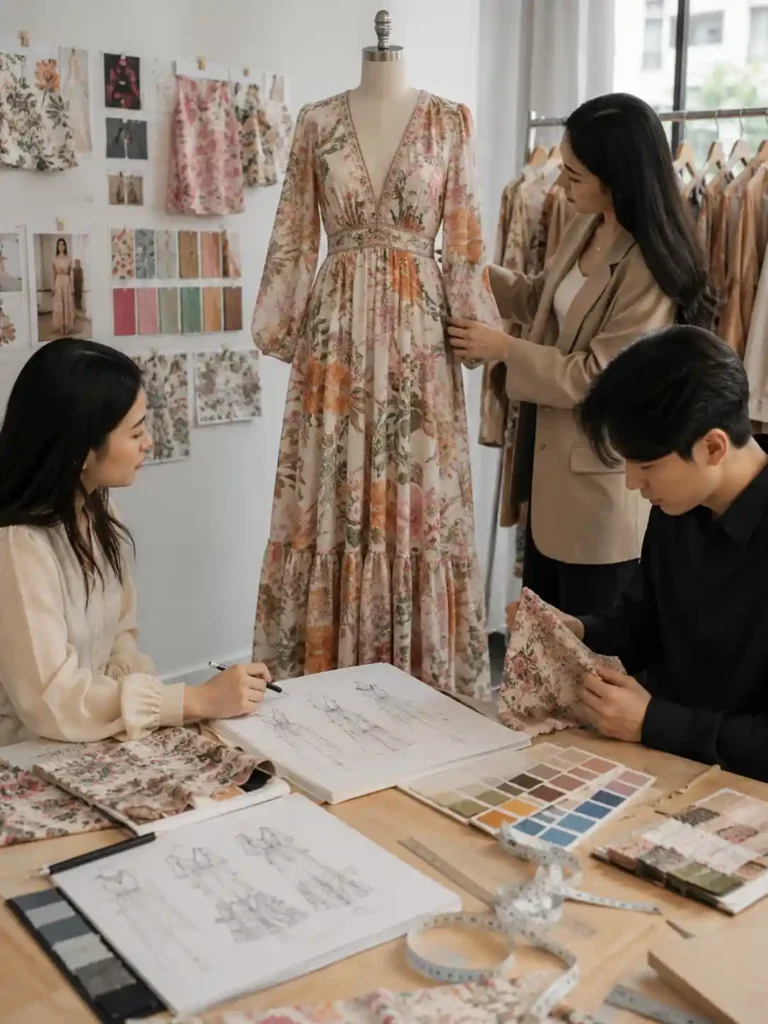
Jinfeng reviews dress collections through several manufacturing dimensions before sample work begins. Length decides pattern grading, hem behavior, fabric consumption, and packing needs. Silhouette affects fit risk, body movement, seam tension, and size tolerance. Fabric family shapes drape, cost, QC focus, and pressing method. Design details influence sample time, trim sourcing, sewing difficulty, and bulk stability.
For a 10–30 style collection, early structure review helps separate simple styles, complex styles, fabric-sensitive styles, and packing-sensitive styles. A mini satin ruched dress, a lace midi dress, a sequin party dress, and a chiffon maxi dress cannot follow the same sample logic. Each style group needs its own technical focus while still staying inside one brand direction.
Production structure usually covers:
- Length: mini, midi, maxi, floor-length.
- Silhouette: bodycon, corset, slip, A-line, halter, strapless.
- Occasion: party, resort, wedding guest, graduation, evening.
- Fabric: satin, mesh, lace, sequin, chiffon, jersey, ponte, velvet.
- Construction: lining, cups, boning, zipper, slit, ruching, pleats.
- Delivery: SKU labels, carton marks, packing list, export files.
Seasonal Dress Collection Support for Fashion Brands
Spring Collection
- Print direction and color softness reviewed.
- Lining and opacity checked early.
- Fabric availability affects spring delivery planning.
Summer Resort Drop
- Breathable fabrics reviewed by garment structure.
- Strap and back details checked in fitting.
- Packing pressure reviewed for soft fabrics.
Holiday Partywear
- Sequin and velvet require extra surface review.
- Lining and seam comfort checked before bulk.
- Earlier sample review reduces seasonal risk.
Graduation Season
- Opacity and bust fit reviewed.
- White and pastel fabrics checked carefully.
- Sample timing planned around peak-season pressure.
Wedding Guest Season
- Lining and transparency reviewed.
- Slit and neckline stability checked.
- Pressing finish supports occasionwear value.
Repeat Capsule
- New colors can use saved pattern records.
- Fabric changes still require confirmation.
- Packing requirements can carry into replenishment.
Fabric Options for Custom Dress Collections

Satin
- Suitable for slip, cocktail, evening, and party styles.
- Key risks: shade, snagging, puckering, wrinkles.
- Surface protection planned before packing.

Mesh
Mesh supports sheer panels, layered bodycon styles, cut-outs, sleeve details, and modern party dresses.
Key risks include transparency, stretch change, panel shifting, edge curling, and lining relationship.
- Transparency and lining checked early.
- Stretch direction reviewed before cutting.
- Size grading reviewed for fitted styles.

Lace
- Motif placement and edge use reviewed.
- Lining color affects final look.
- Lace yield reviewed during costing.

Sequin
- Seam allowance cleaning reviewed.
- Lining comfort checked for wearability.
- Polybag and carton pressure controlled.

Chiffon
- Lining and opacity reviewed.
- Edge finishing and hem behavior checked.
- Pressing method selected carefully.

Jersey
- GSM and stretch direction reviewed.
- Size grading checked against recovery.
- Neckline stability and hem finish controlled.
Ponte
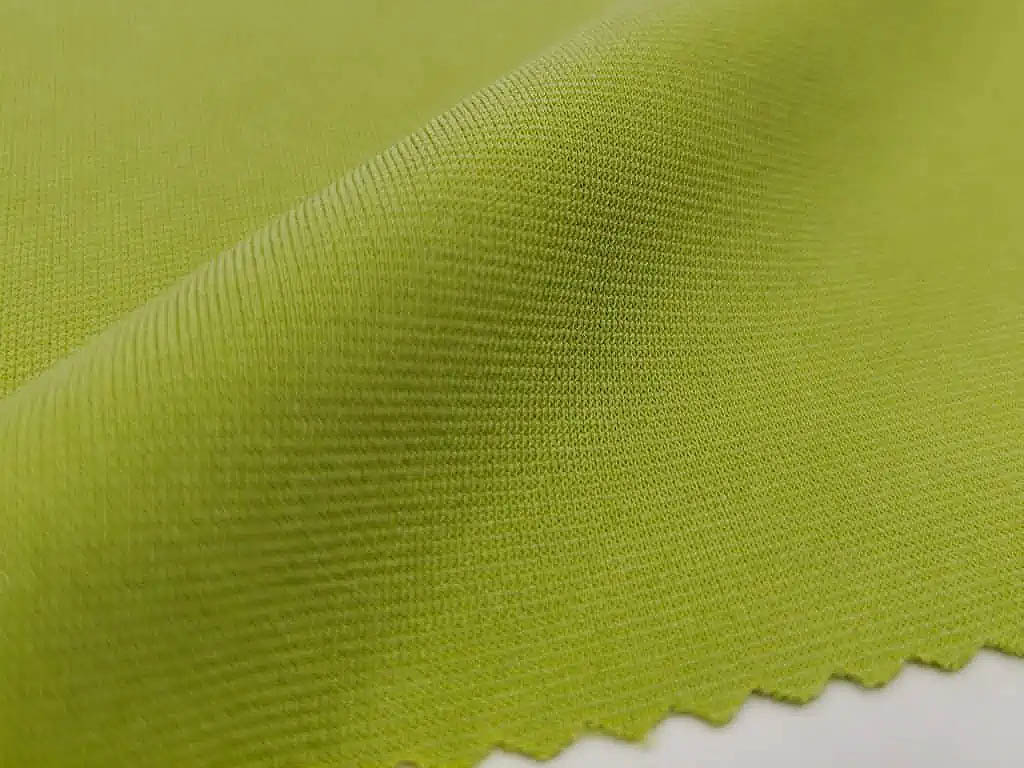
- Elasticity and cutting stability reviewed.
- Zipper compatibility checked.
- Measurement records prepared before bulk.

Velvet
- Nap direction and cutting layout reviewed.
- Steaming method selected with care.
- Carton arrangement reduces pressure marks.
Tulle
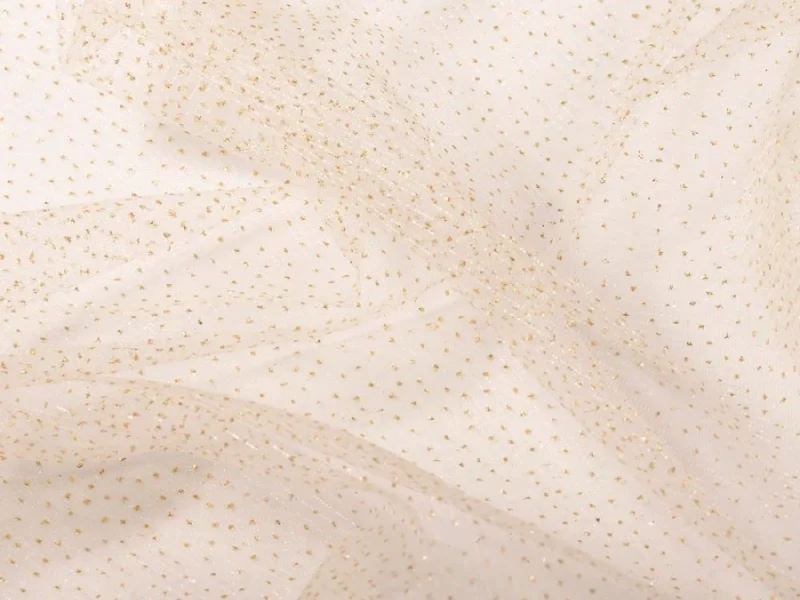
- Layer count and volume reviewed.
- Length grading checked across sizes.
- Packing recovery considered before shipment.

Organza
- Seam finish and edge control reviewed.
- Lining relationship checked.
- Shape retention considered for packing.
Rayon
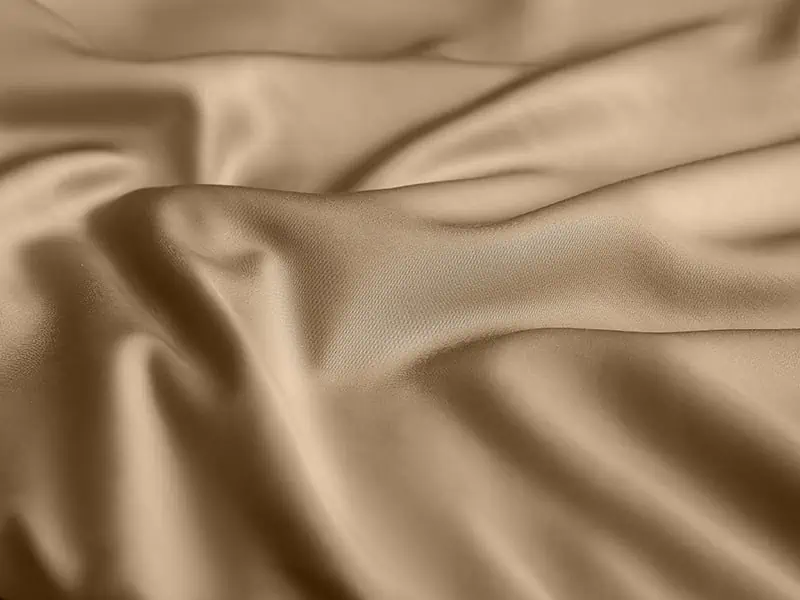
- Wash expectations reviewed.
- Print direction and shrinkage checked.
- Measurements confirmed after fabric review.

Linen Blend
- Blend ratio and color stability reviewed.
- Lining need checked.
- Packing method planned for relaxed but refined finish.
Fit Control Across Multi-Style Dress Collections
Bust Balance
- Bust measurement and dart shaping reviewed.
- Cup position and lining behavior checked.
- Strap length adjusted before PP approval.
Waist Placement
- Waistline checked by silhouette.
- Ruching and panel lines reviewed.
- Grading protects proportion across sizes.
Hip Fit
- Hip ease reviewed by fabric type.
- Side seam and slit balance checked.
- Size grading reviewed for comfort.
Length Grading
- Mini, midi, and maxi length rules separated.
- Lining length checked with outer shell.
- Hem balance reviewed after pressing.
Neckline Stability
- Neckline tension checked during fitting.
- Facing, lining, and support details reviewed.
- Movement comfort considered before PP sample.
Sleeve Movement
- Armhole and sleeve cap reviewed.
- Fabric stretch considered in movement.
- Cuff opening and lining checked when needed.
Slit Position
- Slit height checked across sizes.
- Reinforcement reviewed before bulk.
- Lining opening aligned with outer slit.
Lining Coverage
Lining affects opacity, skin comfort, garment weight, fit, and perceived quality. Satin, lace, mesh, chiffon, tulle, and sequin dresses often need different lining choices. Jinfeng reviews lining color, stretch, length, attachment method, transparency, and seam comfort.
- Lining color and transparency reviewed.
- Attachment method checked for twisting risk.
- Skin comfort considered for fitted garments.
Design Details That Shape a Dress Collection
Ruching

- Gathering ratio reviewed in sample.
- Sewing standards set for bulk repeatability.
- Symmetry checked across size range.
Pleats

- Pleat layout and measurement reviewed.
- Pressing method selected by fabric type.
- Packing pressure checked before shipment.
Cut-Outs

- Opening position checked by size.
- Edge stability reviewed before PP approval.
- Reinforcement planned for movement comfort.

Corset Panels
- Cup and boning placement reviewed.
- Zipper strength checked.
- Body movement tested during fitting.

Lace Placement
- Motif placement reviewed before cutting.
- Scallop edge use planned by design.
- Fabric yield considered during costing.

Sequin Layout
- Shine direction checked.
- Inner comfort reviewed with lining.
- Packing protection planned.

Strap Details
- Attachment strength checked.
- Slider and tie details reviewed.
- Length balance adjusted in sample.

Back Opening
- Back stability checked during fitting.
- Lace-up spacing and zipper finish reviewed.
- Product photography view considered.

Zipper Choice
- Zipper type matched to fabric.
- Pull smoothness tested.
- Top and bottom finish checked.
Complex Dress Samples Need Risk Review
Corset Dress
- Boning placement.
- Cup position.
- Bodice support.
- Zipper strength.
- Lining comfort.
- Waist shaping.
Mesh Dress
- Transparency control.
- Stretch direction.
- Panel alignment.
- Lining coverage.
- Edge finish.
- Size grading.
Lace Dress
- Motif placement.
- Scallop edge.
- Lining color.
- Seam planning.
- Zipper finish.
- Fabric yield.
Sequin Dress
- Sequin density.
- Seam comfort.
- Needle handling.
- Surface protection.
- Packing pressure.
- Final inspection.
Cut-Out Dress

- Opening placement.
- Edge stability.
- Size scaling.
- Lining relationship.
- Reinforcement.
- Movement comfort.
Jumpsuit Extension

- Crotch length.
- Waist position.
- Torso balance.
- Zipper access.
- Sitting comfort.
- Size grading.
Bulk Production Planning for Multi-SKU Collections
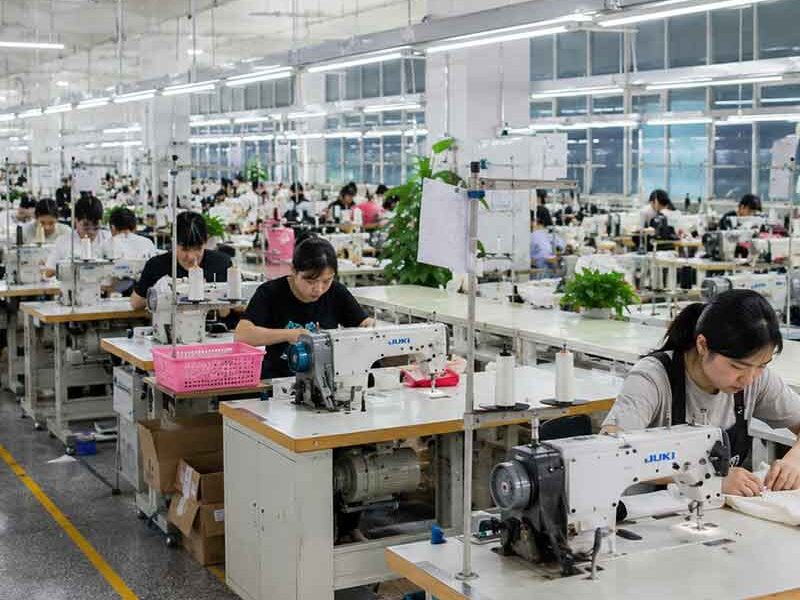
A full dress collection may include 10–30 styles, several fabric families, multiple color groups, size ranges, private-label materials, and staggered delivery requirements. Jinfeng plans bulk production around approved samples, fabric status, production allocation, QC focus, and packing files.
Production Allocation and Control
Jinfeng operates 6 owned women’s fashion factories and works with more than 10 long-term satellite production partners. For collection work, production allocation depends on fabric type, garment structure, sewing difficulty, quantity split, delivery schedule, and QC needs. A satin slip dress, a sequin mini dress, a lace midi dress, and a corset party dress require different production attention.
Bulk planning begins after sample standards and project files are clear. The team checks whether each style has an approved sample, fabric record, trim record, measurement file, construction note, color plan, and packing requirement. Larger programs may be arranged by style group, fabric group, or delivery batch.
Production planning covers:
- Style groups and approved samples.
- Fabric status and color split.
- Quantity by style, color, and size.
- Factory allocation by complexity.
- Cutting and sewing sequence.
- Inline QC and final inspection focus.
- Private-label packing requirements.
- Shipment and document preparation.
MOQ Planning for Dress Collection Manufacturing
MOQ starts from 200 pcs per style/color. Final production planning depends on fabric availability, color development, trims, construction difficulty, size breakdown, packing requirements, and production schedule.
| Planning Factor | Standard Direction | When Quantity May Increase | Jinfeng Review Focus |
|---|---|---|---|
| Basic Style | From 200 pcs/style/color | More colors or many sizes may affect efficiency | Style structure, fabric, size split |
| Fabric Availability | Easier with available fabric | Custom weave, custom dye, special lace, or sequin fabric may require higher fabric MOQ | Supplier fabric MOQ, lead time, shade control |
| Color Plan | Fewer colors simplify production | Many colors per style can increase fabric and dyeing requirements | Color split, dye lot, colorfastness |
| Construction | Simple styles move faster | Corset, boning, cups, sequin, lace placement, cut-outs, or layered designs may require extra control | Sample risk, sewing process, QC standard |
| Size Range | Clear size set improves planning | Wide size ranges may need stronger grading and measurement control | Size chart, grading, fit sample comments |
| Private Label Packing | Standard labels and polybags are manageable | Custom hangtags, barcodes, carton marks, and special packing need more file control | Label files, SKU codes, packing records |
| Collection Scale | 10–30 styles can be planned by groups | Large programs with 20,000–80,000 total pcs may need phased production | Factory allocation, delivery batches, QC rhythm |
| Repeat Orders | Easier when records are kept | New colors, fabric changes, or label updates require review | Pattern records, fabric notes, trim files |
Private Label Support for Dress Collection Programs
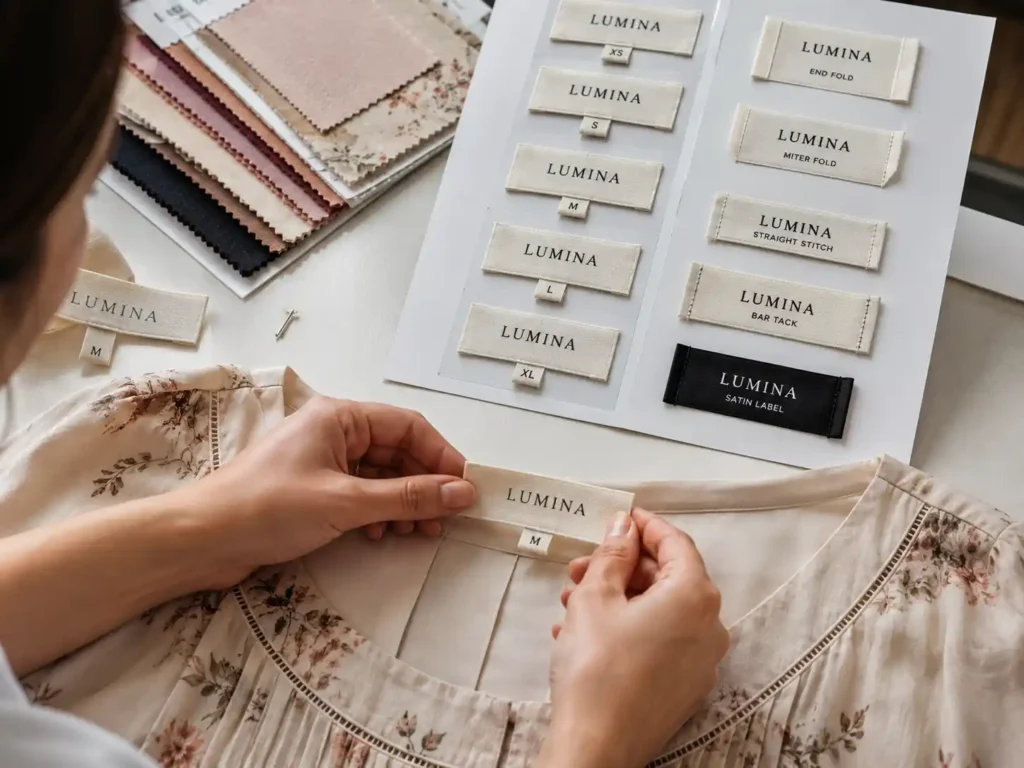
Woven Labels
- Label size and color reviewed.
- Sewing placement checked by garment type.
- Repeat-order records retained.
Care Labels
- Fiber content and care wording reviewed.
- Placement checked for comfort.
- Bulk use follows approved files.
Size Labels
- Size range confirmed before bulk.
- Size labels matched with packing records.
- Carton grouping checked before shipment.
Hangtags
- Hangtag file and string type reviewed.
- Placement avoids delicate fabric damage.
- Barcode relation checked when needed.
Barcode Stickers
- Barcode files matched with SKU table.
- Sticker placement confirmed.
- Scan and packing accuracy checked.
SKU Labels
- SKU file checked against style list.
- Color and size data matched.
- Packing list aligned with SKU records.
Polybags
Polybags protect garments during packing, storage, and transit.
Jinfeng reviews bag size, warning text when required by the brand, barcode position, folding method, and garment thickness.
- Polybag size matched to garment fold.
- Barcode and size sticker placement checked.
- Delicate fabrics receive extra protection review.
Carton Marks
Carton marks support export handling, warehouse receiving, and order organization.
Jinfeng reviews carton mark content, style code, color, size range, carton number, quantity, and shipping requirements.
- Carton data checked by style and size.
- Mixed cartons controlled by packing files.
- Carton marks aligned with packing list.
QC Controls for Multi-Style Dress Production
Material Inspection
- Satin, mesh, lace, sequin, chiffon, velvet, and printed fabrics reviewed.
- Shade, transparency, and surface defects checked.
- Lining compatibility confirmed before cutting.
Cutting Review
Cutting quality affects garment shape, seam matching, motif placement, length balance, and size accuracy.
Jinfeng reviews cutting direction, fabric layer stability, print or lace placement, panel matching, and size marking.
- Direction and placement checked.
- Panel matching reviewed.
- Size marking controlled before sewing.
Measurement Check
- Key points checked by style.
- Tolerance applied to approved size file.
- Measurement records support repeat orders.
Sewing Inspection
- Seam tension and zipper quality checked inline.
- Lining and support details reviewed.
- Complex fabrics receive extra sewing checks.
Fit Consistency
- Fit-sensitive points reviewed by garment type.
- Approved samples guide production checks.
- Pattern notes support consistent size experience.
Pressing Review
- Pressing method matched to fabric surface.
- Heat-sensitive fabrics handled carefully.
- Garment shape checked after pressing.
Packing QC
Packing QC checks labels, hangtags, barcodes, size stickers, polybags, carton marks, folding method, and garment protection. Jinfeng reviews packing accuracy style by style and carton by carton.
- Labels and barcodes checked.
- Polybag and carton mark accuracy reviewed.
- Delicate garments protected during packing.
Final Inspection
- Garment appearance and measurements reviewed.
- Label and packing records checked.
- Shipment readiness confirmed before export coordination.
Cost Factors for Dress Collection Manufacturing
Dress collection cost depends on fabric, construction, trims, quantity split, sample complexity, private-label packing, and delivery planning. Jinfeng reviews cost drivers without weakening brand-level appearance.
| Cost Factor | Cost Driver | Why It Matters | Jinfeng Review Method |
|---|---|---|---|
| Fabric Type | Satin, lace, sequin, mesh, chiffon, velvet, jersey, and ponte carry different sourcing and handling costs | Fabric decides garment value, sewing method, QC focus, and final appearance | Review handfeel, bulk availability, shade risk, and production suitability |
| Lining | Full lining, partial lining, stretch lining, or contrast lining affects material and sewing time | Lining changes opacity, comfort, structure, and size feel | Review transparency, skin comfort, dress structure, and sample fit |
| Construction | Corset panels, boning, cups, ruching, pleats, cut-outs, slits, and layered details increase work | Complex construction raises sample review and bulk control needs | Review pattern risk, sewing sequence, PP sample standards, and QC points |
| Trims | Zippers, straps, hooks, adjusters, cups, boning, labels, and hangtags affect sourcing and assembly | Trim quality influences durability, comfort, and brand feel | Review function, placement, availability, and garment compatibility |
| Color Count | More colors can increase fabric, dye lot, label, and packing complexity | Color split affects MOQ, shade control, and production allocation | Review color plan, dye lot, colorfastness, and packing records |
| Size Range | Wider size ranges need stronger grading, measurement checks, and fit review | Size consistency affects fit experience and return risk | Review size chart, grading rules, fit samples, and measurement files |
| Sampling Rounds | Complex styles often need more review than simple silhouettes | Revisions protect bulk production but affect development timing | Review comments, revised samples, PP sample approval, and final records |
| Packing Needs | Custom labels, barcodes, polybags, carton marks, and documents add coordination work | Packing accuracy affects warehouse receiving and retail readiness | Review label files, SKU logic, carton marks, and packing list |
| Quantity Split | 20,000–80,000 total pcs across 10–30 styles may need phased planning | Quantity split affects factory allocation, fabric booking, and delivery rhythm | Review style, color, size breakdown and production schedule |
| Delivery Plan | Express, air, sea, or combined shipment planning changes cost and timing | Launch calendars may require split delivery or priority styles | Review destination, timing, carton data, and shipment documents |

Workmanship Details Behind Brand-Level Dresses
Workmanship is where a dress collection becomes stable, wearable, and repeatable. Jinfeng reviews garment construction through seam quality, lining, pressing, trims, measurement, and packing details.
Sewing, Finishing, and Garment Handling
Dress collections require workmanship control across many small details. A clean seam, smooth zipper, aligned lining, neat hem, stable strap, secure slit, balanced ruching, and correct label placement can change the perceived value of the garment. Jinfeng reviews workmanship according to approved samples and garment type rather than applying one generic sewing standard to every style.
Satin needs smooth seam tension and careful pressing. Lace needs clean placement and edge treatment. Mesh needs tension control and lining accuracy. Sequin needs surface protection and seam comfort. Chiffon needs clean hems and controlled fabric shifting. Corset dresses need inner structure and zipper support. Bodycon dresses need stretch balance and measurement control.
Workmanship review covers:
- Seam neatness and strength.
- Zipper smoothness and placement.
- Lining coverage and attachment.
- Hem balance and finish.
- Strap strength and symmetry.
- Ruching or pleat consistency.
- Slit reinforcement.
- Pressing and shape recovery.
- Label and hangtag placement.
- Garment folding and protection.
Style Protection for Unreleased Collections
NDA Cooperation
- Unreleased design files can be handled under NDA.
- Brand names and style details remain confidential.
- Project information is used for development and production only.
File Protection
- Tech pack and measurement files are protected.
- Label artwork and barcode files remain project-specific.
- Packing files are handled for approved production needs.
Anonymous Case Use
When presenting project experience, Jinfeng can use anonymous case formats by region, product type, style count, order range, problem, solution, and result. Brand names, unpublished designs, pricing, private files, and protected packaging details remain confidential unless written approval is provided.
- Region and project type can be described anonymously.
- Brand identity and private files remain protected.
- Case formats avoid identifiable details.
Dress Collection Projects Supported by Jinfeng Apparel

United States | Partywear Ecommerce Collection
A premium ecommerce fashion brand in the United States prepared a 24-style partywear collection for a holiday launch. The collection included satin minis, sequin bodycon dresses, mesh sleeve styles, cut-out dresses, and corset-inspired party dresses. The planned order was around 48,000 pcs across several colors and standard ecommerce size ranges.
- 24 styles / 48,000 pcs / 5 product groups — project data: satin minis, sequin bodycon dresses, mesh sleeve styles, cut-out dresses, and corset-inspired styles; technical difficulty: sequin, mesh, and satin carried different fit, sewing, and packing risks; solution: Jinfeng grouped styles by fabric and construction risk before sample review.
- 3 sample stages / campaign timing pressure — project data: first sample, revised sample, and PP sample were needed before campaign preparation; technical difficulty: holiday launch timing allowed limited revision space; solution: sample comments were organized by style group and PP standards were prepared before bulk.
- 6 construction focus points — project data: stretch, lining, zipper, boning, strap stability, and packing were reviewed; technical difficulty: fitted partywear styles could distort after grading; solution: fit-sensitive areas were checked through sample photos, measurement records, and PP sample review.
- 5 packing files / ecommerce SKU control — project data: size labels, hangtags, SKU labels, polybags, and carton marks were required; technical difficulty: many similar styles and colors created packing risk; solution: packing files were checked by style-color-size group before carton preparation.

United Kingdom | Occasionwear Dress Program
An occasionwear label in the United Kingdom developed an 18-style wedding guest and cocktail dress program. The collection used satin, chiffon, lace, mesh, soft neutrals, floral prints, and elegant midi lengths. The order structure was approximately 32,000 pcs across multiple colors and sizes.
- 18 styles / 32,000 pcs / 4 fabric families — project data: satin, chiffon, lace, and mesh dresses across wedding guest and cocktail silhouettes; technical difficulty: shade variation, transparency, and uneven lace placement had appeared with earlier suppliers; solution: Jinfeng reviewed lining color, fabric shade, lace placement, and transparency before bulk production.
- 5 fit and length controls — project data: bust, waist, hip, slit height, and midi length grading required close review; technical difficulty: occasionwear needed refined fit across several sizes; solution: pattern records and PP samples were used to guide measurement checks.
- 6 private-label packing items — project data: woven labels, care labels, hangtags, size labels, barcode stickers, and carton marks were included; technical difficulty: retail and ecommerce channels needed accurate packing; solution: packing records were prepared by style, color, size, and carton.
- 2 repeat-order candidates / new color planning — project data: selected silhouettes were prepared for future color updates; technical difficulty: repeat styles still needed shade and fabric review; solution: approved sample, measurement, fabric, trim, and packing records were retained.

Australia | Resort Dress Collection
An Australian resortwear brand developed a 16-style summer and vacation dress collection with printed rayon, chiffon, linen-blend fabrics, halter details, open backs, maxi silhouettes, and relaxed mini dresses. The planned order was about 26,000 pcs with several print and color groups.
- 16 styles / 26,000 pcs / 3 fabric groups — project data: printed rayon, chiffon, and linen-blend dresses; technical difficulty: lightweight fabrics carried shrinkage, print direction, transparency, and wrinkle risks; solution: Jinfeng grouped styles by fabric behavior and reviewed shrinkage, print direction, and packing method before bulk.
- 4 visual and fit priorities — project data: front-view appeal, side movement, back details, and vacation-wear comfort needed review; technical difficulty: open backs and halter straps could shift during wear; solution: strap attachment, back stability, and hem finish were checked in samples.
- 3 packing risks / travel-friendly delivery — project data: fold method, polybag size, and carton pressure needed control; technical difficulty: rayon and chiffon could wrinkle or distort during shipping; solution: garment folding and carton loading were reviewed by style group.
- 2 future development directions — project data: best-performing silhouettes were considered for new prints and color updates; technical difficulty: new prints could change fabric behavior and shade; solution: print placement, fabric notes, and approved pattern records were saved for future review.
Frequently Asked Questions
Start Your Dress Collection Project
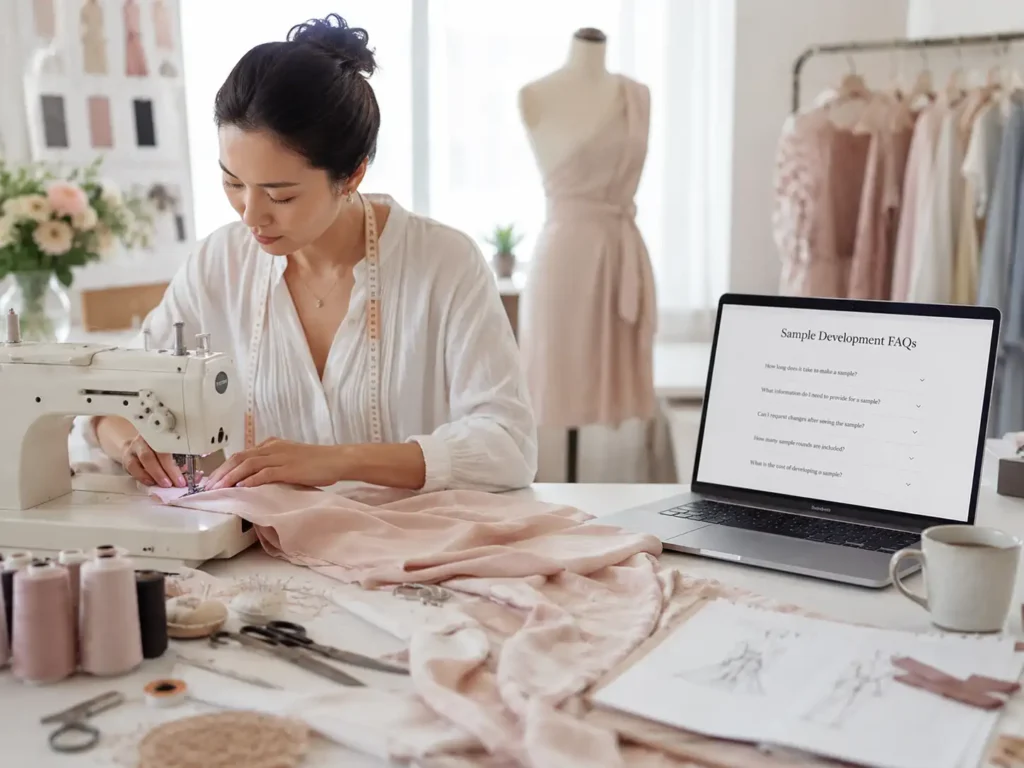
Jinfeng Apparel helps fashion brands develop custom dress collections from reference images, tech packs, line sheets, or original samples into production-ready garments. Share your style list, target quantity, fabric direction, color plan, size range, private-label requirements, packing files, and launch schedule. Kelly and the project team will review style complexity, MOQ logic, fabric feasibility, sample risk, bulk production planning, QC focus, and export delivery needs before moving into quotation or sample development.
Please prepare:
- Line sheet or style list.
- Reference images or tech packs.
- Target quantity by style/color.
- Fabric and color direction.
- Size range and measurement file.
- Label and packing requirements.
- Target launch or delivery date.
- Shipment destination when confirmed.

