 Skip to content
Retail-Ready Womenswear Manufacturer
Custom dresses, skirts, jumpsuits, matching sets and private-label womenswear developed for retail launch, ecommerce warehousing and seasonal brand programs.
Jinfeng Apparel helps fashion brands move from design reference, tech pack or sample garment to production-ready womenswear with fabric sourcing, pattern development, sampling, bulk production, QC, brand labels, hangtags, SKU packing, carton marks and export delivery. Based in Guangdong, China, Jinfeng supports retail programs built around fit stability, fabric execution, bulk consistency and clean final presentation.
- 30+ finishing and packing workers— thread trimming, pressing review, label checking, folding, polybag packing and carton preparation.
- 15+ QC inspectors— material, cutting, inline, measurement, finished garment, pressing and packing inspection.
- 2 sample rooms and 7+ senior pattern makers— first sample, fit sample, revised sample, PP sample and Golden sample support.
- MOQ from 200 pcs/style/color— suitable for organized retail programs, not ready-stock resale or micro-order fulfillment.
- Anonymous retail program range: 12–24 styles / 26,000–62,000 pcs— womenswear orders across US, Australian and Canadian retail-ready programs.
Production Facts Behind Retail-Ready Womenswear
Since 2008
- Women’s fashion manufacturing experience since 2008.
- Dresses, skirts, jumpsuits, sets, tops and private-label womenswear support.
- Development records help repeat orders and seasonal updates.
6 Owned Factories
- Owned factory support for core womenswear production.
- Factory matching by fabric, garment structure and production rhythm.
- Stronger control for complex styles and repeat programs.
10+ Production Partners
More than 10 long-term satellite production partners support multi-style and multi-batch programs when brand collections require broader capacity.
Jinfeng coordinates factory matching, production timing, QC requirements and packing expectations so each style follows approved development and delivery records.
- Capacity support for larger seasonal programs.
- Partner allocation follows Jinfeng production and QC standards.
- Production and packing records stay connected by style.
100,000+ Monthly Capacity
- Capacity suitable for multi-style womenswear programs.
- Planning includes fabric, trims, color split and approval timing.
- Supports phased bulk production after sample approval.
2 Sample Rooms
- Sample version control before production.
- Photo-ready and PP sample support.
- Sample notes guide pattern correction and bulk handover.
15+ QC Inspectors
- Fabric, cutting, sewing and measurement checks.
- Final garment and pressing review.
- Label, packing and carton inspection before shipment.
Built For Brand-Level Womenswear Programs
Global Fashion Brands
- Approved samples connected with bulk standards.
- Pattern, fabric, trim and packing records retained.
- Suitable for multi-market womenswear launches.
Premium Ecommerce Brands
Ecommerce fashion programs need garments ready for photography, product listing, warehouse receiving and consumer delivery. Jinfeng supports photo-ready sample review, fit stability, surface appearance, polybag packing, SKU labeling, size ratio packing and export delivery coordination.
- Photo-ready sample and PP sample support.
- SKU, barcode, polybag and carton records.
- Fit and measurement control for online size experience.
Retail Buying Teams
- PP sample standard before bulk production.
- Carton marks and packing lists prepared by file.
- Retail-ready packing reviewed before shipment release.
Boutique Chains
- Mixed-style and mixed-size packing support.
- Branch or warehouse allocation data can be reviewed.
- Repeat-order records help future replenishment.
Private Label Programs
- Labels, hangtags, barcodes and branded packing.
- SKU-level packing and carton records.
- NDA-based cooperation for private brand files.
Sourcing Offices
- Tech pack, line sheet and sample review.
- Production progress follow-up by style.
- QC, packing and shipment coordination.
Custom Production Instead Of Stock Wholesale
| Comparison Point | Retail-Ready Custom Production | Ready Stock Wholesale |
|---|---|---|
| Product Source | Developed from tech pack, reference sample, sketch, line sheet or brand direction | Selected from existing inventory or public market styles |
| Brand Control | Fabric, fit, label, trim, packaging and carton requirements can be planned before bulk | Brand details are usually limited or added after stock selection |
| Fit Standard | Pattern and measurement files are built around the approved sample | Fit is already fixed by stock garment specs |
| Label Support | Woven label, care label, size label, hangtag, SKU label and polybag can be prepared | Label changes may be limited by garment construction and stock status |
| Packing Control | Size ratio, carton mark, polybag, barcode and packing list can follow brand instructions | Packing often follows supplier inventory handling |
| Best Program Type | Seasonal collection, ecommerce launch, retail assortment, private-label program, repeat order | Immediate stock buying or temporary inventory sourcing |
| Production Records | Pattern, fabric, trim, measurement and packing records can support future orders | Stock records may not support identical repeat production |
| Jinfeng Position | Custom womenswear manufacturing for brand-level production | Not positioned as a ready-stock or dropship supplier |
Common Risks Before Retail Delivery
Sample Looks Different
- PP sample confirmation.
- Measurement file control.
- Fabric lot review.
- Bulk workmanship reference.
Label Errors Delay Receiving
- Label artwork review.
- Size label matching.
- Care label placement.
- Hangtag attachment.
Packing Becomes Confusing
- Size ratio packing.
- SKU label placement.
- Carton mark checking.
- Packing list support.
Fit Changes In Bulk
Fit problems are expensive after bulk completion because garment return risk, product reviews and sell-through can be affected.
Jinfeng focuses on bust, waist, hip, neckline, armhole, shoulder, strap, slit height, lining, dress length and jumpsuit rise.
- 7+ senior pattern makers.
- 2 sample rooms.
- Fit sample review.
- Measurement control.
Final Appearance Looks Weak
Retail-ready womenswear must arrive clean, pressed, folded and visually aligned with brand expectations.
Wrinkles, loose threads, uneven hems, poor label placement and weak folding make garments feel unfinished. Jinfeng handles thread trimming, pressing review, surface cleaning, fold method, polybag use and carton packing as part of final presentation control.
- Thread trimming.
- Pressing review.
- Surface cleaning.
- Fold method check.
Delivery Files Are Incomplete
- Packing list.
- Carton marks.
- Export documents.
- Shipment tracking.
Womenswear Categories Ready For Retail Programs

Mini Dresses
- Length control
- Lining coverage
- Hip ease
- SKU packing

Midi Dresses
Midi dresses need balanced length, drape, waist shaping and hem consistency across sizes. A strong sample can fail in bulk when fabric weight, side seam balance or pressing changes the silhouette.
Jinfeng reviews fabric fall, hem level, waist seam, zipper position, measurement tolerance and fold method.
- Drape review
- Hem balance
- Waist control
- Pressing method

Maxi Dresses
Maxi dresses require more fabric management, longer cutting accuracy and careful hem finishing. Jinfeng controls front length, back length, side seam fall, lining length, slit height, strap support and packing fold method.
Long dresses are more likely to show wrinkles and uneven hems after shipment.
- Long hem control
- Slit height
- Lining length
- Packing folds

Party Dresses
- Visual impact
- Trim security
- Fit support
- Final finish

Cocktail Dresses
- Structure review
- Lining control
- Zipper placement
- Brand packing

Evening Dresses
Evening dresses require stronger attention to drape, inner support, lining, seam finish and fabric protection. Satin, chiffon, velvet, mesh and sequin materials can create different risks around wrinkles, snagging, transparency and weight. Jinfeng supports sample review, PP approval, careful bulk sewing and final pressing.
- Drape control.
- Inner support.
- Surface protection.
- Pressing review.

Wedding Guest Dresses
Wedding guest dresses often need color accuracy, size reliability and elevated finish because occasionwear shoppers compare fabric handfeel, lining comfort and photo appearance closely. Jinfeng reviews neckline safety, waist placement, hem level, color lot, lining, zipper and final pressing.
- Color review.
- Photo finish.
- Fit comfort.
- Seasonal timing.

Resort Dresses
Resort dresses need lightweight comfort, travel-friendly fabric direction, breathable lining decisions and wrinkle control. Jinfeng reviews chiffon, rayon, linen blends, printed fabrics and soft drape materials according to launch calendar and destination use.
- Lightweight fabrics.
- Print matching.
- Wrinkle control.
- Travel packing.

Bodycon Dresses
Bodycon dresses rely on stretch recovery, measurement control and body proportion. Jinfeng reviews bust tension, waist compression, hip ease, lining stretch, zipper stress, hem roll and size grading. Bulk production must follow approved elasticity and sewing tension, or fit can shift across sizes.
- Stretch recovery.
- Bust balance.
- Hip measurement.
- Bulk consistency.

Corset Dresses
Corset dresses require structure, support and comfort control. Jinfeng reviews boning placement, cup position, underbust support, lining, zipper strength, seam tension and neckline safety. Retail-ready corset dress programs need PP sample confirmation, workmanship inspection and packing methods preventing deformation during shipment.
- Boning placement.
- Cup support.
- Neckline safety.
- Shape protection.

Satin Dresses
Satin dresses create retail value through sheen, drape and smooth surface, yet satin also shows wrinkles, press marks, snagging and color variation easily.
Jinfeng reviews fabric weight, lining need, seam finish, needle marks, pressing temperature and packing folds.
- Surface control.
- Press marks.
- Snagging risk.
- Fold planning.

Mesh Dresses
Mesh dresses require transparency, stretch, lining and seam control. Jinfeng reviews inner lining coverage, panel placement, armhole comfort, neckline stability, elastic recovery and stitching method. Retail-ready mesh programs often include bodycon, partywear or layered occasion styles.
- Transparency control.
- Lining placement.
- Elastic recovery.
- Panel accuracy.

Lace Dresses
Lace dresses require pattern placement, seam matching, lining color and trim handling. Jinfeng reviews lace scale, scallop edge use, transparency, lining coverage, zipper finishing and surface protection. Retail-ready lace dress production needs careful inspection because thread pulls, mismatched panels and uneven lace placement are highly visible.
- Lace placement.
- Scallop edge.
- Lining shade.

Jumpsuits
Jumpsuits need stronger structure review than many dresses because rise, waist, hip, torso length, strap position and leg opening affect comfort.
Jinfeng reviews crotch length, back coverage, zipper access, waistband, inseam, bust support and sitting movement.
- Rise comfort.
- Torso balance.
- Waist position.
- Measurement check.

Matching Sets
Matching sets need fabric lot control, color matching and size pairing between tops and bottoms. Jinfeng reviews top length, skirt or trouser fit, waist position, print direction, shrinkage risk and packing pair accuracy. Retail-ready matching set programs need SKU labeling and polybag packing planned carefully.
- Color matching.
- Set pairing.
- SKU accuracy.
- Ratio packing.
Retail Scenarios Jinfeng Apparel Supports
Ecommerce Launches
- Photo-ready sample review.
- SKU, barcode and polybag support.
- Warehouse receiving details prepared before shipment.
Boutique Chains
Boutique chain programs often require multiple colors, sizes and silhouettes packed by store allocation or size ratio. Jinfeng supports garment labels, hangtags, size grouping, carton marks, packing list preparation and style-level production records.
- Store or branch allocation support.
- Size ratio packing and carton marks.
- Repeat production records for replenishment.
Seasonal Collections
- Launch month and production timing reviewed.
- Photo sample and PP sample sequence planned.
- Shipment route aligned with seasonal schedule.
Occasionwear Drops
Occasionwear programs often need polished dress styles for party, wedding guest, graduation, cocktail and evening events.
Jinfeng controls satin, lace, mesh, chiffon, sequin, lining, zipper and fit support details.
- Satin, lace, mesh and sequin review.
- Fit support and lining comfort.
- Final appearance inspection.
Resortwear Capsules
Resortwear capsules depend on lightweight fabrics, prints, drape, breathability and travel-friendly presentation.
Jinfeng reviews rayon, chiffon, linen blend, cotton blend, printed fabric and soft drape options before sampling.
- Fabric shrinkage and print direction.
- Wrinkle control and fold method.
- Seasonal shipment planning.
Private Label Lines
Private-label lines need product, brand and packing details aligned before bulk.
Jinfeng supports woven label, care label, size label, hangtag, barcode sticker, branded polybag, carton mark and packing list instructions.
- Label, hangtag and barcode files reviewed.
- Branded polybags and carton marks supported.
- Brand files handled as confidential production documents.
Retail Warehouse Orders
Retail warehouse orders need clear product identification and carton information.
Jinfeng can support carton marks, packing lists, style-color-size records, warehouse label coordination when supplied, and export files such as commercial invoice and shipment documentation.
- Style-color-size records.
- Packing list and carton data.
- Commercial invoice coordination.
Repeat Order Programs
- Pattern and fabric references retained.
- Trim and packing files can support reorder.
- New colors reviewed before restart.
Development Flow For Retail-Ready Garments
Project Review
- Style structure.
- Quantity plan.
- Fabric direction.
- Packing needs.
Fabric Direction
- Fabric weight.
- Stretch behavior.
- Color availability.
- Production risk.
Pattern Development
- Fit points.
- Style balance.
- Comfort risk.
- Bulk repeatability.
Sample Making
- Fabric drape.
- Measurement check.
- Trim position.
- Surface finish.
Sample Revision
- Fit correction.
- Measurement notes.
- Design detail adjustment.
- Approval records.
PP Sample Approval
- Approved standard.
- Production notes.
- Label confirmation.
- Packing reference.
Bulk Production
- Cutting control.
- Sewing standards.
- Inline checks.
- Schedule follow-up.
QC And Finishing
- Measurement inspection.
- Thread trimming.
- Pressing review.
- Packing check.
Export Delivery
Jinfeng supports express courier, air freight, sea freight, air-and-sea split shipment, EXW, FOB, CIF, DAP and DDP by project evaluation. Export files may include commercial invoice, packing list, bill of lading, air waybill, certificate of origin by request, carton marks and shipment tracking.
- Shipment route.
- Export documents.
- Carton information.
- Delivery coordination.
Fabric Directions For Retail-Ready Womenswear
Satin

Satin gives dresses a polished retail look, yet surface control is demanding. Jinfeng reviews fabric weight, sheen, snagging risk, seam marks, lining need, pressing temperature and folding method. Satin styles often require careful handling through sampling, bulk sewing, QC and packing.
- Review shine direction.
- Avoid hard fold marks.
- Check press temperature.
- Protect smooth surface.
Chiffon

- Confirm lining coverage.
- Review hem finish.
- Control cutting shift.
- Pack without crushing.
Mesh

- Check stretch recovery.
- Confirm lining panels.
- Review transparency.
- Avoid panel distortion.
Lace

- Review motif placement.
- Match lining shade.
- Protect lace surface.
- Inspect visible panels.
Sequin

- Check sequin security.
- Review lining comfort.
- Inspect surface gaps.
- Protect during carton packing.
Jersey

- Check stretch recovery.
- Control seam wave.
- Review size grading.
- Avoid garment distortion.
Knit
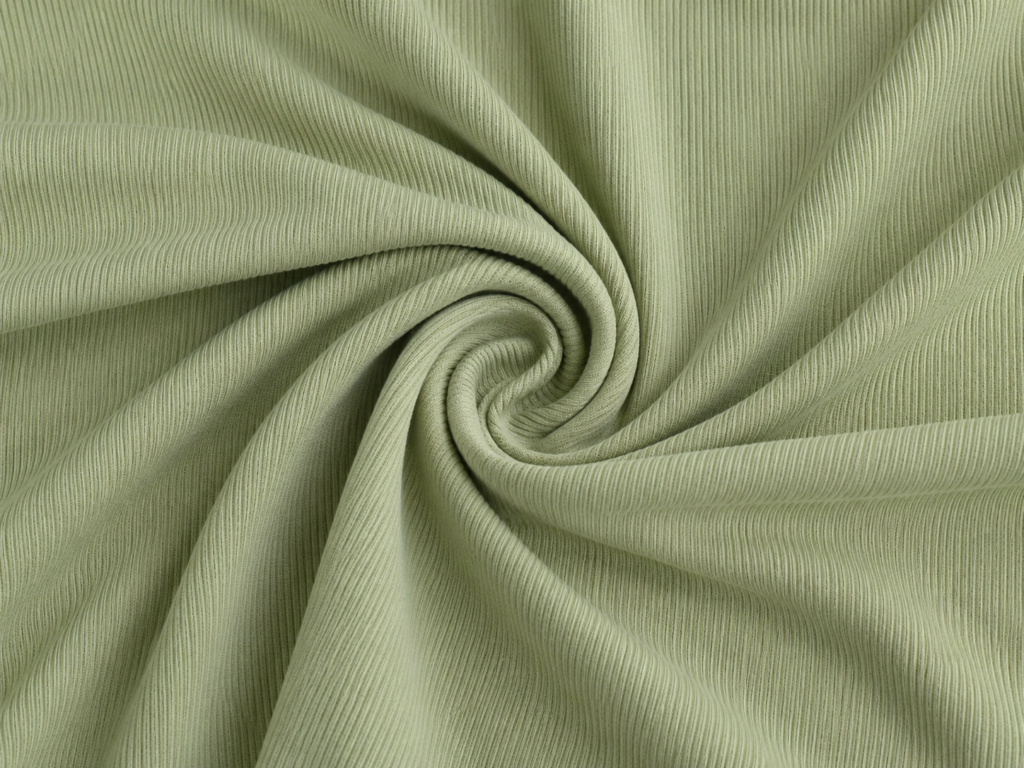
- Review recovery.
- Check neckline stability.
- Control panel sizes.
- Fold without stretching.
Ponte

- Review weight.
- Check seam thickness.
- Control stretch.
- Inspect shape retention.
Suiting

- Review drape.
- Confirm lining.
- Press seams cleanly.
- Protect tailored shape.
Rayon

- Review shrinkage risk.
- Check print direction.
- Control fabric slippage.
- Plan fold method.
Linen Blend
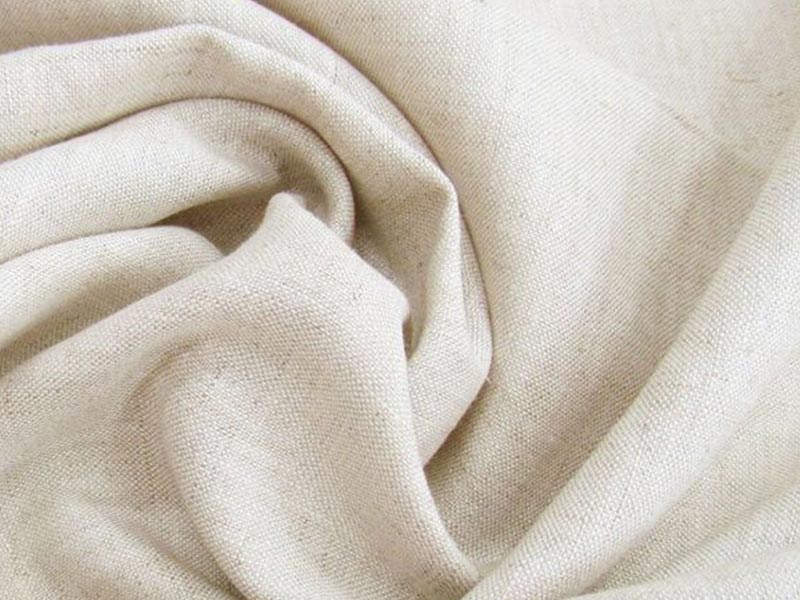
- Review wrinkle behavior.
- Check transparency.
- Confirm lining need.
- Plan pressing standard.
Velvet

- Control pile direction.
- Avoid hard pressing.
- Protect surface.
- Check shade consistency.
Trims And Components For Retail-Ready Styles
Zippers

- Hidden zipper alignment.
- Color matching.
- Puller comfort.
- Stress review.
Buttons And Hooks

- Attachment strength.
- Placement accuracy.
- Finish matching.
- Comfort check.
Boning And Cups

- Cup position.
- Boning length.
- Underbust support.
- Lining comfort.
Linings

- Coverage review.
- Color matching.
- Stretch compatibility.
- Length control.
Elastic And Tape

- Stretch recovery.
- Skin comfort.
- Placement accuracy.
- Support function.
Lace Trims

- Trim width.
- Color match.
- Symmetry.
- Edge finish.
Rhinestones And Beads

- Attachment security.
- Position control.
- Surface protection.
- Packing review.
Sequins

- Density review.
- Seam handling.
- Comfort lining.
- Visual inspection.
Brand Labels

Brand labels turn garments into private-label goods. Jinfeng supports woven labels, size labels, care labels, hangtags, hang strings, barcode stickers, SKU labels, branded polybags and carton marks. Label files should be confirmed before bulk finishing to avoid receiving delays or rework.
- Artwork confirmation.
- Placement standard.
- Size matching.
- Packing sequence.
Pattern Control For Retail-Ready Womenswear
Fit controls retail success before packaging starts. Jinfeng Apparel uses pattern review, sample development, measurement records and PP sample approval to reduce neckline, bust, waist, hip, length, strap, lining and jumpsuit comfort risks.
Body Proportion And Measurement Control
Retail-ready womenswear needs pattern control across exact points people feel and measure: bust, upper bust, under bust, waist, high waist, low waist, hip, shoulder width, armhole, neckline depth, strap length, slit height, front length, back length, lining length and jumpsuit rise. Jinfeng’s 7+ senior womenswear pattern makers review these points during development instead of treating a reference image as a complete production file.
Fit control matters strongly for mini dresses, bodycon dresses, corset dresses, strapless styles, halter dresses, backless pieces, jumpsuits and matching sets. A neckline can look attractive on a flat sketch yet become risky during model fitting. A bodycon dress can look strong in sample photos yet feel too tight after fabric lot changes. A jumpsuit can look correct standing up yet feel uncomfortable when sitting.
Development work usually begins with tech pack, sample garment, sketch, reference image or line sheet. The team checks style structure, measurement logic and fabric behavior, then prepares sample notes for correction. Approved pattern references help bulk production follow a clearer standard and support repeat orders later.
Fit Risks By Womenswear Style
Different womenswear silhouettes create different risk points. Bodycon dresses need bust, waist, hip, hem and stretch recovery control.
Corset dresses need cup position, boning placement, underbust support and neckline stability. Slip dresses need strap length, armhole comfort, neckline depth and drape balance. Maxi dresses need hem level, side seam fall, slit position and packing fold planning. Jumpsuits need torso length, crotch rise, back coverage and sitting comfort.
Jinfeng reviews these details during sample development so retail programs avoid expensive corrections after bulk sewing. For fitted dresses, sewing tension and fabric stretch must be aligned with pattern assumptions. For satin, chiffon, lace or mesh styles, lining changes can alter fit and drape. For matching sets, top and bottom measurements must remain paired correctly through packing.
Fit review can include photos, measurement records, mannequin check, model fitting feedback, revised pattern notes and PP sample approval. The goal is not only a beautiful sample, but a pattern suitable for repeated production across sizes, colors and order batches.
From Sample Pattern To Repeat Order
Retail-ready production gains value when records remain useful beyond one order. Jinfeng keeps pattern references, fabric notes, trim details, measurement files and packing requirements for future production. Repeat-order support helps brands reorder proven silhouettes, adjust colors, change fabrics, refine trims and produce new batches with stronger continuity.
Repeat production still needs review. Fabric availability may change, dye lots may differ, trims may require replacement and size ratios may shift according to sales results. Jinfeng reviews these changes before bulk restart so old records support efficiency without creating blind production risk.
For retail teams handling multiple product drops, record continuity is a major advantage. A dress style with stable pattern, fabric notes, label placement and packing method can move more quickly from reorder request to production planning. Jinfeng’s development and merchandising teams help keep these details organized for ongoing brand programs.
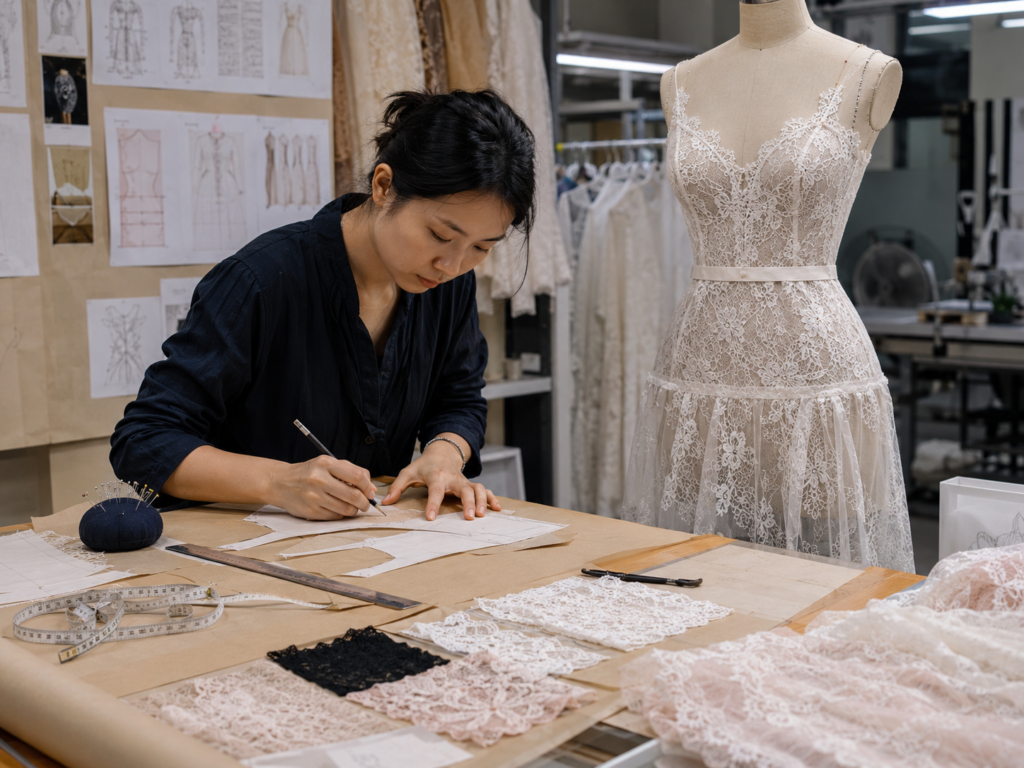
Design Details That Affect Retail Presentation
Retail-ready womenswear must look controlled in photos, packaging and first try-on. Necklines, straps, linings, hems, closures and surface details can decide whether a garment feels brand-level or unfinished.
Necklines, Straps And Support
Necklines and straps directly influence product photos, wearer comfort and return risk. Jinfeng reviews V-neck depth, halter balance, strap length, strap width, backless coverage, off-shoulder tension, one-shoulder stability and strapless support during sample development.
Support details may include cups, boning, anti-slip tape, underwire, inner mesh, elastic or hidden lining construction. The choice depends on fabric, neckline, target fit and garment price range. A satin slip dress may need refined strap length and clean neckline finishing, while a corset party dress may need stronger inner structure.
Retail presentation also depends on symmetry. Uneven straps, twisting neckline edges or inconsistent cups can look weak in studio photos and create visible quality concerns in close-up product images. For retail-ready programs, neckline and strap details should be confirmed in sample stage and checked again before bulk packing.
Hems, Slits And Movement
Hems and slits affect both appearance and wearing comfort. Jinfeng reviews mini dress length, midi balance, maxi hem level, side slit height, back slit function, curved hems, layered hems, chiffon rolled hems, satin clean hems and lace edge use.
Movement is especially important for resort dresses, evening dresses, party dresses and jumpsuits. A slit can improve comfort, but incorrect placement can create exposure risk. A maxi dress hem can become uneven when fabric stretch or bias direction is not considered. A chiffon hem can wave or curl without proper sewing and pressing.
Jinfeng reviews hem and slit details during pattern and sample work, then keeps notes for sewing and final inspection. Retail-ready garments should arrive with clean hem lines, stable slit placement and a fold method preventing hard creases in visible areas.
Surface, Lining And Transparency
Surface appearance matters heavily for retail and ecommerce womenswear. Satin can show needle marks, press marks and scratches. Mesh and lace can reveal lining problems. Sequin can lose pieces or create rough contact points. Chiffon and rayon can wrinkle or shift. Jinfeng reviews surface behavior before bulk production so material choices and construction methods fit the garment’s sales position.
Transparency control is a common issue for mesh, lace, chiffon and light resort fabrics. Lining color, lining stretch, lining length and inner seam placement can change the entire garment effect. A strong outer fabric may fail if lining feels weak, pulls the silhouette or creates visible shade differences under studio lighting.
Jinfeng also reviews final garment appearance after pressing and before packing. Surface cleaning, loose thread removal, label position, fold method and polybag use all influence brand presentation when goods reach retail warehouses or ecommerce fulfillment centers.
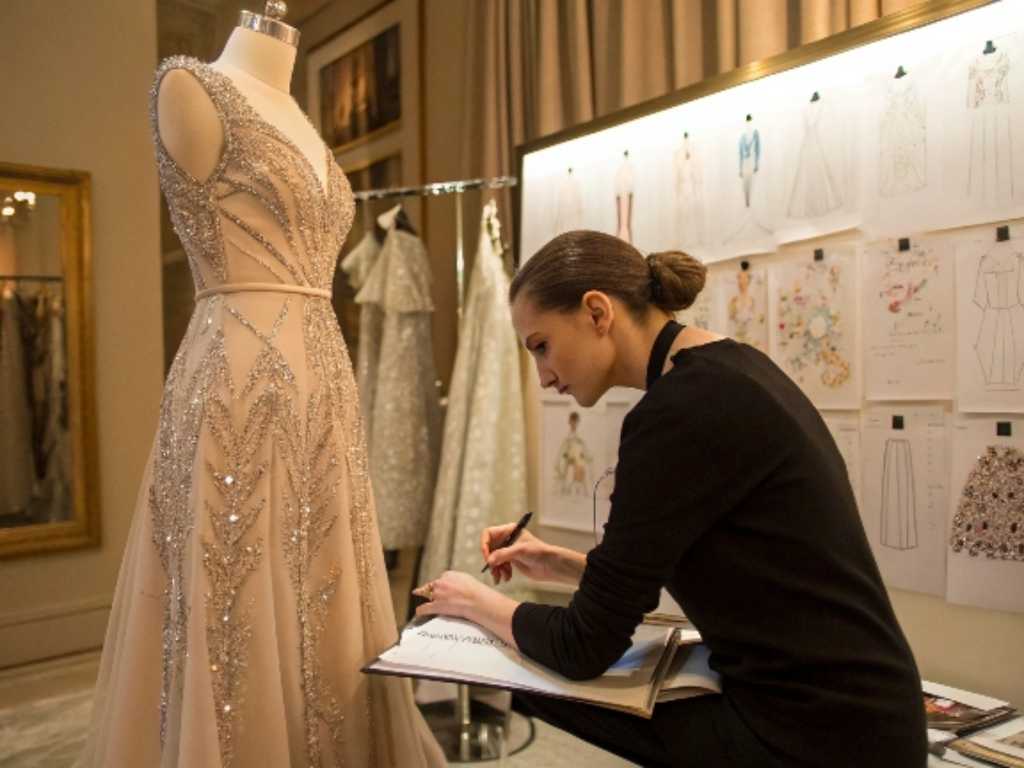
Sample Development For Retail Decisions
First Sample
- Style structure.
- Fabric drape.
- Initial measurements.
- Construction risk.
Fit Sample
- Body fit.
- Measurement tolerance.
- Comfort.
- Pattern correction.
Revised Sample
- Revision notes.
- Detail correction.
- Fabric update.
- Trim placement.
Photo-Ready Sample
- Visual finish.
- Model effect.
- Surface condition.
- Photo details.
PP Sample
- Final approval.
- Production standard.
- Label position.
- Packing reference.
Golden Sample
- Repeat reference.
- Pattern record.
- Fabric notes.
- Packing standard.
Bulk Control From Cutting To Packed Goods
Retail-ready results come from production discipline before packing. Jinfeng controls fabric lot, cutting, sewing, inline inspection, finishing and packing so approved samples can become stable bulk goods.
Fabric Lot, Cutting And Pre-Production Control
Bulk production begins before sewing. Jinfeng reviews fabric arrival, color lot, material direction, trims, labels, cutting plan and production files before mass cutting starts. Satin, chiffon, mesh, lace, sequin, jersey, ponte, rayon and velvet each require different handling.
Fabric lot and cutting control are especially important when an order includes multiple colors or style variations under one retail launch.
Cutting problems can create measurement drift, twisted seams, unmatched prints, uneven lace placement, wrong grain direction or inconsistent length. Jinfeng reviews marker planning, size breakdown, fabric usage, shrinkage concerns and style-specific cutting notes before moving into sewing. When styles require lining, interlining, cups, boning or layered panels, cutting records must also follow those extra components.
Pre-production control reduces the chance of discovering issues after hundreds or thousands of garments have already been sewn. For multi-style programs, Jinfeng’s merchandising and production teams coordinate style sequence, material readiness and factory allocation so bulk timing stays aligned with final delivery needs.
Sewing Standards And Inline Inspection
Sewing standards determine whether approved samples can be repeated at scale. Jinfeng reviews seam allowance, stitch density, sewing tension, zipper insertion, lining attachment, edge finishing, trim placement, hem method, waistband construction and inner support details. Complex womenswear often needs stronger sewing notes than basic apparel because structure, drape and final fit are highly visible.
Inline inspection helps detect issues before garments reach final inspection. For retail-ready production, Jinfeng checks sewing quality, measurement points, garment balance, seam puckering, skipped stitches, loose threads, label placement and trim security during production. If a problem appears early, the production team can correct the process before more pieces are affected.
Sewing and inspection are linked to garment category. Bodycon styles need stretch and measurement control. Satin dresses need seam smoothness and surface protection. Lace pieces need placement review. Jumpsuits need rise and zipper access checks. Matching sets need paired accuracy. Jinfeng connects inspection points to product structure instead of applying one generic checklist to every style.
Finishing, Packing And Shipment Preparation
After sewing, garments still need finishing before retail channels can handle them properly. Jinfeng reviews thread trimming, surface cleaning, pressing, shape recovery, label placement, hangtag attachment, folding, polybag packing, SKU label application, carton marks and packing list coordination. These steps make the difference between finished production and ready-for-receiving goods.
Finishing standards change by fabric. Satin needs gentle pressing and surface protection. Chiffon needs light handling. Velvet needs pile direction control. Sequin needs surface and trim inspection. Jersey and knit need shape control. Retail-ready packing must protect garments during shipment while keeping style-color-size identification clear.
Shipment preparation can involve express courier, air freight, sea freight or split shipment depending on urgency and volume. Jinfeng supports export files and logistics coordination, including commercial invoice, packing list, bill of lading or air waybill when applicable, certificate of origin by request, carton marks and shipment tracking.

Workmanship Details Retail Teams Notice
Seam Smoothness
- Sewing tension.
- Seam allowance.
- Pressing result.
- Visible lines.
Zipper Insertion
- Zip alignment.
- Function testing.
- Tape color.
- Stress points.
Lining Attachment
- Coverage.
- Color shade.
- Attachment.
- Comfort.
Hem Finish
- Hem level.
- Edge finish.
- Curve control.
- Pressing.
Strap And Neckline
- Strap length.
- Symmetry.
- Neckline safety.
- Attachment.
Decorative Details
- Placement.
- Density.
- Security.
- Visual balance.
Thread Trimming
- Seam threads.
- Label area.
- Inner lining.
- Final check.
Fold And Shape
- Fold line.
- Polybag fit.
- Carton pressure.
- Shape protection.
Finishing Standards Before Shipment
Thread Trimming
- Outer seams.
- Inner seams.
- Label areas.
- Trim edges.
Pressing Review
- Temperature.
- Seam shape.
- Wrinkle reduction.
- Surface safety.
Surface Cleaning
- Stain review.
- Dust removal.
- Light fabric check.
- Surface protection.
Label Placement
- Size match.
- Care label.
- Hangtag.
- SKU label.
Folding Method
- Fold line.
- Garment shape.
- Polybag fit.
- Carton layout.

Private Label Finishing For Retail-Ready Womenswear
Woven Labels
- Logo artwork.
- Label size.
- Placement.
- Color reference.
Size Labels
- Size range.
- Label artwork.
- Placement.
- Size breakdown.
Care Labels
- Care content.
- Composition.
- Language version.
- Placement.
Hangtags
- Hangtag artwork.
- Paper spec.
- Attachment method.
- Position.
Hang Strings
- String color.
- String length.
- Attachment point.
- Style matching.
Barcode Stickers
- Barcode file.
- Sticker size.
- Placement.
- SKU mapping.
SKU Labels
- SKU list.
- Color codes.
- Size mapping.
- Packing rules.
Branded Polybags
- Bag artwork.
- Bag size.
- Warning text.
- Packing method.
Carton Marks
Carton marks help identify shipments by style, color, size, quantity, PO number, destination or warehouse requirement. Jinfeng supports carton mark preparation based on confirmed instructions. Clear carton information helps receiving teams handle goods faster and reduces extra sorting work after arrival.
- Carton mark layout.
- PO information.
- Destination.
- Packing list.
Packing Requirements For Retail Receiving
| Packing Item | Why It Matters | Jinfeng Apparel Support |
|---|---|---|
| Style-Color-Size Records | Keeps multi-style programs organized before shipment | Tracks packing by style, color and size according to order file |
| Size Ratio Packing | Helps retail teams allocate inventory by planned size curve | Supports size ratio packing when instructions are confirmed |
| SKU Labels | Helps warehouses identify garment units faster | Applies SKU labels based on supplied SKU mapping and placement rules |
| Barcode Stickers | Supports ecommerce or retail scanning needs | Applies barcode stickers from brand-supplied files |
| Branded Polybags | Protects garments and improves brand presentation | Supports regular or branded polybags according to confirmed spec |
| Hangtags | Supports retail display and product storytelling | Applies hangtags and hang strings according to approved position |
| Care Labels | Communicates garment care and composition | Places care labels based on confirmed artwork and legal text supplied |
| Carton Marks | Helps receiving teams identify carton contents | Supports carton marks with PO, style, color, size and quantity details |
| Packing List | Connects shipment documents to carton contents | Supports packing list preparation for export and receiving review |
| Warehouse Labels | Helps destination warehouses process goods | Coordinates warehouse labels when supplied by the brand or forwarder |
QC Checks Before Retail Delivery
Incoming Material QC
- Fabric lot.
- Trim quality.
- Label files.
- Packing materials.
Cutting QC
- Size pieces.
- Fabric direction.
- Panel matching.
- Lining accuracy.
Sewing QC
- Seam quality.
- Zipper work.
- Trim security.
- Shape control.
Measurement QC
- Bust.
- Waist.
- Hip.
- Length.
Inline Inspection
- Process control.
- Early defect review.
- Sewing consistency.
- Correction notes.
Finished Garment QC
- Appearance.
- Measurements.
- Labels.
- Surface finish.
Pressing Review
- Wrinkle control.
- Seam shape.
- Fabric safety.
- Final look.
Packing QC
- SKU match.
- Carton marks.
- Quantity.
- Packing list.
Managing 10–30 Style Retail Programs
Fast fashion womenswear programs often involve many styles at the same time. Jinfeng coordinates development, sample review, production planning, QC and packing across multi-style orders commonly structured around 20,000–80,000 pcs total.
Style, Color And Size Planning
A retail womenswear program may include 10–30 styles across mini dresses, midi dresses, party dresses, corset dresses, jumpsuits, matching sets, tops and skirts. Each style may involve multiple colors and size ranges, creating hundreds of style-color-size combinations before packing. Jinfeng reviews the line sheet, target quantity, color plan, size ratio and launch timing before sample and production planning.
Clear planning helps the team judge production sequence, fabric sourcing, trim lead time, label preparation and packing workload. A satin party dress may need different handling from a jersey bodycon dress or lace midi dress. A jumpsuit may require more sample review than a simple top. A matching set may need top-bottom pairing and SKU accuracy. Jinfeng separates these requirements by style instead of treating the order as one flat quantity.
Strong style planning also supports cost control. Fabric availability, color development, trims, construction difficulty, size spread, private-label packaging and delivery schedule all influence pricing. Jinfeng builds quotation logic around actual product structure and order plan, helping brands control cost without weakening garment appearance.
Sample Calendar And Bulk Schedule
Multi-style programs can lose time when sample, revision, PP approval, material purchase and bulk production are not scheduled together. Jinfeng reviews style priority, sample complexity, fabric readiness, trim readiness and launch calendar before confirming the development route. For urgent programs, some styles may move faster with stock fabric directions, while complex materials or custom colors need earlier confirmation.
Sample stages may include first sample, fit sample, revised sample, photo-ready sample, salesman sample, PP sample and Golden sample. Not every style needs every stage, but retail programs should never skip critical approval points. PP sample approval is especially important because bulk production needs a clear standard for measurement, workmanship, labels and packing.
Bulk scheduling considers cutting, sewing, inline inspection, finishing, packing and shipment preparation. Orders around 20,000–80,000 pcs total require coordination across factories, merchandisers, QC and packing teams. Jinfeng’s 6 owned factories and 10+ satellite partners give room for allocation according to product structure and timing.
Packing, Carton And Shipment Coordination
Multi-style retail programs need clean packing records. Style-color-size combinations must match SKU labels, barcode stickers, polybags, carton marks and packing lists. Jinfeng reviews packing instructions before final packing starts so errors are not discovered at destination. Size ratio packing, branch allocation, ecommerce warehouse labels or special carton rules should be supplied early.
Packing details influence shipment planning. Air freight may suit urgent photo-launch replenishment or partial delivery. Sea freight may suit larger seasonal orders. Air-and-sea split shipment can help when part of the program is urgent and part can move by standard transit. Jinfeng supports express courier, air freight, sea freight and forwarder coordination by project needs.
Shipment files may include commercial invoice, packing list, bill of lading, air waybill, certificate of origin by request, carton marks, HS code support and shipment tracking. Strong packing and document coordination helps retail teams connect factory output with warehouse receiving.

Export Support For Retail And Ecommerce Delivery
Express Courier

- Sample and approval garment delivery.
- Tracking number after dispatch.
- Suitable for fit review and photo samples.
Air Freight

- Urgent launch orders.
- Priority SKUs and first batch delivery.
- Carton and chargeable weight review.
Sea Freight

- Regular bulk collection orders.
- Larger carton volumes.
- Export documents and forwarder coordination.
Retail-Ready Womenswear Program Examples
U.S. Occasionwear Program

A U.S. occasionwear brand planned a 24-style dress program for cocktail, party and wedding guest segments, with total production volume around 62,000 pcs across satin, mesh, lace and sequin styles. The main pressure was keeping photo-ready samples close to bulk goods while managing many colors, sizes, labels and SKU references.
- 24 styles / 62,000 pcs / 4 fabric groups — project data: satin, mesh, lace and sequin dresses; technical difficulty: each fabric needed different sewing, lining, pressing and packing control; solution: Jinfeng grouped sampling and QC focus by fabric family.
- Photo-ready samples and PP approval — project data: campaign samples and production standards were both needed; technical difficulty: visual samples could not replace bulk approval; solution: Jinfeng separated photo-ready review from PP sample confirmation.
- 6 retail packing items — project data: woven labels, care labels, hangtags, barcode stickers, SKU labels and carton marks were required; technical difficulty: many colors and sizes increased receiving risk; solution: label and packing files were checked against style-color-size records.
- Warehouse receiving pressure — project data: order needed clean retail intake; technical difficulty: carton errors could delay receiving; solution: Jinfeng reviewed packing list, carton marks and shipment records before release.
Australia Resortwear Capsule

An Australian resortwear company prepared an 18-style seasonal capsule, with total volume around 38,000 pcs across printed maxi dresses, resort midi dresses, lightweight sets and soft drape tops. The main concern was fabric behavior during packing: rayon, chiffon and linen blends looked strong during fitting, yet wrinkles, print direction and fold marks could affect launch presentation.
- 18 styles / 38,000 pcs / 3 soft fabric groups — project data: rayon, chiffon and linen-blend styles; technical difficulty: shrinkage, transparency and wrinkle behavior differed across fabrics; solution: Jinfeng reviewed handfeel, lining needs and fold method before production.
- Printed maxi and soft drape focus — project data: long printed dresses and resort midis formed the capsule core; technical difficulty: print direction and hem balance could change garment appearance; solution: samples were checked for print, length and drape before bulk.
- Photo-ready sample preparation — project data: campaign visuals needed early sample readiness; technical difficulty: light fabrics can crease during transit; solution: Jinfeng prepared sample packing notes and reviewed pressing before dispatch.
- Size ratio packing support — project data: several colors and sizes needed organized receiving; technical difficulty: resort capsules can create mixed-carton confusion; solution: size ratio, SKU and carton information were prepared before shipment.
Canada Boutique Chain Program

A Canadian boutique chain prepared a 12-style womenswear order, with total production volume around 26,000 pcs across mini dresses, midi dresses, jumpsuits and matching sets. The main pressure was multi-store allocation, where wrong size ratio packing or mixed cartons could create extra sorting work after arrival.
- 12 styles / 26,000 pcs / 4 category groups — project data: mini dresses, midi dresses, jumpsuits and matching sets; technical difficulty: each category required different fit and packing logic; solution: Jinfeng separated production records by garment type.
- Jumpsuit and set pairing checks — project data: jumpsuits and matching sets needed stronger fit and SKU review; technical difficulty: top-bottom pairing and jumpsuit rise could affect selling quality; solution: Jinfeng reviewed measurement, pairing rules and packing requirements before bulk.
- Size ratio packing plan — project data: boutique allocation required planned size ratios; technical difficulty: mixed cartons could increase store-level sorting work; solution: carton marks and packing lists were prepared by style, color and size.
- SKU sticker and barcode support — project data: SKU stickers and barcodes were needed for receiving; technical difficulty: similar styles and colors created inventory risk; solution: Jinfeng checked SKU stickers, barcode files and carton labels before shipment.
Frequently Asked Questions
Start Your Retail-Ready Womenswear Project
Jinfeng Apparel helps fashion brands turn custom womenswear concepts into retail-ready garments through fabric sourcing, pattern development, sample making, PP sample approval, bulk production, QC, finishing, private-label packing and export delivery. To receive a useful review, please send enough information for the team to understand your style structure, order size, label needs and launch timing.
Useful files and details include:
- Reference photos, sketches, sample garment photos or tech pack.
- Product type, style count and target quantity.
- Size range, size chart and color plan.
- Fabric preference, print artwork or swatch direction.
- Label, hangtag, barcode, SKU and polybag requirements.
- Packing method, carton mark rules and warehouse instructions.
- Target launch date and shipping destination.

