Skip to content

In modern fashion sourcing, supplier selection is no longer a simple price comparison exercise. It is a structured decision system built on technical validation, production stability, and long-term scalability. Apparel buying teams are under constant pressure: tighter seasonal calendars, faster trend cycles, and increasing quality expectations from end markets. A wrong supplier choice does not only affect one order—it can damage an entire seasonal launch.
The evaluation process usually begins long before production. It starts with technical document review, sample behavior analysis, and communication pattern testing. Even small signals—like fabric substitution suggestions or stitching inconsistency in prototypes—are treated as risk indicators.
Apparel buying teams evaluate dress suppliers through five key dimensions: production capability, sample accuracy, quality consistency, cost structure, and communication reliability. Each supplier is assessed through sampling performance, tech pack execution, MOQ flexibility, lead time stability, and risk control systems. Final decisions depend on both technical validation and long-term production reliability.
In many real sourcing cases, a supplier is not rejected because of one big failure, but because of multiple small inconsistencies across sampling, communication, and cost alignment. One European brand once rejected three factories—not due to pricing, but because each sample showed slight deviations in neckline structure. These micro-signals often decide whether a supplier enters the production pipeline or never moves beyond sampling. That is why understanding this evaluation logic is essential for any dress manufacturer aiming to work with serious buying teams.
What Do Apparel Buying Teams Look for in Dress Suppliers?
Apparel buying teams define a qualified dress supplier through measurable production capability, sampling accuracy, and repeatable bulk performance. A qualified factory must demonstrate stable execution of design-to-garment conversion, especially for structured dresses such as bodycon, corset, midi, and evening styles. The expectation is not only “can produce,” but “can reproduce consistently across 3–5 production cycles without deviation.”
In real sourcing practice, qualification is confirmed when a supplier can pass sample approval within 1–3 rounds, maintain measurement tolerance within ±1–1.5 cm for key points, and achieve above 95% bulk consistency rate. Factories that require excessive revisions or show inconsistent stitching logic are usually filtered out early.
What product categories and capabilities are expected?
Most apparel sourcing teams expect a dress supplier to cover multiple categories across different complexity levels. Capability is not only about style range, but also structural execution ability.
Typical expectation matrix:
| Category Level | Dress Types | Required Capability |
|---|---|---|
| Basic | T-shirt dress, rib dress | Stable sewing, fabric control |
| Mid | Midi dress, wrap dress | Pattern accuracy, grading |
| Advanced | Bodycon, cut-out, corset | Structural engineering, stretch control |
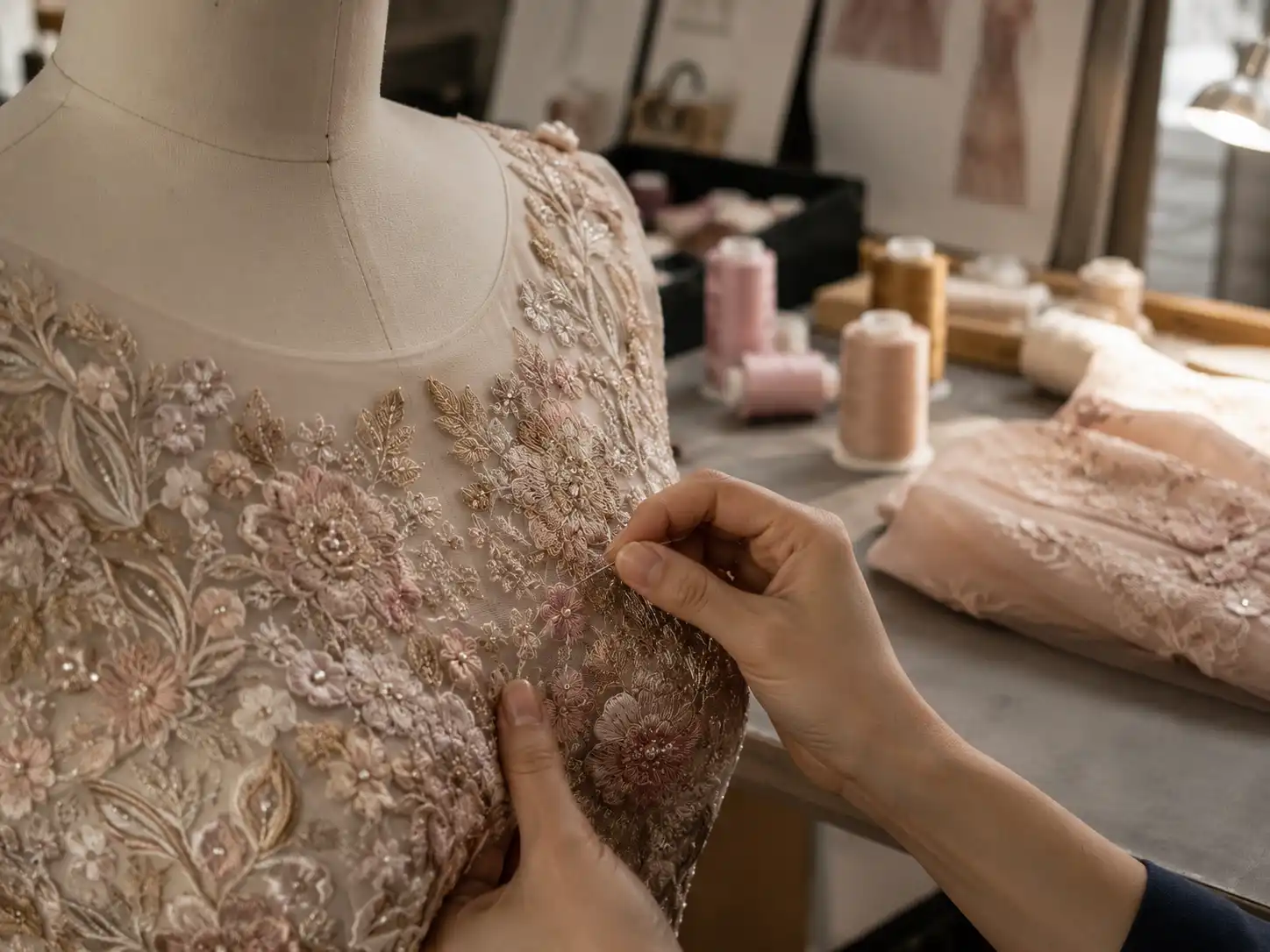
| Premium | Evening, beaded, layered gowns | Handwork, embellishment stability |
Suppliers are often judged by whether they can handle both “fast turnaround basics” and “high complexity fashion pieces” within the same production system. A factory limited to one category type is often considered high risk for long-term cooperation.
What signals indicate a reliable manufacturing partner?
Reliability is not judged through claims but through operational signals observed during early communication and sampling stages. The strongest indicators include response structure, problem-solving logic, and transparency in limitations.
Key signals include:
- Response time within 12–24 hours for technical questions
- Clear explanation of production constraints instead of overcommitment
- Willingness to suggest fabric or construction alternatives
- Sample revision logic improving step by step instead of random changes
Factories that provide structured feedback such as “cause → solution → expected result” are usually rated higher than those giving vague confirmations.
What production capacity and scalability are required?
Scalability is one of the most critical evaluation points in supplier selection. Buying teams evaluate whether production can expand without quality degradation when order volume increases or multiple styles run simultaneously.
Typical benchmark expectations:
| Capacity Factor | Minimum Expectation | Strong Supplier Level |
|---|---|---|
| Monthly output | 20,000 pcs | 50,000+ pcs |
| Style handling | 5–10 styles | 15–30 styles |
| Sample capacity | 50–80 samples/month | 100+ samples/month |
| Lead time stability | ±5 days variation | ±2–3 days variation |
A key evaluation focus is whether the factory can maintain consistency when multiple SKUs enter production at the same time. Many suppliers perform well on single orders but fail under multi-style pressure.
What fabric and material control capability is required?
Fabric control is a major decision factor because dress performance depends heavily on material behavior. Teams expect suppliers to manage sourcing, testing, and substitution logic with clear technical justification.
Evaluation points include:
- Fabric shrinkage control within 3% standard range
- Color consistency across dye lots (ΔE ≤ 1.0–1.5)
- Stretch recovery rate for knit dresses above 85%
- Fabric GSM accuracy tolerance within ±5%
Suppliers are also expected to provide substitution options without altering garment structure. For example, replacing chiffon with similar drape fabric while maintaining silhouette stability.
What communication and development support is expected?
Communication is treated as part of production capability. A supplier with strong technical understanding but poor communication is still considered high risk.
Expected support includes:
- Tech pack interpretation without repeated clarification loops
- Clear sampling timeline breakdown (cutting, sewing, finishing stages)
- Weekly production updates during bulk manufacturing
- Visual documentation (photos/videos) for key stages
Teams prefer structured communication rather than fragmented messages. A clear example is:
Fabric confirmed → Pattern adjusted → Sample cut → Sewing completed → QC check → Shipment ready
How Do Buying Teams Evaluate Supplier Capability?
Sampling accuracy is one of the earliest and most decisive capability tests. Apparel buying teams compare physical samples directly against tech packs, reference images, and measurement sheets. The focus is not only visual similarity but also structural correctness—how the garment behaves when worn, stretched, or moved.
Typical evaluation points include:
- Neckline symmetry deviation ≤ 0.5–1 cm
- Waist and hip measurement tolerance within ±1–1.5 cm
- Seam alignment consistency across panels
- Fabric drape behavior matching design intent
- Zipper, lining, and stitching stability under stress
A supplier is usually considered stable when first-round sample approval rate reaches 70% or higher. Multiple revisions beyond 3 rounds often signal weak technical interpretation ability.
How is pattern making and garment construction judged?
Pattern making capability directly determines whether a design can be accurately translated into production. Teams assess whether patterns reflect correct proportion logic, especially for fitted dresses such as bodycon, corset, and structured midi styles.
Evaluation includes:
- Dart placement accuracy for shaping garments
- Sleeve and armhole balance for comfort and movement
- Grading consistency across S–XL size sets
- Structural stability for layered or draped designs
Factories with strong capability typically show less than 2 cm deviation across size grading sets and maintain silhouette consistency across at least 3 sample iterations.
How is fabric sourcing and material control verified?
Fabric control is evaluated through both laboratory data and physical testing. Buying teams focus on whether suppliers can maintain material consistency across production batches and whether substitutions are technically justified.
Key testing indicators:
| Fabric Metric | Acceptable Range | Evaluation Purpose |
|---|---|---|
| Shrinkage rate | ≤ 3% | Post-wash stability |
| GSM variance | ±5% | Weight consistency |
| Color deviation (ΔE) | ≤ 1.5 | Dye lot stability |
| Stretch recovery | ≥ 85% | Shape retention |
Suppliers are also evaluated on sourcing flexibility. Strong factories can offer alternative fabrics without altering garment structure or silhouette integrity, which is critical during seasonal shortages.
How is production scalability assessed across multiple styles?
Scalability reflects whether a factory can handle multiple styles simultaneously without quality degradation. This is especially important for brands running seasonal collections with overlapping SKUs.
Evaluation factors include:
- Number of active styles per production cycle (benchmark: 10–30 styles)
- Line balancing efficiency across different garment types
- Sample-to-bulk transition stability
- Capacity flexibility during peak seasons
A strong supplier typically maintains:
- 20,000–50,000 pcs monthly output stability
- Less than 5% quality variation across multi-style production
- On-time delivery rate above 95% under mixed orders
Factories that perform well only on single-style production but fail under multi-style load are often classified as high operational risk.
How is technical execution capability validated?
Technical execution is measured by how precisely a supplier can convert tech packs into finished garments without repeated clarification cycles. Teams evaluate interpretation accuracy, execution speed, and correction responsiveness.

Key validation points include:
- First sample accuracy vs tech pack ≥ 80% alignment
- Revision cycle efficiency (ideal: 1–2 rounds improvement)
- Ability to interpret complex construction notes (e.g., boning, pleating, layering)
- Stitching density consistency (12–14 stitches per inch for woven dresses)
Factories with strong execution capability reduce development time by 20–40% compared to average suppliers, especially in complex dress categories.
How is production stability measured under real conditions?
Production stability is tested during bulk manufacturing, not sampling. Even suppliers with excellent samples may fail during scaled production due to process instability.
Key indicators:
- Defect rate target: ≤ 2.5% (major defects near zero)
- Batch-to-batch consistency across dye lots
- Rework rate below 3–5%
- Inline QC pass rate above 95%
Stability is also evaluated through how factories respond to disruptions such as fabric delays, machine issues, or urgent order changes. Fast corrective response is often more valuable than perfect initial execution.
How is overall capability scored in supplier comparison?
Buying teams often use a weighted scoring system to compare suppliers objectively across multiple dimensions.
| Evaluation Factor | Weight % | Key Measurement |
|---|---|---|
| Sampling accuracy | 25% | Tech pack alignment |
| Production stability | 20% | Bulk consistency |
| Technical execution | 20% | Construction accuracy |
| Communication | 15% | Response & clarity |
| Scalability | 10% | Multi-style capacity |
| Cost efficiency | 10% | Price-performance balance |
Suppliers scoring above 80/100 are typically shortlisted for long-term cooperation, while those below 70 are usually removed from consideration after sampling stage.
Which Quality Standards Are Used to Compare Suppliers?
Quality comparison in dress manufacturing relies on structured inspection systems that ensure every stage of production follows measurable standards. Apparel buying teams usually evaluate suppliers based on whether they apply multi-stage quality control rather than end-line inspection only.
Common QC systems include:
- Incoming fabric inspection (4-point system)
- Inline production inspection (during sewing process)
- Mid-line inspection (structure + fit validation)
- Final inspection (finished garment audit)
Factories with mature systems typically maintain:
- 100% fabric inspection before cutting
- Inline defect detection rate above 95%
- Final inspection coverage of 20–100% depending on order level
Suppliers without inline control are often considered high-risk, even if final samples look acceptable.
How is AQL used in supplier comparison?
AQL (Acceptable Quality Level) is one of the most widely used benchmarks in dress manufacturing. It defines the maximum number of defects allowed in a batch before rejection.
Typical AQL benchmarks:
| Defect Type | Standard Level | Impact |
|---|---|---|
| Critical defects | 0 | Safety / usability failure |
| Major defects | 2.5 | Functional or visible failure |
| Minor defects | 4.0 | Small cosmetic deviation |
For fashion dresses, many international brands require:
- AQL 2.5 for major defects
- Zero tolerance for critical defects
- Strict measurement control on key points (±1–1.5 cm)
Suppliers are evaluated not only on passing AQL tests, but also on how consistently they maintain results across multiple production batches.
How is sample-to-bulk consistency evaluated?
One of the strongest indicators of quality control capability is consistency between pre-production samples and bulk output. Even small deviations can signal process instability.
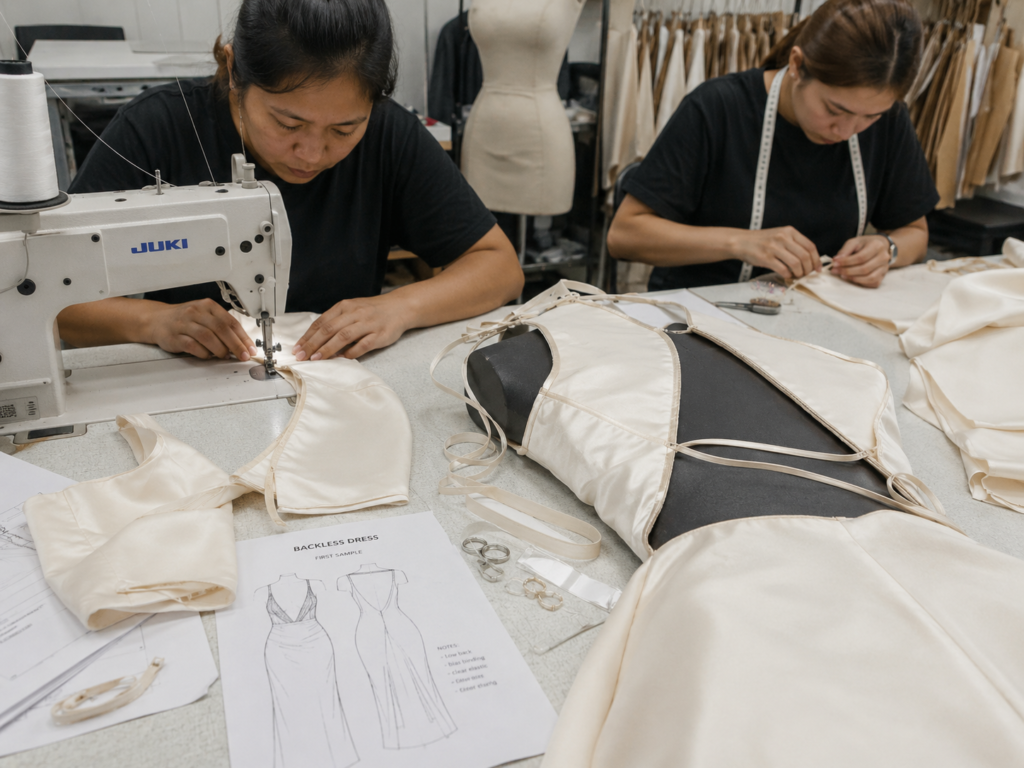
Evaluation includes:
- Stitch density consistency (12–14 stitches per inch standard range)
- Seam alignment accuracy across production runs
- Color matching between lab dip and bulk dyeing (ΔE ≤ 1.5)
- Fabric behavior stability after washing or steam pressing
Factories with strong systems usually maintain less than 5% deviation between approved samples and bulk production outputs.
What international standards are commonly referenced?
Global sourcing teams often require suppliers to comply with recognized international standards to ensure safety, durability, and export readiness.
Key standards include:
| Standard | Focus Area | Application |
|---|---|---|
| ISO 9001 | Quality management system | Factory process control |
| AATCC | Textile testing methods | Fabric performance testing |
| OEKO-TEX Standard 100 | Chemical safety | Fabric compliance |
| ASTM standards | Material durability | Strength and wear testing |
Factories aligned with these standards are typically preferred for export markets such as the US, UK, Australia, and Europe due to regulatory compliance requirements.
How is defect classification and tolerance managed?
Defect classification is a critical part of quality evaluation. Suppliers are assessed based on how they identify, categorize, and control different defect levels during production.
Common classification system:
- Critical defects: safety or usability issues (zipper failure, broken seams)
- Major defects: visible or functional problems (uneven stitching, size deviation)
- Minor defects: aesthetic imperfections (loose threads, slight shading differences)
Typical tolerance expectations:
- Critical defects: 0% tolerance
- Major defects: below 2.5% per batch
- Minor defects: controlled within 3–4% depending on product category
Suppliers with unclear defect classification systems are usually considered unstable, even if actual defect rates appear acceptable.
How is inspection documentation used in evaluation?
Inspection transparency plays a major role in supplier comparison. Structured documentation allows teams to verify production quality rather than relying on verbal updates.
Expected documentation includes:
- Inline inspection reports with defect tracking
- Final inspection summary with pass/fail ratio
- Measurement sheets for each size set
- Photo evidence of stitching and finishing details
- Fabric inspection reports before cutting
Factories that provide real-time QC documentation reduce sourcing risk significantly and are often ranked higher in long-term supplier evaluations.
How do quality systems affect long-term supplier ranking?
Quality systems are not evaluated as isolated checks but as part of a continuous production logic. Suppliers are ranked based on how stable their quality remains across multiple orders, seasons, and product categories.
Key long-term indicators:
- Repeat order defect rate stability ≤ 2–3%
- Consistent measurement accuracy across seasons
- Low rework and alteration rate after shipment
- Predictable QC performance under volume pressure
Factories with stable systems are often selected even at slightly higher cost because reduced defect risk directly lowers overall supply chain loss.
How Do Buying Teams Assess Cost, MOQ, and Lead Time?
Pricing evaluation is not based on a single unit cost but on a structured comparison across fabric type, construction complexity, and production efficiency. Apparel teams typically break down cost into material, labor, finishing, and overhead to understand true pricing logic.
Common evaluation focus:
- Fabric cost contribution (30%–60% of total price depending on design)
- Labor intensity (simple knit vs structured corset dresses)
- Decoration complexity (lace, embroidery, beading)
- Production efficiency per line per hour
Typical price structure reference:
| Dress Type | Cost Range Impact | Key Cost Drivers |
|---|---|---|
| Basic knit dress | Low | Fabric + simple stitching |
| Midi dress | Medium | Pattern + grading |
| Bodycon dress | Medium–High | Stretch control + fit accuracy |
| Evening dress | High | Handwork + embellishment |
A supplier is usually evaluated not by lowest price, but by price stability across repeat orders. Sudden cost fluctuation between samples and bulk production is considered a risk signal.
What MOQ levels are considered acceptable?
MOQ (Minimum Order Quantity) is evaluated based on brand lifecycle stage, product risk level, and collection strategy. Lower MOQ increases flexibility but may increase unit cost, while higher MOQ improves cost efficiency but reduces testing flexibility.
Typical MOQ expectations:
| Brand Stage | MOQ Range per Style | Evaluation Logic |
|---|---|---|
| Emerging brand | 100–300 pcs | Market testing flexibility |
| Growth stage | 300–800 pcs | Balanced cost & scaling |
| Established brand | 800–2000+ pcs | Production efficiency priority |
Key evaluation factors:
- Flexibility for first-round testing orders
- Ability to split MOQ across colors or sizes
- MOQ consistency across different dress categories
- Willingness to support trial production runs
Factories that allow structured low-MOQ sampling (100–150 pcs) while maintaining stable bulk pricing are usually rated higher in early-stage cooperation.
How is lead time evaluated across suppliers?
Lead time is measured from sample approval to final shipment readiness. Evaluation is not only about speed, but about predictability and stability under different order conditions.

Standard industry benchmarks:
- Sampling: 5–15 days depending on complexity
- Bulk production: 15–45 days
- Complex embellished dresses: 30–60 days
Key comparison points:
- Consistency between promised and actual delivery time
- Ability to handle peak-season load without delay
- Parallel production capability for multiple styles
- Fabric sourcing lead time impact
Factories are often scored higher when lead time variation stays within ±3–5 days across multiple orders.
How do teams balance cost, MOQ, and speed together?
Cost, MOQ, and lead time are never evaluated separately. They are treated as a combined trade-off system where optimization depends on product strategy.
Typical balancing logic:
| Priority Focus | Decision Outcome |
|---|---|
| Low cost priority | Higher MOQ + longer lead time |
| Fast market launch | Higher unit cost + lower MOQ |
| Stable scaling | Balanced MOQ + predictable lead time |
| Risk reduction | Moderate cost + flexible production plan |
In real sourcing decisions, many teams accept 5–12% higher cost if lead time reliability improves or MOQ flexibility increases, especially for trend-driven dress collections.
Beyond quoted pricing, several hidden cost factors significantly affect supplier selection decisions. These are often more important than unit price itself.
Key hidden cost factors include:
- Rework rate after sampling or bulk production
- Fabric wastage during cutting and production
- Delay cost impact on seasonal launch windows
- Quality failure rate leading to returns or discounts
- Communication inefficiency causing revision cycles
A supplier with slightly higher unit cost but lower failure rate often generates lower total landed cost across the season.
How is supplier cost-performance ratio measured?
Cost-performance ratio is used to evaluate whether pricing aligns with delivered value in real production conditions. It combines cost stability, defect rate, and production efficiency.
Evaluation indicators:
| Metric | Ideal Range | Impact on Decision |
|---|---|---|
| Defect rate | ≤ 2.5% | Reduces rework cost |
| On-time delivery | ≥ 95% | Protects sales timing |
| Sample approval rate | ≥ 70% first pass | Reduces development cost |
| Price variance | ≤ 5% | Ensures budget control |
Suppliers that maintain stable performance across multiple orders are often preferred over lower-cost but inconsistent alternatives, especially for long-term cooperation in dress collections.
What Communication and Risk Factors Influence Final Selection?
Communication efficiency is treated as an operational capability, not a soft skill. Apparel buying teams track how fast and how clearly a supplier responds during sampling and pre-production stages. Delays or unclear answers are often interpreted as higher production risk.
Typical benchmarks include:
- Initial response time: within 12–24 hours
- Technical clarification: same-day response for urgent issues
- Revision feedback cycle: ≤ 48 hours
- Structured communication format instead of fragmented messages
Clear communication usually follows a logical flow:
requirement → confirmation → solution → timeline → result expectation
Factories that cannot maintain this structure are often considered unstable in execution, even if product quality is acceptable.
What production risks are analyzed before order confirmation?
Risk evaluation focuses on identifying potential disruptions that may affect delivery, quality, or cost stability. These risks are assessed before bulk approval.
Key risk categories:
| Risk Type | Evaluation Focus | Impact Level |
|---|---|---|
| Fabric delay | sourcing reliability | High |
| Sample inconsistency | repeatability | High |
| Size deviation | grading accuracy | High |
| Production bottleneck | line capacity | Medium–High |
| Communication delay | coordination efficiency | Medium |
Factories with frequent uncertainty in fabric sourcing or inconsistent sampling outcomes are usually excluded early, even if pricing is competitive.
How is transparency during production monitored?
Transparency is evaluated through the visibility of production progress and willingness to share real-time updates. Teams expect clear tracking from fabric arrival to final shipment.
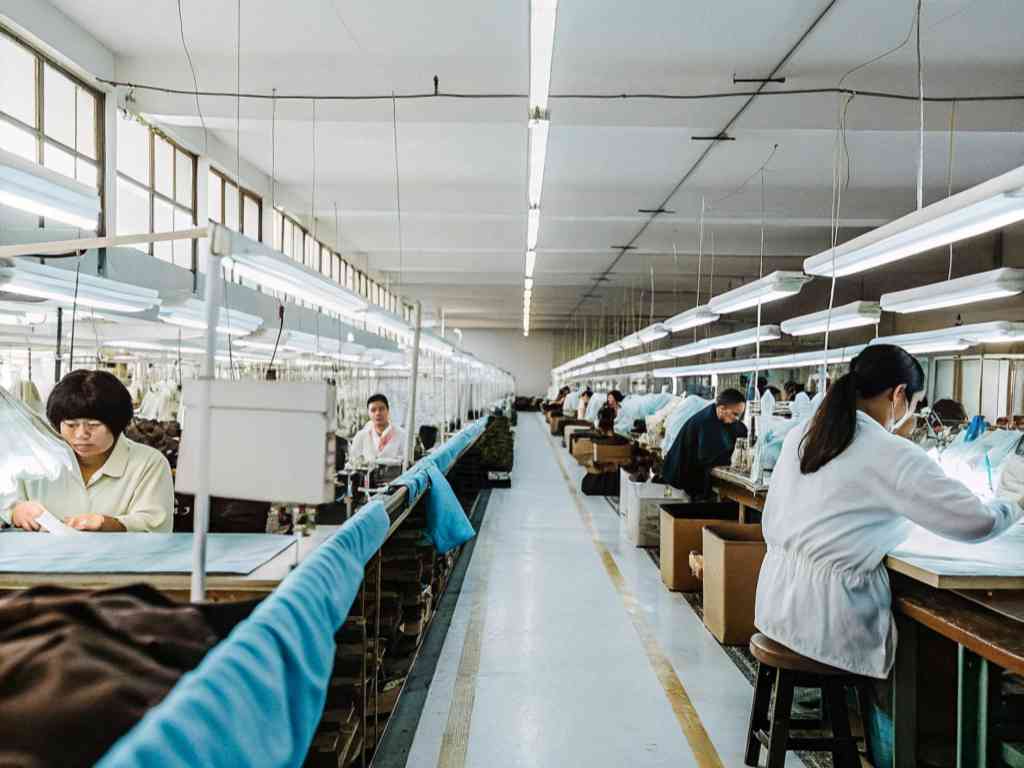
Common transparency requirements:
- Fabric inspection reports before cutting
- Inline production photos or videos
- Weekly production status updates
- Clear explanation of any delay or adjustment
Factories that provide structured updates reduce perceived risk significantly. Lack of visibility often leads to reduced trust, even when production is progressing normally.
How is consistency of communication across stages assessed?
Consistency is measured by whether communication remains aligned from sampling to bulk production. Many sourcing failures occur when early promises do not match later execution.
Evaluation focus includes:
- Alignment between sample explanation and bulk production outcome
- Stability of technical explanations across revisions
- Consistent terminology for fabrics, trims, and construction details
- No contradiction between email, sample notes, and production updates
A common failure pattern is “sample-stage accuracy but bulk-stage deviation caused by unclear communication loops.”
What risk control systems are expected in dress manufacturing?
Risk control systems are evaluated based on how a supplier prevents issues rather than reacting after problems occur. Strong factories build preventive systems into production flow.
Typical control systems include:
- Pre-production sample approval gate
- Fabric inspection before cutting (100% inspection standard)
- Inline QC checkpoints at sewing stage
- Final AQL inspection before shipment
- Documentation tracking for every production batch
Factories with structured risk control usually achieve:
- Defect rate ≤ 2.5%
- On-time delivery ≥ 95%
- Rework rate ≤ 3–5%
These metrics directly influence long-term cooperation decisions.
How do communication and risk factors affect final supplier ranking?
Communication and risk control behavior often determine final ranking when technical capability between suppliers is similar. Even small differences in responsiveness or transparency can shift final selection.
Key weighting factors:
| Evaluation Factor | Weight Impact | Reason |
|---|---|---|
| Communication speed | High | Affects decision efficiency |
| Transparency level | High | Reduces uncertainty risk |
| Risk management system | High | Ensures production stability |
| Consistency across stages | Medium–High | Prevents execution gaps |
| Problem-solving behavior | High | Indicates reliability under pressure |
In real sourcing decisions, suppliers with strong communication discipline often outperform technically similar but less transparent competitors, especially in time-sensitive dress collections where seasonal timing is critical.
How Do Buying Teams Finalize Supplier Decisions?
Final supplier selection is based on a weighted scoring system that converts multiple evaluation dimensions into a single ranking result. Apparel buying teams use structured scorecards to reduce subjective judgment and improve decision consistency.
Typical scoring structure:
| Evaluation Area | Weight | Measurement Focus |
|---|---|---|
| Sampling accuracy | 25% | Tech pack alignment, fit accuracy |
| Production stability | 20% | Bulk consistency, defect rate |
| Communication | 15% | Speed, clarity, structure |
| Cost efficiency | 15% | Price stability, value balance |
| Scalability | 15% | Multi-style capacity |
| Risk control | 10% | QC systems, delay handling |
Suppliers scoring above 80/100 are typically shortlisted for cooperation, while those below 70 are often removed after sampling review.
How are sample results weighted in final decisions?
Sample performance carries the highest influence in final selection because it represents the first real validation of technical capability. Teams evaluate not only appearance but also construction accuracy and repeatability potential.
Key evaluation points:
- Measurement deviation within ±1–1.5 cm tolerance
- Fabric behavior consistency under movement
- Stitching density uniformity (commonly 12–14 SPI)
- Fit accuracy across at least one or two fitting rounds
A strong indicator is first-sample approval rate above 70%. Multiple corrections or structural inconsistencies usually reduce final selection probability significantly.
How do factory audits influence final approval?
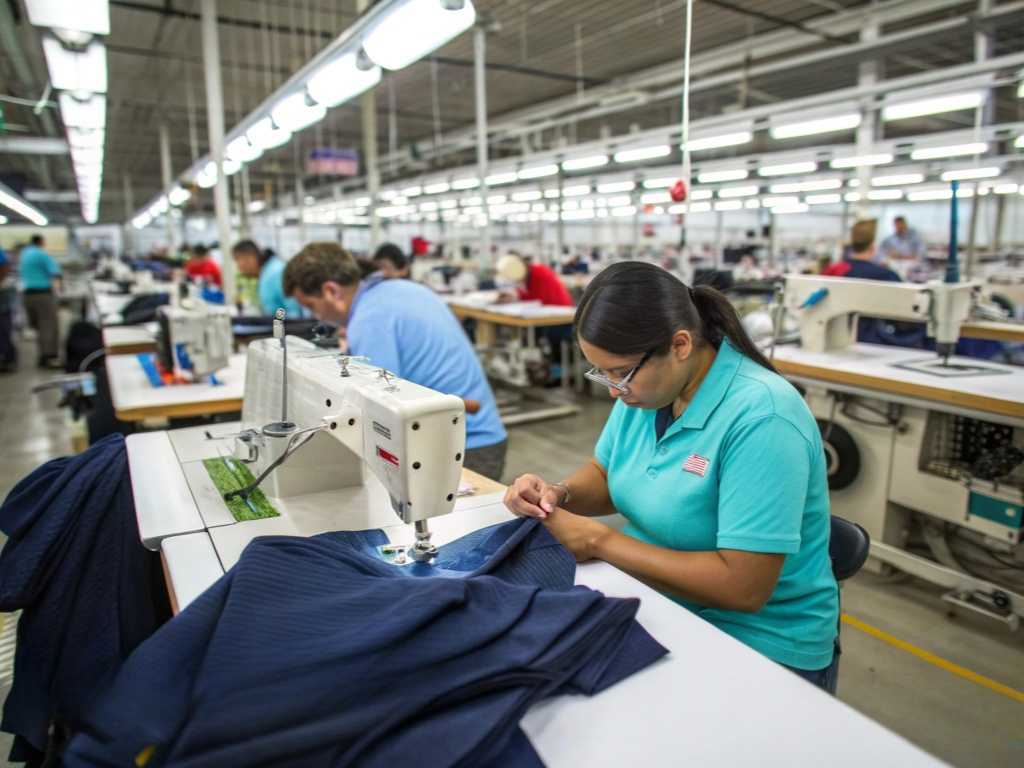
Factory audits validate whether production claims match real operational conditions. On-site evaluation often confirms scalability, workflow organization, and quality control discipline.
Audit focus includes:
- Production line layout efficiency
- Worker specialization for different garment types
- QC checkpoints across production stages
- Fabric storage and handling system
- Sample room capability and development speed
Factories with organized workflows and visible QC systems are usually ranked higher even if pricing is slightly above average, because operational stability reduces long-term sourcing risk.
How is long-term partnership potential evaluated?
Final decisions are not based only on single order performance. Teams evaluate whether a supplier can support multi-season development and scaling requirements.
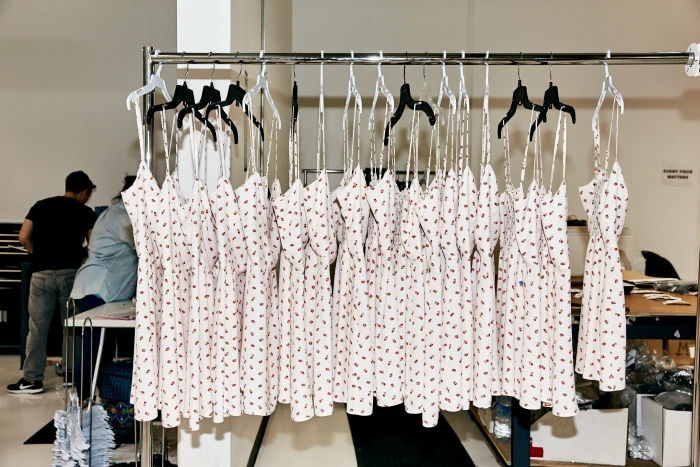
Key indicators:
- Repeat order consistency across at least 2–3 production cycles
- Ability to handle increasing order volume without quality drop
- Willingness to optimize processes based on feedback
- Stability in pricing and lead time across seasons
Factories that show consistent improvement across orders are often prioritized for long-term cooperation, even if initial sample performance is not perfect.
What triggers rejection in final evaluation stage?
Rejection at final stage is usually caused by repeated inconsistencies rather than a single failure. Even small issues can accumulate into a negative decision when combined.
Common rejection triggers:
- Repeated sample deviation beyond tolerance limits
- Unstable communication during final negotiation
- Fabric or trim substitution without approval
- Missed deadlines during sampling or bulk simulation
- Lack of transparency in production capability
Once multiple risk signals appear across different categories, suppliers are typically removed from shortlist regardless of pricing advantage.
How is final decision timing and confirmation managed?
Final selection is often made through a structured internal review meeting where all scoring data, sample feedback, and audit results are compared side by side.
Typical decision flow:
- Scorecard consolidation across all evaluation areas
- Sample comparison between top 2–5 suppliers
- Risk assessment summary review
- Commercial term alignment (MOQ, price, lead time)
- Final approval and onboarding confirmation
In most cases, final confirmation is made within 3–7 working days after evaluation completion, especially for seasonal dress production cycles where timing directly affects market launch.
Conclusion
Apparel buying teams evaluate dress suppliers through a structured system combining technical capability, production stability, quality control, cost logic, and communication reliability. Each stage—from sampling to bulk production—acts as a validation layer to reduce sourcing risk and ensure market success.
For brands looking to develop custom dresses with stable quality, scalable production, and reliable lead times, working with an experienced manufacturing partner is essential.
JF Apparel supports global fashion brands with OEM & ODM custom dress manufacturing, covering mini, midi, bodycon, party, and evening dresses with full sampling, fabric sourcing, and bulk production support.
If there is a need for a reliable dress supplier in China with structured development capability and production consistency, feel free to reach out to Jinfeng Apparel for custom dress development and quotation support.