...

Short Sleeve Dress Manufacturer for Fashion Brands

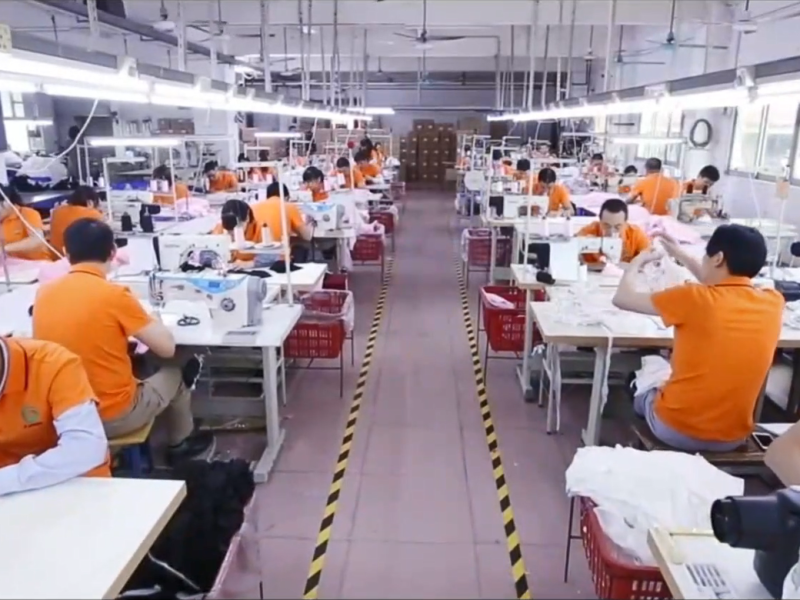
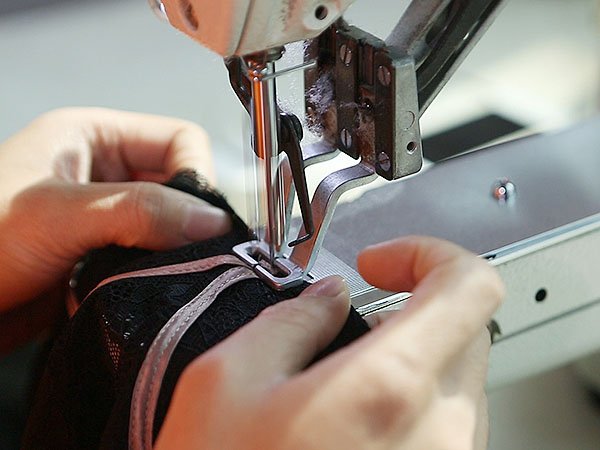
Jinfeng Apparel is a short sleeve dress manufacturer specializing in women’s fashion dress development, sampling, and bulk production for boutiques, private label brands, online retailers, and trend-driven fashion companies.We are committed to ensuring consistent garment fit, precise sleeve construction, and reliable fabric performance, while providing flexible and scalable production support. Leveraging our professional sample development team, technical pattern-making expertise, and highly efficient production capabilities, Jinfeng empowers brands to effectively navigate rapid prototyping, reorders and replenishment, seasonal new product launches, and long-term dress manufacturing projects.

  • Specialized in women’s short sleeve dress manufacturing since 2008
  • 5–10 day sampling for seasonal short sleeve dress collections
  • 7 pattern makers improving short sleeve dress fit consistency
  • 4 coordinated factories for women’s fashion dress production
  • 300,000 pcs monthly capacity for scalable short sleeve dress programs

Why Fashion Brands Choose Our Manufacturing Team

Fashion brands searching for short sleeve dress manufacturers usually evaluate more than production pricing. Development accuracy, fit consistency, communication efficiency, and repeat-order stability often determine long-term manufacturing partnerships and seasonal collection success.

Dress-Focused Manufacturing Experience

Short sleeve dresses require stronger understanding of sleeve balance, silhouette proportion, fabric drape, and fit consistency than many basic apparel categories. Long-term dress manufacturing experience helps reduce development mistakes and improve production stability across seasonal collections. Jinfeng focuses heavily on women’s dresses, bodycon silhouettes, casual dresses, midi dresses, wrap dresses, and trend-driven seasonal programs for global fashion markets.

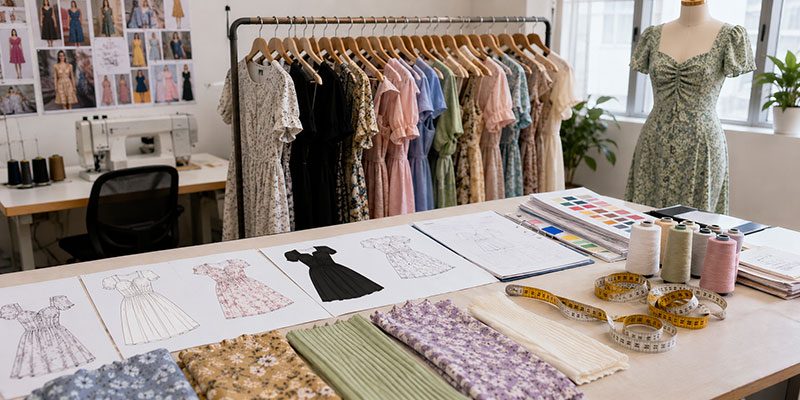
Dedicated Sample Development Support

Fast and accurate sampling helps fashion brands shorten development cycles and improve product launch efficiency. Strong sample development reduces repeated revisions caused by incorrect fit shaping, unstable fabrics, or weak garment construction. The development structure includes dedicated sample rooms, experienced pattern makers, and sample sewing specialists supporting dress-focused product development and fit refinement.

Flexible Small and Large Order Production

Different brands require different production structures depending on launch strategy, inventory planning, and sales performance. Some collections begin with smaller testing quantities while others move directly into scalable repeat-order production. Jinfeng supports flexible manufacturing from smaller seasonal launches to larger repeat-order programs through coordinated production planning and scalable production capacity.

Stable Repeat-Order Manufacturing

Repeat-order stability is critical for fashion brands selling successful dress programs across multiple seasons and colorways. Inconsistent sizing, unstable fabric quality, or production variation often create customer complaints and retail problems. Production planning focuses on maintaining stable garment measurements, fabric consistency, sewing quality, and packaging standards across repeat manufacturing orders.
jinfengapparel

Pattern and Fit Development Capability

Short sleeve dresses depend heavily on pattern accuracy, sleeve comfort, neckline balance, and silhouette shaping. Poor grading or weak pattern development may increase return rates and reduce long-term product performance. The development team supports fit adjustment according to fabric stretch, dress structure, silhouette direction, and intended market positioning before bulk production begins.

Organized Production Coordination

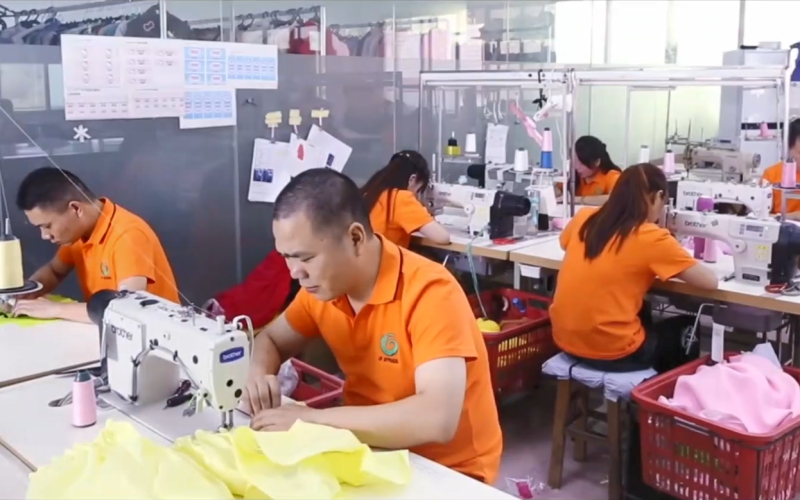
Fashion brands usually require structured communication, organized production timelines, and reliable follow-up throughout development and manufacturing stages. Clear coordination helps reduce delays, production confusion, and shipment risks. Jinfeng supports production management through coordinated follow-up across sourcing, sampling, manufacturing, quality inspection, and shipment preparation stages.

Custom Branding and Packaging Support

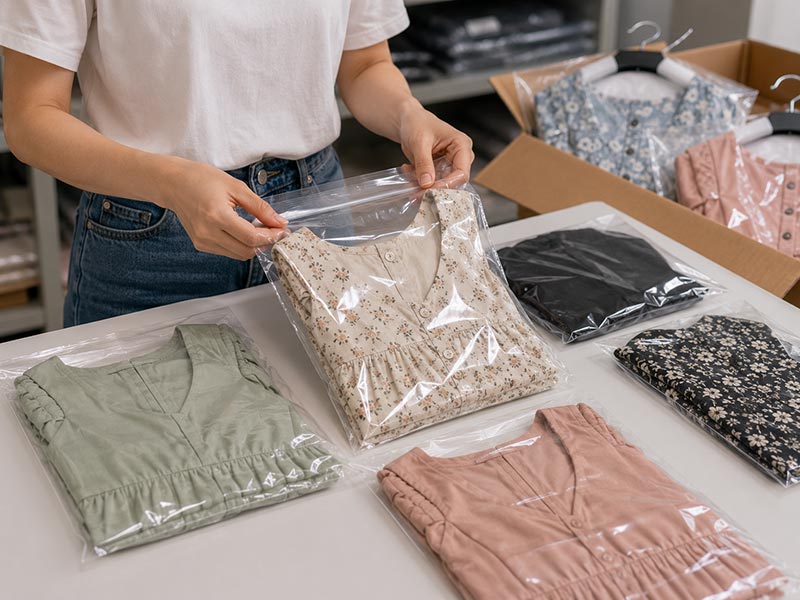
Private label and retail brands often require production support extending beyond garment manufacturing. Labels, packaging presentation, barcode systems, and retail-ready preparation all influence final customer experience. Custom branding support includes care labels, hangtags, polybags, barcode stickers, carton marking, folding methods, and packaging coordination for online and retail distribution.

Scalable Production Capacity

Growing fashion brands often require manufacturing partners capable of supporting both immediate production needs and future business expansion. Stable production capacity becomes increasingly important during successful seasonal launches and repeat-order growth. Coordinated factory resources, multiple production lines, and organized manufacturing systems help support scalable short sleeve dress production across different order structures and collection sizes.

Common Challenges in Short Sleeve Dress Sourcing

Short sleeve dresses look simple, yet mature fashion brands often face fit, fabric, shrinkage, sleeve comfort, and repeat-order consistency issues. Reliable manufacturing requires stronger pattern control, material judgment, sampling discipline, and production coordination.

Fit Looks Different After Sampling

Many short sleeve dresses fail during sample review because the sleeve opening, bust shape, shoulder slope, waist position, and hem balance do not match the intended look. A design that appears clean on a reference image may become boxy, tight under the arm, or unstable across sizes when pattern engineering is weak. Jinfeng supports short sleeve dress development through 2 sample rooms, 7 experienced pattern makers, and 20 sample sewing specialists. For fashion brands, the focus is not only copying a photo, but adjusting the pattern according to fabric stretch, dress length, body proportion, sleeve shape, and final wearing effect.

Fabric Choice Damages the Dress Shape

Short sleeve dresses depend heavily on fabric behavior. A cotton jersey may feel comfortable but lose shape after washing. A woven rayon may drape well but shrink if fabric treatment is not controlled. A rib knit may look premium but require stronger recovery testing for fitted silhouettes. Jinfeng’s sourcing and development team helps match fabrics according to dress purpose: casual summer drops, bodycon collections, boutique resort lines, everyday basics, and occasion-ready styles. Fabric selection is considered together with GSM, stretch ratio, opacity, hand feel, shrinkage, color stability, and production cost.

Sleeve Comfort Is Often Ignored

Short sleeves influence more than appearance. Armhole depth, sleeve cap height, bicep width, underarm seam tension, and shoulder point position all affect comfort and return rates. Mature brands cannot afford bulk production where customers complain about tight sleeves or restricted movement. Jinfeng controls sleeve construction during pattern development and sample fitting. For knit dresses, stretch direction and seam tension are reviewed before bulk cutting. For woven short sleeve dresses, armhole balance, ease allowance, and seam finishing are checked to reduce pulling, twisting, and uncomfortable underarm pressure.
Common-Challenges

Trend Styles Need Faster Development

Short sleeve dresses are often connected with spring, summer, vacation, brunch, festival, resort, casual workwear, and social commerce drops. Brands selling through Instagram, TikTok, Shopify, or boutique channels need faster product development without losing fit and quality control. Jinfeng’s regular sampling cycle is usually 5–7 days for common styles and 7–10 days for more complex styles. For high-frequency fashion drops, the development team can work from tech packs, reference images, original samples, or style ideas, then adjust pattern and fabric direction before production planning.

Long-Term Orders Require Consistency

A mature brand does not only care about the first shipment. Repeat business depends on stable measurements, consistent stitching, acceptable color variation, controlled shrinkage, reliable packaging, and delivery timing. Short sleeve dresses often become recurring seasonal products, making long-term consistency more important than one-time low pricing. Jinfeng is built for continuous cooperation rather than one-off low-cost production. With 8 merchandisers, 8 sales team members, 3 sourcing staff, 18 production lines, and flexible delivery support, the factory system is designed to help brands move from sample approval to repeat-order stability.

Global Growth Opportunities in Short Sleeve Dresses

Short sleeve dresses continue growing across women’s fashion retail, social-commerce platforms, resortwear collections, and seasonal apparel programs. Global fashion consumption, faster trend cycles, and rising online retail demand continue increasing opportunities for dress-focused fashion brands and manufacturers.

Global Women’s Dress Market

The global apparel industry reached approximately USD 1.9 trillion in retail sales and is projected to approach USD 3 trillion by 2030. Industry research also estimates the fast fashion market at around USD 178 billion annually, with women’s dresses remaining one of the strongest seasonal product categories across global fashion retail. Short sleeve dresses continue benefiting from strong spring and summer demand across online and offline fashion channels.

Spring/Summer Dress Demand

Spring and summer collections continue driving major growth across women’s dress categories, especially in the United States and European fashion markets. Fashion trend platforms and retail reports for Spring Summer 2026 show increasing demand for rib knit dresses, floral resort dresses, minimalist midi dresses, square neck silhouettes, and relaxed summer styles. Pinterest and TikTok fashion trend searches connected with dresses and occasionwear also continue growing year-over-year across younger consumer groups.

Fast Fashion Product Cycles

Fast fashion product cycles continue accelerating globally as major retailers release collections more frequently than traditional seasonal schedules. Industry reports show Zara developing approximately 24 collections annually, while H&M commonly launches 12–16 collections each year. France’s anti-fast-fashion discussions also estimate some fast fashion companies releasing around 1,000 new products daily, while ultra-fast-fashion businesses may approach 12,000 daily product launches.

Trend-Driven Collections

Trend-driven fashion collections continue expanding due to TikTok, Instagram, influencer marketing, and AI-powered recommendation systems. Industry research estimates global clothing consumption already exceeding 80 billion garments annually, while social-commerce-driven fashion trends continue shortening product life cycles across women’s apparel. Fashion trend data for 2026 also shows growing consumer demand for personalized styling, resortwear, size-inclusive collections, and fast-reacting seasonal fashion programs.

Short Sleeve Dress Manufacturing Partners

Jinfeng supports fashion businesses requiring stable short sleeve dress development, scalable production capacity, organized manufacturing coordination, and repeat-order consistency across seasonal collections, private label programs, and trend-driven women’s dress categories.

Fashion Brands

Fashion brands usually require short sleeve dress manufacturers with strong understanding of fit shaping, fabric behavior, seasonal trends, and repeat-order consistency. Jinfeng supports knit and woven dress development for bodycon dresses, midi dresses, wrap dresses, and trend-focused women’s fashion collections.

Private Label Brands

Private label brands often need stable short sleeve dress production combined with custom labels, packaging coordination, barcode systems, and flexible order quantities. Jinfeng supports private label programs through organized manufacturing, branding support, repeat-order consistency, and scalable production management.

Boutique Retailers

Boutique retailers usually focus on smaller seasonal short sleeve dress collections with stronger visual appeal, trend relevance, and flexible reorder capability. Jinfeng supports boutique programs through dress-focused development, manageable production quantities, and flexible manufacturing support for seasonal fashion collections.

Designer Studios

Designer studios commonly require stronger pattern precision, premium fabric direction, and flexible short sleeve dress development support for seasonal collections. Jinfeng supports designer studios through sample refinement, material sourcing coordination, and smaller-scale production suitable for boutique fashion programs.

Trading Companies and Sourcing Agencies

Trading companies and sourcing agencies often manage multiple customers, timelines, and production programs simultaneously. Jinfeng supports sourcing partners through organized communication, production coordination, stable manufacturing follow-up, and flexible support across different short sleeve dress projects.

Cross-Border E-Commerce Sellers

Cross-border e-commerce sellers typically require short sleeve dresses optimized for online launches, influencer campaigns, and fast-moving collections. Jinfeng supports e-commerce brands through fast sampling, stable fit consistency, scalable production planning, and organized repeat-order manufacturing support.

Resort and Seasonal Fashion Brands

Resort and seasonal fashion brands usually focus on breathable fabrics, comfortable silhouettes, and strong visual presentation for vacation and summer collections. Jinfeng supports these dress programs through lightweight fabric sourcing, drape-focused development, and stable production coordination for seasonal launches.

Hypermarkets and Off-Price Retailers

Hypermarkets and off-price retailers usually require stable short sleeve dress production with commercial pricing, scalable manufacturing capacity, and reliable delivery coordination. Jinfeng supports large-volume dress programs through organized bulk production, repeat-order management, and consistent manufacturing support.

Short Sleeve Dress Styles for Fashion Collections

Short sleeve dresses cover casual essentials, fitted silhouettes, boutique fashion, resort collections, and seasonal trend programs. Different dress structures require different pattern engineering, sleeve balance, fabric behavior, and production control to achieve stable fit and repeat-order consistency.
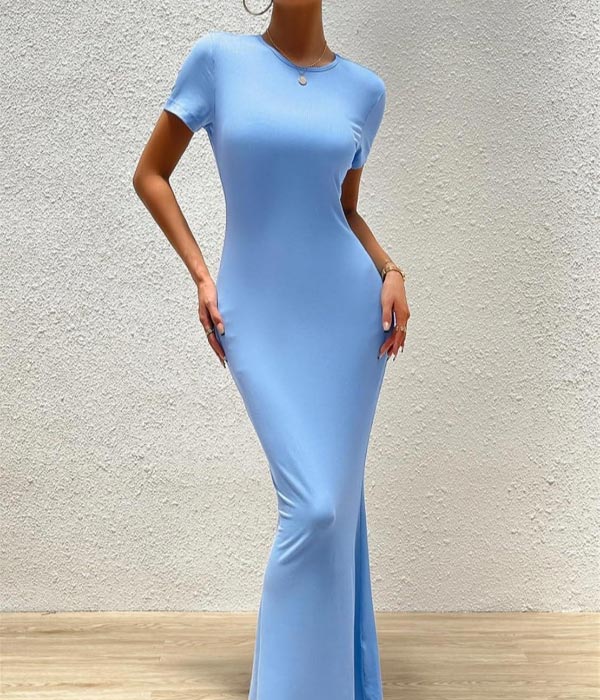
Bodycon Short Sleeve Dresses

Bodycon short sleeve dresses focus on contour shaping, stretch recovery, and close-fitting silhouette balance. Designed for social commerce fashion, nightlife collections, and premium women’s wear, these dresses require stable seam tension, opacity control, and accurate body shaping throughout production.

  • Manufacturing Focus: Contour shaping, stretch recovery, seam tension, opacity control
  • Commonly Used For: Bodycon collections, social commerce fashion, fitted seasonal drops
  • Suggested Fabric Range: 220–360gsm rib knit with 30–55% stretch
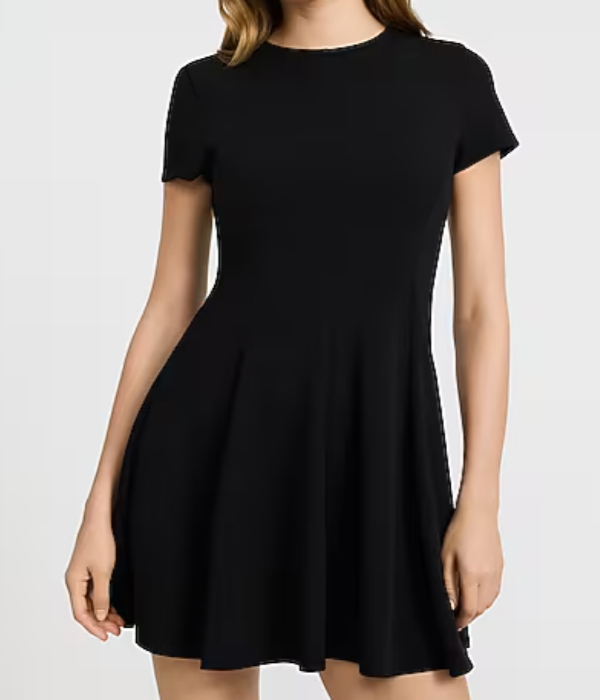
A-Line Short Sleeve Dresses

A-line short sleeve dresses emphasize relaxed movement, balanced flare shaping, and comfortable summer wearability. Popular for boutique collections, resort programs, and casual retail fashion, these dresses require controlled drape, hem balance, and stable shoulder proportion.

  • Manufacturing Focus: Hem balance, flare consistency, drape control, grading stability
  • Commonly Used For: Boutique retail, resort collections, casual summer programs
  • Suggested Fabric Range: 160–240gsm rayon, poplin, or lightweight woven fabrics
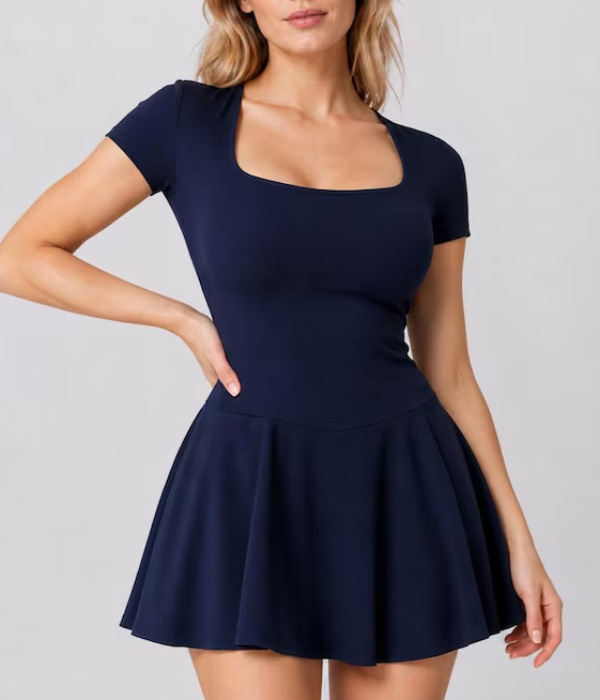
Mini Short Sleeve Dresses

Mini short sleeve dresses are developed for trend-focused collections requiring stronger visual impact and youthful styling direction. These dresses depend heavily on fit proportion, sleeve comfort, and stable length grading across multiple sizes.
  • Manufacturing Focus: Length grading, sleeve comfort, waist positioning, fit balance
  • Commonly Used For: TikTok fashion, partywear, influencer-focused collections
  • Suggested Fabric Range: 180–320gsm stretch jersey or rib knit fabrics
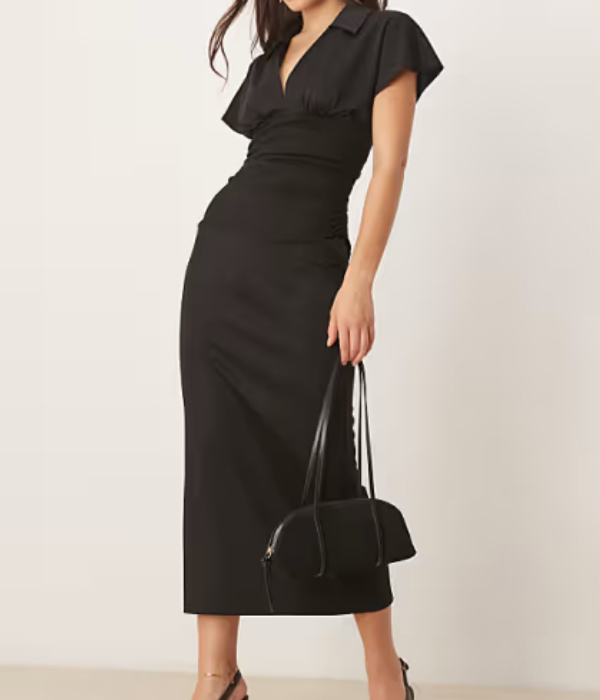
Midi Short Sleeve Dresses

Midi short sleeve dresses combine broader wearability with stronger repeat-order commercial value. Frequently used in lifestyle fashion, resort collections, and premium casual edits, these dresses require smooth drape behavior and stable skirt balance.
  • Manufacturing Focus: Drape shaping, slit positioning, skirt balance, shrinkage control
  • Commonly Used For: Lifestyle brands, resortwear, premium casual fashion
  • Suggested Fabric Range: 180–260gsm modal jersey, rayon blends, or soft knits
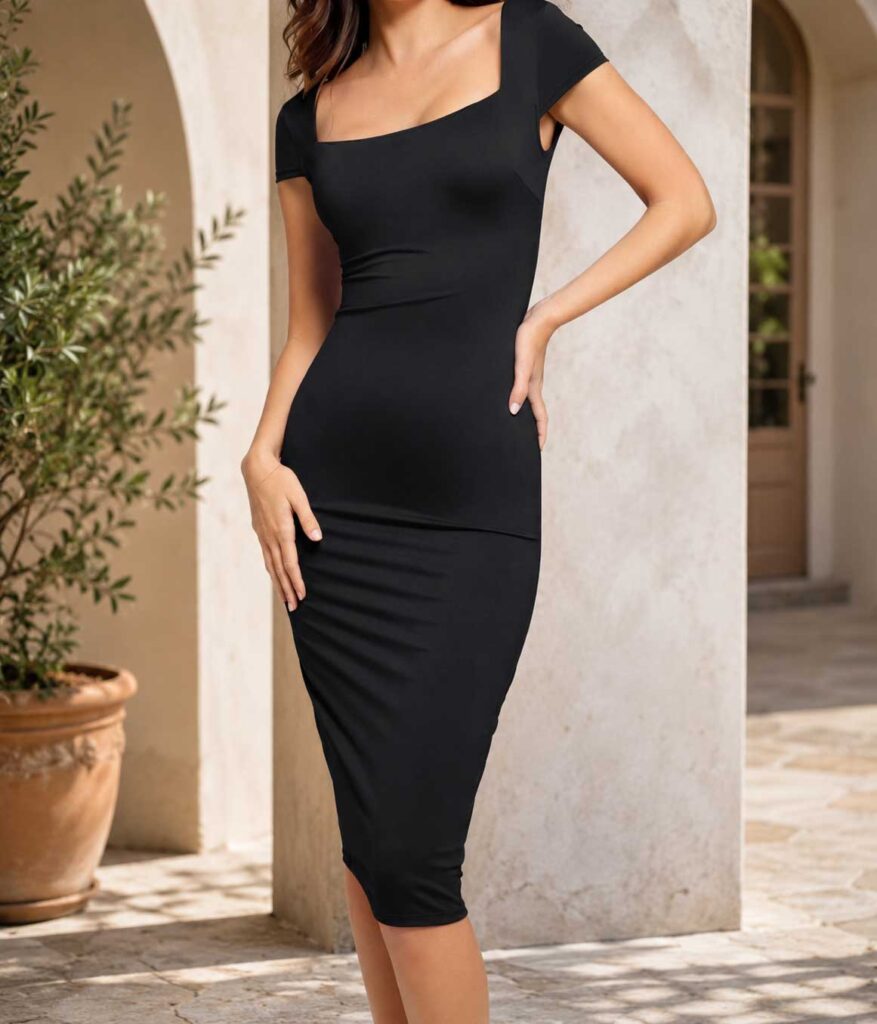
Square Neck Short Sleeve Dresses

Square neck short sleeve dresses create cleaner neckline structure and elevated fashion presentation. These dresses require stronger neckline reinforcement, accurate shoulder shaping, and stable bust proportion during development and production.
  • Manufacturing Focus: Neckline structure, bust shaping, shoulder balance, seam stability
  • Commonly Used For: Boutique dresses, elevated casualwear, occasion-inspired fashion
  • Suggested Fabric Range: 220–340gsm stretch knit or structured jersey fabrics
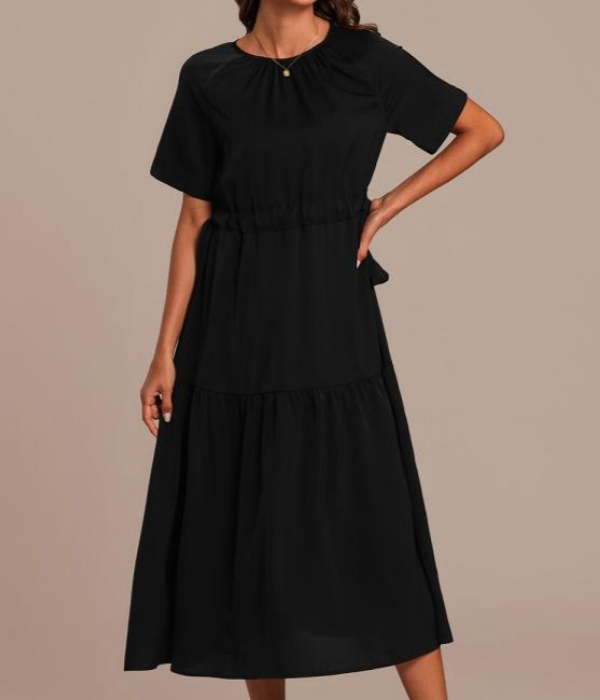
Round Neck Short Sleeve Dresses

Round neck short sleeve dresses are widely used across casual basics, capsule collections, and commercial fashion programs. Their manufacturing success depends on neckline recovery, clean finishing, and long-term shape retention after washing.
  • Manufacturing Focus: Neckline recovery, binding tension, seam cleanliness, shape stability
  • Commonly Used For: Everyday basics, casual collections, repeat-order programs
  • Suggested Fabric Range: 180–280gsm cotton jersey or modal stretch fabrics
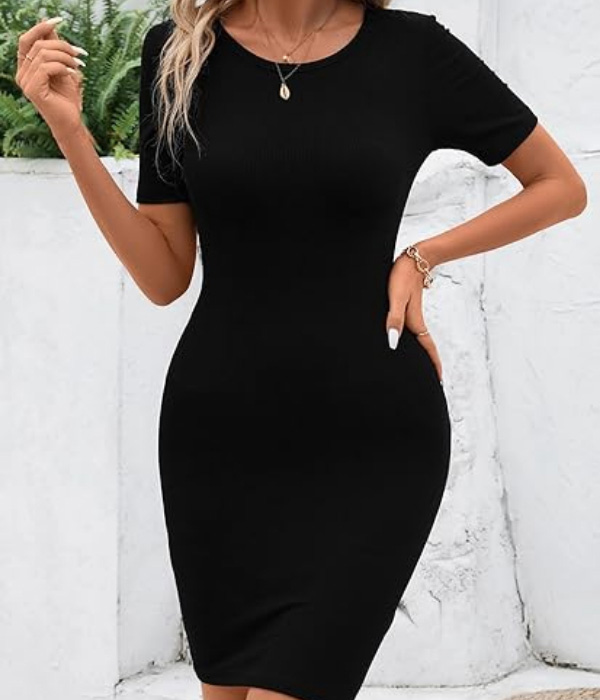
Regular Short Sleeve Dresses

Regular short sleeve dresses focus on practical wearability, broad customer acceptance, and stable repeat sales. These dresses are commonly used for seasonal collections requiring comfortable sleeve construction and reliable production consistency.
  • Manufacturing Focus: Sleeve balance, measurement consistency, shrinkage control, durability
  • Commonly Used For: Retail chains, seasonal collections, commercial casualwear
  • Suggested Fabric Range: 180–260gsm jersey, woven cotton, or blended fabrics
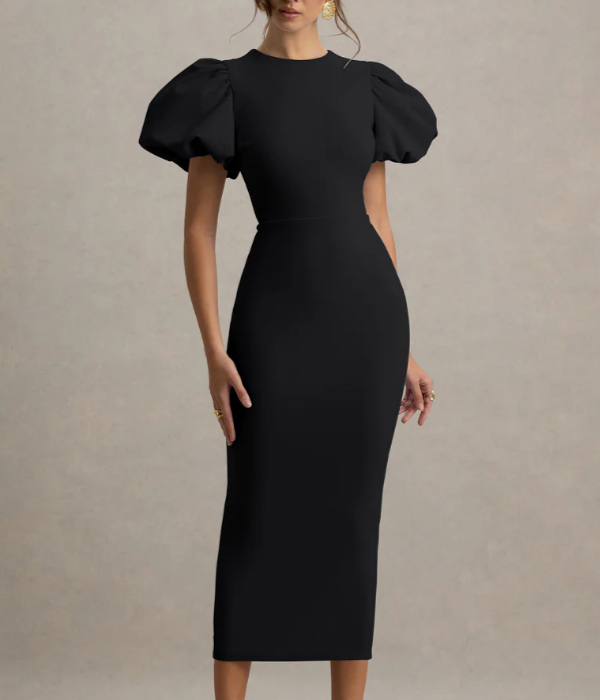
Puff Sleeve Short Sleeve Dresses

Puff sleeve short sleeve dresses combine volume shaping with feminine fashion styling. These dresses require stronger sleeve construction, controlled gathering, and balanced shoulder proportion to maintain visual structure during production.
  • Manufacturing Focus: Sleeve volume control, gathering consistency, shoulder shaping, pressing
  • Commonly Used For: Boutique fashion, resort edits, feminine seasonal collections
  • Suggested Fabric Range: 120–240gsm poplin, rayon, or lightweight woven fabrics
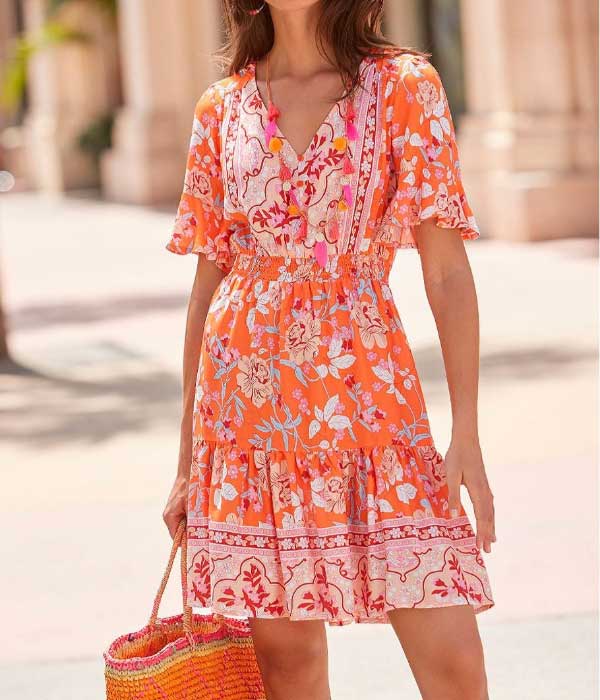
Printed Short Sleeve Dresses

Printed short sleeve dresses are designed for summer collections, vacation programs, and seasonal fashion launches requiring stronger visual presentation. Print alignment and color consistency become critical during cutting and bulk production.
  • Manufacturing Focus: Print placement, panel matching, color fastness, shrinkage stability
  • Commonly Used For: Floral collections, resortwear, boutique summer programs
  • Suggested Fabric Range: 120–220gsm rayon, viscose, or lightweight woven fabrics
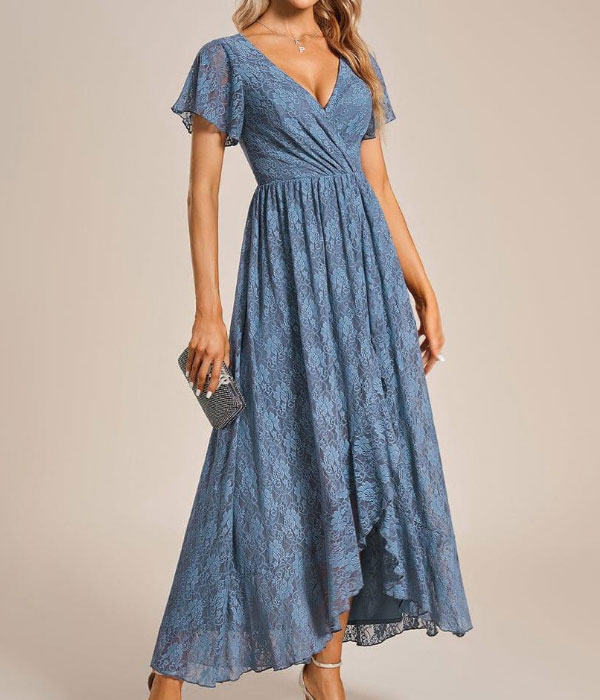
V-Neck Short Sleeve Dresses

V-neck short sleeve dresses emphasize neckline shaping, visual elongation, and balanced bust presentation. These dresses require stable neckline construction and reinforced seam support to maintain consistent appearance after washing.
  • Manufacturing Focus: Neckline reinforcement, bust shaping, seam durability, fit stability
  • Commonly Used For: Casual fashion, vacation dresses, boutique collections
  • Suggested Fabric Range: 180–320gsm stretch jersey or soft woven fabrics
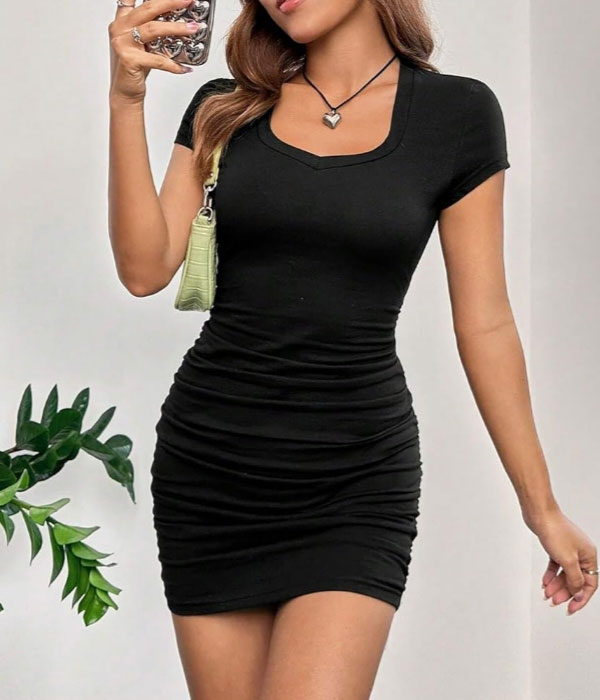
Ruched Short Sleeve Dresses

Ruched short sleeve dresses focus on texture shaping, contour enhancement, and fashion-forward silhouette styling. Production requires controlled gathering distribution and stable seam alignment throughout the garment structure.
  • Manufacturing Focus: Gathering control, seam balance, stretch recovery, lining compatibility
  • Commonly Used For: Partywear, social commerce fashion, body-shaping collections
  • Suggested Fabric Range: 200–340gsm slinky jersey or stretch knit fabrics
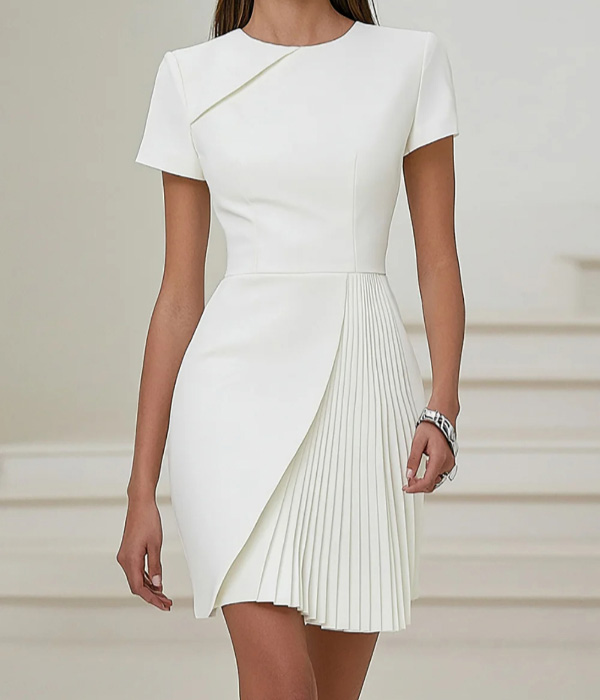
Solid Color Short Sleeve Dresses

Solid color short sleeve dresses rely more heavily on silhouette quality, seam cleanliness, and fabric surface consistency because there are no prints to distract from garment construction. These dresses require stronger finishing standards and stable dye consistency.
  • Manufacturing Focus: Surface cleanliness, dye consistency, seam precision, pressing quality
  • Commonly Used For: Capsule collections, premium basics, repeat-order essentials
  • Suggested Fabric Range: 180–320gsm jersey, rib knit, or modal fabrics

Fit Engineering for Short Sleeve Dresses

Strong short sleeve dress production depends on pattern accuracy, sleeve comfort, grading logic, and fabric response. Jinfeng treats fit development as a manufacturing discipline, not a surface-level sample adjustment.

Sleeve and Armhole Balance

Short sleeve dresses often create fit complaints around the armhole. If the armhole is too high, the wearer feels tightness when lifting the arm. If it is too low, the dress may look loose, cheap, or poorly proportioned. Sleeve cap height, shoulder point, bicep width, and underarm seam position must be developed together. Jinfeng’s pattern team reviews sleeve construction according to fabric stretch, target silhouette, and intended wearing scenario. For bodycon knit dresses, the focus is recovery and underarm comfort. For woven shirt dresses or wrap dresses, ease allowance and sleeve mobility become more important.

Bust, Waist, and Hip Proportion

Short sleeve dresses often rely on a clean front view. Poor bust shaping, misplaced waist seams, or incorrect hip ease can damage the entire garment even when the fabric looks good. For fitted dresses, the pattern must shape the body without creating drag lines. For relaxed dresses, the silhouette must still keep a flattering balance. Jinfeng’s experience in dresses, fitted women’s fashion, bodysuits, jumpsuits, and shaping-related products helps support better proportion control. The team can adjust pattern lines according to stretch ratio, garment length, and customer size specification instead of treating every dress as a flat sewing project.

Grading Across Size Ranges

A short sleeve dress sample may look acceptable in one size but fail across a full production size range. Sleeve width, bust ease, waist position, hip curve, skirt length, and neckline depth must be graded with commercial body proportions in mind. Jinfeng supports brands that need consistent production across size runs. Pattern review and sample confirmation help reduce common grading issues such as tight upper arms in larger sizes, excessive neckline drop, short front length, uneven hem fall, and distorted waist placement after scaling.

Fabric-Based Pattern Adjustment

The same short sleeve dress pattern cannot perform equally in rib knit, jersey, poplin, rayon, or stretch woven fabric. Stretch ratio, GSM, recovery, drape, opacity, and shrinkage all affect how the garment sits on the body. Jinfeng develops short sleeve dresses by connecting fabric choice with pattern decision. For knit styles, recovery and seam tension are checked carefully. For woven styles, drape, ease, shrinkage, and pressing behavior are considered before sample approval and bulk production planning.

Fabric Options for Short Sleeve Dress Collections
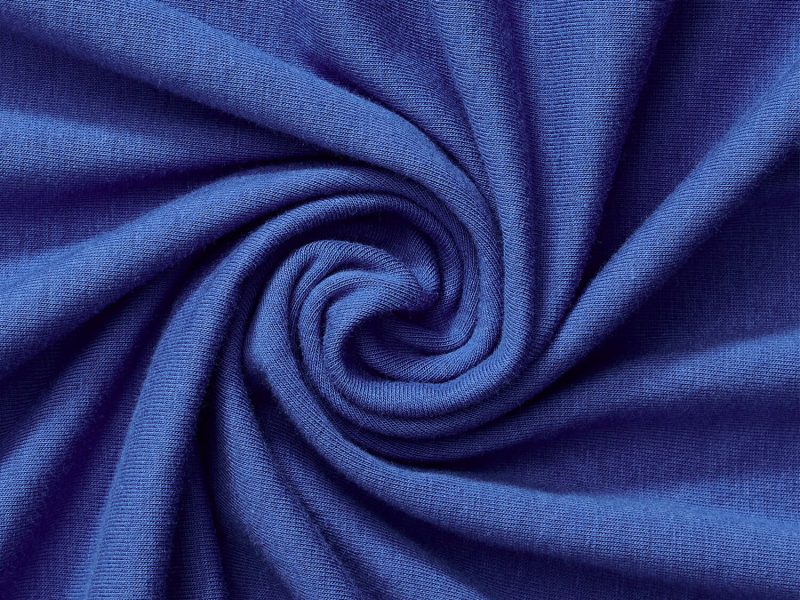
Short sleeve dresses depend heavily on fabric behavior, stretch recovery, drape movement, opacity, softness, shrinkage stability, and surface presentation. Different dress silhouettes require different material structures to support fit consistency, seasonal comfort, and long-term commercial performance.
Cotton-Jersey.jpg

Cotton Stretch Jersey

Cotton stretch jersey provides breathable comfort, flexible movement, and stable commercial versatility for casual short sleeve dresses and everyday fashion collections. It performs well across fitted and relaxed silhouettes while maintaining soft hand feel and wearable stretch balance.
  • Typical GSM: 180–280gsm
  • Stretch Ratio: 20–40% controlled stretch
  • Manufacturing Focus: Recovery control, neckline stability, seam durability, shrinkage management
  • Commonly Used For: Casual dresses, bodycon basics, repeat-order collections
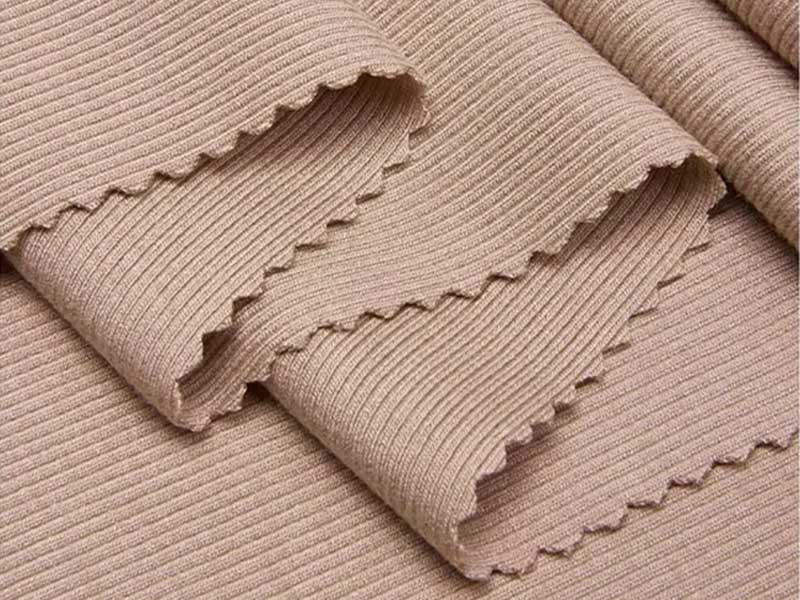
Rib Knit Fabric

Rib knit fabrics create stronger contour shaping and elevated texture for fitted short sleeve dresses. These fabrics are commonly used for bodycon silhouettes and fashion collections requiring better recovery performance and body-hugging appearance.
  • Typical GSM: 240–420gsm
  • Stretch Ratio: 35–60% controlled recovery stretch
  • Manufacturing Focus: Rib alignment, recovery testing, seam elasticity, opacity control
  • Commonly Used For: Bodycon dresses, contour fashion, social commerce collections
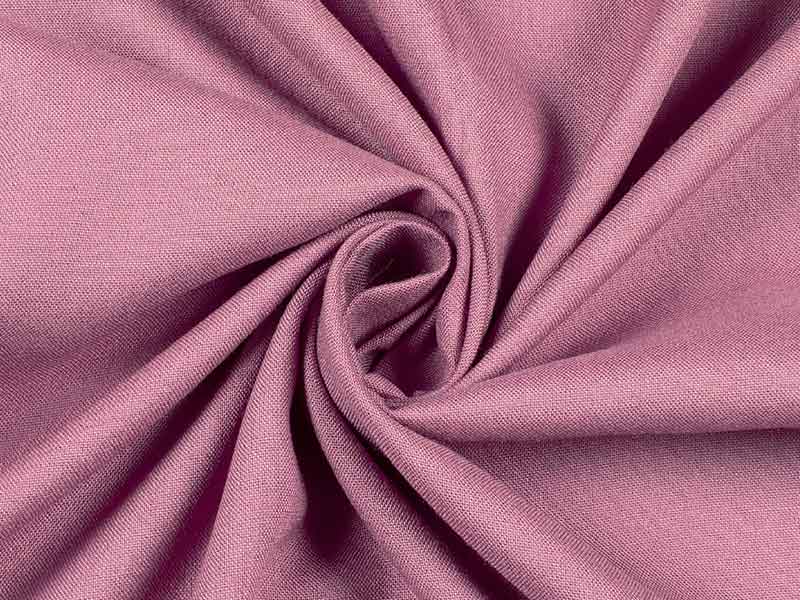
Rayon and Viscose Blends

Rayon and viscose blends support fluid drape, lightweight movement, and breathable summer comfort for vacation-inspired short sleeve dresses. These fabrics create soft visual movement while maintaining relaxed silhouette structure.
  • Typical GSM: 120–220gsm
  • Stretch Ratio: Low natural stretch
  • Manufacturing Focus: Shrinkage control, print stability, drape consistency, seam reinforcement
  • Commonly Used For: Resort dresses, floral collections, vacation fashion
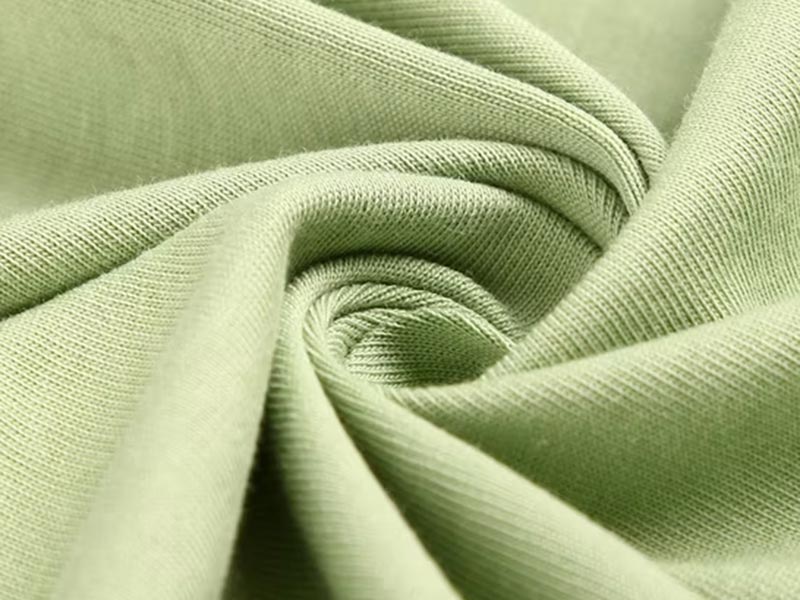
Modal Jersey Fabric

Modal jersey combines smooth surface texture, soft hand feel, and stable drape performance for premium short sleeve dresses. Compared with regular cotton jersey, modal fabrics often create cleaner silhouette presentation and more refined surface appearance.
  • Typical GSM: 180–260gsm
  • Stretch Ratio: 25–45% soft stretch recovery
  • Manufacturing Focus: Surface smoothness, neckline recovery, washing stability, seam consistency
  • Commonly Used For: Premium basics, lifestyle dresses, elevated casualwear
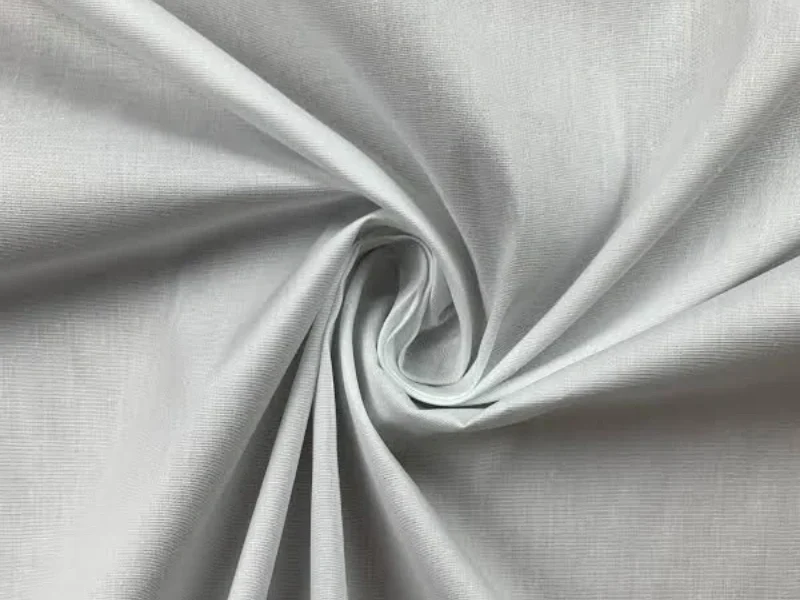
6Cotton Poplin

Cotton Poplin Fabric

Cotton poplin provides sharper structure and cleaner visual presentation for shirt dresses and polished short sleeve fashion styles. These fabrics support stronger silhouette definition while maintaining lightweight summer wearability.
  • Typical GSM: 110–180gsm
  • Stretch Ratio: Minimal stretch
  • Manufacturing Focus: Pressing quality, placket alignment, wrinkle management, collar shaping
  • Commonly Used For: Shirt dresses, casual officewear, structured summer collections
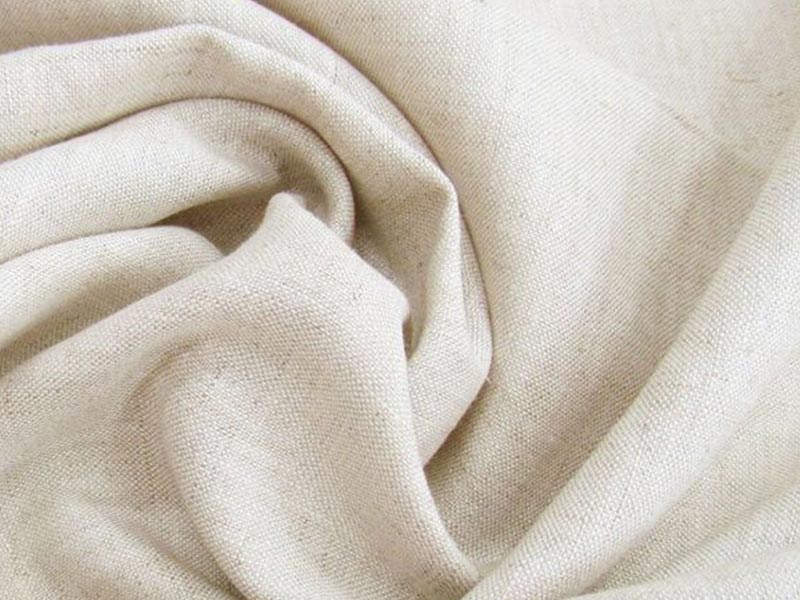
Linen Blend Fabric

Linen blend fabrics create breathable comfort and natural texture for warm-weather short sleeve dresses. These fabrics are commonly selected for resortwear, vacation collections, and relaxed seasonal programs requiring lightweight drape and organic surface character.
  • Typical GSM: 140–240gsm
  • Stretch Ratio: Minimal stretch structure
  • Manufacturing Focus: Shrinkage control, pressing stability, seam reinforcement, fabric relaxation
  • Commonly Used For: Resort dresses, beachwear collections, relaxed summer styles
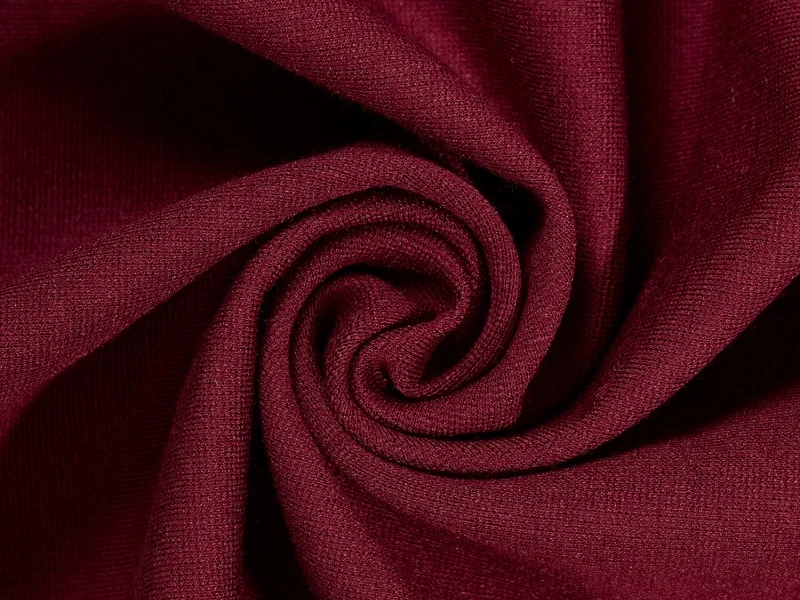
11Ponte Knit

Ponte Knit Fabric

Ponte knit fabrics provide stronger structure, higher opacity, and cleaner body shaping for premium short sleeve dresses. These materials support fitted silhouettes while maintaining better stability and reduced transparency compared with lightweight knits.
  • Typical GSM: 280–420gsm
  • Stretch Ratio: 20–35% stable stretch
  • Manufacturing Focus: Shape retention, seam tension, contour stability, recovery performance
  • Commonly Used For: Structured bodycon dresses, premium fashion collections, office casualwear
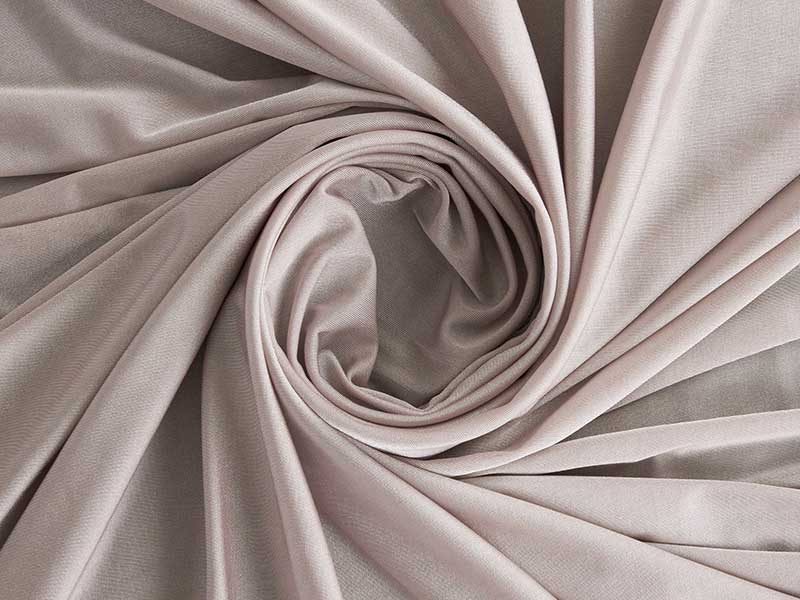
Slinky Jersey Fabric

Slinky jersey fabrics create smooth surface shine, fluid movement, and close-fitting drape for fashion-forward short sleeve dresses. These fabrics are commonly used for social-commerce-driven collections and occasion-inspired silhouettes.
  • Typical GSM: 180–300gsm
  • Stretch Ratio: 35–55% fluid stretch
  • Manufacturing Focus: Surface smoothness, seam balance, recovery stability, lining compatibility
  • Commonly Used For: Party dresses, ruched styles, fitted fashion collections
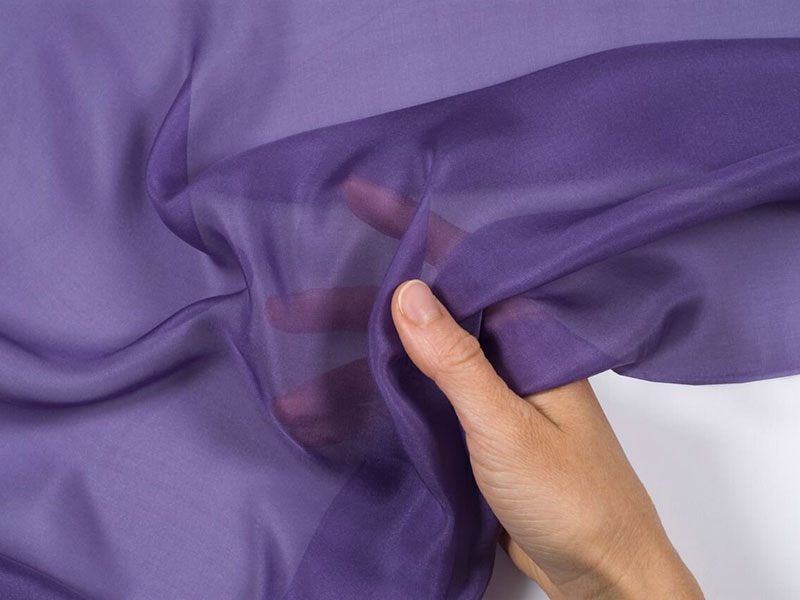
Lightweight Chiffon Fabric

Lightweight chiffon fabrics provide airy movement and soft transparency for layered short sleeve dresses and feminine seasonal collections. These fabrics are often combined with lining structures to improve comfort and opacity during wear.
  • Typical GSM: 60–120gsm
  • Stretch Ratio: Minimal stretch
  • Manufacturing Focus: Layer balance, seam delicacy, transparency control, cutting precision
  • Commonly Used For: Layered dresses, resortwear, occasion-inspired summer collections

Surface Treatments Used in Short Sleeve Dresses

Fabric treatments influence visual texture, softness, recovery, durability, washing behavior, and commercial presentation. Different short sleeve dress categories require different surface effects depending on style positioning, customer expectation, and target price structure.

Enzyme Wash Treatment

Enzyme wash creates a softer surface and more relaxed visual texture. It is commonly used for casual jersey dresses, washed lifestyle collections, and soft-touch cotton styles. The treatment improves hand feel while reducing excessive surface stiffness. For short sleeve dresses, enzyme washing can improve comfort and make garments look more natural in product photography. However, washing consistency must be controlled carefully because uneven treatment may affect shade variation and garment measurement stability during bulk production.

Silicone Softening Treatment

Silicone softening is often used to improve smoothness, softness, and drape performance in modal jersey, rayon blends, cotton stretch fabrics, and lightweight knits. The treatment helps short sleeve dresses feel more premium while improving movement during wear. The production team must balance softness and recovery. Excessive silicone treatment may reduce fabric stability or affect printing adhesion. For fitted dresses, recovery testing is especially important after treatment because softening can influence seam behavior and shape retention.

Reactive Printing

Reactive printing is widely used for floral short sleeve dresses, boutique resort collections, seasonal prints, and vacation-themed styles. Compared with lower-grade pigment printing, reactive printing usually offers stronger color penetration, softer hand feel, and better wash durability. Production control includes print alignment, color consistency, shrinkage testing, and panel matching. Placement print dresses require higher cutting precision because visual imbalance becomes very noticeable after sewing if alignment shifts during production.

Garment Dye Process

Garment dyeing creates washed color depth and softer vintage-inspired appearance. It is often used for relaxed short sleeve dresses, casual basics, and boutique capsule collections that focus on surface texture and unique color tone. Garment dye production requires stronger shrinkage management and measurement tolerance planning because color treatment happens after sewing. Pattern allowance and fabric behavior must be tested carefully before bulk production begins.

Rib Texture Engineering

Rib texture is not only a fabric choice but also a surface engineering method used heavily in fitted short sleeve dresses. Different rib widths, stretch direction, and knit density influence contour effect, body shaping appearance, and opacity performance. Production risk becomes higher when rib direction is inconsistent across garment panels. Sleeve attachment, side seams, and neckline binding must align correctly to avoid twisting and distortion after washing.

Lightweight Brushed Finishing

Light brushing can improve softness and warmth perception for transitional short sleeve dresses designed for spring or cooler weather markets. It creates smoother touch and slightly elevated texture while maintaining flexible movement. The brushing level must stay controlled because excessive brushing may increase pilling risk or reduce fabric durability. For e-commerce brands, brushed fabrics are often selected because they improve close-up photography texture and visual softness.

Production Techniques Behind Stable Dress Manufacturing

Short sleeve dress manufacturing depends on more than sewing speed. Pattern engineering, seam control, pressing discipline, stretch management, and finishing precision directly influence fit consistency, customer comfort, and repeat-order performance.

Pattern Engineering and Silhouette Balance

Short sleeve dresses require balanced proportion between shoulder width, sleeve shape, bust volume, waist line, hip curve, and hem fall. Different dress categories demand different pattern structures. A bodycon dress needs contour accuracy, while a relaxed midi dress requires cleaner drape and movement. Jinfeng’s development team supports short sleeve dress pattern adjustments according to fabric behavior, garment length, stretch ratio, and intended silhouette. The goal is not simply following reference artwork but creating a dress shape that performs consistently during bulk production.

Sleeve Structure and Armhole Construction
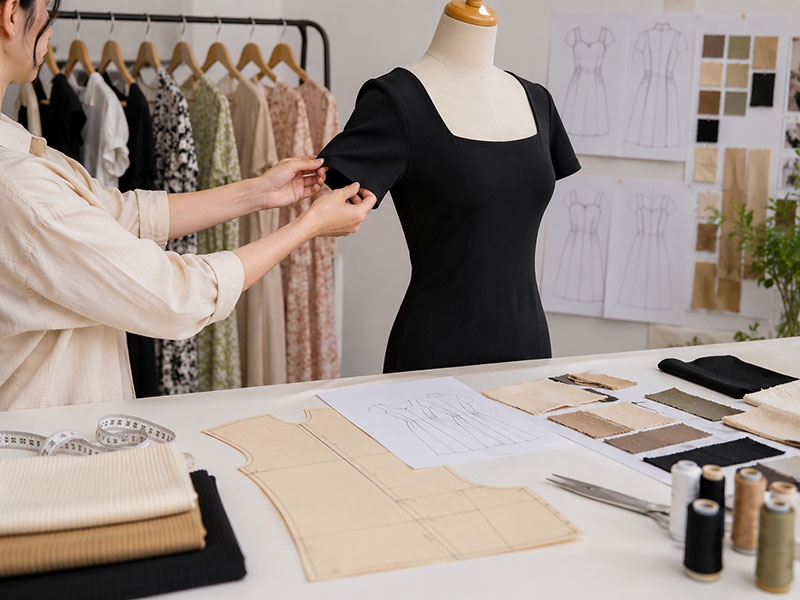
Sleeve structure strongly affects comfort, movement, and overall fit balance in short sleeve dresses. Poor armhole depth, sleeve cap shape, or sleeve opening proportion may create tightness, pulling, twisting, or uncomfortable movement during wear. Jinfeng reviews sleeve construction according to dress silhouette, fabric stretch, and intended wearing purpose. Sleeve balance, armhole shaping, seam positioning, and mobility testing are checked during sampling to improve wearing comfort and production consistency.

Stretch Direction Control

For knit short sleeve dresses, stretch direction strongly affects fit stability, recovery, and seam durability. Incorrect fabric orientation may cause twisting, uneven tension, sleeve distortion, or shape imbalance after washing. Production planning includes fabric relaxation before cutting, stretch direction alignment, recovery testing, and cutting control. Rib knit and high-stretch jersey dresses require additional review because even small fabric direction errors become highly visible on fitted silhouettes.

Seam Tension Management

Short sleeve dresses often combine lightweight fabrics, fitted shapes, and curved seams. Poor seam tension can create puckering, thread breakage, uneven hems, or uncomfortable sleeve attachment. For fitted dresses, seam elasticity must remain balanced with garment recovery. Jinfeng controls seam construction according to fabric category and silhouette type. Needle selection, stitch density, seam elasticity, and thread compatibility are reviewed during sampling and pre-production preparation to improve long-term wearing performance.

Neckline Construction

Neckline quality strongly affects perceived garment value. A poorly constructed neckline can stretch out, wave, flip outward, or lose shape after washing. This problem appears frequently in low-cost short sleeve dress production. Production control includes neckline reinforcement, binding tension balance, pressing discipline, and recovery testing. Different neckline types such as crew neck, scoop neck, square neck, and wrap front require different construction approaches according to fabric behavior.

Pressing and Finishing

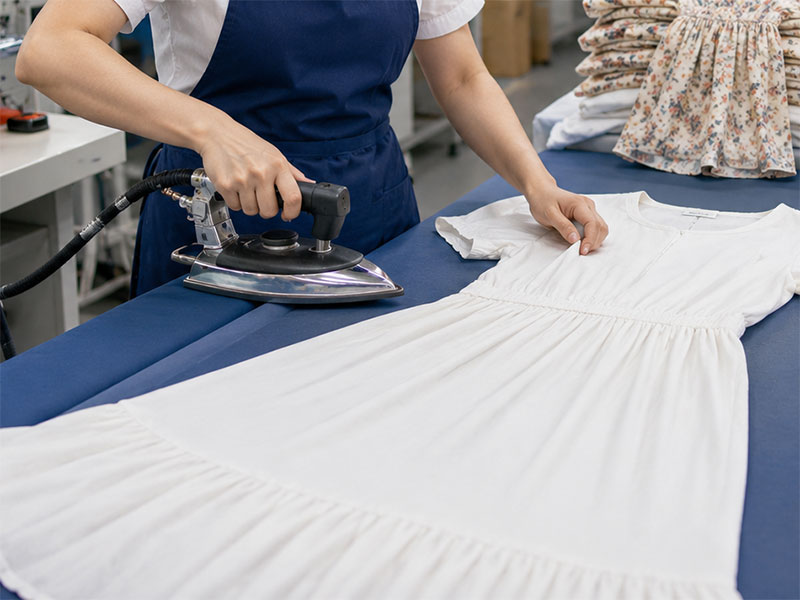
Short sleeve dresses rely heavily on visual presentation. Even a well-sewn dress may appear low quality if pressing and finishing are poorly managed. Shirt dresses, wrap dresses, woven vacation dresses, and structured casual dresses especially require stronger finishing standards. Jinfeng’s production workflow includes garment shaping, seam flattening, measurement checking, thread trimming, and packaging preparation before shipment. Finishing is treated as part of product quality rather than only final appearance adjustment.

Shrinkage and Washing Stability

Many short sleeve dresses become unstable after washing because shrinkage testing was incomplete before production. Length reduction, sleeve twisting, neckline deformation, and seam distortion often originate from weak fabric preparation. Jinfeng reviews shrinkage behavior before bulk cutting and adjusts pattern allowance when necessary. Different fabrics such as rayon, modal jersey, rib knit, cotton stretch, and linen blends require different shrinkage expectations and handling methods during production planning.

Private Label Branding and Packaging Support
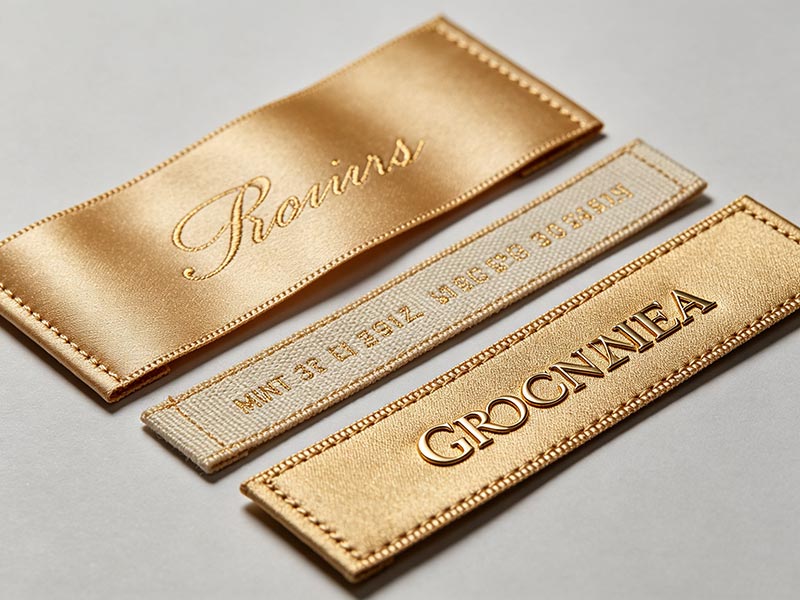
Short sleeve dresses often represent the visual identity of fashion brands. Labels, packaging, hangtags, folding methods, and barcode systems influence customer perception, retail presentation, and repeat-order professionalism across online and offline sales channels.

Main Labels and Size Labels

Main labels help establish brand identity inside the garment. Depending on positioning, brands may choose woven labels, satin labels, heat transfer labels, or printed labels. For fitted short sleeve dresses, soft-touch label solutions are often preferred to improve wearing comfort. Size labels are arranged according to customer size systems including US, UK, EU, and custom grading structures. Placement consistency is reviewed during bulk production to improve retail presentation and warehouse handling efficiency.
3. Care Labels

Care Labels and Compliance Information
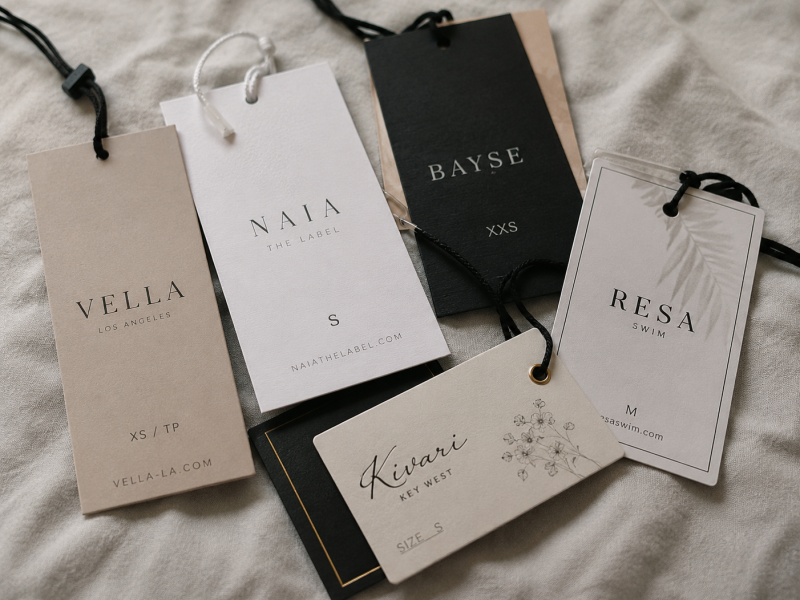
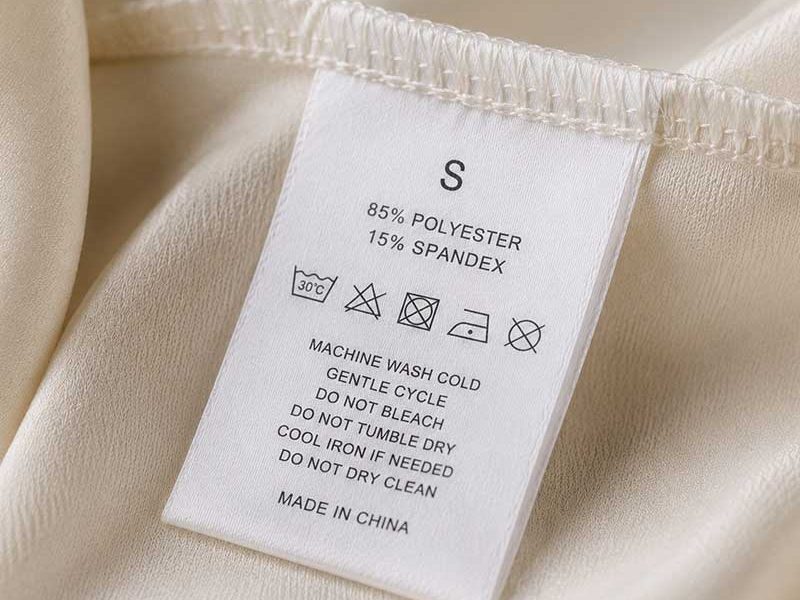
Care labels support washing guidance, material disclosure, country-of-origin information, and after-sales consistency. For short sleeve dresses made from stretch jersey, rayon, modal, rib knit, or linen blends, accurate washing instructions become especially important. Jinfeng supports custom care label development according to brand requirements and target market regulations. Label durability, print clarity, and stitching quality are reviewed before production shipment.
Custom Hangtag​

Hangtags and Barcode Systems

Hangtags help communicate collection identity, seasonal concepts, retail positioning, and pricing structure. Boutique and DTC brands often use hangtags to improve perceived product value during unboxing and retail display. Barcode stickers and SKU systems support warehouse management, online fulfillment, and retail logistics. Jinfeng can coordinate folding methods, barcode positioning, carton marking, and polybag preparation according to customer operational needs.

Polybags and Garment Protection

Short sleeve dresses require packaging that protects shape, surface appearance, and cleanliness during international shipment. Different dress categories may require different polybag thickness, folding methods, tissue paper support, or hanger packing systems. For fitted dresses, compression damage and seam pressure must be minimized during packing. For woven dresses, wrinkle control becomes more important during carton arrangement and shipping preparation.

Sampling Development for Short Sleeve Dresses

Short sleeve dress sampling combines pattern development, fabric selection, fit adjustment, sewing execution, and production planning. Strong sampling reduces revision cycles, improves development speed, and creates more reliable bulk manufacturing results.

Style Evaluation and Technical Review

The development process usually begins with tech packs, reference samples, sketches, product photos, or design concepts. The team reviews silhouette structure, fabric suitability, sleeve construction, neckline type, sewing complexity, and target price direction before sample planning begins. Jinfeng supports short sleeve dress development for fitted dresses, casual silhouettes, rib knit styles, woven shirt dresses, wrap dresses, and seasonal boutique collections. Technical review helps reduce later production problems before pattern work starts.

Pattern Development and Fabric Matching

Pattern development is adjusted according to fabric stretch, drape, opacity, shrinkage behavior, and target fit. The same silhouette may require different pattern structures depending on whether the dress uses rib knit, cotton jersey, rayon woven, modal blend, or stretch fabric. Jinfeng’s sample structure includes 7 experienced pattern makers, 20 sample sewing staff, and sourcing support for material coordination. The focus is creating commercially wearable dresses rather than only visual sample approval.

Sample Sewing and Fit Adjustment

After pattern preparation and material confirmation, sample sewing begins. The sample stage reviews sleeve comfort, neckline stability, seam tension, body proportion, skirt balance, and overall garment appearance before customer feedback. Regular short sleeve dress samples are commonly completed within 5–7 days, while more complex styles may require around 7–10 days depending on fabric sourcing and construction difficulty. Fit revisions are handled according to actual wearing feedback and measurement review.

Pre-Production Preparation

Once the sample is approved, production planning begins. Pre-production preparation may include grading review, shrinkage testing, fabric confirmation, trim approval, marker planning, packaging setup, and sewing workflow coordination. Jinfeng uses coordinated production planning across development, sourcing, and manufacturing teams to support smoother transition from sample approval into repeatable bulk production.

Quality Control for Short Sleeve Dress Production

Short sleeve dresses require stable measurements, clean stitching, controlled shrinkage, and consistent fabric behavior across repeat orders. Quality control must begin before cutting and continue through sewing, finishing, packing, and shipment preparation.

Fabric Inspection Before Cutting
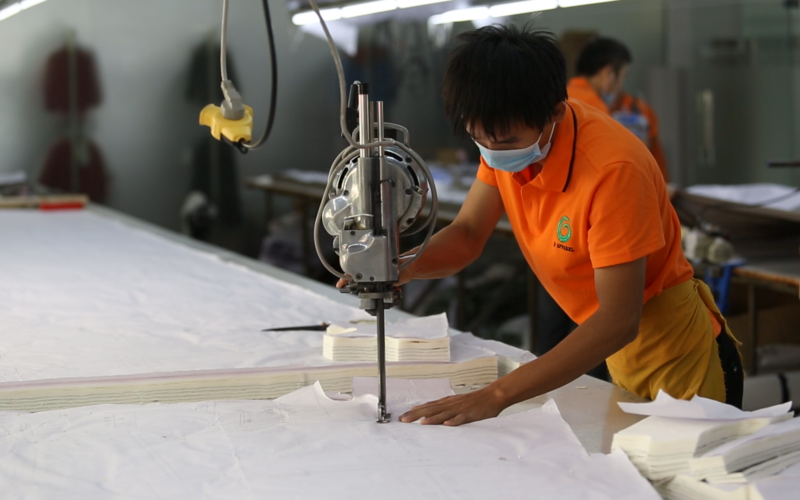
Fabric quality strongly influences final dress performance. Before production starts, fabric rolls are checked for color variation, knitting defects, surface inconsistency, shrinkage behavior, print alignment, and stretch recovery performance. Jinfeng uses fabric inspection and pre-production review to reduce risks such as shade difference, excessive shrinkage, poor recovery, and unstable cutting behavior. Different fabrics including rib knit, rayon, modal jersey, cotton stretch, and woven materials require different inspection priorities.
jinfengapparel

In-Line Sewing Inspection

During sewing production, operators and QC staff review seam tension, sleeve attachment, neckline shape, hem stability, stitch consistency, and thread performance. Short sleeve dresses often reveal sewing imbalance more clearly because lightweight fabrics and fitted silhouettes expose construction problems quickly. The production process includes measurement review, sewing consistency checks, seam alignment control, and visual inspection during assembly stages rather than waiting until final packing.
jinfengapparel

Measurement and Fit Consistency

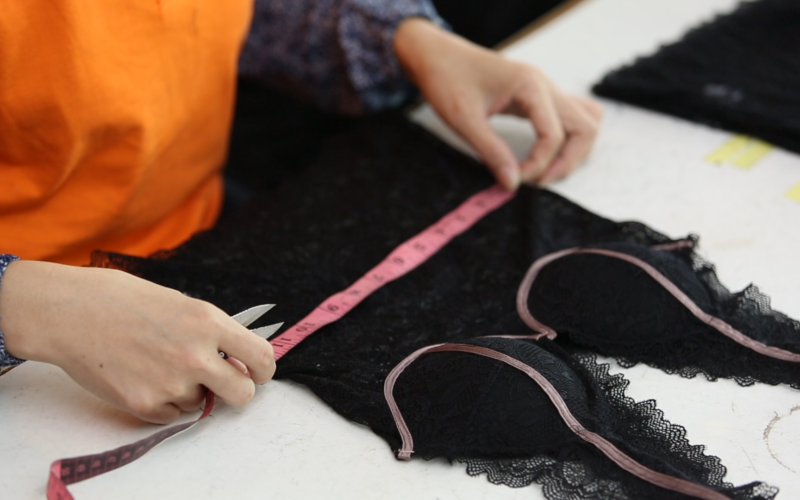
Measurement consistency becomes critical for repeat-order programs and multi-size production. Even small grading imbalance may affect customer satisfaction, especially in fitted dresses, rib knit silhouettes, and body-shaping styles. Jinfeng reviews garment measurements according to approved specifications before packing. Sleeve width, body length, bust, waist, hip, neckline, and hem balance are checked during production to improve consistency across bulk orders.
jinfengapparel

Finishing and Packing Inspection

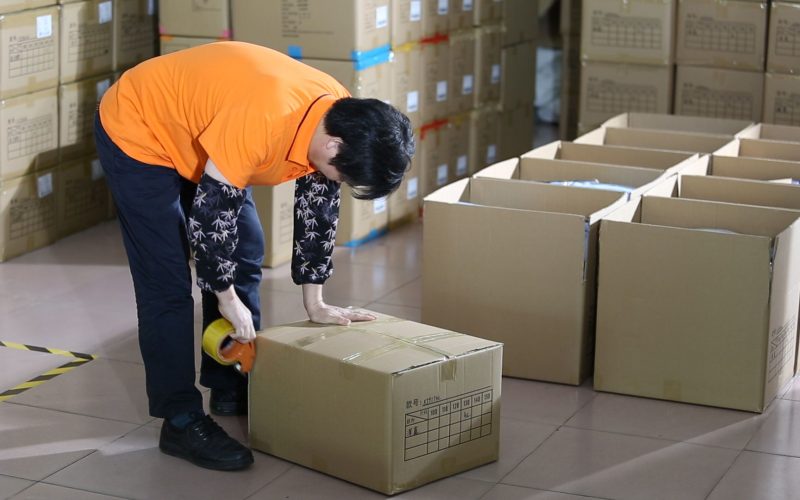
Final inspection includes garment cleanliness, pressing quality, loose thread removal, labeling accuracy, packaging arrangement, barcode checking, and carton marking review. A short sleeve dress must arrive ready for retail presentation, warehouse handling, or e-commerce fulfillment. Jinfeng coordinates QC with production, merchandising, and packaging preparation to reduce shipment problems before delivery. Finishing is treated as part of the product standard rather than only cosmetic preparation.
jinfengapparel

Sleeve Comfort Factors in Short Sleeve Dresses

Sleeve comfort directly affects customer satisfaction, repeat purchases, and return rates in short sleeve dresses. Problems such as tight movement, underarm pulling, twisted sleeves, restricted arm mobility, and neckline imbalance are often caused by incorrect sleeve engineering during development and production.

Sleeve Construction FactorManufacturing ImpactCommon Production ProblemsComfort & Return Rate Influence
Armhole DepthControls arm mobility and wearing comfortTight lifting movement or oversized loose appearancePoor armhole balance increases fit complaints and returns
Sleeve Cap HeightAffects shoulder shaping and sleeve movementPulling at shoulder or twisted sleeve shapeIncorrect sleeve cap reduces wearing flexibility
Bicep WidthInfluences upper-arm comfort and fit toleranceTight sleeves or excessive loose volumeNarrow bicep width increases size-related returns
Underarm Seam TensionImpacts movement flexibility and seam durabilitySeam pulling, puckering, thread breakageHigh seam tension creates discomfort during daily wear
Shoulder Point PositionControls overall sleeve alignment and silhouette balanceSleeve twisting or unstable shoulder shapeIncorrect shoulder position affects overall garment fit
Sleeve Opening WidthInfluences airflow, comfort, and silhouette proportionTight sleeve opening or oversized appearancePoor sleeve opening balance affects comfort perception
Sleeve Length ProportionAffects visual balance and arm movement freedomRestrictive movement or poor proportion appearanceIncorrect sleeve length impacts customer satisfaction
Stretch Recovery PerformanceMaintains sleeve shape after repeated wearingLoose sleeves or distorted recovery after washingWeak recovery increases long-term fit complaints
Fabric Stretch DirectionControls movement flexibility and seam stabilityTwisting sleeves or uneven tensionIncorrect stretch alignment affects comfort and durability
Sleeve Attachment BalanceConnects sleeve movement with garment body structureArm restriction or seam distortionPoor sleeve attachment increases return risk
Neckline and Sleeve CoordinationBalances upper-body fit and movementNeckline pulling or shoulder imbalancePoor coordination creates unstable overall fit

OEM and ODM Dress Manufacturing Process

Short sleeve dress production works best when development, sourcing, sampling, production, and delivery follow a clear manufacturing structure. Organized cooperation helps reduce delays, revision cycles, and production risk during repeat-order growth.

Share Product Direction

Customers usually begin with tech packs, sketches, reference garments, mood boards, measurement specs, or target retail positioning. Development goals, estimated quantities, and launch timing are reviewed before quotation planning.

Technical Evaluation

The development team reviews silhouette complexity, fabric suitability, sleeve construction, printing requirements, sizing structure, and packaging expectations to evaluate manufacturing feasibility and production workflow.

Fabric and Trim Confirmation

Suitable fabrics, labels, trims, elastics, buttons, zipper options, and packaging details are discussed according to silhouette type, target cost, and market positioning.

Pattern Development

Pattern development begins according to fabric behavior, stretch ratio, silhouette shape, and size structure. Pattern adjustments help support fit accuracy before sewing starts.

Sample Production

The sample room produces development samples for review. Sleeve comfort, body proportion, neckline construction, seam quality, and overall appearance are checked before customer feedback.

Sample Revision

Fit corrections, measurement updates, fabric changes, trim adjustments, and visual refinements are handled before final sample approval and pre-production preparation.

Bulk Production Planning

After approval, fabric purchasing, cutting schedules, production line planning, sewing workflow preparation, and delivery coordination are arranged for bulk production.

Quality Inspection and Packing

QC review, pressing, labeling, folding, barcode arrangement, carton preparation, and packaging inspection are completed before shipment release.

Shipment and Delivery

Orders are shipped according to agreed logistics methods including express delivery, air freight, sea freight, FOB, CIF, or DDP arrangements depending on customer requirements.

Short Sleeve Dress Manufacturing Case Studies

Different dress brands require different manufacturing solutions depending on style positioning, launch rhythm, order quantity, and retail strategy. The following projects reflect common cooperation structures for short sleeve dress development and production.

Case 1 — US Boutique Fashion Brand

Project Overview
Product: Rib knit short sleeve bodycon dresses
Initial Order: 400 pcs across 4 colors
Lead Time: 28 days
Follow-Up Orders: 3,500+ pcs within 4 months
Challenge:
The brand needed fitted short sleeve dresses for social commerce marketing, but previous suppliers created unstable recovery and inconsistent sizing after washing. Sleeve tightness and seam twisting also caused high return rates.
Solution:
The development team adjusted rib direction, increased recovery testing, improved seam elasticity, and refined grading across sizes. Fabric GSM was stabilized around 320gsm to improve opacity and contour support.
Result:
  • Reduced fit complaints during repeat orders
  • Improved shape recovery after washing
  • Stronger reorder stability across colorways
  • Expanded cooperation into additional dress categories
case

Case 2 — European Resortwear Brand

Project Overview
Product: Printed short sleeve wrap dresses
Initial Order: 600 pcs
Lead Time: 35 days
Follow-Up Orders: 5 seasonal collections
Challenge:
The customer needed lightweight printed dresses for vacation collections but struggled with print misalignment, shrinkage inconsistency, and unstable wrap construction from previous suppliers.
Solution:
Jinfeng improved print panel matching, adjusted overlap structure, stabilized shrinkage allowance before cutting, and reinforced waist tie construction during production.
Result:
  • Cleaner print alignment across production runs
  • Improved wrap coverage consistency
  • Better customer feedback on wearing comfort
  • Stable repeat cooperation for seasonal launches

Case 3 — Online DTC Casualwear Brand

Project Overview
Product: Cotton jersey short sleeve midi dresses
Initial Order: 1,200 pcs
Lead Time: 30 days
Follow-Up Orders: 8,000+ pcs over 2 collections
Challenge:
The customer required a reliable supplier for repeat-order casual dresses sold through Shopify and influencer campaigns. Previous factories struggled with neckline deformation and inconsistent garment measurements.
Solution:
The production workflow included neckline reinforcement, improved pressing control, fabric relaxation before cutting, and tighter in-line measurement inspection during sewing.
Result:
  • Improved measurement consistency across sizes
  • Reduced neckline deformation after washing
  • More stable repeat-order quality
  • Faster replenishment support during collection growth

Why Fashion Brands Choose Jinfeng Apparel

Fashion brands searching for short sleeve dress manufacturers often compare pricing first, but long-term cooperation depends more on development capability, fit consistency, production coordination, and repeat-order stability.

Manufacturing AreaJinfeng ApparelTypical Low-Cost Supplier
Dress Development FocusStrong women’s fashion specializationGeneral garment production
Sample Development2 sample rooms, 27 specialistsLimited sample structure
Production Capacity18 lines, 300,000 pcs monthlySmaller unstable output
Pattern Support7 experienced pattern makersBasic pattern adjustment
Dress CategoriesKnit and woven women’s dressesNarrow product focus
Small Order Support200–500 pcs possibleOften high MOQ only
Repeat Order StabilityMulti-factory coordinationSingle production source
Communication StructureSales + merchandising supportLimited follow-up
Private Label SupportLabels, packaging, barcodesBasic packaging only
Growth FlexibilitySuitable for scaling programsLimited expansion support

Frequently Asked Questions About Short Sleeve Dress Manufacturing

MOQ depends on fabric type, construction complexity, and customization level. Many short sleeve dress programs can begin from around 200–500 pcs per style.
Yes. The development team can work from tech packs, sketches, reference garments, and product images for sampling and production planning.
Regular short sleeve dress samples commonly require around 5–7 days. More complex styles may require around 7–10 days.
Yes. Main labels, size labels, care labels, hangtags, barcode stickers, polybags, carton marks, and folding methods can be customized.
Yes. The factory structure supports repeat-order production through coordinated production planning and multi-line manufacturing.
Cotton jersey, rib knit, modal jersey, rayon blends, poplin, linen blends, and stretch woven fabrics are commonly used for short sleeve dresses.
Yes. Smaller launch quantities are possible for brands testing styles, colors, or new collections before scaling production.
Yes. Jinfeng has experience in fitted women’s fashion, contour silhouettes, rib knit dresses, and stretch-based garment production.
Fabric inspection, shrinkage testing, fabric relaxation, and pattern allowance adjustment are reviewed before bulk production begins.
Express shipping, air freight, sea freight, FOB, CIF, and DDP shipping methods are available depending on destination and delivery requirements.
Yes. The factory system includes 18 production lines with monthly output around 300,000 pcs and additional expansion flexibility.
Yes. The manufacturing structure is suitable for established brands, boutiques, DTC companies, and repeat-order fashion businesses.

Start Your Short Sleeve Dress Development

Send your short sleeve dress ideas or sample requests to receive development feedback, manufacturing suggestions, and production planning support.

How to Begin

  • Share dress ideas, tech packs, or reference images
  • Receive quotation and development evaluation
  • Confirm fabrics, trims, and sample direction
  • Approve samples before bulk production
  • Arrange manufacturing timeline and shipment plan

Information That Helps Speed Up Quotation

  • Dress category and silhouette
  • Estimated quantity
  • Fabric preference
  • Target market
  • Logo and packaging details
  • Size range and delivery schedule
jinfengapparel

Submit Your Production Inquiry

Please share your product details, estimated quantity, target market, timeline, and development requirements. Our project team will review your inquiry and provide a tailored OEM/ODM production solution.

Women’s Apparel Production for Established Fashion Brands

From sample development to bulk production, JF Apparel supports fashion brands with confidential OEM/ODM manufacturing, stable quality control, and scalable production.