 Skip to content
OEM Clubwear Dress factory
Custom clubwear dresses built for fit, photos, and repeat orders.
Jinfeng supports fashion brands with OEM clubwear dress development, from reference image or tech pack to approved sample and repeat bulk production. Our strength is fitted women’s fashion: bodycon shapes, party dresses, cut-out details, stretch fabrics, and production control for brands that need styles to sell, fit, and reorder consistently.
- 4 factories with focused women’s fashion and casual lines
- Manufacturing partner for globally recognized women’s fashion brands
- 2 sample rooms with 7 senior pattern makers
- 20 sample makers for shape, fit, and revision control
- 18 lines, about 300,000 pcs monthly capacity




How Brands Choose OEM, ODM, Or Private Label Clubwear Dress Production
Not every clubwear dress project starts from the same stage. Some brands already have a complete tech pack, approved fit sample, and size chart. Others only have reference images, a product direction, or a seasonal drop plan. The right production model depends on how much development support the style needs before bulk production.
OEM Clubwear Dress Development
OEM clubwear dress development is suitable when a brand already has a clear design direction, tech pack, size chart, reference sample, or approved garment. The factory’s role is to translate the confirmed idea into production-ready dresses with accurate pattern work, fabric control, construction details, and repeat bulk consistency.
For clubwear dresses, OEM work should focus on fit control rather than simple sewing. Bust, waist, hip, neckline, hem length, cut-out placement, stretch direction, lining choice, seam tension, and closure strength all need to follow the approved sample. Jinfeng supports OEM clubwear dress projects from sample development to bulk production, especially for mini, midi, bodycon, ruched, mesh, satin, backless, and cut-out styles.
Suitable for brands with clear designs, tech packs, reference samples, or planned seasonal drops.


ODM Clubwear Dress Development
ODM clubwear dress development is suitable when a brand has a market direction but still needs support with silhouette development, fabric selection, pattern adjustment, sample testing, and production planning. The starting point may be a moodboard, campaign reference, target customer profile, selling price, or collection concept.
For clubwear dresses, ODM support can help decide which shape, length, neckline, sleeve, fabric, lining, surface technique, and construction method make sense for the intended sales channel. Jinfeng’s sample rooms, pattern makers, sample makers, and sourcing support help turn early ideas into fitted dress samples that can be tested, revised, and prepared for production.
Suitable for brands developing new clubwear collections without a fully finished technical file.
Private Label Clubwear Dress Production
Private label clubwear dress production is suitable when a brand needs garments produced with its own label identity, care label, size label, hangtag, barcode sticker, polybag, carton mark, and packing method. The focus is not only the garment, but also the finished product experience after receiving, warehousing, and selling.
For clubwear dress programs, private label details should match the product level and sales channel. A soft main label improves wearing comfort on fitted garments. A clear care label supports after-sale communication. Accurate SKU stickers, folding methods, and carton marks help warehouse receiving. Jinfeng can support private label elements together with sample development, production planning, quality inspection, and shipment preparation.
Suitable for brands that need retail-ready clubwear dresses with complete label and packaging details.

Production Model Comparison
| Production Model | Best Starting Point | Best For | Jinfeng Support | Main Control Focus |
|---|---|---|---|---|
| OEM Clubwear Dress Development | Tech pack, size chart, approved sample, or clear reference garment | Brands with confirmed designs and planned seasonal drops | Pattern correction, fabric matching, sample making, bulk production, and repeat order control | Fit accuracy, stretch direction, seam tension, lining, closure, and bulk consistency |
| ODM Clubwear Dress Development | Moodboard, reference images, target customer, price range, or collection direction | Brands developing new clubwear styles without a complete technical file | Style development, fabric suggestion, pattern adjustment, sample testing, and production planning | Silhouette selection, fabric behavior, sample refinement, wearing comfort, and production feasibility |
| Private Label Clubwear Dress Production | Approved style direction with brand label and packing requirements | Brands that need retail-ready clubwear dresses under their own identity | Main label, size label, care label, hangtag, SKU sticker, polybag, carton mark, and packing support | Brand presentation, label comfort, care information, SKU accuracy, and shipment readine |
Why Clubwear Dresses Keep Selling
Occasion-driven demand
High visual conversion
Bodycon shapes, cut-outs, shine, ruching, and bold colors photograph well. Strong images help product pages, social feeds, ads, and lookbooks communicate quickly.
Fast seasonal updates
Strong fit identity
Small capsule potential
Repeatable block value
Wide price positioning
Strong reorder logic
Procurement Fit for OEM Clubwear Dress Programs
Fitted women’s fashion development
Sample development before bulk commitment
Multi-style drops with repeat potential
Fit consistency across reorders
Who We Serve For OEM Clubwear Dress Manufacturing
DTC Clubwear Brands
Occasionwear And Partywear Labels
Boutique Wholesale Brands
Social Commerce Fashion Sellers
Athleisure-Inspired Dress Brands
Established E-Commerce Retailers
Private Label Fashion Companies
Clubwear Dress Style Development Options

Ruched Bodycon Mini Dress
A strong core style for clubwear drops, date-night collections, and fast-moving online fashion. Ruching helps shape the waist and hip visually, while also giving more tolerance across body curves.
- Common length: 78–86 cm
- Suggested fabric: 180–240 GSM stretch jersey or nylon-spandex blend
- Stretch range: 30–60% two-way or four-way stretch
- Development focus: balanced ruching density, side seam control, hem stability
- Bulk risk: uneven gathers, twisted seams, inconsistent body length
- Commercial value: high repeat potential through color updates and sleeve variations

Cut-Out Club Dress
Cut-out dresses create strong visual identity for nightlife, party launches, and content-driven drops. The style needs careful reinforcement because exposed areas place more tension on seams and edges.
- Common length: 75–90 cm
- Suggested fabric: 200–260 GSM compact stretch knit
- Stretch range: 25–50%, with strong recovery
- Development focus: cut-out position, edge clean finish, body coverage
- Bulk risk: opening distortion, weak edge stitching, fit imbalance
- Commercial value: strong photography effect and higher perceived design value

Mesh Panel Bodycon Dress
Mesh panels add a sheer visual layer while keeping the dress wearable. Suitable for going-out collections, party edits, and capsule launches with a more sensual direction.
- Common length: 80–105 cm
- Suggested fabric: power mesh with jersey, 120–220 GSM combined weight
- Stretch range: mesh 40–80%, body fabric 30–60%
- Development focus: opacity balance, lining placement, seam comfort
- Bulk risk: mesh tearing, color mismatch, uneven panel tension
- Commercial value: creates visual drama without heavy decoration cost

Satin Mini Party Dress
Satin mini dresses fit holiday drops, cocktail edits, birthday styles, and elevated clubwear capsules. The look is clean but exposes cutting, pressing, and seam quality.
- Common length: 78–88 cm
- Suggested fabric: 90–140 GSM satin or stretch satin
- Stretch range: 0–20%, depending on fabric construction
- Development focus: drape, bust shaping, pressing, lining compatibility
- Bulk risk: seam puckering, shade variation, surface snagging
- Commercial value: supports a more polished price band and event-driven styling

Sequin Mini Dress
Sequin styles are strong for holiday, party, birthday, and festive campaigns. They sell visually, but production control is more demanding than standard knit dresses.
- Common length: 78–90 cm
- Suggested fabric: sequin mesh or sequin knit, 180–320 GSM
- Stretch range: 10–40%, depending on base fabric
- Development focus: lining comfort, seam bulk, sequin direction, needle damage
- Bulk risk: scratchy seams, dropped sequins, heavy hem, packing pressure
- Commercial value: high visual impact for seasonal launches and campaign hero products

Corset-Inspired Club Dress
Corset-inspired dresses suit premium party collections, boutique drops, and stronger silhouette stories. They need structure, but not the stiffness of formal corsetry unless specified.
- Common length: 80–100 cm
- Suggested fabric: ponte, stretch woven, satin, or bonded knit
- Stretch range: 10–35%, depending on structure level
- Development focus: bust cup balance, waist hold, boning placement, closure strength
- Bulk risk: uneven cup shape, uncomfortable boning, zipper stress
- Commercial value: supports higher retail pricing and stronger brand identity

One-Shoulder Bodycon Dress
One-shoulder styles are effective for clean clubwear, resort-night capsules, and party collections. The asymmetry looks simple, but fit balance is critical.
- Common length: 82–108 cm
- Suggested fabric: 200–260 GSM stretch jersey, ponte, or rib knit
- Stretch range: 30–60% with stable recovery
- Development focus: shoulder tension, armhole comfort, neckline hold
- Bulk risk: neckline stretching, shoulder slipping, twisted side seams
- Commercial value: easy to recolor and repeat across mini and midi lengths

Backless Going-Out Dress
Backless dresses work for evening edits, vacation capsules, and high-impact clubwear. The back opening must feel secure, not only attractive in photos.
- Common length: 80–110 cm
- Suggested fabric: double-layer jersey, slinky knit, or stretch satin
- Stretch range: 25–60%, with controlled recovery
- Development focus: strap strength, back depth, bust security, lining choice
- Bulk risk: loose straps, poor chest support, rolling edges
- Commercial value: strong emotional appeal and high content value for fashion brands

Sculpting Midi Club Dress
A sculpting midi dress gives clubwear collections a more refined option. It can serve dinner, lounge, evening, and elevated party scenes.
- Common length: 105–125 cm
- Suggested fabric: 240–320 GSM ponte, compact rib, or nylon-spandex
- Stretch range: 30–70%, with high recovery
- Development focus: body contour, walking comfort, hem opening, size grading
- Bulk risk: restricted movement, hip pulling, shade differences by batch
- Commercial value: stronger repeat potential and broader wearing occasions
Fabric Options for Clubwear Dress Production

Nylon-Spandex Sculpt Knit
A strong choice for bodycon, sculpting midi, and fitted mini dresses. It gives compression, smooth surface, and strong recovery when selected properly.
- GSM range: 220–320 GSM
- Stretch ratio: 40–80%
- Recovery target: 85–95% after stretch
- Opacity: medium to high, stronger with darker colors
- Shrinkage control: generally within 3–5% after pre-check
- Color fastness target: Grade 3.5–4 or above
- Production risk: shade variation, heat sensitivity, seam tension marks

Stretch Jersey
- GSM range: 180–240 GSM
- Stretch ratio: 30–60%
- Recovery target: 75–90%, depending on fiber content
- Opacity: medium; light colors may need lining or double layer
- Shrinkage control: 3–6%, depending on fabric and washing behavior
- Color fastness target: Grade 3–4 for dark and bright shades
- Production risk: twisting, curling edges, inconsistent recovery by lot

Stretch Velvet
Stretch velvet is suitable for holiday, evening, winter party, and richer clubwear collections. It gives depth under light and supports a more premium visual direction.
- GSM range: 220–320 GSM
- Stretch ratio: 20–50%
- Recovery target: 75–88%
- Opacity: high in most dark colors
- Shrinkage control: 3–5% after fabric testing
- Color fastness target: Grade 3.5–4, especially for deep tones
- Production risk: pile direction, pressure marks, color shading, seam bulk

Power Mesh
Power mesh works for sheer panels, sleeves, overlays, and controlled exposure details. It should be selected with careful attention to stretch, recovery, and skin feel.
- GSM range: 70–140 GSM
- Stretch ratio: 50–100%
- Recovery target: 80–95%
- Opacity: low to medium; lining plan is often needed
- Shrinkage control: 2–5%, depending on fiber and finishing
- Color fastness target: Grade 3.5–4 for dyed mesh
- Production risk: tearing, seam distortion, shade mismatch with body fabric

Stretch Satin
Stretch satin is suitable for polished mini dresses, slip styles, cocktail looks, and elevated party capsules. It offers shine and drape, but demands careful handling.
- GSM range: 90–160 GSM
- Stretch ratio: 5–25%
- Recovery target: 65–85%, depending on elastane content
- Opacity: medium; pale colors may need lining
- Shrinkage control: 2–4% with proper fabric check
- Color fastness target: Grade 3.5–4
- Production risk: puckering, snagging, pressing marks, shade variation

Sequin Mesh or Sequin Knit
- GSM range: 180–350 GSM
- Stretch ratio: 10–40%, depending on base fabric
- Recovery target: 60–85%
- Opacity: medium to high after lining
- Shrinkage control: 2–4%, but decoration stability must be tested
- Color fastness target: Grade 3–4; metallic coatings need extra care
- Production risk: sequin loss, scratchy seams, needle breakage, packing pressure marks
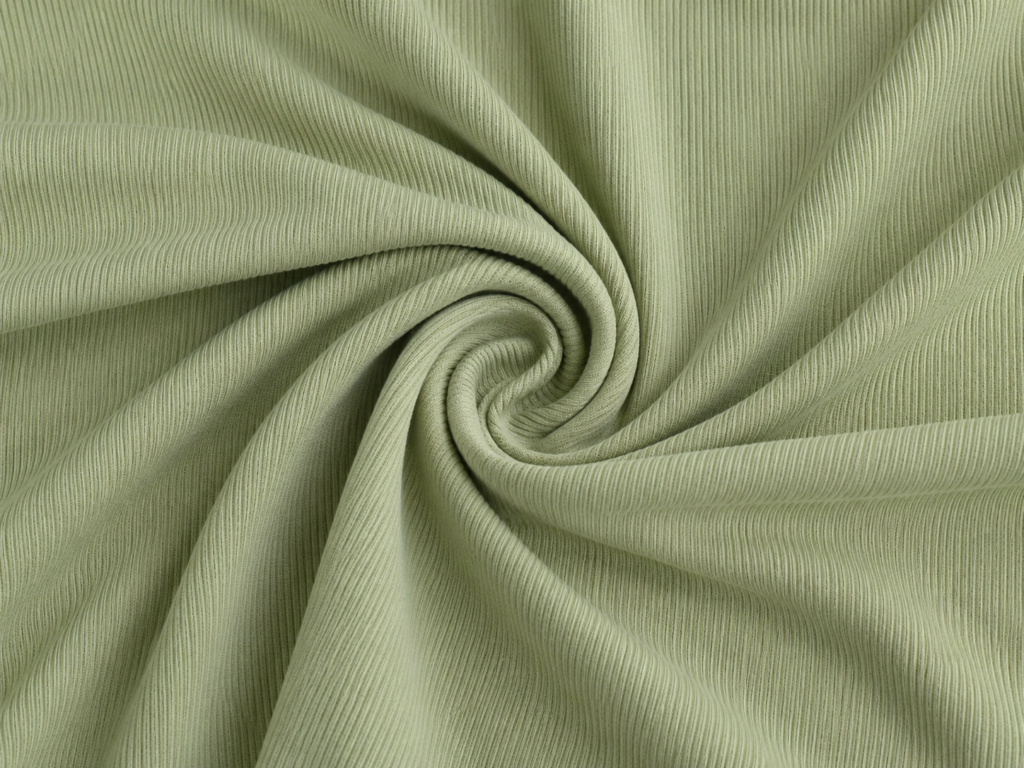
Rib Knit
- GSM range: 220–360 GSM
- Stretch ratio: 40–90%
- Recovery target: 80–95%, depending on yarn and elastane
- Opacity: medium to high; lighter colors may need double layer
- Shrinkage control: 3–6%, especially for cotton-rich blends
- Color fastness target: Grade 3.5–4 for solid colors
- Production risk: uneven ribs, length growth, twisting, wavy hems

Ponte or Scuba Knit
Ponte and scuba knit are suitable for structured bodycon dresses, sculpting midi styles, corset-inspired dresses, and cleaner premium silhouettes. They offer more shape support than lightweight jersey.
- GSM range: 260–420 GSM
- Stretch ratio: 20–50%
- Recovery target: 80–92%
- Opacity: high in most colors
- Shrinkage control: 2–4% after fabric testing
- Color fastness target: Grade 3.5–4 or above
- Production risk: bulky seams, heat marks, stiff hand feel, heavy garment weight

Stretch Lace
- GSM range: 90–180 GSM
- Stretch ratio: 30–70%
- Recovery target: 70–90%, depending on lace structure
- Opacity: low to medium; lining or panel planning is usually needed
- Shrinkage control: 2–5%, depending on fiber and finishing
- Color fastness target: Grade 3.5–4 for dyed lace
- Production risk: tearing, pattern mismatch, rough edges, uneven overlay tension
Fit, Stretch, and Size Grading Control

Bust and neckline balance
- Bust height is checked during pattern development
- Neckline depth is adjusted based on fabric stretch
- Strap angle is reviewed before sample approval
- Lining or double-layer fabric can improve coverage
- Suitable for mini dresses, cut-out styles, and backless dresses
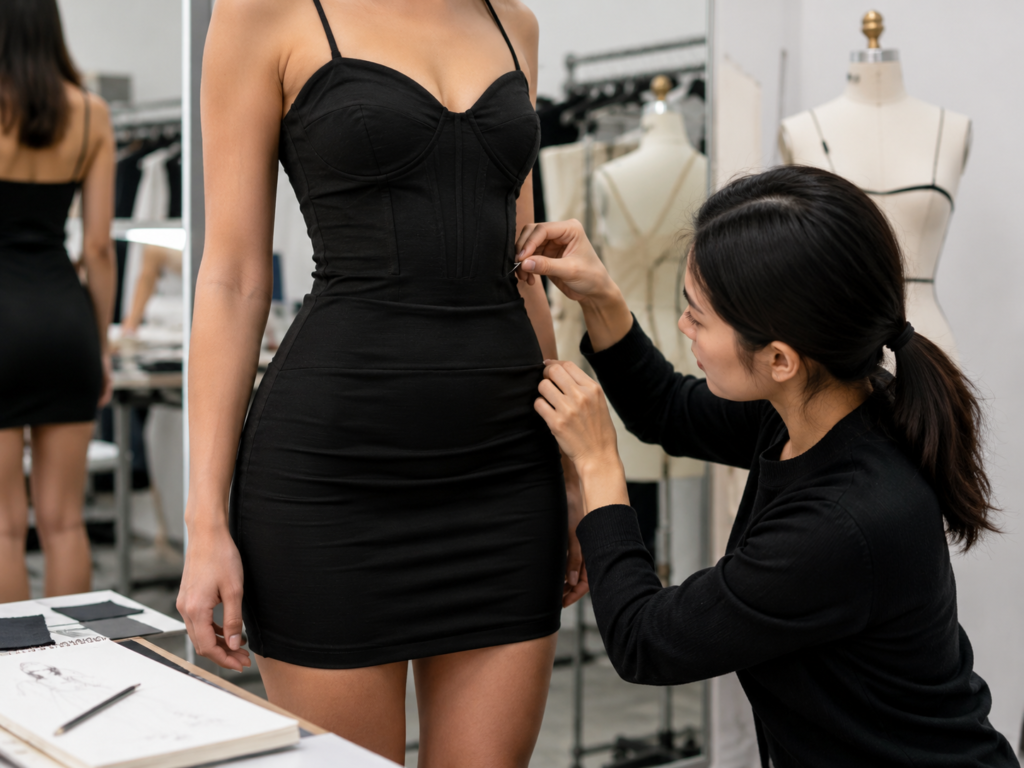
Waist and hip shaping
Bodycon and sculpting styles depend on a clean waist-to-hip curve. If the curve is too flat, the dress loses shape. If it is too tight, the side seams twist or pull.
- Waist suppression is balanced with comfort
- Hip curve is adjusted by size range
- Side seam tension is checked on fitted samples
- Ruched styles need controlled gathering placement
- Suitable for bodycon mini, midi, and sculpting dresses
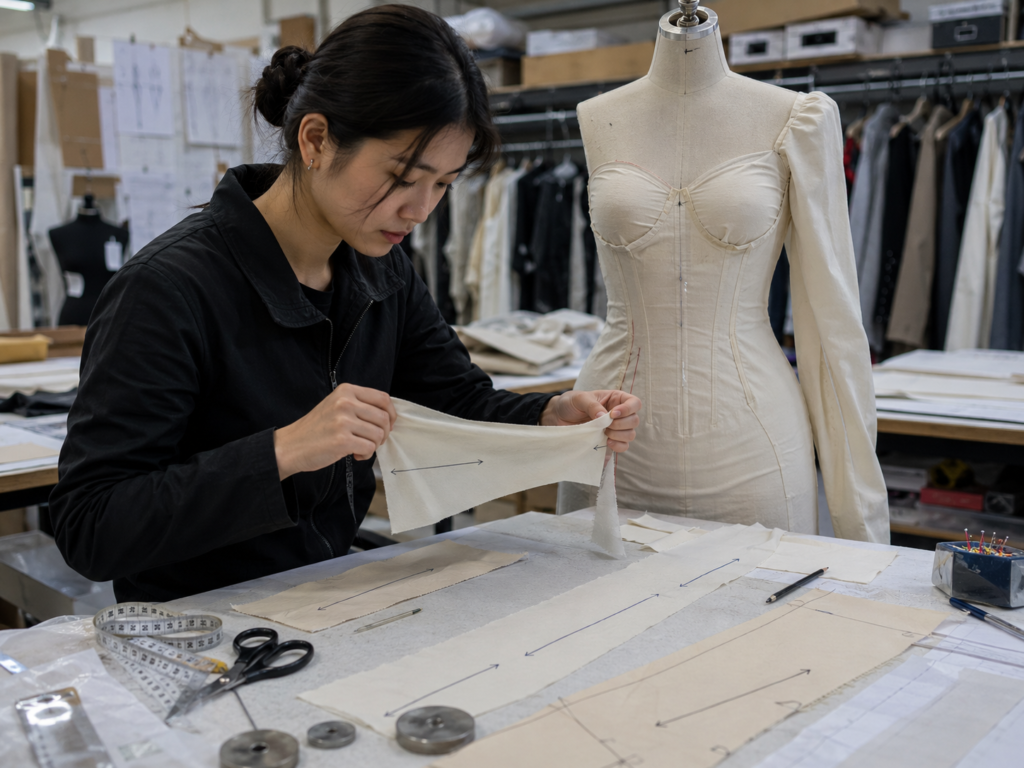
Stretch direction control
- Four-way stretch is checked before cutting
- Fabric grain and stretch direction are marked
- Panel direction is controlled for consistent fit
- Mesh and body fabrics are matched by tension
- Suitable for jersey, nylon-spandex, rib, and power mesh

Size grading for fitted styles
Clubwear dresses need careful grading because small size changes affect coverage, length, and compression. A simple flat grade may not work for tight styles.
- Bust, waist, hip, and length grades are reviewed separately
- Mini dress length is checked across sizes
- Strap and armhole positions are adjusted by size
- Stretch percentage guides tolerance planning
- Suitable for repeat orders and multi-size production

Wearing comfort under movement
A clubwear dress should hold shape while walking, sitting, dancing, or posing. Movement checks help reduce returns and poor customer feedback.
- Hem opening is checked for walking comfort
- Cut-out areas are tested for edge pressure
- Backless styles are reviewed for strap security
- Lining is checked against skin feel
- Suitable for event, party, and going-out styles

Fabric Surface and Decorative Techniques

Ruching and Gathering
Ruching creates body-shaping value without adding heavy cost. It works well for bodycon mini dresses, sculpting midi dresses, and side-drawstring clubwear styles.
- Visual value: waist shaping, hip balance, stronger fit impression
- Best fabrics: stretch jersey, nylon-spandex, slinky knit
- Performance point: fabric recovery must hold gathered areas
- Comfort point: gathering should not create hard seam pressure
- Bulk risk: uneven ruching length, twisted side seams, inconsistent drawcord tension

Mesh and Sheer Paneling
- Visual value: sheer contrast, layered skin effect, nightlife styling
- Best fabrics: power mesh, stretch mesh, jersey mesh combination
- Performance point: mesh recovery should match body fabric tension
- Comfort point: seam edges need soft finishing
- Bulk risk: tearing, shade mismatch, panel distortion, poor opacity planning

Sequin Surface
Sequins create strong campaign value for holiday drops, birthday collections, and event dressing. They need lining and seam planning to avoid scratchy wear.
- Visual value: shine, movement, premium party look
- Best fabrics: sequin mesh, sequin knit, lined sequin fabric
- Performance point: base fabric stretch must be checked before cutting
- Comfort point: lining protects skin from rough sequin edges
- Bulk risk: sequin loss, broken needles, seam bulk, packing pressure marks

Heat Transfer Print
- Visual value: sharp graphics, logo artwork, seasonal prints
- Best fabrics: polyester blends, smooth jersey, selected stretch knits
- Performance point: heat can affect recovery on elastic fabrics
- Comfort point: print film should not feel stiff on fitted areas
- Bulk risk: cracking, peeling, color migration, hand-feel change

Digital Print
Digital print supports custom patterns, abstract visuals, animal prints, and all-over clubwear stories. Print clarity depends on fabric surface and fiber content.
- Visual value: custom artwork, collection identity, fast visual refresh
- Best fabrics: polyester jersey, stretch mesh, smooth satin blends
- Performance point: print should stretch without losing shape
- Comfort point: surface should stay soft after printing
- Bulk risk: color difference, print placement drift, shade variation by batch

Embroidery Detail
Embroidery adds brand value to straps, hems, chest details, or small decorative areas. Heavy embroidery is not ideal for high-stretch zones.
- Visual value: refined detail, logo placement, premium small accents
- Best fabrics: stable knits, satin, ponte, selected woven blends
- Performance point: backing must not block stretch in fitted areas
- Comfort point: inside finish should not scratch the skin
- Bulk risk: puckering, thread breakage, stiff hand feel, uneven placement

Metallic and Foil Effects
Foil or metallic finishes add shine for nightlife and event collections. They work best when surface durability is tested before bulk.
- Visual value: reflective shine, editorial effect, stronger shelf impact
- Best fabrics: smooth stretch knit, mesh overlay, selected polyester bases
- Performance point: stretch may reduce surface durability
- Comfort point: coating should not make the fabric too hard
- Bulk risk: cracking, rubbing loss, color transfer, washing instability

Lace Overlay
Lace overlay gives clubwear dresses a softer occasionwear direction. It works for fitted mini dresses, corset-inspired dresses, and lined evening styles.
- Visual value: texture, femininity, layered visual depth
- Best fabrics: stretch lace, lace mesh, lace over jersey lining
- Performance point: outer lace and lining need similar stretch behavior
- Comfort point: edge finish should avoid scratchy skin contact
- Bulk risk: pattern mismatch, lace tearing, uneven overlay tension
Structural Sewing and Production Craft
Clubwear dress production depends on structure. Small sewing and construction choices decide whether the garment feels secure, stretches cleanly, holds shape, and stays consistent after repeated wear. Jinfeng supports pattern, seam, lining, closure, and finishing control from sample development to bulk production.
Pattern Engineering
Stretch Direction Control
Seam Tension Management
Lining Compatibility
Cut-Out Reinforcement
Ruching Control
Closure Construction
Pressing And Finishing
Private Label, Logo, and Packaging Details

Main Label
Main labels carry brand identity inside the garment. For fitted clubwear dresses, label size, position, and softness matter because the garment sits close to the skin.
- Common options: woven label, satin label, printed label
- Suggested size: 25–45 mm width for most dress labels
- Placement: back neck, side seam, or inner facing
- Control point: no hard edge against skin
- Brand value: clean label quality supports premium perception

Size Label
Size labels help warehouse sorting, retail handling, and customer fitting. Position should be easy to read without affecting comfort.
- Common options: woven size tab, printed size, combined label
- Suggested size: 10–20 mm height
- Placement: neck area, side seam, or under main label
- Control point: size code must match packing and carton data
- Brand value: accurate sizing reduces fulfillment and return issues

Care Label
Care labels support washing guidance, fiber content, compliance needs, and after-sale clarity. For decorated clubwear dresses, care instructions are especially important.
- Common content: fiber, wash method, origin, RN if required
- Suggested length: 50–90 mm depending on legal text
- Placement: left side seam or lower inner seam
- Control point: print must stay readable after washing
- Brand value: clear care guidance protects product experience

Hangtag
Hangtags create the first branded touch before wearing. For clubwear collections, hangtags can express collection name, fabric story, or care reminder.
- Common options: matte card, coated card, textured paper
- Suggested weight: 300–450 gsm paper card
- Attachment: string, safety pin, ribbon, or seal loop
- Control point: no staining or pressure damage on fabric
- Brand value: better presentation for retail and gifting moments

Barcode and SKU Sticker
Barcode and SKU stickers support warehouse receiving, stock control, online fulfillment, and size-color separation.
- Common content: SKU, color, size, barcode, style number
- Suggested label size: 40 × 30 mm or 60 × 40 mm
- Placement: polybag surface or hangtag back
- Control point: barcode readability before shipment
- Brand value: cleaner inventory control and faster receiving
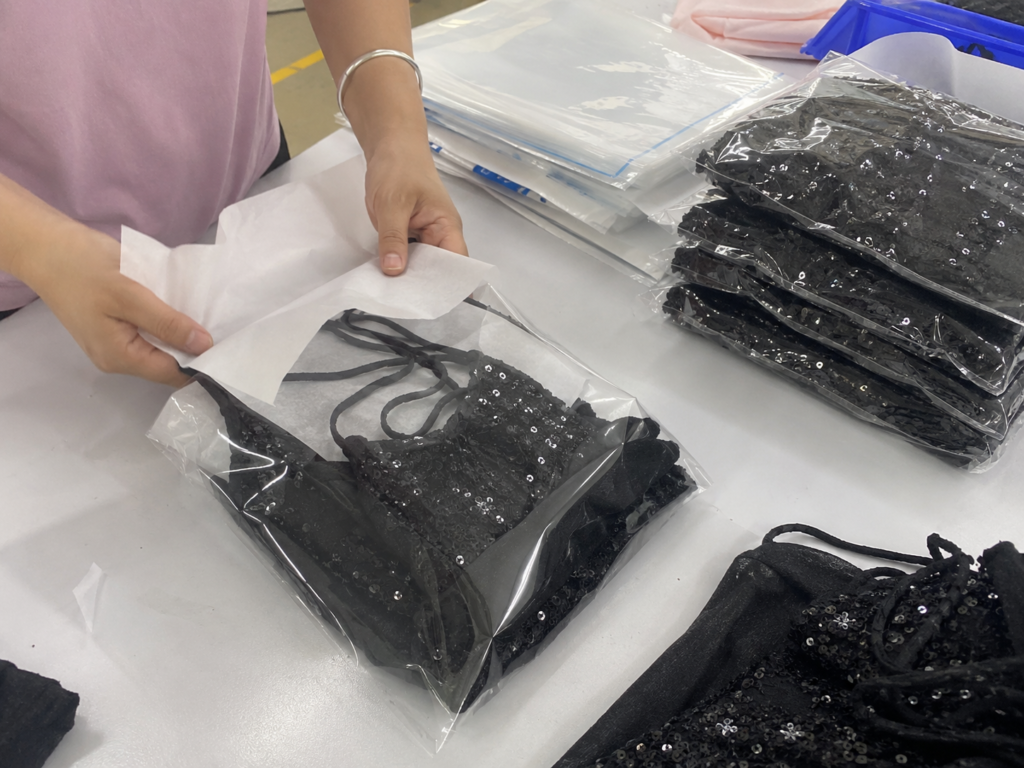
Polybag
Polybag packaging protects garments from dust, moisture, and handling marks. Clubwear fabrics such as satin, velvet, mesh, and sequin need proper folding space.
- Common options: clear bag, frosted bag, warning text bag
- Suggested thickness: 0.04–0.08 mm
- Closure: adhesive seal or zipper seal
- Control point: avoid crushing decoration or creating fold marks
- Brand value: clean first impression after delivery
Carton Mark
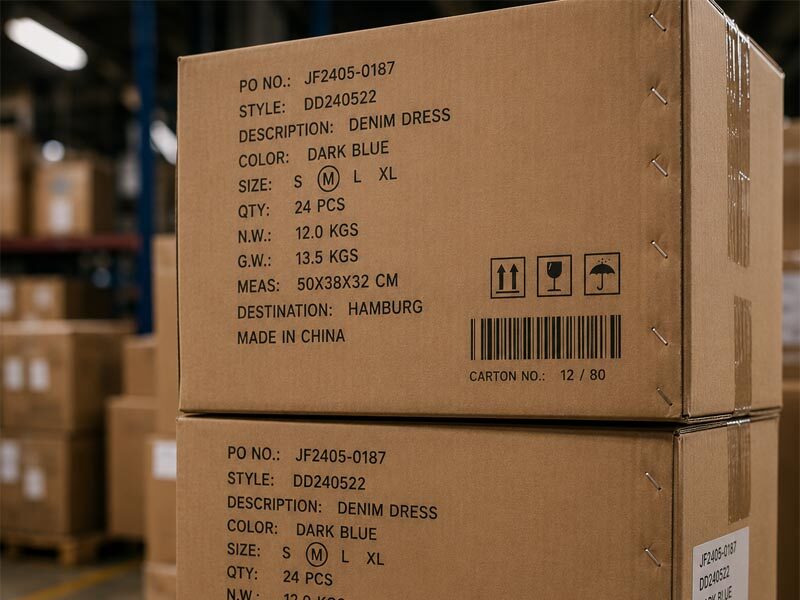
Carton marks help shipping, warehouse sorting, and distribution. Clear carton data reduces receiving mistakes for multi-style orders.
- Common content: PO, style, color, size ratio, quantity, carton number
- Suggested carton weight: often controlled under 15–20 kg
- Placement: one long side and one short side
- Control point: carton data must match packing list
- Brand value: smoother warehouse receiving and fewer order disputes

Folding and Hanger Packing
Packing method should match sales channel and fabric behavior. Some clubwear dresses fold well, while satin, sequin, or structured styles may need hanger packing.
- Common options: flat fold, tissue fold, hanger pack
- Best for folding: jersey, nylon-spandex, rib, simple mesh styles
- Best for hanger: satin, sequin, structured corset-inspired styles
- Control point: reduce wrinkles, pressure marks, and decoration damage
- Brand value: better unboxing condition and product presentation
Sample Development Process

Design Direction Review
The process starts with a clear review of the design direction. A reference image, sample, sketch, or tech pack is checked for silhouette, fabric type, stretch level, length, opening, lining, closure, and decoration.
- Input: reference image, tech pack, sample, size chart
- Focus: body shape, neckline, cut-out, fabric behavior
- Output: development comments and risk notes
- Control point: unclear details are confirmed before pattern work
- Best for: new clubwear drops and fitted dress programs

Fabric and Trim Matching
Fabric choice is matched to the target look and wearing function. For clubwear dresses, stretch, recovery, opacity, surface, and lining matter more than fabric name alone.
- Input: target hand feel, weight, stretch, color, price level
- Focus: jersey, mesh, satin, velvet, sequin, lining, elastic
- Output: fabric direction and trim suggestion
- Control point: stretch and opacity are checked early
- Best for: bodycon, mesh, cut-out, sequin, and satin styles

Pattern Development
Pattern work translates visual direction into body shape. Fitted dresses require careful bust, waist, hip, length, strap, and opening control.
- Input: size chart, target model fit, reference sample
- Focus: proportion, coverage, seam position, stretch direction
- Output: first pattern and cutting direction
- Control point: tight areas are reviewed before sample sewing
- Best for: bodycon, one-shoulder, ruched, and backless dresses

First Sample Making
The first sample shows whether the fabric, pattern, construction, and fit direction work together. Jinfeng’s sample makers support fitted women’s fashion development with practical sewing feedback.
- Input: approved fabric direction and first pattern
- Focus: shape, construction, seam tension, wearing comfort
- Output: first physical sample
- Control point: issues are recorded before revision
- Best for: fit confirmation and development decision-making

Fit Review and Adjustment
Fit review checks how the dress behaves on body. Adjustments may involve length, waist tension, bust coverage, sleeve balance, cut-out depth, or lining.
- Input: first sample and fit comments
- Focus: bust, waist, hip, strap, movement, opacity
- Output: revised fit notes and adjustment plan
- Control point: fabric behavior guides pattern correction
- Best for: reducing repeated sample rounds
Pre-Production Sample
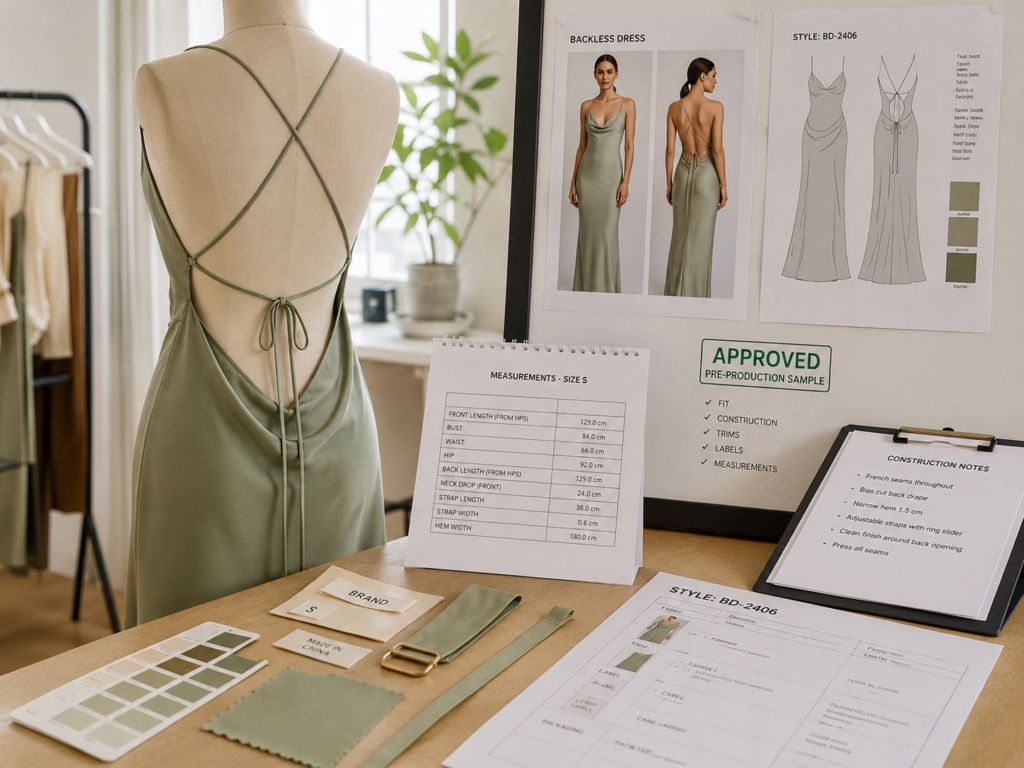
The pre-production sample locks the approved direction before bulk. It should reflect final fabric, trims, labels, measurement, construction, and finishing.
- Input: revised pattern, confirmed fabric, final trims
- Focus: final fit, workmanship, label, packing, QC standard
- Output: approved sample for bulk production
- Control point: production team follows approved sample details
- Best for: repeat orders and scaled production
Bulk Production Process

Pre-Production Meeting
- Input: approved sample, PO, tech pack, size breakdown
- Focus: risk points, measurement tolerance, construction details
- Output: production instruction and follow-up plan
- Control point: special clubwear details are marked clearly
- Best for: multi-style drops and repeat orders

Fabric Inspection and Preparation
- Input: bulk fabric and trims
- Focus: color, width, stretch, defects, shrinkage risk
- Output: approved fabric for cutting
- Control point: problem fabric is separated before production
- Best for: jersey, mesh, satin, velvet, sequin, and rib styles

Cutting and Bundling
- Input: approved marker and fabric direction
- Focus: grain, stretch direction, size separation, panel accuracy
- Output: bundled cut panels for sewing
- Control point: wrong direction panels are prevented at cutting stage
- Best for: bodycon, cut-out, one-shoulder, and mesh panel styles

Line Sewing
- Input: cut panels, trims, production instruction
- Focus: seam stretch, edge finishing, ruching, zipper, lining
- Output: sewn garments by production line
- Control point: line checks catch tension and construction issues early
- Best for: fitted dresses with stretch and decorative details

In-Line Checking
- Input: semi-finished and finished garments from line
- Focus: measurements, seam quality, tension, stains, defects
- Output: correction notes and approved continuation
- Control point: repeated issues are corrected at line level
- Best for: medium and large production runs

Finishing and Pressing
- Input: completed garments
- Focus: thread trimming, pressing, shape recovery, surface check
- Output: finished garments ready for final inspection
- Control point: satin, velvet, and sequin need lower pressure handling
- Best for: party dresses and higher-visual clubwear styles

Final Inspection and Packing
- Input: finished garments and packing materials
- Focus: size, color, label, hangtag, polybag, carton data
- Output: packed goods ready for shipment
- Control point: shipment information matches packing list and carton mark
- Best for: export orders and repeat production programs
MOQ, Production Time, and Shipping Time
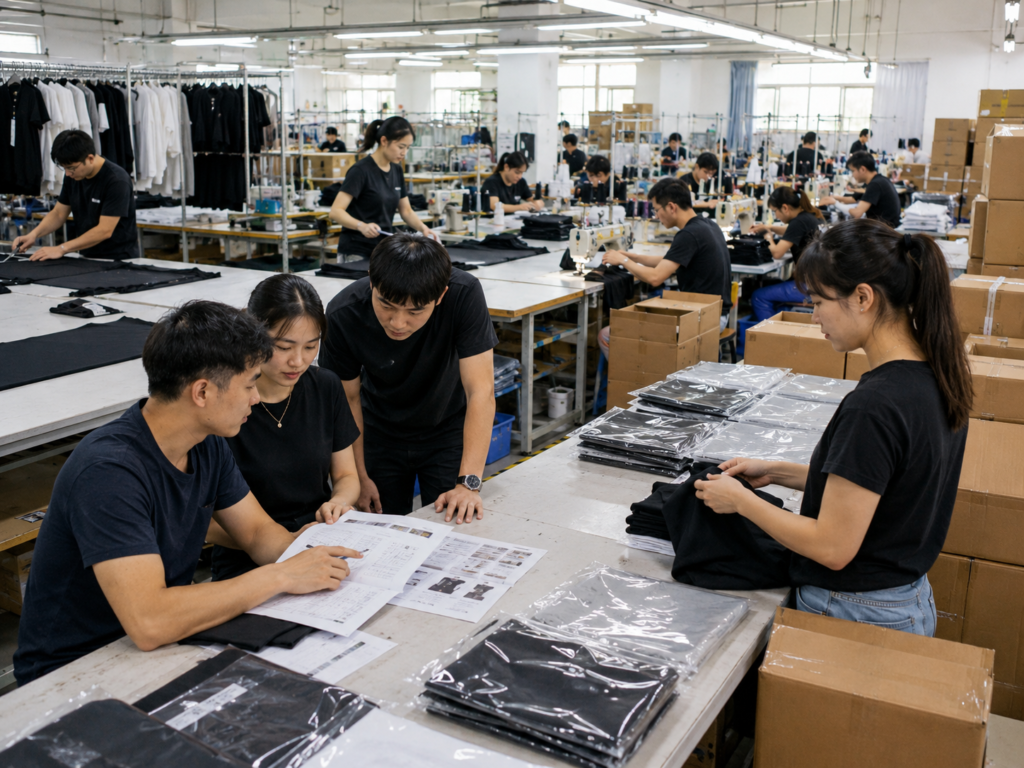
Clubwear dress programs often start with controlled test orders, then move into repeat production once a style proves sales potential. Jinfeng supports small runs, medium orders, larger repeat programs, sample development, bulk production, and delivery planning for fitted mini, midi, bodycon, mesh, satin, sequin, and cut-out dress styles.
| Item | Reference Range | Suitable Situation | Clubwear Dress Planning Notes |
|---|---|---|---|
| Sample development | 5–10 days | Regular bodycon, ruched, jersey, and basic mini styles | Works best when reference images, fabric direction, and size chart are clear |
| Complex sample development | 7–15 days | Sequin, cut-out, mesh panel, corset-inspired, or lined styles | More time may be needed for fit, lining, edge finish, and construction checks |
| Small order MOQ | 300–500 pcs | First drop, market test, new color test, or style validation | Suitable for new clubwear styles before larger repeat orders |
| Medium order range | 1,000–5,000 pcs | Approved styles, seasonal drops, stronger size runs | Better for confirmed patterns, stable fabrics, and planned colorways |
| Large order range | 5,000+ pcs | Scale-up orders, wholesale programs, and repeat production | Requires earlier fabric booking, line planning, and packing confirmation |
| Simple bulk production | 15–25 days | Basic fitted dresses with stable fabrics and simple construction | Suitable for straightforward jersey or knit clubwear styles |
| Regular bulk production | 25–35 days | Most clubwear dress programs across multiple styles or colors | Common range for bodycon, mini, midi, ruched, and lined styles |
| Complex bulk production | 35–45 days | Sequin, satin, cut-out, mesh, mixed-fabric, or structured styles | More control is needed for fabric handling, decoration, lining, and finishing |
| Monthly capacity | About 300,000 pcs | Repeat programs, multi-style collections, and scale-up planning | Supported by 18 production lines and coordinated production follow-up |
| Capacity extension | 50,000–80,000 pcs | Larger seasonal demand or growing repeat programs | Can be discussed according to order timing, fabric readiness, and line schedule |
| Trade terms | FOB / CIF / DDP / DAP | Different import, warehouse, and delivery arrangements | Terms can be planned by destination, order size, and customer receiving needs |
Shipping Time Options
| Shipping Method | Reference Time | Suitable Situation | Planning Notes |
|---|---|---|---|
| Express Courier | 5–7 days | Samples, urgent approvals, small urgent shipments | Faster option for sample review, launch emergencies, or time-sensitive goods |
| Air Freight | 7–15 days | Faster bulk delivery, replenishment, and launch timing control | Useful when speed matters but shipment size is larger than courier parcels |
| Sea Freight | 20–35 days | Planned bulk orders and larger repeat shipments | Better for cost control when delivery schedule is confirmed early |
Quality Inspection for Clubwear Dresses
Fabric Inspection
Measurement Check
Seam And Stitching Check
Stretch And Recovery Check
Lining And Opacity Check
Surface And Decoration Check
Label And Packaging Check
Final Random Inspection
Factory Safety and Compliance Support
Organized Production Areas
Material Handling Records
Needle And Sharp Tool Control
Clean Packing Environment
Label And Care Information
Audit And Document Preparation
Reasons Jinfeng Fits Clubwear Dress Programs
Women’s Fashion Factory Structure
Practical Sample Development Team
Strong Match For Fitted Silhouettes
Capacity For Test Orders And Reorders
Production Follow-Up Support
Fabric And Process Awareness
Private Label And Export Readiness
Long-Term Product Mindset

Case 1|A United States Clubwear Brand
Project Overview
- Client role: Product Development Manager
- Country: United States
- Contact name: Confidential
- Product: Ruched bodycon mini dress
- Sales channel: Online fashion store
- Starting point: Reference sample + size chart
- Initial order: 500 pcs per color
- Scale plan: Repeat colors after sales test
- Key service: fit adjustment, ruching control, bulk consistency
Challenge
The brand needed a fitted mini dress that looked strong in campaign photos and still felt comfortable during movement. Earlier samples from another supplier had uneven ruching, side seam twisting, and inconsistent mini length across sizes. The style had sales potential, but the approved sample needed stronger production control before larger orders.
Solution
Jinfeng reviewed the sample structure, fabric stretch, side seam position, and ruching density. Pattern adjustment focused on bust balance, waist shaping, hip curve, and garment length. The production notes recorded gather length, seam tension, and approved measurements so repeat colors could follow the same standard.
Result
- Ruching became more even across sizes
- Side seam twisting was reduced during sample revision
- Mini length stayed closer to approved fit direction
- Repeat color planning became easier
- Fit notes supported later production discussion
Case 2|A United Kingdom Boutique Fashion Label
Project Overview
- Client role: Founder and Creative Director
- Country: United Kingdom
- Contact name: Confidential
- Product: Mesh panel going-out dress
- Sales channel: Boutique website and pop-up retail
- Starting point: Sketch + reference images
- Initial order: 300 pcs per style
- Scale plan: 4-style capsule drop
- Key service: mesh matching, opacity planning, sample correction
Challenge
The label wanted a sheer panel effect without making the garment feel exposed or uncomfortable. The design needed mesh contrast, body coverage, and a clean neckline. Main concerns included mesh tearing, color mismatch between mesh and body fabric, and uncomfortable seam edges against the skin.
Solution
Jinfeng matched mesh stretch with the main body fabric and reviewed lining position before sample sewing. The pattern team checked neckline depth, panel placement, side seam tension, and cut-out balance. Sample notes focused on opacity, seam softness, and fabric recovery so the final style could work for both photos and real wear.
Result
- Mesh and body fabric tension became more balanced
- Lining placement improved wearing confidence
- Seam comfort improved after edge finish adjustment
- Capsule development gained clearer fabric direction
- Style became easier to repeat in darker colors


Case 3|An Australian DTC Fashion Brand
Project Overview
- Client role: Sourcing Manager
- Country: Australia
- Contact name: Confidential
- Product: Sculpting midi bodycon dress
- Sales channel: Direct online store
- Starting point: Reference images + size chart
- Initial order: 300 pcs per style
- Scale order: 3,500 pcs per style within 3 months
- Key service: MOQ planning, fabric consistency, grading, scale-up
Challenge
The brand wanted to test a new sculpting dress with a controlled first order, while keeping room for fast scale-up if sales were strong. Earlier suppliers could handle small orders, but repeat batches often lost fit consistency when order volume increased.
Solution
Jinfeng supported a step-by-step plan. The first batch stayed at 300 pcs per style for market testing. After the style showed stronger sales potential, approved pattern, fabric direction, and fit notes were kept for repeat production. Additional line planning supported the scale-up order while maintaining measurement and construction standards.
Result
- Order moved from 300 pcs to 3,500 pcs per style within 3 months
- Fit direction remained consistent across repeat batches
- Pattern and fabric records supported scale-up control
- Production issues were reduced during larger order planning
- Longer-term fitted dress production became easier to arrange
OEM Clubwear Dress Manufacturing FAQ
Common questions about OEM clubwear dress production usually focus on MOQ, sample development, fabric selection, fit control, private label details, bulk production time, quality inspection, and shipping. Clear information helps prepare a smoother development request.








Start Your OEM Clubwear Dress Program With Jinfeng
A successful clubwear dress program needs more than basic sewing. Fit balance, stretch recovery, fabric opacity, seam tension, sample accuracy, and repeat bulk consistency all need to be controlled from the first development stage.
Jinfeng supports OEM clubwear dress development, private label production, and bulk manufacturing from Dongguan. Send a reference image, sample garment, size chart, or tech pack to start a clear development plan.
- Bodycon, mini, midi, ruched, cut-out, mesh, satin, sequin, and backless clubwear dresses
- Nylon-spandex, stretch jersey, power mesh, satin, velvet, rib knit, ponte, lace, and sequin fabrics
- Clubwear drops, partywear capsules, occasionwear edits, social commerce launches, and repeat production programs
- Small test orders, seasonal collections, repeat colorways, and scalable bulk delivery
- Private label, care label, hangtag, SKU packing, carton marking, and shipment support

