...

Ruffle Dress Supplier for Designer Brands

Jinfeng Apparel helps designer fashion brands develop custom ruffle dresses with balanced drape, refined feminine structure and stable bulk production. From romantic chiffon ruffle dresses to structured occasion styles, our team supports design interpretation, fabric matching, pattern adjustment, sample development and scalable manufacturing for brands that need reliable execution beyond basic dress production.

  • 2 dedicated sample rooms for designer ruffle dress development
  • 7 senior pattern makers specialize in designing ruffled silhouettes.
  • 20 sample makers supporting fast ruffle dress sampling turnaround
  • 18 production lines for stable designer dress repeat production
  • 300,000-piece monthly capacity for scalable ruffle dress collections

The Growing Market Opportunity for Ruffled Dresses

Ruffle dresses continue to expand across contemporary fashion, occasionwear and social-commerce markets because the silhouette combines femininity, movement and strong visual impact. The category is benefiting from social-media-driven fashion trends, resortwear growth and increasing demand for statement dresses in both premium and fast-moving fashion markets.

Social Media and Trend-Driven Fashion Continue Expanding Ruffle Demand

Platforms such as TikTok and Instagram have accelerated the growth of feminine and visually expressive fashion trends, especially among Gen Z and Millennial consumers. Industry research shows influencer marketing in fashion can generate influence rates up to 11 times higher than traditional advertising, while 74% of consumers have purchased products recommended by influencers. Ruffle dresses perform strongly in social content because movement, layered silhouettes and romantic styling create better visual impact in short-form video and campaign photography.

1. Social Media

Occasionwear and Bridal-Inspired Fashion Are Driving Premium Dress Growth

The global bridalwear market was valued at approximately $65.5 billion in 2024 and is projected to reach $83.5 billion by 2030. At the same time, fashion media and designer collections continue highlighting ruffle-based occasionwear, layered evening silhouettes and romantic feminine styling. Brands are increasingly using ruffle dresses for wedding guest collections, resort capsules, holiday edits and premium social events because consumers are shifting toward more personalized and visually expressive occasion dressing.
2. Occasionwear and Bridal-Inspired

Feminine and Romantic Fashion Trends Continue Returning Globally

Fashion trend reports show increasing consumer interest in soft feminine aesthetics, ballet-inspired styling, layered silhouettes and flowing dresses across global markets. The return of “boho” and romantic fashion aesthetics has increased visibility for ruffles, chiffon layers and fluid dress silhouettes in both designer and commercial fashion sectors. At the same time, the fast-fashion market is estimated at around $178 billion annually, creating continuous demand for trend-responsive feminine dresses across online retail, independent brands and global fashion marketplaces.
3. Feminine and Romantic Fashion

Challenges Designer Brands Face When Sourcing Ruffle Dress Suppliers

Finding the right ruffle dress supplier is often more difficult than sourcing standard dresses because ruffle construction depends heavily on fabric behavior, silhouette balance and development precision. Designer brands usually evaluate suppliers not only on price, but also on sampling capability, drape control and production consistency.

Suppliers Cannot Control Ruffle Shape Consistently

Many suppliers can sew ruffles but struggle to maintain balanced volume, clean movement and stable drape across different fabrics and silhouettes. Uneven gathering, collapsed layers or bulky structures often make dresses look lower-end during wear and photography. Jinfeng solves this by adjusting gathering ratios, fabric weight and construction methods according to each dress structure during development and sampling stages.

Samples Look Good but Bulk Production Changes

One of the biggest sourcing problems is that approved samples often lose shape, drape or finishing quality during bulk production. Changes in seam tension, gathering density or pressing methods can significantly affect the final garment appearance. Jinfeng reduces these risks through production alignment between approved samples and bulk manufacturing standards, supported by ongoing inspection during sewing and finishing stages.

Factories Do Not Understand Feminine Silhouettes

Ruffle dresses require stronger understanding of feminine proportions, movement and body balance than basic apparel products. Many general garment factories lack experience with occasionwear, fitted dresses or layered feminine structures, leading to poor silhouette execution. Jinfeng focuses heavily on women’s fashion, dresses and occasionwear development, allowing better control over drape flow, contour shaping and ruffle placement.

Fabric Selection Creates Production Problems

Choosing the wrong fabric can create major problems in ruffle dress production, including weak drape, excessive stiffness, transparency imbalance or unstable shape retention. Some suppliers prioritize lower fabric cost instead of silhouette compatibility. Jinfeng helps brands evaluate chiffon, satin, mesh, crepe and lightweight woven fabrics according to movement, layering effect and intended market positioning before production begins.

Development Cycles Are Too Slow

Designer brands often experience delayed sampling, repeated communication problems and inefficient revisions when suppliers lack dedicated development structures. Ruffle dresses usually require multiple adjustments related to fit, drape and movement before approval. Jinfeng operates 2 sample rooms supported by 7 senior pattern makers and 20 sample makers, helping improve development speed and reduce unnecessary sampling delays.

Small Factories Cannot Support Scaling Orders

Some suppliers can handle early-stage samples or small orders but struggle to maintain stable quality and delivery once collections begin scaling. Designer brands need suppliers capable of supporting both flexible development and repeat production growth. With 18 production lines and monthly capacity of around 300,000 pieces, Jinfeng supports seasonal launches, repeat orders and scalable production programs more reliably.

Manufacturing Partner for Ruffle Dress Brands

Different designer brands require different manufacturing support depending on their collection strategy, market positioning and launch rhythm. Jinfeng supports ruffle dress development with sampling, pattern adjustment, fabric sourcing and scalable production for multiple designer fashion business models.

Original Designer Brands

Original designer brands usually focus on signature silhouettes, creative direction and recognizable feminine aesthetics. Their ruffle dresses often require more detailed pattern adjustment, fabric matching and silhouette refinement than standard commercial styles. Jinfeng supports these brands through flexible sample development, women’s dress manufacturing experience and production coordination that helps transform original concepts into stable bulk-ready collections.

Licensed Designer Brands

Licensed designer brands typically require stronger consistency across fit, finishing, packaging and repeat production quality. Their ruffle dress collections often follow strict visual standards tied to existing brand positioning and retail expectations. Jinfeng supports these programs with organized production planning, repeat-order coordination and manufacturing structures suitable for ongoing seasonal collections and multi-color production.

Independent Designer Brands

Independent designer brands often develop smaller collections with stronger visual identity and niche market positioning. Their ruffle dresses may include lighter fabrics, layered silhouettes, asymmetric construction or fashion-forward styling details. Jinfeng supports these brands through flexible sampling workflows, fabric sourcing assistance and development communication that allows collections to move from concept stage into scalable production more efficiently.

Contemporary Designer Brands

Contemporary designer brands usually balance trend-driven aesthetics with stronger commercial scalability. Their ruffle dress collections often support occasionwear, resortwear, online retail and seasonal fashion launches. Jinfeng is highly suitable for this market because our core manufacturing focus already includes dresses, feminine fashion, fitted silhouettes and occasionwear production with scalable order support.

Accessible Luxury Designer Brands

Luxury designer brands emphasize feminine beauty, high-quality fabrics, and exquisite garment construction. Their ruffle dress collections usually require stable fit consistency and polished finishing suitable for premium online retail, boutique stores and contemporary fashion markets. Jinfeng supports these brands through fabric sourcing coordination, feminine silhouette development and scalable production structures that help maintain premium presentation across seasonal collections and repeat orders.

Fast Fashion Designer Brands

Fast fashion designer brands require rapid development, trend responsiveness and reliable production for frequent new arrivals. Their ruffle dress collections often involve shorter selling cycles, multiple color updates and quick replenishment schedules. Jinfeng supports this model with faster sample development, experienced pattern-making support and scalable production capacity designed for rolling fashion collections and repeat-order execution.

Ruffle Dress Styles for Designer Collections

Ruffle dresses can support occasionwear, resortwear, boutique fashion, social commerce and premium seasonal collections. Each style requires different control over fabric weight, ruffle width, seam tension, drape direction and bulk production consistency.

Tiered Ruffle Dresses

Designed for feminine collections that need movement, volume and a strong visual silhouette. Tiered ruffle dresses are commonly used for resort edits, summer launches, boutique drops and romantic occasionwear. Development must control tier spacing, ruffle fullness, fabric weight and overall garment balance, otherwise the dress can become too heavy or lose its intended flow.

Typical fabric range: 70–140gsm chiffon, georgette, rayon voile or lightweight woven

Manufacturing Focus: Tier spacing, hem balance, ruffle fullness, lining control

Commonly used for: Resortwear, summer collections, boutique feminine dresses

Chiffon Ruffle Dresses

Built for soft movement, semi-sheer layering and light occasionwear styling. Chiffon ruffle dresses are often used in wedding guest edits, vacation capsules and elevated feminine collections. The main development challenge is controlling transparency, seam neatness and ruffle edge finishing while keeping the garment light, smooth and comfortable for warm-weather selling seasons.

Typical fabric range: 60–100gsm polyester chiffon or recycled chiffon

Manufacturing Focus: Transparency control, edge finishing, lining compatibility, soft drape

Commonly used for: Wedding guest dresses, resort collections, occasionwear drops

Satin Ruffle Dresses

Suitable for brands that want a more polished, elegant and evening-ready look. Satin ruffle dresses rely on surface shine, drape and clean seam execution. Development must avoid puckering, twisting and heavy ruffle buildup. Satin also requires careful handling during cutting, sewing and pressing to keep the surface smooth and the silhouette premium.

Typical fabric range: 90–180gsm satin, charmeuse or satin-back crepe

Manufacturing Focus: Surface protection, seam smoothness, pressing control, drape balance

Commonly used for: Eveningwear, partywear, holiday collections

Mini Ruffle Dresses

Designed for trend-led fashion brands targeting party, festival, nightlife and social content sales. Mini ruffle dresses need strong control over skirt length, lining, movement and coverage. Because the silhouette is short and often fitted or semi-fitted, small pattern errors become obvious during wear, photoshoots and product videos.

Typical length range: 78–88cm depending on size and market

Manufacturing Focus: Length control, lining coverage, hem balance, fit security

Commonly used for: Party drops, festival edits, TikTok fashion collections

Bodycon Ruffle Dresses

Developed for brands that need close-fitting dresses with feminine detail and stronger body shape. Ruffles may appear at the neckline, bust, side seam, hem or sleeves to soften the silhouette while keeping a fitted look. The key risk is distortion caused by stretch direction, seam tension or uneven ruffle weight on fitted panels.

Typical fabric range: 180–320gsm stretch knit, ponte, scuba or stretch mesh

Manufacturing Focus: Stretch recovery, seam tension, ruffle placement, opacity control

Commonly used for: Partywear, social commerce fashion, date-night collections

Off-Shoulder Ruffle Dresses

Made for feminine brands that want neckline drama, shoulder exposure and strong photo appeal. Off-shoulder ruffle dresses require careful control of neckline elasticity, arm movement, bust coverage and ruffle volume. If the neckline is too tight, comfort suffers; if too loose, the garment slips and loses commercial wearability.

Typical fabric range: 100–240gsm woven, stretch woven, cotton poplin or knit blends

Manufacturing Focus: Neckline stability, bust coverage, elastic tension, sleeve movement

Commonly used for: Vacation edits, summer drops, feminine boutique collections

Front Ruched Ruffle Dresses

Designed for close-fitting feminine silhouettes with stronger waist shaping and contour emphasis. Front ruched ruffle dresses are widely used in partywear, social-commerce fashion and contemporary designer collections because they create more flattering body proportion and visual texture. Development focuses on ruching density, stretch recovery and seam balance to maintain stable fit and clean shaping during production.

Typical fabric range: 180–320gsm stretch knit, mesh, jersey or stretch woven

Manufacturing Focus: Ruching control, stretch recovery, seam tension, bust shaping

Commonly used for: Partywear collections, nightlife fashion, social-commerce apparel

Puff Sleeve Ruffle Dresses

Designed for feminine collections that need softer volume, romantic silhouettes and stronger visual styling impact. Puff sleeve ruffle dresses are commonly used for resortwear, boutique fashion and seasonal designer drops. Development must carefully balance sleeve volume, shoulder proportion and fabric weight to avoid stiffness, collapse or oversized appearance during wear and bulk production.

Typical fabric range: 90–180gsm cotton poplin, chiffon, georgette or lightweight woven

Manufacturing Focus: Sleeve volume control, shoulder balance, seam stability, drape consistency

Commonly used for: Resortwear collections, feminine boutiques, seasonal fashion launches

Slit Ruffle Dresses

Designed for occasionwear and fashion-forward collections that require stronger movement and elegant feminine styling. Slit ruffle dresses combine flowing ruffle structures with leg-opening details to create more dynamic silhouettes for eveningwear, vacation edits and event dressing. Development must carefully control slit reinforcement, hem balance and drape movement to improve both visual presentation and wearable comfort.

Typical fabric range: 90–200gsm satin, chiffon, crepe or lightweight woven

Manufacturing Focus: Slit reinforcement, drape balance, lining compatibility, movement control

Commonly used for: Occasionwear collections, evening dresses, resort fashion launches

Main Ruffle Construction Techniques for Different Fashion Markets

Different ruffle sewing techniques create different visual effects, drape behavior and production positioning. In designer ruffle dress manufacturing, construction methods are selected according to fabric type, silhouette direction and target market level. Lightweight resort dresses, fast-fashion styles and premium occasionwear all require different levels of structure control and finishing precision.

Single-Stitch Gathered Ruffle Construction

Single-stitch gathered ruffles are created by sewing loose gathering stitches and manually pulling threads to form the ruffle shape before attaching it to the garment body. The method is relatively fast and cost-efficient, making it suitable for volume-driven fashion production. However, uneven gathering and weaker shape stability may appear during large-scale manufacturing, especially after steaming or repeated wear. This construction is commonly used for fast-moving commercial dresses and lower-cost trend collections.

Pleating Machine Structured Ruffles

Pleating machine structured ruffles use specialized pleating equipment to create cleaner, sharper and more uniform ruffle effects. Compared with manual gathering, the final appearance looks more dimensional and visually refined, with stronger shape retention during shipment and wear. Different pleat structures such as wave pleats, flat pleats and narrow pleats can be developed according to design direction. This method is widely used for premium e-commerce dresses, boutique collections and contemporary designer fashion programs.

Folded Edge Ruffle Construction

Folded edge ruffles are developed by folding and heat-setting the fabric edge before gathering and joining it to the garment body. The technique creates cleaner finishing, smoother edges and better visual appearance on lightweight fabrics. Because the structure feels softer and less bulky, it works especially well for chiffon, rayon, viscose and lightweight woven dresses. Folded edge ruffles are commonly used in feminine resortwear, summer collections and soft drape designer dresses.

Double-Layer Composite Ruffle Construction

Double-layer composite ruffles combine two layers of matching fabric before gathering and sewing, creating fuller volume and stronger drape compared with single-layer structures. The final appearance looks richer, more dimensional and less flat, making the technique suitable for premium feminine dresses and elevated occasionwear collections. This method is frequently used on satin dresses, stretch fabrics and contemporary fashion silhouettes where brands want softer luxury presentation and stronger visual movement.

Three-Dimensional Draped Ruffle Construction

Three-dimensional draped ruffles use bias cutting and sculptural draping instead of standard flat gathering methods. The construction creates more natural movement and fluid silhouette transitions during walking and body motion. Because the technique requires stronger pattern engineering and more advanced sewing control, it is mainly used for luxury eveningwear, dramatic gowns and high-end designer dresses. The final effect appears more elegant, dynamic and couture-inspired than standard commercial ruffle construction.

Fabric Options for Ruffle Dresses

Fabric choice decides whether a ruffle dress looks romantic, structured, light, dramatic or premium. Jinfeng helps brands match fabric weight, transparency, stretch, hand feel and production risk before sampling and bulk production.
Silk Chiffon

Chiffon

Chiffon is one of the most common fabrics for soft ruffle dresses because it creates light movement and layered transparency. It works well for romantic, summer and occasionwear styles, especially when paired with lining or double layers. Production needs careful edge finishing because fraying, seam visibility and uneven ruffle waves can affect the final look.
  • Typical GSM: 60–100gsm
  • Surface Behavior: Light, semi-sheer, floating movement
  • Manufacturing Focus: Edge finishing, lining control, transparency management
  • Commonly used for: Wedding guest dresses, resortwear, feminine capsules

Georgette

Georgette offers slightly more texture and body than chiffon, making it suitable for ruffle dresses that need movement without looking too transparent. It supports tiered skirts, sleeve flounces, asymmetric ruffles and wrap dresses. Development should test shrinkage, twisting and seam tension before bulk because georgette can shift during cutting and sewing.
  • Typical GSM: 80–130gsm
  • Surface Behavior: Soft texture, moderate drape, less shine
  • Manufacturing Focus: Cutting stability, seam balance, shrinkage testing
  • Commonly used for: Boutique dresses, resort dresses, occasionwear styles
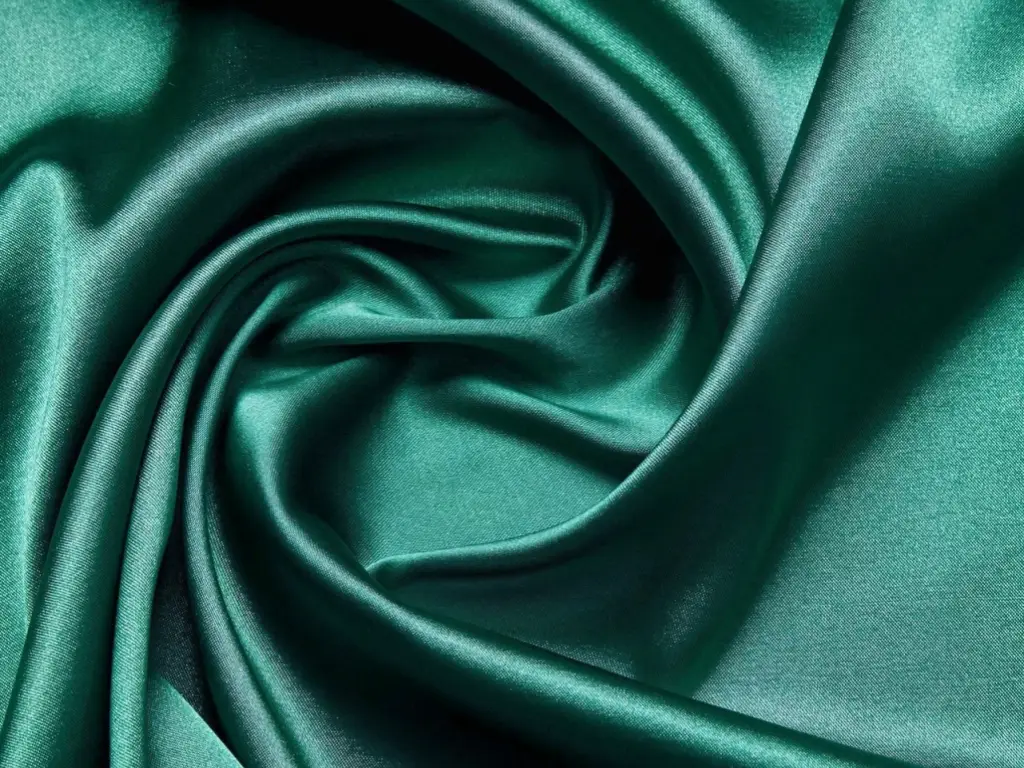
Satin

Satin gives ruffle dresses a polished, premium and evening-ready appearance. It works well for holiday collections, partywear and elegant designer drops. The risk is surface damage, seam puckering and overly heavy ruffle buildup. Satin ruffles should be tested in sample stage to confirm shine direction, weight, pressing behavior and garment balance.
  • Typical GSM: 90–180gsm
  • Surface Behavior: Smooth shine, fluid drape, elevated visual value
  • Manufacturing Focus: Surface protection, pressing control, pucker reduction
  • Commonly used for: Party dresses, evening edits, holiday capsules
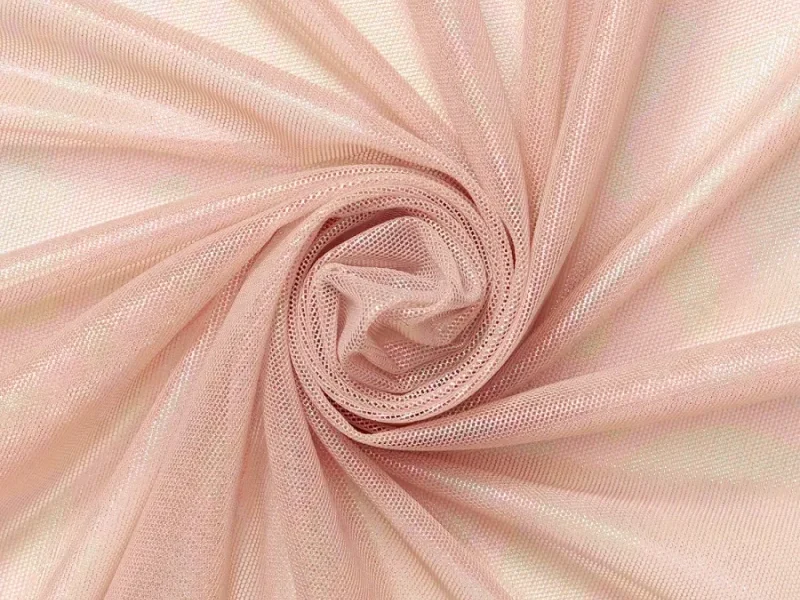
8Mesh Fabric

Mesh

Mesh is often used for layered ruffle dresses, bodycon ruffle dresses and softer transparent effects. Stretch mesh can create sculpting or contour details, while non-stretch mesh can add volume and decoration. Production must control seam tension, transparency, lining comfort and recovery, especially for fitted silhouettes or layered partywear styles.
  • Typical GSM: 70–180gsm
  • Stretch Ratio: 10–40% depending on mesh type
  • Manufacturing Focus: Recovery control, lining comfort, seam tension
  • Commonly used for: Bodycon dresses, partywear, layered fashion styles
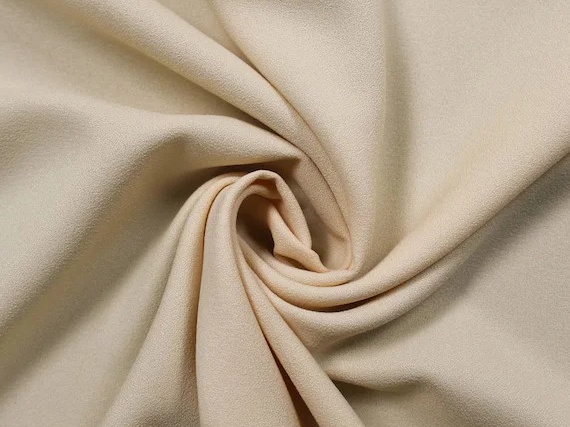
Crepe

Crepe is a strong choice for designer ruffle dresses that require better structure, texture and wrinkle resistance than chiffon. It works for wrap dresses, asymmetric styles, occasionwear and elevated day-to-night pieces. Crepe gives ruffles more body, but fabric weight must be controlled to avoid stiffness around neckline, sleeve or hem details.
  • Typical GSM: 120–220gsm
  • Surface Behavior: Textured, stable, moderate drape
  • Manufacturing Focus: Ruffle weight, seam smoothness, shape retention
  • Commonly used for: Contemporary dresses, occasionwear, structured feminine styles
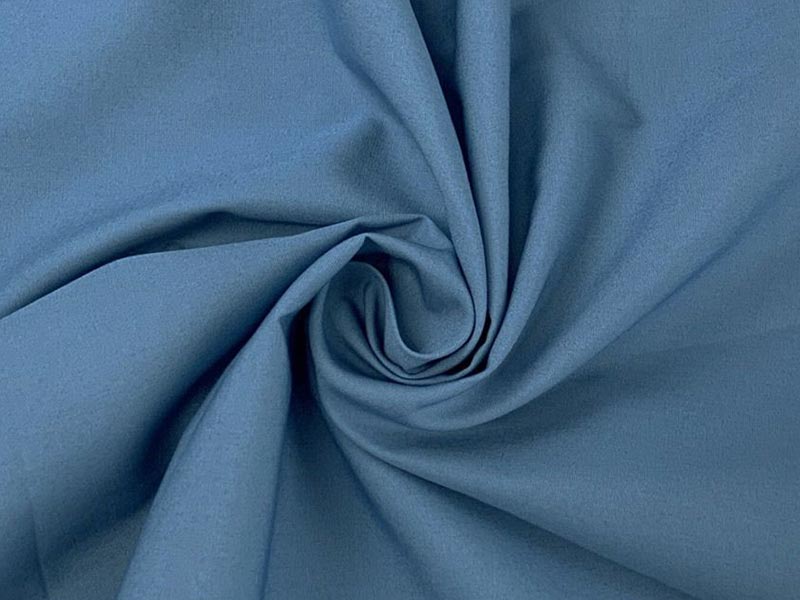
Cotton Poplin

Cotton poplin supports crisp, youthful and summer-ready ruffle dresses. It is suitable for puff sleeves, shoulder ruffles, tiered mini dresses and boutique daywear collections. The main production focus is shrinkage, washing behavior, pressing and ruffle volume. Pre-shrink testing is important when brands require stable sizing after customer washing.
  • Typical GSM: 100–160gsm
  • Shrinkage Risk: Usually requires pre-shrink testing
  • Manufacturing Focus: Volume control, pressing, shrinkage management
  • Commonly used for: Summer dresses, boutique daywear, feminine casual collections
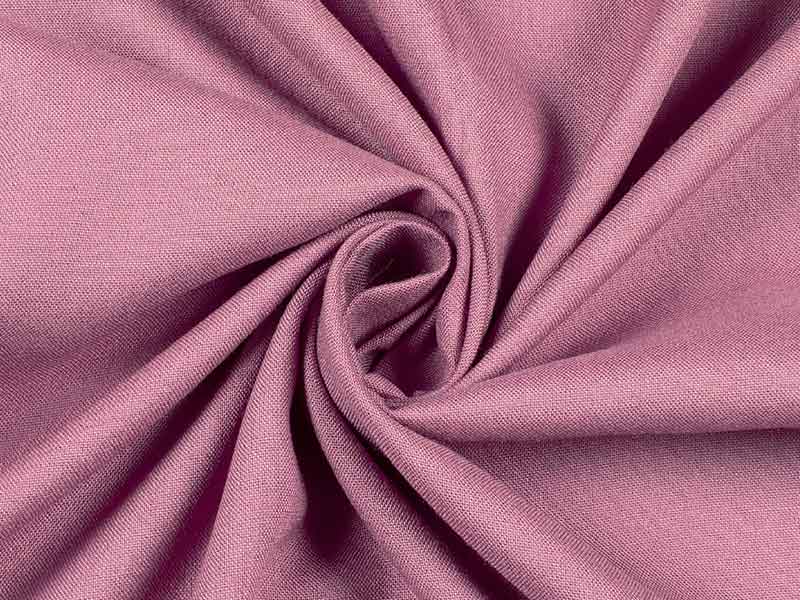
Rayon Viscose

Rayon viscose gives ruffle dresses a soft, fluid and breathable feel, making it valuable for vacation and lifestyle brands. It drapes well and photographs naturally, but can shrink, twist or stretch if production control is weak. Sampling should confirm wash performance, seam stability and size tolerance before bulk order approval.
  • Typical GSM: 100–160gsm
  • Surface Behavior: Soft hand feel, fluid drape, natural movement
  • Manufacturing Focus: Shrinkage control, twisting prevention, wash testing
  • Commonly used for: Resort dresses, vacation capsules, lifestyle collections
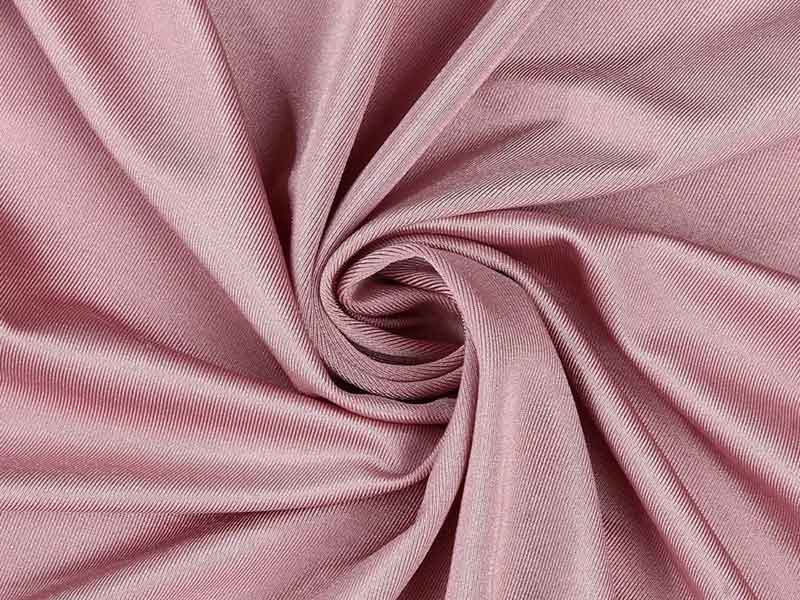
Stretch Knit

Stretch knit is suitable for bodycon ruffle dresses, fitted mini dresses and social-commerce fashion styles. It gives comfort and shape, while ruffles add feminine visual detail. Production must control stretch direction, opacity, recovery and seam tension. Poor handling may cause wavy seams, twisted panels or inconsistent fit across sizes.
  • Typical GSM: 180–320gsm
  • Stretch Ratio: 20–60% depending on fiber composition
  • Manufacturing Focus: Recovery, opacity, seam tension, size grading
  • Commonly used for: Bodycon dresses, clubwear, fitted party styles
Organza

Organza

Organza is often used in high-end ruffled dresses, which require stronger structural support, a light and airy feel, and a more visually striking sense of layering. Organza is ideal for designing exaggerated sleeves, tiered skirts, and haute couture silhouettes. Because this fabric is lightweight yet slightly structured, careful balancing of transparency, seam smoothness, and drape is essential during its fabrication to avoid a stiff or uncomfortable fit.
  • Typical GSM: 40–90gsm
  • Surface Behavior: Crisp texture, structured volume, semi-sheer appearance
  • Manufacturing Focus: Shape retention, seam smoothness, transparency control
  • Commonly used for: Occasionwear, statement dresses, couture-inspired collections

Fabric Techniques Used in Ruffle Dress Manufacturing

Ruffle dresses rely heavily on fabric behavior, edge finishing and drape movement. Different fabric techniques influence silhouette softness, dimensional appearance and production stability, especially in designer occasionwear and feminine fashion collections.

Rolled Hem Finishing

Rolled hems are commonly used on chiffon, georgette and lightweight woven ruffle dresses because they create softer edge movement without adding extra thickness. The technique improves wave definition and flowing drape, making it suitable for resortwear and layered occasion styles. Production usually focuses on edge consistency, stitch density and tension control to reduce twisting or uneven ruffle movement.

Babylock Edge Finishing

Babylock finishing creates cleaner and softer edges for lightweight or semi-transparent ruffle structures. Compared with standard overlock methods, the final appearance looks more delicate and refined, especially under close-up photography. This technique is frequently used for layered sleeves, neckline flounces and feminine dresses where edge softness and lightweight movement are important.

Gathered Ruffle Construction

Gathered ruffle construction controls the fullness, volume and visual movement of the dress silhouette. Different gathering ratios can create softer romantic styling or stronger dramatic volume depending on the collection direction. Development usually focuses on gathering density, seam stability and fabric drape balance to maintain consistent appearance during bulk production.

Bias Cut Ruffle Panels

Bias-cut ruffles create softer drape and more fluid movement because the fabric naturally stretches along the diagonal direction. The technique is commonly used in premium occasionwear and elegant evening dresses where silhouette flow is important. Production control focuses on directional consistency, drape balance and shrinkage stability because bias panels may stretch during sewing and pressing.

Layered Sheer Construction

Layered sheer construction is widely used in chiffon and mesh ruffle dresses to create depth, transparency and lightweight dimensional effects. Multiple semi-sheer layers help improve visual richness while maintaining soft movement. Development usually focuses on opacity balance, lining compatibility and wearable comfort to prevent excessive transparency or unstable drape.

Pleated Ruffle Integration

Pleated ruffles combine structured texture with flowing movement to create more dimensional feminine silhouettes. The technique is commonly used in statement dresses, editorial fashion and elevated occasionwear collections where stronger visual detail is required. Production must carefully control heat setting, pleat stability and fabric response to maintain shape consistency after shipment and wear.

Technical Challenges Behind Premium Ruffle Dresses

Ruffle dresses often appear visually soft and feminine, but the manufacturing process is highly technical. Fabric movement, weight distribution, seam behavior and silhouette balance all influence whether the final garment looks premium or commercially weak.

Pattern Balance and Ruffle Placement

One of the most common production problems in ruffle dresses is imbalance between the garment body and decorative structure. A ruffle may look attractive in sketch form, but incorrect placement can visually widen the body, distort proportions or interrupt movement. This becomes more noticeable in fitted dresses, asymmetric styles and occasionwear silhouettes. Jinfeng’s development team evaluates ruffle scale, placement angle, seam direction and body proportion during pattern development rather than waiting until bulk production. The goal is to ensure the ruffle enhances the silhouette instead of overwhelming it.

Fabric Weight and Drape Control

Ruffle dresses rely heavily on fabric behavior. If the fabric is too stiff, the ruffle may appear bulky or unnatural. If too soft, the garment may collapse and lose shape. Different fabrics also react differently after steaming, packing and long-distance transportation. To reduce production risk, fabric weight, drape response and shrinkage are tested during development stage. Lightweight chiffon dresses, satin evening styles and layered mesh constructions all require different handling methods during cutting, sewing and finishing.

Seam Tension and Shape Stability

Ruffle seams involve more curves, gathering and movement than standard dress construction. Poor seam tension may create puckering, stretching or uneven waves. Stretch fabrics create additional risk because tension imbalance can distort body panels or affect recovery after wear. Production control focuses on seam direction, stitch density, gathering consistency and fabric compatibility. During sample development, adjustments are made to improve shape retention and reduce distortion during repeated wear or garment steaming.

Long Dress Hem Consistency

Maxi and occasion ruffle dresses present additional manufacturing challenges because long panels can shift during cutting, hanging and pressing. Uneven hems become highly visible in movement, photography and formalwear applications. To improve consistency, production teams monitor panel alignment, garment hanging time, pressing sequence and final hem correction before packing. These controls become increasingly important in layered or asymmetric dress structures.

Bulk Consistency Across Repeat Orders

Designer brands usually need repeatable production quality across multiple colorways and restocks. Ruffle density, drape direction, fabric feel and silhouette balance must remain commercially consistent even when orders scale up. Jinfeng’s multi-line production structure and dedicated follow-up teams help reduce inconsistency risks during repeat manufacturing. Sampling standards, fabric approval and construction details are aligned before production expansion begins.

Private Label Support for Designer Dress Brands

Strong brand presentation is especially important for designer ruffle dress collections because packaging, labels and finishing details directly influence perceived product value and customer experience. Jinfeng supports private label production with customized branding solutions designed for boutique fashion, contemporary designer collections and premium online retail programs.

Logo and Labeling Solutions

Designer ruffle dresses often require refined branding details that match the overall garment aesthetic and target market positioning. Jinfeng supports custom woven labels, satin labels, printed care labels, size labels, hangtags and barcode stickers according to brand requirements. For lightweight chiffon, mesh and feminine occasion dresses, softer label materials and cleaner stitching methods are commonly used to improve comfort, appearance and overall product presentation.

Packaging and Presentation Solutions

Packaging plays an important role in protecting ruffle structures, maintaining garment appearance and improving customer unboxing experience. Jinfeng supports custom polybags, logo packaging, folding methods, hanging packing and export carton marking according to different sales channels and shipping requirements. For occasionwear, resortwear and premium designer collections, packaging structures are adjusted to reduce wrinkles, preserve drape movement and maintain cleaner visual presentation during international transportation.

Sampling Development for Designer Ruffle Dresses

Ruffle dress development requires strong coordination between pattern making, fabric testing and silhouette refinement before bulk production begins. Jinfeng operates 2 dedicated sample rooms supported by 7 senior pattern makers and 20 experienced sample makers, allowing designer brands to move more efficiently from concept stage into production-ready sample approval.

Design Review and Pattern Development

Sampling usually begins with tech packs, sketches, reference garments or mood boards provided by the brand. For ruffle dresses, the development team evaluates fabric suitability, ruffle proportion, silhouette balance and production feasibility before pattern making starts. Jinfeng’s 7 senior pattern makers focus heavily on feminine silhouettes, occasionwear structures and drape behavior to improve sample accuracy during early development stages.
jinfengapparel

Sample Sewing and Construction Testing
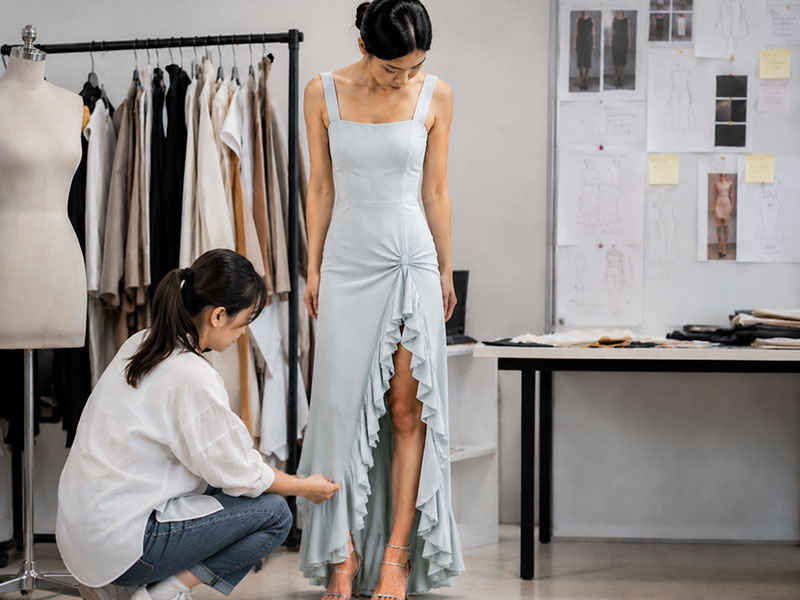
After pattern development, sample makers begin garment construction while testing gathering methods, seam balance, drape movement and lining compatibility. Standard ruffle dress samples are usually completed within 5–7 days, while more complex styles with layered structures, bias cuts or detailed draping generally require 7–10 days depending on fabric sourcing and construction complexity.

Fit Revision and Sample Refinement

Most designer ruffle dresses require one or more revision rounds before final approval because silhouette proportion, ruffle placement and fabric behavior can change during wear and fitting. The development team adjusts measurements, seam direction, gathering density and drape balance according to fit comments and commercial requirements. Faster communication between sampling and pattern departments helps reduce unnecessary delays during collection development.

Pre-Production Confirmation

Before bulk production begins, approved samples are reviewed together with fabric details, size specifications, construction methods and packaging requirements. Jinfeng’s sample development structure is designed to improve consistency between approved prototypes and later production runs, especially for designer collections requiring repeat orders, seasonal replenishment and scalable manufacturing coordination.

OEM & ODM Workflow for Ruffle Dress Manufacturing

Designer ruffle dress production requires coordinated development, sourcing, sampling and manufacturing support to maintain stable quality and seasonal launch timing. Jinfeng supports structured OEM and ODM workflows designed for designer brands, contemporary fashion labels and premium women’s dress collections.

Product Discussion and Design Review

The cooperation process usually begins with tech packs, sketches, reference garments or collection ideas provided by the brand. For ruffle dresses, development discussions focus on silhouette direction, fabric suitability, drape behavior, ruffle structure and target market positioning before sampling begins.

Fabric and Trim Sourcing

After product evaluation, suitable fabrics and trims are sourced according to style direction and price positioning. Chiffon, satin, mesh, crepe and lightweight woven fabrics are commonly selected for different ruffle dress categories, while lining materials, invisible zippers and specialty trims are reviewed during development preparation.

Pattern Development

Pattern makers develop garment structures based on approved references and technical requirements. During this stage, ruffle proportion, seam direction, garment balance and silhouette movement are adjusted according to fabric behavior and intended fit. More fitted dresses may also require stretch recovery and contour shaping evaluation.

Sample Production

Sample sewing transforms design concepts into wearable garments for fit review and visual confirmation. Jinfeng operates 2 dedicated sample rooms supported by 7 senior pattern makers and 20 sample makers for women’s fashion development. Standard ruffle dress samples are usually completed within 5–7 days, while more complex occasionwear or layered styles generally require 7–10 days.

Sample Revision and Approval

After fitting and review, revisions are arranged according to comments related to silhouette proportion, fabric performance, ruffle density or garment balance. Some designer collections require multiple refinement rounds before final approval. Updated specifications are then prepared to align approved samples with future bulk production standards.

Quotation and Production Planning

Once samples are approved, final quotations and production schedules are confirmed according to fabric lead time, order quantity and garment complexity. Production planning usually includes material preparation, colorway allocation, packaging requirements, labeling coordination and estimated shipment timelines for seasonal launches.

Bulk Production

Bulk production begins after fabric confirmation and order approval. Cutting, sewing, finishing and packing are coordinated according to approved sample standards and production schedules. For ruffle dresses, production control focuses heavily on gathering consistency, seam quality, drape balance and silhouette stability during manufacturing.

Quality Inspection and Packing

Finished garments go through quality inspection before shipment preparation. Inspection usually focuses on garment measurements, construction consistency, fabric appearance, seam stability and pressing quality. Packing methods are adjusted according to dress category and wrinkle sensitivity to maintain cleaner presentation during transportation.

Shipment and Delivery Coordination

After final inspection and payment confirmation, shipments are arranged according to customer requirements and delivery terms. Jinfeng supports express delivery, air freight and sea freight for different order structures, helping designer brands manage both smaller fashion launches and larger seasonal production programs more efficiently.

Quality Control Standards for Ruffle Dress Manufacturing

Ruffle dresses require stricter quality control because silhouette movement, layered construction and fabric behavior directly influence the final appearance. Jinfeng’s quality management process focuses on maintaining stable drape, clean finishing and consistent garment presentation from sampling through bulk production.

Fabric Inspection Before Production

Before cutting begins, fabrics are inspected for color consistency, surface defects, shrinkage behavior and transparency balance. For chiffon, satin and lightweight woven fabrics, additional attention is given to surface smoothness and weaving stability because small defects become more visible in layered ruffle structures and feminine dress silhouettes.

Pattern and Cutting Control

Ruffle dresses often contain curved seams, gathered panels and asymmetric structures that require accurate cutting alignment. Production teams review panel direction, fabric relaxation and cutting consistency before sewing starts to reduce twisting, uneven drape and silhouette imbalance during assembly and finishing.

Sewing and Construction Inspection

During sewing, quality inspection focuses on seam tension, gathering consistency, ruffle symmetry and lining attachment. For fitted and bodycon ruffle dresses, additional checks are carried out on stretch recovery and seam stability to maintain cleaner shaping and reduce distortion after wear or steaming.

Measurement and Fit Verification

Finished garments are checked against approved specifications before packing to maintain fit consistency across size ranges and repeat production orders. Inspection usually focuses on bust proportion, waist balance, hem alignment, strap positioning and dress length stability, especially for layered maxi dresses and occasionwear styles.

Finishing and Presentation Control

Ruffle dresses rely heavily on final presentation quality because poor steaming or incorrect folding may flatten ruffles and affect silhouette appearance. Finishing teams inspect ruffle definition, surface smoothness, pressing quality and garment cleanliness before packing to maintain stronger retail and unboxing presentation.

Bulk Consistency Monitoring

For repeat seasonal orders and scalable production programs, Jinfeng monitors consistency between approved samples and bulk manufacturing runs. Ongoing inspection helps reduce variation in color, fit, drape behavior and garment construction, improving production stability across different batches and repeat collections.

Main Ruffle Placement Styles

Different ruffle placements create different visual effects, body proportions and commercial styling directions. Designer brands usually select ruffle positioning according to target market, silhouette focus and intended wearing occasions.

Ruffle PlacementVisual EffectManufacturing FocusCommonly Used For
Shoulder RufflesCreates softer feminine balance and stronger upper-body stylingShoulder proportion, seam stability, drape controlResortwear, feminine dresses, boutique collections
Neckline RufflesAdds romantic detail and visual layering around the necklineEdge finishing, neckline balance, comfort controlOccasionwear, off-shoulder dresses, summer collections
Sleeve RufflesIncreases volume and movement around sleeves and arm linesSleeve balance, fabric weight, movement stabilityPuff sleeve dresses, designer collections, statement styles
Bust RufflesEnhances contour and creates more dimensional chest shapingRuffle proportion, seam tension, fit stabilityPartywear, bodycon dresses, social-commerce fashion
Waist RufflesImproves waist definition and creates softer silhouette transitionsGathering balance, waist shaping, drape flowFeminine dresses, wrap styles, contemporary fashion
Hem RufflesCreates stronger movement and layered silhouette effectsHem balance, drape consistency, finishing qualityMaxi dresses, resortwear, occasionwear
Side RufflesAdds asymmetrical visual movement and contour directionPlacement accuracy, seam alignment, silhouette balanceDesigner dresses, fashion-forward collections
Slit RufflesCombines flowing movement with more dramatic leg exposureSlit reinforcement, drape control, movement testingEveningwear, vacation dresses, premium occasionwear
Back RufflesCreates stronger back-detail styling and elevated visual interestPanel alignment, movement flow, seam finishingDesigner collections, editorial fashion, occasion dresses

Production Cases for Designer Fashion Brands

Designer ruffle dress projects often involve development complexity, silhouette control and repeat-order pressure. The following production examples reflect common challenges faced by growing and established fashion brands.

Case 1 — US Contemporary Occasionwear Brand

Project Overview
  • Product: Satin asymmetric ruffle dresses
  • Initial order: 800 pcs across 4 colors
  • Lead time: 35 days
  • Follow-up orders: 5,000+ pcs within 6 months
Challenge:

The brand needed evening dresses with fluid asymmetric ruffles that maintained shape consistency across different satin colorways. Previous suppliers struggled with seam puckering, unstable drape and inconsistent hem balance during repeat production.

Solution:

Development focused on fabric behavior testing, bias balance adjustment and seam tension refinement before bulk production. Sample revisions improved drape stability and reduced distortion during steaming and transportation.

Result:
  • Improved silhouette consistency across colorways
  • Reduced finishing issues during bulk production
  • Successful repeat seasonal launches
  • Expanded reorder program within two collections

Case 2 — European Resortwear Brand

Project Overview
  • Product: Tiered chiffon ruffle maxi dresses
  • Initial order: 1,200 pcs
  • Lead time: 40 days
  • Follow-up orders: 5 repeat seasonal drops
Challenge:

The collection required lightweight layered chiffon dresses with strong movement for vacation campaigns and resort retail stores. Previous production runs from another supplier created transparency inconsistency and uneven hem shaping after shipment.

Solution:

The development team adjusted lining structure, ruffle spacing and hanging correction processes before final production approval. Packing methods were also modified to reduce crushing during sea freight transportation.

Result:
  • Improved drape and hem consistency
  • Better visual presentation after shipment
  • Reduced customer complaints related to transparency
  • Stable reorder relationship across multiple summer launches

Case 3 — US Social-Commerce Fashion Brand

Project Overview
  • Product: Bodycon mini ruffle dresses
  • Initial order: 500 pcs across 6 styles
  • Lead time: 28 days
  • Follow-up orders: 8,000+ pcs within 4 months
Challenge:

The brand needed trend-driven fitted dresses for TikTok and Instagram campaigns with fast launch timing and repeat production flexibility. Previous factories struggled with stretch recovery, seam twisting and inconsistent fit grading.

Solution:

Development focused on stretch-direction control, recovery testing and contour seam adjustment. Sampling cycles were shortened through direct fit revisions and faster communication between pattern and merchandising teams.

Result:
  • Improved fit consistency across sizes
  • Faster restock capability for bestselling styles
  • Better visual performance in campaign content
  • Strong repeat-order growth after initial launch
jinfeng apparel

Why Designer Brands Work With Jinfeng

Designer fashion brands usually compare suppliers based on development capability, product understanding, production stability and communication efficiency rather than price alone. Jinfeng’s structure is built around women’s fashion manufacturing, dress development and repeat-order support.

Manufacturing AreaJinfeng ApparelMany Standard Dress Suppliers
Core FocusWomen’s fashion, dresses, occasionwearGeneral apparel categories
Sample Development2 sample rooms, 7 pattern makers, 20 sample makersLimited development structure
Ruffle Dress UnderstandingStrong feminine silhouette experienceMostly basic construction execution
Production Capacity18 production lines with scaling abilitySmaller isolated production setup
Order FlexibilitySmall runs to large repeat productionOften limited scaling flexibility
Fashion AlignmentTrend-driven women’s collectionsGeneric OEM production
Communication FlowDedicated merchandising coordinationSlower production communication
Suitable CustomersDesigner brands, DTC brands, occasionwear labelsGeneral sourcing buyers
Bulk ConsistencyStructured repeat-order coordinationHigher variation risk
Shipping SupportFOB, CIF, DDP and split shipmentsBasic export support only

Jinfeng is particularly suitable for brands requiring feminine silhouettes, trend-oriented dresses, occasionwear styles, repeat launches and scalable production coordination. The company structure supports both development-stage collections and long-term manufacturing programs with ongoing replenishment needs.

Frequently Asked Questions About Ruffle Dress Manufacturing

MOQ depends on fabric type, construction complexity and color quantity. Small trial orders can usually start from around 200 pieces per style under suitable production conditions.
Yes. Development can begin from sketches, reference garments, campaign images or tech packs depending on project structure and required accuracy.
Yes. Fabric sourcing support includes chiffon, satin, mesh, stretch knit, crepe and other fabrics commonly used for designer ruffle dresses.
Yes. Pattern development and fit refinement are part of the sampling process, especially for fitted, asymmetric or layered silhouettes.
Standard samples generally require around 5–7 days, while more complex dresses may require 7–10 days depending on fabric sourcing and construction details.
Yes. Main labels, size labels, care labels, hangtags, barcode stickers and custom packaging can all be arranged according to brand requirements.
Yes. The production structure is designed to support repeat production, seasonal replenishment and scalable order expansion.
Common options include chiffon, satin, georgette, mesh, crepe and lightweight woven fabrics depending on silhouette direction and market positioning.
Production timing depends on style complexity, fabric readiness and order volume, but faster schedules may be possible for selected projects.
Production standards are aligned with approved samples through ongoing inspection, pattern control and merchandising coordination during manufacturing.
Express delivery, air freight and sea freight are available depending on timeline, budget and shipment quantity requirements.
Yes. Overseas brands can arrange factory visits, production reviews and development discussions according to project schedules.

Start Developing Your Next Ruffle Dress Collection

Send your design concept, reference sample or tech pack to receive a detailed development proposal and production quotation.

How to Begin

  • Share design references, tech packs or collection ideas
  • Receive feasibility review and quotation feedback
  • Confirm fabrics, trims and sample development details
  • Approve samples and begin production scheduling

Information That Helps Speed Up Quotation

  • Ruffled dress silhouette direction
  • Fabric preference or target fabric feel
  • Estimated order quantity
  • Size range and target market
  • Labeling and packaging requirements
  • Delivery timeline and shipping destination
At Jinfeng Apparel, we offer flexible lead times for traditional and fast fashion brands. Traditional brands can expect a process of 1-2 months, while fast fashion brands benefit from a 3-5 day sampling period and 15-30 day bulk production. Our professional team and efficient workflow ensure high quality and timely delivery. Learn more about how we meet your brand's needs.

Submit Your Production Inquiry

Please share your product details, estimated quantity, target market, timeline, and development requirements. Our project team will review your inquiry and provide a tailored OEM/ODM production solution.

Women’s Apparel Production for Established Fashion Brands

From sample development to bulk production, JF Apparel supports fashion brands with confidential OEM/ODM manufacturing, stable quality control, and scalable production.