Skip to content
OEM Cut-out Sexy Dress Supplier
Jinfeng Apparel develops and manufactures OEM cut-out sexy dresses for fashion brands that rely on body-hugging silhouettes, high-stretch fabrics and visually aggressive trend collections. Compared with regular dresses, cut-out styles require stronger control over opening placement, bust support, stretch recovery and tension balance because even small pattern errors can cause rolling edges, exposure instability or distorted shaping during wear. Our team supports fast-moving partywear, clubwear and social-commerce dress programs with development focused on fit accuracy, contour shaping and repeat bulk consistency.
- 18 production lines supporting small and bulk dress orders
- 2 sample rooms for fast cut-out dress development
- 7 senior pattern makers controlling fit and silhouette
- 300,000-piece monthly capacity with scalable production space
- 30+ years of experience in creating sexy dresses
Manufacturing Partner for Cut-out Sexy Dress Brands
Trend-Driven Fashion Brands
Trend-driven fashion brands usually focus on fast seasonal launches, social-media visibility and high-frequency new arrivals. Their collections often include bodycon dresses, side cut-out silhouettes and contour styles requiring fast sample development and stable fit consistency. Jinfeng’s sampling structure and pattern development experience support brands needing rapid style iteration and repeat seasonal production.
Boutique Partywear Labels
Social-Commerce Fashion Brands
Mature Fashion Brands
Resortwear and Vacation Brands
Private Label Online Retailers
Cut-out Sexy Dress Styles We Manufacture

Cut-out Bodycon Dresses
Designed for close-fitting collections that focus on waist shaping, hip curve and strong social media visuals. This style is often used for clubwear drops, date-night collections and fast-moving online fashion launches. The main development focus is controlling stretch direction, cut-out placement and seam tension so the garment stays close to the body without twisting or pulling.
Manufacturing Focus: Stretch recovery, waist shaping, cut-out reinforcement, seam tension
Commonly Used For: Clubwear, influencer collections, boutique fashion drops

Side Cut-out Mini Dresses
Side cut-out mini dresses create a bold waist-revealing look and are often used for summer drops, vacation capsules and party collections. The biggest production risk is uneven side opening, unstable waist position and poor balance between front and back panels. We usually recommend medium-to-high recovery knit fabric, double-layer construction or inner support depending on the design.
Manufacturing Focus: Side balance, waist exposure control, lining support, hem stability
Commonly Used For: Vacation wear, partywear, social-commerce launches

Ring Detail Cut-out Dresses
Ring detail dresses use metal or resin rings to connect panels around the bust, waist or side body. This style has strong visual value but requires careful stress testing. Poor ring placement can pull fabric out of shape or cause discomfort. We check ring size, fabric tension, seam reinforcement and wearer movement before confirming bulk production construction.
Manufacturing Focus: Hardware strength, pull resistance, seam reinforcement, fabric recovery
Commonly Used For: Resort collections, clubwear, premium boutique styles

Front Cut-out Midi Dresses
Front cut-out midi dresses are suitable for more elevated partywear and occasionwear collections. Compared with mini dresses, this style has a stronger mature market appeal and often needs better fabric weight, drape and body coverage. Pattern accuracy around the bust, waist and abdomen area is critical because the front cut-out becomes the visual center of the garment.
Manufacturing Focus: Bust control, front balance, opacity management, clean finishing
Commonly Used For: Occasionwear, dinner dresses, premium fashion drops

One-shoulder Cut-out Dresses
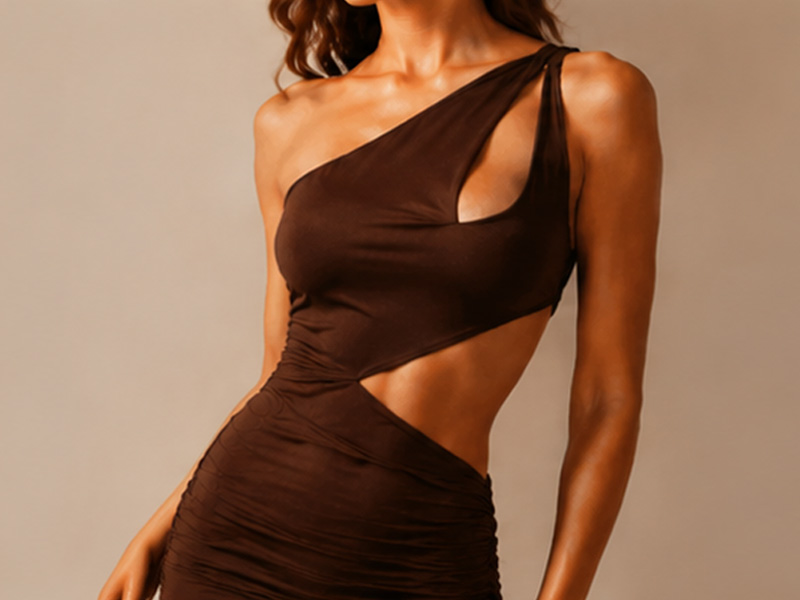
One-shoulder cut-out dresses combine asymmetric neckline design with body-revealing details. This style creates strong editorial and campaign value, but the pattern must prevent neckline distortion and shoulder slipping. We focus on shoulder angle, armhole control, fabric recovery and inner construction so the dress looks sharp while remaining wearable for real customers.
Manufacturing Focus: Shoulder stability, neckline recovery, asymmetric pattern balance
Commonly Used For: Partywear, evening capsules, boutique statement pieces

Ruched Cut-out Dresses
Ruched cut-out dresses are highly commercial because ruching helps shape the body and improves customer confidence. The main challenge is keeping the ruching even across sizes and avoiding bulky seams near cut-out areas. This style works well with stretch mesh, power mesh, rayon spandex, polyester spandex and soft double-layer knit fabrics.
Manufacturing Focus: Ruching tension, size grading, seam bulk control, stretch balance
Commonly Used For: Bodycon collections, TikTok fashion, repeat-order styles

Mesh Panel Cut-out Dresses
Mesh panel cut-out dresses create a sexy but controlled look by combining exposure and coverage. This style is useful for brands that want bold visuals without making the garment too difficult to wear. Key development points include mesh color matching, transparency level, seam cleanliness and skin-contact comfort around the joined panels.
Manufacturing Focus: Mesh compatibility, transparency control, seam smoothness, lining choice
Commonly Used For: Clubwear, partywear, photo-driven collections

Halter Cut-out Dresses
Halter cut-out dresses are popular for summer, resort and nightlife collections. The neck and bust area must be engineered carefully because the halter strap often carries part of the garment tension. We check strap width, fabric pull, bust coverage and back opening balance to avoid discomfort or unstable wearing during movement.
Manufacturing Focus: Neck tension, bust coverage, strap durability, back balance
Commonly Used For: Resortwear, summer drops, nightlife collections

Long Sleeve Cut-out Dresses
Long sleeve cut-out dresses offer a stronger seasonal range, especially for fall, winter, holiday and partywear programs. They balance skin exposure with coverage, making them suitable for more markets. The key production issue is sleeve mobility. We review arm movement, shoulder fit, fabric recovery and cut-out reinforcement before bulk production.
Manufacturing Focus: Sleeve mobility, shoulder fit, panel stability, recovery control
Commonly Used For: Holiday drops, partywear, evening fashion capsules
Structural Planning for Different Cut-out Positions
Different cut-out positions create different tension points, movement behavior and support requirements during wear. For sexy dresses, the placement structure directly affects comfort, visual balance and long-term garment stability after repeated stretching and washing.

Front Chest Cut-out Construction
Front chest cut-outs usually require stronger support balance because the bust area experiences continuous tension during movement. Poor construction may cause opening distortion, exposure instability or rolling edges after repeated wear. Jinfeng reviews neckline tension, bust coverage, lining compatibility and reinforcement structure during development to improve stability while maintaining the intended silhouette and visual appeal.

Side Waist Cut-out Engineering

Open Back Structure Support
Shoulder and Asymmetric Cut-out Placement

Waist-to-Hip Transition Cut-outs

Multi-cut-out and Connected Opening Designs
Contour Engineering for Cut-out Sexy Dresses
Bust Support and Shape Stability
Waist Contour and Cut-out Balance
Hip Curve and Lower Body Shaping
Multi-size Grading for Body-Hugging Dresses
Fabric Options for Sexy Cut-out Dresses

Nylon Spandex Knit
Nylon spandex knit is suitable for sculpted cut-out dresses that need a smooth hand feel and strong body-hugging performance. It works well for premium bodycon dresses, partywear styles and fitted occasionwear pieces where stretch recovery matters more than surface texture. Common stretch performance can reach 30–60%, depending on yarn and construction. For cut-out silhouettes, we check heat sensitivity, shrinkage, cutting direction and recovery before bulk production.
Best For: Sculpted dresses, fitted partywear, premium bodycon styles
Key Control: Stretch direction, shrinkage, heat setting, recovery rate
Stretch Mesh
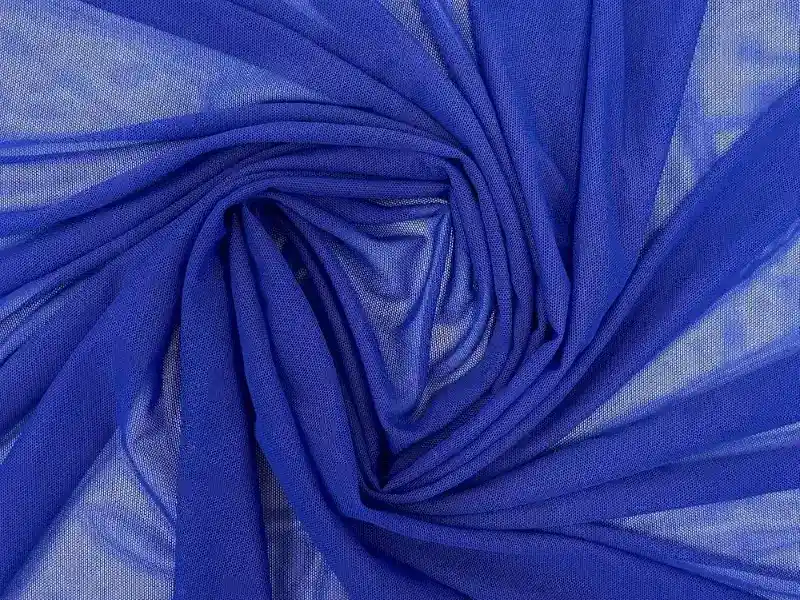
Stretch mesh is commonly used for illusion panels, sleeves, side inserts and semi-sheer cut-out effects. It gives brands a way to create a sexy visual look while keeping more body coverage than open cut-outs. The main production risks are transparency mismatch, weak seam strength and uncomfortable skin contact if the mesh is too stiff. We test mesh softness, elasticity and color matching with the main fabric before production.
Best For: Mesh panel dresses, illusion cut-outs, sleeve details
Key Control: Transparency, color matching, seam strength, skin comfort
Velvet Stretch
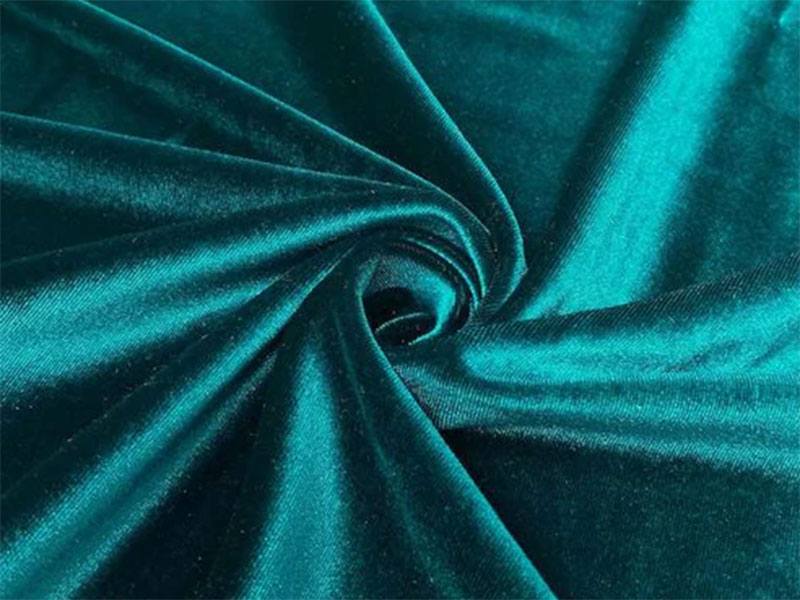
Stretch velvet creates a premium partywear and holiday look with strong visual depth under lighting. It is suitable for winter drops, festive collections and elevated clubwear styles. Common weight ranges from 220–320 GSM. For cut-out sexy dresses, velvet requires careful control of pile direction, shading, seam thickness and pressing marks. Cutting direction must remain consistent across panels to avoid visible color differences.
Best For: Holiday dresses, premium partywear, evening collections
Key Control: Pile direction, seam bulk, pressing marks, color shading

Polyester Spandex Jersey
Polyester spandex jersey is one of the most practical fabrics for commercial cut-out sexy dresses. It offers stable stretch, good color expression and easier bulk consistency across repeat orders. Common weight ranges from 180–260 GSM depending on opacity and hand feel. For bodycon and side cut-out styles, recovery control is more important than stretch alone because weak recovery can make openings loose after wearing.
Best For: Bodycon dresses, mini dresses, clubwear styles
Key Control: Recovery, opacity, seam tension, color consistency
Rib Knit Spandex
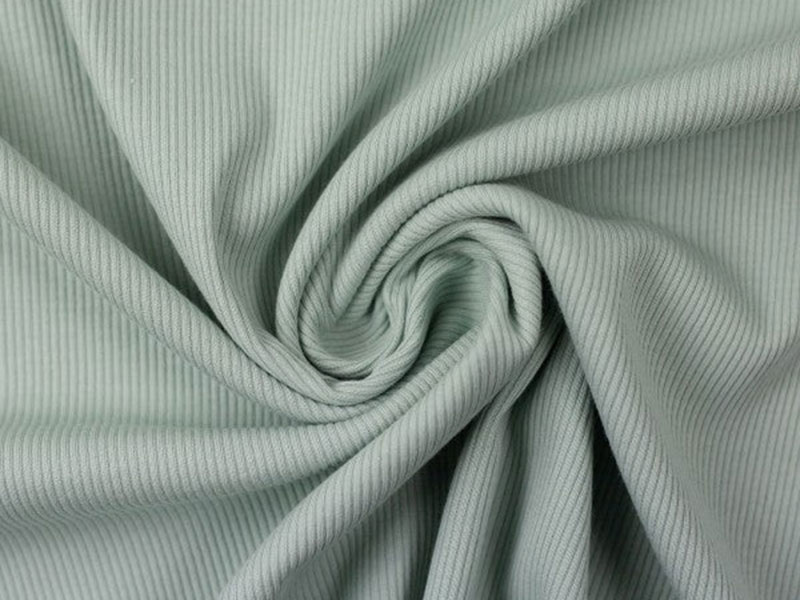
Rib knit spandex works well for casual sexy dresses, resortwear styles and fitted daily fashion collections. It gives the dress a textured surface while maintaining body-hugging stretch. For cut-out designs, rib alignment is critical because distorted rib lines can make the garment look poorly produced. We check grainline, cutting direction, shrinkage and seam matching during sampling and bulk production.
Best For: Casual sexy dresses, resortwear, fitted daily styles
Key Control: Rib alignment, shrinkage, recovery, seam matching

Power Mesh
Power mesh provides stronger support than regular mesh and is useful for hidden shaping, inner support panels and contour effects. It works well around the bust, waist and hip zones where cut-out dresses need extra wearing security. For sexy dress development, power mesh can improve body shaping without adding heavy visible structure. Compression level must be balanced carefully so the dress remains comfortable.
Best For: Sculpting dresses, lined cut-outs, support panels
Key Control: Compression level, comfort, recovery, panel placement

Sequin Stretch Fabric
Sequin stretch fabric is designed for high-impact partywear, holiday collections and statement cut-out dresses. It photographs strongly and supports higher perceived retail value. The production difficulty is higher than regular knit fabrics because sequin removal, seam finishing, lining comfort and needle damage must be controlled carefully. For skin-contact areas, we usually recommend soft lining or partial lining to improve comfort.
Best For: Holiday partywear, statement dresses, evening collections
Key Control: Sequin shedding, lining comfort, seam finishing, needle damage

Double-layer Knit
Double-layer knit is useful when brands want stronger opacity, cleaner body shaping and a more premium hand feel. It works especially well for white, nude and light-color cut-out dresses where transparency risk is higher. The second layer can improve contour stability around waist openings and side cut-outs. The main concern is seam bulk, heat retention and reduced breathability if the fabric is too heavy.
Best For: Premium bodycon, white dresses, sculpted silhouettes
Key Control: Opacity, seam thickness, comfort, cutting accuracy

Slinky Knit
Slinky knit is a fluid, drapey stretch fabric often used for sexy resort dresses, clubwear and soft bodycon silhouettes. It creates a smooth falling effect and photographs well on moving bodies. For cut-out styles, the main challenge is preventing the openings from stretching downward or losing shape because the fabric has more fluidity than structured jersey. Pattern support and seam stabilization are important.
Best For: Resort cut-out dresses, soft clubwear, draped sexy styles
Key Control: Draping balance, opening stability, seam support, recovery control
Visual Effects That Increase Product Value
Print and Placement Graphics
Heat Transfer Details
Embroidery and Small Logo Execution
Metallic and Foil Effects
Lining and Comfort Enhancement
Sequin Surface Applications
Structural Control Behind Successful Sexy Dresses
Cut-out sexy dresses require stronger pattern engineering, fabric control and sewing precision than regular dresses because body exposure, stretch tension and silhouette balance directly affect comfort, stability and commercial appearance. Small technical problems can quickly become visible after wear, movement and repeated washing.

Cut-out Proportion and Placement Control

Anti-Exposure Structure Development

Fabric Compatibility for Different Cut-out Designs

Precision Cutting and Fabric Consumption

Edge Finishing and Binding Construction

Stretch Tension and Seam Breakage Risks
Branding Solutions for Fashion Dress Collections
Logo Applications
Cut-out sexy dresses usually require cleaner and more refined logo presentation because the garment silhouette itself already carries strong visual impact. Heat transfer logos, silicone logos, woven labels and small embroidery details are commonly used depending on fabric elasticity and collection positioning. Jinfeng reviews logo placement, stretch compatibility and washing durability to help prevent cracking, distortion or pulling on fitted bodycon and contour dresses after repeated wear.
Main Labels and Care Labels
Hangtags and Barcode Solutions
Polybag and Protective Packaging Solutions
Fast Sampling for Trend-Driven Dress Programs
Design Review and Feasibility Evaluation
Pattern Development and Material Sourcing
Sample Sewing and Fitting Adjustment
Pre-production Confirmation
Flexible OEM Manufacturing Process for Fashion Brands
Our OEM workflow is designed for fashion brands developing custom cut-out sexy dresses requiring stable fit control, fast sampling and scalable bulk production. Each stage focuses on reducing development delays, improving production accuracy and supporting long-term repeat manufacturing.
Step 1 — Design Submission and Technical Review
Step 2 — Fabric and Trim Confirmation
Step 3 — Pattern Development and Sample Production
Step 4 — Sample Revision and Approval
Step 5 — Bulk Material Preparation
Step 6 — Bulk Production and Quality Control
Step 7 — Packing and International Shipment

Quality Control for Cut-out Sexy Dresses

Fabric Inspection Before Cutting
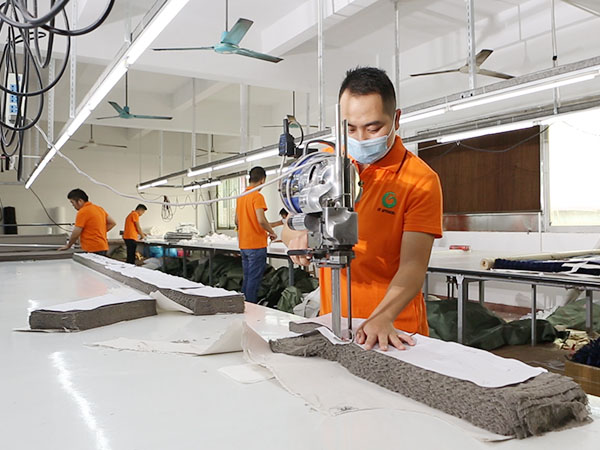
Cutting and Pattern Accuracy

Sewing and Structural Inspection

Final Inspection and Packing Review
Production Support for Fashion Brands
Flexible Production for Seasonal Dress Programs
Stable Capacity for Repeat Bulk Orders
Typical Production Timelines
Flexible Shipping for International Fashion Orders
Different brands require different shipping strategies depending on product launch schedules, inventory planning and target market timing. We support multiple shipping solutions for both urgent fashion drops and stable bulk replenishment programs.
Express shipping is suitable for samples, urgent replenishment and launch-sensitive products, usually taking around 3–7 days depending on destination and customs conditions. Air freight is often used for faster retail preparation, with typical delivery times around 5–8 days. Sea freight remains the most cost-efficient solution for larger bulk orders and generally requires around 20–35 days depending on route and destination port.
We support FOB, CIF and DDP shipping arrangements based on customer requirements. Split shipment arrangements can also be coordinated for brands operating multiple warehouses, rolling launches or staged inventory planning.
Packaging preparation is reviewed according to transportation method because stretch dresses, sequined garments and occasionwear may require different folding, protection and carton structures to reduce shipping-related damage.

Production Experience Across Fashion Dress Programs
Case 1 — US Social-Commerce Fashion Brand
Project Overview
- Product: Cut-out bodycon mini dresses
- Initial order: 600 pieces across 4 colors
- Lead time: 28 days including bulk production
- Follow-up orders: Over 8,000 pieces within 5 months
Challenge: The brand needed aggressive social-media-ready silhouettes with strong waist shaping and secure bust coverage. Previous suppliers struggled with inconsistent fit and unstable cut-out positioning after bulk production.
Solution: The development team adjusted pattern balance based on fabric recovery and added reinforcement construction around side openings. Double-layer fabric was recommended for lighter shades to improve opacity and body contour appearance.
Result
- Reduced fitting revision rounds
- Improved customer feedback on garment stability
- Successful repeat production across multiple seasonal drops
- Faster replenishment scheduling after launch sell-through
Case 2 — European Boutique Occasionwear Brand
Project Overview
- Product: Long sleeve cut-out midi dresses
- Initial order: 1,200 pieces
- Lead time: 35 days including fabric preparation
- Expanded production: 4 additional styles after first season
Challenge: The dresses required a balance between sexy styling and premium retail appearance. The customer needed cleaner seam finishing, better sleeve mobility and improved lining comfort without increasing bulk.
Solution: The factory adjusted sleeve construction, changed lining elasticity and improved seam finishing around high-stretch zones. Additional fitting review helped stabilize garment movement and reduce pulling around cut-out edges.
Result
- Improved retail presentation quality
- Reduced return issues related to fit discomfort
- Stable repeat cooperation established
- Expanded product range into additional partywear categories
Case 3 — Australian Resortwear Label
Project Overview
- Product: Halter cut-out resort dresses
- Initial order: 450 pieces
- Lead time: 22 days for first bulk shipment
- Repeat orders: Continuous seasonal replenishment
Challenge: The brand focused heavily on campaign photography and influencer marketing. Previous samples from other suppliers looked acceptable on mannequins but lost shape during real movement and outdoor wear.
Solution: The development team adjusted halter tension, improved bust support structure and selected a higher recovery nylon-spandex fabric. Fit testing focused on movement stability instead of static fitting only.
Result
- Better campaign and social-media performance
- Improved wearer confidence and comfort
- Reduced fabric distortion after repeated wear
- Continued reorder cooperation across multiple vacation collections
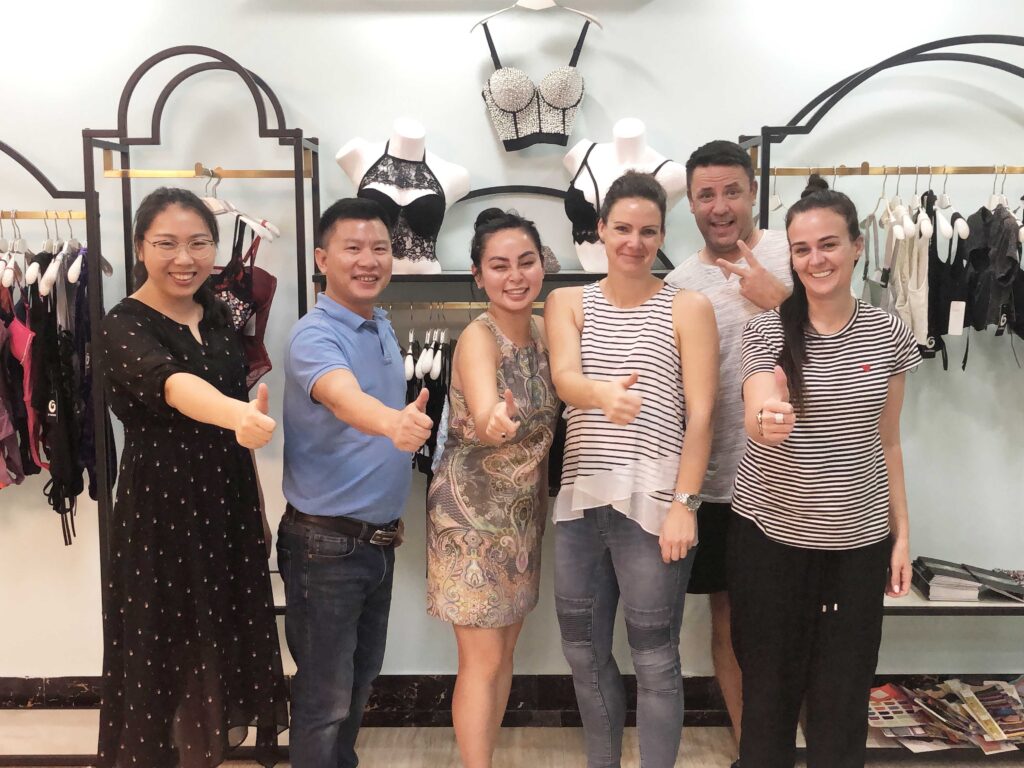
Why Fashion Brands Work With Jinfeng
Strong Experience in Fitted Sexy Dress Manufacturing
Faster Sampling for Trend-Driven Collections
Better Control of Stretch Fabric Performance
Flexible Production for Growing Brands
Stable OEM Cooperation Workflow
Stable Quality in Large Batch Production
Frequently Asked Questions About Cut-out Dress Manufacturing

Develop Your Next Sexy Dress Collection
Send your design idea, sample request or production inquiry to receive a detailed quotation and development recommendation.
How to Begin
- Share your tech pack, sketch or reference images
- Confirm fabric direction and sample development
- Review fitting and approve final sample
- Begin bulk production with confirmed timeline
Information That Helps Speed Up Quotation
- Dress silhouette and target fit
- Fabric preference or reference fabric
- Estimated order quantity
- Target market or retail positioning