 Skip to content
Bodycon Dress Supplier for Amazon FBA Brands
Develop bodycon dress collections with a supplier experienced in fitted women’s fashion, stretch fabric control, rapid sampling, and scalable reorder production. Jinfeng supports Amazon FBA brands that need commercially proven bodycon styles, stable fit consistency, fast replenishment capability, and manufacturing support for trend-driven fashion collections, private label programs, and repeat bestseller development.
- 5–7 day sampling for regular fitted dress developments
- 200–500 pcs low-risk MOQ for Amazon style testing
- 18 production lines supporting scalable reorder manufacturing
- Stretch fabric, shaping fit, and contour sewing experience
- 300,000 monthly capacity for repeat bestseller replenishment
Manufacturing Partners Jinfeng Works Best With
Brands requiring faster bodycon dress development cycles
Bodycon dress categories move quickly because they are heavily influenced by social media trends, nightlife fashion, influencer styling, seasonal launches, and holiday demand. Many brands lose momentum when sampling cycles become too slow or when repeated revisions delay production approval. However, rushed development often creates larger issues later through unstable recovery, poor fit balance, or transparency complaints. Jinfeng’s standard sample timing of approximately 5–7 days for regular styles and 7–10 days for more complex fitted dresses helps brands move faster while still maintaining fabric review, pattern adjustment, and garment balance control before bulk production begins.
Fashion brands selling trend-driven fitted silhouettes
Amazon sellers operating with testing and replenishment logic
Amazon FBA brands building repeatable bodycon dress programs
Fashion businesses prioritizing repeatability over short-term pricing

Bodycon Dress Styles We Help Brands Develop

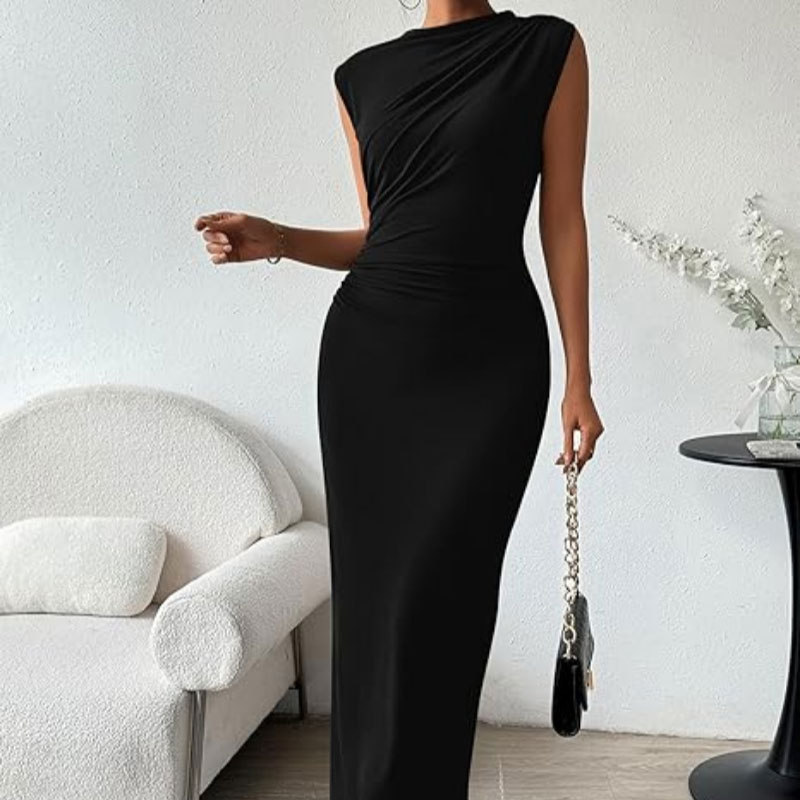
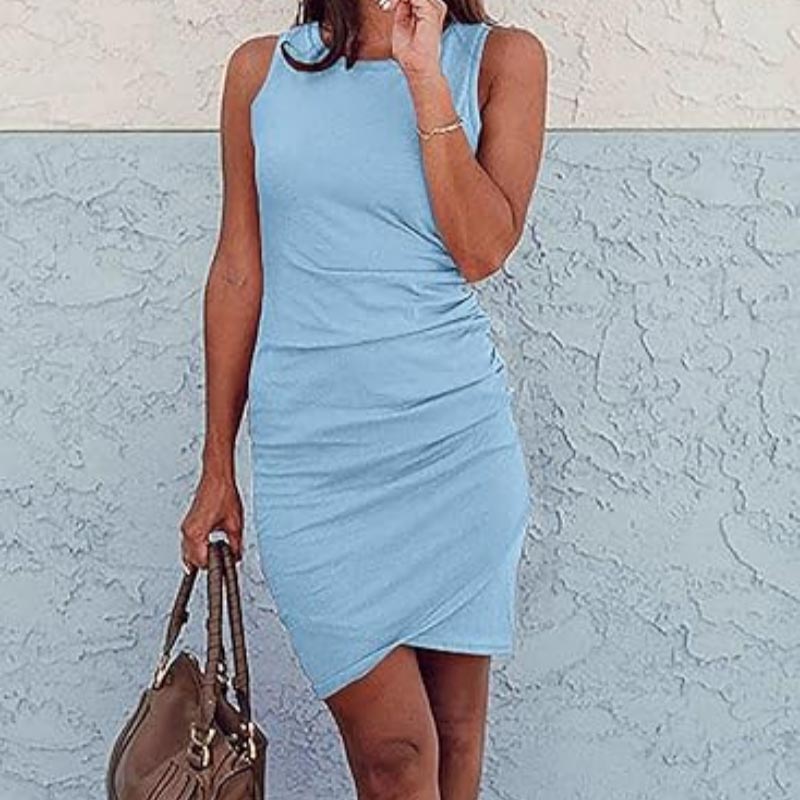
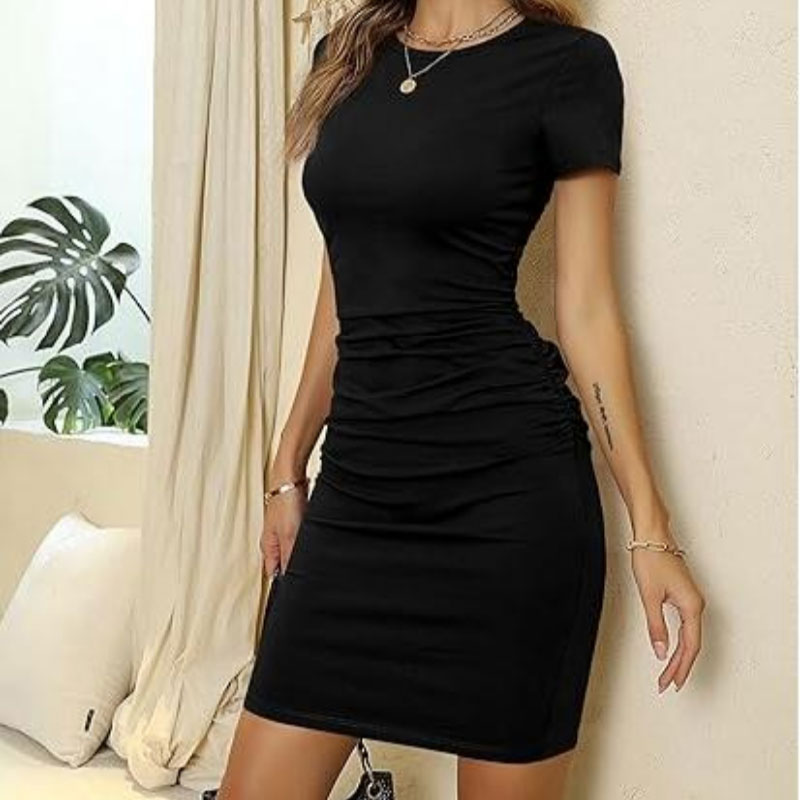
Ruched Bodycon Dresses
Ruched bodycon dresses are highly suitable for Amazon because they combine figure-shaping appeal with broader body tolerance. The gathered construction can visually smooth the waist, hip, and abdomen area, which often improves customer confidence and product conversion.
Manufacturing Focus:
Ruching balance, side seam control, fabric recovery, cutting symmetry, waist shaping
Commonly Used For:
Amazon bestseller testing, party collections, curve-friendly product lines, social media photo shoots
A strong ruched style requires more than adding gathers to a basic fitted dress. The factory must control the distribution of ruching so the garment looks intentional, not bulky or uneven. If the fabric is too thin, the ruching may collapse. If the fabric is too heavy, the waist area may feel thick. For many FBA brands, this style is valuable because it can become a repeat SKU when the sizing and fit are stable.

Midi Bodycon Dresses
Midi bodycon dresses are commercially strong for Amazon because they work across multiple occasions: office-to-dinner, date night, party, semi-formal styling, and seasonal capsule collections. The longer length also gives brands more room to position the product at a slightly higher price point.
Manufacturing Focus:
Hem stability, walking comfort, hip measurement, stretch direction, side seam balance
Commonly Used For:
Core Amazon listings, evergreen SKUs, premium basics, spring/summer and fall drops
The main production challenge is balancing a close fit with movement. If the hem is too narrow, customers may feel restricted. If the waist and hip measurements are not controlled, the silhouette may lose the bodycon effect. For Amazon brands, midi bodycon dresses can become long-term listings, but only if the supplier keeps the measurement tolerance and fabric hand feel consistent across reorders.

Mini Bodycon Dresses
Mini bodycon dresses are often used for clubwear, partywear, vacation drops, festival styling, and social commerce traffic. They are easy to photograph, easy to style, and suitable for fast-moving Amazon fashion categories.
Manufacturing Focus:
Length grading, hem control, lining decision, opacity, neckline stability
Commonly Used For:
Night-out collections, summer drops, influencer shoots, fast trend testing
The main risk is customer complaint around length, transparency, or riding up. Mini bodycon dresses must be developed with clear size grading and fabric recovery control. For lighter fabrics, opacity testing becomes important, especially in white, nude, pastel, and neon colorways. Jinfeng’s experience in fitted women’s fashion helps brands avoid styles that look good in flat photos but perform poorly on real bodies.

Long Sleeve Bodycon Dresses
Long sleeve bodycon dresses are strong for fall, winter, holiday, and transitional collections. They offer more coverage while still keeping a fitted silhouette, making them useful for Amazon brands targeting both partywear and everyday fashion customers.
Manufacturing Focus:
Sleeve mobility, shoulder fit, armhole tension, cuff recovery, neckline shape
Commonly Used For:
Fall collections, holiday dresses, cold-weather partywear, repeat seasonal listings
The sleeve area is where many factories make mistakes. If the armhole is too tight, customers complain about comfort. If the sleeve fabric does not recover well, the garment looks loose after wearing. For fitted dresses, sleeve pattern engineering is just as important as waist shaping. A good supplier must consider both appearance and movement.

Rib Knit Bodycon Dresses
Rib knit bodycon dresses are popular for Amazon because they communicate comfort, stretch, casual styling, and everyday wear. They can be positioned as basics, loungewear-inspired fashion, maternity-friendly silhouettes, or transitional casual dresses.
Manufacturing Focus:
Rib direction, shrinkage control, stretch recovery, seam waviness, GSM consistency
Commonly Used For:
Everyday basics, casual capsule collections, maternity-adjacent styles, repeatable Amazon listings
The biggest risk is unstable fabric behavior. Rib knit may shrink, twist, wave at seams, or lose recovery if the wrong material is chosen. A mature Amazon brand should not treat rib knit as a simple fabric. GSM, yarn composition, stretch ratio, and washing behavior must be evaluated before bulk production.

Cut-Out Bodycon Dresses
Cut-out bodycon dresses are useful for trend-driven brands and social media-led Amazon sellers. They create visual impact in product images and can help listings stand out in a crowded marketplace.
Manufacturing Focus:
Cut-out reinforcement, edge finishing, tension balance, placement accuracy, comfort
Commonly Used For:
Trend drops, party collections, influencer campaigns, vacation fashion
Cut-out construction needs careful control because the opening changes how tension moves across the garment. If placement is wrong, the style may expose too much, pull unevenly, or deform after wearing. Edge finishing also matters. Binding, self-fabric finishing, elastic support, or lining must be selected according to the fabric and design. Jinfeng’s fitted fashion experience supports this type of construction review during sample development.

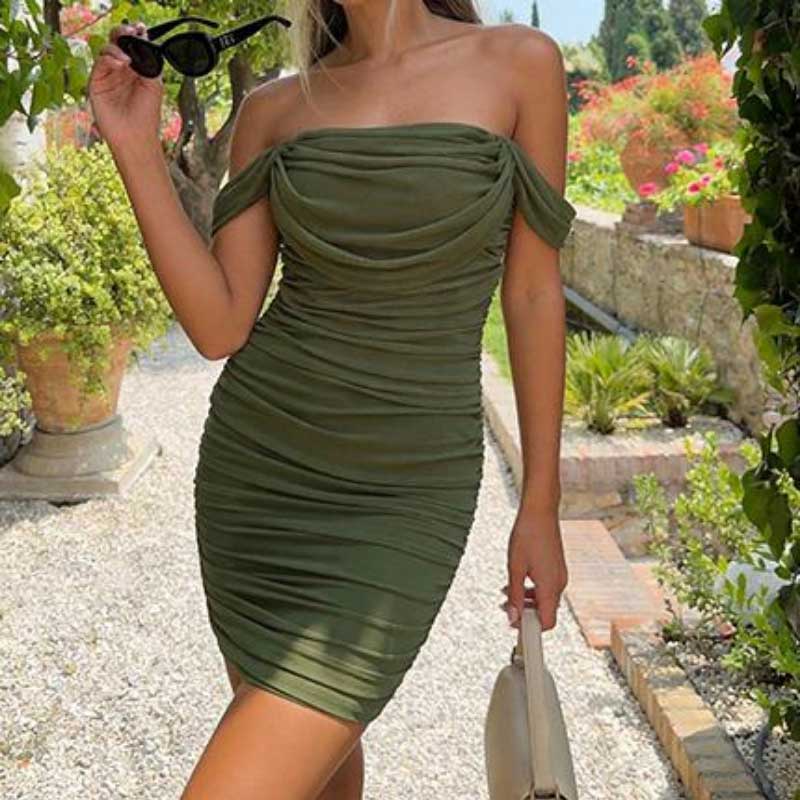
Off-Shoulder Bodycon Dresses
Off-shoulder bodycon dresses work well for party, date night, vacation, and bridal guest styling. They offer strong visual appeal while still being commercially familiar to Amazon customers.
Manufacturing Focus:
Neckline grip, elastic tension, bust coverage, sleeve position, upper-body stability
Commonly Used For:
Occasionwear collections, summer drops, date-night edits, wedding guest styling
The biggest production challenge is keeping the neckline stable without making it uncomfortable. If the elastic is too loose, the dress slips. If it is too tight, customers complain about pressure. The bust and shoulder area must be balanced carefully, especially across different sizes. This is where sample fitting and grading control become important.

Sequin Bodycon Dresses
Sequin bodycon dresses are not everyday basics, but they can perform well during holiday, New Year, birthday, party, and event-driven sales periods. They are useful when a brand wants a statement product.
Manufacturing Focus:
Sequin direction, lining comfort, seam allowance cleaning, weight control, abrasion risk
Commonly Used For:
Holiday collections, party edits, New Year drops, eventwear listings
The main challenge is comfort and durability. Sequins can scratch the skin if lining and seam finishing are not handled well. Heavy sequin fabric can also change the fit and cause pulling. For Amazon, where customers often judge comfort and value quickly, sequin bodycon dresses must be developed with clear construction planning rather than treated like a normal stretch dress.

Printed Bodycon Dresses
Printed bodycon dresses help Amazon brands create seasonal variety without changing the whole pattern structure. A stable base silhouette can be refreshed with new prints, colors, and campaign themes.
Manufacturing Focus:
Print placement, color fastness, stretch distortion, batch consistency, shrinkage control
Commonly Used For:
Seasonal drops, vacation edits, capsule refreshes, social media product updates
Printed bodycon dresses require attention to stretch distortion. A print may look good on flat fabric but change when worn on the body. For fitted garments, print scale, placement, and recovery should be reviewed during sample development. Jinfeng’s printing-related equipment and casual/printed apparel production line support brands that need printed product extensions.
Fabric Options for Bodycon Dress Manufacturing

Nylon Spandex Jersey
Nylon spandex jersey is one of the most useful fabrics for sculpting-inspired bodycon dresses. It has a smooth surface, strong elasticity, and good recovery when the composition and GSM are selected correctly.
Typical GSM Range: 180–260 GSM
Typical Stretch Ratio: 40%–80% depending on construction
Best For: Sculpt dresses, fitted midi dresses, double-layer bodycon styles
Production Risk: Opacity, seam tension, recovery loss after washing
This fabric is suitable when a brand wants a cleaner, smoother, more body-hugging effect. For Amazon products, it can help support a premium feel, especially when combined with lining or double-layer construction. The supplier must check whether the fabric becomes transparent when stretched and whether dark and light colors behave differently.

Polyester Spandex Jersey
Polyester spandex jersey is widely used because it offers cost control, color variety, print compatibility, and flexible sourcing. It is a practical option for Amazon bodycon dress sellers who need commercial pricing and seasonal color development.
Typical GSM Range: 160–240 GSM
Typical Stretch Ratio: 30%–70%
Best For: Printed dresses, party styles, casual bodycon dresses, trend testing
Production Risk: Hand feel, pilling, heat sensitivity, color fastness
This fabric can be commercially strong, but quality varies greatly. Low-grade polyester spandex may feel cheap, become shiny, or lose comfort. A better supplier will not only quote fabric price but also help check hand feel, opacity, surface behavior, and recovery. For Amazon brands, the wrong polyester spandex can damage perceived value quickly.
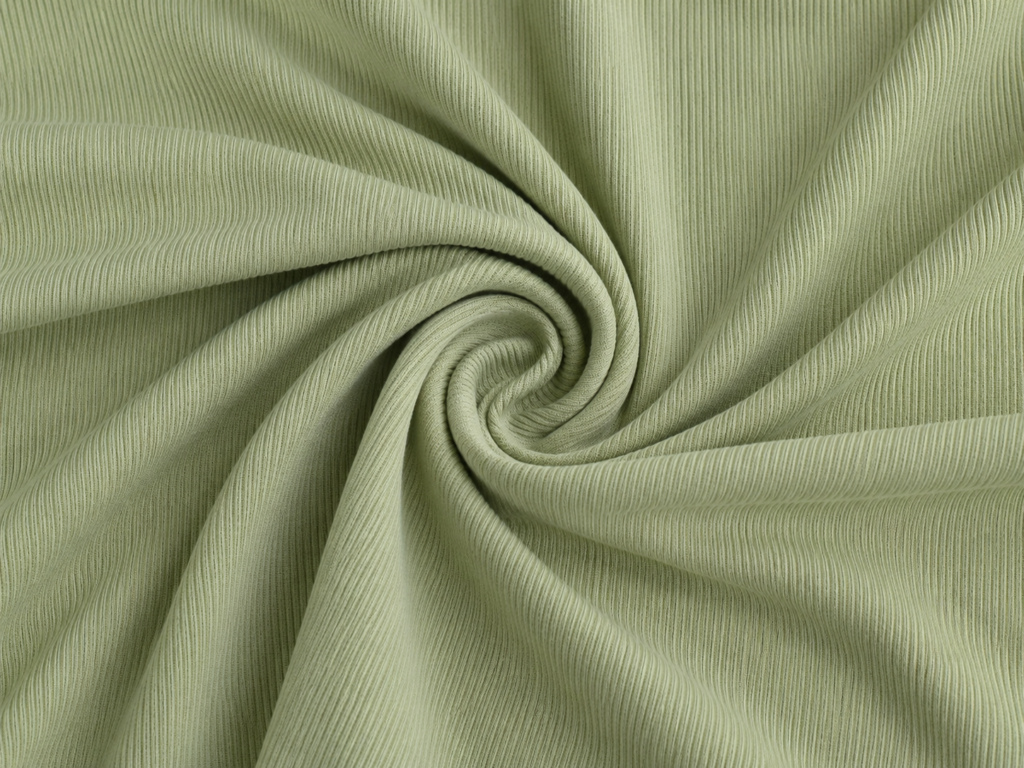
Rib Knit Fabric
Rib knit fabric is suitable for casual bodycon dresses, long sleeve fitted dresses, tank dresses, and everyday capsule collections. It gives natural texture and stretch, which can make a fitted dress feel more wearable.
Typical GSM Range: 200–320 GSM
Typical Stretch Ratio: 40%–100%
Best For: Casual bodycon dresses, basic fitted styles, lounge-inspired collections
Production Risk: Shrinkage, seam waviness, twisting, size instability
Rib knit requires shrinkage and recovery control. A rib dress may look perfect in sample form but change after washing or bulk production if fabric behavior is not tested. Mature Amazon brands should confirm shrinkage range, garment measurements, and wash testing before approving bulk production.
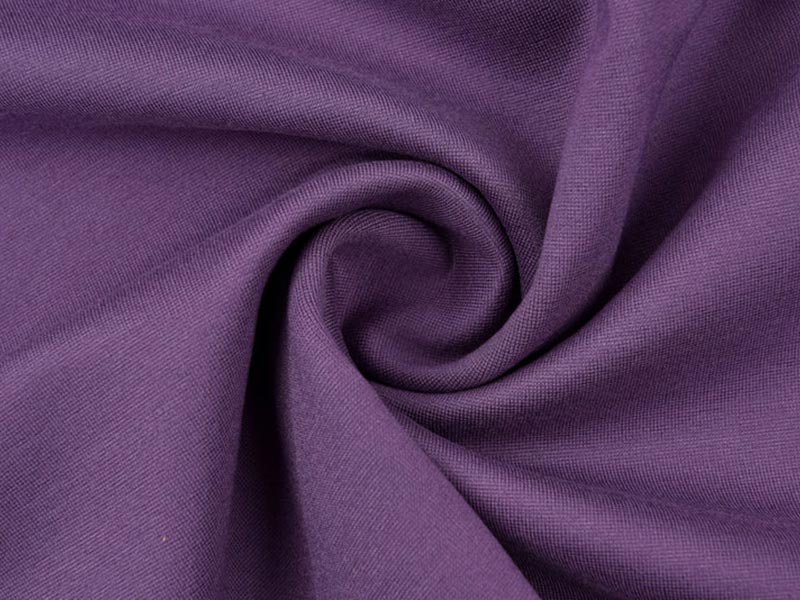
Ponte Knit
Ponte knit is a more structured option for bodycon dresses. It offers firmness, coverage, and a smoother shape, making it useful for workwear-inspired fitted dresses or more polished silhouettes.
Typical GSM Range: 260–380 GSM
Typical Stretch Ratio: 20%–50%
Best For: Structured midi dresses, premium basics, office-to-evening styles
Production Risk: Thickness, seam bulk, restricted movement, higher fabric cost
Ponte can help reduce transparency and create a cleaner silhouette. However, it may feel heavier and less fluid. The pattern must be adjusted for fabric weight and stretch level. For Amazon brands, ponte bodycon dresses can support stronger price positioning when the customer expects structure rather than ultra-soft drape.
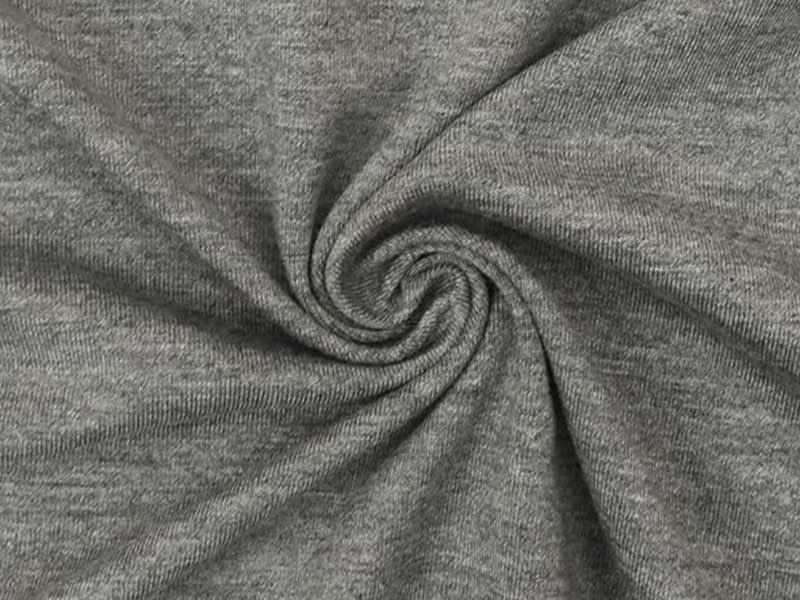
Modal Spandex / Rayon Spandex
Modal spandex and rayon spandex blends are suitable for soft-touch, comfortable, casual bodycon dresses. They create a smooth hand feel and are often used for everyday fitted dresses.
Typical GSM Range: 180–260 GSM
Typical Stretch Ratio: 30%–70%
Best For: Soft bodycon dresses, casual tank dresses, lounge-inspired fitted styles
Production Risk: Shrinkage, twisting, color variation, fabric relaxation
These fabrics can feel excellent on the body, but production control is important. Rayon and modal blends may relax after cutting or shrink after washing. A factory should allow for fabric behavior during pattern development and bulk cutting. For Amazon brands, the commercial advantage is comfort, but the risk is inconsistent sizing if the supplier does not manage the fabric correctly.
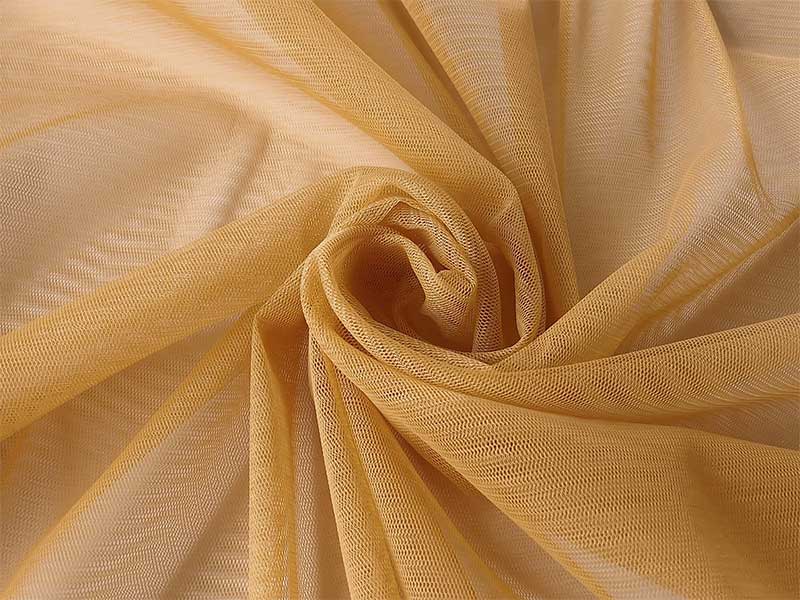
Power Mesh
Power mesh is often used as lining, shaping panels, or internal support for sculpting bodycon dresses. It can improve compression and stability when used in the right areas.
Typical GSM Range: 80–180 GSM
Typical Stretch Ratio: 50%–120%
Best For: Sculpting panels, inner lining, tummy control zones, bust support areas
Production Risk: Scratchiness, tension mismatch, seam discomfort, overheating
Power mesh is not always visible, but it can change the entire wearing experience. If too strong, it may feel uncomfortable. If too weak, it does not support the body. It must also match the main fabric’s stretch direction. For Amazon brands, power mesh can create a stronger selling point, but it must be tested carefully for comfort and size grading.
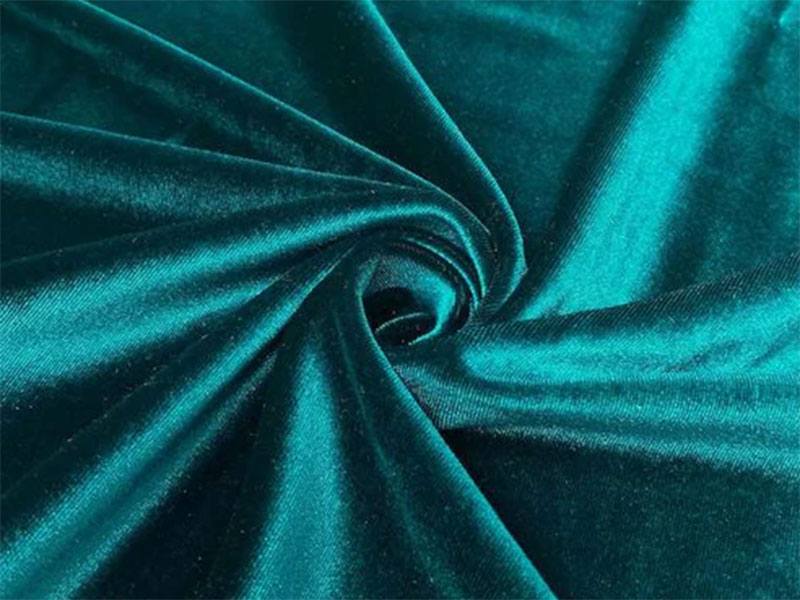
Stretch Velvet
Stretch velvet is suitable for party, winter, holiday, and eventwear bodycon dresses. It creates a rich visual surface and strong photo appeal.
Typical GSM Range: 220–320 GSM
Typical Stretch Ratio: 20%–60%
Best For: Holiday dresses, evening bodycon styles, winter party collections
Production Risk: Nap direction, color shading, pressing marks, surface damage
Stretch velvet must be cut and sewn carefully. The nap direction affects color appearance, and poor handling can leave pressure marks. For Amazon brands, velvet can increase perceived value, but batch control and inspection must be stricter than basic knit styles.

Stretch Sequin Fabric
Stretch sequin fabric is useful for statement bodycon dresses and event-driven collections. It offers strong visual impact for holiday and party listings.
Typical GSM Range: 280–450 GSM
Typical Stretch Ratio: 10%–40%
Best For: Party dresses, holiday drops, New Year styles, statement listings
Production Risk: Weight, scratchiness, seam damage, sequin loss, lining discomfort
Stretch sequin garments need lining review, seam cleaning, and comfort testing. Heavy fabric may affect the intended fit. For FBA sellers, this fabric can generate strong visual conversion, but it must be used carefully because comfort complaints can increase return risk.
Fabric Finishing Techniques for Bodycon Dresses
Brushed Surface Finishing for Soft Sculpt Feel
Silicone Wash for Smooth Hand Feel and Better Recovery
Compression Finishing for Sculpting Bodycon Styles
Enzyme Wash for Casual Stretch Dresses
Heat Transfer Graphics for Trend Collections
Sequin Surface Construction for Eventwear
Integrated Supply Chain for Faster Bodycon Dress Production
Coordinated Fabric and Trim Sourcing for Stretch-Based Dresses
Faster Sampling Through Internal Development Coordination
Multi-Factory Coordination for Reorders and Production Scaling
Integrated Production, Inspection, and Shipment Coordination
Manufacturing Challenges in Bodycon Dress Production

Pattern Engineering for Fitted Silhouettes
Unlike relaxed garments, fitted dresses require controlled shaping across the bust, waist, hip, and movement areas while still maintaining comfort. Poor pattern engineering often creates pulling, twisting, uneven tension, or unstable shaping after repeated wear. Many suppliers focus only on reducing measurements instead of balancing silhouette structure with real-body movement.
Jinfeng’s sample development team adjusts patterns according to fabric behavior, stretch direction, and shaping effect to improve fit balance and reduce instability during production scaling.

Stretch Direction Control
Stretch fabrics behave differently depending on knit structure, spandex ratio, GSM weight, and cutting direction. If the cutting layout is incorrect, the garment may twist, deform, or recover unevenly after wear. For bodycon dresses, stretch control directly affects waist shaping, bust support, hip extension, and overall silhouette consistency.
Jinfeng reviews fabric extension both vertically and horizontally before production approval to improve stretch stability and maintain more consistent shaping performance across repeat orders.

Seam Tension Management
Bodycon dresses place continuous pressure on seams because the garment stretches during movement and wear. Improper seam tension may cause seam waving, cracking, distortion, or discomfort. This becomes especially problematic for contour dresses, compression-inspired silhouettes, and double-layer stretch garments where tension balance is critical.
Jinfeng adjusts stitch density, sewing tension, and seam structure according to fabric elasticity to improve seam recovery and reduce distortion during repeated wear.
Opacity and Lining Compatibility
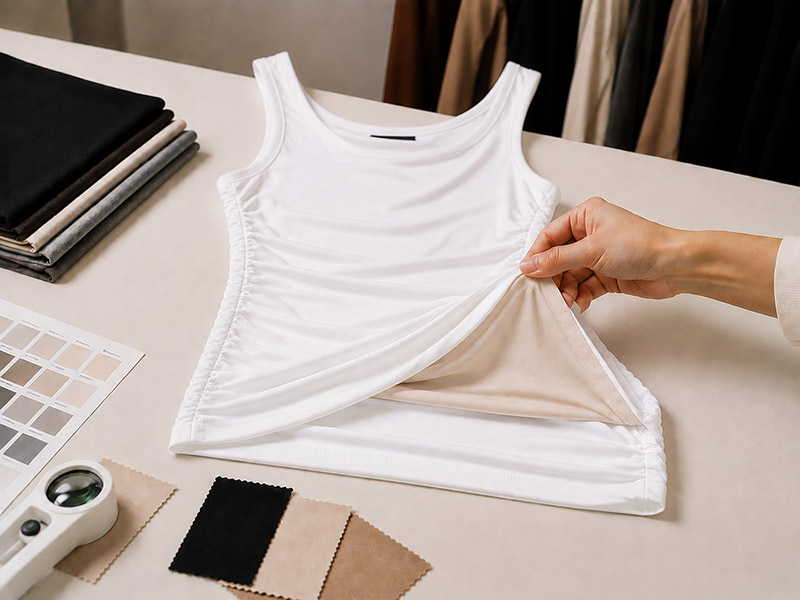
One of the most common customer complaints for bodycon dresses is transparency during movement or stretching. A fabric that appears acceptable during flat inspection may become see-through when worn. Lining compatibility, fabric GSM, color depth, and stretch percentage all affect opacity performance.
Jinfeng evaluates opacity under extension instead of flat inspection only, helping reduce transparency risk and improving lining compatibility for fitted silhouettes.

Ruching Stability and Shape Retention
Ruched bodycon dresses require careful control because uneven gathering quickly affects waist balance and garment symmetry. Poorly distributed ruching may collapse after wear or create inconsistent shaping between sizes. The challenge increases further when working with softer stretch fabrics.
Jinfeng controls gathering placement, tension distribution, and fabric recovery during sampling to improve shape retention and maintain more balanced ruching during production.

Cut-Out Reinforcement and Structural Balance
Cut-out bodycon dresses introduce additional construction challenges because openings interrupt natural tension flow across the garment. Without reinforcement, the fabric may pull unevenly, roll, or lose stability after repeated movement and stretching.
Jinfeng reinforces high-stress areas through improved seam structure, elastic stabilization, and construction adjustment to maintain cleaner cut-out balance during wear.

Closure Construction for Fitted Dresses
Invisible zippers, concealed closures, and fitted fastening systems often create stress concentration around seam areas. If closure construction is not properly balanced with fabric stretch behavior, the garment may pucker, resist movement, or become difficult to wear comfortably.
Jinfeng adjusts zipper placement, seam reinforcement, and closure compatibility according to garment tension to improve comfort and reduce closure-related distortion.

Pressing and Finishing Control
Pressing fitted garments requires stricter control than standard dresses because excessive heat or pressure may damage stretch recovery, flatten texture, create shine marks, or distort shaping seams. Surface-sensitive fabrics such as velvet, foil, and rib knit require additional finishing attention.
Jinfeng controls pressing temperature and finishing pressure according to fabric characteristics to reduce surface damage and preserve garment recovery after finishing.
Private Label and Amazon Packaging Support
Amazon FBA bodycon dress brands usually require more than garment production alone. Label structure, barcode organization, packaging presentation, and shipment preparation all affect customer experience, warehouse handling efficiency, and perceived product value. For fitted fashion products, packaging details often influence how customers judge quality before the garment is even worn.
Main Labels, Size Labels, and Brand Presentation
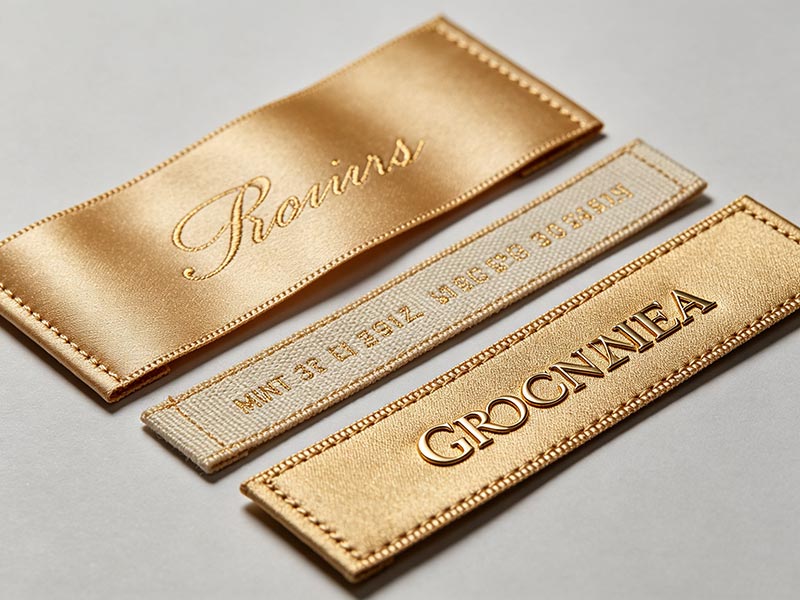
For bodycon dress brands, labels are closely connected to brand positioning because fitted fashion customers usually pay attention to garment finishing, touch, and presentation details. Different bodycon collections often require different label structures depending on product positioning, fabric type, and target price level. Minimalist contour dresses may prefer clean heat transfer neck labels, while premium occasionwear collections often use woven labels for stronger perceived value. Jinfeng supports multiple label solutions including woven labels, satin labels, soft-touch branding labels, heat transfer neck labels, and high-density logo labels. Size labels may also include alpha sizing, international conversion sizing, stretch-fit indications, or QR-based product systems to help Amazon brands improve customer size understanding and reduce return confusion.
Care Labels and Garment Compliance Information
Hangtags, Barcode Systems, and Amazon FBA Coordination

Polybags, Folding Methods, and Garment Protection

Sample Development for Bodycon Dress Collections

Sample Development Structure for Fitted Dresses
Jinfeng currently operates with 2 dedicated sample development rooms, supported by 7 experienced pattern makers, 20 sample makers, and sourcing staff coordinating fabrics and trims. This structure is more suitable for bodycon dress projects because fitted garments usually require repeated adjustments around contour shaping, stretch balance, ruching placement, neckline stability, and compression behavior before production approval.
For Amazon bodycon dress brands, the goal is normally not simply copying appearance. The real objective is developing a garment capable of maintaining fit consistency, customer comfort, and stable shaping effect across future production runs.

Fast Sampling for Trend-Driven Product Launches
Bodycon dress categories often move quickly because they are heavily influenced by social media trends, influencer styling, nightlife fashion, seasonal launches, and fast-moving color cycles. Delayed sample development may cause brands to miss launch timing or lose trend momentum during important sales periods.
Jinfeng’s standard sampling timeline is usually around 5–7 days for regular fitted dress styles and around 7–10 days for more complex bodycon constructions depending on fabric sourcing, lining structure, and garment complexity. This allows Amazon brands to move faster while still maintaining fit review, pattern adjustment, and fabric evaluation before production confirmation.
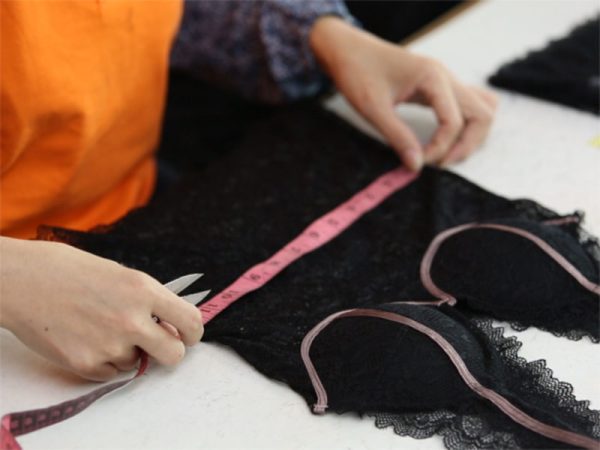
Pattern Adjustment and Stretch Fabric Evaluation
Bodycon dresses require stronger pattern engineering than many standard women’s garments because small measurement differences may significantly affect fit appearance during wear. During sampling, the development team reviews stretch direction, seam tension, garment recovery, opacity, movement comfort, and silhouette balance according to the selected fabric and construction method.
This is especially important for pleated dresses, mesh-paneled dresses, bodycon styles, openwork silhouettes, and ribbed knit bodycon collections, as these categories demand higher standards for fabric elasticity, shape control, seam resilience, and comfort during movement. Therefore, Jinfeng’s sample development process places great emphasis on striking a balance between shaping and comfort to ensure the final product is commercially viable, easy to manufacture, and better suited for long-term sales performance with Amazon FBA.
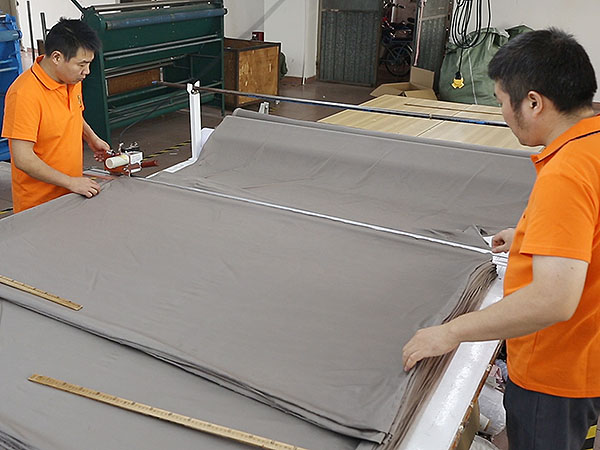
Sample Confirmation Before Bulk Production
For Amazon FBA brands, stable sampling helps reduce later production problems including return pressure, inconsistent sizing, transparency complaints, and unstable repeat manufacturing. Before production approval, the sample stage normally includes fabric confirmation, fit review, construction adjustment, labeling coordination, packaging planning, and measurement evaluation according to the brand’s target customer positioning.
Because many Amazon bodycon dress brands operate with testing and replenishment logic, sample confirmation also affects future reorder confidence. A well-controlled sample process allows brands to launch new collections more efficiently while reducing uncertainty before inventory enters Amazon warehouse systems.
OEM & ODM Process for Amazon FBA Bodycon Brands
Step 1 — Product Direction and Development Discussion
The cooperation process normally begins with reference images, tech packs, sketches, sample garments, or existing product links. During this stage, the focus is understanding silhouette direction, target customer positioning, fit expectations, fabric preference, and expected retail level. For bodycon dresses, early development discussion is important because sculpt dresses, ruched dresses, rib knit silhouettes, and occasionwear styles all require different pattern structures, fabric strategies, and production planning before sampling begins.
Step 2 — Fabric Evaluation and Construction Planning
After the product direction is confirmed, the development team evaluates suitable fabrics, lining structures, trims, closures, and stretch compatibility according to the garment category. For fitted dresses, fabric behavior directly affects shaping effect, recovery, opacity, and customer comfort during wear. This stage helps reduce later production problems by reviewing whether the selected materials can support stable fit consistency and repeat manufacturing before sample development moves forward.
Step 3 — Quotation and Production Feasibility Review
The quotation stage normally includes discussion around MOQ, sample timing, production lead time, packaging structure, labeling requirements, and material sourcing feasibility. For Amazon FBA bodycon dress brands, pricing evaluation often goes beyond first-order cost because repeat production stability, replenishment flexibility, and long-term scalability usually affect operational performance more than short-term sourcing savings. Production planning is therefore reviewed together with cost structure before development approval.
Step 4 — Pattern Development and Sample Creation
Once fabrics and construction direction are confirmed, the sample development team begins pattern engineering and prototype production. For bodycon dresses, this stage includes fit balance review, stretch direction evaluation, shaping adjustment, seam behavior testing, and silhouette refinement according to fabric recovery and garment structure. Regular fitted dress samples usually require around 5–7 days, while more complex bodycon constructions may require approximately 7–10 days depending on development complexity.
Step 5 — Fit Review and Sample Adjustment
After the initial sample is completed, the garment is reviewed for fit accuracy, movement comfort, shaping effect, seam recovery, opacity performance, and overall silhouette balance. For bodycon dresses, even small changes in stretch tension or measurement proportion may significantly affect wearability and customer perception. If revisions are required, the development team adjusts pattern details, construction methods, or fabric application before the garment moves into production confirmation.
Step 6 — Fabric Confirmation and Bulk Preparation
Once the sample is approved, final fabrics, trims, labels, packaging materials, and color standards are confirmed before production begins. For fitted dresses, this stage is especially important because inconsistent fabric recovery or GSM variation may create sizing instability across production batches. Material confirmation helps improve repeat manufacturing consistency while reducing the risk of customer complaints related to fit, transparency, or garment recovery after repeated wear.
Step 7 — Bulk Production Scheduling and Coordination
After material confirmation, the production team schedules cutting, sewing, finishing, inspection, and packing according to order quantity and delivery timing. Jinfeng’s current production structure includes 18 production lines and coordinated factory operations supporting both smaller launch quantities and larger replenishment programs. For Amazon bodycon dress brands, production scheduling also considers seasonal launch timing, repeat inventory planning, and replenishment flexibility for successful styles.
Step 8 — Inspection, Packing, and Shipment Preparation
Before shipment, garments move through multiple inspection and finishing stages including measurement checking, seam review, surface inspection, packaging verification, barcode coordination, and carton organization. For Amazon FBA projects, shipment preparation may also include FNSKU labeling, SKU sorting, and Amazon warehouse packing coordination according to client requirements. This process helps reduce receiving issues, inventory confusion, and repacking delays after shipment arrival.
Step 9 — Shipping Coordination and Repeat Production Support
After final approval, products are prepared for express delivery, air shipment, sea freight, or Amazon warehouse delivery arrangements depending on order urgency and inventory strategy. Jinfeng supports FOB, CIF, DDP, and split-shipment coordination according to project structure and customer requirements. For many Amazon bodycon dress brands, cooperation continues through repeat production planning, seasonal color updates, bestseller replenishment, and ongoing collection development after the first shipment cycle is completed.
Quality Control System for Bodycon Dresses
Fabric Inspection Before Production
Before cutting begins, fabrics are reviewed for stretch behavior, recovery performance, GSM consistency, shrinkage risk, surface defects, and color stability. For bodycon dresses, even small fabric inconsistencies may directly affect shaping effect, opacity, or fit balance during wear. Stretch fabrics are therefore evaluated under extension rather than only flat inspection because some materials may appear stable before stretching but become transparent, unstable, or distorted after movement.
Quality inspection during this stage focuses on:
- GSM consistency
- Stretch behavior
- Recovery performance
- Surface defects
- Shrinkage stability
Jinfeng’s production structure includes fabric inspection capability before bulk production begins, helping reduce fit inconsistency and fabric instability during repeat manufacturing.
Pattern and Measurement Verification
- Bust proportion
- Waist balance
- Hip measurement
- Dress length
- Stretch extension consistency
Sewing Quality and Seam Stability
- Seam strength
- Stitch density
- Thread tension
- Stretch compatibility
- Seam recovery performance
Opacity and Wearability Review
- White garments
- Nude tones
- Light pastel colors
- Compression fabrics
- Thin stretch materials
Finishing and Surface Inspection
- Pressing quality
- Surface cleanliness
- Thread trimming
- Shape balance
- Color consistency
Packaging and Shipment Verification
- Correct sizing organization
- Label placement accuracy
- Barcode verification
- Folding consistency
- Carton labeling review
Our Globally Recognized Certifications
Delivering trusted quality products for your brand, helping you build a stellar reputation and customer trust.






Shipping Support for Amazon FBA Orders
Amazon FBA bodycon dress brands often require flexible logistics because different products follow different inventory strategies. Some projects need rapid replenishment for bestselling styles, while others prioritize lower freight cost for seasonal inventory planning.
Jinfeng supports multiple shipping methods including express delivery, air freight, and sea freight according to product urgency, order quantity, and budget requirements. Express delivery usually takes around 3–7 days, air freight normally takes around 5–8 days, and sea freight commonly ranges between 20–35 days depending on destination and customs conditions.
The factory also supports FOB, CIF, DDP, split shipments, and coordination with overseas warehouse systems. For Amazon FBA projects, shipment planning may include barcode preparation, carton marking, SKU sorting, and delivery coordination according to warehouse requirements.

Seasonal Bodycon Dress Planning for Amazon FBA Brands
Spring Bodycon Dress Planning
Summer Bodycon Dress Planning

Fall Bodycon Dress Planning

Holiday and Eventwear Planning

Bodycon Dress Manufacturing Case Studies
Case 1 — US Amazon Partywear Brand
Project Overview
- Product: Ruched bodycon mini dress
- Initial order: 300 pcs
- Follow-up production: 4,000+ pcs within 4 months
Challenge:The client had previously worked with multiple suppliers but faced inconsistent sizing between production batches. Customer reviews mentioned transparency issues and unstable ruching around the waist area.
Solution:The sample team adjusted the fabric GSM range, improved lining compatibility, and refined the ruching distribution to stabilize shaping effect across all sizes. Additional opacity testing was added during production inspection.
Result
- Reduced return complaints
- Improved fit consistency across repeat orders
- Faster replenishment support for bestselling colorways
- Continued repeat cooperation during seasonal launches
Case 2 — European Social Commerce Fashion Brand
Project Overview
- Product: Cut-out sculpt bodycon dress
- Initial order: 500 pcs
- Expansion: Multiple seasonal collections within 1 year
Challenge:The dress design used aggressive side cut-outs and compression-inspired fabric. Previous suppliers struggled with tension balance, causing distortion around the waist opening after repeated wear.
Solution:The development team reinforced stress areas, adjusted stretch direction control, and refined the seam structure to stabilize the garment during movement. Multiple fit revisions were completed before bulk approval.
Result
- Improved garment stability during wear
- Better customer comfort and movement
- Reduced seam distortion issues
- Successful expansion into additional fitted dress categories
Case 3 — US Amazon Rib Knit Dress Seller
Project Overview
- Product: Rib knit midi bodycon dresses
- Initial order: 800 pcs
- Reorders: More than 6 repeat production runs
Challenge:The client needed stable casual bodycon dresses suitable for long-term Amazon listings. Earlier suppliers struggled with shrinkage variation and inconsistent fabric recovery after washing.
Solution:The factory reviewed rib knit shrinkage behavior before cutting, adjusted garment measurements according to fabric relaxation, and introduced tighter inspection standards for seam recovery and washing consistency.
Result
- Improved size consistency after washing
- Stable reorder production performance
- Reduced inventory return pressure
- Continued repeat production across multiple colors

Why Amazon Bodycon Brands Work With Jinfeng
Amazon FBA bodycon dress brands usually require more than basic garment production. They need suppliers capable of balancing speed, fit stability, fabric behavior, reorder scalability, and consistent communication during long-term fashion development.
| Comparison Area | Jinfeng Apparel | Many General Manufacturers |
|---|---|---|
| Bodycon & fitted dress experience | Strong women’s fashion focus | Often general apparel only |
| Sampling speed | 5–7 days regular styles | Often slower or unstable |
| MOQ flexibility | Suitable for testing & scaling | Often high MOQ pressure |
| Suitable order range | 200–500 pcs to 5000+ pcs | Often limited flexibility |
| Stretch fabric understanding | Strong contour & shaping experience | Limited fitted garment expertise |
| Production structure | 4 factories & 18 lines | Smaller isolated workshops |
| Reorder support | Built for scalable repeat production | Less stable replenishment |
| Private label support | Labels, barcodes, packaging | Often limited |
| Trend-driven development | Supports fast fashion updates | Slower adaptation |
| Amazon business compatibility | Supports FBA workflows | Traditional wholesale focus |
Jinfeng’s advantage is not only production capacity. The real value comes from combining women’s fitted fashion experience, structured sample development, stretch garment understanding, scalable production coordination, and repeat manufacturing support into a production system better aligned with Amazon FBA bodycon dress operations.
For many mature Amazon brands, supplier selection eventually becomes less about finding the lowest factory price and more about reducing operational instability across fit consistency, replenishment timing, customer reviews, and long-term product scalability. Jinfeng is generally more suitable for brands looking to build repeatable bodycon dress programs with controlled growth potential rather than short-term opportunistic sourcing.
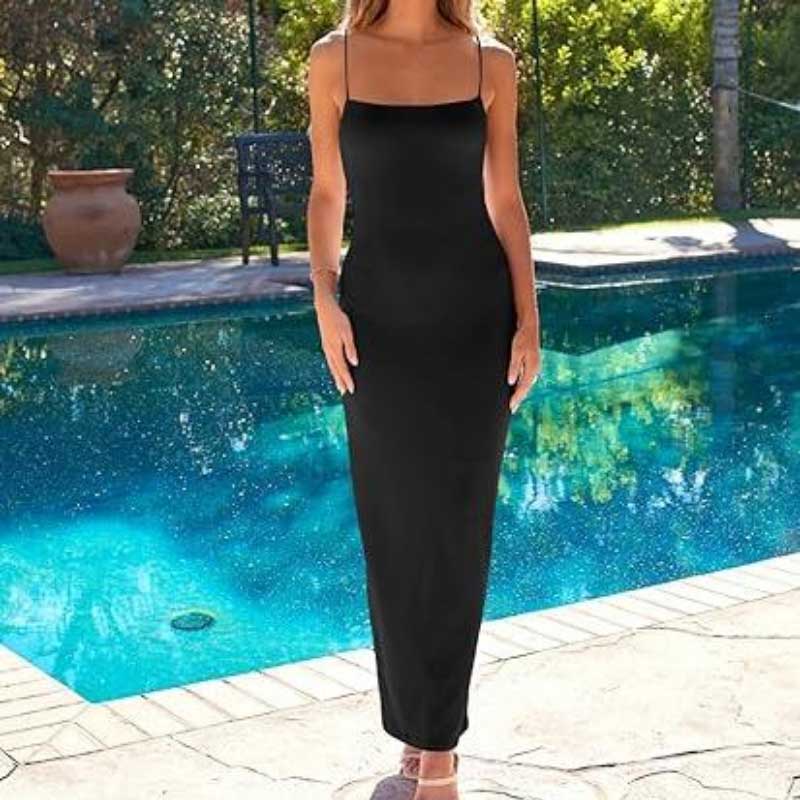
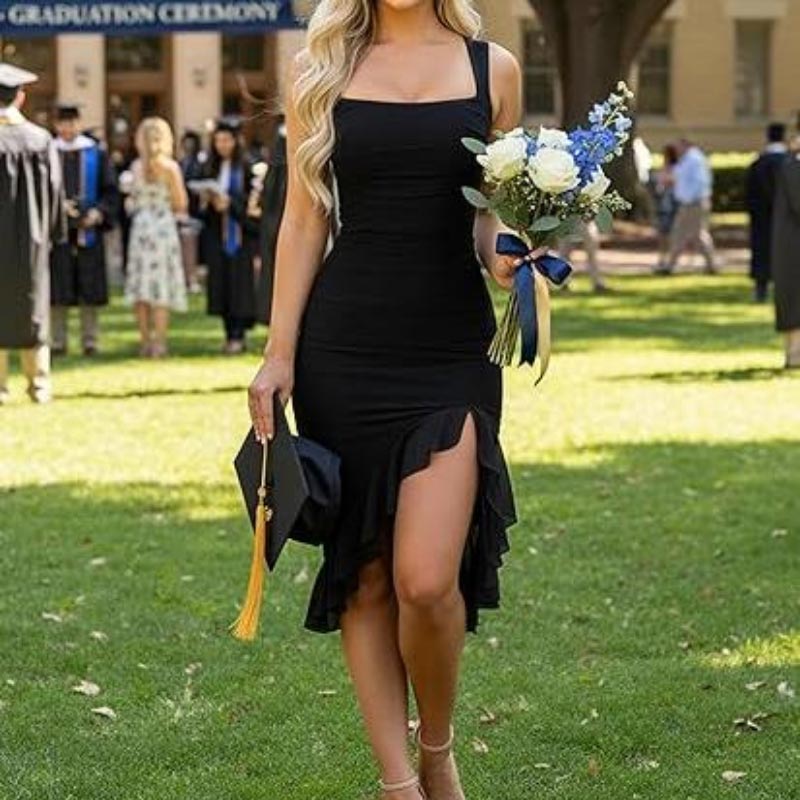
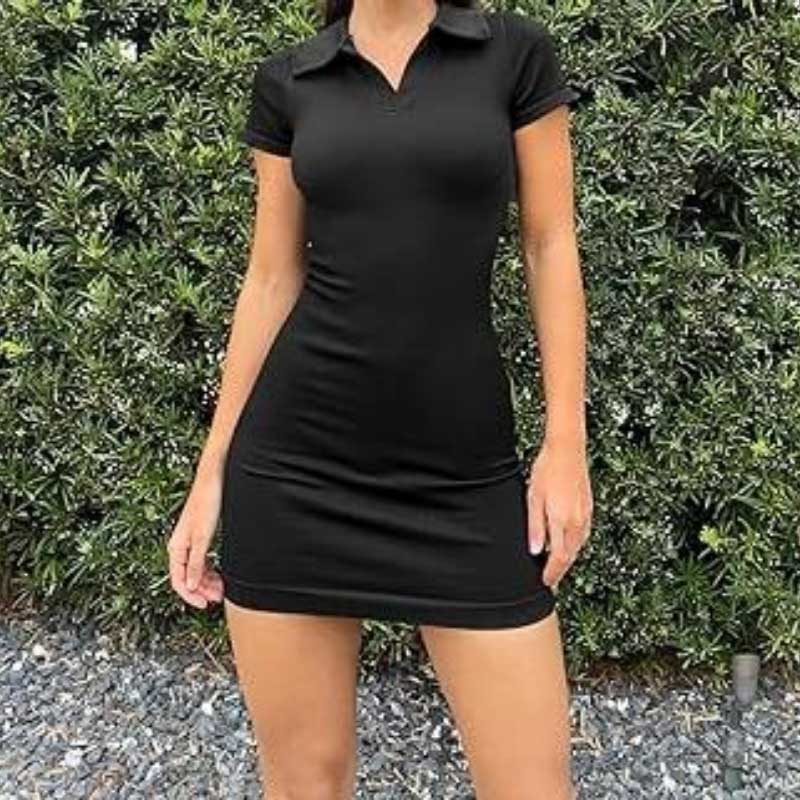
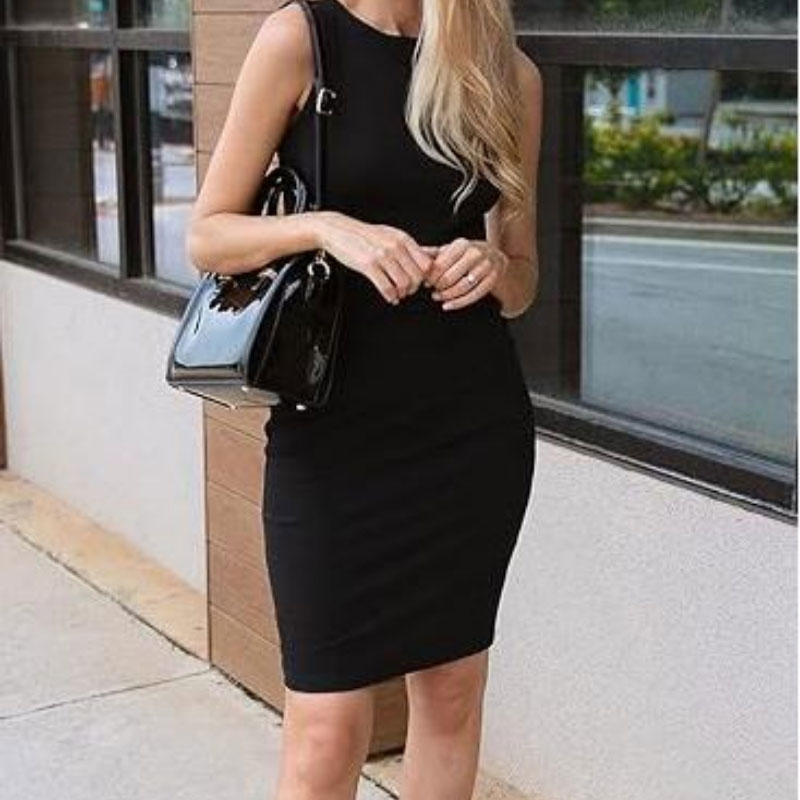
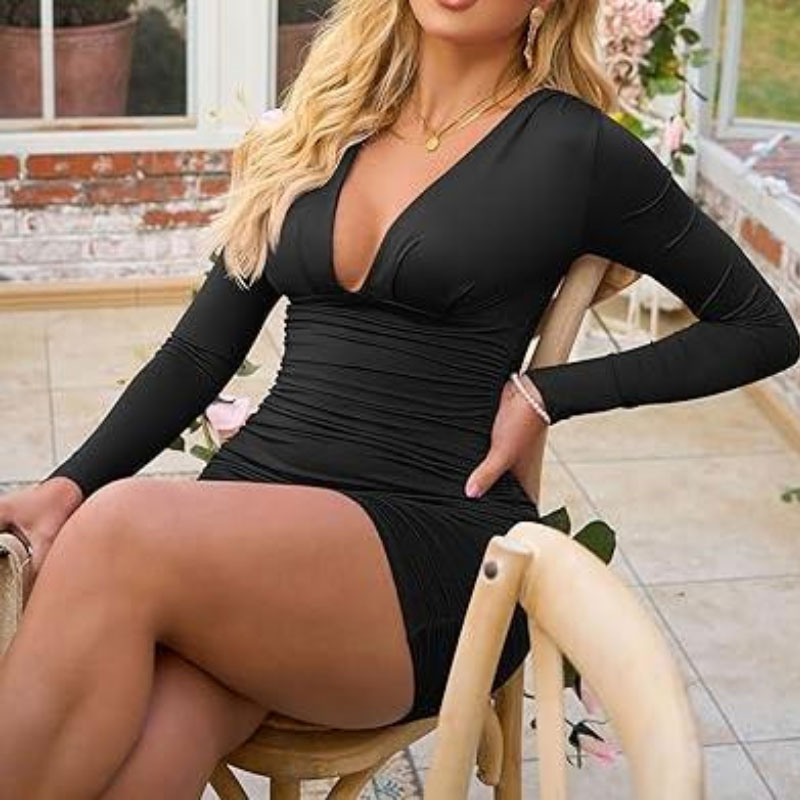
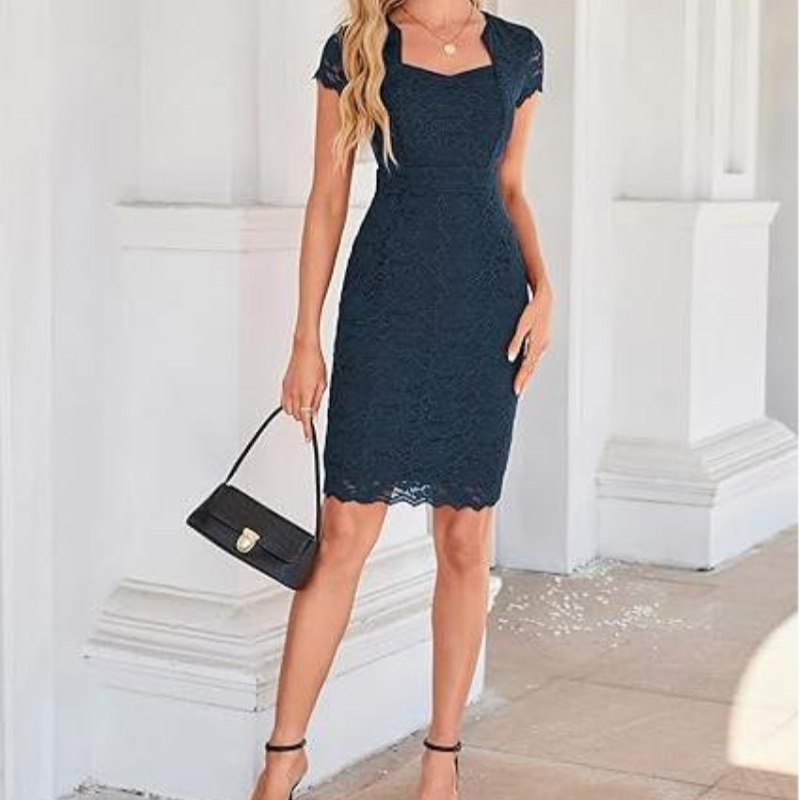
Popular Bodycon Dress Styles Trend On Amazon
Best-Selling Amazon Bodycon Dresses Continue Moving Toward Comfortable Stretch Fits, Elevated Minimalist Styling, Sculpt-Inspired Silhouettes, and Versatile Occasionwear Suitable for Both Everyday Fashion and Social-Commerce-Driven Collections


Frequently Asked Questions

Start Your Bodycon Dress Project
Develop scalable bodycon dress collections with support for sampling, production, private labeling, and Amazon FBA preparation.
How to Begin
- Share reference images, tech packs, or dress ideas
- Receive quotation and development feedback
- Confirm fabrics, fit direction, and sampling
- Approve samples and begin production planning
Information That Helps Speed Up Quotation
- Dress category and silhouette direction
- Fabric preference or stretch requirement
- Estimated quantity and target launch timing
- Logo, labeling, and packaging requirements
- Reference images or competitor styles
Send your bodycon dress idea or request a sample to receive detailed development feedback and production planning support.
