Midi Skirt Manufacturer for Fast Fashion & Contemporary Women’s Brands
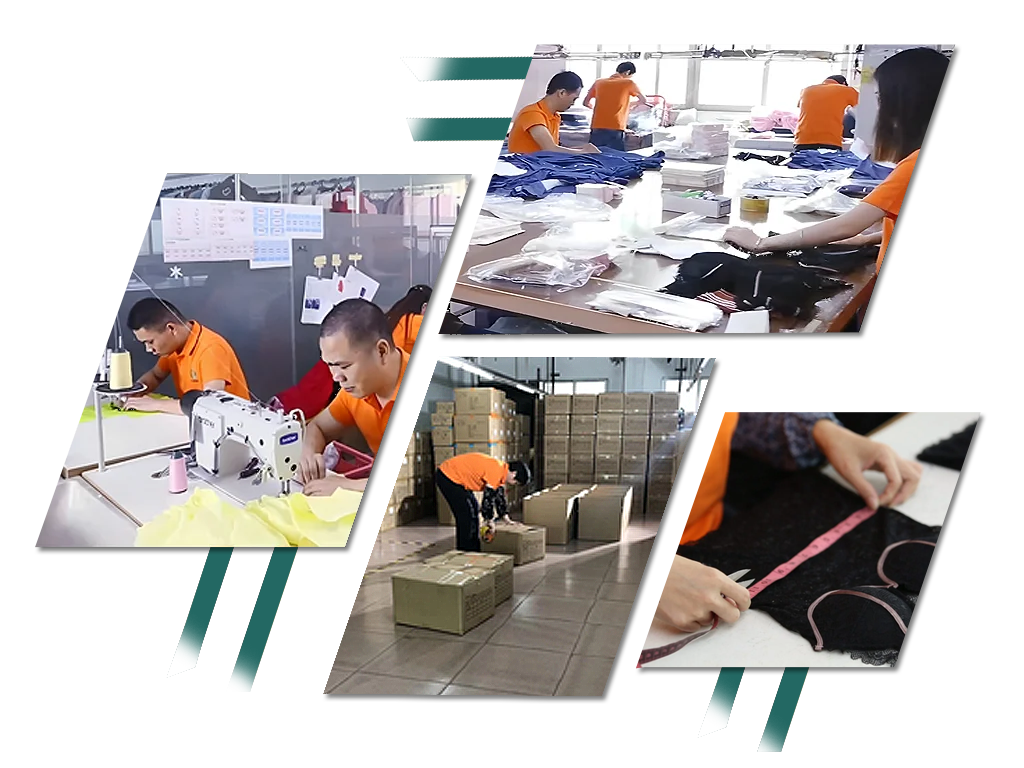
Jinfeng specializes in fashion-focused midi skirt manufacturing for brands developing satin bias-cut skirts, contour knit silhouettes, pleated occasionwear, and matching set collections. With dedicated pattern development, fast sample turnaround, and multi-factory production support, the workflow is built for brands requiring accurate drape control, stable waistband construction, scalable repeat production, and faster launch cycles across trend-driven women’s fashion categories.
- 5–7 day sampling for most midi skirts
- 7 pattern makers supporting contour-fit and bias-cut skirt development
- 18 production lines handling scalable midi skirt repeat manufacturing efficiently
- 300,000 monthly capacity supporting fast fashion skirt replenishment programs
- Multi-factory workflow reducing delays during multi-style midi skirt production
Midi Skirts Require More Technical Control Than Most Fashion Categories
Many factories can produce simple skirts.Far fewer can consistently manufacture midi skirts with stable.
Sample Looks Different From Bulk Production
Many suppliers rely on senior sample makers during development, but cannot maintain the same execution during bulk production.
This often creates:
- uneven drape
- sizing variation
- waistband inconsistency
- silhouette changes
How Jinfeng Handles It
The workflow connects:
- sample development
- pattern making
- production follow-up
- inline QC
to improve consistency between approved samples and bulk production.
Fabric Behavior Changes After Scaling
Midi skirts are highly sensitive to fabric movement and weight.
Common bulk issues include:
- drape collapse
- transparency problems
- stretch instability
- waistband distortion
especially in satin and knit styles.
How Jinfeng Handles It
The development team reviews:
- fabric weight
- stretch response
- lining compatibility
- shrinkage behavior
before production begins to reduce bulk risk.
Development Cycles Move Too Slowly
- sampling
- revisions
- sourcing
- approvals
How Jinfeng Handles It
The current development structure includes:
- 2 sample rooms
- 7 pattern makers
- 20 sample makers
Pleats Become Unstable
- fabric handling
- pressing consistency
- pleat alignment
Weak execution often causes distorted pleats after shipping.
How Jinfeng Handles It
The workflow monitors:
- pleat structure
- pressing quality
- fabric response
- lining balance
Fit Changes Across Sizes
Poor grading may create:
- hip tightness
- uneven hems
- seam shifting
- silhouette imbalance
How Jinfeng Handles It
The pattern team reviews:
- grading balance
- fit proportion
- stretch compensation
Waistbands Lose Shape
- rolling
- twisting
- uneven tension
- unstable fit
How Jinfeng Handles It
Pattern makers adjust waistband construction based on:
- fabric elasticity
- garment weight
- silhouette tension
Why Fashion Brands Choose Jinfeng for Midi Skirt Manufacturing
Specialized Experience in Women’s Fashion Manufacturing
- silhouette understanding
- fit development accuracy
- fabric selection coordination
- trend-sensitive production execution
Better Support for Fast Fashion & Social-Commerce Brands
- TikTok Shop
- Shopify
- Instagram commerce
- influencer-driven collections
Fit-Sensitive Manufacturing for Midi Skirt Production
- fit engineering
- waistband stability
- stretch recovery
- drape consistency
Stronger Sample Development Capability
- excessive sample revisions
- slow development cycles
- fit inconsistencies
- communication delays
Scalable Production With Flexible Manufacturing Structure
- ongoing repeat production
- rolling launches
- replenishment programs
- scalable order growth
Long-Term Manufacturing Support Instead of Transactional Production
- development coordination
- production stability
- repeat order consistency
- supply chain responsiveness
Specialized Manufacturing Support for Multiple Midi Skirt Categories
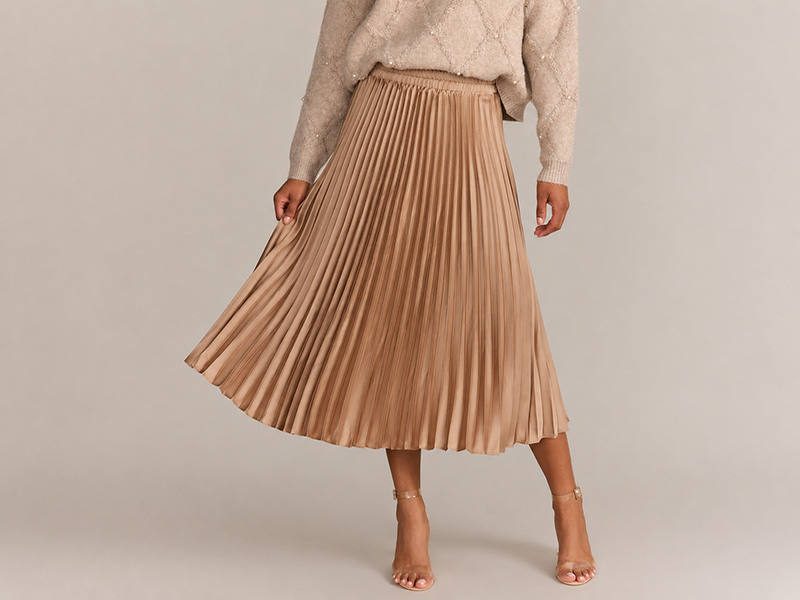
Pleated Midi Skirts
Designed for feminine silhouettes with emphasis on movement flow, lightweight layering, and elegant visual presentation.
Manufacturing Focus: Pleat stability, Pressing consistency, Lining balance, Hem symmetry
Recommended Fabrics: Chiffon, Polyester blends, Lightweight satin, Georgette
Commercial Value: Occasionwear collections, Spring/Summer launches, Boutique retail
Common Production Risks: Pleat distortion after shipment, Uneven drape, Hem imbalance
Typical Length: 75–90cm
Development Complexity: Medium–High

Satin Midi Skirts
Designed for fluid drape silhouettes with emphasis on soft movement, feminine styling, and elevated fashion presentation.
Manufacturing Focus: Bias-cut accuracy, Drape consistency, Seam tension, Surface smoothness
Recommended Fabrics: Satin, Silk blends, Glossy woven fabrics, Lightweight polyester satin
Commercial Value: Date-night collections, Vacation drops, Influencer styling content
Common Production Risks: Hem distortion, Fabric pulling, Uneven shine under lighting
Typical Fabric Weight: 120–180 GSM
Development Complexity: High

Knit Midi Skirts
Designed for stretch comfort and contour shaping with emphasis on body-fit balance and repeat wear stability.
Manufacturing Focus: Stretch recovery, Waistband support, Shape retention, Fit grading
Recommended Fabrics: Rib knit, Ponte, Stretch jersey, Viscose knit
Commercial Value: Social-commerce fashion, Everyday contour collections, Repeat programs
Common Production Risks: Stretch distortion, Waist rolling, Shape loss after washing
Stretch Requirement: 15–30% elasticity
Development Complexity: Medium

Bodycon Midi Skirts
Designed for close-fitting silhouettes with emphasis on waist shaping, contour lines, and stretch recovery.
Manufacturing Focus: Recovery control, Seam tension, Pattern shaping, Opacity management
Recommended Fabrics: Ponte knit, Rib knit, Nylon-spandex blends, Compression jersey
Commercial Value: TikTok fashion, Nightlife collections, Influencer campaigns
Common Production Risks: Fit imbalance, Seam twisting, Compression inconsistency
Typical Stretch Ratio: 20–35%
Development Complexity: High

A-Line Midi Skirts
Designed for balanced feminine silhouettes with emphasis on movement flow and everyday styling versatility.
Manufacturing Focus: Waist proportion, Hem balance, Fabric structure, Drape flow
Recommended Fabrics: Cotton blends, Twill, Linen blends, Lightweight woven fabrics
Commercial Value: Casual collections, Resortwear, Daily fashion launches
Common Production Risks: Uneven hem spread, Waist distortion, Poor silhouette flow
Typical Length: 70–85cm
Development Complexity: Medium

High-Waist Midi Skirts
Designed for contour-focused styling with emphasis on waist definition and body proportion enhancement.
Manufacturing Focus: Waistband tension, Hip shaping, Support structure, Fit balance
Recommended Fabrics: Ponte, Rib knit, Stretch woven fabrics, Structured jersey
Commercial Value: Matching sets, Contemporary fashion, DTC collections
Common Production Risks: Waist flipping, Tight hip grading, Uneven support tension
Typical Waist Height: 8–12cm waistband structure
Development Complexity: Medium–High
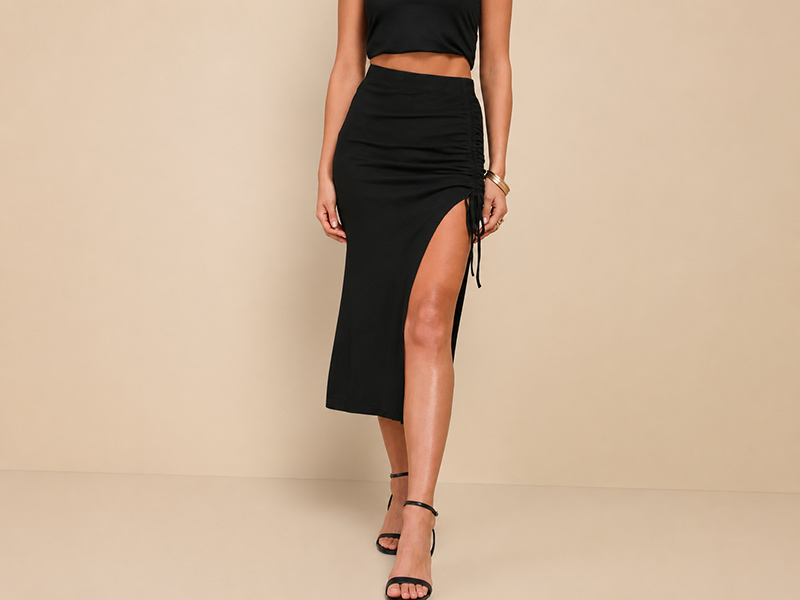
Slit Midi Skirts
Designed for fashion-forward styling with emphasis on movement, silhouette shaping, and visual layering.
Manufacturing Focus: Slit reinforcement, Seam stability, Drape control, Fabric tension
Recommended Fabrics: Satin, Rib knit, Stretch jersey, Lightweight woven fabrics
Commercial Value: Event collections, Social-fashion launches, Eveningwear styling
Common Production Risks: Slit tearing, Side seam shifting, Uneven drape
Typical Slit Height: 20–40cm
Development Complexity: Medium–High
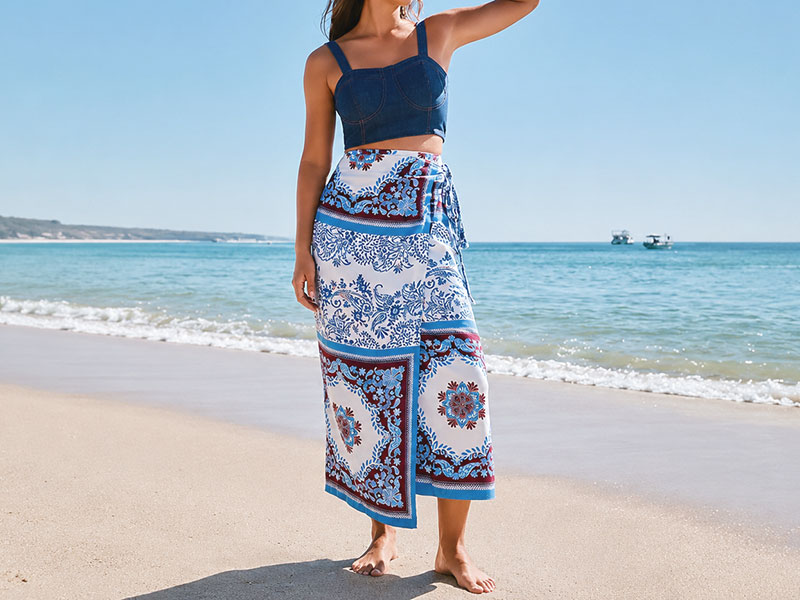
Wrap Midi Skirts
Designed for adjustable silhouettes with emphasis on waist flexibility and soft feminine drape.
Manufacturing Focus: Overlap balance, Waist positioning, Closure stability, Shape retention
Recommended Fabrics: Rayon, Satin blends, Lightweight woven fabrics, Soft viscose
Commercial Value: Vacation fashion, Resort collections, Spring/Summer drops
Common Production Risks: Opening imbalance, Waist shifting, Uneven overlap positioning
Typical Wrap Coverage: 8–15cm overlap structure
Development Complexity: Medium

Denim Midi Skirts
Designed for structured silhouettes with emphasis on durability, shape retention, and casual styling versatility.
Manufacturing Focus: Wash stability, Stitch consistency, Hardware positioning, Structure shaping
Recommended Fabrics: Cotton denim, Stretch denim, Washed twill, Rigid denim blends
Commercial Value: Streetwear collections, Transitional fashion, Repeat casual programs
Common Production Risks: Wash shrinkage, Hardware inconsistency, Seam puckering
Typical Fabric Weight: 10–14 oz denim
Development Complexity: Medium–High
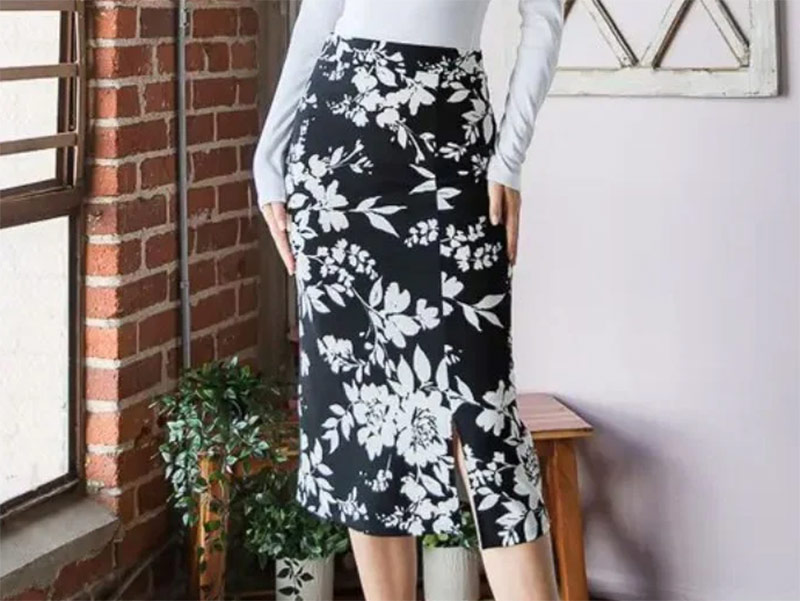
Printed Midi Skirts
Designed for trend-driven collections with emphasis on visual impact and coordinated color presentation.
Manufacturing Focus: Print alignment, Color consistency, Fabric compatibility, Cutting precision
Recommended Fabrics: Polyester blends, Rayon, Chiffon, Lightweight woven fabrics
Commercial Value: Seasonal drops, Fast fashion launches, Social-content collections
Common Production Risks: Print misalignment, Color variation, Fabric distortion after printing
Supported Techniques: DTG printing, Heat transfer, Embroidery applications
Development Complexity: Medium
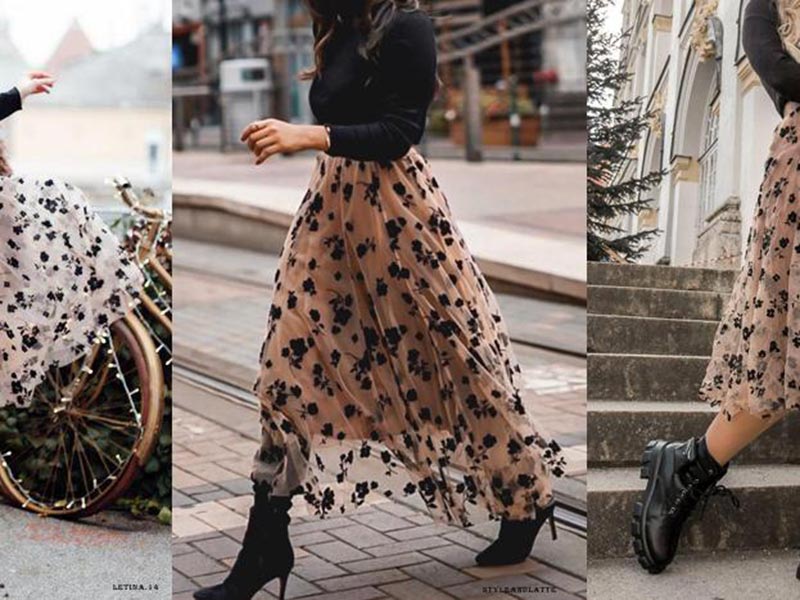
Mesh & Layered Midi Skirts
Designed for fashion-forward silhouettes with emphasis on transparency layering and movement flow.
Manufacturing Focus: Opacity balance, Layer positioning, Fabric weight coordination, Seam visibility
Recommended Fabrics: Mesh, Tulle, Chiffon, Lightweight stretch fabrics
Commercial Value: Partywear, Occasionwear, Editorial-inspired collections
Common Production Risks: Uneven layering, Transparency inconsistency, Shape collapse
Typical Layer Count: 2–4 fabric layers
Development Complexity: High

Matching Set Midi Skirts
Designed for coordinated styling collections with emphasis on silhouette consistency and fabric continuity.
Manufacturing Focus: Color matching, Fabric consistency, Proportion balance, Repeat stability
Recommended Fabrics: Rib knit, Ponte, Satin, Stretch woven fabrics
Commercial Value: TikTok collections, Capsule launches, Higher basket-size programs
Common Production Risks: Color mismatch, Fit inconsistency between pieces, Fabric variation
Typical Launch Structure: 2–4 coordinated SKUs
Development Complexity: Medium–High
Fabric Selection Directly Affects Midi Skirt Performance
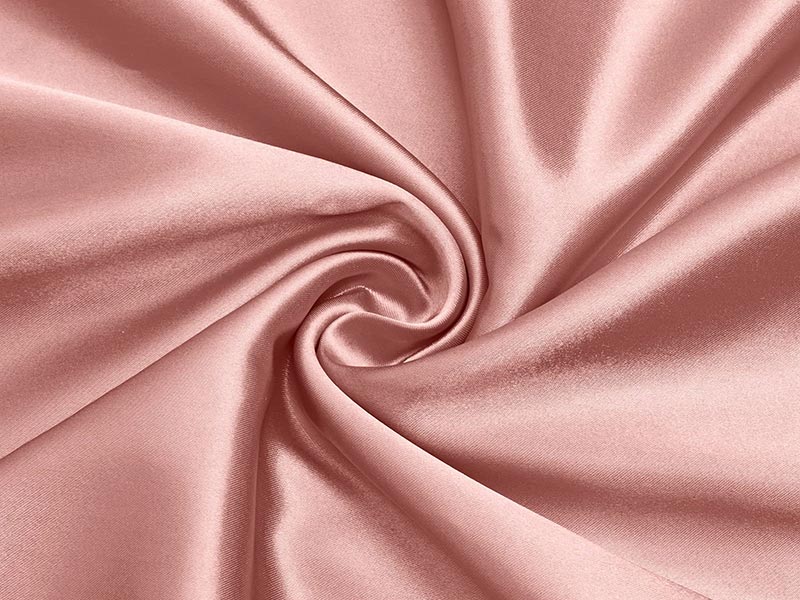
Satin Fabric
Designed for fluid silhouettes with emphasis on drape movement, feminine styling, and elevated visual presentation.
Soft reflective surfaces make satin highly effective for:
- occasionwear collections
- vacation styling
- influencer campaigns
- evening fashion drops
Manufacturing Focus: Bias-cut stability, Seam tension control, Shine consistency, Drape balance
Surface Behavior: Smooth reflective finish with fluid movement under lighting
Hand Feel: Soft, cool-touch, lightweight drape
Commercial Positioning: Mid-to-premium contemporary fashion
Production Risks: Hem distortion, Fabric pulling, Shine inconsistency, Wrinkle sensitivity
Color Fastness: Grade 4–5 recommended for dark colors

Rib Knit Fabric
Designed for contour silhouettes with emphasis on body shaping, stretch comfort, and recovery performance.
Rib knit remains highly popular for:
- bodycon midi skirts
- matching knit sets
- TikTok fashion collections
- DTC contour apparel
Manufacturing Focus: Stretch recovery, Waist tension balance, Shape retention, Fit grading
Stretch Ratio: 15–35% elasticity
Recovery Performance: High recovery required for contour silhouettes
Hand Feel: Soft stretch compression with body-fit support
Commercial Positioning: Fast fashion and social-commerce collections
Production Risks: Waist rolling, Stretch distortion, Shape loss after washing
Shrinkage Control: Within 3–5% after wash testing
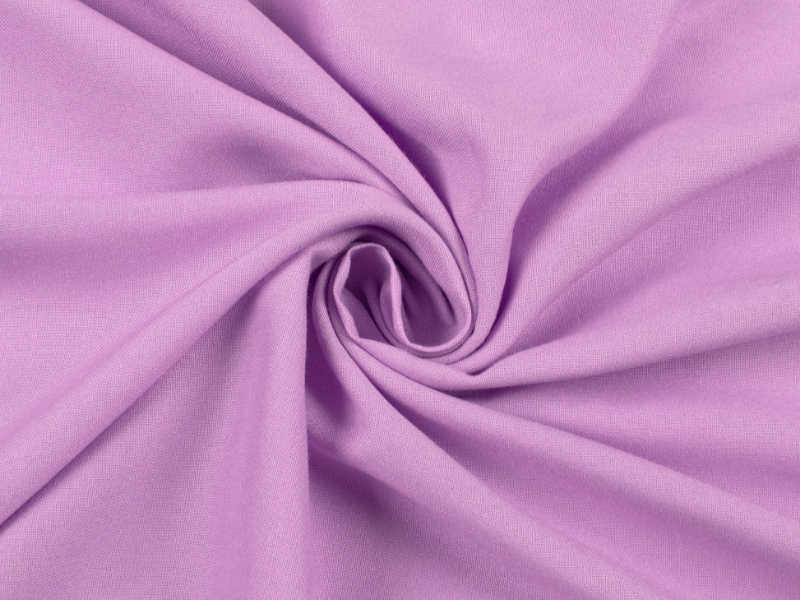
Viscose Fabric
Designed for soft feminine silhouettes with emphasis on lightweight drape and relaxed movement.
Frequently used for:
- relaxed midi skirts
- contemporary casualwear
- feminine resort collections
- spring/summer launches
Manufacturing Focus: Shrinkage control, Drape softness, Fabric stability, Wrinkle management
Surface Behavior: Soft flowing drape with natural movement
Hand Feel: Smooth, breathable, lightweight comfort
Commercial Positioning: Mid-range contemporary fashion
Production Risks: Shrinkage instability, Wrinkling, Uneven drape balance
Opacity Level: Medium opacity often requiring lining coordination

Cotton Blend Fabric
Designed for casual silhouettes with emphasis on structure balance, comfort, and daily wear performance.
Widely used in:
- casual midi skirts
- streetwear-inspired collections
- everyday fashion programs
- transitional seasonal drops
Manufacturing Focus: Shape consistency, Wash durability, Breathability, Structure balance
Surface Behavior: Matte surface with moderate structure support
Hand Feel: Soft natural comfort with stable body feel
Commercial Positioning: Entry-to-mid fashion retail
Production Risks: Wash shrinkage, Shape distortion, Uneven fabric tension
Shrinkage Standard: Controlled within 3% preferred
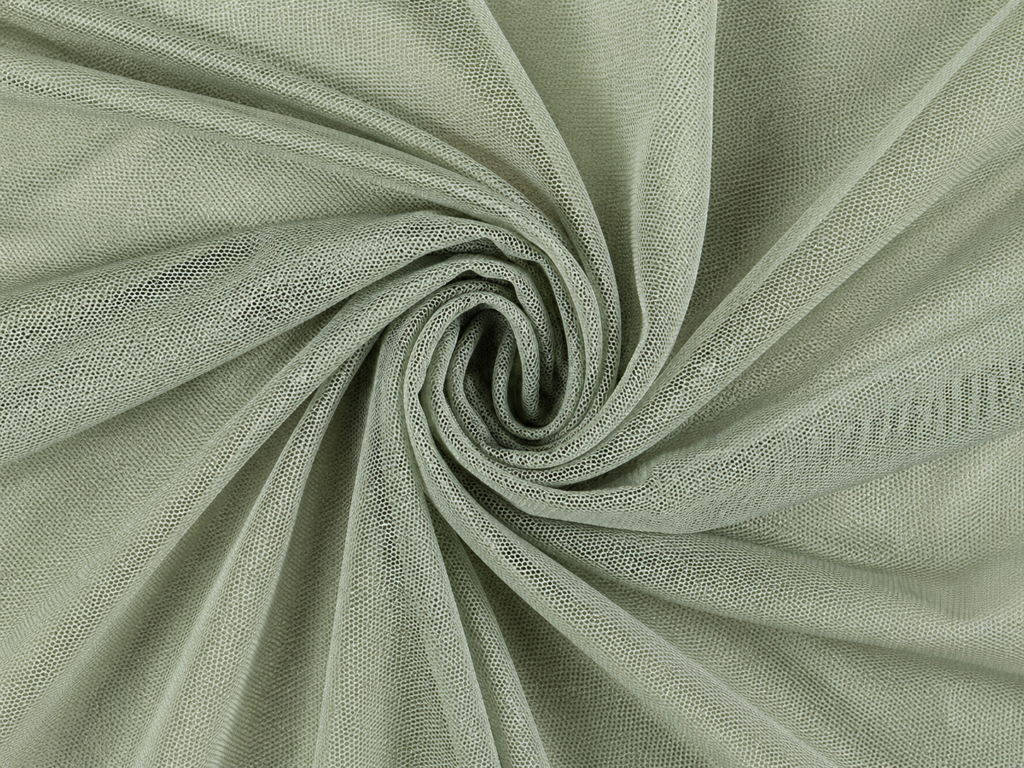
Mesh & Sheer Fabrics
Designed for layered silhouettes with emphasis on transparency effects, movement flow, and fashion-forward styling.
Commonly developed for:
- layered midi skirts
- partywear collections
- event styling
- editorial-inspired fashion
Manufacturing Focus: Opacity control, Layer balance, Seam visibility, Fabric tension
Opacity Level: Semi-sheer to transparent depending on layering structure
Surface Behavior: Lightweight floating movement with visible layering effects
Hand Feel: Airy lightweight texture
Commercial Positioning: Occasionwear and trend-driven fashion
Production Risks: Uneven transparency, Layer shifting, Seam instability
Lining Requirement: Frequently requires integrated lining support
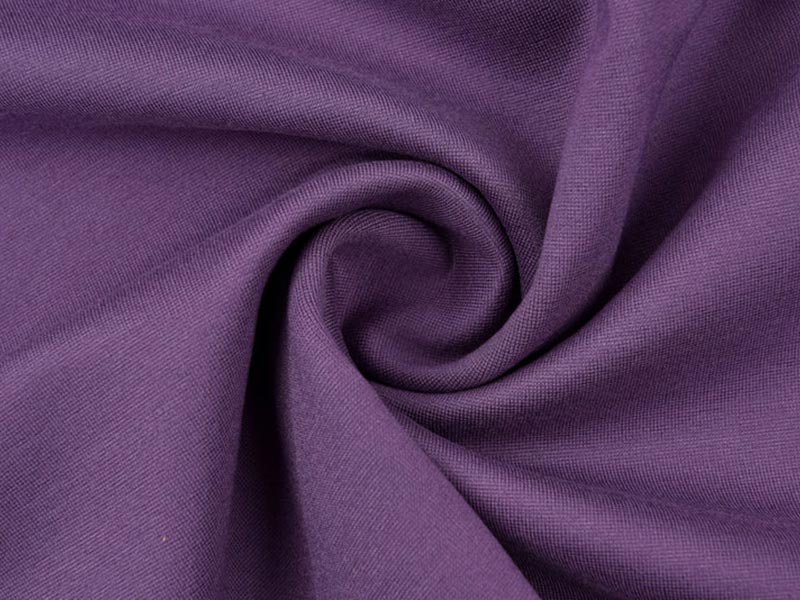
Ponte Knit Fabric
Designed for structured contour silhouettes with emphasis on compression support and premium body shaping.
Commonly used for:
- structured bodycon midi skirts
- contour apparel
- shaping collections
- elevated knit fashion
Manufacturing Focus: Compression balance, Stretch support, Recovery control, Seam stability
Stretch Ratio: 15–25% controlled stretch
Recovery Performance: Strong recovery required for repeated wear
Hand Feel: Dense, supportive, premium structured stretch
Commercial Positioning: Mid-to-premium contour fashion
Production Risks: Over-compression, Seam tension imbalance, Restricted movement
Opacity Performance: High opacity for body-fit silhouettes
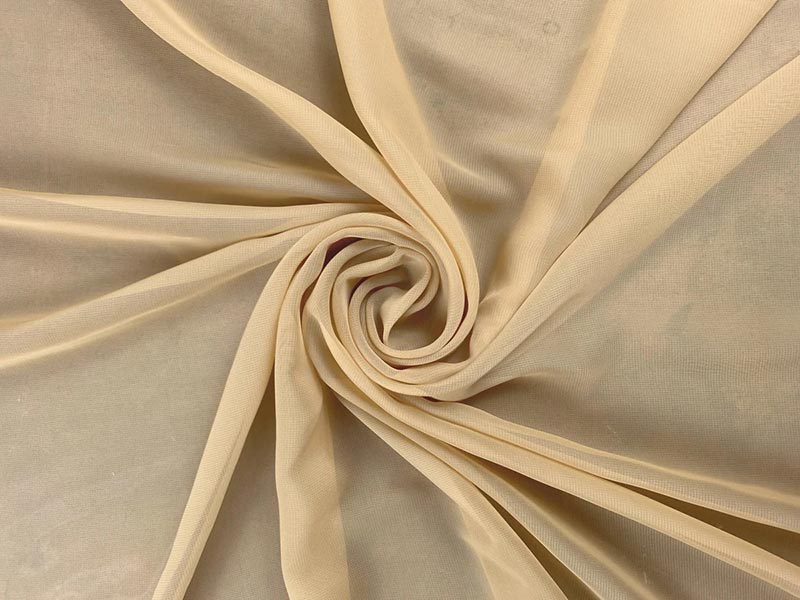
Chiffon Fabric
Designed for lightweight feminine silhouettes with emphasis on movement flow and soft layered presentation.
Frequently used for:
- pleated midi skirts
- feminine collections
- vacation fashion
- layered occasionwear
Manufacturing Focus: Pleat stability, Transparency control, Drape movement, Lining compatibility
Surface Behavior: Airy drape with floating movement
Hand Feel: Lightweight and soft-touch texture
Commercial Positioning: Occasionwear and feminine fashion collections
Production Risks: Pleat distortion, Transparency inconsistency, Fabric shifting
Opacity Level: Semi-sheer requiring lining evaluation
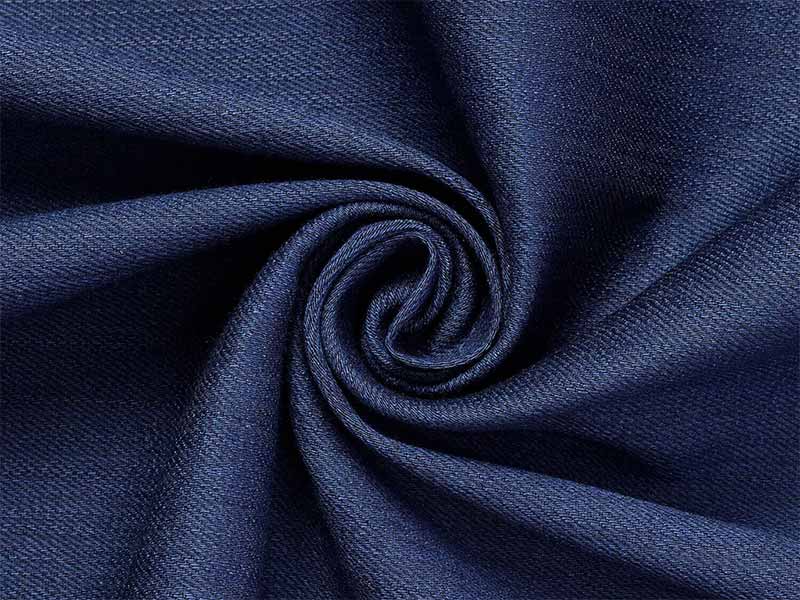
Denim Fabric
Designed for structured silhouettes with emphasis on durability, shape retention, and casual styling versatility.
Popular for:
- street-style midi skirts
- transitional collections
- casual fashion programs
- Y2K-inspired styling
Manufacturing Focus: Wash consistency, Stitch durability, Structure shaping, Hardware coordination
Surface Behavior: Structured body with moderate stiffness
Hand Feel: Firm structure with durable texture
Commercial Positioning: Mid-range casual and streetwear collections
Production Risks: Wash shrinkage, Hardware inconsistency, Seam puckering
Color Fastness: Strong wash resistance required for darker washes
Fast Sample Development Built Around Fashion Launch Timelines
For many fashion brands, the sampling stage determines whether a supplier relationship moves forward.
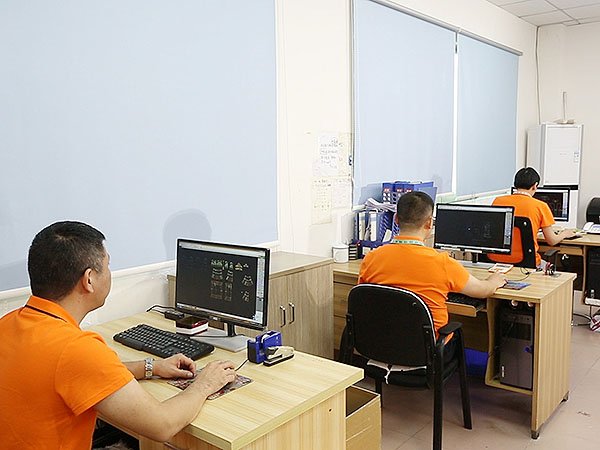
Current Development Structure
- 2 Sample Rooms
- 2 Pattern Makers
- 20 Sample Makers
- 3 Sourcing Staff
Typical Sample Timelines
- The basic style takes 5–7 days
- Complex styles require 7–10 days
- fabric availability
- trim sourcing
- construction complexity
- print or embroidery requirements
Sample Development Support
- tech packs
- sketches
- reference garments
- measurement sheets
- inspiration images
- design comments
Common Areas Evaluated During Sampling
Fit Balance
Checking waist, hip, and silhouette proportion consistency.
Fabric Compatibility
Adjusting structure based on material behavior.
Drape Control
Managing movement and silhouette flow.
Stretch Recovery
Testing knit garment retention and shaping behavior.
Construction Feasibility
Balancing appearance with scalable production execution.
Faster Revisions Improve Launch Speed
For many brands, one of the most important supplier advantages is not simply fast sampling — but reducing unnecessary revision rounds.
The development process focuses on improving:
- first-sample direction
- fit accuracy
- material matching
- silhouette consistency
to help brands move into production faster.
Flexible Manufacturing Support for Different Fashion Business Models
Fashion brands operate with different development structures, launch strategies, and production requirements.
OEM Midi Skirt Manufacturing
Built for Brands With Existing Designs and Production Specifications
OEM midi skirt manufacturing is suitable for fashion brands that already have clear product direction, approved silhouettes, and established collection structures. Most OEM customers already prepare tech packs, measurement charts, fabric references, trims, branding details, and construction requirements before development begins.
This production model is commonly used by brands that need a reliable manufacturing partner capable of turning approved designs into stable bulk production while maintaining fit consistency, fabric accuracy, and repeat manufacturing quality across multiple launches.
The workflow is especially suitable for:
- fast fashion collections
- repeat best sellers
- seasonal launches
- coordinated set programs
- occasionwear collections
- contour apparel production
OEM Manufacturing Support Includes
OEM support covers the full production workflow from sample development through shipment coordination. This includes pattern development, sample production, grading support, fabric coordination, bulk manufacturing, labeling, packaging, and delivery preparation based on the customer’s technical specifications.
The production structure supports both woven and knit midi skirt categories including satin skirts, bodycon silhouettes, pleated styles, contour products, and matching set collections commonly used in modern women’s fashion retail.
Development and production teams coordinate closely during bulk manufacturing to help reduce inconsistencies between approved samples and final production orders.
Why Brands Use OEM Production
Many established fashion brands prefer OEM manufacturing because they already operate internal design teams and maintain strong visual direction across their collections. These brands often focus more on manufacturing reliability, repeat consistency, and scalable production support rather than early-stage product development.
OEM manufacturing is especially valuable for brands managing frequent launches, replenishment programs, and growing inventory structures where production stability directly affects customer satisfaction and long-term brand performance.
ODM Development Support
Collaborative Development for Fashion Brands Requiring Product Support
ODM development support is designed for fashion brands requiring additional assistance during product planning, silhouette refinement, and collection development. Many growing brands already have design inspiration or mood references but still need support translating ideas into commercially manufacturable products.
This workflow is especially useful for trend-driven collections requiring faster adaptation to changing fashion directions, social-commerce trends, and seasonal market demand.
The development process often includes support with:
- silhouette refinement
- fabric selection
- fit optimization
- trim coordination
- construction adjustments
- production feasibility
before bulk manufacturing begins.
ODM Development Support Includes
ODM support covers multiple stages of fashion product development including style creation, pattern adjustment, fabric recommendations, trim coordination, fit correction, sample refinement, and production review.
The workflow is particularly suitable for fast fashion and contemporary women’s apparel categories where development speed, silhouette balance, and visual presentation strongly influence retail performance.
The development structure currently includes dedicated sample rooms, experienced pattern makers, and sample teams supporting faster revisions and improved communication during active collection development.
Why Brands Use ODM Development
Many fashion brands use ODM support to shorten development cycles, improve sample quality, and reduce excessive revision rounds during product creation. This becomes especially important for brands operating monthly launches, influencer capsules, TikTok collections, and trend-sensitive fashion programs.
ODM development also helps brands move faster when expanding into new product categories or testing new fashion directions without needing to build a large in-house technical development team.
Private Label Support
Custom Branding Support for Fashion Collections
Private label manufacturing allows fashion brands to create stronger collection identity while maintaining flexible production structures. This is especially important for DTC brands, boutique labels, influencer collections, and contemporary women’s fashion businesses focused on long-term brand building.
The workflow supports branding integration throughout both sample development and bulk production stages to help improve retail presentation and overall collection consistency.
Private label production is commonly used for:
- midi skirts
- dresses
- matching sets
- contour apparel
- knitwear
- premium casualwear
Private Label Support Includes
Private label support includes woven labels, care labels, hang tags, logo printing, embroidery applications, heat transfer branding, custom packaging, and other collection-specific branding requirements.
Branding coordination is reviewed during both sampling and bulk production to help maintain consistency across repeat launches and multi-style collections.
The workflow also supports branding applications across both woven and knit products commonly used in fast fashion and contemporary women’s apparel categories.
Why Brands Use Private Label Manufacturing
Private label production helps fashion brands maintain stronger visual identity, more consistent customer presentation, and better continuity across product collections. This becomes increasingly important as brands scale into repeat launches, influencer marketing, and direct-to-consumer retail channels.
Many growing fashion brands use private label manufacturing to improve perceived product value, strengthen customer recognition, and build more professional retail positioning across online and offline sales channels.
Bulk Production Built for Repeat Orders and Scalable Fashion Growth
For many fashion brands, successful manufacturing is not only about making the first sample.
Current Production Infrastructure
Jinfeng’s manufacturing structure currently operates through 4 coordinated factory units supporting both fashion-oriented women’s apparel and premium casualwear production. The production system includes 18 production lines with approximately 300,000 pieces monthly manufacturing capacity and additional expansion capability available during higher-volume production periods. The workflow supports multiple women’s fashion categories including midi skirts, dresses, matching sets, contour apparel, occasionwear, knitwear, and premium casual products. Printing and embroidery capabilities are also integrated into the production structure, helping brands coordinate more styles and collections within a connected manufacturing workflow. This production setup is designed to support both smaller launch programs and larger repeat production cycles for growing fashion brands requiring scalable long-term manufacturing support.
Typical Production Lead Times
Production timelines are arranged based on fabric readiness, order quantity, trim coordination, construction complexity, and print or embroidery requirements. Simpler midi skirt styles generally require approximately 15–20 days for bulk production, while standard fashion collections are commonly completed within 20–30 days depending on order structure and material preparation. More complex products such as pleated constructions, contour silhouettes, occasionwear, or heavily detailed garments may require approximately 30–45 days due to additional development coordination and production handling requirements. The workflow is structured to support fast fashion brands operating continuous launches, rolling collections, repeat replenishment programs, and trend-sensitive product schedules requiring more flexible manufacturing coordination.
Order Structures Commonly Supported
Small Launch Orders:
Designed for trend testing, influencer capsules, and new product validation with flexible MOQ, faster development support, and lower inventory pressure for growing fashion brands.
Mid-Volume Orders:
Suitable for seasonal collections, repeat launches, and online retail programs requiring coordinated production, multiple colorways, replenishment planning, and stable quality consistency.
Large Production Orders:
Built for established collections and repeat best sellers requiring scalable production scheduling, stable bulk consistency, shipment coordination, and long-term manufacturing continuity.
Production Workflow Coordination
The production workflow is coordinated from sample approval through final shipment preparation to help improve manufacturing stability, communication efficiency, and delivery consistency across active orders. Each stage including fabric preparation, pattern verification, cutting, sewing, inline inspection, final quality review, and shipment coordination is connected through merchandising and production follow-up support to reduce delays and improve operational visibility during bulk manufacturing.
The merchandising and follow-up teams assist with production updates, order tracking, revision coordination, delivery scheduling, and shipment preparation throughout the manufacturing cycle. This workflow is especially important for fast fashion and social-commerce brands managing multiple SKUs, rolling launches, repeat production, and shorter product timelines where communication speed and production coordination directly affect launch performance and inventory planning.
Quality Control Focused on Fit Stability and Bulk Production Consistency
1 — Fabric Inspection Before Production
Fabric inspection is completed before cutting to help reduce production risks caused by:
- color variation
- surface defects
- stretch inconsistency
- shrinkage issues
- fabric damage
The workflow also reviews fabric behavior based on the intended midi skirt silhouette and construction requirements.
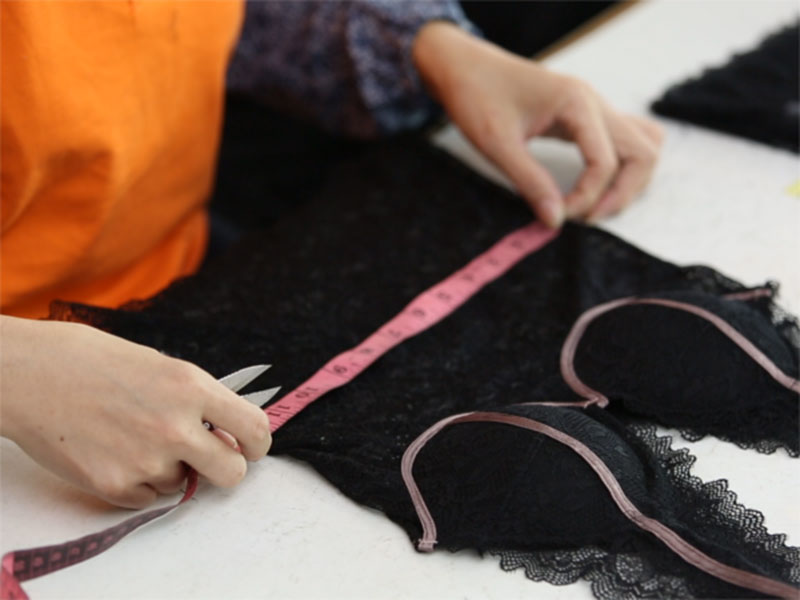
2 — Pattern & Measurement Verification
Before bulk production begins, the development team checks:
- grading balance
- waistband measurements
- silhouette proportion
- stretch compensation
- fit consistency
This is especially important for bodycon midi skirts, satin styles, contour silhouettes, and high-waist constructions where garment balance, waistband stability, and silhouette shaping directly affect wearing performance.
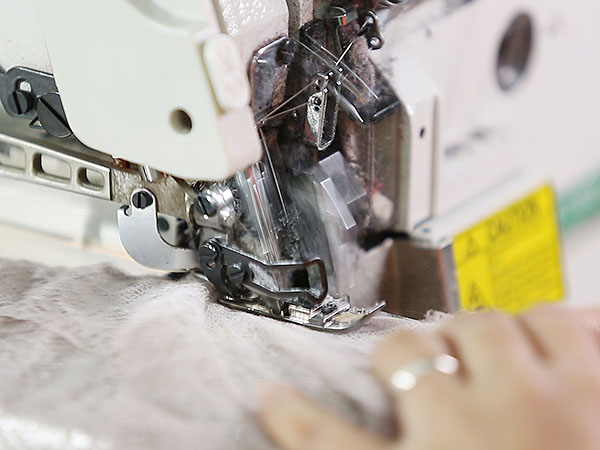
3 — Inline Production Quality Checks
During production, inline inspections help monitor:
- sewing consistency
- seam alignment
- pleat positioning
- waistband stability
- trim attachment
- overall workmanship
This helps reduce production errors before garments move into final packing stages.
4 — Final Garment Inspection
Finished garments are reviewed before shipment for:
- measurements
- garment appearance
- construction quality
- labeling accuracy
- packaging readiness
- shipment consistency
The workflow helps improve repeat production stability across ongoing fashion collections and replenishment orders.
Midi Skirt Market Trends Shaping Modern Women’s Fashion Collections
Satin Midi Skirts Continue Growing in Contemporary Fashion
- TikTok fashion content
- Instagram styling campaigns
- Pinterest trend collections
- Shopify fashion stores
Bodycon & Contour Midi Skirts Are Expanding Through Social Commerce
- TikTok Shop collections
- influencer collaborations
- DTC fashion brands
- Instagram-driven retail
Matching Set Midi Skirts Are Increasing Average Order Value
- visual merchandising
- styling versatility
- customer basket size
- repeat purchase potential
- social-content performance
Occasionwear Midi Skirts Remain Strong Across Multiple Markets
- spring launches
- summer retail seasons
- holiday campaigns
- event-driven promotions
Regional Fashion Trends Continue Influencing Midi Skirt Development
- US market — bodycon and contour silhouettes
- Europe — soft drape and minimalist styling
- UK market — matching sets and influencer fashion
- Australia — vacation-inspired silhouettes
Why Midi Skirts Continue Performing Across Fashion Cycles
- extend product lifespan
- improve repeat sales
- support replenishment programs
- reduce trend risk
- maintain styling flexibility
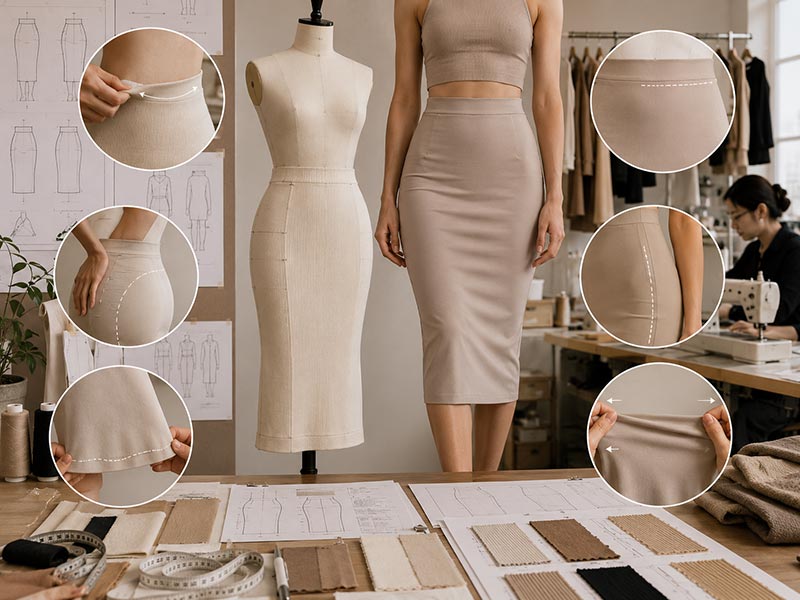
Fit Engineering Designed for Better Silhouette Consistency and Wear Performance
Waist Rolling or Flipping
Hip Tightness
Uneven Hemline
Side Seam Twisting
Stretch Distortion
Flexible Shipping Solutions for Fast Fashion and International Apparel Brands
Efficient delivery planning is critical for fashion brands managing launch schedules, replenishment timing, influencer campaigns, and seasonal inventory movement. Jinfeng supports multiple international shipping solutions based on order urgency, shipment volume, and production timelines. Jinfeng supports multiple trade terms including FOB, EXW, CIF, and DDP to match different sourcing, logistics, and overseas warehouse arrangements.

Express Shipping
- sample shipments
- urgent replenishment
- launch-sensitive inventory
- approval garments

Air Freight Shipping
- mid-volume production
- seasonal launches
- urgent retail replenishment
- fast fashion inventory rotation

Sea Freight Shipping
- large production orders
- long-term inventory planning
- warehouse replenishment
- lower shipping cost strategies
Factory Transparency Helps Brands Evaluate Long-Term Manufacturing Stability
Many fashion brands care not only about pricing and samples, but also about factory visibility, communication quality, and operational reliability. Transparent production workflows help reduce sourcing risks and improve confidence during long-term manufacturing cooperation.
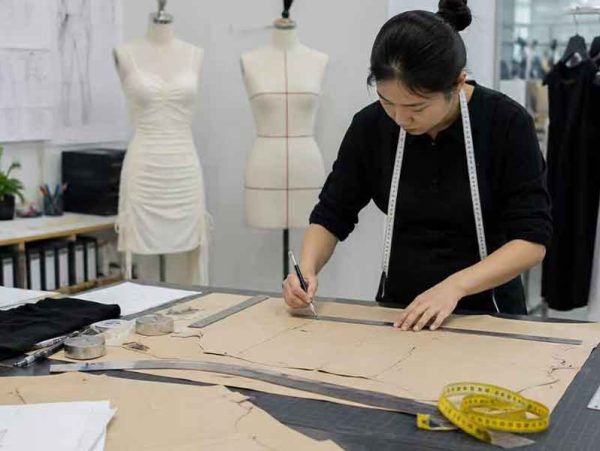
On-Site Factory Visits
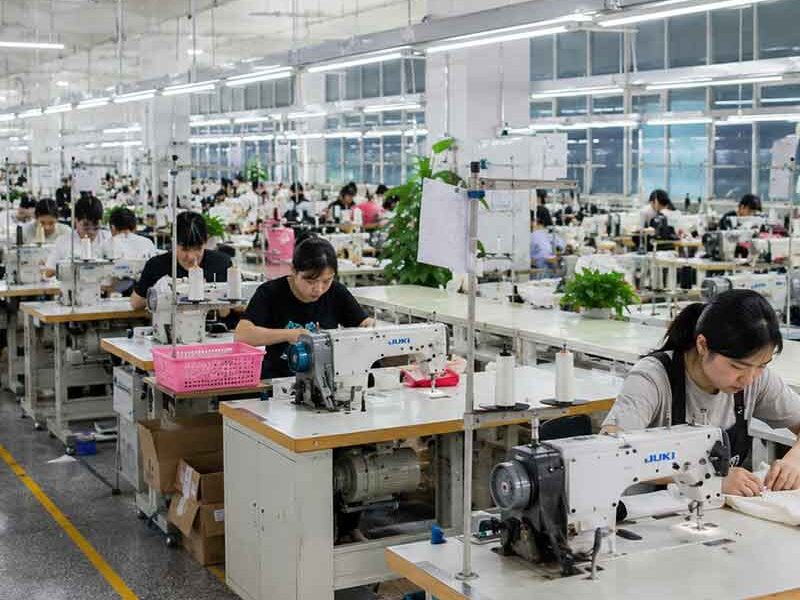
Video Factory Walkthroughs
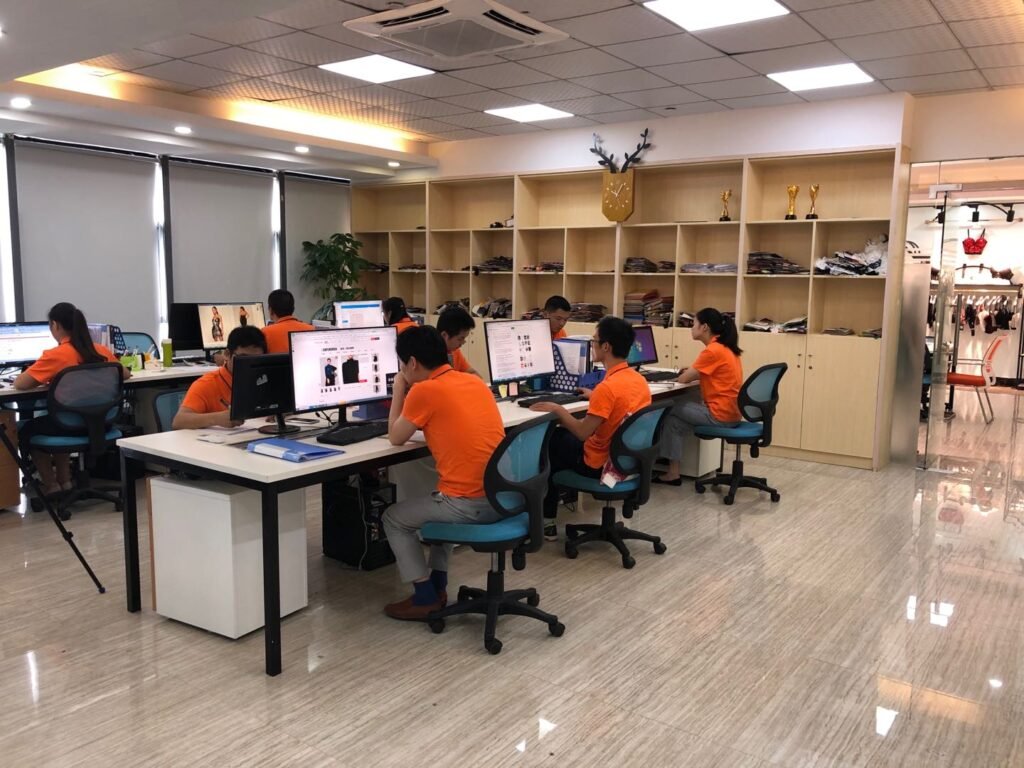
Development Team Discussions
Direct communication with development departments is supported during product planning and sampling stages. Brands can discuss fit adjustments, fabric selection, silhouette refinement, construction details, and production feasibility with the development and merchandising teams to improve alignment between design direction and manufacturing execution before bulk production begins.
Built for Fashion Brands Requiring More Than Basic Midi Skirt Production
Different fashion brands operate with different launch cycles, product strategies, and manufacturing expectations. Jinfeng works best with brands that value fit consistency, fashion-oriented development, scalable production, and long-term manufacturing stability across midi skirt collections and related women’s apparel categories.
Fast Fashion Women’s Brands
Contemporary Women’s Fashion Labels
TikTok & Instagram Fashion Brands
Occasionwear & Feminine Fashion Brands
Growing DTC & Shopify Fashion Brands
Brands Seeking Long-Term Manufacturing Partners
Real Production Cases From Fast Fashion and Women’s Apparel Brands
Case 1 — US Fashion E-Commerce Brand (Satin Midi Skirt Collection)
- Project Overview
Product: Satin bias-cut midi skirts
Application: Vacation styling, date-night fashion, influencer campaigns
Initial order: 4,800 pcs across 5 colorways
Follow-up orders: Repeat replenishment within 45 days - Challenge
The customer needed stable satin drape and clean hem balance for TikTok and Instagram try-on content. Previous suppliers struggled with uneven silhouette movement and distorted hems after steaming, transportation, and hanging display. - Solution
Jinfeng adjusted the bias-cut structure, optimized hem balance, and reviewed satin fabric weight compatibility during development. Additional drape simulations and hanging tests were completed before bulk production to improve silhouette consistency under real wearing and filming conditions. - Result
Stable drape performance during bulk production
Improved visual consistency for social-content filming
Repeat orders confirmed within 45 days
Expanded into matching satin tops and occasionwear collections
Case 2 — UK TikTok Fashion Brand (Rib Knit Bodycon Midi Skirts)
- Project Overview
Product: Rib knit bodycon midi skirts
Application: TikTok launches, influencer styling, contour fashion
Initial order: 3,200 pcs across 4 colors
Follow-up orders: Monthly repeat launches - Challenge
Early samples showed waistband rolling, weak stretch recovery, and inconsistent contour shaping after repeated fitting sessions. The customer also required faster development cycles for monthly social-commerce launches. - Solution
Jinfeng’s pattern makers revised waistband construction, adjusted grading balance, and sourced stronger rib knit fabrics with improved stretch recovery performance. Fit evaluations and repeated wear testing were completed before production approval. - Result
Improved shape retention across all sizes
More stable contour performance during wear
Repeat monthly production maintained
Expanded into matching knit sets and contour dresses
Case 3 — European Contemporary Fashion Brand (Pleated Chiffon Midi Skirts)
- Project Overview
Product: Pleated chiffon midi skirts
Application: Spring collections, boutique retail, occasionwear styling
Initial order: 2,600 pcs across 3 seasonal colors
Follow-up orders: Expanded woven fashion collections - Challenge
The customer experienced unstable pleat alignment after transportation and steaming tests. Early samples lost silhouette consistency during hanging display and showroom preparation. - Solution
Jinfeng refined pleat handling methods, optimized fabric layering structure, and improved pressing consistency during development. Additional lining coordination was added to stabilize garment movement and improve pleat retention after packaging and shipment. - Result
Improved pleat stability after transportation
Better showroom and retail presentation
Successful seasonal launch across European channels
Expanded cooperation into dresses and occasionwear products
Case 4 — Shopify Women’s Fashion Brand (Matching Set Midi Skirt Program)
- Project Overview
Product: Knit midi skirts and matching tops
Application: Monthly online launches and paid social campaigns
Initial order: 400–600 pcs per style
Follow-up orders: Expanded within 6 months - Challenge
The customer needed flexible MOQ, faster sampling, and stable color consistency across matching garments while managing multiple monthly launches. Previous suppliers struggled with communication delays and inconsistent repeat production. - Solution
Jinfeng coordinated sample development, sourcing, and production scheduling simultaneously to shorten launch preparation time. Multi-line production support improved production flexibility while maintaining fabric and color consistency across collections. - Result
Faster launch preparation for monthly collections
Stable repeat production across multiple SKUs
Expanded into dresses, contour apparel, and knitwear
Continuous monthly launches supported successfully
Frequently Asked Questions About Midi Skirt Manufacturing
- Ask More Questions

Looking for a Reliable Midi Skirt Manufacturer in China?
From trend-driven capsule launches to repeatable large-scale manufacturing programs, the production workflow is structured to support ongoing fashion business growth, replenishment cycles, and multi-category collection expansion.
How to Begin
- Share your midi skirt design, tech pack, or reference images
- Receive quotation, fabric suggestions, and feasibility feedback
- Develop and confirm samples with fit adjustments if needed
- Start bulk production with confirmed timelines and shipment planning
Information That Helps Speed Up Quotation
- Midi skirt style or silhouette type
- Fabric preference or target material
- Estimated order quantity
- Size range requirements
- Logo or private label details
Send your design concept or sample request to receive a detailed quotation, development recommendation, and production planning support for your next midi skirt collection.