OEM Bodycon Dress Factory
Custom fitted dress manufacturing for fashion brands.
Dongguan Jinfeng Apparel supports fashion labels with custom bodycon dress development, sampling and bulk production. From reference images, samples or tech packs, our team helps control fitted silhouettes, stretch fabric behavior, size grading and repeat production consistency for mini, midi, maxi, ruched, cut-out and occasion-ready bodycon dress programs.
- Manufacturing partner for globally recognized women’s fashion brands
- 2 sample rooms, 7 pattern makers, 20 sample machinists
- 18 production lines, 300,000 pcs monthly capacity
- 5–7 day basic samples; 200–500 pcs test orders supported
- 4 coordinated factories supporting fashion and casualwear lines







How Brands Choose OEM, ODM, Or Private Label Production
Not every bodycon dress project starts from the same point. Some brands already have a complete tech pack. Some only have reference images or a product direction. Others need finished garments with their own labels, packaging, and retail-ready presentation.
OEM Dress Development
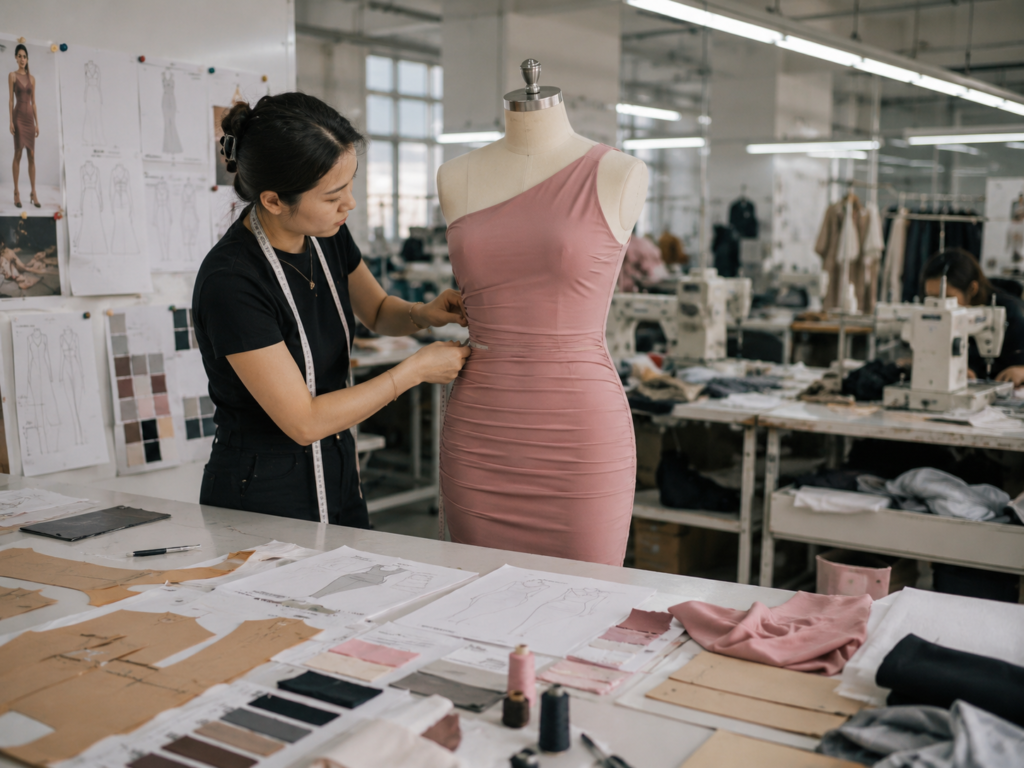
OEM dress development is suitable when a brand already has a clear design direction, tech pack, size chart, sample, or reference garment. The factory’s role is to translate the approved idea into a production-ready bodycon dress with accurate pattern, fabric, fit, construction, and bulk consistency.
For bodycon dresses, OEM work should focus on fit control rather than simple sewing. Bust, waist, hip, neckline, hem length, stretch direction, lining choice, and seam tension all need to follow the approved sample. Jinfeng supports OEM bodycon dress projects from sample development to bulk production, especially for mini, midi, maxi, ruched, cut-out, ribbed, lace, and sculpting fitted dress styles.
brands with clear designs, tech packs, reference samples, or planned seasonal drops.

ODM Dress Development
ODM dress development is suitable when a brand has a market direction but still needs support with style development, fabric selection, pattern adjustment, and sample refinement. The starting point may be a moodboard, image reference, target customer, selling price, or collection concept.
For bodycon dresses, ODM support can help brands decide which silhouette, fabric, length, neckline, sleeve shape, lining, and surface technique make sense for the intended sales channel. Jinfeng’s sample rooms, pattern makers, sample machinists, and sourcing team help turn early ideas into fitted dress samples that can be tested, revised, and prepared for production.
brands developing new fitted dress collections without a fully finished technical file.
Private Label Dress Production
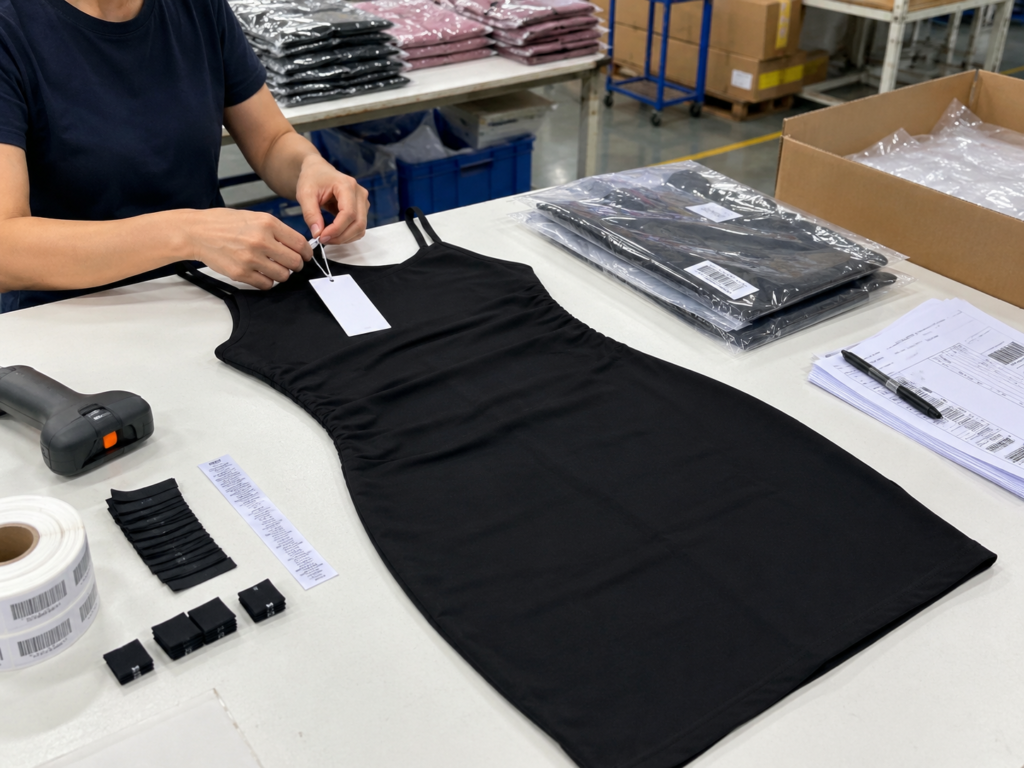
Private label dress production is suitable when a brand needs garments produced with its own label identity, size label, care label, hangtag, barcode sticker, polybag, carton mark, and packing method. The focus is not only the garment, but also how the finished product arrives ready for sale.
For bodycon dress programs, private label details should match the product level and sales channel. A soft main label improves wearing comfort. A clear care label supports after-sales service. Accurate SKU stickers and carton marks help warehouse receiving. Jinfeng can support private label elements together with sample development, production planning, quality inspection, and shipment preparation.
brands that need retail-ready fitted dresses with complete label and packaging details.
OEM vs ODM vs Private Label Dress Comparison
| Production Type | Best Starting Point | Brand Control Level | Factory Support Focus | Best Fit For |
|---|---|---|---|---|
| OEM Dress | Tech pack, sample, size chart, or clear reference | High | Pattern accuracy, fabric matching, fit control, bulk consistency | Brands with finished designs ready for development |
| Production Type | Best Starting Point | Brand Control Level | Factory Support Focus | Best Fit For |
|---|---|---|---|---|
| ODM Dress | Concept, moodboard, reference images, or target market | Medium | Style development, fabric suggestions, sample refinement, construction advice | Brands building new bodycon dress collections |
| Production Type | Best Starting Point | Brand Control Level | Factory Support Focus | Best Fit For |
|---|---|---|---|---|
| Private Label Dress | Approved garment direction with branding needs | Medium to high | Labels, hangtags, care labels, SKU stickers, polybags, carton marks, packing | Brands preparing finished products for online or retail sales |
Why Bodycon Dresses Remain Commercially Relevant
Clear Visual Identity
Strong Occasion Flexibility
High Style Variation
Mini, midi, maxi, ruched, strapless, one-shoulder, cut-out and long-sleeve versions can share similar production logic while serving different drops. This helps brands build wider assortments without starting every new product from zero.
Fabric-Driven Price Range
Repeatable Fit Investment
Once the fitted block, grading rule and fabric direction are approved, brands can reuse the development base for new colors, lengths and design details. This makes bodycon dress programs suitable for repeat orders and collection expansion.
Efficient Testing Potential
Bodycon dresses can be tested through controlled quantities, color drops or capsule releases. A first order of 300–500 pcs per style can help evaluate market response before committing to larger production runs or broader size ranges.
Strong Content Performance
The product’s silhouette, movement and surface texture photograph well when fabric recovery and fit balance are correct. This gives brands useful material for product pages, paid media, influencer content and campaign storytelling.
Long-Term Category Recognition
Customers already understand what a bodycon dress is. For brands, this reduces explanation cost. The development challenge shifts from educating the market to improving comfort, fit, opacity, fabric touch and production consistency.
Bodycon Dress Fit Risks Brands Should Control
Sample Shape Looks Different From The Reference
Fabric Stretch Changes The Fit Result
Light Colors Become Too Transparent
White, ivory, nude, pastel and light grey fitted dresses can expose opacity problems after stretching. Development should check double-layer options, lining comfort, GSM range, yarn density and stretch opacity under real wearing tension before bulk cutting.
Seam Tension Creates Wavy Side Lines
Grading Loses The Original Silhouette
Surface Decoration Affects Stretch
Who We Serve For OEM Bodycon Dress Manufacturing
DTC Women’s Fashion Brands
Occasionwear And Partywear Labels
Boutique Wholesale Brands
Social Commerce Fashion Sellers
Athleisure-Inspired Dress Brands
Established E-Commerce Retailers
Bodycon Dress Style Development Options
Mini Bodycon Dress
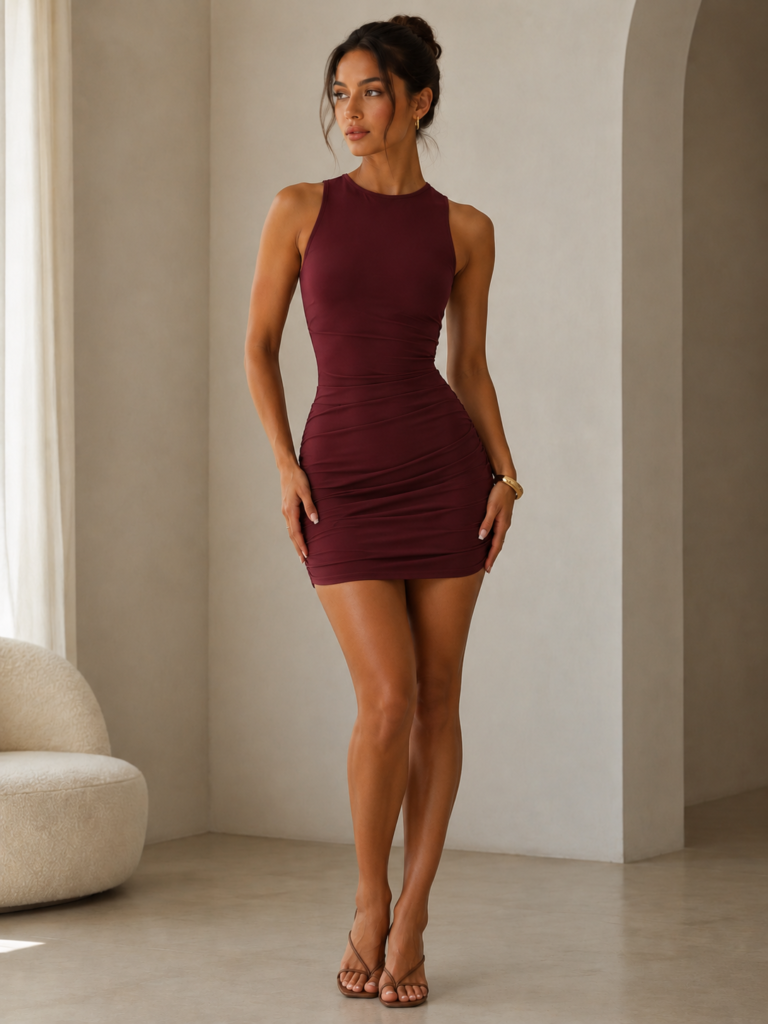
Mini bodycon dresses work well for party edits, clubwear drops, vacation capsules and fast visual campaigns. The commercial value comes from strong image impact and easy color variation.
- Typical length: 78–86 cm from shoulder
- Suggested fabric: 220–320 GSM stretch jersey, ponte, rib knit
- Stretch range: 25–45% depending on fit target
- Key control: Hem stability, side seam balance, ride-up prevention
- Complexity level: Medium
- Bulk risk: Short lengths magnify grading and shrinkage errors
Midi Bodycon Dress
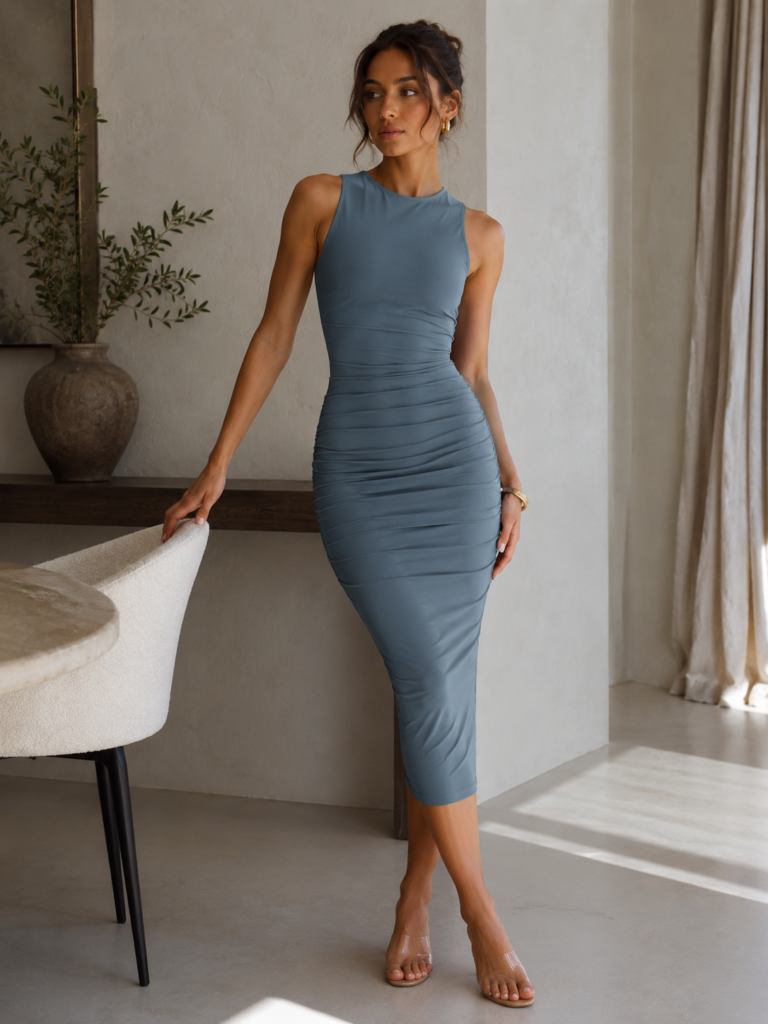
Midi bodycon dresses are suitable for elevated everyday wear, date night, office-to-evening styling and repeatable core programs. The longer silhouette can support stronger perceived value.
- Typical length: 105–125 cm from shoulder
- Suggested fabric: 250–380 GSM ponte, rib knit, double jersey
- Stretch range: 20–40% with strong recovery
- Key control: Hip curve, walking comfort, hem sweep
- Complexity level: Medium
- Bulk risk: Twisting and uneven hem become visible after hanging

Maxi Bodycon Dress
Maxi bodycon dresses fit resort drops, evening capsules, minimalist collection stories and higher-value seasonal launches. The style needs enough structure to hold length without pulling the garment down.
- Typical length: 130–150 cm from shoulder
- Suggested fabric: 260–420 GSM rib, modal blend, nylon-spandex
- Stretch range: 25–50% based on body contour
- Key control: Weight balance, shoulder tension, bottom opening
- Complexity level: Medium to high
- Bulk risk: Fabric weight may cause length growth after wear
Ruched Bodycon Dress
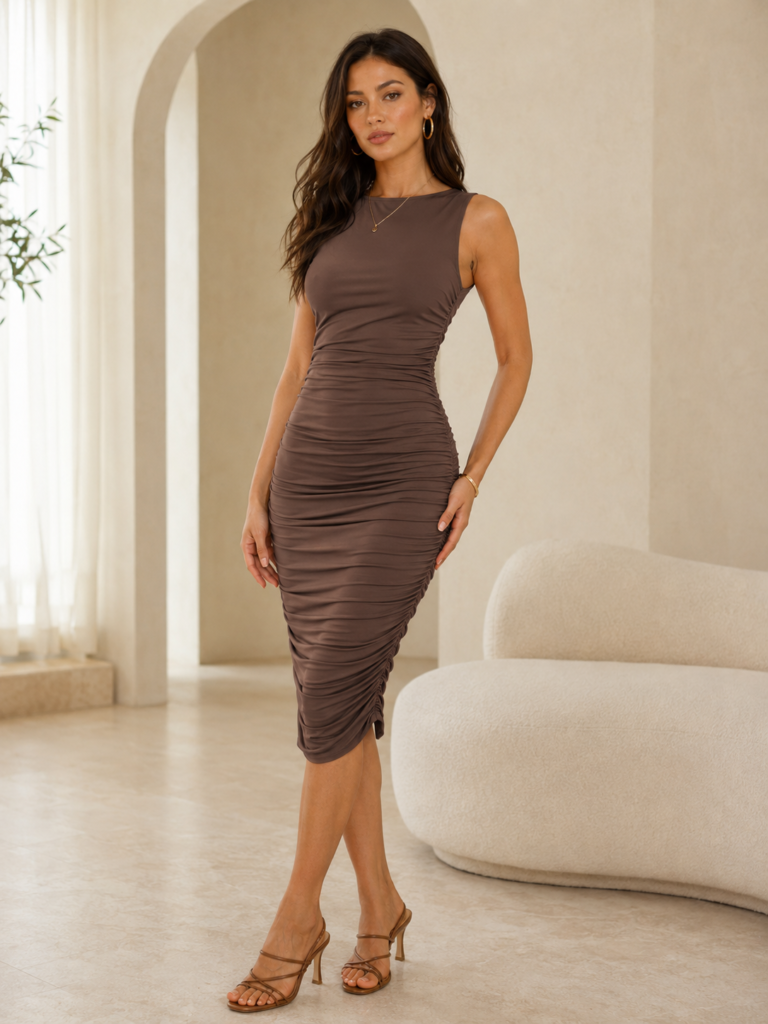
Ruched bodycon dresses work for occasionwear, party, maternity-friendly edits and styles that need a more forgiving fit. Ruching adds texture and helps reduce visible body pressure.
- Typical length: Mini to midi
- Suggested fabric: 180–280 GSM stretch mesh, jersey, slinky knit
- Stretch range: 35–60% preferred
- Key control: Ruching placement, elastic tension, seam symmetry
- Complexity level: High
- Bulk risk: Uneven gathers can make both sides look different

Cut-Out Bodycon Dress
Cut-out bodycon dresses suit trend capsules, social content, resort edits and partywear collections. The style creates high visual value but requires stronger structure control.
- Typical zone: Waist, shoulder, bust, back or side cut-outs
- Suggested fabric: 230–350 GSM jersey, ponte, double-layer knit
- Stretch range: 25–45% with stable edges
- Key control: Reinforced opening, strap tension, edge recovery
- Complexity level: High
- Bulk risk: Cut-out edges may gape, curl or lose shape

Long Sleeve Bodycon Dress
Long sleeve bodycon dresses support fall, winter, evening and transitional collections. They create a balanced silhouette and work well for both casual and occasion styling.
- Typical length: Mini, midi or maxi
- Suggested fabric: 220–360 GSM rib, ponte, jersey, velvet stretch
- Stretch range: 25–45%
- Key control: Sleeve twist, armhole comfort, cuff recovery
- Complexity level: Medium
- Bulk risk: Sleeve tension can restrict movement or distort body fit

Strapless Bodycon Dress
Strapless bodycon dresses are useful for partywear, cocktail edits, summer drops and occasion-focused collections. The style depends on upper body support, not only tightness.
- Typical length: Mini to midi
- Suggested fabric: 260–420 GSM ponte, scuba, double-layer jersey
- Stretch range: 20–40%
- Key control: Top edge grip, bust shaping, inner support
- Complexity level: High
- Bulk risk: Slipping, edge rolling and bust pressure complaints

One-Shoulder Bodycon Dress
One-shoulder bodycon dresses fit asymmetrical fashion stories, resort campaigns and elevated night-out collections. The design gives strong visual value without too many construction pieces.
- Typical length: Mini, midi or maxi
- Suggested fabric: 220–340 GSM jersey, rib, slinky knit
- Stretch range: 30–50%
- Key control: Shoulder angle, neckline stability, side balance
- Complexity level: Medium to high
- Bulk risk: Asymmetry can pull the dress off-center after wearing

Mesh Panel Bodycon Dress
Mesh panel bodycon dresses are suited for partywear, clubwear, performance-inspired edits and layered visual styling. The style can add lightness while keeping a fitted shape.
- Typical panel zones: Sleeve, waist, neckline, side body
- Suggested fabric: 120–180 GSM mesh with 220–320 GSM base fabric
- Stretch range: 40–70% mesh stretch
- Key control: Panel matching, seam strength, transparency balance
- Complexity level: High
- Bulk risk: Mesh may stretch differently from the main fabric
Lace Bodycon Dress
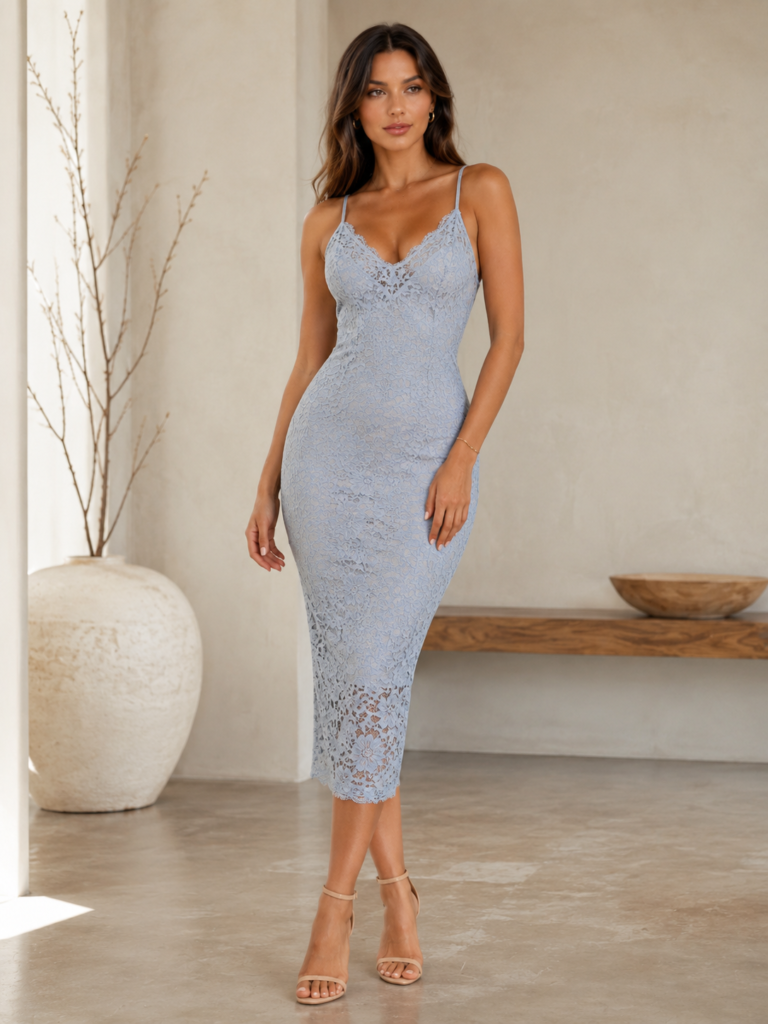
Lace bodycon dresses fit date night, bridal guest, holiday, evening and feminine occasion ranges. The value comes from surface richness and careful lining control.
- Typical structure: Lace shell with stretch lining
- Suggested fabric: 150–260 GSM lace, 160–220 GSM lining
- Stretch range: 20–40% depending on lace quality
- Key control: Lining shade, seam comfort, motif placement
- Complexity level: High
- Bulk risk: Lace placement inconsistency and skin irritation

Ribbed Bodycon Dress
Ribbed bodycon dresses are useful for casual wear, lounge-to-street edits, athleisure-inspired collections and repeat core styles. Rib texture gives body contour while keeping everyday comfort.
- Typical length: Mini, midi or maxi
- Suggested fabric: 240–420 GSM cotton, rayon, modal or nylon rib
- Stretch range: 35–70%
- Key control: Rib direction, shrinkage, recovery and side seam twist
- Complexity level: Medium
- Bulk risk: Poor recovery can cause bagging at hip and seat
Corset-Inspired Bodycon Dress
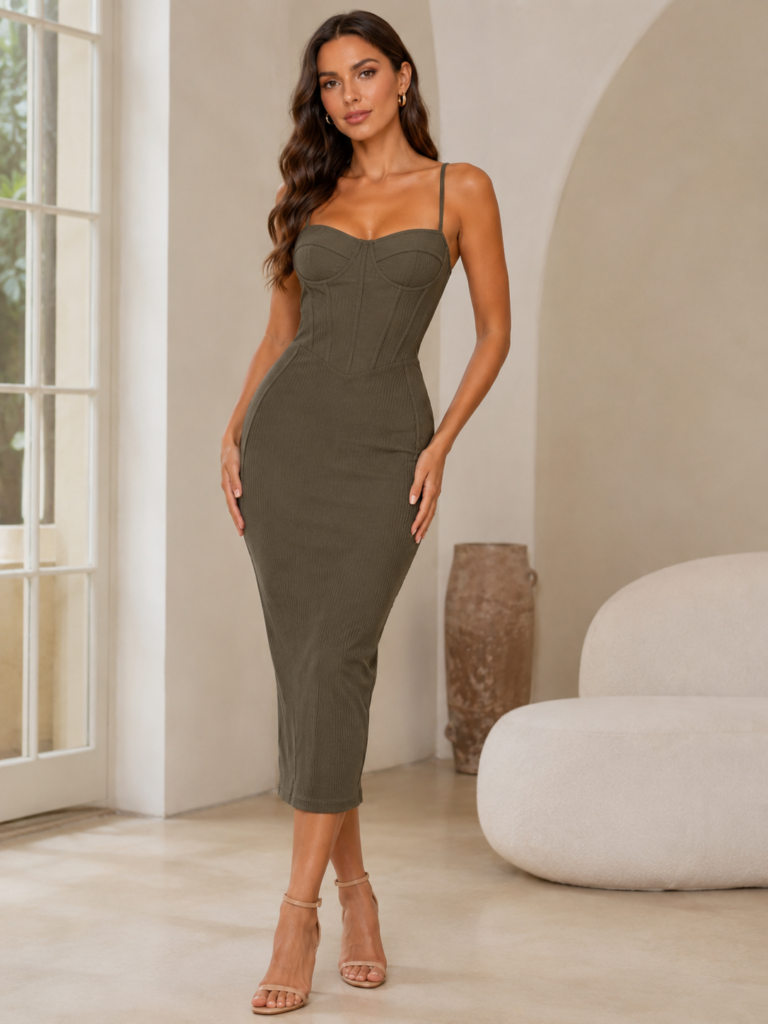
Corset-inspired bodycon dresses support premium partywear, sculpted occasionwear and high-impact campaign drops. This style needs structure, but comfort must remain wearable.
- Typical details: Panel lines, boning effect, shaped bust, waist control
- Suggested fabric: 280–450 GSM ponte, scuba, satin stretch
- Stretch range: 15–35%
- Key control: Panel accuracy, bust shape, inner seam comfort
- Complexity level: High
- Bulk risk: Over-structured panels may feel stiff or distort sizing
Fabric Selection For Bodycon Dress Manufacturing

Ponte Knit
Ponte is suitable for structured midi, strapless, office-to-evening and premium everyday bodycon dresses. It offers a smooth surface, stronger coverage and better shape retention than many lightweight jerseys.
- GSM Range: 280–420 GSM
- Stretch Ratio: 20–35%
- Recovery Target: Above 85%
- Opacity: High, suitable for light colors
- Shrinkage Control: Usually within 3–5% after testing
- Production Risk: Thick seams, pressing marks, edge bulk
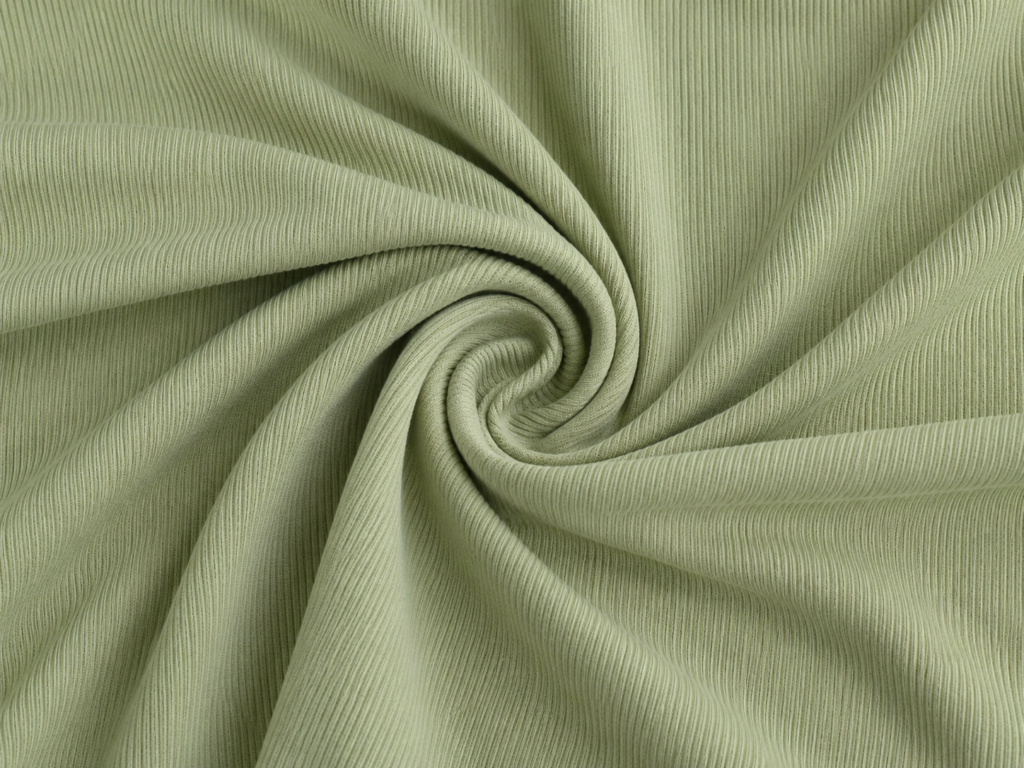
Rib Knit
Rib knit works for casual, lounge, athleisure-inspired and repeat core bodycon dress programs. It offers comfort, texture and strong stretch, but recovery must be checked carefully before bulk approval.
- GSM Range: 240–420 GSM
- Stretch Ratio: 35–70%
- Recovery Target: Above 80%
- Opacity: Medium to high, depending on yarn density
- Shrinkage Control: Needs pre-shrink review, often 3–6%
- Production Risk: Rib distortion, twisting, hip bagging
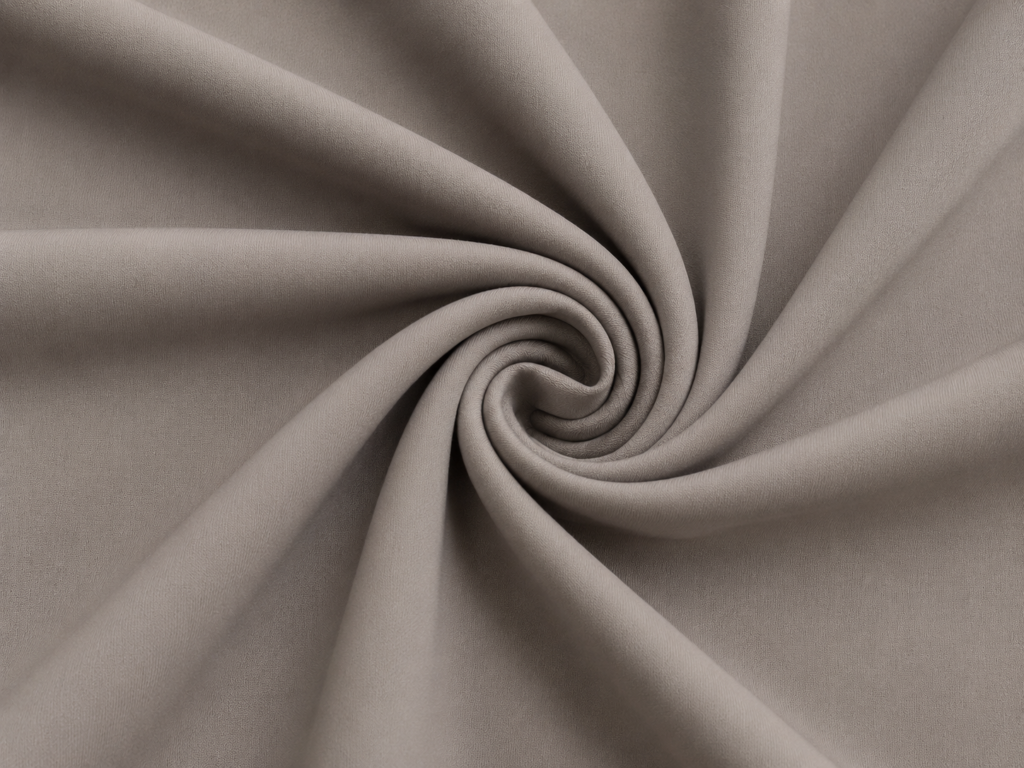
Nylon-Spandex Sculpt Fabric
Nylon-spandex supports sculpting, contour and performance-inspired fitted dresses. It gives a smooth hand feel, strong stretch and clean recovery, suitable for body-hugging silhouettes with higher comfort requirements.
- GSM Range: 220–330 GSM
- Stretch Ratio: 40–70%
- Recovery Target: Above 88%
- Opacity: Medium to high with correct weight
- Shrinkage Control: Usually low after heat setting
- Production Risk: Needle marks, shine variation, tension lines

Stretch Velvet
Stretch velvet suits holiday, evening, party and winter bodycon dress capsules. It provides depth, light reflection and a richer surface, but cutting direction and color shading must be tightly controlled.
- GSM Range: 230–360 GSM
- Stretch Ratio: 25–45%
- Recovery Target: Above 80%
- Opacity: High
- Shrinkage Control: Usually 3–5%, subject to test
- Production Risk: Pile direction, pressure marks, shade variation
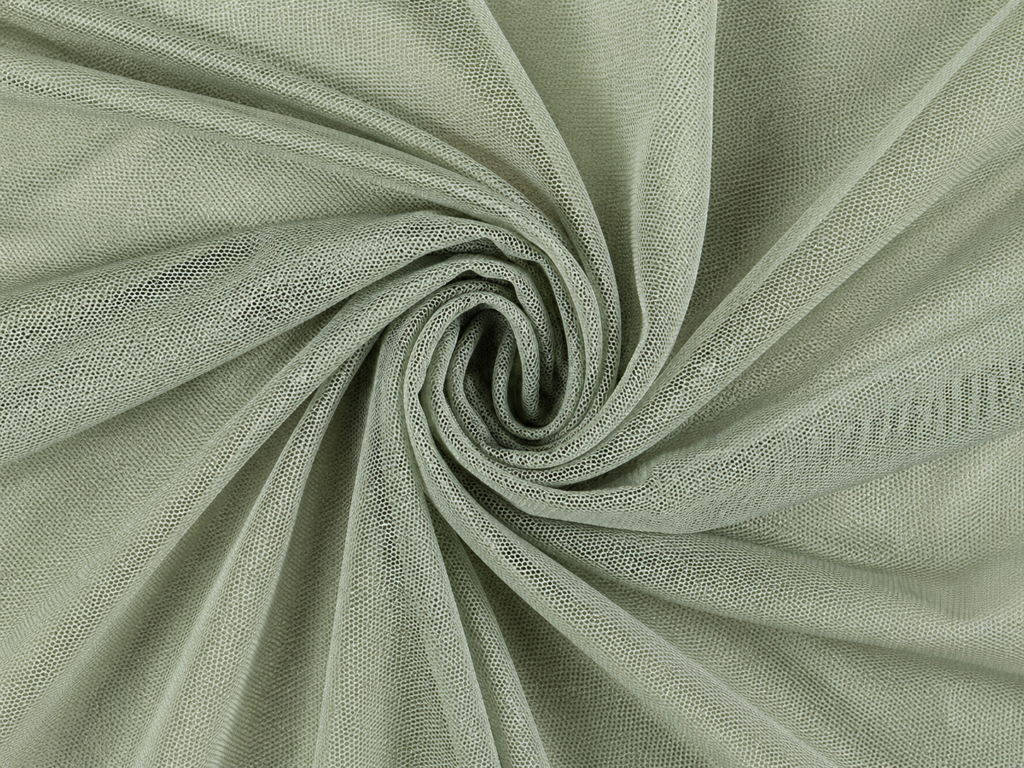
Stretch Mesh
Stretch mesh is often used for sleeves, panels, overlays and ruched bodycon dresses. It creates lightness and visual contrast, but needs matching with base fabric to avoid uneven stretch behavior.
- GSM Range: 80–180 GSM
- Stretch Ratio: 40–80%
- Recovery Target: Above 75%
- Opacity: Low to medium
- Shrinkage Control: Usually 3–5%, depends on fiber blend
- Production Risk: Snagging, seam tearing, transparency complaints
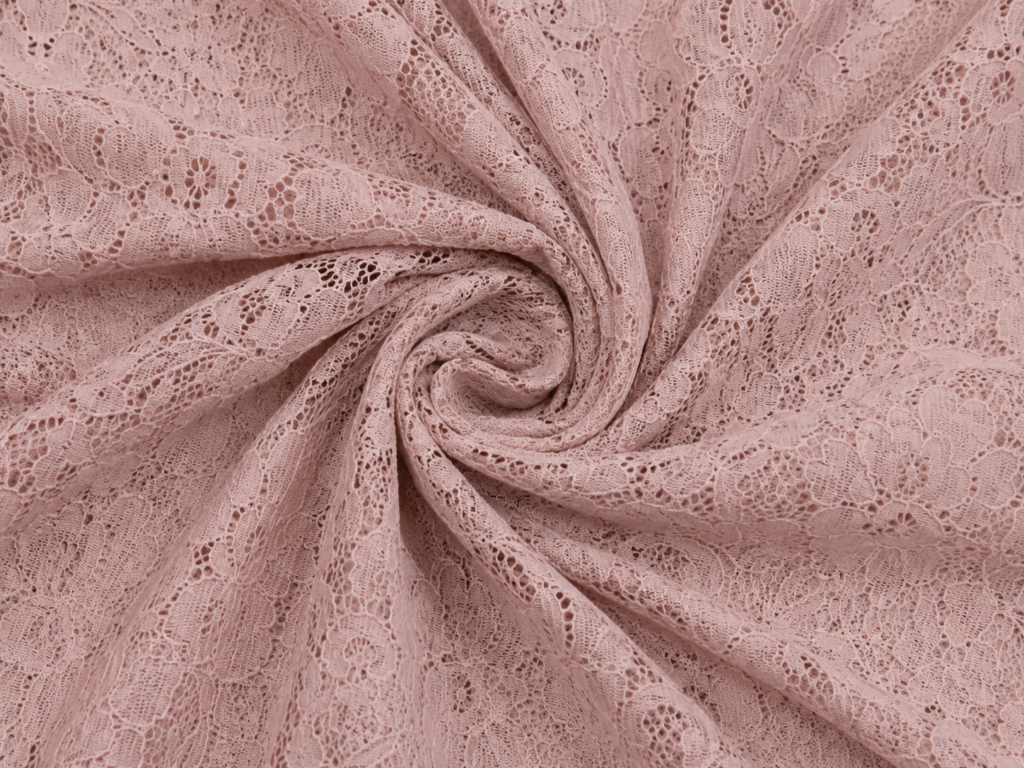
Stretch Lace
Stretch lace is suitable for occasionwear, feminine capsules, holiday edits and date-night bodycon dresses. It adds surface value, but lining comfort and motif placement need early confirmation.
- GSM Range: 120–260 GSM
- Stretch Ratio: 20–45%
- Recovery Target: Above 75%
- Opacity: Low without lining
- Shrinkage Control: Needs lace and lining tested together
- Production Risk: Uneven motif, rough touch, color mismatch
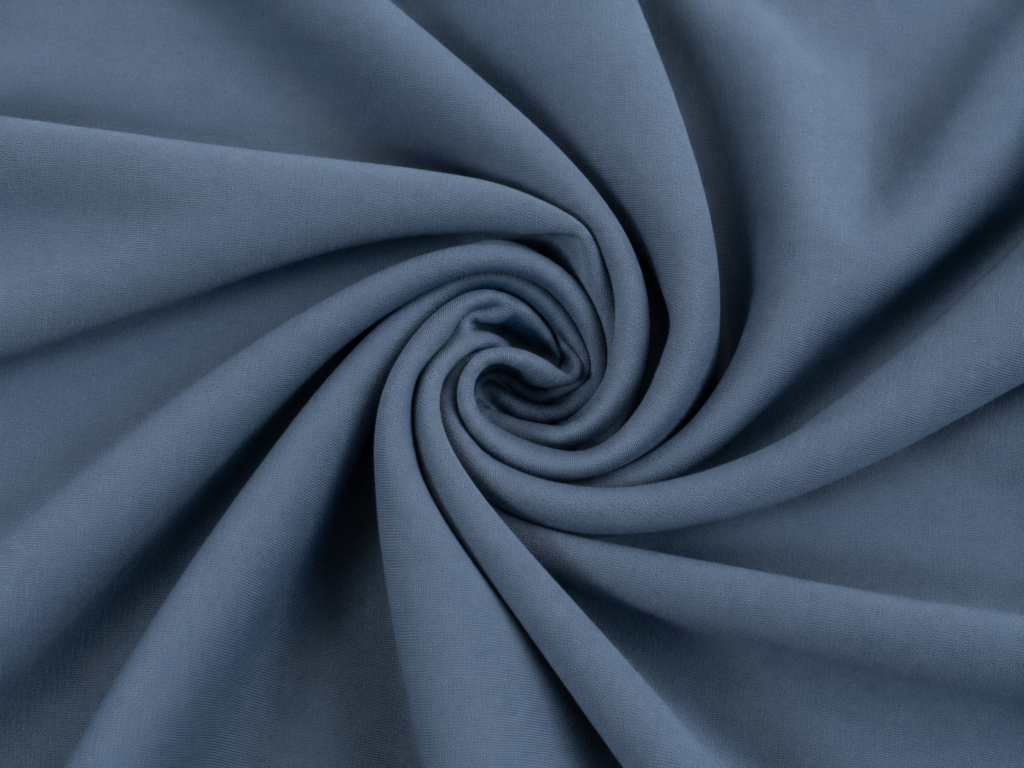
Scuba Knit
Scuba knit works for sculpted mini, strapless and corset-inspired bodycon dresses. It gives a clean shape and stronger body, but may feel too thick if the style needs softness.
- GSM Range: 280–450 GSM
- Stretch Ratio: 15–35%
- Recovery Target: Above 85%
- Opacity: High
- Shrinkage Control: Usually stable after testing
- Production Risk: Bulk seams, heat marks, reduced breathability
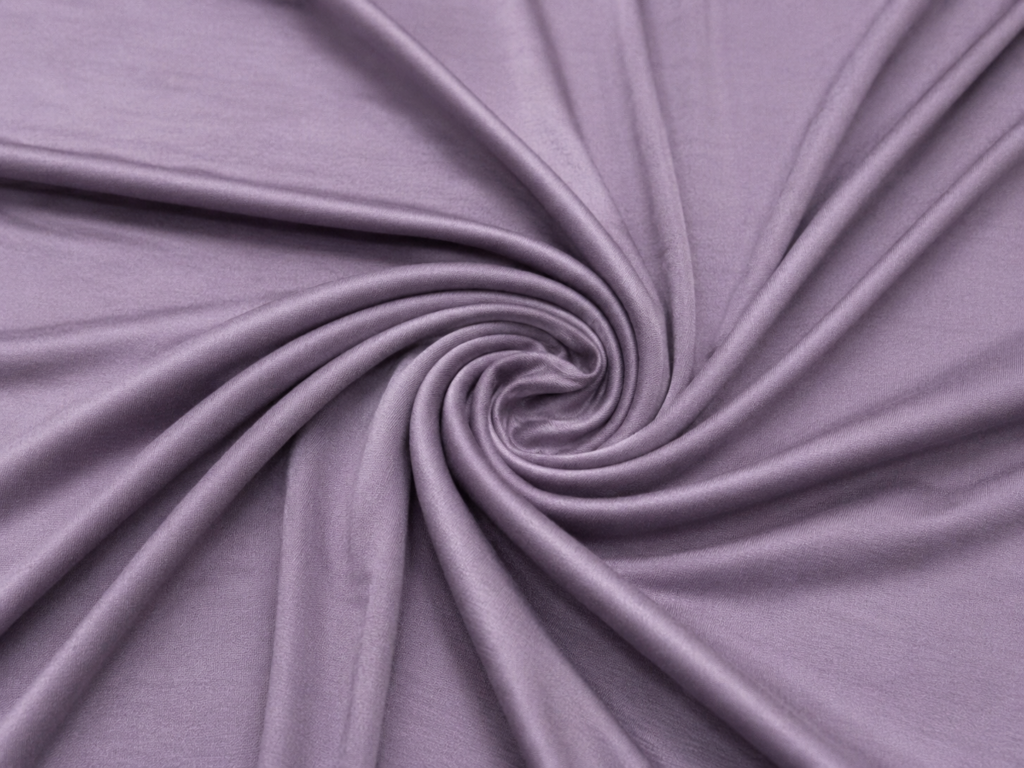
Slinky Jersey
Slinky jersey supports ruched, draped, one-shoulder and party bodycon dresses. It gives fluid movement and a soft surface, but cutting and sewing need control to prevent twisting.
- GSM Range: 180–280 GSM
- Stretch Ratio: 35–60%
- Recovery Target: Above 75%
- Opacity: Medium, light colors need review
- Shrinkage Control: Usually 3–6%
- Production Risk: Curling edges, seam wave, length growth
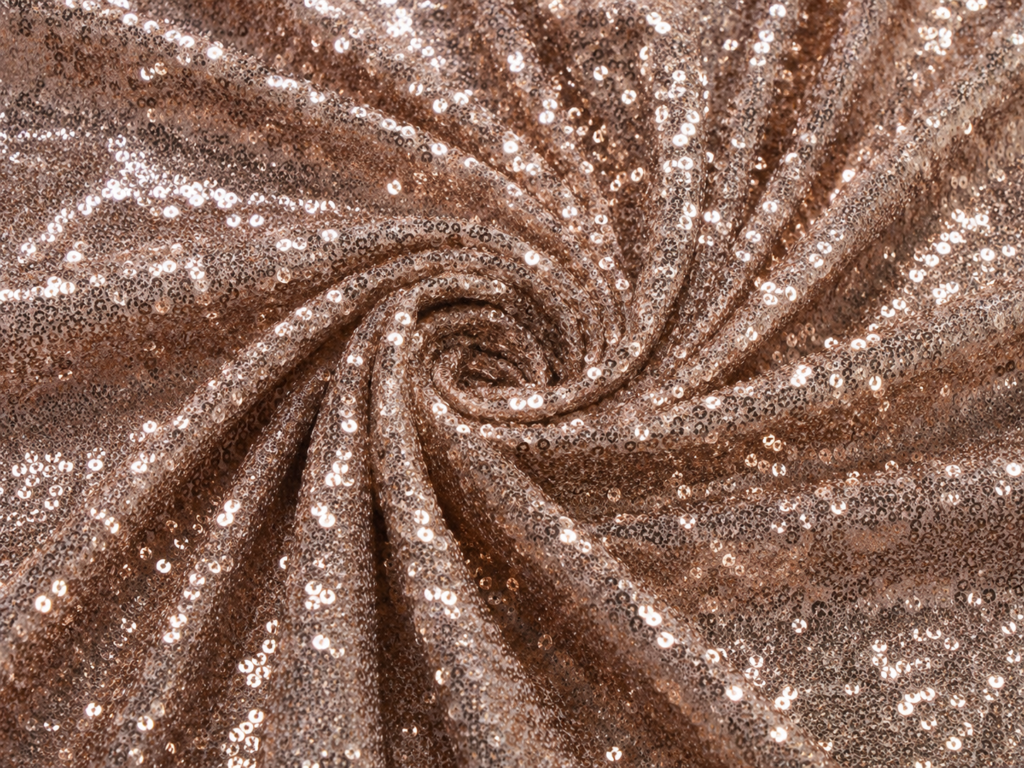
Sequin Stretch Fabric
Sequin stretch fabric is used for holiday, performance, party and high-impact night-out dresses. It delivers strong visual value, but comfort, weight and seam finishing need extra attention.
- GSM Range: 250–500 GSM
- Stretch Ratio: 10–30%
- Recovery Target: Depends on base fabric
- Opacity: High with lining
- Shrinkage Control: Must test fabric and lining together
- Production Risk: Broken sequins, skin irritation, needle damage
Fabric Surface Techniques That Shape Bodycon Dress Value
All-Over Foil Finish
Foil finish gives bodycon dresses a metallic surface for party, holiday and night-out collections. The visual impact is strong under flash photography, especially on mini and one-shoulder silhouettes. Development should confirm whether the foil layer reduces stretch, cracks at high-tension areas or transfers color during packing.
- Best for: Party, festival, holiday drops
- Fabric base: Jersey, mesh, stretch knit
- Stretch impact: Medium to high
- Key check: Cracking after 30–50% stretch
- Risk level: High for repeat production
Rhinestone Heat Transfer
Rhinestone application can lift perceived value for capsule dresses, stagewear-inspired styles and social campaign products. The technique works better when decoration zones avoid extreme stretch points. Placement around waist, bust and hip must be tested carefully because body tension may weaken adhesion after wear or washing.
- Best for: Event edits, partywear, campaign styles
- Fabric base: Ponte, jersey, mesh overlay
- Stretch impact: Medium
- Key check: Adhesion after stretch and wash
- Risk level: Medium to high
Sequin Embroidery Panels
Sequin panels create strong occasionwear value for bodycon dresses, especially black, silver, champagne and deep jewel tones. The commercial benefit is clear, but comfort must be protected with lining, seam finishing and controlled weight. Poor panel planning can make a fitted dress feel stiff or scratchy.
- Best for: Holiday, evening, clubwear
- Fabric base: Stretch mesh, jersey, velvet
- Stretch impact: High
- Key check: Lining comfort and broken sequins
- Risk level: High
Mesh Overlay Construction
Mesh overlay gives a soft, layered surface while keeping a fitted base underneath. It works for ruched dresses, long sleeve bodycon dresses and sheer panel designs. The base fabric and mesh must stretch in compatible directions, otherwise seam twisting or uneven body pressure may appear after wearing.
- Best for: Ruched, sheer, sleeve-panel styles
- Fabric base: Stretch mesh over jersey lining
- Stretch impact: Medium
- Key check: Layer movement and transparency
- Risk level: Medium
Lace Overlay With Stretch Lining
Lace overlay supports feminine occasion stories and date-night collections. The fabric gives texture and emotional value, but motif placement and lining shade affect final quality. A fitted dress needs soft inner contact, because lace seams near underarm, bust or waist can feel rough after long wear.
- Best for: Occasionwear, holiday, evening edits
- Fabric base: Stretch lace with jersey lining
- Stretch impact: Medium
- Key check: Motif balance and lining shade
- Risk level: Medium to high
Digital Print On Stretch Fabric
Digital print supports custom artwork, seasonal graphics, marble effects, floral concepts and brand color stories. For bodycon dresses, print clarity must be checked after stretch because distortion around bust, waist and hip can affect appearance. Colorfastness and shade consistency across panels also require confirmation before bulk cutting.
- Best for: Seasonal capsules, custom graphics
- Fabric base: Polyester-spandex, mesh, jersey
- Stretch impact: Low to medium
- Key check: Print distortion after stretch
- Risk level: Medium
Flocking Surface Effect
Flocking adds a soft raised texture, often used for velvet-like patterns, animal effects or evening styles. It can increase perceived value without full embroidery cost. The main concern is rubbing resistance, color migration and whether the surface becomes stiff after application, especially on close-fitting garments.
- Best for: Evening edits, textured capsules
- Fabric base: Mesh, jersey, knit base
- Stretch impact: Medium
- Key check: Rub resistance and hand feel
- Risk level: Medium
Garment Dye Or Washed Finish
Garment dye creates softer color depth and a more casual bodycon look for ribbed or cotton-blend dresses. The effect fits lounge-to-street or minimalist programs. Shrinkage, shade variance and size stability must be controlled carefully because fitted dresses have less tolerance for post-dye measurement change.
- Best for: Ribbed basics, casual fitted dresses
- Fabric base: Cotton rib, modal blend, jersey
- Stretch impact: Low to medium
- Key check: Shrinkage and shade variation
- Risk level: Medium
Production Engineering For Fitted Dress Structures
Pattern Engineering
Stretch Direction Control
Seam Tension Management
Lining Compatibility
Cut-Out Reinforcement
Ruching Control
Closure Construction
Pressing And Finishing
Fit, Size And Grading Control Before Bulk Production

Fit Sample Review

Size Set Development

Stretch And Recovery Review
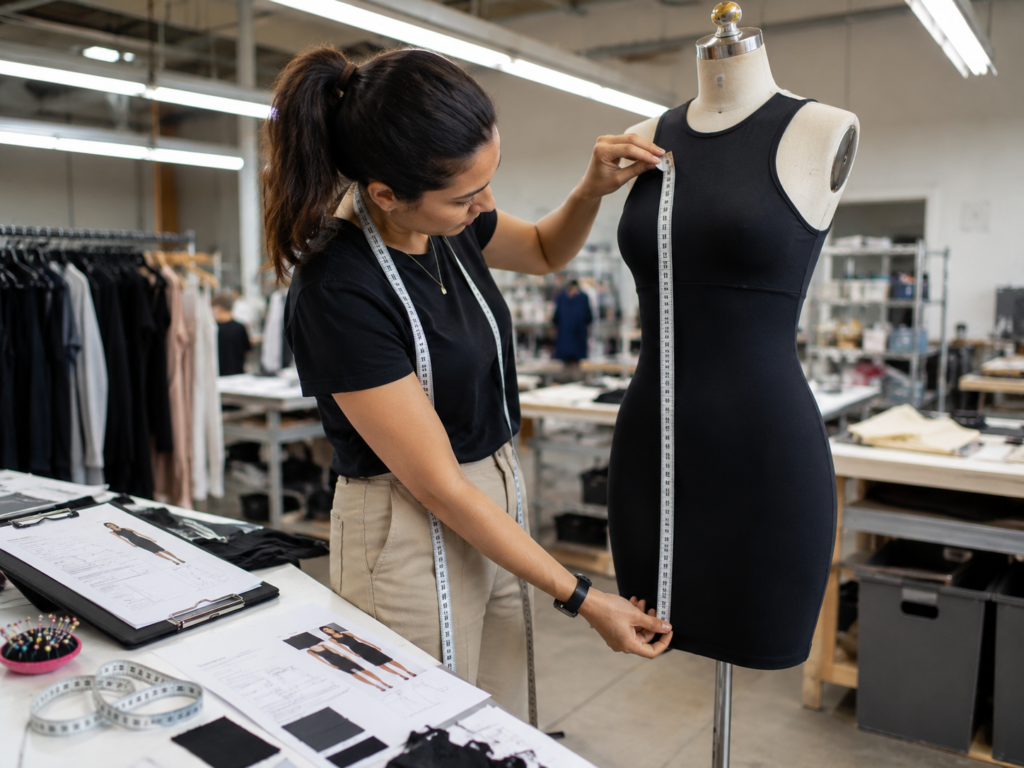
Measurement Tolerance Planning
Private Label, Logo And Packaging Solutions
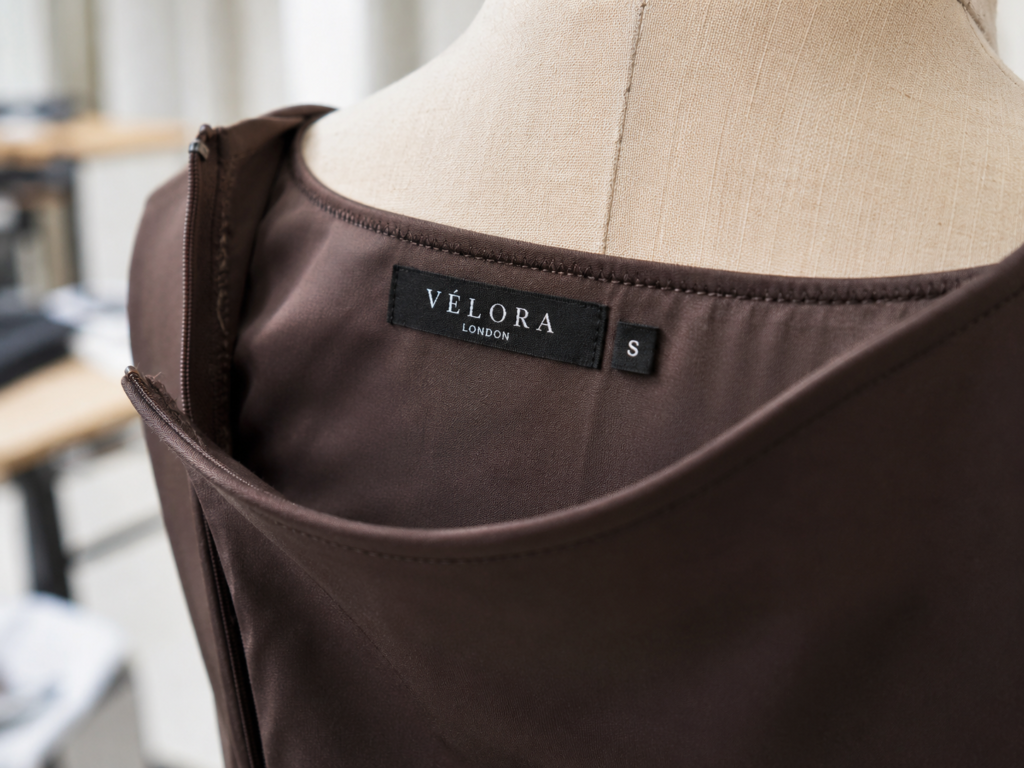
Main Label & Size Label
- Main Label: Main labels carry the first brand impression inside the garment. For bodycon dresses, label quality should match the product positioning without irritating the skin. Satin woven, damask woven, printed cotton or heat transfer options can be selected according to fabric and price level.
- Size Label: Size labels help customers identify fit quickly and support warehouse sorting. For fitted dresses, clear sizing is especially important because returns often come from wrong size expectations. Labels should remain readable after washing and avoid rough edges near sensitive contact points.
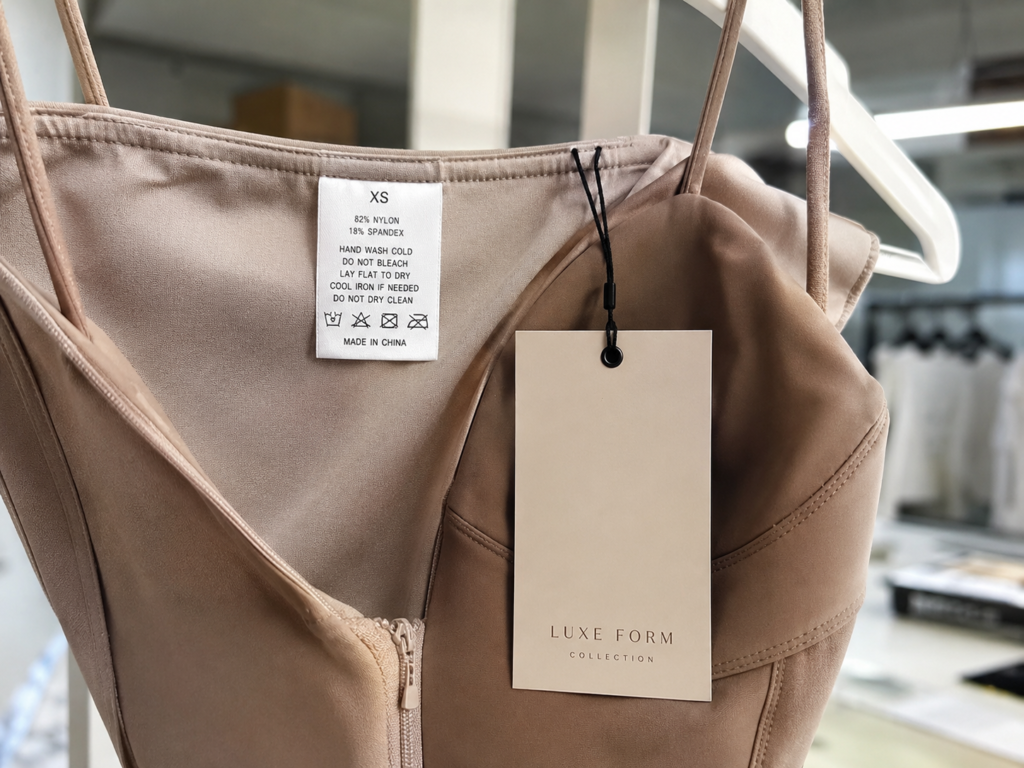
Care Label & Hangtag
- Care Label: Care labels support compliance, after-sales service and product longevity. Bodycon dresses may use stretch fabrics, lace, mesh, velvet, sequin or layered construction, so care instructions should reflect real material behavior. Incorrect washing guidance can lead to shrinkage, color loss, surface damage or customer complaints.
- Hangtag: Hangtags express brand tone before the garment is tried on. Paper weight, finish, string, shape and print quality can support a clean retail image. For fitted dress programs, hangtags may also communicate fabric feel, stretch comfort, occasion use or collection story.
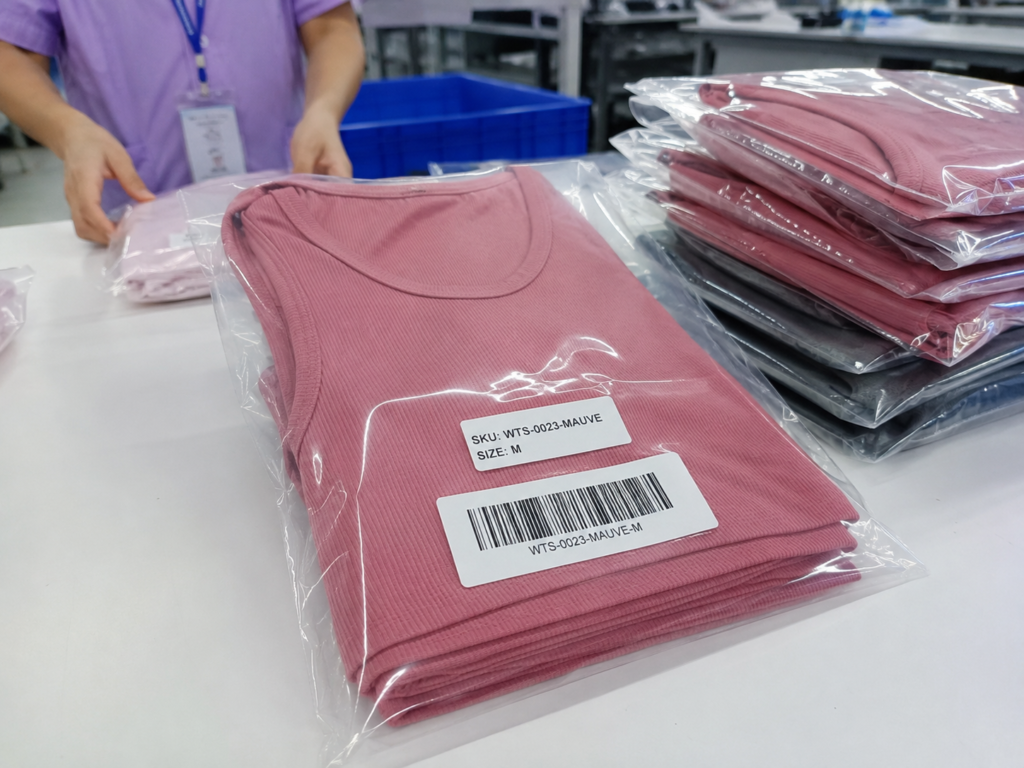
Barcode And SKU Sticker & Polybag
- Barcode And SKU Sticker: Barcode and SKU stickers help warehouse, e-commerce and wholesale operations. Each color, size and style should match the final packing list. For brands selling through online stores or retail partners, SKU accuracy can reduce shipping mistakes and inventory confusion.
- Polybag: Polybags protect garments during transport and storage. Bodycon dresses with velvet, sequin, foil, rhinestone or mesh surfaces may need special folding, tissue paper or separate packing to avoid surface damage. Bag size should match folded dimensions without compressing the garment too tightly.
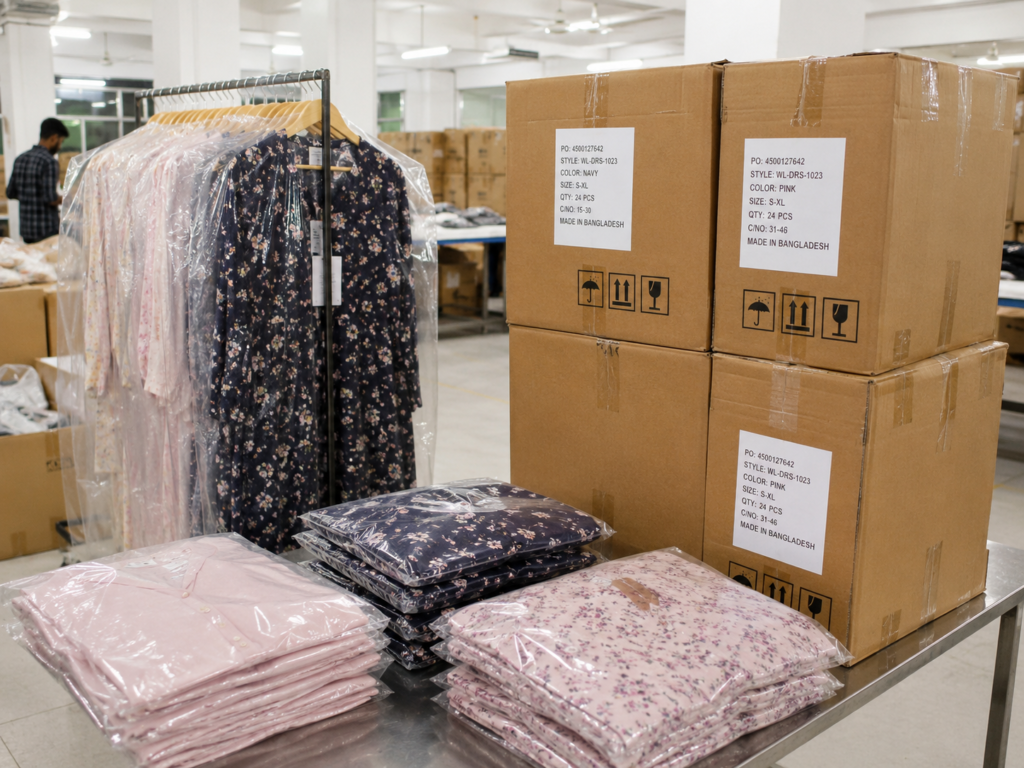
Carton Mark & Folding Or Hanger Packing
- Carton Mark: Carton marks help receiving teams identify shipments accurately. Clear carton information reduces sorting mistakes when multiple colors, sizes or styles ship together. Carton marks can include PO number, style number, color, size ratio, quantity, carton number and destination.
- Folding Or Hanger Packing: Folding and hanger packing should match fabric, garment structure and selling channel. Ribbed and jersey bodycon dresses often ship folded. Sequin, velvet, structured strapless or delicate occasion dresses may need extra support to protect surface and shape.
Sample Development Process For Bodycon Dress Projects
Sample development decides whether a bodycon dress can become a stable product. Jinfeng treats sampling as a front-end production decision, not a separate service. Pattern, fabric, fit, construction and finishing are reviewed before moving toward bulk order planning.
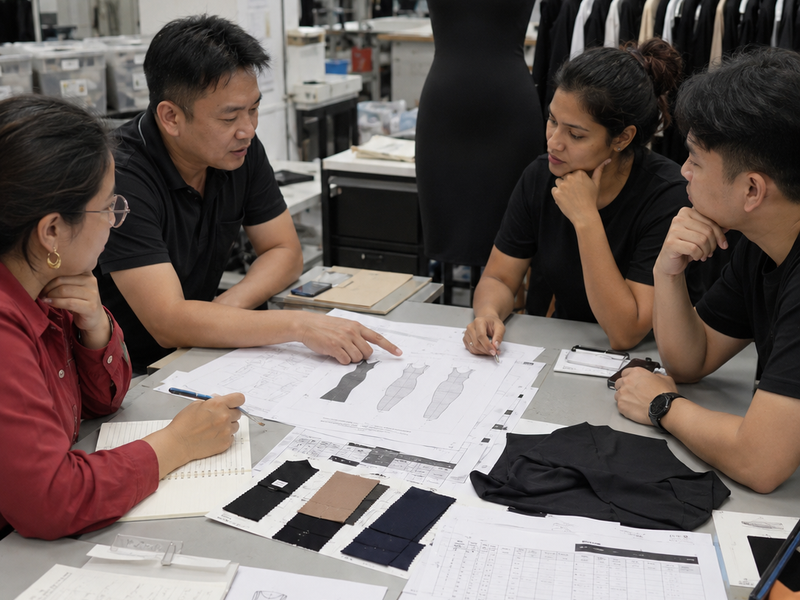
Style Information Review
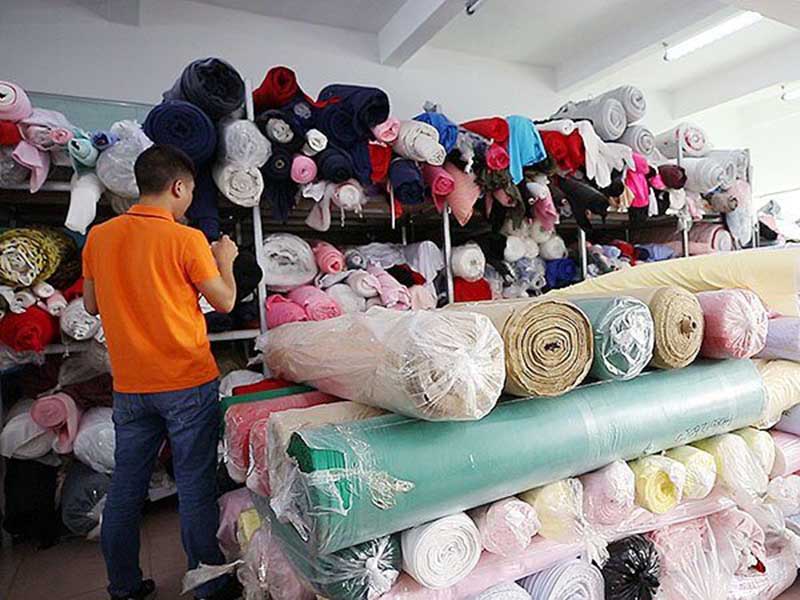
Fabric And Trim Sourcing
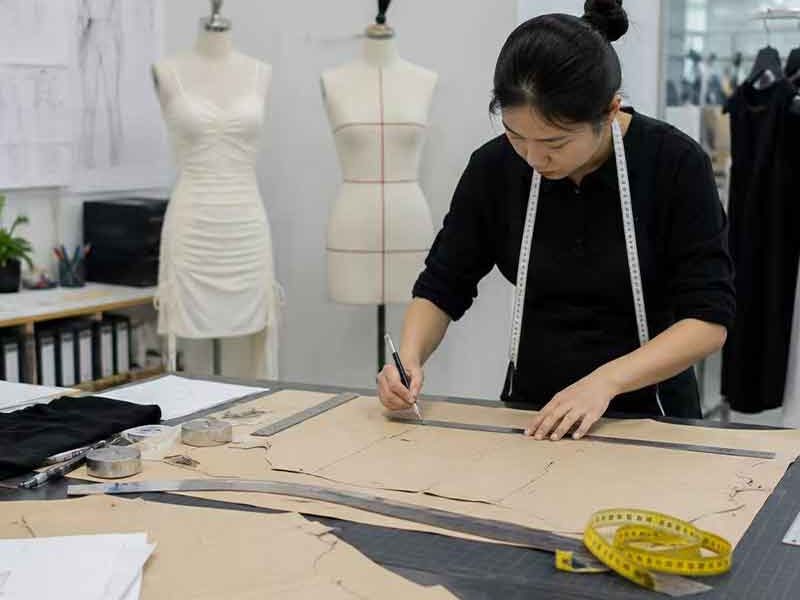
Pattern Drafting

First Sample Making
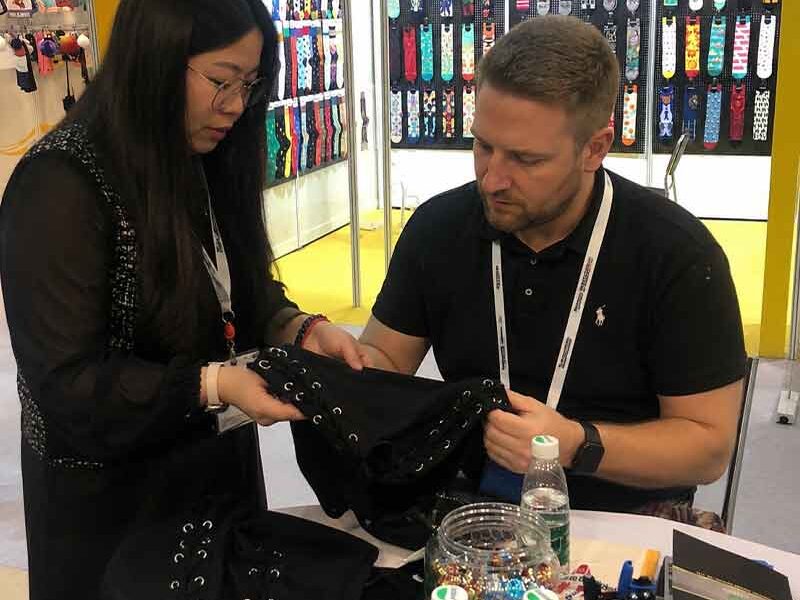
Fit Review And Revision
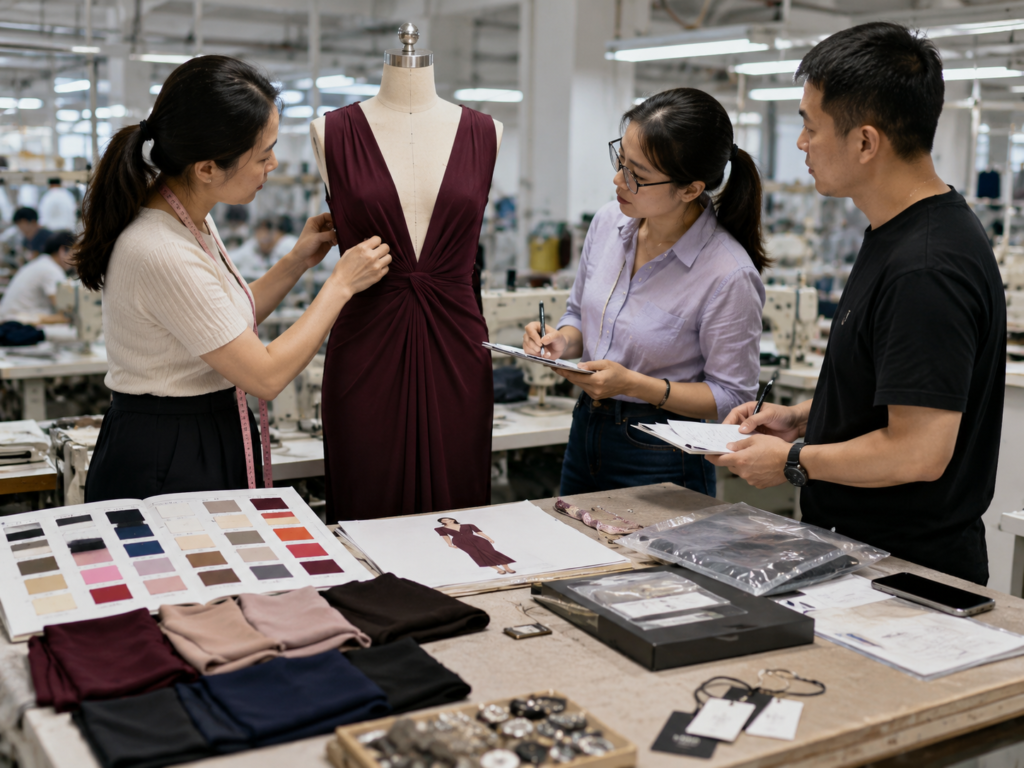
Pre-Production Sample Confirmation
Bulk Production Process For Repeatable Fitted Dress Orders

Order Review And Production Planning
Bulk production begins with order review. Style quantity, color breakdown, size ratio, fabric status, trim readiness, packaging requirement and delivery window are checked before scheduling. For bodycon dresses, production planning also reviews fabric stretch direction, cutting method and sewing complexity.
Jinfeng’s team aligns sampling notes with production requirements. Small orders may begin around 300–500 pcs, while mid-size orders often fall between 1,000–5,000 pcs. Larger orders can be planned according to factory capacity, material readiness and delivery priorities.

Bulk Fabric And Trim Preparation
Bulk fabric and trim preparation controls cost, timing and consistency. Fabric color, GSM, stretch, opacity and shrinkage should match the approved sample. Labels, zippers, linings, elastics, tapes, hangtags and packaging materials should arrive before production pressure begins.
For fitted dresses, fabric consistency matters because even small differences in recovery can change fit. Jinfeng’s purchasing and follow-up teams help coordinate material readiness, reducing delays caused by missing trims or late fabric approval.

Cutting Control
Cutting accuracy affects bodycon dress measurements and shape. Stretch fabrics should be relaxed when needed, and cutting direction should follow the approved pattern instruction. Rib, velvet, sequin, lace and printed fabrics may need additional direction or placement control.
Jinfeng uses cutting preparation according to garment structure and material behavior. For styles with panels, cut-outs, ruching or lining, cutting alignment becomes especially important. Poor cutting can create twisting, uneven seams or inconsistent garment length during sewing.
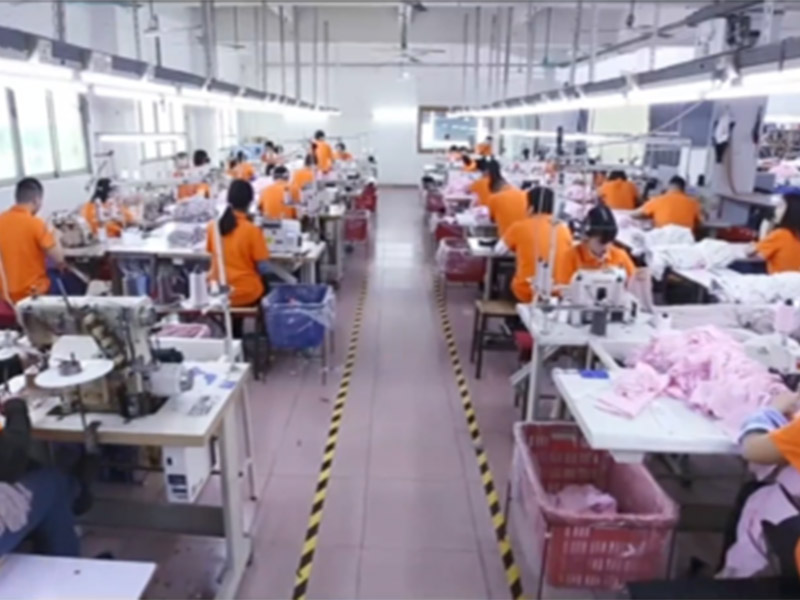
Sewing Line Setup
Sewing line setup confirms machine type, stitch method, thread, needle, seam allowance and special construction steps. Bodycon dresses may need different handling for side seams, neckline, hems, sleeves, lining attachment, ruching, cut-outs or closures.
Production teams follow approved sample and production notes. For stretch fabrics, seam elasticity and tension must be checked early. A short trial before full-line sewing can identify issues such as seam wave, skipped stitches, puckering or edge curling.

In-Line Checking
In-line checking helps catch problems before a full batch is completed. Inspectors and line leaders review measurements, seam appearance, surface condition, label placement and construction consistency during production. For fitted dresses, early detection prevents repeated defects across many pieces.
Common check areas include side seam balance, neckline shape, hem level, sleeve opening, lining position, zipper smoothness and decoration placement. In-line review supports smoother final inspection and reduces rework pressure near shipment.
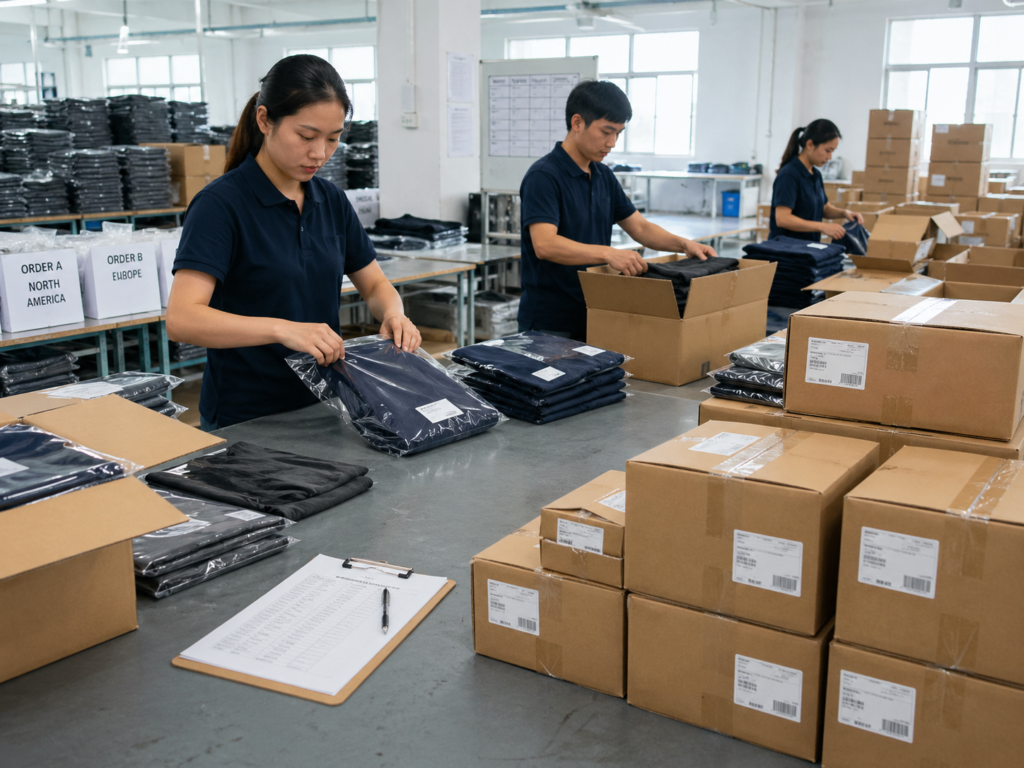
Finishing And Packing
Finishing includes thread trimming, pressing, shaping, measurement review, label check and packing preparation. Bodycon dresses with velvet, lace, sequin, foil, mesh or rhinestone surfaces may require careful handling to avoid pressure marks or surface damage.
Packing follows approved channel requirements. Folded packing, hanger packing, SKU stickers, polybags and carton marks are prepared according to order details. Jinfeng can support split shipments, FOB, CIF, DDP, DAP and warehouse-based delivery plans according to order needs.
MOQ, Production Time And Shipping Time
Bodycon dress orders may begin with controlled testing or move into planned repeat production. Jinfeng supports flexible order planning according to style complexity, fabric availability, decoration, size range and delivery method. Clear planning helps protect launch timing and production stability.
| Production Item | Common Range | Suitable Situation | Key Notes |
|---|---|---|---|
| Small Order | 300–500 pcs | Market test, new style launch, first cooperation | Best for controlled color and size range |
| Mid-Size Order | 1,000–5,000 pcs | Proven style, seasonal drop, repeat order | Better for cost control and capacity planning |
| Large Order | 5,000+ pcs | Scaled program, long-term replenishment | Needs earlier fabric and line scheduling |
| Regular Sample | 5–10 days | Simple jersey, rib, ponte or basic fitted dress | Timing starts after material and details are ready |
| Complex Sample | 7–15 days | Ruched, lace, cut-out, lined, sequin or corset styles | More review needed for fit and construction |
| Simple Production | 15–25 days | Basic bodycon dress with ready fabric | Good for clear specs and limited trims |
| Regular Production | 25–35 days | Multi-size, multi-color or lined styles | Common timing for structured programs |
| Complex Production | 35–45 days | Heavy decoration, special fabric or complex construction | Needs earlier approval and material control |
Shipping Options
| Shipping Method | Common Time | Best Use | Planning Note |
|---|---|---|---|
| Express | 5–7 days | Samples, urgent small shipments | Higher cost, fast movement |
| Air Freight | 7–15 days | Launch-sensitive orders | Balanced speed for commercial drops |
| Sea Freight | 20–35 days | Larger bulk orders | Better cost structure with earlier planning |
Quality Inspection For Bodycon Dress Orders
Fabric Inspection
Fabric inspection checks color, hand feel, surface defects, width, GSM, stretch, recovery and shrinkage risk. For bodycon dresses, fabric quality directly affects fit and return risk. A fabric with poor recovery may pass visual review but fail after wearing.
Jinfeng uses fabric review before production to reduce material-related defects. Light colors are checked for opacity, while textured surfaces such as velvet, lace, sequin and mesh need additional attention for shade, direction and damage.
Pre-Production Check
Pre-production check confirms whether the approved sample, fabric, trims, labels, measurements and construction notes are ready for bulk. Bodycon dress production should not begin with unclear fit comments or incomplete material approval.
Key points include stretch direction, seam method, lining compatibility, neckline finish, hem construction, label placement and packing method. A clear pre-production check reduces confusion between sample approval and line execution.
In-Line Inspection
In-line inspection catches issues during sewing. For fitted dresses, problems such as seam wave, puckering, twisted side seams, uneven ruching, loose cut-out edges and poor zipper alignment should be corrected before large quantities are completed.
Jinfeng’s production follow-up team monitors progress through production stages. In-line checking protects both delivery timing and quality consistency by reducing late-stage rework.
Final Inspection
Final inspection checks measurements, workmanship, appearance, labels, packing and quantity before shipment. Bodycon dress inspection should include critical points such as bust, waist, hip, length, sleeve opening, neckline, hem level, seam strength and surface cleanliness.
For delicate styles, final inspection also reviews decoration damage, loose threads, pressure marks, color stains and packing condition. Approved quality standards can be aligned with customer requirements before production starts.
Measurement Control
Measurement control is especially important for bodycon dresses. A small difference in waist, hip or length can change fit. Garments should be measured without over-stretching the fabric, using a consistent method across sizes and colors.
Jinfeng follows approved specs and tolerances during inspection. For stretch fabrics, consistent measuring practice helps avoid false variation and supports clearer communication when measurement adjustments are needed.
Packing Inspection
Packing inspection protects the garment after production. Labels, hangtags, SKU stickers, polybags, carton marks and folding methods should match the order instruction. Poor packing can create wrinkles, surface damage or warehouse receiving problems.
Bodycon dresses with sequin, velvet, foil, lace or mesh may need extra packing care. Final carton review helps reduce shipment mistakes and protects brand presentation after arrival.
Factory Safety And Responsible Production Control
Factory Structure
Jinfeng works through 4 coordinated factories, including 3 women’s fashion production factories and 1 casual T-shirt, hoodie and print-focused factory. For bodycon dress programs, the women’s fashion lines support dresses, sets, fitted silhouettes, occasionwear and trend-driven styles.
Production Team Setup
Sample Room Control
Material Handling
Order Traceability
Workplace Stability
Responsible Growth
Production Risk Control Checklist For Bodycon Dresses
Bodycon dresses need early risk control because fit, fabric and structure are closely connected. A small issue in stretch, opacity, seam tension or grading can affect customer comfort, product reviews and repeat sales after launch.
| Risk Area | Common Problem | Control Method |
|---|---|---|
| Fabric Stretch | Fit changes after wearing | Check stretch ratio and recovery before pattern approval |
| Opacity | Light colors become transparent | Test stretched fabric under strong light |
| Pattern Balance | Shape looks different on body | Review bust, waist, hip and length on fit sample |
| Seam Tension | Side seams wave or pucker | Test stitch, needle and thread before bulk sewing |
| Ruching | Left and right sides look uneven | Confirm gathering density and elastic tension |
| Cut-Out Edge | Opening curls or gapes | Add binding, facing or elastic support |
| Lining | Inner layer restricts movement | Test shell and lining as one structure |
| Grading | Larger sizes lose silhouette | Approve size set before larger production |
| Surface Technique | Decoration cracks or feels rough | Test stretch, wash and skin comfort |
| Packing | Surface damage during shipment | Match folding or hanger packing to fabric type |
Client Case Studies
The following case formats show how bodycon dress projects can be presented for a factory website. Names can be replaced with approved client information, or kept anonymous for privacy.
Case 1|A US Occasionwear Brand
Project Overview
- Client role: Product Development Manager
- Market: United States
- Name: Emily R.
- Product: Cut-out midi bodycon dress
- Sales channel: Online fashion retail
- Starting point: Tech pack + fabric reference
- Initial order: 500 pcs per style
- Scale order: 4,000 pcs per style
- Key service: Pattern adjustment, cut-out reinforcement, lining review
Challenge
The brand needed a fitted occasion dress with a clean waist cut-out and stable neckline. Earlier samples from another supplier showed gaping around the opening, unstable side seams and weak support after stretching.
Solution
Jinfeng adjusted the pattern around the waist opening, reviewed fabric recovery and added edge reinforcement. The sample team tested lining compatibility and neckline tension before confirming the pre-production sample.
Result
- Initial order began at 500 pcs per style
- Repeat quantity reached 4,000 pcs per style
- Cut-out edge stayed flatter after revision
- Fit notes were kept for later color drops
- Reorder planning became easier for the next season
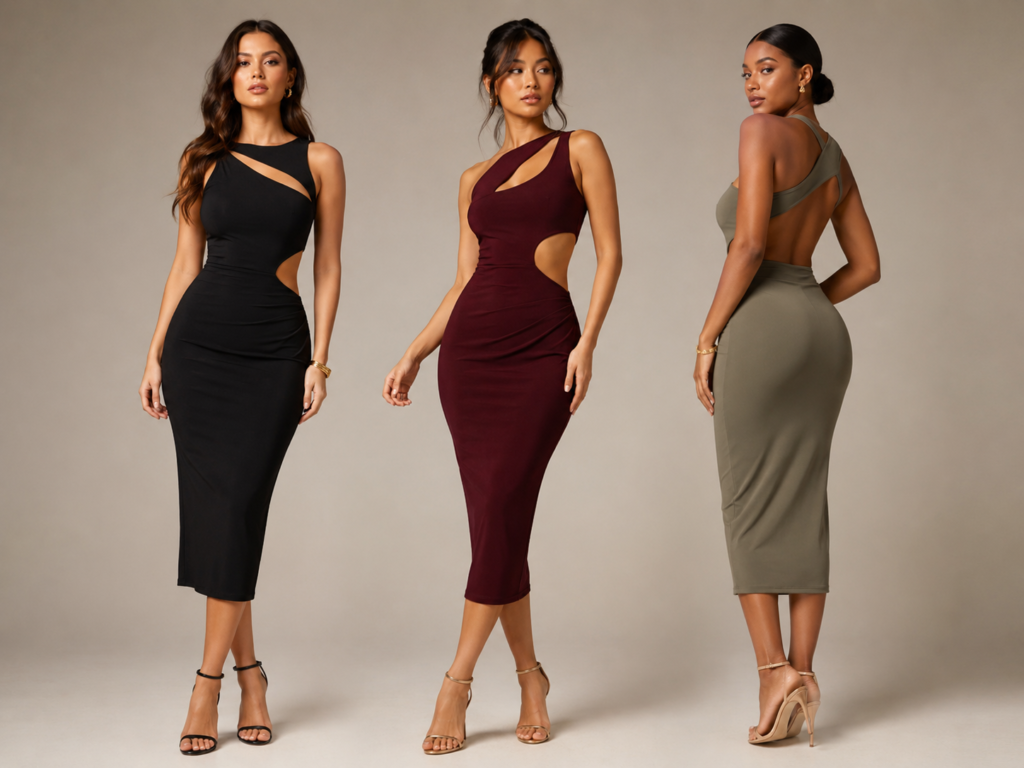
Case 2|A UK Boutique Fashion Retailer
Project Overview
- Client role: Buying Manager
- Market: United Kingdom
- Name: Sophie M.
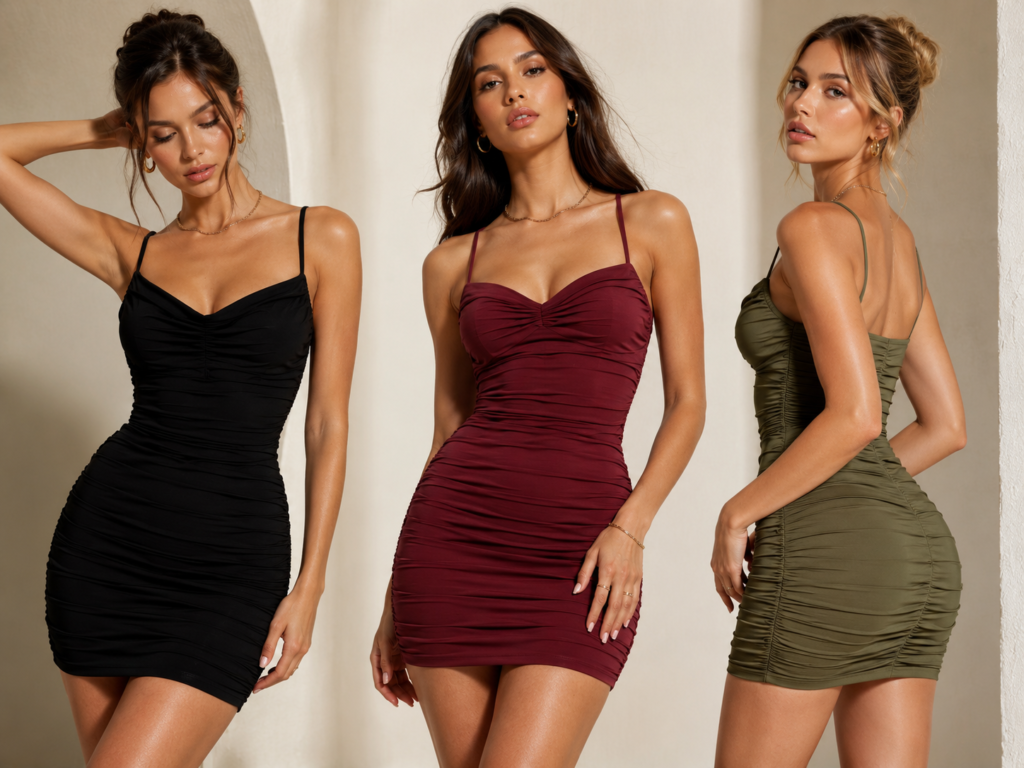
- Product: Ruched mini bodycon dress
- Sales channel: Boutique wholesale and e-commerce
- Starting point: Reference images + size chart
- Initial order: 300 pcs per color
- Scale order: 2,800 pcs across colors
- Key service: Ruching control, elastic tension, size grading
Challenge
The retailer needed a ruched mini dress for a seasonal party collection. The main concern was uneven gathering, short length control and inconsistent fit across sizes.
Solution
Jinfeng reviewed ruching placement during sample development and adjusted elastic tension before the final sample. The pattern team checked grading for core sizes, while production notes kept gathering density consistent across colorways.
Result
- First launch used 300 pcs per color
- Total reorder reached 2,800 pcs
- Side ruching stayed balanced in bulk
- Mini length remained closer to approved sample
- Style expanded into two additional colors
Case 3|An Australian DTC Fashion Brand
Project Overview
- Client role: Founder
- Market: Australia
- Name: Chloe W.
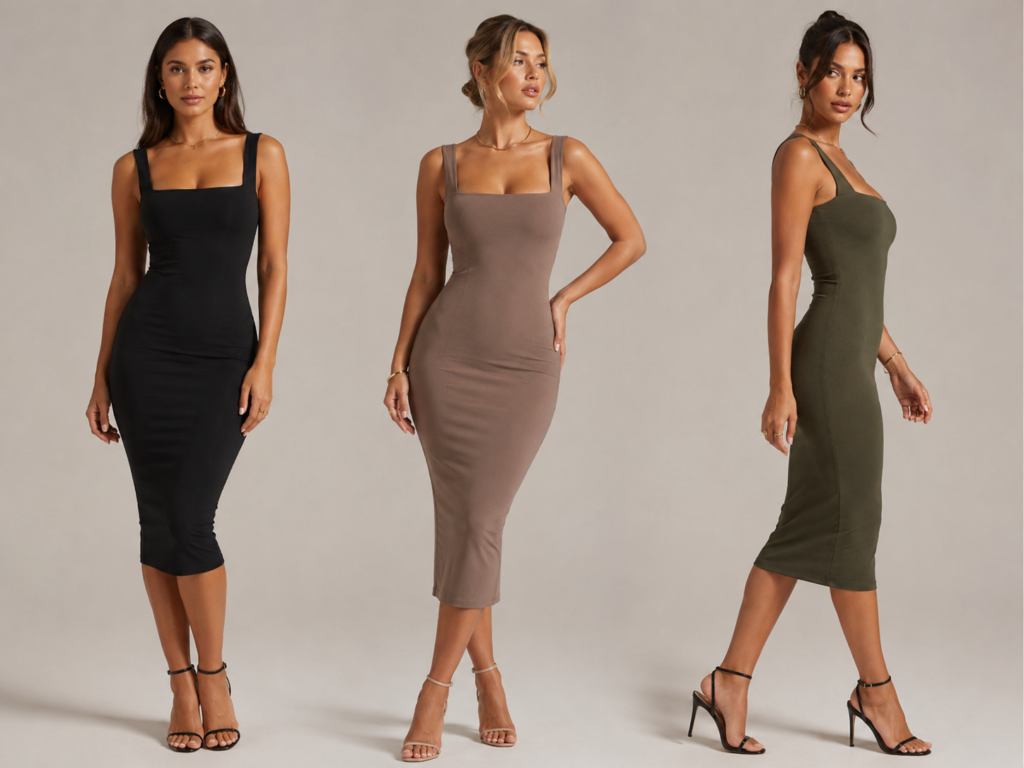
- Product: Sculpting midi bodycon dress
- Sales channel: Direct online store
- Starting point: Reference images + size chart
- Initial order: 300 pcs per style
- Scale order: 3,500 pcs per style within 3 months
- Key service: MOQ planning, fabric consistency, grading, scale-up
Challenge
The brand wanted to test a sculpting bodycon style with controlled first quantity, while still needing a supplier able to scale quickly after strong sales. Previous suppliers handled small runs but struggled with repeat consistency.
Solution
Jinfeng supported a step-by-step production plan. The first batch stayed at 300 pcs per style for market testing. After sales improved, the approved pattern, fabric direction and fit comments were kept for scale-up production.
Result
- Order grew from 300 pcs to 3,500 pcs per style
- Fit stayed more consistent across repeat batches
- Fabric direction and pattern notes remained controlled
- Production errors reduced during the scale-up stage
- A longer-term fitted dress program became possible
Why Jinfeng Matches OEM Bodycon Dress Sourcing
Women’s Fashion Manufacturing Focus
Fitted Silhouette Experience
Sample Development Capacity
Practical MOQ Planning
Production Capacity For Growth
Material And Trim Coordination
Order Follow-Up Support
Suitable Brand Profiles
FAQ For Bodycon Dress Manufacturing
Below are common questions from brands, buyers, product developers, and private label sellers looking for an OEM bodycon dress manufacturer.
Jinfeng can develop mini, midi, maxi, ruched, cut-out, strapless, one-shoulder, long sleeve, mesh panel, lace, ribbed and corset-inspired bodycon dresses. Style feasibility depends on fabric, construction, decoration and target quantity.
Yes. Jinfeng can develop from reference images, physical samples, tech packs or size charts. For fitted styles, clearer measurements and fabric direction help reduce sample revisions and improve first-round accuracy.
Common small order range is around 300–500 pcs per style. Mid-size orders often fall between 1,000–5,000 pcs. Larger orders above 5,000 pcs can be planned according to fabric, style and capacity.
Regular bodycon dress samples usually take 5–10 days after materials and details are ready. More complex styles, such as ruched, lined, cut-out, lace, sequin or corset-inspired dresses, usually need 7–15 days.
Yes. Jinfeng can support main labels, size labels, care labels, hangtags, barcode stickers, polybags, carton marks, folded packing and hanger packing according to brand and sales channel needs.
Common options include ponte, rib knit, nylon-spandex, stretch velvet, mesh, stretch lace, scuba, slinky jersey, sequin stretch fabric and double-layer jersey. Fabric choice should match fit, opacity, comfort and target price.
Yes, with proper fabric and structure planning. Light colors often need higher GSM, tighter yarn density, double-layer construction or suitable lining. Stretch opacity should be checked under tension before bulk approval.
Jinfeng can develop size ranges according to provided measurements and grading requirements. For fitted dresses, size set samples are recommended before larger production to check comfort, proportion and silhouette across sizes.
Simple styles may take 15–25 days. Regular bodycon dress production often takes 25–35 days. Complex styles with special fabric, lining, decoration or construction may need 35–45 days after approvals.
Common shipping options include express, air freight and sea freight. Express usually takes 5–7 days, air freight 7–15 days and sea freight 20–35 days. FOB, CIF, DDP and DAP can be discussed.
Approved samples, pattern notes, fabric direction, measurement specs, production comments and inspection checks are used during bulk production. For repeat orders, these references help keep fit and construction closer to the approved version.
Yes. Jinfeng is suitable for brands with clear product direction, frequent new launches and repeat production needs. The factory structure supports sampling, small test orders, mid-size orders and larger scale-up plans.
Develop Bodycon Dresses With A Factory Built For Fit
A successful bodycon dress program needs more than a supplier that can sew stretch fabric. Fit, fabric, pattern, seam tension, lining, surface finish, size grading and repeat production all need to be controlled from the first sample.
Jinfeng supports fashion brands with custom bodycon dress development, private label production and bulk manufacturing from Dongguan. Share a reference image, sample, size chart or tech pack to start a clear development plan.
- Mini, midi and maxi bodycon dresses
- Ruched, cut-out and strapless styles
- Ribbed, ponte, mesh, lace and velvet dresses
- Partywear, occasionwear and fitted fashion collections
- Small test orders and repeat production programs
- Private label and channel-ready packaging