Skip to content
Custom Matching Set Manufacturer for Women’s Fashion Brands
Jinfeng Apparel helps overseas fashion brands turn matching set ideas into production-ready garments. From reference images, tech packs and original samples to pattern development, fabric sourcing, sample making, bulk production and delivery, our team supports brands that need reliable women’s fashion manufacturing in China.
- 2 sample development rooms
- 7 experienced pattern makers
- 20 sample technicians
- 18 production lines
- Monthly capacity around 300,000+ pieces
- Common sampling time: 5–10 days



Why Matching Sets Stay Strong in Women’s Fashion
They Create a Complete Outfit
They Improve E-Commerce Presentation
They Help Brands Build Product Families
They Support Higher Visual Consistency
They Work Across Many Fashion Categories
They Make Reorders Easier to Plan
Matching Set Manufacturing for Established Fashion Businesses
Fast Fashion Women’s Brands
Fast fashion women’s brands often work with frequent product drops, quick development cycles and trend-sensitive categories. Their collections may include dresses, sets, bodysuits, tops, jumpsuits, fitted silhouettes, occasionwear and partywear. They usually need suppliers who can understand visual references quickly and turn them into workable samples.
- Samples do not match the intended silhouette
- Factories understand basic construction but not fashion fit
- Development takes too many rounds
- Fabric choice changes the full look
- Multiple styles need to move at the same time
- Production timelines must match launch calendars
DTC Fashion Brands
DTC fashion brands often sell through their own website, social media, email marketing and online campaigns. Product visuals, fit, brand identity and customer experience are critical. They usually need a factory that can support custom product development, private label details and repeatable production.
- Product needs to look strong in photos and videos
- Fit problems lead to returns
- Packaging does not match brand positioning
- Factory communication is too slow
- Small test orders need a clear path to larger reorders
- Custom styles need better confidentiality
Occasionwear and Partywear Brands
Occasionwear and partywear brands focus on styles that need strong visual impact and better body fit. These products may include fitted sets, sculpting silhouettes, dressy co-ords, crop tops, skirts, bodysuits, jumpsuits and event-driven women’s fashion.
- Fitted garments do not shape the body well
- Fabric stretch is not matched to the pattern
- Seam placement affects the final look
- Neckline, waistline or hip fit needs correction
- Sample makers cannot interpret fashion references accurately
- Bulk production loses the original sample shape
Activewear and Athleisure Brands
Activewear and athleisure brands usually focus on sports bras, leggings, yoga sets, short sets, joggers, sweat sets, sculpting pieces and lounge-to-gym categories. They need products that look good, move well and maintain fit after wear.
- Fabric becomes sheer when stretched
- Leggings lose recovery
- Waistbands roll or feel uncomfortable
- Sports tops lack support
- Matching sets do not balance compression and comfort
- The garment looks right but performs poorly on body
Premium Blanks and Casualwear Brands
Premium blanks and casualwear brands often focus on T-shirts, hoodies, sweatshirts, graphic tees, sweatpants, joggers and simple but high-quality daily products. Their matching sets may include hoodie and sweatpants sets, sweatshirt and jogger sets, T-shirt and shorts sets, or graphic top and bottom sets.
- Fabric weight does not feel premium
- Blanks shrink or twist after washing
- Print or embroidery quality is unstable
- Fit changes across batches
- Small-batch graphic drops need fast response
- Reorders do not match the first production run
Private Label Apparel Companies
Private label apparel companies need a supplier that can handle product development, labels, packaging, logo application, production and shipment coordination. They usually care about consistency, communication, confidentiality and the ability to repeat successful styles.
- Supplier only offers ready-made styles
- Custom labels and packaging are poorly handled
- Product information is not organized for shipment
- Communication gaps create production errors
- Confidential designs need protection
- Scaling from first order to repeat order is difficult
Custom Matching Set Styles for Women’s Fashion Brands

Top and Skirt Sets
Fashion brands, partywear brands, resort collections, boutique labels and DTC women’s apparel companies.
- Crop top and mini skirt set
- Long sleeve top and maxi skirt set
- Fitted top and bodycon skirt set
- Woven blouse and skirt set
- Rib knit top and skirt set
Top and skirt sets often fail when the proportions are not developed together. The top may look too short, the skirt may sit too low, or the full outfit may lose the intended body shape.

Crop Top and Pants Sets
Fast fashion brands, young women’s fashion labels, social-driven apparel brands and seasonal capsule collections.
- Crop top and flare pants set
- Crop top and wide-leg pants set
- Long sleeve crop top and fitted pants set
- Halter top and pants set
- Knit crop top and lounge pants set
Crop top and pants sets can easily look uneven. If the pants are too casual, too long or too loose, the full set loses the clean fashion effect.

Dressy Co-ord Sets
Occasionwear brands, partywear labels, event dressing brands, boutique collections and trend-led women’s fashion.
- Structured top and skirt set
- Satin blouse and pants set
- Off-shoulder top and skirt set
- Draped top and fitted bottom set
- Party top and mini skirt set
Dressy co-ords need more precision than casual sets. Poor seam placement, weak fabric choice or incorrect drape can make the garment look inexpensive.

Partywear Matching Sets
Sexy fashion brands, clubwear brands, holiday drops, party collections and event-focused online retailers.
- Mesh top and skirt set
- Ruched top and mini skirt set
- Cut-out top and pants set
- Bodycon two-piece set
- Sparkle, metallic or statement fabric set
Partywear sets often involve fitted shapes, stretch fabrics, cut-outs, mesh panels, ruching or delicate trims. If the factory does not understand body shape and fabric tension, the sample can look different from the reference.

Lounge Top and Pants Sets
DTC lifestyle brands, casualwear brands, comfort-driven women’s labels and travel or daily wear collections.
- Rib knit lounge set
- Soft jersey top and wide-leg pants set
- Long sleeve top and relaxed pants set
- Cardigan and pants set
- Minimal knit lounge set
Lounge sets can look comfortable in photos but lose shape after wearing or washing. Soft fabrics may twist, stretch out or lose recovery if not selected carefully.

Sports Bra and Leggings Sets
Activewear brands, yoga brands, gymwear labels, athleisure brands and sculpting product lines.
- Sports bra and leggings set
- Crop tank and leggings set
- Yoga bra and flare leggings set
- Long sleeve active top and leggings set
- Sculpting workout set
Activewear sets need stretch, support, coverage and recovery. Problems often appear after the first fitting: leggings become sheer, waistbands roll, sports bras lack support or seams create discomfort.

Tank and Shorts Sets
Summer collections, resort brands, casual fashion labels, e-commerce brands and fast seasonal launches.
- Rib tank and biker shorts set
- Tank top and lounge shorts set
- Crop tank and drawstring shorts set
- Fitted tank and mini shorts set
- Jersey tank and casual shorts set
Tank and shorts sets can feel too basic if fabric weight, fit and finishing are not handled well. Low-value construction can reduce the perceived price of the full outfit.

T-Shirt and Shorts Sets
Premium blanks brands, casualwear brands, graphic apparel brands, street-casual labels and online retailers.
- Oversized T-shirt and shorts set
- Graphic tee and shorts set
- Heavyweight tee and sweat shorts set
- Boxy T-shirt and casual shorts set
- Logo tee and matching shorts set
T-shirt sets often compete in a crowded market. If the blank quality, print quality or fit is weak, the product becomes difficult to differentiate.

Hoodie and Sweatpants Sets
Casualwear brands, streetwear-inspired women’s brands, loungewear labels, premium blanks brands and winter capsule collections.
- Pullover hoodie and sweatpants set
- Zip hoodie and jogger set
- Cropped hoodie and sweatpants set
- Oversized hoodie and wide-leg sweatpants set
- Logo hoodie and fleece pants set
Hoodie sets often fail because the hoodie and pants do not feel like they belong together. Fabric shade, fleece weight, rib tension, waistband quality or logo placement may be inconsistent.

Sweatshirt and Jogger Sets
Lifestyle brands, airport wear collections, casual fashion labels, boutique e-commerce and seasonal comfort drops.
- Crewneck sweatshirt and jogger set
- Oversized sweatshirt and slim jogger set
- Cropped sweatshirt and jogger set
- Embroidered sweatshirt set
- Printed sweatshirt and jogger set
Sweatshirt and jogger sets often have proportion issues. The sweatshirt may be oversized while the jogger feels too slim, or the set may look too heavy for the target season.

Bodysuit and Skirt Sets
Partywear brands, occasionwear brands, fitted women’s fashion labels and social-driven DTC brands.
- Bodysuit and mini skirt set
- Mesh bodysuit and skirt set
- Long sleeve bodysuit and fitted skirt set
- Cut-out bodysuit and skirt set
- Sculpting bodysuit and matching bottom set
Bodysuit sets require strong fit control. If the torso length, neckline, snap position, stretch or skirt rise is wrong, the full outfit becomes uncomfortable or visually unbalanced.

Woven Resort Sets
Vacation collections, resortwear brands, boutique labels, summer drops and elevated casualwear brands.
- Shirt and shorts set
- Blouse and pants set
- Tie-front top and skirt set
- Wide-leg pants and sleeveless top set
- Printed woven co-ord set
Woven sets can lose shape if the fabric does not drape correctly or if cutting and sewing are not stable. Prints, stripes and delicate fabrics also require careful handling.
Fabric Options That Shape the Final Set
For matching sets, fabric selection is one of the most important decisions before sampling begins. The same design can look completely different in cotton jersey, rib knit, satin, mesh, French terry, fleece or nylon-spandex.

Cotton Jersey
T-shirt sets, casual sets, tank and shorts sets, everyday basics and private label casualwear.
- Comfortable for daily wear
- Easy to style
- Suitable for basic and graphic sets
- Works well for many price points
- Good for repeatable casual programs
Cotton jersey can shrink, twist or feel too light if the wrong weight or construction is selected. For matching sets, shrinkage differences between the top and bottom can also affect final fit.

Heavyweight Cotton Jersey
Premium T-shirt sets, oversized tee and shorts sets, street-casual sets and high-quality blanks
- Better structure
- More premium hand feel
- Stronger product presentation
- Suitable for oversized silhouettes
- Works well for blank or logo-based products
Heavyweight jersey can feel stiff if the pattern and finishing are not adjusted properly. It can also affect drape and comfort if the weight is too high for the target season.

Cotton-Spandex Jersey
Fitted tops, body-conscious sets, casual sculpting sets, bodysuit sets and stretch fashion products.
- Better body fit
- Good stretch and recovery
- Suitable for fitted fashion silhouettes
- Comfortable for daily wear
- Useful for sculpted casualwear
If the spandex content or recovery is not suitable, garments may stretch out after wearing or feel too tight on body.

Rib Knit
Tank sets, lounge sets, fitted casual sets, cardigan sets, crop tops and skirt sets.
- Soft hand feel
- Feminine body line
- Good for fitted or semi-fitted styles
- Suitable for lounge and casual fashion
- Works well for tonal matching sets
Rib tension can change fit dramatically. A rib fabric may look correct on the table but become too tight, too loose or too revealing when worn.

French Terry
Sweatshirt sets, jogger sets, hoodie sets, shorts sets and mid-weight casualwear.
- Comfortable for transitional seasons
- Lighter than heavy fleece
- Good for casual matching sets
- Suitable for embroidery or print
- Easy to build into repeat programs
French terry may vary in loop texture, weight and hand feel. If top and bottom fabrics are sourced inconsistently, the set may feel mismatched.

Brushed Fleece
Hoodie and sweatpants sets, winter lounge sets, street-casual programs and premium comfort products.
- Warm and soft
- Strong comfort value
- Works well for hoodie sets
- Suitable for embroidery and logo placement
- Strong product appeal in colder seasons
Brushed fleece can become bulky, shrink unevenly or show shade differences between garment pieces. Rib, drawcord and waistband quality also affect the final product.
Nylon-Spandex
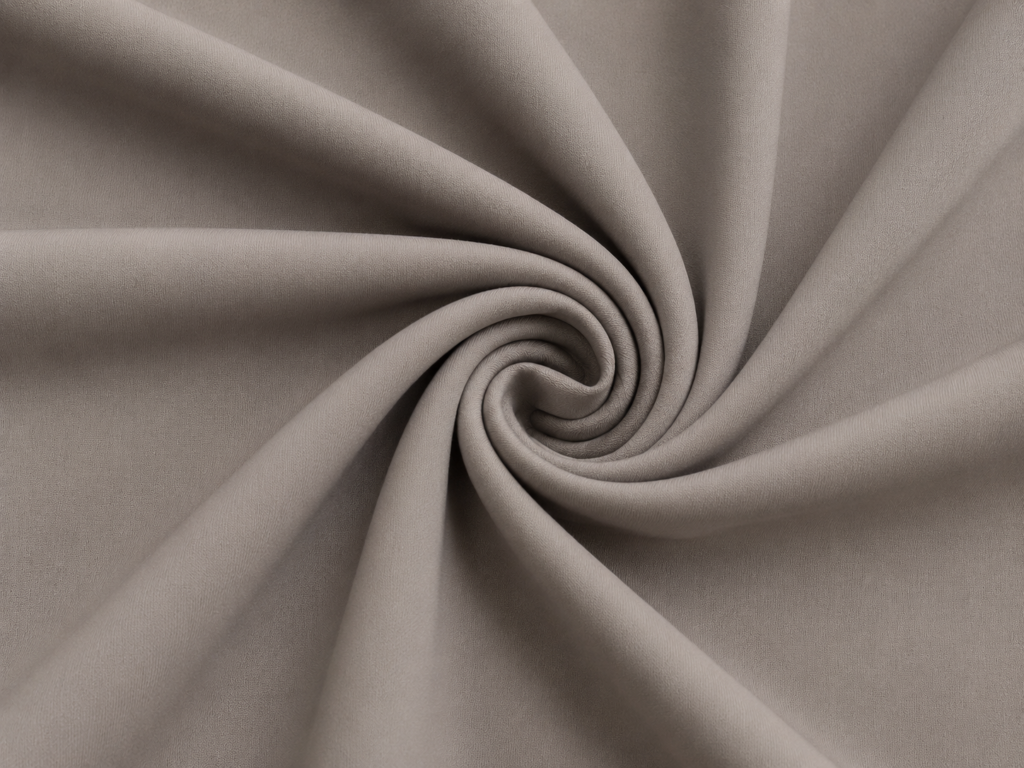
Activewear sets, yoga sets, sports bra and leggings sets, sculpting sets and body-support products.
- Strong stretch
- Smooth surface
- Good for compression
- Suitable for active and athleisure styles
- Supports body shaping
Nylon-spandex may become sheer when stretched. Poor recovery can cause leggings or tops to lose shape after use.
Polyester-Spandex Knit
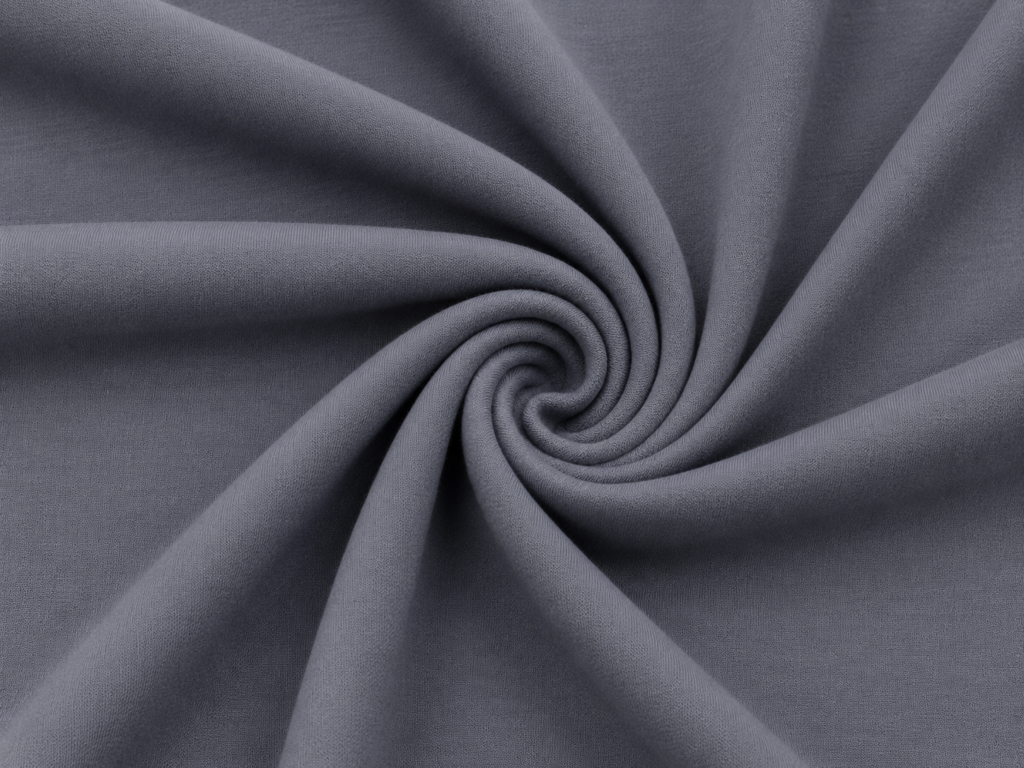
Performance-inspired sets, gymwear, fashion activewear, lightweight stretch sets and trend-driven active collections.
- Durable
- Good stretch potential
- Suitable for fast-drying products
- Works across many active styles
- Often more cost-flexible than some nylon fabrics
Some polyester-spandex fabrics can look shiny, thin or less premium if not chosen carefully.

Mesh
Partywear sets, layered fashion sets, activewear panels, sleeves, inserts and detail-focused styles.
- Strong visual effect
- Lightweight
- Good for layering
- Useful for sexy or statement styles
- Works well in partywear and active-inspired designs
Mesh can stretch, distort or become difficult to sew. It may also require lining or reinforced construction depending on the style.
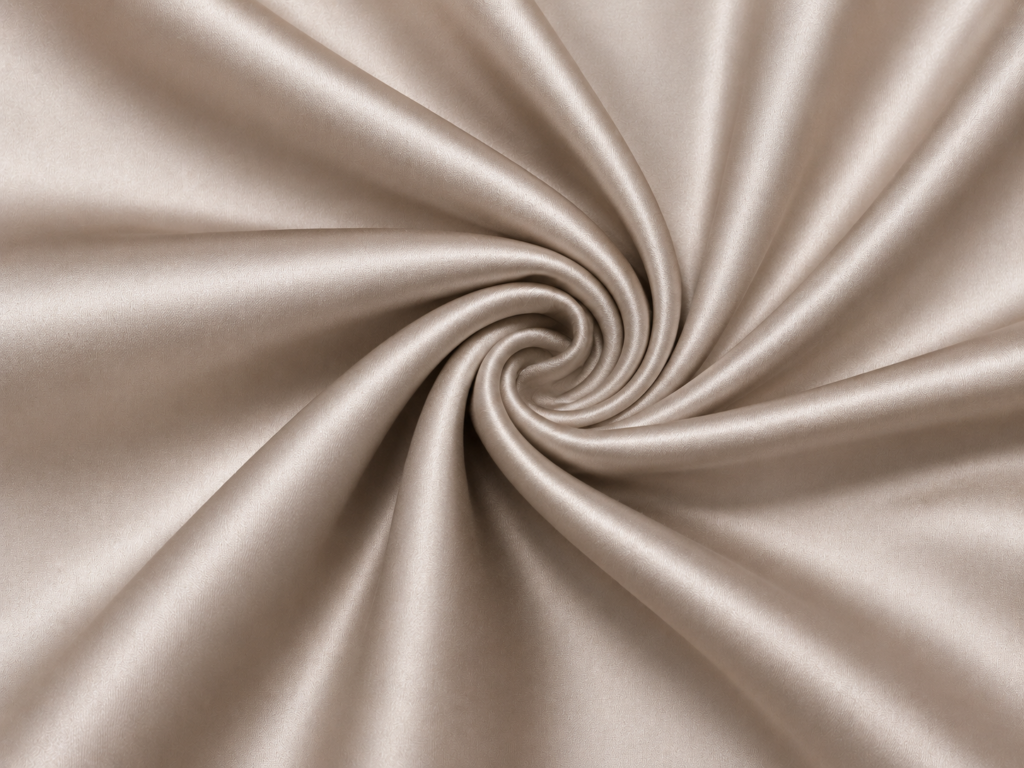
Satin or Silky Woven Fabric
Dressy co-ord sets, blouse and skirt sets, resort sets, partywear and elevated women’s fashion.
- Smooth surface
- Dressier appearance
- Strong visual appeal
- Suitable for occasionwear
- Good for feminine silhouettes
Satin can expose sewing defects, tension issues, cutting problems and seam puckering. It also requires careful handling during production.

Stretch Woven Fabric
Pants sets, structured co-ords, fitted woven tops, skirts and fashion-forward two-piece sets.
- More structure than knit
- Better shape retention
- Suitable for clean silhouettes
- Works for dressy or casual sets
- Adds comfort when stretch is controlled
Stretch woven styles can become uncomfortable if the pattern does not account for movement. The garment may look structured but feel restrictive.
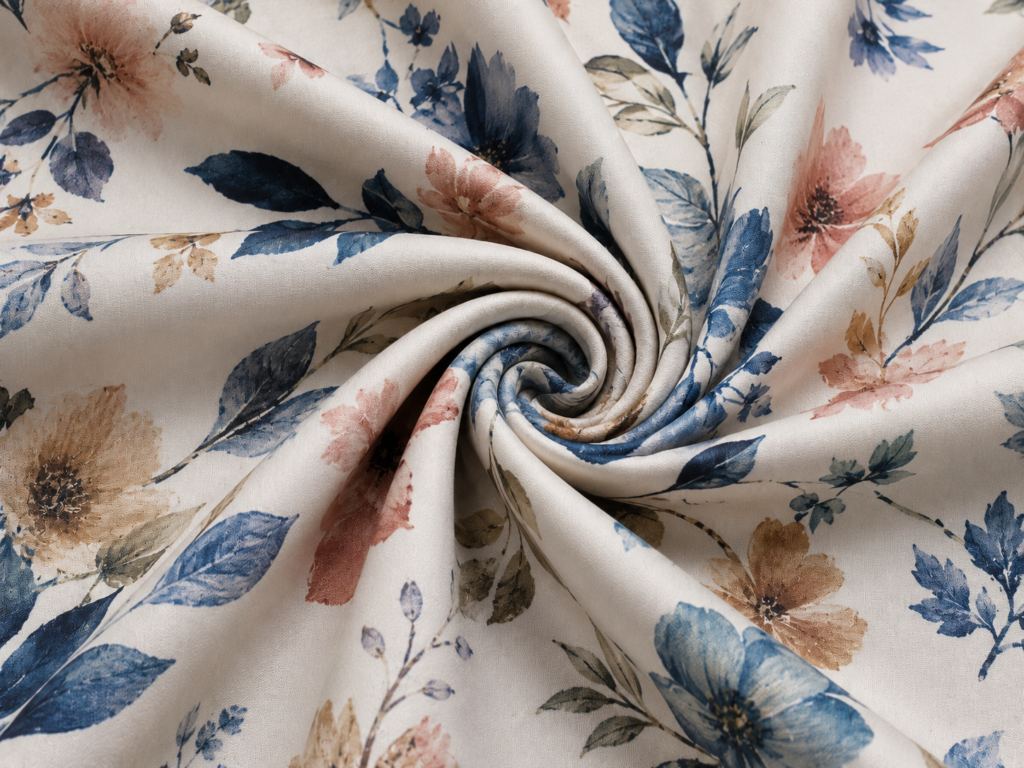
Printed Woven Fabric
Resort sets, vacation collections, blouse and pants sets, skirt sets and seasonal fashion drops.
- Strong visual identity
- Suitable for collection stories
- Works well for social content
- Good for warm-weather categories
- Useful for differentiated product lines
Print placement, color consistency and cutting alignment can become difficult, especially for sets where both pieces must look coordinated.
A Women’s Fashion Manufacturing System Built for Development and Scale
Three Women’s Fashion Production Factories
One Casualwear and Print-Focused Factory
Sample Rooms for Faster Product Development
Pattern-Making Support for Fit-Sensitive Styles
Production Capacity for Testing and Scale
In-House Equipment for Branding and Finishing
Merchandising Team for Order Follow-Up
Founder Experience in Real Garment Production
Clear Product Boundary
Sample Development for Custom Matching Sets
Project Review and Style Understanding
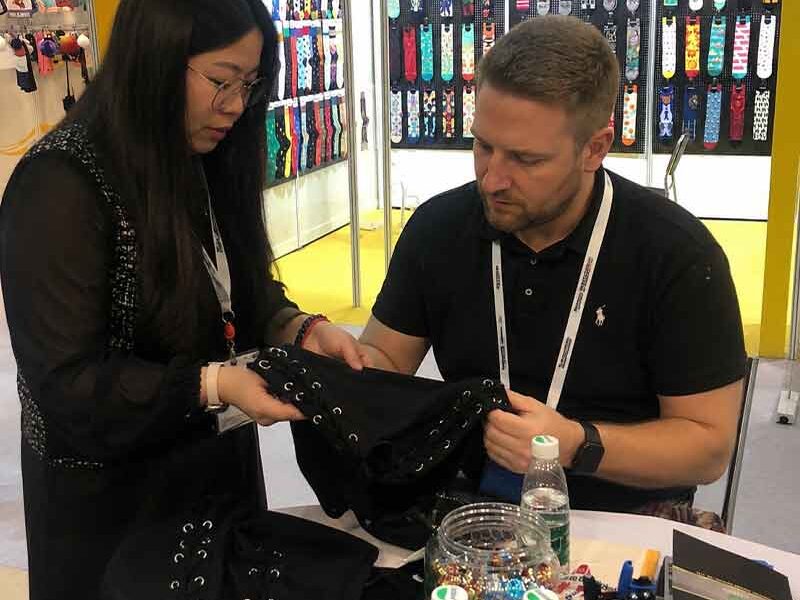
The first step is understanding the style before making the pattern. Jinfeng reviews the tech pack, reference images, original sample, sketches, size chart, fabric idea, logo method and target quantity. For matching sets, the team also checks whether the top and bottom are meant to look fitted, relaxed, dressy, active, casual or sculpted.
- Reference images do not show enough construction details
- Tech packs are incomplete or unclear
- The intended fit is not fully explained
- The top and bottom are developed as separate pieces
- The target market and wearing scene are not clear
Fabric and Trim Sourcing

After the style direction is reviewed, fabric and trims need to be matched to the design. Jinfeng’s sourcing team helps review fabric weight, stretch, drape, hand feel, color direction, trims, elastic, zippers, rib, lining, labels and logo materials according to the product’s use and price point.
- Fabric looks similar but behaves differently on body
- Stretch or recovery is not suitable for fitted styles
- Woven fabrics do not drape like the reference
- Rib, elastic or zipper quality weakens the full set
- Color tone changes between sample and bulk fabric
Pattern Making and Fit Planning
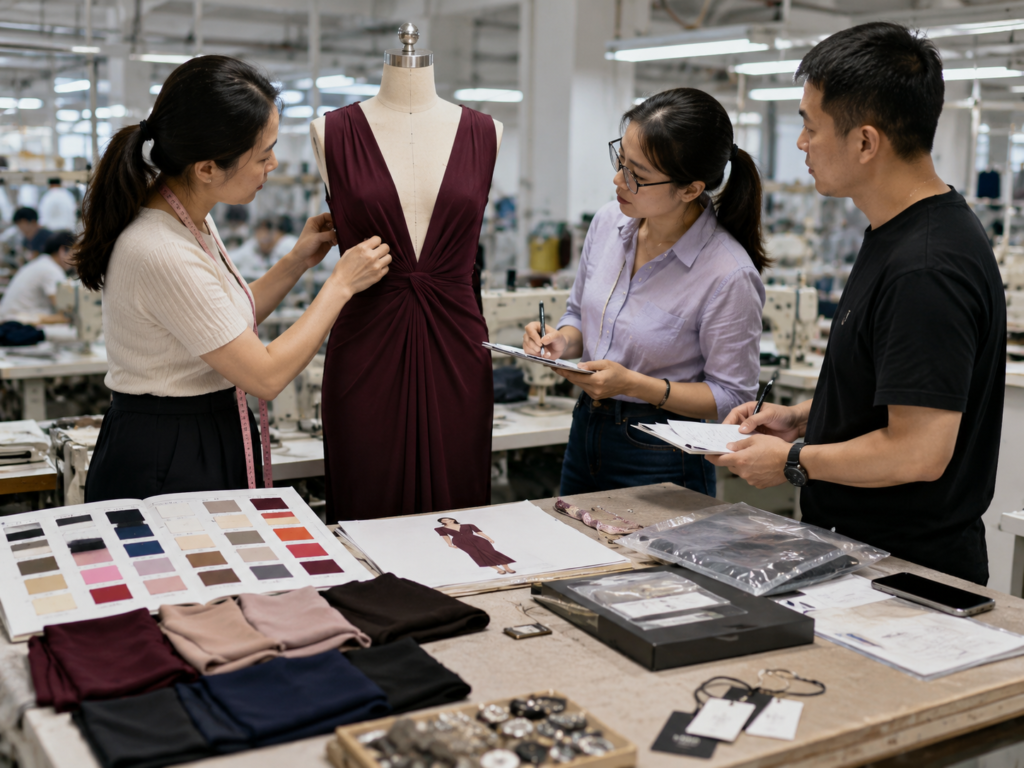
Pattern making turns the design idea into a real garment structure. For matching sets, the pattern must control the relationship between the two pieces. Jinfeng’s pattern makers review body proportion, waistline, crop length, pant rise, skirt shape, sleeve volume, stretch direction and size balance before sample sewing begins.
- The top fits well but does not match the bottom
- Crop length and waist position feel unbalanced
- Fitted garments pull at bust, waist or hip
- Activewear pieces lose support or comfort
- Woven sets feel too tight during movement
Sample Cutting and Sewing
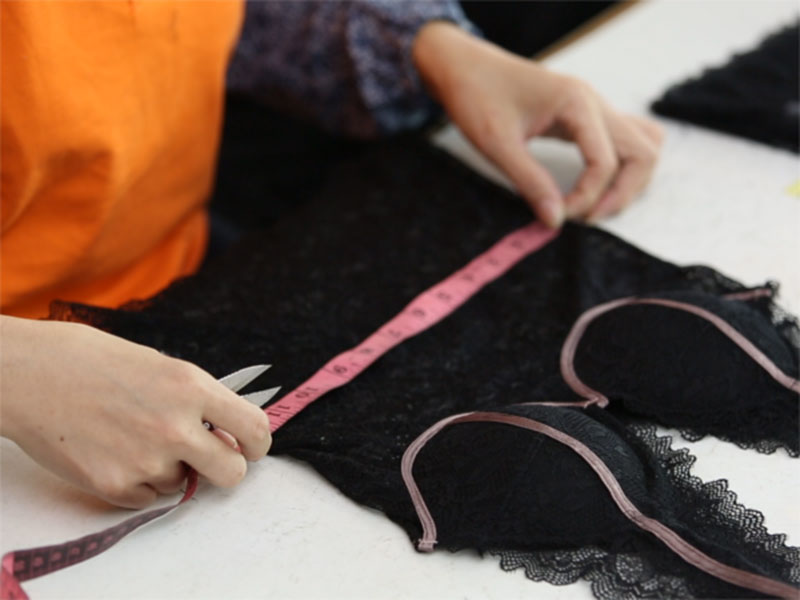
Once the pattern, fabric and trims are ready, the sample moves into cutting and sewing. Jinfeng’s sample technicians build the first physical version of the set, checking construction details such as seams, hems, waistbands, closures, lining, logo position, top-bottom balance and garment finishing.
- Sewing tension changes the garment shape
- Mesh, satin or stretch fabrics are difficult to handle
- Waistbands, hems or necklines do not sit cleanly
- Logo placement looks different after sewing
- The first sample does not reflect production reality
Internal Review and Sample Correction

Before sending the sample to the client, Jinfeng reviews the garment internally. The team checks measurements, fit direction, fabric behavior, stitching, trims, logo placement, color direction, full-set proportion and basic production feasibility. This helps catch obvious problems before the client receives the sample.
- Measurements pass, but the full outfit looks wrong
- Color, trims or logo details feel inconsistent
- The sample is wearable but not production-ready
- One piece looks stronger than the other
- Small issues become expensive in bulk production
Client Feedback and Pre-Production Confirmation
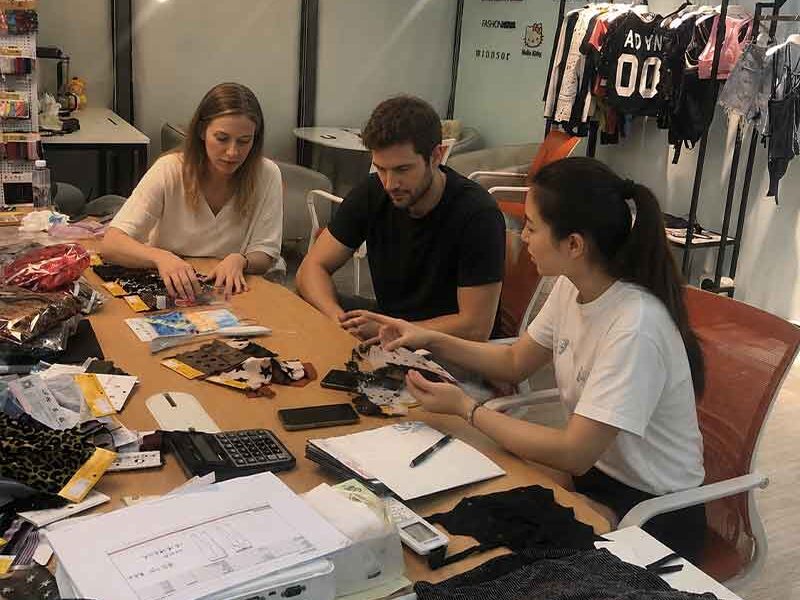
After the client reviews the sample, feedback is collected and translated into clear revision actions. Jinfeng can adjust pattern, fabric, fit, trims, logo method, measurements, sewing details or packaging direction. Once approved, the sample becomes the reference for quotation update, bulk planning and production preparation.
- Feedback is unclear or spread across many messages
- Revisions change the cost or production method
- Approved sample details are not recorded properly
- Bulk production starts before final confirmation
- Later orders do not match the approved sample
Pattern and Fit Control for Women’s Matching Sets
Bodycon Fit

- Bust, waist and hip balance
- Stretch and recovery
- Seam position
- Hem stability
- Comfort during movement
Slim Fit

- Shoulder and chest comfort
- Sleeve and armhole shape
- Waist definition
- Pant rise and movement
- Fabric recovery after wear
Cropped Proportion

- Crop length
- Waistline position
- Bottom rise
- Sleeve volume
- Balance across sizes
Relaxed Fit

- Shoulder line
- Body width
- Pant width
- Fabric drape
- Comfort without losing shape
Oversized Fit

- Shoulder drop
- Sleeve volume
- Body length
- Rib and waistband tension
- Balance between top and bottom
Active and Sculpting Fit

- Opacity under stretch
- Waistband stability
- Bra support
- Seam comfort
- Recovery after movement
Woven Fit

- Shoulder movement
- Waist and hip ease
- Pant rise
- Seam placement
- Drape and structure
Size Grading Stability

- XS to XL proportion
- Crop length by size
- Waist and hip balance
- Sleeve and pant length
- Compression or ease consistency
Color, Fabric and Set Consistency Control
For brands selling online, even a small difference in color tone, fabric hand feel or fit balance can affect product photos, customer expectations and returns. For brands running repeat orders, consistency becomes even more important.
Color Tone Consistency
The top and bottom look slightly different under natural light or studio lighting. One piece may appear warmer, cooler, darker or brighter. This often happens when fabrics come from different lots, different suppliers or different dyeing batches.
Fabric Weight and Hand Feel
The set can feel uneven when one piece is softer, heavier, or lighter than the other. Matching sets need consistent fabric weight, surface feel, and drape so both pieces feel like one product family.
Stretch and Recovery
The top and bottom may stretch or recover differently after wearing. This affects comfort, fit, and customer confidence, especially for fitted sets, activewear sets, rib knit styles, and sculpting products.
Shrinkage Control
The top and bottom may shrink differently after washing or finishing. This can change the intended fit, create size inconsistency, and cause reorder problems, especially with cotton jersey, French terry, fleece, and knit fabrics.
Rib, Elastic and Trim Matching
Even when the main fabric looks correct, trims can weaken the full set. Rib, waistband, zipper, elastic, drawcord, or lining should match the product level, fit direction, and final wearing experience.
Logo Placement Across the Full Set
A logo may look right on one garment but feel unbalanced when the full set is worn together. Logo placement should support the outfit’s proportion, not compete with the garment shape or styling.
Top-Bottom Fit Balance
Both pieces may fit separately, but the full outfit can still look unbalanced. The top may be too cropped, the bottom too wide, or the silhouette too heavy, making the set feel less intentional.
Bulk Consistency
The approved sample may look correct, but bulk production can shift in fit, fabric feel, stitching, or color. These changes can lead to quality disputes, delayed shipments, and higher inspection pressure.
Reorder Consistency
A best-selling set becomes difficult to scale if the reorder does not match the first batch. Fabric lot changes, pattern updates, trim replacements, or unclear records can affect repeat production consistency.
Set Pairing and Packing Accuracy
The right garments can still be packed incorrectly if size, color, or SKU pairing is not controlled. Set pairing mistakes create warehouse issues, customer complaints, extra returns, and fulfillment delays.
Logo and Branding Options for Private Label Matching Sets

Embroidery
Embroidery works well for hoodie sets, sweatshirt sets, premium casualwear, minimal logo programs and higher-value basics. It gives the product a more permanent and textured brand detail, especially on fleece, French terry and heavier cotton fabrics.
- Embroidery pulls the fabric
- Stitch density feels too heavy
- Logo size does not match the garment
- Placement looks unbalanced across the full set
- Thin fabrics cannot support embroidery well
Jinfeng reviews logo size, stitch density, fabric thickness, placement and garment tension before production. For matching sets, embroidery is checked as part of the full outfit, not only as a single decoration on one piece.
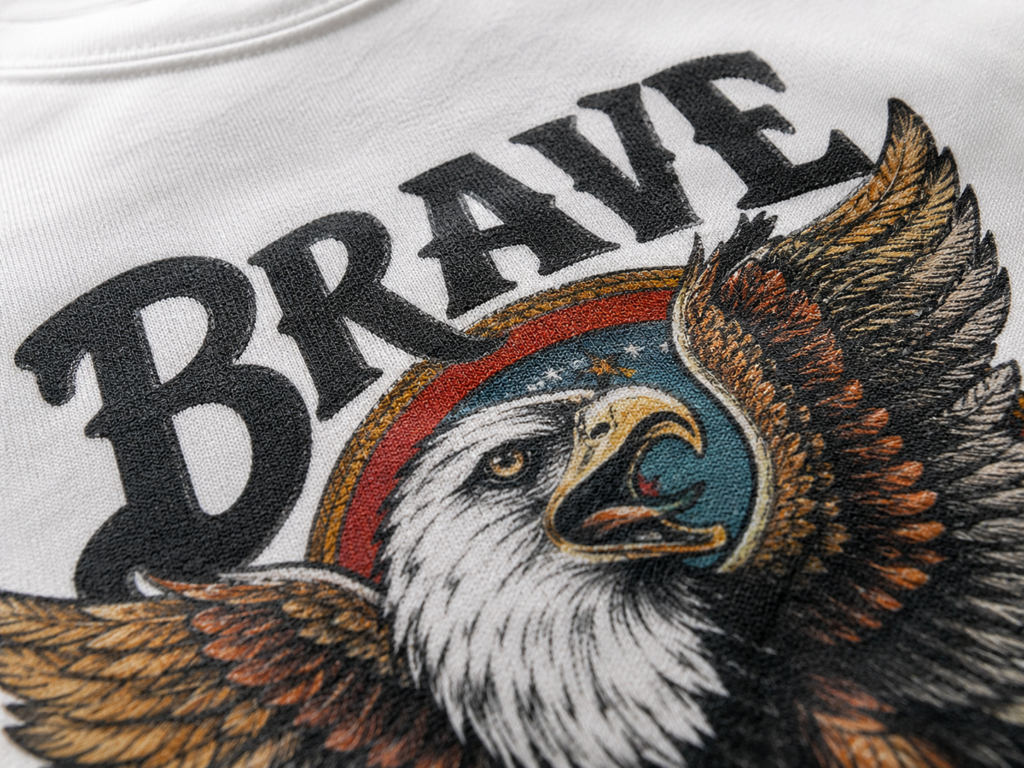
DTG Printing
DTG printing is suitable for graphic T-shirts, casual matching sets, small-batch fashion drops and detailed artwork. It works especially well when brands need flexible artwork testing before committing to larger screen print orders.
- Print color does not match the artwork
- Fabric surface affects print clarity
- Graphic placement feels too low or too high
- Print hand feel does not match the product level
- Small batches become difficult with traditional printing
Jinfeng can support DTG printing for graphic casualwear and T-shirt-based matching sets. The team reviews artwork size, fabric surface, color direction and placement before sampling, helping brands test graphic ideas with more flexibility.

Heat Transfer
Heat transfer is often used for activewear, leggings sets, sports bras, performance-inspired products, small logos and clean brand marks. It works well when the brand wants a smooth and modern logo effect.
- Transfer cracks after stretching
- Logo does not bond well to the fabric
- Placement moves during production
- Gloss level does not match the brand look
- Heat application affects delicate fabric
Jinfeng reviews fabric stretch, heat sensitivity, logo material, placement and wash expectations before confirming this method. For activewear and sculpting sets, stretch compatibility is especially important.
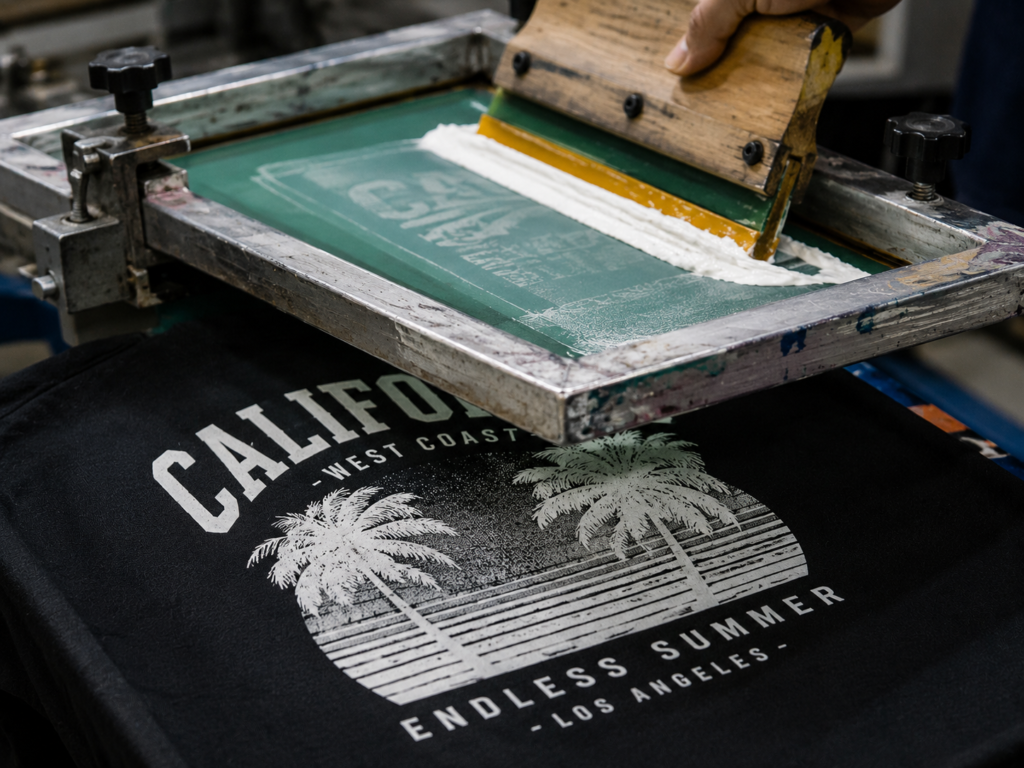
Screen Printing
Screen printing works well for larger graphic programs, T-shirt sets, sweatshirt sets, street-casual products and repeat styles. It is often more suitable when the artwork is stable and the order quantity supports setup.
- Print feels too thick
- Colors shift in bulk
- Artwork placement changes across sizes
- Fine details are lost
- The print does not match the fabric texture
The team reviews artwork, color, fabric surface, print size and production quantity before choosing screen printing. For matching sets, print placement can be checked across both garments to keep the overall design balanced.

Woven Labels
Woven labels are important for private label programs, premium basics, fashion collections and long-term reorder styles. They help the garment feel like a real branded product instead of a blank item.
- Label feels scratchy
- Size or care information is unclear
- Label placement affects comfort
- Label quality does not match garment quality
- Different batches use different label details
Jinfeng can support woven labels, neck labels, care labels and size labels according to brand requirements. For repeat programs, label details should be confirmed early so future orders remain consistent.

Neck Print and Care Label
Printed neck labels are useful for T-shirts, activewear, fitted tops and comfort-driven casualwear. They remove the feeling of a sewn-in label and give the product a cleaner inside finish.
- Neck print fades after washing
- Print feels uncomfortable on skin
- Care information is incomplete
- Placement is not centered
- Different sizes need different label artwork
Jinfeng reviews label artwork, print position, size range, care content and fabric surface before production. This is useful for brands that want clean private label finishing without adding bulky labels.

Logo Placement Across the Full Set
A matching set needs branding to feel balanced. A logo may look correct on the top but too repetitive when paired with a logo on the bottom. Placement should be considered as part of the full outfit.
- Top and bottom logos compete visually
- Waistband logo is hidden or misplaced
- Sleeve logo looks too casual for the style
- Chest logo does not suit the silhouette
- Branding feels too heavy for a dressy set
Jinfeng can help review logo position during sampling. For dressy sets, branding may need to stay subtle. For casual sets, graphic or embroidered branding can carry more visual weight.

Branding for Different Set Categories
Different matching sets need different branding logic. A partywear set may need discreet labels. A hoodie set can carry embroidery. An activewear set may need heat transfer. A T-shirt set may need graphic printing.
- One logo method is used across all products
- Branding does not match the fabric
- Logo cost becomes too high for the target price
- Decoration method slows down production
- Branding weakens the garment’s final look
Jinfeng helps brands match logo method to garment type, fabric, price point, order size and intended use. The goal is not to add decoration everywhere, but to make the branding feel right for the product.
Flexible Order Planning for Testing, Launch and Scale

Small Test Orders
Small test orders are useful when a brand wants to validate a new style, new fabric, new color, new fit direction or new product category before committing to larger stock.
- Opening order is too risky
- Too many colors increase inventory pressure
- Factory refuses smaller production
- Sample is approved but launch quantity is unclear
- Brand needs sales data before scaling

Mid-Size Launch Orders
Mid-size orders are often used when a brand has approved the sample, confirmed the product direction and wants enough inventory for a proper launch
- Production timing must match campaign planning
- Multiple sizes and colors need better coordination
- Fabric and trims must be confirmed early
- Product quality needs to stay close to the sample
- Packing details become more important

Larger Bulk Programs
Larger programs are suitable for proven matching sets, best-selling casualwear, strong seasonal capsules or long-term private label products.
- Supplier performs well on small orders but fails at scale
- Production quality becomes inconsistent
- Delivery pressure increases
- Size and color allocation becomes harder
- Reorder planning is not connected to the first order
Multi-Style Collection Planning
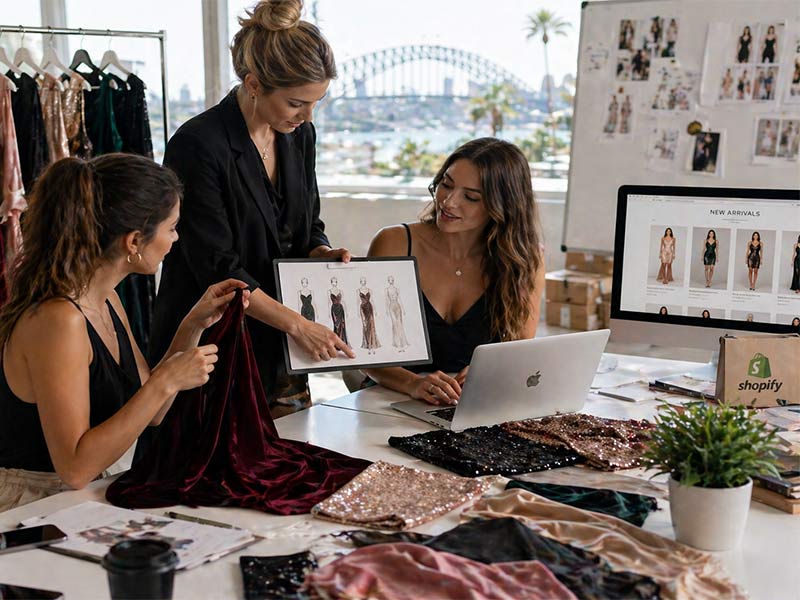
Many fashion brands do not develop one matching set at a time. A collection may include a dressy set, a lounge set, a T-shirt set and a hoodie set in the same development season.
- Too many styles move at the same time
- Fabric sourcing becomes messy
- Sample comments get mixed
- Launch dates are difficult to coordinate
- Each factory handles a different category
Color and Size Planning
Matching sets usually need careful color and size planning because each top must pair correctly with the bottom. Poor planning can create inventory imbalance.
- Tops sell faster than bottoms
- Some sizes are overproduced
- Color assortment is too wide
- Packing teams mix wrong set combinations
- Reorder demand becomes difficult to read
Production Timeline Planning
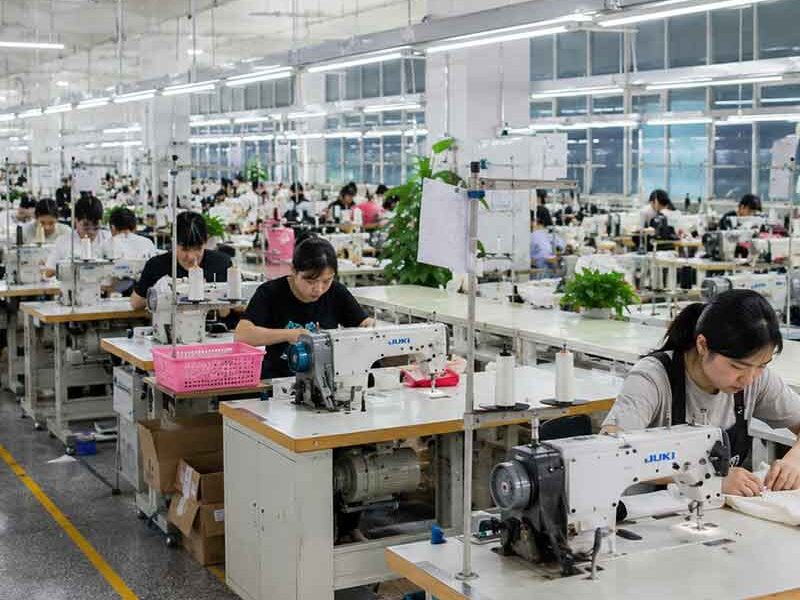
Production timing depends on style complexity, fabric availability, trims, decoration, order quantity and factory schedule. Planning early helps prevent delays.
- Simple styles: 15–20 days
- Regular styles: 20–30 days
- Complex styles: 30–45 days
Reorder Preparation
Reorders are often where strong apparel products become profitable. If a matching set sells well, the brand may want the same fit in new colors, a repeat order of the same SKU or a seasonal update.
- Reorder does not match the first batch
- Fabric lot changes affect color or hand feel
- Pattern updates are not recorded
- Trims are replaced without clear approval
- Production timing is not reserved early enough

Payment and Cooperation Terms
Clear payment terms help both sides move the order forward. Jinfeng commonly works with standard apparel manufacturing payment structures and can discuss different arrangements for selected cooperation cases.
- T/T
- PayPal
- Credit card
- Third-party payment
- Alibaba
- Alipay
Packaging Solutions for Private Label Matching Sets

Individual Poly Bag
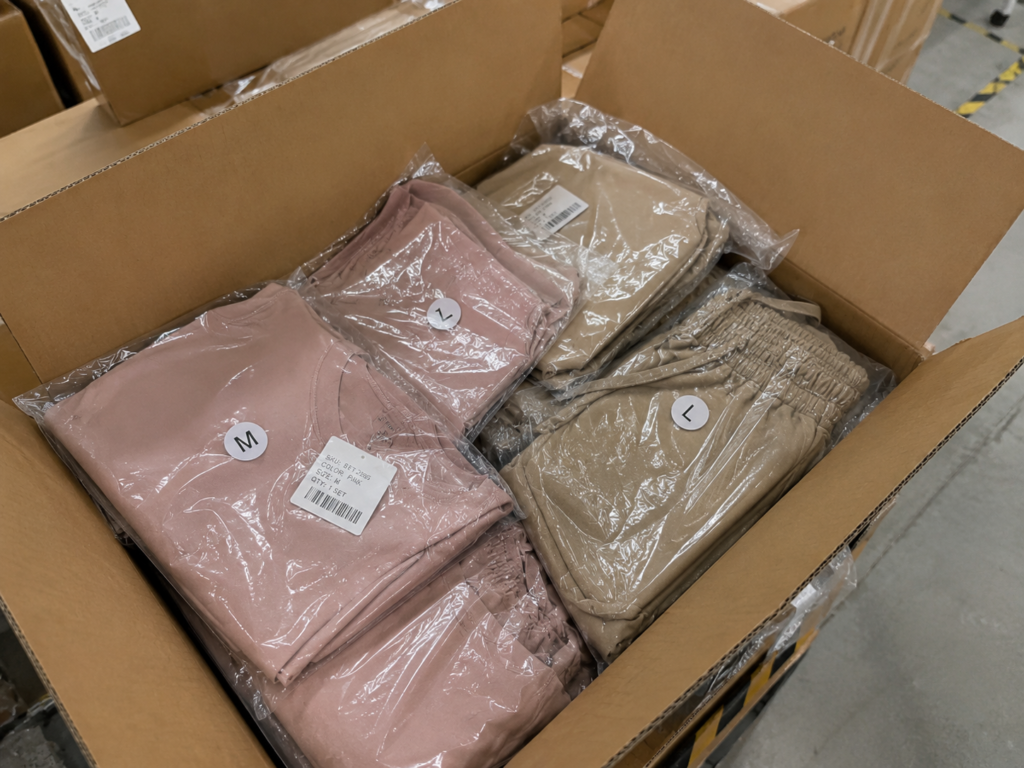
Individual poly bags are common for e-commerce, wholesale and warehouse receiving. They protect garments during shipment and help keep sizes and colors organized.
- Wrong size sticker placement
- Poly bag quality feels too weak
- Garments are folded inconsistently
- Warehouse team cannot identify products quickly
- Sets are packed as separate pieces without clear pairing
Set Packaging
Set packaging is useful when the top and bottom are sold as one product. It helps keep the outfit together from factory packing to warehouse receiving and final shipment.
- Tops and bottoms are separated in the warehouse
- Wrong sizes are paired together
- Color sets become mixed
- Customer receives only one piece
- Set SKU does not match packing method
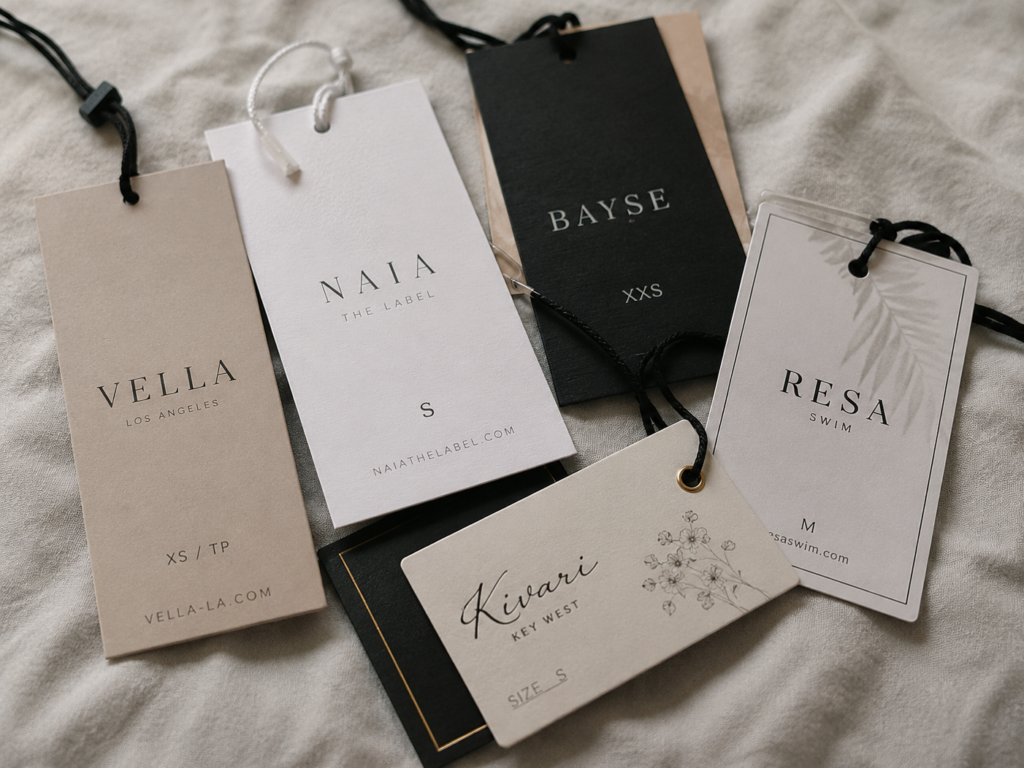
Custom Hangtag
Hangtags help communicate brand identity, product story, size, price, collection name or care direction. They are useful for private label brands, boutique collections and wholesale-ready products.
- Hangtag quality does not match garment level
- String or pin placement damages delicate fabric
- Information is missing or incorrect
- Hangtag is added too late in the process
- Different styles use inconsistent branding
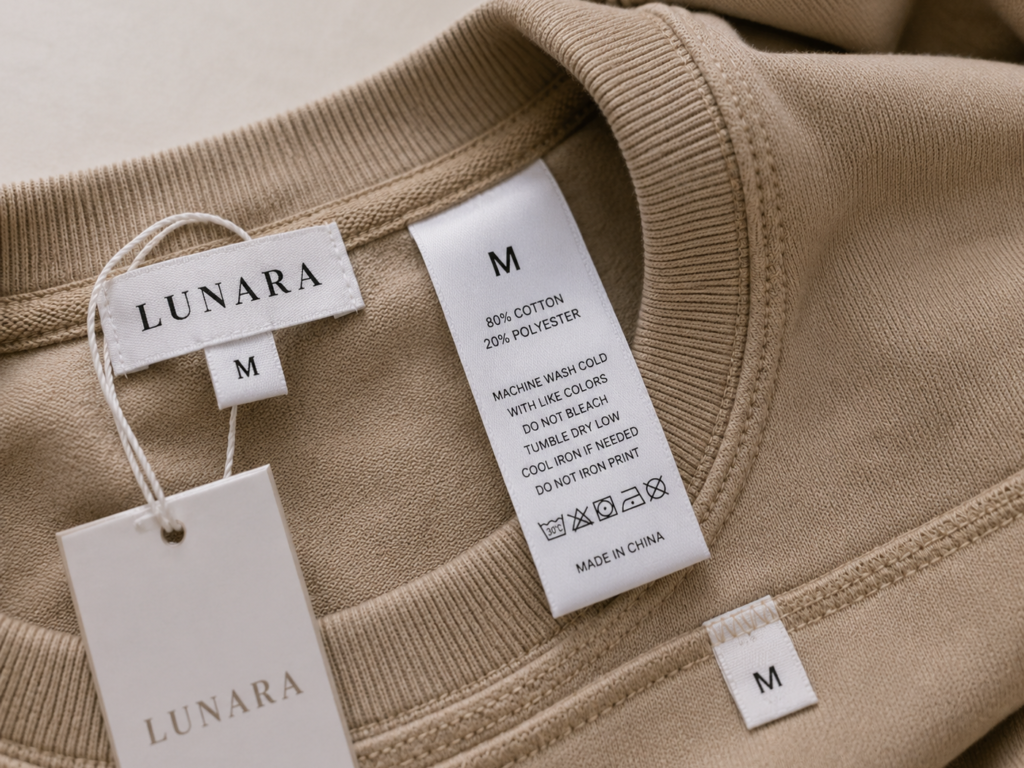
Woven Label, Size Label and Care Label
Labels are essential for private label apparel. They support brand identity, size clarity, care instructions and product compliance.
- Label feels uncomfortable
- Care information is incomplete
- Size label is hard to read
- Label placement affects stretch garments
- Repeat orders use different label versions
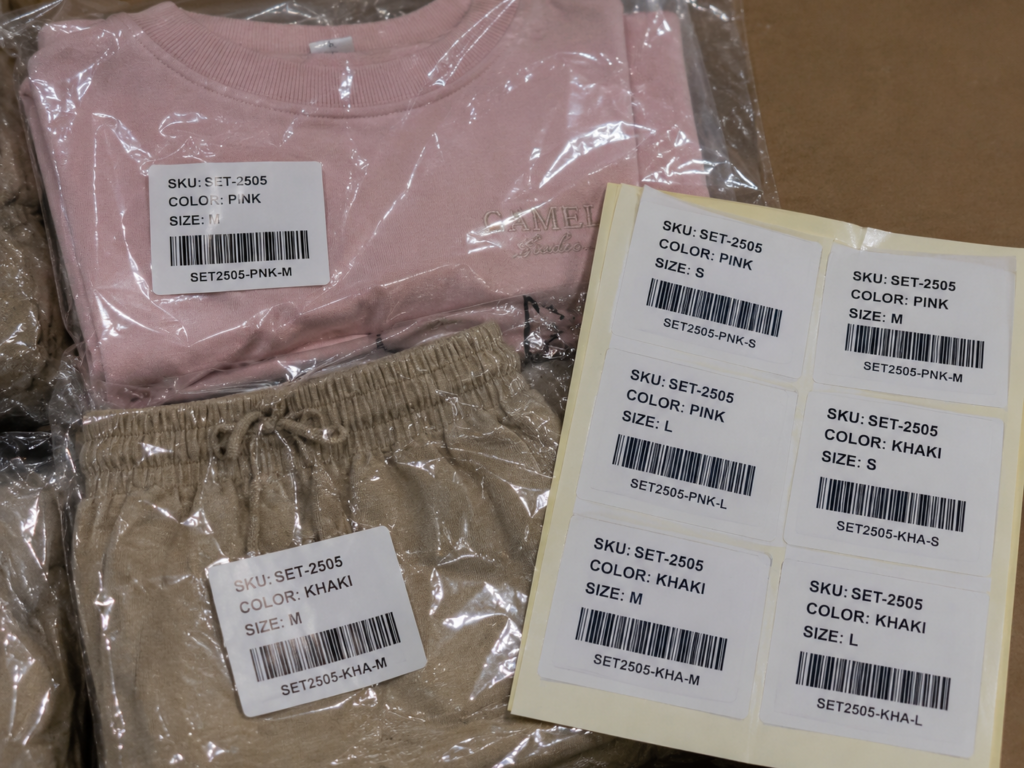
Barcode and SKU Sticker
Barcode and SKU stickers help with warehouse receiving, e-commerce fulfillment, marketplace logistics and inventory tracking.
- SKU does not match product packaging
- Barcode sticker is placed incorrectly
- Size and color information is unclear
- Warehouse team must relabel products
- Mixed set combinations create inventory errors
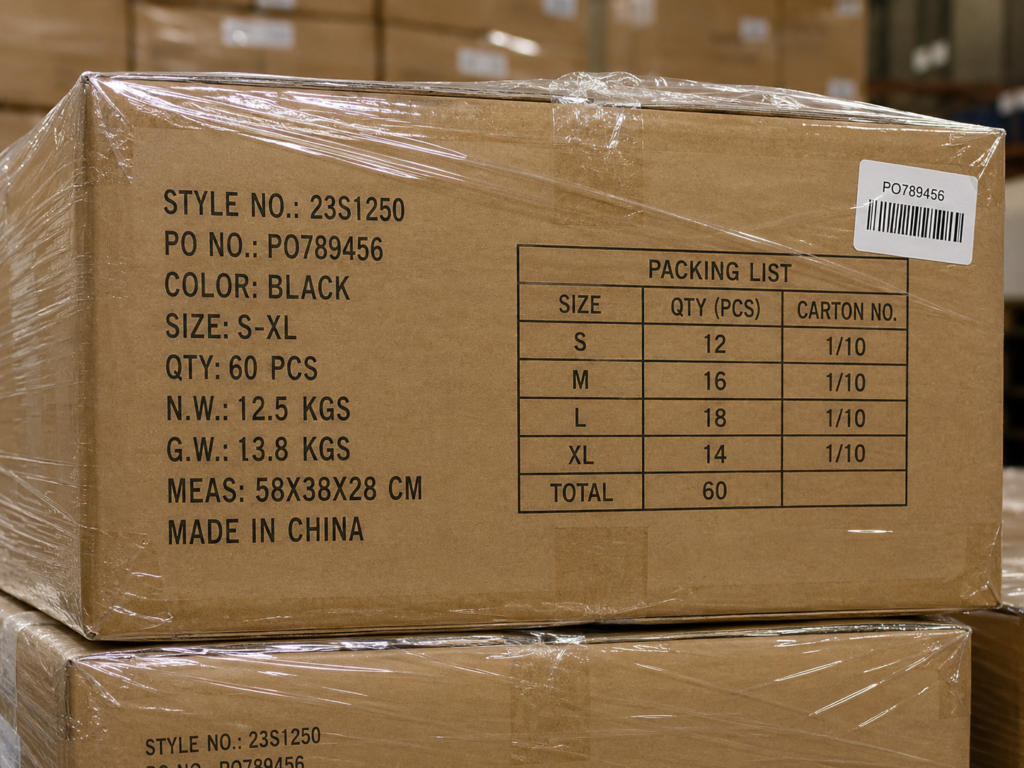
Carton Marking and Packing List
Carton details help clients receive orders accurately. This is especially important for larger orders, split shipments, multiple colors or multi-style collections.
- Cartons are difficult to identify
- Size breakdown is unclear
- Style numbers are missing
- Warehouse receiving takes too long
- Split shipments are not organized properly
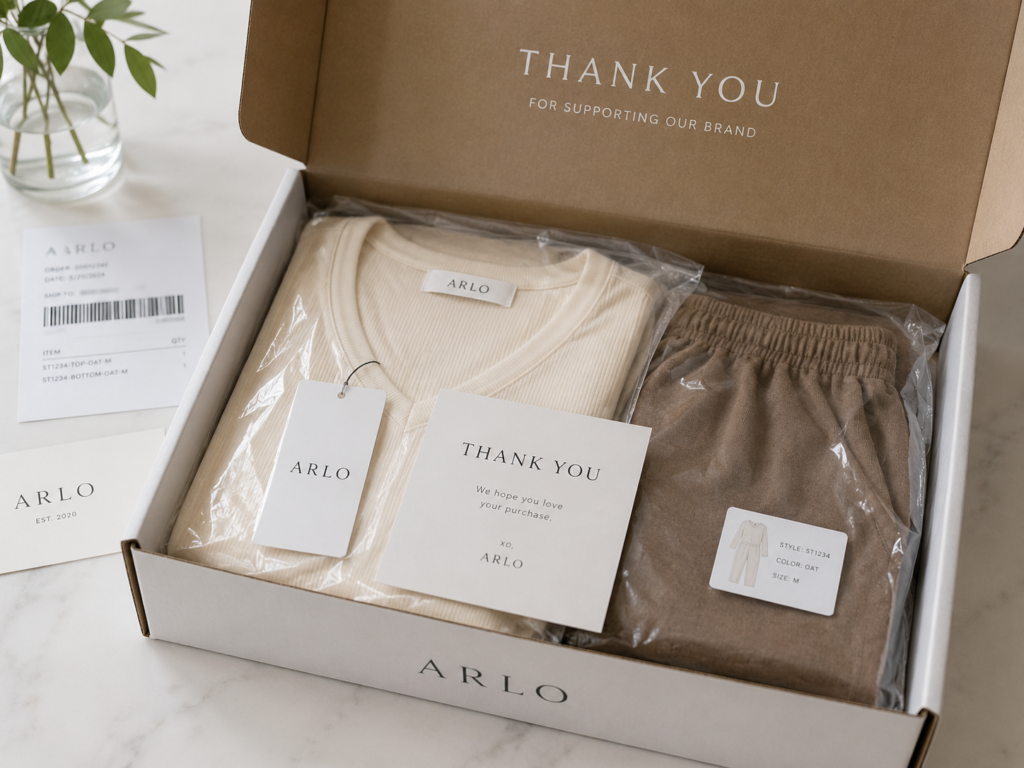
E-Commerce Ready Packing
E-commerce brands often need packaging that works with direct fulfillment, warehouse intake and customer experience. Matching sets should arrive clean, paired and easy to identify.
- Garments arrive wrinkled or poorly folded
- Product presentation feels weak
- Packaging does not match brand positioning
- Customer receives the wrong size combination
- Warehouse staff need extra handling time

Private Label Packaging
Private label packaging helps a matching set feel complete. It may include branded bags, hangtags, labels, barcode stickers, tissue paper or other agreed details.
- Packaging looks disconnected from the product
- Branding details are not consistent
- Packaging cost becomes too high
- Materials are not confirmed before production
- Final packing delays shipment
Quality Control for Matching Set Production

Fabric Inspection
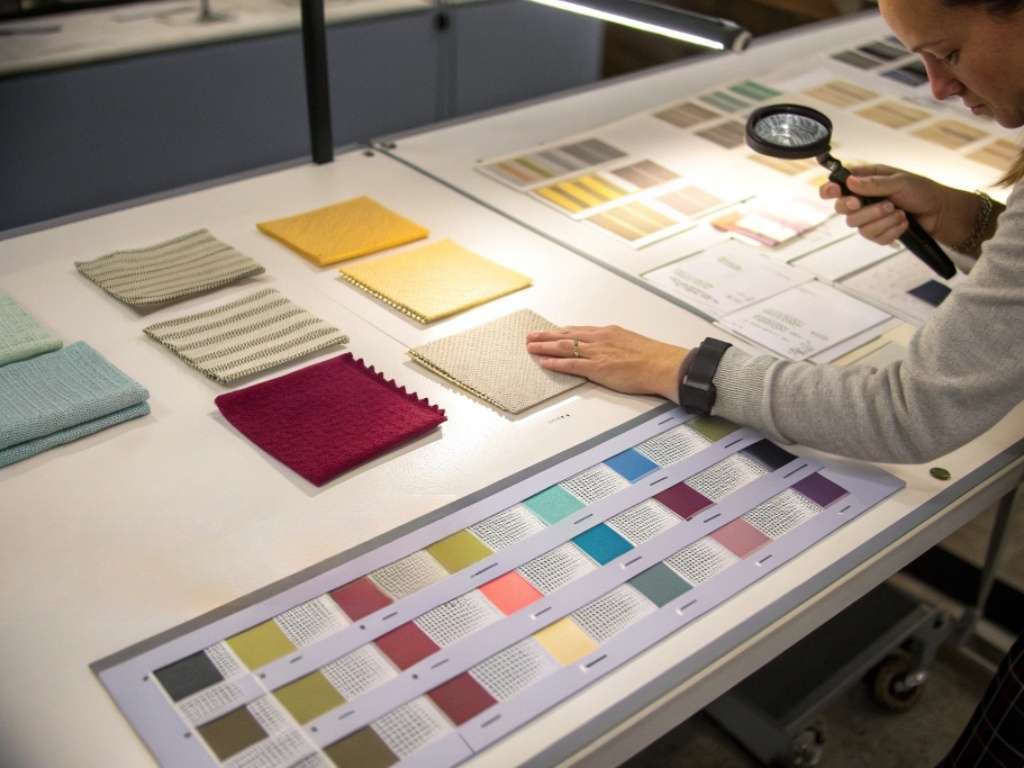
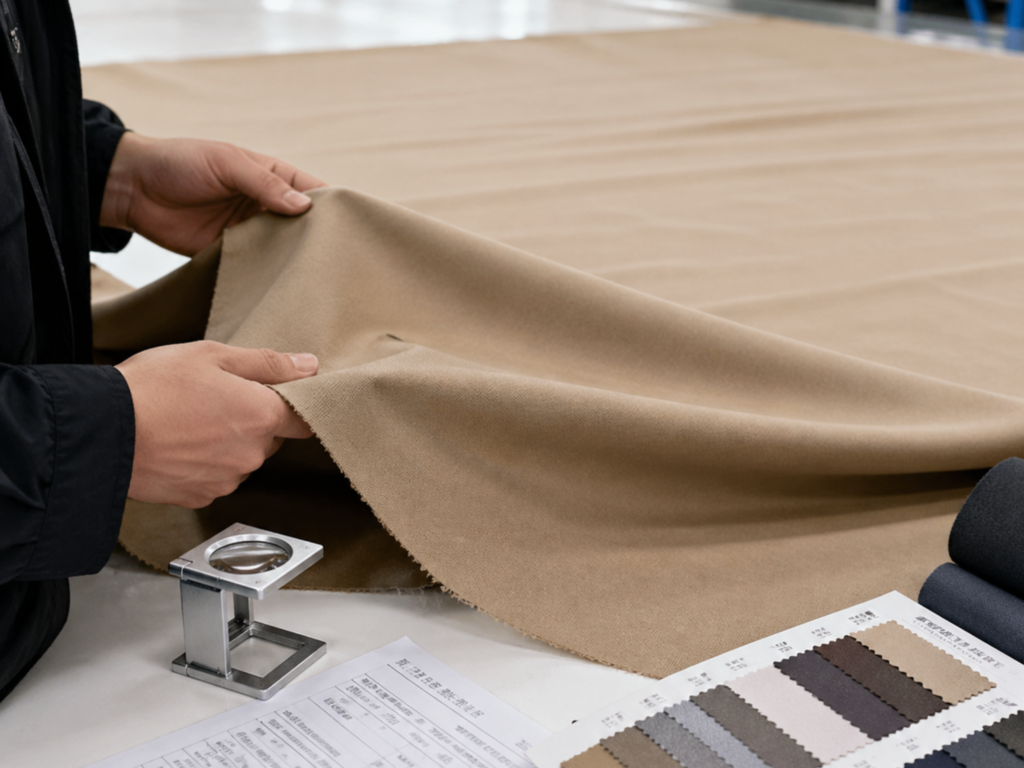
Fabric quality affects the full result of a matching set. Before production, fabric needs to be checked for surface defects, shade direction, hand feel, stretch, weight and general stability.
- Fabric shade changes between rolls
- Surface defects appear after cutting
- Stretch fabric behaves differently than expected
- Fabric feels different from the approved sample
- Bulk fabric does not match the target hand feel
Jinfeng’s Approach
Jinfeng uses fabric inspection support to review material condition before production. This helps reduce obvious defects, shade issues and material surprises before cutting begins, especially for fashion sets, active sets, knit sets and woven co-ords.
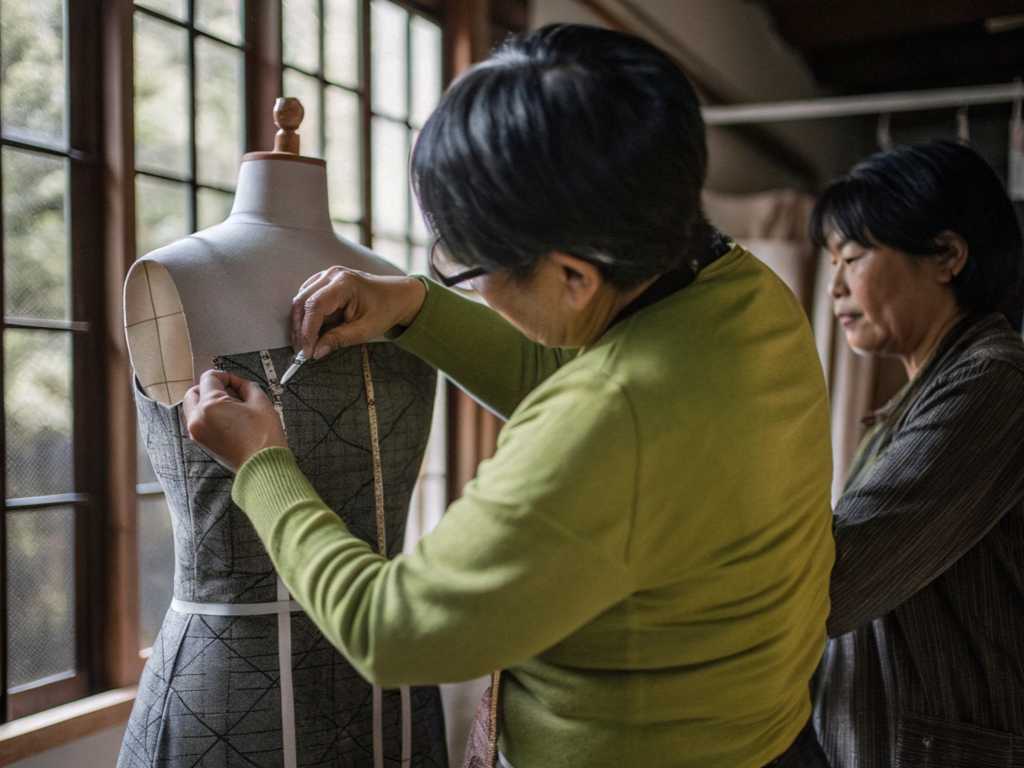
Measurement Control
Measurements must be checked on both garments, but the full outfit balance also matters. A top may meet spec, while the full set still looks off because the skirt rise, pant length or crop proportion does not match.
- Top length and bottom rise do not match
- Sleeve or shoulder measurements shift in bulk
- Waist, hip or inseam varies across sizes
- Crop length changes too much after grading
- Fitted garments do not hold the intended shape
Jinfeng’s Approach
Jinfeng checks measurements against the approved sample and client requirements. For matching sets, the team also pays attention to top-bottom proportion, not only isolated numbers.
Shrinkage and Fabric Behavior
Some fabrics change after washing, steaming, finishing or wearing. For matching sets, the risk is higher because the top and bottom may react differently.
- Top and bottom shrink at different rates
- Jersey twists after washing
- Fleece changes hand feel
- Rib knit becomes tighter
- Final measurements shift after finishing
Jinfeng’s Approach
Jinfeng has shrinkage handling support in its factory system. For suitable fabrics, shrinkage behavior can be reviewed before production so the garment has a better chance of staying close to the approved fit and measurement direction.
Sewing and Construction Quality
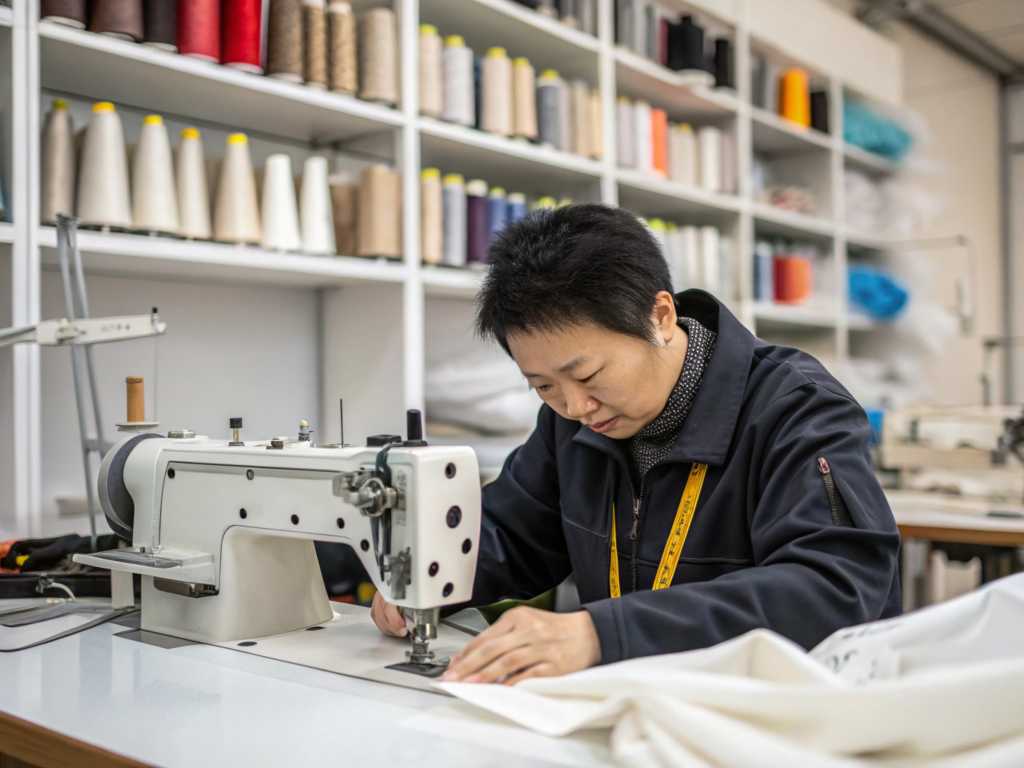
Sewing quality can change how a matching set fits and feels. This is especially important for fitted garments, stretch fabrics, satin, mesh, activewear and woven styles.
- Seams twist or pull
- Stitch tension affects stretch
- Hemline does not sit cleanly
- Delicate fabrics show puckering
- Waistbands or necklines lose shape
Jinfeng’s Approach
Jinfeng reviews sewing details based on the garment category. Dresses, fitted sets, partywear, knit sets and casualwear each need different construction attention. The goal is to keep the finished garment close to the approved sample.
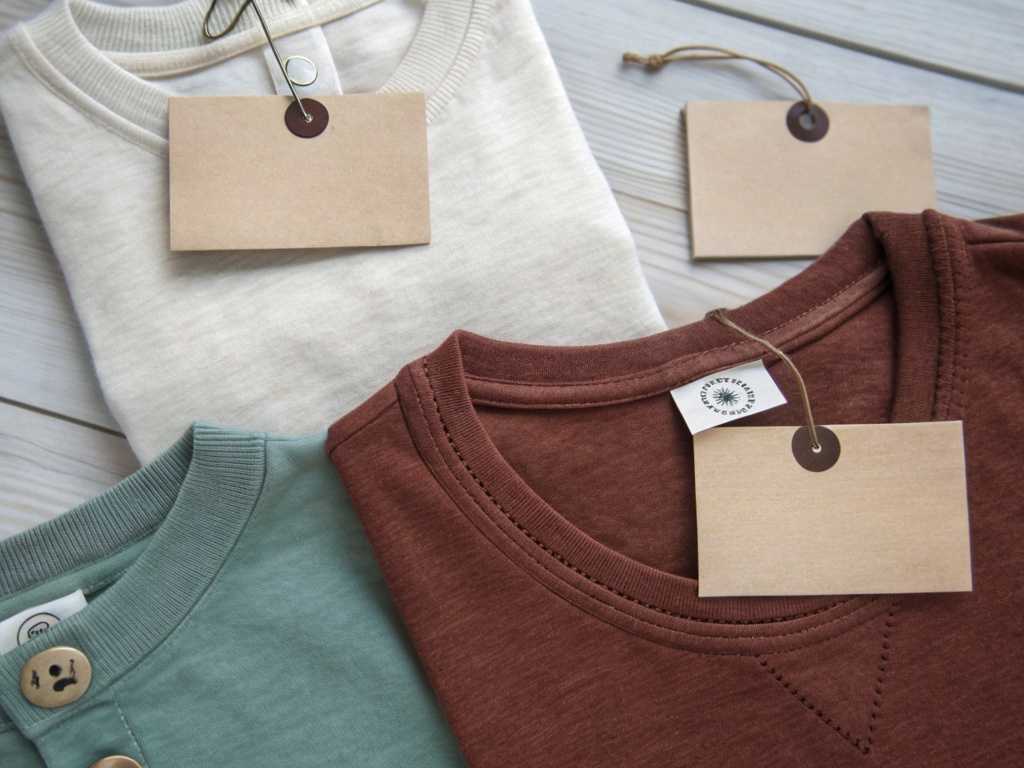
Color Matching Between Pieces
Color matching is one of the most common issues in matching set production. Small shade differences can be visible in studio lighting, product photos and customer reviews.
- Top and bottom look slightly different
- Rib or trim does not match the main fabric
- Color looks different under different lighting
- Reorder color does not match the first batch
- Printed fabrics vary between panels
Jinfeng’s Approach
Jinfeng reviews fabric shade, trim direction and approved color reference during production. For set programs, the top and bottom are checked together so the final product feels more coordinated.
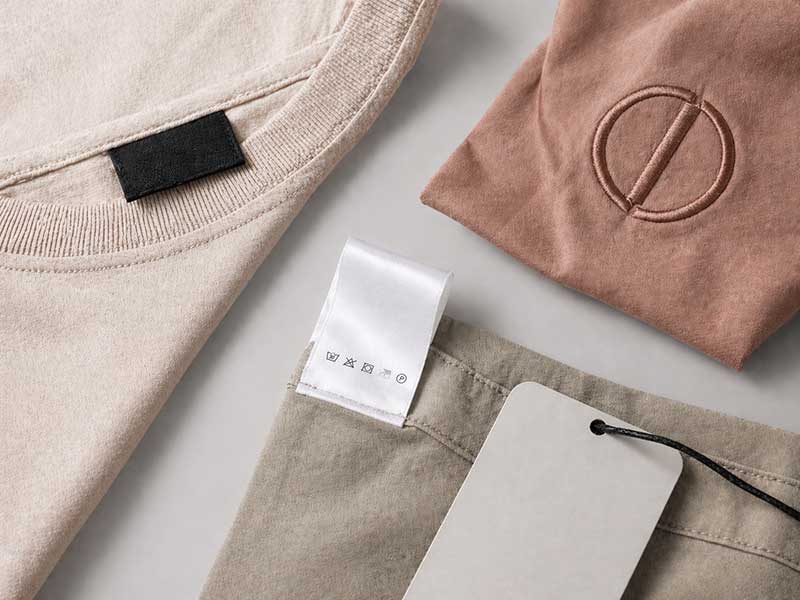
Logo, Label and Trim Review
Branding details must be checked before packing. A logo may be technically correct but visually unbalanced on the full outfit.
- Embroidery pulls the fabric
- Heat transfer cracks on stretch areas
- Print position changes across sizes
- Label placement affects comfort
- Trim quality weakens the product level
Jinfeng’s Approach
With DTG printing, embroidery and heat transfer equipment in the factory system, Jinfeng can review logo method, placement and execution during sampling and production. Labels, hangtags and care information can also be checked before final packing.

Set Pairing Check
Matching sets need accurate pairing. The right top must be packed with the right bottom in the right size, color and style. This is not a small detail for brands with warehouse or e-commerce fulfillment systems.
- Wrong size combinations
- Wrong color pairings
- One piece missing from the set
- Set SKU does not match carton information
- Warehouse team needs extra sorting
Jinfeng’s Approach
Packing instructions can be confirmed before shipment. Jinfeng can support set pairing by style, size, color and SKU, helping clients reduce receiving mistakes and fulfillment issues.
Final Packing Review
Final packing is the last chance to catch visible mistakes before goods leave the factory. For matching sets, packing accuracy is part of quality control.
- Incorrect labels or stickers
- Unclear carton marks
- Poor folding
- Missing hangtags
- Packing list does not match shipment details
Jinfeng’s Approach
Jinfeng can review poly bags, hangtags, labels, barcodes, carton marks and packing lists according to the client’s instructions. This helps make the order easier to receive, check and distribute after delivery.
Delivery Support for Samples, Bulk Orders and Reorders
| Shipping Method / Scenario | Typical Timing | Best For | Key Risk | Jinfeng Support |
|---|---|---|---|---|
| Express Delivery | 3–7 days | Samples, urgent revisions, small packages | High cost or incomplete sample information | Helps arrange fast sample shipment with full set pieces and key notes included |
| Air Freight | 5–8 days | Launch orders, urgent replenishment, seasonal drops | Higher cost and tight schedule | Coordinates packing details, shipment timing and delivery expectations |
| Sea Freight | 20–35 days | Bulk orders, planned inventory, larger reorders | Longer transit time and port delay risk | Supports carton marks, packing lists and shipment preparation |
| Sample Stage | Based on sample completion | Fit review, approval, revision planning | Delayed sample slows the whole project | Prepares sample shipment clearly for faster client review |
| Small Test Order | Depends on method | 200–500 pcs trial runs | Freight cost can feel high per unit | Helps choose a practical shipping route based on quantity and urgency |
| Launch Order | Air or sea | 1,000–5,000 pcs production | Missing launch window | Aligns production, packing and shipping plan before dispatch |
| Bulk Order | Usually sea freight | 5,000+ pcs programs | Carton and receiving confusion | Supports organized carton information and packing list details |
| Reorder | Depends on urgency | Proven styles and restocks | Late logistics planning delays replenishment | Uses prior order references to plan delivery more efficiently |
Shipping and Trading Terms Overview
| Area | Common Options / Requirements | Best For | Key Risk | Jinfeng Support |
|---|---|---|---|---|
| Trade Terms | EXW, FOB, CIF, DDP | Different logistics setups | Misunderstood freight responsibility | Discusses suitable terms before order confirmation |
| EXW | Pickup from factory | Clients with China-side forwarders | Client handles most logistics | Goods can be prepared for arranged pickup |
| FOB | Delivery to export port | Brands with freight partners | Port timing must be clear | Supports export-side shipment coordination |
| CIF | Freight to destination port | Clients needing port-level freight support | Destination clearance still needed | Helps arrange freight to agreed destination port |
| DDP | Delivered to final address | E-commerce and warehouse-direct brands | Route and cost need early confirmation | Can be discussed based on destination and project details |
| Split Shipment | Urgent colors first, partial stock, mixed air/sea | Campaigns, multi-color launches, multiple warehouses | Confusing carton and shipment tracking | Can separate goods when packing and planning allow |
| Warehouse Labels | SKU, barcode, size, color stickers | E-commerce and 3PL receiving | Relabeling after arrival | Applies labels according to client instructions |
| Carton Marks | Style, color, size, quantity, PO details | Bulk orders and warehouse intake | Hard-to-identify cartons | Prepares clearer carton information |
| Packing List | Carton breakdown and quantity details | Receiving and inventory checks | Packing list does not match goods | Coordinates packing list with carton contents |
| Set Pairing | Top + bottom by SKU, size and color | Matching sets sold as one unit | Wrong pairings create returns | Supports set packing based on confirmed instructions |
Matching Set Manufacturing Experience and Project Cases
Jinfeng supports matching set projects that involve complex structures, sample corrections, fabric changes, MOQ planning, urgent timelines, private label details and repeat production needs for overseas fashion brands.
Case 1|A U.S. Fast Fashion Brand
Project Overview
- Product: Ruched crop top and mini skirt matching set
- Market: United States
- Use scenario: Weekly product drops driven by social media campaigns
- Starting point: Original sample + reference images
- Initial order: 300 sets per style
- Follow-up order: 3 repeat orders after launch
- Peak reorder volume: 4,000+ sets per style
- Key service: Fit correction, fabric recovery review, ruching adjustment, top-bottom proportion control, reorder planning
Challenge
The brand had a strong-selling fitted set but faced inconsistent fit across restock batches from its previous supplier. The crop top and skirt did not always match in fabric recovery, waist position, and body shape. Small changes in stretch and sewing tension affected the full outfit, which caused fit complaints and delayed restocking.
Solution
Jinfeng reviewed the original sample and redeveloped the pattern based on the fabric’s stretch behavior. The team re-selected a more stable nylon-spandex fabric, adjusted crop length and skirt rise, refined ruching placement, and standardized sewing tension before moving into bulk production.
Result
- Fit consistency improved across 3 repeat orders
- Restock cycle shortened by around 20%
- Top-bottom proportion became more stable after pattern adjustment
- Monthly repeat order volume increased to 4,000+ sets per style
- A clearer production reference was created for future color extensions


Case 2|A UK Occasionwear Brand
Project Overview
- Product: Mesh ruched top and midi skirt co-ord set
- Market: United Kingdom
- Use scenario: Seasonal party and event collection
- Starting point: Tech pack + development references
- Sample rounds: 2 rounds to approval
- Collection size: 12 fitted matching set styles
- Development focus: Mesh layering, ruching balance, lining, sample accuracy, full-outfit fit balance
- Key service: Complex construction review, sample correction, internal pre-check
Challenge
The brand had struggled with repeated sample revisions when working with other suppliers. Styles involving mesh layering, ruching, and fitted skirt construction were difficult to execute correctly. The top looked close to the reference, but the skirt balance and lining affected the final outfit shape, delaying seasonal launch planning.
Solution
Jinfeng supported a more structured sample development process. The team built a double-layer mesh construction with better stretch alignment, adjusted ruching distribution for balanced shaping, reviewed lining comfort, and checked the crop top and skirt together before sending revised samples to the client.
Result
- Sample approval achieved within 2 rounds
- Development time reduced by around 30%
- Visual consistency improved across the full set collection
- 12 matching set styles were prepared within one seasonal collection cycle
- Construction risk was reduced before bulk production
Case 3|An Australian DTC Fashion Brand
Project Overview
- Product: Sculpting tank top and midi skirt matching set
- Market: Australia
- Sales channel: Direct-to-consumer e-commerce
- Starting point: Reference images + size chart
- Initial order: 300 sets per style
- Scale order: 3,500 sets per style within 3 months
- Key service: MOQ planning, fabric consistency, grading, set pairing, production scale-up
Challenge
The brand wanted to test a new sculpting matching set with a controlled first order, but also needed a supplier that could scale quickly if the product performed well. Previous suppliers could handle small quantities, but struggled to keep fabric tension, top length, skirt fit, and size grading consistent when order volume increased.
Solution
Jinfeng supported a step-by-step production plan. The first batch was controlled at 300 sets per style for market testing. After the set showed sales potential, Jinfeng maintained the approved pattern, fabric direction, fit notes, and top-bottom pairing details, then allocated additional production capacity for the scale-up order.
Result
- Order scaled from 300 sets to 3,500 sets per style within 3 months
- Top and skirt fit remained consistent across repeat batches
- Set pairing and packing errors were reduced during the scaling phase
- A longer-term production plan was established for multiple fitted set styles
- The client gained a clearer path from test order to repeat production

Factory Transparency for Long-Term Apparel Partnerships
Real Manufacturer Identity
- Custom garment manufacturing
- OEM / ODM cooperation
- Sample development
- Bulk production
- Repeat order support
Factory Visit Support
- Factory visit discussion
- Production capability review
- Sample room review
- Product category discussion
- Long-term cooperation evaluation
Organized Production Structure
- Women’s fashion production
- Casualwear and print production
- Multi-category matching set support
- Clearer production allocation
- Reduced single-workshop limitation
Sample-to-Bulk Control
- Approved sample reference
- Fit notes
- Fabric direction
- Trim confirmation
- Logo placement notes
- Packing instructions
Material and Fabric Review
- Fabric sourcing discussion
- Trim review
- Shrinkage handling support
- Fabric inspection support
- Color and hand feel review
Production Follow-Up Team
- English communication
- Sample follow-up
- Production updates
- Packaging coordination
- Shipping discussion
- Reorder planning
Inspection Readiness
- Measurement check
- Workmanship review
- Fabric and color check
- Logo and label review
- Set pairing check
- Final packing check
Confidential Product Development
- NDA discussion
- Private label project handling
- Unreleased design protection
- Tech pack confidentiality
- Original sample confidentiality
Frequently Asked Questions About Matching Set Manufacturing

Build Your Next Matching Set Program with Jinfeng
Whether you are developing a first sample, testing a small batch, preparing a seasonal set launch, or planning repeat production, the first step is to confirm the product direction clearly.
Send your matching set reference, tech pack, target fabric, size range, quantity plan, private label needs, and delivery country. Jinfeng can help review the sampling path, fit direction, fabric choice, branding options, packaging details, quality points, and shipment plan before your project moves forward.
- Clear review of style, fit and fabric direction before sampling
- Support for private label details, including logo, labels and packaging
- Flexible planning for MOQ, production schedule and repeat orders
- Coordination of quality control, packing and delivery before shipment