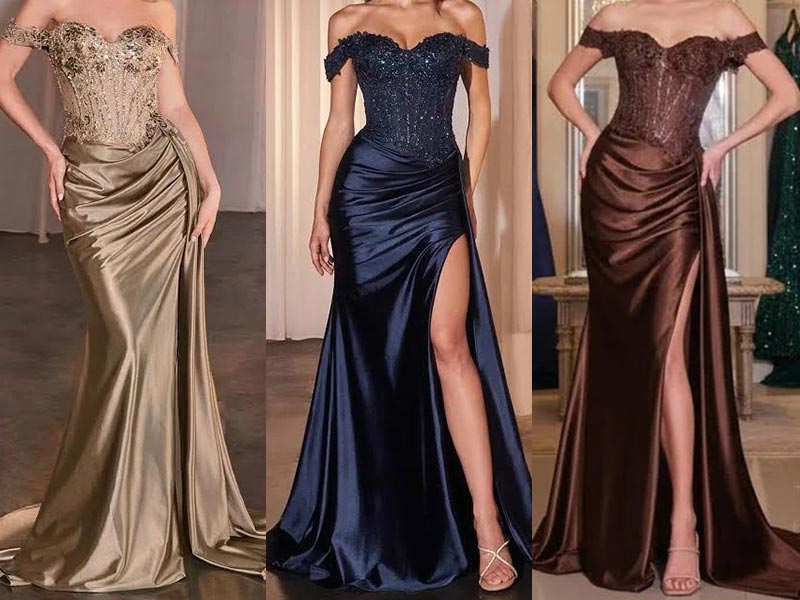
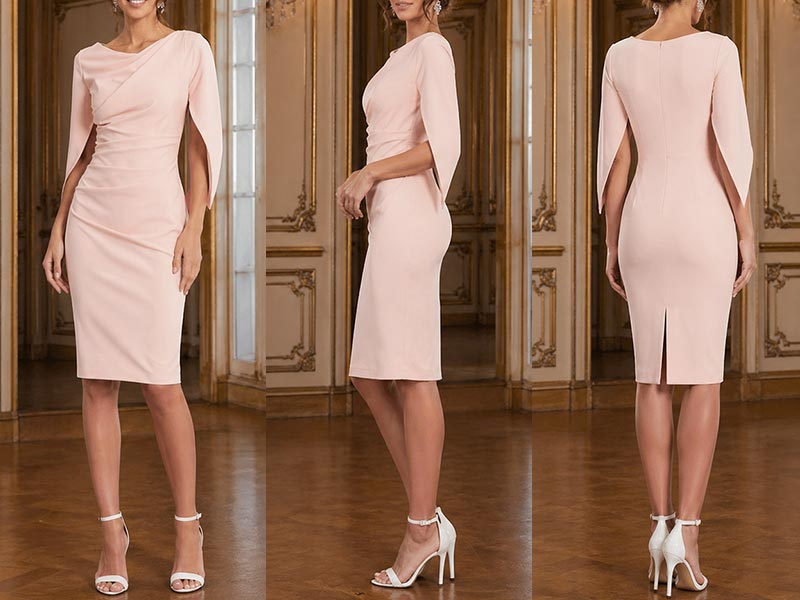
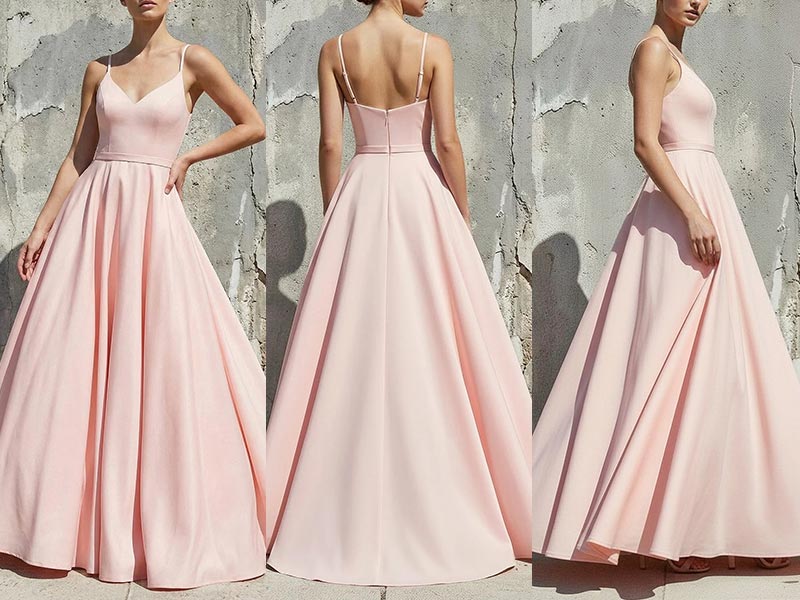
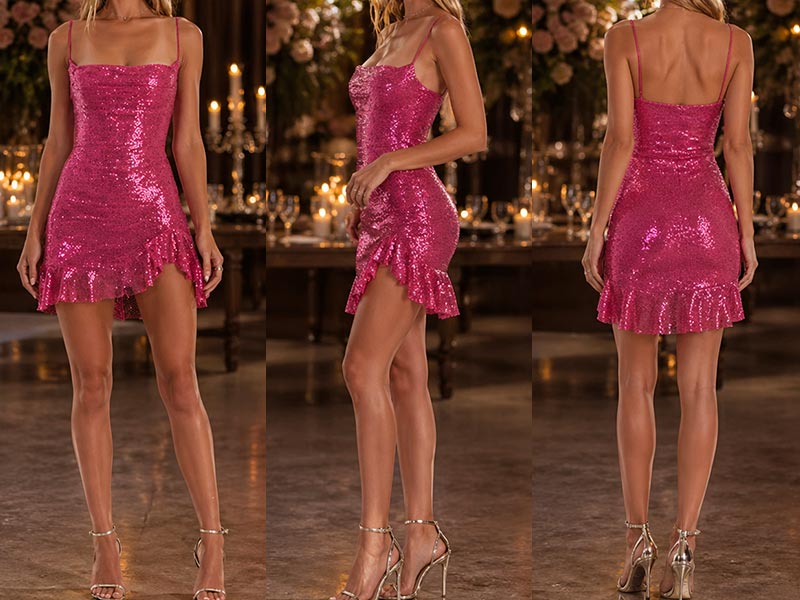
...

Evening Dress Manufacturer for Precision Fit and Consistent Production

Custom-made evening gowns, formal wear, and party dresses—from design and prototyping to consistent, reliable production. Jinfeng develops fitted silhouettes, occasionwear, and detail-driven styles with controlled pattern shaping, fabric matching, and stable craftsmanship.

  • Quickly understand tech packs, reference images, or sample garments
  • 2 sample development labs
  • 7 experienced patternmakers
  • Sample development in 5–7 days

Manufacturing Built for Brands with Ongoing Product Demand

Production is structured for brands that launch frequently, require fit consistency, and depend on stable suppliers.

Fashion Brands with Regular Drops

Jinfeng supports fast-moving fashion brands with quick sample development, accurate execution of trend-driven designs, and consistent pattern control across repeated styles. With an in-house development team and structured workflows, designs can move from concept to production-ready garments with fewer revisions and shorter cycles.

E-commerce & DTC Labels

Jinfeng enables online brands to operate with flexible order volumes and consistent production quality across continuous product launches. With the ability to scale from small-batch testing to larger production across 18 lines, brands can maintain size consistency and stable output as order volumes grow.

Entertainment & Talent Agencies

Jinfeng works with entertainment and talent agencies to produce high-end eveningwear for red carpet appearances, stage performances, and visual content production. Designs can be developed and adjusted through flexible sampling, allowing unique concepts and niche styles to be executed with accurate fit, refined craftsmanship, and consistent visual impact.

Designer Studios & Independent Designers

Jinfeng works closely with designers by supporting flexible sample development, accurate pattern execution, and iterative adjustments during the development stage. This allows creative concepts to be translated into production-ready garments without losing design intent.

Private Label & Wholesale Businesses

Jinfeng provides scalable production for multi-style collections, ensuring consistent quality, stable lead times, and repeatable output across SKUs. Multi-factory coordination allows parallel production without disrupting delivery schedules.

Cross-Border E-commerce Sellers

Jinfeng supports global sellers with white label production, branding customization, and efficient manufacturing cycles. Integrated labeling and packaging solutions allow products to be ready for direct distribution to fulfillment channels.

Bridal & Wedding Dress Brands

Jinfeng delivers structured garments with detailed craftsmanship, precise construction, and controlled fabric handling. Production processes are designed to maintain consistency in complex designs and high-value garments.

Special Occasion & Performance Wear Brands

Jinfeng produces garments for performances, ceremonies, and event use with a focus on durability, visual impact, and stable execution of complex styles. Production ensures consistency across batches even for detail-intensive designs.

Custom Manufacturing Services for Fashion Brands

Services are structured to support fashion brands from initial concept to bulk production, with flexibility in development, customization, and order scaling.

OEM Production (Private Label Manufacturing)

Jinfeng provides OEM manufacturing for brands that require stable production under their own label. This includes executing designs based on approved samples or tech packs, maintaining consistent sizing, construction, and finishing across bulk orders. With 18 production lines and a monthly capacity of around 100,000 pieces, production can scale from initial orders to ongoing restocks without changing suppliers, supporting long-term brand growth.

ODM Development (Design & Product Creation)

For brands that need development support, Jinfeng offers ODM services through its in-house sample rooms and pattern team. Designs can be developed based on references, concepts, or market direction, with adjustments made during sampling to improve fit, structure, and fabric matching. This approach helps reduce development time while ensuring that products are ready for production, not just concept validation.

Bulk Production Orders

Production is structured to handle both medium and large-scale orders across multiple styles. Orders can be distributed across different production lines based on complexity and timeline, allowing multiple SKUs to run simultaneously. This setup supports consistent output and helps maintain delivery schedules, especially for brands with ongoing collections and repeat orders.

Sample Development & Pattern Customization

Jinfeng supports sample development from tech packs, images, or physical samples, with a typical timeline of 5–7 days for standard styles. Pattern adjustments are made based on fabric behavior and fit requirements, helping improve accuracy before bulk production. This reduces the number of revisions and shortens the overall development cycle, which is critical for brands working with frequent launches.

Material, Size & Branding Customization

Customization extends across materials, sizing, and branding elements to match brand requirements. Fabric selection is aligned with design and garment structure, while sizing can be adjusted based on target markets. Branding elements such as labels, logos, prints, and embroidery are integrated into production, ensuring that finished garments reflect the brand identity consistently.

MOQ, Lead Time & Production Workflow

Production terms are structured to support both testing and scaling. MOQ typically starts from 200–500 pieces depending on style and fabric, allowing brands to test products before scaling. Sampling usually takes 5–7 days, while bulk production ranges from 15 to 30 days for most styles. Orders follow a structured workflow from development to shipment, coordinated by dedicated merchandisers to maintain timeline and quality alignment.

Evening Gown Collection

Development and production cover a wide range of eveningwear categories, with a focus on fit-sensitive silhouettes, occasion-driven styles, and scalable production consistency.

Evening Gowns

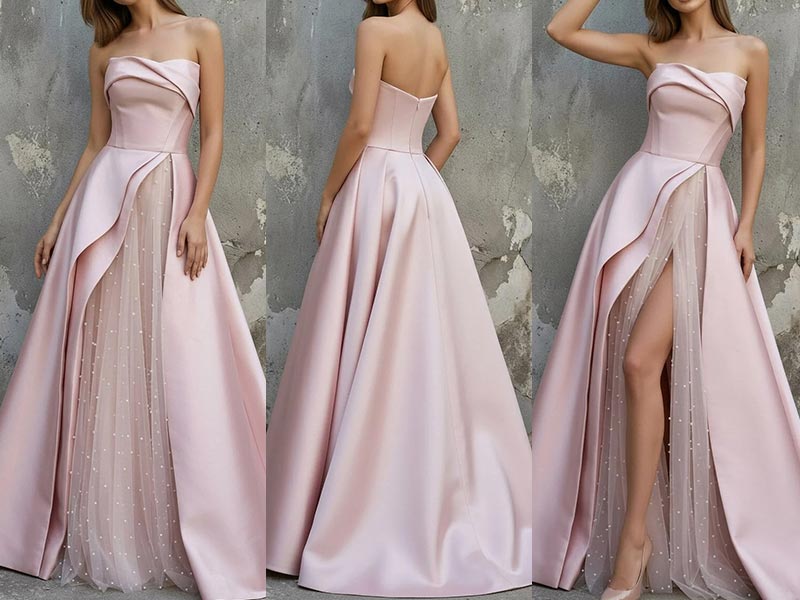
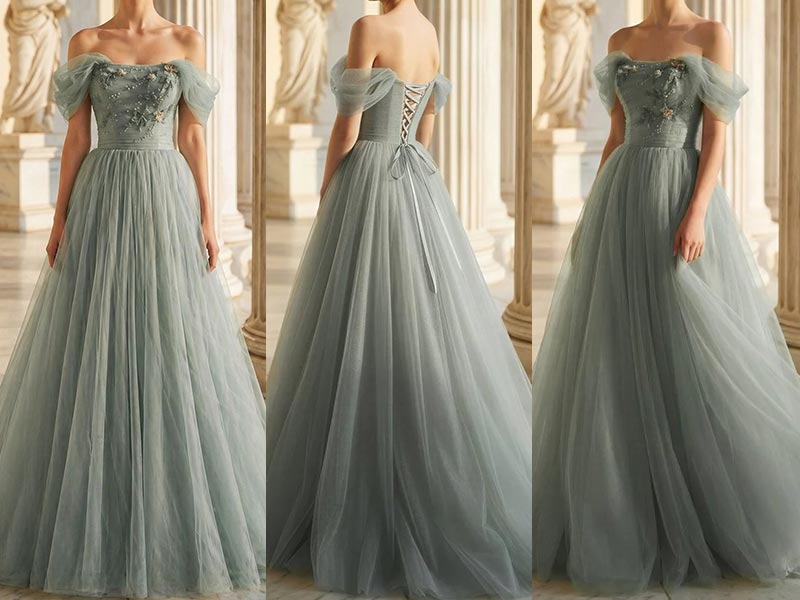
Full-length dresses designed for formal occasions, requiring precise drape control, structured silhouettes, and clean finishing for a refined appearance.

Cocktail Dresses

Short to mid-length dresses suited for semi-formal events, often combining fitted shapes with lightweight fabrics and balanced proportions.

Prom Dresses

Seasonal styles with strong demand for volume, detail, and visual impact, often involving layered construction and decorative elements.

Party Dresses

Trend-driven designs with a focus on body fit, bold cuts, and quick turnaround to match fast-moving collections.

Bodycon Dresses

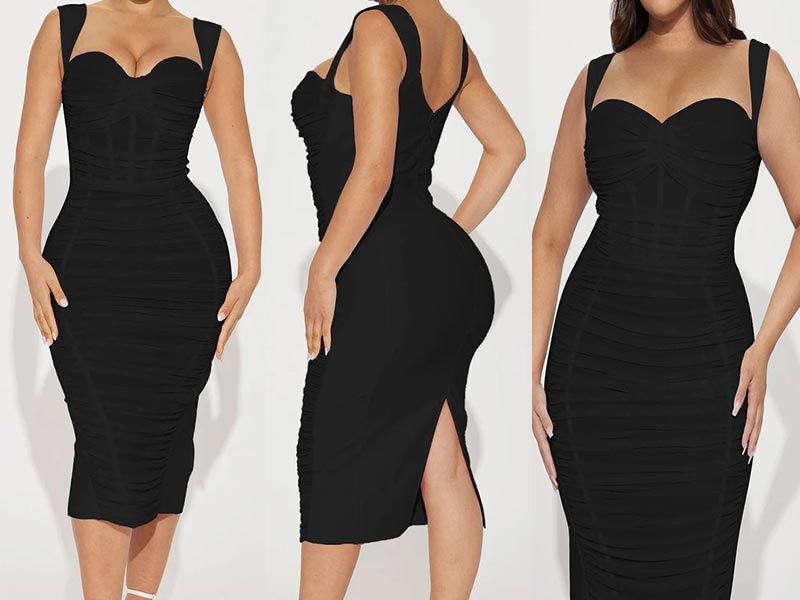
Close-fitting garments that require accurate pattern shaping and stretch fabric control to maintain structure and comfort.

Slip Dresses

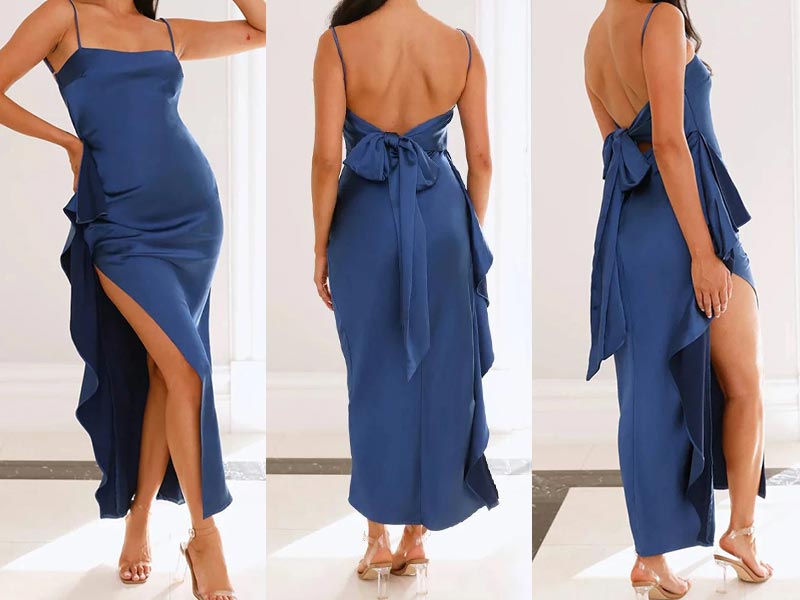
Minimalist silhouettes typically made with satin or lightweight fabrics, where cut accuracy and seam finishing are critical.

Cut-Out Dresses

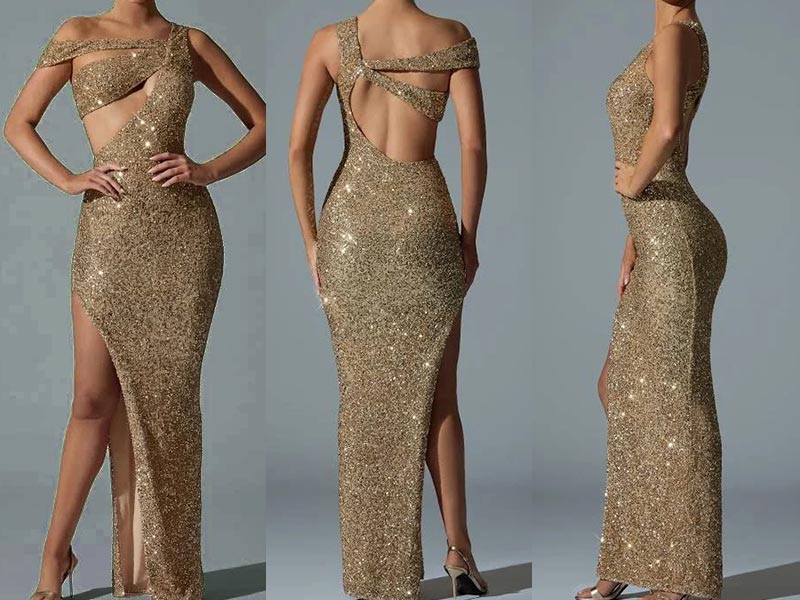
Designs featuring openings and asymmetric structures, requiring careful balance between fit, stability, and visual design.

Two-Piece & Dress Sets

Matching top and skirt or coordinated sets that require consistent sizing, proportion alignment, and production uniformity.

Satin Dresses

Known for smooth surface and fluid drape, requiring careful handling to avoid distortion and maintain clean lines during production.

Chiffon Dresses

Lightweight and airy, often used for layered designs, requiring precision in cutting and stitching to control transparency and flow.

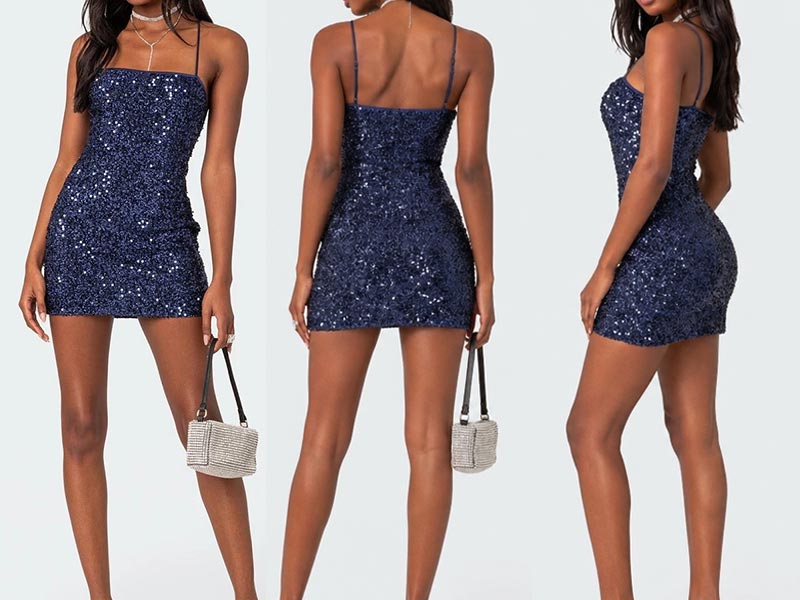
Sequin Dresses

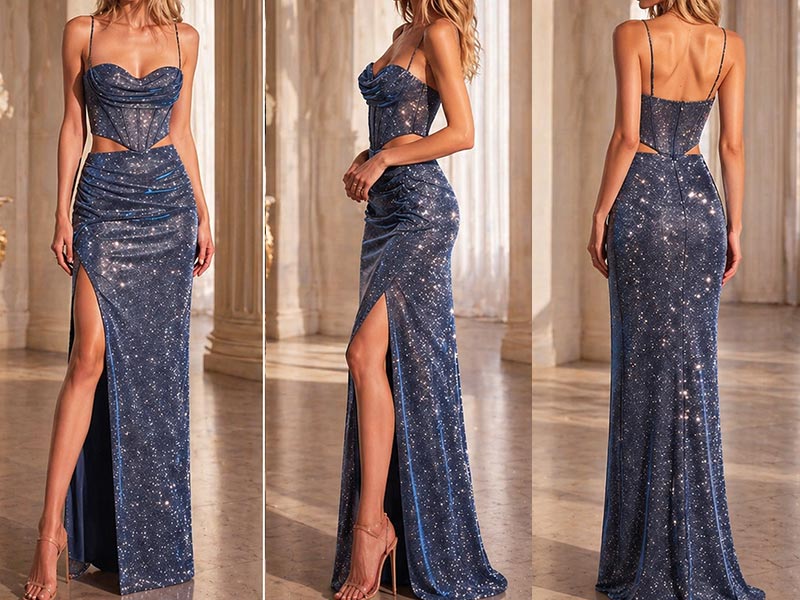
Detail-focused garments with decorative surfaces, requiring stable stitching and alignment to maintain appearance across bulk production.

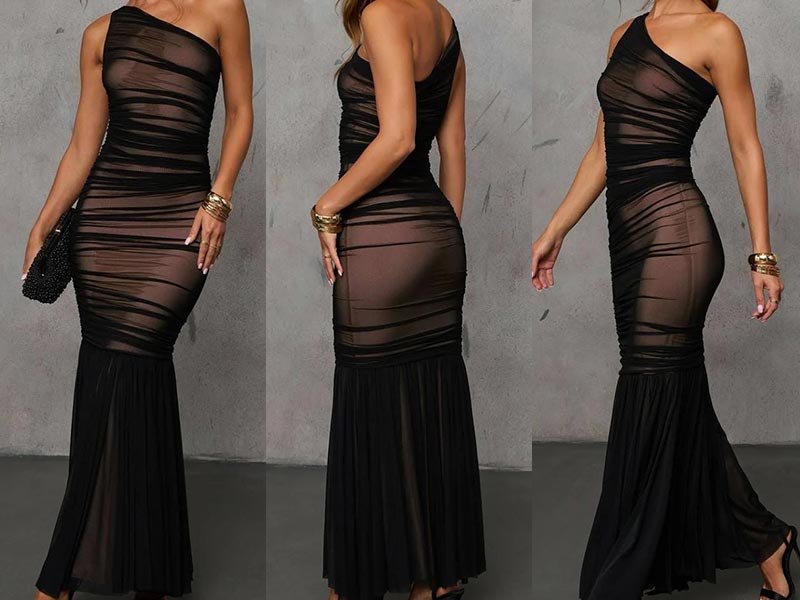
Mesh & Stretch Dresses

Flexible materials that emphasize body fit and comfort, requiring pattern adjustment based on elasticity and recovery.

Fabric Options for Evening Dress Manufacturing

Fabric selection directly affects silhouette, comfort, and production consistency. Each material requires specific handling to achieve stable results in both sampling and bulk production.
Satin

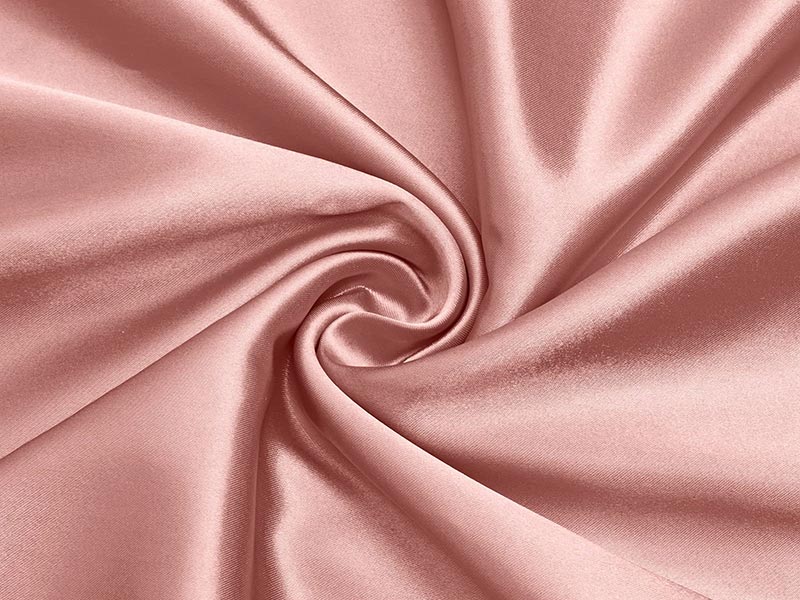
  • Characteristics: Satin has a smooth surface with natural shine and fluid drape. It is sensitive during cutting and sewing, requiring controlled handling to maintain clean lines and shape.
  • Applications: Commonly used for slip dresses and fitted evening gowns where a polished and refined appearance is required.
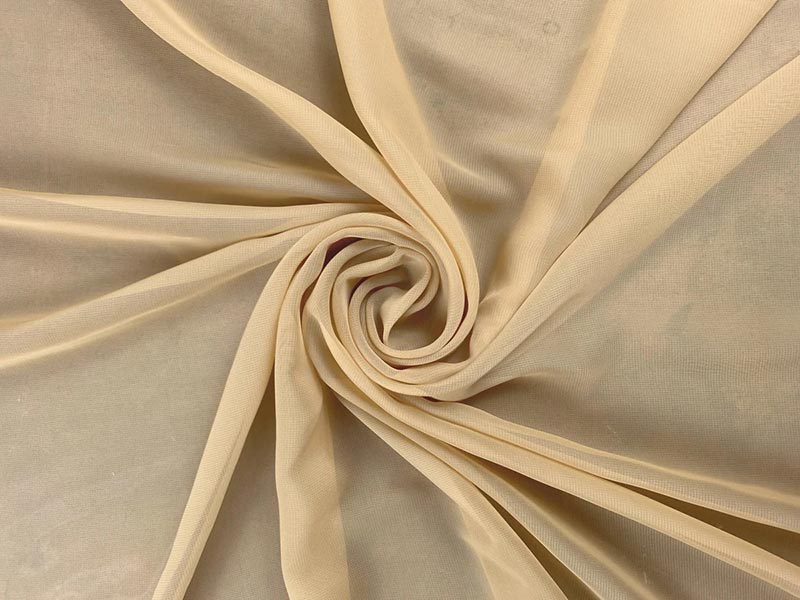
Chiffon

  • Characteristics: Chiffon is lightweight and semi-transparent, creating a soft and flowing effect. It requires precise cutting and layering to control movement.
  • Applications: Widely used for layered dresses and A-line styles that need volume without added weight.
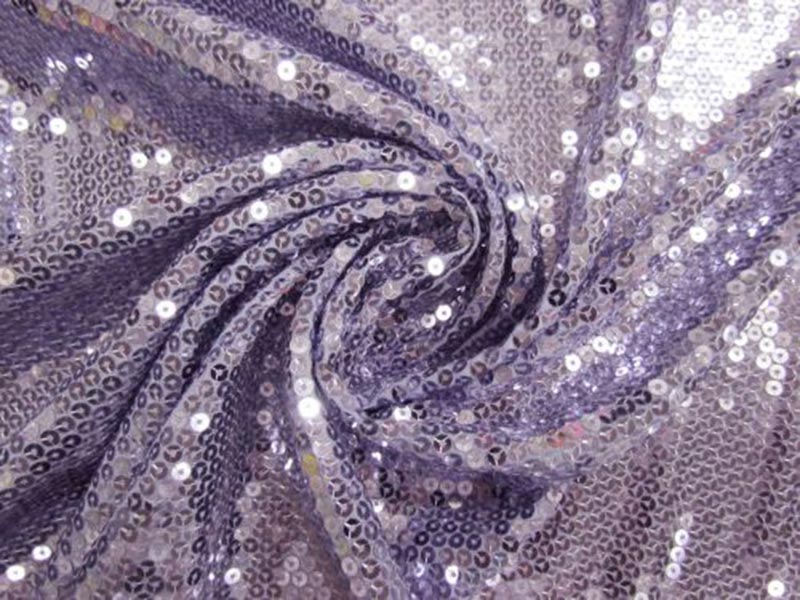
Sequin Fabric

  • Characteristics: Sequin fabrics create strong visual impact with reflective surfaces. Stable stitching is required to keep embellishments aligned in production.
  • Applications: Used for party dresses and statement eveningwear where visual attention is a key factor.
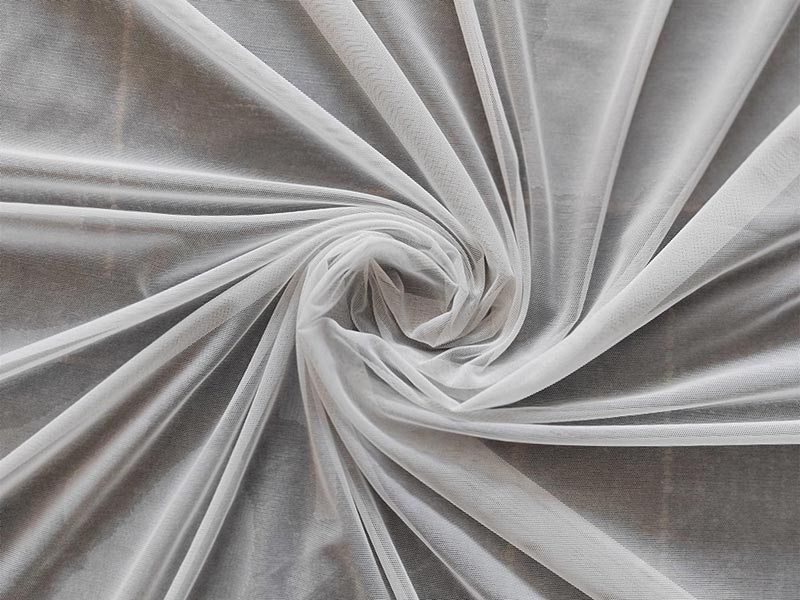
Mesh & Stretch Fabric

  • Characteristics: These fabrics offer flexibility and contour fit, but require pattern adjustment to control stretch and recovery.
  • Applications: Suitable for bodycon and sculpted dresses where fit and comfort must work together.
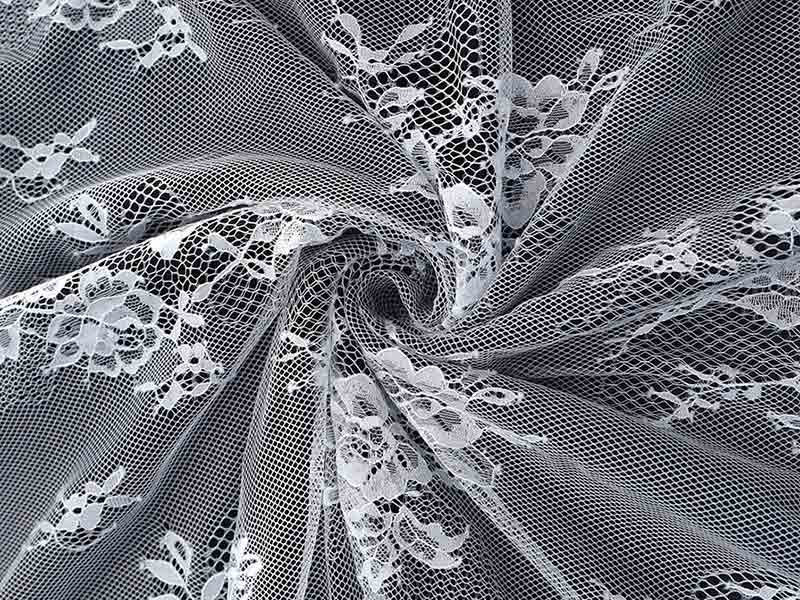
Lace

Lace

  • Characteristics: Lace provides texture and detail, requiring careful alignment and finishing to maintain pattern consistency.
  • Applications: Often used in formal and elegant eveningwear where surface design is important.
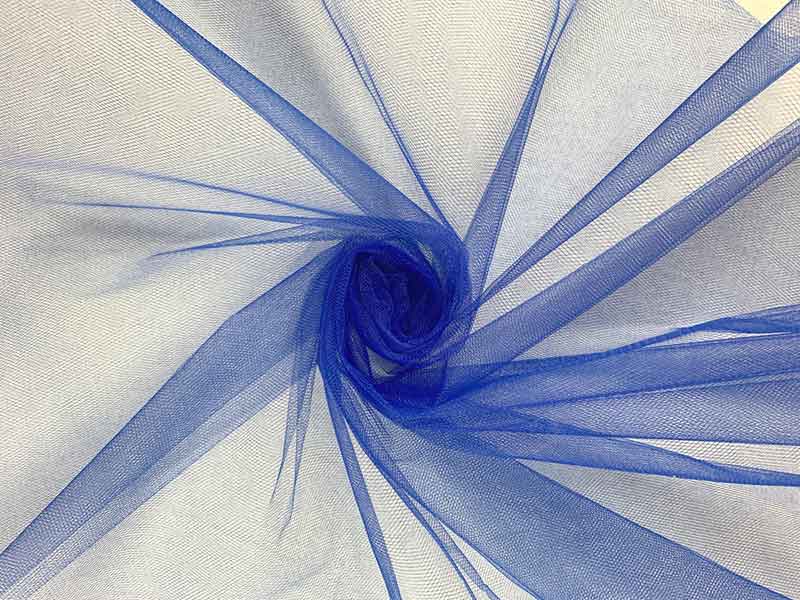
Tulle

  • Characteristics: Tulle is lightweight and used for volume, requiring controlled layering to maintain structure.
  • Applications: Common in gowns and layered skirts where shape and fullness are needed.
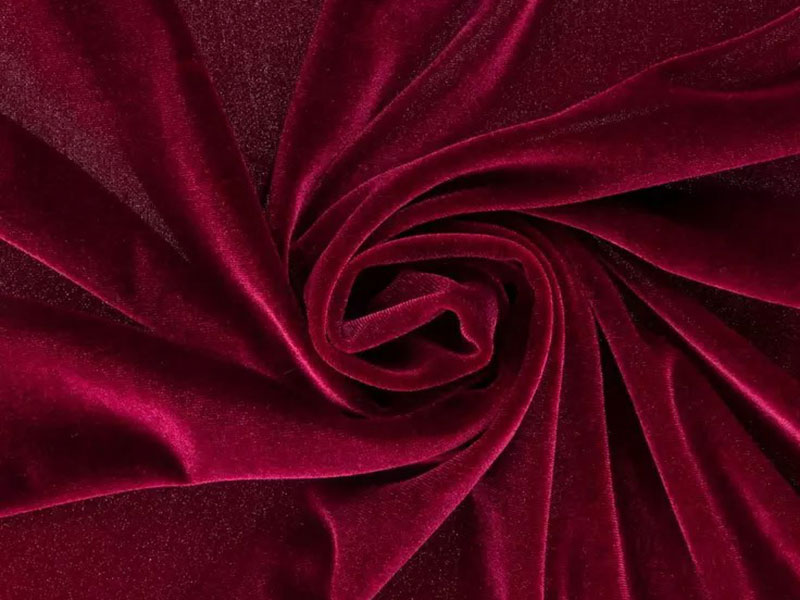
Velvet

  • Characteristics: Velvet has a soft texture and depth of color, requiring careful handling to maintain consistency in appearance.
  • Applications: Used for formal and seasonal eveningwear where a richer fabric effect is preferred.
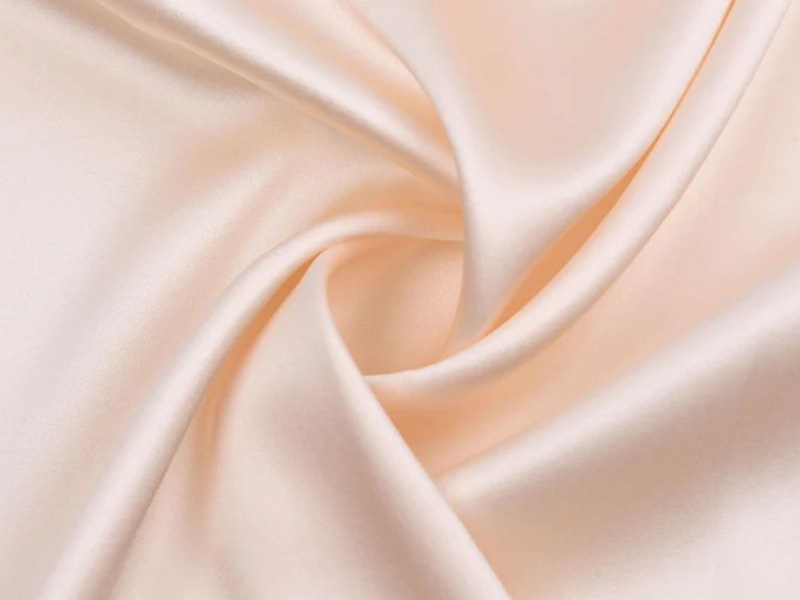
Silk

  • Characteristics: Silk offers a natural sheen and soft touch, requiring precise finishing due to its delicate nature.
  • Applications: Used in premium eveningwear where fabric quality and drape are essential.

Advanced Craftsmanship for Evening Dress Manufacturing
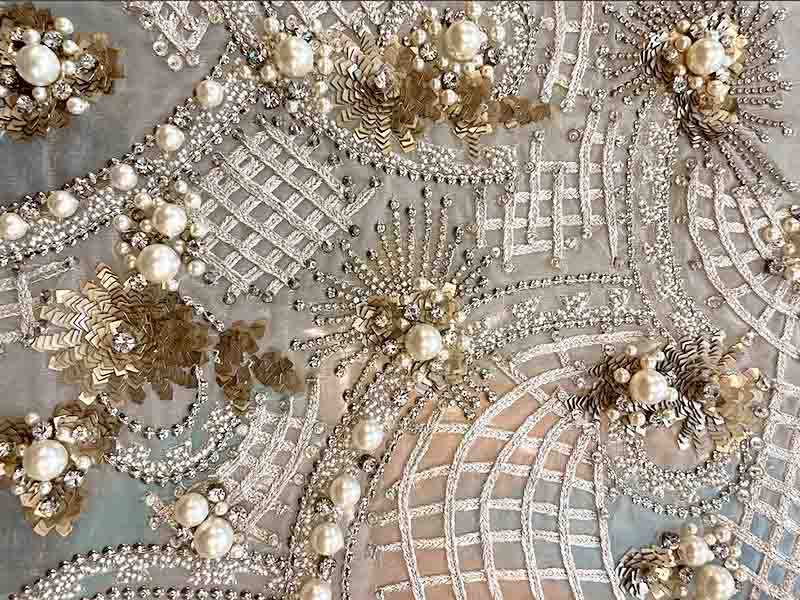
Hand Beading & Embellishment
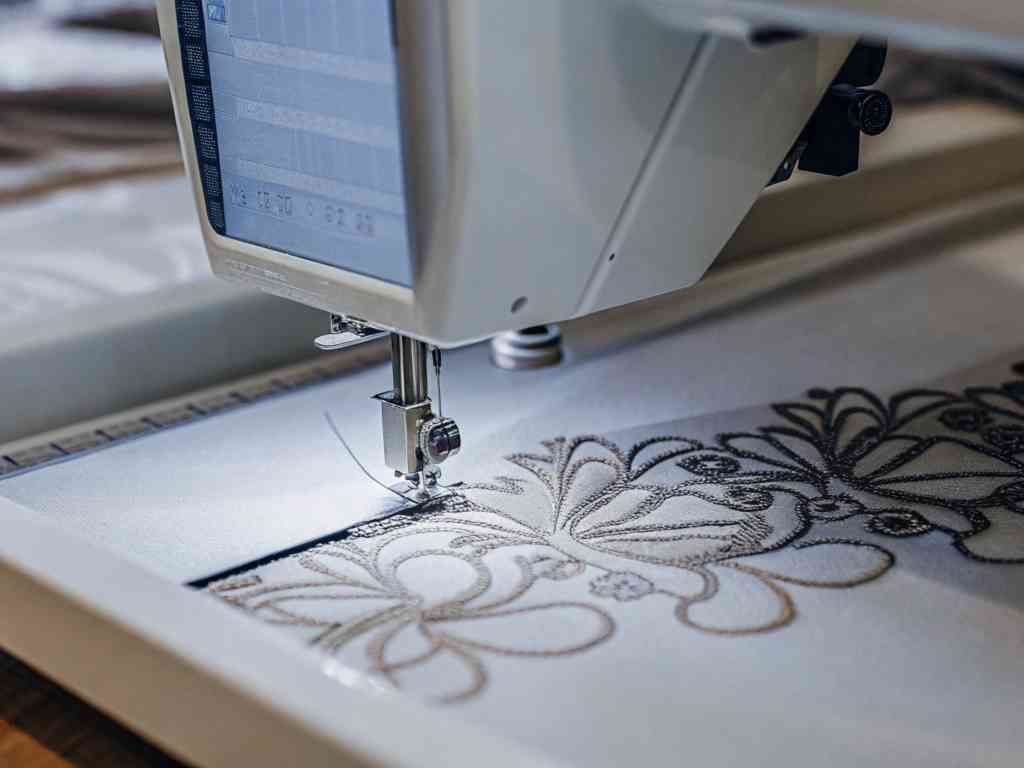
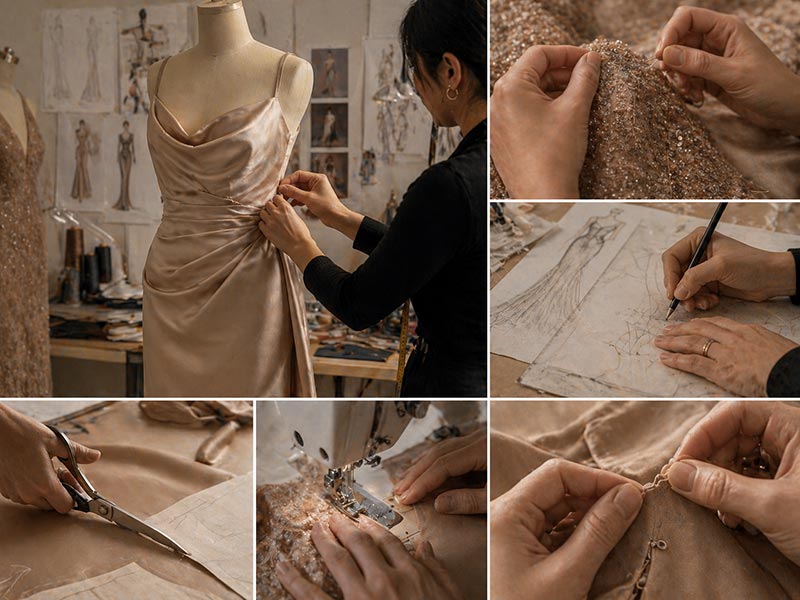
Hand-applied beading and embellishment require precision and consistency, especially when scaling from sample to bulk production. Jinfeng integrates manual detailing with controlled placement references developed during sampling, ensuring that bead positioning, density, and alignment remain consistent across orders. With embroidery and embellishment equipment combined with skilled manual work, decorative elements are stabilized for both visual impact and production repeatability.
A computerized embroidery machine stitching an intricate black floral pattern on white fabric.

Embroidery & Decorative Stitching

Embroidery plays both a structural and decorative role in eveningwear, particularly in patterned or layered designs. Jinfeng operates multiple embroidery machines within its production system, allowing controlled execution of patterns while maintaining alignment and stitch quality. Designs are tested during sampling to ensure thread density, positioning, and durability meet production requirements, reducing variation in bulk orders.
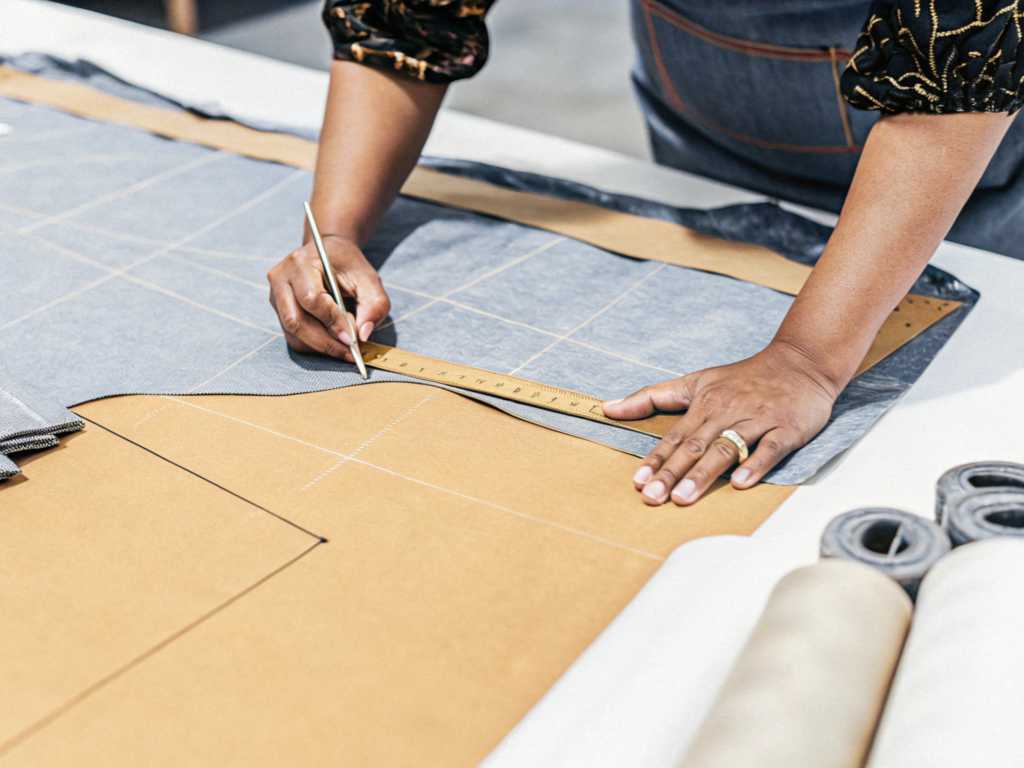
Designer tracing garment pattern lines on kraft paper with ruler

Waist Shaping & Contour Cutting

Fitted evening dresses rely heavily on contour shaping to achieve the intended silhouette. Jinfeng applies pattern engineering and panel-based construction to control waist shaping and body fit, adjusting patterns based on fabric stretch and recovery. This approach helps maintain consistent shaping across different sizes and ensures that garments retain structure during wear and repeated production.

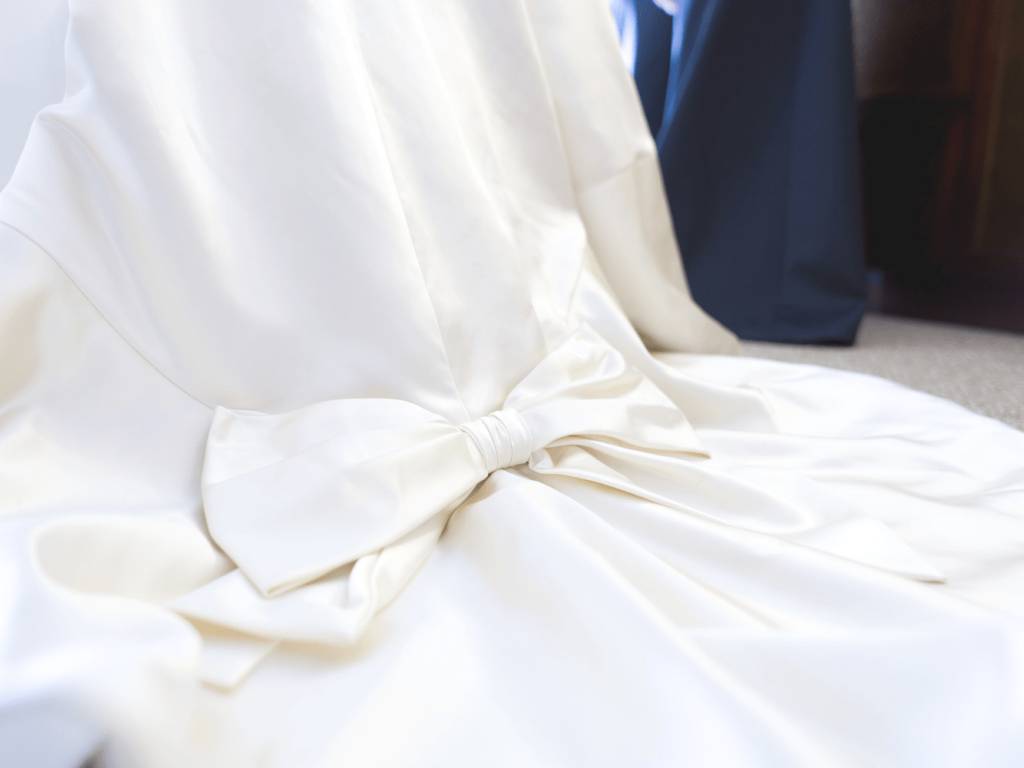
Train Construction & Structural Balance
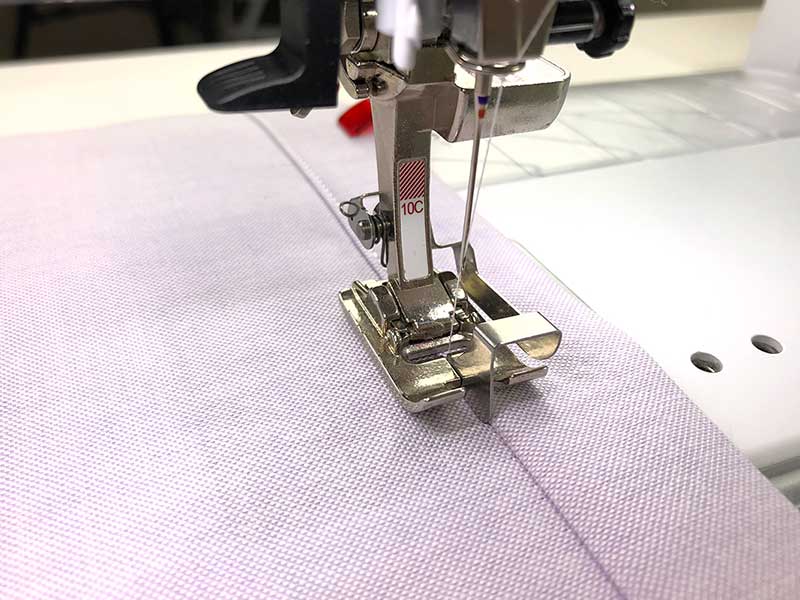
Garments with extended hems or trailing elements require careful balance between weight, proportion, and movement. Jinfeng manages train construction through controlled layering, reinforcement, and proportion adjustment during sampling, ensuring that the garment maintains its intended flow without distortion. This is particularly important when scaling production, where small inconsistencies can affect the overall appearance.

Seam Finishing & Edge Control

Clean finishing is essential for both appearance and durability, especially in lightweight or fitted garments. Jinfeng applies controlled edge finishing methods, including overlocking and reinforcement where needed, to prevent fraying and maintain garment integrity. These finishing standards are defined during development and consistently applied across production lines to ensure uniform results.

Invisible Stitching & Clean Construction

Invisible seams and clean internal construction are critical for high-quality eveningwear, particularly in minimalist or body-fitting designs. Jinfeng focuses on reducing visible stitching lines and improving internal finishing through controlled sewing techniques and tension management. This ensures that garments maintain a clean exterior appearance while preserving structural strength.

Sample Development for Accurate and Efficient Production

Sample development is structured to translate design concepts into production-ready garments, reducing revisions and ensuring consistency before bulk manufacturing.
Fashion designer working on digital garment design with a large screen display.

Structured Sample Development Team

Jinfeng operates dedicated sample development facilities to support fast and accurate execution. With 2 sample rooms, 7 experienced pattern makers, and 20 sample technicians, development is handled internally rather than outsourced, allowing better control over fit, construction, and timelines.
  • In-house sample rooms for faster coordination
  • Experienced pattern team for fitted and structured garments
  • Direct communication between development and production teams
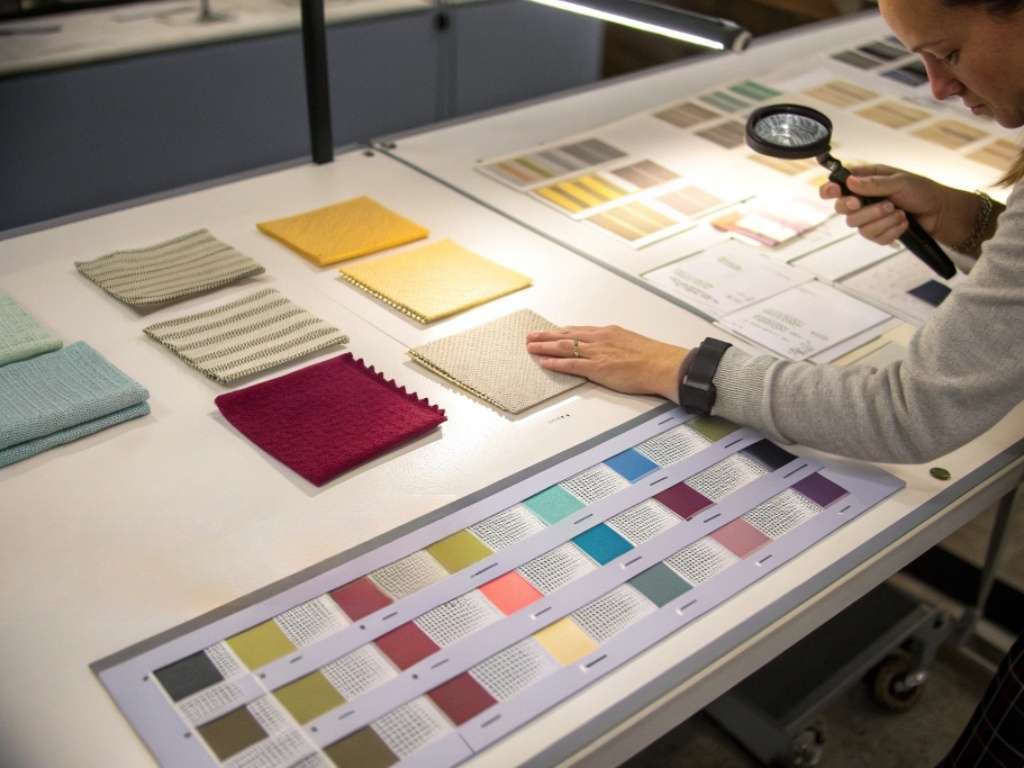
Designer reviewing fabric textures and swatches.

Fast Sampling Timeline

Sampling speed is critical for brands running frequent collections. Jinfeng maintains a stable development timeline while keeping quality consistent.
  • 5–7 days for standard styles
  • 7–10 days for more complex designs
  • Parallel development for multiple styles
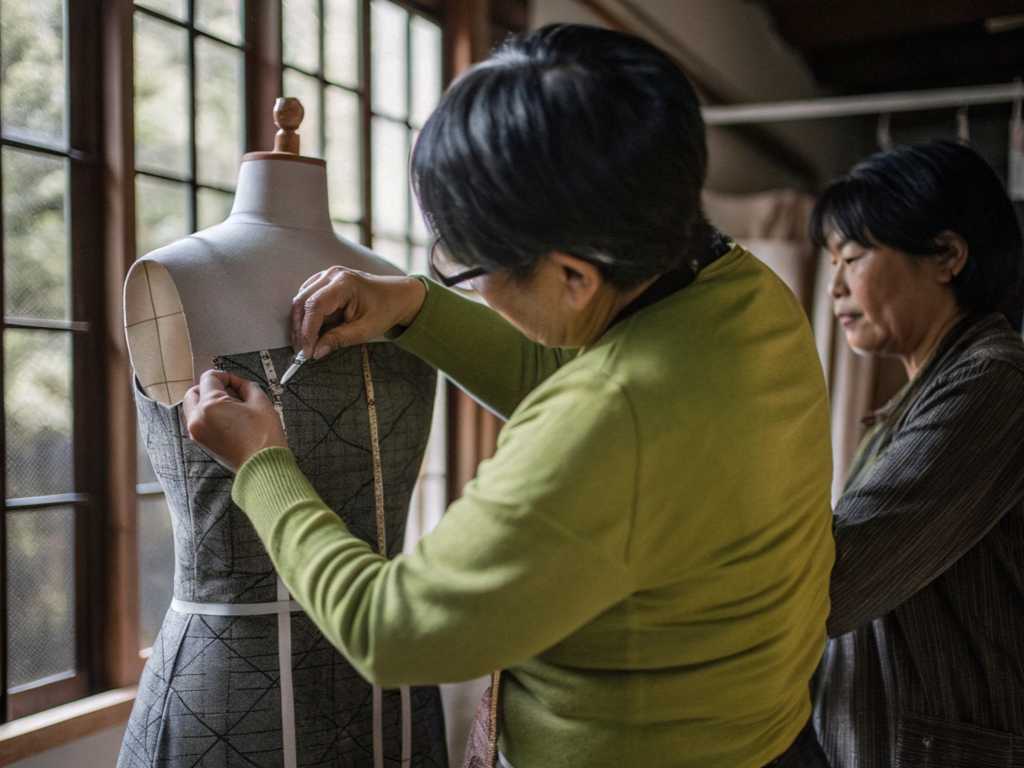
This allows brands to move quickly from concept to testing without delaying product launches.
Two women measuring pattern-marked grey dress form near large window

Pattern Accuracy & Fit Adjustment

Eveningwear requires precise fit control, especially for bodycon and structured silhouettes. Jinfeng focuses on refining patterns during sampling based on actual fabric performance.
  • Adjust patterns based on stretch, drape, and recovery
  • Control balance across key fitting areas
  • Reduce revision rounds by improving first sample accuracy
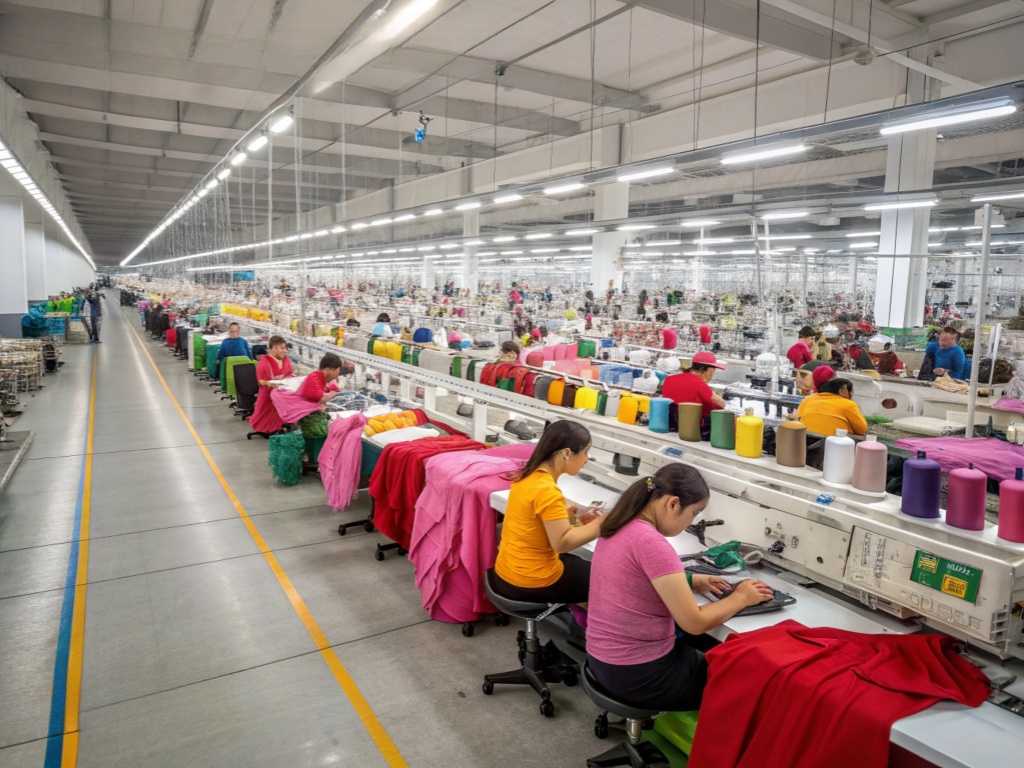
This improves consistency between sample and bulk production.
Busy garment factory with workers assembling clothes in a high-speed production line.

Development to Production Alignment

A key part of sampling is ensuring that approved designs can be reproduced in bulk without variation. Jinfeng aligns sampling with production early in the process.
  • Lock materials, patterns, and construction after sample approval
  • Use approved samples as production reference
  • Coordinate with merchandising teams for smooth transition
This reduces production risk and supports stable repeat orders.

Production Capacity Designed for Ongoing Orders

Manufacturing is structured to support both initial orders and long-term repeat production.

Factory Structure
  • 3 fashion garment factories
  • 1 knit and printing-focused factory
Production Capacity
  • 18 production lines
  • 100,000 pcs monthly output
  • Additional 50,000–80,000 pcs scalable capacity
Order Range
  • 200–500 pcs (test orders)
  • 1,000–5,000 pcs (core production)
  • 5,000+ pcs (scaling phase)
Lead Time
  • 15–20 days for simple styles
  • 20–30 days for standard styles
  • 30–45 days for complex designs
Equipment Configuration
  • 2 DTG digital direct-to-garment printers (planned to increase to 3)
  • 18 embroidery machines
  • 15 heat transfer printers

Managing Key Risks in Evening Dress Manufacturing

Evening dress production involves multiple variables across fit, fabric, craftsmanship, and scaling. Stable results depend on how these risks are identified and controlled during development and production.

Fit & Pattern Accuracy Risk

Evening dresses, especially fitted styles, can show significant variation if patterns are not properly adjusted during development, leading to inconsistent fit across sizes and production batches. Jinfeng addresses this by refining patterns during sampling based on real fabric behavior and body proportions, with experienced pattern makers and sample teams working together to lock fit before bulk production, reducing size deviation and improving repeatability.

Fabric Performance & Consistency Risk

Differences in fabric batches or incorrect material selection can affect drape, stretch, and overall garment performance, causing inconsistencies between samples and bulk orders. Jinfeng manages this by inspecting incoming materials, evaluating fabric properties during sampling, and aligning pattern adjustments with material behavior, ensuring that fabric performance remains stable across production runs.

Craftsmanship Execution Risk

Decorative and structural details such as embellishment, stitching, and layered construction can vary during production if not standardized, leading to inconsistent appearance and quality. Jinfeng controls this by defining construction methods and detail placement during the sampling stage, and applying these standards across production lines, supported by equipment such as embroidery machines and controlled sewing processes.

Bulk Production Consistency Risk

A garment that performs well in sampling may not maintain the same result in large-scale production if processes are not controlled, leading to variation between batches or production lines. Jinfeng reduces this risk through a structured production system with 18 lines, standardized workflows, and coordinated order management, ensuring that approved samples are used as the reference for all bulk production.

Lead Time & Delivery Risk

Delays in sampling, production, or logistics can disrupt product launch schedules and affect sales performance. Jinfeng manages timelines by coordinating sampling, production, and shipping within a unified workflow, supported by merchandising teams that track progress and adjust schedules when needed to keep delivery aligned with brand timelines.

Scaling from Small to Large Orders Risk

Some manufacturers can handle small orders but struggle to maintain quality and consistency when scaling up, forcing brands to change suppliers. Jinfeng supports both small batch testing and large-scale production within the same system, allowing brands to move from 200–500 piece test runs to higher volumes without restarting development or compromising consistency.

Communication & Development Risk

Misinterpretation of design intent during sampling can lead to repeated revisions, delays, and inaccurate final products. Jinfeng minimizes this risk by maintaining direct communication between development teams and clients, working from tech packs, references, or samples, and making adjustments early in the sampling stage to align expectations before production begins.

Cost Control & Stability Risk

Unclear cost structures or frequent changes in materials and processes can lead to unexpected increases in production cost. Jinfeng approaches cost control by aligning fabric selection, pattern development, and production methods early in the process, helping brands maintain predictable pricing while ensuring that product quality is not compromised.

Supply Chain Coordination Risk

Disruptions in fabric, trims, or production coordination can affect both timelines and product consistency. Jinfeng operates within an integrated supply chain environment and coordinates sourcing, development, and production together, reducing dependency on fragmented suppliers and improving overall production stability.

Quality Control Built Into Each Step of Production

Fabric Inspection

Jinfeng controls quality starting from incoming materials, where fabrics are checked using inspection equipment before entering production. This process focuses on identifying defects, color variation, and consistency across batches, which is especially important for eveningwear where fabric behavior directly affects fit and appearance. By filtering material issues at the earliest stage, Jinfeng reduces the risk of defects carrying into cutting and sewing, helping maintain stability in later production steps.

Inline Production Control

Jinfeng integrates quality checks into the sewing process rather than relying only on end-stage inspection. With 18 production lines operating simultaneously, inline control allows problems to be identified early across different stages of assembly. Merchandising and production teams coordinate closely during this phase, ensuring that deviations in stitching, construction, or measurements are corrected before they affect the full batch, which helps reduce rework and keeps production timelines stable.

Final Inspection

Before shipment, Jinfeng conducts final inspections to confirm that each order meets approved sample standards. This includes checking measurements, garment structure, stitching quality, and finishing details to ensure consistency with the original development reference. Because specifications are already locked during sampling, final inspection serves as a confirmation step rather than a correction stage, supporting more predictable and repeatable results across orders.

Order Tracking & Coordination

Jinfeng assigns dedicated merchandisers to follow each order from sampling through production and delivery. These team members coordinate between development, production lines, and quality control, helping maintain alignment across all stages. This continuous tracking ensures that any issues are addressed in real time and that communication remains clear throughout the process, which is critical when managing multiple styles and ongoing orders.

System-Based Quality Stability

Jinfeng’s quality consistency is supported by its overall production structure, including multiple factories, standardized workflows, and coordinated teams. By combining sample development control, inline monitoring, and final verification within one system, Jinfeng is able to maintain stable quality across both small batches and larger production runs, making it suitable for brands that require repeat orders and long-term supply reliability.

Shipping and Delivery

Delivery timing is planned based on product launch cycles and inventory strategy.

Flexible Shipping Methods
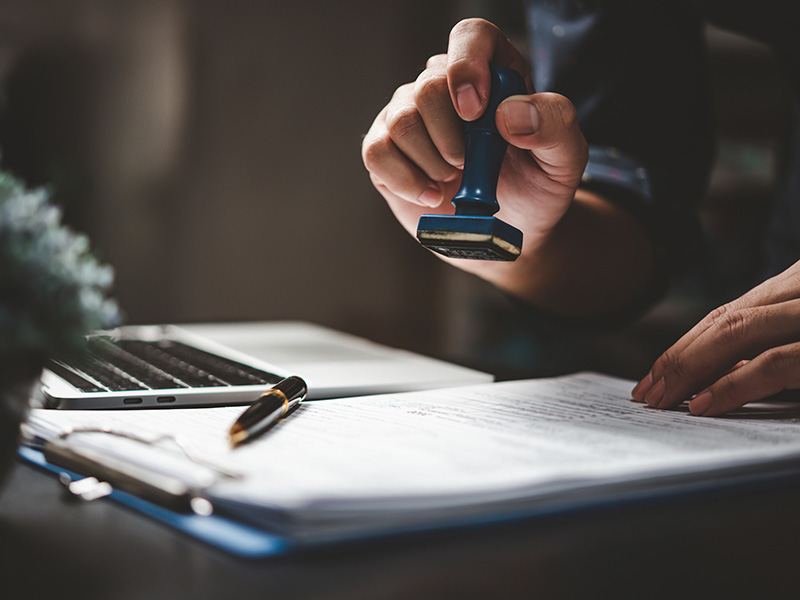
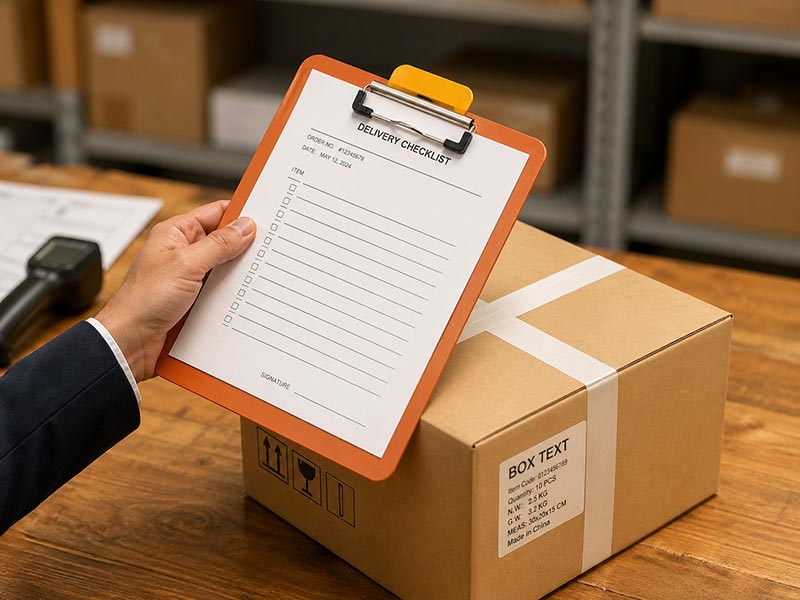
Jinfeng arranges different shipping methods based on delivery urgency, cost considerations, and order size, including express delivery, air freight, and sea freight. Fast methods such as express and air are typically used for urgent launches or replenishment, while sea freight is applied for larger volume orders where cost efficiency is more important. By selecting shipping methods according to each order’s timeline, delivery can better support product launch plans rather than simply following factory completion dates.

Trade Terms and Cost Control

Jinfeng supports multiple international trade terms including FOB, EXW, CIF, and DDP, allowing brands to choose the most suitable option based on their logistics structure and cost strategy. This flexibility makes it easier to integrate production into existing supply chain systems, whether goods are shipped directly to warehouses, distribution centers, or third-party logistics providers, without requiring changes to internal processes.

Split Shipments and Rolling Delivery

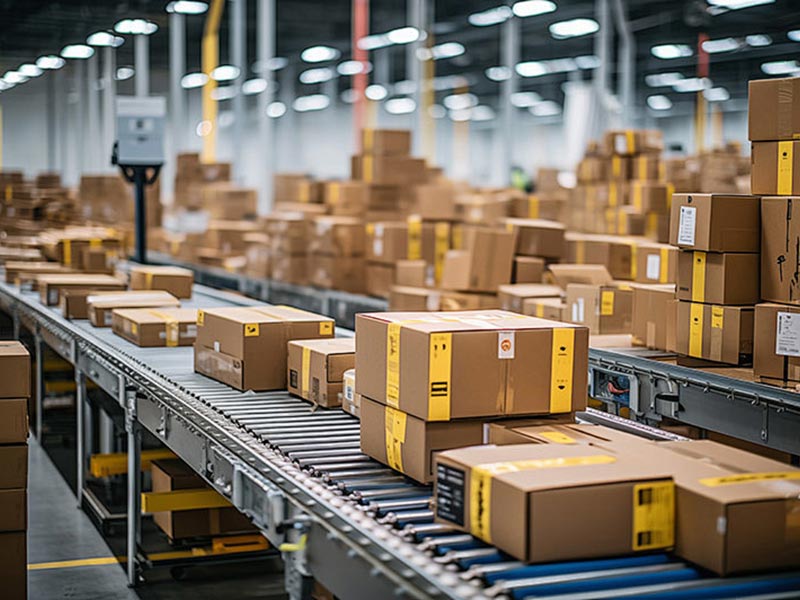
For brands managing multiple SKUs or staggered launch timelines, Jinfeng supports split shipments and rolling delivery arrangements. Orders can be shipped in batches as production is completed, allowing part of the collection to enter the market earlier while the remaining units are still in production. This is particularly useful for fast-moving collections where timing directly impacts sales performance.

Coordination with Overseas Warehousing

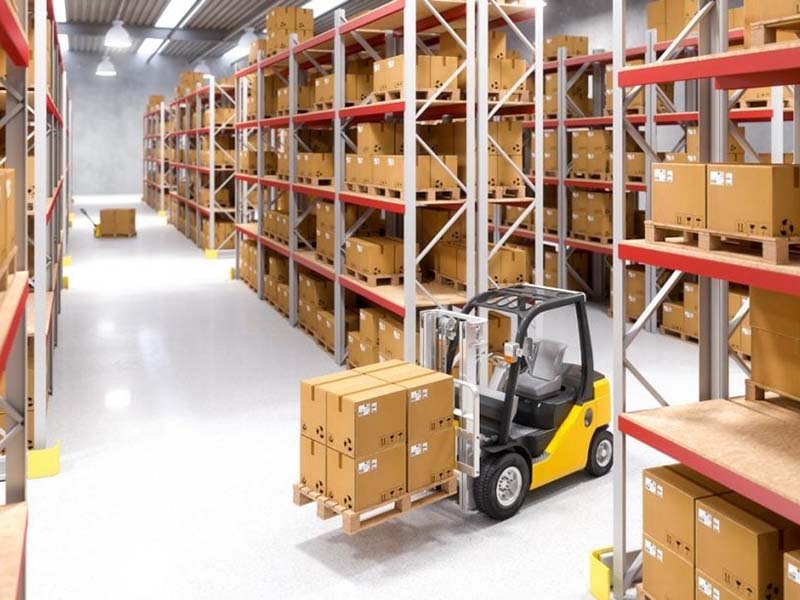
Jinfeng is able to coordinate delivery with overseas warehouse systems, including direct shipment to designated locations or staged delivery based on inventory requirements. This allows brands to manage stock levels more effectively and reduces the need for additional handling after goods arrive, especially for those operating with regional distribution or fulfillment centers.

White Label and Private Label Manufacturing for Fashion Brands
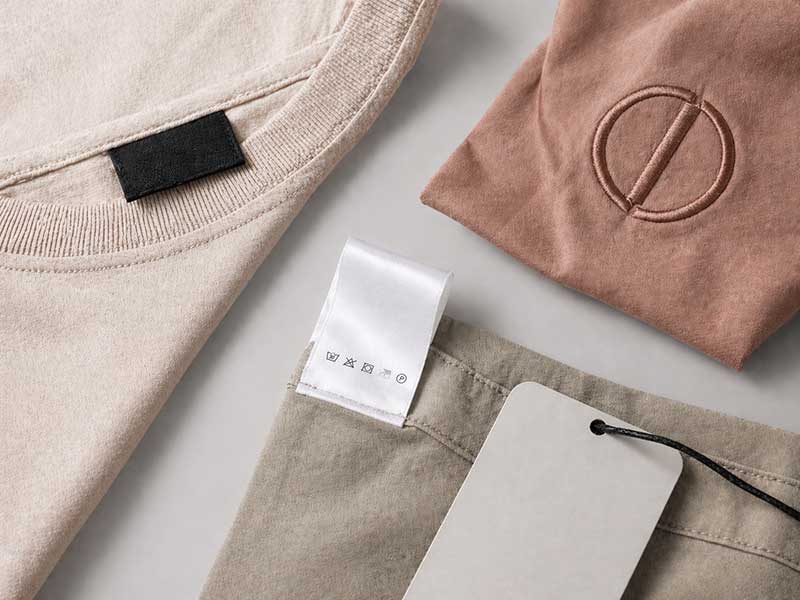
Brand-focused production requires more than garment manufacturing. It involves integrating labeling, packaging, and identity elements into the product to ensure consistency across all customer touchpoints.

White Label Production & Brand Integration
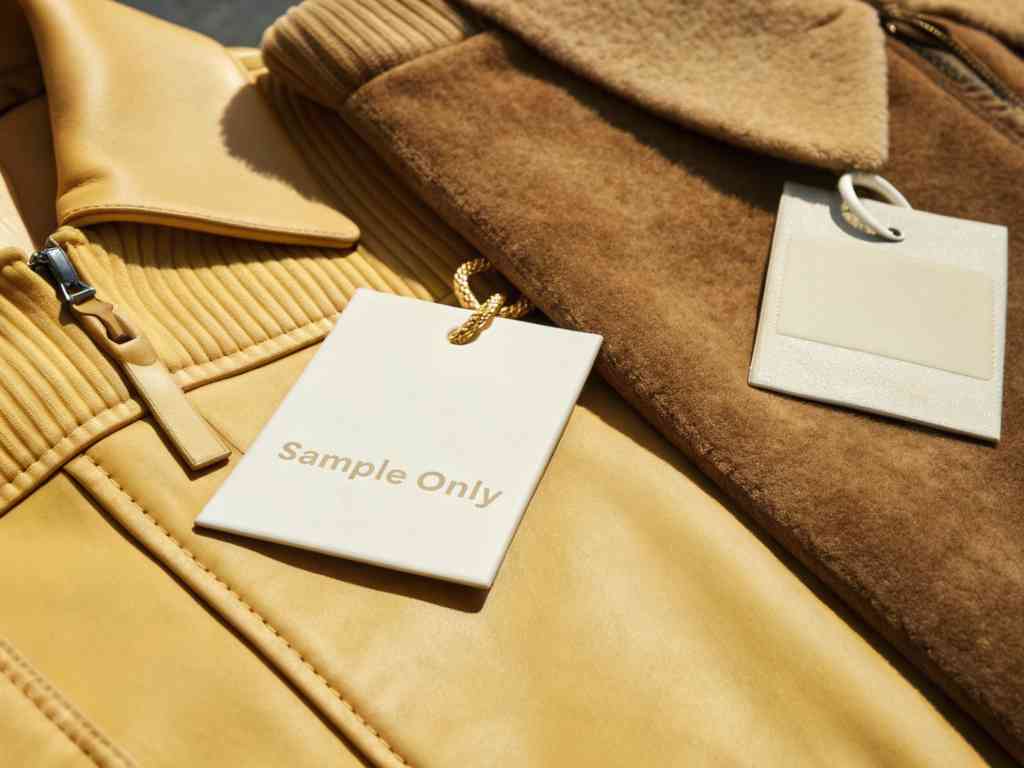
Jinfeng supports white label manufacturing for brands that require ready-to-sell products under their own identity. Garments are produced based on approved samples while incorporating brand-specific elements during production, ensuring that each piece aligns with the brand’s visual and market positioning. This approach is widely used by fashion brands and cross-border sellers who need reliable production without building internal manufacturing capacity.
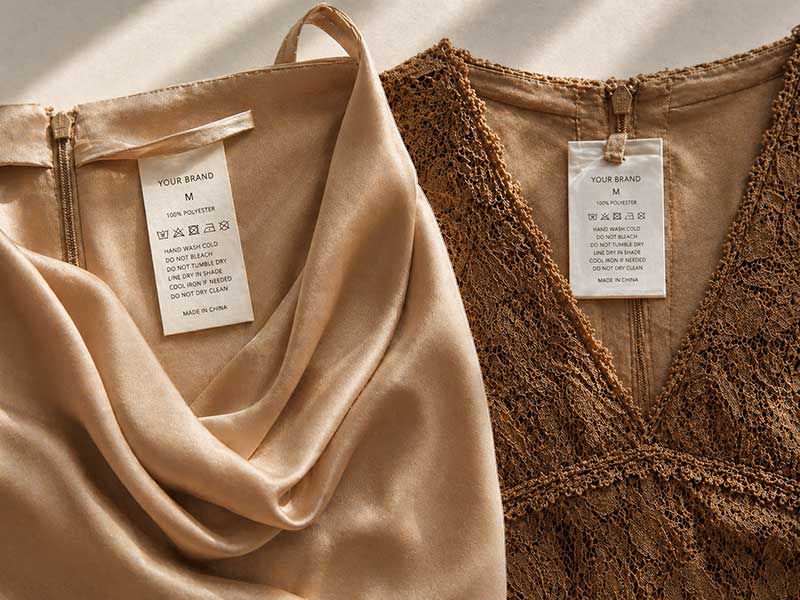
Close-up of designer clothing samples with tags under sunlight.

Hang Tag Customization

Custom hang tags are developed to match brand positioning and product presentation. Jinfeng coordinates tag materials, printing, and attachment methods during production, ensuring that tags are applied consistently across all garments. This helps maintain a uniform retail-ready appearance, especially for collections distributed through e-commerce or wholesale channels.

Neck Label & Care Label Customization

Brand identity is further integrated through customized neck labels and care labels. Jinfeng produces and applies woven labels, printed labels, and washing instructions according to brand requirements, ensuring proper placement, durability, and compliance with international labeling standards. This allows garments to meet both branding and regulatory needs across different markets.
Person unboxing blue dress from a package

Custom Packaging Solutions

Packaging is coordinated as part of the production process to support brand presentation and logistics requirements. Jinfeng offers custom packaging options including poly bags, branded packaging, and labeling systems that align with distribution channels. This ensures that products are ready for direct shipment to warehouses, fulfillment centers, or end customers without additional repackaging.

Why Many Evening Dress Brands Manufacture in China
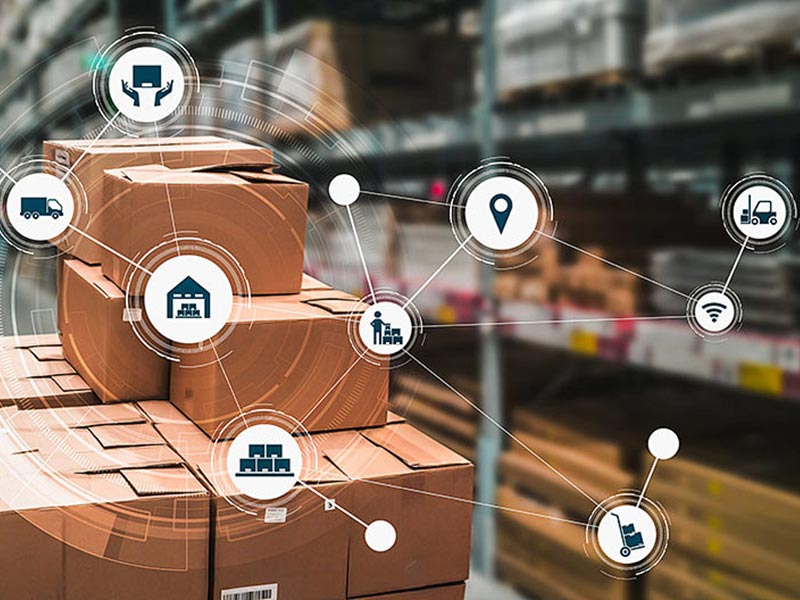
Eveningwear production depends on coordination between fabric, trims, craftsmanship, and production speed. This combination is still strongest in China.

Integrated Supply Chain

China’s garment industry benefits from a highly integrated supply chain where fabrics, trims, printing, embroidery, and garment production are closely connected. For evening dresses, where materials and details directly impact the final result, this level of coordination reduces sourcing time and improves development efficiency. Jinfeng operates within this ecosystem, allowing fabric sourcing, sampling, and production to move in parallel rather than as separate stages, which helps shorten overall lead time and maintain consistency between sample and bulk.

Skilled Manufacturing Experience

Eveningwear production requires hands-on experience in pattern making, sewing, and garment finishing, especially for fitted silhouettes and detail-sensitive designs. In China, long-term industry experience has built a workforce familiar with these requirements. Jinfeng’s team, including pattern makers and sample technicians, works from practical production experience rather than theoretical processes, allowing designs to be adjusted based on real garment behavior and helping reduce trial-and-error during development.

Flexibility Across Order Sizes

Fashion brands rarely operate on a single order size, often moving from testing new designs to scaling successful products. China’s production structure supports this transition, allowing small runs and larger orders to be handled within the same system. With its multi-factory setup and coordinated production lines, Jinfeng is able to manage different order sizes without requiring brands to change suppliers or restart development, which simplifies long-term production planning.

Balance Between Cost and Execution

For evening dresses, cost cannot be separated from execution quality, as material handling, construction accuracy, and finishing all influence the final product. China offers a balance where production costs remain competitive while maintaining the level of control required for structured garments. Jinfeng works within this balance by aligning material selection, pattern development, and production processes, helping brands manage pricing without sacrificing garment performance or consistency.

Factory Compliance and Production Standards

Reliable manufacturing is built on compliance, safety, and standardized processes. Production is structured to meet international expectations for quality, working conditions, and operational control.

Workplace Safety & Operating Standards

Jinfeng maintains a structured production environment where safety procedures are integrated into daily operations. Production lines are organized to ensure clear workflows, controlled equipment usage, and stable working conditions. This helps reduce operational risks and ensures that production runs consistently across different orders and timelines.

Quality and Process Compliance

Jinfeng follows standardized production procedures from material inspection to final garment checking, ensuring that each stage aligns with defined quality requirements. With dedicated inspection processes and coordinated production management, orders are produced under controlled conditions to maintain consistency and reduce variation.

Material and Product Standards

Jinfeng works with materials that meet international market requirements, ensuring that fabrics, trims, and components are suitable for global distribution. During development and production, materials are evaluated and selected to align with both product performance and compliance expectations in target markets.

Ethical Production Environment

Jinfeng operates with a structured workforce system, including dedicated production teams, sample development staff, and merchandising coordination. Clear role distribution and stable working conditions support efficient production while maintaining responsible manufacturing practices suitable for long-term brand partnerships.

Production Transparency & Client Access

Jinfeng supports factory visits and remote communication, allowing clients to review production processes and discuss project details directly with the team. With English-speaking staff and flexible communication channels, collaboration remains clear and transparent throughout development and production stages.
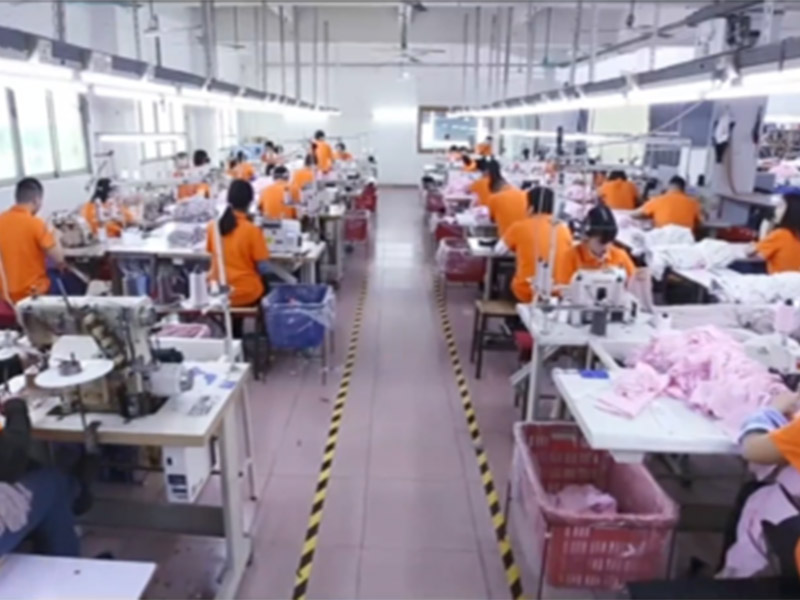
Evening Dress Production Cases and Execution Experience

Case 1 — U.S. E-commerce Brand (Bodycon Evening Dresses)

A U.S.-based e-commerce brand required a series of bodycon evening dresses with strong contour shaping and consistent sizing across multiple SKUs. The main challenge was maintaining fit accuracy and fabric recovery when scaling from sample to bulk production, especially across different sizes. Jinfeng addressed this by refining patterns based on stretch performance during sampling and locking fit specifications before production. With coordinated production across multiple lines, the project was scaled to over 3,000 pieces per style while maintaining consistent shape and sizing across batches.

Case 2 — European Fashion Brand (Satin & Slip Dresses)

A European fashion brand developed a collection of satin slip dresses requiring clean drape, smooth finishing, and consistent appearance across bulk orders. The challenge was controlling fabric movement during cutting and sewing, which could affect alignment and garment structure. Jinfeng managed this by adjusting cutting methods and stabilizing fabric handling during production, while standardizing finishing processes across lines. This ensured that the final garments maintained a consistent drape and surface quality from sample to bulk production.

Case 3 — Middle East Private Label Client (Embellished Evening Gowns)

Middle East Private Label Client required embellished evening gowns with detailed beading and embroidery for event collections. The challenge was ensuring consistent placement and durability of decorative elements across production quantities. Jinfeng coordinated manual craftsmanship with embroidery equipment, defining placement standards during sampling and applying them across production lines. This approach allowed the garments to maintain visual consistency while supporting bulk production without variation.

Case 4 — Asia-Based Performance Wear Brand (Stage & Event Dresses)

A performance wear brand required evening-style garments designed for stage use, combining visual impact with durability. The challenge was ensuring that garments maintained structure and appearance under movement and repeated use. Jinfeng addressed this by adjusting construction methods and reinforcing key areas during development, ensuring both stability and flexibility. The final products maintained consistent performance across production while meeting visual requirements for stage environments.

Payment and Order Terms

Payment Methods​

  • T/T
  • PayPal
  • Credit card
  • Alibaba Trade Assurance
  • Alipay

Standard Payment

30% deposit + 70% before shipment

Flexible Cooperation

  • Adjustments possible for repeat orders
  • Split payments for partial shipments
  • Rolling production for continuous styles

Communication and Factory Access

Communication Channels

  • Email
  • WhatsApp
  • WeChat
  • Video calls

Language Support

Sales and merchandising teams communicate directly in English, reducing delays in development and production coordination.

Factory Visibility

  • On-site visits available
  • Video factory tours for remote review

FAQ – Evening Dress Manufacturing

MOQ usually starts from 200–500 pcs depending on style complexity and fabric.
Yes. Designs can be developed from tech packs, images, or physical samples.
5–7 days for standard styles and up to 10 days for more complex designs.
Patterns are adjusted during sampling and locked before bulk production to maintain consistency.
Yes. Small runs are possible to test styles before scaling production.
Satin, chiffon, mesh, sequins, and stretch fabrics depending on design and structure.
Express, air freight, and sea freight depending on timeline and cost.
Yes. NDA agreements can be signed to protect designs and brand information.
Updates are provided through email, WhatsApp, or direct communication with the merchandiser.
Yes. On-site visits or video tours can be arranged.

Start Your Evening Dress Production

Evening dress production depends on precise fit, correct fabric selection, and consistent craftsmanship across every stage.From design development to bulk production,Jinfeng specializes in providing high-quality evening gown manufacturing services for fashion brands

What Can Be Started

  • New design development
  • Sample requests
  • Bulk production planning
  • Fabric and costing discussion

Add Your Heading Text Here

Lorem ipsum dolor sit amet, consectetur adipiscing elit. Ut elit tellus, luctus nec ullamcorper mattis, pulvinar dapibus leo.

Submit Your Production Inquiry

Please share your product details, estimated quantity, target market, timeline, and development requirements. Our project team will review your inquiry and provide a tailored OEM/ODM production solution.

Women’s Apparel Production for Established Fashion Brands

From sample development to bulk production, JF Apparel supports fashion brands with confidential OEM/ODM manufacturing, stable quality control, and scalable production.