
Wedding Guest Dress Trends 2027: Which Colors, Silhouettes and Fabrics Will Matter Most?

Your trusted Women’s Apparel Manufacturer from China
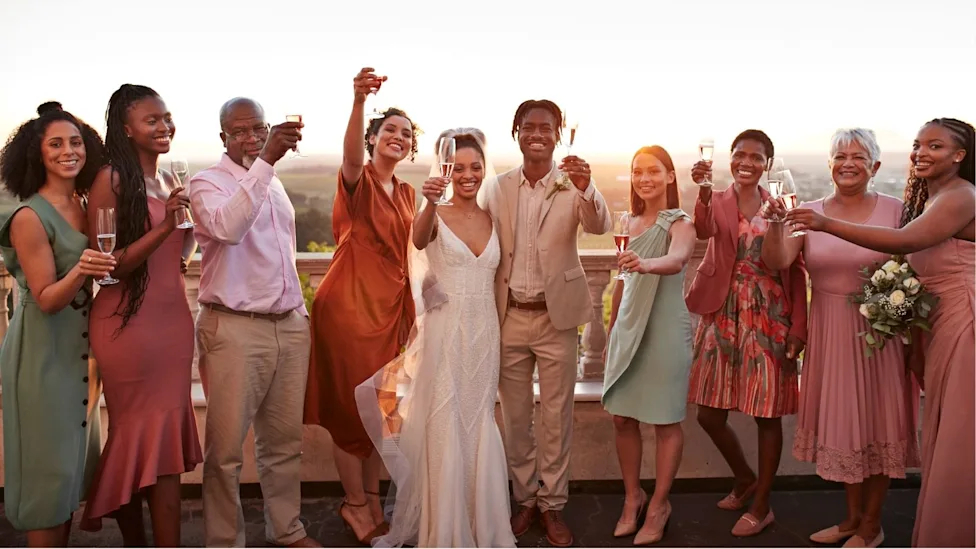
Wedding guest fashion is becoming much harder to describe with one seasonal “must-have dress.” A woman may need a fluid midi for a garden ceremony in May, a polished satin dress for a city wedding in July and something more formal for an evening celebration later in the year. At the same time, she is exposed to runway collections, social-media styling, retailer campaigns and wedding photography almost continuously. For 2027, the dresses that feel genuinely current are therefore unlikely to succeed because of one viral detail alone. The stronger direction combines visible personality with real-world wearability: confident color, cleaner asymmetry, modern lace, sculpted draping, refined necklines and fabrics that move beautifully without making the wearer spend the evening adjusting her dress. The fashion message may be stronger, but the product itself needs to become more considered.
Wedding guest dress trends for 2027 will center on expressive color, fluid midi and maxi silhouettes, halter and asymmetric necklines, modern lace, satin, draping and controlled texture. The strongest dresses will balance trend visibility with occasion-appropriate coverage, comfortable movement, reliable fit and strong photographic performance, allowing customers to look current without feeling overdressed or disconnected from the wedding setting.
The interesting part is that several of these directions are already visible before 2027 arrives. Current wedding guest fashion is embracing brighter color, draping and more individual silhouettes, while Spring 2027 bridal collections are showing strong signals around lace, asymmetry, halter necklines and dramatic fabric movement. Those bridal runways should not be treated as a direct forecast of guest purchasing, but they do reveal the design language moving through the wider occasionwear market. The real opportunity lies between runway novelty and practical dressing: a dress that earns a second look in a photograph, still feels right beside the wedding party and remains comfortable after several hours of sitting, walking, eating and dancing.
What Will Define Wedding Guest Dresses in 2027?
Wedding guest dresses in 2027 will be defined by expressive color, modern romantic details, fluid movement and greater occasion awareness. Rather than one dominant shape taking over the market, the season is likely to favor recognizable updates such as halter necklines, asymmetry, draping, lace and refined texture applied to wearable midi and maxi dresses that still perform well in real wedding settings.
Trend Signals for 2027
The clearest 2027 signals are arriving from several directions at once. Current wedding guest fashion has already moved toward brighter colors, dramatic draping, sculptural hardware, body-conscious shapes and stronger personal expression. Spring 2027 bridal collections then extend the conversation through widespread lace, asymmetric construction, halter necklines, muted romantic color and more deliberate draping. Barcelona Bridal Fashion Week showed similar asymmetry and bold fabric movement, suggesting these ideas are not limited to one city or one designer group.
None of this means wedding guests will simply start wearing scaled-down bridal gowns. Trend transfer is more subtle. A bridal runway may introduce an exaggerated asymmetric sash, while a commercial wedding guest dress turns the idea into a controlled hip drape. A dramatic lace gown may influence a colored lace midi rather than a full-length ivory dress. A runway halter can become a cleaner satin cocktail dress with a low back and fewer internal layers.
This distinction matters because fashion rarely resets when the calendar changes. Successful 2026 shapes do not suddenly become irrelevant in January 2027. More often, they are edited. A proven midi pattern may gain a new neckline, a satin bestseller may move into a stronger color, or an established fitted silhouette may be softened through directional draping. For product teams, that kind of evolution is usually more useful than chasing every visible runway idea as an entirely new style.
More Expressive, Not More Complicated
The 2027 customer is likely to respond to dresses with a clearer point of view, but that does not mean adding more design elements to every garment. In occasionwear, restraint often makes a statement detail look more expensive. A strong blue satin column may need little more than an asymmetric neckline. A draped waist can become the main feature without additional ruffles, chains and cut-outs. A lace dress can feel modern when the silhouette underneath is clean and controlled.
The practical test is simple: can someone describe the dress in one memorable phrase? “The cobalt halter maxi,” “the asymmetric berry midi” or “the lace-panel column” gives a customer a clear product identity. When a garment has five competing details, that identity becomes harder to understand. This matters on ecommerce category pages, social feeds and visual search, where a shopper often sees the product for only a few seconds before deciding whether to look closer.
Wedding dressing also creates a natural limit on excess. Guests usually want to feel special without appearing as though they are competing with the bridal party. The most convincing 2027 designs will therefore use proportion, fabric and movement to create impact. One strong neckline, one interesting drape or one distinctive color can carry more authority than a dress overloaded with decorative ideas.
Wearability Will Matter More
The gap between a striking sample and a commercially successful wedding guest dress often appears after twenty minutes of wear. A neckline that looks perfect in a studio may gape when the wearer sits. A slit that seems elegant while standing can open too far while walking upstairs. An asymmetric bodice can begin to rotate if its internal balance is wrong. A beautiful lining can become uncomfortable if it moves independently from the outer fabric.
For fitted occasionwear, the most important checks often include bust security, waist position, hip ease, side-seam balance, slit opening, strap tension, lining movement and hem stability. A useful fit review should include standing, walking and sitting rather than assessing the dress only on a mannequin. Strapless and halter designs should also be tested with normal arm movement because the neckline and armhole can change position when the wearer reaches forward or raises her arms.
These details may sound technical, but customers experience them in very simple terms: “comfortable,” “secure,” “flattering” or “annoying.” Fashion brands that understand this connection can make a trend-led dress feel noticeably better without reducing its visual impact. In occasionwear, comfort is not a separate feature added after design; it is one of the reasons the design looks good for an entire event.
Occasion Relevance
A useful 2027 trend should be able to move through more than one wedding environment. A halter maxi in lightweight crepe can suit a destination ceremony, while a similar silhouette in heavier satin may work for an evening event. An asymmetric midi can appear polished in matte satin for a cocktail wedding and softer in printed chiffon for a garden setting. The idea stays recognizable even though the material and styling change.
This gives brands a more coherent way to build collections. Instead of developing completely unrelated dresses for every occasion, they can establish a small group of recognizable silhouettes and reinterpret them through fabric, color, coverage and length. Customers then see continuity across the range, while the product team gains more opportunities to work from patterns and fit blocks that have already been tested.
That balance between familiarity and novelty is likely to matter more in 2027 than an endless stream of one-off designs. Wedding guests want something that feels fresh, but many also want a dress they can understand immediately, style without difficulty and potentially wear again. A strong collection makes those needs compatible rather than treating trend and practicality as opposites.
Which Colors Will Lead 2027?
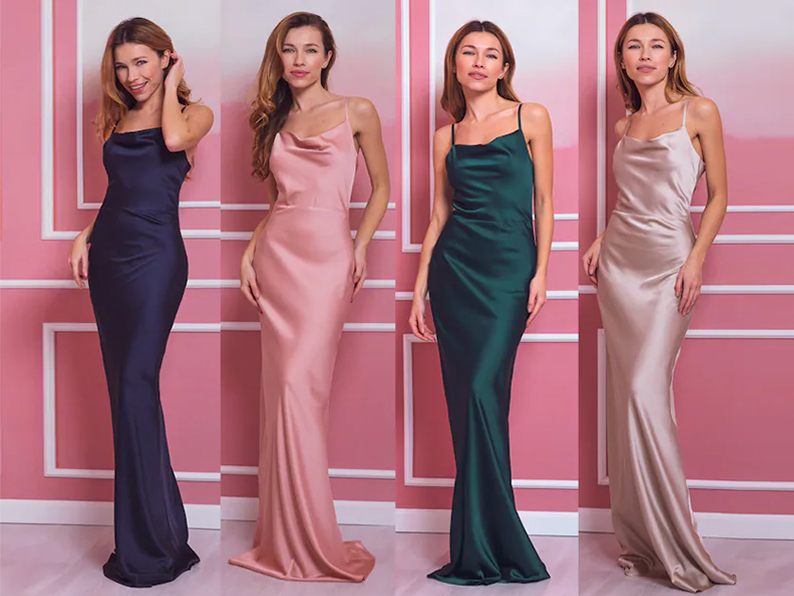
The 2027 wedding guest palette is likely to balance highly visible brights with sophisticated softer shades. Clear blue, energetic pink, warm orange and botanical green can create strong campaign colors, while powdery tones and deeper seasonal shades provide commercial balance. The most effective collections will use color as a planned assortment system rather than treating every forecast shade as an equally important opportunity.
Saturated Colors
Blue has one of the strongest forward-looking signals. Coloro identifies Luminous Blue 125-28-38 as its 2027 Color of the Year, while its Spring/Summer 2027 key palette also includes Energy Orange 018-57-34, Pop Pink 151-73-22, Meadowland Green 050-61-19 and Clay 014-60-13. These are forecasting references rather than instructions that every wedding guest collection should use all five colors, but they provide a useful indication of where stronger chromatic energy is developing.
Blue is particularly practical for occasionwear because it can move from clear, high-energy shades into deeper evening tones without losing its identity. Satin gives blue more visual depth through reflected highlights, while chiffon and crepe soften the same family of color. Pink offers similar range, moving from icy or powdery tones into berry and stronger statement versions. Green can move from garden-friendly botanical shades to emerald and dark teal for formal evening use.
Warm colors need more careful editing. Orange, clay and saturated yellow can look exceptional in summer and destination settings, but the interaction between skin tone, fabric shine and lighting becomes more important. A warm orange in matte crepe can feel sophisticated, while the same color in high-shine satin may become significantly louder. Color should therefore be approved on the actual intended fabric rather than selected from a digital palette alone.
2027 Color Direction | Forecast Reference | Strong Wedding Uses | Suitable Fabrics | Main Development Check |
Luminous Blue | Coloro 125-28-38 | Cocktail, formal, destination | Satin, crepe, chiffon | Dye-lot consistency |
Energy Orange | Coloro 018-57-34 | Summer, destination | Light satin, crepe, woven | Skin tone and shine |
Pop Pink | Coloro 151-73-22 | Cocktail, spring, evening | Satin, lace, crepe | Avoid excessive fluorescence |
Meadowland Green | Coloro 050-61-19 | Garden, resort, formal | Chiffon, satin, crepe | Maintain depth across fabrics |
Clay | Coloro 014-60-13 | Outdoor, fall transition | Crepe, satin, textured woven | Avoid dullness in photography |
Softer Wedding Colors
The return of stronger color does not make pastels irrelevant. Première Vision’s Spring/Summer 2027 color work describes a season where energetic brights coexist with lighter, powdery and material-sensitive hues, including Iced Pink. That mix is particularly suitable for wedding guest fashion because weddings naturally move between high-energy celebrations and softer romantic environments.
Powder blue, dusty rose, lilac, softened peach and muted green can therefore remain important, especially for spring, daytime and garden weddings. The challenge is not whether these shades are fashionable enough; it is whether they remain visually distinct from bridal white, ivory and cream. Very pale colors can shift substantially under daylight, flash photography and bright ecommerce lighting.
For product development, pale shell fabric should be reviewed together with its lining because the lining can change the final appearance. A warm beige lining beneath pale blue chiffon may make the garment look more neutral than intended. A cool lining beneath dusty pink can do the opposite. Photography tests are useful here because an acceptable showroom color can appear much lighter on camera, especially when the fabric has a reflective surface.
Seasonal Color Planning
Season should influence color without turning every quarter into a completely separate visual identity. Spring naturally supports clear blues, fresh greens, dusty pinks and softer yellow families. Summer can carry stronger blue, orange, vivid pink and brighter floral palettes. Fall gives berry, burgundy, darker green, clay and richer blue more context, while winter can support black, deep jewel tones and darker metallic surfaces.
A good range usually benefits from one or two visible campaign colors surrounded by more dependable secondary shades. If every style arrives in an unrelated fashion color, the collection can become difficult to merchandise and even harder to repeat. Extending a successful color across several silhouettes gives customers a clearer story and allows the brand to build recognition around the shade.
The same logic applies to repeat orders. A strong blue that succeeds first on a satin midi can later move into a halter maxi, a one-shoulder cocktail dress or a crepe column. Color then becomes part of the product system rather than a one-season decoration. This approach is especially valuable when fabric minimums, dye-lot management and multi-style collection planning are considered together.
Which Silhouettes Will Matter Most?
Midi and maxi lengths are likely to remain the commercial backbone of 2027 wedding guest collections, but the interest will shift toward more deliberate shape. Fluid columns, softly fitted midis, elongated maxis, asymmetric forms and controlled body-skimming silhouettes can provide the base, while halter, one-shoulder, strapless and open-back constructions create the visible seasonal updates customers notice first.
Midi and Maxi Lengths
Midi dresses remain difficult to replace because they work across so many wedding environments. The same general length can fit a cocktail reception, garden ceremony, city wedding or semi-formal dinner depending on fabric and styling. A satin midi feels more polished, a floral chiffon midi feels softer and a fitted crepe midi can sit between eveningwear and refined cocktail dressing without becoming a full gown.
Maxi dresses solve a different problem. They create visual drama through proportion, so the design does not always need heavy decoration. A simple fluid maxi in an interesting color can feel more elevated than a short dress with several elaborate details. This makes maxi silhouettes particularly useful for black-tie optional, evening and destination settings, where movement in the skirt can also create strong photography.
Length still needs to be developed on a real fitting body. A midi ending at the widest part of the calf can change the apparent leg proportion, while a floor-length garment that is perfect with studio heels may become impractical with the shoes customers actually wear. Brands should therefore define their own length standards and test them with the intended footwear and target fit rather than relying only on generic labels such as “midi” or “maxi.”
Halter and Asymmetric Necklines
Halter necklines are one of the clearest 2027 signals coming from Spring bridal collections. Their advantage for wedding guest fashion is that they create a clean, elongated front while allowing more expression at the back. They work particularly well in satin, crepe and chiffon because these fabrics can follow the neckline without making the upper body look overly heavy.
The technical challenge is balance. If a halter carries too much garment weight, the neckline can become uncomfortable around the neck. If the side armhole is too open, it may gape or expose more than expected when the wearer turns. The relationship between neck length, bust position, armhole curve and back depth therefore matters more than the sketch may suggest.
One-shoulder dresses introduce a different asymmetry. The supported side and open side behave differently during movement, so the pattern should not be treated as a normal symmetrical bodice with one strap simply removed. Similar caution applies to diagonal necklines, scarf-like panels and asymmetric overlays. These details look effortless when finished correctly, but they depend on accurate internal balance to remain in position through an entire event.
Draped Shapes
Draping is one of the most practical ways to make a familiar silhouette feel new. A controlled gather at the waist can change a straightforward midi; a diagonal hip drape can soften a column; a twisted bodice can add movement without adding another fabric or decorative trim. Spring 2027 runway coverage has repeatedly highlighted draping used to create direction and volume, particularly around the hip and skirt.
The important word is controlled. Too much fabric concentrated around the waist or hip can add bulk rather than flatter the body. Draping may also behave differently after grading. What looks balanced on a smaller size can become too dense on a larger size if the amount of gathering is increased mechanically without considering visual proportion.
For production, critical drape positions should be measurable. A specification that simply says “gather at left waist” leaves too much room for interpretation. A more reliable approach defines the start and end position, finished gathered length and visual reference. Even a small change in gathering placement can alter the way the garment photographs, particularly when the drape crosses the front of the body.
Statement Details
Peplums, elongated scarf details, sculpted shoulders, open backs, hardware and strategic cut-outs can all contribute to 2027 occasionwear, but they are most successful when one element is allowed to lead. A dramatic asymmetric waist does not necessarily need an equally dramatic neckline. A textural lace surface often looks more expensive on a cleaner base shape than when combined with several unrelated embellishments.
Cut-outs deserve particular care because wedding guest dressing sits between fashion expression and event etiquette. A side opening that looks controlled while standing can reveal substantially more when sitting. Backless shapes can affect front-neckline stability, and low backs can limit normal bra options. These issues should be resolved in the pattern rather than left for the customer to manage with fashion tape.
The most memorable dresses often contain one visible feature and several invisible solutions. The customer notices the shape, color or drape; she may never notice the correctly positioned lining, stabilized neckline or balanced side seam that allows the design to remain attractive throughout the event. From a product perspective, those quiet decisions are often what separate a fashion image from a reliable occasion dress.

Which Fabrics Will Shape 2027?
Satin, crepe, chiffon and lace should remain central to 2027 wedding guest collections because they offer the drape, polish and movement associated with occasionwear. Mesh, tulle and textured surfaces can provide seasonal interest, but fabric should never be selected on appearance alone. Weight, transparency, recovery, lining compatibility and pressing behavior can completely change how the same silhouette fits and performs.
Satin and Crepe
Satin remains one of the most commercially useful occasionwear fabrics because its surface does much of the visual work. Even a relatively simple dress can look polished when satin falls cleanly and reflects light evenly. The same quality also makes defects easier to see. Puckered seams, zipper waves, needle marks, pressing damage and inconsistent grain direction become much more visible on a smooth reflective surface.
The correct satin depends on the silhouette. Lighter satin can support fluid slip-inspired shapes and soft draping, while a more substantial quality is usually more suitable for structured midis or fitted occasion dresses. Stretch satin can improve mobility in closer silhouettes, but the stretch direction and recovery need to match the pattern. Selecting a fabric simply because it is described as “satin” is not enough.
Crepe offers a quieter alternative. Its lower shine can make a dress feel sophisticated without becoming overly formal, and many crepe constructions work well with draping. The important variables remain weight, stretch and recovery. A crepe that is too soft can lose a structured silhouette, while one that is too firm may prevent a draped waist from falling naturally.
An anonymized US occasionwear program documented by Jinfeng Apparel involved 12 satin mini and midi styles and around 20,000 pieces. The main production concerns included satin color consistency, zipper flatness, lining comfort and consistency across multiple colors, with development progressing through first sample, revised sample, PP sample and Golden sample stages. The example illustrates an important point: the cleaner the satin garment appears, the more visible small manufacturing inconsistencies become.
Lace and Texture
Lace has one of the strongest signals heading into 2027. Spring bridal collections used it extensively, but the interesting development is not simply “more lace.” Designers are layering it, combining it with sheer fabrics, using it in smaller placements and creating contrasts that feel less traditional. Wedding guest fashion can adopt the same material idea without moving into bridal territory.
Color changes the context immediately. Black, berry, blue or green lace can feel evening-focused, while pastel lace works naturally for spring and garden occasions. Placement can also make lace look more contemporary. A shaped lace neckline, side panel, sleeve, trim or partial overlay may create enough texture without covering the entire garment.
Motif scale and placement affect both appearance and cost. If a floral lace needs to match through the center front, side seams or hem, cutting cannot always follow the most fabric-efficient marker. More material may be needed to position motifs correctly. This is especially important when the lace has a large directional repeat or decorative border.
Texture can also come from jacquard, soft sequins, layered tulle, pleating or dimensional floral surfaces. A useful design principle is to let either the silhouette or the material carry most of the visual complexity. When both compete aggressively, the dress can move quickly from modern occasionwear into costume-like territory.
Chiffon and Fluid Fabrics
Chiffon remains difficult to replace for garden, summer and destination weddings because movement is one of its strongest visual qualities. It works particularly well in fluid maxis, layered skirts, halter dresses and soft sleeves where the design benefits from air and motion rather than rigid structure. A simple chiffon dress can look dramatically different when photographed while walking compared with the same garment hanging on a rack.
Its production risks are equally familiar. Lightweight chiffon can shift during cutting, become transparent under daylight and create uneven hems if bias areas relax differently from straight-grain sections. Long skirts often benefit from being allowed to hang before the final hem is completed so that movement in the fabric can settle.
Rayon and viscose-based fabrics can also deliver attractive fluidity, particularly for destination and resort-adjacent wedding styles, but shrinkage and dimensional stability depend on the exact construction and finishing process. Fiber content alone does not predict behavior. Two fabrics both labeled viscose may react differently to steaming, washing or prolonged hanging.
The following ranges are practical development references rather than universal specifications. Actual weight varies by fiber, weave or knit construction, finishing and supplier.
Fabric Type | Typical Development Range | Best Wedding Guest Uses | Main Risk to Review |
Lightweight Chiffon | 60–100 GSM | Fluid maxi, sleeves, overlays | Transparency and cutting movement |
Light–Mid Satin | 90–160 GSM | Midi, slip, draped halter | Snagging, puckering, shade variation |
Midweight Crepe | 140–220 GSM | Column, formal midi, draped dress | Incorrect drape or recovery |
Stretch Mesh | 70–140 GSM | Sheer panels, fitted overlays | Recovery and distortion |
Lace | 80–250+ GSM | Panels, sleeves, full lace dress | Motif placement and edge finishing |
Tulle | 20–80 GSM | Layers, sleeves, soft volume | Snagging and excessive stiffness |
Sheer Effects
Mesh and tulle allow a designer to create visual exposure while retaining a visible garment structure. In wedding guest fashion, controlled transparency tends to be more versatile than extreme exposure. Sheer sleeves, upper bodices, small waist panels, neckline inserts and layered skirts can introduce depth without limiting the dress to a very narrow type of event.
The main issue is understanding how transparency changes with lighting and movement. A mesh panel that looks subtle indoors may become much more transparent in direct sunlight. A nude lining that works on one skin tone will not disappear on everyone. A sheer waist may also reveal more when the wearer sits because the fabric is placed under different tension.
Stretch mesh introduces another variable: recovery. If the fabric does not recover properly, a fitted neckline or cut-out edge may become loose after wear. Tulle has different concerns, including stiffness, snagging and visible seam allowances. The safest development approach is to review the complete garment under realistic conditions rather than approving the sheer fabric as an isolated swatch.
Jinfeng Apparel’s internal product knowledge places satin, chiffon, lace and crepe among the preferred materials for Wedding Guest and Occasionwear, with mesh, floral woven fabrics and tulle used as additional options depending on the required silhouette and effect. For brands developing custom collections, fabric choice is therefore most useful when it begins with the wearing situation and garment structure rather than with trend imagery alone.
How Do Trends Change by Wedding Type?
Wedding guest trends should always be filtered through the event itself. Black-tie weddings usually support longer and more elevated silhouettes, cocktail weddings allow stronger fashion details and midi lengths, garden weddings reward lightness and movement, while destination weddings introduce heat and packing concerns. The same 2027 trend can feel perfectly appropriate or completely misplaced depending on venue, time, season, fabric and coverage.
Black-Tie and Formal Weddings
Formal events give 2027’s stronger draping, satin surfaces and sculptural necklines the most natural setting. Floor-length columns, fluid maxis, long one-shoulder dresses and controlled halter gowns can create enough presence for evening celebrations without requiring excessive decoration. Deep red, clear blue, rich green and black can all work particularly well when paired with fabrics that have enough weight or polish to support the occasion.
Formal and black tie should not be treated as identical. Current dress-code guidance places formal attire between cocktail and black tie, allowing more flexibility than strict black tie. Ankle-length dresses, refined cocktail dresses and elevated separates can therefore be appropriate for many formal weddings, while black tie usually calls for a stronger eveningwear impression.
This flexibility matters for product planning because a collection does not need every formal option to be a floor-length gown. A sophisticated asymmetric ankle dress or polished midi can cover customers who want an elevated look without full gala dressing. Fabric, proportion and finishing often determine perceived formality as strongly as hem length.
For full-length styles, hem control should be reviewed with a defined footwear standard. A gown that almost touches the floor in photography can become difficult to walk in if the customer wears a lower heel. Designers should also test stairs, sitting and dancing movement, especially when the silhouette is narrow through the thigh or includes a high slit.
Cocktail Weddings
Cocktail weddings may offer the broadest opportunity for trend-led 2027 dresses because the category sits between semi-formal and formal dressing. Current guidance commonly supports mini, knee-length and midi cocktail dresses, as well as polished jumpsuits, with venue, season and time of day influencing the final choice.
This makes the midi an especially useful base. A one-shoulder satin midi, asymmetric scarf-neck shape, lace-panel column or draped fitted dress can feel current without moving into evening-gown territory. Shorter styles can also work when their fabric and construction remain polished rather than casual.
Cocktail dressing is a good place to test new details because the silhouette itself is familiar to customers. A brand can introduce a sculptural waist, distinctive hardware or directional neckline on a proven fit block, reducing the number of unknown variables introduced at once.
Fit around the hip, thigh and slit becomes especially important because cocktail dresses are often more body-conscious than garden or destination styles. A dress should be tested walking and sitting rather than judged only from a standing photograph. The goal is controlled sensuality rather than a garment that becomes noticeably more revealing every time the wearer moves.
Garden Weddings
Garden weddings reward clothing that feels connected to movement, daylight and the physical setting. Chiffon, soft crepe, lightweight lace and printed woven fabrics usually fit the environment more naturally than very heavy satin or dense embellishment. Floral designs remain relevant, but they do not need to rely on traditional all-over flower prints. Botanical color, dimensional floral lace and abstract nature-inspired patterns can create a fresher interpretation.
Hem design matters outdoors. A narrow pencil skirt can restrict movement on uneven ground, while an unnecessarily long train may collect dirt or interfere with walking. Fluid midis, controlled maxis and softly shaped A-line silhouettes generally provide a better balance between elegance and practicality.
Footwear should also be considered when reviewing proportion. Guests attending lawn or outdoor ceremonies often choose block heels, wedges, flats or lower shoes instead of stilettos. That changes the apparent length of the dress. A maxi developed exclusively with high heels may suddenly sit too close to the ground when styled more realistically.
Daylight can also expose transparency that is not obvious indoors. Pale chiffon, lace and loosely woven fabrics should be reviewed in natural light with the intended lining. The most successful garden dress often looks relaxed and effortless because a significant amount of technical work has already been done to make the movement, opacity and length feel natural.
Destination, Day and Evening Weddings
Destination wedding dresses have to survive conditions that rarely appear on a moodboard: luggage, humidity, heat, strong sunlight and travel creasing. A successful product should be light enough for the climate while retaining enough structure to look polished. Halter maxis, open-back dresses, fluid midis and softer asymmetric silhouettes are particularly useful because they create visual impact without requiring heavy internal construction.
Chiffon and crepe work well because of their movement, while selected satins can suit evening receptions when the climate allows. Packing behavior deserves testing. A sample can be folded into a suitcase-sized configuration, left for a realistic travel period and then hung or lightly steamed to see how quickly the surface recovers. This simple exercise often reveals issues that a conventional fit session misses.
Time of day changes the same product equation. Daytime events usually accommodate lighter materials, brighter colors, florals and softer shine. Evening celebrations give richer satin, deeper shades, velvet, stronger embellishment and longer silhouettes more context. Location matters as well; an evening cocktail event at a city hotel creates a different expectation from a seaside ceremony with the same dress code.
This is why “wedding guest dress” should never be treated as one fixed category. Customers are dressing for a combination of invitation, environment and personal style. Collections that acknowledge those differences can offer variety without becoming visually inconsistent.
How Can Brands Build a 2027 Collection?
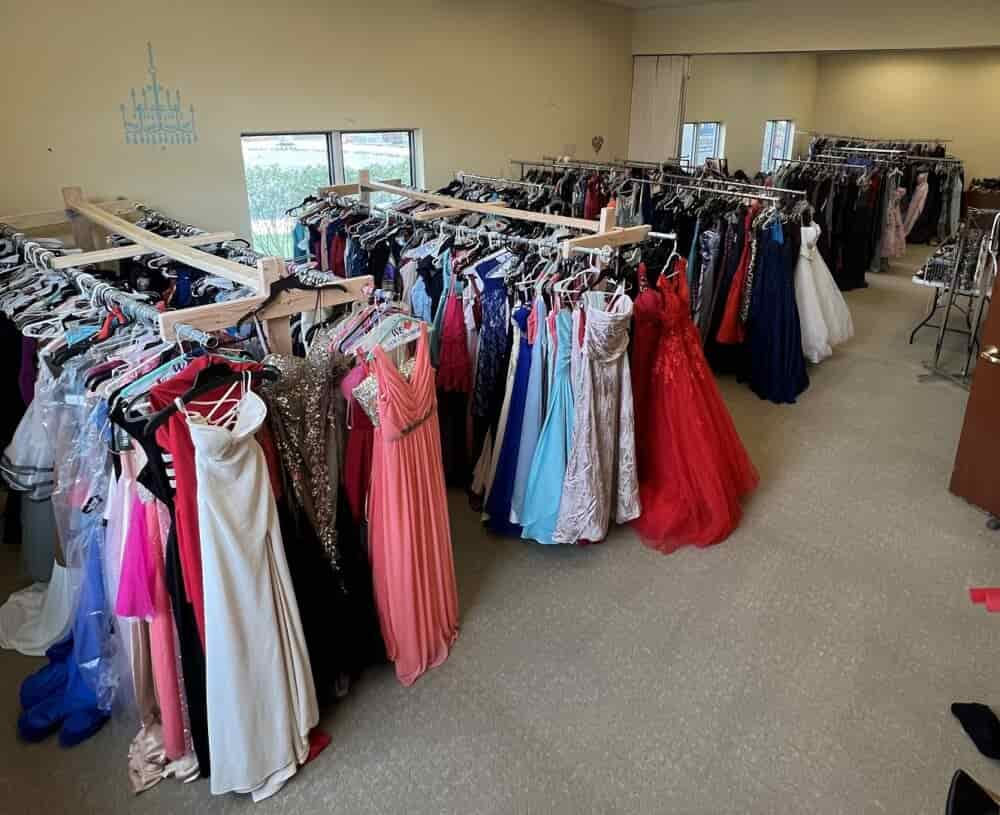
A strong 2027 wedding guest collection should combine dependable commercial silhouettes with seasonal updates and a smaller number of high-impact styles. Instead of treating every forecast trend as equally important, brands can build around proven midi and maxi shapes, refresh them through color, neckline and fabric, then use sampling, fit testing and controlled assortment planning to decide which ideas deserve larger production commitments.
Build a Balanced Assortment
A collection needs enough novelty to attract attention but enough familiarity to support repeatable sales. One practical way to manage this is to divide the range into core silhouettes, seasonal updates, campaign-focused hero products and a small number of experimental ideas. The exact percentages will vary by brand, price point and historical sales performance, but the structure helps prevent every style from carrying the same level of development risk.
For a hypothetical 12-style capsule, a planning model might allocate five styles to dependable commercial shapes, four to seasonal updates, two to highly visible campaign products and one to a more experimental construction. These figures are not industry statistics; they are an example of how a development team can deliberately balance risk and novelty.
Assortment Role | Example Styles | 12-Style Planning Example | Main Purpose |
Core | Satin midi, crepe column, fluid maxi | 5 styles / 42% | Repeatable commercial volume |
Seasonal Update | Halter, one-shoulder, draped waist | 4 styles / 33% | Keep the range visibly current |
Hero | Sculptural drape, statement lace | 2 styles / 17% | Campaign and social impact |
Experiment | New construction or unusual textile | 1 style / 8% | Test future commercial potential |
The same discipline can be applied to color. Core silhouettes may justify several dependable colors because their fit has already been proven, while a more directional dress may begin with only one or two shades. If sales justify expansion, the same pattern can later move into additional colors without restarting the entire development process.
Validate Through Sampling
Sampling should answer more than whether the garment resembles the sketch. For wedding guest dresses, the sample must show whether the design works on the body, whether the fabric behaves correctly and whether the style remains attractive in the situations customers will actually experience. Standing, walking, sitting and normal arm movement reveal problems that a mannequin cannot.
Neckline stability, bust coverage, waist placement, hip ease, slit height, strap tension, lining movement, transparency and hem balance should all be reviewed according to the garment type. Photo performance matters as well because occasion dresses are heavily sold through ecommerce photography, social campaigns, creator content and event imagery. A sample that looks strong only from the front is not enough.
An anonymized UK premium ecommerce project documented by Jinfeng Apparel involved 10 lace, satin and wedding guest midi styles totaling around 12,000 pieces. Development concentrated on lace placement, lining color, satin drape, midi-length proportion and one-shoulder fit, with separate consideration given to photo-sample appearance and PP-sample production standards.
That distinction is useful for any fashion brand. A photo sample proves that a design can communicate visually; a PP sample needs to prove that the approved result can be reproduced consistently. Treating those stages as interchangeable can create problems once larger quantities are cut and sewn.
Control Before Bulk Production
Once the design is approved, subjective ideas need to become measurable standards. The correct shell fabric, lining, color and trims should be confirmed before cutting. Pattern measurements and grading rules need to be frozen. Draping, lace placement, slit height and neckline construction should have clear references rather than relying on an operator to interpret a photograph.
Different materials require different control points. Satin demands close attention to shade, grain direction, zipper flatness and pressing. Lace may require motif matching and edge treatment. Chiffon needs transparency and hem review. Stretch mesh needs recovery and neckline stability checks. These are not additional details added to a generic QC list; they are directly connected to the features customers see first.
A practical pre-production review can include:
- Approved shell fabric, lining, color and trim references.
- Confirmed base pattern and grading rules.
- Critical bust, waist, hip, length and strap measurements where relevant.
- Defined slit, drape, lace, print or embellishment placement.
- Approved PP sample and retained production reference.
- Pressing, folding, label, barcode and packing instructions.
- Inline and final inspection points linked to the fabric and construction.
- Retained fabric, color, pattern and trim records for future repeats.
Brands preparing several 2027 wedding guest styles at the same time should pay particular attention to version control. When several sample rounds, fabrics and colors move in parallel, an outdated measurement sheet or incorrect lining reference can create more risk than the complexity of the design itself.
Plan for Repeat Orders
The most valuable trend product is often not the dress that sells once. It is the dress that creates a family of future products. A successful halter midi can later become a maxi. A proven one-shoulder pattern can move from satin into crepe. A strong blue can be extended across several silhouettes. A commercial lace shape can return in a new color or with a modified sleeve.
Repeat-order readiness begins during the first development cycle. Pattern files, approved measurements, fabric references, trims, construction notes and packaging instructions should be retained in a form that can be retrieved quickly. The more information that has to be rediscovered during every repeat, the greater the chance that the next production run drifts away from the original fit or appearance.
The manufacturing system documented by Jinfeng Apparel supports seasonal collection development and repeat production while retaining pattern, fabric, trim, measurement and packing references for future orders. For brands developing a multi-style wedding guest program, that continuity can be more valuable than chasing a marginally lower unit cost from a different supplier every season.
For 2027, the strongest wedding guest collections will therefore come from teams that treat forecasting as a starting point rather than a shopping list. A forecast may tell you that halters, lace, strong blue or asymmetric draping deserve attention. Product development still has to decide which of those ideas fit the customer, price architecture, fabric capability and occasion mix of the brand.
Wedding guest fashion in 2027 is unlikely to be ruled by one compulsory silhouette or one color every customer suddenly needs. The more convincing picture is a layered one: stronger color beside soft romantic shades, familiar midi and maxi lengths refreshed through asymmetry, classic satin and lace used in more modern ways, and dresses designed for specific wedding environments rather than for a generic “occasion” label. That variety gives customers more freedom while still providing brands with a clear design direction.
The brands that benefit most from these trends will be the ones that translate visual excitement into garments people can actually live in for an evening. A memorable neckline is valuable, but only when it stays in place. A beautiful pale chiffon is useful only when it is not unexpectedly transparent. A dramatic maxi works only when the customer can walk comfortably. When color, silhouette, fabric, fit and manufacturing discipline support one another, a 2027 wedding guest dress has a much better chance of becoming more than a seasonal image; it can become a style customers remember, reorder and return to for the next invitation.
Share This Article :

Jerry Lee
Categories

Latest blogs
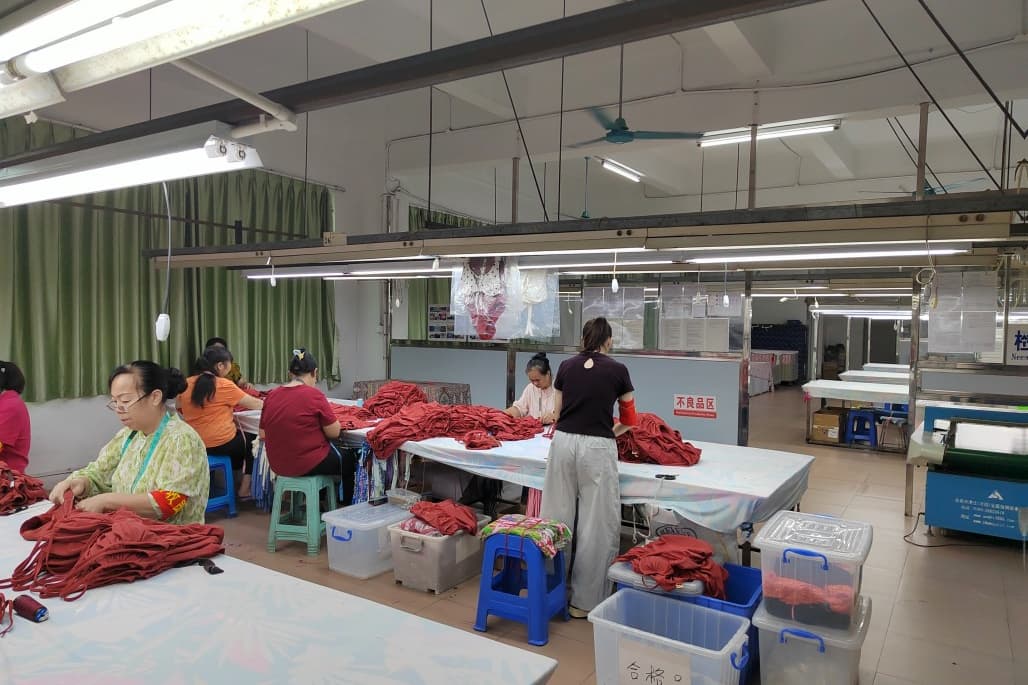

Table of Contents
Here, developing your OEM/ODM private label clothing collection is no longer a challenge—it’s an excellent opportunity to bring your creative vision to life.