Skip to content

Cut-Out Reinforcement Solutions
Structured cut-out development for fashion teams that need clean exposure, stable edges, secure support and repeatable fit from sample through bulk production.
- 8 cut-out zones reviewed separately: waist, side, bust, back, under-bust, hip, shoulder and ring-connected openings.
- 9 core QC checks cover opening position,dimensions, symmetry, edge flatness, edge security, stretch recovery, coverage, hardware stability and on-body appearance.
- Pattern placement, fabric behavior, support structure and size grading are reviewed together before bulk standards are released.



Where Cut-Out Structures Usually Fail in Production
Edge Gaping
Edge Distortion
Stretch Growth
Coverage Failure
Grading Drift
Hardware Stress
Cut-Out Placement Changes the Reinforcement Strategy

Waist Cut-Out
Waist openings are judged by visual slimming, edge stability and how the opening behaves when the wearer bends or sits. An opening placed too low can emphasize the abdomen instead of shaping the waist.
Stretch direction, side-seam balance and opening depth need to work together. Sample review should compare standing and seated positions, then lock measurable opening references before grading and bulk cutting.

Side Cut-Out
Side cut-outs carry tension from both front and back panels. Poor balance can pull the side seam forward, create gaping or twist the garment on the body.
Jinfeng reviews the opening against bust, waist and hip shaping rather than treating it as a decorative hole.
Edge construction, lining coverage and nearby seam stability are adjusted according to fabric stretch and intended body fit.

Bust Cut-Out

Back Cut-Out

Under-Bust Cut-Out
Under-bust openings combine exposure with support. Poor placement may reduce bust stability, create pressure points or allow the opening to spread when the wearer moves.
Jinfeng reviews bust height, cup or lining position where relevant, under-bust tension, waist shaping and opening depth as one construction. Structured partywear may also require boning or other support elements to stabilize the surrounding panels.

Hip Cut-Out
Hip openings are high-risk because walking, sitting and body curvature place strong directional tension around the edge. An opening can enlarge, ride upward or become visually uneven across sizes.
Fabric recovery, hip ease, opening angle and nearby seam position require careful fit testing. Flat measurements alone are not enough; mannequin or wear review may be needed before the pattern is released for grading.

Shoulder Cut-Out

Ring-Connected Cut-Out
Metal rings or other connectors concentrate stress into small attachment points. The surrounding fabric, seam direction, lining or support layer and hardware weight must be compatible.
A ring can distort lightweight mesh, pull satin or overstress a narrow jersey panel if the local structure is weak. Jinfeng reviews attachment security, local tension and opening symmetry during sampling and repeats the checks during bulk inspection.
Reinforcement Decisions by Fabric, Location and Stress
No single reinforcement method works across every cut-out. The matrix below links common garment conditions with the manufacturing risk, control direction and sample evidence needed before a bulk standard is approved.
| Cut-Out Condition | Main Production Risk | Fabric or Structure Factor | Control Direction | Sample Validation |
|---|---|---|---|---|
| Side waist opening | Gaping or side-seam pull | High stretch or bodycon tension | Rebalance pattern, opening shape, edge support and nearby seam tension | Front, side and seated fit review |
| Bust opening | Exposure or edge lift | Bust volume, neckline tension, stretch | Adjust coverage, panel tension, lining and support structure | Front/side fit plus movement check |
| Under-bust opening | Loss of support | Structured bodice or stretch bodycon | Coordinate opening depth, cup/lining, waist shaping and support | Fit sample before grading |
| Mesh opening | Curling, growth or transparency shift | Mesh density, stretch, recovery, layer count | Control cut direction, layer/lining placement and edge construction | Recovery and transparency review |
| Stretch satin opening | Puckering or distortion | Surface sensitivity plus stretch | Balance seam tension, pattern shape, lining and edge finish | Flatness plus on-body review |
| Hip opening | Growth during movement | Hip curvature and walking tension | Adjust opening angle, hip ease, edge stability and grade rule | Standing, walking and sitting review |
| Ring-connected opening | Local tearing or distortion | Hardware load and narrow attachment area | Review attachment position, local support and seam direction | Attachment security and movement review |
| Multi-size program | Exposure ratio changes | Grade rule and body proportion shift | Set size-specific opening references and coverage limits | Compare key sizes before bulk release |
Fabric Behavior Determines Cut-Out Stability and Support

Jersey and Rib
Jersey and rib support close body fit, but opening stability depends heavily on stretch direction and recovery. A side or waist cut-out can enlarge if the panel is cut or handled under tension.
Jinfeng reviews fabric recovery, body fit, opening dimensions and side-seam stability before finalizing the pattern.Edge support must stabilize the opening without creating a hard line against a soft, flexible garment.

Ponte

Stretch Satin

Stretch Mesh

Power Mesh

Structured Crepe
Pattern Geometry Controls Exposure Before Reinforcement Begins
A stable cut-out starts on the pattern table. Opening position, curve, angle and distance from body landmarks determine tension and coverage before any internal support or edge construction can help.

Build the Opening Around Body Landmarks
Pattern development begins by locating the cut-out against bust, waist, hip, shoulder, side seam and garment length rather than copying a visual outline from a reference image. A two-centimeter shift at the bust or under-bust can change coverage, while a small angle change at the side waist can redirect tension into the seam. Jinfeng reviews the opening as part of the complete silhouette: bust-waist-hip balance for fitted dresses, torso length for bodysuits and jumpsuits, back height for open-back styles, and strap position for halter or asymmetrical designs.
Key pattern references include opening width and height, distance from the nearest seam, corner radius, connection width between panels and the remaining fabric around high-stress zones. Sharp internal corners need enough structural control to avoid pulling, while long curved openings must follow body contour without creating excess length. Symmetrical designs also require matched left-right reference points so the sewing team can reproduce the approved shape.
Fit feedback is converted into pattern correction, not left as a verbal note. If the opening sits too low, spreads during wear or makes the waist look wider, the correction may involve both the opening and surrounding panel shape. The goal is a pattern geometry that already carries most of the stability before reinforcement is added.
Control Geometry Across Multiple Sizes
Cut-out grading needs its own logic because body dimensions do not increase at the same rate in every area. A base-size waist opening cannot simply be enlarged by the same percentage as the garment circumference. Bust depth, torso length, waist position and hip curve change the visual relationship between the opening and the body. A cut-out that looks balanced in size S may sit too low or expose too much in XL if the grade rule is not controlled.
Jinfeng sets measurable references around the opening and reviews how those references shift between sizes. Depending on the style, controls can include opening width, opening height, distance from neckline or side seam, connection width, bust coverage, under-bust depth and hardware position. High-risk designs may require comparison of more than one size before final bulk release rather than relying only on the base-size PP sample.
Grading also interacts with fabric. A high-recovery ponte style and a soft stretch-mesh style may use different tolerances even when the visual cut-out looks similar. The final grade rule therefore links pattern geometry with material behavior and intended body fit, reducing the risk of size-specific gaping, distortion or exposure complaints after launch.

Edge Construction Must Stabilize Without Looking Heavy
A reinforced opening should still look intentional, clean and light. Excess stiffness, bulky seams or visible support can damage the fashion effect even when the edge is technically secure.

Balance Edge Flatness, Stretch and Seam Tension
Edge distortion often comes from competing forces. The outer fabric may stretch while sewing, the lining may recover differently, and the stitch line may apply too much or too little tension. Jinfeng reviews fabric direction, edge length, seam allowance, sewing tension, surrounding panel fit and the support method together. A correction aimed only at the stitch line may temporarily flatten the edge while leaving the original growth problem unresolved.
For stretch jersey, rib or mesh, handling control is important from cutting onward because an opening can grow before assembly. For stretch satin, the same area may remain dimensionally stable but show puckering or pressure marks on the surface. Structured fabrics introduce another risk: an edge can become too rigid and stand away from the body if internal construction is heavier than the shell fabric requires.
The approved sample defines how flat the opening should sit, how much stretch it must retain and where the edge may or may not carry support. Edge security is checked alongside appearance rather than treated as a hidden technical detail. Clean visual execution is especially important for partywear and premium ecommerce styles where close-up photography exposes every wave, ridge and seam impression.
Use Support Only Where the Opening Needs It
Reinforcement is more effective when support is placed according to stress rather than spread uniformly around the entire opening. A side-waist cut-out may need control near the connection points while still allowing soft movement through the curved edge. A ring-connected opening needs local strength around the attachment zone. An under-bust opening may depend more on nearby bodice support than on a stiff edge treatment.
Jinfeng reviews lining, power mesh, elastic support and other support trims according to the product structure. Where a corset or structured bodice surrounds the cut-out, cup position, boning line, lining and waist shaping may influence the opening more than the edge construction alone. Where the garment is soft and stretch-led, reinforcement must preserve recovery and comfort while controlling growth.
Every change is checked for visible bulk, skin comfort, movement and sewing repeatability. A method that works on one sample but requires excessive hand manipulation is not a reliable bulk standard. Construction needs clear reference points and a repeatable sewing sequence so the approved edge can be reproduced across production lines and sizes.

Internal Support Controls High-Stress Cut-Out Areas
Some cut-outs depend on the structure around the opening more than the edge itself. Bust support, power mesh, lining, boning and hardware attachment can determine whether the garment remains secure in motion.

Support Bust and Under-Bust Openings as a System
Bust and under-bust cut-outs combine visual exposure with fit engineering. If the surrounding bodice lacks support, the opening can spread, drop or change shape when the wearer moves. Jinfeng reviews bust coverage, cup position where used, lining, panel tension, waist shaping, strap direction and the cut-out opening together. Structured party dresses may also use boning to stabilize the bodice, but boning position must follow the support line rather than simply frame the opening.
Comfort remains a design requirement. A rigid support line that presses into the skin or a cup positioned too high can solve one stability problem while creating another fit complaint. Sample review therefore checks chest shape, neckline height, under-bust tension, side coverage and the transition between structured and soft areas. When the outer fabric is stretch satin, mesh or jersey, the internal layer must also work with the shell’s stretch rather than fight it.
Approved support positions are transferred into pattern and sewing instructions before PP approval. The cut-out is then judged as part of the entire bodice system, not as an isolated opening. That approach reduces late-stage fixes where the edge is reinforced repeatedly because the actual problem originates from insufficient surrounding support.

Reinforce Hardware Connections at the Load Point
Ring-connected cut-outs, chain details and narrow connectors create a concentrated load that can exceed the strength of the surrounding fashion fabric. A small ring on stretch mesh or soft jersey may pull the material into a point, while satin may show stress marks or distortion around the attachment. Jinfeng reviews hardware size, weight, attachment position, local seam direction, lining or support layer and the width of the fabric connection before the detail is approved.
The design also needs to remain balanced left to right. If one connector sits a few millimeters off position, tension can become asymmetric and the opening may rotate on the body. Sampling therefore checks placement, symmetry, opening dimensions and movement with the hardware installed, not with a temporary substitute.
Bulk QC treats the connection as a functional point. Inspectors review attachment security, local fabric damage, edge distortion and the relationship between the hardware and opening shape. For styles with multiple rings or asymmetric connectors, pattern marks and production references are especially important so every unit follows the approved placement instead of relying on operator judgment.
Movement Testing Reveals Problems Flat Measurements Miss
Cut-out garments are worn under tension. Standing, walking, sitting and arm movement can expose problems that never appear on a table, so fit validation needs both measurement and on-body observation.

Check the Opening in Real Wearing Positions
A cut-out can pass a flat measurement check and still fail as soon as the wearer sits down. Waist openings may widen, hip cut-outs can shift upward, back openings can pull across the torso and under-bust cut-outs may change coverage when posture changes. Jinfeng reviews mannequin or fit photos from front, back and side views and adds walking or seated observations when the style needs them. The purpose is to see how the opening interacts with body movement, not to create a generic fitting ritual.
Movement review focuses on visible changes: edge lift, opening growth, side-seam rotation, hardware pulling, neckline movement and coverage shift. For bodycon styles, the surrounding garment tension is assessed at the same time because a tight hip or waist can transfer load into the cut-out and make the opening appear to be the problem. For mesh and other high-stretch materials, recovery after movement also matters; an opening should return close to the approved shape rather than remain stretched.
Feedback is documented as a pattern, construction or material action. If the issue is caused by opening geometry, adding more reinforcement may only hide the symptom. If the geometry is correct but the edge grows, fabric behavior and support method become the priority. Clear diagnosis keeps sample revisions targeted and reduces unnecessary construction changes.
Convert Fit Observations Into Measurable Standards
Visual comments such as “too open” or “not secure” are not sufficient for bulk production. Jinfeng translates fit feedback into measurable references whenever possible: opening width, opening height, distance from side seam, bust coverage, connector placement, edge flatness and relevant garment measurements. Photos and fit notes support the numbers by showing where the issue appears on the body.
Once the revised sample is approved, critical measurements and construction notes move into the final pattern, size chart, sewing instructions and QC checklist. For high-risk cut-outs, inspectors may need mannequin or on-body reference photos because flat measurements cannot fully judge coverage or visual proportion. The approved reference is especially useful when the style includes asymmetry, multiple openings or hardware connections.
The same logic supports repeat orders. Pattern, grade rule, fabric record, trim position and QC notes can be retained for future production, while any change in fabric stretch, weight, lining or hardware requires a fresh review. A cut-out standard is therefore controlled as a living product specification rather than a one-time sample appearance.

Sampling Turns Cut-Out Ideas Into Production Standards
Technical Review
First Sample
Fit Review
Revised Sample
PP Approval
Golden Reference
Sample-Room Resources for Complex Cut-Out Development
Two Sample Rooms
7+ Senior Pattern Makers
20+ Sample Machinists
Size Grading Needs Cut-Out-Specific Pattern Rules
A cut-out should preserve design intent across the size range without copying one base-size opening mechanically. Pattern correction and grading must protect coverage, proportion, edge tension and hardware position together.

Correct the Pattern Before Creating the Grade Rule
Fit comments from the first and revised samples need to be resolved before grading. If a waist opening is too low, a bust cut-out is too open or a side cut-out pulls the seam, grading an unresolved pattern only multiplies the problem. Jinfeng converts approved fit feedback into the final pattern, size chart, construction notes and measurable opening references before the grade rule is released.
Pattern correction may involve opening width and height, surrounding panel shape, side-seam position, strap angle, bust height, waistline or hip ease. The strongest correction is often outside the visible opening because body tension is created by the entire garment. Stretch direction and recovery are reviewed at the same stage so the pattern does not compensate for a fabric issue with unnecessary shape changes.
For programs using multiple fabrics on the same silhouette, the approved grade rule may need a fresh review when stretch or weight changes. A jersey version, ponte version and stretch-satin version can share a design language while behaving differently around the opening. Reusing a pattern without checking material behavior can create a size problem even when the original order performed well.
Protect Exposure Ratio Across the Size Range
landmarks. Jinfeng can set size-specific references for distance from neckline, side seam, bust line, under-bust point, waistline or hip line according to the style. Connection width around rings, narrow bridges or asymmetrical panels also needs enough structural margin after grading.
For a typical XS-XL program, comparison should focus on more than garment circumference. Opening width, opening height, body coverage, strap or connector position and edge tension need to remain visually consistent. High-risk hip, bust and under-bust openings may require review of additional sizes before full production, especially when the style uses high-stretch mesh or bodycon fabric.
Bulk QC then checks the approved size references rather than judging every size by the base sample. Size labels, measurement charts and opening checkpoints must align so a correct garment is not rejected for using the wrong comparison standard. Clear grade rules also support repeat orders because later production can be checked against recorded size logic instead of rebuilding the cut-out from memory.

PP Lock Protects the Approved Cut-Out in Bulk
Final Pattern
The production pattern records the approved opening geometry, surrounding panel shape, seam position and critical attachment points. Pattern revision notes identify changes made during sampling so older versions are not used by mistake.
Where lining, support layers, cups or boning are involved, their positions are tied to the final shell pattern rather than left as separate workshop judgment.
Opening Measurements
Critical opening measurements are recorded according to the design: width, height, distance from seam, connector spacing or coverage references.
Not every cut-out needs the same list. The measurement set is selected around the actual failure risk so QC teams can verify meaningful dimensions without turning the garment into an over-measured basic style.
Material Standard
Final fabric, lining, power mesh and support trims are confirmed before bulk cutting. Stretch, recovery, transparency, weight and surface behavior can change the opening, so material substitutions require review.
Special hardware also needs final confirmation for size, color, weight and attachment method before the production file is released.
Sewing Standard
Grade Rule
The size grade records how opening references move with the garment rather than enlarging the cut-out by guesswork.
Bust, waist, hip and torso changes are reflected in size-specific placement. The grade rule is linked to the size chart so pattern and QC teams use one measurement logic throughout the order.
QC Reference
Bulk Production Needs Repeatable Cut-Out Control Points

Fabric Relaxing

Cutting Accuracy

Position Marking

Sewing Control

Finishing Review

Final Comparison
Cut-Out QC Checks More Than Opening Dimensions
Cut-out inspection combines measurable dimensions with visual and functional review. The checklist below separates the most important controls so defects can be traced to pattern, material, sewing, hardware or fit rather than grouped under a vague appearance issue.
| QC Checkpoint | What Is Reviewed | Common Failure Signal | Reference Used |
|---|---|---|---|
| Opening position | Distance from body/seam reference points | Opening sits too high, low, forward or backward | Final pattern + size chart |
| Opening dimensions | Width, height or connector spacing | Exposure ratio changes | Approved measurement set |
| Left-right symmetry | Matched points and visual balance | One side larger or rotated | Pattern marks + approved sample |
| Edge flatness | Wave, roll, lift or puckering | Edge does not sit cleanly | PP/golden reference |
| Edge security | Construction and support remain intact | Loose edge or seam opening | Sewing standard |
| Stretch recovery | Opening returns after controlled extension | Opening remains enlarged | Fabric/sample reference |
| Bust/waist coverage | Exposure remains within approved position | Gaping or accidental exposure | Fit/mannequin reference |
| Hardware stability | Rings/connectors stay aligned and secure | Pulling, distortion or loose attachment | Trim + sewing standard |
| Surface condition | No holes, snags, pressure marks or damage | Mesh hole, satin mark, seam impression | Fabric quality standard |
| Final body effect | Opening follows approved proportion | Flat garment passes but fit looks wrong | Approved fit photos when required |
How Strong Brands Qualify Cut-Out Manufacturing Partners
Diagnose Before Quoting
Explain Fabric Behavior
Show Pattern Ownership
Validate Real Movement
Lock PP Standards
Prove Bulk Repeatability
Anonymous North American Cut-Out Partywear Program
A representative large-brand program shows how cut-out risks can be managed across multiple silhouettes, fabrics, sizes and production quantities without reducing every style to one reinforcement method.
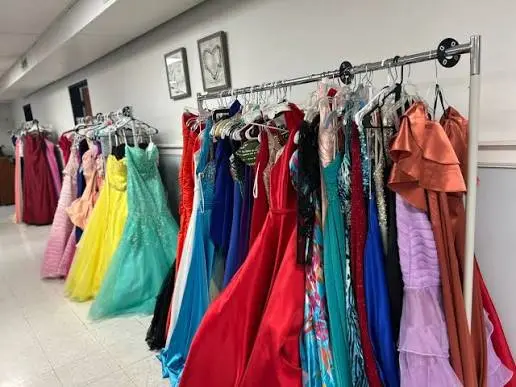
18 Styles, 42,600 Pieces, Four Fabric Groups
An anonymous North American partywear brand developed an 18-style cut-out collection with Jinfeng Apparel, totaling approximately 42,600 pieces across XS-XL. The assortment covered bodycon mini dresses, asymmetric midi dresses, mesh-panel styles and ring-connected party dresses using four primary material groups: stretch jersey, power mesh, stretch satin and structured ponte. Opening locations included side waist, under-bust, back and ring-connected cut-outs, creating different stress and coverage requirements inside one seasonal program.
Development followed first sample, fit sample, revised sample and PP sample stages. The technical focus was not simply whether the cut-outs matched reference images. Pattern makers reviewed opening position against bust, waist and hip proportion, sample machinists tested edge construction in each fabric group, and fit review checked standing plus movement behavior for high-risk styles. Several openings were adjusted by changing surrounding panel shape rather than making the edge stiffer, preventing reinforcement from becoming visibly bulky.
The program used separate opening references for different style families instead of one universal tolerance. Ring-connected styles added hardware position and local attachment security to the QC file, while mesh styles added transparency, recovery and hole inspection. Production was released only after PP references and grade rules were confirmed for the relevant size range.
Bulk Control Focused on Repeatability, Not Cosmetic Repair
Bulk planning separated risks by material and construction. Stretch jersey styles were monitored for fabric recovery, cutting direction and side-seam balance. Power-mesh styles added layer placement, transparency and edge-growth checks. Stretch satin styles required careful seam tension, surface protection and flatness review. Ponte styles focused more heavily on opening geometry, seam bulk and clean internal construction. Ring-connected cut-outs added symmetry and local stress inspection around the hardware attachment.
QC checkpoints were built around opening position, dimensions, left-right balance, edge flatness, recovery, coverage and hardware stability. Selected high-risk samples were also compared against approved on-body references because a flat garment could meet the measurement chart while presenting a different exposure ratio on the body. Packaging and finishing teams were instructed not to press unstable edges into shape as a substitute for construction correction.
The program illustrates the operating model Jinfeng uses for complex cut-out collections: classify the opening, understand fabric behavior, solve the pattern and support structure during sampling, lock measurable PP standards, then transfer those standards into cutting, sewing and QC. Large multi-style orders benefit from separate risk logic by style family because consistent quality comes from controlled variation, not forcing every design through one production formula.

Cut-Out Reinforcement Frequently Asked Questions

Send Your Cut-Out Project for Technical Review
Jinfeng Apparel supports global fashion brands and established apparel teams developing cut-out dresses, partywear, bodycon styles, mesh garments, structured bodices and related custom womenswear. Send enough information for the development team to evaluate opening geometry, fabric behavior, support needs, sampling risk and bulk repeatability before a quotation or sample plan is finalized.
Useful project information includes:
- Tech pack, reference images or original sample photos
- Cut-out location and preferred exposure level
- Fabric type, composition, stretch direction or target hand feel
- Lining, power mesh, cup, boning or support requirements when relevant
- Ring, chain or other hardware details
- Size range and grade rule if already developed
- Quantity per style/color and color plan
- Target sample stage and launch or delivery window
- Private-label, packing and warehouse requirements
- Previous fit or production issues that need correction
Files are used for project evaluation, sampling, production planning and QC preparation. NDA-based cooperation is available for unpublished designs, patterns, labels and brand materials.