Skip to content

Custom Dress Solutions for Improving Plus-to-Regular Size Continuity
Keep fit, proportion, coverage and design intent aligned as dress collections move from regular sizing into extended and plus ranges.
- 7+ senior womenswear pattern makers review size charts, grade rules, body proportions and fit corrections before bulk release.
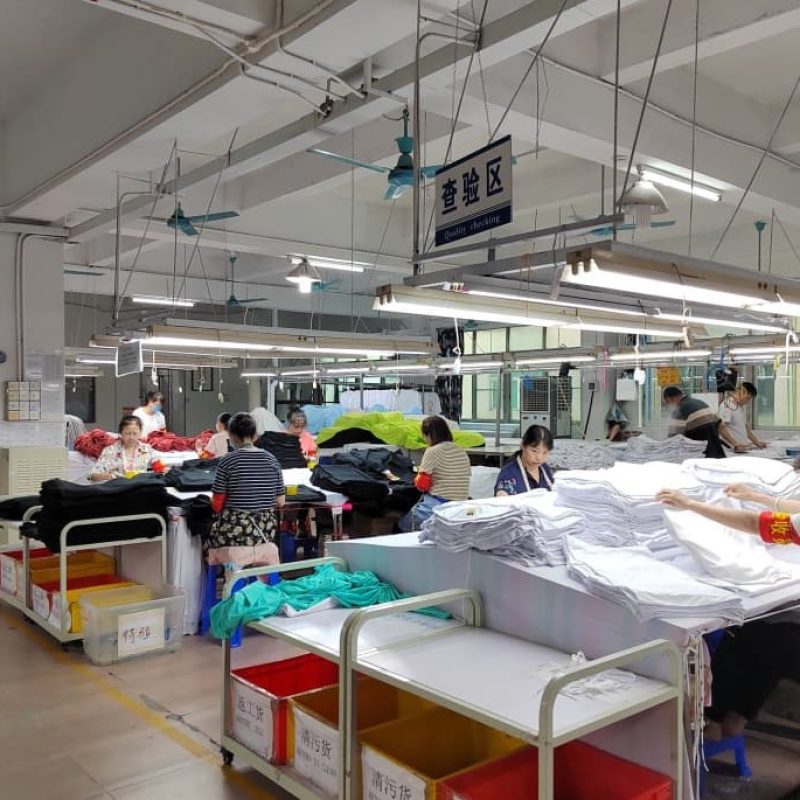
- 2 sample rooms and 20+ sample machinists support first, fit, revised, PP and Golden sample development for fit-sensitive dresses.
- US, UK, EU, AU and alpha-size programs are developed against brand-specific base sizes, tolerances and target-market fit preferences.
- Plus and extended sizes are reviewed beyond proportional enlargement, including bust support, waist-hip balance, armhole coverage, length and fabric recovery.



Built for Teams Managing Fit Across Wider Size Ranges
Product Development Teams
Product development teams often begin with a strong regular-size sample and then face a harder question: can the same dress still look intentional when the range expands?
Jinfeng Apparel reviews the approved style direction together with the brand’s size chart, base size, grade rules, fabric behavior and fit comments. The goal is not to make every size visually identical. The goal is to preserve the same design logic while allowing the pattern to respond to changing bust, waist, hip, armhole, length and coverage requirements. Fit-sensitive styles receive extra review before size expansion is locked.
Technical and Fit Teams
Technical and fit teams need more than a size chart comparison. They need measurement points that explain why a garment feels different on body.
Jinfeng Apparel works from brand specifications and fit feedback to review bust position, upper and underbust balance, waist placement, hip ease, strap length, armhole depth, neckline exposure, back coverage, dress length and slit height. Front, side, back and movement feedback can be translated into pattern corrections, revised samples and updated measurement standards before the approved fit is handed into grading and bulk measurement control.
Sourcing and Quality Teams
Technical Resources Behind Multi-Size Dress Development Programs
7+ Pattern Makers
Jinfeng Apparel has 7+ senior womenswear pattern makers working across mini, midi, maxi, bodycon, corset, slip, halter, strapless, backless, jumpsuit, skirt and matching-set patterns.
Their work covers bust, upper bust, underbust, waist, hip, front and back length, shoulder width, strap length, armhole, neckline depth, slit height and lining length. For extended sizing, those points are reviewed against the brand’s own size standards instead of relying on a universal dress block.
2 Sample Rooms
Two sample rooms support the transition from technical information into physical fit evidence. Development can move through first sample, fit sample, revised sample, photo-ready sample, salesman sample, PP sample and Golden sample according to project needs.
Fit-sensitive programs use sampling to test whether fabric, structure, body proportion, support, coverage and movement still work as intended before patterns are released for a wider size range or bulk production.
20+ Sample Machinists
Market-Based Sizing
Jinfeng Apparel can develop US, UK, EU, AU and alpha-size womenswear programs using the brand’s supplied size chart, base size, grade rules, measurement tolerance and fit preference.
Extended and plus size ranges are assessed according to the same brand framework. The approach avoids mixing generic market charts with brand-specific fit standards, which is a common cause of unexplained jumps between the top regular size and the first extended size.
Multi-Size Production
Confirmed orders can be produced across multiple sizes using the approved size ratio. Pattern version, cutting bundle, size identity, garment measurements, size labels, polybag stickers and carton breakdown all need to remain aligned.
Jinfeng Apparel treats multi-size production as a controlled chain from pattern to packing, helping prevent a correct grade table from being undermined by mixed bundles, wrong labels or inconsistent measurement checks during bulk execution.
15+ QC Inspectors
Where Regular-to-Plus Dress Continuity Commonly Starts Breaking
Transition Size Jump
- Compare bust, waist and hip increments across the size break.
- Review shoulder, armhole and back width relationships, not circumference alone.
- Check whether the first extended size still carries the same visual waist and length placement.
Bust-Waist Proportion Drift
- Track bust position and support, not only total bust measurement.
- Recheck waist placement after front-length and bust-volume changes.
- Confirm cup, panel or dart relationships on structured styles where applicable.
Armhole Coverage Shift
Armhole depth can become too open or too restrictive as the range grows.
An oversized armhole may expose the bra area or lining, while an undersized armhole can restrict movement and distort the side seam. Strap and shoulder placement also influence underarm coverage, so the issue cannot be solved by changing one measurement in isolation. Fit feedback is used to judge both coverage and mobility.
- Review armhole depth together with bust, strap and side-seam position.
- Check front, side and raised-arm views where the style requires movement testing.
- Confirm lining coverage follows the approved armhole and neckline shape.
Length and Slit Drift
A dress can become wider without preserving the same vertical proportion. Waistlines can appear too high, skirts can shorten visually over fuller areas, and slit positions can create more exposure than the regular-size version.
Jinfeng Apparel reviews front length, back length, waist placement, skirt length and slit height as separate control points. Maxi and fitted midi styles often require extra attention because imbalance becomes visible while standing, walking and sitting.
- Compare front and back balance rather than checking total length alone.
- Recheck slit height against movement and sitting coverage.
- Confirm the waistline still supports the intended body proportion.
Fabric Behavior Changes Fit
The same grade rule can perform differently in jersey, rib, ponte, satin or mesh. Stretch fabrics may grow, recover or twist; non-stretch fabrics rely more heavily on ease and seam placement; sheer fabrics introduce lining and coverage requirements.
Jinfeng Apparel reviews fabric stretch, recovery, weight, drape, shrinkage risk and lining behavior before assuming a pattern can be extended unchanged across every size.
- Test stretch direction and recovery on body-hugging styles.
- Review ease and seam balance on low-stretch woven dresses.
- Recheck lining stretch and coverage when the shell fabric is sheer or elastic.
Bulk Size Drift
- Verify pattern version and size bundle before sewing.
- Measure agreed critical points against the approved tolerance.
- Match size labels, packing stickers and carton breakdown to the production size ratio.
What Continuity Must Preserve Across the Full Size Run
Good continuity is not defined by one measurement chart. A commercial dress range needs several forms of consistency working together so a larger size still feels like the same style, brand fit and product promise.
| Continuity Area | What Needs to Stay Coherent | Typical Failure Signal |
|---|---|---|
| Measurement continuity | Logical progression across approved POMs and tolerances | Abrupt jumps between adjacent sizes |
| Proportion continuity | Bust, waist, hip, shoulder and vertical balance | Silhouette changes even when measurements pass |
| Coverage continuity | Neckline, armhole, back, slit and lining coverage | More exposure or restriction in larger sizes |
| Movement continuity | Standing, walking, sitting and reach comfort | Garment pulls, rides up or restricts motion |
| Design continuity | Waist position, cut-out ratio, ruching, seam placement and length intent | Larger sizes look like a different style |
| Production continuity | Pattern version, grading, measurement QC, labels and size-ratio packing | Approved fit is lost during bulk execution |
Build Size Architecture From Brand Standards Before Grading
Regular-to-plus continuity is easier to control when the size system is defined before patterns are expanded. Jinfeng Apparel starts from the brand’s existing fit language, measurement structure and fabric behavior rather than forcing every project into one generic size ladder.
Start With the Brand's Existing Size Architecture
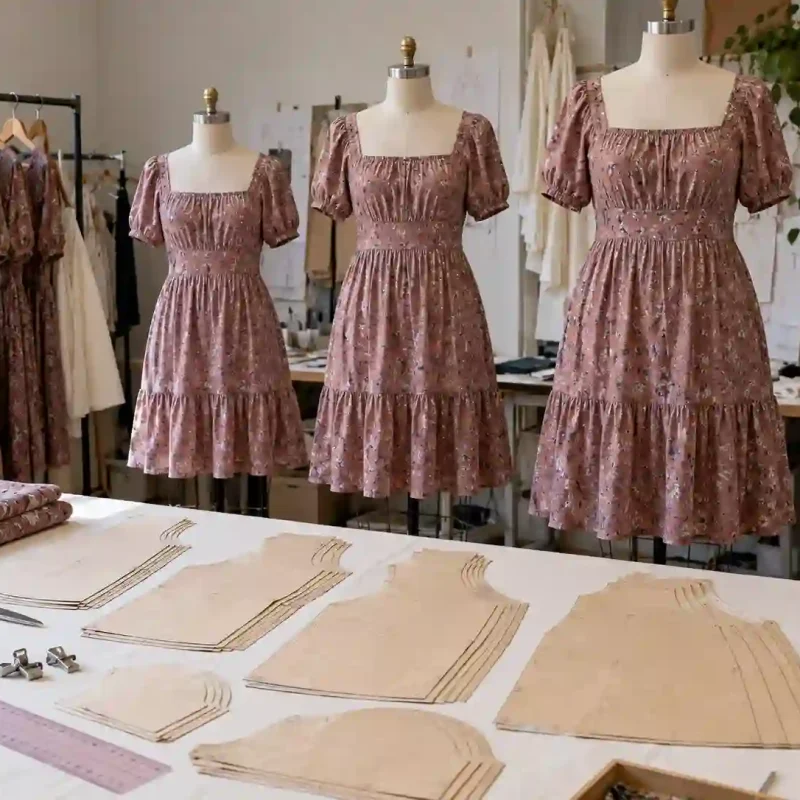
A mature size program usually contains more information than a chest-waist-hip chart. Jinfeng Apparel reviews the full structure available from the brand before pattern work is extended. Core inputs include base size, full size range, point-of-measure definitions, grade rules, measurement tolerance, target market, fit model comments, fabric stretch and brand fit preference. When a brand already has approved regular sizes, those records become the reference for how the silhouette should feel and where the fit intent begins to change.
Base size: The approved base determines where pattern balance, seam position, waist placement, neckline, armhole and length are initially judged. A base size is not automatically the most important commercial size, but it becomes the technical anchor for the development record.
Grade rule: Increment logic must be readable by body zone. Bust, waist, hip, shoulder, armhole, strap and length do not always need to move by identical amounts, especially when the range becomes wider.
Tolerance: A measurement can be within production tolerance yet still create an obvious fit issue if several points drift in the same direction. Critical POMs therefore need both numerical limits and visual fit judgment.
Target market and fit preference: US, UK, EU, AU and brand-specific sizing can use different naming systems and fit expectations. Jinfeng Apparel follows the brand’s supplied standard instead of silently replacing it with a generic chart.
Review Grade Rules by Body Zone, Not One Percentage
Proportional enlargement is attractive because it is simple, but fit-sensitive dresses rarely behave as a single geometric shape. Jinfeng Apparel reviews the areas that control how the dress sits on body: bust and underbust, waist position, hip ease, shoulder width, strap length, armhole depth, back coverage, front and back length, skirt balance, slit height and lining. The purpose is to identify where the brand’s existing regular-size rules remain effective and where additional fit evidence is needed before the range extends further.
Bust and upper body: Structured, strapless and deep-neck styles need position control as much as circumference. More bust volume can change front length, waist location, top-edge stability and armhole shape.
Waist and hip: A bodycon or fitted midi can pass bust and waist measurements while the side seam twists because hip ease, fabric recovery or front-back balance is wrong. Waist placement must also remain visually intentional after torso proportions change.
Vertical measurements: Dress length, front length, back length and slit height should not be treated as a final cosmetic step. Vertical balance determines whether a mini remains wearable, a midi keeps the same proportion and a maxi hangs evenly.
Coverage: Larger sizes may require renewed checks around underarm, neckline, back and lining coverage. Continuity means preserving the style’s intended openness without creating accidental exposure or unnecessary restriction.
Match Size Logic to Fabric and Dress Construction
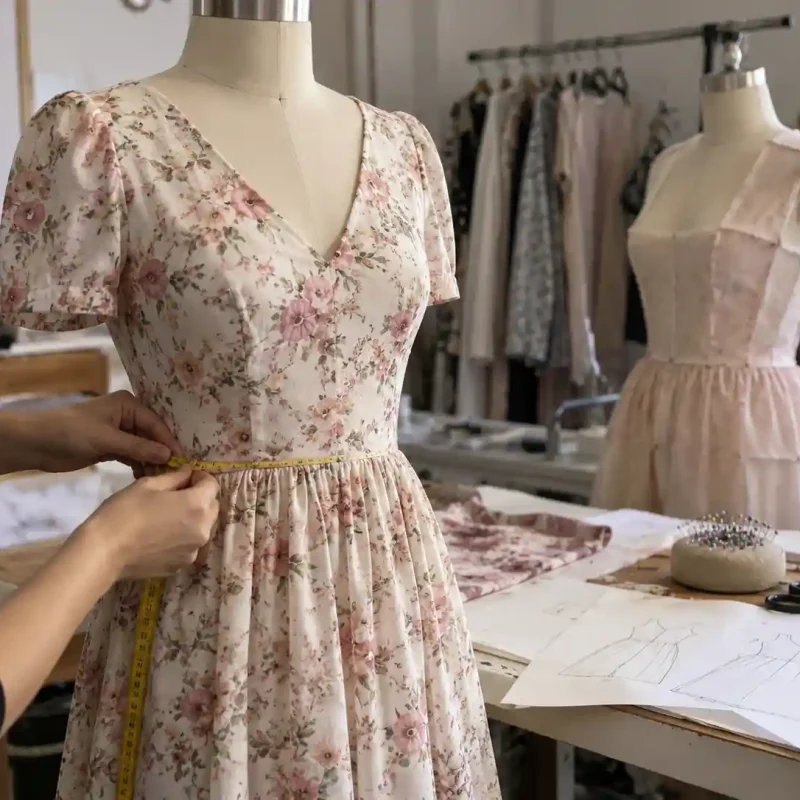
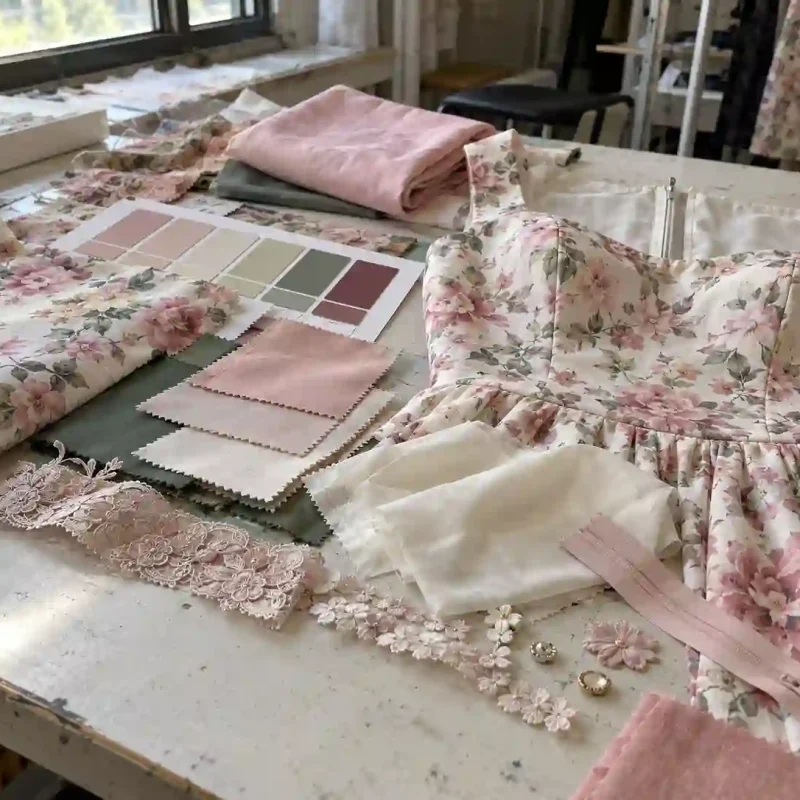
Size architecture only works when it reflects how the garment is built. A stretch jersey bodycon, a structured ponte midi, a low-stretch satin slip dress and a lined mesh cut-out style can use the same nominal size labels while requiring different pattern judgment. Jinfeng Apparel therefore reviews fabric behavior and construction before grade rules are treated as final production instructions.
Stretch and recovery: Jersey, rib and spandex blends may stretch enough to hide a pattern issue during the first fitting, then grow, twist or lose recovery after wear and washing. Stretch direction, fabric relaxation and post-wash measurement become part of fit control.
Low-stretch woven fabrics: Satin, crepe and other woven materials depend more on accurate ease, dart or seam shaping, zipper behavior and lining. An overly aggressive grade can create pulling at bust or hip even when the garment looks clean on a hanger.
Support structures: Corset panels, boning, cups, anti-slip tape and lining can change how the top edge behaves across sizes. Support components must remain compatible with the new pattern geometry.
Sheer and layered construction: Mesh and lace introduce two fit systems at once – shell and lining. Coverage, lining length, stretch compatibility and seam placement must remain coordinated as the size range grows.
Control the Handoff Between Regular and Extended Sizes
The transition should be reviewed as a technical handoff, not a label change. Some brands extend one grade system, others introduce different rules or a separate block. Jinfeng Apparel works from the brand’s approved architecture and fit evidence before any transition method is locked.

Review the Handoff Between Regular and Extended Sizes
The most sensitive point in a wide size range is often not the smallest or largest size. It is the point where one set of proportions begins to stop behaving like the approved regular fit. Jinfeng Apparel reviews adjacent sizes around the transition and compares the relationship between key measurements rather than only checking whether each individual size falls inside its own chart.
Measurement progression: Bust, waist and hip increments should be read as a sequence. An isolated measurement can look reasonable while the relationship between three adjacent sizes creates an unexpected jump in silhouette.
Upper-body progression: Shoulder, armhole, back width, neckline and strap position can require a different rate of change from torso circumference. Fitted sleeveless and strapless dresses reveal those shifts quickly because the garment has fewer places to absorb imbalance.
Vertical progression: Front length, back length, waist placement and skirt length affect where the garment appears to sit on body. A transition size that gains width without enough vertical review can pull the waist upward or change hem and slit proportion.
Brand architecture: Jinfeng Apparel does not impose a fixed XL-to-1X breakpoint. Some brands use numeric straight sizes, some use alpha sizing, some use extended straight sizes, and some maintain a distinct plus block. The supplied size system and fit preference determine the review path.
Compare Shape, Coverage and Movement Across the Break
A transition can pass measurement review and still fail on body. Jinfeng Apparel uses visual and movement feedback to see whether the dress still communicates the same design intent on both sides of the range. Front, side and back views are particularly valuable because fit problems often migrate rather than disappear: extra front tension can move a side seam, a low armhole can expose the lining, or added hip volume can change skirt balance.
Shape: The waist should still read where the designer intended it. Bodycon lines should follow the body without uncontrolled pulling. Corset and structured seams should maintain support and panel geometry rather than spreading unevenly.
Coverage: Neckline depth, armhole exposure, back height, slit height and lining coverage need renewed review. Preserving a sexy or open design does not mean allowing exposure to increase automatically with size.
Movement: Sitting, walking and arm movement reveal pressure points that standing photos can hide. Hip ease, skirt riding, strap tension, underarm restriction and slit behavior should be checked against the intended wearing occasion.
Design details: Ruching, cut-outs, panel seams, hardware position and gathered areas should remain proportionate. A cut-out that occupies 12 percent of the bodice area in one size does not automatically need to occupy the same percentage in another; visual balance and coverage take priority over mechanical scaling.


Use Fit Evidence Before Locking the Extended Range
Jinfeng Apparel treats fit comments as production data. The pattern team can work from measurement results, mannequin images, front-side-back photos, fit model feedback and movement observations, then translate approved corrections into the final pattern and grade record. The strongest evidence is a combination of numbers and on-body behavior rather than either one alone.
Fit feedback should identify location and direction. “Too tight” is less useful than “pulling from high hip toward side seam” or “armhole opens under the bust when the strap is shortened.” Clear feedback lets the pattern maker determine whether the correction belongs in circumference, vertical balance, seam placement, support or fabric choice.
Revised samples are used when a structural change needs physical confirmation. A PP sample becomes the release reference after the brand approves the construction, measurement and fit standard for production. Fit-sensitive extended-size programs may require additional representative-size validation depending on the brand’s range and risk profile.
Approved changes should then appear in the final pattern, size chart, grade rule, sewing instruction and QC measurement list. Without that handoff, sampling can improve while bulk production still follows an outdated pattern or tolerance. Jinfeng Apparel uses version control and project records so the fit decision reaches cutting, sewing and final inspection.
Dress Categories Need Different Size-Continuity Control Points

Bodycon and Jersey
- Prioritize bust-waist-hip relationship and side-seam balance.
- Check hem and dress length after movement and recovery.
- Measure representative sizes after the fabric has been handled consistently.

Corset and Strapless
Corset and strapless dresses need vertical and structural continuity. Upper bust, underbust, cup or panel position, boning, top-edge stability and waist location can shift when circumference increases.
A larger size cannot be treated as a wider shell because support must stay aligned with the body. Jinfeng Apparel reviews pattern geometry together with lining and support components before the style moves into a wider grade.
- Track top edge, bust support and underbust position.
- Recheck armhole or side coverage where the bodice opens under the arm.
- Confirm boning, cup or panel placement remains balanced across sizes.

Slip and Halter
Slip and halter dresses appear simple but expose fit errors quickly.
Strap length changes bust height, armhole exposure and neckline position; a halter also transfers load into the neck and upper body. Satin or other low-stretch fabrics leave little room for pattern error.
Jinfeng Apparel reviews front length, bust coverage, strap angle, armhole depth, waist placement and hip ease as a connected fit system.
- Recheck strap length and angle with bust position.
- Keep neckline and underarm coverage intentional across sizes.
- Review satin drape and zipper behavior where the style is close fitting.

Mesh and Cut-Out
- Compare shell and lining recovery rather than treating them as one fabric.
- Recheck cut-out position against bust, waist and hip landmarks.
- Control lining boundaries so coverage does not drift in bulk production.
- Recheck edge tension after sewing so openings retain the approved shape.

Satin and Woven
Low-stretch satin, crepe and similar woven dresses rely on accurate ease and vertical balance.
A small pattern error can show as bust pulling, zipper bulging, hip drag lines or an uneven hem. Satin adds shine-direction and pressing sensitivity, which can exaggerate a poor fit in photography. Jinfeng Apparel reviews bust, waist, hip, front and back length, zipper position, slit and lining before widening the size architecture.
- Use fit ease intentionally rather than adding width everywhere.
- Recheck zipper flatness and side-seam balance in fitted silhouettes.
- Preserve waist and hem proportion as body volume changes.

Occasion and Maxi
Occasion and maxi dresses need both upper-body fit and long-line balance. Bust support, waist placement, lining, slit position and floor or ankle length influence the final silhouette.
Additional hip or bust volume can change where a long skirt hangs, especially in satin, chiffon or layered construction.
Jinfeng Apparel reviews front-back balance and movement so the larger sizes do not look shorter, heavier or less controlled than the regular range.
- Compare front and back length after fitting.
- Recheck slit height for standing, walking and sitting.
- Control lining and hem balance before final bulk measurements are released.
Control the Body Zones That Define Dress Fit Continuity

Bust and Underbust
Bust continuity involves volume, position and support.
Total bust measurement alone cannot explain whether a strapless top edge is stable, a corset seam follows the body or a deep neckline maintains coverage.
Jinfeng Apparel reviews upper bust, full bust, underbust, front length, neckline and support structure together. Additional bust volume may require changes in vertical balance rather than only side-seam width.
- Watch bust apex or panel position where the construction defines shape.
- Recheck front length and waist location after bust corrections.
- Confirm lining, cups, boning or anti-slip elements remain aligned where used.

Waist Placement
Waist measurement and waist position are different controls. A dress can meet the waist circumference and still look wrong if the visual waist has moved upward or downward.
Jinfeng Apparel reviews high waist, natural waist or low waist against front-back length, bust volume and hip shape. Maintaining the intended waist location is especially important in corset, bodycon, fit-and-flare and occasion dresses where proportion drives the selling silhouette.
- Compare waist seam or shaping position on front, side and back views.
- Check whether torso length changes are pulling the waist out of place.
- Keep the intended high-, natural- or low-waist effect consistent across sizes.

Hip and Seat
Hip continuity affects movement, side-seam balance and how a fitted skirt hangs.Too little ease can pull the side seam forward, create drag lines or make the hem ride upward. Too much ease can remove the intended bodycon shape.
Jinfeng Apparel reviews full hip, high hip where relevant, side-seam position, skirt sweep and sitting comfort together with fabric stretch and recovery.
- Check side seams for forward or backward migration.
- Review sitting comfort on fitted woven and stretch dresses.
- Reassess skirt length after hip volume changes the garment’s vertical hang.
- Compare hip shaping with the intended silhouette from both front and side views.

Armhole Coverage
- Check underarm exposure from the side.
- Compare movement ease with bra or lining coverage requirements.
- Confirm the armhole shape remains stable after strap or bust adjustments.
- Recheck side-seam height so coverage stays controlled through normal movement.

Strap and Shoulder
Strap length and shoulder position determine where the bodice sits. A few millimeters of change can alter neckline depth, bust height, armhole exposure and pressure at the neck or shoulder.
Jinfeng Apparel reviews fixed straps, adjustable straps, halter ties and one-shoulder structures according to load, angle and body proportion. Wider size ranges may need renewed fit evidence rather than a simple proportional strap increase.
- Review strap length together with neckline and bust position.
- Check shoulder pressure and halter neck tension where relevant.
- Confirm adjustable hardware still provides useful adjustment across the intended range.

Back Coverage
- Check center-back balance and zipper flatness.
- Review back neckline or cut-out edges for gaping.
- Keep support and lining placement aligned with the approved design language.
- Review back width together with shoulder and strap position on fitted styles.

Length and Slit
Dress length has to remain visually proportionate, not merely numerically larger. Mini, midi and maxi styles each have different safety and balance risks. Hip and bust volume can change how the garment hangs, so front and back length need separate attention.
Slit height is reviewed against walking and sitting coverage because an unchanged slit measurement can create a different exposure level after the surrounding pattern changes.
- Compare front and back hem balance after fitting.
- Review slit start point as a body landmark, not only a distance from hem.
- Confirm length still matches the intended mini, midi or maxi proportion.

Lining and Movement
Lining can stabilize a dress or create a second fit problem. Stretch shell with low-stretch lining may restrict movement; a short lining can expose more skin in larger sizes; a long lining can interfere with slit or hem balance.
Jinfeng Apparel reviews lining length, stretch, attachment, coverage and skin comfort together with standing, walking and sitting behavior. Sheer and fitted dresses receive particular attention because lining becomes part of the visible fit.
- Match lining stretch and recovery to the shell where needed.
- Check lining coverage at neckline, armhole, back and slit.
- Review sitting and walking comfort before bulk construction is locked.
Fabric Behavior Can Change Size Continuity Across a Dress Range

Jersey and Rib
Jersey and rib support close-fitting silhouettes but create growth and recovery risk. Two fabrics with the same fiber content can behave very differently after cutting, sewing, fitting and washing.
Jinfeng Apparel reviews stretch direction, recovery, fabric relaxation, side-seam balance, neckline stability and post-wash measurements before a bodycon grade is treated as production ready. Rib needs extra attention because its structure can elongate under wear.
- Check stretch and recovery in the direction used by the pattern.
- Relax fabric before cutting when required by the material behavior.
- Compare body measurements and garment recovery after wear or wash testing.

Ponte and Roma
- Use support to hold silhouette without creating excessive compression.
- Check waist and hip shaping against the actual fabric recovery.
- Review seam thickness and hem structure so the larger sizes remain clean and stable.
- Confirm recovery remains consistent after repeated stretch during fitting and handling.

Satin and Crepe
Satin and crepe are lower-stretch fabrics where ease, darting, seam shaping and vertical balance become more visible. Satin also exposes fit problems through shine, drag lines and zipper bulging.
Jinfeng Apparel reviews bust and hip ease, front-back length, lining, zipper, slit and pressing behavior before the size range is expanded. Crepe can offer more forgiving drape, but weight and texture still influence how the pattern hangs.
- Do not compensate for low stretch by adding width uniformly.
- Check zipper flatness, waist shaping and hip drag lines on fitted silhouettes.
- Review lining and pressing so bulk appearance supports the approved fit.

Mesh and Lace
- Compare shell and lining stretch behavior before pattern release.
- Recheck armhole, neckline and cut-out coverage on representative sizes.
- Control fabric direction, motif placement and seam support during bulk cutting and sewing.
Correct Pattern Structure Before Extending the Full Grade
The cleanest size range begins with a pattern that already reflects approved fit feedback. Jinfeng Apparel converts fitting observations into pattern corrections before bulk grading standards are locked, reducing the risk of multiplying a base-size problem across every larger size.

Correct the Base Fit Before Expanding the Range
A first sample is a development tool, not a bulk standard. Jinfeng Apparel reviews fit comments, measurement results, photos and fabric behavior to identify whether the problem comes from circumference, vertical balance, seam placement, support, lining or material choice. Corrections can include raising or lowering the waist, adjusting bust coverage, adding hip ease, changing strap length, refining armhole shape, moving ruching, correcting slit height, modifying back structure or replacing a fabric that cannot support the intended silhouette.
The pattern team then determines which change belongs in the base pattern and which change belongs in grading logic. That distinction matters. If the regular-size base has a low armhole, grading the same geometry upward will not create a better extended fit. The base problem must be corrected first. Similarly, a bodycon style that rides up because of insufficient hip ease should not be solved only by increasing total dress length; the relationship between hip, side seam, recovery and hem position needs to be fixed.
Fit feedback becomes more valuable when it is specific. Front, side and back images can show drag direction, waist position or seam migration. Measurement notes can identify the exact POM outside tolerance. Movement comments can reveal problems that a static fitting does not show. Jinfeng Apparel uses the combined evidence to update the pattern and prepare the next sample stage.
Transfer Approved Changes Into Production Standards
A corrected sample only protects the brand if the correction reaches every production document. Jinfeng Apparel carries approved fit decisions into the final pattern, size chart, grade rule, sewing instruction, PP reference and QC measurement list. Version control is especially important when regular and extended sizes have received different fit comments during development.
Final pattern: The approved pattern version must be identifiable before cutting. Old versions should not remain active in the production handoff.
Grade rule: Approved increments and body-zone adjustments need to be recorded clearly enough for multi-size cutting and measurement control. The brand’s own system remains the reference where supplied.
PP sample: Construction, fit, fabric, trims and measurements should be approved before bulk release. A PP sample is not a casual fit sample; it is part of the production lock.
Golden reference: Where a Golden sample is used, it supports comparison of workmanship, appearance and key construction details during production and repeat orders.
QC measurements: Critical points such as bust, waist, hip, length, strap, armhole, neckline or slit are selected according to product risk. Measurement tolerances should be readable by the QC team, not left only inside development comments.
The result is a controlled handoff from fit correction to multi-size production rather than a pattern-room decision that disappears once bulk begins.

Use Sampling to Validate Fit Before Bulk Size Expansion
Sampling should test the decisions that matter for production: structure, fabric, fit, movement, measurement and repeatability. Jinfeng Apparel supports multiple sample stages so wider size development can be corrected before the cost of bulk production is committed.

First and Fit Samples Establish the Development Direction
The first sample checks whether the design can be translated into a workable garment. It allows the team to review fabric choice, construction, overall proportion, neckline, armhole, waist, hip, length, lining and key details before the style is treated as stable. A first sample is not assumed to represent the final bulk fit.
A fit sample goes deeper into on-body behavior. Jinfeng Apparel can review mannequin and fit-model feedback, front-side-back views, measurements and movement comments depending on project needs. For regular-to-plus continuity, the fit stage is where the team begins to see whether the existing base and grading assumptions are sufficient for a wider size range.
Fit review focuses on causes rather than symptoms. If a waist appears high, the cause may be front length, bust volume or shoulder/strap position. If a side seam twists, the cause may be hip balance, fabric recovery or cutting direction. If a neckline gapes, the correction may involve edge length, bust shaping, support or strap tension. Diagnosing the cause before grading reduces repeated correction later.
Sample timing is confirmed by style complexity, material availability, trim development and the number of required fit revisions rather than promised as one fixed number for every dress. Fit-sensitive programs are scheduled around approval quality, not an arbitrary speed target.
Revised and PP Samples Convert Feedback Into an Approved Standard
A revised sample verifies whether the pattern changes actually solved the recorded fit issue. Jinfeng Apparel compares the new sample with the brand’s comments and measurement requirements, paying particular attention to changes that can affect the rest of the size range. Revised sampling is valuable when a correction changes body-zone geometry, fabric behavior or support rather than only a decorative detail.
Once fit and construction are stable, the PP sample becomes the production reference. Fabric, color, lining, trims, sewing methods, measurements, label placement and packing requirements should be sufficiently confirmed for bulk release. Extended-size programs may need representative-size validation around the areas of greatest risk, especially if the brand uses different rules beyond the regular range.
The PP stage also protects commercial appearance. Satin needs zipper and pressing review; mesh needs transparency and lining checks; jersey needs recovery and measurement stability; corset styles need support placement; maxi styles need length and hem balance. Fit continuity is therefore reviewed together with workmanship, not as a spreadsheet exercise.
Changes made after PP approval can affect cost, lead time, material allocation and production consistency. Jinfeng Apparel records approved changes so the final pattern and QC checkpoints match the version released to bulk. Representative-size evidence can also be retained with the PP record when the wider range has specific fit risks.


Golden Samples and Records Support Bulk and Repeat Orders
A Golden sample can serve as a sealed visual and construction reference after the brand has approved the final direction. It complements technical records rather than replacing them. Pattern files, measurements, fabric references, trim information, sewing instructions, packing requirements and QC notes create the production memory needed for bulk control and later repeat orders.
For size continuity, a Golden reference helps the team judge workmanship and appearance while measurement files control numerical fit. The production team can compare seam position, ruching, zipper flatness, lining, support, slit construction and finishing against the approved sample. QC can then measure the critical POMs against the size-specific chart and tolerance.
Historical records become valuable when the same style returns in a new color, fabric or repeat order. Jinfeng Apparel keeps pattern, measurement, fabric, trim, packing and QC records for repeat-order support. New fabric batches, colors, trims and delivery schedules still require review because historical approval does not remove new-batch risk.
A wider size range therefore becomes easier to manage over time when the fit decision is stored as a set of patterns, measurements, physical references and production notes rather than only remembered by individual team members. The record also helps future teams understand why a size-specific correction was approved.
Fit Feedback Should Show Where the Garment Changes
Front Fit
Side Balance
Side views reveal problems that disappear in a front photo: side-seam migration, bust projection, waist shift, hip pulling, armhole exposure and front-back length imbalance.
Jinfeng Apparel uses the side view to see where the garment is being pulled forward or backward. The direction of a drag line can help separate a circumference issue from a vertical-balance problem, which is critical before grade rules are changed. Side-view notes should also identify whether the fabric is stretched, relaxed or naturally hanging.
Back Fit
Back-view review covers center-back balance, zipper flatness, back neckline, strap placement, low-back exposure, waist position and skirt hang. Larger sizes can expose gaping around open backs or tension around zippers if the pattern change is not distributed correctly.
Back photos also help confirm whether side seams remain vertical and whether the hem is level after hip and torso corrections. They are also useful for checking whether back width changes have altered shoulder or neckline balance.
Sitting Check
Walking Check
Walking shows whether the dress moves with the body or fights the pattern. Maxi hems, slits, bodycon skirts, lining and stretch recovery are easier to evaluate in motion.
A style that rides upward, twists or catches at the thigh may need a change in hip ease, hem sweep, slit position or fabric choice. Movement evidence is especially useful for occasion and party dresses expected to perform beyond a static product photo.
Short video clips can also reveal twisting or riding that a single image misses.
Raised-Arm Check
Raised-arm feedback helps assess armhole restriction, underarm exposure, strap movement, bodice lift and waist displacement.
Sleeveless, halter, slip and fitted dresses can look correct with arms down while becoming uncomfortable in normal movement. Jinfeng Apparel reviews the raised-arm result when relevant to the style, then checks whether the correction belongs in armhole shape, strap length, bust fit, shoulder relationship or fabric stretch. The test is most useful when repeated consistently across comparison sizes.
Measurement Points That Protect Size Continuity in Bulk
Critical POMs should follow the construction and selling silhouette of each dress. The table below shows common continuity checks used to connect fit feedback, grading and production measurement. Final POM definitions and tolerances follow the brand’s approved specification.
| Measurement Area | Continuity Risk | Review Focus |
|---|---|---|
| Bust / upper bust | Pulling, gaping, support shift | Circumference, position, coverage, front length relationship |
| Underbust | Weak support or panel misalignment | Underbust level, corset or seam relationship |
| Waist | Lost silhouette or waistline shift | Circumference plus vertical placement |
| Hip / seat | Drag lines, side-seam twist, limited movement | Ease, side balance, sitting comfort |
| Armhole | Exposure or restriction | Depth, opening, side coverage, strap relationship |
| Strap / shoulder | Neckline shift, pressure, bust-height change | Length, angle, shoulder position |
| Dress length | Mini safety, midi proportion, maxi imbalance | Front and back length, hem balance |
| Slit / lining | Exposure, movement conflict, lining show | Slit height, lining length, stretch and coverage |
Carry Approved Size Rules Through Multi-Size Bulk Production
Pattern Version Control
Every size should trace back to the approved pattern and grade record. Jinfeng Apparel checks the production pattern version before cutting so an earlier development file does not re-enter bulk.|
Version control becomes more important when fit changes were introduced near the extended-size transition. Final patterns, size charts, sewing instructions and PP references need to tell the same story before the fabric is committed.
- Confirm final pattern and size range before marker or cutting release.
- Remove superseded fit comments from active production instructions.
- Keep the approved grade rule connected to the correct style version.
Fabric Preparation
Fit-sensitive fabrics need controlled handling before cutting. Jersey and rib may require relaxation; stretch direction must match the pattern plan; satin shine direction and mesh grain or stretch direction need consistent orientation.
A fabric-handling change can alter fit even when the paper pattern is correct. Jinfeng Apparel reviews fabric behavior during development and carries the approved direction into cutting instructions and incoming material checks.
- Confirm fabric batch, hand feel, width and visible defects.
- Control stretch or grain direction according to the approved pattern.
- Review shrinkage or recovery risk where the fabric type requires it.
Size Bundling
Multi-size production creates identification risk. Pattern pieces from adjacent sizes can look similar, especially in fitted dresses with many panels.
Jinfeng Apparel manages size bundling and cutting identification so panels move through sewing as the intended set. The control also supports measurement and packing because the garment’s size identity must remain consistent from cut bundle to final label and carton breakdown.
- Bundle cut panels by confirmed size.
- Keep style, color and size identification visible through production.
- Prevent mixed-size components from entering the same garment.
- Reconcile bundle counts before work moves to the next operation.
Sewing Checkpoints
- Check seam allowance and symmetry in shaping areas.
- Control zipper flatness, strap length and lining attachment.
- Compare support or slit construction with the approved reference.
- Record repeated fit-related sewing deviations before they spread across the lot.
Garment Measurement
Finished garments are measured against the approved size chart and tolerance.
Critical POMs depend on the style: bodycon focuses on bust, waist, hip and length; halter and slip styles add strap and neckline; maxi styles emphasize front-back length; corset styles add upper and underbust-related points. Measurement QC protects the grade from size drift created by fabric handling or sewing variation.
- Measure agreed POMs by size, not one base-size garment only.
- Escalate repeated directional drift before packing continues.
- Record corrections or rework where measurements fall outside approval.
- Compare repeated directional drift by size before final release.
Size Labels and Packing
The final size identity must remain accurate after QC. Jinfeng Apparel checks size labels, barcode or SKU stickers where required, polybag identification and carton breakdown against the confirmed packing instruction.
A garment with the correct fit but the wrong size label still creates returns and warehouse errors.
Packing control therefore closes the continuity chain from technical size definition to the product received by the brand’s warehouse.
- Match garment size, size label and polybag sticker.
- Follow the approved size ratio and carton breakdown.
- Reconcile packing quantities before shipment documentation is finalized.
Fit-Sensitive QC Protects Continuity After Pattern Approval
Quality control should preserve the approved fit, not only remove visible defects. Jinfeng Apparel links incoming material, cutting, sewing, garment measurement and packing inspection to the pattern and size standards established during development.
Incoming Material and Cutting Checks Protect the Fit Foundation
Fit can change before sewing starts. Incoming material review checks fabric color, weight, hand feel, width, shrinkage or colorfastness requirements where applicable, as well as visible defects such as mesh snags, lace damage or satin variation. For stretch styles, fabric behavior and direction matter because recovery or stretch differences can change the finished measurement and on-body feel.
Cutting QC then verifies pattern version, panel direction, piece quantity, size bundling, fabric direction and stretch direction. Placement-sensitive fabrics or designs add another layer: lace motifs, print placement, satin shine or panel orientation should remain consistent with the approved sample.
The purpose is to prevent a paper-correct pattern from being undermined by the wrong fabric orientation or wrong size bundle. If a bodycon panel is cut off-direction, recovery can change. If an extended-size panel is mixed with the adjacent size, measurement correction later may not restore the intended balance. Jinfeng Apparel therefore treats cutting identity as part of size continuity, not only material efficiency. Cutting records also help trace a repeated measurement issue back to the correct fabric batch, size bundle and pattern version instead of treating every defect as a sewing problem. The same traceability helps isolate whether a repeated fit deviation began in material behavior, cutting accuracy or pattern interpretation before corrective action is chosen.
Sewing and In-Line Inspection Keep Construction From Changing Fit
Sewing operations can add or remove effective ease. Seam allowance that varies through a curved bust or hip area changes the finished dimension. A zipper can distort the center back. Strap attachment can alter neckline height. Ruching, lining, boning and cup position can change both appearance and support. Jinfeng Apparel uses sewing checks and in-line inspection to catch those issues while rework remains possible.
Fit-sensitive checkpoints are selected by style rather than copied from a generic list. A satin slip dress needs zipper, strap, armhole, neckline and side-seam control. A corset style needs seam shaping, support placement and top-edge stability. A mesh cut-out dress needs stretch direction, lining boundary, edge finishing and cut-out symmetry. A bodycon style needs seam balance and fabric recovery control.
Approved workmanship changes are reflected in sewing instructions and QC checkpoints. That connection matters because sampling and production can otherwise follow different methods. In-line feedback also helps identify repeated directional problems – for example, a waist seam consistently dropping at one size or a zipper bulging more strongly in the upper sizes – before the issue reaches final inspection. When one deviation repeats across several garments, the team can stop and review method, seam allowance, pattern interpretation or fabric handling before the same fault expands through the remaining quantity.
Final Measurement and Packing Close the Continuity Loop
Final garment QC reviews measurements, appearance, fit effect, pressing, color consistency, stains, holes, loose threads, zipper function, label position and other style-specific points. For size-continuity programs, critical measurements are compared with the approved size chart and tolerance. Repeated drift across a size group is more important than one isolated reading because it can indicate a pattern, fabric or sewing process problem.
Packing QC then verifies hangtags, barcodes, size stickers, polybags, folding, carton marks and packing ratios according to the supplied instruction. Size identification is a quality issue: the correct garment must carry the correct size label and be packed into the correct SKU and carton breakdown.
Jinfeng Apparel has 15+ QC inspectors supporting the wider quality chain. The aim is traceable control from material to shipment, with fit-sensitive measurement points treated as production standards rather than informal comments from the development stage. When a problem requires rework, the garment should be rechecked before release so corrected units return to the approved standard. Packing data can then be reconciled with the final accepted quantities by size, helping prevent a measurement-approved garment from being mislabeled or allocated to the wrong SKU at the last stage. Final acceptance therefore connects technical fit approval with the commercial size identity received by the warehouse.
Plan Size Ratios, MOQ and Extended-Size Production Efficiently
MOQ Structure
Jinfeng Apparel’s MOQ starts from 200 pcs per style/color, subject to fabric availability, trims, construction complexity, packaging and production schedule. Multiple sizes can be distributed within the confirmed style/color quantity according to the approved size ratio. MOQ is not calculated by adding unrelated styles or colors together. Special fabrics, custom dyeing, printing, trims and private-label materials can carry separate supplier minimums, so the garment quantity and material minimums should be reviewed together.
- Confirm quantity by style and color first.
- Then define the size breakdown inside each approved quantity.
- Review special material or packaging minimums before final costing.
Size Ratio Planning
A mature size ratio reflects sales history, target market and product type. Equal units in every size are rarely the most efficient plan.
Jinfeng Apparel can work from the brand’s specified breakdown for regular and extended sizes, then use the same ratio for cutting, measurement planning, labels and carton preparation. Overly fragmented ratios add handling complexity because more size bundles, measurements, labels and packing checks are required.
- Use the brand’s actual demand curve where sales history is available.
- Identify core sizes and transition sizes that need stronger fit validation.
- Keep production and packing records aligned to the final ratio.
Extended-Size Cost Factors
- Assess consumption by style construction and fabric width.
- Separate real fit-development work from simple size-label changes.
- Use confirmed size and color ratios for a more accurate production plan.
A Multi-Style Fit Program Shows How Continuity Is Managed
Large dress programs need consistent fit decisions across styles, fabrics and sizes. The anonymized program below reflects the scale and development structure Jinfeng Apparel manages for established fashion brands while keeping brand identity and proprietary fit data confidential.
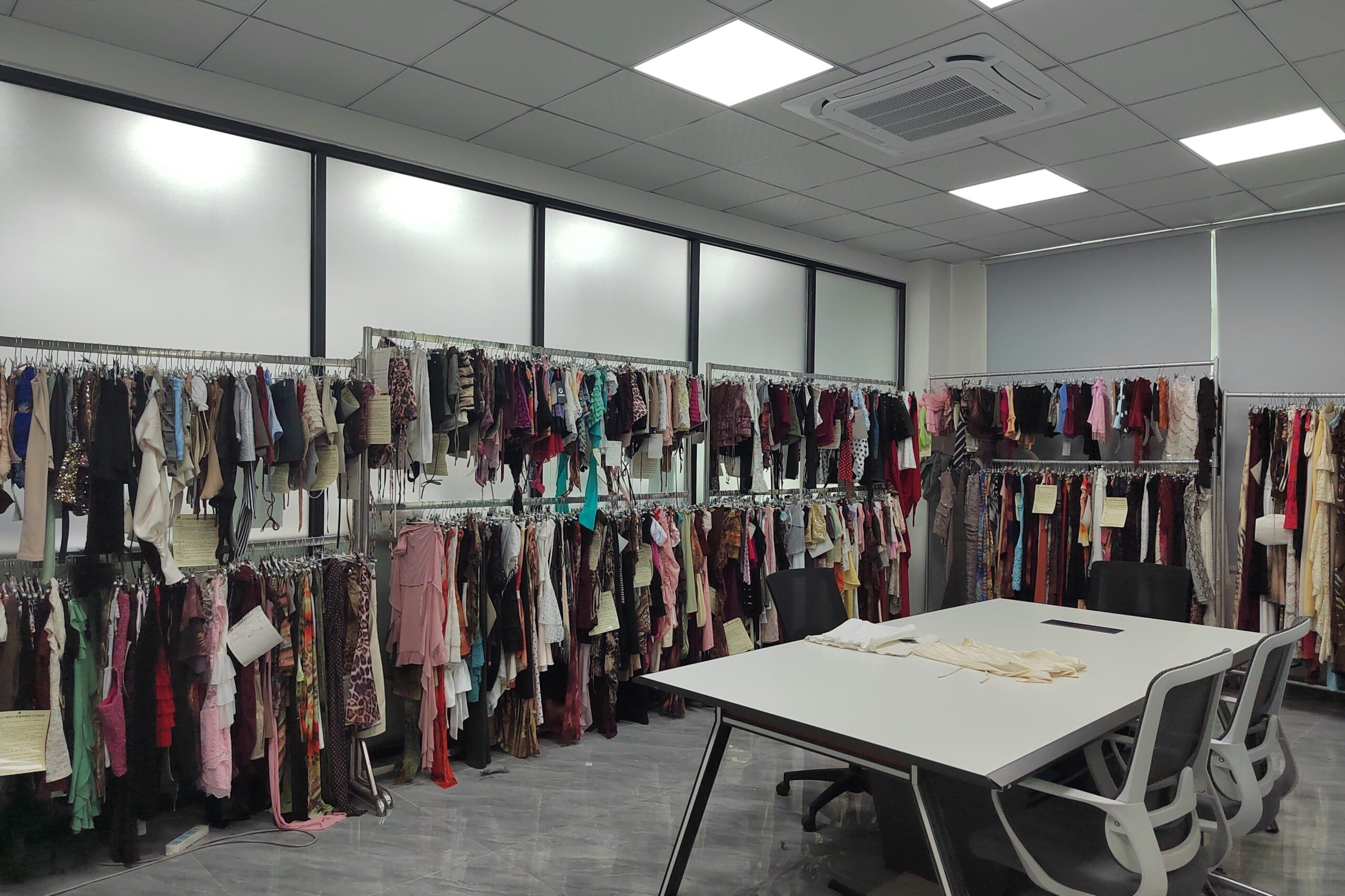
Program Snapshot: 18 Styles and 46,800 Pieces
An anonymized US premium ecommerce womenswear program covered 18 dress styles and approximately 46,800 pieces across a brand-defined regular and extended size architecture. The assortment included fitted jersey dresses, ponte midi styles, satin occasion dresses, corset-influenced bodices, mesh panels and ruched silhouettes. Six material groups were managed because each fabric created a different fit and recovery profile.
Development moved through first sample, fit sample, revised sample and PP sample stages according to style risk. The fit work concentrated on bust-waist-hip proportion, waist placement, armhole coverage, strap position, side-seam balance, dress length, slit height, lining coverage and stretch recovery. Instead of treating the wider size run as one proportional enlargement, the team reviewed brand specifications and fit comments by construction type.
The order scale required development records that could survive handoff into bulk. Final patterns, grade rules, measurement tolerances, sewing instructions and PP references were therefore organized by style before production release. Brand names, proprietary size tables and fit photos remained confidential. The program was managed as a development-to-bulk workflow rather than a catalog-style plus-size order, with fit decisions recorded by style and fabric group before the production handoff. Each style entered bulk only after its approved fit direction, material behavior and measurement controls were clear enough for the production and QC teams to follow consistently.
Continuity Risks Were Controlled by Product and Fabric Group
The fit risk was different in each group. Jersey and rib styles needed recovery, side-seam balance and post-wash stability. Ponte needed controlled compression and shape retention. Satin styles needed accurate ease, zipper flatness and front-back balance because low stretch offered less tolerance for pattern error. Mesh panels required shell-lining stretch compatibility and coverage review. Corset-influenced bodices added upper-bust, underbust, top-edge and support-position concerns.
The development team grouped comments by body zone rather than writing one generic “make larger” instruction. Bust and upper body comments were separated from waist placement, hip ease, armhole, strap, length and slit. When a correction changed the body geometry, the revised sample was used to confirm the result before PP approval. Measurement review supported the visual fitting so an attractive sample was not accepted with unstable numerical dimensions.
Bulk control then carried the same logic forward. Cutting identification protected size bundles and fabric direction. Sewing checkpoints focused on construction areas linked to fit. Garment measurement checked approved POMs by size. Size labels and packing ratios were reconciled against the order breakdown before shipment preparation.
The program demonstrates the operating principle behind size continuity: fit decisions must be specific enough to guide pattern work and structured enough to survive a 46,800-piece production program.


Scale Comes From Records, Not From Repeating the Same Grade
A multi-style program becomes scalable when each approved fit decision is stored in a form the next team can use. Pattern files preserve geometry. Grade rules preserve the brand’s size progression. Measurement charts and tolerances define numerical control. PP samples and Golden references preserve construction and visual intent. QC notes capture risk areas that need additional attention during bulk and repeat orders.
For the 18-style program, those records allowed bodycon, structured, satin and mesh styles to follow different technical paths while sharing one project-management structure. The goal was not to make every style use the same grading formula. The goal was to give every style a clear fit standard, material standard and production handoff.
The same record structure also supports future repeat work. When a brand reorders a proven style, historical patterns, measurements, fabric references, trim records, packing instructions and QC notes can reduce repeated communication. New fabric batches, colors, trims and delivery schedules still need confirmation, especially when a repeat order changes material or size mix.
For established fashion programs, continuity becomes a repeatable operating discipline rather than a one-time fitting exercise. The value is strongest when future color extensions, fabric changes and repeat orders can refer back to the approved fit logic while still rechecking every new material or production variable that could affect sizing.
Protect Proprietary Size Charts, Patterns and Fit Development Assets
Tech Pack Protection
Pattern Protection
Unreleased Fit Assets
Fit photos, sample images, size charts, line sheets, unreleased styles, label files and packing artwork can reveal a launch before the product reaches market.
Jinfeng Apparel uses anonymous case descriptions and de-identified process evidence when public examples are needed. Sensitive fit assets remain inside the project workflow unless written authorization allows broader use, helping established brands share more accurate development information without turning confidential product work into public content.
Frequently Asked Questions About Regular-to-Plus Dress Size Continuity

Send Your Size Range for a Technical Development Review
If your regular-size dress fit is established but the extended or plus range is losing proportion, coverage, movement or design intent, send the current technical information for review. Jinfeng Apparel can assess the project from pattern, fabric, sampling and bulk-control perspectives before a production route is confirmed.
Please include as much of the following as available:
- Style image, line sheet or tech pack
- Current size chart and full size range
- Base size and grade rules, if available
- Measurement tolerances and fit comments
- Transition-size photos or fit notes
- Fabric composition, stretch or fabric reference
- Quantity per style/color and planned size ratio
- Target market, launch window and private-label requirements
Files can be shared under NDA when required. The more precise the fit information, the easier it is to identify whether the continuity issue comes from body-zone grading, pattern balance, material behavior, sample fit or production measurement. Jinfeng Apparel will review the available information and confirm the next development step based on project complexity, material requirements and production planning.