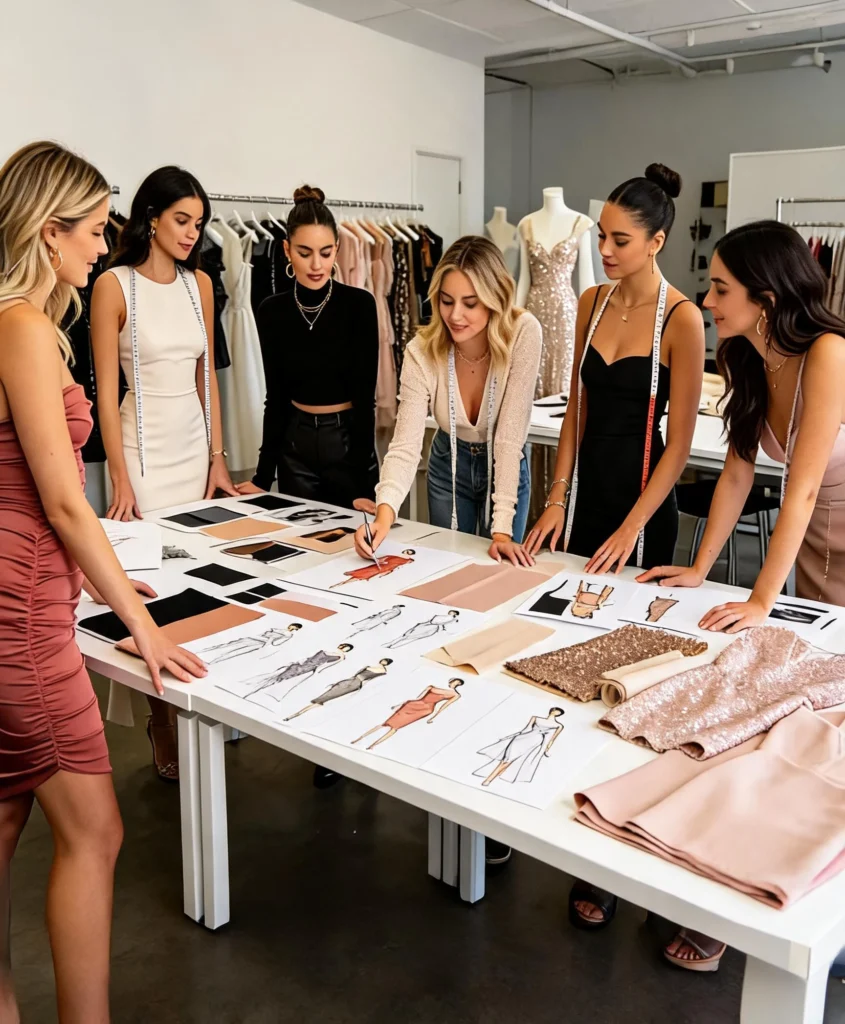
Coordinated Occasion Collection Development
Build occasionwear as one connected commercial collection, not a series of unrelated samples moving through production at different speeds.
- Collection programs commonly involve 10-30 styles across mini, midi, maxi, cocktail, evening, wedding guest, corset, satin, mesh, lace and sequin directions.
- Jinfeng Apparel supports multi-style, multi-fabric, multi-color and multi-size development through 2 sample rooms, 7+ senior pattern makers and 20+ sample machinists.
- Sampling priorities, fabric groups, fit standards, PP approvals and production allocation are planned around the launch calendar before bulk release. Bulk execution can be distributed across 6 owned women’s fashion factories according to style and fabric requirements.




What Makes an Occasion Collection Feel Coordinated
Assortment Architecture
Fabric Family Planning
Color Story Control
Fit Language
Sampling Priorities
Production Synchronization
Built for Mature Occasionwear Product Teams
Occasionwear Brand Teams
Product Development Teams
Product developers need clear answers on structure, fabric, fit and revision status. Jinfeng can begin from tech packs, reference images, original samples, line sheets or sketches, then move through pattern development, first sample, fit review, revision and PP approval. Attention is placed on measurable control points such as bust position, waist, hip, neckline, strap length, armhole, slit height, lining coverage and dress length. Revision decisions are recorded so approved changes can transfer cleanly into production files rather than remaining only in email comments.
Merchandising and Sourcing Teams
Capacity Structured for Multi-Style Collection Programs
Collection development needs enough sampling depth, production flexibility and project control to keep several style groups moving without losing version accuracy. Jinfeng’s published capacity data is used as operating evidence, not as a substitute for project planning.
| Capability | Confirmed Jinfeng Apparel Data | Relevance to Coordinated Collections |
|---|---|---|
| Owned women’s fashion factories | 6 | Allows style and fabric groups to be allocated by production strength |
| Long-term satellite production partners | 10+ | Adds coordinated capacity for larger or multi-batch programs |
| Monthly womenswear capacity | 100,000+ pcs | Supports established collection programs subject to style complexity and schedule |
| Sewing lines | 18+ | Enables parallel production across different style groups |
| Flexible production lines | 6+ | Supports multi-style, multi-fabric and multi-color organization |
| Sample rooms | 2 | Keeps development work separate from bulk execution |
| Senior pattern makers | 7+ | Supports simultaneous pattern, fit and correction work |
| Sample machinists | 20+ | Provides depth for first, fit, revised, photo and PP samples |
| Merchandisers | 12+ | Tracks materials, sample versions, bulk progress and approvals |
| QC inspectors | 15+ | Supports material, inline, garment, measurement and packing control |
Build the Collection Around Clear Product Roles
Occasionwear performs better when every style has a commercial job. Jinfeng organizes development around product role, event level, silhouette, fabric family, complexity and launch priority rather than treating a line sheet as a flat list of unrelated garments.

Hero Statement Dresses
Hero styles create the strongest visual signal in campaign imagery and launch content. They may include embellished minis, corset dresses, strapless shapes, dramatic mesh constructions, sequin pieces or long evening silhouettes. Development needs to protect the garment’s distinctive feature while checking whether the structure can be repeated in bulk. Cup shape, boning position, neckline security, sequin handling, transparent sections, lining coverage, closure stability and pressing method are reviewed before the style is allowed to define the collection direction.

Commercial Cocktail Core
Commercial core styles usually need broader wearability, reliable fit and controlled manufacturing complexity. Satin midi dresses, crepe cocktail dresses, simpler halter silhouettes, refined bodycon shapes and clean slip constructions can carry more volume than highly embellished pieces. Jinfeng develops these styles with attention to neckline stability, waist placement, zipper flatness, lining comfort, hem balance and pressing. Core products should support the collection visually without using unnecessary construction raising cost, extending sample cycles or creating avoidable bulk inconsistency.

Wedding Guest Direction
Wedding guest products often need polished color, elegant drape, movement and secure coverage rather than extreme structure. Chiffon, satin, lace, crepe and selected mesh can work across midi and maxi silhouettes when transparency, lining, slit position and hem balance are handled correctly. Jinfeng reviews light colors, fabric opacity, zipper behavior, lining tone, drape and packing risk during development. Color stories can extend across several silhouettes while fabric groups remain controlled enough for bulk shade management and SKU planning.
Evening and Formal Styles
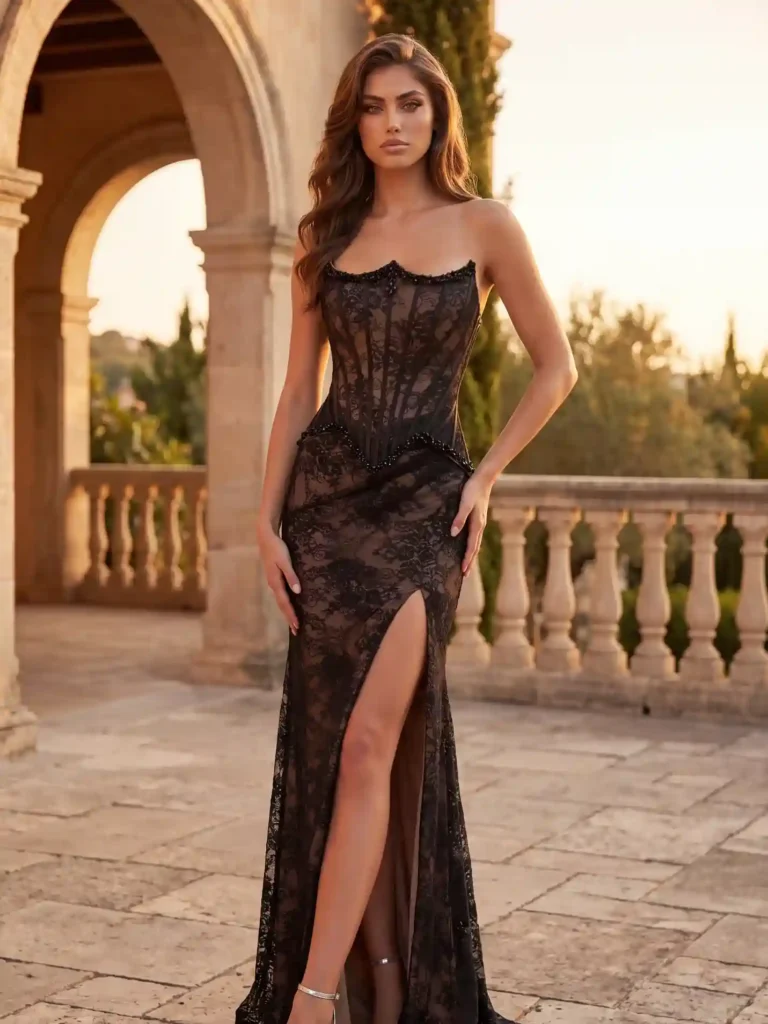
Evening and formal dresses demand more attention to bust support, long-line balance, lining structure, slit height, hem movement, pressing and packing. Satin, chiffon, velvet, lace, mesh and crepe behave differently under long silhouettes and formal construction. Jinfeng evaluates whether each style requires added support, stabilizing components, revised lining, different closure methods or extra finishing protection. Long dresses also need careful handling after production because crushing, deep creasing or hem distortion can weaken the premium appearance before the garment reaches its selling environment.

Fit-Sensitive Fashion Styles
Bodycon, strapless, low-back, cut-out and corset-led dresses can strengthen a collection but create higher fit risk. The visual impact depends on precise bust-waist-hip relationships, stable openings, secure neckline placement and the correct amount of stretch or structure. Jinfeng separates fit-sensitive styles from simpler flowing garments during development. Pattern corrections, fit-sample feedback, revised samples and measurement review are used to lock critical body points before PP approval, reducing the chance of a visually strong style becoming the weakest bulk performer.

Coordinated Extension Pieces
A collection can be widened through jumpsuits, skirts, tops and matching sets when they extend the same occasion story rather than introduce a different market. Shared fabric groups, repeated trims, coordinated color families and compatible fit language help extension pieces sit naturally beside dresses. Jinfeng supports cross-category development and can group related styles by material, construction and production route. Extension pieces are most useful when they add outfit options, merchandising depth or repeat-order opportunities without forcing the brand to manage an entirely separate sourcing and quality system.
Coordinate Fabric, Color and Surface Across the Range
Material coordination determines whether different silhouettes belong together visually and whether bulk production remains controllable. Jinfeng reviews fabric behavior before pattern and sample decisions are locked, especially where shine, transparency, stretch, drape or embellishment changes across styles.

Build Fabric Families Before Individual Style Decisions
A coordinated occasionwear collection benefits from a small number of purposeful fabric families rather than one unrelated material for every style. Jinfeng reviews the line sheet and separates materials by visual role, structure and production behavior. A satin family can support slip, cocktail, fitted and selected evening styles, but fabric weight and stretch still need to match the silhouette. Chiffon can support softer wedding guest or maxi directions where movement matters. Mesh can add transparency, shaping or layered construction, while lace and sequin are better reserved for styles where surface value justifies additional cutting, sewing, finishing and packing control.
Material selection is reviewed against hand feel, weight, drape, stretch, recovery, transparency, shine, shrinkage, wrinkle behavior, color, MOQ, cost and lead-time impact. A visually similar substitute is not automatically production-equivalent. Changing stretch can change fit; changing weight can change drape; changing transparency can force a lining revision; changing shine can alter campaign appearance; changing shrinkage can change finished measurements. If a material changes after sampling, Jinfeng rechecks whether the pattern, lining, costing or sample needs to change before approval continues.
For coordinated programs, fabric choices are also compared across styles. Too many unrelated weights and finishing methods can create different sample cycles, different factory requirements and different bulk risk levels. Grouping materials early gives the merchandising and development teams a clearer view of which styles can share fabric approvals, color standards and delivery planning.
Control Color Through Fabric Reality, Not a Digital Palette
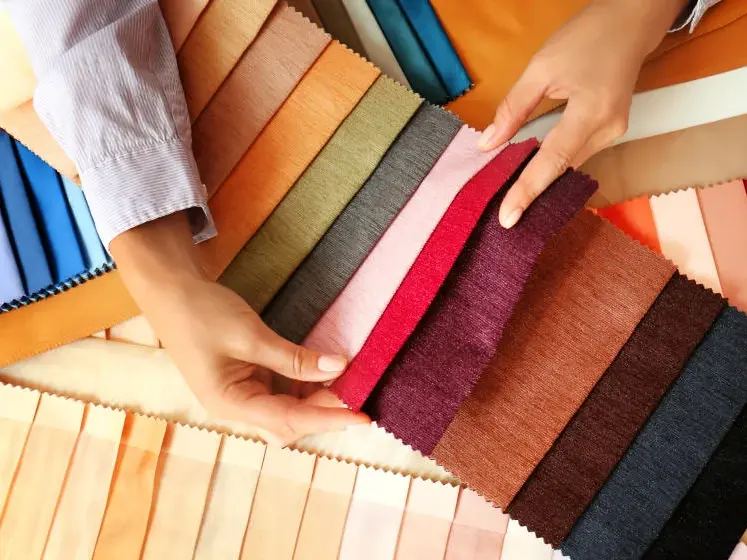
Occasion collections often rely on restrained color stories, but the same named shade can behave very differently on satin, chiffon, mesh, lace, jersey or sequin surfaces. High-shine satin can read lighter under studio lighting; transparent mesh changes appearance over different lining colors; lace may expose the base layer; sequin and metal trims can shift the perceived tone. Jinfeng therefore treats color as a material-specific approval issue rather than a screen-based design decision.
Color planning begins by separating core shades, seasonal accent colors and style-specific colors. Fabric batch, lining tone, zipper color, sewing thread, elastic, visible trims and decorative components are checked for coordination. For styles sharing a color story, relevant color references are recorded so bulk fabric and attached components can be compared against the approved direction. Multi-color production is also tied to SKU, barcode, size-label and carton identification, because a color mistake in packing can damage a well-controlled garment program.
For satin-heavy collections, shade consistency and shine direction deserve extra attention. For mesh or lace, transparency and base-color interaction need to be approved on the garment, not only from a swatch. For embellished pieces, crystals, chain, sequins or metal finishes should support the intended palette instead of competing with it. Color coordination becomes a development and production system, not a moodboard exercise.

Match Surface Detail to Commercial Importance
Surface treatments can give an occasion range identity, but using embellishment without hierarchy quickly increases labor, damage risk, sample time and packaging complexity. Jinfeng reviews sequin, rhinestone, lace placement, chain details, decorative trims and structured components according to the role of each style. Hero products can carry more visual complexity, while commercial core pieces normally benefit from cleaner construction and fewer fragile details.
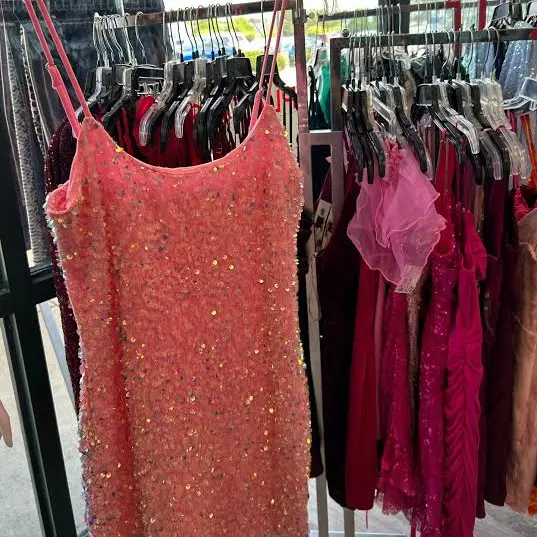
Sequin styles need checks for loose pieces, rough skin contact, needle-break risk, bulky seam allowances and packing protection. Lace needs pattern direction, symmetry, placement, edge treatment and lining coordination. Mesh needs control over stretch direction, holes, neckline distortion and transparency. Satin needs protection from snagging, shade variation, wrinkling and harsh pressing. Corset-led styles add bra cups, boning, anti-slip elements or lace-up structures requiring consistent positioning and comfortable performance after grading.
The important decision is not whether Jinfeng can add a trim. The decision is whether the detail strengthens the style enough to justify its cost, development dependency and bulk control burden. Keeping decorative intensity aligned with product role helps the collection stay coherent while protecting margin, delivery planning and repeatability. It also reduces unnecessary variation in sewing methods, inspection points and packing materials across the wider assortment.
Keep a Consistent Fit Language Across Different Silhouettes
Fit consistency does not mean forcing every garment onto one block. It means keeping recognizable proportions, coverage rules and comfort expectations across structured, fitted, fluid and transparent occasionwear while allowing each construction to behave correctly through grading, PP approval and bulk measurement control.
Align Bust, Waist and Hip Proportions by Product Role
A satin slip, corset mini, mesh bodycon and chiffon maxi require different ease and support, yet the brand’s proportion language should remain recognizable. Jinfeng reviews bust position, waistline, hip ease, neckline depth, strap placement, armhole shape, back coverage, slit height and overall dress length according to the intended silhouette. Fit comments are converted into pattern changes, updated measurement references and sample instructions rather than left as informal notes.
Structured products require especially careful bust and waist control. Corset and strapless dresses may need cup adjustment, boning-position changes, anti-slip control, neckline correction and revised upper-bust tension. Bodycon products rely more heavily on fabric stretch and recovery, chest-waist-hip balance, side-seam stability and control of skirt ride-up. Flowing midi and maxi styles need enough movement without losing waist placement, neckline security or hem balance. Each category follows different technical checks, but the final proportion still needs to look like part of one branded range.
For multi-style collections, approved fit decisions can be compared across related silhouettes. A neckline height approved on one core style may inform a related dress, while a repeated waist position can help several styles feel visually connected. Jinfeng uses fit samples and revisions to establish those relationships before bulk planning becomes expensive to change.

Make Linings and Internal Structure Part of the Design Language
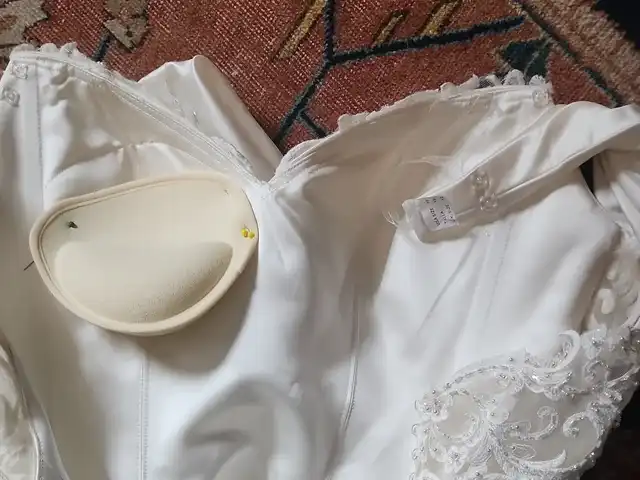
Occasionwear often depends on elements the final wearer does not immediately see: lining length, lining color, bra cups, boning, stabilizing tape, interlining, elastic support and closure construction. Poor internal structure can create visible problems such as collapsed bust shape, distorted neckline, exposed lining, zipper waves, uncomfortable seams or inconsistent transparency. Jinfeng treats internal components as part of the garment design, not as late production additions.
Transparent and light-color products require lining decisions early in sampling. Mesh, lace and chiffon may need different coverage zones or lining stretch. Satin can expose lining bulk or seam impressions if the internal layer is too heavy. Corset dresses require cup and boning positions supporting the intended body shape without creating pressure points. Slits need enough internal control to remain clean during movement. Strapless styles need support without relying on excessive tightness.
When internal structure is repeated across a collection, trim specifications and placement references need to stay controlled. Bra cup, boning, hook-and-eye, zipper, elastic and lining choices can affect cost, MOQ and development timing. Jinfeng reviews those dependencies before PP approval so production teams receive a defined construction standard rather than an incomplete outer-shell design. Internal specifications are also checked against comfort, grading and bulk repeatability before release.
Carry Fit Decisions Through Grading and Bulk Measurement
A good sample in one size is not enough for a commercial collection. Size grading, fabric stretch, seam construction and silhouette can change how the garment behaves across the range. Jinfeng reviews grade rules and critical measurement points according to product type, then carries approved information into the size chart, production files and QC checklist. Multiple sizes can be distributed within the confirmed order quantity while the MOQ remains calculated per style and color.
Different products require different measurement priorities. Bodycon styles need close attention to bust, waist, hip and length. Maxi dresses need hem and total-length balance. Halter or strap styles need secure strap and neckline dimensions. Jumpsuits need crotch-length control as well as torso and hip balance. Corset and strapless styles need bust coverage and upper-body stability. The aim is not to claim zero measurement variation; the aim is to define measurable standards and check garments against the approved production reference.
PP sample and Golden sample records help connect fit approval with bulk inspection. When the same style returns in a new season, stored pattern, measurement, fabric, trim and packing records can support a faster review while still requiring confirmation where material or construction changes affect fit. Measurement priorities remain style-specific throughout grading and final garment inspection.

Grade Styles by Development and Production Complexity
Level 1 - Clean Commercial Styles
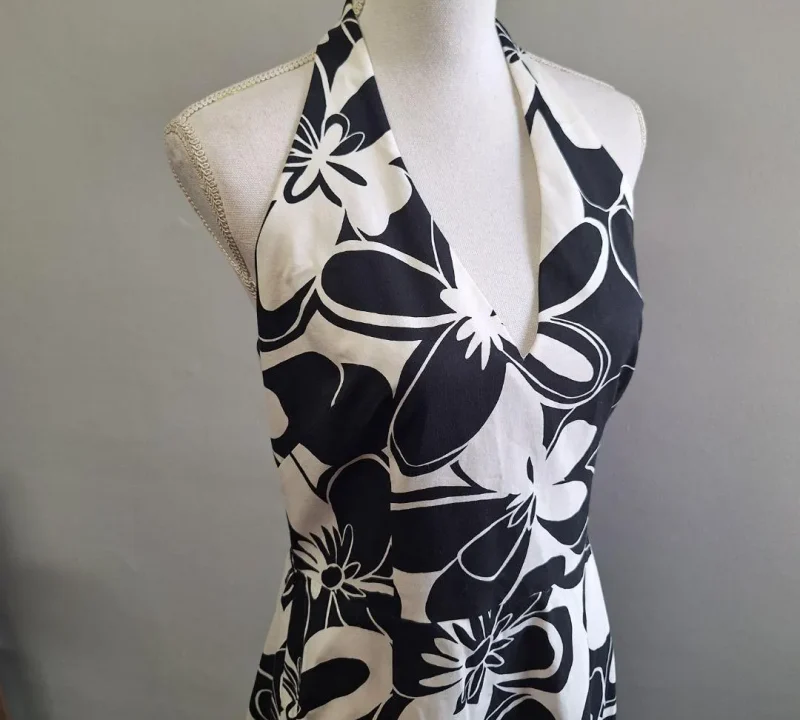
Cleaner skirts, simple woven dresses, uncomplicated tops and selected slip shapes normally carry fewer internal components and fewer fragile details. Development still requires correct fabric, measurements, zipper or closure, lining choice and finishing, but the number of technical dependencies is lower. These styles can provide stable commercial volume inside a collection and often help balance more complex hero pieces. They are also useful reference points for repeated color stories and related fabric families because construction variables remain easier to control across bulk production.
Level 2 - Fabric-Sensitive Occasion Styles
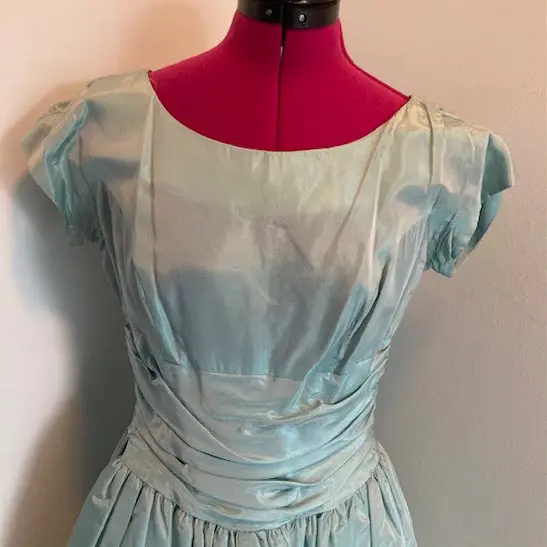
Satin slips, chiffon midis, draped dresses, selected wedding guest styles and structured crepe pieces may look clean while carrying significant material risk.
Satin can snag or show zipper distortion, chiffon can shift during cutting and expose lining, and draped constructions can change when fabric weight changes. Fabric choice, pattern balance, lining and pressing therefore become central development decisions. Jinfeng reviews those risks before sample approval so a visually simple style does not enter bulk production with hidden material instability.
Level 3 - Fit and Structure Intensive Styles
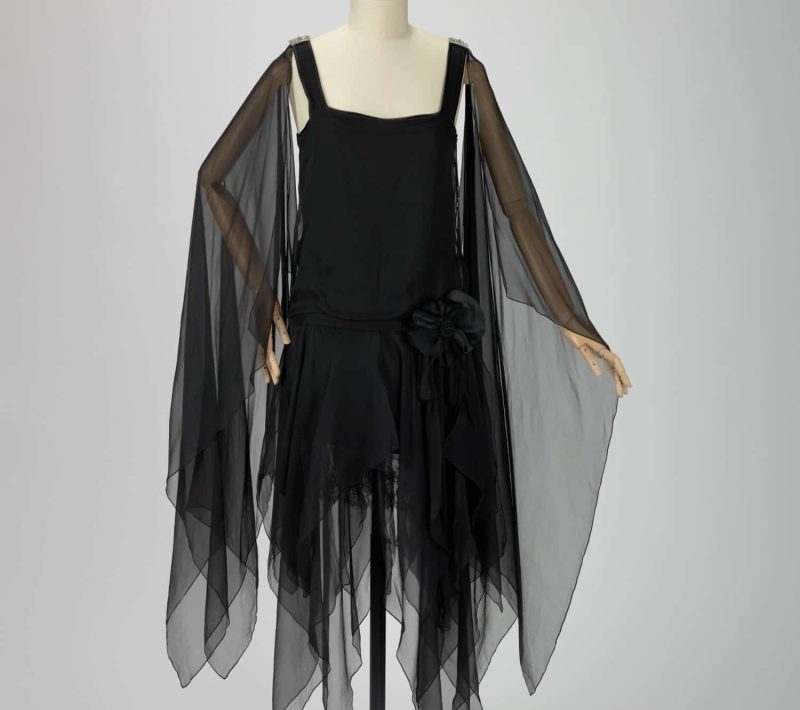
Corset, strapless, bodycon, cut-out, low-back and fitted jumpsuit constructions require more pattern and fit control because small changes can affect comfort, coverage and appearance. Cup shape, boning, anti-slip tape, neckline tension, waist suppression, hip ease, strap position, opening stability and fabric recovery need to work together. These styles often require additional fit review and revised sampling before PP approval. They should receive higher development priority when they carry campaign importance because late corrections can disrupt related fabric and production planning.
Level 4 - Embellished or High-Risk Styles
Coordinate Multi-Style Sampling Around Launch Priorities
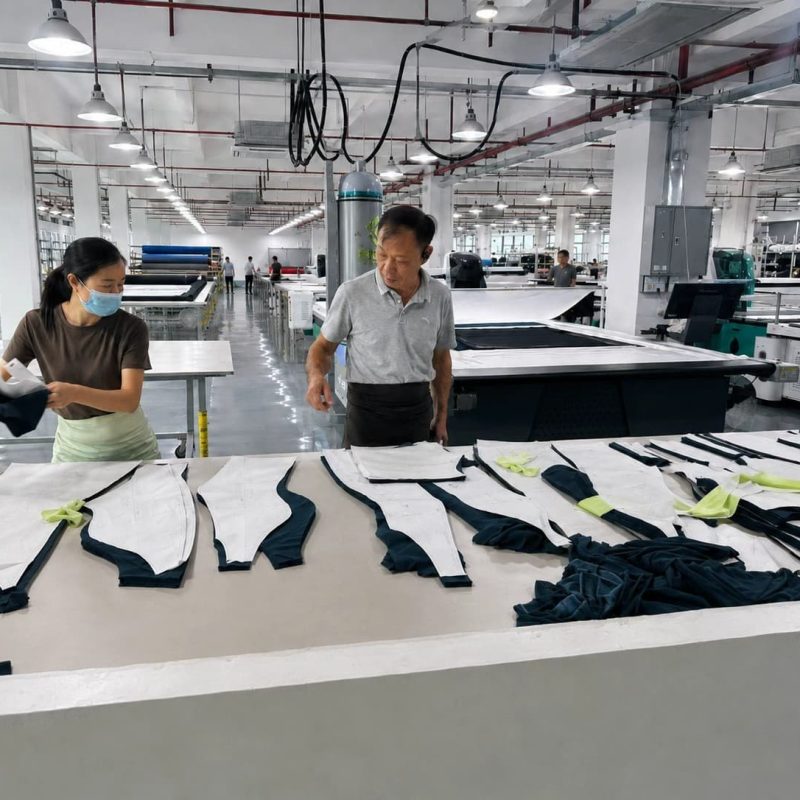
Sampling becomes difficult when ten or more styles compete for materials, pattern work, fittings and approvals at the same time. Jinfeng groups development by priority and dependency so key styles move first without losing visibility over the rest of the collection.
Group Styles Before the First Pattern Is Cut
A multi-style program is first separated into meaningful development groups. Jinfeng can group styles by fabric family, silhouette, pattern complexity, trim package, color story, photo requirement and launch priority. A satin mini and satin midi may share a fabric approval but require different fit work. A corset group can share some internal construction logic while each neckline still needs individual validation. Mesh and lace styles may need related lining decisions. Sequin pieces can require their own material and finishing timetable.
Grouping reduces duplicate decisions and makes dependency visible. The line sheet becomes a development map rather than a list of names. Product teams can identify which style is a hero SKU, which styles are commercial core, which pieces depend on a special trim and which styles cannot move until a fabric or color approval is complete. The structure also helps costing because labor-intensive styles are identified before sample effort is spread across the entire range.
Before first sample work starts, the preferred inputs are line sheet, reference images or tech packs, size chart, fabric direction, color plan, target quantity per style/color and launch date. Incomplete information can still be reviewed, but missing decisions are recorded as open items so they do not silently become production assumptions.
Use Sample Priority to Protect the Commercial Calendar
Not every style needs the same sample date. Jinfeng prioritizes according to launch date, hero-SKU importance, fabric readiness, pattern complexity, photo-sample requirement and bulk dependency. A campaign hero may move earlier even if its bulk volume is lower. A complex corset or sequin style may enter development early because the technical approval cycle is longer. Commercial core styles using ready fabric can follow a more predictable path once the shared material direction is confirmed.
Published sampling reference times vary by complexity. Simple first samples are typically around 7-10 days, standard dress first samples around 10-15 days, medium-complexity dresses, sets or jumpsuits around 12-18 days, and corset, strapless, lace, mesh or sequin styles around 15-25 days. Custom fabrics or special trims can extend development according to supplier lead time. Revised samples and PP samples are commonly planned around 7-15 days when the required materials are available.
Those figures are planning references, not blanket promises for every style. A collection calendar should allow more time where several complex styles share the same sample resources or where material approvals arrive in stages. Priority management is used to keep the launch commercially useful, not to advertise one unrealistic speed for the whole assortment. Clear sequencing matters.


Track Revisions and Approval Status Style by Style
Multi-style development fails quickly when sample versions are unclear. Jinfeng records revision points so pattern, fabric, trim, measurement and construction changes can be transferred into updated production information. A revised neckline, altered waist, changed lining, new zipper, updated boning position or replacement fabric should not remain only in chat history. The relevant file or instruction needs to reflect the approved decision before the next sample moves forward.
Approval status can be tracked by style and by issue. One style may have fabric approved but fit pending; another may have structure approved but be waiting for a trim; a third may be ready for photo sample; another may have entered PP review. Separating those states helps merchandising and development teams understand what is actually blocking the collection.
Jinfeng uses the sample sequence according to project need: first sample, fit sample, revised sample, photo-ready sample, salesman sample, PP sample and Golden sample. Not every style needs every stage, but PP approval remains the key transition into bulk production. Golden sample records provide a final reference for production, QC, repeat orders and dispute review. The same status record also helps merchandising teams see which styles are fully released and which still carry unresolved technical or material dependencies.
Use Clear Approval Gates Before Bulk Production
First Sample
Fit Sample
Revised Sample
Photo-Ready Sample
PP Sample
Golden Sample
Transfer Approved Samples Into Production Without Losing Detail
The highest risk after successful development is a weak handover between sample room and bulk teams. Jinfeng converts approved decisions into production references so fabric, measurements, construction, labels, QC and packing remain connected when several occasion styles enter production on different schedules.
Lock the Product Standard Into Production Files
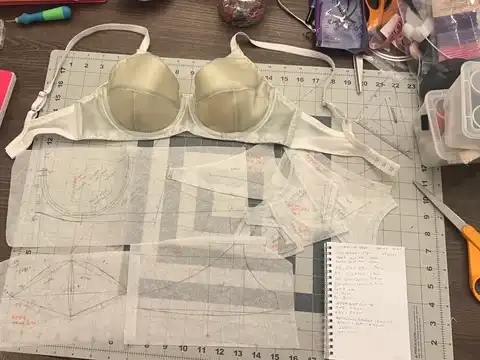
Once PP approval is reached, the approved garment needs to exist as more than a physical sample. Jinfeng carries relevant information into final pattern files, size chart, BOM, fabric reference, trim information, sewing instruction and QC checklist. Label placement, hangtag, barcode, SKU, polybag and carton-mark requirements are also recorded where the program includes private-label or retail-ready packing.
The purpose is to remove ambiguity. A production team should not need to guess which zipper was approved, which lining length is correct, whether the neckline was raised after the first fitting or which color standard belongs to the final fabric. Changes remaining only in a message thread create sample-to-bulk risk. Converting approvals into controlled files gives the production and QC teams the same reference point.
For complex occasionwear, internal structure is especially important during handover. Boning, cups, lining, anti-slip tape, decorative placement, slit construction and surface-protection requirements need to be visible in the production instruction. A beautiful sample does not protect bulk quality if the process used to make it cannot be repeated or inspected. Production files therefore need enough detail for sewing, finishing and QC teams to reproduce the approved result consistently across the planned quantity. Approved references are checked before line release so the handover is usable on the factory floor.
Separate Style-Specific Standards From Shared Collection Standards
A coordinated collection contains both shared rules and style-specific rules. Shared information may include color story, common labels, barcode format, packing method, carton-mark structure and selected fabric references. Style-specific information covers pattern, measurements, trims, construction, pressing and garment QC points. Jinfeng separates these two levels so a collection stays consistent without forcing unrelated garments into one technical standard.
For example, several styles may use the same woven label and polybag instruction while requiring different neckline construction. A satin slip and satin corset can share a fabric family and color approval but need different sewing, lining and pressing controls. A mesh bodycon and mesh-overlay cocktail dress can share color direction but use different stretch and coverage rules. The handover documents need to show both the shared collection language and the individual technical requirement.
Separation is important for revisions. If one style changes after PP review, the adjustment should not unintentionally alter another style sharing only part of the specification. Clear file ownership allows the project team to update the affected information without losing consistency across the rest of the program. Shared references stay stable while only the affected style specification is revised and re-approved. Version dates and approval status help prevent older instructions from re-entering production after a change.


Release Bulk Only After Material and Approval Dependencies Are Clear
Bulk release should consider more than a signed sample. Fabric and trim availability, final color, approved measurements, construction, label artwork, packing instructions and production schedule need to be ready enough for execution. If a special trim is still pending or a fabric substitution is under review, the affected style should not be treated as fully released simply because another garment in the collection is ready.
Jinfeng manages multi-style projects by approval status rather than forcing all styles through one release date. Commercial core pieces can move when their standards are complete, while a complex hero style may remain under controlled development. The collection schedule can still remain coordinated if those differences are planned against launch priority and delivery sequence.
A structured handover also supports QC. Inspectors can compare material, measurements, appearance and packing against defined references instead of relying on verbal expectations. The same records later support repeat orders, new colors and seasonal extensions because the factory does not have to rebuild the original production logic from memory. Reorder reviews can start from controlled history and focus on changes genuinely affecting fit, materials or production. The same discipline also supports same-style new-color and seasonal extension work, with fresh approvals where needed.
Allocate Production by Fabric, Construction and Launch Priority
Multi-style production is not simply running many styles at once. Jinfeng assigns work according to product type, material behavior, technical difficulty and delivery sequence so complex styles receive the right production environment while collection-level standards remain controlled.
Match Different Style Groups to Suitable Production Units
Jinfeng operates a structured system of 6 owned women’s fashion factories and 10+ long-term satellite production partners. Product allocation is based on what each style needs rather than sending every garment through the same route. Woven dress groups can be directed toward units experienced in satin, chiffon, crepe and related constructions. Knit and bodycon styles require stronger control of stretch, recovery and measurement. Occasion, evening, lace, mesh, sequin and structured products are assigned according to construction and finishing sensitivity.
The allocation decision considers fabric type, pattern complexity, sewing difficulty, trim dependency, style quantity, color count, size breakdown and target delivery. A high-volume commercial satin dress can require a different route from a lower-volume sequin hero style even when both belong to the same collection. Keeping those differences visible helps protect both efficiency and quality.
Production units still work under common project information: approved PP reference, production order, BOM, sewing instruction, QC requirements, packing instructions and shipment plan. Factory allocation is used to manage technical risk, not to fragment collection standards.
Project merchandising and QC references remain centralized so each production unit works toward the same approved commercial outcome. Common checkpoints keep finishing and packing standards aligned across factories and preserve collection-level consistency.
Run Multi-Style Bulk With Separate Orders and Shared Project Control
Large collection programs often involve multiple fabrics, colors, sizes and production schedules. Jinfeng can manage style/color/size information through production orders, BOM records, SKU tables, packing lists, carton marks and project progress tracking. Shared project control allows the merchandising team to see the entire program while each production unit works with the correct style-specific information.
Parallel production creates several predictable risks: one fabric arriving late, a trim holding one style, a revised PP sample not reaching the correct line, colors being mixed in packing, or a hero piece delaying the entire shipment. Jinfeng tracks material arrival, cutting, sewing, inline QC, finishing, packing and shipment preparation according to project needs. Critical delays are connected back to launch and delivery decisions instead of being treated only as factory-floor events.
Multi-style production also requires disciplined change control. If a brand requests a fabric, color, measurement, label or construction change after PP approval, the affected cost, material and production consequences need to be reviewed before execution. Controlled change is safer than informal approval leaving different departments working from different versions. The affected style is rechecked against material availability, sample status, production timing and packing information before the new version is released. Updated instructions are then linked back to the correct production order and QC reference.
Use Phased Delivery When the Launch Plan Requires It
Not every collection needs to leave the factory in one shipment. Jinfeng supports multi-batch delivery based on sales plan, launch timing, logistics budget and warehouse receiving needs. Different colors, style groups or markets can be separated when the project plan supports it. A launch-critical portion can be coordinated for air freight while the larger balance moves by sea, or different style groups can ship in stages after their quality and packing approvals are complete.
Phased delivery only works when SKU, carton, packing list and shipment records remain accurate. Earlier delivery should not create confusion over what remains open, which colors are complete or which style quantities belong to later batches. Jinfeng coordinates packing and shipment information through project tracking so each batch remains identifiable.
Freight method is selected by project. Air freight can support urgent launch-date or replenishment needs; sea freight suits planned larger-volume programs; air-and-sea split can balance timing and cost. DDP is assessed by destination and forwarding arrangement rather than presented as a universal service. Shipment records remain linked to the relevant styles and quantities so later batches can be reconciled against the original program plan. Remaining quantities, carton data and pending style groups stay visible until the final batch is closed.
Quality Risks Change Across Occasionwear Product Groups
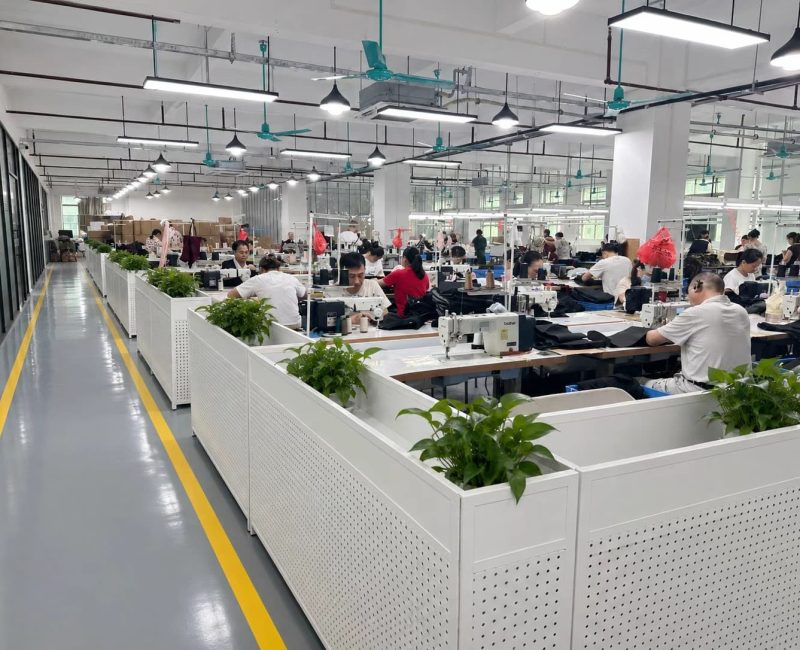
One generic QC checklist cannot capture every risk in a coordinated occasion range. Jinfeng applies product-specific inspection focus alongside incoming material, cutting, inline sewing, measurement, finished-garment and packing control, allowing technical attention to follow the actual risk profile of each style group.
| Product Group | Common Risk | Key QC Focus | Bulk Control Priority |
|---|---|---|---|
| Satin dresses | Snagging, shade variation, zipper waves, pressing marks | Surface, shade, seam smoothness, zipper flatness | Fabric batch control and finishing discipline |
| Mesh styles | Transparency, holes, stretch distortion, neckline deformation | Mesh direction, coverage, openings, lining | Cutting direction and handling protection |
| Lace styles | Placement mismatch, broken motifs, edge inconsistency | Symmetry, motif direction, lining, edge finish | Controlled cutting and visual comparison |
| Sequin styles | Sequin loss, scratching, broken needles, thick seams | Surface security, skin contact, seam bulk | Sewing method and protective packing |
| Corset / strapless | Cup shape, boning position, neckline instability | Bust support, waist shape, anti-slip control | Fit reference and structure consistency |
| Bodycon styles | Poor recovery, twisting, measurement drift, ride-up | Stretch, bust-waist-hip, side seams, length | Fabric relaxation and measurement QC |
| Maxi / evening | Hem imbalance, drape change, slit issues, crushing | Length, hem, lining, slit, pressing | Final hanging balance and packing method |
| Multi-color collection | Shade confusion, SKU errors, mixed packing | Color reference, labels, barcode, carton marks | Color-size identification through packing |
Build the Launch Calendar Backward From the Selling Date
Confirm Line Sheet and Priorities
Lock Fabric Direction Early
Fabric family, color direction and key trims influence almost every later decision. Satin, chiffon, mesh, lace, sequin and structured materials have different sampling and production dependencies. If a custom fabric or special trim is required, supplier timing needs to enter the calendar before the sample target date is committed.
Color approval, lining choice and visible trim matching should also be planned before related styles move too far apart.
Schedule Key Samples First
Complete Revision and PP Approval
Coordinate Bulk and Packing Windows
Choose Delivery by Launch Need
Plan MOQ and Cost at Collection Level
Quantity Architecture by Style and Color
Cost Drivers Beyond Fabric Price
Keep Color and Size Plans Commercially Manageable
Keep SKU, Labels and Packing Consistent Across Every Style
Woven and Size Labels
Brand and size labels need approved artwork, dimensions, material, color and placement. The same collection may include different garment constructions, so label positioning must be checked against comfort, visibility and seam structure.
Jinfeng supports woven labels and size labels, with final placement carried into production and QC instructions. Label quantities and style allocation should also be reconciled before packing begins.
Care Information
Barcode and SKU Control
Multi-style occasion collections can generate many style-color-size combinations. Barcode stickers and SKU labels need to match the correct garment, size and color through finishing and packing.
Jinfeng can work with barcode lists and SKU instructions so identification is checked before garments enter polybags and cartons. SKU reconciliation is especially important when several colors or shipment batches are packed in parallel.
Individual Garment Packing
Polybag, folding, pressing and protective requirements vary by product. Satin needs crease and snag protection, sequin needs surface protection, long evening dresses need controlled folding, and structured garments should not be crushed.
Packing method is confirmed as part of the production standard rather than decided after finishing is complete. Packing trials can be reviewed for high-risk styles before full-volume carton work starts.
Carton Marks
Carton marks can include style, color, size, quantity, carton number, gross weight, net weight, dimensions, destination and PO information according to the approved warehouse or forwarding requirements. Accurate carton identification is especially important for phased shipments and mixed style programs. Final carton data should reconcile with the packing list and shipment batch before release.
Warehouse or forwarder formatting requirements should be confirmed before printing.
Warehouse Readiness
Where ecommerce or retail receiving rules apply, packing can include individual units, SKU labels, barcodes, color-size breakdowns, carton marks and other confirmed warehouse labels. Project-specific requirements need to be reviewed before bulk packing so the production team does not discover receiving standards after goods are already boxed.
Warehouse instructions should be treated as part of the collection specification, not a late logistics note.
Proven Coordination Across Multi-Style Occasion Programs
12-Style US Satin Occasionwear Program
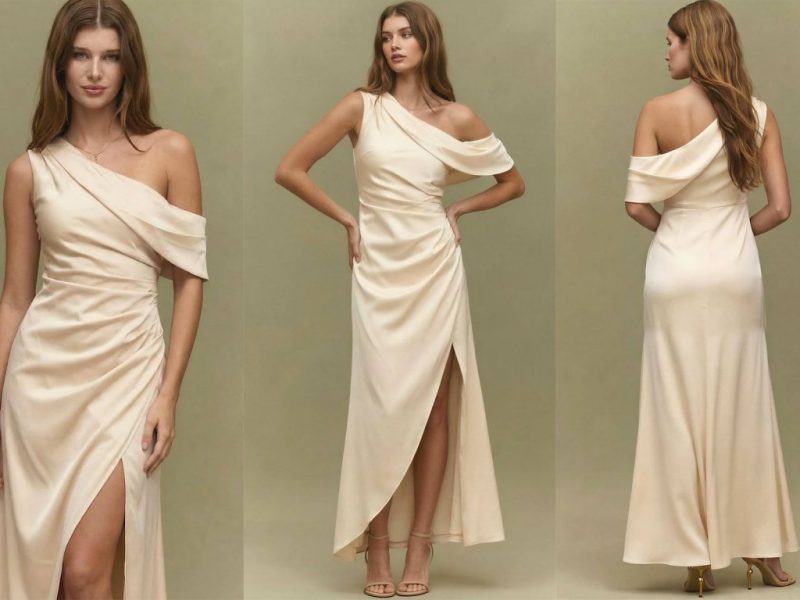
An established US occasionwear brand developed a 12-style mini and midi dress program with Jinfeng Apparel, totaling around 20,000 pieces. The assortment centered on satin-based occasion products in multiple colors, so visual consistency depended on more than achieving the correct silhouette. Development focused on satin shade control, zipper flatness, lining comfort, neckline and waist balance, pressing and bulk color stability. Styles were grouped by related fabric and construction requirements, while fit-sensitive pieces received additional sample attention before PP approval. The project team tracked style versions and color direction before production release. Bulk controls focused on fabric batch, surface condition, zipper appearance, lining exposure, garment measurement and finishing. Packing instructions were also coordinated by style and color so the final product did not lose presentation quality after pressing. The program demonstrates how a collection with shared satin language can still require different fit and construction decisions across individual SKUs while maintaining a consistent commercial appearance.

18-Style US Private-Label Womenswear Program
A large US private-label apparel program covered 18 styles and around 28,000 pieces across satin, mesh, jersey, lace and crepe dresses. The challenge was broader than sewing capacity: multiple fabric groups, different sample versions, style-color-size SKUs, private-label requirements, inspection preparation and phased shipment all needed to stay synchronized. Jinfeng used a project timeline to track fabric and trim status, sample approval, production readiness, labels, barcodes, polybags and carton marks by style. Different product groups were managed according to material and construction risk. Satin required shade and surface control, mesh required transparency and handling checks, lace needed visual placement review, and jersey demanded measurement stability. Packing and identification standards were kept consistent across the program even though technical production methods differed. Client inspection support and shipment documentation were coordinated alongside production progress, allowing the order to move in planned batches rather than waiting for every style to reach the same milestone at the same time.
Coordinated Occasion Collection Development Frequently Asked Questions

Send Your Occasion Collection for Development Review
A useful first review does not need polished presentation files, but it should give enough information to judge style complexity, fabric direction, fit risk, sampling priority, MOQ fit and production timing. Send the line sheet or available tech packs together with reference images, target fabric or color direction and the intended launch window. Jinfeng can then separate the range into product groups, identify styles needing early technical work, review material dependencies and outline the next sampling steps before bulk production is discussed.
- Style count and line sheet
- Tech packs, sketches or reference images
- Target fabric and color direction
- Size range and size chart
- Estimated quantity per style/color
- Hero styles or photo-sample priorities
- Target launch or delivery window
- Private-label, barcode and packing requirements
- Warehouse or forwarder instructions if already defined
Project files can be used for development review, sampling, production, QC, packing and delivery coordination under NDA-based cooperation. Brand names, tech packs, patterns, unreleased designs and private-label files are not disclosed without authorization.